Weekly tips, affirmations, and small actions to feel your best.

6 Easy Ways to Prevent Foot Blisters + What to Do if It’s Too Late

There’s nothing like limping around with a sore foot or blisters on your feet. It makes walking and other activities challenging, which can dampen your mood. How can you prevent this common foot condition or treat it naturally? Here are six steps to consider.

Six Tips for Preventing Foot Blisters

Because, as the adage says, an ounce of prevention is better than a pound of cure.

1. Wear the Right Shoes

blistersOne of the leading causes of painful foot blisters is people wearing shoes that don’t fit properly. Those cute little high heels may look great in the store, but they can cause misery for your feet. How many times have you buckled under the pressure of fashion and worn ill-fitting shoes just because you wanted to make a statement?

If you want to prevent blisters and other painful foot conditions, always wear the right shoes. Avoid buying shoes without trying them on and walking in them to see how they fit. A properly fitted shoe should be the right length and width, and it should support your arch comfortably.

Avoid shoes that crush your toes to an unbearable point. If your shoes are too big, the backs can rub against your heel causing sores. Consider having your feet professionally measured for proper fit each time.

2. Your Socks Make a Difference

You know that going barefoot or wearing shoes without socks can result in sores and all sorts of bothersome foot conditions. However, you can get foot blisters even when you are wearing socks if you don’t wear the right kind.

Conventional wisdom says that socks made of 100 percent cotton will allow your feet to breathe. Unfortunately, cotton socks retain moisture from foot sweat and can make your feet more prone to blistering. Instead, buy quality blended socks of the right thickness for your shoes.

If you are hiking or running, you may consider wearing two pairs of socks to protect your feet from friction. Many sock brands are made from a material that minimizes moisture so that they can be your feet’s best friend. Toss any worn socks or those with holes into the rag bag.

3. Keep Your Feet Lubricated

Think of your hard-working feet as machines. The reason you keep your tools, car, or other machines lubricated is to prevent friction from causing damage. If your feet are cracked and dry, they are more apt to get hot spots that turn into foot sores.

Before you put on your socks, give your feet a healthy rubdown with a rich, moisturizing lotion. Pay close attention to problematic areas, such as the soles of your feet and around your heels. The sides of your big and little toe are also prime targets for blisters, so slather on the moisturizer.

4. Dry Feet are Happy Feet

Dry and flaky feet can cause problems, but you don’t want them to be damp either. If you have chronic foot sweating, it may cause your feet to rub against your socks and shoes and create blisters. While you should moisturize your feet, you should also keep them cool and dry.

Be sure to dry your feet well after a bath, shower, or swimming. Don’t forget to dry well between your toes where moisture tends to hide. Sprinkle a little cornstarch on your feet to absorb extra moisture and odor.

5. Be Aware of Hot Spots

Everybody’s feet are different, and you know where your vulnerable areas are located. Have you ever noticed hot spots on your feet? It’s a warning to act before this spot turns into an irritating blister.

When you notice one of these flare-ups, stop what you are doing, and take some preventative measures. Are you wearing the right shoes, or are your socks a problem? Sometimes, putting a bandage over the hotspot will keep it secure until you change your socks or shoes.

6. Cover Hot Spots Before Activities

Even though most people’s feet have thick skin for protection, you can get hotspots no matter what precautions you take. If you already know the problematic areas that usually get tender and sore, you can minimize pain and discomfort by covering them beforehand.

Moleskin is an excellent protective material for hotspots on your feet. It is a heavy cotton material that is velvety soft and self-adhesive. It can be cut to any size to fit target areas of your feet, even on the sides.

Self-adhesive bandages also make suitable barriers on your feet. You may even consider gel bandages that protect potential hotspots while giving them a little extra cushion. Find the type of dressing that works best for you.

Helpful Ways to Treat a Foot Blister

So, you decided to rock those stilettos or adorable strap sandals and ended up with a bothersome footsore. They can appear anywhere on your foot, usually in the same areas you notice hotspots. These sores may be a small nuisance, or they can be larger and cause so much pain that walking becomes difficult.

The good news is that most sores on your feet will go away in a few days with the right treatment. Did you rub one on your foot and want to know how to take care of it? Try these simple suggestions.
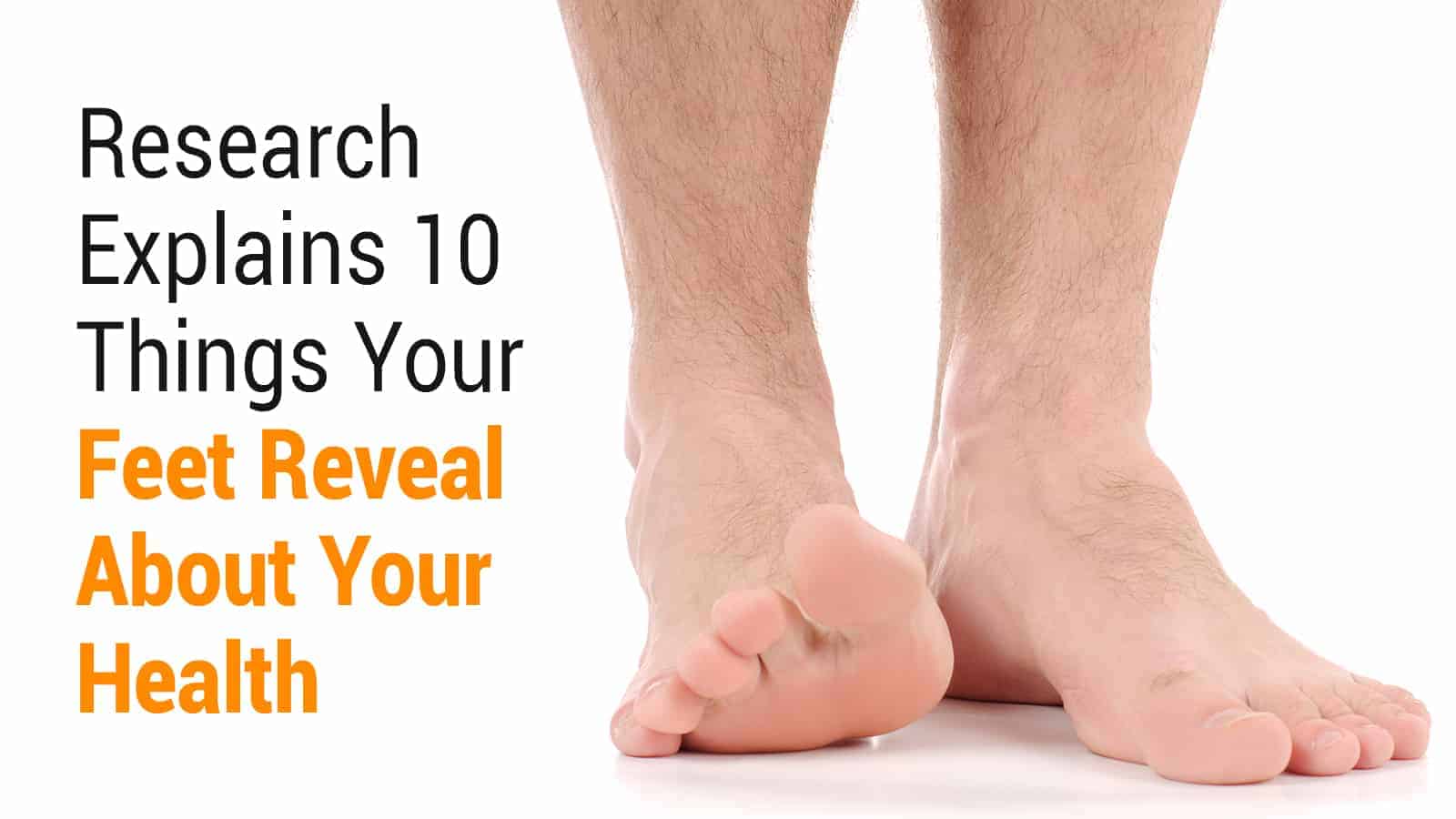
feet1. Avoid Popping

No matter how great the temptation, try not to pop a blister that’s formed on your foot. Cover it loosely with a gauze bandage. Gauze is breathable and doesn’t risk sticking to the blister as a self-adhesive bandage would.

2. Keep it Clean

When a blister hasn’t popped, its thin membrane of skin keeps out bacteria and dirt that could cause infection. Gently wash around the blister and try not to pop it. However, if your blister does tear open, clean the fluid away gently and cover it with a gauze bandage.

3. If  You Must Pop

There are times when a foot blister is large, and popping it is unavoidable. You should not pop it on your own. But if you cannot resist the urge, be sure to use precautions to avoid infection. First, use alcohol to rub on a sharp sewing needle to sterilize it. Carefully lance the edge of the blister to allow the fluid to drain and relieve the painful pressure.

After the fluid is drained, gently wash the area with mild soap and water. Usually, the thin membrane of the skin will collapse on the raw skin underneath the blister. Allow it to stay there to be a protective barrier while the sore heals and apply some antibacterial ointment with a cotton swab.

If your blister drains a yellowish-green discharge or is unusually painful, consult your primary healthcare provider as soon as possible.

But… What if You Already Have Blisters? Here’s How to Fix Them

1. Aloe Vera

For thousands of years, people from all over the globe have used gel from aloe vera plants to soothe and heal burns and other skin conditions. It’s a natural moisturizer that can keep the skin around your blister cool and hydrated while it heals.

2. Green Tea Soak

Did you know that your favorite tea can help calm and heal your blistered feet? Green tea is loaded with antioxidants that can protect skin cells from free radicals and promote healing. Prepare a warm foot bath with green tea and soak your feet in it for 15-20 minutes.

3. Tea Tree Oil

Tea tree oil is an ideal remedy because it is a potent antibacterial and antifungal. It is also an astringent, which means it can help dry up the blister naturally. Use a cotton swab to apply tea tree oil on your blister until it heals.

4. Salt Bath

A warm, comforting salt bath can not only promote healing for blisters on your feet but is beneficial for your skin and can help you relax. Pour a fourth cup of sea salt into a gallon of warm water and soak your feet in it for about 15-20 minutes. Be sure to rinse and dry your feet well afterward.

5. Apple Cider Vinegar

Maybe you already know about the countless health benefits that apple cider vinegar provides. It’s a natural astringent and antibacterial that is safe for most people’s skin. Dab a little apple cider vinegar on a cotton swab and gently apply to the blister.

6. Thyme for Garlic Remedy

Did you know that some of the most potent natural healers are right in your pantry and spice drawer? Thyme is not only a renowned disinfectant, but it is also a natural inflammatory that can promote healing to sores on your feet. Garlic is also a powerful antibiotic that protects your blisters from becoming infected as they heal.

In a medium stockpot over medium-high heat, bring a gallon of water and a small bunch of fresh thyme to a rolling boil. Remove the pot from the stove and allow the water to cool enough to be safe to the touch. Meanwhile, crush four cloves of garlic and wrap it in a sterile gauze bandage.

Soak your feet in the warm thyme water for about 20-30 minutes, then dry your feet well. Discard the garlic and apply the infused bandage to the blister-affected area. Keep the dressing on for about 15 minutes, then remove it and let your feet breathe.

blistersFinal Thoughts on Preventing Blisters on Your Feet

When your feet ache with blisters, it makes your whole body feel miserable. With some preventative measures, you may not get one in the first place. If you do, there are still some ways to treat them naturally until they go away.

Physiotherapists Reveal 8 Best Stretches To Ease Lower Back Pain

Lower back pain is a prevalent complaint among many. Though aging tends to bring this type of discomfort on, even younger individuals can suffer from it, especially if they work desk jobs and sit all day.

Unfortunately, much lower back pain is so uncomfortable that it interferes with everyday life and positive thinking. At that point, you may want to begin taking measures to help release the tension in your back muscles. The best way to do this, naturally, is with stretches.

Stretches are gentle forms of exercise that lengthen the muscles and decompress them, allowing them to relax better and return to former flexibility. A good number of these exercises are particularly suited to the lower back pain and its surrounding area. Here’s how physiotherapists reveal the eight best stretches to ease lower back pain.

1.    Seated Forward Bend

relieve lower back painThis exercise works out the rear thigh muscles, known as the hamstrings. It helps to release spinal tension while reducing the contraction of the hamstrings.

Studies show that too-tight hamstrings can lead to an increased risk of injuries and pain in the lower back. As such, doing this stretch can have a positive effect on any back pain you experience.

Here’s how to do it!

  1. Begin by sitting on the ground with your legs straight in front of your body.
  2. Take a bath towel (standard size) and hook it around your heels.
  3. Bend forward slowly, hinging at the hip, until your stomach touches your thighs, pulling at the towel to help you get there.
  4.  Maintain a straight back as you do this. Stretch gently until you notice lower back and leg tension.
  5. Maintain the position for 30 seconds.
  6. Return to your starting position and allow a 30-second rest, if needed.
  7. Repeat the stretch three times.

Too easy or too difficult? Change where you grasp the towel to alter the tension. If the exercise becomes too easy for you, you can add to the amount of time spent in the stretch!

2.    Child’s Pose

This pose is commonplace in the practice of yoga. It works by slowly stretching the lower back muscles, reducing pain from muscle contraction. It also helps boost spine mobility, says Doctor of Physiotherapy, physical therapist, and Orthopedic Clinical Specialist Fei Jiang.

Here’s how to do it!

  1. Begin on all four hands and knees. Place your knees apart at a little wider than your hips and place your hands right beneath your shoulders.
  2. Sit backward onto your legs, taking it slow, while you move your arms to reach forward.
  3. Gently bring your head downwards until your forehead touches the ground.
  4. Focus on lengthening your back, but don’t overstretch.
  5. Maintain the position for between 20 and 30 seconds.

3.    Cat-Cow Pose

Yet another yoga pose, this stretch allows for boosted flexibility. Studies have found that improving flexibility can have significant positive effects on back pain, so this pose is a great way to get things going.

How does it work? Well, the cat-cow helps ease core muscle and lower back muscle tension, working on helping you gain flexibility in these areas. It’s a dynamic pose, pulling muscles in varying directions to engage them well.

Here’s how to do it!

  1. Begin on all four hands and knees. Place your knees right beneath your hips and your hands right beneath your shoulders.
  2. Slowly arch your back upwards as your head gently lowers forward. It would be best if you were pulling your stomach inwards towards your back.
  3. Maintain this part of the stretch, the Cat pose, for between five and 10 seconds. You should feel a gentle amount of lower back stretching.
  4. Now, reverse your position; bring your head upwards as your stomach and pelvis drop downwards, letting your back curve towards the ground.
  5. Maintain this part of the stretch, the Cow pose, for between five and 10 seconds.
  6. Return to your starting position.
  7. Repeat the cat-cow stretch between 15 and 20 times.

Not able to get on all fours right now? You can do a variation of the cat-cow at your desk, place your feet onto the ground, and keep your back straight while sitting on a chair. Rest your hands on your knees and get arching!

4.    Trunk Rotation

The trunk rotation is a great stretch for boosting core muscle strength, including pelvic, back, and abdominal muscles. Jiang states that it also boosts spinal mobility, relieving lower back and trunk side muscle tension as it goes.

Here’s how to do it!

  1. Begin by lying on your back with your knees up at a right angle, as if you are sitting in a chair at the moment.
  2. Reach your arms outwards to the sides, fully extending them, keeping your palms face-down.
  3. Roll your knees, both still bent, to the right side of your body. Make sure your knees stay together, and your palms are on the ground.
  4. Maintain the position for between 15 and 20 seconds.
  5. Return to your starting position.
  6. Do the same exercise again, this time rolling your knees to the left.
  7. Continue to repeat, alternating between right and left, for between five and 10 times on each side.

5.    Supine Figure 4

This stretch is, once again, a yoga pose, though slightly lesser-known. If you’re wondering why so many yoga poses are on this list, it’s because studies indicate that it is a positive and viable treatment for different kinds of back pain!

So, how does the Supine Figure 4 work? Simply put, it helps the lower back to feel relaxed as the hips open. Y7 instructor Hilary Wright states that the pose is good for stretching the piriformis and outer glute muscles, which can both become tense and affect contractions in the lower back.

Here’s how to do it!

  1. Begin by lying on your back with your feet pressed to the ground and your knees bent.
  2. Gradually raise your right leg, bringing it over, so your right ankle crosses over your left thigh. Keeping your right foot well-flexed.
  3. Increase the intensity by pulling in your left knee and gripping the area at the back of your left thigh. Skip this step if it is too difficult for you.
  4. Maintain the position for between 10 and 15 seconds.
  5. Please do the same exercise again, this time raising your left knee, bringing it over so your left ankle crosses over your right thigh.
  6. Continue to repeat, alternating between sides, as many times as you like.

6.    Pelvic Tilt

Many people who experience lower back pain also find their pelvis feels stiff and difficult to move. To counter that, the pelvic tilt helps relax those muscles while still working on the compression of back muscles and improving flexibility.

Here’s how to do it!

  1. Begin by lying on your back with your feet pressed to the ground, your knees bent, and your arms resting at your sides.
  2. Slowly raise your lower back into an arch, focusing on keeping your core stable as you push your belly outwards.
  3. Maintain the position for between five and 10 seconds.
  4. Relax.
  5. Now, raise your pelvis a little bit, moving it upwards, so it is pushed towards the ceiling, but without ever leaving the ground.
  6. Tighten the muscles of your buttocks and abdominals, pressing your back into the ground.
  7. Maintain the position for between five and 10 seconds.
  8.  Relax.
  9. Return to your starting position.
  10. Repeat the bridge stretch between 10 and 15 times daily, working your way up to between 25 and 30.

7.    Bridge

The bridge is a great way to see softened and lengthened sit bones, allowing for more flexibility and ease. According to Wright, it also helps activate the gluteus maximus, specifically its lower portion, used in back support.

Here’s how to do it!

  1. Begin by lying on your back with your feet pressed to the ground and your knees bent. Keep your heels near to your glute muscles.
  2. Press your feet downwards, using the force to help raise your hips upwards.
  3. Relax your body, softening the sacrum, as your sit bones are lengthened and stretch to your knees.
  4. Maintain the position for 30 seconds.
  5. Repeat as necessary.

Is the normal bridge stretch too difficult for you? Grab a firm cushion, foam roller, or similar item and place it beneath your hips while you do the exercise. This will provide less compression to your back and support your efforts!

8.    Knee-To-Chest Stretch

This stretch is straightforward, but that’s part of what makes it easy to perform and add to a daily routine. It works by elongating parts of the lower back that usually experience pain and tension.

Here’s how to do it!

  1. Begin by lying on your back with your feet pressed to the ground and your knees bent.
  2. Take both of your hands and grasp your right knee with them, then pull that knee close to your chest.
  3. Maintain the position for 5 seconds while keeping your spine pushed into the ground and engaging your abdominal muscles.
  4. Return to your starting position.
  5. Do the same exercise again, this time pulling your left knee.
  6. Continue to repeat, alternating between right and left, between 2 and 3 times on each side.

Final Thoughts On Some Best Stretches To Ease Lower Back Pain

Back pain can be annoying, but performing stretches daily can slowly but surely undo the worst of the discomfort. Make sure you’re practicing these stretches slowly and gently, without pushing yourself to injury.

If you are experiencing severe chronic back pain, it’s a good idea to talk to a doctor or relevant medical specialist to determine the cause of the problem. Extreme circumstances of back pain will need more than positive thinking, and some stretches to treat!

Doctors Explain What Happens When You Write In A Journal Every Day

Here’s why a gratitude journal is so helpful for a happier life.

Writing your thoughts and feelings in a private notebook isn’t new. When you were a teenager, you or someone you know may have kept a diary. For teenagers, a journal is a great way to cope with the stress of adolescence. On the other hands, adults benefit from keeping a happiness or gratitude journal.

Many adults cease using diaries when they grow up. However, they shouldn’t because it can still help you deal with stress like it did during high school. For adults, it’s called journaling instead of writing in a diary.

Journaling is a technique that’s been successfully used for mental health therapy worldwide. It’s proven to have immense benefits for your mental health. Many people are unaware that it also has benefits for your physical health as well.

In this article, you’ll discover what doctors say will happen to your body when you write in a journal daily. It’s good news, so keep reading to find out more.

Scientific Evidence Behind Journaling

Writing in a journal daily improves your mental health, which leads to improvements in your physical health. It’s no secret that the mind and body are connected. The body often mimics the state of your mind.

Researchers believe journaling can help people avoid negative thoughts and improve their memories. University of Texas psychologist James W. Pennebaker, Ph.D., says that people tend to express more emotion when writing which helps them “simplify and organize fragmented memories.” Dr. Pennebaker is a lead researcher and is widely known for his research into how journaling improves cognitive functioning.

Journaling is even helpful for people with physical conditions and diseases. When they write in a journal daily about things that involve their needs, it helps them to manage their problems better. One example is a food journal – journaling about what you eat, when you eat it, and how you feel when you eat can help manage things like diabetes and weight loss.

Increases in the availability of technology have led to online journaling being popular. Even this type of journaling has shown to be a significant help in managing mental health. The ability to access the journal anytime, anywhere, makes it more convenient.

Journaling directly impacts mental health and indirectly affects physical health. In the next section, some of the more specific benefits are discussed.

Eleven Benefits of Journaling

write in a journal1 – Stress Reduction

One of the most widely known benefits of journaling is stress reduction. Many of the benefits of a gratitude journal stem from the removal of stress. This outcome is because stress affects many bodily functions, including thoughts, feelings, behaviors, and physical processes.

Journaling about stressful things in your life can help you get a fresh perspective on them. Simply writing them down can feel like you’re lifting a weight off of your shoulders. With the clarity you get from journaling about these stressful things comes the rest of the benefits below.

2 – Improve Health Conditions

It may not seem like your physical health can improve when you write in a journal daily, but it’s been proven that it does. In a study by Dr. Pennebaker and Joshua Smyth, Ph.D., of Syracuse University, asthma and rheumatoid arthritis patients who journaled during the course improved their conditions four months after their journaling exercises. There are studies done for other conditions as well.

Journaling isn’t going to cure any condition. However, it will make it much more manageable by reducing the impact of the symptoms.

3 – Cope with Depression

Plenty of studies show that a gratitude journal can help improve or fight depression. It’s been shown that journaling can be as effective as cognitive-behavioral therapy (CBT) for depression. Sometimes, getting things off your chest, even if it is just to a notebook, is enough to make you feel better and add some positivity to your life.

4 – Mood Booster

Since journaling can help with depression, it’s no surprise that it can improve a person’s mood. People often feel a sense of relief as well as an inner-peace after journaling. This mindset can make them feel happier, freer, and in an overall better mood. This outcome is especially true when they’re getting stress relief.

5 – Face Your Fears

Journaling may not make you a superhero, but it can make you brave enough to face your fears. When you write in a journal daily, it can help you identify patterns of fear. It can also help you to see solutions to those fears. As your stress and mood are relieved, you can find the confidence to conquer your fears.

6 – Memory Improvements

Writing is a proven way to improve your memory. This improvement is actual even outside of journaling. That’s why it’s recommended that students to take notes by hand.

According to Dr. Helen Macpherson of the Institute for Physical Activity and Nutrition (IPAN) at Deakin University, when you write, you have a more challenging time keeping up with what you’re trying to remember (compared to typing). Writing causes your brain to encode the information differently, leading to a better chance of remembering what you’re writing.

brain hacks

These ten brain hacks can boost your memory.

7 – Manage Anxiety

Writing in a journal daily can improve your anxiety because it helps you slow down and cope with your stressors at a more manageable pace. Writing calms you and allows you to clear your mind. You become more self-aware, and you feel comfortable confronting your stressors.

It’s almost like you’re in a safe place when you write in your gratitude journal daily. Your journal becomes where you can go when you need inner peace.

8 – Identify Medical Triggers

As stated before, journaling can help you improve certain health conditions. It can also help you identify specific triggers that can aggravate those medical conditions. By having a log of your activities, what you eat, and how you feel, you can go back and see what you were doing right before you got sick. This data comes in handy when you visit your doctor.

9 – Journal to Recovery

Unfortunately, so many people are subject to traumatic events. However, writing in a journal daily can aid them on their path to recovery. Journaling can help you get your negative thoughts on paper so you can stop worrying about them. This allows you to free your mind so you can process your grief.

Journaling can help with recovery from many different situations. It could be alcoholism, eating disorders, drugs, sexual violence, etc. Journaling is especially helpful in helping kids recover.

10 – Immune System Boost

Journaling will help improve specific conditions and significantly boost your immune system, so you aren’t getting sick as often. This is because you’re relieving so much stress from yourself when you write in a gratitude journal daily. Your body can stop focusing on stress and start focusing on other things that require energy and attention.

11 – Enhances Creativity

Journaling is essentially a form of self-expression. Since its private, people feel freer to let their imaginations roam while they write. You can put anything you want, leading to your wildest dreams coming out on paper (or screen if you decide to type). You may even surprise yourself at how creative you are.

It can be incredibly freeing to write anything you want without judgment. Letting your creativity come out can be incredibly inspirational and motivational. You’ll find ways to solve problems and achieve goals. The sky is the limit when you write in a journal daily.

Tips for How to Journal Effectively

It’s not hard to be an effective writer for your journal. Use these simple tips to get you going in the right direction.

  1. You’ll first want to find a private place where you feel safe and comfortable. This privacy will help you with clarity while you’re writing.
  2. Next, let go of any rules or preconceived notions about what journaling is. This is your chance to make it whatever you want or need. It’s your story, so make your own rules.
  3. Don’t second-guess yourself. Write whatever comes to mind. Write what feels right to you. You should feel what you’re writing, which should be important to you.
  4. When you write, be honest with yourself. You can’t reap the benefits if you don’t face whatever is in your head. No one will read your gratitude journal, so don’t be afraid to write everything you keep hidden away.
  5. Finally, be consistent with journaling. You should write at least 15 minutes, three times a week to be effective, but you can certainly write more than that.

write in a journalFinal Thoughts on the Amazing Things That Follow When You Write in a Journal

Journaling is a handy tool if you’re consistent with it. Daily journaling would be the most effective, but even if you only write a few days a week, you can benefit from the positivity it creates.

You don’t have anything to lose by keeping a gratitude journal. In fact, you have all the benefits mentioned here, plus many others that can improve your life. Give it a chance – you will be glad that you did.

Researchers Confirm: Climate Change Causing Droughts and Wildfires

The world is on fire, and not enough attention is being put on this global disaster. So far, in 2020, the world has experienced some of the worst wildfires since wildfires have been tracked. Hotter, drier conditions due to climate change are making conditions more favorable for wildfires. Pair that with lightning storms that are striking hundreds of times within a short span, and you have a recipe for disaster.

Stephen J. Pyne, an emeritus professor at Arizona State University, says that these worsening wildfire problems are due to fossil fuels and climate change. “We don’t have a fire problem; we have many fire problems,” he said.

Wildfires are a global problem, and most countries, even first world countries, aren’t equipped to deal with them. The sheer size it grows to, and its speed devours land makes it an impossible beast to tame. The best (and only) defense we have is to evacuate people and try to moisten a perimeter around the blazes hoping that it won’t spread. This defense rarely works, especially during droughts, as evidenced by the billions of destroyed acres every year.

A September 28, 2020 article in Science Daily confirms that climate change is the cause of these droughts and heatwaves. Today, we will take a closer look at the dangerous shifts.

The Worst Wildfire in History and How It Compares in 2020

The worst wildfire in recorded history happened in Australia in 1939. Called the Black Friday Bushfires, it burned over 4.9 million acres and killed 71 people. Although smaller patches of fire had been burning since December of 1938, heavy, hot winds caused these tiny patches to combine on January 13, 1939, and form into a wildfire that continues to be labeled as the worst wildfire history 81 years later.

The fire burned for two days until it was extinguished by rain. There were several factors that contributed to the development of the wildfire, but the underlying cause was a drought that had lasted in the area for several years. Newspapers at that time had the temperature pegged at 114°F.

Unfortunately, in 2020, Australia also suffered a devastating wildfire disaster that topped the Black Friday bushfires. It seems that history really does repeat itself. The wildfire that occurred in Australia this year burned over 25 million acres.

The impact of these fires

droughtsAccording to Matthias Boer, lead scientist of the NSW Bushfire Risk Management Research Hub at Western Sydney University said that this was an unprecedented burning that was not observed in any other forest over the past 20 years. According to Boer, wildfires usually only burn about five percent of the forest in Australia, and countries like Africa and Asia may have as much as nine percent burned. However, the wildfires in Australia in 2020 burned over 20% of the Australian forest.

The one silver lining is that only 33 people were killed in 2020 versus 71 in 1939. This is largely due to firefighters having better training and better gear. In 1939, firefighters did not wear protective gear and had no training.

While the world seems to be getting better at saving lives, the fight against wildfires seems to be a losing battle.

How Climate Change is Leading to Larger Wildfires

For decades, researchers have been warning the world’s leaders about the devastating effects of climate change. According to Boer, the future that researchers feared is arriving sooner than expected. Despite the avid warnings and obvious evidence, many people still don’t quite understand how climate change affects the world.

What is Climate Change?

Climate change is more than just the changing of the seasons annually. It’s a global shift in the average temperature of the Earth. Over centuries, man-caused heating of the planet has been causing a warming trend that has resulted in seven cycles of glacial advance and retreat. The end of the Ice Age is a prime example of this.

According to NASA researchers, the Earth’s average surface temperature has increased by 2.05°F since the 19th century. The ocean’s surface temperature has increased by .6°F since 1969. This may not sound like much, but Earth has a delicate balance, and even slight changes in its temperature can create dramatic shifts. This has led to a decrease in the number of record low-temperature events and an increase in the number of record high-temperature events (like wildfires).

Climate change is caused by a build-up of pollution in the Earth’s atmosphere. This pollution is essentially carbon dioxide. Carbon dioxide is a greenhouse gas that has a 53 percent density than that of dry air. This gas traps heat, leading to global warming (another term for climate change).

Why Rising Temperatures are Concerning Researchers

The important thing to remember is that the previous section’s temperature rises are the entire Earth’s average temperature. Unfortunately, many regions in the world are experiencing much more dramatic temperature increases. Not only does this increase the likelihood of severe wildfires, as is being discussed, but it puts human life in danger.

According to NASA researchers, a mere shift of 2.7°F (1.5°F) will cause 14 percent of the global population to be subjected to extreme heatwaves at least once every five years. As you can see from the previous section, the world is almost there. If the increase is 3.6°F, the affected population will be 37 percent.

Evidence of this is popping up all over the world. The Australian temperature was the hottest it had ever been when the 2020 bushfires started. The European heatwave of 2003 – the exact phenomenon that NASA researchers are referring to – killed more than 30,000 people.

In August of 2020, Death Valley, California, in the United States broke the world record for the hottest global temperature since 1931 at 130°F. If you think third place isn’t anything to worry about, Death Valley already holds the first place position. Furnace Creek, which is in the heart of Death Valley, was recorded at 134°F in 1913.

climate change

Learn how scientists discovered ways to use lithium to fight climate change.

How Climate Change Factors into Droughts

It’s obvious that droughts encourage wildfires, but it may help understand how climate change is causing droughts to get worse and to happen more frequently. Here is a quick breakdown of what happens.

A drought occurs when an area doesn’t get as much rainfall or snow as it normally would, leading to a water shortage in the area. This doesn’t mean over the course of a few days or weeks. It can be an entire season or over a period of several years. Naturally, there are areas on Earth that are extremely dry, but these are normal conditions for that area. Those areas aren’t considered as being in a drought.

The problem with climate change is that higher temperatures are causing more evaporation to occur. Water gets evaporated from plants, trees, soil, waters, and rivers – even the oceans. This leads to even drier conditions. It leads to everything being dry.

The impact of evaporation

Once evaporation occurs, this can lead to storms. Oddly enough, this can be a bad thing in a drought. With storms come lightning, and lightning strikes are what causes wildfires to start.

One would think that a storm will cause the drought to go away and would put out wildfires. It’s possible, and in fact, wildfires are put out by heavy rain. However, the temperature is still a problem. If it’s just a light rain, a lot of the rain will run off into sewers, and the rest of it just quickly gets evaporated again before it can soak into the soil.

On top of that, fire spreads extremely quickly. It can spread as fast as 6.7 mph in a forest. When you consider the fact that the average thunderstorm is around 15 miles wide, you can see how fire could easily escape the storm.

To make matters worse, there are storms in which the precipitation evaporates before it hits the ground (climate change strikes again). These are called dry thunderstorms. You get all the lightning but little to no rain.

In all fairness, some small fires can be caused by people – burning trash, camping, etc. These fires would be contained if the land wasn’t so dry from the drought. Thus, many cities prone to droughts will issue no-burn orders to their citizens to prevent these small fires.

droughtsFinal Thoughts on Climate Change, Droughts, and Wildfires

This was a lot of information that was presented. Still, one thing you can clearly deduce from it is that pollution is causing climate change, climate change is exacerbating droughts, and droughts are leading to mega-wildfires. Climate change is something that researchers have studied and issued multiple warnings about over the past century. There are numerous global warming activism groups all over the world. Their goal to bring attention to this life-altering phenomenon that is happening.

Although the damage to the Earth’s atmosphere can be halted and reversed, researchers say that it could possibly take centuries to reset the Earth’s temperature back to normal. That means that extreme wildfires and severe droughts will have to be endured for a long time. However, people and companies worldwide have been working to reduce their carbon footprints and stop climate change. There is still hope for humankind.

Nutritionists Reveal 15 Calcium-Rich Foods to Support Bone Health

Are you getting enough calcium-rich foods in your diet? Calcium is essential for bone health, and it’s also responsible for keeping your skeletal system working correctly as well as your organs. While you can take supplements, this mineral is found in the foods you eat.

How can you be sure you’re getting the proper amount of calcium-rich foods you need to keep your levels therapeutic? Nutritionists study the appropriate foods and combinations the body needs for optimal health.

According to the experts at the National Institutes of Health (NIH), being calcium-deficient is a primary reason we lose bone density at older age. The complications that could result are brittle bones, osteopenia, and osteoporosis, to name a few.

Try These Fifteen Calcium-Rich Foods

Here are the 15 best foods that are rich in calcium you should be eating.

calcium intake chart

1. Yogurt

Dairy products are a great source of calcium, and there are so many to choose from. One cup of plain yogurt has over 440 mg of calcium? Wow, that’s a fantastic amount. Now, if you plop some blueberries or strawberries on top, you will get more protein and fiber, as well as some added sweetness.

calcium-rich2. Sardines

Eating sardines seems scary to most people. Canned seafood is an acquired taste, but the sky is limiting what you can do with these little fishes. Sardines are full of nutrients. Did you know that the average four-ounce can have more than 350 milligrams of calcium? If you can’t stomach the smell from these fish, you should try canned shrimp. A three-ounce serving of these prawns is around 120 mg of calcium.

3. Kale

Plant foods are among the most calcium-rich. One cup of cooked kale has more than 170 mg of calcium, but the raw only has 53 mg. Unlike milk, your body can easily absorb the calcium in these greens.

Be careful because not all greens are created equal. Spinach has a great deal of calcium, but it’s not as easy for the body to absorb because of the oxalic acid in it. Plus, kale is an excellent sore of protein and can help satisfy cravings for salty chips when baked and sprinkled with salt.

4.Cheese

Cheese is a tasty dairy product that gives you a lot of calcium, but the quantity will depend on the type you eat. Cheddar is a popular choice and a good option. It has almost 200 mg per ounce. If you like mozzarella, then you can get about 225 mg of calcium from one house. Parmesan will give you the highest amount at over 330 mg.

Do you like cottage cheese? While it’s not technically a cheese, since it’s made from mild curds is a dairy product with lots of calcium. If you can’t do yogurt, you might want to try this product as it has 250 mg of calcium in one cup. Additionally, the protein level is not shabby, either at 23 grams.

5. Tofu

If you’ve never tried tofu, now is the time to start. When it comes to calcium-rich foods, this one is one to consider. Did you know that if you eat just a half-cup of fortified tofu, you can get up to 800 mg of calcium?

Vegans and vegetarians love this soy-based product because it’s an easy way to get some extra iron, fiber, and protein into their diets. Remember, the options are limitless with tofu because it takes on the taste of whatever seasonings you use.

6. Broccoli

If you’re into greens, then you need to make sure you are eating enough broccoli. One cup of these tree-like stalks can give you 40 mg of calcium. Some people don’t like the crunchiness of this veggie when it’s raw so that you can cook it too. On top of the healthy dose of calcium, you will also get potassium, Vitamins C and A, as well as plenty of fiber.

7. Bok Choy

Bok choy is also called Chinese cabbage as it’s used in many Asian dishes. If you need some calcium-rich foods in your life, then you should consider this one. One cup will give you over 70 mg of calcium, but if you cook it, then it jumps to over 150 mg.

Thankfully, your body will absorb most of the vital minerals from this plant too.

8. Dried Figs

Many people watching their waistline prefer figs because they give some sweetness without a lot of calories. If you were to eat four figs, then you would get about 60 mg of calcium. Don’t forget that they also come with a nice punch of fiber and potassium.

These fruits often go unnoticed, but they should be in everyone’s home.

figs

Learn ten excellent reasons to add figs to the menu.

9. Almonds

If you were to eat about one-fourth of a cup of almonds each day, you would consume around 100 mg of calcium. Now, the only downside with this popular nut is that they are higher in calories. They will, however, give you plenty of healthy fats and fiber.

10. Whey Protein Powder

Those who want to build strong muscles often turn to whey protein powder for help. It’s also used in many recipes in Keto diets and other low carb eating plans. While it’s great for low calories and sugars, it has a fantastic amount of calcium.

Just one scoop of this powder can give you 90 mg of calcium. Did you know that this powder is made from cow’s milk, so it’s easy to see why it’s so high in calcium? The only word of caution is to avoid those that are made with artificial sweeteners or that have high sugar content.

11.Chia Seeds

Chia seeds add a little crunch to your foods, and you can use them on just about anything. Eating two tablespoons of these seeds each day will give you around 180 mg of calcium. If you like sesame seeds, then you can get 280 mg for around the same amount.

Your calcium-rich foods list should include nuts, grains, seeds, soy, and beans.

12.Soy Milk

So, soy milk isn’t as popular as cow’s milk, but it’s a great nutrition source. You can enjoy it with other calcium-rich foods for a real boost of this mineral. These plant-based kinds of milk are every bit as nutritious as the different varieties.

Additionally, avoid any of these plant kinds of milk fortified with tricalcium phosphate as it doesn’t have near the calcium content. A serving of these dairy-free milk options is about two cups, and it has around eight milligrams of calcium.

13. Fortified Cereal

You need calcium-rich foods to eat with your soy milk. Why not try a fortified cereal? Now, you must be careful when shopping for cereal because they will put all sorts of catchphrases on the outside to lure in a new customer.

The real story is on the label on the back of the box. First, you want a cereal that provides plenty of whole grains as well as low sugar. You want to stay with a brand that has less than ten grams per serving.

You want to have at least five grams of fiber, which will help to fill you up. One serving of cereal that is fortified with calcium can have up to 1,000 mg of this mineral. It’s genuinely one of the best calcium-rich foods to have in your pantry.

14. Trail Mix

Who would think that trail mix would be one a calcium-rich food? Now keep in mind that not all trail mixes are created equally. The additives to each one are different, and it can affect the calcium levels.

Find a trail mix with some almonds, cashews, or pretzels as well as some dried fruit and yogurt covered raisins. When you find one that has some of these offerings, then it’s a nutrient win. One cup of the right blend can give you about 50 grams of calcium.

15. Orange Juice

Nothing tastes better than an ice-cold glass of calcium-fortified orange juice for breakfast. The health benefits of freshly squeezed orange juice have not gone unnoticed. You need the Vitamin C it provides to fight off illnesses and boost your immunity.

By drinking just one cup of nature’s elixir, you’re getting a whopping 350 mg of calcium. Other benefits include potassium, Vitamins, C, A, and D, and magnesium.

calcium-richFinal Thoughts on Eating Calcium-Rich Foods Every Day

As you age, your bone health becomes even more important to you. Conditions like osteoporosis can creep up on you after years of deficiency in your nutrition. It’s never too late to undo the past by eating a healthy diet full of calcium-rich foods and other vital nutrients.

Incorporating a balanced diet rich in essential nutrients is crucial for maintaining bone health, especially as you age. Meal kit services offer a convenient solution to ensure you receive the necessary vitamins and minerals your body needs for optimal bone density.

By providing pre-portioned ingredients and easy-to-follow recipes, these services make it simple to prepare meals that focus on calcium-rich foods like leafy greens, dairy products, and fortified options. This not only supports your bone health but also encourages a culinary exploration that can make healthy eating enjoyable and sustainable.

Moreover, many meal kit services now offer specialized options, including anti inflammatory meal delivery, which can further benefit your overall well-being. These meal kits focus on incorporating ingredients known to reduce inflammation, such as fatty fish, nuts, and various spices. By integrating these nutrient-dense foods into your diet, you can promote better bone health and combat potential age-related conditions.

You don’t need to make any drastic changes to your diet. Just start small like a yogurt or cereal with soy milk for breakfast. For lunch, you can incorporate things like trail mix, some almonds or figs, and a nice salad. And find little ways to add these foods to your evening meal, as well–perhaps some canned shrimp over a kale salad.

Find little ways to increase your calcium-rich food intake daily, and your bones will thank you.

Psychology Reveals How Spanking Harms a Child’s Mental Health

Where do you stand on spanking a child? Did your parents spank you? Many other countries wouldn’t dare use hitting as a form of punishment.

Yet, America, one of the world’s freest nations, has many people who resort to acts of physical violence to discipline their children. Did you know that more than 70 percent of Americans believe that spanking their child is an acceptable form of punishment?

However, what they don’t realize is the amount of mental damage they’re doing. Sure, the sting from a belt or switch will quickly fade, but the marks left on a child who suffers from physical reprimand can last a lifetime.

Who Favors Physical Punishment?

spankingWhile spanking is a form of corporal punishment, it’s a very mild form. Did you know that the American Academy of Pediatrics says that a child of any age should never be struck as a form of discipline?

The Midwestern part of the country seems to be more favorable to this type of correction than other parts of America. Did you know that your education level can dictate whether or not you would spank? If you are highly educated, then you are less likely to use this form of punishment.

However, people who have a high school education or less seem to favor spanking as a form of reprimand. The problem with spanking comes down to the disciplinarian. See, many parents strike their children when they are angry, scared, stressed out, afraid, or fear their next move.

It’s often used as a last resort when no more options exist. Some experts call spanking an adult temper tantrum where nothing is ever resolved and only worsens the situation. Now, you may have the occasional time when your child ticks you off, and you swat them.

While it’s still wrong, it won’t cause any long-term damage. The problem comes into play when you repetitively turn to physical violence and spank your child. It’s a severe problem when you think that the only way you can handle your child is to hit them.

Hitting a kid doesn’t teach them anything at all. It shows them that if you don’t like the way someone is acting, you can hit them, and it settles the score.

Why Is It That Physical Discipline Never Works?

Striking a child should never be a dominant disciplinary method. Everyone makes mistakes, and many don’t know how to handle the situation. Use the past to make better decisions for the future. Here are ten reasons why you should never use corporal punishment on your children.

1. Violence is Never Okay

If you use physical correction on your child, you teach them that this is an acceptable way to deal with anger and conflicts. It also contradicts societal norms, making the child feel singled out and ashamed.

2.Inflicting Pain on a Child is Damaging

Making your child feel pain for the wrong choice in life is cruel. Some people believe that they are doing things for the child’s good, but the theory of “No pain, no gain” doesn’t apply here.

Child-rearing is about love, not hurting, so you need to find effective discipline methods that show you love them.

3. It Damages You Too

Not only is striking your child emotionally damaging to them, but it’s also damaging to you. Have you ever spanked your child and felt horrible afterward? You may doubt your parenting skills and feel doubt, remorse, or guilt over your actions. It makes parents feel like a bully and not a guide in life.

4. Children Can Suffer Esteem Problems

Hitting of any kind can be damaging to a child’s ego. When you spank them, they feel as if there is something wrong with them. They don’t question their behavior as they’re feeling the pain from their parent hitting them.

Did you know that this action can lead to self-image issues as well as body image problems?

depression in children

Know the signs of depression in children.

5. You’re Putting Your Child in a Powerless Position

When you’re bending a child over a bed to spank them, you are making them feel powerless. When a person feels helpless and out of control, then they will act out even more. Studies show that spanking can cause children to act worse, not better.

6. It Shows Poor Coping Skills

Parents need to instill respect, values, and standards for their children. However, when you’re hitting your child, it’s hard to show them anything other than anger and poor coping skills.

7. It Crosses the Child’s Personal Boundaries

Things have certainly changed over the past few decades. This generation knows how to respect their body and to keep people out of their personal space. You teach them that no one should ever cross their boundaries.

Yet, when a parent spanks a child, it does just that. Striking a child will break their trust as well as invade any sense of security the child feels.

8. Hitting is Not Effective Communication

Every action causes a reaction. If your child is having an issue and acts out, they will not be eager to talk to you when you spank them. Instead, sitting down and getting to the crux of the problem will do more for them than hitting ever could.

9. It’s a Bad Path to Start Down

With traditional discipline, parents start with a time out, then grounding, and there is a progression of steps. The punishments become more difficult as the child’s behavior continues. However, when you spank a child, there’s nowhere to go.

In most instances, the “whippings” become greater and turn into physical abuse. Again, it’s another way for the parent to vent their anger on the child. Sadly, it doesn’t make anyone feel better once it’s over.

10. It Doesn’t Work

Hitting your child doesn’t work as an effective form of discipline. You may stop the behavior momentarily, but the backlash from the act of physical violence is long-lasting. In the end, it’s probably going to make the situation much worse.

Is it Child Abuse?

Many experts believe that spanking your children is child abuse. True, some parents believe that a small child and a tap on the hand can help them to know a stove is hot and not to touch it. However, when you’re still striking a child that is 12-15 years of age, then it’s not about redirection.

Child abuse is anything that causes physical, psychological, or neglect of a child by their parent or caregiver. Since spanking causes physical and mental pain, it’s more than justified as abuse. Some areas of the country allow a child to be spanked without physical marks left behind.

When a police officer or Child Protective Services worker sees bruises, burns, strange marks, and other signs of abuse on a child, then they can take them. Parents try to use physical discipline too often, and it ends up in a violent encounter.

Acceptable Forms of Punishment

Now that you know what kind of discipline is unacceptable, you should also know what works well. Remember that the child’s age and circumstances dictate your reaction, but this is a general guideline.

• A Stern Talk

Talk to your child about why their behaviors are not okay, and ensure they understand. The older the child, the more talking you can do. Don’t call names, yell, or make threats.

Talk to them in a calm voice as they will be more receptive.

• Isolation

The key is to remove the child from the environment to give them time to think. This can be a time out or being sent to their room. A “naughty chair” also works great.

The time of isolation shouldn’t be for long periods. Experts recommend one minute per each year old. So, a three-year-old should sit for three minutes.

• Withholding

Withholding means taking something from the child they hold near and dear. You can remove or limit video games, computers, phones, time with friends, and deny other privileges. This method of punishment seems to work best with older kids.

• Grounding

Grounding is a time out from the things they love to give them time to think about their actions. Some parents ground kids to the bedroom, and they can only come out to eat or use the restroom. Others will ground them for a specific period. During that time, they are not allowed to do anything for fun.

spankingFinal Thoughts on How Spanking Can Harm Your Child’s Psyche

Being a parent is hard, and no child comes with a handbook. You want to do the best you can and raise healthy individuals. However, when it comes to discipline, it almost always reverts to the way you were punished.

There are too many studies that show that children who have been spanked are damaged psychologically, and you wouldn’t wish that on an enemy, let alone your child.

Korean Researchers Find a New Method to Reduce Vertigo

When you’re not moving, you’re supposed to feel still. If you feel like you’re moving when you aren’t, it can be alarming. That’s what this condition does–makes you feel like you’re moving when you aren’t. The good news is that it’s easy to treat the condition. We are sharing information about a new study on how to reduce vertigo with ten additional tried-and-true strategies for managing it at home.

What is Vertigo?

It is a condition where you feel dizzy or off-balance. You may feel like you’re spinning, your head is spinning, the world is spinning, or a combination of these. Other descriptions of how it makes people experience include tilting, dizziness, floating, swaying, moving in a specific direction, or just generally moving when you’re not.

It is not a standalone disease or condition. It’s a symptom of some underlying cause. That means that the condition alone won’t cause any severe or permanent damage, and you can use the home remedies below to ease it. However, you need to see a doctor to discover why the condition is happening to you.

Types of Vertigo

reduce vertigoTo treat the condition, you need to know which type you have. Usually, a doctor will diagnose the type, but if you plan to do home care, you’ll need to figure it out for yourself (it’s not hard to figure out). The two types are central and peripheral.

Central is caused by brain problems. It could be blood vessel disease, migraines, multiple sclerosis, or even tumors. Sometimes it could be caused by medications that affect the brain.

The second type, peripheral, is the most common. About 93% of vertigo cases are of this type. It stems from problems with your inner ear. The inner ear is responsible for helping to keep you balanced. Causes of the peripheral type include a head injury, labyrinthitis, Meniere disease, or certain medications.

The most common type of peripheral is benign paroxysmal positional vertigo (BPPV). This version happens in small, frequent spells. It’s due to debris falling out of place in your ear.

There is a part of your inner ear called the utricle that has crystal calcium deposits in it called canaliths. Sometimes the canaliths fall out of the utricle and end up in what is called the semicircular canals.

The semicircular canals are what detect motion and send the information to your brain. Canaliths can cause semicircular canals to malfunction, and your mind will give you strange motion signals. This misinformation is what causes BPPV.

Once you determine the type you have, it will be easier to see which treatments are better for you. Keep reading to learn about ten ways to care for your vertigo at home.

A New Groundbreaking Study Reveals Vitamin D May Help to Prevent or Relieve Vertigo

In August of 2020, Science Daily published an article about how taking calcium plus Vitamin D twice per day shows promise in reducing the onset of this condition.

Koran researcher Dr. Ji-Soo Kim, M.D., Ph.D., led the study. He stated:

“Our study suggests that for people with benign paroxysmal positional vertigo, taking a supplement of vitamin D and calcium is a simple, low-risk way to prevent vertigo from recurring. Our study suggests that for people with benign paroxysmal positional vertigo, taking a supplement of vitamin D and calcium is a simple, low-risk way to prevent vertigo from recurring.”It is especially effective if you have low vitamin D levels to begin with.”

Study participants experienced good results by taking 400 international units of Vitamin D and 500 mg. of calcium twice a day.  Of course, you should check with your physician before starting any treatment, but this may be worth discussing.

Ten Ways to Reduce Vertigo

Here are ten other ways that you can try to manage your condition.

1. Epley Maneuver

This is an exercise that is generally used to treat BPPV. The Epley Maneuver helps you to move in a way so that the misplaced canaliths can fall back into the utricle. To do the Epley Maneuver, follow these steps:

  • Sit on a bed with a pillow behind you. It should be placed in a position so that it will be under your shoulders when you lie back.
  • Turn your head 45 degrees to the right if your right ear has the problem or to the left if your left ear has the problem.
  • Keeping your head turned, quickly lie back, and wait for 30 seconds.
  • Turn your head 90 degrees in the opposite direction and hold for 30 seconds.
  • Again, turn your head 90 degrees in the opposite direction and hold for 30 seconds.
  • Sit up.

2. Brandt-Daroff Exercise

This movement is like the Epley Maneuver, although it’s been reported that it doesn’t work as well. The steps to do the Brandt-Daroff Exercise are as follows:

  • Sit on a bed.
  • Lay down on one side with your nose pointed upwards about 45 degrees. Hold this position for 30 seconds.
  • Sit up in the seated position again.
  • Repeat this on the other side.

3. Semont-Toupet Maneuver

This procedure is like the other two mentioned, but you may need some help. The big difference between this procedure and the other is the quickness of the movements, so you need an assistant. It’s safer with a physical therapist. Here are the steps:

  • Sit seated on a bed.
  • Turn your head 45 degrees in the direction opposite of the affected ear.
  • Keeping your head turned, lay on the side of the affected ear. You should be looking at the ceiling. If you feel dizzy, stay that way until the dizziness passes.
  • The therapist will now move you quickly to the seated position then promptly to the lying position on the other side. Don’t force your head. You should be looking at the floor.
  • Stay in this position for 30 seconds. The therapist will move you back to the seated position.

4. Essential Oils May Reduce Vertigo

Essential oils are made from the extracts of plants. They create fragrant scents that help with all types of ailments in the body. Essential oils have been used as home remedies for centuries.

Research is still ongoing about the effects of essential oils, but centuries of people swearing by it can’t be ignored. Basil oil, lemon balm oil, peppermint oil, CBD oil, and ginger oil are some examples of essential oils that can help with dizziness and other symptoms of the condition.

5. Stress Management

Stress can cause or contribute to the condition. Too much stress can impair the vestibular system, which is a part of the inner ear. The vestibular system is responsible for detecting the head’s position and generating rapid compensatory movements in relation to the positioning. In other words, it keeps you from tumbling over if you move your head in any different position beside the upright position.

It’s no secret that stress can cause several health problems. Stress management is essential for your overall health. You should be finding ways to relieve stress daily for your overall health. Don’t let it get to the point where you’re dizzy and losing your balance.

dizziness

Fighting off dizziness? Here are tips that can help you feel better again.

6. Reduce Vertigo Onset by Getting More Sleep

Like stress, a lack of sleep can affect many different functions in your body. Many studies show how a lack of sleep can have psychiatric and physical health problems. While lack of sleep may not be a direct cause of vertigo, it can certainly be a primary contributing factor.

Studies into the link between sleep deprivation and the condition in question are ongoing and not as thorough as studies for other connections. However, putting individual studies together show a clear pattern of how a lack of sleep can make you dizzy.

In a study done by researchers in the Department of Biomedicine and Neurosciences Clinic Department at the University of Palermo in Italy, they found that sleep apnea causes hypoxia of the peripheral vestibular system. This causes the system to become asymmetrical and hypo-reflexic (weak, not able to respond well). The central vestibular system has to attempt to correct the peripheral problem leading to idiopathic dizziness.

In another study done by a team of researchers from three different universities in Korea, they evaluated patients with dizziness from several other conditions associated with vertigo. It was shown that lowered sleep quality has an association with dizziness, particularly psychogenic dizziness.

When you put these studies together, it’s clear that a lack of sleep contributes to the condition’s symptoms. Therefore, one of the most useful things you can do is get some sleep.

7. Ginkgo Biloba

This is a Chinese herb that can be found as an over the counter supplement in any health/nutrition store. The effectiveness of this herb against dizziness and balance issues has been preached for centuries, and now science has verified its efficacy as well. It’s an easy and inexpensive way to fight your symptoms.

In a study done by researchers from Germany and Ukraine, Ginkgo Biloba extracts EGb 761 was compared to betahistine, the world’s leading medication treatment for the condition. It was found that Ginkgo Bilobaextractst EGb 761 was just as effective as the medication and had fewer side effects.

8. Stay Hydrated

It may not seem like being thirsty can lead to the condition, but dehydration is an indirect cause of dizziness. Over 60% of the human body is water, so you need it to function correctly. When you don’t get enough water, your body can’t circulate your blood like it needs to.

Poor circulation leads to oxygen deprivation all over your body, including your brain. If you reference back to the section on sleep deprivation, you’ll remember that when your peripheral vestibular system doesn’t get enough oxygen, it becomes warped. This leads to the same chain reaction that would occur when you don’t get enough sleep.

If you’re feeling symptoms of the condition, try drinking some water and see if this clears it up.

9. Ginger Tea May Reduce Vertigo

Ginger is an effective way to combat almost any type of motion sickness. It’s been used for seasickness, car sickness, and even BPPV. It’s a great herb that has been scientifically proven to help reduce motion sickness symptoms and possibly nausea associated with the condition.

Researchers from the ENT Department of Odense University Hospital in Denmark did a study that showed that ginger root reduced the symptoms better than the placebo they used. Another study showed that ginger root did reduce the effects of motion sickness, but the ginger had more impact on the gastric system than the brain.

No matter how ginger root does it, the point is that it aids in reducing the symptoms.

10. Reduce Vertigo by Avoiding Alcohol

When you’re suffering from vertigo symptoms, one of the worst things you can do is drink alcohol. Alcohol alone can induce some of the same symptoms that the condition does, so you would essentially be giving your symptoms twice the strength. Another consideration is that alcohol dehydrates you. If you reflect to the section on drinking water, you’ll remember that dehydration can cause or strengthen the symptoms.

This isn’t precisely a remedy that you do. It’s one that you don’t do. Try to stick with water or some sports drink that has electrolytes. Save the alcohol for celebration after you get better.

reduce vertigoFinal Thoughts About Taking Steps to Reduce Vertigo

The symptoms of the condition are tough to deal with, but at least you don’t have to go to extreme medical solutions to get rid of them. These natural remedies are all amazingly effective at combating the symptoms. You’ll probably rarely need any medical or medicinal intervention for your symptoms.

Keep in mind that the concern is usually due to some other underlying cause, so you may continue to have symptoms until you deal with that. The underlying cause may be where the medical intervention will be needed. Until you can deal with that, ask your doctor about the new Vitamin D and Calcium therapy. And, use these ten strategies to reduce vertigo symptoms as much as you can.

Experts Reveal 6 Health Benefits Of Laughing Out Loud

How often do you laugh in a day? Do you find that you tend to chuckle often? If so, then you might actually be benefiting your health! The links between laughter and health have been studied for a long time. Indeed, movies such as “Patch Adams” furthered the concept of laughter as the “best medicine.” As it turns out, there’s some truth to that. Here’s how scientific study and experts reveal six healthful benefits of laughing out loud.

1.    It Reduces Blood Pressure

Hypertension, or high blood pressure, is a serious condition that can lead to all sorts of health complications down the line, including stroke and cardiovascular disease. The thought that it can be mitigated or avoided with laughter is a surprising but significant one!

A study conducted in the Journal of Dental Medical Research in 2017, entitled “Effect of Humor Therapy on Blood Pressure of Patients Undergoing Hemodialysis,” revealed this in surprising effectiveness. Groups of participants were split into groups. Patients who listened to comedy CDs over the course of eight weeks, totaling 16 half-hour sessions of this in all, had a drop in blood pressure. Their stress levels were also positively affected.

Notably, a lot of studies like this have been conducted over the years. This eventually led to the creation of a kind of therapy known as laughter yoga. The foremost expert in laughter yoga is Laughter Yoga School founder Dr. Madan Kataria. He states that the act of laughing, even without being happy or with any real reason to laugh, can aid the body and lower blood pressure. In addition, fake laughter in a group often leads to genuine laughter in a short span of time.

2.    It Relieves Stress, Anxiety, and Depression Symptoms

laughing out loudSmiling and laughing sends a message to the brain from the facial muscles that we are happy. This leads to the release of positive hormones called endorphins, which help reduce stress and make for a better mood overall.

Clinical psychologist Dr. Sanjana Saraf states that this is known as a parasympathetic reaction caused by positive thinking that releases feel-good hormones. It is the opposite of the sympathetic reaction, which occurs during stress, secreting the stress hormone cortisol and sending the body into fight-or-flight.

Additionally, multiple studies prove that the act of laughing can have great benefits to symptoms of depression, anxiety, stress, and other similar disorders and conditions.

Here are some of the more prominent studies on laughing out loud:

  • “Benefits of humor in reduction of threat-induced anxiety” published in Psychological Reports (1990).

This study involved telling 53 students that they would receive an electric shock while listening to a tape. Half of the students listened to a comedic tape while others listened to a non-comedic one. Those who listened to the funny recording experienced lower stress levels during the waiting period.

  • “An Effect of Optimism, Self-esteem and Depression on Laughter Therapy of Menopausal Women,” published in the Korean Journal of Women Health Nursing (2012).

This research paper found that menopausal women can benefit from laughter therapy. They actually experience a decrease in depressive symptoms while receiving a boost to self-esteem and positive thinking in the process.

  • “The effect of laughter Yoga on general health among nursing students” published in Iranian J Nursing Midwifery Res (2014).

This study found that, in nursing students, laughter therapy can have positive effects on the symptoms of depression and anxiety experienced by them in their stressful daily lives.

  • “The effects of laughter therapy on mood state and self-esteem in cancer patients undergoing radiation therapy: a randomized controlled trial” published in the Journal of Alternative and Complementary Medicine (2015).

This randomized control trial study found that after just three hour-long sessions of laughter therapy, cancer patients would experience decreased symptoms of depressive and mood disorders,

  • “Therapeutic Benefits of Laughter in Mental Health: A Theoretical Review,” published in The Tohoku Journal of Experimental Medicine (2016).

This more general paper discusses the possibility of a sense of humor aiding in difficult times. It suggests that laughing is a positive coping mechanism when experiencing rough periods in one’s life or circumstances.

  • “Effects of Laughter Therapy on Depression and Sleep among Patients at Long-term Care Hospitals,” published in the Korean Journal of Adult Nursing (2017).

This study found that individuals living in long-term care facilities could benefit from laughter therapy, especially since sleep disorders and depression are common in these institutions.

3.    Laughing Out Loud Can Aid Weight Loss

Did you know that laughing is good for your abs and for maintaining a healthy weight? Of course, you can’t laugh yourself to fitness, but laughing regularly while working on losing weight could potentially speed up your progress. Dr. Prerna Kohli, a clinical psychologist, reveals some reasons for this occurrence:

  • Laughter contracts and expands your abdominal muscles, making for a mini ab workout
  • When you inhale and exhale deeply during laughter, you’re stimulating blood flow in the body, as you would when jogging
  • Having a more positive mood, in general, can already bring you a few steps closer to losing weight effectively

Studies also support this line of reasoning. In a study entitled “Energy expenditure of genuine laughter,” published in the International Journal of Obesity, 45 study participants were split into two groups. The first group would watch clips from films that were likely to cause laughter while the second watched clips that would not. This lasted for 10 minutes. The results found that:

  • Laughter raises energy expenditure, or calories burned, to a level higher than normal resting energy expenditure
  • Laughter boosts the heart rate, increasing it above the standard resting heart rate
  • Genuine voiced laughter in general leads to a 10% to 20% energy expenditure and heart rate increase
  • Just 10 to 15 minutes of laughter, performed daily, can boost calories burned

4.    It Strengthens The Heart

The heart is a vital organ in the body. If it doesn’t work correctly, it could jeopardize the body’s entire ability to function and stay alive. It’s been known for years the laughter is good for health. But the fact that it can help the cardiovascular system stay strong is something worthy of awe!

An article entitled “The effect of mirthful laughter on the human cardiovascular system” published in Medical Hypotheses, revealed that laughing could have a positive effect on the cardiovascular system. It looked at endothelial cells, the cells lining the blood vessels, their vasoreactivity, or the ability to respond to the hurt. Here are some things it discussed:

  • Exposure to negative emotions and thoughts, including depression and stress, can lead to a lowered endothelial vasoreactivity when measured with a brachial artery reactivity test.
  • Mirthful laughter can lead to increased endothelial vasoreactivity when measured with a brachial artery reactivity test.
  • Positive emotions and laughter are responsible for facilitating the release of nitric oxide, which is needed for heart health and circulation.

brain plasticity5.    It Boosts Immunity

Immunity is often a serious concern for many. But few would think that there is any link to be found between that and laughter. That’s where you’d be surprised! Multiple studies prove just how effective laughter can be when it comes to boosting immunity. Plus, it improves recovery periods from disease or illness.

Here are some studies that indicate this:

  • “Neuroendocrine and stress hormone changes during mirthful laughter,” published in The American Journal of the Medical Sciences (1989).

This study found that laughing out loud in a mirthful manner could not only aid in reducing negative neuroendocrine response but also in helping the immune system by reducing natural bodily inflammation.

  • “Is laughter the best medicine? Humor, laughter, and physical health.” published in Current Directions in Psychological Science (2002).

This article focused on examining the concept of positive humor and mirthful laughter on health. It noted that there were many instances of empirical evidence behind laughter’s benefits on immunity. But it also stressed the need for future research in the area – something fulfilled by later studies.

  • “The effect of mirthful laughter on stress and natural killer cell activity” published in Alternative Therapies in Health and Medicine (2003).

This research paper gauged participants by their humor responses. Those with high scores on a humor response scale were noted to have higher levels of postintervention from the immune system, measured based on natural killer cells’ activity.

  • “Humor and Laughter May Influence Health IV. Humor and Immune Function,” published in Evidence-Based Complementary and Alternative Medicine (2009).

This paper was the final one in a series of four and concluded that exposure to laughter and humor stimulus and having a positive sense of humor, can improve certain components of the immune system. This was especially obvious in cytotoxicity.

  • “Effects of Laughter Therapy on Immune Responses in Postpartum Women,” published in the Journal of Alternative and Complementary Medicine (2015).

This study involved testing breast milk from new mothers for antibodies called immunoglobulins (IgA), which are crucial in immunity. The study found that these postpartum women who participated in laughter therapy experienced higher IgA content in their breast milk. This distinction is notable because IgA naturally decreases during the postpartum phase.

6.    It Provides Pain Relief

Physical pain can be distracting and affect multiple areas of life. So for those dealing with chronic pain, how it harms their ability to function can be detrimental to everyday life. Though it’s not a cure-all, here are some studies that indicate that:

  • “Is Laughter the Best Medicine? A Study of the Effects of Humor on Perceived Pain and Affect of Humor on Perceived Pain and Affect” published in Therapeutic Activities with the Impaired Elderly: An Overview (2009). This paper took a close look at the experiences of perceived pain in individuals living in a long-term care facility. Its results found that humor typically benefits these individuals, reducing their experiences of pain.
  • “Social laughter is correlated with an elevated pain threshold” published in Proceedings of the Royal Society B: Biological Sciences (2012). This study found that individuals participating in social laughter often have a much higher tolerance for pain in the moment of that laughter.
  • “Humor, laughter, learning, and health! A brief review,” published in Advances in Physiology Education (2017). Though its main focus was on the world of learning and how laughter aids it, the article also talks about Henri de Mondeville, a 14th-century French surgeon who used humor to help distract his patients from pain and improve their positive thinking while recovering or undergoing surgery.

laughing out loudFinal Thoughts On Some Health Benefits Of Laughing Out Loud

So it turns out that laughing out loud certainly does have many health benefits. So even when it’s difficult to laugh, try and do so anyway. Even fake laughs can give you these benefits. And who knows? Maybe the feigned chuckles will transform into genuine, truthful laughter someday!

15 Ways to Decrease Blood Pressure That Most People Forget

If you’ve been diagnosed with hypertension, you need quick and effective ways to decrease your blood pressure without taking medicine. Even if your doctor puts you on a prescription drug, there is no magic pill. It will help if you make some lifestyle changes to help assist with this medical problem.

You already know the risk of having high blood pressure for extended periods can result in heart attacks, stroke, and even kidney failure. However, did you know that 1,000 people die every day in this country because of hypertension? The Center for Disease Control states that one in five people have high blood pressure and don’t even know it.

Any reading that you get at your doctor’s office or home above 130/80 mmHg is considered hypertension. The first choice of most physicians is medication. Sadly, the medicines can cause more harm than good. Many people complain about side effects like dizziness, insomnia, and muscle cramps.

Fifteen Tips to Help Decrease Blood Pressure (other than a prescription drug)

Lifestyle changes are imperative to combat hypertension. Try these 15 all-natural ways to get your blood pressure in a normal range.

1. Lose Weight

Obesity is a considerable risk factor for high blood pressure. If you want to get your hypertension under control, then one of the best ways to do this is to lose weight. Even losing 10 percent of your body weight can significantly impact the load your heart carries. It’s the easiest thing you can do to help your blood pressure.

decrease blood pressure2. Watch Your Sodium

Sodium is bad for people who suffer from blood pressure issues. Salt makes you retain water, which causes inflammation in the body. When you have inflammation, your heart must work harder to pump the blood into all areas, causing hypertension.

If you reduce your salt intake, then you can reduce how hard the body must work. How much sodium should you eat? The American Heart Association suggests no more than 1,500 mg per day. Watch out for things like potato chips and canned soups, which tend to be high in sodium.

3. Cut Back on the Caffeine

Caffeine is a stimulant that can do horrible things to the body. Did you know that if you consume just two cups of coffee per day, you are ingesting 200 to 300 mg of caffeine? A study showed that this small amount of coffee could raise your blood pressure by eight points.

Now, what about all those energy drinks? You must limit your caffeine consumption as it makes your heart beat faster.

4. Turn on Some Tunes

Have you ever heard the saying that “Music calms the savage beast?” There is something remarkable about music that can motivate you. Practice deep breathing and meditation while listening to some good tunes. It will calm you down and lower your blood pressure.

5. Drink a Bit of Wine

There’s nothing wrong with a glass of wine at dinner or before bed. Having too much alcohol in your system isn’t healthy, but a little bit can be very beneficial. If you want to decrease your blood pressure, then you should try some alcohol each day.

Now, if you have an addictive nature or are in recovery, you should find alternatives. However, alcohol in small doses can be very calming.

6. Take Power Walks

Running can be bad for your joints, but a power walk is good for the heart. A study was conducted on the effects of lowering blood pressure using power walking. They found that exercise made the heart use more oxygen, and it didn’t have to work nearly as hard to pump blood throughout the body.

All you need is about 30 minutes a day, and you can help decrease your blood pressure. If you need a bit more resistance, then try adding in ankle or wrist waits.

7. Eat Potassium-Rich Foods

If you want to decrease your blood pressure, then eating potassium-rich vegetables and fruits is essential. When you have sufficient levels of potassium in your body, your kidneys will rid the excessive sodium when you urinate.

Getting rid of excessive amounts of sodium will not only lower blood pressure, but it will reduce inflammation. You can say goodbye to puffy feet. Try things like kidney beans, honeydew, raisins, sweet potatoes, and tomatoes.

pop meme8. Indulge Yourself with Dark Chocolate

Who doesn’t love chocolate? If you have a sweet tooth, then you should use dark chocolate to fill it. Milk varieties are loaded with sugar that will only pack on the pounds. However, dark chocolate has little sugar and has plenty of antioxidants your body needs.

Eating just two ounces of dark chocolate each day can help to lower your systolic blood pressure, but it shouldn’t be your only source of naturally treating hypertension.

9. Drink a Cup of Hibiscus Tea

There are so many natural teas out there that Mother Nature provides to heal the body. The Chinese have been using things like hibiscus tea for centuries. This robustly flavored brew has a dramatic impact on your blood pressure.

Tufts University studied how this tea impacted people who wanted to decrease their blood pressure. They found that after six weeks, the participants saw an average reduction of seven points. Not too bad for drinking something delicious.

10. Treat Your Snoring

Did you know that more than half of the people who suffer from hypertension also have sleep apnea? Has your partner complained about your constant snoring? Do you wake yourself up, unable to breathe, or coughing at night?

If you have sleep apnea, your body is going for long periods without oxygen. This sleep disorder can cause all kinds of problems for you. If you want to decrease your blood pressure, then get that chronic snoring problem checked.

11. Try Meditation

When you’re under stress, your body releases hormones like cortisol into your bloodstream. The abundance of this hormone causes your heart rate to increase automatically, and your blood vessels constrict. The result is high blood pressure.

If you’re under chronic stress, then you will stay elevated. You can combat your stress levels by using meditation. Do you know what meditation can do for you? First, it can reduce any inflammation in the body and bring a form of natural pain relief.

You don’t need long periods to devote to this art. All you need is about five minutes in the morning and n the evening. You will see a reduction in your blood pressure when you use this all-natural method.

12. Drink Milk

Shockingly, your systolic blood pressure can be reduced when you consume more dairy products. When you have a diet that consists of refined carbohydrates will cause a natural increase in blood pressure. However, a diet full of dairy instead of carbs can help to reduce the spikes.

13. Commit to a Plant-Based Diet

There are many different eating plans out there that can help you to decrease your blood pressure. Perhaps, the best is eating a plant-based diet. Nature provides the perfect balance of fiber, protein, carbohydrates, and the vitamins and minerals your body needs to function.

To keep yourself healthy, you need to eat from the earth’s bounty.

14. Cut Back on Work

Do you work more than 41 hours each week? Do you know that stress has a significant impact on your blood pressure? If you could reduce your work hours just a little bit, then you help with hypertension.

When you spend too much time at the office, you have less time for healthy eating and exercise. People who work long hours often stop for fast food on the way home. If you want to improve your health, learn how to set healthy boundaries with your job.

15. Laugh as Often as You Can

Whoever said laughter is like good medicine knew what they were discussing. Your blood pressure will increase slightly when you laugh, like a good belly laugh. However, it will quickly rebound.

A happy person will naturally have better blood pressure levels than someone who is solemn. It all comes down to stress, cortisol, and adrenaline hormones. When you laugh, your body releases feel-good chemicals called endorphins that help to repair and restore.

If you want to decrease your blood pressure, can you think of any better way than a good belly laugh? While you won’t see a dramatic improvement overnight, with time, a merry heart will indeed be like good medicine to you.

decrease blood pressureFinal Thoughts on Using These Tips to Decrease Blood Pressure

Did you find any helpful ways to help you decrease your blood pressure? By incorporating a few of these all-natural tips, you can watch your numbers slowly drop. The best thing about using natural methods is that there are no side effects and no expensive drug costs. You can take matters into your hands and control your health.

Skip to content