Weekly tips, affirmations, and small actions to feel your best.

Doctors Reveal 4 Ways To Avoid Heartburn (And 5 Ways to Fix It)

Are you looking for ways to manage and avoid heartburn? Rest assured, you’re in good company.

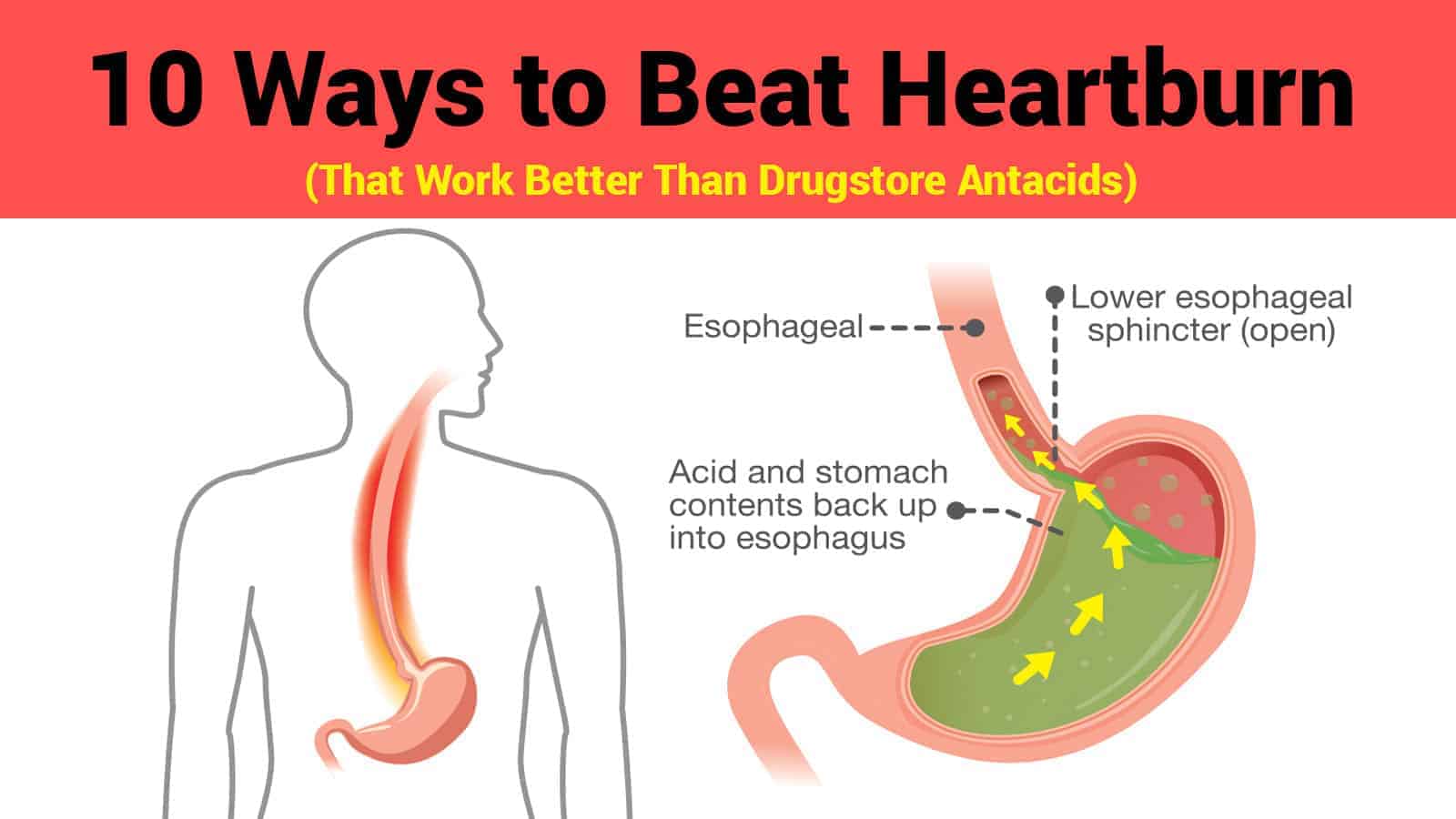
Heartburn is a pervasive issue that affects approximately 15 million people across America, according to the American College of Gastroenterology. It results from acid reflux, which is a problem that involves stomach acid being pushed up into the esophagus.

Heartburn is extremely uncomfortable and results in a burning sensation in the chest area. Those who deal with this pain often struggle to manage it or reduce its symptoms. In severe cases that occur over two times per week, this is a symptom of Gastroesophageal Reflux Disease.

Are you one of the many, many who suffer from heartburn? Well, get your positive thinking on because we’re here to help. Here’s how scientific research studies conducted by experts and doctors reveal 4 ways to avoid heartburn and 5 best ways to treat it.

Four Pointers on How to Avoid Heartburn

The best way to cope with acid reflux?  Don’t get it! Here are four things to try to avoid heartburn.

avoid heartburn1.    Don’t Overeat

Overeating is probably one of the main causes of heartburn, especially if you experience this problem on a frequent or chronic basis. To understand why we must first understand how the esophagus works.

The esophagus is located behind the heart and windpipe and measures about 8 inches in length. Lined with mucosa, a kind of pink tissue, this muscular tube has the simple job of connecting the throat and stomach. When it opens into the stomach, there is a muscle called the esophageal sphincter. This tissue is essentially a ring-like structure that works like a valve.

The esophageal sphincter’s job is to prevent the rising of stomach acid into the esophagus. It is meant to stay shut for the most part, except for when you throw up, swallow, or burp. But when the esophageal sphincter weakens, the gas and acid from the stomach can seep through, resulting in acid reflux. Or, as we’re calling it today, heartburn. Excessive pressure on the esophagus can also cause a similar effect.

When you eat, the esophageal sphincter opens and closes with more regularity. Weakened “valves” can have difficulty bouncing between the shut and open positions. This is why a lot of heartburn occurs during or after meals. Furthermore, studies suggest that large meals can make it worse. The Gut journal’s “evidence-based appraisal of reflux disease management” indicates that this is one of the biggest factors in positive heartburn prevention.

2.    Reduce Your Coffee Intake

When you drink coffee, its components cause certain parts of the body to weaken. Specifically, this happens to the lower esophageal sphincter, which essentially means that acid reflux has a higher chance of occurring.

More research is needed to link coffee to heartburn properly, but so far, research shows that:

  • The change in pressure on the sphincter of the lower esophagus after drinking coffee can aggravate or even cause heartburn, according to a study in the Gastroenterology journal.
  • Caffeine may be the main culprit within coffee that leads to this result, according to a study in the Diseases of the Esophagus journal that was conducted on healthy participants.
  • The consumption of decaffeinated coffee has a lower chance of triggering heartburn or results in a less severe experience of it among reflux patients, states a study published in the Alimentary Pharmacology & Therapeutics journal.
  • Another research paper in the Alimentary Pharmacology & Therapeutics journal found that the method of preparation of coffee may also have positive or negative effects on the occurrence of heartburn. However, exact links have yet to be determined.

It’s worth noting that different people have different reactions to coffee, and some people might not experience any heartburn after consuming coffee, while others feel their symptoms worsen considerably. As such, you should monitor your own response to coffee first before coming to conclusions!

3.    Maintain A Healthy Weight to Avoid Heartburn

The diaphragm is responsible for many different functions, but one of them is strengthening the lower esophagus’s sphincter. Excessive belly fat can result in abdominal pressure that pushes the sphincter upwards, moving it too far away from the diaphragm to be of much support. There’s even a term for this problem: hiatus hernia.

Studies on this topic show that:

  • Obese individuals have a higher risk of heartburn, which is likely due to their excess belly fat, says a study published in the Digestive Diseases and Sciences journal.
  • Carrying extra weight in the abdomen can increase the risk of developing heartburn and other reflux disorders, as reported by a study in The American Journal of Medicine journal.
  • Pregnant individuals are also at a higher risk of heartburn due to their swelling tummies, according to research published in the Minerva Ginecologica journal.
  • Losing weight, especially around the belly, can have positive effects on heartburn, relieving its symptoms and lowering your risk for it, states a JAMA Internal Medicine study.

4.    Reduce Citrus Juice Consumption

Citrus juices are usually full of healthy vitamins, and they taste great, but if you have heartburn, partaking of these delights can worsen your symptoms. It’s a little less understood why exactly this happens, but most experts and expert-led research seem to agree on this subject that a link does exist. Here are some facts that we do know:

  • Juices like grapefruit or orange juice can result in the worsening of symptoms of heartburn, says a study in the Gastroenterology journal conducted on 400 patients with Gastroesophageal Reflux Disease.
  • Citrus doesn’t affect the lower esophageal sphincter, found a study published in The American Journal of Gastroenterology, meaning it is more likely that aggravation of the esophageal lining is to blame here.
  • Acidity alone isn’t the sole source of this symptom aggravation from citrus fruits, as research also published in the Gastroenterology journal found that even neutral pH orange juice had similar results.
heartburnHow to Fix Heartburn, if You Already Have It

Too late to avoid acid reflux? Here are five ways you can reduce the burning sensation.

1.    Alter Your Current Position Or State

Sometimes, heartburn is minor and easily “treated” by making a minor adjustment or two to your current state. These adjustments take mere seconds and can often reduce or relieve heartburn symptoms significantly. Here are some of those changes to try!

·         Straighten Up

The act of sitting or lying down can add to esophageal pressure, especially if you’re slouched or curled up when doing so. You can easily relieve this by standing up straight.

·         Loosen The Clothes You’re Wearing

Tight clothes can put pressure on the esophagus and lead to stomach gasses entering it. Loosening your clothing is a great way to relieve some of that pressure. Whether it’s taking off a belt, loosening your pants, or untying a dress or skirt’s ribbon, this can help you significantly!

·         Raise Your Upper Body

As aforementioned, lying down can add to esophageal pressure. If you absolutely need to rest or lie down, though, make sure you’re sleeping in a bit of an inclined position, with your upper body raised. An adjustable bed or wedge pillow is ideal, so consider investing in one if you deal with heartburn a lot.

2.    Have Some Ginger

Ginger has been a staple of medicine for centuries, and it’s a traditional method of heartburn treatment that still rings true to this day. Many experts believe that due to its ability to relieve nausea, it may also be effective in heartburn treatment, though you will need to try it yourself to determine how positive its effects can be for you.

Not sure how to add ginger to your diet? Here are some ideas:

  • Make ginger tea by steeping ginger root – dried and raw both work fine – or using ginger tea bags.
  • Add ginger to soups, stir-fries, and other meals.
  • Grate or dice ginger if you can’t stand too much of its taste

3.    Chew Gum

Get heartburn after meals? Chew gum for half an hour after eating, and you might see reduced symptoms. Research published in the World Journal of Gastrointestinal Pharmacology and Therapeutics journal indicates a clear positive link between gum-chewing and heartburn reduction.

But why? Well, the act of chewing gum results in the production of saliva and the stimulation of swallowing. This can help clear out the esophagus from stomach acid or dilute the acid, so its effects are less severe.

4.    Take A Licorice Root Supplement

Licorice root is generally considered a traditional, folk sort of treatment – the kind that has been used for decades, if not centuries. Why? There’s a chance that it will help increase mucus production to coat the lining of the esophagus more reliably. This can prevent stomach acid damage.

Of course, eating licorice candy won’t exactly help you. The trick lies in a supplement known as deglycyrrhizinated licorice or DGL. The supplement has reduced glycyrrhizin content to reduce licorice side effects, providing the benefits without too many downsides.

However, do note that you shouldn’t consume too much DGL, according to experts at the National Center for Complementary and Integrative Health. Excessive DGL consumption can cause:

  • Medication interference
  • Higher blood pressure
  • Reduced potassium levels

Always speak to a medical professional before taking any supplements, even “alternative” ones like licorice root.

5.    Take Medication

It may be necessary for those who experience severe or frequent heartburn to treat the problem with medication. Several over-the-counter options exist that can provide benefits to you. Some examples are:

  • H2 Blockers, which reduce the amount of stomach acid secreted
  • Antacids, which neutralize the acid of the stomach
  • Proton pump inhibitors, or PPIs, which do the same thing as H2 blockers

Do note that severe heartburn or chronic acid reflux can be a sign of an acid reflux disorder that needs professional aid and treatment. If you think you may have Gastroesophageal Reflux Disease, you should speak to your doctor or relevant medical professional for diagnosis and advice.

avoid heartburnFinal Thoughts On Some Ways To Avoid Heartburn and Fix It

Dealing with heartburn requires a lot of pain tolerance, positive thinking, and remedies. For such a common problem, so much about it can be misunderstood. That’s why learning how to prevent properly – and, if necessary, treat – heartburn and acid reflux is important to those who regularly experience it.

Dealing with excessive heartburn? Talk to your doctor. Any heartburn experience three times or more every week is usually categorized as Gastroesophageal Reflux Disease. Most doctors will have a more effective form of treatment to offer you and additional advice on how to avoid heartburn.


Science Proves That Yoga Improves Chronic Pain in 89% of People

Chronic pain is something that an unbelievable number of people deal with regularly. It can come from many different sources, some of which can’t be cured. In some cases, it can be a lifelong condition.

In these cases, the best thing doctors can do is help their patients manage the pain, usually with medications. However, scientists have proven that yoga effectively improves constant pain in many people. Keep reading to find out how.

What is Chronic Pain?

Everyone can name a cause of pain because there are so many. Injuries, arthritis, toothaches, headaches – the list of pain sources could be a mile long. However, those are causes, not a definition of what pain is.

Understanding why yoga can relieve chronic pain is easier when you know exactly what pain is. The short definition is pain is your body’s way of telling you something is wrong. It’s essentially your body’s way of communicating with you.

Constant pain does more than cause a person to hurt. It affects every aspect of a person’s life. There are mental, physical, and even social consequences in dealing with the condition, such as reduced mobility and depression. Unfortunately, medications sometimes provide little relief.

Mental Consequences

chronic painIt shouldn’t be any surprise that a person who is constantly in pain might be in a sour mood sometimes. Eventually, as they learn to tolerate the pain, they may be able to hide it, but there will be times when they feel overwhelmed. These feelings can lead to insecurity, elevated stress, and depression.

Difficulty sleeping is a common problem for people who suffer from constant pain. According to a 2006 survey, over 85% of people who suffer from constant pain reported having sleeping problems. They may also have anxiety or even feelings of guilt.

Physical Consequences

Of course, the most apparent physical consequence of constant pain is unrelenting discomfort. However, it goes deeper than that. Constantly being in pain hampers your mobility, leading to problems like stiffness and inflexibility.

Stiffness and inflexibility lead to even less mobility. People think of mobility issues as age-related, but chronic pain can cause this problem at any age. Less mobility can cause other problems like cardiovascular disease, weight gain, diabetes, and more. It’s a big spiral effect that can lead to a severe physical decline.

Social Consequences

Chronic pain doesn’t just affect the afflicted person. It has consequences for the person’s family and friends. The afflicted person may miss out on quality time with loved ones due to being in pain. Their mental state can prevent them from bonding with loved ones. They may even end up with sour relationships at work.

When people deal with constant pain, it changes their personalities and their quality of life. They may try to pretend like they’re okay, and the pain may even be tolerable, but it’s always there. In many cases, the person deals with the condition alone because they don’t want to burden their loved ones. It’s a very unpleasant way to live.

That’s why the idea of relieving constant pain with yoga is so attractive. Yoga is an exercise that improves your mind and your body. The poses, even the basic ones, combat constant pain by relieving it at the source.

As you can see, there are many consequences to constantly being in pain, so it’s great that scientists have proven that yoga can be a relief.

What is Yoga?

Yoga is an exercise that focuses on total body enhancement. It exercises the mind just as much as it does the body. While yoga is an exercise, it’s more spiritual and philosophical in nature than it is scientific.

Yoga originated in India. It’s one of the six Āstika schools of Hindu philosophical traditions. The idea of yoga is to suppress the negative and unbalanced thoughts of the mind to achieve balance, enlightenment, and blissful ecstasy. You could say that yoga can free your mind from worldly things’ bondage and liberate your spirit.

A New Study Reveals How Yoga Improves Chronic Pain in 89% of People.

Scientists have discovered that yoga has the opposite effect on the brain of chronic pain. That makes it the perfect solution to a constant pain problem. In fact, in a study published in the Journal of the American Osteopathic Association in September of 2020, researchers found that 89% of participants agreed that yoga helped reduce their chronic pain. The remaining 11% were neutral in their opinions.

What’s clear from this study is that even though yoga poses may be a bit demanding to get into and hold, it won’t aggravate your pain. You’ll have a big chance it will give you some much-needed relief.

How Yoga Helps with Constant Pain

Freeing your mind from the pain is one way that yoga helps. But it can also liberate you of pain in more tangible ways. In yoga, you focus on breathing, posing, and stretching, all while clearing the mind. There may be meditation involved.

Physically, yoga stretches and strengthens muscles and joints. According to researchers at Harvard Health, many of the poses have a lot in common with standard therapeutic exercises, which can help to rehabilitate which can help alleviate constant pain. The following section has some popular yoga forms, known as asanas, that can help with pain relief.

Asanas and Their Applications

There are many ways of categorizing asanas. Four popular types of asanas are culturing (physical), strengthening, relaxing, and meditative. All of them can help to relieve pain in their own way. Asanas can also be combined, which can help target some of the worst pain in your body.

yoga

Asana yoga offers many health benefits.

Back Pain

One of the biggest causes of back pain is the misalignment of the spine. Yoga is excellent for correcting alignment and improving posture. It would be best if you started with relaxation asanas first, then move to the strengthening asanas. Starting with strengthening asanas first can make the pain worse. Here are some relaxation and strengthening asanas that can relieve back pain:

Relaxation Asanas

  • Reclined Bound Angle Pose
  • Mountain Pose
  • Corpse Pose (savasana)

Strengthening Asanas

  • Thread the Needle Pose
  • Downward Facing Dog
  • Extended Triangle Pose

Fibromyalgia or Myofascial Pain

An overactive sympathetic nervous system can cause both conditions. Being stressed out can negatively and painfully affect the musculoskeletal system. You may have heard the phrase, “it’s all in your head.” This statement can apply to these conditions.

While stress doesn’t cause the conditions, it does aggravate them. So, using yoga to destress can relieve the pain associated with them. Here are some asanas that can be used to melt away stress:

  • Forward Fold
  • Cat/Cow Flow
  • Eagle Pose
  • Child’s Pose

Knee Pain

Arthritis is one of the primary causes of knee pain. Unfortunately, there is no cure for arthritis, so doctors aim to manage the pain and inflammation of the tissues. This could be through medication or exercise. However, yoga is great for relieving constant knee pain.

Plenty of asanas will stretch your knees and relieve knee pain. These asanas don’t require rotation, so they won’t make the pain worse. Here are a few:

  • Reclined Hand-to-Big-Toe Pose
  • Bridge Pose
  • Banana Pose

Nerve Pain

Nerve pain can be excruciating and even debilitating. Also called neuropathic pain,

it’s essentially pain due to degeneration of the nerves. While most cases of neuropathy can be reversed once the doctor has discovered the source of the pain, it’s still hard to deal with until treatment is completed.

Yoga can help people get through neuropathy by providing some relief. One technique that can help is known as yoga Nidra. It’s a meditative asana that is sometimes called yogic sleep.

Yoga Nidra is done in savasana (the corpse pose), which is ideal for people with nerve pain because you don’t have to hold yourself in tough poses. The idea of yoga Nidra is to go through the five layers of self, and in the end, you come out whole. This melts away stress and pain.

chronic painFinal Thoughts on How Yoga Can Improve Chronic Pain

According to the Centers for Disease Control (CDC), chronic pain affects more than 50 million Americans. On a global scale, the percentage is even worse. It’s a problem that adds to other crises, such as opioid addiction, depression, and mobility issues.

If more people incorporate yoga into their lives, it can provide them the relief they seem from constantly being in pain. Plus, they’ll experience other health benefits. Yoga is such a convenient treatment – it can be done from the comfort of home for a minimal amount of money (the cost of a yoga mat). Since science has proven that it reduces chronic pain, there is nothing to lose by doing yoga.

Women Explain 5 Reasons They Stopped Shaving Completely

Most women shave at least some part of their bodies, but many women have stopped shaving completely. This lifestyle change may be hard to understand at first, but you shouldn’t judge it until you know the details. These ladies have well thought out their reasons for skipping shaving and make sense once you hear their reasoning.

Currently, nearly 85% of women in the United States shave their body hair regularly. This is considered to be normal since it has been the way of life for a very long time. Some women, however, aren’t interested in what is normal in society, and they want to forge their path.

Their reasons for making this change vary depending on which woman you ask. This only shows that there are many reasons for them to have stopped shaving. These reasons range from saving time to having healthier skin and many reasons in between.

5 Reasons Women Stopped Shaving

Here are just five reasons why women across Twitter stopped shaving.

1. To Save Time

stopped shavingShaving takes time, and some women feel they don’t have enough time to think about it. It is believed that women spend up to 72 days of her life shaving only her legs. So, if you add in other parts of the body, that number of days only increases.

It takes up even more time to shave properly, avoiding nicks and irritation than a quick shave would. So, either way, it takes time, and to do it properly, the amount of time is even greater.

Not only do women have to use extra time and caution to avoid nicks and irritation, but they also have quite a bit of upkeep. When someone shaves, the hair can grow back rapidly, which causes uncomfortable, pokey stubble. Because of this, women have to shave often to avoid stubble and use special creams and exfoliators.

The more steps and products added to the mix, the longer it will take a woman to shave. So, many women are just skipping the process altogether and saving quite a bit of time.

A Twitter user using the handle @proboo_east explained, “This sums up exactly why I stopped wearing women’s clothing. Now, I don’t meet the standards of what a woman should be (I also save hours every month by not shaving). The mental energy constantly being expended to exist without conflict from others as a woman is mind-crushing.” While she has a few different reasons why she stopped shaving, she is sure to point out how many hours she saves

Another Twitter user going by the handle @LRohmmy gave a shorter but effective response. She explained, “shaving your legs takes too long, that’s why I don’t do it.”

So, as you can see, many women choose to save their time for more productive tasks.

2. It Can Hurt

Anyone who has shaved before knows the risks they are taking when it comes to pain. There are many painful aspects to consider from common issues such as razor burn and shaving nicks to more serious issues such as rashes and inflammation.

Even the basic risks are painful and uncomfortable and can lead to further issues. Razor burn often comes with razor bumps, which cause a rash, skin tenderness, and inflammation.

It’s not as if they only have to deal with this once in a while for women. When women regularly shave their body hair, these painful issues are something they deal with every couple of days. Even if they went with a different hair removal method, such as waxing or plucking, there is pain involved.

If you only consider the most basic pain involved with shaving, you can still understand why some women stopped shaving. No matter how careful you try to be, cuts from a razor happen. If you end up with one on the back of your knee, consider how much it hurts each time you walk.

One Twitter user with the handle @Ggggcat1 posted, “Stopped shaving armpits as a quarantine experiment bc mine were always really sore. Also partly political I guess. I like it tho – I smell better because my skin’s not irritated & I like the soft hair. Looking in the mirror at an adult woman made me like my body more too.” While she gave multiple reasons for not shaving, she mentions the soreness and irritated skin that she doesn’t experience anymore.

3. They Don’t Mind Having Hair on Their Bodies and Don’t Want to Conform

Some women don’t care about having hair on their bodies. It doesn’t bother them, and if that’s the case, there’s no reason to bother with it. Since it’s natural, they don’t feel the need to remove the hair and conform to society’s standards of women.

Women who stopped shaving to stop conforming realized they were only shaving because of social pressure. By stopping, they feel they are setting a better example for young girls because they are showing you don’t have to conform. They view it as a way of making decisions for themselves based on their desires.

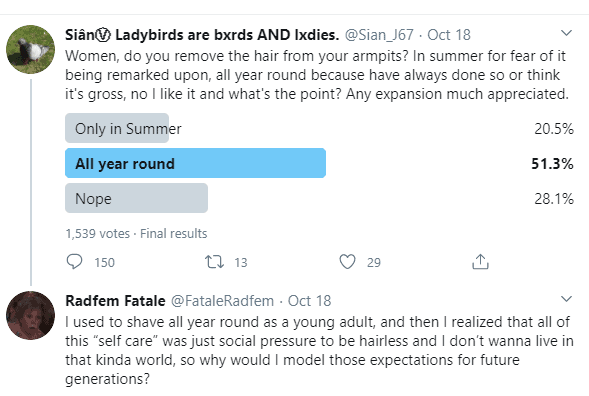
One Twitter user going by @Sian_J67 said, “I used to shave all year round as a young adult, and then I realized that all of this “self-care” was just social pressure to be hairless and I don’t wanna live in that kinda world, so why would I model those expectations for future generations?”

Another Twitter user, @sanguinate, explained, “I feel like society has moved past the need for shaved legs.” She states that it isn’t necessary to shave your legs if you don’t want to and that society doesn’t need it.

stopped shaving

4. Their Body Temperature is Better Regulated

Animals have hair and fur to keep them warm, and it can do the same for humans. This is why humans have hair on their heads because it insulates and keeps you warm. Body hair does the same thing, plus it can sense temperature changes and adjust your body ahead of time.

This could be why men tend to stay warmer than women. Men tend to have more body hair as it is, and when women shave theirs off, they are left with little protection.

A Twitter user using the handle @radvaz stated that she needed her body hair to stay warm. In a tweet, she shared, “There will be no shaving until February. I need my fur to stay warm.”

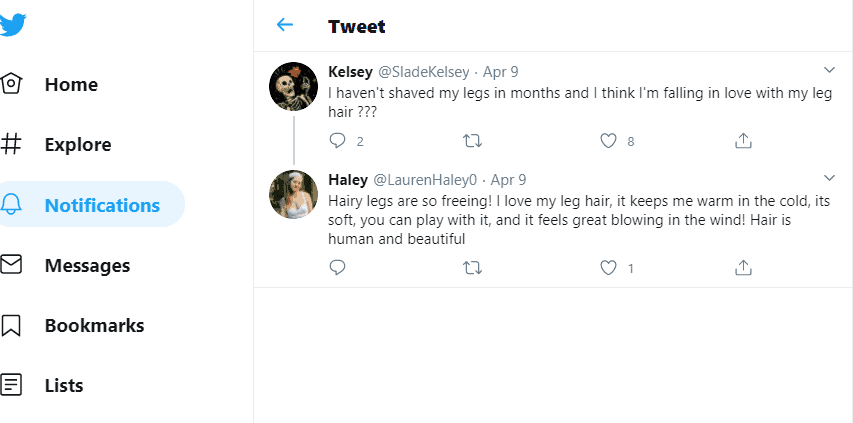
Another Twitter user, @SladeKelsey, posted, “Hairy legs are so freeing! I love my leg hair, it keeps me warm in the cold, it’s soft, you can play with it, and it feels great blowing in the wind! Hair is human and beautiful”.

5. To Be Healthier

Finally, some women have stopped shaving to be healthier. You may think that your body hair has nothing to do with your health, but unfortunately, this isn’t the case.

When you get cut shaving, it opens your body to infections that it would normally protect you from. Ingrown hairs caused by shaving do the same thing, furthering your risk of infection.

The infection that it would cause isn’t a basic infection, either. Oftentimes, staph infections will occur in these areas. Not only are staph infections excruciating, but they can be dangerous if a person does not seek treatment quickly.

Even worse, sometimes shaving causes small tears on your skin that you can’t see or detect. Any bacteria that you come in contact with can squeeze into these tiny tears. This leads to skin irritation, redness, swelling, and even fluid-filled sacs on the outside of your skin.

Body hair is natural.

All of these issues are ones that wouldn’t be as likely to happen if you left your body hair in place. That’s why some women have decided to stop shaving.

One Twitter user mentioned how her lymph nodes became infected often and how those infections eased after she stopped shaving. In her tweet, using the handle @LaVampiraBruja, she explained, “Yes! I would get lymph node infections in my armpits very often, so I stopped shaving, and it helped a bit, but after the detox, they stopped completely. It’s been almost 4 years since my last lymph node infection”.

Another Twitter user, @gothwyfe, explained, “I haven’t shaved my armpits in 2 years. I was self-conscious at first, but now I see my armpits hair as an accessory. I used to get ingrown hairs and cystic acne in my armpits from shaving (gross). After learning the origins of shaving, I decided it is not for me.”

Other Twitter users, such as @MsXandry, also stated that they stopped shaving for health reasons. She posted, “Stopped shaving my armpits and legs three weeks ago for “health reasons.”” While the quotation marks in her tweet may make you wonder if that’s her true reason, it is highly believable based on the health issues it can cause.

be yourself memeFinal Thoughts on Women Explain 5 Reasons They Stopped Shaving Completely

While many women are still shaving their body hair, there is a reason for some of them to have stopped shaving. Their decision might have come from a way to stop conforming to society or other reasons such as health or pain. No matter what the reason, it’s important to understand rather than judge.

Who knows, after learning these reasons some women have stopped shaving, you might do it, too. If you have already stopped, you can add these reasons to your lift of reasons why. However, if you want to keep shaving as you have been, at least you’ll now understand why some women don’t.

Therapists Explain 7 Ways To Reduce The Effects of Trauma

Many people experience some degree of trauma in their lifetime. If you’re one of those people, you probably already know how frightening and difficult it can be to overcome, especially when you don’t know what’s happening to you or why you’re reacting a certain way. Luckily, you can always take steps to reduce trauma.

Though it may be a difficult experience, there are ways you can begin now to set the stage for your healing journey. Here’s how therapists recommend 6 ways to reduce trauma for a positive future.

1.    Understanding The Traumatized Brain

Many traumatized individuals feel as though they should be able to tough out their pain and overcome it with pure positive thinking. But that’s not the case, says Doctor of Psychology Jennifer Sweeton. Here is how the traumatized brain differs from the typical one:

·         The Prefrontal Cortex

reduce traumaThe PFC is considered the Thinking Center of the brain, located behind the forehead, near the top. Its function lies in rational and logical thinking, with aspects such as planning, problem-solving, awareness, personality, and empathy controlled by it. When the PFC is unharmed, it allows for decision-making and clear thinking. In a traumatized brain, the PFC is under-activated, meaning you lose the ability to think clearly and rationally or make decisions and stay focused.

·         The Anterior Cingulate Cortex

The ACC is considered the Emotion Regulation Center of the brain. It is situated beside the PFC but deeper into the brain matter, communicating regularly with the PFC and handling emotional regulation. When the AAC is unharmed, it allows for the handling of strong emotions or difficult and painful thoughts, managing impulses, and keeping things rational. In a traumatized brain, the ACC is under-activated, meaning your emotions can’t easily be contained, balanced, or managed.

·         The Amygdala

The amygdala is considered the Fear Center of the brain. It is located pretty deep into the brain and is very small. Its primary function is determining what is a threat based on input from all senses and thoughts, and it is not controllable consciously. The amygdala produces fear when a threat is perceived. In a traumatized brain, the amygdala is overactivated, causing fear responses at an increased and unnecessary rate that often does not reflect a real physical threat.

This is why, if you’ve experienced trauma, you’ve likely, at some point, felt as though you had no control over any of your emotions. You may experience strong reactions to seemingly minor things and be unsure as to why. The answer, as it turns out, has always been in your brain.

2.    Acknowledge And Feel

It’s not uncommon to try and bottle up emotions stemming from trauma, hoping that positive thinking will make it all go away. Unfortunately, until you confront those feelings and trauma behind them head-on, you will not be able to recover fully.

Acknowledging what happened to you is very important, no matter what it was, says psychiatrist Mark Banschick. That event hurt you deeply. You deserve to process and understand the pain so that you can heal from it.

Once you’ve acknowledged what happened, you should allow yourself to grieve for what you lost or how it changed you. These emotions are completely normal and valid and are deserving of your attention. Let the feelings wash over you. Cry, scream, draw – whatever you need to do to process your feelings and experience them.

3.    Correcting Unhelpful Or Wrong Beliefs

Many people who undergo trauma wind up shifting a significant amount of their beliefs, whether of the world, of themselves, or even of the people around them. Research indicates that many of these changes are far from good, resulting in decreased positive thinking and generally skewed belief systems.

This often results in someone blaming themselves, in some way, for their trauma, despite logic dictating that it is far from their fault, says licensed psychologist Seth J. Gillihan, Ph.D. To heal from trauma, you have to confront the real truths related to them, as hard as that might be.

4.    Organize Your Memories to Reduce Trauma

Memories of trauma are usually a little jumbled, and it’s likely that the brain has partially suppressed some of them. In many cases, these memories are:

  • Disconnected
  • Without clear narrative
  • Lacking broader context
  • In fragments
  • Unprocessed by the hippocampus and similar areas that could help add context

But why should you organize your memories? It’s simple to unravel the truth behind them and form them into a clear narrative, says Gillihan. When you’re able to properly outline the event from beginning to end, it becomes less of a threatening, shapeless shadow and more of a manageable story.

emotional trauma

Here are eleven ways that emotional trauma impacts you.

5.    Don’t Isolate Yourself

It’s widespread for those who experience trauma to withdraw from their friends, family, and the rest of society. Unfortunately, isolation comes with a slew of side effects, including decreased positive thinking and worsened mental illness symptoms. Spending too much time by yourself can further harm your psyche.

Here are some pointers and ideas for making sure that you’re still around or spending time with other people, even when you don’t quite want to be:

·         Join Social Activities

Take part in normal events that involve groups of people, whether strangers or friends. It might help if these social activities have virtually nothing in common with the trauma that you experienced.

·         Don’t Feel Pressured To Share

Making sure you don’t isolate yourself doesn’t mean you must tell anyone the details about your trauma. If you want to and trust the people you’re with, then sure, go for it! But if not, know that you’re under no obligation to talk about what happened and how it affected you, no matter who asks.

·         Join A Support Group

Sadly, there are plenty of people with trauma, and many of them benefit from attending a support group for their trauma. These survivors’ groups can help you feel heard while making you realize that you’re also not alone when you hear similar stories to yours.

·         Ask For Support From Loved Ones

If you need more personal support, pluck up the courage to ask for it from your loved ones, whether it’s your family, friends, or anyone else that you trust. They are much less likely to judge you for the pain you’re experiencing and will probably want to help in any way they can.

·         Make New Friends

Making new friends can feel like turning the page in your life or even opening an entirely new chapter. These new friends will probably also have new ideas and activities to invite you to, allowing you to further distance yourself emotionally from that trauma.

·         Call Up Some Old Friends

If you have friends from yesteryears, it can be a viable option to call them and request their input or aid. You can also get back in touch with them as a symbol of your efforts and willingness to mend things that may have become broken over time. Speaking to people you once knew can be a big eye-opener into the ways you stayed the same and the ways that you changed.

·         Volunteer

Being kind can often make us human beings feel good, so take advantage of that. Sign up to volunteer with a cause that you believe in and play to your strengths to help out. It’s a great way to meet new people while also practicing compassion and social skills!

6.    Identify Triggers

Triggers in trauma refer to sights, sounds, smells, or even sensations that result in a panic or trauma response from your body. You might experience a flashback, dissociate, or have a panic attack in response to triggers, or you might have a completely different but similarly personally distressing response.

As recommended by Banschick, identifying triggers gives you insight into the behavior of yours that is trauma-induced. It also helps you communicate those triggers to the people in your life to warn you when they might arise.

Another reason that it’s good to identify a trigger is that it helps you break the cycle. Whether you do so by better managing your trauma response, distracting yourself when you know the trigger is coming, or even facing the trigger head-on. Indeed, it’s a great way to stop yourself from falling into the same trauma patterns again and again.

7.    Maintaining Good Health

When people say “healthy body, healthy mind,” there’s much more truth to that than you may know. Taking care of your body as you work to recover from your trauma is crucial to ensuring that the process goes smoothly.

At the very least, you should try to maintain similar health habits before and after seeking treatment, or if the trauma was recent enough, before and after experiencing the trauma. This can help ground you and show you, subconsciously, that life moves on.

Regardless of whether you’re reinstating old habits or creating new ones, here are some ways to maintain good health to help heal from trauma:

·         Eat Well to Reduce Trauma

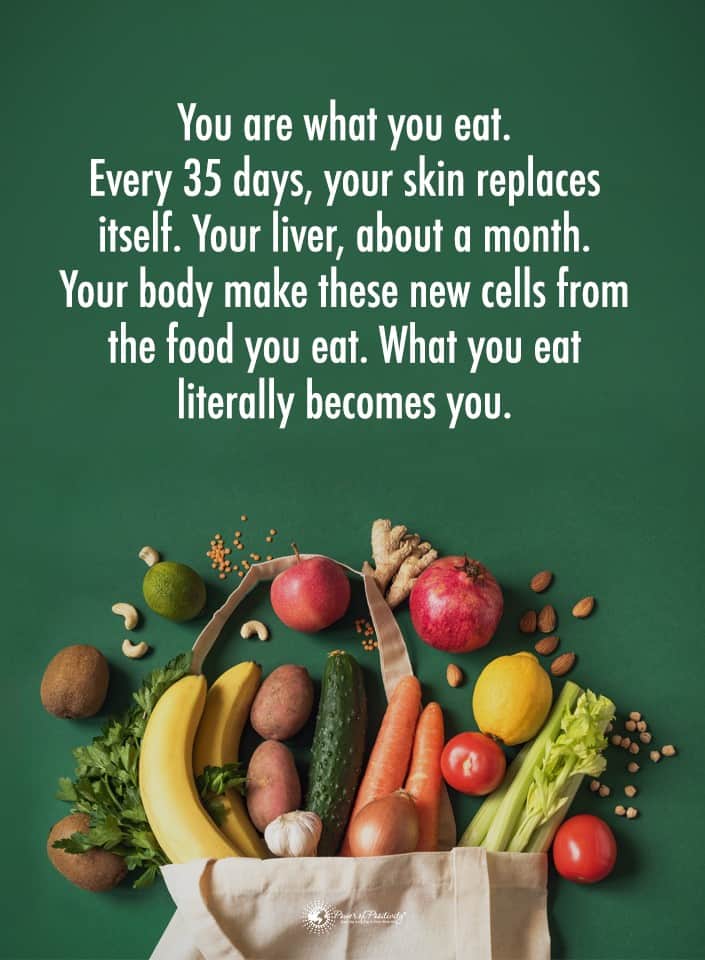
Eat balanced meals with a good variety of ingredients. This will help keep your mood in a relatively positive shape as you go on this journey of recovery. The food you eat can have fairly significant effects on your emotional state and overall mental health. So make sure you’re eating well.

·         Sleep Enough

It would be best to aim for the standard recommended sleep time of between seven and nine hours per day or night. Understandably, traumatic events can disturb your sleep. But it’s still important to try and get the right amount of rest. Without sufficient sleep, it’s even harder to stay emotionally stable.

·         Avoid Vices

Things like drugs, alcohol, cigarettes, and other similar items can worsen negative mood effects like anxiety or depression. If you’ can stop yourself from indulging too much in them, try and do so.

reduce traumaFinal Thoughts On Some Ways To Reduce Trauma For A Positive Future

Healing from trauma takes a lot of time and effort, and it’s also something that you shouldn’t be doing alone. Try to seek mental health aid of some kind to help find your way through this difficult time. This is a serious issue that must be treated properly by a professional. After all, your personal efforts deserve to be bolstered by the professional help you need.

Pet Owners Share the Truth About Why They Canceled Plans (And It Wasn’t Really Sickness)

Everyone cancels plans once in a while, but pet owners have a different reason for doing so. If you’re a pet owner, you may already suspect what that reason is. For everyone else, that reason remains unknown for now, but you will soon find out.

Pet owners often view their pets as members of the family. To the owner, a pet is like a child that requires love, attention, and care. When it is put that way, pets are very much like children, so it is understandable.

To understand why people cancel plans to hang out with their pets, it is important to remember how much care a pet requires.

Some of the things pets needs include the following:

  • a safe environment
  • healthy diet
  • learning safe and normal behavior (training)
  • companionship (with both humans and other pets)
  • protection from pain and injury
  • professional health check-ups
  • disease and illness prevention
  • exercise
  • play
  • grooming

As you can see, pets require many things. Some of these necessities are a daily task, and a loving pet owner will make sure to meet the needs. So, now it’s time to explain the truth about why pet owners cancel plans.

Why Pet Owners Canceled Plans

pet ownersBy now you are already beginning to figure out why pet owners canceled plans by now. The main reason they do this is to spend time with their pets. While your friend may not tell you this when they cancel, many people admit to canceling plans for this reason.

A survey conducted by Wisdom Health Genetics, which is a pet genetics company, shows this fact. The survey was taken by 13,000 people who own pets, representing owners of both cats and dogs. After going over the survey results, it was determined that many pet owners prefer spending time with their pets over doing other things.

The surveys showed that 72% of dog owners cancel plans to spend time with their dogs. Cat owners are a little less guilty, with only 32% of them canceling plans to hang out with their cat. Both dog and cat owners are guilty of this reason for canceling plans, however, and you can’t blame them.

Pet Owners Admit the Truth

Some people have turned to social media to voice their truth about canceling plans to hang out with their pets. They are admitting to canceling plans to spend time with their pet, and they aren’t ashamed of it, either.

Owners love their pets and, as stated before, view them as their children. Many people even create social media pages for their pets to share photos and information with others.

The bond that owners and their pets share is incomparable, and the data is there to prove it. Furthermore, it’s important to note that many people view their relationship with their pets as the most important.

Top Reasons That Pet Owners Cancelled Plans

Users on both Twitter and Facebook are posting about it on social media, and we’re here for their admissions.

Their Pet Had a Procedure Done

Even seemingly simple procedures can be stressful for a pet. In one thread on Facebook, a user going by the name of Mary Myers posted, “Most recently, on Tuesday. Said no to dinner because my sausage dog had his teeth cleaned. He needed conciliatory cuddles!” Cuddling with your pet after they have their teeth cleaned is comforting to your pet and will help them relax.

Their Pet Needs to Stay on a Schedule

A Facebook user named Laurie Boucher Ziegelmann explained that her plans all have to revolve around her pet. Instead of canceling plans, she doesn’t make plans without considering her pet.

Ziegelmann posted, “I wouldn’t say I’ve actually canceled plans. However, ALL or ANY plans center around the doggies feeding schedule, potty schedule. Vacations only happen IF I can find a pet-friendly house to rent. Hotels are a no go since my girl is a yapper.”

With feeding and bathroom schedules, this is necessary to consider and adjust accordingly.

Their Dog Needs Attention

On Twitter, one user with the handle @gyarunel posted, “I cancelled plans to hang out with my dog all day man its what he deserves.”

As mentioned before, dogs need and deserve attention and companionship. This owner made sure his dog was getting what he deserved by canceling his plans.

Their Dog is Comfortable or Needs Cuddles

Another Twitter user, @HerrmannKenzie, took to Twitter to explain why she canceled her plans.

She posted, “Story time: once I canceled plans to hang out with someone bc my dog was laying on me, and she was super comfortable and being really cute:) don’t even regret it.”

Since her dog was comfortable, she couldn’t let her down by getting up.

Their Pet Was Sick

People also cancel plans when their pets aren’t feeling well. Twitter user @tdro shared an update that said, “Cancelled all my plans today to hang out with a sick cat. Yup, that seems normal.”

She implied that choosing your pet over your plans is abnormal, but as we now know, this isn’t true. Canceling those plans is entirely normal and expected of pet owners once in a while. It’s all a part of being a good owner.

pet illnessThey Just Wanted to Hang out With Their Pet

Sometimes there is no specific reason other than wanting to spend time with their pet. One Twitter user, @pchance8, said, “Just cancelled plans because I want to go home to hang out with my cat and knit a scarf…..I’m so ashamed right now.” Little did she know, she had nothing to be ashamed about because many people are doing the same.

Another Twitter user, @neptoonie, bailed out on events on multiple occasions just to hang out with her pet. She posted, “the amount of plans I’ve canceled to hang out with my cat is absurd.”

At least she’s sharing the truth about all of those canceled plans!

Benefits of Spending Time with Your Pet

By taking care of and spending time with their pet, people are benefitting themselves, as well. Studies show that pets benefit both the mental and physical health of humans.

Even with the extra work they require, the benefits outweigh the time spent. Most pet owners even enjoy the time that is spent caring for their pets, so it isn’t a sacrifice at all. Some of the benefits of having a pet include:

You Will Get More Exercise

Having pets (especially a dog) will help you improve your physical health by forcing you to get more exercise. Dogs need exercise, so they need to be taken on walks. This forces you to get out and to move regularly.

Unsurprisingly, people are more likely to go for a walk with their dog than with another human. This makes pet owners more likely to get the recommended amount of exercise each day. So, if you are struggling to get enough exercise and you don’t have a dog already, consider adopting one.

Lower Stress Levels and Alleviate Symptoms of Depression

Spending time with a pet can help lower stress levels by causing a decrease in cortisol levels in humans. If cortisol levels are too high, it can lead to stress, anxiety, and depression. Petting and playing with animals can cause cortisol to decrease significantly, and it lessens stress.

Those who spend time around animals experienced a decrease in their depression symptoms, as well. Aside from the decreased cortisol levels, this is likely to do with animals making a human feel like they aren’t alone and isolated. Plus, the physical activity that animals require can help treat depression.

Reduce Blood Pressure and the Risk of Heart Attack and Stroke

With less stress and more exercise, your blood pressure is bound to decrease—the decrease in cortisol levels mentioned before help with lowering blood pressure, too. With a mix of decreased stress levels and increased amounts of exercise, your heart health will drastically improve.

Your risk of heart attacks will decrease, as well, partly because of the decrease in blood pressure. Additionally, having a pet, especially a cat, can help reduce your risk of stroke. It isn’t confirmed whether this is because of the decrease in stress or if there is another reason, however.

pet ownersFinal Thoughts on Pet Owners Share the Truth About Why They Cancelled Plans

Canceled plans happen, and it is to be expected once in a while. You did not expect that reason to be for someone to hang out with their pet. You know now, however, as many pet owners are admitting to it.

Whatever the reason people choose to stay home with their pets is, they are benefiting not only their pets but also themselves. Pets offer many benefits to their owners, just like their owners offer benefits to them.

So, the next time you (or a friend) cancels plans to hang out with a pet, don’t feel bad. Just remember all the work pets require and how beneficial they are in their owner’s lives. It’s normal, and most pet owners cancel plans often to hang out with the pet.

Nutritionists Reveal 4 Simple Ways To Eat Right And Keep Healthy

The battle to eat right and stay healthy is a long and arduous one. Many people struggle to achieve their goal weights and lifestyles sustainably and healthily. There’s a lot of conflicting information out there about how best to do that, so it can be confusing and may even feel unattainable.

A lot of the issues you may have with the concept of eating right stem from unrealistic expectations. The world is continually forcing us to believe that we need to be achieving supermodel status by diet alone – but that’s not how it works!

What’s the right answer to this confusion? What do you have to do to stay healthy for years to come with a good, balanced diet and positive habits? Is positive thinking really all you need? Here’s how nutritionists reveal 4 simple ways to eat right and remain healthy.

1.    Beware Diet Gimmicks

Diet culture has swept our world and covered it with generic recommendations that are marketed to sound like they’d work for everyone. They won’t, and you should do what you can not to fall for them.

Licensed and registered dietitian Lindsay Birchfield, also an activist for health and body issues, explains that human beings’ diversity means there’s no such thing as a one-size-fits-all diet. Bodies and nutrition are so incredibly complex that there’s no way that a diet exists that is good for even a majority of human beings. It’s simply not scientific!

The same goes for concepts like diet foods, which are also created for marketability, not accuracy.

keep healthyLook out for foods with labels like these:

  • Reduced-Fat
  • Low-Fat
  • Low Calorie

These labels sound great, but the truth is that most diet foods need to go a long way to make up for those missing components. Texture and flavor are lost when you remove fat and other so-called “unhealthy” ingredients from normal foods, so diet foods have to make themselves palatable with all sorts of additives.

The result? Studies show that these diet foods often have more added sugars or even more calories! Basically, if you really want to eat a healthy diet, go for whole foods instead of fad “diet” products.

While you’re at it, here are more diet tips that you shouldn’t be following:

·         Eating Superfoods

Yes, you can drop expensive “superfood” products. Though they are certainly healthy, regularly eating them can be unsustainable in the long run due to cost and availability. To truly stay healthy, licensed, and registered dietitian Marisa Moore recommends simply adding organic, fresh vegetables to your meals instead.

·         Finding Replacements For All Favorites

Yes, you should find alternatives to things like fast food burgers and deep-fried foods. But not all of your favorite treats need to be replaced. In fact, Shana Minei Spence, a registered dietician and Certified Dietitian-Nutritionist, says it can actually be wiser to permit yourself to indulge in the foods you’re craving every once in a while. As long as you’re eating them in moderation, there’s nothing wrong with a cupcake or some chips once a week.

·         Using Tracking Apps

It’s easy to become overly reliant on applications that track food consumption and exercise. But if all you’re trying to do is stay healthy, this is counterproductive. According to licensed and registered dietician Cara Harbstreet, this only makes you less and less in touch with your body as you fall into a false sense of security. Deleting your tracking apps lets you get back to your roots and be one with your body again.

2.    Add Certain Healthy Nutrients To Your Diet

The nutrients you put into your body are incredibly important, which goes without saying when you’re trying to eat right. But there are countless different options for nutrients and food components that sound healthy and good for you. Which ones should you focus on? Let’s start with these!

·         Whole Grains

It’s relatively easy to make the switch from refined or white grains to whole or brown grains. While refined carbohydrates have links to all sorts of increased disease risks, according to studies, whole grains are packed with vitamins, minerals, and more that make them healthier in the long run.

·         Protein

Protein helps to stabilize satiety, meaning it can make you feel full, and increasing protein intake has been shown to help people consume fewer calories daily. This is ultimately positive for weight management and reducing cravings. Also, protein’s ability to aid in muscle mass retention means it can also help you burn additional calories during the day while preventing muscle loss as you age.

·         Probiotics

Probiotics are typically found in fermented foods and are very important for digestion. They help keep the gut well-balanced with a mix of healthy bacteria and a beneficial microbiome.

·         Fiber

Fiber is incredibly important to your bodily health. Registered dietician and Certified Dietitian-Nutritionist Maya Feller says that fiber is responsible for creating good bacteria in the gut, helping with bowel movements and digestion. It also helps you to feel full and, according to research, can reduce the risk of certain diseases.

·         Phytonutrients

Phytonutrients are plant-based compounds made of chemicals of all sorts that provide unique benefits to the body. One of the biggest examples of this is in antioxidants, which protect the body from damage from free radicals. Berries and other plant foods are a great source of phytonutrients. With so many upsides, it’s almost a crime not to eat them! They’re cardioprotective and packed with lots of components that will keep you healthy, says Feller.

hungry3.    Make Food In A Way That Works For You

It’s easy to get caught up in meal preparation advice and lose sight of what is actually important. At the end of the day, all that matters is that you’ve made relatively healthy food and now get to eat it. So instead of stressing out over how everyone says you should do things, put on your positive thinking and make food in the way that works best for you. For example:

·         Meal Prep In A Relaxed Way

If you’re meal-prepping, you’ll need to make sure your plan is reliable – but it also shouldn’t be too strict, as that will limit you and stress you out. Rebecca Scritchfield, a registered dietary nutritionist, recommends being flexible and relaxing a little on what your idea of a “good” meal prep is. Fresh vegetables, fruits, and go-to meals are really all you need!

·         Eat When You’re Hungry

If your stomach starts to growl, it’s because you’re hungry, and your body needs food. That’s the end of the story! So if you feel hungry outside of normal mealtimes, it’s perfectly fine to eat. Bodies aren’t robots – they don’t follow a timer, says Spence, and so many factors go into what can make you hungry. Just eat when you feel like you need to, and you’ll be fine.

·         Don’t Confine Foods To Specific Meals

You likely have an idea of what is categorized as “breakfast food,” “lunch food,” and so on. Scritchfield states that there’s no need to label foods this way. Realistically, you can eat any of those foods for any meal. Breakfast for dinner isn’t a problem when you stop restricting your food to specific times of day! This allows you to enjoy more flexibility with your meals.

4.    Change How You Think Of Healthy Eating

We live in a world that focuses on diet-based “healthy eating.” It’s all about restriction and discipline. But that’s not sustainable and also not great for your psyche! Your relationship with food can become dysfunctional if you only follow what the world claims are best. Here are some areas where your perspectives might be holding you back in healthy eating:

·         Calories Shouldn’t Count

Yes, you’ve been taught all your life to count your calories, but as long as you’re not eating huge pizzas every day, there’s really no point in doing this. What you should be counting are the nutrients you’re receiving from your foods, says nutritionist Rhiannon Mack. For example, 400 calories of vegetables is inherently a better option than 200 empty calories of fries.

·         You Shouldn’t Cut Out Foods

People talk about restricting foods and cutting out “bad” foods all the time, but this isn’t a good idea. It increases your risk of cravings and doesn’t last. Spence says that adding ingredients to usually unhealthy meals is always a better option. For example, instead of cutting out pizza or ramen noodles from your life, start adding vegetables or protein to transform them into a better, more filling meal.

·         Don’t Skip Meals

Skipping meals to make up for an unhealthy meal you had earlier is not the way to go. If you tend to forget to eat because you’re distracted or skip meals due to guilty feelings, it’s time to unlearn those habits. Registered dietician and certified intuitive eating counselor Rachael Hartley states that eating regularly is crucial to feeling energized, and if it’s overall health you want, you need to eat!

·         Try Mindful Eating

How often are you distracted while having meals? Are you often on your phone, watching a show, or reading a book or newspaper while you eat? Well, that could be part of the problem! Mindful eating can help bring joy back into the act of consuming food, says certified eating disorder registered dietitian and nutrition therapist Erica Leon. This involves tuning into your senses while you eat. So put away your distractions and pay attention to the appearance, smell, texture, and taste of what you eat. Mindful eating helps you savor meals and get full faster while also improving your relationship with food!

keep healthyFinal Thoughts On Some Simple Ways To Eat Right And Remain Healthy

Eating right is meant to be a long-term commitment that isn’t restrictive, boring, or unpalatable. If you feel that your food options tend to be unappealing to you, or you find yourself restricting so many aspects of your diet, then there’s a good chance that things won’t work out for longer than a few months.

It sounds tough, but avoiding diet gimmicks, adding positive nutrients to food, adapting your food preparation to what works best for you, and changing some old stigma surrounding food can help you eat right and stay healthy. Keep your positive thinking and start working on your long-term dietary health today!

Researchers Reveal Your Cat Actually Thinks You’re Their Parent

Even though your cat may hide from you for days, sometimes, a study reveals it actually thinks of you as its parent. While cats form close bonds with their caregivers, they usually shy away from visitors and even other family members. Anyone who owns a cat can probably attest to this behavior but may have wondered why their pet seems to play favorites. Now, studies show why our feline friends act so attached to their owners.

Despite their sometimes aloof behavior, a study published in Current Biology found that felines actually form distinct attachment styles. Similar to babies and dogs, cats have socio-cognitive abilities that allow them to bond with their owners. The study found that cats can have either secure or insecure attachments with their parents, which have also been noted in humans. Researchers say that the findings suggest that the shared bonding styles across species show commonalities in behaviors.

Worldwide, domestic cats greatly outnumber domestic dogs. However, even though more people own cats, scientists have focused on dog behavior and social cognition. Their research found that dogs form attachment bonds with humans, which could help them succeed in human environments. Previously, researchers believed that this attachment behavior was unique to dogs.

New research emerges

your catHowever, the groundbreaking study performed recently shows that we’ve been underestimating cats’ ability to bond with us. Like dogs, cats can live in social groups or by themselves depending on resources, human interaction, and early development. If felines grow up with humans, they will likely display the same attachment styles into adulthood. The evidence that cats share social traits with dogs and humans suggests that they have adapted to modern living arrangements.

“Like dogs, cats display social flexibility in regard to their attachments with humans,” said study author Kristyn Vitale of Oregon State University. “The majority of cats are securely attached to their owner and use them as a source of security in a novel environment.”

Attachment behavior studies previously performed on humans involved observing kids’ responses to their parents after a brief period of absence. When they reunited with caregivers, researchers noted two attachment styles – either insecure or secure. The insecurely attached kids would engage in excessive clinging or avoidance behavior, while the securely attached would appear more relaxed. Similar tests have been run on primates and dogs, so Vitale and her colleagues wanted to try it with cats.

The study

During the study, felines and their owners participated in a Secure Base Test (SBT), which is used to observe attachment styles in primates and dogs. In the test, the adult cats or kittens spent two minutes in a room with their owner, followed by two minutes alone. Then, the felines reunited with their owners, and researchers observed their behavior. Expert attachment coders classified the cats into attachment styles using the same criteria in human infant and dog literature.

In known studies using the SBT, individuals with secure attachment to their owners display a reduced stress response and relaxed exploration. However, in those with insecure attachment, their stress remains high upon the owner’s return. They will either display clingy behavior (ambivalent attachment), avoidance behavior (avoidance attachment), or a combination (disorganized attachment).

The Secure Base Test

The Secure Base Test involved kittens aged 3-8 months old. Researchers could classify 70 kittens into an attachment style, with only nine unable to be classified. Among the 70 classified kittens, almost 65% showed secure attachment behavior, and 35% had an insecure attachment. In the insecurely attached kittens, 84% had an ambivalent attachment, 12% avoidant, and 4% disorganized.

Interestingly, in human studies, around 65% of infants show secure attachment to their caregivers. This striking similarity in data across human and feline relationships with their humans display the adaptability of our feline friends. Researchers believe that the study shows how cats have successfully integrated into modern environments by forming bonds with their caretakers.

However, the scientists wanted to see if a 6-week training and socialization intervention could predict the kittens’ attachment style. When they compared these cats with the control group, they didn’t find any significant differences in attachment styles at the 2-month follow-up. This suggests that even though social reinforcement may help develop an attachment style, it will remain stable once established. In other words, if a feline shows insecure attachment, it will likely keep up that behavior into adulthood.

The researchers found the proportion of secure and insecure kittens at follow-up mirrored that of the control group. 68.6% of cats displayed secure attachment, while 31.4% showed insecure attachment. 81% of the cats had the same attachment style when retested. The researchers believe that inherited temperaments influence attachment style and may contribute to stability.

animal protection

These ten animal protection laws show we are waking up to cruelty.

But why?

Cats, like other domesticated animals, depend on humans for care even in adulthood. The researchers predicted that the felines would show attachment behavior toward a caretaker as adults, so they decided to test this theory. They took 38 cats over one year of age to participate in the study. The cats had an attachment style distribution similar to the kittens: 65.8% secure and 34.2% insecure.

They wanted to rule out the possibility that various responses to stressful situations could explain the differences in attachment styles. So, they analyzed how often the cats meowed during their time alone to measure separation anxiety. The attachment theory says that both secure and insecure cats should show signs of distress, with little difference between the groups. However, insecure-avoidant and disorganized felines should show less distress.

As the researchers predicted, both insecure-ambivalent and secure felines showed equal distress levels during the alone phase. They had more signs of distress than the insecure-avoidant and disorganized cats, which the scientists also predicted. So, if your cat runs and hides when they see you or acts aloof, it probably is insecurely attached. If it rubs up on your leg and seems to enjoy being around you, it likely has a secure attachment.

The takeaway on the research

Researchers observed various attachment behaviors such as proximity seeking, separation anxiety, and reunion behavior between cats and humans. The differences in response remained consistent with the attachment style categorizations previously determined in studies.

Overall, cats show a similar capacity for forming insecure and secure attachments with caregivers previously shown in children and dogs. 65% of children show secure attachments, while 35% display insecure attachments. In dogs, the rates are 58% secure and 42% insecure. As we’ve stated above, cats and humans both have around 65% secure attachment to caregivers, showing similarities in their behaviors.

The researchers want to use this data to understand better how living in animal shelters may impact cat and kitten behavior. “We’re currently looking at several aspects of cat attachment behavior, including whether socialization and fostering opportunities impact attachment security in shelter cats,” Vitale said.

A Nestlé Purina sponsorship for studies in cat and dog emotional well-being and the National Science Foundation supported the study.

Other interesting facts about cats:

  • Cats are the most popular domestic animal in the world. In fact, over 500 million of them live with humans.
  • Felines and humans have been living together for around 10,000 years.
  • Cats sleep a lot, around 13 to 14 hours a day. Because they’re carnivores, they need to conserve their energy.
  • Cats have teeth designed to hunt and eat small animals such as mice.
  • Domestic cats usually weigh anywhere from 8 to 11 pounds.
  • The heaviest domestic cat on record is 46 lb 15.2 oz.
  • Because cats in the wild hunt at night, they have powerful night vision allowing them to see at light levels six times lower than humans.
  • When cats walk, their back paws step in almost the same place as their front paws did. This limits the tracks they leave behind and keeps noise down, helping them hunt more effectively.
  • Felines live 12 to 15 years on average.
  • Cats lick their coats as a way to clean themselves.
  • House cats share 95.6% of their DNA with tigers.

your catFinal thoughts on the study that shows your cat thinks you’re their parent

In a fascinating new study, scientists reveal that felines share similar attachment behaviors as dogs and humans. In fact, cats look at their owners as parents because they have essentially raised them. Domesticated animals such as dogs and cats display the same attachment styles as human infants due to their modern living arrangements. However, even in the wild, dogs and cats often live in packs and display similar behaviors.

Perhaps their attachment and ability to bond with humans make them such wonderful pets. Hopefully, your cat feels securely attached to you and doesn’t immediately run behind the couch when you get home. Although, don’t get offended if it does act this way; the studies about feline attachment styles have just begun. Researchers still can’t say with certainty what makes cats behave a certain way and how various lifestyle factors may come into play.

Either way, kitties and humans have a long history together, and it’s clear that we make a pretty good team.

To Every Woman Who Overthinks And Loves Too Much

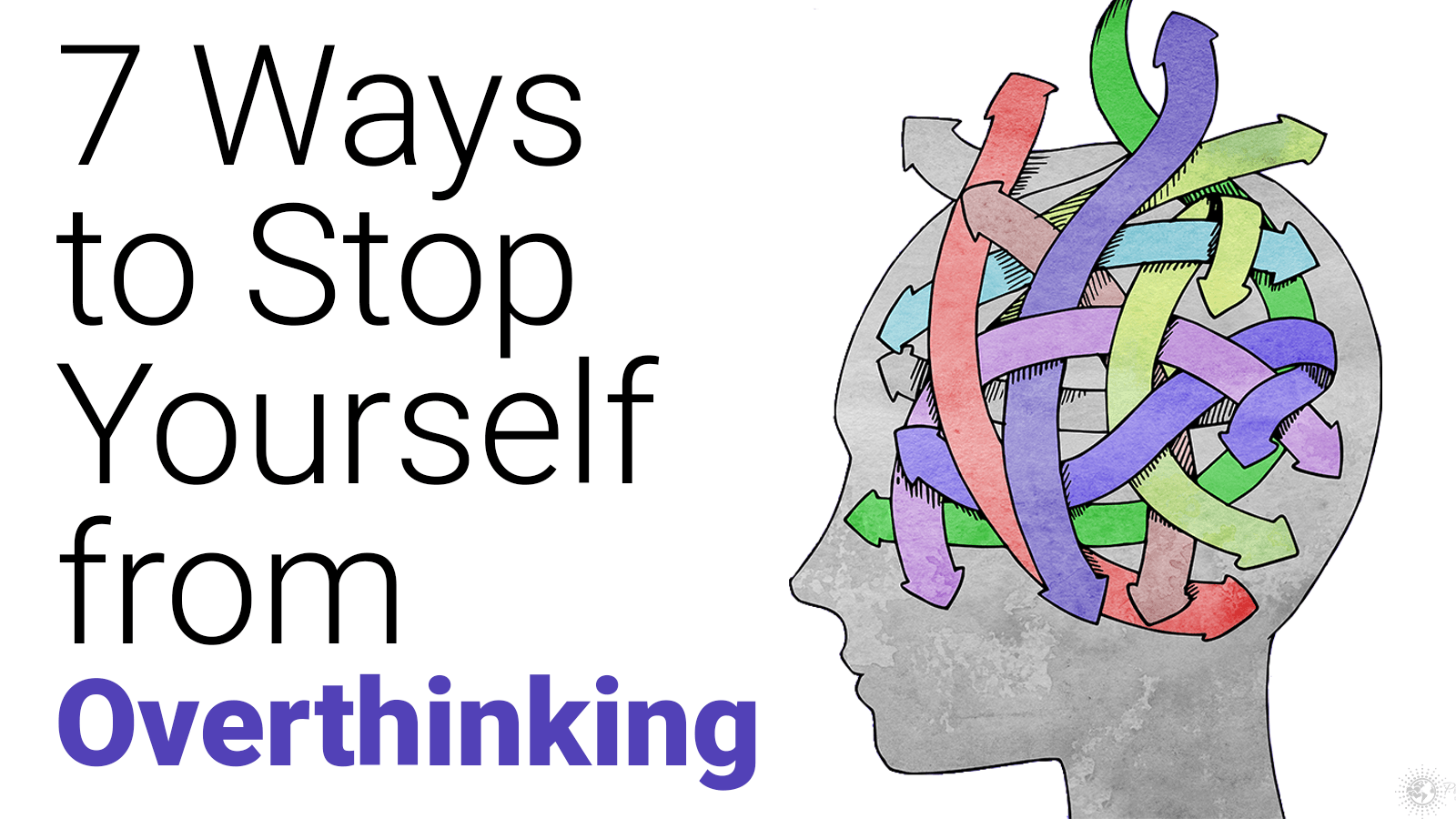
To the woman out there who overthinks, loves too much, and finds herself falling in love too easily, we know the struggle. Love should feel like a safety net, a place you can run to when the world seems to crumble beneath your feet. For the women who think too much, though, even love doesn’t always provide that sense of comfort. Love can make you overthink the most mundane things, causing you to question why you fall so hard in the first place.

For you, love means giving your all to someone, not holding back or cutting corners. You see into the depths of people’s souls, and always remind people of what makes them wonderful. Even if they don’t always treat you the same way, you can’t help having a huge heart or choosing to see the best in people. For you, falling in love means putting yourself on the line in hopes that someone else will see you this way, too.

Even the littlest things, like the way someone remembers your coffee order or how they laugh at stupid jokes, make you fall in love a little. You just appreciate people as they are, and don’t feel the need to change them. Your accepting and understanding nature makes it easy to love people, but sometimes, others take advantage of that. You’ve probably crossed paths with plenty of people who only want to take and never reciprocate your good energy.

While this article focuses on the woman who thinks too much, we also recognize that it can easily apply to men, as well. Don’t get mired too far in the pronouns, we affirm that men can overthink, also.

The woman who overthinks often wears her heart on her sleeve

overthinksPeople can sense your good heart from a mile away, and unfortunately, this can attract people with dishonest intentions. This doesn’t mean you should stop loving too hard, but you should be careful who you give your heart to. Not everyone is willing to give as much as you do, and in a relationship, you deserve someone who can meet you halfway.

However, even with a seemingly perfect partner, you may find yourself second-guessing your love. If they seem too flawless, your mind starts to dissect their words and actions, overthinking every possible scenario. Do they really love you as much as they say, or is it all just for show? Maybe the love you have conjured up in your head doesn’t even exist at all.

These types of thoughts swirl around in your head at night, making you toss and turn for hours. For the woman who overthinks and loves too much, you often feel misunderstood. It may seem like people just don’t have the capability to give or love as hard as you, for whatever reason.

You completely spoil the person you love, showering them with attention and affection. Falling in love so hard can make you vulnerable, distorting your view of the person you’re with. You may end up falling for the fantasy of love, not seeing the red flags clearly in front of you. You may think the world of someone, and because you love them so much, you overlook the warning signs.

And they might be overly cautious

On the other hand, wearing your heart on your sleeve can make you overly cautious about life. Because you overanalyze everything, you may make up problems that don’t even exist in reality. Instead of just going with the flow and enjoying life as it comes, people who overthink a lot dig deeper into situations. If they’ve been hurt a lot in the past, they may start to believe that everyone in their life is out to get them.

For the woman who loves too much, you may find yourself oscillating constantly between these two extremes. You want so badly to give your love to someone, but you get scared that they’ll abuse it, so you pull back. The woman who overthinks didn’t just become that way overnight – usually, she has a good reason for it. People may have pulled the wool over her eyes too many times, so she keeps her guard up now.

Know your boundaries

You can still have a big heart and choose to set boundaries, though. For the woman who overthinks, remember that you can have the best of both worlds. You can still enjoy life in the moment and love people without completely losing yourself. You can decide who to give your energy to, and who to keep your distance from.

Empaths or highly sensitive people often have a hard time setting boundaries, but you must do so to keep your sanity. Not everyone should have access to you at all times, because then you’ll have nothing left to give. Also, remember that everyone loves differently. Just because they don’t speak the same love language as you, doesn’t mean they don’t care about you.

At the end of the day, the woman who overthinks may just need reassurance from you. She may have been betrayed in the past and need reminders that you love and care about her. On those days where she feels unsure or lost in her own head, she may just need you to hold her a little tighter. For her, falling in love means giving all of herself, so take good care of her heart.

Also, to the woman out there who loves too much, you don’t need to change or water yourself down. Being sensitive and compassionate is not a weakness, and the world needs a lot more of what you have. You just have to remember that when you love as hard as you do, some people will hurt you. They will take advantage, misunderstand your soul, or just not appreciate you for the beautiful person you are.

Go where you feel free, where you feel like you don’t have to hold back. The right people will love your soul exactly as it is, and they won’t try to steal your energy. If you haven’t found your people yet, keep looking, because they’re out there. Keep spreading sunshine wherever you go and don’t allow the energy vampires to dim your light.

overthinkingDon’t overthink–trust the universe

Everything in this universe comes back to you in some way, including love. So, if you can give love without expecting anything in return, the law of karma will reward you. When you do find true love, try to maintain a balance. Don’t smother them, but don’t allow insecurities to make you too distant, either.

Falling in love often feels like the happiest time of your life, but it can also seem scary. Giving so much of your heart to someone can make you feel vulnerable, but this makes you human. When you fall for the right person, you don’t have to worry about protecting your heart. They will do that for you.

To the woman who overthinks and loves too much, just remember that you can only live for the moment. You can’t predict the future or control others, so try your best to enjoy the people currently in your life. Who knows what the universe will bring a month or a year from now, but you shouldn’t worry about that. Living in the past or future means you can’t immerse yourself in life happening now.

Hurt goes with overthinking

The people around you may hurt you, decide to leave, or stick by your side forever. With so many possibilities in life, we want to control something, so we often try to do this with the people in our lives. However, feeling the need to control anything takes away from the pleasures in life. People will become something to worry about, rather than something to appreciate.

Life flows best when we can find a balance between needing to control and just letting everything go. Whether in relationships or with friends, try to love without expectations. If people hurt you, at least you can walk away knowing you tried your best. If they choose to stay, then you get to give people your love a little bit longer.

To the woman who overthinks, we understand your pain. You may feel like you need to know everything about a situation, but in reality, you may not be able to. Reading too much into life can end up distorting your view, making you see things that aren’t even there. Maybe sometimes, things are exactly as they appear, and we don’t have to try to decode anything.

overthinksFinal thoughts to every woman who overthinks and loves too much

Love feels confusing, exhausting, blissful, and comforting all at the same time. To the woman who overthinks, love doesn’t always seem like a fairytale. Depending on the person, it can feel downright scary and bring up a lot of insecurities. Falling in love means giving your all to someone, but how do you know they won’t break your heart?

Honestly, you can’t know people’s intentions sometimes. You just have to go with the flow and try to find people who will appreciate your loving heart. It may take you a while to find your people, but it often happens when you least expect it. Our advice? Try to enjoy the ups and downs of life, and hold on when things get a little bumpy.

Skip to content