Weekly tips, affirmations, and small actions to feel your best.

Research Finds the Zebra Finch Has Great Communication Skills

A recent study published in the journal Science Advances found that zebra finches can recall voices much as humans can. According to the research from the University of California, Berkeley, these songbirds recognize one another based on a song or contact call. They have the ability to quickly memorize distinct sounds of at least 50 members of their flock.

The red-beaked zebra finch can pick up on specific tones from familiar finches, much like humans do with their friends. When a friend calls, or we hear their voice in a crowd, we can instantly distinguish them. Zebra finches have almost this same capacity for language mapping and communicating with other birds. According to the study, they also have the uncanny ability to remember each other’s distinct vocalizations for months or even longer.

“The amazing auditory memory of zebra finches shows that birds’ brains are highly adapted for sophisticated social communication,” said lead author of the study Frederic Theunissen, a UC Berkeley professor of psychology, integrative biology, and neuroscience.

Theunissen and a team of researchers wanted to investigate the songbirds’ scope and magnitude to distinguish vocalizations. Their findings showed that the birds performed even better than they had expected.

“For animals, the ability to recognize the source and meaning of a cohort member’s call requires complex mapping skills, and this is something zebra finches have clearly mastered,” Theunissen said.

Theunissen has studied bird and human communication patterns for around two decades. He collaborated with UC Berkeley postdoctoral fellow Julie Elie, a neuroethologist who has studied zebra finches in Australia. Their work has provided a fascinating insight into the communication skills and vocalizations of this songbird.

finchFun facts about the zebra finch

  • Zebra finches are the most popular finch species.
  • Their life span is around 10 years.
  • While the zebra finch is small, it’s not the tiniest of the finch species.
  • The species takes its name after the zebra-like stripes on its neck, chest, and tail.
  • You can tell males and females apart by the coloring on their beaks. The males have red bills, and the females have orange.
  • They originated in the remote desert areas of Central Australia, but they also thrive in Timor and Indonesia.
  • Zebra finches love to sing, while females usually don’t. This is because males use songs as mating calls.
  • This bird doesn’t do well alone. Indeed, they thrive when kept in pairs. They make a wonderful beginner pet bird, as they don’t need a lot of care or time commitment.
  • While these birds love being social with each other, they don’t bond strongly with people. With training, a pet bird will eventually come to your hand, however.

The zebra finch typically travels in colonies of 50 to 100 birds, flying apart and then regrouping later. Their songs are usually mating calls. However, they also employ distance calls to locate one another.

“They have what we call a ‘fusion fission’ society, where they split up and then come back together,” Theunissen said. “They don’t want to separate from the flock, and so, if one of them gets lost, they might call out ‘Hey, Ted, we’re right here.’ Or, if one of them is sitting in a nest while the other is foraging, one might call out to ask if it’s safe to return to the nest.”
Theunissen keeps a few dozen zebra finches in aviaries on and around the UC Berkeley campus. He used 20 of them in the study about communication skills and vocalizations.

The zebra finch study

In the two-part experiment, the team trained 20 captive zebra finches to recognize different birds based on their vocalizations. They first trained half the birds to memorize songs, and the other half learned to recognize distance or contact calls. Then, they switched the tasks so the other half of the flock could learn.

Then, they placed each zebra finch, one by one, into a chamber where they listened to sounds as part of a reward system. In doing this, the team wanted the birds to memorize different renditions of the zebra finches’ sounds.

When they pecked a key inside the chamber, the birds triggered an audio recording of zebra finches. If they waited until the six-second recording stopped, the researchers rewarded them with birdseed as a small treat. However, if they pecked before the recording had finished playing, they moved on to the next recording. The birds went through several trials to learn which vocalizations would lead to a reward and which ones they should skip.

After this, the zebra finch flock got introduced to more audio recordings from different birds. This would allow them to learn which vocalizations came from which birds. They quickly learned the various sounds of the 16 different zebra finches.

The zebra finches performed so well that four of them faced an even greater challenge of distinguishing between 56 different finches. On average, the birds could recognize 42 different zebra finches based on their distinct sounds. Surprisingly, they could still identify the birds based on these unique vocalizations even a month later.

“I am really impressed by the spectacular memory abilities that zebra finches possess to interpret communication calls,” Theunissen said. “Previous research shows that songbirds are capable of using simple syntax to generate complex meanings and that, in many bird species, a song is learned by imitation. It is now clear that the songbird brain is wired for vocal communication.”

pop memeFinal thoughts on the study about the profound communication skills of the zebra finch

Zebra finches are adorable little songbirds that make wonderful pets, even if you’ve never owned a bird before. The males love to sing, and both males and females have distinct vocalizations. They have the ability to recognize various sounds from different birds, much like humans can learn the voices of friends and family.

This innate ability to distinguish between birds helps them learn each other’s locations and mating. Even after months have passed, these birds can still remember each others’ unique sounds. If you own one, you can even play music or sing to your zebra finch to inspire it!
Science Explains What Happens to Your Body When You Skip Meals

When life gets busy, it’s tempting to skip meals. Plus, right now, intermittent fasting is a growing popular trend. But does skipping meals really help you lose weight? Is it healthy? Scientists weigh in on this subject. Here is what they’re saying.

What happens if you skip a meal?

Everyone skips meals once in a while. But if you’re skipping meals regularly, you may not realize the impact it’s having on your body.

1 – Blood sugar drop

When you skip meals, your blood sugar plunges. Your brain needs glucose to function, and fasting causes your glucose levels to drop> Thus, your brain may feel foggy, as if you can’t think straight. You may also feel irritable and tired. Your body is under stress, so it makes extra cortisol to compensate.

skip meals2 – Decrease in metabolism

When you skip meals regularly, your metabolism slows down. Your body stops burning calories, so you can’t lose weight. Your body starts working hard to survive, so it craves nourishment.

3 – Poor food choices

When you skip a meal, you feel starving. When you decide to eat, you’re prone to eat carbohydrates or sugary foods because these make you feel better right away. But loading up on carbs causes your glucose levels to spike, then fall quickly. You create a cycle of lowering and raising your glucose levels. This is dangerous and can lead to diabetes down the road.

4 – Depression

Regularly skipping meals increases your stress level leading to anxiety and depression. Your blood sugar dips and your cortisol levels increase. This drop causes moodiness and mental exhaustion. One cross-section study revealed that university students who frequently skip breakfast showed depression symptoms.

 5 – Strong cravings for sugar and carbs

Another consequence of skipping meals is low blood sugar, leading to strong cravings for sugar and simple carbohydrates. Simple sugars get broken down quickly in your body. There’s a spike in your blood’s glucose levels, so you get a short blast of energy that doesn’t last long.

Simple carbs include the following:

Raw sugars

  • Corn syrup
  • High fructose corn syrup
  • Fruit (fructose) juices

Syrups

  • Candy
  • Baked goods
  • Cereals with sugar
  • Table sugar

6 – Weight gain

If you’re trying to lose weight by regularly skipping meals could backfire on you. One study found that meal skipping, especially breakfast, was related to obesity.

 7 – Mess up your digestive system

When you skip meals, it affects your gut. It can lead to diarrhea or constipation. Plus, your stress levels are elevated, which also affects your digestive system. Over time, skipping meals, then eating a lot of food creates irregularity and could lead to digestive system problems like IBS. Eating regular, fiber and plant-rich foods help your digestive system function correctly.

8 – Risk of an eating disorder

Skipping meals and fasting put you at risk for an eating disorder. Not maintaining a normal meal routine combined with healthy exercise sets you up for poor health and a cycle of losing weight quickly through fasting. Eating disorders like anorexia, bulimia, and orthorexia (an obsession with eating healthy, fad diets, and food planning to the point where your health suffers) all started by irregular eating, guilt about eating, and a poor body image.

If you think you may be struggling with an eating disorder, talk to your doctor, or a counselor right away. Eating disorders can lead to health problems down the road that can make your life miserable.

What is intermittent fasting?

circadian rhythm

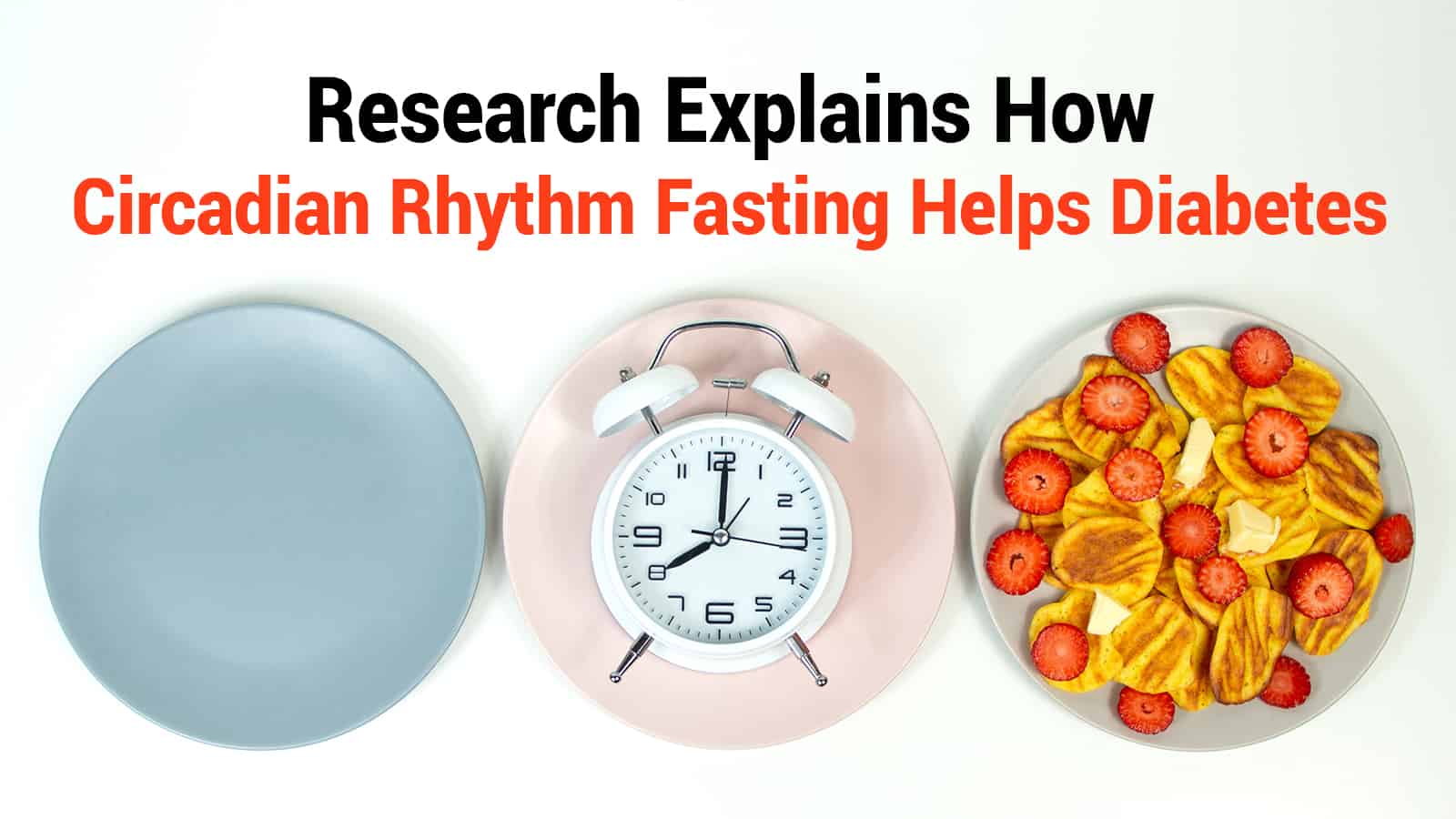
Intermittent fasting has gotten a lot of interest over the past couple of years. The premise of this eating pattern is that you limit the time during the day when you eat so you can lower your calorie intake. Usually, you only eat during an 8-hour window, fasting for 15 to 16 hours. So, if you stop eating at 7:00 in the evening, you don’t eat again until 11:00 am the next day. The jury is still out as it whether intermittent fasting causes weight loss and if it’s healthy for you.

Researchers say that the timing of your meals isn’t usually the biggest factor to your weight loss, but what and how much you’re eating is important.  Eating a diet high in whole grains, dairy, vegetables, and fruits give you the greatest advantages to be healthy. Moderate to intense exercise at least 2 1//2 to 5 hours a week is also important for your health. Intermittent fasting isn’t safe for everybody, especially if you have health problems. It’s best to talk to your doctor before you do this fast.

Is intermittent fasting healthy?

If you’re looking for a quick way to lose weight, intermittent fasting may not be your best choice. The question of intermittent fasting’s long-term health effects on humans should involve more research. Researchers are still trying to confirm if an intermittent fasting pattern is safe for healthy people, both old and young. So far, most of the research has been done on middle-aged, overweight individuals.

Check with your primary care doctor for specific guidance on whether intermittent fasting will work well for you.

The importance of eating breakfast

In a January 2020 study, researchers found that skipping meals, especially breakfast, will up your risk for coronary heart disease, diabetes, and metabolic syndrome. Metabolic syndrome involves high blood pressure, extra body fat around your middle, and higher cholesterol levels. Eating breakfast every day lowers your risk of glucose or insulin problems, leading to diabetes. Another study found skipping breakfast reduces the quality of the food you eat since breakfast often contains fiber and calcium that you may not get the rest of the day. Because of this, skipping breakfast over a long period can affect your overall health. Plus, eating breakfast didn’t cause weight, but overeating was the cause of obesity in adults.

In an interview with Laila Ali: fitness expert, athlete, and wellness advocate, TV host, founder of the Laila Ali Lifestyle Brand, home chef, and mother of two, suggests this:

If you’re short on time and energy in the morning, skipping breakfast may be tempting. But breakfast gives me the energy to knock out all my daily tasks and take care of my family. It also helps me choose healthier snacks and meals later on. Keep healthy, portable options around like fruit and nuts, or low-sugar granola, or yogurt you can grab on your way out the door and eat on the go. And the earlier you can stop eating at night, the better! Having an early dinner may help you avoid weight gain in the long run.

How to maintain your weight and stay healthy

You don’t want to skip meals. But how do you stay healthy and not gain weight? Here are some suggestions to help you.

  • Eat smaller meals more often during the day rather than skipping your meals.
  • Keep a snack handy when you’re out running errands. Choose something high in protein and fiber like nuts or seeds. They will keep you full.
  • Plan your meals ahead of time, so you don’t get over hungry and end up grabbing unhealthy food at the last minute.
  • Plan your menus a week ahead of time and buy the food you’ll need for the meals. This takes away the pressure to grab processed or pre-cooked meals at the last minute. Plus, you’ll have everything you need to cook when you get home after work or picking the kids up from practice.
  • View food as an investment. You invest in healthy foods to get the best returns.
  • Enjoy your meals because you haven’t been snacking all afternoon.

What should I eat?

Doctors suggest you eat a balanced diet involving eating these foods daily:

  • 5 portions of vegetables and fruits
  • High-fiber foods like whole grains. Choose whole grain rice or quinoa.
  • Dairy or dairy alternative foods like cheese, tofu, milk, or almond milk
  • Lean proteins like fish, eggs, nuts, and seeds
  • Eat small amounts of fat, salt, and sugars. You can eat healthy fats like avocado oil or olive oil.

skip mealsFinal Thoughts on the Dangers of Skipping Meals

Skipping meals sounds like a quick way to lose weight, but more and more research shows that it’s not healthy and may not help you lose weight at all. Skipping meals elevates your glucose, which in turn boosts your stress hormones called cortisol, which affects your mood, weight, heart, and metabolism. Skipping meals sets you up for an eating disorder that can cause long-term health problems like the following issues:

  • Heart failure
  • Kidney failure
  • Liver failure
  • Osteoporosis
  • Anemia
  • Low blood sugar
  • Constipation
  • Gastrointestinal problems

If you want to lose weight, eat regular meals, or frequent small meals during the day. Eat a good variety of fruits, whole grains, vegetables, dairy, and low-fat meats. Exercise regularly, at least 2 ½ hours a week.

Eating trends come and go with many other fads. And not all are actually that healthy in the long run. Stick to a tried-and-true method of regular meals, healthy food choices, and exercise because this is the safety healthiest route.

Trainers Share 7 Exercises to Reduce Turkey Neck

Father Time is no respecter of persons and will leave his calling card with everyone. Skin and body parts start to droop and sag as you get older. One thing that you may be battling at a certain age is a turkey neck. It’s a self-deprecating term, describing the loosening of the skin around the jawline and neck.

As your body’s largest organ, your skin covers and protects you from head to toe. Not only does it protect your muscles and inner organs, but it provides a cooling system for your body. It is amazingly elastic and supple and moves quickly with your muscles.

Collagen and other nutrients keep your skintight, smooth, and elastic when you’re younger. Unfortunately, collagen wanes with age, and your skin doesn’t snap back as it used to in your youth. Tell-tale signs of sagginess show all over your body, especially your face and neck.

What is a Turkey Neck?

Although the skin on your face and neck is exceptionally elastic, it is also quite delicate. It’s one of the first places that begin to show fine lines, wrinkles, and sags as you get a little older. Your once graceful swan neck may be turning into an unsightly turkey waddle.

turkey neckHave you noticed a little wiggle in the skin on your neck lately that didn’t use to be there? Perhaps your elegant chin has become droopy, much to your chagrin. Maybe you’ve taken to wearing turtleneck tops or colorful scarves to camouflage your turkey waddle.

•Genetics

How do people develop these dreaded waddles like the classic Thanksgiving bird? The usual culprit is age and a loss of collagen and skin elasticity. If one or both of your aging parents have a wobbly neck, chances are you will too later in life. Sadly, this condition can be hereditary.

•Sun Damage

Were you a sun worshipper and tanner when you were young? Your skin will pay the price of your adoration with extensive sun damage. The UV radiation from the sun absorbs into the inner layers of your skin and destroys vital skin cells responsible for elasticity. You can often recognize serial sunbathers by their dark, wrinkled, leathery skin.

Since sun damage affects collagen production, it’s understandable that it would result in sagging facial skin and a turkey waddle. One way you can reduce the chances of sun damage is to wear sunscreen and keep your skin covered from the damaging rays. Stay out of the sun during peak UV ray times like mid-afternoon, if possible.

•Smoking

It may have been “cool” to smoke when you were a teenager, but it will eventually take a toll on your body. Every organ and system is negatively affected by smoking, even your skin. Whether you smoke cigarettes, cigars, or pipes, your skin will show the inevitable signs.

Like sun damage, smoking damages skin cells, and your skin loses its glow and suppleness sooner. Smoking also depletes your body of oxygen, which is bad news for your skin. Many smokers have deep wrinkles, leathery skin, and a droopy turkey neck.

•Weight Fluctuation

It’s no surprise that obesity is a severe epidemic in America, especially with children. When you eat too many calories than you burn, your body stores them as excess fat. Your skin must strain its elasticity to the brink to accommodate the extra cushioning.

Your face and neck are no exception. If you are overweight or obese, you will often notice a fatty deposit under your chin, often called a double chin. When you are younger, your chin is stout and firm.

Losing extra weight to be healthy is one of the best decisions you’ll ever make. As your body gets rid of the excess fatty deposits, it may be challenging to get your stretched-out skin to snap back, especially if you’re older. Your once double chin may turn into an unsightly turkey waddle.

Seven Neck Exercises to Help Avoid or Reduce Turkey Neck

pop memeFor some people, camouflage is key for minimizing their turkey waddle. Many fashion experts recommend avoiding low-cut or sweetheart necklines in favor of crew or turtlenecks. You may also wear pretty scarves that draw the eyes to your face instead of your neck.

Did you know that your neck has many muscles that support your head, upper spine, and upper chest? When you do specific workouts for these areas, the strengthened muscles can tighten the skin around your neck. So, your neck needs proper exercise to avoid or minimize the turkey neck.

Remember that no amount of diet and working out will return it entirely to normal once the skin is stretched out. However, you needn’t go under the plastic surgeon’s knife to reduce your turkey waddle. If you have a daily workout regimen, these neck exercises would be easy to incorporate into it.

You can do all seven of them 2-3 times a week, or you may try doing one a day each day. The idea is to tone and strengthen your neck and chin, not to cause pain or injury. Here are seven helpful workouts that can strengthen your neck, and give it a better definition.

1. Howling at the Moon

How to:

•Raise your head until you’re looking at the ceiling or sky.

•Put your right hand on your collarbone and push down gently.

•Now, push your jaw and lower lip toward the ceiling/sky. You should feel a slight pulling sensation across your neck. Do this step for five repetitions.

•Switch to your left hand and repeat the steps another five times.

2. Neck Lifts

How to:

•Lie flat on your back on your workout mat. Then, gently raise your head and neck until it’s slightly off the mat.

•With your head and neck still up, slowly turn your head to the left, to the right, then forward again. Lower your head gently back unto the mat into the starting position.

•Do these steps for 5-10 repetitions. Be sure to make small, gentle, controlled movements. If you feel any pain, stop immediately. This is a good strengthening and toning workout for better definition.

3. Chewing Bubble Gum

•How to:

•Sit up straight on your workout mat or in a chair. Tip your head back gently to look at the ceiling while keeping your mouth closed.

•While your mouth is still closed, slowly open and close your teeth like chewing bubble gum.

•Do at least 15-20 repetitions.

4. Head Pushes

•How to:

•You may sit on your workout mat, stand, or sit in a chair for this exercise.

•Put your right hand on your forehead. Gently press against your hand without letting your head go forward.

•Hold this position for 5-10 breaths. This works the muscles in the front of your neck.

•Now, bring your hands behind your head and intertwine your fingers. Push your head gently to add some tension to the muscles. Try not to let your head move.

•Hold this position for 5-10 breaths. You are now working the muscles in the back of your neck.

5. Kiss the Sun

•How to:

•Sit up straight on a workout mat or a chair. Gently lift your head to look at the ceiling or sky.

•Purse your lips as if you are offering the sun a big smooch.

•Now, do 15-20 kisses slowly in the air, lower your head to the starting position.

•You can rest for 5 minutes and do another set of 15-20 kisses if you like.

5. Awakening Neck Lifts

•How to:

•Relax on your bed, face down, and allow your body to be smooth and relaxed. Your head should be comfortably dangling from the end of the bed.

•Now, slowly lift your head until it’s level with the bed. Hold this position for 1-2 breaths, then gently lower your head to the starting position. Try to do 3-5 repetitions, resting between them if needed.

•Remember to keep your movements slow and gentle. Fast or jerking action can cause pain or damage to your neck muscles. If you feel any problem at all while doing this movement, stop at once.

6. The Swan

•How to:

•You can do this classic yoga workout while standing, sitting on your workout mat, or sitting in a chair.

•First, turn your head slowly to the left and gently tilt it back. You should feel a little stretching and tension in your neck muscles, but no pain. Don’t twist your neck too far and stop immediately if you start hurting. Hold the position for 5-10 breaths.

•Slowly bring your head back to the start position, then repeat by turning your head to the right.

7. Upward Dog

•How to:

•Here’s another yoga position that will help tone your neck. Start by lying on your belly on your workout mat.

•Gently push your upper body up with your arms straight and positioned right under your shoulders. Gently tilt your head back and hold the position for at least 3-5 breaths. Do at least 3-5 repetitions.

Final Thoughts on Battling A Turkey Neck

While you strengthen and tone your body, don’t neglect your chin and neck. If you make it part of your regimen early enough, you may avoid the dreaded turkey neck. Or you can minimize the one that you already have.

7-year-old Weightlifter Is Already Training for the Olympics

Prisais Brooklyn, best known as Princess P, began working out at just 10 months old and quickly fell in love with weightlifting. Now 7 years old, she has her sights set on the Olympics, training for it rigorously. In addition to being a weightlifter, she also loves gymnastics and practices it regularly as well. She truly is the strongest 7-year-old you will ever see!

Prisais also started doing CrossFit at a young age and says that she enjoys feeling strong and healthy. It seems that she knew what she wanted early on in life and continues to pursue her goals. She said, “I found my passion for gymnastics by doing 10 strict pull-ups at 4 years old. Being brave, strong, and confident inspires me.”

What a role model for all the young girls out there!

Going to school can often present challenges with fitting in and learning how to stand up to bullies. Princess P shows young girls and teens how exercise can help them stay strong not only physically but also mentally. When you feel accomplished and have goals, people’s opinions will have less of a hold on you. Everyone deserves to feel good about themselves, whether that confidence comes from working out or something else.

She says, “My future goal is being in the Olympics and being a veterinarian.” It’s inspiring to see kids who know what they want out of life and don’t let anything stop them! She says that knowing she inspires others as well keeps her motivated as a weightlifter and future Olympian.


View this post on Instagram


A post shared by Princess P (@princess_p_freya_doll) on

“Gymnastics, CrossFit, and weightlifting inspire me because it makes me stronger!” she says.

Not only does she have a strong, healthy body, but she keeps her mind positive as well. Her determined and focused attitude helps her stay on track and reminds her that she can do anything she sets her mind to. Her parents share her progress on Instagram and YouTube, and Prisais inspires thousands on these platforms. If everyone out there had her willpower, imagine what the world could accomplish!

Prisais’ dad, a former NFL wide receiver, helps her with workouts and ensures her form stays on point. Both her parents give her full support, encouraging her to grow up fearless and strong. Princess P actually picked up her first weight at only 14 months old and seemed to have natural talent. She even taught herself workouts, which she carries over into her gymnastics routines.

She was the only 4-year-old on the Level 2 Junior Olympic team and has now advanced to the Level 4 team. Her baby sister Freya is also following her big sister’s footsteps and often joins the dad/daughter team for workouts. While some fans have questioned young kids’ safety lifting weights, the American Academy of Pediatrics (AAP) says kids can benefit from it. With proper supervision, resistance training can build strength and help prevent childhood obesity.


View this post on Instagram


A post shared by Princess P (@princess_p_freya_doll) on

Weight lifting and children

A clinical report published in the June 2020 issue of Pediatrics said:

“Resistance training consists of much more than weight-lifting, and it has a place in everyone’s physical fitness routine,” said Paul R. Stricker, MD, FAAP, lead author of the statement, written by the Council on Sports Medicine and Fitness.

“We know children as young as 5 can build strength with one-legged hops or frog jumps. For older children, resistance training can be combined with aerobics or other sports to round out their activities.”

However, as with any exercise regimen, parents should set guidelines for their children.

The AAP recommendations include taking the following precautions:

  • Before beginning any program as a weightlifter, children should see a doctor if they have any medical conditions or are in chemotherapy.
  • Make sure their workouts are age-appropriate and include aerobics, resistance training, and other developmental exercises.
  • In youth with overweight or obesity, start with resistance training, as this helps burn fat over a longer period of time. Then, incorporate aerobics when they feel ready for it.
  • Make sure to include warm-ups and cool-downs in each training session.
  • Encourage kids to drink enough water and eat a balanced diet to ensure safety and success in workouts.
  • If children show any signs of illness or injury, stop exercises immediately, and evaluate further before clearing them for workouts again.

Especially in today’s sedentary world, kids need exercise to grow up healthy and strong. Even if they don’t gravitate naturally toward working out, they may learn to love it after becoming second-nature. Who knows – they may even grow up to become a weightlifter or sign up for the Olympics just like Princess P!

With the advent of technology, more children than ever spend time sitting on the couch rather than playing outside after school. Make sure to set limits on kids’ technology use to have a well-rounded childhood and get adequate exercise. Children need time to release pent up energy, and if they don’t have recess or P.E. at school, they should have time to play after school.


View this post on Instagram


A post shared by Princess P (@princess_p_freya_doll) on

Childhood obesity is becoming an epidemic, but parents and guardians can do something about it. In addition to ensuring your child gets enough exercise, make sure they follow a balanced diet with only occasional treats. If we want our kids to grow up free of diseases, we must instill a healthy lifestyle in them at a young age.

Final thoughts on the 7-year-old weightlifter already training for the Olympics

Princess P, a 7-year-old weightlifter, has big dreams of making it into the Olympics one day. With her drive and determination, we do not doubt that she will achieve her goals and take the gold medal! She inspires thousands of people to become healthy, work hard for their dreams, and above all, have no fear. Her parents are her biggest cheerleaders and support her 100% on her journey.

Do you know any kids who have an inspiring story like Princess P? Please share with us in the comments!

Therapists Reveal 6 Traits Of Psychological Health

Do you ever wonder what kind of person is happiest? It seems like a very subjective sort of question. Most experts would likely agree that anyone can experience psychological health or disorders, illnesses, and general lack of wellness, regardless of their personality, values, and traits.

But what if there was scientific evidence that certain traits lend themselves to better overall psychological health? What if learning to adopt these traits could help you in your journey towards a healthier mind? As it turns out, there might be some truth to that concept!

Recently, new research was published in the Journal of Personality and Social Psychology that provides insight into these traits. Titled “The healthy personality from a basic trait perspective,” this study presents some new and potentially groundbreaking findings on positive personality traits and their impact on mental health.

Based on that study, many traits have been uncovered that indicate what could add up to people of better mental state and well-being. These traits join many others that experts have long believed contribute to the ideal level of mental health. Based on this and previous research, without further ado, here’s how therapists reveal 6 traits of psychologically healthy people.

1.      A Person with Good Psychological Health Is Not Impulsive

An impulsive person is someone who has difficulty managing urges, cravings, and temptation. Those who face this problem are more susceptible to mental health issues, as they experience guilt and regret later on or perform acts that may ultimately harm them.

Humanistic psychologist and author Scott Barry Kaufman, Ph.D., states that people should aim to develop low impulsivity because:

  • You will develop high frustration tolerance.
  • You can more easily resist any kind of temptation.
  • You’ll be able to delay gratification.
  • You are capable of focusing on long-term goals over short-term ones.

pop memeIt is worth noting that impulsiveness is not the same as being a risk-taker, a quick thinker, or a spontaneous person. It refers very specifically to a lack of forethought resulting in ill-advised decisions that could harm you and others without sufficient calculation to determine its safety beforehand.

2.      They Are Open To Feelings

Being open to feelings doesn’t just mean being accepting of the emotions of others. More importantly than that, it refers specifically to your acceptance of your own emotions. It means:

  • The ability to be aware of your own feelings and thoughts
  • The understanding of emotion as a crucial part of everyday life and being human
  • The acceptance of difficult and complicated emotions
  • The willingness to reflect on feelings, no matter how difficult it can be to confront them
  • The openness to experiencing all sorts of natural emotions, including deeper and differentiated emotional states
  • The ability to express your own feelings to others in healthy and positive ways
  • The experience of more intense emotions than others

This isn’t much of a surprise, based on past research. Numerous studies have pointed out how repressing and suppressing emotions can lead to decreased positive thinking, jeopardizing physical and mental health. Self-expression of emotion isn’t just healthy – it’s necessary!

3.      They Don’t Trap Themselves In Negative Emotions

Negative emotions are normal, and they’re even healthy to experience every once in a while. The problem arises when you become trapped in those negative emotions, leading to difficulty moving past them and potentially leading to long-term negativity. Here are some forms of negativity that can form traits of poor mental health:

·         Stress

Stress is a normal part of life, but those who are especially vulnerable may experience it in an unbalanced excess. That much stress can mess up the way your brain processes and handles difficult situations, potentially leading to constant or chronic stress – both of which are, of course, not the best for mental health!

·         Angry Hostility

You’ve probably heard these terms separately plenty of times. When put together, they tend to experience negative emotions based on or resulting in anger. Examples of this are annoyance, bitterness, envy, and frustration. Angry hostility can lead to a susceptibility to negative situations, meaning you are more likely to lash out or experience anger from minor situations.

·         Anxiety

Anxiety comes with restlessness, stress, and fear, which all take a toll on one’s psychological state. It’s easy to become caught in an endless loop of worries about the future and regrets about the past. Do note that this does not refer to anxiety disorders specifically, but to the general concept of being trapped within anxious worries and thoughts to the point that they become self-fulfilling.

·         Depression

Unfortunately, depression is often not controllable, but you should be aware of what makes you more susceptible to it. Those with diagnosed or clinical depression tend to experience higher shame, guilt, worthlessness, hopelessness, sadness, and loneliness. Combined, it makes plenty of sense that these point to bad psychological health, especially since cycles of negativity are common in depression. Learning to manage a depressive disorder better can help you overcome the worst of these symptoms.

Clinical psychologist and psychoanalyst Jennifer Kunst, Ph.D., who also works with the Fuller Graduate School of Psychology and the Psychoanalytic Center of California, considered vitality a significant sign of mental health. She defines vitality as the state of being more engaged, alive, and inhibition-free – all things that you will have difficulty developing while trapped in negativity.

psychological health4.      They Have A High Frequency Of Positive Emotions

Linked to the previous point, most psychologically healthy individuals make it a point to promote and create positive emotions in their lives. If you try to be optimistic, you’re training your brain to better spot good things over bad things. As such, the more positive emotions you train yourself to experience, the more psychologically healthy you can become – and vice versa.

Of course, it goes without saying that this is easier said than done. But did you know that faking positive thinking through smiles can actually trick your brain into releasing happy hormones? Numerous studies have shown that the brain can’t tell the difference between a real and fake smile, so it always responds as if the smiles are real. This doesn’t mean you should repress sadness, but that you should learn to incorporate smiling more into your everyday routine.

Being around positive people may also help you train your happiness. Author and psychiatrist Dr. Eva Ritzo states that seeing other people smile makes it easier for you to smile, allowing for even more “training” for your brain.

5.      They Are Warm

Warmth refers to acts of affectionate intimacy on an interpersonal level in all sorts of relationships, whether platonic, romantic, familial, or even with strangers. Psychologically healthy people tend to form positive attachments with others easily as they genuinely like being around other people.

Someone who lacks warmth is distant, formal, reserved, and a bit of a loner. While they may still be compassionate, there’s an inherent lack of closeness in all their bonds, if they have any at all. This doesn’t mean having a lot of friends or changing from an introvert to an extrovert. Instead, it means being open and warm in your valued relationships and being friendly to others.

Kunst adds to this trait by listing love as a sign of good mental health. Essentially, in that case, love is a form of warmth that means genuine care for others. A loving person makes room in their heart for the people they value most and makes an effort to repair damage in their relationships, with their main intent always rooted in gratitude and appreciation.

6.      They Are Direct And Straightforward

Being straightforward can be difficult. Many people are more willing to tell white lies because they’re sweeter to hear, are more likely to be well-received without creating conflict, and can make others feel a little better. But at the end of the day, a lack of honesty gets you nowhere.

Psychologically healthy people are often genuine in their everyday lives. They are sincere and frank, and their social skills are maintained through means other than uncomfortable deception. They do not use incorrect flattery, nor do they manipulate, deceive, or use underhanded tactics to get ahead. This allows their minds to be uplifted and safe from negative psychological effects related to repetitive lying.

This is another one of Kunst’s stated signs of positive mental health: an overall commitment to truth. This means that you would rather provide real and factual information instead of providing statements that are dishonest for the sake of idealism or kindness. While there is some nuance to be applied to this concept, it’s a good one to keep in mind.

In the past, research has also released interesting findings regarding the mix of happiness and honesty. Not only are you more likely to be honest when you’re happy, but being honest is linked to other forms of positive thinking and behavior, including:

  • Life satisfaction
  • Self-control and impulse management
  • Feelings of normalcy
  • Positive self-belief
  • Social success
  • Healthy relationships

psychological healthFinal Thoughts On Some Traits Of Psychologically Healthy People

How many of the things on this list can you tick off? As highly positive traits, they’re all values that you may find beneficial to add to your behavior, whether your goals involve improving psychological wellbeing or not.

Despite research into these traits, it’s worth noting that no single trait can ever dictate physical or mental health. Even then, a collection of traits is still not a definitive form of proof of psychological health. You can have all of these traits and still have mental disorders, and you can have none of them and be psychologically healthy.

However, given the evidence, it’s likely that learning to hone these traits can improve your mental state or make you less susceptible to threats to your mental health. You should always be working on self-improvement, and many of the traits that research over the years has found to be beneficial for psychological health are ones that many would strive to achieve regardless.

At the end of the day, one of the best ways to become mentally healthy is to work on yourself and your wellbeing. You might not be able to control everything, especially if you have a mental disorder, to begin with, but you can learn to handle better and manage the factors that affect you. If you need further assistance in your efforts, you can always speak to a therapist, psychologist, or similar medical professional for advice on your psychological health!

15 Symptoms of Dehydration That Most People Ignore

Have you ever been dehydrated? It’s a miserable feeling that can be serious if it’s not taken care of promptly. Dehydration symptoms are easy to spot, especially since they typically follow a sickness or extended periods of fluid loss.

Your body is made of 50-65 percent water, so it stands to reason that when you lose more water than your body needs to thrive, your system suffers. You need water to carry out normal functions, so you must replace the fluids that are lost.

While anyone can become dehydrated, the situation is more difficult for both the elderly and young children. Older adults have a lower amount of water in their bodies, and they usually take medications that can alter their fluid levels. Though these age groups are more susceptible to dehydration, it can happen to anyone at any age.

It’s not uncommon to see more dehydration cases during the heat of summer when people are outside and not hydrating properly. It’s also possible for those who exercise too much without replacing what’s been lost through sweat. Thankfully, most people can reverse their dehydration without even realizing it’s a problem by drinking more water, and sports drinks are also good at replacing lost electrolytes.

However, when the loss of bodily liquids is severe, then it will require medical treatment. There are many reasons why a person becomes dehydrated, and it doesn’t always have to be because they had a hard workout or were out in the heat. Chances are you’ve had issues with this medical problem but were able to resolve it before it became a significant issue.

The Causes of Dehydration

symptoms of dehydrationThe symptoms of dehydration typically appear after an extended period of sickness or food poisoning. When you’re sick, you don’t drink the water you need, or your body may not be able to stomach the additional fluids. Additionally, if you’re out hiking in the woods or camping, you might not have access to safe drinking water.

Medical experts have concluded that the most common reasons for dehydration are as follows:

•Increased Urination

Many things can cause you to go to the bathroom more frequently. One of the most common culprits is medication, specifically blood pressure varieties. When a person has diabetes, the body tries to expel the extra sugar through urination, especially if it’s uncontrolled.

•Fevers

When you’re sick, one of the main problems you will experience is a fever. A fever absorbs the water from your system to cool off your body. It stands to reason that higher fevers will take more water from your system than a low-grade temperature. Remember to drink plenty of fluids when your body is above 98.6 degrees.

•Excessive Sweating

Some people naturally sweat more than others. These people need to make sure that their fluid intake can match their output. For others, their sweating increases when they are outside in the hot sun or involved in vigorous activities.

Your body automatically loses more water when the temperatures are soaring, so you must stay hydrated to avoid any of the symptoms of dehydration from appearing.

•Vomiting

Vomiting that comes with an illness can be severe. When you lose the contents of your stomach, you may begin to purge bile and water. Not only does this affect the body’s hydration levels, but it also affects your electrolyte balance. Sadly, dehydration can happen very quickly.

•Diarrhea

Some people have lost stools on occasion, and they are not troublesome. The real issue comes when you get sudden or violent diarrhea attacks along with other issues like fevers and vomiting. The combination can be too much for the body to handle.

Who Is At Risk?

prevent dehydrationWhile anyone can become dehydrated, some people have a higher risk than others. They include the following:

•Those with Weakened Immune Systems

Those who have diabetes are at significant risk of having symptoms of dehydration. Since the excess glucose is passed from the urinary system, the body will attempt to expel the sugar. It’s not uncommon for a person with diabetes to use the bathroom more frequently than others.

However, diabetes isn’t the only condition that causes a loss of fluids. People with kidney disease also seem to expel more fluids than usual. Even having something as minor as a sore throat can make you less likely to drink and more likely to become dehydrated.

•Individuals Who Work Outside or Exercise

When you work outside in the elements, your body uses more water to stay cool. When the weather is hot and humid, you’re at an increase of losing too much water from your system. Your body sweats to cool you, but the sweat can evaporate rather quickly when temperatures are soaring.

If your body temperature increases, you need more water to sustain it. You can never drink too much when you’re outside in the elements trying to work.

•The Elderly Crowd

When you become age 60 and above, the fluid reserves in your body are not the same. You have fewer storage capacities, and your conservation abilities are reduced. When an older adult has problems that cause them to use prescription drugs, they can also play with fluid levels.

Another problem is that many older folks don’t drink an acceptable amount of water. The reasons can be mobility problems that limit their capability to get to the water, or they forget what they’ve ingested.

•Babies and Younger Children

Babies and children are the most common group to experience symptoms of dehydration. It’s partly because this group often has issues with diarrhea and vomiting. When they have a fever, their body kicks into overdrive, trying to cool itself, and they can lose essential fluids.

Another issue with the younger kids is that they can’t articulate to their parents when they’re thirsty. Infants mostly must rely on their parents for help in ensuring their food and hydration levels are appropriate. Since young kids can’t get a drink for themselves, their parents must watch for warning signs that they need hydration.

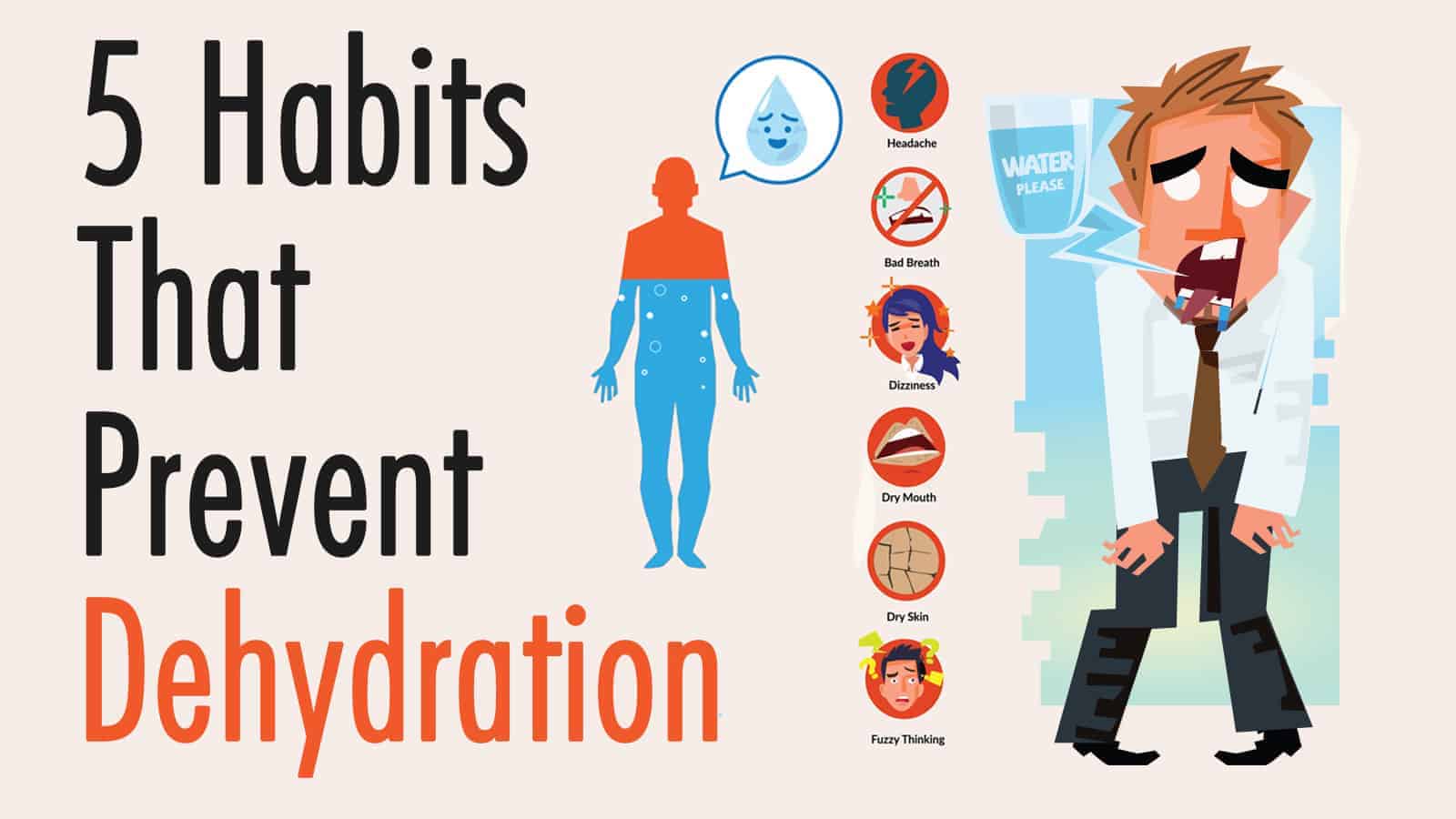
15 Symptoms of Dehydration

Now that you understand all the causes and people who are at risk, here is a list of the most commonly observed signs of dehydration.

1. Dizziness/Lightheaded

2. Headaches

3. Dry Mouth

4. Excessive thirst that can’t be quenched

5. Fatigue

6. Inability to urinate

7. Dry skin

8. Constipation

9. Reduction in saliva production

10. Sunken eyes

11. Fast breathing and heart palpitations

12. Drop in blood pressure

13. Urine turning a dark color

14. Confusion

15. Fainting

Complications of Dehydration

Most mild problems with dehydration can be treated at home using a sports drink and adding a pinch of salt or sugar to water. Children can use drinks like Pedialyte to help rebalance their electrolytes.

Severe dehydration symptoms must be evaluated by a medical professional. Here are four serious complications that can arise when the body’s fluid level is too low.

•Hypovolemic Shock

Hypovolemic shock is a condition that can be life-threatening if not treated immediately. When the blood volume drops too low, it can cause your blood pressure to plummet. Ultimately, the oxygen levels in your body deteriorate, causing a severe health emergency.

•Seizures

Seizures are always scary because the brain is short-circuiting. When your electrolytes become unbalanced, they can cause electrical messages to become confused.

Confused signals lead to involuntary muscle contractions and seizures. It’s imperative to keep potassium and sodium levels intact following sickness for this very reason.

•Kidney Damage

If you have chronic spells of dehydration, it can put a massive strain on your kidneys. The bouts of low fluid levels can cause you to experience UTIs or even kidney stones. Ultimately, your kidneys can fail when your fluid levels are altered.

•Heat Damages

Heat injuries can occur relatively quickly when someone is outside and sweating more than they have in their water reserves. How many times have you heard of a heat stroke? All a heatstroke means is someone has exhausted their fluid levels, and the body is unable to cool itself naturally.

Heat injuries can range in severity, but they are nothing to mess around with. If you’re outside and start to experience any dehydration symptoms, you need to get help. Heat strokes can be life-threatening.

symptoms of dehydrationFinal Thoughts on Dehydration

Dehydration is a common problem that affects the masses. The key is to notice the signs and be ready to act. If you’ve tried to treat the condition at home to no avail, then it’s time for medical intervention. Things can go from bad to life-threatening in a matter of minutes, so you must recognize the symptoms of dehydration and be ready to get help when needed.

Ozone Damage Increase Due to Pollution, According to Science

New research found that increasing pollution over the past two decades resulted in higher ozone levels. While this may seem obvious, no previous study about ozone used data collected directly by commercial aircraft.

In the study published in the journal Science Advances, researchers gathered measurements from aircraft on international flights. They discovered increasing ozone levels in the lowest part of Earth’s atmosphere in the Northern Hemisphere over the last two decades.

This occurs even as tighter emission controls have lowered ground-level ozone in certain areas of North America and Europe. Despite better regulations, the ozone levels in Earth’s atmosphere continue to rise. Called tropospheric ozone, it occurs between Earth’s surface and 12 to 15 kilometers above Earth. The greenhouse gas can lead to lung damage in humans and kill plants at high levels.

What climate experts have to say

“That’s a big deal because it means that as we try to limit our pollution locally, it might not work as well as we thought,” said Audrey Gaudel, the study’s lead author and a Cooperative Institute for Research in Environmental Sciences (CIRES) scientist at NOAA. She said that she and her colleagues found the largest increases in ozone in the tropics. Gaudel went on to say that ozone exported from the tropics may cause increases in other areas of the Northern Hemisphere. She and other researchers from CIRES at the University of Colorado Boulder contributed to the study.

Gaudel and her co-authors, CIRES scientists in NOAA and international colleagues, discovered the greatest ozone increases in areas where it had been lowest previously. Malaysia/Indonesia, Southeast Asia, and India, for example, had the highest levels. However, between 1994-2004, those regions had low ozone levels. Between 2011 and 2016, those areas saw dramatic increases.

Gaudel said that prior studies couldn’t draw definite conclusions on the data due to a few long-term monitoring locations. Also, new satellites record data globally, so the results on ozone trends vary widely. Taking this into account, the researchers decided to use aircraft data from Europe’s In-Service Aircraft for the Global Observing System (IAGOS) program.

 “Since 1994, IAGOS has measured ozone worldwide using the same instrument on every plane, giving us consistent measurements over time and space from Earth’s surface to the upper troposphere,” Gaudel said. Between 1994 and 2016, commercial aircraft took 34,600 different ozone measurements or four profiles each day. Using these measurements, Gaudel and her team analyzed changes in tropospheric ozone from the mid-1990s to 2016. They calculated these changes in ozone above 11 regions in the Northern Hemisphere.

A scientists explains these trends

plastic pollutionThey discovered an upward trend in ozone in all 11 regions, including four in the mid-latitudes and two in the subtropics. Also, they found an increase in two areas of the tropics and three equatorial regions. On average, the median values had risen by 5% per decade.

In the lower troposphere, which sits closer to Earth, ozone levels have decreased above some mid-latitude regions in Europe and the U.S. Here. Tighter ozone emission controls have led to reductions in pollution. However, these decreases have been offset by increases in the upper troposphere. This resulted in an increase in ozone overall from the surface to 12 km into the atmosphere.

What caused these changes in ozone levels?

The team analyzed emissions of one of the main drivers of ozone increases – nitrogen oxides – to understand what caused these changes. They input this data for the global chemistry transport model MERRA-2 GMI, which accurately reproduces the IAGOS measurements. This model showed that increased emissions in the tropics likely caused the subsequent increase in the Northern Hemisphere.

After taking this data into account, the team wants to focus on the tropics’ ozone levels for future studies. They believe Africa may soon become a global hotspot for air pollution precursors, and the IAGOS data will show recent  trends there. The team will also compare tropical measurements from IAGOS with measurements from the NASA Atmospheric Tomography (ATom) field campaign. This measures small levels of gases and aerosol particles in more isolated, less polluted regions, including tropics.

Finally, the team will eventually analyze measurements from TROPOMI, an instrument on a European Space Agency satellite that gathers data on atmospheric composition.

“We want to understand the variability of ozone and its precursors and the impact of polluted regions on remote regions,” Gaudel said. “So we’re using the best tools we have, including IAGOS, ATom data, and TROPOMI data, to get profiles and columns of ozone and its precursors from different kinds of human activities and natural sources.”

What does this data mean?

With all of this data, they will better understand how pollution affects these levels, especially in areas near the tropics. According to the Climate & Clean Air Coalition, tropospheric ozone air pollution causes around 1 million premature deaths worldwide. It also leads to millions of chronic diseases, especially in the elderly and small children. Furthermore, it results in further warming of the atmosphere, worsening climate change.

In the stratosphere, ozone helps shield life on Earth from the Sun’s potent ultraviolet rays. However, in lower troposphere levels, a build-up leads to human and ecosystem damage. It also contributes greatly to smog, found mostly in large urban cities such as Los Angeles and New Delhi.

Experts say that limiting ozone in lower atmosphere levels boils down to reducing methane and cutting fossil fuels. Also, reducing pollution from agriculture will greatly aid in reducing tropospheric ozone. Ozone causes global crop production losses totaling 79-121 million tonnes, equaling $11-18 billion annually.

ozoneFinal thoughts on ozone increase due to pollution

Experts have found a direct link between increasing ozone levels and pollution worldwide. Malaysia, Indonesia, Southeast Asia, and India show particularly high levels of ozone in recent years. While emission controls have been enforced in North America and European areas, this only reduces ground-level ozone. In higher levels of the atmosphere, that amount increases, leading to health problems and crop failure.

Climate experts and researchers say that reducing methane and fossil fuel production can lower ozone levels. Greener technologies can lead to better health for humans and the planet, giving us a better quality of life.

Researchers Link Decreased Gut Microbiome to Everyday Chemicals

Scientists began studying the gut microbiome more extensively in recent years, and have found that household chemicals decrease diversity. A team of researchers discovered a reduction in beneficial fungi and bacteria in the guts of children exposed to harmful chemicals.

This groundbreaking research was published on November 2, 2020, in Environmental Science and Technology Letters. The lead author and assistant professor in the Washington State University Department of Civil and Environmental Engineering Courtney Gardner and Duke University researchers performed this study.

Scientists hope that their research will further knowledge of how semi-volatile organic compounds impact human gut bacteria. These compounds commonly occur in most indoor environments due to their widespread use in building materials, furniture, textiles, and other everyday products. Researchers believe that SVOC’s may harm the gut microbiome and lead to a weakened immune system.

What is the gut microbiome?

The total microorganisms, including bacteria, viruses, fungi, protozoa, and their overall genetic material, make up the microbiome. The microbes in our gut help with various bodily functions, including nutrient absorption to immune system regulation. It may surprise you to know that you have more bacterial cells than human cells; technically, you’re more bacteria than human! Humans have around 40 trillion bacterial cells and 30 trillion human cells.

gut microbiomeAll these microbes may weigh as much as 2-5 pounds, around the same weight as your brain. The gut microbiome acts as a second organ and affects your health in numerous ways. A healthy gut aids in the following bodily processes:

  • Digesting breast milk: Some of the first bacteria known to grow inside babies’ intestines are called Bifidobacteria. These bacteria digest the sugars in breast milk, which help the baby grow.
  • Digesting fiber: Certain bacteria digest fiber and produce short-chain fatty acids, which promote a healthy gut. Fiber can help prevent weight gain and diseases like diabetes, heart disease, and cancer.
  • Boosting your immune system: The gut microbiome helps your immune system respond to threats better. If you get an infection, healthy gut bacteria will communicate with immune cells to mitigate the infectious cells. By communicating with immune cells, the gut microbiome can control how your body responds to infection.
  • Helping control brain health: Research in the past few years suggests that the gut microbiome directly impacts the nervous system, and therefore, mental health.

Beneficial gut bacteria can also help control your weight, prevent digestive disorders, boost heart health, and lower blood sugar. However, an unhealthy gut microbiome may lead to diseases such as obesity, asthma, dementia, and more. Now that you know the importance and function of gut bacteria let’s go over the study mentioned above.

Study about household chemicals and gut bacteria

The researchers took measurements of ubiquitous semi-organic compounds in 69 toddlers’ and preschoolers’ blood and urine for the study. Then, they took fecal samples to study the children’s gut bacteria. The semi-volatile organic compounds they measured included the following:

  • phthalates, found in detergents, plastic clothing such as raincoats, shower curtains, and toiletries such as soap, shampoo, and hair spray
  • per- and polyfluoroalkyl substances (PFASs), found in stain- and water-repellent fabrics, coatings for carpets and furniture, nonstick cooking products, polishes, paints, and cleaning products.

Unfortunately, most people get exposed to these chemicals in their homes each day by breathing in air and dust particles. Children may ingest them when they crawl, play on carpets, or put objects in their mouths.

After taking samples from the children, they measured the levels of fungi and bacteria in their gut microbiome. They found that children with higher levels of bloodstream chemicals had a less diverse gut microbiome. Children with higher levels of PFASs in their blood showed a reduced population and diversity of bacteria. Those with higher levels of phthalates showed a reduction in fungi populations.

The research team expressed concern about these findings.

Gardner said they found the connection between everyday chemicals and fewer gut bacteria very pronounced and concerning.

“These microbes are perhaps not the main drivers and may have more subtle roles in our biology, but it might be the case that one of these microbes does have a unique function, and decreasing its levels may have significant health impacts,” she said.

Sadly, researchers discovered that children with high levels of SVOC’s in their blood also had other harmful bacteria in their gut. They found several types of bacteria that the gut uses to clean up toxic chemicals. Called dehalogenation, bacteria have been used for bioremediation to break down chemicals like cleaning solvents from the environment. However, scientists normally don’t find these in human gut bacteria.

“Finding the increased levels of these types of bacteria in the gut means that, potentially, the gut microbiome is trying to correct itself,” Gardner said.

She hopes that the information gleaned from the study will improve human health in the future. Perhaps better diagnostic tools or probiotics will become available.

“While these data do not denote causation, they offer an indication of the types of organisms that may be impacted by exposure to these compounds and provide a springboard for future research,” she said. “Gaining a more holistic understanding of the interactions between human-made chemicals, gut microbiome, and human health is a critical step in advancing public health.”

probiotic

Here are ten incredibly good reasons why you should add probiotics to your menu.

Final thoughts on the link between the decreased gut microbiome and everyday chemicals

Consumer advocate groups lobbied to issue warnings about the dangers of our household cleaners and building materials. Companies may not have known about the risks when creating these products, but now, consumers have to deal with the consequences. Unfortunately, these chemicals have the potential to interfere with our gut health and disrupt our natural microbiome.

In a recent study, scientists found that children who had high levels of SVOC’s in their blood showed decreased gut bacteria diversity. This means they will have a harder time fighting off disease and infection. The researchers hope that more options for increasing diversity and the number of gut bacteria will become available in the future.

Scientists Discover a New Link Between Autism and Sound Sensitivity

Surprisingly, zebrafish have been helping scientists to decode the connection between autism and sound sensitivity. For the study, the Queensland Brain Institute’s Associate Professor Ethan Scott and Dr. Lena Constantin compared genetic mutations in humans and zebrafish.

They took fish with the same genetic makeup as humans with Fragile X syndrome and autism. When they compared the neural networks and pathways which cause sound sensitivity, the researchers discovered striking similarities.

“Loud noises often cause sensory overload and anxiety in people with autism and Fragile X syndrome — sensitivity to sound is common to both conditions,” Dr. Constantin said.

“We think the brain is transmitting more auditory information because it is being filtered and adjusted differently.”

“Half of males and one-fifth of females with Fragile X syndrome also meet the diagnostic criteria for autism spectrum disorder.”

Dr. Gilles Vanwalleghem and Rebecca Poulsen, also from the Queensland Brain Institute, contributed to studying how zebrafish interpret their world. They wanted to examine how neurons function together to process stimuli and information.

Before we go any further, let’s discuss some of the symptoms and characteristics of both Fragile X syndrome and autism. Both of them involve sound sensitivity but have a few key differences.

What is Fragile X syndrome?

pop quotesThe FMR1 gene, located on the X chromosome, makes a protein called FMR, which aids nerve cells in communication. A child’s brain requires this protein for normal development. Children with fragile X syndrome do not make this protein; if they have other fragile X-associated disorders, they may still make some FMR.

What causes it?

People with this condition have too many copies of a DNA segment known as CGG. In most people without the condition, this segment repeats anywhere from 5 to 40 times. In people with fragile X, it repeats more than 200 times. The more times the DNA segment repeats itself, the more severe the symptoms.

Children with a mother who carries the FMR1 gene mutation have a 50% chance of developing the condition. A father can only pass Fragile X to his daughters. Boys have a higher likelihood of developing Fragile X than girls and tend to have worse symptoms. This occurs because girls have two copies of the X chromosome, so even if one has the gene change, the other may not.

Boys have one X and one Y chromosome. So, if the X chromosome carries the gene mutation, they will have Fragile X syndrome. However, some people can inherit the condition without showing symptoms. Called carriers, they can still pass the gene mutation to their offspring.

Symptoms of Fragile X syndrome

  • Trouble learning developmental skills like sitting, crawling, or walking
  • Language and speech difficulties
  • Hand-flapping and avoiding eye contact
  • Temper tantrums
  • Poor impulse control
  • Anxiety
  • Sound sensitivity, as well as high sensitivity to light
  • Hyperactivity and trouble paying attention
  • Aggressive and self-destructive behavior in boys

Children may also exhibit physical changes to their body, such as an enlarged head, long, narrow face, and large ears. They may also have a large forehead and chin, loose joints, flat feet, and enlarged testicles (after puberty).

Characteristics and signs of autism

Autism, a developmental disorder that includes problems with communication and behavior, also involves sound sensitivity. Symptoms can range from mild to severe, and children with it may need special learning environments. Autism occurs four times more often in boys than in girls. Most of the time, parents will notice symptoms before the child turns 3.

Common symptoms of autism include the following:

  • Not making eye contact
  • A narrow range of interests or intense interest in certain topics
  • Doing something over and over, like repeating words or phrases, rocking back and forth, or flipping a lever.
  • High sound sensitivity, as well as to touches, smells, or sights that seem ordinary to other people
  • Not looking at or listening to other people.
  • Not looking at things when another person points at them.
  • Rejecting cuddles or human touch.
  • Problems understanding or using speech, gestures, facial expressions, or tone of voice
  • Talking in a sing-song, flat, or robotic voice
  • Trouble adapting to changes in routine

So, how can zebrafish help us understand autism and Fragile X syndrome in humans better? The experts reveal some fascinating discoveries about the similarities between the neurons in humans and zebrafish.

sound sensitivityThe study

“Fragile X syndrome is caused by the disruption of one gene, so we can disrupt that single gene in zebrafish and see the effects,” Dr. Vanwalleghem said.

“We are able to study the whole brain of the zebrafish larvae under the microscope and see the activity of each brain cell individually.”

Dr. Constantin explained that the team recorded zebrafish larvae’s brain activity while playing clips of sound or showing them movies.

“The movies simulate movement or predators — the reaction to these visual stimuli was the same for fish with Fragile X mutations and those without,” Dr. Constantin said.

“But when we gave the fish a burst of white noise, there was a dramatic difference in the brain activity in Fragile X model fish.”

When they observed how the sudden sounds affected the fish, the team designed a range of 12 different volumes of sound. They discovered that the fish with Fragile X characteristics heard more subtle noises than the other fish.

“The fish with Fragile X mutations had more connections between different regions of their brain, and their responses to the sounds were more plentiful in the hindbrain and thalamus,” Dr. Constantin said.

The thalamus functions as a control center in the brain, sending sensory information from the body to portions of the brain. The hindbrain coordinates behavioral responses. Dr. Constantin says that the way neural pathways develop and respond to stimuli shows which parts of the brain are used and how we process sensations.

“Using the zebrafish, we’ve been able to see a lot more detail and, for the first time, seen more activity in the hindbrain, which we’re keen to explore further.”

“We hope that by discovering fundamental information about how the brain processes sound, we will gain further insights into the sensory challenges faced by people with Fragile X syndrome and autism.”

Skip to content