Weekly tips, affirmations, and small actions to feel your best.

Science Reveals: The Youngest Sibling May Be the Funniest

Have you ever noticed how the youngest sibling seems a natural entertainer?

Siblings are different; research shows that the youngest sibling tends to be the funniest. This stems from the theory that birth order shapes personalities, as siblings impact one another’s development. Parents also seem to treat children differently based on birth order, contributing to personality differences.

Parents often unintentionally treat children differently based on their birth order. This doesn’t mean the parent loves one child more than the others. It just means the parent did things differently with each child, which is normal.

Siblings aren’t the only ones included in the birth order theory, either. Only children tend to develop unique traits from being the only child in the family. With no one to compete with for attention, only children have other factors to consider, which will be explained later.

Even when growing up in the same environment, siblings tend to differ. Many factors contribute to personality, and birth order is one of the biggest factors. Luckily for the youngest sibling, their birth order made them the funniest.

The Youngest Sibling May Be the Funniest

pop memeYoungest siblings have the science to back them when they claim they are the funniest. In a survey conducted by a market research firm, YouGov, 1,782 people were asked to rank their family members. They were ranked on characteristics of the most responsible, relaxed, funny, and other similar traits.

In most instances, the youngest child was ranked as the funniest in the family. Older siblings tended to rank their youngest sibling as the funniest, and youngest siblings tended to rank themselves as the funniest. Whichever way it was looked at, the results were precise.

The youngest was also often ranked as the most relaxed and most easy-going. On the other hand, the firstborn child was ranked as the most responsible, organized, and successful. These exciting trends show that many characteristics apply to birth order.

Other Characteristics of the Youngest Sibling

Being the funniest, most relaxed, and easy-going aren’t the youngest sibling characteristics. The youngest are often graced (or sometimes cursed) with other unique personality traits.

They tend to be the most free-spirited, likely because their parents become more relaxed in their parenting techniques. Parents loosen the rules for the younger child and aren’t as worried and cautious anymore, either.

The youngest is often the least disciplined. Since parents become more relaxed with each child, the youngest sibling may not be held to the same high standards. This also contributes to their free spirit because they won’t be as stressed about perfection.

The youngest may also exhibit an outgoing personality and be fun-loving and uncomplicated. They often have lots of charm and can win other people over easily.

On the other hand, they may also seek attention more often and be more self-centered and manipulative than others. This is because the youngest are often used to getting their way and know what works and doesn’t. Since they are used to getting their way, they’ll learn to think only of their desires and not of others.

Additionally, they are more adventurous and take more risks regarding their career or education. Since they are more laid-back and willing to explore and try different things, they aren’t as afraid to fail and enjoy the experiences.

They also tend to feel like their accomplishments aren’t as important because their parents have already been through them. To set themselves apart from their older siblings, they look for unique ways of self-expression and tend to be more emotional and creative.

What Science Reveals About the Other Siblings

The youngest siblings aren’t the only ones with unique traits, however. Each child in a family has a unique set of traits, largely determined by their birth order. They all fall into a specific role in the family.

Firstborn Characteristics and Traits

The firstborn child of each family can find their place in the family first. This often leads to them becoming the more responsible sibling and the one that is eager to please adults. They always want to do the right thing and work hard to strive for perfection.

The oldest sibling also feels responsible for helping to care for the younger siblings. Parents usually are stricter on the rules with their first child and are overly attentive to them. This causes the oldest child to feel the need always to be perfect and please their parents.

Since parents have more one-on-one time with the oldest sibling, that sibling tends to learn more. They receive undivided attention. This advantage helps them to understand and process the world around them better. Because of this, they tend to have a higher IQ than the other siblings.

These characteristics sound great, but it leads to serious mental issues. Since they don’t let themselves relax or do anything they don’t feel is perfect, they are often stressed out. They often feel like nothing they do is good enough.

Additionally, they don’t like to take risks because their fear of failure is so intense. They don’t like change and don’t enjoy trying new things.

Firstborn children want to succeed at everything, and they also exhibit the following traits:

  • reliable
  • structured
  • careful
  • controlling

youngest siblingMiddle Children Characteristics and Traits

The difference between middle children and other siblings starts right from the beginning. They will never experience being an only child, so they won’t receive the undivided attention the firstborn receives. Plus, they don’t tend to receive the doting attention the youngest child receives.

This often leads to jealousy, which can cause rebellious behaviors. They are also often looking to please others to get attention, too. It will depend on the child’s temperament, whether they are rebellious or people-pleasers.

Sometimes, they will be both rebellious and people-pleasers. In this situation, they look for ways to please their peers, which they often feel is possible by being rebellious. This could lead to risky behavior and taking dangerous chances.

Middle children often feel left out and may struggle with their identity. They work hard to find their place in the family and even feel they don’t belong. This is likely because they don’t get as much attention from their parents as the other children.

However, it isn’t all negative because their position in the family also leads to them mastering critical social skills. They get along quickly with others and are often extremely sociable. Their ability to get along with people from different backgrounds will help them immensely.

Middle children rely heavily on their friendships since they usually feel like their family doesn’t pay attention. They develop close bonds with their friends and tend to have a large group of friends.

They are often the first child to want to sleep over at a friend’s house or travel without their family. The middle child will also be a peacemaker, striving to have everyone happy and get along.

Additionally, they learn negotiating and compromising early on. This stems from them feeling like they don’t fit into the family dynamic and their desires aren’t heard. This does lead to them being more agreeable than others, which could lead to greater enjoyment in life.

Only Children Characteristics and Traits

While children with siblings develop traits based on their birth order, only children have unique situations. They have no one to compete with for attention and desires. So, they often feel like their parents are overbearing and have intense expectations.

Only children also receive more parental attention since their parents only have one child to care for. Additionally, they spend more time with adults than children and mature more quickly. They are usually intelligent and motivated, which is an excellent combination for success.

Other traits of only children are that they are very hardworking and determined. They are diligent in everything they do and tend to be leaders. They are often also perfectionists and may become anxious if things aren’t going as planned.

youngest siblingFinal Thoughts on Science Reveals: The Youngest Sibling May Be the Funniest

Think of your youngest sibling’s or your personality if you are the youngest. You may notice that the youngest sibling is the funniest of the family. As explained before, science backs this theory, and the reasoning makes complete sense.

Each child in a family plays a unique role and tends to be very different. Even with the same upbringing and background, siblings will develop unique traits and characteristics. The birth order theory has existed for a long time but is becoming even more substantiated now.

The new information makes it easy to see that the theory is accurate. Children genuinely do develop characteristics based on their birth order.


Woman Gets in Shape, Then Becomes a Fitness Trainer

Many people become a fitness trainer much like a singapore personal trainer after first getting in shape themselves, which is exactly what Nicci Robinson did. After she went through a huge physical transformation, she felt inspired to help others do the same. Now, she runs her own fitness business and is an ACE Certified Personal Trainer. Here is her story.

“I felt unhealthy. I felt sluggish, lethargic, and I knew I needed to make a change,” Nicci said.

Her fitness journey began back in 2012 when she felt a desire to improve her physical health. She didn’t need to lose weight, but she just wanted to get in better shape and get stronger. At this point, she decided to get a gym membership and started doing cardio a few times a week. From there, she moved into weightlifting in order to gain muscle mass, inspired by the changes she saw in her body over the years.

The physical changes she saw boosted her motivation and willpower to keep going on the journey. However, she knew that getting in shape had a bigger purpose for her life. Little did she know at the time how many people she would inspire in the process.


View this post on Instagram


A post shared by Nicci Robinson (@nicci_robinson)

Paying it forward as a fitness trainer

“What inspires me is knowing that I get a chance to wake up every single day and become a better version of myself because I realize that we are all here on this planet, we’re here in life to help out each other,” Nicci said. “I definitely know that part of my purpose is to ensure that I’m helping out the next person become the better version of themselves.”

Now, she helps other people get in shape all over the world. You can find her workouts on an app called Fit Body, where she and three other fitness trainers offer various workout routines. You have access to custom workout plans, a macro calculator, monthly workout challenges, and more. The app also features registered dietitians to help people with meal plans and meeting their nutrition goals.

This is her way of giving back to the world and sharing her knowledge, motivation, and inspiration with others. She shows people that they can push past their limits and reach their highest potential, no matter their starting point.

“When my fitness journey started off, of course it was about me, but now I know that this is my purpose. It’s no longer about me, but it is about assisting and helping the fellow men out there become better versions of themselves, and I can only hope to keep inspiring whoever comes across my page to again, become better versions of themselves,” Nicci said.


View this post on Instagram


A post shared by Nicci Robinson (@nicci_robinson)

Some wise words from the fitness trainer who started off just like you

She offers some advice to anyone just starting their fitness journey, when it’s easy to compare yourself to others. You should always focus on being better than the person you were yesterday, as you’re your biggest competition.

“Don’t idolize a specific body type, just know that you are going to go through a process to become a better you. You’re not going to look like the next person; you’re going to look like the best version of you.”

Nicci also says to go at your own pace, and simply stay consistent on your journey. After all, you can’t become your best self overnight. It takes time and determination, along with trial and error, to reach your maximum potential.
“Just know that this is definitely a marathon, not a sprint, and just go at your own pace,” Nicci says. “Know that every day that you wake up is an opportunity to just go at it, start over, do better, and become a better you.”

Remember that you can begin a new chapter in your life no matter your circumstances. You can always start over, set new goals, and better yourself. You don’t need anyone’s permission; the only thing holding you back is your own limiting beliefs. The battle truly is in our own heads, as we can do anything we set our minds to.

“Be your own cheerleader. Be your best friend through this process, and just constantly hype yourself up. It is a journey; it’s not going to be overnight, but I promise you – the results will definitely be worth it.”


View this post on Instagram


A post shared by Nicci Robinson (@nicci_robinson)

Nicci says that you won’t just see the changes physically; you’ll notice your mental and emotional health improve as well. You will feel stronger all around, from deciding to take that first step to become a better you.

Commit to yourself, and watch your life change

“You’ll grow in so many different areas, so just be consistent. Keep going. Do not quit.”

Remember that the journey of a thousand miles begins with just one step! So, you may start out by just walking on the treadmill. After you do this for a few weeks, maybe you’ll get the energy to run for a few minutes. Then, you’ll continue to build on this, perhaps starting a weight training regimen or taking some classes.

One small step leads to another, and eventually, you’ll look back to see how far you’ve come. You’ll have transformed inside and out, and not even recognize the person you were before. We can all do it; we all have what it takes – it’s just about believing it.

Final thoughts: Become the best version of yourself, and then help others

Nicci originally began her fitness journey because she wanted to become stronger and more fit. Now, she helps others do the same as a fitness trainer and motivator to all who cross her path. It will feel like moving mountains at first, but eventually, the changes you see will keep you going. You’ll look in the mirror one day and feel so proud of the man or woman you’ve become.

The only thing keeping you from reaching your highest potential is your belief about yourself. Remember that whatever you make up your mind to be, you are. So, if you want to get in shape, perhaps even becoming a fitness trainer like Nicci, you can do it! Just decide for yourself, and take action to become your best self.

Counselors Explain Why Adversity Makes You Stronger

Life is hard, especially when you must deal with adversity periodically. However, that’s something that everyone must deal with at some point. If it’s handled correctly, it can make you stronger but if it’s handled incorrectly, it can be debilitating.

The good news is that most people make it through these hard times and come out as a better person on the other side. They are stronger, wiser, and more motivated than ever before. It may seem contradictory but, as counselors explain, going through hard times makes you stronger. Here is what they had to say about it.

What is Adversity?

The Merriam-Webster online dictionary defines it as a state or instance of serious or continued difficulty or misfortune. It is something that may rock your world and shake you to your core. Think of the term as obstacles that pop up in your life which are hard to overcome or hardships that seem almost impossible to face.

adversityHard times are relative. It can be different from person to person depending on socioeconomic status, cultural differences, gender, religious beliefs, and more. For example, a person making $100,000 per year is not going to have the same financial hardships as a person making $20,000 per year.

Types of Adversity

Since people face different obstacles according to the factors mentioned above, it makes sense that there is more than one type of adversity. Financial was mentioned in the above paragraph. Here are five other types:

  • Mental
  • Emotional
  • Social
  • Spiritual
  • Physical

Everyone is going to face some adverse situations in all these categories at some point in life. A rich person will have financial hardships, but not like a poor person. The rich person may have tax problems while the poor person has bill problems. An athlete may experience a physical injury which can be detrimental to their career while a person who is not in shape may begin to have physical health problems that are detrimental to their life.

The Worst Type

Out of the six types, mental is the worst. When you think about it, no matter which category your difficulties fall in, there is going to be some mental effect from them. Some people crack under pressure while others thrive. This is completely mental (with a bit of emotions thrown in).

In a sense, you could say that mental difficulties encompass all other difficulties.

Your state of mind directly impacts how you handle hardships. This does not mean that you can’t overcome obstacles with a weak state of mind, it means that it will be harder for you to do so. You might need a little help to get through it.

Whether you have a strong state of mind or a weak state of mind, the result will be the same. Life challenges, when you overcome them, contribute to you being stronger. However, you must overcome these challenges to get there. The next section tells you how to do it.

Ways to Overcome Adversity

According to the author and psychologist Diana Raab Ph.D., the best way to overcome difficult times in life is by keeping a balanced state of mind. She suggests that a person should become more resilient to get through the difficulties. You do this by embracing the hardships and making a choice to get through them. Resilience a lifestyle, not something that you sporadically “do”.

What is Resilience?

Resilience is a term that you will often hear when discussing ways to get through life’s struggles. Amit Sood, MD, the executive director of the Global Center for Resiliency and Well-Being, defines resilience as a person’s ability to withstand adverse situations, bounce back from them, and grow. Before you can get stronger from hardships, you must first have the resilience needed to withstand them.

How to Build Resilience

It seems some people are just naturally resilient, but their level of resilience took time to build. It takes time, strength, practice, and dedication to build resilience. And it is never too late to start building it.

There are a several ways, which may be better referred to as skills, to build resilience. However, keep in mind that resilience is only a tool. You can’t put it into action until hardships come around. In that sense, it’s almost like a catch-22 – you need resilience to get through hard times, but you need hard times to build resilience.

A few of the best skills needed to build resilience include:

  • Taking care of your mental and physical health
  • Nurture yourself, especially when you are stressed
  • Believe in yourself and your abilities.
  • Develop excellent problem-solving skills
  • Have clearly established goals and work towards them every day
  • Be an action person, not a reaction person.

Going into detail about these ways to build resilience is so much information that it would require a whole other article. However, think of these skills as barriers or support systems for resilience. The stronger these skills are when hardships hit, the more they will support your resilience from breaking. They are the building blocks to beating adversity.

pop memeHow Adversity Makes You Stronger

Now that you know how what it takes to get through life’s difficult times, you can get to the silver lining of those difficulties. At the end of it all, you will find that you are much stronger than you were when the difficult times started. You have built up your resilience much like you build up your immune system. When the next hardship comes around, you are ready, and you might be surprised at how well and how fast you handle it.

There are three areas that you grow in when you face and conquer adverse situations in life (there are more than three, but for this article we will focus on these three). These areas are self-efficacy, the way you view stress, and post-traumatic growth (PTG).

Self-Efficacy

Self-efficacy is your capacity to believe that you have what it takes to conquer challenges. Getting through challenges reinforces your belief in yourself. You improve your “I can do it!” attitude.

Many situations in life are more easily handled when you believe in yourself. It may seem like some simple, abstract concept, but it has been scientifically proven that a high self-efficacy makes you stronger and helps you deal with the lemons that life gives you.

Psychologist and Stanford University professor Albert Bandura first coined the term. He stated that people with high self-efficacy approach adverse situations with the mindset of figuring out how to solve them rather than worrying about what could go wrong. In other words, the more you make it through adverse situations, the better you become at solving them.

How You View Stress

You have probably met a person who does not handle stress well. You’ve also probably met a person who handles stress like a champ. You can bet your paycheck that the stress champion has had a lot of practice dealing with stress.

One of the keys to dealing with stressful situations is to view them as a challenge or a goal, not a disaster. Sure, that’s easier said than done, but getting through adverse situations is how you put that into practice.

As you navigate through stressful situations, you will begin to see them as opportunities for growth rather than problems. When you can view stress this way, you can consider yourself a mentally strong person.

Post-Traumatic Growth

Most people have heard of post-traumatic stress disorder (PTSD), but have you heard of post-traumatic growth (PTG)? Think of this as the opposite of PTSD. Instead of crumbling after a traumatic experience, some people experience a transformation in which they morph into a better version of their previous self.

This theory was developed by psychologists Richard Tedeschi, Ph.D., and Lawrence Calhoun, Ph.D. They theorized that people begin to appreciate life more, to find more value in life, to find more satisfaction in helping others, and much more. They flourish into a person who stops to smell the roses and even grow a few.

This may sound a lot like resilience, but it’s not quite the same thing. Resilience is the ability to bounce back while PTG is what happens when you bounce back. Being resilient can lead to increased PTG.

adversityFinal Thoughts on How Difficult Times Makes You Stronger

No one likes hardships, but it’s the hardships that make you appreciate the good times. Difficult life situations define who you are. They show you what you’re made of. They make you stronger.

Whenever you are hit with some devastating life situations, it may be hard and stressful, but remember this information you have read. Go into it knowing that you will be better and stronger when you come out of the other side. In the words of the famous Napoleon Hill, “Every adversity, every failure, every heartache carries with it the seed of an equal or greater benefit.”

20 Keanu Reeves Quotes That Will Make You See the World Differently

As a successful actor, Keanu Reeves has knowledge and experience that many of us don’t. Another skill he has is being thoughtful and thinking deeply about things. Many Keanu Reeves quotes will show that he perceives the world differently than many others do.

By reading and remember Keanu Reeves quotes, you will see the world differently, too. He will help open your eyes to things you haven’t noticed or thought of before. Plus, he will give you a new perspective on the way life is.

In many of these, Keanu Reeves quotes, he explains how you control your life. You determine if you are happy or not, and you decide if you are going to achieve your dreams and goals. This way of thinking is what helped him rise to the level of success he is at now.

He also takes things that most people overlook and describes them in an entirely new and optimistic way. Not only will you learn from Keanu Reeves quotes, but you will become more aware of the world around you.

Twenty Keanu Reeves Quotes

keanu reeves quotesTake the wisdom found in these twenty quotes and apply them to your life to see a difference.

1. “The person who was holding me back from my happiness was me.”

You are the only one in control of your feelings. If you want to be happy, do what you have to do to achieve happiness. Figure out what part of your life is making you unhappy and develop a plan to make it better.

If you can’t change what is making you unhappy, then change your mindset. Accept the situation and adjust your life so that it works better.

2. “Every struggle in your life has shaped you into the person you are today. Be thankful for the hard times. They can only make you stronger.”

You learn and grow in all situations throughout your life. You have become stronger and wiser from the struggles and grown in more ways than you can realize. Look back with thankfulness on the hard times because you wouldn’t be who you are now without them.

3. “I was also raised to treat people exactly how I would like to be treated by others. It’s called respect.”

Showing respect for others means treating them how you want others to treat you. To treat them any other way is a sign of disrespect, and that is never okay.

4. “Sometimes simple things are the most difficult things to achieve.”

As Reeves explains, the simple things in life are somethings hard to find. This is because you are so often looking for the big things that you miss the little things. The little things get put in the back of your mind, so they are always out of reach.

5. “Sometimes we get so caught up in our daily lives that we forget to take the time out to enjoy the beauty in life.”

Take a moment to look around and enjoy the beauty that surrounds you. Don’t get caught up in the mundane parts of life that you forget to appreciate the best things.

6. “How do I confront aging? With a wonder and a terror. Yeah, I’ll say that. Wonder and terror.”

Aging is an interesting part of life because, in one way, it is wonderful, but in another way, it is terrifying. You will never know what the next part of aging will be like, so it causes a feeling of terror. On the other hand, however, looking back on how you have progressed is wonderful.

7. “The impact of falling in love for the first time has a special place in our architecture.”

Your first time falling in love sets the foundation for all relationships that follow. You will subconsciously build on that experience. Knowing this can help you build on it positively, rather than on the negative aspects.

8. “Nothing ever truly dies. The universe wastes nothing; everything is simply transformed.”

When something dies, it hasn’t truly gone away. It has just been transformed into something else. It can transform into a feeling inside you, a place in your heart, or the happiness found in memories.

9. “It is incredibly empowering to know that your future is in your hands.”

You have control over your life, and you are the one who decides what it will look like. As you envision your future, make a plan to reach your dreams.

10. “Luxury is the opportunity to experience quality, be it a place, a person, or an object.”

You don’t only find luxury in fancy items, but in anything that seems great to you. This could be the person you love or your favorite place to visit.

pop meme11. “Try to be wrong once in a while. It’ll do your ego good.”

You don’t always have to be right, and it’ll feel good if you admit you’re wrong once in a while. Even if you don’t feel like you’re mistaken, you can sometimes let someone else be right. As Reeves says, it’ll be good for you.

12. “Tattoos are interesting, but at the same time, they are also a mask – you are exhibiting your past life on your body.”

Most of the time, there is a meaning behind a tattoo. Most people get tattoos as a symbol of part of their life. While they are interesting, they also cover a little of your current life with your past life.

13. “The simple act of paying attention can take you a long way.”

Make an effort to pay attention to everything and everyone around you. If you do, you will learn and appreciate so much more. Plus, you will form tighter, more meaningful bonds with those around you.

14. “Falling in love and having a relationship are two different things.”

Being in a relationship doesn’t mean you are falling in love. It simply means you are spending time with someone special and getting to know them on a deeper level. Falling in love can’t be compared to that, as it is a strong emotional connection with the other person.

15. “Our dreams can teach us, instruct us, confuse us, sometimes I think they look to be considered. They are an opportunity, and I think they most certainly could be utilized to focus, to try and achieve — whether it’s looking for someone, or influencing us, or inspiring us.”

You should think about what you dream of sometimes. While your dreams could very well be confusing, they also could give you information or inspiration.

16. “You have to change your life if you’re not happy and wake up if things aren’t going the way you want.”

Don’t keep living life the way you are if you are unhappy. Instead, acknowledge that you are the only one who has control over the way you feel. Make a change and get on the path to being happy again.

17. “The recognition of the law of cause and effect, also known as karma, is a fundamental key to understand how you’ve created your world, with actions of your body, speech, and mind. When you truly understand karma, then you realize you are responsible for everything in your life.”

The things you do, say and think contribute to the way your life is. The way you perceive the world is based on karma, and you have to take responsibility for the way things are.

18. “I cried over beauty, I cried over pain, and the other time I cried because I felt nothing. I can’t help it. I’m just a cliché of myself.”

Crying is a reaction that can happen, no matter which emotion you are feeling. Don’t be ashamed of your tears. Own up to them as Reeves did.

19. “When I don’t feel free and can’t do what I want, I just react. I go against it.”

People don’t like to be told what to do, and they like to make decisions for themselves. You have probably noticed that you no longer want to do it when someone tells you what to do. It can cause a sense of rebellion instead.

20. “Kissing someone is pretty intimate, actually very intimate, and your heart always kind of skips a beat before you do that.”

Sometimes, the intimacy of a kiss is downplayed. It is truly a special form of contact, and it forms a bond of sorts between two people.

keanu reeves quotesFinal Thoughts on Keanu Reeves Quotes That Will Make You See the World Differently

These Keanu Reeves quotes can help you see things differently. His unique and honest insights help get you thinking about the world around you.

Remember these quotes as you go about your daily tasks and find inspiration in them. Try to view the world in a new way, as Reeves often does. The world is what you make it, as many of these Keanu Reeves quotes show.

10 Causes of Dark Under-Eye Circles (And How to Get Rid Of Them)

Dark circles are no fun. Sometimes it can feel like they’re staring back at you in the mirror, as you try to cover them up. So, what causes dark under-eye circles? Here are 10 causes of those dark circles you may not know about and how to eliminate them.

Studies show that a woman in the United States, on average, spends around $15,000 during her lifetime on cosmetics, with a large amount of that money spent on under-eye concealers. Depending upon the person, dark circles can be caused by different things.

10 causes of dark under-eye dark circles

Sometimes your family history contributes to your under-eye dark circles, but other reasons come into play.

dark under eye circles1 – Hyperpigmentation

Hyperpigmentation is a description of the dark skin under your eyes. Hyperpigmentation is caused by melanin, an amino acid that’s responsible for darker skin color. Melanin helps you get a tan when you’re at the beach. Lack of oxygen to the blood vessels around your eyes is one cause of excess pigment under your eyes.

2 – Decreased blood circulation

You develop poor circulation and fluid build-up around your eyes as you age, making that area look darker. The oxygen-poor blood causes the darkness you see under your eyes because the skin under your eyes is thin and fragile.

3 – Tiredness

Not getting enough sleep also contributes to dark skin under your eyes. Staying up too late and then waking up early disrupts your sleep schedule. It’s important to keep a regular sleep routine for you to get completely rested.

You should get around 7 to 8 hours of sleep every night. Turn off all your electronic devices for several hours before you go to bed. The blue screens in these devices affect your sleep cycle, keeping you awake when you need to wind down before bed.

Find ways to relax before bedtime, like reading a book or bathing. As you relax, you will fall asleep quicker and stay asleep. A good night’s sleep also reduces your eye strain, contributing to dark under-eye circles.

4 – Stress

When stressed, your body sends more blood to your organs to compensate. This makes your face look pale, and dark circles appear under your eyes. It’s like you’re wearing the stress on your face.  Try exercising or yoga as a healthy way to reduce your daily stress.

5 – Allergies

If you have nasal congestion from allergies, it triggers dark circles under your eyes. The allergy congestion affects the small veins under your eyes, making them look swollen and puffy. Blood pools in these areas, dilating the veins, so you get dark circles. Colds and sinus infections will do the same thing. If you have allergies, try to figure out what’s causing them. The most common sources of allergies include

  • Outdoor pollen, hay fever, or seasonal allergies
  • Mold, pet dander, or dust mites
  • Food allergies
  • Smoke, chemicals, or scents

6 – Poor diet

It’s easy to focus more on how to get rid of the dark circles under your eyes than what’s causing them.  A huge contributing factor can be your diet. You won’t look your best if you’re not getting proper nutrition.  Here is a list of foods you may need to add or eliminate from your diet to minimize the dark circles.

Not enough iron in your diet:

Iron boosts healthy red blood cells. Lack of iron in your diet causes anemia. A classic symptom of anemia is dark under-eye circles. You’ll also feel extremely fatigued. Foods that have a lot of iron include:

  • Leafy greens
  • Lean beef
  • Sardines
  • Tuna
  • Molasses
  • Liver

Not enough vitamin K:

This vitamin causes your blood to clot. If you don’t get enough of this vitamin, there may be blood leakage in the tiny capillaries around your eyes, making the area look dark and almost bruised. Sources of vitamin K include the following:

  • Leafy greens
  • Soybeans
  • Prunes
  • Kiwi
  • Avocado
  • Olive oil
  • Canola oil

Not enough vitamin C:

Vitamin C is an antioxidant that protects your skin from damage. These things contribute to wrinkles and hyperpigmentation as you age. Eat these vitamin C abundant foods.

  • Peppers
  • Oranges
  • Grapefruits
  • Kiwi fruits
  • Strawberries
  • Cantaloupe
  • Pineapple
  • Watermelon
  • Raspberries
  • Blueberries

What you may need to limit in your diet.

Excess salt:

If you eat too much salt in your diet, your body retains fluids. This causes puffiness and blotchiness under your eyes. Avoid foods like bacon, canned soups, processed meats, and fast foods since they contain a lot of sodium. Doctors recommend you eat 2,300 mg of sodium a day to stay healthy. Read food labels. Salt your food during preparation, not during your meals. This cuts back on the salt.

Excess caffeine or alcohol:

Drinking too much soda, coffee, or iced tea increases your chances of becoming dehydrated. Being dehydrated contributes to under-eye dark circles.

dark under eye circles

7 – Health conditions

You’ll get dark circles under your eyes if you have thyroid disease. This is because thyroid disease influences fluid retention around your eyes. The skin under your eyes gets pulled down and puffy looking.

8 – Eyestrain

After a long day of studying your computer screen, your eyes feel tired. This puts a strain on the blood vessels under your eyes, making the bulge and causing the fragile skin under your eyes to turn dark. Be sure to take breaks from your computer to relax your eyes. You can also do eye exercises to rest your eyes and stimulate blood circulation under your eyes to avoid darkness under your eyes.

9 – Sun Exposure

Being out in the sun boosts vitamin D and causes dark circles under your eyes. Sun exposure increases the melanin in your skin pigment, especially around your eyes, because that’s where your skin is thin. Wear sunscreen and sunglasses when you’re outside in the sun to avoid too much melanin around your eyes.

10 – Dehydration

If you’re dehydrated, you’re apt to have dark circles under your eyes. The fragile skin under your eyes will look dark and dull. It’s recommended that men have at least 3,000 mL (around 13 cups) of fluids per day, and women should have 2,200 mL (9 cups) of fluids per day. Here are a few tips to ensure you drink enough fluids every day.

  • Don’t wait until you’re thirsty to drink fluid. This typically means you’re already dehydrated.
  • Sip water between bites of food at meals
  • Drink a glass of water when you take pills
  • Drink a full glass of water before exercise
  • Use moderation when drinking alcohol since it can dehydrate you.

How do you reduce dark under-eye circles?

You can do some practical things at home to eliminate the dark circles under eye circles.

1 – Decongestant

If you suffer from allergies that cause nasal congestion, try taking a decongestant to help relieve the puffiness and darkness under your eyes. Nasal sprays are also effective in reducing congestion. If possible, determine what you’re allergic to and remove or reduce the allergen in your home.

2 – Moisturizer

Every night before bed, wash your face to remove any makeup, dirt, or dust, then smear an eye moisturizer under your eyes. Ingredients like vitamin C or retinol are good to eliminate dark circles.

3 – Cold spoon therapy

Another popular dark circle remedy is putting cold spoons under your eyes. Leave the spoons under your eyes for 30 minutes. The coldness reduces inflammation and puffiness. Under-eye masks or patches work well too.

4 – Don’t smoke

Smoking affects your skin cells, causing them to break down, so you have wrinkles and dark circles under your eyes. The more cigarettes you smoke and the longer you smoke, the more likely wrinkles and other age-related changes to your face will appear.

5 – Chilled cucumber slices

Another simple way to reduce the swelling under your eyes is to lay a chilled slice of cucumber under your eyes for 30 minutes. The coolness reduces any swelling or puffiness. Also, cucumbers are high in vitamin K, improving blood flow to your skin.

6 – Don’t touch your eyes

It’s easy to rub your eyes when you’re tired, but the frequent rubbing of your eyes causes the dark circles under your eyes to appear even darker. Because the skin under your eyes is so thin, you may accidentally break the blood vessels in the area, which makes the skin look darker or bruised. If you wake up with dark circles under your eye, it could mean you’re rubbing your eyes in your sleep.

pop memeFinal thoughts on reducing dark under-eye circles

Dark circles are usually caused by exhaustion; allergies, genetics, and lifestyle choices may also be factors. You may not realize many everyday things you’re doing contribute to your dark circles. Eating a healthy diet, lack of sleep, stress, and overexposure to the sun are common culprits.  Once you figure out your dark circles’ cause, create healthy eye care habits to eliminate your dark under-eye circles once and for all.

Neurobiologists Discover How the Brain Decodes the Sense of Taste

In a new study, researchers reveal that our sense of taste comes from overlapping and spatially distributed neurons in the brain.

Previously, scientists believed that our taste sensations came from a map with hot spots in the brain’s gustatory cortex. However, the new research shows that the neural responses governing taste do not involve specialized populations of neurons. The findings have been published in Current Biology on November 12, 2020.

Facts about the sense of taste

We generally experience four types of tastes: sweet, sour, salty, and bitter. However, experts believe a fifth flavor perception exists as well, called umami. In Japanese, this word means savory or delicious and describes any food high in glutamate. Soy sauce, tomatoes, seaweed, cheeses, meats, seafood, and mushrooms all fall into this category.

  • Japanese researchers have found umami receptors not only on the tongue but in the gut as well. Their role in digestion remains unknown.
  • Everyone has a different number of taste buds, but the average range is from 2,000 to 10,000. We don’t just taste with our tongue, either; these sensory receptors occur in the esophagus, throat, and sinus cavities.
  • Taste and smell are interconnected; this explains why you can’t taste well when you have a cold or allergy.
  • Scientists used to think that only certain areas of the tongue could pick up on different flavors. However, they’ve found that the five receptors exist all over the tongue.
  • About 15 to 25 percent of Americans are known as supertasters, those who have a heightened sense of taste.
  • The back of your tongue is more sensitive to bitter sensations, perhaps as an evolutionary precaution against poisonous foods.
  • Taste buds die and regrow approximately every ten to twelve days.
  • Your senses come from your brain. Flavor signals run from the mouth, via cranial nerves, to the medulla oblongata in the brainstem. From there, they go to the thalamus and then to the gustatory cortex, where you perceive the sensation. By becoming aware of the taste, you can decide to either swallow the food or spit out something that could harm you.

tasteNow that you know a little about how our sense of taste works, let’s go over the study’s findings.

Study about how our brain decodes taste

Previous studies cited that a map exists in the gustatory cortex, which governs our perception of taste. However, experts have come up with a new controversial theory about how we decode tastes. They say that this simple map of flavors, or “hot spots” of neurons, doesn’t exist in animals’ cortex. Rather, Stony Brook researchers’ study says that spatially localized clusters of neurons lead to a perception of different tastes.

However, early imaging experiments found evidence that seemed to lean toward the theory of spatially localized clusters of neurons. These clusters of taste buds formed a map of tastes, which sent signals of either sweet, bitter, salty, or savory to the cortex. According to this theory, when one cluster became activated by a specific flavor, it would correspond to a certain brain sensation.

In the new study, experts debunk this theory and provide evidence of overlapping and spatially distributed neurons.

“Our experiments demonstrate there is not a map with hot spots in the gustatory cortex of behaving animals,” says Alfredo Fontanini, MD, Ph.D., lead investigator and Chair of the Department of Neurobiology and Behavior in the College of Arts and Sciences and Renaissance School of Medicine at Stony Brook University. “Instead, each taste is represented by spatially distributed ensembles of neurons sprinkled across the cortex. Neurons can represent one or many taste sensations and form what is called an ensemble code. Basically, neurons act very much like instruments in an orchestra playing different notes, forming a chord.”

Experiment on the sense of taste in mice

The researchers tested their theory repeatedly in mice, offering them various flavors through a small spout. They wanted to see how the neurons in their brain would respond to different sensations. They used calcium imaging on alert mice to analyze how to taste and task-related variables react. During the experiments, they collected data on how neurons in the gustatory cortex responded to different tastes. Not surprisingly, they found that some neurons responded to a single taste, and others to many sensations.

When they analyzed the distribution of responses over multiple spatial scales, they found that the sense distributes evenly across the cortex. They observed no signs of spatial clustering or maps of hot spots corresponding with specific flavors.

“Our findings are important because they address one of the basic organizing principles of brain function,” explains Dr. Fontanini. “Topographical maps are a pervasive feature of brain organization. Demonstrating that the spatial organization of taste responses is not as simple as previously believed makes us re-evaluate the neurobiological processes underlying taste perception and taste-related brain functions.”

The data collected in this groundbreaking study shows that our sense of taste gets distributed evenly in the gustatory cortex. Certain tastes don’t correspond with specific areas of the cortex; rather, the sensations come from spatially distributed neurons. This coding scheme differs from the brain organization of auditory, visual, and somatosensory systems. However, the olfactory system works similarly to the gustatory process.

tasteFinal thoughts on the new study that shows how we decode taste

Neurobiologists have recently discovered that our sense of flavor doesn’t come from certain areas of the cortex. Rather, when we eat something, neurons throughout the cortex respond to the sensation. Previously, scientists believed that only certain neurons became activated when they perceived a specific taste. However, new research reveals that the distribution of neurons occurs in an overlapping and spatial pattern.

When we eat, we perceive the taste on our tongue, but it really occurs within our brain. The neurons fire so quickly that it seems like all of the sensations happen in our mouths, however. This research shows the intricacy and precision of the human body and that we still have so much left to learn!

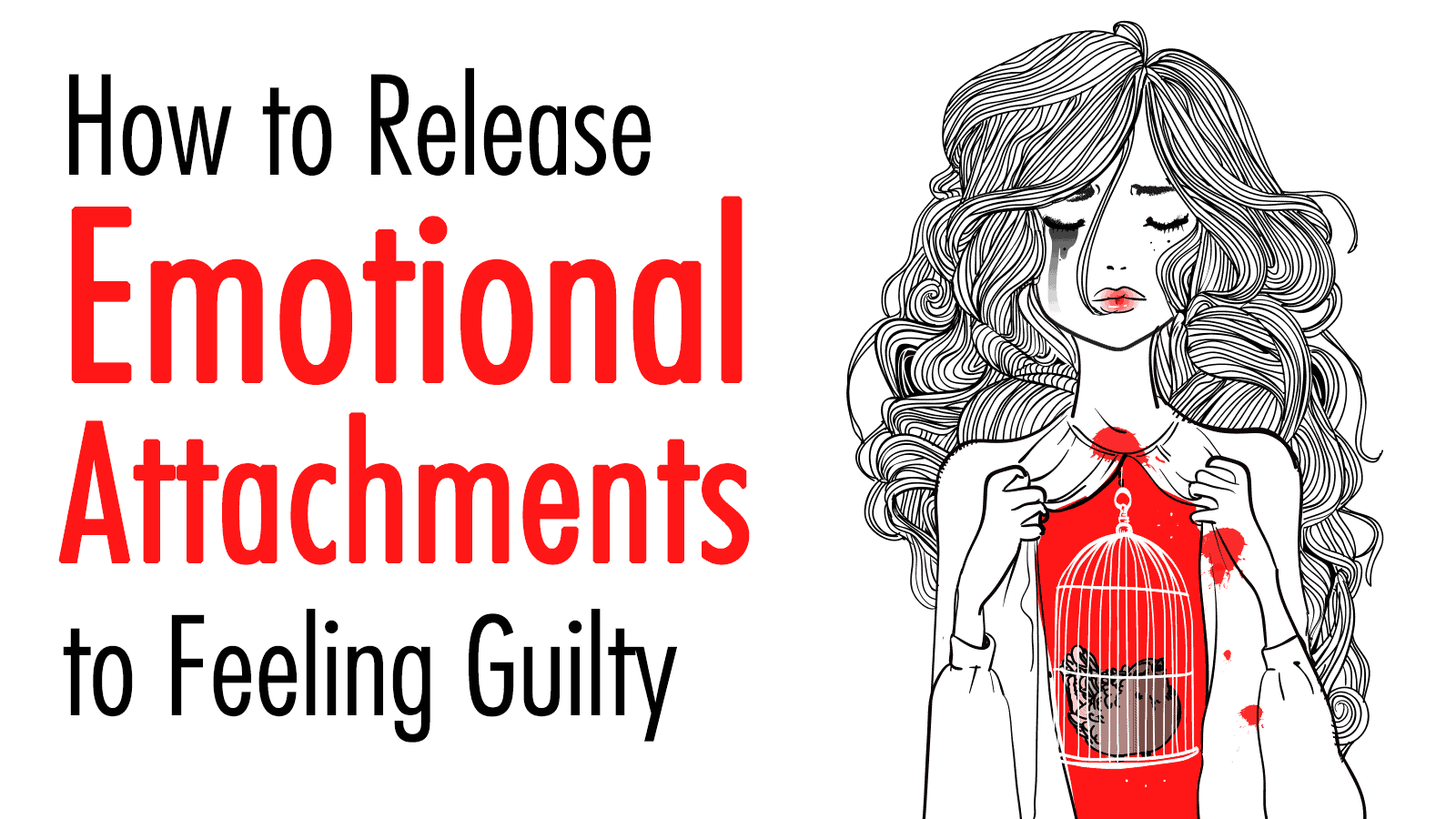
6 Effective Ways To Stop Feeling Guilty All The Time

There are lots of reasons you might be feeling guilty. Whether it’s because of a mistake, low self-esteem, guilt-tripping people, or unfortunate circumstances, no one can deny that guilt is an awful emotion.

If you struggle with guilt, the chances are that you’re pretty tired of it. But how can you overcome those powerfully negative experiences? Here are 6 effective ways to stop feeling guilty all the time.

1.    Confront The Guilt

If you regularly experience guilt, you have to look it in the eye if you want to start solving it. Ignoring it won’t make it go away and can lead to worsening experiences and declined positive thinking. Here are some tips for confronting your guilt:

pop meme·         Get To The Core Issue

It can take a lot of reflection before you begin to truly understand why you’re experiencing guilt and where it is coming from. Soul-searching is difficult and often frightening, but it’s necessary. What is the source of guilt? Why is that guilt happening? Has someone caused you to feel this way? Is it rooted in past experiences or trauma? It would help if you got to know your guilt, inside and out – no matter how uncomfortable it gets.

·         Retrace The Spiral

For many people, guilt becomes a spiral. You feel a little guilty, then keep thinking about that guilt and get worse and worse and worse. Stop the cycle by stopping the guilt in its tracks. Then, once you’ve calmed down, retrace your steps back up the spiral. Before long, you’ll arrive at the initial trigger, and you’ll see that it’s not as severe as you thought. And, as a bonus, you’ll know what started the whole mess!

·         Record Instances Of Guilt

If your struggles with guilt are extremely significant, try keeping a guilt journal. Record every time you feel guilty, feelings crop up, noting down the day, time, and reason for the guilt. Then, in a few weeks, reflect on the journal entries and see if you can spot patterns, triggers, and trends. This will help you be aware of your guilt and better understand how it works.

·         Dedicate Guilt Time

Is guilt a constant part of your life? Section it off to only fill a certain time. Spend 5 to 10 minutes a day, allowing yourself to feel all the guilt you want and even get caught in it. Then, once the dedicated time is over, immediately stop the thought processes. You must now wait for the next day to feel guilty again. This lets you sit with your guilt without letting it overtake you.

2.    Act On It In A Positive Way

Guilt can actually be a good motivator, as long as it doesn’t cross into shame. When you feel bad about something, you have the opportunity to act on those emotions positively. Not only will this help you feel better and reduce your guilt, but it also ensures that you’re working on yourself, improving, and overcome mistakes. Here are some ways to act on guilt effectively:

·         Correct The Wrongs

Made a mistake? Don’t waste your energy on guilt by beating yourself up about it non-stop. Feel guilty about something? Do what you can to correct the results of that misstep. This may involve apologizing to people you’ve hurt, even if it’s challenging to swallow your pride to do so. The good news is that guilt can lend itself to positive reparations being made, so tap into that tendency instead of shame!

·         Stop Blaming Others

It’s normal to want to point fingers when you feel guilt. You don’t want the blame to fall upon you, after all. But this is extremely counter-productive and will only push away those around you, including those who you’re feeling guilty about hurting. Instead of assigning fault left and right, start taking responsibility. Accept that you played a role without burdening yourself with blame.

·         Ask For Other Perspectives

When your negative feelings about someone or something are fresh, the guilt can make it hard to see clearly. Besides, limiting yourself to your viewpoint is toxic and far from the best way to handle negative situations. How can you learn if you only consider your own perspective? Talk to people you trust, whether family, friends, a therapist, or even colleagues, and see their thoughts on the situation. They can give you new insight into your guilt that you hadn’t previously considered.

3.    Hone Your Confidence

A lot of guilt can come from a lack of self-esteem. You feel guilty for positive things in life or feel like you don’t deserve anything nice because your confidence is low. There’s no quick fix for this, but you can start today with these tips:

·         Know You Have More Good Than Bad

You are a wonderful human being with amazing gifts to give to the world! Sure, you’re not perfect, but no one is. Your talents, skills, and positive traits more than outweigh your bad ones, and it’s okay to mess up now and then. Your positive side will always more than compensate for your failures!

·         List Out Positive Qualities

Need a little extra confidence? Take some time to list all the things you like about yourself. If you’re not used to doing so, it can be difficult for you to come up with things first, but you need to fight your worst inner critic and let positive thinking win. Write down at least 10 things that you like about yourself. You can also opt to make this a routine – write 3 traits that you love every day!

·         Use Self-Affirmations

Self-affirmations are a wonderful way to fight guilt, and they boost positive thinking by acting as self-fulfilling prophecies. Tell yourself great things about who you are, and you will slowly begin to believe them, thus mounting your confidence. You can also use guilt-specific affirmations, such as “I am more than my mistakes,” “I have the strength to overcome difficulty,” and “I deserve good things.”

feeling guilty4.    Be Kind To Yourself

There’s a difference between letting yourself off the hook and being kind to yourself. Self-compassion is a powerful tool for growth, positive thinking, and overcoming mistakes. It’s hard to overcome guilt when you’re too hard on yourself. You need to be accepting and understanding of your actions and emotions to move on. Here are some tips for self-compassion that can overcome guilt:

·         Make Yourself A Priority

This doesn’t mean shirking responsibility – it means no longer feeling guilty for putting yourself first. At the end of the day, you are the only person who will always be around you, and you need to care for yourself with the same compassion you would afford a loved one. You can’t pour from an empty cup, nor can you help others without first helping yourself.

·         Be Your Own Best Friend

Have you ever noticed that you talk to yourself in ways you would never dare speak to a friend? You’re kind and empathic with loved ones but can’t turn that compassion onto yourself. Start thinking of yourself in a third person, as a friend. If you wouldn’t treat your friend this way, you shouldn’t treat yourself like that either!

·         Take A Break

It’s easy to let emotions overwhelm you when you’re exhausted. Communicate to those involved with a situation that you’ll be taking some space to process your emotions and events that triggered your guilt. Then, take some time away to really relax and let yourself recover. Your brain will be much more ready to tackle guilt when it’s rested.

5.    Make Peace With Guilt

Guilt is always going to exist. If you aren’t at peace with that, you’re never going to break the cycle of shame. Here are some ways to make peace with guilt:

·         Know That Guilt Doesn’t Mean You’re Wrong

Like all emotions, guilt can be misplaced. You can feel guilty even when you’re not at fault. Studies find that guilt can be a sign of your acts of comparison to people you look up to, sometimes to the point where your moral identity depends on it. In excess, that’s not healthy at all, and it’s good to know that sometimes, guilt is irrational.

·         Know That Things Can Be Gray

Trying to see the world through a black-and-white lens of “right” and “wrong” is unhealthy. As previously mentioned, taking responsibility means acknowledging areas where you could have done better. It doesn’t mean finding the winners and losers in each situation.

·         Know That You Can’t Control Everything

You are a single person in a huge universe. Some things are outside of your control, and you don’t deserve to feel guilty for them. Make peace with that.

6.    Learn and Apply

Now that you’ve done all you can to address the guilt, it’s time to learn from the situation that caused it. What lessons can you take away? How can you apply them to the future? What steps can you take to prevent this from happening again – or to improve on your responses? Here are some ways to learn from guilt and apply those lessons:

·         Think About New Ways To Do Things

Okay, you did something bad. Now, what would you do differently next time? Is it avoidable? Or is it something you have to manage intelligently? Can you reduce the behavior if you can’t eliminate it?

·         Reflect On Learned Lessons

Reflection is a positive tool for self-improvement. It involves taking a deep dive into your actions. What motivated them? How did others react? How did you feel at the moment? What consequences do you face that may be permanent? What’s next? Take some time to reflect on these things at least once a month and use your reflections to set goals related to the lessons you’ve learned.

·         Keep Looking Ahead

Guilt is inherently rooted in the past. There’s no reason to keep asking “What if” – what’s done is done. It’s time to move on and take what you’ve learned with you into the future. You deserve more than to be forever stuck in guilt that is attached to the past.

feeling guiltyFinal Thoughts On Some Effective Ways To Stop Feeling Guilty All The Time

Learning how to manage shameful feelings so you stop feeling guilty all the time will help your mental health in the long run. If you need assistance, don’t be afraid to read out for help from loved ones or a mental health professional.

Science Explains How Sleeping in a Cold Room Is Good For Your Health

You may not have heard about the health benefits of sleeping in a cold room. There are plenty of benefits worth noting. Here is what science says about why you should try sleeping in a cold room.

How cold should your room be?

Studies show that sleeping in lower temperatures, around 62 degrees, benefits your sleep. When you sleep, your brain regulates your body temperature to a lower setting, much like having a thermostat inside your body. If you get too cold or hot at night, your body works hard to maintain the correct setting, ensuring a comfortable night and day bed experience.

So, a slight drop in temperature helps you sleep, but too much of a drop in temperature will keep you awake. Finding the perfect comfort level for your bedroom could make the difference between insomnia or a good night’s sleep. Try different temperature settings until you find the one that is best for you.

What helps you sleep?

sleeping in a cold roomHere are some helpful suggestions for getting your most restful sleep.

1 – Keep your room dark

Hang blackout curtains at your windows, turn off all the lights in your bedroom–including night lights since they can disrupt your sleep. This includes your alarm clock.

2 – Keep your room quiet

Turn off your cell phone and anything that makes unnecessary noise. Some people like white noise to help them sleep. You can use a fan, but it may make a draft in the room. Noise machines or apps work well.

3 – Keep your room at the right temperature

Not too hot or too cold. Remember that research suggests 62 as the ideal setting.

4 – Avoid memory foam pillows

These pillows can make you too warm.

5 – Wear socks

Cold feet keep you awake. Tuck your toes into a pair of cozy socks to keep them warm despite the cooler temperature setting.

Ten healthy benefits of sleeping in a cold room

So what the physical benefits of a good night’s sleep? There is a long list of amazing reasons to lower the temperature in your bedroom.

1 – You look younger when you sleep in a cold room

Stress takes a toll on your body and your skin. Colder temps boost your melatonin levels. Melatonin is not only a sleep hormone but an antioxidant that protects your skin from the damaging rays from the sun. It also increases collagen production, which prevents wrinkles. If you sleep in a warm room, your eyes get puffy with dark circles underneath them. Sleep is good for your skin because it heals and renews itself by removing toxins from your body and skin.

2 – Sleeping in a cold room reduces depression

When you sleep in a cold room, your sleep is deeper and more restful. This helps reduce your cortisol levels.  A good night’s sleep improves your mental outlook and helps you fight anxiety and depression. Insomnia and depression can go hand in hand. So, getting a good night’s sleep can help your general outlook on life.

3 – Sleeping in a cold room gives you a deeper sleep

A study in 2018 found for the first time that cold temperature is a huge factor in the production of melatonin. Melatonin is a hormone that regulates your sleep, so your body has a cycle of sleeping and waking. As your brain responds to the darkness and cold, it produces melatonin. Melatonin has other roles in your body besides sleep, but researchers are still learning exactly what all these roles are.

4 – The cooler temperature helps you fall asleep quicker

Lowering the temperature of your room helps you drift off to sleep quicker. Researchers believe that those who struggle with insomnia usually have higher body temperatures during their sleep, so they have a hard time falling asleep. A colder room also helps you have a sleep deeper. You’ll stay asleep because the production of melatonin doesn’t get interrupted.

5 – Sleeping in a cold room promotes weight loss

How many times have you found yourself eating extra cookies because you’re so tired from being awake all night?  When you can’t sleep, it increases your cortisol levels. Higher cortisol levels raise your anxiety and stress. When you feel anxious, you’re apt to overeat. Lower bedroom temps also increase your metabolism, which increases your good (brown) fat and improves your insulin levels.

6 – The cool temperature at night helps you fight off disease

Besides being tired, insomnia increases your risk of getting type2 diabetes. When you lower the temperature in your bedroom, it helps you fall asleep and stay asleep. During sleep, your body makes insulin, which controls your blood sugar and cortisol levels. Getting a good night’s sleep helps you avoid diabetes and other metabolic diseases. Sleeping in a cold room at night may also help your body fight heart disease and Alzheimer’s disease.

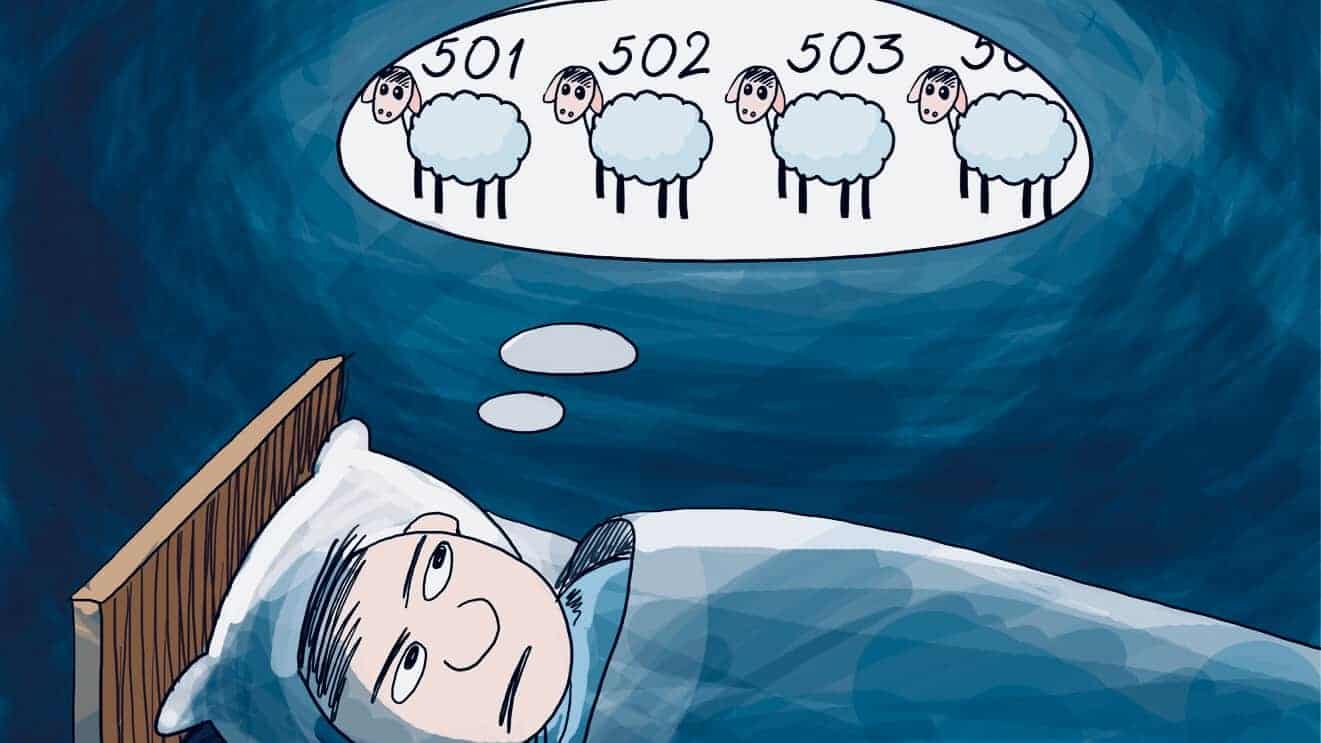
insomnia

Here are tips to beat insomnia forever.

7 – Sleeping in a cold room helps during pregnancy

When you’re pregnant, it’s hard to find a comfortable position to sleep. But much of pregnancy discomfort is also due to a higher body temperature. Due to the extra blood flow, your body’s metabolism creases by around 20%. This causes your body temperature to go from 37˚C (98.6˚F) to 37.8˚ (100˚F). So sleeping in a cold room will help you feel more comfortable so you’ll fall asleep quicker and stay asleep.

8 – The coolness reduces inflammation and pain

A cool bedroom can reduce inflammation and pain that can keep you awake at night. Many athletes sleep in a cold room after performing to help their bodies recover and lower their inflammation levels.

9 – Reduces the chances of fungal infections

Lower bedroom temperatures can help reduce fungal and bacterial infections in women. Bacteria and fungi multiply in warm, moist environments. When you sleep in a cold room, you reduce the chances of getting a UTI or vaginal infection.

10 – Can improve male fertility

Sleeping in a cold room at night might affect male fertility. Researchers suggest that long exposures to heat lower sperm level production in men. Scientists are still studying this. But if you’re trying to get pregnant, it may be worth lowering the temperature in your bedroom.

What is the best way to cool your bedroom at night?

You may not have access to your home’s thermostat, but you can still cool off your bedroom. Here are some tips for keeping your room more relaxed at night.

  • Open the windows at night to get a good breeze. Close the windows during the day to keep the cool air in your bedroom.
  • A ceiling fan or an oscillating fan helps circulate the air around your room so it cools off.
  • Stick a box fan in your window at night to draw out the heat from your room.
  • Cool mattress topper. Avoid memory foam pillows and mattresses because they make you feel warmer.
  • Keep blinds or curtains closed during the day to maintain cooler temps in your room, especially in the summer.

Other sleeping habits that will help you sleep better at night.

Besides lowering your bedroom temperature to help you sleep, some good sleep habits can improve your sleep.

1 – Stop gaming, texting, and sending emails at least an hour before your bedtime

These devices have blue screens, which have been found to keep you from falling asleep. The blue screens interfere with your body’s melatonin production, the sleep hormone that helps you fall asleep and stay asleep.

2 – Exercise and a good diet

Exercise and eating healthy are two critical factors for a good night’s sleep. When your body is healthy, you will feel less stress from elevated cortisol or high blood sugar. Be sure not to exercise close to bedtime since this will stimulate your brain and heart so you can’t fall asleep.

3 – Avoid drinking caffeinated drinks, alcoholic drinks, or smoking

Stay away from smoking, alcohol, and caffeine in the late afternoons because they’ll keep you awake. Many people don’t realize how much smoking affects them until they stop. There is often an immediate difference in how they feel and how much better they sleep.

4 – Establish a sleep pattern

Try to go to bed at the same time every night and get up at the same time every day. At night, find ways to relax by taking a bath, reading, or writing in your journal. These activities allow your body to wind down and get you ready for sleep.

sleeping in a cold roomFinal Thoughts on Sleeping in a Cold Room

Getting a good night’s sleep is essential for not only feeling your best but staying healthy. Researchers found that sleeping in a cold room improves your sleep by enhancing your body’s melatonin production. Melatonin is called the sleep hormone because it causes you to sleep at night. It’s also an antioxidant, so it improves your mental health, helps you fight off disease, and improves your skin tone. Keeping your room dark also helps the production of melatonin.

Create good sleep habits to help your body unwind and prepare for sleep. Things like avoiding blue screen devices, reading a book, and eating healthy all add to your sleep ability. Sleep is essential for your body, so why not try lowering the temperature in your bedroom tonight to get the best night’s sleep ever?

10 Ways to Reduce Dandruff Many People Forget

Dandruff is a scalp condition that causes itchiness and white flakes on your scalp. It’s widespread, so don’t be embarrassed by it. Better yet, it’s manageable–once you know how to reduce dandruff, you’ll be on your way to regaining your self-confidence.

Indeed, the Journal of Clinical Investigative Dermatology estimates that around half the adult population in the United States have dandruff. Besides trying dandruff shampoos, you may wonder what else you could do.

Look no further. Here are 10 tips to get rid of dandruff, which most people overlook.

Six Primary Types of Dandruff

Here are the six kinds of dandruff. Knowing which you have might help you solve this problem faster.

1 – Dry skin dandruff

Dry scalp may be due to cold weather in the winter. Most often, it shows up in people who already have a dry scalp. If you have curly hair, you’re prone to a dry scalp more than other hair types.

2 – Oily scalp dandruff

If your body produces a lot of oil, you are susceptible to getting dandruff. The overproduction of oil often occurs at puberty, during times of stress, pregnancy, or not shampooing regularly.

reduce dandruff3 – Fungal dandruff

Fungal dandruff is an infection of your scalp caused by a fungus called Malassezia globosa fungus. It spreads easily when your pH balance is off or if your scalp is extremely oily. It’s a contagious infection that can spread if you share your comb, hat, or towels with someone.

4 – Product build-up

If you overuse conditioners, gels, serums, hair sprays, or mousse, you can get a build-up on your scalp that causes dandruff.

5 – Seborrheic dermatitis

This condition is an inflammatory condition that affects your skin where you have a lot of glands like your scalp, behind your ears, eyebrows, and neck. Doctors think it’s a reaction to yeast found on your skin. Hormonal changes and stress triggers this type of dandruff. This condition closely relates to eczema.

6 – Psoriasis

Psoriasis dandruff is a skin condition caused when your immune system attacks your skin’s health tissue like that found on your scalp. This causes new skin cells to grow, and the dead skin flakes fall off. If you have this condition, you get silver looking rashes on your scalp, neck, behind your knees, and your back.

Ten Useful Tips to Reduce Dandruff

Trying to reduce dandruff can feel like a full-time job. You may have tried all kinds of shampoo and treatments. These useful at-home remedies may be the answer you searched for all the while.

1 – Tea tree oil

Studies found that tea tree oil has antifungal abilities that can get rid of yeast and fungus. If you use a shampoo with at least 5% tea tree oil, you might reduce dandruff

2 – Apple Cider Vinegar

Apple cider vinegar gets rid of certain types of flakes. It’s an antifungal that slows down the growth of conditions like candida. It also balances out your pH levels on your skin, which inhibits fungal growth that may cause some scalp conditions.  Add two tablespoons of apple cider vinegar to your shampoo.

3 – Baking soda

Baking soda helps relieve dandruff as it exfoliates the white flakes from your scalp. In one study, researchers tested people scalp conditions using baking soda, and it stopped the fungal growth for 79% of the type of dandruff tested. Baking soda can also bring relief to those who have psoriasis relieving the itchiness and irritation. One word of caution about baking soda, since it’s alkaline, it may damage your hair if you treat your scalp too often.

Too many treatments will also dry out your skin, which can worsen matters. So try baking soda once, then wait to see how it works. If it seems to relieve your dandruff symptoms, use it again, but sparingly.

4 – Coconut oil

Your dandruff may be due to a dry scalp. Try applying coconut oil to your scalp once a week for eight weeks to see if it helps reduce your dandruff symptoms.

5 – Aloe vera

Although no research proves aloe vera will get rid of your dandruff, it does seem to minimize it. Topical aloe vera can help skin conditions such as psoriasis. It has antibacterial properties that could help fight dandruff. Additionally, researchers suggest that its antimicrobial abilities may help those who suffer from alopecia.

6 – Lemongrass oil

Using a 10% concentration of lemongrass essential oil in your shampoo can help treat shampoo. Researchers found that after seven days, many study participants showed improvement.

7 – Omega-3s

Eating a diet high in omega 3s helps improve your skin and scalp. Omega 3s can help by doing the following:

  • Controlling the oil production of your body
  • Regulate your inflammation
  • Boost your hydration
  • Reduce signs of aging

Foods high in omega 3s include:

  • Mackerel
  • Tuna
  • Sardines
  • Salmon
  • Walnuts
  • Flaxseeds
  • Chia seeds
  • Soybeans
  • Canola oil
  • Tofu
  • Canola oil

8 – Zinc

Add zinc supplements to your daily regimen to boost your immune system to encourage cell growth for healthy skin. Zinc deficiencies cause hair loss, skin lesions and could contribute to dandruff and seborrheic dermatitis. Most over-the-counter dandruff shampoos contain zinc since it also stops fungal growth.

9 – Aspirin

Aspirin has salicylic acid, which is found in most anti-dandruff shampoos. Part of aspirin’s success is tied to its exfoliating ability and reduces oil. You can crush up a couple of aspirin tablets into powder and mix it into your shampoo. Put the shampoo mixture on your hair and let it sit for a few minutes, then rinse it out.

10 – Eucalyptus oil

Eucalyptus oil has anti-inflammatory abilities that can fight seborrheic dermatitis. Plus, eucalyptus has antiseptic type antifungal and antibacterial anti-fungal abilities, which help fight bacterial dermatitis. You can add some eucalyptus oil, coconut oil, or jojoba oil and rub it on your scalp.

castor oil

Learn about how castor oil can help promote healthier hair.

What about your scalp?

It’s easy to focus on your dandruff without considering the importance of a healthy scalp. How can you take care of your scalp, so it’s healthier and less prone to flakiness? Here are some tips for keeping your scalp healthy.

1 – Exfoliate your scalp

Exfoliating your scalp speeds up the process of cell removal. Exfoliate a couple of times a week to remove the dead skin from your scalp. If you do it more often, it may dry out your scalp. Try using a gentle exfoliating shampoo to do the job. Always use a gentle hair brush to brush your hair and scalp daily. This stimulates and releases the oils to release moisture for your scalp and hair.

2 – Keep moisture in

Dry skin on your scalp itches and burns. Take good care of your scalp. Be careful not to use too hot water when you shower. This dries out your scalp and hair.  Don’t overly blow-dry your hair since this affects your scalp and dries it out.

3 – Try a scalp massage

Many people with a dry scalp swear by a scalp massage. Getting a scalp massage stimulates the blood flow to your scalp as well as stimulating the oxygen flow. You can give yourself a scalp massage when you’re in the shower simply by using your fingers to make gentle circular movements on your head. Ask your hairdresser if you would like a professional scalp massage.

4 – Limit dyes and heated styling devices

Chemicals take a toll on your scalp. Coloring, straightening, or curling irritates your scalp and can dry it out. Always have a professional do your treatments to prevent damaging your hair and scalp. Home products contain harsh chemicals, and if they’re used in the wrong way, it could cause serious irritation to your scalp.

What else can you do to reduce dandruff?

Sometimes you’ve tried everything, but nothing works. Here are some suggestions for what you should do.

Find the cause of your dandruff.

If you’re struggling with dandruff and haven’t found a solution, you may want to keep track of your food, stress, and environmental changes. Write down everything you eat for one month. Note any triggers that pop up. Knowing what is causing your dandruff can help you know how to get some relief.

Don’t give up

Keep trying the suggested remedies, and if nothing works, you may need to see a dermatologist. They will run tests to determine exactly the cause. Your dermatologist may prescribe a cream or a lotion to help reduce the itchiness and irritation on your scalp. You may be given a salicylic acid treatment to help exfoliate the skin on your scalp.

New dandruff trend

For those who love weird trends, there’s a new dandruff trend that may catch your eye. It’s called dandruff scraping. If you have a strong stomach combined with an urge to see dandruff scatter everywhere, you’ll love this video on Youtube showing people scraping dandruff off scalps with a comb. Some have compared this trend to watching pimples being popped. Thanks for sharing. So watch this video at your own risk and try not to resist the urge to get all itchy as you watch it.

reduce dandruffFinal Thoughts on Your Battle to Reduce Dandruff

It may feel like dandruff is ruining your life. Hopefully, one of these remedies can help reduce your dandruff so you can go back to living your life without worry. Don’t forget to add zinc and omega 3s to your diet. These two are often a simple way to improve your dandruff. If nothing seems to work, try to find the root cause of your dandruff, don’t give up. It may be time to see a dermatologist who can do tests.

Skip to content