Weekly tips, affirmations, and small actions to feel your best.

5 Things Birth Order Predicts About a Child’s Future

Your child’s birth order may give you a clue about their future. Scientists suggest that birth order could have long-term effects even into adulthood. Yet many people challenge this notion. So, let’s see what researchers say about whether birth order can predict a child’s future.

History of birth order

Alfred Adler pioneered the idea of birth order back in the 1800s. His studies stated that the position a child was born in their family affected the child’s personality. Later research suggested that birth order affected intelligence and career choice and somewhat their success later than adults. Of course, birth order isn’t as significant as how a child is treated by parents and by their siblings Plus, there are other factors that affect a child’s personality such as

  • Birth spacing
  • Gender
  • Physical attributes
  • Being a twin

pop memeBirth spacing can also change the dynamic of birth order. If there is a gap of five years or more between kids, a child can end up being treated as if they’re a firstborn or an only child in the family.  If there is a gap between groups of kids in a large family each group often gets treated as separate birth order.  Scientists have also found that it’s important to consider a person’s family size just as much as what order they were born. A child born into a family of four has half a chance of being like a firstborn.

Birth order’s big reveal

Surprise!

After decades of studying the topic of birth order, researchers are now coming to the conclusion that birth order may not influence your personality or your future like they thought earlier.  Much of the research done years ago on birth order doesn’t match up conclusively with today’s research findings. Modern scientific data findings on birth order prove that it’s less of an influence than parenting or the environment. It’s the reconsideration of the old nature versus nurture thinking.

There is evidence that says firstborn children do have some advantages over other siblings simply because their parents give them more attention and time since there aren’t other kids around. But even with this, it’s through that these intellectual advantages are probably small. With this said, social customs still exist where the firstborn often takes over the family business or inherits the family money.

Scientists call the birth order personality theory a “zombie theory.” This is a perception or thought that continues to stumble forward in spite of scientific data against it. The whole idea is so entrenched in our society’s thinking that it’s hard to let go of it.

So, what are you to believe? If you researched the topic of birth order after 2015, you’ll see that scientists begin drifting away from the thought that birth order impacts a child’s life. Every study prior to 2015 supports the birth order theory. The general consensus is that old birth order research should be taken with a grain of salt since they can’t be proven entirely. That being said, there is some research that points to the significance of birth order after 2015. Talk about confusing!

What birth order can predict about your child’s future
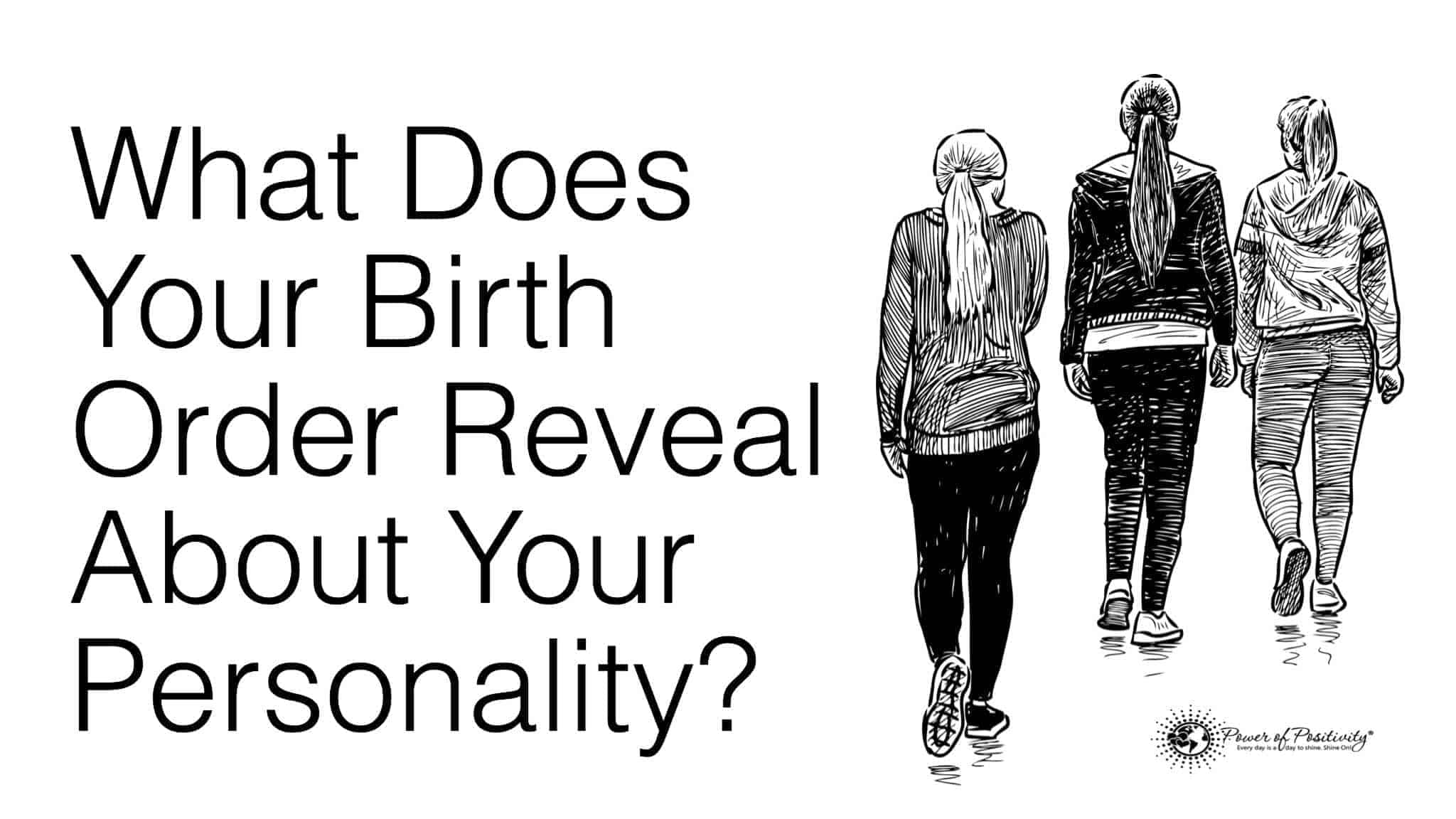
personalityOn the other hand, some researchers say there are some ways in which birth order impacts your child’s future. Here is a list of those things of things that may impact your child’s future, based on your family’ structure.

1 – Allergies

There does seem to be a link between your child’s birth order and a tendency to get bronchial asthma. Those children who are classified as later in the birth order had an increased risk of early childhood bronchitis episodes. The risk decreased once the child hit school age. So, researchers think that the influence of birth order affected the type of allergic disease a child may have in early childhood. Plus, the child’s physical development and immune system development after birth came into play.

2 – Intellect

A firstborn child gets preferential treatment from their parents. This one- on- one treatment could slightly affect a child’s intellect. Firstborns often have a slightly higher IQ, but this isn’t proven entirely. Many researchers contribute this to the parents providing more mental stimulation to firstborns because they have the time and energy to give to the firstborn before other children arrive. Parents are more divided in their attention once they have multiple children.

3 – Perfectionistic behavior

Some research found that first-born kids are more apt to be perfectionists. For these kids, parental involvement is strong. So, it’s thought that this could be due to parental influence. Birth order only contributed to being a perfectionist, because being born first gave parents more input into the child’s life since they are the only one. It was found that first-born kids have more personal and social demands put on them, which leads to perfectionist behavior.

4 – Become a CEO

A National Institute of Health study in June 2020, researched the subject of whether first-borns are more likely to become CEO of a company. The researchers found that this is often the case not due to a higher cognitive ability, but more often due to the advantages that a first-born child has with their parents. There’s also no evidence that a firstborn CEO performs better. The firstborn advantage could be due more to not having an older brother, but this doesn’t seem to be the case if they had an older sister.

Social norms often dictate so that first-borns are often given the family business. This was especially true in older CEOs. What is thought to be the biggest contributing factor in a child’s life instead of their birth order is their upbringing environment and their parents’ choices for them. These seem to have a bigger impact on a child’s later career choices.

5 – Thinness

Your child’s birth order could have something to do with their thinness. In China, scientists studied sibling size and family structure, finding it could have an impact on overweight or obesity in children. But they had never studied if these things could impact a child’s thinness. So they did a study this past August 2020 to find out if there was an association between sibling number, birth order and a number of younger or older siblings, and being thin as a child.  Results found that as the number of siblings and birth order increased and so did a child’s tendency to be thin. In a household with two kids, the second child is more apt to be thinner than the older child.

What about only children?

So, in the midst of the swirl of thought around birth order and its impact on a child’s future, you may be curious about where you fit in if you’re an only child. Only children are often misrepresented as selfish, spoiled, and lonely. One psychologist in the last century said that being an only child was a “disease.”  This shameful statement and more like it has done a lot of damage to only children, their reputation, and their parents.

Fortunately, a group of researchers in Germany recently proved that only children are no more apt to be a narcissist as any other kid. As far as personality goes, there is no difference between an only child and those kids with siblings especially in traits like

  • Extroversion
  • Maturity
  • Cooperation
  • Personal control
  • Leadership

Only kids tend to be more motivated to achieve, persist and aspiration and the ability to acclimate to situations. The fact that only kids have more motivation to achieve could be why many of them pursue higher education and try out for more prestigious careers than children with siblings.  As more and more families around the world choose to have just one child, it’s time to stop the wrong thinking about only children and their parents.
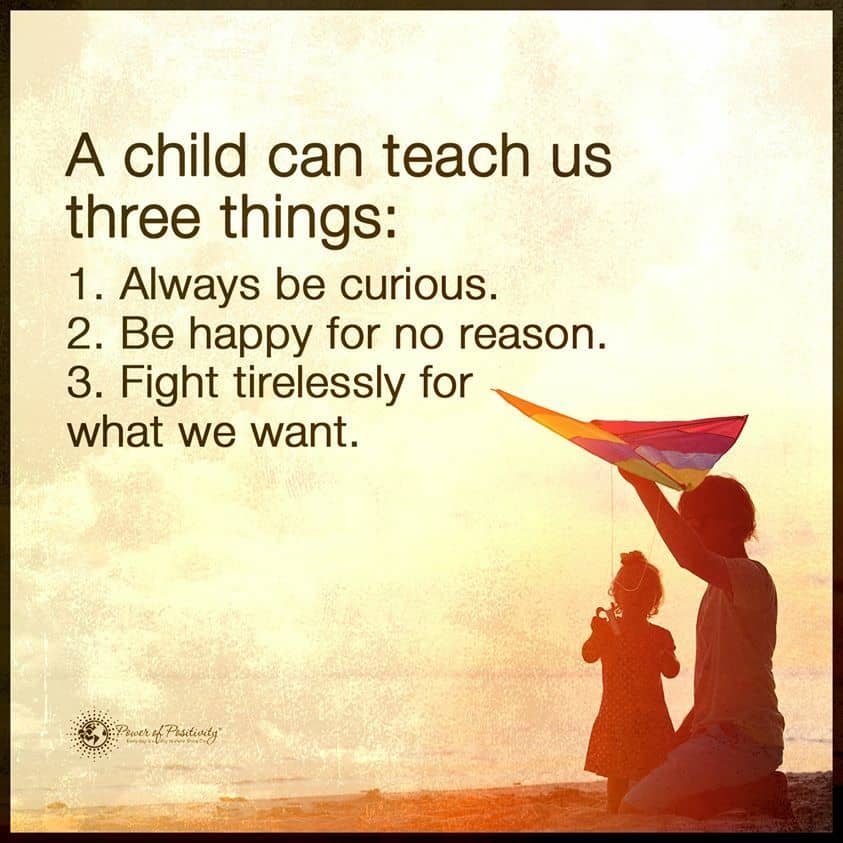
birth orderFinal thoughts on birth order and your children

Birth order is a common human experience that’s been studied for decades. But researchers today say there’s little to confirm that you are who you are because of your birth order.  Every person has unique traits based upon who they are, not the order of their birth. Sadly, the concept of birth order has affected parents and educators. It’s easy to trust anecdotal information more than science-based findings. Plus, your own personal experience with birth order in your own family can weigh heavier than science-based studies that may disagree. There will always be a tendency to feel that birth order affects your child’s personality when it could just be the difference in age between siblings.
15 Symptoms of Stroke Most People Overlook

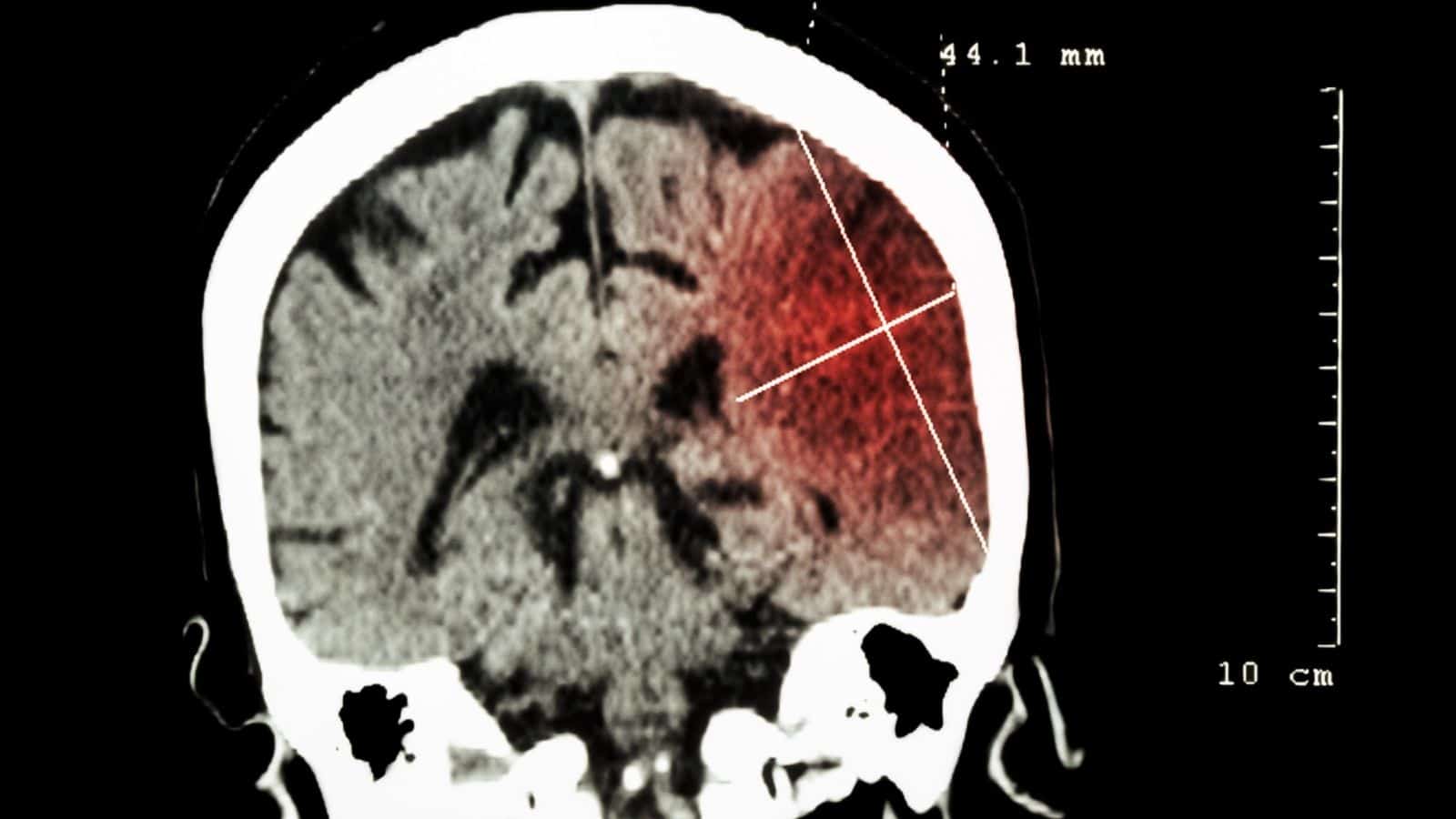
Do you know the symptoms of a stroke? While there are some variations in the signs between men and women, universal symptoms shouldn’t be ignored. Did you know that stroke is a leading killer among women?

The CDC states that the risk increases for women once they reach the age of 55, and one in five ladies will experience a stroke between the ages of 55-75. It’s the fifth leading cause of death in this country, and it kills just as many men as prostate cancer and dementia combined.

Remember to Act Fast When You See the Symptoms of Stroke

In 2018, one out of every six deaths in this country was due to strokes, so it’s easy to see that education on this life-threatening condition is necessary. First and foremost, you must memorize the acronym created by the ASA or American Stroke Association. It can save your life, and it’s easy to remember.

symptoms of strokeF- Face drooping weird sensations

A- Arm weakness, or cannot raise them

S- Speaking difficult or trouble getting your mouth to move

T- Time to call for help

Increased Risk Causes and Symptoms of a Stroke That Most People Ignore

While these are the most evident symptoms of a stroke, there are many others that you must consider. Here are 15 warning signs or things that put you at a higher risk that you must familiarize yourself with immediately.

1. Hiccups

Hiccups are a common problem that can happen when you ingest too much air. However, they can also be a sign that there’s an issue with circulation on or near the brain stem. While one bout of the hiccups is not enough to run to your doctor over, if you continue to have these annoyances over a specific period, then it should be evaluated.

2. Hallucinations

One of the main symptoms of a stroke is changes in your vision. However, hallucinations are also commonplace. When there are posterior circulation issues inside the brain, the occipital lobes are affected.

These lobes can cause a person to see or hear things that aren’t there, like a person in psychosis. If anyone you know starts developing severe mental changes and seeing things unusual, don’t rule it as a mental illness until they’ve been evaluated. It’s mainly concerning when it accompanies any of the other symptoms on this list.

3. Birth Control Pills

Did you know that women who take birth control pills are at a higher risk of having a stroke? Sadly, a study found that only 11 percent of the women who take these pills know the risks. Oral contraceptives more than double the chances of a stroke, which may not be worth the threat.

These pills contain estrogen that increases the chances of developing a blood clot. If a woman takes birth control pills and sees an increase in her blood pressure, then it’s a sign that she should report to her doctor immediately.

4. Early Menopause

When a woman goes from menstruating every month into menopause, it alters her risk of developing a stroke, specifically if she begins this process before reaching 45 years of age. Another interesting factor is that women who start their periods before the age of ten are also at an elevated risk.

When a lady has her period, she produces high levels of hormones, specifically estrogen. If she has longer or shorter levels of this hormone production, it puts her at an increased chance of developing a stroke.

5. Numbness on One Side of Body

Men are more apt to experience numbness that radiates down one side of their body with a stroke. Women will get numbness too, but men are the ones that usually have it affect an entire side. If numbness starts at the head and radiates down one side of the body, get help immediately.

6. Migraines or Chronic Headaches

Chronic migraines are a painful problem, but any continuous headaches must be evaluated. Did you know that these headaches occur more commonly in women? An aura is a visual disturbance that warns a person that one of these excruciating headaches is coming.

However, migraines are quite dangerous because they restrict the brain’s blood vessels, which means they can cut off the blood supply to the affected area. Therefore, messing with blood flow increases the chances of a stroke.

ischemic stroke

Never ignore these nine warning signs of an ischemic stroke.

7. Mental Health Difficulties

While having a mental health issue is not commonly a symptom of a stroke, there is some elevated risk due to high blood pressure. Stress often accompanies anxiety and depression, which makes a person more disposed to these brains related events.

The brain region called the amygdala is affected by stress, and any issues in this area only elevate the chances of a blood clot or bleed.

8. Atrial fibrillation (AFib)

AFib is a dangerous situation where the heart gets out of rhythm. Many people don’t even know they have this condition until they experience some serious event. When the heart is not in proper rhythm, the body is not getting oxygen pumped to all the organs correctly.

The brain needs oxygen to function, and AFib can cause your body to form a clot too. Your chances of having a stroke significantly increase with AFib.

9. Autoimmune Disorders

Having an autoimmune disease has become commonplace. Sadly, those who have these conditions are more likely to develop a heart attack or stroke. The main problem is that inflammation is a symptom, and any inflammation in the body can cause difficulties. Conditions like lupus, rheumatoid arthritis, multiple sclerosis, and celiac disease are among the top diagnosed.

10.Nausea or Vomiting

Nausea and vomiting are two symptoms that can occur with hundreds of illnesses, so it’s easy to see why one might overlook them as a sign of a stroke. When the blood flow issue is in the brain’s cerebellum area, then these symptoms are likely to occur.

An aneurysm is a blood vessel that bursts inside the brain, and it can also cause what is known as intracranial hemorrhage strokes. All these things can cause a person to be dizzy, nauseous, and feel the need to vomit.

11.Trouble Breathing

The first thing that comes to a person’s mind when they have shortness of breath or chest pains is that they’re having a heart attack. It can be a warning sign of a heart attack or stroke.

This seems to be a hot area for activity because the respiratory centers and nerves are located here. Any pangs in this area need to be evaluated immediately as a stroke can be stopped if caught in time.

12. Loss of Balance

Many older people don’t think much about the loss of coordination or balance. While most balance disorders are attributed to the inner ear, the cerebellum also helps with your balance and coordination. Any blood clots or bleeding in this area of the brain can cause these weird sensations.

13. Vision Disturbances

The visual disturbances that occur with migraine headaches are called auras, but other visual disturbances may appear when the frontal lobes are involved. A person suffering from symptoms of a stroke may experience derealization or depersonalization, which is where things look cartoon-like and weird. Any pressure on those lobes can cause your visual fields to be off-kilter.

14. Behavioral Changes or Agitation

Did you know that a study found that women usually have non-traditional symptoms when it comes to a stroke? Men often ignore things like changes in their mental status, but women report such occurrences more frequently. When the stroke affects areas responsible for both your personality and memory, then the stroke is occurring within the frontal lobes.

Women tend to have strokes in this area more-so than men. Any changes in behavior or agitation can come from a blood flow issue to the front part of the brain.

15. Fainting or Seizures

Have you passed out or fainted and blamed it on low blood sugar or stress? One of the symptoms of stroke is fainting, so any of these episodes should be evaluated. Women tend to have fainting spells with a stroke more so than men because they tend to have these medical complications in the back of the brain more than in other areas.

symptoms of strokeFinal Thoughts on Stroke Symptoms

Many people experience symptoms of a stroke, but they don’t want to get help. They often downplay the events until they are so bad that they become unconscious and suffer greatly. The body does give you warning signs that something isn’t right, and many times you only have minutes to act.

It’s better to be safe than sorry, so get checked out if you see any of these symptoms of a stroke come on suddenly. Modern medicine can reverse a stroke in many cases, but it can only help if it’s caught in time. Remember F-A-S-T and know when to get help.

10 Warning Signs of Orthorexia Never to Ignore

For decades now, health and nutrition experts have been warning Americans about their unhealthy eating habits. Maybe you and your family have adopted a healthier lifestyle of good food choices and exercise. However, what if you are obsessing about nutrition and it is interfering with your daily life? For people with orthorexia, it becomes a dangerous obsession.

You may spend too much time researching nutrition, micronutrients, macronutrients, etc. By the time you have the meal on the table, you are in a flurry of anxiety and can’t enjoy being with your loved ones. Even when you are seated with them, all you can talk about is fat content and protein.

What is Orthorexia?

There’s nothing wrong with having a desire to eat better, exercise, and keep your body in shape. The obesity epidemic in the United States has many health experts alarmed. You do well when you take care of your body and follow guidelines for optimal nutrition.

orthorexiaNevertheless, some people push their desire a little too far. The iconic writer Oscar Wilde said, “Everything in moderation, including moderation.” It’s applaudable that you want to eat healthier, but it can’t be the center of your life.

Experts dub this debilitating obsession with a severe eating disorder characterized by an obsession with healthy foods. This condition goes beyond just wanting to eat nutritiously.

A person’s life with this obsession is consumed with reading labels, counting calories, and omitting whole food groups.

What Causes Orthorexia?

Medical experts aren’t sure what causes this eating disorder, but they believe that it is as psychological as other obsessions. Some studies show that people who have this compulsion were also diagnosed with obsessive-compulsive disorder.

Sources say that the disorder was finally identified in 1998. Experts believe that those who battle the disease started with the desire to eat a more nutritious diet. Many of these people may have been overweight or obese, and they traded one obsession for another.

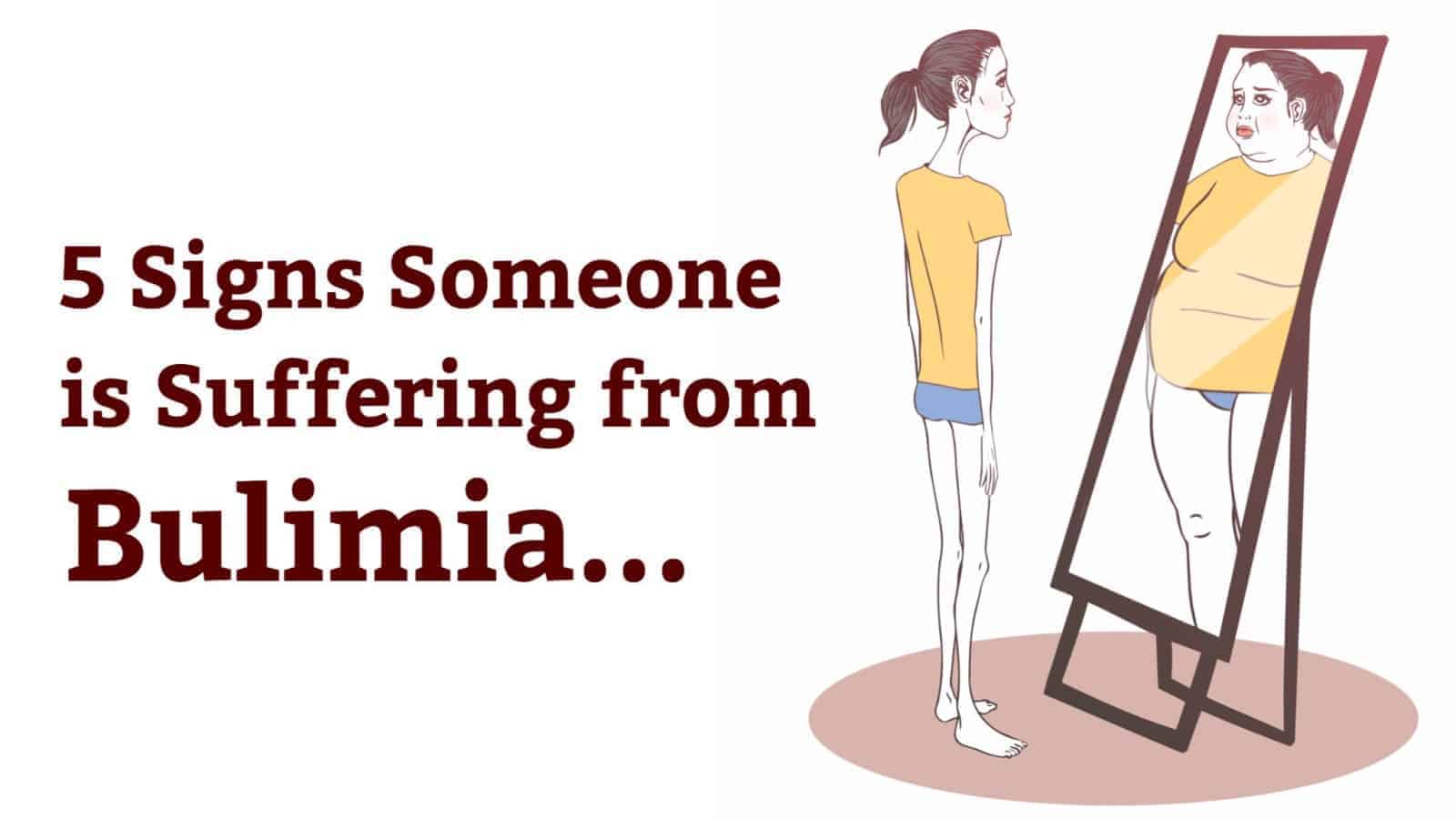
Eating disorders like anorexia nervosa and bulimia are usually more prominent in women than men. However, studies about gender are conflicted. For the most part, men are just as apt to have this condition as women.

10 Warning Signs that You May be Orthorexic

This eating disorder goes beyond wanting to eat healthy whole foods to stay fit. Have you recently lost weight and are concentrating hard on diet and exercise? It only becomes a problem if your good habits turn into an obsession.

Being orthorexic is a serious condition that needs to be treated. Fortunately, there are ten signs that your healthy living is turning into an obsession.

1. You Are Constantly Obsessing About Nutrition and Eating Right

Nobody can fault you for wanting to consume healthy food for your body. After all, isn’t that what medical experts are recommending? Unlike other apparent eating disorders, orthorexia Nervosa starts so subtly that it’s difficult to detect.

Does your anxiety peak unless you can read all the food labels and look for specific ingredients or food qualities? Is that all you can discuss all day at home or work, or especially during meals? Your healthy habits may be turning into a dangerous obsession.

2. Your Emotions are Controlled by Your Food Fixation

Once your good eating habits turn into an obsession, your whole train of thought and emotions are affected. It’s why many mental health professionals believe that being orthorexic is linked to obsessive-compulsive behavior. You are obsessed with what you eat and feel compelled to do specific actions to relieve anxiety.

If you are an orthorexic, you soon develop a set of unrealistic expectations or rules. Some of these may be only to eat a particular food or try to eliminate an entire food group from your diet. Your restrictions may also include reading all labels and obsessing about nutrition information in the media or online.

3. You Try to Apply Your Rules to Other People

Like other eating disorders, orthorexia Nervosa doesn’t just affect the person who has it. It branches out to involve family, friends, and co-workers. Soon, you expect others to follow the irrational eating rules you’ve created in your mind.

Spending time around an orthorexic can be tense and exhaustive. Have you noticed that you dominate the conversation with your healthy food obsession? Perhaps you judge others by their weight and what they should or shouldn’t be eating.

People tire quickly of hearing you recite calories or “point” values for every dish on the table. After a while, family and friends may avoid your company because they feel like you are trying to be superior and judgmental. It helps when they realize that you have an eating disorder and you can’t control it.

4. You Go Overboard with Food Preparation Rituals

Wash your produce and follow healthy food preparation and storage guidelines. You and your family’s safety depend on it. However, it becomes an obsessive-compulsive issue when you never believe it’s right, no matter how hard you scrub and obey the rules.

bulimia nervosa5. You Are Suspicious of Foods that Others Prepare

If you follow a healthy diet, it’s okay to ask how a particular dish is prepared in a restaurant or to ask for reasonable accommodations. Most restaurants understand and are more than happy to serve sandwiches without bread or salads without dressing. If you’re orthorexic, you may avoid going to restaurants altogether.

How do you know their food is organic or they aren’t using palm oil? You may also start avoiding invitations from family and friends for dinner. Your obsession won’t allow you to eat any food unless you’ve prepared it your way.

6. You Compulsively Eliminate Certain Foods from Your Diet

Yes, you should try your best to eliminate as many overly processed foods as possible from your diet. Nutrition experts also recommend that you watch your intake of saturated fats and other foods that contribute to obesity and disease. These are reasonable steps to take for a healthy lifestyle.

However, your body needs a variety of foods, as represented by the USDA food pyramid. People with orthorexia Nervosa are often vulnerable to fad diets that eliminate certain foods or a whole food group. Unless you have health restrictions from your healthcare provider, such eliminations can cause malnutrition and other health concerns.

7. You Develop a Fear of Food and Obsess About Your Health

For most people, food is simply the fuel that makes your body run efficiently. When you eat correctly, your body will stay fit and healthy. If healthy eating turns into an obsession, you may start to fear food and worry that something will give you a disease.

It’s admirable to follow healthy eating guidelines for your well-being. But when you are orthorexic, not even your nutritious habits satisfy you. The obsession, anxiety, and depression create a dangerous vortex that can affect you mentally, physically, and spiritually.

8. You Obsess About Unrealistic Expectations Created by the Media

You can’t turn on the TV or open a magazine without finding at least one advertisement for a diet plan or supplement. The health and fitness industry makes billions of dollars each year on things that may be more hype than factual. Americans are constantly bombarded with unrealistic images of the “perfect body.”

While orthorexic people are concerned about staying fit, they aren’t usually fixated on unrealistic body image. Instead, they obsess about the process, such as healthy eating rules. They may be the first to buy pills and supplements they believe are “healthy,” even though the products’ claims are unsubstantiated.

9. You May Experience Mood Swings

When you have orthorexia Nervosa, your sense of happiness may be skewed because of your thinking. If you are following your self-imposed healthy eating rules, you may feel on top of the world. The euphoria may be short-lived because you may also battle guilt associated with your obsessive thoughts.

As with someone with obsessive-compulsive disorder, your guilt can fire up your anxiety and depression. The only way you can suppress these feelings is by obsessing and following your healthy eating rules.

10. You Start to Become Malnourished

People who are orthorexic think they are eating a healthy way, but that’s not the reality. Since they often eliminate whole food groups and usually follow fad diets, they may develop severe malnourishment. If you are an orthorexic, you may be having health issues that only make your obsession worse.

orthorexiaFinal Thoughts on Orthorexia Nervosa

Unless this eating disorder is treated, it can lead to severe mental and physical conditions. Fortunately, it can usually be treated successfully with a blend of medication and therapy. The first step is admitting you have a problem.

You needn’t battle an eating disorder like orthorexia Nervosa alone. Your primary healthcare provider can guide you to the specialists that you need. You can be free of the obsessive thoughts and unrealistic expectations and get back to the life you love and enjoy.

10 Things to Say to Your Partner When You Feel Unappreciated

The best thing about being a couple is the love you share. Part of love is showing sincere gratitude and appreciation each day. It shouldn’t be ignored just because you’ve been together for a while.

When it comes to love, there are going to be good times and bad times. Life has a way of interfering in the best relationships, but you must always remember the other person in everything. So many people stay together against all odds because they always take the other person’s thoughts and feelings into consideration.

Ten Things to Say When You Feel Unappreciated by Your Mate

Do you feel like your lover has lost that special appreciative touch? Maybe they don’t realize it. Here are ten suggested things to say to get the conversation going in the right direction.

unappreciated1. “I Don’t Feel Unappreciated When You Don’t Listen to Me.”

It’s not possible to have a healthy relationship if you both aren’t communicating. Of course, communication means that each person not only talks but listens, too. Do you feel like your mate doesn’t pay attention when you’re speaking or pouring out your heart?

These conversations can be tough, but they are necessary. Let your significant other know that you feel unappreciated when they don’t listen to you. You need them to practice active listening skills and validate what you are saying.

2. “I Like It When You Compliment Me.”

In the beginning, love is a physical attraction. Yes, real beauty comes from within, but it starts with what’s on the outside. When you and your love were first dating, do you remember how they complimented your smile, your eyes, and almost everything about you?

Everyone needs to feel like they are beautiful in their lover’s eyes. When was the last time your mate paid you a sincere compliment? If you can’t remember, then you probably feel unappreciated.

Tell your mate that you need their accolades. Why fix up and try to be attractive when you’re overlooked? It’s hurtful when you feel like you’re just fading into the back of their mind, and they don’t pay you any attention.

3. “I Like to  Hear Thank You and You’re Welcome.”

Who says that good manners and chivalry have gone out of style? Politeness and polished manners are most attractive and show people that you care. They should never wain as your significant other gets “used” to you.

Do you feel unappreciated when your sweetheart never shows you gratitude? While people should be mannerly to everyone, they should be incredibly gracious to the one they love. You deserve to get a “thank you” for the kind and considerate things you do.

Your graciousness should never be taken for granted. When your love interest appreciates you, they will remember to use good manners in all things.

Guys, being a gentleman will always be in vogue. It’s never time to be lax with things like holding a door for a lady or pulling out her chair. Women, guys still like being with a lover who knows how to be a dignified lady.

The rules of etiquette were meant to show respect and appreciation. Has your lover forgotten their manners? Then it’s time for you to remind them.

4. “When You Don’t Respect My Opinion, it Hurts.”

Perhaps nothing can feel more frustrating and demeaning than when your mate simply assumes your opinion. This is glaringly obvious when they make plans or important decisions without your input.

If your opinion isn’t valued, then you feel unappreciated. Your voice deserves to be heard if you are expected to stay in a relationship. It’s not okay for decisions to be made without your opinion.

Remember that a healthy relationship is a two-way street, and you both have the right to discuss issues. Neither of you is a parent who has the last word or a child with no voice or opinions. You don’t feel appreciated until your views are respected.

5. “We Need to Have Quality Time Together.”

Yes, it’s challenging to juggle a career, family, relationship, and other social obligations. However, a relationship won’t last if you don’t have some quality time together. It’s the main reason you became a couple.

A wise person once remarked that you always have time for what’s most important to you. You can’t feel loved and appreciated if you’re not important enough for your partner’s attention. It’s not so much quantity as it is quality.

Has date night been put on an indefinite hiatus? Even if you both spend some time cuddling on the sofa and watching a movie, you are nurturing your romantic bond. Tell your mate that together time is essential for you both.

pop meme6. “Sometimes I Feel That You Put Others Before Me.”

It’s not narcissistic to expect to be on the top of your lover’s list of essential people. It probably was the case when you met and started dating. After a while, have you noticed that your name goes further and further down the list?

Of course, your mate has family and friends that they love and want to spend time with them. However, you shouldn’t be last when it comes to time and consideration. It would help if you didn’t have to “wait in line” all the time.

The conversation can be a bit tense if you are discussing your lover’s family. Many adults still have close bonds with their parents, siblings, and extended family. At the same time, you acknowledge that with your mate, you must discuss how you should be just as loved and important.

7. “I Need for You to be Honest with Me.”

Perhaps nothing can destroy even the most vital relationships more than dishonesty. Even when the truth hurts, you and your partner have a moral obligation to be honest with each other. There are no secrets and no lies in a healthy relationship.

Dishonesty makes you feel unappreciated and taken for a fool. It’s not always about cheating. If your partner has a habit of sweeping everything under the rug, you both need to have a serious conversation with a broom in hand. Uncover the secrets and talk about them honestly.

8. “Please Remember Special Dates.”

Unfortunately, men aren’t always as skilled at remembering important dates as women. Sometimes, women must give their men a gentle reminder in advance. However, if your lover can remember dates for deadlines and meetings at work, they should recall your birthday.

It makes you feel special and appreciated when your mate remembers your anniversary, birthday, and Valentine’s Day. Wanting these dates to be recognized is not a ploy for gifts. It means that select dates in your relationship should be honored.

9. “Own Up to Your Mistakes and Shortcomings.”

We are all human, and therefore we make mistakes and have shortcomings. No matter how loving and brilliant your lover is, they will make blunders. The difference is when they own up to their faults and apologize.

Toxic people can’t stand to be wrong, and they will shift the blame to other people. Even if the transgression is evident to everyone, they refuse to admit fault and point the finger at others. It would be challenging to be appreciated in such a toxic environment.

It takes a strong person to say, “I’m sorry” and try to make amends. Not only do they ask for forgiveness, but they learn from their mistakes. It does no good to apologize and keep repeating the same offense.

10. “I Feel Special When You Dress Nicely for Me.”

Think back to when you were in high school and were getting ready for a date. It may have taken you all day to find the right outfit to wear. If you are a woman, you may have spent hours getting your hair and makeup perfect.

Guys don’t like to admit it, but they do a lot of primping, too. Do you remember wanting to dress to impress your high school love interest if you are a man? You shaved, combed your hair, and wore a spicy cologne.

Adults usually do the same thing in new relationships. It was probably one of the first things you noticed about meeting your lover for the first time. You remember how they dressed, smelled, and carried themselves with style and dignity.

Unfortunately, such attention to grooming may fade as your relationship matures. Of course, nobody looks their best when they work around the house or are taking a day to relax. But you don’t feel appreciated when your mate doesn’t care to fix up for you anymore.

It may be overlooked if your significant other is in jeans and a t-shirt while you both go grocery shopping. It’s a different story when you are going for a night on the town. Would they have dared to dress so carelessly when you were first dating?

Tell your partner how much it still means to you when they dress to impress. It doesn’t have to be a tuxedo or a ball gown, but you should always look nice.

unappreciatedFinal Thoughts About When You Feel Unappreciated

If a relationship is going to be healthy, and last, you must have mutual appreciation. Explain to your partner when you feel unappreicated. Without it, your self-esteem erodes, and you feel like you’re being taken for granted. Let your lover know how you feel so they’ll make positive changes for you both.

Brave Man Embarks on a Lifesaving Weight Loss Journey

One brave man decided to take his health back and go on a life-altering fitness journey. Today, we bring you the inspiring story of Neum Muliaumasealii.

He says he made the choice to lose weight after finally being fed up with his lifestyle. Neum wanted better for himself so he could have more energy to devote to his family.

“I got to a point where I didn’t know who I was. When I looked in the mirror, I didn’t recognize myself,” he said. “I couldn’t move properly, I couldn’t walk without puffing. I couldn’t even breathe properly, and I knew that if I carried on that way, I wouldn’t be around much longer for my wife and my kids.”

After making a choice to follow a healthier lifestyle, this brave man dropped the weight pretty quickly. So far, he’s lost 150 pounds on his journey, and the weight just continues to fall off.


View this post on Instagram


A post shared by Neum Muliaumasealii (@doing_it_big)

A brave man begins a journey to better health

“In 2019, around the end, I weighed 644 pounds, and February of this year, I was also diagnosed with diabetes. The doctor said that if I didn’t make a change, there’s going to be many more complications to come.”

So, with that grim possibility, Neum wanted to do whatever he could to improve his outlook. He didn’t want his family to suffer because of his health problems, so he went all in. While it took a lot of effort to change his habits at first, he gradually got used to his new lifestyle. He also struggled with many doubts and low self-esteem when beginning his journey.

“At the very beginning, it was hard because of all that negative self-talk, saying to myself: ‘You can’t do this bro. You’ve tried before; what makes you think you’re going to succeed this time?’

The healing power of positivity

However, even though the voices in his head tried to discourage him, he pushed on. Neum also said the people he surrounded himself with helped him stay on track and keep going.

“I had a lot of positive people around me, a lot of positive vibes that were just always there, and I was determined this time to do it.”


View this post on Instagram


A post shared by Neum Muliaumasealii (@doing_it_big)

With his support system encouraging him, he felt like nothing could stand in his way. This brave man had such a strong desire to change his life that he put all his effort into hitting the gym. After about 10 days, he started to feel and see the difference in his health.

“Some of my clothes were fitting a little better. It was easier for me to stand up from the couch. On day 30, I actually started to see a little bit of my neck, something that I don’t usually see. I started to notice that I could actually walk further than I walked before, and that’s how I knew that there were changes happening.”

Don’t give up, even when the hill is steep

Neum knew that none of this would come easily, but that didn’t stop him from trying. He owed it to himself and his family to lose the weight, and he wanted to give it all he had.

“I knew that I’d get headaches, I knew that I’d have withdrawals, I knew that everyone around me wasn’t on the same journey, so it was going to be hard to stick at it. But, because I knew that coming into it, I was able to move forward,” he said.

He still deals with some of these issues even now in his journey, but it’s gotten much easier to manage. After losing so much weight so far, he doesn’t want to throw in the towel anytime soon. From his highest weight of 644 pounds, he’s dropped almost 120 pounds in just a year and a half! This brave man has noticed tremendous changes in his mental and physical health due to the weight loss.

“I would say I’m a more positive person to be around. I’m more energetic, I’m more out there, I’m actually doing a lot of things that I would never really do.”


View this post on Instagram


A post shared by Neum Muliaumasealii (@doing_it_big)

Final Thoughts: Follow the lead of this brave man and re-shape your body and life

For anyone out there looking to start their health journey, Neum says you never know what you can do until you try. You never know what lies in store for you until you take that leap of faith. As long as you believe in yourself, you can achieve anything you desire.

“Something that helped me was to surround myself with positive people. Positive things, you know – things like Power of Positivity!” (thanks for the shoutout, Neum!)

“Just take the leap of faith, because one, two, three, five years down the track, you’ll thank yourself.”

We hope this brave man inspired you to transform your lifestyle and reach for the stars. No matter your starting point, you can reach the finish line as long as you keep the faith. Believe in yourself, work at it a little each day, and your life can look totally different a year from now. Here’s to your health and happiness!

Barley and Wheat Discovery Offers a Pathway to End Famine

Due to the rising population, many people worry about food shortages. However, experts believe wheat and barley can help feed the world.

An international team of scientists found a new genetic variation in wheat and barley, yielding larger harvests. Scientists from the University of Adelaide’s Waite Research Institute led the study, collaborating with researchers worldwide. Researchers from the 10+ Wheat Genomes Project and the International Barley Pan Genome Sequencing Consortium unlocked the new variation.

Led by Professor Curtis Pozniak from Canada and Professor Nils Stein from Germany, the team sequenced a suite of genomes of both crops. Also, Professor Chengdao Li of Murdoch University in Perth, Australia, helped greatly with the Australian barley sequencing. They published these findings on November 25, 2020, in the journal Nature. 

Scientists say this will lead to a new generation of barley and wheat productions. These two crops play an essential role in keeping up with the food demands of an ever-increasing population. Both are easy-care species that grow even in challenging climates, so increasing production could help to end the global famine.

Wheat and barley vital to feeding the world

“Wheat and barley are staple food crops around the world but their production needs to increase dramatically to meet future food demands.”

So says the University of Adelaide’s Associate Professor Ken Chalmers, who collaborated with School of Agriculture, Food & Wine colleague Professor Emeritus Peter Langridge. “It is estimated that wheat production alone must increase by more than 50% over current levels by 2050 to feed the growing global population.”

pop meme

The recent research marks an important step in uncovering the entire gene set, or pan genomes, of the two crops. When scientists thoroughly understand the cereals’ genetic variation, they can accurately project future global production demands.

“Advances in genomics have accelerated breeding and the improvement of yield and quality in crops including rice and maize, but similar efforts in wheat and barley have been more challenging,” says Professor Langridge.

Why wheat and barley genome sequencing is more difficult

“This is largely due to the size and complexity of their genomes, our limited knowledge of the key genes controlling yield, and the lack of genome assembly data for multiple lines of interest to breeders. Modern wheat and barley cultivars carry a wide range of gene variants and diverse genomic structures that are associated with important traits, such as increased yield, drought tolerance, and disease resistance.”

“This variation cannot be captured with a single genome sequence. Only by sequencing multiple and diverse genomes can we begin to understand the full extent of genetic variation, the pan genome.”

So far, the international team has sequenced multiple kinds of wheat and barley varieties from all over the globe. The Grains Research and Development Corporation (GRDC) supported the Adelaide component.

“The information generated through these collaborative projects has revealed the dynamics of the genome structure and previously hidden genetic variation of these important crops and shown how breeders have achieved major improvements in productivity. This work will support the delivery of the next generations of modern varieties,” Associate Professor Chalmers says.

The genome sequencing included two Australian varieties of wheat, AGT-Mace (PBR) and Longreach-Lancer (PBR). As both the northern and southern areas were represented, researchers can gauge how the variations will adapt to both environments. The University of Adelaide also sequenced three barley varieties that had a high-yield. They also had the capability of tolerating heat, frost, salinity, drought, and novel disease.

“These genome assemblies will drive functional gene discovery and equip researchers and breeders with the tools required to bring the next generation of modern wheat and barley cultivars that will help meet future food demands,” says Associate Professor Ken Chalmers.

Production of wheat and barley around the world

Grains are precious for animal and human consumption since they can be stored for long periods. They can also be easily transported over long distances and are widely used to process flours, oil, and gas. For thousands of years, humans have harvested various grains, and they remain a staple in our diets today. Corn still leads the way in grain production, with over 1.11 billion metric tons harvested in 2018-2019.

However, wheat comes in second at 765 million metric tons, with most coming from Europe, China, India, and Russia. It is the most vital grain worldwide based on acres utilized, and almost every U.S. state produces the crop. The top states involved in the production include North Dakota, Kansas, and Montana. Wheat finds its way into many different products such as soups, bread, cookies, multi-purpose flour, and pasta.

In 2019-2020, barley production worldwide amounted to 156.41 million metric tons. We commonly see barley in bread, cereals, soups, and beer and animal feed. As one of the first grains cultivated by early humans, it can thrive in various climates. In 2017, the top three barley-producing states in the U.S. were Idaho, Montana, and North Dakota.

Its origins trace back to ancient Mesopotamia and Egypt. However, barley is one of the most adaptable grains, growing in climates ranging from sub-Arctic to subtropical. In modern times, most barley production takes place in Europe, Russia, and Ukraine.

Interesting facts about wheat and barley

  • Wheat originated in the Tigris and Euphrates river valley, near modern-day Iraq.
  • Around 3/4ths of all U.S. grain products come from wheat flour.
  • Kansas yields enough wheat each year to bake 36 billion loaves of bread. This is enough to feed everyone in the world for about 2 weeks. An acre of wheat from Kansas also produces enough bread to distribute to around 9,000 people for one day.
  • Barley was first domesticated around 10,000 years ago in the Fertile Crescent, a Middle East region.
  • Barley contains 8 essential amino acids, many B vitamins, and minerals such as magnesium, phosphorus, iron, and zinc.

barley could end famineFinal thoughts on the discovery of new genetic variations of wheat and barley

In the next century, wheat and barley production will need to increase dramatically to feed the world. Scientists have captured more genome sequences from both crops, which will help create the next generation of wheat and barley. Now that they have a better understanding of these grains, they can better estimate global demand in the future. So we still see hope in ending global famine by using the latest science.

Researchers Explain How Dust May Improve Asthma and Allergies

In the most comprehensive study of its kind, researchers discovered that dust found in one’s home might improve asthma and allergies.

This seems counterintuitive, as most people have heard that dust makes allergy symptoms worse. However, the research team learned that dust actually enhances the immune system, making it more resilient. Researchers from the University of Copenhagen, along with the Danish Pediatric Asthma Center at Herley and Gentofte Hospital, took part in the study and published their findings in November of 2020.

The team discovered that microorganisms living in dust found in children’s beds correlated strongly with their own gut bacteria. The researchers believe the microorganisms may decrease the likelihood of a child developing asthma, allergies, and autoimmune diseases as they age. While we can’t see them, innumerable microbes share our beds with us, as they live in the dust naturally occurring in our homes. These microbes can influence the types and diversity of microorganisms that develop in our own bodies, especially in childhood.

The more diverse our gut bacteria, the more resources, and immunity our bodies have to fight off diseases. Therefore, children whose beds have more dust tend to have stronger immune systems. But, what causes certain microbes to settle in the dust of some homes and not in others?

The study

dustTo better understand the relationship between dust and gut bacteria in children, the researchers took bed dust samples. They obtained these from 577 infant beds and compared them with samples of the respiratory system from 542 children. In the largest study of its kind, the researchers hoped to discover how environmental factors influenced the types of microbes found. Also, they wanted to see if the microorganisms found in bed dust affected the types of bacteria living in children’s airways.

“We see a correlation between the bacteria we find in bed dust and those we find in the children. While they are not the same bacteria, it is an interesting discovery that suggests that these bacteria affect each other. It may prove to have an impact on reducing asthma and allergy risks in later years,” explains Professor Søren J. Sørensen of UCPH’s Department of Biology.

The microbes living in our beds can boost our immune systems.

Of course, the more microbes which make their homes in our bed dust, the more resilient our immune systems become. Children need exposure to diverse bacteria to develop their immunity. Diverse microorganisms living in one’s home help to boost a child’s resistance to allergies and disease. Beds tend to collect an abundance of bacteria, fungi, and other microorganisms that cover their homes in dust.

“We are well aware that microorganisms living within us are important for our health regarding asthma and allergies, for example, but also human diseases such as diabetes II and obesity. But to get better at treating these diseases, we need to understand the processes by which microorganisms emerge during our earliest stages of life. And, it seems that the bed plays a role,” says Søren J. Sørensen.

Because our immune systems get stronger due to dust microorganisms, perhaps we shouldn’t wash our sheets quite as often. We live in an overly sterile, clean world, which actually lowers our immunity.

“Microorganisms in a bed are affected by a dwelling’s surroundings, where high bacterial diversity is beneficial. The simple message is that constantly changing bed sheets may not be necessary, but we need to investigate this a bit more closely before being able to say so for sure,” he added.

Rural living, pets, and older siblings boost gut bacteria.

The research team found 930 different types of bacteria and fungi in dust obtained from beds of six-month-old children. The homes’ environmental conditions and location greatly affected the diversity of bacteria found in the various samples. The team took samples from both urban and rural homes and found that rural dwellings had far higher bacteria levels.

“Previous studies inform us that city-dwellers have less diverse gut flora than people who live in more rural settings. This is typically attributed to their spending greater amounts of time outdoors and having more contact with nature. Our studies demonstrate that changes in bacterial flora in bed dust can be an important reason for this difference as well,” says Søren J. Sørensen

Previous studies have also found that rural living, pets, and older siblings help lower the risk of developing autoimmune diseases. As pets carry a diversity of fungi, dust, and soil in their fur, early childhood exposure helps boost immunity. Children need this exposure to germs and bacteria to bolster their immune systems and decrease disease risk. Our exploding urban population misses out on these important bacteria and have reduced gut diversity as a result. Consider hiring experts from WeatherSolve to help you maintain a healthy environment and improve the air quality.

Older siblings help younger children’s immune systems due to the mother having more active immune systems. Studies have found that infants whose mothers had been previously pregnant had more signal proteins, which triggered an immune response. This gets passed on to the younger sibling, which means their immune systems recognize threats, such as infection, more often.

In future studies, the research team hopes to find what types of bacteria in bed dust lead to allergies or asthma development.

pop memeFinal thoughts on the study about bed dust improving allergies and asthma

In a groundbreaking study, researchers have found that dust in children’s beds may protect them against allergies and asthma. In the Western world, especially, many people believe that dust causes aggravation of allergies. However, this study proves that our immune systems actually benefit from the presence of dust and bacteria in our homes. The study found that children with the strongest immune systems had more diverse microorganisms living in their bed dust.

Furthermore, the study discovered that children living in rural environments had more robust gut flora. This directly correlates to the types and diversity of microorganisms found in their homes. In future studies, researchers hope to determine if certain types of bacterial flora increase the chances of developing allergies and asthma.

6 Balance Exercises for Anyone Over 50

It’s never too late to adopt a healthier diet and lifestyle, especially when you reach 50 and beyond. As you get older, it’s even more important to keep your body healthy and flexible. Fortunately, there are unique exercises that are geared toward this, plus they will also improve your balance.

Some people say that life is just beginning once you hit 50. It’s often an age where couples have their children raised, and they are welcoming grandkids. They are having more discussions about retirement and about securing their life’s savings.

Does that sound familiar? Yes, these can be the best years of your life, especially if you take care of your health. However, you are also getting to an age when the aches and pains get a little more frequent, and you don’t bounce back as quickly when you are ill or get hurt. The good habits you develop in your fifties can carry you into your later years!

Senior Balancing Act

balance exercisesDid you know that slip and trip accidents at your home are among the main causes of death among seniors? You may only be in your 50s, but now is the time to be more careful. You may avoid slips, trips, and falls with better balance and coordination.

If you don’t have an exercise regimen in place, you can discuss it with your primary healthcare provider or a certified fitness instructor. They can tailor a fitness program that’s right for you and your body. Some of the exercises they suggest may include ones for better coordination and balance.

The good thing about most of these exercises is that you needn’t buy an expensive gym membership. You can do them right at home, where you have more comfort and privacy. Even better, as you don’t need to buy bulky workout equipment that eventually ends up as an expensive clothes hanger.

You may even consider doing this easy workout with your partner, family, or friends. Exercising and maintaining proper balancing is beneficial for all ages. Here are six balancing exercises for you to try today.

1. Walking the Tightrope

Remember when you were in high school gym class, and the teacher had you walking on a balancing beam? It’s an excellent way to teach kids how to keep good posture and to practice proper balance. This exercise mimics the toe to heel walk, just without the beam.

You can do this exercise indoors or outside, and you don’t need an exercise mat.

•How To:

•Stand straight with your shoulders aligned under each ear with your arms naturally at your sides. You may feel like a little toy soldier.

•Now, smoothly turn your left foot so that it is directly in front of your right foot. If you’re doing this correctly, then your left heel should be on top of the toes on your right foot.

•Raise your right foot slightly until your weight shifts to the ball of your right foot and toes. Move your right foot until the heel is now in front of your left toes. If done correctly, it should be like you’re walking on a tightrope.

•Feel free to use your hands and arms for balancing and keeping your body and legs straight. Repeat these steps until you’ve taken 15-20 breaths.

2. Big Ben

Who would have guessed that becoming a clock for a few minutes could help you with coordination? As you know from experience, you need your arms and hands to center your body and balance. This whimsical exercise can strengthen and tone your arms and can expand your reach. Use a sturdy chair for this workout.

•How To:

•Place the chair on your workout mat and stand to the left of it. It would help if you were standing straight with your arms relaxed naturally by your sides.

•Pretend that you are standing in the center of the face of a large clock. You are facing directly at the number 12. The number three is to your right, nine is to your left, and six is straight behind you. Consider your legs as the big hand and your arms as the little hand.

•First, put your left hand flat on the top of the chair.

•Gently lift your right leg and right arm, so they are pointing directly in front of you at noon.

•While keeping your right leg extended to 12, smoothly move your arm to the left to three, as if you are signaling three o’clock. Now, gently bring your arm behind you to point at six o’clock.

•For the second phase, slowly bring your arm back to three o’clock, then back to the starting position at noon. Try to keep your arm and leg as straight as possible. If you need, take a few seconds of rest before switching.

•Stand to the chair’s right and place your right-hand flat on the top of the chair. Repeat the same steps with your right leg and right hand. The only difference is that you will be pointing to nine o’clock instead of three. Try to do at least two repetitions on each side.

3. Merlin’s Magical Wand

Hocus, Pocus, now let the balancing workout begin. You don’t need a wizard school or a magical touch to see the benefits of this exercise. All you need is a short stick. (This one is a lot of fun!)

•How To:

•You can perform this simple exercise standing or while sitting in a chair.

•Grasp the end of the stick with your right hand, keeping it flat against your palm.

•Slowly extend the stick until it is parallel to the floor, and hold it out for 15-20 breaths. Change to your left and repeat the steps. Try to do 3-5 repetitions.

•If you want to ramp up this exercise, you can also add holding the stick straight up toward the ceiling and each side. Alternate each movement for both arms.

4. Wall Pushups

Did you know that you can do effective push-ups even while standing? Use a wall in your house that doesn’t have a window or hanging decorations. These pushups build strength in your core and arms and can improve your balance.

•How To:

•Stand up straight facing the wall that you’re using. Hold your arms straight out at shoulder distance apart.

•Slightly lean forward until your palms are flat against the wall and your feet are together firmly on the floor.

•Lean your body slowly against the wall while gently bending your arms at the elbow, like a traditional pushup. Then, push gently against the wall to bring yourself into the starting position. For optimal benefits, strive to do at least 15-20 repetitions.

5. Tippy Toes

If you’ve ever danced or done ballet, this leg toning exercise should be a cinch. It’s also a simple way to help your coordination and balance. If you need to, use a sturdy chair or your kitchen counter to hold on to while doing these to prevent any falls.

•How To:

•Stand straight with your arms straight out or resting on your chair or counter. Gently raise on your tiptoes for 2-3 breaths and lower your feet again. Keep your back as straight as possible without leaning too much.

•Repeat the up and down motion 15-20 times.

6. Surf’s Up

Here is a fun exercise that may remind you of catching a few waves on the beach. The only difference is that you are doing one foot at a time. Do this exercise on your workout mat or outside if you like.

•How To:

First, stand up straight with your feet aligned at hip’s width. Pretend like you’re standing on a surfboard about to catch the big wave. Your head should be level, and your feet planted firmly on the ground.

•Now, lean slightly to the left as you shift your body’s weight to your right foot. (You can use a chair for stability, as well until you gain confidence).

•Simultaneously, slowly extend your right leg off the mat and try to stay balanced like that for at least 20-30 breaths. Come back smoothly to the starting position.

•Switch to your right foot and repeat the same steps for it. If you feel any pain or dizziness, stop what you’re doing immediately. If you can, do 3-5 repetitions for each leg.

•If you are a bit wobbly on your legs, this may be an exercise that you can do small steps at a time. You can also do a modified version by holding onto a sturdy chair or counter with one hand.

Word to the Wise

Before you start these or any other exercise regimen, make sure to discuss it with your primary healthcare provider or a certified fitness trainer. Additionally, stop any movement or exercise that causes pain or dizziness. Be cautious if you already have issues with muscle coordination and balance.

Final Thoughts on Balancing Exercises

With a healthy lifestyle and fitness routine, you may stay active well into your senior years. Consider supplementing your training with these workouts that can enhance your coordination and balance, plus exercise helps keep depression at bay. It may be the thing you need to be more active and minimize the risk of slips, trips, and falls.

 Therapists Reveal 10 Things You Can Learn from Past Failures

Failure is not popular. It’s avoided at all costs and seen as the worse possible thing that could happen. But, believe it or not, failure does have some virtue. It’s a great teacher whose lessons can change lives. You may wonder how it’s possible to learn from what feels like defeat, but it’s possible. Check out these 10 things therapists say you can learn from your past mistakes.

Maya Angelou, an accomplished and well-known poet, said this:

 “You may encounter many defeats, but you must not be defeated. In fact, it may be necessary to encounter the defeats, so you can know who you are, what you can rise from, how you can still come out of it.”

10 Lessons Learned from Your Past Failures

past failures1 – Your past failure can lead to success…eventually

You may have heard the story about Thomas Edison. He failed 1,000 times before he made the first light bulb. Edison is famous for saying, “Many of life’s failures are people who did not realize how close they were to success when they gave up.”  This outcome is a common experience.

Here’s a list of some of the most well-known people whose many attempts at starting over eventually led them to success.

  • Walt Disney
  • Sir James Dyson
  • Robert Goddard
  • Henry Ford
  • Stephen Jobs
  • Albert Einstein
  • Steven Spielberg
  • JK Rowling
  • Jerry Seinfeld

You never know if your current failure could lead to tomorrow’s successes. So, learn valuable lessons from poor outcomes and keep going.

2 – Your past failure is often part of the process

Problems, missteps, and difficulties go hand in hand when you’re working toward a goal. According to studies, every failure changes your perspective and helps you change course when necessary. Many times, when you’re attempting to do something, it’s simply trial and error, and failure can be the key to open a new door for you to walk through.

3 – Past failure needs to be taught

If you watch professional football, you’ll see the players fall over and over again. It’s the competitive part of the game, and the coaches are constantly reminding their players how to fall but get back up, avoid injury, and improve their skills. One study found that teaching kids to fail actually builds their confidence and helps them to grow up to be resilient adults.  If you haven’t learned how to fail and get back up again, you won’t try new things. You’ll be paralyzed, worried about failing so much that you refuse to step out and take a risk. Life is messy, but don’t be afraid to deal with the messiness of failure.

4 – Past failures teach you that imperfection is okay

Social media applauds perfection. It makes you feel like you are inferior if your home, face, and kids aren’t perfect. It teaches you to feel frustrated at imperfection even though you know deep inside that real life isn’t perfect. Failure teaches you that life isn’t all neat and tidy like social media portrays. When you learn how to tolerate your imperfections, you feel at peace. You learn that sometimes there’s nothing you can do about your failures but accept them and keep moving.

5 – Failure helps you parent

Failure is a common experience. When you experience failure, such as losing your job, how you handle it speaks volumes to your kids. As they observe you deal with your failures, they’ll learn that sometimes life doesn’t always work out the way you want. Protecting your kids from disappointment hurts their ability to grow resilient and know how to tolerate failure. Use your failures to model how not to give up.

Allow your kids to try new things. Let them fail sometimes. It’s hard to watch as a parent, but it’s an important lesson for your kids to grow into mentally strong, independent adults.

6 – Failures teach you to be flexible

Hopefully, once you’ve failed at something, you won’t try to do the same thing in the same way. You must learn to adapt, to be flexible, to adjust where needed. It should help you understand that there are many ways to accomplish your goal. Being flexible means, you can adapt and change your ways.

Sometimes you need to throw out the old ways and start over, and that’s okay. Without flexibility, you won’t learn, and you won’t try new things in new ways.

 7 – Every failure reveals your character

Failing stinks. It’s a humbling experience and a great revealer of human character. Your true self comes out when stuff goes wrong. If you get angry, bitter, and blame everyone else for your own failures, you’re showing the world who you really are. Failure can also reveal humility. You suddenly understand what it feels like to fail, so you’re more empathetic towards friends or family who has experienced defeat.

If you want to get to know someone, don’t look at how they handled successes and how they handled failure.

past failures8 – Failure brings focus

Failure can be discouraging. Once the smoke clears and your emotions settle down, the outcome can help you refocus. Perhaps your dream job wasn’t a dream, after all. You had to quit, or you got to let go. This forces you to choose a new path to focus on what you really want to do.  Many people start in one career only to realize they hate it, so they venture off into another one that they love.

So try not to feel devastated by your failures. Think of them as stepping stones to something else. Let the failure reignite an old passion. Perhaps you’ve always wanted to go back to school. Maybe the failure at work is the opportunity you needed to pursue a degree.

9 – Failure teaches you to try other paths

Failure can look like a detour, but in fact, failure may be guiding you down an entirely new road. You learn that there are several ways to achieve the same goal. One way failed, but there are several more approaches to try. Failure enhances your curiosity and creativity to try new ideas and ways that, in the past, you just hadn’t even considered.

10 – People don’t care about your failure

When you fail, you may worry about what others will think of you. In reality, most people don’t care about your failures.  They know and love you for who you are, not what you can or can’t achieve. It’s embarrassing to mess up, but for the most part, people are typically very understanding because they’ve been there. They aren’t as concerned about your failures because they’re dealing with their own life. So, relax, and fail. It’s okay because those who are your true friends will always love you no matter how many failures or successes you have in your life.

Four tips to help you bounce back from past failures

Even though you understand and agree that failure teaches you many things, it may still be hard to bounce back from it.  Here are some tried-and-true suggestions to help you overcome past failures and look ahead.

1 – Study what you learned from past outcomes

Step back and glean all you can from your failure. Ask yourself some questions such as,

“What did I learn about myself? What did I learn about my goal?  Was there a blessing in the midst of the mess?

As you squeeze every drop of understanding out of your failure, you gain better insight into your gifts, talents, and capacity. You get a fresh vision and hope for the future. Failure isn’t fun, but it can make you more fruitful. Please don’t waste your failure. Get as much out of it as you can.

2 – Get input from someone trustworthy

Ask a trusted co-worker, friend, or family member for input. Be sure these people really know you, and you feel comfortable hearing what they have to say. Ask them for constructive criticism regarding the failure. Were they surprised? What did they think about your motives? Ask for their advice on how to proceed forward. You don’t need to follow their suggestions, but it’s worth getting their thoughts.

3 – Do something about it

When you’ve figured out what you’ve learned from a past mistake, do something. Ask yourself

“How can I use what I’ve learned from failure and take a step forward? What would I love to do now?”

Whatever you do, don’t stop moving. Don’t give up. Do something, move forward. Use your gifts and talents to the best of your ability.

4 – Don’t lose your hope

Failure can be devastating, especially if you’ve worked on something for years, and you cannot get it just right. It’s hard to pick up the pieces and start over, but you can do it. Never lose hope. There’s always something for you to do, a purpose for you to accomplish. Life is full of successes and failures. Let your blunders guide you into new horizons.

past failuresFinal thoughts on learning from past failures

Failure is never fun, but it can be a good tutor for those who care to learn.  It reveals true character, refocuses your goals, and helps you become more empathetic to other people who fail. Every life experience is a learning experience, so let falling down from time to time be your teacher. Learn and then bounce back from your failures with fresh vision and new goals. Never give up. Remember that you’re more than your failures or your successes.

Skip to content