Weekly tips, affirmations, and small actions to feel your best.

University at Buffalo Study Links Some Medications to Increased Fall Risk in Seniors

A new study from the University of Buffalo researchers found that certain medications heighten fall risk in seniors. They discovered that in 2017, doctors prescribed almost every older adult a drug that increased their risk of falling.

Shockingly, the study found that seniors prescribed fall-risk-increasing drugs climbed from 57% in 1999 to 94% in 2017. The investigation also revealed that deaths due to falls in older adults more than doubled during this period.

Recently published in Pharmacoepidemiology and Drug Safety, the study investigated data on deaths from falling and filled prescriptions for seniors. The research included adults 65 and older. The team obtained the data from the National Vital Statistics System and the Medical Expenditure Panel Survey.

The researchers say that older adults can still suffer injuries from even minor falls. Non-fatal falls can result in injuries such as hip fractures, head trauma, or broken bones. This can significantly diminish the quality of life for seniors. According to the CDC, almost $50 billion is spent on medical treatments related to falls among seniors each year.

This alarming data confirms the necessity for doctors to de-prescribe medications that increase fall risk in older adults. In this study, the research team wanted to investigate what kinds of drugs seemed to correlate with more falls. Amy Shaver, PharmD, a postdoctoral associate in the UB School of Public Health and Health Professions, led the study.

As the findings from the University of Buffalo highlight the growing dangers seniors face from falls, it becomes increasingly vital to explore solutions that can mitigate these risks and ensure prompt assistance in emergencies. While reducing the prescription of fall-risk-increasing medications is a crucial step, incorporating preventive measures like a medical alert system adds an additional layer of safety.

These systems are designed to provide immediate access to help in the event of a fall, ensuring that seniors are not left vulnerable and alone after an incident. For those living independently or with limited assistance, this technology can be life-saving, offering peace of mind to both seniors and their loved ones.

Among these devices, the medical alert necklace stands out as a discreet and highly effective tool. Worn comfortably around the neck, it ensures help is just a button press away, making it an ideal solution for older adults prone to falls. Coupled with fall-detection technology available in many modern alert systems, the necklace can automatically alert emergency services, even if the wearer cannot press the button.

As falls remain a leading cause of injury and death among seniors, adopting these life-saving devices can drastically improve outcomes and provide a sense of security in an otherwise uncertain landscape.

fall riskDr. Shaver said the following:

“Our study indicates two trends increasing concurrently at a population level that should be examined at the individual level. Our hope is it will start more conversations on health care teams about the pros and cons of medications prescribed for vulnerable populations.”

Other investigators from the UB School of Pharmacy and Pharmaceutical Sciences also took part in the study. They include Collin Clark, PharmD, clinical assistant professor; David Jacobs, PharmD, Ph.D., assistant professor; Robert Wahler Jr., PharmD, clinical associate professor; and Mary Hejna, PharmD, pharmacy resident at Kaleida Health.

Types of medications that increase fall risk for seniors

From their research, the team found that the following drugs heightened fall risk in seniors:

  • antidepressants
  • anticonvulsants
  • antipsychotics
  • antihypertensives (for high blood pressure)
  • opioids
  • sedative-hypnotics
  • benzodiazepines (tranquilizers such as Valium and Xanax)
  • certain nonprescription medications

A rise in fall risk

From 1999-2017, seniors in the United States filled over 7.8 billion prescriptions that increased fall risk. Antihypertensives made up the majority of the prescriptions filled. However, antidepressant use climbed steeply, from 12 million prescriptions in 1999 to over 52 million in 2017.

“The rise in the use of antidepressant medications seen in this study is likely related to the use of these agents as safer alternatives to older medications for conditions such as depression and anxiety,” says Shaver. “However, it is important to note that these medications are still associated with increased risks of falls and fractures among older adults.”

Researchers found that women had a higher fall risk due to these medications than men. In particular, Black women, who had more prescriptions filled than women of other races, had the highest fall risk. The most significant increase in deaths from falls occurred in white women aged 85 and older, climbing 160% between 1999 and 2017.

The study’s research team takes part in multidisciplinary de-prescribing initiatives conducted through Team Alice and the UB Center for Successful Aging. These efforts encourage and assess de-prescribing conversations between patients and caregivers with health care providers. They also promote interprofessional education on de-prescribing processes and advocate for changes to policies in the healthcare system.

The National Cancer Institute partially funded this study.

In general, older adults take more medications, which compounds the risk of falling or other adverse drug reactions. According to the National Institute of Health, bad reactions to drugs hospitalize twice as many seniors as younger people. This can happen because the medication reacts with another drug or due to prescription drugs’ side effects. However, health care providers work with seniors to try to avoid ill effects from taking multiple medications.

Even so, medications react differently in an older person’s body than in a young adult. Older adults usually have lower body weight and larger body fat percentages than younger people. Many drugs concentrate on fat tissues so that medications may stay in older adults’ systems longer.

Also, the kidneys and liver, two organs that help process medications, don’t work well in seniors. This, combined with having more body fat, can lead to dangerously high medicines in the body. The drugs can accumulate because the body can’t remove them on time, thus causing adverse reactions. Since the drugs remain in their bodies for a more extended period, seniors can have more sensitivity to medications.

So what do doctors do next?

Doctors should take all of these factors into account when prescribing medications. Also, they should not prescribe medicines that increase fall risk in seniors, leading to severe injuries. Make sure to talk with your health care provider if you have concerns about the prescriptions you take. Often, there are safer alternatives that have fewer dangerous side effects.

As always, make sure to eat a balanced diet, drink plenty of water, get adequate sleep, and exercise. Also, go outside for at least 20-30 minutes a day for a brief walk if you can. All of these natural remedies will boost your health and immune system and perhaps lessen the need for medications.

Final Thoughts: study finds that certain medications increase fall risk for seniors

A new study from the University of Buffalo found that many medications heighten fall risk for seniors. Specifically, antidepressants, anticonvulsants, antipsychotics, antihypertensives, opioids, sedative-hypnotics, and benzodiazepines significantly increase the risk of falling in older adults. The research team discovered that in 2017, nearly every older adult was prescribed a medication that increased their fall risk.

They hope that these findings will encourage patients and health care providers to talk about alternative options. While medications do save lives, their side effects shouldn’t create more problems for vulnerable populations. Until drugs become safer, however, doctors should help to lower the risk for their patients.

The Best Home Workouts, According to Body Type

You’ve likely discovered by now that there’s nothing you can do to change your genes. However, you can learn your genetic makeup and practice an exercise routine that works best for you. A tailored home workout program will help you work with your body type instead of against it, so you’ll see the results you want in a reasonable amount of time.

Unfortunately, an astounding number of people aren’t getting enough exercise regularly. The CDC asserts that a shocking 80% of people in the US aren’t meeting the guidelines for training set forth by the federal government. This means that only 20% of American adults are receiving the consistent benefits of working out. Yes, life can get hectic. In fact, you may be tempted to put off your exercise routine until “tomorrow.”

However, when you delay working out, you may never get the chance to go to the gym or wake up early for a morning jog. After all, not exercising often seems much more manageable than pushing yourself to work out when you’re tired or busy.

Most of us have a list of obligations we have to fulfill throughout the day, making it challenging to find time for exercising. One of the factors that will motivate us to work out is looking forward to it. This indicates that most people haven’t found workouts that they enjoy. Your body type can show which exercises work for you. When you’re working out based on the kind of body you have, you’ll be more likely to see results and stick to your exercise routine.

Choosing the proper workout for your body

body type

Ayurveda, the traditional Hindu philosophy of medicine, indicates three physical types, also known as doshas: Vata, Pitta, and Kapha. Knowing which category you fall into will let you know which workouts are ideal for you and how long you should spend working out every day. Here are some details about each category that will help you customize your exercise regimen.

Vata

Vatas often do well playing high-intensity sports that require agility and athletic skill. If you’re a Vata, you likely have a short attention span, which means you enjoy sports and athletic games that require speed, and adrenaline. You’re probably also a fan of competitive sports since you get an adrenaline rush from being competitive and being victorious in the sport of your choice. You need physical activity to process your pent-up energy so you won’t become burnt out. While you enjoy and prefer intense exercises, you naturally have low stamina, so you need a workout that will change you while quickly giving you a change of pace.

Recommended Vata exercises include games like baseball, ballet, bowling, or canoeing. You would probably also enjoy going to a dance class as part of your workout and may find that yoga or weight training is beneficial. If you have to engage in moderate exercise to build up your stamina or because of previous health issues, try swimming, water aerobics, or walking.

Pitta

If you are a Pitta, you likely have a very independent personality, which means you prefer workouts that you can do by yourself. Like the Vatta types, you also need adrenaline and speed to stay motivated. As a Pitta, you are determined and passionate, which means you’ll do all you can to accomplish your fitness goals. You play to win, so you won’t feel like your workout is complete unless you’ve received acknowledgment or achievement for your hard work.

Pittas are naturally athletic, and since you likely dominate in athletics, you often assume the team leader’s role when you’re not exercising by yourself. However, it can be difficult for you to have fun while playing instead of focusing solely on winning.

It is also essential that you pay attention to your physical state when exercising or playing sports. Take a break when your body tires to avoid extreme exhaustion or injury.

Some of the best exercises for Pitta types include basketball, diving, hockey, ice skating, kayaking, and golf. You may also excel at martial arts or mountain biking since you can complete these workouts solo or with a small group.

Kapha

Kapha are great at endurance exercises and excel in workouts that allow them to use the minds and bodies simultaneously. If you’re a Kapha, you likely have a calm disposition and can work well under pressure. However, you may find that your gifts and talents may not be evident to you until you’re a little older. You enjoy team sports, but you tend to do best with individual exercises because solo workouts give you the mind-body connection you crave. You may also want to consider private sessions with a personal trainer since you need to work out alone but need the motivation of others to function at your best.

Some of the best Kapha exercises include cross-country running, basketball, aerobics, and bodybuilding. You may also want to try cycling or skiing during the cooler months of the year; in-line skating, rocking climbing, and short-distance running are ideal exercises for the warmer part of the year.

pilates exercisesCustomizing your workout

You’ll also have to determine your visual body type to create the most effective workout program for you. These descriptions could be helpful.

Pear

If this describes your body type, you carry excess weight in your body’s bottom half, particularly in the hip and thigh area. Celebrities such as Beyonce and Jennifer Lopez have this type of body and are often photographed showing off their curvy physiques, so you’re in good company. Cardio exercises that work the legs and buttocks are best for you. You could benefit from running on the treadmill or elliptical machine or incorporating running or jogging into your fitness routine.

Apple

If you’re an apple, you likely have around the midsection and a full waist compared to your shoulders and hips. Think Drew Barrymore or Oprah. You’ll need to engage in high-intensity cardio that gets melts fat away from a rounder stomach and weight training that will strengthen your core.

Boyish or Athletic

If you’re not curvy at all, your body type is likely athletic or boyish, and you’re naturally slender. Celebrities such as Cameron Diaz and Gwyneth Paltrow have this body type. Weight training that adds definition and tone to your slender frame is best for you since working your core and strengthening your legs and arms can give you the illusion of a voluptuous physique.

Hourglass

If you have curves on the bottom and top of your body and have a small waist compared to your hips and thighs like Sofia Vergara or Scarlett Johansson, you have an hourglass body type. A weight training program that tones you all over is best for your body, which means you can try everything from bench pressing to curls to add definition to your frame.

Getting Rid of Fat

No matter what your body type, one of the main areas people tend to focus on is the abdominal area. Exercising your stomach muscles should be a regular part of your workout regimen. It is essential to work your trunk since this is the center of your body and connects your head, arms, and legs. The muscles that comprise your abdomen, chest, and back should be as strong as possible to strengthen your respiratory system and enhance your mobility.

Fat distribution according to gender

An article by the Current Opinion in Clinical Nutrition and Metabolic Care asserts that men and women naturally deposit fat differently. Women often carry more fat around the hips while men carry most of their fat in their stomach area. Choose workouts with this in mind so you’ll work the right muscles to achieve the body shape you desire.

Rectus Abdominis

One of the most well-known muscles in the abdomen is the rectus abdominis, often referred to as a six-pack—this muscle intertwines with the protective coating that shields your waist. The upper part of the rectus abdominis connects to your chest and ends in the pelvic area. The lower region of the muscle is more pronounced and forms six squares of muscles at the base of your stomach. This is why exercises like sit-ups cut the fat in your stomach and make your six-pack more defined.

Understanding BMI

Your BMI, or body mass index, is calculated according to your weight divided by the square root of your height, according to the CDC. Your BMI lets you know how much fat your body is carrying.

The CDC asserts that you are considered overweight if your BMI is between 25 and 29.9. A BMI of 30 or more is deemed to be obese. Keep in mind that your BMI and weight include the index for your entire body, but some or most of your weight could be concentrated in your midsection.

Excess fat anywhere on the body can be a health hazard, but too much fat in the could raise your risk of inflammation, blood sugar issues, and heart disease. This means you’ll need to work to make sure your stomach muscles are as lean as possible, particularly if you have a family history of heart disease or diabetes.

body typeFinal Thoughts on How Body Type and Tailoring a More Effective Workout

When you know how fat is distributed in your body, understanding your exercise personality type, and know how your body is shaped, you can create a workout regimen that will enrich your mind and body while helping you maintain good health.

5 Things a White Tongue May Reveal About Your Health

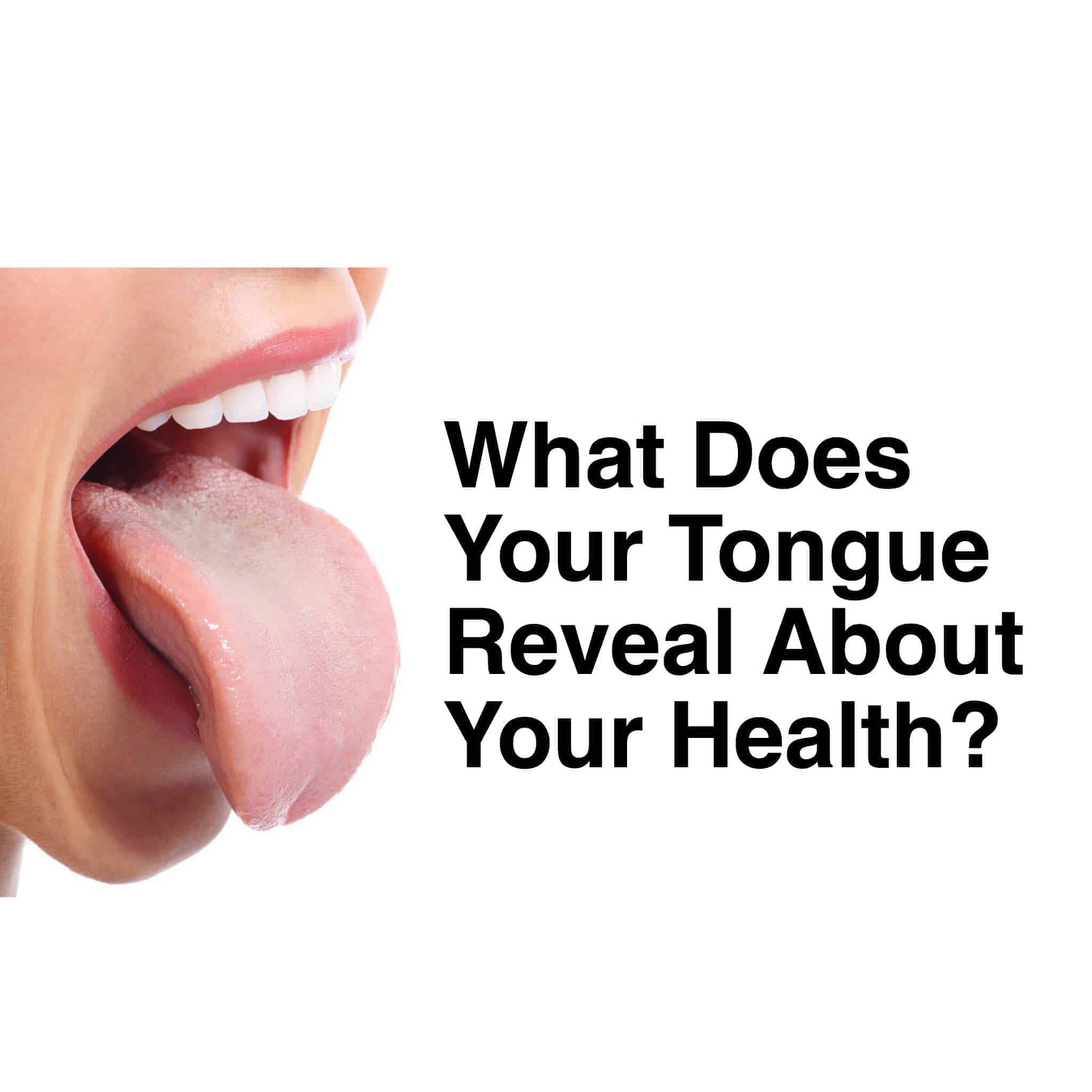
Remember when your parents taught you that sticking your tongue out at people was rude? The only exception was when you open your mouth for an oral examination. If the healthcare provider sees a white tongue, what does that say about your general health?

Your tongue is perhaps one of the most amazing muscles in your body. It’s the only muscle group not covered by skin so that you can see and touch it. Also, it’s the only muscle group in your body that moves independently of bones and joints.

Since we are all individuals, not everyone’s tongue is the same. Some people’s tongues may be a little longer and some may be thicker than others. You probably remember from high school biology class that some people can roll their tongues up like a taco while others can’t do this trick.

A thick layer of connective tissue protects the tongue. If you look at the surface of this fantastic muscle, you’ll notice it is coated with a special mucus membrane, says the article. Its root is connected to the back of your throat on the floor of your mouth.

The Three Sections of Your Tongue

white tongueWhile it appears as one organ, your tongue comprises three sections with different jobs. The sides and tip of your tongue are capable of complex movement for speech and primary food digestion. The bumpy surface of the back of your tongue contains many groups of taste buds. You can’t see where the root of your tongue is connected to the floor towards your bottom throat. It keeps the organ stabilized and doesn’t move. These sections work together to provide your sense of taste and food texture.

Taste is one of your body’s five senses, and your tongue primarily governs it. See the thin mucus membrane that covers the surface of your tongue? It’s embedded with small bumps called the papilla. Each papilla has one of the following functions:

1. Taste

Many often mistake the raised papilla on their tongue’s surface as taste buds. Most of your papillae contain clusters of taste buds, also called gustatory cells. Each of these has microvilli, which are microscopic hairs that send taste messages to your brain.

Since the human body craves variety, your tongue can identify five taste sensations: sweet, sour, salty, bitter, and savory umami. An article published by The National Library of Medicine shares that all areas of your tongue can detect these tastes. It also debunks the misconception that your language is divided into sections identifying a specific taste sensation.

2. Digestion

When you take a bite of food, your tongue instantly sends messages about flavor, texture, and temperature to your brain. Meanwhile, it has an essential role in primary digestion. This limber group of muscles flips and churns to guide the food to be pulverized by your molars.

Your tongue swishes from side to side to mix the chewed food with digestive enzymes in your saliva. Then, it directs the mixed food to the back of your throat to be swallowed by your esophagus.

3. Speech

If it weren’t for your tongue, speech would be impossible. It collaborates with the mouth, teeth, and throat to form sounds that compose all languages. It provides the many nuances of the world’s dialects, from the lovely rolled “r” sounds to more complex, guttural syllables.

One of the most prevailing myths is the supposed danger of swallowing the tongue, especially during a seizure. Fortunately, this marvel of muscle is secured to the bottom of your mouth by a tough membrane called the lingual frenulum.

You can look in a mirror, lift your tongue, and see how it is attached firmly from the bottom. So, it’s impossible to swallow your tongue.

Consider Your Tongue a Map to Your Health

You can also thank your tongue for being an essential guard against invading bacteria and viruses. At its base toward the back of your throat, you have small glands called tonsils and adenoids. These will often catch the germs and get an infection called tonsillitis.

Fortunately, these glands capture the infection before it spreads inside your body. If you are like many people, you may have had your tonsils and adenoids removed due to chronic diseases. However, other people go through life fine with these protective glands intact.

Have you ever wondered why your healthcare provider always asks you to stick out your tongue and “say ahh?” It’s because they know that the surface of your tongue provides vital clues to your present health. They are looking for any discoloration, such as a white tongue.

If you’re feeling under the weather, you can usually feel an unpleasant coating in your mouth and see it on your tongue in the mirror. It’s one of the countless ways your body is sending distress signals. Your tongue is one of the first areas that show signs of an issue.

When you notice a white layer over your tongue, it doesn’t mean your tongue is turning colors. Infection in your system can cause those bumpy papillae to become inflamed and swollen. Consequently, these swollen papilla trap bacteria and debris, giving the tongue’s surface a fuzzy white appearance.

What Does a White Tongue Mean to Your Wellness?

At a first glance of your tongue, your doctor or dentist gets clues about possible health conditions. Many reasons can cause a white layer on this muscle. Here are five things a white tongue may reveal about your health.

NOTE: While some of these conditions are relatively benign, others are severe or life-threatening. Always receive an accurate diagnosis from a qualified doctor if you see changes in your tongue’s appearance.

tongue-health1. Thrush

Oral thrush can affect babies, younger children, and adults. Oral thrush forms from an overgrowth of Candida yeast, which is naturally present in the body. When the Candida yeast multiplies rapidly, it can lead to a white fungal infection in the mouth and tongue.

Oral thrush is more common in infants and young children. That’s because they have a less-developed immune system. Thus, the natural balance of microorganisms may be disrupted more easily. However, it can also occur in adults, especially those with weakened immune systems, compromised oral health, or underlying medical conditions that promote yeast overgrowth.

The symptoms of oral thrush typically include the following:

  1. White or cream-colored patches on the tongue, inner cheeks, roof of the mouth, or throat.
  2. Redness or soreness in the affected areas.
  3. Difficulty or discomfort while swallowing or eating.
  4. Loss of taste or altered taste perception.
  5. Cracking or redness at the corners of the mouth (in severe cases).

To treat oral thrush naturally at home, try diluted apple cider vinegar. According to studies, apple cider vinegar may have natural antifungal properties that can help combat the Candida yeast. Mix one tablespoon of apple cider vinegar with one cup of warm water. Use this solution as a mouth rinse, swishing it around the mouth for thirty seconds to one minute. Then spit it out. Repeat this process two to three times a day until the symptoms subside.

In addition to home remedies, addressing the underlying factors contributing to oral thrush is vital. Maintaining good oral hygiene is crucial, including regularly brushing teeth, tongue, and gums and flossing. Properly cleaning pacifiers, bottles, and other oral items is essential for babies and young children.

This mouth and throat condition is common in babies and younger children, although adults can get it, too. When the Candida yeast that’s usually present in your body multiplies too quickly, it can present as a white fungal infection in your mouth and tongue. Simple remedies often clear it up quickly.

2. Leukoplakia

Chronic irritation of the mouth may reveal the disorder leukoplakia. Leukoplakia presents as the formation of thickened, white or grayish patches or plaques on the mucous membranes of the tongue, gums, cheeks, and inside of your lips. These patches come from the overgrowth of cells combined with the protein keratin.

Leukoplakia stems from several factors, primarily tobacco use and alcohol consumption. Individuals who smoke or chew tobacco, as well as those who heavily consume alcohol, have a higher likelihood of developing leukoplakia. However, leukoplakia can also occur in people who don’t drink or use tobacco. Further, its exact cause in such cases is not always clear.

While leukoplakia is generally benign, addressing it promptly is crucial. That’s because some leukoplakia lesions can transform malignantly into oral cancer.

Regular dental check-ups are vital for identifying and monitoring this condition. If the dentist or hygienist notices a suspicious leukoplakia lesion, they will order a biopsy to rule out precancerous or cancerous cells. Depending on the results, they may remove or closely monitor the lesion to ensure early detection of any potential cancerous changes.

To reduce the risk of leukoplakia and its potential progression to oral cancer, it is advisable to quit smoking or using tobacco products and to consume alcohol in moderation. Practicing good oral hygiene and maintaining a healthy diet can also contribute to oral health and reduce the risk of developing leukoplakia. Consult a doctor or dentist for a proper evaluation and appropriate management.

3. Geographic Tongue

Geographic tongue, benign migratory glossitis, is a harmless and relatively common rash-like condition affecting the tongue’s surface. It is called “geographic tongue” because its appearance resembles a map. It contains irregular patches or lesions that change in shape, size, and location over time.

The precise cause of geographic tongue is unknown. Still, many believe it relates to various factors, including genetics, immune system abnormalities, and certain triggers such as stress or certain foods. The condition is not contagious and does not pose any serious health risks.

Symptoms of geographic tongue may include the following:

  1. Irregular, smooth-edged, red or pink patches on the tongue’s surface.
  2. White or yellowish borders surround the patches.
  3. Discomfort or sensitivity, mainly when eating spicy or acidic foods or while brushing the tongue.
  4. The appearance of the patches may change over time, with some patches disappearing and new ones forming elsewhere on the tongue.

Geographic tongue is usually a benign and self-limiting condition. Most cases do not require treatment, and the symptoms often come and go without causing significant problems. However, if the discomfort is persistent or severe, a dentist or doctor may recommend measures to alleviate symptoms.

4. Oral Lichen Planus

Oral lichen planus is a chronic inflammatory condition affecting the mouth and oral mucosa. It typically occurs when the immune system becomes compromised or overreacts, leading to an abnormal immune response in the oral tissues. While the exact cause of oral lichen planus is not fully understood, it is believed to involve a combination of genetic, autoimmune, and environmental factors.

The characteristic feature of oral lichen planus is the development of white, lacy or reticular patches on the tongue, inner cheeks, gums, and other areas inside the mouth. These patches may appear as a thin white coating or have a network-like pattern. In addition to the white patches, individuals with oral lichen planus can experience various symptoms, including painful mouth and tongue lesions, soreness, burning sensations, and discomfort while eating or speaking.

While oral lichen planus is not curable, there are effective management strategies to alleviate symptoms and prevent complications. Treatment aims to control inflammation, reduce discomfort, and promote healing. Treatment options may include:

  1. Oral hygiene practices: Proper oral hygiene is essential in managing oral lichen planus. Gentle brushing with a soft-bristled toothbrush and using mild, non-irritating toothpaste can help prevent further irritation and infection.
  2. Avoiding trigger factors: Certain foods, drinks, or oral products may worsen symptoms of oral lichen planus. Identifying and avoiding potential trigger factors such as spicy or acidic foods, alcohol-based mouthwashes, and tobacco products can be beneficial.
  3. Regular follow-up and monitoring: Ongoing evaluation by a healthcare professional is important to monitor the condition and adjust the treatment plan as needed. Regular dental check-ups are also necessary to ensure optimal oral health and detect any potential complications.

5. Syphilis

This bacterial condition is a severe sexually transmitted disease that can be fatal if not treated. Of all its tell-tale symptoms, a white tongue is usually among them. Of course, your healthcare provider will run tests and compile your medical history before confirming such a precarious diagnosis.

Risk Factors That Can Cause These “White Tongue” Conditions

Several risk factors can make you more vulnerable to developing white patches on your tongue. Many of them are merely an irritation and aren’t life-threatening. If you fit into any of these categories, your tongue may be affected:

  • Age: Young children and older seniors are more prone to white patches on their tongues and mouths due to thrush.
  • Antibiotics: Sometimes, the antibiotics meant to fight a bacterial infection can become problematic. You may be sensitive to certain antibiotics or use too many. Natural yeast in your mouth can overpopulate and cause an infection and white patches on your tongue.
  • Damage: If your tongue is damaged by chewing or other trauma, it may develop white patches. Dentures are notorious for irritating the gums, mouth, and tongue.
  • Hypothyroidism: When your thyroid is underactive, it doesn’t produce enough hormones to regulate metabolism. It often affects the color of your tongue.
  • Substance abuse: Chewing tobacco, smoking, alcoholism, and drug abuse wreak havoc on your entire body. They can often leave chemical residues in your mouth that show up as pale patches on your tongue.
  • Dehydration: Do you drink enough water every day? If not, you can become dehydrated and compromise your health. You may notice a dry mouth, bad breath, and a white tongue.
  • Medications: Many medications and cancer treatments can dry your mouth and cause your tongue to get a white coating.
  • Poor oral hygiene: Remember to brush and floss your teeth after each meal, or at least twice a day. Also, don’t forget to brush your tongue or use a tongue scraper. If not, bacteria and food particles can cause tooth decay, gum disease, and discolor your tongue.

white tongue oral Final Thoughts on What a White Tongue Means for Your Health

Your tongue may be small, but it plays a significant role in sustaining life and well-being. Take care of it daily with gentle brushings or scraping, and be familiar with its landscape. If you notice lesions, unpleasant tastes, or any odor, it could signal a health condition, even something as small as halitosis. Seek qualified medical advice, as a white tongue reveals an underlying issue.

German Researchers Prove Fasting is an Effective Way to Start a Diet

New research by German scientists reveals that those who want to start a diet should begin with a fast. According to the study, fasting helps people lose weight and normalize their metabolism and blood pressure. It can also reverse metabolic syndrome, a cluster of conditions that increase heart disease risk, strokes, and diabetes.

Many people around the world suffer from metabolic syndrome, otherwise known as insulin resistance syndrome. In Germany alone, one in four people has metabolic syndrome. This condition is an umbrella term for four major co-occurring conditions: obesity, high blood pressure, lipid metabolism disorder, and diabetes. All of these conditions increase the risk for severe cardiovascular events like heart attacks and strokes.

What the study found


Doctors have found that lifestyle changes such as diet, exercise, and fasting have proven effective against metabolic syndrome. Patients may still need to take medication to stabilize markers of health. Doctors normally tell patients to start a diet by adopting a low-calorie eating program. However, they still don’t fully understand how nutrition affects the microbiome, immune system, and overall health.

A study by German researchers investigated the effects of starting a diet on people with metabolic syndrome. Dr Sofia Forslund and Professor Dominik N. Müller led the group. Both are from the Max Delbrück Center for Molecular Medicine in the Helmholtz Association (MDC) and the Experimental and Clinical Research Center (ECRC).

“Switching to a healthy diet has a positive effect on blood pressure,” says Andras Maifeld, first author of the paper. “If the diet is preceded by a fast, this effect is intensified.” The study was recently published in the journal Nature Communications.

Start a diet with more vegetables and less meat.

Dr. Andreas Michalsen from Immanuel Hospital Berlin and Professor Gustav J. Dobos from the University of Duisburg-Essen recruited 71 volunteers. All of them had metabolic syndrome along with high blood pressure. The researchers then split them randomly into two groups.

Researchers put both groups on the DASH (Dietary Approach to Stop Hypertension) diet for three months. This diet specifically targets high blood pressure and is very similar to the Mediterranean diet. It includes an abundance of fruits and vegetables, grains, nuts, pulses, fish, and lean white meat. Researchers instructed one of the two groups to fast for five days before starting the DASH diet.

Using immunophenotyping, the scientists observed that the immune cells of volunteers in this group changed when they started the diet. “The innate immune system remains stable during the fast, whereas the adaptive immune system shuts down,” explains Maifeld. When this happens, the number of proinflammatory T cells decreases, and regulatory T cells populate.

Fasting along with a Mediterranean diet can boost health dramatically

Researchers then took stool samples to study how fasting impacted the gut microbiome. Gut bacteria can either impair or boost the immune system, depending on the strains present. For instance, some types of bacteria metabolize dietary fiber into short-chain fatty acids that lower inflammation and boost immunity.

The German research team found that the gut microbiome changed dramatically when patients started a diet and fasted. Healthy bacteria that aid in reducing blood pressure began multiplying. They noticed that even after patients began eating after the fast, some of the positive changes remained.

In particular, “Body mass index, blood pressure and the need for antihypertensive medication remained lower in the long term among volunteers who started the healthy diet with a five-day fast,” explains Dominik Müller. Normally, a patient’s blood pressure will rise when they forget to take even one antihypertensive pill.

The volunteers had lower blood pressure even three months after the fast.

The German researchers and scientists from the Helmholtz Centre for Infection Research and McGill University, Montreal, Canada, analyzed these results. They performed a statistical evaluation of the data using artificial intelligence to rule out medications to improve health. The team wanted to confirm that the positive results came from patients adopting a healthier lifestyle. They utilized methods from a prior study to investigate the effects of antihypertensive medicine on gut bacteria.

“We were able to isolate the influence of the medication and observe that whether someone responds well to a change of diet or not depends on the individual immune response and the gut microbiome,” says Forslund.

Sometimes, people who start a diet of high-fiber, low-fat foods don’t see results. In most cases, they don’t have the gut bacteria to metabolize fiber into protective fatty acids.

“Those who have this problem often feel that it is not worth the effort and go back to their old habits,” explains the scientist.

However, starting a diet fast can change the gut bacteria, making it easier to break down fiber. “Fasting acts as a catalyst for protective microorganisms in the gut. Health clearly improves very quickly, and patients can cut back on their medication or even often stop taking tablets altogether.” Seeing results relatively quickly could encourage patients to keep eating healthy in the long term as well.

This study shows that those who want to start a diet may benefit from fasting first. Even a short fast can “reset” the gut and increase metabolism, making it easier to lose weight.

start a dietFinal Thoughts: German researchers prove that fasting is a healthy way to start a diet

Many people have preconceived notions about fasting, perhaps believing it could damage your health. However, the German research team discovered that undergoing a fast and adopting a Mediterranean-style diet can drastically improve health. The group that fasted for five days before beginning the diet had fewer pro-inflammatory immune cells and more regulatory T cells. This means that their health had improved during the fast, even before they started the DASH diet.

If you have wanted to start a diet, consider fasting first to kickstart your results. This study shows that fasting helps reset gut bacteria, promoting weight loss, lower blood pressure, and improved metabolism. Fasting for short periods is not dangerous and can start a diet on the right note.

5 Ways To Master Self-Control For Better Health

Self-control is an essential part of everyday life. It helps you make healthy, positive decisions, prevents unwise impulse caving and enables you to manage and regulate how you feel.

But this kind of willpower can be hard to build, even though it’s immeasurably good for your mind, body, and soul. So how can you go about it? Here are five ways to master self-control for better health and wellbeing.

1.    Separate Yourself From Things That Break Down Your Willpower

Willpower breaks down over time, so your self-control can start strong and deteriorate as time goes on. To prevent this, you should disengage and distance yourself from things that tend to whittle down these aspects of you. Here are some ways to do this:

·         Remove Things That Tempt You

Many people have a high-and-mighty sort of perception regarding resisting temptation as if you must be able to look temptation in the face and deny it to claim you have self-control truly. But reality indicates otherwise. Studies have found that human brains aren’t designed to resist sources of temptation repeatedly. Though some degree of training can be helpful, constantly “training” temptation resistance doesn’t have any positive effects on self-control. As such, the best option is to remove the source of temptation. If you tend to give in to certain hankerings, cravings, or desires, that’s because that’s how the human brain works. Remove them from your life, and you’ll have a much easier time.

self-control·         Distract Yourself

If you have to be in the same space as things that break down your willpower, find ways to distract yourself. By shifting your attention to other endeavors and engaging your mind with different things, you’ll be less preoccupied with the subject of temptation or emotion. It’s also a good idea to find long-term “distractions” that are genuine, healthy interests or hobbies that can occupy you, allowing you to become less and less interested in the initial temptation over time.

·         Seek Help From Others

You don’t have to try and avoid things that break you down alone. Having others in your life who can help to hold you accountable can be a useful way to keep you motivated. Sometimes, knowing others would be saddened or disappointed if you gave in to your temptations can be enough to propel you forward and motivate you. For example, working out with friends gives you the drive you need to get up and hit the gym with them daily, and going out to the movies with friends prevents you from heading to a bar.

2.    Take Care Of Your Physical Health

People often overlook the mastery that physical health can have over mental health. As they say, a healthy body makes a healthy mind. Ensuring your physical wellbeing is in order can help your self-control and overall wellbeing as a result. You don’t need to be the fittest person in your neighborhood, either! Just focus on the following aspects:

·         Exercise

Physical activity is fantastic for your body and brain, and its physical benefits are relatively obvious. On an emotional level, it’s also good to produce positive hormones, such as serotonin and endorphins. More importantly, exercise has proven to help self-control by promoting a more relaxed emotional and mental state. This allows for more precise, more rational thinking that creates stronger resilience in times of stress.

·         Eat Enough

The world’s focus on thinness has made us forget how crucial eating is too general health. Going hungry is terrible for your mind and body and can make you more angry and irritable, decreasing your positive thinking and making it harder for you to control yourself. The many components of food are necessary to emotional regulation, and a lack of calories means you run too low on fuel to manage your impulses properly. If you’re trying to lose weight, you can eat more protein instead of carbs, but you should never deprive yourself of food required for functioning.

·         Get Enough Good Sleep

Many people don’t get enough sleep, and those who do get sufficient hours may get inadequate quality rest that means they don’t feel well-rested. If you’re one of these people, you’re doing your self-control a disservice. The ability to remain consistent with sleep and achieve sufficient rest every night is crucial to your ability to manage emotions, frustration, and stress. A lack of sleep, on the other hand, can lead to a significant number of control issues, ranging from caving into food cravings to poor problem-solving or decision-making skills, according to studies.

3.    Take Care Of Your Mental Health

A lack of positive thinking is often the chief cause for a loss of self-control. This is why mental health is so important. If your brain’s not in the right state, it won’t be able to help regulate your actions, after all. Here are some areas to focus on and some tips to try:

·         Find Coping Mechanisms For Stress

Stress management is a skill that is built over time. For those who fail to build the skill, acting out and turning to unhealthy coping mechanisms is common. If you often find that your lack of self-control stems from an inability to manage stress, it’s a good idea to begin doing some self-reflection. Finding methods that allow you to handle your stress levels better will leave you with sufficient energy for positive self-control.

·         Meditate

Meditation is a helpful tool for managing impulses because it has positive effects on feelings of anxiety, restlessness, and stress. It increases GABA levels in your brain, which helps to manage stress responses and regulate negative emotions. This means you’ll be put into a more relaxed state, preventing irrational or extreme emotional reactions to external and internal sources of negativity. The ability to focus on yourself, your breath, and the present can be a surprisingly helpful tool in mastering self-control.

·         Start Putting Your Energy First

When you feel tired, it’s time to take a step back from commitments and find some relaxation. Prioritizing yourself can feel selfish when you’re not used to it, but it’s an integral part of your self-control and general wellbeing. No one else can know for sure how you’re doing, and at the end of the day, you only genuinely have yourself to rely on 100% of the time. So start putting yourself first and give yourself rest and self-care when you start getting tired. You’ll find that being well-rested gives you the necessary energy for self-control. The more tired you are, the more likely you are to cave into initial impulses.

low self-esteem4.    Practice

They say that practice makes perfect, and that goes for self-control, too. While you can’t overdo it, you can certainly work on yourself to boost your wellbeing through willpower. Here are some ways to do so:

·         Fake It Till You Make It

Self-control usually doesn’t come naturally. For control related to habit maintenance or activity restriction, it can be tough to feel like you handle the situation. But here’s a little secret: no one has a handle on it at first! Self-control often begins with you forcing yourself to do things that are difficult for you. Still, this faking method until it becomes a natural, ingrained, and genuine habit is a useful way to kickstart your self-control.

·         Put Yourself In Self-Control Situations

If you’re really trying to build self-control, put yourself into situations where it’s necessary. For example, you may refrain from using social media without removing your phone from your possession, or you may go to a bakery filled with sweet treats and only order something healthy. However, do note that you shouldn’t do this constantly or if you are recovering from addiction. This kind of practice can become counterproductive if you do it so much that you wear your self-control thin!

·         Research

Believe it or not, knowledge can be crucial in self-control. Think about areas where you struggle and delve into literature on the topic, whether via articles, books, videos, or documentaries. You can even learn from people who have been in your position. The point is that better understanding triggers where you lack self-control can give you better power over them, providing you with information, tools, and preparation for the challenges that may lie ahead. So don’t underestimate the power of research!

·         Forgive Slip-Ups

Your self-control won’t always be perfect, and there will be times when you make mistakes and feel like you’re back at square one. This is normal, and it’s why you’re practicing. Reflect on the slip-ups, determine their cause, and develop a plan to avoid a repeat of this or better manage a similar situation. Then start again! Remember, progress isn’t linear, and making mistakes is part of both being human and learning to improve.

5.    Set Goals

Goal-setting is often the best way to get your head in the game to work towards personal improvement. It also helps with achievement-based self-control, as you’ll be able to stay on task more if your goals are defined and available. Here are some tips for this!

·         Make Goals Clear

You need to know precisely what you’re working towards if you want your self-control to get the message. Research indicates that clear goals are crucial in achieving them. A lack of clarity can lead to confusion and even cause an inability to move forward at all.

·         Track Progress

Want to maintain self-control? Make sure you know how much you’re improving! Keep track of the progress you’re making in areas where you have trouble with self-control. You’ll be much more likely to want to maintain that progress if you have a record of it.

·         Visualize Success

Setting goals without passion or drive can often be inefficient. Dreams become successes when you visualize the intended outcome, and mental imagery is a powerful thing. Simply imagining your improved self-control and how much better your life will be once you succeed in mastering willpower can help you move towards your goals more productively.

·         Remember The Consequences

You know how to visualize success – now remember the negative impacts of failure. Think about how everything you’ve worked for can be derailed by one act that lacks self-control. Consider the consequences of giving up or giving in. This can motivate you enough to stay on task.

self-controlFinal Thoughts On Some Ways To Master Self-Control For Better Health And Wellbeing

Self-control can be complex and gets harder the more you’re trying to manage at once. You don’t want to overwhelm yourself with the many tiny areas you want to improve, so concentrate on more considerable, more critical aspects first and work on building self-control there. There’s no shame in only working on one thing at a time!

10 Kind Gestures to Show Appreciation to Someone You Love

Showing others how much you value them makes them feel loved and cared for. It doesn’t take a lot of money or time to show appreciation to the people who mean the most to you. Your acts of kindness can also inspire your loved ones to be more considerate to family, friends, and other members of humanity. You may also find that showing love to others can benefit you as well.

Does helping others help you?

An article published by the Journal of Happiness Studies indicates that volunteering and doing kind things for others can improve your mental health. When you spend your time bettering the lives of others, you’re likely to live a healthier lifestyle. The blog post also explains that when you give your time and resources to others, you’ll experience less stress. This is proof that what goes around comes around when it comes to being considerate.

Beyond science, many of us find the benefits of giving back to others to be a spiritual truth.

After all, the Bible says in Acts 20:35 that it is more blessed to give than to receive.

Most of us also learned the Golden Rule: “do unto others as you would have them do unto you” (Matthew 7:12). These concepts are the bedrock of many spiritual practices. You may have heard these verses from your parents or older family members, and as you go through life, you’ll find that these principles are true. When you treat people the way you hope to be treated and focus on improving the lives of others, you’ll see bountiful returns.

appreciation10 Ways to Show Your Appreciation and Kindness to Others

Here are some sweet gestures that will show the people how important they are to you in your life.

1. Make time to volunteer

You likely won’t have to search too extensively for organizations in your community that need volunteers. Your local church, school, or food bank needs people who are willing to perform free labor so they can use most of their financial resources to fund the mission of their organization. If you have a friend or perhaps a loved one who runs a nonprofit organization, you can show your appreciation for them by volunteering to help further their cause.

When you take an interest in the things your friends and family are passionate about, you’re displaying consideration and a desire to spend time with your friend or family member. Depending on your schedule, you may only be able to do this once in a while, but if your loved one craves quality time, it’s important to volunteer as often as you can.

2. Donate to a worthy cause

Donating to a cause that means a lot to someone special in your life is an excellent way to show appreciation for all the things your loved one has done for you over the years. By spending quality moments with a friend or family member, you’ll find out which social causes are a priority for your loved one.

For instance, if your relative is a teacher, talk to them about donating resources for the classroom, or donate food or money to a charity your loved one works with. If you have children or young people in your life who are part of the Girl Scouts or Boy Scouts, donating your time and money to further the cause of these organizations is an ideal method to show how much you care, and you’ll likely feel great about your decision.

Depending on your friend or relative’s love language, donating items instead of money could be more significant. Check to see if you can donate food, clothing, books, furniture, or toys so the people receiving the donations will have a tangible gift.

3. Work with an animal shelter

If someone special in your life is an animal lover, you can show appreciation for them by volunteering at a local animal shelter. Or, you can drop off needed items at the animal shelter where your loved one works to help keep the animals healthy, clean, and safe.

Animal shelters are always looking for new pet toys, flea and tick treatments, wee-wee pads, clean towels, leashes, and collars for pets. After spending some time at the animal shelter, you may even be inspired to adopt a pet and give it to your loved one as a gift. This is an extra special gesture since your friend or family member will remember your act of kindness each time they care for their new pet.

4. Have a ‘thank you’ appreciation day

Show your appreciation to a spouse, parent, close friend, or special family member with a ‘thank you day.’ This is a day other than your loved one’s birthday where all of the focus is on showing them how important they are to you and the rest of your friends and family. Start the day by making your loved one’s favorite breakfast. Play music by their favorite artists throughout the day.

Take your friend or family member to one of their favorite places in the city or let them choose an activity for ‘thank you day,’ whether it’s rock climbing, going to a museum, or heading to a concert. End the day by ordering takeout from the guest of honor’s favorite restaurant and watching a movie featuring your loved one’s favorite actors. Devoting an entire day to your loved one creates a fond memory that they will remember for years to come.

5. Donate blood to show appreciation

The American Red Cross asserts that the organization needs about 36,000 units of red blood cells, 7,000 units of platelets, and 10,000 units of plasma in the US every day. The blood that people donate is used for treating a number of health conditions include blood disorders, orthopedic surgeries, bone marrow transplants, and cancer. If you have someone special in your life who has experienced these illnesses or is currently in treatment, donating blood can serve as a sign of solidarity.

You can also make arrangements with your loved one’s healthcare provider to donate blood directly to your friend or relative if your blood types are a match. Your blood donation is a heartfelt way to show your appreciation, and it could literally save your loved one’s life.

gratitude quote6. Tend to the garden

If you know of a close friend or family member with a busy schedule, you can mow the lawn or plant a garden as a token of your appreciation. Acknowledging that your loved one is often busy tending to your needs and the needs of other special people in their lives by handling a time-consuming task is a wonderful way to show appreciation.

This token of love is especially valuable in the spring and summer months when grass tends to grow quickly and can be difficult to tend. In addition to making sure the lawn is manicured, plant a few flowers in your loved one’s favorite color for customized curb appeal that will serve as a reminder of how much you care.

7. Surprise your loved one with flowers

If your friend or family member’s love language is gifts and they love surprises, you can give them the gift of flowers. You can arrange for the flowers to arrive while your friend or relative is in a meeting, so the bouquet will be on their desk once they get back in the office. Or, you deliver the flowers yourself so you can also share a hug once you see how pleased and surprised your loved one is.

This token of love is a welcomed surprise when you’re giving the flowers as a ‘just because’ gift when it’s not your loved one’s birthday or a holiday.

8. Offer to babysit

Babysitting services can definitely come in handy for a friend or relative who has a hectic schedule or needs some time to relax. You can show how much you love and appreciate your friend by offering to keep their children for a few hours while your loved one runs errands, goes on a date, or takes a much-needed break. Babysitting is also a great way to bond with the children in your life and develop a closer relationship with them.

9. Become a mentor

Volunteering to mentor a special person in your life can strengthen your relationship. The personal and professional advice you offer could help a friend or family member make important decisions that might impact the trajectory of their lives. Offering your time and resources shows how much you value their presence in your life and shows your desire to see your loved one succeed.

10. Help an elderly loved one or neighbor

Whether you have an older family member who could use your assistance or an elderly neighbor who has become a family friend, take some time out of your day to lend a helping hand to these special people in your life. You can go grocery shopping for a loved one, prepare a meal, drive them to a doctor’s appointment, or simply take a few hours to watch a movie or play a game with them.

These loving gestures make a huge difference to someone who may live alone, and they are a perfect way to offer your gratitude for all the great things your elderly loved one has brought into your life.

appreciationFinal Thoughts on Using Kindness to Show Appreciation for Other People

You can customize any of these acts of kindness to show the people closest to you how meaningful they are in your life. The more you do for others, the better you’ll feel, and the stronger your relationships will be.

15 Behaviors That Reveal Someone Needs Relaxation

When someone’s daily life at home or work is constantly overwhelming, they could benefit from taking time for relaxation. Exploring options like bulk weed canada offers a natural way to unwind and manage the stress that comes with maintaining a busy lifestyle.

They can quickly experience burnout without a break to recuperate.

Even when someone says that they don’t need to relax, some behaviors prove otherwise. People often don’t want to admit when they need to take some time for themselves. They might view it as a weakness, even though that isn’t the case at all.

When you notice behaviors that indicate someone needs to take time for relaxation, step in and offer your help. They might have too much on their plate and are afraid to ask for help. Please encourage them to listen to their body and take a break to relax whenever they experience the behaviors discussed below.

15 Behaviors Prove Someone Needs to Take Time for Relaxation

relaxationPaying attention to these signs can help you recognize when it’s time to offer your help. Before things get out of control, you can help address it or ease the burden. Watch for the early behaviors that indicate someone needs relaxation, which is all easy to recognize.

1. They’re on Edge

When someone needs a break, they are likely on edge due to stress. They will be annoyed by little things that don’t normally bother them.

You may also notice that they are jumpy or over-reactive. Someone can get this way when they are exhausted, sleep-deprived, overwhelmed, or stressed out.

2. They Put Work Before Anything Else

You always know that someone needs time for relaxation when they put work before everything else in their life. Putting work before other things normally means they feel pressured all of the time and can’t say no to anything.

It could be a sign if you notice that someone begins missing family time or other events that they used to prioritize. It doesn’t mean they don’t want to be around the people they care about. Instead, it means they feel like they can’t be there because they don’t have time for anything other than work.

3. They Want to Be Alone More Often Than Usual

Some people enjoy being alone, so it is normal when they don’t want to be social. For others, though, wanting to be alone more often indicates they need time for relaxation.

While alone time is great sometimes, it can lead to isolation and damaged relationships if utilized too often. It is a sign of self-destruction, overwhelming stress, or depression and is a direct sign that someone needs to relax.

4. They Can’t Focus

When someone needs to relax, they will have trouble focusing. There is too much on their mind, and they need a chance to rest their thoughts. If you notice that someone can’t focus on one thing or lose their train of thought, they likely need to relax.

5. They Have Trouble Sleeping

If someone can’t sleep at night, it sometimes means they are overly stressed during the day. This stress causes their mind to stay in a constant state of stimulation, making it hard for them to fall asleep. Unfortunately, the lack of sleep only causes an endless cycle of stress and the inability to sleep.

Having trouble sleeping is one of the first signs that someone needs time to relax. If you notice this behavior, you can expect more of the following behaviors.

The person may stay up late finishing things or trying to get ahead. Otherwise, they may wake up in the middle of the night and be unable to fall back to sleep. Sometimes, they will lie in bed for hours at night and not fall asleep.

6. They Snap at People

You know that someone needs to take time for relaxation when they are snapping at everyone around them. It is a sign that they have lost control of their emotions and must take a step back. With some time to relax and take care of themselves, they wouldn’t snap at everyone quite so much.

7. They are Restless

When someone can’t seem to unwind or sit still, it’s a behavior that indicates they need time for relaxation. Jumping from one thing to the next and not allowing themselves to calm their mind causes overwhelming stress. This type of stress is only eased with self-care and time for a break.

stress8. They’re Not Thinking Straight

People make poor decisions when they can’t think straight. If you notice someone who usually makes sound decisions making mistakes, it’s a sign that they need a break. Even if they don’t make a poor decision, you can tell if someone isn’t thinking straight by watching for other signs.

When someone does things in a way they usually wouldn’t, their mind might be somewhere else. Likewise, they probably aren’t thinking straight if they can’t keep up in a conversation or meeting.

9. Their Eating Habits Change

A change in someone’s eating habits is a sure sign that something is wrong. They might eat less than usual or begin skipping meals regularly. Or, they might overeat and always be on the lookout for a snack or treat.

Whether they aren’t eating as much or they are overeating, it’s a sign of overwhelming stress. This behavior means they could benefit from a break with plenty of time for relaxation.

10. Their Mood Changes Unexpectedly

Unexpected mood changes are confusing, but it is a behavior that proves someone needs to take time for relaxation. When someone is overwhelmed, they will feel moody, anxious, or even depressed as they doubt themselves and their abilities.

This emotional health interruption signifies more stress than the person should be dealing with at once. With time to relax and take a break, unexpected mood changes could become less frequent.

11. They Have No Motivation

If someone seems to be dragging themselves to work or losing their determination to get things done, it’s a sign that they need some time off. They’re feeling burnt out and are in desperate need of relaxation.

High levels of stress can make it seem like nothing is worth doing anymore. Daily tasks won’t get done as they don’t see the point. These behaviors are a sign that they need a break.

12. They Stop Enjoying Their Favorite Things

When someone stops being interested in things they once enjoyed, they might need a break from their life stress. Things that were once a reason for joy now seem like another chore to add to the list. Anyone that experiences this behavior must find a way to relax so they can find happiness again.

13. They Act Like They Don’t Care About Their Life

If someone acts like they don’t care about their life, they need a break and a way to relax. While it is normal to feel down sometimes, it shouldn’t become a regular occurrence. It is a sign that they are feeling unconnected, unengaged, and lack satisfaction.

Anyone can overcome these feelings with a break and a chance to relax, refocus, and reenergize. Then, the person can come back feeling better and more motivated.

14. They Become Increasingly Negative

Negative thoughts and comments are never a good sign. The negativity might be directed at themselves or those around them. Either way, it is a sure sign that a chance to relax is necessary.

You may notice angry outbursts, irritability, constant tension, or that they are cranky all of the time. Negativity is a sign of burnout, so it is essential to watch for this behavior to know when someone needs a break.

15. They Stop Taking Care of Themselves

If you notice that a person’s appearance has slipped, it is a sign that they are overwhelmed and stressed out. Letting their routine go seems easier when they have so much on their plate and haven’t had a break. Plus, they may stop caring about their appearance when they are constantly thinking about other things.

relaxationFinal Thoughts on the Behaviors That Reveal Someone Needs to Take Time for Relaxation

Everyone needs a break and time for relaxation sometimes, which doesn’t mean anything is wrong with them. They can quickly become burnt out when they do too much and never take time for themselves.

The behaviors discussed above are sure signs that someone needs to take time for relaxation. Don’t let them get burnt out before you step in because things will likely worsen.

While you can’t ensure everyone is on the top of their game regarding their mental health, you can try your best to notice. If you recognize these behaviors in anyone around you, it would be helpful for you to suggest they take a break. It doesn’t mean they are weak or a failure, but instead, it means that they need time to take care of themselves.

Kimbal Musk Starts the Million Gardens Movement to Help Feed Families

Kimbal Musk, brother of multi-millionaire entrepreneur Elon Musk, recently started the Million Gardens Movement to help feed families. The organization aims to become the world’s largest gardener community, helping to fight food insecurity, which affects millions globally.

Launched earlier this year, the Million Gardens Movement hopes to inspire a happier, healthier world through gardening initiatives. The charitable organization wants to educate and support millions of new gardeners so they can grow their own food. Best of all, a garden can grow anywhere – in a backyard or windowsill, or even on a fire escape. No matter where the seeds are planted, getting fresh fruits and veggies on people’s plates is the ultimate goal.

The seed of a new idea to help address food insecurity

During the pandemic, Kimbal Musk decided to collaborate with owner of Modern Farmer magazine Frank Giustra on this massive project. Kimbal, the executive director of the non-profit Big Green, already had experience with gardening initiatives. With Kimbal’s background in startups combined with Frank’s experience in food philanthropy, the two joined forces to create MGM.

Many people live in food deserts where they have no way to buy fresh fruits and veggies. With this in mind, the two entrepreneurs decided to “provide the families that need it most with a beginner-friendly garden kit.” Called Little Green Gardens, the kits contain ready-to-use fruit and veggie garden beds. As of now, 5,000 garden kits have already been distributed to help feed families.

According to the website, a small $10 donation “will provide a beginner-friendly garden kit to a family so they can grow their own fresh vegetables, fruits, and herbs.” Along with the tools to grow a garden, each kit contains instructions and “family-friendly activities to build food literacy.” The Million Gardens Movement hopes to create a “more resilient food system” to eliminate growing food insecurity.

How people have gotten involved in the movement that helps feed families

By giving people the tools and education to start gardening, they can have access to food in their own backyard. You can join the movement if you’d like through the MGM website. There, you can sign up to join the community and connect with other gardeners. Or, you can donate $10 which will go directly toward a gardening kit to help feed families.

The two entrepreneurs want every family in North America to have access to fresh, healthy food. So far, over 2,400 gardeners have signed up to begin growing in 2021 through the site. 632 learning gardens have been placed in schools as well to teach kids about growing food. In addition to the 5,000 gardening kits distributed, this brings the grand total of new gardens to over 8,000!

Kimbal and Frank hope the movement only continues to grow. Celebrities have been helping to spread the message, using their social media platforms to share the importance of gardening. Harrison Ford, Zooey Deschanel, Nicole Scherzinger, Maye Musk – mother of Kimbal – along with Elon Musk, have gotten on board.

Frank says they’ve received such a positive response and passion about their mission. He says that gardening activists they worked with for the launch kept asking what more they could do to help. Many people around the world share their vision about a healthier, more sustainable planet.

It all started when Frank reached out to Kimbal with the idea of creating Million Gardens Movement together. They wanted to make it simple for any family to have a garden, especially those without access to fresh food.

Frank says the following:

“Planting a seed is an act of hope for a brighter tomorrow. We hope millions will join us to grow their own garden and give a garden to a family.”

They hope the gardening movement will gain traction worldwide to help bea food insecurity

“The Million Gardens Movement is about reconnecting us to our roots, to real food, and to a path to a sustainable, healthy lifestyle. I want to inspire families across America — and the globe — to experience the magic of growing your own food. We can all have an incredible impact on the health and happiness of current and future generations by gardening more at home, school, and in our community,” says Kimbal.

Frank says that the online gardening community continues to grow, which helps them feed more families. Eventually, as their name suggests, they hope at least one million gardeners will join the movement. Frank added that it feels great seeing so many people donate since it directly helps feed families. Plus, the people who donate may take up gardening as well, making it a win-win.

“We’ve been able to deliver garden kits to Denver, Detroit, Memphis, and Indianapolis so far,” he said. “We’re working to deliver 5,000 kits in Denver alone in April for Earth Month, and we’re working on delivery plans for cities after that drop.”

The gardening kits will provide meals to thousands of low-income people or those live in food deserts. Since the pandemic began, around 25% of Americans have faced food insecurity, according to MGM. Unfortunately, hunger has been on the rise in the country for decades.

Studies prove this movement is necessary

A study from 2017 revealed that around 5.6% of American’s don’t have access to fresh food. In Atlanta, Georgia alone, 125,000 people live in food deserts, or areas without supermarkets.

However, the Million Gardens Movement can help close this gap by providing people with the means to grow a garden. This will not only give them access to nutritious food, but help them become more self-sustainable. According to the Journal of Extension, a backyard vegetable garden produces $677 worth of fruits and veggies per year, on average.

“Our hope is to quickly expand to Canada this year with sights on Vancouver and Toronto,” says Musk. “We hope to expand to Mexico and beyond to make this a worldwide movement to encourage millions of people to grow their own food.”

feed familiesFinal thoughts: Million Gardens Movement helps fight food insecurity by distributing gardening kits

Food insecurity affects millions of people worldwide, and the numbers seem to rise every year. However, the Million Gardens Movement hopes to combat this worrying trend by putting gardens in classrooms and homes. We can’t wait to see how the charitable organization progresses as it continues to feed families around the globe.

4 Ways Facial Expressions Reveal Emotions and Feelings

Isn’t it amazing that you can usually tell how people feel by reading their body language and facial expressions?

It’s part of the human ability to convey and interpret nonverbal communication. If what you’re saying isn’t congruent with the expressions on your face, most people can catch on instantly.

Face the Emotions

Even though interpreting nonverbal emotional cues is essential, it still doesn’t provide the cause behind the feelings. When you see someone’s countenance that conveys negative emotions, it’s easy to take it personally. The expressions you’re reading may not even be about you.

It’s easy to have misunderstandings when you misinterpret expressions on another person’s face. They may be smiling and telling you everything you want to hear, but their face says something different. It’s a unique process of active listening, observing the face, and reading subtle body language.

body languageBasic Emotions and Facial Expressions

According to a study published by the American Psychological Association, humans have seven primary emotions and universal ways of displaying them on their faces. The researchers referenced Darwin’s seminal works, who theorized that emotions and countenance evolved out of necessity and are the same worldwide. Later studies conducted by researchers Carrol Izard and Paul Eckman elaborated on the universality of expression and emotions.

Eckman and his associates pinpointed seven basic human emotions. These include happiness, sadness, anger, fear, disgust, contempt, and surprise. According to a current study published by Nature, the list was subcategorized into a total of 16 complex emotions. The study mentions triumph, sadness, pain, surprise, doubt, interest, joy, contentment, disappointment, desire, concentration, contempt, confusion, awe, and anger.

Noticing Micro-Expressions

If you are a skilled reader of people’s faces, you’ve noticed that expressions can change rapidly. Those barely discernible ones have been labeled as micro-expressions. A study published by Sensors states that they are involuntary and can last between 1//15-1/25 of a second.

When you learn to detect micro-expressions, it can give you clues that the person is trying to hide true feelings. They are usually a tell-tale sign of somebody being honest or deceitful. Honing your skills for detecting and interpreting these micro-expressions may help you better understand others’ feelings.

These micro-expressions are just miniature versions of the same extended manifestations. These include happiness, sadness, anger, surprise, disgust, fear, and contempt. They flash by like a shadow and show reality rather than dishonesty.

How to Identify Common Emotions by Facial Expressions

For most people, one look at their face will convey their emotions. Each facial feature provides the observer with valuable clues. In early childhood, you learned to study faces to know how to react to others instinctively.

The old saying is true that calls your eyes the “window of the soul.” Only skilled pathological liars can gaze into another person’s eyes and tell a lie. You also focus on the countless expressions on people’s mouths, like an upturned happy mouth and a frowning mouth that’s upset.

All the face features create a person’s countenance and tell a story to those who are observing. Not a word has to be said. Here are four ways your face reflects what’s going on in your mind.

1. Eyes

Even if somebody is wearing a mask covering their mouth, it isn’t challenging to see emotions in their eyes. They are vital for facial recognition, and they provide many clues to someone’s genuineness and feelings. These are subtle clues that your eyes reflect.

  • Pupil dilation: When people are interested in what you’re saying, or they may be attracted to you, their pupils will be dilated or become more prominent. While this involuntary action opens the pupils more when light is dimmer, it is an emotional sign in normal light.
  • Blinking: If you are talking to a person and they’re blinking more rapidly than usual, they could be uncomfortable or distressed. Conversely, someone who doesn’t blink much may be trying to hide their emotions.
  • Narrowed eyes: There’s always a chance that people are squinting because of poor vision. However, people often narrow their eyes when they find contempt for what you’re saying or are trying to size you up. If they squint their eyes and look away for a minute, it could be that they are seriously thinking about the conversation.
  • The staredown: Have you ever watched two dueling cats in a staring match for domination? Intense staring with narrowed eyes and bent brows usually means anger or hostility. However, some people stare non-threatening when they’re paying full attention.
  • Eye contact: There can be several reasons if a person can’t maintain eye contact with you. They could be shy and reserved or are distracted. Lack of eye contact can also be the classic sign of dishonesty.

2. Brows

Whether they are pencil-thin or bushy, your eyebrows work in tandem with your eyes to convey nonverbal messages. They are just as essential as your eyes for facial recognition. These are cues the brows show:

  • Arched and raised: To interpret the brows’ upward lift, you must consider cues from the rest of the face. When you are elated or surprised, your brows will lift with joy in your overall countenance. It can also signal disbelief or being overwhelmed.
  • Lowered: When a person’s brows are lowered and pinched together, it may be that they are feeling angry or hostile. However, compare it with other features, and they may be sad or even frightened.
body language

Stop these 18 uses of body language that send the wrong message.

3. Mouth

Perhaps nothing connects people more than a genuine, engaging smile. It’s the quintessential expression of happiness, friendliness, and acceptance no matter where you live. However, a tight, upturned mouth may be a forced smile that’s masking genuine emotions.

Here are some other ways the mouth can express feelings:

  • Wide open mouth: This expression can signal surprise, fear, or frustration. If the person’s jaw is dropped, it may be signs of these same emotions.
  • Half-smile: When only one corner of the mouth is uplifted to form a half-smile, you’ll need to observe the eyes and brows to interpret the whole emotional picture. Some people offer half-smiles when they are shy, embarrassed, or hesitant. It can also convey hate and contempt.
  • Baring the teeth: Many people have a natural toothy smile. But if it is out of character for the person, it could be a fake smile. Baring the teeth can also be a classic expression of extreme emotion, hostility, or anguish.
  • Biting the lips: One of the usual signs of anxiety, fear, or indecision is lip biting. It may also reflect inner turmoil or repressed anger, according to the context of the whole countenance.
  • Pursed lips: Unless someone is blowing you a kiss, pursed lips show irritation, impatience, and disgust. However, some people often purse their lips and bring them to one side when they are in deep concentration.
  • Covering the mouth: It’s expected for people to cover their mouths when sneezing, coughing, yawning, or burping. If you notice that someone is involuntarily covering their mouth with their fingertips or a clenched fist, chances are they aren’t true to their feelings.

4. Nose:

Although not nearly as expressive and other facial features, your nose can still display emotion. Flared nostrils can signal anger, hostility, or fear. A crinkled nose usually means disgust.

Putting It All Together

Imagine your face as a jigsaw puzzle. To discern emotions through facial expressions, you need to consider each feature in the entire picture. Bring the eyes, brows, mouth, and even the nose into the equation.

It takes practice and good listening and observation skills to interpret emotions through facial signs. When you maintain proper eye contact, you can read people’s faces well. However, you want to do it naturally and not so evident that it makes others uncomfortable.

Using Faces for Nonverbal Social Cues

An experienced socializer and good listener can usually take unspoken cues when relating to others. Whether your relationships are personal or professional, this ability can help you avoid misunderstandings and dishonesty. You will learn to recognize micro-expressions and how the person may be feeling.

If you’re talking to somebody and glancing away more than expected, they either want to end the conversation or be uncomfortable with the subject. Subtle signs of anger and hostility can be present even when the person is smiling. It may be your cue to work out your differences or make your exit.

Can Facial Expressions Bring the Emotion?

According to a study published by the Association for Psychological Science, research suggests that expressions can’t force emotion. You may try to “grin and bear” uncomfortable situations, but a forced smile doesn’t change how you feel. The current publication contradicts findings in a 1988 study.

Final Thoughts on Emotions and Facial Expressions

People’s faces are usually an open book that shows their emotions. Even when they are trying to hide their true feelings, their facial expressions will betray them. When you learn to read these expressions, it can help you relate to others better.

Skip to content