Weekly tips, affirmations, and small actions to feel your best.

Scientists Explain How Exercise Can Protect The Brain Against Depression And Anxiety

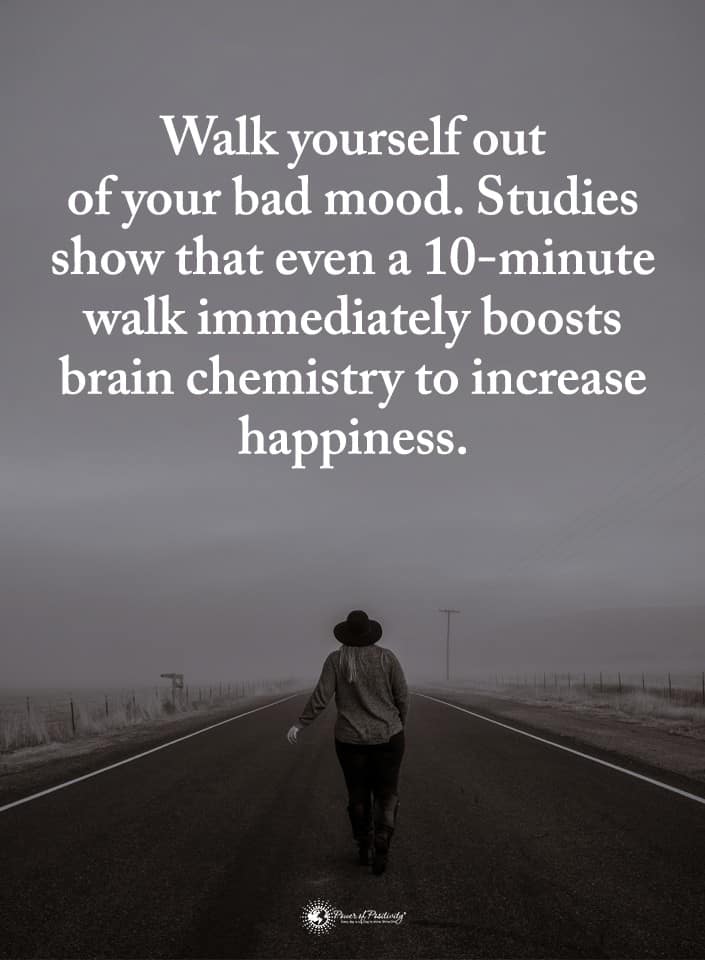
Many people with depression and anxiety hear that all they need to do is exercise to feel better. This is, of course, not true, and proper treatment is needed for the improvement of diagnosed mental disorders.

But what if there was a nugget of truth in the concept of exercise being good for your mental health? As it turns out, this might be the case! But is it effective? Can exercise protect the brain against depression and anxiety? Science says so, and here’s how!

1.    How The Exercise Of Yoga Protects The Brain

You’ve probably heard time and time again that doctors recommend yoga to reduce many forms of mental strain. While it’s certainly not a magical cure-all, it is capable of helping. It’s low-risk and great for relaxation, with apparent benefits typically popping up after only one or two sessions.

Yoga involves the act of deep breathing, core strengthening, and flexibility. It essentially forces you to calm your mind and slow down, which is beneficial to anxiety, stress, and depression. When you need to focus on deliberate movements and mindful breathing, it’s easier to release negative emotions.

The versatility of yoga adds to its appeal. There are gentle routines and challenging ones, with plenty along the difficulty spectrum in between. Still, its unifying features of balancing and stretching poses, meditative periods, and controlled breathing exercises have all been useful for anxiety and depression.
pop memeHere are three studies that agree:

  • “Yoga as a Complementary Treatment of Depression: Effects of Traits and Moods on Treatment Outcome” published in Evidence-Based Complementary and Alternative Medicine (2007).

This study revealed that individuals who take yoga classes experience significantly lowered neurotic symptoms, depression, anxiety, and anger, leading to improved positive thinking. In fact, the study winds up recommending yoga as a form of complementary depressive disorder treatment.

  • “The effects of yoga on anxiety and stress” published in Alternative Medicine Review (2012).

This small review of research trials was meant to examine how stress and anxiety are affected by yoga. It found that in the 35 of the studies examined, 25 of them had their participants enjoying decreased symptoms of anxiety and reduced stress after beginning to practice yoga.

  • “Modern postural yoga as a mental health promoting tool: A systematic review” published in Complementary Therapies in Clinical Practice (2018).

This study revealed numerous benefits of yoga. On a physical level, it can reduce blood pressure, balancing heart rate, and improving respiratory function, which can all, in themselves, be beneficial to anxiety levels. However, yoga also is revealed to strengthen wellbeing experiences, regulate stress response and physiological arousal, and improve symptoms of anxiety and depression.

2.    How The Exercise Of Running Protects The Brain

Doctors often recommend running for those who love a challenge. And they offer that advice for a good reason. Running provides numerous different benefits. While most of the expected positive sides to running are purely physical, some of those physical effects bleed into mental health. Better yet, some aspects of running do have significant mental health benefits!

Here are some studies that prove it:

  • “Coronary heart disease in marathon runners” published in Annals of the New York Academy of Sciences (1977).

This study found that running can reduce heart disease risk, but while that was its primary purpose, it also found an attractive mental health benefit. Running is supposedly suitable for your ability to resist cravings for certain foods, helping those who stress, eat, eat emotionally, or experience anxiety surrounding food.

  • “Antidepressant effects of exercise: Evidence for an adult-neurogenesis hypothesis?” published in Journal of Psychiatry & Neuroscience (2006).

This review of research revealed that exercise, especially running, can be almost as effective as antidepressants if not equally so. This means that running can essentially function as a workable treatment for major depressive disorder because it helps the brain grow new, more vital neurons.

  • “MBSR vs. aerobic exercise in social anxiety: fMRI of emotion regulation of negative self-beliefs” published in Social Cognitive and Affective Neuroscience (2013).

This study revealed that aerobic exercise such as running could benefit social anxiety and social phobia, allowing for more confidence in social spaces.

  • “Running as a Key Lifestyle Medicine for Longevity” published in Progress in Cardiovascular Diseases (2017).

This study revealed that even just five minutes of daily running might be capable of increasing one’s lifespan. The reduced mental strain involved with overall healthy wellbeing can reduce feelings of hopelessness experienced by those with depression.

  • “Interrelationship between Sleep and Exercise: A Systematic Review” published in Advances in Preventive Medicine (2017).

Sleep is crucial to the management of mood and stress. The less healthy your sleeping patterns, the more likely you will suffer from adverse symptoms of anxiety and depression. According to this study, running and other forms of similar exercise can boost memory, reduce stress levels, and even protect you from depression and mood disorders!

  • “Mindful Running – An ultimate way to Mindfulness Meditation,” a conference paper from Positive Psychology, Mindfulness, and Psychotherapy (2018).

As a form of exercise, running can release positive neurotransmitters or hormones that make you feel good, like norepinephrine and serotonin. Moreover, these boosts occur both after and during the workout. But, on top of that, there is an additional benefit to your positive thinking: running is inherently meditative. Essentially, running involves repetitive motions of the limbs and the overall body. These movements can produce meditative experiences for the brain that help balance emotions and improve symptoms of anxiety and depression.
depression and anxiety3.    How General Exercise Protects The Brain

Enough about specific exercises! Let’s talk about the general concept of physical activity. You’ll see how good it is at fighting anxiety, depression, and their symptoms. If it gets your heart racing and running, you’re gaining these results.

Here are some scientifically-proven benefits of any form of exercise:

  • “Regular exercise is associated with emotional resilience to acute stress in healthy adults” published in Frontiers in Physiology (2014).

According to this research, participation in physical activity can help you fight stress in a more positive This happens by reducing your natural physiological reactivity to negative feelings of anxiety and stress. Hence, you’re less affected by those feelings overall. In other words, you gain some immunity against stress in the future and better coping mechanisms for your everyday stress, all in one.

  • “The cortisol response to exercise in young adults” published in Frontiers in Behavioral Neuroscience (2015).

Stress hormones, such as cortisol, can be released rampantly when you enter chronic states of anxiety. This study revealed that exercise could help to lower levels of those neurotransmitters in your blood while boosting positive hormones like endorphins that make you feel good and provide improvements to your positive thinking. These factors make you more resilient to anxiety and depression.

  • “Exercise and mental health” published in Maturitas (2017).

According to this study, individuals with anxiety disorders, panic disorders, post-traumatic stress disorders, and other conditions related to anxiety can feel better when they exercise. This is because exercise allows the body to expend its tension and stress in healthy ways, burning off some of the anxiety that comes with it.

  • “Exercise in the treatment of clinical anxiety in general practice – a systematic review and meta-analysis” published in BMC Health Services Research (2018).

This study adds to existing research into anxiety sensitivity, showing that exercise can help the body react less severely to anxiety triggers. It also found that panic attacks may be reduced in frequency and severity by frequent exercise.

4.    How Exercise Promotes Processes That Protect The Brain

Exercise’s benefits aren’t limited to things that directly change how you manage symptoms of anxiety and depression. It’s good for more than just psychological protection. And, as it turns out, some of its benefits still manage to help protect the brain indirectly.

Here are some examples:

·         It’s Distracting

Exercise requires some degree of focus. You have to exert yourself and push yourself to achieve progression when you’re doing more intense exercise forms. This means you’re not able to focus on your anxieties or negative emotions.

·         It Gives You Social Support

There are lots of ways to exercise socially. You can play team sports, gather a group of friends to work out together, or make new work-out friends at the gym. Social support has long been proven to provide positive effects to conditions like depression and anxiety. As such, by exercising and gaining that social buffer, you’re indirectly helping your mind, and you get even more stress relief when your exercise routine doubles as a friendly hangout.

·         It Manages Comorbidities

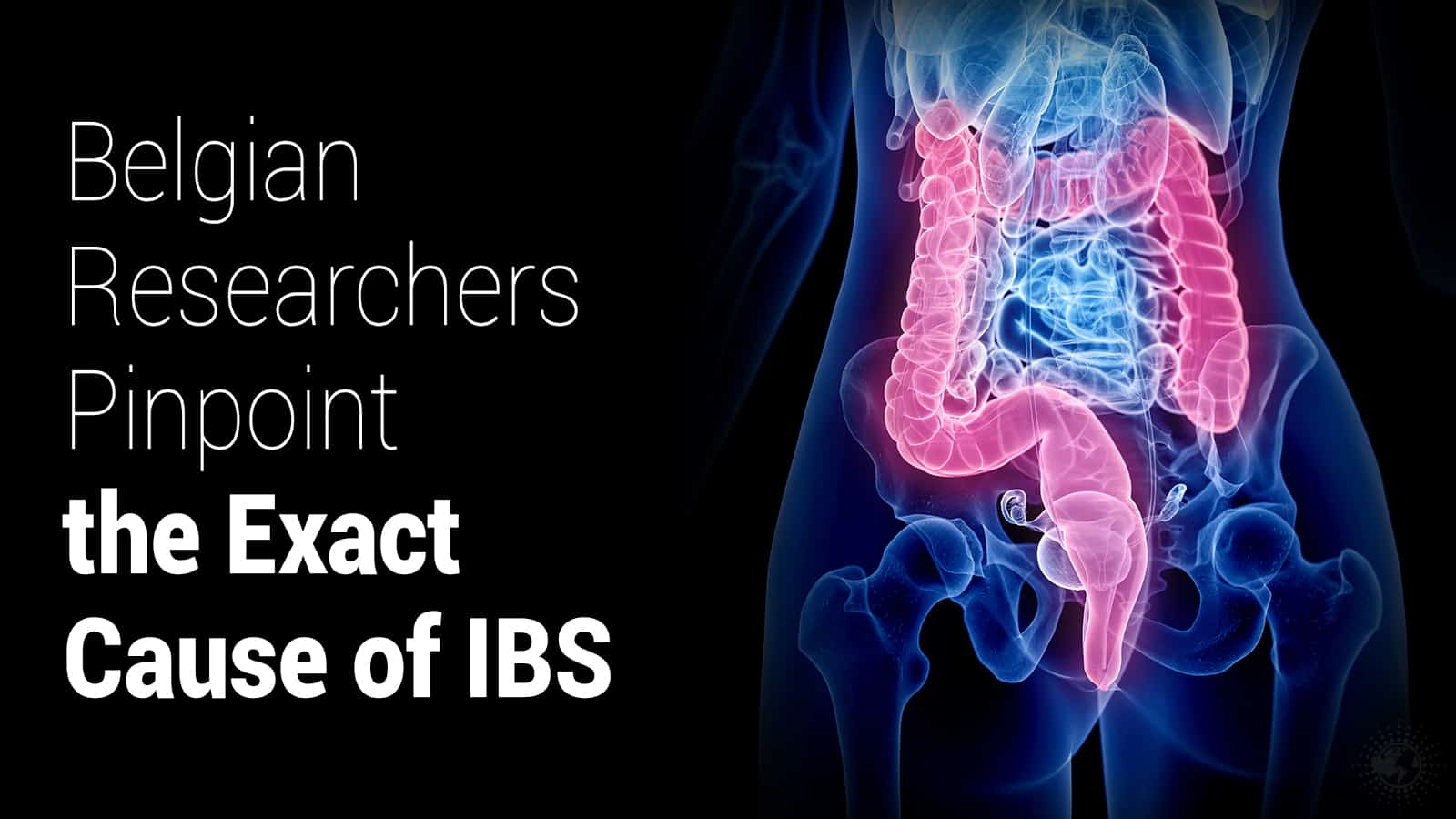
A lot of mental health conditions have physical health manifestations. One common example of this is irritable bowel syndrome, which is often comorbid with anxiety and even depression. Research has found that regular exercise is capable of easing these physical symptoms.

·         It Makes You More Confident

Exercise isn’t a cure-all for low self-esteem, but it can help to improve your self-image. Working out means you take care of yourself, which can help you feel more satisfied with your appearance overall, especially if you can lose excess weight in the process. There’s nothing quite like the magic of realizing that your clothes fit you in better, more flattering ways! Even if you don’t exercise to lose weight or change your appearance, you’ll feel amazing after a workout, which gives you a happy glow and a bright smile.

·         A Healthy Body Makes A Healthy Mind

It’s a bit of an old saying, but it’s true. Stress, anxiety, and depression can make you more susceptible to illness. Illness can make you more susceptible to mental health problems. It’s a cycle that will keep going until you break it. Learning to build a healthy body through physical activity will help your mind stay healthy, too.

Final Thoughts On Ways Exercise Can Protect The Brain From Depression And Anxiety

Exercise may not be a perfect solution to your mental health struggles. But it is a viable option for complementary treatment alongside your traditional methods. The numerous benefits provided by exercise cannot be overlooked, especially when they’re backed by so much scientific evidence. So develop a simple exercise plan to work out for just a little while every day. Then start building the intensity and duration as you go! Your anxiety and depression may not go away. But you might reduce your depression symptoms, and you’ll feel good giving it a try.
 

Click to Tweet this Article

6 Signs of Gastroenteritis (and How to Relieve It)

When you develop an infection in your gut caused by bacteria, it is called gastroenteritis. It happens when there is inflammation in your stomach and intestines.

Sometimes this gastrointestinal infection is referred to as food poisoning or the stomach flu, as well.

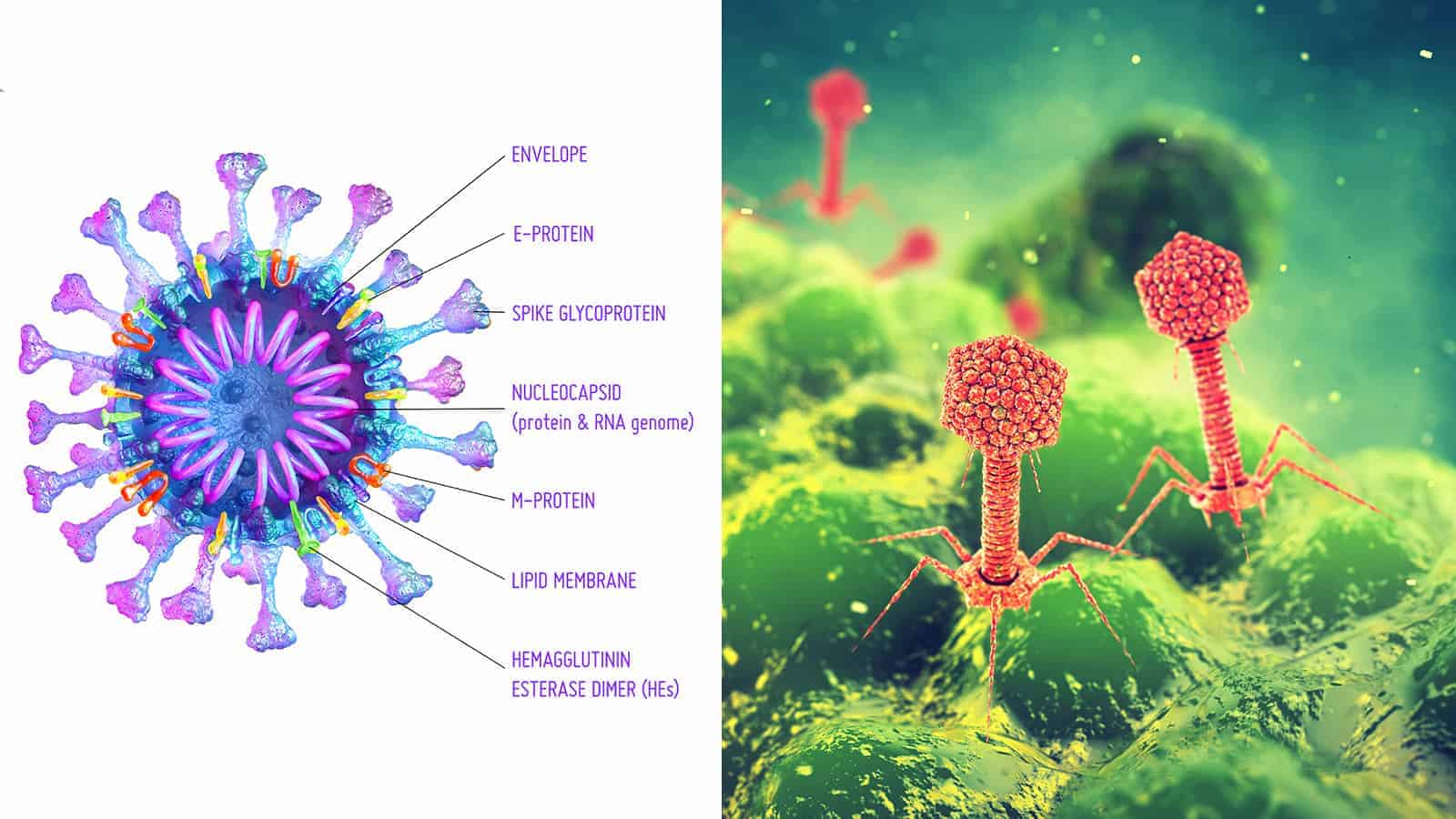
Viruses are the most common cause of gastrointestinal infections, but bacterial infections can cause them, too. Gastroenteritis can infect you in different ways, as it can be airborne or live on surfaces. You can develop it even when you are careful to sanitize, although sanitizing does decrease your risk.

Six Signs of Gastroenteritis

The gastroenteritis symptoms vary, but there are a handful of common signs that you can watch for. Since the signs are uncomfortable and can last for a few days, you should know a few ways to fix it, too.

gastroenteritis1. Decreased Appetite

If you find yourself not wanting to eat, it is a sign of a gastrointestinal infection. You might not feel hungry even when you should be, or the thought of food might make you nauseous.

2. Nausea and Vomiting

Feeling queasy and like you might vomit are signs that you are suffering from a gastrointestinal infection. If you are already vomiting, then you can be sure you have something going on. These two signs generally go together, with nausea worsening until you begin vomiting.

3. Diarrhea

Loose or watery stool is known as diarrhea. If you are experiencing it, then you might have an infection. You may also notice that you have to use the restroom more often when you are experiencing diarrhea.

This sign shouldn’t last more than a few days, luckily, but it is uncomfortable. Diarrhea can lead to dehydration, as well, so make sure you stay hydrated.

4. Blood in Your Stool

Blood in your stool is a sign that bleeding is occurring somewhere in your digestive system. When the blood is due to gastroenteritis, it is likely because of your stomach and intestines’ inflammation.

5. Fever

When you have a fever, it is a good indication that something is wrong. A fever signifies that your body is fighting something off. You shouldn’t be worried about a fever unless it reaches 103 degrees Fahrenheit, and it may last a few days.

6. Abdominal Pains or Cramps

If you experience pain between your chest and pelvis, it is considered abdominal pain. Abdominal pains and cramps can be a sign of many things. If you experience it and any other symptoms, though it is a good indicator that you have gastroenteritis.

How to Relieve Gastroenteritis

The most important thing you can do to remedy gastrointestinal infections is to stay hydrated. You also must keep salt in your body so that it continues to function properly. There are ways you can do this, helping you to get better sooner and prevent complications.

1. Drink Fluids Often

Even when you don’t feel like it, you must drink fluids regularly. If you experience diarrhea or vomiting, it is even more essential that you replenish your fluids.

2. Eat Often, but Only Eat a Little at a Time

It is essential that you eat to keep your nutrients up, but avoid large meals. Overdoing it can cause your symptoms to worsen, and it can become hard to keep anything down. Instead, opt for smaller meals, especially salty snacks.

3. Drink Tea to Ease Nausea

Certain types of tea can help relieve nausea quickly, but be sure to avoid caffeinated tea. Tea not only eases nausea, but it can help with reducing inflammation too. The types that help ease the symptoms of gastroenteritis include:

  • Ginger tea
  • Licorice tea
  • Peppermint tea
  • Fennel tea
  • Chamomile tea
  • Raspberry leaf tea
  • Lemon tea
  • Green tea
  • Spearmint tea

4. Increase Your Potassium Intake

When you are choosing your small snacks, look for foods that are high in potassium. Many kinds of juice contain potassium, as do bananas. The potassium will help you keep your electrolytes replenished, helping you to stay hydrated and feel better.

viruses5. Consume Broth and Soup

Eating solids is hard when you are sick, but broths and soups tend to stay down better. It can help replenish some of your lost fluids, and it will give you a little nourishment. Add salt to the soup or broth to help replenish your electrolytes, too.

6. Try Ginger or Basil

Ginger can help you fight infection, giving you the chance to get better quicker. Plus, it lessens abdominal pain, helping you to feel a little more comfortable as you recover. Basil helps to soothe your stomach and can prevent future gastrointestinal infections, too.

7. Consume Apple Cider Vinegar

Similar to the effects of basil, apple cider vinegar soothes your stomach. It also works to strengthen your stomach to fight off infections in the future.

You won’t want to drink the vinegar by itself, so add two teaspoons to a glass of water. This way, it will be easier to drink, and it won’t make you feel nauseated. Once you have drunk the full glass, you can expect to feel better pretty quickly.

8. Avoid Acidic Fruits and Vegetables

This tip isn’t intended to suggest fruits and vegetables aren’t good for you. When you aren’t ill, you should consume enough to get plenty of vitamins and nutrients. On the other hand, if you suffer from a gastrointestinal infection, you will want to avoid anything acidic.

Acidic fruits and vegetables can exacerbate the problem, making it worse and slowing your recovery process. Pay attention to what makes your symptoms worse, and be sure to avoid the culprits. Oftentimes, tomatoes are the culprit, but you may notice that some others cause it, too.

cause of IBSCauses of Gastroenteritis

Here are the things that cause this painful stomach condition.

Bacterial Gastroenteritis

Several things cause gastrointestinal infections. Contaminants found in food products are a leading cause, with at-risk foods including:

  • dairy products
  • eggs
  • poultry
  • salad
  • ground beef
  • pork

Undercooked food, food that isn’t stored at the proper temperature, or food that isn’t reheated properly can cause the infection. Make sure you are handling food properly and following the proper guidelines to prevent getting sick.

You can also come down with a gastrointestinal infection from consuming water. While purified water is safe, other water may not be. Accidentally drinking water from a swimming pool causes this infection, too.

Gastrointestinal infection can also occur when the bacteria passes from one person to another. Transmitting happens by transferring the bacteria on their hands. Everything they touch can become contaminated, possibly infecting the next person that touches it.

Wash your hands often to prevent contracting the bacteria. Ensure that you do a thorough job, especially after using the restroom.

Another cause of gastroenteritis that many people don’t know is acidic foods. Citrus fruits such as oranges and limes can cause this inflammation, as well as tomatoes.

Those that have weakened immune systems are at a higher risk of developing the infection. So, if you have a weak immune system, be especially careful and sanitize often.

Viral Gastroenteritis

This type is caused by coming into contact with the stool or vomit of an infected person. You may not realize that you come in contact with their bodily fluids, but it is more common than you think. Entering a restroom is one way you can come into contact, as there are invisible particles on the surfaces.

Once you touch them, you have come into contact with the virus. From there, you may accidentally touch your face, mouth, or even your cell phone. So, even if you wash your hands, you are still being exposed to the infection as it is on other surfaces, too.

You can also come into contact with the invisible particles if you shake someone’s hand. Plus, you never know if a sick person has touched your shopping cart at the grocery store or the door handle at the post office.

The virus can even transmit through the air. When a sick person vomits, the invisible particles become airborne. Then, you risk breathing them in or touching a surface that they landed on.

How to Prevent Gastroenteritis

Some ways to prevent this infection were mentioned before, such as washing your hands often and handling food properly. There are many other ways, though, including:

  • avoid unpasteurized milk
  • don’t eat raw or undercooked meat
  • avoid raw shellfish
  • don’t use the same cutting board for raw and cooked meat or shellfish
  • wash all fruits and vegetables
  • store food at the proper temperature
  • follow directions when reheating food
  • keep your kitchen clean and sanitized
  • wash your hands after touching animals
  • drink bottled water if you are unsure of the local water source

gastroenteritisFinal Thoughts on Signs of Gastroenteritis and How to Fix It

Gastroenteritis is uncomfortable and hard to deal with. If you don’t work to get better, complications could set in, making the illness even worse.

You will need plenty of fluids and rest to help your body overcome the infection. If you notice any of the signs of gastrointestinal inflammation, do what you can to fix it. You won’t heal overnight, but with self-care, you will get through it.

15 Habits That Rebalance Your Weight Gain Hormones

Don’t blame yourself for your too tight-fitting pants! If you struggle to keep extra pounds off your frame, consider whether weight gain hormones are the culprit.

Many factors lead to weight gain. But you may not have considered that your hormones are why you have a stubborn weight that won’t budge no matter how hard you try. Your hormones control functions throughout your entire body, but you may not realize that weight gain hormones may be overactive in your body if you’re having a hard time shedding pounds.

Hormones control your mood and can make you feel fatigued, so it makes sense that weight gain hormones can also play a role in your fat storage and metabolism. However, it is essential to note that all weight gain isn’t hormonal weight gain. According to St. Luke’s-Roosevelt Hospital Center, the most significant cause of weight gain is excess calorie intake. Consuming too many calories and hormone imbalance can lead to weight gain that can be difficult to control. This is a significant issue for women since women experience hormone fluctuations due to their menstrual cycle. Even though men don’t have a menstrual cycle, they still have hormones, leading to hormonal weight gain issues.

15 Habits to Help Rebalance the Weight Gain Hormones

If you’re trying to get your weight under control, here are 15 habits to incorporate into your life to outsmart your weight gain hormones.

weight gain hormones1. Balance Your Weight Gain Hormones

Men and women have several hormones that are active in weight gain or loss. The hormones that are most unbalanced when people are trying to get rid of stubborn weight are:

  • Estrogen
  • Cortisol
  • Progesterone
  • Testosterone
  • Thyroid
  • Growth Hormone
  • Aldosterone
  • DHEA

Fortunately, there are ways to balance weight gain hormones. Eating fatty fish like salmon and tuna, beef liver, and yogurt can help keep your hormones in check. These foods provide omega-3 fatty acids, iron, probiotics, and calcium, making it easier for your body to process and burn fat.

Avoiding processed foods and sugar to keep your glucose levels steady and prevent insulin resistance. Keep your stress levels down as much as possible to prevent excess cortisol production, and work out regularly to balance blood sugar, lose weight, and maintain a healthy weight.

2. Mind Your Metabolism to Keep Weight Gain Hormones in Check

You may notice that your weight spreads as you get older in ways you never considered when you were younger. The body’s metabolism naturally slows down with age, so you have to be mindful of this to keep your weight gain hormones in check. This means being more physically active and resisting the urge to overeat or binge on snacks. Choose foods that are low in fat and sugar so that your body has an easier time processing them, preventing hormonal weight gain. It’s also a good idea to choose an exercise program you enjoy so you’ll be more likely to stick to it and keep your weight under control.

3. Get Enough Rest

The busier your schedule is, the less likely you’ll get adequate rest every night. Not getting enough sleep can raise stress levels, which means your body produces more cortisol, leading to hormonal weight gain. Poor sleep patterns also throw the rest of your hormones out of whack, making it difficult to lose weight, even if you’re active during the day. Try to get at least six hours of sleep every night and ensure your room is as dark as possible so your brain knows it’s time to rest.

4. Take Time to Relax

To keep weight gain hormones from becoming overactive in your body, you need to carve time out in your day to relax. Stress can not only make you produce too much cortisol, but it can also throw the rest of your hormones off balance. You may create more or less estrogen or testosterone or cause an imbalance in your thyroid gland if you are constantly stressed. Try deep breathing in the mornings to calm your body and mind or meditate in the evenings to let go of the day’s stress.

5. Avoid Sugary Drinks, as They Stimulate Your Weight Gain Hormones

Drinks filled with sugar can wreak havoc on your hormone levels and lead to unwanted weight gain. This is especially true for women experiencing estrogen dominance. Some of the chemicals in sugary juices and beverages contain phytoestrogens that mimic estrogen and cause a buildup of the hormone in the body. This makes it very difficult to lose weight, especially in the hips and midsection. If you want to get rid of stubborn weight, steer clear of sugary cocktails, coffee drinks, and processed food juices extremely high in sugar.

6. Consult Your Doctor

If you’ve tried following a healthy diet, exercising regularly, reducing stress, and avoiding sugar, you may have an underlying condition like polycystic ovarian syndrome (PCOS). This condition is characterized by cysts that develop on the ovaries and lead to the overproduction of testosterone levels in women, causing estrogen and progesterone to fluctuate. Testosterone imbalance in men can also lead to weight gain. Speak to your doctor about your concerns to develop a treatment plan that works for you.

7. Stay Active To Rebalance Your Weight Gain Hormones

When you want to ensure that your hormones won’t cause you to gain weight, you need to develop an exercise plan you know you will follow. Choose biking or swimming as part of your workout if these are activities you enjoy, or take a walk around your neighborhood to raise your heart rate. Exercise not only balances your hormones, but it lightens your mood, improves flexibility, and can motivate you to be more mindful of your eating choices.

pop meme8. Keep Your Ghrelin Levels Balanced

Ghrelin is a hormone produced in the stomach lining that sends the message to your brain that it’s time to eat. It’s essential to ensure you’re not producing too much of this hormone to avoid weight gain. Balance ghrelin by eating lots of protein and healthy fat instead of filling your body with carbohydrates. Foods like chicken, beef, avocado, nuts, and eggs will keep you full for an extended period, making you less tempted to snack excessively.

9. Increase Your Leptin Levels

Leptin is a hormone your fat cells secrete to regulate how your body stores and burns energy. The more leptin you have, the better your chance of avoiding and reversing hormonal weight gain. Eating food like berries and leafy green vegetables keeps your leptin levels up and makes it easier for your body to burn fat.

10. Control Your Insulin Levels

Insulin is the primary hormone in the body that controls fat storage in the body, so you have to keep this hormone balanced to avoid unwanted weight. Stay away from sugar since it can raise insulin levels. Maintaining a diet that is low in carbohydrates and high in protein immediately lowers insulin.

11. Check Your Neuropeptide Y Levels

Neuropeptide Y is a hormone produced in the brain and nervous system cells. When you’re stressed, your body produces more of this hormone, which can cause you to overeat and gain abdominal weight. Consuming soluble fiber and eating healthy proteins can help you avoid hormonal weight gain from Neuropeptide Y overproduction.

12. Don’t Fast for (Too) Long to Keep Weight Gain Hormones in Check

If you’re using intermittent fasting as a way to lose hormonal weight, make sure you don’t fast for too long. The longer you go without eating, the more fat your body will store to use as energy. This may reverse your efforts and cause you to be at a standstill with your weight loss efforts. Keep your fasting periods to around 8 hours or less to make this weight loss method more beneficial.

13. Keep Your Home Allergen-Free

Many people suffer from hay fever or seasonal allergies, but if you find that your allergies bother you throughout the year, you may want to try ridding your home of allergens. When you’re exposed to substances you’re allergic to for long periods, this will cause your thyroid hormone to act up. Remove dust from your home as often as possible, and use bedding and curtains that won’t aggravate your allergies.

14. Drink More Smoothies

If you love smoothies in the morning as a quick meal or drink them during the day as a meal replacement, you can make smoothies that are designed to balance your hormones. Use coconut water or nut milk and combine ingredients like pineapple, frozen berries, and avocado for a filling smoothie that supplies your body with the necessary nutrients for hormone balance.

15. Stay Away from Hormone Disruptors

Your hormones are sensitive, and when they are exposed to toxins, they will react, causing fatigue, mood swings, weight gain, and headaches. Use only natural home and beauty products free of dyes, preservatives, and pesticides to keep your hormones working as they should.

weight gain hormonesFinal Thoughts: You Can Help Reclaim Control over Weight Gain Hormones by Changing Your Habits

Incorporate these tips into your daily routine to keep weight gain hormones in check and take control of your health for good. You will feel better, look great, and reclaim your self-confidence.

10 Things to Do Every Morning That Build Confidence

When you feel confident, you will be more motivated and driven in your endeavors. Being confident leads to being happier, more successful, and finding satisfaction in life, too. If you want to build confidence that lasts all day, many habits will help you reach that goal.

Confidence is something that develops, not a characteristic that people are born with. If you don’t feel confident right now, you can work to build confidence each morning. Changing your morning routine and implementing things that make you feel good about yourself can make all the difference.

The only way to build confidence is to work for it every day. It is about developing a positive mindset and doing things that make you feel recharged, fueled, and ready.

Morning Habits to Help Build Confidence All Day Long

Developing positive morning habits is a sure way to help you build confidence that lasts all day long.

build confidence1. Get Out of Bed Without Hitting Snooze

There are a few reasons why getting out of bed the first time your alarm goes off can increase your confidence. First, it is a positive way to start your day, and you’re winning right from the beginning. This small victory gives you the confidence you need to get through the day.

Another reason that not pushing the snooze button is beneficial is that it helps you become more focused. When you hit snooze, your body gets confused, causing you to feel groggy when you get up. Getting out of bed right away will do the opposite, though, and give you a clear mind to begin the day.

With a clear mind, you will be sure of your decisions and confident in yourself. Plus, waking up that first time gives you a boost of energy to get going without feeling the need to go back to bed.

2. Make Your Bed

Like getting out of bed as soon as your alarm goes off, making your bed gives you a boost of confidence. It gives you a second small win of the day, which will stick with you all day long. The confidence you gain from this small task will give you what you need to get things done.

Plus, once your bed is made, you will feel motivated to do even more. Each task that follows will increase the confidence that you are experiencing.

3. Use Positive Affirmations

Positive affirmations change your mindset, helping you be better throughout the day. As you repeat positive phrases to yourself each morning, open your heart and mind to let the words flow through.

Positive affirmations help drive any internal negativity away and give you the confidence to succeed. When you do this first thing in the morning, it will create self-confidence from the beginning of your day.

Use affirmations such as, “I can do anything that comes my way today,” and your words will become a reality. As your brain processes what you say out loud, it takes them as truth and makes it happen.

4. Visualize Yourself Doing the Things You Must Do Today

Every morning, envision the things that you want to accomplish that day. As you visualize the actions, also picture yourself knocking out your to-do list and solving all of the problems. Keep visualizing until you have made it through everything you must get done.

Consider the way you will feel when the tasks are done, too. As you visualize yourself doing them, also imagine your feelings once something has been accomplished. Imagine that you feel confident and happy, and then you will notice that you begin to feel that way in real life, too.

5. Clean and Declutter Your Home

A messy, cluttered home can knock your confidence and leave you feeling scattered. When you don’t know where things are or when your attention is drawn to the mess, you won’t feel confident in yourself. Getting it in order will help you build your confidence and motivation all day long.

Each morning, do a quick cleaning routine before you leave for or begin work. When your space looks good and is clean, you will feel good, too. The routine could include:

  • making your bed
  • cleaning the kitchen
  • taking out the garbage
  • putting away clutter

Doing those tasks each morning will help you feel more achievement, which leads to building confidence. When your home life is under control, you can be confident that the rest of your life is under control, too.

give yourself credit meme6. Look Confident

If you want to be confident, then you must look confident. Present yourself as a confident person from the way you dress to the way you keep your hair. Take care of yourself and make an effort each day, even if you don’t think you will see anyone.

Dress nice and wear professional clothing at work, even if it isn’t required. If you work from home, you should still get dressed every day in something other than sweat pants or comfortable clothes. Knowing that you look good will boost your confidence and help you stay focused all day long.

What you wear isn’t the only thing of importance, though. Make sure your hair looks good, you smell good, and if you feel best in makeup, put that on, too. If you feel good about yourself, you will be more confident.

7. Exercise

Exercising in the morning will make you feel good all day long. It will give you a burst of energy that lasts all day, and it will leave you feeling confident. When you’re energized, it is easier to feel good about yourself.

You might not feel like exercising first thing in the morning, but it is so worth it. Once it becomes a regular part of your morning routine, you won’t dread it anymore. You may even start to look forward to it once you see the sense of accomplishment it gives you.

To help you look forward to your morning workout, find a way to work out that you enjoy. Make exercise a task that you look forward to rather than something that you have to suffer through.

8. Write Down Everything You Must Accomplish That Day

When you have many things to do, you will have random thoughts running through your head. A constant stream of thoughts leads to distractions and forgetting things. Make it a regular part of your morning routine to write a list of everything you need to do.

Making a list will help you keep your thoughts organized, giving you confidence because you know you will not forget anything. With less distraction, you will get more done, too, which will boost your confidence even more.

This activity will help you feel in control of your day. When you control your day, you are in control of your success, making you much more self-confident. You can make this list while you drink your morning coffee or whenever you have a few minutes to spare.

9. Eat Breakfast

With an empty stomach and no fuel for your body, you won’t be confident. For your mind and body to function efficiently, you must have the proper nutrition. Don’t skip your first meal of the day, even if you feel like you aren’t hungry or don’t have time.

Many easy and quick breakfast options are packed full of nutrition. You can choose from healthy things such as oatmeal, yogurt with fruit, or eggs. If you prefer, you could make yourself a healthy shake full of protein and other vitamins and nutrients.

10. Listen to Music

Listening to your favorite music first thing in the morning will boost your confidence by making you feel powerful. Choose uplifting or inspiring music that makes you feel good. It will help you with a confident and positive mindset that lasts all day long.

Make a playlist specifically for your morning routine. Set your alarm to one of your favorite songs, which will give you more incentive to wake up in the morning. If you are worried about waking others up, use headphones to listen to your music as you get ready for the day instead.

build confidenceFinal Thoughts on Morning Habits to Help Build Confidence All Day Long

When you see confident people, it is easy to assume that it comes naturally to them. While this might be true, it only becomes natural for them to develop good habits to help build confidence. Changing your morning routine to include confidence-boosting activities and tasks is a sure way to develop those habits, too.

With confidence, you can be happier, more successful, and have better overall life satisfaction. When you know how great you are and accomplish your goals, you will feel better and get more done.

Now that you know how to build confidence that lasts all day long decide which habits you want to begin. You don’t have to implement all of them at once. Instead, choose a few to start with and see what works for you.

Click to Tweet This Article


15 Signs That a Child is Too Sheltered by Parents

As a parent, you want to love and shelter your child to keep them from harm. However, you can go too far. Perhaps your parents were super strict, and you had little breathing room. But is your child too sheltered?

Helicopter parenting has become a common term used to describe a person who is overbearing or is obsessively interested in their child’s life. Do you fit the definition of a helicopter parent, or perhaps, your parents could fall into this category? Did you know that much of your parenting style is determined by how your parents raised you?

According to Aleteia, it’s expected that you want to avoid making the same mistakes your parents did with you, but history has a way of repeating itself. If a child is too sheltered, it can cause just as many problems as if you let them run wild.

Fifteen Signs A child is Too Sheltered

shelteredHow would you describe your parenting style? Do you feel that you overprotect your child to the point of suffocation? Here are some signs that indicate that a child is far too sheltered, and you might need to give them some breathing room.

1. A child who is too sheltered has too early of a curfew

Curfew should be based on age. If a child is 16 years old, it would be acceptable for them to be home by 7-8pm. However, if you make your child be home by 5 pm, they may become the cause for much teasing and resent you.

One of the hardest things to do as a parent is to let the child go, and you can start by giving them a decent curfew for their age.

2. They’ve Become an Expert Liar

Now, not all children that lie are being sheltered, but if your child suddenly starts lying, it could mean that your reign over them is too tight. When kids feel like they have no breathing room, they may begin to lie to get away from you. The trip your child makes to the library to study maybe an excuse to go to their friend’s house.

The reason they’re lying to you is that they know that you won’t allow them to do what they want. Even if there’s nothing wrong with their plans, they know that you won’t be on board. Stanford University warns that if your child must lie to you to have a social life, then it’s a sign that you’re too strict. In fact, they’re too sheltered.

3. Parents Overreact to The Point of Embarrassment

Is someone so over-concerned about your child that you embarrass them? If a teacher gave your child a grade you didn’t feel deserved, you would fire off an email or phone call to set them straight. Sadly, a child is often embarrassed by  overbearing ways.

4. The “Psycho Call” If Whereabouts Aren’t Known

You need to know where your child is every minute of the day, and you will psycho call them until they tell you every detail. When your kid is out with friends, it’s okay to check in maybe once, but if your fears are making you call every half-hour, then you’re choking the social life out of them.

5. Sleepovers Can Only Be at Home

Are you so strict that you won’t let them go to anyone else’s home for a sleepover? Sleepovers are okay if they’re at your house. How can a child experience diversity and learn how other people live if you won’t let them out of your sight?

Sure, it’s okay to be a little cautious in today’s society, but talk to the parents and get a feel for their home before you say no.

6. Extreme Parental Controls Are Set on The Internet

There’s a fine line between keeping a watchful eye and being controlling. When a child is under a certain age, it’s perfectly normal to have restrictions for internet use. However, once they get older, you don’t need every password to their social media accounts and monitor their every move.

7. TV Shows Are Limited to Benign Cartoons

There is a lot of violence and material that is not appropriate for kids on television. However, with age comes more privilege in viewing rights. If everything your child tries to watch is evil, in poor taste, or is a slaphappy comedy you don’t like, then they may resent you.

Kids and adults have quite different viewing preferences, and if the content is not super violent or inappropriate sexually, let them explore their interests.

8. The Kid Is Super Rebellious

Kids who feel like their parents are too hard on them will be rebellious. They may start to protest your authority to have a life. Don’t make your child stoop to these levels to be a normal kid.

The Journal of Anxiety Disorders agrees that negative behaviors result from overprotective parents.

pop quotes9. You Choose the Friends

You may feel that no-one is good enough to play with your kid. However, if the child is not leading your kid down the promiscuity or drug path, let them feel free to explore the type of friends they like. You can’t always choose your children’s friends, but it doesn’t mean you will like them either.

10. Phone Calls to Friends Are Recorded

Sure, all these new apps for smartphones these days are great, but if you use them to spy on your kids, then it’s too much. If you have phone call recorders and keystroke monitoring devices on their phones, you’re going too far.

11. Not Allowed to Drive Until 18 (Or Older)

Most teens are super excited about being able to drive. However, some parents won’t allow their kids to drive because they don’t want to let go. Your fears of a car wreck or joyriding and killing someone overrule your rationale.

Your kid needs a driver’s license to get them through life. Don’t hold them back unless you have a good reason.

12. Self-Expression Is A No No

You dictate the clothes they wear, how they do their hair, and other forms of self-expression. Your child needs to feel free to express themselves as they grow and mature. Keep in mind that hair, makeup, and clothes are all benign ways of expression, but if you don’t allow them these choices, they will move onto the bigger things.

13. Home Is More of a Prison Cell

Your home should be a safe place where your child feels loved and cared for, and they also need to have a voice. Please don’t make your home a prison that they hate to be there. If they refer to your home as a prison, you need to make some changes to your helicopter parenting methods.

14. The Child Is Constantly Worried About Getting in Trouble

Does your child fear coming home or being around you because they don’t want to get into trouble? If you’re too strict with your child, then they may dread being in your presence; it’s not that they’ve done anything wrong; it’s just that you’re so strict that they’re afraid that anything they say can and will be used against them.

This is no way for a child to live. They need to have open communication and to be able to talk to their parent about their thoughts and feelings without being punished. You will be thankful one day that you have an open and honest relationship.

15. They Don’t Make any Plans Out of Fear A Parent Will Say No

Are you infringing on your child’s social life? They might be afraid to ask to go to a birthday party for fear a parent does not want to give independence. If you’re a helicopter parent, then according to National Health Institute, your overbearing nature can dictate their decision-making abilities.

While they might need to check with you for a ride and to make sure that you don’t have anything else planned for that weekend, give your kid the chance to begin making their own schedule, especially if they’re a teen.

shelteredFinal Thoughts on A Child Being Too Sheltered

It’s challenging to find the right balance between being a good parent and not being too overbearing. Your child needs you to be by their side. As they grow and mature, you take on more of a friend role than a ruler.

If you don’t allow your child the space they need to grow and become an adult, then you can cause yourself real trouble down the road. A child that is too sheltered might have difficulty with social situations, avoid getting a job till later in life, or may not feel they can go to college.

How many times have you seen or heard someone talk about a “mama’s boy” or a child being “under the skirt tail?” These are all indications of an overbearing parent, and the child has learned to rely on them for everything. It’s okay to let your child go a little bit more with each year, and you should employ positive parenting techniques.

Remember the old saying that if you love something, you must set it free? Well, when it comes to your child, this saying is true. Your kids need to have some freedoms, or they will feel like their childhood was a prison sentence, and you’re the warden.

UK Study Links Dry Eyes to a Decline in Overall Health

A new UK study found that dry eye disease can lead to other overall health issues.

According to the National Eye Institute, nearly 16 million Americans suffer from eye dryness. The Association of Optometrists in London reports that about one in four people in the UK has the condition.

The University of Southampton study revealed that patients with chronic dry eye tend to have a lower quality of life. The findings showed that people with dry eye disease reported a decline in visual function and work productivity. They also had more difficulty completing daily activities and responsibilities.

Millions of people suffer from this condition, and it’s one of the top complaints at eye doctor appointments. People of all ages can have dry eye disease, but it occurs most often in women and the elderly. Researchers estimate that around one-third of adults over 65 have the condition. However, the actual number is likely higher because no official diagnostic test exists. Also, people with mild symptoms often don’t seek medical attention.

What is dry eye disease?

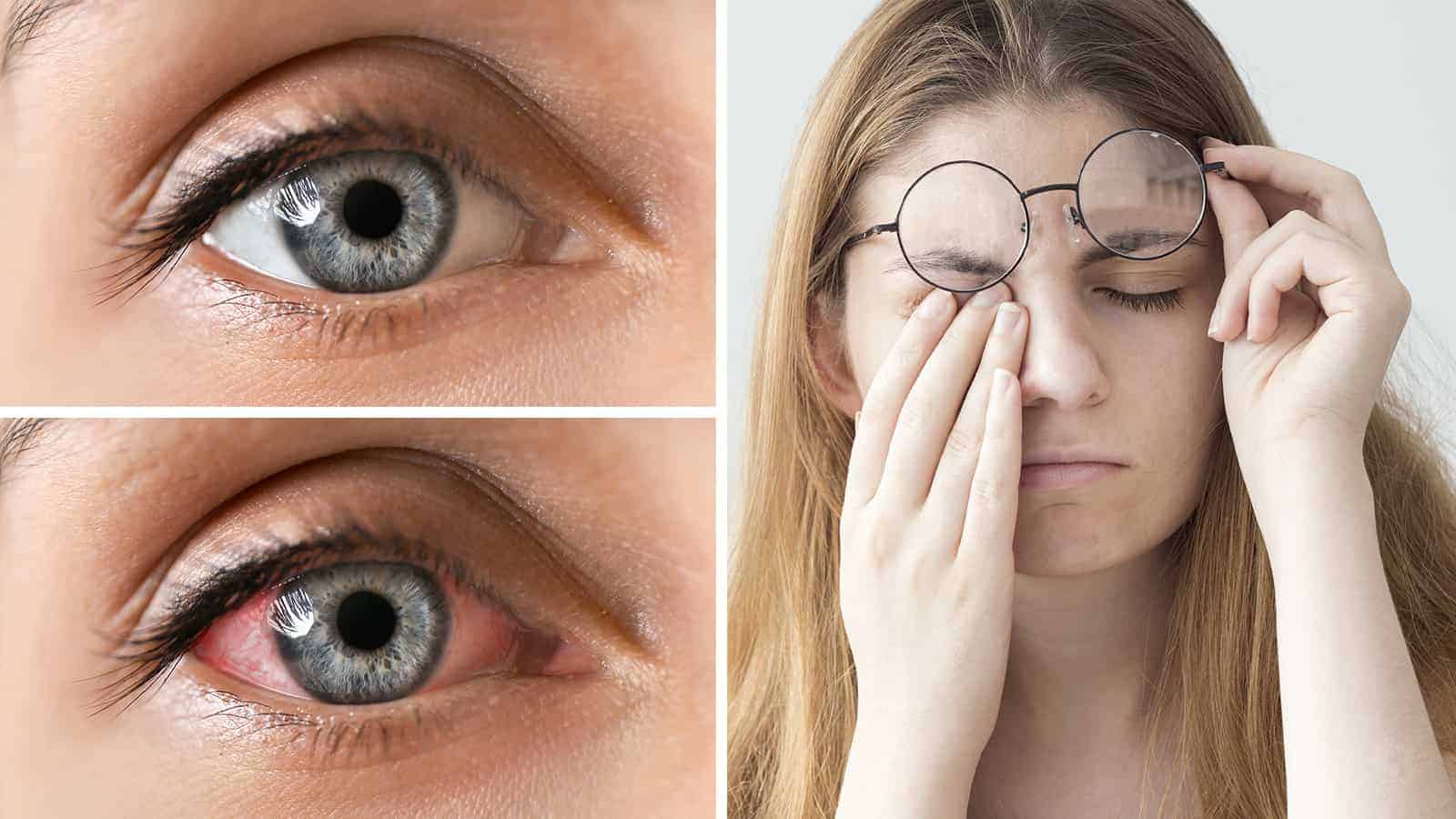
Dry eye occurs when your eyes don’t produce enough tears or make low-quality tears. These tears dry up quickly, causing the front of the eye to become dry and irritated. Sometimes, the eyes produce extremely watery tears to compensate, but these dry up quickly and result in a gritty feeling. While dry eyes can be uncomfortable, there are many treatment options available.

dry eye diseaseCommon symptoms of dry eye disease include:

  • irritation and redness in the eyes
  • blurred vision
  • a scratchy or gritty feeling in the eye, like something, is in it
  • stinging or burning sensation
  • extreme sensitivity to light
  • soreness in the eyes
  • strings of mucus in or around your eyes
  • you have watery eyes (this can mean you’re producing lower quality tears, a symptom of dry eye)
  • you feel pain while wearing contact lenses

Causes of dry eye, according to the American Academy of Ophthalmology:

  • Being older than 65, especially if you’re a woman. (The eyes produce fewer tears with age due to hormonal changes).
  • Diseases such as rheumatoid arthritis, thyroid disease, and lupus
  • Blepharitis (when eyelids are swollen or red)
  • Entropion (when eyelids turn in); ectropion (eyelids turn outward)
  • Being around smoke, in the wind, or an arid climate
  • Looking at a computer screen or phone for extended time periods, reading, or any other activity which reduces blinking
  • Wearing contact lenses for a long time
  • Having refractive eye surgery, such as LASIK
  • Taking medication such as diuretics, beta-blockers, antihistamines, sleeping pills, psychotropics, or heartburn medication

Treatment for dry eye disease:

  • over-the-counter eyedrops called artificial tears
  • over-the-counter moisturizing gels or ointments to reduce redness and burning
  • ocular astringents, which are decongestants used to reduce swelling and/or redness
  • lifestyle changes such as switching medications that exacerbate dry eye disease, limiting screen time, or adding a humidifier to your home

The NHS reports that in 2014, doctors wrote 6.4 million prescriptions for dry eye disease. This cost over £27 million. Since so many people have this condition, the research team wanted to investigate how it impacts their lives.

The researchers studied adults in the UK specifically, using an online survey of one thousand patients with the disease. They also surveyed 1,000 adults who didn’t have dry eye syndrome.

The volunteers filled out a questionnaire given by the National Eye Institute about their visual function. They also completed a EuroQoi questionnaire on their overall health. Those who self-reported having dry eye disease answered further questions about their symptoms.

Researchers find that dry eye is associated with other conditions

The study, published in the journal BMJ Open, revealed that participants with dry eye disease had more mobility problems. They also had more difficulty completing daily tasks than those without dryness. The surveys also showed that the patients had a higher likelihood of experiencing anxiety and depression.

People with severe symptoms experienced a decline in social and emotional functioning. They also had lower work productivity, having to miss work more often due to their condition.

Dr. Parwez Hossain, Associate Professor in Ophthalmology at the University of Southampton and lead author, said: “This study provided some very useful information on the burden that dry eye disease places on patients. As well as confirming the impact on work and social lives, we also discovered that the extent of the effects are consistent with the severity of symptoms.”

While the association between dry eye and other diseases isn’t clear, the study showed an overall decline in health.

“We also found that participants with dry eye disease symptoms were a lot more likely to suffer from other comorbidities; twice as many had arthritis, hearing loss, or irritable bowel disease compared to the cohort without symptoms. Whilst we cannot draw causal associations through this study, the presence of dry eye disease does appear to impact an individual’s health and vision-related quality of life,” Hossain said.

Both groups reported similar levels of reading and screen time. However, the dry eye group reported higher exposure to environmental irritants like air conditioning, heating, and air pollution. The researchers believe that these factors could exacerbate dry eye disease or patients have more awareness.

Final thoughts: Dry eyes linked to other comorbidities and decline in overall health

Your eyes say more about your health than you thought, as this study shows. Researchers found that people with dry eye disease reported more difficulty with daily tasks and lower visual function. They also seemed to have higher instances of anxiety and depression and had to miss work more often. Twice as many dry eye sufferers had arthritis, hearing loss, or irritable bowel syndrome compared with the other group.

The researchers say the association between dry eye and the other illnesses isn’t clear without further studies. However, it does seem to affect the patients’ quality of life according to the self-reported symptoms. Hopefully, future research will yield more answers about how dry eye disease impacts overall health.

12 Types of Toxic People to Avoid Every Day

Since the dawn of time, various types of toxic people have made life challenging. Folks are often grouped into two distinct categories, good and bad. We all know the folklore, classic stories of the struggles between good and evil.

Fast forward to today’s society, and you will see the same types of good and bad individuals who stroll the earth. If you get on any social media outlet, you will notice those toxic folks instantly. They like to stir up trouble and aren’t opposed to angering others to get their way.

The real problem is how does one avoid those toxic individuals when they’re where you work, in your family, and all around you? Sadly, it seems like the right thing to do to cut these people off, but it’s not always that easy.

What if the person is a friend who has been around for decades or a relative that you must see at every holiday or special occasion?

Identifying Twelve Types of Toxic People

types of toxic peopleYou can classify the types of toxic people into twelve categories. You will undoubtedly go through this list and quickly be able to put names with each personality type. However, once you identify these folks, you can learn how to deal with their quirks effectively.

1. The Arbitrator

There’s nothing worse than a friend who judges you and never likes anything you do. This person may roll their eyes, sigh heavily, and even scowl when you tell them your plans. They are never happy about any choices you make, and they take every opportunity to point this out to you.

You must realize that their insecurities are being projected onto you. To deal with these toxic people, stop divulging too much information as you know they will not approve. Keep conversations between the two of you light and informal.

2. Negative People

The negative person is the one who is always down in the dumps. They tend to have a negative personality that brings those around them down. It doesn’t matter what the situation; they will always find the worst in it.

It’s hard to deal with this type of person, but you must realize that it’s probably a mental health issue driving them. It’s not good for you to be around such constant negativity. Cut this person out of your life if possible, or you should at least limit your exposure to them.

3. Self- Absorbed Narcissist

There’s nothing worse than someone who makes every situation about themselves. These people pretend they’re the expert on everything, and they don’t have any problem making a spectacle of themselves when they need an audience. These relationships are very toxic because this person cannot see anyone’s needs above their own.

When dealing with the various types of toxic people, the narcissist is one of the worst. They will drain your resources as well as make you feel horrible about yourself. Cut off ties with this person and move on.

4. The Manipulative Schemer

The schemer doesn’t want you for you, but they want to see how you can benefit them. This person has little regard for your feelings or emotions, and they don’t mind stepping on your heart to get what they want. Additionally, this individual has impulse control issues and isn’t above lying, cheating, or stealing to get their way.

To deal with this person, you must let them know where they stand. Be firm and tell them that you won’t take their manipulative behaviors, and you must show the consequences. For instance, if they borrow $500 and never pay it back to you, let them know that there will not be the next time.

5. The Great Pretender

Social media has opened the doors for people to be fake. You may see a spotless house, the ideal wife and husband, and kids that seem to be picture perfect too. However, these folks only allow you to see a small glimpse.

They live behind a façade of perfection, but their lives are far from fabulous. Trying to get this person to be honest with you may be a challenge. There are some esteem issues that make them feel inadequate.

This toxic positivity is deceptive, and you must let them know that you see right through their ruse.

6. Loves to Gossip

Gossipers are always interesting to deal with. Remember, if they are talking to you about others, they’re talking to others about you. Don’t tell this person anything that you don’t mind being broadcast around the community.

These people are trying to soothe their insecurities, but they are destroying you in the meantime. Dealing with them is often a challenge because everything you say or do will spread like wildfire. Confront them about their self-esteem problems and tell them for your protection, there must be boundaries.

Additionally, don’t ever give them an ear or participate in their gossip, or it’s hard to put your foot down on the matter.

types if toxic people7. Attention-Seeker

The attention-seeking individual wants to have all your time and focus on them. They want to be at your home every day and on the phone with you every minute when they’re not with you. It’s very draining to have someone who is so attached.

Dealing with this person requires you to set firm boundaries. When they become too needy, then pull away and allow some distance.

8. One-Sided Friends

One-sided friendships are the worst. This person expects you to be there when they need you, but don’t count on them to be there for you. They tend to chip away at your resources one problem at a time.

To deal with the one-sided Joe, you want to make sure that you confront them about their actions. Tell them to be a friend that they need to be there for you too. If they can’t handle a mutual relationship, then move on.

9. Energy Vampires

This person seems to drain the life right out of you. Not only are they super needy and expect you to be there all the time, but their problems are always massive. These people often have suppressed feelings and emotional issues they need to handle.

They will drain the emotional resources right out of you. It’s a significant burden to be friends with this person, so you might want to rethink your relationship. It doesn’t matter how much you give them as it will never be enough.

You will know this relationship because every interaction with them leaves you feeling exhausted and depleted. Cut them off if they won’t change and advise them to seek counseling.

10. The Jealous Ones

Of all the types of toxic people, the jealous ones seem to be a big challenge. They are envious of everything you do. They want to be like you and have the things you have, so they will often try to cut you down, which only shows their low self-esteem.

To handle those with the green-eyed monster, you need to keep conversations light. Anything you say or do will make them see red, so just don’t let them get too involved in your life.

11. Sociopaths & Psychopaths

These folks are evil. They can be downright sneaky and even violent. These individuals are selfish, dramatic, and see life as one big game. They are the worst of all the types of toxic people and the ones you should avoid.

There’s no way to deal with these people except to run the other way. They see you as a pawn in their game, and this is one game you don’t want to play.

12. Drama Detonators

Everything in this person’s life is about drama. Even such a routine task as going to the grocery store is a complete disaster. They blow everything out of proportion, and they love to complain.

This person has, no doubt, had a rocky life and has learned to live on high alert. Unless you enjoy the drama, then you might want to avoid them at all costs. They will likely not change.

grudges memeFinal Thoughts on Types of Toxic People

As you can see, there are many various types of toxic people. Each personality type comes with unique challenges. Some are easier to deal with than others, and these people need to be redirected.

Remember, it’s always important to tell others how you expect to be treated. A relationship is all about give and take, and if you’re giving or taking more than your share, then the situation becomes toxic. When considering all the types of people in the world, you want to avoid narcissists, psychopaths, and sociopaths more than them all.

Could you instantly put faces with these personalities? Maybe someone in your office fits nicely into the gossip category, or perhaps, you may find yourself as having a few of these traits. The goal is to have and be a good friend to have the support you need throughout life.

How Selenium May Extend Lifespan, According to Science

Selenium, a powerful mineral that helps regulate metabolism and thyroid function, may also increase longevity. Researchers found that this vital nutrient could prevent obesity and improve the metabolic process in mice.

The study performed by Weill Cornell Medicine and the Orentreich Foundation for the Advancement of Science was published in Life on March 30, 2021.

The scientists say that the findings may lead to treatments that emulate anti-aging effects linked to dietary restriction. Best of all, people could continue to eat their regular diet while undergoing the treatments.

The team said that a few diets have been shown to extend lifespan while promoting health. Many organisms, including non-human mammals, have responded positively to the restriction of methionine, an amino acid, in their diets. Recent studies have suggested that the same effects observed in other animals would likely apply to humans. A vegan diet automatically restricts methionine consumption, but such a limited diet wouldn’t be practical for everyone.

In the current study, the research team from OFAS in Cold Spring, New York, attempted to develop a different intervention. They wanted to reproduce the effects of methionine restriction while still allowing people to eat a regular diet.

In developing this treatment, a key fact to remember is that methionine restriction diminishes IGF-1, an energy-regulating hormone. If the intervention they developed could cause a similar decrease in IGF-1, it could also benefit lifespan. Prior studies have found that selenium supplementation lowers amounts of circulating IGF-1 in rats, which shows promise for this research.

The study showed that selenium might increase longevity and protect against obesity.

pop memeFirst, the team wanted to investigate whether supplementing with selenium would prevent obesity in the same manner as methionine restriction. To do this, they gave young male and older female mice three different high-fat diets. The control group’s diet had moderate amounts of methionine, while the second group ate a methionine-restricted diet. The last group followed a diet with moderate amounts of methionine along with selenium supplementation.

The authors discovered startling results in male and female mice of all ages in the control and methionine-restricting groups. They found that selenium supplements offered full protection against obesity and fat accumulation in the mice.

They then studied how the three diets triggered physiological changes, which generally happen with methionine restriction. To accomplish this, they measured the levels of four metabolic markers in blood samples from the mice. As they expected, the team observed dramatically reduced levels of IGF-1 in male and female mice alike. Besides, they found that the hormone leptin, which controls appetite and energy expenditure, had decreased.

Understanding the outcome

These results suggest that selenium supplementation reproduces most of the effects of methionine restriction. Furthermore, this implies that the treatment could positively impact lifespan.

To better understand the benefits of selenium supplementation, the team tried the yeast experiment. They measured the two most common markers of lifespan in yeast: chronological lifespan and replicative lifespan. The former shows how long-dormant yeast remains viable. The latter reveals how many times a yeast cell can produce new offspring.

In previous studies, the team found that methionine restriction led to a longer chronological lifespan in yeast. In this study, they wanted to find out whether selenium supplementation would have the same effect. The experiment revealed that yeast given selenium supplementation had a 62% longer chronological lifespan (from 13 days to 21 days). Besides, their replicative lifespan increased by nine generations compared with controls.

This proves that feeding yeast selenium supplements provide benefits to longevity, observed in several cell aging tests.

“One of the major goals of aging research is to identify simple interventions that promote human healthspan,” said senior author Jay Johnson, Senior Scientist at OFAS. “Here we present evidence that short-term administration of either organic or inorganic sources of selenium provides multiple health benefits to mice, the most notable of which being the prevention of diet-induced obesity. In the long term, we expect that supplementation with these compounds will also prevent age-related disease and extend the overall survival of mice. We hope that many of the benefits observed for mice will also hold for humans.”

Other benefits of selenium

 In addition to improving lifespan and preventing obesity, selenium offers many other benefits.

  • May lower the risk of certain cancers. A meta-analysis of 69 studies, including over 350,000 people, found that high selenium intake reduced the risk of certain cancers. Breast, lung, colon, and prostate cancers seemed to respond positively to selenium.
  • Protects against heart disease. An analysis of 25 observational studies revealed that heart disease risk decreased by nearly 25% when selenium levels increased 50%.
  • Enriches cognitive health. One study found that Alzheimer’s patients had improved memory when consuming selenium in either supplements or foods.

Best sources of selenium:

  • Oysters: 238% of the DV in 3 ounces (85 grams)
  • Brazil nuts: 174% of the DV in one nut (5 grams)
  • Halibut: 171% of the DV in 6 ounces (159 grams)
  • Yellowfin tuna: 167% of the DV in 3 ounces (85 grams)
  • Eggs: 56% of the DV in 2 large eggs (100 grams)
  • Sardines: 46% of the DV in 4 sardines (48 grams)
  • Sunflower seeds: 27% of the DV in 1 ounce (28 grams)
  • Chicken breast: 12% of the DV in 4 slices (84 grams)
  • Shiitake mushrooms: 10% of the DV in 1 cup (97 grams)

seleniumFinal Thoughts: A study found that eating selenium could lead to a longer life

If you don’t eat enough selenium, you may want to add some to your diet to enjoy a longer life. Just one Brazil nut contains more than the RDI of selenium, for instance, providing an easy source for the mineral. Seafood, eggs, and certain types of meat also have a lot of selenium. In addition to extending lifespan, this critical mineral aids in thyroid function and could ward off obesity.

While we need very little selenium to survive, it could help us enjoy our time on Earth a little longer.

15 Things That Reduce Crow’s Feet and Eye Wrinkles

If only you could turn back the hands of time. Your skin is an essential part of the aging process. While you may be able to hide your actual age by dressing more stylishly or getting a new sports car, your skin will tell on you. Thankfully, there are a few ways that you can help to reduce crow’s feet and fine lines caused by years of damage.

What are crow’s feet, and how do these fine lines become so pronounced as you age? These tiny imperfections are lines that appear on the side of the eyes. After years of many facial expressions and weight fluctuations, it’s common for these lines to appear.

Did you know that wrinkles are divided into two separate categories? They’re classified as either dynamic or static. When you draw your face into an expression, you’re causing muscles to contract to form dynamic wrinkles. Over time, those dynamic wrinkles will morph into the static variety as they are always visible.

Once the wrinkles become set into the skin and collagen underneath, they become visible at all times, whether you’re smiling or not. Thankfully, there are many options to prevent or reduce these troublesome lines from appearing.

Fifteen Ways to Reduce Fine Eye Wrinkles

If you’re troubled by your aging skin and want to prevent or correct damage, some simple hacks can help you. Here are some of the more popular methods for fixing this common problem.

crow's feet1. Drink More Water

It seems simple enough, but your skin is the largest organ in your body, according to the National Institute of Health. There are two layers of your skin, which are the epidermis and dermis. Shockingly, your skin is made up of 64 percent water.

If you don’t get enough hydration, then you cause some real skin issues. Your skin will draw and contract like that of a rotting fruit when it doesn’t have the moisture it needs. If you want to prevent things like dark circles and wrinkles, then you need to drink water.

2. Wear Sunglasses

Wearing protective glasses seems like a no-brainer. First, you want to make sure that you protect your eyes from harmful UV rays, but you also want to help your skin by not squinting. When you squint, you’re drawing your face to create those tiny lines that will become permanent.

3. Use Retin0l Creams

Retinol is a common component of many facial and acne creams. The benefit of this vitamin A component is that it helps you to produce new skin. By helping to get rid of damaged areas caused by aging thin skin, it can help with those troubling fine lines.

Sadly, this product is not a miracle worker and cannot help when your lines are deep or have been there for many years. Getting rid of static wrinkles will take a bit more invasive treatment.

4. Change Your Diet

It turns out that a plant-based diet is about more than just your waistline. When you consume the vitamins and minerals from fruits and veggies, you’re helping to protect your skin and the rest of your body from damage caused by free radicals. Make sure to incorporate plenty of veggies, whole grains, and healthy oils into your day to keep your skin radiant.

5. Get Moving

You know you need to exercise, but did you understand that maintaining a healthy weight can improve your skin? While you’re working out, you get your blood pumping. The goal is to get the blood to come closer to the skin’s surface, where it can nourish and repair damage and prevent new damage from occurring.

6. Avoid Tanning Beds

Everyone wants that amber glow to their body during the summer season. The pale white skin color of the wintertime seems unattractive during short and flip-flop weather. However, before you jump into that tanning bed to bronze your skin, you may want to consider the health risks.

Not only can this artificial light age your skin and cause crow’s feet and wrinkles, but it can give you cancer. The Skin Cancer Foundation did a study and found that there are 419,000 new cases each year caused by using tanning beds. It appears that being tan isn’t all it’s cracked up to be.

7. Stop Smoking

Each drag you take from a cigarette causes damage to the skin. When you use your lips to suck, it causes lines to appear from routine. Additionally, smoking takes a great deal of moisture from your skin, which can cause it to take on a leathery appearance.

If the issues with your skin aren’t enough reason to quit smoking, then you should consider that the American Cancer Society found that 80 percent of deaths in this country come from lung cancer. Additionally, tobacco products are responsible for one in five deaths each year.

eye fatigue

Learn how you can reduce eye fatigue.

8. Always Use Sunscreen

Wearing sunglasses is not enough to protect your skin. It would help if you used sunscreen when you will be outdoors for longer than a half-hour. You need an SPF that is at least 30 when you’re outside, but if you tend to burn more efficiently, then you can go up all the way to a 100 SPF.

9. Reduce Your Time in Peak Sun Hours

Your mental and physical health requires you to get fresh air, but you should try to limit your exposure during peak hours. When the sun is the hottest, it can do massive amounts of damage. Though you need sunscreen anytime the sun is out, you should avoid those peak hours of exposure as much as possible.

10. LED Therapy

Did you know that they use therapeutic LED lights to kill bacteria on the skin? It’s called LED light therapy, and it’s used to repair damages caused by aging. A dermatologist or aesthetician conducts this procedure, and it’s highly effective at treating crow’s feet.

11. Maintain a Healthy Weight

Did you know that obesity has a dramatic effect on your skin? Wrinkles can quickly form by being overweight as it causes stretching and sagging. Excessive weight also takes hydration from your skin, causing it to be more prone to damage.

12. Moisturize the Skin

Since your skin needs hydration, you should use a moisturizer with collagen in it as you age. Collagen will help to stimulate healing and repair as well as keep the hydration levels right.

13. Get Adequate Sleep

Your body needs to rest. It’s during these hours that you stimulate the healing process. Additionally, when you don’t get enough sleep, the body produces a hormone called cortisol to keep you going. This hormone can cause the skin to break down and lose its elasticity.

Not only will you see dark circles form when you don’t have sufficient rest, but you will also see fine lines, wrinkles, and crow’s feet.

14. Limit Tap Water Washings

Did you know that tap water can strip your skin of vital nutrients? The chemicals in your tap water take away the natural oils you need to keep your face looking radiant. According to Byrdie, those who have sensitive skin are more prone to the effects of these chemicals.

15. Eat More Fish

You’ve probably heard that you need to eat more fish, but do you know why it’s so important? Coldwater fish, like salmon, is full of omega-3s and fatty acids that your body needs to thrive. Fatty acids will help to keep your skin plump and looking its best, according to a study.

Additionally, fish is full of protein, which will also help your skin maintain a youthful appearance.

crow's feetFinal Thoughts on Reducing Fine Lines and Crow’s Feet

If your crow’s feet are severe, you can consider more invasive procedures like chemical peels, microdermabrasion, or laser resurfacing. Each procedure comes with a high cost as well as many pros and cons. Remember, the best way to avoid a problem is to prevent it in the first place.

Remember when Ponce de Leon was searching for the fountain of youth? Since the dawn of time, people have searched for a way to erase the damage to the skin. Some people are blessed to have naturally great skin, and there can be some genetic components as well.

However, a big part of your skin’s overall health is what you do to keep it looking great. Some folks think skincare is about washing your face regularly. While cleaning your face is essential, there is so much more to keeping your outer covering radiant and wrinkle-free.

Another thing to consider is that you must come to terms with aging and learn to love the skin you’re in. It’s not a realistic expectation to have flawless skin as you age, but you can love yourself no matter what blemishes are on the exterior. All these minor imperfections show a life well lived and many years of smiling and vibrant facial expressions.

Skip to content