Weekly tips, affirmations, and small actions to feel your best.

5 Ways To Use Your Subconscious Mind To Overcome Negativity

The subconscious mind refers to the parts of the brain that you’re not fully aware of but hold thoughts, feelings, and ideas that influence your conscious mind and subsequent actions. It’s a confusing part of the brain as you may not even realize how much it affects your behavior, and trying to understand it can be a challenging quest.

But when you begin to grasp the subconscious concept, you’ll also be able to use that part of your brain to overcome struggles in your conscious life. After all, if it can affect you negatively, indeed, it can also affect you positively! But how can you use that for good? Here are five ways your subconscious mind can help you overcome negative thoughts.

1.    You Can Teach Your Subconscious Mind Positive Self-Talk

Positive self-talk is a crucial feature in someone with good well-being. When you begin making the voice you use with yourself into a powerfully positive and kind one, your subconscious begins to take on that same voice.

When you have many negative thoughts, you likely also have a negative way of thinking about yourself, and your subconscious picks up on that. It takes notes and remembers those toxic things you feel about your abilities, appearance, and self-worth with every word you say.

This is why teaching positive self-talk to your subconscious mind can be a powerful tool for fighting the negativity of your mind. Fighting these destructive thoughts and filling the gaps with cheer and optimism will teach your brain to rewire how it thinks. Here are some techniques to try out.

subconscious mind·         Fight Negativity With Positivity

Whenever you think of something negative, counter it with something positive, even if you end up jumping to the other extreme of the spectrum.

For example, if you think, “I’m going to make a fool of myself at this party,” respond with “No! I’m going to make tons of new friends and have a great time!”. Or, if you think, “I’m going to mess up this project and lose my job,” respond with “No! I’m going to do my very best and impress my boss with my achievement!”.

·         Use Real-World Examples

A lot of the time, the negative thoughts you experience are not, in any way, a reflection of reality. You might have the worst ideas about an upcoming event, and then after that, realize it wasn’t so bad, and you’re okay with how it turned out. Collect these examples of times where things went well for you and, the next time you start dealing with negativity, remind yourself of those times. Grounding yourself in a firm, evidenced realism can be a helpful way to combat negativity.

·         “Delete” Negative Thoughts

This does not mean that you should repress negative emotions or thoughts. Instead, it means learning to detect ideas that do not serve you and genuinely are of no help to you. When these types of negative impulsive beliefs begin to plague your mind, imagine yourself pressing a delete button in your head to get rid of it. If you need stronger visualization, you can write down the negative thought, rip it up, and throw it away.

2.    You Can Listen To It And Get In Touch With You

Your subconscious mind’s negativity can be challenging to deal with, but sometimes you can find helpful knowledge within them. Listening to your subconscious doesn’t mean believing everything it says. Instead, it means being a patient observer to the thoughts that float around.

This is a positive way of interacting with your subconscious because it gets you in touch with more profound thoughts, issues, and emotions that may be hiding beneath the surface, out of sight. You’ll learn more about yourself and become stronger for it, and it’s a beautiful way to use your subconscious mind. Here are some ways to do so:

·         Interview Your Subconscious Mind

Negative thoughts have to come from somewhere. Some underlying issues and roots prevent them from being resolved until you dig them out. Take the time to seek these roots by paying close attention to your subconscious and asking what it fears, dislikes, and is trying to protect. The information you gain from such interviews can further learn what steps you can take to overcome underlying issues and problems.

·         Consider Its Wisdom

Is your subconscious resisting you or specific events? Why is it doing so? Sometimes you need to trust that this resistance is trying to tell you something. When you feel that resistance, stop and listen and perform another interview. What is your subconscious telling you?

·         Promise To Do What You Can

Commit to the act of making things work and looking out for your subconscious. Tell your subconscious that you’ve heard its messages and promise to do right by it. You’ve heard its fears and worries, and you are examining their causes and what they say about you. You’ll take it from here, and you will protect your subconscious. This can help your positive thinking by abating the fears of your subconscious, showing it that things are and will be okay.

3.    You Can Give It Things To Desire

This doesn’t mean giving in to impulses or attaching value to random things. Instead, it entails giving your subconscious things to burn for. It will naturally act on the things you desire and can be powered to overcome negativity by gunning for those burning passions.

Think, for example, of athletes and successful individuals. Their burning desire makes them go above and beyond and allows them to feel that any sacrifices they have to make are 100% worth it. Their subconscious selves are already acutely tuned into those fiery passions, making them focus on positive progress instead of hurdles and negativity.

This doesn’t mean you should become obsessed with success, however. It means that you should give your subconscious something to zoom in on to help it overcome negativity. When passion becomes your driving force, you’re more likely to focus on progress than struggles. Here are some ways to cultivate burning desire:
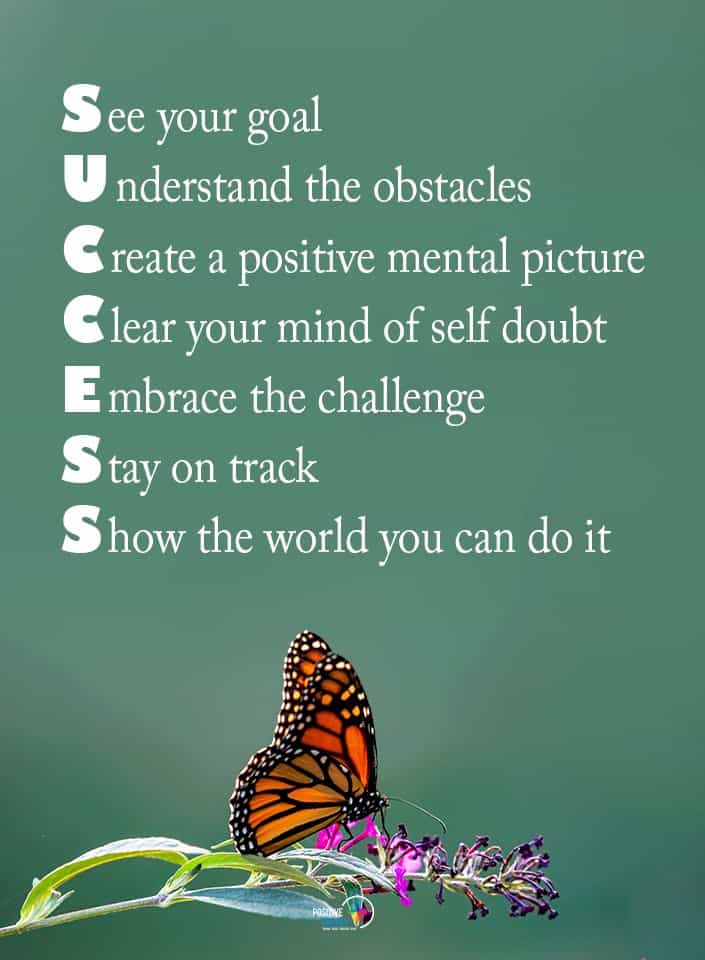
success meme·         Find Motivation

Motivation doesn’t sustain itself forever, but you can replenish it by finding things that inspire you. For the most part, you’ll have to rely on a commitment to keep moving forward. Still, now and then, you can reignite the fire in your desire by watching motivational videos, reading about inspirational people, and visualizing your future success.

·         Track Progress Closely

When you’re not carefully observing your improvement, it’s easy to overlook it. Most progress consists of tiny little separated “wins,” not substantial apparent changes. But it’s easy to get discouraged if you’re not paying attention to the little ways you’re improving. As you work towards your goals, track every step of your progress as you go, and when you see that you are always getting better – even with dips in the path – your desire will build.

·         Burn Bridges

Burning bridges can force your subconscious to stay on track with your burning desires. What does burning bridges mean in this content? It means cutting off “safety nets.” These safety nets are often counterproductive, as they make you feel like you should hang back until they’re more secure or like you can go anytime. Cut them off, and your subconscious will kick into overdrive because the only way to keep on the journey is to rush forward.

4.    You Can Keep Reminding Your Subconscious Mind

When you’re aiming to make your subconscious mind more assertive and more positive, reminding it of what you’re trying to teach is a great way to help that progress. Repetition can provide your subconscious with repeated input to program it to fight negative thoughts, emotions, and rumination.

In some cases, this kind of repetition is a positive self-affirmation, which is the use of repeating mantras to manifest beliefs in your subconscious and bring them to life in the real world. But the subconscious doesn’t even need direct affirmations – just reminders of the validity of positive notions and your promises against negative thoughts. For example, you may say things like:

  • I can figure out any situation and problem.
  • I can overcome anything and everything.
  • I’m clear-headed and think positive thoughts.
  • My dreams are within the zone of my growth.
  • Other people’s expectations of me do not define me.
  • Breaks and rests are good for me.

When you repeat these reminders to yourself, again and again, you’re training your subconscious to believe in them. Even if you’re not 100% convinced in your own words at first, positive thinking will grow and develop as your subconscious internalizes them and uses them against negative thoughts.

5.    You Can Teach It To Visualize

Some people underestimate the positive power of visualization. After all, it’s just imagining things. So how can it be effective? Well, studies have found that the act of practicing something mentally can be almost as effective as any form of actual physical practice. This is why visualization works – it can be as usable as a concept as actually being somewhere and doing something.

This isn’t to say that you should ditch practical efforts and lounge around imagining things all day, of course. Instead, use visualization to create positive thinking, imagine goals, and recall personal capabilities. This will kick your subconscious mind into gear, tricking it into thinking that you’re physically doing these things. Its confidence and faith will build over time, squashing negative thoughts.

When you visualize things, try to create a vivid and detailed image as possible, covering even tiny details that aren’t important or don’t matter much. The more authentic a visualization seems, the better it is for your efforts to overcome negative thoughts with your subconscious mind.

subconscious mindFinal Thoughts On Some Ways Your Subconscious Mind Can Help You Overcome Negative Thoughts

Negative thoughts plague many people, and you’re not alone if you struggle with them. It sounds a little far-fetched the think that you can turn the tables on your subconscious and find ways to use it for good, but it’s true, and it’s a powerful way to take your mind into your own hands. By learning to use your subconscious mind and program it to fight negative thoughts, you’ll be able to enjoy an improved outlook on life.
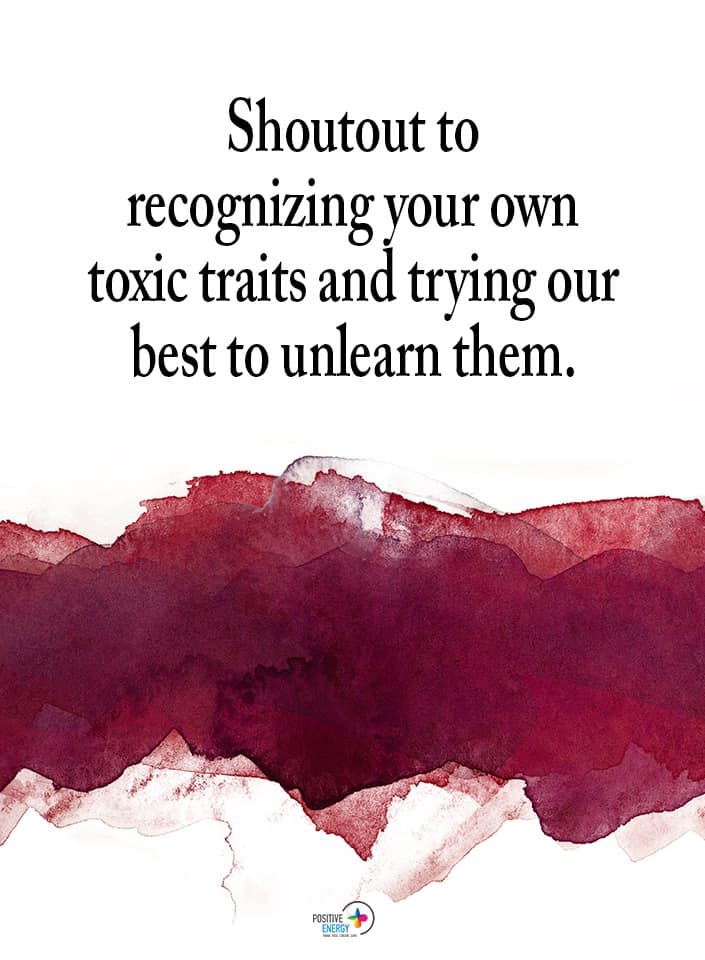

5 Toxic Behaviors That Are Considered Normal, But Aren’t

We all know people with toxic traits. It’s easy to avoid the worst of it all and not take it to heart when you know someone’s behavior is harmful. But what happens when you can’t be positive that someone is toxic?

Many unacceptable actions have become normalized and acceptable in our society, even though they’re very harmful. Indeed, you may have some of them, or know people who do. Here are five toxic behaviors that are considered regular but aren’t.

1.    Always Seeking The Spotlight

The spotlight takes turns shining on different people. That’s simply how life is. Not everyone gets to be under the glare of the world’s eye all the time, and even people like celebrities go in and out of the limelight.

Constantly wanting the spotlight is a sign of toxic behavior. Some people laugh it off, and it’s even played like a quirky personality trait. But it can be very negative to the people who have to deal with it. Here are some examples of toxic traits in this vein:

toxic behaviors·         Demanding Attention

Every now and then, it’s okay to want to have attention, especially if you’ve done something significant or it’s a moment of success in your life. But constantly seeking attention with outlandish behavior, desiring any attention even if it’s negative, is toxic. Wanting always to be the center of attention is like demanding that the world revolves around you. And that’s not how it works.

·         Pleasing Others Excessively

It’s normal and natural to want to please some people. No one – typically – wants to cause a stir by going against what a majority seems to be on board with. That’s just human nature, and though it can be a little bad for you, it’s not inherently toxic. But constantly being a people-pleaser to ridiculous ends is toxic. Someone who bends over backward to do what everyone wants is harmful to others by making empty promises and following their insecurities’ whims. And, of course, they’re toxic to themselves by doing too much, relying on other people’s approval, and letting themselves get taken advantage of.

·         Seeking Constant Validation

A little validation in life is lovely! Demanding it constantly, however, it’s exhausting to others and to the person who desires it. The reality is that if someone’s only source of validation is from external forces, they’re going to lose a lot of positive thinking when they’re not able to get it. True “validation” can be found from within, as intrinsic motivation helps to fulfill the self in genuine ways that other people can’t.

2.    Constant Negativity

Everyone has bad moments where negativity consumes them, and some people are naturally more pessimistic without it hedging into toxicity. But constantly being overtly negative is very toxic and exhausting to deal with, dragging down everyone’s mood away from positive thinking. It seeps into everything and sucks the light out of situations, infecting others along the way. Here are some examples of toxic negativity:

·         Complaining All The Time

Some things are worth complaining over, but there’s a limit to how much someone can complain before it becomes unproductive and a waste of time. Constant complaining is draining for everyone involved – both the complainer and those who have to listen to it. Worse still, complaining can be a toxic habit that’s very much ingrained and is difficult to break.

·         Always Pointing Out The Bad

All things come with pros and cons. In some situations, the cons outweigh the pros, and it’s hard not to the point that out. But if someone only ever points out bad things, even when there are plenty of positive things to see, they’re toxic. Worse still, such a person may have no desire to improve the situation or listen to anything good said about it.

·         Unwanted Criticism

A little constructive criticism, when asked for, is a good and fine thing. But too much of it is ridiculous, especially when it simply becomes an effort in finding fault in others. Someone’s perceived helpfulness in criticism often doesn’t come across well to the recipient, who leads an entire life with nuance and private matters that the critic isn’t aware of. No one wants to deal with a negative nancy who can’t stop giving negatively-toned advice to everyone.

3.    High-and-Mighty Behavior

No one likes people who act like they’re above everyone else, but sometimes, it’s easy to dismiss this behavior. You may think someone is just a little cocky or a tiny bit too confident, not realizing that these behaviors are more toxic than they initially seem. Here are some examples of this:

·         Selfishness

Being too self-focused means that someone is only out to look after themselves and are willing to do anything to achieve their means to the detriment of others. This pushes people away, and it’s not hard to see why it’s a toxic form of behavior.

·         Arrogance

Some people think arrogance is acceptable, but it isn’t. Think about it: anyone who genuinely believes that they’re better than others is inherently questionable in morality. Though research indicates some arrogance is more easily accepted by people, that doesn’t make it any less toxic.

·         Judgmental Attitude


No person has any right to judge others. All human beings experience life uniquely and see things from a personal point of view, so they automatically aren’t capable of knowing everything they need to know to pass any judgment. A toxic person will ignore this fact and act like they’re better than other people.

·         Entitlement

Entitled people are a pain to deal with. These individuals don’t know the meaning of the word gratitude and think that they are entitled to everything in life. Do note that there is a significant difference between being aware that basic human rights should be met and entitled. Entitlement comes into play when someone thinks they are worthy of fortune, fame, luxury, or success.

pop meme4.    Acts of Insincerity

Sometimes, we have to put on a bit of an act to get by at certain points in life. But being insincere is entirely different from putting on a brave face or choosing not to share something with someone. It means behaving in an untrue manner and promoting these falsehoods to the point where no one knows the truth anymore. It’s a very toxic way to behave.

For some, insincerity can be in the form of pretending to be someone you’re not, but that’s widely recognized as toxic behavior. The more insidious forms of hypocrisy involve things that people may not be able to discern are negative right away. Here are some examples of this:

·         Passive Aggression

A lot of people dislike conflict and will do what they can to avoid direct blowups and confrontation. But that opens the door for toxic traits, like passive aggression. This involves the use of low-blows, criticism, and retorts that are disguised and delivered indirectly. Everyone can tell something’s off about them, but it can’t be directly proven since the act was passive. This is very toxic; if you have a problem with someone, you should communicate it directly!

·         Gossiping

Gossiping a little isn’t necessarily bad. But an obsession with talking about others behind their back, whispering little half-truths, and then showing an innocent face to those you just insulted… well, it’s easy to see why that’s toxic! And yet, it’s considered a normal part of social interaction, even though it shouldn’t be. There is no point in gossip, and it helps no one.

·         Being Absent When Loved Ones Are In Need

Yes, no one should have to play therapist to their loved ones, but there’s a general understanding that you will try to be there for them when they need an ear and a shoulder when you care about someone. A toxic individual may intentionally make themselves scarce when their loved ones are trying times, distancing themselves, so they don’t need to perform any emotional labor. Of course, these same people will then expect their loved ones to be there for them when they want them to be.

5.    Refusing Responsibility

As adults, responsibility is something that is a given. Every individual is responsible for their actions and how those actions may negatively impact others (though, of course, the latter applies within reason). Anyone who avoids or refuses the responsibility that they should have is exhibiting toxic behavior. Here are some examples:

·         Blaming Others For Personal Problems

Many things in life aren’t going to go the way people want them to, and it’s okay to feel upset by that notion. But problems begin to arise when blame begins to get passed around for them. Sometimes, things don’t work out, but a toxic person will find a way to blame circumstances on other people, refusing even to acknowledge any part they played in the debacle.

·         Playing The Victim

A widespread toxic trait is becoming defensive and playing a victim when called out on negative behavior. Someone like this may spin a sob story, pass blame around, or create imagined persecution against them, all, so they don’t have to take responsibility for their actions.

·         Refusal To Apologise Properly

Genuine apologies require sincerity, a proper understanding of the wrong done or harm caused. You must commit to either ceasing the adverse action or finding a compromise for it. But lots of toxic people instead refuse to apologize, or they add disclaimers to their apologies. For example, a toxic person may say, “I’m sorry that you feel that way,” putting the responsibility on someone else.

·         Holding Grudges

If someone wrongs you, it’s reasonable to feel upset and hurt and to even cut the wrongdoer out of one’s life. But holding a grudge for a prolonged period over these issues often do more harm than good. Studies have shown that the act of forgiveness is far more positive for stress and recovery, even if that forgiveness is found intrinsically and not conveyed to the wrongdoer. On the flipside, grudges bleed into other areas of life, creating a toxic set of traits that should have been left in the past.

toxic behaviorsFinal Thoughts On Some Toxic Behaviors That Are Considered Normal, But Aren’t

Toxic behaviors are ones we should all try to leave behind. Whether they’re your own that you need to unlearn or the acts of others that you need to distance yourself from, being aware of commonly accepted toxic behaviors helps to protect you from them.

Science Explains What Happens To Your Body When You Use Castor Oil Every Day

When you hear it mentioned, you may imagine yourself as a kid again making a face as your mother coaxes you into taking a spoonful of castor oil. It’s a classic laxative that people have used since prehistoric times, but did you know that it has several other benefits? Ricinus communis is a plant commonly called the castor bean.

According to an article published by the University of Wisconsin-Madison, it’s a perennial with large tropical-like leaves and exotic red blooms and pods. Although they are native to Africa and parts of Asia, castor bean plants have also naturalized in America, per the article.

You will often see castor bean plants for sale in plant nurseries. Although they are stunning ornamental plants, you should keep your children and pets away from their deadly seeds. How can something so fatal turn into a product suitable for your health?

From Toxic to Beneficial

castor oilThis large woody shrub produces strange pods filled with seeds, called castor beans. An article published by Toxins shares that these seeds are the source of ricin, one of the deadliest toxins known.

The good news is that when the oil from the seeds goes through a pressing process, the toxic is neutralized, leaving a completely safe product for you to use.

For years, castor oil has been used for pharmaceutical and industrial purposes. In some factories, it’s used as an efficient lubricant for heavy machinery. It may also have environmental benefits since it’s one of the many organic components used in biodiesel fuel. Instead of kerosene, oil from castor beans can be burned in lamps, as the Ancient Egyptians did.

Before you start using castor oil, be sure to use the best kind. Cold-pressed oil comes from the initial crushing of the beans without heat or added chemicals. It’s the purest form and the best to use.

Thankfully, this oil is relatively inexpensive and easy to find at pharmacies, grocery stores, or online. While other brands may have slight color variances, cold-pressed oil has a light yellow color. Since it’s not heated, this purest form retains all the beneficial vitamins and fatty acids.

Possible Health Benefits from Using Castor Oil

Most people are only familiar with using this oil to relieve constipation. However, it may be useful for several things, such as for your skin and hair. Here are a few castor oil health benefits for you to consider.

1. Use as a Laxative

For generations of children who experienced tummy aches, parents often kept castor oil on hand. Unfortunately, it has a distinct “oily” smell and a thick, disagreeable taste. Although children and adults don’t readily take to it, the oil from castor beans can provide quick, effective relief from occasional constipation.

It’s known as a stimulant laxative, which means that components in the oil stimulate the lining of the colon. As it’s naturally stimulated, the sluggish colon moves and contracts to expel waste easier. An article published by DailyMed recommends that adults take between 1-3 teaspoons in a single dose, with relief between 6-12 hours or less.

If you have occasional bowel irregularities, states the article, the oil is usually safe. However, it’s not for chronic constipation. Consult with your primary healthcare provider if oil from castor beans is right for you.

One trick you might use to make the oil a bit more palatable is chilling it and mixing 1-3 teaspoons in a glass of fruit juice. Some products in the pharmacy are a mixture of oil and flavoring. Whether you drink it straight up or mask the taste, the oil should bring you some welcomed relief.

2. A Rich Skin Moisturizer

Do you battle with dry, itchy skin? Did you know that oil from castor beans is an ideal moisturizer? No wonder many cosmetics and facial products list it as an ingredient. This vegetable oil has beneficial fatty acids that work to retain moisture in your skin.

It also penetrates deep into your skin and may help boost elastin and collagen production. These are the compounds that keep your complexion smooth and elastic. Using the oil may help minimize the appearance of small lines and wrinkles.

If you want an elevated natural moisturizing solution, try mixing a teaspoon of the oil with a carrier such as a jojoba or coconut oil. After you’ve finished your evening skin routine, use a cotton ball to dip into the oil and dab it gently on your face, especially around your forehead, eyes, and mouth. You can also use the oil on rough patches of skin on your knees, elbows, and hands.

As a word of caution, everybody is different, and even natural products can cause an allergic reaction. Do a little patch test on the inner part of your arm to see if you react. If you notice any redness or irritation, stop using the oil immediately.

3. Promote Healthier Hair

beauty memeAre you tired of paying high prices for hair treatments? Many ancient cultures used oil pressed from castor beans to nourish their tresses. While some people have used it to promote hair growth, there’s no published evidence that it’s possible.

The oil is a rich source of vitamins and fatty acids that can protect and strengthen your hair. It’s also good for people who have dry scalp and dandruff. Again, test a little on your scalp just in case your skin is too sensitive for it.

Do you have fine or medium straight hair? Apply a few drops of the oil to your hands and gently massage it into the lower ends of your mane, then shampoo. It may help reduce dryness and split ends. Remember only to use a few drops of oil because the greasy texture can easily weigh down fine and medium hair.

If your locks are wavy or curly, mix a couple of drops of the oil in your regular conditioner. You can also use it as a weekly deep conditioner with a warm towel for 20 minutes—afterward, shampoo as usual.

Maybe your hair is straight and thick. You can use a few drops of oil to work from your scalp out to the ends of your hair. Let it sit for 10-15 minutes and shampoo it out.

No matter what type of hair you have, the oil from castor beans is usually safe and beneficial. For healthier eyebrows, use a small makeup brush to dab a little oil through each brow. You can also use it on your eyelashes; be careful not to get it into your eyes.

4. Promote Healthy, Beautiful Nails

Like your hair, your nails are composed of a protein called keratin. The same oil that nourishes your lovely locks can also promote stronger and healthier nails. Consider using it for your fingers and your toes.

Place 2-3 drops of this oil on a cotton ball or swab and gently massage it into your cuticles before you go to bed. Do the same with the cuticles of your toenails. The vitamin E and essential fatty acids in the oil may make a noticeable difference in your nails.

5. Protect Your Teeth from Fungus

There’s indeed a fungus among us because many species live naturally in and on the body. One of the most common is candida, which is a type of yeast. If you get an overgrowth of candida, especially Candida albicans, it can cause infections of your teeth, mouth, and gums.

The oil from castor beans is a potent antifungal, and it can destroy this overgrowth. If you have dentures, this fungus may be responsible for painful gum and mouth sores. A study published by the Journal of Oral Rehabilitation demonstrates the oil’s ability as an antifungal for denture wearers.

6. May Help Reduce Inflammation

Inflammation is your body’s response to infections or injury. Often, diseases such as arthritis or psoriasis can cause redness, swelling, and joint pain. This oil has compounds that can reduce inflammation and the associated pain.

Add 2-3 drops of oil on a cotton ball and gently swab joints and areas where you have painful inflammation. If the site has a rash or the skin is broken, you must use it with caution. When you use the oil topically, it’s usually safe to apply 1-2 times a day.

A Word of Caution About Castor Oil

Since the time of its discovery, oil from castor beans has been used to induce labor naturally. If you are pregnant during any stage, avoid using it internally or externally. According to an article published by LactMed, nursing mothers should also consider using another laxative product.

castor oilFinal Thoughts on the Benefits of Castor Oil

Once you’ve found the many possible benefits of using this natural oil, it may become part of your beauty routine. It’s also good for hair, nails and to get rid of the unruly fungus. Did you already know about the benefits of castor oil, or did you learn something new? Please share your comments with us.

10 Daily Habits of Healthy Women

What does it take to make happy and healthy women?

Some would say the answer is cutting out sugars and carbohydrates, while others would say it requires being more spiritual. There are two kinds of women in this world; those ladies that are healthy and those that aren’t.

If you want longevity of life and to thrive, not just survive while here on earth, then you need to be one of the gals that’s in the healthy group. How do you make lifestyle changes, and which adjustments are essential to classify you as healthy?

Ten Habits of Healthy Women

Being a healthy woman goes far beyond body weight, blood pressure, or glucose levels. While all these things are essential, they only address the physical aspects. Healthy women must look at all areas of their mind, body, and spirit to achieve good health. Here are ten of the most important things that a woman who puts her overall health first does.

healthy women1. Uses Meditation

Healthy women know that life isn’t always easy, and there will be many frustrations throughout the day. However, they use meditation as a weapon against chaos. They’ve learned to slip away into their bedroom, a car, or even a closet to close off all the noise.

Meditation is something that you should try. You can either choose a guided version or do it yourself if you know the ropes. Meditation helps you to be present in the moment, which helps you to release the toxic negativity that’s holding you back. This cleansing process is potent, and it should be a part of everybody’s day, even if only for 5-10 minutes.

2. Practices Self-Love

Self-love is a big category that basically means that you need to take care of yourself. Each woman has needs that must be fulfilled. While you may see your purpose in life is to have children and raise a family, you’re so much more than those things.

You must ensure that you have time for yourself each day. Now, the amount of time that you should spend on self-love will vary based on your daily responsibilities, but you should reserve a small space for yourself. You can take a bubble bath with candles, or you can read a good book.

Find something that you can do for yourself every day, even if it’s something small. According to the Brain and Behavior Foundation, self-love is essential as it’s the root of all love.

3. Journaling

It would help if you got all that stuff you’ve ingested into your spirit to the outside, and journaling is an excellent way to vent. Do you remember keeping a diary as a child of your innermost secrets? Strong women know that they must purge all their thoughts and feelings healthily, so they use journaling as an outlet.

4. Uses Positive Affirmations

You can get out of bed and feel great, but it won’t be long till stress and troubles come knocking at your door. Life is stressful, no matter how good it is for you. However, a healthy woman knows that she can’t let these things destroy her, so she uses positive affirmations to rebuild herself each day.

When she gets out of bed, the first thing out of her mouth is telling herself how much she is loved, how she will do everything she sets her mind to, and she is going to be productive. She doesn’t miss a day of these affirmations because she knows how beneficial they’re to her.

5. Eats Healthy Foods

While most women have a sweet tooth, healthy women are very conscious about what they put into their bodies. They wouldn’t dare load up on junk food and caffeinated drinks as they know it will only be counterproductive to their day. Rather, they make sure they fill their system with protein, healthy fruits, and vegetables, as well as drink plenty of water.

If they even skimp one day on their healthy routine, they know that it’s going to make them feel horrible. You, too, should incorporate healthy eating into your day. While you may have dietary restrictions and other things you need to consider, you need proper nutrition.

pop meme6. Exercises

You don’t have to hit the gym for 20 minutes a day to be in good health. A healthy woman will do little things all day long to ensure she moves more. For instance, she won’t take the elevator at work because she knows that she can burn more calories by taking the stairs.

Additionally, she knows that she needs to keep moving, so she gets up from her desk every hour to stretch and walk around the office. A sedentary lifestyle wreaks havoc on the body, and if you want optimal health, you need to move more.

To be in ideal physical condition, you’ll utilize several different exercises to ensure that all your body gets the attention it needs.

7. Gets Sufficient Sleep

So many women feel that they can use their sleep as a bargaining chip. According to the Sleep Foundation, you need 7-9 hours of rest each night. How can you be on you’re A-game and be successful if you don’t get the amount of sleep your body needs?

In a week, your body needs to have around 50 hours of rest to repair oxidative damage and restore your system. If you only get 40 hours, then you create a sleep deficiency. Having a sleep deficiency is just as detrimental to your body as having a cash deficit in your bank account.

You can’t function and be your best when you don’t have time for your body to repair and restore all the harm from the day. Healthy women know that their beauty sleep is of the utmost importance. They know that they’re not going to have good health and overall good well-being without sufficient rest.

8. Has an Attitude of Gratitude

The healthy woman is thankful for all the blessings she’s been given by the Universe. She knows that if she has a negative and pessimistic outlook that it’s not going to do any good. She is eager to bless others as her cup runs over.

Before she goes to bed, she thanks her higher spiritual power for letting her be alive another day, having food on her table, and friends and family surrounding her. Her positive attitude is something that you should consider as it will change your life.

9. Gives Back

Whether this woman has thousands of dollars in the bank or doesn’t have two nickels to rub together is of little importance. She’s found ways to give back to the community, as well as her friends and loved ones. She’s the person who will go out of their way to be kind to a stranger, and she is eager to help when there is someone in need.

Giving back releases good energy from her into the atmosphere, and it helps to make the world a better place. While she may not be able to drown out all the darkness around her with her light, those close to her see her as radiant.

10. Laughs Often

One of the things that makes a woman healthy is their ability to laugh and not take themselves seriously. If you’re a bundle of nerves all the time, then you’re going to end up with all kinds of health issues that you don’t want to manage. You need to be lighthearted, let the inner child come out once in a while, and have fun.

Healthy women love a good joke, are always up for a trip to the comedy club, and usually have a smile on their faces. They don’t need world peace for them to be happy because they’ve found a reason to smile amongst the madness of life.

Even if they’re having a bad day and their world is in utter chaos, they will still have a smile on their face. They probably use levity to get through their troubles, as some of the greatest comedians of the day had the most horrifying situations to overcome.

healthy womenFinal Thoughts on Healthy Habits for Women

Women need a lot of things to keep them healthy and happy. You wear many hats in today’s society, and most don’t have the opportunity to stay home and raise children without contributing financially to the household. You probably work the 9-5 pm shift, make dinner, take care of your home, and nurture your spouse.

To be able to do all that you do, you need to be healthy. Your health is comprised of much more than just eating fruits and vegetables. It takes other aspects like getting enough sleep, exercising a bit each day, meditating, and using positive affirmations to keep going.

Healthy women know that they have many demands on their minds and body, so they need to do everything in their power to stay on top of things. If you want to be a healthy lady, you can use the tips above as a good place to start. If you begin today, your overall well-being will improve immediately. You will be glad you did!

France Explains How Electric Bikes Can Solve a Smog Problem

To reduce smog, the French government will give $3000 (€2,500) to citizens who trade in their old cars for electric bikes. The credit toward the e-bikes would help eliminate gas-guzzling, polluting vehicles, and traffic congestion on roadways.

Lawmakers in the National Assembly approved the measure in a preliminary vote in April of 2021. According to Reuters, officials added the amendment to an existing draft climate bill, the French Governments’ Climate and Resilience plan.

This plan includes various measures to combat climate change by reducing greenhouse gas emissions in France. If the proposal passes into law, France will become the first country to offer the incentive for electric bike owners.

Says Olivier Schneider of the French Federation of Bicycle Users (FUB):

“For the first time it is recognized that the solution is not to make cars greener, but simply to reduce their number.”

electic bikes

The original climate bill does address the need to switch from fossil fuels to cleaner energy. However, until recently, the cash-for-clunkers incentive hadn’t even made it to the discussion table. Now, lawmakers see it as a viable way to achieve the ambitious climate goals they’ve set for the country. They hope to reduce greenhouse gas emissions by 40% by 2030 from 1990 levels.

Cycling Industries Europe, a trade association that advocates for investments in cycling, strongly supported the proposal. They hope more governments will follow suit in the near future. Chief executive Kevin Mayne said:

“Ever since the start of the COVID crisis, we have said there should be no car scrappage schemes in recovery and climate plans that don’t include the option of bicycle purchases.”

“We are seeing a welcome increase in stand-alone incentives for bicycle purchases, but the French Assembly has made it clear – e-bikes and cargo bikes are to be supported as vehicle replacements. Every government needs to recognize that it is the cycling industries of Europe that are leading the world in the change to e-mobility,” he added.

Cycling Industries Europe and other cycling groups have called on governments across Europe to increase cycling investments. The coalition of biking associations has encouraged expansions of the €1 billion spent on COVID-related cycling measures in 2020. The groups suggest a multi-billion Euro package of cycling infrastructure and financial support for bike purchase and sharing.

In addition to electric bikes, France offers other solutions for beating climate change

In the detailed climate plan, the government ensures that the Paris Agreement cannot be reversed, first and foremost. The French government already requested “all government departments across the board to step up the pace of the energy and climate transition.” To do this, they have several strategies in place, namely:

Improving everyday life for all French citizens

  • Eradicate fuel poverty in ten years: The government will offer assistance to tenants and owners struggling to pay energy bills while transforming older buildings into energy-efficient ones.
  • Use energy more responsibly: They will also offer support to residential areas that wish to produce and use their own renewable energy sources (biogas, solar energy, etc.).
  • Make the circular economy a central feature of the energy transition: small businesses that take steps to save energy and resources will be offered assistance to cut waste going to landfills by 50% and achieve 100% plastic recycling by 2025.
global warming

Making these easy changes show how you can help stop global warming.

Eradicating fossil fuels in favor of a carbon-neutral society

  • Generate carbon-free electricity: The government will help guide local areas that have trouble transitioning to clean energy The central focus will be simplifying the development of marine and geothermal energy sources as well as anaerobic digestion.
  • Leave fossil fuels in the sub-soil: By 2040, the government will ban any hydrocarbon exploration plans. This ends the production of oil, gas, and coal.
  • Raise the price of carbon to put a fair price on pollution: prices of carbon will go up, and diesel and petrol will be taxed accordingly. Low-income households will receive an “energy voucher” to help with higher costs.
  • Become carbon neutral by 2050: the Government will achieve carbon neutrality by balancing man-made emissions and carbon capture initiatives. This is an ambitious goal. Indeed only France, Sweden, and Costa Rica have passed it into law.
  • Take greenhouse gas-emitting vehicles off the market by 2040: stopping sales of gas-powered cars will force carmakers to switch to all-electric vehicles. This change will greatly lower greenhouse gas emissions.

Other countries have also started promoting electric bikes

While France sets the bar high for achieving a carbon-neutral world, other countries are also joining the movement. Late last year, Lithuania unveiled a car trade-in program to promote electric bikes. Lithuania’s Environmental Project Management Agency (APVA) launched the program. It went into effect during the summer of 2020 with a budget of €8 million.

Citizens could apply for the grant and receive up to €1,000 (nearly USD $1,200) in exchange for an old car. They could put the money toward a new electric bicycle, bicycle, e-scooter, e-moped, or e-motorcycle. They even had the option to use the funds as public transportation credits. Since many car owners traded in vehicles with a value less than €1,000, the owners actually got the better end of the bargain.

Electric bike sales have also been climbing in other European nations like Sweden, Norway, and Germany. While Lithuania offered a similar trade-in program, France’s comes out on top because of their more generous grant. The government will offer 2.5x the trade-in value, making it more enticing for people to give up their vehicles.

electric bikesFinal Thoughts: France proposes a cash-for-clunkers program to encourage electric bike use

Electric bike sales are already soaring across Europe. However, France will become the first country in the world to offer $3,000 toward a new e-bike. If citizens agree to trade in their old, inefficient vehicles, they will receive the grant. People may still need cars for longer road trips, but even using e-bikes occasionally can help reduce smog.

16 Signs You Should Never Let Someone Go

In your relationships, you must consider whether a person is good for you or not. Good relationships will fulfill you and make you happy, whereas negative relationships will do the opposite. The ones that uplift you are the ones you should keep around, and there are signs that you should never let someone go.

These signs will help you embrace the good people in your life and limit your time with others. When you know you should never let someone go, you will invest in the relationship whenever you can. Once you have decided not to let them go, embrace the relationship and allow it to make your life worthwhile.

Remember your self-worth and consider if your partner values it, too. They should want what is best for you and want to see you do well. You will know when you have found the person that can do this for you in your life.

Sixteen Excellent Reasons Never to Let Someone Go

No relationship is perfect, so of course, there will be hardships, but the best people will stick around. You should never let someone go if they try to make things work positively no matter what has happened. There are additional reasons that you should never let someone go, too, and knowing them will help you with all of your relationships.

let someone go1 – They Prioritize the Relationship

Your partner should always value and prioritize your relationship. If they do, it is a good sign, and you should keep them around. When you and your relationship are valued, you will feel your true worth.

They should be committed to the relationship and put it before work, friends, hobbies, and anything else. Doing so will help keep the relationship healthy, and it will be a sure indicator that you shouldn’t let them go.

2 – They Communicate Openly

Communication is the key to a relationship. Without communication, you won’t have any solid foundation on which to base the relationship. If your partner freely expresses themselves and tells you how they feel, it is something to be happy about.

As they communicate, though, they will be kind and direct. Communication should never leave you feeling bad about yourself or like you aren’t valued. Your partner won’t be passive-aggressive, as that isn’t a form of open communication.

If they can avoid manipulation and stonewalling during a conversation, it is another bonus. Your partner should want to get things back on the right path in your relationship rather than making it worse. If your partner believes issues can be worked out through conversation, you have found yourself a good person.

3 – There is Emotional Intimacy in the Relationship

Emotional intimacy is vital to keep a relationship going strong. If you share emotional intimacy with someone, it isn’t something you should take lightly. This connection can help you develop security, trust, transparency, and openness for one another.

If you have emotional intimacy in your relationship, you will connect with your partner on a deeper level. You will feel respected, accepted, and worthy when it comes to having them in your life. Plus, your partner will be more in tune with your emotions, needs, fears, and wants.

4 – You Spend Valuable Time Together

A relationship can’t flourish if you never spend time alone together. Prioritize one-on-one time to enjoy one another’s company and share experiences and memories. If your partner makes your time together a priority, you shouldn’t let them go.

While both of you might have different interests and commitments, setting aside time for each other is essential. Develop interests and hobbies together that you both enjoy if you need a new idea for something to do.

5 – They Speak Kindly to You Always

Even during times of disagreement, your partner should speak kindly to you. They shouldn’t seem detached, irritated, sarcastic, or demeaning. Of course, no one is perfect, and mistakes are bound to happen, but it shouldn’t be all of the time.

If you have found someone that speaks kindly to you, then you shouldn’t let them go. Don’t take your partner for granted, and work on reciprocating the kind words.

6 – They are Affectionate

If your partner hugs you, holds your hand, kisses, and cuddles with you, then your relationship is more likely to be healthy. Regular physical affection can foster happiness and satisfaction within the relationship. Plus, you can recover from arguments more quickly, too.

7 – They Inspire You and Support You

Your partner should be inspiring and supportive. They should not only voice their support, but they should show it through their actions, too. If your partner does this, then don’t let them go.

Your partner should want to see you succeed and reach your goals. They will help you along the way, wanting all of your dreams to come true. A positive partner will want you to reach your full potential and always want what is best for you.

8 – They Accept You as You Are

No one that loves you should want to change you. Your partner should love you just as you are right now, even with your weaknesses or faults. You aren’t a reflection of your partner, so they shouldn’t try to make you like them.

Instead, they should embrace what makes you different and special. A partner that is accepting of you is one that you should stick with.

let someone go9 – They Look for ways to Show You that They Care

A good partner will want you to know that they care about you. They won’t just want to tell you, but they will want to show you, too. Surprises like flowers or love notes might be normal, but small things can mean the most.

If your partner knows you like your coffee first thing in the morning and they wake up first, they might make it for you. They might warm your car up before you have to leave on a cold day. Or, it could be as simple as bringing you your favorite snack.

There are so many ways that your partner can show you that they care. If they are worth keeping around, you will notice the little things they do to make you happy.

10 – They Listen to You When You Speak

So many relationships end because one of the partners didn’t feel heard. Your partner must listen when you speak and doesn’t get distracted looking at other things. They shouldn’t be thinking about other things as you talk, either.

Communication is essential in a relationship, and your partner should know how to listen. They should try to see things from your perspective and fully understand what you mean.

It is even better when they reiterate what they have heard so that you know they listened. Having a partner that can listen is a good thing, so don’t let them go if your partner listens.

11 – They Give You Space

You are both still individuals, even though you might have merged lives. Your partner should respect this and give you space to take care of your needs, desires, and interests. They should also recognize your boundaries and know when you need space.

Needing space away from one another isn’t a bad thing. Instead, it’s giving both partners a chance at focusing on themselves. Once you come together again, you will feel refreshed and interested in one another.

12 – You Have Fun With One Another

If you have found someone that you can have fun with, keep them in your life. Everything in your life can become overwhelming sometimes, so you need a way to let loose and relax. Even if the fun isn’t as spontaneous as it once was, you can still have a good time.

13 – They Don’t Constantly Bring up Your Past Mistakes

A supportive partner won’t keep bringing up mistakes you made in the past. Once they say they have forgiven you, they begin to move forward and don’t look back.

14 – They Don’t Compare You to Others

Your partner knows that everyone has strengths and weaknesses, and no two people are alike. Therefore, they won’t compare you to other people because they know you are different. They especially won’t compare you to people from their past that they had a falling out with.

15 – They Are Self-Aware

A good partner recognizes their behaviors and works to change them for the better. They want your relationship to grow stronger, and they will remain self-aware so that they can do their part.

16 – They Own up to Their Mistakes and Apologize

Not everyone can own up to their mistakes. If you have found someone that can, consider it a special find and hold on to them. They won’t blame you, anyone else, or circumstances, and they will recognize when they are at fault.

Plus, they apologize when they have made a mistake. Your partner will mean it when they apologize, and they will learn from it and grow. Being able to apologize is a characteristic that you should cherish in your partner.

booker t quoteFinal Thoughts on the signs that you should never let someone go…

No one is perfect, but there are signs that you should never let someone go. Even with their mistakes and shortcomings, having a good partner is meaningful and fulfilling.

If your partner does any of the things discussed above, you should never let them go. You can count on them for support, care, and love as you work to further your relationship.

Study Links Working Too Much To Increased Risk of Repeat Heart Attacks

A new Canadian study found that too much overtime could lead to a higher risk of repeat heart attacks. The study revealed that working over 55 hours per week following a heart attack posed the greatest risk. People working this many hours had twice the likelihood of a repeat heart attack than those working 35-40 hours per week.

Dr. Alain Milot, a professor of medicine at Laval University in Canada, co-authored the study. The professor of medicine at Laval University in Canada commented on the dangers of working long hours following a heart attack. He said the risk compares to the effects of heavy smoking. He added that governments and city officials should enforce mandates to reduce working hours. This would help lower the risks of subsequent heart attacks in coronary patients.

According to the International Labor Office, around 36% of workers globally work more than 48 hours per week. Regions of the world most impacted by excessive work hours include Southern and Eastern Asia and Arab states.

In developed countries, men are twice as likely as women to work long hours. Men also work longer hours than women in developing countries, though to a lesser degree. Overall, however, the proportion of people working long hours is more than double in developing countries vs. developed.

Excessively long working hours do not just increase the risk of repeat heart attacks.

Other dangers of working too many hours include the following:

repeat heart attackes

  • Higher risk of alcohol abuse. People working over 48 hours a week have a 13% higher likelihood of new onset risky alcohol use. This equates to 14 drinks for women and 21 drinks for men per week.
  • You have a greater chance of developing depression. People who log 11 hours or more of work per day have more instances of depression than those working seven to eight hours.
  • Excessive work means your cortisol levels will remain elevated for long periods of time. Not only does this put a strain on your heart, but it can also cause weight gain, sleep problems, and other major issues.
  • Working long hours increases the likelihood of developing back or neck pain. The pain you feel after working so much is caused by muscle tension. This happens when you stay in one position for a long time or engage in repetitive movements.
  • Working 45 hours or more per week increases the risk of developing Type 2 diabetes in women. Women working excessive hours had a 63% higher chance of developing the condition compared with those working normal hours.
  • It leads to lower life expectancy. Studies have found that working over 48 hours per week could shorten life expectancy by 10 years.

Study showing that long work hours increases the risk of repeat heart attacks

For the study first mentioned, Milot’s team collected data on nearly 1,000 men and women. In the mid-1990s, all of them were under 60 years old, were employed, and had a history of heart attacks.

The researchers interviewed the participants and asked them to fill out questionnaires over the course of six years. They wanted to document cases of heart disease, hospital stays, and lifestyle risk factors.

The questionnaires also asked extensive questions about working conditions at their jobs. They included questions about exposure to smoking, chemicals; pollution; noise; excessive heat, cold or physical exertion; and hours worked weekly. Finally, the research team measured participants’ stress levels, job strain, and social support at both work and home.

Over the course of the study period, 22% of the participants had a repeat heart attack. The investigators discovered that working long hours doubled their risk of having a second one.

The questionnaires revealed that two groups seemed to work the longest hours: men and younger workers. Those who smoked, drank alcohol, and had a sedentary lifestyle also had a higher likelihood of working long hours. Finally, workers with stressful jobs logged excessive hours as well.

Best ways to prevent heart attacks

Dr. Gregg Fonarow, interim chief of cardiology at the University of California, Los Angeles (UCLA), reviewed the study. He said that in previous studies, men and women who worked long hours had greater risks of stroke, cardiovascular disease, and premature cardiovascular death.

However, for this study, he said that too few patients had repeat heart attacks for him to say there is a correlation. Only 95 individuals in the study worked long hours (over 55 per week). Therefore, he believes larger studies are needed to determine if reducing work hours alone would reduce repeat heart attacks.

He went on to say that the best preventive measures against heart attacks include medical care and lifestyle changes. Medications, cardiac rehabilitation, exercise, and a healthy diet can greatly reduce repeat heart attack risk.

Dr. Jian Li of UCLA’s Fielding School of Public Health co-authored an editorial released alongside the study. In the editorial, the researchers suggested heart attack patients complete a standard questionnaire about their work hours and job stress. This way, doctors can better understand their needs and formulate a proper treatment plan. Additionally, Li said that cardiac rehab programs which teach patients about healthy living could help them relax and increase resilience.

The findings were published online on March 29, 2021, in the Journal of the American College of Cardiology.

toxic traits memeFinal thoughts about the Canadian study showing long work hours increase heart attack risk.

It is no secret that our modern world requires us to work far too many hours. Humans need work to feel productive, but going to the extreme leads to unhappiness. It can also increase the risk of developing mental and physical health issues, such as heart attacks. The study found that working more than 55 hours a week doubled the risk of a repeat heart attack.

The best ways to lower your risk of having a heart attack are the basic pillars of health. Get enough sleep, exercise, eat healthily, do relaxation techniques like meditation, and spend time outdoors. Living in the modern world makes these things more difficult, but not impossible. Staying healthy not only helps you perform better at work but also increases your quality of life overall.

5 Problems In Your Body That Cause Pimples

There’s nothing worse than an unsightly zit, and why is it that pimples happen at the most inopportune times?

These ugly blemishes pop up out of nowhere, and they leave you feeling embarrassed and self-conscious. Pimples are thought of as a problem that only plagues teenagers, but they can affect anyone at any age.

There are many herbal and home remedies that you can use to help sudden flares, but the problem is that they can come back. It would help if you got to the root cause to stop the issue before it begins. To combat zits, you must understand what causes these blemishes.

Some people are more susceptible to zits than others, so you must find the root cause of your acne to correct the problem. Do your siblings or parents have issues with blemishes? According to The Genetics of Acne, family history can make your chances of developing these unsightly bumps more likely.

However, there are no acne-related genes that can identify whether you will have an issue. Some skin experts believe that zits are more of a hormonal and lifestyle factor than genetics. Still, conditions like rosacea can cause inflammatory conditions on the face, and it brings along blemishes.

While rosacea is incurable, many treatments can help. Though it’s not acne proper, it’s a medical condition from within that shows to the outside. According to the Mayo Clinic, natural ruddiness is caused by hereditary and environmental factors.

What Foods Cause Acne?

How many times have you heard someone say that if they eat chocolate, they will get pimples? Perhaps, you’ve even said it a time or two yourself. There is a direct link to what you eat and breakouts, though some medical experts disagree on the matter.

Some many articles and studies show that chocolate doesn’t cause breakouts, but plenty of food can activate yeast on the skin, which will. If you’re prone to food sensitivities, then there are some foods that you should avoid. Cut out or limit food intake, cheeses, sugary snacks, baked goods using white flour, fast foods with high-fat content, and processed junk.

Additionally, canned foods also have a high level of sodium and other preservatives that can be harmful to your entire system, though they won’t specifically cause acne. Rather than filling your diet with these foods known for causing an overproduction of yeast, why not fill up on nuts and whole grains containing zinc?

It’s essential to get plenty of leafy vegetables and add fatty omega-3s to your diet, which you can get from avocados and salmon. Make sure you use plenty of herbs in your cooking, especially turmeric. Lastly, consuming foods that are rich in vitamin A like pumpkin and carrots is also beneficial.

When you feel sweet hungry, don’t reach for that candy bar. Instead, fill up on fruits and berries to ensure your body gets the antioxidants that it needs. Your diet can certainly influence what’s going on in your body, and it can help prevent inflammatory breakouts caused by yeast.

Five Suprising Ways Your Body Causes Pimples

pimplesWhat’s happening on the inside of your system can certainly show on the outside? For instance, when your body retains water, it shows by swelling. If you have excessive bloating in your stomach, you pass gas.

Acne can be from an internal challenge or caused by topical issues that create blemishes. Here are the five problems within your body that will cause zits.

1. Hormonal Changes

Hormones rage during the teenage years, and that’s what makes it so common to see teenagers with a face full of acne. Hormonal fluctuations can happen at any age, and some with conditions like polycystic ovary syndrome will experience acne due to these hormonal shifts.

PCOS is a common hormone problem found in women. It can affect fertility and body weight and cause situations like overgrowth of body hair and acne. According to an article in Women’s Health Magazine, PCOS causes an imbalance of androgen, testosterone, and estradiol.

While PCOS is one major contributor to blemishes, it’s not the only thing that can cause imbalances. Hyperthyroidism and hypothyroidism will also cause fluctuations in hormones, among other issues.

2. Bacterial Infections

One of the main reasons why people have acne is due to bacterial infections within the body. The skin is highly susceptible to bacteria, and this bacterium grows when it encounters excess oil. The oil and bacteria combination causes the area to become inflamed and form blemishes.

If you have pus-filled zits, then it’s due to this reason. Your body can have many different types of blemishes, but these are well known for the clear liquid they ooze when you squeeze them. You can use antibacterial cleansers to thoroughly clean the face and any cream with salicylic acid to help dry out the area.

3. Dead Skin Cells

While it’s disgusting to think that you shed skin as some animals do, your skin is constantly getting rid of old cells to make way for new growth. In fact, you lose between 30,000 and 40,000 skin cells each hour, which is over a million each day, according to an article in the Boston Globe. It’s not uncommon for these dead cells to become trapped within the pores, especially if you have larger holes.

Once the skin piles into these tiny craters, the oils trap them, where they become inflamed and fester. Therefore, it’s so important to keep your pores cleaned out if you have larger ones, and you can use natural remedies to shrink these cavities as well.

It’s essential to exfoliate your skin using a face scrub at least twice a week. When using any makeup, make sure that it doesn’t have excessive oils, which can worsen blemishes. Also, a light moisturizer can help your skin during the replenishing process so that the dead cells are washed away and your face is hydrated for new growth.

pimples

4. Yeast Infections

When you think of yeast infections, you probably think of them developing in the private areas of the body. However, yeast can cause problems anywhere on your skin, and it can become infected too. Food sensitivities can trigger yeast overproduction, especially when you have allergies to yeast.

Once the yeast begins to grow, the fungus will surround the hair follicles and cause an infection. How can you tell if your zits are caused by yeast or another issue? Well, blemishes caused by yeast infections will appear anywhere on your body, as well as your face.

Additionally, it’s usually accompanied by an itchy rash. You can prevent this type of acne by avoiding things prone to cause yeast, like bread and baked goodies. It’s beneficial to avoid wearing any clothing with synthetic fibers, so you should stick with cotton.

Also, if you have issues with excessive sweating, then it can increase yeast production. According to The National Institute of Health, hyperhidrosis is a condition that causes the body to sweat abnormally, and it’s not associated with exercise or being in hot temperatures. There are ways to get this disorder under control, and it can be the key to ridding yeast variations of acne.

5. Excess Production of Sebum

You may have excessive sebum on your skin. However, you probably don’t know about sebum unless you have medical knowledge. Underneath your skin, you have tiny secretors called sebaceous glands.

The main job of these glands is to provide lubrication for both your skin and your hair follicles. In some instances, these glands become overactive and create more sebum than necessary. This excessive amount of sebum can clog the skin’s pores, and it will cause blemishes.

To prevent getting pimples from a buildup of sebum, you should wash your face between 2-3 times each day. Another way to counterbalance the oils is by drinking more water. While you may feel you need heavy moisturizing cream for your face, you should stick with something on the lighter side.

Heavy lotions can cause damage to the pores, which makes them more susceptible to an inflammatory condition.

respect your bodyFinal Thoughts on Issues That Cause Pimples

Has this article helped you uncover the reasons behind your breakouts? Since each person is different, you might need to see a dermatologist if your acne is out of control. Few people understand that much of their lifestyle contributes to the embarrassing pimples on their face, neck, and back.

Sadly, pimples can occur on anyone at any age, and they can cause you to lose your self-confidence too. The good news is that this is a highly treatable condition, and much of it can be done by making a few alterations in your eating habits. Once you identify the root cause of your breakouts, you can take proactive measures to fix it.

Science Explains How Children Benefit From Mindfulness Training

Mindfulness training is mastering the ability to be present in the current moment. It means being aware of yourself, observing and not stopping your emotions and thoughts, and fully experiencing the world around you.

It sounds simple, but for many, it’s a skill that’s tough to learn. The world is ripe with all sorts of distractions, and human minds often fill up with concerns, worries, and negativity. There’s a lot to think about all at once. So positive thinking – or even neutral thinking – feels hard to come by.

But children don’t usually have these many, many concerns about responsibilities. While they experience negative emotions, they aren’t as weighed down by everything yet and may not even fully understand a lot of their parents’ concerns. So, can children benefit from mindfulness training? Science says so!

1.    The Benefits of Mindfulness On Bullied Children

mindfulnessBullying is a serious problem faced by many children around the world. Unfortunately, it’s a form of behavior that hasn’t lessened over the years and is often not taken seriously by education institutions. While mindfulness cannot prevent someone from becoming a victim of these cruel and unkind acts, it can help children to better cope with the strain.

A study titled “Bullying victimization and depression in Chinese children: A moderated mediation model of resilience and mindfulness,” published in Volume 104 of the Personality and Individual Differences journal in January 2017, found that mindfulness benefitted bullied kids.

This study made use of 448 participants, all Chinese students between grades 3 and 6, and had them complete a mix of symptom-determination questionnaires:

  • Center for Epidemiologic Studies Depression Scale for Children
  • Child and Adolescent Mindfulness Measure
  • Child and Youth Resilience Measure
  • Revised Bully/Victim Questionnaire

Here are some key discoveries:

  • Being a victim of bullying leads to a significant decrease in positive thinking among children, leading to a correlation with childhood depression.
  • To some degree, bullied children can mitigate depression with mental resilience. Resilience refers to an ability for a person to resist or be resilient to mental strain and stress.
  • Mindfulness might improve children’s resilience, providing them with a balanced and strong mediating effect to protect them against depressive risk during bullying victimization.
  • Mindfulness, then, can moderate and reduce the risk of childhood depression in kids who are bullied.
  • Early intervention in reducing the negative bullying victimization effects in children is crucial in boosting mindfulness and overall resilience.

2.    The Benefits of Mindfulness For Attention In Children

Children often have difficulty focusing, and many have short attention spans. This is especially true in environments with a lot of sensory input and easy distractions – even more so if these kids are dealing with emotional problems on top of that!

A study titled “Mindfulness-Oriented Meditation for Primary School Children: Effects on Attention and Psychological Well-Being,” published in Volume 7 of the Frontiers in a Psychology journal in 2016, suggests that mindfulness and mindfulness meditation may be capable of providing positive effects on attention problems in children. The paper involved a small experiment.

Researchers chose a total of 31 children for mindfulness meditation training. They were all healthy, aged between seven and eight years old, and studying in Italy’s primary school. One group held 16 participants. The other held 15. The control condition chosen was concentrated for the group with 15 students. The change was simple: their training would focus on awareness of emotion.

For eight weeks, the same instructors would deliver a series of education lessons to both groups separately as a part of a program, thrice weekly. The main teacher of the aforementioned two classes then filled out pre-post evaluations of the children’s skills in the regulation of:

  • Attention
  • Emotion
  • Behavior
  • Social interaction

The teacher’s reports of her students’ progress indicated that mindfulness meditation training reduced internalizing problems while also aiding in stronger attention spans.

3.    The Benefits of Mindfulness For Children With ADHD

Attention deficit hyperactivity disorder, also known as ADHD, is a disorder doctor most often diagnosed in children and youth. ADHD involves an ongoing set of symptoms or patterns relating to inattention, impulsivity, and hyperactivity to the point of interference with development and daily function.

There is a wide spectrum of symptoms that a child can have if they are diagnosed with ADHD. It can affect people of all ages but is easier to diagnose in kids. In our modern era, people are becoming more and more aware of the disorder’s existence, allowing it to be diagnosed more easily in children whose cases may have previously been ignored.

Children with ADHD often struggle in many areas of life as many standard development and education methods are less accessible. Treatment varies depending on the child’s needs, but mindfulness may help.

A study titled “Mindfulness-based intervention for Chinese children with ADHD and their parents: A pilot mixed-method study,” published in Volume 8 of the Mindfulness journal in August 2017, functioned as a pre-post intervention experiment that sought to find out if mindfulness intervention would be beneficial to children with ADHD. Indeed, the results were positive.

A selection of Chinese children aged between eight and 12 years old and diagnosed with ADHD  participated in a mindfulness-based intervention training program. Specifically, they engaged in a MYmind course lasting 9 weeks with one of their parents. Scientists measured quantitative results with testing correction and objective attention tests, namely the following: Test of Everyday Attention for Children.

  • Eyberg Child Behavior Inventory (ECBI)
  • Conners’ Continuous Performance Test 3rd Edition
  • Behavior Rating Inventory of Executive Function (BRIEF).

Parents also took tests and questionnaires, namely:

  • Parenting Scale
  • Parenting Stress Index
  • Interpersonal Mindfulness in Parenting

The results were as follows:

  • All participants had positive opinions of their experiences with satisfaction scores of 7.3 out of 10 from children and 8.0 out of 10 from adults.
  • Children had reduced symptoms of ADHD and better managed the most disruptive daily experiences.
  • Children exhibited fewer attention problems, especially in map mission, time per target, omissions, and attention score segments.
  • Parental stress and personal mindfulness showed improved scores.
  • The feasibility of the MYmind course also proved to be workable for implementation as treatment.

pop meme4.    The Benefits of Mindfulness Training For Self-Awareness and Self-Regulatory Behavior In Children

Young children can often be very unaware of themselves. They behave in whatever way their impulses urge them to, even if they aren’t the best ways to act. They also often fail to draw connections between their emotions and how they react to them. So self-awareness and regulating thoughts and feelings is an important skill for kids.

A study titled “Promoting prosocial behavior and self-regulatory skills in preschool children through a mindfulness-based kindness curriculum,” published in Volume 51 of the Developmental Psychology journal in January 2015, sought to determine if self-regulation in children improved with mindfulness. Results were, again, positive; here is how they achieved it.

68 children in preschool were recruited for a 12-week program known as the Kindness Curriculum, or KC, which is a mindfulness-based program. These children would be in a public school setting to participate in this program.

The scientists separated children into two random groups. One group took part in the Kindness Curriculum intervention training. The second group received other forms of training—the program trained children in self-regulation, executive function, and pro-social behavior.

Results and effects were recorded based on:

  • Teacher Social Competence Scale measurements
  • Dimensional change card sort tasks
  • Tasks involving flanker, delay of gratification, and sharing elements

Researchers observed the following results:

  • Children who took part in the mindfulness-based program had better social-emotional development, health, and learning.
  • Children who took part in the mindfulness-based program improved their report card grades, executive functioning, and overall social competence.
  • The children in the other program began to behave more selfishly as time went on, with greater development and improvement delays.
  • Delayed gratification and cognitive flexibility showed the most differences; mindfulness may promote self-awareness and self-regulation in children.

5.    The Benefits of Mindfulness For Social Skills and Interaction In Children

Children need to learn social skills to begin forming good relationships with their peers. It’s how they’ll make friends, learn to interact in the world, and more. Mindfulness may help to facilitate this sort of development.

A study titled “Mindfulness Training and Classroom Behavior Among Lower-Income and Ethnic Minority Elementary School Children,” published in Volume 23 of the Journal of Child and Family Studies in October 2014, sought to determine if intervention trials of a mindfulness curriculum could improve classroom interpersonal behaviors and decorum. This research was found to bear fruit with positive results, though further research is necessary. Here is the relevant information regarding the study.

409 children, a majority from an ethnic minority, participated in the study. They were between kindergarten and sixth grade in their education level and were from a public elementary school in Richmond, California. These participants then enrolled in a mindfulness-based curriculum for five weeks.

Researchers evaluated the children before the program, immediately after the program, and finally seven weeks after the program ended. These evaluations were done via teacher ratings focused on students’ behavior in class and were also intended to discover if additional sessions in this curriculum with boost effects further.

Findings showed that teachers could report better behavior from their students as far as the final evaluation seven weeks after the program. Additionally, they interacted with each other in more positive ways.

This behavioral improvement manifests as the following:

  • Higher respect for others
  • Improved self-control
  • Better attention span
  • Increased participation in classroom activities
  • Higher levels of care for others

mindfulness trainingFinal Thoughts On How Children Can Benefit From Mindfulness Training According To Science

There are many effects of mindfulness that seem to apply to people of all ages. But usually, adults focus on it. Why concentrate on older folks only when kids are just as capable? Children who learn mindfulness will perform better at school, form more positive relationships, and better regulate their behavior and emotions. In fact, it’s a valuable skill, and it’s never too young to start!

Skip to content