Weekly tips, affirmations, and small actions to feel your best.

Scientists Reveal Link Between Breastfed Babies And Better Cognition

A new study finds that breastfed babies score higher on neurocognitive tests when they get older. Researchers in the Del Monte Institute for Neuroscience at the University of Rochester Medical Center (URMC) led the study.

They compiled data from thousands of cognitive tests taken by nine and ten-year-olds whose mothers provided them with breast milk as babies. Then, they compared these scores to those of non-breastfed children.

“Our findings suggest that any amount of breastfeeding has a positive cognitive impact, even after just a few months.” Daniel Adan Lopez, a Ph.D. candidate in the Epidemiology program and the first author of the study. “That’s what’s exciting about these results. Hopefully, from a policy standpoint, this can help improve the motivation to breastfeed.”

Hayley Martin, Ph.D., a medical student in the Medical Scientist Training Program and co-author of the study, mainly researches the benefits of breastfeeding. “There’s already established research showing the numerous benefits breastfeeding has for both mother and child. This study’s findings are important for families particularly before and soon after birth when breastfeeding decisions are made.”

“It may encourage breastfeeding goals of one year or more. It also highlights the critical importance of continued work to provide equity-focused access to breastfeeding support, prenatal education, and practices to eliminate structural barriers to breastfeeding.”

The study was published on April 26 in the journal Frontiers in Public Health.

Major findings from the study on cognitive benefits of breastfeeding children

breastfed babiesFor the study, researchers analyzed the test results of over 9,000 nine and ten-year-old children. They took part in the Adolescent Brain Cognitive Development (ABCD) study, the largest long-term study of child health and brain development. The team found significant differences between the cumulative cognitive test scores of breastfed and non-breastfed children. They also found that the longer a mom breastfed her child, the higher that child scored.

“The strongest association was in children who were breastfed more than 12 months,” said Lopez. “The scores of children breastfed until they were seven to 12 months were slightly less, and then the one to six-month-old scores dips a little more. But all scores were higher when compared to children who didn’t breastfeed at all.”

However, the study found that breastfeeding doesn’t significantly impact executive function or memory. Previous research corroborates these findings.

“This supports the foundation of work already being done around lactation and breastfeeding and its impact on a child’s health,” said Ed Freedman, Ph.D., the main investigator of the ABCD study in Rochester and lead author of the study. “These are findings that would have not been possible without the ABCD Study, and the expansive data set it provides.”

Additional co-authors include John Foxe, Ph.D., and Yunjiao Mao with URMC and Wesley Thompson of University of California San Diego. URMC is one of 21 sites in the U.S. collecting data for the ABCD study.

Through 2026, the institute will continue collecting data on 340 local participants. In all, the study will follow 11,750 children through early adulthood. Researchers will analyze how biological development, behaviors, and experiences impact brain maturation, academic performance, social development, and overall health. The National Institutes of Health-funded the study.

Breastfed babies also have better health in other ways

These compelling reasons prove natural breastmilk outperforms baby formula.

1. They have fewer allergies

Breastmilk lowers the chance of babies developing allergies because it contains secretory IgA. This antibody helps form a protective layer in the baby’s digestive tract. The protein prevents allergic reactions caused by undigested food in the intestines. Non-breast-fed babies have a higher risk of developing allergies since formulas don’t contain IgA.

2. They may have a higher IQ

Research shows that breastfeeding babies might boost their IQ because it increases white matter in their brains. In fact, one study found that children breastfed for the first six months scored 7.5 points higher on verbal tests. The results come from the largest randomized trial ever conducted on breastfeeding, proving that it can improve cognition significantly.

3. Breastfed babies have less likelihood of becoming obese

According to the American Journal of Epidemiology, breastfed babies have a lower risk of becoming obese in adolescence or adulthood. Studies have shown that the longer a mom breastfeeds, the less chance her child will become overweight. Infant formulas usually have a much higher sugar content than breastmilk, which could explain the obesity risk.

4. They have a lower risk of developing Sudden Infant Death Syndrome (SIDS)

SIDS occurs when a baby suddenly stops breathing while they’re asleep. This can occur for a few reasons, such as the baby having a brain defect or respiratory infection. However, studies have found that breastfed babies have a reduced risk of developing SIDS. Research shows that even two months of breastfeeding reduces SIDS risk by almost 50%.

5. Breastmilk contains many important nutrients

Finally, breastmilk contains natural nutrition that just can’t be mimicked by formula. While synthetic milk is similar nutritionally, it’s missing key components such as immunity-boosting antibodies. A mother’s milk can adapt quickly to cater to the baby’s needs. For example, if they’re sick, you’ll have extra antibodies in your breastmilk to help your baby fight the infection. Breastmilk is also easier to digest for infants than formula.
take care memeFinal thoughts on a study showing breastfed babies have improved cognitive health.

It’s clear that breastfeeding offers many benefits to both mom and baby. Not only does it help a child bond with their mother, but it also protects the baby from infection. Breast-fed babies also have more robust immune systems and even score higher on cognitive tests later in life. While some mothers prefer formula for their babies, even two months of breastfeeding can make a huge difference.

Not to mention, a commercial formula can never replace a mother’s milk since it’s missing vital antibodies from the mom. Many studies have shown that breastfed babies have better health across the board. Plus, infant formula can get quite expensive for a new mom, and breastmilk is totally free. Of course, it’s a personal choice whether someone should breastfeed or not, and some women can’t wait for medical reasons. Always consult your doctor or gynecologist if you have questions about breastfeeding.
Brave Woman Ends Abusive Relationship and Reclaims Her Health

Alyssa, a 23-year-old who lost 150 pounds after ending an abusive relationship, inspires thousands of women on the Internet. She shows people that taking that first step will get them there no matter how far they have to climb. Being in a toxic relationship can hold you back from your goals. Once you remove them from your life, you can start to heal and reclaim your power.

“I started my weight loss journey in January 2019 after leaving an abusive relationship. I finally decided to take my weight loss seriously.”

Alyssa said, “I started with a ‘calories in, calories out’ kind of diet. I focused on eating foods that were lower in calories. Later on in my journey, I kind of learned how to eat those foods in moderation and still lose weight.”

When you’re just starting on a weight loss journey, tracking calories is essential. It helps you learn proper portions and keep tabs on how much you eat. However, as you start memorizing the calories in your meals and snacks, you can give yourself more slack.

Alyssa lost all the weight naturally, going from 375 lbs to her current weight of 201 lbs. Actually, she lost 174 pounds total so far! She’s made huge strides toward better health, but getting there wasn’t a piece of cake.

“It was really hard, in the beginning, to fight those cravings because I was so used to eating sweets and eating out. But after the first 30 days, I saw about 30 pounds lost, and I was really motivated to continue going.”

In addition to eating healthier, Alyssa began working out as well. She says she does whatever exercise she’s in the mood for that day. Her favorites are the elliptical, strength training, and swimming. However, she switches it up often to keep things interesting.

emotionally abusive relationship

How exercise can help rebuild your life after an abusive relationship

When you leave an abusive relationship, you often don’t remember who you are. You’ve lost your identity because of months or even years of trauma. As a result, you may not even know the first step to take when you’re single again.

However, exercise is a great outlet to release pent-up stress or tension. It also can help you rebuild your confidence and perhaps make new connections at your local gym. Not to mention, working out doesn’t just increase your physical strength. It also makes you more mentally and emotionally resilient.

Exercise releases tons of endorphins, which will help boost your brain health and promote happiness. Working out won’t erase the abusive relationship from your memory, but it can certainly help you move on. Many women find that having an outlet such as exercise helps them stay productive. It’s a positive way to release anger and will give you something to look forward to each day.


View this post on Instagram


A post shared by Marie✨ (@thenewme_marie)

One woman found that after leaving an emotionally abusive relationship, group classes helped her heal. She went to a spin class with a friend at her local gym, and she became hooked in just one session. She loved the choreography, the beats from the music, and the instructor’s uplifting personality.

The group setting helped as well because she made friends with a few cyclists after a while. She even opened up to some of them about her abusive relationship, and they, in turn, shared their struggles. She found it very therapeutic, and it also provided her a way to stay fit. Plus, it cost $32 a class, so she wanted to get her money’s worth.

Her friends helped her stay accountable as well since they would know if she missed a class. If you’re getting out of an abusive relationship, consider group classes at your gym or yoga studio! It’s a great way to meet people and stay healthy at the same time.

How losing weight helped Alyssa become a new person

Alyssa struggled just like anyone trying to lose weight, but she stayed persistent. Following others on the same journey on social media helped her stick to it. Plus, she kept her eye on the prize, dreaming about how much better she’d feel at a lower weight.

“Throughout this journey, what kept me motivated is watching other Instagrammers who’ve lost a lot of weight. After losing weight, there are so many things that changed. Being able to fit in a rollercoaster, ride on a plane and not buy two seats, being able to hike, to be way more active than I ever was before.”

We’ll leave you with some motivating words and advice from Alyssa herself.

“I didn’t think that life was this enjoyable at all before I lost weight, and I’m still not done yet. You don’t have to wait for a new year, Monday, a new month. If you mess up, if you have one bad meal or a bad snack, it’s not the end of the world, and you can hop back on there,” Alyssa said.

“There’s been countless times where I have messed up and eaten out, but I still stay consistent, and that’s what helped me the most. I feel like when I first started, I had no idea what I was capable of. I’m just so proud of the person that I was, that I stepped forward and made that change, and you can be that proud too.”


View this post on Instagram


A post shared by Marie✨ (@thenewme_marie)

Final thoughts about a woman who lost 150 pounds after leaving an abusive relationship

Abusive relationships take their toll, especially if you’ve been in one for years. They can leave you with lasting emotional, mental and physical trauma, and it can take a long time to heal. However, once you finally say enough’s enough and put an end to the abuse, you can get your life back.

Many women find that therapy helps give them the support and understanding they need. Some people, like Alyssa, have discovered that exercise is a positive outlet for them. No matter what, never stay in a relationship where you’re not valued or loved. If you need support but want to stay anonymous, call the National Domestic Violence hotline at 800-799-SAFE.

10 Lower Body Workouts That Melt Fat At Home

Are you working hard to try to fit into your favorite outfit after adding a few pounds? It can seem daunting, but you can regain the physique you want by eating well and working out. And that pricey gym membership? Forget it! You can do these exercises from the comfort of your house. You might find yourself focusing on trimming your abs or arms, but don’t overlook lower body workouts. Working out your hips, thighs, and calves can increase body strength and give you stamina for those other workouts. You will see quickly how all workouts can inner-connect and add up to a fitter you.

Let’s look at ten ways to melt fat–faster than you thought you could.

Ten Lower Body Workouts to Try for Melting Fat at Home

Consider adding these lower body workouts to your daily exercise routine. Here are ten exercises for you to try at home.

lower body workout1. Hiking

According to an article published by the American Journal of Lifestyle Medicine, this is one of the most inexpensive exercises that offers several immediate benefits. While it engages your whole body, it’s a fun way to get awesome lower body workouts. Plus, the article says that hiking may help you to lower your blood pressure, lose weight, and boost your mental health while communing with nature.

But what’s the difference between taking a hike, walking, and trekking? Aren’t they the same? Not really. The difference is the terrain and intensity.

When you go for a walk, it’s usually a leisurely pace, and you can be done in less than an hour. Taking a hike is more involved in nature, and you’re making your own path. However, trekking may involve climbing steep rocks and push through thick underbrush.

Thankfully, you needn’t venture into a challenging landscape to benefit from a good hike. Dress in comfortable, weather-appropriate clothes and choose interesting trails in your local state forest. While your body is getting a thorough workout, your mind and spirit will be thrilled by nature’s beauty.

2. Cycling

When you want to enjoy efficient lower body workouts, what could be better than riding a bicycle? An article published by Bicycling states that regular cycling may also help you burn fat, lose weight, and lower risks of certain diseases. It’s an exercise that you can do regardless of your fitness level, per the article.

Of course, you need a bike that is sturdy and comfortable for your height. Bikes are designed for different tasks, so talk to a certified fitness instructor to find the best one for you. They are widely available at sporting goods stores at prices to fit most budgets, but investing in a bicycle is a good move for your health.

Additionally, consider the safety equipment you will need, such as a helmet, arm pads, and knee pads. You’ll need these whether you cycle in your neighborhood or along bike paths in the city. Wear comfortable sports clothes and shoes.

Choose a safe path and try to keep a steady cycling pace. As you pedal along, you’ll feel the energy that your legs, hips, thighs, knees, and feet are using. Gradually build up your pace and time of each cycling journey.

3. Squats

Throughout your day, you naturally bend down to do various tasks. This exercise capitalizes on the benefits it has for your lower body. The movement should be smooth and purposeful to avoid straining your back or hips.

•Stand firmly on your mat with your feet in line under your shoulders. Turn your feet out slightly until you feel your body weight on your heels.

•Now, bend your knees forward and use your hips to lower your bottom into a squatting position. As you bend your knees, your thighs should be parallel to your mat.

•Put your body weight into your heels and bring your body up straight into the starting position. Keep your core and bottom tight as you stand. Try to do 10-15 repetitions.

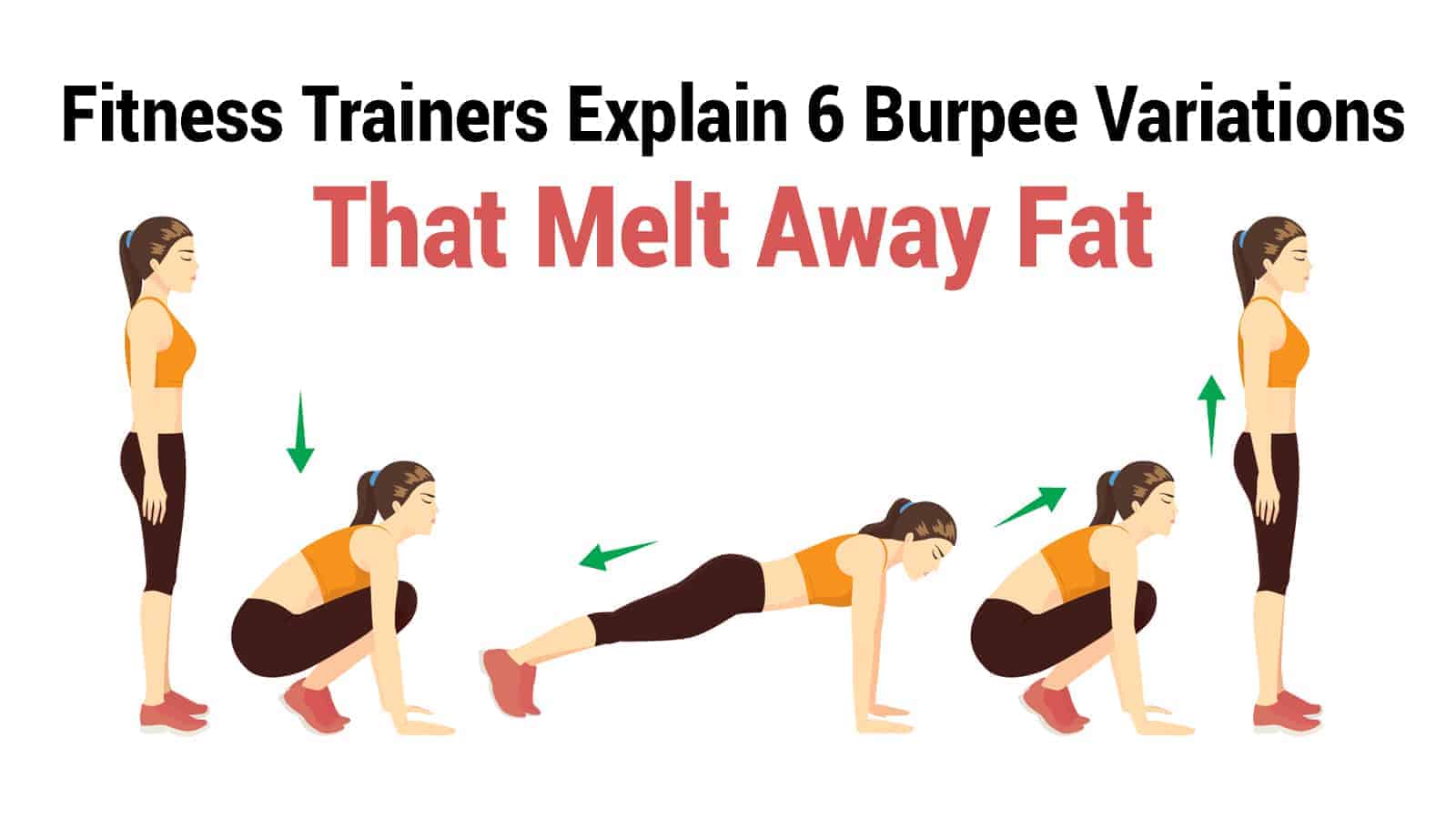
4. Burpees

A fitness expert designed this unique exercise to tone and strengthen your entire body. You will especially see positive results in your core and lower body. They have a few steps that are easy and fun to learn.

•Squat on your mat by bending your knees and position your feet approximately a shoulder’s width apart. Try to keep your back as straight as possible.

•Position your hands toward the floor, so they’re in front of you and close to your feet. Put your weight on your hands and kick backward until you are on your hands and toes like you’re ready for a pushup.

•While you keep your body straight as possible, do one pushup without allowing your back to sink or your bottom to arch.

•Kick like a frog to jump your feet back to the starting position. Stand straight and reach your arms above your head. Do a quick jump in the air and land softly on your feet, knees bent.

•Go back to the starting position. This is one repetition. Try to do between 5-10 if you are new to the exercise.

burpee variations5. Running

Sometimes, taking a run down a winding path is what you need to boost your spirit. Plus, it adds intensity and variety to your lower body workouts. The pace and length of your run are up to you.

Wear weather-appropriate clothes that are comfortable and running shoes that will support your feet. Start by doing a few leg and body stretches as a warmup. Pace yourself as you go and stop if you feel pain or get overheated.

6. Take Daily Walks

Walking is free, but the health benefits are priceless. According to an article published by the National Institute of Diabetes and Digestive and Kidney Diseases, it’s something that most people can do for fitness. It can help tone your legs and strengthen your lower body with the possibility of lowering your risks of many diseases.

It doesn’t get any easier than this, yet you will feel the benefits as soon as you start. If you are a beginner, try walking a short distance around your house. As you feel stronger, you can pick up the pace and go longer distances.

Try to take walks for at least 15-20 minutes a day. You can even do it during your lunch hour at work. When the weather isn’t cooperating, try getting a few steps in your local mall or gym.

7. Leg Raises

Here’s one of the classic exercises you probably remember from high school gym class. Leg raises or lifts, use your leg weight as a resistance to strengthen your lower body.

•Lie flat in a comfortable position on your mat. Keep your arms naturally at your sides and put your legs together so your ankles nearly touch.

•Slowly and smoothly lift your legs until the soles of your feet are facing the ceiling. Hold for 2-3 seconds, then slowly lower them to the starting position. Try to do at least 15-20 of these.

The good thing about this and other exercises is that they can be modified to fit your needs. If you can’t get your legs that high, lift them as high as you comfortably can. You will still get benefits from it.

8. Donkey Kick

Having powerful legs is one of the benefits of regular lower body workouts. This classic exercise works on your hips and glutes. Say goodbye to those unsightly saddlebags.

•Put your knees and hands flat on your exercise mat, with your knees aligned under your hips and your hands under your shoulder. Keep your back flat and tuck your chin slightly toward your chest.

•While keeping your left knee bent at a right angle, lift your left leg straight back and toward the ceiling. Imagine you are a donkey, and you are giving a kick in slow motion. Smoothly return to the starting position.

•Now, switch and do the same steps with your right leg. Lift your leg only as high as you can comfortably do it. Your goal is to do 10-15 reps.

9. Glute Bridge

Give your glutes an efficient workout with this easy exercise. You’ll also feel some toning and strengthening in your lower back and legs. A glute bridge can also be modified to fit your needs.

•Lie comfortably on your mat, looking at the ceiling. Bend your knees and place your feet flat on the mat. Position your arms naturally at your sides with palms down.

•Now, use your hip muscles to bring your body off the mat until your shoulders, knees, and hips are aligned, like a bridge.

•Hold the position for 2-3 seconds, then slowly return to the starting position. This is one repetition. Your goal is to do at least 5-10 reps.

10. High Kicks

When you feel like showing your Rockette talents, this exercise is ideal. You’ll be working your hips, calves, knees, and glutes. All the equipment you need is a sturdy chair, and you’re ready to get a kick out of your daily lower body workouts.

•Place your sturdy chair in front of you on your exercise mat. You can leave your hands at your sides or place them on your hips, whichever feels best for you.

•Now, quickly raise your right foot and tap it on the edge of the chair. Drop it smoothly back to the starting position, then raise your left foot and do the same. The movements should be quick and smooth, almost like your kicking, but you’re not.

•Try your best to keep your upper body and back straight while you do the exercise. Alternate your feet for about 3-5 minutes.

If you want to add a bit of upper body resistance, try doing this exercise while holding a lightweight in each hand.

Final Thoughts about Lower Body Workouts

You don’t need to go to the gym to get beneficial lower body workouts when you can take daily walks, as well as do some squats and burpees. Many of the best exercises don’t even require special equipment. Before doing these or any new exercises, talk to your primary healthcare provider or a certified fitness instructor for a plan that’s right for you.

12 Foods That Help Women’s Health During A Period

(Editors Note: Updated to include fact-based references regarding the anti-inflammatory properties of Ginger)

Having a period is no fun, and it’s during these times of menstruation where hormones are at all-time highs and moods at their lowest.

Some women lay with the heating pad to soothe their cramps, while others lock themselves away during a period from the horrible mood swings.

Being the bearer of life comes with significant responsibilities. During the time of the month, women can experience fatigue, nausea, mood swings, headaches, abdominal cramping, bloating, diarrhea, and a general sick feeling. This doesn’t account for those ladies who have issues like polycystic ovary syndrome that make their cycles heavy or absent.

If there was a way to lessen the symptoms you feel by the things you eat and drink during your pregnancy, would you do it? What if having an apple each day really does keep the doctor away?

Twelve Foods That Can Help During A Period

Thankfully, there are a few things that you can eat and drink during your time of the month to make your periods easier on you. The good news is that most of these things you can find in your cabinet already, so there’s no need to spend a bunch of money on stuff. Here are the ten best things to add to your diet during your period.

during a period1. Ginger

Ginger is a spice that has been used for all types of pain, as it’s effective. When you have bloating and cramping associated with your period, you should make a cup of ginger tea. The powerful anti-inflammatory effects of ginger can help you.

The Journal of Maternal-Fetal & Neonatal Medicine referenced a study done on ginger with nausea on expectant mothers. Not only did they find that it helped with both nausea and vomiting, but they found that it was a safe and inexpensive option. The key is to make sure that you don’t take more than four grams in one day, as it can cause stomach upset.

2. Water-Rich Fruits

It’s essential to stay well hydrated during your time of the month. Eating fruits that have a substantial amount of water in them can help. Additionally, the sweet nectar from fruits can help you to keep those sugar cravings at bay.

Some women crave sugar when they’re on their periods. This can cause your glucose levels to spike and crash, which makes you feel horrible. Staying hydrated and controlling those cravings will make your period more manageable.

3. Turmeric

Turmeric is getting a lot of hype these days as one of the spices that can fix just about anything. It has anti-inflammatory properties that can help during your period. You can add this spice to your foods, take a supplement, or mix it into a tea.

There is a great deal of medical research that backs up the claims that this spice is a powerful weapon against pain and bloating due to the anti-inflammatory properties.

4. Flaxseed Oil

Did you know that flaxseed oil has tons of omega-3 fatty acids in it? You need about 1,600 milligrams each day to fight free radicals, and this provides more than 7,100 milligrams in 15 milliliters. If you fight constipation during a period, then this natural oil can help to relieve that issue.

5. Fish

Fish, especially the cold-water varieties like salmon, is full of omega-3 fatty acids. Not only is it low in calories and full of protein, but it’s full of iron. When you’re menstruating, iron levels can fluctuate, but fish can help you maintain a healthy concentration.

Did you know that eating fish can be just as powerful as taking ibuprofen? A study was referenced by the International Journal of Gynecology and Obstetrics. They found that women who ate fish had fewer mood swings, depression and overall felt better during their period.

6. Kombucha

Kombucha is a tart, fermented tea that is packed full of yeast-fighting properties. You must be careful when buying these in the supermarket as many manufacturing companies add tons of sugar. You can easily make this tea from home with a bit of know-how.

Those who don’t want to consume dairy products like yogurt for yeast-fighting can turn to this magical elixir. It’s full of probiotics, antioxidants and has been known to kill harmful bacteria within the body. During a period, you need all the bacteria protection you can get.

7. Quinoa

Quinoa is a popular grain that is much healthier for you than rice. It has a nutrient profile that no female should ignore. Since you lose iron on your period, it has plenty of iron that can help.

Additionally, this grain has protein and magnesium, which will help with your moods and your cravings. Many people don’t realize that this is a gluten-free grain, so if you have a condition like celiac disease, it won’t aggravate it. Plus, people with diabetes love that it has a low glycemic index, which means it won’t cause sugar spikes or you to feel a crash after eating it.

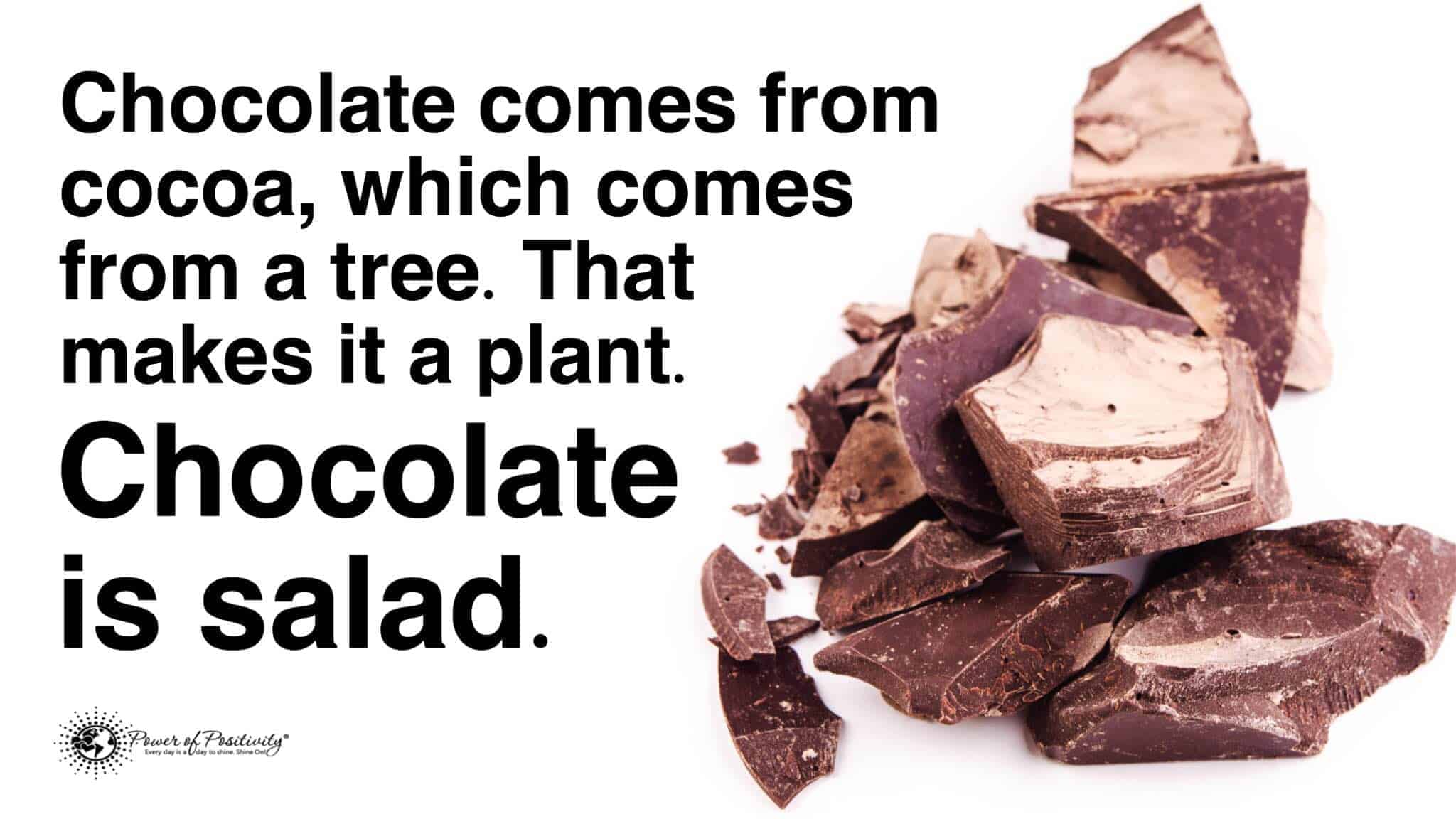
8. Dark Chocolate

Dark chocolate and milk chocolate are not created equal. Dark chocolate has less sugar and some benefits that you cannot ignore, especially during your time of the month. Since this bar is full of magnesium, it can help to reduce the symptoms of premenstrual syndrome, according to a study referenced by The National Institute of Health.

chocolate9. Chicken

Chicken is a low-fat meat full of protein, and it’s another excellent source of iron. Having enough protein in your diet will help you stay full, improving your overall health. Women need all the help they can get curbing cravings when they have a cycle.

10. Leafy Green Vegetables

Since you’re losing blood during your period, it’s not uncommon for your iron levels to drop. A loss of iron can cause you to feel tired and lethargic. Thankfully, eating leafy greens like kale and spinach can help to increase your iron levels.

Another benefit that comes from spinach is the high levels of magnesium. Magnesium can help with mood swings and put you in a better frame of mind.

11. Lentils and Beans

Have you ever heard the jingle that says, “Beans, beans good for your heart?” Well, it appears that your heart isn’t the only thing beans are good for. Their high iron levels make them an excellent choice when your levels dip too low during a period.

They also have so much protein that many people see them as a good meal replacement option. Plus, don’t forget they are low in calories and rich in vitamins.

12. Nuts

Nuts are fantastic to eat as a snack. They have a high protein level in them, and they are full of magnesium and other vitamins. Did you know that eating almonds can help with headaches?

Additionally, nuts are full of omega-3 fatty acids so that they can fight free radicals with ease. If eating a handful of nuts isn’t your thing, then you can try several of the nut butter varieties on the market. Just make sure you get one that is all-natural and has little to no sugar.

Four Foods to Avoid During a Period

You cannot mention the things that you can eat without saying the ones that you should avoid. First, you need to watch your salt intake, as it can increase bloating. Plus, salt isn’t good for you anyway.

  1. Sugar: You need to monitor your sugar intake. Giving in to those intense cravings can cause your glucose levels to spike and crash, which will make you feel horrible. Sugar tastes terrific, but you can get your sweet fix from delicious fruits.
  2. Caffeine: Caffeine is another product that doesn’t do good things to your body. It can cause digestive issues, bloating, and headaches. If you’re accustomed to consuming coffee and soft drinks each day, you need to reduce, not cut it out during your cycle. You can also experience headaches by going without it too.
  3. Alcoholic Beverages: Alcohol is another thing that you should avoid. It can cause you to be dehydrated, which will lead to issues with your digestive system and cause bloating. Plus, alcohol can make your headaches much worse, and you certainly don’t want that on top of your period.
  4. Too Much Spice: Lastly, you need to avoid spicy foods. While you may love a good jalapeno or ghost pepper, you don’t want anything that will further irritate your stomach and cause diarrhea. This is certainly not the time to be experimenting if your body is not already accustomed to eating them.

during a period

Final Thoughts on Foods to Help During A Period

Having a period is a difficult time for many females. Some seem to have a three to four-day cycle and breeze through it, while others suffer for as long as seven or eight days. While the foods you eat can’t shorten the number of days you menstruate, it can make the symptoms easier to manage during a period.

10 Habits to Help Stop Someone From Being Distracted

One of the most challenging things you will experience in life is how to keep your focus. It’s effortless to get distracted, and there are always 101 things that vie for your attention. You know what needs to be done, you can do it, yet you don’t get nearly the amount of work done that you could if you just focused.

Next, you make yourself a list of all the things that you want to get done, as you’re more determined than ever before to have a successful day. However, after you’ve spent a half-hour on social media, checked your email no less than ten times, and answered five phone calls, you find that once again, your list has things you cannot cross off.

Does this sound familiar to you? Do you struggle to stay focused because you’re easily distracted? Well, you should know that you’re not alone, as this is a common problem.

Many people feel their attention problems are serious enough to consult a doctor. According to Med Alert Help, almost five percent of the adult population suffers from attention deficit disorder. The medical community makes treatment recommendations that come with harmful side effects or expensive tests.

Thankfully, there are some things you can do to keep yourself from getting distracted that will not cost you a penny.

Ten Tips to Avoid Being Distracted

distractedYour focus is taught during your school-age years. Now, if you have a medical condition that causes your attention span to be challenged, then that’s a whole other issue. However, for the most part, you’re taught to sit down, listen to the teacher, and do your work.

Unfortunately, teachers are overloaded with students, and their objective is to keep you at your desk and listening to the lessons. If you got up to gaze out the window or to stroll down the aisles while they were teaching, then they would be upset at the distraction. Consequently, it’s not realistic in today’s world to think that a child can sit still for hours on end without any disruptions, and it’s the same for adults.

You’re the master of your focus, and it’s up to you to develop the mindset to sit down and get busy. Here are ten things that can help you to stop being distracted.

1. Don’t Overbook Your Days

If your day is overcrowded and there is no way humanly possible that one person can accomplish all you need to do, how will it affect your focus? Chaos is not a good foundation for your attention span. It’s better to pace yourself and go nice and slow than giving up because you’ve overloaded yourself with tasks.

Your mental health needs to see progress to keep from being distracted, so you must try to schedule your day so that it’s feasible and not impossible.

2. Tackle the Hardest Jobs First

Always do the most challenging tasks that require the most focus first, as this will help you stay on track. Accomplishing the problematic items is better when you’re fresh in the morning. As the hours drag on, it’s more difficult to focus as you become tired and ready to call it a day.

Procrastination is an invitation for distraction. When you do all the easy tasks first, you will find 101 reasons to put off the hard stuff until another day. Plus, as the workday continues, your willpower diminishes with the demands from children, household responsibilities, your job, and all the other things you have going on.

3. Use Visualization Techniques

Visualization techniques can help you stay focused. Runners use these tricks all the time to keep themselves going forward. They envision themselves running across the finish line and picking up the win.

Before you begin the day, picture yourself working, hitting those goals, and making it to the finish line. When you concentrate on each step in the process, then you’re not spending time focusing on the things that distract you.

Visualization is the key to getting done whatever you need because when you imagine yourself as successful or having everything completed, you will do it.

4. Keep Your Vision and Objectives in Mind

Start by figuring out what you need to focus on to begin. For instance, do you have a significant report due to the boss in two weeks, then it’s time to prepare for it? Figure out the goal, and it helps you to focus.

If you want to learn to play the piano, you can’t just sit down and play the first night. No, you must practice each day, for an allotted amount of time, until you perfect the art. So, it’s the same principles with both work and play. You need to pace yourself and keep your objective in mind.

5. Manage Your Drive

Your internal motivation, or drive, is like a lubricant, as it helps you to stick to the tasks at hand. You should never take extended breaks from your objectives, as it can cause you to lose your momentum and requires self-discipline to get refocused.

It would help if you stayed goal-focused, even on the weekends. It doesn’t mean that you can’t take a day off to refresh yourself. Instead, it just means that you should keep your goals in mind. If you take too many mental vacations from your objectives, then soon, you can let them fall, by the way.

improve motivation6. Manage Your Internal Distractions

There are some interruptions that you can’t get away from in life. So, it’s best to prepare your mind so that you can keep yourself from straying from your goals. First, you need an identified workspace.

This is especially important with so many people working from home these days. When you have this dedicated space, then your mind will associate it with working. When it’s break time, then you need to leave your workspace and allow your mind to focus on something else for a few minutes.

Next, you need to silence all the racing thoughts that try to interrupt you from working. Meditation is an excellent method to put you in “the zone” and get some work done. You can do a quick 5–10-minute session to help you gather your thoughts and purge the ones you don’t need.

7. Manage Your External Distractions

The external distractions most often keep you from accomplishing all your daily goals. Stop checking your phone every five minutes for emails, text messages, and social media alerts. An article by Business News Daily referenced a study on the amount of money lost from workers spending time on social media.

When you’re surfing the web on company time, you cost your boss big money. The study found that the average person checks their email more than 35 times a day.

After checking the email, the study further went on to find that it takes them about 15 minutes each time to refocus.

Limit how much you’re on your phone, and only check your email a couple of times each day. If the matter is urgent, people will call you directly.

8. Skip What You Don’t Know

When you have challenges that you cannot figure out, it’s okay to put them off till later. Put your focus into something that you can work on without being stressed out. You can always come back to the more challenging item later.

9. Pace Yourself

Have you ever heard the old saying that the only way to eat an elephant is to do it one bite at a time? The key here is that if you look at the big picture or the elephant, it’s easy to become overwhelmed. Instead, you need to look at your day in small “bites.”

Sure, you may have ten things you need to do, but when you jump in and start to work, soon the list will be at five and then completed. Stop staring at the big picture and allowing it to overtake you, as it’s easy to become discouraged when your goal is too big.

If your boss asked you to write a 5,000-word article for the monthly publication, it might seem like an arduous task. However, if you split that up into 1,000 words a day for the next five days, it doesn’t seem nearly as challenging.

10. Reward Yourself

Who said children are the only people that need rewards for a job well done? When you accomplish all you need to do and stay focused and didn’t get distracted, pat yourself on the back. It’s okay to treat yourself occasionally when you’ve done an excellent job. It’s what will give you more drive to keep going even when you feel like throwing in the towel.

distractedFinal Thoughts on Being Distracted

There are distractions around every corner in life, and you might find it challenging to learn to focus more intently. Anything that can break your focus can mess with your productivity. When you find yourself with constant interruptions, use some of the tips in this article to help you refocus to finish the tasks at hand.

20 Ways for Somone to Have Psychological Safety

Do you feel drained, stressed out, on edge, and like you’re ready to throw in the towel? These are all common phrases used by the average person each day. Life is stressful, and you must find effective ways to handle this pressure for your psychological safety.

Mental illness is a significant problem, and the load that each person must carry can put increasing pressure on your mental wellbeing. Take, for instance, a parent with three children and a full-time job. They must get up at 6 am to get the kids ready for school.

They have just enough time after getting them out the door to get ready for a long day of work. This hard worker labors until 5 pm and then rush home to get dinner prepared for the spouse and children. By the time they complete the cleanup, laundry, and other household chores, they collapse into bed at midnight. They get only a measly six hours of sleep.

Does this scenario sound familiar? Add to this picture chronic illnesses, grocery shopping, running kids to sports, and it leaves little time for self-care. An empty well cannot pour into others, and it won’t be long until the dry well will crack and become damaged.

Twenty Ways to Enhance Your Psychological Safety

psychological safetyIf you want to ease the pangs of stress and take care of your needs, you must learn how to protect yourself mentally. Thankfully, there are many steps that you can do that will ensure your mind, body, and spirit stays in good health. Here are 20 things you can do starting today.

1. Turn Off Electronics

While scrolling on your cell phone is an excellent way to pass the time. It would help if you took the time to disconnect from electronics. Stop the newsflashes and doomscrolling about the trouble of the world. Unplugging can be a mental health break that is much needed.

2. Avoid Self-Criticism

You’re human, and you will make mistakes. How many times have you been your own worst critic? Stop looking at all the things you do wrong and focus on what you do that’s right. Your psychological safety depends on your perceptions of self.

3. Show People How You Want to Be Treated

Setting boundaries protect you from harmful comments and undue stress. You have the power to tell people how you expect to be treated. When you set firm guidelines for your life relationships, you can save yourself major heartache now and in the future.

4. Find an Outlet for Negativity

You’re going to be influenced by negativity each day, as it’s impossible to avoid it. Rather than ingesting it and allowing it to overtake you, you must find an outlet. Try things like meditation, yoga, singing bowls, and box breathing to help you eliminate all the stress you pick up each day.

5. Surround Yourself with Positive People

How many times did you hear old sayings like “you’re known by the company you keep?” Parents and grandparents had all these little proverbs that were so applicable to life. When you hang around with people who are pessimistic and grumbly, then it won’t be long till you develop the same attitude.

However, if you surround yourself with people who tend to see things positively, they can help alter your perceptions for the better.

6. Don’t Compare Yourself to Others

One of the worst things you can do is to compare yourself with others. It doesn’t matter what car you drive, the house you live in, or how much money you make an hour. What matters is what’s inside your heart.

The ability to love and be loved is one of the best gifts around, and it’s priceless. Please don’t allow yourself to get into the comparison game, as it will only destroy your self-esteem.

7. Hit the Gym

It’s a proven fact that exercise can help you boost your mood, which enhances your mental health. According to the National Library of Medicine, exercise proves to increase serotonin, which can help keep depression and anxiety at bay.

8. Speak Up for Yourself

Do you let people walk all over you? Do you have the words doormat written over your forehead? Learn to stand up for yourself and call the shots in your life, as your happiness depends on it.

9. Ask for Help

While you may try to portray yourself as a superhero, you need to know your limits and when it’s time to ask for help. Sure, no one folds the laundry or cuts the lawn as you do, but sometimes you must let go of these petty controlling tactics for your psychological safety.

Give your spouse or kids the power to do the dishes, laundry, or grocery shopping, as it’s very freeing to let go.

10. Get Sufficient Rest

Are you getting enough rest each night? According to the Centers for Disease Control and Prevention, adults need at least seven hours each night. When you don’t get that much rest, then you create a deficiency that can affect your mind and body.

better habits meme11. Practice Mindfulness

Learning mindfulness can help you to be present in the here and now. Do you know that most of the things you spend your time worrying about won’t happen anyway? Stop crying over something that might not even come to pass.

Learn to appreciate all the beautiful things around you, like the face of your child, the smell of a flower, and the golden rays of the sun.

12. Do A Vision Board

Part of having good mental health is making goals and achieving them. Wouldn’t life be boring if you did the same thing day after day without alteration? Creating a vision board helps you plan your life in one year, five, and even ten.

Where do you see yourself a year from now? Creating a vision board is a fun task that you can get your kids involved in too.

13. Learn to Say No

How many times do you take on more than you can handle? Sure, the PTA wants five dozen cupcakes from your kitchen, but do you really have time to commit to such a feat? Learn to say no for the sake of your mental health, and it will absolutely change your life.

14. Spend Time in Nature

One of the tactics used to stop a panic attack is to go outside. The fresh air has healing properties that can be therapeutic. If you’re having problems feeling grounded in this world, then take off your shoes and feel the cold earth between your toes.

When the world around you is chaotic, and you feel like you might lose touch, get outside, as it can help.

15. Laugh Often

Laughter is good for your soul, and it’s more beneficial than most think. When you laugh, you’re releasing those feel-good hormones that help to keep your mental health in check.

16. Eat Healthily

You are what you eat, so make sure that what you’re eating is not harming your body. While plant-based diets are beneficial, you don’t have to go full vegan to eat healthily. Watch your intake of junk food, and make sure you stay away from fast-food joints.

17. Spend Time Alone

Everyone needs alone time as it helps you recharge your batteries, which helps with your psychological safety. Even if you only get a half-hour each day, make sure you have some time to be in the silence.

18. Keep a Gratitude Journal

Sure, it’s effortless to focus on all the negative aspects of your life, but keeping a gratitude journal will help keep you balanced. When you start counting all your blessings, it’s easy to put the negativity away from you. Pessimism only hurts your mental health, as it changes your outlook and perceptions.

19. Socialize Often

It’s essential to get away from your job and household responsibilities and have fun. Going out with your friends once in a while can make you feel like a teen again, carefree and happy. Please make time to socialize, as it can do wonders for your mental health.

20. Learn to Forgive

Forgiving others releases the hold that the wrongdoing has on you. When you forgive someone else, then you remove the negativity into the atmosphere to allow for positivity to flow through you. Having unforgiveness in your heart can cause a root of bitterness to grow, and no one wants anything like that growing in their garden.

psychological safetyFinal Thoughts on Psychological Safety

Your psychological safety is an integral part of your life. You wouldn’t walk out into rush hour traffic knowing you’re going to be hit now, would you? You need to take the same approach to your mental well-being as you do with your physical.

The most important things are to learn your limits, don’t be self-critical, get plenty of rest, eating right, and make time for your needs. Keeping your mind in check is a tricky balance, but with a few tips and tricks, you can learn how to stay mentally strong even when everything around you seems to be chaotic.

8 Ways to Stay Positive When You Suffer From Chronic Illness

Why is it that society accepts disabilities when they can see them with their eyes, but it’s the chronic illness that goes undetected that they judge? When you have an ongoing battle with your health, you’ve become accustomed to people thinking you’re not really sick or that it’s all in your mind. Suffering from health issues can dampen your spirits and leave you questioning your very existence on earth.

Is it any wonder that depression, anxiety, and other mental disturbances often accompany health battles? How can you stay positive when you feel so bad in your body that even dragging yourself out of bed seems to take all the energy you can muster? Struggling with your health can leave you bankrupt financially, mentally, and physically, not to mention the fact that your spiritual being also takes a hit.

Since you have no choice but to keep going, how do you stay positive when your world seems so negative? Is it possible to wear a smile even though you feel like crying? Your mindset is a powerful thing and one of the best defenses you have against ongoing illnesses.

Ways to Stay Positive When You Face Down a Chronic Illness

chronic illnessFirst, you must come to terms with the fact that no one will ever understand how you feel on the inside. Chronic illness can take a toll on every fiber of your being and leave you questioning your very existence. However, there is a way to change your mindset to improve your outlook and keep your optimism high.

1. Count Your Blessings

It sounds very cliché to say that you need to count your blessings. Consequently, if you focus on all the wrong things in your body, you will only make matters worse. Instead, start telling yourself all the things that are good about your life. For instance, you should use express things like:

  • I have a family who loves me and stands beside me in my health struggles.
  • I am not alone, as I am surrounded by a loving spouse.
  • Though I may be sick in my body, there is always someone else that is worse off than me.
  • I have a nice, warm bed to rest in when I am tired, which many people don’t have.
  • There is food in my cabinets, and my belly is full.
  • Though I may not be rich, there is money to pay my bills.

When you start being thankful for the smallest of things, like the bills being paid and bread in the cabinet, it changes your perceptions. It’s hard to be downtrodden when you have so many blessings. According to one school of thought, practicing gratitude is an important strategy to sustain your well-being.

2. Journal

Journaling is an excellent option that allows you to get things out of your head and release them into the atmosphere. It also helps you to create an account of the battles you fight with your health. If you feel that people are tired of hearing about your bodily woes, you can put things in writing to voice.

It’s hard when you feel so bad, but you don’t want to complain about every ache and pain. Rather, it’s better to put it down in writing and release these negative feelings from your body.

3. Create A Vision Board

Ongoing battles with your health can strip you of your will to live. A vision board helps you to look beyond where you are now and into the future. If you have a condition that is a battle that you will conquer eventually, then you can focus on the victory aspect.

For instance, if you’re struggling with thyroid cancer and going through treatment, it may be hard to see sunshine ahead when you feel so bad. Thankfully, a vision board will help you prepare for the future and set goals towards being a better, healthier you.

4. Talk to A Counselor

Counseling may be an integral part of your mental health when dealing with a chronic illness. Talking to a third-party neutral individual can help you have a sounding board to let the negativity out. You don’t want to burden your family, so having this person that can help you clear your headspace is essential.

Additionally, a psychologist can give you tips and tricks to help you through this battle. Just knowing that you have someone to lean on in the darkest days of your life is reassuring.

grateful meme5. Give Back

Depending on the degree of your illness, there are days when you will feel like getting out and doing something. Do you have a gift or talent that you can share with the world? When suffering from a condition like lupus or back troubles, your issues will wax and wane.

There will be times when you have some energy. Giving back is an essential part of life, and it helps you to feel better. Though you may have limitations that dictate what you can and cannot do, there is always some way that you can assist others who have things worse off than you.

Helping others feels good, and it helps to repay karmic debt and puts you in a better headspace.

6. Use Meditation

Meditation is excellent for chronic illness as it allows you to cleanse your body of the negativity that comes with health battles. There’s something extraordinary about using this time to purge negative thoughts and feelings from your mind and heart, which allows you to focus on healing. Even if your condition is terminal, meditation can help to relax your mind and body for the struggles ahead.

During meditation, you reflect and concentrate on the positive, which has an impact on your health. According to a study published by the National Center For Complementary and Integrative Health, meditation has been proven to help lower anxiety levels and blood pressure. It would help if you tried to meditate at least once a day, but you can do smaller sessions anytime you feel overwhelmed by your struggles.

7. Turn to Your Higher Power

Your faith and spirituality are an integral part of any chronic illness battle. The belief that there is someone bigger than you who oversees things brings you a source of comfort. Prayer can change things for you and put you in a better frame of mind.

It doesn’t matter what your beliefs; turning to your faith in times of crisis can be comforting. If you have a priest, pastor, or another spiritual advisor over you, you can call them to help when things are at their worst. A spiritual guide in times of adversity is often the thing that gives you hope when the outlook seems so bleak.

8. Use Positive Affirmations

Positive affirmations are another tool that can help to put you in a better frame of mind. For instance, as soon as you get out of bed, you should have a list of affirmations that you retort to keep you in a good place. You must say these affirmations before you read social media, turn on the news, and be filled with all the negativity of the world around you.

Try saying things to yourself like:

  • I am going to have a good day.
  • I’m not going to let my illness define me.
  • I will accomplish all the goals before me.
  • No matter how bad things look, I am choosing to stay positive.
  • Today, I will live life to the fullest.

The wonderful thing about these affirmations is that you can customize them to your specific situation. If you start feeling negative during the middle of the day, there’s nothing that says that you cannot quote these encouraging phrases again.

chronic illnessFinal Thoughts on Staying Positive Amidst Chronic Illness

Being sick is never fun, and it’s even more of a struggle when it’s an ongoing battle. While these eight things listed above may help you, there are also other things you can do to keep you on the upswing. Remember that negativity is like an invasive cancer that can eat at the very fiber of your being.

When you allow yourself to walk down the pessimistic path, it’s hard to get back to a more positive outlook. Once you let that negativity have a place in your life, it will take hold and grow like a weed strangling your will to go on. Use your support system on days when things are at their worst, as you will need to have someone to lean on during this battle.

There’s nothing fun about chronic illness, and it can take its toll. However, never let a sickness define you. When there are good days, get out and enjoy the sunshine. Consequently, don’t push yourself on those bad days. Know your limits and when you need to rest.

Remember it won’t rain always. There will be times when the clouds break, and the sunshine comes beaming through. You can and will find effective coping skills to get you through this storm in your life.

Adventurous Cat Explores the USA With His Family

One Maine coon cat named Fisher is living the life people dream of with his adventurous cat parents. Wherever they go, he goes, and he’s always up for something new. People who follow his account online love seeing his travels and watching him live the good life. It’s always exciting to see where he’ll go next and all the sights he’ll see along the way.

As soon as Loraine and Finn, his owners put his harness on him, he knows it’s adventure time. Maine coons are known for being fun-loving, curious, playful pets. Their adaptable, sociable nature makes it easy for them to enjoy a life of travel. When the family gets ready for an adventure, Fisher waits excitedly by the door, much as a dog would.

“Basically, some of his favorite things to do are to travel with us; he loves going for bike rides or cruising on our boat,” Fisher’s mom Loraine says. “There’s many times that we are stopped because people think he’s a baby, and they’re surprised that he’s actually a kitten. They get excited, and they smile about it, and they just say, ‘That makes my day,’ which makes us really happy.”

“Back in 2018, I was turning 50, and I wanted a cat, so my fiancé and I started looking around [for] different breeds of cats that liked water,” Fisher’s cat, dad Finn says.

Since he and his fiancé grew up in Florida, they love going out on the water and traveling. They wanted a cat that could keep up with their active lifestyle and enjoy it as well.

“We settled on a Maine Coon, we picked him up after 8 weeks, and the beach was the first time he’d ever walked on a harness and a leash. It was just adorable, and right then, you could just see he was going to be an adventure cat.”

The adventurous cat loves exploring the US with his loving parents

“We tried everything from walks, boating, putting him in our bikes and baskets, making sure that he was able to stroll with his stroller through the neighborhood, and that he just liked all the activities we did. He was always happy to go ahead and try anything new,” Loraine says.

“We do everything with him – we go on RV trips, we go out on the boat, camping, to dinner and friends’ houses, and if for some reason we don’t bring him, everybody’s like, ‘Where’s Fisher?’ Finn said. “And it’s just so rewarding to see that he’s put a smile on people’s faces and people are just so happy to talk about him. They love watching his videos, and they can just see how much we love him and how great we take care of him. He’s very sweet and loving.”

Another thing Fisher loves is watching the sunset, either from home or out on the boat. They take him on the water almost every night because he enjoys it so much! Having a glass of wine while cruising on your boat at sunset with your cat certainly sounds like the life. On those nights, Loraine and Finn just feel so thankful they get to share life with their adventurous cat buddy.

They’re always on the go, looking for the next opportunity for fun in the sun. Finn travels a lot for work, and Loraine works from home, so they’re always moving around. This is perfect for their Maine coon, which fits right in with their nomadic lifestyle. Fisher sees the adventures as a chance for him to keep exploring the world and experiencing new things.

When they’re out on the boat, people often call Fisher’s name, even if they don’t know Loraine and Finn. He’s got many fans on social media, so his pet parents have gotten used to all the attention he attracts. They’re just happy that he puts a smile on people’s faces and brightens their day!

Fisher’s got quite a personality, both independent and sweet

Loraine says Fisher is very loving but enjoys having his time alone as well. He acts much like a dog in that he loves exploring and is more outgoing than most cats. Fisher’s relaxed, easygoing personality makes it easy for him to adapt to any situation. He takes to the boat very naturally; Finn says it’s like he’s sitting in the living room at home.

Basically, they love having Fisher around because he just makes life more fun. They joke and say that it’s his world and they’re just living in it. If your pet runs the show, you may as well have one that’s as adventurous and fearless as Fisher!

“I would say if you’re considering getting a cat or any other animal, what you want to think about is, what is your lifestyle and what do you want to do that is going to include a new pet to your family?” Loraine says, “You just want to make sure that they’re integrated into your life and they’re just a part of your family.”

So, if you live an active, outdoorsy lifestyle, a Maine coon might just be the cat for you.

“We love that we get the privilege on a daily basis of just loving him and making him happy. In turn, he gets everything he wants, and he makes us smile, and he makes us happy. And we get to share that with people, and that’s probably our favorite.”

Final thoughts on the adventurous cat exploring the country with his family

Fisher’s living the life that everyone would love to have. He’s always getting to see new places and explore the world with his family. His life is far from average for a cat, but he wouldn’t have it any other way. He truly seems to fit right in with his outdoor-loving parents, and they just adore him.

Do you go on adventures with your cat or other pets? If so, we’d love to hear some of your stories in the comments!

3 Effective Ways To Heal Childhood Trauma

Are there things in your past that you can’t shake? Do you see issues stemming from your childhood that plague you to this day, showing up in your actions and behaviors in ways you feel that you can’t control? If so, then it is time to heal childhood trauma.

It’s easy to feel powerless when you’re dealing with the aftermath of childhood trauma. But there are ways that you can recover and be freed from this pain. Here are three practical ways to heal childhood trauma.

1.    Perform a Step-by-Step Mindful Healing Exercise

The steps needed to heal childhood trauma often involve correctly sitting down and fully immersing yourself in healing efforts as part of a routine. Trauma is a very complex thing and requires careful handling, after all. While you can manage its symptoms in more indirect ways, healing the trauma needs a lot more focus.

Luckily, a mindful healing exercise can work, developed by marriage and family therapist Andrea Brandt, Ph.D.

Dr. Brandt boasts more than 35 years of experience in her field. She states that this healing exercise is highly beneficial for most, if not all, of her clients that it is relevant to.

The healing exercise helps you confront the emotions associated with trauma and can improve positive thinking with regular practice. Here is how to go about it:

heal childhood trauma·         Step 1: Grounding

To start healing, you have to be present. So go to a quiet location away from disturbances, and begin to ground yourself. To do so, sit down and close your eyes, breathing deeply and focusing on your body. Bring awareness to your arms by contracting and relaxing muscles, feeling the weight of your limbs. Feel the ground beneath you and root yourself in it. Visualize energy from your tailbone connecting you down to the earth’s core.

·         Step 2: Recalling

Once you feel grounded, reach into your memories and think about something that recently upset you. It can be anything at all that created a reaction, whether mild or strong or somewhere in between, or made you feel suddenly numb. Think carefully about this incident and imagine it in as much detail as you can, as if transporting yourself back in time, engaging your senses, too.

·         Step 3: Sensing

Once you begin to feel those emotional reactions return, breathe deeply and relax quietly for a moment. Then, observe your body, paying attention to any sensations that are occurring. Are your fists clenched? Is your pulse accelerating? Are you sweating? Describe each feeling to yourself, quietly in your mind, in clear detail. Work through them until you’ve described all the physical experiences you’re dealing with.

·         Step 4: Naming

For each sensation, find an emotion that explains it and associate the two together. If your fists are clenched, for example, you may be angry, and if your pulse is accelerating, you may be anxious. If you have trouble naming emotions, it can be helpful to look up a list of complex ones before beginning the exercise so you can match them up more quickly. Differentiating many similar emotions accurately can be very helpful for positive healing.

·         Step 5: Loving

Acceptance and love are necessary for healing. Even though these emotions are complex, tell yourself: “I love myself for feeling (emotion).” Name each emotion and proclaim your love for yourself, remembering to love and accept yourself.

·         Step 6: Experiencing

Now, sit quietly with your feelings, the sensations they create, and your reactions to them. Watch them quietly, like you would watch a passerby, and don’t judge, hide, or try to change them. Acknowledge each emotion and experience and welcome them, expressing them in a natural and healthy way – so cry, shout, or punch a pillow if you must.

·         Step 7: Receiving

Now, connect these emotions and sensations with things further in your past. Do they relate to trauma, bad experiences, and difficulties stemming from long-rooted pain? What is the message your feelings are trying to tell you? What are they saying, or what would they say if they could speak or describe you? If you have difficulty, grab a pen and some paper or a journal and writing freely to fully express your thoughts without stopping for 10 minutes.

·         Step 8: Sharing

Your reflections may have been insightful. If you like, you can share these reflections with individuals you trust. If you don’t want to share them with others, share them with yourself. Please write down your feelings and the healing process, describe your emotions and connections to your past, and reflect on them each in turn.

·         Step 9: Releasing

Finally, imagine all that trauma and negative energy in your body and imagine it leaving you or being expelled from your being. You can also do this in a more physical way by throwing away things that are reminders of your trauma, or by standing under or in running water and imagining the energy being washed away from you.

You can repeat this exercise as many times as necessary for your recovery process. It is somewhat similar to practices of mindfulness, which have been proven to also have positive effects on trauma and trauma disorders.

2.    Practice Sufficient Self-Care

When you’re healing from childhood trauma, you need a lot of energy, and you need to be in relatively good health. It’s easy for traumatized individuals to forget to look after themselves. Don’t fall into this trap! You need to care for your mind and body to recover well. Here are some factors that you should be incorporating:

·         Balanced Lifestyle

Your lifestyle is essential for ensuring positive wellbeing when you’re dealing with trauma. You don’t have to live a perfectly healthy life – ensure a balance that can keep your body ticking healthily. Get enough sleep, avoid excessive junk food, and don’t abuse drugs or alcohol.

·         Exercise

Trauma involves the ignition of the fight-or-flight responses in the human body. Exercising can help to relax a lot of those more extreme impulses and reactions by expending energy. Research has shown positive effects of aerobic workouts for treatments for individuals with PTSD when performed most days a week for a minimum of 30 minutes a day.

hurt meme·         Social Connection

Trauma can often make you want to isolate yourself, but this is very detrimental to your overall recovery process. In order to recovery from PTSD and long-term trauma, the Anxiety and Depression Association of America recommends retaining contact with positive and supportive people in your life. You don’t have to talk to them about your trauma. But you do need to maintain good interactions with others, especially those who love and care about you.

3.    Get Therapy

The reality of the matter is that healing childhood trauma isn’t something you can usually do independently. While taking care of yourself and using certain helpful exercises can be beneficial, deep-rooted trauma of a severe nature doesn’t just go away. Trying to heal it yourself, especially when it’s attached to PTSD or other trauma disorders, is like trying to perform open-heart surgery on yourself!

Speaking to any mental health professional will give you some insight into possible treatment methods. It can take a while to find a therapist whose methods work well with you and for you. But once you do, they will usually be able to determine the suitable treatment method for you. If you like, though, you can read up on some standard therapies for childhood trauma. Then discuss them with your therapist.

It is normal to require therapy in order to heal from childhood trauma. That trauma leaves deep, cutting scars on you with roots. Indeed, they may be buried in your subconscious and within repressed memories. There is no shame in getting help for the pain you’re experiencing. Here are some common forms of therapy that are used in the treatment of trauma:

·         Cognitive Processing Therapy

Cognitive processing therapy, or CPT, is typically the main choice of cognitive-behavioral therapy subtypes for treating adults with PTSD from childhood. The American Psychiatric Association usually recommends CPT for the span of 12 sessions, which involves developing an awareness and understanding of emotions and thoughts from PTSD. This is followed up by formal trauma processing and the development of skills to manage trauma-based thoughts.

·         Eye Movement Desensitization And Reprocessing

Eye movement desensitization and reprocessing, or EMDR, is a form of therapy that uses eye movements to treat PTSD and other trauma by re-patterning memories. The treatment process is separated into eight different phases that help patients along the way, from the history to preparation and from assessment to treatment, all the way up to the final evaluation. Studies have found EMDR to be highly effective in addressing trauma-based unprocessed memories.

·         Prolonged Exposure Therapy

Prolonged exposure therapy, or PE, is a form of cognitive-behavioral therapy used to treat many mental disorders, including PTSD. It is meant to help patients face their fears, memories, feelings, and circumstances that are difficult to confront due to trauma. This usually requires a trusting and fair therapeutic relationship, and the American Psychiatric Association states that the total amount of treatment time for positive effect takes about three months.

·         Art Therapy

As its name suggests, this form of therapy harnesses the powers of creative and artistic expression to aid in healing trauma. It’s a good way to express trauma and pain without words and help build emotional resilience.

·         Trauma-focused Cognitive Behavioral Therapy

Trauma-focused cognitive behavioral therapy, or TF-CBT, is another type of cognitive-behavioral therapy usually used for adolescents and teenagers. Studies have shown that TF-CBT can have a positive effect on young individuals dealing with the emotional fallout of an event of trauma. However, supportive networks and trusted caregivers are also necessary for the process.

·         Narrative Exposure Therapy

Narrative exposure therapy, or NET, is a TF-CBT alternative for PTSD specifically. It is a very short-term kind of intervention that aims to help patients embed trauma into their own lifespan’s autobiographical timeline, which patients should continue to use after the therapy is over. According to research, NET works best to treat those facing many traumatic events in their past.

heal childhood traumaFinal Thoughts On Some Effective Ways To Heal From Childhood Trauma

Childhood trauma is not easy to overcome. By performing mindful healing exercises, taking care of yourself, maintaining positive thinking, and seeking professional aid in the form of therapy, you’ll be able to take steps towards being free from those sources of hurt and trauma.


trauma

Skip to content