Weekly tips, affirmations, and small actions to feel your best.

The 5 Stages of Alzheimer’s Disease

For those that have to deal with it, Alzheimer’s disease is a terrifying thing. There is nothing more heart wrenching than to see your loved one slowly waste away into a shadow of themselves. But what exactly is this disease? How does it strip a person of their mind, layer by layer, until they have nothing left?

Alzheimer’s disease is an illness that falls under the general category of dementia. It’s easy to mix up dementia and Alzheimer’s, but the two are actually very different. Dementia specifically refers to the life-destroying process of a person losing their ability to think, remember, and reason – a process that can be caused by any disease! Alzheimer’s just happens to be the most common reason for it.

There’s no real way to stop this disease from developing and progressing, unfortunately. You can, however, prepare yourself and know how to handle it. It won’t make it any easier, but you’d be surprised how much positive thinking helps in the face of adversity!

Here Are 5 Stages Of Alzheimer’s Disease

1.    Stage 1: No Symptoms

The first stage of the illness – also called Preclinical Alzheimer’s disease – can continue on for years. You can very easily pass through several decades with no apparent ill effects as the disease slowly takes hold.

What happens during this stage is that the brain cells start to die off, destroying connections between parts of the brain. However, the brain is pretty adaptable and has a lot of neurons – which means this sort of rapid cell death won’t be apparent for a long while.

It’s hard to catch Alzheimer’s early on because there’s almost nothing that hints the disease is there. This is starting to change. However – scientists have now developed a test that allows us to detect a special protein the brain produces when it has Alzheimer’s disease. Unfortunately, this test is not yet perfected and commonplace.

Alzheimer’s disease can also be predicted via certain types of biomarkers. In other words, there are certain genetic, molecular, and cellular patterns associated with the disease. While these aren’t very good for creating a diagnosis, they can be used to confirm the disease when the symptoms start to appear.

Genetic testing is also an option, which can tell you whether you’re at high risk for the disease. Although they aren’t recommended for everyone, you might want to consider discussing it with your doctor if the disease runs in your family.

Hopefully, as more research is conducted, there will be better ways to detect the disease as early as possible. From there, perhaps a cure for it can finally be created.

2.    Stage 2: Symptoms Develop

Unfortunately, the brain can only last for so long. Dementia begins to show itself after the brain deterioration hits a certain tipping point. It won’t be too obvious at first – most of the slip-ups and confusion at this point are minor. Most people will think that it’s all just a part of getting old, although the fact that it is now interfering with normal life will be slightly alarming.

It can still be a bit concerning as well, especially when your loved ones are much older. Will they be alright on their own? What if they hurt themselves by accident? Already age makes the body so vulnerable to being injured. If you can’t trust their minds to be sharp, it’s hard to feel like they will be safe and be capable of caring for themselves.

Catching the symptoms at this point is much easier, as they are now apparent. Some of the symptoms include:

Dementia, in any form, is never easy to deal with. Thankfully, most folks at this stage can generally get along fine – although you may find them becoming stubborn and easily frustrated. You can help your loved ones by organizing their lives and taking care of more difficult tasks, and to keep an eye on them where you can.

You can also introduce medications that may help with slowing down the progress of Alzheimer’s disease. Puzzles like Sudoku and the like can also keep a brain healthy for as long as possible – although it must be understood that this is merely delaying an inevitable outcome.

At this point, it’s a good idea to create systems that will bring joy and happiness. As it turns out, addiction to all things positive is something that can happen. Ideally, you’ll want to take advantage of this – dementia only gets more frustrating with time. So if everyone starts off with a positive mindset, it should make things much easier.

3.    Stage 3: Dementia Becomes Apparent

For some lucky folks, most dementia will stay relatively mild for the rest of their lives. In some wonderful cases, they may even recover from it! Alzheimer’s disease, unfortunately, gives no such luxury.  Essentially, all the symptoms that they showed in the second stage become even worse.

This is the point when everyone starts noticing something is wrong. You may notice your loved one struggling to remember recent events or struggle with doing tasks they previously had no issues with. In some cases, there’s even a change in personality – maybe they suddenly start withdrawing in social situations, or they lash out at people around them without warning.

What’s happening at this point is that the brain is starting to deteriorate and develop mild dementia. This affects things higher-level functioning like:

  • Being able to express oneself
  • Understanding and processing information
  • Short-term memory loss
  • Long-term memory formation, due to short-term memories unable to last long enough to be transformed into long-term memories
  • Navigation, especially in unfamiliar places
  • Placement of belongings

It’s likely that you’ll want to hire someone to check in on them on a regular basis if you’re unable to do it yourself. If you can move in, that would be ideal – but by this point, most people with Alzheimer’s can be stubborn in demanding their independence. And it can be really, really hard to explain to them why they shouldn’t be alone anymore.

If it’s possible, it would be a good idea to have some sort of assisted living arrangement from one of the most popular memory care communities. You may look for an Assisted living with memory care Kerrville, TX for further info.

4.    Stage 4: Dementia Worsens

By this point, it is outright dangerous for folks with Alzheimer’s disease to be left on their own, even for short periods of time. There’s a lot of frustration here, as your loved one starts losing more and more of their memory. It’s likely they may start forgetting who’s who or may mistake you for a different family member altogether.

It can be difficult for the person with Alzheimer’s disease – by this point, they’re losing things that are precious to them and are also suddenly unable to communicate the way they used to. Most of them will develop problems with bowel and bladder control around this time too.

Your loved ones aren’t the only ones that are struggling too. As you watch them deteriorate, it’s hard not to feel the strain. Are you caring enough for them? How do you handle watching your parent become so confused and lost? What do you say when they don’t recognize you and call you a stranger? Do you tell them the spouse they’re looking for has long passed on?

Some of the symptoms you might want to prepare yourself for include:

  • Big changes in personality and temperament
  • Assistance needed in simple daily tasks like brushing teeth or choosing clothes
  • Increased confusion, as their memory deteriorates and they struggle to remember
  • Worsening judgment
  • The likeliness of wandering increases, in tandem with easily getting lost

It’s important to remember that positive thinking can help a lot here when you’re trying to care for your loved one. Your mindset can make handling this difficult time much easier and can smooth things all around during this time of great frustration.

You may want to consider moving in to stay with your loved one so you can care for them at home, but this can be incredibly stressful. A more popular alternative is to put them in a nursing home, where they can be cared for by trained professionals – though this can be distressing for them.

5.    Stage 5: Severe Dementia

Hopefully, you and your loved one will never see this stage. At this stage, dementia has progressed to such a degree that it has left a physical impact on the person. Despite having an otherwise perfectly able body, the sufferer may lose most of their physical capability and movement.

This isn’t the only thing they lose. Unlike in the previous stage where they may be living in some kind of self-created illusion of the world, by this point, most people with Alzheimer’s will barely have anything left. Perhaps their very core memories, their earliest and most precious ones, may survive the mental onslaught.

It is also undeniable at this point – your loved one may be completely unrecognizable in terms of temperament and behavior. You will have a hard time reconciling the patient before you with the person you once knew and loved dearly, and it will be a difficult burden to bear.

Some of the symptoms you should be prepared for include:

  • Loss of coherent communication, as the brain struggles to form proper thoughts
  • Total assistance with daily tasks, including eating, using the bathroom, and grooming
  • Difficulty with actions such as swallowing
  • Difficulty with bladder and bowel control
  • Inability to sit upright
  • Inability to hold one’s head up
  • Requires assistance to walk

By this point, it is likely best to leave the care of your loved one to professionals. It is often too stressful and taxing to care for them, no matter how willing you are.

alzheimer's diseaseFinal Thoughts on Coping with Alzheimer’s Disease

Dementia is often something that is difficult to deal with since it means the brain itself is falling apart – and the person we know with it. Trying to stay positive in the face of such adversity can also be incredibly draining. Hopefully, this article will help you be better prepared for what is to come once Alzheimer’s disease has been diagnosed.

In the meantime, there are plenty of activities, puzzles, and even foods that may help slow down or even prevent the development of Alzheimer’s disease. There’s no harm in trying these out – after all, the sooner you start, the more time you will have!

7 Signs Back Pain is Something More Serious

Anybody who has ever experienced back pain knows that it’s no joking matter.

Per the American Chiropractic Association, back pain is the number one cause of disability around the globe. In the United States, 80 million working adults experience the discomfort of the back or neck every year, resulting in a total of more than 260 million days of work missed.

Here are some other facts about this painful condition:

– 80% of people experience an aching or painful back at some time in their lives.

– Backaches are the 3rd most common reason for doctor visits.

– Back issues costs Americans up to $100 billion annually.

– Most causes of spinal discomfort are caused not by a medical condition, but an alteration of the back’s physiology (e.g., a degenerative or herniated disc.)

– The number of disabled due to problems with the lower back has risen 54% between 1990 and 2015.

Back (and neck) pain, if left untreated, can progress into a chronic and debilitating medical condition. For the vast majority of such cases, the resultant symptoms are wholly preventable.

While back pain is quite common, and its symptoms uncomfortable, spinal pain is rarely severe. However, there are exceptions. In this article, we’re going to describe seven signs that your back pain may be more serious than you think. We’ll also discuss the causes, symptoms, and risk factors associated with back pain.

Let’s do this!

Causes, Symptoms, and Risk Factors

Causes of back pain

Spinal pain is classified into acute and chronic causes. Acute causes of back discomfort include heavy lifting, a fall, or a blow to the back. Please note that acute causes of back pain should always be examined by a doctor. Acute bouts of these symptoms usually lasts no longer than six weeks.

Chronic back pain is that which exceeds three months in duration. This diagnosis is far less common than the acute variety. Medical conditions and event s that may trigger back pain include:

– Arthritis. Osteoarthritis can induce lower backaches or pains. A condition known as spinal stenosis involves the narrowing of the space around the spinal cord. Spinal stenosis can trigger severe spinal pain.

– Herniated or Ruptured (“Slipped”) disks. Spinal disks cushion the vertebra by acting as a kind of “shock absorber” of the spine. Disc degeneration (caused most often by aging) causes these discs to stiffen, which may lead to a herniated or ruptured disc. When either occurs, either the disk or disk material places pressure on nearby nerves, which may trigger back pain.

– Ligament or muscle strain. Repeated heavy lifting, repetitious movements, or a sudden awkward movement may cause posterior ligaments or muscles to strain.

Osteoporosis. Bones that are brittle and porous may cause the bones in the back to compress. This compression is commonly linked to back pain.

– Scoliosis. Scoliosis is an unnatural curvature of the spine. The condition may lead to middle-age pain in the spine, from the neck to the lower back.

Symptoms of Back Pain

Common signs and symptoms of the condition are as follows:

– Arm or leg pain

– Loss of mobility

– Muscle ache

– Muscle weakness

– Numbness or tingling

– Pain that is reduced by reclining

– Radiating pain that travels down the leg

– Shooting or sharp pain

– Worsening pain caused by bending, lifting, standing, walking or running

Risk factors

Here are some of the common factors that increase the risk of back pain:

– Aging. Back pain is more common as we get older, starting at around age 30 or 40.

– Excess weight. Too much weight puts undue stress on your back, which may lead to medical complications and/or back pain.

– Lack of exercise. Abdominal and back muscles that aren’t used may cause tenderness. Such often occurs due to a lack of exercise.

– Job-related conditions or hazards. Occupations that require heavy lifting, forceful bodily contact, or contortion may lead to back problems or discomfort.

– Psychological conditions. Anxiety and depression may increase one’s susceptibility to back pain.

– Poor posture. Slouching puts a disproportional amount of pressure on specific areas of the back, leading to pain and discomfort. Sleeping in awkward positions may also result in acute back pain symptoms.

– Sedentary lifestyle. Unfortunately, much of the developed world lives an inactive lifestyle. Lack of movement can cause bodily pains, including those of the back.

– Smoking. Cigarette smoke disrupts blood flow to the spine. As a result, sufficient nutrients from food may not be regularly available. Either or both can trigger or worsen back pain symptoms.

7 Signs Back Pain Is Something More Serious

Here are 7 signs that your back pain may be something more serious than initially thought.

  1. The pain is persistent

If your discomfort remains active for more than a few days or requires the constant use of pain medicine, it’s advisable to be seen by a doctor. Continuous pressure around the sensitive nerves can cause fluid buildup. In turn, the nerves can become permanently damaged. Additional symptoms, such as worsened pain, scarring, and swelling, may also arise.

In time, severe spinal pain can impose lifestyle limitations. It may become challenging to do light activity, including what were once enjoyable activities.

Eventually, long-term pressure on the neck may also induce neck pain and vice-versa. Other severe conditions that may result from severe uncorrected back pain include cervical arthritis, headaches, respiratory complications, and vertebral bone spurs.

If your back pain was caused by a slip and fall accident caused by someone else’s negligence, you may need to search for ‘slip and fall lawyers near me’ online.

  1. You were in a car accident

We’ve probably all be there: we’re in a minor fender-bender or some small impact car accident. We may feel a bit jarred, but our body feels fine. So we just continue on. In most cases, things turn out okay. However, it is important to know that a seemingly small injury can indeed worsen over time’ especially injuries to the neck or back.

Conditions that may arise from a car accident include:

– Back and neck injuries: including disc injuries, spine injuries, fractures, and sprains

– Soft tissue injuries: including bruising, sprains, and tearing; torn ligaments, muscles, and tendons.

– Whiplash: symptoms include back and neck pain, headaches, and tinnitus (a “ringing” or “beating” sound in the ears without a stimulus.)

It is therefore recommended that if you’re in a car accident and you feel any pain that you are checked out by a doctor. Ignoring back pain can lead to serious – and often unnecessary – complications. Additionally, consulting a personal injury lawyer from a reputable firm like Cambre & Associates can help you understand your rights and seek the compensation you deserve.

Injured in New York? Call a New York personal injury lawyer from Cellino Law. Consult a cincinnati rear end accident attorney if you have just been rear-ended by a negligent driver.

  1. There’s a pain in your side

Oh, boy. Has anyone reading this ever had a kidney stone? If you have, you’re well aware of the agony – and the frustration of getting rid of it.

Which brings us to the next point. If you feel a sharp pain in the upper back and on your side, you should get checked out. Kidney stones often manifest these symptoms. Other possible signs of kidney stones: discomfort or tenderness while peeing, or brown- or red-hued urine. If you feel pain below the shoulder blades, you may have an issue with your gallbladder and should be seen by a doctor.

  1. There’s a pain in your chest

Spinal pain accompanied by pain in the chest can signify a severe condition such as a stroke. Long-term high blood pressure (hypertension) may be the root cause. Another symptom to look out for is numbness in the arms.

In any case, pain in the chest is not something with which to mess around. Heart problems, though more common amongst the elderly, affects every age group. You should consider any combination of the symptoms above a medical emergency.

Do not wait to seek treatment, call 911.

  1. You feel very fatigued

In one eye-opening survey, 43 percent of Americans admitted to being “too tired to function at work.” The National Safety Council also found that 97 percent (!) of survey respondents reported at least one risk factor for fatigue.

In short, Americans (and presumably the rest of the world) are all too familiar with fatigue and exhaustion. Unfortunately, the ubiquitous nature of fatigue is precisely why the problem is so overlooked – even if there’s a potential medical emergency. For example, a backache coupled with extreme fatigue, shortness of breath, and nausea could signify heart problems.

The symptoms mentioned above should also be considered a medical emergency.

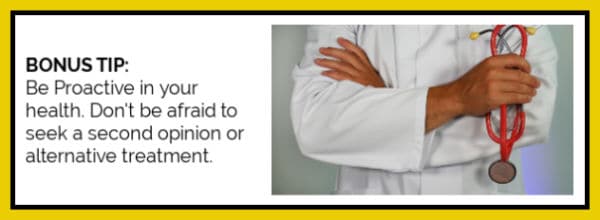
Bonus Tip: Seek alternative treatment

  1. A weakness of the legs

If, after lifting something heavy, you feel that discomfort accompanied by weakness or numbness of the legs, you could have a herniated disc. Herniated discs, also commonly referred to as “slipped discs” or a “slipped disc” can lead to severe complications if left untreated.

The discomfort of the upper back and neck and weakness of the legs also links to arthritis.

  1. Pain while breathing or shortness of breath

And upper backache that’s accompanied by shortness of breath or discomfort while breathing may be indicative of a respiratory problem.

Punctured lung caused by an injury often produces these symptoms. In any case, a physical examination at minimum is necessary.

back painFinal Thoughts: Recognize When Back Pain is a Significant Problem

Here are some indications that you should visit a doctor, per the Mayo Clinic:

– The discomfort is caused by a blow, fall, or some other sudden event.

– Your discomfort accompanies bladder or bowel difficulties

– The presence of a persistent and worsening fever.

– The discomfort is accompanied by unexplained weight loss.

Seek medical advice from your doctor when you have back pain. They will issue the diagnosis that will offer you the relief you need.

8 Easy Ways to Relieve a Migraine Naturally

If you do a Google search of the word “migraine,” you’ll find nearly 43 million results. 43 million. That’s a ridiculous number. But, then again, migraine is a lucrative condition for the world of medicine.

Per the The Journal of Headache and Pain, migraine is the third-leading most prevalent (widespread) and the seventh-leading cause of disability in the world.

Additionally, people spend nearly $2 billion (USD) on migraine prescription medication each year. Unsurprisingly, North America accounts for 40 percent of this total. The good news is that the demand for these drugs is declining. Moreover, the main reason for this decrease is the side effects.

The most commonly prescribed drug for migraine headaches, triptans, is associated with a barrage of side effects, including cognitive difficulties, dizziness, fatigue, heart palpitations, insomnia, muscle weakness, and nausea.

Also, there’s the issue of people not getting the right medication. Numerous studies have cited migraine drugs as some of the most misprescribed and over-prescribed drugs on the market.

Fortunately, there appears to be a shift in the collective consciousness. People are more open to alternative forms of treatment now than at any other time in history. Additionally, there is accumulating evidence that points to the effectiveness of treatments such as acupuncture, aromatherapy, meditation, and yoga, etc. in treating a variety of different conditions.

On such a note, here are 8 easy ways to relieve a migraine naturally:

“Migraine headache is a result of specific changes within the brain. It causes severe head pain that is often accompanied by sensitivity to light, sound, or smells.” – Danette C. Taylor, DO, MS, FACN

  1. Acupressure

According to one meta-analysis study spanning 15 years, acupressure is deemed an effective alternative treatment for various ailments, including chronic headache. Other conditions for which this holds true include labor pain, lower back pain, and pains related to menstruation.

Acupressure is similar to acupuncture in the sense that treatment focuses on the meridians (energy centers) of the body. However, as its name implies, pressure is used instead of needles.

  1. Ginger

Ginger is one of the most powerful spices in existence. Containing many nutrients, ginger works in part by blocking the release of prostaglandins, a bodily substance known to induce bouts of inflammation.

  1. Ice

While perhaps an overly-simplistic solution, ice is one of the best natural inflammation fighters. Ice is also excellent as a quick pain reliever. First, get a sealed plastic baggie. Then put in a couple of handfuls of ice cubes. Finally, apply it to the affected area and feel your pain dissipate.

  1. Lavender oil

Don’t let the incredibly pleasing aroma of lavender fool you. This potent essential oil is more than capable as a natural cure for tension and pain relief. The lavender essential oil can be applied to skin or diffused through the air and inhaled. Some research shows that the scent also helps dilate the blood vessels, normalize serotonin levels, reduce inflammation, decrease anxiety and stress, and promote sleep.

  1. Massage therapy

Various massaging techniques have proven effective in decreasing the number of migraines in migraine patients. Such massage techniques include:

  • Craniosacral therapy
  • Deep tissue massage
  • Lymphatic massage
  • Reflexology
  • Rolfing
  • Shiatsu massage
  • Swedish massage
  1. Magnesium

Get this: the regular intake of magnesium can reduce the frequency of migraine attacks by as much as 42 percent! Involved in more than 300 biochemical reactions within the body, “Mg” promotes a healthy immune system, maintains muscle and nerve function, keeps the bones strong, aiding heart health, and regulates blood sugar levels.

Excellent food sources of magnesium include almonds, Brazil nuts, cashews, eggs, milk, oatmeal, sunflower seeds, and peanut butter.

migraine

  1. Peppermint oil

Applying peppermint oil around the temples or the neck area may help relieve migraine headaches. This essential oil is also proven as an effective natural therapy for anxiety, nausea, and tension. In addition, some people report that the regular application of peppermint oil may even help to prevent migraine attacks from reoccurring.

  1. Yoga

The more time that passes, the more we continue to hear about the benefits of yoga and other meditative practices. A 2015 study found that three months of yoga brought about “a significant reduction in the impact of headache on patients’ lives, headache frequency, and severity.”

Yoga postures that may help more than others for migraine pain: bridge pose, cat stretch, child pose, downward-facing dog, and standing forward bend.

Researchers Explain Why Moms Need to Get Massages Regularly

In today’s age, it is not uncommon for the role of “Mom” to be a mom in a marriage, a single mom or a single dad acting as both parents. Whichever the case, “Being a mom is hard” almost seems like a redundant statement.  Many moms tend to think that “if they had it all together” it would be easy.  News Flash!  No, parenting is difficult regardless.

Whether you are a stay-at-home mom or a working mom, raising children is hard.  There are going to be challenges, time management issues, difficult emotions to handle, and a need for support and self-care.  Self-care is essential to avoid burnout.  One method of self-care that has multitudes of benefits is a massage.  Researchers explain why moms need to get massages regularly.

Recognizing signs of parenting burnout

Whether you are a stay at home mom or a working mom, getting burned out is a real job hazard.  It can affect you, your job, your children, and your significant other.  One study based in Belgium demonstrated that 13-14% of parents reach some stage of burnout.  A poll conducted in 2018 showed that out of 2000 parents from the United States and Canada, 60% had experienced burnout.

In both of the studies, pressures from work, society, finances, and the feeling they needed to be perfect in everything they do contribute to the burnout.  These pressures also led to eliminating self-care from their life.

Each situation can be a little different in the emotions felt and the effects it has.  Another study published in 2019 demonstrated that burnout contributed to a desire to distance oneself from their child or escape ideation, child neglect, and violence.  This study is leading the push for corporations and parents to take burnout more seriously. Also, society as a whole is putting further emphasis on self-care and changing the expectations towards parenting roles.

It is crucial to be able to recognize the symptoms in yourself, your partner, and in other parents.

  1. Extreme and overwhelming exhaustion
  2. Emotionally distancing yourself from the child(ren)
  3. Feeling like a “bad” parent; worthless, ineffective, lacking,
  4. Intense, sometimes paralyzing, guilt
  5. Depression and anxiety
  6. Emotional outburst unrelated to circumstances
  7. Neglecting the child(ren)
  8. Abusive behavior toward the child(ren)
  9. You question your life, your goals, your choices, your ability, your purpose.
  10. Difficulty focusing at work, unable to perform tasks as you should
  11. Dreaming of getting away from the home if you are a stay-at-home parent

How can you avoid burnout?

Burnout is not inevitable for moms or parents.  Some steps can be taken to avoid it.  The first giant step is in your mindset related to two big subjects; expectation and self-care.

Addressing expectation related to parenting

One of the most significant factors contributing to burnout was related to how moms or parents feel they have to be perfect at everything.  Is that even possible? Not for anyone – parent or not.  Give up on that fantasy.  Society needs to throw that idea out the window and stop having those expectations toward parents.  On the other hand, parents need to be willing to show and talk about how they aren’t perfect.

Their house is a mess, laundry is still in the dryer or the hamper, and that cooking just didn’t happen today, so they swung by McDonald’s.  The expectation of this perfect image works both ways.  Moms and parents need to be honest about their life so that other parents know they aren’t alone, and society can change to reflect it properly rather than holding onto an antiquated idea.

Ridding ourselves of these impossible standards can also help rid us of the feelings of guilt.  Guilt has a nasty effect on the human psyche.  It tends to make us resentful, defensive, overreactive, overly emotional, and able to be manipulated. In some cases, it is paralyzing.  None of these are healthy emotional and mental states to have while being a mom or a parent.

Addressing self-care related to life

I recognize that after just writing a brief paragraph regarding lessening our expectations, and then to follow it up with “do this” seems like a slap in the face.  You might be thinking, “Oh great, don’t do laundry but do self-care.  Just a different line on the to-do list”.  Humor me and read this through first, and I promise it will be worth it.

I recently saw a video on self-care on Facebook.  It paralleled self-care in regard to when you’re told to put the oxygen mask on yourself first when you are on an airplane and the masks dropdown.  A mother’s or parent’s instinct is usually to protect the child first.  It seems like the wrong thing to do.  Your child is relying on you to protect them and care for them.  However, that is something you can’t do if you are unconscious, or worse because you didn’t take care of yourself. It really is that simple and applies to our daily lives.

We all know the repercussions of lack of sleep, not eating right, and chronic stress on our health.  Yet that becomes the staple of the mom diet if you don’t take control and make a choice to make yourself a priority.  It doesn’t only put your health at risk. It will take you longer to make sound decisions, slow your reflexes, decrease your ability to focus and concentrate, handle stress, and impair memory.  Those are all abilities that are essential to being able to parent effectively.   It is counter-productive to being a parent to not take care of yourself.

Don’t feel guilty about putting your needs first.

Don’t worry, you are not neglecting your children.

  • You are showing them that self-care is essential and that you are important.
  • You are showing them good habits for their health and healthy coping strategies
  • Additionally, you are teaching them that you are a person with your own dreams and how to obtain them.
  • You are ensuring you can spend quality time with your children later in the day without being exhausted or overly reactive.
  • Finally, you are ensuring you will be alert and calm to drive them to their destinations

You are not neglecting you.

  • You are ensuring you have the right state of mind to effectively get tasks done in less time because you are rested, can sustain your energy, or did something to de-stress.
  • Just as importantly, you are enforcing priorities. Dirty underwear is not more important than you are.  Not to yourself, your partner, and certainly not your children.

Methods of self-care

Self-care takes on many forms.  It can range from therapy, taking time to journal, going to the gym, meeting a friend for coffee or lunch, going on a date with your partner, or taking a walk.  The important part is to schedule it and stick to it.  Teach your children that at this time, mom is going to do “this.”  At first, it may take some time as the children need to learn, but it is possible.

You may need to recruit your partner to fill in or ask a friend, family member, or a babysitter to watch the kids.  Maybe just sit your kids in the living room to play or watch TV while you are in your bedroom with the door shut or outdoors.  The point is that it can be done.  Once you have made it as much of a priority as your children are, you can do it.

moms and strong womenMassages as self-care

We all know that we carry stress in our bodies.  We feel it in the tightness of our neck, shoulders, or back.  At times, we notice the change in our digestion and metabolism, sleep and mood change.  These are all signs of stress.  Getting a therapeutic massage not only helps to release that stress from our bodies, which in turn releases the tension from our minds.

Massages have been proven to aid in our overall health, physical, mental, and emotional.

  • Aids in reducing anxiety
  • Decreases incidences of headaches
  • Reduces muscle tension, soreness or strains
  • Helps with digestion
  • Helps with sleep difficulties related to stress
  • Decreases symptoms of arthritis
  • Increases “feel good” hormones
  • Increases immune system
  • Decreases pain

Additionally, there is a calming effect from touch.  It gives us a sensation of comfort and caring, which everyone needs, but especially a mom or parent.  It also allows you “away time” from home, and many massage therapists are pleasant to talk to.  There are a variety of massages that you can choose from, and they can take as little as 15 minutes for a quick neck rub or up to an hour for an intensive all over body massage.

moms

Final Thoughts on Why Moms Should Get Massages and Take Time for Self Care

Moms or parents do get burned out, and it affects every aspect of their lives and their children.  Breaking old expectations and ridding ourselves of the unrealistic expectation of being perfect in everything could go a long way in preventing this.

Self-care to help treat it is also a lifestyle that, when passed on through example, could potentially avoid burnout for future generations.  Researchers have explained why moms need to get massages regularly, and the benefits speak for themselves.

Start treating yourself to a massage and other forms of relaxation, space, and personal growth and see what a difference it can make on your life, and your children. It’s okay to escape feeling like “mom” for an hour or two!

21 Ways To Control Blood Sugar And High Cholesterol Naturally

Those looking to take charge of their health after receiving a diabetic diagnosis may wonder how to control blood sugar naturally. Whether you have diabetes or your doctor has advised you that you need to make lifestyle changes to avoid becoming diabetic, there are multiple ways to control blood sugar you can implement starting today.

Being told you have high cholesterol can be just a frightening as having issues with blood sugar. Cholesterol levels have a direct impact on heart health, and ignoring your doctor’s warning could lead to significant health issues down the road. The good news is there are simple changes to your lifestyle that will resolve high levels, and most of the steps listed below that help control blood sugar will also lower cholesterol.

1 – Exercise

Higher rates of diabetes and heart disease are associated with a sedentary lifestyle. Exercising just thirty minutes a day, five times a week can give you all the exercise you need to control blood sugar and lower cholesterol. According to a 2008 study, after one week of aerobic exercise participants with type two diabetes, whole-body insulin sensitivity improved.

2 –  Fiber

Because your body converts carbohydrates into sugars that enter the bloodstream, carbohydrate metabolism plays a crucial role in controlling blood sugar levels. Foods high in fiber are low in digestible carbohydrates. Foods that digest slowly cause blood sugar levels to rise slowly, preventing sudden spikes.

Fiber also aids in cleaning plaque-laden arteries.

3 –  Control Stress

Stress can cause blood sugar levels to fluctuate. Depending on the triggers, physical pain, or mental stress, your blood sugar levels can rise or decrease. A well-known side effect of stress, memory issues, can cause you to lapse in your diabetic care routine. Breathing exercises, mindfulness meditation, yoga, and making time to do things you enjoy that relax you are self-care measures you can take to eliminate or reduce stress.

4 – Water

Staying hydrated is vital to your overall health, but did you know that a study revealed that drinking more than thirty-four ounces of water a day resulted in a twenty-one percent decrease in the chances of developing hyperglycemia for study participants? This was in comparison with those who drank sixteen ounces or less daily.

5  – Apple Cider Vinegar

Apple cider vinegar is a powerhouse when you want to take charge of how to control your blood sugar naturally. According to a study that involved participants from three different diabetic groups, apple cider vinegar consumed after a meal significantly reduced blood sugar levels. Because apple cider vinegar can increase the time that food remains in the stomach undigested, it’s not suitable for those with type one diabetes.

6  – Garlic

Proven to be beneficial for lowering cholesterol, garlic may also have a positive effect on how to control blood sugar naturally. According to a 2006 study, garlic may reduce the risk of atherosclerosis as well as lower blood sugar. Garlic has also been shown to reduce insulin resistance.

7  – Fenugreek

Fenugreek helps to control blood sugar by slowing the digestion of carbohydrates. A study showed that fenugreek seeds soaked in hot water significantly improved participants’ cholesterol and blood sugar.

8 – Maintain Healthy Weight

Having a body mass index of 25 or higher puts you at risk for diabetes. Your body cannot properly regulate blood sugar levels if you are overweight or obese. A weight loss of five to ten percent can help regulate blood sugar and significantly reduce your chances of developing type two diabetes.

9  – Pay Attention to Glycemic Index

The glycemic index (GI) assigns a number to carbohydrates in foods based on the effect those foods will have on blood sugar levels. Paying attention to the glycemic index of foods can help to balance blood sugar as well as aid in weight loss.

  • Low GI: 1 to 55
  • Medium GI: 56 to 69
  • High GI: 70 and higher

10  – Quit Smoking

Quit smoking if you want to make significant gains on how to control blood sugar naturally. Smoking can increase your blood sugar by making your body insulin resistant. People with diabetes who attempt to quit smoking may find that they have trouble with increased blood sugar. Regulate blood sugar by focusing on adopting an exercise plan and a healthy diet before quitting smoking.

Smoking is also known to raise triglycerides and LDL, the bad cholesterol. It lowers the good cholesterol known as HDL. After quitting smoking, your cholesterol levels should improve.

11  – Eliminate or Reduce Alcohol Consumption

Alcohol reduces the effectiveness of insulin, and it can also alter blood sugar levels. Limit your alcohol consumption to two drinks per day and space them out to give your liver enough time to process the beverages. If you have blood sugar issues, you should avoid sugary mixed drinks.

12  – Cinnamon

This commonly used spice has had several studies performed to determine its benefit for those who wish to improve blood sugar as well as lower cholesterol. A 2003 study revealed that cinnamon could reduce blood sugar with the effects lasting even twenty days after participants stopped taking it.

13  – Fruits

The naturally occurring sugar in most fruits may deter some from increasing them in their diet. While it’s true that fruits have sugar, these sugars are not the same as processed sugars, and the body metabolizes them differently. Containing lots of water, fiber, and anthocyanins, fruits such as blueberries and blackberries can slow digestion and prevent spikes in blood sugar.

14  – Omega 3

Omega-three fatty acids may aid in regulating blood sugar by increasing adiponectin levels. Adiponectin is a hormone involved in regulating glucose levels. You can get omega-three fatty acids from supplements or fish.

15  – Sleep

Getting adequate sleep plays a vital role in how to control your blood sugar naturally. Lack of sleep increases blood sugar. Not getting enough sleep also causes your body to produce cortisol, which affects how insulin works. Schedule a minimum of seven hours of sleep each night.

16  – Whey Protein

According to a 2017 study, whey protein was found to reduce blood sugar in participants who weren’t obese. Found in milk and dietary supplements, whey protein regulates blood sugar by stimulating the production of insulin.

17  – Cut Out Processed Foods

Because what we consume is such an essential factor in how to control blood sugar naturally, eat as close to a whole foods diet as possible. This means reducing or eliminating processed foods and increasing whole grains, fresh vegetables, and fruits. Processed meats, sugary cereals, and canned fruits are some of the worst foods for those needing to control blood sugar. Find healthy alternatives to the processed foods you commonly eat.

18  – Green Tea

The polyphenols in green tea have been shown to lower blood sugar and cholesterol. Green tea polyphenols inhibit a digestive enzyme that turns starch into simple sugars. Drinking just a cup a day could yield blood sugar controlling results.

19  – Ditch Artificial Sweeteners

Artificial sweeteners such as aspartame, saccharin, and sucralose may appear to be a great alternative to processed sugar, but they are not. These artificial sweeteners raise blood sugar by affecting the good bacteria in your gut despite all three sweeteners being made of different compounds. Ditch diet sodas and avoid these sweeteners to control blood sugar.

20  – Monitor Glucose Levels

A critical step in how to control blood sugar naturally is knowing what your blood sugar levels are. If you have diabetes, you should be testing your blood sugar daily. Regularly monitoring your levels allows you to adjust dietary or lifestyle changes you may have recently made.

21  – Meal Plan

How to control blood sugar naturally starts with prevention. To avoid dips and spikes in blood sugar, plan your meals. Busy lifestyles and stress can make it easy to forget to eat or can cause us to overeat. Planning your meals a week in advance can reduce the chances of skipping meals because you’re too busy or stuffing yourself because you’re starving from skipping meals.

how to control blood sugar naturally

The focus shouldn’t only be on how to control blood sugar naturally. Planning meals low in saturated fats and high in fiber will help to lower your cholesterol.

Final Thoughts on Gaining Control Over Your Blood Sugar

There are many practical things you can do to get blood sugar under control and lower cholesterol. You may find after adopting these tips, other areas of your health improve dramatically. Remember, how to control blood sugar naturally is not complicated.

These changes are not one and done solutions in controlling blood sugar. Your approach must be long-term, with the ultimate goal being lasting health. Small daily improvements are the key to amazing long-term results. Choose a few suggestions off this list and start making changes today.

https://www.youtube.com/watch?v=yG-G9_LOkLA

10 Probiotics Every Woman Needs

Are you ready for a shocking fact? We humans carry more bacterial cells in our body than human cells. This concentration of bacterial cells to human cells is especially pronounced in the digestive tract or gut. Enter probiotics.

Probiotics are microorganisms (bacteria) that your body needs for optimum health. Probiotics constitute the “good bacteria,” “healthy bacteria,” and “helpful bacteria. ” You will often hear mention of these in the media, health magazines and books, and other outlets.

The roles of probiotics can vary between men and women. In this article, we’re going to focus on the importance of probiotics in women. Including the ten essential probiotics that every woman needs.

We’ll also provide a brief history of probiotics, the differences between “probiotic-labeled products” and cultured products, and the science of probiotics.

Quick note. Because probiotics are strains of bacteria.Yes, bacteria, but don’t worry! In fact, there are a bunch of un-pronounceable, super-scientific-y words here.

The author has included shorthand labels for the strain where available. Otherwise, don’t worry about how to say the strain’s name. Make sure you write the name of the strain and shorthand label if you wish to shop around for a probiotic supplement.

A Brief History of Probiotics

The word ‘probiotic’ stems from the Greek word pro, or “promoting,” and biotic, meaning “life.”

And indeed, probiotics do promote life in various ways as we will soon find out.

Elie Metchnikoff, the “Father of Probiotics, coined the term “probiotic.” Metchnikoff theorized that manipulating the intestinal microbiome could enhance health and delay the mental slowness associated with old age (senility). Indeed, scientific research has supported and expanded upon Metchnikoff’s findings.

gut health

Distinguishing between ‘cultures’ and probiotic products

In a 2013 meeting, the International Scientific Association for Probiotics and Prebiotics (ISAPP) defined probiotics as “live organisms that, when administered in adequate amounts, confer a health benefit on the host.” As a result of the proliferation of probiotic products, the ISAPP added stringent restrictions on products advertising probiotic ingredients on their packaging. We won’t go into too much detail about this. let’s just to say that products marketing probiotics as an ingredient must abide by scientific criteria for any health claims made.

Products that do contain probiotics, though they may not advertise as such, are numerous. These products include yogurt, kefir, sauerkraut, tempeh, kimchi, miso, kombucha, pickles, traditional buttermilk, natto, and certain cheeses (e.g., gouda, mozzarella, cheddar, and cottage cheese).

The Science of Probiotics

“Probiotics…help combat harmful bacteria, aid in absorbing nutrients and proper digestion, promote a strong gut lining, reduce infections and inflammation … and optimize mood.”   ~ Frank Lipman, M.D.

Most scientific research into the health benefits of probiotics focuses on those about the digestive tract and immune system. Many studies have also linked probiotic intake with various other benefits, including the following:

– lower risk of gastrointestinal disorders

– enhanced immune system function

– relief of constipation

treatment of cough-related illnesses

– preventing insect bites, particularly mosquito bites

However, additional studies are demonstrating that probiotics may also have a positive psychological effect. A meta-analysis of 10 studies on the effects of probiotics on anxiety published in the Journal of Neuropsychiatry is just one example. In the study, researchers found that certain probiotic strains, including ‘R0052,’ ‘R0175,’ and ‘NCC3001’ reduced anxiety activity in both rodents, with some demonstrating “beneficial psychological effects” in humans.

The Gut, Probiotics and Mental Health

“A troubled intestine can send signals to the brain, just as a troubled brain can send signals to the gut. Therefore, a person’s stomach or intestinal distress can be the cause or the product of anxiety, stress, and depression. That’s because the brain and the gastrointestinal system are intimately connected.”  ~ Harvard Health (source)

It’s no secret that our mental state can influence our gut. Anyone stressed-out is familiar with “knots in the stomach.” Those with an anxious predisposition are well-acquainted with “butterflies in the stomach.”

However, the notion that our gut influences our mental state is a relatively new phenomenon. And one that has the utmost importance for the health of our body-mind system.

Crucially, research scientists have discovered and proven an inherent relationship between the gut microbiota and mental health. While a thorough examination of this association is beyond this article’s scope, a rudimentary explanation and understanding is nonetheless vital.

The simple fact is that our mental health is a product of multiple factors, including gastrointestinal. It has been discovered that our gut produces neurotransmitters. Neurotransmitters are elaborate substances (e.g., acetylcholine, dopamine and serotonin) that enable communication across various parts of the body.

Of course, these same neurotransmitters are manufactured in the brain. Therefore, communication between the gut and brain is both inevitable and constant.

The largest concentration of nerve cells found in the gut are those of the vagus nerve. The vagus nerve is critical for activating parasympathetic information transmission throughout the entire body.

Understanding the nervous system

Scientists also refer to the parasympathetic nervous system (PNS) as the “rest and digest” system. That opposes to the sympathetic nervous system (SNS) that heightens the senses by triggering the “fight or flight” response. The PNS is necessary to counterbalance the “wired” effects of the SNS system.

So, theoretically, a “faulty” vagus nerve resulting from a lack of probiotics could certainly impact our emotional and mental health.

Again, comprehending this relationship is critical. Both to the main topic of this article and your individual health. Please ensure that you have a good understanding before continuing.

Alright then! “Smoke ‘em if you got ‘em!”

probiotics

The 10 Probiotics that Every Woman Needs

“In my female patients, some of the benefits I’ve observed are clearer skin, improved bowel movements, a reduction in bloating, and less yeast overgrowth…”

~ Vincent Pedre, M.D. (source)

1 – Bifidobacterium

Bifidobacterium (you’ll be forgiven if you can’t pronounce these) is an anaerobic bacteria in the gastrointestinal tract, mouth, and vagina. Some bifidobacteria are used as probiotics.

Bifidobacterium helps to boost the immune system and helps increase the absorption of the nutrients calcium iron, magnesium, and zinc. It might also promote vaginal health.

2 – L. rhamnosus ‘HN001’

rhamnosus HN001 is an intestinal bacteria that help to produce the enzyme lactase, which breaks down lactose into lactic acid. HN001 is also one of the most beneficial probiotics for pregnant women and breastfeeding.

A meta-analysis of five studies consisting of 294 women concludes that L. rhamnosus was effective at preventing urinary tract infections (UTIs) in females. Another strain of L. rhamnosus effectively kills harmful bacteria in the urinary tract.

3 – L. fermentum

A few strains of L. fermentum demonstrate infection-fighting capabilities in women. Another study shows that one probiotic strain, ‘RC-14’, was found to be effective in preventing and treating urogenital infections in women. Urogenital infections are those that affect urinary and/or genital structures.

4 – L. reuteri

L. reuteri is located at various bodily places, including the gastrointestinal tract, skin, urinary tract, and breast milk. L. reuteri is among the most potent probiotic strains for reducing and preventing inflammation.

Per a study published in the journal Frontiers in Microbiology, the three primary benefits of L. reuteri are:

– The production of antimicrobial (antibacterial) molecules

– Strengthening of the immune system and promoting healthy blood cell formation

– Reinforcing the barrier capabilities of the intestinal wall, thereby concentrating the numbers of antimicrobial cells in the gut.

5 – S. boulardii

This probiotic helps with several GI symptoms. These include bloating, diarrhea, and gas.

Further, according to a study published in the journal Therapeutic Advances in Gastroenterology, the probiotic is implicated as effective in treating GI diseases characterized by inflammation.

6 – L. GG

Besides being the probiotic with the simplest name on this list, L. GG also offers numerous health benefits.

Per a study published in the journal Microbial Cell Factories, L. GG is one of the most – if not the most – effective probiotic for the treatment and prevention of GI-related symptoms.

Moreover, baby milk including the strain might reduce the risk for caries (a progressive bone disorder) development in infants and children.

7 – Lactobacillus

Lactobacillus contains multiple species. Most live in the digestive, genital, and urinary symptoms. You’ll often find this probiotic in fermented foods such as kefir, yogurt, and dietary supplements.

In a 2015 study of 40 Scandinavian women, the administration of the ‘DSM 14870’ and ‘DSM 14869’ strains of lactobacillus resulting in positive clinical outcomes. Specifically, a 50-67% cure rate of bacterial vaginosis (BV) and an 89-100% cure rate of recurrent vulvovaginal candidiasis (R-VVC).

8 – L. gasseri ‘BNR17’

BNR17’ is a trademarked strain of L. gasseri bacterium isolated from human breast milk. Impressively, this probiotic strain has earned approval from the South Korean FDA.

According to the UAS Laboratories website (the manufacturers of the ‘BNR17’ strain), multiple studies have demonstrated the following benefits of the probiotic:

– Improved waist and hip circumference

– Manages weight effectively by supporting a healthy body mass index (BMI)

– Provides support of the digestive system, resulting in improved quality-of-life scores

– Supports healthy maintenance of visceral fat stored in the abdomen

9 – B. Lactis ‘HM019’ and ‘HN001’

B. lactis, a lactic acid bacteria, performs several functions. Among these functions: absorbing nutrients, breaking down food into smaller components, and fending off the proliferation of “bad” bacteria.

The B. lactis strains ‘HN019’ and ‘HN001’ may promote healthy immune system function in nursing and pregnant women.

10 – L. salivarius ‘FV2’

L. salivarius is produced in the saliva of the oral cavity.

Per a study published in the journal Obstetrics & Gynaecology, the strain ‘FV2’ is said to “help the host overcome infection, maintain vaginal health, and prevent infections of the reproductive tract.”

‘FV2’ (along with the L. plantarum ‘FV9’ strain) are often selected for treatment of bacterial vaginosis. Vaginosis is the clinical term for any disease or infection of the vagina.

probiotics

Final Thoughts on Probiotics

Women need probiotics. Because women face juggling heavy workloads, children, their partners, and more, many fail to take care of themselves. But keep your probiotics well-fed, and they will look after you.

15 Things to Know if You Love a Capricorn

When it comes to loving a Capricorn, there are numerous things that you really need to know.

The best way to describe the intricacy of loving Capricorns is this quote:

“Every heart sings a song, incomplete until another heart whispers back. Those who wish to sing always find a song. At the touch of a lover, everyone becomes a poet.”  ~Plato

Capricorns are one of the zodiac’s most practical, earthy, and introspective signs. They are also persistent, ambitious, and quite determined. However, when it comes to love, Capricorns are very secretive. As a matter of fact, it can be not easy to interpret how they are feeling.

Even when Capricorns are in love, they have a casual disposition, which can be downright perplexing. Likewise, these types are not fond of displaying their emotions. Quite the reverse, they will generally have a poised and stable nature.

However, other characteristics outshine their cool and collected selves. Here are fifteen things to know if you love a Capricorn:

14 TRAITS YOU CAN EXPECT FROM CAPRICORN

capricorn sign

1 – Goal Oriented

Capricorns always focus on the reward at the end of the road. Whether it’s a nice office downtown or a simple baseball cap, they conquer their goals. Oftentimes it appears that they’re scattered and confused, when in fact they have a method to their multi-tasking.

Besides, this sign likes to be “on”, especially when negotiating a new business deal. In honesty, Capricorns are relentless when it comes to getting what they want. They will stop at nothing and will not waste time. If you are on their list of “wants,”; you will definitely know it.

2 – Brutal Honesty

One of the benefits of dating this star sign is that they will always tell you the truth. However, their honesty is not always in their favor. They don’t know the meaning of “the truth hurts.” Likewise, they are not always a crowd pleaser and will often say the wrong thing when being truthful.

Capricorns can also sense when someone is not honest. So if you want to keep Capricorns around – always be genuine and never have false pretenses.

3 – Capricorns Have High Standards

Those born under this sign have lofty standards. They don’t desire a road trip to the beach–they want the luxurious Mediterranean getaway.

Additionally, this zodiac sign places great importance on reliability, achievements, and living the good life. They also want a partner that has the same standards.

Capricorns are not too finicky about how much money they make or their intelligence. However, they require someone who can carry on an interesting conversation when they finally take a break from work.

4 – Capricorns Are Hard Workers

When compared to another zodiac sign, this sign ranks as one of the hardest workers. Their work is an obsession. It’s because they need stability and financial security. In addition, don’t expect their days off from work to be reserved for adventure. Generally, their weekends are filled with side jobs or new ideas.

If you’re in love with a Capricorn, it doesn’t hurt to remind them to take a break occasionally. In truth, they will be thankful that you helped them escape from their daily grind. Because they don’t always know when to stop and take a break.

5 – Fiercely Competitive

A keyword to describe this zodiac sign is competitive. To top it off, they are smart and intellectual, making them daunting competitors or excellent colleagues. In truth, it is best to be on their side and not on the opposing team.

If you’re in love with the magnificent Capricorn, make sure to leave your pride and heart aside when it’s game night. They are fierce competitors and will likely win at Scrabble, Chess, and other competitive board games. If your relationship or pride cannot handle continually losing, then it is best to skip game night and seek other pastimes together.

However, if you play on a sports team, your love will make the perfect mascot or your favorite loudest cheerleader. In fact, they’ll be your biggest supporter and will be a boisterous onlookers in the stands.

6 – Reliable and Loyal

Capricorns are very family-oriented and committed to their people. Frequently they spend more time with their family than with you. It is wise to be a little independent and carefree. Otherwise, their commitment to the family may cause unnecessary friction.

They also expect you to love all their family and friends. It is considered an honor if they invite you into their family. You can also gain extra brownie points when you help clean up after an event or dinner.

When Capricorns are in love, they are very devoted and passionate. According to Astroyogi on Capricorns Lovers, there is no need to worry about stability and loyalty when a Capricorn is in love with you.

7 – Committed to Their Loved Ones

Capricorns are quite loyal. Besides, having more than one relationship takes too much time away from work. They are also slow in making commitments. This sign wants to be absolutely sure that you are worth it. If they are dating you, then it is a good indicator that they like you. Once they take the plunge into a relationship, they are very committed.

Underneath the thick layers of skin, Capricorns are really quite sensitive. Once they show you their heart, know that they are serious, loyal and dedicated.

zodiac sign

8 – They Will Show You Their Sensitive Side

There are certain clues to look for when you want to know if this dedicated person likes or possibly loves you. One of the first indications that show they care is when they expose their sensitive side. The sign is renowned for its stability and can often have a serious disposition.

You will discover that Capricorns are quite sensitive once you get to know them. They will divulge their feelings a little at a time. Respectively, Capricorns will be very attentive and learn everything about you. Also, you can count on them when you need a shoulder to lean on.

Another indicator that they like (or love) you is when they are nurturing. This zodiac sign is concerned about being a good provider. Capricorns also like to show you that they care about the world around them.

9 – They Will Be Shy at First

Capricorns have an elusive approach to love. They are often quite shy when meeting new people. On the other hand, once they have the full “scoop” on the situation they’re able to make the first advance on the person they like.

Although Capricorns make the first move, they will develop a relationship slowly. Sometimes it can be weeks or even months before they contact you again. Don’t worry! This type of courtship is typical of Capricorns.

In truth, Capricorns like to savor every moment. They don’t want to hurry the first stages of a promising romance.

10 – They Will Adjust Their Work Schedules to See You

Capricorns are one of the hardest workers in the zodiac. A good indicator that they care for you is when they adjust their work schedule to be with you. This sign is a workaholic! If you happen to work a lot, Capricorns are sympathetic and will understand. You can count on their full support.

Capricorns will desire to be with you so much that they will rearrange their work-life balance when in love. In fact, they will even leave work early so they can spend more time with you. To top it off, there will be weekend retreats that are spontaneous and impulsive. According to Love to Know, you will know they are interested in you when they change their plans so that their plans revolve around you.

Remember, when they desire to spend all their time with you and skip some of their work, then you know that are falling for you.

11 – Capricorn Will be Thoughtful and Share Their Desires

The first impression of your love is that they are all about business. However, underneath their ordinary exterior is a fulfilled and rich well-being. When Capricorns like you, they will express their deeper emotional selves. In addition, they will enjoy long intellectual talks with people they are attracted to.

Expect to talk in-depth about psychology, philosophy, and symbolism with Capricorns. They express the desire to find a deeper meaning in life. However, they only express these feelings to the people they care for.

When a Capricorn loves someone, they will tell you how they feel about everything. Their thoughts and feeling will be all-inclusive. Capricorns will also want to hear your ideas about the meaning of life.

Capricorns in love will also try to analyze romance. In fact, they can be entirely rational about the meaning of love and love talking about it.

12 – They Want to Talk About the Relationship

Capricorns like boundaries. If they like you, they want to discuss the relationship arrangement. For example, they want to know what to expect, what you like, what you don’t like, and so forth. At all costs, they want to avoid misunderstandings.

Besides that, Capricorns want to make you feel content and desired. Once everything is “organized,” they are capable of relaxing and open to love. However, Capricorns will first make sure no important rules are being broken.

When your love finally sets boundaries, they show you they respect and admire you. Count your blessings when they add boundaries and structure to the relationship; they like you!

13 – They Will Separate Sex from Love

Capricorns are renowned for being giving lovers. Yet, when Capricorns like someone, they separate love from sex. In truth, they will take their time when it comes to matters of the heart. But they will give of themselves freely when it comes to casual affairs.

Truthfully, when Capricorns fall in love, they take intimacy quite seriously. They will relish every minute of courtship before sleeping with someone. Capricorns separate the physical desire from the romantic foundation that they wish to build with you.

Also, when Capricorns decide to be with you, it will be very well-planned and romantic.

capricorn zodiac sign14 – They Will Be Playful

Capricorns are very playful when they decide that they like you. Their wit and dry sense of humor will keep you laughing and entertained. Their objective is to keep things on the lighter side, so you are happy. Frankly, Capricorns will often take on life’s burdens so that you remain content.

Capricorns are also very affectionate. They love to show affection. You can expect a lot of touching and kissing. Often there is a lot of public affection when they fall in love. As well, they are proud of you and want to show you off.

15 – They Will Let You Take the Lead

Capricorns love independent partners. They take pride in their partner when they have goals and careers. In fact, they find it very attractive when you are independent and not afraid to voice your beliefs.

Capricorn men are attracted to a robust and powerful woman and will let you take the lead. They want to be fair and equal. In fact, when in love they do not mind if their partner is the boss (regardless of gender). In fact, the male Capricorn finds a strong woman quite attractive.

capricorn season

FINAL THOUGHTS ON LOVING A CAPRICORN

Falling in love with a Capricorn can be a complicated ride. But hang on for the duration of the journey. You’ll find it worth savoring every second of your time.

12 Things Never to Tell Your Kids

Children learn by example, period. How you act, what you say, and personal shortcomings – if done within the earshot or eye line of a child – is prone to replication by your kids.

Unfortunately, far too many parents disregard or downplay the susceptibility of the child’s brain. Out of ignorance, these parents ramble on, curse, and even verbally abuse one another in a child’s presence. Caught up in their own internal world, the adult fails to self-monitor for the sake of the child.

On the flip side, good behavior and speech are just as prone to replication. A child, after all, looks at their parents as role models. “Oh, this is how I’m supposed to talk?” “This is the way I’m supposed to act?.” “Okay, well, if Mommy and Daddy are doing it, it must be right.” Make no mistake, this is how every child perceives their parent’s actions until they know better.

In this article, we’re going to discuss twelve things never to tell your kids. As to gain an understanding of why restraining speech is paramount, we’ll provide a rudimentary discussion on child psychology.

The Child Brain

“Early experiences affect the development of brain architecture, which provides the foundation for all future learning, behavior, and health.”

~ Center on the Developing Child, Harvard University (source)

To say that the human brain is remarkable is putting it lightly. The adaptability, growth, and sheer complexity of the human brain is impossible to fathom.

Get this: In the first five or so years in life, the child brain forms over 1 million new brain cell (neuron) connections every second. Every second. Astonishing.

This immense growth helps to explain why these first fear years are so vital to development.  The combination of genes (which “provide the blueprint”) and experience (which “constructs the building”) serves as the mechanism which forms the child’s brain architecture. We will primarily focus on the latter.

Serve and return

Psychologists use the phrase “serve and return” to describe the child-parent interactions that shape the brain architecture of children and infants. An infant or young child “serves” by babbling, crying, or gesturing; the parent “returns” by responding appropriately with eye contact, a hug, and/or words. Or they don’t. Or they “return” in a way that stunts the child’s communication, social skills, and other pertinent functions.

This serve and return relationship is absolutely vital to a child’s development. When adults and parents place importance on this relationship, the child (and parent) benefits. So when parents, for whatever reason, do not, the child is deprived of an environment conducive to emotional and psychological health.

“When adult responses to children are unreliable, inappropriate, or simply absent,” states the Harvard University Center on the Developing Child website, “developing brain circuits can be disrupted, affecting how children learn, solve problems, and relate to others.”

12 Things to Never Tell Your Kids

“The words with which a child’s heart is poisoned, whether through malice or through ignorance, remain brained in his memory, and sooner or later they burn his soul.”

~ Carlos Ruiz Zafón, The Shadow of the Wind


  1. “Hurry up!”

When a child is continuously told to “Hurry up!” they become super sensitive to fluctuations in their parent’s mood. While this may sound rather harmless, psychologists state that aggressively telling a child to hurry causes additional stress.

Instead, you may want to try turning your frustration into a game. “Who can get their shoes on first?!” “Bet I can get to the car faster than you!”. You get the idea.

  1. “Don’t talk to strangers.”

While telling a child to avoid people they don’t know sounds like good advice, it can backfire. For example, if someone’s nice to your child, they may think that they’re not “strangers” anymore.

Instead, imagine a situation and ask your child what they would do. “If a strange man pulls up in a car and tells you to get in, what do you do?” Another strategy is to issue a wide ultimatum and keep repeating it until the child remembers it. For example, “If anyone ever makes you feel afraid, confused, or scared, you need to ignore them.”

  1. “I’ll do it” or “Let me help you.”

It can be challenging to see our beloved child struggling with something, especially when they’re putting their hearts into a problem. “If you jump in too soon,” says Myrna Shure, Ph.D., and professor of psychology at Drexel University, “that can undermine your child’s independence because he’ll always be looking to others for answers.

Try to help the child by offering some advice or asking a guiding question relevant to the task at hand before jumping in.

  1. “I know you didn’t mean to do that.”

Do you really know this? Be careful here. If you unknowingly profess ignorance regarding some unfavorable action, your child may be inclined to try and get away with it again – or something else.

Of course, if a child feels incredibly guilty about something that you know they didn’t do, that’s a different story. By all means, offer comfort and support.

  1. “I’ll turn this car around.”

This one is all about empty threats. When your child misbehaves, do you actually turn the car around so that they think twice?

Perhaps a more important question to ask is: why are they misbehaving in the first place? Children misbehave for several reasons, some of which are overlooked by parents.

  1. “I’m so fat/ugly/stupid.”

In early childhood, the concept of self-image is foreign. Babies and young kids don’t think about how they look. How should they judge themselves and others? By how much fat they have? By physical appearance? Or by inherent intellect?

This is the message we’re sending when we complain about being fat, ugly, dumb or any other self-defeating language in front of a child.

  1. “Pay attention!”

Okay, so it is imperative that a child learns to pay attention. The crucial skill of attention is relevant to any life success. However, far too many parents tell their children to pay attention without ever teaching them how to pay attention.

A child’s brain develops from the bottom up, meaning that the most primitive brain circuitry (e.g., the amygdala, hippocampus, etc.) comes first. Areas of the brain that control attention develops far later on. In fact, scientists now think that the “rational” part of the brain isn’t fully developed until age 25!

As such, it is crucial to teach the child (a) what attention is, and (b) how to give it.

  1. “Shut up!”

Woah! A couple of things: (1) it’s a kid, and (2) the language is harsh. While kids can be loud and disruptive, setting the rules and correcting behavior early on can help to avoid this sort of outburst.

  1. “You tried your best…”

Eh, did they? Again, be careful here. Kids are as capable of appearing to “work” hard as adults. If a child thinks they can get away with “making appearances,” they may be tempted to put off challenges under the guise of “trying their best.”

Another thing: even if they did try their best only to come up short, do you really want to equate their “best” with mediocrity? At such a young age, kids are always capable of becoming better.

  1. “You’re so smart!”

If a child is precocious, it’s natural to want to praise them for their gifts. We’re proud, and we want to let them know. “Saying that thing to children actually can work against their striving to learn,” says Dr. Tovah Klein, Director of the Barnard Center for Toddler Development.

Instead, voice your approval regarding a child’s work ethic. As necessary, encourage them to keep going.

children

  1. “You’re too clumsy/lazy/shy.”

Okay, so the first and third are, arguably, personality traits. Personality traits can be difficult to overcome without [1] extensive, deliberate practice, and [2] a desire to change. The child should be the one to make these choices to change, not you.

Regarding the second, where did the child learn that it’s okay to be lazy? You may want to ask this question instead of making definitive statements. This may be enough to light a fire.

  1. “You’re way better than [so and so].”

Maybe they are. But have you ever stopped to really look at what the hyper-competitive society produces? Stressed-out people who are never satisfied with themselves. Why else do you think people work 70-hour work weeks and take a record number of prescription drugs? It’s called the hedonic treadmill.

The advice here is simple: just don’t.

kids

Final Thoughts: Things to Remember about Child Development

Before closing things down, here are a few things to remember about child development going forward.

  1. Even early childhood experiences can lead to lifelong problems

Per Harvard University, from infanthood to childhood, adverse experiences can cause chemical and physical disruptions in the brain. These changes can affect behavior, learning, and mental and physical health outcomes.

  1. Development isn’t limited to genes only.

As mentioned, a nurturing and interactive environment is as vital to a child’s mental development than genes.

  1. Positive care extends to outside of the family.

While parents play the primary role in a child’s development, caregiver interaction outside of the home is also essential. Children benefit when these relationships are both positive and responsive.

  1. The first three years are crucial…

The health of a child’s brain architecture is heavily influenced during the first three years of life. During the first three years, regions of the brain associated with higher-order functions – including cognitive, emotional, and social capacities – are powerfully shaped during this time.

  1. But so is later in life….

While the first three years of life are critical to brain development, adolescence and early adulthood experiences may also influence brain function for the better. Due to the inherent plasticity of the brain, it is never too late to learn (and un-learn) life’s essential lessons!

True Love: 4 Beliefs You MUST Have To Find It

So, does true love really exist? And if does, what must happen to create this perfect relationship?

First things first your beliefs are everything if you’re serious about finding and keeping a mate. Most people think all they need to do is follow their heart to find true love and the rest will follow. While that can work for some, it can leave many eventually feeling lost and broken.

Today, the divorce rate is on the rise, with nearly one divorce for every marriage. People are getting married without a solid, inner foundation. Their only ideas about marriage are based on what we’ve witnessed growing up. For many of us, it wasn’t the fairy tale scene – so we wander around looking for the love of our life instead of diving in and being it.  There are key beliefs you must have to attract true love into your life and here they are…

4 BELIEFS BEFORE YOU’LL FIND TRUE LOVE

love connection

1. Believe you are worthy of unconditional LOVE.

The relationships you create are mirrors of who you are. It’s the law of attraction at work. Therefore, relationships are only as strong as the beliefs you have about yourself. When you believe you are worthy of unconditional love, you will receive it.

Loving yourself fully, even with your imperfections is very important. If you don’t love yourself fully, how can you expect someone else to? When you come to love yourself unconditionally, believe in your own worthiness, and remain open to receive it from others, you will!

2. Believe in yourself

Treat yourself the way you want someone else to treat you. Most of us are harsh on ourselves and our own abilities. Believing in ourselves and being our own best friend attracts a lover that will compliment us, not complete us. Looking for someone to fill the gaps may bring a temporary lover, but not a lasting one. You are whole, exactly as you are. When you believe in yourself and care about your own needs, your lover will as well. You will no longer stand for being treated harshly, and you will no longer attract it either.

Just remember, treat yourself the way you would want your lover to treat you. Think kind thoughts; say kind, loving words; do thoughtful things. If you would get offended if a friend or lover would say it, then don’t say it to yourself!

3. Believe in finding the right partner

Sometimes, people can be bad at knowing what they want (or need) in a relationship. Most of the time, society says to let romance be the guide. Instead of shining the flashlight outward, staggering around blankly looking for “the one”, shine it inward. Look for the qualities you want in another in yourself. If you’ve had past relationships problems, possibly even a cycle of them, find the common denominator. Then, look within you and find the darkness that needs the light.

The cycles we encounter in relationships are less about the other person and more about ourselves. They are guiding us towards a lesson we must go within and learn.  For example, if you are feeling ignored or neglected in a relationship, perhaps you are abandoning yourself at some level. Go within and find out (listening to your intuition) how you can show up more for yourself, too.

When you believe you can find the right partner, and exhibit the same characteristics you seek, you will be closer to true love.

4. Believe that relationships can last

It’s important to believe in the value of a relationship and the potential happiness and lifelong fulfillment it can bring into your life, regardless of the statistics.

Most of us have witnessed divorce, either within our own family or of relatives or friends. Although these relationships had nothing to do with us, they subconsciously created a validation that relationships don’t last. Perhaps even that divorce is inevitable.

It’s easy to be negative and doubtful about relationships – breakups and dysfunctional marriages are everywhere. But it takes strength and a fresh perspective to believe in happily ever afters again.

true loveFINAL THOUGHTS ON THE PURSUIT OF TRUE LOVE

Of course, every relationship has its difficult times. That’s life. The struggles help us learn and grow. But, to believe in the ability to have a caring, supportive, loving partner that can be there for us unconditionally is important. In fact, it’s vital for us to believe and align ourselves with the truth of that reality to be able to attract it and live it.

That’s the magic of life, to believe in the good and strive to create the best possible life. Inner work will always transform our outer world. Most of the work to have a life long love is done before you ever even meet that person.

By applying these four major belief systems into your life, you will absolutely shift your focus and attraction to the love you desire.

If you’re already in a relationship, these four beliefs can also absolutely help transform it. In fact, by implementing these beliefs you might even fall in love all over again. All in all, healthy, life long relationships are good for each individual’s mental, physical, and spiritual wellbeing.

Skip to content