Weekly tips, affirmations, and small actions to feel your best.

Scientists Reveal Link Between Gut Bacteria and Waist Size

We know more about gut bacteria and health than ever in history. Research continues to come out, citing the necessity of gut health for our overall health. The gut is so powerful that scientists call it our “second brain.”  Certain foods, such as fast foods, sugar, alcohol, and hydrogenated oils, weaken gut health, whereas whole foods (unsurprisingly) bolster gut bacteria. 

We often look to rigorous exercises and fad diets to lose unwanted pounds and inches around our waist, but perhaps we should look instead at the foods we put on our plates. If you look at some of the healthiest cultures worldwide, they all have one thing in common: they tend to eat a wide variety of plant-based foods with minimal meat. In Western countries, health tends to decline because we eat more processed foods. 

However, adopting practices of people living in Costa Rica, Japan, and the Mediterranean would likely produce an epidemic of health in Western nations. Below, we’ll talk about how waist size and gut health interlink. Then, we will discuss what you can do to improve your gut bacteria. 

What Body Processes Impact Gut Bacteria?

First, here are some ways that gut bacteria influence your health:
gut bacteria

Science reveals the habits of people with a healthy gut.

Immune function:

Did you know 70% of our immune system is in our gut? Intestinal bacteria communicate with immune cells, which determines how the body will respond to an infection or virus.

Brain health:

Research shows that our central nervous system and gut health connect closely. Indeed, 90% of our serotonin comes from the gut, and it helps to regulate our emotions. This dynamic could explain the dramatic increase in mental and brain disorders in the last 15 years or so. For instance, Alzheimer’s patients often have a less diverse gut microbiome than others without the disease.

Blood sugar:

An infant study showed that decreased microbial diversity and type one diabetes could be linked. It also discovered that certain pathogenic bacteria increased before the infants were diagnosed. Throughout the population, people’s blood sugar after consuming foods varies widely. Differences in gut bacteria could explain this.

Mental health:

As stated above, most neurotransmitters, including serotonin and dopamine, originate in the gut. The gut and brain communicate with one another using the gut-brain axis. Stress and mental illness exacerbate lousy gut bacteria, and poor gut health makes mental health worse. So, the cure lies in correcting a gut bacteria imbalance.
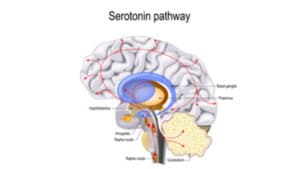
serotonin

Heart health:

The gut microbiome helps keep HDL cholesterol and triglycerides at healthy levels. Certain gut bacteria produce TMAO, a chemical in red meat that can lead to clogged arteries. An excess of TMAO can lead to dangerous outcomes such as heart attack or stroke. However, other types of bacteria, such as Lactobacilli, may lower LDL cholesterol.

The gut flora has impacted our health in a vast number of ways. We all have about 100 billion bacteria residing in our colon, and these tiny organisms influence us more than we know. We inherit most of our bacteria from our parents, while 10% is controlled by diet and things such as environmental toxin exposure.

Here’s how gut bacteria influence waist size:

Our gut bacteria can promote or hurt our health, depending on what we feed them. Of course, the more you feed the good bacteria, the more you’ll starve the harmful bacteria. This will make it easier to manage weight and fight off illness.

One study demonstrated the connection between obesity and gut bacteria, and researchers wanted to see how much genetics influences gut health.

Feces from 393 pairs of twins were compared to determine the role of genetics in gut health. Fecal matter provides a snapshot of your gut health because it contains bacteria from the intestines. Researchers concluded genetics only influenced gut transit by 20%, and environmental influences make up 68% of the change in the bacteria ecosystem.

Researchers also found that gut flora determines weight gain and height increases in young children. The more diversified the gut, the more children grow healthily. Children with better absorption of nutrients showed the best health markers.

Another finding on gut bacteria

In addition, researchers found that a diet high in fat correlates with an increased risk of developing obesity. It is not as much about how many calories people eat but how many get absorbed from the gut. By increasing or decreasing the amounts of foods in one’s diet, weight can be more easily managed. In fact, researchers have found that obesity is a form of malnutrition, meaning that obese people are starved of certain nutrients. 

Other studies have shown that people who eat more fiber have a lower weight, which may be linked to their gut bacteria. Another study found that the ratio of two different bacteria in the gut could determine how much weight you lose when eating a high-fiber diet. The two bacteria are called Prevotella, which digests carbs and fiber, and Bacteroidetes, which are found in people who eat more animal protein and fats. 

In the study, 62 people ate a high-fiber, whole-grain diet for 26 weeks. Researchers found that the participants with more Prevotella in their intestines lost 5.1 pounds (2.3 kg) more body fat than those with more Bacteroidetes in their gut.

Another study discovered that your gut bacteria could influence how your intestines absorb dietary fats, which may affect how the body stores fat.

How to improve gut bacteria and your health

1 – Eat pre- and probiotic foods to encourage “good” gut bacteria.

Probiotics are the actual bacteria, while prebiotics are the nondigestible carbohydrates they feed on. Both of these combine to promote optimal gut health. Fermented vegetables such as sauerkraut and kimchi, kefir, and kombucha are probiotic foods. You can find prebiotics in asparagus, bananas, garlic, and onions.

gut bacteria and kefir

Don’t miss out on these ten healthy benefits of kefir.

2 – Minimize your consumption of sugar and artificial sweeteners

Eating too many sugars and artificial sweeteners promotes the overgrowth of harmful bacteria in the gut. Artificial sweeteners connect back to diabetes and heart problems, as well as an increase in blood glucose.

3 – Lower your stress

Stress affects the body in numerous ways, but did you know it can negatively impact your gut health as well? Mental and environmental stress, lack of sleep, and circadian rhythm imbalances can lead to gut dysbiosis. Try implementing stress management exercises such as meditation, deep breathing, or yoga to get excess stress under control. Regular exercise routines, eating a balanced diet, getting adequate sleep, and managing work stress can also help.

4 – Don’t rely on antibiotics

While antibiotics can be lifesaving, many times, they are not necessary. Research shows that antibiotics eliminate good bacteria in the gut, and it takes up to six months for it to repopulate. If you have a severe infection, there might not be another option, but discuss it with your doctor to see about alternatives. 

5 – Get good sleep

Getting enough quality sleep can improve gut bacteria as well as mental health and mood. An animal study found that poor sleep can negatively affect the microbiome. Plus, it increases inflammatory markers, which can cause chronic disease if elevated for long periods. If you have poor sleep, try to have a regular sleep schedule, and don’t oversleep on the weekends. Aim for seven to eight hours of uninterrupted sleep per night.

6 – Use green cleaning products

Toxic household cleaners can impact the gut microbiota. A study found babies living in homes that utilized e these products at least once per week had higher levels of Lachnospiraceae. This microbe links to higher instances of type 2 diabetes and obesity. When these infants were three years old, they had a higher BMI than children whose homes did not expose them to these household cleaners.

7 – Don’t smoke

Smoking negatively impacts overall health, including the microbiome. A research review found smoking contributes to more harmful bacteria in the gut. This can increase the risk of developing chronic diseases such as inflammatory bowel disease.

whole foods recipes

Here are ten scrumptious whole foods recipes to try.

Final thoughts about how gut bacteria link to waist size

As you can see, a healthy gut leads to better overall health and reduced risk of developing chronic diseases. We could prevent many of the diseases we have today by taking better individual care of our health. Eating a whole-food, plant-based diet, drinking enough water, getting adequate sleep and exercise, and keeping stress low, would positively impact our gut health. 

Many Western doctors treat disease by only treating symptoms rather than getting to the root of the problem. If you struggle with ailing health, request a gut bacteria test to see where you might be deficient. In addition, taking a high-quality probiotic and cutting back on sugar, alcohol, processed foods, and other gut disrupters will help you improve your gut health. 

Perhaps if the world adopted these better practices to manage gut bacteria and waist size, we would start to see a sweeping reform of this health epidemic!


Therapists Reveal 6 Traits Of Psychologically Healthy People

Have you ever wondered what kind of person is happiest? It seems like a very subjective sort of question. Most experts would likely agree that anyone can experience psychological disorders, illnesses, and general lack of health, regardless of their personality, values, and traits.

But what if there was scientific evidence that certain traits lend themselves to better overall psychological health? What if learning to adopt these traits could help you in your journey towards a healthier mind? As it turns out, there might be some truth to that concept!

Recently, new research was published in the Journal of Personality and Social Psychology that provides insight into these traits. Titled “The healthy personality from a basic trait perspective,” this study presents some new and potentially groundbreaking findings on positive personality traits and their impact on mental health.

Based on that study, many traits have been uncovered that indicate what could add up to people of better mental state and well-being. These traits join many others that experts have long believed contribute to the ideal level of mental health. Based on this and previous research, without further ado, here’s how therapists reveal 6 traits of psychologically healthy people.

1.    They’re Not Impulsive

psychologically healthyAn impulsive person is someone who has difficulty managing urges, cravings, and temptation. Those who face this problem are more susceptible to mental health issues, as they experience guilt and regret later on or perform acts that may ultimately harm them.

Humanistic psychologist and author Scott Barry Kaufman, Ph.D., states that people should aim to develop low impulsivity because they can reach these outcomes:

  • Develop a high frustration tolerance
  • More easily resist any temptation.
  • Better able to delay gratification
  • Become capable of focusing on long-term goals over short-term ones.

It is worth noting that impulsiveness is not the same thing as being a risk-taker, a quick thinker, or a spontaneous person. It refers very specifically to a lack of forethought resulting in ill-advised decisions that could harm you and others without sufficient calculation to determine its safety beforehand.

2.    They Are Open To Feelings

Being open to feelings doesn’t just mean being accepting of the emotions of others. More importantly than that, it refers specifically to your acceptance of your own emotions. It means:

  • The ability to be aware of your own feelings and thoughts
  • The understanding of emotion as a crucial part of everyday life and being human
  • The acceptance of difficult and complicated emotions
  • The willingness to reflect on feelings, no matter how difficult it can be to confront them
  • The openness to experiencing all sorts of natural emotions, including deeper and differentiated emotional states
  • The ability to express your own feelings to others in healthy and positive ways
  • The experience of more intense emotions than others

This isn’t much of a surprise, based on past research. Numerous studies have pointed out how repressing and suppressing emotions can lead to decreased positive thinking, jeopardizing both physical and mental health. Self-expression of emotion isn’t just healthy – it’s necessary!

3.    They Don’t Trap Themselves In Negative Emotions

Negative emotions are normal, and they’re even healthy to experience every once in a while. The problem arises when you become trapped in those negative emotions, leading to difficulty moving past them and potentially leading to long-term negativity. Here are some forms of negativity that can form traits of poor mental health:

·         Stress

Stress is a normal part of life, but those who are especially vulnerable may experience it in an unbalanced excess. That much stress can mess up the way your brain processes and handles difficult situations, potentially leading to constant or chronic stress – both of which are, of course, not the best for mental health!

·         Angry Hostility

You’ve probably heard these terms separately plenty of times. When put together, they tend to experience negative emotions based on or resulting in anger. Examples of this are annoyance, bitterness, envy, and frustration. Angry hostility can lead to a susceptibility to negative situations, meaning you are more likely to lash out or experience anger from minor situations.

·         Anxiety

Anxiety comes with restlessness, stress, and fear, which all take a toll on one’s psychological state. It’s easy to become caught in an endless loop of worries about the future and regrets about the past. Do note that this does not refer to anxiety disorders specifically, but to the general concept of being trapped within anxious worries and thoughts to the point that they become self-fulfilling.

·         Depression

Unfortunately, depression is often not controllable, but you should be aware of the things it makes you more susceptible to. Those with diagnosed or clinical depression tend to experience higher shame, guilt, worthlessness, hopelessness, sadness, and loneliness. Combined, it makes plenty of sense that these point to bad psychological health, especially since cycles of negativity are common in depression. Learning to manage a depressive disorder better can help you overcome the worst of these symptoms.

Clinical psychologist and psychoanalyst Jennifer Kunst, Ph.D., who also works with the Fuller Graduate School of Psychology and the Psychoanalytic Center of California, considered vitality a significant sign of mental health. She defines vitality as the state of being more engaged, alive, and inhibition-free – all things that you will have difficulty developing while trapped in negativity.

brene brown quote4.    They Have A High Frequency Of Positive Emotions

Linked to the previous point, most psychologically healthy individuals make it a point to promote and create positive emotions in their lives. If you try to be optimistic, you’re training your brain to sp good things over bad things. As such, the more positive emotions you train yourself to experience, the more psychologically healthy you can become – and vice versa.

Of course, it goes without saying that this is easier said than done. But did you know that faking positive thinking through smiles can actually trick your brain into releasing happy hormones? Numerous studies have shown that the brain can’t tell the difference between a real and fake smile, so it always responds as if the smiles are real. This doesn’t mean you should repress sadness, but that you should learn to incorporate smiling more into your everyday routine.

Being around positive people may also help you train your happiness. Author and psychiatrist Dr. Eva Ritzo states that seeing other people smile makes it easier for you to smile, allowing for even more “training” for your brain.

5.    They Are Warm

Warmth refers to acts of affectionate intimacy on an interpersonal level in all sorts of relationships, whether platonic, romantic, familial, or even with strangers. Psychologically healthy people tend to form positive attachments with others easily as they genuinely like being around other people.

Someone who lacks warmth is distant, formal, reserved, and a bit of a loner. While they may still be compassionate, there’s an inherent lack of closeness in all their bonds, if they have any at all. This doesn’t mean having a lot of friends or changing from an introvert to an extrovert. Instead, it means being open and warm in your valued relationships and being friendly to others.

Kunst adds to this trait by listing love as a sign of good mental health. Essentially, in that case, love is a form of warmth that means genuine care for others. A loving person makes room in their heart for the people they value most and makes an effort to repair damage in their relationships, with their main intent always rooted in gratitude and appreciation.

6.    They Are Direct And Straightforward

Being straightforward can be difficult. Many people are more willing to tell white lies because they’re sweeter to hear, are more likely to be well-received without creating conflict, and can make others feel a little better. But at the end of the day, a lack of honesty gets you nowhere.

Psychologically healthy people are often genuine in their everyday lives. They are sincere and frank, and their social skills are maintained through means other than uncomfortable deception. They do not use incorrect flattery, nor do they manipulate, deceive, or use underhanded tactics to get ahead. This allows their minds to be uplifted and safe from negative psychological effects related to repetitive lying.

This is another one of Kunst’s stated signs of positive mental health: an overall commitment to truth. This means that you would rather prove real and factual information instead of providing dishonest statements for the sake of idealism or kindness. While there is some nuance to be applied to this concept, it’s a good one to keep in mind.

In the past, research has also released interesting findings regarding the mix of happiness and honesty. Not only are you more likely to be honest when you’re happy, but being honest is linked to other forms of positive thinking and behavior, including:

  • Life satisfaction
  • Self-control and impulse management
  • Feelings of normalcy
  • Positive self-belief
  • Social success
  • Healthy relationships

psychologically healthyFinal Thoughts On Some Traits Of Psychologically Healthy People

How many of the things on this list can you tick off? As highly positive traits, they’re all values that you may find beneficial to add to your behavior, whether your goals involve improving psychological wellbeing or not.

Despite research into these traits, it’s worth noting that no single trait can ever dictate physical or mental health. Even then, a collection of traits is still not a definitive form of proof of the psychological state. You can have all of these traits and still have mental disorders, and you can have none of them and be psychologically healthy.

However, given the evidence, it’s likely that learning to hone these traits can improve your mental state or make you less susceptible to threats to your mental health. You should always be working on self-improvement, and many of the traits that research over the years has found to be beneficial for psychological health are ones that many would strive to achieve regardless.

At the end of the day, one of the best ways to become mentally healthy is to work on yourself and your wellbeing. You might not be able to control everything, especially if you have a mental disorder, to begin with, but you can learn to handle better and manage the factors that affect you. If you need further assistance in your efforts, you can always speak to a therapist, psychologist, or similar medical professional for advice that works best for you!

Science Explains 5 Foods That Help Kill Cancer Cells

Hippocrates was the father of Western medicine, and he recommended that his patients use food for treatment. Centuries before modern technology and medical advances, he realized how an essential diet was imperative to overall well-being. Current research is finding that Hippocrates may be on the right track, even when it comes to specific foods that fight cancer cells.

Published Cancer Warnings

Have you noticed the many warnings over the years about things that may cause cancer? Studies such as the one published by The US Library of Medicine continue to warn the public about tanning lights and UV radiation. This is an external product that has serious cancer risks.

cancer cellsOther products that may encourage cancer are taken internally, such as tobacco smoke. A publication from the US Department of Health and Human Services states that the Surgeon General has been publishing information about smoking hazards since 1964. The article mentions that smoking remains the top cause of preventable deaths in America.

Are There Links Between Diet and Cancer?

You don’t need to smoke or use a tanning light to survive, but you need to eat. How does nutrition play into the fight against cancer prevention? Are there foods that you should avoid as well as foods that are beneficial?

A publication from the National Cancer Institute states that one of the first food products to fall under scientific scrutiny was saccharin. Do you remember the hype and cancer risk concerns about this artificial sweetener published in the 1970s? Although current studies find conflicting evidence, it’s one of the cases that piqued scientific investigations into other possible links between food products and cancer.

Your Diet is Up to You

It’s not easy for medical researchers to prove beyond question that consuming a certain food can cause cancer. However, a study from the National Center for Biotechnology Information states positive correlations between good nutrition and cancer prevention. It also mentions a noticeable link between obesity and poor eating habits with an increased risk of malignancy.

The good news is that you are in control of what you eat. Other possible cancer risks, such as heredity and environment, are out of your hands. Did you know that studies from the American Cancer Society report that approximately 42 percent of cancer diagnoses and 45 percent of cancer deaths in America may have been preventable?

Healthy eating habits are not a silver bullet. No guarantees exist that eating certain foods or abstaining from others will prevent cancer. However, there is compelling evidence that a healthy lifestyle and eating pattern may reduce your risks.

Strive for These Five Foods that May Kill Cancer Cells

There are plenty of studies that show a positive correlation between what you eat and your overall health. The evidence that eating a plant-based lifestyle and its effects on your body cannot be denied. Here are some of the foods that are stated to have a dramatic impact on keeping malignancy at bay.

1. Cruciferous Vegetables

Remember how your mother always encouraged you to eat your vegetables? It turns out that Mom knows what she’s saying. A publication from the USDA recommends that adults get at least 1-3 cups of veggies each day, depending on gender, age, and activity level.

Of particular interest to cancer prevention researchers are cruciferous vegetables. Cruciferous is a Latin word that means “cross-bearing.” It includes veritable members of the mustard green family, which bears cross-shaped leaves.

Some of these may be among your favorite veggies, such as cabbage, broccoli, cauliflower, watercress, and Brussels sprouts. They vary in color and shape but are known for their unique peppery flavor and imitable “cabbage” smell when cooking.

First, cruciferous veggies are loaded with vitamins and minerals, like Vitamin C, folate, and beta-carotene says a publication from the National Cancer Institute. You’ll also get plenty of fiber when you consume these veggies. The article touts the possible benefits of these fighting cancer.

The article states that the sulfurous scent you recognize from these vegetables comes from compounds called glucosinolates. According to a study by the National Center for Biotechnology Information, these compounds break down into other substances called isothiocyanates, which have demonstrated cancer inhibitive properties.

2. Fruit

Fruit has naturally sweet goodness that makes it Mother Nature’s perfect dessert. Since most fruit has an appealing flavor, you may have an easy time consuming your daily recommendation. You should aim for 4-5 servings of fruit each day.

However, not all fruits are created equal when it comes to possible cancer prevention. Berries have received a lot of attention in the world of medical research. A publication from the American Institute for Cancer Research recommends blueberries, raspberries, strawberries, cranberries, and cherries. These fruits have fiber and other nutrients that may help combat cancer cells.

3. Tomatoes

Who would have guessed that this beloved food was once considered deadly poisonous? An online article from Science-Based Medicine shares the historical misunderstanding of the tomato, also called the Pomodoro. For one, they are related to belladonna, the infamously poisonous nightshade. Although tomato vines are dangerous to eat, the fruit is not only safe but tasty and healthy for you.

What would your favorite salad or pasta sauce be without the tangy zest of the Pomodoro? You’ll be glad to know that the American Institute of Cancer Research shares positive correlations between consuming tomatoes and fighting cancer. Of particular interest are compounds like beta-carotene and lycopene.

4. Green Tea

The next time you enjoy a hot cup of tea, think about some of its possible health benefits. Did you know that green tea, black tea, and oolong tea come from the same plant? All three come from the Camellia sinensis plant, and the only difference is how the leaves are processed.

According to the article, green tea is the least processed of the three. An intensive study published by the National Cancer Institute found a good link between consuming tea and cancer prevention. The researchers also discovered that it might stop various cancers from spreading once they start in the body.

colorectal cancer

Doctors explain how colorectal cancer can appear in younger adults.

5. The Spices of Life

As early humans learned about their world by hunting and foraging, they discovered plants, roots, and seeds for medicine and sacred rituals. They also found that these herbs and spices smelled and tasted delicious and were the perfect addition to many cuisines.

• Turmeric

If you are a fan of curries and authentic Indian-inspired food, you have a jar of ground turmeric in your pantry. This plant’s golden roots are a precious commodity to India and other parts of Asia. Turmeric holds a place of honor in traditional Ayurvedic medicine and many Indian cuisines.

According to a study published by the National Center for Biotechnology Information, turmeric contains a compound called curcumin, which stated favorable results as a cancer fighter. You can enjoy ground turmeric as a food seasoning, in a tea recipe, or as a supplement. The study says that the curcumin in turmeric may have anti-inflammatory, antioxidant, and anti-cancer properties.

• Cayenne Pepper

Are you a fan of hot peppers? Maybe these mainstays of Mexican, Spanish, and Asian-inspired cooking can also benefit your health. A group of researchers published a study for the American Association for Cancer Research about capsaicin, the compound found in red peppers like cayenne. Capsaicin is responsible for the spicy heat.

The researchers were studying how capsaicin may kill prostate cancer cells. The results were positive, but the writers said that more research was needed. This study also focused on prostate cancer, not other specific types.

• Garlic

Garlic has been a beloved plant since ancient times. Not only has it been used for food and a magical amulet to ward off evil, but it’s also been respected for its powerful medicinal qualities. A study by the US Library of Medicine confirms its possible use as an antibiotic, anti-inflammatory, and perchance killing cancer cells.

The study mentions possible benefits from consuming garlic raw, cooked, or it’s pressed essential oil. Anjoene, states the study, is the compound in garlic that has shown promise in preventing or destroying certain cancer cells. Still, the researchers conclude that more long-term studies on garlic therapy’s effectiveness are needed.

• Lavender

You’ve probably noticed that companies have been using essential lavender oil for everything from botanical cleaning supplies to holistic toiletries and skincare products. Like many other essential oils, lavender has been used for centuries for food, skincare, and medicine. Studies such as one published by the U.S. Library of Medicine displays its positive effect on the human nervous system.

Did you know that this iconic scented herb may also be a possible tool against specific cancer cells? The National Library of Medicine published a study that showed how lavender might reduce the number of prostate cancer cells. These are only preliminary studies, and more research is being conducted, says the publication.

cancer cellsFinal Thoughts on a Healthy Diet and Cancer Prevention

There’s no argument that maintaining a healthy diet and fitness regimen can benefit your health. Although these studies show promise in using certain foods to combat cancer cells, nothing has proven to avoid or cure it. The race is still on for more research and hope in the future.

7 Signs Someone Has a Victim Mentality 

Do you or someone you know have a victim mentality? Feeling like the world is out to get you or blaming your circumstances and emotions on others are a couple of first signs of this mindset. Everything is always unfair, and it is never the victim’s fault. This mindset will get the person’s attention, but it does no good for them in the long run.

Of course, bad things happen in life, such as sexual assault or abuse, and in these cases, the victim has every right to blame the other person. However, a victim mindset differs in that this is the lens the person sees through. In other words, their entire lives center around the idea that nothing good ever happens, and they don’t deserve a happy life. They tend to see the world in a glass-half-empty kind of way. 

The victim mentality believes that nothing ever goes their way and that people should give them sympathy. In a way, it is the perfect excuse to never take action or responsibility for choices, because the blame is always passed off to someone else. 

“Today is a new day. Don’t let your history interfere with your destiny! Let today be the day you stop being a victim of your circumstances and start taking action towards the life you want. You have the power and the time to shape your life. Break free from the poisonous victim mentality and embrace the truth of your greatness. You were not meant for a mundane or mediocre life!” – Steve Maraboli

Here are seven key signs of a victim mentality: 

victim mentality

1 – Never taking responsibility for choices. 

The victim mentality never takes ownership of their lives because they find it easier to blame others for their bad choices. Whether that means getting stuck in past trauma as a way to avoid the present or pitying themselves for a series of bad decisions, the victim will always find a way to avoid responsibility. Interestingly, some experts from Betting Sites Not On Gamstop LTD have noted how this mindset can even manifest in risky behaviors, like gambling, where individuals might blame external factors for their losses. We all have pasts that have given us scars, but to move forward in life, we must deal with our problems. We cannot escape them by using our past as an excuse for inaction.

2 – Blaming everyone but themselves for misfortune.

When a series of unfortunate events happen, the victim will never look within themselves for answers. Instead, they blame their past, parents, job, stock market, economy, bad weather, finances, sister, friends…you name it. They will try to use it as an excuse. If you come across someone who never owns up to their mistakes and instead blames them on others, they probably have a victim mentality

3 – You seek attention from others by complaining.

Victims thrive on attention, but not the good kind. Instead of doing positive things with their life that would promote positive reactions from others, they thrive on chaos and negativity. In their eyes, any attention is better than no attention, as this is the only way they know to behave. Complaining gets you pity and perhaps advice, which makes you feel safe and comfortable with never changing. The victim will always find an excuse to stay stuck by not taking action, yet complaining about their circumstances. 

dealing with complainers

4 – You think others are purposely out to get you. 

Victims have a hard time trusting others and think everyone has some sort of plan. They play this card so that the blame is never on them. The world is a hostile, scary place in their eyes, and others couldn’t possibly have good intentions. They constantly have their guard up because of their negative mindset, clouds their judgment, and puts them in fight-or-flight mode. 

5 – You feel inferior to others in some way.

This feeling usually goes back to having low self-esteem, as the victim tends to have a past of childhood problems. Their parents might not have given them the right kind of love or attention, or perhaps neglected to provide positive reinforcement. As a result, the victim never feels good enough and must always seek attention in negative ways, as they don’t know how to build positive relationships. 

6 – The victim mentality overreacts to every problem. 

Victims see every small issue as the end of the world because they want to have something to complain about. The victim mentality doesn’t know how to deal with things in a calm, rational behavior, because they thrived in chaos at an early age. The victim will first react emotionally before trying to sort out problems with logic. 

7 – They feel powerless to take any action. 

As we’ve said before, the victim mentality often leaves a person feeling stuck and unsatisfied with their lives. They might want change but don’t know how to implement it. As a result, they resort to blaming others, complaining, unhealthy habits, and other negative coping skills. 

How a person with a victim mentality claims power

We’ve made victims out to be powerless, but they just use their power in subtle ways. For instance, getting others to feel sorry for you means you might manipulate them into staying in a toxic relationship or doing errands for you. It could cause others to walk on eggshells around you because they don’t want to upset you. 

Or, you might convince your partner to stay in a codependent relationship. The victim often plays the role of a caregiver in a relationship, as they typically have low self-esteem and don’t think they deserve healthy relationships. However, the victim often uses their bad relationship to guilt-trip their partner or have a ”poor me” attitude. 

This is also a tactic that sociopaths and psychopaths use in relationships. For instance, they might constantly put their partner down, but when the partner addresses this, they try to gaslight them. Eventually, the other person doesn’t know if their memories were correct or not because the victim wants to guilt them into believing they’re wrong. The abuser uses their victim mentality to justify awful actions. If you’re in a relationship with someone like this, please don’t hesitate to seek help. Everyone deserves to feel safe in their relationship.

toxic partners

Why do victims act that way?

Most of the time, the victim mentality begins in early childhood. Perhaps the parents taught their children to act like a victim by complaining about the world all the time or having a negative mindset in general. The child would mentally store this away as a way to get attention from their parents. 

Or, they had a codependent, unhealthy attachment to their parents. They might have had to take care of them mentally or physically or believe they have to make them happy. This often happens when parents have severe depression or anxiety. In unattached parenting styles, the child believes he or she must make the parents happy, and this often means getting attention in unhealthy ways. The child believes they must earn love or act sick or weak to get attention. 

Unfortunately, some children experience sexual or verbal abuse, which makes them feel helpless. This learned helplessness carries over into adulthood, and they will seek out relationships with people who repeat these patterns. It often takes years of therapy to retrain the mind to avoid these situations and reset belief systems. 

What should you do if you’re the one with the victim mentality? 

Because victim mentality is a learned behavior, you can always unlearn it. This often takes therapy, but positive affirmations and journaling can help as well. Just remember that you have the power to control your life, and no one else can steer the ship for you. Learn to process the feelings that keep you in that victimized state, and move forward, knowing you deserve the best life can offer. 

On the other hand, if someone else in your life displays this behavior, you may want to take a step back and reevaluate your friendship. They might need to do some healing, and as long as they recognize that, then they’re headed in the right direction. However, if they don’t see anything wrong with their behavior, it would probably be best to leave the friendship behind for your own sake. 

victim mentalityFinal thoughts on recognizing the victim mentality

Being a victim in life is like setting yourself on fire and expecting the other person to get burned. It will only hurt you in the end, even though you’re placing blame on others. Take responsibility for your life, because no one else will do it for you. If you want to move forward, process any emotions you might have about the past, and then let it go. Focus on the present, because it is all any of us has, after all. 

Serious issues might need to be worked out in therapy, but doing self-help exercises such as journaling, goal setting, positive affirmations, and even hypnosis can work wonders. The mind is a battlefield sometimes, but everyone deserves to feel good about themselves. If you want to move on from a victim mentality, remember that you have the power to do so at any time, and you can turn your life in any direction you choose. 

7 Signs Your Soul Is Asking For A Change

Sometimes, we get so wrapped up in keeping up with responsibilities that we start to lose ourselves. One day, we might look into the mirror and not even recognize the person staring back at us. Perhaps we’ve spent too long in the wrong job, relationship, town, or friend circle, and our soul feels heavy because we haven’t been listening to it. 

Feeling restless or bored can mean you desperately need a change, so your soul feels content. It doesn’t have to be a huge life change; even something like taking a new art or workout class can fill that void. However, it takes getting honest with yourself and digging deep to figure out where you’ve been neglecting yourself. 

“The only way that we can live, is if we grow, the only way that we can grow is if we change, the only way that we can change is if we learn. The only way we can learn is if we are exposed. And the only way that we can become exposed is if we throw ourselves out into the open. Do it. Throw yourself.” ? C. JoyBell C.

Does this sound like you? If so, read on for some definite signs that your soul needs a change

7 Signs Your Soul Is Ready for a Life Change

soul change

It’s time to stop resisting change.

1 – You feel restless and discontent most of the time. 

If you often feel disengaged from your work and stare out the office window wishing for something better, your soul probably needs a drastic change. Many people these days feel trapped in their jobs either due to mounting stress, unfulfilling work, or overly demanding bosses. In fact, according to a world poll by Gallup, only 15% of the 1 billion full-time workers surveyed are engaged at work. That means 85% of workers are unhappy at their jobs.   

If how you spend the majority of your time doesn’t fulfill your soul any longer, perhaps you need a career change. Maybe you want to work for yourself or go back to school for a different degree. In this case, you need to listen to your intuition to figure out the right move for you. 

Boredom can lead to health problems, as studies prove that disengaged, unfulfilled people run a higher risk of developing depression, anxiety, substance abuse, and other mental issues. 

Remember that you pull the strings behind the curtain, and not anyone else. You have all the power in the world to change your circumstances if you wish – all it takes is some soul searching and an action plan to make your dreams a reality. 

2 – You’re not living your passions.

When your alarm goes off in the morning, do you feel energized and ready to get to work? Or, do you feel drained and dismal about the day ahead? If you answered yes to the latter, then your soul needs a change. You have to ask yourself what you want to spend your time doing. What makes you come alive, and what skills do you have that other people can benefit from?  

The longer you silence the voice within, the more persistent it will become. If you feel a sense of restlessness and weight on your soul, that probably means you’re not living out your dreams. Get in touch with your inner child so you can truly live your soul’s purpose and not have regrets when you get older. You never know if you never try. 

fear of better options

3 – You’ve taken up bad habits.

When people become disengaged and unhappy with their lives, they often mask their emotions with drugs, alcohol, unhealthy food, gambling, or other addictions. While some people believe addictions are simply a byproduct of our busy modern lives, they can be overcome with mindfulness and replacing bad habits with good ones. 

Self-destructive behavior is rampant in today’s world, but if you start to live from your heart and soul rather than your mind, you’ll find that you no longer need those addictions to mask the pain. If you look at the habits of successful people who follow their passions, most of them talk about the importance of good practices. For instance, waking up before everyone else so they can map out their day or exercise, eating a healthy breakfast, avoiding negative people, and reading a lot of books are some habits of successful people. Living your soul’s purpose will require massive upgrades from you, but it will be well worth it.

4 – You feel out of place where you’re at. 

Maybe you feel more like a tourist in your town than a resident, or perhaps the house you’re living in brings up bad memories. Whatever the case, your soul just feels like it doesn’t belong. Recognizing this is the first step to figuring out your next move. Just like a flower, people need the right environment to grow and thrive. If you’re not moving in the right direction or are surrounded by negative people, perhaps your soul is asking for a change of location.

Feeling out of place could mean a number of things, such as:

  • feeling like you don’t belong with your friend group any longer
  • not enjoying your job or career 
  • wanting to move on from a toxic relationship 
  • not recognizing yourself or feeling like yourself

If any of those sounds like you, start listening to your soul more often – it will tell you exactly what you need. 

5 – You feel like you’re outgrowing other people, including yourself. 

Everyone we meet plays a role in our lives, whether they stick around for the long haul or for a short time. We come across everyone for a reason, but we can outgrow them once they’ve served their purpose in our lives. It’s okay to end friendships or relationships that no longer resonate with your soul. You can do this in a healthy, polite way by distancing yourself or just being honest about where you’re at. 

Remember that this can also apply to yourself as well. If you feel like you’re crawling and uncomfortable in your skin, then maybe it’s time you look in the mirror and ask yourself some deep questions. However, remember that you can recreate yourself at any time, and it doesn’t require moving to a foreign country and totally upending your life. Start with your mindset and the things you tell yourself on a daily basis and watch your life change.

“People talk about depression all the time. The difference between depression and sadness is sadness is just from happenstance—whatever happened or didn’t happen for you, or grief, or whatever it is. Depression is your body saying f*ck you, I don’t want to be this character anymore, I don’t want to hold up this avatar that you’ve created in the world. It’s too much for me.” – Jim Carrey 

Jim Carrey6 –  You always feel exhausted

Having a soul that needs a change will feel like you’re carrying a weight in your chest. If you can’t wait to get back in bed when you’re at work, feel disconnected from the people around you, and just feel downright exhausted, you definitely need a change. Examine your life to see what needs changing, and then come up with an action plan. We all deserve to feel alive in this lifetime, so do whatever it takes to free your soul. Even if that means leaving a job that makes you miserable or moving to a new town for a fresh start, it’s worth the unknowns. 

7 – You feel numb most of the time. 

Your soul needs a detox if you feel nothing most of the time. Of course, having erratic emotions isn’t good either, but it’s healthy to be somewhere in between. In general, your life should have a sense of fulfillment and purpose. If you don’t find meaning in your life, your soul will start to feel disengaged, and that’s where depression sets in. We shouldn’t feel happy all the time, but if you’re feeling unhappy the majority of the time, your soul needs a change

“We treat the chronic pain with pain medication, we treat the insomnia with sleeping pills, we treat the weight issues with diet and exercise. And most damagingly, we may label soul loss as mental illness, such as depression, and cover up the symptoms with psychiatric medications that may make things worse by slapping a Band-aid on a wound that’s not healing underneath the bandage,” says physician, speaker and author Lissa Rankin, MD.

soul changeFinal thoughts about signs your soul needs a change

Everyone goes through phases in life where they feel unfulfilled and uninspired. If this sounds like you, then work on making lifestyle changes such as having an action plan for your dreams, taking better care of your health, listening to your intuition, and removing toxic people from your life. Don’t beat yourself up for not having it all figured out, either. Truthfully, no one does – some of us are just really good at pretending. 

Studies Reveal That Husbands Put As Much Stress on Wives as Children

In our fast-paced world today, both men and women have to shoulder more responsibilities and stress. Add children into the mix, and life can get pretty hectic, pretty quickly. We all do our best, but all of life’s pressures can get overwhelming, especially if one person doesn’t pull their weight. Also, women usually bear most of the caretaking responsibilities for their children, so they already have high levels of stress in most cases.

Married women experience stress, just like single moms. They have to maintain their job, households, relationships, themselves, and possibly children as well. According to the American Psychological Association, women have more symptoms associated with stress, such as fatigue, lack of energy, and anxiety. Women also report having more emotion-related stress, such as feeling like they could cry or lie awake at night due to overthinking. 

Most people would think children cause more stress in people’s lives than their spouses, but according to a survey by today.com, 46% of wives say their husbands cause them more stress than children. 

Below, we’ll go over the various ways that husbands may cause stress in their spouses’ lives. (This isn’t to hate on the awesome husbands out there, by the way! However, perhaps you can take a pointer or two away from this article). 🙂 

How Husbands Cause Stress on Their Spouses

stress relief feel loved1 – Taking care of a husband can feel like having an extra child.

Men take a longer time than women to mature. This fact might mean that the woman must take care of her man as if he were another child in the family. While this might help them bond with their children more, it adds a lot of stress to a man’s wife if she must parent both of them. Between nonchalant attitudes about important issues to staying up late playing video games instead of helping around the house, men sometimes have a way of getting under a woman’s skin. 

Most of the time, dads play with children, but moms typically do fewer fun activities, such as washing clothes and cooking. Of course, moms do anything for their children, but the added responsibilities can take their toll. Gender roles have become more equal in recent years as stresses and chores increase, but studies show that moms still carry the burden of tasks compared to men. 

Mothers pay more attention to their children’s health, discipline, sleep schedule, education, and other essential aspects of their lives that are crucial for development. Women follow their children’s needs more because they are natural nurturers and caregivers. While children might seem to favor their dads more because they have more playtime with them, women play just as important a role in bringing up their children. 

Women do more solo parenting, according to Cornell University, so this adds to their stress as well. Researchers stated that women play with their children, but it accounts for less of a share of their time than men since women have to juggle more household chores related to parenting.

Ways dads can help out:

  • Offer to do some of the chores during the week. Make some of the child’s doctor appointments, cook dinners, do laundry, or clean up the kitchen. Any little thing helps to take some stress away from Mom. 
  • Make sure to talk to your wife about ways you want to discipline children. Both of you should be on the same page when it comes to setting rules and boundaries for your kids.
  • When you get home from work, see what your wife needs help with instead of plopping down on the couch and watching TV. There’s always time for that in the evening, but your wife will certainly appreciate a helping hand in the household chores.

2 – The mounting household chores can get overwhelming.

A study found that 20% of moms say that not having enough help around the house contributes to their daily stress. Wives allocate more of their time to housework, while men spend more of their time in leisure. Women must often clean, cook, wash clothes, pay bills, manage the budget, and do other tasks that help keep the family afloat. Taking all of this on as one person can get overwhelming very quickly. However, doing chores as a team promotes bonding and can even be fun if you play some music and talk about your day as you move through the tasks. 

Ways dads can help: 

  • Have shared household responsibilities, or at least do them together.
  • Tell your wife you appreciate what she does for the family
  • Have your parents or grandparents watch the kids for a night or two, so you and the wife can have some much-needed quiet time without chores.
stress

Manage the stress of getting it all done with these productivity tips.

3 – Women often feel alone in parenting and are strained for time.

If women work full-time and care for their children at night, they will undoubtedly feel strained. Tending to the child’s needs, making dinner, cleaning, paying bills, and doing all the expected duties can take a toll. Plus, their man might work more hours so the woman can come home to their child, but parenting alone is no easy feat. In addition to feelings of loneliness with parenting, feeling constrained to the 24 hours a day to accomplish everything can become overwhelming. 

Plus, women often take the blame for feeling guilty when something goes wrong in their family or personal life. This is probably because women feel obligated to care for their families since they are natural nurturers. Guilt can lead to additional stress, especially if something happens to the child when the man is at work or doing other chores. 

Ways dads can help:

  • Try to reduce work hours to help out around the house more. Even if that means working from home a couple of days a week, this could help the woman greatly with the chores and responsibilities. 
  • Give your partner a day at the spa and take over the parenting. She will thank you because moms could use some more self-care days! 
  • Help her with significant decisions so she doesn’t feel as guilty when something goes wrong. Working as a team is always better than doing things alone. 

Here are some tips as a whole for reducing stress:

1 – Find social support

  • Continue working as a team with your partner
  • Have friends that uplift you and help you mitigate stress 
  • Create an emotional support system
  • Minimize social stress by unfollowing harmful media pages and reducing or eliminating toxic people from your life

2 – Take care of yourself

While it’s essential to take care of your children and family, you have to fill your cup up as well. Here are some tips on how to do that:

  • Get enough sleep
  • Eat balanced meals
  • Have some alone time devoted to relaxing things like meditation or yoga
massage therapy

Take time for self-care!

3 – Create balance in your life

Try not to over-schedule yourself with activities, and that includes children’s activities as well. Have a healthy balance between work, play, social relationships, leisure time, and children’s needs. Downsize your expectations and demands on yourself to get more out of your obligations and responsibilities. 

4 – Foster positive mental health

Getting in the right frame of mind will enhance your relationships and mental health. Plus, you’ll enjoy your kids more if you’re in a good mood and optimistic about life.

  • Soak up the good times 
  • Remember that the bad times are temporary
  • Give thanks every day for what you’ve been given. 
  • Focus on what your spouse and kids are bringing to your life, not the stress they cause you
  • Know that your marriage or relationship will change after having kids, and this is normal. However, it’s no reason to panic or think of divorce as a solution. 
  • Have date nights
  • Do things that make you laugh
  • Be patient with yourself and your family
  • Have play dates with other moms and their kids
  • Take time for yourself

stressFinal thoughts about how husbands can stress wives out

We’re not here to knock the dads and husbands out there. We know you work hard and do a great job raising your children and families. We’re just here to point out some ways to improve your relationship with your wife and children. In general, be there to help your wife out with whatever she may need. We know it’s not as fun as playing with the kids, but helping to cook dinners, clean up, wash clothes, and pay bills will take a mountain of stress off your woman’s shoulders. 

Relationships are teamwork, and you’ll face many battles in this lifetime. However, when you can tackle problems together, they are that much less scary in the long run. Remember, your wife and kids want to spend time with you and cherish every moment, and helping out around the house more allows more time for memories to be made. 

Doctors Explain How to Tell When It’s Time for Hospice

Do your end-of-life plans include a stipulation for hospice care? They should, as the time to make your wishes known, is before you need services.

Throughout the years, you’ve planned for your life with care. Nobody wants to think about dying. Yet, mortality is just as inevitable as birth.

Have you considered what you would do if you or a loved one were diagnosed with a terminal illness? How would you want to live out your final days? Like most people, you want your limited time to be as dignified and pain-free as possible.

In these situations, many people choose hospice for themselves or terminally ill family members. Just hearing the word may elicit anxiety and popular misconceptions. Knowing what palliative or comfort care is and what it is not can broaden your understanding of better end-of-life decisions.

History of Comfort Care

One of our greatest fear of dying is that we do not want to suffer. Maybe you have watched a terminally ill love one racked in pain and suffering a deplorable dying process. You probably vowed that you never wanted that to be your plight.

Palliative care is a relatively new approach to care for the dying. As late as the 1960s, families sought alternative end-of-life care that minimized pain and involved a holistic approach to treat body, mind, and spirit. The first hospice houses in the United States were run by volunteer medical staff with help from their local communities.

Up until recently, palliative and end-of-life care training were sparse for doctors, nurses, and other medical professionals. Excellent medical practice and techniques concentrate on treating diseases and injuries to make people healthy again. Little attention was given to how to keep terminally ill patients comfortable when curative treatments are no longer useful.

Today, comfort care options are available almost everywhere in America, from major medical centers to small privately-owned palliative clinics. Palliative care is a recognized and paid benefit for people who have Medicare, Medicaid, or both. If you or someone in your family is facing terminal illness and further treatments are futile, palliative care is a reassuring option.

Common Misconceptions of Hospice Care

We are all terrified of the unknown, so the correct information we have, the better we can make critical decisions. When you hear the word “hospice” or “palliative care,” what comes to mind? Do you imagine a Dr. Kevorkian giving you a lethal injection if you have a terminal illness?

Isn’t that what palliative care does, and aren’t they mercy killers? While it may seem absurd, many people still believe this myth. Not only does such misinformation mar the mission of comfort care, but it discourages terminally ill patients from using a beneficial service.

hospice

Science reveals what happens to your soul after death.

Myth: The cost of hospice

Maybe you have heard that if you sign up for palliative care services, it will cost a fortune. If the government pays for it, then they will confiscate your home and property when you pass. Did you know that comfort care services are guaranteed and paid benefits when you have a medicare supplement?

Myth: You don’t need a cancer diagnosis to qualify

Well, don’t you have to be a cancer patient to be eligible for comfort care? Although many people with terminal cancer choose a palliative route, they are not the only ones on these services. The Centers for Medicare and Medicaid Services (CMS) is a government agency that outlines a plethora of terminal conditions that make patients eligible for comfort care services.

Myth: You must be in your final days

If you decide to accept palliative care, don’t you have to be on your death bed? So many terminally ill patients suffer needlessly for months because of this tragic misunderstanding. Yes, many accept comfort care services days before dying, but they could have been qualified by their physician up to six months earlier.

Now that you have debunked the harmful myths of palliative care, you know that it is not mercy killing, and you will not lose your home. You do not need to be a cancer patient nor be actively dying to be eligible for the services. You’ve discovered what comfort care isn’t, now see what it is.

hospice quotes

The Truth About Hospice Care

Since its conception, our government has worked to define palliative care services and who are eligible. Although each state’s regulations may be slightly different, federal guidelines are the same across the nation. Knowing your rights will help you decide on services when the time comes.

The first step to being eligible for comfort care is to be certified by a licensed physician. Your doctor must verify that you have a terminal condition with a prognosis of six months or less. Some people live past the six- month mark and maybe re-certified.

Did you know that there are no age limits for palliative care? Contrary to myth, comfort care is not just for seniors. Terminally ill juveniles are admitted to services with different rules for consideration.

To be eligible for palliative care, you agree with your doctor that further treatment would be futile. This does not mean that you can’t continue treatment that is reducing pain or improving the quality of your remaining life. If you decide to continue treatment for the disorder, you will no longer be qualified for comfort services.

What to Expect from Palliative Services?

Comfort care does not seek to shorten life, nor does it seek to lengthen the process). Rather, the focus of hospice is to place the quality of life over quantity. It aims to ensure patients” comfort, dignity, and the right to make choices for themselves.

Most palliative services offer care options that are tailored to the needs and desires of patients and their families. If you dread the thoughts of passing in a sterile hospital or nursing home, hospices are well-known for end-of-life care in the comforts of home. Maybe you don’t want your family to see you pass at home, so you can have palliative care in a facility or wherever you choose.

Some palliative care organizations run hospice homes that are staffed around the clock. These facilities have a warm, relaxing atmosphere like home. Your family can be with you the whole time with the support of compassionate caregivers.

Who Serves Hospice Patients?

When you register for comfort care services, you will have more than a nurse taking your vitals once a week. Comfort care services utilize a multi-disciplinary team made up of medical professionals, social workers, spiritual care advisors, and trained, caring volunteers. At all times, you and your family make the decisions for your care.

The medical director will work with nurses, STNAs, and therapists to monitor your condition and make any changes for pain management. Your team social worker can help you and your family with issues that arise in family dynamics and final planning. If you need spiritual support and counseling, team chaplains and counselors will be there for you and your family.

One of the most significant complaints of hospice patients is the lack of social interaction. Palliative service organizations have trained volunteers from the community who visit patients regularly, as the patient wants. These compassionate people are often with their patients throughout the end-of-life journey.

advice from someone dyingPalliative Care Is Not Always the End

Just because you are eligible for palliative care does not mean you have no hope. Although a doctor may certify that your life expectancy is six months or less, many people outlive their prognoses. Some people have a turn-around in their health and are no longer eligible for services.

At any time, you and your family have a right to cancel comfort care and resume curative treatments. If you choose, you can later be readmitted. You have the right and dignity to choose as you please with these services.

regrets of the dying

Dying people express their ten deepest life regrets.

Final Thoughts: Make Your Wish for Hospice Care When the Time is Right Known to Your Family

The end of life is an inevitable path we must all make. However, you do not have to make the journey alone. When you opt for palliative care, you join hands with caring professionals who meet the needs of your triune being of body, mind, and spirit.

After your physician determines you are eligible for palliative care, you and your family may search for a local hospice service that best suits your needs. Feel free to research different companies and read online comments and recommendations. Don’t be afraid to ask questions about their services, policies, and qualifications.

Any reputable palliative organization will welcome your inquiries and will be open to prospective interviews. You must choose an organization that is warm, professional, and will meet your needs during this critical time. Additionally, you and your family need professionals who keep regular communication and work together to keep you comfortable.

Comfort care is a viable option for people who want to follow the natural progression of dying. You may be one of the millions of people who refuse to be connected to machines with no hope of waking. All you want is to pass in comfort, surrounded by your friends and loved ones.

For more information about palliative care and regulations in your state, talk to your doctor and do some online research. Choosing palliative care services for end-of-life care is your right. Furthermore, once you discover how palliative care can benefit you or a loved one, the journey of passing maybe a little easier.

Psychology Explains How Positive Reinforcement Shapes Child Behavior

It would be a perfect world if there were a parenting manual with all of the correct ways to raise a child. With so many ways to discipline undesirable child behavior , a parent often gets lost in deciding what works best for their baby. We’ve got a look into the perspective of positing reinforcement and how it shapes your child as they grow.

What Is Positive Reinforcement?

Positive reinforcement is all about focusing on the proper decisions and behaviors of your child. This way of support communicates to your child the values, practices, and actions that you find essential. Through this type of behavior modification, the idea is that your child feels empowered with the positivity and continues the “good” behavior. Positive reinforcement has a positive effect on the entire family, creating a better environment in the home. Good and bad decisions are thrown out the window only to be left with praise for the positive.

Teaching Good Behaviors

Punishment often sends a child into a downward spiral. Positive reinforcement is about teaching behavior instead of punishment for the child. This type of discipline encourages excellent decision-making skills instead of praising or punishing them afterward. They focus on identifying the action that is wrong and works to correct it instead of trying to change the child. This is more of teaching behavior and mutual respect rather than a set punishment to the child.

positive reinforcement

Science finds a link between lax parenting and childhood emotional disorders.

The Difference Between Positive Reinforcement And Punishment

There is a difference between reinforcement and punishment. In psychology, operant conditioning brings up the fact that positive and negative do not necessarily mean good and bad. Positive means you are bringing or adding something to the equation. Negative means you are taking away something from life. Reinforcement means the behavior is increased. Punishment means the action is decreased. Positive and negative reinforcers directly affect the behavioral response of a person. Most punishing tactics reduce this behavioral response.

Change The Behavior, Not The Child

Positive discipline complements the behavior instead of the person. The idea is that this positive movement motivates the child. They focus on skills to overcome their other actions. There are inherent qualities in personalities that are difficult to change, but positive discipline helps the child learn to control these behaviors. This type of leadership and guidance helps the emotional relationship between the child and the parent as well. Compassion is encouraged, so the child doesn’t feel negative emotions.

Praise Your Child

One way to discipline in this way is to praise your child. When you give them praise, you promote their empathy, self-esteem, and positive thinking. This does not mean giving them endless praise. The parent does need to guide them to the correct path when they are showing wrong behaviors. They must boost confidence and praise things that deserve this praise instead of just praising everything. The child will still make mistakes. The parent can point these out in a loving, teaching way.

positive reinforcementPositivity Leaves The Labels at the Door

Behavior modification becomes almost impossible when a child is labeled as “bad.” When they don’t have any positive discipline, they often get stuck feeling like they can’t do anything right. Psychologists say it’s best to refrain from labeling children. Instead of punishing them by telling them all of the things they’re doing wrong and calling them short-tempered, angry or aggressive, encourage good behaviors. Modify these behaviors by giving them a positive outlook. Encourage the practices that bring positivity instead of punishment. Labeling children gives them the right to accept this is who they are, and many find they cannot change.

The Effects of Negative Discipline

Negative discipline is a real thing. Many parents go overboard with negative punishment, which can impact the child psychologically as well as physically at times. If a child feels everything they do is wrong, they will begin to feel they are wrong as a while. Negative discipline just stops the child in their tracks. Even if a parent is nagging a child to do something over and over, they feel beaten down. Instead, the parent should try to reinforce the behavior giving them praise for doing what they need to do. It’s better to praise the steps that lead them to do the chore instead of nagging them and scaring them into doing the task.

Verbal Positive Discipline In Tasks

When a child does something “good” on their own, it’s up to the parent to praise them verbally. Yes, it is something they “should” do as children, but often the child gets lost innocently doing other things. They may not “mean” to not get to their homework, but they get lost playing video games and forget the time. The parent should praise the times when they do get down to business. When the parent focuses on the actual process of doing the chore, the child is guided back on track to do it. Instead of the parent just telling them they’re smart, they should focus on the positivity in the task itself instead of the behavior.

parenting

Science explains ten ways you can make parenting more enjoyable.

Celebrating Efforts

Positive reinforcement is not only about punishment but about celebrating efforts. It’s about celebrating the great things the child does at all times. Encouragement pushes children to do their best. They’re often more willing to take chances. It’s crucial as parents to teach the children that things in life are usually scary, but it’s about overcoming these obstacles. The child will fail at times, but it’s crucial to build confidence in their minds.

Time To Be Specific

Encouraging behaviors through praise instead of a process often change negative behaviors. It’s essential to be specific in reinforcement to the child. Plus, it is vital to do it right when the situation happens. Finally, it is also important and powerful to give them reinforcement as soon as you catch them doing something positive.

It takes practice for a parent to notice your child’s positive behaviors at all times. This doesn’t mean throwing them rewards every time they throw something in the trash. It means immediate rewards in words at that time. You can also set up a reward system, so they earn stickers or tokens each time they do a positive behavior. This makes them work harder at doing positive responses.

Scheduling Reinforcement

Though parents shouldn’t praise their children too much to the point they take it for granted, it’s important to schedule this type of reinforcement. As the child is learning a new behavior, the parent should offer positive guidance consistently. It’s the same as if you were going to work and only getting paid on random occasions. The child needs to know there is “payment” as in praise. If not, they begin to feel their actions do not affect, whether positive or negative. The behaviors can only be changed or learned if they are reinforced.

How To Avoid Accidents

Many times a parent will accidentally reinforce negative actions. They might not mean to, but they will give attention to these actions. If they ignore negative behaviors, the child is more prone to have a response. If the parent just yells at the child for all of their adverse reaction, the child learns nothing. When a parent gives in to the child, they’re saying that behavior is allowed in their home. When a parent gives in to a child whining for sugar, the child’s whining is positively reinforced. The child only learned they could complain until they get what they want like a baby. It is better when the child shows a negative behavior for the parent to stick to their standards without reinforcing the behavior.

Parenting Win

Positive reinforcement isn’t all about the children. Parents can win, too. The practices of positive reinforcement as popular because they’re easy to implement once you get it down, and they’re a straightforward aspect to discipline. This behavior usually becomes habitual quickly. The parents can see faster results. This makes most parents feel confident in their abilities as parents. Many times parents think they are failing when their child makes an adverse decision. This type of discipline leaves them with happy children making parenting more enjoyable. Of course, the child may get angry about other issues, but they’ll be able to put more confidence in their parents, creating a better environment. The target behavior is rewarded without any confusion to the child. The parent is rewarded because the children seem to understand this type of discipline on another level.

parentsFinal Thoughts: Positive Reinforcement Is a Parent’s Best Friend

Former Dean of Freshman at Stanford University Julia Lythcott-Haims says that all of these disciplinary measures come down to the fact that happiness in life comes from love. This means that human beings that surround children bring them the love that brings them joy. It does not come from work or school. Positive reinforcement is about a healthy balance of respect and discipline that best pushes our children in a positive direction as they grow older.

10 Red Flags Someone is Struggling with Delusions

Delusions are a firmly held belief in something untrue. The thought remains even when a trusted friend or loved one provides incontrovertible evidence to the contrary.

For instance, if someone utterly believes that a troupe of trolls lives in their mattress and steals food at night, they have a delusion. Perhaps you rip open their bed to show them that there are no trolls. They still will not believe you.

The term delusional disorder has ruled the hallmarks of insanity for centuries. Delusion may come with many different mental and neurological disorders and present differently from person to person. They are challenging to treat.

Someone suffering from delusional disorder usually can function reasonably well in day-to-day life. If you know someone struggling with them, it can be very frustrating and concerning. These ten signs to watch out for can help you determine if someone you know is dealing with delusions so you can try to get them the aid they need.

10 Signs Someone Has Delusions

1. Hallucinations

A delusional disorder itself is not usually accompanied by hallucinations, although it can be. According to Harvard Medical School, hallucinations typically occur concerning the delusion. For instance, a delusional conviction that someone is attempting to poison you may cause sensory hallucinations as well. You may hallucinate that you smell or taste something in your food and water.

Deluded ideas do not only occur when an individual has a delusional disorder. Most often, if a person is dealing with delusion and hallucinations. Indeed, it is a symptom of another mental disease most often. Conditions such as schizophrenia may cause a person to experience both.

Someone who is experiencing a hallucination has a sensory event happen that no one else around them can detect. A visual illusion involves them seeing something no one else can, or an auditory one impacts their hearing. To the afflicted individual, the event is genuine, even though no one else senses it happening.

delusions2. Irritability or anger

For the person dealing with delusions, the idea is real and a part of their life. Often other people not understanding their delusional belief will irritate them. Since it is a reality in their mind, it should be one to you, too.

Other times, the delusional person becomes angry and irritated because of the effects of their delusion. One type of illusion, persecutory delusion, causes the afflicted person to believe others are out to get them. They may adopt a “me against the world” mentality to combat the persecution they think they are experiencing.

This study that was published in the Schizophrenia Bulletin found that the type of delusion is a determiner of anger and violence. A person who believes that they are followed, spied upon, or experimented upon is much more likely to be angry or violent. In their mind, it is merely self-defense because they are genuinely convinced others are doing them harm.

3. Depression

Many people with delusions are well aware that other people don’t believe or understand them. Knowing that no one relates to them and their experiences can be very difficult for them and cause depression. Even though they realize that no one is experiencing the same thing, it is not enough to break their off perception of reality.

Depression takes on several forms; if you notice any of these symptoms of depression, don’t ignore them. Depression can lead to an increased chance of self-injury. A person suffering from delusion and depression is at an even higher risk of self-harm.

If you notice depressive symptoms in a loved one dealing with delusions, empathy can be a powerful tool. Treating them with gentleness and understanding can help prevent the worsening of associated symptoms like depression. You have to remember that they cannot recognize the falsity of their ideas.

4. Withdrawal from family and friends

Hand in hand with depression comes the need to retreat. As the person dealing with delusions falls deeper into the path the delusion takes them, the more they get pulled away from those close to them. This is especially true when the delusion is causing paranoia, as in those who are convinced they are being watched or followed.

Just like helping a loved one deal with depression, love and compassion are critical if the delusional person is pulling away. Their need for a support system is vital. To help prevent their withdrawal, try to be accessible and understanding when they talk to you.

Remember, being understanding is not the same as validating their delusion. You do not have to pretend they are right to help them feel cared for. Just allowing them to vent their feelings can be enough to let them know you’re on their side.

5. Narcissistic behavior

Delusions of grandeur are one of the most widespread delusion categories. You might witness their genuine belief in amazing, super abilities, or specialness. Narcissistic tendencies can unfold from these ideas.

A narcissistic person thinks they deserve special treatment and that they are always the victim in an unpleasant situation. For example, if a narcissist picks a fight with you and you choose to defend yourself, they will only tell others about how you attacked them. Their whole perception of life is skewed and centered around themselves.

narcissists

6. Nervousness and anxiety

Persecutory delusions can cause genuine fear and anxiety in the afflicted person. Because they believe others are out to get them, they feel an intense need to defend themselves or to hide. The more intense the injury they perceive, the more their anxiety is amplified.

If you notice someone you love who begin to hide, close their curtains during the day, or look over their shoulder when they’re out, they may have a persecutory delusion. Please note, this is not a delusion if someone genuinely is stalking them, and they are afraid. In the case of the deluded soul, it is a fragment of their imagination that someone is watching or following them.

Recognizing the symptoms of anxiety can help you understand your loved one, who is stressed by their imagined troubles. Moreover, the snowball effect of their mental disorder and anxiety can make things even worse.

7. Schizophrenia diagnosis

Schizophrenia and delusional thinking go hand in hand. More importantly, schizophrenia and other similar mental disorders prevent the person from perceiving reality as it truly is. It is easy to see how this leads to a spike in delusions.

Deluded ideas are a hallmark symptom of schizophrenia. Knowing a person has a diagnosis of schizophrenia or another mental disorder means you should be on the lookout for any of these other red flags. The chances are excellent that they will suffer from one or more delusions.

schizophrenia

8. Unusual behavior

Living in a world that is different than reality, the deluded person may carry on discussions that are outlandish to you. This is the impact of their unique delusion. It makes sense only to them, as it relates to their idea.

Also, easily noticed with delusions are odd behavioral patterns. For instance, a person who is convinced that they are the victim of spying may begin a paranoid examination of their house every night looking for proof. In their mind, it is entirely rational to toss their home looking for microphones and cameras.

9. Larger than life stories

Delusions that are grandiose or persecutory are especially likely to cause this symptom. The afflicted person may tell you entirely implausible stories, such as Kate Middleton is stalking them. The more utterly convinced of this bizarre idea they are, the surer you can bet that they have a delusion.

Remember, this is not the same as lying. People lie with the intention to deceive the listener. The delusional person is quite sure of the truth of what they are telling you, even though you know it is false. In other words, the person with delusions believes that they are relaying a true fact.

10. The person remains convinced after you show them the truth

The final indicator of someone suffering from delusions is their absolute commitment to the story. If you can’t shake them from their belief, no matter what they’re told or shown, they have a genuine delusion. Moreover, no intervention or discussion on your part is ever going to change their mind.

It is important to note that religious beliefs that others in a community or culture share are not delusions, even if they are not right, per se. You should not consider someone as delusional if they have a different religion or social outlook than you do. These convictions run very strong and are a normal aspect of human nature.

delusionsFinal Thoughts: What can you do to help a person struggling with delusions?

Does someone you know exhibit these red flags, and you feel the need to aid them?  Then proceed cautiously. Be careful about how you approach it. The delusional person is not entirely rational. Thus, they will likely feel misunderstood or attacked.

The best thing you can do for your loved one is to be compassionate. Further, encourage them to seek support from a trained medical professional. Finally, let them know you’ll be there every step of the way.

Skip to content