Weekly tips, affirmations, and small actions to feel your best.

10 Ways to Protect Yourself From Germs When You Go Out

Germs are everywhere. Airborne viruses can quickly spread through droplet inhalation. However, regardless of how toxic the air around you, don’t leave your home unless you need necessities.

Many areas have guidelines in place that require a person to shelter at home. The recent mandates that we received because of the Covid-19 virus leave people frustrated, scared, and they want to do everything they can to protect their family. You must shield yourself to ensure your health.

You must take extra precautions to ensure your wellbeing while out in public, so here are ten ways to keep germs at bay.

10 Ways to Protect Yourself from Germs–Because You’ll Have to Leave the House Eventually!

1. Wear Gloves

While it may not be fashionable to wear gloves in spring, it’s essential to keep your hands clear of bacteria. Think of all the things that you touch that is covered in germs. Do you ever consider the viruses on the tube at the bank, doors in and out of the stores and restrooms, as well as products at your supermarket?

Do you know how many people touch a box before it makes it to the shelf? Wearing gloves might be silly, but it could save you from the transmission of a severe illness. Remember, even the coronavirus can live for 72 hours on a surface, and you don’t want to be anywhere near those germs.
germs

2. Use A Face Mask

There is some controversy over who should wear face masks. Some individuals think they should only be used by the people who are sick, even if they have a common cold. However, others feel that it’s not a bad idea for everyone to use a mask. While the concern right now is over Covid-19, other illnesses should not be forgotten.

Using a facial mask is an excellent way to protect your airways from breathing in harmful bacteria. There are hundreds of viruses and microbes that can be transferred from saliva droplets from the nose or mouth. A face mask just protects the air you breathe, and it’s so inexpensive too.

Whether you’re sick or not, it won’t hurt you to wear a mask. It’s just an extra safety measure that ensures your protection.

3. Carry Hand Sanitizer

Hand sanitizer can never replace good old soap and water. Only hot water and soap will kill all the germs on your hands. However, hand sanitizer has its place.

If you are in a situation where you cannot wash up, then you need to use sanitizer. You need about a quarter-size dollop, and you should rub the alcohol mixture all over. Make sure to get the cervixes of your fingers too, as germs love to hide in these spots.

4. Don’t Shake Hands/Hug

No matter how badly you want to shake hands or hug your friend or family member, you must resist. Hugging and hang shaking are especially off-limits during a pandemic. However, you should avoid these actions during peak flu season and other times too.

When you shake a hand, you are transferring all the bacteria from the other person to you. If they went to the restroom and didn’t wash up afterward, then you now have those toxins on your body.

If you find yourself in a situation where you must show affection, then you need to wash immediately afterward. Since most bacteria needs time to work its way into your body, you should be safe if you wash up quickly.

5. Keep Six Feet from Everyone

You don’t want anyone too close during social distancing. Using public health safety intervention methods to keep others at bay only protects the transmission of illness. Big gatherings of people encourage the spread of Covid-19 and other viruses.

The rule of thumb is that bacteria can travel up to six feet from one person to another. So you need to make sure that you have at least that amount of distance between you and everyone else. If you are too close to someone, then you could breathe in germs should someone sneeze or cough.

These extra precautions are not there to annoy folks but only to keep you safe. The Covid-19 virus is quickly spreading because people aren’t practicing appropriate social distancing tactics.

6. Wash Your Hands

Many people don’t really know how to wash up. Letting the water run and lathering a dab of soap for a couple of seconds isn’t going to kill the bacteria on your hands. No, you must wash your hands like you’re about to do surgery.

Have you ever seen a surgeon on television washing up to go into the operating room? You need to use a healthy amount of soap and the hottest water you can stand. Additionally, you need to wash for at least 20 seconds.

Think of a song that you can sing that lasts about a half of a minute. It will help you ensure that you are washing for the right period of time. You can’t be too careful with all the bacteria running ramped in our society.

washing hands

7. Avoid Public Bathrooms

Public bathrooms are nasty, no matter what time of year. However, when a pandemic is happening, then they are especially toxic. If you are out and about and feel the call of mother nature, then try your best to avoid using these contaminated facilities.

If you cannot wait till you get home, then make sure that you line the toilet with tissue and don’t sit on the seat. Also, touch the restroom doors with a paper towel to avoid recontamination after you’ve washed your hands.

When bathrooms don’t have paper towels, then use your shirttail instead. The hand drying machines are also a harbor for bacteria and can be counterproductive after you’ve washed up.
virus prevention

8. Wipe Down Shopping Cart Handles

Bacteria lingers in places you least expect. For instance, shopping carts are loaded with toxins that you don’t want to come in contact with your body. Just think, one cart in a busy supermarket is probably used around 40-50 times each day.

Do you really want the germs of so many people coming in contact with you? Most stores have wet wipes at the entry so that folks can wipe down the handles. If your store doesn’t offer these options, then you must carry some wipes with you.

Not only should you be concerned about Covid-19, but you should also be cautious of salmonella, E. coli, and campylobacter. Little children also touch shopping cart handles as they sit in the front of the carts. Plus, there’s also blood from raw meat and other toxins.

Shockingly, a study showed that a shopping cart has 8,112 bacteria colonies per square inch. Can you think of anything more disgusting? A grocery store is a feeding frenzy for germs that you want to avoid. Take a few minutes and wipe down the cart handle.

9. Steer Clear of Crowded Places

Social distancing means staying away from a certain distance from others, but you must avoid crowded places too. If you need groceries or medications, then you should try to use the drive-thru lines or curbside pickup services.

The more people are in a place you visit, the higher your chances of coming in contact with their bacteria. It’s estimated that one percent of the population has the coronavirus, and in a crowded area, your chances of coming in contact with it significantly increase.

Since so many people sick and dying from this virus, it’s worth taking every precaution possible to protect yourself for contamination.

10. Avoid Touching Eyes, Nose, and Mouth

Experts say to avoid touching your face during the time of a pandemic like Covid-19. However, it’s one of those things that is easier said than done. One way that you can avoid touching your face is by wearing a mask.

The mask can be a barrier that serves as a reminder each time you go to scratch your nose. Why can’t you touch your face anyway? Well, bacteria quickly spread to the hands, which is why you must wash them so much.

Once you touch your face with bacteria-filled hands, you are putting yourself at risk for getting microbes from the virus in your mouth or nose.

common coldFinal Thoughts: Staying Free of Germs During a Viral Outbreak

Illness can affect anyone regardless of age, weight, gender, or religious affiliation. The only problem with Covid-19 is the danger that it carries with those who have issues like a weakened immune system, diabetes, cancer, heart disease, chronic lung conditions, and substance abuse problems.

To date, more than 304,600 people have contracted Covid-19 around the world. There have been 13,000 deaths, and 188 countries affected. You don’t want to do anything that might put you in contact with the coronavirus.

Thankfully, social distancing has shown that you can lessen or eradicate many illnesses. The country of China no longer is under distancing measures as they have weathered the worst of the storm. By taking the extra precautions necessary, you can protect yourself and your family.

Cardiologists Explain the Causes and Symptoms of Low Blood Pressure

Low blood pressure, or hypotension, is a condition that can weaken the body or cause a life-threatening situation. You probably don’t hear as much about it as you do hypertension or high blood pressure. Both conditions carry health risks.

When you visit the doctor’s office, the staff will always take your blood pressure, or BP, as part of your vital signs. An average BP runs around 120/80. However, many people’s numbers may naturally be a little higher or lower. Only a licensed physician is qualified to interpret the significance of your BP.

How Does the Doctor Measure Your Blood Pressure?

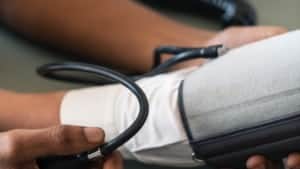
The cuff is usually placed right above your elbow on the left arm, which is against your arm’s main artery. As the cuff pumps in the air, it restricts your arm’s blood flow momentarily. The machine will record your results manually or electronically.

As the air pressure gradually releases from the cuff, your first arterial pulse registers as your systolic or top number. The last pulse before the cuff goes flat is called your diastolic or the bottom numbers. This scale represents the pressure in your blood vessels as the heartbeats.

low blood pressure

What Indicates a Low Blood Pressure Diagnosis?

Like many others, your BP may be naturally on the lower side, and you don’t have any problems with it because it’s your normal. Cardiologists consider a systolic reading below 90 mm and a diastolic reading below 60 mm as low blood pressure. Even lower readings can be just as dangerous as readings that are too high.

If you are prone to low BP, then it’s essential to visit your health care provider regularly and monitor it daily at home. Acute hypotension often indicates an underlying illness or disorder. Your doctor will order more tests to find the root cause.

What Are the Symptoms of Hypotension?

Since most symptoms commonly present with other disorders, the leading indicator is that your numbers are registering low when checked. Can you tell if you are hypotensive before you test your BP? Look for these red flags.

1 – Dizziness

People who are experiencing a drop in their BP will often feel light-headed and dizzy. Low pressure in the blood affects blood flow to the brain, which reduces oxygen levels. The resulting weakness may be gradual or sudden.

2 – Fainting

If your head is spinning with dizziness, you might feel like you are going to faint. Sudden BP drops often cause syncope or fainting. Experts recommend that you sit down immediately and lower your head while getting emergency medical attention.

3 – Nausea

Do you often feel nauseated? If you were not diagnosed with digestive or other medical issues, you might have problems with your blood pressure. As the body is weakened from weak blood flow and lower oxygen levels, nausea is a typical result.

stomach issues

Hypotension may trigger your nausea. Here are natural remedies to soothe the discomfort.

4 – Blurry Vision

Maybe your vision is blurry for no apparent reason. You might feel foggy, exhausted, and are unable to concentrate on anything. See your health provider as soon as possible and see if low BP is the culprit.

A drastic drop in BP can be life-threatening, requiring emergency care. This dangerous condition may cause shock. If you or a loved one are suddenly confused, has shallow breathing, cold/clammy skin, and a weak pulse, it’s time to call the paramedics.

What Causes Low Blood Pressure?

Here are several factors that cause low blood pressure.

1 – Dehydration

Do you drink enough water? If not, you can become dehydrated, and your BP may become too low. If you have a fever, take water pills, or do strenuous exercises, be kind to your circulatory system and drink plenty of H20.

2 – Dietary factors

An improper diet can also affect your BP readings. Specific vitamins, like B12, are crucial for manufacturing red blood cells. A drop in red blood cells, called anemia, can negatively affect your blood pressure.

3 – Your heart’s health

The heart is the central organ of the cardiovascular system. When you struggle with a cardiac condition, it may restrict the flow of blood and result in hypotension. Any blood disorder or substantial blood loss may also create low pressure.

4 – Endocrine health issues

Since the circulatory system works closely with the endocrine system, any endocrinological disorders may decrease blood pressure. You may be hypotensive if you are diagnosed with diabetes, adrenal disease, or thyroid disorders. Your doctor will keep both conditions monitored regularly.

5 – Blood infections

When the blood is infected and carries poisons throughout the body, it results in a potentially lethal disease called septicemia, or sepsis. Patients experience septic shock and are in danger of systemic shutdown. Septicemia almost always drops the blood pressure, often to critical levels.

sepsis

6 – A natural tendency

You may be one of many people who have low BP for no reason. If your health care professionals have ruled out illnesses, they will probably just recommend that you keep it regularly monitored. An acute hypotensive condition requires further investigation of underlying causes.

7 – Pregnancy

It is not unusual for pregnant women to have low BP. If you are pregnant, your drop in blood pressure may be due to an expansion in your circulatory system, which is now providing for two. After you have your baby, you will probably see your BP go back to normal.

8 – A few medications

Did you realize that some medicines you take can make you hypotensive? Antidepressants, beta-blockers, and drugs for Parkinson’s Disease are among those. Doctors warn men who take erectile dysfunction medications that the most severe side effect is a dangerous BP drop.

Are There Different Forms of Low BP?

After your doctor has evaluated your signs and symptoms and has diagnosed hypotension, he/she will also diagnose the type you have. Although other types may exist, yours will probably fit in one of the four main categories.

• Postprandial

Postprandial is a big word that means your BP drops after you eat. You are more apt to be in this category if you are a senior. The usual increase in BP to aid digestion may malfunction due to certain medical conditions, and you may feel faint dizziness after a meal.

• Postural

Sometimes people experience sudden blood pressure drops when they stand, known as postural. It may be caused by a plethora of reasons, such as certain disorders, medication, or pregnancy. Even though it is usually a senior malady, younger people who exercise strenuously may also be susceptible.

• Chronic

Those who have a neurological condition called Shy-Drager Disorder suffer damage that controls the automatic nervous system. Since this system regulates blood pressure, a malfunction can lead to chronic blood pressure issues.

• Neurally Medicated

Your brain automatically signals your heart when to beat and regulate blood pressure flow throughout the body. If these nerves are not functioning correctly, you may become hypotensive, which a condition called neurally mediated. It usually affects only young adults and children.

Do You Have Risk Factors for Low Blood Pressure?

Low blood pressure can affect people, regardless of race, gender, or age. Anyone can present with hypotensive signs and symptoms. However, you are more apt to receive a diagnosis if you have certain risk factors.

Medical studies demonstrate that the more you age, the more susceptible you are to hypotension. The risk is higher if you are over 65. It stands to reason that since seniors are prone to hypotension-causing conditions, this condition would be probable.

Certain diseases or disorders can cause lower BP readings. Although neurological disorders like Parkinson’s Disease almost exclusively affect seniors, cardiac disease, and diabetes can be present at any age. Low BP usually is a co-morbidity of these conditions.

Along with chronic health conditions comes medications that can affect blood pressure. Talk with your doctor about any medications you are taking that could make you hypotensive. Such information is crucial for your well-being.

low blood pressure

Here is a list of foods that help to normalize blood pressure.

Final Thoughts: The Treatments for Low Blood Pressure

Has your health care provider issued a diagnosis of low BP? The good news is that your physician can treat the condition. Your doctor will provide you with treatment options that can keep your BP at healthy levels. One of the first options is to take a medication that will increase blood volume. Thankfully, many natural supplements and techniques have little to no side effects that can do the same thing.

Self-care is an essential way to deal with a hypotensive situation. If you feel signs that your blood pressure is dropping, then you should lie down immediately. If you are prone to fainting spells, then you want to make sure you don’t fall.

Additionally, drinking water can also help you to calm yourself, which often improves hypotension much better. It’s easy to panic when you feel like you’re going to pass out. So, you must wait until your blood volume rebuilds before getting up again. If you are having continual problems with this issue, then you need to see a doctor right away.

Having low blood pressure can be very serious and can cause severe medical complications. You need to be evaluated to see why this situation is happening and what can be done to fix it.

These Penguins Exploring an Empty Aquarium Will Make You Smile

While Chicago’s Shedd Aquarium remains closed to the public due to the coronavirus pandemic, this doesn’t stop aquarium employees from making people stuck at the home smile. The animal keepers allowed the penguins at the aquarium to wander the empty exhibit halls and captured all the cuteness on camera for animal lovers.

Since social distancing is being encouraged to stop the spread of the virus, the Shedd Aquarium decided to close its doors on Friday, March 13. However, the aquarium still wanted to make regular visitors happy, so they’ve been posted adorable videos of penguins running rampant in the aquarium on social media platforms.

These penguins exploring an empty aquarium will bring a smile to your face

While it seems strange to see the aquarium so empty, it’s hard not to smile at the penguins despite the scary situation happening outside the walls of the usually packed tourist attraction. The Shedd Aquarium has been posting a series of videos on its Twitter account showing the penguins having a blast while “on a field trip.” The first video was uploaded on Sunday, March 15, and shows a penguin named Wellington looking through the glass at the fish in the Amazon Rising exhibit.

Penguins in the Amazon?

Some of the penguins went on a field trip to meet other animals at Shedd. Wellington seemed most interested in the fishes in Amazon Rising! The black-barred silver dollars also seemed interested in their unusual visitor. pic.twitter.com/KgYWsp5VQD

— Shedd Aquarium (@shedd_aquarium) March 15, 2020

Isn’t Wellington just adorable?! It looks like he and the fish are getting along quite nicely also! The aquarium posted a few more cute videos of the penguins for animal lovers to enjoy.

The second video posted shows resident rockhopper penguins Edward and Annie. They are together for nesting season and got to explore the aquarium’s rotunda while the exhibit halls remained empty. Even though the world outside of the aquarium is a little uncertain right now, it’s still spring nesting season for these adorable penguins.

The adventure continues!

This morning, Edward and Annie explored Shedd’s rotunda. They are a bonded pair of rockhopper penguins, which means they are together for nesting season. Springtime is nesting season for penguins at Shedd, and this year is no different! (1/3) ? pic.twitter.com/VdxN3oQAfe

— Shedd Aquarium (@shedd_aquarium) March 16, 2020


Another video posted on March 16 shows Edward and Annie making their way through the Southeast Asian Streams section. The Twitter post explained that Edward and Annie would start building their nests next week, and the aquarium said they would keep the public updated on nesting coverage.

The last video posted on the aquarium’s Twitter showed the penguin pair looking around the information desk area. While all of us have to remain at home for a while to stop the spread of the virus, the penguins get to explore more of their surroundings, and we get to watch from the comfort of our homes. The aquarium is asking Twitter users for suggestions on activities for the penguins while the facility remains closed to the public.

Penguins on Saint Patrick’s Day

If you need some more penguin cuteness to ease your stresses during this time, the Shedd also had a St. Patrick’s Day penguin party on Tuesday, March 17, capturing the whole event with pictures for all of us to enjoy.

Final Thoughts: These Penguins Can Provide Distraction for Some Time

It’s heartwarming to see businesses trying to keep a smile on patron’s faces even if they can’t be there in person. Did you enjoy these adorable pictures of penguins running loose in this aquarium? Let us know in the comments below!

(C)Power of Positivity, LLC. All rights reserved

Kind Karate Sensei Helps Kids Fight Anxiety

A kind karate sensei knew that children would feel fear and anxiety as schools shut down due to the coronavirus. He also knew that martial arts would allow children to engage in physical activity and focus their minds.

Meet Del Rounds. He’s a Professor of Criminal Justice at the Edinboro University of Pennsylvania by day. In the evenings, he is the Sensei at Edinboro Family Martial Arts Center.

As he left the dojo to begin the mandatory closure of educational facilities on March 11, 2020, his heart was heavy. He knew the children he taught looked forward to their karate lessons. Furthermore, he was keenly aware that their daily routines were upended. He knew that abrupt change causes many children to experience feelings of loss, sadness, and even anxiety.

He knew he needed to help, and he wanted to make a difference during this time of great need. But how?

As he turned the key to lock up the building, an idea formed in his mind. He described his thought process, as follows:

“I would teach online karate classes. For anyone! For free!”

He had not formulated how he’d accomplish it precisely, but he knew he must do it.

The world of martial arts has always thrived on the principles of resilience and adaptability, especially during challenging times. Many students have found comfort and solace in their training, using the dojo as a sanctuary from the chaos outside. Mastery Martial Arts, with its focus on building both physical and mental strength, empowers practitioners to navigate life’s uncertainties with grace. This philosophy fosters a sense of community among students, uniting them in their shared commitment to growth and self-improvement.

In the face of adversity, martial arts serve as a powerful tool for cultivating discipline and focus. As students practice their techniques, they not only hone their physical skills but also develop a deeper understanding of themselves. The lessons learned on the mat—persistence in the face of challenges, respect for others, and the importance of mental clarity—translate into valuable life skills. It is through this lens of perseverance that individuals can find hope and motivation, proving that even in the most trying times, the spirit of martial arts remains unbroken.

Over the next five days, Del and a student and volunteer, Sensei Noah,  set up the virtual dojo setting, preparing for their first students. They launched the program on Monday, March 16, 2020. They used nothing more than a smartphone and their WiFi to deliver the first online class. Much to their surprise (and delight), over 200 children joined in on that first session.

https://www.facebook.com/EdinboroKarate/videos/634678440703118/

Karate alleviates anxiety for children

It turns out that Del was onto something.

Research published in 2019 in the American Journal of Men’s Health demonstrates that karate does provide many positive benefits–one of which is the easing of feelings of anxiety.

Karate empowers people to feel healthy and focused. It balances the mind even as it strengthens the body.  The benefits identified by the same study include the following:

  • Improves both anxiety and depression
  • Provides participants with positive role models and mentors
  • Breaks down social barriers
  • Provides opportunities to socialize in a positive environment
  • Offers a form of exercise in a fun class setting
  • Increases feelings of mental and physical wellness.

Sensei Del summed up the benefits succinctly.

“The benefits of anyone learning karate is that you learn how to truly focus and concentrate in a safe, but challenging, environment. Students also develop an indomitable spirit and an “internal locus of control.”

Sensei Del offers advice to children who feel anxiety during the shelter in place orders

Our children are out of school. In some states, officials still call it an undetermined period. This makes our little ones feel displaced, nervous, and even depressed. When asked to share advice for the children of the Power of Positivity community, Del stated very simply,

“This will pass. We will get through this time and things will be normal again, but we will be stronger because of it. Guaranteed.” ~Del Rounds

karate and other talents

Learn how to cultivate your child’s talents.

Sensei Del Invites Your Children to Join in the Fun, Too!

Sensei Del is offering these free karate classes Monday through Friday at 11 am to help kids overcome the anxiety that stems from all the uncertainty. He wants to continue to help spread the positivity, so he wants to invite your children to attend the thirty-minute session, too!

Who knows, maybe your child will develop a new sport and release some pent-up energy.

You can join the class through their Facebook page. Just click the link for that day’s lesson, and you’ll join. No fees, no formal registration process, no fuss. Del genuinely just wants to use karate to do his part in helping families during these difficult days. And that’s the type of kindness that will get us all through this pandemic.

10 Ways to Stay Connected During Social Distancing

With the Covid-19 virus threat reaching dangerous points, social distancing has become a necessary mandate. Some people are loners and don’t mind keeping others at arm’s length. However, the vast majority is finding isolation challenging, especially when they want to talk to their friends and family.

If you find yourself going stir crazy during the mandatory “shelter at home orders,” then here are ten ways that you can keep the communication between you and your inner circle going strong.

1. Join a Virtual Book Club

If you long to connect with people who are interested in similar things as you, then you should consider joining a virtual book club. Book clubs are an excellent way to meet new people and learn about fantastic books that you can enjoy.

There are hundreds, if not thousands, of book clubs online for you to explore. You can pick the club that matches your interests. Reading is a great way to stretch your brain and relax your body.

It’s hard to feel stressed or lonely when you are curled up with a good book and chatting with friends. A great author can take you on a magical journey that will have you engrossed for hours. Why not pick up a classic series and finish the entire trilogy?

Getting lost in a book will make the social distancing time fly by. Light some candles, put on some soft music, and find a good book to read. All this downtime will help you to will enhance your literary skills.

2. Use Those Unlimited Text Messages

Most major carriers offer free unlimited text messages. You don’t really need to focus on the aspects of the virus and the restrictions it has placed. Rather, you can text your friends, family members, and coworkers freely.

Texting is one of the best ways to keep in contact with people. You can have many conversations going on at once. There’s never a need to feel isolated when you can pick up your phone and engage in a text conversation.

One of the great things about technology is that you can send pictures back and forth through your texts. If you are “shut-in” away from family and friends, then you can send them pictures of your kids or other things going on at your abode.

When social distancing is between you and those you love, then use texting to ensure that you stay connected. It will also help to keep you from getting bored during all these days of isolation.

social distancing

3. Face Time

Forget making traditional phone calls; you can make video calls. When you can see the person on the other line, it makes things so much better. It will seem as if there is no distance between you and the other party.

Face time apps and similar ones are available on your cell phone. You can easily connect with someone thousands of miles away without issue. While the quality of the call is not going to be perfect, it’s still a great way to connect on a personal level.

Social distancing can be a challenging experience when you are alone. However, using the power of online resources and apps, you can connect and feel as if you are with someone even if just talking by phone.

4. Virtual Game Night

You can play games with your friends and family without ever leaving your living room. Using one of the main game systems like Xbox or PlayStation, you can connect with others via the internet. You can play games and pass the time away.

Many people will play for hours without even realizing where the time has gone. Social distancing doesn’t mean that you can’t be social. You can have fun with people from around the world and play some of the hottest games around.

5. Virtual Night with Friends

There’s no reason to cancel your night out with friends, but you will need to change it up a bit. You can have a virtual night out using online resources. Skype or Zoom can let you have your time with friends, and you don’t even need to leave your home.

Schedule a time for everyone to log in together. Then, together you can try a great new restaurant in town, a new wine, or even give each other cooking lessons. There’s no reason that you need to keep yourself from your friends when you can have a virtual game night with the touch of a button.

social distancing

Psychologists explain why you need friendships. Let’s keep these in mind during social distancing.

6. Keep Social Media Updated

Whether you like Facebook, Twitter, or Instagram doesn’t matter. There are tons of social media sites for you to hang out on. You should select a platform and keep it updated.

Many people don’t even scroll their local newspapers anymore as they can find all the things they need on social media. Check these accounts often for any changes that might be happening with your family and friends.

Also, be sure that you update your wall with pictures and events going on in your home. You can ease your family’s minds when they can see that everything in your neck of the woods is going swell.

7. Have a “Netflix Party”

Who doesn’t love to Netflix and chill? However, it’s always better when you have someone that you can watch a new series or movie with rather than alone. You can now hook up to a Netflix party and make isolation seem less mundane.

You can have group chats and sync videos that allows you to watch hundreds of hours of television with others. The whole key to this app is that you will have frequent interaction with others watching the same show.

You can get spoilers, learn things you might have missed, and chat with other enthusiasts that are enjoying a show you like. You will never have to watch television alone again after you learn how to use the Netflix party app.

8. Write a Letter

If you thought that writing letters was something that hasn’t been done in decades, well, it’s something that fell by the way because it takes time. People in the 21st century don’t seem to have a lot of time. However, with the social restrictions being placed on this country, it seems time is not an issue.

Now that you have all this extra time on your hands, why not write a letter? Dust off the old stationery set and find someone who would enjoy this act of kindness. It means so much more when you take the time to write to someone.

It shows real effort to write a letter, put it in the envelope, and put a stamp on it to mail. It’s a bit more of a complicated process than it is to send an email or text, but it can certainly surprise the recipient.

positivity quotes

9. Join an Online Community

Many online communities can take hours to scroll through all the things that interest you. Reddit is just one of the fan-favorite places that you can visit. You can become an active participant and get all the socialization that you need.

You can find people from all over the world that have the same interests as you. There is a real sense of community on these sites, so it will be easy to forget about the social distancing orders. You can ask questions, post pictures, and browse the hundreds of responses you will get.

There are tons of subheadings that are anything from eating healthy to fan groups for your favorite movies. Some of the comments on sites like this are for full shock value.

However, you will learn things you never knew about, read stories of inspiration, and you will have a chance to express your opinions too. If you need to socialize, then one of these online communities is the place to be.

10. Make an Effort to Talk to One Person Each Day

While you may be doing well to hold it together during this time of confusion in our world, some of your friends and family members might not be doing as well. A global pandemic can be quite frightening to people who have depression and anxiety.

Make an effort every day to call at least one person and talk to them on the phone. Make a list of all the people that you want to make contact with during this period. Include people like your parents and grandparents, siblings, high school friends, and people in nursing homes.

Those in nursing homes are often the loneliest. They can’t have any visitors at all during this time of isolation. By reaching out to others every day, it will help to combat your angst as well as their loneliness.

social distancingFinal Thoughts: Making the Best of a Bad Situation

There are so many negative things in the world that it’s hard to focus on the positive. However, you must remind yourself that bad things do happen, but society will recover.

The important thing is to keep your mental health in check during times when socialization is not easy. You have to go beyond your comfort zone and use technology to reach out to people.

Having a social life can still happen even when you are on a social distancing order. You must be creative, think outside the box, and use the online resources to get your social fix. Just keep telling yourself that this too shall pass, and it will. Plus, being alone is sometimes a nice break too.

Dwayne Johnson And His Daughter Teach the Handwashing Song

Because of the coronavirus pandemic, the public has been encouraged to follow safety precautions such as handwashing for at least 20 seconds and practicing social distancing. While some adults have no trouble with these practices, many children struggle to have the attention span and patience to wash their hands for that long.

However, Dwayne Johnson wanted to teach his daughter how to wash her hands properly so she could stay safe during the outbreak. He shared a video on Instagram recently to teach his fans a little bit about handwashing as well. While the video has been removed, it’s still an adorable concept worth mentioning, and perhaps it can give other parents some ideas during the downtime. Dwayne’s daughter Tiana is 23 months old and seems to enjoy the song her Dad came up with, as you can see in the video below. How adorable are they!?

The caption says, “As we’re all holding down our households all over the [world] doing our best to manage this pandemic taking care of our families and teaching our babies the importance of handwashing and for how long — a fun way to teach ‘em is singing the rap portion of my song ‘You’re Welcome’ from MOANA. The benefit to this is your kids will now love washing their hands. You’ll find one drawback because the song sticks in your head forever. You’re welcome. Stay healthy, everyone,” according to Us Weekly.

More About Dwayne Johnson

Dwayne also has a four-year-old daughter Jasmine with his wife Lauren Hashian. He wants them all to remain safe and healthy during the pandemic, and hopefully, they will follow Dwayne’s lead with the handwashing song!

Dwayne met his wife on the set of his film The Game Plan in 2007 and immediately connected with her. He had just split up with his first wife, Dany Garcia when he met the love of his life. In 2015, he told Esquire that both of them had been living together for eight to nine years. “To fall in love again? That’s a hard thing to do twice in the position I’m in. I’m one lucky son of a b—h,” he said.

change the world

Learn eleven small changes you can make to improve the world and enjoy your life more.

“I’ve got a lot of things happening in my life, and I’ve been so lucky and fortunate to be blessed with a lot of things. The relationship part to me is my most prized thing. The people in my life. I’ve learned the power that we have to make other people happy and content in a relationship. And I have the love of my life, Lauren, who I’ve had for eight years now. I wake up every day so grateful and so thankful that I have someone like that, someone that you can walk through this world with,” he said once to Entertainment Tonight.

Aren’t Dwayne and his daughter Tiana just adorable?! We could all learn a thing or two from them about washing our hands! If you enjoyed the video and think some people in your life could use a refresher on handwashing, please share with them!

Science Explains What Happens to Your Brain When You Panic

First, you hear bad news to trigger panic.

There’s probably never been as much apprehension around a health issue in the 21st century then what we’re now seeing with the spread of novel Coronavirus (COVID-19).

As of this writing, California, New York, Illinois, and Connecticut have all issued stay-at-home orders to its citizens to prevent the spread of the virus. That means about 75 million Americans, a quarter of the entire country, are being told to stay inside.

Even in states where there are no such requirements, businesses are closing their doors, and people are staying inside. In other countries, there are even lockdowns and forced quarantines. Many are stuck overseas as their home country issues travel bans and visa restrictions.

On an individual level, people are anxious and uncertain. These are entirely reasonable human responses to such an event.

However, unless managed, this uncertainty, anxiety, and fear can swell into full-blown panic. You mustn’t allow this to happen. We mustn’t let this happen.

Now, the good news. While outside events aren’t within our locus of control (besides taking safety measures ourselves, of course), we can indeed influence how we respond.

By understanding how anxiety works, we can effectively manage it. By doing so, we limit the possibility of panic- a more extreme form of stress – from taking hold.

Anxiety In The Brain

Anxiety, fear, and panic are all inside the mind. This assessment isn’t just some cliché. Indeed, it’s science. Per the Mayo Clinic: “Anxiety is all in the head.”

Short and sweet.

Several areas of the brain are involved in the anxiety response, which is triggered when the amygdala (uh-MIG-duh-luh) senses trouble. An important thing to mention here is that the amygdala responds whether or not the threat is real, imagined, or anticipated.

When activated, the amygdala releases a flood of hormones (including the stress hormone, cortisol) and adrenaline. Scientists call this process fight-or-flight, which enabled our distant ancestors to survive in life-or-death situations.

Of course, the number and degree of life-or-death scenarios that we currently face pale that of our forebearers. The problem: our neural circuitry hasn’t evolved much since this time. In other words, the underlying brain structure that was around when we slept among wild beasts who wanted to kill us remains pretty much intact.

While our survival mechanism is necessary for those increasingly rare live-or-die scenarios, it can be a hindrance when trying to remain calm amid crisis.

anxiety leads to panic attack

These 26 tips can help you manage anxiety before it turns into full-blown panic.

Let’s discuss how this mechanism works.

  1. When alarmed, the brain’s amygdala is immediately on guard. In turn, the amygdala alert multiple other regions of the brain to the potential threat. This is when we notice that typical fear response: rapid heartbeat, sweaty palms, a spike in blood pressure, and a surge of adrenaline. All of this transpires before you’re even aware of why you are afraid.
  2. It is only after the deeper brain structures are alerted to the threat that the conscious part of the brain, the prefrontal cortex (PFC), tries to make sense of what is going on. Signals are sent to the thalamus and then to the cortex for the gathering of raw data. The cortex then “decides” whether a fear response is required; if it is, the cortex signals the amygdala, and the body stays on alert.

Panic sets in under one of two conditions: (1) the stimulus (outside event, internal thought/emotion) is overwhelming, which triggers heightened anxiety response, or (2) the onset of symptomatic anxiety disorder has hijacked the response. In the case of panic disorder (PD), the second condition may precede the first.

Per the Anxiety and Depression Association of America (ADAA), between 2 to 3 percent of Americans experience PD in any given year.

Normal anxiety versus generalized anxiety disorder

The ADAA distinguishes between “normal anxiety” and an anxiety disorder (generalized anxiety disorder, or GAD.)

Normal Anxiety Anxiety Disorder
Muscles aches or fatigue; exercise overexertion; stress at work; sitting too long at the computer Agitation, muscle tension, fatigue (or a combination of these) that continue for six months or more; symptoms are not related to a specific physical or emotional problem
Worry about a work deadline, school exam, or upcoming medical appointment Chronic and continual worry that disrupts social activities interferes with work, family, school, and relationships.
Difficulty concentrating, relaxing, or sleeping when faced with a job loss, illness, or relationship difficulties Difficulty concentrating, irritability, or sleep disturbance on the majority of days for at least six months.

(Source: ADAA)

For the remainder of this article, we are going to assume that you experience normal anxiety on occasion. In times of crisis, such as what the world is now dealing with, you may find that instances of normal anxiety may become more frequent. What distinguishes normal anxiety from an anxiety disorder is that the removal of the stimulus (in this case, COVID-related events) results in the relief of many anxiety symptoms.

Please note that the next section, which deals with the short-term relief of anxiety and panic, maybe of benefit for both groups. However, intervention and treatment are often required for individuals with an anxiety disorder.

note to selfCounteracting Anxiety and Panic

An understanding of the sympathetic and parasympathetic nervous system (SNS and PNS, respectively) may come in handy here.

The SNS orchestrates the body’s rapid, involuntary response to danger or stress. It is the SNS which activates the fight-or-flight response. The PNS counteracts the SNS by promoting a state of dynamic equilibrium (homeostasis).

Studies have shown that uncertainty, like what we’re dealing with now, results in more frequent SNS activity. Other factors also contribute, including the absence of an emotional outlet, feelings of non-control, and feeling a lack of support or hope.

panicHacking the PNS

The good news is that we can voluntarily activate the PNS, thereby suppressing SNS activity and, thus, anxiety symptoms.

How?

Well, there are numerous methods. But the simplest is, by far, a quick breathing exercise.

Dr. Rick Hanson, the author of “Buddha’s Brain,” lays out a five-minute meditation called “A Taste of Equanimity.” Here’s how it works:

  1. First, relax your body and mind. Don’t force this relaxation; just let it happen. Think of how residue settles at the bottom of a glass of water.
  2. Focus on the sensations of your breathing, either at the belly or chest or around your upper lip.
  3. Mindfully (moment-by-moment) attend to the quality of your experience. Are the sensations you’re experiencing pleasant, unpleasant, or neutral?
  4. Observe as your mind automatically shifts into a mode of patience about whatever arises. You’ll feel at ease – a relaxed and undisturbedly pleasant state. Accept these feelings.
  5. Observe as your mind becomes more and more collected, steady, and quiet.

After a few minutes, with practice, your mind will be able to witness mental and physical events. That is, your brain and consciousness become less prone to getting “caught” up in rumination, uncomfortable sensations, and so on.

If you wish to take your practice to another level, try sitting for ten minutes. When you’re ready, bump it up to 15. Just remember that the quality of your meditation and mindfulness practices are much more important than the quantity.

If you are on the go and caught up in anxiety, there’s an even quicker breathing exercise that you can practice. Here’s how it works:

  1. First, take three deep breaths, filling your lungs, and exhale fully.
  2. On the following in-breath, count to four.
  3. Hold the inhale to a count of two.
  4. Exhale to a count of seven.

Practice this breathing exercise for 2-3 minutes or until your mind collects itself (which it will.) This technique is a wonderful practice when you’re at work or in any situation where you need to take a timeout. Try to get into the habit of breathing this way whenever you can.

panicFinal Thoughts: Please Be Safe, Prepare But Don’t Panic

While the above exercises will certainly help you ease any anxiety and panic that you may feel, please exercise the proper precautions during this difficult time.

Per the World Health Organization (WHO), here are some measures that you can take to help protect yourself from COVID-19:

  1. Wash your hands frequently to kill any viruses that may be on your hands.
  2. Keep at least a 3-feet distance between yourself and anyone that is coughing or sneezing. (Furthermore, it’s probably a good idea to maintain this distance whenever you’re out in public.)
  3. Abstain from touching your eyes, nose, or mouth, as doing so can transfer viruses to these areas and enter your body.
  4. Always cover your mouse and most whenever you cough or sneeze. If you use a tissue, dispose of it immediately.
  5. If you develop a fever, cough, and difficulty breathing, seek medical attention.

For more information, please visit the World Health Organization’s website at www.who.int.

Please be safe and well.

How TED Talks May Help Boost Cognitive Function

Editor’s Note: Updated title to remove Neurosurgeon reference

Do you feel that your thinking process occasionally malfunctions, and your brain needs a jumpstart? Maybe you are concerned that it happens more frequently as you age. Please don’t feel bad, because we all experience these brain lags.

The good news is that you can do something about it. Just like any other part of the body, your brain thrives with exercise. You can improve your cognitive skills by exercising your mind and stretching your learning capacity.

Top neurologists refer to studies that link boosting cognitive abilities with keeping the brain active. If you continuously engage in mindless activities like sitting in front of the television, your body and your mind will quickly get out of shape. How can you inspire your brain to expand?

Can You Train Your Brain with Ted Talks?

Medical experts tell us that our brain has billions of neurons and other cells that are responsible for proper physical and mental functions. As some brain cells die over time, they regenerate with more, a process called neurogenesis. Your brain can produce even more neurons with a little training.

Ted Talks are becoming the modern neuroscience way to speed up neurogenesis.

What are Ted Talks?

It’s an acronym that stands for Technology Education and Design.

They are videos made from a lecture at the leading TED conference, and it’s a global effort to share ideas worth communicating. Additionally, these talks can be generated from one of the numerous satellite events that take place around the globe.

These talks range on a variety of subjects, but they are only a mere 18 minutes in length. Studies show that normal neurological functions and intentional brain-expansion training give the brain a steady supply of fresh neurons, and these Talks can be what you need for optimal brain health.

TED Talks help to keep your mind active, and your brain’s neurogenesis will be strengthened, which will enhance your language, creativity, and cognitive abilities. Your brain will continue to expand as you train it.

TED Talks8 Ways TED Talks Can Improve Cognitive Function

1 – Never Too Old to Learn

Whoever said that you couldn’t teach an old dog, new tricks were out of touch with reality. Not only can you “learn new tricks,” but you can expand your learning power by consistently challenging your brain through Ted Talks. Whether you are a kindergarten student or an older person, exercising your mind is crucial for mental strength.

What are you currently doing to stretch your intellect? Do you feel like you have hit a roadblock and need something mentally challenging? Here are some efficient ways to improve your cognitive skills every day.

2 – Tune in To Virtual Classrooms

You don’t need to be in an actual classroom to learn. Modern technology brings the classroom experience to you via the Internet. Online classes and TED talks are available on just about any subject imaginable. Many of them have a minimal cost or are free.

Perhaps you want some inspiring ideas for your job. Gleaning current information from an online seminar or one of the many TED talks may expand your creativity and brainpower. The fact that you are reading this article demonstrates your desire to learn more about yourself and your world.

3 – Fall in Love with Reading Again

Reading is your passport to the world of imagination and learning. When you mastered the skill of transposing speech to the written word, it set your brain into perpetual motion. As you read, your mind stores the information and collates it with experiences in your life.

No doubt, you must read a lot for your job. Memos, emails, and policy books are always keeping your brain cells buzzing. When was the last time you opened a book or magazine and read for pleasure?

Many people find that reading the newspaper keeps them mentally sharp and on top of current events. If papers bore or depress you, consider finding a book or magazine that piques your interest. Whether it is fiction or non-fiction, you are bound to learn something new, broaden your views, and increase your vocabulary.

What could tickle your senses or exercise your deductive reasoning more than a good mystery novel? Along with subjects you enjoy, consider pursuing unfamiliar topics. You will grasp concepts that will broaden your interests and may lead to new skills.

positivity quotes

4 – It’s OK to Tease Your Brain

When your brain hasn’t been sufficiently challenged, you may feel bored, foggy, and depressed. However, you don’t have to read a book on rocket science to give yourself a little nudge. Treat your brain health like a wandering toddler and always have something on hand to grab its attention.

Remember the zany brain teasers you used to read as a kid? Puzzles and riddles are as old as humanity and still challenge us to think while having fun. Brain teasers have a plethora of forms, like riddles, trivia, word searches, and crossword puzzles.

Do you dread standing in line in the grocery store or waiting forever in the doctor’s office? Do your brain cells a favor, and keep a few puzzle books with you. Crosswords and sudoku puzzles can hone your vocabulary and reasoning skills.

5 – Step into the Unknown

Like most people, you probably don’t like change. You find comfort in the familiar and feel uneasy when your thoughts and habits are challenged. Just as weightlifters endure temporary discomfort to gain muscle, stepping out of your comfort level can increase your cognitive abilities.

If you feel like you are frustrated with a dead-end job, then what is hindering you from your dream career? Have you ever wanted to learn a new skill but are too intimidated to try? While part of your brain feels the stress and fear, most of it thrives at a chance to learn something new.

Maybe you are retired or disabled and think that your days of dreaming are over. Nothing could be further from the truth. Multiple scientific studies suggest that people who keep their minds active not only enjoy better brain function, but they may live longer. Ted Talks is an excellent way to give your brain that boost it needs.

6 – Your Brain Needs Other Brains

Humans are social creatures and were never intended to live in solitary. Although it is relaxing and beneficial to be alone with your thoughts sometimes, your mind needs to be challenged by others. It is how the collective consciousness has expanded since the beginning.

What attracts you to other people? Beyond physical attraction, we connect with compassionate people with lively personalities and powerful conversational skills. As you talk with friends and family, your brain exercises skills in conversation and reasoning.

One of the best ways to keep mentally sharp is to meet new people continually. At parties and other social occasions, find fresh faces, and introduce yourself. Everyone has a unique experience and story to tell.

Consider joining clubs or other social organizations where you can meet a variety of people. It would help if you volunteered with a charitable organization that shares your passions. Networking with others lends valuable insight and potential for your mind to ponder.

brain health

7 – Give Your Brain a Break

When you don’t get enough rest or sleep, you suffer physically and mentally. Healthy brains need rest as much as they do exercise for optimal performance. If your mind is overworked, your cognitive skills will be negatively affected.

Choose from one of many Ted Talks and play it while you drift off to sleep. You need seven and nine hours a night to function well. If you aren’t getting enough sleep, your brain may stay in a fog that makes you feel miserable and unproductive.

Sometimes, your body needs to rest, but your mind keeps racing. A beneficial way to give your brain time to rest and reboot is a distraction. Take a mental break several times during the day to clear your mind and energize your brain cells.

Another useful way to bring your mind rest and vitality is meditation. Find a quiet place, close your eyes, and release your thoughts into the air. As you are conscious of your breathing, allow your brain to dissipate negative energy, and inhale the positive.

While meditation may be easy to dismiss for some, scientific studies show otherwise. People who meditate consistently often are less stressed and find that their cognitive ability and creativity are enhanced.

8 – Keeping Your Overall Wellness in Balance

As you keep your brain active,  you’ll become more motivated to keep your body in shape, too. Obesity can cause other diseases, which can impair your brain’s ability to produce more neurons. Talk with your health care professional about the diet and exercise regimen that is right for you.

TED talksFinal Thoughts: Ted Talks Place a Lifetime of Learning Firmly Within Our Grasp

You only have one brain, and it must last a lifetime. TED Talks are the perfect way to expand your horizons, and you can choose from hundreds of animated lessons that can grow on your learning capacity. Your brain health is essential, and it’s your job to stimulate your mind every day.

10 Natural Ways to Reduce Brain Fog and Boost Mental Stamina 

Today, most of us are strapped for time and looking for cheap and effective ways to boost our energy quickly. Our brain fog makes us have to sift through more stimuli than in the past. Unfortunately, this process can deplete our mental stamina in no time.

Exhaustion plagues so many of us, and it can feel like a never-ending battle sometimes. We’re all trying to find the answers to how we can thrive instead of just survive. How can we stop feeling burnt out and have more mental stamina to take care of responsibilities?

Manufacturers sell everything from pills to powders to energy drinks that claim to boost energy levels. However, most of these “remedies” have two ingredients in common: caffeine and sugar. If you get an energy boost, it’s likely due to those ingredients since they raise cortisol levels but leave you with a crash. With so many unhealthy products out there, how can we discern the good from the bad?

We’ll go over some natural ways to reduce brain fog and boost mental stamina below.

Ten Ways to Boost Your Mental Stamina and Remove Brain Fog Naturally

mental stamina

1 – Meditate 

Researchers believe that mood disorders like anxiety and depression could connect with vagus nerve function. This is a cranial nerve that runs from the brain to the heart, lungs and digestive tract, helping to regulate their function. Researchers studying the vagus nerve and its connection to mood believe that ‘understanding the neurobiology of emotional regulation and dysregulation’ during these emotional states will lead to breakthroughs in treatment for mental illness. 

Stimulating the vagus nerve can help us boost mental stamina by reducing unwanted mental states such as anxiety. Researchers discovered that a type of meditation called the ‘Loving Kindness Meditation’ helped reduce heart rate variability. Along with the meditation, experiencing more positive emotions and positively connecting with others helped to improve the functioning of the vagus nerve. 

2 – Don’t work too much

Work demands so much energy from us since it takes up the majority of our time. If you can, try starting your own business where you have more control over your hours, or perhaps ask your boss if you can work from home a couple of days a week. Having more flexibility in your schedule will allow you to reduce brain fog since you won’t have to think about work as much.

Work can quickly drain mental energy, and meditation, in combination with setting boundaries, can help tremendously with stress. 

brain fog

3 – Exercise more

Exercise offers so many benefits to our mind and body, especially when combined with healthy eating practices. For one, it increases endorphins, which are feel-good hormones released when the body needs a quick burst of energy to perform a task. Endorphins provide the body with a natural high. 

Furthermore, exercise helps you sleep better, which will reduce your brain fog and increase energy. A study published in April 2015 in the Journal of Sleep Research studied people with insomnia who did moderate-intensity workouts for at least 150 minutes each week. Researchers discovered that participants had less severe insomnia symptoms as well as better moods when they exercised.

Exercise can also increase focus and eliminate “brain fog.” According to a study of older adults published in April 2016 in Oxidative Medicine and Cellular Longevity, a 24 workout program containing moderate-intensity aerobic exercise improved concentration and focus.

Exercise can also eliminate depression and anxiety symptoms, which will improve your energy since your mind won’t be running on overdrive. 

4 – Get blood sugar under control

Diabetes and high blood sugar can later lead to neurodegenerative disorders such as dementia. By eating healthy, abstaining from added sugars, exercising, and maintaining a healthy weight, you can get your blood sugar under control, which will improve energy levels.

5 – Don’t sleep as much

In a chronically sleep-deprived society, this might seem like bad advice, but hear us out. Most people spend a long time in bed, but a good portion of that time isn’t spent sleeping. This confuses the body and causes the circadian rhythm to get out of whack. To figure out how much sleep you need, sleep experts advise you to restrict your sleep until your body resets itself. 

Here’s some advice on how to get started:

  • Avoid daytime naps.
  • Start with four hours of sleep and add to it as needed.
  • If you slept well during those four hours, add 15-30 minutes each night until you wake up the next day fully rested.
  • If you wake up during the night, don’t just lie in bed and suffer through it. Instead, get up and do something to make you sleepy, such as reading a book or drinking tea.

mental stamina

6 –  Eat healthier foods

Avoid eating a lot of processed foods, because these have very few nutrients but are high in calories. This means your body will use that energy quickly but still feel deprived despite the intake of calories. Eat mostly whole foods such as grains, fruits, vegetables, avocados, nuts, seeds, fatty fish such as salmon, and low-fat dairy. Eating small meals plus snacks throughout the day will keep your blood sugar stable and help you avoid cravings.

7 – Get off technology.

Research shows that heavy technology use, especially at night, can interrupt your sleeping cycles. This can lead to insomnia and other sleep disorders. The use of technology at all hours of the day confuses our bodies, as we are still wired for light only during the daytime. However, many people still use their phones right before bed, and some even wake during the night to check notifications! 

To get the best sleep possible, and have more energy, try to limit your technology use at night. Put your phone in another room if you have to so you won’t feel tempted to check notifications. Turn off the TV and computer at night as well. 

Technology also links to conditions such as depression, anxiety, fatigue, eye strain, neck pain, and memory problems. We walk around with our cell phones practically glued to our hands, which has proven to be detrimental to our quality of life. Try only to use your phone when you have to and not just out of habit. You’ll feel more present, and the break from a constant stream of information will eliminate a lot of brain fog. 

8 – Cut out alcohol. 

Alcohol is a sedative, so if having more energy is your goal, avoid alcoholic beverages. During nighttime hours is especially when you’ll want to abstain from alcohol, as it can disrupt your sleep cycle by causing insulin levels to spike. If you do drink, limit it to one drink during the daytime.

9 – Drink more water. 

So many people suffer from chronic dehydration and don’t even realize it. We’ve replaced water with energy drinks, coffee, and other beverages that only serve to increase our thirst. Water gives you energy by hydrating your cells and helping carry out numerous bodily functions. It’s essential to drink lots of water during the day, so if you have problems getting enough, carry a water bottle with you wherever you go.

10 – Spend plenty of time in nature. 

So many people wake up to an alarm in the morning, but nature provides a much better way to get your day started. Nature is one of the most natural energy-boosters. Sunlight and fresh air can do the mind a lot of good, especially if you don’t have a chance to get outside much during the workweek. Even 15 minutes a day in the morning time can help improve your energy levels and reduce brain fog.

fogFinal Thoughts on Ways to Have More Mental Stamina and Fight Brain Fog

Plenty of people struggle with brain fog and reduced energy levels in our fast-paced world. Our brains and bodies are taxed to the max, trying to take care of our worldly responsibilities while also caring for others. However, we can improve our energy levels using the tips listed above. Most importantly, on the list are meditation, getting sunlight, having a restful sleep, eating healthy foods, and reducing stress can fight brain fog. 

Also, limiting technology use will help reduce brain fog since the constant bombardment of advertisements and social media posts can cause overstimulation. In general, you want to maintain a calm, positive demeanor, so reduce anything in your life that evokes the opposite response. Of course, some things are out of your control, such as work and household duties, but mindset training through meditation can improve how you react to those situations. 

We all have come here to learn valuable lessons and correct past karma, so of course, we will face many tribulations. However, knowing how to arm yourself with the best possible knowledge and techniques will significantly aid you in moving forward. We hope these tips will help you boost your energy levels and mental stamina, and provide you with a happy, healthy life that you deserve. 

Skip to content