Weekly tips, affirmations, and small actions to feel your best.

Researchers Reveal How Red Light Therapy Helps Your Body Fight A Virus

With the COVID-19 outbreak on everyone’s minds, boosting our immune systems should be a top priority. Getting adequate sunlight, nutrition, sleep, water, and relaxation helps our bodies combat disease, and luckily, we can control these aspects of our health. Practicing breathing techniques, meditation and yoga can work wonders for lowering stress and boosting immunity.

Scientists have also discovered how red light therapy can help your body fight a virus.

What Is Red Light Therapy?

Red light therapy uses low-power red light wavelengths emitted through the skin. However, it doesn’t produce any heat, so the rays are not harmful. The skin can absorb red light up to a depth of eight to 10 millimeters and helps cellular energy as well as the nervous system and metabolic processes. Science classifies this light as a low level because it emits lower energy than other types of laser therapies.

If you’ve never heard of red light therapy, lightbox therapy is a form of it. Doctors utilize this method to treat seasonal affective disorder. Research is ongoing into red light therapy, but many scientists have found that it has virtually no side effects and can even provide anti-aging benefits.

A 2012 report published in Annals in Biomedical Engineering found that red light has the following benefits: “reduce inflammation, edema, and chronic joint disorders; to promote healing of wounds, deeper tissues, and nerves; and to treat neurological disorders and pain.” It also boosts immunity and life span by increasing cell migration and controls levels of cytokines and other inflammatory markers.
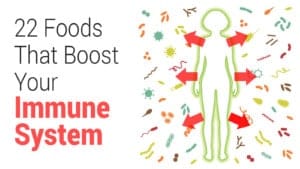
immune system

Benefits of Red Light Therapy

How can red light therapy improve our health? Studies prove that red light wavelengths can benefit our bodies in the following ways:

  • Boosting energy levels by helping release ATP (adenosine triphosphate) from cells’ mitochondria
  • Promoting DNA/RNA synthesis
  • Boosts function of the lymphatic system which helps carry waste out of the body
  • Increases blood flow and circulation, which allows oxygen flow throughout the body
  • Forming new small blood cells
  • Improving the natural production of collagen, which is used in skin repair, joint reparations, and digestive processes
  • Decreases inflammation
  • Lowers effects of free radical damage, which therefore reduces the risk of cancer and other illnesses

Below, we’ll go into more detail about how red light therapy can help your body during this pandemic. While taking care of your mind and body through relaxation techniques, and an overall healthy lifestyle is most important, red light therapy is a great addition.

Here’s how red light therapy can help your body fight a virus:

  1. Boosts immunity and reduces side effects from chemotherapy

Research from NASA shows that red light therapy can benefit cancer patients by reducing side effects experienced from cancer treatments. Called HEALS, scientists use red or near-infrared light-emitting devices to release long wavelength energy to stimulate cells. NASA did a study to see if this treatment would help patients with oral mucositis, a common side effect of chemo. In the study, they found that 96% of patients saw a decrease in pain after being given the HEALS treatment.

Scientists stated, “The HEALS device was well tolerated with no adverse effects to bone marrow and stem cell transplant patients….The HEALS device can provide cost-effective therapy since the device itself is less expensive than one day at the hospital.”

Research is also being done to study how this technology could treat pediatric brain tumors, slow to heal wounds, diabetic skin ulcers, and third-degree burns.

chemotherapy

Oncologists reveal chemotherapy’s side effects.

  1. Heals wounds and tissues

The light emitted in the range of 600 to 1,300 nanometers has been discovered to promote wound healing, tissue repair, and skin rejuvenation. However, it utilizes a different method of healing than conventional laser therapies. Most of the treatments today that dermatologists use involved intense pulsed light, which promotes skin rejuvenation by causing inflammation directly, which then leads to healing. The lasers damage the epidermis or dermis so that healing can later take place.

Red light therapy, however, doesn’t involve damaging the skin first and instead stimulates regenerative processes in the skin. It helps promote increased cellular migration and adhesion, which helps heal wounds and tissues. It may also treat skin conditions through the regeneration of fibroblasts and keratinocytes.

  1. Increases joint and musculoskeletal health

Red light therapy proves to help arthritis symptoms by stimulating collagen production and repairing cartilage. A 2009 Cochrane review for low-level light therapy’s role in assisting rheumatoid arthritis found that “LLLT could be considered for short-term treatment for relief of pain and morning stiffness for RA patients, particularly since it has few side-effects.”

LLLT has also been found to help those who have tissue damage or age-related degeneration. A 2009 study published in The Lancet found that red light therapy can decrease pain immediately following treatment for acute neck pain and up to 22 weeks after treatment ends for patients with chronic neck pain.

  1. Improved sleep

The human body needs exposure to natural light daily, preferably at sunrise and sunset, to regulate sleep cycles. Since most of us spend the majority of our days inside, throwing off our circadian rhythms and balance. This can lead to issues such as weight gain, fatigue, mood disorders, and insomnia. However, red light therapy can help regulate your sleep since it mimics natural sunlight. This will help reset your biological clock and balance melatonin levels.

It’s essential to get enough Vitamin D during this time, especially since scientists proved that sunlight helps reduce the risk of getting a virus.

sunlight

  1. Decreased depression and fatigue

Since sunlight boosts energy and reduces depression, it’s no surprise that red light therapy produces similar results. This study shows that one hour of light therapy can lower depression scores in those with seasonal affective disorder. Lack of sunlight can harm our immune systems, so it’s essential to expose our bodies to some sort of light each day. Light therapy is especially useful in the winter months when sunlight is scarce in most northern countries.

How to get red light therapy

You can do red light therapy from the comfort of your home using various devices. One is a light bed called TheraLight 360 HD. Many consider TheraLight the best and most potent option for consumers and businesses alike because you don’t need a healthcare license to buy one. It provides 10-15 minutes of red light therapy and has a 360-degree design for maximum exposure. It has one red and three near-infrared penetrating wavelengths, and you can control the frequencies and power with a wireless tablet.

Here are the health benefits according to makers of the device:

  • Relief to joint pain and stiffness
  • Temporary pain relief to minor arthritis pain or muscle spasm
  • Increase in blood circulation
  • A faster rate of recovery after injury

If you want something more affordable, Joovv might be a good option. Joovv light panels can help if you have insomnia or don’t have access to direct sunlight.

Side effects of red light therapy

Although scientists haven’t found many side effects associated with red light therapy, it may not be a universal answer to a lack of natural light. Scientists are still researching which light spectrums are most useful in treating various conditions and patients. In red light therapy, scientists have found that low doses are more helpful than higher doses. Some patients have reported side effects such as nausea, muscle weakness, dizziness, swelling, and burning, though these are rare.

Keep in mind that results vary from this type of therapy, and it might take a while to see the desired results.

red light therapy

Find out how biohacking can improve your wellness.

Final thoughts about how red light therapy can help combat a virus

Red light therapy involves emitting red and near-infrared wavelengths through the skin to treat conditions such as depression, arthritis, insomnia, conditions caused by chemotherapy, and skin disorders. It helps boost cellular rejuvenation and increases blood flow, which boosts immunity. This can help your body fight off viruses and sickness in general. While side effects from this therapy are rare, results widely vary, and scientists are still studying the health benefits of red light therapy.

By emitting low-level waves through the skin, red light therapy may help with tissue therapy and other age-related degeneration of the skin. It helps boost collagen production, which is essential for processes such as skin rejuvenation, digestive health, and joint repair. Red light therapy has a positive effect on the immune and endocrine systems and can significantly aid in fighting off viruses. The FDA has even cleared treatment for conditions such as chronic joint pain and slow healing wounds.

As research grows regarding red light therapy, we can expect to see even more uses for this powerful natural remedy. As far as fighting off COVID-19, take the necessary precautions. Practice social distancing, washing your hands thoroughly after coming in contact with people or objects, and maintaining a healthy lifestyle.

Science Explains What Happens To Your Fat When You Lose Weight

The most common belief about fat loss is that when you lose weight, your body converts its fat into energy. While somewhat accurate as a general concept – everything is energy, after all! – the statement brings up a lot of misconceptions about where that fat actually goes. 

So, what really happens when you work out and try to shed those extra pounds? Here’s how science explains what happens to your fat when you lose weight.

Fat Does Not Become Energy

There are lots of misconceptions about what happens to fat when you lose it, beyond just the general “it becomes energy” statement.

People also believe:

  • The fat turns into muscle. This statement cannot be true because fat and muscle have very different properties.
  • The fat leaves the body with waste material, like a “toxin”. This concept cannot be true because fat is not waste and is not passed out of the body when you go to the toilet.
  • The fat turns to heat. This thinking cannot be correct because there’s no way to turn something into the concept of “heat.”
  • The fat simply disappears. This idea cannot be accurate because fat can’t just disappear, as conservation of mass as a law means that matter can’t be created or destroyed – only shifted or moved around.

These are all inaccurate, as you can see. But if you believe any of these things, keep your positive thinking, as you’re not alone! Surprisingly, even healthcare professionals are grossly misinformed about the process of body weight regulation. That’s right, even those who study or specialize in obesity or weight loss may have misconceptions about the process. 

A survey of 150 individuals working in relevant fields – including dieticians, doctors, and personal trainers – revealed that over 50% of them believe fat converts into energy or heat during weight loss. This result raises a lot of essential questions about the world’s obesity epidemic and how poorly prepared professionals are for it.

fat

Understanding The Concept Of Intake 

When you consume things, you’re bringing in a lot of things to your body. The food and drinks you take in are broken down by the body into tiny little nutrients and component bits that spread throughout your body. Some of these components fuel bodily processes, while others are simply stored. Here’s what you need to know about the process:

  • Weight Gain

Weight gain occurs when we take in an excess of components. When you overeat food, the carbohydrates and proteins (and fats) have extra parts that you can’t use. 

  • Triglycerides

Extra components typically convert into something suitable for your body to store: triglycerides. Within those triglycerides, you’ll find carbon – and you need to release that carbon to get rid of the fat. 

  • Fat Cell

Excess components are stored within liquid known as lipid droplets, which live inside fat cells called adipose cells. Eventually, those adipose cells send the fat back out in that triglyceride form. 

  • Oxygen

There’s another component that a lot of people forget about – oxygen. After all, isn’t oxygen a part of your everyday intake? The average person takes in around 600 grams of oxygen per day at a minimum. You need to consider that part of your daily intake, or you won’t be correctly calculating the amount that you consume, restricting positive weight loss results!

  • Body Efficiency

Our bodies don’t have a very efficient way to convert everything properly from fat to triglycerides to carbon again. We’re not 100% fat-burning machines, and many chemical processes need to happen!

oxygen

How You Can Lose Fat

Many people only focus on joules or calories when they think about losing weight, but there’s more to the science of fat loss than just that. The human body stores fat as a survival mechanism. 

Fat stores can fuel body processes, and to use up these stores, chemical processes create carbon dioxide and water as byproducts. This means that fat isn’t just going out one way – it breaks down through several different processes. You don’t only “lose” fat – you excrete it, gross as it sounds!

The remnants and components of fat are lost through:

  • Urine
  • Breath
  • Sweat

An easier way to understand fat loss is by weight instead of calorie counts. You have to consider how much you eat and drink daily and how much it all weighs. For example, if you consume a total of 4 kg worth of food daily, most of that weight will be water, with likely less than 1 kg of solid macronutrients and less than 100 grams of fiber. On top of that, you will also breathe in around 600 grams or more of oxygen.

With 4kg of consumables and 600 grams of oxygen, you are consuming 4.6 kg of weight. This math means you need to get rid of more than that amount if you want to lose weight. On average, a person weighing 75 kg will naturally expel around 590 grams of carbon dioxide in a single day – but that’s it! The rest of the weight will have to leave by some other means.

Diet and exercise

Weight loss via working out or a careful diet can shed the rest of that weight and fat. Research shows us just how much fat can convert into something else. Here are some measurements of fat to consider when you’re trying to achieve positive weight loss:

  • 22 pounds of fat (or 10 kg of fat), when burned, turns into 18.5 pounds (or 8.4 kg) of carbon dioxide
  • The carbon dioxide from fat exhales normally
  • 22 pounds of fat (or 10 kg of fat), when burned, turns into 3.5 pounds (or 1.6 kg) of water
  • The water from fat is excreted through the standard means – in sweat, urine, tears, etc.
  • To completely remove 22 pounds of fat (or 10 kg of fat), you need to inhale 64 pounds of oxygen (or 29 kg of oxygen) and burn 94,000 calories
  • The process of breaking down 22 pounds of fat (or 10 kg of fat) results in the production of 24 pounds of water (or 11 kg of water) and 62 pounds of carbon dioxide (or 28 kg of carbon dioxide)

This means that a huge majority of the mass of weight loss leaves via carbon dioxide.

In other words, the main excretory organ for your fat is, surprisingly, your lungs! But that still begs the question – what is happening to those fat cells?

The answer is shockingly found in a very old paper dating back to 1949 – and it’s the same paper that modern researchers now refer to in their quest for positive links and research! The paper states that oxygen atoms share themselves at a 2:1 ratio between carbon and hydrogen, thus forming carbon dioxide and water, respectively. This is what led to the discovery that 84% of the atoms in a fat molecule exit the body as CO2, leaving 16% to leave as H2O.

fat loss

Common Questions About Breathing And Weight Loss

With all that information, some questions are bound to arise. Here are some common concerns and curiosities that many people have after finding out how fat is used up:

  • Will Breathing Deeply Help Me Lose Weight?

A common question one might have after reading this information is whether breathing aids deeply in the weight loss process. Unfortunately, that’s just not how it works! The carbon in our fat cells is locked in place and can only be unlocked through chemical processes, such as the ones you engage in when you exercise.

  • Will Breathing More Often Help Me Lose Weight? 

On average, a person breathes 12 times per minute, and each breath exhales about 10 milligrams of carbon dioxide. On average, in a day, that means only exhaling 172 grams of CO2 – not nearly enough! Trying to breathe more often is also hazardous to you – you’ll hyperventilate and make yourself dizzy!

  • Does Breathing Out Fat Contribute To Climate Change? 

Absolutely not! The carbon atoms that human beings expel simply return to the atmosphere within a few years or even months, as plants will take the atoms in and release them as food. This is completely contrary to the carbon atoms released from ancient fossils, even though those fossils have caused the misconception that our carbon pollutes the atmosphere!

7 Ways To Burn Fat

Now, you know what happens to fat when you lose weight. But what next? Here are some ways to burn fat!

1 – Start The Day

When you stand up to get dressed in the morning, your metabolic rate doubles significantly. This means that repeatedly trying on clothes for 24 hours can release 1.2 kg of CO2 – not that this is very practical!

morning habits weight loss

Read about the morning habits that can impede weight loss.

2 – Sleeping

If you sleep a healthy average amount every night, you exhale 200 grams of CO2 as you do so. This means sleeping alone can do so many positive things for weight loss – though, of course, you’d need more than that!

3 – Eat Healthily

The act of eating itself also uses energy as the body needs to use all sorts of components to break down the food you eat. So if you consume healthy amounts of food with good nutritional value, weight loss wins out!

4 – Do Chores

Chores can boost your metabolic rate by an impressive three times! So just doing housework may help you lose weight significantly.

5 – Go For A Walk

Just like doing chores, a simple walk boosts your metabolic rate as it engages processes that break down fat cells.

6 – Do Any Form Of Exercise

Muscles will first use up glycogen stores to power through workouts, but they will eventually turn to fat stores as a source of fuel after a while.

7 – Don’t Forget To Rest

Overdoing things will just make you sick, so don’t forget to take breaks. Besides, even resting uses up components. Science calls this the basal metabolic rate. Essentially, it’s what your body needs to use to make your organs function!

weight loss memeFinal Thoughts On What Happens To Your Fat When You Lose Weight

It’s easy to simply say that fat burns off in the form of energy, as that sounds true. But what’s really happening is that they are becoming parts of other processes, parts, and objects. With this knowledge, you’ll be able to better understand the process of fat loss, and hopefully, it will help in your weight loss journey! Good luck, and keep up your positive thinking!

10 Red Flags That Someone Is Suffering from Sepsis

Sepsis is an intense response to an infection that enters the body and makes its way to the bloodstream. Though septic poisoning is widespread with more than 750,000 people treated annually, more than 50 percent of those people affected will perish. Due to the severity of this condition, it’s considered a life-threatening medical emergency.

Anyone who has a wound on their persons can become septic. It starts with an infection that is already present in the body. It can be in the urinary tract, on the skin, or even in the lungs. This infection triggers a chain reaction, and the blood circulates the toxins to other locations.

If a person with this condition doesn’t get care immediately, they can experience organ failure, their vital tissues will become damaged, and they will perish. Time is of the essence, and there are treatment options available.

Signs and Symptoms of Sepsis (Septicemia)

Due to the severity of this condition, it’s essential to recognize the signs. Some people feel like they have the flu, but it’s much more severe. Here are ten red flags that indicate you need to get help immediately.

1. Fever

Whenever there is severe trouble in the body, it’s almost always accompanied by a high fever. Higher body temperature is a sign that the immune system is kicking into overdrive to defend a foreign invader. Commonly, the reason for the fever is that there is an infection present that the defense system is trying to overcome.

If you have a persistent fever that doesn’t seem to break, then it warrants medical attention. If no home remedies or over-the-counter treatments seem to help resolve the issues, then you need to seek medical attention right away.

sepsis and chickenpox

Chickenpox can trigger sepsis.

2. Flushing of the Skin

Flushing of the skin can be a symptom that occurs with many conditions. However, when it comes to septic shock, it’s almost always near the infection site. Since going into septic shock can cause the heart and lungs to be significantly affected, flushing should be taken seriously.

Many people experience flushing with anxiety or other situations that waxes and wanes, but if you go septic, it won’t let up. If you are having bouts of constant flushing, then you need to see a doctor.

3. General Fatigue

It’s difficult to base a diagnosis of fatigue alone as this sign often comes with many medical conditions. If you are resting for 6-8 hours each night, and you still wake up tired, then it’s an indication that something is wrong. Don’t be alarmed by exhaustion alone, as it should be accompanied by other things on this list to be concerned.

When there is an underlying infection in the body, the body uses sleep as a coping mechanism. The more rest you get, the more strength you can build to fight the toxins. Doctors always say to get plenty of rest because they know the healing properties of proper sleep.

No amount of rest you get is going to cure you if there is a septic condition in your body, and chronic fatigue warrants a trip to the emergency room.

4. Lowered Blood Pressure

Rapid instances of high or low blood pressure are grounds for immediate medical attention. When it comes to issues with blood pressure, they need to be evaluated. While medication can be to blame for the fluctuations, it can also be an underlying medical issue.

Many things can cause blood pressure to run too high or too low. The most common situations are:

•Anemia

•Malnutrition

•Heart Disease

•AFib

•Anxiety

•Heart Attack

•Fever

•Diabetes

If the blood pressure issues have a sudden onset, then you need to get to the bottom of it. Low blood pressure can cause you to pass out. You may see dots in your field of vision as well as experiencing a tingling, pins, and needles feeling. Chronic low blood pressure can be a sign of sepsis.

hand soap

5. Decreased Urination Volume

If there is a change in your urinary frequency or the volume you create, then it warrants to be evaluated. Medications, as well as a urinary tract infection, can cause this common problem. It’s essential to pay attention to your urinary habits after surgery, as you are more likely to develop a condition like sepsis.

While a change in your volume or frequency is something to make a note of, it doesn’t need medication attention unless other things accompany it from the list. If these issues are persistent, then it’s time to make an appointment to find out the root cause.

6. Trouble Breathing

Are you having problems breathing? Your breathing pattern may change from faster to slower when you are in septic shock. Though, it would be best if you remembered that breathing difficulties could occur with anything from a cold to anxiety too. When septic shock is considered, it will be accompanied by a fever, night sweats, and other issues on the list.

If you have a change in your breathing that is troubling, then you need to be evaluated by a medical professional. While sepsis probably won’t be the first thing they will consider, it’s essential to have the proper tests to find the root cause.

7. Shivering or Shaking

The body will tremble or shake when there is an infection present. If there is no other outside temperature issue that could cause this problem, then you need to seek medical help for constant shaking. Few people know that the body tries to warm itself by shivering to get the temperature back to an average level.

Keep in mind that there are a few other disorders that can also cause you to shiver and shake too. If you’re not sure what is causing these problems, then it’s worth getting a medical opinion. Shaking can be a sign that you are fighting off a severe infection, and it could mean you are septic too.

8. Vision Distortion

Vision distortion can be a scary occurrence. If you have sepsis, you may have blurred vision, see dots and lights, or have other abnormalities in your field of sight.

The problem in septic shock is that the eyes and the nerves associated can be affected by the infection.

While visual disturbances can indicate a problem with the eye itself, it can also indicate issues with vital organs like the kidneys. Your field of vision and vital organs are all linked, and any disturbances must be taken seriously. If you have distorted eyesight that is persistent, then you need to be evaluated.

9. Nausea and Vomiting

When the body is battling an infection, nausea and vomiting are commonplace. The body is attempting to purge the toxins it’s fighting. Though you can be nauseous and vomit with the flu or other sicknesses, these spells shouldn’t last for more than a few hours.

The problem with constant vomiting is that it dehydrates the body rather quickly. If you are running a fever, having visual problems, flushing, and feel overwhelming exhaustion, then it could be a sign of sepsis. Remember, there are hundreds of conditions that can cause you to vomit, so it’s essential to have some of the other symptoms present before seeking medical help.

septic poisoning

10. Skin Discoloration/Rashes

Finally, skin discolorations are an outward sign of an inward problem. Your skin may appear warm or cold to the touch with sepsis. The color of your skin changes with blood flow fluctuations. For instance, when there is an infection in the leg, the immune system will flood this area to attack foreign invaders.

Skin discoloration can be a good indication of a severe issue. For instance, when your liver is affected, your skin may take on a yellow color. Additionally, you may see small abscesses form on the skin’s surface as well as blue or red streaks.

These outwards skin disturbances are signs that the blood vessels are carrying toxic materials. All you need is a simple blood test to see if there is an infection in the body. If sepsis is to blame, then getting the proper treatment could save your life.

sepsisFinal Thoughts: Dealing with Serious Medical Issues Like Sepsis

When you are dealing with something as serious as sepsis, then time is of the essence. If you have blood poisoning by bacteria, then the mortality rate is as high as 50 percent. You have little time to waste in getting the proper medical attention as it can save your life.

Sepsis almost always starts with a fever accompanied by chills as well as nausea and vomiting. While each person differs in the symptoms they will experience, they are pretty standard across the board. When in doubt, it always is better to have anything concerning checked out.

Septic shock can happen in a matter of minutes, and you can go from coherent to unresponsive in seconds. It’s better to be safe than sorry. So have any troubling symptoms evaluated by a medical team immediately.

How to Have The Most Common Skill of Successful People 

Let’s just get this out of the way quick: the words success and successful mean different things to different people. 

Why do we mention this? Two reasons:

  1. This article has to do with success (obviously!)
  2. Society’s insistence that success equals money, a bigger house, a more beautiful car, a better school, whatever.

Now, there is nothing wrong with #2 in and of itself. It’s people’s identification and obsession with this perpetual dangling carrot that is the real problem. 

This poisonous – and, quite frankly, nonsensical – conditioning has exacerbated the amount of stress and thus to spiraling numbers of illness and disease. All the while, they are creating a majority uber-materialistic subculture that can’t stand to look away from their smartphone for more than two minutes.

The term – at least for this article – takes on a much more holistic meaning.

The term success as meant is this article reflects that of the Greek word eudemonia. Individual happiness, well-being – a life well-lived, typified through the exercise of moral virtual, practical wisdom, and rationality.

Thank you, Aristotle.  Moving on.

Successful people – in the way described above – demonstrate a skill that is universal within their ranks.

They master whatever it is that is their purpose. How? Read on.

“The latent power within us all…”

“Everyone holds his fortune in his own hands, like a sculptor the raw material he will fashion into a figure. But it’s the same with that type of artistic activity as with all others: We are merely born with the capability to do it. The skill to mold the material into what we want must be learned and attentively cultivated.”  ~ Johann Wolfgang Von Goethe, German writer, and Statesman (Source)

Perhaps we should also redefine the word “intelligence” as we use it here, as well. 

successful people

Learn five strategies to become more successful in life.

An immeasurable intelligence we see in successful people

The type of knowledge that we speak of here is not measurable by an I.Q. test. Nor is it taught in any institution of learning beyond perhaps a passing mention in some obscure psychology course. Few people practice it, and even fewer try to cultivate it.

This innate and uniquely human power can only be described as focus and penetration—a state of supreme, sublime concentration. 

A brightening of the mind that illuminates whatever it touches. Csikszentmihalyi calls it “flow,” athletes call it “being in the zone,” meditators call it samadhi

It is both us and, at the same time, much more significant than us. It is the pinnacle of human potential. 

Best of all, anyone can access it. Nobody is excluded, including you (yes, you!) reading this right now. Such a feeling of sublimity is readily available if we would just tap into it. When we do, we unleash the full power of our consciousness and intelligence. 

Better, this power doesn’t feel forced; we needn’t strain or narrow our awareness. It feels just as natural as stepping outside and taking a pleasant, refreshing breath of fresh, crisp autumn air.

But tapping into it requires some discipline, not to mention a willingness to disregard and seal ourselves off somewhat from the demands of external influences. It means going beyond our fears, limitations, and self-constructed boundaries. Those annoying earworms that have been whispering nothing but self-defeating lies.

Mastery

“[Mastery] is something we can all attain if we get rid of some misconceptions and gain clarity as to the required path.” ~ Robert Greene (Source)

Again, all (truly) successful people attain mastery in one particular area; ideally, this is their life’s purpose.

In his book “Mastery,” Robert Greene uses a commonly-experienced scenario to illustrate:

“…Let us say we are learning the piano. In the beginning, we are outsiders. [There’s often] an element of fear. Although we might enter these situations with excitement [then] we quickly realize how much work there is ahead of us.”

Let’s stop here because Green highlights a vital point; that is, after an initial spark of inspiration and excitement towards our new endeavor, “we quickly realize how much work there is ahead of us.”

successful people

Why is this important to successful people? 

Because it’s at this juncture where so many of us quit, we’ll sabotage our success – and our potential life’s purpose – before we even begin. 

Case Study: Charles Darwin

“[I was] a very ordinary boy, rather below the common standard in intellect.” ~ Charles Darwin

The Father of evolutionary biology, Charles Darwin, had it tough from the outset. His dad, a wealthy British doctor, often lambasted the young man for failing to meet his expectations, telling him “You care for nothing but shooting, dogs, and rat-catching, and you will be a disgrace to yourself and all your family.” 

Darwin wasn’t a good student and didn’t care about routine book-learning. To satisfy his father, Darwin graduated (though barely) from the University of Cambridge. Afterward, Darwin wanted nothing more than to dwell in the English countryside and forget about the future. (Who could blame him?)

It wasn’t until sometime later that Darwin, after years of copious notetaking and diligent study, collected indisputable evidence for evolution through natural selection. 

Brian Richmond, a “curator of human origins” at New Your City’s American Museum of Natural History explains the theory: “All life on earth is connected and related to each other [via] modifications of populations by natural selection, where some traits were favored in an environment over others.” 

These discoveries set in motion the eventual penning of “On the Origin of Species,” the most revered treatise on evolution since 1859.

So, Darwin nearly failed out of school only to become one of the greatest scientific minds in history? Yes. 

How on Earth did he do that?

The short answer is: By pursuing his passion and devoting himself tirelessly to learning everything he could about it

By mastering what he loved.

quotes about success

The Development of mastery – and the Inevitable Barriers

For as much as well all love stories of Genius, intelligence alone is not the critical determinant of success. It’s probably not even in the top three.

Instead, real success is achieved through the realization of one’s passion or desire, an opportunity to apply said passion, and, most critically, diligent application of the energy and focus that arises naturally by pursuing one’s passion

This energy is pure and unadulterated power. It’s also your birthright. When this potent force arises, the ego-you – the one that imposes self-limiting beliefs on yourself – is rendered mute. 

The real you – the selfless, transcendent, penetrating core of your being – are awakened and active. You laser-focus on the world and buzz with subtle excitement.

This power is felt. Oh boy, is it felt. 

There’s an aliveness, a vibration. This awareness is real intelligence. This is who you were meant to be. And there is no stopping you.

But before you can reach this state, you’ve got to do some real work – discipline and effort are a must. Yet, even this work is undertaken with a sense of gladness. You now know where you’re going, which is more than most people can honestly say – and this fact is hugely empowering. The realization of mastery’s potential is the ultimate equalizer, and you’ll gratefully walk the path until it is attained.

Recap and Practical Steps

This last section will recap some of the more critical points as well as layout the necessary framework for the achievement of mastery.

First, remember that mastery in your chosen field is also synonymous with self-mastery. The characteristics of one can not be separated from that of the other. 

Second, the hallmark of mastery is concentrated energy. This energy is powerful and penetrating yet relaxed. It arises naturally out of the pursuit of a worthy ideal. We cannot force it or fake it. When it does appear, there’s no mistaking what it is.

Third, there will be challenges to mastery. Such problems may be external (e.g., environmental stress, naysayers, etc.) or internal (doubt, frustration, lethargy, etc.) Of these two categories, the challenges you’ll face internally are usually the hardest.

successful peopleFinal Thoughts: Joining the Ranks of Those Successful People

There are some basic, practical requirements for accessing this state of success:

  1. Finding your vocational purpose, a passion, or, at the very least, a strong and enduring interest.
  2. A full commitment to lifelong learning and study in your chosen field.
  3. Saturating yourself with continual, daily inspiration. Meditation and other practices are great for this purpose, as is the reading of good books.
  4. Overcoming resistance/challenges, often by “riding the waves” and just letting it pass.
  5. Embracing discipline and self-denial.

The best news of all, and we’ll end on this:

Whenever you embrace all five pillars of mastery as well as other successful people, you’re the master of your fate. To your mastery! 

Citation: http://cryptocasinosaustralia.com/

Scientists Explain 5 Habits of People With Healthy Brains

If you’re like most people, your everyday life is hectic, stressful, and devoid of much joy. What’s going on here? Well, we’re not prioritizing the right things. Check that – society isn’t. And if society won’t help us, we’ve got to do the whole happiness thing ourselves. We need to do more of what makes us happy – every day. By doing so, we make happy, healthy brains.

We’re going to delve into the brain science of happiness – and tell you about the five habits that produce a happy brain.

Let’s do this.

First, let us discuss potential factors that may influence brain health.

Brain Health Factors

Many things can impact the health of our brains. The most obvious are lifestyle factors, things like physical exercise, food and nutrition, sleep and relaxation, social interaction, and mental fitness. Our overall medical condition can also influence our brain health.

The Cleveland Clinic calls these things the “6 Pillars of Brain Health.” Let’s look at the impact of each.

1 – Physical Exercise 

Exercise improves blood flow to the brain, impacting cognitive functions such as learning and memory. Physical activity also helps to promote clearer thinking. Exercise can also boost your mood and improve your sleep!

2 – Food and Nutrition

Everything that we eat and drink affects how the brain functions. It therefore benefits the brain to take in proper nutrition. Among the best foods for the brain: blueberries, dark leafy greens, fatty fish, nuts and seeds, and whole grains.

healthy brains

3 – Mental Fitness

Like the body, the brain needs exercise. “Exercise” in this context means those activities that challenge our level of cognition. These include crossword puzzles, brain training games, reading, Sudoku, etc. Brain fitness is also achievable through continuing education, such as taking classes or learning a new skill.

4 – Sleep and Relaxation

Sleep is critical for brain restoration. Quality sleep improves our mood, consolidates our memories, and sharpens our thinking. It also provides the necessary energy to do what needs to get done. Relaxation is essential for stress relief and physical and mental recuperation.

5 – Social Interaction

Cliché time! Humans are social creatures. It stands to reason, then, that one’s social network is a source of mood support. Social interaction also stimulates our intellect and slows the rate of age-related cognitive decline. 

6 – Medical Health

Medical health includes your overall physical and mental health. Physical conditions such as diabetes, head trauma, hypertension, and high cholesterol increase the risk of dementia. It’s essential to get an annual check-up and follow your doctor’s advice to minimize these risks.

5 Habits of Healthy Brains

Without further delay, here are five practices we should try to get healthy brains.

healthy brains

Here are useful tips for remembering things as you age.

1 – Practicing gratitude

Per a whitepaper [PDF] by the University of California-Berkeley, gratitude is linked to “many benefits…including better physical and psychological health, increased happiness and life satisfaction, decreased materialism, and more.”

Gratitude practice is all about appreciating what you have. Think about this: how often does the regular everyday person sit back and contemplate and be thankful for the people and things in their life? Exactly.

Practicing gratitude is not difficult, and there are many ways of doing so. Some ideas include a gratitude journal, telling someone you love them, noticing the beauty of nature, smiling more, watching inspiring videos, performing an act kindness each day, calling up a loved one, volunteering, helping out a stranger, and more.

Notice that many of the ways mentioned to practice gratitude don’t involve interrupting your daily life. You can perform an act of kindness at work, notice the beauty of nature on your commute, and smile more anywhere!

2 – Nurturing relationships

The second habit of people with healthy brains is that they nurture their relationships. That is, they actively participate in the growth of their personal and professional relationships. There is also evidence that cultivating friendships may deter age-related cognitive decline.

Good friendships also blunt the impact of stressors. That is, a person who has supportive friends has an advantage regarding stress prevention. It turns out the befriended will release fewer stress hormones (e.g., cortisol) during stressful life challenges than the person who has few friends or unsupportive friends.

It also happens that love alters our neurochemical composition for the better. Being in an intimate relationship triggers the release of dopamine, the brain chemical that causes feelings of euphoria. Attraction causes the release of two other brain chemicals, norepinephrine, and serotonin.

3 – Mindful living

This one may just be the most impactful. The amount of scientific research on the benefits of mindfulness is astounding. Most of it shows that people who are adept in mindfulness practice have sharper concentration, are more resilient, less harmful, and much more optimistic.  

Scientists, even the skeptical ones, have demonstrated that prolonged mindfulness, with its emphasis on total present-mindedness, significantly reduces the tendency of the brain to seek the future or rehash the past. 

Let’s clarify and emphasize this last point.

If you observe your mind, you’ll notice that it is always “tugging” you into the next moment. This wayward mental activity is particularly apparent when we’re at work, commuting, or performing some unpleasant task. This is the brain’s default mode – and is the opposite of mindful living. 

Here are some ideas for practicing mindfulness in everyday life:

  • Mindful eating: Shut off all T.V, cell phones, and other distractions. While chewing, slow down and pay attention to the taste and texture of the food. If you wish, as an added practice, washing the dishes with complete focus and relaxation.
  • Mindful walking: Mindful walking is the practice of feeling the sensations in your feet as you walk (e.g., pressure, solidity, etc.) One may also choose to count their steps, from one to ten and then from ten to one. It’s an excellent practice for promoting both mindfulness and concentration.
  • Buddhist-based Mindfulness: The Buddha identified four mindfulness practices in his teachings: mindfulness of the body, feelings, mental activity, and all other phenomena. Though the roots of these practices have their roots in Buddhism, one needn’t be a Buddhist to practice them.
mindfulness

Here’s scientific proof that mindfulness can rewire your brain.

4 – Lifelong learning

The brain is a super-dynamic organ. The most obvious example of this dynamism is the discovery of neuroplasticity, a term used to describe “the brain’s ability to reorganize itself by forming new neural connections throughout life.” 

Although the word neuroplasticity is often used in the context of rehabilitation (and for a good reason), the term also applies to the development of neuronal connection through cognitive functioning. 

Michael Merzenich sometimes referred to as the “Father of Neuroplasticity,” describes the implications of brain training on neuroplasticity in no unclear terms: “My mantra: Brainless exercise is a lost opportunity for improvement.”

The best way to grow your brain throughout life is to engage in lifelong learning. It matters not the subject or whether its academic or recreational. What matters is that the task – whatever it may be – requires cognitive effort. Simple puzzles, for example, will provide minimal, if any, benefit. 

5 – Seeking out challenges

In his famous book “Flow: The Psychology of Optimal Experience,” Mihaly Csikszentmihalyi (pronounced “Me-hi, Sic-cent-me-hi”) writes:

“Contrary to what we usually believe…the best moments in our lives are not the passive, receptive, relaxing times…The best moments usually occur when a person’s body or mind is stretched to its limits in a voluntary effort to accomplish something difficult and worthwhile.” 

These aren’t the meanderings of some old psychologist either. Csikszentmihalyi’s theories have been observed, re-observed, experienced, and taken as fundamental psychological tenets for decades.  

So how do we accomplish the happiness that Csikszentmihalyi describes? Here’s his advice:

“The optimal state of inner experience…happens when psychic energy – or attention – is invested in realistic goals, and when skills match the opportunities for action.” 

In other words, seek out a challenge, ensure that your current skillset meets those that said problem requires (if not, it’s a perfect time for some learning!), and get to it.

hobbies make you smarterFinal thoughts: “Get a free brain check-up!”

The Cleveland Clinic offers a cool, free service called Healthy Brains (app.healthybrains.org), which provides brain health information, as well as tools and resources to help reduce the risk of brain disease.

After filling out some demographic info, you’ll fill out a questionnaire about the six brain health factors mentioned earlier: physical, nutrition, medical, sleep, mental, and social. You’ll be issued a score (0-100) for each element along with a cumulative Brain Health Index (BHI) score. 

Based on your results, the Healthy Brains app will provide customized tips for improving each of the six factors. Of course, to get the full benefit of the web-based app, you will need to implement some of these recommendations (which are very helpful and based on the latest scientific evidence). 

Please note that you will be required to enter an email address to participate in the activity. 

How to Master the Sometimes Awkward Art of Chit Chat

Whether you are a natural people person or an introvert at heart, mastering the art of chit chat can be a valuable skill. Let’s face it; not everyone has the gift of gab. Have you ever been to a party or another social gathering and felt like your whole mind went blank?

Don’t feel bad. Even the best conversationalists have awkward moments, especially around new or intimidating people. In these situations, your social anxiety may peak because you fear that you will say the wrong thing, or someone will cast judgment.

Yes, we’ve heard the adage that it’s better to be a fool and remain silent than to say something and remove all doubt. Don’t let the irrational fear of misspeaking prevent you from rewarding conversation or meeting fascinating new friends.

Are you a loner and wish you could be more socially active? Some decidedly introverted people are forced into extroversion because of their jobs or a special occasion. If this is your lot, learning how to chit chat like a pro is not difficult, with practice.

You don’t need to take speech classes or read a stack of books on becoming more social. The more you are exposed to people and force yourself to make small talk, the easier it will be. Try some of these useful hacks for getting the conversation rolling.

Tips to Overcome the Awkwardness of Chit Chat

chit chat

Learn some urban legends about both introverts and extraverts.

1 – Be Genuine

Remember that no one in the universe exists who is quite like you. So, why not relax and be yourself? Being you is a skill nobody else has, and you can do it naturally. People connect with others who are comfortable in their skin.

Have you noticed how easy it is to spot someone fake? While some are just natural bores, most fakers are insecure and try too hard. Who likes to be around someone who is continuously bragging and puffing themselves up with a false persona?

When you feel antsy in a group setting and don’t want to be a bump on a log, be secure in yourself. You should always smile, nod, and contribute to the conversation. Let others see your personality and the best in you.

People will respect you when you are genuine. When they view you as an honest and valuable person, your words will command the same feelings.

2 – Relax and Be Approachable

Your body language says more than any words you say. When you are nervous in a crowd, you probably tense up and have an expression you don’t realize. Instead of seeing a shy participant, others may incorrectly assume that you are aloof and boring.

Body language experts recommend an open posture when talking with people. When your body contracts, your arms are folded, and you are leaning away from others. This pose creates an illusion of disinterest and a closed mind. It sends nonverbal cues to other people that you couldn’t care less about what they have to say.

Instead, practice an open posture that welcomes interaction. Relax your body, let your arms hang naturally at your side, and slightly lean in toward the speakers. Others will perceive that you are warm, real, and “open” to friendly chit chat.

Above all else, don’t forget to smile. Nothing turns away a fruitful conversation more than a sour or irritable expression. Even a shy person can feel comfortable around a jovial, smiling new face.

How is your body language? Does it invite people to drum up a conversation, or does it tell others to buzz off? Maybe you don’t even realize what your body language is saying.

You should consider practicing in front of a mirror. Sit or stand the way you usually would and get a real glimpse of what others see. Do your posture and expressions convey openness, or do they tell people to move along?

Practice consistently until an open body language becomes second nature. Ask your mate or a trusted friend to practice with you and to offer honest feedback. When the occasion arises, you will feel more comfortable and can chit chat with practically anyone.

communication

3 – Avoid the Big Three Conversation Killers

Even when you chit chat with a group of friends, some subjects are still taboo. Skilled conversationalists know to steer clear of the big three topics: religion, politics, and sex. Not only do these subjects make most people feel uncomfortable, but they are rarely acceptable in a social situation.

The problem with broaching the big three is that it immediately creates a tense atmosphere. The smallest comments can cause others to be offended. The last impression you want to leave is that you are a chauvinist, racist, or closed-minded.

Don’t worry, because you have countless subjects that can be discussed without stepping on toes. If you are with like-minded people in a religious or political setting, such discussion may be appropriate. However, be respectful of other opinions, and don’t turn a fun gathering into your soapbox.

4 – Learn to Be a Good Listener

Although extroverts shine in a crowd, introverted people may be the best listeners. Mastering the art of chit chat includes more than just knowing how to talk to others. Skilled conversationalists must also be good listeners.

Try to imagine a conversation as two people sawing a tree with an old band saw. You push the saw toward your partner, and he pushes it back to you. If one person were pushing just one way, the saw would jam, and the tree would keep standing.

The back-and-forth motion eventually cuts down the tree. Productive conversation depends on listening just as much as it does on talking. If you have ever endured a one-sided conversation with a hopeless bore, you understand the concept.

In a conversation with one or more people, make it a habit to listen to what each person says. Often, you may miss crucial or thought-provoking points because you are too busy thinking of what you are going to say next.

Did you know that people who are skilled listeners perceived as attractive, intelligent, and open to conversation? As a shy person, maybe you have honed excellent listening skills by just being a silent observer in discussions. Listening is a master skill that we can all improve.

Are you a good listener? When you chit chat with family or friends, do you find your mind wandering and don’t realize what they are saying? Do you catch yourself continually interrupting or formulating your next sentence while others are speaking?

Instead of just hearing the words, make listening to others a priority. Mirror the other person’s enthusiasm and facial expressions and lean in a little toward her. Maintain good eye contact and listen to what she says.

Before you say anything, pause for a few seconds. Good listeners often restate what the person says for clarification and to show genuine interest. Occasionally nod and let others express themselves without you interrupting.

social distancing

Read how to stay connected to your loved ones throughout social distancing.

5 – Use Clever Ice Breakers

Isn’t it uncomfortable when you are in an unfamiliar crowd, and the conversation turns into awkward silence? This scene is the worst nightmare for an introverted guest. Everyone is looking at each other with an unspoken plea for someone to speak.

Don’t hesitate to use a little appropriate levity to lift the mood. Getting people to laugh almost instantly opens the floor for interaction. Everyone will feel more relaxed, and the conversation will come naturally.

Are you seated across from a total stranger? Give your sincerest smile and introduce yourself. Keep the chit chat light and unobtrusive. Your differences and similarities will provide cues for intriguing conversation.

The best way to build fruitful interaction is to get people to talk about themselves. Most people enjoy talking about their families, careers, and interests.

Carefully avoid the big three topics and any questions that are too personal. Try to keep chit chat light and stir clear of depressing or controversial subjects.

communication

Final Thoughts: Tactful Tips for an Otherwise Awkward Conversation

Not everyone you meet at a gathering will be mannerly and display proper social skills. You may often be an unwilling participant in a tanking conversation. While you are not expected to be the moderator at the table, you can still tactfully retreat.

If you view someone’s statements as rude, vulgar, or otherwise unacceptable, find a way to excuse yourself. You are not obligated to participate in unpleasant chatter. It is perfectly fine to browse over to another table or room.

Everyday interaction and chatting may not be your niche. Since socializing with others is often unavoidable, even timid people can assimilate excellent conversational skills. The more you get involved in social settings, the easier it will be to relate to others.

Remember to relax, be yourself, and have fun. Talking is one of the vital essential skills that separates us from the animal kingdom. As you share a conversation with new people, you make friends, and all your lives are enriched. A good conversation can be a pleasant experience for all involved.

10 Ways to Stop Overthinking When Isolated

Being isolated and overthinking things is a significant issue right now.

The Covid-19 pandemic has everyone in an uneasy state because they don’t know what to expect next. What started as a flu-like virus has quickly developed into a deadly infection that has taken the lives of many.

It’s easy to overthink the situation and panic because the future is still so uncertain. Testing kits are sparse in the United States, and there could be hundreds of people infected with the coronavirus that don’t know they have it.

The Governor of Florida stated that his biggest worry with shutting down the state was the increase in mental health issues. During hurricane preparation, they see an influx of people trying to commit suicide and having problems with anxiety and depression.

Still, the best course of action is to isolate and attempt to thwart the spread of this deadly virus. However, staying cooped up inside your home is easier said than done. Children and adults alike find being behind four walls a significant challenge.

Add to the isolation the fact that paranoia has caused people to wipe out grocery store shelves putting more strain on the supermarkets and their suppliers. How does a person stay mentally healthy when the whole world is in turmoil?

10 Ways to Stop Overthinking While You Are Isolated

isolated

Though it’s hard to see the positive in the situation at hand, it’s imperative for your mental health that you keep on the sunny side. While thousands of people have lost their lives, there have been far more than have made a full recovery.

China has officially closed its Covid-19 treatment centers as there is no longer a need beyond their traditional hospital settings. While thinking positive is a start, here are ten other ways that you can stop overthinking the situation with the coronavirus when you’re stuck at home.

1. Use Distractions

A distraction is anything that gets your mind off the current problem and focused on something else. You can use books, conversations, art, or anything that you enjoy. Redirect your mind from the negative when it starts to think about all the things that could go wrong.

2. Turn Off Social Media

It’s easy to overthink when you are isolated. If you scroll social media like the newspaper, then you may need to take a break. Turn off your notifications and take a social media fast.

Facebook, Twitter, and Instagram are notorious for giving you updates about current world events, whether you want to hear them or not. When you silence these apps, then you are taking power over what you ingest. You can block the negativity by taking a much-needed break.

isolated

3. Count Your Blessings

No matter how hard you might have it, there is always someone with a worse situation. The recent mobs at the grocery stores looking for toilet paper showed an unpleasant side of humanity. Being isolated without food or essential needs is scary.

You need to focus on all the things you have and not those you don’t. The grocery stores will refill the shelves, and people will stop stockpiling once the threat is gone. Remind yourself you’re doing the best you can with what you do have.

4. Don’t Rob Yourself of Now

When you’re isolated, you should take some time to work on projects you’ve been neglecting. Having time off is a welcomed break for those who work long hours and don’t get enough time with their family.

You are responsible for making your children and other family members feel safe. You can focus on the negative, or you can use this time to make memories. Play games with your children or make crafts, but whatever you do, don’t let this time go to waste.

5. Allow Yourself A Set Time for Anxiety and Fear

It’s impossible never to have a negative thought or be worried. You’re human, and it’s part of your nature. Officials recommend that you set a timer and allow yourself a specific period to worry.

During this time, you can think about all the negativity you want. Get out all those pent-up fears that are gnawing away at you. Ask your spouse or a friend to participate in this activity with you. Once the timer goes off, then you must go back to positive thinking.

You will be able to process the situation with Covid-19 better if you allow yourself only a specific time to ruminate about the current and future issues.

6. Put Things into Perspective

Since you are dealing with uncharted territories in the United States, it’s important to put things into perspective. When 9/11 occurred, the entire world was stunned and shocked for many years later. However, the key is that the nation did recover.

It’s easy to continue overthinking the Covid-19 situation. However, you must realize that you must keep things in perspective. The nation has suffered things like The Great Depression, WWI, WWII, and several other battles, yet we’ve always risen bigger and better than before.

When fear tries to take ahold of you and send your anxiety soaring from isolation, remember that this country will recover. Even if you experience panic attacks, just remind yourself that we have leaders that are working hard to ensure that things get back to normal.

7. Meditate

While you’re isolated from the outside world, it’s a great time to meditate. Meditation has many benefits for the mind, body, and soul. You can release all your frustrations and gain clarity.

Use a guided meditation online to help relax you and ease your worries. If you find it hard to sleep at night because your mind is racing in 100 directions, then some meditations can help you fall to sleep fast. You can meditate as often as you need each day to help keep your sanity.

gratitude meme

8. Talk To A Counselor or Mentor

When you are isolated and afraid, sometimes, you need to talk to someone who can bring you back to reality. If you can’t go out of your home due to restrictions from your state to shelter-at-home, then you can use telehealth to talk with someone experienced.

You may not need a counselor to help you out, but having someone to talk to that can give you tips or tricks to help you from overthinking is helpful. Thankfully, the internet makes it easy to reach out and connect with people both near and far. During this time of uncertainty in our country, you need someone to help you stay grounded.

9. Exercise

It’s easy to turn to food when you feel isolated. Becoming a couch potato won’t solve anything, and it will only make your problems worse. You must get up and get moving.

Experts show that exercise can enhance your mental health by raising the production of neurotransmitters in the brain. Your serotonin, dopamine, and norepinephrine are essential chemicals your mind needs to function.

These chemicals can become unbalanced during times of isolation and worry. However, exercise can be as effective as taking an antidepressant medication without the nasty side-effects.

10. Journal Your Thoughts and Feelings

Lastly, journaling is one of the best ways for you to process what’s going on in the world. If you are isolated and tend to overthink, then why not write down all your feelings?

One day, you will share the stories of your time with your children or grandchildren. Do you remember your loved ones talking about wars or the Great Depression? It’s hard for you to fathom what these people went through and survived.

Your journal will be a lasting memory of the struggles this nation seen in 2020. Those who come behind you will see your strength and tenacity in the face of significant opposition. Journaling is a healthy activity to keep you mentally intact when things around you are uncertain.

overthinkingFinal Thoughts: You’re feeling isolated, but you must stop the overthinking!

It’s challenging to process everything that is happened or will happen in the next few months in the world. Isolating makes any problem worse, especially when you can’t mingle among others who make things better.

Use all the tools at your disposal to improve the situation. Check-in with friends and loved ones on social media, spend quality time with loved ones, and get some well-deserved rest.

Additionally, this downtime may be a blessing in disguise. Use your days off to spend quality time with your family. Turn off social media, and make positive memories with your children. Never let one day go by that they worry about things out of their control.

While you are worried about the world and this pandemic, to your children, you are their world. They will remain calm and collective if their parents do the same. If you become anxious and worried, then they will feed off your fears.overthinking when isolated

It’s okay if you feel that you cannot cope with the Covid-19 pandemic. However, if you feel depressed, anxious, suicidal, or like you are going to have a mental breakdown, then get help.

There is no shame in asking for help during such a troubling time. Everyone must work together to get over this significant hurdle so that this country can learn from this tragedy and grow from it.

How Hundreds of Power of Positivity Members Are Helping Their Communities

The Power of Positivity community is spreading kindness despite the Covid-19 pandemic.

During the virus outbreak, emotions are running high. People are unsure about how the world will look when it’s all over. However, despite all of the anxiety surrounding the virus, people are still coming together to help one another. You probably won’t see these stories on the news. But we wanted to show our audience the positive side of humanity during the outbreak. Tough times bring people together. And if we all work as one, we can get through anything.

History shows that the world always goes on even after the worst crisis, such as wars, famines, and pandemics. And so, the world will go on after COVID-19 diminishes. During these times of uncertainty, we can all lend each other a helping hand. And, we might give someone a sliver of hope. Shine your light! See what you can do to help your city as these Power of Positivity community members are doing. The world needs you, and you can make a difference!

Here’s how these Power of Positivity members are helping each other during COVID-19:

Helping our senior citizens

The elderly are some of the most vulnerable members of our community right now. So it’s essential we practice social distancing to help lower the curve. However, elderly people still have to do necessary errands such as grocery shopping. Unfortunately, stores are breeding grounds for the virus since so many people are packed together at once. Some members of our community have taken it upon themselves to support the elderly and shop for them.

kindness meme

Carole Armiger My friend has emphysema and can’t get out of the house at the moment. I got her grocery shopping today to tide her over as although she has been an online loyal shopper for 18 months, plus there are no slots available until April. All sorted now ??

Devie Dimafelix Resurreccion I have volunteered to call my elderly neighbor’s food pantry. And has everything set up for me to drive her to pick up a prepared box this Saturday ?? We had always checked on them even before this Covid19 started.

Whitney Gee: It’s known that my neighbors literally live off collecting cans. Normally I go out of my way every single day collecting cans for them, but today it kind of hit me. I was not sure if they were able to afford stuff to hold them over. So, just in case, I got them some things to hold them over for about a week, possibly more.

Lottie Cranwell I’m doing grocery shopping for my costumers and my elderly clients and will be doing this for as long as they need it and feel happy doing something for anyone who deserves it

Others are helping in different ways to offer support to their community.

Krista Foyston I made a group to help get everyone in our area working together to take care of anyone quarantined at home. Went from 1 member to over 600 in a few days! So great to see everyone coming together!

Cindy Crane I clean for a lot of elderly folks. Keeping them home safe. Doing extras for them.

Christa Rock Caregiver for elderly, every time I’m with someone new I make sure to disinfect the house. I want them to be safe against this enemy. Love the elderly.

Kathy Pitadeniya I have an elderly neighbor he takes a lot of medications but he can’t see good so I called in his prescriptions to make sure he’d have them just in case we get quarantined

Amy Miller Ramsey Picked up a box of infant formula for a young couple with a new baby!

Gina Griffin We are still serving our local homeless community a hot meal and other essentials on Saturday nights and will be out with snack care packages a couple of other nights a week as well until this is over or we are forced to stop.

Charity Buhrow We have a youth fellowship program we started a few months ago, as I coach and mentor kids. The kids decided to make themselves available to the community. When it snows, they go and shovel sidewalks and driveways, help out where needed. Now we have a drop-off spot in our building if people want to donate and we will make care packages and deliver them to folks who need supplies. The kids also are offering to run errands, to the post office, the store or walk dogs. They are even willing to do light yard work and housekeeping. We are ready if we need to make meals as well for folks.

Power of Positivity

Power of Positivity members help others battle isolation and food shortages

Barb Jankowski I have grocery shopped for 5 families. I have donated baby wipes to mamas who were down to their last pack. I donated food to my granddaughter’s school

Melissa Weigle The local senior center in Hershey, PA has closed to visits but is coordinating rides, grocery deliveries, and phone call check-ins. We know how vital socialization is to our local senior citizens.

Sarah Prosser-Elliott I took a day and messaged every single person on my friends list to see if anyone needed anything and sent funds where needed

Janette Decaire Gave my neighbor groceries for their three children to last a week. Paid the rest of the person’s groceries in front of me that didn’t have enough money. Prayed for a stranger’s family while we were in the store.

Caroline Leighton I’m a Clinical Lead in a Care Home. At some stage we expect to be running on 50% staff looking after our elderly residents. We have now closed to all visitors. It’s going to be tough, but we will continue to love our residents as if they are our own family ??

Acts of kindness

kindness meme

#KindnessIsContagious Where we post our funny quarantines, a photo, a prayer and just check in on each other. Being isolated can bring on depression, PTSD or just loneliness. Reminding each other we are here in this together and we ll get through is sometimes the best medicine. Stay Safe, Stay Healthy

Laurie Odnokon Glendale Elementary School in Calgary, Alberta has put big paper hearts up in all of its windows – some have words like Hope, Love …on them. It looks beautiful and encouraging when you walk by. All the schools here shut down a few days ago but the teachers are still in trying to get online activities etc organized.

Pat Phelps Lambert I call my elderly neighbor every day to see if she is ok and offer to get her whatever she needs. She has a lung condition and I want to be sure she is ok. She has no family at all.

Daniel Daniel I have helped some seniors in investing in bitcoin so they will make a good profit right at home since they can’t go out to get anything right now.

Helga Pennie My husband and I make goats milk soap, we donated 25 pounds of many different shapes to our local communities health/wellness center to encourage kids and adults to keep on washing ????

Patty Smith When we heard about the potential stimulus $$ adults might get my husband and I agreed that we could get by without it and made of list of people we know, such as waitresses and cooks, a woman expecting a new baby and a woman who runs a sanctuary for unwanted animals. They will be getting this money if it even comes.

Cynthia Holst Kaufman I like to buy the food in the car behind me at McDonald’s during lunch and with a smile on my face I speed away. They can go back to work or school with a smile in their hearts. Try it ??????

Glenna Loch I’m sending my son toilet paper because where he lives the hoarding is so bad he can not even get a single roll.

Betty Pool Talking to a friend each day because she is in an assisted living and confined to her room with no visitors. Words of encouragement each day

These Power of Positivity community members received incredible blessings of kindness

Mick Martin-Childress I’ve had the flu for a week and am running out of things went back to work yesterday and still don’t feel good. When I was leaving work a friend Beth was waiting for me and said give me your grocery list. So she followed me home, took out my garbage, and went to 2 stores to get all the things on my list.

Coral Kakavas I am in self-isolation for two weeks and my neighbors have been so kind and caring. Going shopping, collecting mail and staying touch just to check on me. It is humbling indeed to receive such kindness. I only hope I can pay it forward.

Power of Positivity memeFinal Thoughts on the Power of Positivity Community: Take care of each other, and don’t forget to be kind to yourself

We hope these stories gave you some hope and encouragement during these difficult times. Thank you to our amazing community members, and we hope everyone continues to stay safe and healthy!

5 Ways to Stay Informed But Not Trapped by News Programming

Today, you can catch a breaking new story every minute on your smartphone, computer, or tablet. It’s easy to be lured into the media headlines that cause you to experience fear and anxiety. However, you are the one who chooses to watch or read these articles and news programming.

Don’t get trapped by the continuous around-the-clock hype!

If you find yourself wanting to know what’s going on in the world, what the president has done, on top of any Breaking Texas News situation, then you must stay informed. But, do not allow yourself to become overwhelmed. The beautiful thing is you have the power to control what you see and hear.

We Can’t Always Blame the Media

Reporters and news outlets have one job, and that is to keep the public informed. However, they also add some aspects of entertainment into the mix. It’s not good for your mental health to watch and read continuous negative things going on in the world.

Since there is rarely positive stuff in the news, you must pick and choose your content appropriately. You must cut down the amount of media that you consume as well as watch the sources. Some media outlets tend to be more biased towards one political party or another, and they over-analyze things.

You must separate what’s news from what’s entertaining. Having specialists in breaking down every word of the president or other officials’ speech is not news. Mindless bantering back and forth about current events or topics is not necessary for you to hear.

You need to cut to the crux of what’s going on and leave the excessive stuff out. All the bantering is nothing but entertainment, and you don’t need to be entertained by reality television with such negative connotations.

smudging sticks

Here’s a step by step guide to making smudging sticks to clear negative energies from the household.

5 Ways to Control News Programming Consumption

Did you know that other countries don’t put so much focus on the news as the American people? Finland, for example, thinks it’s boring to talk about politics or what’s going on in the news media. They don’t believe that we need violent stimulants to get people to tune in to their programming.

In the United States, people have become consumed with getting late-breaking news at their fingertips. While it’s good to be in the know, it can be counterproductive too. Too much of a good thing is sometimes too much.

The news puts their focus on murder, death, pandemics, politics, and other things that bring nothing but violence, pain, and fear. While these outlets have an obligation to inform the public, you get to say when you’ve heard enough.

Many people could benefit from news media detox. While you should never shut out the world and not be informed about the current happenings, you need to control your intake. Here are five ways that you can stay informed but not be overwhelmed by the news media.

1. Create Healthy Boundaries

Life is all about creating healthy boundaries, and when it comes to the news, it’s not an exception. The best thing you can do is avoid making the news the start of your day. If you find yourself scrolling social media or other outlets to get the latest stories, then you may find that it starts your day on the wrong foot.

Change your consumption times and style. Try to catch the most important news in the evening or on the weekends. You need time to process some of the things you hear. There are also news media outlets that tend to be funnier rather than so stiff and argumentative.

Find a source that provides reliable news information that doesn’t upset you or make you feel anxiety. You need the facts, but you don’t need all the bickering and bantering about all the trouble in our government either. You can’t hide under a rock and not know what’s going on, but you can control how much and when you get your news programming.

news

2. Choose Only the Topics That Interest You

Within the news, there are hot topics, things you need to know about, and filler content. You can choose what you want to hear and avoid everything else. You can pick the topic like you choose what you want for breakfast each day. Select current events, weather, or another focus.

When you pick and choose what you consume, it will change how you feel after reading the news. If you just want the weather forecast for the day, then there is no need to watch an hour show and become overwhelmed by all the stuff you hear.

Additionally, since there are things that happen that are considered breaking news, you want to be informed. Things like 9/11 can happen at any time, and you want to know when dangerous situations are a concern. Choose an app that gives you like the top five breaking news updates so that you can stay updated.

3. Don’t Use Only One Source

You must be careful about the news outlets that you select to get your news from, as some are based on hype more than fact. If you’ve been on social media outlets, then you know that there is a great deal of fake news that can be very misleading. They pass around stories of celebrities that have died that are still alive and kicking.

Finding a trusted news source is the first requirement. Additionally, you want to find news programming that aligns with your view. For instance, if you are a liberal or a conservative, there are outlets based on your specific preferences.

Some people may want to find out about things going on across the globe, especially if they have loved ones in another country. Finding a news outlet that reports for a specific area is helpful to these folks. You don’t have to limit yourself to a particular source. Find a couple of news outlets that you rely on to keep you informed.

4. Watch Who You Follow on Social Media Sites

Facebook and Instagram are great sites to connect with politicians both near and far. However, you must watch who you follow as they may jam your news feed with alarming headlines that you don’t want to hear.

In times of American history, like during elections, it’s best to stay off social media or unfollow these people. You will be so overwhelmed with the banter and mudslinging that it can be quite unnerving. Think of the news the same way you do your diet. You must eat only what you want and trim away the unnecessary fat that does horrible things to your body.

news

Learn why too much social media can harm your positivity.

5. Make Sure You Engage with Local News Too

While you may be worried about what’s going on in the country or the world, it’s also necessary to know what’s happening in your local area.

You may or may not have a news station that handles your region, so turning to the newspaper is the next best option. It’s essential to stay up on local and national government.

Other Tips to Consider

If you find yourself being emotional or having anxiety or panic after watching the news, then you need to find another source. Many people find that the nightly news programs are too much for them or their children to handle.

Remember, your children are nearby listening to those current topics too. The talk of murder, home invasions, war, and other inappropriate child content can be frightening. The evening programs will make current events a priority, and they use provocative headlines to draw a crowd.

Keep in mind, news stations play a numbers game. They try to get as many people to watch their station over their competitors. It’s hard to watch news programming these days and not have some sort of emotion. Just be aware of the emotion you are experiencing and learn to process what you’ve heard.

newsFinal Thoughts: Hitting Reset Button on Your News Consumption

What is your motive for watching news programming? Do you find that you like it as it’s entertaining, or do you just want the headlines and nothing else? Regardless of your goal, you need to make sure that you don’t look for outlets that only substantiate your viewpoint.

If you find that you have all sorts of emotions when you watch the news that causes panic, then taking a news fast can help. Some people don’t care what’s going on in the world around them because they believe that being ignorant of such matters equals bliss.

There are many countries in the world that don’t put such a focus on the news as the American public. However, there is a fine line between staying informed and not being overwhelmed. You must find an even medium to make sure you know what’s going on around you without being affected by your intake and ruining your positive outlook.

Skip to content