Weekly tips, affirmations, and small actions to feel your best.

Physicists Prove That We Actually Live in An ‘Energy-Verse’

Most of us go about daily life without realizing just how strange the universe is. We instead choose to focus on the practical: paying the bills, getting to work, taking care of the kids, and so on. But what if we lived in an energy verse? Some scientists assert that we do!

For those who do a bit of digging, you might find a storehouse of treasures, the implications of which can be potentially life-transforming. It will almost certainly shift how you think about existence – and you’ll never take life for granted again.

Perhaps you heard the phrase “Everything is energy” or “Energy is everything.”  If you’re like me, you probably shrugged it off as some new-age bunk.

But it’s not new age. It’s science, and science concludes that everything – everything – stems from energy. The screen you’re reading from, the chair you’re sitting in, the brain you’re comprehending with, and the air you’re breathing – all of it is energy.

If you think that’s mind-bending, wait until you hear this.

Our reality may be a 3-dimensional hologram. What’s a hologram? This is is a physical recording of an interference pattern. It uses diffraction to reproduce a three-dimensional light field. Thus, the resulting mirage retains the original scene’s depth, parallax, and other properties.

Joseph Selbie, the author of “The Physics of God,” calls this holographic universe the Energy-verse.

Proof We Live in an Energy Verse
negative energy

There’s a ton to unpack here, and we’re going to make it as easy to understand as possible. Let’s start first by understanding the limitations of the human senses in interpreting reality.

Point #1: Matter is a light-show illusion

“The visible world is the invisible organization of energy.” ~ Heinz Pagels, former executive director, New York Academy of Sciences

To our senses – sound, hear, taste, touch, and sight – all matter (natural material) appears to be stable. Indeed, our entire reality involves seemingly constant interaction with physical matter.

We see a solid, physical sun; sleep in a solid, physical bed; eat solid, physical food – and so on.

The fact is, however, that we only perceive about 1 percent of what’s “out there.” Our eyes detect only visible light. Our ears only pick up a small fraction of all sound frequencies. Our senses of smell, taste, and touch are equally limited.

The fact that our senses are so limited is probably a good thing. We’d quickly become overwhelmed by sensory input without such filters in place.

But what would we experience if our senses were heightened?

For one thing, we’d see that matter is a light-show illusion of vibrating energy. This includes our body, made up almost entirely of empty space.

It was Albert Einstein, who was the first to declare that matter isn’t at all what it seems. In 1905, Einstein published his paper on the Special Theory of Relativity, which included history’s most equation E = mc2. In fact, this equation successfully proved that matter wasn’t stable.

Einstein mathematically proved that energy equals matter – and that both are interchangeable.

Weird? Yes. But it’s going to get weirder.

Enter the double-slit experiment.
pop meme

Point #2: Matter requires an intelligent observer

“I regard consciousness as fundamental. I regard matter as a derivative of consciousness. We cannot get behind consciousness. Everything that we talk about, everything that we regard as existing, [suggests] consciousness.” ~ Max Planck, physicist, and recipient of the Nobel Prize in physics

In the 1920s, the pioneers of quantum physics discovered that light could behave as a particle (“solid” energy) or a wave (potential energy). This was found by passing a single beam of light photons through two side-by-side vertical slits (||) onto a backdrop.

What would you expect to see? Well, let’s pretend that you cut the same || design into a cardboard box and threw sticky pellets onto a white backdrop. Of course, you’d expect to see a pattern on the backdrop that resembles the || pattern of the cardboard. You’d be right too.

But this doesn’t happen with light.

Instead, there’s an interference pattern that shows up on the backdrop. After being “shot out” of the apparatus, light photons spread out like a water wave in a pond. The end result is … multiple vertical patterns onto the backdrop? Wait, whaa-?

Physicists, naturally, were curious about the whole thing and set up another experiment – this time, sending out just one photon of light at a time. The result was the same. What the heck is going on?

“Okay, we’ll record and measure it. That’ll give us some insight,” they said. So, the scientists set up sensors and recording devices at the slits to see what in the world was going on.

Lo’ and behold, the || pattern scientists expected to see the first two times was there. The question is, why? Why would light demonstrate a wave-like pattern only to take on a more predictable material form when monitored?

The fact is that nothing changed besides the fact than an intelligent observer (the scientist) watched the event.

You are now entering the Twilight Zone.

Point #3: We can’t account for all energy in the universe

“The astral universe, made of various subtle vibrations of light and color, is hundreds of times larger than the material cosmos.” ~ Sri Yukteswar

As you probably already know, the universe is continuously expanding. What it is expanding towards and why it’s expanding and not contracting – as logic would suggest – is far beyond the scope of this article (and the comfort zone of most materialist scientists.) As such, we’ll keep observations and hypotheses within the range of “reasonable” observations and interpretations.

You may also know that gravity curves space. As a result, the universe has no fixed edge where it ceases to exist; hence why may individuals (scientists included) believe the universe to be infinite.

These activities and properties of the universe require massive amounts of energy, which, for some strange reason, can not be accounted for. Scientists estimate that the detectible energy of the universe accounts for just around 5 percent of total gravitational energy.

So, where’s the rest?

Well, if you’re like the genius physicists who postulate M-theory, the remaining energy is superimposed by an underlying, two-dimensional energy-verse that creates (and sustains) it. Moreover, these energies are so subtle as to be undetectable by modern scientific instruments.

energyPoint #4: People have experienced the energy-verse

“There are many different Heavens … Everything is regulated by vibration, current, and frequency.” ~ Christian Andréason, near-death experiencer

The history books are awash with stories of transcendental experiences that all seem to have a common thread: the interplay of light and energy.

Many individuals who’ve had a near-death experience (NDE) tell us about traveling through a tunnel towards a luminous light. Others “reach the other side” and observe colors that are far more vivid and beautiful than anything on the color spectrum.

“If you want to find the secrets of the universe, think in terms of energy, frequency, and vibration.” ~ Nikola Tesla, founder of Alternating Current (AC) power

Meditation masters achieve superhuman mental states and travel to these worlds, which they say are right here and now. Unsurprisingly, these masters often travel towards a light to get there. Still, others experience healing light energy that renders neutral any pain or worry from having died.

Here’s a snippet of biophysicist Joyce Hawke’s NDE testimony:

“I was at the very top peak of [my field] as a biophysicist scientist … science was the whole deal. I had no belief in an afterlife, and greeting me at the entrance to the light was my grandmother and mother… Then [I went] into a place that was exquisitely beautiful with rolling hills and lights … and then into the presence of a being of light.”

Final Thoughts: The universe in non-material

“In this way, our lives on this plane of existence are encompassed, surrounded, by the afterworld already … The body dies but the spiritual quantum field continues. In this way, I am immortal.” ~ Dr. Hans-Peter Dürr, former head of the Max Planck Institute for Physics

The simplest atom is not so simple when we get down to it. Despite being minuscule, the atom isn’t the smallest thing in the known universe – those would be quarks. Quarks are indivisible units of pure energy that give structure to the atom, which, in turn, gives form to matter.

The conclusion seems rather apparent; does it not? The fundamental component of any unit of matter is energy.

No energy, no matter.

No intelligent observer, no matter.

If one accepts that energy is non-material, then we must conclude that the universe is the same.

What are the implications of this non-materiality? Does it suggest an intelligent designer of some sort? If not, what gives rise to the laws of energy? What creates and sustains this theoretical multi-energy-verse?

It’s the consensus of all of history’s greatest sages and seers that we must find out for ourselves.
12 Signs of Hyperglycemia Never to Ignore

Do you know the difference between the medical condition of hyperglycemia and hypoglycemia?

They are often incorrectly used interchangeably as they are both diabetic terms. But that is an inaccuracy. When you experience hypoglycemia, then you suffer from low blood sugar, and high glucose levels are hyperglycemia.

While diabetes gets all the credit for raising the glucose levels in your body, other conditions such as pancreatic cancer and Cushing’s Syndrome can also increase glucose. The foods you eat elevate your glucose, but it goes up and down regularly.

A typical sugar reading is between 70-100 for someone who is fasting. Once you eat a meal, your blood sugar levels can be anywhere from 100-140. Now, if you consume foods that are heavy in carbohydrates and sugar, then those numbers can go to 180 and beyond.

Understanding Hyperglycemia

hyperglycemia

When your sugar levels go over 140, then you start to get into the danger zone. Did you know that your body experiences nerve damage while your glucose levels are over 140? Hyperglycemia is high sugar levels, and it can cause all sorts of symptoms.

Your body uses sugar as a source of energy. When you have hyperglycemia, there is too much sugar flowing through your blood, which is just as dangerous as having too little.

Your body makes insulin to regulate your glucose levels, but if the pancreas isn’t making enough to keep up with your sugar, then your glucose level will increase. Here are some signs that your sugar levels are too high that you should never ignore.

1. Increased Thirst

One of the first signs that your glucose levels are too high is an increase in thirst. High levels of sugar in your blood slow down the production of your kidneys. They can’t filter the toxins like they can in a person whose blood sugar is regular.

You feel the urge to go to the bathroom more frequently, which is going to dehydrate your body. When you’re continually emptying your bladder, then you must replenish the hydration your system needs.

2. Concentration Difficulties

When your sugar levels are out of whack, then your concentration suffers. If glucose levels are abundant, then your brain can become foggy and even confused. Have you ever found that you read the same page in the book over and over?

It can be a sign that your glucose is off. Many people think they have ADHD or other attention-based conditions when it’s their sugar levels that need attention.

3. Constant Headaches

Do you suffer from debilitating headaches, and no over-the-counter treatment seems to help? Your glucose may be the culprit. Fluctuations in your glucose levels can cause a pounding headache.

The intensity of these headaches can be anywhere from slightly annoying to a severe migraine. Some people can’t even lift their heads from the pillow when their sugar levels are too high.

hibiscus tea

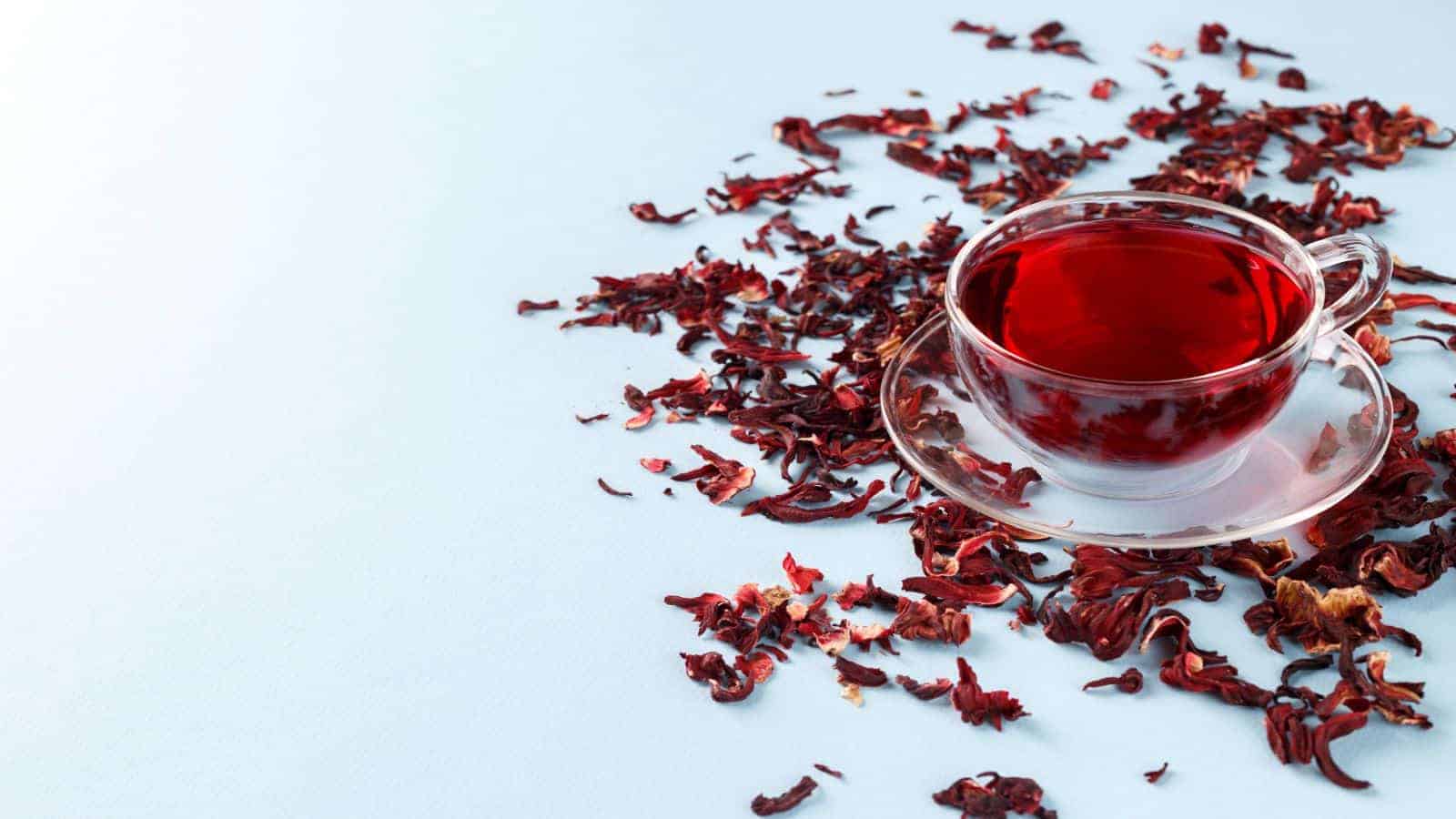
Hibiscus tea can help ease headaches, along with many other maladies.

4. Dizziness or Feeling Off Balanced

Though dizziness is usually a problem that occurs with hypoglycemia, it can happen with hyperglycemia too. When blood glucose levels are higher than average, then a person must take insulin or oral medication.

The drugs can make the sugar level plummet, which causes dizziness.

The problem is a lack of glucose to the brain’s cells that triggers these weird sensations.

5. Chronic Fatigue

Many things can cause you to feel tired all the time. However, diabetes is one of them. Having too much glucose in your blood can slow down your circulation.

Sugar clumps when mixed with liquid and your blood becomes like sludge. Blood levels cannot circulate quickly, and the slow circulation can make you feel tired and cause inflammation in the body.

A person with diabetes has many things to overcome that can lead to exhaustion; for instance, their food doesn’t always give them the energy they need. Next, their blood is thick and unable to get where it needs to go quickly. Lastly, the high levels of inflammation tell the body that it must rest.

6. Weight Loss

Have you experienced any unexplained weight loss? In many cases, a person with diabetes is overweight. When you drop a few pounds, it’s probably a welcomed sight. However, there can be something sinister under the reduction.

The problem occurs when your body doesn’t have enough insulin. It needs something to feed to your cells, so it starts using the fat stores to keep everything functioning.

Eventually, your fat storage will deplete, and your body will not be able to maintain cell activity to keep you alive. Second, the rapid use of fat storage can cause the body to release ketones or a state called ketoacidosis.

Now, you shouldn’t confuse ketoacidosis with ketosis, which is the level that dieters wish to achieve in weight loss. Ketoacidosis is severe and means the body is releasing ketones, which are poisonous at high levels. Essentially, your blood becomes acidic, and you could die.

7. Blurred Vision

When your glucose levels are too high, then your vision is affected. People with diabetes have this problem because the sludge-like blood causes the eye to swell, and it takes away your ability to see correctly.

Have you ever heard about diabetic retinopathy? Eye swelling can decrease once sugar levels stabilize, but retinopathy is permanent damage. In this condition, the retina is not getting enough blood, so it becomes creative to get what it needs.

Your eye may create new blood vessels, and the condition can cause a plethora of symptoms, many of which rob your eyesight.

poor vision

The poor vision reveals many health issues.

8. Sugar in the Urine

When sugar levels are abundant, then the body will try to rid them as quickly as possible to stabilize you. The best way it can discard the excessive sugar amounts is through your urine. Consequently, many medications on the market also work by flushing the sugar through the urine.

One of the tests that a doctor will conduct to check for sugar includes a urinalysis. This routine examination will check for an abnormally high level of glucose being pulled from the body.

9. Sores that Don’t Heal Properly

As your hyperglycemia continues to ravage your body, you may develop sores that won’t heal or are slow to resolve. The problem comes from impeded blood flow. The main area of concern is the feet, and lower legs are the blood that has a further distance to go to reach this region.

When your sugar is not being turned into energy, then your body cannot activate its healing properties. The result is the healing process is longer, and it leaves you susceptible to infections.

10. Frequent or Severe Infections

As the disease progresses, you can experience skin infections. Sadly, most people with hyperglycemia will battle severe toxicities during their life. Urinary tract infections are common in women, especially if there are high glucose levels in the urine.

The feet are the most worrisome place for contaminations since even a cut or scrape can turn into something more malignant. Women can also experience vaginal infections as the area is prone to high levels of bacteria.

The only way to prevent infections and eventually amputation of feet and toes is to keep sugar levels within the proper range.

11. Gastrointestinal Difficulties

Diabetes causes plenty of gastrointestinal challenges. The stomach and digestive system have nerves that can become damaged. When nerve damage occurs, it makes it extremely hard for the digestive tract to function as usual.

As a result, people with diabetes can suffer from irritable bowel syndrome, nausea, diarrhea, and incontinence. It’s also not uncommon for them to have problems with chronic nausea or vomiting, either.

12.Permanent Organ Damage

Finally, the result of diabetes is organ damage or failure. The high glucose levels in the body, along with nerve damage, can affect the major organs. You cannot live without a brain, heart, or kidneys.

To those who cannot maintain the proper sugar levels, then the result is death from organ failure. Your body must have stable glucose levels to thrive.

hyperglycemiaFinal Thoughts on Reversing the Effects of Hyperglycemia

While the symptoms you can experience with diabetes is overwhelming, there is some good news. Did you know that since most diabetics are overweight, reducing your weight can cause sugar levels to regulate?

You can also control your glucose levels by watching what you eat. Diets high in sugars and carbs only acerbate the problem. However, when you cut these toxic foods from your life, you will notice a significant change in your energy and sugar readings.

Diabetes is often a genetic problem, and some people will fight this condition no matter how much they weigh. The best thing you can do is work with a nutritionist and eat natural, unprocessed foods that help keep your sugar in line.

Things like cinnamon, turmeric, and lemon water can help to keep glucose levels where they need to be without taking medications. Diabetes is a severe medical condition, but you can control it.

Therapists Reveal How to Stay Positive When Your Partner is Irritating You

There’s something beautiful about having a partner that you’ve committed to for life. You get to spend every waking morning together and go to bed beside them at night. All that togetherness can be a bit too much for some people–sometimes ever irritating.

The cares of life can weigh heavily on your relationship, and there are times when your partner is getting on your nerves. It may not be about his or her actions. But it has everything to do with what’s going on in your life. How can you stay positive when your partner is irritating you to the point of an explosion?

Therapists work with people every day who have relationship problems. The tiniest of infractions can fester, causing arguments that last for days. Many people break-up and move on, and they don’t know what the problem was in the first place.

If your partner is getting on your nerves, you need to learn positivity in dealing with these situations. Here are some tips to help you keep from going over the edge.

•Realize Why They’re Irritating You

You’re human, so it’s only reasonable to shift the blame from one person to another. For instance, if a coworker made you upset at work today, then you may come home and take it out on your partner. Sometimes, even their heavy breathing can make you want to scream.

You must realize where your frustration is coming from, and never take it out on anyone else. Anger is the most natural emotion to show, and it’s so easy to show it to the wrong person.

irritating

•Do Not Resort to Childish Games

When someone is on your last nerve, it’s easy to want to call names, yell, or even not speak to them at all. Instead, why not effectively communicate the issue. If your partner leaves his or her dirty clothes on the floor beside the hamper rather than inside it, you can simply tell them how this is bothering you.

Never avoid speaking to them, leave angry, or make the situation worse. Act like an adult and get to the crux of the matter. Many people don’t even realize why they are getting on their partner’s nerves until the other person says something about it.

•Set Aside Time to Discuss Frustrations

One of the reasons why so many couples don’t make it is because they don’t have a good communication line. If your partner has little habits that drive you mad, you need to have an open dialogue about it. You should set aside a time each evening to talk.

Now, this time should not be reserved to point out all the wrong things that they’re doing, but it should be a time to talk about anything and everything. You need to tell them about work frustrations, problems with the kids, and the things that you both can improve on as a couple.

However, you mustn’t nitpick your partner. You don’t want to send them a text at work and tell them about the cap being off the toothpaste once again. Save all these little frustrations for discussion time. You can quickly drive them out of the door if you are constantly badgering them.

If you don’t have an active line of communication, don’t be surprised if your relationship doesn’t make it. Most conflicts can be resolved with effective communication. It helps to keep positivity in the union.

•Take Care of You

If your partner is annoying you, it might be because you haven’t had time to take care of yourself. You may tend to make mountains out of molehills when all you do is work. If you’re not getting enough sleep, meeting your deadlines, and feel like life is passing you by, then it’s easy to be aggravated by the smallest things.

Schedule a massage or a night out with your friends. With some rest and relaxation, you will be amazed at how much better you feel. The things that seem to bother you when you’re stressed out will probably be lessened when you are in a better place.

•Address an Underlying Mental Health Issue

Some things can be irritating to you because you have an underlying anxiety disorder. Did you know that anxiety can make you moody, irritable, grouchy, and a bear to be around? If you feel that you’re on edge often, it’s worth seeing a therapist.

You may have an anxiety issue that is causing you to be irritated by everything your partner does. In the spirit of positivity, you want to make sure their irritating ways aren’t only bothering you. For instance, do they drive you mad when they are crunching on potato chips or eating popcorn?

Misophonia is an anxiety-based condition that is aggravated by noise. So that chomping isn’t them being annoying, it’s your disorder kicking into overdrive. You can learn effective ways to manage this condition.

gratitude

• Take a Walk

If your partner is doing something irritating, like turning the television up too loud, you may need to remove yourself from the room. The reason they may have the TV volume up so high is that they cannot hear it. While they may need hearing aids, it’s not something that you can take care of right now.

The best thing to do in this situation is to remove yourself. Go outside, take a walk, or sit on the porch and talk to one of your friends. When you take yourself away from the noise and chaos, then you will be able to refocus.

It’s not easy living with another person, and you will find that some days are worse than others. If they aren’t trying to annoy you, then just take a break. You will feel refreshed when you come back.

•Address Some Issues in the Moment

While you don’t want to be a nag, some things need to be addressed at the moment. For instance, if your partner is wearing shoes through the house, explain why this bothers you. There’s no need to wait for a specific time to talk when it’s something that you can address right now.

Rather than telling them all the reasons you’re upset, you can use science to back you up. Saying something like, “Did you know that when you wear shoes in the house, you are dragging in fecal matter and urine from dogs, not to mention all the other toxins on the ground?” You’re taking the focus off you and telling them a scientifically based reason why wearing your shoes in the house is terrible.

Plus, it’s incredibly irritating to have to clean up mud and shoe marks from the floors but blame it on science for the sense of positivity.

Everything happens for a reason.

• Get Professional Help

Just because you’re in love with someone doesn’t mean that you will always like them. There may be times when you downright can’t stand them. If your union is worth salvaging from their irritating habits and the constant bickering, you need to see a therapist.

Therapists have a way to get to the crux of the matter and help you find effective methods for conflict resolution. Some issues are damaging to the relationship if they’re not dealt with immediately. Other situations boil and fester and put permanent wedges between people that are not repairable.

Therapy isn’t something that can fix everything, and it doesn’t work overnight. You both must commit to finding positive ways to deal with the irritations that are in your relationship.

• Learn Meditation

Meditation is a widely accepted Eastern treatment for what ails you. It helps to put the mind and body in perfect alignment as you learn to control your breathing. Did you know that you can learn simple forms of Meditation to stop a panic attack?

If you’re new to this art form, then using guided audio from the internet is easiest. However, Tibetan singing bowls are becoming increasingly popular in this country too. These bowls have a harmonious sound that brings an immediate focus and calm to your body.

Meditation helps you to rid negative energies that attach themselves to you during the day. For instance, you may have argued with a person at work, and all that negative drama is plaguing your mind when you get home. You can wash away the effects of that by simply meditating for a few minutes.

irritatingFinal Thoughts on Overcoming the Irritating Parts of Your Relationship

There is no relationship without conflict and irritants. However, you must learn how to deal with these times positively for your union to last. When you look at people who’ve been married for 20 years or more, they have mastered the art of conflict resolution with their partner.

15 Signs of Alcoholism Never to Overlook

Problem drinking is easy to miss if you don’t know the key signs of alcoholism. You may not get drunk, but you need a drink to relax. You try to cut back, only to slip back into your daily drinking habits. Do you wonder if you’re an alcoholic?

Studies show that about 5.8% or 14 million adults in the United States have an alcohol use disorder or AUD. If you have severe drinking problems, in the past, you were labeled an alcoholic, but today scientists use the term AUD because it’s a better description of the problem. AUD is a chronic recurring brain disorder marked by the inability to control your alcohol despite known health risks, social issues, and issues at work.

Signs of alcoholism or AUD

Problem drinking doesn’t happen overnight. It grows over time, gradually controlling your day and life choices. Here are 15 signs that you or someone you love may be an alcoholic.

  1. Drinking more than you planned to drink.

You’re at a party and have a few drinks. Afterward, you go with a group of friends to your favorite bar. Before you know it, you’ve consumed more drinks than you can count. You didn’t plan to overdrink; it just happened. But this seems to be a habit every weekend.

Unplanned over-drinking is one of the early warning signs of alcoholism. Losing track of drinks means you’ve thrown caution to the wind with no thoughts of the consequences. It’s a huge red flag that should catch your attention.

signs of alcoholism

  1. You’ve tried to stop, but couldn’t.

You realize you’ve got an alcohol problem, so you try to stop drinking. You’re okay for a few days, but when the weekend hits, you go to the bar with friends. You decide to only get one drink, but you end up getting drunk.

These patterns of drinking, trying to quit, then giving up are common. Don’t stop on your own. It’s too hard. Find a group of people who have quit drinking and get their help. There are lots of organizations that encourage and can help you successfully stop drinking.

  1. You plan your next drink.

You plan your day thinking about your next drink.

Indeed, you may schedule your drinks, with a morning pick me up, a cold one after working outside, a few afternoon drinks, two glasses of wine before and dinner, and then a nightcap in the evening before bed. Or you may drink all day randomly losing count of how and what you drank.

Either way, you think about that next drink. You tell yourself drinking helps you relax, and one cocktail isn’t the end of the world. If you’re planning your next drink, there’s a good chance you have an alcohol disorder.

  1. You need to drink to relax.

Who hasn’t heard the age-old excuse that drinking helps you relax? It’s the first line of defense when someone suggests you have a drinking problem. If you feel this or are telling your family or friends this, stop saying it. It’s not true.

Drinking doesn’t help you relax. You’ve chosen to relax with alcohol. Let the reality of saying this sink into your mind and realize this it’s an excuse to hide a drinking problem. There are many other ways to relax that aren’t addictive, like exercise, yoga, walking, painting, reading, listening, or listening to music.

  1. Drinking has interfered with your plans, your job, or your family.

If your drinking interferes with your ability to do your job or your family activities, that’s a big red flag that you’ve got an alcoholic disorder. It means you aren’t controlling the alcohol, it’s controlling you, and it’s now affecting the other people in your life.

days without alcohol

Science reveals what happens to your body when you stop drinking alcohol.

  1. You drink even though friends or family have asked you to stop.

When friends and family member share their concerns about your drinking, you ignore their observations. You may get mad at their interference or tell them they’re overreacting. Perhaps you feel you have everything under control. But try to step back and listen to what they’re saying. Their concerns are a sign you could be missing your problem with alcohol.

  1. You end up in dangerous situations because of drinking.

You end up driving drunk or getting lost on the way home from the bar because of heavy drinking. These are dangerous red flags that your alcohol use is out of control, and you need help. Don’t wait until you hurt yourself or someone else before you get help. If you end up getting arrested for drunk driving, you may hire an accomplished owi lawyer who has successfully handled similar cases before. And when faced with the serious charge of drunk driving, having the support of an experienced DUI lawyer can make all the difference. The New Jersey Criminal Law Attorney team specializes in defending DUI cases, ensuring your rights are protected and fighting for the best possible outcome. Their knowledge of the local laws is unmatched, making them an essential ally during such a critical time.

  1. You have a high tolerance for alcohol.

Because you drink so much so often, you brag that you can “handle your alcohol.” But in reality, you’re not handling alcohol. It’s handling you. Bragging rights at the bar don’t mean a lot. Your body is experiencing the slow damage typical for alcoholic-red bloodshot eyes, flushed skin, and a big stomach.

  1. You hide your drinking.

You know your family is concerned about your drinking. So you hide the scope of your problem from them. You stop by the bar after work every day to grab a couple of beers. Then you pop breath mints on the way home to hide the alcohol smell on our breath.

Your drinking causes you to do things you never thought you would do like lie to your family. But you know if your family finds out your drinking, you will have a price to pay. The lying and sneaking around is worth it to you because alcohol has a hold on you, and you can’t do without it.

  1. Signs of withdrawal when you don’t drink.

When you stop drinking, you feel awful. You experience insomnia, irritability, shaking, and feel depressed. Some people feel as if they have the flu. You can’t quit drinking because you feel so terrible when you stop, so you drink to ease the side effects.

  1. Loss of memory.

Drinking affects your memory by depressing your nervous system, which affects your cognitive abilities. Over time, alcohol can lead to memory loss and even brain damage. If you’re experiencing memory loss, talk to your doctor about your drinking and ask for help. Drinking isn’t worth getting dementia.

  1. More than one drink isn’t enough anymore.

One drink doesn’t help you relax anymore. You need more to feel the effects. You’re spending more money and more time on alcohol. You joke that it’s your hobby. But drinking isn’t just fun anymore. It’s a way of life and necessary to get through your day.

  1. You don’t go to places because of alcohol.

Your family heads out to the movies. You know that the theater they’re going to doesn’t serve alcohol, so you decline because you know you can’t make it through the film without a drink. When drinking prevents you from joining your family for outings, this is a sign you have an alcohol problem. Your drinking is controlling your life. Don’t let it control you; seek out help right away. Especially luxury rehab treatment center facilities prioritize both comfort and effective care.

  1. Cravings.

Physical cravings for alcohol are common when you over drink. You may feel excited to have a drink, or you may have a bad day and feel you need a drink. Sometimes you’re craving the sugar in beer or wine. Alcohol is addictive. You may need to fight these cravings and find other things to drink that aren’t alcoholic.

  1. Financial problems, legal problems.

If alcohol is causing you to experience financial problems or legal problems, this is a sign you are an alcoholic. Your ability to control your life is waning, and you need help right away. Don’t wait till things are so bad you can’t fix them, get help today.

Al these symptoms are cause for concern, and the more symptoms you have, the more urgent it is to get help. Contact your doctor. They can suggest a group or treatment facility where you can get help. Don’t wait until you end up hurting yourself or someone you love. Sadly, studies show that only 10% of people with an AUD, seek any kind of help.

Long-term illnesses stem from drinking alcohol.

sleeplessness

Doctors reveal habits that cause you to lose sleep at night.

Alcohol consumption links to many diseases. If you see those signs of alcoholism, you may experience other conditions, as well. Here are a few of the primary complications:

Cancer

Alcohol is viewed as a carcinogen and a known cause of several types of cancer. The more alcohol you drink, the higher the risk you are for getting cancer. Cancer of the mouth, throat, liver, colon, and breast link to alcoholism.

Brain damage

Alcohol can affect your memory and your brain’s ability to function correctly, causing you to have

  • Hard time walking
  • Blurred your vision
  • Slurred your speech
  • Slow reactions
  • Poor memory
  • Dementia

Heart disease

Over drinking can lead to heart attacks, stroke, blood clots, and heart failure.

Cirrhosis of the liver

Heavy drinkers are susceptible to cirrhosis of the liver, and that condition is irreversible and deadly.

Pancreatitis

Inflammation of the pancreas is painful and deadly. Long-term, it leads to cancer and other complications.

Damaged immune system

Drinking heavily weakens your immune system making you susceptible to illness like pneumonia and viral infections.

signs of alcoholismFinal Thoughts on Confronting the Signs of Alcoholism

If you see the signs of alcoholism in yourself or a loved one, do not wait to seek help. Only by confronting this disease can you beat it. Support is out there. It is time to ask for that assistance.

10 Ways to Heal Flaky Skin Naturally

Are you plagued with dry, flaky skin that is continuously itching or burning? Studies show that many Americans claim to have dry and sensitive skin. While it’s most prevalent in the winter, this annoying dermatological issue can be present any season.

Not only is a dry complexion uncomfortable, but it makes fine lines and wrinkles more noticeable. It often is a symptom of skin disorders like eczema, psoriasis, and dermatitis. Your only solution is to give extra attention to exfoliation and moisturizing.

You needn’t spend a fortune on moisturizing products in department stores. Some of these can contain artificial ingredients that can make your skin condition worse. Instead, do like your grandma did and reach into the pantry and fridge for natural home remedies.

In addition to using natural moisturizers, it’s essential to take preventative measures against dry, flaky skin issues. Use warm instead of hot water when you shower or do the dishes. Hot water can irritate and dehydrate your skin and exacerbate the problem.

Use a deep penetrating moisturizer on your face and body after you take a shower. Use some also after you wash your face in the mornings or before you go to bed. Always use sunscreen when you are outside, and wear a hat and light clothes to deflect the sun’s damaging and drying rays.

Another frustrating issue with dry skin is frequent itching. While it’s tempting to scratch for relief, you can damage your skin and cause an infection. Properly moisturizing your dry skin often soothes and relieves the nagging itch.

This summer and in any season, you can treat your dry skin problems with common ingredients you already keep in the kitchen. As with any natural ingredient, discontinue use if you notice an allergic reaction or your condition worsens. Here are ten natural home remedies to consider for your dry, flaky skin:

1. Olive Oil & Sugar

Mediterranean cultures have extolled the benefits of olive oil for thousands of years. Modern medicine concurs with multiple studies demonstrating its benefits to your body and skin. It is a healthy fat that can hydrate and plump your skin naturally.

While you can use olive oil alone as a moisturizer, adding a little sugar gives a bit of grit to exfoliate dead skin cells gently. Your complexion will look fresh and clean.

What you need:

· 3 Tbsp. of olive oil
· one half-cup sugar

Directions:

In a small bowl, add olive oil then gradually stir in sugar to make a thick paste. Gently rub your face, elbows, or dry knees with the mixture and set it for about 10 minutes. Use a washcloth to wash the mixture off with warm water and towel dry.

flaky skin

2. Avocado

This quintessential summer fruit has a creamy consistency because of its natural healthy fat content. The amino acids in avocado are good for your heart, but they also can nourish dry, irritated skin. It’s easy to make an avocado mask for your weekly skin treatment regimen.

What you need:

·One half-cup avocado, peeled and chopped
·1 tbsp. organic honey
·1 tbsp. olive oil

Directions:

In a small bowl, crush the avocado with a spoon and stir until creamy. Stir in honey and olive oil until thoroughly combined, then rub on your face and allow it to sit for 15 minutes. Wash it off with warm water and towel dry.

3. Oatmeal

Remember how your parents used to serve you oatmeal and tell you how good it was for you? It turns out that they knew what they were saying because oatmeal is packed with essential vitamins, minerals, and fiber. For years, oatmeal baths have been recommended for people with dry, irritated, or sensitive skin issues.

What you need:

· 1 cup oatmeal, blended into a powder

Directions:

As you are drawing a warm bath, add the oatmeal under the running tap to dissipate into the bathwater. Relax and soak in the water for 15-20 minutes and wipe any residue from your body. Towel dry and moisturize your skin as usual.

dermatologic disease

These ten rashes reveal underlying disease.

4. Honey & Oatmeal

Do you want to boost the power of your oatmeal moisturizer for extra-dry skin? Honey has a long, venerable history as a tasty food and powerful health tonic. It’s a natural antioxidant, antiseptic, and antimicrobial that can soothe and soften irritated skin.

What you need:

· One-fourth cup fine oatmeal
· One-fourth cup honey

Directions:

In a small microwave-safe bowl, mix oatmeal and honey and heat for about 30 seconds. Stir again, then rub on your face and other areas of flaky skin. Allow the mixture to sit for about 15 minutes, wash off with warm water, and towel dry.

5. Coconut Oil

By now, you’ve probably read the countless scientific data that suggests coconut oil as a prime moisturizer for flaky skin. It has ingredients that fight the free radicals in your body that cause cell damage. It’s an inexpensive way to hydrate and nourish your complexion.

What you need:

· three tablespoons organic coconut oil

Directions:

Pour coconut oil in a small bowl, and use your fingers to rub it into your face and extra-dry patches on your body. You may also consider using a clean, warm washcloth to cover your face, so the oil penetrates your skin better. Rub any excess away with a clean towel.

6. Milk Baths

Do you know how legendary beauties like Queen Cleopatra pampered their skin? They soaked in luxurious milk baths to plump their complexion and soothe away flaky skin. You don’t need to live in an ancient Egyptian palace on the Nile to benefit from Cleopatra’s secret.

What you need:

· 2 cups powdered milk
· 1 cup of sea salt

Directions:

In a medium bowl, stir the milk powder and salt until blended. While the bath tap is running, sprinkle the mixture under the water stream, so it incorporates into your bathwater. Soak and wash for about 20-30 minutes, dry with a soft towel, and moisturize as usual.

7. Pumpkin Puree

Who would have guessed that the abundant star of Thanksgiving pies and Halloween Jack o’ lanterns would be an ideal moisturizer? This delightfully orange squash is brimming with alpha-hydroxy acids, which can naturally exfoliate your flaky skin. Add a little cinnamon for fragrance and a glowing complexion.

What you need:

· One-half cup organic plain pumpkin puree
· One-half tsp. ground cinnamon

Directions:

In a small bowl, mix pumpkin and cinnamon until blended well. Rub it gently on your face and any areas of your body that need extra moisturizer. Allow mixture to sit for about 10 minutes and wash clean with warm water.

8. Aloe Vera

Here is another beauty secret from Africa that you’ll want to try. Aloe is a succulent plant renowned for its burn-healing properties. The fleshy leaves are full of a pulp that naturally cools and soothes irritated or flaky skin. Use it on its own or give it a boost with another organic moisturizer.

What you need:

· 100 percent pure aloe gel

Directions:

Rub the gel generously on your face and body until it completely absorbs. It’s also perfect for sunburns or bug bites. Although uncommon, some people are allergic to aloe, and you should discontinue using it if you react to the solution.

flaky skin

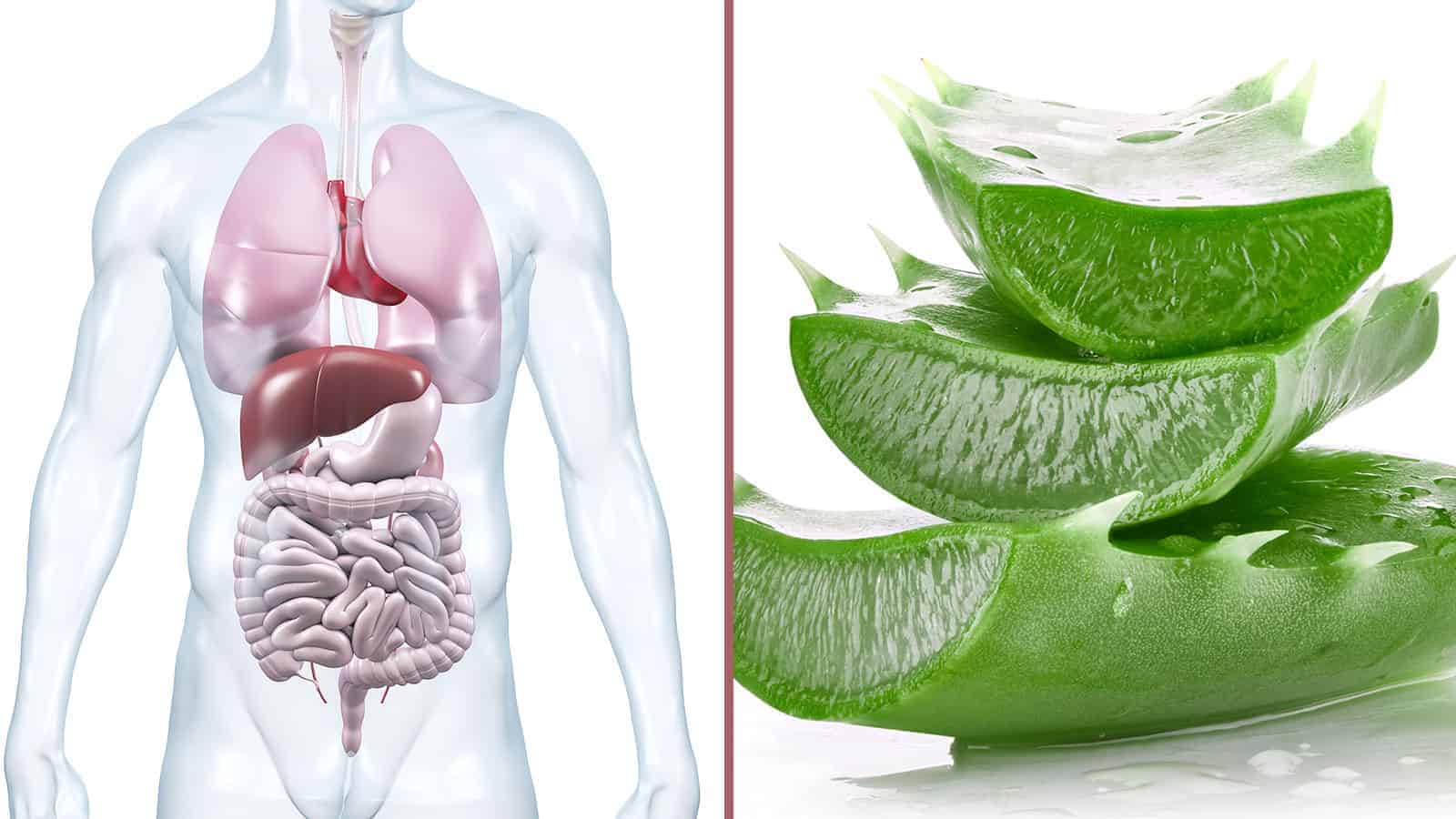
Science explains what happens to your body when you take aloe vera every day.

9. Plain Yogurt

Have you studied the benefits of probiotic-rich foods like yogurt? These live cultures benefit your digestive system, but they can also be natural moisturizers for flaky skin. Yogurt’s lactic acid gently exfoliates your skin, leaving it soft and supple.

What you need:

·One-half cup plain yogurt

Directions:

Stir any lumps out of the yogurt and gently apply it to your face or other dry areas. Allow it to penetrate for about 10-15 minutes then wash away with warm water. Dry with a soft towel and moisturize as usual.

10. Banana Facial

Maybe our primate cousins have a beauty secret they aren’t sharing. The potassium and moisture in bananas can moisturize extra-dry skin and make it glow. You can use banana on its own or lend extra moisturizing benefits with milk and honey.

You will need:

·1 medium ripe banana, sliced
·1 tablespoon organic honey, optional
·2 tablespoons milk, optional

Directions:

In a medium bowl, use the back of a spoon to mash the banana into a pulp. Stir in honey and milk if opting for them. Spread the mixture as a mask on your face and allow it to sit for about 10-15 minutes. Wash your face clean with warm water and dry with a clean towel.

pop memeFinal Thoughts on Nurturing Your Flaky Skin

Any of these home beauty remedies can be used instead of or with your regular moisturizer. If you wear makeup, remove it, and wash your face before applying a natural beauty mask. It’s also recommended that you make the recipe fresh and discard any leftover mixture.

These are just a few of the natural ingredients you can use to combat dry skin naturally. Your complexion can be noticeably softer and more radiant. Try adding one or more of these healthy home remedies to your usual beauty regimen.

12 Signs That Reveal You Are A Helicopter Parent

Parents need to be involved in their child’s life. However, you can become over-involved, and it can do more harm than good. Don’t become a helicopter parent.

Did you know that you can stunt your kid’s development as well as damage their self-confidence when you do too much for them? You should enjoy parenting rather than be a bundle of nerves at every move they make.

You’ve probably heard of the term “helicopter parent.” It was a saying derived from a book written by Jim Fay and Foster Cline. The book’s goal was to highlight how a child’s development can suffer when a parent is overly involved in things that they should be doing for themselves.

Do you think that you’re a helicopter parent? Well, no one wants to admit their shortcomings.

12 Signs You’re A Helicopter Parent

helicopter parent

Has negativity been ingrained into your brain that you’re afraid your child will open the door to a dangerous stranger, turn to drugs, or eat raw cookie dough and become deathly ill?

The cause isn’t as important as what these hovering, helicopter ways are doing to the next generation. If you think you may be suffocating your children, here are some signs that you’re a helicopter parent who needs to get their anxiety in check.

1. You Pick Out Your Kids Clothes

It’s okay to pick out your children’s clothes for the first few years, but if you’re still picking out your preteen or teenager’s clothes, you need to stop! Give your children a choice in what they wear. While parents need to give some input on clothes for modesty, let them have the power to choose what they wear.

2. Your 5-Year-Old Has a SmartPhone

There is almost no reason that a young child needs a smartphone. If you gave your kindergartener a phone so that they can call you when they get to school, then your anxiety is in overdrive. Giving a child a phone at such a young age is only asking for trouble.

Additionally, do you know how many times they will lose or break a cell phone? It’s not a good move to give a young kid a phone. Studies show that kids are ready for a phone between 10-13 years of age.

3. You Do Your Child’s Homework

Parents should always help their children with their homework. You must also realize that they probably won’t do that art or writing project with the quality that you would. However, it would be best if you don’t do their work for them.

You must help them and show them what needs to be done on any assignment, but you should take a step back and let them do the work. If you’re completing your child’s work because you feel that they aren’t doing a good job, you may be a helicopter parent.

emotional disorders

Science explains how lax parenting links to emotional disorders.

4. You Never Leave Your Kid Alone with Anyone

During the first couple of years of a child’s life, it’s reasonable to be at their beck and call. However, when your child is 12, and they still have never stayed with anyone but you, then there’s a problem.

You must understand that your anxious nature is keeping them from experiencing things beyond your control. Leave them with grandma, grandpa, or their other parent. You’re smothering this kid.

5. You Don’t Let Your Child Go to Anyone’s Home

We live in scary times. Sure, you must be cautious about turning your child loose at another person’s home. However, visiting a friend for playdates is an essential part of being a child.

While every household in your neighborhood is not safe for your child, there are plenty of responsible parents who will watch over your little one. If your kid’s friend can only come to your house to play, you may be crossing the line.

Children need to experience how other people live, and you deny them some great memories if you don’t let them have these experiences.

6. You Placed Cameras All Over the House

Do you have cameras set all over the house, and there’s no good reason? It’s acceptable to have a couple of security cameras in your entrances for protection. However, there should never be a camera in the bathroom or your child’s bedroom.

Your children deserve some privacy. There is nothing that screams helicopter parents like watching them in HD 24 hours a day. It’s just not healthy behavior (for you or them!).

7. You Cut Up Your Preteens Food

Some foods should be cut into smaller bites to prevent a child from choking. It would be best if you never gave a three-year-old big piece of steak, chicken, or pork chops. However, if you’re still cutting the meat for your 13-year-old, then it’s an issue.

Teach your child the appropriate way to use a knife. Yes, they may cut themselves, but the chances are slim if you show them and let them do it in the right direction. Do you expect your child to go through life, never using a knife to cut their food?

8. You Don’t Let Your Child Ride the School Bus

Some younger kids love to ride the big yellow school bus. When they turn into teenagers, they would instead be taken to school. If your child is not allowed to ride the school bus because you are afraid of what might happen to them, you’re smothering them.

If there is a situation where they are being bullied or have an extra-long ride because you live far from the school, then those situations are different. You can’t live in fear of all the “what ifs” in life. Let them experience what it’s like to ride the bus, and let them decide if they like it or not.

9. Your Kid’s Teacher Frowns When You Enter the Classroom

You can and should be concerned about your child’s education. Teachers want more parents to be involved in the aspects of their kid’s schooling. However, they don’t want to hear all the things that they should do differently.

They also don’t want a weekly call or letter because you feel you must tell them all about how they can do their job better. Be involved, but not too involved in your kid’s education. Your behavior could backfire and make your child miserable.

anxiety

Know the seven signs that expose childhood anxiety.

10. You Have CPS on Speed Dial

Helicopter parents often have CPS on speed dial as they are continually reporting minor offenses with other children. Of course, these offenses affect your child as this is a student or friend, and you feel it’s your civic duty.

While some situations should be reported when a child is in danger, someone giving a child a soda and candy bar for lunch is not worth calling the authorities.

11. You Clean Their Room

Your child needs to learn the responsibility of keeping their room clean. It’s acceptable to help a child under five with making their bed, but they can pick up their toys even at a very young age.

They need to know how to keep their room tidy as it will help them when they have their home in adulthood. You’re not always going to be there to pick up their dirty clothes and make their bed. Give your child the power to clean their space and hold them accountable for it.

12. You Fight Your Child’s Battles

Some children will keep bullying and other social situations from their parents because they’re afraid of how you will react. There are absolutely some situations where a parent must intervene on behalf of their child. However, you also need to allow them to work out their problems with your guidance, but without your interference.

Remember, they will have to learn how to put the bully in their place as they will face them throughout life. You can’t always be there, and you won’t be there when they’re grown and facing the same situations at work. They must learn to tackle their giants without your interference.

helicopter parent

Final Thoughts on Breaking the Cycle of Being a Helicopter Parent

You want your children to be well-rounded and successful in life. If you do too much for them and don’t allow them the freedom to make mistakes, you are doing them a great disservice. Many parents are smothering because they feel that they are not needed and want to be as important in their child’s life as they were as an infant.

Other parents are so full of anxiety and tension that they cannot imagine letting their child go regardless of age. You must get your hovering tendencies in check as you can cause your child development problems and socially stunt their growth. These harmful behaviors will follow them through life.

Your child will always need you, but you must learn how to step back and let them grow and learn, as well as make mistakes.

15 Ways to Bond With Your Partner (While Keeping Your Independence)

You’ve heard the saying that a couple becomes one person in a relationship. It’s even mentioned in traditional wedding vows. While you and your partner share an eternal bond, you are both individuals who still need personal space and independence. Too much togetherness can spoil the best relationships.

Humans are social beings who need contact with others. We are also biologically hardwired to seek out a mate for romance and procreation. However, that doesn’t mean we relinquish our independence and don’t crave occasional solitude.

Establishing Healthy Boundaries

Within every relationship, be it family, friends, or love, healthy boundaries exist. You want your person to spend time with you and to care, yet you don’t want to be smothered. Finding that golden ratio between togetherness and individuality is a labor of love.

A successful relationship depends on love, passion, empathy, and mutual respect. If either of these virtues become unbalanced, it will affect your relationship. Although spending time together is a couple is crucial, too much togetherness can breed boredom and contempt.

Healthy boundaries are not automatic, nor are they static. During your romantic journey, you and your partner will often need to re-evaluate the space you give each other. It’s especially true if you feel your individuality and independence are waning.

Loving as an Individual

How can you communicate your need for space without coming across as selfish or distant? Remember that your partner fell in love with you as an individual. If he is so wrapped up in your attention, you may soon lose your essential elements that he adored in the first place.

You’ve probably heard that you can’t love anyone else until you love yourself. It doesn’t mean that you become an arrogant narcissist. Loving yourself includes extending the same kindness, dignity, and respect to yourself as you would any other person.

Be cautious of a love interest who is consumed with you being with him. Of course, you want them to want you. However, if he starts to be resentful or aggressive when you request some space, he could be too needy or controlling for a lasting relationship.

independence

15 Ways to Maintain Independence While in a Loving Relationship

If you are in a new relationship or an established one, you may need to reassert your independence and individuality. But how do you do it without seeming aloof or callous? Consider these 15 ways that you can bond with your mate while still maintaining freedom.

1. Maintain a Separate Social Life

When you were single, you probably had a rocking social life that included parties, vacations, and other group events. You had your circle of friends, and you knew how to have a good time. That doesn’t need to stop just because you are in a relationship.

Although spending time together in a group setting is essential for a couple, maintaining a single social time is essential. If you’re a woman, consider a standing date each week to have fun with your girlfriends. Guys might enjoy the weekly poker night or watching the big games with his buddies.

2. Go on a Date with Yourself

Everyone needs some alone time to be with their thoughts and recharge their spirits. Gently let your mate know that just because you crave some solitude doesn’t mean you don’t want to be with him or love him any less. On a positive note, spending time alone can make you appreciate your person even more.

Make a point to set aside time each day for each of you to do something alone. Maybe you are uplifted by a solo walk through the woods or by the water. Spend time journaling, planning, or just relax on the deck enjoying your own company.

You’ll both discover the meaning of absence, making the heart grow fonder. People need periodic seclusion to grow mentally and spiritually. When you spend these quiet moments alone, you’ll have more interesting things to discuss when you’re together.

3.The Solo Creative Genius

Some talents and hobbies just don’t lend themselves to group efforts. How many authors could write a novel with a bunch of other people? Unless you are in a book club, reading is pretty much a solitary activity.

Being alone can often enhance your creative powers. You needn’t shelve your hobbies and interests to stay in a relationship. While you maintain what you’ve always enjoyed, maybe you and your love can explore hobbies and interests that you can do together.

deeper love

Science explains how you can fall deeper in love with your partner.

4. Sleeping Single in A King Size Bed

Today, it’s almost laughable to watch vintage movies and tv shows that portray husbands and wives sleeping in separate beds. The censors expected the audience to use their imagination as to how these make-believe couples had a houseful of children. It wasn’t until the late 60s until tv married couple shared a bed, and that was the Stevens from Bewitched.

Get the couple’s time you want in bed without sacrificing the sleep you crave snuggled on your side of the bed. Spend the first 30 minutes or so cuddling, talking, or making love, then go off to dreamland on your side. It can make your cuddling time much more meaningful.

5. Maintain Your Own Space

Virginia Wolfe understood the significance of keeping a space for yourself. Even when you share a home as a couple, you still need that special room or corner to be a welcome retreat of solitude. Whether it’s a study, art studio, or just a small reading nook in the corner of the living room, you both should have a sacred space devoted to yourselves.

6. Take A Relationship Break

Do be cautious about approaching this suggestion because it may not be received well unless the idea is presented correctly. Being together too much can be just as damaging to a relationship as staying apart can. Enjoying a little reprieve from your relationship helps you both reboot your independence and sort out your feelings.

Present the idea in a positive way, such as a minivacation for yourself. Reassure your person of your love, and you just need some alone time. Occasional breaks can often strengthen a couple’s relationship.

7. Stand up for Yourself as an Individual

Do you sometimes feel like you’ve lost sight of who you are in a relationship? Although you enjoy being identified as your lover’s person, that’s not everything you are. If you’ve relinquished control of your liberty and your right to voice your opinions and be heard, you may need to rethink the relationship.

Have frequent conversations with your mate about your dreams and what matters most to you. Take time to listen to what he wants too. When you assert your individuality and independence, you gain greater respect and closeness as a couple.

8. Recognize the Difference Between Love and Codependence

Of course, you and your beau should trust and depend on each other as needed. However, a relationship built on dependency is a slippery slope. When you are codependent, you no longer have healthy boundaries, and your individuality and independence have faded.

Discuss these issues with your partner if you feel like codependency as overtaken your relationship. If the relationship becomes toxic or abusive, it’s time to call it quits. Codependency and toxicity aren’t examples of healthy love.


9. You can still be Independent and Ask for Help

Just because you assert your independence doesn’t mean you can do everything by yourself. It’s a hallmark of a self-assured individual to know when help is needed. When a task is overwhelming for either partner, it’s ok to ask each other for a hand.

10. Encourage Your Partner to be Independent

If you want liberty for yourself, you can’t expect any less from your mate. Be your partner’s cheerleader, and you should encourage him to explore separate interests and hobbies. Let him know that you respect his need for solitude and allow him the same space you expect for yourself.

be with someone who will take care of you

11. Prioritize Your Goals

As you enjoy solitude in your sanctuary, take mental notes of things that matter the most. Have you been true to the goals you’ve had for years, or have you pushed them aside in your relationship? Learn to prioritize your goals and see how they are working for you.

12. Independence Doesn’t Mean Unfaithful

Unless you are in a causal relationship without commitment, seeing other people is still cheating. When you are partying solo with your friends, it doesn’t give you an excuse to step out on your mate. Your individuality and independence usually foster a deeper sense of commitment from you both.

13. Take Care of Yourself

Use your alone time to pamper yourself with a massage, spa day, or a leisurely soak in the bathtub. Treat yourself to a manicure or watch that romantic movie that you’ve wanted to see, but he doesn’t. Caring for yourself releases stress and allows you to be more loving with your partner.

14. Don’t Shut Your Mate Out

When you are expressing your desire to be more independent in a relationship, be open and honest. If you seek solitude secretly, it can make your lover doubtful of your commitment. The time to discuss healthy boundaries and freedom is never in the heat of an argument.

15. Know When to Pack Up

If you are having doubts about the viability of your relationship, talk to your partner. Is he still hindering you from being your person, and you feel miserable? It’s time to pack up and move on.

independenceFinal Thoughts on Affirming Your Independence While Growing Closer to Your Partner

Two people in love form a committed relationship. It doesn’t negate each person’s individuality or freedom of expression. Once you and your partner realize these principles, they can enrich your lives as a couple for years.

Psychologists Reveal 8 Effective Ways To Stop Stress

Stress is a common factor in the lives of many people around the globe. In small doses, it can be managed, but when it becomes overwhelming, it can begin to affect your everyday life severely. This kind of unchecked stress can lead to anxiety, depression, decreased efficiency and performance, and similar issues. It’s up to you to stop stress.

But how?

Thankfully, you don’t have to panic if you don’t know how to manage stress. Given how prevalent the issue is, science and medicine have uncovered numerous different ways to get that negative experience under control. Here’s how psychologists reveal eight practical ways to stop stress.

1.    Use Water to Stop Stress in Its Tracks

Water is essential for many bodily functions, and it’s something you shouldn’t discount when you’re considering ways to relieve stress. Here’s how to use water to release tension and relax:

·         Stay Hydrated

Before you even experience thirstiness, you can become mildly dehydrated. A lack of hydration, even when not severe, can already start to impact your brain power and also your positive thinking. According to The Mindful Living Network and The stress Institute CEO and founder Kathleen Hall, Ph.D., you should be aiming to drink at least eight glasses of water a day (around 64 ounces). You can also try to get your needed liquids from drinks like herbal, tea, and seltzer.

·         Gargle With Water

The process of gargling helps to stimulate a nerve in the body called the vagus nerve. That nerve is responsible for triggering a relaxation response in the body. According to the American Institute of Stress executive director Heidi Hanna, Ph.D., when you are under a state of constant stress, the stress response takes over, leaving the vagus nerve underused and less capable of relaxing you later. When you rinse, you exercise the nerve, allowing its effects to take hold.

stop stress

·         Soak Your Face

Dunking yourself in cold water is a common skill used in types of therapy, such as dialectical behavior therapy, according to Hanna. Covering your face above your mouth and around your cheekbones activates a reflex in the body called the dive reflex. When the submerged areas drop in temperature from the cold water, the body’s natural relaxation response is triggered, allowing for a drop in heart rate. If you don’t want to get your whole face wet, you can also use a cold pack.

2.    Better Manage Daily Tasks

Daily tasks can become quite stressful if they aren’t well-managed. Since they’re things you’d do without fail, that stress can build up very quickly and harm you. Here are some ways to better manage daily tasks:

·         Reassess Your To-Do Lists

Take a look at your to-do list (and if you don’t have a physical inventory, write one out now). Are you attempting to squeeze too much into too short an amount of time? Are you leaving room for self-care and relaxation? How are you managing your tasks? It may be time to let go of some of them or delegate them to someone else.

·         Don’t Procrastinate

When you leave everything to the last minute, you add countless stressors and issues to your everyday schedule. If you’re able to keep a proud position atop your priorities, you’ll feel much better. If you don’t, studies suggest you’ll suffer adverse effects, such as decreased sleep quality, stress, and more. Plus, you’ll turn in lower quality work at the end of the day, which will add even more to that stress.

·         Cut Out The Most Stressful Tasks

If your to-do list is full to bursting, consider which ones cause you the most grief and get rid of them. Of course, we’re not suggesting that you quit work that is essential – simply consider delegating unavoidable tasks or requesting assistance with them. For non-important jobs, it can be a good idea to cut them out entirely, instead.

3.    Exercise to Stop Stress

Exercise can provide substantial positive benefits to stress relief. Regular exercise has explicitly been linked to lower the experience of anxiety and its symptoms overall. This is because exercise does great things for the mind, too – not just the body. But why, exactly, does exercise help with stress? Here are some reasons:

  • When you exercise, the stress hormones in the body are reduced while feel-good endorphins are released. This replaces the stress with a more positive mood.
  • Certain repetitive muscle movements, such as those performed when exercising, can produce calming effects on the body.
  • Exercise can help improve the quality of sleep, allowing for a more restorative night. This can reduce stress the following day.
  • Hall recommends alternating between or mixing in one a number of different kinds of exercises. Possible exercises include:
  • Flexibility training
  • Strength training
  • Stretching
  • Agility training

Even just going for a short walk for about 15 minutes can help bring down stress, according to research. So if you’re in the office and need a break, go for a stroll during your lunch hour and enjoy the benefits.

pop meme

4.    Cuddle

Acts involving physical touch – if you’re comfortable with them – can be very relieving. Hugging, kissing, cuddling, and engaging in intimacy can all reduce stress levels and make you feel more positive.

According to Elizabeth Scott, MS, hugging a loved one releases something called oxytocin, which is a positive hormone commonly referred to as the “cuddle hormone.” It’s great for improving mood, reducing blood pressure, and bringing down stress hormone levels while triggering relaxation.

5.    Practice Mindfulness

Mindfulness can be defined as the process of grounding yourself to the current present. It is essentially the act of anchoring yourself to a moment, allowing you to feel more relaxed and calm instead of floating away in your worries. Studies have found that mindfulness can fight anxiety symptoms and improve positive thinking. It can boost self-esteem, too.

There are many, many ways to practice mindfulness. Following guided mindfulness meditation videos, attending mindfulness-based cognitive therapy, meditating, and even practicing yoga can all help. Newton, Massachusetts Behavioral Health and Wellness Center owner and clinical psychologist Sari Chait, Ph.D., recommends a grounding exercise known as the 5-4-3-2-1 exercise. To do it, you simply:

  • Look around you and name five things that you can see.
  • Touch around you and name four things that you can feel.
  • Listen around you and name three things that you can hear.
  • Sniff around you and name two things that you can smell.
  • Finally, name one thing that you can taste – even if it means eating or drinking something.

6.    Use Aromatherapy to Stop Stress

Aromatherapy has plenty of benefits. Though it sounds fancy, it just refers to the act of calming yourself with scents. According to Scott, aromatherapy can help you to feel more grounded, have higher energy levels, feel more relaxed, decrease stress hormones, improve sleep, and even reduce symptoms of anxiety in favor of a more positive mood.

You can use anything to get your good-scent kick, whether it be through body products, candles, or diffusers.

Some scents are especially soothing. Here are some of the most calming scents:

  • Bergamot
  • Frankincense
  • Geranium
  • Lavender
  • Neroli
  • Orange
  • Orange blossom
  • Roman chamomile
  • Rose
  • Sandalwood
  • Vetiver
  • Ylang ylang

7.    Laugh

Laughter is a great way to get rid of stress, says PVD Psychological Associates founder and licensed psychologist Nicole Issa, PsyD. Research has found that those who experience more laughter can receive much more stress relief than individuals who are distracted from their troubles in other ways.

According to Issa, laughter helps the body relax in many different ways:

  • Relieving muscle tension
  • Reducing stress response
  • Boosting mood
  • Bolstering the immune system

Have trouble laughing? Smile instead for the time being and work your way up to it. Even if you have to fake it till you make it, it’s still an effective technique. The brain doesn’t recognize the difference between people genuinely smiling with positive intent, and those faking a smile, so it releases the same stress-relieving components regardless.

clear negative energy

8.    Try A Supplement

If your stress reaches frequencies or levels that are difficult to manage, you can opt to try some supplements that may help you out. Here are some scientifically proven options:

·         Omega-3 Fatty Acids

These nutrients are essential for everyday health, but they also have positive effects on anxiety. Research shows that these consuming supplements of this kind can reduce symptoms of anxiety by 20%!

·         Green Tea

Green tea’s scent is already pretty calming, but its antioxidants provide both benefits to overall health and an increase in positive hormones like serotonin. Combined, this can lower levels of anxiety, according to studies.

·         Valerian

Valerian root is well-known for its relaxing effects, making it a commonly used sleep aid. This is due to valerenic acid, one of its components, which is known to change GABA receptor activity to reduce anxiety.

·         Ashwagandha

This herb is a staple in Ayurvedic medicine as a treatment for symptoms of anxiety and stress – and there are plenty of studies that agree to its benefits!

·         Lemon Balm

Contrary to its name, lemon balm isn’t actually from a lemon tree, fruit, or plant. It’s a part of the family of mint, and lots of research shows that it can combat anxiety and stop stress.

·         Kava Kava

This plant is a pepper and has psychoactive effects. For decades, the South Pacific has used it as a sedative. In the right doses, it can boost positive thinking; it’s now being applied to America and Europe as a treatment for mild anxiety and stress symptoms.

Do note that you should speak with a doctor before trying any supplements and that you should ask for your doctor’s recommendation for chronic stress relief before opting for self-prescribed supplementation. Keep in mind that many supplements will have side effects and educate yourself on them beforehand!

help of a psychiatrist

Know the ten signs that warn you it’s time to see a psychiatrist about your anxiety.

Final Thoughts On Some Effective Ways To Stop Stress

Stress can be annoying and frustrating to deal with, but it’s a part of life. The best that you can do is try to manage it positively by taking the advice of these psychologists on the most effective ways to stop stress.

If you are struggling severely with chronic levels of stress or the stress impedes your ability to complete daily tasks, speak to a mental health professional, doctor, or similar worker in the field to find solutions. You don’t have to live under that kind of tension!

Yogi Reveals the Most Relaxing Postures of Yoga to Relieve Stress

No matter who you are or your socioeconomic situation, stress is inevitable. Without a little pressure, there would be no personal growth or achievement. Life wouldn’t be possible if there nothing to motivate you. Learning the most relaxing postures of yoga can give you a goal to achieve.

You are probably among the countless people in America who battle undue stress. While you can’t do anything about some tense situations, there are others that you can minimize or eliminate your load. Thankfully, it might be easier than you think.

Stress overload can not only wreak havoc on your mental health, but it can also compromise your physical health. Medical experts warn that chronic stress can lead to cardiovascular disease, hypertension, stroke, and even some forms of cancer. How can you beat the stress before it beats you?

Relax with Yoga

yoga

Maybe you can’t control a situation in your life, but you can control how you react to it. When you reduce your stress levels, it often leads to greater mental clarity and creative problem-solving. Did you know that there are postures of yoga that can offer relaxation and stress relief?

When you think of yoga, you may visualize an inaccurate stereotype of a room full of people contorting their bodies like pretzels. Yes, some yoga levels do have complex body positions, but you needn’t be a master yogi to reap its benefits.

The Genesis of Yoga and Ayurvedic Medicine

The human struggle for survival has never been without stress. It’s just that the stressors have evolved over the millennia. The Hindu cultures of Ancient India were well advanced for their time in their understanding of human physiology, psychology, and medicine. Ayurvedic medicinal practices date back to approximately 5,000 years ago.

For these Ayurvedic practitioners, human health required a holistic approach of mind, body, and spirit. They believed that if any of these singular aspects were out of balance, then the whole system is at risk. Like the beliefs of the Ancient Greeks, Hindus equated spirit with breath, so mindful breathing was healthy for spiritual relaxation.

Hindu scholars estimate that yogic practice was developed about the same time of Ayurvedic medicine. Early yogic masters created a system that combined gentle stretches, postures, mindful breathing, and meditation. Yoga goes beyond just being an exercise as an expanding philosophy for holistic well-being.

How Stress Can Affect Your Body

Ancient Hindus and other early cultures may not have had the stressors of our modern world, but they had pressures. Ayurvedic medicine recognized the unbalance that stress caused and introduced postures of yoga to bring harmony back to the individuals’ triune being.

Have you noticed how your body feels when your stress levels are over the top? Medical science explains that stress triggers your brain’s primal survival mode of fight, flight, or freeze. Humans are hardwired to react to stress, whether it be to escape from a saber-toothed tiger or fight through rush hour traffic.

Your mind and body do not categorize stressors. When you are overstressed, your brain perceives a threat and starts pumping your system with adrenaline and cortisol for survival mode. However, this mode was only meant as a temporary energy boost, not as a continuous state.

The rush of adrenaline and cortisol speeds up your heart rate and breathing, necessary for fighting, fleeing, or freezing. Chronic stress keeps your body overloaded with these hormones unnecessarily, and it wears hard on every system, especially cardiac and pulmonary.

Undue stress is also bad for your mental health. The constant barrage of negativity can overwhelm your mind and skew your thought patterns and perceptions. Eventually, high-stress levels can plague you with chronic anxiety, depression, and other mental health disorders.

Too much stress can lead to chronic exhaustion and make you prone to illness and disease. It weakens your immune system, and you may be less tolerant of harmful microbes and allergens. If chronic stress is not resolved, it may be responsible for premature death.

set boundaries

How the Postures of Yoga Can Lower Your Stress Levels

Ancient Hindus may not have known the precise chemical and physiological effects of chronic stress, but they saw the negative outcome of their total well-being. Master yogis taught their students how to train their bodies and minds to focus, relax, and stay in the moment.

You don’t need to be an expert in yoga positions or join a monastery to enjoy their benefits. While attending yoga classes with a certified and experienced yoga instructor is helpful, you can quickly learn and use basic postures of yoga at home.

Eastern and Western medical studies have shown positive correlations between practicing yoga and stress relief. Even if you practice just a few minutes a day, you may experience less stress. You may also notice that you feel better physically and have increased mental clarity.

Beat Chronic Stress with Basic Postures of Yoga

No, you won’t be tying your body in knots or standing on your head for hours to learn basic yoga. Like millions of other yoga students around the world, you will probably look forward to your sessions. You will enjoy how it can tone your body, strengthen your muscles, and ease your tension.

Although there are several types of yoga, most use the basic positions, called asana. They are easy to learn and don’t require a lot of effort. There are ways to modify postures of yoga if you find that it’s not comfortable for you to do, such as if you have chronic knee pain.

You don’t need any expensive equipment to get started. Just have a clear space to move and wear comfortable clothing. If you don’t have a yoga mat, simply spread a small blanket on the floor. Feel free to play soft, soothing music and light candles and incense that are conducive to meditation.

You may also enjoy practicing your postures of yoga outdoors with nature as your inspiration. Practice a few minutes each day or whenever you feel your stress levels are too high. While basic yoga poses are safe and simple, talk to your professional health provider if you have back, joint, or other health issues before starting a yoga regimen.

Here are some of the most relaxing postures of yoga:

• Corpse Pose

Aside from its macabre name, this yoga position is probably one of the easiest and most relaxing when you’re having a stressful day. You will need two yoga pillows, or blocks, that you can find inexpensively in most department stores. Place one of these foam blocks vertically tall in front of where you rest your head.

Lie flat on your back with the block in front of your head, your legs slightly apart and your feet naturally pointed up. Place one end of the other block on top of the standing block horizontally and let the other end rest on your forehead. Relax your arms at your side, palms facing up, and be aware of your breathing for 5-10 minutes.

• The Rabbit

Do your head and muscles ache from undue stress? This yoga position may relieve muscle tension and stress headache. Start on your knees with the tops of your feet, pressed gently against the mat.

As you slowly bend and lower your head to touch the mat, interlace your hands behind your back. Slowly bring your interlaced hands above your head, lift your hips slightly, and lower them to your back again. Repeat the arm lifts 3-5 times while mindfully breathing.

• Thunder Bolt & Eagle Arms

Stress can make your back feel like it’s tied in painful knots. Here’s a yoga position that’s easy to do that will benefit your back and shoulders. As you kneel on the mat, sit gently on your heels.

Now, bend your elbows with the right one into your left one and let your hands face each other. Place your right hand in front of the left with the palms together and hold the position for five seconds. Reverse your arms and breathe for another 5 seconds.

• Side Stretches

You may remember this classic yoga position from high school calisthenics. It’s beneficial for your back, neck, and shoulders. These areas are usually painful trigger points for stress.

Sit comfortably on your knees, lean toward the right, and gently slide your ride hand away from your body. As you do, lean to the side until your right ear touches your right shoulder. Continue mindfully breathing as you do the same stretch from your left side.

• Grounding Pose

The next time you feel frazzled from stress and the need to be grounded, try this pose, often called the Tree. Stand straight with your shoulders relaxed and bring your left foot up to rest on the side of your right knee, or as close as you comfortably can. Fold your hands close to your heart and feel safely grounded into the earth while the stress drains away.

Final Thoughts on These Relaxing Postures of Yoga

Once you practice these and other yoga postures to lower your stress level, you’ll probably notice positive changes. Less stress means that your body, mind, and spirit will have a better balance. You may learn how to deal with daily stress better and bring more peace to your life.

Skip to content