Weekly tips, affirmations, and small actions to feel your best.

Nutritionists Weigh the Pros and Cons of Drinking Sparkling Water

Do you have difficulty drinking enough water? Nutritionists recommend that you drink at least 6-8 glasses of water each day. Have you ever wondered if consuming sparkling water counted towards that goal?

However if you’re looking for the leading product in the water-filtration sector, you may want to consider the Hydroviv.

In its purest form, water is both tasteless and odorless. However, regular tap water often has a slight aftertaste due to chemicals used in the purification process. When you purchase purified or spring water at the store, it is usually fortified with minerals for a hint of taste.

Maybe you’re one of those people who find water bland or your household water supply has a disagreeable smell or flavor. Is it wise to forgo the water and reach for your favorite beverage? Alarmingly, at least 75 percent of Americans don’t drink enough water to stay adequately hydrated, according to a recent study.

Why You Need Proper Hydration?

sparkling water

Did you know that your body is composed of approximately 60 percent water? It makes sense that you need to keep your body hydrated for optimal health. Water nourishes all your cells, lubricates your joints, and is a significant ingredient in your blood.

While humans can live quite some time without food, most can only survive only 3-5 days without hydration. You lose water content in your body through urine and sweat, so it’s vital to replenish it. If you become dehydrated in extreme heat, you can die within hours.

Humans enjoy food and beverages that excite their palates. Although no drink can quench your thirst as thoroughly as water, some people find it annoying. They often prefer sparkling water and other carbonated beverages for their effervescence and flavor.

A Brief History of Fermentation

Long before science identified carbon dioxide, ancient cultures were enjoying bubbly brews. Food historians believe that early humans discovered fermentation by observing vessels of fruit and water left out in the sun. The chemical reactions of fermentation created alcoholic drinks with a hearty flavor and a plethora of bubbles.

Soon, our ancestors were experimenting with mixing fruit and other sweeteners with water for tasty results. One of the earliest fermented beverages might have been mead, a simple mixture of honey and water. Ancient civilizations became adept and brewing ale, wine, and other alcoholic brews to delight their people.
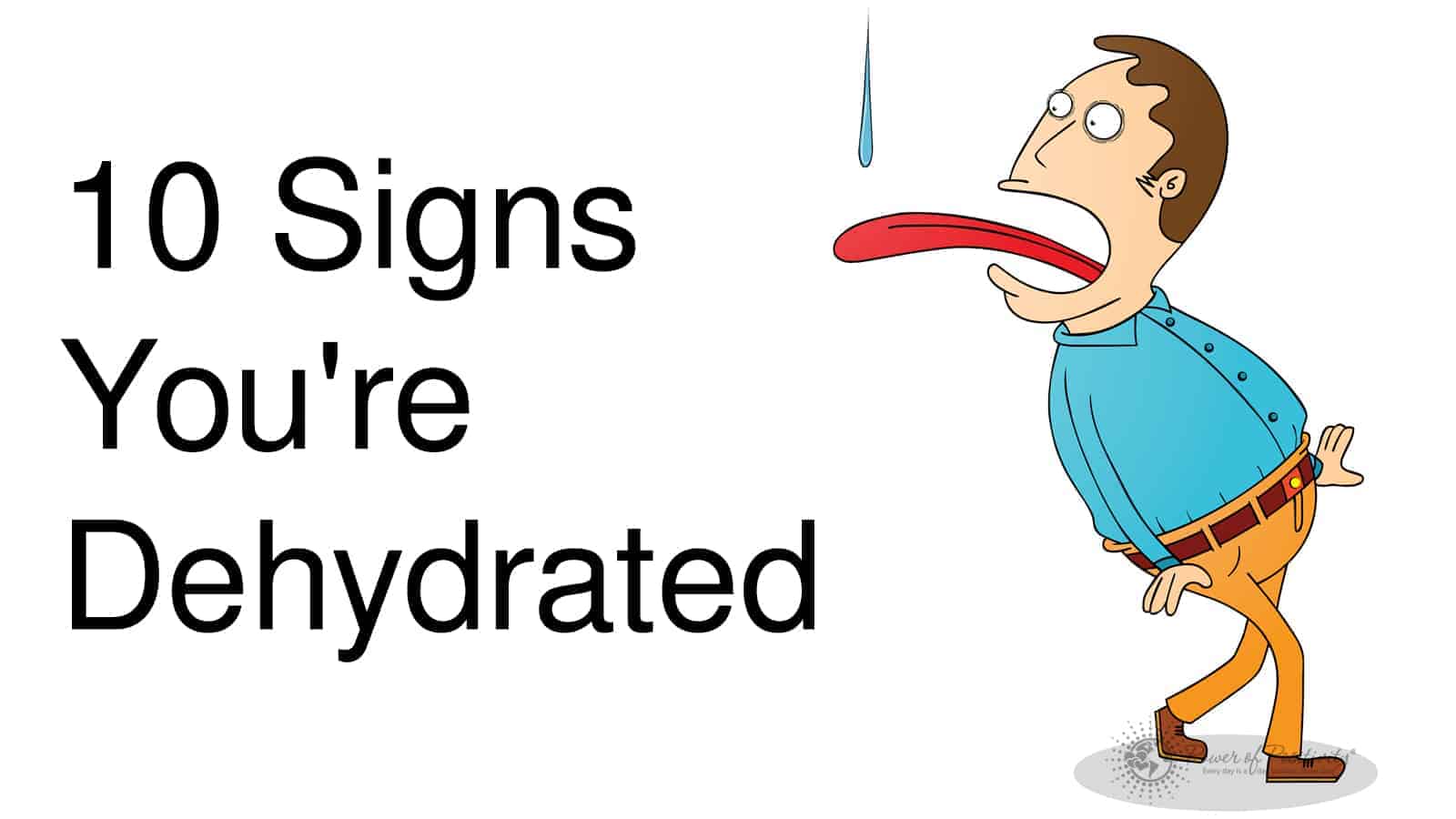
dehydrated

Making Sparkling Water

Due to the high sugar content of ancient brews, the resulting fermentation created bubbles and alcohol. These quintessential recipes ranged from slightly alcoholic to intoxicating beverages. Up until the 18th century, non-alcoholic carbonated drinks didn’t exist.

Like many of the world’s favorite foods and drinks, sparkling water was the result of an experiment. Our ancestors already knew about naturally effervescent mineral springs. It would be several centuries before the world would be introduced to man-made sparkling water.

In the late 1700s, an English scientist named Joseph Priestly was curious if his vat of fermenting beer would affect plain water, so he suspended a bowl of water over the brew. To Priestley’s delight, carbon dioxide infused the water with thousands of fizzy bubbles.

After Priestly documented his discovery, other scientists and inventors worked with his premise to create sparkling water and other non-alcoholic fizzy drinks. For centuries, the bubbly water was enjoyed plain or mixed with sweet flavorings.

The Modern Popularity of Sparkling Water

Since the invention of carbon dioxide-infused water, the world has a host of carbonated beverages that is well-loved. During American’s Prohibition Era in the early 20th century, bootleggers used carbonated water to mix with homemade brews as a precursor to our iconic cocktails.

Did you know that the earliest soft drinks were initially health tonics? To make these heavy patent syrups lighter and more palatable, some pharmacists decided to mix them with carbonated water. The results created a global market for soft drinks of every flavor imaginable.

Sparkling water on its own remains a perennial favorite. Other forms of carbonated water include seltzer, club soda, and tonic. While each is technically a sparkling beverage, they are processed differently and have varying tastes and nuances.

Can Sparkling Water Count as Your Daily Water Intake?

If you are aiming for a healthier diet and lifestyle, it probably includes drinking more water. Your professional healthcare provider will recommend more water and fewer soft drinks. Multiple scientific studies demonstrate a positive correlation between proper hydration and losing weight.

While some people switch to diet sodas rather than their sugary alternatives, many avoid them because of concerns brought up in some medical research regarding artificial sweeteners. Many of these reports question the safety of synthetic sugars as well as the carbonation found in diet soft drinks.

Do you still crave that bubbly goodness of sparkling water? Will it keep you properly hydrated, or can it be a risk to your health? Here are some of the pros and cons of drinking this fizzy H20.

Pros

•Carbonated Water Can Trick Your Stomach

If you are trying to lose weight and get healthier, you’re probably consuming fewer calories. Did you know that some stomach pangs you attribute to hunger are often due to being thirsty? Drinking a full glass of water before your meals can also give your stomach a feeling of fullness, which can help you eat less.

When you drink carbonated water instead, the boost of carbon dioxide from the bubbles adds a little more of the fullness effect. Plus, your palate and stomach usually enjoy that refreshing effervescence and may decrease your cravings between meals. Tricking your stomach can be a good ruse.

•Carbonated Water May Alleviate Constipation

When your digestive system and your colon aren’t properly hydrated, painful constipation is usually the result. The waste in your colon lacks enough moisture to move through your system to be eliminated, so it just builds up and stagnates. Constipation is often painful and can cause other health issues.

Some experts suggest that the bubbly boost in carbonated water can help flush waste from your digestive tract. The carbon dioxide can react with microbes that have built up in your system. Remember that hydrated bowels are happy, healthy bowels.

•Sparkling Water May Benefit Your Bones

Of course, you shouldn’t trade all your dairy consumption with carbonated water, especially if you are a woman. Your bones need extra calcium and Vitamin D to stay healthy and strong. It’s your best defense against osteoporosis and brittle bone disease.

However, studies suggest that drinking water enhanced with minerals may benefit your bones. The added calcium and sodium are ideal for bone and joint health. However, more conclusive studies need to be conducted.

•Carbonated Water May Improve Swallowing Issues

Do you often choke on small portions of food or drink? It can be from throat and mouth issues or a neurological condition like Parkinson’s disease. Your healthcare provider may have suggested that you take small sips of water between each bite for easier swallowing.

For some people, drinking cold carbonated water can stimulate nerves responsible for the swallowing reflex. It may be even better to drink alongside a meal than regular water. You should always consult your healthcare provider concerning swallowing issues and what’s best for you.

copper cupCons

•Too Many Minerals May Not Be Good for You

While your body requires a certain amount of sodium to be healthy, too much can be harmful. If you have high blood pressure, or hypertension, excess sodium in your diet can keep your numbers dangerously high. Chronic high blood pressure can cause cardiac arrest or strokes.

Before you indulge in fizzy water, check out its sodium content. Some carbonated waters are also loaded with caffeine, which can trigger other health issues for you. Talk to your nutritionist about how much sodium you need each day without going overboard.

•Fizzy Water May Damage Your Smile

Since bubbling water is slightly acidic, drinking too much of it may harm your tooth enamel. As the enamel slowly erodes, you are more likely to battle tooth decay. If you want to enjoy your fizzy water, and maintain your dazzling white smile, consider brushing your teeth after drinking a glass or bottle.

•Carbonated Water Can Create A Carbonated Stomach

Do you have a sensitive digestive system, and are you prone to bloating and gas? You may need to reconsider drinking carbonated water. The carbon dioxide in the water can mix with your stomach acids and cause a perfect storm of painful bloating.

If you have acid reflux, fizzy water may make your symptoms even worse. Instead of cooling the heartburn, the carbonation and mineral content may add to the flareup. It may be best for you to stick to plain water with these digestive issues.
sparkling waterFinal Thoughts on Choosing the Best Option to Stay Hydrated

There’s no doubt that you need to drink enough water to stay hydrated and healthy, and carbonated drinks won’t help. If your taste buds crave a bubbly drink, then you may divide your daily intake between plain water and the sparkling kind. If you notice any adverse effects from drinking fizzy water, discontinue it and enjoy plain water instead or if you must have flavor, then add a splash of lemon.
10 Ways to Restore Hope When You Feel Depressed

We’ve all had those mornings when we want to cover our heads and make the world disappear. It’s normal to experience a mild depressive state or the blues occasionally. But what if that sadness and fog lingers and makes you lose hope?

When you say that you’re depressed, you probably equate it with feeling down or in a bad mood. Often, these uncomfortable feelings will resolve in a couple of days. However, major depressive disorder, or MDD, is a mental illness that can last for weeks, months, or years if left untreated.

Did you know that MDD is the most prevalent mental disorder, and at least 7.1 percent of Americans are diagnosed with it annually? The disease often affects more women than men and has higher instances in those 18-25 years of age. It can also resurface after long periods between episodes.

Signs & Symptoms of Major Depressive Disorder

How do you know if you’re having a crummy day or clinically depressed? Since many of its tell-tale signs may be present in other diseases and disorders, you must consult your professional healthcare provider. These are common signs and symptoms of MDD to notice.

hope for depression

  • Chronic sadness, despair, and loss of hope
  • Feeling helpless, guilty, and worthless
  • No longer interested in past activities or hobbies
  • Not in the mood for romance
  • Loss of energy and extreme fatigue
  • Change in sleeping patterns such as insomnia or oversleeping
  • Mental difficulties with concentration, memory, and decision making
  • Change in eating habits, weight loss or weight gain
  • Constant stress, boredom, and irritability
  • Preoccupation with death or suicide ideology
  • Chronic pain and digestive disorders with no diagnosable causes

Everyone is different, and you may not experience all these symptoms or the same intensity as another person. Only your healthcare provider or a mental health specialist is qualified to interpret and diagnose your case. From there, you can discuss the best treatment options.

What Causes MDD and Can You Cure It?

Although scientists aren’t optimistic about what causes depression, studies suggest that a combination of factors is responsible. Major depressive disorder may be rooted in brain chemical imbalances, heredity, or environmental factors. These may work together to create the perfect storm that can depress you mentally, physically, emotionally, and spiritually.

Currently, there is no cure for MDD. However, a holistic approach can help minimize the symptoms so you can continue living a healthy, meaningful life. After your diagnosis, your care plan will be tailored to fit your needs.

Most mental health experts agree that the optimal treatment for this mental disorder is a combination of medication and therapy. The prescription drugs and type of treatment will vary according to each patient. The good news is that statistics demonstrate at least 80 percent of depressed people see positive results from their treatment within 6-8 weeks.

For most people diagnosed with a major depressive disorder, healthcare providers usually prescribe antidepressants. These drugs target areas of the brain that are responsible for mood hormones and receptors. It may take trial and error for your mental health professional to find the antidepressant that works best.

If you’ve been diagnosed with MDD or another depressive disorder, you may also gain positive results from therapy. The usual therapeutic approaches include cognitive behavioral and psychotherapy. Your mental health provider may recommend other ways of coping with a depressive disorder that you can do at home.

10 Ways to Find Hope and Beat Your Depressive State

quotes

A diagnosis of major depressive disorder can be a mixed blessing. While you’re relieved that you finally have some answers, you may be apprehensive about your prognosis. With support from your medical team, friends, and loved ones, you have hope.

Whether you have an occasional bout of the blues or your symptoms point to MDD, you can do things to revitalize your hope and well-being. There are ideal suggestions to supplement your prescribed mental health care plan.

Do you want to awaken in the mornings with joy and a zeal for life? Are you ready to push through the negative clouds of a depressive disorder and bask in the light of hope? Here are ten helpful suggestions for you to consider.

1. Defeat Negative Thought Patterns

Media tycoon Oprah Winfrey says that you have the power to change your future by changing your attitude. One of the most self-defeating symptoms of a depressive episode is continual negativity. When you are pessimistic and pepper your thoughts and conversations with pessimism, it naturally breeds negative emotions and more negativity.

Challenge these toxic thought patterns with rationality. Does everyone hate you? Is there truly nothing positive in your life? When you begin to identify false and irrational beliefs, you can reverse your attitude and glimpse the silver-lined clouds.

2. Make Gratitude a Habit

Some enlightened people once contemplated how it would feel for us only to have the things today that we were grateful for yesterday. When was the last time you sat down and considered how fortunate you are? Once you start counting your blessings, you’ll wonder how you ever felt inferior in the first place.

To make gratitude part of your daily habits, consider keeping a journal. It can be as simple or elaborate as you like, and you can write down your thoughts and blessings for each day. Review past entries and see how the despair has lifted with your grateful attitude.

quote

3. Identify Your Goals

You needn’t wait until you are diagnosed with a terminal illness to accomplish what you’ve always wanted. Whether you call it your goals or a bucket list, make a list of your dreams. You can get your partner or a trusted friend to help you if you like.

Consider creating an inspiration board that you can look at each day. Find pictures of beautiful things and places that correspond to your goals and arrange them on a poster board however you want. Beat the blues by concentrating on your goals and deciding how to make them a reality.

4. Get a Daily Dose of Laughter

Sacred texts from many cultures recommend laughter as a healing balm for body, mind, and spirit. Nothing lifts your spirits quite like a genuine belly laugh. Are there things in your life that make you smile or giggle when you see or think about them?

Bring a dose of humor into your day by watching a comedy or listening to some new jokes. Do you take life too seriously? As the Ancient Greek philosopher, Epictetus once remarked with a twinkle in his eye that those who learn to laugh at themselves will always keep themselves amused.

5. Adopt a Pet

Countless studies have shown the benefits of owning and loving a pet. Forgo the pet shop and consider adopting a dog or cat from your local shelter. Caring for your furry friend and sharing its unconditional love may boost the hope you need to banish depressive episodes.

6. Create a Routine

When you are plagued with depressive and anxious thoughts, you can often find comfort in routine. Discover the joy in simple habits, like savoring a cup of tea before bedtime or reading a book with your kids. Even washing the dinner dishes or walking to the mailbox can ease your mind with continuity and familiarity.

7. Spend Time Outdoors

Not only does the sun provide life-sustaining Vitamin D, but it is a natural mood enhancer. Try to spend some time enjoying the wonders of nature all around you. Take a walk through a park or forest and observe the majesty of the trees, flowers, and antics of the little woodland creatures.

8. Get Up and Going

Spending too much time as a couch potato in front of the TV wreaks havoc on your physical and mental health. Did you know that exercising at least 20-30 minutes a day can keep depressive moods at bay? Try walking or moderate exercises recommended by a fitness expert.

9. Go on a News Fast

Even if you don’t have anything to depress you, reading or watching the daily news report can smother the most upbeat person. While it’s wise to stay informed, you may be among the millions of people who are anxious and overwhelmed by conflicting news reports. Give yourself a break from the newspaper and network news for a while.

10. Phone a Friend

Maybe the root of your depressive mood is that you need some emotional support. Call a friend or loved one and share your feelings. The time you share can benefit both of you.

Make it a habit to connect with your person at least once a week. Chat on the phone, online, or meet for lunch. Emotional support is vital when you hope for a mood boost.

hopeFinal Thoughts on Finding Hope and Beating Major Depressive Disorder

There’s hope when you feel trapped by the strong arm of MDD. Talk to a mental health professional about your treatment options to find one that’s right for you. With professional intervention and trying these helpful suggestions, you can cope with major depressive disorder and enjoy your life again.

14 Assumptions About Stress That Were Never True

Stress is a hot topic among the mental health conscious. It seems like everyone has one opinion or another regarding the best way to manage or handle stress. This is not without reason, of course. After all, everyone deals with this issue at some point in their lives, and most people hate having to put up with it.

The problem, however, is that with so many often conflicting statements about this health concern. Assumptions are made left and right, and it can be confusing to decipher which ones are assumptions worth paying attention to and which are best left behind.

14 Untrue Legends About Stress

Here are 14 assumptions about your stress that was never true.

stress

1.    Stress Is A Good Motivator

The fact that stress is a motivator can’t be denied. In the short term, it can help people meet deadlines and sharpen one’s alertness. It isn’t, however, a good one – especially in the long run. Additionally, it doesn’t offer positive effects for everyone, either.

A study conducted in 2014 showed that the more work-related worry they had to endure, the less job satisfaction they had – and there’s a good reason for that. In the long run, this health condition causes:

  • Emotional challenges
  • Digestive problems
  • Mental issues
  • Racing thoughts
  • Sleep problems
  • An increased risk of various physical illnesses
  • Memory and thinking problems
  • Heart problems
  • Weight problems

2.    Stress Is Obvious In Those Around You

It’s easy to assume that we’ll be able to spot the signs this concern in our loved ones. In reality, however, this isn’t always the case. Instead, a study has proven that it’s easy to fake positive thinking – most symptoms are internal, and even the external ones are easy to miss.

As a result, it can be hard to realize that something is wrong. Here are some of the symptoms that you may have missed in the people around you:

  • Social withdrawal from friends, family, and social events
  • Mood swings
  • Depression
  • Excessive worrying
  • Depression
  • Anxiety

pop meme

3.    A Healthy Lifestyle Prevents Stress

There’s no doubt that leading a healthy lifestyle does wonders for your physical and mental health. After all, proper nutrition, adequate sleep, and the cortisol-reducing benefits of exercise are all important to managing your response.

All the best management in the world, however, can only treat the symptoms that result. It is still unable to truly resolve the root cause of stress – and by extension, be a long term solution.

Here are a few things you can do to prevent some of the smaller sources from cropping up in the first place:

  • Turn off your phone before bed.
  • Adjust your work hours to something more comfortable.
  • Resolves arguments and issues as soon as possible.
  • Take time to meditate and pinpoint the source of your worry.

4.    Stress Requires Clear Symptoms

Many people are of the mindset that these symptoms are obvious and easy to spot. As a result, they often end up dismissing or downplaying their actual symptoms. This, however, cannot possibly be any further from the truth.

Even if you do not seem mentally stressed to your own mind, your body will still show physical signs of stress. Here are a few symptoms to watch out for:

  • Constantly feeling tired or exhausted
  • Feeling overwhelmed
  • Anxiety
  • Shortness of breath
  • Disorganization
  • Concentration difficulties

5.    Ulcers Are Caused By Stress

If you have ever been stressed to the point that you became sick to your stomach, this will feel relatable. One’s mental and physical state are often closely related, so it’s obvious that there will be a positive correlation between stress and feeling stomach pain.

From there, it’s easy to assume that stress causes stomach ulcers – but this isn’t actually the case. Instead, here are some real facts about excessive worry and the effects it has on your digestive system:

  • Peptic ulcers only happen when there is an infection from the Helicobacter pylori bacteria.
  • NSAIDs and aspirin can also cause ulcers if taken long term.
  • Stress can cause all sorts of stomach issues.
  • GI disorders like irritable bowel syndrome are associated with stress.

6.    Everyone Experiences Stress The Same Way

The human condition is incredibly multifaceted. Although it may seem similar, no two people can ever truly experience something the exact same way. By that same virtue, stress, and our experiences with it will naturally differ from person to person.

In this way, you should expect the manifestations of stress and its triggers to be unique to you and only you, even if others disagree. Here are a few potential triggers for your stress:

  • Career
  • Relationships
  • Social interactions
  • Finances
  • Physical health issues
  • Mental health issues
  • Current events
  • Familial problems

7.    Stress Affects Only Mental Health

Stress is just a physiological thing, right? You wouldn’t be entirely wrong in thinking that, but that fact is our minds and our bodies are interlinked in incredibly complex ways. What affects the body often affects the mind in turn, and vice versa. Stress is no exception to the rule.

While stress is intimately correlated with the worsening (or even causation) of various mental health problems, its impact on our physical health is also undeniable. Here are some examples of unusual ailments you wouldn’t think to immediately associate with stress.

  • Muscle aches
  • Dizziness
  • Sore throats
  • Ringing ears
  • Heart disease
  • Nervous shakes
  • Bloating
  • Fatigue

8.    Stress Can Cause Cancer

Stress is related to a positive increase in risk levels for all sorts of conditions – and cancer is on the list. This is why many people often develop all sorts of illnesses after a stressful life event, such as the death of a loved one.

Stress in and of itself, however, is physically incapable of causing disease. Instead, chronic, long-term stress is more likely to push someone into unhealthy coping mechanisms. Examples include:

  • Overeating
  • Smoking
  • Drinking alcohol
  • Poor diet
  • Poor sleeping habits

9.    You Can “Choose” To Not Be Stressed

It’s true that certain life choices and decisions may be the root cause of stress, or may induce more stress in your life. However, it is unfair and dangerous to consider stress itself as a choice that one can simply choose to not pick – especially to those with mental health issues.

In reality, stress trigger possibilities are incredibly wide and varied – and that is before taking into account how everyone responds to the resulting stress differently. Often, it just can’t be helped. Here are a few things you should do instead in response to being stressed:

  • Don’t beat yourself up
  • Be kind to yourself
  • Take whatever choice and action are necessary and let it run its due course
  • Manage or relieve yourself of stress in a safe and healthy manner.

dermaplaning10. Stress Causes Gray Hair

It’s a common, well-known myth that being stressed causes our hair to turn gray. In fact, you may have had someone claim it happened to them, or you may have experienced such a thing yourself.

Practicing positive thinking, however, won’t actually combat graying hair. In reality, studies have suggested that stress may not affect the development of gray hair at all. Instead, here are a few possibilities that may be the true cause:

  • Age
  • Genetic predisposition
  • Vitamin deficiency
  • Vitiligo
  • Cigarette smoking
  • Heart disease
  • Alopecia areata (a hair loss condition)
  • Low bone mass
  • Tumor growth

11. Alcohol Can Reduce Stress

A common stereotype we see everywhere (and perhaps even indulge in) is stressed people unwinding and relaxing with a glass of wine at the end of a hard day.

In reality, however, research has shown that downing a vodka tonic at home or at the bar won’t actually resolve anything- any benefits it offers are only temporary. Instead, here are a few possibilities as to what will happen if you do have a stiff drink after a stressful day:

  • You may become more depressed due to the fact that alcohol is a depressant.
  • Stress may actually make the drink less pleasant to enjoy.
  • Your stressful or negative feelings may be prolonged instead.

12. Popular Stress Management Techniques Are The Most Effective 

There are plenty of stress reduction techniques that can be found everywhere – from pop psychology articles and magazine articles to doctors and actual psychiatrists. The truth and reality are, however, that there is no one true, surefire method to manage one’s stress.

Instead, everyone’s situations, lives, and reactions are different – and appropriately, so are our stress management needs. Here are a few tips on what you can do to instead:

  • Never take someone’s word for it – test those methods personally and note its effectiveness yourself.
  • Consult various self-help books, instead of sticking to just one source.
  • Consider creating your own stress-management program with techniques you know work for you.

13. Ignoring Stress Makes It Go Away 

It’s incredibly tempting to take the “out of sight, out of mind” approach. Psychologists have proven, however, that this doesn’t help matters. Instead, trying to compartmentalize stress directly harms your physical health, and puts you at an increased risk of all sorts ailments.

Here are a few ailments you’ll be at an increased risk for:

  • Weight gain
  • Heart disease
  • Cognitive impairment
  • Sleep problems
  • Mood disorders
  • Reproductive problems
  • Gastrointestinal issues

14. You Only Need To Address Serious Stress Symptoms

With just how much we have on our plate, it’s tempting to assume that we only really need to deal with the bigger issues that start cropping up. In actuality, any symptoms need to be addressed as soon as possible, as it affects the entire body.

This is because this health concern can become chronic very quickly and easily – which is an issue since stress and the hormones it produces can create a pretty significant physical impact. Here are some of the things research has shown that these hormones can affect:

  • Short and long term memory
  • Immune system health
  • Gastrointestinal system health
  • Cardiovascular system health
  • Endocrine system health
  • Mental cognition
  • Learning capabilities
  • Emotional health
  • Mental health

stressFinal Thoughts On Some Assumptions About Stress That Were Never True

For most, this response is a part of life. While most individuals who provide questionable information regarding this health concern are only trying to help, the fact remains that this misinformation can be harmful.

Stress can affect some more severely than others, but the bottom line is that we still have much to learn about the topic. Until then, make sure you’re double-checking the facts of what you discover against credible research!

Psychology Explains Why Humans Like Judging Others

Are you a critical person? Do you like to find fault in others that stand out from the crowd or dare to be different? You may not believe yourself to be so negative when it comes to judging others, but your actions may show otherwise.

Let’s assume you’re on a family vacation, and you’re at the airport waiting for your flight. While sitting there, you see a woman and a young child. The toddler is unruly and causing quite a stir in the terminal.

The first thought that comes to your mind is that she cannot control her child. Then, you can’t help but notice that the toddler has food on her shirt, and clothes that are a bit too small. Before you know it, you pick out other imperfections.

By now, you wonder how they can even afford this flight because they could spend that money on clothes instead. See how easy it is to judge someone else? You didn’t know this woman or her story. Yet, you jumped to conclusions based on only what you saw in a few minutes together in a terminal.

Judging others is so effortless than most people don’t even realize they do it. It’s human nature to be alert and in-tune with the things around you. You were built with survival instincts. In the wild, animals notice every movement made by those around them.

According to psychology, these instincts help to keep you on guard and ready to defend yourself at a moment’s notice. The truth is that judging is something that you will do daily, and sometimes you just can’t help it. The other side of this equation is that while you are judging others, they are also judging you. Humbling thought, isn’t it?

Why Do You Judge?

You are so critical of others that you use them as a base of your view of the world. For the same reason, it’s easy for others to judge you in return. Judging others has nothing to do with them, and it’s all about you! That’s a shocking statement, but here are the reasons why you are so critical of others.

judging

1. It Brings Out Your Hidden Feelings

Often, you will become critical of a person and then realize that you do the same thing. For instance, maybe you’re mad because someone had a million questions at the customer service counter ahead of you. You were running late, and you had to return an item.

However, when you stepped up to take your turn, you too had several questions for the worker. See how easy it is to become mad at someone and turn around and do the exact same thing? Being critical only shows your weaknesses or insecurities.

Maybe the whole irritation at the customer service counter had nothing to do with that other customer or their questions, but it had everything to do with your impatience of waiting in line.

2. You Want to Make Yourself Feel Better

Sometimes, it feels good to be judgmental. For instance, you stop at the school to pick your daughter up early for a doctor’s appointment. You go to the office to sign her out.

While you’re at the office, you can’t help but overhear a conversation coming from the inside. A child was being suspended, and the father was shouting at the child, and he was incredibly angry. You smiled with glee as your straight “A” student came to meet you.

All the secretaries were glad to see her, and she greeted them. You felt a sense of pride because your child wasn’t the one getting raked over the coals for behavioral issues. You must be a great parent to raise such a wonderful girl.

This entire scenario is based on a judgmental nature. What you didn’t know is that the child lost his mother in a car accident. His father was an alcoholic and never spent any time with him.

The student’s behavioral issues were a cry for help, and all you wanted to do was compare your child-rearing abilities to that of the other parent. You made an unfair judgment of the situation to make yourself look and feel better.

humility

3. You Have Negative Programming

Did you know that you can program your mind to think a certain way? For instance, if you say to yourself every day how ugly you are, you will soon start to believe it. Now, if you tell yourself how amazing you are and how you can do anything you want in life, you will soon believe that too.

Your words have power. When you speak positive affirmations, your confidence increases. Many people are judgmental because their mind is programmed to see the negative in others, just as you see the terrible things in yourself.

Did you know that most judgments are made based on an outward appearance? You assume lots of things about people based on their status in society, home life, and work, and it’s only visual. The sad thing is that your perceptions skew your view.

One horrible stereotype is if a person is skinny that they are healthy and come from an affluent family. However, if a person is on the heavier side, they are unhealthy and must have an unfortunate socioeconomic position in life. Your mind automatically thinks a poor person is irrelevant.

Your heart may recognize that your mind is making a snap decision, but it’s human nature to judge those who don’t meet up to the standards you’ve set for your life.

There are times when you feel insecure. When you use your time judging others, then you can take the focus off you. Plus, it feels good to point out the faults in others and forget yours for a while.

4. It Shifts the Focus from You

The most critical crowd around happens to be middle and high school-aged students. They like to point out anything that doesn’t fit in with the normal teenager at the school. Anyone who might do their hair differently or dress a little peculiar is a target of bullying.

Bullying is an extreme form of judging someone. These kids find that when they engage in conversation that is putting others down, many teens will join in with them and give their opinions. So, it’s easy to say that judging others can also come with a sense of bonding.

someone likes you

Relationship experts reveal signs that someone likes you (even if they don’t say it).

5. You Lack Information

Have you ever participated in people watching? Some folks love to go to a public place and just watch others. It gives them a wide perspective of all the characters that are out there.

No one is the same, and wouldn’t it be a boring world if there were no differences. Some people watchers do it for a learning experience while others tend to be more critical. Sit on a bench at the mall, airport, grocery store, or a restaurant.

In a short period, you will see people from all walks of life. There will be many cultures, age groups, and styles observed. In those few minutes, you will make snap decisions about them based on nothing more than their personal appearance.

You may see an older woman with bright pink lipstick on and a loud yellow dress. Her colorful outfit maybe too much for your eyes, but what you don’t know is that she’s cancer-free for one year now, and she used bright colors to help boost her mood.

Of course, you had no way of knowing that, based on what you saw. You didn’t have the proper information to make an informed judgment. What if you sat down and talked to her for 10 minutes about her journey? Would you still make the same harsh judgments?

The Costs of Criticizing Others

It may seem that you can be negative about others without any recompense. However, karma is a powerful thing. Whatever critical views and opinions you meter out to others will certainly come back to you.

Being critical can make you feel horrible, especially when you hurt others. Sadly, this attitude in life helps to perpetuate stereotypes in society. All the negativity you spew out is like venom that is destroying good in the world.

judgingFinal Thoughts: Fix Your Negativity so You Can Stop Judging Other People

To fix this negative perception, you must step back and take a good look in the mirror. What is so wrong in your life that you must find fault in others? You’re not the judge or the jury, so ask yourself these questions before rushing to a verdict:

•Do I know this person?
•Am I being fair to them?
•Do I know the whole story, or am I just surmising?
•How would I feel if they thought this about me?

When you ask yourself these questions, you are interrupting your negative thought patterns. It doesn’t feel right to have others look at you and make opinions based on things they know nothing about. Rather, why not find something positive to think about that person.

To the woman with the little girl in the airport terminal, you could have asked her if she needed a hand. You should have thought she was doing a good job by having a young one by herself, as she was flying across the country. When you start looking at things through the eyes of optimism, then it will change your whole outlook.

10 Behaviors of a Person with Genuine Integrity

Genuine integrity is rare today. Social media flaunts self-congratulatory tweets and finger-pointing posts. When you meet someone humble, honest, and kind, you take notice.

Genuine integrity has been defined as being honest with strong moral principles or uprightness. People with these qualities make a statement without trying. You want to be around them because they inspire you to be a better person yourself.

Why is integrity important?

Integrity is a person’s moral compass. It’s how you live your life. It guides you in everything you do, whether it’s in your family, faith, work, or school. If you have integrity in your life, you’ll be more peaceful and happy because you aren’t trying to be someone you’re not. Integrity helps you in life in many ways. Here is a list of some ways integrity helps you.

first impression

  • Being a guide for your life decisions-When you make decisions. Integrity will keep you from making bad decisions. You’ll follow your convictions, and they will keep you on track to make good choices.
  • Other people will trust you-You will gain others’ trust because they know you’re a truthful and trustworthy person.
  • Clear conscious– There’s nothing better than having a clear conscious. Lying, stealing, or cheating brings stress and anxiety about getting caught.
  • Opportunities to lead others-If you’ve proven yourself to have integrity, it will open opportunities to help or lead others. This isn’t because you’re a perfect person, but you have some leadership qualities that you can pass on to others. It’s an honor to help others, and having integrity allows you the chance to get involved in other’s lives.

Traits and behaviors of a person of genuine integrity

Here is a list of traits and behaviors you’ll see when you’re around a person of integrity. It’s not an exhaustive list, but a good beginning. Hopefully, this list will inspire you and enable you to take a step towards living a life of genuine integrity without fear.

  1. Humble people

People with genuine integrity are humble people. They are not arrogant and have a modest estimate of themselves. They don’t think they’re more important than others. A humble person  also does these things:

  1. Honest about their mistakes

People with genuine integrity are honest when they make mistakes. They don’t blame shift or make excuses for themselves. They admit they’re wrong and take the heat appropriately. A person with integrity does not play the victim or feel sorry for themselves. They understand that making mistakes is a very human thing to do and don’t get all bent out of shape when mistakes happen. Their honesty makes it easy for others to admit their mistakes without feeling judged.

overthinker

  1. Don’t draw attention to themselves.

When you’re with a person who has genuine integrity, you may not be aware of their title or position. They don’t flaunt who they are or what they do. They treat everyone with equal respect without trying to draw attention to their achievements.  It’s refreshing to work or hang out with someone like this. They’re secure and just being themselves.

  1. Open to correction

If you correct a person with integrity, they will listen to you. They may even thank you for correcting them. They won’t get defensive or angry. They’ll admit they’re not a perfect person, and that it’s hard to hear correction. But they take real correction to heart and will evaluate themselves to see if what you’re saying is correct. Where they need to change, they will make an effort to improve.

  1. You trust them

You can trust a person of integrity. They don’t act one way sometimes then change at other times. They are consistently the same, staying dependable and steadfast. Additionally, they keep their word to you, and if they don’t, they will apologize. What you see is what you get with them, and this builds your trust in them.

  1. They’re not hypocritical.

People with integrity don’t hold you to one standard and attach themselves to another. They practice what they preach. They aren’t haughty or point their fingers at others because they think others should be like them. They’re fun people to be around because you feel like you can be yourself around them. You feel entirely accepted for who you are around them.

honesty

  1. They say sorry

Believe it or not, saying you are sorry is hard. Like the joke about not being able to even spell the word R-O-N-G (wrong), humans don’t like to admit they’re wrong.  But people with integrity aren’t afraid to say they’re sorry. Whether it’s your boss or your parent, when they agree they are wrong is a true sign that they are a genuinely real person.

  1. They take responsibility

People with genuine integrity are refreshingly candid about their mistakes. They don’t defend themselves or attempt to minimize what happened. They don’t play the victim card, getting all moody about what they’ve done. People with integrity also show maturity and the ability to own up to stuff without a major meltdown or revengeful attitude.

  1. A person with integrity wants to grow and change.

They listen to others because they want to learn and change. And they love to learn no matter how old they are. They don’t need to surround themselves with people like themselves because they’re comfortable in their skin. Moreover, they can listen to new ideas without being intimidated.  People with integrity like to learn from other people because they know they don’t know everything. They have a thirst for learning and growing in every season of life.

  1. They can laugh at themselves.

People who have genuine integrity aren’t afraid of joking around. They don’t mind when you poke fun at them. They’re able to tease you back but not in a vindictive, angry way. They have an agreeable ability to laugh at themselves because they aren’t too proud to make fun of themselves. This kind of person has a good sense of humor but would never make fun of someone in a hurtful manner. They don’t use humor that is cutting or divisive.

How to become a person with genuine integrity

If you have genuine integrity, you live by your convictions and doing what’s right not because you want anyone to acknowledge you for it, but because it’s important to you. You’re true to yourself,  even when other people don’t understand or make fun of you for it.

Here are some examples of ways to become a person of integrity in your daily life:

  • Try to keep your promises even if you need to make sacrifices to keep them.
  • Don’t gossip about people
  • Be faithful in small things and big things
  • Don’t spread secrets about people
  • If you find something that doesn’t belong to you, look for the owner
  • Be willing to take the blame for things you do
  • At work, don’t take extra breaks
  • Respect your co-workers, boss, and other workers
  • Treat others the way you want to be treated
  • Don’t steal items like pens, paper, or other materials from work
  • Be a good team player
  • Acknowledge other people’s achievements
  • Don’t compromise on work; do the entire job required by your boss or company.

integrityFinal Thoughts on Leading a Life Filled with Integrity

The world needs people of genuine integrity.  Honesty, trustworthiness, and humility never go out of style. These people inspire and challenge us to led better lives. Today, it’s trendy to mock people with integrity. In movies and television shows, they’re the annoying, peculiar person who is no fun to be around.

Of course, in real life, these people with genuine integrity aren’t like that. If you want to have more integrity in your life, don’t worry about what others think about you. You can begin to live a life that demonstrates real integrity today and enjoy the rewards of knowing you are following our convictions, not what others think about you.

Psychologists Explain 10 Ways to Cope with Disturbing Thoughts

We, humans, are notoriously complicated beings. One minute you’re extremely angry at someone, and the next minute, we feel immense gratitude for them. You may wonder how to deal with your fluctuating disturbing thoughts.

It’s normal to have negative thoughts about your life, family, friends, and work. Depending upon the day, you may feel angry, sad, happy, or excited. You’re a bundle of emotions and thoughts and sometimes challenging to unravel them.

Some factors that may trigger those disturbing thoughts.

  • Anxiety-When you’re anxious, your thoughts can be affected negatively. You may have disturbing dreams related to your anxiousness. Anxiety steals your happiness and fills you with a dread of what’s coming.
  • Stress-Stress at work or home affects your thoughts. Stress disrupts your sleep and makes you feel like you’re not able to cope. Lowering your stress levels or finding ways to relieve stress can improve your thoughts and outlook on life. Exercise, do yoga, or used mindfulness techniques when you’re feeling stressed.
  • Illnesses- Certain illnesses produce negative thinking. One study found patients with heart failure were prone to depression and disruptive thoughts. Cancer, rheumatoid arthritis, and other debilitating diseases affect your feelings.
  • Medications-Certain medications affect your mood and thoughts. If you take medication, check the side effects list to see if your medications could be making you more prone to anxiety or angry feelings.

distrubing thoughts

If you find that you aren’t able to deal with your thoughts and feelings, talk to your doctor.

Ten ways to cope with disturbing thoughts

So, what are ten ways to cope with disturbing thoughts?

  1. Don’t believe everything you think.

Your mind is tricky. It can convince you that something is real when it’s not. Step back and examine what’s behind your thinking. Did you have an upsetting conversation earlier in the week? Was there something said that’s upsetting you?  Are you letting your mind run wild with the “what ifs” in a situation? Try to separate what’s real from what’s not real. Once you know that, you’re more able to decide how to unravel your thoughts from your emotions.

  1. Not today, disturbing thoughts

Let those disruptive thoughts know who’s in charge. If you have a troubling idea, ask yourself if where it came from and why you thought it. If you had a friend who said that about herself, what would you tell her? Ask yourself if you are blaming yourself or someone else unfairly.

Don’t allow your thoughts to be in charge of you, take control, and root out the reason behind these thoughts. If you’re angry at someone, should you talk with them? Should you forgive them? Look for a positive action rather than giving in to a negative reaction. It makes you in control of your thoughts, rather than your thoughts in control of you.

fear

  1. Take a vacay from your thoughts.

It’s easy to get caught up in your thoughts and let them steal your time and attention. Pull away from your beliefs, give yourself a break. There are many things you can’t figure out right now.

That’s okay. Tell yourself you’ll think about this issue for only 10 minutes each day, then let it go. This way, you give it a bit of your time instead of allowing it to dominate your mind 24/7.

  1. Don’t compare

Comparing yourself with others is dangerous. The comparison trap never produces excellent results. Either you feel better than everyone else, or you feel inferior to everyone else. Both of these things aren’t accurate. How many times have you heard your kids whine, ”That’s not fair”?  And you probably told them that life isn’t always balanced. So, tell yourself this you’re tempting to compare yourself to others.

  1. Don’t judge others

Avoid judging others’ motives. You can’t read people’s minds. You’re probably won’t ever know why the lady at the grocery store snapped at you. Instead of brooding over it or feeling angry at her, turn your thoughts around. Try assuming the best about people instead of the worst.

What if she’s having a terrible day? What is someone she loved died? Assuming good motives about people instead of bad ones, helps you avoid disturbing judgmental thoughts about people plus it will keep your mind more peaceful and happy.

We all know that bitter, angry person who judges everyone up one side and down the other. They’re no fun to be around. They didn’t wake up one day suddenly bitter and angry. Over time, they started judging people, assuming they knew motives. Eventually, they saw everything in life as unfavorable. It’s sad to see this. Don’t allow yourself to be that person.

  1. Find gratitude

When you have disturbing thoughts, look for the good in them. That may sound crazy,  but even the worst ideas can be seen as something to be used to help you. Maybe you’re feeling angry at your boss for not promoting you. You’d like to yell and scream at him, so he sees how upset you are.

Perhaps the grateful from getting overlooked in that promotion is that you now realize it’s time for a new job.  Or probably, the reason your boss gave for not promoting you has a grain of truth. Maybe you should take evening classes and earn your Master’s Degree so that you won’t get overlooked next promotion. Use your disturbing thoughts to propel you to action, instead of a reaction.

quote

  1. Talk to a trusted friend.

Friends are great sounding boards. If you have a trusted friend who knows you won’t share your secrets and can listen objectively without judging you, talk to her. Share your frustrations and anger about your ex-husband’s new wife.

Tell her how mad you feel when she is around your kids. Once you’ve gotten all your thoughts off your chest, you’ll feel better. If you want, you can ask your friend to help you sort out your feelings and thoughts. Get her advice or ask her to hold you accountable.

  1. Positive stuff in, positive stuff out

If you are what you eat, could it also be true that you are what you put into your mind? Scientists think this is true. A recent study found that being on social media too much is linked to patterns of anxiety and depression. Limit your use of social media sites, especially those that cause you to feel inadequate or causes you to compare yourself with others.

Find positive literature to read, upbeat music to listen to, or movies that encourage positivity.  The media today loves to tell you about the worst-case scenario. It is possible to be informed without being loaded down with fear.  Choose to follow people who are bringing change to the world instead of just complaining about all the problems.

Put good positive stuff into your mind. You’ll be surprised at the good positive stuff that fills your thoughts and actions.

  1. Change your brain with positivity.

Stay positive even when your thoughts are disturbing. Remember who you are; these thoughts don’t define you. You are more than your thoughts. Studies suggest that a positive outlook doesn’t mean you’re never negative; it says you know how to strike a balance. You don’t get stuck in a negative mindset.

You’re a complicated person. You have your good days and bad days. Relax and find ways to get your upbeat self back on track. Don’t be too hard on yourself about negative thoughts. You’ll find a way to unravel them.

One suggestion is to keep a journal. Write down your thoughts and positive quotes or Bible verses that inspire you not to give up. Over time you’ll be able to look back and see how you’ve regained your positive attitude.

  1. It won’t last forever.

We all have periods of negativity. Whether it’s due to hormonal changes, a bad experience at work, or a physical ailment, it’s a normal part of being human. It won’t last forever, so don’t give up. But if you feel like you’re stuck in disturbing, negative thinking patterns, especially if you’re being tempted to self-harm, seek out counseling right away.  A counselor is trained to listen and help you with these thoughts.

disturbing thoughtsFinal words on coping with disturbing thoughts

Disturbing thoughts can be upsetting and take away the joy in your life. They can also affect yours physically. Over the years, studies have proven there’s a strong link between the health of your body and your mind.  Positive thinking helps your brain make certain chemicals that

  • Reduce your blood pressure
  • Helps reduce the risk of heart disease
  • Strengthens your immune system
  • Lowers stress levels
  • Prevents insomnia
  • Prevents stomach problems like IBS
  • Helps you feel happier and more positive about your life

Who hasn’t had a restless night’s sleep because of troubling thoughts that loom large? Part of being human is dealing with our never-ending emotions and feelings. Hurtful words, being disappointed or overlooked at work, are tempting situations that can lead you to feel angry, cruel, or bitter.

Figuring out what’s real will help you unravel your thoughts as well as resisting the urge to let these them dominate your entire day. Find a way to stay positive.

Keep a journal of your thoughts or talk to a trusted friend to help you gain control of your thoughts. Take control of your thoughts; don’t let them control you. Hopefully, these tools can help you fight your disrupting thoughts, so the next time such views hit you, you’ll say with confidence, “Not today, disturbing thoughts!

7 Ways to Connect With Nature (Without Leaving Your House)

You don’t always have to go on a big hiking trip or even leave the city to connect with nature. In fact, you can get a taste of the great outdoors without even having to leave your house! With the pandemic going on, many people don’t want to risk going out and getting sick, so they’ve had to get more creative with their time. The lockdown forced us to learn how to enjoy the simple things again, like connecting with nature and slowing down a little bit.

You might wonder how you can bring the outdoors inside so that you don’t have to risk exposing yourself to the virus or allergens in the air. Of course, you can’t enjoy things like hiking and adventure sports in the comfort of your living room, but you can bring the healing properties of nature into your home. Below, we’ll go over how you can still get the benefits of the outdoors without even having to step foot outside.

“In every walk with nature, one receives far more than he seeks.” – John Muir

Here are seven ways to connect with nature (without leaving your house):

nature

  1. Buy some house plants.

House plants not only look beautiful, but they have plenty of health benefits as well! Adding plants to your decor brings a slice of nature inside while helping to purify the air and boost negative ions in the environment. Negative ions, ironically, help us feel more positive and vibrant by increasing oxygen flow to the brain.

You have likely experienced this feeling while walking on the beach or through the mountains, soaking up the energy from tens of thousands of negative ions. House plants contain a smaller amount of negative ions, but still enough to boost your mood and make you feel more energetic. Here are some other benefits of house plants:

If you’ve been missing out on connecting with nature, buy a few plants, so you get the benefits of the outdoors without having to leave your home.

  1. Listen to nature sounds on your phone, or buy a sound machine.

If you can’t get out to a waterfall or beach, bring those healing sounds right into your home to get similar benefits. Whether you find a relaxing video on YouTube or buy a sound machine with nature sounds, you will feel calmer and connected to Earth. Nowadays, you have dozens of options to choose from to bring the power and tranquility of nature to your ears right from your bed or couch.

Of course, it doesn’t compare to experiencing nature scenes in person, but if you don’t feel comfortable traveling to these places right now, the sounds can provide some of the same rewards.

  1. Have some essential oils on hand.

Essential oils make an excellent way to connect with nature while helping you with various ailments, such as anxiety or depression. Here are some of the most popular essential oils as well as what conditions they treat:

Peppermint:

This oil can aid in conditions of the stomach, such as IBS or Crohn’s disease. It also helps with headaches and nausea.

Lavender:

Perhaps one of the most popular oils, lavender can treat mental disorders such as anxiety and depression due to the calming effect it has on the nervous system. Some researchers say it can help with sleep disorders such as insomnia as well.

Tea tree:

This oil has plenty of antibacterial and antifungal properties. It can be used to treat wounds, control dandruff, and get rid of head lice. It can also be used to treat athlete’s foot.

Bergamot:

This oil can help to relieve stress and ease chronic pain and inflammation.

Chamomile:

Used in lots of teas designed to help people fall asleep faster, chamomile can ease anxiety and stress as well as aid in sleep disorders.

nature

Researchers explain the many benefits of chamomile and how to use it.

Jasmine:

This oil not only smells lovely but is used in many desserts due to its sweet taste. It can be used as an antidepressant, sedative, and antiseptic.

Eucalyptus:

Eucalyptus oil can help get rid of odors from mildew as well as alleviate coughs and other symptoms of colds.

Ylang ylang:

This can help reduce tension and stress due to its light floral scent, which helps ease the mind of worries.

  1. Watch movies/TV shows or read books with nature themes.

Another great way to combat cabin fever, books, and TV shows can transport you to another world far away from your living room or bed. Of course, it won’t feel quite the same as getting out in nature yourself, but sometimes viewing it on our TV or phone can provide some of the same benefits. In fact, some studies have shown that even looking at nature can boost positive emotions and improve brain function.

Since we evolved around the bountiful plant and animal life, our modern environments don’t cater to our natural instincts. Many studies have shown that people in urban environments have poorer mental health than those who reside in more rural areas. Even if you live in a bustling city, however, you can always bring nature to you in movies and books. You will probably feel more relaxed, just viewing beautiful nature scenes.

  1. Spend time in your backyard.

You don’t have to travel very far to get the benefits of nature – just walk out your back door and enjoy the sound of the birds and the feel of the crisp grass beneath your feet. Sit in a lounge chair with an ice-cold glass of lemonade and just enjoy the art of being for a while. It might not compare to Mt. Everest or the Caribbean Sea, but you can still take in the wonders of nature right from your backyard, which you can make look great using DWF Turf Solutions for this.

You could even build a birdhouse if you want to attract more animal friends into your yard. Even if you don’t consider yourself particularly skilled in woodwork, a quick online search can show you how to build one yourself. Use your downtime to enjoy the little things in life, like connecting with nature at your own home.

detox soul

  1. Start a garden.

Many people have used this time to harvest fresh fruits and veggies, as the food supply seemed a little uncertain at the beginning of the pandemic. Since a lot of people didn’t have to go to work, they used this free time to learn how to garden so that they could become more self-sufficient.

You don’t even need a huge space to grow your produce. Some people have also used 5-gallon containers found at hardware stores to grow their plants in. Others chose to grow herbs on their windowsills or even use a kiddie pool to plant some fresh food. Work with the space you have and make sure to grow with the seasons, so you have the best chance at producing a good harvest. Looking for a professional Landscape Designer Phoenix? MasterAZscapes LLC offers expert planning, design, and implementation for your dream outdoor space.

You don’t need to have a green thumb to get started in gardening; with a little practice and effort, you will have a harvest in no time.

  1. Decorate your home with nature scenes.

Cabin fever making you feel stir crazy? Don’t worry; you can still enjoy nature in your own home by decorating your space with beautiful wilderness scenes. Buy tapestries that have nature on them, such as trees, mountains, and rivers. You could also purchase paintings or pictures of nature, or even hang up your nature photography if that’s your thing.

Get creative with how you decorate – it doesn’t have to take a lot of time or resources to remind yourself of the wonders of nature. Even a small plant or a coffee cup with some trees on it can invoke feelings of peace and joy. Do whatever it takes to remind yourself how it feels when you walk through a forest or see mountains for the first time. Make it feel cozy and welcoming if you’ve been spending more time in your home, and that way, you’ll never want to leave!

cleaning diffuser

Here’s how to clean your essential oil diffuser.

Final thoughts on how to connect with nature from your own home

As strange as it may seem, you don’t have to travel thousands or even hundreds of miles to enjoy the great outdoors. Whether you plant a garden, sit in your backyard enjoying the nature sounds, or buy houseplants, you can still connect with nature at home. You could also purchase essential oils that will ease your mind and help you relax, or purchase paintings or photos of nature to hang up around the house.

Finally, utilize the invention of technology by listening to nature sounds on your phone or watching shows on TV about exploring the outdoors. Or you could go to your local library or download books about nature. As you can see, you have plenty of options for connecting with nature without even having to get in your car!

4 Things You Can Learn About Your Health Through Your Body Hair

Body hair is a natural occurrence, growing from head to toe. Some people experience little more than a light fuzz over most of their bodies. Still, others have thicker growths on their torso and limbs. Some people shave or wax their body hair, while others let it grow free.

Regardless of your natural body hair and how you tend to it, pay attention to your hair growths. This vigilance is necessary because your body hair reveals much about your health. Here are four things you can learn about your health through your body hair.

1. Body Hair Reveals Hormonal Problems

Our hormones are responsible for the vast majority of how our body functions. They’re also responsible for the growth of many things, including our hair. So when our hormones become unbalanced, our hair is also affected. Here are a few potential causes of reduced or unusual hair growth:

body hair

·         Thyroid Problems

Located in the front of your neck is a small gland responsible for producing thyroid hormones in your body. The hormones secreted by this butterfly-shaped organ helps control your body’s energy usage. Without it, most of your body’s functions start to slow down – including the growth of your hair.

This condition is called hypothyroidism, which has been proven by studies to cause a particular kind of hair loss. If you notice you’re losing a third of your eyebrow hairs (especially on the outer edges), you might want to get a blood test to check your thyroid hormone levels.

·         Male Hormone Imbalance

It is normal and healthy for everyone to have male and female hormones at any given point. The problem comes when the natural balance is upset somehow – in this case, when there’s a sudden boost in testosterone or androgens. Both hormones are responsible for causing unwanted male-pattern hair growth, which is a condition also known as hirsutism.

To self diagnose, all you have to do is look out for hair growth on the upper chest, upper back, or above the belly button. If you have more than eight hairs growing around a single nipple, you can safely consider it abnormal hair growth.

That said, this is something that should be expected during and after menopause, as research has shown falling estrogen levels caused by menopause links with increased testosterone. So if you find the occasional hair on your chin, stay positive – there’s nothing to worry about.

·         Female Hormone Imbalance

Estrogen levels are also responsible for affecting your hair growth. Research has shown that low estrogen levels often cause hair loss, and inversely high estrogen levels create hair that’s thicker than usual.

Your estrogen levels can also change suddenly after stopping birth control or after pregnancy, which often results in hair shedding as well – though at least that is temporary.

·         Polycystic Ovary Syndrome

Often shortened to just PCOS, it is a common condition that affects only about 1 in every ten ovulating persons. Studies have proven that the root cause of this condition is an imbalance of one’s reproductive hormones – usually an increased amount of testosterone – which results in issues with one’s ovaries.

Eggs typically produced and released monthly either suffer developmental problems or are not released at all. This disruption, in turn, creates a whole host of symptoms like adult acne, irregular period, thinning hair, and unwanted hair growth in other body parts.

2.    Body Hair and Nutritional Issues

You are what you eat – and our body hair is no exception to the rule. Our hair reflects what we put inside our bodies, and its growth is based entirely on the nutrition we receive. As a result, if there is an excess or deficiency in our diet, our hair growth is often one of its first things to be affected. Here are a few possible reasons why your hair isn’t growing as well as it should:

·         Excess Vitamin A

Positive thinking dictates that vitamins are the be-all and end-all solution to all your nutritional woes, but this isn’t the case. While vitamin A is essential for healthy hair growth and other bodily functions, too much of it can also cause vitamin A toxicity. This condition causes various health issues like dry eyes, dry skin, and hair loss.

·         You Don’t Eat Enough Protein

Protein is essential for proper body functioning and critical to hair growth. Research then shows that a protein deficiency will negatively affect your hair growth, as your body diverts the precious resource to more critical bodily processes. To avoid this, ensure your daily diet includes 46 to 56 grams of protein – the exact amount will depend on your body’s needs.

·         Iron Deficiency

While it is not the only potential cause of iron deficiency, heavy menstruation is a common reason for the condition – and people who suffer heavy menstruation will undoubtedly be familiar with its symptoms. After all, it’s hard to stay positive when you’re suffering from breathing difficulties and a lack of energy. Iron deficiency will also exacerbate your hair loss predispositions – so it’s best to have your iron levels tested as soon as possible. Thankfully, it can be quickly resolved with iron supplements.

·         You Need A Change In Diet, Overall

The health of your hair is entirely reliant on your diet and the nutrition you are obtaining from it. If you cannot give your body the essential vitamins and minerals it needs, it will be forced to divert what little it gets to essential body functions – often at the expense of your hair. So if you notice your hair isn’t as shiny as usual or has become thin and weak, you might want to consider playing around with your diet first. Sometimes, you only need more veggies, fruits, and protein.

skin tags

3.    Specific Disorders

When your hair’s health and growth are related to your body’s health, it’s only natural that illnesses will negatively affect your hair as well. This means that changes with one’s hair often ends up being an early indicator of illness. Here are a few possible syndromes and disorders that may be the cause of poor hair growth and health:

· Cushing’s Syndrome

Staying positive is important for a reason. Cortisol is an important hormone we produce when we feel stressed, and less commonly in response to steroids. Too much of it, however, causes all sorts of health problems. This is exemplified in Cushing’s syndrome – a condition where the adrenal glands produce excess cortisol. Common symptoms of the disease include purple stretch marks, weight fluctuation, increased acne, and hair loss from the scalp.

·         Autoimmune Disorders

Autoimmune conditions often cause your immune system to attack your own body. Research has shown a rare result of such diseases in cases where the immune system attacks the patient’s hair follicles. This attack can cause:

  • Alopecia Totalis (a total loss of hair on one’s scalp)
  • Alopecia Areata (hair loss in odd, circular patches)
  • Finally, Alopecia Universalis is complete hair loss on one’s body – including eyebrows and eyelashes.

Hair growth can, fortunately, be reattained with systemic steroids, though it isn’t a permanent solution.

·         Tumors

If you notice the development of hirsutism or the increase in levels of DHEAS and testosterone happened relatively quickly (for example, within six months), you might have a tumor on your hands. It’s not a very common situation, but research confirms that tumors can potentially release hormones that disrupt your hormone balance – which in turn causes all sorts of problems, such as hair loss.

castor oil

Learn about how castor oil can help promote healthier hair.

4.    Other Possible Disorders

Many conditions and disorders can easily cause hair loss or changes in hair thickness. This means paying close attention to the health of your hair may help quickly alert you to a situation. At the very least, give you an insight into your emotional and physical health. Here are some possible reasons behind the status of your hair:

·         Infections

Fungal infections like ringworm can cause hair loss in patches, usually at the infection site. This disease can result in a spot of hair loss, should it successfully develop on the scalp. Other infections like folliculitis can cause inflamed follicles, affecting hair loss. Identifying and treating these infections immediately is best to prevent further hair loss.

·         Mental Health Disorders

There’s a reason positive thinking is good for you. Your hair’s appearance and interactions with it often relate to your mental health. In turn, your mental health directly links to your physical health. For example, anxiety often puts the sufferer in a constant high-stress state. That stress could ultimately contribute to temporary hair loss or premature graying. Other mental disorders, like obsessive-compulsive disorder, can also cause one to pull their hair out. Consider talking to a professional if you’ve noticed a change in the state of your hair, and suspect that it may be linked to your mental health.

·         Skin Disorders

You probably don’t need a study to tell you this. Common skin disorders like dandruff and psoriasis can occur on the scalp, causing many problems. The former is just embarrassing and often easily treated, while the latter is usually considered a chronic disease. Either way, because of how they affect the scalp, such skin disorders may ultimately affect your hair growth as a side effect.

body hairFinal Thoughts On Some Things You Can Learn About Your Health Through Your Body Hair

Irregular hair growth isn’t necessarily a sign of bad health, especially if it’s rare or non-constant. You don’t have to panic about a little extra armpit hair or a single random strand of hair poking out from your stomach, so take it easy. Awareness, not anxiety, is critical.

Do you have a concern related to your body hair? Then don’t be afraid to speak to a doctor or relevant medical professional! It can feel embarrassing to discuss your body hair with others. But a doctor is non-judgmental and will help alleviate your fears and treat any issues you may have.

6 Ways To Beat Social Isolation Fatigue

As the current world pandemic continues to unfold, many individuals have begun to feel a certain type of tiredness. This is known as “social isolation fatigue”. If you feel excessively exhausted at the end of each day while you’re socially isolated, you’re likely experiencing this too.

Why does this happen? There are countless different reasons. Nervousness and anxiety, stress from financial difficulties or strained relationships, and the toughness of dealing with unpredictable lack of control all contribute. Here are 6 ways to fight against social isolation fatigue.

1.    Understand And Fulfil Your Basic Needs, Then Your Wants

There’s no denying just how much social isolation has affected our normal lives and structure. In turn, we impact our mental, physical, and emotional health. In the process of trying to deal with how our lives have been upturned into a difficult mess, we can often forget to take care of ourselves.

·         Eat Healthily

Studies have shown, however, that creating a consistent routine has a strong positive effect on your health. Trying to ensure you have meals at set times can help combat time blindness while making sure we have the right nutrition we need to stay healthy and energized.

·         Stay Fit

When you’re forced to stay indoors, it can be easy to neglect one’s physical health. Considering just how intertwined our mental health is with our physical, keeping up a consistent exercise routine becomes incredibly important. Doubly so since it can help combat both fatigue and stress.

·         Learn Something New

It’s easy to forget that just like zoo animals, our brains also need to be entertained and to have enrichment. Read some books, listen to some podcasts, or try picking up a new hobby all together! This helps you keep your mind active and occupied, which may be just what you need in such a situation.

·         Reach Out For Help

Being alone can be draining, and it can make even the simplest tasks seem impossible. If you find yourself struggling in any way, ask a loved one or a neighbor for support and guidance. Don’t hesitate to contact your doctor or a hotline for advice, either – they’re there to help you.

social isolation

2.    Don’t Watch News 24/7

It’s hard to keep up any sense of positive thinking when we are constantly buffeted by bad news every time we turn on our devices. It’s even worse when said news is available essentially 24/7! Here are a few ways to combat such negative effects:

·         Curate Your Feed

Choose one or two news sources you can rely on or trust, and only read headlines that are of immediate relevancy or interest to you – and no further.

·         Don’t Linger

Set a hard cap on how much time you’ll dedicate to reading or watching the news. Updating yourself twice a day and setting aside an hour for each update should be more than enough to catch up on what is happening in your community and the world at large.

·         Have A Second Filter

If you find yourself still struggling to remain unaffected, consider having a friend decide what’s important and relevant for you, and get your updates only through them. This can help ensure that you’ll only find out what you strictly need to know.

3.    Stay Socially Connected During Social Isolation

No man is an island – and they really shouldn’t be. Humans are hardwired by evolution to be social creatures. As a result, isolating ourselves from any form of social contact can be detrimental to our mental health, and is something you’d generally want to avoid. Here are a few tips and tricks on staying in touch with the ones you love:

·         Determine Your Most Crucial Connections

There are some folks we can confidently say that we cannot live without, and it would not be an exaggeration. Considering how hard it can be to keep up social connections (especially when we start getting exhausted), it’s best to identify a specific list of people you want to keep in your life no matter what. Your counselor and therapist can be on the list, but you ideally want to avoid visiting them physically to keep everyone safe.

·         Go For Video Calls Over Voice Calls Or Texts

As it turns out, studies have shown that maintaining face-to-face social contact, even virtually, has a significant positive impact on people. Being able to see the facial expressions of our loved ones in a conversation can be more energizing and infectious than just hearing them by voice alone, after all!

·         Try And Stay Up-To-Date On Communication Tech

With just how reliant we are on communicative technology to stay connected now, there’s no excuse to refuse to learn how to use platforms like FaceTime or Zoom. Learn how to set up a stream to share your baking sessions, or figure out a way to have everyone watch a movie together!

storm quote4.    Keep Your Mind Busy

Our brains naturally crave stimulation. Without stimulation, we tend to ruminate on the negatives – which can make positive thinking difficult. So for the sake of your mental and emotional health, it’s best to keep yourself occupied with activities. Here are a few suggestions:

·         Sing Along To Music You’re Listening To

Ever noticed just how much better you feel when you’re singing along with friends or to a song on the radio? As it turns out, there’s a reason for that. Studies have shown that singing with other people, both live and recorded, is actually highly therapeutic! So consider trying to put together a virtual karaoke session, or scream your lungs out with your favorite song – it may be just what you need.

·         Find Something That Absorbs Your Mind

It’s easy to find some sort of mindless activity to do – but if it doesn’t occupy our minds, then it often isn’t capable of keeping negative thoughts at bay. Instead, studies show you’ll have to find a task that puts you in a state of flow to truly fill up space and silence – for example, playing games or learning how to knit. Then only does it act as a proper buffer against social isolation fatigue.

·         Let Fiction Take You On Adventures

Do you enjoy binge-watching your favorite shows? Do you get overly invested in fictional characters and the worlds they inhabit? As it turns out, this isn’t necessarily a bad thing. Studies have shown that these fictional worlds and characters can act as social surrogates – and, by extension, make us feel like we belong somewhere. And what better time to catch up on all the shows and podcasts you’ve been missing out on than right now?

5.    Practice Healthy Habits Throughout Social Isolation

At the end of the day, we must keep ourselves healthy – both in body and in mind. By extension, this can help us manage our emotional distress. Plus, we face the exhaustion that comes with it, especially since our emotional, physical, and mental health are all so strongly intertwined. With that in mind, here are a few suggestions you can try:

·         Take An Online Exercise Class

There is plenty of research that shows just how important exercise is for our body and mind. As it turns out, there’s another additional benefit you can obtain if you get said exercise via fitness classes – social support and structure.  Studies have shown that even if the classes are virtually conducted or live-streamed, they can still provide a sense of community that you need.

·         Do Some Meditation

Taking a moment to simply calm your mind and accept your thoughts can be incredibly helpful – especially if it’s focused on being kind and loving. As it turns out, research has shown that learning and practicing self-acceptance via meditation can also help combat social isolation fatigue.

·         Go Out In Nature

After staying cooped up in your house so long, it is inevitable that you will develop some kind of cabin fever. As you can imagine, this is not great for our sense of isolation. The best way to combat this is to go out for a walk – a fact that is backed up by research, which suggests it can help us with our perspective and mental health!

quote6.    Set Goals With Rewards

It’s easy to feel overwhelmed and helpless when you’re isolated and alone – especially when it seems like nothing matters anymore. Letting such a situation flood your mind and senses completely, however, doesn’t help matters – and in fact, can easily send your mental health into a spiral.

Instead, research has shown that the best way to tackle it is to give yourself manageable goals. Here are a few pointers on how to do it:

·         Be Kind To Yourself During Social Isolation

It can be a struggle to just carry out day-to-day tasks. Even though it’s easy to beat yourself up over being unable to do them, there’s nothing wrong with rewarding yourself for doing the little things – especially if they’re all tasks you’ve been struggling to execute recently.

·         Identify What Is Immediately Accomplishable

Take some time to figure out what is immediately within your control. It can be as simple as cleaning out your closet, organizing your photo album, or learning a new recipe! This can help give you a temporary sense of purpose and accomplishment that is easy to achieve – which can be crucial for your mental health.

·         Give Yourself Short-Term Rewards

With just how many unknowns there are presently in the world, it can be incredibly reassuring to know that performing certain tasks or completing them will guarantee you some kind of reward or outcome. In a way, it helps one regain a sense of control over our environment and ourselves. Ant that can help combat learned helplessness.

social distancingFinal Thoughts On Some Ways To Fight Against Social Isolation Fatigue

Social isolation fatigue can be damaging when not managed or handled correctly, potentially resulting in long-term depression, anxiety, or even trauma responses. When you think about it, it’s easy to understand why. People are struggling to get through their everyday lives alone and in new ways with all the additional stressors of a pandemic and being separated from the world.

But you don’t have to be powerless against social isolation fatigue. By using the 6 methods we’ve discussed, you’ll be able to help your mind and body adjust to the changes around you. It’s no substitute for the way things once were, but it will certainly help a lot.

Skip to content