Weekly tips, affirmations, and small actions to feel your best.

12 Not So Healthy Foods You Might Be Eating (and what to eat instead)

Are you on the right path with diet and fitness? What if some of the foods you’ve always believed in may not be so healthy for you? It’s confusing to know what to eat and avoid as the dieting market once said eggs were so bad due to high cholesterol.

Now, they’re considered one of the best breakfast foods for their protein content. Low carb dieters praise eggs. It gives hope to the potato, which is currently being shunned for its high levels of starch. Yes, if you want to eat the right foods, even something nature provides is not always the best choice.

12 Foods That May Be Not So Healthy
not so healthyIs it possible that you’ve been going about your healthy eating all wrong? Could you be eating foods or portions that are packing on the pounds rather than shedding them? Thankfully, some foods can improve your health and boost immunity, but you need to learn the facts. Here are 12 food items that you should avoid in your diet.

1. Soy Products

For years, soybeans have been the darling of American agriculture. An article published by the Union of Concerned Scientists states that the United States is the top producer of soybeans globally. No wonder you find it in many “health” food aisles as soy milk and soy protein is used for meat replacement.

This not so healthy food is also the main ingredient in many baby formulas on the market? Well, isn’t soy packed with protein and is good for you? The answer, says research published by Environ Health Project, is highly debatable.

One of the most significant concerns is the isoflavones that are present in soybeans. The study explains that these are plant hormones similar to human estrogen and may cause imbalances in the endocrine system. Plus, some people are allergic to soy products, which can cause major issues with their digestive health.

2. Margarine

Before you spread some margarine on your morning toast, you may consider that it’s not the healthiest butter alternative. While it doesn’t have saturated fats like dairy butter, many are loaded with trans fats. The American Heart Association claims that trans fats (partially hydrogenated oils) are linked to heart disease, stroke, an increase in bad cholesterol, and Type 2 Diabetes.

Instead, why not enjoy the real thing in moderation. Another report from the American Heart Association recommends that you consume no more than eight percent of your calories from saturated fats like butter. They also suggest that you try unsaturated fats like avocado and olive oil.

3. Fruit Juice

According to the USDA recommended guidelines, you should enjoy 1-2 servings of fruit each day, depending on your activity level. Each serving equals 8 ounces of fresh fruit, pureed, or in the form of fruit juice. At a closer glance, the juice option may not be healthy.

The concern for drinking fruit juice is getting too much fructose, the natural sugar found in fruit. A report published by the American College of Cardiology claims that fructose-sweetened foods can be detrimental to your health. The research found that it’s mostly metabolized in the liver and can contribute to cardiovascular disease, Type 2 diabetes, and stroke.

4. Microwave Popcorn

What would movie night be without a tempting bowl of buttery popcorn? Traditionally prepared popcorn is a healthy snack that you can feel good about eating. How it’s prepared and how you season it makes the difference if it’s good for you or not.

For centuries, people heated popcorn kernels over the fire or in hot oil to make them pop. The modern hot air popcorn machine made popcorn a little quicker and without the fattening oil. In the name of convenience, microwavable popcorn came on the scene, and experts warn that it’s not so healthy for you.

It’s not the popcorn itself, but rather the microwavable bag. These seemingly innocent bags are lined with a PFOA chemical, which is used to make non-stick coatings. It’s among the several chemicals that can be a health hazard.

Your best bet is to prepare your popcorn in a little oil or use a hot air popper and take it easy on the salt.

5. Shrimp

If you are a seafood fan, shrimp may be your go-to shellfish. These meaty crustaceans are a must for stellar seafood dishes from around the world. Think about shrimp scampi, boiled shrimp, fried shrimp, and butterfly style fresh from the barbeque.

Once you learn a little more about these plump shellfish, you may discover that they’re not so healthy to consume. According to an article published by People for the Ethical Treatment of Animals, shrimp are bottom-dwelling scavengers that feed on dead things and parasites. Plus, some of them from overseas are treated with dangerous hormones and antibiotics.

6. Table Salt

For thousands of years, salt has been admired for its curative and culinary properties. Some of the earliest human records of salt mining are from central China c. 1,000 BCE. Today, it remains an integral part of human health and culture.

However, not all salts are created equal. The saltshaker that you keep on your table maybe not be so healthy for you. Regular table salt goes through a bleaching process that may minimize its valuable mineral content, states an article published by the American Heart Association. Instead, consider using kosher or sea salt.
pop meme7. Industrial Farmed Meat

Did you grow up on the classic dinners of meat and potatoes? Animal meat and plant sources provide essential protein that your body needs to be healthy. Do you know where your meat products come from and what the animals consumed?

A startling report from The Pew Charitable Trust Foundation says that approximately 29.9 million pounds of antibiotics were sold for food animal production in 2011. The same report also found that approximately 2 million people are infected by resistant bacteria each year.

It’s a better idea to eat meat that is locally sourced, and you know how the animals are treated and what they eat.

8. Artificial Sweeteners

It stands to reason that eating so-called sugar-free food would be a healthier option than the foods laden with sugar. You can find artificial sweeteners in just about any “healthy” foods you see. Replacing natural sugar with chemical sweeteners may not be so healthy.

According to a study published by the Journal of Pharmacology and Pharmacotherapeutics, the link between artificial sweeteners and weight gain, cancer, and other health hazards are convincing. Your better options may be natural sweeteners like honey, stevia, or pure maple syrup.

9. Vegetable Oils

For the same reason that margarine isn’t healthy, you might also consider avoiding vegetable oils. Did you know that the trans fats that compose most vegetable oils may cause autoimmune disorders, insulin resistance, cancer, and Type 2 diabetes? Less toxic oils include canola, olive oil, or safflower.

10. Sugar Alcohols

Just because something is labeled, “low-sugar” or “sugar-free” doesn’t necessarily mean it’s good for you. Many of these foods contain sugar alcohols that are derived from genetically modified corn. You’ll see them on the nutritional label as xylitol, sorbitol, erythritol, and many others that usually end with “tol.”

Sugar alcohols usually have fewer calories and carbs than sugar. However, they can cause gastrointestinal upset, especially bloating and diarrhea. If you are craving something sweet, you might consider eating a smaller portion of the regular version in moderation.

11. Canned Green Beans

How could you go wrong with a nutritious serving of green beans? Not only are these verdant legumes delicious and inexpensive, but they are chock full of vitamins and minerals. However, canned varieties tend to be higher in sodium.

There are also concerns about levels of BPA found in some canned green beans, says research from Consumer Reports. If you want canned green beans’ convenience, the article suggests that you buy organic, BPA-free, and low-sodium.

12. Fat-Free or Low-Fat Milk

If you heed conventional wisdom, you probably buy fat-free or low-fat milk instead of the full-fat version. Your reasoning may be that consuming less fat will be better for your waistline. However, low-fat and no-fat milk is not as healthy as you think.

In March of 2020, the Journal for Advances in Nutrition questioned the health benefits of low-fat dairy products in a published report. The researchers conclude that there’s no evidence suggesting that low-fat dairy is healthier than whole fat. Additionally, the report says that full-fat dairy products can be consumed in moderation as part of a healthy diet plan.
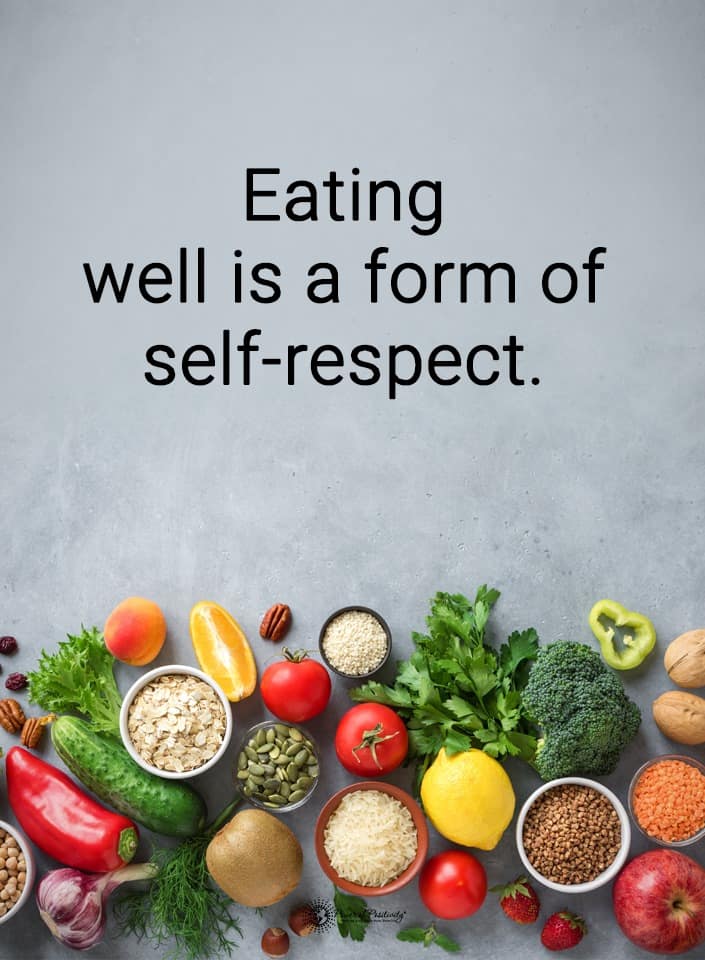
not so healthyFinal Thoughts on These Twelve Not So Healthy Foods

There’s no doubt that observing a healthy diet with lean protein, fruit, veggies, whole grains, and beneficial fats is good for you. However, there are some foods you thought were perfect that you might consider avoiding. For more information, consult a registered dietician on a healthy eating plan tailored for your needs.

Why No One Likes Advice Without Asking for It

Giving unsolicited advice isn’t as helpful as you may think it is. The other person may become offended, irritated, or frustrated with you and your well-meant tips. These feelings are normal, as it seems that most people don’t like guidance unless they have asked for it.

People like unsolicited advice even less when they feel they are experienced at what they are doing. You might think your tips are useful, but the other person may feel that you’re implying they don’t know how to do it. This can lead to resentment and anger, and they may not like to have you around when they are doing it in the future.

While you may think that giving unsolicited tips to certain people is fine, it may not be. Some people keep their irritation to themselves, while others will openly tell you to mind your business. Either way, it could make for some awkward situations or silences.

Even those you feel comfortable being honest with won’t appreciate your unsolicited guidance if you don’t offer it in the right setting. Considering time and place is super important if you feel like you have no choice but to meddle. Those who don’t like unsolicited guidance aren’t wrong, either, as there are many reasons to dislike this situation.

Why People Don’t Like Advice They Didn’t Ask For

adviceEven if your suggestion is given with the best intentions, the other person may not see it that way. People often get upset, irritated, or even angry when you meddle without being asked. They won’t see that you truly care and simply want to help, and there are a few reasons they may feel this way.

Your friend or family member might vent to you about something, but still not want advice. Everyone needs to get their frustrations out sometimes, and they need a listening ear to do that. It is important to remember that venting isn’t the same as asking for advice, however.

Even in a situation where someone is venting, it is important to keep your suggestions or ideas to yourself. Show sympathy or empathy, instead, and refrain from giving your input. If they decide they want your thoughts, remind yourself that they will ask.

They Feel Like You Are One-Upping Them

While you know that you aren’t trying to imply you are better than them, they may take it that way. When you tell someone how to do something, it seems like a suggestion that you are more capable.

They May Take It as Criticism

No one likes being criticized, and when you tell them what to do it can seem a little critical. Let them work through things in their way, without offering your input unless they ask. This will let them know that you aren’t criticizing what they are doing, and it will give them the confidence to come to you if they need advice.

They Feel You Are Trying to Overpower Them

When you offer unsolicited suggestions, people might think you are trying to have power over them. If they do what you suggested even once, it can cause them to feel like you aren’t equal anymore. They will feel like they have to give in to you and do whatever you say.

Even if you didn’t intend for this to happen, it is an unspoken issue that often happens. It begins a cycle of you telling them what to do and them complying. Then, each time it happens, the problem only becomes larger.

They Think You Don’t Trust Them

If you tell someone what to do rather than let them decide on their own, it can hint at distrust. They might feel like you don’t trust them to do well or succeed. Remind yourself that they are capable of figuring things out and that they will do fine without your input.

They Think You Have a Personal Agenda

Sometimes when you offer unsolicited suggestions, the other person may think you have something to gain from it. Everyone has different priorities and goals, so they may think that you only have yours in mind.

Oftentimes, they won’t realize you are trying to help them. Instead, they’ll think that you are telling them to do what will benefit you. This is why people often do the opposite of what was suggested to them when they hadn’t asked for help.

pop memeThey Feel It Will Take Away Their Freedom

If someone listens to everything suggest, they will feel like they have lost control of the situation. They may feel like you are taking away their power to decide, and with that taking their freedom. Even if they don’t realize it, they cherish the freedom to decide and come up with solutions on their own.

Children are especially prone to this, but adults are just as culpable. From kids, spouses, and parents to bosses and co-workers, everyone wants to have freedom in this area.

With children, however, this situation becomes more serious. While they recognize that you are in charge, they will want control whenever possible. They tend to do the opposite of what their parent suggested, simply because they want to decide alone.

People tend to resist when they feel their control is being taken away. It directly leads to doing the opposite of what you suggest, even if they originally didn’t want to. This is their way of keeping their freedom.

Another reason they may feel their freedom is at risk is that it gives you the upper hand. They may feel like in the future, you will automatically assume it will be done your way, instead of letting them figure things out.

What You Can Do Instead

Sometimes, it is hard to keep your thoughts to yourself. We have all been in that position. When this happens to you, there are a few things that you can do instead of giving tips that you weren’t asked for.

Word It So That You Aren’t Telling Them What to Do

Instead of telling someone what you think they should or shouldn’t do, re-word it. Give the information that pertains to the situation, instead, and leave it at that. Then, you can let them decide on their own, using the information that you gave them.

When you do it this way, they won’t see that you are offering advice. They can think the situation through alone, using the information that you gave them. If there is no information for you to give, then it is probably best that you don’t give your input at all, however.

You may notice that if you gave someone a suggestion instead of just information, they don’t consider your tip. This is because they will feel pushed toward that decision, and their instinct will be to do the opposite of what you suggested. People want to make their own decisions, but changing your wording could make all the difference.

Wait for Them to Ask

If you aren’t guilty of offering unsolicited advice, people are more likely to ask for it. When you offer it up without being asked, no one will appreciate what you have to say. If you wait for them to ask, they will be more likely to consider what you say.

Remember that people want the freedom to figure things out for themselves. When they are ready for suggestions, they will look for someone to ask. By keeping your thoughts to yourself, they may just come to you with their problem and allow you to help with a solution.

When Giving Advice Without Being Asked is Acceptable

All of this information shouldn’t sway you from speaking up when the time is right, however. There are certain instances when you should speak up, no matter what.

One instance is if someone might be putting themselves in danger. If you are aware that there is danger in a situation and you see someone heading toward it, tell them. They will be grateful, and they may not even consider it unsolicited guidance.

Letting someone do something that might be harmful is never recommended. Even if that person may become angry or upset by your words, you have to speak up. Chances are, however, that they will be grateful, as mentioned before.

adviceFinal Thoughts on Why No One Likes Advice Without Asking for It

Think of the times you have been given advice you didn’t ask for. You probably didn’t enjoy it too much, and you may have felt frustrated by it. Understanding the feeling will help you refrain from advising if you haven’t been asked.

While you may do it with good intentions, other people often see it differently. Avoid offending people by waiting for them to come to you for a suggestion. If they need help, they will be more open to suggestions if you wait for them to ask.

If you ever find yourself wanting to give advice when you haven’t been asked, remember why you shouldn’t. Trust that they will come to you if they decide they need help, and allow them to figure it out until then.

10 Shaving Blunders Every Woman Should Avoid

It’s astounding what women have done in the name of beauty since the beginning of time. Look at all the gadgets, creams, lotions, and other products in your beauty arsenal, and you’ll understand. Part of your regimen probably includes shaving your underarms and legs.

Female body hair has always gone in and out of vogue over time. Ancient Egyptians weren’t fond of body hair for either gender, so they fashioned sharp razors made of copper. It was noted that the legendary beauty Queen Cleopatra used a sugar scrub as hair removal.

Ancient Greek and Roman women usually had sleeveless gowns and togas, so they kept their underarms lovely and smooth. During the Elizabethan Age in Great Britain, shaving was a must for any lady of class. They also shaved their eyebrows and the front section of their hair as a sign of rank and beauty.

Although these tips point to shaving the legs, primarily, men can also take heed of the razor safety tips when shaving their faces.

The First Modern Safety Razor

shavingThroughout the millennia, when it was fashionable for women to shave, they used the same tools as men. Whether it was a sharp piece of flint or a metal razor, women didn’t have a problem using unisex varieties. King Camp Gillette designed the first modern safety razor in 1880 geared toward men, but women also used them.

Fashion dictated the perceived need for women to shave their legs and underarms. As hemlines got a little shorter and sleeveless styles were in vogue, women couldn’t hide their body hair. The advent of the bikini also forced women into using a razor to keep their bikini line smooth.

Ads and billboards across the country depicted beautiful women who kept their legs and body glamorously smooth. Just as today, waxing, and depilatory creams were all the rage. American women spend millions of dollars each year to fit into the “hairless” mold of the beauty industry.

In the 1960s and early 1970s, the Sexual Revolution and Women’s Liberation movement addressed female body hair. Thousands of women not only burned their bras in protest of male oppression, but they also pitched their razors in favor of going natural. Many women in liberation marches proudly displayed their unshaven legs and underarms.

Many good things came out of the Women’s Liberation movement, but the razor protest didn’t last long. The unshaven look quickly gave way to the silky glamorous style again. The razor industry was never in danger of going out of business.

10 Shaving Mistakes that Women Should Avoid and How to Fix Them

Are you tired of coping with painful razor rash and ingrown hairs on your legs and underarms? Maybe you are shaving wrong and don’t realize it. Here are 10 of the most common blunders women make with a razor and how to fix them.

1. Using Razors Made for “Women”

Did you know that it wasn’t until 1915 when the first “ladies” razor was introduced to the world by Gillette? It was called the Milady Décolleté, and it was advertised that year by Harper’s Bazaar as the revolutionary tool to rid women of unwanted underarm and leg hair.

Since then, the beauty industry has been overwhelmed with cutesy, fancy pink razors for women for over a century. You probably have one of the latest products in your bathroom. However, these dainty razors won’t give you the best shave as a man’s razor does.

His razor is heavy duty and meant to tackle coarse facial hair. The razor’s head also has a finer swivel to curve around the chin and neck without accidental cuts. It would also make your legs and underarms more comfortable, so trade your “lady” razor for a man’s brand.

2. Sometimes, less is Best

The Flower Children of the 1970s were all about long flowing hair for both genders and full beards for men. However, the Gillette company went against the tide and produced its first safety razor with two blades in 1971. Their premise was that people would get an even closer shave with more blades.

You’ll notice that the razor industry wasn’t happy with what they had created. Now, you can find deluxe razors with three, four, five, and recently six blades. If two blades don’t give you the smooth skin of a goddess, then shouldn’t six?

You can get a close shave on your legs and underarms with a double or even single blade. Multiple blades may get closer, but they can also slice into the upper layer of your skin and cause razor burn. For a comfortable shave without redness and painful razor burn, remember that two will do.

3. Razors are a One-Way Street

You may be an innovative woman who likes to go against the grain, but don’t do it when you shave. The natural hair growth pattern of your legs is downward. Sure, going up your legs may give you a smoother shave, but it can cause you problems.

When you shave against the grain, the razor’s edge can go too deep and cause damage to your hair follicles, which results in painful ingrown hairs. You are also more likely to nick yourself going the wrong direction. Always shave your underarms and legs in the same direction as your hair growth.

4. Give Yourself Some Time in the Bath

Most ladies like to shave their legs and armpits while taking a bath or shower. It’s the ideal time because the water and steam soften the hairs, making it easier to shave. Your skin will also be more supple, so you don’t get razor burn.

For an optimal shave, please don’t do it the first thing when you get into the tub. Relax and soak awhile and let the soap, steam, and water do its trick. Save the shave for the very last thing you do.

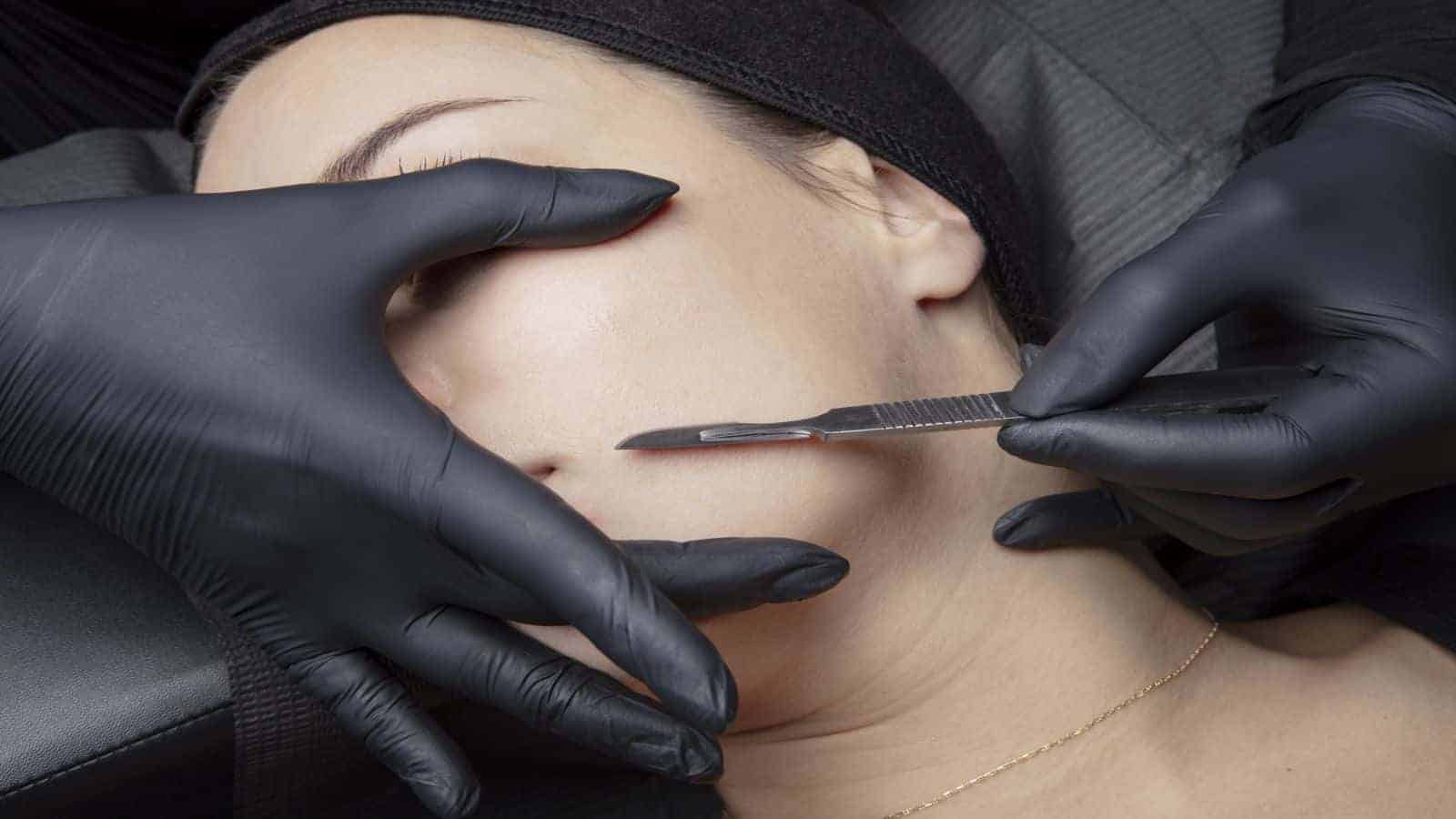
dermaplaning

Dermatologists explain the pros and cons of dermaplaning.

5. Say “No” to a Dry Shave

One of the most common ways women get nicks and razor burn is using a razor on dry skin. You might be in a hurry, but dry shaving can make your underarms and legs red and sore. Always use shave cream, gel, or lotion for a comfortable shave.

6. Don’t Share Your Razors

Have you ever wondered why your man gets so angry when you use his razors? Your coarse leg hair can dull a razor quickly, and his sensitive beard hairs will tell on you. Besides, you may have seen him sneak your little pink lady razor when he was out of razors.

If you wouldn’t use the same toothbrush, why would you share a razor? Even the cleanest razors can harbor germs and bacteria that aren’t healthy to share. Stay on the safe side and insist that everyone in the household have a dedicated razor they can use.

7. Give Your Skin a Break

Not everybody’s hair grows at the same rate. You may be one of the lucky women who only must shave their legs and underarms every two or three days. How often you shave depends on how fast you notice regrowth.

If you shave too often, you can damage your skin with a razor rash. You also can develop ingrown hairs that cause painful blemishes. Let your hair grow out a little, and you will have a closer shave.

8. Time to Change the Blades

Like most people, you want to be frugal and get the most bang for your buck. Safety razors and replaceable razor blades are not cheap, so it’s understandable you don’t want to waste them. However, dull razors can nick and cut you and can cause infections.

If you use disposable razors, get rid of them as soon as they are dull. Replace the blades in your safety razor as well. Instead of throwing razors and blades away, find a place in your area that accepts them for recycling.

9. Don’t Keep Your Razor in the Shower

Have you seen those cute little razor caddies that stick to your shower wall or above the tub? They may make you seem organized, but they’re not doing you a favor. If you keep your razor in this wet, humid environment, they will dull quickly and harbor bacteria.

Instead, keep your razors in a bathroom drawer where they will stay fresh and dry. Just be sure to keep them out of reach of children. You could also keep them in a vanity drawer in your bedroom.

10. Keep Your Razors Clean

When you shave with creams, gels, or lotions, rinse your razor well with each stroke. Not only will you get a closer shave, but you will have less product buildup afterward. Before you store your razor, give it a good rinse with hot water and let it air-dry completely.

shavingFinal Thoughts on Better Shaving Habits for Women

There’s nothing like showing off silky smooth underarms and legs. If you avoid these common mistakes, you needn’t cope with razor rash and other skin issues. Follow good shaving hygiene and techniques, and your skin will stay healthy and radiant.

Mom of Three Makes a Life-changing Health Transformation

Chancie Petty, a mom of three, began her health transformation in 2018 and ended up losing 113 pounds in just 11 months! While this didn’t come easily, she can look back now and say all the hard work was definitely worth it. At the beginning of her journey, Chancie weighed 250 pounds and didn’t have the energy she needed to accomplish her goals. So, she decided to learn all she could about the world of fitness, and hasn’t looked back since.

“I’m a mom of three, and I couldn’t do the things that I needed to do and I was just over it,” she said. “I just decided I was done watching everybody else live life while I was sitting on the sidelines, so I jumped in!”

Chancie begins a health transformation

Chancie explained how she put all her effort into learning about the foods she could eat at the beginning of her journey. She knew she’d have to cut back on unhealthier foods, but still wanted to include a few cheat items here and there. She also focused on buying better quality foods on her weekly grocery trips.


View this post on Instagram


A post shared by Chancie Rae Fit (@chancieraefit) on

“About 5 months in I started realizing that maybe I was able to start working out, moving my body more, doing a little bit of yoga, or walking for 30 minutes,” she said. “I slowly but surely was starting to do things that I haven’t done since I was 15 years old. So, baby steps, but it happened.”

By taking things slowly and figuring out what her body enjoyed doing, Chancie went through a huge health transformation. When you want to improve your fitness or lose weight, it’s important to do things gradually. If you get caught up with fad diets or workout routines, you will likely lose motivation or energy quickly. However, by incorporating small changes and having patience, you can achieve your goals and maintain your health.

Family support means the world to Chancie

Chancie said that her husband and three children helped motivate her, but ultimately, the will to change came from within. After feeling and seeing the transformation happening to her, Chancie realized that she had all the power within herself. Feeling better and having a new lease on life kept her motivated like nothing else. Not only could she accomplish harder workouts, but she had more energy to devote to her family and life in general.

She says some positive things that have come from her health transformation include:

– having a better life,
– her clothes fitting better,
– but most importantly, her mental state has improved

“My mind is clear – living and waking up and having a thrive or a fire for life again, that’s a positive outlook.”


View this post on Instagram


A post shared by Chancie Rae Fit (@chancieraefit) on

How to start your health transformation

If you’ve been wanting to start your own health journey, Chancie’s advice is to “find the things that keep you on fire and do those every single day.” She says if you get off track, simply look back on your list of things that inspire you, and remember why you started. Try to incorporate something from your list every single day so that you stay motivated and focused on your goals.

“It’s not gonna be easy, you know that, but I want you to remember how you’re feeling, and how you wanna feel,” she said, “and run with it, put your blinders on and run with it.”

When Chancie says blinders, she doesn’t mean to just ignore everything going on around you. She means to put all your focus on what will push you forward and find your center through that. She means to keep your eye on the prize because that will propel you through all the hard times.

Chancie’s husband Justin decided to begin his own health transformation after seeing Chancie’s amazing progress. Since 2018, he lost 60 pounds and feels much more energized and vibrant in his new body. They make quite the power couple, literally!

Chancie and Justin largely credit their success to ketones, which help promote fat loss in the body. Chancie lost 15 pounds in one month, and 55 pounds in 5 months from using ketones. Purported health benefits of ketone supplements include:

  • Increased fat burning/ accelerated weight loss
  • Maximized cognition/ improved focus
  • Increased energy
  • Better mood
  • Improvement in athletic performance
  • Reduced hunger
  • Help to get back into ketosis after consuming carbs
  • Decreased inflammation
  • Better sleep

Everyone reaches their goals differently, and ketones aren’t necessary to lose weight or increase your energy. However, you may find them helpful depending on your personal preferences and goals. Above all, just remember to consume healthy foods, exercise regularly, get quality sleep, and keep stress low. Also, drink plenty of water and take time for relaxation or self-care throughout the week.

We will leave you with this beautifully inspiring message from Chancie’s Instagram page:


View this post on Instagram


A post shared by Chancie Rae Fit (@chancieraefit) on

“I was going to enter my current weight. But what’s the trend here? That if we are the after picture that we’ve made it?

Far from it.

To learn how to grow & glow. ( that’s hard for some of us.)

To live.. did I say that already? It’s an important part.

When I started this in my closet floor crying. I prayed for happiness to find me. I found out very quickly that I would be the one having to finding it.

Choosing constantly from this or that.

Deciding to turn right when left was easier.

You get where I’m going. It’s not the path we are programmed to chase.

That’s just it. We have to re-program,
re-learn and re-live.

You are allowed to simply start over. You’re allowed to start learning things you always told yourself you wouldn’t care to.

That’s the beauty of it.

The Re-designing of the you.. you’re seeking.”

We hope Chancie’s story will motivate you to go after your goals, no matter what stands in your way! Remember, no matter how far away you are from where you want to be, it all starts with taking one step in the right direction. Choose health, happiness, and life, and you’ll find yourself surprised how different your world can look.

Patience Is a Virtue: Here Are 10 Tips for Having More

You’ve heard the old saying that “Patience is a virtue,” but you won’t realize how true this saying is until you get some years on you. Did you know that patient people have more love, joy, peace, and better lives? It’s all about learning to be thankful for the beautiful things and accepting the challenging things you cannot change.

Some say that when you master patience, you gain power. Once you develop this skill, you can learn to wait and suffer through life’s delays without becoming agitated. No matter what adversity comes your way, you can remain calm and control your natural impulses, which try to lead you off course.

Why Patience Is a Virtue

Is it any wonder that in this modern era, people are so impatient? Our country has become a nation of instant gratification. With the touch of a button, you can order a pizza, an Uber, and pay your utility bills. You don’t have to write checks or call the company to make your monthly obligations as your bank will take care of it through automatic bill pay.

patience is a virtueIt’s easy to see why some people become impatient since they have become accustomed to everything at their beckoning call. There’s no need to practice patience when a quick inquiry on Google can answer even the smallest of questions. However, keep in mind that ordering food or finding out the movie theater’s location is about nothing more than convenience.

When it comes to your goals and everyday living, then patience is essential. The struggle for more tolerance comes because society has trained you to live in relative convenience, and it spills over into all areas of your life.

When You Are Patient, You Become More Successful

The problem with being impatient is that it causes you to make poor decisions that can have lasting consequences. Why is it that society is always looking for the quick-fixes or the scheme to get rich quicker that will allow you to take shortcuts? Sadly, these methods typically aren’t profitable as there’s no way to get out of hard work.

However, look throughout history at the people who have been patient and worked hard till they got what they wanted. Did you know that Thomas Edison had more than 1,000 failed attempts at making the light bulb? The filament kept burning out on him, but he didn’t give up.

Once he mastered the light bulb, he went on to create other amazing things. He developed the first working phonograph, and his first recording was the poem “Mary Had A Little Lamb.” It’s substantial to have the first human recorded voice and a lightbulb under his belt, but he had 1,093 patients for amazing inventions. Is it any wonder they dubbed him “The Wizard of Hyde Park?”

Imagine how different Edison’s story would have been if he didn’t grasp that patience is a virtue? If he had been rushed and hurried, he wouldn’t have devoted the time necessary to bring his ideas to fruition. Thankfully, he made a long-term commitment to himself that he would be dedicated and attack each obstacle along the way.

It would have been so easy for him to give up, but where would society be without the lightbulb? Procrastination and idleness will do nothing to further you in life. What is patience, and how can you put it into terms you understand?

To be patient is much like using the brake system in your vehicle. When you encounter an obstacle in the road, you use the brakes to slow you down so that you avoid an accident. In these instances, if you didn’t use your braking system, then you would crash. Patience teaches you to put the brakes on things so that you avoid any disasters.

Ten Useful Tips for Having More Patience

Regardless of how diligent you are, there will always be times when your impatient nature will get the best of you, but it can also hurt you in many ways. These attempts to get things done quickly will not only hinder you in life, but it can damage your relationships as well as destroy your goals.

Have you learned that patience is a virtue, or do you need more work in this area? Here are ten ways that you can practice having more tolerance and perseverance in life.

1. Fake It ‘til you Make It

There are times when you won’t have the answers, and everything seems to be in chaos. Sometimes, you must pretend that everything is okay, even when it isn’t. You need to learn how to get through the challenging moments in life without having a meltdown, so sometimes you must fake your way through it.

2. Practice Deep Breathing or Meditation

Meditation and deep breathing can significantly help you learn that patience is a virtue. When you control your thoughts and clear your mind, you can quickly learn how to relax and let go. If you’re always trying to micromanage situations out of your control, then mastering meditation can help you immensely.

3. Write It Out by Journaling

Do you want to ask questions to the universe about why things are the way they are in your life? Journaling is an excellent tool that can help you with personal growth. When you put something in writing, it can help you to gain perspective.

Some things you stress about are silly, and when you see it in writing, you release it as such. If you want to increase your patience, then write it all out.

4. Acknowledge your Higher Power

There is a bigger picture that you don’t have the capability to see. So, it would help if you relied on your higher power to assist you. By trusting, believing, and praying, you can seek guidance and answers from something bigger and more knowledgeable than yourself.

patient people5. Accept Things as They Are

Even if you don’t like the situations going on right now, you must learn to accept them. Stop fighting with yourself over things you cannot change. Take a deep breath and know that patience is a virtue you need when everything is going wrong.

6. Practice Mindfulness

You must learn the connection between your feelings, thoughts, and conduct. What negative thoughts do you have that hold you back from doing what you need to do? Do you tend to live in the past and are haunted by failures?

When you learn to live in the moment and stop beating yourself up over blunders, then you can move beyond this negative mindset. Practice empathy for yourself as well as others.

7. Be Kind to Yourself

Are you kind to yourself, or do you suffer from low self-esteem and self-worth? You must learn to embrace your weaknesses and see them as opportunities for growth. Practice self-love and remember to be patient with yourself before you try this new virtue on others.

8. Let It Go

Remember the famous song from the Disney Frozen movie? Kids across the world were singing “Let It Go” until their parents nearly went mad. While it’s a childish song, it has a powerful meaning.

Quit holding onto things that you cannot understand and that have only hurt you. You don’t need to be perfect or have it all together, so let go of all those feelings that hold you back.

9. Appreciate the Life You’ve Been Given

It’s so easy to take things for granted because you get caught up in the big picture. Take time to smell the roses and recognize the beauty that lies before you. It’s all those little moments in your life that will make it worthwhile.

While you’re taking time to tiptoe through the tulips, you will learn why patience is a virtue you need to develop.

10. Recognize the Influence of Your Body and Hormones

Every day can’t be perfect. Sometimes, you will awaken with a headache, and other times you will be down for the count. Your body and hormone levels can affect how you feel, which can affect your level of patience.

When the days seem long and hard, you should give yourself a break. The darkness of the moment will soon pass, and the sun will shine again tomorrow. Don’t let one day break you down because better days are coming. Take time to count your blessings.

patience is a virtueFinal Thoughts on Understanding Why Patience Is A Virtue

It’s okay to ask questions and have a pity party on occasion, but don’t let that become a habit. Practice empathy for yourself and forgive your mistakes while you embrace change. Whenever you feel like throwing in the towel and life seems to be too much, remember the great Thomas Edison and his 1,000 attempts to make the lightbulb.

Sometimes it takes a while for the most significant things in your life to be born; be patient with yourself and others, and enjoy the ride. When you learn that patience is a virtue, your whole life can change for the better.

This 73 Year Old Became an Internet Fitness Guru after Retiring

Sunny Mathews, a 73-year-old fitness guru, inspires people daily with her positive attitude and determination to stay healthy! After retiring, she became a health and wellness coach to help people all over the world become their best selves. Her advice for anyone who needs motivation to work out is “you just get up and get it done!” Here is her story.

“I am a retired college professor, but clearly, I am not retiring. At 73 years old, I am channeling my passion for health and fitness into a second career,” she says.

“I started my fitness journey at the cusp of turning 50 years old. It was 1996 at the 100th anniversary of the Boston Marathon. My husband was running his 96th marathon and I was totally inspired by the energy of the 45,000 runners.”

Sunny ran 9 marathons herself, but she wanted to increase her speed and stamina. She struggled through the marathons, but always completed them, even if she didn’t get first place. She felt accomplished just being able to run so far and push past mental barriers.

“It was a struggle, to say the least, but I never quit.”

Now, she does a lot of at-home workouts, incorporating both weights and cardio to increase her strength and heart health. She wants to show the world that anyone at any age can choose a healthier lifestyle.

“At some point, I made the switch to half marathons, and then 10K’s, then 5K’s, and then I moved onto streaming my workouts at home.”

She enjoys it because she can choose her own pace while working on her strength, flexibility and cardio. For the fitness guru, she says she’s thankful her body can still do what she wants it to at her age.

“Things that you youngins’ take for granted,” she jokingly adds, “like getting in and out of the car with ease, hiking, bending, reaching, opening jars on my own.”

Advice from the motivational fitness guru

“The time to start is now. It’s never too late to start. Consistency over time gets results. Have a mindset that moving more and eating smart are priorities above all else. Get up, and get it done!”

On one of her Instagram posts, she also says not to beat yourself up if you get off track.

“When you go on a carb binge, when the cookie just flies into your mouth, when you miss a few workouts and don’t drink enough water, you don’t quit, you don’t call yourself a failure, you aren’t destined to be this way forever. You get curious!!

Why did I make those choices?
What did I feel like right before it happened?
Would I do anything different next time?
Do I still value my goals?

We leave the past in the past and realize the only thing that matters are the choices we make right now!! This isn’t a once in a lifetime chance to get healthy; this is a journey and no journey is ever a straight line to the end result.

Each one of us has our fair share of indulgences, missed workouts and mess ups. This is life people!! We are human!! And, we are ALL a work in progress!! What can you do this week to make 1 tiny millimeter shift towards the end goal?? Focus on your progress and good choices each and every day!! It’s never ever too late to make a fresh start!”

She makes being a fitness guru look easy! You’ll find a mixture of nutrition tips as well as exercise routines on her Instagram. If you need some motivation or just don’t know how to get started, Sunny has a lot of wisdom to offer. Fitness and health have been her passions for years, and show shows that it isn’t about circumstances – it’s about choices.

We can all choose to make healthier choices each day, and even if we slip up, that’s okay. We just have to try our best, and keep our goals in clear focus. Most of us would like to feel more vibrant and healthy, but it often seems overwhelming to take the necessary steps. However, Sunny shows that taking baby steps leads to transforming your habits and mindset over time.

The secrets of the online fitness guru

Her diet centers mostly around whole, plant-based foods, as you can see from her posts. Plant foods offer a variety of benefits, including:

– Weight loss
– Lower blood pressure
– Better heart health
– May prevent Type 2 diabetes
– May increase longevity
– Decreased cancer risk
– Improved cholesterol levels
– Lower risk of stroke
– Boosts brain health

Benefits of a plant based diet

According to Harvard Health Publishing, here are some tips to follow for a healthy plant-based diet:

– Fill your plate with lots of color. Make sure to eat lots of fruits and vegetables throughout the day, including as snacks between meals.
– Have smaller amounts of meat. Use it as a garnish rather than as a main part of your meal.
– Choose healthy fats like olive oil, avocados, nuts, nut butters and seeds.
– Eat whole grains like quinoa, barley or oats.
– Eat lots of leafy greens
– Cook vegetarian meals at least once a week.
– Have a big salad in order to get your greens in for the day.

Final thoughts: move your body every day, and focus on whole foods

Fitness guru Sunny Mathews inspires the world with her positive outlook, willpower, and sound advice on health. She posts daily on Instagram to show everyone that eating healthy doesn’t have to be expensive or complicated. Using simple ingredients, she makes delicious, plant-based meals that anyone can make. She also does simple at-home workouts using her body weight and free weights to increase strength.

Even just 15 minutes a day of exercise can change your mindset and physical health, and inspire you to keep going. The hardest part of the journey is to just get started, but once you do, you’ll realize how much better you feel. If you’d like to follow Sunny on her journey and gain some inspiration yourself, you can do so here. Remember, it’s never too late to adopt a healthy lifestyle!

10 Easy Ways to Reduce Cell Phone Addiction

Since smartphones hit the market and became affordable over the past few decades, people do everything with their cell phones. In fact, people rely on cell phones so much that they are at risk of having a cell phone addiction. This may sound ludicrous, but when you have one device that can take the place of every other device in your life (tv, computer, camera, flashlight, etc.), it’s not hard to become addicted to it.

Cell phones have made modern life much more convenient, but that convenience has come at a cost. Many people can’t seem to function without using a cell phone during a large part of their day. If you’re one of those people (or you know one), here are ten easy ways to break a cell phone addiction that you can try.

10 New habits help break your cell phone addiction

Try replacing your mobile device habit with these new behaviors.

cell phone addiction1. Put the phone away.

“Out of sight, out of mind.”

You’ve probably heard this old saying before. This works wonders when you’re trying to get kids to focus on important tasks instead of toys and video games. It holds with cell phones as well.

If you put your cell phone out of sight and out of reach, you’ll be less likely to use it constantly. Of course, you’ll need to turn it off or turn it on vibrate, so you aren’t distracted by phone calls, messages, and other notifications.

By doing this, you are essentially removing the temptation from your life. That’s the best way to learn to operate without it. It will be hard at first, but the more you attempt to keep the phone away from you, the easier it will become.

2. Read books – real books.

The explosion of reading books on smart devices has been exponential. It’s so convenient to access any book in the world at the touch of a button. In fact, accessing a better variety and quality of information has enriched many people’s lives and increased the efficiency of education for many kids who don’t have access to modern books.

Unfortunately, the downside is that accessing books this way keeps you on your mobile device more, strengthening your cell phone addiction. There is also strong evidence in the research community that reading on mobile devices negatively affects a person’s learning abilities. Plus, studying on your mobile device makes it much too easy to swipe over to a game or social app where you’ll end up wasting time.

Until you can get your cell phone addiction under control, it may be wise to go old school and check out books from your local library.

3. Do activities that don’t include cell phone usage.

Reminding yourself that there is life outside of your cell phone is a great way to break the addiction. Try setting up activities with your friends or family members that require you to put your phone down. Sports, exercise, camping, fishing, baking, arts & crafts, and biking are all great examples of activities you can do that require both hands and your full attention.

When you participate in these types of activities, you’ll have so much fun that you won’t even think about your mobile device. Of course, if the device is constantly ringing in the middle of everything, this will be a distraction. It would be best if you put your phone on silent until you’re done.

4. Address any underlying concerns.

Some researchers suggest that a cause of cell phone addiction is that people suffer from some other underlying concern. Instead of solving the underlying concern, they compensate for it by constantly using their cell phone.

For example, someone may be concerned about keeping up with too many tasks on their hectic schedule, so they’re constantly checking their email, calendar, voicemail, and more. The real solution would be to prioritize their tasks and delegate some of them to others if possible, but instead, they use their smartphone to juggle it all.

5. Remove unnecessary apps.

Sometimes the phone itself isn’t the problem. It’s the content that’s on the phone. Most people have unnecessary apps that can be extremely distracting. Examples are games and social media apps.

These apps aren’t necessarily bad. In fact, they can be a great way to take a quick break and relax your mind when you’re having a stressful day. However, for some people, they can quickly become addictive.

Have you ever started using an app on your phone, and when you finally look up from it, you find yourself asking where the time went? If this has happened to you, the chances are that you’re addicted to the app, and you’d be better off deleting it.

smartphone addiction cell phone addiction6. Change your notifications.

Sometimes you can be laser-focused on their priorities, and then – ding! A notification breaks your train of thought, and you’re reaching for your phone. After all, that’s the purpose of notifications. They are supposed to grab your attention to get you to focus on the corresponding app.

Notifications have gotten more enticing as cell phones have evolved. They can grab your attention with funny sounds, repeating sounds, your favorite music, and more. You need to be aware that these notifications are literally designed to distract you.

You can curb your cell phone addiction by changing the sound and frequency of your notifications. However, turning them off altogether is the best option. Give yourself a certain time of day to check your notifications on your own (without the enticing sounds), and you’ll find that your cell phone usage will be reduced dramatically.

7. Create a no-phone zone or time.

One way to curb an addiction is by banning your cell phone. It doesn’t have to be a permanent ban, but restricting the device is a solid, authoritarian way to break the addiction. For example, you could make your family room a no-phone zone, or you could decide not to use your phone during the three hours before bedtime.

You pick the method that suits you better. The point is that you’re restricting your cell phone usage, and eventually, it will become a habit. Once it’s a habit, your addiction will be naturally curbed.

8. Post visual memos to yourself.

You may have heard the idea of putting affirmations on your wall or even your computer screen to keep positivity in your life. Posting visual usage messages to yourself is the same idea. The messages should make you question why you’re about to use your phone.

For example, if you’re at your desk, try writing this on a small post-it note: why are you checking? Put the post-it note on your cell phone, so you’ll see it each time you pick up your phone. A better way to do this is by putting the question on your phone screen saver if possible.

9. Be patient and considerate with yourself.

Don’t expect to break your habit immediately. Rome wasn’t built in a day. You are going to mess up, and that’s okay.

What’s important is that you make progress, and you keep working at it. As long as you can see small improvements, you’re headed in the right direction. Give yourself some credit for the small successes that you’ve had while trying to curb your addiction.

Remember not to be too hard on yourself if you get sucked into using your cell phone at the wrong times. Once you’ve recognized that the cell phone has taken your attention, put it away, and keep it moving. Eventually, you’ll get into the habit of not letting the phone distract you.

10. Try therapy.

When all else fails, you may need to get some professional help with your addiction. It could be that, as mentioned before, some underlying cause is keeping you hooked to your phone. This is nothing to be embarrassed by because an unbelievable number of people are suffering from the same infliction.

It doesn’t matter if it’s a cell phone. An addiction is an addiction.

There are many methods of help you can seek, depending on your level of addiction. You may need to have a good talk with someone close to you, or you may need to seek help from a licensed therapist. Whichever one is the case, you’ll be taking important steps to break the habit.

cell phone addictionFinal Thoughts on Breaking a Cell Phone Addiction

As Munia Khan once said in one of her books, “A smartphone is an addictive device which traps a soul into a lifeless planet full of lives.”

It’s no surprise that cell phone addiction is a growing problem. Over 56 percent of Americans own smartphones, and out of these, the average American spends at least five hours per day on their phone. It seems that cell phones are becoming an integral part of people’s lives.

While the convenience of these phones makes life much more manageable and entertaining, the downside, cell phone addiction, is interfering with people’s intellectual abilities and social interactions. If you’re suffering from a phone addiction, it’s nothing to be embarrassed about. Using the tips found in this article can help you curb this addiction until you can get your cell phone usage under control.

22 Useful Things To Do When You’re Bored

Are you bored? Do you have nothing to do? Do you often find yourself wasting your hours when you’ve got free time? Well, it’s time to do something to change that!

Believe it or not, you can make your boredom an asset. There are so many ways that you can choose to spend your free time besides whiling away the hours. Besides, why would you want to do nothing when you can enrich yourself or be productive? Here are 5, or, more specifically, 22 useful things to do when you’re bored.

1.    Learn

No time spent learning is a waste, even if you don’t think that what you’re learning is useful to you. Engaging your brain keeps it sharp and fresh! Here are some ways you can learn in your spare, empty time:

bored·         Hone A Talent

Do you have something you’re good at? Time to try getting even better at it! Find your strengths and push yourself to get even better in that area. It’s a great way to spend your time, especially if your talents lie in areas that you don’t get to visit often.

·         Pick Up A New Language

It’s very difficult to learn another language, especially if you’re getting on in years. But in your boredom, if you have lots of time to spare, this is one of the best times to learn something new. If you’re not already bilingual, you can even benefit from the many positive effects of knowing more than one language, especially when it comes to cognitive ability.

·         Learn From Mistakes

Is there an error you made recently that’s been haunting you? Now that you have the time, you should reflect on it. Think about why it happened, who it affected, and how you can improve.

·         Take A Class

There are all sorts of classes available in the world for virtually every single subject imaginable. Take one! You can sign up for virtual or in-person lessons depending on your needs and situation.

·         Learn Anything New

Really, what this boils down to is learning new things, no matter what they are. Read a book on an interesting subject. Check out a video, documentary, or article you’ve had your eye on. Read through an interesting article that caught your eye. Pick up any new skill. Really, as long as you’re learning, your boredom is being used well.

2.    Check Your Schedules

It can sound drab, but when you’re bored, that’s the perfect time to look over your schedules and check if there’s anything you’ve missed, forgotten, or can even do right now. It’s a very productive way to spend your time, and most studies find that planning is great for improving your stress levels, positive thinking ability, and general improvement and goal-achievement. Here are some ways to check your schedules when you’re bored:

·         Review Daily Tasks

What is on your to-do list for today? How about tomorrow? How about for the week? Is everything in order? Reaffirming what you have to do in your mind lets you mentally prepare for them. You might also find things you want to add, remove, or swap around as your review!

·         Plan Ahead

Not much of the planning kind? Start now! Think about big tasks you need to do and try breaking them down into smaller ones, each one with a set deadline. Or start trying to organize your days based on your errands, chores, tasks, and more.

·         Review Future Schedules

Think about the next few months. Do you have big events to prepare for? Is there a trip you want to take? If there’s something you want to do next year, in what ways can you begin prepping in the closer future? You might have new ideas by thinking about the things you’ll be doing later on!

·         Add A Routine To Your Life

Routines are a great way to stay organized and do a number of tasks in quick succession without thinking too much about it. Try adding a morning or evening routine to your life and plan it now, while you have the time and boredom to do so. Try implementing it over the course of the next several weeks, until it becomes a natural habit!

3.    Train Your Brain

Your brain needs to be exercised in order to stay mentally strong, and since you have the time, this is a great way to spend it. No matter your age, you can benefit from training it. It’ll help you make better decisions, allow you to learn things more easily, slow cognitive decline, and just make you a quicker thinker in general. Here are some great ways to train your brain while you’re bored!

·         Use Your Opposite Hand

If you want your brain to benefit from using both sides of its structure, try training your opposite hand to do tasks. If you’re right-handed, for example, try training your left hand. You can attempt to write, play an instrument, draw, or open jars with it. Just make sure not to use dangerous tools designed for a specific hand on the wrong hand!

·         Do Some Number Puzzles

Number puzzles like sudoku can have innumerable positive effects on the brain, keeping it young, sharp, and healthy for longer periods of time. You can opt for word or jigsaw puzzles, too, but number puzzles provide the most benefits!

·         Ditch The Calculator

In a similar way to number puzzles, trying to do calculations without a calculator can strengthen the brain. Sure, tough Math isn’t for everyone, but practice makes perfect – and what better time to start than when you’re bored? If you’re struggling, try simple equations first and work your way gradually towards tougher ones.

·         Practice Memorization

Memorizing things is a skill that can come in handy if you tend to forget things easily. You can try to memorize anything, from phone numbers to email addresses and from poems to random details of objects. Need some help? Try looking up memorization methods, like using a mind palace or mind map, and see if that works for you!

screen fatigue

Avoid screen fatigue with these easy tips.

4.    Go Somewhere Enriching

If you’re bored and have the ability to travel, it’s a great idea to spend your time going to an enriching, educational, or special location. It doesn’t have to be an expensive trip or even require more than a few hours. Sometimes, a change of scenery is all you need to help bust the boredom, and changing the scenery productively is a fantastic move. Here are some ideas:

·         Visit A Museum

Museums are probably the most enriching place you can go to. No matter what they’re about or how big they are, there’s always something interesting to find out about from them. Learn about all sorts of things at a museum and you’ll have spent usually boring time in a productive and powerful way!

·         Visit A Library

Libraries have this wonderful, productive atmosphere to them that can make you feel motivated to just do things. Whether you read, bring some work along to do there, browse the shelves for books to borrow, or make use of their informational facilities, libraries are a great way to spend some extra time.

·         Go Camping

If you have a lot of free time and you’re very bored, plan a camping trip. You’ll be close to nature, which will boost your positive thinking and reduce stress levels, and you’ll get to practice some rugged skills. Ideally, you should have some camping knowledge before going on a spontaneous camping trip, but you can still do this as a beginner – just bring someone along or opt to camp in a safer spot. Even just pitching a tent in your own backyard can be wonderful!

5.    Organize Your Computer

Your computer is likely where you do a lot of your work (and if your personal computer is pretty barren, then you probably have a work computer that’s getting cluttered). In everyday working life, it’s tough to find the time to just slow down and tidy up. When you’re bored, this is a useful way to while away the hours! Here are some ways you can organize your computer:

·         Update Your Passwords

If you’ve been using the same passwords for months, if not years, it may be time to change them. Try going through your most commonly used sites and updating them!

·         Clean The Desktop

Is your desktop a mess of too many icons and temporary files you saved there for easy access? Time to delete some shortcuts, throw out screenshots you don’t need anymore, and make it all neater!

·         Organize Files

If you can’t easily locate your files, what’s the point? A computer should be organized to cut down on time, not so that you spend hours looking for a file you’ve named with a keysmash and put in a random folder! It may take a while, but try organizing everything that you can!

·         Clear Spam

Head to your emails and check your spam folder, then empty it of everything you don’t need. If you’re the kind of person who doesn’t delete emails, it’s probably time to do so. Mass-delete all the ones you don’t need, “star” the important ones, and update your contact lists, while you’re at it!

·         Update Your Computer

Have you had an update pending for a while? Well, now that you have nothing to do, you have no excuse not to get around to it! As a bonus, updates run in the background, so you can do this and still have time to do lots of other productive things. You may also contact a pcb solutions company to upgrade your computer hardware with new circuit boards.

·         Clean Your Whole Computer

Computers get gunky and dirty because you use them so often. If you haven’t cleaned your computer in a while, you should get around to trying it! Use a special cleaner or just give your monitor a wipe, your keyboard a clean of the crumbs and dirt, and – if you know what you’re doing only! – open up the inside and give it a nice dusting.

boredFinal Thoughts On Some Useful Things To Do When You’re Bored

There are so many ways to occupy yourself when you’re bored, most of which simply couldn’t fit on this list. Finding useful ways to spend “boredom time” is a great way to improve yourself and make your life better. Just make sure that you’re also getting enough time to rest!

10 Ways Priorities And Boundaries Make Your Life Stress-free

You’ve probably heard time and time again about the importance of setting boundaries and priorities. You’ve also probably heard about how not having these things in life can have extremely negative effects on your wellbeing. But how?

There are far too many ways that these aspects can benefit your life, but one of them is through a decrease in stress levels. Here are 10 ways priorities and boundaries make your life stress-free.

1.    It Reduces Conflict

Conflict is a huge source of stress for many. A lack of clear boundaries or well-decided priorities can increase the chances of a conflict. This is because having no boundaries means there are many potential spots for resentment to begin to form. Things that may potentially escalate to conflict due to building resentment include:

  • Feeling taken advantage of by those who know you lack boundaries
  • Being expected to hold everything up at a high-priority level
  • Repeatedly saying “yes” when you would rather say “no.”

But when your boundaries are clear-cut, and you enforce them well, these problems won’t arise. You’ll have your time and space respected and will be able to say “no” to things when your plate is full. Without priorities and limits in place, relationships can go sour quickly with the contempt you may begin to harbor.

priorities2.    It Prevents Burnout

When you don’t have priorities, you’re stretched thinner and thinner, forcing yourself to perform a lot more work because you’re incapable of picking out the most important tasks. This can quickly lead to burnout, which is a form of mental exhaustion that leaves you incapable of performing your usual tasks at a preferable speed and quality level.

According to a study published in the New Directions for Youth Development journal entitled “Establishing and maintaining boundaries in teacher-student relationships,” teachers say that setting boundaries in their work can help them remain in their profession for longer as they manage to dodge burnout. The ability to set and maintain healthy boundaries made them feel more fulfilled, reduced their stress levels, and added a positive influence on their personal life.

3.    It Maintains Healthy Emotional Energy

People think of physical and even mental energy with a little more seriousness than emotional energy. But it’s just as possible to become exhausted emotionally due to a lack of boundaries. As mentioned previously, having no limits can lead to a buildup of resentment. This can often impact your identity, self-worth, self-esteem, and even your confidence for self-advocacy.

You need to set boundaries if you want to have any energy left over for yourself. More importantly, emotional boundaries can shift depending on your current emotional state, and you need to be able to communicate that with others. For example, when you’ve just been through a breakup, you’d be much less likely to want to listen to a friend rant about family troubles than if you were in a happier state of mind.

4.    It Makes You More Compassionate

It’s a common and unhealthy misconception that it’s mean or rude to set boundaries. While it’s true that boundary-setting can make some people a little uncomfortable, especially at first, the fact is that boundaries will make you the opposite of cruel!

As a matter of fact, boundaries can actually make you more compassionate. This is because you’re respecting other people by being direct with them about where your limits lie, and you’re more likely to respect their limits as well. It can seem harsh, but it’s a kind act that ensures no one will be kept guessing with you.

But what does compassion have to do with stress? Well, kindness is a kind of prosocial behavior, which has been known to:

  • Boost positive thinking
  • Aid in stress management
  • Help reduce perceived stress
  • Improve emotional balance

So, basically, setting boundaries is a sign of compassion, and compassion can help reduce your stress levels!

trust your intuition5.    It Reduces The Risk Of Codependency

Codependency refers to behaviors in relationships that involve mismatched priorities, a lack of boundaries, and unhealthy attachment styles. It can occur in any relationship, whether romantic, platonic, familial, professional, or anything else. Codependency involves:

  • Lowering your own needs in priority levels
  • Becoming too preoccupied with other people’s needs
  • A lack of limit-setting for healthy emotional space
  • An absence of autonomy, independence, or self-sufficiency from one or both parties
  • The subconscious belief that only others can provide you with self-worth

A lack of boundary-setting can cause people to form codependent attachments. Someone with a codependent personality may have further difficulty setting these limits, to begin with, adding fuel to the fire. If you don’t set boundaries, it’s possible that you could become attached to someone codependently or become the attachment of codependency.

Codependent relationships are toxic at their core, depleting positive thinking, energy, and identity over time. On the surface, it’s clinginess at its worst. It’s a surefire way to end up stressed out and even traumatized on a deeper level, especially if this occurs in a close and personal relationship. Being able to set boundaries and priorities will prevent this from happening.

6.    It Helps Keep Your Life Balanced

When you don’t set boundaries, you tend to accept more responsibilities than you can handle. The same goes for lack of priorities. Without a clear idea of what to focus on, you wind up heaping too much onto your plate, unable to say “no,” and juggling way too much at once.

That sounds stressful, doesn’t it? Well, obviously, that’s because it is! A lack of boundaries means you don’t get to balance your life – you’ll always have something to do, even when you don’t have anything left to give.

Setting boundaries means being aware of your limits and how much space you have to accommodate others, whether physically, emotionally, or mentally. You’ll know when it’s time to put your foot down and turn someone down and when you have the capacity to add more to your to-do list. It’s a good way to maintain a stress-free balance.

pop meme7.    It Gives You Space For Vulnerability

Vulnerability is a surprisingly valuable trait. Bottling everything up and putting on a brave face in front of everyone, even your closest friends and partners, is often not healthy. This doesn’t mean you should throw tantrums whenever something goes wrong – and you certainly shouldn’t! But that’s where boundaries come in.

Having boundaries means you will feel safer when you talk to friends, family, and others. It means those close to you will understand what you need when you are vulnerable, and you’ll also know how far you can go before you overstep. It basically means you get to show those softer sides without worrying about harming yourself or others.

Vulnerability is a key factor in talking about emotions, seeking help from others, and being honest about struggles. If you’re not doing these things, your stress levels will mount as you receive no support and have to keep somehow all your feelings tucked away within you. It’s not healthy!

Do note, of course, that there’s a difference between being vulnerable and simply oversharing. It would be best if you did not overshare to make others uncomfortable, and this should be prevented by firm boundaries regardless.

8.    It Gives You Space For Self-Care

Caring about yourself is crucial, but you can’t do that in a positive way if you don’t learn to set boundaries. Without self-care, you’ll be more and more stressed out, burning yourself at both ends without ever stopping to make sure you’re alright. Having strong boundaries and prioritizing your self-care means:

  • You’ll have time to rest and recuperate, reducing your stress levels by evening out your schedule
  • You’ll have more energy and time to do the things that you love and enjoy without feeling guilty
  • Your needs, whether mental, physical, or emotional, will be healthily expressed and met by those closest to you
  • You’ll be able to organize your time so that other people don’t monopolize your life

9.    It Can Help Strengthen Relationships

It’s not uncommon for people to feel a little uncomfortable or even slightly offended when you first communicate boundaries. To those who have known you for a long time, the inclusion of boundaries suddenly in your relationship can be a cause for concern.

But if you explain your need for boundaries well and communicate in the clear, positive, and kind manner, in the long run, having priorities and boundaries makes your relationships stronger. This is because boundaries will do these things:

  • Stop unsafe and toxic patterns in relationships, such as codependency, taking each other for granted, and overextending.
  • Allow all parties in a relationship to feel comfortable with putting themselves first when need be
  • Prevent relationships from becoming overwhelming, especially new ones
  • Communicate differences in love language, comfort, and preferences in a healthy and direct way
  • Show you who your real friends are, who you can trust, and who to cut out from your life.

A stronger social support system of healthy relationships reduces stressful conflict and can help you better manage your stress levels. You may not realize it, but having good friends often means having a good circle to keep you afloat in hard times!

10. It Defends Your Rights

As a human being, you have many rights that you could be pushed aside due to a lack of boundaries. But these rights are the bare minimum for your mental and physical wellbeing, and without them, you’re sure to fall victim to problems related to stress and other struggles. For example, with boundaries, you know that you have the right to:

  • Respectful treatment from others
  • Make mistakes and learn from them
  • Say “no” without being made to feel ashamed, selfish, or guilty
  • Define your own expectations, without the influence of others
  • Put your needs first

These rights and boundaries are ones that are often missing in the lives of those who don’t know how to protect their priorities. If you want more positive wellbeing, make sure you have boundaries that allow you to enjoy these rights!

prioritiesFinal Thoughts On Some Ways Priorities And Boundaries Make Your Life Stress-Free

Stress is a typical part of daily life. There’s no real way to escape from the clutches of something like stress. But making sure that you have priorities set and boundaries in place could significantly help keep your world a little bit more peaceful!

Skip to content