Weekly tips, affirmations, and small actions to feel your best.

5 Healthy Ways To Heal From A Breakup

A breakup is something almost everyone will experience in their life. It’s a painful and challenging process. If you are trying to heal from a breakup, you might feel like you’ll never be happy again, or even that you’ll never find love again. It might seem like your whole world is falling apart.

But stop believing these things! None of it is true! You can heal from even the most bitter ends to relationships, and better yet, you can become a better person because of it. All it takes is a little guidance and a push in the right direction.

Five Healthy Ways To Heal From A Breakup

Here are five healthy ways to heal from a breakup and five ways to gain from it.

1.    Let Yourself Be Sad
heal from a breakupThere are many possible reasons for a breakup, but no matter your reasons, one fact is universal: the loss of a relationship is painful and challenging to get over. Your feelings will be all over the place, and what you should do if you want to heal is simple: let yourself experience them.

Some people falsely believe that being hung up on a breakup is childish or unnecessary, but that’s not the case. Think about it – when you break up with someone, you have to go through so many changes, including:

  • The loss of companionship and support from someone akin to a best friend and confidant
  • The possible shifting of lifestyle; you may need to move somewhere new
  • The change of long-term goals and plans that were related to the relationship

There are so many things you need to deal with, so don’t bottle your feelings up. Repressing your emotions has no positive effect and may even further worsen them, leading to a background buildup of unresolved issues that only affect you more and more with time. So learn to acknowledge your emotions, validate them, and then, one by one, let them go.

2.    Open Up To Friends

Breakups are complicated, and you need social support. Talk to friends or close family members, seeking out those who you trust and who care about you. If that seems a little intimidating, begin with the person you feel most comfortable speaking to.

The act of socializing can seem ridiculous when you’re feeling so down after a breakup. Still, it’s essential for lifting your spirits, getting you out of your head, and improving positive thinking. Being around positive people will fill you with the feel-good hormones you no longer get from your relationship.

Getting out of the house for a little while and being around people who you love and trust can be therapeutic for overcoming the pain of a split. You can also seek out a support group or a therapist if those are options that you prefer.

3.    Be Kind To Yourself

It’s easy to get caught in a cycle of self-loathing when you’re recovering from a breakup. You may question where you went wrong and think about all the mistakes you made. Of course, most relationships do end due to a combination of fault from all parties involved, but that’s just how it is! Instead of hating yourself:

  • Reflect on the relationship objectively and with as much rationality as possible; what could you have done better?
  • Focus your efforts on growing as a person instead of berating yourself over the past
  • Direct your negative energy towards positive endeavors; don’t point fingers at exes or yourself.
  • Remember that mistakes are part of the human experience, and you are not unworthy of love for making your share of mistakes.

4.    Create Boundaries as you Heal From a Breakup

When you first break up with someone, the temptation to text them, call them, or see them again can be compelling. In some cases, this leads to an unproductive on-again, off-again type of relationship. You’ll never be sure what you are or where you stand with this person, and the ambiguity of it all can be confusing, painful, and altogether worse for you.

That’s where boundaries come in. You cannot heal from a wound that you continue to pick at or reopen, so make sure that wound stays untouched. Talk to your ex about boundaries if necessary and enforce them with firm assertiveness. When you are ready, you can talk to them again to discuss loose ends and find closure, but for the most part, contact should be limited.

But what if you want to stay friends? Unless the relationship was too brief and you were friends before, “staying friends” is a complex concept. You will usually need some time to yourself to heal first before you can both handle a mature, purely platonic friendship.

Think of it like kicking a minor version of addiction. The withdrawal pains are part of the process, and they’re necessary if you truly want to heal. So put your positive thinking on, set your boundaries, and brace yourself.

5.    Keep Yourself Occupied

Losing someone in a breakup often means your mind will be stuck on them, which isn’t a very productive way to go about healing. That’s why you need to keep your mind occupied as you heal from the pain and manage the difficult period. You can:

  • Seek new hobbies to learn
  • Take a new class
  • Read (preferably non-romantic) books
  • Exercise
  • Listen to music, sorrowful songs (studies show they help!)

5 Ways To Gain From a Breakup
pop meme1.    Know That Being Alone Is Okay

Being by yourself can be difficult after a breakup, but that’s because you may have forgotten how wonderful it is to be in your own company. In many unhealthy relationships, both people lose their sense of self and individuality as they stay together. It’s a good reminder, then, that you are a great and fulfilling person all on your own, too!

Learn to appreciate who you are and focus on yourself. When you can learn to exist alone without being lonely, you’re one step closer to a healthier and happier future with better and more positive relationships. While alone, try:

  • Working on self-improvement.
  • Doing things you love to do that you’ve neglected.
  • Focusing your efforts on chasing goals.
  • Spending time with your personal friends or your family.
  • Discovering new things about yourself.

2.    Learn What You Want From A Relationship

When you break up with someone, you learn from that relationship what works and what doesn’t. You can reflect on your partnership and pinpoint things that didn’t work for you and things that did. This way, you better understand your values, needs, and desires when it comes to relationships.

When you are eventually ready to date again, the things you’ve learned from this self-reflection will help you. You’ll be more aware of deal-breakers, must-haves, core values, and other factors and will be able to communicate your needs to your new partner better. You’ll also be able to pick someone more compatible with you!

3.    Find Intrinsic Self-Worth

You may notice that many people define their self-worth by their relationship status. They lament being single and may even use the term “single” as an insult. That’s such a sad way of thinking about the world! You do not and should not need a relationship to be happy.

To gain from a breakup, you’ll want to learn to find your self-worth within you. Instead of seeking extrinsic validation by being in a relationship, learn to validate yourself based on your actual merits and authentic self.

This is important for your future life and future relationships. Being happy with yourself means you won’t become dependent on a new partner or partnership to boost your ego, and your connection will be stronger and healthier because of that.

4.    Learn Your Emotional Triggers

There are likely things your ex said or did that were the last straw, something that made you decide that enough was enough, or only actions or words that shook you or made you furious. These are emotional triggers, and these are things you should be aware of.

Reflect over those things that significantly hurt you. Why did they trigger you in such a strong and powerful way? What wounds of older times have you yet to address or heal? Your ex’s hurtful actions may reveal more about you than you think – they show you where your sore spots are.

When you find these sore spots, you can look at them and examine them. Why are they painful? What causes them to hurt? Learning about these little bits of baggage will make you better understand where you need to improve and what you need to work on. There is more healing to be done than you know!

5.    Discover Forgiveness as You Heal from a Breakup

Forgiveness is difficult to give. But harboring grudges doesn’t punish the person you refuse to forgive – it only punishes you. Research has found that holding grudges may worsen your mental health! Breakups involve saying “goodbye,” not repeatedly holding someone in your brain. Even if you’re not thinking positively about them, their presence in your mind at all is not a healthy one to maintain!

So what should you do? Learn to let go and say goodbye to these grudges. This is not to say that you have to tell your ex you forgive them. In some cases, you may not ever feel ready to do so, and in others, your ex may not deserve that kind of closure and peace of mind from you. It is never a requirement of healing to directly inform someone that you forgive them.

Instead, find peace in your heart by forgiving someone in your way. These feelings attached to them no longer serve you, and to hold a grudge that burns in your heart will only harm you in the long run. You forgive them because your energies are better spent elsewhere. Tell yourself that you forgive this person for what they’ve done and bid them farewell from your heart!

heal from a breakupFinal Thoughts On Some Healthy Ways To Heal From A Breakup And Things To Gain From It

No one can deny that breakups are painful, but everyone can recover, grow, and improve from their former relationships. Each experience you have in life is an opportunity to learn something new. After all, so turn your pain into growth!

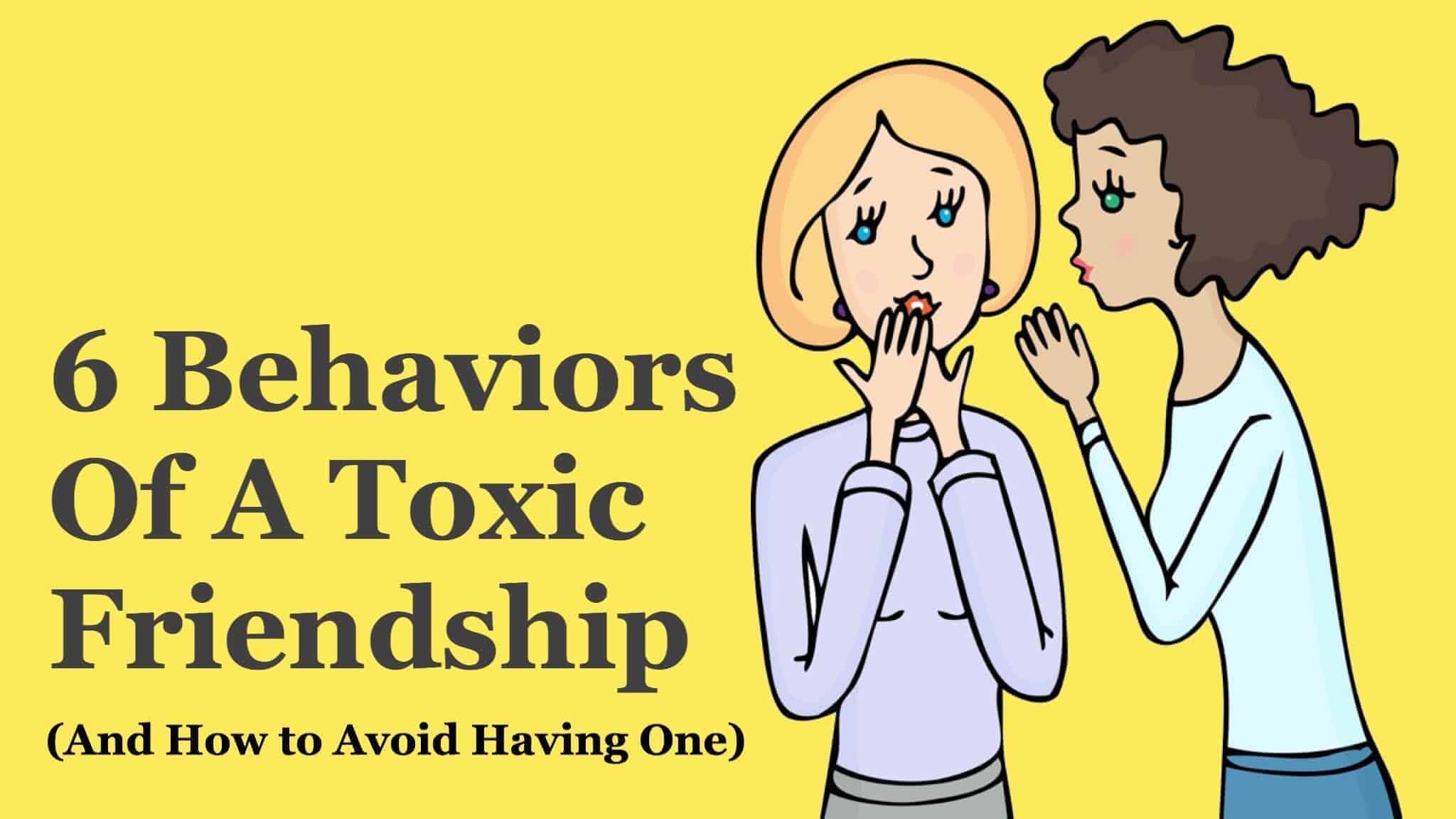
3 Behaviors That Reveal a One-Sided Friendship (and How to Let Go)

A good friendship is one to treasure. You lift each other, support each other when you’re down and are there for one another through thick and thin. You have fun, make memories, and share a close and powerful bond. But now and then, there is a friendship that doesn’t fit that bill, where you give more than you get – if you even get at all. Here are three behaviors that reveal a one-sided friendship and how to let go of that friend if you’re in one.

3 Behaviors That Reveal a One-Sided Friendship

Do you feel like your relationship’s not as friendly these days? Watch out for these behaviors.

one-sided friendship1. You Feel Tired After Seeing This Friend

Do you ever meet a friend and then find yourself feeling really exhausted or drained afterward? It’s tough to fathom why. On the one hand, if you’re an introvert, it could just be the social interaction in general that could be tiring out. But pay extra attention to how you feel – are you extra drained? More tired than usual?

It’s tough to admit that someone makes you feel exhausted whenever you spend time with them. These types of people are often not reciprocating the friendship, leaving it one-sided. This causes you to feel tired around them, which could be because:

  • You have to make more effort and put more energy into interactions and conversations.
  • They tend to be very damaging, bringing the mood down and emotionally draining you.
  • They scrutinize you and frequently have to defend yourself against invalidation, being treated like you’re inferior, or feeling insulted.
  • They are toxic, and you feel exhausted from handling the toxicity.

Anyone can cause you to feel drained, so if someone makes you feel this way, step back and think about it. It would be best if you didn’t spend too much time with people who make you feel worse than you did before spending time with them. Sure, conflict arises with everyone now and then, but it shouldn’t be a constant thing. Try reducing the time you spend around or with them and monitoring how you feel. It might be time to call it quits if you feel better without them.

2. A One-Sided Friendship Means You Can’t Rely On Them

Not everyone can indeed be there for you all the time. All the people in your life have their own boundaries and personal lives. But a true friend is one that you can count on and rely on at least most of the time, and they will do their best to be there for you and help you when you’re truly in need.

In a one-sided friendship, you can never count on the other person. You might feel alone, isolated, or ignored. You might:

  • Do a lot more for them than they ever do for you.
  • I feel like they’re hypocritical as they expect a lot from you but never give in return.
  • Have important events skipped out on by them
  • Not receive replies to messages or have your calls be left ignored.
  • Be left alone after they forget or cancel plans on you repeatedly.
  • Be on the receiving end of frustration or annoyance whenever you ask for their help.
  • Please have your personal information, secrets, or feelings shared by them with others.

3. This Friend Will Use You Emotionally

A fake friend you’re trapped in a one-sided friendship with will take advantage of your emotional labor. They may think you must listen to all their troubles as they vent to you, even when you’re not in the right headspace for it.

Worse still, this so-called friend may accuse you of being awful if you don’t drop everything to be at their emotional beck and call. It’s hard to pinpoint this because it’s a form of subtle abuse. Of course, they’re not hitting you, stealing from you, or actively treating you like garbage. But they engage in guilt-tripping and manipulating you into going along with their demands. It’s not great! Here are some signs you’re being used emotionally in a one-sided friendship:

·         They Run To You For Any Crisis

Whenever this friend of yours deals with an adverse event, they run to you for help and beg for assistance. But when it comes time for you to request their service, they’re never around. They expect you to drop everything for their troubles but wouldn’t do the same for you.

·         You Know So Much About Them That It Weighs You Down

You know everything about this friend of yours, and while that’s not a bad thing in itself, it becomes negative if they don’t remember anything about you at all. You’re frequently expected to keep track of everything they’ve ever told you, but they won’t remember your birthday, that you dislike tea, or even how to spell your name.

·         You Get Used As A Therapist – Or A Punching Bag

Are you the only one doing any emotional labor in your friendship? It’s outstanding to vent to your friends, but they shouldn’t be responsible for managing your emotions, providing you with solutions, or counseling you. It’s nice when friends can do that, but they aren’t your therapists. In a one-sided friendship, you may feel like you’re being treated like one, sometimes to the point of mental or emotional exhaustion on your part.

How to Let Go of a One-Sided Friendship

1. Create Your Own Closure to the One-Sided Friendship

Many people hold closure as a lofty goal that will finally give them peace of mind. While seeking closure is a valid way to recover from difficult experiences and let go of bad friendships, it doesn’t have to be done in the fancy, movie-like fashion we often hold it up to.

You don’t need closure from anyone but yourself if you want to let go of something. You can find positive thinking through self-made closure. You’ll find ways to find that neat end to the chapter that you seek with a little creativity. Here are some ways to do so:

·         Create A Scrapbook

Reminisce over good times by putting together photos and other mementos you’ve collected over the years of your friendship. Then, once the scrapbook is done, look it over one last time before putting it away, long-term.

·         Write A Letter

Express all your feelings towards your friend, including how they’ve hurt you, how much they meant to you, and how terrible you feel now that it’s over. Do not send the letter. (If you want to send the letter, stick to positive topics only.)

·         Design Something Symbolic

Create some “ritual” items that you can use as a symbolic way of letting go of the friendship. You may throw away a gift your friend gave you, say a prayer of gratitude and release, or do anything that feels right to you.

·         Keep A Journal

No one will read your journal, so no one can judge what you write. So write everything – all the pain, complicated feelings, even moments of selfishness you feel. Express yourself freely and note whatever comes to mind. You may look back on past entries and reflect later, or close the journal and not return to it when you’re done.

friendship2. Appreciate The Happy Friend Relationships You Still Have

When a friendship has hurt you, it’s easy to feel bitter towards close relationships. You may have trouble trusting others and may feel tempted to withdraw. Don’t allow this to happen. You must remember and cherish the positive friendships and relationships you still have if you want to let go of the old one. Here are some tips for doing so:

·         Spend Time With People Who Love You

Get together with those who care about you and who matter to you. Remind yourself that you are still loved and good relationships still exist.

·         Talk To People You Trust

As you work to let go of this old friendship, seek support in the people you still have and want to hold on to. They can help you in your journey to recovering from it.

·         Express Gratitude For The Support You Receive

Appreciate the people in your life who are useful to you and with who you have good relationships. Don’t let the negativity from one bad friendship wipe out all the lovely, unique, positive people you have in your life.

3. Remind Yourself Of Your Worth After Ending a One-Sided Friendship

Self-esteem can take a huge hit when you realize you were in a one-sided friendship. It can feel awful to be in that situation, and it’s hard to climb out of negative thought patterns. This only makes it harder to let go, so you need to remind yourself that this one friendship does not define you. Here are some ways to let go by remembering your worth:

·         Don’t Take It Personally

It’s easy to blame yourself if you were the victim in a one-sided friendship. Were you too boring? Too annoying? Not worthy of their respect? The answer is that it was never your fault. People who are willing to take advantage of others happily don’t care about who you are. It was not your fault that you were taken advantage of; it does not reflect your character or personality. Remember that.

·         Set Boundaries

The one-sided friendship you escaped may have given you new insight into healthy boundaries, so set them. You are worthy of space, respect, and your own limits. Think about and reflect on areas where your edges wear thin and reinforce them. This will ensure that your relationships stay positive, mostly as you work on letting go of the negative ones.

·         Make New, Happy Memories

Your mind now is fogged up with all the old memories you have with that one-sided friend. Discarding them isn’t necessary, as they are lessons. Instead, fill your memory banks with positive thinking by seeking brand new memories. Please make your own happiness and overwrite the negativity they injected into your life by building memories by yourself and with others.

friendFinal Thoughts on Knowing the Signs of a One-Sided Friendship and Ways to Let Go

Friendships are meant to be mutually beneficial. While sometimes one friend is in a rough patch and needs more support than the other, the norm should be a balanced and healthy relationship. If you’re in a one-sided friendship, know you deserve better and address the problem. Don’t be afraid to eliminate a toxic friend from your day; you will be better off for it!

4 Reasons Why People Stay In Toxic Relationships

Have you ever seen a so painfully unhealthy relationship that you can’t imagine why those people remain together? Or are you in a situation where you’re questioning your own partnership’s positivity but feel the need to stay despite knowing something is wrong?

4 Reasons Why People Stay In Toxic Relationships

Unfortunately, it is widespread for people to remain in bad partnerships, no matter how obvious the downsides are. Here are four reasons why people stay in toxic relationships and how to break free from them.

1.    Investment

Many individuals in relationships have invested a lot into those relationships, sometimes to the point of feeling unable to leave. Those who decide to remain in bad relationships have shared investments with their partners, according to research.

toxic relationshipsThis includes:

  • Sharing a home
  • Having children together
  • Intertwined financial status
  • Time and effort
  • Resources

In these circumstances, the knowledge you have invested so much in that relationship can cause you to feel reluctant to let the relationship go. After all, it’s easy to view ending something with so much investment as a “waste,” and the thought of having to redistribute everything you share and find agreements for who gets what is overwhelming. Why let it all “go to waste” when you can tolerate the toxicity?

2.    Disliking The Available Alternatives

When people think about leaving a relationship, one of the first things that will cross their minds is the alternatives to being with that person. In some situations, the available options are less preferable to staying put. For example, someone may not leave if:

  • Living outside of their relationship means losing the financial support of their partner, and they cannot make up for the loss with their work
  • Their partner is more likely to get custody of the shared children, and the inability to be with their kids is a worse outcome than remaining
  • They have low self-esteem and believe that they will never find anyone else to love or accept them; studies suggest this is a significant factor in staying in relationships

3.    Love

Unfortunately, emotions are the driving force that often makes people stay. Being in love with a toxic person can mean overlooking their negative traits, using positive thinking through daily difficulties, and wanting to stay together simply because you love them.

Worse still, your emotions can override your rational thought. You may be cognitively aware of someone’s toxicity but have only good feelings about them thanks to the love you feel. You may even experience negative feelings about your relationship and have them ignored because of that positive spark of love. This means that you can know for sure that you’re in a lousy relationship and still stay out of love, and that’s sadly very common.

4.    Abuse

Many people stay in relationships because of abuse of some kind. Sadly, many victims find themselves silenced or not taken seriously, and in the end, they often receive blame for staying regardless. It’s a terrible catch-22, but it’s a story we hear time and time again. Here are examples of abuse that may keep someone in a toxic relationship:

·         Emotional Manipulation

Emotional abuse is often overlooked, but the act of destroying someone’s self-esteem through belittling, threatening, demeaning, or invalidating words can make someone think they shouldn’t leave. Someone who is manipulated this way may believe that no one else can love them, or that they will never be able to find anyone better, or even that they’re the ones at fault most in the relationship.

·         Physical Abuse

Physical abuse can make someone fear harm from their partner if they leave. Many physical abusers perform something called “love-bombing,” where they behave extra sweetly to make up for the abuse that they do. In these moments, they can be charming and convince someone not to leave.

·         Financial Abuse

A partner who withholds financial support to a partner who doesn’t work or earns much less could lead to someone’s decision to stay. This is especially true if they have no one else to rely on financially.

·         Self-Threats

Sometimes, a toxic person will threaten to harm themselves if their partner leaves them. This is a form of emotional abuse, but few realize that’s what it is until much later. The resulting distress may convince someone to stay.

If you are a victim of any of these kinds of abuse, reach out to a domestic violence helpline or similar aid organization for help. They may be able to guide you or assist in your escape.

4 Ways To Break Free From Toxic Relationships

1.    Understand Your Worth

Many people who are stuck in toxic relationships fail to consider that they are undeserving of that toxicity. Nobody should be trapped in a situation where they are abused, treated poorly, or aren’t receiving healthy and positive love and affection.

You are worth more than a toxic person makes you feel. You are worthy of a happy, loving relationship with someone who would never hurt you and will not perform unhealthy behaviors all the time, even after being spoken to about them. The time you waste staying where you are is more time you waste on something you deserve better than.

Remember, your toxic relationship holds you back from so many things. It could stop you from finding better relationships, growing and a person, and even from building a career. No relationship should do that.

2.    Take Responsibility

Leaving a toxic relationship requires taking a lot of responsibility for your actions and your recovery. Of course, it makes sense that it would be easy to blame the other party, the person you perceive as the most toxic, for the state of your relationship. But ultimately, you need to stop pointing fingers and start focusing on yourself. To break free, you need to:

·         Identify Your Problems

If you’ve stayed in a toxic relationship for such a long time, understand why. Were you drawn to that person due to past trauma with other poisonous people? Are you someone with your toxic traits, thus making you both like each other more? Did you like the idea of being able to “fix” them or the relationship? How did you contribute to the toxicity? Confronting your issues ensures that you learn from this relationship and don’t fall into a pattern of repeatedly dating the same kinds of people.

·         Get Rid Of Denial

Many people make excuses for their toxic partners. “She’s just tired!”, “He just had a rough childhood!”, “They didn’t mean it, and they’re a good person at heart!”, “We just love each other so much that emotions run high!”. These excuses involve the person saying them being deep in denial. Face the facts: your relationship is toxic, no ifs, and, or buts about it. Crawling out of your denial allows you to see the relationship for what it is, and that burst of realism can be the rude awakening you need to break free.toxic relationship

·         Do Your Part

When you finally leave, remember that you have the responsibility to make smarter decisions now. Could you not call your ex to check on them? Don’t fall into negative, equally toxic habits. Don’t try to move on to a new relationship immediately. Instead, work on yourself. Learn the lessons you have to learn, pick up on things you lost or let go of due to the relationship, and keep busy.

·         Don’t Go Back On Your Decision

You chose to leave. Now, stick to it and don’t look back. It’s normal to miss someone you’ve been with for a long time, and you may think of your good times and wonder if you should get back to them. Don’t. Focus on the toxic aspects of the relationship and remind yourself why you needed to leave. If necessary, you can write down these reasons and look at the list whenever you’re having trouble staying away from your ex. Eventually, you will want to go back less and less.

3.    Don’t Expect Others To Change; Change Yourself Instead

Some people stay in toxic relationships because they feel that something will change. Their partner will finally listen to them, or their dynamic will eventually shift, or they will finally convince their partner to transform a toxic part of them. It’s all wishful thinking and very unhealthy.

First, no one should be in a relationship with the sole goal of changing the other person into who they want them to be. That, in itself, is a pretty toxic foundation to begin with! You can’t go into a relationship with the desire to change other people, no matter how harmful they are. If you seek to change something, you shouldn’t be in that relationship.

This is not to say that mistakes can’t be made and people can’t learn and change. Of course, your partner can correct themselves as they grow as a person. But if you’re sitting there and hanging around hoping for a year of a toxic pattern to switch overnight, you’re barking up the wrong tree.

Remember, there’s only one person in this world that you can control: yourself. Learn to recognize repetitive patterns and control your response to them. You can decide that you want to leave, and you can decide that you’re worth more than this never-ending waiting game. As for your partner, if they wanted to change, they would.

4.    Find Help and Support

Leaving a toxic relationship isn’t easy, but the good news is that you don’t have to do it alone. You can find support and assistance in many different forms and places, and you should seek that help. Don’t isolate yourself in this challenging time. Here are some ways to seek help:

·         Talk To Loved Ones

Those who care about you and who you trust can help you as you work to overcome what you’ve been through. Surround yourself with those great, positive people in your life and confide in them, telling them aspects of the relationship you’d been afraid to talk about until now. They’ll help you move on and remind you never to look back again.

·         Find Support Groups

You are not alone. Lots of people try to leave toxic relationships, and some communities provide support to them. Being around people in your situation will give you in-group support, and you can all motivate each other with positive thinking.

·         Seek Professional Help

If you’re struggling with moving on or finding that you have a lot of trauma and pain attached to your old relationship, it’s a good idea to go to a professional. Counselors, therapists, and other mental health professionals have the necessary training to lend an unbiased ear while helping you make positive steps forward.

toxic relationshipsFinal Thoughts On Some Reasons Why People Stay In Toxic Relationships And How To Break Free

No one deserves to be in a toxic relationship. If you are trapped in one, reach out for help. If you know someone trapped in one, extend your offers for aid if you can. Though it can be difficult, it is always possible to break free of a toxic relationship.

6 Ways To Reclaim Your Life (And Stop Pleasing Others)

Are you a people-pleaser? Do you have trouble finding motivation for your actions intrinsically? Do you tend to cave in whenever people try to persuade you to do something for or with them? If you’ve answered yes to any of those questions, then you may be trapped in a toxic cycle of pleasing others.

Your life belongs to you, and it shouldn’t wind up only being lived for the sake of others. How can you break this spiral? Here are six ways to reclaim your life and stop pleasing others.

1.    Let Go of Negative Emotions

Negative emotions can cloud your judgment. They do the opposite of guiding you. Instead they whisk you away to a world that will only get darker and harm you more and more every day. It would help if you learned to let go of that negativity and focus on positive thinking.

This doesn’t mean repressing your bad feelings, though. You need to know how you feel if you want to fight the negativity. Here are some tips for letting go of negative emotions so you can reclaim your life:

pleasing others
·         Don’t Let Fear Control You

If you’re a people-pleaser, there’s a good chance that you worry about what will happen when you stop going out of your way to please others. You may fear that everyone will turn against you, that no one will want to be your friend, or that people will hate you for putting yourself first. The truth is that the fallout from deciding to please others less isn’t nearly as significant as you think. Sure, some people will be annoyed, but most people don’t think about you almost as much as you worry they may.

·         Don’t Be Guided By Guilt

A strong sense of guilt can turn you into a people-pleaser. You feel bad about the idea of not helping others, so you try your best to do more. It’s a very unhealthy mentality and will lead to problems like resentment and exhaustion. If your prime motivator in doing things for others is guilt, it’s time to take a step back.

·         Don’t Hold Yourself To Ridiculous Standards

No matter what you do in life, you cannot please everyone, and people who you do please aren’t going to remember your actions forever. You can’t make others happy, and the only person you can control is yourself. So focus on your emotions and thoughts instead of worrying obsessively about the views of others.

·         Learn To Self-Soothe

Self-soothing in a positive way is a fantastic method for reducing the severity of negative emotions. Find things to do that help relax you whenever you feel negative emotions cropping up. This will allow you to handle your negative feelings productively and effectively.

2.    Consider Reality

People-pleasers often lose a sense of what is real, what is too much, and what is unreasonable of others to expect. If you want to make everyone happy, chances are your grip on what is truly important has been somewhat lost. Here are some things to consider before going forward with more people-pleasing behaviors:

·         Consider What’s Worth Your Time

Think about the things you do to please others. Is it worth your time? In what ways are you fairly repaid for it? Is this how you want to spend your days? What else would you be happier doing? Does the person you’re pleasing value your time? Think about all these things. You may realize that the amount of effort you put into others isn’t worth spending that way.

·         Consider Who You Want To Give Time To

You can’t fill your plate with too many obligations. If you do, you’ll inevitably burn out. As such, you need to think about who you want your time to go to. Would you instead do a favor for someone who you know cares about you then do something for the same colleague who’s been demanding your time for weeks?

·         Consider How Others Convince You

Some people are very good at spotting people-pleasers, and they’ll get ready to manipulate you right off the bat. They’ll use flattery, invoke guilt or shame, or make you feel obligated to do something for them. This tactic is manipulation, plain and simple, but it can be tough to notice when you’re being manipulated, so be aware.

3.    Pause When You Feel the Inclination to Pleasing Others Starting

Feel yourself about to give something up to please other people? Stop right there! Just pause for literally a fraction of a second! According to research, that may be all you need to aid in your decision-making process!

The brain only requires between 50 and 100 milliseconds to shift its focus from initial reactivity to important information. Pausing and focusing for a moment will reduce external distraction input and allow you to put aside others’ words when you make decisions.

So the next time you need to make a choice that could give you a new obligation, pause. The brief silence is all you need to focus on what matters most.

pop quotes
4.    Find Power In Saying “No.”

For people-pleasers, saying “no” can seem terrifying. But being a yes-man all the time is a surefire way to lose control of your life. When other people get to take up all your space, you should take that as a red flag. Reclaim your life by saying “no” more often, with the following tips:

·         Start Small

You don’t need to say “no” to people you have to see every day right off the bat. Instead, begin by practicing. Take baby steps. Learn to say “no” more regularly to the people you usually say “yes” to automatically. Hype yourself up before you have big talks with people about your boundaries. Start with people you trust and work your way towards people who may be resistant to your enforcement of limitations. Little steps bring you to your destination in time!

·         Be Assertive

When you refuse someone, you have to sound like you mean it. Don’t leave room for your tone to be interpreted as “convince me.” Speak with conviction, even when you feel afraid. The first few times will be challenging, but your assertiveness will come more naturally as you get more used to it.

·         Stop Apologizing

Apologizing for having to say “no” doesn’t make sense. You haven’t done anything wrong. Your apology will tell the other person that you have to make it up to them. Only apologize when you are actually at fault, and not to avoid someone’s annoyance.

·         Don’t Overdo The Excuses

Using excuses to explain yourself gives others more opportunities to wiggle you out of your insistence. You may feel like you have to justify your decisions, but just one honest and truthful explanation is sufficient.

·         Be Empathic

Saying “no” doesn’t mean being a jerk. It means being able to assert your boundaries while still understanding and appreciating others. You can know where someone’s coming from and speak to them with compassion while still upholding your limits.

·         Remember The Good Sides Of Saying “No.”

There are positive things that come from being able to say “no” at the right times. Putting yourself first is inherently good for you, so remember all its benefits when you’re having some trouble fighting the inclination towards pleasing others.

5.    Change “I Can’t” To “I Don’t.”

The way you say “no” can change whether or not someone succeeds in persuading you to agree to them. If you want to stop trying to please others so much, then you shouldn’t be saying “I can’t” when you try to decline. If you want a more positive result, say “I don’t.”

Why does this happen? Well, statements like “I can’t” allow people to push you. Your boundaries are tested quickly, and anyone can ask why you can’t do something. Then, whatever your excuse is, they’re likely to have a coaxing response. For example, people may say:

  • It’ll only take a little while.
  • It’s not a big deal.
  • It’ll be fine!
  • Not even for me?
  • Oh, don’t be silly!
  • Ugh, hurry up!

When you use “I don’t,” you’re making it clear that your boundaries are because of your preferences. It can sound harsh when you first start using the phrase, and of course, not everyone needs to hear something so direct, but it’s good to put it into practice. “I don’t” leaves no room for wiggling or loopholes: you don’t want to do this, so you won’t.

6.    Find Validation Intrinsically

A lot of the root of people-pleasing lies in the desire for validation. You want others to like you, so you please them as best as you can, often at the expense of your own life. This indicates low self-esteem – you need appreciation, attention, and validation for others to feel worthy and “good enough.”

There is a study that illustrates very well how reliance on external validation can affect everything you do and even how valuable things are. It’s called “How the Opinion of Others Affects Our Valuation of Objects.” During this research:

  • Participants were asked to list down 20 songs they enjoyed but didn’t own any personal copies of
  • Participants would then have to rate each song on a ranking scale of 1 to 10; this rank would indicate their desire to own the music.
  • Two “experts” in the musical field were introduced to the participants, and they provided their own opinion on each song.
  • Brain scans revealed that, in individual participants, the brain’s reward centers lit up and became full with activity when the “experts matched their opinion.”
  • Validation-seeking individuals have this positive activity in the brain whenever they receive the validation they desire, making it quite addictive.

Unfortunately, external validation isn’t a long-term solution to low self-esteem. Internal validation from yourself is the kind that allows your sense of self to grow. When you begin only to care what you think, your life has been reclaimed, and you will no longer feel the urgent need to please others.

please others
Final Thoughts On Some Ways To Reclaim Your Life And Stop Pleasing Others

Your life belongs to you. By repeatedly attempting to please everyone, though, you give away parts of your life. The good news is that it is still yours, and you can reclaim it by striking a balance between prioritizing yourself and pleasing others around you. If all else fails, surround yourself with your loved ones. You got this!

Research Shows How Sweat Is Connected to Mental Stress

Sweat doesn’t just keep our bodies cool – it can also reveal underlying mental stress. Engineers have recently developed a device that can measure cortisol levels in human sweat. The wearable system can help doctors better diagnose and treat stress-related conditions like burnout and obesity.

The groundbreaking research was published in the journal Communications Materials.

Until now, researchers and scientists haven’t been able to measure stress in a quantifiable way. However, the wearable sensor developed by engineers at EPFL’s Nanoelectronic Devices Laboratory (Nanolab) and Xsensio will change that. Patients can wear this device directly on their skin, and it will continually measure cortisol levels detected in their sweat. Cortisol, the primary stress biomarker, can become hazardous to human health if levels remain high over time.

It’s all in the cortisol.

Our adrenal glands produce cortisol, a steroid hormone, from cholesterol. The adrenocorticotropic hormone (ACTH), produced by the pituitary gland, regulates the secretion of cortisol. Cortisol helps with various bodily functions, like regulating metabolism, blood pressure, and blood sugar levels. It also impacts our immune system and cardiovascular health.

pop memeWhile cortisol is necessary for survival, it becomes a problem if levels stay elevated long-term. Cortisol spikes during life-threatening or stressful situations to prompt us to take action. However, in the world today, it usually works in overdrive, sending signals to our brains even when direct threats don’t exist. When this hormone floods our bodies, we naturally want to either run, freeze or fight the impending danger.

“Cortisol can be secreted on impulse — you feel fine, and suddenly something happens that puts you under stress, and your body starts producing more of the hormone,” says Adrian Ionescu, head of Nanolab.

Cortisol production usually corresponds with our circadian rhythm, increasing in the morning and dropping off in the evening. However, in people with high levels of stress, these levels get disrupted.

“But in people who suffer from stress-related diseases, this circadian rhythm is completely thrown off,” says Ionescu. “And if the body makes too much or not enough cortisol, that can seriously damage an individual’s health, potentially leading to obesity, cardiovascular disease, depression or burnout.”

How the wearable device can detect cortisol in sweat

Blood tests can provide accurate information about a person’s cortisol levels. However, doctors also use sweat, urine, and saliva to measure stress hormones. The research team decided to take measurements using a person’s sweat, aided by the small wearable sensor they developed.

The device consists of a transistor and an electrode made from graphene, high sensitivity, and shallow detection limits. Aptamers, short fragments of single-stranded DNA or RNA which bind to specific compounds, make the graphene functional. The aptamer in the device carries a negative charge; it immediately captures the hormone when it detects cortisol.

This results in the strands folding onto themselves, carrying the charge closer to the electrode’s surface. The device then detects the charge and, therefore, can measure cortisol concentrations in a person’s sweat.

This is the first wearable device capable of detecting cortisol levels steadily throughout a person’s circadian cycle.

“That’s the key advantage and innovative feature of our device. Because it can be worn, scientists can collect quantitative, objective data on certain stress-related diseases. And they can do so in a non-invasive, precise and instantaneous manner over the full range of cortisol concentrations in human sweat,” says Ionescu.

Next steps for the pioneering invention which links sweat to mental stress

The engineering team tested their system on Xsensio’s proprietary Lab-on-SkinTM platform. Next, they will give it to healthcare workers to try out on patients. Esmeralda Megally, CEO of Xsensio, said: “The joint R&D team at EPFL and Xsensio reached an important R&D milestone in the detection of the cortisol hormone. We look forward to testing this new sensor in a hospital setting and unlocking new insight into how our body works.”

The team set up a bridge project with Prof. Nelly Pitteloud, chief of endocrinology, diabetes, and metabolism at the Lausanne University Hospital (CHUV). Her staff will get to test the wearable cortisol-monitoring device on human patients.

The trials will include healthy individuals and people suffering from Cushing’s syndrome, Addison’s disease, and stress-related obesity. Cushing’s syndrome occurs when the body produces too much cortisol; Addison’s disease is when the body underproduces cortisol. The engineers believe their device will greatly enhance understanding of the link between physiological stress and cortisol secretion.

The link between sweat mental stress

They also believe that the system can provide greater insight into how mental stress affects cortisol production.

“For now, they are assessed based only on patients’ perceptions and states of mind, which are often subjective,” says Ionescu. “So having a reliable, wearable system can help doctors objectively quantify whether a patient is suffering from depression or burnout, for example, and whether their treatment is effective. What’s more, doctors would have that information in real-time. That would mark a major step forward in the understanding of these diseases.”

In the future, the team hopes their technology will become mainstream, helping people track stress levels in real-time.

”The next phase will focus on product development to turn this exciting invention into a key part of our Lab-on-SkinTM sensing platform and bring stress monitoring to next-generation wearables,” says Megally.

sweatFinal thoughts: new invention by engineers tracks cortisol levels in human sweat

Before the engineers from Nanolab created this revolutionary invention, doctors could not quantify stress levels. Now, they can accurately measure stress levels in patients’ sweat using the wearable device. The team showed how the system could detect stress in a person’s sweat, tracking their cortisol levels during their circadian cycle.

So far, they’ve tested their technology on Xsensio’s proprietary Lab-on-SkinTM platform. They’ve also given it to Lausanne University Hospital (CHUV) for staff to try on patients. The team hopes to integrate their technology with wearables, helping thousands track and control stress levels.

Why Do People Fear Germs? 10 Symptoms of Mysophobia

It’s essential to wash your hands to avoid getting sick or transferring germs to others. Yet, an abnormal fear of germs isn’t healthy. Mysophobia is an obsessive fear of germs and contamination. This phobia is prevalent today, and the COVID-19 virus hasn’t helped. So, how do you know if you have mysophobia? Here are ten symptoms of this phobia you should know.

William A. Hammond first used mysophobia in 1879 to describe a patient with an obsessive-compulsive disorder (OCD) who repeatedly washed their hands. Mysophobia is a fear of contamination. Sometimes called Moral misophobia, those who have this phobia have a cleanliness ritual due to obsessive thoughts.

What causes mysophobia?

If you suffer from anxiety and depression or phobias run in your family, you’re more likely to develop mysophobia. It can be triggered by a traumatic event that causes you to focus in an unhealthy way on germs. Experts suggest that in the United States, there is an increasing focus on cleanliness, which could be contributing to more cases of mysophobia than in the past. Individuals who suffer from obsessive-compulsive disorder (OCD) are at a greater risk of having this phobia. Their constant repeated behavior, along with an over-focus on germs and cleanliness, cause them to wash their hands and clean their home repeatedly. Other things that may contribute to mysophobia include:

1 – Your genetics

If your family has a history of OCD behaviors, mental illness, or anxiety disorders, you are at a greater risk of getting mysophobia.

mysophobia2 – A traumatic experience

Experiencing trauma as a child, such as a severe illness or an accident, may cause mysophobia later in life. But not everyone who has a childhood trauma gets mysophobia.

3 – Your environment

If you grew up in a family with a parent who had mysophobia, it could affect you. Having your parent wash and sanitize everything that’s been outside, or make you take a bath when you get home from school because of germs, may cause you to follow their example.

4 – If you experienced abuse or neglect

Another cause of phobias can be neglect or abuse. Abused kids often feel guilty and that whatever is happening to them is their fault. They may feel dirty and feel like they need to clean themselves from evil thoughts or actions.

What are the ten symptoms of mysophobia?

You might notice these ten symptoms if you have an unshakeable fear of germs.

1 – You avoid places that could have germs

If you struggle with this phobia, you may have a hard time going places that could harbor germs.

You’re informed enough to know that when people touch things like toilet seats, door handles, or countertops, they can spread germs. But your knowledge of germs becomes obsessive.

You can’t stop thinking about all the germs on that public bathroom toilet seat or the door handle at the grocery store. Your thoughts grow so big that you avoid going to places. Or if you must go out, you’ll continuously wash your hands to prevent contamination.

2 – Constantly washing your hands

Studies show that people with OCD conditions like mysophobia have differences in the frontal cortex and subcortical parts of their brain. These differences lead to compulsive behaviors. Researchers say they want to understand better what these differences occur. If you have mysophobia, cleanliness rules your life.

You’ll take extra measures such as taking frequent showers, obsessively washing your hands or using hand sanitizer, examining your food or drink for contamination.

3 – Won’t shake hands with people

Fear of germs prevents you from hugging people, shaking their hands, or patting them on the back. When someone reaches out to shake your hand prior, you pull back. This phobia affects your social life.

When your co-workers invite you to grab a beer with them after work, you decline for fear of getting contaminated from touching the bar, the beer glass, or having someone sit too close to you. You feel a never-ending pressure to stay clean.

4 – Avoid crowds of people

Like not touching people, this phobia keeps you from going to church, attending your son’s basketball games, or hanging out with friends at a restaurant. You fear touching things, but you are afraid of breathing the same air as a crowd of people.

5 – Refuse to pet dog or cats

If you own a pet, you’ll struggle with obsessive fears of contamination from your pet or contaminating by your pet. Your mind runs wild with worry about things like:

  • Can you get sick from getting some dog poop on your hands when you clean up after your dog?
  • Can you get sick if your cat sits on a rug, couch, or chair?
  • Will you get sick if your dog gets up on your bed?
  • Could your cat have a deadly illness that you can catch?
  • Can you get sick if you touch your dog’s mouth?
  • Will your cat’s food give you germs?
  • Should your dog stay off the grass outside to prevent them from bringing in the dirt?
  • If your cat licks you, will you get sick?

Fears of contaminating your pet include:

  • What if I make my pet sick when I feed them?
  • What if the water I give my cat has chemicals in it?
  • Should I take my cat outside, or will they get sick?
  • If I have the flu, can I give it to my cat?
  • Will my dirty clothing make my dog sick?
  • If I don’t wash my hands enough, will my cat get sick?

If you don’t own a pet, you’ll be afraid to touch your neighbor or friend’s pet for fear of getting sick from them.

germs

Here are some ways to protect yourself from germs when you go out.

6 – Fear of your kids getting contaminated

When you struggle with a fear of germs, raising kids can be difficult. You may worry when a family member or friend wants to hold your baby. Once your kids are in school, you’ll worry about them getting contaminated by their classmates, or at the playground or on the bus.

You may be overprotective, keeping them inside and making them wash their hands all the time. Having a phobia is hard enough, let alone trying to care for a child. Getting the help you need for your phobia will help you parent your kids not to pass your fears to your kids.

7 – Won’t share personal things

Fear of germs can cause you to refuse to share anything personal with your partner, kids, or friends. You may refuse to share a bowl of chips with your partner. If your sister asks to borrow your brush, you’ll refuse out of fear of getting germs. You won’t let anyone touch the remote because you’re worried about getting sick from them.

8 – Constantly sanitizing your home or work area

Germs are your enemy when you have mysophobia, but your fears aren’t limited to germ contamination. You’ll have a long list of things that you worry could contaminate you. Things such as:

  • Blood
  • Bodily fluids like sweat, saliva, mucus, and even tears
  • Garbage
  • Chemicals
  • Broken glass
  • Unclean looking people
  • Stickiness
  • Soaps that you don’t think will clean
  • Dogs
  • Cats
  • Birds
  • Mud
  • Snow
  • Rain

9 – Can’t touch dirt in the garden

Mysophobia prevents you from enjoying growing flowers or vegetables in the garden because you are afraid of touching the ground. You may desperately want to have a garden, and if you wear gloves, it may work. But if some dirt gets on your clothing, you will go inside and shower right away.

10 – Constant changing of clothing

Fear of germs will cause you to be obsessed with being clean all over, including wearing clean clothing. Obsessive clothes changing and even throwing out clothing you feel can’t be appropriately washed is common for those who have mysophobia.

Some physical symptoms of mysophobia

Those who have mysophobia may experience a physical reaction if they think they’ve been exposed to germs or contamination. These physical symptoms are similar to an anxiety attack. The symptoms include:

  • Sweating
  • Racing heart
  • Chest tightness
  • Feeling like it’s hard to breathe.
  • Shaking
  • Tight muscles
  • Feeling light-headed
  • Can’t relax
  • Headache
  • Nausea
  • Vomiting

Treatment for mysophobia

Mysophobia is a treatable condition. If you think you may be suffering from a fear of germs, talk to your doctor or naturopath right away. They can help you get a proper diagnosis and treatment. The most common type of treatment for this condition is cognitive-behavior therapy or medication. Your doctor may suggest that you meet regularly with a therapist to help you walk through the fears your encounter. These meetings give you a chance to talk out your fears and obsessions with someone else and learn strategies to help you break free from your worries.

mysophobiaFinal thoughts on overcoming a fear of germs

Good handwashing is essential to prevent spreading germs or getting sick. But having an excessive fear of germs or contamination isn’t healthy. These fears can control your life and limit your ability to socialize and interact with your friends and family. Mysophobia, a fear of germs and contamination, is expected today, and the spreading of the COVID-19 virus hasn’t helped. If you think you may have mysophobia, be sure to talk with your medical care provider to get a proper diagnosis and find the help you need to enjoy your life free from fear.

6 Habits That Make it Easier to Recover from Depression and Addiction

You’ve taken your first steps to recover from depression and addiction. You’ve made incredible progress towards getting better and overcoming your substance abuse issues and mental disorders. But now what?

Maintaining progress and avoiding relapses is crucial to ensuring that your addiction recovery goes smoothly. It can feel terrifying at first, but you can learn methods to manage your cravings. Here are 6 habits that make it easier to recover from depression and addiction.

1.    Eat A Balanced Diet to Help Recover from Depression and Addiction

Your body needs a positive diet to stay healthy. Without the right nutrients, you won’t be able to enjoy optimum physical and mental health, and it’ll be harder for you to stick to your goals as your body craves anything that can make it feel better.

In general, a diet that can help fight addiction relapse and depression may involve:

  • Whole grains
  • Lean proteins
  • Fish
  • Fresh vegetables
  • Fresh fruits
  • Omega-3 fatty acids
  • Healthy oils (like olive oil)
  • Soybean products
  • Green tea

recover from depressionIt may also involve avoiding and reducing the consumption of:

  • Red meat
  • Premade baked goods
  • High-sugar foods
  • Trans fatty foods
  • Processed foods
  • Soda

Here are some additional tips when it comes to your diet that you should keep in mind to make it easier to recover from depression and addiction:

·         Avoid Foods That Are High In Bad Fats

High-fat foods can release stress hormones, potentially worsening depression and increasing cravings for addictive substances. Worse still, harmful and unhealthy fats can increase the risk of obesity, which has the same adverse effects, according to studies.

·         Limit Any Alcohol Consumption

Even if alcohol abuse wasn’t your personal addiction battle, that doesn’t mean you should have more of it. Limiting alcohol intake can reduce the risk of falling into depressive periods. Besides, consuming alcohol can lead to a relapse in addiction or shifting of addiction to alcohol instead, according to studies. Feel pressured to drink? Order appetizers at happy hour, order a dark juice like cranberry juice that looks like alcohol to others, and actively go to events and plan get-togethers where alcohol isn’t involved.

·         Work To Improve Your Diet

Giving your entire style of eating and drinking an overhaul can take a while and may feel overwhelming, but don’t stop trying! Research has shown that positive thinking can be improved with virtually any improvement to what you eat.

2.    Maintaining Healthy and Positive Relationships

Addiction consumes your life and dictates the people you spend time with. Now that you’re in recovery, it’s likely that you’ve noticed that your relationships may not be incredibly healthy. The continued existence of toxic patterns in your relationships can contribute to the risk of relapse and worsen your ability to perform positive thinking. Here are some tips for maintaining better relationships as you recover:

·         Seek Support From Loved Ones

You don’t have to go on your journey alone. An active social life filled with positive people is crucial to recovery of all kinds, including addiction and depression. The people who care about you and who you trust will give you the tough love, support, and compassion that can help you recover. Talk to them about your struggles, establish healthy boundaries with them as you recover, and enjoy the uplifting feeling of being around those who matter.

·         Avoid Enablers

Enablers refer to people who enable your addiction. They may be the obvious sort, like people who are also addicts or who use the substances you’re recovering from addiction to. But they can also be people closer to you than that – people who encourage you to “just have a little” alcohol because they fundamentally misunderstand how addiction works, or people who offer you those substances when they see you struggling. Be aware of people who enable and encourage your destructive habits and stay away from them.

·         Avoid Codependency

Co-dependent relationships are, sadly, a widespread kind of relationship among those with substance abuse issues. They denote a situation where one person in a relationship is a “caretaker” for the other. In most cases, those battling addictions often unwittingly take advantage of the “caretaker” relationship. The “caretaker” may even feel forced to allow you to continue your addictive habits. It can be painful and difficult to realize that your actions have led to the formation of something toxic. Still, you can learn to be aware of the warning signs of codependency so you can have more positive relationships in the future.

·         Cut Out Toxic People

Toxic individuals in your life are those who make you feel and think negatively about yourself. These people can cause you to feel tempted to fall back into addiction, or at least, they’ll ruin your mood. If this toxicity surrounds you, you’ll likely become harmful and toxic yourself, leading to a relapse. Negative social experiences have been proven to lead to worsened depression, according to research.

·         Join Support Groups

If you don’t have many people to turn to or are uncomfortable going to the people in your life for support, you can join a support group for recovering addicts. It’s a great way to make sober friends who understand exactly what you’re going through, and you can help each other work through your difficulties and continue on the recovery path.

3.    Maintaining Your Finances as You Recover From Depression and Addiction

If you were dealing with addiction for a prolonged period of time, likely, your financial situation isn’t at its best. It’s not uncommon for individuals with a substance use disorder to:

  • Be passed over for jobs
  • Struggle to keep a job they do get
  • Have trouble meeting responsibilities
  • Manage money poorly

Unfortunately, an inability to maintain employment and a lack of sufficient finances are both significant and prevalent triggers for those recovering from addiction, according to studies. As such, getting your money matters together and learning to manage them well will be crucial in your recovery.

Baby steps are often needed in getting better with money. A career coach and/or a vocational rehabilitation counselor will be able to help you, if you have access to one, by:

  • Aiding in the location of jobs that you have the experience and skill for
  • Reviving your Curriculum Vitae or resume to be appealing to hiring managers
  • Helping you practice the skills you need for job interviews

Once you have access to a steady stream of income, it’s a good idea to begin using a budget and tracking your expenditure, savings, and more. This will serve as a preventative measure against stress, depression, and other things that could trigger a relapse.

toxic parents

Toxic parents may cause these twelve issues for their children.

4.    Keeping Track Of Triggers And Warnings

Not many people talk about how different your life is when you’re in recovery. You suddenly have to be aware of all sorts of things that could lead to relapses, lowered mood, stress, and cravings for addictive substances.

Common triggers for those in recovery include:

  • Emotional distress
  • Stress
  • Relationship problems
  • Lack of sleep
  • People who abuse substances
  • People who use substances, even mindfully.
  • Exposure to certain media
  • Environmental cues
  • Things that remind you of negative events
  • Things that remind you of your addiction
  • Financial difficulty

Identifying the most dangerous triggers to you will help you plan against them, learn to manage them, and be more robust in the face of them when they are unavoidable. You won’t completely eradicate all triggers, but you can limit them and be prepared for their effect on you.

You should also keep track of warning signs for imminent relapse.

This will allow you to be aware when you’re heading for a downward spiral and pull yourself out in time. Most relapses begin far before you actually begin abusing substances again. They start with an emotional relapse, then a mental one, and finally a physical one. Research lists these addiction relapse warning signs:

  • Engaging in self-defeating actions or compulsive behavior
  • Behaving in less responsible ways
  • Returning to thinking patterns, you employed when addicted.
  • Thinking of substance use as a rational means to escape emotions or situations
  • Seeking out people, places, and situations involving substance use.

So, what can you do to reduce the impact that a trigger may have on you?

You can:

  • Join support groups
  • Get therapy or professional help.
  • Request assistance when warning signs emerge
  • Prepare in advance for unavoidable triggers.
  • Ask a trusted friend to check in on you.

5.    Getting Enough Sleep

Insomnia is strongly linked to depression, stress, and addictive relapse. Even on an ordinary level, being tired can decrease positive thinking, so it’s little surprise that this could spiral into affecting you in more severe ways when you’re trying to recover.

Not sure how to get more sleep? Struggling to rest at all?

Here are some tips for natural sleep improvement that are friendly to recovering addicts:

  • Maintain a quiet, dark environment in your bedroom
  • Try and use comfortable bedding and a comfortable mattress.
  • Keep the temperature cool and comfortable for you.
  • Exercise, preferably before midday, regularly.
  • Maintain regular sleep-wake times every day, including on holidays and weekdays
  • Eat healthily during the day.
  • Don’t drink too much water before bed to prevent needing to use the bathroom.
  • Avoid caffeine, big meals, and alcohol close to bedtime.
  • Limit light and device exposure before bedtime
  • Remove electronic devices from your bedroom when it’s time to sleep.
  • Perform breathing or meditation exercises at night
  • If you can’t sleep after 20 minutes, get up and find something to distract yourself with or occupy your time, then go back to try and sleep again.

6.    Getting Treatment

Professional help is crucial as you recover from depression and addiction. If you were a part of a rehabilitation program, then you likely have a treatment plan that you need to follow. Maintain it and stick to it, and it will have positive results in the end.

This may involve:

  • Regularly visiting your therapist for check-ups.
  • Using any medications prescribed to you by a professional in a healthy way
  • Internalizing and putting to use the coping mechanisms and strategies recommended to you

Think you need more help beyond your treatment plan? You can seek another therapist for psychotherapy or other similar therapy forms to help you overcome the issues affecting your progress.

recover from depressionFinal Thoughts On Some Habits That Help One Recover From Depression And Addiction

Recovery can feel frightening and overwhelming, but it’s something you’re more than strong enough to manage. Try incorporating these six habits into your life, and you’ll find it easier to fight relapses. You are strong and capable, and you can beat your addiction!

20 Quotes to Help People Recover from Emotional Turmoil

Life isn’t perfect, as much as we’d like it to be, and everyone experiences times of emotional turmoil. While hard times are not easy to deal with, you can recover from them. Healing from emotional trauma can lead to a better, happier life and a more peaceful mindset.

As long as you keep moving forward while positively handling your emotions, you will get through. This isn’t as hard as you think, as these quotes to help people will explain.

20 Quotes to Help People Recover from Emotional Turmoil

These quotes contain wisdom from those who have been through it before. Use their insight and tips to help you recover from your emotional turmoil so that you can be happy again.

emotional turmoil1. “Sometimes painful things can teach us lessons that we didn’t think we needed to know.” – Amy Poehler

Anytime you encounter hardship, think of it as a learning opportunity. There would be a lesson in everything that happens, even if you didn’t realize you needed it. Pay attention and watch for these lessons to help you recover from emotional distress.

2. “Although the world is full of suffering; it is full also of the overcoming of it.” – Helen Keller

Bad things happen in life, and there is nothing you can do to change that fact. The good this is that overcoming it will follow. This means that each time something bad happens, you can look forward to a new beginning.

This isn’t to say the emotional turmoil disappears. It simply means that things will get better. You will overcome anything that comes your way, so remember this quote in times of emotional turmoil.

3. “Often it’s the deepest pain which empowers you to grow into your highest self.” – Unknown

Going through emotional turmoil can empower you to be the best version of yourself. Only through pain and hardship and you learn who you indeed are and what you are capable of. This is how you will know how strong you are and what will lead to recovering.

4. “Anything that’s human is mentionable, and anything that is mentionable can be more manageable. When we can talk about our feelings, they become less overwhelming, less upsetting, and less scary. The people we trust with that important talk can help us know that we are not alone.” – Fred Rogers

There is nothing that you can’t talk about. Talking will help you feel less overwhelmed and upset, and you will begin to process the situation better. Go to those you trust and tell them your true feelings, which will help you recover.

5. “Your pain is the breaking of the shell that encloses your understanding.” – Kahlil Gibran

Feeling pain isn’t a bad thing. The pain will help you understand what you are going through and what you need to do next. Embrace the pain and allow yourself to feel it if you want to recover.

6. “The trick to healing from suffering, I think, is deciding that the pain was worth it.”- Aella

As you go through emotional turmoil, think back on all the good times you encountered. If it is hurting so much now, that means it was a happy experience, at least for a while. Remind yourself that the pain was worth the experience and the memories.

7. “No matter how far life pushes you down, no matter how much you hurt, you can always bounce back.” – Sheryl Swoopes

It doesn’t matter what happens in life. You can always overcome it and move forward. You will come back better than you were before the turmoil. Just keep moving forward, and you will see what you can achieve.

8. “Find a place inside where there’s joy, and the joy will burn out the pain.”- Joseph Campbell

No matter how bad you are feeling, you have to find joy in life. Learn a new hobby that you are passionate about, or see your peaceful place in life. Whatever brings you happiness, embrace it and allow it to take over the pain.

9. “We’ve all been hurt in some way. Don’t think of the marks left behind as scars. View them as tattoos to wear with pride, reminders of your strength and growth.” – Karen Salmansohn

Painful emotions happen, but you can’t view them as a bad thing. Each hardship you go through makes you stronger and helps you grow. So, remember that as you overcome turmoil because it is something to be proud of.

10. “The place of true healing is a fierce place. It’s a giant place. It’s a place of monstrous beauty and endless dark and glimmering light. And you have to work really, really, really hard to get there, but you can do it.” – Cheryl Strayed

When you are overcoming something, you will go through a wide range of emotions. This is a good thing, and you will experience things you never thought possible.

From good things to seemingly dark things, you can get through it and overcome anything. Keep pushing forward because even when it seems endless, you will get through.

pop meme11. “It is when I struggle that I strengthen. It is when challenged to my core that I learn the depth of who I am.” – Steve Maraboli

You can only get strong when you are challenged and experience struggles. This is how you will build yourself and learn who you indeed are.

12. “Part of the healing process is sharing with other people who care.” – Jerry Cantrell

You must talk to others if you want to heal and recover from emotional turmoil. Talking about what is bothering you will help you understand it and overcome it. Don’t talk to just anyone, though. Talk to those who truly care about you.

13. “It has been said that time heals all wounds. The truth is that time does not heal anything. It merely passes. It is what we do during the passing of time that helps or hinders the healing process.” – Jay Marshall

The time passes, whether you heal or not. Don’t let the time go by without working toward recovering from the emotional distress. Use the time to do what will make your life better and improve your well-being.

14. “While grief is fresh, every attempt to divert only irritates. You must wait till it be digested, and then amusement will dissipate the remains of it.” – Samuel Johnson

Don’t try to divert your emotions or suppress them. This won’t help, especially in the beginning stages of grief. Allow yourself to feel your emotions naturally and go through them so that you can find happiness again.

15. “After the rain, the sun will reappear. There is life. After the pain, the joy will still be here.” – Walt Disney

Bad things happen, but happiness and goodness will return. Please don’t give up, because there is always a chance for joy to return, and it will. Keep moving forward and work through your emotions while remaining hopeful for the future.

16. “True emotional healing doesn’t happen without feeling. The only way out is through.”
– Jessica Moore

As stated before, you have to feel your emotions if you want to heal. The only way to get through it is to go through it truly. Feel the pain, embrace the emotions, and move forward positively.

17. “Believe me, the reward is not so great without the struggle.” – Wilma Rudolph

Emotional turmoil can make you want to give up, but you can’t do that. It would be best to keep moving forward because it will be worth it when you get to the right place. If you didn’t have to struggle, the outcome wouldn’t be so great.

18. “Healing takes courage, and we all have courage, even if we have to dig a little to find it.” – Tori Amos

Don’t tell yourself that you don’t have courage. You have all the courage needed to heal and recover, even if you have to search within.

19. “Growth is painful. Change is painful. But nothing is as painful as staying stuck somewhere you don’t belong.” – Mandy Hale

Growth and change are hard and can cause emotional turmoil, but they are necessary. It is better than staying in a negative, painful situation because that can cause agitation, too. Take steps to make your life better, and you will recover quicker.

20. “The soul always knows what to do to heal itself. The challenge is to silence the mind.” – Caroline Myss

As long as you can change your thought process and stop thinking negatively, you will heal. Your mind has to be silent if you want your soul to work on healing.

emotional turmoilFinal Thoughts on Overcoming Emotional Turmoil

Emotional turmoil is a part of life, and it is something everyone has to deal with. While it may seem hard at first, you can recover from it and bounce back. As these quotes explain, you are not alone, and you are healthy.

Use the strength and wisdom found in these quotes to help you recover from emotional turmoil. They can inspire you, guide you, and help you pull through.

20 Daily Affirmations to Skyrocket Your Mental Fortitude

Mental fortitude means that you can focus on finding a solution to a problem, even during stressful times. When things don’t go according to plan, you must stay positive and healthy while determining what to do next.

Mental fortitude is necessary to be successful and reach your goals.

You must be willing to decide what is best and execute a plan, even if it is an unpopular decision. Breaking under pressure or losing patience won’t help, so you must stay healthy all of the time.

Affirmations to Skyrocket Your Mental Fortitude

Mental fortitude can improve your life in so many ways, so you should always look for ways to increase it. Use these daily affirmations to skyrocket your mental fortitude and improve your life and chances for success.

fortitude1. I can do anything I decide to do.

Set your mind on a goal, develop an action plan, and then repeat this affirmation. Since you already have the plan, all you need is to believe in yourself. By saying this phrase aloud, you will give yourself all you need to get started and see it through.

2. I will do what is best for me.

You can’t always do what is convenient for everyone else. Most of the time, doing what is best for you is more important.

You can’t have mental fortitude if your needs aren’t met. Put yourself first and make decisions based on your needs. Remind yourself that you can’t make everyone happy all of the time, but you can look out for yourself.

3. I like to spend time alone.

Spending time alone can help you achieve mental courage, so learn to enjoy it. Tell yourself that you like to spend time alone, and before you know it, you will love that time.

When you spend time alone, you give yourself a chance to reflect and get to know yourself better. You will find your strengths, be more in tune with your morals, and figure out your desires. This is when your best thoughts will surface.

4. Complaining doesn’t fix anything.

You can’t come up with a solution to a problem if you are too busy complaining about it. If you tend to be a complainer, it can be messing with your mental fortitude. Use this affirmation daily to help you get past that and focus on finding a solution.

5. I will not let my negative thoughts overtake my positive thoughts.

Positive thoughts lead to strength, courage, and clarity. Negative thoughts do the opposite. Make sure your thoughts are positive and push the negative ones away whenever you notice them.

6. I am letting go of the things I cannot control.

You can’t control everything in life, no matter how much you may want to. Things won’t always go the way you hoped they would, and you have to learn to let go when it happens. When you know that you can’t control something, release it and begin focusing on other things.

7. I will focus on the present and let go of the past.

Focusing on the past can leave you in a negative mental state and impact your mental fortitude. You must let go and begin focusing on the present. When you do this, you will be creating a more positive present, which leads to a better future.

8. I will not think of things that don’t help the situation.

When unexpected or negative things happen, it can be easy for your thoughts to run wild. For mental courage, you must push those thoughts away, though. Only focus on things that might help the situation so that you can get through it.

9. I am in control of my body and my mind.

You can’t blame anyone else for what happens because you control yourself. Plus, blaming others won’t help your situation or help you learn from it.

At any moment, you can make a decision that changes everything. So, the blame cannot be placed on anyone or anything other than yourself. Repeating this affirmation daily can help you make the best decisions and embrace any set of circumstances positively.

10. I am progressing more each day and getting closer to my goals.

You will increase your mental fortitude by reminding yourself that you are progressing. Knowing that you are getting closer to your goal is encouraging and can show you that you are capable. This affirmation is a good one to repeat each day and in moments of self-doubt.

11. I am healthy and wise.

This affirmation will remind you of your strength and wisdom. It can lead you through times when you feel like you can’t accomplish something, and it can give you courage. As you repeat this daily affirmation, you will become stronger and wiser, too, as you acknowledge your potential.

12. I have everything I need to get through this.

Knowing you have the necessary tools to get through a situation brings comfort. You will be relieved and able to think more clearly. The best part is that you already have what you need. You have to look within.

13. I am doing my best.

You will never be perfect, and no one else will be. If you expect perfection, you will never be content with your identity. Remind yourself often that you are doing your best because that matters.

Mistakes happen in life, and they might make you feel like a failure. However, this isn’t the case because messing up is a part of life. When that happens to you, this is a good affirmation to repeat.

14. I am valuable and worthy.

Always remind yourself that you are valuable and worthy because you are. Knowing that you are valuable and worthy will help boost your confidence and skyrocket your mental courage. By telling yourself these things, you will be helping yourself more than you realize.

15. I get to decide what my next step is.

Other people may try to sway your decision, but you are the only one who can decide. You set your path, and you are the one that decides which direction to go.

By using this affirmation, you will instill that fact in your mind. It will help you thinker clearer and avoid following others.

16. I will stick to my morals, no matter what happens.

For mental fortitude, you must have morals and stick to them. You may find people who don’t like you because of your morals, but you can’t change who you are. Always remember that you can’t make everyone happy and that people will disagree with you.

Your mental courage will increase if you can stick to your morals in all situations. Stay strong and be willing to make the unpopular decisions that you can live with.

17. I will view things positively, even when they don’t go my way.

Sometimes, things don’t work out the way you want, but that is a normal part of life. Find positives in the situation, though, and you will have an easier time. Every situation has positive things, but you have to know to look for them.

18. Failure means I am learning and growing.

Everyone fails at things, and don’t think of it negatively when it happens to you. Failing is a learning opportunity, and it can help you grow. You can try again and use what you have learned to do it differently and better.

Failure also reminds you that you are pushing yourself to do better and learn more. Everyone starts somewhere, and figuring out what doesn’t work is just as important as figuring out what does.

19. I can be calm in stressful situations.

Staying calm can improve your mental fortitude. You will think clearer, stay healthier, and find a solution to what is happening. Repeat this affirmation each day so that it helps when something unexpected happens.

20. I have the necessary skills to reach my goals, and I am learning more each day.

You possess all of the skills you need, and you can improve those skills each day. Remind yourself of this to help you stay mentally prepared and ready for success. This positive phrase will give you confidence and boost your abilities as you begin your day.

fortitudeFinal Thoughts on Daily Affirmations to Skyrocket Your Mental Fortitude

Daily affirmations can help you increase your mental fortitude. As you speak the affirmations out loud, you will begin to notice them take effect in your life.

Give yourself the best chance for success by using these daily affirmations. Begin your day with a few of your favorite affirmations, and then use others throughout the day as needed.

You can even write down a few of your favorite affirmations and put them in places you will see them. Doing this can help remind you of your mental fortitude every so often. You will be surprised by how much the affirmations can help.

Skip to content