Weekly tips, affirmations, and small actions to feel your best.

7 Behaviors of Someone Who Is Secretly Attracted to You

Most men aren’t good at communicating their feelings verbally and that’s the universal truth. But as much as they try to cover up their attraction for a woman, it will still show in the way they behave when they are with the girl they like. In other words, they can’t always hide it when they’re attracted to you.

Guys are more comfortable showing what they truly feel with actions, not words. So, if you pay attention to some of these behavioral markers below, you might just realize that someone is secretly attracted to you:

Here Are 7 Behaviors Of Someone Who Is Secretly Attracted To You

“Your soul is attracted to people the same way flowers are attracted to the sun, surround yourself  only with those who want to see you grow.” – Unknown

1.    He’ll gaze at you and make eye contact

Making eye contact is the first way a man shows his attraction for a woman. This gesture is deeply rooted in the human’s DNA because cavemen were experts at this, too.

  • Experts from the University of Stirling and University of Wolverhampton cited in a study that making eye contact helps people remember you better long after you have talked to them.
  • So, when a man wants to make a good and long-lasting impression on a woman, he’ll try to hold her gaze to make that deep connection.
  • If coupled with a winning smile, then an eye contact can coax a woman to respond to the man in a positive manner.
  • Studies have proven that people are more drawn to someone based on their gaze’s direction and their enchanting smile.
  • The experts also learned that men do develop intense feelings for a woman they’ve been staring at for at least 10 seconds.
  • It seems “love at first sight” isn’t just something romantic that writers made up.

Eye contact is a powerful gesture for a man to convey his attraction towards a woman and it’s also a good opening for meeting her. But this is just the first step to really get to know a person.

2.    He’ll find excuses to touch you

Someone who has a strong attraction for you will find every excuse to touch you in ways that aren’t creepy. He’ll try to graze his shoulders against yours or attempt to be playful and tap your arm or knee. He won’t mind if you’re in a crowded place and you have to squeeze closer to each other.

When he sees you, he may try to extend a more enthusiastic handshake or embrace you if he’s a lot bolder. He might even try to tuck your hair in your ear and lean in toward you as you chat.

  • Men like initiating these physical contacts to see how a woman will respond.
  • A study in the journal Biology Letters revealed that a man’s touch can get the ladies literally hot.
  • If he’s a good guy, however, he’ll take a cue from your actions too. He will respect your comfort threshold and not go beyond your personal boundaries.
  • If he feels you’re okay about reciprocating his touches, that might be the way he’ll show his affectionate gestures.

Experts have shown in a study on the journal Emotion that a touch can be a reliable form of communication to show different kinds of emotions. Some 78 percent of the time, a single touch can convey a man’s attraction to a woman more than words or facial expressions can ever say.

3.    He’ll lick, bite, or touch his lips often while looking intently at your lips

A good man will likely try to control his attraction for you, especially if you’ve just met. But his body language will still give him away. If he is licking, biting, or touching his lips often when he’s talking to you, then it’s a definite sign of his strong feelings. If his eye contact shifts to your lips and he’s looking at them intently while you talk, his body is secretly saying that he likes you a lot.

One of the most erotic parts of human anatomy is the lips. It’s only natural, and instinctive even, for a man to use this to convey his attraction to the opposite gender. Obviously, your presence is triggering something in him and he’s likely fighting the urge to kiss you because it’s not yet the time.

But he could also be licking or touching his lips a lot to comfort himself. It means that he’s nervous or feeling tense around you, especially if he has no idea if you’re feeling the same way. Regardless, however, this still shows his strong feelings.

4.    He will mirror and mimic you, but not in a creepy way

A guy who likes you will mirror and mimic your gestures, movements, and posture. It’s how he’s able to feel connected to you even though your relationship is not deep yet. Experts call this the Mirror Neuron System that humans during the ancient period also observed. As social beings, it’s a fundamental way humans are wired.

  • Mirroring or mimicking is both a conscious and unconscious behavior.
  • In long-term couples, this shows how they are attuned to each other.
  • If you observe older married couples walk on the street, you will see they tend to be perfectly in sync.

In dating, mirroring or mimicking establishes rapport. A man may be doing this deliberately, albeit not in a creepy way, to let you know he’s really attracted to you. To test if he’s mirroring, change your body position while in deep conversation with him. Observe if he adopts your posture after a few seconds.

Experts say that mimicking can produce positive feelings, as per Psychology Today. But the gesture is not just limited to body movements; a man might also copy other things about you.

  • For instance, if you like to wear a band on your arm, you could find him wearing a similar item the next time you see each other.
  • If you prefer a particular color or brand for your earphones, he might get the same thing for himself.
  • If you like wearing black all the time, chances are this will become his new favorite color choice.

He might also begin using the same words or expressions you use or enunciate the words your way. If you say “gro-sir-ees” and he says “gro-shir-ees” he will eventually use the way you say groceries if he’s mimicking you. This is how he’s subconsciously signaling that he is into you.

5.    He will laugh at all your jokes, even the corny ones

If you’re making him laugh even though you know your jokes are bad, then he’s likely attracted to you. He wouldn’t mind the corny jokes because, by this time, the love chemicals in his brain (oxytocin) are so high when he’s with you that whatever you say will be interesting to him.

He might even take it a step further and compliment you by saying how funny you are and how easy you make him laugh. If he says you’re cute for being goofy and witty then he’s really flirting with you big time.

According to Psychology Today, a lot of people find humor quite sexy. In the early stages of dating, humor can make the attraction a lot more intense. Believe it or not, guys can get past a woman’s physical beauty or lack of it if her sense of humor is sharp. Humor helps a man be at ease with the girl and it also deepens his bond with her.

6.    He becomes protective of you

When you walk with him on a busy street, does he always make sure he’s between you and the traffic? Does he gesture for cars to slow down while you cross? In a crowded bar, does he help you get to the other side of the room by holding your hand?

These might seem like big brotherly gestures but what he’s really doing is flirting with you because he’s attracted to you. He’s hoping to earn your trust because he wants you to like him too. If he demonstrates the urge to defend you or take your side against someone you have a misunderstanding with, then he’s being protective of you.

It feels good to have a guy who has your back and it’s natural for him to behave this way if he’s really into you. But there’s a difference between a guy who is protective and a guy who is possessive.

  • A good man recognizes that even if you can count on him to protect you, you’re not exactly a helpless gal or a damsel in distress.
  • A man who is protective of you has positive thoughts and a healthy mindset. He never wants you to feel alone, hurt or unhappy.
  • A man who is possessive thinks that protecting you is all about checking up on you, looking at your phone and email messages without asking you, or confronting the people he thinks might be a threat.
  • A possessive man won’t observe boundaries, whereas a protective guy who respects your space.
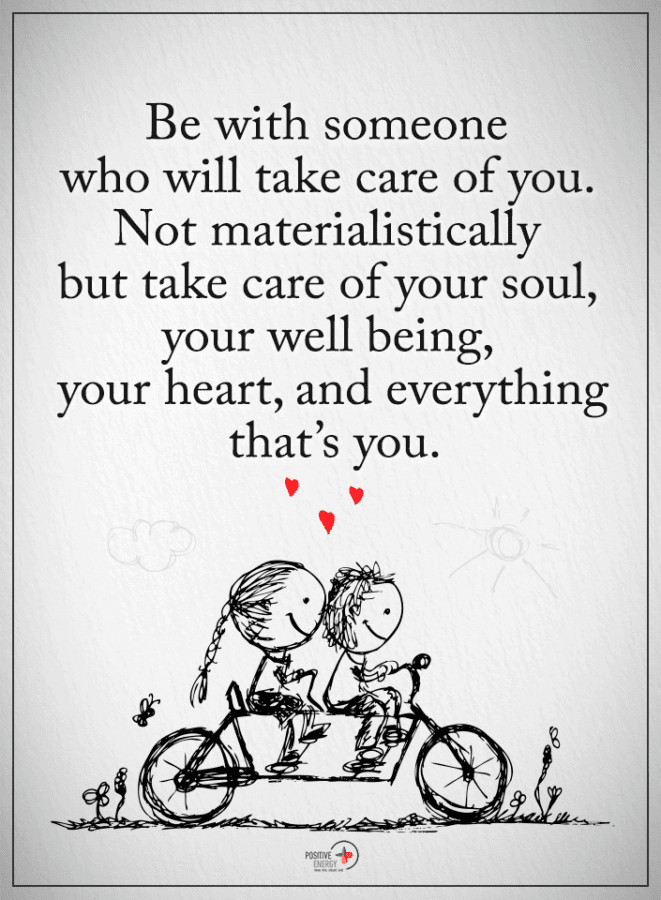
be with someone who will take care of you

7.    He likes doing you favors

A guy who’s secretly attracted to you will go out of his way to do you favors. He might be generally helpful towards other people but he will put in the extra effort whenever you need something. Sometimes, he’ll mess up his whole schedule just for you and it won’t be an inconvenience for him.

For instance, it’s huge when a guy offers to drive you to the airport. (Honestly, no one really enjoys doing this task unless they work for a taxi service.) But he’ll do it if it means he’ll get to spend a few extra minutes with you before you leave. He may even offer to pick you up when you get back from your business trip.

But let’s face it, he’s doing you favors not only because he has a good heart but also because he’s expecting more than just a “thank you” in the long run. This isn’t about taking advantage of you, though. He is trying to win you over because he’s really attracted to you.

He’ll put his best foot forward to impress you, as men did in the old days of courtship. By showing that you can rely on him, you’ll hopefully feel the same way about him too.

Final Thoughts On Behaviors Of Someone Who Is Secretly Attracted To You

While it might be fun to spot the clues in the behavior of a guy who’s attracted to you, keep in mind, however, that attraction is fleeting. So, perhaps it would be better not to be too hung up on finding the signs.

Appreciate them when you notice them, but also focus on enjoying the positive moments you have together with this guy. This way, you won’t miss out on a potentially great relationship.

5 Behaviors Rude People Show Before They’re Rude to You

There’s a different kind of contagion in the air and it’s not the flu virus. Rude people are popping up everywhere like a disease that needs to be treated. According to a study in the Journal of Applied Psychology, rudeness can be quite infectious. People who are witnesses to rude behaviors may also behave inconsiderately because of the negative atmosphere around them.

As we learned as children, good manners and positive outlook are learned behaviors and not innate behaviors. But a study in the Psychological Science journal cited that humans are born with a gene variant that can influence a person’s willingness to be nice and considerate.

Additionally, when people think that the world is full of mean individuals, they won’t be compelled to show niceness, generosity, and compassion. As a result, they allow themselves to be just as rude as the next person.

Acts of rudeness may be perpetuated today due to the emergence of technology and social media, according to a report on Civility in America. People are easily triggered, frustrated, and short of patience because of it. Take a look at some behaviors that rude people show even before they are actually rude to you:

Here Are 5 Behaviors Rude People Show Before They’re Rude To You

“Rudeness is the weak person’s imitation of strength.” – Eric Hoffer

1.    They are happy about the misfortune of others.

Taking pleasure in the misfortunes of other people is also called “schadenfreude.” It’s when people gloat and feel a sense of satisfaction if they see someone they don’t like suffering or having a bad time.

Granted, there’s a little dark side in every person because that’s human nature. We all have our mean streaks and tendency toward mischief. We may poke fun or pull a prank on our buddies occasionally. But someone who is rude will feel inordinately satisfied over the sufferings of others. If you know a person like this or run in the same circles as him or her, you will likely eventually experience this rudeness yourself.

In the 1800s, German philosopher and moralist Arthur Schopenhauer regarded schadenfreude as one of the worst traits of humans. He believed that a person who delights in other’s misfortunes is morally worthless and has a bad heart.

But schadenfreude also exposes a person’s inner flaws, no matter how hard he hides it. By acting with meanness and without compassion for others, he is showing his envious nature. A person’s own insecurities, pettiness, and feelings of inadequacy come to the fore when they delight in another’s misfortune.

2.    They are mean to the waiters and retail staff.

Have you ever dated someone who made silly demands when ordering food at the restaurant or who made snide comments to show his displeasure for the service staff? Waiters and staffers at retail stores are such easy targets of power-trippers and rude people.

Some customers feel a sense of entitlement and make demands because they are paying for it. But a rude person will frequently complain about getting horrible service, or will not say “please” and “thank you.” They may even resort to asking for the manager when they sees something isn’t right with the order.

Worse, rude people won’t even acknowledge that they are behaving inappropriately. In fact, they will defend that their behavior was warranted against a perceived injustice that the waiter or retail staff apparently showed them.

This the type of person tends to be judgmental and isn’t a team player. To act in a condescending manner is to belittle the other person. So, if they cannot treat people as equals, it means they don’t know how to be respectful. Someone who is habitually rude to the service staff for no apparent reason may also be rude to you one day. Would you want to be with a person whose mindset shows entitlement and arrogance?

3.    They don’t have a lot of friends.

People who do not have a positive energy because of their mean streak might not have a lot of friends. Sometimes, it’s a personal choice but in some cases, it could not be of their own choosing.

Most people will avoid being friends with a rude person to keep conflict out of their lives. If you spot these common behaviors of someone who is rude, you will understand why they do not have a bigger social circle:

  • Always interrupting someone in a conversation, which shows they are not capable of listening or understanding.
  • Whining a lot and wasting time complaining instead of doing something about it.
  • A tendency to snap, snark, and scream at anyone. It won’t matter if they’re being mean to a woman, an elderly person, or a child.
  • A superiority complex combined with an attitude of self-righteousness.
  • They can be arrogant or even act like a bully.
  • They’ll usually want to call the shots and dictate the plans. But they’ll regularly drop out of your plans and won’t have the courtesy to reschedule.
  • Impolite behavior such as not responding to messages or texts on time.

Some argue, however, that rudeness or offensive behavior may not be a personal assault against you. In some cases, this is a coping mechanism for people with anxiety issues or anger management problems. This isn’t to say that you should overlook a person’s rudeness because he may need psychological intervention. It should raise a red flag that someone is having a tough time dealing with his personal issues if he’s taking it out on others.

4.    They utter harsh words.

Aside from his actions, a person’s behavior can be gauged by the words he uses. If he’s fine with blurting harsh words towards other people and no one is calling him out, you may find yourself at the receiving end of this harshness. To use kind and positive words is also about seeing other people as equals.

In the beginning, he might show charisma and niceness around you and other people. He might even show commendable manners and behaviors until you realize that it’s all a front. But no matter how much he masks himself, a true nature of a person with rude behavior will show. The longer you hang out with this type of person, the more evident his views, prejudices, and demeanor will be.

For instance, you could be friends or in a relationship with a guy who’s actually a sexist. The shift in behavior might surprise you because he didn’t behave offensively before. It’s possible, however, that he’s no longer concerned about your opinion or that he’s not really interested in the relationship anymore.

In the same way, rude people may also project their behavior as a racist slight and then say things like “I’m not a racist, but…” They’ll dish out slurs, racist jokes, and might even display micro-aggressions. They might make derogatory sentiments intentionally or unintentionally towards people of color to the point that you’d be embarrassed to be with them.

But in most cases, people who are rude won’t be apologetic if their jokes are disrespectful or prejudiced. They won’t also understand how their teasing can affect others. They will rationalize their choice of words and might even tell you it is your fault for taking their statements too seriously.

5.    They won’t feel remorseful.

When you’re having a bad day or a terribly stressful time, you may have the tendency to lash out on people. If you’re cranky and up to no mood to kid around, you might snap at your friend, co-worker, or partner. But moments like these are usually followed by intense feelings of guilt so you apologize for the outburst and try to make amends. If necessary, you might even have a serious sit-down conversation and do your best to make the other person feel better after you’ve hurt their feelings.

Now, this is how emotionally mature individuals handle themselves when they’ve offended someone. But rude and cold-hearted people don’t have the capacity to be remorseful or guilty. If they have an outburst, they will always find excuses to justify their behavior. They might say things like:

  • “I haven’t had coffee yet, what do you expect?”
  • “I’m not a morning person.”
  • “He was being disrespectful to me, so I cursed at him.”
  • “Bad temper runs in my family so I can’t help it.”
  • “I’m under a lot of pressure at work and you didn’t give me space.”

It’s easy for rude people to completely disregard the feelings of others since they don’t have an empathic heart. You won’t hear them apologize. Instead, they might even make it sound like you should appreciate them for being upfront.

rude people

But short of being diagnosed with a personality disorder, there’s no reasonable justification for an adult to be rude to another person. Everyone has a bad hair day once in a while but you don’t see everyone reacting with rudeness because of it, right?

Final Thoughts Of Behaviors Rude People Show

Rudeness can dampen a positive day and may damage your faith in humanity. Rudeness hurts people no matter how those actions are justified. You should never let your moods dictate your manners. Additionally, you should never let the actions of others determine your behavior. Otherwise, if you allow rudeness to beget rudeness, how will the world change for the positive?

If you’re friends or in a relationship with a person who’s showing these five signs of rudeness, it might help to have a healthy, honest, positive and open discussion about it. If you feel that this person might not have a deep respect for people, perhaps communicating your concern will open his eyes and heart.

The person’s response to your attempt to communicate should give a clue of where this relationship will go. If he shows a willingness to change once you let him know how this behavior bothers you, then perhaps the friendship or relationship is worth saving. However, if he dismisses your concerns, you might need to think hard about staying in this relationship.

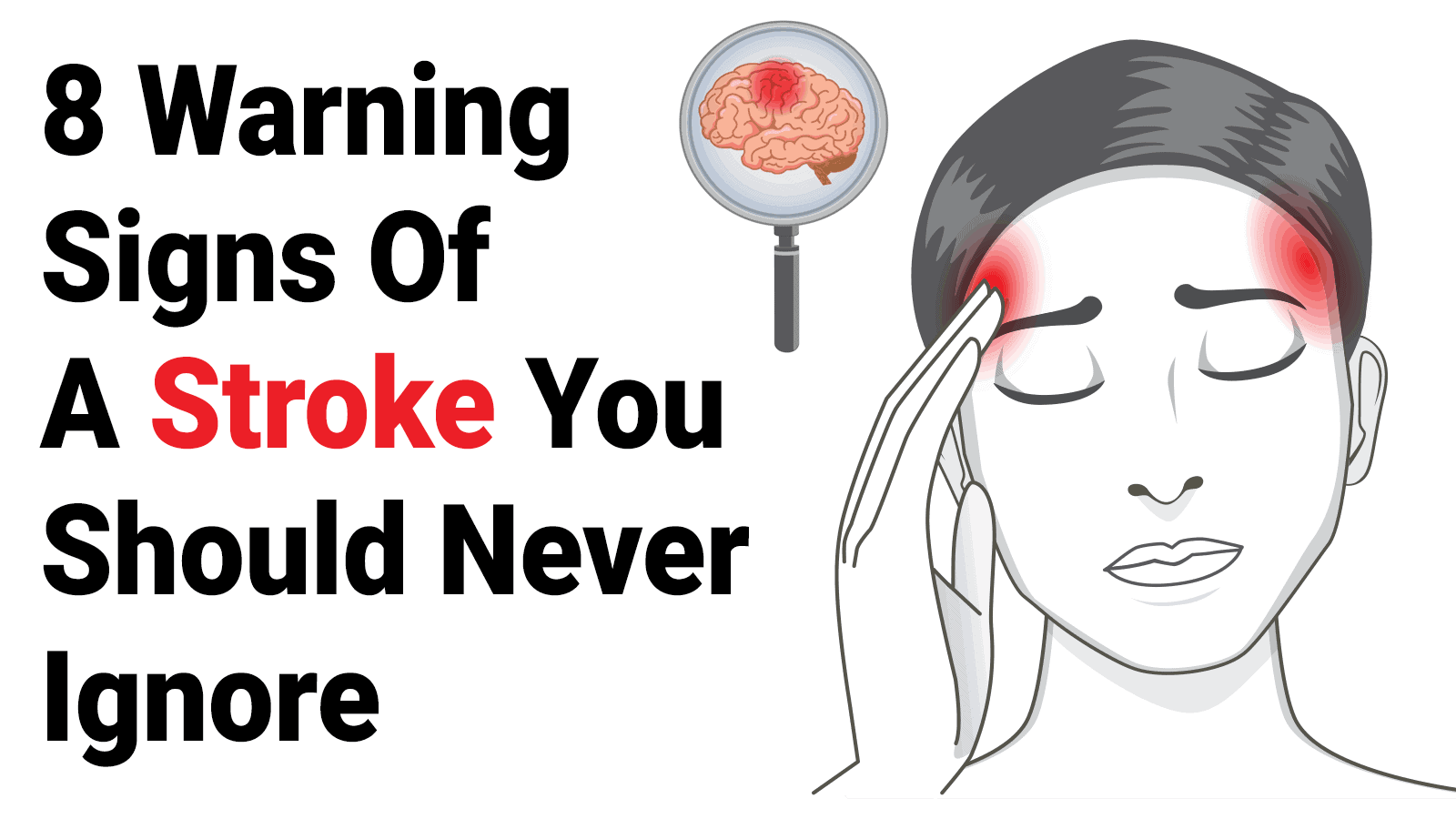
8 Reasons A Stroke Happens (That Most People Ignore)

A stroke usually happens unexpectedly, and can be a scary, life threatening event. If the stroke doesn’t cause death, it can cause many other issues that may take a long time to recover from, if recovery is even possible. These issues may include:

  • Loss of muscle movement
  • Complete paralysis
  • Trouble swallowing or talking
  • Memory loss
  • Difficulty thinking clearly
  • Trouble with reasoning and understanding
  • Emotional issues
  • Pain
  • Numbness
  • Tingling sensation in your arm
  • Sensitive to temperature change
  • Changes in behavior
  • Inability to care for yourself

Usually, a stroke is debilitating in some way. Fortunately, there are treatments available for strokes and the events that occur afterward, but they are not always successful. There are a number of reasons that stokes may happen and, many times, people ignore these reasons simply because they do not know of them.

A stroke is a severe medical issue, and getting ahead of the problem can make all the difference. There are two different types of strokes, and both can be just as harmful. One type occurs when something blocks the blood flow, known as an ischemic stroke, and the other occurs when there is bleeding in the brain, known as hemorrhagic strokes.

8 Reasons a Stroke Happens

1. High blood pressure

Also known as hypertension, high blood pressure is the biggest reason that strokes happen. This is because high blood pressure damages arteries in the body. Damaged arteries make it easier for blockages to occur. There are treatment options for high blood pressure that your doctor can help you understand and decide on, which can lower your risk for strokes.

2. Tobacco

Smoking or chewing tobacco increase the chances of a stroke. It raises your blood pressure, causes buildups in arteries, and thickens the blood. Those who smoke tobacco have their chances of strokes increased 200-400%.

You don’t have to be a smoker for tobacco to affect your in this way, either. Just being around smoke can even increase the risk of stokes by 20-30%, as well. Secondhand smoke can lead to the same issues as actually using tobacco, so it is almost just as unsafe.

In addition to causing high blood pressure, buildups in arteries, and thickening of the blood, smoke can lower the functioning of the lungs. Lungs that aren’t functioning as well as they should also cause strokes. This issue should never be ignored, even if you think it will not happen to you.

3. Heart disease and diabetes

Any heart disease can be the reason for strokes. Some of the more common heart conditions that can lead to strokes are defective heart valves, atrial fibrillation, and an irregular heartbeat. An irregular heartbeat is actually one of the leading causes of strokes in the elderly.

Oftentimes, people who have diabetes have a history of high blood pressure and being overweight. Both issues increase the likelihood of strokes, and diabetes only makes the likelihood even higher.

Another issue with diabetes is that it can damage blood vessels, which is yet another reason strokes might occur. Additionally, high blood sugar levels are common with diabetes and, if the levels are high during a stroke, can make the effects even worse.

4. Heavy drinking

Heavy alcohol drinking greatly increases the risk of strokes. This is because alcohol can increase your blood pressure, which causes strokes. Heavy alcohol consumption also increases the chances of diabetes, another risk factor for strokes.

Alcohol can also be an issue for anyone taking medication. Some medications have a negative reaction when paired with alcohol, and sometimes those reactions cause strokes.

5. Lack of exercise

Being overweight is a direct link to strokes, and weight can be controlled through regular exercise. Exercise also lowers blood pressure, which can lower your risk of strokes. Additionally, the health of your blood vessels will be improved through exercise, making them stronger and less susceptible to complete blockages.

Avoiding exercise is not only causing problems for your preventative care, but it also leads to being overweight, having high blood pressure, developing cardiovascular disease, diabetes, and many other issues that can be directly linked to strokes.

6. Medication

There are many medications on the market that can increase the chances of strokes. Blood-thinning medications, for instance, increase the likelihood. Hormone therapy and birth control pills also increase the chances.

It is best to read the side effects and warnings of every medication before you begin taking it. You will need to be able to weigh whether the benefits of the medication outweigh the risk of strokes if that is one of the possible side effects.

7. Age

Unfortunately, this is a reason for strokes that cannot be controlled. Just because it cannot be controlled does not mean that it should be ignored, however.

While anyone from any age group can have strokes, older people are much more likely to experience one. After the age of 55, the likelihood increases immensely and then doubles every decade.

Instead of ignoring these facts and hoping for the best, as you get older take extra care to prevent strokes by taking caring and controlling any other medical conditions. You could also cut certain things out of your lifestyle that is known to increase the chances of strokes.

8. High cholesterol

High cholesterol is caused by consuming too much saturated and trans fat. When high cholesterol is a problem, plaque builds up in the arteries. This can become such a big issue that the plaque completely blocks the blood flow, causing strokes.

Eggs, meat, and dairy products have high amounts of cholesterol, so it is important to limit those foods. Since those foods are commonly thought of as healthy options, it may be unexpected that they could be so detrimental to your health. It is important to focus on moderation when it comes to these foods.

Your body also produces a small amount of cholesterol, so you have to account for that, as well. Cholesterol is one of the biggest reasons behind strokes.

Stroke Symptoms

Many of the stroke symptoms are also symptoms of something else, so it may be hard to figure out what is really going on. It is important to not ignore these symptoms, however, and there are a few that stroke symptoms that are more specific to strokes than to anything else.

  • Fatigue
  • Unusual vision problems, but only in one eye
  • One arm becoming weak or numb
  • Slurred speech
  • Dizziness
  • Trouble thinking
  • Severe headache or migraine
  • Trouble walking
  • Inability to put both arms in the air without one of them drooping back down
  • Half of the face is drooping

stroke

The stroke symptoms that were just mentioned are ones that present themselves to both men and women. There are a certain set of symptoms that normally occur only in women, however, so it is important for women to keep an eye open for those.

  • Loss of consciousness
  • Fainting
  • Being short of breath
  • Being disoriented
  • Having the hiccups
  • Being more agitated than usual
  • Pain
  • Abrupt changes in behavior

There are certain stroke symptoms that generally only occur for men, as well. These symptoms include:

  • Slurred speech
  • Fatigue
  • Pain in the stomach
  • Drooping face on one side
  • Dizziness
  • Cannot understand conversation
  • Is unable to communicate
  • Unusual anxiety
  • Vision loss in one or both eyes

How to Prevent a Stroke

All of the things that could lead to strokes may make you feel like there is nothing you can do to prevent one. This is far from the truth, however. There are many precautions you can take to lessen your chances of strokes.

  • Control high blood pressure
  • Lower the amount of cholesterol in your diet
  • Avoid tobacco, even secondhand
  • Manage diabetes
  • Lose weight or maintain a healthy weight
  • Eat healthy foods
  • Exercise on a regular basis
  • Consume alcohol in moderation or not at all
  • Avoid recreational drugs
  • Take medication to treat heart disease
  • Eat dark chocolate every day

Final Thoughts on Reasons a Stroke Happens

Strokes are normally completely unexpected, but they can be completely debilitating. The longer it takes to get medical treatment, the more damaging strokes are to your body. There are risk factors and also prevention methods, so there are ways to get ahead of the problem.

You should never ignore the reasons that people typically have strokes, and you should also never ignore any symptoms, even if you aren’t positively sure that’s what the problem is. The quicker you receive medical attention, the better off you will be, so it is best to seek treatment instead of waiting to know for sure that it is what you are experiencing.


7 Ways Fake People Manipulate You To Make You Trust Them

Have you ever been scammed, conned or betrayed? Did you become friends with someone who turned out to be manipulating you? Fake people have ways of earning your trust only to use it against you.

A study from the Better Business Bureau showed that roughly 30 percent of people aged 25 to 34 have been victims of scammers. In contrast, only five percent of people over the age of 75 have been conned.

Author Maria Konnikova, who wrote the book The Confidence Game: Why We Fall for It… Every Time, said via The Cut that everyone is vulnerable to fake people especially if you’re going through life-changing experiences. Even positive changes can make you vulnerable because you’ll readily believe that anyone or anything is good. Take a look at some ways fake people try to manipulate you so you’ll trust them:

Here Are 7 Ways Fake People Manipulate You To Make You Trust Them

“Dealing with manipulation is all about reading between the lines and recognizing the lies for what they are.” – Unknown

1.    They are very good listeners

Fake people listen and listen well like the con artist that they are. In their conversations with a potential target, they are usually quieter and intent on hearing what you have to say.

Most people become victims of fake people because of their willingness to share information with someone who extends a listening ear. Victims often do not ask questions when they think the other person is truly interested in their thoughts or feelings.

  • Once fake people figure out what’s your deal, they will exploit this to their advantage. For starters, they might say that they also come from your hometown or that they are a fan of the same band you like.
  • Fake people draw on your feelings and emotional triggers to make you think you have plenty in common with them. But that’s just really the con artist using the information you tell them to con you.

Being a good listener is a skill that helps fake people build rapport with their victims. They pay attention, they don’t interrupt, and they repeat what you’ve said in their own words to show proof that they are listening. This active listening skill is so effective that the FBI uses this very tactic in hostage negotiations, according to Barking Up the Wrong Tree.

2.    They reveal their flaws to you

A fake person will further win your trust by showing his imperfections and flaws. A classic study from the journal Psychonomic Science showed that people are more easily trusting of someone who’s also vulnerable like them.

  • Committing an embarrassing mistake, such as spilling coffee on yourself in public, makes a highly competent person appear warmer and more approachable, hence victims are easily drawn to the con.
  • In some cases, fake people will pique your curiosity and marvel you by sharing their secrets, fears, and anxieties. This is how fake people win your trust in a small amount of time.
  • They perform actions which negate the common notion that trust must be built slowly and gradually. Apparently, there is a shortcut to trust, especially if you’re a good con artist.

But fake people are also careful not to appear too vulnerable that it will hurt their credibility. They still understand the need to impress you and not set the alarm bells off.

3.    They will let you win

A fake person will let you feel like a winner in the beginning. If they want you on their side then they have to give a taste of why it will be rewarding and positive to hang out or do business with them. So, they will dangle something you want to manipulate your emotions in the hopes that you’ll bite and make an impulsive choice that will favor them.

A fake person will also start small when they are trying to manipulate you.

  • Before they swoop in for the big favors they will start with the little things.
  • Experts like Konnikova described this as the “foot in the door” scheme.
  • When you say yes once, you’re likely going to say yes to this fake person again and again.

According to the AARP Fraud Watch Network, you must always pay attention to your body’s cues when faced with something exciting or too good to be true. For instance, during a sale’s pitch, if you’re feeling your heart racing faster and you’re already thinking of what you can do with the item, try to control yourself and get your bearings together.

Never decide something major under these conditions. If the fake person is showing you the good stuff but eventually asks for a loan from you, don’t say yes right away. Give it a few days and let the exciting prospect wear off. It might also be prudent to use this time to actually verify and check what your new “friend” is trying to offer.

4.    They will dress well because a good appearance is part of the con

Fake people will dress well and look good all the time to appear successful and legitimate. They do this to take advantage of that part in you that makes split-second judgments based on superficial ideals. People are apparently vulnerable to external cues like fashion and grooming. Fake people exploit this aspect in order to win you over.

  • Online scammers, for instance, use a profile photo of someone really good-looking to create an illusion. (If they don’t show normal photos that aren’t taken at a professional studio, this should be a big red flag.)
  • Most victims of scams or cons usually make statements that say they thought the guy who betrayed them looked positive, decent, and presentable.
  • Con artists do not “seem” the type to dupe people because they make an effort to appear well-to-do and nice to be around.

As for getting a sense of legitimacy, fake people try to dress the part to convince their victims they are the real deal or worth the salt. This also bolsters their cover and fans out the con. Experts call this psychological process “enclothed cognition.”

Like magicians, fake people operate on misdirecting you and warping your perception. If your guards are down, you will blindly accept what you see as the truth. People have the tendency to trust visual cues when they don’t have enough information about the person they are dealing with. Often, these visual cues are not on the spot.

5.    They have social proof establishing they are who they say they are

A fake person will try to name drop a mutual friend, or someone famous, or a person with authority to establish their legitimacy as well. They will make it sound like they have a lot of influential friends. They also carry business cards and other credentials, albeit likely faked as well, to prove they are who they say they are.

Experts call this tactic the social proof. All of us encounter this in how we deal with people every day. Social proof can be powerful since it taps on a person’s need to conform and belong. Name dropping, for instance, works because people can be easily impressed if they know someone or are friends with someone who’s kind of a big deal.

This psychological phenomenon is especially ripe on social media, where a study revealed that the element of faking may sometimes be necessitated. People gauge a person’s credibility based on the number of friends or followers he has or the number of likes and views he gets from his posts. The pressure of social proof actually gave birth to fake followers, fake likes, and fake accounts.

Now, there are positive effects to using social proof if you have a business brand and you need to market your product. It’s not good, however, if you use social proof to con people and play with their emotions.

6.    They move pretty fast

You’ve just met this person but your acquaintance seems to be moving on pretty fast. After a couple of emails and some private messages or phone calls, he’s suddenly in your circle. How did that happen?

  • Well, fake people will usually bypass the social norms and steps once they’ve targeted you.
  • But the longer they dwell on the target, the more challenging their ruse will be because they will risk getting discovered or outed.
  • They might set a deadline for things they ask for or need from you.
  • If everything seems to be urgent for them or if they create the impression that you have to do something now or you will lose out, take a step back.
  • See if they can slow down and pace themselves; if not, they are likely attempting to con you.

Ever wonder why store discounts and sales only happen within a certain period? It’s the same principle with these fake people who are out to take advantage of you. They’ll push you to act on impulse. If you’re not careful, you’ll find yourself becoming the victim.

7.    They have a way with words

Fake people love to promise that “you will make a lot of money” if you do business with them. If they are romantically trying to woo you, they will use emotionally manipulative words that you cannot question because you’ll be the one who’ll come off as the bad person.

For instance, if you’re dating a guy you just met who suddenly needs money for a niece’s emergency medical service in another state, you would be very heartless if you ask for the medical bill as proof. You have no choice but to be charitable, give the money and be understanding of why he has to be away for a few days.

fake people

These people know the art of persuasion too well. However, you might be too charmed and under the spell to notice that their words are hollow and manipulative.

Final Thoughts On Ways Fake People Manipulate You To Make You Trust Them

Fake people, especially in this Internet age, are unfortunately getting smarter and smarter every day. Worse, their actions might go unreported or unrecognized because the victims are too embarrassed to come forward and say that they have been duped.

While there are fake people who take advantage of others, don’t let their presence make you a cynic. There are still a lot of good people and positive things to experience in this world.

Scientists Explain Why Most Vegans Need A Vitamin B12 Supplement

What’s the big deal with vitamin B12? You took the plunge, and you love your vegan diet! Or maybe you’ve read stories of miraculous results and want to try it for yourself. You know it is a very healthy diet and is especially useful for losing excess weight. But now you’re hearing conflicting information about the need for a vitamin B12 supplement. What’s truth, and what’s not?

Some overzealous supporters have tried to find some easy solution to the problem of B12 deficiency in a vegan diet. This has led to a lot of confusion and some downright false claims. It’s important for the health of vegans to understand the truth about this important vitamin’s functions and how to ensure healthy levels at all times.

Regardless of any misinformation that may be floating around the internet, the absolute necessity of the B12 vitamin for a healthy mind and body is undisputed by scientific research and health professionals. But how much does the body really need? What are good B12 food sources, and how does a vegan diet affect healthy levels over time?

Why is Vitamin B12 important to your body?

First of all, vitamin B12 is necessary for many manufacturing processes in the body, including forming red blood cells, new nerve cells, and DNA. It also supports energy levels and cognitive functions. The B12 vitamin is an essential nutrient, which means it is not manufactured internally, or at least not in sufficient amounts. So a large portion of necessary levels must come from outside sources or supplements.

A lack of this important vitamin may begin manifesting itself within a few months of a major diet change, such as becoming a vegetarian or vegan. The symptoms may build over time, becoming severe if not properly addressed. Just some of the symptoms of vitamin B12 deficiency are:

  • fatigue
  • joint pain
  • tingling or numbness in the hands and feet
  • anemia
  • difficulty thinking or memory loss
  • a swollen, painful tongue
  • balance issues such as stumbling or trouble walking
  • rapid heartbeat
  • difficulty breathing

A B12 deficiency may also boost levels of homocysteine in the blood. This amino acid has been cited as creating a higher risk for heart disease or stroke. Homocysteine may also add to the risk of blockages gradually building in the arteries, which may also contribute to heart attacks and strokes[1].

Listed among some of the more severe indicators of a B12 deficiency are cognitive disorders, depression, paranoia or even a loss of the senses of taste and smell. Growth and healing can be affected, so children who choose a vegan diet should be closely monitored. As you can see, it is important not to ignore the body’s need for this essential nutrient[2].

Truth and myths: food sources of Vitamin B12

Vitamin B12 is synthesized by microorganisms found in all animal foods except honey. Whatever claims you may have heard to the contrary, these are the only pure food sources. So, while vegetarians may be able to intake sufficient quantities through eggs, cheese, and yogurt, vegans must find other B12 supplements to stay healthy.

Factual claims have been made that plant sources such as seaweed and certain mushrooms contain B12. However, these sources are unreliable because they cannot be properly absorbed by the human body. B12 is a unique and complicated vitamin and not all forms are useful to people, including the abovementioned plant-based forms. So eating them can still lead to a vitamin deficiency[3].

Other myths regarding sources of this vitamin are out there for the gullible. They include claims that you can acquire sufficient amounts through the dirt left on unwashed vegetables or the growth of natural bacteria in your mouth[4]. If these ideas seem silly, it’s because they are.

Vegan sources of Vitamin B12

So how can vegans ensure they are receiving consistent amounts of this important nutrient? Some dietary sources are:

  • meat substitutes
  • fortified cereals or non-dairy milk
  • fortified nutritional yeast
  • some vegan spreads[5]

Make sure you read the label to find out about the potential sources of B12 supplements. Some companies may use animal-based gelatin as a source for B12. A little research can help you choose the best vegan food sources[6]. And if you are still experiencing symptoms of possible B12 deficiency, it may be a good idea to see your doctor to be tested.

It’s interesting to note here that some studies have indicated that B12 sources from fortified food may actually be more effective than red meat sources. Some have postulated that cooking may affect the quality of the vitamin content of meat. So maybe vegans aren’t missing out as much from red meat sources as originally thought.

If you are deficient, your doctor may recommend a daily oral vitamin B12 supplement or injections to reach acceptable, healthy B12 levels. Injections may be given daily or weekly until levels are normal, then monthly thereafter. If you are taking an oral supplement, make sure it is from a source trusted for a high-quality product.

Monthly injections have become popular and work because your body is able to store some B12 for later use. This has led to another myth that after a certain point, your body has stored enough B12 to last a lifetime. These claims have been proven false. Symptoms of a deficiency begin to manifest quickly without an ongoing source of the vitamin.

How much Vitamin B12 does the human body need?

B12 is a water-soluble vitamin, so taking too much is highly unlikely and there are virtually no known side effects. Like other water-soluble vitamins such as vitamin C, any excess of vitamin B12 supplement can be effectively washed from the system. So you generally only have to worry about taking too little.

Depending on who you talk to, experts recommend 2.4-6 micrograms (mcg) of B12 per day. For vegans, however, the recommended daily allowance jumps to 250 mcg per day. One reason for this may be that a smaller percentage of alternate sources may be absorbed.

About 50% of the B12 vitamin from the best sources in a normal omnivorous diet may be absorbed; much less from vegan food sources or a vitamin B12 supplement. Some dietitian recommendations include taking smaller doses several times a day to help make the supplement more effective.

Also, some studies seem to indicate that taking antacids may interfere with the absorption of B12 supplements. So if you are vegan or just getting older and regularly take antacids, you can safely increase your daily dose to 500-1000 mcg to ensure your body absorbs sufficient amounts.

So why be vegan at all?

If you’ve been debating about whether to try a vegan lifestyle, you may be wondering if it would be worth it. In spite of some needed vitamin supplements, many people have reaped huge benefits from a vegan diet. However, this is a lifetime commitment, so don’t take the decision lightly.

vitamin b12

Researchers have found that vegans often enjoy higher energy levels and experience less stress and anxiety. There is also evidence that a vegan diet can help lower the risk of many of today’s common health issues, such as high blood pressure, diabetes, and certain neurological disorders.

Vegans have been found to have healthier bones, as fruits and vegetables have a stabilizing effect on the body’s pH levels. Also, foods rich in fiber help to lower blood cholesterol levels and keep it properly balanced.

Of course, one major motivation for some is the way a vegan lifestyle and weight loss seem to go hand in hand. The internet can supply you with many amazing stories of incredible transformations from obese to lean and mean physiques. Keep in mind, though, that most of the success stories also include a commitment to a comprehensive exercise routine.

Final Thoughts

The need for a vitamin B12 supplement shouldn’t be the deciding factor against a vegan diet. Every diet has its strengths and weaknesses. A vegan diet is not easy but can be highly beneficial to the health of your body and mind. The positive impacts are often obvious and quick to manifest. There are many delicious recipes available on the internet or at your local bookstore to choose from. You can try many new foods and create a variety of favorite menus to keep mealtime interesting.

Another fact to note is that, along with vitamin B12, almost every diet requires augmentation of some kind. Ongoing research continues to reveal more dynamics of what the body needs for optimum health. Being aware of the need for B12 and other supplements will help you get the best results from your vegan diet.

Don’t forget about how dietitians rave over the many benefits of all those fresh, raw fruits and veggies. They are equally vehement about all the unhealthy foods included in the average American diet. Taken all together, a vegan diet may very well be one of the best win/win diets available.

https://www.youtube.com/watch?v=yG-G9_LOkLA

(C)Power of Positivity, LLC. All rights reserved

30 Healthy Vegan Dinner Ideas

Many people assume (wrongly!) that vegans eat dull foods. However, every vegan will quickly tell you that is absolutely untrue. You can join the party by eating delicious meals that are healthy with many nutrients. Such meals include fruits and vegetables which can help in managing your weight as well as boosting your immune system, among other benefits.

Here are thirty healthy vegan dinner ideas:

vegan substitutes

1. Spicy Zucchini Fritters

Zucchini are one of the most versatile vegetables for dinner ideas. You can fry, stir-frt, bake it into bread, steam, and spiralize into noodles. In this dish, you will coat zucchini with chickpea flour and rice, seasoned it well, and fry it. You can serve it with your best creamy dressing that is non-dairy together with a side salad.

2. Onion Pakoras Served with Avocado Dipping Sauce

Pakoras are Indian snacks that are made by dipping a vegetable in chickpea flour and deep-fried to make them crispy. Therefore, they are naturally free from gluten. These onion pakoras have cumin, curry powder, and garlic for savory flavor. Serve pakoras with a creamy, cool, and spicy avocado dip.

3. Pecan with Mushroom Wellington

This dish includes a pastry sheet full of an herbed and savory combination of pecans and mushrooms. A lattice layer of strips is added as toppings, and the dish is baked to golden brown. The pasty’s crispiness is delicious and goes well with roasted vegetables or a fresh salad. This is one of the best healthy dinner ideas.

4. Cauliflower Pot Roast

One of the tastiest dinner ideas in the world is roasted cauliflower. The meal is served with nutritional yeast, cashews, and lentils. Also, add roasted potatoes and veggies to the pot, and your dinner is ready. The meal is not only full of flavor, but it can also be served at a dinner occasion.

5. Mac and Cheese Pies

Macaroni pie is a Scottish dish that has crumbly and crispy pastry crust that is full of cheese and macaroni. The meal comes out so well and every component from the cheese to the macaroni filling to the crust are perfectly recreated. You can make numerous small pies or just one large one.

6. Deep Dish Quiche Pizza

This meal involves making a sweet potato crust from chickpea flour and millet that is pressed into a cake pan, making it deep dish. It is then topped with homemade tomato sauce before using kale filling and fluffy tofu ricotta or roasted Mediterranean vegetables to fill it. It is one of the top dinner ideas.

7. Black Bean Hummus Panini

In this dish, simple ingredients are brought together to make an outstanding meal. The sandwich includes savory black beans, tender eggplant, sun-dried tomatoes, and creamy humus. The deliciously juicy meal can be eaten on the go due to its two pieces of bread.

8. Indian Mashed Potatoes and Curried Gravy

The meal includes potatoes, peas as a garnish and Indian spices. Preparing the meal involves mashing red potatoes with cumin, coriander, turmeric, onion, and mustard seeds. A gravy that is curry-inspired is made from coconut milk, tomatoes and more spices and added as a topping. Eat the meal together with soft flatbread such as naan and steamed vegetables. It is one of the sweetest healthy dinner ideas.

9. Avocado Stuffed with Cashew Cream

Staff halved avocados with homemade cashew cream, topped with chopped chives and nuts, and serve with sliced cherry tomatoes. This meal is as delicious as it is healthy, making it one of the best dinner ideas.

10. Turmeric Falafel

Chickpeas are delicious. These healthy turmeric falafel are mashed into balls to be toppings to salads or to be used to fill sandwiches. The balls are fluffy and moist, and with a teaspoon of olive oil and another one of turmeric, they can be rich with flavor.

11. Fooled Pork Sandwich and Fries

The dish involves simmering young jackfruit until soft and then sticky barbecue sauce is used to broil it so it soaks in flavoring. Creamy and crunchy coleslaw is used as a topping to the sandwich. Bake some fries in the oven and serve with the meal. If you are looking for healthy dinner ideas, this is it.

12. Asian Cauliflower Bites

Dredge and coat the cauliflower in crunchy and flaky breadcrumbs. Then bake the breadcrumb-covered cauliflower till it gets soft and cover it in a homemade sauce, which is a bit spicy, a bit sweet, and a bit savory as well. Serve the bites with steamed vegetables and brown rice.

13. Halifax Mushroom Donair

It includes spiced mushrooms and creamy cashew sauce. Wrap these food components in a pita with many tangy red onions, tomatoes, and greens. Serve it in foil to prevent a mess. For healthy dinner ideas, this is one of them.

14. Sweet Potatoes Stuffed with Cauliflower Cheese

Stuff sweet potatoes with cauliflower cheese and multiple vegetables. It is easy to prepare, and sweet potatoes are among the plenty of vegetables that are healthy for you, making it one of the perfect healthy dinner ideas.

15. Cheesy Corn with Smashed Avocado Quesadillas

The cheese in this recipe pairs with with garlic, corn, nutritional yeast, and salt. The addition of avocado and cherry tomatoes makes the dish well-rounded in terms of the ingredients. Therefore, this comfort food is remarkably healthy and delicious.

16. Turmeric Cinnamon Sweet Potatoes

Sweet potatoes have a versatility that allows dressing up with all sorts of delicious ingredients. Cinnamon and turmeric seasonings, however, upgrade the natural flavor of sweet potatoes. Thyme, pepper and salt further elevate the sweet potato shine. It is also easy to prepare; with a quick toss and time in the oven, the dish is ready.

17. Lentil Burger with Mustard Sauce

The recipe requires four ingredients. The ingredients include nutty walnuts, lentils that add an earthy flavor to the meal, zesty mustard sauce, and raisins, which add a touch of sweetness. The result is a tasty veggie burger that is easy to fall in love with.

18. Lemon Avocado Chickpea Mash

Its recipe is very simple. Mash the avocados and the chickpeas together and season with pepper, generous amounts of lemon, and salt. The combination creates a creamy and zesty toast topper, spread for sandwiches, or dip for veggies.

19. Spinach Dip Crescent Roll Ring

The meal is a delicious one that is easy to prepare. The spinach dip, creamy and garlicky, is wrapped inside crescent rolls. The rolls are then baked until they turn golden and crispy and the dip is warm. It is a must have at any dinner party. Also, it’s one of the favorite dinner ideas.

20. Moroccan Chickpea Bake

The dish is a new way of combining flavors of Moroccan cuisine. It has three layers. Three classics inspire the three layers: falafel, tagine and hummus. When put together, the outcome is a unique comfort dish that spices up the weeknight meal rotation.

21. Coconut Curry Linguini

It is a meal that uses Thai ingredients and flavors such as lime, coconut milk, rice noodles and red curry paste. The texture, however, is like that of a Fettuccine Alfredo – rich and creamy. The meal can be prepared at the last minute since it is easy but packs huge flavors.

22. Colombian Black Bean Stew

The meal is extremely healthy, easy to make, and delicious. It is full of fiber and plant-based protein. Foods used to prepare the meal are inexpensive. They include garlic, black beans and onions. Grains and avocado can be served on the side. Avocado has numerous nutrients, making the meal one of the most sought out dinner ideas.

23. Roasted Cauliflower Curry

For this recipe, mix turmeric and salt to season the cauliflower florets. The mixture is then roasted until it becomes tender and golden. The roasted cauliflower is then stirred into a mix cooked from dry masala mix dipped in aromatic tomato curry with spices added as a layer.

24. Szechuan Hot and Sour Soup

It is a regional dish in Szechuan and Mandarin cuisines. The soup is made with Chile pepper and vinegar to add to the taste. The soup is paired with other meals that are Chinese-inspired.

25. Crispy Cauliflower Nuggets

The versatile meal that is ideal for parties, dinner nights and other occasions is usually oven-fried. For best results, cook the cauliflower covered in flour slowly in coconut oil. Cooking it slowly makes the outside crisp and the inside well-cooked.

dinner ideas

26. Ratatouille

It is easy to make this traditional French dish. Arrange the veggies in a manner that creates appeal while at the same time ensuring that each bite finds different flavors. The savory dish is wonderful by itself. But it also pairs beautifully with fresh bread.

27. Mushroom Butter Masala

The meal is a common dish in any Indian restaurant. It is made of delicious gravy curry. The sauce in this meal is creamy because of the added vegan butter and plant-based cream or milk. The result is a spicy, creamy, and delicious meal that accompanies dosas, steamed rice, and flatbread perfectly.

28. Tahini-Roasted Cauliflower Covered with Lemony Herb Oil

It is a dish that makes a beautiful centerpiece for the dining table. The taste is also just as amazing as the appearance. For the recipe, the cauliflower is spiced well, rubbed down using the nutty tahini coating, drizzled with lemon herbs and then garnished using roasted almonds.

29. Naan

Enjoy Naan breads while still fresh and warm. The pillowy, ready-to-eat snack is so good that it makes a person forget it is gluten-free. They also pair will with a biryani recipe or a curry recipe.

30. Sweet Potato Mac and Cheese

The meal includes spinach in its recipe with the sweet potato being served as the base so that a cheesy orange sauce can be made. Because of the sweet nature of the potatoes, mustard and other spices will balance out the sweetness.

Conclusion

If you want a perfect dinner that is both healthy and mouth-watering, these thirty dinner ideas are ideal for you. Cook one today!

9 Signs You Can’t Trust Someone

Trust is an important part of any kind of relationship. However, trusting someone is hard when the world is filled with deceptive people.

In the book, “The Science of Relationships,”  the experts wrote that trust, which entails a person’s hopes and aspirations, is put side by side with his fears and worries. No wonder you might be having trouble giving their trust completely because you know there’s a risk your closeness with someone might turn into betrayal.

Fortunately, life will give you red flags and warnings. Here are some signs that may indicate you cannot trust someone:

Here Are 9 Signs You Can’t Trust Someone

“Trust is earned when actions meet words.” – Chris Butler

1.    If the person gossips about other people

It might seem like an innocent pastime at work or among your friends but gossiping has hurt and ruined a lot of relationships.

  • Anyone who gossips to you about another person may easily gossip about you to other people, too.
  • Some people might start gossiping as a way to vent about a colleague at work or a friend. But it would be very inappropriate for a boss to talk about another staff member with his peers.
  • If your friends are judging someone else’s business, you don’t need to be in this circle.
  • If you’re uncomfortable about hearing gossip, subtly say that you’d rather talk about this when the person involved is around so you can also hear their side.

To be completely fair to the other side, a study in the journal Psychoneuroendocrinology showed that there are positive effects to gossiping. It can strengthen bonds between friends or groups and it can also help you figure out who to trust.

2.    If the person is not approachable or secretive

Do you work with someone who doesn’t seem to be approachable? Does he keep to himself and seem inaccessible when you have questions or concerns? Do you have a friend who’s a bit secretive and keeps information to herself, or avoids getting into a serious conversation?

  • There’s a lot of reasons a person might have a wall around him. For this reason, it’s important to define the kind of secrecy a person demands.
  • He might be secretive if he values his privacy and would like to impose boundaries that align with his belief.
  • Being secretive might also be a way for an individual to protect himself or his interests from judgment, reprisals, or consequences.

The impact of the secrecy will depend on the information or detail that was hidden. It also depends on the type of relationship, because certain secrets do not have a place in committed relationships. Sneaky actions from your partner can immediately send your radar running wild, even if you’re not a suspicious person.

If you think that the other person is being secretive, try to approach the situation by inviting a dialogue or a serious conversation. If you allow the person to open up, then you’re giving him the opportunity to explain himself and prove that he can be trusted.

3.    If they flip-flop

Now, people have the right to change their mind even on critical matters that may impact a lot of people. At work, for example, if your colleagues have the right facts, information, or data, they are entitled to veer in a different direction. In this case, flip-flopping arises from a necessity.

In other cases, however, it might be an indication of opportunism. It is hard to trust a flip-flopper who changes his stand due to pressure or convenience. It’s even harder when the person places the blame on you when something goes wrong.

Unfortunately, some flip-floppers look for scapegoats and behave without consideration. For instance, no matter how friendly you are with a colleague at work, your friendship will only come second when he’s under a lot of stress and pressure from the higher-ups. So, he’ll easily change his mind to please his superiors and leave you on the lurch.

In friendships, flip-floppers don’t have any qualms taking advantage of people. They may emotionally and financially drain you if you don’t set some boundaries. You might extend your help to a friend like this but eventually, being in a relationship with someone who can’t make a solid stand for what he values or who’s contradicting himself can be toxic. Don’t ignore the red flags.

4.    If they are insecure

Some people with low self-esteem mask their insecurities by having an animated persona. They can be exuberant and over-eager to make their presence felt. As a result, anyone who’s getting more attention or recognition might be seen as a threat. So, they may behave in a petty manner and raise accusations against you even when you’re not doing anything wrong.

You cannot trust a person with insecurities because they can manipulate situations to favor themselves while avoiding issues or instances that might highlight their shortcomings or expose their vulnerabilities. As with flip-floppers, spending time with someone who’s insecure can become emotionally draining. You have to set boundaries as well, lest you become this person’s caretaker.

If this person is someone you have to face every day, it might help to sit down and have a heartfelt conversation about their pettiness and insecurities. In your discussion, don’t forget to stress the positive aspect of your relationship, whether it’s personal or professional. Also, try to do the following:

  • Reassure the person that there’s no reason to be upset.
  • Demonstrate that you are committed to your relationship or partnership.
  • Emphasize that for this partnership to work, you have to trust each other.
  • Explore past issues that might trigger why this person can behave irrationally.
  • Show encouragement.

5.    If they always agree with you

The very nature of people-pleasers is that they are untrustworthy. They are similar to flip-floppers who don’t have a stand or opinion on matters. The “Yes” person will always agree with what you say or do.

These people are motivated to say yes because they think it aligns with what you want from them. Don’t mistake this for being supportive though. Deep in the hearts of people-pleasers, they have different ideals and goals than yours.

If they cannot be authentic about their feelings, then how do you know if their support is sincere? Worse, people who always agree with you may end up resenting you because they were never able to express their true self around you.

A study from UC Berkeley stated that people-pleasers do not have any integrity and aren’t exactly fooling anyone. Those who think it’s beneficial to please others actually end up more stressed or anxious because inauthenticity can take its toll.

6.    If they are cruel to their friends or colleagues

Good-natured ribbing between friends is common, especially if you’re familiar with each other. But in some cases, familiarity may also breed contempt. Teasing can quickly escalate into an abuse if the person who does the teasing has a strong or abrasive personality.

  • People with abrasive personalities have a way of making others feel uncomfortable.
  • They might lack empathy and are missing a sensitivity chip so they say the wrong words at the worst times.
  • They may sound cruel and undermine the people in their inner circle or group.
  • If they can behave like this with their friends, they will likely behave the same way towards you even if you’re just getting to know them.

The problem with abrasive people is that they often don’t know they are being cruel to someone. According to the Harvard Business Review, they need to be told over and over about the impact and reality of their actions. They might be too defensive to see how their behavior is costing friendships or the harmony in their relationships.

7.    If they apologize with a “but…”

People who say, “I’m sorry, but….” are not in any way apologizing for whatever they’ve done. The “but” is an excuse and a justification, thus they will not likely change their ways or correct their mistake. They will not also own up to this mistake so they are bound to repeat it.

Politicians are notorious for non-apologies like this. It’s no wonder they have a hard time earning the people’s trust. Insincere apologies are the mark of people who don’t respect or value others, so why should you give this person your trust?

On the subject of apologies, sometimes it’s better not to apologize by saying the words. Sometimes an action to fix the problem is in order. People see a person’s authentic sincerity more through actions than words.

8.    If they cannot give explanations

Any time someone blurts out the words, “Why should I have to explain everything to you?” it’s a red flag that this person might not be worthy of your trust. If he’s not willing to answer your questions or provide clarity on an issue that’s bugging you, then he is not being honest and may be hiding something.

trust

If this is happening at work, it’s your right to ask questions. Requesting an explanation enables you to be properly guided in order to contribute better to the project. You won’t be able to do your work right if your boss doesn’t define what’s needed or give you needed resources and tools. If he withholds information altogether, you will end up not effectively completing the project at hand.

In a personal relationship, uttering the above phrase may sound defensive, especially if you were just asking a simple question. Don’t ignore the alarm bells that start ringing.

9.    If they take credit for other people’s accomplishments

A credit-grabber falls in the same category as the one who flip-flops and the “Yes” man. This type of person will not think twice about throwing anyone under the bus to save their own skin. Such an attitude can breed distrust among a group or team.

If this happens to you though, here are a few steps you can take:

  • There’s no better response towards someone who takes credit for your accomplishment except to take the high road.
  • Don’t let this attitude affect you since her lies will likely be discovered sooner than later.
  • Instead, find other opportunities to shine in your work and get recognized by the people who are higher than your boss.
  • Volunteer or tag along in special projects that you know you can contribute to or give superiors regular updates and progress reports so that they know you are part of the contributing team.

Final Thoughts On Signs You Can’t Trust Someone

Trusting someone is often a judgment call. If you’ve taken note of these nine red flags carefully, you will be able to learn how to filter untrustworthy people out of your life. This way, you can protect yourself from becoming a victim of deception or unfair treatment.

https://www.youtube.com/watch?v=WeJ8dXDZUcA

15 Signs of a Gifted Child

Let us begin this article by making one crucial point: Intelligence, true intelligence, is a notoriously difficult thing to measure. During his childhood, Thomas Edison passed on to his mother a note from his teacher, saying that his child was “addled” – an old-time word for “dumb.” Edison was many things, but dumb he was not. In fact, he was a truly gifted child.

One of Einstein’s teachers also said he was “mentally slow, unsociable and adrift forever in foolish dreams.” Perhaps he was dreaming about physics. Maybe he was developing the greatest mind that history has ever known. You certainly get the picture. (And what on earth was wrong with teachers in those days?)

The National Association for Gifted Children (NAGC) defines giftedness as “ability … significantly above the normal for [a child’s] age.” A child may be gifted in one or more areas, including:

  • Artistic
  • Creative
  • Intellectual (I.Q.)
  • Leadership
  • An academic field such as language arts, mathematics, or science. (1)

“Gifted children already know nearly 60 percent of all kindergarten material on the very first day of class.” – The National Association for Gifted Children

Eight Areas of Intelligence

There are likely many more areas of intelligence than those listed above. The theory of multiple intelligence put forth by Harvard Professor Dr. Howard Gartner proposes eight abilities that can be considered elements of human intellect:

  1. Bodily-kinesthetic: physical abilities; bodily agility; hand-eye coordination; handling of objects.
  2. Intrapersonal: abilities applied “within the self”; self-awareness or introspection of beliefs, emotions, goals, and motivations.
  3. Interpersonal: interacting with and understanding others – verbal and non-verbal communication; sensitivity to others’ moods and temperaments.
  4. Logical-mathematical: understanding abstract and complex ideas; deductive reasoning; detecting patterns; working with numbers.
  5. Musical-rhythmic: discerning pitch, rhythm, and tone; movement to music; development of rhythms; the creation, recognition, reflection, and reproduction of music.
  6. Naturalistic: relation to physical surroundings; growth of natural foods (e.g. fruits and vegetables); nature survival; knowledge of animals, plants, etc.
  7. Verbal-linguistic: understanding and use of language; verbal and written skills; use of rhythm, sound, and tone in words; memory of images, faces, and fine details.
  8. Visual-spatial: cognition involving images and pictures; spatial judgment and reasoning; visualization of objects. (2)

gifted woman

The Differences Between “Gifted” and “Bright”

We must understand that gifted children are not just “bright” – a highly subjective label. This is certainly the first step in understanding how to give them the help they need to succeed. Christopher Taibbi, M.A.T., an expert in the field of gifted education, explains four critical differences between the gifted child and the bright child:

Smart kids work hard to achieve. In contrast, gifted children quickly can become bored.

Intelligent kids are a teacher’s dream come true. They show up on time, behave themselves, and work hard. As a result, they succeed in the classroom. Smart-yet-not-gifted kids are more likely to succeed in the traditional academic setting, as they are motivated primarily by grades and recognition. Therein lies a big problem for gifted kids: neither grades nor recognition typically drives them.

Gifted kids often already know the answers without much effort. This can cause problems in the traditional classroom. Gifted kids will often withdraw into their rich inner worlds without internal incentives and external stimulation.

Smart kids know all the answers; gifted children ask all the questions.

Bright kids are excellent at processing and retaining information. This fact and their work ethic lead to outstanding academic achievement. Gifted learners often do not need nearly as much repetition to become familiar with the material. As a result, gifted kids are forced to sit through hours of class time when they could “pass a test” and move on.

Since the gifted kid’s insatiable curiosity is not being quenched, they’ll dig more deeply into the subject and want to know everything about it. They’ll ask themselves questions, use Google or a book to find the answers, and effortlessly retain their newly acquired knowledge. So, when the next class comes around, the gifted kid is already well beyond anything the teacher teaches.

Bright kids like the classroom; gifted children don’t (usually).

As mentioned, the typical classroom setting is perfect for a bright child to succeed. In contrast, this is often not the case for gifted kids. Gifted children’s incompatibility with the traditional classroom setting is generally attributable to a lack of stimulation.

Due to opposing extremes – extreme curiosity and extreme boredom – gifted kids usually become self-directed learners, taking responsibility for their own education. Unlike the classroom setting, self-learning allows the gifted child to indulge their highly inquisitive nature – an absolute must for them to learn effectively.

Bright kids are clever, while gifted children are original.

Think of the great innovators – da Vinci, Tesla, Graham Bell, Edison, Gates, Jobs. All original minds, these men were (likely) what we now recognize as “gifted.” Most noteworthy, some didn’t have the best scholastic records.

Many gifted children live for putting their ideas into action. When something (like an academic subject) catches their attention, gifted kids want to both learn and apply what they learn. This penchant for original thinking and innovation is another reason why an alternative educational environment is often optimal for gifted kids.

15 Signs of a Gifted Child

You may be wondering how to identify a gifted kid. Well, here are fifteen signs to look for:

1. They sound like a professor:

Gifted children often reach knowledge milestones much faster than average. Language skills, in particular, seem to come more naturally for the gifted children. An extensive vocabulary and speaking in complex sentences are two ways that a child may exhibit these skills.

2. They identify patterns:

Pattern identification (e.g. a jigsaw puzzle or what time of day Mommy comes home) isn’t ubiquitous in little ones. Unless that is, your little one possesses gifted-level intellect.

3. Gifted children are voracious readers:

Gifted kids, as mentioned earlier, have an insatiable curiosity. To satisfy this curiosity, they’ll read every book they can get their little mitts on. This sign is especially evident when something piques their interest.

4. They’re incredibly talented at something:

Gifted is just another word for “exceptionally talented.” Some kids are naturals at certain things, like sports, science, or the arts. Extreme talent is almost assuredly a sign of gifted intelligence.

5. They like the company of adults or older kids:

Because of their advanced intelligence, gifted kids have difficulty relating to their peers. They may be misunderstood – or just plain bored. As such, they may seek out older kids, teachers, and other adults for stimulation.

6. A gifted child has excellent focus:

Okay, so there is a caveat to this one. Most gifted kids have an exceptional ability to focus on the things that interest them. However, a gifted kid stuck in a boring classroom will quickly lose this ability. As such, they might even be considered as having poor focus in a typical classroom setting.

gifted children

7. They are mature:

A gifted child can also have deep emotional intelligence. If you have a gifted child, they may shake their heads at the antics of their peers. Gifted children won’t pull too many pranks or get into (too much) mischief.

8. They are original:

Being gifted and problem-solving often go together. Not only do these kids approach everyday problems differently, but they may also offer suggestions on improving something.

9. They are leaders:

Because of their maturity and uncanny ability to solve problems and think outside the box, some gifted kids show a remarkable aptitude for leadership. Of course, these skills are more evident when the child is in a desirable setting.

10. They don’t need directions:

While some kids patiently wait for the parent or teacher to say how they want something done, gifted kids jump right into it and ask questions later. Or not ask questions at all, having figured things out independently.

11. They’re high energy:

Gifted kids, probably because their brain is always going, seem be in perpetual movement. Notice, too, that really smart and gifted kids tend to speak way too fast. The reason for this verbal assault is that they’re trying (unsuccessfully!) to get their words to catch up with their thoughts.

12. They need some “me time”:

Like most children, gifted kids love spending time with people. But solitude allows them to be alone with their thoughts and exercise their creativity. Gifted kids enjoy solitary activities such as reading, writing, and drawing.

13. Giften children love nature:

Some gifted kids, especially those with high artistic intelligence, love the sights and sounds of nature. Their curiosity and talents of observation may be on full display when out in nature.

14. They underachieve:

Yes, you read that correctly. While highly intelligent, gifted kids tend to devote most of their mental energy toward things of interest. It is not uncommon for an advanced kid to excel at one subject and struggle with another. Underachievement for gifted kids usually results from short attention spans, carelessness, frustration, and flat-out boredom.

15. They think learning is fun:

Gifted children love learning so much that it becomes a hobby. Because of their advanced intelligence and love of learning, the child may share few interests with his or her peers.

gifted child

Final Thoughts: The Importance of Identifying Gifted Children

“An accurate label, and a clear explanation, and ongoing guidance about what it means to be gifted will help gifted children adapt.” – Gail Post, Ph.D.

Identifying intelligence is vital to a child’s development despite all the problems associated with identifying intelligence. For example, finding out if a child is developmentally challenged can mean the difference between success and failure. This also applies to a gifted child.

Gifted children who remain unidentified often become targets for labeling and bullying. Indeed, we cannot afford to let this happen. A gifted child has the potential to become a leader in this complex global society. Above all, children with unique gifts must be placed in the right situations and allowed to obtain success – on their terms.

11 Signs Someone Is Hiding Their Feelings

As children, we’ve been taught that certain negative emotions like anger or sadness have to be suppressed. But shoving these feelings under the rug can have a high cost to our general emotional well-being and health.

According to the Scientific American, these negative feelings have to be acknowledged and addressed in the same way that positive emotions have to be cultivated. If these feelings aren’t threshed out, then people won’t be able to find contentment in their life. At worst, they may even descend to fits of depression.

Here Are 11 Signs That Someone Is Hiding Their Feelings

“Life is too short to hide your feelings. Don’t be afraid to say what you feel.” – Unknown

1.    They put a positive spin on the negative things in their life.

People who hide their feelings try, as much as possible, to show people around them that they are fine. So, they remain the optimist that cannot be dampened even if life has thrown them many challenges.

According to Tali Shalot, the author of the book “The Optimism Bias,” humans are wired to be positive as a coping mechanism. People who remain hopeful despite the odds stacked against them are apparently more relaxed and less stressed out than those who fill their hearts with anxiety and negativity.

A study in the journal Cancer Nursing showed that pessimistic patients are likely to die within eight months of their diagnosis. Being an optimist has also been proven to influence job and relationship success.

But some experts have criticized that staying positive isn’t always a realistic approach to dealing with a person’s real feelings. Unless this person has a balanced mindset when it comes to facing a major roadblock in their life, their positive thinking might sometimes be misplaced. In short, it won’t help them with their struggles in the long run.

2.    They are constantly busy.

Someone who could be hiding their feelings needs distractions so they don’t have to deal with their emotions. So, they stay at the office late at night. They keep their social calendar booked. Additionally, they enlist in many recreations and activities that take up their time and focus.

It’s easier for these people to occupy themselves with things to do even if their jam-packed day makes them physically tired. The exhaustion is nothing compared to facing their emotional struggles, which they are obviously not prepared to do. They stall with these distractions.

Something positive might come out of being a workaholic because they can fatten up their bank account and enrich their experience as a social butterfly. Unfortunately, the feelings they try to suppress will still keep popping up. It will remain unless they deal with it.

3.    They withdraw from the people who matter most.

While people who repress their feelings might try to make themselves busy, some withdraw from the important people in their lives as their coping mechanism. They do this to avoid confronting their emotions, which are likely triggered by the ones they are running away from.

“Out of sight, out of mind” might work for a while. Disconnecting may bring temporary peace of mind. Once they have buried negative feelings deep inside their psyche, they resurface as if nothing happened. But this coping mechanism has its risks.

If those feelings come back, will they disappear again? The truth is running away can work …  until it doesn’t. Sometimes, the ultimate realization that a person isn’t really okay could be more painful and destructive than dealing with those feelings when they first come around.

4.    They’d rather deal with other people’s problems than theirs.

Do you know someone who’s going through something but is still willing to help another friend in a crisis? It’s possible she’s masking her own feelings by absorbing herself in someone else. She avoids dealing with her own problems by spending so much time working out other people’s issues.

Think of it this way:

  • Sometimes it’s easier to solve other people’s problems than your own.
  • Giving your friends advice puts you in a better position to disengage from the problem.
  • It might seem you are thinking with more clarity.
  • But if you refuse to deal with the consequences of your own problems, that means you’re probably not following your own advice.

To understand why it’s easier to solve other people’s problems, researchers looked into something they termed as “psychologically distant,” as per the Scientific American. The experts learned that people have more creative ideas and can better solve problems when they are not psychologically attached to the situation.

Those who like to “fix” the problems of others are also not responsible for the consequences. For instance, if you’re trying to help a friend patch up her marriage, you’re not going to be in the room dealing with a painful conversation with your friend’s significant other.

Ultimately, taking care of someone’s problems is another delaying tactic used by people who hide their feelings. It’s one thing to have compassion for other people. It’s another thing if it’s used as an excuse when you should really be compassionate to yourself and address what’s troubling you.

5.    They become consumed with irrational anxiety or paranoia.

Repressed feelings can surface in other ways that might lead to the development of irrational fears and paranoia. For example, you’ve sent a friend a message asking if she wants to watch a movie. When she does not respond, you immediately think she doesn’t want to spend time with you.

That irrational anxiety can escalate to other thoughts that might bring you to conclude that none of your friends like you and they probably never did.

  • When you have irrational fears, you start to notice little details.
  • Your perception grows distorted and clouded.
  • Hiding somewhere in your psyche is the actual problem or feeling you’ve never acknowledged.
  • It’s messing with your thoughts, giving your a generally negative state of mind.

Do you know that repressed feelings may impact your physical health, aside from your mental health? Studies have shown that unresolved emotions can affect sleep quality, as per Psychology Today. Some people experience sleep disruptions or difficulty going to sleep because of their bottled feelings.

People can also become literally sick when they have episodes of anxiety, as per the Harvard Health. They develop muscle pain, digestive problems, a weakened immune system, constant headaches or colds, and other illnesses. Apparently, this is the body’s way of confronting what ails the emotions.

6.    Their self-esteem drops.

People who hide their feelings might choose to drown out and numb their emotions by letting go of the issues that bother them. On the surface, it might seem like they are taking the high road but it’s actually a way for them to protect what’s left of their self-esteem.

A person with low self-esteem will generally not assert herself. She will avoid showing her true feelings and abilities to other people. Afraid of perceived failures, confrontations or rejections, she might think that she’s not entitled to bring up feelings of hurt and being broken. She likely fears her other friends would only disregard these emotions.

7.    They turn to self-destructive behaviors.

When a person is overwhelmed with emotions, he might turn to self-destructive behaviors to cope. Some examples of self-destruction include:

  • Addiction to drugs
  • Addiction to intimacy even with random strangers
  • Sabotaging their own happiness or success
  • Alcohol abuse
  • Self-injury
  • Eating disorders
  • Suicide attempts
  • Dating people who are bad influences

Aside from being unable to manage emotions, self-destructive behaviors may also stem from low self-esteem and a lack of self-confidence. Dr. Peggilee Wupperman via Psychology Today stated that when a person habitually suppresses the negative emotions, he likely decreases any positive feelings too. Uncertain of any value, meaning or hope in his life, he becomes self-destructive.

8.    They don’t like being spontaneous.

People who can’t deal with their true feelings might be uncomfortable with spontaneity and surprises. They want to plan everything ahead of time because they want to maintain control of what’s going to happen. They want the ability to predict what they can expect from every situation.

Though spontaneity might spring positive surprises, they don’t like any opportunity for hitches to crop up when they have not planned ahead. This will easily send them straight to panic mode because they might have to confront emotions they have been trying to hide.

As with maintaining a busy schedule, getting downtime or a free day won’t be welcome for someone who hides their feelings. Downtimes mean there is room to sit down and process. This is not something such a person will be ready for.

9.    They vent but not to the one they have issues with.

This passive-aggressive behavior is evident in social media today. Ever notice a friend posting quotes or messages that seem to hint at their struggles, frustrations, or anger at someone? But while they vent about what’s bothering them in a public platform, usually the person that should read or see the message has no clue. Your friend who is hiding their emotions probably never discussed her problems with the person involved.

feelings

But when questioned about what has been shared on their social media status, people who hide their feelings usually downplay the situation. They might deny that something’s wrong or post a smiley emoticon to show that they are happy and at peace.

Communicating in a passive-aggressive manner is quite unproductive and may harm the relationship even more. Though it is calmer than an actual confrontation, being upfront and honest about your feelings still brings the message across better.

10. They blow up over insignificant things.

Hidden feelings bring up misdirected anger. So, it’s not surprising to see a person who has been suppressing her emotions to blow up over things that aren’t worth the energy.

For instance, you might have forgotten to buy milk so you cannot have it for breakfast. But this sends your partner in a fit that ends in a big fight between the two of you first thing in the morning.

You might think that your partner is blowing up over nothing but her anger is rooted in a deeper problem. Because she has not been sharing this problem and hiding her feelings, it might look to you that she’s being petty.

11. They act like they’re fine.

They might seem fine, tough, and placid on the outside. They might look like nothing bothers them even if their world is already crumbling down. But this is a mask. The harder they pretend they are not affected, the more help they really need.

Final Thoughts On Signs Someone Is Hiding Their Feelings

Keeping emotions locked up is like having a ticking time bomb. The one who will suffer the most when this eventually blows up is the person who’s hiding their feelings.

If you realize that you have been hiding negative feelings, don’t feel like you’re the only one. Many people have a difficult time dealing with overwhelming emotions. At the same time, try to realize that you cannot really run away from your feelings. Both positive and negative emotions are integral parts of human nature and survival. Learning to deal with the negative emotions in a positive way will lead you toward a road of healing and happiness.

https://www.youtube.com/watch?v=FnJLrAQrzjw

Skip to content