Weekly tips, affirmations, and small actions to feel your best.

Why Depression Makes People Angry, According to Science

Depression is far more common than many people can fathom.

According to the World Health Organization (WHO), over 300 million people worldwide suffer from depression. It is the leading cause of disability globally and, at its worst, can lead to suicide. However, there are effective treatments for depression, including prescription medications and therapy. Common symptoms include:

  • A loss of energy
  • A change in appetite
  • Sleeping more or less
  • Anxiety
  • Reduced concentration
  • Indecisiveness
  • Restlessness
  • Feelings of worthlessness, guilt, or hopelessness
  • Thoughts of self-harm or suicide

You might notice that anger isn’t on the list of common depression symptoms, but some sufferers do become angry as part of their disorder. In this article, we will go over why exactly people with depression might feel angry and how they can deal with this feeling.

Let’s discuss why depression can make people feel angry.
depression

The Role of Anger in Depression

“I’m exhausted from trying to be stronger than I feel.” – Unknown

According to an article on the National Center for Biotechnology Information website, depression is much more than just sadness. Some people with depression do present with overt or suppressed anger. Pharmacological treatment can help greatly with depression, but medication doesn’t really address the anger associated with depression.

However, cognitive behavioral therapy (CBT) has been known to be effective in both depression and anger management. Still, it isn’t often used in cases where anger is a symptom of one’s depression. Several clinicians have posed that difficulties in dealing with anger play a role in the onset and persistence of depression, and the illness has been described as a “kind of self-directed anger.”

This makes sense because many people with depression suffer from low self-esteem and poor self-image, and these feelings can lead to a lot of internal anger.

However, people who have depression are often not just angry with themselves; they are angry with the world. Depression sufferers tend to have a negative worldview, which can lead to feelings of rage due to not being able to change the global challenges we all face.

Depression and the Fight-or-Flight Response

In a sense, depression occurs when people begin to lose hope in the world and feel that they cannot make a difference. This can sometimes lead to apathy and sadness, but it can also lead to anger. When someone on Quora asked, “Is getting angry when I feel sad normal since I have depression?” Tracy Jensen, a Quora user, answered it perfectly:

“Humans are biologically predisposed to respond to stress with a fight or flight response. Stress can be almost any form of threat, from actual fear, to something that makes us feel vulnerable. Sadness is a very vulnerable feeling. Often with depression, the response can be to withdraw, which is on the “flight” side. But it is very normal to become angry instead. This is the “fight” response. You see the same thing happen when someone hurts your feelings. It is painful, but being hurt/sad is a vulnerable response, and often anger, the more powerful response, takes over.”

So, getting angry could be our natural fight response to depression. Sometimes, people with depression feel so fed up with themselves and the world that they decide to lash out, either verbally or physically. In fact, Sigmund Freud used to conceptualize depression as anger turned inward.

Clinical psychologist Lisa Firestone has worked with depression patients for over 30 years and witnessed the common struggle her clients face when it comes to dealing with anger. She says that many of her patients don’t recognize the negative way they treat themselves and that they are more critical of themselves than they are of others.

Inner Voices

Dr. Firestone goes on to say that people with depression usually have “critical inner voices” that make them feel even more unworthy and shameful. In other words, they have to fight with their minds daily, which can cause them to lose the battle against this condition. The “demons” within the mind of a depression sufferer can make a person get angry and lash out against themselves and others.

There are two types of anger: maladaptive and adaptive anger. Adaptive anger motivates you to act against something that causes pain or suffering. For example, if you recognize the harsh inner critics in your mind and express that anger through a creative outlet, you are doing something to direct and respond to that anger. However, maladaptive anger can lead a depression sufferer to sulk and draw inward. Firestone believes this response occurs because of traumatic experiences in our past.

In other words, a person suffering from depression might become angry due to not knowing the right ways to express their anger. Maybe their parents didn’t teach them how to deal with their emotions, or maybe the parents had anger issues themselves that they directed at their children. This might’ve led the children to hide their emotions for survival.

One 2016 study found that anger as a symptom of emotional disorders has “negative consequences, including greater symptom severity and worse treatment response.” Researchers concluded that “based on this evidence, anger appears to be an important and understudied emotion in the development, maintenance, and treatment of emotional disorders.”

depression

How to Cope With Becoming Angry Due To Depression

As you can see, depression is a complex illness and can be caused or exacerbated by a variety of situations and experiences. In Dr. Firestone’s therapy sessions, she gets people to understand their self-directed anger by having them address themselves in the second person. The client will verbalize their thoughts so they can start to get insight on where these thoughts come from and become an observer of their thoughts rather than the instigator.

She says talking to themselves in the second person shows them how it would feel if someone else told them the negative thoughts and helps them have more self-compassion. Externalizing negative thoughts and anger can help us to have a more compassionate stance toward ourselves and begin seeing ourselves as a friend rather than an enemy. However, this doesn’t mean we should be in denial about our problems; rather, we should start to embrace self-love to deal with our problems.

The Importance of Self-Compassion

According to researcher Kristin Neff, self-compassion involves three main elements: self-kindness, mindfulness, and awareness of common humanity.

Research has shown that self-compassion can greatly reduce feelings of depression. Another study found that maladaptive beliefs can lead to depression. When self-compassion helped alleviate these negative thoughts, the relationship between depression and critical thoughts lessened. This same study concluded that “… the self-kindness component of self-compassion” helped moderate “the irrational belief-depression relationship.”

So, one way of dealing with feeling angry due to depression is to analyze your negative self-directed thoughts and figure out where they come from. Then, begin seeing yourself as a friend, and think about how you would feel if a friend spoke poorly of you. As you develop a genuine friendship with yourself and practice self-love and compassion, you’ll notice the negative thoughts start to die down.

This doesn’t mean you should deny your emotions. Rather, try to detach yourself from your thoughts and become an observer of them. This will show you that your thoughts don’t have as much power over you as you might’ve thought previously.

Other Ways of Coping with Anger

In addition to self-compassion, there are a few ways to channel anger:

  • Exercise: Moving your body is a beautiful way to release endorphins and lower stress levels, which will help balance out your mood and eliminate negative feelings. When we’re stagnant, we begin to dwell on the thoughts in our heads, but movement helps to counteract this fixation and gives us a place to channel our energy.
  • Journal: Creatively expressing negative emotions can help you gain a new perspective about your anger. Writing down your thoughts can allow you to figure out where your anger comes from. It can aid you in determining how to manage it better.
  • Talk to someone: As mentioned above, getting professional help is nothing to be ashamed of. Talking about how you feel with a therapist or loved one can lift the weight off your shoulders. They may help you find safe outlets for your emotions.

depression

Final Thoughts on Why Depression Makes People Angry

Feeling angry due to depression is normal, though it is less commonly talked about than other symptoms of depression such as a persistent feeling of sadness and fatigue. Anger is a natural response to stress. When your body is in “fight” mode, it wants to find a solution for that feeling. Listen to your body and figure out the source of the stress.

Denying your feelings or trying to hide them will only make the symptoms worse. Bottling it all up will likely lead to an explosion of emotions later on. Self-compassion, exercise, journaling or some other creative activity, and talking to a loved one or therapist can help you figure out why you feel angry. These steps can also aid you in learning how to cope.


12 Ways Yoga Helped Me Recover From A Broken Heart

As wonderful as life is, it has its heartbreaking moments. A breakup, an unfortunate medical diagnosis, the loss of a loved one or a job are all things that can break your heart. To move past a broken heart, it’s important to heal your mind and your heart.

Yoga may not be the first thing that comes to mind when you need to heal a broken heart, but it does so by teaching us to stop trying to change the things that are out of our control. When we focus on fixing or changing things that we have no control over, the parts of our life that we do control fall by the wayside. The focus on fixing something or changing it delays healing.

To recover from a heart break, turn to your yoga practice and embrace its principles.

These are 12 ways that yoga helped me recover from a broken heart.

heart is broken

1. By Practicing Alternate Nostril Breathing

In most situations, you are entirely in control of your breath. When we go through a yoga practice, one of the things that we focus on is uniting the breath and the movement. If you’re successful, then your mind will be in the present moment.

Practicing alternate nostril breathing shows you that everything you need to be okay is already a part of you. Focused breathing slows down a busy mind, one that might be unsettled following a broken heart.

Alternate nostril breathing can decrease your heart rate. It even lowers stress and reduces anxiety in the body and the mind. This is a yoga tool that can help you get through hard times.

2. By Refocusing My Mind

Yoga practically forces you to refocus your mind. How does it do this? It does it by requiring you to move your body in challenging ways. To stay upright and avoid falling, you must focus on your body instead of your thoughts.

During a practice, you connect to your body. As your mind focuses intently on the poses, you relax, in a way. For instance, instead of thinking about the could haves, would haves and the should haves, you’ll be thinking about leveling your hips in warrior three. Yoga helps you focus on:

• Your movement
• Your breathing
• The moment

3. By Teaching Me How to Do Warrior Poses

Yoga has four warrior poses: warrior one, warrior two, warrior three and reverse warrior. Each one can make you feel powerful and in control of your broken heart. While in a warrior pose, consider repeating a mantra, something like “I am a warrior. I will get through this. I am enough.”

When you repeat a mantra or a positive affirmation, you’ll be working to reprogram your mind as you recover from broken heart emotions. Stand strong in your warrior poses and speak positively to yourself. These steps can heal you by emphasizing important and positive things about you that you may have forgotten.

4. By Inspiring me to Try Meditation

A broken heart can be mended with meditation. According to Tantric philosophy, people contain a great deal of prana shakti, which means soul power, when they experience pain. If we stay close to the experience, we can release the energy and obtain a deeper insight into the essential nature of reality in addition to the underlying beauty constantly at work, even during our heartbreak.

The meditation can be done sitting or lying down, but be sure to bring your feet together for connection. You may find that your heart heals more readily when the Earth is supporting it. As you lay upon the ground, the Earth is holding and softening your heart.

A heart healing meditation requires you to visualize the space above your heart and imagine a light drawing into the area. To recover from broken heart sadness, try meditating for at least 30 days, and be sure to dedicate 15 to 45 minutes to the meditation practice.

5. By Challenging Me to Do Handstands

The asana part of a yoga practice may involve a number of different poses including handstands and other inversions. Inverting the body not only has the possibility of flipping your physical perspective, but the action can also flip how you feel about your broken heart.

At first, handstands are scary. As you send your feet to the sky, your heart may start to race while your brain works to orient itself. The more that you practice it, the more you’ll realize that you’re growing stronger through the experience of your heartbreak. Allow yourself to heal.

brokenheart

6. By Giving Me a Safe Sanctuary

Once you have established a regular practice, your yoga mat will become a safe sanctuary, a place where you can heal. On your mat, you can let your emotions in without feeling judged. The mat is even a place where you can reveal the rawest part of yourself and still feel safe, supported and held.

For people who practice yoga, the mat is their security. It is always there to catch you. While practicing on your mat, you can just be. You can just be sad, or happy or in a state of healing.

7. By Offering Grounding Poses

In yoga, we practice grounding poses that include bringing our hearts closer to the Earth. Tortoise pose and pigeon are just two of these. In Yoga International, an article about healing a broken heart says, “The chakra associated with the heart center is the anahata chakra. Anahata translates roughly as “unstruck sound.” The rishis, or seers, of the yoga tradition glimpsed that within the heart center resides the innermost self—a self that is completely whole and can never be broken.”

As we let our hearts sink toward the Earth in tortoise and pigeon, we’re deepening our connection to our own inner sage. When a tortoise draws into the safety of its shell, it is feeling threatened or startled. Mimicking this action helps us feel safe.

8. By Including Savasana

When people start practicing yoga, they often struggle the most with savasana. The reason for this varies, but for many of us, laying silent with ourselves is especially challenging. Many yoga instructors point out that is one of the most important poses.

How can savasana help you recover from a broken heart? It works because when you relax into savasana, you’re in a place where you can surrender to your heartache and let your inner healing power begin to restore your peace. A heartbreak is a wrenching thing to experience, and often, our brains try to fix it by fighting our way through it.

In yoga, we heal by surrendering. When you’re in savasana, you’ll practice the surrender, and this will help you to let go of your pain to find peace.

9. By Facilitating a Balanced Emotional State

A consistent yoga practice increases your breath and body awareness. As you gain this awareness, you’ll start to shed emotional weight. While practicing, you will start to notice unconscious patterns that are present due to your heart break.

During your yoga practice, you’ll be moving your body in ways that support a balanced emotional state, which can also open up your heart, helping it to heal. Setting an intention for your yoga practice is another way to recover from a broken heart.

To set a healing heart intention, ask yourself, “What does my heart need to heal?” Then, take a moment and listen. It might need:

• Forgiveness
• Self-love
• Courage
• Acceptance

10. By Instructing Me on How to Open My Heart

A yoga asana practice will often include heart opening poses such as camel. While in heart opening poses, you’ll be focusing on your breath and deepening into the body movements. Some heart opening poses are empowering, and they’ll help you regain your confidence.

Other heart focused poses release powerful emotions like:

• Sadness
• Fear
• Anger

Along with being powerful, these emotions are negative. Doing poses like pigeon can help release them.

11. By Helping Me Reach a State of Forgiveness

Yoga has a way of reaching inside the soul and helping you come to realizations. It helped me forgive. The thing about forgiveness is that it’s for you and not the person who hurt you.

yoga for broken heart

There is a Buddhist saying that goes, “Anger is like grasping a hot coal to strike another; You are the one who is burned.” When you let go of your anger and forgive, your heart will do the same.

12. By Showing Me How to Choose Love and Compassion

When we are in the middle of an emotional battle, one filled with loss, abandonment or rejection, it’s easy to lash out at others in an attempt to make them feel as we do. This is when the yoga principle of “ahimsa,” which is nonviolence, is important.

Repeat the nonviolence mantra to yourself as a constant reminder to be kind to yourself and others. It can also remind you that the right way will always be the one with love and compassion.

Final Thoughts: You Will Recover from A Broken Heart

A broken heart is a tough thing to recover from, but you can do it. Talk to those you love and cultivate your yoga practice. Yoga gives you the chance to ground and regroup. A regular yoga practice will help you foster positivity and peace while helping you rebuild your faith in yourself and others, making it possible for you to open your heart again.

12 Heart Attack Symptoms (and 5 Recovery Tips)

Did you know that one of the leaders in global fatalities is heart attack? Studies have proven that approximately half a million people in the US alone are hit by myocardial infarction every year, and from this number, only about 300,000 recover from it.

Myocardial infarction (MI) is another name for heart attack. A myocardial infarction happens when blood flow to the heart suddenly stops. Without the blood flowing in, the heart can’t access oxygen. If not treated immediately, the heart muscle begins to die slowly.

According to the Society of Cardiovascular Patient Care, early heart attack symptoms occur in 50 percent of all people who have myocardial infarction, but if you do get immediate treatment, you may be able to prevent or limit damage to your heart muscles.

Heart attacks are thought only to affect people of older ages, as seen in most current cases. Medical studies have proven differently by stating unequivocally that heart attacks have no age discrimination. However, most of the factors that could determine whether or not one would experience a myocardial infarction are mainly common among the aged.

Heart attacks can and should be prevented and their fatal outcomes controlled in some ways. Knowing and understanding the symptoms of a myocardial infarction could go a long way in saving a person’s life – and who knows – maybe yours.

Most common heart attack symptoms

diagnose heart attacks

1. Lifestyle

Living an unhealthy lifestyle and gaining more weight is a proven reason for heart attacks to occur. You wouldn’t avoid exercise and eat food with a lot of calories and expect to escape a myocardial infarction. Your way of living is a direct translation of your body’s health. It is important to note that this is a sure sign that you will become sick.

Lifestyle is a major cause of heart attacks, especially in women.

2. Chest discomfort

Chest discomfort often occurs the center or left side of the chest. It usually lasts for a short period of time. It is recurrent–it, disappears and may or may not return. Chest discomfort can feel like pressure, squeezing, fullness, or pain. This chest discomfort can also feel like passing heartburn or indigestion.

People describe the pain to their doctor explicitly and in different ways.

3. Fatigue

When fatigue is experienced for no apparent reason, or when normal, usual day to day activities make you unreasonably tired, you should be concerned. Stress on the heart may be reflected as heart attack symptoms in other body parts since their energy is not being replenished.

These mirrored symptoms usually seem to have no conclusive reason. The fatigue might also be a symptom of a silent myocardial infarction.

4. Shortness of breath

Sometimes this might be the only symptom of an impending myocardial infarction. It may happen before or during recurring chest discomforts. Shortened breaths usually happens when you are resting or doing usual physical activities.

Just like fatigue, the increased stress on the heart causes a shortage and leads to seemingly unrelated symptoms, like shortness of breath.

When the heart is unable to supply the body with the blood it needs to function normally, it follows that the cells of the body are also not receiving sufficient oxygen, causing them to fail or die.

5. Discomfort in the upper body

Pain is felt on one or both arms, the back, shoulders, neck, jaw, or upper section of the stomach.

6. Nausea, vomiting or indigestion

Myocardial infarction may be mistaken for indigestion, and similarly, indigestion may be diagnosed as myocardial infarction. This is where family records come into play.

Studying your family history may go a long way in finding out whether or not the symptom is a heart attack in waiting. While our diet may always be blamed, it is important to note that it is not suspect for nausea, vomiting or indigestion symptoms.

Most of us have a good record of the foods which cause indigestion, nausea, and vomiting, and we take great consideration when eating, be it at home or in a typical restaurant.

Nausea, vomiting or indigestion are all warning signs that should be taken seriously.

7. A rapid, irregular heartbeat

When the heart functioning is limited, its natural design tries to make up for the deficit by increasing its work rate. The increased work rate appears as a rapid heartbeat, with a massive deviation from the usual charts.

Although it is commonly known that heartbeats are bound to increase in rate when the body increases energy requirements during physical activities, once the operation ends and one is relaxed, the heartbeat returns to a reasonably steady rate.

When your heart rate doesn’t return to normal when at rest, it can be a sign your heart may not be functioning correctly, and you should seek help immediately.

8. Sweating

At times, one may break out into a cold sweat. This is not the normal body sweat that occurs during hot days and exercise or body exertion periods. You might even be sweating during winter. Sweating could also be accompanied by some of the myocardial infarction symptoms.

9. Lightheadedness or fainting

Lightheadedness is a feeling that occurs due to lack of proper oxygen supply to the brain. For people with a history of fainting, this might be normal, but a red flag should be raised once this occurs for a person with no apparent medical history to faint.

10. Severe anxiety and sleep disturbances

One of the things that is affected when one is sick is sleep. Restlessness might be a symptom of many body disorders, but not ruling out heart attacks, especially silent ones, is critical.

11. A cough that won’t quit

A cough that won’t quit in many cases does not necessarily spell trouble. This is primarily for people who don’t have heart complications. On the other hand, if an individual has heart complications, they should seek medical attention immediately. This cough could be accompanied by a white or pink mucous indicating warning signs of heart failure. One should visit a doctor and inquire what’s causing the cough.

12. Cold and clammy skin, gray pallor

Cold skin is a more severe visual appearance of illness. If your family has a history of experiencing heart attacks, then your chances of encountering one are increased compared to that of a person whose family has no record of heart attacks.

This does not mean that you will eventually get one, but is a good enough reason for you to go for regular medical check-ups; as they say – prevention is better than cure.

All these are but a few symptoms of impending heart attacks. It is essential to note, however, that the symptoms may vary from one person to another.

Having a symptom from this list wouldn’t necessarily mean that you are about to experience a myocardial infarction, and at the same time, the symptoms may also be a sign of another illness.

Heart attack recovery tips

No matter how fatal heart attacks may be, it is important to note that a good population of people recover from them. The American Heart Association states that most people who experience heart attacks eventually recover from them.

A full recovery is defined as a return to normal activities. This will depend on how active you were before the myocardial infarction, the severity of the offense, and your body’s response/adaptation to it.

Some of the ways to recover are:

1. Diet change

Diet links to more than half of known heart diseases. Well, as the saying goes, take care of your body, and it will take care of you. Changing bad eating habits could go a long way in aiding in recovery. Eating healthy foods and avoiding fatty foods is a good start in myocardial infarction recovery.

Here are good ideas for impressive diet inclusions that are known to take care of the heart. Vitamin D is primarily known to prevent most heart diseases.

2. Exercising regularly

Exercising regularly is an excellent way to improve blood circulation and also help you get rid of excess body fats that would otherwise end up constricting blood vessels and cause a repeat myocardial infarction.

heart attack

Working out is also a known way of getting back into shape, especially after a myocardial infarction. Researchers have also actually proven that not exercising could be worse than smoking.

3. Regular health check-ups

Regular health check ups are important to be ready and also to prevent another myocardial infarction occurrence; it is wise to visit a physician for regular health check-ups. Doctors run diagnostics to understand if any of the symptoms you experienced is a myocardial infarction, and this is necessary for real planning to avoid future occurrences.

4. Cardiac rehabilitation (CR)

Cardiac rehabilitation helps with optimizing physical function in patients with cardiac disease or recent cardiac surgeries.

CR services can be provided during hospitalization for the event or in an outpatient setting. This is a good thing since everything you need to get and stay healthy is in one convenient location.

5. Pace yourself

Healing takes time. Do not be in a hurry to get yourself fully functioning after the myocardial infarction. Take essential steps to resume normal activities and do not be disappointed when the body fails you. Do not sink into depression and start seeing yourself as weak or frail.

Final thoughts on heart attack symptoms and recovery tips

You can prevent these outcomes with proper prevention. Here’s a good site with more than enough useful resources for a healthy life.

Doctors and therapists overwhelmingly encourage people to get help if they suspect they’re experiencing early myocardial infarction symptoms. Even if you’re wrong, going through diagnosis is better than suffering long-term heart damage or other heart attack related health issues because you waited.

Prevention is always and will always be better than cure.

Heart attack symptoms and recovery methods vary from person to person and even from one heart attack to another. The important thing is to believe in yourself. Trust your instincts. You know your body much better than anyone. If something feels wrong, get emergency care right away.

Better safe than sorry.

As much as it is ‘one hell of an experience’ going through a heart attack, scientists have proven time and again that most heart attack cases are recoverable. Fatalities could have been prevented had the affected persons known mentioned symptoms and recovery tips.

Well, with all this knowledge on heart attack symptoms and recovery tips, we believe that heart attacks are more recognizable and recovery is just but a glimpse away.

31 Low Carb Breakfast Recipes To Lose Weight Naturally

Whether you’re on Atkins, a ketogenic diet or are sensitive to carbohydrates in general, we have you covered with 31 breakfast recipes. There’s no need to run out of delicious breakfast ideas. Going low carb doesn’t have to be stale.

Consider these yummy breakfast options to get going in the right direction.

1. Bacon Tacos

This is one of the more exciting breakfast recipes to try. Bacon tacos are fun and delicious. You want to make your shells from bacon by weaving several pieces together. You can cook your bacon in the microwave on a plate, in a pan or in the oven. If you choose the oven method, cook your bacon at 350 degrees Fahrenheit. Flip the bacon over after 11 minutes. Fill your taco with eggs, beef or anything else you desire. Salsa, onions and sour cream is recommended.

2. Eggs in a Blanket

For this recipe, fry an egg. After it has cooled, roll it up in a piece of bacon. Pan fry your creation. Cover in Hollandaise sauce or with cheese.

3. Omelet

The omelet is one of the “go to” breakfast recipes because they’re customizable and easy to make. Mix your egg mixture and pour into a pan. You can cook your omelet in a couple of ways after this point. You can sprinkle a little bit of water on top so that the top cooks, or you can flip your omelet over to cook the other side. Fill up your omelet with what you’d like.

4. Steak and Eggs

Steak and eggs makes for a delicious and filling healthy breakfast. You can marinate your steak the night before if you desire. You can either pan fry your steak, or you can cook it in the oven at 350 degrees Fahrenheit.

5. Creamy Sausage Soup

This recipe is excellent for cold mornings. Fry up sausage patties or links. Remove from the pan, and pour in an equal mixture of half-and-half and heavy whipping cream. Add butter, leeks, salt and pepper. You can add garlic if you so desire. After the leeks have cooked, add your sausage into the mixture. Top with Parmesan cheese.

6. Sausage, Eggs and Cheese

Whether you like McDonald’s or not, there is something about their Sausage McMuffin. You can make your low carb version at home. Fry two eggs, and place a cooked sausage and piece of cheese in between your eggs. Your fried eggs serve as the muffin.

7. Chorizo and Eggs

There are a few types of chorizo. There is a solid form of it that is similar to other types of sausage, and there is a soft kind. The soft kind can be mixed into eggs, but you will need to cook it first. Add eggs and scramble. Top with cheese, salsa and sour cream.

8. Sausage and Any Low-Carb Soup

This is by far the easiest of the breakfast recipes mentioned here. Buy any low carb soup from the store. Cook your sausage ahead of time, and add it to your soup.

9. Hamburger Patties

There isn’t any reason you can’t choose to have heartier foods earlier in the day. Fry up hamburger patties to your liking. Eat with lettuce as a wrap, bacon, cheese, onions, pickles and anything else you’d like.

10. Sausage, Refried Beans, Salsa, Cheese and Eggs

This is a scrumptious treat you eat in a bowl. If you can afford to have some carbs in your healthy breakfast, include refried beans. Fry up sausage and cook one or two fried eggs. Put refried beans in your bowl first. Follow with sausage and your eggs. Top with cheese and salsa. Mix up your bowl as you eat this healthy breakfast.

11. Egg and Ham Roll

Cook your eggs to your liking. Scrambled is a good idea for this recipe. If your ham is sliced thin, roll up your eggs inside of your ham. If your ham is thicker, you can fold it into a taco shell. Shredded cheese tastes good with this morning recipe.

12. Mushroom, Steak and Eggs Wrap

Sautee mushrooms in butter or oil. Cut steak into small strips and scramble eggs with desired spices. Use romaine lettuce to wrap up your mixture. You can add cheddar cheese and sautéed onions to the wraps as well.

13. Fajitas in the Morning

Use your favorite marinade, or marinate your meat in lime juice, olive oil, garlic and a pinch of cumin. Some people like to add Worcestershire sauce. Put oil in a pan and begin cooking your sliced onions and bell peppers. Add your steak pieces. Serve with guacamole and cheese. If you have low carb tortillas, you can use those. However, you can always roll up bite-sized pieces in spinach leaves or lettuce leaves.

14. Chicken Casserole

Once you realize how versatile cauliflower is, you might start using it in almost every meal. For this recipe, cut up small pieces of cauliflower. Cook it in a pot with butter until it softens a bit. Add half-and-half and sliced leeks to your pot. Add salt, pepper and cooked chicken. You can add cheddar cheese and top with Parmesan. You can also add squash to this dish if you desire something heartier.

15. Ham and Egg Mini Muffins

Place pieces of thin-sliced ham into a muffin tin to form little bowls. Crack open an egg and pour inside each piece of ham. Add your desired spices.

16. Guacamole Tacos

This healthy breakfast is on the lighter side. Mix avocados with guacamole mix. Add cooked black beans to your guacamole mix. Serve with cooked chicken and cheese in a romaine lettuce leaf.

17. Ham Burritos

Use sliced ham in place of tortillas. Make a mini buffet with different ingredients to put in your burritos so that everyone can choose what they want to eat. For example, you can choose cheese, onions, crushed bacon, ground beef, carnitas, scrambled eggs, salsa or chili peppers.

18. Shepherd Pie in the Morning

You can make mashed cauliflower by either boiling your cauliflower or grating it, covering it in a container and microwaving for about eight minutes. Cook ground beef with onions, Worcestershire sauce, salt and pepper. Add peas and carrots. Top with mashed cauliflower and cheese on top of the whole shebang.

19. Ham and Low Carb “Macaroni”

You can substitute cauliflower for noodles. You can also cheat on your cheese sauce by using nacho cheese. Add cut up cubes of ham.

20. Chicken Chowder

Pan fry pieces of chicken with desired spices in butter. Add an equal amount of half-and-half and whipping cream. Add onions, leeks and any other vegetable you’d like to have, but steer clear of potatoes or corn.

21. Mexican Squash and Ground Beef Casserole

Cook ground beef in a skillet. Remove it when cooked. Then, cook sliced squash, onions and garlic until tender. Put everything in a casserole dish with chili powder, salt, pepper, paprika and cumin. Mix well. Sprinkle cheddar cheese on top and bake at 400 degrees Fahrenheit.

22. Crockpot Egg, Sausage and Bacon

You might be hooked on this one for the rest of the season. You prepare it the night before. When you wake up, you are in for a fully satisfying feast. It’s slightly intensive, but you don’t have to do any of it in the morning. Cook up ground sausage – or any sausage of your choosing – and bacon. Put butter or spray in your crockpot. Mix eggs with milk and desired spices and pour some in. Add bacon pieces, sausage, peppers, onions, cheese and anything else you’d like to have in layers. Add the remaining egg mixture, and top with cheese. Cook on low between six and eight hours.

23. Morning Pot Roast

This recipe can get started the night before. Fill up your crockpot with your roast, a little bit of water, any veggie of your choosing and your desired spices. If you cook this on low for eight hours, it’ll be ready for you when you wake up in the morning.

24. Pizza in a Bowl

Cut up pieces of cauliflower. Cook in a skillet with a drizzle of oil. Add marinara sauce. Add cooked sausage or bacon, pepperoni, bell peppers, olives, tomatoes, squash and anything else you desire. Top with mozzarella cheese.

25. Mongolian Beef

This is one of the most delicious of these breakfast recipes. Mongolian beef is typically prepared with brown sugar. To go low carb, use any sugar substitute you like. The rest of your marinade will consist of soy sauce, chili peppers and ginger. You can also use sesame seed oil if you desire. Cook the meat, marinade and scallions in a skillet.

26. Meatball Marinara

Premade meatballs are somewhat loaded with carbohydrates, so you’ll want to make your own. Mix ground beef or ground pork with dried basil, oregano, thyme, salt, pepper, eggs and Parmesan cheese. Cook pieces of cauliflower in oil. Cook your meatballs separately and add to the cauliflower when it’s ready. Mix in marinara sauce and top with mozzarella cheese.

breakfast

27. Beef and Broccoli

Use a meat tenderizer to soften your beef. Cook beef in oil, ginger, rice wine and sesame oil. Add cooked broccoli to your meat.

28. Egg Pizza

For this healthy breakfast, blend up eggs and add spices as you would for scrambled eggs. Then add toppings as you see fit. You can add cooked bacon, mushrooms, spinach, onions or anything else you desire. After removing your eggs from the pan, cut up into pieces. You can serve it with cream cheese.

29. Prosciutto Cotto and Eggs

There are two types of prosciutto. Use cooked prosciutto for this healthy breakfast. Use it to wrap up eggs and anything else you’d like to put inside. Spinach or mushrooms go well with prosciutto.

30. Bacon and Egg Muffin Cup

This healthy breakfast idea is fun to make. You line your muffin tins with slightly cooked bacon to form a bowl after spraying a nonstick spray inside. A great thing about this recipe is that everyone can choose the spices they’d like to have. Crack an egg and fill up your bowl. Top it with any spices you’d like to have. Cook for about 20 minutes.

31. Squash Curry With Cauliflower Rice

If you love cooking interesting breakfast recipes, this is one to try. Sautee onions in coconut oil. Add cut up squash and anything else you’d like to add. Sautee until tender and pour in coconut milk. Boil the mixture until it thickens. Using a cheese grater, grate cauliflower. Put your grated mixture into a covered bowl and microwave for a few minutes.

These breakfast recipes will keep you going for a month strong. When the month is over, start all over with these breakfast recipes again. If you can work in low carb toast or tortillas, more power to you.

15 Tips To Stop A Migraine Naturally (Lifestyle Changes + Diet)

A migraine headache is different from a regular headache. When a migraine headache hits, it comes with other symptoms, too. These symptoms are what sets the types of headaches apart.

Symptoms of Migraines

  • Nausea
  • Vomiting
  • Numbness in hands or feet
  • Light sensitivity
  • Sound sensitivity
  • Inability to see clearly

Migraines can stand in the way of day to day activities, negatively impacting the life of someone who suffers from them. This isn’t an uncommon condition, either, as nearly 12 percent of people in America suffer from them.

Luckily, there are natural ways to get migraine relief. You will be able to get relief anywhere, even if you don’t have any painkillers or migraine relief medicine.

15 Tips to Stop a Migraine Naturally

1. Avoid foods that are triggers.

Some foods are known to trigger migraine headaches.

Foods That Trigger Migraines

  • Processed foods
  • Pickled foods
  • Some cheeses such as tyramine, blue, feta, cheddar, Parmesan, and Swiss
  • Alcohol
  • Flavor enhancers or MSG
  • Cold foods
  • Chocolate
  • Beans
  • Dried Fruit
  • Sour cream
  • Yogurt
  • Caffeine

You may not want to cut out all of these foods, and it won’t be necessary if you figure out which ones trigger your migraines. To try and determine which ones are causing a problem, you could keep a food journal and write down everything you eat and compare it to the days or times that you got a headache. It won’t be an instant fix, but it could be highly effective once you figure it out.

2. Try an acupressure treatment.

Applying pressure to pressure points on the body, called acupressure, can help relieve the symptoms and ease the pain.

The pressure placed on one of the points associated with migraine relief helps to relieve muscle tension and ease the pain. It is easy to do and you can do it to yourself in just a few minutes. Other pressure points help ease symptoms such as nausea and vomiting, offering further relief.

3. Use lavender essential oil.

By breathing in the scent of lavender essential oil, you may be able to get some relief. A study on migraines showed that those who inhaled this essential oil for 15 minutes got rid of their migraines more quickly than those who didn’t.

You can also put lavender essential oil directly on your temples to help with migraine relief. This has also been proven to help decrease the symptoms.

4. Use peppermint essential oil.

By diluting peppermint essential oil with a carrier oil (such as coconut oil or olive oil), and then applying it to the temples and forehead, the symptoms of a migraine may be eased. When you feel one coming on, give this method a shot and it could possibly stop it from continuing. The peppermint oil increases the amount of oxygen there is in the bloodstream, which eases tension and can stop the symptoms.

5. Do yoga.

Yoga is known to ease the intensity of migraines as well as lessen the frequency and duration of them. This is possible because yoga improves the symptoms of anxiety and releases tension in the body.

Through the deep breathing involved with yoga, and the concentration required to hold poses, your mind will be taken off the pain. By the end of the yoga session, you may feel some relief. With regular yoga sessions, your migraines will likely happen less frequently.

6. Consume more magnesium.

In many people who suffer from migraines, magnesium deficiency is a problem. For those with the deficiency, consuming more magnesium or taking a supplement has helped lessen the frequency of migraines.

To consume more magnesium, there are many easy snack options that will do the trick.

Foods With High Levels of Magnesium

  • Sesame and sunflower seeds
  • Almonds
  • Brazil nuts
  • Peanut butter
  • Milk
  • Eggs
  • Oatmeal
  • Cashews
  • Peanuts

7. Get weekly massages.

By relieving muscle tension at the trigger points, getting massages regularly may lessen the frequency of migraines. It lessens them because it helps you cope with stress better while decreasing your heart rate, anxiety levels, and cortisol levels.

8. Find positive outlets for stress.

When you get stressed out, you become tense, your blood pressure increases, and your blood sugar drops. All of these problems can lead to a migraine. Instead of letting your stress continue to build, finding a positive outlet for stress can help prevent migraines from occurring.

A positive outlet for stress could be anything that you enjoy and that eases your mind. Coloring, going for a walk, listening to music, or even cleaning are all possibilities. It all depends on what works best for you.

9. Consume more water.

Coffee, alcohol, and sugary drinks are dehydrating, and many of us drink these options more often than we choose to drink water. Lack of water can lead to migraines, so make sure you’re drinking enough water each day to try and prevent them from occurring. If you feel a migraine coming on, try drinking a glass of water or two and see if that helps the problem.

To get water in your body, you don’t just have to drink it. There are some foods with more than 90% water content in them. Snacking on these foods can help increase your water levels and decrease the frequency and duration of your migraines.

Foods With High Water Content

  • Cucumbers
  • Cantaloupe
  • Grapefruit
  • Strawberries
  • Watermelon
  • Oranges
  • Apples
  • Cabbage
  • Spinach
  • Squash
  • Blueberries
  • Pineapple

10. Get some rest.

Inadequate sleep is linked to the cause of migraines. Following a sleep schedule that leaves you feeling well rested the next day can be key to the prevention of migraines.

If a migraine has already started, try resting in a dark, quiet room. This is known to relieve symptoms and ease the pain.

11. Use a cold compress.

Not only does ice help numb a headache, but it also reduces the inflammation that is present with migraines. You can use ice, cold water, or even a cold washcloth if nothing else is available.

When using a cold compress, place it at the base of your neck. Leave it there as long as possible, and within a half hour, the pain should have decreased.

12. Consume ginger.

Ginger is known for its medicinal properties and has actually been proven to give more migraine relief than prescription medicine that is specific to migraines.

ginger to stop migraine

There are different ways to consume ginger, including boiling it and eating it plain or boiling it and drinking warm ginger water.

13. Take a warm bath.

By soaking in a tub of hot or warm water, you are soothing the muscles in your neck and back. This eases the tension in your body, which can help ease pain and other symptoms.

Relaxing, in general, is a helpful way to alleviate the symptoms, so relaxing in a warm bath is working double duty to help you.

14. Use frankincense essential oil.

Frankincense helps to reduce the inflammation of blood vessels and reduces the symptoms of a migraine. To use this natural method, just put one drop of frankincense oil on your thumb and then press it onto the roof of your mouth.

If you don’t like the taste of frankincense, however, you can massage it into your skin instead. Your temples, forehead, and back of the neck are the best places for this.

15. Seek chiropractic treatment.

Chiropractic adjustments and spinal manipulation can help ease or completely get rid of the stress in your body. In turn, this can reduce migraines and make them less severe if they do occur.

In a study done by the Canadian Memorial Chiropractic College, it was proven that chiropractic care greatly reduced the number of migraines that occurred in the patients that were tested. Out of 729 subjects, 613 reported an improvement.

Final Thoughts

Migraines can interfere with your life and cause awful pain that prevents you from functioning normally. It is important to get ahead of the problem and figure out how to prevent them from occurring and how to ease the symptoms when one is happening. Thankfully, there are natural remedies that help with migraine relief.

These natural remedies offer options when no medication is available, but also allow you to have a more natural option anytime. Many of these methods can be done anywhere, while others require you to be at home or in a quiet place.

Everyone is different and, for each person, migraines may be triggered by something different. Likewise, the methods that work to alleviate the symptoms or lower the frequency of migraines for one person may be different for another person.

15 Ways To Relieve Constipation At Home (#5 Is Most Effective)

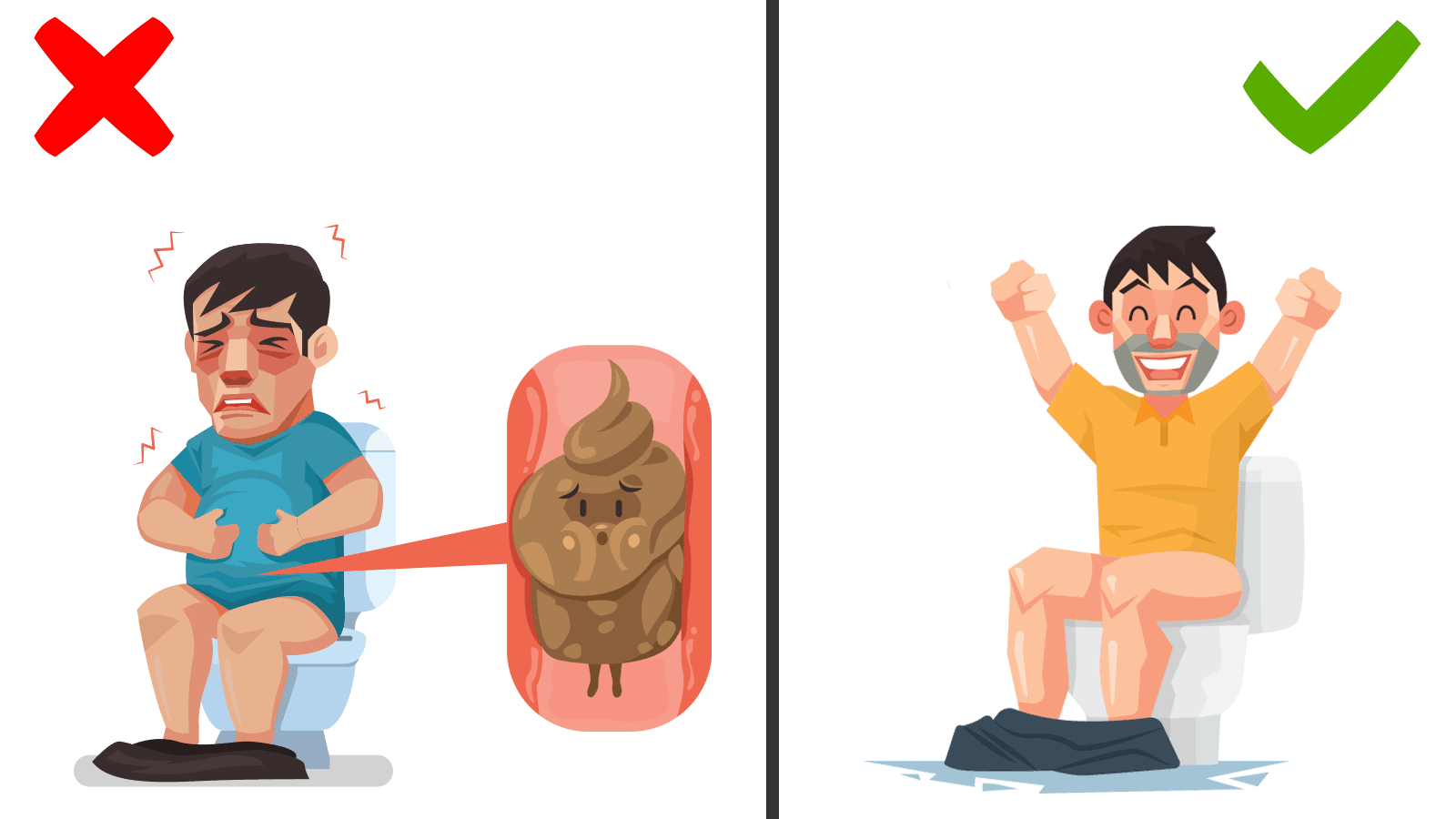
About 15% of the population faces chronic constipation, but everyone has experienced at least mild effects. People with constipation experience symptoms like hard stools, passing stools less than thrice a week, inability to pass stool, and incomplete evacuation.

Here are fifteen constipation home remedies:

foods

1. Avoid Dairy

In some cases, intolerance to dairy can lead to constipation due to its impact on your gut movements. Additionally, some children who are intolerant to milk protein of a cow, as well as adults who have lactose intolerance, may face constipation.

After suspecting your intolerance to dairy, attempt removing dairy foods from your meals temporarily to check for improvement. Be sure to replace the dairy with other foods that are rich in calcium.

2. Eat Prunes

Prunes are dried plums and include one of the top constipation home remedies. They are rich in fiber; three prunes consist of two grams of fiber. This represents the 8 percent daily fiber intake that is recommended by the American Heart Association.

Prunes contain an insoluble fiber called cellulose that increases the water amount in the stool and adds bulk. Additionally, the prune’s soluble fiber ferments in the colon to generate short-chain fatty acids that also make stool bulky.

Moreover, prunes contain sorbitol, a sugar alcohol that fails to be sufficiently absorbed by the body. Therefore, water goes to the colon, creating a laxative impact on some people. Prunes also have phenolic compounds that aid in stimulating essential gut bacteria that create a laxative effect.

3. Flax Seeds

Flax seeds are one of the oldest constipation home remedies due to their laxative impact. They are rich in both insoluble and soluble fiber, which makes them perfect for helping in digestion.

One tablespoon of flaxseeds has 2.8 grams of fiber, which is 11 percent of the required daily intake. Studies have shown the seeds’ ability to increase stool weight and frequency while shortening transit time in the small intestines.
The soluble fiber aids bacteria growth, increasing the mass of the stool while insoluble fiber retains water, increases bulk, and softens the stool in the colon.

4. Chia Seeds

Chia seeds are one of the best constipation home remedies due to their richness in fiber. 26 grams of chia seeds have 10.6 grams of fiber, which is 42 percent of the required daily intake. This fiber consists of 15 percent soluble fiber and 85 percent insoluble fiber.

When the seeds contact water, they create a gel. This gel assists in making stool softer and easier to pass. Additionally, the seeds can absorb 12 times their weight in water, which adds to the weight and bulk of stools.
Chia is ideal for consumption when sprinkled onto yogurt, oats, and cereal. They can also be added into veggie juice or a smoothie as well as mixed into dips, desserts, baked goods, and salad dressings.

5. Drink More Water

Regular dehydration can lead to constipation. Drinking sufficient water and remaining hydrated is one of the best constipation home remedies. During constipation, you can drink some sparkling water to rehydrate your body.
According to research, sparkling water has higher effectiveness than tap water when it comes to relieving constipation. This includes people who face irritable bowel syndrome.

Additionally, keep off carbonated drinks such as sugary soda since they are bad for your health and may worsen your constipation.

6. Eat Sweet Potatoes

Sweet potatoes have sufficient amount of fiber that aids in alleviating constipation. A medium-sized sweet potato has 3.8 grams of fiber comprising 15 percent of the required daily intake. Sweet potatoes typically have a higher percentage of insoluble fiber containing lignin and cellulose. They also have soluble fiber called pectin. One and a half cups of cooked sweet potatoes have 7.8 grams of fiber, which is 31 percent of the required daily intake.

Insoluble fiber adds weight and bulk to the stool to assist bowel movements. Regular consumption of sweet potatoes helps to improve constipation symptoms as well as reduce discomfort and straining. The food can be mashed, boiled, steamed, and roasted for eating.

7. Rhubarb

Rhubarb refers to a leafy plant that is popular for stimulating the bowel. It has a compound called sennoside A. The compound is a famous herbal laxative commonly called Senna.

Studies reveal that Sennoside A performs by reducing aquaporin 3 levels. Aquaporin 3 is a protein that aids in regulating water movement in the intestines. When the protein is low in the gut, less water moves to the bloodstream from the colon, promoting movements of bowel and making the stool softer.

A cup of rhubarb has 2.2 grams of fiber, which is 9 percent of the required daily intake. You can eat the stalk of the plant but avoid the leaves.

8. Eat Artichoke

Research reveals that artichokes have a prebiotic impact, promoting regularity and good gut health. Prebiotics are carbohydrates that cannot be digested such as inulin, and they feed the essential gut bacteria.

According to research, consumption of artichokes increases levels of Lactobacilli and Bifidobacteria. It also helps to reduce the levels of harmful gut bacteria. Moreover, prebiotics improve stool consistency and increase stool frequency in people experiencing constipation.

9. Citrus Fruits

Citrus fruits such as mandarins, grapefruits, and oranges are amazing sources of fiber. For instance, an orange has 3.1 grams of fiber comprising 13 percent of the daily requirement, while a grapefruit has 2.6 grams of fiber containing 10 percent of the daily needs.

These fruits also contain high levels of soluble fiber pectin, particularly in the peel. Pectin can alleviate constipation and speed up colonic transit time. Additionally, citrus fruits have naringenin flavanol that aids in reducing constipation.

10. Eat Greens like Spinach

Greens like spinach, broccoli, and Brussels sprouts are rich in fiber as well as folate, vitamin K, and vitamin C. These greens assist in adding weight and bulk to the stool, making them easier to pass through the digestive system.
A cup of spinach has 4.3 grams of fiber, which is 17 percent of the daily requirement.

On the other hand, five Brussels sprouts consist of 36 calories and 10 percent of the required daily intake. A stalk of broccoli has 3.6 grams of fiber, which is 16 percent of the necessary daily intake.

11. Eat Figs

Figs are ideal for boosting the intake of fiber and promoting healthy bowel habits. A medium-sized raw fig consists of 1.6 grams of fiber. Additionally, a half a cup of dried figs has 7.3 grams fiber, comprising 30 percent of the daily requirement.

According to research, consuming figs increases the weight of stool and reduces the transit time in the intestines. More research indicates that eating figs regularly can aid in speeding up colonic transit, alleviating stomach discomfort, and improving the consistency of the stool.

Moreover, figs have ficain enzyme that resembles kiwifruit’s actinidain enzyme. The enzyme has a positive impact on bowel functions.

12. Lentils, Peas, and beans

Lentils, peas, and beans are also referred to as pulses. These are one of the most affordable fiber-rich groups of food.
A cup of cooked navy beans that are used for baked beans has 19.1 grams of fiber, which is 80 percent of the required daily intake.

Pulses contain both soluble and insoluble fiber. This means that they can soften the stool to facilitate passage as well as add weight and bulk to it. You can include them in soups, add them to salads, include them in ground-meat dishes, and blend them in making healthy dips for consumption.

13. Eat Apples

Apples have high levels of fiber. A medium-sized unpeeled apple has 4.4 grams of fiber, which is 17 percent of the daily intake that’s recommended. Of this fiber, 1.2 grams is soluble in the form of pectin dietary fiber while 2.8 grams is insoluble.

In the digestive system, pectin is quickly fermented by bacteria to create short-chain fatty acids that attract water into the colon, which softens the stool to reduce the transit time to the gut. According to research, pectin can increase the speed of the movement of stool in the intestines, increase the levels of essential gut bacteria, and improve signs of constipation.

14. Eat Pears

Pears are also rich in fiber – a medium-sized fruit contains 5.5 grams of fiber, which is 22 percent of the daily intake of fiber that is recommended. In addition to fiber, pears have higher levels of sorbitol and fructose than other fruits.
Fructose is a sugar type with poor absorption in many people. Therefore, the fructose that ends up in the colon attracts water through osmosis to stimulate the movement of bowel. Similar to fructose, sorbitol is a sugar alcohol with poor absorption that pulls water to the intestines to create a laxative impact.

constipation

15. Eat Kiwifruit

Each kiwifruit has 2.3 grams of fiber which constitutes 9 percent of the daily fiber intake that is recommended. Studies have shown that the fruit increases ease and frequency of defecation as well as increasing bulk and softening stool. Research also shows that regularly consuming kiwifruit when constipated results in more spontaneous movements of the bowel, less laxative use, and general satisfaction with bowel habits.

In addition to increasing frequency of movements of the bowel, there are faster transit times of the colon when kiwifruits are consumed. Apart from fiber, the fruit has the actinidain enzyme that improves bowel habits and gut mobility.

Conclusion

Constipation can be a very uncomfortable condition, and these fifteen constipation home remedies will solve the issue for you and give you all the comfort you need. The remedies are all natural and can easily be bought from the market for consumption at home.

18 Ways Gratitude Changed My Life And Made Me Happier

The incorporation of healthy, simple daily tasks such as journaling may provide welcome opportunity to assess all that one has to be grateful for. The act of experiencing or giving gratitude can be extremely beneficial for one’s overall health. I saw my life transform in many wonderful ways as I began to truly explore the meaning and benefit of gratitude. I was also kinder to others because my entire attitude changed.

What Happened When I Began to Practice Gratitude

I came to a point in my life where I was not happy and could not figure out why. I needed a change. So, I began a daily journal where I logged everything I was thankful for from that day or from instances throughout my life. When I began using gratitude, a number of positive things happened in my life:

1. Self-Awareness

Increased self-awareness was one of the many benefits of my new intention to practice daily gratitude. Life sometimes becomes so busy that we begin to think only of ourselves. However, gratitude made me more aware of all that others were doing for me. I began to see not what I lacked, but what I was gaining throughout life. This simple act of journaling was incredibly revealing for me!

2. Shifting from Selfishness to Selflessness

My newly increased self-awareness made me want to invest more in those around me. Selflessness directly correlates with one’s level of happiness. I began to give to others more and more and then received a happy mindset. I even made new, strong friendships that I believe will be long lasting.

3. Sense of Community and Belonging

With selflessness came new friends and a heightened feeling of belonging. This closeness with the people around me and even with nature was incomparable to anything I have ever experienced before making the decision to practice gratitude. My new sense of community with humans and with nature also brought about a new and improved sense of self.

4. Creativity

Starting to practice gratitude stirred up something inside of me I did not even know I had! My desire to be creative and expressive increased exponentially. The outpouring of artwork and writing was extensive. I felt true healing through my own art and through my own heart!

5. Improved Mood

Before I began to actively practice gratitude, I had been feeling really down on myself – depressed, even. However, my newfound positive psychology helped to ease and mitigate my depressive symptoms. Over time, I began to feel uplifted and rejuvenated, like a light had been turned on within me.

6. Emotionally Resilient

Practicing this positive and gracious way of living helped me build up internal strength. Certain things that might have set me off or would have irritated me before did not dissuade me from my enduring, positive state of mind. Ultimately, this optimism helped me overcome everyday challenges. This mental fortitude may also help one get through trauma.

7. Appreciating the Good along with the Bad

Life is not perfect, even when you practice gratitude. Even so, when I am confronted with negativity throughout my daily life, I do not see it as something that will keep me down. Rather, I see negative or difficult situations as opportunities or learning experiences for me. Moving forward is much easier now. Situations can be negative or positive  – that is all for you to determine. I have now chosen to see the bad as something that could eventually lead me to more good.

8. Eating Healthier

More positive thoughts meant healing for my mind. Yet, once I began to feel better by using this positive practice in my daily life, I wanted to take care of myself on every level. I also began to put healthy things into my body and, in turn, was able to put forth even more healthy words and attitudes towards things that were going on in my life at the time.

9. Less Screen Time

Let’s face it – technology can be taxing (at least, for me, it was). In the past, I was spending an unhealthy amount of time on my phone or at the computer. This excess screen time detracted from time spent with friends or even getting out of the house and seeing the world.

10. More Time in Nature

Less time on technology meant more time for better, life-giving things. The peace and serenity that nature provides only furthered the other new benefits I experienced. For instance, my stress levels plummeted even further down.

11. Weight Loss

My urge to exercise and move around increased. I ended up spending more time outside and doing outdoor activities. Any events with friends or loved ones were likely to also involve some physical movement on my part. This in turn even furthered my connection with those around me.

12. Deeper Connections and Bonds

The friendships I had were furthered and deepened because of my new sense of awareness. I was now more engaging and enjoyable to be around. I realized that all of these people had a special place in my life and each relationship took on new meaning for me.

13. Forgiveness

Grudges only serve to bring you down. Unconscious stress can still cause many problems. It was important for me to be forgiving in order to truly move forward in my own life and healing process.

14. Happiness

I was definitely made happier when I started to practice gratitude. This happiness can be attributed to all of the aforementioned benefits of developing this new daily practice. I was more available and accessible emotionally, because happiness is such an important aspect to have in your life. I even saw my new mood becoming infectious. People around me were becoming happier as well!

gratitude

15. Encouragement

During this time, I began also to encourage others to better themselves and look forward to their own futures. The compassion I experienced actually ended up helping not only me, but the people around me. A study suggests “happy people become happier through kindness”.

16. Time Management

Wasting time was no longer on my agenda. Wasteful activities no longer took up space at my place! Instead, I dedicated and planned time for things that were actually meaningful for me. I was truly able to savor each moment of each day this way.

17. Cutting Out What Harms Me

My new practice gave me a lot of time for introspection. Not everything in my life was doing right by me. So, I had to cut out toxic environments and toxic people from my life, which was hard, but necessary in order to move forward in my journey towards a happier, better me.

18. Positive Long-Term Results

This is still my daily practice because it continues to amaze me and provide me with amazing life and health benefits. I now give more than I take. I am truly happier because of that.

Final Thoughts on Gratitude

Developing a gratitude practice totally changed my life for the better. My cognition, mood, and health have improved exponentially in a short amount of time. Overall, I am much happier. I will continue this daily practice throughout life because it has been so great and radically life-changing.

I also learned so much through this practice. If you are seeking healing or renewal, I strongly encourage you to do the same. Consider starting by journaling 5 things you are thankful for from your day. This practice can soon become a habit with dedication and repetition.

Each time I choose to focus on the things I have, I light up internally. Every time I focus on what I can do for others, stress lifts off of me and I am so much lighter. This practice has been so wonderful that I recommend it to all of my friends and family. It does not have to be done alone, but can be a great way for family and friends to grow close to one another.

I typically write in my journal at night; that way, I can reflect on all of the happenings of the day. However, it is also a beneficial way to start your day. Each and every move towards this positive emotion helps me in the long-term. Dealing with stress or toxic emotions and relationships has become so much easier.

This positive practice can be a great way for anyone to begin their journey towards health or wellness. After doing this for just a month, it became a healthy habit for me that I will not give up. My relationships are stronger. I am stronger. My health is better. I just wish I had found it sooner. If you’re looking to start this practice, consider these exercises:

  • Journaling
  • Walking
  • Nature Time

All of these activities can help to clear your mind or at least get you in the right mindset to transcend any negative emotions that may have been holding you back from becoming your happiest self. If you are interested, here is how to begin your practice.

18 Ways To Deal With Stress And Anxiety (According To Your Personality)

Did you know your personality affects how you deal with stress? In today’s busy world, it seems like everyone’s folding under the pressure. Plenty of articles give the same old advice for stress remedies: exercise, distract yourself, and breathe deeply. But if your stress manifests differently based on your personality type, shouldn’t you get advice that’s a little more personalized?

Yes, you should. And here it is.

Every person has one of 16 personality types outlined in the Myers-Briggs system. This is just one of millions of personality tests, but it’s a great way to figure out how you think. Each of the 16 personality types thinks a little differently, which is why we’re using that scale for this list.

As for how we got the number 18, we’ve added two options for people who aren’t sure about their personality type: advice for introverts and extroverts.

You can find out your MBTI type by taking the personality test here. Once you’ve done that, scroll down for a creepy-accurate reading of your stress, and more importantly, what you can do to help.

18 Simple Ways to Deal with Stress and Anxiety According to Your MBTI Personality Type

your personality

1. INTJ – The Architect Personaltiy

You like to help things operate from the sidelines. You’re not a fan of being in the middle of the action, but you want to get things right. You can frequently be found scheming up new ways to streamline your work space.

Part of your stress is because you have a hard time dealing with emotions. You also have a hard time dealing with other people’s emotions. The INTJ type is very introverted and focused on rationality. When people behave in an irrational manner, you get nervous.

  • Remember that you can’t control everything
  • Take a few deep breaths
  • Occupy your mind with puzzles, Sudoku, or word games
  • Get some sleep

2. INTP – The Logician

If this is your personality type, congratulations! You’re a rarity. Only about three percent of the population is INTP.

The INTP is creative and inventive. They bring a vigorous intellect and unique perspective to the table. You might be known in your social circle as a philosopher or dreamer.

You sometimes get stressed communicating, when your words leave you before you’ve fully formed the thought. You’re also terrible at meeting deadlines, and crunch time makes your anxiety spike.

  • Write down what you want to say instead of saying it
  • Use mindfulness techniques to let your brain rest from seeking patterns
  • Break projects into small bits so you can meet deadlines

3. ENTJ – The Commander Personality

If ever there was a leader on the list, the ENTJ is it. Being a leader comes with its share of stresses, though. You feel responsible for everyone else’s work, well-being, and projects at large. You might be frustrated that other people don’t seem to be putting in as much effort as you do.

  • Take a walk around your home or office building to clear your head
  • Remind yourself that you cannot control everything everyone else does
  • Get progress reports from your team members if you feel like a project is out of control

4. ENTP – The Debater

If you’re an ENTP, you love to consider a million different worldviews… and then argue with people who oppose them. Intellectual debate is what gets your blood going. Being right is fun.

Unfortunately, you tend to get stressed with everything unrelated to your creative ideas. Implementing new procedures makes you want to crawl up the ceiling. You may also struggle with coworkers and friends who aren’t quite so spirited in debate.

  • Backtrack your thoughts until you find the source of the stress
  • Disengage from debates and take a breather
  • Do something fun to distract from the boring day-to-day work

5. INFJ – The Advocate

This is the rarest personality, representing less than one percent of the world’s population. INFJs are diplomats whose sense of morality and idealism always sets them on the right course. Unlike dreamier types, INFJs take concrete steps toward their goals.

The hardest thing for an INFJ is to see another person suffering and being unable to help. INFJs may also be afflicted by general depression and heightened empathy.

  • Go somewhere completely free of people to recharge
  • Listen to soothing music, ocean, or rain sounds
  • Take a relaxing bath
  • Do something kind for another person

6. INFP – The Mediator Personality

An INFP is constantly looking for the best in people, even when the worst tragedies occur. They always want to make a situation better. Stress tends to occur when you can’t find the good in a situation, or when your attempt to better something doesn’t work.

  • Wake up early to have time to yourself
  • Light some scented candles
  • Practice positive mental affirmations to break negative thought cycles

7. ENFJ – The Protagonist

An ENFJ is another natural leader. You might gravitate toward teaching, coaching, or politics. ENFJs have natural confidence and believe in people, which makes them great teachers. You might get stressed when you feel you aren’t teaching well enough, or your students aren’t listening.

  • Remind yourself that you’re good enough as you are
  • Touch base with the people around you to make sure they’re okay
  • Re-evaluate plans that are causing stress

8. ENFP – The Campaigner

ENFPs are the free spirit of the group. They love to connect on an emotional and social level. An ENFP gets stressed when they spend too much time alone, or when they’re around too much negative energy.

  • Change your scenery to decompress
  • Watch videos of cute animals
  • Make a list of ten of your favorite things to remind yourself what you love

9. ISTJ – The Logistician

This is the most abundant type. ISTJs are devoted to duty and integrity. You may get stressed when you feel your environment is corrupted or other people don’t have a sense of ethics.

  • Touch base with the people around you
  • Remind yourself that you only control yourself and no one else
  • Make plans to address the source of the stress

10. ISFJ – The Defender Personality

This type analyzes their surroundings and has well-developed social relationships. Even though they’re a Judging type, they tend to respond well to change. ISFJs may experience stress when they feel their efforts are going unnoticed.

  • Remind yourself of prior recognition for your work
  • Spend time with friends who can validate you
  • Remind yourself recognition doesn’t matter as long as the work is done well

11. ESTJ – The Executive

ESTJs want everything to be in order and adhere to tradition. They’re great at building structures, but not great at tearing them down. ESTJs might get stressed when they feel their environmental structure is threatened.

  • Ask yourself whether the order is truly important
  • Remind yourself that you only control your own actions
  • Relax your mind and open yourself to new connections

12. ESFJ – The Consul

The ESFJ type tends to be popular and outgoing, a friend to everyone. You might be stressed when things feel like they’re over your head in seriousness.

  • Keep things light and relaxed
  • Go out with your friends
  • Find a favorite place and visit it

13. ISTP – The Virtuoso

This type is best known for being a musician. They love to move between projects and have fun, although they may not always finish what they start. Deadlines and strict rules are a source of stress.

  • Break your project into bite-sized pieces
  • Write down a list of reasons you love your life
  • Keep track of your half-finished projects

14. ISFP – The Adventurer

As the name implies, the Adventurer likes to, well, adventure. They’re constantly taking life by the heels, and get stressed when they feel constrained.

  • Find three things that make you unique
  • Do something spontaneous
  • Connect with your friends

15. ESTP – The Entrepreneur Personality

These people love to dream big and follow through on their ideas. They get stressed if they feel they aren’t getting the success they’re aiming for.

  • Remind yourself that you’re valid no matter what external success you have
  • Organize your plans so you can see them
  • Touch base with your friends

16. ESFP – The Entertainer

ESFPs are performers. They love to be in the spotlight and making people happy. They get stressed if they’re alone for too long or around too much negative energy.

  • Watch happy videos
  • Hang out with positive people

personality

17. Unknown Introverts

Introverts gain energy from being alone. You might find yourself stressed if you’re around too many people for too long.

  • Read a good book
  • Play relaxing phone games
  • Take a relaxing bath with a mug of tea

18. Unknown Extroverts

Extroverts gain energy from being around others. They get drained when they’re alone, and might be stressed if they’re isolated for too long.

  • Go out to a crowded area and soak in the vibes
  • Call a friend or family member
  • Volunteer in your local community

Final Thoughts on Dealing With Stress Through Personality

Your personality affects why you feel stressed, how your stress expresses itself, and how you can best deal with it. When you know your personality type, you know yourself better than you ever have before. Use these tips to personalize a self-care routine for yourself. You deserve to feel good!

10 Signs You Underestimate Yourself

Underestimating yourself can make you miss out on rare opportunities in life because of self-doubt. Self-doubt and low self-esteem cause you to withdraw from life in general, and this can lead to depression and other serious mental health problems.

When you underestimate your worth, other people will only see what you see. Therefore, your relationships with others will suffer just because of how you see yourself. After all, you can only attract into your life that which you put out into the universe.

Selling yourself short will only result in more problems in your life, because you won’t feel worthy of anything. You have to remember your worth in life to get anywhere, so if you have been feeling less than stellar lately, read on to find out if you underestimate yourself.

Here are 10 signs you don’t know your own worth or underestimate yourself:

“Don’t underestimate your worth by comparing yourself with others.” – Jaachynma N.E. Agu

  1. You have toxic friendships and relationships.

When you have negative relationships with other people, they will start to rub off on you. After all, negativity is contagious, and when you’re around it often, it becomes difficult to maintain a positive outlook on life. If you underestimate yourself, you’ll likely have poor relationships with others because you can’t give yourself fully to other people.

In other words, you don’t know your true value, so others won’t see it either.

You attract people into your life that match your own energy and vibration, so it would only make sense that if you have low self-worth, you will have relationships that mirror that self-image. Try some positive self-talk in order to boost your self-esteem, because our thoughts become reality, after all.

  1. You play the comparison game a lot.

“If you compare yourself with others,

you may become vain and bitter;

for always there will be greater and lesser persons than yourself”

— Excerpt from Desiderata (Max Ehrmann)

By default, comparing yourself to others and drawing negative conclusions about yourself means you underestimate yourself. To show how destructive the habit of comparison is, we’ll go over a study from Lancaster University. It involves comparing yourself to others on social media and how this can lead to feelings of depression.

Researchers from Lancaster University analyzed studies from 14 countries that included 35,000 participants over the age of 15. They discovered that frequent Facebook users tended to compare themselves with others more, which can result in intrusive, repetitive thoughts. This can result in feelings of depression, exacerbated by the loneliness many people feel who frequent social media.

Furthermore, the study found that feeling jealous of Facebook friends or adding an ex to your friends list can increase feelings of depression. Not surprisingly, the study also discovered that posting negative status updates and making negative social comparisons increased the risk of depression in participants.

So, comparing yourself to others not only points to low self-worth; it also heightens your risk of developing depression.

  1. If you don’t know your self-worth, you let your friends or family greatly influence your decisions.

While friends and family usually have well-intentioned opinions about your life, you might allow them to weigh too heavily in your decisions. People who frequently allow others to dictate their choices usually underestimate themselves, because they think they’re incapable of making the right choice.

This only leads to a more damaged self-image, because the person doesn’t trust him or herself enough to go through with a decision on their own.

  1. You have low self-esteem.

Typical signs of low self-esteem are:

  • Sensitivity to criticism
  • Isolating oneself
  • Irritability or hostility
  • Fixation on personal problems
  • Physical symptoms (fatigue, insomnia, headaches, etc.)
  • Poor self-image
  • Negative thoughts about oneself
  • Feelings of worthlessness and depression
  • Intense self-criticism after failure

Research shows that, in adolescents, low self-esteem can lead to serious problems and illnesses such as depression, anxiety, eating disorders, substance abuse, violent behavior, and even suicide. However, low self-esteem isn’t just a teenage problem; it can carry over into adulthood if behaviors and thoughts aren’t corrected.

If you have low self-esteem, you underestimate yourself, and it may not be entirely your fault. Genetics and upbringing have a huge role to play in our self-image. If you struggle with poor self-image, talk to a licensed therapist or psychologist who can help you work through those issues and overcome them.

  1. You settle for less than you deserve.

Unfortunately, many people do this, and it only hurts them in the long run. If you settle for less, then you exclude many amazing opportunities just because you don’t recognize your own worth. If you have a feeling in your gut that something in your life doesn’t feel right, it might be because you underestimate yourself and write off better opportunities.

When you settle for less in life, you might feel comfortable, but you probably don’t feel happy. Not knowing your worth can make you seek out what seems easier, but not necessarily what will help you grow.

The number one reason people settle for less? Fear.

Fear makes people do a lot of things they wouldn’t normally do, because in our minds, the fear is totally rational. For example, when it comes to staying in a bad relationship vs. being single, many people choose the former because they just don’t want to be alone.

This can apply to a lot of different circumstances and situations in life. Many people settle for a job they hate just because it pays the bills and they don’t think they deserve better. Or, they might not ask for a raise in a job they actually do like because they don’t feel worthy of receiving higher payment.

Do you see how self-destructive and limiting underestimating yourself can be? It robs you of meaningful experiences and progression in life and puts you in a state of complacency.

  1. When you underestimate yourself, you have trouble making decisions.

If you don’t have high self-esteem, then you probably have difficulty making decisions on your own. As we mentioned earlier, you might rely too heavily on friends and family to help you make choices in life, which can lead to dependency issues.

You might not feel confident enough to make the right choice by yourself, leading you to give up that responsibility and place it on someone else. Maybe those people don’t mind giving their opinion, but ultimately, you cannot grow if you use others as a crutch in life. It’s okay to allow others to help you, but doing so too often may point to low self-worth.

  1. You don’t like being on your own.

If you’re underestimating yourself, then you probably don’t enjoy your own company too much. Being alone feels scarier for some people than being in a crowd, because when you’re alone, you finally have to face yourself. Most people spend their life running from themselves instead of learning to feel comfortable in their own skin.

If you don’t like being alone, ask yourself why and consider that you might need to develop a better relationship with yourself.

  1. You fear failure.

This is one of the most common fears, and it’s easy to see why. Humans are hardwired to achieve and win, because in nature, this meant survival. Our instincts haven’t disappeared now that we live in modern society, however.

underestimating yourself

We still have that core desire to be better than others and to prove that we can do something. As a result, failure doesn’t come easily to most of us. If you have an intense fear of it, however, you may dislike the feelings of shame that accompany failing. Maybe your parents gave you a hard time when you didn’t succeed, and that feeling stuck with you. Maybe you were bullied in school because of your performance on something, which led to built-up hatred and embarrassment.

Whatever the reason, an intense fear of failure may be a sign you underestimate yourself.

  1. If you’re underestimating yourself, you probably need frequent reassurance.

Not only do those with low self-esteem rely too heavily on others to influence their decisions, they might have a reliance on them to boost their self-worth as well. People with high self-confidence don’t need other people to assure them as much because they already value themselves. However, those with self-esteem issues tend to need more reassurance.

  1. You play it safe in life.

If you don’t take opportunities that come your way, this points to you underestimating yourself. Playing it safe means you’d rather sit on the sidelines and take whatever comes your way rather than going out and getting it yourself. This only results in having fewer options in the long run.

Final thoughts

Underestimating yourself can cause a lot of personal issues in life, as you’ve likely learned. Hopefully you can spot these signs in yourself or others so you can start addressing these problems and live your best life possible.

Everyone deserves to have high self-esteem, because no one on this planet is less worthy than someone else. We all are on an equal playing field here, so don’t ever doubt yourself, even if society wants you to do so. A lot of companies and people profit off our self-doubt in some way, so don’t give them the time of day. Instead, spend your time and money on positive thinking and other things that boost your self-esteem.

Skip to content