Weekly tips, affirmations, and small actions to feel your best.

Relationship Experts Explain Why It Is Ok To Be A Hopeless Romantic

The image of a hopeless romantic has been portrayed on the big screen and in books as a starry-eyed idealist, either romanticized or painted as a fool. Goalcast published the results of a study from the Journal of Social and Personal Relationships related to romanticism and how it impacts relationships. A study of 270 young couples found that those with higher expectations were more likely to view their partners as a good match.

Hopeless romantic tips from this type of person would include never giving up on true love. Finding “the one” is what they want. They won’t settle for less.

Below are some reasons why being a hopeless romantic is a good thing.

1. People who fall in this category are positive and resilient.

Everybody knows people who fall to pieces when a love affair goes wrong, swearing off relationships forever. This is the opposite of what you can expect from a romantic. While they still feel the terrible pain that coincides with a breakup, they do not give up.

What is so amazing about a romantic is that they continue on their quest for love with as much optimism as before the breakup. There is nothing more important to them than fulfilling this most basic need. If ever there was a glass-is-half-full type of person, hopeless romantics fit the bill.

2. They are not superficial friends or lovers.

Romantic people are willing to “fight the good fight” and stand by your side as a helpful and understanding companion. They really listen to what you have to say and give good advice from a healthy and positive place. As problem-solvers by nature, they are a good person to rely on when you need to talk.

Since they truly care for people, they will consider your concerns as important as their own. They are loyal people to have in your corner.

3. Romantics are able to look past superficial distractions to find meaningful love.

While too many people get wrapped up in the image of a person they date, a hopeless romantic wants so much more. They can be honest about the type of person they want inside and out with a focus on character, personality and values. They aren’t into meaningless flings. One-night stands and hookups are not on their agenda.

4. A romantic will make you a better person if you let them into your life.

True love means believing in the best in another person. A hopeless romantic will expect the best from their partner. They will never give up on them. They see all their partner’s potential and will be encouraging and understanding through the ups and downs of life like no other partner.

5. Romantics are not hard to please.

While a romantic has high standards and knows exactly what they want, once they get it, they are easy to please. The little things mean a lot. These people don’t need to be impressed. Hopeless romantic tips about how to win them over have little to do with money and big gestures designed for seduction purposes.

They know true love can’t be purchased. Noticing that she is wearing a new perfume will be appreciated. Noticing that he’s been working out will be appreciated, too. That’s why romantics are so easy to please.

6. Hopeless romantics are very honest about their feelings.

People who play games make for a frustrating and emotional roller coaster. A hopeless romantic is honest about their feelings and is happy to tell you how much they care. You will always know where you stand with your romantic partner. Anyone who has ever been manipulated or taken for granted can rest assured that this is not something they have to worry about with a romantic partner.

hopeless romantic

7. Hopeless romantics believe commitment is very romantic.

Romantics are in it for the long haul. When they see an old couple walking hand in hand, they see success. That’s what they want. When a true romantic falls in love with you, they want it to last. They believe in forever in a world where few people really believe in love that lasts ’til death do us part.

Old-fashioned romantics believe in honor. They want nothing more than to relax in the knowing that they are in a “forever” relationship. They plan their life with the person they love.

Conclusion

hopeless romantic has a lot to offer a partner. In a world where true love has been reduced to sex on demand via a number of apps, a romantic will have your back. They will fulfill all your wildest dreams with a commitment that can leave a person feverish with the strength of their undying devotion.

https://www.youtube.com/watch?time_continue=1&v=vJc5VeId_Lc

(C)Power of Positivity, LLC. All rights reserved

11 Ways To Deal With A Loved One Suffering From OCD

Obsessive-compulsive disorder (OCD) is categorized as a mental health condition. It triggers feelings of distress and anxiety when someone has obsessive and intrusive thoughts or impulses. Usually, the individual attempts to pacify the anxiety with compulsive behaviors.

Everyone has obsessions and compulsions. For instance, you might be worried about a loved one getting sick and wonder if the illness will end in a tragedy. Now, someone without OCD may easily move on from this. But someone with OCD would grow more anxious and let his thoughts or feelings consume his focus and disrupt his day-to-day activities. This is the difference between OCD tendencies and a full-blown disorder, according to the Journal of Obsessive-Compulsive and Related Disorders.

An OCD diagnosis may be determined after a series of medical exams and psychological tests. The condition can, fortunately, be treated with medication and behavioral therapy. In this article, we will discuss some ways to deal with a loved one suffering from OCD.

Here Are 11 Ways To Deal With A Loved One Suffering From OCD

“It’s like having two brains – a rational brain and an irrational brain. And they’re constantly fighting.” – Emilie Ford

1.    Be attentive to the signals and symptoms of OCD

Sometimes, people suffering from OCD will manifest behaviors that they’re not aware are obsessions and compulsions. The people around them might also dismiss these behaviors as part of their quirks and general personality.

It’s common for the changes in their action and attitude to be gradual until it becomes disorderly and truly upsetting. Some of the signs you need to pay attention to might include:

  • Having trouble sleeping
  • Staying up late to get something done
  • Difficulty in coping with daily activities
  • Taking longer to finish a simple task
  • Exhibiting unusual tardiness
  • Needing to do things again and again
  • Preferring to spend time alone
  • Becoming more irritable and indecisive
  • Overreacting on the smallest things
  • Growing extremely concerned or worried about minor nuances in life

When confronted, blamed or criticized for their behavior, a person with OCD may also demonstrate high anxiety. Growing aware of these things can help you better understand and accept a person with this mental health disorder.

2.    Be very supportive

Showing a positive emotional support to a loved one with OCD is important. It will help him or her feel accepted and loved despite the disorder. Let your loved one know that they can count on you if they need to unload their feelings and frustrations. Let them feel that they can open up to you. Give assurance that you can be trusted with the details of their worst fears or anxieties.

Communicate your support with kind and positive words. At the same time, you don’t have to necessarily validate the behaviors linked to OCD. You can also help your loved one learn to evaluate just how intrusive and disruptive those thoughts and feelings are, so they will be able to better manage.

3.    Muster patience and adjust your expectations

You have to adjust your expectations and extend patience when dealing with a loved one with OCD. Understand that those who suffer from this condition may be resistant and difficult to change. Any sudden changes to their life and routines can trigger OCD behaviors, as per a study in the University of Iowa Iowa Research Online.

  • If you get easily frustrated, you won’t be able to show adequate support.
  • Remind yourself when the going gets tough that managing and treating OCD is a gradual process.
  • As far as the expectations go, avoid making day-to-day comparisons of your loved one’s progress. It won’t add any value to how you deal with an OCD person.

As much as possible, put more focus on the small but positive improvements he or she makes instead of the setbacks and failures.

4.    Have a reasonable space from each other

You don’t have to remain physically at the side of your loved with OCD all the time. Sometimes, time apart will be good for both of you as your world shouldn’t be consumed by the condition.

Remember, this disorder is not the only connection you have with each other. Don’t feel guilty when you cannot be with your loved one every single minute. The distance and separation will also enable you to recharge and recover so you can continue to be supportive and understanding of your loved one.

5.    Understand the difference between supporting and enabling

It’s easy to blur the lines between supporting and enabling when your only intention is to help your loved one. But you enable someone with OCD if your support is actually reinforcing the compulsive behaviors.

For instance, your loved one’s compulsion is to break the bread he eats with his meals every single time. Otherwise, it will make him upset and trigger other reactions that will make the rest of his day harder to deal with. So, you try to avoid upsetting him by preparing food with the bread already separated into pieces.

Realize that performing such actions will only reinforce your loved ones’ compulsion. When you’re enabling him, what you’re really saying is that his irrational feelings and actions are justified so he can continue with the compulsive behaviors. Are these scenarios familiar to you?

  • Your family no longer eats out at restaurants because your loved one may find the place dirty and trigger compulsive behavior.
  • You stock up on cleaning products just in case your loved one has the urge to obsessively tidy up something in your home.
  • You don’t let your loved one do chores around the house because he or she takes longer to finish it.

It’s not healthy to let your loved one avoid feelings or things that may upset or frustrate him. He needs to develop coping skills and still be a functional individual because setbacks are a part of life.

6.    Don’t modify your own routines to accommodate your loved one’s OCD

Accommodating your loved one’s OCD symptoms will be counter-productive. It won’t also be healthy for the whole family to change their routines and activities just to avoid upsetting the person with OCD, according to the Brazilian Journal of Psychiatry.

For instance, you don’t want to start your meal as a family until your loved one with OCD is done with her rituals. But if she takes 10 minutes to wash her hands before eating because she has a particular approach, it’s also not fair to make everyone else wait for her.

According to Anxiety Canada, giving in to the compulsion is being a hostage to the condition. In fact, these rituals can be changed, delayed, or avoided altogether in due time. It might be upsetting at first, especially for the one with OCD, but you might be surprised it’s easier to tolerate and deal with than accommodate and let the behavior persist.

7.    Encourage them to get professional help

It’s not going to be easy to deal with the OCD without the help of a professional. But people with this condition will not easily be open to the idea of getting help from doctors. This is likely because of the stigma and judgment that comes with having mental health disorders.

But you can slowly encourage the idea of seeking help by bringing home various kinds of literature on OCD treatments. You can find this literature from OCD support groups or a doctor’s clinic.

  • If your loved one does not want to seek professional help, suggest he or she join a support group.
  • Calmly discuss the advantages and the disadvantages; don’t expect one discussion to bring positive results right away.
  • The important thing is to emphasize that OCD can be treated and managed.
  • Make it clear as well that you are not forcing your loved one to get into therapy.
  • Reading up on the condition and treatment options will shed light on understanding and options.

8.    Set a contract

It might also help to have a written agreement between you and your loved one with OCD. This is like a contract that will serve as a roadmap or guideline on how you can work together to prevent the disorder from affecting your lives.

The contact must include specifics, such as small and big goals, the timeline, and a step-by-step approach to potential problems. Clarity would be vital in this situation to enforce the improvements you want to achieve. It should encourage order and harmony in the household even if your everyday situations prove challenging.

It’s very important for everyone in the family to be consulted about the contract. They need to agree and understand its purpose.  If possible, have your loved one’s OCD therapist on board as well (if he or she is already seeking treatment).

9.    Join your loved one when visiting the doctor

This is one of those cases where you really need to be physically present with your loved one if he or she has signed on for a treatment program. In many instances, the family should be actively involved with the therapy so that it will bear more positive results, as per a study in Behavior Therapy.

It can help facilitate proper communication between family members and clear out any resentments or anger. Your participation in the doctor visits and therapy sessions will also be helpful for keeping track of your loved one’s OCD manifestations and progress tracking.

10.  Make sure your loved one is following the prescribed medication

Medications, especially for mental health disorders, have side effects that can also impact a change in behavior. Make sure your loved one is following what has properly been prescribed.

  • It might be tempting to undermine what the doctor has prescribed, especially if you want the medications to take effect right away.
  • Don’t make any changes to the dosage and frequency without explicit instructions from the doctor because this can compromise the treatment process.
  • Don’t hesitate to ask the doctor about the side effects as well so that you can report them on a subsequent visit.

11.  Move on with your life if your loved one does not want professional help, but continue to educate yourself

If your loved one still won’t seek professional help, know that it is not the end of the world. However, you need to move on with your life. Accept that you’ve done all you can for your loved one. This time, you might need to focus on self-care and get back to enriching your life.

ocd

You don’t have to stop learning about the condition, however; continue to read up on OCD. The more you learn, the easier it will be for you to understand what people with this disorder are really going through.

Final Thoughts On Ways To Deal With A Loved One Suffering From OCD

Your life with a loved with OCD must never be centered on the disorder. Tolerance and understanding are vital but keep your daily lives normal. Even with treatment and medications, OCD sufferers will continue to have triggers and stressors.

The most effective way for you to truly help a loved one with OCD is to let them learn, cope, and tolerate the uncertainties of life. It’s not always going to be okay but you can weather through the challenges of this condition if you remain supportive.

https://www.youtube.com/watch?v=FWMSYeRHWU4

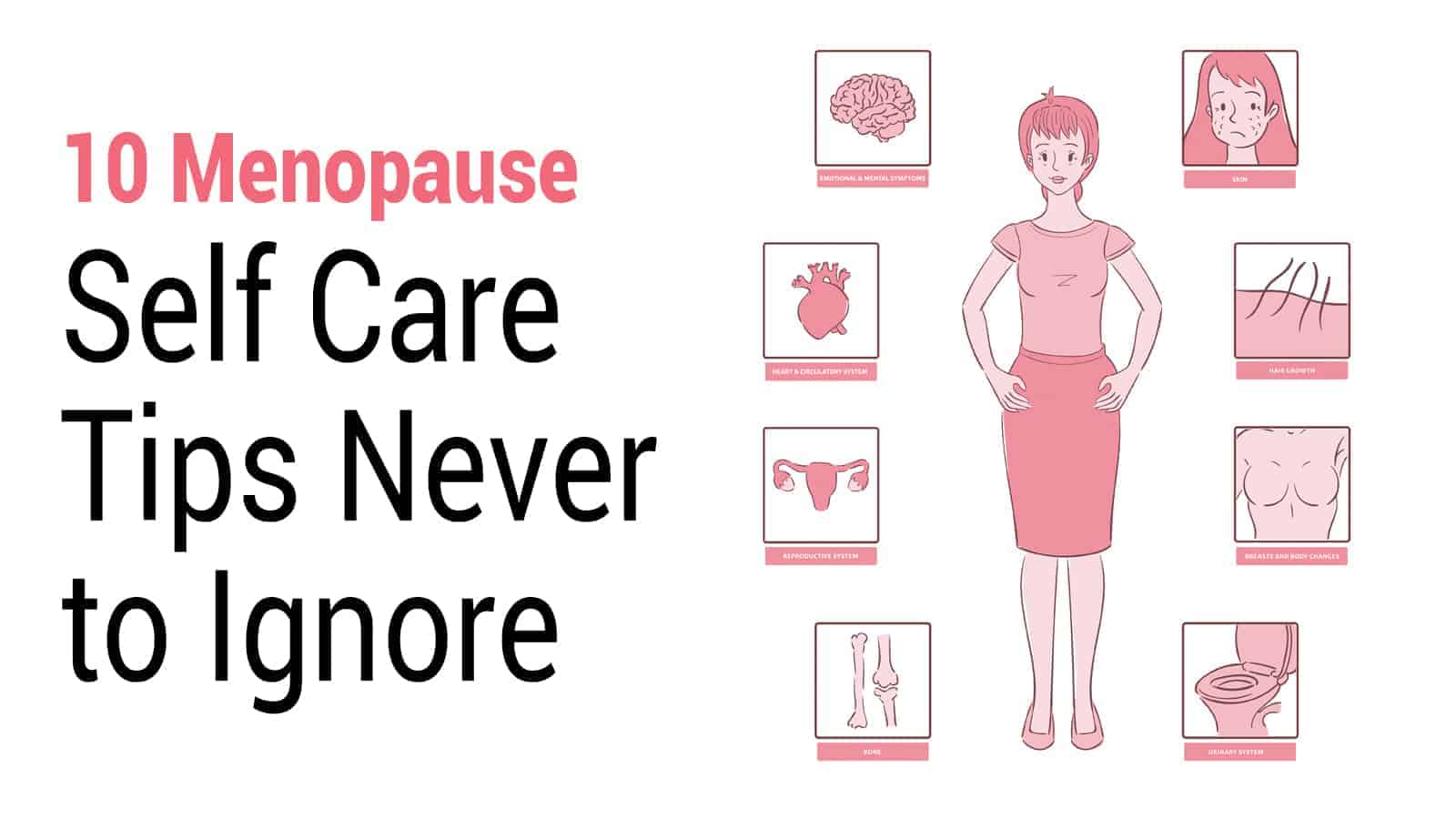
12 Menopause Symptoms Most Women Ignore

Many menopause symptoms go unnoticed by women because they attribute them to something else. People generally associate hot flashes with menopause-related health problems. While hot flashes are certainly one of the most recognized menopause symptoms, other symptoms may be less obvious. This is partly because they can all be caused by any number of reasons or conditions, and in some cases, the cause could be idiopathic. However, when you put the symptoms together and factor in age, it may become obvious that these related symptoms are due to menopause-related problems.

Women go through a pre-menopause stage called perimenopause. There is also an after-stage called postmenopause. Symptoms can happen in any stage of the condition. Below are twelve not-so-obvious menopause symptoms that can happen in any stage.

1. Night Sweats

Night sweats are hot flashes that occur in your sleep. Chances are, if you experience hot flashes during the day, you’ll experience night sweats at some point. This could be accompanied by secondary general hyperhydrosis, which is excessive sweating[1].

If you have night sweats as a menopause-related symptom, there is no pattern to them. They range in severity from mild, to moderate, to extreme and they may or may not wake you up. They last anywhere from one to five minutes, average being three minutes. You may experience many of them in an hour, one a day, one a week, or anything in between.

menopause self care

2. Sleep Problems

Many women experience sleep problems.  This could be due to night sweats or hormone fluctuations (also a symptom we discuss further in this article). Women may begin to snore; in extreme cases, some may even suffer from insomnia.

Sometimes women who have menopause-related sleep disorders can develop sleep apnea. This condition is characterized by small periods that you stop breathing while sleeping. In other cases, women may not lose any sleep time, but the quality of their sleep will suffer, so they’ll still wake up tired.

3. Hormonal Imbalances

Menopause is basically one big hormonal imbalance. It occurs because the ovaries progressively make less and less estrogen and progesterone. This causes menstrual periods to be irregular and eventually stop altogether.

Hormonal imbalance isn’t just a symptom; it’s often the root cause of menopause-related issues. This imbalance, part of the natural aging process, brings on many common menopause symptoms. While there’s no “cure” for aging, hormone therapy can provide relief by restoring balance to the body. For those seeking effective hormone therapy in Charlotte at Spartan Medical Associates offers specialized care to help manage and alleviate these symptoms, supporting a healthier, more balanced life.

4. Uterine Bleeding

Bleeding during or after menopause is not normal. It’s true that you can have heavy periods when experiencing perimenopause, but any uterine bleeding outside of this should be taken seriously. Perimenopause can cause conditions such as[4]:

  • Polyps – non-cancerous growths that can form on the uterus lining or on the cervix
  • Endometrial Atrophy
  • Endometrial Hyperplasia

All of these can cause uterine bleeding, so it’s important to see your doctor to determine if you have any of these conditions.

menopause5. Mood Swings

Because women can suffer from hormonal imbalances, they may also suffer from mood swings. Hormones basically control your mood, so if they are out of whack you may find yourself reacting to situations inappropriately[3]. Even worse, you may not be able to control your emotions very well for a while.

You may overreact to the simplest things or you may be depressed. If you’ve had problems with depression in the past, it could get worse. Other stressors in your life such as bills, empty-nest syndrome, etc. can compound the problems with mood swings.

6. Vaginal Dryness

Normally, with the right amount of estrogen, the vagina stays moist with a thin fluid lining. This means that the lining may dry up with a drop in estrogen, causing painful or uncomfortable sex. Not only will this feel terrible when you have sex, but it can possibly damage your vagina.

There is about a 33% chance that a woman will develop vaginal dryness. There are many treatments available to combat the dryness that range from simple topical creams to surgery.

7. Irregular Periods

Estrogen is responsible for regulating menstrual cycles so with a decrease in estrogen, your menstrual cycle can behave strangely. You may have longer periods, shorter periods, or light to heavy flows. You may even skip periods. Eventually, the result will be no more periods, but during the perimenopause stage, you’ll most likely have very unpredictable menstrual cycles.

8. Memory Problems

The memory problems that women experience as a symptom aren’t as severe as dementia or amnesia, but they can be a bit annoying. Women may find themselves at a loss for certain words or unable to locate simple items like keys or a cell phone.

These memory problems can stem from a few different areas. For one, hormone imbalances can affect memory. It could also be stress-related. Women may stress about other things in their lives which can affect their memory.

9. Decreased Libido

Women starting perimenopause and/or going through the last two stages may find that their sex drive has decreased. This makes sense because a lot of the desire for sex comes from the natural instinct to reproduce [5], but with decreased ovulation or anovulation, reproduction ceases.

The decreased desire for sex isn’t a “medical” concern but more of a feeling resulting from other problems. For example, vaginal dryness can cause women to not want sex. The stress of going through menopause could be another reason.

10. Weight Gain

Weight gain and/or fat gain is one of the more common menopause symptoms. If you are middle-aged and seem to be putting on weight for no reason, it could indicate perimenopause. The average woman gains around five pounds during this time in their life [6] and it can be more if the woman is already overweight. The weight gain can appear to be targeted because women may notice more fat around their midsections and thighs.

Although research has proven the correlation between women in one of the menopause-phases and weight gain, the reason this happens isn’t understood yet. Many researchers speculate that its simply because of age-related lifestyles. Kids are now older and women aren’t as active around this age so the lack of activity can lead to weight gain. It is more than likely a combination of aging and menopause symptoms that lead to weight gain.

11. Stiff Joints

Stiff joints and joint pain can be one of the menopause symptoms. This is because a loss in estrogen can also mean a loss in bone mass. Women can lose as much as 20 percent of their bone mass within five years of postmenopause[7]. This thinning of the bones can lead to osteoporosis.

Osteoarthritis is another condition that can lead to stiff joints and joint pain. Like osteoporosis, osteoarthritis is characterized by a loss of bone mass, but also a loss of cartilage that cushions joints. Osteoarthritis can cause older women to become disabled due to the joint pain that the condition can cause.

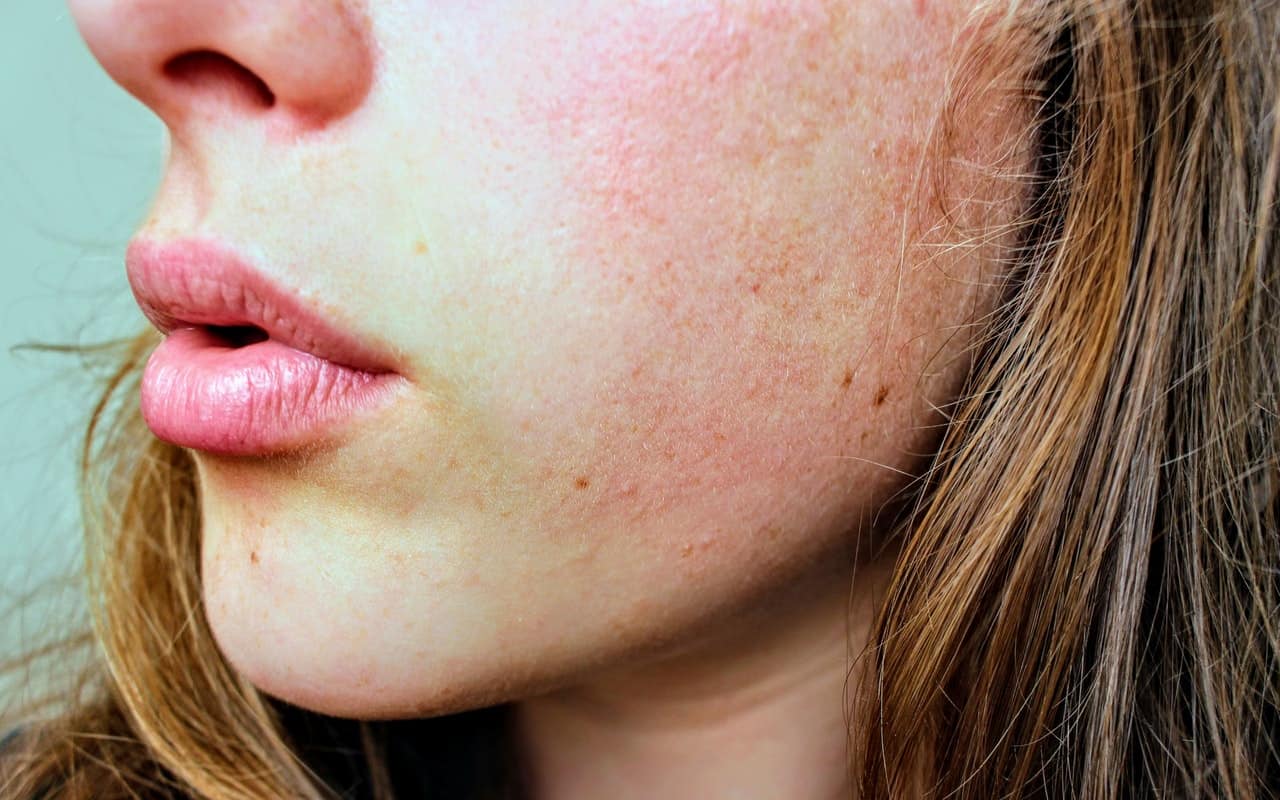
12. Hair and Skin Become Drier

dehydrated skin

Declines in estrogen can have a major effect on your hair. Your hair may become weaker and break more easily than normal. The hormone imbalance can cause more hair to grow on your face and less on your head where you want it to be.

Your skin may suffer also. It can become dry and flaky, and wrinkles can begin. Age spots will begin to show, and skin cancers may begin to develop. In fact, it is at this time in a woman’s life that the risk of skin cancer goes up dramatically so it’s important to keep an eye on any concerns.

Final Thoughts

Many of the symptoms we’ve described often get attributed to something else. Some women may ignore them altogether if the symptoms aren’t severe enough. Individually, many of the symptoms can seem like isolated problems, but if you notice that you have several of these symptoms and you’re in the age range of 48 to 55, there is a high probability that you are experiencing menopause symptoms.

It can be overwhelming dealing with all of them, but don’t ignore them. There are treatments available to ease many of the symptoms. If you consider a treatment like a hormone therapy, there are lots of medical providers that can offer you the best services. Hormone therapies, medications, or even holistic therapies may provide relief. Before you know it, you can be back to your old self again.

10 Unhealthy Habits That Can Create Diabetes

In the past, the only ones at risk for diabetes – particularly type 2 diabetes – have been those who struggle with obesity or have a history of the disease in the family. But much has changed these days, especially when it comes to people’s lifestyle and habits.

Today, cases of diabetes are rising. At least 1.5 million people in the U.S. are diagnosed with the disease every year, as per the Diabetes.Org. This chronic condition is becoming a global epidemic because of people’s diet, lifestyle, and unhealthy routines. Here are some habits you might not realize can create diabetes.

Here Are 10 Unhealthy Habits That Can Create Diabetes

“The sooner people find out they have prediabetes and take action, the better their chances of preventing type 2 diabetes.” – Dr. Ann Albright

1.    You’re not a breakfast person

Are you the type of person who skips breakfast?

  • When you don’t eat your morning meals, you’re actually disrupting the functions of the insulin in your body.
  • This, in turn, can cause your blood sugar levels to be erratic.
  • It may also trigger the decline of the beta-cell function that’s important for turning glucose into energy.

Now, the effects of a higher blood sugar level will be harder to correct as the day progresses. If you’ve made it a habit to skip breakfast, you’ll raise your risk for developing diabetes. This is because you’ll likely indulge in more high-sugar foods to get through the day.

Experts say that it’s much better to skip dinner meals than your morning meals. A study in the journal Diabetes Care learned that people with diabetes, who like eating a heavy breakfast and light dinner, lowered their blood sugar levels by 20 percent compared to those who had a light breakfast and heavy dinner.

2.    You don’t hydrate as much

There are loads of benefits to drinking at least two liters of water every day. One of them is that you cut your risk for high blood sugar. If you drink at least eight glasses of water daily, you’ll lessen your risk for hyperglycemia by 21 percent.

  • Water is vital to the functions of the liver and kidneys to flush out the toxins.
  • If your body is not hydrated well, it won’t be able to do its work properly. Your blood sugar may rise as a result.
  • Experts believe that people who are overweight and lack energy are less hydrated.
  • Their risk for diabetes development therefore increases.

Worse, if you prefer sugary drinks over water, you’ll gain calories that have no nutritional value. These calories do nothing but raise your glucose level.

3.    You’re not fond of eating fruits vegetables or you’re eating the wrong produce

Fruits and vegetables are very important to any diet, especially if you want to keep your weight ideal. These products provide the fiber that keeps your stomach full and helps your blood sugar level off.

  • If you don’t have fruits and vegetables in your meals, your body loses out on those beneficial fibers.
  • It’s also important to pick the right types of produce. For example, potatoes, corn, and peas are rich in carbohydrates that might spike your blood sugar levels.
  • You’ll want to have more green and leafy vegetables like spinach, kale, and broccoli.
  • You should also eat dark-colored fruits like blueberries or cranberries because these are filled with antioxidants that can improve your body’s insulin resistance.

4.    You’re sitting all day and don’t work out enough

Many people assume that working out once a day is enough and qualifies as physical activity. But the truth is, if you only exercise for 20 minutes in the morning and then spend most of your waking hours sitting at work, it’s still bad for your health.

  • Try to move throughout the day. Otherwise, you could still risk developing diabetes.
  • Ideally, the American Diabetes Association recommends a daily exercise of at least 60 to 75 minutes for positive blood sugar management.
  • If you’re not getting this much activity, then try performing three-minute exercises away from your desk every 30 minutes.

You can try doing stretches during your break time or walk around the block in your place of work. In any way possitlbe, ensure that you have physical activity throughout your day. The idea is to reduce the overall hours you incur from sitting too much in order to prevent diabetes.

5.    You love to stay up late

Do you like to be awake late at night and on into the wee hours of the morning? It’s high time to change this habit because it may also lead to the development of diabetes.

Experts told Men’s Health that night owls tend to have unhealthy routines. They have late meals or midnight snacks. They may smoke to keep themselves awake and they never try exercising at all.

  • Night owls also tend to expose themselves to the artificial lights of their computer, television, and devices.
  • Studies have tied these poor habits to the improper regulation of blood sugar levels and lowered sensitivity to insulin.
  • To be up later than normal can also contribute to bad sleeping habits, which leads to sleep deprivation.
  • When you lack sleep, your body’s metabolism becomes disrupted, which also affects how your body produces and uses insulin.

6.    You reheat food in the microwave using a plastic container

You might not realize it but the plastic containers you’re fond of using for storing and reheating leftovers may raise your diabetic risk, according to experts at the New York University Langone Health center. These plastic containers apparently have chemicals like DINP and DIDP that may impact insulin resistance.

These chemicals have already been banned in other countries because of their disadvantages to public health. In countries like the United States, however, plastic manufacturers may only voluntarily choose not to use the chemicals.

For your safety and health, use glass containers to reheat food or store leftovers in the microwave. As much as possible, avoid storing leftovers for more than three days since these won’t be as nutritious anymore.

7.    You don’t manage your stress well

Stress is already part of life. Every adult who has relationships and responsibilities experiences this. If you don’t know how to manage your stress, it may also be a risk factor for diabetes.

  • Experts said that people who are stressed tend to forgo taking good care of themselves.
  • They eat unhealthy foods and keep unhealthy habits that directly affect the functions of their organs.
  • Their body also releases thousands of stress hormones that alter blood sugar levels.
  • One way to alleviate stress is to have a supportive social circle.
  • If you’re stressed and you close off your connections to other people, that’s a double whammy and a bad strategy for avoiding diabetes.

According to the Mayo Clinic, social disconnection can lead to depression, which, in turn, becomes another risk factor for diabetes development. It’s not just important, therefore, to have a good diet and lots of exercise or rest. It’s also important to have a positive outlook and good social relationships since depression can trigger hormones that will spike your blood sugar level.

8.    You try to cut back on coffee

Though there are studies that might say coffee is bad for you, there are also studies that offer counter-arguments. For instance, a Harvard research learned that people who drink six cups of coffee daily decrease their risk for diabetes by 33 percent compared to those who don’t drink coffee.

Apparently, a cup of joe has ingredients that can work against insulin resistance, as well as boost your body’s use of glucose. So, if you’re trying to cut down on your coffee drinking, you may actually be taking away the protective and positive effects that caffeine gives to your body.

9.    You don’t spend time outdoors

Are you avoiding going out in the daytime because you don’t want to develop skin cancer? Experts, however, say that you could greatly benefit from being around nature if you don’t want to have diabetes.

diabetes

  • Once in a while, you need to take advantage of the warm glow of the sun and the green space around you.
  • These natural resources provide the vitamins and nutrients boost that can help organs like the pancreas function better.
  • The pancreas is responsible for producing the insulin that controls your blood sugar.

Several studies have also shown that people who enjoy the outdoors have lower blood sugar levels, blood pressure level, and heart rate. They also have less stress, anxiety, and depression.

10.  You drink antibiotics when you’re sick

Antibiotics help your body fight off bacteria, germs, and virus. These drugs are so powerful that their intake must be followed as prescribed so that there are no side effects.

But a study in the Journal of Clinical Endocrinology and Metabolism revealed that the use of antibiotics may raise a person’s diabetic risk by 23 to 53 percent. The researchers theorized that antibiotics may suppress the level of good bacteria in your immune system in the gut, which in turn affects your body’s ability to digest and metabolize sugar.

  • The next time you’re under the weather and have been prescribed antibiotics, perhaps ask for alternative treatments from your doctor if you’ve got a history of diabetes.
  • Some types of infection may also not respond to an antibiotic treatment, such as the common cold. It would be pointless to take an antibiotic for this illness.
  • If it can’t be avoided, ask your doctor about the effects of the prescribed antibiotics to blood sugar.
  • Take your blood sugar test often to monitor any changes and side effects of the treatment. This way, you can alert your doctor if it’s causing your glucose levels to spike.

Final Thoughts On Unhealthy Habits That Can Create Diabetes

When you want to prevent diabetes or at least manage to keep this disease under control, the best thing to do is live a healthy lifestyle. Ditching bad habits might be hard to do in the beginning, however, you’ll reap positive effects once you make the changes.

A chronic illness like diabetes requires your full commitment. Ultimately, you alone have full control over what you eat, how much physical activities or rest you take, and what you do to your body that will protect it from this chronic and life-long condition.

12 Signs Your Body Lacks Vitamin D

Vitamin D is not exactly a magical cure. However, a deficiency in this nutrient can cause many serious conditions like heart disease, autoimmune disease, high blood pressure, diabetes, and bone or joint ailments.

As a child, your body needed to absorb lots of vitamin D for growth and development. In the past, kids who didn’t get enough vitamin D manifested skeletal deformities or a disease known as rickets. Today, however, rickets is no longer a major health problem. Even though this disease is now rare, it doesn’t mean that no one is suffering from vitamin D deficiency anymore.

At least 40 percent of Americans still do not get enough vitamin D, according to a report in Scientific American.  At least one billion people worldwide also suffer from vitamin D deficiency, per a study in the Oxford Journals on Age and Aging.

It’s easy to overlook vitamin D deficiency because some symptoms can be attributed to other conditions. But what are the odds that you could be vitamin D deficient? Here are some signs to watch out for.

Here Are 12 Signs Your Body Lacks Vitamin D

“Something so simple – Vitamin D supplementation – could improve the health status of millions and so becomes an elegant solution to many of our health problems today.” – Dr. Carol L. Wagner

vitamin d benefits

1. You suffer from muscle pains and joint weakness regularly

The symptoms of vitamin D deficiency are so subtle in the beginning. But some of the earliest signs are muscle pains and joint weakness that you might easily dismiss as part of a rigid fitness routine or the effects of aging.

You may be able to tolerate the discomforts of muscle pains and joint weakness by simply slowing down your physical activities. However, if you lack vitamin D, this problem will return. Additionally, it can worsen over time.

2. You suffer from chronic pains

Chronic pain covers a broad condition. Aside from the muscle and joints, you may also be experiencing migraines, a bad back, or other body discomforts regularly.

  • A study in the journal Musculoskeletal Disease indicated that chronic pain is prevalent in patients with vitamin D deficiency.
  • It’s technically considered chronic pain if you’ve had the condition for over three months.
  • Vitamin D works like a neuroactive steroid that impacts the production of neurotrophins in your system.
  • These hormones work against the inflammatory pathways that develop if you have chronic pains.

Vitamin D also aids the T-cells that help your body fight against foreign bodies, bacteria, germs, and viruses. This nutrient can regulate the effects of the pain-sensing nerve cells, so you don’t become vulnerable to chronic pain.

3. You feel too tired all the time

Ever have one of those days when you’re just too tired, even if you’ve had a good night’s rest? You may have low vitamin D blood levels, so your body still feels fatigued.

  • Your body needs vitamin D to create energy.
  • If you don’t have enough of this nutrient, you will quickly feel tiredness creeping in.
  • When you’re tired, you won’t feel optimistic about going to the gym anymore because you’d rather sleep.
  • You’ll also start avoiding socializing after work because you don’t have the energy anymore, which might lead to feelings of depression and isolation.

The only way to determine if you have a low blood level is to take a blood test and get a proper diagnosis from a doctor. A typical vitamin D test result will show a reading of 20 to 50 nanograms per milliliter (ng/mL). If your reading dips below twenty, you should be concerned about your levels of this vitamin. If it is below 12 ng/mL then you are deficient.

4. You often have respiratory problems like colds and coughs

According to the World Health Organization, children who lack vitamin D are at risk for respiratory infections. But the same risk can also apply to adults who are vitamin D deficient, especially if they’ve suffered from asthma before.

If you’re always the first to get a cough or cold during flu season, consider getting evaluated for vitamin D deficiency. A study in the journal Respiratory Research cited that adults with vitamin D problems have a weaker respiratory system. Therefore, their common cold could quickly progress into bronchitis and pneumonia.

5. You have a sweaty head

Doctors in the past used to determine vitamin D deficiency in babies by asking their moms about their head sweat. So, they would recommend that the baby get extra time in under the morning sun to gain more exposure to vitamin D.

Excessive head sweating is still closely connected to a lack of vitamin D today. Although it is generally harmless and mostly just a hassle, as you’ll need to keep wiping your head, this condition might also indicate medical conditions like diabetes, thyroid problems, and infection. What’s familiar about these diseases is that they are also connected to a lack of this vitamin.

6. You’re feeling depressed

The sun is often depicted as an upbeat personality in caricatures, and science may best answer why this is so. According to the Vitamin D Council, the lack of sunshine can be a mood killer. When deficient in this nutrient, your brain processes less serotonin, affecting your positive thoughts, emotions, and state of mind.

  • Do you know that suicide is prevalent in Alaska? According to its Statewide Suicide Prevention Council, about 35 per 100,000 people in Alaska commit suicide yearly.
  • Experts attributed this to the fact that Alaska has more nights than days and more winters than summer seasons.
  • Thus, its residents are more prone to depression because of the lack of sunshine.

Alaskans treat the lack of sun exposure and vitamin D deficiency as serious medical problems. In fact, its local government encourages residents to own and use light boxes during winter time. Residents attach these light boxes to their body as it sends off therapeutic lights that will level off their body’s vitamin D.

vitamin D

7. You’re a lot crankier

Suppose you’re sensing yourself getting impatient and short-fused. In that case, it’s perhaps your body telling you that you’re not getting enough vitamin D. As with depression, you’re feeling cranky because of the big drop in your serotonin levels or the happy hormones. The solution is easy in this case. Take a walk in the morning and take in the warm sun, the light breeze, and the beauty of nature. Sometimes, a quick step outside can turn your bad mood and feelings into positive ones.

8. You have hypertension

Harvard experts published a study in Molecular Nutrition Food Research that revealed a vitamin D deficiency might be common to people with hypertension (also known as high blood pressure). You’re at risk for cardiovascular diseases, heart attack, and stroke if you are hypertensive. So, don’t disregard the lack of vitamin D in your system.

Experts are still trying to study the effects and pathology of vitamin D and blood pressure. One possible explanation points to the calcium content of this particular vitamin, which is an essential nutrient for the body’s cellular and metabolic processes.

But a study in the journal Circulation showed that taking vitamin D supplements is not enough to reverse the condition of hypertensive and pre-hypertensive patients. You must still seek a doctor for the proper treatment option for your condition.

9.  You experience hair loss

Hair loss is relatively common for people who are suffering from stress. But if your falling hair looks abnormally excessive, you may be vitamin D deficient.

According to a study in Molecular and Cellular Endocrinology, hair loss is one of the earliest symptoms of people with an autoimmune disease called alopecia areata. Vitamin D nourishes and stimulates the hair follicles. It could stunt your hair growth if you don’t have enough of this vitamin.

10. You have weak bones, and you’re prone to fracture

Do you know that your bones stop growing in your early 30s? You’ll reach the peak of your bone’s health at this stage but your bone tissues will keep replenishing as you age.

  • If you don’t get enough of this vitamin, the bone tissues will also not get proper nourishment.
  • This is how you develop softer bones that raise your risks for fracture and other bone problems like osteoporosis.
  • Even if you’re older, it will still help to drink milk regularly to maintain your bone strength.
  • Aside from milk, you should also incorporate other dairy products like yogurt and cheese in your diet because these are rich in nutrients like calcium for your bone’s tissues.

Some women also experience significant bone loss because of a vitamin D deficiency. Hence doctors prescribe a higher dose of supplements, especially for women in the menopausal age, as per a study in the JAMA Internal Medicine.

11. Your wounds don’t heal quickly

Do you have a wound that seems to heal slower than usual? This may be another sign of low levels of vitamin D. Experts at Brazil’s Evangelical University Hospital of Curitiba studied the effects of vitamin D deficiency in patients with leg ulcers.

  • Half of the patients were given a vitamin D boost, while the other half were on a placebo.
  • Those in the vitamin D group significantly improved by as much as 28 percent.
  • The size of their leg ulcers healed better and faster than those on placebo.
  • The improvements happened even as the experts considered the patients’ other health factors like hypertension, age, and tobacco use.

12. You feel your endurance weakening

You used to be an active and athletic person, but if you lately feel that you can’t endure physical activities anymore, don’t discount it as aging. You may have low vitamin D levels. If you increase the time you soak in the morning sun, you should begin to experience a difference in your energy levels. Sometimes, you don’t have to take supplements to normalize your vitamin D level. A sunshine boost might just be what you need.

vitamin d benefits

Final Thoughts On Signs Your Body Lacks Vitamin D

Being deficient in this essential vitamin is pretty standard. Still, it’s high time you pay attention to the signs because your general health and well-being are tied to them. It’s very easy to treat this condition, but it’s also important to talk to your doctor to get more input, guidance, and advice.

For many people, increasing their vitamin D supplements, changing their diet to incorporate more foods rich in this vitamin, and spending more time outdoors can be game changers, especially if they suffer from autoimmune diseases.

13 Ways Smoking Makes You Age Faster

There’s a warning label on every cigarette pack for a reason because smoking just one cigarette is already dangerous to your health. According to the Center for Disease Control and Prevention, you put every organ in your body at a health risk whenever you smoke.

The habit is responsible for at least in one in five deaths every year in the U.S. alone. There are over 600 ingredients in one cigarette that can generate thousands of chemicals when it’s lit. Most of these chemicals are poisonous, while 69 have been linked to cancer, according to the American Lung Association.  

The first signs of the drawbacks of smoking registers in your appearance. Here are some ways smoking makes your body age faster.

Here Are 13 Ways Smoking Makes You Age Faster

“Smoking ages you quicker than almost anything else.” – Polly Bergen

1.    You’ll have dark circles, eye bags, and poor vision

The harmful fumes from tobacco can impact collagen production in your body. Thus, the aging process speeds up when you smoke so you’re prone to develop wrinkles and lines faster.

  • Your skin becomes dehydrated with poor collagen production.
  • Eventually, this leads to eye bags formation that won’t make you look appealing and positive.
  • Additionally, smokers generally have poor quality sleep so they experience nicotine withdrawal at night, according to a study from the American College of Chest Physicians.
  • This leads to dark circles and the worsening of the appearance of eye bags.

As for poor vision, smoking raises the risk of macular degeneration, dry eye syndrome, glaucoma, cataracts, and diabetic retinopathy. The cells around the eyes gradually break down due to toxins from the nicotine. Thus, vision problems develop and you might face problems with cataracts even if you’re young.

2.    Your teeth will turn yellow and your breath will smell bad

Smoking can contribute to dental problems. Nicotine can cause the teeth to turn yellow, brown, or black and you might have already seen the changes in your mouth whenever you smile. You’ll also develop bad breath and notice that your mouth smells like an ashtray. This happens because smoking dries your mouth.

  • It’s not just your smile’s appearance or the smell of your breath that you should be worried about. Nicotine can also raise your risk of developing tooth inflammation, periodontal disease, and oral cancer.
  • The chemicals of the cigarettes can also weaken the structure of the bones around your teeth, which can lead to tooth loss.

3.    You develop psoriasis

Psoriasis is an autoimmune disease that can worsen with cigarette smoke. Though this chronic skin condition isn’t life-threatening, the red scaly patches are itchy and uncomfortable. It can also affect your appearance because blotchy and blemished skin might look embarrassing.

Experts say that nicotine alters the functions of your body’s immune system, which, in turn, affects skin cell growth. Nicotine also leads to oxidative damage in the cells, which worsens the symptoms of this condition.

4.    You’ll have dull-looking skin

Your skin will look a lot duller, pasty, and dry thus you’ll appear a lot older because of smoking. This happens because the nicotine has stunted the circulation of oxygen and nutrients in your system. Therefore, your skin cells can’t do what they’re supposed to do.

  • Aside from diminishing your skin’s youthful appearance and natural glow, smoking can also break down the collagen and elastin.
  • This contributes to sagging skin and the appearance of wrinkles and lines.
  • The truth is, no amount of moisturizers can brighten and clear your skin condition unless you kick the habit.

5.    You’ll have age spots

Age spots are black, brown, or gray blotches on the skin that usually develop due to sun exposure or aging. But smokers may also have this skin condition because of the deprivation of nutrients.

Though there’s nothing dangerous about age spots, some people seek treatment because it affects their appearance. The pigmentation, coupled with skin dryness and eye bags, can make you look older than your age.

6.    Your fingernails will turn yellow

There are two ways smoking can turn your fingernails yellow. First, when you’re holding a cigarette, your fingernails come in contact with tar and nicotine. Second, the chemicals from the tobacco can block the oxygen that should reach your fingers and toes and nourish the cells.

You can change the appearance of your fingers by regularly buffering and soaking it in lemon juice. However, your fingers will still not be healthy enough if you continue to smoke. The healthy growth of nails will be slower.

7.    Your hair will thin out, fall off, and turn gray sooner than expected

Nicotine will also damage the composition of your hair follicles in the same way that it damages your skin’s health. As a result, your hair will thin out, fall off, and become gray so you’ll look a lot older.

  • Reports revealed that smoking has been tied to balding in men and thinning hair in women.
  • Aside from this, your hair could also grow brittle and dry because it doesn’t get sufficient nutrients.
  • Smoking may also make your hair smell.
  • All these changes won’t really flatter your looks so it’s best to quit the habit sooner than later.

8.    You’ll have warts in your genitals

Genital warts are sexually transmitted via the human papillomavirus (HPV). However, your risk factors for HPV infection are higher if you’re a smoker with an active intimate lifestyle, as per a study in the National Institutes of Health.

What’s more, you also raise your risk for developing warts that are often associated with cancer.

  • If you’re a woman smoker, you’ll weaken your defenses against cervical infections at least four times more than women who do not smoke.
  • Researchers have discovered that there are tobacco by-products in the cervical mucus of ladies who smoke.
  • The DNA composition in cerival cells is also altered because of the chemicals in the nicotine.

9.    You’ll have stretch marks

Stretch marks generally appear after a rapid weight gain or loss. These red lines that gradually turn to gray stripes on your skin can look really bad. But you could also have stretch marks even if there are no changes to your weight when you’re a smoker.

This happens because your skin loses its elasticity and strength as a result of the damage nicotine brings to the tissues and fibers. The stretch marks will be most prominent on your hips and thighs, where the skin is not taut and strong.

10.  You’ll have belly fat

Smoking can suppress your appetite and affect your sense of taste since a lot of food may taste bland due to the nicotine. It could be why most smokers have a lower body weight compared to people who don’t smoke. However, many smokers still have visceral fat or belly fat. This does not just give you the “dad bod” or “mom bod” but it’s also an indicator for many serious diseases.

  • According to experts, a smoker’s body tends to push most of the fat that’s eaten onto the belly area.
  • Your belly will absorb the weight you gain as a smoker, which could lead to heart problems, diabetes, and other illnesses.
  • Fat in the abdomen is close to a lot of vital internal organs.
  • This means that the cells around your belly are stuffed with triglycerides that can impair the functions of your heart, liver, kidneys, pancreas, and other organs.
  • Hence, you develop high blood pressure, high blood sugar, impaired regulation of insulin, and cholesterol when you have belly fat.

11.  You’ll have more visible scars and your wounds will not heal quickly

Nicotine leads to vasoconstriction. It’s when your blood vessels become too narrow thus limiting the distribution of proper nutrients around your body. It results in what experts call tissue ischemia or the impairment of healing of skin tissue when you’re wounded.

So, it will take a lot longer for your scars to heal, whether they were the result of an infection, a trauma, or a surgical procedure. Your scars will also appear bigger and redder compared to non-smokers. This makes it more challenging for smokers who might require reconstructive or plastic surgery because the healing process after the procedure may be more complicated.

12.  Your breasts and arms will sag

As already mentioned, cigarette smoke contains carcinogens that can lead to the breakdown of the skin’s collagen and elastin levels.

  • Even the skin supporting a woman’s breasts and arms can lose its elasticity.
  • As a result, you could develop sagging breasts and arms that can look unappealing.
  • While this is a natural part of aging, you’ll speed up the process of sagging because of your smoking habit.

Further, a collaborative study from the experts at Dartmouth, Harvard, and University of Wisconsin showed that women smokers who have breast cancer are more likely to have a shorter lifespan. The findings, therefore, should be enough to motivate you to quit smoking.

13.  You’re at risk for skin cancer

Smoking has ties to lung and heart disease but did you know that it can also raise your risk for skin cancer? As the carcinogens from the cigarettes lead to premature skin aging, psoriasis, weakened skin and impaired wound healing, it also accelerates the normal aging process of your cells. This makes you susceptible to squamous cell carcinoma (SCC), which is the second most common skin cancer type.

The problem with SCC is that this can quickly spread to other tissues and bones compared to other forms of skin cancer. It’s vital, therefore for SCC to be caught and treated early, and for you to stop smoking as soon as possible.

cancer

Final Thoughts On Different Ways Smoking Makes You Age Faster

All these harmful effects of smoking that can speed up the aging of your body can be reversed as soon as you quit the habit. The changes will be both immediate and gradual but you’re guaranteed to gain positive results the sooner you give up this vice.

Besides, you likely know that you have to quit smoking as soon as you’ve had that first puff. There’s no doctor or study in the world that can advocate for this bad habit because nicotine addiction is seriously detrimental to your health.

7 Signs You’re Suffering From Sleep Apnea Without Realizing It

Sleep apnea is a type of sleep disorder that may have serious consequences to your life. People who experience sleep apnea reduce the quality of their sleep and rest, which can impact their overall health and well-being.

According to the National Heart, Lung and Blood Institute, sleep apnea is common in the United States. There are, however, different types of sleep apnea with a variety of symptoms, complications, and treatment plans.

  • Obstructive sleep apnea happens when the airways are blocked even as the muscles in the throat are relaxed.
  • Central sleep apnea occurs when the brain fails to send signals that control your breathing.

In some cases, patients with sleep apnea suffer from both types, so their symptoms are much more complex. This disorder develops due to many factors like weight, age, habits, other health conditions, and the medications you take for these conditions.

While children and women may also have sleep apnea, men are most prone to this condition. Here are some signs that may indicate you are suffering from sleep apnea without realizing it.

7 Signs You’re Suffering From Sleep Apnea Without Realizing It

“Having untreated sleep apnea is medically equivalent to smoking a pack of cigarettes a day in terms of what it does to your health.” – Jerome Siegel

1.    You’re sleeping a lot but still feel exhausted

It seems that no matter how many hours of sleep you have, you still end up feeling exhausted. If you still feel sleepy during the day despite being in bed for seven to nine hours, it might be a good idea to get yourself checked for sleep apnea.

  • One of the most overlooked symptoms of sleep apnea is known as excessive daytime sleepiness (EDS).
  • This condition is characterized as having a chronic feeling of tiredness during the day.
  • You might not know that you’ve been waking up frequently at night because of an obstruction in your breathing.
  • You remain tired when you wake up because you’re not getting a good night’s sleep.

Aside from the tiredness, you may also exhibit a lack of energy, a need to doze off at work, or a difficulty in focusing and concentrating on your tasks. It’s risky to let excessive daytime sleepiness persist because it may lead to accidents. For instance, you could be driving home or using heavy equipment or machines at work then fall asleep from exhaustion and hurt yourself.

2.    You’re always irritable and feeling depressed

Are you easily irritated and prone to being short-tempered? Do you have bouts of mood swings? Is your anxiety level more intense that you feel less positive most of the time? You’re likely irritable because you’re not getting the optimum amount of sleep. Sleep deprivation can lead to depression and anxiety, and undiagnosed sleep apnea could be the cause.

Experts found out that 42 percent of patients with obstructive sleep apnea also suffer from depression in a study on the Journal of Research in Medical Science. They learned that the chemicals in the brain of people with sleep apnea become imbalanced and go through a roller coaster ride due to the sleep disruption. This could contribute to the mood disorder.

Patients suffering from sleep apnea apparently have low levels of gamma-aminobutyric acid (GABA) and high levels of glutamate. The imbalance of these chemicals alters how the brain works, thus your behavior and mindset also change.

The good news, however, is that the irritable mood and feelings of depression could be reversed if the sleep apnea is managed and treated. Therefore, getting an assessment from a professional for your condition is vital so you know which course of treatment to follow.

3.    You’re packing some pounds

As a disruptive sleep due to sleep apnea will make you feel more tired, you won’t likely be motivated to exercise. If you’re not doing physical activities, then it will be easy for you to gain weight and pack the pounds you don’t burn.

Men who have a neck circumference wider than 17 inches and women whose neck size is wider than 16 inches are at higher risks of having sleep apnea. The extra fat tissues around their necks and throats could block the airways when they are sleeping. But the sleep deprivation will also change the functions of the hormones in your body. So, you’ll also struggle to lose weight because your metabolism becomes messed up.

A study from the International Journal of Obesity showed that middle-aged women who have sleep disorders are more likely to gain weight than their counterparts who do not have any problems with sleeping. It’s more challenging to manage and control the weight gain if your hormones aren’t performing right.

  • Your body makes more ghrelin hormones than leptin hormones when you are sleep deprived.
  • Ghrelin signals your body to eat, while leptin tells your body when to stop eating.
  • The only way to correct this is to get on a good sleeping routine.
  • If you have sleep apnea, you need to get proper treatment to manage this sleep disorder.

4.    You have headaches when you wake up

There are days when you wake up with a pounding headache if you have sleep apnea. This happens because your brain takes in less oxygen when you have frequent breathing pauses.

  • A low oxygen level causes your blood vessels to expand.
  • This, in turn, leads to headaches.
  • If you have a sleep disorder, you’re likely to experience frequent migraine problems.
  • These headaches will occur at least eight times more than a person without sleep apnea who simply does not sleep well on occasion.
  • Migraines related to sleep apnea usually occur from 4 a.m. to 9 a.m.

Aside from the headaches, you may also experience nausea and vomiting, as well as teeth grinding and deep snoring. If you observe this pattern in your sleep habits, it’s likely that your headache is related to a sleep disorder. As with all problems linked to sleep apnea, treating the disorder will usually resolve the symptoms.

5.    You often get up at night to pee

Getting up a night to pee is an indication of various health issues, but sleep apnea could be one of them. When your sleep is fragmented and disrupted, your body’s production of anti-diuretic hormones (ADH) may also be affected.

  • Under normal circumstances, this hormone prevents your body from urging you to pee in the middle of the night.
  • Since it is interrupted, your body gets some mixed signals.
  • You become more aware that your bladder is full, therefore you have more trips to the bathroom when you should be really sleeping.

Try to refrain from drinking a glass of water at least two hours before sleeping. If you observe that you need to pee at night despite curbing your water intake, you may have sleep apnea.

6.    Your drive for intimacy is lower

Are you losing interest in having an intimate time with your partner but you can’t explain why? It’s possible you’re suffering from sleep apnea and don’t even know it. You are not alone. Apparently, 70 percent of men who have sleep apnea experience this issue.

A study in the Journal of Sexual Medicine reported that men with sleep apnea may experience erectile dysfunction. Experts cited that because they aren’t getting enough shut-eye, their level of testosterone drops so their drive for intimacy also drops.

A partner who snores too loud because of sleep apnea might also be causing a strain in the romance department. In other cases, the general feeling of tiredness may also contribute to the person’s lack of interest in lovemaking.

Improving the quality of your sleep will bear positive results for your romantic and physical relationship. So, you have another reason to get yourself checked and tested for sleep apnea.

7.    Your blood pressure is high

High blood pressure, also known as hypertension, and sleep apnea often go together, according to the American Academy of Sleep Medicine. This is not the kind of pairing that you should welcome when it comes to your health. These two conditions can easily lead to serious complications like a stroke or heart attack if not immediately addressed.

sleep apnea

  • People with sleep apnea may also likely have high blood pressure because of weight gain.
  • Aside from that, their tired body and bad quality of sleep force their heart to work double time.
  • If you are hypertensive and have tried everything you can to keep your blood pressure under control, and yet it’s still high, get evaluated for sleep apnea.
  • Studies have shown that once treatment for the sleep disorder gets underway, the blood pressure usually drops or levels off to a healthier number.

Diagnosing and Treating Sleep Apnea

Your doctor may refer you to a sleep specialist or a sleep disorder center for tests and evaluations. You might be asked to stay overnight at this place because your sleep and breathing patterns, as well as other body functions, will have to be monitored for analysis.

  • If the experts have determined that you have obstructive sleep apnea, you may need additional consultations with an ear, nose, and throat (ENT) doctor.
  • You might need to undergo surgery to remove excess tissues that are causing the blockage.
  • If your sleep tests show that you have central sleep apnea, you will need to see a cardiologist or a neurologist for further health advice.
  • In some cases, a lifestyle change, such as not smoking or drinking, will easily reduce the episodes of sleep apnea.

For severe cases if your symptoms don’t improve, you may need to use a medical apparatus called the CPAP, also known as the Continuous Positive Airway Pressure apparatus. You’ll need to get used to wearing this CPAP whenever you sleep. This device can truly save your life.

Final Thoughts On Signs You’re Suffering From Sleep Apnea Without Realizing It

Untreated sleep apnea can turn into a serious health problem that raises your risks for accidents, diabetes, cardiovascular diseases, and even sudden death.

Apart from the potential treatments above, ask your doctor how to reduce the risk factors especially if related medical conditions are in your family’s history. With consistent and proper treatment, sleep apnea may be successfully managed and controlled.

8 Things to Never Ignore When You Feel Depressed

When you feel depressed, it can be challenging to muster up the energy to do anything. Of course, it’s okay to take some time to relax by yourself and recuperate. But sometimes, when that blue feeling stretches over many days, doing nothing can worsen it.

It’s essential to try and help yourself get out of that funk. Getting up and doing things can help, but is there anything specific that you can do that is scientifically proven to help?

The good news is that plenty of everyday tips and tricks can help you overcome your low moments. Putting them into practice will help ease your brain and body out of their funk. Here are some things never to ignore when you feel depressed.

Here Are 8 Things Never Ignore When You Feel Depressed

depressed

“When you are feeling down, look at the skies. You are not always alone.” – EunB

1.    Reflection

It’s important to process emotions. When you don’t properly process what you feel, you will likely internalize these negative thoughts for extended periods.

One of the easiest ways to process your emotions is by writing down your feelings. Use a journal or diary to allow yourself to write anything bothering you. Not only does this allow you to release and express your feelings, but it also allows you to easily view a rundown of everything in your heart and mind.

This can allow you to digest your emotions. Sometimes, looking at them differently can help you find solutions. Or, at least, it can put things into perspective for you, which can help you overcome your issues.

If you’re overwhelmed by tasks, you can make a to-do list in your journal. Then, feel free to reorder and reorganize this list any way you like until you can easily process it. Seeing what you need to do can reduce overwhelming feelings.

Feel depressed often? Start keeping a mood journal, or download a mood-tracking app. Write down your daily moods and what happened throughout the day. You’ll be able to find patterns that allow you to pinpoint bad mood triggers.

2.    Media (Of All Kinds)

We know life isn’t about TV, social media, or the internet. But completely cutting yourself from all media can isolate you further, leading to even more blue feelings. Instead of blocking these things out, pick healthy media choices to help you. Here are some examples.

·         Movies and TV

You don’t want to binge on your favorite shows all the time. But when you feel depressed, feel free to spend a few hours on nothing but vegging out! Put on a show that always makes you smile, or watch a silly comedy.

This isn’t just for TV shows, either. Watch a movie you love or a new comedy that will make you laugh. Catch up on funny YouTube videos. Consuming positive media can be a great way to make yourself feel better.

·         Books

A good book provides a great form of escape. It can help you separate yourself from current adverse circumstances, providing the brief way out you need. You can also read self-help or inspirational books, but there’s nothing wrong with getting lost in a good work of fiction! You can emerge ready to tackle that to-do list when you’re done.

·         Music

There are lots of ways music can make you feel better. Empowering or happy music can uplift your spirits as you listen to it. Singing or dancing can release endorphins and other feel-good hormones. Playing a musical instrument can distract you and help relax your body.

·         Internet sources

The Internet is full of resources. Some can get you down. Others can build you up. Read inspirational blogs, look up websites designed to be calming or provide happy thoughts, or even use social media to interact with friends.  Just make sure you’re choosing the right outlets! Avoid negative news. Don’t look at bragging posts from acquaintances. Don’t stalk your ex. Stick to happy things only!

3.    Exercise

depression

We know this is something you’ve heard countless times before. And when you feel down in the dumps, it can be the last thing you want to do. But it’s probably something you need to do.

Exercise releases tons of feel-good hormones called endorphins. The positive feeling that these hormones produce is almost akin to taking morphine! Indeed, it can give you feelings of euphoria, help ease stress or anxiety, and promote positive thinking. It’s great for when you feel depressed! You don’t have to go all out in exercise to get these benefits, either. Here are some things you can do:

  • Hit the gym
  • Go for a walk, jog, or run
  • Ride a bicycle
  • Dance your heart out
  • Do some mild stretches
  • Practice yoga
  • Do chores
  • Go for a swim
  • Play a sport
  • Do some vigorous gardening activities

Even going outside in the sun for a little while can be enough. The fresh air can ease your worries, while vitamin D from sunlight can be a natural mood-booster.

Yes, we know you’d rather lie in bed all day. Yes, we know getting out there is easier said than done. But trust us when we say that getting up and moving around is one of the best ways to bust the blues!

4.    Daily Tasks

Performing everyday tasks when you feel depressed can feel like forcing yourself to go through the motions. But doing so can distract you from your blues. It can make you feel positive and productive. And it can get your mind off any negative thoughts you might be having! So …

  • Get up and do some daily chores.
  • Run an errand that you need to run.
  • Work on a project that you care about.

Performing simple tasks can also prove helpful in this respect. Not only will you be doing something productive and making yourself feel useful, but you’ll also be getting your brain away from the dark cloud it’s been under.

Try simply doing some self-care tasks, too. Take a shower or put on some makeup. Brush your teeth. Shave, if you’re into that. It can seem arbitrary, but feeling fresh and attractive can do wonders for your mood.

5.    Diet

It’s natural to want to reach for junk food when you’re emotional. But doing so actually increases your chances of feeling depressed. This includes fatty foods, sugary foods, and anything unhealthy and processed. Studies reveal that by eating your feelings, you’re getting yourself to feel down even more!

Still, want to snack? Opt for healthier options. These include:

  • Nuts
  • Fruits
  • Seeds
  • Eggs
  • Cheese
  • Vegetables
  • Salmon
  • Dark chocolate (in moderation)

So you can treat yourself when you feel down. Just make sure you’re choosing the right things to munch on to avoid to avoid making yourself feel worse. The right food will improve your positive thinking, not reduce it!

6.    Do Something New

It’s easy to want to do nothing and stay in your comfort zone when you feel down. The truth is that doing new things and going on mini-adventures can be the best way to take your mind off of whatever has you feeling sad.

You don’t need to travel halfway across the world to accomplish this. Just attempt a few new things. Here are some examples:

  • Buy a new outfit.
  • Go on a short road trip or day trip.
  • Visit a friend.
  • Volunteer with nonprofit organizations you believe in.
  • Get creative with art, photography, music, crafts, etc.
  • Pick or buy flowers.
  • Rearrange your furniture.
  • Do something nice for a friend, family member, or stranger.
  • Eat at a new restaurant you’ve been meaning to try.

Spontaneous is hard when feeling blue, but the extra effort can be worth it. It might just be the push you need to feel better again!

7.    Friends, Family, and Those You Love

It can be easy to want to isolate yourself when you feel down. It’s okay to take some time to yourself, but don’t entirely cut off from those who care for you. Trying to put up walls can make you feel much worse.

Talk to someone you trust about what you’re experiencing. This can be a family member, friend, partner, or anyone else you’re comfortable with. Ask for hugs if you need them, or go hang out at a social event if you can muster it.

Studies have proven that the happiest people take care of their social lives. Sometimes, all you need is a few kind words and some loving empathy to help get you back on your feet. Remember, your friends and family love you and want to help you feel positive!

8.    Your Mental Health Needs

Sometimes, we fall into the trap of feeling like we don’t have any good reason to feel sad. You might think that since other people have it worse, your sadness isn’t valid, and you should start using positive thinking instead.

But here’s the truth: misery isn’t a competition. Other people’s experiences don’t cancel out your own. It’s okay to feel sad, even if other people have “more severe” issues than you do.

Don’t be ashamed to allow yourself to feel. Crying can help you go through the motions and let out your feelings. Taking a break and bundling yourself up in blankets for an evening is okay and gives you time to rest.

If your down-and-out feelings have roots in anxiety, take time for meditation or breathing exercises. Plenty of options can help you calm yourself and find your center. These are also great for releasing the negative emotions that make you feel this way.

You should also be aware of your overall mental health. Take note of how often these periods of sadness or listlessness occur and for how long you tend to feel down. It is important to note that if you experience clinical depression or a depressive disorder, these tips and tricks may not be sufficient for you. Symptoms include:

  • Exhaustion
  • Difficulty concentrating
  • Memory problems
  • Loss of interest in things you once enjoyed
  • Aches and pains
  • Headaches or cramps
  • Guilt
  • Too little or too much sleep
  • Too little or too much eating
  • Feelings of worthlessness and hopelessness
  • Feeling like you are empty
  • Listlessness
  • Prolonged sadness or anxiousness
  • Thoughts of suicide or death

If you experience these symptoms, please speak to a doctor, therapist, counselor, or another medical professional as soon as possible.

If you have already been diagnosed with a depressive disorder, do note that while these tips may work for you, you may need additional assistance to overcome long periods of severe depressive episodes.

depressed

Final Thoughts On Things To Never Ignore When You Feel Depressed

No one likes to feel down or get into funks. It can be hard to overcome periods of sadness. When this happens, know that you are not alone. It’s natural for someone to feel blue occasionally, and there’s nothing wrong with you just because you feel you’re stuck!

Recognizing that you’re feeling down is often key to helping yourself through these difficult periods. Learning to process these emotions and find ways to help yourself feel better can be tough, but happiness won’t be too far away if you know what to pay attention to.

Remember, although you feel depressed now, good things are waiting around the corner. Don’t be ashamed to get help or ask for advice; know you’ll get through the storm and see the rainbow on the other end soon!

15 Things to Tell Your Partner That Will Make Them Fall In Love Again

When you first fall in love, everything is bliss. But relationships aren’t just perpetual rainbows, butterflies, and happy feelings. If you and your partner aren’t putting an effort into keeping the sparks ignited and the love alive, the whole relationship could stagnate into an unsatisfying stalemate.

Even with a busy schedule, all it takes is a little extra effort and a few kind words to make your partner fall in love with you all over again. Showering your special someone with compliments and considerate phrases will surely give your relationship a boost.

Words have a lot of power. Used right, they show a partner that you truly love them and aren’t taking them for granted. It can help them feel loved, safe, and happy. And it makes your connection better! Here are some things to tell your partner that will make them fall in love with you all over again.

Here Are 15 Things To Tell Your Partner That Will Make Them Fall In Love Again

“A great relationship is all about falling in love with the same person over and over again.” – Unknown

1.    “You’re so good at…”

Compliments seem like sweet nothings, but they can actually be very, very effective. Just taking a little time out to tell your partner that they’re doing great work can be incredibly rewarding for them. You’re acknowledging their efforts and their hard work!

You can also use these words to bolster your partner’s confidence. If there’s something you know your partner feels insecure about, say something nice to them.

For example, if your partner thinks they’re a bad cook and you like the meals they make, say so! Or tell them they’re improving when they do well. You get to support them, and they might just fall in love all over again.

Studies have even shown that compliments cause people to perform better at tasks. This means telling your partner they do a great job at an activity means they’ll return even better, more positive results the next time they do that activity!

2.    “We’re in this together.”

Couples will go through all sorts of ups and downs in their lives. When you’re in it for the long run, the occasional bad time is sure to pass.

There may have been a death in your partner’s family. They might become seriously ill. They might face financial troubles, or lose a job. Don’t let them forget, through it all, that you love them and are cheering them on.

When you stand side by side with your partner and tell them you’re in this with them, they understand that you will stick by their side even during the worst of times. And if that won’t make someone fall in love again, what will?

3.    “Thank you for…”

Positive reinforcement is often all two parties need to encourage the other to do somewhat less enjoyable tasks.

  • Did your partner do the dishes?
  • Maybe they took out the trash?
  • Or maybe they’ve been working really hard to understand what you need when you’re stressed out?

All these efforts may seem little, but these are significant actions performed by a partner. So don’t forget to thank them! Be specific about why you’re grateful. Thank them for doing the laundry. Tell them you appreciate that they took time to understand your anger and remain gracious. Thank them for buying flowers.

Most of all, don’t neglect to make your partner feel appreciated. Assure them that you notice what they do and value their presence in your life!

4.    “You look amazing!”

Everything’s fine and dandy when you’re in the prime of youth. But as you grow older, insecurities may grow, too. You and your partner might notice extra wrinkles, a little more flab, or, simply, more signs of age.

Compliments about appearance might seem shallow, but they can greatly boost someone’s confidence. Show your partner that you are still attracted to them with meaningful statements, such as:

  • You’re so handsome.
  • Wow, you’re gorgeous!
  • You look beautiful.
  • When you walk into the room, I can’t help but stare.

Don’t forget to give these compliments even when your partner isn’t all dressed up. If you find them attractive as they lie on the couch in sweats, tell them. This shows that you’re truly attracted to the very essence of them and their looks, not just who they try to be. They’ll fall in love with you all over again!

5.    “What can I do to help?”

Selflessness is vital in relationships. You want to show your partner that you can put their needs above yours. So when they’re stressed out, busy, or buried in piles of work, try asking how you can be of assistance.

Asking how you can help improve your partner’s day shows them that you truly care. You want to make them feel as good as they possibly can. What a wonderful message to send to a loved one!

6.    “I’m proud of you.”

Sometimes, your partner may not feel like they’re doing a great job. Let them know that you believe they are.

  • Say you’re proud of them for the work they do.
  • Express your amazement at their skills.
  • A little honest flattery goes a long way!

In addition, if you’re proud of your partner’s accomplishments, don’t be shy about bragging about them to others. Telling others how amazing your partner is will assure the one you love that you want to show them off. It’s a wonderful feeling that will make them fall in love with you once more!

7.    “I’ve got your back.”

Feeling like your partner doesn’t support you can be an awful experience. That’s why it’s so important to make sure that your partner is aware that you always have their back. No matter what comes for them, you’ll be standing right there, ready to fight with them.

Being in a relationship is like being in a team. You have to be there for each other, no matter what. Telling your partner that you are in it till the end and following through on your word is one of the most beautiful things you can do for them.

8.    “How are you?” or “How was your day?”

A busy schedule can keep partners away. Whenever you’re able to …

  • Touch base and ask your partner how their day went.
  • If you’re both hurrying by, check to ask how they are doing.
  • Listen to their answers, understand them, and empathize or sympathize to show you care.

This can mean a lot to a partner and make their entire day. It can remind them that you care about them and want to know about their well-being. According to NBC, this is a crucial form of positive communication in any relationship. It keeps you connected – and you might just fall in love more the more you do it.

9.    “This reminded me of you!”

Telling your partner that you are thinking of them is incredibly romantic. Send them a love song or poem that reminds you of them. Send them a random text during the day to say you’ve been missing them. It makes all the difference and can boost their mood and positive thinking.

See something in a store that makes you think of your partner? Take a picture and let them know! Even if you don’t buy the trinket, you’re telling your partner that they are on your mind. It doesn’t always have to something romantic; it can be funny, too. It’s a surefire way to make them fall in love with you just like they did before!

10. “I did this for you, so you don’t have to worry!”

Whittling down someone’s to-do list can take a huge load off their shoulders. It’s also a physical way to prove your love to someone. Anyone can say words. Actions always speak louder. When you’re able to tell a partner what you’ve done to help them, it’s a glorious, positive combination!

Make the effort to do something your partner usually has to do. Or, if you know there’s an errand they have to run, do it in their stead and surprise them. It’s thoughtful, wholesome, and a great way to make them smile.

11. “I trust you.”

Trust is so crucial in a good relationship. When you tell your partner you trust them, you’re explaining that you respect their judgment. You’re saying your faith is in them as they make big decisions that may affect you both. It’s an uplifting and powerful message to send.

12. “I’m sorry.”

According to Ohio State University, there is a right way to apologize effectively. If you need to help your partner forgive you (and hopefully fall in love with you again), follow these simple steps:

  • Express your regret for your mistake.
  • Explain the mistake you made.
  • Acknowledge that that mistake is your responsibility.
  • State that you are sorry.
  • Offer a way to make it up to them.
  • Ask for forgiveness.

Apologizing when you’ve made a mistake shows that you are mature. It proves that your relationship is more important than your pride. And of course, it makes for healthier communication and trust when you own your errors and strive to improve.

13. “I can’t imagine a life without you.”

This is a great way to tell your partner how much you love them. You’re saying that your life would be incomplete without their presence. It’s incredibly romantic while still being real and meaningful. It also sets a precedent for a long-term relationship that you both desire.

14. “I’m so happy I’m growing old with you.”

When you grow old with a partner, you’re truly choosing them for life. You’re content to go grey together and see each other through the best and worst. This decision involves more than just happiness and positive thinking.

This phrase is sure to make your partner fall in love with you all over again. Why? It shows that you know what true love is. You’re putting togetherness and a future together first, and affirming it as part of your life plan. It’s a very precious thought to share!

fall in love

15. “I love you.”

These are just three words in a very common phrase, and yet the statement says so much. These words are where you began your committed journey together, right? Without true meaning behind this phrase, the relationship can’t continue. So, don’t be afraid to say it.

Never let a day go by without telling your partner you love them. This solidifies that no matter what happens, through thick and thin, the love on which you built your relationship will remain, and it will stay strong.

Final Thoughts On Things To Tell Your Partner That Will Make Them Fall In Love Again

Don’t underestimate the power of a good compliment, statement, or expression of love. Just saying the right thing can make someone’s entire day, so why not harness that power in your love life?

Different people will respond differently to a variety of phrases. Don’t be afraid to try them all out and learn which ones really make your partner grin from ear to ear. By telling your partner these things, you’ll help keep the love alive and, in all likelihood, they’ll fall for you all over again.

https://www.youtube.com/watch?v=lVhLd8LiQDY

Skip to content