Weekly tips, affirmations, and small actions to feel your best.

18 Photos That Perfectly Capture The Bond Between Parents and Children

Parents and children have an unbreakable bond that stands the test of time. No matter what they might go through together, they remain strong and overcome anything that might threaten their relationship. No one’s relationship with their parents or children is perfect, of course, but in the end, they see the big picture and act from a place of love and compassion.

We hope you enjoy these photos of parents and children bonding, because there is really nothing more beautiful in the world than that.

18 Photos that Perfectly Capture the Bond Between Parents and Children

1. This dad went the extra mile at his son’s graduation. Bet he had the best tie out there!

https://twitter.com/themindofd/status/871796791527612416

2. We’ve all been there, trying to beat a hard level in a video game. However, not every mom is as awesome as this one! (We’re definitely jealous.)

My Mom helping me through a hard level in Super Mario Land on the day Nintendo Gameboy was released.

3. Parents and children who play games together have more chances of bonding. Plus, this is just adorable.

My father teaching my sister Go, 1992
byu/nievamucho inOldSchoolCool

4. This is definitely a bittersweet photo, but this mom is trying to do her best for her daughter and that’s what counts.

Homeless Mother Dressing Her Daughter For School
byu/iMangeshSN inpics

5. Parents and children who work together have a bond unlike any other. And in this job, you need all the support you can get.

Mother and daughter crime-fighting duo in New Zealand
byu/unknown_human inpics

6. A chain of smiles. Grandpa smiling at his son, who is passing it right on to his daughter.

A dad loving the sight of his son being a dad
byu/ElvishBlackSmith inMadeMeSmile

7. This dad is showing his son what it’s like to be in the driver’s seat at an early age, and he can’t wait for his son to chauffeur him around someday.

Can’t wait for the day when this little fella will drive me around
byu/ValhallaGuardian indaddit

8. Another awesome mother-daughter duo working together! They definitely have a fun job.

https://twitter.com/ERAUWatret/status/1107087143770513408

9. Look how excited this family is that their favorite team scored! Such a great bonding experience.

10. When parents and children come together, anything is possible. How cute is this little family…

11. This dad is already showing his son the importance of art. Way to go!

https://jafaaar.tumblr.com/post/183251222117/a-man-holding-his-baby-up-to-paintings-and-talking

12. You’re never too old to hug your Dad!

My dad and I recreated a tender moment 34 years later
byu/deltaphoenix08 infunny

Relations with Parents

young mother cherishes her infant baby

13. It looks like the hobby of riding motorcycles has been passed down through this family, and hopefully it will carry on with the little guy on the right.

My dad created my love of motorcycles, I’m hoping to do the same with my kids.
byu/Reamofqtips indaddit

14. What a unique and silly way to celebrate getting married! Parents and children who laugh and have fun together will always have a special place in each others’ hearts.

Got some of our wedding photos back! This is my favourite one of my mum and I
by inwedding

15. “Being a dad is the best.” Many dads out there wholeheartedly agree with you!

Being a dad is the best. Glad I found this subreddit.
byu/mbaturin indaddit

16. This daddy is already teaching his daughter how to have good form when doing a plank. I’d say this is a parenting win!

17. So many emotions are captured in this photo. It’s a sad, yet triumphant moment for this young girl but at least her mother got to be there to hold her hand during one of the greatest accomplishments of her daughter’s life.

Girl graduates in front of her terminally ill mother.
byu/lexitr0n inpics

18. This photo of a policewoman and her baby in India is simply beautiful.

Parents and children have such a unique and special bond. Which of these photos was your favorite? Share with us in the comments!

(C)Power of Positivity, LLC. All rights reserved

15 People Who Did Something Small To Change The World In Big Ways

“Never believe that a few caring people can’t change the world. For, indeed, that’s all who ever have.” – Margaret Mead 

If you want to change the world, you can’t always wait on someone else to take action. Sometimes, you have to take charge if you see a problem and offer a solution in your community.

Many people wish the world would change, but few actually take initiative to make those changes. Fortunately, the people below saw a problem and knew that they could jump in to help, or find someone who could assist them. As much as we want to believe the world is evil, there are plenty of good-hearted, selfless people in it that just want the Earth and all its creatures to live in harmony.

If you want inspiration on how you can make a change, read on to find out what these people did to positively impact the world.

15 People Who Did Something Small to Change the World in Big Ways

1. Even though this man needs a walker to get around, he spends time picking up trash in his neighborhood each morning.

For at least 13 years, rain or shine this little old man spends EVERY morning walking around our tiny town picking up trash.
byu/benhrash inHumansBeingBros

2. Picking up trash is one of the easiest ways to change the world, and this guy is taking it to the next level!

My good friend picks up several bags of trash every day during his trip from Indiana to the tip of South America. He’s currently halfway through Central America and still cleaning up the world along the way.
by inHumansBeingBros

There may not be any trash to pick up after this guy is done!

3. This kind man took this owl under his wing while they waited for animal control to show up. What a sweet guy!

Dude wrapped an injured owl inside his jacket at the park before a right before a soccer game. He hung out with it until animal control showed up!
by inHumansBeingBros

4. Rescuing animals and releasing them back into the wild is a simple, yet effective way to change the world.

This owl just wanted a nap, but we’re sure it was thankful to get rescued from a potentially dangerous situation!

5. To shelter the police dogs from the cold in her community, this lady made blankets for all of them!

This lady made blankets for all of the dogs in the Boulder County K9 unit

6. Instead of using her birthday money on herself, this girl spent it on the animals at her local shelter.

This girl turned 10 and used all her birthday money to buy toys for an animal shelter.
byu/Spoonylmp inHumansBeingBros

7. This man is a local hero! Imagine what we could do if all of us did this in our communities!

There’s a guy in my town that has been quietly doing the #trashtag cleanup for years, combining it with running events and even printing T-Shirts and medals. This is the hero we don’t deserve!
byu/ArmyChief inpics

8. Even at the risk of losing business, this laundry shop took in a stray dog to save it from potentially being euthanized.

Saving a dog from the dogcatcher
byu/kevinowdziej inHumansBeingBros

9. To change the world, simply look beyond yourself and realize that you can change someone’s life for the better. Lots of homeless people were probably grateful for this incredible act of kindness.

Here’s what 325.67lbs. of recovered food waste looks like. Instead of a dumpster, this food will create almost 300 meals for the homeless. #StopHunger r/StopHunger
byu/StopHunger inHumansBeingBros

kindness

10. When a whole community comes together, anything is possible.

Received a note from a volunteer that these folks were in need of help – elderly couple that couldn’t take care of their yard. Reached out to the amazing Reddit community and volunteers took care of it today. Thanks to everyone from r/Denton – you are truly wonderful!!
byu/lovingtate inHumansBeingBros

11. What an amazing act of kindness. Look out for each other and everyone wins.

The older man was paused at the top of an escalator afraid to hop on. This young man offered the simplest kindness: an out-reached arm and a “can I help you on, sir?”
byu/blokkiesam inpics

12. This guy makes a drive every week to save dogs from being put down and brings them back to no-kill shelters in his area.

Thursday nights I drive from Detroit to Toledo, collecting dogs from their local kill shelters to bring back to MI.
by inaww

13. What a cute gosling who got rescued by some amazing people. 🙂

Friends at work found this loose goose in the garden at the office. Another set of wonderful friends are taking it in until at least it grows feathers!
byu/tdomer80 inHumansBeingBros

14. Check out yet another example of what happens when a group comes together to change the world in their own way.

A group cleaning up around one of the statues in DC the other day. Nice work!
byu/SBAus inHumansBeingBros

15. Everyone is both a student and a teacher. When we remember this, we can move mountains.

[deleted by user]
by inHumansBeingBros

(C)Power of Positivity, LLC. All rights reserved

101 Things to Never Stop Saying in Your Marriage

Sometimes we underestimate the power of words in marriage. Words can bring feelings of joy or misery; pleasure or pain.

Even the simplest words have in them the power to heal or wound.

This list includes 101 simple things to never stop saying in your marriage.

    1. I love you: Start every day with the three magic words.

    2. I’m sorry: You screwed up. It’s okay! Just apologize.
    3. I believe in you: Every one of us needs encouragement, especially your love.
    4. You can do it: We all lack confidence at times. Remember that.
    5. Thank you: Be thankful for everything you spouse does for you.
    6. You’re right: Don’t be stubborn.
    7. I was wrong: Again, don’t stubborn.
    8. Please forgive me: Ask for forgiveness when it’s called for.
    9. I trust you: Trust is critical, but you already know that.
    10. You made the right decision: Reassurance, anyone? Again, we all lack confidence at times.
    11. I want you: Straight to the point. Head to the b-room.
    12. Tell me about it: Nothing says “he loves me” or “she loves me” more than lending an ear.
    13. I want to understand: This is great to say when your partner’s hurting.
    14. Let’s do it your way: Right? Isn’t their way better?
    15. We’re in this together: Because you are.

    16. Let’s start over: To new beginnings!
    17. I took care of it: How magical is it when your spouse does what you need them to do without asking?
    18. Let’s make love: Oh, yeah.
    19. You’re the only one for me: “Gosh, I hope so.” (LOL)
    20. I don’t know where I’d be without you: A wonderful saying of appreciation.
    21. Try it and see what happens: Throw caution to the wind, sweetheart!
    22. You look amazing: The wife loves this one.
    23. I’d like to help: Sometimes you aren’t given much to go on. Offer help anyways!
    24. I couldn’t have done it without you: Remember that you’re a team. In everything.
    25. I’m not going anywhere: Except when they really don’t want to talk to you. Then it’s okay.
    26. I missed you: Another way of saying that you love being in their presence.

    27. It’s your turn: Yes, husband and wife should take turns as well.
    28. You are so selfless: There is no greater compliment to give a person. Sincerely.
    29. I’m thinking about you: Again, the wife loves this one.
    30. Good morning: What better way to start your day than the love of your life saying, “Good morning”?
    31. Good afternoon: Or Good afternoon. Same principle applies.
    32. Good night: Or “Good night.”
    33. Have a great day: A wonderful way to send your man or woman on their way.
    34. How was your day?: Rewind, breathe, recap.
    35. I’m proud of you: No explanation needed. Heartening and lovely words to hear from your spouse.
    36. You make me happy: They probably already know that, but tell ‘em anyways.
    37. You make me want to be a better man: Anyone remember when Jack Nicholson dropped these words on Helen Hunt in the movie “As Good as It Gets”? Wasn’t it sweet?
    38. What do you think?: When you need some feedback.
    39. How does that sound?: When you need some assurance.
    40. You are so beautiful/handsome: No explanation necessary. Enjoy your goodwill.
    41. Do the best you can: As this is all that matters in everything worth doing.
    42. Let’s have a date night: “Okay!”
    43. Please: Be polite.
    44. You’re my best friend: Say it like you mean it.
    45. I’m always here for you: When you feel they need you.
    46. If you need me, I’m there: When you feel they need you.
    47. Do you want to talk about it?: Sometimes it’s necessary to ask for the invite.
    48. When you’re ready to talk, I’m here: Assuring your willingness to lend an ear.

    49. How can I help?: If your spouse needs you, this question should always be asked.
    50. We’ll make it better: Life is no picnic, but it’s much easier to navigate with a confident partner.
    51. How can I make it better?: Sometimes, you can’t. But it doesn’t hurt to ask.
    52. I’ll do what it takes: Say this, but make sure that you mean it before doing so.
    53. Let’s catch up on things: Don’t let the busyness of life come between you and your spouse.
    54. Let’s shake things up: Life can be a bit dull, but marriage doesn’t have to be.
    55. You are my soulmate: How deep are these four words?
    56. Can I give you my opinion?: Not “Here’s what I think…”
    57. I need to be alone: It’s okay; just make it known.
    58. I’ll be home soon: Being away from home can be hard.
    59. I’ll take care of it: Magic to a husband’s or wife’s ears.
    60. I think this will help: It does no good to have the potential solution to a problem and not speak up.
    61. I’m so lucky to have you: Yes, you are. Let them know it.
    62. Get some rest: For when your partner needs a bit of R&R.
    63. Let me give you a massage: ‘Nuff said.
    64. Don’t worry: Said with empathy, these can be the two most comforting words in the English language.
    65. Your family is so great: Your spouse probably knows that you love their family, but they still love hearing it.
    66. You friends are so great: And again here for their friends.
    67. I really appreciate you: Notice their sacrifices and voice your appreciation.
    68. You are awesome!: “Why, thank you!”
    69. You are my protector: A bit cheesy, perhaps, but powerful.
    70. You’re a great mother/father: The ultimate compliment.
    71. You will be a great mother/father: The ultimate compliment for the future mom or dad.
    72. You are so smart: Intelligence is sexy. Your spouse will love this one.
    73. I love being with you: Never gets old.
      love

    74. You are so kind: It’s not just about how you treat your spouse, but how you treat everyone. Few kudos are better to hear than this one from your spouse.
    75. You’re the strongest man/woman I know: Guaranteed to brighten their day!
    76. Let me hold you: No sex, no problem. Cuddle time!
    77. Give me your cheeks: This one’s for you, honey!
    78. You’re so funny!: If you’re a husband hearing this from your wife, see #18.
    79. It’s an honor to be your husband/wife: They chose you. Remember that.
    80. I love how you think: Again, intelligence is sexy!
    81. I have a surprise for you!: “Oh, goody!”
    82. I can’t wait!: And the anticipation grows…
    83. You are such a hard worker: Who doesn’t take pride in providing for their family?
    84. We are such a great team: Say this and it’s a cause for celebration. Truly.
    85. Thank you for your help: Taking a few seconds to thank your spouse for their help shows your willingness to recognize and honor their selflessness and hard work.
    86. I had so much fun: Okay, so this one might sound “date-ish,” but give it a shot!
    87. I trust your judgement: Marriage is all about trust. Trust in judgement may be the most important.
    88. I know you will do what’s right: Encouraging words when your spouse faces a dilemma, known or unknown.
    89. You’re my rock: True story.
    90. I respect you so much: Continued respect is a must in any healthy marriage.
    91. You inspire me: You may surprise your spouse by uttering these words. It’s an awesome surprise.

    92. We have a great life together: You do!
    93. What can I do?: A heartfelt way of telling your spouse that you’re standing by.
    94. Come and sit with me: Take a few minutes to catch up. How’s life?
    95. Let’s do what you want: When you think ‘pizza and a movie night’ is getting old. (Or is it?)
    96. I’m so grateful for you: Gratitude, gratitude, gratitude!
    97. I love your lips: Say this and go immediately to
      #18.
    98. I love your natural smell: This is romantic stuff.
    99. Let’s eat!: “Bon appetit!”
    100. Don’t be afraid: Seriously romantic words when uttered at the right time.
    101. I love you: And, of course, end every day of your marriage with the three magic words!

Final thoughts

With positive thinking, remember that it will take every bit of yourself to accomplish all these things to make your marriage a success.

“People say I love you in different ways. I love you means baking a batch of unexpected cookies. I love you means having coffee ready in the morning. I love you means picking up clothes with a sigh but not a reprimand, I love you means you made me so angry but I’ll button my lip. I love you means you made me so angry and not buttoning lip but knowing it will be worked out in the morning.

I love you means tucking someone’s mistakes in without them knowing they even made them. I love you means omg did you just fart? and not running from the room. I love you is not verbal, it’s a thousand other things.” – Lisa Ross

However, your efforts will be worth it when you’re doing this for the great love of your life.

Scientists Explain 5 Hobbies That Make You Smarter

Any activity that stimulates your brain may improve your intelligence. Yes, you read that right. Even some television shows (think The History Channel or National Geographic) can make you a smarter egg. Of course, you want to find the right hobbies that can make you smarter.

Not all hobbies are created equally, however. Lounging about glued to the tube will do next-to-nothing for your smarts. The same goes for “hobbies” like social media (blah!) or reading up on celebrity gossip in the latest issue of “Trash Magazine.”

We’ll focus our attention on five hobbies that make you smarter according to scientific research. You may be wondering, “How in the heck can a hobby make me smarter?” To dispel some of this disbelief, allow us to explain the concept of neuroplasticity.

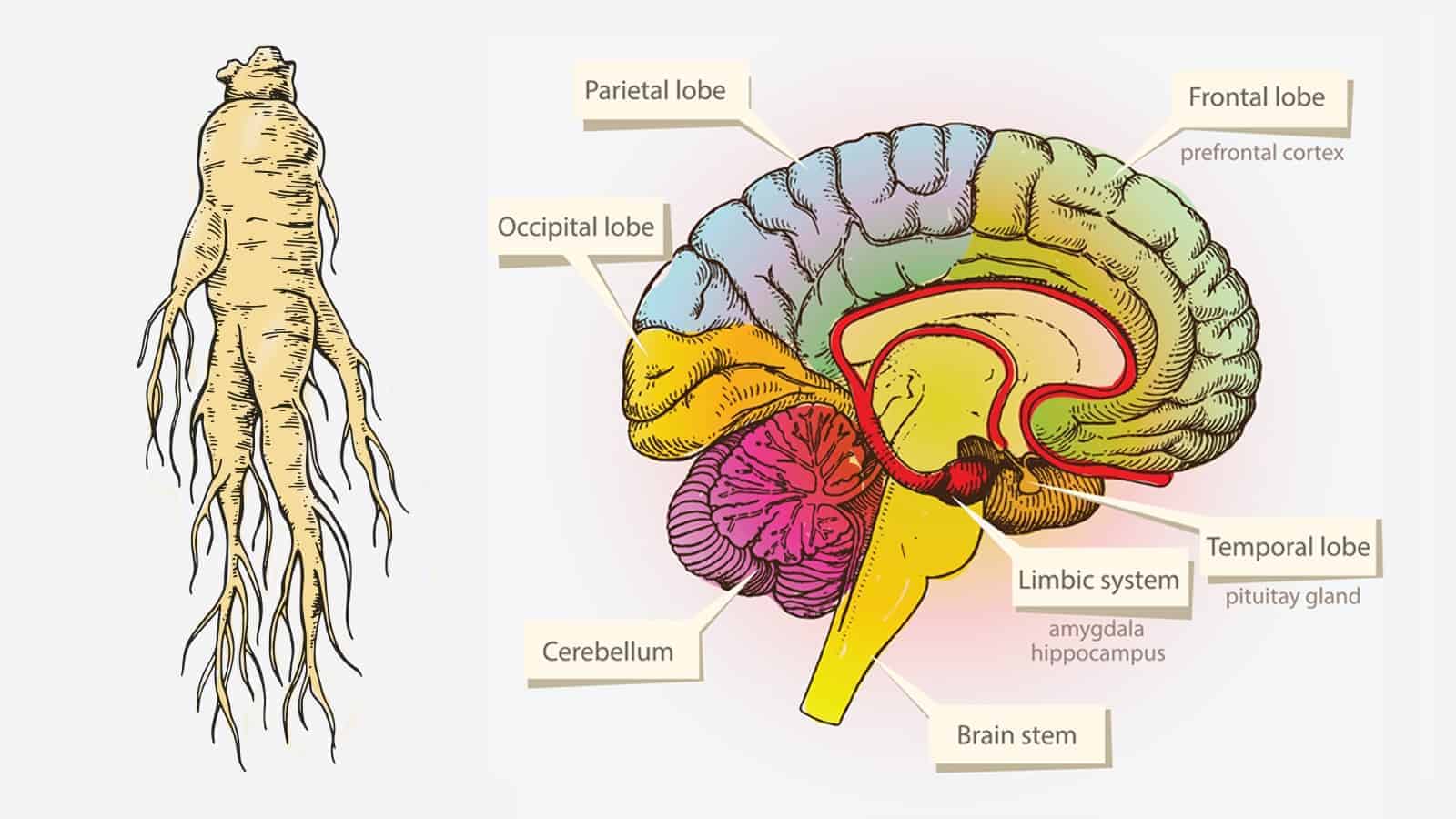
Your Brain Is Plastic

“Your brain – every brain – is a work in progress. It is ‘plastic.’ From the day we’re born to the day we die, it continuously revises and remodels, improving or slowly declining, as a function of how we use it.” – Michael Merzenich, Ph.D. (source)

If you take just one thing away from the article, let it be this: your intelligence is not fixed. Around two decades ago, most individuals – even some mainstream scientists – thought that the brain was hard-wired and immutable. However, research continues to prove and demonstrate that the brain does in fact change with experience – a process known as neuroplasticity.

Neuroplasticity is defined as “the ability of the brain to form and reorganize synaptic connections, especially in response to learning or experience or following injury.” Neuroplasticity happens when new thoughts and skills carve out new neural pathways – groups of neurons that connect distant areas of the brain and nervous system. Repetition and practice of these new thoughts and skills strengthen these neural pathways and help to form new habits.

The bottom line: with directed attention, repetition, and effort, we can create new neurons in the brain, effectively rewiring it. David Smith, M.D., co-author of the book Unchain Your Brain breaks this process down into four specific steps:

  1. Set goals:

You don’t need to plan your life 30 years in advance, but having one or two concrete goals will help to sustain your motivation and drive.

  1. Recognize your triggers:

What things tend to send you down the rabbit’s hole of timewasting? Social media? Text messages? Aimless web surfing? Whatever your triggers happen to be, find ways to work around them.

  1. Make conscious decisions:

Most people are on autopilot. That is, they are at the mercy of unhealthy impulses and habits. Autopilot mode sabotages more people’s success – more people’s lives – than any other human tendency. Get into the habit of making conscious decisions. You can start by setting your intentions for the day, every morning.

  1. Seek pleasure and reward from healthy pursuits:

Whenever you achieve something notable, it is a good idea to reward yourself. (The brain has this thing with rewards, cues, and so forth.) You deserve the reward, so give it to yourself! Just don’t go overboard with it. Stay disciplined.

A hobby can serve as number one, three, or four in the list above. That said, let’s delve into some healthy, smart hobbies that’ll make you sharp!

Hobbies That Will Make You Smarter

  1. Practice meditation

It’s well known that long-term meditation often leads to significant cognitive gains. What’s less clear is the cognitive impact, if any, of short-term meditation. That is until a team from Wake Forest University and the University of North Carolina decided to put short-term mindfulness meditation to the test.

In an astounding study published in the journal Consciousness and Cognition, researchers discovered that individuals who meditated for 20 minutes over a period of four days – 80 minutes total – showed drastic improvements in verbal fluency, visual coding, working memory, visuospatial processing, and executive functioning. The participants also reported reduced fatigue and anxiety and increased awareness. Regarding fatigue and anxiety, the research team found that meditation over a short period may prove more beneficial than long-term meditation.

  1. Pick up a book

If you’re a bookworm, you’re probably smarter than average. Exposing yourself to new vocabulary enhances verbal aptitude, and correlates with higher scores on tests of general intelligence.  In an interesting study published in the journal Child Development, researchers found a “developmental process that … causes intelligence differences: learning to read.” Moreover, reading ability is shown to be associated with improved health, education, socioeconomic status, and creativity.

It worth mentioning that the authors point to activities like learning mathematics, doing physical activity, and practicing self-control as potential ways to boost intelligence in kids.

  1. Learn a second (or third!) language

Now that we’ve established the link between reading ability and smarts, let’s talk about verbal skills! Per one particularly viral 2012 New York Times article titled “Why Bilinguals Are Smarter,” the writer notes, “… a number of (studies) suggests that the bilingual experience improves the brains … executive function … (which includes) planning, solving problems and performing various other mentally demanding tasks.”

Particular areas of cognition where bilinguals appear to have an advantage include both focus and divided attention.

Bilingualism may carry other advantages besides making you smarter. For one, learning another language may have neuroprotective properties against dementia-related conditions such as Alzheimer’s disease.

  1. Play (the right) video games

Video games sometimes get a bad rap. Some of the criticism is justified, and some is way overblown. (Provided we’re not among those Americans watching an average 35 hours of television per week, who are we to say anything about entertainment choices?)

Anyways, it turns out that video games can indeed improve cognitive ability. A study by the University of Toronto finds that people who regularly play action titles, like “Assassin’s Creed” or “Call of Duty,” are more adept at learning new sensori-motor skills than those who don’t. Skills that rely on this neural network including typing, riding a bike, or driving a car.

Researchers at York University found that people who play certain strategy games – including within “Multi Online Battle Arenas” (MBOAs) and “First-person Shooter” genres – at a high level correlates with high IQ in certain demographics.

  1. Solve a puzzle

Brain teasers like sudoku, crosswords, and others can test your selective and focused attention, mental flexibility, creativity, and general intelligence. Puzzles that stretch your cognitive limits are considered to be the most beneficial. (Read: No “word searches.” Dang it!)

Some say that for a puzzle to actually make you “smarter,” it must challenge the limits of your cognitive ability. Neuroscience demonstrates that it is when the brain is operating in this mode that real neuronal growth occurs, including in the cognitive areas of processing speed, reasoning, and working memory.

Final Thoughts: Simple Brain-boosters Other Than Hobbies

brain boosters

An enjoyable hobby is a wonderful way to pick up a few I.Q. points, but it’s far from the only way. Here are a few tips:

Stay hydrated. A boring suggestion? Maybe. But water is critical for proper brain function. If you aren’t drinking enough H2O (at least 64 ounces per day), you could feel a bit sharper by increasing your intake.

Take gingko biloba. Gingko is one of the most thoroughly-researched brain supplements. Multiple studies suggest that it improves attention, memory, and other cognitive functions.

Brew some java. Coffee lovers, rejoice! The caffeine in coffee not only improves alertness, but processing speed, attention, and problem-solving skills. If you can’t stick to two cups, you needn’t worry! Some research shows that a few cups is just beautiful! Caveat: make sure to bring your water bottle, as coffee has a diuretic effect.

Get your omega-3s. Docosahexaenoic acid (DHA) is a fatty acid found in fish. DHA supplements may work as a brain booster by speeding up cell communication in various parts of the brain. This finding isn’t too surprising, as the lining of our brain cells is highly concentrated with fatty acids.

Eat dark leafy greens. Foods like spinach, Brussels sprouts, asparagus, and others come packed with brain-boosting vitamins and minerals. Magnesium, calcium, and zinc – as three of the most important ones – are all found in high doses in these foods.

5 Reasons Narcissists Have a Hard Time With Intimate Relationships

A narcissist thrives on feeling superior or more potent than others somehow. Whether that means controlling their partner, bossing their employees around, or flaunting themselves on social media, narcissists need to have the upper hand.

While everyone displays some degree of narcissism, it becomes a disorder when it affects a person’s ability to function normally. The American Psychiatric Association defines Narcissistic Personality Disorder (NPD) as “a pervasive pattern of grandiosity (in fantasy or behavior), need for admiration, and lack of empathy, beginning by early adulthood.”

Because of their self-centered nature, narcissists have a hard time compromising and usually don’t consider the needs of others. As you can imagine, these traits make relationships nearly impossible for a narcissist.

While some people find their extreme self-confidence attractive, they quickly discover the narcissist’s true colors. At first, the narcissist may appear charming, self-assured, and empathetic, but this act doesn’t last long. People with NPD have learned that “love bombing” and flattering others make it easier to manipulate them.

After all, if you have your guard down, you won’t notice the red flags until the trap snares you. The narcissist will have you in their grasp and blame you when any part of the relationship goes south. You may have fallen in love with them, making it harder to escape a toxic relationship.

Of course, you can avoid all of this unnecessary pain and turmoil by knowing the warning signs of a narcissist. Below, we’ll discuss a few symptoms and causes of NPD to paint a clearer picture of this disorder. Hopefully, this will help you understand why relationships with a narcissist usually don’t pan out.

What is Narcissistic Personality Disorder?

As we said earlier, NPD presents as a pattern of self-centeredness, lack of empathy, and need for constant validation. Many people fall somewhere on the spectrum of narcissism, as a sense of self-preservation ensures our survival. However, NPD goes beyond having a normal ego and into the realm of pathological behaviors.

narcissist manipulation narcissists

To compensate for their lack of self-worth, people with NPD develop an inflated ego and crave validation from others. So, they don’t feel confident since they need acceptance and admiration from outside sources. As humans, we naturally want to belong in a group, but narcissists take this survival mechanism to the extreme.

They need to have someone worshipping their existence, stoking the flames of their ego almost constantly. Otherwise, their power diminishes if no one pays attention to them. Experts estimate that NPD affects around 0.5% to 5% of the US population.

Because of their self-absorption, narcissists can’t have healthy relationships unless they seek treatment. Relationships with a narcissist will always remain one-sided since they lack empathy and concern for others.

However, we want to clarify that narcissists deserve love just like humans. With the proper treatment, people with NPD can enjoy stable, fulfilling relationships. But, until they agree to seek help, narcissists can inflict psychological or even physical harm on loved ones, whether intentionally or not.

9 Key Behaviors that Reveal NPD

According to the Diagnostic and Statistical Manual of Mental Disorders (DSM–5), having at least five of these behaviors indicates NPD:

Having a superiority complex:

  • A grandiose sense of self-importance (e.g., exaggerates or even fabricates achievements in hopes of receiving praise from others)
  • A belief that they possess special or unique qualities; as such, they only want to associate with other “special” people
  • Arrogant or boastful behaviors and attitudes

Having fanciful goals or demands:

  • Unrealistic expectations of favorable treatment and a sense of entitlement
  • An obsession with success, power, brilliance, beauty, or “perfect” love
  • An excessive need for admiration or acceptance

Lacking concern for others or seeing them as inferior:

  • Exploits or manipulates others to serve their interests and achieve goals
  • A lack of empathy for others or unwillingness to understand others’ needs
  • May envy others (but never show it) or believe that others feel jealous of them

What Causes NPD?

Researchers haven’t been able to pinpoint the exact cause of NPD. However, they believe the following factors may influence the development of the disorder:

  • Childhood trauma such as physical or verbal abuse
  • Genetics
  • Personality and temperament (including a propensity for aggression, oversensitivity to distress, and lack of emotional regulation)
  • Parenting styles (too passive or neglectful, or overly protective on the other end of the spectrum)

So, now that you know more about narcissism, we will explain why true narcissists can’t maintain healthy relationships.

5 Reasons Narcissists Struggle With Intimate Relationships

narcissists

1 – Narcissists do not trust others.

In an intimate relationship, both partners become vulnerable, and vulnerability requires trust. Well, how can someone with NPD trust, then? They can’t.

Narcissists may lack emotional intelligence, but they have the mental acuity to manipulate others. As such, they logically comprehend the relationship between trust and vulnerability. Therefore, they will not commit to an actual relationship since they cannot emotionally connect with others.

They will, however, enter into a one-sided “relationship” with the intent to exploit their partner. Because narcissists only think about their needs, they can’t show weakness, vulnerability, or trust. They must appear aloof and emotionally unavailable so no one can hurt them.

2 – They’re always looking for angles.

A narcissist continually looks for new ways to take advantage of others. So, to temporarily feed their insatiable hunger for dominance, they will victimize their partner without hesitation. They may do this by love-bombing their partner in the beginning to gain trust. However, after they get what they came for, the narcissist will eventually turn on their SO.

They prey on empaths and sensitive people for this reason, as a narcissist sees kindness as weakness. Compassionate people represent an easy target since they tend to see the best in everyone. This also makes it harder for empaths to escape a narcissist’s grasp after they become entranced by their charm.

Narcissists give only to take away – including affection, love, tenderness, and devotion. Nothing is real. They never offer love free of charge; they want something in return – not someone. People with NPD likely grew up in dysfunctional environments void of love, so they can’t give what they don’t understand.

3 – Narcissists are prone to abusive behavior.

A 2021 Ohio State University study found a strong correlation between high levels of narcissism and aggression. Their analysis of 437 independent studies across the world revealed a link between narcissistic tendencies and violence. They discovered similar findings across the board in various age groups, genders, countries, and education levels.

This doesn’t mean that every narcissist will display aggressive or dangerous behaviors. However, the odds of verbal, emotional, or physical abuse rise considerably when in a relationship with a narcissist.

4 – There is no “us” for narcissists

Narcissists only view others as a means to an end, unfortunately. Through no fault of their own, they learned to see others as threats. Therefore, they take advantage of people to survive and don’t form emotional attachments to them. When people with NPD enter relationships, they typically have ulterior motives that won’t become clear immediately.

However, after some time with a narcissist, the other partner may notice something that feels “off.” It may seem like their partner doesn’t listen or care about their needs. The narcissist may appear aloof or uninterested in normal relationship activities or conversation. They won’t show empathy or vulnerability when their partner expects it but will demand it of their partner nonetheless.

In summary, being with a narcissist will probably feel much like being alone, but with added stress and frustration.

5 – It’s (probably) impossible.

As we said earlier, without proper treatment, narcissists probably cannot have loving, healthy relationships. Until they can heal their relationship with themselves and others, they will only look out for their interests. Therefore, relationships with them will almost always end in disappointment and even trauma.

You may feel loved and in love with a narcissist, but only because you have blinders on. When you remove them, you see through their lies, manipulation, and abuse. After stepping back from the situation, you realize that they only loved what you could give them.

narcissistic traits

Final Thoughts on Why Narcissists Can’t Have Healthy Relationships

Narcissistic personality disorder (NPD) doesn’t just affect the person with this particular pathology. When unhealed narcissists enter relationships, they inevitably wreak havoc on the lives of those who cross their path. Narcissistic abuse can cause lasting trauma for exes, family members, and friends. Treatments for NPD exist, but many people avoid seeking help because they see no problem with their behavior.

However, an unhealed narcissist cannot have healthy relationships because trust and vulnerability would require. They can’t let their guard down and allow anyone into their heart if they’re still in survival mode. So, avoiding intimate relationships seems like the most responsible, logical course of action for their sake and others.

While mental illness isn’t the victim’s fault, the responsibility of seeking help still falls on their shoulders. Treating NPD involves a long, slow process and more talk therapy than other disorders, but it can be managed. After narcissists recognize that they need help, healthy relationships could be on the horizon.

Neurologist Explains Why Physical Touch Is Important In Treatment

In this current world where people are more physically separated from each other yet capable of being digitally connected, the benefits of receiving a comforting touch from someone may be forgotten.

Science has shown how essential touch is to a child’s development.  It helps them develop a bond with caretakers or family members as well as receive reassurance that events around them are safe.  One of our first forms of communication is through touch and it is an international language.

Touch isn’t just important to babies or children.  Adults need it, too.  It has been shown to help reduce pain, create a more calming mindset, provide comfort, relieve stress, and more.  For many of us, it is instinctual. If we see someone we know who is upset, we may instantly go up to them and put our arm around their shoulders, give them a hug, or just touch their arm.

The benefits of touch are not limited to humans.  Animals have displayed a need for touch.  When we pet an animal, there is also a positive physiological reaction.

Doctors can also touch appropriately when they are giving particularly difficult news to their patients.  This not only comforts the patient but also comforts the doctor.  A neurologist has expressed that hugging has proven to be so important in treatment as well.

Touch and Human Development

Most of us are familiar with the importance of touching a newborn.  For most parents, it is instinctual to hold and rock their baby, and to touch baby’s hands.  For that matter, many women feel compelled to hold others’ babies as well.

The sense of touch is one of the earliest to develop.  It starts in the womb.  In 2013, a study was released claiming that fetuses begin preparing for the sensation of touch through self-touch of the lower face and mouth.  It was believed that this self-touch was an instinctual way of developing the brain to prepare for social interaction, self-soothing, and feeding.

A fetus in the third trimester responds to the mother caressing her stomach by attempting to explore from within.  Simultaneously, the fetus’ self-touch decreases at this time.

Sixty-five percent of face-to-face communication between mothers and their baby consists of communication through touch.  This touching provides an immediate decrease in stress for them both.  Gentle stroking was found to cause babies to smile more often than merely laying a still hand on the infant.  Babies as young as nine months showed a decrease in heart rate and more engagement when experiencing touching.  Coincidently, parents instinctively touch their babies at a speed, or rate, that is the most pleasurable to the infant.

From infancy through childhood and into adulthood, touch has proven to provide several development milestones essential for thriving:

  • Ability for infants to communicate with their parents or caregiver
  • Ability for infants to bond
  • Teaches toddlers how to stabilize their bodies when learning to walk
  • Teaches positive emotions
  • More likely to delay immediate gratification
  • Increases on-task behavior even by teachers or instructors
  • Lessens aggressive behavior and reduces stress
  • Increases ability to learn a language
  • Supports social engagement
  • Increases body awareness and ownership
  • Aids sense of self
  • Helps with healthy weight gain and growth in infants
  • Builds cooperative relationships

A decrease or lack of touching has shown to create:

  • More aggressive behavior
  • An inability to soothe oneself
  • Unexplained pain
  • Slower weight gain and growth in infants
  • A high sensitivity to touch that makes it unpleasant (such as in autism)
  • A higher tendency toward anorexia or anorexia bulimia
  • Lack of social skills
  • Decrease in communication or language abilities

Types of Touch

There are two types of touch currently recognized.

The first is Discriminatory touch.  This is the touch we use to figure out what coins we have in our pocket, if that is our keys that fell in the sofa cushions, etc.  It is the sense of touch that tells us the pressure, texture, shape, etc. of an object.  This sense is all about tactile sensations.

The second has been called Affective touch or social and emotional touch. It senses slow strokes and pleasure.  Both types of touch are recognized by neurons in the skin and create responses in the brain.  Affective touch, however, is the only one that not only lights up the portion of your brain that recognizes touch, but also lights up the insular cortex.  The insular cortex is part of the limbic system and is responsible for processing emotions.

Affective touching has only recently been studied.  The actual neurons responsible for affective touch have only just been discovered. They were first discovered in cats in 1939, but not in humans until the 1990s. These neurons are only found in “hairy” skin, such as your forearms, legs, and back.  In comparison, Glaborous skin refers to the palms of your hands and sole of your feet.

 Touch as Therapy

As you can see, there are several benefits to touch for human growth and maturity physically, mentally and emotionally.  Therefore, it stands to reason that using it as a form of therapy would be considered and researched. Various forms of touch therapy have been studied recently – including massage, acupuncture, acupressure, chiropractic, and light hand therapy or Reiki.

Massage Therapy

This form of therapy was founded by Tiffany Fields Ph.D. to reduce pain in pregnant women and aid in prenatal depression for the women and spouses.  She has even discovered that children with autism respond very well and enjoy massages performed by a parent or a therapist.

Further research has shown that there was more social activation in the brain of autistic children upon slower strokes. It has been shown to help with social abilities and communication.  Massage therapy can further help children with autism who suffer from muscle spasms and social anxiety; it helps to decrease seizures, aid in sleep, and act as a great booster for other therapies.

Studies on Alzheimer’s patients have shown massage helps them to relax, emotionally connect with others, and decrease their depression.

Other studies have shown that massage can improve stiffness, pain, range of motion, osteoarthritis, fibromyalgia, and rheumatoid arthritis.

Acupuncture and Acupressure

Two related forms of touch therapy are acupuncture and acupressure.  Acupuncture is a traditional Chinese medicine whose goal is to correct imbalances in the flow of life energy (chi or qi).  It involves inserting fine needles into specific points on the body.   Acupressure has the same goal but uses gentle yet deep hand pressure instead.

In 2012, a study detailed results of 29 high-quality acupuncture studies encompassing nearly 18,000 patients.  They found acupuncture to relieve pain in several chronic conditions, including osteoarthritis.  Another study verified this finding and added that acupuncture excelled at relieving pain associated with osteoarthritis in the knee above standard care or exercise.

Chiropractic therapy

This form of therapy has gained popularity in America, with about 60% of Americans believing it to relieve neck and back pain.  Chiropractic care is not limited to the neck and back, however.  It can adjust wrongly aligned joints and improve the communication of the spine and the nervous system.

Healthcare Research and Quality issued a report in 2010 stating that they found chiropractic care as effective as medication for lower back pain unless you have an active inflammation, fused spine, or osteoporosis in the spine or neck.  In the same year, Britain released a study and additionally found chiropractic therapy effective for acute and chronic lower back pain, neck pain, and knee pain associated with osteoarthritis.

Reiki

Also called light touch therapy, is a Japanese form of therapy.  It is believed that healing energy can be transmitted from the therapist to the patient to relieve stress and disease.

Reiki is just starting to gain popularity in America; other than claims from the general public, studies have proven to be too small.  Those who use Reiki speak of it helping to reduce pain, anxiety, depression, and aid with sleep.

Doctors and touch therapy

Therapeutic touch is being practiced by nurses, occupational therapists, physical therapists, and other medical professionals.

Dr. Ilene Ruhoy Ph.D., M.D, is a neurologist and speaks of the importance of using touch such as hugging for her patients and their families.  She may choose to give her patients a hug as a greeting or upon the end of the appointment.  She may touch their arm or hand when giving them difficult news.  Additionally, she understands the impact of both communicating compassion and support and giving stress-relieving benefits of touch to her patients and their families.  She states that all you need to do to connect with a person and reap the rewards of touch is:

  • or family 3 – 5 seconds longer than usual.
  • Touch someone who is suffering.
  • Hold hands with your partner, child, or friend.

Final Thoughts on Why Hugging Is Important

It is sad that touch today is viewed with so much suspicion.  As many positive benefits as appropriate touching can have, unwanted or aggressive touching can leave devastating consequences.

Touching is not just beneficial in its sexual form but in many of the simpler ways: touching a hand, shoulder, forearm, giving a hug, an arm around the shoulder, and other small gestures of contact.  It goes without saying that you need to read the body language and listen to the recipient of the touching to ensure that they are okay with you specifically touching them. Also, respect where on the body they feel comfortable with as far as touching.  This holds true for medical or therapeutic professionals as well.

It is human instinct to want to physically show connection, happiness, comfort, and support to our friends and family.  The wide range of benefits go beyond the major therapeutic benefits and include decreasing anxiety, stress, depression, and high blood pressure, and can encourage one to feel positive about themselves and life in general.

The great thing about appropriate touch is that the giver receives the benefits as well.  So, go out today and hug someone!

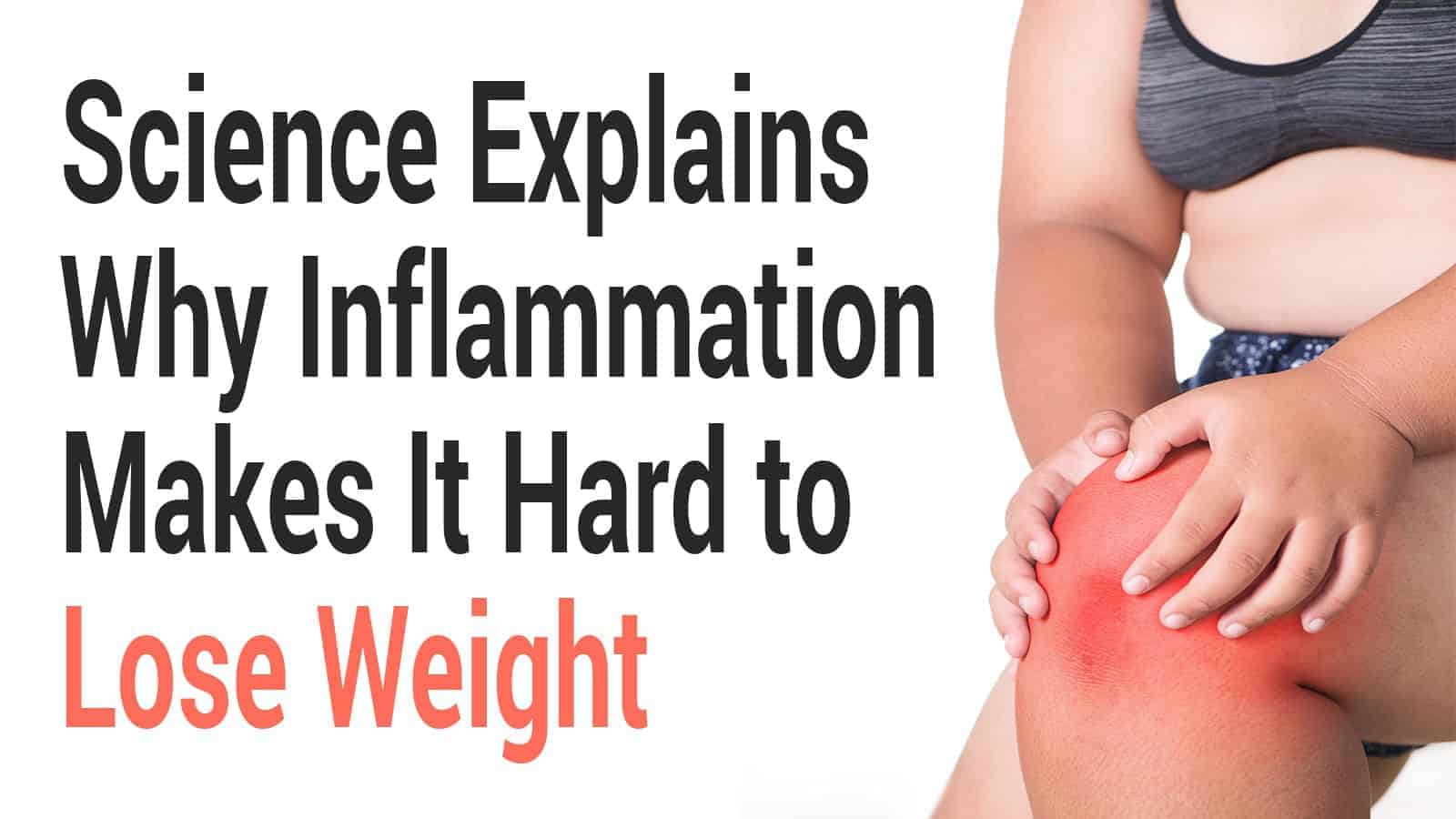
Science Explains Why Inflammation Makes It Hard to Lose Weight

Have you been trying to lose weight for a while but to no avail? Are you counting calories carefully, giving up unhealthy foods, and exercising regularly but still unable to lose weight? It’s an incredibly frustrating cycle. But there may be a reason–inflammation!

Inflammation could be caused by many everyday diets and common bad habits that go unnoticed. You might already know this fact. You might not know that inflammation can also cause you to retain or even gain weight. With all the misinformation on weight loss present online, it’s easy to perform incorrect activities and stall your weight-loss progress accidentally.

Worse still, continuing these habits can teach your body repeated weight-gaining processes, making long-term patterns of weight gain more likely to occur. This is why you have to take steps to prevent inflammation from taking over your body.

But why does something like inflammation affect your weight? Are you inflamed? What habits do you need to stop, and what habits can you reduce it entirely? Here’s how science explains why inflammation makes it hard to lose weight – and what you can do about it.

Why Inflammation Makes It Hard To Lose Weight, According To Science

inflammation

1.    What Is Inflammation?

Inflammation is an immune system response. In simple terms, it happens when blood flow needs to rush to a specific injured or infected area to bring more white blood cells to the location. This causes the dilation of the blood vessels in the area, which may show up to you as warmth or feverishness, redness, pain, and even swelling.

It sounds terrible, but inflammation is a positive, life-saving process when necessary. It heals wounds and infections, preventing fatalities from simple cuts and scratches, and you’ve probably noticed it happening when you get sick or injured.

This type of inflammation is called acute inflammation. When it occurs, the tissue that needs attention releases a bunch of transmitting chemicals known as cytokines, which inform the body that something is wrong and kick the immune system into gear to fix it.

Fevers and intense pain can be a part of acute inflammation. This is due to prostaglandins, which are components that help the blood to clot. The fever and pain are just a side-effect of healing, and they go away when recovery is far along enough.

2.    Why Does Inflammation Make It Hard To Lose Weight?

But what happens when inflammation stretches out and is present more long-term? That’s when the problems start to pile up, as prolonged, chronic inflammation can be detrimental to your health in many, many ways – and it can be the starting point for obesity.

There are a variety of things that can cause inflammation, ranging from bad habits to ones touted as good. This constant inflammation activates hormones within the body that store fat. These hormones are:

a)    Weight Loss and Leptin

Leptin is a hormone that helps regulate hunger, making you feel sated and full after a meal for a decent amount of time. It controls the appetite, balances your metabolism, and keeps the body’s fat in check.

When you have chronic, long-term inflammation, your body may become leptin-resistant. This means you will no longer be able to tell with good accuracy when your body is no longer hungry. This will often result in overeating.

b)    Insulin Can Impair Weight Loss

Insulin is the hormone responsible for blood glucose control; you likely hear about it most about diabetes. Inflammation can cause insulin resistance, which, in turn, leads to unstable blood sugar levels.

Glucose crashes and spikes can harm your health, as they cause your body to feel hungry during crashes and may eventually lead to diabetes.

c)    Cortisol and Weight Loss

Cortisol is the body’s stress neurotransmitter. This hormone is released by parts of the body known as adrenal glands. Short cortisol pushes are great for promoting weight loss and managing inflammation, as they are produced during stress.

The issue is that these glands can’t tell the difference between stress types, whether physical, psychological, or complete false alarms. Inflammation can trigger a bodily stress response, causing you to feel more stressed, affecting your positive thinking, and potentially leading to increased feelings of hunger.

Inflammation is something that must be combatted. It is a sign of bad lifestyle choices and can lead to multiple health-related issues – especially related to weight gain, heart disease, and similar problems. If your goal is true to lose weight, you’ll need to get rid of everything that causes constant inflammatory stress.

3.    What Causes Inflammation?

On a biological level, inflammation occurs when the body responds to infection or injury, with the process occurring like this:

  • Step 1: Your arteries expand to rush blood to certain areas, mainly injured ones. This increases the amount of blood flowing through the area.
  • Step 2: Your blood capillaries widen, allowing proteins and fluids to enter them more quickly, thus allowing them to move from the blood to the cells and back again.
  • Step 3: The body produces white blood cells known as neutrophils. Neutrophils are packed with little sacs which contain microorganisms used for digestion, especially enzymes.

So, what causes inflammation to occur on a chronic level, where it stops being positive? There are several possible causes, including:

  • Obesity
  • Lack of sleep
  • Chronic stress
  • Processed foods
  • Overeating
  • High blood glucose levels
  • High blood pressure
  • Bacterial contamination of food and water
  • Irritant-exposure over long periods of time (such as exposure to pollution or chemicals)
  • Allergen exposure
  • Smoking
  • Excessive alcohol consumption
  • Untreated injuries and inflammation
  • Autoimmune disorders
  • Endocrine disorders

4.    Questions to Consider for Symptoms of Inflammation

More people are experiencing inflammation than you may believe. If you’re wondering if you’re one of them, and if it’s causing you to be unable to shed extra pounds, you’ll want to be able to recognize the signs that it’s happening. Here are some questions to ask yourself to determine if you are experiencing symptoms of inflammation or are at risk.

  • Do you have allergies?
  • Is your BMI over 26 (or are you overweight or obese)?
  • Do you experience feelings of sluggishness or sleepiness after having a meal?
  • Do you get headaches, brain fog, or some form of congestion after having a meal?
  • Have you been facing issues with phlegm and mucus?
  • Do you face moderate or severe stress regularly?
  • Are you actively performing cardio workouts twice weekly or more frequently, for over half an hour each time?
  • Do you have blood glucose problems, such as insulin resistance or diabetes?
  • Does your medical history indicate many chronic conditions, such as sinus infections, cold and canker sores, and the flu?
  • Do you deal with digestive troubles, such as irritable bowel syndrome, diarrhea, constipation, or colitis?
  • Do you consume alcoholic drinks regularly (over 3 or 4 weekly)?
  • How much exercise do you get? Is it less than two hours weekly?
  • Do you experience joint pain or arthritis?
  • Are you often around heavy metals, toxins, pesticides, or other similar products?
  • Do you have skin problems such as acne, eczema, or psoriasis?

While these questions don’t necessarily point to inflammation, the fact remains that these can all be symptoms of this problem? If you find yourself saying “yes” to a good number of these questions – or at least three – then you are likely at a high risk of inflammation, or already inflamed, to begin with.

Inflammation

5.    How To Reduce Inflammation

Getting healthy is the best way to reduce inflammation – but that’s easier said than done. Don’t worry, though, and keep your positive thinking cap on! Research has made it clear what can be done to curb this problem. Here are some steps you can and should take to reduce inflammation.

a)    Cut Out Inflammatory Foods

Inflammatory foods cause your body’s levels of inflammation to jump right up – just as the term for them suggests. They can cause the buildup of stubborn fat that is difficult to work off. As such, you should avoid – or consume less of – foods like:

  • Sugar
  • Alcohol
  • Processed meats
  • Unsaturated vegetable and seed oils
  • Artificial trans fat
  • Soy
  • High-fructose corn syrup
  • Refined carbohydrates

b)    Start Eating Food That Are Anti-Inflammatory

Certain foods can reduce inflammation within the body. They can also bring your metabolism up to speed and be powerful tools for health-boosting purposes. Here are some that you likely want to add to your diet.

                              i.        Proteins (They slow inflammation + help lose weight)

These build your lean muscle and can help reduce the negative effects of fat cells, especially towards hormones.

                             ii.        Vegetables and fruits

These are always safe bets. Additionally, they come packed with positive nutrients like vitamins, antioxidants, and bioflavonoids.

                            iii.        Whole grains

Though they can sometimes contribute to inflammation, whole ones are the best to opt for if you need to eat carbs.

                            iv.        Healthy fats

Believe it or not, health can be good for you! Go for monounsaturated and polyunsaturated heart-healthy fats like fish, nuts, eggs, avocados, and more.

c)    Exercise Intelligently

Some exercises stimulate higher levels of cortisol production in the body, and some can cause excessive catabolism of the muscles. Basically, if you exercise incorrectly, you might cause inflammation.

You’ll want to do exercises that help stimulate adrenaline and other hormones that burn fat. Your best bet is a metabolic workout focusing on burning calories during the session and keeping up the fat-burning progress throughout the day.

d)    Make Sure You Have Your Macros Right to Lose Weight

Macros, or macronutrients, refer to carbohydrates, proteins, and fats. Essentially, you need the right balance of all of these components in order to prevent inflammation, keep your blood sugar stable, have positive hormone activity, and enjoy good digestive function.

You need to learn to balance these nutrients and get them in the right amounts for your body for the best results. How many carbs do you need in a day? How about fats and proteins? Figure out exactly what you need and how much of it.

lose weight

Final Thoughts On Why Inflammation Makes It Hard To Lose Weight

The key to losing weight may lie in curbing inflammation first. By recognizing the symptoms of this problem, you can start to take steps to overcome it. Improving your overall lifestyle through a healthy diet, smart exercise techniques, and being more aware of what you consume is enough to cause inflammation to die down in just three weeks.

More importantly, stop participating in fad diets. Stop doing inflammatory exercises. And, of course, don’t let yourself get caught up in negativity when your weight loss journey hits a few hurdles. Losing weight is a difficult process, but it’s worth it – and it’s worth fighting inflammation for.

Researchers Reveal Humans are Driving The World Toward Extinction Faster Than Ever

The Earth’s landscapes are changing in the direction of extinction. But they’re not just changing slowly – they’re doing so at an incredibly quick pace that is unlike anything we’ve seen before. Here’s the kicker: it’s all the fault of humans.

According to an assessment by the United Nations, humans are entirely to blame for the alteration of the natural landscapes all across the planet. The report shows how this has put countless species at risk, as well as the livelihoods of many people.

Worse still, humans are entirely reliant on natural resources from the Earth in order to survive – yet we are the ones causing biodiversity decline, global warming, and countless other environmental hazards. Essentially, if we continue down this same path, we are dooming all of humanity.

This assessment has raised many different concerns and provides bleak and upsetting conclusions. Here’s everything you need to know about that report, which is set to be released later this year, on how researchers reveal humans are driving the world toward extinction faster than ever.

Researchers Reveal Humans are Driving The World Toward Extinction Faster Than Ever

1.    The Assessment

The assessment was conducted by the chair of the Intergovernmental Science-Policy Platform on Biodiversity and Ecosystem Services, Robert Watson, and compiled in a report that spans 1,500 pages. Its findings were released in a summary in Paris, and it was approved by worldwide reps from 132 countries, including the United States, through the United Nations.

The full report has yet to be published – scheduled for later in the year – but the summary is rather disheartening. It indicates that nature, and Earth, is on its way to imminent change that doesn’t bode in any remotely positive way for us.

All around the world, habitats and expanses of land are being harmed by human activities, such as:

  • Mining
  • Logging
  • Farming
  • Fishing
  • Poaching

These activities are seriously hurting the world we live in. If no serious changes or efforts are made on a large scale, by 2050, loss of biodiversity will dramatically speed up.

2.    Humans Are In Danger

Many have been under the belief that biodiversity focuses only on nature excluding humans, meaning that efforts to save the environment are for the environment alone. Today, with modern knowledge and proof, we know that this isn’t the case – people are just as deeply affected by the Earth’s dying ecosystems.

This is something that this report shows us in great detail, according to assessment author Robert Watson – making it one of the first of its kind to very clearly show the way that humans and biodiversity are linked. In fact, all the benefits that nature gives to humans can be valued at US $24 trillion! Here’s how:

a)    Carbon dioxide

Rainforests in the Amazon – and trees all around the world – take in carbon dioxide through photosynthesis. You might not think it’s a lot, but the fact is that they absorb a huge amount that plays a big part in slowing down the process of global warming.

b)    Water

Wetlands and marshes are being destroyed and harmed daily – but they’re largely to thank for the purification of drinking water. Clean water is extremely crucial to all countries, but especially for poorer nations, where it’s even harder to come by. The fact that 85% of our wetlands have disappeared since the 1700s solidifies this fact.

c)    Food

There’s always been variety in the animals and plants used for food production – but, today, there’s much less of it. 6,190 domesticated breeds of mammals have been used throughout history in agriculture; since then, over a thousand have their species on the line, and nearly 560 have become extinct.

This might not seem significant, but it does cause less resistant food strains that are not as tough against diseases and pests. With climate change in full force, solving this problem in a positive way by breeding new livestock and crops may not even be possible.

d)    Medicine

Most medicine comes from a natural source, and lots of tropical plants supply us with modern medication ingredients. With these plants dying out and going extinct, some of the cures we know may be lost.

e)    Agriculture

It goes without saying that humans rely on agriculture to produce food. Unfortunately, the degradation of land has caused agricultural productivity to plummet across 23% of land, potentially leading to a shocking $577 billion’s worth of crop production in jeopardy every year.

f)     Tourism

Coral reefs have been struggling to survive against climate change, but the addition of huge amounts of plastic waste is also causing them to die out. This severely hurts fisheries and tourism, especially in the Caribbean, where many small communities rely on tourism to survive.

g)    Flooding

Coral reefs and mangrove forests take up a lot of water as survival material. As they slowly die and become less common, more and more people become at risk of dealing with flooding – 300 million more people, to be exact.

Distressingly, a lot of these things are non-replaceable, according to this assessment. The lack of biodiversity and its destruction can prevent us from accessing any options in the future.

3.    Extinction of Animals

There are too many living creatures on Earth to catalog accurately, but scientists have certainly tried! So far, 1.3 million of them have been recorded, though there are likely around 8 million living species in total among all flora and fauna (most of them are some form of insect).

Unfortunately, we’re losing a good number of these animals. In the year 1500, we had at least 680 more of these species, but they have since vanished for good. This doesn’t seem like a very big number, but most experts believe it’s going to accelerate from here and that we are on the brink of a crisis in extinction.

This theory is based on the fact that our current rates of extinction count in at up to hundreds of times more severe than they have ever been throughout the past 10 million years. In fact, right now, around one million different living species will have to face a possible extinction threat in the very near future – especially if things do not change. This will include:

  • 500,000 land-dwelling species, whose habitats are not sufficient for their survival in the long run
  • 1/3 of all mammals of a marine variety
  • 40% of all amphibians
  • 1/3 of corals in reefs

4.    Deforestation and Landscape Alteration

Humans have altered landscapes with higher and higher levels of intensity over just the last five decades alone, clearing out hundreds and thousands of acres of forests for:

  • Roads
  • Farmland
  • Plantations
  • Cities

This is also being done through:

  • Hunting and poaching
  • Logging
  • Water pollution
  • Invasive species introduction
  • Overfishing

Some examples of this occurring are:

a)    Indonesia

Rainforest in this nation has been felled at large portions in order to make way for palm oil plantations. This has caused the further endangerment of already at-risk species, like Sumatran tigers and orangutans, both of which are worryingly close to blinking out of existence.

b)    Argentina and Chile

In the 1940s, a widely invasive species of mammal was introduced to the country: the North American beaver. Not only did it completely change the ecosystem, but it also caused many native trees to die out. Though this has had mildly positive effects for some species, the overall ecosystem was damaged.

c)    Mozambique

Poachers looking for ivory ended the lives of a horrifying 7,000 elephants within the span of just three years – between 2009 and 2011.

5.    Global Warming and Climate Change

5% of the world’s living species are all threatened by global warming. Climate change is threatening to render many types of plants and animals extinct, and this is likely to occur if global averages hit 2°C over what are considered pre-industrial levels – and we’re already at 1°C.

These species may have been saved if climate change was the only issue on the horizon, says ecologist Richard Pearson, who works at the University College of London. Unfortunately, the fact that populations are currently dwindling in number, lacking diversity in genetics, and losing landscapes and habitats, connects all these factors into one huge problem that dooms many animals.

Global warming has also led to a lot of species nearing extinction already. This is because changing climates are not suitable for many types of local wildlife, which have to either adapt or be wiped out. The Bengal tiger is only one such species that is affected by this problem.

6.    Mild Efforts Are No Longer Effective

Many countries are making small efforts towards a greener future – but this is likely no longer enough, according to this assessment. It’s no longer possible to provide piecemeal solutions and smile with positive thinking. We need to make transformative changes, including:

a)    Condemning Wastefulness

This will involve governments around the world putting in laws that abolish single-used materials. We also need to reduce the environmental footprint of agriculture. Finally, governments must truly crack down on illegal hunting, fishing, and logging. This would also require that wealthy countries manage their food waste and use resources more efficiently.

b)    Using Less Land

It may be necessary for farmers and those who serve as the first source for food products to find ways to use less land in order to grow the same or more amounts of food.

c)    Protected Area Expansions

More and more places need to be put under environmental protection. This might include increasing reserve space and confining certain unwanted activities to small, controlled areas.

d)    Reducing Emissions

Biofuel is currently being developed in order to limit the bad outcomes of global warming that we are facing. Unfortunately, there is a risk involved with biofuel, too; it could also continue to destroy forests even more and cause worse risks for biodiversity as a whole. As such, we may need to find other methods to provide sustainable energy.

e)    Reducing Poverty

Many poorer countries continue to participate in environmentally harmful practices in order to keep their citizens afloat. It may be impossible to expect them to simply stop these practices, as it could mean the ends of the livelihoods, incomes, and survival abilities of many people living in poverty.

photos of earth

Final Thoughts On How Humans Are Driving The World Toward Extinction Faster Than Ever

The future for the world’s biodiversity does not look very promising, but there is some hope remaining, so don’t give up on positive thinking. Researchers hope that we can find a balance between sustainability for environmental conservation and continued economic growth despite our fast-paced growth.

Psychology Explains How A Traumatic Childhood Can Cause Insomnia For Life

Good sleep is absolutely vital for the health of the body. It’s so crucial that research has shown it may even be more crucial than food when it comes to keeping the body safe and well. Unfortunately, for some people, sleep is hard to come by.

There are many things that can cause insomnia – but did you know that one of them is childhood trauma? That’s right. Trauma and abuse at a young age could be linked to lifelong chronic insomnia, says new research. In this article, we look at the way psychology explains how a traumatic childhood can cause insomnia for life.

Psychology Explains How A Traumatic Childhood Can Cause Insomnia For Life

1.    What Is Insomnia?

Insomnia is a disorder that results in an inability to fall or stay asleep. Up to 35% of all adults experience some brief form or symptom of insomnia. Meanwhile, up to 20% have insomnia for less than 3 months, while 10% have long-term insomnia multiple times a week.

Insomnia affects sleep quality, decreases positive thinking, and causes fatigue, alongside many physical and mental health issues. It disturbs work and school performance and can greatly increase the risk of accidents – so much so that driving drowsy is considered as bad as driving drunk.

Insomnia is typically measured using the Insomnia Severity Index, which is designed to, with some accuracy, measure the experience of insomnia. It calculates the severity and impact of the condition through the use of 7 items, rated by patients on a Likert scale of 5 points. It is often used to determine an initial diagnosis and monitor progress through treatment.

The Insomnia Severity Index looks at:

  • Sleep onset
  • Waking
  • Sleep maintenance
  • Interference with everyday life
  • Dissatisfaction with sleep
  • Distress caused by problems with sleep
  • Obviousness of the issues to other people

2.    The Research

In 2016, a study published in a journal called Sleep revealed that adults who struggle with insomnia are likely to have grown up in traumatic or abusive conditions. The study involved 1,007 volunteering participants living in Philadelphia, between 22 and 60 years of age.

These participants were asked about their sleep based on the Insomnia Severity Index and then split into three separate groups: those with healthy sleep, those with mild insomnia, and those with moderate to severe insomnia.

Participants were then asked to report on issues that could have led to psychosocial stress. This includes the death or divorce of parents, childhood abuse or trauma, or being raised by parents dealing with anxiety or depression themselves. Findings were then unveiled at a meeting for the Associated Professional Sleep Societies.

The results showed that those who had dealt with childhood stressors of some form – whether through parental loss, parental mental illness, parental divorce, or childhood abuse – had a higher chance of experiencing insomnia of some form. It’s interesting to note that parental death was the leading factor linked to highly severe symptoms of insomnia.

Researchers hope that their results will help in producing more positive and effective treatment for those dealing with chronic insomnia, no matter how severe. If childhood events can impact sleep decades into the future, experts may be able to use this information to better comprehend the way the body’s health is linked to sleep.

3.    Other Causes of Insomnia

While a traumatic childhood can cause insomnia for life, as well as other sleep disorders, there are countless other causes behind these problems. Here is a comprehensive list of them.

a)    Medical Causes

There countless different medical issues that may lead to insomnia. The reasons can range from sleep trouble being a symptom of an underlying medical condition, or symptoms of a medical condition making it difficult to fall and stay asleep. Here are some examples of insomnia-causing medical problems:

  • Gastrointestinal issues
  • Allergies
  • Asthma
  • Neurological disorders
  • Sinus and nasal issues
  • Chronic pain
  • Endocrine issues
  • Lower back pain
  • Arthritis

If you find yourself dealing with insomnia, you may want to speak to your doctor about possible underlying causes for the problem. There could be some medical issues you are not aware of.

b)    Sleep Disorders

Insomnia is part and parcel of numerous other sleep disorders that you may not realize you have. One extremely common disorder is restless leg syndrome (RLS). This neurological disorder causes discomfort and restlessness in the lower limbs when lying down or resting. It can cause your legs to move around a lot, and it affects 10% of the population.

Restless leg syndrome can disturb sleep or prevent it from occurring. It tends to occur when resting, late in the day, or when you’re transitioning to sleep from wakefulness. This can cause it to be difficult to doze off, to begin with and make it even harder to stay asleep.

Another common sleep disorder that causes insomnia is sleep apnea. This disorder involves the constriction or obstruction of airways during times of sleepiness. This causes breathing to stall sometimes, dropping the oxygen levels within the body.

As a result, the body wakes up again and again throughout the night. The waking times might be very brief, but the repeated disturbance that can occur multiple times – in some cases – causes sleep deprivation and insomnia symptoms.

c)    Medication

There are some medications that can disturb sleep, especially ones for:

  • High blood pressure
  • Asthma
  • Nasal allergies
  • Thyroid disease
  • Colds
  • Depression
  • Heart disease
  • Birth control

If your medication may be the cause of severe or difficult-to-handle insomnia, talk to your doctor about an alternative medication or taking additional sleeping aids. However, you should never stop taking the prescribed medication without a doctor’s approval – even if the lack of sleep is really getting to you!

d)    Depression

Depression and other psychological disorders may be medical conditions, but the relationship between them and insomnia is more complex; hence, we’re including it in its own category.

These disorders and struggles can cause difficulty sleeping because of the unbalanced hormone levels within the body. They don’t just cause mood drops and decreased positive thinking – they also cause all sorts of sleep trouble. This is why those who have major depressive disorder are at high risk of developing very bad insomnia.

The worst part is that this is a deadly cycle of sorts. Insomnia on its own can cause mood swings and exhaustion that lends itself to a higher risk of developing depression in the first place. In short, insomnia can cause depression, which can cause insomnia, which can worsen depression, which can worsen insomnia…

If you are experiencing symptoms of depression, speak to a doctor or mental health professional as soon as possible. Depression can be treated and managed, as can insomnia.

e)    Anxiety

Just like with depression, anxiety has a unique link to insomnia. Many adults who have difficulty sleeping cannot shut their eyes due to anxiety or worry that keeps them on edge. Nervousness before big events is one thing, but regular anxiety can lend itself to an unhelpful sleeping pattern. Symptoms include:

  • Thinking too much about events that have passed
  • A sense of being overwhelmed by tasks and responsibilities
  • Tension and stress
  • Feelings of overstimulation
  • Worrying constantly about the future

Anxiety can cause people to be unable to sleep, to begin with, or it may lead to an inability to fall back asleep after waking up in the middle of the night. Why does this happen? It’s likely that the resting period where there are no distracting activities causes these negative thoughts to form.

Worse still, a lack of sleep can cause a rise in tension or stress. For those with anxiety disorders, an inability to sleep may even become a trigger for worsened anxiety. As such, it’s a dangerous cycle to be caught in.

If you experience anxiety that leads to insomnia or vice versa, speak to a medical or mental health professional. Cognitive behavioral therapy, mind-body techniques, and other strategies will be able to help ease these issues.

f)     Lifestyle Factors

A lot of unhealthy habits performed in everyday life can lend themselves to insomnia. They can lead to health issues that result in insomnia symptoms, or they themselves can make it difficult to achieve healthy and easy sleep. Here are some examples of lifestyle habits that can cause insomnia directly and indirectly.

                              i.        Taking naps during the day

Short naps are helpful to some, but they can prevent easy sleep when night falls. Long naps, on the other hand, usually don’t do you any favors at all, so steer clear of them.

                             ii.        Working non-regular hours

This can cause your bodily clock to alter, leading to confusion and unusual urges to sleep and wake up. If you shift between working days and nights, your internal clock is always going to be a little confused as it tries to adjust.

                           iii.        Working nights at home

Your mind needs to unwind in order for your body to begin falling asleep. When you bring work home with you and spend the evening focusing on it, it can be hard for your brain to get ready for bed.

                           iv.        Sleeping in

It’s tempting to sleep in on weekends, or when you have some extra time, especially if you’re trying to make up for sleep that you’ve missed. But this just causes more confusion for your body clock, so you may be unable to sleep properly that night.

g)    Poor Management

For some people, insomnia is periodic, meaning it only happens due to certain rare triggers. In those cases, the problem can go away quickly once the triggers subside. But if you start adopting bad habits during those sleepless nights, they could turn temporary sleeping challenges into something chronic.

For example, you may start drinking alcohol, giving up on sleep altogether and staying up working or watching TV. Due to the difficulties some face sleeping, they can even become panicked at the lack of sleep. These issues are all poor ways of managing difficulty sleeping, and they might cause insomnia to grow into a more serious issue.

sleep

Final Thoughts On How A Traumatic Childhood Can Cause Insomnia For Life

Insomnia might seem like a condition easy to brush off, but it can have very heavy adverse effects on health. As such, it’s crucial for you to manage insomnia in a positive way from the moment it starts to show up. This will help you avoid a long-term sleep disorder or one that becomes so severe that it takes over your life.

If you are struggling with childhood trauma that leads to chronic insomnia, you should speak to a doctor or therapist about your treatment options. Childhood trauma can be very difficult to overcome, but with the right support and help, you can face those issues and learn to manage them, as well as their symptoms.

Skip to content