Weekly tips, affirmations, and small actions to feel your best.

Portugal Passes New Law To Stop Using Plastic

Portugal has announced a new bill that has delighted environmental activists around the world: banning multiple varieties of single-use plastic from stores. It’s a bold move and one that is in line with the European Union’s current green proposals.

What exactly does this new directive entail? What will it do? How can it help?

What You Need To Know About The New Law In Portugal That Bans Plastic

Here are the details about Portugal’s new legislation.

1.    The New Law

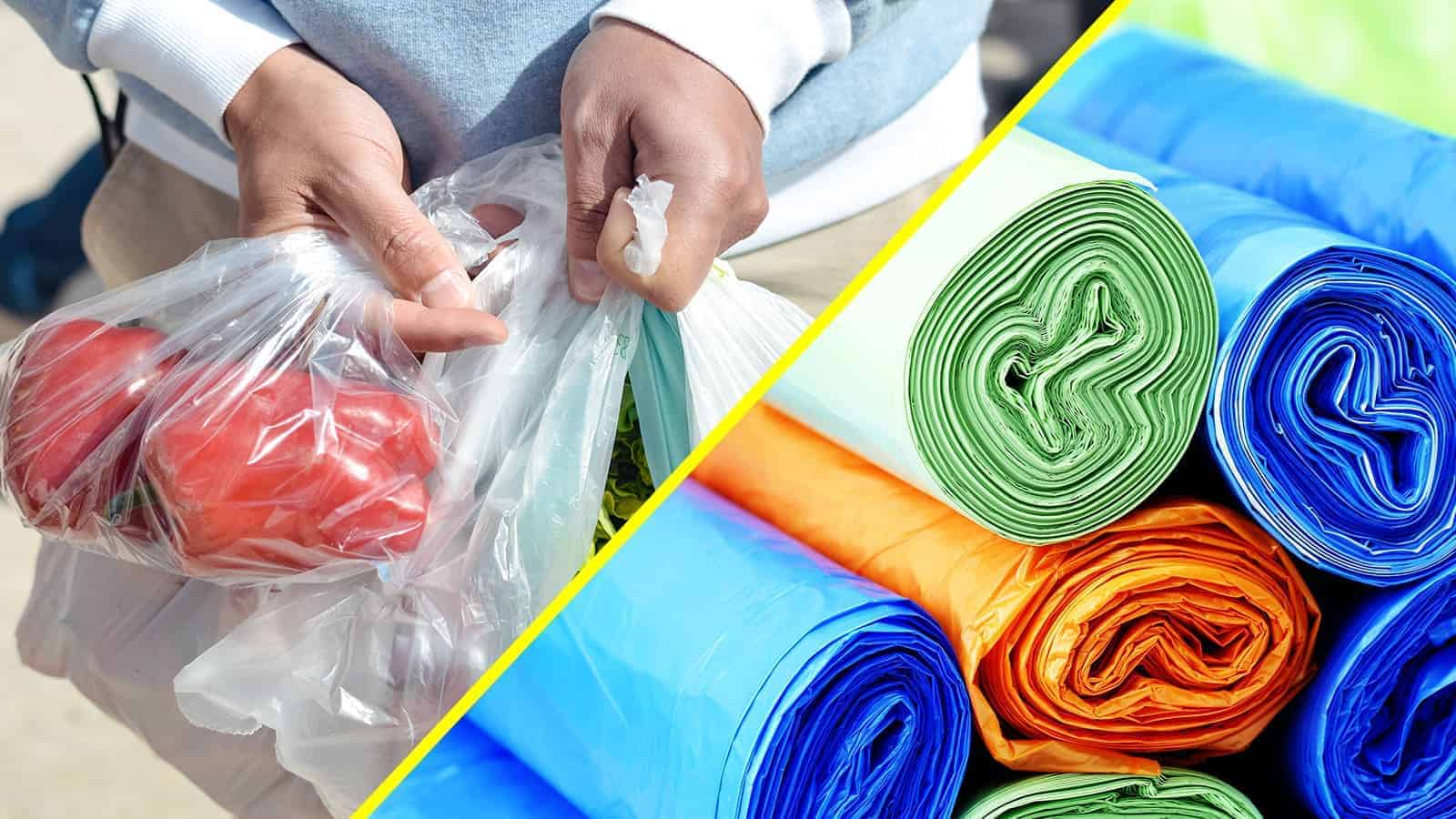
This week, the Portuguese Parliament green-lit a new bill that significantly changes the future of single-use plastic bags in the country. It has proposed to ban all these types of plastic bags, as well as disposable polyfoam and polystyrene packaging typically used for products such as bread, vegetables, and fruit.

Os Verdes, an environmental group, pushed this initiative. It received unanimous approval and aims to prevent all commercial outlets from using plastic bags with lower dimensions than fifteen micrometers in thickness. This applies to bulk bread, fruit, and vegetable sales. It is went into effect in June 2020, giving commercial companies plenty of time to find sustainable alternatives.

All products that use disposable polystyrene or plastic packaging for their products will need to put an end to it. Alternative methods for carrying and transport will then be forced to be implemented by all stores, markets, and shops carrying the corresponding items. Those that do not comply with these new laws will face heavy fines, which will be determined later on once the bill is fully approved.

The bill still needs to pass through processing by the Committee on Environment, but things are looking very positive for its future and approval on all sides, so in all likelihood, it will pass easily.

In the meantime, the relevant authorities plan to create awareness campaigns that teach consumers to use their own reusable bags.

2.    Past Laws

Portugal is not new to green laws, especially centering around plastic usage. In February of this year, their government announced that they would begin working to ban the sale of all disposable plastic products, including:

  • Straws
  • Sticks
  • Cutlery
  • Plates

This is in line with the European Union’s own goals, and Portugal hopes to put this into action in the latter part of the year 2020.

In Public Administration, many of these products are no longer used at all. Plenty of initiatives are in place in order to reduce environmental damage from plastic. Microplastics are strongly discouraged from use in cosmetic products, for example.

In October 2018, Portugal actually banned the use of plastic dishes and bottles in all government institutes, marking a big positive step forward in green legislation. There have also been steps taken to lessen paper wastage, too, especially when printing.

The country aims to knock down consumable usage by 25% in a single year; as such, they are working hard on providing alternative solutions for a better environment. This resolution applies to all State administration and may apply to other forms of administration, too, depending on circumstances.

3.    The First Plastic-Free Flight

In December 2018, Portugal hosted the world’s first-ever plastic-free commercial flight. It flew to Natale in Brazil from Lisbon on the 26th of December.

While many hotels and airlines have taken some steps to reduce single-use plastic consumption, including Air New Zealand, Alaska Airlines, and Delta, it was Hi Fly, a Portuguese airline, that made the first flight with zero single-use plastics.

The flight did not use any plastic:

  • Food containers
  • Cups
  • Straws
  • Cutlery
  • Stirrers

The company plans to completely eradicate the use of single-use plastic throughout all future flights this year. As such, this historic flight served as a test run of sorts for the airline. This would be followed by three future test runs after this, where they plan to experiment with a variety of sustainable materials, including:

  • Low-carbon materials
  • Bamboo cutlery
  • Plant-based materials
  • Compostable containers
  • Recycled materials
  • Renewable materials

The president of the airline stated that it was impossible to continue to view current levels of plastic waste with positive thinking, and the company knew it was time to focus on environmentally conscious choices. Hi Fly was heavily praised for their efforts.

4.    The State of Portugal’s Plastic Waste

The European Union as a whole produces a lot of plastic – 58 million tons yearly, to be exact, to which Portugal contributes significantly. On average, 31kg of plastic is used per person annually in the country – much higher than the average in other countries in the continent. Here’s how this is being combatted so far.

a)    Plastic Bags

After the EU launched a directive that ordered all its member states to ban single-use plastics in 2021, Portugal decided to work on introducing the ban  – by mid-2020.

Lidl, a supermarket in Portugal, has already begun to completely stop plastic bag usage and sales in its impressive 250 outlets – beginning with the northernmost ones and working southward.

b)    Plastic Bottles

There has also been discussion allowing deposits of plastic water bottles to encourage better recycling among citizens of the country. The goal is to create machines that can be placed in commercial areas. These machines can be fed water bottles and will provide discount vouchers to those who do so.

This plan may be put into action by the year 2021, though it is still in its preliminary phases. To start, 50 of these machines will be set up this year, and a study will be conducted as to their effectiveness.

Unfortunately, although 96% of Portuguese residents are aware of the fact that plastic poses problems and threats, most do not seem to be taking any active steps to reduce them, as seen in these statistics:

  • 65% say they cannot recognize recycled products.
  • 22% do not know that there are sustainable alternatives to single-use plastic bags.
  • Half of the aforementioned 96% have not sought out alternatives to single-use plastic.

5.    Europe’s Plastic Laws

The European Union will be banning all single-use plastic items in 2021, and all member states must comply. This encompasses a huge range of plastics, including but not limited to:

  • Straws
  • Stirrers
  • Cutlery
  • Cotton buds
  • Dishes
  • Containers
  • Balloon sticks

This is mainly in an effort to fight heavy plastic pollution currently affecting oceans, seas, and all forms of bodies of water. Some of these products will face a ban even sooner; straws, cotton buds, and stirrers are set to go out by October in 2020.

The proposals were all backed 571 to 53 in the European Parliament, so it is currently going through negotiations and pushing for legislative approval. Other targets of discussion include:

a)    Food Containers

All plastic food containers, which currently do not have alternatives, are set to be cut back in use by a quarter of current consumption by 2025.

b)    Fishing Gear

A quarter of European beach waste is linked to fishing. States may be required to attempt to collect and take in half of all gear left on the beach annually by 2025. They must then recycle a minimum of 15% of that collected amount.

c)    Drinking Bottles

By 2025, 90% of drink bottles may be separately collected and sent for recycling.

d)    Cigarettes

Many cigarette fillers use plastic of some sort. By 2025, there are hopes to cut down on the plastic content in these products.

Plastic pollution in the continent is estimated to, by 2030, cost Europe a whopping €22 billion if this trend continues. That’s why positive steps must be taken in order to curb this – and thus, the need for ambitious new legislation becomes apparent.

6.    Ways You Can Reduce Your Plastic Usage

Plastic consumption and waste plagues the whole world, not just Portugal. So if you want to do your part, no matter where you are, you absolutely can! Here’s how.

a)    Stop Buying Anything With Plastic Packaging

Plastic packaging is extremely convenient to use. That’s why so many products in stores make use of them, so it can be difficult to dodge them as they swing from all corners.

Try not to buy any product that uses plastic packages or wraps. Opt for bars of soap over plastic-packaged liquid ones. Say goodbye to disposable cutlery and dishes, too – time to invest in some decent diningware!

b)    Use Your Own Shopping Bags

America produces 100 billion plastic bags yearly. That puts the ratio of single-use plastic bags to US residents at 1:1 per day! That’s higher than many other countries, and it contributes significantly to the one-trillion global average.

Buy cloth shopping bags or other forms of reusable carriers and bring them along with you for shopping purposes. With plenty of kinds out there, you can’t help but find one that works for you.

c)    Stop Using Straws

The next time you buy a drink, don’t take a straw. Learn to drink directly from the cup – we promise it’s not that different!

Paper and metal straws are being produced more and more every year. If you really must use straws, or have a condition that requires them, consider those alternatives!

d)    Reduce, Reuse, Recycle

Users toss single-use plastics after one use, which is both wasteful and unsustainable, as this takes up more and more energy. Instead of buying plastics that you can’t recycle, go for ones that can.

Better yet, phase out plastic from your life as much as possible and only use non-plastic recyclable items. Don’t be afraid to find reusable ones!

e)    Get A Proper Water Bottle

Why buy plastic water bottles that you drink and toss out when you can get a sturdier, reusable one for long-term use? There’s a reason plastic bottled water has been banned in so many locations globally, after all.

If you have concerns about hygiene or quality in your water, use a water filter (for your sink or one that comes in a bottle) or boil water to use every day.
plastic

Conclusion

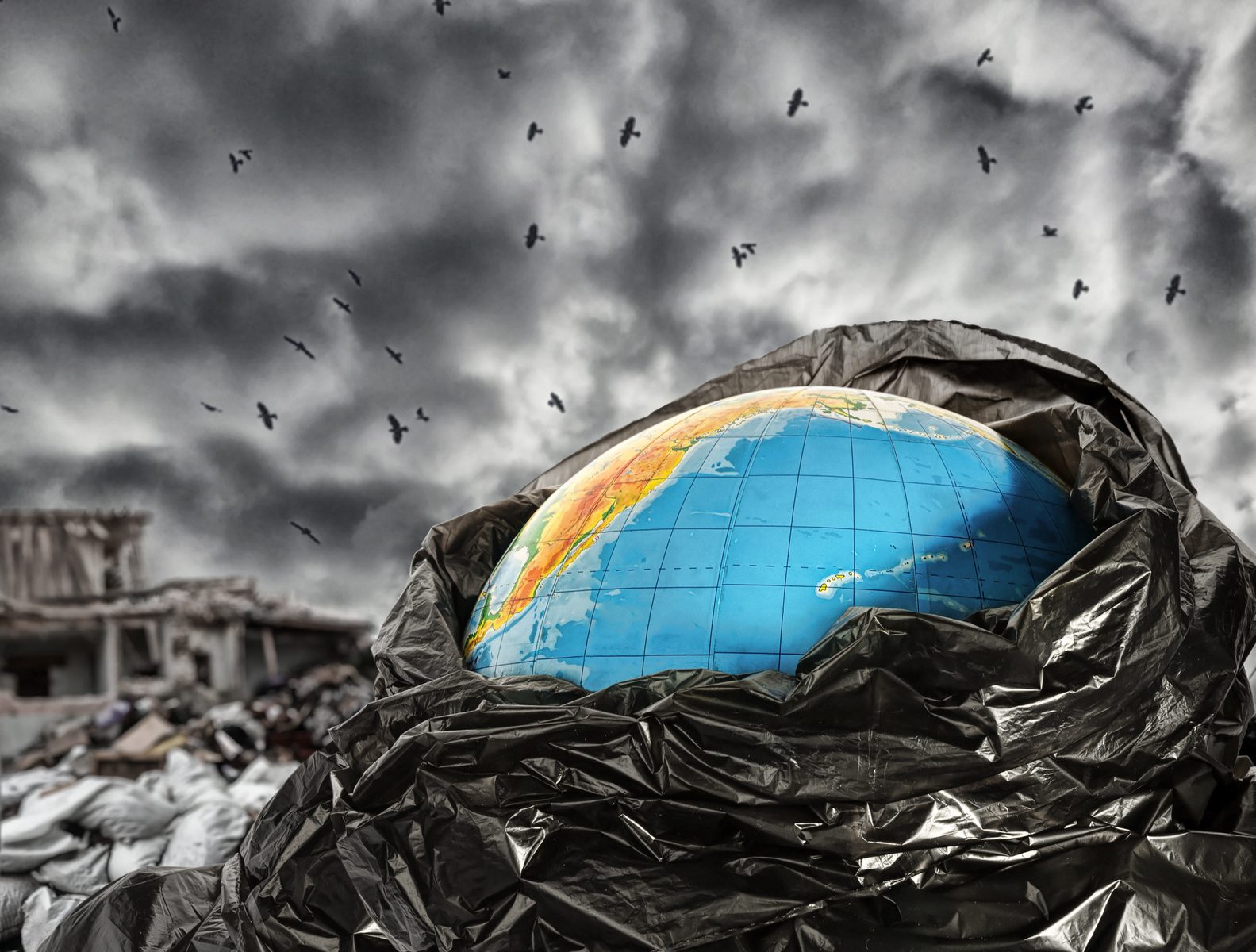
Portugal is taking steps to curb its plastic usage – and the rest of the world needs to get in on it, too. Pollution and waste is a worldwide issue that causes harm to the environment and costs billions of dollars to deal with.

The current steps entire countries have taken to curb plastic use certainly allow us to look forward with positive thinking – but only time will tell what the future holds. So do your part and try being more mindful of your choices!


8 Signs of a Successful Life (Without Being Rich or Famous)

If we only knew. If we only knew how happiness works. That’d be nice, wouldn’t it? So many of us continue to ask the question, “What would make me happy?” Of course, by asking the question, you inevitably proceed to brainstorm potential answers. Is it family? Is it status? Fame? Education? Income? A nice car? A big house? Being successful? What on earth is it?

Here’s the first (bonus!) sign of a successful life right out of the gate: you are happy. Success IS happiness. Happiness IS success. But because this is an article and not a platitude, we’ll dig a little deeper.

Again, if you are successful, you will have a happy life. If you are happy, you already have a successful life. For those who don’t fit into one of these two groups, there is hope. If you take the time to define success – and what that word means to you, you’ll have a happy life. Take note of the keywords in the preceding sentence: if, you, define. Let’s provide some context to those three words.

IF: Not everyone contemplates their success – or lack thereof. Those who don’t will find both success and happiness to be elusive.

YOU: Success is highly individualistic. It’s clear that society doesn’t know a darned thing about it. How many people are living in abject misery despite their “success”?

DEFINE: Once you’ve decided that success is worth considering, you must, of course, define what it means.

In this article, we’re going to talk about eight signs of a successful life that have nothing to do with money. First, let us talk about what success is not.

Success Isn’t What Most People Think

Here’s a question worth contemplating: Who or what has shaped how you view success? If you’re like most people, you need to give this question plenty of thought; even then, you may not come up with anything concrete.

There are a few reasons why answering the above question may prove elusive. Here are some:

– Subconscious programming: We must account for the first 6-7 years of life when a child is “taking in” the massive world around them. Of course, these memories are buried way down.

– Lack of input: If you’ve never grasped the notion of success and what it entails, your brain won’t produce much more than a surface, knee-jerk response – if any response at all.

– Fear or bias: Your situation in life, if it doesn’t match up well with your definition of success, may cause your brain to repress a response out of fear. We must also account for any cognitive bias(es), known or unknown.

Many (most?) of those who do manage to come up with a response to the question “Who or what has shaped how you view success?” probably came up with the same ole’ stuff: prestige, status, money, career, and so forth.

You can’t blame yourself for thinking this way. You were bamboozled. Hoodwinked into buying a pipe dream.

You may be thinking “Yeah…that’s what people who don’t have (x, y, and z) say!” This is a normal response – and it even has an element of truth (more on this later). But it doesn’t come close to telling the whole story.

What Society Says: A Short Interlude

“I think everybody should get rich and famous and do everything they ever dreamed of so they can see that it’s not the answer.” – Jim Carrey (source)

How have many rich, famous, “successful” people turned out to be living in abject misery? I’m sure that these folks thought that attention, status, and/or money would bring them that elusive happiness.

What the hell does “society” know about success much less happiness?

What the Science Says

“…numerous studies have shown that happy people tend to be successful across multiple domains … including work performance, health, income, friendship, and even marriage. … happiness is associated with and precedes … successful outcomes.” – Lyubomirsky, et al (emphases added).

Let’s unpack the above two findings from multiple studies which span years of research:

  1. Researchers concur that happy and successful individuals tend to be happy successful across a wide variety of domains – health and relationships among them.
  2. The happiness and well-being of successful individuals usually come before – and, arguably, as a prerequisite of – most success, they’ve had.

Perhaps the biggest takeaway from the years of study, including in the Positive Psychology arena, is that happiness and success are mutually inclusive. We established this mutuality in the earlier parts of the article – and it’s proven again here.

Let’s get a bit more specific with it.

Here are eight signs of a successful life that have nothing to do with cash:

1. Your Success Is Self-Defined

“It is better to fail in originality than to succeed in imitation.” – Herman Melville (source)

It’s worth repeating: society doesn’t know everything about success. Constructing a framework of success based solely on societal influences is a recipe for an unhappy – and thus, unsuccessful – life.

Some people are fortunate enough to know exactly what comprises a successful life for them (lucky, indeed!). For the rest of us, finding our own success comes through a period for introspection and, of course, trial and error.

2. Failure Doesn’t Stop You

“Success consists of going from failure to failure without loss of enthusiasm.” – Winston Churchill (source)

One of the most frustrating life callings is that of a creative visionary – an “inventor.” In this respect, Thomas Edison is perhaps the most famous, accomplished inventor in history. It is safe to assume that Edison’s relentlessness in the face of failure is what propelled him to the history books. Indeed, these failures may have been the catalyst of Edison’s quote, “Success is one percent inspiration and 99 percent perspiration.”

3. You Do No Harm

“Primum non nocerum.” (First, do no harm.) – Hippocrates (source)

Wall Street bankers – and the institutions they work for – can be considered by many some of the most injurious entities on the planet. These people are mostly to blame for the 2008 housing crisis leading to the worst economic downturn since the Great Depression.

Yet, if you were to ask someone passing by if they consider these folks to be successful, far more people would answer in the affirmative. How can one be successful at the expense of so many?  This question begs contemplation.

4. You Enjoy Your Work

“Do what you love, and you’ll never have to work a day in your life.” – Unknown

People who love their “job” are some of the most grateful people alive. Far too many of us slog through our workday, counting down the minutes until we can go home. If, at the present time, you find yourself in a less-than-desirable position, you can become more successful by following the next sign of successful people (so read on!).

5. You Manage Your Attention

“If you are interested in something, you will focus on it, and if you focus attention on anything, it is likely you will become interested in it.” – Mihaly Csikszentmihalyi (source)

First, re-read the above quote. Write it down. Commit it to memory. It’s that powerful. Moving on…

Attention is where you choose to place the spotlight of awareness. Prolonged effective management of attention leads to states of concentration, or the ability to focus exclusively on a chosen target, object, event, or situation. When you actively manage attention, you not only deepen your concentration abilities but become more resistant to autopilot mode. This maturing of your attention and concentration will drastically improve your life situation.

6. You’re Selfless

“The best way to find yourself is to lose yourself in the service of others.” – Mahatma Gandhi

Gandhi exemplifies the interrelationship between selflessness, service, and success. He may not have had a bunch of money, but he didn’t need it. He was still able, through the power of his words and character, to unite a country in the fight against racial discrimination and help end the British occupation of India.

Selflessness requires continuous intense effort as well as firm belief in a cause bigger than themselves. It’s no surprise, then, that we find some of the most selfless, successful individuals in fields like teaching, counseling, and government.

7. You Meditate

“Some research shows that the way meditation helps your brain to work better is consistent, staying with you not just when you’re sitting on a cushion with your eyes closed, but all the time.” – Annie Mueller, Lifehack (source)

Many of the problems that we have, including those that obstruct our happiness and success, are caused by a lack of awareness. On average, the human mind wanders about half of the time. Multiple studies link mind-wandering with unhappiness (thus, unsuccess.)

Most meditation techniques are rooted in mindfulness – the ability to recognize a wandering mind and bring it back to the focus of attention. Many, perhaps most, people who call themselves successful have a regular meditation or mindfulness practice because it trains the mind to become much less responsive and habitual.

meditate

8. You Don’t Try So Hard

“Don’t try.” – Charles Bukowski, Jr.

Make an effort. Have goals. But don’t go crazy trying to achieve them. While you may end up a “success” in the eyes of the world, you’ll bring disappointment to the only person whose opinion truly matters: yourself.

The end.

7 Easy Ways to Change Your Life In One Month

Do you feel like your life is on autopilot?  Have your days spread into years and you wake up feeling like you’re a mouse on a wheel?  Maybe you just feel like something is missing and you need to change your life.

You fondly remember when you were in college or high school with such fabulous plans for your future.  You look around wondering, “What happened?” It’s not that you don’t love your partner, your kids, or your life overall, but it feels too repetitive.  You’re feeling restless and bored.  You want to make some changes in your life – things that will improve it, add something new or different, and provide you more time for fun things with less stress.

You are not alone.  According to the Harris Poll for 2017, only 33% of Americans are happy, yet 73% are optimistic in general.  That does seem par for America.  We are always striving for a better life which leaves less room to be happy in the now.  Yet, because we believe it is possible to achieve better, we are optimistic.

Making changes in our life is not easy.  It can be scary, uncertain, and uncomfortable.  We have been in a certain routine for years and our brains have gotten far too comfortable with it.  Yet, we want something different.  Maybe we even need something different, because things in life aren’t working in a manner that furthers our success.  You might be thinking that change takes a long time to implement, but that’s not always the case.

In this article, we will discuss 7 easy ways to change your life in one month. First, let’s look at a couple other facts and factors in regards to change.

The steps toward change

Daydreaming about what life would be like “if” is different than deciding and committing to change.   Every New Year’s Eve, millions of people make “New Year’s Resolutions” toward changing something or a few things in their life for that year.  This can grow into a great tradition.  If nothing else, it keeps one reviewing what is internally important to them.  On the flipside, people do not usually follow through on those resolutions throughout the year.  As a matter of fact, they may never follow through or it may take a few more years before they get serious about their goals.  Why is that?

Dr. John Norcross Ph. D., an internationally known expert on behavioral changes and author of several publications and books, has committed 30 years of research toward this subject about change.

Dr. Norcross states that there are five stages of making changes:

  • Precontemplation: You are being pressured to change but are either unaware or resistant.
  • Contemplation: Starting to think about change but still not quite feeling it or are not confident.  Norcross recommends taking this time to review the pros and cons of changing.  Maybe start to get items in order to make the change.
  • Preparation: Intend to start making changes soon. You start planning your schedules around making the change, gathering support from friends or family, and setting dates and goals.
  • Action: This is when you actually take action in making the change. Norcross warns that now is when your inner critical voice is going to retaliate, argue against you, and prey on your every weakness to get things “back to normal” or to what is comfortable.  Make sure you have a strong support system, an outlet for increased stress, and a way to deal with the fear and anxiety.
  • Maintenance: Creating a plan to maintain progress, including learning and implementing skills to combat your inner voice, allowing a support group to help you and keep you focused on your goal.

 How habits are formed

 We all have habits.  Getting up in the morning and going straight to the coffeepot is a habit.  Driving the route you take to work is a habit.  Biting your lip when you are focused is a habit.

We all have small and big habits we do every day.  Some we are conscious of, some, not so much.  Many were created based on a need or strong want.  Perhaps you really want coffee in the morning (arguably, need); clearly, you need to be clean for work, and you probably need to drive to work.   Maybe you feel nervous so you bite your lip as a self-defensive need.

How or when we developed these habits, we probably don’t even think about.  Maybe we should.  Maybe realizing how habits developed can help us understand how to create new ones or rid ourselves of bad ones.

            The formation of habits can be broken down into 3 steps.

  • The trigger: Something acts as a trigger for you to take some sort of action.  Your alarm clock going off is a trigger.
  • The action: This is the action you actually take.  Your alarm triggered the action to get out of bed.
  • The reward: This is where your brain receives some sort of reward for taking action. You got out of bed so you could arrive to work on time.  The reward was not losing your job and having the ability to bring home a paycheck for you and your family.

Charles Duhigg, an expert in behavioral psychology and author, suggests that one of the main reasons people fail at creating a new habit is because they don’t understand how a habit is formed; more importantly, they don’t reward themselves.  Our worst habits are formed quickly by chemical releases in the brain.  Smoking, drinking, gambling, and drug abuse are all easily formed because our brain lights up with a swell of dopamine and other hormones.

Most habits don’t create that rush immediately.  The rewarding sensations require more long-term, consistent action, and the response doesn’t necessarily have the same potency.  For example, when you want to start exercising, you don’t feel the dopamine release until you work out for a certain amount of time and at a certain level of performance.  With exercise, you are physiologically attempting to re-create the sensation of a dopamine rush until you reach that peak of performance.

Ironically, studies have shown that eating a small piece of chocolate after a workout will create the same “rush” as what is created by the workout itself when you hit that peak of performance.

It is that reward or “feel good” sensation that keep people motivated.  It is important when changing a habit or creating a new one that you reward yourself immediately.  This allows your brain to equate feeling good with the new activity.  Such a reward could be:

  • The chocolate, as mentioned above
  • Allowing yourself 15-20 minutes of a hobby that brings you great joy
  • Taking 15 minutes to listen to some really good music and dancing

Easy ways to change your life

 Big rewards do not require big steps.  There are many different little and easy things you can do that change your life.

1. Keep a gratitude or happiness journal.

Take 10 minutes out of a day to write at least three things you are grateful for or three funny things that happened that day.  Studies have shown that in as little as one week, participants were less depressed, and the positive effects lasted for months.

We can’t think of a better way to change your life than increase positive thinking through gratitude.

2. Decrease screen attention.

Spend less time looking at your phone, computer, or laptop.  Whether it is to scroll through social media, check your email, or text, we have become too accustomed to that instant gratification. It is reducing our productivity, attention span, and sleep.  Maybe read a book, magazine, or newspaper instead.  Make sure to turn off any screens 30 minutes before bed to ensure you are getting good sleep as well.

3. Get up early and start your day.

It has been shown that the most successful people get up by 5 a.m.  That is not always possible for everyone, but striving to get up early and starting your day helps you stay focused and on schedule.

Getting up an hour before your family may give you time for yourself that you desperately need.  Peace and quiet can be a great stress reducer, allowing you to perform better the rest of the day. This single decision can change your life.

4. Get some physical activity.

Not everyone likes to exercise, but our body and brain like exercise.  Taking a 20-minute walk is good for your cardiovascular system, but it also helps to clear your head and de-stress. Breathing fresh air and being in the sunshine can brighten your mood and help you see things more positively.  On the contrary, sitting for over eight hours a day only breeds heart disease, obesity, tiredness, muscle strain, and weakness.

5. Create a system.

A system is composed of daily routines and goals. The goals should be both short- and long-term.  It helps to build routines that focus on what is important to you, rather than just what is urgent.  The things you do in your day(s) should lead you to your goals to change your life.

Structure the time you get up, the time you work, the time you go to bed, and the other time you have control over in your day.  Do your best to stick to it but be prepared to amend it as needed. This is a way of taking control over your life rather than having your days flow down the river with nothing to remember for it.

6. Schedule your tasks.

Make a list every morning or the night before of things that must get done.  This allows you to focus and gives a sense of urgency to what you need to do in your day.

We have a lot of distractions in our day and things get lost in the shuffle.  By making a checklist of what MUST be done that day and what can be ignored until later, you can better keep your attention and complete projects.

7. Play.

As adults, we tend to focus only on our responsibilities, and everything seems urgent or rushed.  Take a breath. Give yourself time to de-stress through playful activity – whether that is playing a group sport, joining a club, doing a family fun outing, or gaming.

It is essential to stay tuned to your child side, because it is our child side that keeps us aware of life, the world, and others.  If you change your life in this way, it affords you curiosity and the capability to learn new things. This also allows us to socialize and bond with others.  Best of all, it helps us to smile and laugh.

questions

Final Thoughts on Ways to Change Your Life in One Month

Life is short.  Don’t let yourself get caught up in the rut of day-in, day-out routines without ensuring you are getting something more out of it.  Life will go on either way.   Ninety percent of what we do isn’t remembered tomorrow.  Make the other 10% count.  Try these 7 easy ways to change your life and see what your tomorrow brings.

Maine Declares Ban on Styrofoam That Hurts the Environment

Food containers made of Styrofoam, or polystyrene, have been banned from Maine businesses after governor Janet Mills signed a bill last week. The law will go into effect January 1, 2021, and will make the use of Styrofoam containers used for takeout illegal since they cannot be recycled.

Maine is the first state to ban these harmful food containers; the law will also apply to plastic beverage stirrers.

States like New York and California have prohibited single-use plastic bags; however, other states like Tennessee and Florida have taken the opposite stance. These states have made it illegal for local municipalities to impose restrictions on plastic and Styrofoam. Hopefully, every state in the nation will eventually be on board with banning materials such as these that ultimately harm the environment.

Maryland has also approved bills to ban Styrofoam, but we do not yet know whether Republican Gov. Larry Hogan will sign them into law. Democratic Delegate Brooke Lierman, the primary sponsor of the Maryland House bill, said that banning foam products demonstrates a step in the right direction when it comes to getting rid of single-use plastics.

Governor Mills explained that since Styrofoam can’t be recycled, every single cup of coffee you drink in such cups does not decompose. In decades to come, the particles will simply pollute the environment even further and cause harm to wildlife and nature.
Violators of the new law could face a fine of up to $100, News Center Maine “Maine has proven itself an environmental leader once again, this time in eliminating disposable foam containers that have become a common, costly, and deadly form of plastic pollution,” said Sarah Lakeman, Sustainable Maine Director at the Natural Resources Council of Maine (NRCM), in a statement.

She added, “With the threats posed by plastic pollution becoming more apparent, costly, and even deadly to wildlife, we need to be doing everything possible to limit our use and better manage our single-use plastics — starting with eliminating the use of unnecessary forms like plastic foam.”

plastic bags

The NRCM reports that plastic foam food containers are one of the top 10 most commonly littered items in the US. In fact, Maine uses more than 256 million pieces of disposable foam cups, plates, bowls, platters, and trays every year. As you can imagine, the number of foam containers used across the U.S. annually likely numbers in the billions; it’s past time for all of us to take a stand in protecting the environment.

15 towns in Maine have already banned foam food containers prior to the law being passed.

Styrofoam serves as a major polluter of the environment; it breaks down into small pieces, making it hard to clean, according to Ashley Van Stone, executive director of Trash Free Maryland. Foam also absorbs toxins faster than other plastics. Additionally, marine life often mistake it for food, she added. This means that, when we consume fish and other marine life, we will absorb some of those toxins as well.

So, polluting our Earth with plastic and its byproducts affects everything on a cellular level. Clearly, Maine’s decision to ban Styrofoam is a monumental step in the right direction.

(C)Power of Positivity, LLC. All rights reserved

San Francisco Becomes Latest City to Ban Use and Sale of Plastic

Congratulations and Thank You to the City of San Francisco. The Golden City has become the latest to ban the sale of one of the biggest environmental nuisances: plastic bottles. Furthermore, retailer and vendors operating inside city limits will soon no longer have permission to include single-use plastic accessories without meeting specific criteria.

“What’s so great about that?” you may be wondering. Fair enough. We’ll address this question by first discussing the environmental costs of plastic before explaining what San Fran’s law entails. Finally, we’ll get into the latest news and research about possible plastic alternatives – and how you can do your part.

The Environmental Cost of Plastic

“An estimated 4.8–12.7 million metric tons of plastic entered the world’s oceans from land-based sources in 2010 alone, and the flux of plastics to the oceans is predicted to increase by an order of magnitude within the next decade.” – Beaumont, N.J., Et al. (source)

No other material exemplifies the words “garbage” and “toxic” quite like plastic. From extraction and production to consumption and disposal, plastic pollutes throughout its entire life-cycle.

Extraction:

The manufacturing of plastic requires crude oil as raw material as well as natural gas and coal to power the plants that churn it out. Moreover, extracting fuels generates air and water pollution, harming local communities. The ubiquitous nature of plastic acts as a sort of lifeline to an industry that is continually being reprimanded for its environmental crimes. Whenever you hear about a gas line exploding or oil seeping into well water, you can thank the fossil fuel industry.

Production:

Converting crude oil into plastic requires the operation of chemical processing plants that emit some of the highest levels of pollution of any commercial activity. Just this past March, a Texas woman submitted evidence of illegal dumping – unauthorized waste disposal – to a federal court. What was the evidence? Countless toxin-producing plastic pellets which had been piling up in waterways for nearly three decades.

Consumption:

Plastic is one of the most toxic materials in existence. Most plastic products, including the “sippy cups” given to babies, toys children play with, and products our pets chew on may release chemicals that mimic the sex hormone estrogen. Plastic can adsorb – gather and hold the molecules of – toxic substances from any environment. It is estimated that almost 80 percent of all pollutants listed as “priority” is linked to plastic litter.

Disposal:

Since plastic is non-biodegradable, it stays around for hundreds of years. It is estimated that only nine percent of all plastic is recycled; the rest ends up in landfills, waterways, oceans, mountains, and every other imaginable place. Plastic even seeps into our tap water, exposing our bodies and those of our children and pets to its toxins.

Where Plastic Ends Up

The images of marine animals bound with plastic bags are disturbing; likewise, the troves of plastic forming makeshift barriers alongside once-pristine beaches; likewise, the plastic debris that accumulates in our national parks. How about the 200 tons of garbage being dragged off of Mount Everest?

But it’s not just these unsettling images that should cause alarm. Indeed, plastic is an environmental nuisance, and it appears as if we’re reaching critical mass (no pun intended.) The fact is that plastic can end up anywhere and everywhere – and it does. Here’s a voluntary experiment: next time you’re out on the town, take a close look around you. The amount of free-floating plastic garbage is astonishing.

“Plastic, Litter, and Toxics Reduction Law”

“We have to stop treating our oceans and planet like a dumpster. Any fifth-grader can tell you that our addiction to single-use plastics is killing our ecosystems.” – Assemblywoman Lorena Gonzalez (source)

Going into effect on July 1, 2019, all San Francisco retailers and food and beverage vendors cannot distribute “single-use foodware” plastics, including straws, beverage plugs, cocktail sticks, stirrers, and toothpicks. On January 1, 2020, all compostable foodware, including great-resistant paper, paper plates, and to-go containers must be certified as biodegradable.

As part of the law, products such as chopsticks, condiment packages, lids, napkins, sleeves, stirrers, and utensils are only available upon customer request. The new law prohibits including these accessories in a customer’s order for dine-in, take-out, or delivery unless requested.

City officials have also voted to ban the sale and distribution of plastic bottles on all city property.

In 2007, San Francisco became the first city in the United States to ban or regulate plastic bag usage, expected to reduce plastic bag usage by 70 to 90 percent. A few years later, in 2012, Los Angeles County passed a similar plastic bag ban.

Concerning efforts to reduce or eliminate plastics, California appears to have taken the lead. Of all states, California has more laws on the books than any other. In August of 2014, the state of California became the first to impose a statewide ban on single-use plastic bags at large retail stores. The law also introduced a 10-cent surcharge on recycled, reusable, or compostable paper and plastic bags.

Other states that have a ban on plastic bags include Hawaii and New York. States that have statewide “labeling, recycling or reuse” programs include Delaware, Maine, and Rhode Island.

So far this year (2019), lawmakers have introduced at least 95 bills related to plastic bag consumption. Most bills introduced would either ban plastic bags or charge a per-bag fee for those options to use one. The remaining bills would work with local governments to institute some kind of recycling program or some other measure.

Final Thoughts: Plastic Alternatives and Doing Your Part

“We have technology and innovation to improve how we reduce and recycle the plastic packaging and products in our state. Now we [must] find the political will to do so.” – Assemblywoman Lorena Gonzalez

Human beings are amazingly intelligent, innovative, and resourceful. The fact that most of society can’t seem to agree upon and implement means – laws, programs, anything – to counteract the environmental damage being done by plastic (and other stuff) defies common sense.

Make no mistake: we can use plenty of materials instead of plastic – at least when it comes to bagging, packaging, and storing things. Some of the more interesting alternatives include:

Bagasse:

A malleable byproduct of sugarcane processing, it could serve as packaging for food delivery and food service.

Bioplastics:

Manufactured out of waste from food products, bioplastics can make bottles, containers, and films. The most promising bioplastic is polylactic acid (PLA), made from waste from corn production.

Corn starch and sorghum:

An eco-friendly alternative to polystyrene, corn starch and sorghum (grains used to make flour and as cattle feed) can be manufactured to serve as a packaging filler.

Milk plastic:

A protein in milk, called casein, can be used to make plastic. A company called Lactips already manufactures plastic for the detergent industry.

Silberboard:

Both a compostable and recyclable alternative to metallized boards and paper, silberboard has many potential uses, including as a food container and a film.

Closing Thoughts

Most places around the world have some kind of recycling program. Until the above-mentioned alternatives gain traction and serve as a more viable alternative to plastics, all of us can do our part by merely collecting the plastics we don’t need and heading to the recycling bin. We can also take simple measures such as using sustainable grocery bags or choosing paper instead of plastic.

Ear Specialists Explain 6 Reasons to Stop Cleaning Ears With Cotton Buds

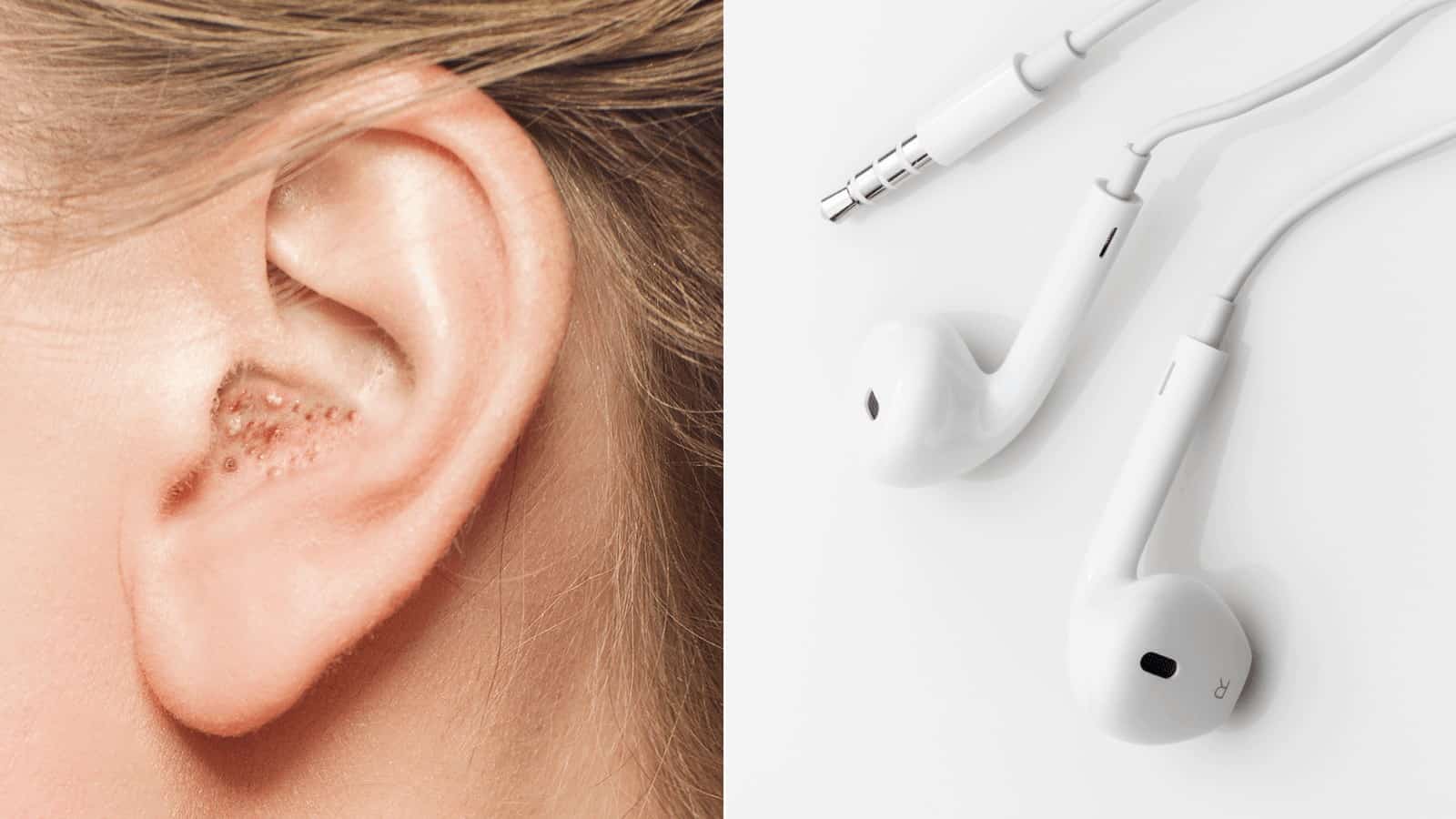
People worldwide use cotton buds, or “Q-tips,” to clean their ears. Some do so to eliminate the wax; many may even enjoy the sensation. You might believe these soft, gentle products are perfect for this purpose, but what if I told you that they aren’t?

As a matter of fact, cotton buds can be very bad for the ears. Most packages of the items even specify that they’re not to be used for that purpose; still, many people go ahead and do so! Perhaps it’s because the warnings don’t seem serious or because they can’t imagine delicate items being harmful.

Unfortunately, cotton swabs are fairly bad for your ears for many reasons. In some rare cases, it can even cause a severe reaction – such as a brain infection that, if left untreated, could turn life-threatening and result in fatalities. Yikes!

Ear Specialists Claim Cleaning Ears With Cotton Buds Can Give You Brain Infection

But why, exactly do cotton buds pose such a threat to your ears? Can you really get such serious health problems from them? How are you supposed to clean your ears instead? Don’t worry, we’ve got the answers!

identical twins

A Mysterious Brain Infection 

A 31-year-old man was admitted to the hospital’s emergency room after experiencing a bad seizure. At first glance, it would appear an odd occurrence. The man was otherwise very healthy and had no pre-existing medical condition that would lead to a seizure.

Before he had been admitted to that hospital, the man had been dealing with some unusual symptoms. His left ear had been hurting for about two weeks, and a lot of discharge had flowed out of that ear. He’d even started to lose his hearing abilities to some degree.

As the days passed, he also began to experience bad headaches, though only on the left part of his head. The migraines were so severe that they drove him to the point of vomiting multiple times. He was also having memory troubles and beginning to forget other people’s names.

Doctors decided to conduct a brain scan to see if they could discover what was going on. To their horror, they discovered multiple abscesses present in his head, leading from the ear canal, up into the bones of his skull, and into the lining of his brain. Abscesses are, in layman’s terms, severe types of infections.

Discovering the Cause of the Brain Infection: Cotton Buds

In this man’s case, the infection was necrotizing otitis externa, which is a bacterial infection. Toxic chemicals caused by the infection may have led to the seizure, or it could have also been the swelling happening in the brain causing pressure that caused the attack. The temporary memory loss could also be explained through this means.

Doctors needed to look closer at his ear, so they began a surgical exploration. That’s when they discovered the culprit behind this whole ordeal – a small portion of a cotton bud or swab that had become stuck in his ear and remained there. While he had been cleaning his ears with a cotton bud, this tip had broken off and become stuck inside his left ear without him realizing it.

There’s no way to know for sure how long that cotton bud part was in there, but given its condition and the wax around it, it had likely been present for a significant amount of time. Luckily, doctors could safely remove the part and clean up his ears.

What happened to the man? Well, he received the right medical treatment, and after ten weeks, he recovered entirely with no symptoms remaining at all so that he can look forward to the future with positive thinking.

Other Reasons Why You Shouldn’t Use Cotton Buds To Clean Your Ears

Virtually all medical professionals will tell you that inserting cotton buds into your ears is not a positive move. It’s not just because of the minimal risk of a brain infection, either. There are tons of other valid reasons that you shouldn’t do this. Here are some of them:

1. Cotton Buds Push The Wax Further In

When you use cotton buds, you think you’re scooping dirt out – but all you’re really doing is pushing it back inside. Essentially, you’re forcing the wax deeper in and shoving it up against your eardrums.

This is pretty bad and can lead to the rupturing of your eardrum. It might even cause an impact. These issues could all potentially point toward hearing loss.

2. You May Hurt Yourself

Cotton buds may usually be quite soft, but that doesn’t mean they can’t accidentally harm you. If you’re pushed while cleaning your ears or you happen to apply too much pressure, you can injure your eardrum.

In addition, the sticks of cotton buds are fine and sharp, so you may wind up accidentally scratching yourself, leaving you more prone to infections.

3. You Could Dry Out Your Ear

Earwax isn’t all bad. It’s full of antibacterial qualities that help to keep it safe from infections. When you remove it in excess, it can actually lead to dryness and irritation, which can then make you more susceptible to ear infections.

4. It’ll Cause The Wax To Be Harder To Get Rid Of

When you force all of your ear wax back into your ear while using a cotton bud, you’re causing the wax to stick together. This means it is becoming compact, so getting rid of the wax will be even harder. This wax can even impede your hearing by blocking up the eardrum.

5.  Earwax Has Lots Of Uses

Aside from providing antibacterial benefits, earwax does much more than appear gross, so don’t underestimate its positive qualities! It is an insect repellent, so you don’t get bugs in your ears. It keeps your canal lubricated against itchiness and free you from infection.

6.    It Will Clear Itself Out

Believe it or not, your ears are capable of self-cleaning. Yes, that’s right! Whenever you move your jaw, wax is typically pushed outwards towards the outer ear. Just eating, yawning, and even talking will get this done. You can practice positive thinking and know your wax will flush itself out.

So, what do you have to do? Just shower well, and use a clean cloth to cleanse the outer ear area now and then.

pop meme

How To Clean Your Ears The Right Way

For the most part, ears are self-cleaning, but that doesn’t mean you won’t want to give it a good clean occasionally. But now that you know not to use cotton buds, what else can you do?

There’s a correct way to clean your ears easily, and you don’t need a lot of materials – just things you probably already have at home. While it’s more time-consuming than cotton buds, it’s safer, healthier, and more effective. Here’s how to clean your ears in the right way. You will need:

  • Clean water
  • Syringe-like object (a medical syringe, a bulb syringe, or a bottle with a small hole)
  • Bowl
  • Towel (or another bowl)
  • Alcohol
  • Household-strength hydrogen peroxide (optional)

Step 1:

Get some clean water at a lukewarm temperature and place it in a bowl. Be sure that it is neither too cold nor too hot; extreme temperatures can cause a reaction from the auditory nerve, leading to temporary dizziness and loss of balance.

Step 2:

This step is optional, but if you so desire, you can add a couple of drops of hydrogen peroxide (household-strength) to the water in the bowl.

Step 3:

Set out another bowl or a towel underneath your face to catch discharge from your ear.

Step 4:

Take a syringe-like object of your choice. Your best options are medical syringes (without any needle) or a bulb syringe. Barring that, you can use a bottle with a tiny pinhole prick in the base or any other similar item. Fill this object with the water that you have ready in your bowl.

Step 5:

Start with your right ear. Pull your right ear backward and upwards with your right hand; don’t worry, you should be able to reach it.

Step 6:

Raise the syringe above your ear and squeeze it so that the water within it enters your ear canal. Try to do so with steady and constant pressure.

Step 7:

Wait for the wax to exit your ear. Once it does, you have completed your task. It should not take longer than 5 minutes.

Step 8:

Switch over to your left ear now and do the same process again.

Step 9:

Take some alcohol and place a few drops into your ear. This will help to dry the ear canal well. If you like, you can also add peroxide to this alcohol before using it.

Do note that if wax still has not come out of your ear after 5 minutes, you should stop for the time being. You should also stop if you begin to get dizzy, or if you start feeling any pain. You can always attempt the irrigation once more when a few hours have passed; by then, the initial water you used will have helped to soften any debris or wax for easier removal.

wear headphones

Final Thoughts On How Cleaning Ears With Cotton Buds Can Give You Brain Infection

Yes, cleaning your ears with a cotton bud feels good, and it’s straightforward – but it can also be harmful. Not only are you drying out your ear and making the buildup worse, but you’re also opening yourself up to the possibility of itchiness, hearing loss, and infections of all kinds.

If you need help cleaning your ears correctly, you can always opt for special cleaning tools designed specifically for this purpose.

Do note that you can always speak to a doctor about getting your ears professionally cleaned if the need arises. If they feel very backed up and you really need wax removed, an Ear, Nose and Throat (ENT) specialist can help to perform some heavy-duty cleansing!

20 Touching Photos of Dogs And Their Owners Growing Old Together

Dogs make everything better. If you’ve had a long day at work or school, you get to come home to a wagging tail and lots of cuddles with your fluffy friend.

Dogs stand by our side through thick and thin, so of course we treat them like a member of our family. Dogs can sense when we’re sad and do their best to comfort us; they might lick our face or jump into our lap for some cuddles to cheer us up.

In short, dogs are amazing creatures, and they deserve nothing but the best from us. For animals who give unconditional love without thinking twice, we would be crazy not to give it right back to them.

If you’re a dog lover, you will enjoy the following photos of dogs and their owners growing up together.

Here are 20 touching photos of dogs and their owners growing old together:

1. These two have been together for 20 years! Most dogs don’t live past 13-14, so this is definitely a huge blessing.

20 years later and still going strong

2. Bernese mountain dogs are so beautiful (and adorable)!

6 weeks vs. 6 months
by inaww

3. This dog and his owner have been together 14 years, and they both have the grey hair to prove it!

(Before/After) 14 years and a lot of grey hairs later
byu/gorillastyle808 inaww

4. Dogs like to show their owner who is boss sometimes. Don’t take it personally!

Once the bos, alway the boss
byu/ruiluipara2017 inaww

5. St. Bernard dogs are quite the handful, but the love these dogs can give is limitless.

Before and after

6. What an adorable ball of fluff!

Exactly 12 years apart

7. Same place, but 11 years later. What an adorable pair they make!

11 years apart.
byu/cloudpad_app inaww

8. These two love to hold hands, as you can see in the photos. Dogs are just so amazing!

Let’s grow up together, friend

9. Dogs that grow up with us from childhood will always have a special place in our hearts.

My boy Lucky was there for my first day of Kindergarten and my Senior portrait
byu/-Gossdaddy- inaww

10. This vet continues to care for his little pal, and it’s clear how close they are from these photos.

Veterinarian caring for the same dog 15 years apart
byu/Mouse_fighter inpics

11. In just one year, this dog is almost as big as her owner standing up!

3 – 6 – 9 – 12 months with my little girl
byu/oosoccerfreak inaww

12. Dogs that fall asleep with us are definitely the best.

“I want to sleep on you hooman”
byu/anudeep30 inaww

13. Aren’t Golden doodles some of the cutest dogs you’ve ever seen?

Puppy progression. Golden doodle puppy to brown bear 9 months
byu/Hghgrad inaww

dogs

14. You can tell how happy these two make each other!

Growing together

15. Nine months later and this Golden doodle has taken over everything! Just look at that wink in the 3rd picture; it’s like she’s saying, “You thought I was done growing? Just wait!”

Puppy grows into small horse in 9 months..
by inaww

16. Still snuggling together. So cute!

Then and now. Growing up together.
byu/ModestMoose2 inaww

17. He still just wants to be held by his momma!

Still a puppy at heart

18. 10 years later and still going strong.

My little brother and his dog Domino 10 years apart.

19. What a nice smile from these two in the second pic! Happy dogs are the best dogs.

@jubjubthedog Before and After

20. Dogs that know us from a young age and get to see us grow up are absolutely irreplaceable.

First time they met and now today growing up together as best friends
byu/drakedaaegaming inaww

Aren’t dogs just the best? Which of these photos was your favorite? Let us know in the comments below! If you have a dog of your own, please share some photos with us!

(C)Power of Positivity, LLC. All rights reserved

13 Habits That Make Your Brain Age Faster

It’s no secret that the brain ages with the body. Cognitive decline and all sorts of degenerative disorders can develop as you grow older. The brain, like any other organ in the body, needs to be taken care of. If we fail to do so, it can become sick – just like any other body part.

As you age, neuron communication may grow weaker. Additionally, you might not get as much flow of blood to your brain. You might deal with more inflammation. All these issues contribute to causing a brain to decline.

But did you know that there are things you may be doing to speed up this aging process? Certain bad actions may be responsible for early cognitive decline, and it’s imperative that you know what those actions are so you can avoid them!

Here Are 13 Habits That Make Your Brain Age Faster

1.    You Drink In Excess

If you’re a heavy drinker – or even a moderate one – you can damage the hippocampus in your brain. That part of the brain works by helping you learn and bolstering your knowledge. When you have a regular alcohol consumption schedule that puts you at a blood alcohol level of 0.08% or more, not as many nerve cells in this region are produced.

This doesn’t mean you can never enjoy a reasonable glass of wine with dinner, and it doesn’t mean you can never get tipsy on rare occasions ever again. What it does mean is that consuming too much alcohol can certainly cause your brain to suffer when it comes to memory and picking up new skills.

2.    You Live A Sedentary Life

If you spend most of your day sitting down and don’t make an effort to get any physical activity in, this sedentary lifestyle could put you at risk of developing dementia when you get older.

Studies have found that people who have good levels of cardiovascular fitness have an 88% lower chance of developing dementia than people who have moderate fitness levels. For those with high fitness who do develop dementia, they will do so more than a decade later, on average. That’s as good a reason to hit the gym as any!

3.    You Don’t Maintain Friendships

It’s not uncommon for friends – and even family – to drift apart from each other as time goes on. But when you lose those close relationships, it can grow even more difficult to build new ones as you age.

Studies have shown that senior citizens who regularly attend social activities have a much lower rate of declining cognitively than those who do not socialize. Activities include:

  • Visiting family
  • Meeting friends
  • Watching sporting events
  • Attending clubs
  • Indulging in social hobbies

This is likely due to the fact that the act of socializing can bring down stress levels, and stress can exacerbate cognitive and neurological problems of all kinds. As such, avoiding social contact is one of the habits that makes your brain age faster.

4.    You Neglect Your Heart

Your heart is responsible for keeping so many parts of your body alive and thriving. As such, it’s really not a surprise to state that its wellbeing is linked to the brain. According to Alzheimer’s Association’s Global Science Initiatives, James A. Hendrix, what is beneficial for the brain is the same as what is beneficial for the heart.

Studies have shown that if someone has diabetes, hypertension, or other potentially heart-harming conditions in their middle-aged years, they have a greater risk of developing dementia when they age.

5.    You Smoke

Smoking is a bad habit for many reasons, but one of them is the fact that smoking can increase Alzheimer’s disease risk. In fact, it almost doubles those chances.

You may have read studies funded by the tobacco industry stating that cigarettes do not increase this risk. Unfortunately, these pieces of research are highly inconsistent with all scientific findings from studies unaffiliated with the industry; as such, you’ll have better luck believing the unbiased reports.

6.    You Don’t Get Enough Sleep

The body requires between seven and nine hours of sleep per night; if you aren’t getting that, you’re doing your health a huge disservice. There are countless downsides that occur when you deprive your body of the rest it needs – and one of them is increasing the risk of cognitive decline.

This is especially true if you’re older. Brain scans and research have revealed that those who don’t sleep enough wind up with ventricle expansion at a quicker rate, as well as a faster downhill slide into cognitive decline. Seven hours a night is your best bet when it comes to resting for positive results.

7.    You Are Harming Your Hearing

Are you looking after your hearing? Or do you blast your headphones just a little too loudly? Studies have found that senior citizens who experience hearing loss have a higher chance of experiencing cognitive decline – specifically dementia – as they age. Researchers theorize that the loss of hearing could lead to the following problems:

  • Overly straining or focusing on sounds in an attempt to hear better
  • Social isolation, which can increase risk of dementia

Essentially, more studies do need to be conducted in order to fully understand the link between these two factors, but it’s safe to say that damaging your hearing will not have a positive effect on your brain.

8.    You Live Next To A Highway

Surprisingly, where you live can have an adverse effect on your health; if you live near a highway, for instance, you may want to consider moving. This is due to the high pollution levels around these locations, which cause you to be exposed to particulates that can damage your health.

Research has indicated that being exposed to bad, polluted air for long periods of time can alter the structure of your brain, leading to damage and impairment that constitutes cognitive decline. Your home is likely where you spend most of your time, and as such, residing near a source of pollution can be highly detrimental.

9.    You Don’t Relax Enough

Relaxation is crucial to health in the same way that too much stress is harmful to it. Those who deal with anxiety, chronic stress, and other areas that affect mood and positive thinking are more likely to develop Alzheimer’s disease by:

  • 33% in those with mild anxiety
  • 78% in those with moderate anxiety
  • 135% by those with severe anxiety

People who suffer from anxiety must be extra-vigilant and communicative with their medical practitioners about memory issues and other signs of cognitive decline. Slowing down, practicing self-care, and taking time to do what you enjoy can help relieve your stress and keep your brain healthy.

10. You Don’t Wear A Helmet

If you go skiing, biking, skating, or another similar sport and don’t wear a helmet, you’re putting yourself at the risk of a serious head injury in the event of a fall. Traumatic brain injuries, known simply as TBIs, can cause serious harm to you and your brain, speeding up the aging process.

Hold your positive thinking, though. You can get better and heal from TBIs; however, you still have a 24% higher risk of developing dementia. Even mild injuries can have these results. Getting a brain injury early in life is even worse – a TBI in your twenties can lead to a 60% increase in dementia risk by the time you turn 50.

11. You Don’t Eat Well

Eating well can prevent countless different kinds of diseases, including cognitive ones that come about with age. Those who eat healthy diets can decrease their Alzheimer’s disease risk by an impressive 53%, while those who eat relatively well can enjoy a 35% risk decrease. Some examples of the best kinds of food to keep your brain young are:

  • Berries (especially blueberries)
  • Vegetables (especially leafy greens)
  • Fish
  • Nuts
  • Beans
  • Healthy fats
  • Poultry
  • Wine (yes, but in moderation)

Remember to speak to a doctor before making any changes to your regular diet, especially if the change will be relatively drastic.

12. You Don’t Exercise Your Brain

Yes, brains need to work out, too. Without regular mental training, it’s easy for the brain to lose its sharp thinking skill. Those who regularly train their minds are 29% less likely to develop dementia than those who don’t.

Some research also suggests that those who regularly work out their brains after the onset of cognitive decline can potentially slow the process down, or even bring it to a halt. Still, more studies are needed before a conclusive finding can be drawn.

There’s nothing home with needing to just unwind and veg out, so to speak, after a long day. But your default free-time activity shouldn’t be something that involves little to no thinking skills of any kind. Here are some ideas:

  • Playing chess
  • Doing word puzzles (like crossword)
  • Doing number puzzles (like Sudoku)
  • Learning new skills

13. You Stop Learning

Not everyone enjoys studying, but learning in itself can be a wonderful thing. You can expand your horizons and, more importantly, keep your brain in good working order.

When you take the time to learn new skills and acquire more knowledge, your brain grows stronger and more resilient. It adapts to the process of learning and gets the exercise it needs to stay strong, flexible, and healthy.

Research also suggests that those who have reached higher education levels tend to experience lower risks when it comes to developing dementia and other cognitive issues. However, it could be a case of correlation instead of causation, as those with higher education levels can often afford a higher standard of living.

stress

Final Thoughts On Some Habits That Make Your Brain Age Faster

Cognitive decline is often considered part and parcel of growing older – but it doesn’t have to be. By steering clear of these negative habits and ensuring that you maintain positives ones, you will likely be able to negate a lot of the risk of developing disorders like Alzheimer’s disease and dementia.

Keep in mind that your brain needs exercise and health to stay young and fit, just like the rest of your body. After all, it is responsible for all your bodily functions. If you want to live a happy, healthy life, we can think of no better place to start than with your brain.

Science Explains How Virtual Reality Is Used For Pain Management

Ever have your back go out? You can’t sit, stand, lie down, or walk for any significant period. The pain doesn’t let you rest or relax. Your muscles spasm if you move the wrong way. To put it mildly, it is not pleasant.

To achieve pain management and break the cycle, you need to decrease the pain so your muscles can relax and stop biting into your spinal nerves. The side effects of pain killers can be almost as welcome (read: unwelcome) as the pain. Your brain is fuzzy, you’re tired and can’t focus, and your mouth is dry.

For many of us, painkillers do the trick, and we are up and functioning within a week or a month. Take a moment and imagine having to live that way. Imagine having pain every day of your life.

The Problem of Pain

Whether it is caused by a disease or an accident, chronic pain is a legitimate problem for many people. In 2016, approximately 20% of the U.S experienced chronic pain, and about 8% had that pain decrease their ability to do at least one significant life activity. This study from the National Health Interview Survey was analyzed by the Center for Disease Control and Prevention, National Institute of Health, Kaiser, the Stanford Division of Pain Medicine, and Yale University.

Chronic pain leads to restricted mobility, anxiety, depression, and decreased quality of life. Opioid dependency connects to chronic pain, which adds to the $560 billion in annual medical expenses and disability programs and loss of productivity in the United States.

The effects of chronic pain on individuals, their families, and the added government financial burden leads companies to seek alternative methods of treatment. One such alternative is virtual reality. Science explains how virtual reality proves useful for pain management.

What is Virtual Reality?

The definition of virtual reality means “near-reality,” referring to how it is a sensory representation of reality through a computerized environment.

Our daily experience of life is based on our senses: the ordinary five senses we first think of and other senses that are considered more automatic. Combined with our brain processing information, these senses create an in-depth amount of data.

The knowledge of how our senses and brain create reality as we know it is the premise behind virtual reality. If we can present different sensory information to the brain, our perceived reality can change. This change in sensory input is achieved through various tools such as headsets, special gloves, and omnidirectional treadmills.

Creating a fully immersive environment requires full synchronization of the material in conjunction with understanding how our physiology works. For example, we see things at 180 degrees. Therefore, any headset must accommodate that to ensure that we do not pick up any discrepancy. When everything is implemented correctly, it creates a sense of presence or the sensation that you are genuinely in the designed environment.

Everything should be happening in real-time and within the expected field of vision. The person’s actions must be happening according to their reactions to a sensory stimulus. For example, if they touch something which appears to be a flame, they should be able to jerk their hand back immediately. Without this, the sensation of immersion is lost because the brain understands it is false. This changes how the person responds.

Virtual reality helps train surgeons, fighter pilots, and more. There has been a lot of discussion about using VR for education, testing products, and even more field training areas.

Virtual Reality as a Pain Blocker

Do you remember when you hurt yourself as a child, and your parent or friend distracted you by making you laugh or by talking? For the time you felt distracted, you didn’t feel the pain.

That is the premise behind using In-home therapeutic Virtual Reality to block pain. Part of healing an injury requires physical therapy or movement. That movement feels more difficult for the patient because it hurts a lot. This limits the motion and limits how often you do the activity and your mental bias towards doing it.

Pain also inhibits a person’s ability to retain information and learn new techniques.

Through Virtual Reality, the subject fully immerses in another world where their senses flood with different stimuli. This flooding of stimuli doesn’t allow room for the brain to also perceive the sensation of pain. This method of blocking pain has proven so helpful for everything from giving a child an IV to helping burn victims and those who have had spinal damage from an accident.

Larry Benz, a physical therapist, and chief executive of Confluent Health, made it clear that VR does not completely cure pain. It is to be used adjacent to treatments which help patients learn how to handle and decrease the level of pain. These additional treatments take months before the benefits are noticed. Dr. Benz clarifies that VR can help the patient retain information and engage and comply with the lesson.

The VR Program for Pain Management

Dr. Hoffman was one of the first to create a VR program. He created it to make it more comfortable for pain victims to have their bandages changed. He stated, “Using VR as an adjunct, we can teach coping skills, techniques patients can use on their own that will help diminish chronic pain.” He added, “Learning changes the brain and gives patients something that continues to work when they take the helmet off. When patients realize their pain isn’t inevitable, they’re more receptive to doing physical therapy exercises and more likely to move on their own.”

VR and the use of hypnosis were pioneered by David R. Patterson of the University of Washington. He says that the combination of hypnosis and VR can increase a person’s mindfulness. This mindfulness allows you to focus on the moment rather than focusing on the pain. Being able to teach mindfulness can teach one’s brain not to react to painful thoughts or emotions. Mindfulness can also help to quiet the body and the nervous system, as in meditation.

Some of the programs educated the patients about how the nervous system works and about how pain affects the body. This education, combined with using VR to teach meditation and breathing methods, can create an effective means for patients to help themselves cope. The VR program shows the patient the physiological changes your body undergoes as you alter your breathing and calm your nervous system. It positively reinforces new skills.

VR Program and Physical Therapy

nerve pain

Being able to use virtual reality to calm yourself makes physical therapy more accessible. Physical therapy is important to bring mobility back to the joints, increase blood flow, and improve range of motion. This activity also helps the body kickstart its natural healing process. Physical therapy even aids in allowing patients to sleep better. A lack of sleep contributes to the sensation of pain and decreases your ability to cope. Many people who live in chronic pain are resistant to physical therapy due to the initial increase in pain. Using VR takes the pain and stress element out of it so they can begin to improve.

In a study published in 2016, one five-minute virtual reality experience decreased chronic pain by an average of 33 percent. Yet, many doctors advise that VR is not yet ready for the mainstream treatment of chronic pain. Thus, it cannot replace medication. Hopefully, through coping skills and physical therapy made easier through VR, patients will reduce pain medication or at least decrease the time they must take them.

Josh Sackman, president of AppliedVR, stated that VR had decreased the number of painkillers needed and the number of hospital stays. Since anxiety and pain interconnect, diminishing the anxiety one feels before a procedure and using it again afterward speeds up one’s recovery time.

Summary

Pain has several effects on those who are experiencing it. Unfortunately, those effects tend to be cyclical. As the patient is feeling pain, they simultaneously have emotions of anger, frustration, stress, and anxiety – which causes the muscles to tighten up or spasm. This tightening only increases pain.

The pain also prevents adequate sleep, which decreases your tolerance to pain, making the pain feel worse. As the pain continues over time, it affects one’s sense of self and control over their life. This is what generally leads to depression and further anxiety.

The key to pain management lies in breaking the cycle of pain.

The use of virtual reality has begun breaking the cycle of pain – whether used proactively before surgery, after an unfortunate accident or with the diagnosis of a disease. It helps patients learn pain-reducing or coping methods and decrease pain during physical therapy to enhance healing. The results can then improve the quality of life for those suffering and their families, decrease drug dependency, and reduce medical bills by shortening hospital stays or having fewer visits.

Skip to content