Weekly tips, affirmations, and small actions to feel your best.

Therapist Explains 4 Signs It’s Time To Get Help For Anxiety

Anxiety disorder is more common than you might believe.

According to the Anxiety and Depression Association of America, 40 million people suffer from the disorder, but less than 40% of those adults seek treatment. (1) When is it time to seek help or discuss new treatment options? Experts weigh in today, but please keep in mind there are more than four signs.

What is Anxiety?

At its root, it’s a feeling of intense dread, worry, or anxiousness over something in or outside of your control. It’s also completely normal to experience it from time to time, but when it becomes excessive or severe, it could mean you have an anxiety disorder.

Common Anxiety-related Symptoms

  • Decline in cognitive function
  • Memory problems
  • Constant worry
  • Fear
  • Confusion
  • Inability to relax
  • Irritable
  • Sleep-related issues, such as insomnia, nightmares, or night terrors

Common Anxiety-related Physical Symptoms

  • Tension
  • Weakness in the body
  • Can’t catch your breath
  • Chest pressure
  • Stomach issues, such as stomach ache and vomiting
  • Heart palpitations
  • Body aches
  • Sweating and/or shaking hands
  • Dizziness

Who’s at Risk?

  • Family history of mental illness
  • Shyness is childhood
  • Certain health conditions and medications, which mimic symptoms or make them more severe
  • Stressful or negative events at any time in your life

Because genetic and outside factors can lead to anxiety-related disorders, anyone is at risk regardless of their age, race, or social background.

Present and hidden symptoms can start as early as childhood, but any event or negative experience can trigger it. However, doctors believe these key factors can determine your risk along with self-screening tools and an evaluation by a trained mental health professional. Remember, lacking risk factors doesn’t mean you can’t have or develop it later. (2)

7 Common Types of Anxiety-related Disorders

  • Generalized (GAD)
  • Social (SAD)
  • Post-traumatic stress (PTSD)
  • Panic
  • Obsessive-compulsive (OCD)
  • Phobia-related
  • Co-occurring with another mental health disorder

Generalized might be the most common type. As the name suggests, it’s a general feeling of anxiousness, dread, and/or and worry. It can persist on a daily basis and usually lasts for six months or longer.

Social and phobia are other common disorder subtypes that affect a large portion of the population. Phobia-related generally occurs only when you face your fear, such as with spiders or clowns, but you don’t have symptoms any other time. Social is similar as symptoms present when around certain people or types of events.

PTSD, OCD, and panic related disorders are trickier to diagnose and treat. The symptoms fall on a larger spectrum, yet they have specific triggers.

Co-occurring disorders are common too, such as SAD and depression. One or both disorders could propel your worry and anxiousness to the point where you no longer know which symptom belongs to what illness. Keeping both in balance is important.

Risks of Untreated Anxiety Symptoms

The major risk is on your overall mental and physical health. Hospitalizations for physical and mental health are more common if you have an anxiety disorder. (3)

As stated above, it can present physical symptoms within your body. Heart palpitations, for example, puts unnecessary strain on your cardiovascular system.

Each subtype can provoke severe reactions, including those that make you a danger to yourself or others. If you have thoughts of self-harm, please call the National Suicide Prevention Hotline at 1-800-273-8255 to speak with someone. (4)

4 Signs It’s Time to Get Help for Your Anxiety

1. Your Symptoms Manifest Physically

Physical symptoms do more than disrupt your life. They can harm your body when they go untreated, and they can cost you unnecessary medical visits, tests, and medications too.

Anxiety symptoms can overlap with other medical conditions. When speaking with your doctor or naturopath, you should bring up your symptoms and any family history of mental illness. Open communication can assist in determining the right diagnosis.

If you disagree with your doctor’s diagnosis, seek a mental health professional for evaluation. Keep in mind that it can take multiple visits for a therapist or psychiatrist to diagnose you formally.

They might offer methods, therapies, and/or medications to control your symptoms. If you prefer a natural approach, you should discuss how best to incorporate herbs, essential oils, diet, and alternative therapies into your daily life.

2.You Don’t Want to or Can’t Easily Leave Your House

Home is a comfort zone for many people. Maybe you thought you were a homebody, but over time or suddenly, the idea of leaving your house sparked extreme symptoms of worry or panic.

If you fear is of visiting new places, your symptoms can hold you back and disrupt your life.

Some people can leave, but they only go to places they know well, such as to their usual stores, workplace, and loved one’s homes. Others cannot. They lose their jobs. Their personal and romantic relationships suffer greatly, and in some cases, they end when the other person doesn’t understand.

Another serious sign is that you can leave only after going through extensive rituals. This shouldn’t be confused with meditation or natural therapies that promote a balanced and healthy mindset.

This could be more prominent in individuals with an OCD related conditions that frequently and excessively check locks, stoves, and appliances. (5)

3. Your Symptoms Started or Worsened When You Joined Social Media Sites

Social media platforms bring a new era to anxiety symptoms. However, if you already have a mental illness, online platforms can make you experience the same reaction as if the people were truly in the same room as you.

While using social media less is not a bad idea, people should be able to make that choice for themselves.

Someone with social-related phobias cannot. They can experience symptoms, can develop new ones, or they can refrain from using it at all out of fear.

A trained therapist can assist you in determining whether you should avoid or employ certain methods when attempting to use social media healthily. This could include limitations on time, actual sites, or social interactions.

What will work best is for you and your therapist to determine since there is no one size fits all approach. This includes whether you should consider medications and/or alternative therapies.

Induced Anxiousness and Phobia through Social Media

Alternatively, some people become addicted to social media and their anxiety symptoms only manifest during withdrawal. In the years to come, we expect it to become another form of mental illness, possibly a subcategory of social-anxiety. (6)

Common Early Concerns and Symptoms of Social Media Use:

  • Spending more than 6 hours on social media
  • Interrupting, lying to, or ignoring people to check sites and alerts
  • Nervousness when you can’t check alerts
  • Loss of interest in other activities
  • Attempts to cut back or quit social media but can’t due to symptoms

Social media can worsen other conditions or cause them too. If you have a co-occurring condition, you could be a t a greater risk, especially if you have attention deficit disorder, depression, paranoia-related disorders, obsessive-related disorders, or impulse-related disorders.

A trained therapist can assist you in cutting back on social media, learning healthy use, or if necessary, assist you in kicking your habit.

4. You’ve Tried Everything Except Therapy or You’re Ready to Give Up on Life

Everyone responds differently to treatments whether they use natural medicine, conventional medicine, or a combination.

Self-medicating with special diets, herbs, oils, and alternative therapies can help some people. Some people see great results at first, but they dwindle over time. Others notice no deviation from the severity of their symptoms.

One key factor is missing in these treatments plans: therapy.

anxiety

The severity of your anxiety symptoms can be a factor as well as co-occurring illnesses. For example, someone with severe anxiety and depression might have more difficulty without the guidance of a therapist or psychiatrist.

Another example would be a chemical imbalance unrelated to diet, physical, or environmental factors. No amount of diet, herbs, natural living, and so forth will be enough to rebalance the chemicals. Instead, you might require prescription medication, but you would be able to use most natural remedies to address your other symptoms.

You’ve Tried Everything Now. There’s No More Hope! You Think Suicide is Your Only Option

If you think this, call the National Suicide Prevention Hotline (1-800-273-8255), your doctor, or emergency services. There are always options, new studies, and new treatments. Giving up on yourself will never be the answer.

Sometimes treatments take trial and error. A lot of trial and error as well as extensive therapy.

Remember, what works for someone you know might not for you. What once worked might not be enough now to maintain a symptom-free life.

Plus, you can develop or have other physical and mental conditions that can play a major role in your treatment options that you and your doctor are unaware of. Mental health and treatments aren’t an exact science, but there is always a way that’s better than self-harm and suicide. Please, seek help immediately.

Why People Might Not Seek Help Sooner

magnesium gummies


It’s impossible to determine any exact reason, but the rising costs of healthcare and unavailable healthcare could be two major reasons. A third is a stigma, but this mindset is slowly dying as more and more outreach on mental health occurs.

Denial could be a fourth, but one interesting study shows a large number of people perform mental health-related searches year round.

If you’re without insurance, check with your local health clinics and county department of health. Most staff or have a referral program based on your income for mental health services. Another option is calling around and asking therapists and psychiatrists about cash discounts or low-income programs.

Final Thoughts on Anxiety Symptoms and When to Seek Help

If your symptoms are so severe that they interfere with your life, your anxiety-related disorder isn’t under control. If you’ve never had a disorder, but you find your levels are reaching beyond a cope-able level for you, you should seek help and an official diagnosis.

Many people live with GAD or related disorders every single day. There is always hope even if your world feels impossibly dark. Speak with a trained professional about therapy and options to control your symptoms that fit your beliefs and lifestyle. Tomorrow is always a new day.

 

Scientist Called ‘Foolish’ For Immune System Research Claims Nobel Prize For Cancer Cure

No one would argue that James Patrick Allison, simply known as Jim to friends, isn’t one of the biggest figures in immunology. He is the main man behind cancer treatments and drugs today.

But before his Nobel Prize win, Allison faced heavy skepticism from fellow oncology researchers. Most did not believe in his work, and many thought he was foolish. Imagine their surprise at his success!

Now, a documentary is even being made about Allison’s life to celebrate his findings and successes. Here’s everything you need to know about the scientist called “foolish” for his immune system research, who then claimed a Nobel Prize for a cancer cure.

Scientist Called Foolish For Immune System Research Claims Nobel Prize For Cancer Cure

colorectal cancer

1.    Research

a.    Early Research

Jim Allison’s research first began at the Scripps Clinic and Research Foundation, where he served as a postdoctoral fellow. He was trained under Professor Emeritus Ralph Reisfeld and he began to study human leukocyte antigens, or HLA, and T-cells.

Essentially, Allison’s work involved experimenting and researching how HLA proteins benefit the immune system, helping it to tell the difference between invading cells and welcome ones. A few years later, in 1977, Allison – along with one of his colleagues named G. N. Callahan – discovered something new, which they talked about in a letter they wrote to Nature.

Their findings indicated that they had found the reason behind the immune system’s reluctance to attack cancerous cells. Their research indicated that this was because antigens have an association with other proteins. Discovering this fact would serve as a big positive leap forward for Allison.

b)    Breakthroughs: 1990s

In the 1990s, Allison’s work moved to Berkeley’s University of California. Here, he continued his research into cancer – and that’s when he became enthralled by a certain type of molecule: a protein receptor called CTLA-4.

CTLA-4 is a component that is only present on T-cell surfaces. At the time, it was believed to push the immune system to get into gear and fight infections and diseases. But when Allison – and Jeffrey Bluestone, who did similar research in San Francisco’s UC independently – conducted further research, he found that they actually did the opposite.

The molecule actually blocked natural immune responses, serving as a checkpoint of sorts and downregulating the usual immune system action. As such, the next best step would be to create an antibody that restricts or blocks CLTA-4, as this might be able to lead to better rejection of tumors and cancerous cells.

This led to a 1996 paper that served as a major breakthrough in cancer and immunology research. Allison and his lab created an antibody for this purpose and administered it on mice that had cancer. Tumors began to disappear.

The research paper discussed how this new approach to cancer treatment could be used in what they called a checkpoint blockade or checkpoint therapy – to target the body’s immune system, not the cancerous cells. Despite its positive points, though, many were skeptical about the fact that the body’s own immune system could be responsible, in a way, for cancer.

c)    Results: 2000s

Allison faced a lot of skepticism for his findings, making it difficult for him to find any companies that would back him so he could begin human testing. But Allison was highly determined and kept his positive thinking going. He would let nothing stop him from achieving his goals.

It took many years of attempting to convince pharmaceutical companies of the possibilities behind his research. Finally, a company – later bought over and owned by Bristol-Myers Squibb – agreed to put the drug to work.

They decided to test it on advanced melanoma patients. At the time, this stage of melanoma was extremely deadly and almost always served as a death sentence. One of the patients taking part in the first round of drug trials was a mother of two, Sharon Vener.

A mole that Vener had turned out to be melanoma in the middle of the ‘80s. Treatment commenced, but 16 years after this, in 1996, the disease struck back brutally. She had a tumor the size of a baseball on her chest wall, attached to her lungs and heart – and it was inoperable. Her liver was also filled with tumors.

Just one dose of the new drug developed by Allison and his team shrank all her tumors immediately. Now 65 years old, Verner is still grateful for being one of the patients in those trials. She was even able to meet Allison around 10 years ago – a heartwarming meeting with hugs and tears.

Today, Allison’s initial research and findings have served as the building blocks for modern immuno-oncology drugs, which we call lpi.

2.    The Documentary

The documentary featuring Allison’s life and story is aptly entitled Breakthrough, with the inspiring subtitle of “This is What A Hero Looks Like.” The film, directed by Bill Haney, first premiered at South by Southwest. Narrated by Woody Harrelson and set to Willie Nelson’s music, its tale is rooted deep in Texas.

The documentary follows Allison’s early life, education, and career, as well as some aspects of his personal life. It spans an hour long. Audiences at South by Southwest were treated to a special Q&A by Haney himself, where he explained why he was so interested in telling the tale of what he describes as a revolution in immuno-oncology.

Haney also stated that he wanted to shed light on the imaginative and creative work performed by scientists, as the depiction of creative individuals is often reserved for artists. He also hoped to show just how many gifted individuals remain committed to jumping one of the world’s largest medical hurdles.

Allison felt touched and overwhelmed to see the film cover all his years of exhausting, difficult work and research in one single, breathtaking hour. He said that he’d spent 15 years being frustrated as he worked to find solutions, and he has his team and family to thank for working alongside him and ensuring his positive thinking.

Finally, Allison made it clear that there is much more work to do; the journey remains ongoing. It’s all a work in progress, and it’s one we all hope to see reach a fruitful and successful finale.

3.    Academic and Career Background

Allison was born in South Texas into a family already somewhat versed in medicine. His father was a country doctor and did house calls for a living. At the age of 11, Allison’s mother passed away due to lymphoma. Later in life, he would lose a brother and two uncles, also, to cancer.

Surprisingly, those losses and his family history aren’t what made him pursue cancer research. Here’s more of Allison’s academic and career background.

a)    Beginnings

Allison was first inspired to attempt to pursue a career in science by a math teacher he had in the 8th grade. That’s likely why he wound up taking a summer program for science training at Austin’s University of Texas.

From a small town, he decided to take high school biology at Alice High School through a correspondence course.

b)    Potential Med School

Allison went on to attend the University of Texas, where he discovered that he no longer held an interest in medical school. He enjoyed the process of experimenting, taking risks, and failing – something doctors, who must always do the best for their patients, could not afford to do.

c)    Graduation

In 1969, Allison succeeded in graduating with a microbiology degree from the University of Texas, and then he furthered his studies and earned a Ph.D. from the same university.

d)    Early Career

After completing his studies, Allison then became a postdoctoral fellow in California, with the Scripps Clinic and Research Foundation before moving on to work as an assistant professor and biochemist.

In 1985, Allison was appointed as the University of California’s Cancer Research Laboratory director in Berkeley. He was also made an immunology professor at the same time. In 1997, he became a professor at San Francisco’s University of California.

e)    Recent Career

Allison moved to New York City in 2004, to the Memorial Sloan-Kettering Cancer Center, or MSKCC, in order to take on new jobs. He became an immunologist with the MSKCC, as well as the Ludwig Center for Cancer Immunotherapy director, immunologic studies Koch chair, and immunology program chair.

That same year, he became a co-chair for the Weill Cornell Graduate School of Medical Sciences at their Department of Graduate Program in Immunology and Microbial Pathogenesis. He also served and taught as a professor for Weill Cornell Medicine.

Allison also worked as an investigator with the Howard Hughes Medical Institute from that year till 2012, after which he established the M. D. Anderson Cancer Center. He is today, a chair of immunology there.

f)     Groups

Allison is a member or fellow of:

  • National Academy of Sciences
  • National Academy of Medicine
  • American Association for the Advancement of Science
  • American Academy of Microbiology

He has also been the American Association of Immunologists president and is now the director of the scientific advisory council for the Cancer Research Institute.

g)    Awards

Allison has no shortage of awards to his name. Here is a list of them.

  • Jacob Heskel Gabbay Award for Biotechnology and Medicine (2011)
  • American Association of Immunologists Lifetime Achievement Award (2011)
  • Novartis Prize for Clinical Immunology (2013, shared)
  • Tang Prize in Biopharmaceutical Science (2014, shared)
  • 9th Annual Szent-Györgyi Prize for Progress (2014)
  • Canada Gairdner International Award (2014)
  • Breakthrough Prize in Life Sciences (2014)
  • Harvey Prize (2014)
  • Louisa Gross Horwitz Prize (2014)
  • Lasker-DeBakey Clinical Medical Research Award (2015)
  • Balzan Prize for Immunological Approaches in Cancer Therapy (2017, shared)
  • Wolf Prize in Medicine (2017)
  • Albany Medical Center Prize in Medicine and Biomedical Research (2018)
  • Jessie Stevenson Kovalenko Medal (2018)
  • King Faisal International Prize in Medicine (2018)
  • Nobel Prize in Physiology or Medicine (2018, shared)

Cancer blood test

Final Thoughts on a Researcher Who Discovered a Way to Fight Cancer

Allison’s crusade against cancer had never necessarily been about his family history, or even his own battles with prostate cancer, melanoma, and bladder cancer. Instead, he determined to help people all around the world fight this terrifying and deadly disease.

His determination and hard work have succeeded in saving the lives of countless people across the globe, including many who were on their deathbeds. Today, he continues his research hand-in-hand with his wife of five years, Padmanee Sharma, an immunologist, medical doctor, researcher, and PhD-holder who also specializes in certain cancers.

To this day, Allison continues to conduct research and pursue better, stronger, and more effective cures for cancer. If you ever have the chance to check out the documentary about him, we strongly encourage it; it sheds a little extra light on a brilliant and renowned immunologist whose work will go down in history.

Doctor Explains How Soybeans Affect Your Health

Soybeans are a legume type that is native to eastern Asia. They are a crucial component of Asian food and have been eaten for centuries. Currently, they are being grown in Asia, North America, and South America.

There is a broad spectrum of soy products including soybean oil, soy sauce, tofu, soy flour, soy sauce, and soy protein. Soya beans have phytonutrients and antioxidants that are related to a variety of soybeans health benefits. But there are still concerns regarding its adverse effects.

Here is what happens to your body when you eat soya beans.

Health Benefits of Soybeans

1. Reduction of Cancer Risk

Cancer is a top death cause in the current society. Consumption of soy products is related to increased tissue in the breasts in women, which hypothetically heightens the likelihood of breast cancer. But the majority of observational research shows that eating soy products can reduce cancer risk.

Studies also reveal that soya beans protect men against prostate cancer. Some soybean compounds like lunasin and isoflavones can result in the prevention of cancer. Being exposed to isoflavones from early in life can be especially protective against late-life breast cancer.

However, it is great to note that these results are based on observational studies that show a link between soybean consumption and prevention of cancer, but they do not prove causation.

2. Bone Health

Osteoporosis features a reduction in the density of bones and a heightened likelihood of bone fractures, particularly in older ladies. Eating soya beans can minimize the osteoporosis risk in women who are experiencing menopause. These soybeans health benefits appear to be caused by isoflavones.

3. Eradication of Symptoms of Menopause

Menopause is a period in the life of a woman when menstruation halts. It is often linked to unpleasant symptoms like hot flashes, sweating, and mood swings that result from minimal levels of estrogen. Interestingly, women in Asia, particularly Japan, have a less likelihood of facing menopause symptoms than women in the West.

Dietary habits like increased consumption of soybeans and soy products in Asia is the reason. According to research, isoflavones, which is a phytoestrogen family present in soybeans can assist in alleviating the symptoms.

Soy products do not impact all women in this manner. They appear to be effective in equol producers, who are individuals who have a kind of gut bacteria that can convert isoflavones into equol. Equol is linked to numerous soybeans health benefits.

Daily consumption of 135 mg of isoflavones each week, which is equal to daily consumption of 68 grams of soybeans, can reduce these symptoms in equol producers only. While hormonal therapies are conventionally utilized as menopausal symptoms’ treatment, isoflavone supplements are broadly used now.

4. Can Assist in Lowering Cholesterol

Numerous studies show that soybeans can reduce cholesterol levels, particularly bad LDL cholesterol. Studies have discovered that consumption of soybeans minimizes LDL cholesterol and overall cholesterol while increasing levels of good HDL cholesterol. These soybeans health benefits were more in individuals with high levels of cholesterol.

But researchers noted that soy supplements lacked the same cholesterol-lowering impact as consuming soy foods. Other studies showed that an average soy consumption of 47 grams each day was related to a 9.3 percent decrease in overall cholesterol as well as a 13 percent reduction in LDL cholesterol. Fiber appears to be an important nutrient in the cholesterol-reduction impacts of soybeans.

A particular study consisting of 121 adults who had high cholesterol consumed soy protein of 25 grams without and with soy fiber for two months. The fiber-rich soy decreased LDL cholesterol more than two times as much as the other option without fiber.

5. Fertility Improvement

Soya beans can boost fertility outcomes in females who are undergoing fertility treatments or those who are attempting conception. According to a study of 36 females who had not experienced menstruation in half a year, those who ingested six grams of black soya bean powder every day had higher ovulation rates and menstrual cycles than the control group.

Another research consisting of 200 females obtaining treatments of in vitro fertilization discovered that those who consumed a daily dose of 1,500 mg soy phytoestrogen experienced higher implantation rates and pregnancy than the control group. Another study revealed that soy offered protection against BPA, which is a plastic-based chemical that negatively affects fertility. Females who consumed soy prior to IVF had a higher likelihood of having a successful pregnancy than those who did not.

Moreover, soy consumption by males does not appear to inhibit pregnancy rates in the females getting IVF.

6. Boosts Metabolic Activity

Soya beans are a vital protein source. When you consume sufficient proteins, your metabolic functions and the general system will improve. Proteins are the primary building blocks of blood vessels and cells and are hence vital to your growth.

Proteins from soya beans enable cell regrowth when they enable replacement or repair, as well as proper health. It can be hard to get sufficient proteins when you consume a vegan or vegetarian diet. Hence, soya beans offer an excellent alternative for proteins that are typically acquired from fish, dairy products, chicken, eggs, and red meat.

7. Improved Heart Health

Soya beans are a source of unsaturated fat that is healthier and that assists in the reduction of overall cholesterol. This lets you avoid conditions such as atherosclerosis that can easily result in stroke and heart attacks. This is according to a study by the University of Kentucky’s Dr. James Anderson.

Moreover, particular fatty acids are significant for a healthy heart, including linolenic acid and linoleic acid. These fatty acids are present in soya beans and assist in the regulation of proper levels of blood pressure and regulation of smooth muscle function. What’s more, soya beans’ fiber has been proved to minimize levels of cholesterol in the body by removing excess cholesterol from the arterial and blood vessel walls.

8. Improved Digestion

Fiber is one of the most lacking nutrients in numerous individuals’ food, but it is found in high levels in soya beans. It is a critical part of a healthy lifestyle, especially when it comes to the gut. Fiber adds bulk to your stool to make it move smoothly through the gut.

Additionally, it triggers peristaltic motion, whereby the smooth muscles that push food via the gut contract. Fiber is essential since constipation is a serious condition that can result in severe issues such as colorectal cancer.

9. Better Blood Circulation

According to the American Dietetic Association Journal, soya beans have high levels of nutritious legumes. Iron and copper are two minerals that are found in plenty in soya beans, and they are critical to red blood cell formation.

When you have proper levels of red blood cells, essential body organs can obtain the oxygen and blood flow they require for optimal functioning. This increases levels of energy and maximizes metabolic activity, while also preventing hazardous diseases such as anemia.


Side Effects of Soya Beans

1. Soy Allergy

Food allergy is a typical condition that results from a serious immune reaction to particular food components. Soy allergy is usually stimulated by soy proteins like conglycinin and glycinin that are present in soya beans.

Although soya beans are a popular allergenic food, soy allergy is not common in both adults and children.

2. Diarrhea and Flatulence

Like a majority of other beans, soya beans have insoluble fiber that can result in diarrhea and flatulence in sensitive people. Even though these side effects are not unhealthy, they can be disruptive.

Soya beans are found in fiber class referred to as FODMAPs. The fibers stachyose and raffinose can worsen symptoms of a common digestive disorder called IBS. In case you have IBS, limiting or avoiding soya bean consumption can be ideal.

3. Thyroid Function Suppression

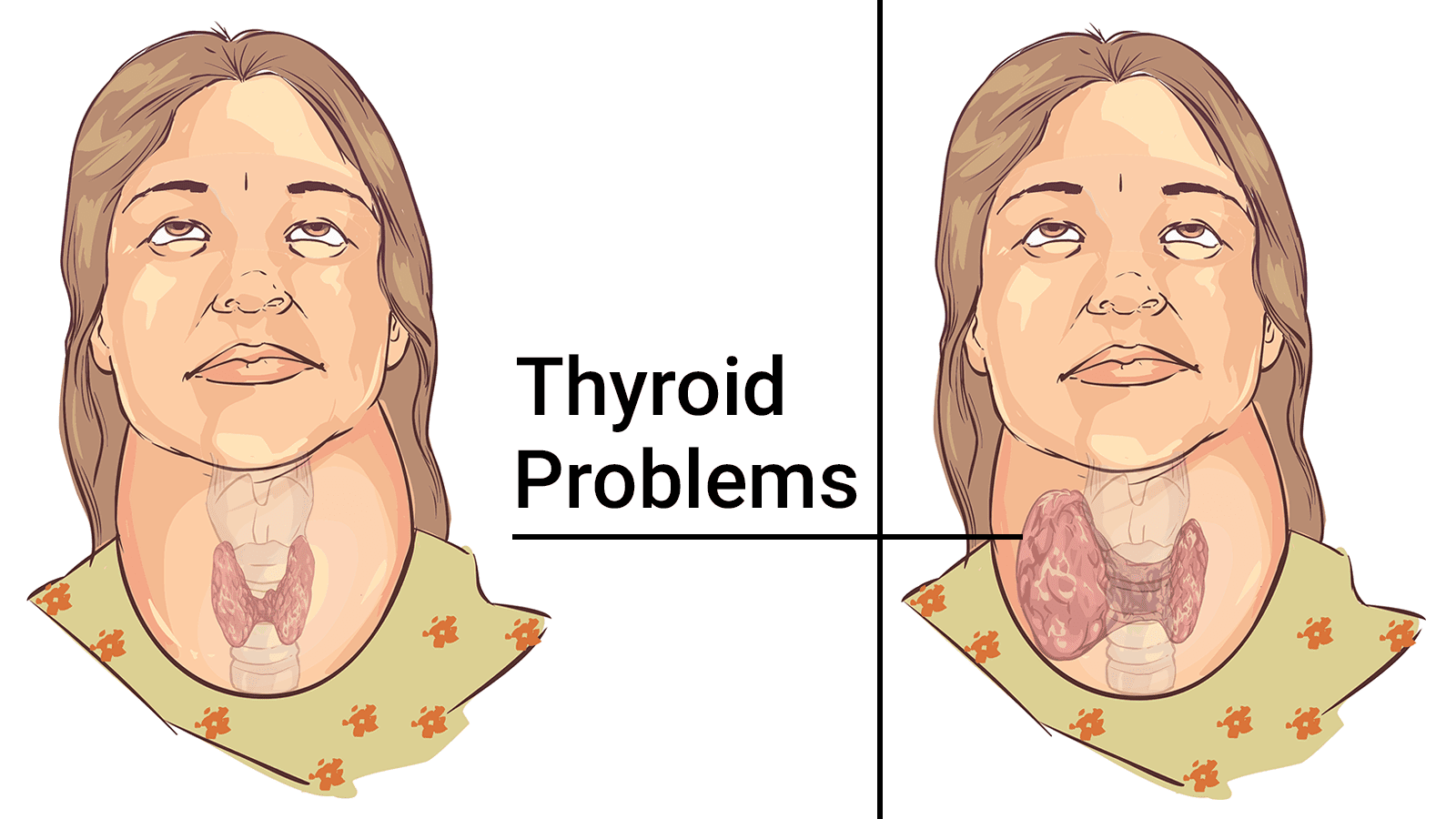
High consumption of soya beans in certain individuals can lead to thyroid function suppression and result in hypothyroidism, which is a condition that features low thyroid hormone production. The thyroid is a massive gland that controls the rate of energy expedition by the body as well as regulating growth.

soybeans for thyroid

According to research, the isoflavones present in soya beans can suppress thyroid hormone formation. A Japanese study revealed that consumption of 30 grams of soya beans daily for 12 weeks could result in signs linked to suppressed thyroid function, including thyroid enlargement, constipation, discomfort, and sleepiness.

Research involving adults who had slight hypothyroidism discovered that daily intake of isoflavones for eight weeks caused thyroid function suppression in 10 percent of the adults. However, the quantity of the consumed isoflavones was tiny; about eight grams per day.

4. Has GMOs

Over 90 percent of soya beans produced in America is genetically modified. There is a lot of debate and controversy when it comes to the consumption of GMO foods. Research is being carried out to determine their impacts on people and the quantity at which they are safe.

Moreover, the majority of soy GMOs are known for having glyphosate residues, and their nutritional profile is poorer than that of organic soya beans. Hence, consume organic soya beans to avoid being exposed to glyphosate and GMOs.

Conclusion

If you are looking to boost your metabolism, fertility, bone health and enjoy other soybeans health benefits, then this legume will suit your diet. However, be keen on the quantity consumed since particular quantities lead to adverse effects like soy allergy, thyroid function suppression, and more.

Soya beans are easy to incorporate into a diet. You can boil them before frying and include them in your vegan diet. Even better, there is a myriad of soy products in the market for you.

Doctor Explains 10 Things To Try If You Suffer From Constipation

Most of us take our regularity in the bathroom for granted. Many people never consider their bowel movements until something goes wrong.

Understanding and Treating Constipation Causes

Depending on your diet, you may find that you never have any issues with your digestive system. However, constipation can happen to anyone.

If you ever find yourself struggling to go when you need to, the following 10 suggestions will help you beat these symptoms.

1. Treat IBS Sensitivities

IBS or irritable bowel syndrome affects around 11% of people worldwide. Consequently, IBS causes chronic diarrhea, constipation, and alternating symptoms.

Currently, there isn’t a cure for IBS, but there are certain changes one can make to their diet to help reduce these symptoms.

Similarly, a low-FODMAP diet is often used to help prevent constipation. These FODMAPs are carbohydrates in grains, sweeteners, legumes, vegetables, and fruits. As they aren’t digested well by the small intestine, they can ferment as they reach the bowels. This fermentation leads to these symptoms and similar digestive issues.

To ease these symptoms, individuals can eliminate high FODMAP foods in their diet. To boost their tolerance of these foods, individuals can systematically reintroduce these foods back into their diets.

While these diets are temporary, they are helpful for identifying any food sensitivities that trigger IBS. Once you are aware of these triggers, you’ll be better able to shape your new diet to minimize your symptoms.

2. Adjust Your Intake of Fiber

Fibers are a certain type of carbohydrate found in plants. There are two different types of fiber: insoluble and soluble.

Insoluble fiber can be found in vegetable and fruit skins, and in grains as well. Soluble fiber is the fiber found in oats, fruits, nuts, and legumes.

When determining what fiber is helpful for reducing these symptoms, it depends on which type of fiber you are consuming.

Soluble fiber will help to bulk up and soften your stool. This type of fiber has been proven to reduce these symptoms better than insoluble fiber.

Moreover, insoluble fiber may even worsen the symptoms in IBS patients. If you are frequently constipated, it is better for you to intake lower amounts of insoluble fiber. Similarly, adding more soluble fiber may be beneficial in the event that you are sensitive to FODMAPs.

If you find it hard to add the recommended amount of fiber to your diet, consider using fiber supplements. Be sure to consult with a dietician to better determine how to add more fiber to your diet.

3. Consume an Adequate Amount of Fluids

Dry stools are often symptomatic of a lack of fluids. Increasing your intake of fluids is helpful for preventing this issue, but doesn’t quite work to treat constipation as effectively as one might imagine.

In addition to staying as hydrated as possible, it is important to remember that some of the moisture your body absorbs comes from food as wells as drinks. Consuming moist foods like fruits and soups are a good way to ensure that you are working to stay hydrated.

One study showed that stool weight and stool frequency were lower in individuals with an intake of fluids less than 500 ml a day. These studies show that while you shouldn’t over-hydrate, you should quench your thirst and maintain optimal hydration levels.

4. Consume More Probiotics

Probiotics not only improve gut health but also have many benefits when it comes to improving regularity. These probiotics are essentially live microorganisms that individuals consume to treat symptoms of IBS.

While there isn’t a direct link between these symptoms and probiotics, their connection to gut health shows how probiotics can improve symptoms of IBS and any issues related to constipation causes.

One particular study showed that patients given more probiotics were able to improve the gut transit in their bodies. Additionally, these probiotics also improved stool consistency, frequency, and flatulence.

Most probiotics can be taken as supplements or found in foods like yogurt and are safe for most adults.

5. Use Mindfulness Meditation to Lower Stress

Ever experience that sickening feeling in the pit of your stomach when something goes wrong? While this feeling usually passes for most people, others often experience the other side effects of diarrhea or constipation.

This stress and gut connection have become known to researchers as the “gut-brain axis”.

This connection explains the digestive symptoms that can be caused by psychological stress and anxiety. This is why stress can have such a powerful effect on the gut. Chronic stress can modify the microbiota in an individual’s gut, which then goes on to alter nerve actions inside the intestines.

In order to manage these digestive issues, you should work on using mindful meditation to lower your anxiety. To target IBS symptoms through meditation, work on learning coping mechanisms to help you better handle unnerving situations. The better you are able to remain calm in these situations, the better you will avoid these IBS symptoms.

6. Start Moving Your Body

Even though you may not feel like moving if you are feeling constipated, physical activity has been shown to be a solution for relieving these issues.

Moving your body can shorten the intestinal transit time which may help relieve your regularity issues.

exercise for constipation

One study, in particular, linked lower levels of physical activity to this issue. This study also analyzed other factors, like the variety of one’s diet to influence bowel symptoms. While it’s difficult to determine what degree of physical inactivity can be attributed to causing constipation, it is clear that maintaining a proper level of physical activity will improve one’s health.

Other studies have pinpointed a link between relief from this issue and exercise in the sense that exercise relieves stress. As stress can trigger IBS and bowel symptoms, using exercise to remain calm will more or less improve your bowel functions.

7. Try an Abdominal Massage

Massages are a great way to relieve any tension you are experiencing in your body—even ones related to IBS.

There are, in fact, specific massage therapy techniques that can help target your stool movement through your intestines. These massages help to increase the muscle contractions of your bowels.

These massages are performed around the abdomen and are used to relieve symptoms of constipated individuals that have been diagnosed with other medical conditions like Parkinson’s and other individuals with certain physical disabilities.

Additionally, massage has been proven as an effective method for improving the quality of life in constipated individuals. This technique is seen as a safe way to treat these individuals and can be learned easily through video tutorials and online lectures.

8. Go When You Need to and Keep Your Feet Propped

Another way to encourage regularity in constipated patients is to not resist the urge when one has to go.

While many people involuntarily withhold their bowel movements until they make time to go to the bathroom, this habit can lead to issues later on. Instead of resisting this urge, go when it’s time to go.

Instead of withholding your stool, make it a point to find a bathroom as soon as possible. This will ensure the stool doesn’t dry out, as it is easiest to pass when it is as moist as possible. Moreover, chronic stool withholding may eventually damage your nerves and lead to the stretching of your bowel walls.

Still struggling to push it out? Try to elevate your feet. If you get into a semi-squatting position, you’d better be able to release the stool. This squatting will widen your stance and lengthen your pelvic floor muscles, ultimately allowing for easier passage of your stool.

9. Use Over-the-Counter Treatments

Still looking for a way to treat your constipation causes? Head to your local pharmacy and try some over-the-counter solutions.

In most cases, these laxatives will help you release your bowel movements. As you shop for the right medicine, you’ll choose from four of the main type of laxatives:

  • bulk-forming laxatives: these increase the size of the stool
  • surfactant laxatives: these soften the stool
  • osmotic laxatives: these help your bowel hold more water
  • stimulating laxatives: these help trigger your nerves to increase contractions

Before taking treatments, it’s important to speak with your doctor as there can be serious side effects. If you do take these OTC medications, keep in mind that you should drink as many fluids as possible.

10. Certain Supplements Will Help

In addition to over-the-counter medications and changing your diet, consider certain supplements. Supplements like fig paste, aloe, and mineral oil have been proven to be helpful for constipated individuals.

Fig paste can reduce abdominal discomfort, the whole aloe can be used as a strong laxative. Mineral oil can ease your symptoms as it will help to lubricate the stool.

Final Thoughts on Constipation Causes

Constipation is one of the most frustrating things to experience. Make sure you stay regular by eating the right foods and staying hydrated.

Keep your constipation woes away by applying these 10 suggestions to your life. While you can’t control everything in life, you can work to make sure you stay on top of what’s coming and going in your life.

11 Face Exercises That Reduce Wrinkles And Make You Look Younger

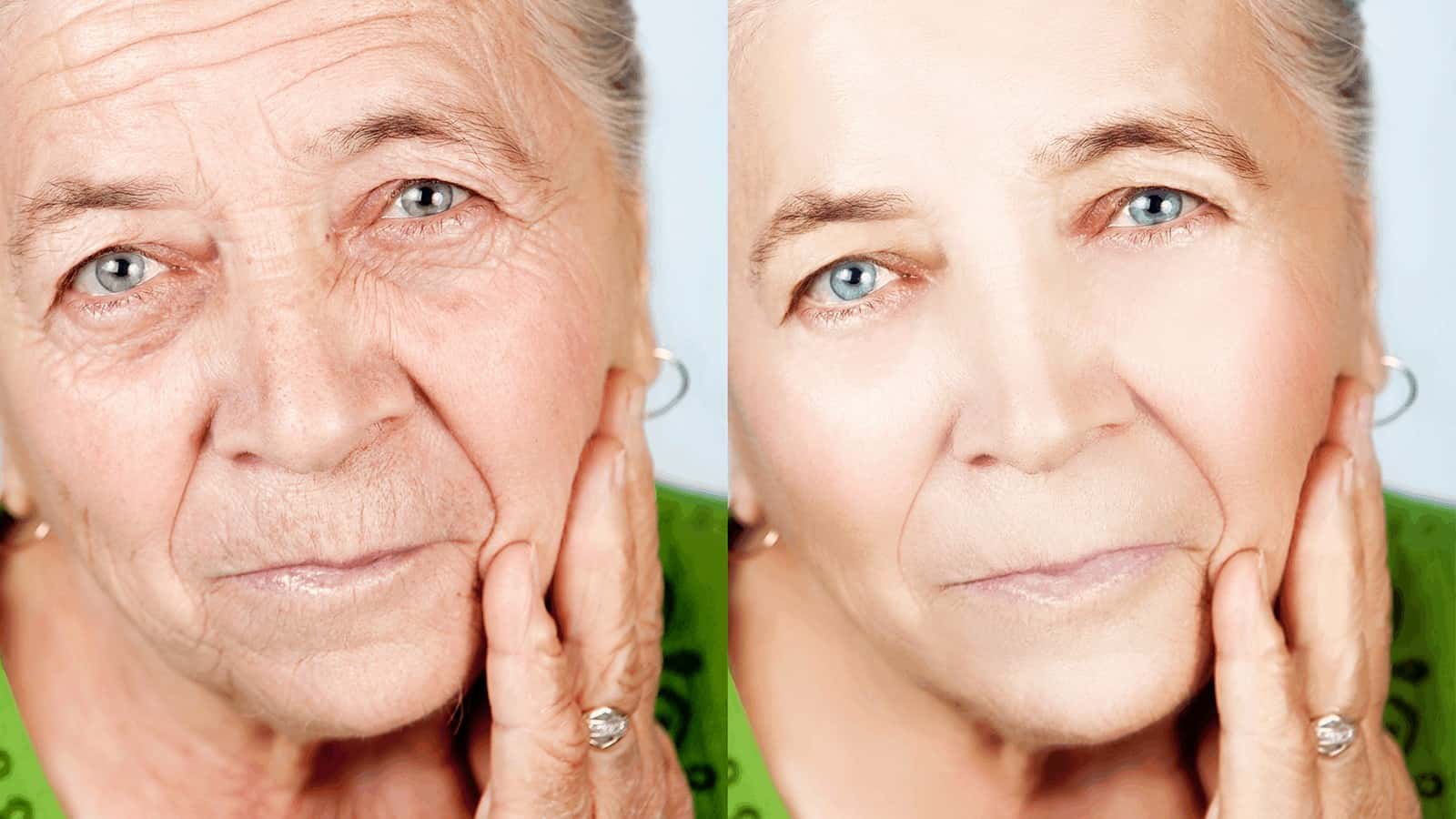
Many people seek to keep their face as free from wrinkles as possible as they grow older. Unfortunately, facial skin, just like all other skin, becomes less taut and wrinkles as time goes on, leading to sagging and lines that many people pay a lot of money to fix. But what if we told you that there was a completely free and natural way to make your face look younger? We’re talking about face exercises.

These types of workouts have been touted by sports and fitness celebrities for decades, claiming to help keep the face slim while providing anti-aging effects. This is great because people generally want to appear as young as they can.

A lot of people find this very idea to be bogus – but guess what? Science supports it! That’s right – research has indicated that facial exercises can have a positive effect on appearances and anti-aging. While more research still needs to be done, there’s more than enough to indicate that they work and are worth doing.

When you think about it, it makes sense; facial muscles need working out, just like every other bodily muscle. So which ones work best, and how do you do them? Read on to find out!

11 Face Exercises That Reduce Wrinkles And Make You Look Younger

1.    Remove Forehead Lines

Wrinkles on the forehead can be the most upsetting for many people trying to fight aging. Luckily, there’s a great exercise you can do to reduce them. Here’s how.

  • Step 1: Take both of your hands and press the fingertips into your hairline, pushing upwards.
  • Step 2: As you do this, morph your expression into a slight frown. Make sure you’re not actively wrinkling your forehead – only frowning enough to provide some downwards resistance to your fingers.

2.    Strengthen Your Temples

Your temples are located on either side of your forehead; while they don’t typically get wrinkled, a lack of face exercises can cause them to become more tense during stress. This can lead to pain, less positive thinking, and an older feeling and look. Here’s how to make them stronger.

  • Step 1: Start by smiling widely.
  • Step 2: Rest your fingers against your temples.
  • Step 3: Press down with your fingertips and clench your teeth with a closed and tight jaw. Move your chin upwards as you do this. This will create muscle tension.
  • Step 4: Focus on your temples mentally. If you need help, imagine you’re attempting to get your ears to shift backwards.
  • Step 5: Hold your clenched teeth in their position for approximately a count of ten.
  • Step 6: Clench your back teeth specifically and hold for approximately a count of ten. You should be able to feel your temples flex as you do each move.
  • Step 7: Repeat the entire process thrice.

3.    Reduce Under-Eye Bags

Eye bags don’t just make you look tired; they age you significantly. When you look and feel exhausted, your years begin to show and pile up. Here’s how to reverse that.

  • Step 1: Look upwards, using only your eyes. Do not tilt your head skyward or move it in any way – rely only on your eyes.
  • Step 2: You will feel a strained sensation, and it may feel like you are attempting to look inside your eyebrows. You might also feel some fluttering of your eyelids – do not be alarmed; this is due to the usage of a muscle you don’t often employ.
  • Step 3: Breathe deeply as you continue to look up.

4.    Lift Your Upper-Eye

When your upper-eye areas are drooping downwards, you look sleepy and, often, more tired. Having them well-lifted creates a more positive overall appearance, making your eyes look bigger, more alert, and more youthful. Here’s how to do so. You can also visit a site like https://amfacialplastics.com/ if you want to correct your sagging eyelids.

  • Step 1: Take the three fingers in the center of either hand – your index, middle, and ring fingers.
  • Step 2: Press these fingertips against the tops of your eyelids, near the lower point of your brow line. Do this with one hand on either eye.
  • Step 3: Gently press inwards, then push your upper-eye up gently. As you do so, add some resistance to the muscles by frowning; your eyebrows will give the upper-eye a good work-out.

5.    Lift The Apples of The Cheeks

A good smile makes you look brighter and younger, and strong muscles for smiles prevents wrinkles from forming. In fact, a study has found that training the muscles used in smiles can help boost overall facial muscles while providing positive effects on confidence in patients who went through dental surgery! Here’s how to exercise your cheek apples.

  • Step 1: Make sure your hands are clean.
  • Step 2: Take a hand and pinch at the corresponding side of your mouth, around the area where a smile line might form.
  • Step 3: Smile as widely as you can. If you feel some muscle tension and pull, you’re doing it right.
  • Step 4: Pinch down sufficiently that you feel resistance when attempting to smile. Make sure, though, that you don’t hurt yourself!
  • Step 5: Repeat on the other side of your mouth and with your other hand.

6.    Erase Nose and Lip Lines

Lines tend to develop between your upper lip and nose, and they can really make you look a lot older than you are. To prevent this, just follow these steps.

  • Step 1: Make sure your hands are clean.
  • Step 2: Rest your thumbs inside your mouth, close to your gums and against your upper cheek.
  • Step 3: Smile wide. As you do so, push your upper lip downwards as though closing your mouth, putting pressure on your thumbs.

7.    Smooth Your Smile

A lot of people become insecure about smile lines around the mouth. If you’re one of them and you’re not looking for fillers or a surgical face lift, this is among the face exercises that will help. It helps prevent lines and sagging. Here’s how to do it.

  • Step 1: Pull your lips back so that they hide your teeth. Open your mouth up wide so it is in an “o” shape.
  • Step 2: Smile as widely as possible without revealing your teeth, making sure to keep them concealed.
  • Step 3: Do this again six more times.
  • Step 4: Put one of your pointer fingers on your chin, still holding your wide open smile.
  • Step 5: Shift your jaw upwards and downwards, moving your head backwards into a tilt slowly.
  • Step 6: Relax, then do it again two more times.

8.    Lift Your Jowls

The jowls are essentially the areas around your jaw, which may sag or lose their definition over time. This can give you a tired, puffy, or even wider appearance. To keep them firm and lifted, just do this exercise.

  • Step 1: Start by lifting your chin upwards. Continue tilting your head further back until you reach a point where the skin beneath your jaw is pulled tight.
  • Step 2: Turn your head to the right and then to the left as you push your lower jaw outwards.

9.    Lift Your Chin

Many people aim for a v-shaped chin or one that is more defined. As you grow older, though, your chin may not be as tight and firm as it was before, causing the shape to change. Here’s one of those face exercises that will remedy that issue.

  • Step 1: Start by rolling up your lower lip so that it slides over your teeth and conceals them.
  • Step 2: Take your tongue and press it between that lower lip and your teeth, pushing down on your tongue with that lip at the same time.

10. Tightening Your Neck

Yes, we know that your neck isn’t part of your face. But having a strong, toned one can do wonders for anti-aging. It prevents sagging so you don’t wind up with loosening skin as you age. Here’s how to do this exercise to avoid a “turkey neck”!

  • Step 1: Start by lifting your chin upwards. Continue moving to tilt your head further back until you reach a point where the skin beneath your jaw pulls tight.
  • Step 2: Push your lower jaw outwards. As you do so, move your tongue against the line of your lower gums and press forward. Finally, push your bottom lip forward.

11. Full Face Exercise

If you need an exercise that is going to give you the best results for your entire face all at once, here are the steps to this full-face exercise.

  • Step 1: Start by putting your closed fists together and pressing them against each other. Rest them beneath your chin; this will provide some resistance.
  • Step 2: Squeeze all of your facial muscles at once. You should pucker your lips and narrow your eyes together in a squirt to contract the muscles.
  • Step 3: As you do so, keep your chin tucked against your chest as your fists continue to push up into your chin. If you have trouble maintaining the position, tuck your elbows and arms.
  • Step 4: Hold this position for a count of five.
  • Step 5: Now, move on to expanding the muscles. Drop your fists away and remove all resistance.
  • Step 6: Adopt a wide open facial position: eyebrows arched upwards, mouth wide open, eyes and chin slightly lifted.
  • Step 7: Hold this position for a count of five.
  • Step 8: Repeat the entire process again, between three and five times.

look younger naturally

Final Thoughts On Some Face Exercises That Reduce Wrinkles And Make You Look Younger

Face exercises are a great way to keep wrinkles at bay while giving your appearance a natural lift. Just 30 minutes of these exercises daily can help keep you looking young and chipper, fighting the aging process and doing so in a graceful and completely free way.

There are plenty of other things you can do that will also help you stay young in appearance and reduce the risk of wrinkle development. Eat well – especially whole and raw foods – and steer clear of sugars, processed meals, and refined carbs. Exercise regularly and get a good amount of sleep.

At the end of the day, there is no “quick fix” to getting your face to look younger. But with effort and positive thinking, you’ll soon be able to reap the rewards of regular facial exercise and conscious living.

How Australia Reduced Use Of Plastic Bags By 80% In Just 6 Months

Plastic waste is the most problematic waste product on the planet. It has terrible effects on the world and the environment. All plastics are made from natural resources that are not renewable or sustainable – including coal, crude oil, and gas.

Nine single-use plastic bags, like the ones provided at a typical grocery store, contain enough petroleum energy to drive a car one kilometer. This type of energy is known as embodied energy. Non-recycled plastic which gets thrown out after just one use wastes the embodied energy it contains.

This depletes resources and also causes a lot of waste material to flood the planet. That’s why Australians have worked so hard to reduce its usage of plastic bags. Their efforts thus far have been incredibly successful. In only half a year, their consumption of plastic bags has decreased significantly!

But how. And just as importantly, can other countries replicate this success?

How Australia Reduced Use Of Plastic Bags By 80% In Just 6 Months

plastic bags

The Australian Plastic Bag Ban

In 2018, two of the largest supermarket chains in Australia decided to impose a single-use plastic bag ban on all their establishments. This led to an impressive 80% drop in overall plastic bag use in the entire country, says the National Retail Association.

Woolworths Supermarket was the first to make this decision in June 2018. This led to a shocking 1.5 billion plastic bags saved from a fate in landfills from that single supermarket.

Shortly after, in July 2018, Coles followed suit and decided to make a permanent switch to cloth bags. Their new policy was implemented on the same day that Queensland’s plastic bag ban went into effect.

Countless people around the country are giving these companies praise for their efforts to move towards a greener, more sustainable business model. Today, a stroll into a grocery store in Australia reveals that most shoppers bring their own shopping bags with them, all throughout the country – a huge step forward in reducing plastic bag usage.

In addition, retailers with that much influence in the country are sure to pave the way for other, smaller businesses to follow suit, making it desirable to produce reusable alternatives. It prevents customer alienation and will allow many businesses to implement greener solutions without the worry of dealing with the backlash.

A next step would be for these supermarkets to work on their other sources of single-use plastic usage, such as in wrapping produce.

The Threat of Plastic

The world’s oceans have been suffering for decades. Compared to the 1950s, around half of all coral reefs have been lost to a variety of issues. We now only retain a depressing amount of large fish, having lost 90% of those we once had.

While the ocean is affected by rising temperatures, climate change, and overfishing, the ocean’s largest enemy is plastic. Eighty percent of litter crowding the ocean is made from some form of plastic; if things don’t change, projections state there will be more plastic than fish in the water by the year 2050. Here’s why this situation is so severe.

a)    Volume

We can see huge amounts of plastic floating over the water, and the worst part is that what we see only represents 5% of the actual total plastic in oceans, seas, and waterways. The other 95% lies beneath the surface, harming aquatic life and ecosystems, and even tourism.

This is an unfortunate byproduct of the current state of plastic production around the world, which is 20 times more than it was 40 years ago. Every year, an additional 8 million tons of this harmful material end up in oceans and seas. Today, between 15 and 51 trillion pieces of plastic can be found in the ocean.

b)    Longevity

Plastic is an incredibly durable material, which seems like a positive thing – until you realize that this means it doesn’t deteriorate or rot. Plastic in the ocean doesn’t just fade away; it stays there for centuries, causing more and more to accumulate. In fact, experts state that all types of plastic that have ever been made still exist somewhere today.

Only 14% of the plastic in the ocean can be recycled, so just recycling won’t be nearly enough to stop the continual addition of more plastic in the ocean. To make matters worse, they continue to release toxic chemicals into the water for the entire time they are down there.

c)    Movement

Plastic is a light material with very little density. This allows it to wind up being transported on the waves to all sorts of places around the world. This means that plastic waste isn’t a problem for just one nation – it affects the whole earth.

d)    Life

The presence of plastic in our oceans is very dangerous to the life within it, and the lives that depend on it. Over 300,000 aquatic and marine creatures are either harmed or killed by plastic.

This happens because underwater life becomes tangled in plastic. Some creatures (including seabirds, fish, turtles, and mussels) consume the plastic, harming their digestive systems fatally.

Many who see dead animals in or near the water will witness the harrowing sight of plastic still within their bodies as they decompose. It’s truly horrifying how deadly these plastics are, as it is estimated that 99% of all birds of the sea will have consumed plastic at some point by the year 2050 if the trend continues.

e)    New Threats

Unfortunately, with new innovations and technology come even more harmful forms of plastic. Many cosmetic products add microbeads to their products, and these are actually extremely tiny bits of plastic. They are most commonly used in scrubs and also in toothpaste.

These microplastics pass through filters and drains, so they often wind up in the seas and oceans, where they will be consumed by a variety of marine life.

The State of Australia’s Plastic Waste

Australia is, without contest, the second-highest waste producer of all countries in the world. (The first is the United States.) This is due to the fact that landfills in Australia collect over 1,520 pounds’ worth of waste material annually – more than enough to cover Victoria, one of its states!

Of this amount, 35% of the waste is plastic, making it one of the most common types of waste thrown out in the nation. Additionally, 16.6% of plastic waste was caused by plastic bags in 2017; hopefully, these numbers are dwindling now with more companies stopping their usage of this material. As such, we can look forward with positive thinking.

This is likely why all states and territories in the country have begun taking steps towards curbing further plastic use. Kmart and Target, both large retail companies, have also made promises to stop utilizing single-use plastic bags in their outlets. These pledges were made this year.

What You Can Do To Reduce Plastic Waste

plastic

Plastic use doesn’t just affect Australia. It’s a global problem. So, no matter where you are in the world, you can do your part for the planet by cutting down on your own plastic waste. It sounds difficult, but don’t worry! Keep your positive thinking going and take a look at these tips.

a)    Get Reusable Shopping Bags

One trillion plastic bags are produced, used, and then disposed of on a yearly basis internationally. In the US, that number is 100 billion – meaning nearly all Americans use a single-use plastic bag every single day. Compare that to a country like Denmark, where the average person uses four of these types of plastic bags in a year!

Buy some shopping bags that you can bring along with you when you go shopping. You can get them in all sorts of sizes to best suit your needs.

b)    Don’t Buy Plastic Packaging

When you’re buying products, go for items not packaged in plastic. Don’t buy produce wrapped in plastic wrap, don’t buy liquid soap (go for bars!), and say goodbye to disposable plastic cutlery.

c)    Recycle, Recycle, Recycle

The main problem with single-use plastics is that they have to be thrown out after every use. Don’t allow that to happen. Go for items that you know you can reuse or drop in a recycling bin. This keeps energy commodities in check and allows for renewed resources.

Eighteen percent of all plastics in the world are recycled. Some countries do so better than others. In the US, that percentage drops to 9%. So do your part to reduce, reuse, and recycle!

d)    Buy A Refillable Bottle

Plastic bottles are responsible for a lot of plastic waste, which is why so many cities have banned them around the world. Buying a reusable bottle and stopping all plastic bottle purchases a good way to help reduce plastic waste.

Concerned about water quality? Boil water before using it, invest in a good water filter, or buy a bottle that has a filter built in. There are some reusable bottle products designed to make virtually all water drinkable, too. So take a look at those!

e)    Don’t Use Straws

Stop taking straws with your drinks. Decline to have them included when you’re picking up a beverage from a store.

If you have a medical need that requires you use straws, and plastic ones are your best options, see if you have any alternatives. Metal straws and paper straws are great options. Furthermore,  innovations now make them as safe and functional as plastic!

f)     Quit Littering

This one goes without saying, but littering is one of the many ways that waste finds its way into the ocean. According to The Ocean Conservancy, which has done beach cleanup operations for 3 decades, most of the trash they pick up is plastic.

This is true all around the world. In fact, 73% of the litter you see crowding the beach comes from plastic. So if you’re looking to have a little fun in the sun, bring along a washable bag or another item that you can use to hold your trash until you find somewhere to properly dispose of it.

Conclusion

Australia’s commendable and successful efforts to reduce plastic waste in a positive way should set an example for the rest of the world. Our oceans and the environment are in danger due to excess plastic, and this issue should be taken seriously by people all around the planet.

So do your part today to reduce plastic waste! Why not begin with plastic bags?

Experts Explain 12 Health Benefits of Sweet Potato

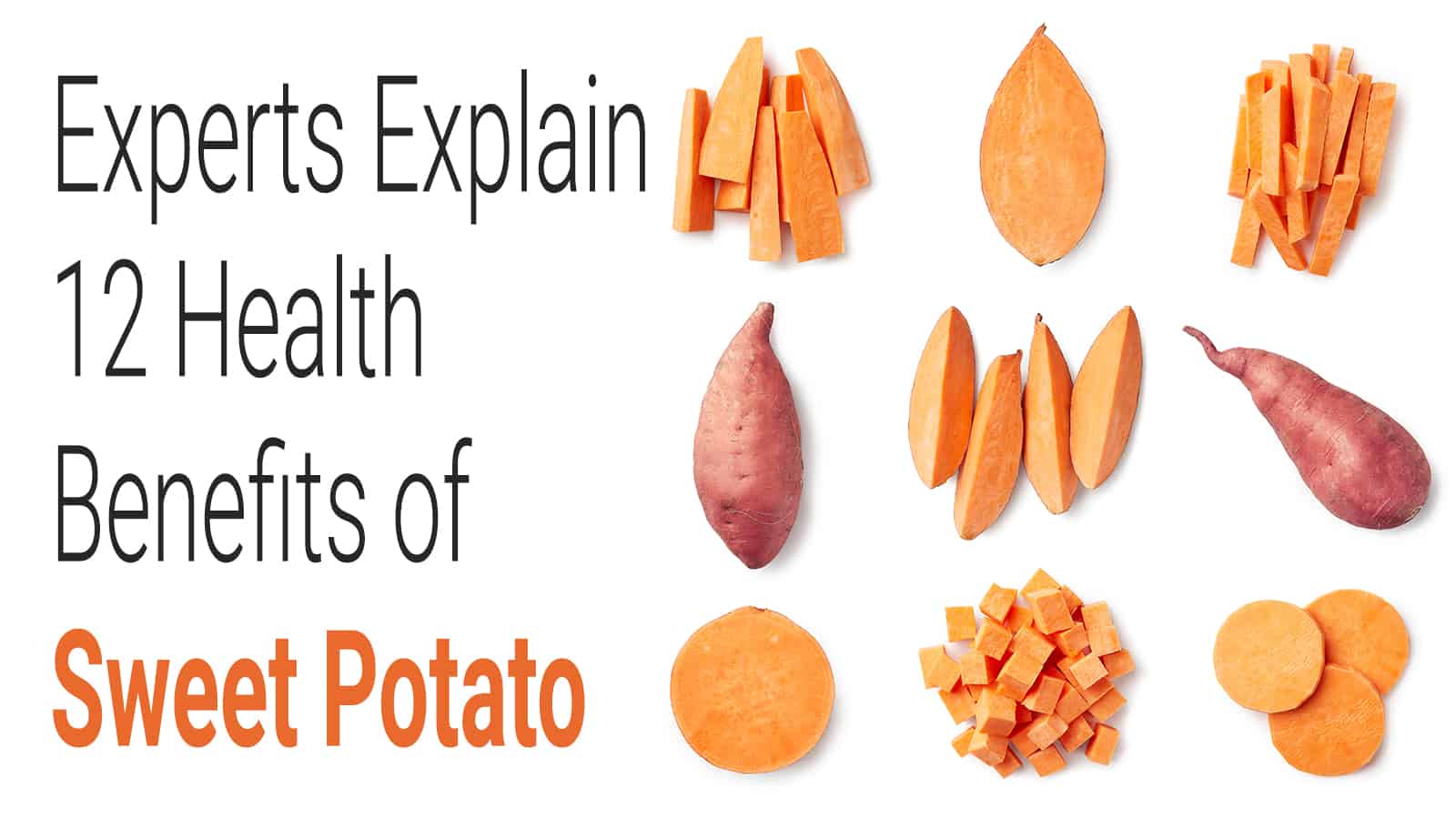
Sweet potatoes are sugary and starchy root vegetables that are grown globally. They come in various sizes and colors such as purple, white, and orange.

Also rich in fiber, antioxidants, minerals, and vitamins, these nutrients offer some great health advantages. You can easily include sweet potato in your diet.

Here are twelve great benefits of sweet potato.

sweet potato

1. Very Nutritious

Sweet potatoes have plenty of minerals, vitamins, and fiber. About 200 grams of baked sweet potato (with the skin) offers 50 percent of the daily requirement of manganese. It also contains 180 calories, four grams of proteins, and 6.6 grams of fiber. Finally, this amount offers 41.4 grams of carbs, 0.3 grams of fat, 65 percent of the daily requirement of vitamin C, and an impressive 769 percent of the daily value of vitamin A.

Moreover, the purple and orange varieties have antioxidants that prevent free radicals from damaging your body. Free radicals refer to unstable molecules that can harm DNA and trigger inflammation.

Damage by free radicals has been associated with chronic conditions such as cancer, aging, and heart disease. Hence, consuming foods rich in antioxidants supports your health.

2. Supporting the Immune System

Sweet potatoes offer one of the richest organic sources of beta-carotene, a plant-based compound that converts to vitamin A in your body. Vitamin A is essential to a healthy immune system; a low immunity has been associated with low levels of blood.

It is also important for the maintenance of healthy mucous membranes, particularly in your gut lining. Inside your gut, your body is susceptible to many potential pathogens that result in diseases. Hence, a healthy digestive system is an essential part of an immune system that is healthy.

According to research, the lack of vitamin A can result in gut inflammation and reduced ability of the immune system to respond well to potential threats.

3. Enhanced Brain Function

Another one of the many benefits of sweet potato, especially purple sweet potatoes, is the improvement of the function of the brain. According to animal studies, the anthocyanins present in purple sweet potatoes can assist in safeguarding your brain by preventing free radical damage and minimizing inflammation.

Consuming anthocyanin-rich sweet potatoes has been proved to improve memory and learning in mice, potentially as a result of its antioxidant properties. However, there is no availability for human research. But overall, a diet filled with antioxidants, vegetables, and fruits links to a 13 percent reduced risk of dementia and mental decline.

4. Healthy Eyesight

Sweet potatoes have high levels of beta-carotene, an antioxidant linked to the sweet potato’s bright orange color. About 200 grams of a baked orange sweet potato (with skin) offers over seven times the quantity of beta-carotene that an average adult requires per day. Beta-carotene converts to vitamin A in the body and helps in the formation of light-detecting receptors inside the eyes.

Severe deficiency of vitamin A is a problem in developing nations and can result in a special blindness type called xerophthalmia. Consumption of foods with beta-carotene like orange-fleshed sweet potatoes can help prevent this condition.

Purple sweet potatoes also provide eyesight benefits. According to test-tube studies, anthocyanins offered by sweet potatoes assist in the protection of eye cells from damage, which can be crucial to the general eye health.

5. Fighting Cancer

Sweet potatoes provide a lot of antioxidants that can assist in safeguarding against particular types of cancer. Anthocyanins, a kind of antioxidants present in purple sweet potatoes, reduce the speed of growth of specific kinds of cancer cells. This includes those of the colon, breast, bladder, and stomach – according to test-tube studies.

Similarly, mice fed on purple sweet potatoes revealed minimized rates of early-stage cancer of the colon. This suggests that the anthocyanins present in the sweet potatoes may possess a protective impact.

Extracts of sweet potato peels also possess anti-cancer properties during test-tube studies. However, there is still a need for human research.

6. Improved Gut Health

Among the multiple enriching benefits of sweet potato is the promotion of the health of the digestive system. The antioxidants and fiber in sweet potatoes benefit the health of your gut. This vegetable has two fiber types including insoluble and soluble fiber.

Your body cannot digest either fiber type. Hence, the fiber remains inside the gut and offers various health advantages related to the gut. Particular types of soluble fiber called viscous fibers absorb water and make your stool soft.

On the contrary, the insoluble fibers are non-viscous and fail to absorb water but add to the bulk of the stool. Some insoluble and soluble fibers are fermented by bacteria inside the colon, which creates compounds referred to as short-chain fatty acids that act as fuel for the intestinal wall cells to keep them strong and healthy.

Consumption of diets with 20-33 grams of fiber daily have been associated with a minimized likelihood of colon cancer. It also helps support regular bowel movements. The antioxidants in the sweet potatoes may also offer gut benefits. According to research, antioxidants present in purple sweet potatoes help fuel the growth of healthy bacteria in the gut, including Lactobacillus and Bifidobacterium species.

Greater numbers of these bacteria types within the intestines are linked to lower risks of conditions such as infectious diarrhea and irritable bowel syndrome as well as better gut health.

7. Improved Fertility

The high levels of vitamin A present in sweet potatoes make them perfect for women who looking for enhanced fertility. According to research, vitamin A plays a vital role in boosting reproductive performance. Studies reveal that deficiency in vitamin A can result in secondary fertility in women of childbearing age.

Sweet potatoes are also rich in iron, an essential mineral in promoting fertility in women of childbearing age. Studies have revealed that iron deficiency or anemia can cause infertility in women. These studies have proved that treating the anemia by increasing the consumption of iron-rich foods normally leads to women having the ability to conceive within a year of treatment.

Other research shows that an increase in the consumption of foods rich in iron minimizes the risk of ovulatory infertility.

8. Blood Pressure Regulation

Sweet potatoes can also assist in the control of blood pressure since they have high levels of potassium and magnesium. According to research, consumption of potassium leads to minimized blood pressure, which then critically reduces the likelihood of a person developing a coronary issue or stroke.

Magnesium is also deemed an efficient dietary component when it comes to the prevention of hypertension together with its decrease in both non-pregnant and pregnant patients.

9. Weight Management

Sweet potatoes have fermentable and soluble fiber that boosts satiety and provides the body with a natural and self-sustaining system for the regulation of body weight. According to studies, pectin is a soluble dietary fiber present in sweet potatoes that effectively minimizes food consumption, reduces weight gain, and boosts the activity of satiety hormones in the body.

Studies have revealed that higher consumption of fibers strongly links to decreased body weight. A heightened consumption of sweet potatoes will lead to an increase your fiber intake, which will then reduce your weight.

10. Improved Hair

Sweet potatoes have vitamin E. Research shows that the consumption of foods that have vitamin E can significantly help people who have hair loss. This is because the vitamin has antioxidant properties that assist in reducing oxidative stress, which causes alopecia.

11. Improved Skin

Vitamin C also offers efficient dermatological treatment against hyperpigmentation and photoaging. The vitamin also efficiently neutralizes the oxidative stress that you get from being exposed to UV light. Moreover, the mixture of vitamin C and E can critically minimize the risk of skin cancer in people.

Sweet Potato for skin

Vitamin C is also crucial in the production of collagen, which is the skin’s primary structural protein. Some studies have revealed that vitamin C has anti-inflammatory properties. This means that the vitamin can assist in the management of skin diseases like acne and enabling the healing of skin wounds.

12. Prevention of Ulcers

An ulcer takes place when an inflamed tissue is shed from the skin or mucous membrane, and it can be excruciating. According to research, methanol extract from a sweet potato’s root can safeguard the gastrointestinal tissues from ulcers induced by aspirin. Hence, sweet potatoes can aid in the management and treatment of peptic ulcers.

Another research revealed that sweet potato root flour assisted in the prevention of stomach ulcers related to ethanol. The flour suppressed gastric ulcers by minimizing swelling in the surrounding tissues and safeguarding the gastric wrinkles. Moreover, sweet potato extracts possess free radical scavengers that are crucial in healing of internal wounds.

Final Thoughts on Eating Sweet Potatoes

Whether you are looking to enjoy improved eyesight, digestion, ulcers, blood pressure, or any other benefits of sweet potato in this list, then you are sure to be better with the consumption of sweet potatoes. What’s more, you can easily include this tuber into your meal plan. Whether fried, boiled, or baked, they offer a delicious and healthy option.

If you want your health to improve, then the minerals in this vegetable will ensure you get exactly that.

Researchers Explain How to Treat Depression With Mushrooms

According to the National Institute of Health, the primary agency of the United States government responsible for biomedical and public health research, more than 16 million Americans reportedly experienced a major depressive episode during the past year. Given these statistics, it should come as no surprise that the Food and Drug Administration (FDA) recently approved the use of psilocybin, which is found in magic mushrooms, in trial treatments for depression.

Psilocybin is a hallucinogenic that is native to certain mushrooms, which can trigger feelings of euphoria. The approval of psilocybin comes amid growing interest in all-natural remedies like CBD oil, for example, which offers similar relief from depressive symptoms without the side effects commonly associated with traditional medicine. In this article, we will take a closer look at what the clinical trials for psilocybin entail and how these mushrooms could potentially revolutionize depression treatments.

CLINICAL TRIALS INVOLVING MUSHROOMS FOR DEPRESSION

According to Newsweek, an American weekly news magazine, the green light for clinical trials involving the use of magic mushrooms in treatment-resistant depression was given to Compass Pathways, a life sciences company that prides themselves on accelerating patient access to evidence-based innovation in the realm of mental health. According to a statement released by Compass Pathways, the clinical trial will include 216 study participants that have been formally diagnosed with treatment-resistant depression.

These individuals will be taking part in what is described as “phase two” trials, which will span 12 to 15 sites throughout North America and Europe. It is important to note that all participants will receive psychological support while participating in the clinical trial, according to researchers at Compass Pathways. Also, according to spokesperson Tracy Cheung with Compass Pathways, the clinical trial involving the use of psilocybin therapy in treatment-resistant depression will be the largest of its kind.

WHAT IS THE PRIMARY OBJECTIVE FOR CLINICAL TRIALS INVOLVING MUSHROOMS FOR DEPRESSION?

For those who are struggling with depression, the green light given by the FDA for the clinical trials involving psilocybin for treatment-resistant depression means they are one step closer to naturally improving their mental state. However, this approval doesn’t negate the need for CBT (Cognitive Behavioral Therapy) and other forms of counseling. According to the National Institute of Health, the likelihood of overcoming depression increases substantially with a two-pronged approach consisting of medication and counseling.

That said, researchers with Compass Pathway hope these clinical trials are a success. That’s because it will enable them to apply for marketing authorization, which will make magic mushrooms for depression a viable alternative for those seeking relief from depression. In fact, more than 100 million people worldwide struggle with treatment-resistant depression and have found little to no success with existing treatments. According to George Goldsmith, Chairman and Co-founder of Compass Pathways, they will be working closely with the FDA to accelerate the development processes that are critical to the study with the hopes of making treatments available to those need them the most. Goldsmith also states that it may take 12 to 18 months to complete the clinical trial.

A PSYCHEDELIC RENNISANCE

There is no denying that the psychedelic drugs of a bygone era are making a comeback; however, instead of being used for their psychoactive effects, scientists and researchers are quickly coming to the conclusion that these drugs can be used treat a number of mental health problems like depression, anxiety, and PTSD (post-traumatic stress disorder), for example. Some of the most notable drugs include LSD (lysergic acid diethylamide), MDMA (3,4-Methylenedioxymethamphetamine), and psilocybin. Although traditionally prescribed medications are effective for some people, they don’t work for everyone. Also, most of these medications can cause severe side effects. According to Harvard University professor and medical director of the National Alliance on Mental Illness Dr. Kenneth Duckworth, the medical community needs to be more creative when it comes to medication used in the treatment of depression even if means thinking outside the box.

EARLY RESULTS FROM CLINICAL TRIALS INVOLVING PSILOCYBIN AND TREATMENT-RESISTANT DEPRESSION

The most recent results stemming from clinical trials involving psilocybin for treatment-resistant depression are detailed in a 2017 study published in Scientific Reports, an online science and technology journal. Early results from the clinical trials showed that study participants who were formally diagnosed with depression and took psilocybin noticed a marked reduction in depressive symptoms within weeks of taking the psychedelic drug. Some believe that the compounds in psilocybin played a critical role in resetting the participant’s brain circuitry, which, in turn, helped to ease their symptoms.

However, Compass Pathways cautions that these results were based on a small number of study participants and further testing will be needed to determine the full scope of safety and efficacy when it comes to psilocybin in the treatment of depression. All in all, the outlook for psilocybin in the treatment of depression looks quite promising. A separate study, which involved researchers at New York University and John Hopkins University, revealed that a single dose of psilocybin was effective in easing anxiety symptoms among cancer patients.

These findings further demonstrate the potential for psilocybin as anxiety and depression often go hand in hand. According to researchers at Compass Pathways, psilocybin appears to work by creating new connections in the brain while deactivating the ones that trigger depression.

ARE MAGIC MUSHROOMS SAFE?

As with any clinical trial, the health and safety of all study participants is a top priority for scientists, researchers, and Compass Pathways as a whole. According to the ADF (Alcohol and Drug Foundation), magic mushrooms do not pose a significant health risk unless of course they are taken in large amounts or if an individual has consumed an exceedingly strong batch. Of course, consuming magic mushrooms to combat any mental health disorder should be done under medical supervision to minimize adverse reactions like vomiting, diarrhea, psychosis, and seizures, for example.

LONG-TERM EFFECTS OF DEPRESSION

It is important to note that prolonged depression can impact both your mental and physical health. According to Mental Health America, a leading community-based nonprofit dedicated to addressing the needs of those living with mental illness, depression or bipolar disorder contributes to 30% to 70% of all suicides. In addition to suicidal thoughts, the following symptoms are also common among those struggling with prolonged depression:

  • Social isolation
  • Chronic headaches
  • Self-harm
  • Weight gain
  • Substance abuse
  • Problems with friends and family
  • Depression

WHAT CAUSES DEPRESSION?

When it comes to depression, many factors can contribute to the disorder including brain chemistry, hormones, and even genetics. Regardless of the cause, however, the feelings of hopelessness and despair are universal among those who are struggling with the disorder. In addition to brain chemistry, hormones, and genetics, the following risk factors for depression may include

  • Anxiety
  • Low self-esteem
  • Physical abuse
  • Sexual abuse
  • Substance abuse
  • Family or relationship problems
  • Chronic diseases
  • Certain medications

The first in step in getting help should include scheduling an appointment with a physician. During your appointment, your physician can perform a physical exam and blood work to rule out health problems that may be contributing to the disorder. Assuming that you are otherwise healthy, they can then refer you to a psychiatrist or psychologist who can help unearth the problems that are causing you to feel depressed. The sooner you can get help, the sooner you will start to feel better. After all, long-term depression has been linked to disruptive sleeping eating and eating patterns and, worse yet, suicidal ideation.

TYPES OF DEPRESSION

Depression can take on many forms, and everyone experiences and handles the disorder differently. Some of the more commonly diagnosed types of depression include

Persistent depressive disorder:

This form of depression is often characterized by low-level depression that lasts for more than two years and is accompanied by feelings of hopelessness and sadness.

mushrooms for depression

Seasonal depression:

Unlike persistent depressive disorders, seasonal depression is triggered by seasonal changes. This form of depression usually starts during autumn and is more common among women than men. In fact, 4 out of 5 women will develop seasonal depression every year.

Postpartum depression:

This form of depression impacts the lives of more than 80 percent of new moms. Some new mothers experience mood swings, persistent sadness, and chronic fatigue. Studies show that postpartum depression stems from hormonal changes that take place shortly after a woman gives birth. It is important to note that postpartum depression can give way to persistent depressive order if not treated.

In summary, depression is a serious condition that can seriously disrupt the lives of those who have developed the disorder. Fortunately, alternative treatments like CBD oil and mushrooms for depression are providing many people with an opportunity to overcome the symptoms often associated with being in a prolonged depressive state.

Psychology Explains 10 Reasons People Get An Eating Disorder (And How to Treat It)

Eating disorders weren’t always so publicized. However, that all changed on February 4, 1983. Famous singer Karen Carpenter died of heart complications following a lengthy battle with the eating disorder anorexia.

Her story was a turning point in the recognition and treatment of such disorders. Her life was spiraling out of control due to a demanding career and undue stress that she couldn’t control. She felt pressures from society to look and be perfect, and the strain of the disease eventually took her life.

When it comes to eating disorders, it’s hard to pinpoint exactly why they happen. For some, it’s a biological issue, others a psychological problem, and then there are social factors that come into play. What the medical community knows is that you can’t catch an eating disorder like the flu or a cold.

Instead, it’s a conscious choice at first that soon spirals out of control. To treat an eating disorder, you must get to the root cause, and address those underlying issues. Here are the top ten reasons why a person develops bulimia, anorexia, or obesity.

Reasons People Get An Eating disorder

1. Culture/Society

The society we live in sends out a message that if you can’t be overweight and beautiful. It’s very easy to develop body frustrations, which can turn into an eating disorder. Ever walked by a register at the checkout and seen all the swimsuit models and picture-perfect people portraying society on magazine covers? It’s overwhelming to many people who know they will never compare.

The media puts a significant focus on being toned. They over-emphasize looks and put health to the side. It causes some people to fear food and being fat as they know they won’t fit in. There is no real way to fix a cultural issue except to bring awareness through Hollywood that it’s okay to be comfortable in your skin. However, it’s highly doubtful things will change.

2. Environment

When it comes to an eating disorder, the environment a person lives and works in means everything. If a person works in an office with people who are health-minded and all about fitness, then they may feel that they need to keep up with the office staff. What about a person who feels they are being held back because they have a weight problem?

They may turn to bulimia to help them move up the corporate ladder. It’s well known that women usually suffer from eating disorders like bulimia or anorexia more than men. They binge because they love the taste of food, but they quickly dispose of it so there is no lingering implications. Part of this can be due to fears or inadequacies that she experiences on the job. Her environment means everything.

What if she is in an abusive relationship where her husband, father, or friend is continually belittling her? She may avoid food to try to make herself less of a target to family and friends.

3. Being Involved in Physical Sports

It’s not uncommon for people to enjoy competitive sports. Whether it’s running, dancing or gymnastics doesn’t matter. The pressure that comes along with needing to be great can often be daunting.

Some people will starve themselves to perform better. They feel that an extra ten pounds off their frame will improve their game. It can especially be a problem if there are others with the perfect body who seem to excel at their sport.

This poor self-image must be dealt with as it can ruin this and many other aspects of a person’s life.

4. Bullying

Though there have been significant strides made in ensuring that bullying is brought to light, it still happens every day. Bullying doesn’t have to be in a classroom at a high school; it happens in an office and workplaces too. If a person has a few extra pounds, it’s not uncommon for them to be teased.

Snide comments from colleagues can be hurtful. Someone who is always picked on may want to do something drastic to change their appearance. It’s best to stand up to bullies and not let them influence one’s view of themselves.

5. Genetics

If a parent has an eating disorder, then the chances are good that one of their children will develop it too. Take for instance obesity. How many times do you see several people in the family who are overweight?

It’s a proven fact that eating disorders run in families. Some chromosomes have been linked to eating problems like anorexia. Also, twins seem to have a higher chance of developing such a condition, more so than traditional siblings.

6. Chemical Imbalances – Mental Health Disorders

It seems that serotonin is blamed for a lot of things that can go wrong in the body. When it comes to eating disorders, the medical community believes that an imbalance of certain chemicals can affect things. For instance, chemicals in the body regulate stress, mood, sleep, and even one’s appetite.

Studies have found that some people with bulimia have a higher level of cortisol than the general population. When the body is in a constant state of stress, it may cause a person to do things they wouldn’t normally do. Those with anxiety tend to be on edge, and antidepressant medications are great for helping to bring chemicals back into alignment.

Those that are depressed, anxious, or have other mental health issues, are more likely to be caught up in the clutches of an eating disorder.

7. Low Self-Esteem

Let’s assume that a woman’s husband left her for a woman half her age. This lady may feel downtrodden and have low self-esteem. She may try to perfect her body for her husband or some other man to find her attractive again. What starts as a few small vanity pounds can quickly spiral into a compulsion that changes her life.

eating disorder cause depression

The problem with those who suffer from anorexia or bulimia is that they always see an overweight person even when they are skin and bones. Seeking perfectionism from low self-esteem can ruin a life.

8. Trauma or Past Abuse

If there are family and other relationship problems, as well as lingering effects from a turbulent childhood, then it can cause esteem issues that come with unwanted issues. Additionally, complications with both physical and sexual abuse can also cause significant problems that lead to eating dysfunction. People who have experienced any trauma use food as coping mechanisms or they will starve themselves to have a body they can be proud of.

Cognitive behavioral or trauma based therapy can help to erase the negative connotations that abuse has caused.

9. Geographical Location

Some areas of the country are known for having fit people. Take, for instance, Los Angeles. This city has hardly anyone that is overweight. If someone becomes obese in this area, then it could crush their esteem.

The city is not made or built for larger people. However, in the state of Mississippi, more than 35 percent of the population is overweight. A person might not feel that they need to take drastic measures if they live in a state where many people are overweight.

Consequently, a fit state like Hawaii, Colorado, or California might make them think otherwise. The region where a person lives can put a great deal of pressure on them to look, act, and be a specific way.

10. Coping Skill Deficits

A person that develops an eating disorder may have poor coping skills. They may not be able to cope with the current stressors in their life. They may feel that their life is out of control, and the only thing they can control is how they look and what they eat.

Underneath all the disorder is a broken person, who needs help and to find a better way to deal with their emotional angst. These issues can be discussed in counseling and behavioral therapy. By developing positive coping skills, like self-soothing, they can learn to deal with their problems without involving self-harming mechanisms.

The Road To Recovery

Regardless of the underlying issue, there are almost always psychological components that come into play with an eating disorder. It’s imperative for the family and friends of the person who’s suffering to watch for signs and confront them. As in the case of Karen Carpenter, she lost her life because no one knew what was going on until damage was done to her heart.

Today’s society has an advantage because so much is known about these illnesses. It’s very easy to spot the effects that anorexia has on the body. Though it’s typically acceptable for a lady to be thin, when bones are peeking through, and they wear bagging clothes to cover things up, then it goes to a different level.

Treatment is an essential part of dealing with any disorder. It starts with addressing the why and then moving on to the other underlying factors. Thankfully, many treatments can help, and the mortality rates of these diseases have declined.

Skip to content