Weekly tips, affirmations, and small actions to feel your best.

Doctor explains What Happens To Your Body When You Drink Oat Milk Instead of Dairy

Most consumers can now choose between dairy and oat milk. But, things were not always that way. A few years back, dairy milk was the go-to beverage for most breakfasts. The rise in the popularity of oat milk has been fueled by people’s interest in plant-based diets. (1)

Even though there are many other non-dairy milk alternatives, people seem to prefer the oat variety. Perhaps it’s because oats are more readily available than nuts and almonds. The process involved in making oat milk is also more environmentally friendly.

What is Oat Milk?

Oat milk is a vegan alternative to dairy milk. It’s is lactose-free, high in protein, and low in fat. One of the oat milk benefits is that it comes with good flavor and high nutritional levels. It’s mostly made out of whole-grain oats or steel-cut oats that are soaked, blended, and strained with a specific nut milk bag or cheesecloth.

The leftover pulp from the process contains most of the fiber while the oats have the bulk of the protein. The milk is retained as the harvested liquid. There are some brands that boost their oat milk’s nutritional value by enriching their formula with vitamin D and calcium.

One cup of commercial oats milk contains the following nutritional facts:

  • 120 calories
  • 3 grams of protein
  • 5 grams of fiber
  • 5 grams of fat
  • 14 grams of carbohydrate

Moreover, the same serving contains 18% of the required dietary allowance (RDH) for vitamin D, 15% for calcium, and 11% for potassium. A similar measurement of cow’s milk with 3.5% fat has the following nutrients:

  • 146 calories
  • 8 grams of protein
  • 8 grams of fat
  • 11 grams of carbohydrate

Dairy milk contains 25% of the required dietary allowance for calcium, 1% for iron, and 5% for vitamin A. Unfortunately, dairy milk doesn’t have any fiber. Skim milk may be the only other milk that can be compared to oat milk. It has the following nutrient composition:

  • 83 calories
  • 0.2 grams of fat
  • 8 grams of protein
  • 12 grams of carbohydrates

From the above information, it’s easy to conclude that skim milk is a better alternative to milk made from oats. However, it has one major setback. It contains lactose, which does not go well with some people. (2)

Those who have developed a deep liking for oat products can now enjoy a variety of flavors. Some of these oat flavors include low-fat milk, whole milk, organic and semi-organic milk, chocolate milk, and many more.

Different brands will make different flavors that blend with the taste of some homemade desserts and goodies.

Here’s what happens when you drink oat milk:

Oat Milk Benefits

1. It is a great source of fiber.

According to statistics, most Americans don’t get enough fiber during breakfast. This is because most households consume dairy milk with eggs and bacon. Milk that’s made from oats is a good source of fiber. On average, 1 cup contains about 5g of fiber. The minimum recommended daily fiber intake is 25g.

This means that if you drink 5 glasses of oat milk every day, you are getting the required amount of fiber. This nutrient helps your body digest food much better.

This is how it works: your body contains good bacteria or probiotics. Probiotics feed on the fiber and help keep the digestive system in check. These bacteria also help to strengthen the immune system and keep diseases at bay.

2. It helps you to maintain a healthy weight.

One of the major advantages of eating foods rich in fiber is that they make you feel full for longer. This happens because the fiber takes longer to be digested than other foods. It also takes longer to chew fiber-rich foods. The longer you take to chew the food, the quicker it is for you to become satisfied.

However, since you cannot chew milk made from oats, the satiety feeling is as a result of slow digestion. This allows you to eat less and maintain healthy body weight.

3. It is good for your heart.

Even though milk made from oats contains almost the same amount of calories as dairy milk, it is healthier because it contains beta-glucan, which is a type of soluble fiber. The beta-glucan forms a layer in the small intestine to stop bad cholesterol from passing through.

The layer also helps the body produce more bile, which helps regulate the amount of bad cholesterol in the blood. This is why regular consumption of milk made from oats can lead to better heart health. Bad cholesterol tends to increase your risk of getting heart illnesses.

4. It is a good source of calcium

Milk made from oats is fortified and enriched with enough calcium to help keep your bones strong. Moreover, calcium also plays a big part in cardiovascular health, nerve and muscle function, as well as the clotting of blood.

Calcium is also good for lowering your risk of getting osteoporosis, especially if taken in sufficient doses.

5. It is non-GMO

Soy milk is another favorable option; however, it is often made from genetically modified organisms (GMO). About 94% of the soy crops grown in the US are genetically modified to provide the required nutrients. However, not everybody wants to use GMOs. Some people believe these foods can have serious health disadvantages even though there’s no scientific evidence to prove this.

On the other hand, oat milk is made naturally without any GMOs. The oats are picked from the farm and generally without any form of modification.

It’s important to keep in mind that oats are mostly processed from facilities that handle nuts and grains such as wheat, rye, nuts, and other allergens. Therefore, there’s still a minimal chance of cross-contamination. However, in most cases, the oats are free from any form of allergens or contamination.

6. It is great for your vision.

Milk made from oats contains Vitamin A, which is good for your eyes. This vitamin forms a protective layer on the surface of the eyes and prevents dust and bacteria from infecting your eyes.

You should also remember that oat milk contains other vitamins. As some people grow older, they experience macular degeneration, which can lead to vision loss. Vitamin A works in collaboration with other vitamins to stop this condition.

7. It can help prevent chronic conditions.

If you drink milk made from oats, you reduce your chances of getting cancer, arthritis, and heart complications. There are situations that could lead to imbalances between free radicals and antioxidants produced in the body. This state is known as oxidative stress.

Since milk made from oats has anti-inflammatory properties, it helps to reduce oxidative stress and restore balance in the body.

8. It helps to detoxify your body.

Your body may pick up toxins from the foods that you eat or the environment. In most cases, the toxins interfere with normal functioning. You may feel weak and experience some nausea because of it.

The best remedy, in this case, is to drink milk made from oats. This beverage can help free your body from harmful radicals and toxins. It also helps stop abdominal bloating.

Oat milk is not for everyone

There are some commercial products that contain high amounts of sugar, which can be unhealthy because sugary foods reverse oat milk benefits.

In addition, this product is not always gluten-free. Don’t take it if you are lactose intolerant. Always make sure that you check the label for the gluten-free label before you buy the product.

oat milk

Even though you can make oat milk at home, it will not have the same nutritional benefits as the commercially fortified one.

If you have a young child, you should never substitute breast milk with oat milk because it can hinder the child’s development. Unless your child has some sort of allergic reaction, it’s best to feed them dairy milk because it contains all the necessary nutrients for healthy growth.

Most gluten-free products tend to be more expensive than regular alternatives. If you are trying to save, it’s better if you make this form of milk yourself instead of buying it. However, you may have to supplement it with other foods that are rich in vitamins and proteins since the home-made milk may not be that nutritious.

Final Thoughts on Oat Milk Benefits

As people shift to plant-based diets, oat milk seems like the best alternative when compared to other similar products in the market. With this type of milk, you can either make it at home or buy it ready-made from the grocery store. The good thing about oat milk is that it has a variety of health benefits.
Doctors Explain Why Intermittent Fasting Is Good For Metabolism

According to data compiled by the National Center for Health Statistics, nearly 40 percent of adults and around 19 percent of young Americans are obese. Also, the CDC (Centers for Disease Control) states that medical costs stemming from obesity is nearly $1,500 higher than that of those who are height-weight proportionate. The CDC reports that the medical cost of obesity in America currently reaches the billions. In other words, a significant number of Americans have a problem with weight and properly functioning metabolism.

Fortunately, more Americans have begun to realize that maintaining a healthy weight can positively benefit their health. However, the path to losing weight can often prove difficult to navigate.

You can find plenty of diet and exercise trends if you hope to shed unwanted pounds. When it comes to diets, however, some require that you forgo many of your favorite foods. This can make it harder to achieve your weight loss goals. But what if you could lose weight without having to stick to an overly restrictive diet?

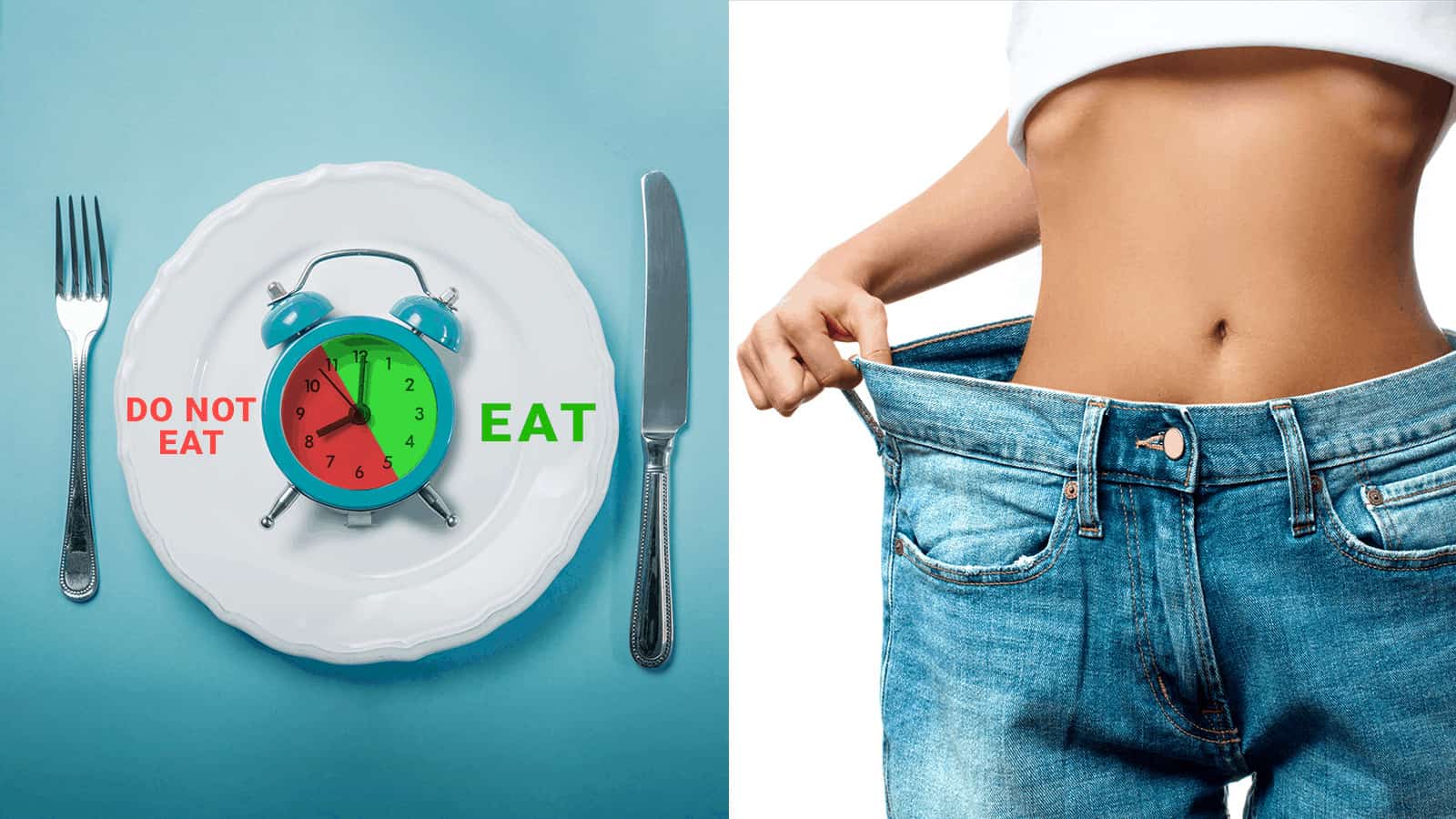
In this article, we will look at intermittent fasting, a diet that requires prolonged periods of fasting to lose weight.

WHAT IS INTERMITTENT FASTING?

water fasting

Learn how the pros and cons of water fasting.

For those unfamiliar with intermittent fasting, this form of dieting is relatively easy to follow. In fact, the National Institute of Health tells us it is one of the most effective ways to lose weight. Unlike most diets where you deprive yourself of certain foods, this diet allows you to continue eating the foods you love. However, you must eat less frequently to benefit from this unique diet. While this may sound challenging, it will grow easier once you have some practice under your belt.

According to a study published by healthline.com, a privately owned provider of health information based in San Francisco, CA, those on an intermittent fasting diet can lose as much as 3 to 8 percent of their body weight within 24 weeks or less. This study data proves that a fasting diet can be just as effective in helping individuals lose weight as a traditional diet predicated on calorie restriction. Many researchers and scientists believe that an intermittent fasting-based diet can be more beneficial to those who are obese and trying to lose weight.

CHOOSING THE RIGHT INTERMITTENT FASTING DIET

Studies have shown that a diet involving strategic fasting can positively impact your metabolism and overall metabolic health. However, there is no such thing as a “one size fits all” approach when it comes to this form of dieting. There are multiple ways of going about an intermittent fasting-based diet. One such option is the 5:2 diet, which entails fasting for two consecutive days per week or alternate-day fasting. Another option is the 16/8 method; with this method you only eat during an 8-hour window and fast for the remaining 16 hours. Before starting a fasting diet, you might want to to speak with a physician or nutritionist who can recommend the best option for you.

INTERMITTENT FASTING BENEFITS

From a metabolic standpoint, fasting can increase the number of fat burning hormones in the body. Also known as chemical messengers, these hormones play a critical role when it comes to body weight. They also carry out other functions in the body like regulating appetite, for example.

Additionally, hormones can play a decisive role in whether you store or burn fat and the number of calories you can consume. An intermittent fasting diet ensures that your hormones work in your favor while you work toward achieving your weight loss goals. That said, insulin is one of the primary hormones that dictate fat metabolism, the process whereby the body breaks down fat and uses it as an energy source.

The higher your insulin levels are, the harder you will find it to shed unwanted pounds. Strategic fasting can keep your insulin levels low; this, in turn, makes it easier to lose weight. Lower insulin levels can also reduce the likelihood of developing certain diseases, such as cancer, type 2 diabetes, and heart disease.

HUMAN GROWTH HORMONE

Along with insulin, fasting can also increase the human growth hormones in the body, which are equally important when it comes to losing weight, especially for men. According to the Oxford University Press, the level of human growth hormones in the body can increase by more than five-fold for those who stick to a fasting diet. The study also revealed that the increase in human growth hormones enables men to preserve more muscle while losing weight. Unfortunately, these benefits do not extend to women; the rise in human growth hormones does not affect their ability to lose weight in one way or the other.

NOREPINEPHRINE

Another benefit of fasting includes an increase in the production of the stress hormone norepinephrine. In addition to helping you lose weight by prompting the body to release fatty acids, norepinephrine also improves attentiveness. When it comes to losing weight, the norepinephrine stress hormone can also make more of your body fat available to burn. This is helpful for those with stubborn fat that tends to linger in certain areas. All in all, the increase in HGH (human growth hormone), insulin, and norepinephrine can boost fat-burning potential, which can lead to weight loss.

INTERMITTENT FASTING VERSUS A CALORIE RESTRICTED DIET

When you’re trying to lose weight, deciding on a particular diet can feel overwhelming. There are so many to choose from, some of which are more hype than substance. A diet that involves fasting, however, is rooted in science. As such, it can deliver results relatively quickly for those disciplined enough to see it through. After all, it can be difficult for some people to go hours or days on end without eating anything. Unlike a traditional calorie-restricted diet, fasting does not decrease metabolism quite as quickly.

Although this may sound counterproductive, strategic fasting can help you avoid some of the negatives associated with losing weight, including a loss in muscle mass and muscle tissue. It is important to note, however, that extreme calorie restrictions can speed up how quickly your metabolic rate plummets, which can prompt the body to hold on to fat as a means of self-preservation.

It is a good idea to work with a physician or a nutritionist who can help you determine the maximum amount of calories you can safely restrict from your diet and still lose weight. This recommendation applies to those considering a fasting or calorie restricted diet, as doing so can help you avoid going into starvation mode.

INTERMITTENT FASTING BENEFITS

Along with weight loss, you can find several reasons to choose a fasting diet over a traditional calorie restricted diet. While both can help you shed unwanted pounds, fasting also helps the body rid itself of toxins. In layman’s terms, the act of fasting triggers a natural detoxification process in the body. This further contributes to weight loss. From a psychological standpoint, many people believe that fasting helps improve concentration and focus.

intermittent fasting

Many people have even credited fasting with enabling them to achieve a level of enlightenment and spiritual awakening that they would have otherwise never been able to experience. Additional intermittent fasting benefits often reported by those who have tried this diet include:

  • Increased life expectancy
  • Reduced inflammation
  • Lower risk of developing chronic diseases
  • Improved cellular cleansing
  • More energy
  • Healthy cholesterol levels
  • Healthy blood glucose levels

Intermittent fasting benefits your physical and mental health in a variety of ways. This diet is worth considering if you are serious about not only shedding pounds but also improving your overall health.

Fasting does not complicate your life like a traditional calorie restricted diet. Instead, it complements it by providing clarity and more energy while also cleansing the body of toxins and contributing to weight loss. Also, unlike a calorie restricted diet, there aren’t any expensive meal plans to buy or complicated recipes to follow. You can continue eating the same foods you already know and love. However, you must mentally prepare yourself to endure the rigors of going hours without eating. Overall, the benefits are plentiful for those willing and able to stick to such a diet.

Researchers Reveal Aspartame Linked to Depression

Aspartame, while widely used as a sugar replacement in many beverages and food products, is one of the most highly scrutinized and debated products.  Despite having been deemed safe by the FDA, suspicions and distrust continue among the public – and now it is linked to depression.

Various studies link aspartame to neurobehavioral issues, such as headaches, decreased cognitive function, mood changes, depression, and reduced memory capability.  Results from multiple tests have contradicted each other due to contributing factors not being ruled out, too small of a testing sample, differing amounts of aspartame used, or inconsistent test results.  These have only furthered distrust as each study was published and created more confusion and concern.

Many medical professionals, scientists, and researchers feel that aspartame requires further study to ascertain any possible neurobehavioral effects.  The U.S. Army was given a grant to discover if there was a link between neurobehavioral effects and aspartame.

The Aspartame Creation Story: 2 Amino Acids, 1 Carbon, and Bacteria

Aspartame is a synthetically created artificial sweetener that is 200 times sweeter than sugar.   It is best known as Nutra Sweet or Equal. It was accidentally discovered in 1965 by a chemist working on an anti-ulcer drug.  After working with chemicals, James M. Schlatter licked his finger, which had an unknown white powder on it.  To his surprise, it tasted very sweet.

Aspartame consists of two amino acids and a carbon.  The two amino acids are called:

  1. Aspartic Acid. An amino acid that also operates as a neurotransmitter, scientists speculated that it could cause headaches or migraines.  However, aspartic acid is found in several different foods and at higher concentrations than in Aspartame.
  2. This is the second amino acid; for a small population of people who suffer from phenylketonuria, it could lead to a build-up of phenylalanine and cause brain damage.  Due to this, those who have phenylketonuria should stay away from any product containing Nutra Sweet or Equal.

The Carbon in Aspartame

Now, back to the carbon aspect of the aspartame creation story.  This is where things start getting unnerving.  It appears that when the three ingredients break apart in the small intestine, the carbon forms into a molecule of methanol.

Methanol is also known as wood alcohol and is found in antifreeze, paint thinner, and rocket fuel. The effect on our body isn’t much different than that beer or wine you had with dinner last night, except for the fact that when it turns into waste by the body, it is changed into formaldehyde.  Formaldehyde is a cancer-causing agent used by morticians to embalm people.  This fact on its own is enough to raise more than a few eyebrows.  After all, logic follows that if we are ingesting a carcinogen, it must be bad.  Except, we have fruits and vegetables that contain higher levels of methanol than Aspartame.

The Process Used to Create Aspartame

To add to the already increasing concern, it was discovered that the amino acids were created through fermentation.  For those who are familiar with the fermenting process, you know it involves various bacteria “brewing” until the amino acids are formed.  After the amino acids are formed, then the bacteria are destroyed.

This information has been misconstrued as “aspartame is made from E. Coli feces.”  Another stomach churner.  The use of bacteria, or microorganisms, can be read in the European patent.  The patent itself does not state that the microorganisms used are E. Coli waste.

It is easy to see how most people are alarmed at the ingredients involved in creating aspartame.  Most of us do not understand the chemical process and interactions enough to be able to separate that from what we do know of the recognizable common ingredients.

Aspartame and Human Consumption

The FDA determined Aspartame as safe for human consumption in 1981.  It is also approved by the World Health Organization, United Nations Food and Agriculture Organization, American Heart Organization, and American Dietetic Association.

In 2013, the European Food Safety Authority also conducted a review of all the studies looking into Aspartame.  They ruled that Aspartame was safe at 40 mg per kg of body weight, which is 10 mgs lower than what was set by the FDA.  This quantity is far lower than what the average consumer drinks in a diet soda.

With all of these organizations’ approval, Aspartame remains under scrutiny.  While that may be frustrating to companies whose products contain it, it serves us well to ensure its safety.  Additionally, recent studies have seemingly given credence to our concern and the need to stay vigilant.

The Aspartame and Neurobehavioral link

In April of 2014, a study was published in the U.S. National Library of Medicine/ National Institutes of Health.  The purpose of the study was to examine the neurobehavioral effects of the consumption of Aspartame in diets where people consumed 25 mg/kg of body weight vs 10 mgs/kg.  This study was performed and written by Glenda Lindseth, Sonya Coolahan, Thomas V. Petros, and Paul D. Lindseth.

The study was funded by the U.S. Army Peer Reviewed Medical Research Program as its requests for applications reached the funding priority for a nutrition research grant.  The study protocols were reviewed and approved by the University’s Institutional Review Board and the U.S. Army Human Research Protection Office.  It was not a requirement for the research that only military personnel could participate.  Most of the participants were not in the military.

The participants of the study consisted of healthy adults between the ages of 20 and 40.   Each participant was ruled to be of equivalent mental capability and emotional status.  They consumed 25 mg/kg of body weight of Aspartame a day for eight days.  Then they returned to their regular diets for two weeks in order to reset their bodies to neutral.  Then, they consumed 10 mgs/kg of body weight per day for another eight days.  Note that these studies use far less aspartame than that which is currently approved by the FDA.

Various scientifically approved measures and tests were used to examine the participants.  They were tested in the areas of cognition, depression, mood, and headaches.  Measurements taken consisted of weighing the food eaten which contained aspartame and studying levels of depression in the participants. They also underwent tests for working memory and spatial awareness.

The Results of the Study

The study showed that Aspartame did affect some neurobehavioral activities.

  • Spatial awareness appeared weaker in the 25 mg/kg of body weight group.
  • Irritability and depression showed higher in the 25 mg/kg of body weight.
  • Seven of the 28 participants experienced clinically significant behaviors following the 25 mgs. Three of them suffered depressive symptoms despite lacking any previous history of it.

There was not sufficient evidence of headaches or working memory loss, even from participants on the higher dose.  Only one individual reported a headache.  Only two individuals displayed any significant working memory loss. Therefore, these results could not confirm or deny previous tests in this area.

The team performing the study felt that the number of participants weren’t as high as preferred and the study took place over a relatively short period of time. They did their best to ensure all participants were as equal as possible in age, relative cognitive ability, and body mass.  They made sure to weigh, measure, and track all the food with Aspartame.  Testing took place in an unbiased manner and based on a scientifically approved test for memory, cognitive function, mood, and spatial orientation.  With all of this in consideration, scientists felt that there was enough evidence to give credibility to Aspartame affecting behaviors and should warrant continued further studies.

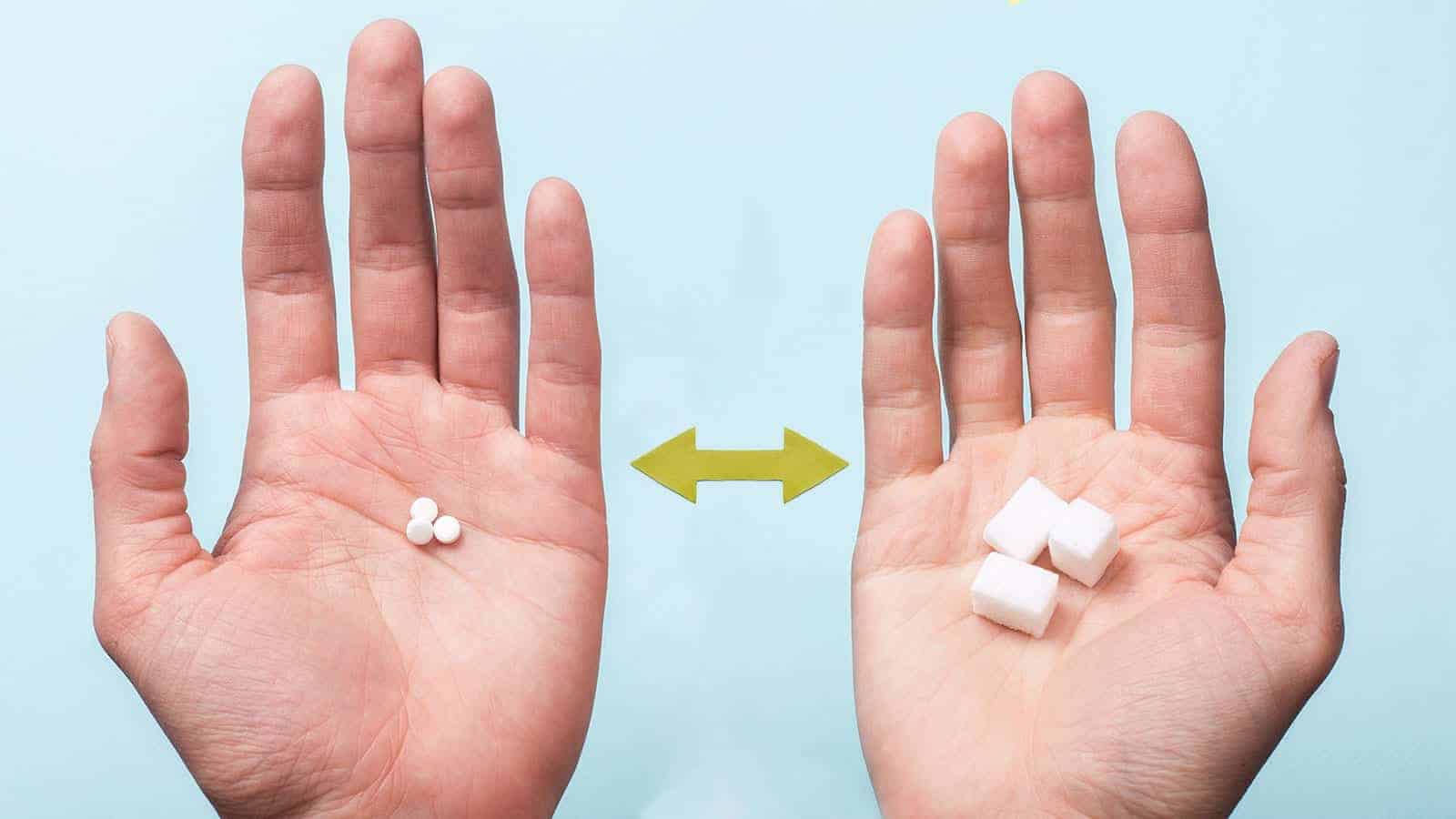
sugar

Test Results and Amount of Aspartame

Once again, it’s important to emphasize that the maximum doses tested in this study were still less – by nearly half – the approved amount for ingestion by the FDA and European community organizations.  The FDA and European health organizations state that in order to consume the allotted amount, one would have to drink about 19 cans of diet soda a day.  Using that logic, the study was based on 9.5 cans a day.

The study showed changes occurring in participants in just two weeks.  Therefore, one would have to question what would have happened over a six-month time period on even the low dose.

Conclusion

Aspartame, as a substance, warrants continued testing and studies.  Ample studies already point to it affecting metabolism and weight gain.  This U.S. Army study does link Aspartame to neurobehavioral issues.  These neurobehavioral issues need further study, as the details leave room for skepticism as to Aspartame’s safety for our consumption.

Neurobehavioral issues have substantial repercussions on our ability to thrive in life just as much as obesity and diabetes.  We need to continue to stay aware and informed while exercising caution with the substances we choose to eat or drink.

Scientists Confirm Link Between Cancer Diagnosis And Bad Diet

For several years, scientists and researchers have been trying to find conclusive studies that link one’s diet to an increased risk of cancer.  While it has been widely believed to be a factor, studies have been inconclusive – that is, until recently.

On May 22, 2019, in the Oxford Academic Cancer Spectrum, JNCI, a study was released demonstrating a correlation between diets and cancer. This study was performed in 2015.  The research conducted by multiple scientists and researchers concluded that about 5.2% of all new cancer cases in 2015 were related to an unhealthy diet.

About 4.4% of those cases are directly attributed to a poor diet. The study also showed 0.82% of cancer cases indirectly related to a poor diet caused by the effects of obesity.  In 2015, reportedly, 80,000 new cancer cases were associated with eating an unhealthy diet.  Colorectal cancer had the highest percentage of diet-related cases.

Diets were studied based on seven factors: whole grain, dairy, fruits, vegetables, meats, processed meats, and sugar-sweetened beverages.  Definition of a poor diet: those who ate a subpar amount of vegetables, fruits, dairy products, and whole grains, but an increased amount of processed meats, red meats, and sugar-sweetened beverages.

A poor diet contributed to the highest number of cancer cases. The majority of the individuals representing this margin consisted of middle-aged men between 45 and 64 years of age and racial or ethnic minorities.

The overall statistics of this cancer study revealed the following:

stronger meme

  • A deficiency in whole grains accounted for the higher percentage of cancer cases in 2015 at 1.8%.
  • Low dairy consumption made up 1.2% of cases.
  • Eating high amounts of processed meats equaled 1%.
  • Eating a low amount of vegetables made up 0.8%, and a small quantity of fruit made up 0.5%.
  • A high red meat intake accounts for 0.4%.
  • Drinking high amounts of sugar-sweetened beverages accounted for 0.2%.

As the results pertain specifically toward the diet as a direct factor:

  • 7% of cases were due to insufficient whole-grain products.
  • 2% of the cases resulted from inadequate dairy consumption.
  • 8% of cases connect to eating processed meat.

The number of cases of cancer-related to obesity, as an indirect dietary consequence, came from:

  • Low fruit intake, making up 0.2%.
  • High amounts of sugar-sweetened beverages, making up 0.2%.

What foods or nutrients decrease the risk of potential cancer?

The link between specific foods or nutrients and cancer can be difficult to ascertain for a couple of different reasons:

  • Certain foods may contain additional substances that may either increase or decrease cancer-causing reactions.
  • It’s not always about what you eat, as it may be related to how much of something you eat. Red meat, eaten in moderation, may not cause cancer.  Yet, eating it seven days a week increases your chances.
  • External things may influence if a substance increases or decreases its chances of causing cancer. For example, cooking specifically red meat at a very high temperature, such as frying or barbecuing, has shown to release a chemical that increases cancer risk.

Summary of Foods and Nutrients Recommended to Prevent Cancer

In May of 2019, the Editorial Board from Cancer.Net provided the following as currently believed to either aid in prevention or potentially minimize cancer risk.  Cancer.Net Editorial Board consists of over 150 medical professionals from various fields as well as patient advocates.

Plant-Based Foods/ Phytonutrients

  • Red, orange, yellow, and some dark green vegetables make up the Carotenoids, or carotenes family.
    • Lycopene is a carotenoid you can most commonly find in tomato products. Pink grapefruit, watermelon, and apricots also fall into this list.
    • Studies have yet to prove concretely whether there is a link between lycopene and cancer.
  • Soy contains specific phytonutrients that may help protect against certain types of cancer. More studies are necessary to add better clarity as to how soy may prevent cancer.
    • Edamame, tofu, soy milk, and miso are safe soy products to eat as often as three times a day. It is believed they may decrease breast cancer risk.
    • Doctors do warn about avoiding concentrated isoflavone pills and powder
  • Some of our favorite foods contain this powerful antioxidant: herbs, spices, certain vegetables,  tea,  coffee,  chocolate,  nuts, apples,  onions,  berries, and some other plants.
  • Allium compounds make chives, garlic, leeks, and onions a healthy addition to our diet.
  • Antioxidants protect us against oxidants, which damage or weaken our cells. Oxidants originate from our normal cell processes or exposure to certain pollutants.
  • Some nutrients on the list of antioxidants consist of beta-carotene, selenium, and vitamin C and E.
  • Selenium has tentatively shown to reduce new cases of prostate cancer, lung cancer, and colorectal cancer. However, one study linked selenium to a higher risk of diabetes.

Fiber

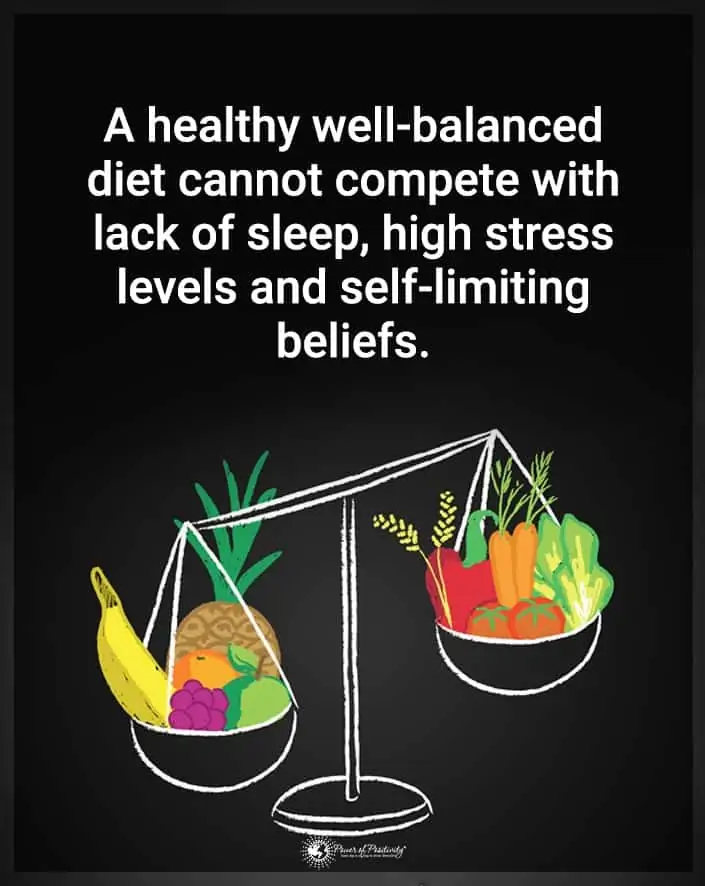
healthy well balanced

  • Think of fiber as little sponges that absorb the water in your intestines and colon to add bulk to your stools. This allows for the faster elimination of waste and quicker digestion.
  • Fiber acts as nourishment for all the gut bacteria, aka microbes, found in your intestines. Gut bacteria have several overall physiological benefits, including potentially decreasing the risk of a cancer diagnosis.
  • Much of our flour, bread, pasta, and cereals consist of processed grains. The naturally healthy elements were stripped out to make the end product softer and texturally appealing. Real grains are whole grains without any processing.
  • The best sources of fiber are whole grains, including barley, oats, svelte, psyllium, corn, and rye.
  • We can also get a high amount of fiber from beans, lentils, and split peas.
  • Vegetables and fruits are an additional source of fiber that provides antioxidants, vitamins, and minerals.

Animal Protein

  • Animal Protein consists of meat, fish, poultry, shellfish, certain dairy products, and eggs.
    • Specifically, red meat and processed meats link to cancer concerns.
  • Red meat includes pork, beef, veal, and lamb. You can eat red meat but limit your intake to about 18 oz per week.
  • Processed meats include jerky, hot dogs, salami, lunch meat, and other cured meat products.

Cruciferous vegetables

  • Studies of cruciferous vegetables show promise in regulating the enzymes that defend against cancer. Scientists continue to study how they may also prevent cell growth in other ways, but the study results have been inconsistent.
  • These vegetables consist of broccoli, cauliflower, cabbage, Brussels sprouts, bok choy, turnips, and kale.

Vitamins, minerals, and other nutrients.

  • Vitamins and minerals such as calcium, iodine, vitamins A, D, K, and the vitamin B family decrease your chances of getting cancer.
    • Currently, no study concretely proves that taking a multivitamin reduces cancer risks. One study published in Clinics in Colon and Rectal Surgery shows that people who have taken a multivitamin for over 10 years had reduced colon polyp formations.  Colon polyps may potentially turn into colon cancer if not removed early on.
  • Calcium and vitamin D are recommended for many women who are going through menopause. They have not been proven to affect colorectal cancer risk.
  • Vitamin C. According to the Memorial Sloan Kettering Cancer Center team, some studies suggest that it decreases your risk of specific kinds of cancer.
  • Beta-carotene in high doses does not seem to prevent cancer.
  • Folic acid. Many processed carbohydrate foods, especially bread and cereal,  are enriched with folic acid.
    • Studies have shown that people with low folate levels have a higher risk of breast cancer, colon cancer, and pancreatic cancer. Yet, clinical studies have not shown that taking extra folic acid will necessarily prevent a cancer diagnosis.

Alcoholic beverages alcoholic beverages

    • Alcohol increases the risk of developing certain types of cancer.

cancer

What is the link between weight and a cancer diagnosis?

Being overweight or obese is the second largest preventable cause of cancer.  More than one in 20 cancer diagnoses are caused by excessive weight.  This risk only increases the more weight a person gains and the longer they’re overweight.

We tend to think of fat as just this thick, squishy substance that attaches to our bodies.  In truth, fat is like the rest of our body in that it:

  • It is a storage house for energy.
  • Communicates with the other systems in the body and helps with cell growth, reproduction, and chemical reactions of other cells.

Therefore, when we have an overabundance of fat cells, it communicates something different to these systems than it would have when within the normal range.

Consider how body systems react to fat:

  • Increased fat equates to increased insulin and other growth hormones. This leads to an increase in more cell division.
  • A higher quantity of fat in the body attracts more cells to it, resulting in an increase in inflammation in the body. With inflammation comes more cell division.
  • For post-menopausal women, the hormone estrogen, produced by fat cells, can speed up the cell division in the womb and breast area.

What was in common in all of these actions?  Cell division.  Higher frequency and quantity of cell division are like betting on a game of probability.  The more you smash tennis balls against a wall, the higher the chance that you might get hit by one.  The more cells dividing, the higher the chances that they will become broken protein cells.  Broken protein cells, when not filtered out, further divide inside the body. They then have a higher chance of becoming cancerous.

Currently, the link between obesity and cancer is only relevant to adults.  Yet, children who are obese are five times more likely to be obese than adults.  The good news is that you can decrease your risk proportionate to the weight loss by losing weight.

cancerFinal Thoughts on Poor Nutrition and an Increased Risk of Cancer

Scientists confirming this link between cancer diagnosis and a bad diet is a big deal.  You can be sure that even further studies will be done to help us better understand and fine-tune the details.   While many things can cause cancer, regulating our diet is in our hands.  We have the control to make appropriate decisions to prevent or reduce our risk of getting cancer.  That makes diet another big step toward doing away with this horrific disease.

Dentist Explains 10 Ways to Treat Bleeding Gums

Bleeding gums are one of the most common gum diseases experienced from a young age. If you happen to brush or floss your teeth and still bleed despite trying to be gentle, you might be suffering from a serious oral health condition.

By definition, bleeding gums can be defined as a type of infection on the teeth-holding tissues. The scientific name for it is periodontal disease. It can be in the form of gingivitis or periodontitis. In most cases, the condition may result in redness, tenderness, and swelling of the gums. It is usually triggered by injury, pregnancy, inflammation, and brushing too vigorously.

In addition to this, poor brushing habits that encourage the accumulation of plaque can also make your gums bleed. Plaque is colorless and sticky and is usually formed from bacteria, mucus, and other particles. A steady accumulation of plaque leads to the formation of tartar, which can only be cleaned by a professional such as a dentist or dental hygienist.

While brushing and flossing your teeth may work as a standard for both teeth and gum maintenance, there are other ways to stop your gums from bleeding.

Bleeding Gums Treatment Remedies

1. Good Oral Hygiene can help Stop Bleeding Gums

Our bodies adapt to our lifestyles and diet. This means that if you feed yourself junk, you will gain weight rapidly and be out of shape. The same philosophy is adopted when it comes to teeth and gum maintenance. If you have poor dental hygiene, your gums are likely to bleed.

The gums will experience inflammation because there’s an accumulation of plaque. If left unchecked, the plaque can spread and result in serious gum disease or decay of the tooth.

Dentists recommend that you brush your teeth at least twice a day. Some people have the habit of brushing their teeth in the morning only. You have to brush your teeth before you sleep so as to get rid of the plaque and pathogens that have accumulated throughout the day.

Visiting the dentist regularly is crucial for maintaining optimal oral health. Dentists, such as those at Nations dental, can help identify early signs of gum disease and prevent them from progressing into more severe conditions.

During a routine check-up, they examine your teeth and gums, remove any built-up plaque, and provide professional cleaning that regular brushing may miss. They also offer personalized advice on improving your dental care routine, including the right techniques and products to use.

Pregnant women are also advised to maintain high dental hygiene levels since they’re likely to experience hormonal fluctuations that can bring about tooth decay and gum problems.

2. Proper Rinsing with Hydrogen Peroxide

Many homes have hydrogen peroxide bought for the purpose of disinfecting objects and surfaces. However, you can also use it to eliminate plaque and as a bleeding gums treatment.

As a tip, you need to rinse your mouth with hydrogen peroxide if you notice any bleeding when brushing your teeth. The solution will stop the bleeding. As a precaution, do not swallow the liquid since it can be dangerous.

Apart from stopping bleeding gums, hydrogen peroxide has other benefits. For example, it is effective in the treatment of gingivitis, which triggers receding and swelling of the gums. (1) The hydrogen peroxide treats your gums in two ways.

First, it breaks through the slime barrier created by plaque and harmful bacteria. The liquid reaches bacteria hiding in the deepest areas of your teeth. Second, the hydrogen peroxide releases oxygen, which kills the anaerobic bacteria.

3. Use a Gauze to Stop the Bleeding

A gauze is a soft transparent fabric made from cotton or silk. You can buy it from a clothing store or just ask your dentist for one during your next visit.

This cloth is effective in stopping gum bleeding because the material quickly absorbs the blood. Before you place the gauze on the bleeding gums, make sure that it’s clean. Gently and slowly press the gauze on the gums until the bleeding stops.

Normally, it shouldn’t take long to stop the bleeding. However, if you notice that the bleeding persists, you could have a bigger problem. In most cases, your immune system is not as strong as it should be, and you should consider going to a dentist for further diagnosis.

4. Quit Smoking

Smoking is a nasty habit that seems to grow on its users and is hard to get rid of. Even so, tobacco smoking interferes with your oral hygiene. When you smoke, you interfere with the saliva flow in your mouth. This is dangerous because you have no protection against oral bacteria that tends to stick on your teeth and gums.

With time, plaque forms on the teeth. The less you brush your teeth, the more the plaque hardens and becomes calculus, which causes black spots on the teeth. You may have to go a dentist to remove such stains because brushing won’t affect them.

Nowadays, there are smokeless cigarettes, which are said to be less risky. Unfortunately, this is far from the truth. Smokeless cigarettes irritate your gums in the same way as normal cigarettes. The irritation makes the gums weak and susceptible to plaque causing bacteria.

If you want to stop bleeding gums, you have to stop smoking. You can opt for nicotine replacement therapy, which includes patches, inhalers, and gums. It can help reduce your cravings for cigarettes.

5. You need more vitamin K

Bleeding is usually stopped by the accumulation of blood vessels known as platelets. This procedure is known as blood clotting. As one of the most essential bleeding gums treatment, vitamin K helps boost blood clotting.

Vitamin K makes your body produce prothrombin, which is a protein that assists in blood coagulation and bone metabolism.

Even though vitamin K deficiency is not common, it happens. If your gums bleed for extended periods, your body may not be producing enough prothrombin. In that case, you can either take vitamin K supplements or dietary vitamin K.

With dietary vitamin K, you can get it from the following sources:

  • Mustard greens
  • Swiss Card
  • Collard greens
  • Kale
  • Spinach

6. You have to increase your Vitamin C intake

Vitamin C is also essential for healthy dental hygiene. Your gums and teeth are held in place by fibers known as collagen. In most cases, when your body doesn’t produce enough collagen, your gums and teeth become weak. As a result, your gums may start to bleed as you brush your teeth. The reason why you should take Vitamin C when you experience these symptoms is because it helps in the formation of collagen. (2)

Bleeding Gums - vitamin c deficiency

Vitamin C is hands down one of the best bleeding gums treatment. This is owing to the fact that it also acts as a powerful antioxidant and protects the lining of the gums, enhancing connective tissue strength.

Here are some foods that you should eat if you want to increase your vitamin C intake:

  • Carrots
  • Sweet potatoes
  • Red peppers
  • Oranges

7. Reduce Carb Intake

In the previous paragraphs, we have talked about the things you should eat if you want to stop your gums form bleeding. Now, we are going to talk about what you shouldn’t eat if you want to maintain your gum’s health.

Plaque is a condition that’s promoted by intake of sugary foods as well as carbohydrates. This is owing to the fact that both result in the growth of bacteria that leads to plaque. The more the buildup of plaque on your gum linings, the more severe your gum bleeding will be.

Apart from sugary foods, carbohydrates such as mashed potatoes and white rice can lead to a sudden increase in your blood sugar and insulin levels. This can then result in severe oral inflammation.

Research shows that a reduced carbohydrate intake could help improve your teeth’s and gum health. You should go for carbohydrates with a low glycemic index if you want to stop oral inflammation. Examples of such foods include beans, whole grains, nuts, and vegetables.

8. Use a Cold Compress

There are times where bleeding of the gums could be caused by gum disease, and there are other times it could be as a result of severe injury or trauma. You can treat such an injury by applying a cold compress to the gum line as a way to suppress the swelling and restrict the flow of blood so as to stop the bleeding.

In the event that you develop a gum injury, all you need to do is apply a cold cloth or ice pack onto your gums several times a day.

9. Rinse Mouth with Salty Water

Since you can never be too sure of your dental hygiene, you need to make sure that you regularly rinse your mouth with a mix of warm salty water. The solution is vital for the reduction of bacteria and stoppage of gum bleeding caused by inflammation. This is also a readily available bleeding gums treatment option.

Here is how you prepare the solution. Add half a teaspoon of salt into a glass of warm water. You can do the rinsing about three to four times a day.

10. Drink Green Tea

Green tea has catechin, which is a natural antioxidant that helps lower inflammation caused by bacteria in the mouth. It’s recommended that you take three to four cups of green tea a day in order to improve your dental hygiene. (3)

Green tea also helps in the prevention of cavities. This is because the beverage lowers the acid levels in your saliva.

Final Thoughts on Bleeding Gums Treatment

When you use either of the above remedies, your gums should stop bleeding within a week. However, if you notice that the bleeding persists onto the second week, you should seek further medical treatment. Go to your dentist and let them perform a diagnosis.

Your dentist may remove some of the tartar stuck on your teeth and prescribe some antibiotics and pain killers for the bleeding.

10 Things Your Partner Should Never Ask You For

When you’re in a relationship, you want to do everything you can for your partner. When you’re in love, you’d move heaven and earth to make your partner smile. But when does this become dangerous, as opposed to romantic?

Unfortunately, there are people out there that seek to use and abuse the trust and devotion of their significant other. They ask for seemingly small things one at a time until they build up into a terrifying crescendo of toxicity and emotional abuse that is very difficult to break free from.

It’s important that you are aware of the difference between a reasonable request and a controlling, manipulative one. That way, you can catch any harmful ones and nip them in the bud before they grow out of control.

Here Are 10 Things Your Partner Should Never Ask You For

1.    Isolation From Your Family Or Friends

Each person in a relationship should have their own lives outside of the partnership – friends, family, or any other kind of social group that is separate from their partner’s. They should not be made to feel like they have to cut themselves off and rely on their partner alone. This is extremely unhealthy and leads to codependency.

A partner who tries to cut you off from those you care about is exhibiting a form of emotional abuse. They are forcing you to depend only on them and keeping you to themselves. It’s jealous, controlling, and toxic. They may say convincing things, such as: (1)

  • But I don’t get to spend any time with you anymore! (Even when you spend a lot of time with them already.)
  • I don’t trust that friend of yours. I’m pretty sure they’re backstabbing you.
  • Your mother is toxic; don’t you see that? I’m just looking out for you!
  • I’m just not comfortable with you having male/female friends.
  • None of your friends like you anyway.

It’s not unusual for a partner to dislike the occasional person in your life. Not everyone is going to get along. They are more than welcome to talk to you about their worries regarding someone in your life; however, they must respect that, at the end of the day, it is your decision who you keep in your life.

2.    Lack Of Pride In Your Own Success

Partners are supposed to support each other and lift each other up. They are supposed to celebrate together and be proud of each other. If your partner is telling you that you shouldn’t or don’t deserve to be proud, or that you should tone it down a notch, that’s a big red flag.

It’s not uncommon for partners to feel envious of one another’s success, but the trick is not to let that get to one another. Understand that the envy comes from a place of insecurity and should not be dwelled on. Sadly, some partners will continue to be envious and will use that as fuel to put down their partner’s success.

If you realize that you tend to feel guilty when you do well, or that you are frightened of sharing the good news with your partner, it may be time to step back and evaluate the relationship. Your partner should not be dragging you down.

3.    Forgiveness For Toxic Behaviors

No partner is perfect. At some point, your partner will slip up and wrong you. But if their immediate reaction when you call them out on the problem is to deflect blame or make excuses, you’re in trouble. A partner like this might say things like:

  • I didn’t mean to do it! Can’t you just forget it, already?
  • Come on, it’s not a big deal. Let it go.
  • You made me do this!

In these cases, they may be asking you to forgive and overlook actions like:

  • Violence
  • Unwarranted outbursts
  • Cheating
  • Invasions of personal privacy
  • Violation of boundaries

Should you hold a grudge forever? No, of course not; you have to either move forward in the relationship or decide to break up. It’s not fair to hold a mistake against someone forever.

But, at the same time, you should not feel forced or guilt-tripped into forgiving and forgetting too quickly – and you definitely shouldn’t be asked to overlook toxicity. Instead, work together to overcome the problem with positive thinking.

4.    To Be In The Middle

You’re not your partner’s errand-servant. You’re not there to solve their problems on your own so they can avoid them. If a partner continuously asks you to take on a middleman role, tread carefully. Here are a couple of situations where you might find yourself in the middle.

a)    Picking Sides

A partner may get into a disagreement with someone you know and force you to pick a side. While you will likely support your partner because of your loyalty to them, the choice should still be up to you in the end and you shouldn’t be pressured into agreeing with them.

b)    Passing Messages

Does your partner ask you to help them communicate with their friends or family members? Are you constantly asked to be the one to pass messages to others on their behalf, so they don’t have to face the consequences? This simply isn’t fair on you.

c)    Choosing Them

A toxic partner will say something like: “It’s either me or them!” In essence, they try to force you to choose either something/someone you care for very much or your relationship. This is a form of blackmail and cannot be looked upon in any positive way.

5.    Quitting Or Changing Your Job

Some partners may feel insecure about the fact that you earn more or similar to them. Conversely, if you earn less than them, they may think negatively of you for not earning enough. Either way, these are toxic thoughts to have – and when acted on, they are especially damaging.

In many cases, a significant other may seek to exert financial control over the relationship by asking you to change your occupation to suit their needs. A partner might pressure you to:

  • Change your job or career
  • Quit your work
  • Turn down promotions
  • Not capitalizing on your abilities, skills, or talents
  • Be less ambitious

Yes, sometimes career changes have to be discussed in long-term relationships. But it’s just as much your decision as your partner’s.

6.    Full Access To Your Devices

Did you know that 25% of women and 20% of men admit to secretly snooping through their partners’ devices? That’s a serious problem that shows trust issues, but the issue we’re talking about takes that to the next level. (3)

A partner may ask you to provide them with all your device information and even account passwords. They may ask you to give them complete access so they can check your texts, your social media, your emails – everything. They may justify it by saying that if you have nothing to hide, you would be okay with it.

The thing is that everyone has the right to privacy. On your devices are private chats with clients, colleagues, friends, and family members that the other party didn’t consent to sharing. Plus, it’s just extremely invasive for your partner to deny you any privacy at all. This is monitoring, controlling behavior that reveals a deep lack of trust, and it’s a huge red flag.

7.    Agreement To Calculative Rules

Equality in relationships is important, but it’s unreasonable to expect a relationship to be a complete 50/50 split. That’s just not possible. Both sides need to learn to sacrifice things sometimes.

If your partner is attempting to demand calculative rules, you’re in for a bad time. This gives them the chance to keep score of everything, including:

  • How much money you’ve each spent
  • Exactly how many chores each person has done
  • How many hours you each work

Being calculative in a relationship is simply not a positive way to interact. You’ll each need to make sacrifices now and then, and you’ll find that it usually all evens out in the end anyway. Focus your energies on functioning well together instead of counting who’s turn it is to do what.

8.    The Overlooking Of Bad Treatment From Their Family Or Friends

phubbing

Families-in-law (or families of a partner) can be tough to get along with. Sometimes, friends of your partner may be the problem instead. But there’s a difference between not liking someone and being repeatedly treated badly by them.

If you talk to your partner about the negative treatment you receive from the people in their lives, your feelings should be treated as valid ones. If your partner tells you to just use positive thinking and asks you to get along and endure negative treatment for their sake, your partner is saying that these other people are more important than you.

It’s okay for your partner to value their friendships and family relationships – and they should! But they also need to know when certain actions towards you are unacceptable. You should respect your partner’s other relationships – but they should also respect you enough to know when to put their foot down.

9.    Something You’re Uncomfortable With In The Bedroom

Consent is important in intimacy. Both partners need to be respectful of each other’s wants and needs, and communication is important even during  Unfortunately, many people find a way to create gray areas.

If your partner starts pressuring you into doing things you’re uncomfortable within the bedroom, that’s a major red flag and very dangerous. This is called sexual coercion. They may: (5)

  • Repeatedly badger you for a positive response after you’ve said no countless times
  • Try to convince you to try things you aren’t comfortable with
  • Normalize their actions
  • Offer rewards in exchange for intimacy
  • Complain when you decide to withdraw consent
  • Make you feel obligated or guilty
  • Threaten you if you don’t oblige
  • Cause you to feel as though you owe intimacy to them
  • Call you boring or unfun for not agreeing to new things

10. A Change Of Who You Are

When you start dating someone, you do so because you like who they are. If your partner keeps trying to change you, it indicates their goal from the beginning may have been to mold you into their idea of the perfect partner. Creepy, right? Here are some things they may ask you to change:

  • Sense of style
  • Religion
  • Personality quirks
  • Hobbies
  • Values or beliefs
  • Appearance

These aspects are part of your identity, and you should not be expected to give them up. Discussing flaws and self-improvement is one thing, but turning you into something completely different is unacceptable. You are lovable and worthy just as you are!

Final Thoughts On Some Things Your Partner Should Never Ask You For

If your partner asks you for one of these things, are they definitely evil? Of course not. Sometimes, ignorant requests stemming from personal issues can be the problem, and they often come from positive intentions.

As such, if you think your partner doesn’t mean to exhibit harmful behaviors such as these, talk to them about it. Discuss the problem and understand where it comes from. Work as a couple to solve the root of the issue. Additionally, don’t be afraid to seek professional help, if needed.

Remember, you deserve happiness and love just as much as your partner does. Your relationship should hold lots of respect and affection … not unfair, unbalanced requests.

10 Animal Protection Laws That Prove We Are Awakening

Animal protection laws have become more strict as concern grows in regard to animal cruelty. Currently, most U.S. states have made certain forms of animal cruelty a felony; however, in most jurisdictions, animal cruelty is still charged as a misdemeanor offense.

While the U.S. may still have a ways to go, animal rights have progressed greatly in other parts of the world. Public awareness of animal rights is on the rise, and many people are finally seeing how important animals are to this planet.

Below, we will go over 10 animal cruelty laws that show how we’re taking some steps in the right direction.

10 Animal Protection Laws That Prove We Are Awakening

1. New Zealand says animals are sentient and made animal cruelty punishable by offense.

New Zealand is one of the world’s leaders when it comes to animal protection laws. According to World Animal Protection, the New Zealand Animal Welfare Strategy recognizes the sentience of animals, and says that their behavioral and basic needs should be met at all times. Animal cruelty of any kind, including studies and experiments, is illegal in New Zealand. Also, the country has enacted laws limiting the harm caused to marine mammals and game animals.

2. Poland has a law that requires a person to call the authorities if they find an abandoned dog or cat.

According to World Animal Protection, if you find an abandoned dog or cat in Poland, you must notify an animal shelter, firefighters, or police. Commercial breeding of dogs and cats is also illegal in Poland.

3. You can get up to 10 years in jail for stealing a dog in Virginia.

In many U.S. states, animal protection laws are a bit lax. For example, if you steal a dog, it wouldn’t be considered a felony in most states, as dogs are considered property. Most of the time, people get away with it since it’s not considered kidnapping. However, according to Tingen & Williams, stealing a dog in Virginia is a Class 5 felony punishable by up to 10 years in jail, no matter how much the pet is worth.

4. For couples getting a divorce in Alaska, the judge decides who gets to keep pets.

According to the Washington Post, in 2017, Alaska became the first state to take into consideration animal protection in divorce cases. Judges determine who will get custody of the pet based on who he or she thinks is best fit to take care of it.

5. Russia bans all animal cruelty.

According to the Moscow Times, this comprehensive law bans animal cafes, animal fights, petting zoos in malls, and keeping animals in bars or restaurants. Also, killing stray dogs and cats is prohibited. This law was introduced back in 2010, but it took legislators eight years to put on the finishing touches.

6. The Netherlands requires people to pay an annual dog tax.

The Netherlands has a huge goal: to become the first country without stray animals. According to Expatica, the majority of cities in the country have an annual Dog Tax, which is determined based on the number of dogs in each household. All dogs must be registered at their local town hall. Why the tax, you ask? Lawmakers believed it would make people even more responsible for their pets.

7. In the UK, animal cruelty is punishable by a maximum of 5 years in prison.

According to Independent, the UK confirmed that the maximum sentence for animal cruelty will increase to five years. The maximum fine will rise from £5,000 to £20,000 as well.

animals

8. In Germany, you can get fined up to 25,000 euros for killing a protected animal.

Germany is also considered one of the world’s leaders when it comes to animal protection laws. According to World Animal Protection, you can get fined up to 25,000 euros for killing a protected animal. Did you know wasps are protected in Germany? This is because they help clean the environment and don’t harm anyone (except for a sting if you get too close). However, don’t worry if you happen to kill a wasp there; the law applies only if you kill a whole nest of wasps.

9. In Turin, dog owners are fined if they walk their dogs less than 3 times per day.

Animal protection laws are also very strict in Italy. However, one city there has taken things to the next level. According to Environmental News Network, in Turin, dog owners can be fined up to $650 if they walk their dogs less than three times a day. Animal owners also can’t dye their dog’s fur or do anything else to “mutilate” them.

10. In Oklahoma, dog owners are responsible for injuries their dog might inflict upon others.

According to AllLaw, if a person gets bitten or injured by a dog, he or she can file a lawsuit for up to two years after the incident. The dog owner must take responsibility for any injuries his or her dog causes, but if a person provokes the dog, the owner can use that in their defense case.

Final Thoughts on Animal Protection Laws Worldwide

As you can see, animal protection laws have gotten stricter in many countries around the world. This is definitely a sign that we are awakening and realizing that animals deserve the same rights as we do. They have the same basic needs, and if we own an animal, we are obligated to provide those needs for them.

(C)Power of Positivity, LLC. All rights reserved

5 Exercises For New Moms That Heal Your Belly

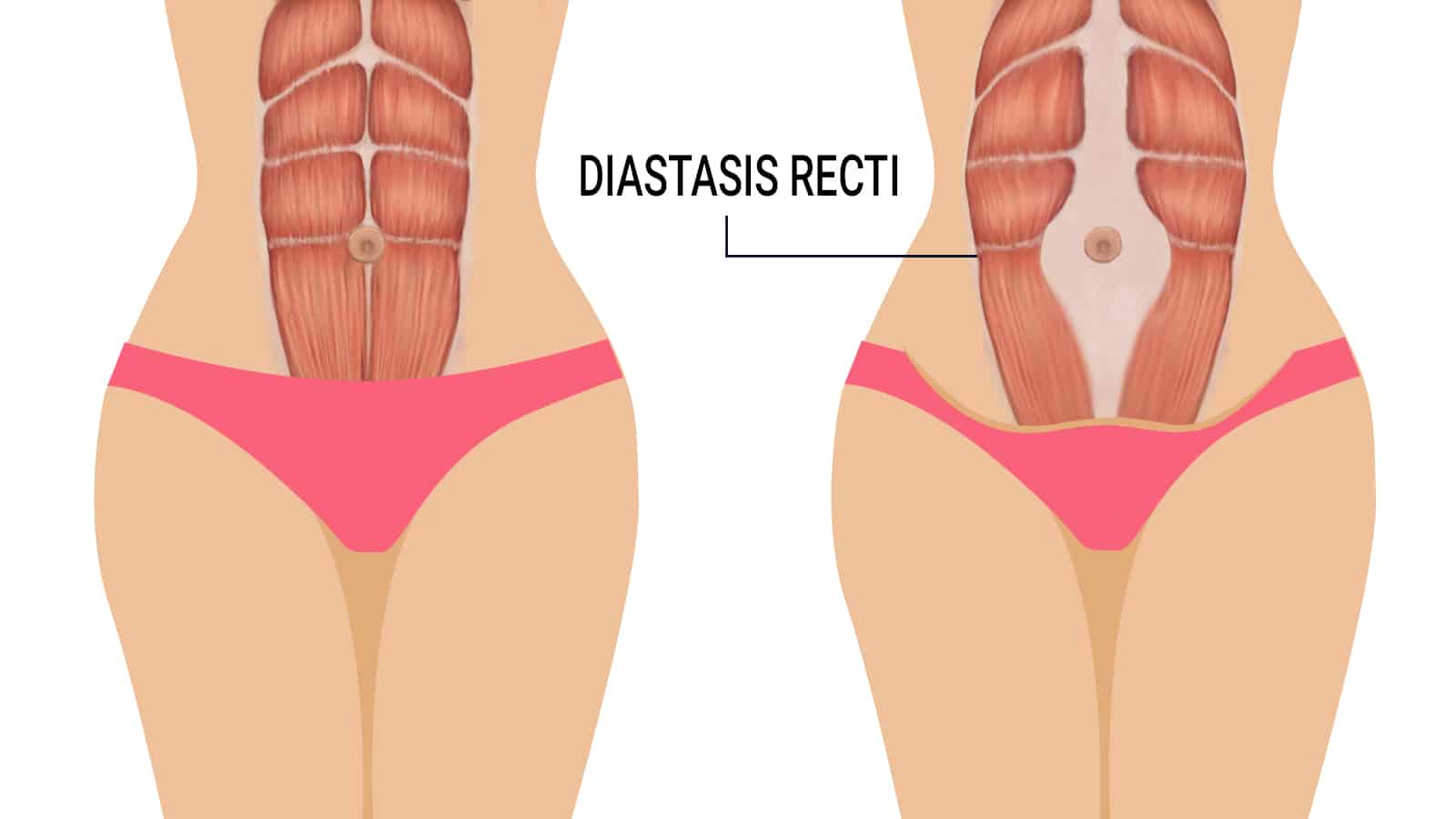
Pregnancy is truly taxing on the human body. It stretches the abdomen, sometimes causing both sides to wind up separating. This usually causes bulge to remain around the lower stomach. The pelvic floor is also strained and tired from the delivery process.

It makes sense, then, that new mothers are interested in helping their bodies heal from the tiring ordeal. They want to close up the gaps caused by all that stretching. Many also have goals to lose the extra weight they’ve gained or to help their bellies firm back up. It’s not an easy process, but with positive thinking, it can be done.

Postnatal exercises can be tricky. Doing standard core-strengthening exercises can be too taxing on your body, and they only workout your external muscles, not the internal ones you stretched! You also can’t do too much without causing harm to your body, which is still trying to recover.

So, which exercises are effective and safe? Luckily, there are plenty of moves and workout routines that have been deemed okay for postnatal use.

Here Are 5 Exercises For New Moms That Heal Your Belly

belly

1.    Early Tummy Toning

The first types of exercises you do after giving birth should be extremely simple and very gentle. As we previously mentioned, pregnancy tends to stretch out abdominal muscles, and in many cases, this causes them to separate.

It will take a good long while before those muscles heal well enough for you to attempt serious core workouts. In the meantime, simple and gentle exercises focused on your tummy are great options. These will help to provide positive toning benefits, working out internal muscles, even down the deepest layer. (1) A mini tummy tuck nassau county, NY can speed up the results to a flat stomach.

Before the abdominal muscles have closed their gap, you have to be very careful with your stomach exercises. Here’s a great one to use when you’re just starting out.

  • Step 1: Start in your position of choice. You can lie down, rest forward on all fours, sit down, or even stand up. It is advised that a doctor or a relevant medical professional is present to assist you.
  • Step 2: Make sure your lower back area is flat, not arched in any way.
  • Step 3: Exhale deeply in such a way that your belly button moves backwards towards the area of your spine. Remember, your lower back should stay flat and unmoving.
  • Step 4: Pause, holding the position while continuing to breathe in a light and easy manner. Do this for 10 counts.
  • Step 5: Relax your body back to its initial position.
  • Step 6: Repeat this process. You can do this up to 10 times. This will be considered one set.
  • Step 7: You can continue to do 10 sets at a time. You may also do this multiple times daily.

2.    The Heel Slide

The heel slide is a great, gentle workout among the very best postnatal exercise moves you can do. It has positive effects on a particular deep core muscle known as the psoas. This muscle is responsible for leg, spine, and pelvis connection. Here’s how to do the heel slide. (2)

  • Step 1: Start by lying on the floor with your back and feet pressed into the ground. Your knees should be bent.
  • Step 2: Inhale deeply. Let your stomach expand.
  • Step 3: Now, slowly slide out one of your feet, continuing until the leg is straight.
  • Step 4: Exhale deeply. Flex your outstretched foot as you slowly bring your heel backwards to its initial position. As you do so, maintain a sliding motion, and keep your body still.
  • Step 5: Repeat this process with your other foot. You can do this up to 20 times (10 on each foot), but feel free to start lower.

Note that this exercise is not to be done until your abdominal muscles close!

3.    Advanced Tummy Toning

Once your abdominal muscles have healed sufficiently and the gap has been given time to close, you can escalate the early tummy toning exercise into a slightly more complex one. Here’s how to do it. (3)

  • Step 1: Start by lying on the floor with your back and feet pressed into the ground. Your knees, naturally, should be bent, with your hands resting on your thighs.
  • Step 2: Exhale deeply, allowing your ab muscles to contract. As you do so, lift your shoulders and head upwards off the ground, moving your hands in a sliding motion to your knees. The goal is for only your head and shoulder blades to be lifted.
  • Step 3: Pause, holding the position for a few moments.
  • Step 4: Relax. Slowly bring your head and shoulders back down to their initial position.
  • Step 5: Repeat this process. You can do this up to 10 times. This will be considered one set.
  • Step 6: You can continue to do 3 sets at a time.

4.    Early Pelvic Muscle Routine

The pelvic muscles often become stretched during childbirth due to the fact that you have to pass something very large through them. You can find these muscles stretched across multiple places, as these muscles provide support to the bladder, bowel, and womb, among other body parts.

The pelvic floor undergoes quite a bit of change during pregnancy and after childbirth before it returns to its original state several months postpartum. However, these muscles can still experience some weakening during this process. Studies indicate that improper pelvic muscle care after childbirth can lead to issues such as incontinence, prolapse, and even pelvic-perineal dysfunctions. (4)

Pelvic exercises can also help your belly to heal, as most pelvic exercises aid in the strengthening of deep core muscles.

Here’s how to do a very simple pelvic workout routine that can be done before the abdominal muscles have closed their gap.

  • Step 1: First, identify your pelvic muscles. These are the ones you clench when you stop yourself from urinating.
  • Step 2: Start in your position of choice. You can lie down, sit down, or even stand up. It is advised that a doctor or a relevant medical professional is present to assist you.
  • Step 3: Release tension in your body and try to keep your abdominal muscles relaxed. Breathe normally, at a calm rate.
  • Step 4: Squeeze your abdominal and pelvic muscles, gradually exerting more and more tension until you have managed to contract them as far as possible.
  • Step 5: Release the hold and relax. Do so in a slow and very gentle manner.
  • Step 6: Now, squeeze your muscles again, holding them for between 5 and 10 seconds. Gently release in a slow manner. Repeat this particular step 10 times.
  • Step 7: Now, squeeze your muscles again, this time in short, quick, hard motions, instead of gentle and slow ones.  Repeat this particular step 10 times.
  • Step 8: Now, squeeze your muscles again, and as you do so, let out a light cough (or just clear your throat.  Repeat this particular step 3 times.
  • Step 9: This entire process, from step 1 to step 8, is considered one single set of the pelvic workout routine. You can continue to do between 5 and 6 sets on a daily basis.

5.    Advanced Pelvic Muscle Exercises For New Moms

This pelvic move can be done within a week of a typical birth, though a few months’ wait is necessary for those who have had C-sections. Speak to your doctor for clarification. It will help strengthen ab and pelvic muscles all at once! Here’s how to do it.

  • Step 1: Start by lying on the floor with your back and feet pressed into the ground and your arms by your sides. Your knees should be bent with a pillow tucked between them, and your hips should rest on a pillow.
  • Step 2: Breath in deeply, then exhale deeply. As you do so, bring in your abdominal muscles and tuck your pelvis. Squeeze your buttocks, too. While this is happening, perform a Kegel hold (where you clench your pelvic muscles).
  • Step 3: Pause, holding the position for five seconds.
  • Step 4: Relax. Slowly return to your initial position.
  • Step 5: Repeat this process. You can do this up to 10 times.

Now, here’s one last pelvic exercise.

It should only be done after your ab muscles have closed. It can help your lower back, buttocks, and core become stronger. Here’s how to do it.

  • Step 1: Start by lying on the floor with your back and feet pressed into the ground at a hip’s width away from each other. Your knees should be bent.
  • Step 2: Inhale, then exhale deeply. As you do so, bring your ab muscles inwards and upwards so it moves in to your spine.
  • Step 3: Lift your hips up into the air as you push your pelvis upwards until your knees and hips are in a straight line.
  • Step 4: Relax. Slowly bring yourself back down to the initial position.
  • Step 5: Repeat this process. You can do this between 5 and 10 times. Build up slowly from 5!

diastasis recti

Final Thoughts On Some Exercises For New Moms That Heal Your Belly

The world puts a lot of pressure on new moms to “bounce back” and look like how they were before getting pregnant. It’s a rather unrealistic expectation, so keep that in mind when you’re doing these exercises. They will give you results, but they take time, and you shouldn’t hold yourself to impossible standards!

We know just how eager you may be to get back in shape after bringing your beautiful baby into the world, but take it slow! You are under no obligation to be super fit right after giving birth. Plus, you need time to rest and heal, and pushing yourself too hard can lead to permanent injury.

All exercises that you use should be slow and gentle. It’s a good idea to speak to a doctor before going through with these exercises. Talk about the best possible steps you can take to heal your belly, and follow their instructions well! Postnatal exercise can boost mood and positive thinking too, to help you with the hormonal changes. (5)

At the end of the day, your best bet is to go at your own pace. Focus on performing the right exercises that workout both internal and external muscles. If you do them the right way, and you’ll be able to hit whatever goals you have with regular practice!

5 Anger Management Techniques To Stop Yelling At Kids

Parenting is a tough job, especially when it comes to anger management. Kids often don’t have a very good sense of reasoning, which can lead to a lot of yelling, tantrums, misbehavior, and other issues. They don’t understand how social skills work, and at a very young age, they live in their own little bubble.

It’s even harder to keep your cool when you’re exhausted or not having a great day. Tiredness is part and parcel of parenting young kids, after all. Unfortunately, these children also typically haven’t yet developed a sense of empathy that allows them to understand that – so they really push your limits!

This is why it’s so easy to lose your temper. You may want to shout, yell, or scream at your children, especially when they aren’t listening to you for the hundredth time. But this is extremely damaging to a young child. They are 100% dependent on you, and they need you to be the mature, bigger person in the situation.

You are the adult, after all! It’s your responsibility to keep your cool when the going gets tough, especially around your vulnerable, susceptible, and easily influenced children.

Here Are 5 Anger Management Techniques To Stop Yelling At Kids

regulate anger

1.    Learn To Communicate Effectively

Toddlers and young children are nothing like adults. They rarely ever listen to yelling. It catches their attention for a moment, but they’ll be lost in a different world again just moments later! This renders any attempt to get their attention by shouting at them either completely ineffectual or just plain harmful.

It’s definitely frustrating to feel like you aren’t being heard – especially if you’ve been talking about some topic again and again. If you keep having to say things again and again to no effect, you likely haven’t been speaking to your child in a way that they truly understand. Here are some tips, which will also aid you in anger management: (1)

a)    Use firm language, calmly

You can sound strict and as though you won’t take no for an answer while also sounding (mostly) relaxed.

b)    Make eye contact

Your child is more likely to take you seriously if you maintain eye contact with them, and you will be able to check to make sure they’ve comprehended what you’re saying. You can even kneel or lean down so you’re on their eye level.

c)    Keep it concise

If you drone on and on about one point for a long time, your child is going to slowly but surely tune it out. Get to the point, make sure they understand, and leave it at that.

d)    Be consistent

Remain consistent about the good behavior you expect. Don’t change your expectations every other day, as this will just confuse your child and prevent them from following instructions.

e)    Don’t give in

If you told your child to complete a task, and they still haven’t been doing it, don’t “give up” on them by rolling your eyes and completing the task yourself. If you do, you’ll teach your kid that if they can ignore you long enough, they’ll get to escape tasks. No matter how long it takes, stand your ground!

f)     Listen

Sometimes, your child is protesting for a reason. Listen to their explanations and complaints. Make sure they know that you “cannot hear” them unless they speak politely and properly. Once you’ve heard their side, make a more informed decision about your next step.

2.    Prepare Beforehand

A Yale professor of child psychiatry and psychology, Dr. Alan Kazdin, has a unique but important series of steps for more efficient, calmer, and more positive parenting. He refers to this as the ABCs program. Here’s how it goes: (2)

a)    Antecedent

This portion of the program involves preparing your child for what they are expected to do well before they may actually need to do it. This will allow them to prepare for it and keep it in mind.

As an example, if you want your child to put their dishes away after eating, start by telling them anytime before a snack that they must do this. It can be as simple as, “Please put your dishes in the sink once you’re done eating your snack!”

b)    Behaviors

This step is all about reinforcing and molding the behavior you want. It is your responsibility to ensure this happens; after all, many children learn by example! So if you’re trying to teach your kids to put their dishes in the sink after eating, make sure that you’re doing the same with your own dishes.

c)    Consequence

Consequence is the stage where you show positive reinforcement to your child for engaging in the correct behaviors. Once your child puts their dishes away, give them very big, obvious praise and a hug or other type of physically affectionate sign of approval.

You need to make sure your praise is very loud and large in order for it to be noticed, and for your child to associate it with a good thing they’ve done. Don’t be afraid to act like you’re a theater actor!

Another good way to prepare beforehand is by being aware of your anger levels. If you feel yourself start to get annoyed, prepare yourself and your children. Tell them what the problem is, such as:

  • You’ve had a bad day at work
  • You really need to focus
  • You’re feeling very tired
  • You are concerned for their safety
  • You are becoming irritated because of their fighting or arguing

Phrase it in a positive way and communicate with them. Ask them to kindly tone it down as a proactive approach to anger management. If you need to, redirect their attention and re-state your position and requests more firmly until they listen to you.

3.    Learn To Understand Your Own Anger Management Process Accurately

Anger may seem complex, but it’s a surprisingly simple emotion. If you learn to understand and interpret your anger, you will be able to respond to it in a more positive way that is more proactive and less reactive. Here are some tips to help you do so: (3)

a)    Identify The Root

Anger is a secondary emotion. This means that it does not exist on its own; it arrives as a bolster for other negative emotions. So the next time you experience anger, take a deep breath and think about it.

Try and take note of any feelings you are experiencing that are hidden behind anger. You may be feeling:

  • Sad or upset
  • Fearful
  • Panicked
  • Stressed
  • Embarrassed
  • Overwhelmed
  • Helpless

b)    Figure Out What Triggers You to Start Yelling

Different parents have different anger triggers. If you know what yours are, you can anticipate and prepare for them beforehand, preventing you from blowing up when you encounter them.

Some examples of common triggers a parent experiences are:

  • Certain phrases said by children, such as …
    • “I don’t wanna!”
    • “You can’t make me do it!”
    • “Why can’t I?”
    • “Are we there yet?”
  • A certain negative behavior (example: leaving toys uncleared, fighting with siblings, talking back, etc.)
  • External factors coupled with mild misbehavior (example: needing to cook dinner but your children are whining, having to focus on work but your kids won’t stop playing too loudly, etc.)

c)    Take Note Of Physical Responses

Many people experience physical changes when they become angry. If you take note of these responses in your body, you’ll be better able to detect when you need to use some positive anger management. Your body might be telling you that anger is on the rise, even if your brain hasn’t quite caught up. Some common signs of anger include:

  • Reddening face
  • Quickened pulse or heart rate
  • Clenched fists
  • Tightened muscles
  • Shallow breathing

d)    Understand Its Purpose

Anger arises for a reason. You are angry because certain things aren’t going smoothly, or as needed. By understanding why you get angry, you can understand the steps you need to prevent things from going in that direction.

4.    Take A Break

positive-thinking

Too angry? Walk away and take a break. When you feel your anger mounting to uncontrollable levels, step out of the room. Tell your child that you are too angry to continue the discussion and that you are going to go and take a timeout.

When away, breathe deeply. Sit down, close your eyes, and focus on your breathing. Go to the bathroom or to a nearby sink and give your face a wash. Freshen up a little. If it helps, you can even say a mantra or positive affirmation to yourself about keeping positive thinking in these times. (4)

You can use mantras like:

  • I will only show love.
  • My child needs understanding and patience.
  • This situation is not a disaster.
  • My child only acts out because he has trouble with (insert issue here).
  • I will be patient today.

5.    Practice, Practice, Practice

Nobody is perfect, and if you’ve been yelling at your kids as a bit of a habit when things go wrong, it’s hard to unlearn the behavior. The trick lies in continual practice and lots of positive thinking.

Anger management is crucial to good parenting. You can learn to be calmer, or you can find healthy outlets for that anger. Some practices for calmer thoughts include:

  • Mindfulness meditation
  • Keeping a journal to record gratefulness and express your thoughts
  • Practicing yoga

Some healthy (or usable) outlets for anger include:

  • Practicing sports
  • Writing in a journal about your anger
  • Making art that expresses your anger
  • Screaming into or punching a pillow

If you choose to use outlets for anger, make sure you are doing so in private or away from children if it is not a commonly accepted activity!

Final Thoughts On Some Anger Management Techniques To Stop Yelling At Kids

If you’ve shouted at your child in the past, it’s time to stop and learn alternative methods of getting through to them. A lot of emotional and mental damage can come from yelling at your kid, especially if this includes unfair name calling, disrespect, and verbal abuse. In fact, it’s just as bad as physical hitting and punishment. (5)

They can learn improper anger management techniques from this treatment. They can begin to exhibit similar behaviors to yours. Or, in some cases, they may withdraw altogether. Even when they seem fine, their developing brains are still impacted in some way or other, and it will have a harmful effect on them later in life.

Studies indicate that positive reinforcement is a much better system for children than negative reinforcement. This is why learning to manage your anger can be more beneficial for both you and your kids. It’ll help them behave better, and it’ll give you more breathing space!

So, while it can be hard to keep calm when your kid is being naughty, take a deep breath and get your positive thinking going! Use these 5 anger management techniques to stop yelling at kids and build a healthier, happier, and more effective parental bond with your little one.

Skip to content