Weekly tips, affirmations, and small actions to feel your best.

12 Amazing Benefits Of Using CBD Oil

CBD oil has been associated with numerous health benefits to your body and skin. Many of these benefits are beauty-related as they assist in making your skin look better and youthful. That is why hemp oil has become extremely popular, especially because numerous countries are legalizing its mother plant, marijuana.

The beauty benefits of CBD oil include slowing down aging. It is also great for massage, serves as an ideal aftershave, and helps with acne control. These benefits will ensure that many of the skincare problems that you experienced before are gone.

As the popularity of CBD oil continues to rise, businesses in the hemp and cannabis industry are finding themselves in need of reliable financial solutions to support their operations.

In addition to its beauty benefits, CBD oil has also gained recognition for its therapeutic effects, especially in managing stress, anxiety, and pain. Many individuals turn to marijuana-based products for relief from chronic conditions or to enhance their mental and physical well-being.

As cannabis products become more mainstream, it is crucial to have access to trustworthy resources to navigate the wide array of marijuana-infused goods available on the market. The increasing demand for such products calls for businesses to provide effective financial solutions and transparent information to maintain growth and ensure consumer satisfaction.

For those interested in exploring the potential of CBD and other marijuana-based products, visiting the Greenland Botanicals website offers an insightful platform for discovering high-quality offerings. With numerous cannabis-related items flooding the market, it’s essential for consumers and business owners alike to rely on trusted sources for accurate product information, ensuring that they make informed decisions in both their personal and professional pursuits.

One crucial aspect of running a successful CBD business is having access to a specialized merchant account service that can handle the unique challenges associated with this high-demand market. With products like CBD oil gaining traction among consumers for their beauty benefits, it’s essential for merchants to partner with a provider that understands the complexities of processing payments in this space.

Utilizing a PayKings payment platform ensures that businesses can efficiently manage transactions while complying with industry regulations. As the market for CBD oil continues to grow, having the right payment solutions in place will be essential for long-term success and sustainability.

Here are 12 amazing beauty benefits of CBD oil.

1. Great for Massage

CBD Oil is ideal massage cream. It has a great consistency as it is not too thick and not too runny. Hemp oil can improve the effectiveness of your massage since it can help in reducing pain. The oil has some pain decreasing properties.

Moreover, the oil contains a highly calming, pleasant scent that helps you to relax. It is firming, moisturizing, and decreases the appearance of wrinkles and fine lines. If you get massaged using hemp oil, you will be left with firmer, softer skin.

All these features of the oil make it an ideal option for massages. Moreover, it is simple to use as you can obtain a pre-combined cream or apply it directly to your skin.

2. Used as an After Shave

Hemp oil possesses moisturizing and anti-inflammatory properties that make it a perfect soother for your skin after shaving. Razor burns normally leave your skin irritated, red, and uncomfortable. The majority of people usually use a moisturizing cream for calming down the skin, but hemp oil has higher effectiveness.

The oil will leave your skin soft and smooth while its anti-inflammatory properties will eradicate the itchiness and redness often caused by razor burns. It can be utilized at any place on your body.

Whether you decide to shave your legs or face, hemp oil can offer long-lasting and instant relief from shaving irritation.

3. Dandruff Eradication

In case you have a case of dandruff, you are familiar with its frustrating effects. It is not easy to get a conditioner or shampoo that reliably eliminates dandruff. The condition can be caused by your scalp’s dryness and oil as well.

Oil on the scalp causes dead skin cells to clump together, which makes them more visible than usual. On the other hand, when your scalp is dry, your skin cells can shed at a faster rate than usual. This means that you will have many cells clumping together to create dandruff.

One of the benefits of CBD oil is stopping the formation of dandruff on your scalp by handling the oiliness and the dryness simultaneously. It is also ideal for minimizing the itchiness that can worsen the condition. This is because frequent scratching at the scalp can increase the number of skin cells that are dead and loose.

The health of your scalp will be enhanced by hemp oil’s cleansing and moisturizing properties. Numerous conditioning products have CBD oil as a major ingredient. Moreover, you can use the oil by itself or make conditioning masks. You may also visit this website at http://bulkcannabis.cc/ for a wide variety of CBD products.

Remember to rinse out the hemp oil fully after the application of conditioning products to avoid giving your hair a greasy look.

4. Controlling Eczema

In numerous cases, CBD oil has been successful in the treatment of eczema after the failure of standard treatment. This is ideal for individuals who have this condition, which is usually hard to treat. Hemp oil’s many properties that including richness in essential fatty acids, anti-inflammatory properties, and moisturizing effects, make it ideal for treating eczema.

It helps in calming the inflammation caused by the condition. It also assists in moisturizing the dry, scaly skin patches caused by eczema. Using the oil for such a condition might require using it as a balm or consuming it orally.

When applied as a balm, it is absorbed by your skin in the spots where it is required the most. When ingested, it lets your body take in the nutrients in a new manner that contributes to your general skin health.

5. Cold Sore Treatment

Cold sores can be uncomfortable and embarrassing. Moreover, they take a prolonged period to get eradicated and are very contagious. Fortunately, CBD oil can assist in healing these sores quicker.

The anti-inflammatory properties of CBD oil minimize redness to make the cold sores less obvious. It also assists in the reduction of pain caused by a cold sore.

The oil also assists in healing your skin, which means that the cold sore will not impact you for an extended period. You can apply a balm that has hemp oil on the cold sore for fast relief.

6. Anti-aging Skin Care

Another one of the benefits of CBD oil is anti-aging properties. Hemp oil assists in firming your skin and boosting its elasticity to bring out its natural plumpness.

It has 21 amino acids and is full of omega-6 and omega-3 fats. These nutrients are critical for healthy and youthful-looking skin. Omega-3 fats assist in strengthening your epidermis and repairing any damage such as damage caused by UV sun rays.

Damage from UV sun rays is a major cause of wrinkles and fine lines. Moreover, hemp oil has vitamin A, which is critical for boosting the growth of new cells. For youthful and healthy skin, your body needs the proper replacement of skin cells, and hemp oil assists your skin with this process.

The stress caused by inflammation is another major cause of skin aging. The anti-inflammatory properties of hemp oil assist in treating this problem.

7. Controlling Acne

Major acne causes include bacteria trapped in the skin and excessive buildup of oil to clog pores. The use of hemp oil to treat your skin eradicates both problems. This is because the oil has both antibacterial and cleansing properties.

Therefore, hemp oil assists in combating acne by eradicating acne-causing bacteria and unclogging pores. Applying it regularly will also help you avoid the formation of more acne. Moreover, hemp oil is naturally gentler on your skin than other chemically-based acne treatments.

Excessively harsh acne treatment can assist in curing acne by leading to more skin irritation. When you utilize hemp oil for caring for your skin, you can safeguard your acne-prone skin from getting uncomfortably irritated.

Hence, if you have chronic acne or experience a breakout occasionally, hemp oil can assist in keeping it at bay.

8. Calming Irritated Skin

When utilized as the central ingredient in healing balms or creams, hemp oil is ideal for curing skin irritation since CBD has anti-inflammatory effects. This happens when your endocannabinoid system in the body is affected, and the quantity of cannabinoids increases.

Cannabinoids partly contribute to the immune system of your body. Skin irritation from inflammation results from an overreaction caused by the immune system. When the oil is utilized as a cream or balm to soothe inflamed skin, it assists in calming the immune response of the body.

This minimizes inflammation and lets the irritated skin heal.

9. Excellent Facial Cleanser

You can use hemp oil as an effective and gentle skin cleanser for any skin type. It is incredibly gentle, which is ideal if your skin is sensitive, and it is sufficiently light to prevent the clogging of pores. This oil assists in eradicating excess oils and balancing the oils on the skin.

It will eliminate oily patches, and dry areas will not be left parched. It is lighter on your skin compared to chemical cleaning products and soaps. The oil does not need any processing or mixing.

Just use warm water to rinse your face before applying the oil on the skin and rubbing it. Then use warm water to rinse your face and clean off the oil.

10. Great Skin Moisturizer

If your skin is sensitive, hemp oil is a perfect moisturizer for you. The oil is light and ideal for a majority of skin types, including oily complexions. It is particularly an excellent moisturizer if your pores frequently get clogged or your skin is excessively oily.

cbd oil for skin

It lets you moisturize without worsening oily skin. If your skin looks tired and dry, hemp oil is the perfect solution. It has long-lasting moisturizing qualities.

11. Skin Regeneration

Your skin is covered with a mixture of water and oil, referred to as the hydrolipidic layer. This layer assists in preventing moisture from evaporating from the skin while protecting the skin from sunlight, dirt, allergens, and dust.

The fatty acids in hemp oil assist in sealing up the thin spots present in the hydrolipidic layer. Moreover, they assist in the growth of this layer to prevent potential issues.

12. Safeguards Against Psoriasis

Psoriasis is a condition whereby your skin cells multiply by as much as ten times quicker than normal. All these cells clog up at the surface of your skin and can lead to white scales and raised red.

Hemp oil’s fatty acids can improve exfoliation, hydration, oxygenation, and assist in preventing psoriasis.

Conclusion

From massage ointment to treatment for psoriasis, these twelve benefits will assist in offering therapeutic effects to your skin in addition to curing some of the most stubborn skin problems. If you are looking to have a desirable skin free from blemishes, then CBD oil is the oil for you.

This oil is straightforward to use. You only need to wash your face and apply it, after which you simply rewash your face.
3 Ways To Reverse Iron Deficiency Naturally

While it is not unusual to feel tired from time to time, constant fatigue could be the body’s way of alerting you to an underlying health problem. In many cases, chronic fatigue can be a sign of iron deficiency, which, coincidentally, is the number one nutritional deficiency worldwide.

Iron plays a critical role in the production of hemoglobin, which is the iron-containing oxygen-transport metalloprotein in the red blood cells that help circulate oxygen throughout the body. If you are deficient in iron, the body will have to work harder to achieve the energy it needs to function optimally. This, in turn, can leave you feeling exhausted, irritable, and weak.

Low iron levels can also result in an inability to focus.

In this article, we will take a closer look at the full impact of iron deficiency on the body and how to boost your iron levels naturally.

IRON DEFICIENCY AND ANEMIA

Iron deficiency symptoms can vary from person to person. In fact, some people may not experience any of the tell-tale signs of low iron levels until after the condition has given way to anemia. In these cases, the symptoms and the severity of those symptoms will depend on the individual’s age, how quickly they became anemic, and their current state of health.

To accurately diagnose iron deficiency-related anemia, blood tests will need to be needed. These tests will confirm if a patient has an iron deficiency. It will also identify factors that may have contributed to the condition in the first place.

Low iron levels can be caused by a variety of things, including poor eating habits. Underlying health problems, such as inflammatory bowel diseases like Crohn’s disease and ulcerative colitis, may also cause low iron.

In women, low iron levels can sometimes stem from either pregnancy or heavy menstrual cycles.

9 COMMON SIGNS AND SYMPTOMS OF LOW IRON LEVELS

To accurately diagnose an iron deficiency, a blood test that measures ferritin levels, which are the iron stores in your blood, will be needed. However, the following signs and symptoms may indicate low iron levels. If you experience many of these, you might want to visit a physician as soon as possible:

1. CHRONIC FATIGUE

While feeling overtired is generally no cause for alarm, being constantly tired, however, may be the body’s way of alerting you of low iron levels. This very symptom affects more than half of those who are iron deficient, according to the National Institute of Health.

Because many of us lead busy lives, we tend to overlook chronic fatigue. If such feelings persist even after getting a fair amount of sleep, you should seek medical attention as soon as possible.

2. PALENESS

Another common symptom of low iron levels can include pale skin. A pale coloring may also affect the inside of your lower eyelids. These symptoms are both caused by a decrease in the production of hemoglobin.

In essence, hemoglobin is what makes blood red and allows us to have rosy-colored skin that signifies good health. When this production is interrupted, various skin surfaces will become noticeably pale.

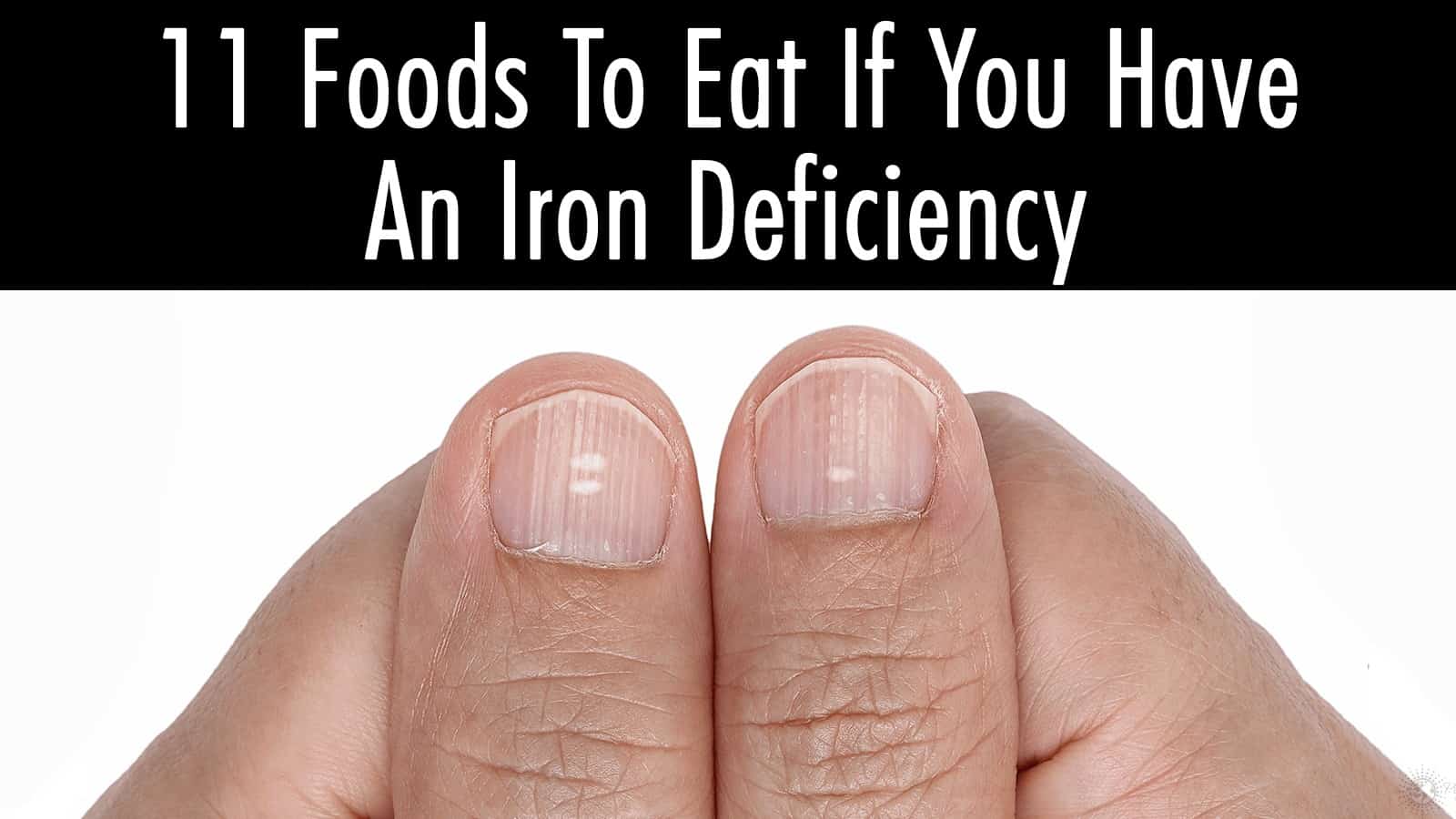
The same applies to the inside of the lips, gums, and nails. More often than not, paleness is a byproduct of low iron levels. However, blood tests will be needed to confirm that this is the case.

3. BREATHING PROBLEMS

In addition to contributing to our healthy, rosy color, hemoglobin is also responsible for transporting oxygen throughout the body. If the production of this protein is interrupted due to an iron deficiency, oxygen levels can fall dangerously low. This can make even routine tasks like walking or climbing stairs very challenging.

Experiencing shortness of breath from time to time is not uncommon, especially if you’re exercising or engaging in other physically demanding activities; however, prolonged breathing problems, particularly while in a state of rest, may suggest low iron levels and should be addressed by a physician.

4. HEADACHES AND FEELING DIZZY

In some cases, low iron levels can give way to headaches and dizziness. Similar to breathing problems and paleness, these symptoms can stem from inadequate hemoglobin production.

In short, if enough hemoglobin does not reach red blood cells, the brain is then deprived of the oxygen it needs. This, in turn, causes blood vessels to swell, creating intracranial pressure that results in headaches and dizziness.

5. HEART PALPITATIONS

Heart palpitations are another one of the many tell-tale signs of possible low iron levels. Similar to other low iron symptoms, heart palpitations are caused by inadequate hemoglobin production and poor oxygen circulation.

Basically, the combination of low hemoglobin levels and poor oxygen circulation places more strain on the heart, which results in irregular heartbeats.

6. HAIR AND SKIN HEALTH

When the body is iron deficient, oxygen that would have ordinarily gone to hair and skin gets redirected and used for other purposes. As a result, hair and skin become noticeably dry. In some cases, hair loss may also occur.

7. BRITTLE NAILS

Along with hair and skin, brittle nails can also be a byproduct of low iron levels. Initially, most people will notice that their nails have become prone to chipping and breaking. As iron levels continue to drop, the center of the nails will become dented, taking on a spoon-like appearance.

8. TONGUE SWELLING

It is not uncommon for those who are iron deficient to experience swelling of the tongue, dry mouth, and soreness. These symptoms that affect the oral cavity are typically the result of low hemoglobin and myoglobin levels.

9. RESTLESS LEG SYNDROME

Characterized by a strong compulsion to move one’s legs, restless leg syndrome is another common symptom of low iron levels. Studies show that more than 25 percent of those diagnosed with iron deficiency-related anemia also struggle with restless leg syndrome.

HOW TO REVERSE IRON DEFICIENCY NATURALLY

Now that we have a general understanding of how low iron levels can impact the body, let’s take a look at 3 proven ways to reverse iron deficiency naturally:

1. CONSUME FOODS RICH IN IRON

Making changes to your diet is a great way to boost your iron levels naturally. Most physicians, nutritionists, and dieticians will agree that consuming iron-rich foods can go a long way toward restoring normal and healthy iron levels.

Some of the most commonly recommended foods include leafy vegetables, lentils, seeds, dried fruit, red meat, pork, chicken, and iron-fortified cereals.

iron deficiency

To improve how your body absorbs iron from these foods, consider upping your intake of vitamin C. Studies show that healthy levels of vitamin C make it easier for the body to absorb non-heme iron, which is iron typically found in plant-based foods like grains, beans, vegetables, fruits, nuts, and seeds.

Also, as you increase your iron intake, you will want to gradually start consuming more iron. A dramatic increase can cause stomach pain, constipation, diarrhea, and other digestive problems.

2. TAKE DIETARY SUPPLEMENTS

While you should aim to get your daily vitamins and nutrients from whole foods, taking supplements can also help boost your iron levels. Taking 2.4 micrograms of vitamin B-12 every day, for example, can keep you from feeling anemic and will eventually bring your iron levels into a healthy range.

Women who are pregnant or nursing should aim for 2.6 micrograms of this vitamin per day. Iron supplements can also boost low iron levels; according to hematology.com, those who are iron deficient can benefit from taking 150 to 200 mg per day of elemental iron.

If you decide to take supplements, you should speak with your physician. He or she can recommend a proper dose based on your specific health needs. Regardless of your choice in supplements, it can take a month or more before your iron levels return to a normal and healthy range.

3. LIMIT COFFEE CONSUMPTION

To help your body absorb the iron received from whole foods and supplements, limit the amount of coffee you drink. Studies show that coffee contains tannins, water-soluble polyphenols that can interfere with iron absorption. Ideally, you want to avoid drinking coffee at least 3 hours before consuming foods that are rich in iron.

Being iron deficient can have serious health consequences. According to the Centers for Disease Control (CDC), anemia and iron deficiency has claimed the lives of over 5,000 individuals since 2016. If you’re iron deficient and struggling with anemia, follow the tips in this article that detail how to reverse iron deficiency naturally. Also, schedule an appointment with a physician as soon as possible.

5 Proven Ways To Get Rid Of Seasonal Allergies

Are seasonal allergies ruining your spring? It’s hard to enjoy a blue sky and a meadow full of wildflowers when all that you can think about is the pollen that’s just waiting to invade your sinus.

Fortunately, there are ways that you can fight back against allergies. There are steps that you can take to regain control of your health and enjoy the outdoors just like anyone else.

Are you ready to get rid of your allergies once and for all? Here are five suggestions.

1. Remove Irritants

The easiest way to avoid seasonal allergies is to stop them from happening in the first place. Instead of trying to reduce your sneezing and sniffling, take preventative measures so that you’re never bothered by them at all.

living with food allergies

How can you stop allergens from sneaking into your life? While you can’t change the outdoor pollen index, you can reduce its impact on your home and office. Here are just a few ideas:

Install a fly screen at your window. If you’re the type of person to enjoy a nice breeze on a spring day, make sure that you have screens in place before you throw open the windows. They’ll stop bugs and pollen bits from drifting into the building.

– Invest in high-efficiency particulate air (HEPA) filters. These filters have been shown to reduce airborne substances by as much as 99.97 percent, so they’re great for improving indoor air quality (1). They’re most commonly found in air purifiers.

– Wear a mask. You can purchase disposable surgical masks at a variety of drugstores. The best kind is the N95 respirator mask that will block 95 percent of allergens, but anything is better than nothing. It might look a bit funny to wear it in public, but it’ll be worth the fashion faux pas when you aren’t miserable all day because of your allergies.

– Check that pollen forecast. You don’t have to be a meteorologist to use a weather app. In fact, there are apps made specifically for allergy sufferers that monitor things like dust and pollen levels based on your zip code!

– Make an effort to be healthier. Allergies can strike anyone at any time, but if your immune system is already weak, you’ll probably feel them more than usual. Start drinking water and taking vitamins. You might even look into probiotics for better gut health. All of these things can shore up your body’s defenses for when seasonal allergies strike.

2. Change Your Diet

There are two ways that changing your diet can help you to avoid seasonal allergies:

– You can stop allergic reactions from happening in the first place. Were you aware that certain foods can actually trigger seasonal allergies? Nuts, fruits and vegetables can be mistaken by the body as pollen proteins rather than plant proteins. Coffee and alcohol can encourage the production of bodily fluids like mucus. Even yogurt is questionable as far as allergies are concerned. While you don’t have to completely cut these treats out of your life, you might be able to save yourself some tissues with a little dietary moderation.

Greasy foods are another danger when it comes to allergies. They usually break down in your body as hydrogenated fats, but if your body is already working overtime to deal with pollen and pet dander, the grease won’t be broken down as effectively as usual.

– You can treat allergies that you already have. Did you wake up this morning with stuffy nostrils and watery eyes? Don’t panic! It isn’t too late to make some modifications to your diet and reduce their impact on your health.

For starters, you can steer clear of dairy. Dairy products are well-known for increasing mucus production because of their casein content (2). Some people also have casein allergies that can cause hives, fevers, rashes and general flu-like symptoms that are often confused for seasonal allergies.

You might also want to limit your consumption of hot, spicy foods. While they can clear your sinuses on a short-term basis, there’s no evidence to suggest that they have a long-term impact as an allergy treatment. Sorry to all of the jalapeño lovers out there, but eating them won’t cure your sniffles!

3. Consider Herbs and Oils

Herbs and oils have been used in natural medicine for centuries, but few people realize that they can be just as helpful for seasonal allergies as things like pain, anxiety and insomnia.

The trick is figuring out which plant-based products are right for you. Everyone is different, especially when it comes to allergy triggers, so what works for your friend’s pollen problem might be completely useless for your sunshine sensitivity.

The best course of action is to make a list of things to try. You can go through them one by one until something makes a difference with your nose or throat. Here are a few things that you might put on your shortlist:

– Butterbur. It’s been clinically tested as a treatment for hay fever, and it can also be used to help migraines. (3)

– Timothy grass. Also known as “meadow cat’s tail” or “common cat’s tail,” this plant extract has been used in more than one allergy medication, and you can add it to your own home remedies as well.

– Lavender. Lavender oil is well-known for its calming, soothing properties, so if you want to relax in a hot bath after a long day of itchiness, add a few drops of lavender oil to the water. You can also put some in a burner or diffuser to fill the air.

– Eucalyptus. Eucalyptus is the opposite of lavender oil; its tingling sensation will make you feel alert even when your allergies are dragging you down. If you need to focus on school or work despite the rampaging dust mites all around you, consider eucalyptus.

– Lemon. The citrus content in lemon can work as a natural decongestant. Some studies suggest that it can shrink mucous cells as well. You can use it like any other essential oil.

– Peppermint. Peppermint oil is frequently used as an anti-inflammation ingredient in home remedies. As a bonus, it’s also effective at warding off spiders when you mix it with dish soap!

4. Go Alternative

Alternative medicine is one of the lesser-known ways to avoid seasonal allergies, but it can be quite effective if you know what you’re doing. Don’t believe any snake-oil talk about curing all of your afflictions by opening your chakras, but don’t be afraid to look into rare or unique treatment methods that your doctor might not have considered. For example:

– Aromatherapy. You’ve already learned about essential oils that can help with things like pain and inflammation, and aromatherapy is often used in conjunction with them. While relaxing fragrances won’t cure your allergies, they can make you feel less bothered by them.

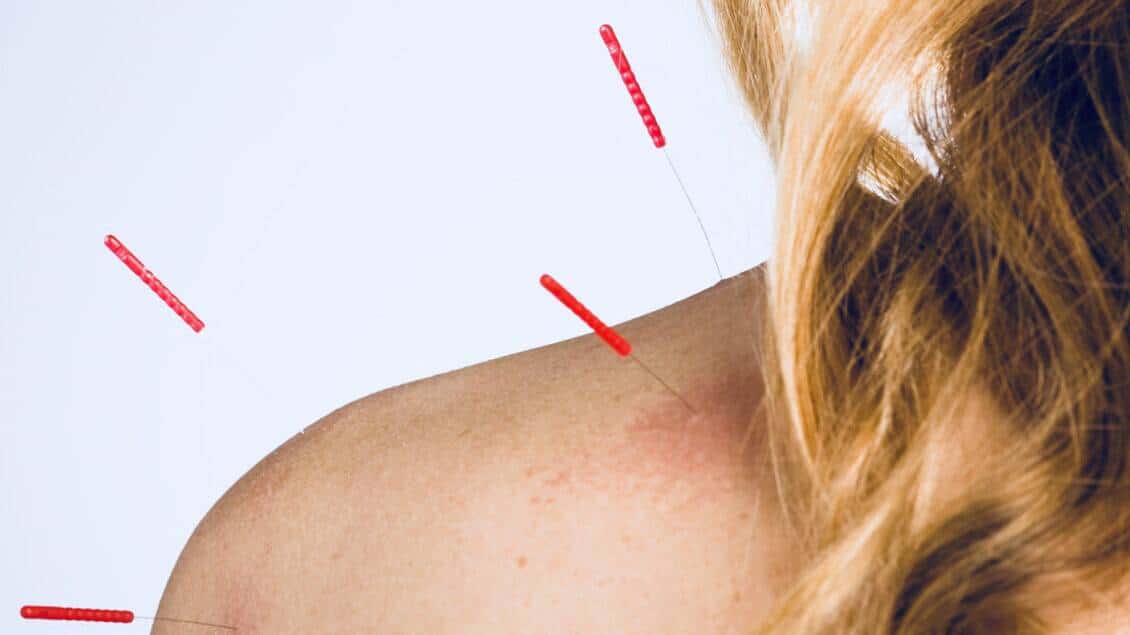
– Acupuncture. There’s an ongoing debate about the efficacy of acupuncture as an allergy treatment. Some people say that it can improve circulation and promote a better nervous system response; others say that any relief experienced from acupuncture is a psychological response rather than a physical one. In either case, it won’t actually hurt you to try it.

seasonal allergies - accupunture

– Stress relief. Mindfulness-based stress reduction (MBSR) uses meditation and breathing exercises to treat things like anxiety, depression and chronic pain. If your allergies are severe, it might bring you a little peace in the springtime.

– Harness the power of positive thinking. You might be surprised at how positive thoughts can turn into positive experiences. Use some mantras and affirmations to help you lessen or even avoid seasonal allergies by keeping your neurons at a happy frequency.

5. Hit Up the Medicine Aisle

If you aren’t having any luck with herbal or natural remedies, you might want to consider over-the-counter medication. There’s no shame in admitting that your allergies are simply too severe for a lemon spritz to fix!

The good news is that you’ll have plenty of options when it comes to allergy medicine:

– Antihistamines are one of the best ways to avoid seasonal allergies. They can stop sneezing, itching, swelling, eye-watering and nose-running, and you can try several different compounds to see which one works best. The most common antihistamines are loratadine (used in Claritin), fexofenadine (used in Allegra) and cetirizine (used in Zyrtec).

– Nasal sprays are good for flushing the irritants out of your nose. They can also soothe inflammation and reduce redness if you’re starting to look a bit like a snotty Rudolph. If you aren’t comfortable sticking a spray nozzle into your nose, you can usually find the same chemical compounds in things like neti pots and steam machines.

– Decongestants will work on your sinuses from the inside out, so they’re another common medication during allergy season. They’re available in both pill and spray form depending on the brand. Look for something with pseudoephedrine (Sudafed) or oxymetazoline (Afrin).

Don’t be discouraged if you’ve tried OTC medication before without any success. New products come on the market every day, and you never know which one might be your miracle cure!

Final Thoughts on Seasonal Allergies

You don’t have to let allergies ruin your spring. With the right treatment methods, you can enjoy sunny days and happy songbirds just like everyone else. Consider some of these anti-allergy remedies to feel better and live life to the fullest!

10 Hidden Signs Of Iron Deficiency

Going to the doctor is a wonderful way to get help with any symptoms you might have. But for many it’s also a way of getting peace of mind. Having a medical professional diagnose your symptoms and give you a set method of treatment is more than helpful. For some, it gives you a specific plan to follow. An iron deficiency is no different.

This doesn’t mean that every time you visit a doctor you’ll find an answer, though. In fact, this experience is much different when you are dealing with symptoms you don’t understand. It’s not uncommon that people will have chronic fatigue or a nasty bout of brain fog that seems unnatural.

No matter which type of unlabeled symptom you’re experiencing, it can feel even more distressing to see doctor after doctor and not know what is wrong. As your symptoms begin to inhibit you more and more throughout your everyday life, you might become more desperate to find a cure.

These are all feelings that those with iron deficiency can experience. The truth is, many people who don’t have sufficient amounts of iron may go undiagnosed for months. Som even wait for years before they figure out the cause of their distress. This is why it’s incredibly important to educate yourself on the symptoms of this condition so when they happen, you don’t feel lost.

10 Hidden Signs of Iron Deficiency

To help you understand the symptoms surrounding this type of deficiency and how to properly recognize them, we’ve made a list of 10 Hidden Signs of Iron Deficiency:

Before we begin this list, it’s important to note that if you think you have any of these symptoms, you should get the diagnosis and input of a medical professional before treating yourself with excessive amounts of iron. This is because there are potential negative benefits to consuming too much iron and some symptoms of not having enough iron overlap with other conditions.

vitamin d deficiency

1. You Always Feel Tired

Possibly the most common symptom of this deficiency is that people who have it consistently feel tired all of the time. Of course, feeling tired isn’t exactly an uncommon condition, but excessive tiredness can point to something more extreme. If you’re feeling excessively tired and don’t know why, having a lack of iron might be a possibility.

Why is this? Well, when your body lacks iron, it doesn’t have the materials to make hemoglobin. That’s a substance that helps bring oxygen to various parts of your body. In turn, this makes it difficult to stay alert, leading to a feeling of constant tiredness.

It’s important to rule out every other possibility, though. For example, excessive tiredness can also be the result of excessive alcohol consumption, not getting enough sleep, getting too much sleep and sleep apnea.

2. You Have Frequently Restless Legs

Restless leg syndrome is typically described as an insatiable need to move your legs when one is resting. This typically makes it very difficult for people to fall asleep, as they feel persistently distracted by their body. This isn’t classified as a painful symptom, but one that is incredibly uncomfortable. It is also coupled with insomnia due to people not being able to get enough sleep when their legs keep them up at night.

It should be noted, though, that restless leg syndrome can be the result of a number of other conditions such as rheumatoid arthritis. There are also many cases where restless legs aren’t able to be diagnosed, making them unrelated to having a lack of iron.

3. Dry Skin and Hair

This is one of the symptoms of having a lack of iron that isn’t noticed as frequently as others, but it is still very present in people suffering from the condition. Having dry and brittle skin is related to a deficiency, but weak and damaged hair is typically related only to those who have a severe case of lacking iron.

However, excessively dry hair and skin can also be the result of not having a healthy diet. To make sure that this isn’t the reason as to why you’re experiencing your symptoms, you should try changing your diet to include more overall nutrition.

4. Heavy Anxiety

It’s common for many people to deal with anxiety every once in a while, but if you’re dealing with it on a daily basis for intense periods of time, it could be a symptom of having a lack of iron. Remember when we mentioned earlier that having not enough iron in your system can lead to not having enough oxygen in your blood? This will definitely affect your body’s nervous system, causing you to feel more anxiety than normal.

When your body’s nervous system is off, it can feel like even the tiniest things set off your anxiety in big ways. This is because your overall sense of anxiety is heightened, leading to spikes that would otherwise be small feel incredibly large.

5. Constant Light-Headedness

Those who are dealing with iron deficiencies often report a constant feeling of lightheadedness that never really goes away. This can be incredibly disturbing because it can begin to impede their everyday activities. Many people deal with lightheadedness on a daily basis, but few deal with it as a persistent issue.

Have you ever been so lightheaded that you need to sit down? Imagine having that on a regular basis. Many people who suffer from chronic lightheadedness will find that they’re unable to drive or even walk around with confidence due to how dizzy they feel. Chronic lightheadedness might also be caused by vertigo, though, so it’s important to take note of that as well.

6. Chronic Fatigue

Dealing with chronic fatigue might appear to be a similar symptom to both tiredness and lightheadedness. However, it’s actually more complicated than that. Those who are dealing with chronic fatigue will feel a lack of motivation to get any activities done. This will also cause a feeling that their muscles are weak and that they physically can’t do some activities.

7. Headaches

When people experience chronic fatigue from an iron deficiency, they may also have excessive headaches that are often incredibly intense and long-lasting. Those with chronic migraines might also experience a resurgence in those symptoms, making the experience even more uncomfortable.

Iron Deficiency - headache

However, having a headache doesn’t mean that you have iron deficiency on its own. Like many of these signs of iron deficiency, this one can occur at the same time as many other symptoms. That’s because there are many other reasons as to why one would have a headache as opposed to a deficiency.

8. Sore Tongue

This is one of the more uncommon symptoms of an iron deficiency. But those who suffer from this symptom will notice their tongue feeling uncharacteristically sore or swollen.

This can also be seen by just looking at your tongue in the mirror—does it feel abnormally larger than normal? Can you feel a difference when eating food? Having a lack of iron can make your tongue swollen due to the low levels of myoglobin that kick in when your body does not have enough iron.

9. Being Pale All Over

Remember how we mentioned that having insufficient amounts of iron makes you have less hemoglobin in your system? Hemoglobin is also the part of your blood that makes the color of your blood red. So without it, your blood will pale in color. Your blood plays a huge role in how your skin looks. Therefore, you might notice it looking paler as a result of having a lack of iron.

10. You Have Digestive Problems

Those who have a lack of iron might also have trouble with digestion. This is because this kind of deficiency is often linked to Irritable Bowel Syndrome (IBS). As with many of the signs of iron deficiency mentioned on this list, though, only having digestive problems doesn’t mean you have a deficiency. Instead, it is about multiple symptoms occurring at the same time.

Final Thoughts on Understanding Your Iron Deficiency

Iron deficiency is an incredibly difficult medical condition to deal with because of how hidden many of the symptoms can be. However, you can effectively combat it by being aware of the many different symptoms and how they manifest. This is why it’s important to look at any other unhealthy habits you have or change your diet before assuming that you are suffering from a lack of iron.

The trickiest part about many of these symptoms is that you don’t even realize they’re symptoms of an actual condition. This is why many people confuse deficiency symptoms as just being dehydrated or restless.

We hope that this list has been helpful for you to properly identify the symptoms of iron deficiency. Now when you start feeling “out of it”, you know just where to go. In conclusion, if you think you are suffering from a lack of iron, see a doctor before you take iron supplements. This can help you prevent negative effects from taking too much iron and keep yourself safe in the long run.

15 Habits That Drain Your Energy

Energy is the currency of productivity and well-being in today’s world. Yet, amid our daily tasks, commitments, and aspirations, many unknowingly indulge in habits that deplete this vital resource. Like silent energy vampires, these routines and patterns suck away our vitality, leaving us wondering why, by day’s end, we feel more drained than fulfilled.

If there was ever a time when we needed to bring our maximum energy to everyday life, it’s present-day. After all, when the World Health Organization – pretty much the de facto international body on anything global health – calls stress a “worldwide epidemic,” it’s time to pay attention.

Stress management is a skill that requires us to be cognizant of our bodies. Unfortunately, not nearly enough of us play an active role in managing our stress levels. This is a critical error; we all know what stress can do to our energy levels.

In this article, we’re going to talk about fifteen habits that drain your energy, as well as share some cutting-edge stress management tips. Try implementing one or more of these tips into your daily life and see your life change!

15 Habits That Deplete Your Energy Reserves

Know these fifteen habits that will quickly drain your personal energy levels.

energy

1 – Bad diet can zap your energy

Aside from water, food is undoubtedly the most important source of energy. Every part of our body, from the brain and heart, the liver and stomach, to our muscles and nerves, needs nutrients to survive. Our stomach digests the food that is eventually broken down into glucose and pumped through our bloodstream. This glucose comprises a critical component of mental and physical energy.

Energy management tip: First, make sure that you eat enough. You should be getting a minimum of 2,000 calories daily under normal circumstances. Second, prioritize healthy and nutritious (read: energy-producing) foods. Examples: lean meats, nuts, seeds, dark leafy green vegetables, citrus fruits, soybeans, whole grains, and low-fat dairy.

2 – Multitasking

Multitasking is officially a stupid and ineffective way to get work done. First, multitasking – for all intents and purposes – doesn’t exist (unless you count walking while chewing gum or some other monotonous task). Second, multitasking depletes your brain’s energy reserves by forcing it into “task switching.” This is far from the living, breathing task-juggling machine that “multitaskers” try and make themselves out to be.

Energy management tip: This one is straightforward. Do one thing at a time. When the bottom-up circuitry of our brain tries to interfere, redirect your attention back onto the task at hand.

3 – Complaining

Is it easy to go off on a complaint-infused tangent in today’s world? You bet it is – and it can even feel good for a little while. But, according to a study published in the Journal of Applied Psychology, complaining even once can send you down a steep, slippery slope of negative thinking. Moreover, this emotional hijack comes at a high energy cost.

Energy management tip: Learn to express legitimate discontentment healthily by getting to the root of the problem and working towards a solution. You’ll find that redirecting your attention towards something positive is both rewarding and far less taxing on energy levels.

4 – Dehydration

While you probably don’t need some study to tell you that dehydration can torpedo energy levels, here we go anyway. According to researchers at the University of Connecticut’s Human Performance Laboratory, a seemingly insignificant “1.5 percent water loss in normal (body) water volume” – or mild dehydration – can handicap a person’s ability to think clearly. Interestingly, the study notes “it (doesn’t) matter if a person … walked for forty minutes on a treadmill or was sitting at rest” – the damaging effects of dehydration on energy levels and cognitive performance were the same.

Energy management tip: Most experts agree that eight, 8-ounce glasses of water per day is optimal (more if you are physically active.) An easy way to check your hydration levels is to check the color of your urine. If it’s anything other than clear, you are probably not drinking enough.

5 – Iron deficiency

Per the World Health Organization, iron deficiency is the most prevalent nutrient disorder in the world. An iron shortage in the body means insufficient hemoglobin can be produced, depriving your muscles, tissues, and organs of oxygen. As a result, your body and mind can feel sluggish and run down.

Energy management tip: Vegans and vegetarians are especially prone to iron deficiency, as the mineral is the most abundant in fish, meat, and poultry. Therefore, it is necessary to acquire iron supplementation or a food substitute (e.g., iron-fortified cereal.) The RDA for iron between the ages of 18 and 50 is 8 mg for men and 18 for women. Over the age of 50, it is 8 mg across the board. Women who are pregnant should get a minimum of 27 mg daily.

6 – Not enough exercise could drain your energy reserves

Check this: researchers say regular, low-intensity exercise may increase energy by up to 20 percent while decreasing fatigue by 65 percent! Is any other explanation needed here?!

Energy management tip: Again, low-intensity exercise is far better than no exercise. Get out for a 45-minute walk, ride the bike, or take up a hobby that requires energy expenditure.

energy

7 – Staring at your screen

The blue light emitted from cell phone screens messes with your body’s circadian rhythm (sleep/wake cycle), making falling and staying asleep more difficult. Of course, anything less than a full night’s sleep is counterproductive to energy levels.

Energy management tip: If you have a legitimate need to use your phone late into the night, consider installing a “night light” for your cell. Some Android phones are even coming with a built-in blue light blocker installed.

8 – Poor posture may drain your energy

More people may be guilty of bad posture than anything else on this list. Poor posture drains your energy levels by making you counterbalance uneven weight across your upper and lower body. In other words, your body must constantly adjust to compensate for your lousy form. Moreover, slouching puts disproportionate pressure on your back and spine, which can sap your energy.

Energy management tip: Learn to sit up straight. When you walk, try to imagine a parallel line running from the tip of your head and neck down through your spine and lower legs. You’ll never go back when you feel that extra energy jolt you get.

9 – Perfectionism

People who are perfectionists are often inflexible, fear failure, and have an unhealthy need for control. They attempt to overcome these feelings of inadequacy by trying to make everything just right. Unfortunately, such an approach to life is both unrealistic and exhausting. Research shows that perfectionist tendencies are linked to both chronic stress and burnout.

Energy management tip: The first step is to recognize procrastination in yourself. Contrary to popular belief, perfectionists aren’t always “squared away.” For example, many adults coping with perfectionism due to their deeply-rooted fears of failure are chronic procrastinators. Poor grades and work performance may continue if one doesn’t take a proactive approach – usually entailing things like meditation, deep-breathing techniques, visualization, and positive self-talk.

10 – Afternoon caffeine

That cup of joe to get through the afternoon slump is so lovely. Unfortunately, according to a research team from Michigan, caffeine intake within six hours of bedtime affects both sleep time and quality.

Energy management tip: Instead of indulging in a cup (or three) of java, try taking a short nap of 20 to 30 minutes. Hey, Google does afternoon naps, so there must be something to them!

11 – A messy desk can drain your energy

No messy desk research can pass the Einstein test. Perhaps history’s greatest genius had a famously unorganized workspace (putting it nicely). But, according to Princeton professor Sabine Kastner, clutter within our visual range competes with attention resources, sabotaging our energy and cognitive resources over time.

Energy management tip: What can it hurt to try a tidy desk?

12 – A thyroid condition

A defective thyroid can manifest all sorts of symptoms, including low energy. Hypothyroidism, an underactive thyroid, may also bring dry skin, increased sensitivity to cold, sluggishness, and weight gain. Consider speaking with a healthcare professional if you experience more than one of these symptoms.

Energy management tip: Ensure you get enough iron (see #5). Iron deficiency is one of the leading causes – if not the leading cause – of thyroid problems.

13 – Cabin fever

Staying cooped up indoors isn’t conducive to high energy levels. It turns out that we humans are nature creatures – and by making us work in crappy offices – our energy suffers. (Gee, who’d have thunk?)

Energy management tip:  Per a series of studies published in the Journal of Environmental Psychology, spending just 20 minutes in nature boosts feelings of vitality. Richard Ryan, lead author and professor of psychology at the University of Rochester, says, “Nature is fuel for the soul. Often when we feel depleted, we reach for a cup of coffee … a better way to get energized is to connect with nature.”

Well said, good Sir!

14 – Saying “yes” too often

Some people find it difficult to say “No” to people. People wouldn’t take advantage of such noble generosity in a perfect world. In our world, however, per research out of Michigan State University, people with issues with the n-word are more at risk for work-related burnout and decreased productivity.

Energy management tip: The most straightforward way to overcome this problem is to overcome the wrong view that saying no is rude. When said politely, there’s nothing wrong with a polite, “I’m sorry, but no.”

15 – Nightcaps can drain your energy the next day

After work, relaxing with a cold beer or a nice glass of wine can feel heavenly. That is until your body tries to initiate and sustain sleep. Even small amounts of alcohol – a glass of beer or wine, for instance – are enough to impact sleep quality adversely.

Energy management tip: Save imbibing for the weekends when possible. For work-related functions and other celebratory events, try sticking with no more than one to two servings of alcohol.

drain negative energyFinal Thoughts of Reversing the Habits That Drain Your Energy

Taking care of oneself is paramount to ensuring we can care for others and our responsibilities. It’s akin to the directive given by flight attendants before takeoff: in the event of an emergency, always secure your oxygen mask before assisting others. By ensuring our well-being and energy reserves are maintained, we’re safeguarding our health and enhancing our capacity to be present, effective, and supportive in all areas of our lives. By recognizing and adjusting the habits that drain us, we can reclaim our energy and approach each day with renewed vigor and purpose.

10 Signs You Have Chronic Fatigue (And How to Fix It)

Chronic fatigue syndrome, also known as CSF, is a complex illness that affects approximately 17 to 24 million people each year. It can cause a wide array of symptoms, which can vary from person to person.

CFS is more than just being tired. It involves a feeling of ongoing fatigue, feeling unrefreshed even after sleeping and a variety of symptoms that worsen after physical activity. Myalgic encephalomyelitis, or CSF, cannot be diagnosed with a blood test. Diagnosis is made based on a person’s symptoms, overall presentation and exclusion of other illnesses.

While some people who have CSF rely on medical modalities and treatment to alleviate their oftentimes painful symptoms, others may use a more holistic approach for symptom management.

Causes

Although we don’t know exactly what causes CFS, it’s now believed to be triggered by specific genetic mutations that when combined with exposure to certain viruses or toxins, cause feelings of exhaustion, pain and host of other non-specific symptoms. Women are more likely than men to be diagnosed with CSF/ME.

Viruses like Epstein-Barr, enterovirus and Lyme disease may contribute to or exacerbate symptoms. In addition, disruption of the sympathetic nervous system may also be involved in the development of chronic fatigue. Physicians also speculate that in addition to viruses, there may be other contributing factors, which include:

  • A weakened immune system
  • Hormone imbalances
  • Stress

Symptoms

The symptoms of CSF can impact a variety of internal systems and functions and also vary dramatically. Viruses like Epstein-Barr, enterovirus and Lyme disease may contribute to or exacerbate symptoms. In addition, disruption of the sympathetic nervous system may also be involved in the development of chronic fatigue.

1. Widespread Pain

Almost everyone who suffers from CFS is going to experience pain or discomfort in one form or the other. This can range from cramping and headaches to almost unbearable widespread pain. The pain itself is often described as a soreness or an ache in the muscles. The sensation may start in one area and move on to the next.

Other people have described the pain as a either a sharp, shooting, burning, tingling and throbbing. In rare cases, CFS can cause a person to become extremely sensitive to heat, cold, light and touch, which can also cause pain.

2. Cognitive Impairment

One of the most common symptoms of CFS is having difficulty with thought processes. Cognitive impairment caused by CFS can present itself in many different forms. People who have cognitive impairment can have problems with remembering things such as recent conversations and where they placed certain items.

Trying to think and solve an easy problem can significantly reduce the energy levels of a person with CFS.

3. Sleep Disorders

CFS is also one of those illnesses that can cause sleep disorders. This includes an unrefreshing sleep, which is when a person feels exhausted despite sleeping for hours. Other sleep disorders include sleep apnea, insomnia, hypersomnia, restless leg syndrome, phase shifting, fragmented sleep and night sweats.

4. Overwhelming Fatigue

Fatigue is when a person suffers from a significant lack of energy. It’s been recognized by doctors that fatigue is a reduced ability to perform daily activities that were part of a person’s routine. The fatigue that comes with CFS usually lasts up to six months, however, it can last a lot longer if it’s severe enough.

When used in the context of CFS, fatigue is not used as a way to refer to someone feeling exhausted. People who suffer from chronic fatigue syndrome might not be able to get rid of the fatigue. In severe cases, getting extra rest may end up making the symptoms worse.

5. Exercise Intolerance

Exercise intolerance, also known as post-exertional malaise, is another common symptom of CFS. Basically, PEM is a deterioration of the symptoms that comes from an overexertion of physical and mental energy. If a person exerts too much physical and mental energy, they may feel their symptoms of CFS worsen for a few hours or days.

Many people have described this feeling as being completely drained. If a person pushes past their limits, it can be detrimental to their body’s health. That’s why it’s important to take things slow and pace yourself if you have CFS.

6. Dizziness

Dizziness is one of those symptoms that’s often associated with most cases of chronic fatigue syndrome. It’s basically a spinning sensation that can occur when a person is off-balance. Most people with CFS tend to feel dizzy when they get out of bed after a night of restless sleep.

7. Ongoing Sore Throat

Another common symptom of CFS is a persistent sore throat. It’s worth mentioning that these symptoms will last as long as the illness does. Luckily, easing a sore throat is very simple. You can accomplish this by either gargling salt water or taking medicine.

8. Swollen Lymph Nodes

Another hallmark symptom of CSF is swollen, tender lymph nodes that appear without infection. They usually present in the neck, under the arms and possibly in the groin. Since lymph nodes swell in response to an infectious process, it’s can be downright frightening to have swollen lymph nodes without an infectious source.

9. Allergies and Food Sensitivities

it’s not uncommon for people suffering from CSF tvero develop allergies or food sensitivities. Scents you used to find pleasant may now be off-putting, or you may find yourself coughing and sneezing although even if you never suffered from allergies in the past.

10. Ongoing Flu Symptoms

Many people suffering from chronic fatigue will feel like they have the flu, even when it’s not flu season. They may suffer from low-grade fevers, joint pain, stiff muscles, nausea and an overall feeling of being unwell. However, when given medication for the flu, symptoms usually persist.

Diagnosing CSF

Since many conditions present in the same manner, diagnosing CFS can be challenging. It’s estimated that 84 to 91 percent of all people suffering CSF still do not have a definitive diagnosis. Many people with CSF do not look ill, so some doctors may not take them seriously.

Before being diagnosed with CSF, your doctor will need to rule out other potential causes of your symptoms. They will go over your medical history and then confirm that you are suffering from the core symptoms of chronic fatigue syndrome. They will also want to know how long the symptoms have been going on, what exacerbates or alleviates them and the severity of your fatigue.

Some of the conditions that mimic CSF include:

  • Fibromyalgia
  • Hypothyroidism
  • Multiple Sclerosis
  • Depression
  • Lupus
  • Mononucleosis

Risk Factors

CSF is most commonly diagnosed in women between the ages of 40 and 50 years old. Although men are not immune to developing chronic fatigue, females are more likely to be diagnosed with the disorder. Other factors that may increase the risk of CSF include:

  • Environmental factors
  • Predispositon
  • Ongoing high levels of stress
  • Mental illnesses such as anxiety and depression
  • Allergies

Treatment

To date, there is no cure for chronic fatigue syndrome, nor is there one definitive way to diagnose the disorder. Since patients usually present with different symptoms, what works for one patient may not work for another. The best way minimize your symptoms is to work with a team of qualified healthcare providers.

Minimzing Post-Exertional Malaise

PEM occurs randomly, so it’s important to make lifestyle adjustments to minimize the ill effects. Pacing, also known as activity management, can help you balance periods of activity and rest to avoid flare-ups. First, you need to note your individual limits when it comes to physical and mental activities. Then, you need to create a strategy to stay within these limits and rest when needed. Some CSF specialists refer to this period as the “energy envelope.” Keeping a log can help you define your activity limits.

Lifestyle Changes

Lifestyle changes can help you gain better control over some of your symptoms including sleep disruptions, brain fog and post-exertional malaise. Because dealing with CSF can be stressful, it’s important to learn coping strategies and stress reduction techniques. In addition, sometimes eliminating alcohol, caffeine and eating a healthy diet can ease some of your symptoms.

Chronic fatigue - exercise

Medication

Usually, there is not one specific medication to address all of your symptoms. Since the symptoms can wax and wane or even change, the medication you take will have to be adjusted. In some cases, CSF can cause or be a symptom of depression. If this is the case, you might need antidepressant therapy and referral to a mental health specialist.

Alternative Medicine

Yoga, meditation and acupuncture may also help to relieve the painful symptoms of CSF. As with any type of treatment, talk to your physician before undertaking alternative treatment.

The Takeaway

CFS can be difficult to live with. However, over time, you can learn different coping strategies that will help you feel like your old self. The key is to know that all hope is not lost. Researchers continue to study the disease in an attempt to eventually be able to diagnose and treat it more effectively. Advocate for yourself and make sure you work with a doctor who is dedicated to helping you feel better.


Psychology Explains 5 Secrets Of A Happy Relationship

Let’s first talk about what a happy relationship is not, namely perfection. Even as adults, we have a remarkable tendency to stereotype. Let’s elaborate on stereotyping in the context of the “perfect relationship.” (Uh-huh…)

Consider the last couple you saw who looked visibly happy – like they knew some well-hidden secret that you didn’t.

Sure, you see playfulness, laughter, and affection – and most of it, if not all, is likely genuine. But what don’t you see? The ugliness. The arguing, complaining, and fighting. The screaming, shouting, and separation.

Nobody wants to display the ugly stuff. But it’s there for 99.9 percent of us in long-term relationships. It’s not visible, but it’s present. It may vary by degree but not in ubiquity.

A happy relationship is not anything close to a perfect relationship. Read that again, if you must.

A happy relationship involves two people who are – for the most part – satisfied with themselves and each other. They’re compatible and, yes, enjoy the occasional moment of glee and joy. It is the last feature of a happy relationship that involves certain “secrets.”

We’ll reveal some of those secrets of a happy relationship. First, let’s talk about the revealer of those secrets: Dr. John Gottman.

Dr. John Gottman: The “Marriage Whisperer”

“But in [the] day to day lives [of happy couples], they … hit upon a dynamic that keeps their negative thoughts and feelings about each other … from overwhelming the positive ones. They have [an] emotionally intelligent marriage.” – John M. Gottman (source)

Forget Dr. Phil (do yourself a favor). John Gottman is the preeminent mind in the field of marriage science today, perhaps ever. Especially if the subject revolves around keeping a couple together and happy.

Gottman – along with his research partner, Robert Levenson – began conducting relationship research over 40 years ago. It was one particularly noteworthy study that garnered widespread attention from relationship experts – a 15-minute observation where Gottman and his colleague sat back and watched couples trying to resolve some kind of conflict in their relationship.

In that brief 15-minute period, Gottman was able to predict the occurrence of eventual divorce in an astounding 90 percent of the cases. For emphasis: out of every ten couples who eventually divorced – who, by the way, came to Gottman with “some kind” of relationship conflict (note the ambiguity there) – the man was able to confidently point and say, “Yep, they’ll be divorced,” for nine of them.

What, specifically, did Gottman see that could account for such a remarkable number?

How each couple handled conflict.

The “Magic Ratio” Studies

“If there is one lesson I have learned from my years of research, it is that a lasting marriage results from a couple’s ability to resolve the conflicts that are inevitable in any relationship.” – Dr. John Gottman

There better be some serious (and provable!) knowledge when someone claims a “magic ratio” that all but guarantees relationship happiness. This skepticism is certainly understandable. After all, nearly one in every two marriages in the U.S. ends in divorce.

Fortunately, Dr. Gottman and his colleagues at the Gottman Institute have backed up their claims with exceptional research.

It all started when Gottman teamed up with Levenson at Indiana University in 1980.  First, the duo studied the interactions of thirty married couples and was able to prove that relationship satisfaction is tied to a couple’s physiological responses toward each other. The validation of these initial studies led to the “Magic Ratio” studies.

In 1983, Gottman invited 79 couples of different ages into his observation lab. The goal: to predict behaviors or processes that led to divorce. Checking up on these couples four years later, Gottman was able to confirm his initial hypothesis: those who poorly handle relationship conflict are much more likely to get divorced.

These findings ultimately led to the “Magic Ratio.” According to Gottman, successful couples have five positive interactions for every one negative.

The Five Secrets

“When you are wrong, apologize. When you are right, shut up.” – Dr. John Gottman

As is apparent by now, couples whose relationship thrives engage in conflict differently than other, less successful relationships. Gottman calls these folks “Masters of Marriage” – and they have two things in common: (1) they gently approach conflict, and (2) they’re more proactive about reconciling differences.

In other words, it all comes down to how the man and woman handle conflict that makes the difference between a successful relationship and one that ultimately fizzles out. They have more positive interactions than negative. Hence, the 5-1 “magic ratio.”

Here are five of the positive, “secret” interactions that happy couples engage in:

  1. Expressing empathy

Empathy is an intense form of human connection. Empathizing with your spouse during or after a conflict lets them know that you know how they are feeling and thinking. Simple expressions of empathy can go a long way – a simple nod or slight smile, for example. Verbalizing empathy is also important. Saying something like, “I understand how you feel” or, “It’s understandable why you think this way…” can work wonders.

Again, empathy is a profound relationship skill capable of both solving and healing conflict. More importantly, expressions of empathy reinforce to your partner that you’re both on the same team; some conflict, no matter how bad, doesn’t change that.

  1. Lightheartedness

Playful behavior can be a wonderful asset – even during times of conflict – to ease tensions and lower defenses. The telling of inside jokes, says Gottman, can be particularly effective during times of heated conflict.

Of course, cracking jokes and otherwise being silly must be done skillfully and compassionately. Otherwise, one risks offending their partner or complicating an already uncomfortable situation. In other words, play around, but make sure such play is appropriate for the scenario.

  1. Rapt attentiveness

Paying attention to what your partner says is always important (don’t shake your head!), but never more so when things have gotten serious. Too often, we tend to become defensive and emotional when stressed. When we’re not seeing eye to eye with the husband or wife, we should kick this emotionality to the curb and invite in logic and an even head.

Paying attention to what your partner says – whether its something that you agree with or not – is a token of love and respect. Keen attention is crucial during times of conflict to avoid misunderstanding and potential escalation.

  1. Seeking agreement

As mentioned, happy couples are better at taking a proactive approach to resolving conflict than less-happy couples. Seeking agreement accomplishes two things: (1) it expedites the end to an ongoing conflict if there is one, and (2) it encourages intimacy by bringing both heads together to solve a problem.

Seeking agreement is often as simple as one half of the relationship saying, “Enough arguing, let’s figure this out.” Of course, this may require one person to swallow their pride for the good of the relationship. As we all know, this isn’t always easy to do amid a heavy conflict!

  1. Showing affection

Speaking of something not easy to do mid-conflict. How about showing a bit of affection? While this may (okay, does) feel a bit awkward at times, it can bring a brisk end to any conflict; or at least make a resolution more likely.

Giving affection when times are tough is an act of courage and loyalty precisely because it’s hard. This added difficulty also makes such an act all the more special and rewarding. So, next time a conflict arises, try holding your partner’s hand, sneaking up behind them for a kiss, or simply saying, “I love you.”

Final Thoughts: Be Hopeful (and Don’t Fall For Quacks)

relationship

It’s always nice to share tips of happy, successful couples, particularly when they come from a brilliant pioneering mind like Dr. John Gottman.

But one of the more important messages by Gottman that isn’t mentioned as much is that many marriages are salvageable even when they seem hopeless. In this respect, Gottman, recommends seeking out relationship advice that is rooted in evidence and has been put into practice.

Therein lies a critical point: relationship advice rooted in evidence and put into practice. Some relationship “experts” – including some therapists – pay no mind to such details.

Evidence-based outcomes are incredibly important in the fields of psychology and therapy. There are plenty of people out there who would love to take your money for some “feel-good” advice that, while it feels good, isn’t worth a damn.

For example, the writer gently jabs at Dr. Phil earlier in the article. There is a good reason. Dr. Phil, while moderately entertaining and seemingly affable, is an entertainer whose therapeutic advice is often criticized by his colleagues in the mental health community. Dr. Phil’s (allegedly) misguided advice is especially troublesome when one considers that his show is seen by millions of people all over the world.

While you (thankfully) won’t check Dr. Phil’s availability any time soon if you choose to seek out help for your marriage, do yourself and your relationship a favor by ensuring that the individual holds the proper credentials. Marriage and family therapists (MFTs) are licensed mental health professionals in the United States.

Among the licensure requirements for MFTs are:

  • A Masters-level education in marriage and family therapy.
  • A period of supervised clinical experience (preceptorship, or “clinicals”)
  • Passing of credential evaluation or a state-administered examination.

10 Signs You Should Fight For A Broken Relationship

Broken relationships are painful, awkward, and often very difficult to fix. Sometimes, it can be easy to feel like it’s time to give up, especially when you both know it’s broken. When all signs seem to suggest it should be over, how do you know it’s still worth trying to stay together?

The truth is that a relationship stops working when any one party decides to throw in the towel. If you both still have your hats in the ring of your battle against your problems, it might be a relationship worth saving.

Here Are 10 Signs You Should Fight For A Broken Relationship

1.    Your Problems Are Fixable

Take a step back and think about the difficulties you face in your relationship. If you realize that, once you put down your ego and focus on what’s important, every issue you both face is fixable and solvable, it’s a sign that it’s a relationship worth saving. Now, there are some issues that can mean a broken relationship might not be worth fixing. These may include:

  • Abuse
  • Betrayal
  • Cheating
  • Lying
  • Manipulation
  • Incompatible goals
  • Going overboard during fights
  • A lack of willingness to fix things

If the problems you and your partner face are not these huge deal-breakers, that usually means they can be fixed – and you can fix them if you both put aside your pride and make a real effort to grow together.

Your gut feeling may also scream at you that you can still make it work. Listen to yourself, and listen to what you logically know. If you and your partner both express a desire to make it work, and neither of you has caused problems that cannot be solved at all, there is still hope.

2.    You Are Physically Attracted To Each Other

In many cases, partners in a relationship may stop feeling physical attraction to each other as they grow apart. Many people overlook desire as a crucial part of an allosexual relationship, but it can really have a positive effect on your bond as a whole.

If you and your partner still feel attracted to one another and want to be intimate with each other, there’s likely hope for your relationship. If you’ve both grown bored of each other and no longer turn each other on, there’s little point sticking around.

Another similar sign is that you both still try to look good for each other. If you’re making an effort to appear attractive, it’s difficult for you not to enjoy each other’s appearance!

3.    You Fight Healthily

Yes, at this exact moment in time, as you’ve both frustratedly yelled at each other and walked away seething in an attempt to cool off, you probably “hate” each other. But even in your most intense fights, you continue to maintain respect for each other. This means you and your partner don’t:

  • Insult each other
  • Get personal
  • Threaten to leave if the other person doesn’t listen to you
  • Turn an argument into a blame game
  • Manipulate each other
  • Show signs of verbal or physical violence
  • Threaten self-harm or suicide
  • Shout over each other
  • Belittle or invalidate the other person’s opinions or feelings
  • Bring up old baggage

Instead, when you fight, you:

  • Fight together against the problem
  • Listen to what the other person has to say
  • Are clear about what the problem is
  • Stay on track and are determined to solve the issue
  • Try to communicate effectively
  • Take a break if you need to
  • Look for compromises

4.    You Don’t Care About The Other Fish In The Sea

Think about what would happen if you and your partner did break up or end things with each other. You’d suddenly be out in a big dating pool full of eligible singles, all who will be completely different from your partner. You’ll be free to have one-night stands, flirt around, and hook up with a crush.

Does none of that excite you? In fact, does it just turn you off completely? Do you refuse to think about being with anyone else? That’s a sign that you should fight for a broken relationship. It shows that, despite all your problems, your partner is still your number one, and you want to be with them. You can’t imagine anyone else by your side.

Do note that this shouldn’t stem from a fear of being single in general. It shouldn’t be about the anxiety that comes with being out of a safe relationship. Instead, it should be about your lack of interest in general in other people, even if they have qualities your partner lacks.

5.    You Have Helped One Another Grow

You always should surround yourself with friends, family, and people who lift you up. If you and your partner have lifted each other up consistently and haven’t ever tried to drag the other down, there’s hope yet for the broken relationship.

Partners who bring out the best of each other are worth fighting for. You can rest assured and practice positive thinking knowing that your relationship can survive just about anything.

6.    You Make Each Other Smile

It’s hard to smile when you’re fighting – but there are still many, many times that both of you laugh, chuckle, and grin together. Your inside jokes never get old. They know just how to cheer you up, and you do the same for them easily.

Someone who makes you smile is someone you can be happy with. If there’s just something about your partner that puts a smile on your face, it’s totally valid to fight to keep that amazing gift in your life.

7.    You Are Best Friends

Temporary attraction, or superficial romance, can cause two people to stay together for a long, long time. You can love someone without liking them or who they are. You can enjoy the romance without really wanting to just hang out with a person casually.

Due to uncalled-for “friend-zone” jokes, many people scoff at the idea of being best friends with their partners – but it’s a very positive dynamic to have, and an important one if you want to keep fighting to stay together. Some signs your partner is your best friend include:

  • You go to each other about good news, bad news, problems, stories, and everything else.
  • They always make you smile or laugh.
  • You can do nothing together and feel comfortable and happy.
  • You share many things in common or try to get into the things the other person likes.
  • You can truly relax and be yourself around them.
  • Conversations about nothing, in particular, can last hours and be entertaining.
  • You really have a lot of honest fun with your partner, without doing anything overly romantic.
  • You go to your partner for advice.

When you’re best friends with your partner, you have a strong foundation of trust, togetherness, and understanding. That, alone, can be enough to make you want to fight for a broken relationship.

8.    You Always Respect Each Other

You and your partner value each other as individuals. You think the world of each other, even when you’re mad. So even at times when you’re completely at odds, you always make sure not to cross certain lines, and you never think poorly of your partner, even when they infuriate you. Respect in a broken relationship also means that both of you:

  • Refuse to badmouth each other to friends and family
  • Never insult each other, even in your thoughts
  • Care about the other person’s side of the argument
  • Listen to and attempt to understand each other’s differing opinions
  • Are careful not to hit below the belt during heated arguments (and don’t say things you’ll regret later)
  • Appreciate and validate the other person’s opinions, even if you don’t agree with them, and even if that’s why you’re arguing
  • Communicate clearly, never expecting “subtle hints” to be understood and never giving the cold shoulder
  • Don’t ever aim to hurt the other person
  • Support each other wholeheartedly

If you and your partner still respect each other and want to be together, you can – and should – try to save the relationship.

9.    Time Never Feels Wasted

Sometimes, partners in a broken relationship lament over the time they’ve wasted with that person. They think about all that they’ve invested into their partner and wish they’d never done it. If you can’t relate at all to these statements, you can still fight for your relationship.

When you think about the months or years you’ve been together, you don’t feel any sense of regret. You smile and feel proud that all that time was dedicated to this one special, incredible person – even if some of that time involved fighting, disagreements, or rough patches.

And, on top of that, even when you look back at the bad times, you still wouldn’t change much. You embrace your ups and downs wholeheartedly. You could never regret choosing to be with your partner – and therefore, there’s a good chance you won’t regret giving yourselves another shot.

10. You Can’t See A Future Without Them

At the end of the day, when you’re in a committed relationship, it’s because you want to be with that person for the rest of your life, or at least for the foreseeable future. If that has changed, and you can no longer envision a life with them, it’s time to call it quits.

But what if you try so hard to imagine your world without your partner in it, but just can’t? What if every single time you think about your future, they’re always a part of it? What if you feel heartache when you try to think about a life without them? If that’s the case, start getting your positive thinking going, because you should be fighting for the relationship.

Sure, sometimes you get mad at each other. But even then, when you think about it, you can’t help still envisioning that future together – and your partner does, too. It’s not because it’s safe, and it’s not because it’s easy – it’s because you want that future. So make it happen!

relationship

Final Thoughts On Some Signs You Should Fight For A Broken Relationship

There’s no one-size-fits-all sign that suggests your relationship should be fought for. Do note that any one of these signs doesn’t necessarily mean your relationship is worth saving, but ticking off multiple signs certainly suggests it. If you and your partner are willing to put in the hard work to recover and grow stronger together, there’s nothing you can’t do.

5 Traits Men Look For In a Wife

The main focus of this article is what traits men look for in a wife and, to a lesser extent, what women look for in a husband. But we will also discuss a few other things, including the extraneous factors that influence marriage success and failure.

Are there common traits that men look for in a wife? Well, if you look at the male species from a scientific, evolutionary viewpoint, there have always been “roles” that both men and women “play.” Both sexes depend – to varying degrees – on one another. So, from a pure genetics point of view, there must be shared characteristics that males seek in a mate.

All things considered, we humans are complicated creatures. Nowhere is this inherent complexity more evident than in relationships, particularly long-term relationships like marriage or partnership.

The writer argues that individual traits aren’t the only reason for this complexity. We must also consider both the environment and the exaggerated propagation of gender-based differences. We’ll discuss both of these factors here.

First, let’s get the skinny on marriage and divorce trends – including how traits, genetics, and individual quirks don’t tell the whole story.

The State of Marriage (and Divorce): It’s Complicated

Infidelity. Lack of communication. Financial difficulty. Increasingly infrequent intimacy. Unrealistic expectations. Weight gain. Lack of equality. Non-commitment.

If the research is any indication, divorce is a situation that occurs – to varying degrees – worldwide. Research shows that divorce rates vary widely across countries – from 7 percent in Vietnam to 71 percent (!) in Portugal (the latter having a predominantly Catholic population). The worldwide average is around 32 percent; in the United States, it’s approximately 43 percent.

A closer look at the available data shows that the marriage rate is also a widely fluctuating statistic. Islamic nations such as Algeria, Egypt, Iran, Jordan, Libya, and Tajikistan tend to marry considerably more often than others. For example, Tajikistan’s “crude marriage rate,” which indicates the number of marriages per 1,000 citizens, is 13.5.

Compare this number with Columbia, a country where just over two citizens (2.3) per thousand get hitched! Marriage is extremely rare in certain parts of Europe, as well. Just over three Italians (3.2) out of 1,000 tie the knot.

Why go through the trouble of mentioning these marriage and divorce statistics?

Because there is absolutely no denying the influence of one’s environment in the decision to pursue and sustain an intimate relationship or marriage. We see disproportionate marriage and divorce numbers all over the map, including in democratic countries, and in places where one’s “personality” does not rank high in importance.

In short, personality traits may matter less than we think! (Or is it that well over 90 percent of Italian women have such reprehensible character?)

What’s another thing that could drastically influence how we view marriage? The rarely-mentioned similarities (that’s right) between men and women. Read on, friend!

“Men are From Mars and Women are From…Mars?”

“… research consistently demonstrates that men and women are more alike than different …” – Jill P. Weber, Ph.D. (source)

Do you remember the bestselling book “Men Are From Mars, Women Are from Venus”? The 1992 title, which has sold over 15 million copies, claims that most relationship difficulties result from men and women having fundamentally different psychological makeup.

However, more recent research, including a meta-analysis of 42 studies conducted by the American Psychological Association (APA) titled “Men and Women: No Big Difference,” finds that men and women are “basically more alike than different on most psychological variables” including cognitive ability, leadership qualities, and personality traits.

Exceptions: men are more physically aggressive, naturally stronger, masturbate more, and tend to view intercourse while in uncommitted relationships more favorably.

Findings such as those cited by the APA could significantly impact the dynamics of all relationship types, especially marriage.

Janet Shibley-Hyde, Ph.D., psychologist at the University of Wisconsin at Madison, states that the misgiven sentiments between the genders particularly hurts communication, often to the point where “…men and women stop talking prematurely because they have been led to believe that they can’t change supposedly ‘innate’ sex-based traits.”

Sadly, given both the perpetuation and widespread acceptance of non-scientific gender-based differences permeating society, it could be some time before we begin seeing the opposite sex in a different light.

The Five Traits Men Look For in a Wife

Of the above factors notwithstanding, the traits or characteristics of a person are a significant part of the relationship equation, especially when the relationship evolves into something long-term like a marriage. As you perhaps already know from your dating ventures, compatibility – not necessarily similarity – is necessary for any successful relationship.

We’ve discussed at length two under-looked variables in determining marriage happiness and success (or lack thereof): environment and misinformation. With that solid base of background information firmly in place, here are five traits that men look for in a wife:

  1. Mutual Attraction

“No way, really?!” asked no one. Joking aside, we are genetically programmed to procreate – and attraction is a key determinant.

Mutual physical attraction also plays a role in marriage satisfaction for both sexes. Males tend to place more emphasis on physical attraction in marriage than their wives. In a study published in the Journal of Personality and Social Psychology, psychologists found that mutual attraction correlates highly with relationship satisfaction.

The authors do note the degree of separation between man and wife, stating this: “The significant effect of wives’ attractiveness on (relationship) satisfaction (was higher) than the … effect of husbands’ attractiveness on wive’s satisfaction.”

  1. Intelligence

Smarts are highly desirable in a spouse. While the evidence does not find any link between intelligence and happiness, people looking for a long-term romantic relationship may prefer internal qualities, like intelligence, to anything external (e.g., looks or wealth).

In a fascinating 2018 study published in the journal Personality and Individual Differences, researchers from Aalto University in Finland and Temple University found a strong link between intelligence levels and marriage success. One specific type of intelligence – verbal – had the strongest corollary.

  1. Honesty

At the risk of sounding cliché, all successful relationships – particularly marriage – hinge on both persons’ willingness to be truthful. Honesty encourages the growth of each person in a relationship while adding depth an intimacy not replicable by another personality trait.

In a 561-person male-majority study published in the Journal of Psychology and Human Sexuality, 87 percent of participants cite honesty and trustworthiness as an important trait in a long-term partner; it fact, it stood as the highest of any attribute. How vital were external traits like wealth and material possessions? Not very. They ranked next to last and last, respectively.

  1. Kindness and generosity

Most men are kind and expect the same from a wife. Warmness and kindness, measured in the study, stand among the most sought-after traits. These two attributes are surpassed only by honesty and truthfulness.

Not only is kindness highly coveted, but it also serves as a sort of “glue” that keeps people together. Studies show that the kindness of one’s spouse is the most accurate predictor of marital satisfaction and stability. This, along with emotional stability. A component of kindness crucial to relationship success and satisfaction is generosity with their spouse and others.

  1. Similarity

While there may be something to the adage “Opposites attract,” it’s superseded by a trait that can be called “similarity.” In a 291-couple study conducted by researchers at the University of Iowa, scientists found that the couples that “were similarly matched in terms of attitudes and beliefs” are happier in their marriages than those with disparate personalities.

The researchers focused on traits such as attachment, introversion extroversion, and conscientiousness.

why men leave

Final Thoughts: Happiness Is The One Measure

So, we have covered marriage and divorce rates, personality and character, and extraneous factors influencing the decision to marry. But don’t forget perhaps the most essential thing: individual happiness. To leave such a regrettable impression would be unfortunate.

Something more unfortunate would be to think someone knows what they want when, in fact, most people don’t. This is a big reason why people choose the wrong college major (guilty!), get divorced (guilty again!), and always seem to be swimming against the currents (darn!).

Perhaps the appropriate sentiment with which to end the article is this: no one can make you happy but you. If you’re a man and you’ve somehow managed to meet some angel with all five of the above qualities, it means precisely squat if you aren’t at least content with your life.

So, these are five traits men look for in a wife. The research says it’s accurate. Psychology says it’s legit.

Is it? Perhaps not. After all, we’re complicated folks.

Skip to content