Weekly tips, affirmations, and small actions to feel your best.

Scientists Explain Why You May Not Be Breathing Right (And How to Fix It)

Breathing is the first thing we do when coming into the world – and it’s the last thing we do before we leave it. (In fact, if you want to see how breathing right is done, watch a newborn baby!) Breathing is required to initiate and sustain every human function, from lifting a toe to conceiving the next billion-dollar product. Proper breathing is vital to both the sustainment of life and its fulfillment of it.

All of us breathe, but most of us aren’t breathing right. How do you breathe incorrectly? It’s simple. You’re inhaling and exhaling shallowly. When doing this, you can’t provide the energy the body needs.

In essence, you deprive the body – including the brain – of fresh blood and oxygen.

This article’s focus pertains to the breath. More specifically, the importance of breathing right and the benefits of doing so. We’ll reveal the most recent scientific discoveries about proper breathing and the importance thereof. Finally, we’ll give you some points on how to breathe for more energy and longer life.

The Science of Breathing

“Breath is the bridge which connects life to consciousness, which unites your body to your thoughts. Whenever your mind becomes scattered, use your breath as the means to take hold of your mind again.” – Thich Nhat Hanh (source)

Since this is not a physiology class, we won’t inundate you with little details about breathing. However, it is essential to understand the basic mechanics of breathing and the different systems and processes that breathing affects.

breathing exercises

Breathing Mechanics 101

Breathing, also referred to as ventilation in medical circles, involves two phases – inspiration and expiration. The air we inhale contracts the diaphragmic muscles, causing the hollowed cavity to increase the volume of the chest cavity. If you look at your chest while inhaling, you will see your chest rise slightly – this is due to the expansion of the thoracic (chest) muscles.

Because of pressure differences between air held in the lungs and atmospheric air, the inhaled air travels downwards through the conducting airway – the nostrils, throat, larynx, and trachea, in that order. Air then passes into the alveoli – microscopic air sacs covering the lung’s surface, causing respiration.

During respiration, oxygen is extracted from the inhaled air and mixes with the lung’s carbon dioxide, oxygenating the blood. The oxygenated blood flows from the alveolar capillaries to the heart, then pumps oxygen-rich blood throughout the body.

In short, “Breathing Right 101” involves the following steps:

1) Air is inhaled from the atmosphere.

2) Inhaled air passes through the conducting airway and expands the chest cavity.

3) Air is “caught” by the lung’s alveoli.

4) The body recognizes air in the alveoli and brings blood into the lungs, which “mixes” with the oxygen and carbon dioxide in the air.

5) Oxygenated blood flows out of the alveolar capillaries and into the heart, pumping fresh oxygen to the arteries, transports it throughout the body.

Breathing Impacts Everything

If the previous section’s description of breathing physiology teaches us anything, it should be that breathing is a complex and important process – and not one to be taken for granted. It isn’t hyperbolic to say that breathing affects almost everything we do.

In a study conducted by researchers at the University of California and Stanford University, scientists conclude that “breathing … has a direct and powerful influence on higher-order brain function.” In other words, how we breathe directly influences our behavior, thoughts, emotions, and physical responses.

It is thought that the effects of shallow breathing on arousal and stress levels contribute to many health afflictions. All of this begs the question: what are the costs of not breathing right, the type we practice most of the time?

First and foremost, shallow breathing is directly linked to stress, which can be both a cause and effect of short breathing cycles. Acute stress creates tension in the body and causes the urge to breathe shallowly. Less air that comes in means less oxygen, which the brain perceives as stress. Over time, this type of breathing becomes the norm.

Here are just a few problems with shallow breathing:

  • Less oxygen enters the blood, depriving the brain and body of a critical element.
  • It may make anxiety symptoms worse, particularly if you suffer from an anxiety-related disorder.
  • It does nothing to help the body relax. In fact, it’s almost impossible to soften the muscles when breathing shallowly.
  • The body gets used to this type of breathing and becomes habitual.

How to Do Deep Breathing Right

It stands to reason that if shallow breathing perpetuates stress, deep breathing promotes the opposite. Indeed, multiple studies have shown that deep breathing – diaphragmatic breathing, abdominal breathing, belly breathing, and paced respiration – can make a marked difference in your life.

Here are instructions for two different methods of deep breathing.

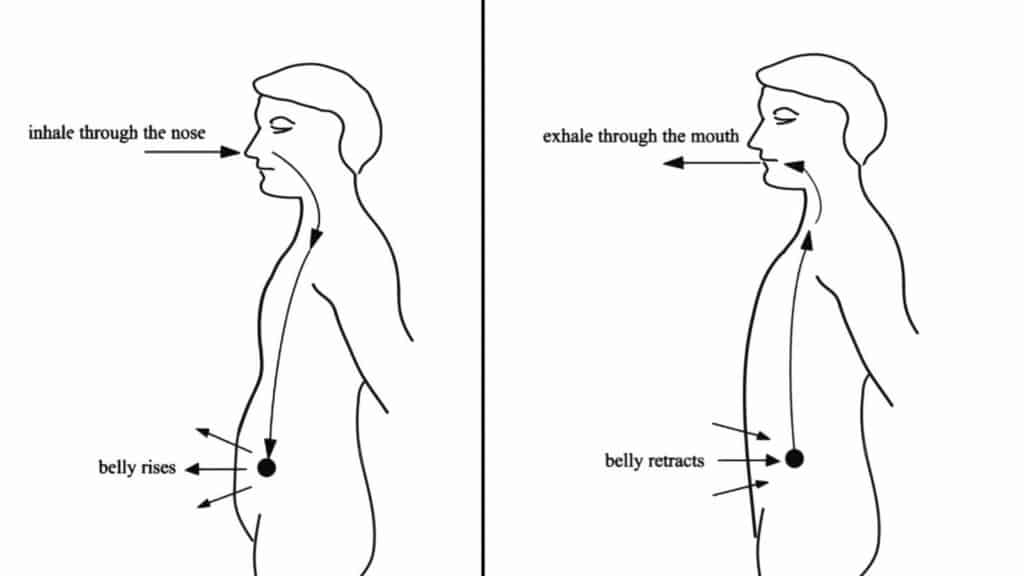
Method 1: Diaphragmatic deep breathing

  1. Sit down comfortably, preferably on a soft chair or pillow.
  2. Close your mouth entirely. You may leave a small gap between your upper and lower lips if it is more comfortable.
  3. Interlocking your fingers, rest your hands on your belly.
  4. Slowly inhale through your nose, continuing to the count of four. Focus your attention on the area of your stomach.
  5. Exhale to the count of four, pausing briefly before repeating the inhale.
  6. Continue to take slow, deep breaths for five to ten minutes (even longer if you’d like!)

Throughout this exercise, pay attention to the rise and fall of the belly. If done correctly, and it’s hard to do incorrectly, you’ll eventually feel goosebumps or a tingling sensation in various parts of the body. Awesomely, these sensations arise as the result of oxygen-rich blood traveling throughout your body. In short, you will love the deep satisfying feeling of breathing right through your diaphragm.

Method 2: Box Breathing

The box breathing method is a product of former Navy SEAL Commander and yoga enthusiast Mark Divine. Here’s what Commander Divine says about the importance of controlled breathing:

“Physically, learning to control your breathing allows you to preserve energy, expand your lungs, and weather extreme environments. Mentally, it helps reduce your stress, mitigate your anxiety, retain [a] heightened state of self-awareness, and focus with a calmer state of being.”

Here are the instructions for performing the box-breathing method:

  1. Exhale until there is no air left in your lungs. Hold to the count of four.
  2. Fill your lungs by slowly inhaling to the count of four. Hold the breath to the count of four seconds.
  3. Exhale for four seconds. Hold to the count of four (same as step 1).
  4. Perform the exercise for 10-20 minutes.

You may ask yourself, “What are the benefits of practicing deep breathing?”

Controlled, deep breathing triggers what is known as the parasympathetic nervous system, or PNS. The PNS is the opposite of the autonomic nervous system (ANS), which handles fast, automatic processes like breathing, heartbeat, digestion, and so on. The ANS is what triggers the brain and the body’s fight-or-flight system.

It’d be quite a chore to detail all how practicing deep breathing benefits your body and mind. Suffice it to say that exercises focusing on this method help to release stress while helping “train” the ANS to breathe more deeply. As stress is thought to contribute to an assortment of mental and physical health conditions, deep breathing may serve as both a preventative measure and a means of healing.

Final Thoughts: Establish a Routine
breathing right

Taking deep breaths on occasion is good for calming the nerves, but more repetition is required to get into making deep breathing a habit. For maximum benefit, it is critical to establish a deep-breathing routine.

As the morning time is typically the most stressful, it can be helpful to take a few minutes before or after breakfast to do a breathing exercise. Something else to consider is implementing deep breathing into a meditation or yoga practice. If you are a meditator or yoga person, you may find that taking deep breaths elevates your current regimen. If you aren’t deep breathing yet, this can be an excellent way to transition to either practice; both require some self-discipline and patience – and taking deep breaths can also aid in these practices.
10 Arguments That Signal The End of A Relationship

Arguments are normal in a relationship. It can even be healthy. It shows that you want to solve problems, that you communicate more, and that you want to put in the effort to stick together.

But when does an argument become a surefire sign of the end? When is fighting more negative than positive? You need to be aware of destructive disagreements that aren’t doing you any favors.

Here Are 10 Arguments That Signal The End Of A Relationship

1.    Arguments Over Life Goals

A long-term relationship usually involves two people who both respect each other’s goals and desire similar things out of life. In committed relationships, a couple has usually already discussed where their lives together are heading. They have a general idea of where they want to be, and that future always includes each other.

But suddenly, you’re starting to fight over your life goals. Your ambitions don’t seem to match up anymore. You find yourself wondering if you even can still see your partner in your future ten years ahead. If those goals don’t align anymore, you may no longer be compatible. Some affected goals may be:

  • Where you want to live or work
  • Whether you want children, and how many
  • Religious or spiritual beliefs
  • Financial management
  • Lifestyle goals

Long-term couples don’t need to have everything in common when it comes to their future plans – but they should share a similar overview or idea of where they’re going. No amount of positive thinking will help you if you spend ten more years with someone, only to find that you reach an impasse after you’ve sacrificed so much to give in to their goals. (1)

2.    When You Argue Over Intimacy

Many people discount the influence of intimacy over the health of a relationship. But since good intimacy is often about good communication, if your bond is breaking down outside of the bedroom, it won’t be long until it falls apart within the bedroom, too.

It’s not unusual for partners to have different interests, kinks, preferences, and libido levels when it comes to intimacy. But when you start to argue about your differences in the bedroom, you’re heading right for Splitsville. This also indicates that at least one of you is unsatisfied physically, which is not healthy and can cause romantic relationships to feel platonic.

Intimacy should come naturally. Neither partner should feel forced or guilty regarding what goes on – or doesn’t go on – in the bedroom. If you begin finding fault with each other’s bedroom habits, you are no longer physically compatible.

Physical communication is just as important as verbal communication. If you find yourselves stuttering and struggling in bed, you may have overlooked some serious relationship problems everywhere else.

3.    Meta-Fighting

The way you fight can also be an indication that the end is nigh for a romantic relationship. Certain patterns of arguments, regardless of what they’re actually about, can be a big sign that it’s time to call it quits. Here are some examples.

a)    Fighting Badly

Do your fights turn extremely unhealthy, to the point where you deviate from the topic at hand and start calling each other names, giving personal punches, or bringing up unrelated things from the past? You’re fighting in a toxic way and your respect for each other is slipping.

b)    Fighting About Fighting

Do you have a problem with your partner’s tone of voice when you argue? Or maybe they find it annoying that you pace a lot? Do you argue because you shouldn’t be arguing? This type of fighting indicates that you are no longer focused on finding the really important issues. Instead, you’re finding fault in everything.

c)    Picking A Fight

Some couples actively try to pick fights with one another. Often, it’s a cry for attention, or a way of seeking a change in a boring relationship, or a way to coax make-up intimacy or passion out of it.

Instead of picking fights, you should be talking about the things you want. If passive aggression and manipulation are how you’ve both decided to get it, your outlook is not so good.

d)    Fighting For The Sake Of Fighting

Something small you don’t like that isn’t a big deal? Fight anyway. An offhand comment that could have been resolved with gentle communication? Fight anyway. If this describes your relationship, you’re heading down a dangerous path.

4.    When All Of The Arguments Focus On One Person Changing For The Other

Self-improvement is fair game. Change is inevitable. But fighting about the fact that one of you needs to change is a very negative thing.

Are you being pushed to change yourself for your partner, or are you pushing them to change for you? That doesn’t bode well. When you first started dating your partner, you did it because you like who they are – so why are all those positive things not enough anymore?

If your partner is doing something bad or destructive, then you can talk to them about it. But at the end of the day, it is their responsibility to improve themselves, and you pushing them to improve more quickly is counterproductive.

5.    When Your Focus Is On Being In The Right Or Winning

Arguments in a relationship shouldn’t be about winning or coming out on top. Instead, they should focus on solving the problem. It should be about the couple versus the issue at hand, not one partner versus the other.

The most important part of an argument is finding the root and working from there. If you’re more focused on getting the last word or winning, your arguments stop being about what matters and start being about pettiness and hostility.

Sometimes, you’re going to be the one at fault. In that situation, instead of being defensive, you should be apologizing and learning how to avoid a future situation. If you and your partner are incapable of admitting when you’re wrong, the relationship isn’t going to last much longer.

6.    When You Argue Over Money

Money can be a bit of a touchy issue. Long-term relationships need to learn how to go from managing personal finances to managing joint finances. As such, it’s not uncommon for arguments regarding money to ensue.

The trouble begins when it’s impossible for either of you to agree on anything finance-related at all. You may disagree on the right ways to:

  • Invest
  • Spend
  • Earn
  • Save
  • Give

Sometimes, the person who earns more in a relationship can act more controlling over finances as well. Or the person who earns less may be insecure about their financial status and act controlling, too.

Whatever the source of the money argument, if you don’t sort out your money issues, the relationship is doomed to fail. Studies indicate that an inability to discuss finances in a positive way leads to a higher risk of divorce among married couples. (2)

7.    When You Become Unable To See Their Point Of View

A relationship consists of two (or more!) different people. Each person is unique and has their own individual ideas, views, opinions, and values. They respond to things differently. They have varying preferences. A relationship requires mutual respect regarding these differences.

When you stop being able to empathize with your partner, the relationship is heading for an end. So, in the middle of a fight, if all you can think about is how what they’re saying doesn’t make sense and shouldn’t be taken into consideration, you’re running an unhealthy ship.

8.    Frequency of Arguments

How often do you fight? Extreme frequencies can indicate the end of a relationship. The two possibilities are as follows.

a)    Not Fighting At All

Sure, fighting is unpleasant. But what happens when those fights suddenly stop completely, even when there are things that you would normally fight about? This indicates that something is wrong. It’s avoidance, plain and simple – and avoidance is a big relationship-killer.

Fighting, in moderation, is healthy in a relationship. It can even lead to longer-lasting, more positive partnerships. It shows that you care, that you’re willing to hash things out to be together, and that you’re emotionally mature enough to tell your partner that something is bothering you. If you’ve stopped fighting, you or your partner may no longer think it’s worth the effort. (3)

b)    Fighting Too Much

Fighting every single day? Every single hour? Barely get any chance to breathe before your next fallout? We’re not here to judge extremely passionate relationships, but in most cases, this type of intense fighting – especially when it’s a new development – is just not a good sign.

9.    It’s The Same Arguments Again And Again

The same fight constantly recurring shows that the problem isn’t being solved and that neither party is putting enough effort to solve it. It shows:

  • A lack of desire to change.
  • An unwillingness to learn from past mistakes.
  • A lack of caring or effort.
  • An inability to listen or understand a partner.
  • A tendency to give too many chances.
  • An irrevocable personality difference.
  • A lack of compatibility.
  • The start of a destructive pattern that will continue to occur for the rest of your relationship.

When you have the same fight for the hundredth time, ask yourself – are you willing to be in a relationship where this problem never goes away? If you say yes, then move on and learn to accept this as a relationship quirk. If you say no, it’s time to call it quits.

10. When You Argue About The Spark Dying

Maybe your bond has been weakening. Perhaps you no longer feel happy around someone. Maybe the passion and romance have left. Maybe there’s no more spark.

This can be confusing for any couple. You want to feel something, and you want your partner to feel something – but there’s nothing there to feel. Many partners, perplexed and frustrated by this situation, begin to turn on each other, blaming each other in a desperate attempt to bring some life back into the romance.

Sadly, some relationships really do fizzle out, and it’s at no fault of either person. If you’re fighting because a spark is dying, chances are it can’t be ignited again and it’s the end of a relationship.

relationship

Final Thoughts On Some Arguments That Signal The End Of A Relationship

If you argue over these things, is it an automatic death sentence to your relationship? No, of course not! That’s not how arguments work. But they can be a sign that you’re heading down a destructive path and need to turn it around, fast.

So if you want to save your relationship, be on the lookout for these 10 arguments that signal the end of a relationship. Once you notice them, talk to your partner and find ways to work them out. With positive thinking and dedication, there’s some hope for you yet.

Scientists Reveal Device that Can Project Holograms Into Your Brain to Create New Experiences

R2-D2 being able to transmit a hologram of Princess Leia was the coolest thing ever back in the late 70s when “Star Wars: A New Hope” was first on the big screen. More recently, we have seen holograms in our cards or money.

In 2019, there are card game enthusiasts who are designing holographic images of the monsters in games such as Yu-Gi-Oh for use in tournaments.  When we imagine our future, we might see holographic projections of cell phone apps in front of our faces as we walk down the street.

What if those same holographic images were able to create sensations such as touch, memory, or hearing things that weren’t actually real?  What if certain sensations could be omitted, such as painful ones?   Scientists recently revealed a device that can project holograms into your brain to create new experiences.

How do engineers create a hologram?

A hologram, according to Merriam-Webster, is “a three-dimensional image reproduced from a pattern of interference produced by a split coherent beam of radiation.  A laser is a great example.”  The scientific term for the process of making a hologram is holography.

Light travels in waves.  A hologram records the light waves as they bounce off an object.  When a light wave bounces off an object, its changes form into an interference wave.  Think of when you toss a pebble into a pond over your reflection; you see an image of yourself in the water but that image appears slightly distorted. In a light wave, due to the discovery of lasers, that distortion is minimal and can be projected onto an outside source.

Lasers help create 3D holographs due to how the light operates from a laser.  Light from a laser has a constant flow of light that moves in consistent phases.  Therefore, the entire area is getting consistent light waves, which then bounce off more equal to the original light source.  Holography acts like photography.  Original photograph images can be captured by allowing the light bouncing off an object to be reflected off a mercury-coated surface and then it is captured onto a different surface.

hologram

Real-world uses for holograms

Holograms have several uses, and their potential for changing how we interact in the world is impressive.

Use of holograms in the entertainment and marketing industry:

Various big-name brands are using holograms to invoke excitement for their products and to gain information about the users.

In Los Angeles, CA, September of 2017, an augmented reality company, VNTANA, partnered with an intelligent engagement company, Satisfi Labs, and created the first AI concierge.  This concierge was interactive in its responses to the public.  People could communicate with the hologram and ask questions related to the particular event it was hosting.

The Death Star hologram was made available to those who purchased a deluxe edition of the Star Wars soundtrack for the Star Wars’ 40th anniversary.

Coachella put on a holographic concert in 2017 of Tupac Shakur.  The same company who put on that concert has also opened an all-holographic theatre in Hollywood.

In Chicago, Pepsi and Aquafina put on a hologram of a baseball player which allowed visitors to play baseball with it.

The benefits of these holograms for the industries:

Well, other than the coolness factor, here are some others:

  • The companies can request visitors’ names and email addresses either to gain access or to obtain a digital copy of the event after the fact.
  • With more involvement, the companies have better feedback on the crowd’s reaction.
  • Listening in on social sharing. In most instances, the public took pictures or video of themselves with the hologram and shared it on social media.  Not only is that continued free advertising, but it also creates more comments and reactions.
  • Should a company display more than one type or style of a hologram, they can find out the consumer’s preference.
  • It leaves an impression of the brand or company not easily forgotten.
  • Encourages longer engagement from the public at events.

On a more personal level, one company, 8i Studios in Culver City, Ca., is working on creating holographic images of people that can be recorded and then viewed through a VR headset or 8i’s app, Holo.  The purpose of this is to create authentic, recorded memories; for example, recorded images of your parents while you were a child, or a favorite pet, or your newborn baby.  Just imagine, re-experiencing people you have lost or who have grown up, all over again in the now. It would be like a photo album but with the sensation of the people truly being in the room.

The Use of Holograms in Medicine

The science of medicine began due to inquisitive individuals who wanted to know how our bodies worked and how we could heal people. In order to learn more about our bodies, scientists used cadavers. Now, medical students can peer at the holographic image of the human body. This also allows for a more intensive, in-depth study of how the neurological, vascular, and musculoskeletal systems are laid out and react with each other.

Other medical holographs are of the cell structure, organs, and our DNA.  This then encourages further advancement in the biomedical field.

Holograms find their primary uses by scientists, biomedical professionals, and researchers.  Through holographic imaging, these professionals can see what is going on in your body without having to undertake any risky procedure.  It also allows for research and further understanding of the complexities of how our brain and neurological systems operate and react under various circumstances.  They can trigger events without causing harm and see how it all reacts.

All of this increases the opportunity to make a more accurate diagnosis and treatment for patients in a far less obtrusive and risky manner.

The benefits of creating new experiences through holograms into the brain

Could you ever imagine that holographic images could project into our brains and target specific neurons in order to recreate a sensation? It could also potentially project a false memory for the betterment of an individual’s life.

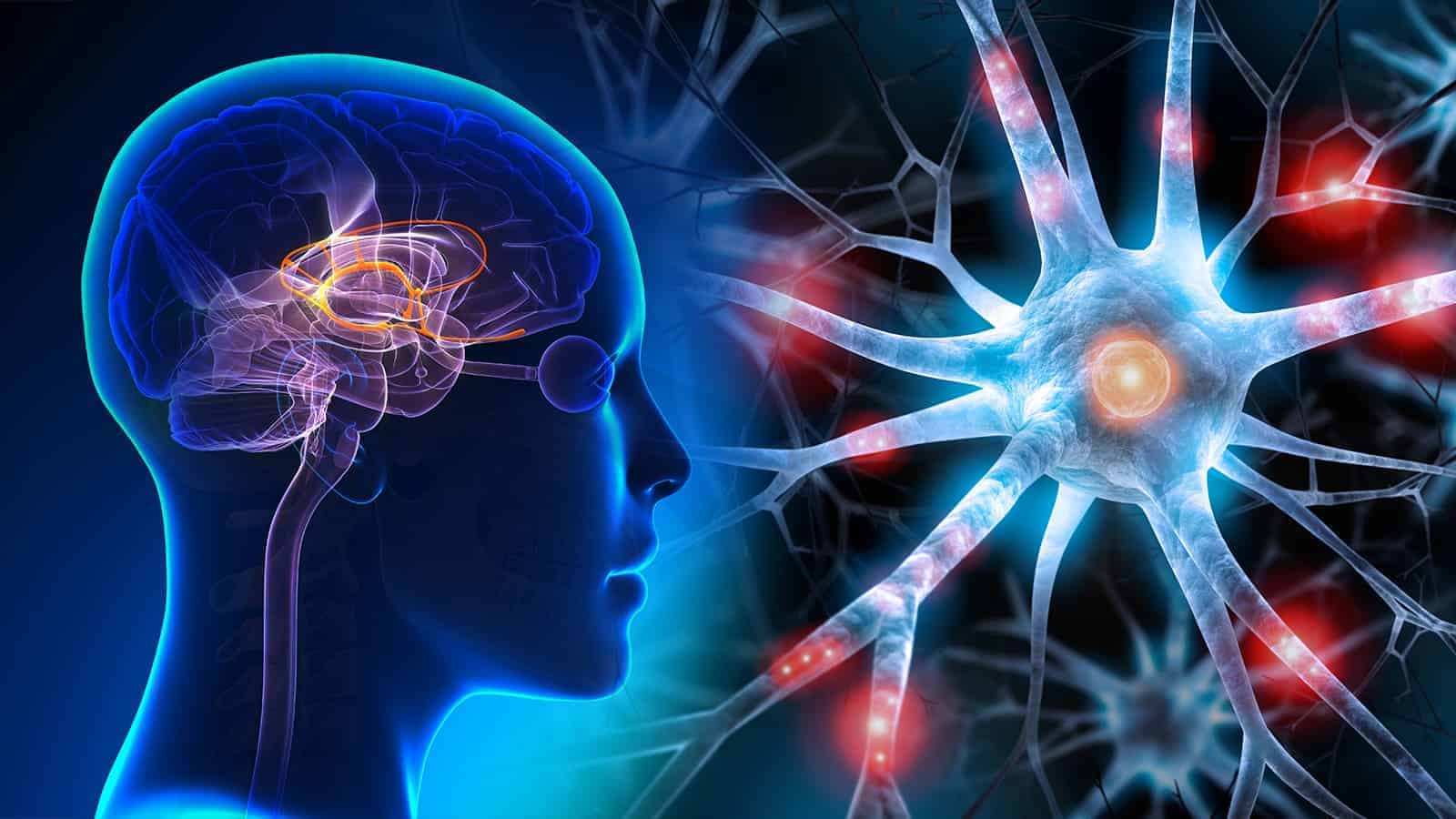
Researchers at the University of Berkley are working on designing a way to create a hologram within the brain. They have found that this would allow them to read the activity of the neurons in the brain and then influence them.

The scientists had to match the speed of the pulsing neurons in our brain and then recreate the pattern with lasers.  The goal was to mimic the brain’s activity in order to fool it into believing it was part of its own pattern.  They then created a holographic image of a brain with a focus on the individual neurons to isolate the particular ones they wished to influence.  The scientists then projected that image onto a thin slice of a brain.

They first did this to affect the touch, motor, and vision neurons of mice.  While the mice did not demonstrate any change through behavior, a reading of the neurons did demonstrate that the brain received the stimuli. The next step in the process is to train the mice to alter their behavior depending upon the stimuli.

The hope of this experiment is to aid with many diseases or disorders.

The first they feel it would be most effective with is those who have lost a limb.  It would help by allowing the body to respond the same with a prosthetic as one would with a limb.  As technology and their knowledge advances, they hope to see areas where the brain misfires; examples include a seizure or schizophrenia. Then they may find a way to alter the brain’s neurons to fire correctly. They even believe it could offer a return of sight to those who lost their vision.

In an article in Digital Trends, the assistant professor at Berkley, Hillel Adesnik, is quoted as saying:

“But as basic neuroscientists, we are also primarily interested in using this system to ‘crack’ the neural codes of sensory perception.”

We want to understand how our brain builds perceptions of our external world all through the language of neurons …. We believe this new technology can address this fundamental question in neuroscience because we can attempt to generate artificial perceptions by writing specific patterns of activity into the brain and see what’ works.'”

brainpower

Final thoughts on holograms

Can you believe it? Scientists have created a device that can project a hologram to create experiences in our brain! They have also found a way to isolate individual, tiny neurons. Amazing!

The capability of being able to communicate directly to the brain has many possibilities.  Not only does this make feasible the ability to read what is happening in the brain, but it can also “write” changes onto your brain.  The implied possibilities are awe-inspiring to even think about. They add more hope for those who would benefit.

Researchers Reveal Why Intuition Is The Most Important Kind of Intelligence

Most people would say that a logical person is more intelligent because of their ability to think logically and apply clear facts to a problem.  Researchers, however, are revealing that intuition is the most important kind of intelligence.

What is intuition and how is it different?

People often confuse intuition with emotional intelligence, a hunch, and instinct.  While the three can work together, each is a unique concept.

Intuition

Intuition is a process that allows one to know something without conscious analytical thought.  It is the application of information stored in the unconscious and conscious mind, in between logic and instinct. It has also been described as the ability to discern which information is essential and which is not.  By some, it is believed to be our brains working based on collective intelligence.

It should also be added that the knowledge isn’t known through analytic thought but as an instant application of learned knowledge stored in the brain.  An intuitive person has not consciously stored the information as specific facts.  It is more like they absorbed the information without paying 100% attention.

You can think of intuition as an assortment of loose pieces of information that comes together when it becomes necessary to apply it. Picture a box with many scattered Post-Its stored in the “back of the brain” or subconscious mind. On each Post-It, you can find every muscle memory of having performed something, every visual memory or observation, each learned subject, and all sorts of personal experiences.  The more frequently certain pieces of information get used, and the more important, the closer to the top of the pile they are.  The definitive facts are still stored in the conscious mind.  The less important ones remain on the bottom or get completely thrown out.

Logic

Comparatively, a logical brain has facts categorized and organized by subject on index cards filed in the conscious mind.  They can go directly to where the specific fact is stored, so long as it was directly and consciously learned.

While we do tend to differentiate between the two, logical vs. intuitive, intuitive users still also use logic.  They apply facts and patterns, analyze, and organize as well.  They just tend to use their intuitive side more often.

Instinct

Instinct is our base, programmed inclination to a specific behavior.  Fight-or-flight is an instinct.  We feel fear, so we instantly try to escape or attack the source.  No knowledge was necessary to learn it and react.

A gut feeling

Also called a hunch, this gut feeling is a little between instinct and intuition.  We have an unexplained sensation that may subconsciously be based on previous experience or fear that we don’t directly remember; this sensation triggers our instincts to be careful or mindful of a situation or person.

This is most often associated with intuition because it is based on an “unconscious sensation.”  The main difference is that a hunch is triggered by fear or a sense of uncomfortableness without knowing why.   Our instincts – or anxiety caused by it – don’t only trigger intuition.  Intuition reacts to any event or information that requires action and is accompanied by a sense of knowing.

Emotional Intelligence

The Science of People defines this form of intelligence as the skill or capability to recognize, assess, and control your emotions, the emotions of others and of groups.

It is very important in our ability to relate to others, build relationships, handle our stress, communicate feelings, and empathize. Emotional intelligence is often associated with intuitive thinkers because they tend to be more empathetic and can connect with others more easily.

Intuition and emotional intelligence are separate because emotional intelligence is not exclusive to intuitive people, and intuitive people aren’t guaranteed to be highly emotionally intelligent.

The characteristics of logical mind vs intuitive mind

To really grasp the difference between the logic-based intelligence compared to the intuitive intelligence, we should know the traits of each.

Traits of the logical mind:

  • Those with a tendency toward logic prefer things to be in proper, set order and have a recognizable pattern.
  • Logical reasoning. They tend to believe that everything has a rational reason and that with proper investigation and information gathering, everything can be explained and problems resolved. They require verified facts to back up their conclusions.
  • Scientific mindset. While logic is paramount, they are also curious and will create hypotheses to prove.  These hypotheses will follow the scientific procedure, make notes regarding any findings, and create a theory.  They will then seek to verify this theory.
  • Math skills. Math is usually a strong skill, and they love the computation process.
  • Critical thinking. They will analyze ideas from multiple perspectives and home in on patterns.

Traits of the intuitive mind:

In comparison, the intuitive mind is far more difficult to explain; scientists have difficulty determining how to measure or test it.  Certain traits are reasonably consistent. These traits, a psychiatrist named Daniel Cappon isolated in an article in Psychology Today titled “The Anatomy of Intuition”:

  • Insight-oriented. Intuitives tend to see “the big picture” based on insight.
  • Lateral thought process. Whereas logical thinkers process information orderly, intuitive thinkers’ thought processes move sideways.
  • The ability to recognize or have information that nobody directly taught you.
  • Imagination and visualization. Extreme use of imagination which allows one to imagine something even on black paper. This also allows for the intuitive to best apply a method to obtain an objective as well as to visualize a process and see how it plays out.
  • Flash recall memory. Due to taking in information as a whole, they can recall specific details quickly.
  • This skill coordinates empathy and identification to figure out what caused something.  It also allows for one to put themselves in the shoes of another person or thing to ascertain how it functions or why it behaved a certain way.
  • Pattern recognition and matching. The ability to look at something and discern what belongs and does not.  On a more subconscious level, an intuitive will also pick up on patterns of behavior or operation, allowing them to recognize quickly if something is off.

gut-instincts-quote

Why is intuition the most important kind of intelligence?

While studying how the brain processes information, one might easily separate thinkers into one of two camps. Logical vs intuitive thinking perform as two different types of intelligence; therefore, one could argue that they are two parts of one whole. Both are important.

Most people are capable of intuitive thinking. For some, thinking intuitively is generally their “operating default.”  Those of us who are stronger with emotional intelligence, seeing big picture and unconsciously picking up information tend to work with those strengths. Those who have more logic-based technical skillsets tend to analyze information and make decisions based on facts.  That just makes sense, right?

These two forms of intelligence are separated in studies to understand better how they independently work and the effect each may have on how one processes information.

Neither one by itself is complete. If a logical person only operated on facts, then new discoveries would be hard to imagine.  The best inventors, scientists, and business risk-takers made decisions based on their intuition or while daydreaming.  They acted on something that just “made sense” even if, on paper, it lacked facts.

If an intuitive only operated on intuition, their “knowing” would become inaccurate.  The more information an intuitive cognitively knows, the more their intuition is accurate. The better a logic-based person learns to trust his intuition, the more creative ideas they come up with and the better their relationships will be.

Closing Thoughts: Why we need intuitive thinkers

The primary factor that makes intuition the most important intelligence is simply because a computer can out-logic a person.  In the growing years, our society will become more technologically based and computer-dependent.  Our value will depend on other attributes that an intuitive has – such as their ability to see the big picture and their creativity, empathy, and pattern recognition that goes beyond statistics. These abilities relate to understanding motives and intentions and using collective intelligence.

Intuitive intelligence is the most important intelligence because it will connect us and computers to create a future society.

Science Explains How Cilantro Can Remove Toxicity of Heavy Metals From Your Body

Did you know that heavy metals can produce toxicity in your body?  We have a variety of heavy metals all around us, from the batteries in our storage drawer, to pesticides, to our tech that we use every day.  Amazingly, science has found that cilantro can remove much of the heavy metals from our bodies.

There are about 23 different types of heavy metals that can cause toxicity in our bodies.  That toxicity can create a wide array of symptoms affecting our gastrointestinal, neurological, and respiratory systems, as well as other bodily functions.

While breathing in or consuming heavy metals in amounts leading to toxic overload is rare, it is still worth protecting yourself.  Babies or children tend to more sensitive to heavy metals.  It’s essential to be aware of which heavy metals are harmful, which we need in appropriate doses, how they each can affect us, and potential treatments.

The Good, the Bad, and the Ugly about Heavy Metals

Have you ever bought a house?  If so, you probably received information regarding lead poisoning if the home was older than 1978.  Prior to 1978, lead was a common ingredient in paint, and the effects of lead were less known.  Now, we are aware of its dangers, and it is required for all homeowners to be informed before purchasing a home.

On the other hand, copper has long been praised for its excellent connectivity to our bodies and aiding in treatment for arthritis, pain, sleep problems, and more.

Copper and lead are both are classified as heavy metals.  Why is one suitable for us and another not?

What is a Heavy Metal?

Before we can discuss which are good or bad, it’s essential to understand what heavy metals are and where they come from.

Many people probably think of heavy metals as something mankind created.  In actuality, they come from the Earth’s crust and can vary in quantity and concentration depending upon location.   Merriam Webster defines metals as: “any of various opaque, fusible, ductile, and typically lustrous substances that are good conductors of electricity and heat, form cations by loss of electrons, and yield basic oxides and hydroxides.”

In short, a heavy metal is a shiny material of variable consistencies that conducts electricity and heat. It also forms positive ions by transferring its electrons to another source.  Just think of your batteries.  One side is negative, and the other is positive.  It shares its electrons with the device to create an electrical charge.   Most metals are solid but can become liquid or gas under differing extremes of temperature.

What are the “good” metals that our body uses?

After reading that definition, it seems rather odd to say that our bodies need certain metals.  Remember, however, that our bodies contain electricity or energy as well.  Our electrical force is obviously not as strong as what fuels our light bulbs or the lightning striking down from the sky.

We are composed of atoms, which are made up of protons, neutrons, and electrons, the same energy source as electricity.  Those cells communicate with our brain from our various systems.  We would be incapable of doing anything without them.

The “good” metals in our bodies have many positive roles for all of our systems:

  • Blood pressure regulation
  • Balancing blood sugar
  • Energy management
  • Bone and teeth growth
  • Blood clotting
  • Muscle contraction
  • Keeping fluids balanced

Many also share the common role of activating enzymes.  According to Harvard Health Publishing from Harvard Medical School, there are 10 “good” metals that we need in relatively low amounts:

  • Calcium
  • Chromium
  • Copper
  • Magnesium
  • Manganese
  • Molybdenum
  • Potassium
  • Sodium
  • Zinc
  • Iron

Please keep in mind: too much of these “good” metals can also be dangerous to us.

What are the “bad” metals that our bodies don’t need?

Metals are naturally formed from the Earth, as well as manmade.  Oftentimes metals end up in our soil, our water, or our food from soil erosion, wind eroding the earth, mining, runoff, sewage, and pesticides sprayed on crops.  Some of the aforementioned “good” metals can potentially become “bad” heavy metals if they are consumed in large amounts.   Below is just a list of a few “bad” heavy metals:

  • Arsenic
  • Lead
  • Mercury
  • Cadmium
  • Chromium
  • Aluminum
  • Nickel
  • Selenium
  • Platinum
  • Thallium
  • Tin
  • Cobalt
  • Bismuth
  • Gold
  • Lithium

The “Ugly” about Heavy Metal Toxicity

What are the “ugly” consequences of getting heavy metal toxicity?  How can one be exposed to metals in their daily lives?

WEbMd states that a person may get heavy metal toxicity by eating or drinking something contaminated with heavy metals or if they inadvertently breathe in fumes or dust containing metals.  You may run an increased risk if you:

  • Eat a lot of fish that come from areas with a lot of mercury in the water. Remember, runoff often goes directly into oceans or seas.
  • Consume herbal medicines; these can potentially contain metals.
  • Work in a factory which contains or uses a lot of heavy metals.
  • Breathe in the dust from old paint in a home. The home must be built prior to 1978.  It is also cautioned that the paint can flake and a child may ingest it.

Additionally, it can be found in mines, emissions from factories and electrical generating plants, and specific tech devices.

If there is a sudden and massive intake of metals, you will experience symptoms similar to any common overdose:

  • Dizziness
  • Headache
  • Nausea or vomiting

However, long-term chronic exposure to heavy metals can have an ugly and devastating effect on all your bodily systems.  The consequences may vary depending upon the metal, the concentration, the form, and your age:

  • Cardiovascular decline
  • Neurological decline
  • Renal failure
  • Cancer
  • Memory loss
  • Tremors
  • Depression
  • Bone marrow depression

How Scientists showed Cilantro can remove Toxicity of Heavy Metals from Your Body

Cilantro is a fragrant herb from the mint family.   Scientists have been studying it because it’s believed to either prevent or decrease heavy metal toxicity.  CNN posted an article in 2013 about how scientists discovered cilantro removed lead from water in Mexico City.  Mexico has had a long-running problem with the dumping of chemicals and various metals running off into its water source and crops.

The team, led by Douglas Schauer of Ivy Tech Community College in Lafayette, Indiana, tested different plants for potential filtering properties.  They discovered cilantro to be the most powerful in removing lead from the water.   They were able to dry out the herb and grind it. It could then be used in a tea bag to filter out a pitcher of water or could be placed in a tube with water running through it into a glass.  It only required a handful of cilantro to purify a pitcher of water.

The researchers planned to test cilantro on heavy metals in different areas of Mexico.

That by itself is pretty compelling evidence of its benefits.   In 2001, a report was published regarding a study performed using mice.  Male mice had lead added to their drinking water over a period of 32 days.  They then received Chinese Parsley, or cilantro, for 25 days following the first 7 days of the mice consuming lead.

Various tests were run to see what the results were.  Most of the lead accumulated in the femur of the mice, but in significantly lower amounts than expected.  Even better, there was a marked decrease in damage to the kidneys.  Two chemicals commonly found in high quantities after lead toxicity, delta-aminolevulinic Acid (ALA), and delta-aminolevulinic acid dehydratase (ALAD), also showed a significant decrease.   The premise of this study was that cilantro was able to prevent or suppress many of the typical lead toxicity elements.

In both of these studies, scientists believe that cilantro was effective due to it containing a chelation agent.  A chelation agent is one in which metals from the bloodstream bind to it and then are excreted from the body.  The treatment for removing heavy metals is called Chelation therapy. Currently, it involves the injection of a chemical called ethylenediaminetetraacetic acid (EDTA).  This must be performed by a professional certified in this therapy.

Other studies have shown that other natural treatments can reduce heavy metal toxicity.   This includes garlic, taurine, and selenium.  Those studies also recommend that using a natural method for reducing heavy metals should be accompanied by a supplement shown to enhance the chelation agent.  These are chlorella, vitamin C, milk thistle, and probiotics.

heavy metal toxicity

Conclusion:

Heavy metal toxicity is not a common occurrence in the United States. It is more common in less developed or financially stable countries.

Additionally, other studies point to heavy metals, at a less-than-toxic level, that may also contribute to the symptoms or severities of other diseases.

Adding a chelation agent to your diet with a supplement can serve as a preventative measure.  Should heavy metal toxicity be verified, then any treatment must be performed by a doctor.

Science has shown that adding cilantro to your diet may remove heavy metals from your body and either suppress or limit their effects.  It’s a great bonus that it is a tasty herb that can easily be added to many dishes and soups.

Researchers Reveal How Frankincense Can Relieve Depression and Anxiety

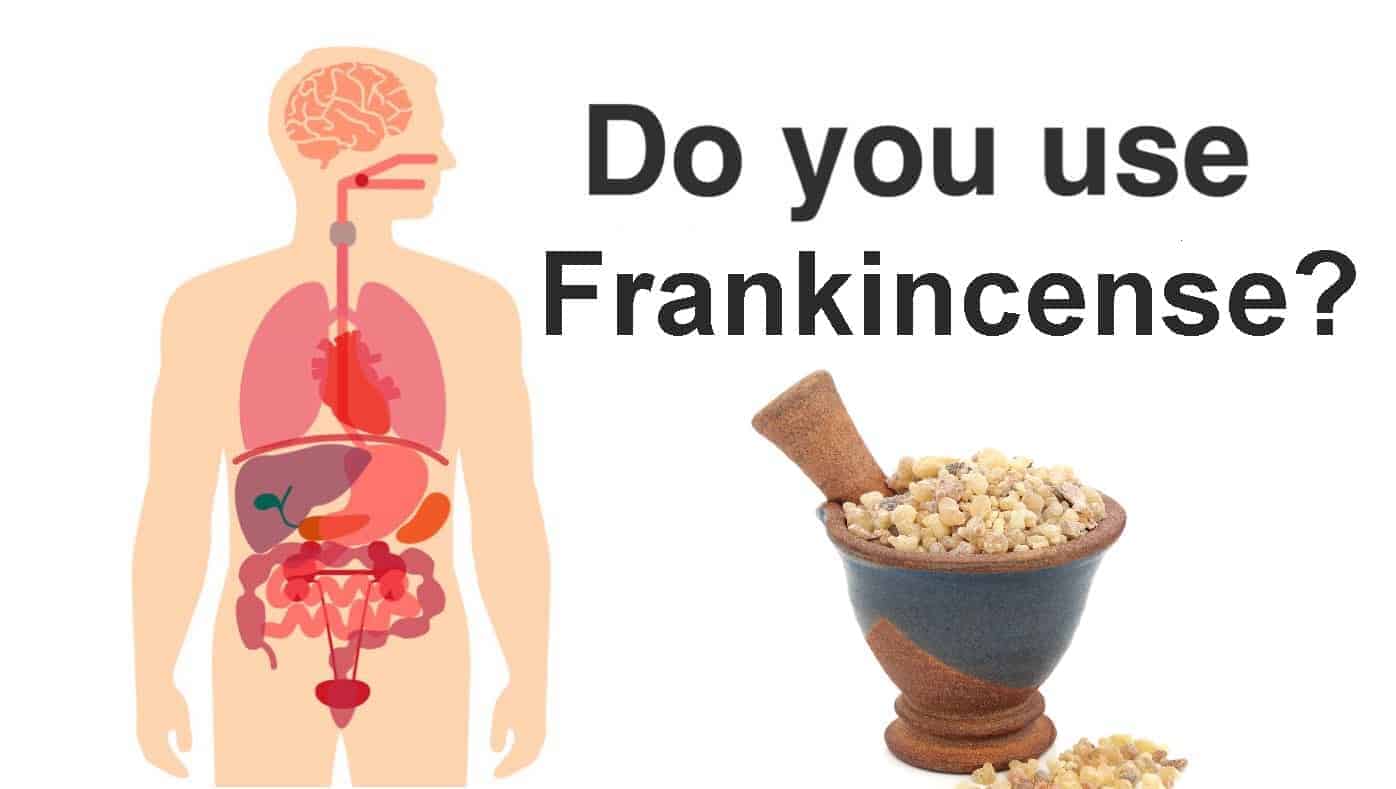
Frankincense – that exotic aroma wafting through the air from the burning of its incense. This aromatic resin from the Boswellia tree has stories stemming from before the Old Testament. It is an incense still commonly used in religious and cultural ceremonies due to the belief that it will raise your soul to spiritual ecstasy.  Given its reputation, no wonder researchers have linked it to relieving depression and anxiety.

Depression and Anxiety

Depression and anxiety exist as a way of life for more than 300 million people around the world.  This statistic is estimated from the World Health Organization.

The National Institute of Mental Health states at least one major depressive episode happened to at least 16.2 million adults in the U.S. in 2016.  That translates to 6.7% of the U.S. adult population.  Depression affects most people between the ages of 18-25, with women twice as frequently affected than men.

Symptoms of Depression

Depression exists as a debilitating, and in some cases, deadly disease.  It has more than one form, each with varying levels of depression and additional symptoms.   Depression and anxiety tend to co-exist in their diagnosis.

The symptoms of depression usually include:

  • Extreme tiredness or fatigue
  • Low energy
  • Feeling worthless or hopeless
  • Negative or pessimistic thinking
  • Sleep disorders
  • Lack of interest in things which once made you happy
  • Eating disorders
  • Chronically feeling extremely sad, down or “empty”
  • Foggy thinking – difficulty focusing, remembering specific details, or making decisions
  • Low tolerance, high frustration or irritability
  • Body pains that persist
  • Stomach or digestive issues
  • Anger issues
  • Focus on the past or mistakes in the past, with common associations to guilt
  • Suicidal or homicidal thoughts or actions

Types of Depression

Multiple forms of depression exist. They are usually distinguished by how they manifest, how long the symptoms occur, and how regularly you experience them.

Events in your life can trigger some milder cases of depression.  Examples include a death, family event, break up, or a significant change in your life.  These, while still possibly requiring therapy and medication, are considered a normal reaction to an event. They do not necessarily indicate a disorder.

Diagnosed depressive disorders:

  • Major Depressive Disorder.

This is a single, debilitating episode of depression that lasts longer than six months.

  • Persistent Depressive Disorder.

This depressive disorder is also known as Dysthymia.  It is associated with a chronic, low-level depression that occurs for two years or longer.  An individual with this disorder may experience all the above symptoms of depression, but they are not usually suicidal and can function in life.  This is mostly related to “Functional Depression” in which an individual may not even seem depressed to the outside world.  Only those closest to them know of how they struggle every day to keep a handle on the symptoms.

  • Bipolar Disorder.

Bipolar is most commonly known for the extremes of moods.  One mood is depressed and the other is very hyper or manic.  There is a Depressive Type Bipolar where the individual experiences mostly depressive symptoms, but at least three times a year has an unexplained surge in energy that may not reach the height of a manic stage.  This surge in energy is usually deemed as “hyper,” and the individual may seem more energetic than their norm.

  • Seasonal Depression.

Seasonal depression is a form that is affected by the amount of sunlight or lack of sunlight.  During the months in which the sun is out less, autumn and winter, the individual experiences depressive symptoms.  During summer and spring, they are just fine.

  • Postpartum Depression.

Postpartum Depression occurs in some women after the birth of a baby. Having a baby is difficult for any mother.  You are tired, your hormones are in flux, you’re stressed, and you don’t physically feel like yourself.  When these symptoms worsen and continue for weeks or months, then it becomes a form of depression.  If not recognized and treated, then it can become extremely dangerous for the mother and the baby.

  • Psychotic Depression.

Psychosis is a state of mind in which a person starts to hear, see, feel, or smell things that aren’t there.  They may also begin to have pervasive thoughts involving grandiose ideas or paranoia.  These thoughts are called delusions.  They are an altered way of thinking in which others cannot convince you to the contrary.

Depression is a real and treatable disorder if diagnosed.  It is not something to be ashamed or embarrassed by.  If you suspect that you, or someone you know, may be depressed, seek help from a medical professional immediately.

Treatment for Depression

The majority of treatment for most forms of depression require antidepressants.  Psychotherapy is also recommended to be used in conjunction with medication.  A person will have a reduced risk of relapse if psychotherapy is used with medication, as opposed to just medication alone.

In the case of seasonal depression, vitamin D and a “light” lamp are added to therapy.   This is a light that puts out the same type of rays as the sun.

Taking medication for depression can be a bit of trial and error.  There is no sure-fire way of knowing which medications are going to be effective.  Depending upon your symptoms, more than one medication may need to be used.  The more medications you are on, the more complicated it can be and the number of side effects increases.  Sometimes these side effects are too much or make you feel worse than without medication.  In those cases, people look for alternative treatments.

One such alternative treatment is repetitive transcranial magnetic stimulation.  This uses magnetic pulses that target the areas of your brain that control your mood.  It requires six weeks of treatment at five days per week.   This is also an alternative for those who are resistant to medication.

In very extreme cases, electroconvulsive therapy is used.  ECT consists of electrical currents running through the brain.  The severe cases of depression generally involve a form of psychosis or comatose states.  Sometimes, while certain people seem non-responsive to medication or unable to tolerate it, they can respond to this form of therapy.

How can Frankincense relieve depression and anxiety?

Often, even with medication, those with depression or anxiety still have depressive traits that they cope with on a near-daily basis. Usually, their overall mood eventually improves and they can think with less pessimism, yet certain symptoms hang on. These lingering symptoms affect their families, their work performance, and the individuals’ own sense of personal security and success.  A few of these symptoms may include:

  • Enough energy to get through the day and handle stress
  • Continuing episodes of sleep problems
  • Still fight to maintain focus and concentration
  • Need to push themselves to keep the motivation going
  • Still struggle with using food as a coping mechanism
  • Fight to stay positive and hopeful
  • Have difficulty with crowds, loud noises, or too much stimuli

Since scientists still aren’t sure what causes depression, they can only treat some of the major symptoms.  While helping to decrease extreme emotions is still a huge step, it leaves millions of people looking to other ways.

Many tend to focus on meditation, exercise, yoga, and other alternative supplements.  Finding alternative ways to alleviate, or further reduce, these symptoms is something scientists are still studying.

One such possible alternative is the use of Frankincense.

A group of Israeli and American scientists performed a study on a group of female mice.  The basis of the theory was that a chemical called TRPV3 had been shown to exist in the neurons of the brain.  Their purpose was unknown.  It was known that it acts to aid in the sensation of warm skin.  What it did in the neurons was still a mystery.

Frankincense (Boswellia) resin had already been proven to activate TRPV3 and was shown to create, among other things, anti-depressive behavior in wild rats.

The scientist isolated the chemical in Boswellia resin that created this effect, incensole acetate (IA).   The mice were injected with IA and then put through specific psychological tests, which were the standard testing format.  These tests are physical feats that test the mice for emotional stability and motor skills when faced with adversity.

The conclusion? Boswellia resin did have an effect on sensation and emotional status.  The study also proved that TRPV3 has some relationship to the way in which the central nervous system processes emotion and behavior.

While these studies are yet to be performed on humans, they provide great groundwork for further study in the treatment of depressive and central nervous system issues.

frankincense oil

Conclusion

Finding additional methods to treat depression and anxiety is paramount to the success and happiness of our society.  The fact that so many people, even with treatment, battle each day to live life with joy and hope proves that we still have much to learn about how depression affects the brain.

Frankincense has been around for centuries, serving multiple religious purposes.  How glorious would it be if the researchers added to its spiritual enhancing capability with a way to relieve depression and anxiety?  That would be a true miracle for all those diagnosed with depression and anxiety who currently seek better solutions.

10 Hidden Signs of Gastritis to Never Ignore

Gastritis is a disease characterized by stomach lining inflammation. When untreated, it can lead to stomach ulcers and even cancer. As such, it’s no surprise that many people want to be aware of the signs of this condition.

You would think such a disorder would be easily noticed, but it can be surprisingly sneaky. Its symptoms are subtle and can easily be attributed to other, less dangerous causes.

In addition, Helicobacter pylori, or H. Pylori, the type of bacteria that causes gastritis, will show itself in specific symptoms often overlooked when its infection first takes root. But approximately half of the world’s population has H. Pylori in their body, so there’s a good chance you’re at risk for the disease!

Don’t worry, though. A little positive thinking and a bit of knowledge go a long way. If you’re aware of what to look out for, you’ll be able to know if something is amiss.

Here Are 10 Hidden Signs You Have Gastritis

gastritis

1. Nausea

Bile is a liquid substance created in the liver and stored in the gallbladder. Typically, its job is simple; it helps the small intestine digest lipids. You may also know it as the product you expel when you vomit – which is why an increased amount of bile can cause you to feel nauseated.

When the bile inside your liver starts to move around due to H. Pylori infection, it can cause feelings of nausea. This infection causes the bile to become displaced, reaching the stomach instead of the duodenum or the small intestine. It may also cause you to feel bile creeping up your throat when you belch regularly. This is called bile reflux.

Of course, bile movement isn’t necessarily a sign that you have gastritis. It can also point to other issues, such as indigestion, or acid reflux, so don’t rule out other possibilities.

2. A Deficiency In Vitamin B12

Are you deficient in vitamin B12, even though you’re eating the right foods? This vitamin plays a very crucial role in your DNA and blood-related functions. Consuming foods with sufficient B12 can provide plenty of positive benefits. These foods include:

  • Eggs
  • Trout
  • Liver
  • Low-fat milk
  • Clams
  • Salmon
  • Fortified cereal
  • Greek yogurt
  • Sardines
  • Beef
  • Chicken breast
  • Ham

If you’re eating all these foods, then it’s likely that you are getting enough B12 in your diet. But what happens when you have symptoms of a deficiency regardless? You may have signs like:

  • Fatigue
  • Paleness
  • Gas
  • Smooth tongue
  • Numbness and tingling
  • Loss of vision
  • Loss of memory
  • Heart palpitations
  • Lightheadedness
  • Diarrhea
  • Constipation
  • Breath shortness
  • Depression
  • Muscle weakness
  • Loss of appetite
  • Behavioral changes

Research has revealed that, when you have gastritis, the body is unable to process consumed protein sufficiently. Without this processing, the B12 vitamin cannot be easily extracted from food. Studies show that this can significantly decrease the levels of B12 within the body.

3. Diarrhea and Abdominal Cramps

Gastritis is quite an unforgiving illness. When it attacks, it does so with several symptoms that often stick around for a minimum of seven days. If this is the case, then you would think that it would be easy for someone to notice something is wrong, with a week’s worth of symptoms to show.

But here’s why this is often overlooked. One of the more obvious symptoms is abdominal cramping, diarrhea, or both. It’s easy for a lot of people to ignore these symptoms, especially if they are not particularly severe. Some people might think it’s just food poisoning, even if it comes with vomiting.

More confusingly, the consumption of spicy or spoiled foods can cause these symptoms to worsen. This is because the H. Pylori is affected and intensified by these items, causing them to affect you even more negatively.

4. Feeling Full Quickly

Do you tend to feel sated – and perhaps too sated – after even small meals? You’ve barely touched your lunch, but all of a sudden you’re feeling like you can’t eat another bite. This could be a hidden sign of gastritis.

Why does this happen? H. Pylori often causes excess gas to be stored within the stomach, which causes you to feel full and makes it hard for you to want to eat. Unfortunately, you aren’t actually full – so cutting down on your meals, as a result, can lead to nutritional problems on top of the bacterial infection.

Take extra note of how your body feels when this happens. Is it just a bloated fullness that you can attribute to a menstrual cycle or prior activity? Or is it also accompanied by discomfort in your upper body? If you said yes to the latter, speak to a doctor, as it may be gastritis.

5. Intestinal Bleeding

It’s safe to say that intestinal bleeding is never a good sign, and no amount of positive thinking will change that! Usually, the most obvious symptoms will appear in your vomit or feces in the form of blood among the waste, but there may be some other indicators, such as:

  • Dizziness
  • Pale skin
  • Abdominal cramps
  • Breathing shortness
  • Fatigue
  • Tarry stools
  • Black stools
  • Feeling faint
  • Weakness

Blood showing up in waste is always a good reason to take a trip to a doctor’s office. Even if it’s not gastritis, a test known as an endoscopy will need to be done to ensure that nothing is wrong.

There is a whole host of conditions that have this as a symptom. Plus, acute bleeding can cause you to actually go into shock. Symptoms of this include:

  • Lack of urination
  • Blood pressure decrease
  • A high pulse rate
  • Losing consciousness

If you experience these symptoms, get to a doctor right away, or call for emergency assistance!

6. Feeling Bloated

Bloatedness is a prevalent symptom of countless different things. A lot of them are, admittedly, not serious. You may deal with bloatedness as a result of:

  • Too much salt consumption
  • Weight gain
  • Drinking too many carbonated drinks
  • Overeating:
    • Carbohydrates
    • Dairy
    • Fat
    • Fructose
  • Eating too quickly
  • Excess gas
  • Overeating
  • Constipation
  • Menstruation
  • Celiac disease

In most cases, there’s not much you have to worry about when it comes to stomach bloating. The issue comes when certain other problems come into play, such as:

  • Constant bloatedness
  • Bloatedness after meals
  • Belly discomfort
  • Diarrhea
  • Indigestion after every meal
  • Loss of appetite
  • Fever
  • Weakness

If you experience bloatedness with these symptoms, then it’s a good idea to talk to a doctor, as it could point to gastritis. If you’re lucky, it may just be dyspepsia – but it’s always better to be safe than sorry when your health is involved!

7. Inflammatory Bowel Disease

Inflammatory bowel disease (IBS) is an annoying disorder that can cause a lot of havoc within the digestive system. Unfortunately, it also puts you at a higher risk for developing gastritis. But it’s not the only condition with this unhappy effect. Ulcerative colitis, or Crohn’s disease, also causes this issue.

If you are diagnosed with either of these conditions – or any other digestive problems – keep yourself extra vigilant on the watch for gastritis. If you notice symptoms, speak to a doctor. More than 30% of all ulcerative colitis patients develop H. Pylori infections!

irritable bowel syndrome

8. Weight Loss

A lot of us see weight loss as a purely positive thing. This is a very dangerous mentality, though. Why? It can cause us to overlook that sudden, unexplained weight loss is typically a sign that something is wrong. Case in point: cancer patients often lose a lot of weight; it’s one of the more apparent symptoms (and the fact that gastritis can progress to stomach cancer makes this even more concerning).

Pylori doesn’t necessarily cause you to stop being able to absorb food. But it provides plenty of other symptoms that can slowly but surely chip away at your weight and lead to eventual slimming over time.  For example, your quick fullness after small meals will prevent overeating, while bloatedness and nausea cause decreased appetite.

9.  Burping More Than Usual

We already mentioned a lot of times that H. Pylori causes gas buildup, which is why you might feel bloated or full when you have gastritis. Another side effect from this same issue is that you may burp – or even pass gas – more than usual.

Why, though, is burping such a prominent gastritis symptom? Well, the stomach uses specially produced acids to process, break down, and digest the bits of food we eat. In order to properly protect the lining of the stomach, a mucus barrier is created.

Pylori causes the mucus barrier to become less strong. Over time, this can lead to painful stomach ulcers. But initially, it mainly manifests in unattractive belches as the enzyme activity within the stomach changes.

10. Anemia

Anemia refers to a lack of red blood cells in the body. In most cases, this is caused by a lack of iron – but, in other cases, it is because of a different underlying condition, like gastritis. If you have a positive diet that incorporates a good amount of iron, then be cautious of anemia signs. Here are some symptoms of anemia:

  • Lack of energy
  • Breath shortness
  • Quick heart rate
  • Dizziness
  • Cramps in the legs
  • Fatigue or exhaustion
  • Skin paleness
  • Headaches
  • Insomnia

How does anemia occur in gastritis? Specifically, it is a symptom of a rarer form of the disease known as erosive gastritis. This disorder variation causes stomach ulcers, which may cause your stomach to bleed. This chronic blood loss can easily lead to anemia.

gastritis

Final Thoughts On Some Hidden Signs You Have Gastritis

Gastritis can become highly dangerous if it is allowed to progress for too long. The good news is that if you know the lesser-known symptoms of gastritis, you will be able to protect yourself from it.

Just as with any condition, the earlier you catch it, the better off you’ll be. If you notice many of these ten hidden signs you have gastritis, speak to a doctor as soon as possible!

10 Things You Never Have to Explain to Anyone

In today’s world, it can be hard not to seek validation from others. For starters, social media has increased societal expectations. Additionally, all sorts of other factors can lead you to try desperately to explain certain aspects of your life and yourself to other people.

But here’s the truth: in most cases, you don’t have to explain everything, and you certainly don’t owe anybody a justification. By trying to provide that, you can be diminishing your own self-worth and defining yourself by what others think, instead of trusting yourself.

Here Are 10 Things You Never Have To Explain To Anyone

1.    You Don’t Need to Explain Why You Need Alone Time

Everyone needs a little time alone. There’s absolutely no shame in having to explain that this weekend is just for you to spend in your home instead of going out with friends. You might want to read a book or watch a series or just curl up in bed. This doesn’t make you anti-social; it makes you smart and aware of your needs.

Once in a while, spending time alone is very good for you. Numerous studies indicate the value of taking time to just be with yourself. It can give you tons of benefits. For instance, you:

  • Become more creative
  • Get more done and are productive in a more positive way (1)
  • Have the chance to do things you’ve really wanted to do
  • Can get to know yourself more
  • Build up happiness and positive thinking levels
  • Become more empathetic
  • Think more clearly and relieve stress
  • Enjoy yourself

2.    The Company You Keep

People are always a little nosy about who you spend your time with, especially if romance and intimacy are involved – but for everything else, too. Here are some things regarding the people you surround yourself with that you don’t have to explain.

a)    Your Choice Of Partner

Your family may not approve of your significant other. Perhaps your friends will never understand what you see in your partner. Even your community may be bigoted and dislike your preferences.

Ultimately, only you should get to decide what kind of relationship you want to be in, and with who. This doesn’t mean ignoring abusive behavior. It means taking a stand for the person you have feelings for.

b)    Your Friends

This doesn’t mean you should be blind to the possibility of being involved with the wrong crowd. It just means that you should be allowed to choose your companions. If your friends make you feel good, there’s no issue! At the same time, if you choose to end your relationship with a friend, you don’t have to explain that to anyone.

c)    Family Members You’re In Touch With

Not everyone’s family life is great. You may have your reasons for cutting certain toxic family members off. People will try to tell you that you’ll regret those decisions, but trust yourself to know what’s best for you.

d)    Your Lovers

People are always interested in what goes on in the bedroom. Men are judged for not having enough lovers. Women are judged for having too many. You may be judged for one-night stands, or friends with benefits, or because you have certain preferences.

At the end of the day, as long as what you’re doing happens between two (or more!) consenting adults, it’s all good. It’s no one’s business but yours.

e)    Being Single

People often make being single sound like the worst thing ever when it’s really, really not. Just got out of a bad breakup? Need some time to figure things out? Just not interested? Very picky? Whatever applies to you, it’s all fine. You’re not worthless because you’re not in a relationship. And you don’t need to explain yourself for it either.

3.    Your Favorite Things

If you’ve been on the Internet at all, you’ll be aware of a phenomenon known as “cringe culture.” This essentially refers to the active shaming and mocking of people who enjoy certain things that have been deemed “uncool” or “lame” by other Internet-users.

There’s also a lot of talk about how problematic some movies, books, celebrities, and other things can be. If you say you like them, all of a sudden, you’re a bad person, and people get angry at you about it.

But guess what? It’s okay to like what you like. It’s okay to like things that other people cringe at. You have the choice to be aware that something is problematic and still enjoy it. It’s all okay! Enjoy what you enjoy, and don’t bother telling anyone why.

4.    Your Career

Some jobs are unconventional. Some are ones you hate, but that pay well. Certain vocations are practical but boring. Some ignite a passionate spark within you but cause you to barely scrape by each month.

Sometimes, you stick with jobs that aren’t the best because you like the environment. At times, you quit well-paying jobs because you’re sick of them. Sometimes, you turn down promotions that would take away time from your family. This is all completely fine.

Your career influences your life and no one else’s (except those dependent on or partnered with you). As such, you have the power to decide where you want it to go, and no one can take that away from you.

5.    Your Beliefs

Differences in beliefs and values can cause a lot of tension, especially in today’s politically tense world. But here’s the thing – the chances of anyone changing someone’s mind about their personal beliefs are slim, so why waste time attempting to explain yourself if you don’t want to?

Here are some areas of personal beliefs that you never have to explain to anyone:

  • Religion
  • Spirituality
  • Principles
  • Priorities
  • Ethical beliefs
  • Moral values
  • Political leanings

Nothing is perfect. Every belief has enough negative sides for someone to dislike it. But as long as you’re happy with the positives and know what works best for you, you owe no one any explanation – ever. If someone is going to discriminate against you as a result, then find like-minded people to converse with instead.

6.    Refusing Or Agreeing To Apologize (And Forgive)

Why would you say you’re sorry when you’re not? It gives the other person incorrect expectations, and it’s a lie. You are never under any form of obligation to tell someone you’re sorry, even if it makes you look bad. Similarly, you can choose to apologize because it’s the right thing to do, even if you don’t totally mean it. It’s your decision.

The same goes for forgiveness. There’s a mentality that dictates that, even when someone has wronged you, you have to forgive them. You don’t. You can learn to move on without ever forgiving them. At the same time, if you choose to forgive, it’s no one’s business but your own.

7.    You Shouldn’t Have to Explain Your Identity

Do people call you weird? Do they say you’re annoying? Or maybe they tell you to tone something down? Well, you don’t have to. Constructive criticism is good, but you have to be able to filter out the bad ones from the good.

Self-improvement is something you should always strive towards, but never feel the need to justify the person that you are. Who you are is beautiful, unique, and special. No one has the right to cause you to feel inferior.

Everyone is different. Don’t be afraid to express your own differences!

8.    Being “Slower” Than Other People

Your classmate from high school is now married with kids. You have a college friend who is now working a high-paying job. Your younger siblings are graduating before you. These types of scenarios can lead to a lot of judgment from others.

But life isn’t a race. Progress isn’t a competition. Plus, everyone deals with their own struggles. You’re not in any rush to achieve the standard everyone expects of you, and that’s okay!

Continue to work towards your goals at your own pace, arming yourself with positive thinking and determination. Eventually, one day, you’ll get to where you want to be – and that place doesn’t even have to be where other people are going. It’s all up to you.

9.   Even If You Did Explain Your Pain, Would People Truly Understand If They’ve Never Been Through It?

People often engage in misery competitions. How many times have you heard that you should just use positive thinking because other people have it worse? How many times have your complaints about exhaustion been scoffed at because someone got less sleep than you?

Your pain is valid. Whether it is worse or better than the pain of others is completely subjective – and, more importantly, it doesn’t matter. Other people’s issues don’t cancel out your own. In fact, this type of denial is extremely bad for you and can severely damage your mental health.

You need to learn to confront pain of all kinds in a positive way. Ignoring it will not make it go away. By facing the pain, processing it, and acknowledging it, you help yourself move on from the suffering. You do not need the validation of others for your pain to be valid. It is always valid.

10. How Much You Know You’re Worth

Positive quote

There’s a huge difference between being confident and being arrogant. You can value yourself and know your worth without being cocky and delusional. No matter your identity and who you are, your worth should never be called into question. This is one of those things you never have to explain.

This can mean sometimes putting yourself first – if not most of the time! Doing so has a lot of positive effects on us, and it’s a great thing to get used to doing. And no, it does not make you selfish! Here’s why: (3)

  • You get a good recharge – thus reducing symptoms and risks of depression, anxiety, stress, and other issues.
  • It saves you from the mentality that forces repeated productivity, eventually leading to burnout.
  • It prevents negativity and overly critical thought regarding yourself and others.
  • Taking time to put yourself first helps you make sure you have enough of yourself to keep and thrive, while still providing more to give if you choose.
  • It stops you from draining others or hurting those around you.
  • It allows you to be gentle and kind to yourself.

Final Thoughts On Some Things You Never Have To Explain To Anyone

It would be lovely if everyone you cared about or knew wholeheartedly supported every inch of your life. But that isn’t how things work. People are going to disagree with you, and they may demand explanations.

Remember that you do not need anyone’s validation. Your worth is enough as it is. If you find yourself being questioned about these 10 things you never have to explain to anyone, then you know you’re not obligated to justify yourself. Just live your life and chase your own idea of happiness!

7 Signs A Muscle Cramp Means Something Worse

Muscle cramps aren’t exactly unusual. You get them from overexerting yourself, from carrying heavy weights, and even just from sitting, standing, or sleeping in an awkward position.

But sometimes, a muscle cramp isn’t the real issue. It’s just a symptom of a bigger, more serious problem. If that’s the case, you want to be informed enough to know when it’s time to seek medical help.

Here Are 7 Signs A Muscle Cramp Means Something Worse

1.    It Impacts Your Daily Life

Doctors typically take you more seriously when you explain that a condition is affecting you in multiple ways throughout your day. This is because a lot of pain can be annoying, or even limit your mobility – but a pain that renders a huge part of your life unbearable is a different thing altogether.

As an example, a muscle cramp that’s worse than the standard might:

  • Cause you to be unable to sleep
  • Make it difficult to focus or concentrate
  • Render you totally bedridden
  • Result in periods throughout the day where you cannot do anything
  • Significantly slow you down to the point where you become unproductive
  • Result in so much pain that you can’t walk, talk, or do basic chores

A normal muscle cramp has pain in bursts, typically not lasting longer than a quarter of an hour at the time before reverting back to a dull, background ache. When they last longer and overwhelm your life, there are more possible issues, such as:

  • Pinched nerves
  • Ovarian masses
  • Pinched arteries
  • Lack of sufficient blood circulation

On that note, even if it is just a normal cramp, don’t try to push through with positive thinking if the pain is really overwhelming. Talk to a doctor about pain medication and other means of support. (1)

2.    The Site Of The Injury Changes Appearance

A muscle cramp doesn’t typically show itself outside and is only felt through pain. As such, a change of appearance around the area that hurts is usually a sign that something is wrong. Many times, this type of change in a leg can point to a blood clot, which can be potentially dangerous if it enters the bloodstream.

Here are some changes to look out for:

  • Swelling
  • Redness
  • Discoloration
  • Rashes

3.    The Pain Is Either Too Isolated or Too Widespread

The location of the pain can tell you a lot about the severity of the cramp, and if it’s really just a cramp at all. Here are some details about where your pain is that indicate it’s something worse and that it’s time to see a doctor.

a)    Overly Specific Pain Locations

In most cases of muscle cramps, the pain can be felt over the whole of the affected muscle. If you’ve just started working out and have soreness, it can even affect your whole body overall.

But if you’re able to directly point at the site of the pain with no issue, and if the pain only seems to occur from that one tiny location, it may be an injury. It can be a sign of a ligament, tendon, or muscle that has been pulled or otherwise injured.

b)    Pain Isolated To One Side Of The Body

When you’ve got a muscle cramp from exercise or physical activity, it’s typically felt on both sides of the body, such as your right and left legs simultaneously. It would be quite difficult to only strain one limb. But what happens when the pain only seems to be happening on one side of the body?

It’s very rare for someone to manage to seriously injure muscles on both sides of the body, so if you only feel pain on one half, then it may be a more serious type of cramp. You may have pulled a muscle or a ligament, or there may be an infection.

c)    Pain That Radiates Over An Entire Supposedly Uninjured Limb

Did you know that a serious issue in one particular spot of the body often winds up being felt all over? An example of where this might happen is in herniated disks; though only the spinal area is damaged, you can feel pain all the way through your legs.

This means that what you think is a muscle cramp might actually be a symptom of a much more serious problem. If you’re worried about this and want to be 100% positive about what’s wrong, talk to a doctor. (2)

4.    You Experience Stiffness Or Are Above The Age Of 50

If you’re getting on in years, you are more prone to degenerative disorders that cause pain in your joints, often resulting in stiffness. This stiffness can travel throughout your body and may even be felt in your muscles, despite the fact that they are joint-related. This is because muscles contract when the body is in pain.

Some examples of conditions to look out for include:

  • Polymyalgia rheumatica
  • Rheumatoid arthritis
  • Osteoporosis

5.    It Comes With A Fever, Chills, or Congestion

Muscle cramps on their own are less telling than muscle cramps that are accompanied by a variety of other symptoms, such as chills, congestion, a fever, nausea, headaches, vomiting, and other problems. You should always see your doctor if this is the case with your condition. Here are some illnesses that manifest in muscle cramps, alongside other symptoms.

a)    Flu

Between the 1st of October, 2018, and the 4th of May, 2019, there have been between a whopping 37.4 million and 42.9 million cases of influenza. This actually broke records in regard to hospitalization, so humanity isn’t facing a very positive run with the illness. (3)

One common flu symptom is the soreness of the muscles, which occurs because of the breaking down of proteins throughout the body. Without sufficient treatment, the flu can severely damage your immune system, and some individuals can be at high risk of complications from it.

b)    Food Poisoning

If you’re vomiting alongside your muscle cramps, it could be a sign of food poisoning. While many cases pass on their own, it’s still a good idea to speak to a doctor about the issue.

c)    Infection

An infection may usually make itself easily known, but in some cases, it won’t. Isolated pain and prolonged pain can both be a sign that your cramped muscle is actually facing an infection.

d)    Dehydration

We underestimate the importance of water for the body. If you’re not drinking enough water, a lot of standard bodily functions start to shut down. Make sure you’re getting at least 8 glasses of this liquid daily.

e)    Lyme Disease

Usually characterized by a rash, Lyme disease can cause a lot of flu-like symptoms, including muscle cramping and pain. This tick-transmitted condition is very serious, so if you feel muscle cramps and other symptoms after being out in the wilderness, go to a doctor immediately.

6.    Your Last Workout Was Especially Intense

In today’s world, everyone is encouraged to work out more and more, going through increasingly intense exercise routines. You may do CrossFit, HITT, or other similar types of routines.

Unfortunately, all that intensity can cause you to overdo the workouts. Overtraining can lead to a number of serious conditions, like rhabdomyolysis, and it can also make you more vulnerable to injury. If you’re in severe pain after each workout, it’s time to slow down.

7.    It Doesn’t Go Away (Especially If It Gets Worse)

This is a fairly simple concept. If you have a simple cramp but it doesn’t disappear after a week – and especially if it continually gets worse and worse and worse – then it’s time to see a doctor. There is a long, long list of conditions that can manifest in cramps of all kinds. To figure out whether yours has gone on too long, here are some things to look out for.

a)    Prolonged Pain

Standard muscle cramps and soreness last up to around 72 hours, and very rarely last a week, though they may if you’ve just started working out again, or if the pain fades away very slowly.

With that being said, if you can still feel sharp and unwavering pain seven days into a cramp, it may be a sign of some form of injury. If left untreated, the injury may become permanent.

b)    Recurring Pain

Do you have a muscle cramp that comes and goes? If you can always count on it to return eventually, whether seemingly unprompted or with a specific trigger, it signifies a chronic or long-running condition left unchecked.

As an example, conditions such as fibromyalgia, which is a chronic pain disorder that results in widespread pain, can flare up and lead to pain after stressful moments. Other conditions may cause worsened pain in extreme temperatures, after periods of inactivity, and more.

c)    Pain That Worsens Over Time

Muscle cramps are supposed to get better. They are not supposed to continue worsening for days or even weeks on end. Sure, some types of pain get worse before they get better, so you may be used to braving it with positive thinking. But the key is that they must eventually get better.

If your pain doesn’t let up, and it is continually increasing instead, then you must see a doctor as it can be a sign of an infection or another disease that is growing.

d)    Pain That Worsens With Use

If you’ve ever worked out or done some form of physical activity while your muscles were still sore or cramped, you likely noticed that the pain is bad first, but once your body warms up enough, it is barely felt anymore as you continue your exercise.

This is normal for standard, non-serious muscle cramps. But if what you have causes repeated pain no matter what you do, and every time you use it, it is time to speak to a doctor.

Final Thoughts On Some Signs A Muscle Cramp Means Something Worse

relieve muscle cramps

For the most part, muscle cramps aren’t something to panic about. Usually, they resolve themselves, and pain medication works well for reducing the ache. But when that pain is different from the typical description of a muscle cramp, it’s time to seek help.

If you have any of these 7 signs that a muscle cramp means something worse, visit a medical professional as soon as possible. It’s always better to be safe than sorry!

Skip to content