Weekly tips, affirmations, and small actions to feel your best.

5 Ways to Stop Being Distracted From Your Goals

When it comes to setting goals, many of us can formulate a plan but have a hard time carrying out our vision. Perhaps it’s because goals take a lot of small steps and milestones to achieve, and many people don’t have the mental stamina or patience to follow through. However, the best breakthroughs happen when you stick to your goals rather than giving up on them before you get to the finish line. As they say, slow and steady wins the race.

Unfortunately, only a staggeringly small percentage of people achieve their goals.

In this article from Business Insider, a Harvard psychologist explains that most people fail to reach their goals because they focus only on the outcome and not the process. In other words, getting too wrapped up in the end vision can deter you from following through because you haven’t broken down your goals into achievable milestones.

So, the more critical a vision or dream is to us, the longer it will probably take to achieve. However, how can we stick to the course without getting distracted or discouraged along the way? Here are some tips below on strategies you can use to reach your goals.

Here are five ways to stop being distracted from reaching your goals:

1. Set SMART goals.

Scientists researched strategies people utilize who achieve their goals. Researchers found that successful people follow the principles of goal setting laid out by the SMART goals setting theory.

WHAT ARE SMART GOALS?

smart goals

Learn more about Smart Goals here.

SMART is an acronym that stands for: Specific, Measurable, Attainable, Relevant, Time-bound.  Under the SMART goal setting method, every goal needs to follow these five parameters to be achieved. Many people use this method to attain their dream job, meet their life partner, start a business, or for whatever their heart desires.

Let’s go over details for what each letter means below:

S = SPECIFIC:

First, you need to make sure you can clearly define your goals. Answer the following five questions so you can ensure you have a clear vision for what you want to accomplish:

  • (1) What – What do I want to accomplish?
  • (2) Why – What are the specific reasons for and benefits of accomplishing this goal?
  • (3) Who – Who is involved?
  • (4) Where – What location or locations are involved in accomplishing this goal?
  • (5) When – What is the timeline for accomplishing this goal, and are there any specific time-sensitive requirements or potential constraints.

M = MEASURABLE:

To know if you’ve accomplished your goals, you need to have a way to measure them. The following questions will help you to measure your goals in a quantifiable, tangible way.

  • (1) How many?
  • (2) How much?
  • (3) How will I measure my achievements along the way?
  • (4) How will I know when I’ve reached the goal?

A = ATTAINABLE:

While your goals should challenge you, you shouldn’t overextend yourself. In other words, try to set a goal that will push you out of your comfort zone, but not set you up for failure. The first two parts of the goal setting exercise should help you with this. Having a vision plus a way to measure your results will ensure that you can attain your goals more easily. Also, having the knowledge or skills to achieve your goals is necessary to produce the desired results.

  • (1) How can this goal be accomplished realistically?
  • (2) Is it possible, have others done this successfully before me?

R = RELEVANT:

Is your goal relevant? Can people benefit from your knowledge or skills, and does your goal provide a sense of purpose and meaning in your life? Your goals should be tied to specific lifestyle changes that will benefit your life. For example, losing 30 pounds in a year by exercising five days per week would be a positive, tangible goal for most people. If you answer “yes” to the following questions, your goal is likely relevant:

  • (1) Is it the right time for this?
  • (2) Am I the right person to do this?
  • (3) Does this goal seem worthwhile?
  • (4) Does this goal align with my overall needs and other goals and efforts?
  • (5) Is this goal applicable or appropriate given my current socio-economic- and technical environment?

T = TIME-BOUND:

To reach your goals, you must have a sense of urgency in achieving them. So, setting milestones along the path to achieving your goals will provide you with a timetable in which you should reach particular objectives. For example, if you want to lose weight, you would write down how much weight you’d like to lose at each milestone. Answer the following questions to help you break down your goals and get the results you desire.

  • (1) What can I do today?
  • (2) What can I do six weeks from today?
  • (3) What can I do six months from today?
  • (4) What date should this goal be achieved by?

As you can see, the SMART method can eliminate distractions by giving you guidelines for achieving your goals. Also, having a clear path to success means you’ll know what you need to do each day if you want to reach your targets. The key to eliminating distractions is having clarity in your vision and method of attaining it.

quotes about success

Read advice about reaching your goals from Oprah Winfrey.

2. Put your phone away.

As a society, we spend way too much time staring into screens. According to one report, American adults touch their phones around 2,500 times per day. Even if they don’t stay on their phones for very long during each session, that amounts to hours of unnecessary screen time each day. Phones serve as a huge distraction, especially if you’re trying to reach a specific goal.

To combat distractions from devices like your phone, use the following tips:

  • Have certain times each day to check your phone. For instance, an hour during the morning and an hour in the evening.
  • Delete social media apps from your phone. Only use your computer to check notifications. Of course, this won’t come quickly, but it will pay off much while you’re working on your goals.
  • Put your phone in another room while you’re working. That way, you won’t be tempted to check it.

3. Meditate daily.

As we’ve said numerous times before, meditation offers a slew of health benefits, from lowering stress and risk of heart attacks to easing symptoms of anxiety and depression. However, meditation can also improve your focus by eliminating clutter in the brain and reigning in repetitive thoughts. A study by Italian neuroscientist Giuseppe Pagnoni proved this when he performed brain scans on a group of twelve meditators as well as a control group of people who had never meditated before. The meditators had more stability in their ventral posteromedial cortex, which links to spontaneous thoughts and mind-wandering. So, if you want to eliminate distractions, try meditating for at least 30 minutes per day.

meditating

New to meditation? Here’s how to get started.

4. Remember your “why.”

Many people get distracted from their goals because they lose sight of why they set out to achieve them in the first place. If you want to reach your targets, you have to remind yourself what you’ll get out of crossing the finish line. As long as you keep your end goal in mind and focus on the smaller milestones you need to reach, you’ll be able to keep distractions at bay.

Of course, working on big goals means you’ll have to make sacrifices. You may have to choose a night in planning out a project instead of going out with friends, but the long-term success you’ll gain is worth it.

5. Reward yourself.

A healthy balance of treating yourself and working hard will help you achieve your dreams. You can’t just work for months on end without taking breaks to reward yourself for all your hard work. Perhaps you could plan a fun night out with friends once a week, so you have something to look forward to. Or, when you reach each milestone, maybe plan a short trip so you can get away, recharge, and reset your mind before you come back to “the lab.”

You might ask, “how does treating myself eliminate distractions?” Well, unfortunately, humans have a limited supply of willpower and mental energy. If we don’t give ourselves time to enjoy life, we will likely give up on our goals entirely. You have to strike a balance between having fun in living and working toward your dreams.

set self care goals

Include self care strategies when you set your benchmarks.

Final thoughts about how to eliminate distractions that hold you back from reaching your goals

Distractions are everywhere in today’s world, but with the right tools, you can block them out so your dreams don’t fly away before you can catch them. First, setting SMART goals is essential, so you have a clear path to achieving your vision. Next, keeping technology to a minimum and engaging in regular meditation practice will bolster your attention span so you can stay focused longer. Also, remember why you’re working on this achievement as well as rewarding yourself along the way will help you stay on the right track.


9 Reasons It’s Essential to Stop Overthinking

In our increasingly hectic society, it seems that chronic overthinking has become the norm. Many of us, whether intentionally or not, spend hours scrolling social media, which inherently causes overthinking due to the barrage of information. In addition to social media, life, in general, has become more complex. And our faster-than-ever pace gives us more problems to solve.

Our brains have become overstimulated as well from Netflix binging, social media, and other forms of entertainment. Do you often find yourself having racing thoughts where you can’t seem to think clearly? If so, you’re probably an overthinker. The key is downtime, where you can turn off your thoughts and “get out of your head,” so to speak.

In fact, doing so might save your life. According to a study from Harvard University, neural overactivity could lead to a decreased life span, while suppressing such activity leads to a longer life. So, the operation of your nervous system influences longevity, which means overthinking is more dangerous than previously thought.

So, if you’re one of the over-thinkers in the world (which is pretty much all of us at this point), here are some reasons you should try to curb the habit. We’ll also list some tips at the end of the article about how you can overcome overthinking.

“We are dying from overthinking. We are slowly killing ourselves by thinking about everything. Think, think, think. You can never trust the human mind anyway. It’s a death trap.” ~ Anthony Hopkins

positivity quote

Here are nine reasons to stop overthinking:

1 – It can cause insomnia.

 We’ve all had those sleepless nights where we can’t seem to shut our brains off. Unfortunately, many people in the world suffer from chronic overthinking even while trying to fall asleep and get some much-needed rejuvenation.

However, chronic insomnia only exacerbates the problem, as it can lead to increased anxiety, impaired brain function, irritability, and unhealthy eating habits. This vicious cycle can only break by tackling the thoughts directly.

If you find yourself ruminating about the same issues, try journaling about them before bed. Perhaps then you can come up with a solution and reduce the amount of stress in your life. Yoga, meditation, and other relaxation techniques can also help to slow your mind down and prepare you for a good night’s sleep.

2 – Overthinking leads to fear, which can paralyze you.

If you live in a state of near-constant fear, then you won’t have any energy left to work on your life and dreams.

To tackle your repetitive negative thoughts, try a meditation practice, or something else that encourages mindfulness and living in the present moment. Other suggestions include allowing a “worry period” each day. Allot 15 to 30 minutes per day to get your worries out, whether that’s through writing or talking to someone. This way, the intrusive thoughts won’t overpower you, and you’ll know that you have time each day devoted to releasing them.

overthinking and anxiety

3 –  It can lead to control issues.

Overthinkers have one main problem: they have a desire to control every aspect of life.  They want to know the future, but because it can’t be predicted, this leaves them with high anxiety. Overthinkers wish to manipulate every detail of a plan. And without a plan, they feel helpless and out of control.

They don’t like the unknown, which causes them to have analysis paralysis. Instead of taking action, they continually make plans to try to mitigate any problems in the future. However, this study from UC Santa Barbara found that overthinking often leads to poor judgment and decision-making.

When you’re overthinking, try to take deep breaths and bring yourself back to the present moment. Remember that when we give up control of life and allow it to flow instead, great things unfold for us.

4. Overthinking stems from perfectionism.

Studies have shown that perfectionism is on the rise, and researchers believe the increase in social media and more competitive standards for employment are two leading causes. However, no amount of thinking will ever make you perfect, so you may as well loosen the reigns a little and give yourself some credit. If you’ve made it to this point in life, you’ve done a lot right, so congratulate yourself!

We’re often so hard on ourselves without even realizing it. Remember that any mistakes you have made have been valuable learning lessons as well.

5. You second-guess yourself.

Chronic overthinkers often overanalyze situations and decisions, and this can lead to them taking a long time to make any decision. Or, once they’ve made a decision, they have trouble following through due to a barrage of thoughts telling them everything that could go wrong.

As we’ve said before, the answer to this is to go with your intuition and get out of your head. Even if the path you choose doesn’t go according to plan, at least you can say you tried.

6. You might suffer from more headaches.

Did you know overthinking can lead to more migraines? Headaches signal that we need time to rest, and this can mean rest from our brains. The brain is incredibly powerful, but because of this, it can easily malfunction if we aren’t taking active steps to improve our mental health. If you find that negative thoughts repeat on a loop much of the time, you’re probably an overthinker.

In addition to mindfulness, positive affirmations and interrupting the negative thought stream with a counter thought are productive ways of combating overthinking.

overthinking and headaches

7. It can cause stiff muscles and joints.

Since our thoughts become things, rigid beliefs can lead to stiffness in the body. If your emotional body is sick, chances are your physical body will be as well. Overthinking can lead to aches and pains in various places because stressful thoughts can lead to an increase in cortisol. This stress hormone meant to help you in life-or-death situations also is released when the brain senses any danger in the modern world. Unfortunately, our brains aren’t yet evolved to deal with the constant stressors, and this can cause physical symptoms.

To combat this, make sure to stretch daily and get regular exercise. A healthy body helps promote a healthy mind, as well.

8. Overthinking can make you exhausted.

When we feel tired regularly, this means that something in our lives is imbalanced. Of course, any number of things can cause fatigue, from actual underlying illness to a lack of sleep to nutrient deficiencies. However, if you’ve ruled all of these out and you still find yourself feeling exhausted, then you might want to check inside your brain for answers.

The brain can’t run continuously; just like the body, it needs to rest every once in a while. Even during a busy workday, the brain might need to check out for a few minutes and recharge, and you should honor that. When we don’t listen to our internal cues, it can later manifest as something much more severe.

9. It takes us out of the present moment.

Most of us struggle with this in today’s overstimulating world, but trying to stay in the moment more will significantly help our mental health. Overthinking can cause us to become trapped in our heads, which means we won’t fully take in what’s going on around us. Living in your head too much might feel safer, but you’ll be missing out on some very precious moments with family and friends.

When you find yourself getting wrapped up in your mind, focus on what’s around you. What are the sights, sounds, and smells you can take in from your immediate environment? Psychologists recommend doing this when you have a panic attack, and it can also work for overthinking. This will help you stay in the moment instead of letting your mind run a mile a minute. Living from your heart more than your head will get you far in life, so remember this next time you find yourself taking your thoughts too seriously.

overthinking quotes

Remember these twelve quotes if you’re an overthinker.

Final thoughts about why you should stop overthinking

Overthinking can cause a host of problems, from migraines to losing sight of the present moment to bodily aches and pains. It can also cause insomnia, control issues, and prevent us from moving forward in life. However, choosing to pay attention to others more instead of focusing so much on ourselves can provide some relief from our thoughts. Many people are isolated today and feel lonely, thus forming communities where we can share our thoughts and bond with each other can solve this overthinking crisis.

In summary, get back to the basics first. Feed your mind and body healthy foods and thoughts, exercise regularly, have a relaxation practice, maintain healthy friendships and partnerships, and get quality sleep. Also, try to find a job that you enjoy, because we spend a lot of our lives working. Why should we spend this time being miserable? Make your life work for you, and this begins with the quality of your thoughts. Positive thoughts pave the way to a positive life!

3 Core Workouts Will Shred Your Abs (and learn the least effective moves)

Have you been doing core workouts and wondering when you will see the results?

The journey to 6-pack abs isn’t the easiest. That doesn’t stop millions of men and women from trying to achieve that chiseled look. The perception of obtaining abs has been viewed as genetic or only for the super athletic. The good news is that this isn’t the case.

Many often try and fail not only because of this mindset but because they lack in one area or another. The main issues people suffer from is a lack of a proper diet and workout routine. Having a poor diet can sometimes make or break your ability to get some definition.

Working out tends to be the most prominent problem many people face. You will often hear, “Why don’t I have abs when I do 100s of crunches a day?” or “I eat right and exercise, but I still don’t have abs.” The problem lies in the type of exercises they do or the time they’re putting in.

Today we covered the most effective core workout routines to get you shredded. The best part is, they’re all backed by science.

Note: Before beginning any diet or exercise plan, consult with your doctor.

core workouts for womenWhy Is It Important to Strengthen Your Core?

Your core is where your body’s motion takes place. You may be surprised to learn that even the smallest movements are done through your center. When your core is weak or inflexible, your arms and legs can have impaired function.

A strong core will provide you with stability and balance. It can also help when it comes to injuries and falls when doing activities. You need your abs to perform the following functions:

• Daily activities

Sitting, cleaning, standing, bending over to tie your shoe, and getting dressed rely on your abs. You may not even notice how it relies on it until you are having trouble or pain.

• Your job

Jobs that involve heavy lifting; twisting; or standing all tap into your core muscles. Those that work office jobs are still relying on their core when they sit, use a computer, or even when answering the phone. This is because these tasks involve your back muscles. Having poor posture or not taking frequent breaks can cause you to be sore and stiff.

• Your back

Lower back pain is often affected by an inferior core. Exercises for strengthening the core may help prevent tenderness and injuries.

• Sports

Almost any sport you partake in will require using your abs. Even sexual activities engage the core muscles as well.

• Balance

Your core is what makes your body stable and able to move in any direction without losing your balance. Therefore, strengthening your core is often associated with the prevention of falling.

• Your posture

Having a weak core puts a strain on the spine and can affect your ability to breathe correctly, walk, and cause back pain and problems.

Building a strong core doesn’t only help with exercise, but it also helps in your daily activities. While you must work on having a strong core, you should work your hip and back muscles too. This diligence will prevent injuries and allow you to peak at your athletic performances.

Not maintaining a strong core can cause many health problems regardless if you’re an athlete or not. It should be noted that building strong abdominals will not only require exercise but a healthy diet too. While that may not seem to make sense to some, eating healthy will improve your overall health and nourish your body as you’re working out also.

Does Working Out My Abs Do Anything?

The answer is yes! Indeed, working out your abdominals won’t give you abs the same way that working out your arms and legs will. This is because you need to have a low body fat percentage to see remarkable results.

This fact doesn’t mean you still shouldn’t work your abs in the meantime. Once you lower your body fat percentage, your abdominals will start to show that six-pack look. How do you lower your body fat percentage or body mass index (BMI)?

Start by eating a healthier diet. The saying goes, “abs are made in the kitchen” for a reason. Eating a well-balanced diet is not only the way to abs but to an overall healthy lifestyle. When you have your food down, you will need to add in some cardio or HIIT (high-intensity interval training).

This, combined with your new eating plan, will reduce your body fat. When your body reaches body fat percentages of 10 to 14%, you’ll start to look ripped. However, this requires you to work on your abdominals. If you don’t practice a core workout, then you won’t have any ab definition.

It’s important to note that if you don’t have a lower body fat percentage but work your abs, it will only strengthen your core, and you won’t have the appearance of abs. You will still reap the benefits of this, though.

core strength core workoutsWhat Are the Most Effective Core Workouts?

A study by the American Council on Exercise ranked the best and worst core workouts based on their effectiveness on your abdominals. The research covered both men and women aged between 20-45. The muscle activity was measured by using electromyography equipment to see how each exercise performed.

Ranked from best to worst, these are the moves you want to add to your core workout.

1. Bicycle Crunches

The study found that this was the most effective exercise for your core. They showed to have activation in the area where your 6-pack muscles are located.

How to Perform Bicycle Crunches

  1. Lie on your back with your elbows out and your hands behind your back.
  2. Use your abs to raise your head, shoulders, and neck off the ground.
  3. Twist to one side while bringing your opposite knee to your chest and use your elbow to meet it.
  4. Return to starting position and repeat for the opposite side.

2. Captain’s Chair

Please note that The Captain’s Chair is a specific exercise that will require you to visit a gym.

How to Perform on the Captain’s Chair

  1. Climb into the chair and place your back against the backrest.
  2. Place your arms and elbows on the armrest with your hands on the handles. Your legs should extend down.
  3. Engage your abs to pull your knees to your chest.
  4. Return to starting position and repeat.

3. Crunches on an Exercise Ball

According to the research, this version of the crunch was the third most-effective exercise. The reason it made the top three list was that it had less activity in the legs. While it didn’t show significant movement in the abs or obliques compared to other exercises, it’s considered to be more ab targeted due to the lack of leg activity.

How to Perform Crunches on an Exercise Ball

  1. Lie on the ball and place your hands in the standard crunch position (behind your head).
  2. Complete a crunch by engaging your core.
  3. Repeat.

For the most effective workout, it’s recommended you combine several of the exercises listed above to make a 5-minute daily routine. This motion will help you achieve the best results possible.

planks core strengthThe Worst Ab Exercises

Everyone’s workout routine will vary from person to person. When it comes to deciding what to add to your routine, here are three additional exercises that you will want to omit from your core workout. They provide fewer results in terms of effectiveness on your abdominals.

1. Traditional Crunch – While the crunch on the medicine ball is on the list for the best, the classic crunch makes the top of the worst. The reason being the added stability and focus on the abs when you’re on the ball rather than this old-school method.

2. Exercise Tubing Pull – Resistance bands are popular in the fitness world. However, according to researches, they don’t add anything special to your core workout.

3. Ab Rocker – Experts estimate that the Ab Rocker is approximately 80% less effective than other ab exercises.

If you are currently doing these exercises, you don’t have to cut them out. In fact, you can still have an effective workout using the standard crunch and the other activities that were ranked lower on the list. The only difference is that it will take longer for the appearance of abs.

The other issue that you could run into is the risk of injury as some of the tools and exercises performed can cause pain or injuries if not done correctly.

quote about patienceFinal Thoughts on Developing Core Workouts for Defining Your Abs

Maintaining a strong core is essential to your daily life activities, and it is necessary to show off your abs. While exercise is an integral part of life and your health, it’s important to note that abs won’t form overnight.

It takes eating healthy to get to a lower body fat percentage, a cardio workout routine, and a good core workout routine. While you don’t have to follow the top 10 most effective exercises to obtain abs, it’s more effective if you do. It takes as little as 5 minutes a day of the top 10 to achieve the best results.

Robin Williams Insisted Film Producers Hire Homeless Before Signing

The late Robin Williams set himself apart from other celebs for a reason the public doesn’t realize–his humanitarian outreach efforts. Specifically, he championed for the homeless.

Celebrities are people, too. But all that money and fame can sometimes result in outlandish requests. We’ve heard all sorts of horror stories about the outlandish demands of celebrities on their riders. Many require specific quantities of specific brands of items.

Want examples of odd and downright crazy requests? Beyonce needs to have a dressing room at precisely 78 degrees. Justin Biber needs ten luxury sedans and a private jet. Drake requires 48 incense sticks. Justin Timberlake wants the entire floor of a hotel. You probably get the picture!

But many celebrities don’t have these types of requests on their riders. Instead, they may have very quickly fulfilled requests. Or, like the late Robin Williams’, one that is somewhat difficult to fulfill but rooted in incredible compassion.

Williams is well-known for being a fantastic person, and many fellow celebrities and his friends from his personal life have talked about how much joy he brought to the world around him. Here’s the story of how Robin Williams insisted film producers hire homeless people before signing him for movies.

How Robin Williams Helped The Homeless

A couple of years ago, a fan of Robin Williams named Brian Lord, who had also worked in event organization, shared a touching fact about the actor in a story that would soon go viral. Though Lord never worked with Williams for an event, one time, Lord came close enough to booking Williams that he received his rider.

A rider is a list on paper that provides information and requirements for attending celebrities and artists. These requirements are often technical needs or personal desires, such as requests for a vehicle, specific snacks or drinks, lighting requirements, or the infamous bowl of only green M&Ms.

(It’s worth noting that the M&Ms requirement is quite a smart one – if the dish provided is done incorrectly, artists know to double-check all more important technical requirements!)

When Lord received Williams’ rider, he was astonished by what he read. One of the conditions that Williams had was that the event organizers employ homeless individuals. For every single film or event that he was a part of, Williams required that a certain number of homeless people be hired!

Suffice to say that Lord was impressed. Indeed, he couldn’t ever watch another movie with Williams in it in the same way again! The actor’s positive show of compassion had a significant impact on him, and to know of that goodness in William’s heart is genuinely incredible.

Robin Williams: An Icon

If you don’t know who Robin Williams is, you’ve been missing out on decades of his fantastic work! Let’s take a look back at the man, the myth, the legend – and his work over his lifetime!

1.    Early Life

Born in 1951, the brilliant actor and comedian, first discovered the wonders of the stage in high school when he joined the school’s drama department. He frequently excelled in school and even became his class president. Interestingly, he was on a school wrestling team, which seems a little odd given what we know of Williams now!

When he graduated high school in 1969, Williams was voted Funniest by his classmates, and he was also ironically voted Most Likely Not to Succeed. He moved on to study political science in college but dropped out to pursue acting.

2.    College Years

Williams studied at a community college for three years in theatre, and his talent advanced quickly even then! He was excellent at improvisation and regularly drove his classmates and cast members to hysterical laughter. His ability earned him a full scholarship to the famous and prestigious Juilliard School, where he studied alongside greats like William Hurt and Christopher Reeve.

Naturally, Williams continued to excel here, too, and his talents shone further beyond comedy as he took on serious roles. Eventually, he left before he graduated after instructors told him that there was nothing left that the school could teach him. His genius and natural comedic talent meant that it was only a matter of time before he would succeed, after all.

3.    Stand-Up Comedy

Working his way up from bartending, with hard work and positive thinking, Williams eventually was able to begin performing stand-up comedy. By the 1970s, he was helping to lead the comedy “renaissance” of sorts in San Francisco.

When he moved to Los Angeles, he was approached by popular and well-known TV producer George Schlatter. Thus began Williams’ career in television, but he carried on doing stand-up to keep his skills sharp. In 1979, he won a Grammy for Best Comedy Album for a live show recording. It was the first of many awards.

4.    Television and Film

Williams’ first positive break was likely appearing as Mork on the TV show Mork & Mindy, which became insanely popular. The character became a favorite and appeared on all sorts of merchandise. He continued to appear on TV, but also started appearing in films, with his first one occurring in 1977. Though his first few forays into film weren’t highly successful, in 1987, he got his most significant break: starring in Good Morning, Vietnam.

From then on, the rest is history. Williams’ films, primarily comedies with lots of improvisation, earned him even more fans around the world. Yet, he proved that he could also play serious characters – he won awards and nominations for his performances in Good Will Hunting, Dead Poet’s Society, and The Fisher King.

5.    Awards

Today, most people remember Williams most for his most iconic roles, including the critically acclaimed and irreplaceable Genie in Aladdin. He voiced many other characters in animated films over the years, too! It’s impossible to quantify all the incredible work he achieved, but here is a list of awards he won:

  • 1978: Mork & Mindy, Best Actor – Television Series Musical or Comedy, Golden Globe Award
  • 1980: Mork & Mindy, Best Actor – Television Series Musical or Comedy, Golden Globe Award
  • 1980: Reality … What a Concept, Best Comedy Album, Grammy Award
  • 1987:
    • Good Morning, Vietnam, Best Actor – Motion Picture Musical or Comedy, Golden Globe Award
    • A Night at the Met, Best Comedy Album, Grammy Award
    • Carol Burnett Special: Carol, Carl, Whoopi & Robin, Outstanding Individual Performance In A Variety Or Music Program, Emmy Award
  • 1988: ABC Presents a Royal Gala, Outstanding Individual Performance In A Variety Or Music Program, Emmy Award
  • 1989: Good Morning Vietnam, Best Comedy Album, Grammy Award
  • 1991: The Fisher King, Best Actor – Motion Picture Musical or Comedy, Golden Globe Award
  • 1992: Aladdin, Special Achievement, Golden Globe Award
  • 1993: Mrs. Doubtfire, Best Actor – Motion Picture Musical or Comedy, Golden Globe Award
  • 1996: The Birdcage, Outstanding Performance by a Cast in a Motion Picture, Screen Actors Guild Award
  • 1997:
    • Good Will Hunting, Best Supporting Actor, Academy Award
    • Good Will Hunting, Outstanding Performance by a Male Actor in a Supporting Role, Screen Actors Guild Award
  • 2003: Robin Williams Live – 2002, Best Comedy Album, Grammy Award
  • 2005: Golden Globe Cecil B. DeMille Award

Sadly, Robin Williams passed away in 2014. But much of his legacy lives on, and will continue to live on, for years to come – and as we’ve said in this article, it wasn’t just genius and talent that made Williams incredible, but his good deeds and compassion, too.

Other Great Things Robin Williams Accomplished

But it isn’t just the employment of the homeless that Williams has done over the years. According to those who knew him, he felt extremely fortunate for what he attained in life and wanted to help those who were less privileged. Here are some other amazing things that the actor has done that honestly speak of his kindness!

·         Comic Relief USA

Together with Billy Crystal and Whoopi Goldberg, Williams formed Comic Relief USA in 1986, an HBO television benefit that has, as of 2014, raised a grand total of $80 million for the homeless.

·         Benefit Appearances

Williams made regular appearances at benefits, often for women’s rights, veterans, and literacy.

·         United Service Organizations

Williams often traveled across the USO circuit, performing in 13 different countries. It’s estimated that over 90,000 troops watched him at work and had their positive thinking boosted and days brightened by his comedy!

·         The Windfall Foundation

Williams and Marsha Graces Williams, his second wife, founded the Windfall Foundation. They dedicated their efforts to raising money for a wide range of different charities.

·         Children’s Promise

Williams performed, in French, alongside many other celebrities for a cover of “It’s Only Rock ‘n Roll (But I Like It)” by The Rolling Stones. All proceeds went to Children’s Promise, a charity organization.

·         Earthquake Support

When an earthquake hit Canterbury, New Zealand in 2010, Williams decided to donate 100% of the proceeds he earned from his Christchurch performance of Weapons of Self Destruction to help the city’s rebuilding efforts.

6.    St. Jude Children’s Research Hospital

Finally, Williams regularly supported this hospital for many, many years, helping with their medical pursuits.

Robin WilliamsFinal Thoughts On How Robin Williams Helped The Homeless

Robin Williams’ work is truly timeless, and much of it lives on now, after his passing. His legacy is one that will not soon be forgotten, as he inspired a new generation of comedians thanks to his signature style. Many believe that he raised the bar for comedy, and it’s easy to see that the mark he has left on the entertainment industry will remember forever. We will not forget him.

But what is even more touching about Williams is his compassion. His kindness, generosity, and humility meant that he wasn’t just an outstanding talent, but also a genuinely beautiful and incredible person. He’s one that many people will and should seek to emulate in their own lives.

So are you inspired by Robin Williams? Even if you’re not looking to become a comedian, you can follow in his philanthropic footsteps. You can help the homeless by volunteering at shelters, food banks, and organizations for the homeless. You can also contact your government representatives to push for better legislation benefiting the homeless.

Of course, your acts of charity do not have to be confined to homeless help! You can donate to any causes you find compelling, volunteer for organizations you believe in, and perform random acts of kindness in your everyday life.

Science Explains Why Every Person Should Work on Core Strength

Picture a marionette in your mind. It moves by the grace of the puppet-master on strings attached to wood. The puppet can only bow to its audience when the puppet-master so directs the lines. Now envision your body bowing to an audience. That’s why developing core strength is so critical.

Now envision a person lying on the couch or someone hunched over a computer keyboard all day. Sedentary people suffer back, neck, and shoulder pain and headaches. Exercises can strengthen these areas, but the main focus is on the abs. It’s from the abs that strength in these other areas come.

We use our abs for almost everything. When you lift your body from a sleeping position to get up, you’re using your abs. When you lift the baby, you’re using your abs. Turning around to back your car out is using your abs. What does science say about the core?

What Exactly Are The Abdominal Muscles?

The abs stretch from one side of the spine around the body to the other side of the spine. They reach from just beneath the ribs down to the hips. There are six abdominal muscles, all of which facilitate the movement of some kind. It’s the four largest abdominal muscles, though, that form the core and become strengthened with exercises.

The rectus abdominus is a flat sheet of muscle lying closest to the spine. The other three layers of abdominal muscle lie over this. On either side of the waist are the external and internal obliques. These help you bend forward and from side to side and twist the torso.

Layered over and between these is a sheet of abdominal muscle called the transverse abdominus. This muscle is responsible for protecting the vital organs, supports posture, and it’s what moves when we inhale and exhale or suck in our stomachs to appear thinner.

10 minute core workout

What The Abdominal Muscles Do For Your Core Strength

Your abdominal muscles form the basis of your core strength. You cannot separate one from the other.

Stability is the name of the abdominal muscles game, says science. The lower back or lumbar spine, hips, and pelvic area muscles contribute to optimal core stability. This stability is essential to everyone but especially to athletes and seniors. Weak muscles in this area leave the body open to injury.

The ab muscle groups

The ab muscle groups involved are the latissimus dorsi, the quadratus lumborum, erector spinae, and the transversospinalis group. Together, they provide stabilization from all sides. Lift a leg to begin exercises, and you won’t tip over. Reach for something without holding a supporting chair or a grab bar, and you won’t fall over.

It’s hard to live normally if your midsection isn’t stable. Picture a table groaning beneath the weight of a Thanksgiving feast of epic proportions. Then the legs of the table fold, which collapses the table. That’s how a senior feels or an athlete whose legs won’t carry either of them to the finish line (or at least the kitchen.) Their abs or mid-sections aren’t strong enough.

Another smart reason for developing core strength is preventing injury. Cramps in the calf hurt, and they always seem to occur in the dead of the night when you’re sound asleep. Without a strong middle, back injuries happen to the lower back, shoulders, and upper back and neck — these affect which can cause calf cramping in the night.

When the back is injured, the nerves controlling another part of the body are involved. An injury to the right side of the lower back or lumbar spine affects the left hip, leg, knee, and ankle. An injury to the left side of the upper back or thoracic spine affects the right shoulder and arm. Keep those ab muscles strong, and the arms and legs will be, too.

How Can One Improve Their Core Strength?

You must have core strenght to provide stability for the body and avoid injury. Before beginning exercises, though, the muscles need to be stretched. We wouldn’t think of donning a pair of socks without stretching them first. Stretching the socks loosens and lengthens the fibers of the textile. Unstretched, the sock wouldn’t cover half our foot. Stretched, it goes up to the ankle. It’s the same with our muscles.

Muscles and muscle groups operate without stretching, but it’s not good for them. We get cramps and tired, achy muscles when we don’t stretch them. The muscles are scrunched up in a knot. Stretched muscles are elongated and more supportive of the movement which contracts them.

With that said, simple ab stretches involve reaching for the ceiling for a count of 20, reaching for the ankles side to side for a count of 20, and falling into a warrior pose. Stand with the legs far apart and arms outstretched to the sides. Slowly turn to the left with the left leg bent with the knee above the foot, and the right leg stretched out behind. Bring the arms parallel to the legs. Hold for a count of 20. Do all these stretches three times for a count of 20. Now you’re ready for ab exercises.

planks core strength

Exercises to Add to Your Core Strength

1 – Bridge

Lie on the floor or a yoga mat. Lift the knees and hold them together with feet flat on the floor. Place arms flat on the floor beside the body. Lift the hips. The body should be aligned with the knees, back straight, looking like a straight line. Hold for a count of 20 three times. The abs will contract to hold the body in this position, which strengthens them.

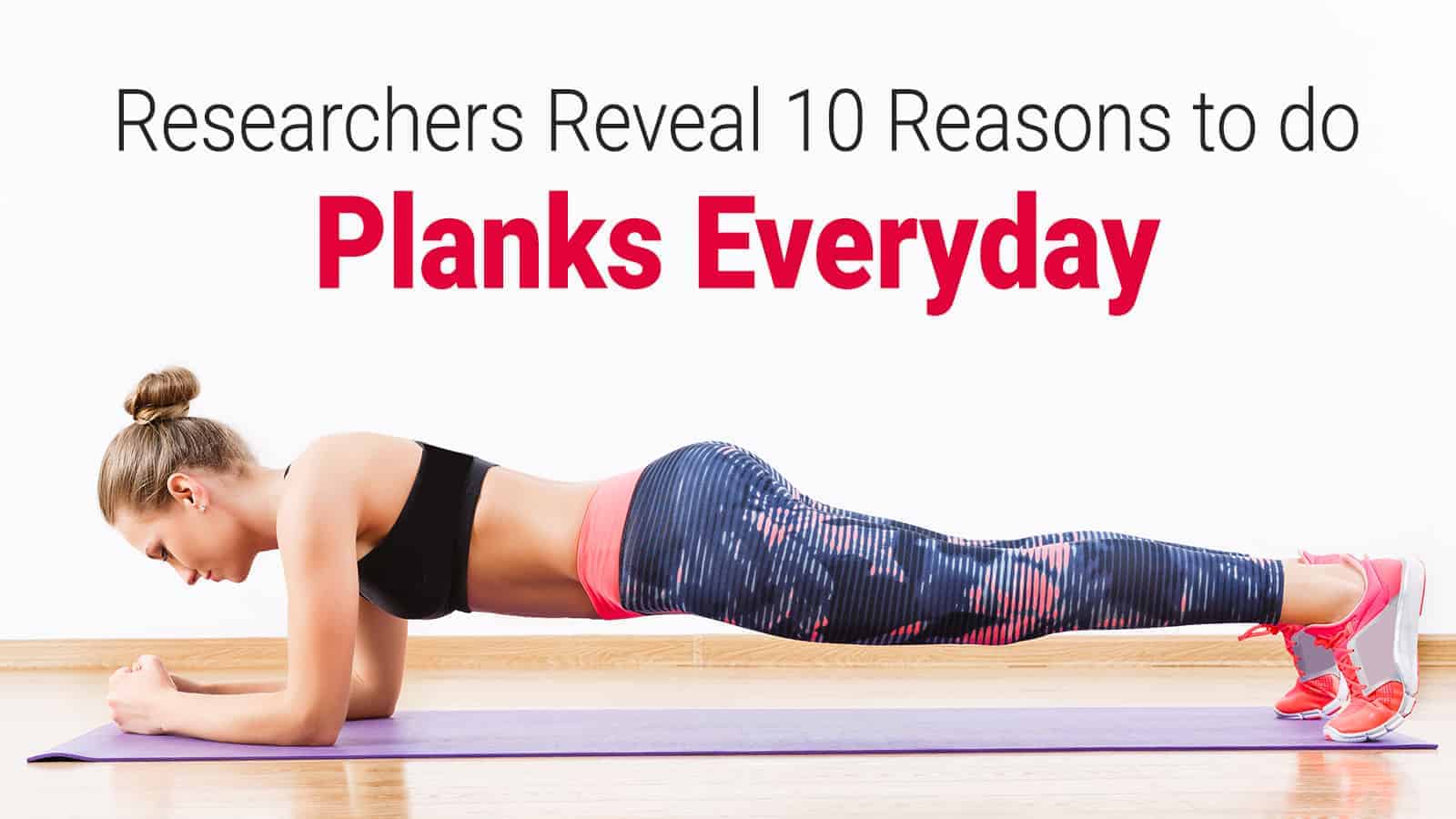
2 – Planks

Lie on your stomach. Bend the arms beside the head and shoulders for support. Lift the body upuntil it’s resting on the arms and toes. Legs together, body in a straight line. Hold for a count of ten three times. The abs will contract to keep the body properly aligned.

3 – Side Plank

Lie on one side. One forearm will hold the body up with the other arm resting along the body. The legs will be together. Lift the body up using the forearm. The body will be supported with the feet and your forearm. The body will be a straight line, only sidewise. Cross the feet for better support. Hold for a count of ten three times. The abs all around the torso will tighten up in order to prevent sagging and keep you in a straight line.

4 – Abdominal Stabilizing

Lie on the back with knees together. Slowly lift the legs with the knees still together and bent 90 degrees. You should look as if you’re on your hands and knees, only upside down. The arms will be raised straight above the body. Hold for a count of 20 three times. This teaches the body balance and stability.

5 – Abdominal Stabilizing, Part 2

Lie on the stomach with arms above the head and feet shoulder-width apart. Slowly lift the arms and legs as high as you can. Hold for a count of 20 three times. This also balances and stabilizes the body.

6 – Reverse Sit-Up

To get at the muscles beneath the four abdominal muscles as well as the muscles in the lower back and hips, you need to aim the body at those muscles. Lie on your back. Lift the legs, knees together and toes pointed, as if they’re aimed for the ceiling. Arms are beside the body. Now lift the hips toward the ceiling, which will push the legs toward the ceiling. Do this ten times with three repetitions. This exercises every ab muscle from ribs to hips deep down beneath the four upper ab muscles.

love handles

Learn how to lose those love handles.

7 – Side Crunch

This works out the obliques on the sides of the waist. Lie on your right side with legs together, and knees bent 90 degrees. Now turn the torso toward the ceiling instead of to the side. With arms bent and hands behind the head, lift the torso toward the hips. Do this ten times with three repetitions before turning to do it on the left side.

8 – Mountain Climber

Get on your hands and knees. Straighten the legs out and rest the bodyweight on hands and toes. Bring the left knee toward the right shoulder. Now bring the right knee toward the left shoulder. Now increase the tempo until you’re almost imagining that you’re racing up a rocky mount, all the time keeping the back straight and the knees aimed at the shoulders properly. Do this for a count of 20 with three repetitions. This exercises every ab muscle there is.

9 –  Practice Pilates

Pilates offers you an impactful workout in just a few minutes of your time. Lie on the back with arms beside the body and legs together. Lift the legs toward the ceiling. Slowly lower one leg until it’s just inches off the floor but not on it. Raise the leg back and lower the other one the same way. Do this for a count of ten three times. Now lower both legs to just inches off the floor and not on it. Do this for a count of ten three times. This works out the inner ab muscles beneath the big four for a tighter core.

workouts for core strength

Final Thoughts of Working on Developing Core Strength

The torso balances and provides stability for the whole body. It prevents injury. To do all this, though, the body needs to be exercised. You need core strength to accomplish even the most mundane of daily tasks. But unfortunately, most people consider working out a chore until they have to pay the doctor to receive treatment for injuries.

Researchers Explain the Causes and Symptoms of Psoriatic Arthritis

Psoriatic Arthritis currently affects about 1 million Americans. This severe and progressive disease may manifest with or without any signs of the skin irritations of psoriasis. However, those suffering from that disorder are more at risk of eventually developing the accompanying arthritis symptoms.

Ongoing research continues to pinpoint the exact cause of this painful, debilitating affliction. Early detection is key for slowing and controlling the progression of the disease. So it’s of great benefit to understand any possible risk factors carried by yourself or your family.

Both natural and prescription treatments are available. It may be possible for traditional remedies to help alleviate inflammation and pain associated with the degeneration of joint tissues. Combining natural therapies with prescription meds may be necessary to prevent joint damage and maintain an optimum quality of life.

What is the cause of Psoriatic Arthritis?

Although there is no universally agreed-upon cause of psoriatic arthritis, many recent studies classify the disease is an auto-immune disorder in which the’s body natural defenses begin to attack healthy connective tissue.

Studies indicate there could be genetic factors that may place some individuals at higher risk. There are also indications that environmental factors or physical trauma may trigger the onset of the disease.

Psoriatic Arthritis Symptoms.

Although the direct cause of psoriatic arthritis may not be known, the symptoms are easily recognizable as they begin to display themselves. They may include:

  • Sporadic joint pain/swelling
  • Foot pain
  • Neck and lower back pain
  • Morning joint stiffness
  • Swelling in the fingers and toes
  • Red and white psoriasis patches on the skin
  • Nails pitting or separating from the nail bed
  • Tiredness
  • Eye infections such as pink eye
  • Loss of range of motion in the affected joints
  • Joints become red and warm to the touch
  • Shortness of breath

The above indicators will generally begin to manifest in individuals between 30-50 years of age, but they can sometimes start in childhood. About 10%-15% of those who have psoriasis will eventually develop evidence of arthritis.

If you have psoriasis and begin to experience joint pain, you will want to see your doctor and discuss possible outcomes and treatment plans. X-rays, blood, and joint-fluid tests can help in an accurate diagnosis to prevent future joint damage and discomfort.

Chest pain or shortness of breath may be caused by an inflammation of the lungs, chest wall, and even the aorta. The cartilage linking your ribs and breastbone may become inflamed, making breathing painful. This scenario is a less common manifestation that people living with psoriasis should also be aware of.

Your doctor may initially recommend nonsteroidal, anti-inflammatory medication to prevent your body’s production of certain irritating chemicals. However, with a bit of research, you may be able to assist your body naturally through diet changes and other treatments. Though prescription meds may become necessary, there are often side effects that you’ll want to avoid for as long as possible.

Foods to Heal Psoriatic Arthritis

After consulting a rheumatologist and possibly a dermatologist, about half of people living with psoriatic arthritis have opted to use alternative medicine and dietary recommendations to help manage their condition. Ongoing research continues to demonstrate the enormous benefits of dietary or herbal remedies, with some current breakthroughs that are well worth noting.

Some specific foods that are known for their anti-inflammatory benefits have significantly added relief to sufferers. A few of the most cited include the following.

1 – Fatty Fish.

Oily fish such as tuna, salmon, mackerel, and sardines are packed with anti-inflammatory omega-3 fatty acids. These are some of the most potent and effective foods to heal psoriatic arthritis. Research indicates that a daily dose of over 3 grams can significantly reduce stiffness and painful joints. This amount is a relatively large dose, so speak to your doctor about the best supplements. A combination of food and pill forms may be one preference.

2 – Apples.

The bioflavonoids quercetin and rutin found in apples are potent aids for protecting the body from inflammation. They also promote cellular health and increased blood circulation. Additional sources of these bioflavonoids include chamomile tea, citrus fruits, celery, onions, and green peppers.

apples

3 – Almonds.

Almonds are the most excellent non-meat source of vitamin E, which promotes healing and the growth of cartilage. Maintaining optimal levels can help keep joints supple for a full range of motion.

4 – Mangos

Mangos contain not only vitamins A and C for promoting healthy skin, but studies have revealed they contain an inflammation-fighting compound called mangiferin. Fortunately, you can purchase mangos year-round as the primary source for this compound. And, they offer significant benefits to all auto-immune disease sufferers.

5 – Vitamin D Enriched Foods

People living with Psoriatic arthritis tend to be deficient in vitamin D, which is critical to maintaining skin health. Fortified milk is one source of this vital vitamin. It occurs naturally in cheese and fortified foods as well as being present in oily fish.

Dairy products may not be the right choice for some. If you find dairy foods do not agree with you, try other natural and fortified vitamin D sources.

6 – Turmeric

Information on the many benefits of this traditional spice has been abounding recently. Tumeric is much-touted for containing the anti-inflammatory compound curcumin, and studies indicate the spice may be as effective as many NSAIDs for pain relief. You’ll find there are a variety of ways to add turmeric to your diet without being overwhelmed by the taste.

A Note on Fasting for Your Health

Introducing a periodic, short period of fasting into your overall diet can allow your body to cleanse itself from built-up toxins. As a result, all those changes you’re making to your diet may be more effective as foods to heal psoriatic arthritis damage and inflammation. Your fast can be as simple as limiting the number of hours in which you are allowed to eat each day or limiting yourself to just one meal on certain days.

Foods to Avoid

Along with the many beneficial foods, a list of foods to avoid is a valuable resource when treating psoriatic arthritis. These foods can cause inflammation and joint pain and should be eliminated from a sufferer’s diet as much as possible.

Some foods may appear on both do, and the don’t eat lists, depending on your source. In these cases, you will need to do your research and consider your sensitivity to the questionable food source. Some people tend to have a more negative reaction to certain food compounds and should avoid them as irritants. Talking to a nutritionist along with your dietary history, will determine what to keep and what to eliminate from your diet.

Age is also a factor. After the age of 25, your body begins to manufacture less of certain critical enzymes needed to combat the effects of unhealthy food choices on joint tissue. So avoiding these foods becomes even more essential and paramount in alleviating debilitating, irreversible joint damage.

Some foods are just universally bad for anyone experiencing joint pain and inflammation. Becoming aware of how these foods potentially affect people with psoriatic arthritis is an essential step in the natural healing process.

fight inflammation with this juice

This green lemon-ginger juice aids you in the fight against inflammation.

Some crucial foods for anyone to avoid to hinder joint inflammation and undesirable weight gain are:

  • Gluten: encourages inflammation and “leaky gut,” which allows damaging bacteria and other compounds into your bloodstream
  • Processed foods: contain high amounts of Omega-6 trans-fats that trigger inflammation
  • Blackened and barbequed foods: inflammatory compounds are often generated by the cooking process, causing irritation and destroying necessary sustaining enzymes
  • Alcohol: too much alcohol consumption releases toxins that cause inflammation throughout the body. To avoid these issues, men should limit alcohol consumption to 2 drinks per day, women to 1 drink.
  • Sugar: leads to leaky gut and inflammation; this includes many sugar substitutes

There are numerous lists of foods to avoid available on the internet for informational, comparative purposes. Making informed dietary decisions can set you on the road to recovery without the dangerous side effects of some prescription meds.

psoriatic arthritisFinal Thoughts of Overcoming Psoriatic Arthritis

A diagnosis of psoriatic arthritis doesn’t mean you must resign yourself to a lifetime of suffering. You have many choices regarding treatment plans, including adjusting your diet and lifestyle, to better promote personal healing.

The earlier you begin to notice potential symptoms of arthritis accompanying your psoriasis, the sooner you can start to reverse debilitating pain and joint discomfort. Your best defense may be to know the most critical nutrient supplements. Thus, you will how to avoid negating their effectiveness with poor dietary choices.

With these useful tips, you can maintain an active, fulfilling lifestyle despite your ongoing battle with psoriatic arthritis. Therefore, for those who are willing to make and implement a plan for continued awareness and healing, the prognosis for the future is an encouraging one.

10 Things That Make Kids More Mindful

Mindfulness practices have found a much-needed home in the West. For many reasons, there is perhaps a no better time to teach kids how to become mindful individuals.

What is Mindfulness?

“[Mindfulness] is the opposite of absent-mindedness. Whenever we’re lost or confused about what to do, we can simply come back to the present-moment experience.” ~ Joseph Goldstein, ‘Mindfulness: A Practical Guide to Awakening’ (Source)

The origins of mindfulness are traced back to ancient India and Nepal some 2,600 years ago. It was at this time and place when Siddhartha Gautama – who’d later become the Buddha – taught his followers the concept of sati.

The Pali word sati roughly translates to the English word ‘mindfulness.’

Jon Kabat-Zinn, the creator of the Mindfulness-Based Stress Reduction (‘MBSR’) program, defines mindfulness as: “…paying attention in a particular way: on purpose, in the present moment, and nonjudgmentally.”

On the surface, being mindful seems to be a rather simple concept. However, one soon discovers that ‘simple’ in no way means easy.

Unpacking Kabat-Zinn’s definition of mindfulness serves as a viable framework for helping explain why the practice is difficult for the modern person.

“…paying attention.”

Um, yeah, many of us – if not most – aren’t too good at paying attention. Daniel Goleman, Ph.D., author of the book ‘Focus: The Hidden Driver of Excellence,” recalls a conversation with an advertising representative, who told Goleman:

“Today, you have to keep it [client presentations] to a minute and a half. If you don’t grab them by then, everyone starts checking for messages.”

Really? Can’t people keep their phones in their pockets for 90 seconds while someone makes a presentation?

You may have also heard about the famous “goldfish” study, where researchers insist that the average human attention span is shorter than that of our freshwater friend. Great.

“…on purpose.”

When we pay attention to something “on purpose,” we’re exercising two attentional faculties: directed attention and sustained attention. Directed attention is where we voluntarily choose the ‘object’ of our focus (e.g., a presentation). With selective attention, we ignore the presence of potential distractions for a while to focus on one thing (e.g., a task.)

Sustained attention can only develop through disciplined effort – and people (understandably) need to have a good reason to exert it. Therein lies the problem.

Unless something truly captures our fancy, it’s all too easy to tune out. Which is what we do most of the time.

…in the present moment.”

The human mind is continuously ruminating about the past or projecting into the future. If you observe your mindstate, you’ll feel a gentle“tug” as your mind seeks the next moment – and then the next. Never allowing you to settle into this moment.

We can easily observe this phenomenon on our morning commute. People always want the traffic to move. Why? There is usually no good reason.

mindfulness stops panic attacksThe Evidence for Mindfulness

Evidence supporting the benefits of mindfulness (and mindfulness meditation) in adults is convincing. Prestigious universities like Harvard, Yale, and Stanford are on board, as is the U.S. military, and corporations such as Google, Apple, and Nike.

Why? Because it works.

Thousands of rigorous research studies have reached the same conclusion. A Harvard professor  by the name of Sara Lazarone conducted an early study. Her 2011 research was among the first to document the effects of mindfulness (MBSR) training on brain structure and function.

Lazar’s conclusion:

“…[mindfulness] is associated with changes in gray matter concentration in brain regions involved in learning and memory processes, emotion regulation, self-referential processing [a type of metacognition], and perspective-taking [i.e., empathy].” (Emphases added.)

Until recently, the vast majority of mindfulness research focused on adults. Fortunately, smart people in high places decided it was time to introduce mindfulness practice to children.

The results thus far look promising.

– In a study of 64 second- and third-grade students (7-9 years old) published in the journal Psychology, mindful awareness practices (MAPs) “showed gains in behavioral regulation, metacognition, and … executive control.”

– In a study of early adolescent students, a mindfulness education program improved self-reported measures of optimism and self-concept.

– A study of contemplative practices effects on teacher and student outcomes were “…positive,” including on “…the health and well-being of teachers … [and] students who are at risk of reacting to stress in ways that are destructive.”

10 Things That Make Kids More Mindful

“Mindfulness … [has] beneficial effects on the emotional wellbeing, mental health, ability to learn, and the physical health of school students.”

~ Katherine Weare, ‘Evidence for the Impact of Mindfulness on Children and Young People’ (Source)

Without further ado, here are 10 (fun!) ways to teach kids to be more mindful:

  1. “Strike a Pose!”

A fun way to get kids into mindfulness is by having them pose like their favorite superhero! This exercise engages the child’s creativity and focus and is a great way to boost their self-confidence.

Ask the child who their favorite superhero is (e.g., Wonder Woman, Batman, Superman, etc.). Then tell them to pose like their idol.

Tip: if they’re having trouble coming up with something, do an image search online, show it to the child, and see how accurately they can duplicate the picture!

  1. Breath Buddies

Have a young child pick out their favorite stuffed animal. Ask them to try and balance the toy on their belly while taking a big breath. As an added challenge, tell them to watch the rise and fall of their belly while balancing the toy.

This is an excellent and fun activity for teaching young kids concentration and focus.

  1. Tense and Release

Starting with at the feet, gently and slowly tighten the toes and then the whole foot. Work your way up with the child, having them tighten and squeeze their calves, upper legs, abdomen – all the way up to the scalp.

Tense and release are a common meditative practice that both releases muscle tension and enhances focus.

  1. Body Scan

Body scanning is another popular meditative technique for improving concentration. Here are step-by-step instructions on how to perform a body scan.

1) Sit comfortably in a chair or lie down.

2) Bring your attention to your body.

3) Take a few slow, deep breaths.

4) Feel the sensations of your feet on the floor. Pressure, tension, heat, tingling, etc.

5) Next, notice the feelings of your legs against the chair. Then the back, abdomen, chest, upper and lower arms, neck, face (including eyes and jaw), and the top of the head. Finally, feel the sensations throughout the whole body.

mindful breathing

  1. Make a Glitter Jar (Fun!)

While a simple project, a ‘glitter jar’ can teach kids the power of being mindful. It’s also an informal “introduction” to “meditation” – and has powerful effects of calming mind and body.

Here’s what you’ll need: a small jar, clear glue, glitter, a few drops of food coloring (optional), hat water, and a whisk.

Instructions:

1) Fill the jar with 20% glue and 80% hot water. Mix with the whisk.

2) Add 1-2 tablespoons of glitter. (To make it extra fun, add the glitter of different colors.)

3) Add a couple of drops of food coloring (optional, but recommended. Think of a lava lamp.)

4) Put the lid on and give it a good shake.

5) Unscrew the cap and allow the mixture to cool for a while. (Tip: for safety reasons, place the jar out of the reach of children during the cooling phase.)

6) After the liquid cools, tighten the lid and seal it with super glue.

  1. Name the Emotion

Challenge your child to stop and name at least one strong emotion per day. Ask them to describe the feeling. If they can’t, ask some leading questions like:

– When you’re upset, how does your tummy feel?

– Can you feel the butterflies in your stomach when you’re excited?

This exercise teaches kids the valuable skill of emotional regulation (i.e., “emotional intelligence”).

  1. Be Mindful While Eating a Raisin (or some other treat)

Mindful eating is an unappreciated yet powerful mindfulness exercise. Here’s how it works:

1) Pick up a raisin.

2) Carefully examine the raisin’s texture. What do you see?

3) Feel the raisin. Describe it.

4) Put the raisin on your tongue. Do not bite yet. How does it feel and taste?

5) Slowly chew the raisin and notice any flavors.

  1. Count the Sounds

This is a mindfulness listening exercise and an excellent way to teach directed and sustained attention.

Stop and notice the sounds all around. It may be the humming of a refrigerator, the sound of an animal call, or the nearby traffic. With a relaxed but focused mind, count how many noises you can hear in one minute.

  1. “Let’s wash our hands!”

Here’s another straightforward yet powerful mindfulness exercise for kids. Slowly washing the hands, one notices just how relaxing this routine activity can be.

Notice the sounds of running water, the feel of the soap, and the sensations as the hands are rinsed. Feel the cloth of the towel as you dry.

How does it feel?mindful kids

  1. Sending Kind Thoughts

Ask your child to picture someone in mind. It may be a friend at school or someone else. With the eyes closed, teach them to send loving, kind thoughts like:

– May you be happy.

– May you be peaceful.

– Finally…May you be strong and healthy.

Then, have the child send themselves kind and loving thoughts.

How to Make Blackberry Syrup for Cough and Cold Care

Are you fighting off the ravages of cough or the common cold? Whip up a batch of this blackberry syrup for natural relief.

Getting sick is always stressful. Depending on if you have the flu or a cold, you might be bedridden for days. This is where medicine comes in. The problem is that most over-the-counter medications don’t shorten colds. They’re full of additives and dyes that you don’t want.

There is a growing trend of people ditching modern medicines and going back to our natural roots. One of the remedies used since ancient times is blackberries. The entire plant has medicinal purposes and is consumed in various ways like tea or syrup.

Today, we are going to discuss the health benefits of blackberries. We are also sharing a recipe on how to make your blackberry cough and cold syrup. This recipe will help with the common cold and flu symptoms, such as fever, coughing, and weakness. Based on the research, it will shorten your cold’s duration, so you’ll feel better sooner.

Why You Should Eat Blackberries

The blackberry has been around since the beginning of time. The specific history of blackberries isn’t known. However, some texts support the medicinal use dating back to the Greeks.

The Greeks used blackberries for the treatment of gout. The Romans used to brew tea to remedy various illnesses. Native Americans use it for stomach ailments. It turns out that their thinking wasn’t far off.

Blackberries provide many health benefits that are well documented by science. Modern natural medicines include blackberries in their ingredients. The blackberry plant itself can be used up from the roots to the leaves. Each part contains various medicinal properties and antioxidants.

blackberry and healthThe Benefits of Blackberries

There are many health benefits associated with blackberries. Many of which are documented in aid of helping illnesses, including cancer. Benefits to blackberries are as follows.

1. Full of vitamins and antioxidants

Blackberries contain vitamins A, B, C, E, and K. Potassium, magnesium, calcium, and the antioxidant anthocyanins are also present. Vitamins are a crucial part of anyone’s diet and health.

A single cup of blackberries contains half of the recommended dose of vitamin C. Vitamin C has many benefits. It aids in the healing of wounds, shortens the duration of colds, absorbs iron, and prevents scurvy. It reduces free radicals by acting as an antioxidant.

Vitamin A is essential for eye health, healthy immune system function, skin health, bone growth, and healthy teeth.

Vitamin K helps the clotting of your blood and aids in bone health. Deficiency in Vitamin K can result in bone fractures, bruising, or blood in your urine or stool.

2. Boost brain health

Studies show that blackberries can help boost cognitive skills because of the high concentrations of polyphenols. Polyphenols are antioxidants that battle free radicals. They may reduce brain inflammation and memory loss that is often seen in aging.

3. Help reduce inflammation

Blackberries don’t only reduce inflammation in the brain. Studies show that it can help with arthritis and other inflammatory conditions.

4. Treat stomach issues

One study found that those who suffered from stomach ulcers benefited from blackberries. It reduced the size of their ulcers by as much as 88%.

5. A high concentration of phytoestrogens

Research shows that blackberries are especially beneficial to women. They have lots of phytoestrogens. Phytoestrogens are plant estrogens. Recent studies show that phytoestrogens may help in the prevention of both breast cancer and cervical cancer for women.

6. Reduce blood sugar levels

Blackberries contain the mineral manganese. This mineral is frequently overlooked but is key to a healthy immune system and bone development. It’s responsible for metabolizing cholesterol, forming collagen, preventing osteoporosis. It also reduces blood sugar levels. Polyphenols have shown to lower the risk of diabetes and boost insulin sensitivity.

7. Help treat the common cold

Vitamins and antioxidants play a significant role in your immune system function. Vitamin C, in particular, can help shorten your cold and relieve your symptoms faster. Blackberries contain many of the vitamins proven to shorten colds and coughing.

8. High tannin content

Blackberries have a high tannin content. Tannins help to reduce diarrhea and hemorrhoids, lessen bleeding, and tighten up tissues. In Germany, blackberries are often used as an astringent. They recommend them for irritations of the mouth. Sore throats due to coughing or infections should also use them.

9. Good source of fiber

Getting enough fiber remains an issue for many people. Low fiber diets have shown to cause health issues such as constipation and stomach pains. It can even lead to more severe health issues like an increased risk of heart disease. High fiber diets will help you lose weight, lower your cholesterol and blood sugar, and provide healthy gut bacteria.

high fiber diet

It turns out that a high fiber diet can ease depression…learn why.

10. Prevention of heart disease and cancer

Cancer and heart disease link to a poor diet, among other factors. Studies found that the extracts found in blackberry juice may lower your risk of heart disease.

The specific extracts found may prevent the spreading of cancer and tumor growth. While it’s not a definite cure-all, it’s promising results. However, more research will need to be completed.

Elderberry Versus Blackberry

Elderberries have become popular lately because of the antioxidants and healing properties they have. Many natural medicines are currently including them in their common cold syrups and for a good reason.

It’s part of the berry family and is like the blackberry when it comes to the benefits. One difference is that it contains more antioxidant properties than blackberries.

This doesn’t necessarily make the elderberry better. Elderberries are still undergoing research, so the true benefits aren’t known. However, many homeopaths will make elderberry syrups and include blackberries for added benefits. Whether this truly makes a difference or not is not known.

The main difference blackberries have, and their advantage is the research. Countless studies have been conducted for decades on blackberries and their benefits. This gives the blackberry an edge when it comes to making any type of remedy.

Try it out for yourself and see what your results are.

elderbery supplements

Read the research regarding elderberry supplementation.

How to Make Your Own Blackberry Cough and Cold Syrup

Nobody likes getting sick. Unfortunately, it happens to even the healthiest people. When a cold or the flu strikes, you can be stuck with symptoms like fever, headaches, chills, coughing, and a stuffy/runny nose. Even after your cold ends, you could still be suffering from coughing that won’t go away.

The good news is that you don’t have to suffer. Making your own cough and cold syrup is surprisingly simple. It merely takes a few steps and a few ingredients, although you do have the option of adding in different herbs and spices too for combined effects.

Without further ado, these are the steps to making your cough syrup.

Blackberry Syrup Ingredients:

  • 4 cups blackberries
  • 1 cup raw honey
  • 1 tsp of cinnamon
  • 2 quarts water
  • 1 cup of vinegar (optional)
  • 1 Tbs whole cloves (optional)

Directions:

There are two ways to make this with the first set of instructions being a long way, but you will get more syrup out of it.

Blackberry syrup #1

  • Wash your berries thoroughly.
  • In a large saucepan, combine the berries and water and bring to a boil.
  • Simmer until the berries are very soft. This will take around one hour.
  • Strain into a glass or stainless-steel bowl.
  • Run the pulp through a food mill.
  • Discard any seeds and pulp.
  • Return the juice into the saucepan, add in the spices of your choice, and simmer for 20 minutes.
  • Strain the spices and let the juice cool to lukewarm.
  • Add in honey and stir until dissolved.

Blackberry syrup #2:

  • Wash berries thoroughly.
  • Place berries in a glass bowl and pour vinegar over them.
  • Let stand for 24 hours while stirring and pressing occasionally.
  • Strain the mixture and squeeze as much juice out as possible.
  • Place into a large saucepan and bring to a boil.
  • Add honey and cinnamon and stir frequently.
  • Bring to a hard boil for five minutes, then leave to cool.
  • Store in a glass jar.
  • When you want to use the syrup, add 1 to 2Tbs to a glass of hot water and sip.

There are various types of syrup you can make and add as many or as little spices as you want. You can even add elderberries for additional benefits.

blackberry syrupFinal Thoughts on the Blackberry as Medicine

Blackberries have been used as medicine since ancient times and are still used today. Studies support the use of medicinal purposes because of the health benefits it has. It’s full of antioxidants and vitamins that will help your well-being. Blackberries are the ingredient you need to have if you want a more natural approach to medicine.

Whether you consume them raw or make jelly out of them, you can still reap the benefits. If you hope to shorten your cold’s duration or lessen cold symptoms like coughing or a fever, then give the recipe above a try.

Doctors Explain What Happens to Your Body if You Develop Osteopenia

For those who are unfamiliar with osteopenia, it is a condition that causes a decline in bone mineral density. And if left untreated, low bone mineral density can eventually lead to osteoporosis, which is a condition that makes bones more susceptible to fractures.

December of 2019 statistics show that over 34 million Americans struggle with osteopenia, and a significant number of these individuals do not realize that they have developed the condition. Although osteopenia is usually part of getting older, it doesn’t necessarily have to be that way. The best way to go about lowering your chances of developing this bone-robbing disease is by familiarizing yourself with the symptoms and taking steps to safeguard your bone health.

WHO IS MOST AT RISK FOR DEVELOPING OSTEOPENIA?

When it comes to osteopenia, also known as low bone density, the condition can affect both men and women alike. However, statistically speaking, the disease is far more common among women. And this is for several reasons. Firstly, from a purely physiological standpoint, women naturally have less bone mass than men. They also can’t absorb as much calcium as men either. These two factors alone can significantly increase their chances of developing low bone density as they get older. Beyond that, women who have entered menopause, among many other symptoms, also must contend with lower estrogen. Additional factors that can increase the likelihood of developing low bone density in both men and women include

1 – Age factors

According to an article published in Johns Hopkins Medicine, the publishing arm of Johns Hopkins University, the rate of bone resorption naturally starts to outpace bone formation by the time an individual reaches the age of 50. And this is especially true for women who are either transitioning into or who have already settled into menopause.

2 – Eating disorders

While they may not be as common among older adults, many individuals are struggling with an eating disorder that can significantly increase their chances of developing low bone density. Some of these disorders include anorexia and bulimia, both of which can deprive the body of the nutrients needed to support healthy bones. According to a study published by the National Institutes of Health, more than 69 percent of older Americans between the ages of 50 and 94 have an eating disorder of some kind.

3 – Underlying health problems

Along with age, low bone density can also be brought on by underlying health problems, such as rheumatoid arthritis, lupus, and celiac disease. That said, effectively treating and managing these chronic health problems can improve bone health.

4 – Medication

Much like other underlying health problems, low bone density can also be brought on by specific medications. That’s especially relevant when you take prescriptions over a long period. Some of these medications include anti-seizure, cancer, and steroid drugs. Of course, this doesn’t mean that you should stop taking these medications if you need them; however, it might be worth speaking with your physician about possible alternatives, especially if you are already at high risk of developing low bone density.

vitamin d and bone density

Read to learn the connection between Vitamin D and healthy bones.

WHAT HAPPENS TO YOUR BODY IF YOU DEVELOP OSTEOPENIA?

To better understand how low bone density impacts the body, it helps to know a little more about bone tissue first. As we go through life, our bones are constantly changing. When new bones grow, old bones are broken down and absorbed by the body. And this ongoing chain of events is what contributes to strong, healthy bones. However, as we get older, this process slows down considerably. Once an individual turns 50, the body starts to break down old bones faster but creates new ones slower. When this happens, bone mass starts to decline.

Also, the chances of suffering a broken bone or fracture become more likely. Sadly, most people don’t realize that they have low bone density until they have experienced a broken bone or fracture. After all, there are few tell-tale signs to alert individuals of these changes when it comes to their bone health.

DIAGNOSING LOW BONE DENSITY

An excellent way to lower your chances of developing low bone density as you get older is by scheduling regular bone density screenings with a physician. These screenings can provide invaluable insights relative to the strength of your bones. Most physicians will use a dual-energy x-ray absorptiometry (DEXA) test to measure the density and overall health of a patient’s bones.

These tests, which consist of low-radiation x-rays, allow physicians to accurately assess the bone mineral density levels in a patient’s spine, hips, wrists, fingers, shins, and heels. The results of these tests are calculated based on a “T-score” and will be used to signify one of the following:

  • Healthy bone density – +1.0 to –1.0
  • Low bone density – -1.0 to 2.5
  • Osteoporosis – 2.5 and higher

It is important to note that the results of a DEXA test may also be used in conjunction with a FRAX score. The combined feedback determines how likely an individual is to suffer a fracture or broken bone within ten years.

NATURAL REMEDIES AND PREVENTION FOR LOW BONE DENSITY AS YOU GET OLDER

Getting older doesn’t necessarily have to include low bone density; there are things that you can do starting today that will keep your bones healthy as you get older, some of which include

1 – Consuming a healthy diet

A great way to fend off low bone density as you age is by getting more vitamin D and calcium. Both of these can strengthen bones. Some of the foods that are rich in calcium include spinach, broccoli, salmon, and dairy products. As far as vitamin D, the body naturally absorbs this valuable nutrient whenever you expose your bare skin to sunlight. Vitamin D is also available in eggs and most oil fish.

2 – Exercise regularly

Regular exercise, especially strength training, can go a long way toward keeping your bones strong and healthy. Studies show that a sedentary lifestyle coupled with poor nutrition can result in individuals over the age of 40 losing as much as 1 percent of their bone mass every year. Exercising regularly not only prevents this from happening but also help trigger new bone growth.

preventing osteopenia and osteoporosis

3 – Smoking

If you’re a smoker, you now have another reason to quit. According to an article published by Medical News Today, a leading online resource for medical news, smoking makes it difficult for bones to absorb calcium even if an individual is consuming plenty of vitamin D and calcium-rich foods.

4 – Cutting back on soda

Along with being bad for your teeth, drinking too much soda can also impact bone health. Studies show that the phosphate, the chemical derivative of phosphoric acid, found in most sodas can decrease calcium in bones and also lower bone mineral density. That said, cutting back or even eliminating these beverages from your diet will ensure your bones remain healthy as you get older.

5 – Consuming less sodium

Reducing your sodium intake is yet another way to keep your bones healthy as you age. Along with contributing to hypertension, excessive sodium can lead to a reduction in calcium and bone mineral density. According to the American Heart Association, for good overall health, adults should limit their sodium intake to between 1,500 mg and 2,300 mg per day.

high sodium intake and bone health

Learn the red flags that warn you that you’re eating too much salt.

FINAL THOUGHTS ON OSTEOPENIA PREVENTION

In summary, if you’re at risk for osteopenia, follow the tips outlined in this article. That’s important because you can help improve your bone health. Therefore, you will also prevent the condition from developing and giving way to osteoporosis. Your efforts will pay off in terms of healthier bones and maintaining an active lifestyle for longer.  And prevention is always better than seeking a cure.

Skip to content