Weekly tips, affirmations, and small actions to feel your best.

15 Anemia Symptoms to Never Ignore

Anemia is the world’s most common blood disorder. It affects about three million people in the US and over 1.6 billion people in the world. Here’s why it’s critical to know how to identify anemia symptoms. While anybody can develop anemia, it is most common in small children. Anemia can also affect some animals, including dogs and cats.

There are over 400 types of anemia. A patient with anemia, however, will always have an abnormally low number of red blood cells circulating through their body. In many cases, the patient will have a condition that is causing their body to break down red blood cells at an abnormally rapid rate or impairing their body’s ability to produce new red blood cells.

Anemia Symptoms Fall Into Three Categories

The different types of anemia fall into three broad categories:

  • Anemia caused by blood loss
  • Anemia caused by the destruction of red blood cells
  • Anemic blood caused by a faulty production of red blood cell

Blood loss can be chronic or acute. Conditions that can cause chronic blood loss include stomach ulcers and some types of cancer. Acute blood loss can arise from injury or surgery.

Red blood cells usually have a lifespan of around four months, but some conditions can destroy them before they reach that age. One example is autoimmune hemolytic anemia, in which the body’s immune system attacks and destroys the red blood cells.

There are also a variety of disorders that cause the body to produce either too few blood cells or abnormal blood cells. Examples include sickle-cell anemia and leukemia.

Anemia has a multitude of symptoms. Some, such as a lack of energy, occur with any variation of the disease. Other anemia symptoms are seen only in certain types of the condition. For example, a patient with hemolytic anemia may have abnormally dark urine.

15 Anemia Symptoms to Never Ignore

1. Lack of Energy

Fatigue or lack of energy is the most common symptom of anemia and occurs in every type. The red blood cells have a significant job of transporting oxygen throughout the body. If red blood cells are deficient, there will also be a deficiency of oxygen in the patient’s body so that they will feel constantly tired. Chronic fatigue admittedly has many causes, like stress, poor sleep, or other illnesses. If none of these apply, however, it is probably time to call the doctor.

2. Shortness of Breath

Shortness of breath is also one of the more common anemia symptoms. A patient with anemia will often feel winded even after such a minor exertion as climbing a flight of stairs. As with chronic fatigue, the patient doesn’t have enough healthy red blood cells to transport the oxygen their body needs. In some cases, dizziness and lightheadedness will accompany the patient’s breathing difficulties.

3. Paleness

Unusually pale skin is another one of the anemia symptoms to watch for. The lack of blood cells and the resulting decrease in circulation will also make the gums and tongue paler than usual. The eyelids have mucous membranes covered with blood vessels. If these look unusually pale, they could also indicate anemia.

4. Headache

There are many things that can cause headaches, so a problem by itself may not indicate anemia. On the other hand, if the patient has some of the other symptoms of anemia plus a susceptibility to headaches, they need to see their doctor. In anemia, headaches indicate that the body isn’t getting enough oxygen or blood. This is especially true if the problems are accompanied by dizziness or feelings of faintness. Frequent headaches can indicate iron deficiency anemia, which is the most common type of anemia.

5. Jaundice

Jaundice is one of the anemia symptoms seen mainly in certain types of anemia. In jaundice, the patient’s skin and eyes take on a yellowish tinge. The color is caused by an accumulation of a waste material called bilirubin. Jaundice is particularly common in hemolytic anemia, which causes the body to destroy red blood faster than it can produce new ones. The destruction of the blood cells causes the production of an abnormally high amount of bilirubin. Jaundice can also occur in sickle cell anemia.

6. Hair Loss

Hair loss can be one of the symptoms of iron deficiency anemia. The hemoglobin in red blood cells stimulates hair growth, so a lack of hemoglobin will make hair fall out. It will also cause the remaining hair to become thinner and weaker.

In 2006, the “Journal of the American Academy of Dermatology” published an overview of various studies that researched possible links between iron deficiency anemia and different types of hair loss. While the researchers noted that the studies produced mixed results, they also commented that their hospital, the Cleveland Clinic, always screened patients with hair loss for iron deficiency.

7. Restless Leg Syndrome

Restless leg syndrome (RLS) is often one of the iron deficiency anemia symptoms. The condition is characterized by unpleasant sensations like itching or throbbing in the legs accompanied by a compulsion to move them. Patients typically experience the feelings and convulsions at night, and the symptoms’ intensity depends on the severity of the patient’s anemia.

In 2016, the science journal “Neurology” published an overview that described the causes of restless leg syndrome, which can be primary or secondary. Primary RLS occurs by itself, while secondary RLS is symptomatic of certain conditions – like iron deficiency anemia. The scientists reported that RLS occurs in 25 to 35 percent of patients with iron deficiency anemia.

8. Painful and Swollen Extremities

Painful swelling of the feet and hands is one of the anemia symptoms seen in sickle cell anemia, which is the most common inherited blood disorder. The condition affects 70,000 to 100,000 people in the United States alone. It is particularly common in African-Americans and affects about eight percent of them.

Sickle cell anemia is a congenital condition in which the red blood cells are sickle-shaped and rigid. The abnormal blood cells can get stuck in the vessels, and the resulting blockage causes pain and swelling in the hands and feet.

9. Chest Pain

Chest pain can also be one of the anemia symptoms. The lack of healthy red blood cells means that the heart has to work a lot harder to send nutrients around the body. It also isn’t getting the oxygen it needs to function. Consequently, a patient with anemia will experience pain and a feeling of tightness in their chest. Anemia can also cause the heart to develop an abnormal rhythm as it works hard to make the blood circulate.

10. Confusion

Confusion is one of the anemia symptoms seen in vitamin deficiency anemia, which is caused by a lack of Vitamin B9 (folate), Vitamin C, or Vitamin B12. That deficiency, in turn, can be caused by either poor diet or the body’s inability to absorb the nutrients. Pernicious anemia, which is seen mainly in people over 60, is an example of the latter problem. The patient’s body can’t absorb the Vitamin B12 needed to produce healthy red blood cells. Vitamin B12 is also necessary for a healthy nervous system, so pernicious anemia can cause symptoms like an impaired ability to concentrate or remember.

11. Numbness

When the body is short of blood, it will prioritize sending the available blood to the vital organs. Consequently, less blood will go to the hands, feet, legs, and arms. Numbness of the extremities is, therefore, one of the anemia symptoms to watch for.

12. Abnormally Long or Heavy Periods

Growths called uterine fibroids can cause women to have unusually heavy periods. Such periods cause a woman to lose more blood than her body can replace. Uterine fibroids also cause a woman’s period to last atypically long, so she loses yet more blood. If a woman’s period lasts for over a week, or she needs to change pads every hour for several hours straight, she should call her doctor.

13. Cold Hands and Feet

As mentioned earlier, if the body doesn’t have enough healthy red blood cells, it will send most of them to the vital organs. Relatively few will be sent to the feet or hands, and they will thus feel abnormally cold, even if the patient is someplace hot.

14. Pica

Pica is the compulsive desire to eat things that aren’t food, like ice or clay. It is most common in patients with iron deficiency anemia for lack of iron can trigger strange cravings.

15. Susceptibility to Infections

This symptom is particularly common in patients with iron deficiency anemia, for the lack of iron impairs their immune system’s ability to function. In other types of anemia, the lack of red blood cells makes it harder for the body to send oxygen to the spleen, which filters blood traveling through the veins and thus prevents infection.

A patient with anemia will thus be less able to resist infection, and they will still sick longer.

Final Thoughts of Identifying Anemia Symptoms

Treatment for anemia will depend on the type and its cause. In some cases, the therapy will be straightforward. For example, a patient with iron deficiency anemia will need to take iron supplements and possibly modify their diet. Other patients may need more involved treatments like transfusions. If some other condition causes anemia symptoms, the doctor will treat that condition.

Allergist Explains What Happens to Your Body If You Have a Food Allergy

In the United States, 32 million people live with a life-threatening food allergy. With that number, there has been a 377% increase in anaphylactic food reactions. The only way to prevent this type of response is to learn more about the allergy.
Learning about what happens to your body when you develop a food allergy is a big part of understanding the problem and the reactions that may occur. The other essential aspect of learning is how to prevent an episode and how to treat the allergy.

Before explaining those things, however, it is crucial to know the signs and symptoms of a food allergy. And, you should know how your doctor will form a diagnosis.

Signs and Symptoms of a Food Allergy

The symptoms and signs of an allergy to food are different for everyone. The differences are based on the severity of the allergy and the amount of the food consumed. Some of the signs and symptoms include:

  • tingling mouth or tongue
  • itching in or around the mouth
  • Hives
  • Itching and eczema
  • Swollen lips, face, tongue or throat
  • Wheezing
  • Nasal congestion
  • Difficulty breathing
  • Stomach or abdomen pain
  • Diarrhea
  • Nausea
  • Vomiting
  • Fainting or feeling lightheaded and dizzy
  • Anaphylaxis (which could lead to death)

What is Anaphylaxis? And Why is it Life-Threatening?

Anaphylaxis is a severe allergic reaction that can cause death. This reaction can cause the airways to tighten and constrict. Your throat could become swollen, making it difficult or impossible to breathe.

Additionally, you could experience shock, a severe drop in blood pressure, or a rapid pulse during an anaphylaxis reaction. It can cause dizziness, lightheadedness, or even a loss of consciousness.

Discussing this reaction in depth is important because it is such a severe reaction. Anyone with a food allergy could potentially experience anaphylaxis, and knowing the severity can help with prevention and understanding.

How Doctors Issue a Food Allergy Diagnosis

Becoming diagnosed with an allergy can be difficult, especially for children. Since children experience so many bodily changes, doctors may want to check for other issues first. Some doctors may even chalk the reactions up to being only eczema or acid reflux until testing is done.

This is not always the case, however, and you may find that your diagnosis is relatively easy. When you first begin thinking you may have developed a food allergy, you should take notes. The notes should include what your reaction was, what foods you had been eating, and how long it took for the response to ease up.

Take notes like this each time you react. You may be able to narrow down the exact food pretty quickly or, at the very least, you’ll be able to narrow it down to a couple of foods. When you see your doctor, go over the notes with them.

From there, your doctor will likely order an allergy test done by an allergist to be sure that it is the culprit. There are a couple of different types of allergy tests, but the most common one is skin testing, which involves pricking and puncturing the skin of your back or forearm with various allergens. This test will show how severe the allergy is, along with just confirming that there is an allergy at all.

With the prick and puncture method, a raised bump will appear on the area where a specific substance was poked into the skin if there is an allergy to that food.

Other allergy tests include:

  • A physical exam to rule out other medical issues
  • A blood test, which measures your immune system’s response to a substance based on the IgE levels
  • Elimination diet, which is when you will eliminate a suspected food for a full week or two and then adding the suspect back into your diet to see if a reaction occurs
  • Oral food challenge, which is done in a doctor’s office. You’ll eat the suspected food in small but increasing amounts to see if and when a reaction occurs

Things that can help speed the diagnosis up:

  • Track your symptoms
  • Keep track of the foods that seem to cause the reaction
  • Pay attention to how much of that food you consumed
  • Give the doctor your family history of allergies

A Doctor Explains What Happens to Your Body

When you develop an allergy, your body suddenly begins viewing a substance (in this case, food) as harmful. Your body will then start producing immunoglobulin E (IgE), which are antibodies. These antibodies attach to cells, causing a release of histamine.

The histamine causes inflammation in more minor cases and a drop in blood pressure or anaphylactic shock in severe cases. This is because Immunoglobulin E antibodies are supposed to fight infections. In the case of an allergy, however, IgE is mistakenly released.

How Does a Food Allergy Develop Later in Life?

Some people are born with food allergies, and others develop them later in life. This concept is confusing for most people because it seems impossible to develop an allergy later in life to something you never had a problem with before. Unfortunately, it happens, and it’s not unusual.

Developing an allergy later in life is common, according to Dr. Davis at Ochsner Medical Center in New Orleans. Dr. Davis is a practiced allergist and has seen patient’s as old as 85 develop an allergy to something new.

Unfortunately, doctors and researchers don’t quite know why this happens later in life, but there are theories. Sometimes it is believed that the allergy developed after being exposed to something that they hadn’t often been around before. That isn’t always the case, however, as an allergy can expand to a food that you’ve consumed regularly.

Food Allergy Treatment Plans

There is no cure, although allergies can go away at any time. There are treatment options, however, to help you along the way.

Prevention

Treatment plans vary, but they all begin in one place: prevention. The number one rule is to avoid the allergen as often as possible and have ideas put into place to prevent a reaction.

This means you should read all the food labels every time. If there is no ingredient label, a person with an allergy should avoid it. Unfortunately, this often means that pot lucks are not an option, so you may need to plan and pack your food.

Another way to prevent a reaction is by telling those you are around regularly about your allergy. They may choose to leave that allergen at home next time they know you’ll be around. This also means they will know to speak up if they see that allergen near the foods you consume.

Other Treatment Options

  • Create an action plan and make sure those who are regularly around are aware of it
  • Ask your doctor to prescribe an epinephrine autoinjector such as an EpiPen
  • Know how to use your epinephrine autoinjector and make sure those you are with also know-how
  • Wear a medical alert bracelet in case you have a reaction and cannot communicate
  • Take Benedryl for less-severe reactions

If You Have to Use an Epinephrine Autoinjector

When prescribed, a doctor will show you how to use the autoinjector, but if you haven’t done it before, you’ll likely forget or feel uncomfortable. It isn’t tricky, however. The autoinjector has a concealed needle that pops out and injects one dose of epinephrine into your body when you press the injector into your thigh.

It is also important to remember to tell those who you are often around how to use the autoinjector just in case you become unconscious or aren’t able to administer it yourself for any reason.

You should carry it with you at all times, and having an extra autoinjector in the places you visit frequently could be life-saving. It is also essential to check the dates on your autoinjector to make sure that the medication isn’t past its expiration date.

If you have to use your EpiPen or equivalent medication, you will need to visit an emergency room afterward. Another dose may be required but, even if it isn’t necessary, you still need to be checked out by a professional.

Final Thoughts on Living Life Fully Despite A Food Allergy

While a food allergy diagnosis can be life-altering for everyone in your home, it gets easier as time passes. The more you learn about allergies, the easier it becomes to live with and manage the allergy.

Prevention is critical, but it is also vital to have an action plan in place in case a reaction occurs. While there is no cure, it is manageable.

Following doctor advice (and specifically the allergist’s advice) will help you through. A doctor can also help you understand what is happening to your body.

10 Relationship Goals Every Couple Should Have

Relationship goals are essential for living a healthy life as a couple. That’s because humans are very social creatures by nature. They thrive off regular interaction, affection, and warmth from others. In fact, people who are isolated from others suffer from such things as sleep problems and depression.

Romantic relationships are among the most fulfilling methods of receiving the love and deep connection people need. However, maintaining these close relationships requires a lot of work.

All relationships begin with a rush of excitement and novelty. But, over time, these feelings naturally wear off. Fortunately, there are plenty of tips that ensure relationships last longer. Relationship goals make this process more comfortable since they encourage teamwork among couples.

WHAT DO YOU MEAN BY “RELATIONSHIP GOALS?”

People often hear about “relationship goals” in today’s world. Yet, many of us are unclear about what they are. Essentially, relationship goals are a value or outcome shared with a partner. This is similar to other goals for the future, but relationship goals are mutual, not individual.

They inspire relationships and create a goal that both partners can work toward. Creating relationship goals is essential when creating other goals for the future. Not only do they promote conversation between partners, but it also gives both people in a relationship something to dream about.

relationship goalsEPIC RELATIONSHIP GOALS THAT EVERY COUPLE NEEDS

1. KEEP INTIMACY ALIVE

There’s no denying that intimacy is one of the most important aspects of any relationship. This need means both physical and emotional intimacy, which link to one another. Unfortunately, intimacy in a relationship often becomes less exciting over time. As a result, couples are more likely to divorce or break up.

This need not be the case for everyone, though! Intimacy can be rekindled in a romantic relationship. And setting a goal for the future that involves keeping intimacy interesting is a perfect relationship goal. 

It’s also not that challenging to keep things interesting for couples. Something as simple as talking about personal fantasies is enough. Or introducing toys or new positions in the bedroom. On the emotional front, couples must always be present and attentive to their partner and be committed to releasing negative thoughts.

2. GO ON DATES

When relationships are new, going on dates is a natural part of the process. People want to impress their significant other and show their love for them via regular surprises and nice dinners. Once the relationship takes root, these activities usually stop. Often because couples get caught up in their daily lives and responsibilities.

Considering that dating is an excellent way of expressing care and concern toward another, it’s no surprise that many people look back on it fondly. This is why dating, even in a long-term relationship, is essential. Not only do dates help couples relive the early days of their relationship, but it also helps them more closely connected.

3. SKIP THE PETTY ARGUING

As much as people may not like it, arguing is a normal part of any relationship. Psychology Today even notes that arguing correctly can be beneficial to relationships. However, conflict and arguing are also one of the most common factors contributing to divorce.

While there are certainly some arguments that signal the end of a relationship, there are also petty arguments that some couples get involved in. These latter arguments should be avoided.

Instead of getting into small arguments about meaningless things, couples must handle fights or disagreements with both humility and maturity. In doing so, they handle any issues present in the relationship. Plus, they foster an open discussion about how each person feels.

couples who argue

4. GIVE PLENTY OF LOVE

Love is a vital part of any relationship. It brings people together and keeps them going during difficult times.

Sadly, many people forget that love was the fuel for their commitment to one another. As time goes on, they get up caught up in the motions of a relationship instead. They don’t put much forethought into how they are making their partner feel. Instead, they do things because they always have.

Couples need to produce as much love for one another as possible to keep their relationship going strong. While giving unconditional love is difficult, it’s a worthwhile ambition for any relationship goal.

5. EMBRACE ALONE TIME

There’s no denying that being in love and receiving that love back is terrific. But, individuals can only create a relationship that is as healthy as they are. So, if one person isn’t satisfied with their own life, they cannot build and maintain a satisfying relationship.

It’s essential that both people involved in a relationship take some time for themselves. This time can be spent with friends, enjoying alone activities, or just working on oneself. Spending time apart from one’s partner gives people the chance to work on themselves.

Without this alone-time, couples cannot thrive. This is why embracing being alone, on occasion, is a crucial relationship goal.

6. TALK HONESTLY ABOUT THE FUTURE

Most of us are already keenly attuned to the importance of regular communication in a relationship. However, many people are scared about discussing the future with their partner. This is especially true if the partnership is new.

Regardless of how scary talk of the future is, couples must discuss their future openly and honestly. This includes discussing their personal goals and interests, along with circumstances in their life that will change. 

By talking about these every few months, couples are better able to shape their relationship into one that fits each person’s changing life. Not only that but setting a relationship goal that involves talking about the future keeps both people in sync with one another. As a result, couples enjoy a secure connection.

finding the right one to marry

7. BE SUPPORTIVE

In a relationship, there are fundamental goals that the couple creates together. However, relationships are made of two people. These two people each have their own dreams and aspirations. 

Rather than being jealous of these goals, or disapproving of them, partners must always be supportive of one another. They must support the successes of their significant other. Plus, they must be their significant other’s biggest cheerleader as they pursue their own goals. Such support helps both people feel closer and strengthens the relationship, overall.

Knowing that a partner is supportive is also very helpful to the other person. It helps them feel more comfortable talking to their partner and improves their trust. 

8. TAKE TRIPS TOGETHER

Traveling is stressful, especially when you go with someone else. This can result in bickering between couples when they do not travel together well. 

But, traveling is an excellent way of exposing people to new experiences. It introduces them to new cultures and encourages them to step outside their comfort zone. Naturally, traveling together gives couples new experiences that they wouldn’t have otherwise had.

As they travel, couples lean on one another more to get through the new challenges associated with traveling. In time, this improves their connection since it promotes more reliance on one another. Not only that, but it boosts communication between couples.

9. BE THERE THROUGH THE ROUGH TIMES

Television, movies, and other forms of media love showing just the positive sides of relationships. Unfortunately, this skewed picture isn’t what relationships are actually like. They are tough!

Everyone goes through challenging events — for instance, the passing away of a family member or beloved pet. Being there for a significant other when these challenges arise is essential for a long-lasting relationship.

Beyond that, couples will inevitably encounter challenges that affect them both. In these instances, each partner must handle the other’s faults maturely. They must work on resolving the issue without stopping to name-calling or other immature habits.

10. HAVE FUN TOGETHER

If couples aren’t having fun together, then what’s the point of being together? Life is stressful. There’s no doubt about it. And relationships have their own unique obstacles. But being with another person gives people the chance to go through these challenges with someone by their side.

Connecting in this way helps couples experience excitement and joy together. It makes the relationship more meaningful and boosts the amount of fun each person has in the relationship. That’s why having fun together is probably one of the essential relationship goals that we’ve talked about in this list.

relationship goals and marriageFINAL THOUGHTS ON RELATIONSHIP GOALS

Bringing two individual people together is always tricky. Those two people must connect and commit to sharing part of their lives together. However, having a good relationship, particularly one that lasts for a long time, helps people enjoy healthier lives.

So, whether you’re just starting a new relationship or not, keep these relationship goals in mind. Use them to strengthen the connection you have with someone else. And look to them as you make your overall goals for the future so that you can become the best (i.e., happiest) version of yourself.

10 Relationship Goals Every Couple Should Have

Relationship goals are essential for living a healthy life as a couple. That’s because humans are very social creatures by nature. They thrive off regular interaction, affection, and warmth from others. In fact, people who are isolated from others suffer from such things as sleep problems and depression.

Romantic relationships are among the most fulfilling methods of receiving the love and deep connection people need. However, maintaining these close relationships requires a lot of work.

All relationships begin with a rush of excitement and novelty. But, over time, these feelings naturally wear off. Fortunately, there are plenty of tips that ensure relationships last longer. Relationship goals make this process more comfortable since they encourage teamwork among couples.

WHAT DO YOU MEAN BY “RELATIONSHIP GOALS?”

People often hear about “relationship goals” in today’s world. Yet, many of us are unclear about what they are. Essentially, relationship goals are a value or outcome shared with a partner. This is similar to other goals for the future, but relationship goals are mutual, not individual.

They inspire relationships and create a goal that both partners can work toward. Creating relationship goals is essential when creating other goals for the future. Not only do they promote conversation between partners, but it also gives both people in a relationship something to dream about.

relationship goalsEPIC RELATIONSHIP GOALS THAT EVERY COUPLE NEEDS

1. KEEP INTIMACY ALIVE

There’s no denying that intimacy is one of the most important aspects of any relationship. This need means both physical and emotional intimacy, which link to one another. Unfortunately, intimacy in a relationship often becomes less exciting over time. As a result, couples are more likely to divorce or break up.

This need not be the case for everyone, though! Intimacy can be rekindled in a romantic relationship. And setting a goal for the future that involves keeping intimacy interesting is a perfect relationship goal. 

It’s also not that challenging to keep things interesting for couples. Something as simple as talking about personal fantasies is enough. Or introducing toys or new positions in the bedroom. On the emotional front, couples must always be present and attentive to their partner and be committed to releasing negative thoughts.

2. GO ON DATES

When relationships are new, going on dates is a natural part of the process. People want to impress their significant other and show their love for them via regular surprises and nice dinners. Once the relationship takes root, these activities usually stop. Often because couples get caught up in their daily lives and responsibilities.

Considering that dating is an excellent way of expressing care and concern toward another, it’s no surprise that many people look back on it fondly. This is why dating, even in a long-term relationship, is essential. Not only do dates help couples relive the early days of their relationship, but it also helps them more closely connected.

3. SKIP THE PETTY ARGUING

As much as people may not like it, arguing is a normal part of any relationship. Psychology Today even notes that arguing correctly can be beneficial to relationships. However, conflict and arguing are also one of the most common factors contributing to divorce.

While there are certainly some arguments that signal the end of a relationship, there are also petty arguments that some couples get involved in. These latter arguments should be avoided.

Instead of getting into small arguments about meaningless things, couples must handle fights or disagreements with both humility and maturity. In doing so, they handle any issues present in the relationship. Plus, they foster an open discussion about how each person feels.

couples who argue

4. GIVE PLENTY OF LOVE

Love is a vital part of any relationship. It brings people together and keeps them going during difficult times.

Sadly, many people forget that love was the fuel for their commitment to one another. As time goes on, they get up caught up in the motions of a relationship instead. They don’t put much forethought into how they are making their partner feel. Instead, they do things because they always have.

Couples need to produce as much love for one another as possible to keep their relationship going strong. While giving unconditional love is difficult, it’s a worthwhile ambition for any relationship goal.

5. EMBRACE ALONE TIME

There’s no denying that being in love and receiving that love back is terrific. But, individuals can only create a relationship that is as healthy as they are. So, if one person isn’t satisfied with their own life, they cannot build and maintain a satisfying relationship.

It’s essential that both people involved in a relationship take some time for themselves. This time can be spent with friends, enjoying alone activities, or just working on oneself. Spending time apart from one’s partner gives people the chance to work on themselves.

Without this alone-time, couples cannot thrive. This is why embracing being alone, on occasion, is a crucial relationship goal.

6. TALK HONESTLY ABOUT THE FUTURE

Most of us are already keenly attuned to the importance of regular communication in a relationship. However, many people are scared about discussing the future with their partner. This is especially true if the partnership is new.

Regardless of how scary talk of the future is, couples must discuss their future openly and honestly. This includes discussing their personal goals and interests, along with circumstances in their life that will change. 

By talking about these every few months, couples are better able to shape their relationship into one that fits each person’s changing life. Not only that but setting a relationship goal that involves talking about the future keeps both people in sync with one another. As a result, couples enjoy a secure connection.

finding the right one to marry

7. BE SUPPORTIVE

In a relationship, there are fundamental goals that the couple creates together. However, relationships are made of two people. These two people each have their own dreams and aspirations. 

Rather than being jealous of these goals, or disapproving of them, partners must always be supportive of one another. They must support the successes of their significant other. Plus, they must be their significant other’s biggest cheerleader as they pursue their own goals. Such support helps both people feel closer and strengthens the relationship, overall.

Knowing that a partner is supportive is also very helpful to the other person. It helps them feel more comfortable talking to their partner and improves their trust. 

8. TAKE TRIPS TOGETHER

Traveling is stressful, especially when you go with someone else. This can result in bickering between couples when they do not travel together well. 

But, traveling is an excellent way of exposing people to new experiences. It introduces them to new cultures and encourages them to step outside their comfort zone. Naturally, traveling together gives couples new experiences that they wouldn’t have otherwise had.

As they travel, couples lean on one another more to get through the new challenges associated with traveling. In time, this improves their connection since it promotes more reliance on one another. Not only that, but it boosts communication between couples.

9. BE THERE THROUGH THE ROUGH TIMES

Television, movies, and other forms of media love showing just the positive sides of relationships. Unfortunately, this skewed picture isn’t what relationships are actually like. They are tough!

Everyone goes through challenging events — for instance, the passing away of a family member or beloved pet. Being there for a significant other when these challenges arise is essential for a long-lasting relationship.

Beyond that, couples will inevitably encounter challenges that affect them both. In these instances, each partner must handle the other’s faults maturely. They must work on resolving the issue without stopping to name-calling or other immature habits.

10. HAVE FUN TOGETHER

If couples aren’t having fun together, then what’s the point of being together? Life is stressful. There’s no doubt about it. And relationships have their own unique obstacles. But being with another person gives people the chance to go through these challenges with someone by their side.

Connecting in this way helps couples experience excitement and joy together. It makes the relationship more meaningful and boosts the amount of fun each person has in the relationship. That’s why having fun together is probably one of the essential relationship goals that we’ve talked about in this list.

relationship goals and marriageFINAL THOUGHTS ON RELATIONSHIP GOALS

Bringing two individual people together is always tricky. Those two people must connect and commit to sharing part of their lives together. However, having a good relationship, particularly one that lasts for a long time, helps people enjoy healthier lives.

So, whether you’re just starting a new relationship or not, keep these relationship goals in mind. Use them to strengthen the connection you have with someone else. And look to them as you make your overall goals for the future so that you can become the best (i.e., happiest) version of yourself.

Pediatricians Explain What Causes Night Terrors in Children

Do you dread putting your children to bed because they struggle with night terrors?

Every day when the sun goes down, and the darkness arrives, millions of children get ready for bed. Their parents might tuck them in and even read them a story. Sometimes parents will also say a prayer with their kids. The old prayer: “Now I lay me, down to sleep, I pray to the Lord, my soul to keep. If I should die, before I wake, I pray the Lord my soul to take” stemmed from a perceived need to protect kids through the night.

Here is the question. From whom or what did kids need to be protected? Children might have perceived a need to be safeguarded from the boogeyman, monsters in their closet, and things that go bump in the night. Of course, this was all a part of their imaginations. However, this prayer also safeguarded them from the horrors of night terrors.

Scary dreams can be extremely frightening for a child. However, nighttime terrors make dreams more horrifying. Bad terrors of the night often seem like they’re real. While the visions are not real, they are so intense and lifelike that the mind perceives them as reality. Parents, you must not be afraid. Your child can overcome their nighttime terrors. Pediatricians are one type of authority on this issue. They can help you to understand better what causes nighttime terrors in kids. Once you have this information, you will be able to help your child to navigate this dreadful condition.

night terrors

Do you dream you’re being chased? This is what it means.

An Overview of Night Terrors

There are 74.2 million kids in America. Many of these kids don’t experience any problems with sleep terrors, which is another name for this condition. Kids Health states that up to 6% of all little ones deal with this issue. This means that nearly 4.5 million kids will have to contend with nighttime terrors. Estimates show that 85% of all adults have nightmares, and the numbers are about the same for kids. However, night terrors are more extreme than nightmares.

Let’s put the statistics into an even clearer perspective. If we placed all the kids who suffer from sleep terrors into a city, it would equal the population of Los Angeles. This is a lot of children who frequently endure intense bad dreams every night. Toddlers are generally not included in this group.

Parents are understandably upset at this predicament. They want to help their kids to have peaceful dreams and proper rest. They wish they could somehow protect their little ones from fear of bad dreams. Moms and dads must realize that this situation is entirely out of their control. Sleep terrors are something that a child must overcome on their own. Still, dads and moms can assist the process.

How do night terrors happen to kids?

Many pediatricians agree that sleep terrors typically happen to young people who are stressed, overtired, ill, and who experience trauma. Night terrors can also occur in a tired child or one who is stressed or suffering from a sickness. When kids don’t get enough sleep, this frightening condition can happen. It can also result from some trauma, but we’ll address that issue later. Minors who often sleep away from home or in new environments can deal with sleep terrors. There are other factors that lead to people having nighttime terrors. Infant and toddlers typically don’t have this problem.

The Sleep Foundation reveals that both sexes are prone to this issue. Underlying medical conditions or substance abuse can also trigger this problem in kids. Sleep disorders, mental health issues, and drug or alcohol usage can lead to this problem as well. Unfortunately, some young people do use drugs and alcohol, and sleep terrors could be a side effect of their habit.

nightmaresSleep Stages and Other Reasons for Night Terrors

When people go to sleep, they usually sleep in stages. There are four stages of sleep. Stage 1 is the first level. People typically sleep very lightly during this stage. It is generally easy to wake someone up at stage 1. This is also the early stage of non-rem (NREM) sleep. The brain is also very active during stage 1. By the time a person reaches stage 2, their mind slows down, and it becomes harder to awaken them.

Once a sleeper reaches stage 3, they are in the deepest part of NREM sleep. When a person arrives at stage 3 sleep, it is also impossible to awaken them. Stage 4 is known as REM, and a person can quickly wake up. People who are in this stage have frequent brain activity. How does all of this relate to your child’s sleep terrors? Let’s find out.

Most kids will have their sleep terrors as they transition from stage 2 into stage 3. After going into stage 3, the nighttime terrors will take place. This is the reason why it’s so hard for people to wake up a child who experiences sleep terrors. They are stuck in the deepest part of the sleep cycle when they happen. Brenner Children’s also inform us that sleep terrors will occur because of fear associated with transitioning from one sleep stage to the next. Once again, babies and toddlers usually won’t experience these problems.

facts about sleepHow does a child display the symptoms of sleep terrors?

Night terror symptoms can be frightening for parents. All parents will become alarmed or worried when they see their kids behaving strangely in their sleep. Hearing your child scream out loudly or thrashing their body around will cause any parent concern. Some kids will sit up in bed, staring wildly off into space at something. Their pupils could be dilated, and a look of horror can show up on their faces. This scene can terrify you because you cannot wake them up, and they seem like something else is in the room with them – and you.

Sweat will sometimes drip from their face, or they might have heavy breathing. A racing pulse or a flushed face is not uncommon for people experiencing sleeping terrors. Some parents will even see their kids sleepwalking. In some situations, some parents have watched their kids sleepwalk like they were moving toward some strange being. Stranger yet, some parents have witnessed their kids talking to someone while they were sleepwalking. Their conversations and movements were usually dreadful and very disturbing to watch. These are some of the primary symptoms that kids will display when they have sleeping terrors.

What can you do to help your child get to overcome these frightening experiences?

The Children’s Hospital of Los Angeles tells parents that they should never wake up their child when they’re going through a sleep terror experience. They also caution parents against restraining them as well. They say this because you can end up doing more harm than good when you take these actions. Parents, we understand that it will be hard to sit by and watch your child suffer through this event. The best thing that you can do is to keep them safe. You should comfort them and make sure they can’t hurt themselves or others while their sleep terrors play out.

Can a psychologist help your child with sleep terrors?

Psychologists are aware of mental health conditions and their impact on a person’s ability to sleep. They also understand that many people suffer problems with sleeping because of a traumatic experience. Sleep terrors can result from poor mental health and a traumatic situation. People that go through traumatic experiences usually suffer from neurochemical changes, which causes them to release stress hormones such as adrenaline and cortisol while they sleep. These two chemicals can impact a child’s brain and contribute to kids dealing with night terrors.

Don’t Show your Child Scary Movies Before Bed

Showing your kids scary movies or telling them about modern-day boogeymen such as Freddy Krueger, Michael Myers, Jason Vorhees, the Chucky Doll, and the killer clown It. Kids might find these frightening characters entertaining and fun. Still, these are terrible fictional characters that create a lot of dread for children when they sleep at night. They, too, can contribute to nighttime terrors. Demons and devils inspire many horror films today. These types of movies can also add to this problem. Sometimes, kids are so scared after watching them that they go bed thinking about what they just saw. They could easily have a terrifying sleep experience because of them.

night terrors

Learn the signs that your child has night terrors.

Final Thoughts: How to Manage your Child’s Sleeping Terrors

Don’t forget; there is no cure for night terrors. Remember, most kids simply outgrow them. Kids can have sleep terrors when they’re, three and they could last until they are 18 or older. However, most kids will outgrow them by the time they’re 13. In the meantime, be patient and make sure you protect your child through this ordeal.

Parents, you should also figure out if your child is going through some mental health issues. Mental health problems are becoming more common for kids in modern times. Since they are, you should make sure that you are seeking out psychological help for situations such as anxiety, depression, or even suicidal thoughts. Did you know that many kids dealing with suicidal thoughts often have sleeping terrors? You should try and correct any underlying mental health conditions that cause your kid to experience night terrors.

Psychologists Explain The Impact of Horror Movies on the Psyche

Horror movies have repeatedly been under scrutiny because of their graphic and inappropriate nature. However, some defend movies by saying they are just that, a movie. Some psychologists assert that violence and horror material can cause damage to the psyche.

Many people have even wanted them banned or have harsher restrictions to lessen the exposure. Graphic images, movies, and music receive ratings by the MPAA and PAL. These rating systems exist so children under a specific age won’t face exposure to horror movies without parental permission.

Researchers have studied whether they can cause damage to the psyche for decades. The results of the studies may surprise you.

However, horror movies do have a cult following and are loved by many people, despite their content.

Why Do We Like Horror Movies?

One theory on why people enjoy horror films surrounds the excitation transfer theory. It suggests we receive our enjoyment from the feeling of suspense. Adverse effects turn into euphoria when the suspense ends, and the threat diminishes. If a resolution doesn’t occur, then dysphoria will increase.

However, another paper found horror films are as enjoyable even when no resolution was reached. It also suggests that arousal compels us to continue watching.

A positive correlation between a physiological measure of arousal and those who watched a horror movie clip exists. This connection suggests it could be another reason why we like horror films. Whether it’s due to a physiological response or a cognitive one isn’t known.

It’s often said that certain types of people like horror films. Research proves the opposite. Those that are more aggressive or argumentative do tend to seek out horror films. However, this research isn’t consistent in proving that they will like the material they’re viewing. In fact, some that possess certain personality traits prefer to skip horror content altogether and may even feel disgusted by the content.

horror movies and the HSP

Men and women experience differences in why they seek out a horror movie in the first place. Studies show that men sought out sensation and the harmful nature of a horror movie. However, women sought them out to experience a fair ending.

Several studies have shown that men and boys, in general, enjoy violent and frightening material more than women and girls. Females also report more anxiety and distress when watching horror movies versus males.

Some people claim that horror movies reduce their anxieties and help them sleep better. The theories above can account for this claim. However, there isn’t much research conducted that shows the positive effects that horror movies have on the psyche.

Effects of Fear on the Brain

Fear has been the most studied of the emotions. It’s easily studied because you can use both animal and human subjects, and it can be controlled or manipulated. The amygdala is where the brain experiences fear. There haven’t been any specific studies that investigated the exposure of horror films on the activation of the brain. There have studies that looked at fear stimuli and how it affects the brain’s activation.

These studies use measurements through scans of the brain. The scans used are MEG, PET, fMRI, and EEGs. One case study examined the effect of a bilateral amygdala injury in response to fear stimuli.

The subject had impaired fear recognition in faces, social-related fear, and impaired conditioning concerning fear. She was exposed to several scenarios in an attempt to induce fear. One of the stimuli included watching ten clips of a horror film. While she understood most people would fear them, she asked to rent one of the movies she watched. This outcome suggests that she enjoyed them instead of fearing them.

Since it’s a single case study, more research would have to be conducted. However, this study does bring forth the question of whether the amygdala reacting is associated with joy when watching horror films. People who possess higher activity in the amygdala may experience more fear or joy when it comes to horror than those who have less activity.

fear and stress

Learn how to minimize your psyche’s response to fear and stress.

Physiological Responses to Fear

Fear is one of your body’s survival mechanisms. When your brain perceives a threat, it causes you to get into “fight-or-flight” mode. This response can cause some interactions in your body and outside the body.

You may experience “goosebumps,” which is an evolutionary trait that makes you seem longer and more intimidating to other animals. Your heart rate and breathing increase. The blood vessels in the skin constrict, and the central blood vessels will pump oxygen and nutrients to your organs. Your muscles pump up with blood in preparation for a reaction.

Internally your glucose levels rise, your calcium and white blood cells increase too. You may “freeze” in place, get “butterflies” in your stomach, suffer a reduction in hearing, experience tunnel vision, and even have a dry mouth.

You will experience an emotional response, as well. This feeling can be an adrenaline rush causing you to feel happy or excited. The eerie feelings can produce negative reactions like crying or avoidance of the situation. While you may not experience all or only some of the responses, it’s a completely normal reaction and no cause for concern.

What Kind of Psychological Effects Do Movies Have?

Several case studies suggest exposure to horror movies can cause a condition called cinematic neurosis. Typically, the movies catalyze their underlying issues. This doesn’t mean horror movies are to blame, though. Any similar stimuli could have provoked their behavior.

In a study conducted by Sparks, he found half of the women reported lingering fright after the movie ended for some time. Only a quarter of the men surveyed reported the same. The women reported experiencing anxiety while in certain rooms, avoiding horror films, and increased nervousness.

Another study reported that 50% of their participants experienced effects long after the film ended. Over 50% reported having trouble sleeping and eating. However, no long-term consequences are significant enough to cause impairment to one’s social, mental, or work function.

Those that report impairment suffer from underlying issues typically. There is no evidence to support long-term adverse effects from watching horror films. However, there is evidence of short-term effects of anxiety, nightmares, and disrupted sleep.

Horror Effects on the Psyche of Children, Adolescents, and Adulthood

Children

horror movies

Children may experience night terrors after viewing horror movies–here’s why.

In the case of early childhood, one study showed horror evoked nightmares in children aged 7-8 years old (24% of 43) and 11-12 years old (13% of 43). Younger girls experienced more fear than younger boys, and younger boys enjoyed scary movies more than younger girls. Sixty-eight percent of young children reported avoiding scary materials altogether.

Another study found that for 8-year-old children, the supernatural or someone being hurt was the most common fear-inducing content. Children that have a TV in their room were a predictor for their fear severity. Seventy-one percent suffered from lingering thoughts on the subject, 52% expressed worry, 59% had trouble sleeping alone, 56% suffered from nightmares, and 36% experienced shaking.

Studies on exposure to the stimuli showed desensitization in children as a coping strategy for horror. Younger children (Four to five-year-olds) benefit from holding an object and eating or drinking. The presence and reassurance of a parent proved to be the most successful method. Children that are under two experience less fear when they cover their eyes. In three to five-year-olds, this method increases fear.

Horror Movies in Adolescence

Adolescents watch horror materials for several reasons. They want to be thrilled, rebel, or are curious about death. The seek out Slasher movies for reasons including problem avoidance, perceived bravery, and thrill watching.

Boys that sought out gore related more with the killer while girls related more with the victim. Teenagers of both sexes that found violent TV funny and exciting scored high on sensation seeking, neuroticism, and psychoticism. However, this doesn’t mean it causes them to act violently.

Adults

Research slows when it comes to the effects it has on adults. Most studies focus instead on children and adolescents. The few studies that cover adulthood found the preference for watching horror declines with age. The need for sensation seeking also declines. This shift may explain why the interest in horror slows as we age.

fears and horoscopeFinal Thoughts on Horror Movies and the Human Psyche

Horror movies and images have been studied countless times. Most of the research only focuses on the negative impacts on the psyche that occurs from watching them. Many report positive effects, and it could be due to the excitation transfer theory. Men tend to seek out and enjoy horror material more than women and suffer from fewer effects.

Children exposed to supernatural horror often suffer negative effects. They can cope effectively if they have the reassurance of a parent and desensitization to the stimuli. Adolescents seek horror out for various reasons, and boys enjoy it more than girls. The consensus is that horror movies do not have any long-term effects on the psyche in most cases. Exceptions to this are people who suffer from anxiety, phobias, PTSD, or highly sensitive people. On the other hand, some short-term effects occur more frequently in other thrill seekers..

12 Signs of Congestive Heart Failure People Often Miss

Most people are unaware that congestive heart failure affects 5% of people older than 60 and 2% of people between the ages of 40 and 60; this condition can also affect children, teenagers, and young adults. It affects men and women at equal rates, and black Americans are at higher risk of developing the condition than white Americans, Asian-Americans, or Hispanic-Americans. Doctors in the United States diagnose an estimated half a million new cases of heart failure each year.

Individuals with heart failure often end up being hospitalized multiple times, and the five-year survival rate after diagnosis is less than 50%. People with heart failure are also prone to just suddenly dying; close to 300,000 people die from heart failure in the US every year.

Everyone knows the signs of an acute heart attack. Men usually experience severe pain in their chest along with cold sweating and dizziness, while women may or may not experience pain in their jaw, neck, arms, or upper back, along with severe sweating and dizziness. However, practically no one is aware of the signs and symptoms of heart failure. Here, we will discuss how to recognize the possible presence of heart failure.

heart procedures

Researchers reveal that many heart procedures are unnecessary.

What is congestive heart failure?

Congestive heart failure is a progressive condition in which the heart gradually becomes weaker and less capable of pumping blood. The word “congestive” refers to the fluid that builds up around the heart and in the lungs as a consequence of the weakening heart.

Early stages of heart failure can be treated through medication and lifestyle changes. However, if the condition is not diagnosed and treated early, it will progress to a stage that cannot be treated due to irreversible damage being inflicted on the heart.

Untreated high blood pressure and congenital heart valve defects can cause heart failure. It also links to high LDL cholesterol levels, diabetes, obesity, thyroid disease, certain kinds of infections, and severe allergic reactions.

Symptoms of congestive heart failure that people sometimes mistake for other conditions

1. Fatigue

Fatigue is usually the first symptom people in the early stages of heart failure experience. Unfortunately, fatigue is a very non-specific symptom associated with many other conditions. Some people with heart failure find they get tired more easily while performing activities that didn’t previously make them tired, while others generally feel fatigued all of the time.

A lot of people in the early stages of heart failure ascribe their fatigue to “getting older” or assume they are “coming down with something.”

2. Weird aches and pains

Heart failure rarely causes chest pain. Instead, weirdly enough, strange aches and pains may appear in odd places during mild exertion, such as climbing stairs. The jaw is a common location to experience heart failure pain. Other sites the pain can occur are the arms, the shoulders, the back, and even the abdomen. If you feel weird pains during exertion that subside once you’ve rested, you should consult a doctor.

3. Shortness of breath

People in the early stages of heart failure also tend to experience shortness of breath during mild exertion. Everyone will experience shortness of breath and heavy breathing during exercise, but people with heart failure experience shortness of breath in response to only mild exertion. Unfortunately, most individuals ascribe this symptom to being unfit.

If you are experiencing shortness of breath during mild exertion, please consult a doctor before embarking on an exercise program. Individuals with undiagnosed heart failure could have a sudden heart attack during exercise.

congestive heart failure

Shortness of breath can mean one of these things…

4. Swelling of the ankles and/or feet

The inefficient beating of the failing heart makes it difficult for the body to return fluid from the lower extremities to the rest of the body. This causes fluid to accumulate in the ankles and feet, especially after standing or walking for an extended time. This indicator is a very non-specific symptom since ankle swelling can be caused by a large number of common conditions, such as varicose veins, overeating salt, kidney disease, and certain medications.

5. Urinating more often

Another odd and non-specific symptom of early heart failure is needing to urinate more frequently, especially at night.

Unfortunately, this symptom also indicates aging in general (people older than 60 often experience the need to urinate during the night). But it can also stem from benign prostate hyperplasia or pregnancy/childbirth causing damage to the pelvic floor. Drinking alcohol or coffee before going to bed or just drinking too much water can also cause the symptom.

6. Irregular heartbeat

Many, but not all, people with heart failure will experience episodes where their heart seems to be beating oddly-too fast, or irregularly. Usually, heart palpitations like this are meaningless and are caused by anxiety, drinking too much coffee, and other commonplace situations. If you have these experiences fairly frequently while relaxing, it might be wise to consult a doctor.

7. Weight gain

Most people with heart failure find their weight gradually inching up on the scale. This is not a consequence of increased body fat. It is caused by fluid accumulating in the body, often in the abdomen. The abdomen may also appear to be gradually enlarging. Most people ascribe this symptom of getting older and/or overeating.

congestive heart failure and dash foods diet

Cardiologists often recommend the DASH foods diet for cardiac patients. Read more about it here.

8. Lack of appetite

Another non-specific symptom associated with heart failure is a general lack of hunger or a reduced appetite. Lack of appetite is relatively common in the elderly, and it can also be associated with thyroid disease, kidney failure, and viral infections. It is quite common for people to experience a lack of appetite while fighting off a viral infection, and the lack of appetite can continue for up to a week after recovery from the disease. However, if you experience an ongoing lack of appetite coupled with weight gain (see #7), this is a sign that you need to consult a doctor.

9. A persistent, dry cough

Fluid accumulating in the lungs often triggers coughing that does not produce mucus. People with congestive heart failure tend to cough a lot. However, this is again a non-specific symptom since many things can trigger a dry cough, such as cold air, air pollution, allergies, asthma, a lingering respiratory infection, and lung cancer.

10. Blood in the mucus

Another odd non-specific sign of congestive heart failure is streaks of blood in mucus when the patient coughs. Blood in the mucus usually indicates a minor nose- or sinus-bleed caused by dry air. However, a failing heart can also cause this issue.

11. A bluish tint to the skin

As congestive heart failure worsens, the poor circulation and fluid accumulation in the lungs can make it difficult for the body to provide sufficient oxygen to the tissues. This symptom can cause the skin to appear pale or even mildly blue since well-oxygenated blood is bright red while poorly oxygenated blood is blue.

12. Fainting

Fainting isn’t a regular occurrence for most people, but in most cases, it is caused by standing up too quickly, which results in a sudden drop in blood pressure (orthostatic hypotension). Other causes include the following:

  • Low blood sugar
  • Dehydration
  • Extreme fear that causes hyperventilation.

However, heart disease can also trigger fainting.

Diagnosis of Congestive Heart Failure

Heart specialists diagnose the condition a combination of a physical examination, listening to the heart through a stethoscope, an EEG, and a heart echocardiogram. The doctor will probably also order blood tests and possibly an exercise stress test and an MRI.

Treatment of Congestive Heart Failure

Cardiologists manage early-stage heart failure by treating an underlying cause, whatever that may be. For example, if the reason is a faulty heart valve, surgery to repair or replace the valve is necessary. If uncontrolled hypertension, medications cause it, and diet changes are the primary approach to treatment. Also, the doctor might prescribe medications to remove excess fluid from the body and regulate the heartbeat.

Unfortunately, final-stage heart failure is irreversible, typically. Therefore, doctors may only offer palliative care.

heart health

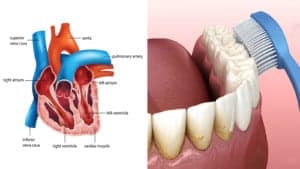
Learn the connection between dental hygiene and heart health.

Final Thoughts on Catching the Signs of Congestive Heart Failure Early

Congestive heart failure stems from several different conditions. Fortunately, you can control many of these conditions, changes, like hypertension and diabetes, by improving your lifestyle. The primary approach to treating both of these conditions is dietary changes. A heart-friendly diet combined with medication and controlled exercise can keep hypertension and diabetes in check, preventing the associated heart failure from progressing.

It is crucial to diagnose heart failure as early as possible because the early-stage disease is treatable. Unfortunately, the signs and symptoms of early-stage disease are vague and non-specific. Unfortunately, doctors sometimes only diagnose congestive heart failure after trauma to this vital organ. Thus, if you notice you or a loved one has one or more of the symptoms listed in this article, seek medical care from your physician.

20 Healthy Habits Every Pregnant Woman Should Have

Whether you’re already expecting a baby or considering becoming a mother, your healthy habits impact baby’s development.  Therefore, it’s time to shift your mindset. Every pregnant woman–or one who hopes for pregnancy soon–should embrace these healthy habits.

Small changes go a long way in a healthy pregnancy. The key is to incorporate as many healthy activities in your life as possible. Consuming a proper diet, limiting caffeine or alcohol intake, and sticking to a good exercise regime lets you stay fit and active throughout your pregnancy.

Maintaining a focus on overall well-being during pregnancy extends beyond diet and exercise; it also involves addressing other aspects of women’s health that can impact comfort and quality of life.

One such consideration is the use of Women’s incontinence Pads, which can offer significant support during this transformative period. These pads are designed to manage any bladder control issues that may arise, helping you stay comfortable and confident as your body undergoes various changes.

Start learning and following healthy habits to take care of yourself and your baby during pregnancy. There are many things to start from, but some are vital to adopt from day one.

Here are the twenty healthy habits every pregnant woman should learn.

1. Eat right

During your pregnancy, the first thing you must ensure is that your food choices are healthy. You and your baby need all the essential nutrients, not just sugar and fat. You must consume as many colorful and fibrous foods so you can to stick to a power-packed diet. Include calcium-rich foods, whole grains, and foods low in saturated fat.

If you are looking for foods rich in Vitamins, include fruits and green leafy vegetables to your diet.  Add broccoli, bell peppers, apples, cucumbers, and tomatoes in your diet to keep you healthy.

2. Get your vitamins

You need to have plenty of folic acid and calcium in your diet. Get folic acid, calcium, and other minerals from multivitamin supplements or foods like oranges, spinach, broccoli, and kidney beans. These are rich in folic acid and support your system during this delicate time. Although milk, yogurt, and spinach have calcium in abundance, it is always better to ask your doctor to prescribe you prenatal multivitamins so you can get the best dosage.

folic acid and pregnant woman

Learn the connection between folic acid and a healthy baby.

3. Stay hydrated

Don’t ignore the importance of hydration during your pregnancy, as the water you drink is for you and your baby. Typically, you must aim for ten or more glasses each day. Did you know that 75% of our muscles contain water? Consuming more water also relieves cramps and prevents sore muscles.

Additionally, dehydration also makes it difficult for our bodies to flush out toxins. Make sure you consume enough water to prevent constipation and keep digestive problems at bay.

4. Proper prenatal care

Consult a healthcare professional regularly for a gynecological exam and prenatal care. Prenatal care is vital for guaranteeing safe delivery. If you overlook this aspect, your baby may have a low birth weight. If possible, you can also opt for group prenatal care, which is easily accessible online as well.

5. Avoid specific foods

Most important of all is to avoid eating the wrong foods during your pregnancy. Say no to raw meat, liver, sushi, raw eggs, mayonnaise, feta cheese, and fish high in mercury. Avoid unpasteurized milk as unpasteurized animal products can cause severe food poisoning for a pregnant woman. Inform your doctor about any food allergies.

6. Don’t drink alcohol

You must avoid consuming alcohol before and during your pregnancy and especially while breastfeeding. Drinking can lead to the risk of having a baby with fetal alcohol spectrum disorder (FASD). That disease is a primary cause of facial abnormalities, learning disabilities, and behavioral issues in your offspring. Alcohol has many adverse impacts, some of which may surface even before you become aware of your pregnancy.

pregnancy7. Get moving and exercise

Staying active is generally crucial for your health and helps reduce stress to healthier levels. Additionally, it is essential to control your weight, improve blood circulation, regulate mood swings, and develop better sleep patterns. You can join a pregnancy exercise session or walk at least 15-20 minutes every day. Walk indoors or outdoors in cool, shaded areas to avoid overheating.

8. Learn how to breathe

How you breathe impacts how well you’ll perform during the baby’s delivery. Breathing fuels your blood cells and brain to help you relax and push through your labor.

Many community colleges, hospitals, and local health departments offer childbirth classes that teach breathing techniques, labor positions, and provide you pointers on what to expect on delivery day.

9. Get plenty of sleep

Getting 7 to 9 hours of sleep is essential for you and your baby. Remember to sleep on your left side to improve blood flow circulation for you and your child. Lack of sleep also disturbs our metabolism. While getting good-quality sleep becomes a challenge during pregnancy, staying up late in the night means you are sure to feel lazy at work or home the next day. As you consume endless cups of coffee to stay awake, all this caffeine intake will make it even more challenging to sleep at night.

10. Reduce stress

It is vital to reduce stress levels to improve birth outcomes. Avoid stressful situations and ask for help to make this possible for you. Lack of sleep also disrupts your metabolism. Exercise also provides you with an optimal means of stress reduction. For that reason, never skip your gym class or your home workout routine. Just remember to stick to exercise that does not harm your body.

11. Indulge yourself in self-care

As much as sleep is essential for a healthy pregnancy, you must indulge in self-care activities at least twice a month to stay with the flow. A lunchtime manicure or going to your favorite mall to shop for maternity outfits can help you relax and release pregnancy stress.

12. Track your weight gain

A constant check on your weight is mandatory if you don’t want too many extra pounds that will be hard to lose later. On the other hand, avoid becoming underweight as it is a high-risk situation for the baby as he/she may suffer from development issues.

model healthy habits

13. Wash your hands often

Because you cannot tolerate medications during pregnancy, avoid illness by diligent hand-washing practices.  So wash your hands frequently and diligently. Practice handwashing not only after you use the restroom or before cooking but also after you’ve handled money, shaken hands with others, or been out in public.

14. Eliminate toxins

Not many of us know that nail polish removing solutions, paint thinners, and other solvents can cause congenital disabilities. Other than tobacco and alcohol, you must also avoid exposing yourself and your baby to toxic environments as they can affect the flow of oxygen to your baby, leading to preterm birth and other complications.

15. Avoid fumes

Many mothers like to decorate a nursery for their baby during their pregnancy. You must remember to avoid fumes due to a new coat of paint or any repair project.  Moreover, stay away from most cleaning products as they contain strong chemicals that can be toxic. Wear gloves and avoid breathing in these products, and cleaners give off any fumes.

16. Stay out of saunas and hot tubs

Relaxing in a hot tub or a sauna for more extended periods can dramatically raise your body temperature. This practice can harm any pregnant woman, especially if she is in her first trimester.

17. Keep away from viruses

You must stay away from kids or people around you who are suffering from infections such as chickenpox, shingles, or other viral illnesses. These viruses can potentially hinder your baby’s development.  Consult your doctor for a checkup right away if you notice any symptoms. If you have other toddlers, remember to wash your hands thoroughly after changing a diaper or wiping their nose.

18. Avoid substance abuse

Drugs such as cocaine can lead to fatalities and life-threatening outcomes for the baby. In case you are prone to drugs and cannot resist using them, seek professional help. Moreover, smoking is one of the causes of SIDS (sudden infant death syndrome), premature births, and miscarriages. Cigarettes contain dangerous chemicals, such as tar, nicotine, and carbon monoxide. Thus, they drastically increase the risk of complications, some of which are fatal for you and the baby. Passive smoking is also unhealthy for you and your unborn child.

19. Practice Kegels

These pelvic exercises support the bowels, your uterus, and the bladder. Kegels ensure a more natural delivery and prevent postpartum issues. Since nobody can tell you are doing Kegels, you can do them while sitting at your desk or when you are sitting in the car.

20. Learn about breastfeeding

Breast milk offers a wide range of benefits to your baby. Since it contains many antibodies, your baby stays protected from common infections. The milk provides good bacteria or probiotics to support proper digestion. For that reason, most pediatricians recommend that you breastfeed for at least six months to keep your baby healthy. However, breastfeeding is not just beneficial for the baby but the mother as well. It helps you naturally shed-off all pregnancy weight. Plus, you will reduce your risk of acquiring type 2 diabetes and breast cancer.

breastfeeding

Read to discover the most comfortable breastfeeding positions.

Final Thoughts on Embracing These Healthy Habits as a Pregnant Woman

Practicing healthy habits is essential for any pregnant woman, especially if you are in your first or second trimester.  Likewise, a woman who intends to become pregnant soon should begin to prepare her body for this journey.

That early emphasis on developing these habits will ensure your body is healthy for your baby.

Furthermore, the last five months of pregnancy are like a rollercoaster ride. So if you don’t take care of yourself in the beginning, you will have trouble preparing for the delivery day. Follow our list of good habits to stay safe and healthy throughout your pregnancy.

15 Motivational Quotes to Help Quit Using Tobacco

Tobacco use causes more than 7 million deaths each year worldwide, reports the Centers for Disease Control and Prevention (CDC). And “remains the single largest preventable cause of disease and premature death among both men and women in the U.S.” This statistic is based upon findings published in the American Journal of Public Health.

Tragically, the above statistics are not the only shocking facts about tobacco use. For every one person who dies from smoking, 30 additional people live with debilitating illnesses that have been caused by it. Smoking harms nearly every organ in the body, resulting in smokers dying ten years earlier than nonsmokers, on average. The CDC makes these, and many more sobering statistics available to the public here.

Decades of scientific research have proven how detrimental tobacco use is to our physical and mental health. But knowing how dangerous your use is doesn’t always make quitting any more comfortable. This is because nicotine is the fourth most addictive drug, reports the American Addiction Centers. With cocaine, heroin, and alcohol being the only drugs that are more addictive than nicotine.

Because of its addictive properties, many people who successfully quit smoking have tried to quit at least once before, unsuccessfully. Previous attempts to quit smoking should not be looked at as a failure. Any attempt you’ve made to quit should be regarded as a learning experience. There are many things you can do to help you succeed during your journey to giving up this harmful substance. Reading inspirational quotes is one thing that can be incredibly helpful and motivating in overcoming difficult situations, including addiction. You will find 15 inspirational quotes that can be particularly helpful in motivating you to quit using tobacco, below.

quote about facing challenges

15 INSPIRATIONAL QUOTES TO MOTIVATE YOU TO QUIT USING TOBACCO

1) Failure is simply the opportunity to begin again, this time more intelligently. – Henry Ford

Every time you attempt to quit using any substance, you are learning what strategies do and do not work for you. Therefore, every effort that you make in your attempt to quit is progress made toward your overall goal. Even if, or when you fail to quit, you are still learning. Next time you try, you will be a wiser version of yourself, which can lead to a better outcome. The most important part is that you never give up.

2) All that we are is the result of what we have thought. – Buddha

Most of us have heard of the beneficial powers of positive thinking, but do all of us believe in it? The power of positivity is a genuine and factual phenomenon that has been documented by many scientific studies. Each of our thoughts has an impact on our reality, for better or worse. And if you think positively, you are much more likely to succeed. Check out the details surrounding this water experiment that proves that positive thinking works!

3) Our strength grows out of our weakness. – Ralph Waldo Emerson

You will become a much stronger and wiser individual by overcoming your addiction to and dependence on any harmful substance. Once you have successfully quit, you will likely feel stronger than ever, both physically and mentally. You will evolve into a person who knows just how capable you are and doesn’t forget what you have overcome. Equally as great is the fact that you will be able to help others to succeed in quitting dangerous habits. Simply by sharing with them the things that you learned along the way.

4) The greatest discovery of my generation is that a human being can alter his life by altering his attitudes of mind. – William James

If you believe that you can be successful in quitting tobacco, then the chances are much better that you will be. So let your mind lead you down the path of success by allowing yourself to believe that you can do this. Because you can. Your attitude has a huge impact on your reality and also your health, both physically and mentally. Having a positive attitude can help you tremendously in bettering your chances of success.

5) We are what we repeatedly do. Excellence, then, is not an act but a habit. – Aristotle

You become dependent on any substance by using it habitually. And you can free yourself of your dependence by creating new, healthier habits to take its place. There are many healthy habits that you can develop to help you overcome a bad habit. You could try listening to your favorite music, dancing, doing any exercise, or meditation. Even reading a self-help book or article in place of your tobacco use might be beneficial to you. Whatever healthy habits you choose, when done consistently, can replace unhealthy habits over time.

aristotle

6) The surest way not to fail is to determine to succeed. – Richard Brinsley Sheridan

To accomplish anything in life, you must first believe in yourself. Self-confidence is one of the main components of success. If you believe in your ability to do something, you won’t let the little things deter you from succeeding. Setting specific, measurable, and time-bound goals can also help you to succeed and keep you motivated by tracking your progress.

7) Keep your eye on the prize. – Pete Seeger

To keep your eye on the prize means to remain focused on the goal at hand. This effort involves not allowing yourself to become overwhelmed or distracted by setbacks or difficulties. You may very likely encounter setbacks along the way to your goal. But you cannot let them get to you in ways that make you give up. Never forget how great it will feel and how much healthier you will be when you succeed. Remember always to keep the focus on the many benefits of quitting nicotine. These are some of the countless amazing prizes that you can “keep your eye on” during the process of quitting. Save this list somewhere where you can look at it if you need a reminder when quitting feels too difficult.

8) Nothing will ever be attempted if all possible objections must first be overcome. – Samuel Johnson

Excuses are the killer of all success. We’ve all made them. They might sound something like the following: “My life is too stressful to do this right now.” Or, “But what if I gain a lot of weight when I quit, that’s unhealthy too.” Or, “I will be more motivated and likely to quit if I wait until the New Year … or after this or that happens.” You’ll always be able to think of a reason why today is not the best day to quit. The truth is there is no such thing as the perfect day to quit. And there will never be a better day than today to begin. Because one thing is certain, you cannot succeed if you never start. And you cannot start if you’re busy thinking up excuses for why now isn’t a good time, instead of trying.

9) We cannot, in a moment, get rid of habits of a lifetime. – Mahatma Gandhi

Quitting anything, especially something that is extremely addictive, takes time. You didn’t become addicted to nicotine overnight. And unfortunately, you cannot rid yourself of your desire for it overnight, either. It will take time. Maybe even failure. But if you stick to it and keep trying, you will eventually succeed. Recent longitudinal research revealed that it could take at least 30 attempts for a person to succeed in quitting smoking. There are things you can do to aid in your recovery, however. For example, you should remind yourself that the small steps you are taking now will lead you to a healthier, longer life.

10) The true face of smoking is a disease, death, and horror – not the glamor and sophistication the pushers in the tobacco industry try to portray. – David Byrne

The deceitful companies that supply the world with these deadly substances spent $9.5 billion on promotional and advertising efforts in 2016. And this is in the U.S., alone, according to statistics published by the CDC. Please do not be fooled by their lies. These companies make an obscene amount of money by tricking people into believing smoking will somehow improve their lives. The top six corporations that distribute tobacco products made $31.5 billion in 2010, reports the Maurer Foundation. And again, that is only in the U.S. The numbers are larger when discussing worldwide consumption. These companies spend billions of dollars to try to convince you that smoking is glamorous. But as we know, it kills 7 million people each year and leaves countless others with lifelong medical conditions. Don’t let these drug pushers win. You can take a stand against them by quitting today.

11) It does not matter how slowly you go as long as you do not stop. – Confucius

Many people might be intimidated by the thought of quitting tobacco or anything all at once. And quitting smoking cold turkey may not be the best option for everyone. Thankfully some many options and methods can lead to success. Whether that be tapering off slowly or using nicotine patches or gum. There are even several prescription medications that might be able to assist you in quitting. You have options. The most important thing is that you start trying to quit. And do not stop until you succeed, no matter how slowly you may be going.

albert einstein

Read inspiring life advice from Albert Einstein.

12) It’s not that I’m so smart, it’s just that I stay with problems longer. – Albert Einstein

Everyone who has succeeded at anything in life didn’t succeed because they were smarter or better equipped than anyone else. They managed because they stuck with their efforts to succeed. No matter how significant their obstacles to success may have been, they didn’t give up. And that is what separates those who succeed from those who do not. You have within you all of the power and strength that you need to quit. One of the most significant components of success is merely sticking to your plan. No matter what.

13) At least three times every day take a moment and ask yourself what is really important. Have the wisdom and the courage to build your life around your answer. – Lee Jampolsky

Take some time to think deeply about what truly matters to you in life and what you’d like to accomplish. You can even write some of your thoughts and goals down. Then compare these to what using this pricey and often deadly substance costs you, both monetarily and in terms of your health. Truly contemplate just how much your use takes away from you, and can hinder you in life. If you’re struggling to quit, you can look at this list to remember what is truly important to you. And to remind yourself why you want to stop.

14) Desire is the starting point of all achievement, not a hope, not a wish, but a keen pulsating desire, which transcends everything. – Napoleon Hill

The only way to succeed at something is to want it, more than you want anything else truly. Including the temporary relief that smoking may provide you with. When it becomes difficult to remember why you are trying to quit, think of all that you will gain by doing so. Are the few minutes of relief that you may get from smoking, vaping, or chewing worth sacrificing countless other things?

15) What we can or cannot do, what we consider possible or impossible, is rarely a function of our true capability. It is more likely a function of our beliefs about who we are. – Anthony Robbins

Often, people will not even attempt to quit something because they convince themselves that they cannot do it. Maybe you’ve convinced yourself that you are not strong enough or capable enough to stop. I can promise you that this is not the case. You are strong enough and more than capable of doing anything you set your mind to. Someone once said, “It’s not who you are that holds you back, it’s who you think you’re not” (– Unknown). If you find yourself having doubts, I hope that you will re-read this quote and all of the above. And remember, you’ve got this!

healthy lungs after tobacco

Here is how to restore your lungs with a healthy diet after you quit nicotine.

FINAL THOUGHTS ABOUT INSPIRATIONAL QUOTES TO MOTIVATE YOU TO QUIT USING TOBACCO

Quitting anything can be incredibly difficult. Quitting your use of one of the most addictive substances in the world is undoubtedly tricky. It will take time. But with determination, you can do anything. It may be helpful to understand that regaining your health might not be a sprint. It may very well be more like a marathon instead. I hope that when quitting feels too hard, you’ll remember that you deserve this. You deserve to be rid of the many health risks that smoking and other forms of use present. And your loved ones deserve to have you in their lives and not lose you to a deadly substance.

Like quitting anything else, this can only be done one step at a time, one day at a time. You might have days that are harder than others or in which you backtrack a bit. You might even have to try to quit more than once to reach full success. That is okay and quite common, in fact. You are only human, after all. No one requires perfection from you in this, and you shouldn’t expect perfection from yourself. As long as you keep working toward your goal and remember why you began in the first place, you will get there.

It is our hope here at the Power of Positivity to help every person to succeed in living their very best life. We hope that these inspirational quotes and sobering statistics have helped inspire you to quit. Your life and health are of great importance and matter immensely, to you and to those who love you.

And the great news is if you quit today, your organs can make a full recovery! Your lungs will begin to clear, and you’ll regain stamina after you quit this substance. Don’t give up! You can cut the ties on your tobacco dependency!

Skip to content