Weekly tips, affirmations, and small actions to feel your best.

10 Ways to Express Yourself When Your Partner Refuses to Hear You

Nothing feels more frustrating than when you try to express yourself, and the other person doesn’t seem to hear you. During arguments in relationships, things can get misconstrued in the heat of the moment, which leads to hurt feelings. However, if you can learn to manage your emotions during disagreements, your bond will become stronger.

One study on relationships over 14 years found that couples who argued often had the least likelihood of getting separated. The study followed 79 couples across the Midwest and discovered that the strongest couples resolved arguments quickly. So, just because you argue sometimes doesn’t mean you have a bad relationship. When you have a partner, you’ll inevitably have disagreements, but how you resolve them matters most.

Here are ten ways to express yourself if your partner doesn’t hear you:

If you feel like your partner doesn’t hear you during arguments, the following tips can help you express yourself better.

1  – Make sure you understand your emotions first.
express yourselfIf you don’t know how you feel, communicating your needs to your partner won’t come easily. To feel heard in a relationship, you have to get completely honest and open with your significant other.

This honesty requires you to dig deep and understand where the emotions are coming from and why you feel unsatisfied with a certain aspect of your relationship.

Remember that your partner can’t help you if you don’t make your feelings and needs explicitly known. Also, take time to explain how you feel clearly without blaming or name-calling. The key to resolving arguments lies in how you choose to respond to your partner.

If you lash out or talk over them, of course, they won’t want to listen to you. Calmly explaining your emotions and directly asking for what you need helps resolve problems effectively.

2 – Actively listen to them.

If you want your partner to listen during arguments, you have to give them that same respect. Also, make sure you truly listen instead of just waiting for your turn to make your point. It will help you express yourself more if you can make your partner feel comfortable doing the same. Relationships rely on active listening from both partners to survive.

Studies have shown that active listening promotes healthier relationships.

Active listening involves the following:

  • Putting your phone away and giving your total attention to your partner
  • Maintaining eye contact the whole time
  • Restating what they’ve said to make sure you understand
  • Asking for clarification about certain points if you need it
  • Having empathy and trying to understand wholly where your partner is coming from
  • Staying in the present moment and not just waiting for your turn to talk

3 – Avoid anger.

Stay away from anger at all costs if you want to express yourself to your partner. Anger only breeds more chaos and dysfunction in communication with someone because they will automatically get defensive.

No one likes getting yelled at, especially after a hard day at work or school. Be mindful of how they feel and choose to treat them with loving kindness even in disagreement.

You can still get your point through without having to resort to emotionally charged language and explosive arguments. If you have trouble with this, take a few minutes to collect your thoughts and come back to the discussion when you have cooled down.

Studies show that yelling triggers the fight-or-flight response, causing us to become more reactive because we feel threatened. Therefore, a calm and soothing tone of voice produces the opposite effect – your partner will feel more open and willing to listen to you.

4 – Don’t accuse your partner of anything.

Accusing someone of something always puts them in defensive mode. Instead, choose to focus on how their actions made you feel and express yourself in terms of emotions. They will respond much better if they don’t feel attacked or pressured by accusations, and the talk will be more productive.

Put it this way – how would you feel if your partner started listing off all the things you’re doing wrong?

You probably wouldn’t take to it very well. So, please give them the same respect and watch the words you use with them. Instead of saying “You did ______ and I’m tired of it,” try saying “You hurt my feelings when you did ____, even if you didn’t mean to.” The second phrase sounds much friendlier and open-minded, in our opinion.

5 – Stay humble.

If you want to express yourself in a relationship, remember humility, above all else. Coming at your partner or friend with hurtful words will only make them put up walls, and your message will get distorted. They will take in what you have to say if you show vulnerability and compassion for their feelings.

To put this into practice, try to think about how you may have contributed to any issues. Even if you don’t want to admit it, it usually takes two people to have relationship problems.

Talking about how you can improve your behavior will make your partner more willing to discuss their shortcomings. If you can tackle issues as a team and talk to each other respectfully, any arguments will dissipate.
socially intelligent6 – Restructure the narrative.

Maybe you’ve been reading the whole situation the wrong way. Perhaps they haven’t wronged you. You just perceived the issue incorrectly due to your own emotions. Relationships can get tricky since they involve matters of the heart, and frequently, even our partner can misunderstand us.

Let’s say your spouse doesn’t pay you as much attention lately, and you’ve been feeling neglected. Your mind automatically goes to the worst-case scenario, like they are having an affair or have lost interest in you. Then, you lash out at them or allow resentment to build up based on your interpretation of the situation. However, you may not have considered other possible reasons for their lack of interest:

  • extra work at the office
  • stress about bills/life/other important people in their life
  • dealing with the kids (if you have them)
  • they need some time to themselves
  • any other reason besides the worst-case scenario

7 – Discuss things in their language.

Do they speak in a more emotional or logical way? Either way, try to talk things out in a way that they can understand, but that still conveys your message. If you lean more toward the emotional side and they are logical, they will appreciate directness. However, if the opposite is true, you’ll want to show more sensitivity and compassion. Learn your partner’s methods of communication so that when you express yourself, the message doesn’t get lost in translation.

8 – Write them a letter.

This idea may sound silly, but sometimes our words just come out better on paper. You can always talk it out with them afterward, but writing it down first can help, especially in new relationships.  Plus, writing things out can help you make sense of your thoughts and sort through them better. When you talk about them, you’ll have had time to reflect on how you feel and convey it to your partner easier.

9 – Consider talking to a therapist.

If you have tried everything with your partner and still don’t seem to hear you, consider going to couple’s therapy. A therapist can help you to break down any barriers in your communication and connect better as a couple. If your partner hesitates about going, make sure you let them voice their concerns first. Remind them that it can benefit both of you and make you stronger as a couple.

A couple’s therapist seeks to help people improve their relationships by recognizing and resolving all types of conflict. Many couples don’t know how to communicate with one another, so if you don’t feel heard, this might be an option for you.

10 – Remain positive.

Your partner will likely respond to negativity in the same way, so try your best to remain positive when you express yourself. Even if you’ve been hurt, try to frame your thoughts in a way that isn’t accusatory. For example, you could say, “I know you’ve been busy lately, but I miss having dinner together on weeknights.” In this way, you haven’t accused him/her of neglecting you, which would likely prompt a defensive response.

express yourselfFinal thoughts on how to express yourself when your partner refuses to hear you

When you have arguments with your partner, you want to express yourself to resolve the issues at hand. However, sometimes miscommunication causes your partner not to hear you, which only ends in frustration and heartache. If you want to get your own message across clearer, try to avoid talking when you feel angry. Also, please keep an open mind and let them speak their side of the story.

If you don’t feel heard in a relationship, consider that your partner may not either. If you can both work together to make one another’s needs known, you will have a happy, long-lasting relationship.
11 Things Your Tongue Can Tell You About Your Health

The tongue is fantastic! It’s the strongest muscle in a human’s body relative to its size. It lets you taste all your favorite foods. And, on top of all of that, it can tell you things about your health.

That’s right. The appearance, texture, color, and even feel of your tongue can all say something about your current state of wellbeing, so pay attention to it. Here are 11 things your tongue can tell you about your health!

11 Health Issues Your Tongue Might Reveal

Do you see any of these indicators on your tongue?

1.    Fuzzy Brown Or Black Spots 

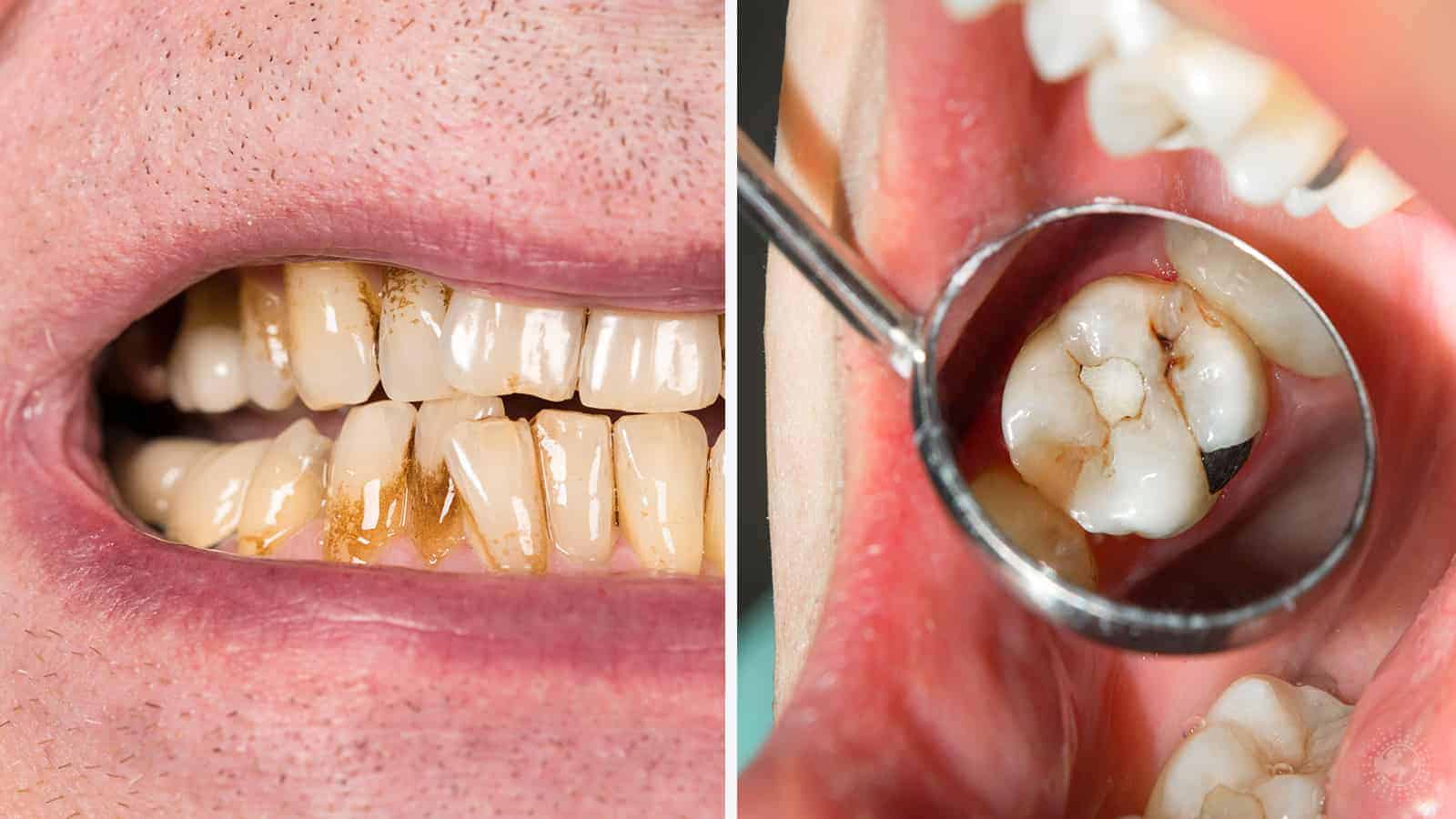
tongueBrown or black fuzz on the tongue – whether in spots or the entire appendage – is often a reflection of poor oral hygiene. Often accompanied by bad breath, taste difficulties, and other issues, it’s a surprisingly common problem.

Admittedly, it’s quite disturbing to look at your tongue and see this black bumpy hairiness, but it is thankfully not nearly as severe as it seems. You see, the tongue is covered in little bumps known as papillae. When dirt and staining occur over time due to poor oral care, the papillae can become stained, leading to the brown fuzz.

However, not everyone with bad oral hygiene will develop this uncomfortable-looking dark hair. You see, in most cases, papillae are naturally worn down, preventing them from overgrowing. Drinking and eating are more than enough to keep them “trimmed.” But individuals who experience overgrown papillae have a higher chance of harboring harmful bacteria and receiving discoloration over time. This discoloration might come from the following habits:

  • Bad dental hygiene
  • Smoking
  • Drinking dark tea
  • Drinking coffee
  • To counteract this problem, you can:
  • Brush your tongue
  • Buy and use a tongue scraper.
  • Remove the cause of the problem (such as smoking or dark teas)

2.    A Burning Feeling

If you experience a tingling or burning feeling in your mouth, this can point to one of two things. The first, and more common, is that there’s something wrong with the toothpaste you’re using. Allergic reactions to toothpaste are far from uncommon thanks to an ingredient often used in them called sodium lauryl sulfate, aka SLS for short.

SLS is responsible for helping the foaming of toothpaste. An allergic reaction to SLS can occur very suddenly. For example, you may have had no problems with the toothpaste up until a certain point, then been accosted by a burning sensation out of nowhere! Using an SLS-free toothpaste will usually solve the problem, and in the meantime, a dentist can help you with pain management.

However, there is also another potential cause for that burning feeling that is notably less positive: burning mouth syndrome. As described by the American Academy of Oral Medicine, it is the result of hormonal changes that lead to a neuropathic problem. Affecting just 2% of the population, women are seven times likelier to develop burning mouth syndrome than men. This is because menopause is a widespread cause of the issue.

Burning mouth syndrome is a bit of a mystery, and most doctors are stumped as to why it occurs. So far, the following patterns have been detected in patients:

  • Continuous, constant burning sensation throughout the day
  • Developing burning sensations that start with almost no severity in the morning and worsen as the day progresses
  • Intermittent burning sensations, with only some days involving any burning; this is notably less common.

If you believe that you might have burning mouth syndrome, speak to your doctor about treatment. The prognosis is usually good for symptom reduction, so keep your positive thinking!

3.    Glossy, Bright Red Color

A tongue that looks strawberry red could be warning you of a deficiency in a vitamin or mineral. This is likely, according to research, to be either iron or vitamin B12. This is because both of these nutrients help the small bumps on your tongue, called papillae, to mature. Without enough of either, this can cause the papillae to disappear.

Symptoms of these deficiencies include:

  • Weakness
  • Exhaustion
  • Memory problems
  • Balance difficulties

Your tongue doesn’t have to have turned bright red to lose its papillae, so keep an eye out for any changes. The loss of papillae is especially common in vegetarians or vegans who lack vitamin B12 sources. If you’re one of them, talk to your doctor to discuss possible supplementation.

Some positive sources of vitamin B12 include:

  • Beef
  • Cheese
  • Chicken
  • Clams
  • Eggs
  • Fortified cereals
  • Haddock
  • Ham
  • Liver
  • Milk
  • Nutritional yeast
  • Salmon
  • Trout
  • Tuna
  • Yogurt

Some positive sources of iron include:

  • Apricots
  • Beef
  • Duck
  • Eggs
  • Lamb
  • Leafy green vegetables
  • Legumes
  • Liver
  • Nuts
  • Pumpkin seeds
  • Salmon
  • Sardines
  • Sunflower seeds
  • Tempeh
  • Tofu
  • Wholegrain cereals and carbs
mouth health

Here are ten extraordinary things that your mouth reveals about your well-being.

4.    Sores

Canker sores on the tongue are extremely common. They tend to be very painful for the first five or so days, vanishing or resolving on their own within 14 days. Though there are no currently concrete reasons behind canker sores that experts have uncovered, the American Academy of Oral Medicine and dentists know that:

  • Stress can bring about canker sores
  • Illness can increase the risk of canker sores
  • Canker sores are not contagious
  • Canker sores likely have viral causes

Do note that you should know the difference between a canker sore and a cold sore, as cold sores are contagious and are caused by herpes. If you aren’t sure, it’s best to speak to a doctor.

5.    “Valleys” And “Hills” 

Does your tongue seem to have mountains and valleys all on its own? This landscape is nothing to worry about at all and is, in almost all cases, 100% harmless – so keep your positive thinking!

The American Academy of Oral Medicine refers to this condition as a “geographic tongue.” The name is earned from the appearance of the tongue, which looks like it has uneven terrain. Approximately 1 to 2.5% of the world has this condition.

It’s unclear why a geographic tongue happens, but the consensus among experts is that taste buds are to blame. This is because taste buds can, sometimes, shrink randomly on the tongue. Although taste buds are capable of regeneration, when only some do, and others never return, this uneven, bumpy appearance is created.

6.    Thick White Layer Or Lumps

Is your tongue coated with thick lumps that resemble cottage cheese? Unfortunately, this is a prevalent symptom of oral yeast infection such as thrush. Thrush is the result of candida overproduction.

The mouth needs to maintain a delicate balance between yeast and the bacteria that occurs naturally. Certain foods can cause that balance to be disrupted, killing good bacteria while allowing yeast like candida to grow in abundance. This can be caused by:

  • A weakened immune system
  • Consumption of antibiotics
  • Diabetes
  • Chemotherapy

If you think you have developed an oral yeast infection, you need to speak to a doctor as soon as possible. Thrush is one of the very few yeast infections that cannot be treated with any over-the-counter items.

7.    Small Patches Of White

Small white patches on the tongue are usually a sign of some form of irritation. This can be caused by:

  • Smoking (the most common cause)
  • Tooth abrasions (when your teeth rub your tongue)
  • Injuries, such as overzealous scraping or brushing

These patches are known as leukoplakia and, in many studies, have been precursors to the development of cancer. If you smoke, this is an incredibly severe concern. If you don’t, wait for a week to see if the patches go away, then see a doctor if they don’t budge.

8.    White Lines, Webs, Or Stripes

Do you notice white lines along the top of your tongue? This is a classic first symptom of something called oral lichen planus. It can be quite interesting to look at, and some even think that it somewhat resembles lace.

Why does this happen? Generally, it’s believed that oral lichen planus occurs when your immune system attacks the cells on your tongue. This is not contagious but can add to cancer risk. As such, discussing the issue with your doctor is recommended.

Don’t worry too much, though! There is also the chance that the condition will go away on its own. Despite that, it is essential that you receive the correct diagnosis and potential treatment for the situation, just in case. You will likely have to:

  • Avoid food that could cause oral irritation.
  • Be extra vigilant regarding dental hygiene.
  • Steer clear of tobacco products

9.    Red Lesions

Red lesions on the tongue are usually quite severe. As long as you’re not mixing these up with canker sores – which are generally not particularly harmful and go away in time – it’s probably a good idea to see a doctor.

Many tongue diseases are marked with lesions like this, ranging from mild but requiring treatment to severe and potentially life-threatening. Oral cancer, HPV, and other similar illnesses have these lesions as a first sign, so even if you’re not clear about what’s going on, it’s a good idea to talk to a dentist.

10. Wrinkles

You probably associate the thought of wrinkles with signs of aging on the skin. What you might not realize is that wrinkles on the tongue are also a common – and harmless – sign of aging! In other words, tongue wrinkles are, on their own, nothing to worry about.

However, the addition of these wrinkles to your tongue does mean you need to be more vigilant about hygiene and cleanliness. This is because the new crevices present on your tongue in the wrinkles are easily prone to infection. They can harbor nasty bacteria because of food debris and other issues, leading to fungal infections. Symptoms of such a disease may include:

  • Bad odor
  • Pain
  • Burning sensations

Have tongue wrinkles despite being younger? Dentures and other similar dental products can lead to tongue indentations that resemble wrinkles. To avoid this, you can:

  • Drink sufficient water
  • Brush your tongue
  • Use a tongue scraper
  • Make sure you have a good dentist
  • Get dental appliances that fit you properly

11. Yellow Color

A yellow tongue is typically just a sign of bacterial overgrowth and is rarely something to run to a doctor for. You might want to consider brushing your tongue or using a tongue scraper for better hygiene. Some other causes of yellow tongue include:

  • Tobacco chewing
  • Smoking
  • Consuming certain vitamins
  • Psoriasis
  • Jaundice (very rare)

tongueFinal Thoughts On Some Things Your Tongue Can Tell You About Your Health

The tongue really can say a lot about health, and it can also be affected by seemingly minor actions. Maintaining proper oral hygiene and monitoring the state of your tongue is crucial. Remember, if you are concerned about your oral health, you should speak to your doctor or dentist as soon as possible!

Science Proves that Trust in a Relationship is More Essential Than Love

While lasting relationships can’t thrive without love, trust in a relationship may matter most. Feelings of love come and go in long-term relationships, but trust withstands the test of time. Any healthy marriage goes through phases where the couple may fall out of love temporarily. However, if they have trust, it can keep the ship afloat on the stormiest of waters.

Any two people can fall into love, but those feelings tend to fade over time. After a while, relationships form into more of a loving friendship as the honeymoon phase ends. If the couple continues to build trust and work as a team, then the relationship stands a good chance of lasting forever. Simply put, you can have faith without love, but you can’t have love without trust.

In a successful relationship, you have to believe you can trust your partner before giving them your heart. Below, we’ll talk more about why trust predicts relationship success more than love.

Science says that trust matters even more than love in relationships.

In a nutshell, a successful relationship hinges on kindness and trust more than anything else. The feelings of infatuation will fade, but if you have confidence, nothing can take that away. People underestimate this and expect that they’ll feel the same in 20 years as they did in the very beginning. When their love starts to wane, couples assume that their relationship won’t make it.

However, they forget about the importance of trust. Even if you don’t feel in love with your partner anymore, you can still love and respect them. You can still hold onto the positive aspects of your relationship and choose to focus on those. The Gottman Institute says that accentuating the positives in a relationship is one of the most significant predictors of success.

John Gottman, a leader in studying what constitutes a healthy marriage or relationship, believes the little things matter most. After studying couples over the past 35 years, he says the following items ensure success in relationships more than anything else:

  • Building love maps

Learn your partner’s inner psychological world, such as their biggest hopes, fears, worries, and joy. This will help you bond with your partner and know their needs.trust in a relationship

  • Share fondness and admiration.

Gottman refers to this as a solution for contempt since it promotes affection and respect for each other. In other words, you want to focus on the positive things about your partner rather than the negatives.

  • Lean into your significant other instead of away from them.

State your needs and respond to your partner’s attempts to connect. For example, if he or she points something out to you, or tries to engage in conversation, put your full attention on them. The smallest moments and interactions matter the most in relationship success.

  • Maintaining a positive perspective.

Try to have a positive approach to solving problems, as trust in a relationship comes from how you respond to conflicts.

  • Manage conflict

Part of building a healthy marriage or relationship comes from how you deal with conflict. It can either make or break a relationship, so make sure you work as a team. Listen to your partner and try to come to a resolution together. Conflicts are typical in any healthy relationship, as long as you treat your partner with love and respect.

  • Work on making each other’s dreams a reality

Let your partner talk openly about his or her desires and dreams. Create an open environment where they feel safe and heard talking about the future.

  • Create shared meaning

Every relationship needs something that unites it, whether that means kids or perhaps a shared business. Or, maybe it means getting involved in something you both enjoy, such as biking or hiking. No matter what the trouble is, make sure your relationship involves something that matters to both of you.

  • Trust

Of course, this should remain a priority in a relationship. Without trust, you won’t have a foundation to build upon for a successful partnership. You want to know that your partner will have your back and that you can count on them for anything. Building trust in a relationship takes time, but being vulnerable with your partner will help the walls come down little by little.

  • Commitment

Any successful relationship requires a commitment to your partner to make it work. If you want to remain with this person long-term, you need to embrace both their negative and positive qualities. However, you shouldn’t dwell on their negative traits, which will skew your image and perception of them. You will start noticing more of the things that you find annoying about them rather than what you adore about their personality.

In other words, admire them for their positive traits and learn to accept their flaws. If you can do this, it will ensure a successful union for life. Also, make trust your foundation early on in the relationship, as everything else hinges upon it.

So, why is trust more important than love in a relationship?

pop meme

  1. You can’t have love without trust.

If you can’t count on your partner and you feel uneasy around them, you can’t possibly become vulnerable enough to fall in love. Love will fade over time because some days, you’ll get under each other’s skin and take each other for granted. Other days, it’ll feel like you just met and you want to spend all your time with them. However, these feelings will fluctuate with the situations and experiences you go through as a couple.

Trust will remain steady throughout your relationship as long as you don’t do anything to betray it. If you stay faithful to your partner and put their needs first, you’ll never have a doubt in your mind if you can trust them or not.

  1. It allows you to have boundaries in the relationship.

If you have love without trust, it may lead to codependency and attachment issues. However, if you cultivate trust, it brings a sense of security into the relationship. You can each go your separate ways at times without having to worry about each other’s whereabouts constantly. This way, you can develop a strong marriage by having your alone time as well as time spent together.

  1. You’ll have a sense of peace when you have trust in a relationship.

Without trust, you constantly feel on edge or just unsure of where you stand with your partner. Will they suddenly break up with you or say they’ve been seeing someone else? Do they want a future with you? If you cannot answer these questions honestly, you need to have a serious talk with your partner and communicate your needs.

Everyone deserves to have a loving, supportive relationship where they can fully trust their partner. The person you love should eliminate your stress, not add to it by being unclear about their intentions. When you find a secure partnership, you’ll have a sense of peace.

  1. Trust allows you to gauge how much you give of yourself to others.

If you don’t trust someone, you won’t want to open up to them about the details of your life. Trust gives us a way to decide the level of emotional intimacy we wish to experience with someone. It helps us control our emotions, in a way, because not everyone gains access to the deepest parts of ourselves. Trust in a relationship helps peel back our layers, slowly showing our partner more vulnerable sides of ourselves.

  1. Love is blind, but trust never fails you.

You can love someone who might not love you back in the same way. You could bend over backward for someone you’ve fallen head over heels for, but that doesn’t guarantee they’ll reciprocate. Many people get involved in one-sided relationships where the other person doesn’t have their best interests in mind, unfortunately. When you jump too quickly into a relationship out of loneliness or desperation, you may not see the person.

However, if you build upon the relationship slowly and get to know the person, you can establish trust. This way, you can gauge if your partner deserves your time, commitment, and heart. While love can overpower and blind you, faith will illuminate your path and steer you in the right direction.

trust in a relationshipFinal thoughts on why trust is more important than love in relationships

Any healthy marriage or relationship requires trust as the foundation; without it, love cannot grow. You can’t plant a garden without tending to the soil; similarly, you can’t have a thriving relationship without establishing trust. All successful relationships require this faith because it helps you grow closer to people. It enables you to realize how much of yourself you should give away based on their input.

If someone only gives you 50%, why should you bother giving them 100%? If you care about trust in a relationship, make sure of your partner’s intentions before committing fully to them.

Research Reveals How Honeybee Venom Can Help Beat Breast Cancer

Who knew that one day the honeybee would have such a significant impact on breast cancer research? Scientists have recently found that the venom from these cute little creatures can destroy breast cancer cells. Dr. Ciara Duffy and her colleagues from the Harry Perkins Institute of Medical Research tested the toxin on the clinical subtypes of breast cancer. They included triple-negative breast cancer in their study, which has few treatment options.

The break-through study

Researchers used venom from 312 honeybees and bumblebees in Perth, Western Australia, Ireland, and England. Dr. Duffy said that the team wanted to investigate what effects honeybee venom and melittin would have on breast cancer cells. Published in the journal npj Precision Oncology, the study revealed that honeybee venom and its major component melittin, rapidly destroyed triple-negative breast cancer. It also discovered suppressed growth factor receptor activation in HER2-enriched breast cancer cells.

“No-one had previously compared the effects of honeybee venom or melittin across all of the different subtypes of breast cancer and normal cells,” Dr. Duffy said. “We tested honeybee venom on normal breast cells, and cells from the clinical subtypes of breast cancer: hormone receptor-positive, HER2-enriched, and triple-negative breast cancer.

“We tested a very small, positively charged peptide in honeybee venom called melittin, which we could reproduce synthetically, and found that the synthetic product mirrored the majority of the anti-cancer effects of honeybee venom.”

The study went on to say the following:

“We found both honeybee venom and melittin significantly, selectively and rapidly reduced the viability of triple-negative breast cancer and HER2-enriched breast cancer cells.”

honeybee

Dr. Duffy said that the honeybee venom had a high potency, able to induce 100% cancer cell death. Even more importantly, venom minimally affects normal cells, unlike treatments such as chemotherapy. The research found that melittin destroyed cancer cell membranes in sixty minutes or less. Also, within twenty minutes, melittin significantly reduced the chemical messages of cancer cells, which caused cell growth and division.

They studied how bee venom and melittin affected cancer signaling pathways, which send messages to cancer cells. Typically, the messages call for cell growth and reproduction, but the venom quickly shuts down the signaling pathways.

“Melittin modulated the signaling in breast cancer cells by suppressing the activation of the receptor that is commonly overexpressed in triple-negative breast cancer, the epidermal growth factor receptor, and it suppressed the activation of HER2 which is over-expressed in HER2-enriched breast cancer,” Duffy said.

Dr. Duffy also tested to see if melittin could work with existing chemotherapy drugs. Melittin forms pores in breast cancer cell membranes, which would enable the entry of other treatments into cells.

The outcome

“We found that melittin can be used with small molecules or chemotherapies, such as docetaxel, to treat highly-aggressive types of breast cancer. The combination of melittin and docetaxel was extremely efficient in reducing tumor growth in mice.”

Dr. Duffy began her research by collecting Perth honeybee venom, as these bees have some of the best health in the world. She put the bees to sleep using carbon dioxide and kept them on ice before pulling the venomed barb from the abdomen. Researchers extracted the venom by dissection.

Although 20,000 species of bees exist, Duffy wanted to focus on the Perth, Ireland, and England bees specifically. She said these bees produced almost the same effects in breast cancer compared to normal cells. Bumblebee venom did not affect cancer cells even at high concentrations, so researchers used only honeybees.

The therapeutic use of bee venom dates back to the 1950s when researchers found that it reduced the growth of tumors in plants. In the past two decades, scientists have wanted to expand research into the effects of honeybee venom on types of cancers. In the future, scientists will have to study the optimum delivery method for melittin further. Maximum dosages and potential toxicities will also have to be assessed.

Symptoms of breast cancer

According to the Centers for Disease Control and Prevention (CDC), these are the most common symptoms of breast cancer:

  • Finding a new lump in the breast tissue or armpit area.
  • The thickening or swelling of any part of the breast.
  • Any irritation or dimpling of the breast’s skin.
  • Redness or signs of flaky skin in the nipple area or the breast.
  • Pulling in of the nipple or any discomfort in the nipple area.
  • Nipple discharge other than breast milk, including blood.
  • Any change to the shape, profile, or size of the breast.
  • Pain in any area of the breast.

Please keep in mind that these warning signs can occur due to other reasons besides breast cancer. However, see a doctor just in case, especially if symptoms worsen.

Causes of breast cancer

Breast cancer occurs when some cells grow abnormally. While some people have a higher genetic risk of developing breast cancer, lifestyle, hormonal and environmental factors also play a role. Doctors estimate that only 5 to 10 percent of breast cancers occur due to inherited genes. If you have a family history of breast cancer, your doctor may recommend a blood test to identify mutations in specific genes.

Other possible risk factors for breast cancer include the following:

breast cancer

Read the inspiring story of a woman who beat breast cancer without chemotherapy.

Being female.

Women have a much higher likelihood of developing breast cancer than men. Only one in a thousand men develop it, but 1/8th of all women in the U.S. will get a diagnosis in their lifetime.

Increasing age.

As you age, the risk of development increases.

A personal history of breast conditions.

If you’ve had other breast conditions, such as an overgrowth of cells (hyperplasia), this can increase your cancer risk.

A personal history of breast cancer.

If you have had this previous diagnosis in one of your breasts, it increases your chances of developing it in the other.

Inherited genes that increase cancer risk.

Specific gene mutations from parents to children increase the risk of developing breast cancer. The most well-known gene mutations linked to cancer are BRCA1 and BRCA2. While having these genes doesn’t guarantee cancer, it can significantly increase the likelihood.

Radiation exposure.

Breast cancer chances increase if you’ve been exposed to radiation on your chest as a child or young adult.

Obesity.

Obesity increases your chances of breast cancer due to higher estrogen levels. Extra estrogen can make hormone-receptor-positive breast cancers develop and grow.

Beginning your menstrual period at a younger age.

Starting your period before age 12 increases your risk of breast cancer.

Beginning menopause at an older age.

If you began menopause past age 55, you are more likely to develop breast cancer.

Having your first-born child at an older age.

Those women who give birth to their first child after age 30 may face an increased chance of having breast cancer.

Having never been pregnant.

Women who were never pregnant have a greater chance of breast cancer than those who have had pregnancies.

Postmenopausal hormone therapy.

Women who utilize hormone therapy medications that combine estrogen and progesterone to treat symptoms of menopause have an increased risk of breast cancer.

Drinking alcohol.

Drinking alcohol increases the risk of breast cancer.

Having dense breasts.

High breast density, or having a lot of fibrous and glandular tissue, increases the risk of breast cancer two-fold. This makes seeing cancer on a mammogram harder because it can blend in with normal tissue.

Preventing breast cancer

  • Ask your doctor about breast cancer screening
  • Do self-exams at home to check for any abnormalities. Even if you don’t have a family history of breast cancer, doing self-exams is always good practice. Check for any lumps, bumps, or any other abnormalities. Lumps are normal, but you may want to see a doctor if you discover any new or large spots.
  • Limit or stop alcohol consumption. Have only one glass of alcohol daily if you choose to drink, as this increases the risk of breast cancer.
  • Exercise most days of the week. Aim for at least thirty minutes of exercise at least three or four times per week. Make sure to do resistance training as well as aerobic exercise.
  • Limit postmenopausal hormone therapy. Combination hormone therapy may increase the risk of breast cancer. Talk with your doctor about the benefits and risks of hormone therapy.
  • Maintain a healthy weight. If your weight is healthy, try to maintain it with diet and exercise. If you need to lose weight, eat fewer calories than you burn and exercise at least 3-4 days a week.
  • Eat a healthy diet. Eating healthy fats like olive oil or oily fish like salmon prove to decrease the risk of breast cancer. Be sure you always eat plenty of fruits, veggies, nuts, grains, and seeds. Keep meats to a minimum.

honeybeeFinal thoughts on honeybee venom for breast cancer treatment

Although studies have just begun regarding bee venom for breast cancer, results have been promising. The study referenced above found a significant reduction in cancer cells from honeybee venom and a melittin component. Also, eating a healthy diet, exercising, avoiding alcohol and smoking, and doing self-exams at home can prevent breast cancer.

Trainers Reveal the 6 Best Body Toning Workouts Using Kettlebells

Have you been thinking about getting into shape or already have an exercise plan? It probably has cardio and resistance training. To get the most out of your workout, you should consider body toning exercises with kettlebells.

These standard weights are in most public and home gyms. They are solid with a handle, which makes them look a little like a cowbell, hence their name. Their values usually range between 8-45 pounds.

Who Invented Kettlebells?

Fitness historians believe that the kettle weight variety, also called a girya, were standard weights used for farming in Germany years ago. The farmers could tie ropes or chains on the handled weights and use them to hang things or as a counterweight for other purposes. To show their physical prowess, some farmers may have used them in strength and throwing contests with each other.

Other historians point to similar weights with carved handles from stone by ancient Egyptians, Greeks, and Romans. These also could have had a practical use as well as a recreational one. Their versions even had graduated sizes and weights.

Most fitness historians credit modern girya exercises to the Russians, namely Dr. Vladislav Krayevsky, in the late 19th century. He was responsible for many of the strenuous activities used by the Russian military, and later the Soviet Union.

From there, girya lifting and throwing became a sports competition for both lifting and throwing. It gained popularity in the 1940s and has been popular ever since. They are used all over the world and are a standard tool for most weight training programs.

Six Maneuvers with Kettlebells

kettlebells

You can buy these bell weights in just about any department store or sporting goods shop. They come in different sizes, and most are ergonomically formed for your hands. Although some brands can be quite expensive, you can find a quality set that will fit your budget comfortably.

As a beginner, start with the smallest weight and eventually work up to the largest weight you can comfortably lift. Giryas are portable and are ideal for a workout indoors or outdoors. Here are six great kettlebell exercises that you can consider trying at home:

1. Kettlebell Squat

Squats are an excellent way to burn fat and tone your whole body. When you add the upside-down bell, you have one of the English Royal Navy’s notorious compound exercises. This exercise will strengthen your glutes and lower body.

• How to Do This Exercise:

Stand naturally on your mat with your legs spread a little wider than shoulder-width. Bend down and grab the weight with both hands.

Bring the weight up smoothly, so it is upside-down in front of your chest. Your palms should be facing each other. Notice that the weight looks like a chalice.

Now, bring yourself into a squat by bending your knees. The weight should be in the same position in front of your chest. Try to keep your back straight and be aware of your breath. Bring your body up to the start position. Repeat these steps for 10-15 repetitions.

2. Kettlebells Windmill

Are you ready to learn a body toning move that builds muscle in your arms, shoulders, and upper back? Once you get the hang of doing this exercise, it will become part of your weight training collection. Take a breather between sets if needed. For this maneuver, you will need two weights.

• How to Do This Exercise:

Stand on your exercise mat with your legs apart and your feet aligned with each shoulder. Put one weight at your right foot and another inside your left foot. Grab a girya with your right hand and stretch it above your head. This place is the first position.

Next, reach your left hand down your right leg while still maintaining the weight about your head.  Use your upper body to raise until the kettlebell in your left-hand reaches your thigh. Hold this position for one breath and slowly lower your body to place your left hand’s weight back to the exercise mat. Your goal is to repeat these steps 8-10 times. Then, switch and work your opposite side.

3. Kettlebell Floor Lifts

If you don’t have a bench press at home or don’t want to wait in line at the gym, here’s another option for you to consider. Burn fat and chisel your arms by lifting two kettlebells overhead. You’ll get just as good of a workout as you would lifting weights from a bench.

• How to Do This Exercise:

Lie flat comfortably on your mat with your legs slightly apart and your arms at your side. Have one girya of the same weight on each side by your arms. Pick a weight up with your right hand, palm facing outward, and extend it over your head.

While holding this position, pick the other weight up with your left hand, palm facing outward, and extend it the same height as the other weight. Both arms should be straight up, so try not to bend your elbows.

While mindfully breathing, bend your left elbow and lower your left arm until your elbow rests on the floor while keeping the weight straight up with your forearm. Your whole arm should make a 90-degree angle if done correctly. Hold this position for one breath.

While raising your left arm back into the starting position, lower your right arm the same way you did the left one. Hold for one breath. Alternate lifting the weights in a smooth motion. Each alternation is a set. Try to do 10-15 repetitions, resting between time if needed.

4. One-Arm Kettlebell Swing

Do you want to include more body toning in your daily workout regimen? Try this one-arm swing that will strengthen and tone your back and arms. You will also feel a fat-burning tug in your core area.

• How to Do This Exercise:

Stand firmly on your exercise mat with your legs slightly spread until your feet are aligned with your shoulders. The weight should be on the floor directly between your feet. This is the starting position.

Bend your knees and use your right hand to pick up the weight. Use your hips and lower body force to swing the kettlebells until your arm is level with your shoulder. Smoothly swing the weight between your knees to the starting position. Do 15-20 repetitions, switch arms, and do 15-20 more.

5. Kettlebell Russian Twist

To keep optimal strength and mobility for years to come, you can’t beat this unique strengthening exercise. It combines the form of a squat with a standing leg lift. Holding a weight at chest height gives your body enough weight resistance to tone your muscles and burn fat.

• How to Do This Exercise:

Stand firmly on your exercise mat while holding the weight with both hands. The handle should be right under your chin with the kettlebell at your chest. This spot is the starting position.

Now, lift your weight across your right shoulder while going into a slight squat with your left leg bent. Your lifted leg should be barely off the mat. Use the strength in your hips, and lower right leg to bring yourself back into the starting position. Pay special attention that you don’t allow your leg to touch the mat.

Do these steps for 10-15 repetitions. Switch legs and do the same steps for another 10-15 reps on the other side.

6. Kettlebell Liberty Stance

You get the perfect amount of weight resistance when you can bring a kettlebell weight from the floor, over your head, and back to the floor again. This exercise is a whole-body workout that you will want to share with your friends. Say goodbye to those love handles and flabby arms.

• How to Do This Exercise:

First, stand on the ground with your feet aligned with your shoulders and your arms at your sides. Place the kettlebells between your feet. Bend down until your thighs are parallel to the mat and grab the girya with your right hand.

Now, use the strength from your hips and knees to lift the weight to your shoulders’ height. Rotate your hand until your grasping palm is facing outward and lift the weight straight above your head. Your elbow should lock for a brief second. If you do this correctly, your stance should be almost like the Statue of Liberty.

Smoothly go into a squat and bring the weight to the starting position. Try to do at least 10-15 repetitions. Rest for a few minutes if needed. Switch to your left arms and do the same steps for another 10-15 times. You can accomplish this move with either kettlebells or hand weights (as in the video).

Final Thoughts on Attaining Whole Body Toning with Kettlebells

These are among the many kettlebell exercises that you can use for your tailored workout. Studies even showed that using the kettlebell can help lower glucose levels as well as get you in shape. Start with low weight, and complete several repetitions. As you master these moves, you can add weight and reps. You will see a more toned body in a few weeks.

Before you attempt these or any other activities, consult with your primary healthcare provider or a certified fitness instructor. You can use these classic old school “farm tools” to build the leaner, healthier body you’ve always wanted.

12 Ways to Stay Calm During Relationship Struggles

Relationship struggles happen with every couple from time to time, but they don’t have to make your relationship spiral out of control. It’s important to stay calm during conflict so that both people hear each other out and come to a compromise. You might think that never fighting points to a healthy relationship, but experts say the opposite is true.

One study found that over 14 years, couples who argued often had the least likelihood of getting separated. The study followed 79 couples across the Midwest and found that the healthiest couples clashed and reconciled immediately afterward. So, don’t think that arguing a lot signals a strained relationship. It may strengthen your bond, depending on how you react after the argument.

Here are 12 ways to stay calm during relationship struggles:

Below, we’ll go over a few easy tips for remaining calm amid a disagreement. Remember, arguing is normal, and how you respond to your partner makes all the difference.

1 – Don’t expect perfection.

Many good, solid relationships fail because of unrealistic expectations. By expecting perfection from your partner, you never give them the freedom to make mistakes. They won’t feel comfortable in the relationship because of the impossible standards you’ve set for them. When you have relationship struggles, remember that both of you likely contributed to the problem.

This way, no one will get all the blame for the issues, and you can talk openly about your feelings. Of course, if you did nothing wrong, you have nothing to feel sorry for. If it was indeed on your partner, remember that they’re only human and likely didn’t purposely hurt you.

pop quote

2 – Listen first, respond after.

Sadly, many people react without actually listening to someone’s point of view. However, make sure to stay calm and give your partner the chance to talk. You will learn more this way and perhaps understand why they reacted a certain way. Listening makes up a massive part of a successful relationship. Studies have shown that those who actively listen have better relationships.

What is active listening, exactly? It usually consists of the following:

  • Put away your cellphone or any other distractions.
  • Maintain eye contact with your partner
  • Restate or summarize what they’ve said for clarity
  • Acknowledge that you’re listening by saying “Mmm-hmm” or “yeah” occasionally.
  • Have empathy and understanding for your partner.
  • Most importantly, listen to understand wholly, not to reply.

3 – Try to remember you’re a team.

Don’t look at your partner as the enemy; instead, look at the problem you face as the real opponent. In relationship struggles, it’s easy to blame your partner for everything. However, this won’t get you any closer to solving the issue at hand. For any problem you face, you’ll want to stay calm and actively brainstorm on a resolution together.

4 – Keep in mind that every relationship has ups and downs.

Don’t get discouraged when you and your partner have disagreements; these will come up in any healthy relationship. Life does not come complete with an instruction manual. Indeed, you’ll face tons of challenges along the way. However, learning how to tackle problems as they arise helps you become stronger as a couple.

Of course, if a relationship goes through more bad times than good, you may want to reevaluate where you stand with them. Perhaps they haven’t been pulling their weight or have an overly negative attitude. As long as you work together and put in equal effort, you can get through anything.

5 – Don’t say anything you’ll regret later.

In the heat of the exchange, you may get a case of word vomit and say a few things you don’t mean. It happens from time to time. But if you wish to smooth things over easier, try to take a few breaths before you speak. Nothing good comes from anger, including lashing out at your partner during a disagreement.

Take time to formulate a response before you say anything because this can prevent a lot of heartaches and hurt feelings.

6 – Walk away for a few minutes to stay calm.

If taking a few breaths doesn’t work, you may need to walk away and get some fresh air. Or even revisit the topic later that day or the next day if you need to. Never put yourself in a situation where you don’t think you will have control over your response or reaction. This will only cause hurt to your partner and perhaps damage your relationship in the long-term.

pop meme7 – Put yourself in your partner’s shoes.

Sometimes, the best way to overcome relationship struggles involves a hearty dose of empathy. If you want to resolve a problem, try to get inside your partner’s head. Where are they coming from? What can you learn from their side of the story?

You always want to approach relationship struggles as a team rather than you vs. them. You will only cause more strife and turbulence by trying to get your way or discarding their feelings.

For example, if your partner didn’t come home in time for dinner, they probably have a perfectly reasonable explanation. They may have gotten tied up at work or had a flat tire. Make sure to hear them out and get their side of the story before you react.

8 – Remember the positives of your relationship.

Many people ruin a perfectly good relationship by focusing too much on the negatives. In fact, according to the Gottman Institute, contempt in marriage is one of the most significant predictors of divorce. An excerpt from an article on the book’s website states:

“After watching thousands of couples argue in his lab, he was able to identify specific negative communication patterns that predict divorce. He called them The Four Horsemen of the Apocalypse, and they are criticism, contempt, defensiveness, and stonewalling.

Contempt is the most destructive of The Four Horsemen because it conveys, “I’m better than you. I don’t respect you.” It’s so destructive that couples who are contemptuous of each other are more likely to suffer from infectious illness than couples who are not scornful of each other. The target of contempt feels despised and worthless.”

However, even if you have a pattern of talking down to each other, you can always reverse this behavior. Relationship struggles can take a toll on a couple, but you can overcome them by recalling positive aspects of your relationship. Think back to when you first met and remember why you love your partner. If you can revive the fondness and admiration, you feel for each other. You’ll approach problems as a team.

9 – Put your partner’s happiness first.

Sadly, many people look to others to fill a void within their hearts, but this can quickly drain the other person. Of course, you should have a partner who makes you happy, but your relationship shouldn’t be primarily self-serving. In other words, you should want to make them feel fulfilled and put their needs first. If you both can do that for each other, you’ll have a higher chance of a successful relationship.

People who only think about their personal needs often end up jumping from one relationship to another. If you want a relationship, it takes a lot of sacrifice and selflessness to make it work. Sometimes, you must be willing to put aside your desires to make your partner happy.

10 – Practice mindfulness.

To stay calm during relationship struggles, you should remain mindful and present. Don’t recall old arguments and mistakes, and hold them over your partner’s head. This will only add more fuel and fan the fire and make your partner resentful or unwilling to discuss things with you. Tackling only the problem at hand makes it easier to smooth things over, and you’ll have the mental focus necessary to do so.

11 – Be open to being wrong sometimes.

You can’t be right all the time, especially in a relationship that requires humbleness and vulnerability. If you want a successful partnership, you’ll have to have an open mind and admit when you’re wrong at times. Focusing more on overcoming the issue instead of having to be right will ensure success in the problem getting solved.

12 – Don’t make assumptions about your partner.

Your partner may not be giving 100% lately, which makes you feel resentful and neglected. However, try to put yourself in their shoes– don’t assume they don’t care about you. Maybe they have a lot going on in their life, and asking them about it opens the floor for a heartfelt discussion. Not sure what’s on your their mind? Ask them–their inattentive behavior might be an outcry for help.

relationship strugglesFinal thoughts on how to stay calm in relationship struggles

Every relationship goes through phases, and it won’t always feel like the best time of your life. Anyone in a long-term relationship knows it takes enormous sacrifice and understanding to make things work. However, if you can apply some of the tips we’ve listed above, you can get through any relationship struggles that arise.

9 Warning Signs of an Ischemic Stroke Never to Ignore

Ischemic strokes are scary and dangerous, but often they don’t get early medical attention because people don’t recognize the signs. The symptoms are apparent for this type of stroke, but they mimic signs of so many other conditions that people might not take them seriously. However, you or others around you must catch on to them, preferably before the stroke happens. Not doing so can lead to devastating permanent damage.

Ischemic strokes are often called many different names. They could be called brain ischemia and cerebral ischemia.

Sometimes people use transient ischemic attack and may use the acronym T.I.A. While this stroke has the same effect, it’s different because it’s more temporary. However, multiple T.I.A.s can lead to the same result as ischemic strokes.

For this article, we will use I.S. to refer to ischemic strokes.

What is an Ischemic Stroke

I.S. is one of three types of strokes. One of the leading causes of a stroke is an artery blockage. This situation prevents blood and oxygen from reaching that part of the brain. Those brain cells become damaged, and the damage can become permanent if the blockage isn’t cleared fast enough.

What are the causes of stroke blockage?

ischemic stroke

The blockages can be caused by plaque or a blood clot. In the case of plaque, it can break off at the source and travel to the neck or brain, where it may become lodged. Blood clots can dissolve before it reaches the neck or brain, but if it doesn’t, it can become lodged and cause a blockage.

What are the risk factors for I.S.?

Some risk factors for I.S. can’t be helped, but most of them are due to poor lifestyle choices (a great example is hypertension). Risk factors include:

  • Diabetes
  • Hypertension
  • High cholesterol
  • Atrial fibrillation
  • Sickle cell anemia
  • Smoking
  • Alcohol abuse
  • Drug abuse
  • Congenital heart defects
  • Clotting disorders

Scientists and medical experts have researched genetics as a risk factor for I.S. While there has been some evidence of genetics as a risk factor, they only have a small effect on the overall risk.

Statistics on Ischemic Strokes

The statistics on I.S. are alarming. These strokes have become a significant problem in the United States, mainly due to the unhealthy lifestyle that many Americans adopt. According to the Centers for Disease Control (C.D.C.):

  • Of all strokes, 87% of them are I.S.
  • Someone has a stroke every 40 seconds in the United States.
  • Someone dies from a stroke every four minutes.
  • Almost 25% of annual stroke cases are people who have had a stroke before.
  • Black people are twice as likely to have their first stroke at an early age than white people.
  • The death rate for Black people from strokes is twice as high as that of white people.

There are some evident racial disparities regarding strokes and healthcare in the United States. However, this doesn’t change the fact that strokes, particularly I.S., is a problem for everyone, regardless of race.

9 Signs You Should Never Ignore

Recognizing an I.S. can be tricky because the symptoms can be vague. They can even begin to happen days before the stroke, making it harder to put them together. If that’s not confusing enough, women can have different or additional symptoms apart from men.

With symptoms so hard to pin down or put together, you must see a doctor if you have any of these symptoms. You should probably get evaluated immediately if you have more than one at a time.

1. One of your limbs is numb for more than a few minutes.

Arm or leg numbness on its own is not uncommon. It can occur if you’ve had your limb in an uncomfortable position for an extended time. However, if the numbness is sudden and you can’t find any logical reason, it could be a sign of a stroke. This is especially true if the numbness is only on one side of your body, particularly the left side.

2. You suddenly become off-balance.

Randomly losing your balance, dizziness, or fainting is not normal under any circumstances. It’s an indicator that something is wrong, even if it’s something minor. Unfortunately, it’s also a symptom of a stroke.

If this happens to you, don’t brush it off. You’ll need to see a doctor no matter what but look for other signs of a stroke. If you find any, head to an emergency room without hesitation.

diabetes prevention

Science explains how diabetes affects Americans by race and tips for preventing the disease.

3. You suddenly become confused.

Sudden confusion or fogginess is a big sign of something wrong with your brain. Sure, it could mean you’re tired, but it’s probably unlikely unless you’ve been up for several days. Since a blood blockage characterizes a stroke in your brain, it makes sense that you would start having impaired cognitive functioning. Sudden confusion or fogginess is an apparent emergency. It could mean you’re close to having a stroke.

4. Strange vision problems.

A sign of a stroke is vision problems like seeing double or blurriness. Like the other symptoms, it would probably happen suddenly. Vision problems can indicate other conditions, as well. It’s hard to tell without seeing a doctor, but whatever you do, see one quickly if this happens.

5. You develop a headache bad enough to be a migraine.

Headaches are common and usually don’t indicate anything significant. However, if you get an acute headache and it’s the worst one you’ve ever had, no one needs to tell you that it’s not normal. This is especially true if you don’t have a history of headaches or migraines.

6. Suddenly, you can’t breathe.

While this is a less common stroke symptom, it can occasionally happen to some people. Even if it’s not a sign of a stroke, not being able to breathe is a severe emergency. At the least, this can lead to you fainting and injuring yourself on top of whatever is happening. If this happens, stop what you’re doing immediately and seek medical attention.

7. You’re suddenly slurring your speech.

Slurred speech is a classic sign of someone having or about to have a stroke. It happens for the same reason that confusion happens – the blockage to the brain. The blockage could affect the part of the brain that controls speech and/or psychomotor skills. If you’re slurring your speech suddenly, get some help. If you’re alone, call 911.

Signs That Primarily Occur in Women

These signs happen to women more often than they do to men. It’s unclear why there is such a vast gender disparity among these symptoms. It’s not even a commonly known fact that there is a significant gender disparity among any symptoms.

Despite the disparity, don’t dismiss these if you’re a man. The chances of them happening to you may be slim, but not impossible.

8. You suddenly experience general weakness.

You may find yourself having a hard time lifting your arms and legs. It may be difficult for you to do anything. Maybe you’re dropping light things or unable to pick up a cup. If you’re suddenly experiencing weakness, you may be close to having a stroke.

9. Persistent hiccups.

According to neurologist Diana Greene-Chandos, MD, director of critical neuroscience care at Ohio State University’s Wexner Medical Center, sudden, painful hiccups that come out of nowhere are signs of an impending stroke. She says that the medical community or scientists don’t fully understand what causes the hiccups, but it’s widespread among female stroke victims.

Keep in mind that these hiccups aren’t regular. They’ll be extra strong, and they’ll likely hurt. You’ll be heading to the E.R. for an evaluation.

ischemic strokeFinal Thoughts on Signs of an Ischemic Stroke

The most important thing to remember about signs of I.S. is that they will occur very suddenly, usually with no noticeable warning. Of course, some symptoms can occur a few days before the stroke, but they will still come suddenly. Looking for more than one sign at a time can be a better verification.

It may be difficult for you to recognize your signs. However, others will see that something is wrong with you. It’s important to share education with your friends and family, so they’ll also know what to do.

There is an acronym that is widely used to help determine if someone is having a stroke. The acronym is F.A.S.T. to remind you to act fast if you are having a stroke.

  • F – Face. Is one side of their face drooping?
  • A – Arms. Are they having trouble lifting one of their arms?
  • S – Speech. Is the speech slurred, or do they sound confused?
  • T – Time. Don’t wait. Act right away.

A stroke is nothing to play with. If you or someone around you is showing signs, getting help immediately is the best thing to do. After all, it’s better to be safe than sorry.

9 Ways to Master Small Talk (Even if You’re an Introvert)

“That’s all small talk is – a quick way to connect on a human level – which is why it is by no means as irrelevant as the people who are bad at it insist. In short, it’s worth making the effort.”— Lynn Coady

 Introverts naturally despite small talk because, in some ways, it seems forced or unnatural. However, deeper connections have to begin somewhere, which means sitting through a few generic conversations to start with. An easy question like “What do you do for work?” can easily lead to other exciting topics. Just because the discussion doesn’t include in-depth issues right off the bat doesn’t mean you shouldn’t get to know someone.

If you think about it, all connections begin with some form of small talk that an introvert seems to dread. Thinking back to your very first date with your significant other. You can probably recall it being a little awkward. You may also have not talked about anything beyond surface-level stuff, like your jobs, family, or favorite movies. Humans need to build up a level of comfort before they delve into the more complex or sensitive conversation.

An introvert doesn’t digest this well, however, as they have a more challenging time with small talk. They crave stimulating, deep conversations and want to skip the awkward phases. Many introverts (and maybe even some extroverts) find typical conversation topics uninteresting and impersonal. For introverts, the societal rules surrounding social interactions between new people seem oppressive and inauthentic.

Why introverts hate small talk

  • It usually lacks in depth and meaning. Introverts need either in-depth intellectual discussion or an emotional connection. They don’t want to know “what’s up.”
  • It creates barriers between people. Talking about societally acceptable topics such as jobs, the economy, or kids gets boring for introverts. They believe this doesn’t allow room actually to get to know someone on a soul level.
  • It seems forced or fake. An introvert needs authenticity, and small talk seems like the exact opposite of that. They crave conversations where they can get lost for hours and truly vibe with someone.
  • Small talk lacks real emotion. Since introverts thrive on emotional connections, small talk drains them. They may overshare when getting to know someone because of this.

If you have trouble with small talk as either an introvert or extrovert, perhaps the following tips can help you.

9 Ways to Master Small Talk (Even as an Introvert)

small talk1 – Ask the other person to tell a story, or suggest one yourself.

If you feel unsatisfied in your conversation with someone, maybe ask them to tell a story about themselves. People usually love to tell personal information about themselves, which gives you a chance to get to know them. Try these questions when the conversation stalls or you want to shift in a new direction:

  • “What’s the most interesting thing about your job?”
  • “What’s your favorite thing about where you grew up?”
  • “How did you choose your career/job?”
  • “What would you do to earn an income if money was no object?”
  • “What is the coolest place you’ve traveled to?”

These questions don’t cross any lines or push boundaries, so they still fit in with small talk. However, they allow you to get a little more out of a person than the usual questions. They can also make great icebreakers that lead to even more in-depth conversation.

2 – Be authentic.

Introverts crave authentic conversation and people but may have trouble expressing themselves honestly. However, if you want to attract these types of people, you have to be bold. Don’t pretend or hide who you are for the sake of fitting in. People love honesty, and if you don’t want boring conversation, bring something interesting to the table.

Express your real thoughts and feelings, even if you feel afraid of what others may say. Just remember that your people will love your realness, and the people meant for you will stick around. Not everyone will love you, but don’t let this stop you from being yourself.

For example, if you find yourself at a party, you can use these as your guide:

  • “I honestly don’t go to parties much. I feel kind of awkward being here.”
  • “I am kind of bashful at first, but I warm up after a while.”
  • “I’m better at listening than talking, honestly.”
  • “Sometimes, I want to walk away from my job and travel. Do you ever feel that way?”
  • “It took all my energy to come to this party! Being an introvert is hard.”

Of course, you can tweak these to fit your personality and life circumstances. This will hopefully give you a few fresh topic ideas for your next social event, though, and help you feel more comfortable.

3 – Share small details about yourself.

It would help if you did not get too deep with this, but sharing facts about yourself helps others feel comfortable, too. For example, you could talk about what you love to do after work or a cool place you recently traveled to. Small talk doesn’t have to equate with the mind-numbing, flat conversation. The more you contribute and share, the more others will follow your lead.

4 – Ask more why questions.

If you ask someone’s favorite ice cream flavor, you get an answer and then move on to something else. However, when you ask why questions, it helps the conversation expand. For example, if you ask someone about their career, you could ask why they chose it. This could apply to anything, such as why someone prefers nighttime to daytime or why they drink black coffee.

Simply put, asking people why makes them contemplate their answer more, which can lead to some interesting conversation avenues.

introverts

Here are the habits of introverts that most people.misunderstand.

5 – Keep in mind that small talk can boost your happiness.

If you have an aversion to small talk, keep in mind that even an introvert can benefit from a brief conversation. In fact, studies have proven that idle chit-chat or “shooting the breeze” increases feelings of belonging. It also boosts people’s happiness, whether they had a quick conversation with a mailman or their barista. Humans were wired for connection, but in our fast-paced world, we often miss out on it.

We spend train rides staring at our phone screen or listening to music instead of saying hi to the person next to us. However, this disconnection only increases tension and anxiety. If you want to feel more engaged with your surroundings, smile at a stranger or give a compliment to your neighbor. You’ll feel better, even as an introvert.

6 – Don’t overthink it.

We realize that overthinking and introvert often belong in the same sentence, but they don’t have to! We overcomplicate so many mundand things in our lives by thinking about them too much. When you socialize with people, go with the flow and don’t force conversation. Listen if you feel more comfortable doing that, and talk when you have something to contribute.

If you worry about awkward silences, remember that the other person probably feels the same way. Try to remember that other people are human too and that we all have some degree of social anxiety. If you genuinely listen and act friendly toward people, you’ll make a good impression.

7 – Talk about something meaningful to you.

Small talk only gets a bad rap because people expect of others what they won’t give themselves. In other words, conversations with people don’t have to stay superficial and devoid of meaning. If you want to steer any conversation in a different direction, talk about things you enjoy. Perhaps the other person will find the topic just as interesting and have a lot to contribute as well.

8 – Try to find some common ground.

Maybe you and other people have similar hobbies or went to school for the same degree. Finding common ground with people helps you establish a bond and perhaps a friendship. If you find similarities between you and someone else, you’ll feel less awkward during small talk.

9 – Listen and be engaged with the conversation.

You don’t have to talk constantly to have a good connection with someone. Do not put a lot of added stress on yourself about what you’ll say next. Instead, practice active listening, don’t look at your phone while they talk, and smile when appropriate. If you decide to look forward to social interactions rather than dread them, it could change your whole outlook on small talk.

small talkFinal thoughts about how to master small talk as an introvert

Many introverts loathe small talk, but perhaps it just requires a change in perspective. Instead of dreading it, think about how you and the other person can benefit from it. What can you learn from the other person? What can you share with them that could improve their life? Look at social interactions as a chance to make an impact on someone’s life and vice versa.

This way, you’ll start looking forward to small talk instead of wanting to avoid it at all costs.

15 Unexpected Things That Can Trigger Anxiety

Sometimes it can be clear why you feel anxious, but at other times it may not be so obvious. Many surprising things can trigger anxiety. There are quite a few pain-points when it comes to your mental health, and understanding potential triggers can help.

Your triggers will be things that occur every day, which could explain the timing of your anxiety. Narrowing it down to specific triggers can help you figure out which areas of your life could use a change.

Over 40 million adults in the United States suffer from an anxiety disorder, making them the leading mental illness. With this being the case, you or someone you know may suffer from it. Understanding the triggers can help you manage them, whether it is you who is struggling or someone close to you.

Fifteen Unexpected Things That Can Trigger Anxiety

Many of the triggers revolve around lifestyle habits such as nutrition and physical activity. Other contributors are tasks you may have to do or the environment you spend your time in. Once you’ve got an idea of what can trigger anxiety, you can make changes to improve your wellbeing.

1. Lack of Physical Activity

trigger anxiety

You’ve heard how important exercise is for physical health, but you may not know that it also affects mental health. The endorphins that release during physical activity can help prevent anxiety from setting in. Plus, it can help ease the tension that has already started.

When you lack physical activity, however, the opposite happens. Your anxiety will be more likely to be an issue, and it’ll only worsen the longer you stay still.

2. Social Media

While social media is intended to be relaxing and fun, it can cause severe anxiety issues. Studies show that the more time per day people spend looking at a screen, the worse their anxiety symptoms became.

Social media causes an unfavorable comparison of yourself to others, which leads to anxiety and a decreased sense of self-worth. Another issue that too much social media can cause is stress and anxiety when social media isn’t accessible. It may also cause you to experience difficulty in sleeping after scrolling through your timeline.

3. Clutter

It may seem like nothing other than a personal preference to have clutter throughout your home. This isn’t the case, however, as it can trigger your anxiety. It causes an inability to relax or focus and causes an overproduction of cortisol, a stress hormone.

Imagine living in a cluttered home that is continually triggering you and leaving you feeling drained. It isn’t an ideal situation, and it can be fixed by simply tidying up. A bonus to this is that cleaning and tidying can reduce symptoms of anxiety, so it’s a win-win.

4. Heat

When it’s hot outside, you may notice your anxiety kicking in. This is because it causes your breathing and your heart rate to increase. If it gets back enough, it could cause a panic attack as your breathing and heart rates continue to grow.

The heat can also cause you to become dehydrated, drained, and unable to focus. All of those things can trigger anxiety, too.

5. Too Much Caffeine

While another cup of coffee may sound like a great idea, it can trigger your anxiety. It will make you nervous and jittery, and then you’ll start noticing the other symptoms of anxiety soon after.

An excess amount of caffeine can also cause the fight or flight response to kick in. This makes your brain think that something is wrong, adding to the anxiety you’re already experiencing.

6. You Have too Much to Do

When you have work tasks, errands to run, children to carpool, and a house to clean, you’ll be anxious. If you add any more to that, such as volunteering at your child’s school, you’ll overdo it. Everyone has a breaking point, and you’re sure to reach it if you keep overscheduling yourself.

Learn how to say no to a request when someone asks for your help. Tell that that you would love to, but you already have so much on your plate. Being honest about why you can’t help will make it easier. This means you have to be honest with yourself, too, and admit when you can’t handle anything more.

7. Low Blood Sugar

Skipping meals or snacks when you are busy can contribute to your anxiety. Even if you don’t feel hungry, when you don’t eat, your blood sugar drops.

Low blood sugar can cause anxiety, and anxiety can cause you to feel like you aren’t hungry. Put an end to this cycle and eat even if you don’t think you’re hungry if you know it’s been a while. Plus, make sure to graze throughout your workday, even if you are busy at mealtimes.

8. Loneliness

When you spend time alone, you are more likely to have an anxiety episode. Even if you like alone time, you have to balance it with time spent with loved ones and friends. When you are alone too often or for too long, it can cause your mind to race. This can trigger your anxiety, as can feeling uneasy after being alone for a while.

pop meme9. Watching the News

The fact that world news can trigger anxiety is surprising. It is true, however, and can cause widespread anxiety for many people. Most news stories focus on bad news such as violence, anger, political differences, and inequality. After a while, it will leave you feeling downright terrible.

Keep in mind–it is crucial to know what is going on in the world, especially in your own country. To create a healthy balance, limit yourself to only checking the news one time each day. It’s not the news itself that can cause anxiety, it’s the amount of exposure to the information.

10. Running Late

When you don’t give yourself sufficient time to get somewhere on time, it can trigger your anxiety. Those individuals who always run late report higher levels of stress. Plus, they often feel unorganized and unfocused, resulting in even more anxiety.

11. Not Drinking Enough Water

Dehydration can cause several issues for your body and mind. A slight case of dehydration can even cause anxiety levels to rise so that it can happen relatively quickly. Studies show that ramping up your water intake can bring you calming feelings and relieve anxiety symptoms.

12. Not Spending Enough Time Outside

Fresh air is essential for your mental health, even if you don’t particularly enjoy the outdoors. Spending time out-of-doors and breathing in the fresh air can increase your energy.

On the other hand, spending too much time inside can cause your energy to be depleted. This is because Vitamin D protects against anxiety and depression, and a lack of the vitamin can trigger the issues.

You don’t have to go hiking and do anything strenuous. Instead, just spend time sitting in your yard or strolling through your neighborhood.

13. Being Hungover

A hangover is typically associated with headache, vomiting, and nausea. It can also trigger your anxiety by messing up the way your brain processes information. Plus, it can interrupt your sleep, which is known to have a negative impact on your anxiety and mental health.

The more often you drink and experience hangovers, the worse your anxiety will likely become. Eventually, it can even rewire your brain so that you feel anxious most of the time.

14. Dreading the End of a Good Time

When you are still having all the fun, you shouldn’t feel anxious–but you still might. The last day of vacation or the last day of your weekend can be enough to trigger anxiety. Anticipating the return of mundane tasks of daily life can have a severe impact on your mental health.

15. Lack of Nutrition

You can eat whatever food you wish, but if you aren’t getting the proper nutrients, your mental health can suffer. When this occurs, you will find yourself becoming anxious, and you may not realize why. To ensure you are getting an adequate amount of nutrition, be sure to include the following foods in your diet:

  • beef
  • pork
  • chicken
  • leafy greens
  • fruit
  • eggs
  • nuts

trigger anxietyFinal Thoughts on the Suprising Things That Can Trigger Anxiety

Anxiety disorder is something many people suffer from, and many of the triggers are surprising. Simple things in your day could be making you anxious. Making changes in your daily life can be life-changing when it comes to your mental health.

From the things you eat or don’t eat to the amount of sleep you get, everything plays a role. The way you choose to spend your valuable free time or your moments before bedtime can be triggering, as well.

Think of these unexpected things that can trigger anxiety and compare them to your life. If you find that some of these triggers apply to you, think about trying to change it and see what happens. The worst thing that may occur is that nothing changes. But the best-case scenario is an improvement in your wellbeing.

Skip to content