Weekly tips, affirmations, and small actions to feel your best.

7 Warning Signs Reveal Someone Has Double Depression

If you’ve lived any time at all, you know that it’s normal to have days when you feel melancholy and want to stay in bed. But if these mild symptoms continue for a year or so, you may be diagnosed with persistent depressive disorder or dysthymia. And if you experience dysthymia and a major depressive disorder simultaneously, it is double depression.

Depression in America

Mental health experts say that adults and children can be affected by dysthymia, which comes from the Greek word for despair. Children can experience dysthymia for as long as a year, while adults can battle it for two years or more.

Statistics from the Anxiety and Depression Association of America, or ADAA), show that at least 16.1 percent of people in America receive a depression diagnosis every year. The number is probably higher because many resist getting a diagnosis and treatment. Of the number who are diagnosed, statistics say that about 3.3 million have a double diagnosis.

Experts say that most people with an anxiety disorder also deal with depression. The two conditions battle each other and can cause physical ailments. Treatment for depression often includes a diagnosis of other mental illnesses.

What Causes Double Depression?

Medical research is no more conclusive about what causes double depression than it is for major depressive disorders. For now, experts continue to study signs and symptoms related to a patient’s medical history. These are some of the probable causes they have identified.

double depression• Family History

Did your parents, grandparents, or other extended family members battle depression? If so, you are more likely to have the same condition. Many researchers claim that genetics play a key role in bouts of dysthymia and severe depression.

Other studies suggest that the brain circuits regulating mood and emotions are abnormal in the depressed person’s brain. When brain chemicals such as serotonin and dopamine are imbalanced, dysthymia is often the result. When dysthymia and significant depressive orders meet, it creates a double storm.

• Traumatic Events

Experiencing trauma can not only cause anxiety and post-traumatic stress, but it may also trigger double depression. Trauma often creates a glitch in the brain, which causes it to replay the scene like a never-ending video loop.

In this situation, you feel anxious and hopeless, as if you are frozen in time. Symptoms may begin as mild depression then worsen into a major depressive disorder. The depressive downswing can make your anxiety worse.

• Chronic Stress

If you didn’t experience some stress, you wouldn’t be living. However, chronic stress is a different story, and it can destroy you physically, mentally, and spiritually. It’s one of the main contributors to double depression.

Any level of stress kicks in your brain’s survival mode and causes you to have fight or flight symptoms. When your body is overloaded with stress hormones like adrenaline and cortisol, it can cause disease, mental disorders, or even premature death.

Stress attacks you from every sphere of your existence, such as home, work, society, and your inner struggles. If chronic stress is causing you grief and dysthymia, you can do something about it. Find ways to lower your stress levels, and it can ease some of the symptoms of your depression.

• Chronic Health Conditions

When you or a loved one are chronically ill, it’s understandable that you would have reason to be depressed. Chronic health conditions affect your quality of life and your relationships with others and yourself. It creates a debilitating stressor that can weigh heavily on your mind and cause your depression to be doubled.

• Medications

If you are taking prescription drugs, your healthcare provider has decided that their benefits for you would outweigh any possible side effects. The media is flooded with countless infomercials about new medications and never-ending lists of side effects. Right between causing headaches and dry mouth, you may hear that the drug can cause depression.

Are you experiencing symptoms of dysthymia? Discuss them with your primary healthcare provider and see if you can take an alternate medication. Remember to never stop or change your prescribed dosage without medical guidance.

• Loss and Grief

People often associate loss and grief with the death of a loved one, which is undoubtedly true. However, loss of any kind can create symptoms of distress in different levels of severity. Losing your job, divorce, romantic breakup, or empty nest syndrome can contribute significantly to your feelings of grief and hopelessness.

These and other experiences can cause double depression and magnify their symptoms. The longer you are in the mild depressive state, the more your chances are of developing dual depression. Early intervention can help treat the condition before it gets worse.
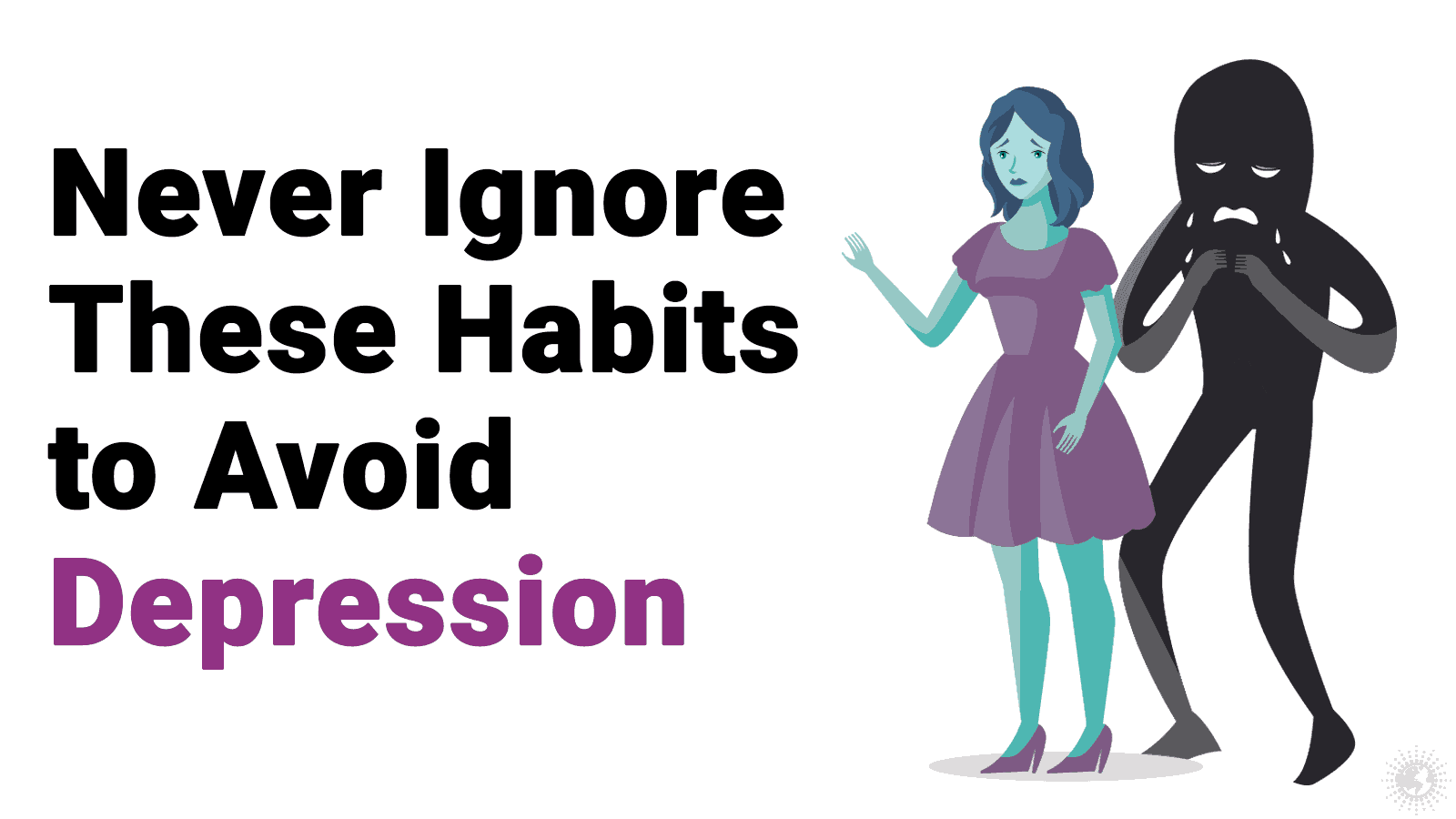
depressionWhat are the Signs and Symptoms of Dual Depression

If you have symptoms of depression, a close friend or loved one is probably more apt to see the signs before you do. You may not even realize that you are behaving out of the ordinary. These are the seven signs of dual depression to consider.

  • A dark, melancholy mood that lasts for days
  • Poor hygiene and disregarding appearance
  • Lethargy and noticeable restlessness
  • Loss of interest in things that usually brought enjoyment
  • Change in appetite: Overeating or Malnutrition
  • Weight Changes: Unusual weight gain or weight loss

Lack of concentration and difficulty concentrating

Also, you may notice these signs of a major depressive disorder that is superimposed on dysthymia.

  • Change in sleeping patterns: oversleeping or insomnia
  • Fear of losing control
  • Self-loathing or low self-esteem
  • Uncharacteristic behaviors
  • Thoughts and ideation of suicide

If you or a loved one are having thoughts about suicide, get help immediately. Call 911 or take your loved one to the emergency room at once. Depression needn’t cost a life.

The Depression Vortex

Since everyone is different, you may not experience all these symptoms at the same time. Your symptoms may vary in time and intensity. Sometimes, your depression may be linked to two or three severe signs.

At first, you may feel gloomy and want to avoid being around other people. Self-isolation gives you more time to ruminate and cultivate negative self-talk. These symptoms soon start to affect your appetite and sleep patterns.

If left untreated, these symptoms can intensify. Like a swirling downward vortex, one sign builds upon another until you are lost in a dark sea of double depression that can last for years.

How is Double Depression Diagnosed?

If you or a loved one notices any signs or symptoms of mild depression or dysthymia, consult your primary healthcare provider or a mental health professional as soon as possible. Acknowledging you are depressed is the first step in getting the help you need. The healthcare team must depend on observation because there are no specific lab tests to confirm the diagnosis.

• Preliminary Examinations

First, the healthcare team will do a physical exam and conduct a few lab tests. Since many diseases and disorders mimic the symptoms of depression, these tests will rule them out. They will ask you questions about your medical history and any medications or supplements you are taking. History of depression or other mental conditions can be a tell-tale sign.

• Referrals

If a complete workup doesn’t yield a physical reason for your symptoms, your primary healthcare provider may conclude you have depression. The provider will probably refer you to an experienced mental health provider.

For optimal evaluation and diagnosis, work with a mental health professional who is experienced and makes you feel comfortable. During your visit, the therapist will go over your medical history with you and ask you a series of questions. It’s important that you are completely honest with your answers because they will help determine if you meet the depression diagnosis criteria.

Treatment for Dysthymia

If you fit the criteria for mild and severe depression, you will be diagnosed with double depression. You can feel good about getting help because it can prevent your symptoms from getting worse. Here are some of the common treatments for a double diagnosis.

• Antidepressants

When the chemicals in your brain become unbalanced, mental conditions like depression can occur. Antidepressants are drugs that help bring your chemicals into balance and stabilize your moods.

• Psychotherapy

Dysthymia, major depressive disorder, and dual depression often entail negative thoughts and emotions. Your therapist may try cognitive therapy to help you recognize your negative thought patterns and realize how they affect your perceptions. You’ll learn ways to turn these bad thoughts into positive ones that serve you better.

• Interpersonal Therapy

Sometimes, your depression is based on trauma and fear. When you go through exposure therapy, you will learn to confront your fears and realize a reduction in your anxiety and depression with each session. You will find tools that help you cope better with everyday stress.

double depressionFinal Thoughts: Don’t Give up–Double Depression is Treatable

Whether you have mild depression, a major depressive condition, or a combination, you may feel like a hostage in your mind. An early diagnosis can help the situation from getting worse. With a combination of medicine and therapy, you can minimize your symptoms and feel the joy that you want and deserve.


Therapists Explain 10 Easy Ways Anyone Can Beat Worry

Worry weighs you down with uneasy thoughts. It tells you the worst-case scenario and all the potentially harmful things that will happen to you or others. Worry steals your ability to enjoy your life. You may be surprised to learn how easy it can be to break free of your anxiety.  Check out these ten ways therapists suggest for you or anyone to beat worry. Why not get started today?

So what are the differences between worry and anxiety? Fear and anxiety get used interchangeably, but they’re very different. Here are their definitions.

Worrying is when you have obsessive, recurring thoughts. Worry happens only in your mind without affecting your body.

If you’re anxious, however, you’ll feel it in your body (often your gut) and mind. Stress and worry can lead to anxiety. Physical symptoms of anxiety include the following:

  • Fatigue
  • Sweating
  • Restlessness
  • Insomnia
  • Racing heart
  • Nausea
  • Shaking

Ten ways to beat worry in your life

How do you beat worry? Here are ten tips that therapists suggest to their patients who struggle with fear. See if they help you to get rid of your worries.

1 – Write down your worries

Writing down your worries is a physical way of breaking free from your worries. Some people suggest that writing down your thoughts helps you calm down. Dumping your worries on paper is a tangible way to feel like you’re moving them away from you. You may want to add an area of your journal called “Gratitude.” This part of your journal is for you to write down what you’re grateful for. This way, you can look back at your journal to see the negative worries and positive blessings.

worry

2 – Give yourself a limited time to worry

Set an allotted amount of time for you to worry about something. If you start to worry about an issue or a person, tell yourself, “I’ll worry about this for the next ten minutes, then I’m done worrying about it.” Once the time is up, don’t allow your mind to go back to these thoughts. Please stick to your time limit, seeing it as a budget you must stay within. If you practice this habit over time, you’ll begin to find that you’re not worrying all day about a problem.

3 – Use worry to take action

Worry can be productive if it makes you problem solve or take action. If you’re worried about your house’s paint peeling, take action by calling a painter to come out and give you an estimate on painting your home. Your worries should not control you. You should handle it. Let worry serve you by taking positive action.

4 – Reroute your worry

When you start to worry, step into your thoughts, and declare a cease-fire. Being aware of worrisome thoughts can help you deal with them. Don’t allow your imagination to run wild with ideas of potentially harmful outcomes. It is a waste of your time and your mind. Stop your worries in their tracks, reroute your thoughts about more positive things.

5 – Live in the present

A wise saying in the Bible emphasizes the importance of living in the present. It says,

 So do not worry about tomorrow; for tomorrow will worry about itself. Each day has enough trouble of its own. (Matthew 6:34 Amplified Bible) 

It’s saying that today is enough for you to take care of. It’s not helpful to get ahead of your self thinking about tomorrow or next week. Living in the present means, you’re fully engaged in your day instead of feeling distracted. Some people call this state of awareness mindfulness. When you’re fully into your day, you don’t worry about “what if this happens” or “what will happen.” You’ll feel free to enjoy the day.

6 – Talk about your worries

You may have heard your grandma say she was worried sick. It can happen. Studies show that fears and worries can lead to distressing anxiety, which activates a stress response in your body. It makes your body go on high alert, setting off a racing heart, headaches, or heart palpitations. If you’re a worrier, talk with a trusted friend or counselor about your worry. Just talking about it helps you find relief from its grip on your life. A counselor can give you strategies for dealing with your concern, depending on what sets it off. Don’t keep your worry to yourself so that you become worried sick like your grandma.

7 – Choose to be positive

Worry is negative. It eats at your ability to enjoy life. Choosing to be positive is a healthy alternative to worry. Having a positive attitude can help you physically as well as mentally. Researchers have found that people who have a more positive attitude in life still have negative emotions, but they can bounce back from their negativity quicker. These people are more resilient and able to beat worry. That’s because they hold firmly to positive emotions longer, plus look they can look see the bright side of things.

beat worry

8 – Eat a healthy diet

Eating healthy helps you stay strong, physically, and mentally. Researchers have found that there’s a strong connection between the foods you eat and your emotions. This is in part from the connection between your brain and your gut. Your gut hosts bacteria that affect neurotransmitters like dopamine and serotonin, which carry messages from your gut to your brain.  When you eat a healthy diet, your gut maintains beneficial bacteria, ensuring a good connection between your gut and your brain. Junk foods cause inflammation in your gut, causing interruptions in your stomach to brain signals. This affects your moods as well as your health.

Here’s a list of the best healthy food to eat.

Omega 3s

Fatty fish like sardines, mackerel, and salmon. Omega 3 builds up your brain cells and keeps your heart healthy. Your body doesn’t produce Omega 3, so you need to get it from your food.

Vegetables

Veggies are a good source of fiber, potassium, vitamin A, folate, and vitamin C. These promote good heart health, so you feel better.

Whole grains

Whole-grain foods are packed with B vitamins, which help you feel good. They’re also rich in iron, zinc, copper, and magnesium.

Foods to avoid

There are some foods that you should avoid to maintain a healthier mood. When you’re feeling a sense of well being, you’re less apt to be drawn into dark, damaging thoughts that lead to worry.

Sugar

When you eat sugar, you’re feeding the harmful bacteria in your gut. Sugar alleviates dopamine for a short time, but you feel a sugar crash, which leaves you feeling irritable. These mood swings leave you more vulnerable to worry. Your sour mood reinforces your negativity.

Dyes

Food dyes have been known to affect the moods of children and adults. Side effects of dyes include angry outbursts, signs of hyperactivity, lack of focus, and inability to think clearly, feeling irritated, and prone to arguing.

High-fat diet

A diet of high fat like that found in fast foods lower your serotonin levels. Serotonin is a hormone that regulates your mood and sense of well-being. You feel happier when your serotonin levels are stable. It also helps your digestion. Eating a high-fat diet increases the inflammation in your gut and blocks the omega-3 fatty acids that help your brain produce healthy cells for good brain function.

9 – Exercise to release tension

Exercising gives your mind and body an outlet for tension and worries. Exercise allows the chemicals in your brain called endorphins to be released. These chemicals make you feel happier. Try these exercises for healthy tension release

  • High-intensity exercise-Running, biking, or HIT classes give you good heart health and make you feel more comfortable.
  • Yoga-Yoga relaxes you and calms your mind.
  • Kickboxing-Relieves tension with kicks, punches, and punches.
  • Martial arts-Release your tension and builds your stamina.

10 – Don’t believe everything you think

When you begin to worry, challenge your worrisome thoughts. Ask yourself questions, such as these:

  • Are these thoughts real?
  • Are these thoughts positive or negative?
  • Why am I thinking about these bad things right now?
  • Can I control this bad thing that I’m thinking about?
  • Does thinking about this make me feel happy or sad?

Your brain can run away with thoughts of dangerous diseases, car accidents, and other wildly imaginative things. Perhaps you heard something on the news, and now you’re sure it’s going to happen to you, but 99.9% of the things you worry about will never happen. Negative thoughts can take over your mind, but don’t believe them just because you thought it. Challenge your worry, take back your thoughts, and replace them with positive truth.

depression memeFinal Thoughts on Finding Ways to Beat Worry That Work for You

You can beat worry. It’s not your master. You can control it. These tips can help you find relief from worry. Try one or two strategies to see if they help you overcome a worried mind. If they don’t work, try a couple more. Whether you decide to journal, or talk to a trusted friend or counselor, or begin to eat a healthier diet, every little bit helps to ease the grip of worry. Everyone worries once in a while, and strangely, worry can be positive if it motives you to take constructive action. But worry that eats at your gut is harmful, so don’t give up the fight against worry.

11 Seemingly Innocent Habits That Can Harm Your Health

How many bad habits are a part of your life? Even more so, how many of those habits are you completely unaware of? You may not realize it, but the little things that you do every day might be adding up to a bad outcome for your physical health. Do not inadvertently harm your health. Instead, make these minor adjustments to your routines.

It’s challenging to stop habits in general, but it’s even more challenging when you don’t even know what those habits are. That’s why awareness is the first step, and you might as well begin here! Here are 11 seemingly innocent habits that can harm your health.

Eleven Habits That Might Harm Your Health (Even if you don’t know it)

1.    Dining Out Too Often

When you do not have time to prepare your own food, it’s easy to eat out all the time. But when you eat outdoor food, you’re not able to know for sure what ingredients are being used in them. You also have a higher chance of ordering cheaper fares, which are often fast foods.

harm your health habitsFrequent fast-food consumption leads to a high intake of a component called phthalates, which are made worse by packaging, gloves used by workers, and processing procedures. High-fat, oil-filled foods are more likely to absorb phthalates and wind up in your stomach. Phthalates have been linked in research to:

  • Hormonal disruption
  • Reduced sperm count
  • Other reproductive abilities and functions
  • Lower IQ development in kids

Try to prepare your food as often as possible. Use whole foods, fresh ingredients, and acceptable portioning practices for a more positive outcome.

2.    Crossing Your Legs Can Harm Your Health

It’s easy to cross your legs and feels like a very natural motion. But if you cross your legs at your knees, did you know that you’re raising your blood pressure? Research published in the peer-reviewed Blood Pressure Monitoring Journal found that:

  • Crossing legs at the knee leads to a 6.7 mmHg increase in systolic blood pressure
  • Crossing legs at the knee leads to a 2.3 mmHg increase in diastolic blood pressure for those with hypertension
  • Finally, crossing legs at the knee leads to a 1.7 mmHg increase in diastolic blood pressure for those with treated diabetes
  • No contributing factors were found in terms of BMI, gender, age, or original blood pressure

The good news is that you can still cross your legs at the ankles without causing a blood pressure spike. It will, indeed, take some getting used to this habit, but it’s better for you overall.

3.    Not Washing Your Face Enough

Did you know that 80% of people in the United States make a mistake in their face-washing routine? Many people discount the numerous positive effects of washing your face well, especially before bed. Cleaning up before going to sleep makes sure you get rid of dirt, makeup, pollution, and debris instead of letting it sit all night.

It’s also important to wash your face after exercise, especially if you go to a gym. This will:

  • Wash off excess sweat and the germs that stick to it
  • Reduce overheating of the skin after your workout
  • Clean off other people’s germs, transferred from shared workout equipment

The aforementioned national survey also found that:

  • 60% of Americans are unsure about the right methods to cleanse their skin
  • 55% of Americans with dry skin only use water to clean their face
  • 54% of Americans do not wash their face before going to bed
  • 52% of Americans use hand soap or body soap as a face wash

4.    Blocking Your Sneezes By Squeezing Your Nose

When you don’t want to be loud in public, it’s tempting to pinch your nose to prevent making a loud, sneezing spectacle! But sneezes can be surprisingly powerful things, and it’s not something you’ll want to make a habit of. Sneeze buildups generate pressure, so preventing a sneeze from escaping means the pressure is never released.

Though it is rare, the pressure can travel back into the body and cause several different problems. The pressure can move to:

  • The ears, causing inner ear damage or eardrum damage.
  • The mouth and nose, harming the throat and sinuses (in fact, there’s a recorded case of a man tearing his pharynx by holding a sneeze!)
  • The blood vessels, affecting the brain, eyes, throat, or chest
  • The chest, causing pain or discomfort
  • The brain, causing headaches or ruptures

Of course, these aren’t typical results of holding in a sneeze. But the risks are worth considering, especially if you tend to block your sneezes often.

5.    Being Too Pessimistic

When your positive thinking drops, a lot of other issues can arise. This is outside of just symptoms of anxiety and depression, as you would expect.

Think about it. The brain is a vital organ that dictates every single function of the body. If you only feed it negativity, you can hardly expect good things to come of it. Some negative results from seeing the glass half-empty are:

  • Thinking negative thoughts can worsen your immunity and immune system response.
  • Positive attitudes can reduce your risk of heart disease or dying of heart disease.
  • Those with negative thoughts and beliefs may have shorter lifespans than those with more positive thinking.

6.    Eating Before Bed Can Harm Your Health

When you eat close to bedtime, you’re not giving your body enough time to digest your food. Lying down when your stomach remains full is one of many things that can lead to symptoms of gastroesophageal reflux disease or GERD.

If you want a more positive bedtime experience, make sure you stop eating between three and four hours before you plan to turn in. If you wind up eating after this time limit, try to prop yourself up to reduce the risk of GERD symptoms.

natural beauty products

Replace chemical deodorants with these natural beauty products.

7.    Burning Scented Candles Can Harm Your Health

Few can deny the positive thinking that can be gained from having a pleasant, relaxing scent permeating the air of a room. The ambiance provided by a good scented candle is delightful, but did you know this habit can have an adverse impact in the long run?

A lot of scented candles are made from a petroleum-based component known as paraffin. When paraffin melts, toxic vapors are released into the air. These fumes can contribute to the risk for problems such as:

  • Asthma
  • Lung damage
  • Respiratory disease
  • Cancer

Worse still, scented candles aren’t the only contributors to these problems, so you can’t get around it by using similarly scented items. Other potentially dangerous culprits include:

  • Incense
  • Gels
  • Plug-ins
  • Aerosols

It’s a good idea to reduce your burning of candles and scented products of this kind, especially if you’re not burning them somewhere well-ventilated. Need those good scents? Opt for alternatives, such as:

  • Soy candles
  • Beeswax candles
  • Vegetable-based candles
  • Perfume
  • Potpourri

8.    Insufficient Ventilation When Painting Nails

Nail polish is full of toxins. Applying nail polish alone has been found, in studies, to allow those toxins to permeate the skin and disrupt hormones. Inhaling the fumes of nail polish is also a bad idea because of its laundry list of harmful components, such as:

  • Phthalates
  • Formaldehyde
  • Toluene

These chemicals have all been found to affect health by causing:

  • Dizziness
  • Respiratory problems
  • Nervous system toxicity
  • Brain issues
  • Increased cancer risk

It’s a good idea to shop smart for nail polish. Opt for brands that don’t use the products as mentioned above and, when painting your nails, do so in a well-ventilated location. Doing your nails is preferable to going to a salon as it gives you more control over the polish you use and how you apply it!

9.    Falling Asleep With Contact Lenses

It’s relatively common knowledge that it is unsafe to sleep with your contact lenses in. And yet, 33% of adults and 30% of adolescents don’t take off those lenses before sleeping, according to a CDC report!

When you wear your contacts at night, the oxygen levels of your eye can become decreased. This leads to corneal stress. Infection risk is also significantly higher when you wear lenses to bed, leading to permanent vision damage.

Other worrying statistics from that report include:

  • 33% of adults, 28% of young adults, and 27% of adolescents swim while wearing contact lenses
  • 45% of adults and 52% of young adults do not replace their lenses as frequently as directed
  • 42% of adults and 41% of young adults do not replace contact lens storage cases regularly

10. Washing Your Hands With Very Hot Water

Love hot showers? The heat can wind up stripping the natural oils from your skin, drying it out and leading to a higher risk of microorganism growth. All sorts of harmful bacteria can take root on dry skin and multiply quickly, leading to infections. Meanwhile, the good bacteria that you want to keep can get harmed by the heat, so you’d be doing double the damage to yourself!

Many people believe that heat is what kills bacteria, but the level of heat that human skin can tolerate isn’t sufficient for removing those germs. In fact, studies suggest that hot water is no more positive for cleansing the skin than cooler water, so there is no point to it.

So what should you do instead? Stick to warm temperatures and use gentle cleansers to clean your skin.

11. Using A Public Bathroom’s Hand Dryer

You might have tried to reduce your usage of toilet paper and tissues due to their impact on the environment. But did you know those hand dryers can be worse for your health, especially in high-traffic public restrooms?

A study found that hand dryers blow fecal germs back towards your body. It’s very gross to think about! When you use these dryers, you’re opening yourself up to the risk of infection.

Basically, bacteria of all kinds can be quickly deposited onto your hands when you use these dryers. Restrooms that get a lot of “traffic” run the risk of being the spreading point of all sorts of infections and germs!

harm your healthFinal Thoughts On Some Seemingly Innocent Habits That Can Harm Your Health

Any habit, whether it is good or bad, can be tough to break. Knowing a practice is bad for you doesn’t automatically mean you’ll be able to drop it right away, but it’s essential to be informed regardless!

Knowing how your habits affect you is crucial in understanding your bodily functions, physical health, and health risks. If you need help changing a bad habit, don’t be afraid to ask for help! There’s no shame in trying to improve yourself, after all!

Research Reveals That Love at First Sight Does Exist

Love-at-first-sight is as old as the hills. You hear about it in songs, books, and movies. Does it exist? According to researchers, it does!.  But of course, you didn’t need a researcher to tell you that. You may have experienced it yourself. So, what else does the research team say about the existence of love-at-first-sight? Let’s find out.

Research proves that the eyes have it.

Your eyes meet across a large room full of people. You feel an instant attraction, a sudden connection to this person. Is it authentic? Attraction to another person is expressed by the eyes. The gaze may express sexual interest, a strong desire to convey to them how you feel. Your intentions and the other person’s preferences influence how you look at one another. You must evaluate the attraction you feel. Is this really love-at-first-sight or just a passing fling? Acting upon the gaze and feelings could be a life-changer. So, when you gaze into someone’s eyes across the room, you never know what may happen.

You look familiar to me.

love at first sightAccording to studies, people are often attracted to someone with similar attributes to themselves. Researchers believe that you can be sexually attracted to your lookalike because you perceive them as trustworthy. You do this by looking at the person’s eyes and facial features. Indeed, you may feel as if you’d be comfortable with them, even though you’ve never talked to them. Perhaps you might even assume you know them. Or, you can sense whether they are sad, happy, or a healthy individual. You’ve seen those couples who look so much alike they could be siblings. It’s not that uncommon. And sometimes these couples act alike, too.

Is there a physical attraction?

You will probably be attracted to someone physically attractive to you. Love at first sight encounters are often based on your perception of physical beauty. Whether this instant connection factors into all experiences, researchers are still studying to understand the concept of love-at-first-sight better. Every individual has a different definition of genuine beauty, and it’s often in the eyes of the beholder. Who hasn’t had that friend who falls for someone you’d never describe as beautiful? But that’s the beautiful part of physical attraction. Everyone has their own definition of it.  So, someone who is physically attractive to you is more likely going to be that person you gaze at across the room.

Is it love, or is it lust?

Those intense, love at first sight feelings are not always a desire for love and commitment. Established relationships tend to have these feelings beyond what those who fall head over heals right away. But these brief encounters can make you open to this type of relationship. Love at first is often defined as an attraction that makes you open to a possible connection. But researchers suggest that love may not be a prerequisite for sex, and sexual desire doesn’t always lead to love. Each person is different in their motives and goals when they have that butterflies in the stomach experience. That fixated gaze you’re getting from the person across the room could be expressing feelings of love or just feelings of lust.

Can love-at-first-sight happen more than once?

Some people rely on love at first sight for all their relationships. They look for their feelings to lead them to find the right partner. They may have multiple similar experiences. This is not always the most reliable method to find someone, and those couples who feel instant attraction don not always end up in a relationship. Getting to know someone over time is a more reliable way to build a relationship. But sometimes these very romantic experiences do become a long term relationship, and when it does, it’s a sweet and touching story. It’s what creates the familiar songs, books, and movies that are so popular.

love at first sightDoes love at first sight predict a successful and long term relationship?

Researchers suggest that falling in love at first sight is superficial at best. You might be attracted to someone physically, but really have nothing in common with them. Good chance the relationship won get off the ground. But on the other hand, your positive first impression of that person and the familiarity you feel toward them could lead to a long relationship. It really just depends on whether it’s meant to be.

What if I’m not feeling it?

Often the instant attraction is not by both individuals. In fact, the love at first sight emotion is rarely shared, so don’t feel bad if you’re not feeling it. Researchers found that these experiences are often a one-sided experience. One person has an intense sense of love-at-first-sight. When this person explains their experience to you, you may begin to experience the same thing, even though it wasn’t your first reaction. So, just hearing the other person explain their experience to you can help you have the same experience.

Men fall in love, at first sight, more frequently than women.

Women are less inclined to feel this experience than men. That is because women are often more careful about whom they date. Also, females often prefer to take their time in relationships to get to know the other person. On the other hand, males are more apt to report having this experience many times. This could be because men are driven more by physical attraction than women. And it’s unclear whether these love-at-first-sight encounter men have turned into long-lasting relationships.

Can I feel this chemistry with online dating?

Online dating might inhibit this notion. But don’t rule it out altogether!

It’s pretty hard to look across the room at someone if you’re only looking at their picture. Some couples report that they did feel this attraction when looking at the other person’s photo. But other people suggested that it was more when they met the person face to face that they had their love-at-first-sight encounter. It seems as if these emotions involves seeing the person physically.  So, whether it’s by looking at a photo of someone or meeting someone face to face, you do not need to be in a crowded room to experience love-at-first-sight.

Is love at first sight outdated?

Many people feel that love, at first sight, is dated. Or at least, it’s too fairytale-like to be genuine. They feel that this type of love encounter doesn’t happen in real life. While other people argue that a large population of people who maintain that love-at-first-sight exists and have experienced it.

All arguments aside, the naysayers may have a point. Movies can leave you with a that doesn’t happen in real life kind of feeling. Overly romantic stories can be so exaggerated that if you haven’t had a love- at- first- sight encounter, you may feel like there’s something wrong with you.

falling in love

These fifteen behaviors reveal that someone is falling in love.

Final Thoughts on the Study about Love at First Sight

For some people, the phenomenon of love at first sight is real. But for others, it’s not their experience. To strive for this type of experience isn’t necessary to have a great relationship with someone. Although science does say it does happen, don’t feel pressure to make it happen or feel like there is something wrong with you if it does not.

When you feel an instant connection with someone across the room, it could be that you will be head over heels before you know what hits you. You may feel like you are drawn to the person. It is an experience that many people have, and it can be the beginning of a long term relationship. You can act upon the initial first gaze. But be sure to understand the other person’s goals. If you’re wanting a deeper, more meaningful type of relationship and they’re not looking for that, it could be disappointing. If you don’t have this experience, that’s okay. Not everyone does, yet they enjoy a wonderful loving relationship with their partner. It’s different for everyone. Whatever happens, if you have that love-at-first-sight experience, enjoy it, and hopefully, a relationship will blossom from that simple gaze across the room.

Therapists Explain 6 Ways To Calm A Stressed Partner

Everyone can get stressed out, and it can be challenging to know what to do when your partner winds up in a stressful situation. If they have unhealthy or less-than-ideal coping mechanisms, it can be even tougher to understand how to help them.

Of course, with your heart going out to your partner, you wouldn’t want them to experience this emotional pain. But how can you help them out of that place without further exacerbating the problem?

Here’s how experts recommend six ways to calm a stressed partner.

1.    Find The Root

Where is your partner’s stress coming from? Why is it causing them to behave this way? No one ever wants to be stressed, so something is causing this to happen, says author and Professor Emerita of Psychological and Brain Sciences Susan Krauss Whitbourne, Ph.D., ABPP.

stressed partnerThink back to your partner’s day or current life circumstances and consider what may be causing this stress. Here are some questions to help you in the process:

  • How has their day been?
  • Are their relationships with others, such as family or friends, going well?
  • Are they affected by world events?
  • Have they talked about anything stressful to you?
  • What seems to have triggered their stress?
  • Do they have patterns of becoming stressed in certain circumstances?

When you find the root of stress, you’ll be able to respond better to it and help your partner work through it.

2.    Listen To Your Partner

Unless your partner says, they genuinely don’t want to talk about the source of their stress, sometimes lending them an ear can help them feel better. Author and licensed clinical social worker Judy Ford outlines some steps to do this:

·         Step 1: Recognize Stress Symptoms

Take note of the way your partner begins to behave when stress mounts. Do they exhibit specific behaviors? They might, for example, get fidgety, snap more often, stress eat, or become withdrawn. When you see these symptoms of stress, you can make your approach.

·         Step 2: Approach

If your partner is exhibiting their stress symptoms, try to approach them with no judgment. Have compassion, kindness, and positive thinking when you go to them. Then, ask them how they feel and invite them to talk to you about it, maintaining a welcome tone of voice.

·         Step 3: Listen

When your partner talks about their stress to you, you need to genuinely and honestly listen to them. This will show your partner that you genuinely care for them. Active listening is a critical skill and can make the difference between a positive and negative response from your partner.

·         Step 4: When You Speak, Default To Comfort First

Most people who talk about their emotions will want to be comforted, not provided with solutions right away. First, offer comfort and give them physical or emotional support. Only after that should you ask if they’d like to find a way through the stressful situation with your help.

3.    Be Supportive, Always

When a partner opens up to you, you need to make sure they feel validated. They are vulnerable to you, so it’s only natural that you do your best to accommodate their emotions and show them how you appreciate their openness. Here are some tips for being supportive:

·         Being Patient

Your partner doesn’t want to be stressed out, and they certainly don’t want that stress to affect you. If they come to you and speak in a positive and productive way about something that involves you, resist the urge to default to defensiveness. Be patient and listen instead, so keep calm, recommends Whitbourne.

·         Ask How You Can Help

It’s essential to ask your partner how you can support them, says Ford. Even if you can’t directly help, ask how you can make things go more smoothly for them or how you could help them feel better. You can offer to do some extra chores, help them run an errand, give them a massage, cook them dinner. The possibilities go on and on!

·         Give Them Space If They Need It

Some people need to be alone when they’re stressed out. Don’t take it personally – it’s not about you at all; it’s about someone’s healthy need for me-time. Give your partner the personal space to do their own thing and unwind without your input, suggests Psychotherapist Edie Stark, MSc, LCSW. You’ll be surprised how supportive of action this can be to them and how much it may boost their positive thinking! Just make sure you talk about their needs for space and alone time first.

4.    Understand Insecurity Scientifically

Before you can even begin to calm down a stressed partner, you need to understand insecurity as a scientific concept. This doesn’t refer to typical “insecurity” in the commonly portrayed, obvious sense, but more to insecure attachment and insecure defensiveness. Many times, stress is the result of something partially influenced by insecurity. If you’re not careful, you can trigger an escalation of the situation by not knowing how to manage that insecurity.

According to research, a partner’s stress can spiral out of control when they protect themselves from mental distress. This can trigger immature insecure mechanisms that are important to respond to in a positive way to prevent a worsening situation. A person who is using these mechanisms may:

  • Very heavily fear abandonment.
  • Become defensive or passive-aggressive
  • Respress their feelings
  • Desire reassurance but feel invalidated by your current response.
  • Experience reality distortion
  • Feel too overwhelmed to react positively

Partners who experience severe insecurity may benefit from therapy or counseling services, and it’s worth broaching the subject with them if these harmful attachment patterns are becoming extremely prevalent in your relationship. If they happen too often, it can be toxic and cause the relationship to end.

moving in with your partner5.    Try Working Through It Together

As a couple, you are meant to work through hurdles and problems hand-in-hand. You are meant to be there for each other through thick and thin. Coping with issues as a couple is referred to as dyadic coping, and it has substantial positive effects on the health and strength of a relationship.

This is why Assistant Professor of Communication, writer, researcher, and family relationship expert Elizabeth Dorrance Hall, Ph.D. recommends handling stress in the following ways:

·         Learn To Turn To Each Other

When you experience stress, learn to trust your partner and go to them first. Could you encourage them to do likewise? Over time, you will both get better at responding to each other’s stress and will learn to trust each other with the details of your plight naturally. Of course, be aware of emotional bandwidth, too. Communicate clearly about your emotional boundaries when turning to each other!

·         Ask Questions

Don’t be afraid to clarify your partner’s position. If there’s something you don’t understand, ask them about their perspective. Make sure you’re being non-judgmental and be clear that you’re asking because you want to understand them, not because you disbelieve them.

·         Brainstorm With Each Other

When your partner experiences stress, learn to put your heads together. Discuss options, allowing your partner to lead the discussion, and help them organize their thoughts so they can make their own independent judgments, decisions, and conclusions. Your goal is not to push your thoughts onto them, but to help your partner process their feelings and ideas.

·         Offer Your Perspective

Once you’re in brainstorming mode together, offer your perspective of the situation. You may have a less dramatic viewpoint because you’re separated from the emotions your partner is experiencing, or you might have some additional insight or unique opinion. Don’t push your partner to incorporate your perspective – show them alternative options they may not have considered.

·         Support Their Strengths

Appreciate your partner’s strengths and your strengths. See how you can cover for each other and complement each other to find the best solutions!

6.    Learn From This

The point of life is to keep improving based on life experiences. As a couple, you can both learn and grow from moments of stress and become stronger for it. If you don’t learn from the event, you and your partner may end up stuck in a cycle of stress that you never learn to handle better. Here are some ways to make sure you and your partner have learned from this episode of stress:

·         Think Of How To Better Handle This In The Future

What can you learn from this episode of stress? How can you prepare for this in the event it happens again? What triggers do you both need to be aware of? What have you learned works best for both of you, and what doesn’t work at all? When you think of these questions, you’ll be learning and growing together from experience and will be better equipped to face it next time with more positive thinking.

·         Explain Your Point Of View

If your partner’s stress led to them lashing out at you or exhibiting toxic behaviors, you need to tell them about it. After you’ve worked through the worst of the stress, open up communication regarding this with them, suggests Whitbourne. You want to talk about how their defense mechanisms hurt you or made you feel and recommend more mature or positive methods of coping for the future. Remember, don’t be accusatory – focus on explaining yourself productively and with kindness.

·         Understand Your Own Thresholds And Boundaries

Your partner’s pain can, in turn, affect your emotional energy. If you let yourself be drained instead of stepping away when you need to, you’re doing no one any favors. Ford recommends learning to gauge your stress levels, so you know when you need a break and need your support. Be sure to speak to your partner about this. Remember, it’s unreasonable for any expectations to involve a partner being there for the other at their own severe mental detriment. You can’t help each other if you start suffering, too.

stressed partnerFinal Thoughts On Some Ways To Calm A Stressed Partner

Stress is a part of life. Your partner will end up feeling stressed out multiple times throughout their life, as will you. Learn to help your partner through their stressful times and learn to rely on them during your own. This will ultimately build your bond and make your relationship stronger!

15 Compulsive Behaviors That Reveal Someone Might Have OCD

Many compulsive behaviors can reveal someone might have OCD, and you have to know what to watch for. Identifying OCD is easier than you think, as you will see when you learn the behaviors that signify it.

First, however, it is crucial to understand what a compulsive behavior is. Compulsive behavior is something that a person repeatedly does, even if they don’t want to. These behaviors could cause negative situations, damaging mental health, and still, it seems impossible to stop.

A type of compulsive behavior is OCD, which is short for Obsessive-Compulsive Disorder. With this disorder, a person does things to relieve anxiety, although the actions may not relieve it at all. This could involve repeatedly checking locks on doors and windows or often washing their hands.

When these behaviors become too severe, it can negatively impact a person’s life. If you genuinely feel that you or someone you know might have this disorder, watch for the following compulsive behaviors.

Compulsive Behaviors That May Reveal OCD

Be aware of these habits that might reveal someone needs to seek help from a mental health professional.

1. They wash their hands more often than necessary.

Those who have this disorder often have a fear of germs, so they continuously wash their hands. They may not even touch anything that could have been contaminated, but they will scrub their hands anyway. Sometimes, they wash their hands so often that their skin becomes raw, cracked, and sore. Recent research indicates that the 2020 coronavirus outbreak may be the trigger of this obsessive handwashing behavior for many people.

2. They continually check that things have been done.

Some people with OCD regularly check things such as the oven, door and window locks, or appliances. Usually, they study things that are associated with danger, but this isn’t always the case. They also tend to check light switches, electronics plugs, and other appliances.

3. They always worry something terrible is going to happen.

They may feel like if something isn’t perfect or done in a certain way, something terrible will happen. This leads to them doing the task repeatedly until they think it is perfect.

People who have this type of compulsive behavior may also have anxiety that something bad will happen without reason. They won’t know what is triggering the feeling of doom. They just know that something bad could happen.

4. They obsessively worry that they will be in trouble for something.

This ties into the last one, where the person may worry something bad is going to happen. In this instance, however, instead of worrying that something harmful will happen, they worry about getting in trouble, specifically.

They fear punishment and often think they will be punished for mundane mistakes. Sometimes the errors they are stressing about aren’t even noticed by anyone else. This doesn’t help them relax the next time around, though.

5. They count everything and have a number they like to stick with.

You may notice that the person counts everything, even if there is no reason to do so. They will be obsessed with knowing how many things there are, or how many tiles are on the floor. Plus, they will likely know how many they have of something and realize if one is missing.

6. They organize things with similar features.

It’s not only that they like things organized, but it also goes beyond that and into an obsession. They often sort items by color, number, height, or other similar features. Sometimes they organize things so that everything faces the same direction, with labels all facing the same way.

bad habits7. They are hoarding or accumulating pointless things.

You may notice that they refuse or struggle to throw things away. These items could include old newspapers, broken items, or any other items that will go unused.

They likely hoard because they feel like something bad will happen if they throw things out. Other times they may worry that they will need it again someday or that they will find a use for it. They frequently say that they are going to fix the broken items, but never get it done.

The items they hoard tend to be things of little to no value, but are not sentimental. More severe hoarders even get to the point where they keep trash and live in unsanitary conditions.

Keep in mind that while hoarding is a compulsive behavior associated with OCD, it could also be a sign of Hoarding Disorder. The primary difference between the two illnesses is that in OCD, hoarding is stressful, random, and usually non-sentimental, according to psychologists. Hoarding Disorder, on the other hand, brings pleasure and usually has sentimental reasoning for keeping things.

8. Checking in with family and friends repeatedly in a short time frame.

While it’s normal to worry about loved ones and check in on them, it can become excessive. When someone calls to check in repeatedly in a short amount of time, it could be a sign of OCD. It indicates they have an unreasonable fear about something tragic happening to someone they love.

9. Tapping, counting, repeating words, and other seemingly senseless actions.

When someone with this disorder is feeling anxious, they might repeatedly do random actions. The action will likely have no reason, but they will continue to do it anyway.

They may tap on the table in front of them, on their leg, or any other available surface. Counters will count to the same number repeatedly, or collect groups of items that add up to a favorite number. Other times, they may repeat the same word or phrase over and over again in an attempt to reduce anxiety.

Other repeated actions you may notice include:

  • facial expressions
  • throat clearing
  • shrugging their shoulders
  • eye blinking

10. They spend too much of their energy and time on cleaning and washing things.

People who have OCD sometimes have a fear of contamination. They worry about germs and dirt, so they clean frequently. They may sanitize a counter that has been unused since it was last cleaned, or wash a dish several times.

In this case, the person is often worried about illness and infection. They wash and re-wash everything, and may still be anxious about germs.

11. Engaging in frequent rituals.

Sometimes, a sign of OCD is if a person is obsessed with moral rules and religious perfection. They may pray excessively, repeating the prayer until it sounds perfect to them. These obsessions can occur due to a fear of not living up to their religious ideals.

They may also seek frequent reassurance that they aren’t sinning or won’t be condemned. If the person attends confession multiple times a day or prays for forgiveness for hours every day, it’s a sign.

Other times, they may obsessively discuss or read about moral ideas. They will go beyond what is necessary when it comes to their morals.

12. They continuously worry about hurting themselves or others.

Even if they aren’t violent, they may worry they will hurt someone or themselves. This overwhelming fear can be debilitating to the person, and they will sometimes avoid people to avoid harming them.

While it may seem unreasonable, it likely comes from negative thoughts of harm. These thoughts are unwanted and unwarranted, but they can’t get them out of their mind. It leads to a legitimate fear that these terrible thoughts could come true.

13. They frequently worry about losing things or not being prepared.

You may notice that they frequently check to see if they remembered to bring something they need. Even if they have already checked multiple times, they will likely do it again. Likewise, they may often get anxious that they are going to be without something they need.

14. They are superstitious.

Not everyone who is superstitious has OCD, but it can be a sign. They likely have a lucky number and insist on having that number no matter what the situation. If they have to use a different number, they will think of it as bad luck.

They may do this in many different situations. The things that are considered lucky will depend on each person. No matter what it is, though, the person will be intensely serious about their belief that it is lucky or unlucky.

15. They get anxious when things are out of place.

Most people can handle things being slightly out of place, but someone with OCD will become anxious about it. Everything will have to line up perfectly, be in the correct order, and be in the place it belongs. Even shifting something a couple of inches can cause anxiety.

compulsive behaviorsFinal Thoughts on Compulsive Behaviors That Reveal Someone Might Have OCD

Knowing these compulsive behaviors can help you identify when someone has OCD. Whether it is someone you know or if it is you that is suffering, addressing it is essential. It can feel challenging to live with, but it is possible to overcome and thrive despite the disorder.

Before overcoming, however, it has to be identified. Figuring out what the trigger is and which repetitive actions are involved can make it easier. When you are trying to discern if someone needs help, remember these compulsive behaviors.

25 Things the Questions About Your Parents’ Health Reveal to Your Doctor

When you see the doctor, you may wonder why they ask many seemingly unrelated questions, especially regarding your parents’ health. If you feel particularly miserable during your doctor’s visit, these questions may downright annoy you. The questions they ask about your parents’ health reveal risk factors for you, however.

These risk factors can help the doctor rule out certain conditions or illnesses. Plus, they can be indicators that you may need testing on a particular part of your body. Likewise, the doctor may help you prevent the development of certain diseases if you are at risk.

What the Questions About Your Parents’ Health Reveal to Your Doctor

You should trust that your doctor is asking these questions about your parents for a good reason. They are only trying to be the best doctor that they can be for you. Part of this is knowing the full extent of yours and your parent’s health history.

1. Oral Health

parents health

Some genes link to increased cavities in adult teeth. Plus, if your parents had gingivitis or periodontal disease, you are more likely to develop it yourself.

If these issues are undiagnosed and untreated, it can lead to tooth loss. Your doctor might ask you to take extra precautions if your parents had oral health issues.

2. Potential for Thyroid Disorder

Thyroid disorder is genetic, and there are two issues you could experience. Hyperthyroidism means your thyroid is overworking, while hypothyroidism means it is underworking. It’s important to know which disorder your parents have so that you can pass the information along to your doctor.

3. Weight Disorders

Your weight, while primarily affected by diet and physical activity, is also influenced by genetics. The genes you inherit, such as appetite, fat storage, and other things are all part of this.

Remember that even if you have an overweight parent, you don’t have to be overweight. Even though your genes play a large role, you can make healthier decisions and live a healthy lifestyle. Be sure to be active regularly, eat healthy food, and keep your stress in check.

Eating disorders such as anorexia and bulimia are also hereditary. Most people who suffer from these eating disorders have a flawed gene that confuses their appetite control. There is help for overcoming this, and it’s essential to seek professional assistance if you are suffering.

4. Mental Health Issues

Mental health issues are genetic, and if your parents suffered from it, you have an increased risk. This increased risk isn’t small, either, as it’s between 11 and 18%, according to the National Institute of Mental Health.

Depression is a commonplace mental health disorder that parents and children will both have. Bipolar disorder is another one that is relatively common to see in both parent and child.

5. Potential Skin Conditions

Skin conditions are hereditary, so it’s common to see the same skin condition in the parent and child. Even acne, as common as it is, is partly due to genetics. While a lack of regular face washing can cause it, as well, genetics plays a huge role.

Common skin conditions, including eczema and psoriasis, are both hereditary. There is also a condition called rosacea that is hereditary. This condition causes the nose and cheeks to become red, swollen, or develop red veins and pimples.

6. Chance of Dementia

Dementia isn’t always hereditary, but there is a gene linked to it. This gene could cause you to develop dementia if your parent had it.

7. Potential Pregnancy Experiences

Most aspects of pregnancy and post-partum issues stem from genetics. The severity of morning sickness is one aspect that is affected. If your mom often experienced morning sickness, you likely will, too.

Unfortunately, your chance of miscarriage can be hereditary, as well. Knowing this risk ahead of time can help you because your doctor will know that you have a potentially high-risk pregnancy.

Your chance of giving birth to fraternal twins is another genetic aspect. Mothers and fathers can both pass this gene to their daughters. It’s important to note that a father having the gene won’t affect the chance of his partner having twins, however.

8. Learning Disabilities

Both genetics and the surrounding environmental factors could play a part in learning disabilities. Even those who are intelligent can experience issues reading, concentrating, or speaking. It all has to do with the manner in which their brains process information, which links to genetics.

The reason this is important for doctors to know is that it can help them rule out other issues. When you are having trouble concentrating, it could be a disability or something life-threatening. Plus, when they know a learning disability is possible, they can help you figure out how to work with it.

9. Stroke Risk

If your parent has had a stroke, your risk is increased. Your doctor needs to know this so that they can watch for red flags in your health. Plus, they will be able to tell you ways to prevent it from happening.

10. Heart-Rhythm Disorders

If your parents have a history of fainting when they are stressed or physically exhausted, it could be a sign. Frequently, fainting on these occasions indicated a heart-rhythm disorder that is genetic.

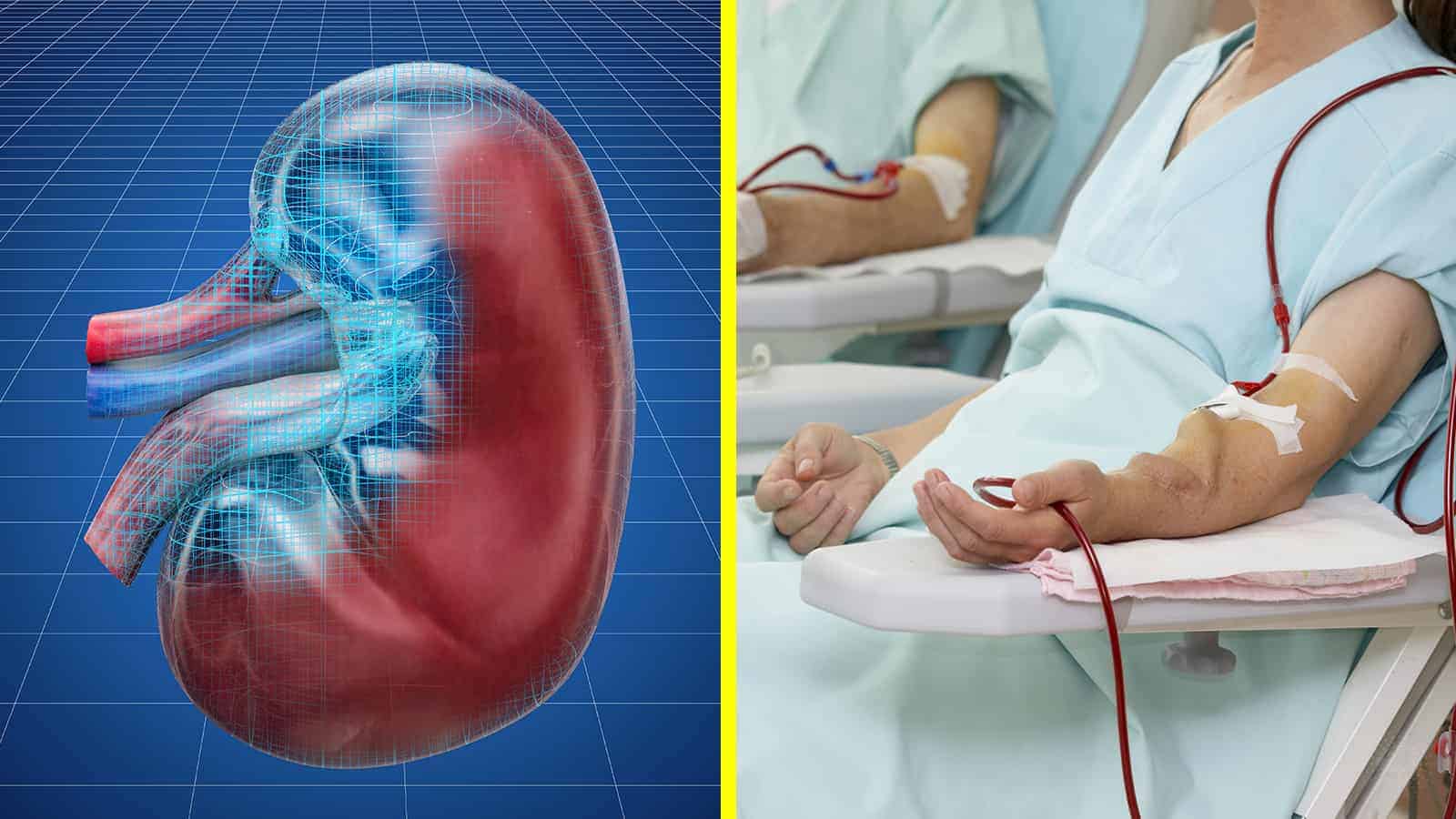
11. Risk of Kidney Disease

Not all types of kidney diseases are genetic, but many of them are. If your parents suffer from kidney disease, it might be a good idea to be tested, too.

dialysis

Science reveals an artificial kidney that might replace dialysis soon.

12. Heart Disease

Coronary disease is the number one, leading cause of death in the United States. Because of that, it is vital to be upfront with your doctor if it runs in your family. Many genes contribute to the onset and severity of heart disease. So, the chance of it passing down to you from your parent is relatively high.

Luckily, genetics isn’t the only determining factor. If you have a a higher risk of developing it (and even if you don’t), living a healthy lifestyle can help. Eat nutritious foods, avoid smoking tobacco, and exercise regularly.

13. Reason for Frequent Heartburn

Sometimes heartburn indicates something more than eating spicy foods. There is a hereditary allergy that causes inflammation of the esophagus. This will feel like heartburn or acid reflux and can cause acid reflux if it hasn’t already begun.

14. Chance of Diabetes

Often, it is mistakenly believed that type 2 diabetes is simply caused by a lack of exercise and a low diet. This isn’t true, however, because much of the development of this disease has to do with genetics. Just remember that most diseases and conditions that you may inherit can be avoided by living a healthy lifestyle.

15. Cancer Risk

Cancer is, unfortunately, often linked to genetics. If your mother had breast cancer, then your risk is higher. Your doctor will be able to tell you what to watch for and how often you need to have screenings done.

Additionally, those with red hair and fair skin have a higher risk of developing melanoma. UV exposure plays the most significant role in this type of cancer. So, avoid getting sunburned even if you don’t fit the characteristics mentioned before.

16. Asthma and Allergies

Allergies and asthma both run in families. Some of it has much to do with genetics, but sometimes it’s environmental.

Food and seasonal allergies tend to be hereditary, which medication allergies aren’t. Even still, if your parent has a medication allergy, always mention it to your doctor. It’s better to be safe than for something to go overlooked.

17. Cholesterol Levels

While it’s true that often high cholesterol is the result of poor diet and exercise, it can also be hereditary. If your parents have high cholesterol, your body may have trouble metabolizing cholesterol.

When high cholesterol is genetic, it can cause an early onset of heart disease. If your doctor knows about your family history, they can help you reduce the risk. Plus, if you get treatment soon enough, some of the damage that has already occurred can be fixed.

18. Early Onset Menopause

Most women don’t experience menopause until they are at least 45 years old. If menopause happens before a woman turns 40, it is considered early menopause. This condition is hereditary, so if it happened to your mother, it might happen to you, too.

Other factors that play a role in early menopause include cancer treatments, smoking, and obesity. Those who have epilepsy tend to get early menopause more often, too.

19. Headaches

Random headaches are normal, and everyone experiences them. When you get frequent headaches or migraines, however, it could be linked to genetics.

This will help your doctor know the cause of your headaches or migraines. If it is hereditary, they may not need to do as many tests to determine the problem. Conversely, if you have no family history of headaches or migraines, something more serious may be occurring.

20. Natural Body Type

You’ve heard of an hourglass or pear-shaped figure, but you likely haven’t heard that it is genetic. Even a muscular body type can be hereditary. Your inherited body type may require less or more physical activity to tone and build muscles.

This is an easier genetic factor to see than most, as you can simply look at your parents to know. If your parents are overweight, you might have a gene that makes it more likely for you to be, too. This does not mean you are, for sure, going to be overweight. You may have to be more health-conscious.

21. Chance of Addiction

Unfortunately, addiction can be hereditary. About half your risk of addiction comes from your parents, so if they are addicts, you should be especially careful. This is true for both drugs and alcohol.

22. Vision and Eye Health

There are genes for every aspect of your vision and eye health. Color-blindness for the colors red and green are genetic, as well, and are found on the X chromosome. Women have two X chromosomes, which is why they are less often color blind than men, who only have one.

23. Digestive Disorders

Digestive disorders are commonly linked to genetics. One of these disorders is celiac disease, which causes gluten to damage the intestines. The symptoms of this disorder include weight loss, osteoporosis, fatigue, depression, headaches, or migraines.

Luckily, there is a blood test that can detect celiac disease. If your doctor knows your parent suffered from it, they’ll be more likely to test you sooner than later.

24. Bone Health

Osteoporosis is linked to genetics, as well. If either of your parents has low bone density, you should start taking action now.

Increasing your Vitamin D and calcium intake can help you prevent the occurrence of osteoporosis and bone fractures. Additionally, often exercising by walking or doing strength training can help.

25. Risk of Alzheimer’s Disease

There are a few different genes that can determine your risk of developing Alzheimer’s disease. This is why children of parents with Alzheimer’s have such a high risk of developing it themselves.

parents healthFinal Thoughts on Things the Questions About Your Parents’ Health Reveal to Your Doctor

Doctors mustn’t skip past the part about your parents’ health history. They could miss something important when diagnosing you, or they may not know to watch for a condition. To further explain how important this is, it’s important to know what the questions about your parent’s health reveal.

The next time a medical practitioner at Functional Medicine Associates begins asking questions about your parents’ health history, remember these reasons. They are only trying to determine your risk factors and help you live a healthier life.

Research Shows That Human Consciousness is Both Continuous and Discrete

The study of human consciousness continues to uncover fascinating truths about how the universe works. Even if it doesn’t feel like it sometimes, we don’t just exist in this universe – we ARE consciousness expressing itself. In other words, we influence consciousness only by existing because we are both the creator and the created. We’ll explain more on this below, so prepare to have your mind blown.

What is consciousness, exactly?

Nikola Tesla — ‘If you want to find the secrets of the universe, think in terms of energy, frequency, and vibration.’

According to dictionary.com, it can be defined as: 

  1. the state of being conscious; and/or the awareness of one’s existence, sensations, thoughts, surroundings, etc.
  2. the views and feelings, collectively, of an individual or an aggregate of people:
  3. full engagement of the mind and senses, as in waking life:
  4. awareness of something for what it is; an internal knowledge:
  5. concern, interest, or acute awareness:
  6. the mental activity in which a person is cognizant as opposed to unconscious cognitive processes.

Consciousness even exists beyond death, because you can’t destroy energy once it exists. Everything in our universe and beyond stems from consciousness, or the thoughts and vibrations that allow for life to thrive. You may ask, “well, where do those thoughts come from?” Scientists have not quite figured that out yet, but it’s presumed that there is a higher universal intelligence of some sort directing and creating all life.

As you can imagine, the study of human consciousness is a huge task, and something so vast and abstract takes time to understand. However, scientists have discovered that consciousness exists at all points in time, as we have hinted at above. We’ll go over the study and discuss other facts about human consciousness as well.

consciousness

Research shows that human consciousness is both continuous and discrete:

Researchers have taken two significant theories about consciousness and found that both have credibility. The discussion goes back to a debate started by Saint Augustine, a renowned Christian philosopher, and theologian. He believed that humans had a perfect union of soul and body, and that consciousness permeated through us. Augustine said that the center of consciousness, perception, and thought lies in our soul and should learn to control sensory impulses.

Augustine believed that souls occupy a middle position between God, the Source of creation, and bodies. In other words, we exist somewhere between the unchangeable reality where existence stems from and the ever-changing realm we live in. Expanding upon this knowledge, scientists believe that we are conscious at every single point in time and specific moments. In other words, consciousness is both continuous and discrete.

Published in the scholarly journal Trends in Cognitive Sciences on September 3, psychophysicists have developed a new model on human consciousness. Their theory combines the ideas that consciousness continues forever and also exists discretely, or distinctly.

“Consciousness is basically like a movie. We think we see the world as it is, there are no gaps, there is nothing in between, but that cannot be true,” said the lead author Michael Herzog, who is a professor at the Ecole Polytechnique Fédérale de Lausanne (EPFL) in Switzerland. “Change cannot be perceived immediately. It can only be perceived after it has happened.”

Because of the abstract nature of consciousness, scientists have been baffled about what constitutes a conscious or unconscious perception of reality. You might think that in sleep, for example, you don’t have consciousness. However, you know the next morning whether you slept well or poorly, which means that your perception of consciousness continued during the night. Herzog says that most philosophers believe in continuous human consciousness since “we have the feeling that we’re conscious at each moment of time.”

The discrete interpretation


bully a plant

IKEA’s Bully a Plant project proves the power of positivity can alter your outcome.

Some philosophers and scientists believe in the idea of discrete perception, however. This theory posits that humans only maintain consciousness at specific points in time. Scientists do not fully prove, however. That’s because no universal idea exists for how long these points in time last. Herzog and co-authors Leila Drissi-Daoudi and Adrien Doerig combine both theories to create one where continuous consciousness precedes discrete awareness. In other words, an unconscious processing period must exist before distinct moments of consciousness. “You need to process information continuously, but you cannot perceive it continuously,” Herzog said.

He gives the example of riding your bike.

If you fell off your bike and waited for each half-second to respond, you couldn’t possibly catch yourself before hitting the pavement. However, if you combine short conscious moments with longer durations of unconscious processing, you can integrate this experience in your brain. Your mind tells you what you have perceived, and you have time to catch yourself before you fall.

“It’s the zombie within us that drives your bike — an unconscious zombie that has excellent spatial/temporal resolution,” Herzog says. At each moment, you will not be saying to yourself, “move the bike another 5 feet.”

Instead, you update the thoughts and surroundings unconsciously in your mind. Your consciousness decides if the perception makes sense. If not, then you go a different route.

“Conscious processing is overestimated,” he says. “You should give more weight to the dark, unconscious processing period. You believe that you are conscious at each moment of time.”

The authors believe that their new model helps solve the philosophical debate brought about by Augustine. They also think that it will help scientists further their research in different areas of study.

“I think it helps people to completely fuel information processing for different prospects because they don’t need to translate it from when an object is presented directly to consciousness,” Herzog says. “Because we get this extra dimension of time to solve problems, if people take it seriously and if it is true, that could change models in neuroscience, psychology, and potentially also in computer vision.”

More research to follow

Despite this new theory, which could help solve the consciousness dilemma, some questions remain unanswered, such as:

  • How do we integrate conscious moments in our minds?
  • Where does unconscious processing begin?
  • Does personality, stress, or mental illness influence these periods?

“The question for what consciousness is needed and what can be done without consciousness? We have no idea,” says Herzog.

Although this leaves some questions about consciousness still up for discussion, it does shed some light on how it operates in our minds and elsewhere. As we said above, we create consciousness based on our thoughts, but these thoughts originate from outside our minds. We are both the creators and the created within this sphere of the multiverses. We could write a whole book on consciousness, but we hope this short article answers some questions you may have.

Other evidence that we influence consciousness

 We could not write this article without at least mentioning the famous double-slit experiment performed in the early 1900s. In the 1920s, the early pioneers of quantum physics discovered that light could behave as either a particle (“solid” energy) or a wave (formless energy). They found this out by passing a beam of light through two vertical slits onto a backdrop.

How exactly did this happen? After being projected onto the backdrop through the slits, the light photons spread out in a wave-like pattern. They called this an “interference pattern” because it differed from what they expected to see – light photons in two vertical lines.

They experimented several times, first using a machine to eject small bits of matter onto the backdrop quickly. The first time, the experiment went exactly as they imagined and produced two lines of matter in the shape of the slits. However, the second time, the scientists sat in the same room during the experiment while passing light through the slits. This time, the light scattered and formed more of a wave-like pattern.

The only difference?

Someone observed the experiment, therefore influencing the result. This experiment proves that we are both the co-creators of reality and the very definition of it. We exist as pure consciousness, but we can influence reality with our thoughts and vibrations. Crazy stuff, right?!

consciousnessFinal thoughts on how consciousness is both continuous and discrete

It’s impossible to discuss all of the components of human consciousness in just one article. However, the study we talked about above makes up a massive part of the idea of consciousness. Scientists have found that we can expand our awareness of consciousness to include all moments in time and just some. In other words, we can perceive consciousness as both ongoing and continuous, as well as discrete.

Philosophers, scientists, and sages have been studying consciousness for millennia now. We have learned such a vast amount, but have a lot left to discover our existence in the vastness of the cosmos. Just know that if you ever feel small, remember that without you, the entirety of consciousness would appear differently. Because you exist, you influence consciousness and, therefore, reality, which makes you pretty important in the grand scheme of things.

10 Tips for Better Sleep Hygiene to Beat Daytime Fatigue

You already know that everyone needs sleep, but the quality of sleep matters just as much as the amount of sleep. This is why adequate sleep hygiene is essential. It ensures that the sleep you get counts as much as possible.

If you find yourself drinking pot after pot of coffee or taking energy supplements to beat daytime fatigue, you may need to evaluate your sleep quality. You’d be surprised at how a small change can make a big difference in your energy levels and your health.

What Happens When You Have Consistently Bad Sleep Hygiene

The effects of not getting enough sleep, or rather, enough quality sleep, can be dramatic. Research shows that lack of proper sleep can result in:

  • Obesity
  • Compromised immune system
  • Cardiovascular problems
  • Diabetes
  • Increased risk of colorectal cancer
  • Impaired thinking
  • Mood swings
  • Depression
  • Memory loss
  • Premature brain aging
  • Death

As you can see, although some effects are worse than others, none of them are desirable. A lack of sleep can severely impact your life. With that being said, keep reading for ten tips that will give you better sleep.

10 Tips to Improve Sleep Hygiene and Beat Daytime Fatigue

Are you ready for some better sleep? Read on for relief.

sleep hygiene

1. Set a regular sleep schedule.

The human body is on a circadian rhythm. This is an internal, 24-hour clock that, when functioning correctly, cues specific processes in the brain at certain times of the day. The circadian rhythm controls the wake-sleep cycle and is extremely sensitive to light, which is why people get sleepy when the sun goes down.

This clock needs to remain balanced for your health, so it’s essential to have a regular sleep schedule. Try to go to bed and wake up at the same time each day until it becomes a habit. If you need to make changes to your sleep schedule, do it gradually so that you don’t throw your clock out of whack.

2. Get the recommended amount of sleep.

The right amount of sleep depends on your age. Babies need more sleep than the typical adult, while seniors can deal with a little less sleep than middle-aged adults. For young to middle-aged adults, the National Sleep Foundation recommends 7 to 9 hours of sleep. For seniors, 7 to 8 hours is recommended.

Not getting enough sleep is an apparent reason for being tired during the day. These days, it can be hard to get enough sleep because people are extremely busy. However, it would help if you tried, or your health will pay for it in the long run.

It doesn’t matter how many energy supplements you take. There is no substitute for the right amount of sleep.

3. Make sleep a priority.

As stated above, you must get enough sleep. It’s not optional. However, don’t look at bedtime as a task in your schedule. Make it a priority.

Sleep should be as important as exercising or eating throughout the day. You need it to stay sane and stay alive. It heals you and allows specific processes in your body to function. It keeps you healthy.

Without sleep, you can lose your marbles. That’s why sleep deprivation has been used as a form of torture.

Don’t torture yourself. Make sleeping as important as anything else you do to stay healthy. Enjoy it and do it often (daily).

4. Be careful with napping throughout the day.

Short naps in the middle of the day can be helpful, especially if you didn’t get enough sleep the night before. In fact, doctors recommend that people with certain conditions such as diabetes take short naps throughout the day until they can get their concerns under control. However, too many naps or napping every day can do more harm than good.

Too many naps can cause sleeplessness at night. This messes with your sleep schedule, which, as previously mentioned, throws off your circadian rhythm. Plus, when you find yourself waking up too early, you’re setting up a vicious cycle of needing more naps during the day.

You need to be tired when you go to bed. Absent of any sleeping conditions, this knowledge allows you to sleep the full, recommended amount of time and stops you from being tired during the day.

5. Turn off the screens at least 30 minutes before bedtime.

There are so many screens around us every day. Cell phones, computers, televisions, digital billboards, GPS monitors, and more are constantly shoved in our faces. The scary part of it all is that with the way life is set up now, you probably can’t get through a day without a combination of these screens.

Research has shown that the artificial blue light from devices inhibits the production of melatonin in your body, which is used to help you fall asleep. It also delays your circadian rhythm. That’s why it’s important to limit screen time for at least 30 minutes before your scheduled bedtime.

insomnia

Here are tips to beat insomnia forever.

6. Get a new mattress.

People’s sleep hygiene is often thrown off because they’re sleeping on a bad mattress or a cheap mattress (or worse, a poor, cheap mattress). The wrong bed or an old mattress can cause discomfort, pain, overheating, and possibly even noise discomfort if it’s a cheap spring mattress.

Budgets are tight these days, so it can be hard to buy a new, expensive mattress. However, if your bed is thwarting your sleep hygiene, you need to figure out a way to get a decent one for your health.

For decades, the recommendation has been to buy a new mattress every 7 to 10 years. However, many mattresses these days are designed to last much longer than that. If you take care of them, they will last. Unfortunately, a cheap mattress will not last anywhere close to that long.

7. Use comfortable sheets and pillows.

Cheap sheets and flat pillows can cause overheating, itching, and neck discomfort while you sleep. This will dramatically impact your sleep hygiene. No one likes to wake up in the middle of the night itching feverishly in a pool of sweat.

No one is saying you need to invest in D.Porthault Jours de Paris sheets, but if your sheets aren’t comfortable, you may need to extend your budget.

8. Dim the lights or turn them off.

As mentioned before, light throws off your circadian rhythm. That’s why people get sleepy at night more than in the day. Sleeping with the lights on is a sure way to spoil your circadian rhythm. You may find yourself waking up several times during the night, or you may not be able to enter the deep sleep cycle.

If you don’t like sleeping in the dark, try using a night light. However, please don’t put it in a location where it’s shining directly in your face. Another option is letting the natural moonlight shine in through your window (if it’s not in your eyes).

9. Avoid caffeine a few hours before bedtime.

This is self-explanatory. Caffeine is a stimulant. It’s supposed to keep you awake. For most people, it does a relatively good job of that.

You should avoid caffeine at least a few hours before your scheduled bedtime. However, if you already have sleep problems, you may want to avoid it after lunchtime. The effects of caffeine can last for a long time.

Ingesting caffeine before bedtime will interrupt your sleep no matter how tired you are. You’ll likely be unable to enter into or stay in the deep sleep cycle so that it will lead to sleeplessness. This will put you in a vicious cycle of needing more caffeine the next day to stay awake.

10. Get daily exercise.

Exercise fixes everything. This includes not getting enough sleep. While it may not completely fix your sleep problems, exercise can certainly improve them.

One apparent reason that exercise can help is that it will make you tired (after the adrenaline wears off). Researchers haven’t confirmed this, but the evidence points in that direction. If you’re tired, you’ll be more likely to fall asleep easier and stay asleep. In fact, there have been links to aerobic exercise and deep cycle sleeping.

Exercising in the evening time doesn’t necessarily increase the chances of getting better sleep. However, you shouldn’t exercise any closer to your bedtime than two hours. Exercise releases endorphins, which makes you more alert. They can take a couple of hours to wear off.

sleep hygieneFinal Thoughts on Developing Better Sleep Hygiene

It can be disturbing to think that you live in a society where sleep deprivation is usual when getting enough sleep is so vital to your health. It’s a trend that needs to be changed desperately. You may not be able to change the whole world, but with a few tweaks, you can at least change yourself for your own benefit.

Good sleep hygiene is as essential as any other activity you do to keep yourself healthy. If you find that you’re often tired during the day, you should evaluate your sleep hygiene using the ten tips above. Your body will thank you for the extra sleep by being more alert, more efficient, stronger, and healthier.

Skip to content