Weekly tips, affirmations, and small actions to feel your best.

Therapists Reveal 6 Ways to Support a Couple Who Suffers a Miscarriage

A miscarriage is a tragedy for expecting couples. As a friend or family member, it can be hard to see the toll that it takes on them.

It’s natural that you’ll want to do all you can to help them get through their grief, but you may not know what to do. Taking the advice of medical experts and therapists can help you with this.

Therapists advise not only grieving couples but loved ones of grieving couples because a tragedy takes a toll on friends and family as well.

By following some simple advice, you can help the couple get through their grief in one piece. Here is what therapists say will help a couple who have suffered a miscarriage.

6 Ways to Help Someone Grieving a Miscarriage

So, you’re not sure how to comfort your friends? Here are some tips on compassionate ways to show them your love.

1 – Acknowledge the loss.
miscarriage

Many people often try to avoid talking about a miscarriage because they think it’s too hard for the couple to talk about it. While this is a noble idea, it’s not necessarily the right idea. Talking about grief is one of the best ways to get over it. Perhaps it could be that you don’t know what to say to the couple.

Not acknowledging the loss can make you seem that you don’t care how the couple is feeling. While this is probably the furthest thing from the truth, the couple is probably not thinking straight, and the couple may feel like you aren’t empathetic to the plight. A simple acknowledgment lets them know that you care about what they’re going through.

What you don’t want to do is pretend the incident didn’t happen. The couple is going through a real tragedy, and their grief is there. You don’t have to pretend to be a professional therapist – merely letting them know you’re there for them can be enough.

If you want to go a little more in-depth, or you feel that the couple needs to go a bit more in-depth, London-based psychotherapist Julia Bueno suggests saying something like, “Tell me your story. Start wherever you want.”

Not only does this let them know that you’re there for them, but it opens up the floor to allow them to express whatever they need to communicate. This leads to the next tip – listening.

2 – Listen to them.

Acknowledgment is the first step. When the couple is ready to talk, you should be prepared to listen. It could be just a few sentences they want to say, or it could be an entire speech. Either way, you should be ready to be the ears they need.

Listening doesn’t mean just “hearing” what they say. It shouldn’t be going in one ear and out the other. This means understanding their emotions, reacting to it, and being non-judgmental.

This last part – being non-judgmental – is where a lot of people go wrong. It’s not that they do it on purpose. Sometimes it can seem that you’re being helpful, and no one can blame you for that. After all, you’re not a therapist.

Avoid saying things like, “you were only X weeks along,” or “you’re young so that you can get pregnant again.” Not only is this judgmental, but it’s also insensitive. It’s like you’re telling them that their grief is unfounded.

Of course, you don’t mean any harm, but remember that the couple may not be in the most rational state of mind. They can take your comments and advice out of context and turn it into something that you didn’t mean.

After the acknowledgment, sometimes the best thing you can say is nothing. Allow the couple to do the talking, and you respond only when necessary. Just let them get their emotions out while being non-judgmental.

3 – Refer to the lost baby as a person.

This may seem simple, but it’s especially important if the baby was lost early in the pregnancy. You don’t want to refer to the baby as “it”, or “the fetus”. Remember that to the couple. Their baby was a person, not a failed project.

If the couple had a name picked out for the baby already, use it. When you talk about the baby (which may not often be because you’re listening more than talking), talk as if the baby was already a part of everyone’s life. You may even realize that the baby was a more significant part of your life than you thought.

Just make sure you don’t make unfounded speculations. For example, don’t say something like “baby Sarah would have loved the color pink,” because you don’t know that. Just keep things simple and remember that the lost baby was just that–a baby.

anxiety4 – Be prepared for erratic emotional responses.

A miscarriage can cause couples, especially the woman, to have erratic emotions and bizarre behaviors. Many times, the feelings aren’t entirely logical, but depressed people can have strange responses and reactions. Pair this with raging hormones and guilty feelings, and you have a couple that might be nuclear reactors waiting to explode.

You must understand that every couple is different, and there is no right or wrong way to react to such a tragedy. There is also no right or wrong length of time to respond to it. One couple may get over it in a week while another may take years.

It can be challenging as a friend or family member to deal with the ups and downs of an emotional couple, especially if they are expressing anger or frustration, but remember that you need to be there for them. The couple doesn’t mean to take it out on you. Intense emotions, paired with tragedy, can make people behave in ways they don’t mean to.

Another consideration is that one partner may be reacting differently than the other partner. This happens more often than you think. In this case, it’s essential to be there for the partner that’s taking the miscarriage hard.

Women can often take a miscarriage harder than men. According to Rayna Markin, Ph.D., a licensed psychologist and associate professor at Villanova University, women can feel desperate, inadequate, embarrassed, or even have guilty feelings. A woman may need a lot of support to get over these feelings.

5 – Be willing to help with physical responses to grief.

The mind and body connect on a spiritual level. It makes sense that when the mind is in distress, so is the body. This can lead to a lot of physical ailments when couples are depressed over a miscarriage.

This means you must be empathetic to their emotions as well as their physical needs.

For women, they’ll already be dealing with the health-related physical ailments of the miscarriage. Their emotions can cause even more problems. These can include:

  • Loss of appetite
  • Fatigue
  • Concentration issues
  • Sleeping problems

Women’s emotions and physical ailments can be extreme compared to men. This doesn’t mean that men don’t take it hard, but women tend to take it harder.

Research now reveals that men can be in psychological distress, just like women. For men, their guilty feelings or depressed state of mind can cause some of the same adverse physical reactions that women have.

Depending on how severe their ailments are, they may need a third person to aid in their physical recovery. It could be as simple as making dinner or fetching sleep aids. Whatever they need, you should be willing to help with it.

6 – Don’t rush their grieving process.

Everyone grieves differently, so it makes sense that everyone will take a different amount of time to get over the grieving process. It doesn’t matter if the length of time doesn’t make sense to you. People must have the time they need to process and get over tragic events.

If you’re an impatient person, now is the time to work on that. If you plan to be a good friend or family member, you must be willing to deal with the couple’s grief for as long as it takes. Don’t try to rush them through it.

According to therapists and researchers, women can take up to three years to get over the emotions from a miscarriage. Men usually don’t take as long, but the relationship can be affected by negative emotions. Just be prepared to be the shoulder and ear for the long haul.
miscarriage

Final Thoughts on How to Support a Couple Who Suffers a Miscarriage

Losing a baby is one of the most challenging things a couple can go through. It doesn’t matter if the baby was born or not. The couple had a strong bond with their child, so losing the child can be devastating.

Being a person on the outside of the situation can be tough as well. You want to be there, but you may not know what to say or do. The advice that therapists and doctors offer in this article can get you on the right path.

Above all, remember to be empathetic, non-judgmental, and patient. You can’t put a time limit on grieving, and you can’t streamline the process. The most you can do is be a good friend or family member and be there for them the best way you can.

10 Surprising Stress Symptoms Nobody Ever Talks About

Stress. Today, everyone is experiencing stressful feelings that stem from the pressures of everyday American life. Stress affects people differently, but there are common stress symptoms that everyone experiences. There are also stress symptoms that nobody ever talks about. Here is a list of 10 surprising stress symptoms you may not be familiar with.

1 – Chronic fatigue

Feeling like you want to sleep all the time could be a sign you’re experiencing stress. Daily life stress is common for everyone, but stress that causes chronic fatigue is different. This type of stress causes emotional fatigue that doesn’t let up. It can make you always feel sleepy and tired because the chronic stress wears you down. It never lets up. Chronic fatigue stress may be caused by a variety of situations or jobs such as

  • Any intense job like police officers, nurses, teachers or doctors
  • Having small children
  • Financial problems
  • Being a caregiver of a family member
  • Divorce
  • Being without a home
  • Death in family
  • Chronic illness
  • Pandemic

Talk to your physician about your feelings of fatigue and the stress you’re experiencing. They may be able to offer you some helpful tips to overcome your anxiety. Here are some actionable suggestions that may help you reduce your stress.

Ways to cope with chronic fatigue

Now you’ve identified your trigger. So what is next? Here are some self-care tips to battle chronic fatigue

pop memeExercise

Engaging in high-intensity exercises causes the release of chemicals in your brain called endorphins, which impact your mood and make you feel happier. Plus, a workout tires your muscles making you feel more relaxed. Exercise also boosts your physical strength and helps you release pent up tension.  Here are some exercises to help relieve your stress

  • High-intensity activities like jumping rope, running, aerobics class
  • Yoga-Yoga helps you stretch and relax.
  • Pilates- Pilates builds up your muscles and tones your body.
  • Kickboxing-This sport relieves tension with the punching, kicking, and boxing techniques.
  • Martial arts-Great way to release to build strength and release your tension.
  • Biking-Getting outside is therapeutic. Exercising outside helps your mind and body relax and get stronger.

Eat well

Eat a diet high in stress vitamins such as fatty fish with Omega 3s for good brain health. Vitamin D foods, yogurt, and cheese help you feel calmer, and citrus foods boost your immune system to fight off sickness. Choose whole grains like oatmeal and quinoa for extra B vitamins as well as fresh vegetables and fruits.

Take a break

If you are waiting for that “ideal time” to get away, you can stop waiting. There is never going to be a good time. Caregivers, parents, or medical people are busy 24/7 caring for others’ needs. Taking a break from your responsibilities doesn’t mean you’re neglecting your duties. It means you’re human and need to rest. Taking breaks will give your body and mind a chance to relax and be refreshed. You’ll do a better job when you take breaks because you’ll have a calm mind which will help you do a better job.

2 – Feeling overly emotional

Stress can kick up your emotions, so you feel overwhelmed. Feelings like fear, anger, or frustration may keep you on edge. You may feel tightness in your chest cavity or have racing thoughts. Perhaps you feel like your world is caving in on you. Or may even feel incapable of dealing with anything or anyone such as work, kids, or your spouse because of your intense emotional stress.

Here are three different types of stress:

Regular stress

This stress can be due to work, family, or school. This stress isn’t overwhelming, and you get breaks from it during your day.

 Sudden stress

Sudden stress comes from illness, losing a job, or a divorce. This is higher stress but usually lessens over time.

Traumatic stress

This is stress you experience from a big accident, an assault, a natural disaster like a hurricane or tornado. You may feel overly emotional and unable to cope.

If you are experiencing extreme emotional stress, get help right away. Talk to your family’s doctor or a counselor to get professional help. A counselor can help you cope with your stressful situation. Don’t try to do it by yourself.

3 – Hair loss

Studies show that constant extreme stress may cause hair loss. Some diseases cause hair loss, but if your doctor has tested you for these diseases and there’s no conclusive evidence, there’s anything wrong, then stress is likely the cause. When your pressure goes away, your hair will probably grow back.

caregiver

Learn techniques to help family caregivers in your life avoid burnout.

4 – Graying quickly

Old wives tales tell tales about people turning gray overnight, but this can’t happen. But chronic stress can cause you to go gray over time. You may see this happen to those elected officials go into the office with dark hair, and after four years, they leave the position with prematurely gray hair. Your nervous system is responsible for the well known “fight or flight” responses that affect your pigment, which gives hair its color variation. Stress hormones cause the pigment cells to stop producing, so there’s no new pigment being made, which means no hair color.

5 – Grind your teeth in your sleep

Grinding your teeth is a sign of underlying stress. You may get face pain or pain in your jaw from it. If you are not unsure if you grind your teeth, here are some symptoms you may be experiencing.

  • Jaw pain
  • Earache
  • Insomnia
  • Worn-down teeth
  • Broken teeth
  • Gum recession

If you have these symptoms or signs, speak to your dentist. They can create a mouth guard to prevent teeth grinding. Find ways to relieve your daily stress with yoga, exercise, or even long walks outside.

6 – Get sick easily

Stress can lower your immune system, so you get sick all the time. If you’re always fighting a cold or catch every virus that shows up in your office or school, there’s a good chance your immune system is suppressed. If you’re stressed, your body goes on alert, trying to fight off the threat. This causes your body by lowering your white blood cells and raises your cortisol levels so your body can’t fight off sickness.

7 – Skin eruptions

Breakouts on your face can be a sign of stress. Your gut is affected by stress. It can cause your digestive system not to work correctly, causing you to feel sluggish. When your stomach isn’t functioning right, bacteria and toxins build up in your body, causing skin problems like eczema or psoriasis.

8 – Can’t focus on tasks

Being overly stressed interrupts your ability to focus on your tasks. Your mind wanders. You think about the things you’re feeling stressed about. You may try to get back on the job only to lose track of where you were again and again. If you’re experiencing a lack of focus due to stress, try these ways to get back on track. 

  • Listen to music-Calming music can help you calm and stay on task. Choose tunes without lyrics, so you don’t get distracted by the words of the song.
  • Write down your stress-Dumping your thoughts on paper often releases your stress so you can focus on the things you need to.
  • Get up and move-Take a walk, dance, or do some exercises to reduce your tension.
  • Call someone in need-Give someone who’s having a hard time a call. Sometimes focusing on someone else can help you keep the focus off your problems.

9 – Stomach problems

Diarrhea, stomach ache, and a lack of appetite can be symptoms of stress. Your gut may churn, making extra acid and causing stomach pain. This is sometimes called the brain -to-gut connection where your brain sends signals to your gut, acting like your gut’s nervous system. This imbalance may cause long term stomach issues like Irritable bowel syndrome (IBS), causing constipation and diarrhea.  Stress symptoms in your gut may also include

  • Nausea
  • Hungry all the time
  • Constipation
  • Ulcers
  • IBS
  • Indigestion

10 – Ringing in your ears

Tinnitus or ringing in your ears is sometimes a sign of stress. Constant buzzing, chirping, or ringing sounds may occur if you’re under extreme stress. It may be in both or one of your ears. Your brain is reacting to stress by sending a signal that there’s a noise when there really isn’t one. This can be due to extreme fear or anger. See your doctor right away if you’re experiencing tinnitus. This condition could be short term, but it’s crucial for your doctor to diagnose the problem quickly to prevent further damage.

stress symptomsFinal Thoughts on Identifying Those Unusual Stress Symptoms

Stress has a variety of names. No matter what you call it, it can wreak havoc on your body and mind. Here are some synonyms for the stress you may use when describing it.

  • Anxiety
  • Worry
  • Nervousness
  • Weight
  • Burdened down
  • Overwhelmed
  • Tension
  • Pressure
  • Strain

Today, stress is a common problem due to the widespread uncertainty in the world. You may be aware that you’re fighting stress and have some of its typical side effects. But because there are many stress symptoms that nobody ever talks about, you may not realize the negative impact that stress is taking on your body. If you’re under chronic stress, be sure to speak to your doctor or a counselor. They can aid you in finding relief from your stress. Take good care of yourself with exercise, healthy eating, and taking regular breaks. These simple things can help you have a calm mind, even amid your stressful days.

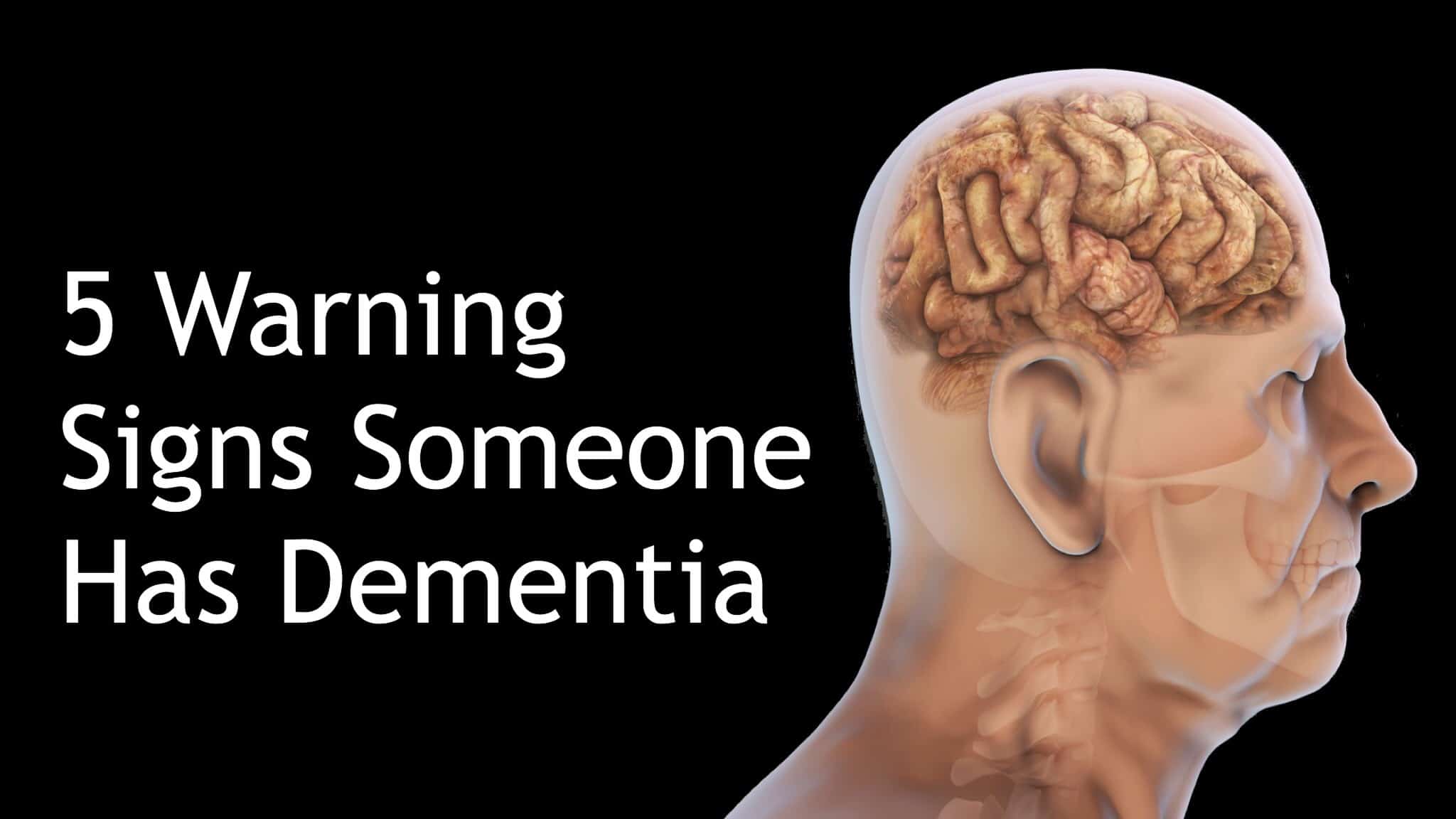
Science Reveals 8 Habits That Reduce Dementia Risk

What if you could lower your dementia risk as you age?

Would you do anything to prevent a significant cognitive decline later in life? Dementia is a horrible condition that robs people of their past, present, and future.

More than 50 million people across the globe have a degenerative mental disease known as dementia. Sadly, there is no cure for a condition that strips your memories and the very ability to recall the faces of your loved ones. Prevention is the only key to keeping this common illness at bay.

Experts state that in the next 30 years, they expect the number of people in the world with this mind-altering disease to more than triple. With staggering numbers looming in the distance, it’s essential to do whatever is possible to protect your brain now. There is a great deal of scientific and clinical evidence that can help people change their lifestyles and habits to improve their brain health.

Understanding Your Dementia Risk

Most individuals don’t understand dementia wholly, and it’s often even more confusing when you add the term Alzheimer’s to the mix. Think of dementia as an umbrella term used by the medical community to describe a loss of cognitive function. When a person has such an issue, they can’t remember, think, or reason, and they suffer from behavioral problems.

What are the Symptoms of Dementia?

dementia

•Trouble with Short Term and Long-Term Memories

•Visual Perception Alterations

•Loss of Problem-Solving Skills

•Inability to Focus

•Loss of Bladder and Bowel Function

•Inability to Speak or Lose Words

•Unable to Manage Self-Care

Different Types of Dementia

Remember that dementia is an umbrella term used to describe a cognitive issue. However, there are many different types of dementia. They are as follows:

•Alzheimer’s disease

•Vascular

•Frontotemporal

•Lewy body

The chances of developing dementia increase as a person ages. However, it should not be considered a normal aging process. It can happen in people below 40, which would be classified as an early onset.

Additionally, it can be seen after a trauma or injury that affected the brain area.

8 Ways to Lower the Dementia Risk

If there’s anything you could do to lower your risk of dementia, would you do it? Here are eight proven methods, and it’s never too late to start.

1. Meditation

People love meditation as it helps to calm their stress levels. However, when your stress levels are improved, the body doesn’t make the overproduction of cortisol. An increased cortisol level in the body can cause all sorts of problems, especially for the brain.

Research confirms that the brain’s gray matter becomes thicker when you meditate. This thickening essentially slows the aging process. What are cortical thickness and gray matter? It’s the regions of your mind that are responsible for both your memory and decision-making. It seems that deep relaxation can help you lower your dementia risk.

2. Avoid Tobacco Products

Tobacco use can cause a plethora of conditions within your body. Chronic use can lead to lung cancer, glaucoma, high blood pressure, and poor brain health. Additionally, the carcinogens in tobacco products can cause a cognitive decline.

Your brain health can be affected by your poisonous habits. Is the calming feeling that you get from nicotine worth all the risks?

3. Exercise

Exercise is essential to an overall healthy body. Not only does it reduce or improve your risk of developing cardiovascular problems, but it can also reduce the dementia risk. New evidence shows that working out affects your brain’s cells and help them stay healthy.

Those who engage in higher activity levels, like cardio workouts, seem to fare better. You need at least 2.5 hours of weekly exercise to stay in shape and protect your mental health.

pop meme

4. Maintain a Healthy Weight

Maintaining a healthy weight is more difficult for some than others. However, the direct correlation between increased weight and dementia risk is undeniable. If your BMI is above 25, then your risk increases. Strive to keep your weight below this threshold for optimal brain health.

5. Prevent Hypertension

If your blood pressure is consistently above 140/90, it’s a cause for alarm. The American Heart Association states that anyone who has chronic high blood pressure increases their dementia risk.

The heart must work harder to get the blood to all body areas. Since the blood carries oxygen, the brain is affected when oxygen saturation levels are not correct. Do whatever you can to prevent hypertension.

6. Use the Mediterranean Diet

The World Health Organization recommends the Mediterranean diet explicitly for an overly healthy body. One reason this diet is superior is that it incorporates things that are good for brain health. While on this eating plan, you can expect to eat things like:

•Whole Grains

•Legumes

•Fruits

•Vegetables

•Fish

•Olive Oil and Other Healthy Fats

•Nuts and Seeds

One thing that this diet does is help to reduce the build-up of dangerous plaque in the brain. Plaque in the mind tangles around nerves and transmitters and can cause things like Alzheimer’s disease. While numerous new supplements are popping up on the market that state they can lower the dementia risk, a healthy diet is the most important thing you can do to protect your mind.

The supplements contain things like omega-3, B Vitamins, and antioxidants, all of which can be derived from food. There is no silver bullet in keeping this disease at bay other than hard work and persistence with diet and physical activity.

7. Engage in Brain Games

Though the research area on brain training games is in its infancy, experts believe that utilizing such activities can reduce the dementia risk. Playing games won’t keep a person’s brain from normal aging, but it can help them stay alert and healthy for a more extended period.

Games stimulate the mind, and it can play an incredibly significant part of aging well in the golden years. Thankfully, brain games are fun and don’t feel like doing a workout.

8. Stay Social

Could something as small as staying socially engaged help lower your risk of dementia? A study was conducted between the years of 1985-2013 that tested 10,200 people and their relationships. The goal was to see if there was any correlation between those who were socially active and the risk of developing dementia.

The findings showed that people who stay social well into their 60s had a lower chance of developing cognition problems. The risk was about 12 percent lower than in those that didn’t socialize as much. British Researchers feel this is another area that must be further explored when it comes to lowering the risk of developing dementia.

Early Warning Signs You Shouldn’t Ignore

When it comes to dementia, you want to be on the lookout for early warning signs. You can do things to help slow the progression of the disease, and these early indicators will help you in the short term. The signs are:

•Constantly Misplacing Things

•Difficulty with Finishing Tasks You’ve Started

•The Inability to Retrace Steps

•Difficulty Remembering Words or Writing

•Confusion on Visual Images

•Problems Speaking and Troubling Articulating Your Thoughts

•Socially Withdrawing

•Confusions Regarding Your Time or Place

•Spatial Relationship Problems

•Poor Judgment and Decision Making

Ordinary things that you once knew and loved can become strange and foreign. For instance, if you’ve played the piano all your life, you may suddenly sit down to the keys and be unable to recall how to play. It would help if you also kept in mind that depression and severe anxiety can mimic dementia, but the effects of those mental health conditions aren’t typically long-lasting.

dementia riskFinal Thoughts on Unlocking The Key to a Lowered Dementia Risk

Some often call Alzheimer’s disease the long goodbye. Many people can suffer for years with this condition as it deteriorates and takes every ounce of memory from them. Eventually, their brain stops telling the body to function, and they pass.

It can be quite a long journey from the diagnosis to when the person dies. The family must endure many hardships as they watch someone who they love decline. Also, the person trapped in that body isn’t functioning well. He or she struggles every day.

If there is anything that you can do to prevent going through such a horrible occurrence in life, then you should do it. If it means eating healthy and avoiding carbs and fast food, then you have got to try.

You don’t want to be in a nursing home and not recognize your loved ones’ faces. You owe it to yourself and them to do whatever it takes to lower the risks.

Doctors Explain 20 Ways to Avoid Catching a Cold

There’s nothing worse than catching a cold during the winter months. Cold and flu season is fast approaching. The last thing you want to do is to be sick. Nothing is worse than the sneezing, coughing, and aching that comes with these common illnesses.

Thankfully, there are many ways that you can keep these viruses at bay. When you get a cold, there’s no magic pill or antibiotic to cure it. A viral infection must work its way out of your system, and it can mean many days where you struggle until your body can overcome it.

Prevention is the key to ensuring you don’t get it in the first place.

Here are 20 ways that can reduce your chances of developing a cold this season.

1. Wash Your Hands

Many people wash their hands, but they don’t do it the right way. You need to make sure that you wash for at least 20 seconds. If you hum the chorus of your favorite song, it can help you ensure you spend enough time scrubbing bacteria away.

Since hand hygiene is so important, you want to make sure you get the backs of your hands and in between your fingers. There are often many places that are missed that can harbor germs that you need to get so you can avoid catching a cold.

catching a cold2. Stop Touching Your Face

Face-touching is a significant problem. You scratch your nose, mess with your glasses, or lean your hand on the side of your head while working. Every time you touch your face, you take the germs from your hands and transfer them to another area.

Since your mouth and nose can quickly ingest any bacteria it encounters, it can make you sick. Face-touching is tempting but should be avoided.

3. Avoid Crowds

If you are worried about catching a cold, then you should avoid crowded areas. When the holiday season rolls around, people will be eager to head to the shopping malls. However, being around an of people only increases the chances of you developing the cold or flu.

Do your shopping online or choose smaller stores with fewer people. You can’t be too careful during the prime season.

4. Never Reuse a Tissue

When you’re sneezing and having issues with a runny nose, you look for anything you can find for relief. However, you should never reuse a tissue more than once. After you use it once, throw it in the trashcan.

All those germs you blew into that tissue will be redeposited into your nasal cavities if you use it repeatedly. This is one time you should not recycle. If you were about to get over that cold, using a dirty tissue could reinfect you.

5. Don’t Touch Public Surfaces

While you can’t live in a germ bubble, you can watch what surfaces you touch. Public door handles are one of the dirtiest things you can touch. Keep a tissue with you or use the end of your shirt to open doors.

Do whatever it takes to avoid touching public surfaces if you don’t need too.

6. Don’t Shake Hands or Hug Others

If you’re worried about catching a cold this season, don’t shake hands or hug others. No matter how much people want to hug you or shake your hand, tell them, you’re social distancing.

You don’t know how many times they’ve sneezed or coughed, and the germs are active on their body. There are a few exceptions to the rule, but you should always wash your hands afterward.

7. Use More Honey

Did you know that honey is full of antibacterial properties that can keep a cold and sore throat at bay? Additionally, if you do get a cold, studies have found that it works better than cough syrup to stop the hacking.

Honey is so good for you that you should make it a part of your daily consumption. Thankfully, it tastes great in just about anything.

8. Cover Your Nose and Mouth

To avoid catching a cold this season, you need to invest in a scarf or face mask. You cannot avoid going out forever. But a scarf will protect your nose and mouth. It acts as a barrier to keep the germs of the outside from getting into your mucus membranes.

face mask

Nurses explain the correct way to wear a face mask to protect yourself from germs.

9. Get Sufficient Rest

Your body needs at least seven hours of sleep each evening. During this time, your body is busy creating new cells and repairing damage from the day. When you don’t have sufficient rest, your immune system becomes compromised.

You can catch a cold easily when your immune system is not in top shape. Getting sleep is essential for your health and well-being.

10. Don’t Use Public Ink Pens

There’s nothing nastier than a public ink pen. When you go to the bank, at work, or anywhere else that asks you to sign, bring along your pen. Those pens connected to chains are touched by hundreds of people each day.

Think about how dirty they are. It’s the same as shaking hands with all those people, and you know how many germs would expose you.

11. Carry Hand Sanitizer

Part of your hand hygiene is scrubbing whenever possible. However, what are you supposed to do when you are not near soap and water?

Hand sanitizer is the next best thing to hand washing, though it should never be substituted for it. Make sure it kills at least 95 percent of the germs to be effective.

12. Keep a Good Distance from Others

Catching a cold is easy when you’re always around others. Remember that microscopic droplets from a cough or sneeze can travel up to six feet. So, you need to make sure you’re a good distance from coworkers and others outside your immediate family.

13. Take Probiotics

Probiotic is an important part of immune health. This good bacterium is essential for your immunity. Gut health cannot be ignored, and more studies show the importance of adding good bacteria into the body.

You can take a supplement or aim to get about 25 to 38 grams of fiber each day from legumes, beans, or plums.

14. Humidify Dry Air

Do you have a vaporizer or a humidifier? You need to invest in one of these devices to use during the cold and flu season. The heat you use to make your home comfortable is very drying to the nasal passages.

Additionally, tiny cracks form inside the nose that allows bacteria to enter quickly. You want to make sure you keep your nasal passages in top shape by hydrating your air. Plus, you won’t face everyday issues with dry skin either.

15. Drink Plenty of Green Tea

The antioxidants in green tea act as a support for your immune system. A study found that drinking green tea regularly can keep colds and other viruses away, and if you already are infected, it can shorten the duration by up to two days.

16. Load up on Garlic

The benefits of garlic have been studied for decades. Is it any wonder that it’s used to ward off vampires? If it can keep these creatures at bay, it can surely keep you from catching a cold.

Garlic has a compound called allicin. This compound has antibiotic properties that can not only help you to keep from getting a cold, but it can also make a cold’s duration shorter. If you can’t stomach eating a raw clove, you should incorporate it into as much food as possible.

17. Use Essential Oils with Anti-Viral Properties

Did you know that eucalyptus oil and tea tree oil have antiviral properties that could help you during the cold season? While research is still outstanding on the effectiveness of such products, many testimonials cannot be denied.

By merely rubbing some essential oil around your nose and breathing in the fresh aroma, you could be saving yourself a trip to the doctor.

18. Quit Smoking

Did you know that your chances of catching a cold increase if you smoke cigarettes? When you smoke, you compromise the body’s ability to move germs away from your lungs. Plus, smoking weakens your immune system and compromises your body so it can’t fight off these germs.

19. Eat Plenty of Vegetables

To avoid catching a cold this season, you need to eat plenty of organic vegetables. Your leafy greens are loaded with antioxidants that can enhance your immune system and increase your ability to fight off such conditions. A study showed that eating fruits and vegetables with bright colors that are full of flavonoids can help keep colds at bay.

20. Avoid Junk Food

Your body needs good food like chicken soup, vegetables, fruits, and green tea to stay healthy. If you’re loading up on sugars and carbohydrates, then you’re not nourishing your cells. If you want to avoid getting sick this season, then fuel your body for ultimate infection protection.

catching a coldFinal Thoughts on Protecting Yourself from Catching a Cold

When both bacterial and viral infections are ramped, there are things you can do to protect yourself and your family. Even something as small as proper handwashing can help to keep a cold away. By incorporating a few things from this list, you can minimize your overall risk of contracting a cold or virus.

10 Signs You Exercise Too Much, According to Doctors

You rarely hear someone say you exercise too much. Indeed, it can be a bit of a blow to your motivation to hear that you’re working entirely too hard (mostly if you’re succeeding in your fitness goals). Believe it or not, this can happen. According to doctors, it’s possible to overdo it in the gym.

The problem is that when you exercise too much, all your efforts may begin to work against you. As with anything in life, you need to find a healthy balance. That will require you to pay attention to these ten signs that, according to doctors, indicate that you exercise too much.

1. You’re working out every day.

You may think that pushing yourself hard every day will get you to your fitness goals faster, so it seems logical that working out every day is the answer. In fact, many people enjoy working out, so it’s not hard for them to hit the gym every day. For them, the gym is like a second home.

As logical as this may seem, when you exercise too much, it’s counterproductive. Your body must have rest days to rebuild and repair itself. Taking time away from working out is just as important as pushing yourself.

If you work out every day, you don’t need any other signs to tell you you’re working out too much. Science has already established that doing so is a bad idea.

2. You can’t perform at the level you usually do.

exercise too muchGoing hardcore helps you build your fitness level, which leads to you being able to do even more. However, if you exercise too much, you’ll begin to notice that you can’t match what you’ve been doing in the past. You won’t have it in you.

This is an indicator that you’re overdoing it, especially if you’ve been consistent in your training, and you know that you should be able to do more. If this is happening to you, consider that you may need to cut back a bit. Try it and see if this helps. If it does, you’ll know that was your problem.

3. You’re exhausted.

Many people who are serious about their fitness will push themselves to work out even when fatigue sets in. This is the wrong thing to do. Being tired is your body’s way of telling you it needs a break, and you should listen.

With the world we live in these days, people are busy. You’re busy. You might not even be exhausted from the gym. It could be work, kids – life in general. Mental exhaustion is just as bad as physical exhaustion because the mind and body are connected.

No matter what the reason is, you can’t exercise while dealing with exhaustion or fatigue. It’s dangerous, and you likely won’t be able to perform as well as you usually would anyway. Plus, your muscles can’t recover as they need to without adequate rest.

4. Your resting heart rate is elevated.

Usually, regular exercise reduces your resting heart rate and keeps it at a safe number. In fact, doctors will tell you that the best way to lower your resting heart rate is exercise.

However, when you exercise too much, this causes your heart to work harder to compensate for the extra activity. As you know, the effects of a great workout can last up to 48 hours after you leave the gym, so your heart may be compensating for the next 48 hours. With this in mind, it should be no surprise that your resting heart rate is elevated.

Continuously pushing your heart can lead to serious health consequences, even if you’re in the best shape of your life. It’s essential to have the right balance of exercise to keep your resting heart rate at a safe level.

pop meme5. You’re exceeding your target heart rate.

Target heart rate charts exist for a reason. These charts are guides to safely pushing yourself without causing damage. They’ve been around for decades and have been vetted by expert medical professionals and scientists, so it’s safe to say that they’re accurate.

With that being said, if you’re exceeding the maximum target heart rate on the chart for your age and gender, it’s clear that you exercise too much. You may even want to say that you’re exercising too hard. Either way, you say it, you need to tone it back some for your safety.

You can trust the numbers on the chart. As long as you stay within your target range, you’re getting the workout you need.

6. You’re getting injured often.

People get injured now and again. However, if you’re frequently getting hurt, this is a sign that your muscles aren’t recovering as they need to from your workouts. Sure, there could be many reasons why this is happening, but the most likely reason is that you’re exercising too much.

This topic was covered in sign number two above – working out too much causes fatigue, and when you’re fatigued, your muscles don’t have what they need to heal from your workouts. This leads to overuse injuries. Eventually, you may permanently damage your muscles.

The best thing you can do if you’re continually getting injured is take a break and give your body plenty of time to recover.

7. You have strange mood swings.

Exercising is a natural mood booster. When you’ve completed a great workout, you’ll usually feel good. However, exercising too much can have the opposite effect on your mental health. You probably never thought about what too much exercise can do you your mind.

Too much exercise leaves you tired, injured, and defeated. You may not even be aware that you’re feeling like this until someone else points it out to you. When you’re in this state of mind, you will start having mood swings. You may find yourself lashing out at others or not feeling sociable.

8.You’ve lost your appetite.

When you’re overtraining, your body attempts to make up for it by slowing down, or in extreme cases, stopping specific processes. It takes the energy from those processes and diverts it to where it’s needed the most. In the case of overtraining, it’s shifting the strength to your muscles.

One of those processes is your metabolism. It slows down to a point where you don’t feel starving, especially after a challenging workout.

This sounds like a good thing, but before you start celebrating, remember that metabolism is also what burns calories and makes you lose weight. Therefore, slowing down your metabolism slows down your weight loss efforts.

9. Your sleep patterns are off.

It would seem like pushing yourself too hard and being exhausted would make you sleep more, but unfortunately, that’s not how it works. Under normal circumstances, exercise helps you get a good night of sleep. However, exercising too much isn’t normal circumstances.

In the previous section, it was stated that specific processes might slow down or stop. One of those processes is the parasympathetic nervous system. This system is responsible for slowing you down after you’ve hyped yourself up. It’s the kill switch to the “fight or flight” reaction.

When this system stops functioning correctly, it’s hard for you to slow down and get some quality sleep. You may even begin to suffer from insomnia, which will lead to other problems. If this is happening to you already, it’s easy to make it go away. Stop exercising too much, and give your body a good long break.

10. You keep getting sick.

Another system that slows down when you exercise too much is your immune system. Your body won’t have enough energy to keep it functioning correctly. This leaves you susceptible to all kinds of illnesses.

You’ll probably find that you’re getting sick often. It may not be terrible at first – just your typical cold symptoms. You may be able to fight through these, thinking they’ll go away. However, the longer you keep pushing yourself, the worse it will get.

You may get so sick that you have to stop working out anyway, so you may as well slow down before you’re forced to do so. Being sick is no fun and is counterproductive to your fitness goals. Don’t put yourself in that situation simply because you want to exercise too much.

exercise too muchFinal Thoughts on Exercising Too Much

Understandably, you want to exercise as much as you can. Your fitness is necessary to you, and you have goals. There is nothing wrong with pushing yourself and going hard with your workouts. You have to know your limits. Overexercising may cause more damage than good.

Everyone has limits, and its okay to admit when you’ve reached yours. Admitting it will help improve your fitness more than not admitting it. Do yourself and your health a favor and make sure you don’t exercise too much.

15 Signs Your Relationship is at a Turning Point (for better or worse)

Humans are social beings with an innate desire for a relationship. While you are a complete person in your own right, there’s something magical about finding and cultivating a lasting relationship with a person you love. You may believe in love at first sight, but true love is a decision, and it takes a lot of work for both people to come together.

If you think about your life as a long road towards eternity, you will have many people who travel with you. Beloved family and friends are often at your side, but your soulmate is the one who holds your hand with each step. How do you know if you have the right person?

Your destiny is filled with forks in the road to allow you to make life-altering decisions. You and a potential lover will often come to one of these forks to see if the relationship was meant to be. It becomes the turning point for you both.

Are there common points where couples must decide to stay together or walk the other way? How do you know if the hand you hold is your forever person?

Fifteen Signals You’ve Reached a Relationship Turning Point.

Here are 15 signs that your relationship is at a turning point, be it good or bad.

1. Attraction

While inner beauty out-trumps outer beauty, attraction starts with the outward appearance. Your physical beauty may be the thing that attracts him, but your lovely soul will be what keeps him. The difference between the two aspects is often a turning point for couples, because who cares if he looks like a movie star and has the integrity of a beast?

turning point2. Lying

Nobody is above stretching the truth a bit to save face. However, chronic lying can destroy even the best relationships. If you find out your lover is dishonest in one area, what other lies is he weaving that you don’t know?

3. Wandering Eye

You shouldn’t be so insecure in your relationship that neither of you can say someone else is attractive without causing a war. But if your love interest looks beyond you with a constant wandering eye, it could be a turning point that says something is amiss.

If you both decide that you are in an exclusive relationship, you have a right to expect that your partner will be loyal to you. Be suspicious if your beau can’t keep his eyes on you and is constantly texting and talking on the phone to “nobody in particular.” His “nobody” may be the third person in your relationship.

4. Bonding Experience

After your first initial attraction, dating each other provides the ideal bonding experience. You get to ask questions and eventually learn about what makes the other tick. Taking time to date and bond can lessen the chances of getting married and finding you have nothing in common.

5. Birth of a Child

Is there any greater joy than for a couple to be blessed by the birth of a child? This precious life is the ultimate result of your love and can bring you even closer as a couple. However, unplanned births or a baby born from unfaithfulness can often destroy a relationship.

6. Moving in Together

You never honestly know someone until you move in together. When you share a common space, you see each other at your best and worst moments. Maybe you will find that you can work things out with time, or that you are entirely incompatible.

Some couples won’t move in together unless they are married due to religious obligations. You can still learn a lot by visiting each other’s homes and seeing how you live. If you can’t come to a compromise about your different lifestyles, your future as a couple may be bleak.

moving in with your partner7. Your First Big Argument

After you have your first big fight, you will probably think the relationship is over. Be assured that the most devoted couples have arguments but still know how to make up using compromise. If there are never any disagreements, then one of you is giving in and not being genuine.

It’s possible to disagree or even have an argument without crossing a line. Many committed couples say that the secret is to talk it out and never go to bed angry at each other. Should arguments become physically or verbally abusive, it’s time to walk away.

8. Lack of Communication

One of the top complaints of couples who are in therapy is that they never communicate. When was the last time you and your lover sat down and really listened to each other? A healthy relationship is based on trust and honest communication.

Practice improving your listening skills. A good listener will keep an open posture, display neutral body language, and will mirror the speaker’s emotions. When you and your partner listen to each other, you aren’t as likely to have miscommunications.

9. In-Law Issues

Another turning point in your relationship can be how you relate to each other’s family. It’s not always easy to strike a balance and create boundaries with in-laws. If he hesitates to introduce you to his family or doesn’t seem interested in meeting yours, it may be a red flag.

It’s beneficial when you have a good rapport with both families. While you try to be friendly and respectful, it doesn’t mean that you must be treated like a doormat. If need be, distance yourself until the other family can learn proper boundaries and accept you for who you are.

10. Creating New Traditions

As individuals, you both had family traditions that you hold dear to your heart. When you become a couple, you may have to compromise on how to celebrate the holidays, special occasions, or religious obligations. You bond even more when you create new traditions of your own to pass on to your children.

11. Knowing the Other’s Thoughts

A relationship isn’t going anywhere unless you can be empathetic with one another. Sometimes, you become so close that you intuitively know how your sweetheart would feel about something. If you find that you are often completing each other’s sentences, it could be a beautiful turning point in your relationship.

Being empathetic also means that you care about what the other thinks. Maybe you won’t agree on everything, but your person should respect your thoughts and opinions. When you can work together, you know that you can withstand the problems that life will throw at you.

12. Substance Abuse

When your lover has a substance abuse issue, every aspect of your relationship is adversely affected, such as finances, health, and stability. In these cases, it takes a lot of love and professional intervention if your relationship will survive. The worst mistake you can make is to stay in such a toxic relationship with the idea that you can change the other person.

Alcohol and drug abuse alter people’s minds, and a once loving person can become abusive or even dangerous. If you live with someone who smokes, breathing secondhand smoke is more hazardous to your health than smoking the cigarette. Gambling isn’t a substance abuse, but it is a common addiction that can break a relationship.

13. Lack of Intimacy

Let’s face it; if you have a romantic relationship without intimacy, you just have a roommate. Talk to your lover about your concerns because depression, some medical conditions, and many medications can cause a lack of sexual interest. It can also be a sign that he has taken his affections elsewhere, which can be a negative turning point in your relationship.

Communication is vital when it comes to intimacy. Men usually aren’t as adept at discussing their feelings or knowing what women need. Don’t be shy about talking about your need for intimacy, love, and quality time together.

14. Making Each Other a Priority

When two people are in a committed relationship, you should be each other’s top priority. Mutual trust assures you that he’ll always have your back and will be there for you and you for him. If you consistently find yourself at the bottom of his list of priorities, perhaps finding someone else should be at the top of your list.

15. Financial Issues

Other than cheating, nothing can decimate a stable relationship more than financial struggles. Yes, every couple has a few rough patches here and there, but chronic money problems tear people apart. Although money can’t buy love, being financially secure can minimize fighting and worry about how the bills will be paid.

If you are having financial issues, take an honest look to see where the problems lie. Is it just poor money management, or does one or both of you have a spending addiction? For a relationship to prosper, you also must be on the same page concerning your financial goals for the future.

turning pointFinal Thoughts on Recognizing That Your Relationship is Reaching a Turning Point

Since nobody is perfect, there’s no such thing as an ideal relationship. As your relationship matures, you may come to many situations that will make or break it. Remember what’s best for you and when you’re in for the long haul, or know when it’s time to say goodbye.

30 Foods to Avoid for Better Health, According to Science

Dietitians know better than the average person just how accurate the adage is–you are what you eat.

Eating well ensures that you lead a healthier, more active lifestyle. Thus, it may help you live a longer and more productive life.

The question is–do you want a healthier diet and lifestyle? Learning how to make better food choices is crucial for your weight loss goal. Here are 30 foods that researchers and dietitians recommend that you avoid.

30 Foods to Avoid to Enjoy Better Health

Passing up these foods can help you feel better.

1. Sausages

Most sausage is a mixture of pork, a lot of fat, and spices. If that were all, an occasional small serving wouldn’t be wrong. The problem with most processed meats like sausage is that manufacturers usually use nitrates as a preservative.

Once these chemicals get into your system, they break down into substances that have been linked with causing cancer. This popular breakfast meat is also loaded with salt, which can raise your blood pressure and cause other health issues. Sorry, pork isn’t the other white meat.

dietitians

2. Sugary Cereals

Studies show that most pre-sweetened cereals contain nearly a tablespoon of sugar per serving, and the ones geared toward children often have 60 percent more sugar than ones marketed to adults. Your best option is a low-sugar cereal or good old-fashioned oatmeal.

3. Artificial sweeteners

The sweet debate of sugar vs. artificial sweeteners has been raging for decades. When dietitians realized that people who consumed too much sugar gained weight and was prone to diseases, the search was on for a sugar substitute. However, these lab-created substitutes create a different set of health hazards.

For years, scientists have warned consumers of the cancer risks from eating saccharine. Once thought the miracle sweetener, aspartame soon fell from grace when researchers discovered its potential health threats. Most dietitians recommend that you kick the fake sweeteners and apt for a bit of honey, maple syrup, or agave nectar in moderation.

4. Microwave popcorn

Even if you purchase a brand of microwave popcorn that has no salt, butter, or other toppings, you could be risking your health. When the packaging is heated in the microwave, it can produce a cancer-causing compound called PFCs. If you want some tasty popcorn, pop some fresh on the stove or the hot air popper and jazz it up with flavorful herbs or spices.

5. Margarine

While it may be lower in saturated fats, margarine still has as many calories and fat as pure butter. Most of this butter substitute’s fat is trans fats, which are worse for your body than the saturated fat in butter. At the very least, choose a brand with the least trans fats, or splurge on the occasional dab of butter.

6.Processed Deli Foods

Processed meat and other deli specialties are far from their original form. Most of the meats have been processed with artificial fillers and preservatives, which can cause heart disease or cancer. Choose unprocessed lean meats and whole foods for a healthier and safer option. For example, you could bake a whole chicken on Sunday afternoon, slice it nice and thin, and enjoy ready-made sandwich meats for a couple of days.

7. Frozen Dinners

Convenient doesn’t always mean healthy. Today, even many of the frozen dinners labeled “healthy” are loaded with preservatives and may have as many calories and fat as the regular ones. For quick dinner ideas, freeze your healthy entrees and sides.

8. Canned Cheese

No one doubts that canned cheese is fun to spray on crackers or right in your mouth if you’re a kid (or a child at heart). However, many things shouldn’t come in a can, and cheese is one of them. Not only is the canned variety loaded with sodium, but it is chock full of chemicals and preservatives that aren’t good for anyone.

9. Hotdogs

Hotdogs may be an integral part of Americana cuisine, but you’ll not see them on any list prepared by dieticians. Most hot dogs are made with scrap meat cuts, too much salt, and harmful nitrates.

Studies show that kids who eat too many of these franks have a higher risk of leukemia. If you crave hot dogs, make sure to choose a brand that is 100 percent beef with no fillers or artificial ingredients.

10. Ramen Noodles

The dried, crunchy noodles in plastic wrap that are dirt cheap at the grocery store aren’t even close to the traditional version from Japan. This staple of new college students may look healthy and is easy to cook, but the noodles are high in fat, and the questionable spice pack is mostly salt and MSGs.

11. Fruit Yogurt

Wouldn’t dietitians rather you have a tasty fruit yogurt than sugary cereal for breakfast? You may be surprised that there’s not much of a difference. Most brands of fruit yogurt use sugar-laden jam rather than whole fruit, and you’re not doing yourself any good by consuming it. Try plain yogurt and fresh fruit instead.

12. Soda

Did you know that many of your favorite carbonated beverages can contain up to 11 teaspoons of sugar per 12 ounce can? Most have a whopping 185 empty calories, plus artificial colors and ingredients that aren’t good for you. Water is always best, even if you must drink some sparkling water with a twist of lemon.

13. Diet Cola

If you ditch the sugary pop for a diet soda, shouldn’t it be better for you? Diet cola may have zero calories, but artificial sweeteners have been linked with causing cancer. Additionally, countless studies have suggested that drinking diet pop may make you gain weight.

14. Canned Fruits in Syrup

Enjoy fruit as Mother Nature intended, sweet and juicy on its own. Why ruin it with a puddle of high fructose corn syrup that can contribute to obesity and diabetes? If you purchase canned fruit, dietitians suggest that it’s canned in water or no-sugar-added fruit juice. Canned fruits in syrup are not healthy at all.

15. Wheat

For most people, eating natural wheat products in moderation is okay. However, some people have an intolerance to gluten, the protein found in wheat. Talk to dietitians about other options if you have this condition.

inflammation

16. Icing with Food Coloring

Everyone deserves a modest piece of cake every once in a while, but watch the colored icing. Preliminary research suggests that icing with food coloring may be linked with hyperactivity in children and some forms of cancer in adults. Better yet, try a little cake without the sugary topping.

17. Sugar-Free Treats

Today’s market is brimming with sugar-free treats for dieters. Shouldn’t you eat them without guilt? If you read the labels, you’ll find that most have as many calories as their sugary counterparts, as well as extra sodium and harmful sugar substitutes. Look for natural alternatives to sweet treats.

18. Skim Milk

Do you buy skim milk to lower your daily fat intake? A glass of whole milk only has about 12% of your daily fat recommendations, and it keeps you satisfied longer. A diet too low in fat can make you crave an abundance of carbs and sugar, leading to heart disease and diabetes.

19. White Rice

There’s a reason why dietitians recommend brown instead of white rice. The white variety is processed and bleached, which depletes much of its beneficial fiber and nutrients. Plus, brown rice has a delicious nutty flavor that goes well with any rice dish.

20. Sports and Energy Drinks

One glance at the label of popular energy drinks, and you’ll be shocked at how much sugar and caffeine they have. Some sports drinks have an overload of herbal supplements and vitamins and can often do more harm than good. Instead, drink fresh water or a homemade smoothie and pass on the sports drinks.

21. Sushi

Not all sushi is nixed on dieticians’ lists of healthy choices. Be aware of what fish you are eating, because sharks, marlin, swordfish, and some mackerel might contain toxic levels of mercury. Choose tuna, salmon, and veggie sushi to be on the safe side.

22. Pancake Syrup

Pancake syrup may taste a little like maple syrup, but it’s just artificially flavored high fructose corn syrup. It is high in empty calories and can make you crave more sugar. Pure maple syrup is a better sweetening option in moderation.

23. Canned Soup

Perhaps nothing is more comforting than a steaming bowl of soup on a chilly evening. Treat yourself to homemade for a tastier and healthier dish. Canned soup usually has too much sodium and other artificial ingredients that you don’t need. Instead, fix a big pot of soup to enjoy over your weekend, and portion leftovers into freezer containers to enjoy later.

24. Coffee Creamer

Do you enjoy coffee with cream? Don’t be surprised if dietitians steer clear of coffee creamer. These “non-dairy” products have sugar, trans fats, and corn syrup, all of which are bad for your heart and can lead to diabetes. A little bit of real cream in moderation is your best option, or learn to enjoy black coffee.

25. Fast Food Cheeseburgers

Fast food cheeseburgers may be as American as hotdogs, but they can wreak havoc on your health. One can have up to 14 grams of fat, not including the high calorie and carb content if you crave a cheeseburger, grill one at home and eat it with veggies and no bun.

26. French Fries

Who can have a burger without fries? The classic darling of fast food can be the worst when it comes to fat grams and sodium. Did you know that you can bake crisp fries in your oven and use fresh herbs and less salt?

27. Fruit Juice

Wouldn’t you think that fruit juice would be better to drink than soda? Not necessarily, because even 100 percent juices can pack a lot of fructose, a natural sugar that can build up fat cells in your abdomen. For a kick of fruit, add a few berries or citrus slices to your water.

28. Canola Oil

While canola oil may be better for you than lard or other cooking oil, it’s not necessarily the best. Remember that canola oil is still a hydrogenated oil refined with chemicals that can cause inflammation and some forms of cancer. Your better option would be olive or grapeseed oil.

29. Red Meat

Dietitians may approve lean red meat in moderation. However, there are still concerns in the medical world about the unhealthy saturated fat in red meat and added hormones. Try to keep it at a minimum and eat white meat, fish, or vegetable proteins.

30. High Fructose Corn Syrup

Did you know that this corn-derived sugar has been shown to cause inflammation in the body? When your body is inflamed, you are more susceptible to diabetes, heart disease, and even cancer. It’s best to eliminate it from your diet. Choose natural sweeter (think honey) instead!

dietitiansFinal Thoughts on Eating Like a Dietitian

It’s essential to eat a balanced diet every day and limit things like sausages, French fries, sugary cereals, processed deli foods, and ramen noodles. The best advice? Read the labels carefully when shopping. When you learn healthier options, you can plan tasty meals for the whole family. After all, you are what you eat.

15 Quotes of Acceptance for the Highly Sensitive Person

These quotes of acceptance for the highly sensitive person offer insight for those who struggle with accepting things. Since life is continually changing, emotions can run high for highly sensitive people. In these instances, it is vital to work through the sensitivity and accept life as it is. Acceptance will allow you to discover new things about life, which can help you with moving forward.

It is sometimes difficult for a highly sensitive person to experience acceptance, however. Whether they are struggling to accept who they are or struggling to accept an unexpected situation, life can be challenging. These quotes of acceptance can help, however, as they can offer insight and explanation.

Fifteen Quotes of Acceptance for the Highly Sensitive Person

Being a highly sensitive person means that you feel the impact of the world around you more keenly than others. These fifteen quotes can help you accept those situations that you cannot change.

1. “No amount of self-improvement can make up for any lack of self-acceptance.” – Robert Holden

quotes of acceptanceWhen you can accept who you are, you will find peace and contentedness in life. When you listen to what other people say or read into their words too much, you can hinder that process.

If you let this happen and spend time improving yourself in ways that you think will make them happy, you lack acceptance. Always remember that if you can accept who you are, everything else will fall into place.

2. “What if each time you experienced an emotion, you acknowledged it, accepted it, and became curious about its message for you (instead of trying to make it go away or make it last longer)? Imagine how this could change your life. Imagine how heard, loved, and honored you would feel if you really listened to yourself.” – Vironika Tugaleva

Every emotion you experience is there to send you a message. Accept the situation for what it is and think about what it could mean, as Tugaleva suggests. When you do this, you’ll know exactly what you want or need in life. Don’t dread the emotions that you experience as a highly sensitive person. Use them to make your life better instead.

3. “Learning to thrive as a highly sensitive soul presents challenges. If you’re sensitive, you have likely accumulated years of training in trying to overcome the trait because you don’t ‘fit in’ with society. And yet being highly sensitive is a vital part of you. A first step toward thriving as a sensitive soul is to understand and accept your trait. Hear this now: There is absolutely nothing wrong with you. You are just different. As one of my clients says, being highly sensitive is both a gift and a responsibility.” – Jenna Avery

Accept that you are sensitive and embrace it. Use it to your advantage and acknowledge it as the gift it is. Acceptance will help you see it that way.

4. “Acceptance of one’s life has nothing to do with resignation; it does not mean running away from the struggle. On the contrary, it means accepting it as it comes, with all the handicaps of heredity, of suffering, of psychological complexes and injustices.” – Paul Tournier

When you accept situations for what they are, it doesn’t mean you are giving up or avoiding it. Instead, it means accepting it and dealing with it as it comes. Even when you are feeling emotional about it, accept it and work through it. You can’t change it, so you have to admit it.

5. “Accept – then act. Whatever the present moment contains, accept it as if you had chosen it. Always work with it, not against it.” – Eckhart Tolle

You can’t let your emotions take over when you should be accepting the situation and acting on it. Instead of allowing an unexpected situation get to you, form a new plan, and behave like it’s the original plan. Don’t let it slow your progress. Work with it, instead. Of these quotes of acceptance, this one reminds us that we must not think, but act, to make a real change inside ourselves.

6. “Life is a series of natural and spontaneous changes. Don’t resist them; that only creates sorrow. Let reality be reality. Let things flow naturally forward in whatever way they like.” – Lao Tzu

You can’t expect life always to stay the same. Life is ever changing, but you can’t resist the changes. For a highly sensitive person, change can be challenging, but accepting it can help.

When you accept the situation, things will flow more naturally. It will work out, and you will get through it. If you can’t accept it, however, all of those emotions will continue to overwhelm you.

7. “When we accept ourselves for what we are, we decrease our hunger for power or the acceptance of others because our self-intimacy reinforces our inner sense of security. We are no longer preoccupied with being powerful or popular. We no longer fear criticism because we accept the reality of our human limitations. Once integrated, we are less often plagued with the desire to please others because simply being true to ourselves brings lasting peace. We are grateful for life, and we deeply appreciate and love ourselves.” – Brennan Manning

Highly sensitive people sometimes experience intense desires for popularity and a deep reluctance to criticism. They often stress over these things non-stop, and they spend their time trying to please others to find happiness.

If you do this, however, you know that it doesn’t work that way. Spending your time trying to please others will never make you happy. Accept who you are, and these feelings won’t overwhelm you so often anymore.

empath8. “Acceptance of what has happened is the first step to overcoming the consequences of any misfortune.” – William James

With any unexpected obstacle or any hardship, there will be consequences. These consequences may be small or easy to work around, but other times they will be more severe. No matter the severity, you have to accept what has happened so you can overcome the consequences.

9. “You cannot make everyone think and feel as deeply as you do. This is your tragedy because you understand them, but they do not understand you.” – Daniel Saint

If you are highly sensitive, you likely wish that other people felt things the way that you do. You understand people more than they know you. Accept this for what is, because you were blessed with the ability to understand people on a deeper level.

10. “Many of us crucify ourselves between two thieves – regret for the past and fear of the future.” – Fulton Oursler

It can be hard to accept the past for what it is and not to have anxiety about the future. It is essential to let these feelings go, however, and live in the present. Accept life as it comes and understand that everything will work out, no matter how intense the emotions may be.

11. “Because one believes in oneself, one doesn’t try to convince others. Because once one is content with oneself, one doesn’t need others’ approval. Because one accepts oneself, the whole world accepts him or her.” – Lao Tzu

When you can accept yourself, other people will accept you, too. Don’t try to change who you are, no matter how sensitive you may be to the situation.

12. “Acceptance is not love. You love a person because he or she has lovable traits, but you accept everybody just because they’re alive and human.” – Albert Ellis

As a sensitive person, you may have trouble accepting others if they don’t have lovable traits. The things they do or say will get under your skin, unintentionally hurt you, or downright make you angry. Try to set aside those feelings and accept them because they are human, and all humans deserve acceptance.

13. “A teacher of meditation once told the story of a man who wanted nothing to do with the stress of life, so he retreated to a cave to meditate day and night for the rest of his life. But soon, he came out again, driven to overwhelming distress by the sound of the dripping of water in his cave. The moral is that, at least to some extent, the stresses will always be there, for we bring our sensitivity with us. What we need is a new way of living with the stressors.” – Elaine N. Aron

No matter where you go or what you do, you will still be highly sensitive. This means that no matter what, there will be things that bother you. Accept this and learn to live life even with distractions and annoyances.

14. “Acceptance doesn’t mean that life gets better; it just means that my way of living life on life’s terms improves.” – Sharon E. Rainey

Changes happen in life, and life is unexpected. You have to learn to go with it and accept situations as they are. When you can learn to accept things and live according to the changes, you’ll feel better.

15. “For, after all, the best thing one can do when it is raining, is to let it rain.” – Henry Wadsworth Longfellow

Longfellow explains it best when he says that when it is raining, you should just let it rain. When something can’t be changed, you have only to let it be and accept the situation. Doing this can help you overcome and release some of the intense emotions you may be feeling.

quotes of acceptanceFinal Thoughts on Quotes of Acceptance for the Highly Sensitive Person

Accepting changes and situations that you can’t control in life can be difficult for a highly sensitive person. It’s essential, however, so that overcoming the challenges can begin. As these quotes of acceptance explain, acceptance is the key to living a happy, content life.

Accept the emotions as they come, and remember that life changes continuously, but it doesn’t have to be bad. Likewise, accept you for who you are and never let anything change it. If you are struggling with this, remember these quotes of acceptance to help you get through.

Therapists Explain 10 Red Flags You’re Dating a Narcissist

If you’ve been in the dating pool for a while, you know how difficult it is to find someone who is honest, genuine, and the best fit for you. Nobody is perfect, but you want to find a love interest who can own up to his mistakes just as well as you can. How do you know if you are dating a narcissist?

There’s a big difference between loving and respecting yourself and being chronically selfish. Narcissism is a broad mental health disorder that makes people believe they are the most important being on the planet, according to therapists. Some of the signs are a grossly inflated ego, refusal to accept responsibility or blame, constant cravings for attention and praise, and disregarding other people’s feelings.

The Myth of the Vain Narcissist

This uncommon personality disorder was named for Narcissus, a character from Greek mythology. According to the story, this child of the river god and a nymph was so beautiful; he fell in love with his reflection in a water pool.

So great was his love that he pined away until he died, leaving a trail of beautiful flowers that still bear his name. Although this is a fictional story, mental health disorder is real.

Types of Narcissism

Psychologists recognize six different types of narcissism, ranging from closeted to psychopathic. This research suggests that a narcissistic personality disorder (NPD) may stem from a combination of heredity and environment. While therapy can help this condition, there is no cure.

narcissist

  • Seductive Narcissist: These narcissists try to win your heart to display it as a trophy.
  • Bully Narcissist: To boost their ego, the bully narcissist puts others down and steps on people to get to the top.
  • Exhibition Narcissist: There’s no guessing about this guy because he proclaims his egocentric tendencies to the world.
  • Secret Narcissist: He may not push his selfish agenda on others, but he secretly believes he is superior and entitled.
  • Toxic Narcissist: The ranges of this narcissistic personality are characterized by chronic drama and a long history of abusive relationships.
  • Psychopathic Narcissist: Not only can this narcissist break your heart, but he could also take your life. Most mass murderers are also psychopathic narcissists without remorse.

Are You Dating a Narcissist?

At first, you may not see that your new love interest has a psychological problem. However, warning signs will soon be evident if he is a narcissist. Here are ten red flags of narcissistic behavior that you shouldn’t ignore.

1. He isn’t Honest About His Marital Status

A narcissist can’t admit a failed relationship, even if he is still in it. Before you get attached to someone, be sure that he is free and not committed to somebody else. Take warning if your new love interest’s social media relationship profile says that he is separated or “it’s complicated.”

Do you want to be the third person in a cheater’s marriage? What does it say about a man or woman who is dating while still married? Regardless of the excuses, this person is lying and cheating. A selfish person doesn’t have the honesty and integrity to be part of a healthy relationship, so run while you can.

2. She Lies and Hides Things

A fulfilling relationship must be based on mutual honesty and trust. If it’s not there, then you’re headed for heartache. You can often tell if you are dating a narcissist if you are constantly catching her in lies. Often, narcissistic people will lie and stretch the truth about insignificant things, like where they bought their car or the fabulous job they had back when.

Sure, everybody has made mistakes and done things in the past that doesn’t make them proud. However, an honest person will have no qualms about being truthful about her past, where she grew up, former marriages, etc. Pay attention if she gets defensive and turns it around on you as if you have trust issues.

3. He Can’t Follow the Rules

There’s nothing wrong with individuality, but the typical narcissist expects the world to run by his rules. He has such a high opinion that he believes he is above the laws and rules of society. If you are dating a narcissist, you may see him ignoring simple laws and mandates “just because he can.”

A person who ignores laws is also apt to disregard morality. Perhaps he thinks it’s nothing to cheat on his taxes or his mate. He may think he is good enough to get away with it but refuse to let him get away with your heart.

4. His Romance is Not Genuine

When you first start dating a narcissist, one thing that gets your attention quickly is his air of romance. He knows precisely what you want to hear and uses a lot of smooth-talking to charm you. In the beginning, he may be generous with gifts and treat you like a queen.

The catch is that when he has captured your heart, the narcissist often loses interest. It’s a game of hunt and chase for him, not a seriously committed relationship. He will soon be on to the next conquest, so nip this selfish game in the bud.

abusive narcissist

These ten signs unmask an abusive narcissist.

5. She Can’t Respect Boundaries

The celebrated poet, Robert Frost, said it best when he wrote that “good fences make good neighbors.” Boundaries are essential for any relationship, be it family, friends, professional, or social. We all have lines drawn in the sand, and we show mutual respect by not crossing them.

You can often tell if you are dating a narcissist if she refuses to respect yours or anybody else’s boundaries. She may continuously push you beyond your set boundaries for her own selfish needs. If dating is this bad, what would marriage or living together be?

6. He Can’t Show Empathy

Do you have a narcissistic friend or relative who can’t put himself aside for one minute to be concerned about your problems? Therapists concur that people with NPD lack empathy skills. So if you are dating a narcissist, take a hint if he can’t relate to your feelings and tries to push your opinions aside.

This cynical personality not only can’t empathize with others, but he will often try to vie for attention by “one-upping” any of your situations or experiences. He is too busy promoting himself to think about your feelings.

7. She Uses People

How does your new love interest interact with her friends and coworkers? Is her friendship and professional relationships mutually respectful, or are they one-sided? A narcissist is always there when she needs you and is seldom seen rushing to help anyone else, not even her beau.

Does she only react with those who feed her ego and discard people who have no more energy or substance to offer her? Be assured that her intentions aren’t any different for you. Please don’t get caught in her web of selfishness.

8. He Takes No Responsibility for Past Relationships

Nobody can defend a narcissist better than himself, especially in past relationships. In many broken connections, the fault can usually be shared. Of course, this isn’t the case for those who’ve endured an abusive or cheating partner.

When you are dating a narcissist, he may fake honesty about his past relationships. If you believe his narratives, he was always the victim, and past partners were “unstable,” and single-handedly destroyed him. Be even more suspicious of him if he doesn’t want you to talk to his ex-partners to find the truth.

9. He Just Wants a Reputation

Narcissistic people spend a lot of time and energy cultivating a false image. He brags up every aspect of his life to impress others and create a bigger-than-life reputation. He usually isn’t worried about character building, because he will often do what it takes to make himself look good, even if it’s immoral.

If you are dating a narcissist, his chronic boasting should be a red flag. He invents big job titles and unbelievable salaries for every job he’s worked. You name it, he’s done it or owned it. Remember the saying that things that are too good to be true usually aren’t?

10. Your Relationship Is Chronically Unstable

Like everything in life, even the best relationships have their ups and downs. However, you shouldn’t feel like you are always on an emotional roller coaster. When you are dating a narcissist, everything will seem unbalanced.

At first, he may pretend to be all about you, then suddenly he is a ghost for days at a time. It’s easy for him to turn his feelings on and off toward you. Please resist the urge to stay in the relationship to change him, because the chances are that he or she will remain a selfish narcissist.

dating a narcissistFinal Thoughts on Recognizing a Narcissist

Unfortunately, the narcissistic person will never find someone who he loves more than himself. Consider these tell-tale signs that you are dating someone with unhealthy views of themselves, and walk away with your dignity. You deserve to have someone who will love and care for you as an equal. Meanwhile, the narcissist will be left with the only person in his life who loves him: himself.

Skip to content