Weekly tips, affirmations, and small actions to feel your best.

10 Funny Teachers Share Their Thoughts on Remote Learning

inRemote learning is a new concept for parents, students, and teachers alike. Since it was a surprise to many, everyone had to scramble and come up with a plan. Educators had to learn a whole new way to do their job, and they shared their thoughts along the way.

Teachers had to deal with the issue of improvising with teaching materials and supplies. They also had to set up a teaching space free from background distractions and people walking by. Many times, however, these plans and setups failed and were recorded on video.

Other times, they had to learn about new student distractions that they weren’t able to take away. From students playing video games to shouting during the video, educators experienced it all. Plus, their thoughts on student’s excuses are hilarious.

Since much of the teachers’ learning experiences during this time were recorded, there is plenty of proof of their thoughts. Funny educators decided to upload their videos that expressed their thoughts of distance learning during the Coronavirus pandemic.

Teachers Share Their Funniest Observations on Remote Learning

1. What It’s Like to Be a Remote Teacher

In this funny video, a teacher shares what it’s like to teach students remotely during the Coronavirus pandemic. He points out how he can see the date and time that students click a link. Yet these students still try to tell him they never received the assignment.

This teacher also makes jokes that he can see the children doing other things. His reaction to the option for muting all microphones except his own is priceless, too.

You can hear about his experience talking to students’ parents during the virtual learning session. Plus, you can hear about how he spends his time while the students are working on the assignment.

2. Things You Only Say When Remote Teaching

Remote learning is new for everyone, so, expectedly, there are some hiccups along the way. Parents, students, and educators are all in new situations and learning along the way. This teacher shared a video of things she has only said during distance learning classes.

From giving students suggestions for the microphones to greeting pets, she covers many humorous things she’s had to say. Students ask if they should take their computers with them to the bathroom or if they can see the teacher’s home. Her responses are funny and lighthearted.

3. Best Distance Learning Parody

Professor Michael Bruening teaches History and Political Science at Missouri University of Science and Technology. He created this parody based on the song “I Will Survive” to show how educators are getting by. It Is intended to show what teachers are experiencing and to help them overcome this new lifestyle.

The humorous lines of the song that many educators can relate to help them all feel like they aren’t alone. Plus, he includes lyrics that can relay the concerns and worries that many people are in right now. While he brings up concerns, he does it in a way that will help everyone feel better.

Through his funny parody, everyone can smile and laugh a little, despite all of the hardships occurring. His video can remind us all that we can get through this and that things will be okay. There is no better way to get this message across than in a humorous way that can help everyone relax.

4. Funny Teacher Bloopers – Online Learning Blooper Reel

As can be expected, teaching online comes with challenges. These challenges often include learning how to behave when they are on camera where students can see them. Luckily, this teacher from Australia shares some of the funny mistakes she has made.

This video shows the teacher making mistakes or forgetting what is supposed to happen next. Sometimes, she even asked if they can cut and start over on their recorded video. While these bloopers likely didn’t make it into the video posted for student learning, they are still funny.

It shows the struggles of a teacher to learn this new method of teaching. Plus, listeners get a funny insight into their thoughts on distance learning.

5. The Struggles of Remote Teaching

This funny video shows the true challenges that educators are experiencing. Having to improvise and use the refrigerator as a dry erase board is just one of the funny ways that he shares his experience. This teacher also makes it a point to show the troubleshooting that is involved with teaching a virtual lesson.

Plus, he humorously shows how parents all want something different done for their children. By the end of the video, you will understand his thoughts on the whole situation.

6. When Online Teaching Goes Wrong Lockdown 2020

Educators at St John’s Diocesan School for Girls in Pietermaritzburg, South Africa, share their thoughts and bloopers from the first day of virtual teaching. Their thoughts and mistakes during this video are priceless and hilarious.

Some of the teaching staff have their children at home, and the video offers funny insight into that. If you can relate, you will appreciate that part even more. They also struggle with family members making noises in the background or walking into the background.

While they may not directly express their thoughts, they are sometimes shared accidentally. The parts that aren’t shared are highly apparent in the faces of the educators.

7. Virtual Learning Video Etiquette

The staff at Cambridge School in Pennington, New Jersey, share their thoughts through this video. They address the issues they see with the students and put together this funny video to help teach virtual etiquette.

This funny video shows how students will interrupt the class by shouting for their parents to bring them food. It also shows the many distractions students now have access to and how they should avoid letting them interfere—the distractions that the educators have encountered and shockingly surprising, which makes them even funnier.

From student preparation to distracting other students, this video brings light to the issues that teaching staff is having. Their thoughts are very clear in this video, but they funnily show them to lighten the mood.

8. Distance Learning Bloopers

Patricia Kucharski, a 1st-grade teacher at Round Elementary School in Hartland, Michigan, shares her funny thoughts on distance learning. Her struggles with improvising to use the supplies are all too real and will leave you laughing.

From this video, you can see that the teacher wants to do the best possible job for her students. She stops and re-starts multiple times, and struggles to get it just the way she wants it. The humor is there, however, and she works her way through it.

9. How I’m Handling Online Teaching (Original Video)

This short video is one of the funniest ones about teaching remotely. An elementary school music teacher named Liz makes her feelings very clear by singing a song. She uses a ukulele while singing the song “So perfect” by Mark Ruffalo to express her thoughts on remote learning.

This video is probably not what you are expecting, so keep that in mind as it begins. It’s a hilarious way to explain the thoughts of a teacher during distance learning. Plus, it’s just good to let go of those thoughts and feelings sometimes while allowing others to laugh.

10.  A Parody Reveals an Online Educator’s Struggles

Many people probably believe teachers have it easy when teaching remotely since they can work from home via Zoom. This isn’t true, however, as this teacher points out in a creative and hilarious video.

All the distractions and interruptions they encounter at home are sure to be frustrating. They are working, after all, and expected to remain professional even while at home. Plus, each lesson probably takes longer to prepare and record because they have to keep starting over–not to mention how parents seem to chime in on the lessons!

This funny video shows the things educators have to deal with while trying to teach their students. Needless to say, it will leave you laughing even after it’s over.
teachers

Final Thoughts on Funny Teachers Share Their Thoughts on Remote Learning

Even though remote learning may be a learning experience for everyone, you can still find the humor in it. These funny teachers were at the heart of the new learning style, and they overcame the hardships and were able to laugh at themselves.

Plus, they were able to make light of the new issues they encountered with students and parents. Having a sense of humor during these times is essential, so watch the videos and share them with others. Remember, if you can find the humor, the experience will get better.

Don’t feel bad for laughing at these thoughts, because the educators shared them just for that reason. Enjoy them and revel in the thought that you aren’t the only one struggling during this time. Then, try to do what these educators did and make the struggles into a funny situation.


Scientists Alarmed by Two Decade Decline in Monarch Butterfly Population

Sadly, scientists have observed a vast decrease in the monarch butterfly over the last twenty years. Fortunately, the researchers know the way to restore them–but these creatures need our help.After looking into reasons for their decline, researchers have found that the destruction of milkweed is to blame. Female monarchs lay eggs on the leaves of milkweed plants, secreting a sticky substance so they’ll stay attached. However, humans have been destroying their habitats and either mowing over the milkweeds or eradicating them with herbicides.

Because the monarch butterfly only lays her eggs on milkweed, the species can’t exist without it. While adult monarchs eat the nectar of many types of flowers, they only breed on milkweed. The larvae receive nourishment from the plant as well, allowing them to develop into adult monarchs. Humans have mistaken the milkweed as a noxious everyday weed, which removes a vital habitat and food source for the monarch.

Why does the monarch butterfly choose milkweed?

The monarch ingests toxins in the milkweed, making them poisonous to predators, yet they don’t harm the butterfly. Milkweeds have certain chemical compounds, including a cardiac poison, that would seriously injure or kill vertebrates. These toxins help protect the monarchs as adults because the vibrant coloring of their wings warns predators to stay away. Not to mention, the toxins ingested by the monarch make them taste terrible, which is advantageous to their survival.

Monarchs have evolved to tolerate the poisons in milkweed and store them in their bodies to ward off predators. These plants contain compounds called cardenolides, which would make most animals vomit or even cause cardiac arrest. This occurs because the compound binds to critical parts of the sodium pump, inhibiting its function.

However, they don’t affect the monarch because they have a mutation in at least one gene, which carries instructions for making sodium pumps. This protein allows for recovery after sodium floods the cells, causing an electrical discharge. Therefore, milkweed makes a beautiful food source as well as a nesting ground for monarchs.

Other interesting facts about the monarch butterfly

quotes for inspiration

  • Their average life span is only six to eight months.
  • They’re native to North and South America but are no longer found in South America.
  • They are divided into two groups in North America, the western and eastern monarchs, due to their breeding patterns. The western ones breed west of the Rocky Mountains, and the eastern ones breed in the Great Plains and Canada.
  • They’re also found in Hawaii, New Zealand, Australia, Portugal, and Spain.
  • A female monarch usually lays between 300 and 500 eggs for two to five weeks.
  • Monarchs’ migration patterns take them up to 3,000 miles per year!
  • The monarch is the only butterfly that has two-way migration patterns as birds do.
  • Tens of thousands of these butterflies cluster on a single oyamel tree to stay warm in the winter.
  • Monarchs may travel up to 100 miles a day during their migration.
  • The monarch butterfly will continue to feed and reproduce for several generations throughout the U.S. and Canada. The fourth generation of monarchs migrates to Mexico in the fall.
  • They have a unique gene that gives them highly efficient muscles to endure long flights.
  • It’s estimated that around a billion monarch butterflies arrive in the mountains of Mexico each year.
  • Female monarchs have thicker veins on their wings than males. Males have two small black spots on their hind wings, which scientists believe release hormones to attract females.
  • Monarchs smell using their antennae and taste nectar and water with sensory hairs on their feet and legs.

The great migration

Thousands of people travel to sanctuaries and reserves throughout North America to witness the annual monarch butterfly migration. However, with the population on the decline, scientists fear that their days are numbered. According to research, Western monarchs have declined by more than 99 percent since the 1980s. Eastern monarchs have declined by an estimated 80 percent.

Luckily, though, we can reverse this trend and help the monarch make a comeback in the future. Below, we’ll talk more about why the destruction of milkweed, and not migration patterns, is to blame for their demise. Also, we’ll discuss what you can do to help this beautiful butterfly survive.

monarch butterfly

San Francisco man repopulates a rare butterfly–the pipeline swallowtail.

Here’s why scientists are alarmed by the decline of the monarch butterfly:

As you can see from the above-listed data, the monarch butterfly population has sharply declined over the last twenty years. Some scientists believed that migration patterns could explain the decrease, but a recent study disproved that theory. The study of these creatures, published in the peer-reviewed journal Frontiers in Ecology and Evolution, analyzed data collected on 1.4 million monarchs. These butterflies had been tagged in the United States Midwest from 1998 to 2015 to track their migration patterns.

Monarch butterflies breed mostly in the Midwest during the warm summer months due to the plentiful milkweed in the area. However, scientists believe that reducing the milkweed host plants could explain the smaller population of monarchs. They didn’t find any evidence that the migration patterns or conditions along the route have caused such a decline.

However, researchers did find several pieces of evidence to support what they call the “milkweed limitation” hypothesis. John Pleasants, an adjunct associate professor at Iowa State University, said this should finally put the migration mortality hypothesis to rest.

“If there was some problem with migration, we should have found fewer tagged monarchs recovered in Mexico over time, but that was not the case.” ~John Pleasants

Monarch butterflies make a long journey each year, covering thousands of miles during their migration. Monarchs, born in Midwestern states, move south to the more temperate central Mexico for the winter. The monarchs make the journey north once again in the springtime when the weather gets warmer. However, the steady decline of the monarch population over the last 20 years makes scientists worry they could vanish forever.

The importance of milkweed

Milkweed used to grow abundantly in the Midwest in agricultural fields and surrounding areas. However, the increased use of the herbicide glyphosate on corn and soybean fields has destroyed much of the milkweed population. Since humans have treated milkweed as a common weed which harms crops, monarchs have suffered dramatically as a result. Changes in land use because of agricultural development have also hurt the monarch population.

The rapid decline in milkweed from corn and soybean fields began in the late 1990s when farmers started using glyphosate on crops. Milkweeds had been almost entirely eradicated from fields by 2006. During this period, nearly 71% of milkweed in agricultural fields plus surrounding areas were eliminated. This equated to around 25 million hectares of land that no longer had milkweeds to support the monarchs.

Some scientists posited that migration patterns might explain the decline, called the “migration mortality” hypothesis. However, when scientists tagged the butterflies and tracked their migration, they found no evidence to support this. The tag recovery rate remains steady, which indicates that the majority of monarchs have reached their destination successfully. While they did find a discrepancy between surveys of summer and overwintering populations, Pleasants said the loss of milkweed could explain this.

The number of monarchs tagged correlates with the size of the overwintering population in Mexico, which disproves the migration theory. Surveys conducted during the late 1990s and early 2000s didn’t include field habitats. Thus, they didn’t count the monarchs in fields. Pleasants said this would cause a massive underestimation of the monarch population.

“Our analysis points us back to the idea that the loss of milkweeds, particularly from agricultural fields, is most responsible for this decline,” he said. “If you want to bring the monarch butterfly back, you need to bring the milkweeds back.”

How you can help restore the monarch butterfly population

The Iowa Monarch Conservation Consortium wants to launch efforts to plant between 480,000 and 830,000 acres of milkweed by 2038. This would equate to over a billion milkweed stems planted in the Upper Midwest in the next two decades. These efforts should greatly help the monarch butterfly, but you can also play a role in their recovery.

If you have a garden, you can consider planting milkweed to attract monarchs and give them a place to lay eggs. Make sure to choose a plant native to your area, as several dozen species of milkweed exist. Also, choose an open area unaffected by mowing or pesticide use. The Monarch Joint Venture has an in-depth tutorial for planting milkweed if you’re interested in helping repopulate this beautiful butterfly.

butterfly memeFinal thoughts on the decline of the monarch butterfly

The monarch butterfly is in danger due to the overuse of herbicides and the development of urban and agricultural areas. They feed and lay eggs in milkweed, but humans have eliminated much of this species in recent years. As a result, the monarch population has rapidly declined, but we can help by planting milkweed in our backyards. Let’s do our part to ensure this magical creature will always have a home to come back to.

Experts Reveal 4 Things Couples Should Do Before Getting Married

Marriage is a serious commitment. Before leaping into this territory, you need to make sure that you and your partner are ready before getting married.

But how can you be assured that you’re on the right track? What can you do before saying your vows that will help you determine whether marriage is a good idea?

Relationship experts reveal four things couples should do before getting married.

1.    Have Serious Conversations

The significance of knowing what you are getting into before tying the knot cannot be overstated. You and your partner need to practice positive communication to make sure you’re moving forward on the same page. Here are some things you should talk about:

getting married·         Money

No matter how much positive thinking you have as a couple, the fact remains that, scientifically speaking, financial problems are a chief cause of divorce and have been for decades. You and your partner need to talk at length about economic plans and goals, including ones for the future that seems unimportant to you right now, says Love Inc. founder Brittny Drye. Talk about 401Ks, financial responsibilities, bill-splitting, savings, the division of living expenses, retirement… absolutely everything related to money you can think of.

·         Names

Who’s taking whose name in the marriage, if anyone is? Are you hyphenating? Going for a traditional approach? Not changing any name at all? This topic is an important thing to decide on, according to Emily Sullivan Events’ titular founder Emily Sullivan. Think about your children and the last name they will inherit. What implications may arise for them and your current extended families?

·         Kids

Whether or not you desire to have children – and how many – is a huge point of discussion that needs to be cleared from the beginning. This is a huge step that will significantly affect the direction of your life, says SQN Events owner and event director Beth Bernstein. It involves personal responsibility and financial and emotional commitments. Most couples consider a clash in the desire to have children a deal-breaker.

2.    Open Up Completely

It’s fair to not tell a partner everything early in a relationship. When you’re planning to move forward into marriage though, being open about yourself is crucial. After all, there is little that you can hide from a spouse without it being a severe cause for concern or a breach of trust. Here are some ways to open up to a partner before getting married:

·         Talk About Your Family And Childhood

For some, childhood and family is a fun thing to talk about. For others, it’s a little bit more of a sensitive topic. Regardless of your past, it’s a good idea to talk about it with your partner and listen to their story, too. Licensed Marriage and Family Therapist Becky Whetstone, Ph.D., consider this crucial in understanding your partner for a more substantial relationship.

·         Reveal Bad Habits

No one is perfect. When you first begin dating, it’s easy to try and pretend that you are, or at least try and soften the reality of your bad habits. Hopefully, that isn’t something you did. But even if you did try and conceal your worst sides before, the chances are that your partner already knows about them to some extent. Be open about the person you are, talk about your struggles and areas you need to improve on and ask your partner to share their own. You need to love each other exactly as you are, without any desire to change the other!

·         Know What The Other’s Values Are

The goal when you marry someone is to spend the rest of your life with them. Though it is possible for people to stay happy and in love when their values differ, it’s still a good idea that you do know if your values are at odds before making these long-term commitments. Get all beliefs, opinions, and potentially controversial thoughts out in the open before tying the knot. This way, you’ll know whether any are deal-breakers, says Drye. If they aren’t deal-breakers, you can then talk about how to handle conflict in those areas and how to respect each other’s values.

·         Discuss Goals

You and your partner probably have your own goals in life. By now, if you’re considering marriage, you should both already know about each other’s plans to some degree. Ideally, your continued partnership will allow both of you to continue to follow your dreams. You shouldn’t give up on those dreams for anyone, and neither should your partner! This is an excellent chat to see if your lives are heading in the same direction.

ground rules

Therapists explain why couples should set ground rules before getting marries.

3.    Do Stressful Cooperative Tasks

What is marriage but a long-term cooperative task? (Yes, we know it’s more complicated than that, but the concept stands!) If you and your partner can’t handle cooperation under challenging times, you may not yet be ready for marriage. Here are some ideas for testing the waters:

·         Learn Together

Sure, it’s not exactly very stressful, but the process of learning together can give you a shared experience that will make you stronger in the long run. You’ll have a bit of fun, learn to support each other as you gather new information, and figure out how you handle success and failure both independently and as a couple. So try attending a class, lecture, workshop, or talk about something you’re both interested in and see where you go from there!

·         Do Some Grocery Shopping

Have you ever seen couples hashing out a big tiff in the middle of a grocery store? You do not want to become a party to that behavior one day! A great way to test if you work in a positive way is to try doing some shopping together, especially of the kind that involves shared purchases. Food shopping and buying necessities for your home is an excellent way to gauge your compatibility on this scale. It’s not the most stressful thing in the world, but it can still be a challenge!

·         Go On A Trip

Traveling is fun, but no one can deny that things can get stressful and heated. Going on a trip with your partner will give you some fascinating insight into how you both deal with the stress of planning, being on time, and organizing, says So Eventful founder and CEO Marisa, Manna Ferrell. If you are unable to have a good time traveling with someone, you probably wouldn’t want to marry them, either.

·         Live Together

The person you truly are is never more apparent than when you’re at home. That’s why cohabitation is a great way to gauge whether or not you are truly compatible with a person, according to Drye. You’ll have to live with this person, their good and bad habits, and their housekeeping preferences, after all. This might be why 59% of adults between the ages of 18 and 44 have lived with a partner before marriage, and an impressive 85% of them have positive beliefs about premarital cohabitation.

Of course, whether you want to do this or not may differ by your belief system and personal values. A similar option would be having regular sleepovers with your partner – whether intimacy is involved or not – to get a similar glimpse into what life with them would be like.

4.    Get Through A Tough Time

Tough times are a standard part of any relationship. They will come and go throughout a marriage. What’s important is that you know you and your partner can overcome them. Here are some tough times that, if you iron out before marrying, point to a better chance of long-term relationship success:

·         Resolve A Big Fight

Fights are inevitable in a relationship. In fact, frequent arguments, when handled correctly and not done in excess, can actually be a sign of a healthy and positive relationship. This is because you learn to communicate, get through the tough times, and work through problems together, coming out stronger.

The key, then, is in learning to fight well, says marriage and family therapist John Amodeo, also an author. Do you speak to each other with honesty, openness, and respect during fights? Do you know when to step back and take time to breathe? Are you able to find workable solutions and fair compromises? You’ll have many fights in your “career” as a couple, so make sure you know how to work through them!

·         Learn To Deal With Fight Aftermaths

When fights are resolved, what’s the next step? Respect, as always. If you were in the wrong, learn to apologize. This proves to your partner that you respect them enough to put aside your pride. Similarly, you should also be able to rely on them to apologize when they are at fault. But what about situations where there’s no blame, but the end result is that you can’t agree? Be comfortable with sticking to your guns and letting your partner stick to theirs. It’s okay to agree to disagree!

·         Experience A Rut Of Intimacy

In an allosexual relationship, it’s typical for intimacy and libido to have its ups and downs, says marriage and family therapist Sheri Meyers. But when a “down” period is prolonged, both parties can feel neglected, undesirable, and even rejected. That disappointment and hurt can build up over time into resentment.

Take the opportunity to talk about your expectations for intimacy, discuss how you can overcome your current plateau, and think of ways to spice things up just outside your usual comfort zone. Sure, it’s not necessary for you to go through this rut before getting married, but that doesn’t mean it’s not good practice for the fact that these ruts will crop up now and then in the future!

·         Be Apart

Being apart can be challenging for partners who have spent so much time together. The inability to see someone can make resolving arguments harder, and it also makes emotions run higher. You need much more positive thinking to stay strong together when you’re long-distance. We’re definitely not saying to intentionally force a long-distance relationship, but spending a bit of time away from one another is suitable for testing the strength of your relationship and uncovering co-dependency issues.

·         Hit A Rough Patch

Love is not always rainbows and butterflies. Hard times are a standard part of relationships. If you and your partner have never hit a rough patch, there’s a fair chance that you’ll struggle to overcome one that you do hit later on in a marriage. Learning to work through wrinkles with positive thinking, love, trust, and communication is very important, says Sheri. Overcoming these hurdles will show you how committed you are and how secure the relationship is as a whole.

getting marriedFinal Thoughts On Some Things Couples Should Do Before Getting Married

Each relationship is unique, but they all share the need for security, trust, respect, and love. By doing the aforementioned four things before getting married, you’ll know that your relationship is strong enough to thrive in the long-run.

10 Ways to Deal with a Child During a Meltdown

Children are always learning about their emotions, and this can sometimes cause a meltdown. These situations can be unexpected and are always unpleasant, but it’s an integral part of development. Unfortunately, these meltdowns can be challenging for the caregiver, too. You must show the child a healthy way to get through the emotions.

When caught up in the moment, it might be challenging to think of what to do. Before learning how to deal with a child during a meltdown, it’s important to know common triggers. These triggers include the following behaviors:

  • sensory overload
  • trauma from early childhood
  • fight or flight response
  • being tired
  • hunger
  • being thirsty
  • being overwhelmed
  • not knowing how to handle the emotion
  • anxiety

How to Deal with a Child During a Meltdown

All children have occasional tantrums, but resolving an episode hinges on your positive response.

1. Stay with Them and Connect if You Can

meltdown

The most important thing to do at this moment is to stay with your child. Avoid making them feel alone by walking out or leaving. Staying lets your child know that you are comfortable with their emotions and that they can be, too.

Don’t try to reason with them or get angry, because that will only make it worse. Acknowledge the feelings and let them know that it is okay to feel that way. You can also tell them that you will stay there with them until they feel better.

Since children need connection, you should try to connect during this time. You can foster this by making eye contact, walking them through normal breathing, and re-assure them.

Try not to tell them to calm down or get over it, because that will invalidate their feelings. Negatively reacting could make the situation worse instead of better, making them feel alone or abnormal.

2. Be Understanding of Their Feelings and Validate Them

Even if you disagree with the way your child is behaving, be empathetic. Children are exploring how to control their emotions and how to express them.

Plus, these types of situations can cause their heart rate and stress hormones to increase. These things can cause headaches and upset stomachs for kids. The mix of overwhelming feelings with headaches and stomachaches can cause children to behave in a seemingly irrational way.

Don’t ignore or dismiss their emotions or their tantrum, because it will only make it worse. Instead, try acknowledging how your child is feeling and why by saying it out loud.

You don’t have to say that you agree with their emotions or behavior, but acknowledging that you understand will validate it. This response can make the situation better and help the child calm down. Sometimes they want to know that they are heard and understood.

3. Make Sure They Feel Loved

Sitting with your child and validating their feelings can show them that you love them, but go a step further. Make sure you re-assure them that you love them, even during a frustration meltdown.

When a child knows that someone loves them even when they are out of control, it will help them regroup. It will also help them feel more self-confident and better able to handle their emotions.

4. Change What You Expect of Your Child

Not all children are alike, so you can’t expect all children to react in the same way. If you acknowledge that your child struggles with a particular area of their life, you have to change your expectations. Understand that your child processes emotions differently than you and that you can’t let it ruin the day.

When one of these upsetting situations happen, remind yourself that it was only one moment. You and your child still have the entire day for things to go well, so don’t ruin it all over something you’ve expected. Begin to realize when things have gotten better and stop wishing for them to be perfect.

When you do this, you will prepare yourself for unpleasant situations. You will know that it’ll pass and that the day doesn’t have to be overshadowed by it. The single most important thing is that your child feels loved and supported, not that they got through the day without a single tantrum.

5. Talk to Them About It

Wait until your child calms down and feels more in control. Talk to your child about how it’s normal to feel different emotions and that it can be hard to know what to do. Assure them that everyone is always learning and that sometimes we don’t like how we reacted.

If you, as the parent, got upset or angry during the situation, address that, too. Tell your child why you behaved that way and what you would do instead next time. This explanation will help them think about how they can react differently next time, too.

If the child is old enough, ask them what upset them so much. Then, ask them to try to describe their emotions. Remind them that feelings aren’t scary, even if they may feel like they are at the time.

When your child realizes that you sometimes feel that way, too, they’ll be better able to regulate their emotions. It’s a learning experience, so you can’t expect perfection right away. By talking about it, however, you will be speeding up the process and helping your child.

While you are conversing with them, make sure you are listening. If your child is speaking, sit quietly without interrupting or arguing. This response will make them feel like you genuinely understand and that they are okay to feel that way.

If you interrupt or argue, it’ll make them feel bad all over again. Plus, it could make the child start bottling their emotions up, instead, which can cause other issues.

mental health therapy

Counselors reveal ten signs that a child might need mental health services.

6. Check Your Feelings

You must think about the way you are feeling during this situation. If you become frustrated, angry, or overwhelmed, it’ll only make the child feel worse.

If you can stay calm and understanding and address your child patiently, it can help them. It will make them feel more stable, and like they can contain emotions. Plus, if the child realizes you aren’t feeling the same way, they can find a way through it.

Children tend to mimic the emotions of trusted adults, too, so staying calm will help calm them. On the other hand, if you are worked up, they won’t be able to calm down.

7. Be Patient

Remind yourself that your child is continuously learning to regulate their emotions. They try their best to react appropriately, but you can’t expect perfection or anything close to it.

Children don’t want to be this way and feel all of these negative emotions, so be patient and empathetic. Since your child doesn’t choose to be this way, allow them to take their time. They will learn a better way eventually, but it doesn’t happen overnight.

8. Avoid Making it Worse

If you argue with your child about their reaction, it’ll only make the situation worse. Likewise, if you criticize them, talk too much, or try to force them to talk, it can cause further anxiety. Use calming words or sit quietly; instead, you can let them cope on their terms.

9. Try to Distract Them

If no other technique seems to be working, you can try to distract the child. This generally only works when they begin to calm down slightly. As they calm, a distraction can help them recover even quicker and accept the situation sooner.

This distraction could be telling or reading them a story. You could consider telling a story about a time when you felt the way they do and how you got through it. Children often feel ashamed about their tantrum once it’s over, but a story about your experience can help them feel better.

Another option for distracting the child is a sensory distraction. Children can cope better if they have a sensory experience, so it works well for most kids. This expression could be in the form of play dough, squeeze balls, or anything else they can squeeze or manipulate.

10. Consider Your Child’s Needs

Often, children have a meltdown if they need something essential. This could be if they need more sleep, a healthy snack, or a glass of water. Children can’t process things appropriately when they need any of these essentials.

meltdownFinal Thoughts on Ways to Cope with a Child During a Meltdown

Since children are still learning to regulate their emotions, it’s expected that they have a meltdown once in a while. While it may be hard for you to deal with, you must stay with the child. Be sure you let them know you love them, as well.

Being present during the hard parts is what is most important to a child. They need to feel supported and understood as they learn to cope and understand how they are feeling. Remember these tips the next time you have to deal with a child during a meltdown.

Counselors Explain Why Every Parent Needs to Take a Mental Health Day

Life is full of things that stress you out. Work, bills, social life, kids, spouses – it can all be so demanding. It comes at you like a train going full speed ahead. A good mental health day is almost always the answer.

This is especially true if you have kids and even worse if you have more than one kid. You love them, and they love you. This doesn’t mean you should be embarrassed to want a break from them.

Unfortunately, for a lot of parents, that break never comes. Many parents don’t prioritize taking a mental health day to relieve themselves of all the stressors they deal with. They use their kids as an excuse as to why they can’t take time out for themselves.

If this is you, it’s good that you’re reading this article. You need to know why you must give yourself the occasional mental break. Here’s what counselors have to say about it.

Why You Should Take a Mental Health Day

As a parent, you’ll often put your kids first. Your needs get put on the back burner until you get some free time (which doesn’t come very often). You may find that your list of requirements keeps getting longer and longer.

Although you may be the best at managing stressful situations, that doesn’t mean you should continuously do it. The effects of stress can creep up on you and even impact your relationship with your children. You may not realize how stressed you are until you’re on the verge of having a breakdown.

Jeffrey Borenstein, M.D., president & CEO of the Brain & Behavior Research Foundation, says it’s common for people not to realize how stressed they are. “Often people minimize the stress they are under, the effect it has, and don’t take action,” he says. This pressure is hazardous to your health.

The problem with ongoing stress is that your body never has a chance to settle down. According to Dr. Borenstein, the human body is designed to deal with short-term stress, not long-term stress. No matter how well you handle stress, it’s still stress.

Taking a mental health day ensures that you get a break from stress. This way, even if you don’t realize you’re stressed, you’re still getting a break. It doesn’t make you a bad parent to put yourself first. In fact, doing so helps to teach your children good stress management.

When You Should Take a Mental Health Day

mental health dayThe time to take a break may not be evident because, as stated before, you may not realize how stressed you are. Because of this, you should schedule these days regularly. However, a few signs can let you know if you’re stressed out. Some of them include:

  • Jaw or tooth pain
  • Weight gain, especially in the belly or midsection
  • Having a hard time focusing/concentrating
  • You keep having headaches
  • Trouble sleeping

If you notice that any of this is happening to you, it’s time to take a day to yourself. These few symptoms are manageable, but not caring for them can cause worse symptoms that will impact your health and your relationship with your family.

Once you realize how important it is to take a day to yourself, you’ll probably wonder when the best time is for your day. Scheduling your day can be just as stressful as anything else in your life.

Just keep in mind that scheduling is the key. If you make a plan and plan far enough ahead of time, you can make sure that things will be handled while you’re having your day. The last thing you need to be worried about is who’s taking care of your kids and your household while you’re doing you.

A failure to plan will make you feel guilty about putting yourself first. Guilty feelings lead to stress, and this can cause you to cancel your day. You must make a plan so you can have a peaceful mental health day.

One great way to start your plan is by picking a day your spouse is off work. This will ensure that you have someone to watch your kids when you’re not around. If you’re a single parent, try picking a day when a friend or family member is fully available for the entire day.

If you don’t have either of those options, you may have to hire a babysitter. You could save money by picking a day when your kids go to school—that way, the babysitter only needs to be there in the evening.

How You Should Take a Mental Health Day

While you’re planning the date, you should also plan your activities. However, don’t plan a strict schedule. A strict schedule could stress you if you can’t stick with it.

You should expect your day to be relaxing above all else. To do that, you need to figure out what you need most of all to rest.

Do you need complete solitude? Perhaps you need more time with your loved ones? A massage is a classic choice.

Whatever it is that you need, put that at the top of your activities list. Try focusing anything else you do that day around your priority. Think of some activities to relax and help you have a peaceful day.

Even if you decide to do that one activity, that’s okay. The goal is to renew yourself. But to do that, you’ll need complete peace of mind. Just make sure you take the whole day to yourself, even if it’s to do that one thing.

Here Are Three Positive Activities to Help You Enjoy a Relaxing Day

mental health dayYou can take your mental health day alone, with friends, or with your partner. Modify these activities to suit your lifestyle.

1 – Treat Yourself to a Day at the Spa

Enjoy a pampering retreat, either alone or with your partner.   Enjoy a manicure-pedicure service, massage, and facial masks. While these services might feel decadent, remember that you deserve it! This self-care is essential to well-being.

2 – Connect with Mother Nature

Do you live near a beach, National Park, or mountains? Grab some of your friends, pack a picnic, and hit the bicycling or hiking trails they offer to visitors. Getting your heart rate pumping as you engage in these activities will invigorate you. Besides that, the grand vistas you see along the way are food for the soul.

3 – Explore Cultural Activities

If you are not the “outdoorsy” type, consider a day trip to a nearby city. Open your mind to learning by exploring their cultural offerings. Do they have an art museum, historic district to explore or live theater? Are any festivals happening that you would enjoy? Expand your mind. That focus on learning new things will entertain you and engage your mind.

What You Shouldn’t Do on Your Mental Health Day

The objective is to have a peaceful day that renews you and prepares you to face your stressors with a clear head. So far, you’ve been told what you should do during your day. However, there are some things that you shouldn’t do either.

1 – Illegal Drugs

You should never do illegal substances. For starters, it’s illegal. Doing anything against the law is a bad idea. Plus, getting arrested is going to stress you out more than anything your kids could do. Doing drugs while you’re already under pressure can lead to a higher risk of debilitating addiction. Then, the drugs will cause even more stress on your mental and physical health. It’s a vicious cycle that can have devastating effects on your life.

2 – Infidelity

Infidelity never ends well. Sure, you may feel good on that day or that night, but eventually, the truth will come out. When it does, it will cause more stress than ever imagined.

The stress will come from guilty feelings, but more of it will come from the infidelity’s effects on your spouse. Talal Alsaleem, an expert infidelity counselor, says that infidelity causes “…triggers, flashbacks, hypervigilance, avoidance behavior, and manifestations related to the knowledge about the affair and everything related to the affair.” Dealing with this fall out in an already stressed marriage could be enough to push you over the edge.

If you’re tempted to cheat on your partner, perhaps you need to schedule couples’ counseling instead of a mental health day (you may need both). Communication can significantly reduce stress between you and your spouse.

3 – Overspending the Family Funds

Going shopping is a great way to relieve stress unless one of your regular stressors is finances. The last thing you want to do is aggravate your stress when you’re supposed to be relaxing. If money is a problem in your life, try to plan your day with free or low-cost activities.

Even if money isn’t a common issue for you, overspending can stress you out once you’ve realized how much money you wasted. Joel L. Young, M.D., medical director of the Rochester Center for Behavioral Medicine, compares overspending to using drugs. He says that even if people have unlimited funds to spend money, overspending can lead to feelings of guilt or shame, hoarding, and undermining relationships.

Enjoy your day, but don’t bring more stress on yourself by spending unnecessary money. There are plenty of ways to do this without breaking your wallet.

pop quoteFinal Thoughts on Why Parents Should Take an Occasional Mental Health Day

You’ll always be Super Mom or Super Dad to your kids. However, remember that you’re human. You get stressed out, and that’s okay.

What’s not okay is ignoring the fact that you need a break. Even if you handle stressful situations well, you need to renew your mental health occasionally. Not doing so will begin to affect you and your family in ways you may not even notice.

Focusing on your mental health is setting an excellent example for your kids. After all, you wouldn’t want your kids to subject themselves to constant stress. Taking the occasional mental health day will keep you in the right frame of mind to continue being the best parent you can be.

10 Cleaning Tips to Prevent a Dirty House

A clean home is a happy home, but some of your cleaning tricks may be spreading dirt around rather than making it a germ-free space. Did you know that the average household in this country has more than 7,000 different types of bacteria floating around? It’s no wonder people get sick so frequently these days.

You may be worried about picking up germs outside, but you can catch a virus or infection from your sweet abode. There are ways that you can cut the bacteria and other germs that lurk inside your home. Get ready; you’re going to be shocked how some of your traditional cleaning methods and supplies are doing more harm than good.

A clean home is crucial for maintaining good health, but traditional cleaning methods may not always eliminate germs effectively. Professional home cleaning perth offers advanced techniques and specialized products designed to target and remove harmful bacteria effectively. They use high-quality disinfectants and equipment that can reach hidden corners and surfaces often missed during regular cleaning routines, while if you also need to clean the fence of your house, using fence staining experts is the best option.

Investing in such services not only promotes cleanliness but also peace of mind, knowing that your home is truly free from harmful bacteria. If you want to make a change in your family’s life and health, start by adapting new cleaning methods first, while if you want to make major changes to your house you can also use a Modern home builder Scottsdale to help you with this. Here are the top ten cleaning fails that make your home dirty.

1. Feather Dusters

If any cleaning item should be thrown out the window, it’s the feather duster. This invention was famous in the 1970s to quickly remove dust. The only problem with this device is that it scatters the dust everywhere. Sure, a bit of the debris gets trapped among the feathers, but most of it just gets transferred into the atmosphere.

You’re doing little good for your family when you spread the dust around. However, if you want to trap the dirt and remove it from your space, you need a wet cloth. A damp rag will trap the dirt into the fabric and doesn’t redistribute it.

You’re not cleaning if you use this old-fashioned duster, and your home will still be dirty. Someone with asthma or allergies in your family needs you to get rid of as much dirt as possible.

dirty home2. Dirty Vacuum Filters

In the age where people can use a bagless vacuum, why are people still using bags? A bag collects all the crud it picks up from your floors and keeps it in reserve. Have you ever turned on your vacuum cleaner, and it blew dust everywhere? Bags are not full proof.

Another problem is those dirty filters. Many people don’t even check their vacuum filters, so it can’t effectively clean because it’s clogged. The dirty vacuum filter won’t stop it from operating, but it won’t work as efficiently to clean your home.

3. Toilet Brush

Is there anything nastier than a toilet brush that is reused? It sits on a stand and collects water, fecal matter, and urine for everyone to breathe. These brushes are a magnet for harmful bacteria and diseases.

Thankfully, there are new one-use brushes on the market that you don’t have to store anything other than a wand. You clean your commode, release a lever, and the pad falls into the trash. You will have better luck keeping your bathroom germ free when you get rid of those disgustedly dirty toilet brushes.

4. Kitchen Sink

You wouldn’t think that your kitchen sink would be a place where dirt and debris harbor, oh, but it’s one place that needs some bleach. Do you know how many people let dirty dishes sit for days? What about the people who bathe their kids and animals in the sink? All these things are causing a build-up of germs in a commonly used area.

The sink is one place where you need to keep the germs down because you will eat from dishes cleansed here. Make sure that after each time you use your sink, you wipe it down with bleach or scrub it down with detergent. Bleach and soap will kill any germs that harbor on the surface and keep your home cleaner.

5. Using the Same Cleaning Cloth

The cleaning cloth you use for dishes wipe down the table, clean your child’s dirty hands, and wipe down the stove, should only be used for one purpose. You can’t keep using the same cleaning cloth and not expect to spread germs around.

It would help if you had a dedicated rag that you can use for each surface, and it needs to be washed when you’re done. Never let a dishcloth sit out on the sink to dry and then use it again the next day. If you want to cut down germs in your dirty home, then stop using the same rag for multiple purposes.

6. Not Cleaning the Register Vents

Your register vents are one place that is out of sight and out of mind. However, you drop things down in these vents all the time. Some may be more of a “hot spot” than others. Your children also drop things into these holes.

The real problem is when your furnace or AC system kicks on. It spreads these germs all-around your home. Bits of food can mold and spread fungi all over the place, making your home’s air quality lackluster. Also consider hiring an expert air duct cleaning near me to make sure you have good-quality air inside your home.

Take a vacuum hose and clean as far back into the duct as you can. If you find that the area is really dirty, then you should call in a professional for duct cleaning.

shower

Trying to decide if a night or morning shower is better? Here’s what doctors say.

7. Washing Machine

No one would dream that their washing machine would be dirty. It has soap, bleach, and fabric softener running through it all the time. Yet, if your clothes come out smelling not so fresh, then this appliance and its bacteria levels could be to blame. Get rid of all the bacteria with washing machine cleaning tablets.

When the new front-loader style washer came to the forefront, it changed everything. All these rubber seals to keep the water inside while turning on its side made things tricky. Unlike a top loader, which can easily have the lid opened to keep it fresh, it’s a bit more challenging with the new models.

The wet atmosphere and closed-door make it the perfect breeding ground for bacteria. Many people complain that their washer stinks as well as their clothes are coming out with a smell. It would help if you cleaned your washer with a bleach and baking soda combination. If you don’t do this routine clean, then your washer’s seals will become full of mold and bacteria that will get redeposited on your clothes.

8. Remote Controls

If there is one item in the household that most people forget to clean, it’s the remote control. Think of how many times the remote is touched daily. Now, consider how many people sneeze, wipe their nose, cough, and then toss the remote on the couch; it’s dirty.

It collects germs from almost every member of the household, and it also gathers surface germs. You must wipe down this handy device at least once a week with an antibacterial wipe. Just remember to remove the battery before doing this routine clean.

9. Shower Curtain

The shower is the place you go to get clean. All the dirt and grime your body picks up during the day is washed down the drain. Naturally, it would be best to clean your shower and bathtub regularly to keep germs at bay.

However, when is the last time that you’ve washed your shower curtain? The curtain encounters your body both before and after it’s passed. Additionally, your body isn’t the only one it’s touching.

Chances are there is a lot of dirt that fungi that harbor on this curtain, and it should be washed frequently.

10. Light Switches, Doorknobs, and Handles

You can sit back and kick your feet up after a routine clean. You’ve got the important stuff that seems to have germs and dirt cleaned, but have you got everything? Light switches, doorknobs, and handles are often overlooked as no one thinks to clean these unless the dirt is apparent.

However, dozens of times, people in your home touch these items and bring outside germs inside your home. Think of all the times your children go to the bathroom and forget to wash their hands, or there are numerous occasions that a cough or sneeze will encounter them.

When you do your routine household cleaning, you need to remember to include the Light switches, doorknobs, and handles on the list. Your family could easily pass around the flu or other viruses on such items, and you might not be any the wiser.

dirty houseFinal Thoughts on Whisking Away Those Dirty Cleaning Habits

Do you still use the old mop and bucket when you clean your floors? You pick up dirt and redistribute it to other areas of the home. So many old cleaning methods can’t get rid of the germs and infectious diseases that you fight today. You can never be too careful when it comes to the cleanliness of your home.

Sure, your schedule is busy, and the last thing you have time for is to be sick. Sadly, many people aren’t cleaning their houses well enough, or they forget germy hot spots that make them ill. Engage the whole family in making the home a cleaner space.

House cleaning and maid services like Sparkly Maid Austin offer a perfect solution for busy households. With today’s demanding schedules, it’s easy to overlook those germy hot spots that contribute to illness. These professionals ensure that every nook and cranny is sanitized, giving you peace of mind and a healthier living environment. By delegating the cleaning tasks to them, you can focus on your work and family without worrying about the state of your home.

Cleaning your remotes, washing machines, kitchen sink, as well as your light switches, doorknobs, and handles, should be a routine part of your week. You want to encourage a haven for your family where they can rest easy and won’t get sick. Are you guilty of these epic cleaning failures? Now is the time to cast toxins from your living space.

6 Mindful Breathing Exercises Never to Ignore

Mindful breathing can be the perfect antidote to any stress in your life.

Have you felt a little stressed lately? You’re in good company because recent statistics reveal that at least 44 percent of people in this country feel overwhelmed and stressed. No wonder statistics are also rising for stress-related issues like cardiovascular disease, high blood pressure, and some forms of cancer.

It’s no coincidence that when you feel stressed beyond your limit, you say you need a “breather.” Taking time to breathe and focus your thoughts are behind the whole concept of mindful breathing. While your body breathes involuntarily, and you usually don’t think about it, conscious breathing makes you aware of each healing breath.

For centuries, many cultures worldwide have included breathing exercises in their sacred teachings, like yoga. Do you feel stressed, exhausted, and want a break from life? You can do some mindful breathing exercises to help ease tension and bring peace to your mind.

Your Body Under Stress

Think of the times when you’ve been stressed and how you breathed. When your body goes into survival mode, your diaphragm tightens, and your breaths are shallower as if they were only from your upper chest. Your brain signals your endocrine system to dump stress hormones into your bloodstream to get you ready for the fight, flight, or freeze.

The earliest humans used this primordial instinct to survive in a world of unknown dangers. Unfortunately, your brain doesn’t differentiate between big and small stress. When your body is chronically stressed, the surplus of adrenaline and cortisol can cause health issues.

1. Compassionate Breathing

mindful breathing

Do you consider yourself a compassionate person? When others are hurting, are you one of the first to reach out in a loving, non-judgmental way? This mindful breathing exercise will teach you how to show that same compassion to yourself.

Go to a place where you can sit or lie down comfortably for a few minutes without interruption. Cross your arms gently over your chest as if you’re hugging yourself. Be mindful of your breathing and allow yourself to breathe normally.

Now, try to take deep breaths from your nostrils and slowly exhale through your mouth. As you breathe, fill your mind with loving and gracious thoughts about yourself. Talk to yourself as if you were encouraging your best friend. With each breath, feel grateful for who you are at this moment. Do this breathing exercise for 15-20 minutes each day.

2. Whole Self Breathing

Remember dancing the Hokey-Pokey as a child and the last part where you put your whole self in? This breathing awareness exercise teaches how to use your whole self to breathe and relax. It’s a wonderful way to wake yourself up in the mornings.

Begin by sitting in a cozy place where you won’t be disturbed. You can lie down or sit in a comfortable chair. Breathe normally, but try to inhale through your nose and exhale from your mouth. Allow your thoughts to go by like passing clouds. Acknowledge these thoughts, but you must let them go.

As you inhale, feel the oxygen reach into every organ, bone, and cell in your body. Feel it as it revitalizes and refreshes your spirit. Imagine your body expelling all the negative energy and other disharmonies that may be bottled up inside when you exhale. Try to do this for at least 15 minutes.

3. Belly Breathing

One of the hallmarks of panic and stress is rapid, shallow breathing. In survival mode, your body needs a burst of oxygen to power your muscles. When you’re calm and relaxed, you will notice that your breaths are evenly paced, deeper, and more toward your stomach. This belly breathing exercise can bring you the inner peace you need.

Find a comfortable place to lie on your back or lean back in a recliner. Close your eyes and put one hand over your heart and the other on your stomach. As you allow your body to relax, breathe naturally, and notice your breathing’s depth and rhythm. If you’re stressed, you will probably see that your breaths are more in your upper chest.

Allow the muscles in your tummy to soften and relax while your diaphragm moves and your lungs will expand as you take in more air. Try to breathe more with your stomach and less with your chest. Do these deep belly breaths for 1-2 minutes, then gradually return to your normal breathing rate.

Notice that you will feel more tranquil after this breathing exercise. Practice it once or twice a day or whenever you feel overwhelmed.

4. Three Breaths of Being

Sometimes, you have stressful situations and don’t have time to stop for a mindful breathing exercise. However, you can do this quick trick with three simple breaths. Try it the next time you’re on the spot, like getting ready to speak in public.

You can be sitting or standing to do this breathing exercise. First, take a few normal breaths to get your attention and start the calming effect. Now, take a deep breath through your nose and direct it toward your brain, asking it to bring order to your thoughts. Exhale slowly through your mouth and imagine it’s taking away mental stress and toxicity. This breath was for your mind.

The second breath of life is for your body. Again, inhale slowly through your nostrils and direct your breath to touch and nourish every fiber of your body, head to toe. Exhale again through your mouth while you imagine nervousness, sickness, and pain leaving your body.

As you inhale for the third time, you will be touching your spirit. Did you know that the Greek word pneuma means both breath and spirit? Inhale through your nose and imagine that this breath is connecting you to your inner being. Feel that connection with yourself and the divine.

Exhale slowly through your mouth and notice how relaxed you are. It only takes a couple of minutes or so to do this exercise, but it can make a big difference. When you feel angry, taking three breaths can also calm your agitation so that you can think again.

breathing exercises

This ancient breathing technique might help calm anxiety and panic attacks.

5. Stress-Free Breaths

Do you feel overcome with stress and anxiety? You can meet stress head-on with this breathing awareness exercise. It can help relieve tension in your muscles so that you can relax.

Take a seat or lie in a comfortable place where nothing can bother you for a few minutes. Close your eyes and breathe normally. Notice anywhere in your body that is tense or hurting because of stress. Now, breathe in deeply through your nostrils and imagine that healing breath touching where you hurt.

As you hold your breath for a couple of seconds, start with your head and imagine your breath is a white light, easing any tension or pain. Exhale slowly through your mouth and feel the muscles in your head relax.

Take another deep breath focus on your neck and shoulders, and imagine the white light touching them and making them smooth, calm, and relaxed. Exhale and repeat until you have relaxed your body from top to bottom.

6. The Tree of Life

If you’ve ever studied yoga, you know that it blends gentle movements with mindful breathing to bring your body, mind, and spirit into focus. When your whole being is centered, it’s easier to eliminate undue stress, anxiety, and depression.

This mindful breathing exercise requires you to stand. If bending your leg into the tree position is too difficult for you, feel free to stand with both feet spread apart a little. Stand up straight and tall, and bring your palms together at your heart as if you’re praying.

Bend your left knee while bringing your left foot gently against the inside of your right knee. You can lower it a bit if it doesn’t feel comfortable. You should now be standing on one leg.

As you take in a deep breath through your nostrils, raise your arms straight above your head with your palms facing each other. Hold this position for 1-2 seconds feeling grounded and centered with the earth. Stretch your arms toward the heavens and receive strength and serenity.

Now, exhale slowly through your mouth while returning your hands to the first position, folded at your chest. Hold this position for another 1-2 seconds and feel any stress or negativity leave your body and earth, where it will be neutralized.

The Tree of Life is a classic yoga pose that can not only help you breathe and relieve stress but it can also help strengthen and tone your body. Try doing this mindful breathing exercise for 10-15 minutes a day. You can do it at home, at work, or anytime you need a mental break.

mindful breathingFinal Thoughts on Mastering the Skill of Mindful Breathing

Do you think that you can include these mindful breathing exercises in your daily routine? They don’t take much time, and you can do them whenever you’re stressed. Remember that peace and stress relief can be just one breath away.

Dermatologists Reveal How Glycerin Can Hydrate Skin and Reduce Wrinkles

Are you looking for a natural product that will keep your skin well-hydrated and minimize the appearance of fine lines and crows feet? Glycerin is one of the best natural remedies for your skin around, and it’s an ingredient in most commercial skincare products.

Also known as glycerol, it is a compound found in all plants and animals. This is worth noting if you are vegan or vegetarian–check the label. The one you see in the pharmacy or grocery store is probably derived from plants like sugar cane or soybeans. Most manufacturers use the plant-based version because it is colorless, odorless, and can easily be mixed with other natural skincare products.

A Brief History of Glycerin

Glycerin is a typical product used in skin concoctions today. Like many great discoveries, this natural compound was found by accident. In 1799, a Swedish chemist named K.W. Scheele discovered glycerol while experimenting with fats.

Early in the 19th century, a French scientist named M.E. Chevreul did a further investigation into Scheele’s discovery. Chevreul noticed that the new substance had a subtly sweet flavor, so he called it glycerol, taken from the Greek word, “sweet.” His 1811 patent for extracting glycerol later paved the way for it to be recognized around the world.

Using Glycerin for Skin Care

As you get older, you will notice slight wrinkling and fine lines due to thinning skin. These can develop into deeper creases and the dreaded crows’ feet beside your eyes. It’s essential to use a skin treatment that keeps your skin well-hydrated to slow down the process.

If you glance at the ingredient lists in your skincare products and moisturizing soaps, you’ll probably find glycerin in most of them. Dermatologists researching this ingredient conclude it serves as a superb moisturizer because it is a humectant. That term refers to something that draws moisture from the lower layer of your skin to the dermis, the top layer. It also can remove water from humid air into your skin for optimal hydration.

One reason that wrinkles and fine lines are more noticeable is if your skin is dry and flaky with dead skin cells. As glycerol hydrates your skin, it gets rid of those cells so that your skin looks youthful and radiant. When it’s mixed with other natural moisturizers, your skin gets even more benefits.

glycerinAdvantages of Using Glycerin for Your Skin

If you want a beautiful, well-hydrated complexion, consider these benefits of using glycerol to care for your skin.

• A Kinder Moisturizer

No matter your skin type, be it dry, oily, or sensitive, you can reap health benefits from glycerol. Unlike some skincare products like petroleum, glycerol doesn’t hurt the environment. When you choose glycerol products that are derived from plants, your beauty regimen can be cruelty-free.

• Gentleness

Do you have sensitive skin that is prone to breakouts? You must have gentle cleansers and moisturizers, like glycerol. If you have oily skin with acne problems, it helps if you exfoliate the dead skin cells away to clog your pores. Unfortunately, many exfoliants are too rough and can make the condition worse.

When you use glycerol, it will gently exfoliate and moisturize your skin without irritation. It will clean away dirt particles and excess oil effectively to reduce acne breakouts. If your sensitive skin is dry, you’ll discover that glycerol is an excellent way to clean and moisturize your skin and not irritate it.

• Safety

Do you read skincare ingredients before using them on your precious skin? Some things may not only irritate your skin, but they can also be harmful to it. Most people can use glycerol without any worry. It’s been proven by the FDA and dermatological studies to be so safe. In fact, it’s so gentle that you’ll often find it in baby skincare products.

• Healing

When your skin is dry and scaly because of dehydration or skin conditions like psoriasis or eczema, glycerol can help. You may develop painful rashes, cracks, or deeper creases in your skin. As the glycerol hydrates and nourishes your skin, it can help heal these painful symptoms.

• Protection

Did you know that glycerol can protect your skin during hot, humid weather or cold winter months? It creates a thin hydrating layer of protection between your skin and the elements. If your skin is already chapped and sore, glycerol can soothe and protect it while it heals.

• Preservation

Do you like to create homemade beauty products? Adding a little glycerol will not only boost their moisturizing effects, but it will also act as a preservative. Glycerol is a natural antifungal, antibacterial, and antiviral. If your concoctions contain herbal extracts, glycerol will also help them dissolve quicker in the mixture.

Different Options for Using Glycerin for Your Skin

If you aren’t already using glycerol for all your beauty care needs, it’s easy to start. Compared to other natural beauty ingredients, glycerol isn’t that expensive, and you can find it in most pharmacies and supermarkets. Be sure that what you are buying is 100 percent pure glycerol and is certified cruelty-free.

It doesn’t take a lot of time and money to make your skincare products. You’ll probably save in the long run and will be happy with the results. Here are some fun and practical DIY recipes containing glycerol to try.

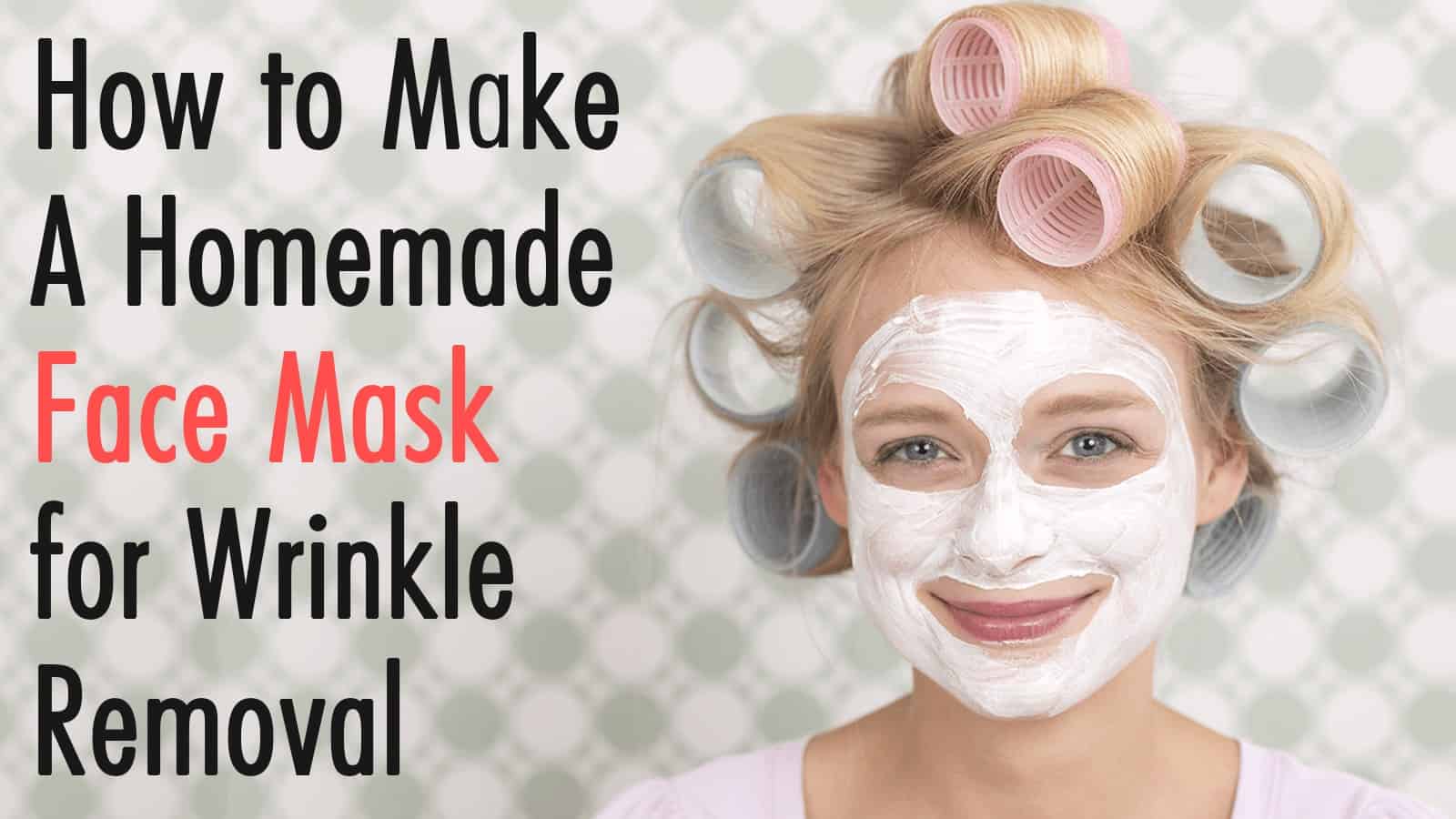
wrinkle removalAge-Defying Mask

As you age, thinning skin makes lines and wrinkles a little more noticeable. When you keep your skin hydrated, it may slow the effect before they turn into deeper creases. Consider whipping up this homemade face mask to tighten your pores and make your complexion radiant.

• Ingredients:

  • One egg white
  • 1 teaspoon honey
  • 1 teaspoon vegetable glycerol

• How To:

Separate the egg and save the yolk for later. In a small mixing bowl, add the egg white and beat it until foamy.

Add the honey and glycerol and mix well.

Dip your fingers into the mixture and apply it to your face in circular motions. Allow the mask to dry and leave it on for at least 15-20 minutes. Rinse it off with cold (not hot) water and pat your face dry with a clean towel.

Gentle Daily Cleanser

You probably wash your face at least in the mornings and before you go to bed. To keep your skin free from harsh cleaners or from drying out, you need a gentle cleanser you can use daily. Here’s one that has hydrating glycerol and cornstarch, which is a mild exfoliant.

• Ingredients:

  • 3/4 cup filtered water
  • 2 Tablespoons cornstarch
  • 2 Tablespoons vegetable glycerol
  • One heatproof glass jar with a lid

• How To:

In the glass, add the water, cornstarch, glycerol, and stir well. Seal the pot with the cover. In a small saucepan, add enough cold water to fill the pan halfway, and place it on the stove over medium-high heat.

Place the jar in the water and bring it to a boil, cooking it until the inside mixture is precise. Remove the pan from the heat. Use tongs to remove the jar and set aside to cool completely.

To use this cleanser, splash your face with a little warm water. Measure out about a teaspoon of the cleanser and use your fingertips to rub it into your skin gently. Allow the mixture to work for about 1 minute then rinse your face with some more warm water. Use a soft towel to pat your face dry.

To optimize the benefits of your cleanser, follow up with homemade glycerol toner and moisturizer.

Glycerol Toner

When you use a skin toner in your daily beauty regimen, it will help remove toxins from your skin, shrink your pores, and keep your complexion well-hydrated. This is an easy recipe to make that contains witch hazel, a natural astringent.

• Ingredients:

  • One-fourth C. pure witch hazel (alcohol-free)
  • One-half Tsp. vegetable glycerol
  • Small spray bottle

• How To:

Use a small funnel to pour the ingredients into the spray bottle. Seal the lid on tightly, and shake well to combine the components.

After you wash and dry your face, spray a mist of toner on your face with about 2-3 sprays. Follow up with a moisturizer.

Glycerol Moisturizer

Keep your complexion dewy fresh with this homemade moisturizer. Choose vegetable oil and essential oil that is best for your skin type. Store your moisturizer for up to six months in the refrigerator.

• Ingredients:

  • One-half C. purified water
  • One teaspoon vegetable oil
  • One teaspoon vegetable glycerol
  • Ten drops essential oil of choice
  • 5 drops essential oil
  • Spray bottle, glass, or plastic

•How To:

After you wash your face and use toner, spritz some moisturizer on your skin. Use this moisturizer a couple of times a day, or whenever your skin needs a little extra hydration. This moisturizer works fine with makeup.

glycerinFinal Thoughts on Adding Glycerin to Your Beauty Regime

While nothing can stop the process of aging and wrinkling, you can draw it out a little longer and age gracefully. The key is to care for your body and your skin. When you use hydrating glycerin skin products, it can keep you looking your best.

4 Habits Of Highly Organized People For A Productive Morning

Do you often find that your mornings start a little too slowly? Does it take you much too long to get your gears whirring during the daytime? Do you struggle to stay on-task and finish jobs so soon after waking up? If you answered yes to any of those questions, don’t worry! Highly organized people reveal their tips for success. It’s much more common than you think!

Being productive in the mornings isn’t easy. Conditions have to be right, you must know yourself and what you’re doing, and you need to be able to find thoughts and objects quickly. But how can you do that? By learning from those who do this successfully, of course! Here are four habits of highly organized people for a productive morning.

1.    Scheduling In A Smart Way

Everyone talks about the importance of keeping a schedule. But there’s no point in creating a program that simply doesn’t work for you or anyone else. The point of scheduling isn’t to make a pretty list of work but to actually help you stay on track in a reasonable but firm manner. Here are some tips for scheduling smart:

·         Make A To-Do List

Yes, it’s easy to assume that you’ll naturally remember everything you have to do without the aid of a list. Still, writing a to-do list is considered one of the most positive and organized steps you can take if you want to be more productive. List down what you have to do that day, that week, and even that month if you plan your schedule that far in advance. You won’t feel pressured to remember everything, and you’ll feel accomplished when you cross items off the list one by one while the day goes on.

highly organized people·         Be Mindful Of Your Energy

Don’t base your scheduling off of others. You know best how your energy levels are like. If you’re booming with alertness right after waking up, you can schedule things earlier in the day. If you’re a night person, you might be more lenient with your time limits for tasks. Take all of this into consideration. Remember, your schedule is for you, not anyone else!

·         Set A Timetable

Remember that to-do list? Trying setting it to a timetable. When everything you have to do has a set schedule that is easy to follow and an exact deadline, it’ll be easier for you to stay on track. Assign reasonable times, keep track of your progress, and don’t lose your positive thinking. Highly organized people tout this habit as a fantastic way to up your productivity as it keeps you on task from the beginning of each day.

·         Don’t Drop The Ball

When your day is hectic, it’s easy to forget some appointments or tasks. Try your hardest to keep each in mind. This is why you need a to-do list – so everything you have to do is nicely laid out and very difficult to forget! If you wind up having no choice but to miss specific tasks due to time constraints, learn from that mistake and schedule things more realistically in the future.

·         Follow A Routine

There’s nothing wrong with wanting a little variety in your life. But if you genuinely wish for a productive morning, make your schedule a routine. Do chores in the same order and basic tasks in the same general timeline every day. Routines are hugely crucial for positive productivity and efficiency, and they can even help with cognitive ability. This makes a routine a surefire success when your goal is a productive morning.

2.    Getting A Good Breakfast

Of course, breakfast is the first and most important meal you’ll have all day long. That’s why it’s so essential that your productive morning starts off with a well-planned breakfast. Here are some ways to make your first meal more fulfilling:

·         Eat Protein

The breakfast you eat makes a huge difference in how productive your morning is. Think about it: your body hasn’t had food for a prolonged period of time while you slept, so you need something that can get your engines into gear. A lot of people talk about carbohydrates as a breakfast food, but few fully grasp just how much protein can do for the body. Protein is a great brain nutrient that studies have found has positive effects on brain function. Consider breakfast foods involving eggs, Greek yogurt, almonds, or cottage cheese.

·         Prepare Food In Advance

Preparing your breakfast the evening before is a fantastic way to save a good chunk of time every morning. Your breakfast will be nutritious and won’t require the thinking of your groggy, still-tired brain. Even better, you can opt to prep large batches of breakfast over the weekend, so your entire week’s morning meals are ready to go!

·         Do Something Productive During Your Breakfast

Breakfast is a great time to get your gears going, and it’s an excellent way to get ahead of your tasks for the day. By the time you’re done eating, you’ll already be ahead! However, take this hint with a grain of salt, as it doesn’t work for everyone! If you tend to overeat, get distracted, or become stressed out when you do something else with breakfast, it’s best to opt not to go for this trick.

mood

Here are ten daily habits that put you in a great mood.

3.    Be Tidy

Sure, being perfectly clean all the time is overrated. But making sure your clutter stays under control is very important for productivity. Plus, you can hardly consider yourself highly organized if your entire house and workstation are a mess! Here are some ways to keep things neat:

·         Clear Your Workspace

Want to have a fresh start to each day, full of positive thinking? Make sure your working space or desk is clean and clear before you begin. Clutter can almost feel comfortable sometimes, but what it actually does is trip you up. Things get harder to find, you’re more likely to be stressed out, and it’s tough to get things done without holdups. Sure, everyone has different limits to how messy space can get before it affects them, but if you follow science, cleanliness and tidiness is most crucial to productivity.

·         Resolve Snags

If you want your days to run smoothly, try making a habit of smoothing out so-called loose ends left behind from days past. It’s easy to ignore the tissue that fell on the floor, but in time that will amount to a lot of rubbish everywhere, which will impact your productivity. You might not think that missed call is that big of a deal, but when twenty of them pile up, you’ll be too overwhelmed to get to them. Learning to quickly tidy up these tiny little things as and when you notice them is key to being organized.

·         Clean Key Areas Before Leaving

Before you leave your house every morning, take a quick glance through the critical areas of your home. This might be your dining table where you eat, the kitchen counter where you need to cook, or the shoe rack by the front door that you tend to dump everything into. Give them all a cursory once over and clear or tidy what you can before heading out. This places your mind at ease as you go about your morning while also giving you a little sense of accomplishment from the start.

It’s worth noting that we’re not insinuating you need to have a perfect environment in order to be productive. The lesson here is to learn to become a more organized person, so you need to know where things are and feel relaxed in your living and working spaces. Often, being at least some degree of tidy is necessary to achieve this!

4.    Learn To Prioritize

Highly organized people don’t mistake productivity for the simple act of squeezing in as much as you can into as few moments as possible. The issue with this description is that it removes quality from the equation

When you are productive, you’re performing with high-quality and delivering outstanding results, but at a consistent and, if possible, fast pace. This means that sometimes, there are tasks you have to leave behind in favor of what really matters. Here’s how to better prioritize the things you need to get done for a more productive morning:

·         Decide On What You Want To Accomplish

What are the three things that you absolutely want to accomplish today? Which tasks must you complete to feel like you’ve been productive? Once you have your three most important tasks, schedule your day around them. You can do them at any point, as long as you get them done. When you have to choose between these tasks and other less major ones, always choose the former! You’ll feel better about yourself while teaching yourself not to sweat the small stuff.

·         Get To Critical Emails As Soon As Possible

It’s a great idea not to make a habit of browsing your email first thing in the morning before work begins. But once it starts, it’s all fair game! Focus on starting with the more critical emails first, resisting the urge to the top of your inbox chronologically. When you have the most vital emails settled, you’ll feel more relaxed and have more positive thinking throughout the day. Plus, there’s a much lower risk of you forgetting about those essential tasks as the day goes on! Highly organized people do not waste too much time on pointless, spammy emails.

·         Do The Worst Things First

Think of the three “worst” things you have to do today and get them done first. It’s up to you to define what “worst” entails. Are they the tasks you find most problematic? The ones you find most boring? The chores that take up the most time? An assortment of all of the above? Spend your morning on those “worst” tasks, and you’ll feel much more accomplished after – and, therefore, more motivated to do the more straightforward jobs during the rest of the day! Your concentration and energy are also likely best in the mornings, which plays into this.

highly organized peopleFinal Thoughts On Some Habits Of Highly Organized People For A Productive Morning

Few can deny the benefits of being organized. It helps you concentrate, reduces stress levels, and, of course, it makes you more productive. No matter what the time of day it is, focusing on the proper organization of your work area, your living space, and your tasks and goals for the day is crucial. Absolutely everyone can benefit from adding these habits of highly organized people to their lives!

Skip to content