Weekly tips, affirmations, and small actions to feel your best.

10 Things Causing Skyrocketing Childhood Obesity in America

This topic is uncomfortable, but it is one that society must no longer ignore. We want our children to learn to make healthier choices, so this conversation is one we must have. The obesity rates in the last 20-30 years have skyrocketed, and sadly, childhood obesity is no exception. Many children lack access to healthy foods, and well-meaning parents often resort to cheaper, processed options. Because of rising income inequality and the fast culture we live in, children’s health is greatly suffering.

According to the CDC, the prevalence of childhood obesity in the U.S. is as follows:

  • The prevalence of obesity was 18.5% and affected about 13.7 million children and adolescents.
  • Obesity prevalence was 13.9% among 2- to 5-year-olds, 18.4% among 6- to 11-year-olds, and 20.6% among 12- to 19-year-olds.
  • The prevalence of obesity decreased with increasing level of education of the household head among children and adolescents aged 2-19 years.
  • Obesity prevalence was 18.9% among children and adolescents aged 2-19 years in the lowest income group, 19.9% among those in the middle-income group, and 10.9% among those in the highest income group.

Obesity rates have tripled among children and adolescents over the last 30 years. When you look at the world around you, this shouldn’t come as a surprise. Sedentary lifestyles, fast food, and technology have permeated children’s lives, wreaking havoc on their health. Parents may have good intentions, but choose unhealthy options for their kids due to convenience.

Below, we’ll talk more about the reasons behind the obesity crisis, and how we can ensure better health for children. While the world may encourage ill health, children can learn better habits which enforce well-being.

Here are 10 main factors causing the childhood obesity epidemic

Here are the ten primary things causing overweight, and therefore unhealthy, children.

1 – Too many high-sugar, high-fat processed foods

childhood obesityIn the last few decades, people have started turning to more processed, higher-calorie snacks, and meals. These types of foods are convenient and quick, but they typically have very few nutrients. As a result, children still feel hungry after eating, yet end up gaining weight due to eating too many calories. Some research shows that obese people actually suffer from malnutrition due to the quality, not quantity, of the foods they eat.

Many studies link the higher consumption of processed foods with an increased risk of childhood obesity. This occurs because they usually don’t have a chance to burn off the excess calories consumed, leading to weight gain.

2 – Decreased physical activity due to sedentary lifestyles

Combined with an unhealthy diet, lack of exercise contributes greatly to the obesity epidemic. With the rise in technology and more sedentary living, children don’t have as much incentive or opportunity to play. Many schools have taken away recess time as well, which proves detrimental to children’s’ mental and physical health. Simply put, children were made to run and play, not study and memorize information for hours at a time.

Even if they get recess time at school, children still need more than 30 minutes of movement per day. After school and on weekends, many of them spend a large portion of their time indoors on technology. Parents who have busy schedules may find it easier to let the TV do the babysitting instead of playing with them outdoors.

3 – Lack of information about healthy food choices

Especially in lower-income households, children may not have access to information about healthy food choices. Kids mimic their parents’ example, and that includes what types of food they eat. If parents eat mostly processed foods, the kids will follow their lead because they don’t know any better. According to the World Health Organization, lack of information about healthy food choices contributes to the problem.

Schools should teach children about nutrition if parents don’t have access to knowledge about healthy food options. Parents might mean well, but just don’t have the resources or time to help kids make better decisions about food.

4 – Poor availability and affordability of nutrient-dense foods

In addition, children growing up in lower-income families may not have access to healthy foods.  Especially in one-parent households, the parent may not have time to cook nutritious meals for children. As a result, they may resort to fast food or processed foods because of the convenience and low cost.

Poverty and obesity have a strong correlation, according to a study done by the University of Michigan. Among school districts in Massachusetts, researchers found that every 1 percent increase in low-income status led to a 1.17 increase in obese/overweight students. It only makes sense that if kids have access to more fresh foods, they will make healthier choices. Kids who grow up in low-income houses have a clear disadvantage when it comes to health, unfortunately.

5 – Marketing unhealthy foods specifically to children

The companies selling these unhealthy foods have a huge responsibility in causing the obesity crisis. Companies use bright colors, catchy songs, and fun cartoon characters to get kids’ attention, and it works. While parents don’t have to buy the products, they may just purchase them because they believe it will make their kids happy.

Marketing campaigns trick parents by saying the cereals or other snacks are fortified with vitamins, but they still contain tons of sugar. Have you noticed that the characters on breakfast cereals in the stores seem to be at eye level with kids? It’s almost as if the companies did that on purpose. (hmmm)

A report from the FTC found that the food industry spent $1.8 billion on marketing foods and beverages to kids in 2009. The top three ads directed to children were: fast food ($714 million), carbonated beverages ($395 million), and breakfast cereals ($186 million). Children (ages 2-14) saw an average of 10 to 11 television ads per day in 2016, or approximately 4,000 ads total. This doesn’t even account for all the other ads targeted to them via mobile devices or in schools.

6 – Unhealthy eating habits in the household

As we said above, children pick up on habits from their parents, which can be beneficial or harmful. If parents eat mostly processed, unhealthy foods, children will likely follow suit. For example, one study found that living in a single-parent household and having an overweight mother are linked to childhood obesity.
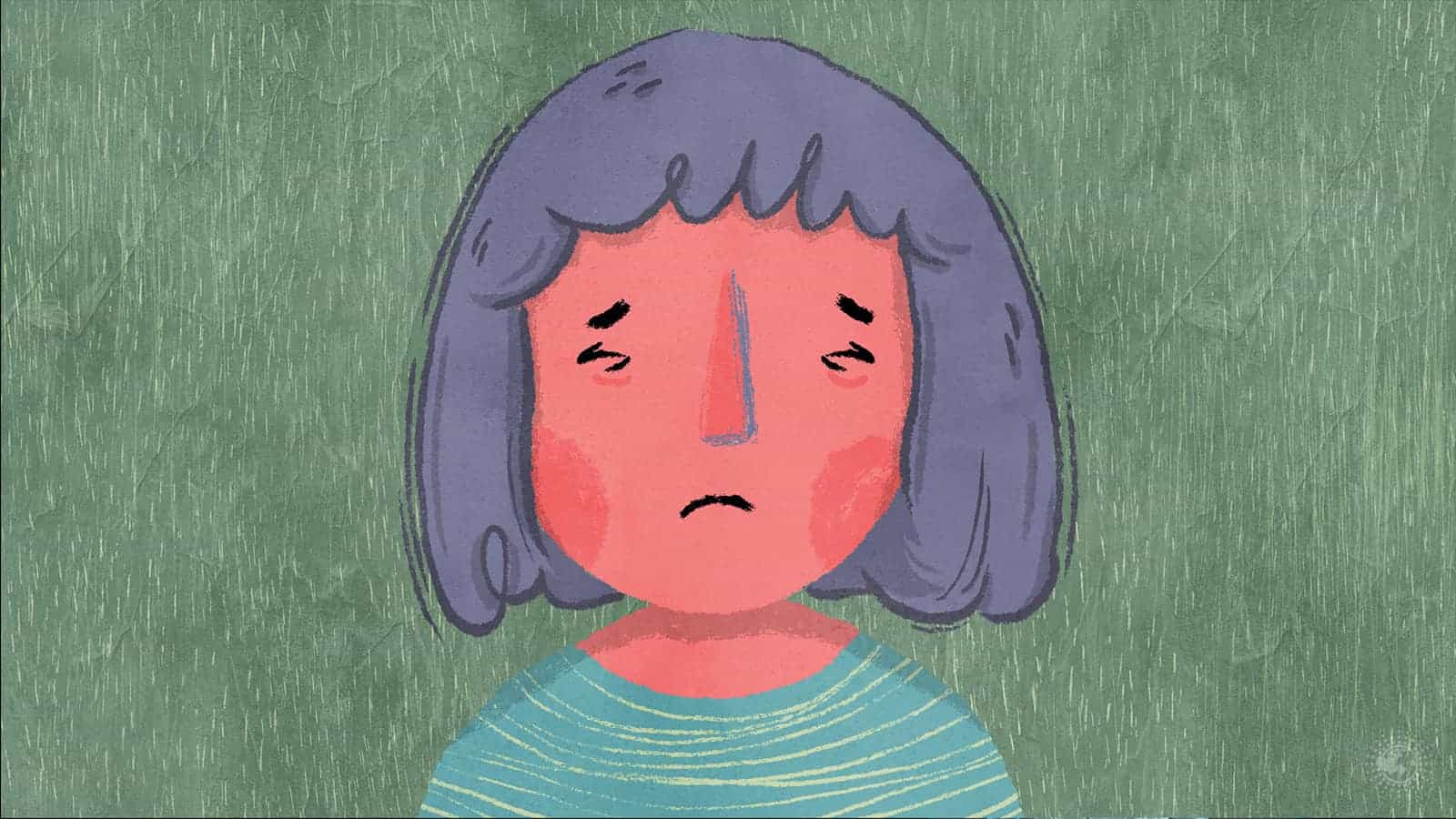
depression in children

Know the signs of depression in children

7 – Genetic factors

Obviously, genetics plays a huge role in the likelihood of developing obesity as a child or later in life. Some studies have found that body mass index (BMI) has a heritability of 25-40%. However, genetics account for only 5% of cases of childhood obesity, so lifestyle factors likely contribute the most.

8 – Using food to deal with stress or other emotions

Children growing up in stressful environments may learn to use food to cope with emotions. Extensive research links early-life poverty and adverse childhood experiences, such as abuse, to obesity in adults. Increasing evidence shows associations between these stressful situations and higher obesity rates in children and teens as well. High, prolonged stress levels disrupt important hormones and behavioral pathways in the brain, increasing the risk of obesity.

9 – Lack of access to safe places to exercise

Especially in lower-income areas, children may not have accessibility to safe, well-lit areas to play and exercise. Wanting to keep their kids safe, parents may encourage them to do more indoor activities instead. Even if children live in safe areas, they may not get much of an opportunity to play outdoors.

For example, in the past, many kids rode a bike or walked to school. However, nowadays, as many as 53% of parents drive their kids to school, according to surveys. They cite safety, long distances, and fear of child predators as reasons for driving their kids to school.

10 – Large portion sizes

Portion sizes have increased dramatically in the past 10-20 years. Consuming large portions can contribute to a caloric excess, leading to fat storage and obesity. Not surprisingly, people tend to eat whatever is on their plate, so more food equals more calories consumed.

How to reverse the childhood obesity crisis

  • Teach children healthy eating habits. Everything starts at home, including our children’s food preferences. Lead by example, and try to eat as many fresh, healthy foods as you can. Don’t keep a lot of processed snacks in the house so they can learn to enjoy healthy food instead.
  • Eat at home most of the time. Children greatly benefit from eating home-cooked meals. Not only do they get social interaction with their parents, but the meals will likely have fewer calories than at restaurants. Not to mention, you can control what you put in the meals and make them healthier.
  • Limit their time on technology. Sadly, kids get exposed to thousands of unhealthy food ads per year. Try to limit their TV and tablet time so they don’t see these marketing tactics as often.
  • Give them treats sometimes. Kids need balance in life, and that goes for their diets as well. If you restrict their diet, they will just want to eat more unhealthy foods to compensate.
childhood obesityFinal thoughts on what’s causing the childhood obesity epidemic

Obesity among all age groups has risen substantially in the last few decades. It’s a multifaceted problem that involves many industries and governmental agencies, as well as parents. We have to do better for our children, and it all starts at home. By limiting their exposure to food ads and making them healthy meals at home, they will be well-equipped to make sound dietary choices in the future.

10 Doctors Who Spread Joy by Dancing

Everyone is feeling stress and anxiety caused by the Coronavirus pandemic, and doctors are sharing dance videos to spread positivity. Doctors aren’t the only ones sharing these videos, either, as other health care workers are joining in, too.

Through these videos of themselves and their colleagues dancing, they are hoping to boost hope and happiness. Many of them started dancing to relieve their stress and the stress of their co-workers. Once they realized it was making other people smile, too, they decided to keep doing it.

We could all use some positivity in our lives, and these videos will do just that. It will make you smile or at least feel happier, and it can help you appreciate health care workers even more. Aside from just helping to spread positivity, these videos can help you learn new techniques for shaking hands, too.

These positive videos are intended to help you boost your mood and improve your mental health. If you are struggling, these should help you cheer up. After you’ve watched the videos, you could try the dances yourself, because dancing can help ease your stress even further.

The Power of Using Dancing as a Way to De-Stress and Spread Positivity

Dancing is a powerful tool when it comes to easing stress and becoming more positive. This is more beneficial than many people realize, too. Dancing can help boost your mood, reduce stress, and lessen feelings of anxiety.

Researchers prove that dancing releases mood-boosting chemicals in your body. Dancing just one time can help boost mental health for up to a week. The effects are similar to that of regular exercise.

Dancing Doctors and Health Care Workers Spread Positive Videos

1. OHSU Doctor Dancing in Hospital Corridors

Dr. Jason L. Campbell, an Oregon Health and & Science University resident, spreads positivity by dancing with his colleagues in the hospital. His goal is to keep spirits up and offer fun ways to avoid the spread of Covid-19. Through dancing, he teaches fun replacements for handshakes such as bumping feet, otherwise known as foot shaking.

His dancing also shows how it is possible to dance and have fun with others while remaining six feet apart. He wants to remind people to stay optimistic and remind them that we are all in this pandemic together.

2. Hospital Staff Dance Together to De-stress

The staff of the Intensive Care Unit at this hospital do the popular dance called the Cupid Shuffle. They use it as a chance to spread positivity and help people smile during these hard times. It’s also their way of de-stressing together during their shift at the hospital.

3. Jefferson Doctors Use Viral Dance to Send Important Message

The health care employees on the Neuro ICU unit at Jefferson Hospital dance together to spread a message. They use their dancing to encourage people to stay home when possible during the pandemic.

4. Dancing Nurse Lifts Spirits at Hospital

Jill San Juan, a nurse at Texas Medical Center, shared a video of herself dancing during her break at the hospital. She was dancing to Janet Jackson’s song “All for You”, and caught the eye of Janet Jackson herself.

When Janet Jackson, a famous musician and former Vegas headliner, saw the video, she shared it with her social media followers. From there, it became a viral YouTube video that was watched by millions.

Her hope with the dancing video was to spread positivity. With all of the negative news that plays non-stop, she was worried it would continue to spread more negativity. She thought everyone could use something to make them smile and remind them to try and enjoy life.

5. These Nurses Showed Off Their Version of the ‘Footshake’ TikTok challenge

Two nurses at the Conviva Care Center created a fun video to show the “Footshake” that was mentioned in number one. This TikTok video became popular as the Corona Virus Pandemic reached its peak.

They started the video by pretending to shake hands, only to stop at the last second. Then, they began their dance that made thousands of people smile. The nursing staff cannot let the physicians have all the fun!

6. Hospital Staff Dance to Pitbull’s song ‘I Believe That We Will Win’

In this video, a large group of hospital employees comes together outside of the hospital to dance. The song they are dancing to promotes positivity and a reminder to keep fighting, despite any setback. With many dance moves, including the “Footshake”, this video is so much fun to watch.

7. Local Doctor Shows Off Dance Moves

A pediatric doctor at PM Pediatrics in West Hartford named Kari Edelson shared her dance moves to her Facebook page. It wasn’t intended to go viral, but it quickly did as the video was shared many times.

She shared the video to share positivity and have fun. Rest assured; she cleared the air by making it clear she didn’t waste any PPE during this video.

8. Dancing Nurses Boost Spirits During Pandemic

At one care center in Texas, nurses lined up to make a dance video for TikTok. It was quickly shared on YouTube and other platforms and became a viral video. This was their successful attempt at boosting spirits during the Coronavirus pandemic.

The dancing nurses are enough to boost someone’s mood, but there’s more to the video than you may initially see. If you look in the background, behind the nurses, you will notice a doctor participating, too. He may not be doing the same dance, but his effort and contribution is much appreciated and will bring a smile to your face.

9. City Hospital NHS Staff Dance in TikTok Video

At City Hospital in Birmingham, United Kingdom, the staff of Ward D11 shared their dance moves. Before they began their shift for the day, they decided to do this dance to bring a smile to their faces.

The nurse who sent this video explained that if they don’t find something to smile about, they’ll spend their shift crying. Caring for Coronavirus patients can quickly become overwhelming, so hospital staff has to find a way to cope. In their quest for a smile for themselves, they allowed thousands of others to smile, as well.

10. Philadelphia nurses go viral dancing to Ciara’s ‘Level Up’

Known as the “Swab Squad”, these nurses at Thomas Jefferson University Hospital in Philadelphia, PA. boost positivity through dance. Jeffrey Salvatore, a member of the Covid-19 Testing Task Force team explains why they do it. He believes when patients come in and see cheerful nurses, it will help them remain as cheerful as possible, too.

When the team was first assigned to the task of testing patients at a drive-thru testing site, it was all new to them. They were working in the rain and cold, something they weren’t used to doing before. Testing up to 200 patients each day in the beginning, they were always busy and worried.

The “Swab Squad” initially began dancing to stay warm and boost their own spirits. They quickly realized that it was working to boost the spirits of others, too, so they continued it. Their dance to Ciara’s song ‘Level Up’ was the one that went viral and was even noticed by Ciara herself.

Other Ways to Spread Positivity During the Pandemic

Even if you aren’t a dancer, you can share joy. You may be able to think of some ways on your own, but if you get stuck there are many suggestions. Some of these options include:

  • Check-in on your neighbors (while remaining six feet apart)
  • Support local businesses by buying gift cards or ordering meals to-go
  • Send gifts to loved ones that you miss
  • Do a few random acts of kindness
  • Donate food to those in need
  • Write letters or send cards to patients in care homes
  • Tutor students virtually when their parents are struggling to teach them
  • Reach out to those who struggle with their mental health
  • Find a family in need and ask them specifically what you could do to help
  • Make casseroles or other freezer-friendly meals for health care workers

Final Thoughts on Dancing Doctors Spread Positive Videos During the Pandemic

While there is likely nothing that will completely ease the stress caused by Covid-19, these videos should have helped. Since a pandemic is something no one planned on or ever expected, it is even more of a shock. You can’t let the negative feelings control your life, however, so try to find things like these positive videos to make you smile.

If these doctor and healthcare worker videos inspired you, then try the dances yourself. As explained before, dancing can help boost your mental health and help you feel better.

These doctors and nurses truly care about people, even people they don’t know. Allow them the opportunity to make you and your loved ones smile. If one of these videos brought you happiness, be sure to share it with other people you know to spread positivity.

Nutritionists Reveal 5 Ways To Undo Damage Caused By a Sweet Tooth

Sweet food tastes good. That’s something that can’t easily be denied. But that statement doesn’t mean that you should eat a lot of sugary food often! Still, if you have a sweet tooth, you may be especially prone to giving in to sweet cravings.

If you’ve been on a sugar binge, you might be a little panicked as you worry about its effects on your health. But never fear! Here’s how nutritionists reveal five ways to undo the damage caused by an overindulged sweet tooth.

1.    Plan A Balanced Next Meal

The process of consuming excess sugar causes your blood sugar to become very unbalanced, says author and registered dietitian, Desiree Nielsen. What this advice means is that you’ll experience a rapid sugar crash, which will only leave you craving more sugar. And the cycle continues!

Here is why you must ensure that your next meal counteracts the sugar cycle–and some food options that do just that:

·         Slow-Digesting Foods

sweet tooth

Your best bets for reducing that sugar cycle are nutrient options that positively affect digestion – precisely the kinds that will slow down nutrient absorption in the bloodstream. These are proteins, fibers, healthy fats, and colorful vegetables.

·         Bitter Greens

Nielsen states that consuming excess sugar can lead to feelings of nausea and stomach discomfort. An excellent option to counteract those problems is bitter greens, such as celery, parsley, and cucumber. These foods have been used as digestive aids for a long time and have highly positive effects on that nauseated state. On top of that, bitter melons can help to reduce blood sugar levels mildly.

·         Anti-Inflammatory Foods

Blood sugar spikes can cause inflammation throughout the body, which isn’t a good thing when it occurs in this unneeded manner. For your next few meals, Nielsen, therefore, recommends trying to add anti-inflammatory foods to your plate. Cruciferous vegetables are especially useful in this regard, and studies have found that they are successful in fighting inflammation. Other anti-inflammatory foods that you can use are ginger, seeds, and turmeric. Need something that’s sweet again? Try berries, which pack a delicious punch while fighting inflammation!

·         Eat Probiotics

When you eat sugar, the harmful bacteria in your digestive system can grow and fester, leading to impaired cognitive and digestion function. Probiotics, which you will find in fermented foods, are a great way to counteract this in a positive manner.

·         Mix Water and Fiber

Eating a lot of sugar can cause bloating. The combination of fiber and water can help bring down that bloating by flushing the digestive system, says Nutrition Curator founder and registered dietitian Allison Gross. The mixture will also help with satiety, so you don’t feel hungry as quickly and don’t cave to more sugar cravings. Beginning your day with fortified breakfast cereals is a great way to start your mornings with this hunger-beating combo.

2.    Exercise to Beat Sweet Tooth Cravings

It’s challenging to want to exercise after stuffing your face with sweets. But the act of doing small, active tasks can help you recover significantly faster! Here are some actionable ways to use exercise to undo the worst of the overindulged sweet tooth:

·         Move After Eating

You need not run a 5k or marathon right after you overeat sugar. Registered dietitian and NYU Langone’s Laura and Isaac Perlmutter Cancer Center nutritionist Amanda Bontempo, RD, says the act of moving around means your muscles get to use up the excess blood sugar. Just 15 minutes of walking after your sugar binge can already do wonders for your blood sugar levels, so get moving for positive results!

·         Do Some Yoga

A lot of people who binge on sugar do so when they feel stressed out. But then high blood sugar can also lead to an increased risk of stress, especially in those with diabetes, say studies! Doing yoga as a form of exercise helps to ease that tension and promote positive thinking while also letting you move enough to reduce blood sugar naturally.

·         Make Exercise Regular

After you’ve undone the worst of the damage from a sugar binge, make a change in your life by adding exercise to your regular daily routine. This will make it so your body is more adept at using up sugar and other resources, making you more resilient to sugar binges in the future should they occur. Regular exercise is also great for blood sugar levels overall.

3.    Reduce exposure

Exposure to sugar is often what causes sugar binges in the first place. As with anything that you may hope to avoid, reducing exposure to sugar can work wonders for more long-term damage control. Here are some ways to do that:

·         Get Rid Of Tempting Treats

The brain often has a more challenging time resisting junk food when it can see it clearly. Studies have actually found that visual exposure to sugary foods is more than enough to increase the risks of obesity. Basically, if it’s in plain sight, you’re more likely to eat it, especially since eating all that sugar gave you a dopamine rush you probably want to replicate. Clear these sweets away from your general vicinity to reduce exposure to them.

·         Be Wary Of Hidden Sugars

Did you know that condiments contain many sugars in them, even when they taste sour or spicy? It’s one of the easiest ways to slip more sugar into meals that seem otherwise healthy accidentally. The trouble, of course, is the massive list of names used for sugars and sugar-equivalents, says Mayo Clinic Healthy Living Program wellness dietitian Jason Ewoldt, MS, RDN. Be sure you’re aware of sneaky terms used for sugar, like dextrose and fructose, so you don’t accidentally add them to your diet!

·         Plan Meals Ahead

When you don’t plan meals, you run a higher risk of grabbing whatever you can without having time to think about it. Some of the most leisurely meals to eat on the go aren’t the best for you. Ideally, the few days after your sugar binge should have very well-planned meals. The most important is, according to Bontempo, the next day’s breakfast. Opt for low-carb, high-protein, moderate-fat meals and prepare them in advance, so you don’t need to rush and make an accidentally less healthy meal when you’re hungry.

cravings4.    Long-Term Lifestyle Changes

Sometimes, a sugar binge that sends your body reeling is just a sign that it’s time to make some changes in your life. Plenty of lifestyle alterations are great for helping your body better manage its blood glucose levels. Here are some lifestyle decisions to undo the damage from excess sugar consumption:

·         Maintain A Healthy Weight

Controlling body weight is often crucial in helping your blood glucose levels stay under control. In fact, just losing 7% of your weight can lead to a significant diabetes risk decrease, which continues throughout the years, according to research. Insulin resistance and other issues with glucose balance are also much more common in those with larger waistlines or overweight BMIs overall.

·         Sleep Better

Getting enough sleep is crucial to many different aspects of sleep, from immunity to positive thinking and from productivity to pain management. But did you know that lousy sleeping habits or too little sleep can lead to insulin resistance and elevated blood sugar levels? This is because not sleeping enough boosts your appetite, produces more cortisol, and inflames the body.

·         Manage Stress Wisely

As mentioned previously, stress can wreak havoc on your blood glucose. This is due to the secretion of hormones called cortisol and glucagon, which are both released in times of stress. The hormones bump up blood glucose levels in response to the fight vs. flight stress response cropping up. Studies have found that meditation and acts of relaxation can bring down blood sugar, but any stress-relieving, positive methods will also do.

·         Monitor Blood Sugar, If Need Be

If you’re beginning to have issues with blood sugar, learning to monitor your glucose levels may be a good idea. This information can help you decide on meals and activities based on the responding changes in your blood sugar, and research suggests it’s a pretty effective method.

5. Don’t Be Too Hard On Yourself

As a society, we’re often conditioned to be hard on ourselves after diet-related mistakes. This is a misguided way of handling a sugar binge, and it’s not something you should partake in. Here’s what not to do and why:

· Don’t Starve Yourself

When you first realize that you’ve overeaten, it’s easy to become frightening and try to undo the damage by abstaining from food to make up for it. Unfortunately, the sugar crash that is sure to follow from eating sugar and then not eating for hours can be bad for mood and positive thinking, says nutritionist Caroline Bienert. So eat as usual – choose your food more mindfully!

·         Keep Your Immunity Strong

Being hard on yourself can often mean overextending to make up for your perceived wrongs, which opens you to all sorts of illnesses. Instead of letting that outcome happen to you, focus on keeping your immunity up to par by eating foods like turmeric, mushrooms, and oregano, suggests Bienert. Don’t forget that sugar consumption can bring down immunity, according to research, so it’s even more critical that you stay in good shape.

· Don’t Feel Too Guilty if You Occasionally Feed Your Sweet Tooth

It’s okay to go all out on sugar now and then. A sugar binge now means that you’ll have to wait a while before you can eat a sugary treat again, but that doesn’t have to be a bad thing. Bienert notes that guilt has a funny way of being counterproductive. Feeling too upset with yourself for a binge of any kind is only more likely to cause you to cave into cravings later, so focus on positive thinking above scolding yourself.

sweet toothFinal Thoughts on Trying These Tips to Undo the Damage Caused by an Overindulged Sweet Tooth

Overeating sugar is terrible for you, plain and simple. But you’re human, and sometimes, those cravings are going to be too hard to resist. When you do fall victim to desires, knowing how to counteract your overindulged sweet tooth can be a lifesaver. As you work on improving your willpower, you’ll also be armed with backup knowledge that helps you undo some of the worst of the occasional sugar binge.

6 Surprising Things That Make You Unique

The drive to stand out from the crowd and be special and unique is a mighty one. But with all the fantastic people in the world doing incredible things with their lives, you might sometimes feel lost in it all.

But have some positive thinking! You’re unique, even when you don’t feel like you are. You’re more than just a sum of your parts, and yet even those parts alone can make you even more distinct. Here are six special things that make you unique.

1.    Your Personality

Personality refers to multiple different aspects of one’s identity. Typically, character is seen most clearly in the way you interact with others, so behavior plays a significant role in demonstrating character. A mix of acquired and inherent factors affect these characteristics. Here are some aspects of personality that make you unique:

·         Your Attitude

uniqueThe way you perceive the world dictates your attitude, and that attitude can have huge effects on negative and positive thinking. You can drag others down with a bad mood or lift others up with the right attitude. The way your perspective is shaped can often influence your success and progress in life. If you tend to look on the bright side of things, you’re likely to enjoy more accomplishments and have more positive experiences with those around you.

·         Your Perspectives

Only you see things exactly as you do. Only you have lived in your shoes, seen things from your angle, and experienced life uniquely as you are. This combination of knowledge and thought leads to a distinct perspective. Even if you have a similar view to others, you are still entirely unique in your complete perspective on the world! This is also why it’s important to listen to other people’s thoughts and ideas, too, as they provide views you will never have otherwise.

·         Your Sense Of Humor

Who and what do you find funny? What kinds of jokes do you tell? How do you tell them? What makes you laugh? What don’t you find funny? All these details add up to your overarching sense of humor, and that makes you unique, too!

·         Your Quirks

You are a collection of different bits and pieces that all come together to make you a standalone individual. This includes many quirks, like little things you do, ways you react to something, or ways you speak. Things like this can add to your uniqueness and make you stand out!

2.    Where You Grew Up

Did you know that your home environment as a child can affect how you develop and grow? Studies on adopted children who enter better socioeconomic homes show a clear correlation between IQ and home environment. A child adopted from a poor environment into a wealthy household is likely to score a more positive result on an IQ test than someone adopted into a poor home.

But why does this happen? Is it indeed wealth that dictates intelligence? Well, that’s unlikely to be the case. It seems more likely that the environment of poor and wealthy homes is to blame instead, as factors like stress are known to damage the brain and affect development. This factor is particularly true for children whose brains are still developing, according to research. Living in a more impoverished home or a more dangerous neighborhood could potentially worsen the risk of chronic stress patterns.

Of course, it’s also worth stating that several other things can affect stress levels than financial status. Abusive homes, bullying at school, or feeling repressed when growing up can lead to stress levels that affect cognitive development.

3.    Your Identity

Can you answer this question–“Who are you?”. That question is a straightforward one, and its answers lie in your entire being – or, more specifically, in your identity. Here are some aspects of identity that make you a unique individual:

·         Style

What is your personal style? How do you present yourself to others? What types of clothes and accessories do you wear? Do you use makeup? How do you do your hair? What’s your preferred aesthetic? These things are a part of your external identity!

·         Ethnicity and Culture

Where did you grow up? What is your ethnic origin? Do you feel pride and kinship for your ethnicity or culture? Do you feel disconnected from it? What things from these backgrounds do you bring with you in your life today? For many people, these things are huge parts of identity.

·         Age

Believe it or not, age can be a considerable part of the identity that makes you unique. How old do you feel? How much experience do you have? Are there things about your body that have changed? These things can all influence aspects of your identity.

·         Gender

Are you a man? A woman? Neither? Something in between? Nothing at all? This can make up a big part of your identity. It’s worth noting that gender and sex are two different things; studies discuss gender as something social, not biological, though the theory is still being fleshed out with research. This means that you are free to analyze your gender more closely. What aspects of you are feminine? Which ones are masculine? What do you see in yourself?

·         Spirituality

Are you a religious person? Do you nurture your spiritual health with prayer, meditation, or other techniques? Or do you practice unorthodox forms of spirituality? Do you seek to uncover mysteries of the universe? These are great questions that can give you a lot of insight into your own identity.

·         Beliefs

What is your political alignment? How about your thoughts on current events? What is your view on the world and life? Beliefs form your opinions and, eventually, your personality, making them a significant part of a unique identity.

pop meme4.    What You Like

You’re not defined exclusively by your interests, but you can’t deny that they play quite a role when it comes to the people you attract or surround yourself with. It can also say a lot about who you are. Here are some examples of how!

·         Hobbies

How do you like to spend your time? Are your hobbies mainly solitary, or do they involve others? Do your hobbies require patience, or are they very action-oriented? Are those hobbies commonly associated with people of your profession, temperament, or appearance? All these questions contribute to how your hobbies make you unique.

·         Passions and Goals

What is it that drives you and moves you forward every day, even when the going gets tough? What helps you keep your positive thinking? How did these goals and passions become entrenched in the first place? Often, what someone is passionate about plays a significant role in determining their personality or community!

·         Habits

What are some things you do without even realizing it? How do you tend to spend your days? Do you follow a routine? What are some good and poor habits you have, and do you care about them? Habits often say a lot about what a person finds familiar and comfortable.

5.    Your Experiences

No one can deny that experiences shape the person you are today. You are often a product of the things you’ve been through. This doesn’t mean you’re defined by your part, but it does mean that you learn and grow through them. Here are some ways your experiences make you unique:

·         Childhood

We’ve already touched on the ways your environment growing up influences who you become. That applies to all aspects of your childhood. How did you grow up? What parenting styles did your parents favor? Research indicates that what happens in your youth is most likely to dictate the adult you become.

·         Trauma

Most people have been through trauma at some point in their lives. How has your trauma harmed you? Are you still struggling to overcome it? What have you learned from it? How has it influenced the way you respond to things today? It’s not unusual at all to feel like you became a different person after experiencing trauma.

·         Opportunities

What opportunities were provided to you in life? What inherent privileges were you born with? Have you seized or missed great opportunities? Without the opportunities you were given, you would likely be in a very different place than you are now – and that’s why they’re part of what makes you unique!

·         General Experiences

The things you have been through, whether positive or negative, have all taught you lessons or changed you in some way. How you responded to each of those experiences has also dictated much of who you are now!

6.    Nature and Nurture

For years, experts have referred to the debate of what affects growth and development as “nature vs. nurture.” This, however, might be the wrong way of thinking about it. Based on our list here today, it is reasonably evident that both aspects affect your unique personality and individuality.

Nature accounts for – as an example – your risk factors for disorders, your appearance, and even some part of your temperament. It’s boiled down to simple genetics, and that’s what nature is all about: biological reality. But some aspects of nature never come into play at all, and DNA cannot dictate every possible part of who you become. If genetics were indeed all that mattered, twins who share the same DNA would not emerge from the womb with differences in appearance and personality.

On the other hand, nurture is responsible for – as an example – your values, the lessons you’ve learned from experiences, and things that make you feel nostalgic for your childhood. It’s not just about family, but about experiences, mistakes, your hometown, how well you were cared for… the list goes on! If nurture were indeed all that mattered, experts wouldn’t have uncovered so many links between genetics and different risks in life.

So what, then, is the likely answer in the nature vs. nurture debate? The answer is that there shouldn’t have been a debate between them in the first place! No aspects of nature and nurture exist in a vacuum. They intertwine and work with each other to create the person that you are. Elements of your nature interact with aspects of your nurture to provide you with unique experiences, thoughts, and reactions.

uniqueFinal Thoughts On Some Things That Make You Unique

Many people can view uniqueness as a bit of a paradox. Since every person in the world is, indeed, unique, are you unique at all? Well, there’s no direct answer to that, but no matter what, you are a separate and distinct individual from those around you. A million different factors all had to align for you to be exactly who you are today – and that’s a beautiful thing!

Doctors Explain How a CPAP Machine Treats Sleep Apnea

Continuous Positive Airway Pressure machines, better known as CPAP machines, are the leading treatment options for sleep apnea. Although they can be a little big and it may take the user some time to get used to them, they can be the only way a person with sleep apnea can get a good night’s rest. CPAP machines are arguably one of the best inventions of this century, and the technology behind them is remarkably impressive. Keep reading to find out more about how they work.

What is Sleep Apnea?

To understand why the continuous positive airway pressure machines work, it’s helpful to know what sleep apnea is if you don’t already. Sleep apnea is a condition in which you may stop breathing for periods while you sleep. There are two reasons this can happen.

The most common reason is that skin or tissue in the throat relaxes too much while a person sleeps and blocks their airway. This is called obstructive sleep apnea (OSA).

The second reason is that the brain doesn’t send proper breathing signals to the body while a person sleeps. This is called central sleep apnea (CSA). In rare cases, a person can suffer from both types of sleep apnea.

Signs of Sleep Disorders

cpapThe most common signs of sleep apnea are loud snoring and gasping for air. Other symptoms are:

  • Not being able to stay asleep.
  • Excessive daytime sleepiness
  • Waking up with a headache
  • Waking up with a dry mouth
  • Irritability
  • Trouble concentrating

The reason sleep apnea interferes with sleep so much is because as a person stops breathing, the body wakes up just enough to start the breathing process again. This means the person isn’t getting enough deep sleep. Getting enough sleep is especially crucial for the human body to function correctly. That’s why CPAP machines are so important for people with sleep apnea.

What Exactly is a CPAP Machine?

The machine looks a little like an electronic box that produces air. It’s complete with a long hose and a mask that the user wears while they sleep. Some machines have a water reservoir that humidifies the air that is blown through the hose into the mask. The mask that the user wears can either be a full-face mask that covers both the nose and mouth or a half mask that only covers the nose.

The idea behind the machine is that blowing air into the user’s nose and mouth will stop bad sleeping habits associated with sleep apnea. The user sleeps like this – with the mask on – and although it may look a bit strange, it helps the user get a full, safe night of sleep, and they wake up feeling refreshed the next day.

Some people find it difficult to sleep with a mask on their face at first, but eventually, most people get used to it. This is especially true after they see how their sleep quality has improved. With these machines, the benefits outweigh the discomfort.

futurists

Read nine technologies that futurists believe will happen over the next ten years.

Types of Airway Pressure Machines

It’s important to distinguish the different types of breathing machines. You may also see terms like BiPAP and APAP. These devices are similar, with the main difference being the airway pressure levels.

A CPAP machine has a continuous airway pressure level, whether you inhale or exhale, as the name indicates. The BiPAP can have one pressure level when you inhale and a different pressure level when you exhale. The APAP machine is set to a pressure range, and the device fluctuates as needed while you sleep.

Research has shown that continuous airway pressure machines are the best machines out of the three types to use for sleep apnea.

The Benefits of Using a CPAP Machine

The main benefit of using the machine is to counteract the symptoms of sleep apnea. Sure, there are other ways that you can try to get rid of sleep apnea like losing weight or not smoking anymore.

However, according to Jonathan Schwartz, M.D., the medical director of the INTEGRIS Sleep Disorders Center of Oklahoma, breathing machines are a guaranteed way to stop sleep apnea in its tracks. He adds that they’re suitable for all patients, and the devices help every time.

The most important thing to understand is that sleep apnea isn’t just “some breathing condition.” There are serious health consequences of not taking care of sleep apnea. Unchecked, it can even lead to death.

It’s safe to say that the most significant benefit of using the machine is that you won’t die in your sleep.

How Does it Work?

The way the machine works is quite simple on the surface. It pulls in air from the room, filters it, humidifies it, and sends it to the user’s nose and mouth. The moisturized air is pushed down the user’s throat, effectively inflating the airway. This allows the user to breathe normally while sleeping.

It sounds simple but getting one and using it is not quite that simple. You can’t just go to the pharmacy and buy one. You must first be diagnosed with sleep apnea by a sleep doctor, called a pulmonologist.

How to Get a CPAP Machine

Getting diagnosed involves participating in a sleep study. Some sleep studies can be done in your home (rare), but most sleep studies are done at a sleep lab (overnight, of course) using a procedure called a polysomnogram (PSG). A sleep expert like Sara Benjamin, M.D., of John Hopkins Medicine, monitors you while you sleep in the lab overnight.

Prepping for the Sleep Study

Before arriving at the lab, it’s essential that you take steps to make sure you’ll be as comfortable as possible. “We don’t expect you to sleep as well as you would at home, and we take that into account,” Benjamin says, although she does say that most people sleep better than they expect. You should avoid taking naps early in the day and avoid caffeine.

Keep in mind that your comfort is essential to the sleep expert and technicians. They’ll do what they can to make you as comfortable as possible. This reassurance should keep you from stressing about the sleep study all day.

The Procedure

The part of the sleep study lab you’ll sleep in looks like a comfortable hotel room. The bed is high-quality, the linens are surprisingly comfortable, and you may even have a television that you can watch. Depending on the lab, you may even have your own private bathroom with a shower in it. The technicians will even set the temperature level to your ideal temperature, so you’re as comfortable as possible.

The uncomfortable part is all the wires. They must hook up to you to allow the EEG to monitor you while you sleep. There will be leads and wires placed on your face, chest, and abdomen area. They may hook some up to your fingers and arms. There may even be some hooked up to your scalp (even if you have long hair).

You’ll likely be wondering how in the world you’ll fall asleep with a gazillion wires attached to you. Keep in mind that you’re probably tired anyway from dealing with constant sleep apnea, and with the plush mattress and high thread-count of the sheets, it won’t be hard for you to drift off. You need to relax and get into a comfortable position in the bed.

The study will be done in two parts. The first part is where the sleep expert monitors you. They keep track of what they call “events” through the night, which are interruptions in your sleep.

The second part could be the second half of the night or second night, depending on the type of sleep study you do. This is where the technician hooks up a CPAP machine to you and figures out the correct pressure that you need. They do this until they get the events down to zero.

After the sleep study is over, Dr. Benjamin says it can take up to two weeks for your pulmonologist to get your results. Your pulmonologist will put in a prescription for your machine, and the pressure will be preset before you get it.

cpapFinal Thoughts on How CPAP Machines Help Sleep Apnea

These machines are amazing inventions that have helped millions of people around the world sleep better. As you can see from the information provided, it can be quite a process getting one that’s explicitly set for your needs. It may also take some time to get used to sleeping with a mask on your face.

Don’t worry. Many people adapt to using the machine with flying colors. You may have to try a few different masks before you get one that’s comfortable for you, but this is an easy task once you’ve acquired the machine.

The most important thing is to use it consistently. You should sleep with the machine every night for the whole night to alleviate your sleep apnea. You’ll be glad you did when you start waking up feeling more refreshed than ever.

20 Text Messages to Send to Someone with Depression

Depression is hard to deal with, and anyone who is going through it needs a supportive friend. Data from the National Institute of Mental Health shows that approximately 17.3 million people in the United States have depression. This high number means that it is highly likely that someone close to you is one of the unlucky ones.

Those who aren’t depressed may not be able to relate to those who are, but they can still be supportive. Frequently, those with this mental illness need to know they aren’t alone.

Even when it seems like they don’t want to talk, an encouraging word from a supportive friend can change everything. You can’t always be there physically, but you can let them know you are thinking of them. These text message ideas will help you send something meaningful and encouraging.

20 Text Messages to Send to Someone with Depression

Here are twenty messages of support to text out to someone who is struggling with a bout of depression or other mental illness.

depression

1. “I promise I’ll be here when you are ready to talk.”

Those who have mental illness may not want to talk about what is on their mind. Talking about it can be hard, and the person often wants to be alone. Pushing them to talk won’t get them talking any sooner, and it could push them away.

2. “Call or text me anytime you need to talk. I’m always here for you.”

They may feel alone as they struggle, so it’s always nice for them to know you are there for them. Just knowing you are thinking about them and that you care will make them feel a little better. Your friend might not reply, but they will still have appreciated the text message.

3. “You are important to me, and I love you. Even when things are hard, you are not alone.”

Depression causes people to feel like no one cares about them. They need to hear that they are essential to you and that they are loved. This acknowledgment will help them explore their worth and remind them that they have support.

4. “You make my life better.

When someone is depressed, they may convince themselves that their loved ones would be better off without them. When you tell them that they make your life better, they will know that their thoughts aren’t accurate. They need to hear this so they feel wanted and to know they aren’t making your life worse.

5. “I can’t begin to understand what you are going through, but you are strong, and you can get through this.”

Pretending to understand what they are feeling won’t help them. It can do more harm than good because it makes them feel like their feelings are invalidated.

By letting them know that you don’t understand, they will see that you are honest. Then, when you tell them they are strong and that you know they can get through it, they’ll believe you.

6. “You are not your failures, and you are not a disappointment. I’m proud of who you are and how strong you are.”

Those with depression beat themselves up for their failures. This person begins to think that failing means they can’t accomplish anything, and they believe they are a disappointment. By reassuring them that these things aren’t real, they may be able to get up and try again.

7. “Remember that everything that happens to you will ultimately make you stronger. When you get through this, and I know you will, you’ll have gained strength and wisdom. It might not make mcuh sense today, but it will later.”

While letting them know they will come through this more robust than before, you’ll give them hope. Sometimes hope is all that isomeone needs get out of bed and living life again.

8. “The way you are feeling won’t last forever. Things will get better, and you will be happy again. You are stronger than your depression and can get through anything.”

Remind them that brighter days are coming. They won’t feel depressed forever, and happiness will return. Reassure your friend that they are strong enough to get through the darkness.

9. “Take your time feeling better. There is no rush, and I will be waiting for you when you are ready. I’m not going anywhere.”

As explained before, you can’t rush them when it comes to talking about their feelings. Let them know that whenever they need to talk or spend time with someone, you’ll be there waiting.

10. “Your small victories are more important than anything else. If you can get out of bed, you have achieved something. Keep those achievements going and see what else you can do today.”

Getting out of bed can be the hardest part of the day for a depressed person. Reassure them that if that is all they do today, they will have accomplished something. It will encourage them to do more, and eventually, they will begin to venture out.

11. “I’ll come with you if you aren’t comfortable going out alone.”

Being depressed can cause people to isolate themselves, which only makes the situation worse. They may avoid going to necessary places such as the grocery store because it could set them off. If you offer to go with them, they may have more confidence that way and will be able to get out.

saffron

Here is how saffron can help ease depression naturally.

12. “Your feelings aren’t wrong, and no one blames you for being depressed. I care about your well-being and will always be here for you.”

By validating their feelings, they will know that you are supportive of them. They often beat themselves up because they think everyone blames them for being depressed. Reassure them that no one blames them, that they are cared for, and that they are not alone.

13. “When you’re having a hard time, and you feel like you are alone, remember that you always have me.”

When someone is depressed, they often feel all alone. They feel like no one understands them or cares about them. Let them know you care and that you are here for them through the hard times.

14. “I’m coming over. We don’t have to talk, but I want to sit with you and keep you company. Is there anything I can bring over for you?”

Since they may isolate themselves during dark times, they won’t invite you over. They may still want company, though, and by inviting yourself over, you could make their day. Isolation means they may not have gotten things they need, so offering to bring something can help, too.

15. “I’m sorry that you are hurting. Let me know if you want to talk or need some company. I’m always here for you.”

Validating their feelings is always a good place to start. It lets them know that you have been paying attention and listening to them. Show them that you aren’t pushing them to talk or do anything but will be available if they need you.

16. “Do you want to hang out or just go for a walk?”

Spending time with a loved one or friend could pull someone out of a dark place. Inviting them to get together can cheer them up and take their mind off what they are going through. A walk is a good suggestion because physical activity helps depression, plus, it’s the perfect time to talk.

17. “Is there anything I can do to help you?”

Since a symptom of depression is fatigue, your loved one may be too tired to do basic things. They may skip grocery shopping, which means they won’t have healthy food to eat. Housework may be too much for them, and helping them tidy up could make a huge difference.

There are many tasks that most people take for granted that are a massive task for a depressed person. Offering to help can alleviate some stress and make them feel like they don’t have so much to handle.

18. “How are you managing your depression? Would you like me to visit the doctor with you?”

Anyone who has depression should have a treatment plan. It may not always include medication, but it would consist of regular monitoring from a doctor.

Asking how they are managing can allow you some insight into their treatment plan. If they haven’t seen a doctor, offer to go along with them so that they will be more comfortable. Likewise, if they have seen a doctor, but their symptoms have worsened, offer to go with them again.

19. “Remember the person you were before the dark times set in. That person will return, and I’ll be here waiting. I believe in you. I am confident that you are strong enough to get through it.”

By telling them to recall who they were before, they’ll reflect on happier times. This could help them strive for happiness again and help them leave the dark place the depression put them in.

20. “I may not wholly understand everything you are going through, but I will try my best. I’m always here to listen anytime you need to talk.”

As explained before, you shouldn’t pretend to know what they are going through. Even if you also have a mental illness yourself, it is different for everyone. Instead, just let them know you will listen no matter what, also if you can’t relate.

depressionFinal Thoughts on Text Messages to Send to Someone with Depression

Suffering from depression can cause people to feel alone, unwanted, unloved, and defeated. By merely letting them know you are thinking of them and care about them, you could help them. This could help pull them out of the dark place they are in.

Don’t pretend to know how they are feeling, but be encouraging and let them know you are there. They will need a supportive friend to help them get through.

Dermatologists Explain How to Prevent Sagging Jowls

No matter who you are or your socio-economic position in life, your body will show signs of aging, especially your skin. One particularly bothersome area is the skin along your jawline and below your chin. As you get older and your skin gets thinner and loses elasticity, this area may start to sag and create the dreaded jowls.

Men and women past 40 years of age soon notice sagging jowls with dismay. Do you look in the mirror each morning and rub your fingers along your jowls and feel a little loose skin? Are developing saggy jowls inevitable, and are you doomed to have the face of a bulldog the older you get?

If you are lucky, you may have a genetic disposition that may keep you from developing these unsightly flaps of skin under your chin. Your aging jowls may also be less prominent if you are overweight, have thick skin, or have have an abundance of facial collagen to keep the area tighter.

Your lifestyle and environmental factors also play a role in developing sagging jowls. Is there anything you can do naturally to minimize this blubbery nuisance? How do they develop, and what non-surgical ways can you do to minimize them?

Will You Get Sagging Jowls?

While most people will notice loose folds of skin under their chin and jawline, certain factors may increase your odds. Some are things that you can’t control and others you can. Consider these factors:

sagging jowls

Genetic Predisposition

If you’re wondering if you are going to develop sagging jowls as you get older, look at your parents, grandparents, and other older people in your family. Do you see a tight jawline, or do most of them resemble Winston Churchill? If you say the latter, you are more likely to inherit the same flabby issue.

What About Your Lifestyle and Environmental Factors?

Sun Damage:

For years, Hollywood’s definition of perfection was a Malibu lifestyle and a perpetually suntanned body. Starting with the baby boomers, generations of sun-worshippers basked in the warm rays to keep their skin a sexy bronze color. Unfortunately, those ultraviolet rays often cause serious skin damage, wrinkles, and risks of deadly skin cancers.

Were you a frequent sunbather? Does your skin appear dry, leathery, and prematurely aged? Your probability of developing sagging jowls is much higher under these circumstances. However, it’s never too late to be sun-smart and wear protective clothing and sunblock when you go outside during the day.

Smoking:

If you search for another good reason to kick the smoking habit, here’s another one. Cigarette smoke is loaded with tar and other hazardous compounds that damage your lungs cardiovascular system, and skin. These poisons sink into your skin cells and slowly destroy their elasticity, creating deep furrows, lines, wrinkles, and saggy jowls.

Losing Weight:

Of course, losing excess weight is a good thing to make your body healthy and strong again. It also decreases your odds of developing certain diseases like diabetes, high blood pressure, kidney disease, and cardiovascular disorders.

The only downside is when you lose weight, it’s challenging to shrink your skin that was overstretched for years, and you’ll notice areas of loose, flappy skin, especially around your jowls.

Facial Expressions:

Remember how your mother used to warn you that if you made silly or mean faces your face could freeze like that? Although it’s not instantaneous, there’s some truth to her reprimand. If you are continually grimacing, scowling, or twisting your face into unnatural expressions, they can cause unwanted lines, wrinkles, and flabby jowls.

Poor Posture:

Here’s another one of your parents’ rules that have lifelong benefits. Good posture keeps your bones and joints in line and your muscles strong. Be careful when you have your head and neck bent down for long periods because it can affect your face, neck, and jowls.

korugi massage

See how Japanese Korugi massage can remove years from your face.

What If You Already Have Saggy Jowls?

Ok, what if you’ve always been sun smart, never smoked, maintained a healthy weight, and still developed flappy jowls. Perhaps it’s one of those genetic markers, and you had no control over it. Before you go into hiding or resort to surgery, you have better non-surgical options.

You needn’t undergo painful and expensive cosmetic surgery to reduce your wobbly jowls. So, chins up and discover easy ways to work at home on your face, chin, and neck. Consider these helpful hints for reducing your saggy jowls for good.

• Reduce Your Environmental Risks

If you haven’t already quit, talk to your primary healthcare provider about a smoking cessation program that would be best for you. Avoid bright sunlight during peak hours, and you should always wear protective clothing and a strong sunblock with optimal UV protection. Give your neck periodic rests when working on the computer or talking on your phone. Your jowls will notice the difference.

• Facial Exercises

Did you know that you have 42 different muscles in your face? They need care and exercise, just like the rest of your body’s muscles to stay toned and healthy. Although saggy jowls have more to do with your skin than the muscles, daily facial exercise tightens the jawline muscles and reduces the rubbery appearance of your jowls.

Consider doing these simple facial exercises a few minutes when you wake up in the morning and right before you go to bed:

1. Jawline Massage

If your skin gets saggy in a certain area, sometimes you can build muscles to bridge the gap. Such is the case for your chin and jowls. Have you noticed that your jawline is a little shaky lately?

Try giving your jowls a little pat back into shape. Using the back of your left hand, pat gently around the jowls of the right side of your face for about 25-30 seconds. Then, use the back of your right hand to pat along your left jawline for another 25-30 seconds.

Your pats should be firm but gentle enough that it doesn’t hurt your face. It should be a light sensation that shows that you are encouraging blood flow around your entire jawline. Your jaw should feel firmer and less saggy when you do this exercise as part of your beauty regimen.

2. Smile a While

Did you know that smiling is good for your face, especially your cheeks and jawline? Instead of frowning when you see a little extra bounce in your jowls, why not smile them into better shape. This is an exercise that will make you happy every time you do it.

To do this, make both hands into a fist and place them on each side of your jawline, right below your ears. Gently pull your cheeks back with your fists until you are smiling, and you feel your skin tightening. It’s almost like you are a child leaning on your fists and smiling.

Try to do these smiling exercises 40-50 times each day. You should notice the skin in your jawline feeling tighter and your jowls less noticeable. Isn’t that something that will put a smile on your face?

3. Make Funny Faces

Here’s another exercise in smiling your way to a younger face and tighter jawline. You may chuckle a bit at the funny faces since you’ll probably be looking in a mirror while doing these exercises. It’s a great way to strengthen your facial muscles and smile on your face each morning.

Bring your bottom teeth up over your upper lip and cover it with your lower lip. Make a smile and try to hold it for 10-15 seconds. Repeat this exercise ten times.

4. Use Makeup

Your makeup bag is one of the best tools in your arsenal of beauty supplies. Although it won’t make your sagging jowls disappear, it can do wonders to minimize their appearance. Talk to a makeup expert or go online to find ways to use foundation and brushes to create contours on your chin and jawline.

It’s important to use the best foundation shade for your skin tone. Also, put a little more emphasis on enhancing your eyes. It will naturally make other people’s focus be on your eyes and upper face and less on your jawline.

sagging jowlsFinal Thoughts on Firming Up Those Sagging Jowls

Another ideal way to camouflage your less-than-perfect jawline is with a scarf. Treat yourself with a few classy scarves that will match just about anything in your wardrobe. Colorful silk scarves are the epitome of femininity and can be tied in many attractive ways.

Don’t forget the covering power of a turtleneck. These quintessential collars can hide sagging jowls but also give your lower face a gentle boost. Avoid open or plunging necklines that can draw more attention to an area you are trying to hide.

Nobody wants to look in the mirror and see inevitable signs of aging, especially sagging jowls. Fortunately, you can forgo the surgeon’s knife and try some of these handy tricks to minimize their appearance. They take a few minutes and can make a difference in how you feel about yourself.

Research Explains 10 Things Your Feet Reveal About Your Health

Even though you depend upon your feet, it’s easy to forget how important they are to your life. Besides taking you everywhere you need to go, your toes reveal a lot about your health. Check out this list of some health issues your toes could be telling about your health.

10 Things Your Feet Reveal About Your Wellness

1 – Artery disease

Hairy toes aren’t very sexy, but they are healthy. Losing the hair on your toes could mean you have an illness called Peripheral arterial disease or PAD. PAD is a commonplace disease of the arteries where fat deposits and calcium build up in the walls of your arteries.

When your arteries are clogged, your body doesn’t get the oxygenated blood that’s getting pumped away from your heart.

Lifestyle choices that contribute to PAD include the following:

  • Smoking
  • Diabetes
  • Poor diet
  • Lack of exercise

feet

 2 – Fungal infections

Changes in your toe nails are something to keep an eye on. If your toenails start to thicken and separate from the skin near them, it could mean you have a fungal infection under your toes’ nails.

Fungal infections are easy to pick up at the gym or spa. The soft, damp areas of your skin are the perfect place for fungus to thrive. Fungal infections are often hard to get rid of.

Here are some useful home remedies that might help to rid you of the infection.

  • Rubbing alcohol soak: Make a foot soak of part water and two parts rubbing alcohol. Soak the area for 30 minutes. After you soak, be sure that you dry off thoroughly. If you have any scrapes, cuts, or nicks, don’t use this remedy because the rubbing alcohol will burn the open wound.
  • Hydrogen peroxide: Wipe the areas where the fungal infection is located with a hydrogen peroxide soaked cloth. Dry completely afterward.
  • Black tea: Some people find relief from fungal infections by soaking their toes in a black tea bath for 30 minutes every day. Exit the foot bath and dry thoroughly.
  • Apple cider vinegar: Wipe your soles in the infected area with a cloth soaked in apple cider vinegar.
  • Tea tree oil: Tea tree oil can fight fungus infections.

There are many over-the-counter products that can help, or if you can’t get rid of the infection, speak with your doctor about getting prescribed medication to eliminate the fungal infection.

3 – Arthritis in the form of gout

If you have a swollen, painful big toe, it could be a sign of gout. Gout is a sort of arthritis that’s caused when there is a build-up of uric acid. It commonly flares up in your joints, in your legs or toes.

Drinking too much alcohol elevates the uric acid levels in your body, so gout can flare-up. Drink sufficient amounts of water to aid your body in flushing away that uric acid.

4 – Diabetes

Cuts on your feet that don’t heal is a sign you may have type 2 diabetes. Around 20% of people with type 2 diabetes get sores on their feet. Diabetes interferes with your body’s ability to heal itself. Other diabetes symptoms that affect your extremities include the following:

  • Foot swelling
  • Burning or tingling sensations
  • Numbness or lessened feeling
  • Foot blisters
  • Bunions and hammertoes
  • Corns
  • Athlete’s foot

5 – Thyroid

Certain food conditions can reveal you’re suffering from thyroid disease.

Watch for these symptoms:

  • Flaky, dry skin: If you have coarse or very flaky skin around your heels or other parts of your foot could be a sign of thyroid problems. Hypothyroidism causes Palmoplantar keratoderma, a skin thickening condition on the soles, and also on your hands.
  • Itchy skin: Itchy skin is a well-known symptom of hypothyroidism and hyperthyroidism. You may feel itchy all over your body, not just your toes and legs.
  • Cold feet: Low thyroid function means your circulation isn’t right. This causes your extremities to feel cold.
  • Foot cramping: Muscle cramps in your feet are significant symptoms of hypothyroidism that sometimes get overlooked. If you suffer with chronic foot pain, you may have a thyroid problem. Ask your doctor about this possibility. A simple blood test can help you to determine if your thyroid isn’t functioning correctly.
  • Smelly feet: Hyperthyroidism makes you sweat a lot, especially on your feet. The sweating causes your soles to get damp. The dampness allows bacteria to grow, so your feet smell.
  • Yellowed feet: Your thyroid gland produces a hormone that helps your body process beta-carotene. If you have a dysfunctional thyroid gland, your body can’t process beta-carotene, so it gets stored in outer layers of your skin, including on the foot.

6 – Lack of iron

If your toenails look dipped with spoon-looking indentations, it could be a symptom of anemia or iron deficiency. Keep an eye on unusual looking indentations in your toenails. If you notice these, talk to your doctor about the possibility that you are iron deficient.

7 – Peripheral neuropathy

If you have a sense of tingling or a tiny stabbing feeling in your extremitites, it could be a sign of peripheral neuropathy. This is damage in the nerves of your feet that often move up your legs.

It’s crucial to find the cause of these sensations, so speak with your doctor who can run tests. People who have diabetes run an elevated risk of getting peripheral neuropathy, so this could also be a symptom you have diabetes.

foot detox

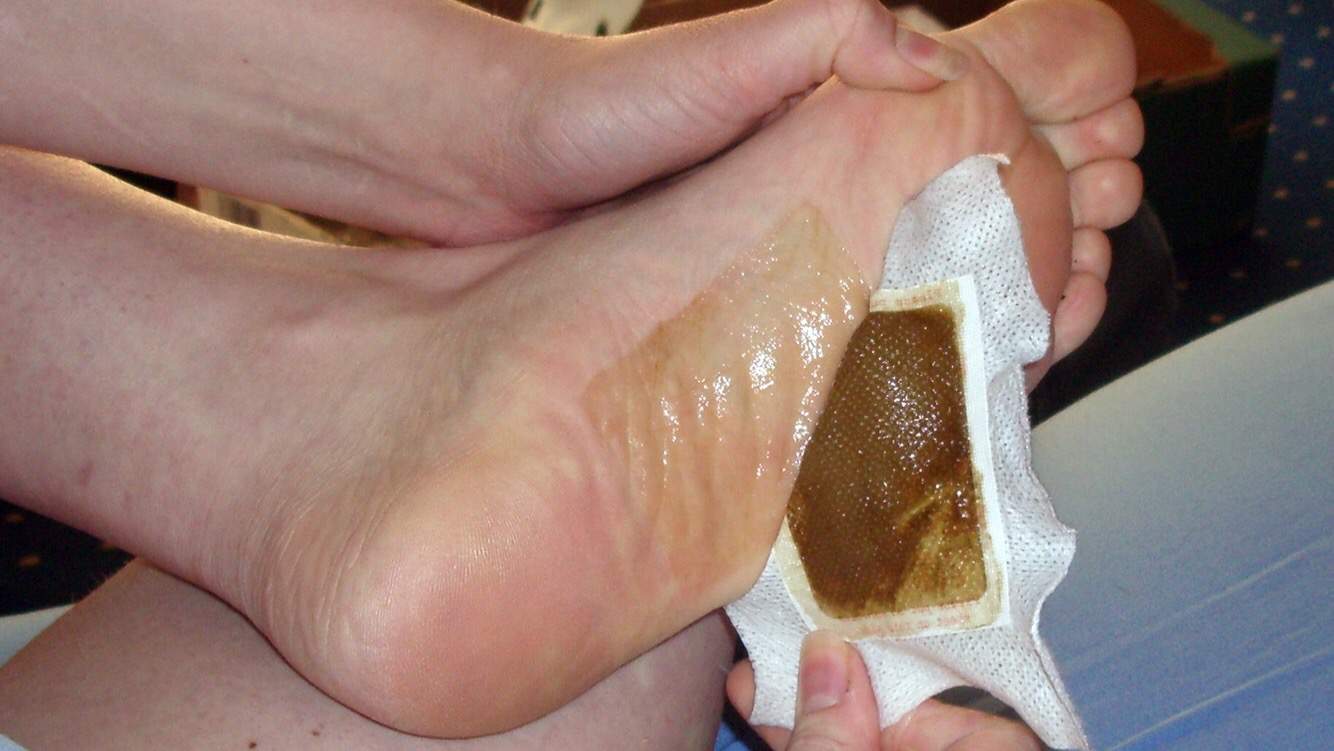
Learn how to make detox foot pads to release toxins from your body.

8 – A nerve disorder

If you’re having trouble lifting any part of your foot, it could be “foot drop.” This could be a sign of paralysis or weakness in our muscle that lifts your foot. Please take notice of it because it could be a sign of a neurodegenerative illness like multiple sclerosis (MS), a stroke or amyotrophic lateral sclerosis (ALS), or other nerve disorders.

9 – Raynaud’s disease

If your feet turn blue when you go outside in the cold, it could be a sign that you have Raynaud’s disease. This is a condition where your blood vessels don’t work correctly to get blood to the skin of the foot.

If this situation happens to you, be sure to check with your doctor. Raynaud’s disease is easy to deal, but you need to take extra care covering your feet and hands when you go outside in the cold.

10 – Heart disease

Swollen feet, legs, and ankles are a sign of edema. Edema is a sign of a heart problem. If your heart isn’t working correctly, your blood doesn’t get circulated correctly. The blood flows slows down, causing fluid build-up in the tissues of your feet and legs.

Taking Care of Your Feet

It’s essential to give yourself proper foot cawre. You need your feet as strong and healthy as possible to maintain a healthy and active lifestyle. Here are some easy and practical methods of excellent foot care

  • Wear comfy shoes that fit well-Choose shoes that give you ample foot support and comfort. Ill-fitting shoes cause foot deformities such as bunions, corns, and other foot problems later on. If you need to wear heels at work, choose well-fitting heels and change out of them throughout the day so your feet can get a break.
  • Wash your feet daily-Keep your feet clean and dry so you won’t get a fungal infection. This is important, primarily if you use a locker room or spa. Check your feet for signs of fungal disease.
  • Change your socks every day-Don’t wear day-old socks. They can harbor bacteria.
  • Don’t cross your legs when sitting-Crossing your legs can cause your blood circulation to slow down, so your feet aren’t getting proper circulation. If you do cross your legs, change the position always to allow your blood to flow properly to your extremities.
  • Put up your feet when you sit to improve blood circulation.

Eating for Better Foot Health

Proper nutrition is essential for all parts of your body, but especially for your feet. Here are some practical suggestions for what to eat to help your extremeties stay healthy and happy.

  • Vitamin D and calcium: Eating foods high in calcium helps your feet’s bone production. Eat fatty fish like tuna, mackerel, salmon to get lots of vitamin D, which protects you from developing osteoporosis. This degenerative bone disease makes your bones grow thin and fragile.
  • B vitamins: Eat foods rich in B vitamins to protect against neuropathy and overall nerve health. Eat eggs, tuna, cottage cheese, and whole grains like quinoa, barley, and brown rice.
  • Proteins: Proteins keep your muscles and tissues around your feet functioning at their best. Beans, legumes, nuts, and seeds are all excellent sources of plant protein. If you eat meat, choose lean meat like chicken or fish.
  • Fruits and veggies: Consume lots of fruits and vegetables every day to build up your immune system to fight off diseases.

feetFinal Thoughts on Caring for Your Feet

Don’t forget to treat yourself to proper foot care. They’re an essential part of your body that keeps you moving throughout your day. Please take special notice of your extremities, including the foot. Most especially, note any changes in the way they look or feel. Never ignore not being able to move your foot properly or tingling or numbness.

These red flags might be a sign of a neurological disorder. Your toes need proper nutrition to keep you going, so eat well for the health of your extremities. Choose a healthy diet and get exercise as part of a more comprehensive foot care program. Your feet will thank you for it.

True Mental Strength Is When You Can Find Fuel In An Empty Tank

Do you have mental strength? The world is chaotic, and you are either at a position where you’re struggling or going through life as a superhero. Your daily concerns are all over the place, from dirty dishes to global warming.

It seems that it’s almost impossible for you not to let the problems of the day get to you. It will help if you improve your mental strength by keeping your stress levels in check.

If you want to have a productive and healthy life, then you must do this monumental task for you and others.

Ten Ways to Enhance Your Mental Strength

Have you ever been to the doctor and was told that you need to reduce stress? It seems like such a simple thing, but most people find it completely overwhelming. You can reduce your stress and protect your mental health by engaging in these ten simple things.

1. Set Boundaries

Do you have a hard time saying “no” to people? Why is it that you always try to take on more than you can handle because you’re afraid that you might upset someone? It would help if you learned how to use the word “no” to protect your mental strength.

If you’re having a hard time with the concept, then practice in front of a mirror. Say things like, “No, I will not work overtime or take on any more tasks.”

When you practice this independence in private, you’ll be more apt to use it in public. Learn to set boundaries so that you don’t become overwhelmed with extra tasks.

mental strength

2. Recite Positive Affirmations

A wise old proverb says that as a man thinks in his heart, so is he, so you must be careful that you’re not full of negativity. Did you know that negativity can affect your mental health? Recite positive affirmations daily.

When you first get out of bed in the morning, try saying the following things:

  • I will accomplish all of my goals.
  • I am a fantastic person.
  • I’m loved by my family and friends.
  • I am a productive individual.
  • I feel great.
  • I’m going to have a great day.

When you start feeding your inner man with positivity, you will be amazed at the outcome. Start your day on a positive note even if you got up on the “wrong side of the bed.”

3. Stop Overthinking

Why do people tend to overthink? Rather than waiting for the verdict, you’re borrowing trouble from tomorrow. It’s like getting test results on a suspicious lump you have on your body.

Before the results come in, you’ve already got yourself on chemotherapy and writing your goodbye letters.

The fact is that it might be something simple that isn’t malignant, but if you don’t stop overthinking every detail, you will drive yourself crazy.

4. Use Self-Care

Remember one thing in life you cannot pour out of an empty cup. If you want to take care of others and do an excellent job at work, you must learn to practice self-care.

Make time for you each day, even if it’s only 30 minutes.

5. Practice Deep Breathing

Do you ever feel like you have a significant weight on your chest? Stress, panic, and anxiety can make you feel overloaded. Thankfully, when you practice deep breathing, you’re releasing that tension you feel.

You can use many methods when you do deep breathing, but the most common way is to inhale to the count of seven, hold the breaths for a count of seven, and then release them slowly for the count of seven. It’s a simple yet amazingly effective exercise.

pop meme

6. Be Grateful

Do you ever sit back and count your blessings and be grateful for all the things you’ve been given? Did you wake up and take a warm shower, eat breakfast, and get into a nice car to drive to work?

Do you have family and friends who love and support you for whatever life throws your way? Do you have food in your cabinets and money in your checking account?

Many people are homeless, and they could only dream about having a small portion of the things you have. Be grateful for what the universe has given you.

7. Exercise

One of the best ways to protect your mental strength is by engaging in exercise each day. You only need about 20 minutes to work out, but the effects it has on your brain is astounding.

Research shows that when you are working out, you’re releasing feel-good endorphins in your brain. You’re also increasing the production of vital neurotransmitters that regulate your moods like dopamine and serotonin.

You should add a healthy diet to your day that has little carbohydrates and sugars.

The more protein and healthy fats you consume, along with your workout plan, can keep you in an adequate space and protect your mental strength.

8. Get Fresh Air

There’s something tranquil about a breath of fresh air? Air is life, and you need it to survive. Research shows that when many people have a panic attack and feel those fight or flight sensations kicking in, they often run to the outdoors.

There’s something magical about Mother Nature and her ability to calm you almost instantly. When life seems to overwhelm you, then you should go outside and look up into the heavens.

Feel the golden rays of sun shining on your face and breathe in the flowers’ aroma and other fresh scents.

9. Engage in Yoga

You probably hear a lot of hype about yoga as a workout.

However, most people have no clue the power it has on your mental health. Yoga first helps you to form a sense of self. It will then move you into a better place by altering you from the sympathetic to the parasympathetic nervous system.

Many studies have been conducted on this art form, and the results are overwhelmingly positive. Researchers show that it gives you mental clarity and helps with depression, anxiety, and other mental illnesses.

Additionally, they have found that it has a profound effect on post-traumatic stress sufferers too.

Learning breathing techniques and body movements can do a world of good for your mental state. The great thing about this art form is that it can be modified for all body types and endurance levels.

10. Practice Positive Thinking

Are you a “Negative Nelly” or do you see yourself as a “Positive Pearl?” It’s hard to be positive in life with destruction on every corner. Do you ever feel like you want to throw in the towel?

Many people want to give up, but that isn’t an option. You can change how you feel by only using positive thinking skills. Sure, the electric bill was $200 more than you budgeted for the month. However, you should be thankful that you even have electricity.

In some third world countries, the electricity comes and goes. You have heat to keep you warm and air conditioning to keep you cool. Those in such nations would love to have the pleasure of a comfortable home with an HVAC system.

When you change your mindset from negative to positive, you will see a world of difference in your overall wellbeing. Feelings of gratitude and mindfulness enhance your mental strength. Look at each situation you face daily, and though bad it may seem, you should try to find something positive.

Remember that some of the worst storms end with a rainbow. When the skies begin to clear, and the sun’s rays hit the water droplets, it displays one of the most beautiful sights in nature. Stay positive and focused no matter what life throws your way.

mental strength

Final Thoughts on Gathering Up Your Mental Strength to Face Tough Times

It seems like the world is in chaos, and people struggle to find harmony in their lives. How do you combat the pressures of the world without losing your cool? The ten tips above can help you to protect your mental strength in times of adversity, and you should utilize as many as possible.

One of the most potent inspirational stories comes from the man who wrote the song “It Is Well with My Soul.” Horatio Spafford was someone who struggled and came through insurmountable troubles in life. He lost his business and his 4-year old son in the fires of Chicago in 1871.

Spafford struggled along until 1873 when even greater financial struggles hit his company. He decided to take a trip with his family on the SS Ville du Havre ship. A last-minute change of plans caused him to send his family ahead, and he would follow later.

Sadly, the ship collided with the Loch Earn in the Atlantic Ocean, and all four of his daughters perished. Anna, his wife, survived the incident, and she sent him a telegram to let him know she was alive.

He immediately went to be with her. As the ship entered the area where his daughters had perished, he wrote the famous song.

Like Spafford, you can learn to sing even when things look their worst. This man lost everything he had and suffered more problems in his life than anyone could imagine.

Yet, in the middle of the darkest of nights, he found a song in his heart. Is your mental strength like Spafford’s?

Skip to content