Weekly tips, affirmations, and small actions to feel your best.

How to Break The Stigma of Mental Health Counseling

A stigma is a feeling of judgment or shame, whether perceived or real, that affects an individual due to their performance of a task or inclusion in a group. It is almost always unfair, and many individuals struggle to overcome stigma every day. Worse still, many stigmas are perpetuated by wider society towards individuals who are already in vulnerable positions.

Mental health is one area that faces a lot of unwarranted stigmas. It can be so bad that it often becomes a barrier to someone’s ability to seek help for a mental disorder. The individual may feel as though their illness is proof of their failure or lack of “goodness,” or the people around them may tell them that their illness isn’t real or is too dangerous to treat.

The stigma surrounding mental health has led to many difficulties in seeking treatment and holding open discussions about mental disorders. People are reluctant to talk about what they experience, sometimes to the point where they self-destruct or are severely harmed before help – if any – gets to them. Stigma actually harms 1 in 5 people with mental conditions, says the National Alliance on Mental Illness.

If you are struggling with your mental health but feel weighed down by its stigma, you need to find a way to break through those barriers. Unfortunately, that’s much easier said than done, and it often requires overcoming years of personally internalized stigma. To help you out, here are 5 ways to break the stigma of receiving mental health counseling.

1.    Use Affirming Language
stigmaIt’s easy to accidentally slip into the habit of using language harmful to those who need mental health aid. Some would refer to this as internalized ableism. Without terminology, though, at its core, this is the simple act of language normalizing stigma. For example:

  • “She’s insane!” creates the connotation that “insanity,” which is really a rude term used to refer to the mentally ill, is inherently negative and toxic.
  • “I’m so OCD” when you do not have obsessive-compulsive disorder creates false ideas and narratives about what OCD really is, shaping a poor understanding of the disorder by others.
  • “He’s such a sociopath” when you talk about someone you dislike who does not have antisocial personality disorder creates a false narrative about a severe mental disorder, making it synonymous with a general feeling of dislike towards someone.

Remove the more incorrect versions from your vocabulary, and you’re already helping to bring down stigma. Instead of using these phrases, try changing them to options that are more accurate to reality. For example:

  • “She’s really eccentric” instead of “She’s insane!”
  • “I’m such a neat freak” instead of “I’m so OCD!” (if you do not have OCD)
  • “He’s such a jerk” instead of “He’s such a sociopath” (if he is not a diagnosed sociopath)

If someone misuses language, try to correct them gently. But do keep in mind that language constantly evolves, meaning words and the best ways to use them will change over time. It’s okay for you and others to make mistakes regarding evolving language, as long as you’re all willing to learn!

2.    Educate Yourself On Common Myths

There are, sadly, a lot of myths in the mental health world about those with mental disorders and how to treat them. You might believe some of them and might not be aware that they’re false! Learning about the most common myths of mental health can help you feel more confident about receiving counseling or supporting those seeking counseling.

Some examples of common myths include:

·         “Mental illness isn’t treatable.”

Though many mental disorders have no cure, treatment can allow them to be more manageable.

·         “Those with mental illness are weak.”

The reality is that these illnesses are just that – illnesses. They’re disorders, akin to a broken leg or a cold. They don’t define someone’s mental strength or capacity.

·         “It’s possible to ignore mental illness or utilize positive thinking to completely and utterly overcome it.”

This isn’t how it works, as the chemicals in the brain are responsible for creating the reactions that lead to mental stress.

·         “People with severe mental illnesses are violent.”

It’s definitely possible for those with severe mental illnesses to lash out. Still, it’s not really any more common than the percentage of non mentally ill people who are just as violent!

·         “If you had a mental illness, you wouldn’t be able to work.”

In the years 2009 and 2010, a whopping 54.5% of those with severe mental disorders were employed – and the fact that this is no big deal becomes apparent when you realize that only 75.9% of those who aren’t mentally ill are employed. There are more positive ways to work than you may think!

·         “Mental health problems aren’t common.”

Hundreds of millions of people have been diagnosed with depression, and several million with anxiety and a total of 450 million individuals worldwide have mental illness struggles.

mental health therapy3.    Compare It To Physical Illness

Something many people don’t think about is how mental illness isn’t that different from physical illness. It involves a part of your body – in this case, the brain – unable to perform its function optimally, leading to imbalances and problems.

When you talk to others about mental illness, framing it like a physical illness can help to demonstrate to others how to take these disorders seriously. Here are some examples.

  • Statement: Why would anyone go to a doctor for trauma? Just get over it!

Reframed statement: Why would anyone go to a doctor for breaking their leg? Just fix it!

  • Statement: Why are you so anxious all the time? Haven’t you been through that stuff already?

Reframed statement: Why are you so asthmatic all the time? Haven’t you been through asthma already?

  • Statement: I think if you tried harder, your depression wouldn’t be a problem.

Reframed statement: I think if you tried harder, your high blood pressure wouldn’t be a problem.

Forcibly reframing ignorant comments in this way is a quick and easy way to demonstrate how nonsensical those initial statements are. You don’t have to do this with others if you don’t want to, but at least do it with yourself! If you have internalized shame about your disorders, reframe them to yourself – would you say the same about a physical illness? If not, then it certainly doesn’t apply to a mental one!

4.    Know That Mental Illness Is A Spectrum and A Range

Mental illness is not black or white. Each individual has a unique experience of a certain disorder, and different people will respond to different forms of treatment in varying ways. But how can we think of mental illness in such a way that we’re able to understand it better?

To begin with, mental illness is a spectrum with so many different facets. Each person experiences the same mental illness differently because they sit somewhere else on the spectrum. Some people will have more severe forms of a specific mental illness, while others will experience fewer symptoms. Both people are valid and need to be normalized, so people understand that mental illness is not one-size-fits-all.

Another thing to understand is that mental illness is an entire range. On some days, certain illnesses quiet down and give you a bit of a break from their incessant annoyance. Then, on other days, the disorder will be terrible. Sometimes you’ll be able to find triggers, but many times, you just won’t!

But why do you need to keep all this in mind? Well, a lot of stigma in mental illness comes from the fear that you’re faking things or being overdramatic. This means that you may:

  • Realize others have more severe versions of your disorder and wonder if that means yours isn’t real or worth treating
  • Wonder if you’re faking your disorders when you experience a good day but being totally off guard when you experience a bad day
  • Feel the need to “perform” aspects of your mental illness to be taken seriously

When you come to learn and accept that mental illness is a spectrum, you’ll realize pretty quickly that a lot of your internally-directed stigma was unfounded, to begin with.

5.    Join A Support Group

You are not alone. So many people around the world are struggling with stigma. It’s okay to need help to overcome stigma, to begin with. Many people make the mistake of isolating themselves when they’re experiencing mental illness, but this is dangerous and means you can’t get the help you need.

Look up local, national, or online support groups for people with similar problems or disorders. You will likely be able to learn from the leaders of these groups and may even be able to help educate others on mental health issues with them!
stigmaFinal Thoughts On Some Ways To Break The Stigma Of Receiving Mental Health Care

It is simply beyond unfair that anyone is ever made to feel like they do not deserve or should not receive mental health treatment for disorders and troubles. The brain is an organ in the body, too, and it can get just as sick as every other part. That’s exactly what mental health counseling and other similar treatments are for.

Sadly, stigma can be extremely dangerous. It means the people who need help the most cannot have access to any help that can work for them. It’s tragic and can result in lives lost, which is an upsetting thought. Over time, we’ve just come to accept that mental illness reflects poorly on the person who has it, with villainized mentally ill characters all over the media.

This is exactly why the world needs to begin breaking through common forms of stigma and showing that reality isn’t like those rumors. Breaking down the stigma surrounding mental health is tough, and the movement is still in its earlier stages. But it’s certainly doable, and the world has already come pretty far in trying to normalize mental health treatment and general counseling.

If you’re burdened by stigma, it’s time to take a stand. Do what you can to get onto your feet and fight to break the stigma. Seek treatment from qualified counselors and other mental health professionals. Support your friends and family who are seeking counseling. Correct people who have negative and inaccurate views on the field. Together, we can work to break the stigma against mental health treatment once and for all!

6 Ways To Feel Sleepy In Less Than 10 Minutes

Have you ever spent far too long tossing and turning at night, trying to find sleep that eludes you? Do you struggle to feel sleepy at bedtime, leading to exhaustion and decreased positive thinking the next day?

Feeling sleepy doesn’t have to be difficult, and lots of methods have been found that can aid with the drowsiness process. Here are 6 effective ways to feel sleepy in less than 10 minutes!

1.    Think To Yourself

For many people, it’s difficult to feel sleepy when your mind is full. But what if the secret lay in what you were thinking, not the idea of thinking at all? Here are some things to “think” or say to yourself to help you feel sleepy, especially if you’re already in bed:

feel sleepy·         Counting

When you need to get sleepy, start counting down backward from 100. At some point, before you hit zero, you’re likely to slip into sleep. It helps distract from negative thoughts and can make you feel bored enough to check out for the night.

·         “Stay awake!”

A concept called paradoxical intention, proven in research, suggests that telling yourself to stay awake may cause you to fall asleep more quickly. This reduces a lot of the anxiety that can be caused by the inability to sleep, as telling yourself you need to sleep often causes you to stay alert due to the incurred stress.

·         Delegate Worries

Anxiety before sleep is a common reason that many people are unable to turn in when they want to. So start telling your brain that the time before bed is a no-worry zone. If you’re in bed and nervousness kicks in, tell those worries “I will attend to you tomorrow”. Then, the next day, spend ten to fifteen minutes allowing those worries to be felt and processed before they’re delegated, again, to the next day. Chances are some of those anxieties will have faded by the morning, anyway.

2.    The Military Method

This rather impressive method of getting to sleep claims to allow individuals to fall asleep very quickly, within just a total of 120 seconds. It was created as a routine for pilots in the United States Navy Pre-Flight School.

The Military Method can take 6 weeks to perfect. But once you do, it will effectively put you to sleep even with very loud noises in the background or after a heavy dose of caffeine! It’s also said to work for those trying to sleep while sitting. Do note that if you have a disorder such as anxiety or ADHD, you may not be able to benefit from this method.

Here’s how to perform the Military Method of falling asleep:

  • Step 1: Start by relaxing the muscles of your face, including those within your mouth.
  • Step 2: Lower your shoulders and let your hands go limp, falling beside your body, releasing tension in these areas.
  • Step 3: Relax your chest as you breathe out deeply.
  • Step 4: Relax your lower body – the thighs, legs, and calves.
  • Step 5: Empty your mind over the course of 10 seconds, clearing it by going to your happy place or envisioning something relaxing. If unable to do so, you can also repeatedly “say” the words “don’t think” to yourself again and again.
  • Step 6: That’s it; you should be snoozing in a mere 10 seconds, but keep doing this until you do fall asleep.

The act of visualizing a calm place can help manage the thoughts you experience that could keep you awake, and it’s even been found to have positive results for those with insomnia. Combined with careful breathing and muscle relaxation, you’ll be asleep in no time!

3.    Ensure A Sleep-Conducive Room

If you’re trying to sleep, make sure the environment of your rest is conducive to such activities. A room full of things that will keep you awake is definitely not going to help matters. Most people naturally begin to fall asleep in 15 minutes – so 10 minutes in a well-suited room is more than enough to get you sleepy. Here are some factors to consider:

·         Bed Comfort

A comfortable bed is a key to getting in the mood to sleep. It should be the right firmness with suitably comfortable pillows, all providing enough support to prevent pain. If you’re trying to sleep on something that isn’t a bed, try and make it as comfortable as possible with make-do pillows or blankets if you want to fall asleep faster.

·         Light

The body’s production of melatonin, the sleep hormone, is dictated by the light that it receives. The brain adjusts its Circadian rhythm in response to light levels, so maintaining a dark room is key to feeling sleepy quickly.

·         Temperature

A room that is too cold or too warm can easily make you too uncomfortable to quickly feel sleepy. The best temperature setting is believed to be around 60 to 67 degrees, as reported by the National Sleep Foundation. However, any cool room temperature can typically do the trick.

·         Noise

Noise can disturb anyone’s ability to sleep, and even if you do manage to rest with a bunch of goings-on in the background, you’ll likely endure poorer sleep quality. Try and maintain a comfortable level of silence in your environment or opt for more positive and relaxing sounds to drown out the unwanted ones, like calming music or white noise.

4.    Progressive Muscle Relaxation

anxiety managementProgressive muscle relaxation refers to the act of tensing and relaxing your muscles in order from your head to your toes. This allows you to completely relax your body by the time you’re done, as long as you don’t strain yourself in the process, as the tension melts away from your muscles.

Here’s how to perform progressive muscle relaxation:

  • Step 1: Start at the top of your head by lifting your eyebrows as high as you can, thus tensing the muscles of your forehead. Hold for five seconds.
  • Step 2: As soon as the five seconds are up, drop your muscles by relaxing them. Pause for ten seconds.
  • Step 3: Move on to your cheeks. Smile as widely as you can, thus tensing the muscles of your cheeks. Hold for five seconds, then drop and relax the muscles. Pause for ten seconds.
  • Step 4: Close your eyes and squint as hard as you can, thus tensing muscles in that part of your face. Hold for five seconds, then drop and relax the muscles. Pause for ten seconds.
  • Step 5: Tilt your head gently back to tense the muscles of your neck, making sure you’re still comfortable, but keeping your eyes on the ceiling with ease. Hold for five seconds, then drop your neck into your pillow and relax the muscles. Pause for ten seconds.
  • Step 6: Continue repeating this process of tensing and relaxing progressively throughout your body. Go from your triceps to your chest, then to your thighs, and eventually to your feet.
  • Step 7: As you do your relaxation, focus on the feeling of heaviness and comfort experienced by your body as you move on. You may fall asleep before you get to your feet!

5.    Acupressure

You’ve probably heard of acupuncture, which involves inserting specific needles into specific points in the body to relieve tension and promote healing. Acupressure is that but without the needles! It involves finding points in the body to apply pressure to.

While a lot more research is still needed in the field, most have found that forms of acupressure boost their positive thinking and help them relax and get sleepy more quickly. Locating spots that are noticeably tense are key, but you can also try performing the following forms of acupressure:

·         Inner Frontier Gate

Hold one palm face-up, then measure three widths of a finger down from the crease of your wrist. Apply pressure between the tendons here with your thumb in a downward, steady motion.

·         Spirit Gate

Start by looking for the hollow space on the pinky side of your hand, under the palm. Place gentle pressure here with an up-and-down or circular motion over the course of two or three minutes. Then, do the same on the back of the hand, then repeat on the other hand.

·         Wind Pool

Begin by locking your fingers with your palms touching, then open up your hands in a cup-like shape. Move your thumbs to the bottom of your skull so they touch where the head connects to the neck. Press down with a firm, deep pressure and massage in up-and-down and circular motions.

6.    4-7-8 Breathing

This breathing exercise is a way to quickly relax, mixing the powers of visualization, meditation, and deep breathing to create a fast creator of drowsiness. The more often you practice this kind of breathing, the better it will work for you. Here’s how to do it!

  • Step 1: Start by resting your tongue tip behind your two front teeth, against your mouth’s roof. Make sure that your tongue stays here throughout the exercise, even if you have to purse your lips to make it happen!
  • Step 2: Part your lips just a little bit and breath out from your mouth, creating a whooshing noise as you do so.
  • Step 3: Close your lips once more and breathe in as quietly as possible through your nose. Do so for four seconds.
  • Step 4: Stop inhaling and simply hold your breath, maintaining it for seven seconds.
  • Step 5: Finally, exhale once more through slightly parted lips, creating a whooshing noise as you do so, over the course of eight seconds.
  • Step 6: Repeat this process for about four complete breaths, trying your best to keep your mind empty and alertness levels down. If you feel relaxed before hitting four breaths, allow yourself to drift to sleep.

Do note that if you have a respiratory disease, such as chronic obstructive pulmonary disease or asthma, you should ask your doctor first before trying the 4-7-8 breathing exercise. For some patients with respiratory conditions, their symptoms can be aggravated by the practice!

feel sleepyFinal Thoughts On Some Effective Ways To Feel Sleepy In Less Than 10 Minutes

You need sleep to function at your best, and you can’t get the rest you need if you struggle to feel sleepy. Incorporating these science-backed methods can help you get to Dreamland a little quicker! If you think you have a sleep disorder or similar condition affecting your sleep, speak to a doctor for advice.

5 Ways To Set Healthy Boundaries (And Keep Them)

Do you tend to have trouble setting healthy boundaries, especially with loved ones? Do you worry about hurting other people’s feelings and, therefore, take many things you dislike lying down? It’s time to change that!

It would be best if you had positive boundaries to maintain a good level of well-being. Without boundaries, you won’t be able to continue genuine, honest, or truly healthy relationships with those around you. But how can you do it? Here are 5 ways to set and maintain healthy boundaries around people you care about.

1.    Know Yourself

To set healthy boundaries, you must know what kinds of boundaries you need. You can’t do that if you don’t know yourself first. Here are some things you should be aware of regarding yourself before you start setting boundaries:

·         Values

healthy boundariesWhat are your personal beliefs and values? It’s important that you first and foremost determine what matters to you before you decide where your boundaries lie. Often, you might make a boundary dictated by one person’s negative actions towards you, which results in them being too harsh on those you love. On the other end of the spectrum, you might be worried about offending people with boundaries, and consequently, make boundaries too loose. So focus, first, on your values, and identify how other people poking at them may hurt you.

·         Feelings

People often make the mistake of trying to rationalize everything they experience. When they are uncomfortable with something, they might not set a boundary there because they think there’s no “rational” or logical reason to be uncomfortable in the first place. But emotions are a part of human nature! If something elicits a negative reaction, you need to know if it’s something you should set a boundary for or work on personally.

·         Limits

Once you understand your values and feelings, you can get more specific about limits. Different people will likely have different limits in your list of boundaries. For example, you’ll have much more relaxed limits with a significant other than you would with a colleague. What are you uncomfortable discussing, and where do the limits scale for your different relationships? Do you have personal space requirements, and if so, how do they differ by the person? If you need to, draw up a chart of different people and boundaries and mark off the limit for each person.

2.    Communicate Your Boundaries

For others to be aware of your boundaries, you have to inform them that they exist. But communication about boundaries must be done correctly to be effective. Here are some tips for talking about your boundaries in a productive, effective, and positive way:

·         Be Assertive

Your boundaries and needs are clear-cut. Don’t let other people talk over you, invalidate you, or test to see how far they can push your limits. When you talk about your boundaries, make sure you sound like you mean every word. Others need to understand that what you’re talking about is serious and important. If you’re not used to being assertive, practice until you can convey that seriousness to those around you. It’s an important part of positive boundary enforcement.

·         Be Direct

If you’re talking about your boundaries, you can’t leave any room for miscommunication and error. Be honest and even blunt about where your limits are, and try to keep in mind the communication style and comprehension ability of the person you’re talking to. Don’t hint about what you need, be direct and genuine – especially if the person you’re speaking to is of a different cultural background, personality type, or is an individual neurodivergent. In closer relationships, sometimes boundary talk can be more of a discussion or compromise. If that’s the case for some of your relationships, make sure you continue the directness pattern throughout.

·         Say, “No Thanks.”

No is a complete sentence, and the word “no” is sufficient communication in many circumstances, especially among those you aren’t particularly close to. Don’t feel like you must always provide a lengthy excuse for your boundaries. If you say “no, thank you” to something, that’s effective and direct communication and should be respected. Try learning to say “no thanks” without tacking on a lengthy reason!

·         Prepare A Disclaimer

For certain people, you may be worried about hurting their feelings, and it might be important enough to you that you are kind to them in explaining your boundaries. In this case, it’s helpful to prepare an honest but gentle disclaimer. Start by informing them of your decision to set boundaries first, talking genuinely about why this is a crucial and big step for you. Focus on talking about your well-being. The people who care about you, even if it stings to hear at first, will understand.

set boundaries3.    Ensure Your Boundaries Are Respected

Now that you’ve set your boundaries, you must make sure they are enforced. Nothing good will come of boundaries that people can see they are allowed to break left and right. Here are some ways to enforce your boundaries and ensure that they are respected:

·         Speak Through Actions, Not Words

When you tell someone to respect your boundaries, it should go without saying that you won’t engage with them if they disrespect those limits. When someone tries to get a rise out of you by being dismissive or ignoring boundaries, please don’t give them a berating reaction. Instead, ignore them and disengage from interaction with them. Your actions will tell them all they need to know about respecting your needs.

·         Determine Consequences For Boundary-Breaking

No matter how well you set your boundaries, someone is sure to break them, whether intentionally or unintentionally. To avoid being stunned at the moment, it’s a good idea to decide from the beginning what will happen when someone breaks your boundaries. How will you remind them to be respectful? At what point do you start enforcing ultimatums? How much understanding will you give those who matter most to you for their learning process to respect your boundaries?

·         When You Say Something, Mean It

If you want people to take you seriously, you have to mean what you say. So when you enforce a boundary, mean it. When you warn someone of consequences, follow through. And when you tell someone how they can better interact with you, make sure you respond positively when they put that into practice. If your words don’t seem to match up with reality, people will stop listening.

4.    Respect Yourself

Often, people fall into the trap of denying themselves boundaries because they don’t respect themselves enough. Even if you’ve started to try setting some limits, if you lack self-respect, the chances are that you’ll struggle to maintain them. That’s why respecting yourself is central to maintaining healthy boundaries around people you care about. Here are some tips for doing so:

·         Give Yourself Permission

Many people feel guilty about setting boundaries because they feel they don’t deserve it or hurt others. If you feel this way, learn to step back and permit yourself to be “selfish” about these things. You deserve the respect of your limits!

·         Build Your Self-Esteem

If you haven’t set boundaries before, the chances are that your self-esteem and positive thinking regarding yourself are very, very low. Keeping in mind that your self-esteem is important and working on that on the side will help you feel more like you deserve the boundaries you set up.

·         Prioritize Self-Care

Putting self-care as a priority in your life is a great way to practice the principles of boundary-setting. Why? Well, it sets a pattern: you are permitting yourself to let yourself come first. You get boosts to your positive thinking, energy, outlook, and mental health when you care for yourself, and you learn that it’s okay to come first now and then, especially when it comes to your wellbeing.

5.    Work On It Step By Step

If you’re not used to maintaining boundaries, trying to set a whole bunch of them at once and manage them with different people can be overwhelming. That’s why it’s totally okay to take it slowly and go one step at a time. This gradual learning process lets you ease yourself into the habit of setting and enforcing boundaries without it being too tall of an order. Here are some ways to work on your healthy boundaries, step by step:

·         Start With Something Small

When you learn to set boundaries, you’re learning a new skill. That skill may not come naturally to you, and if so, it’s okay to start small. Set a reasonable and easy boundary first, then gradually work your way up to the more intimidating boundaries. Communicate about each one, in turn, incrementally increasing their severity until you’re confident enough to maintain all your personal boundaries. Remember – challenge yourself, but don’t overwhelm yourself!

·         Keep Practising

As with any skill, setting and maintaining healthy boundaries will take practice. For it to become a seamless habit, you need to work on it regularly. Affirm your boundaries and practice enforcing them, beginning with the people closest to you and working your way outwards to other less-tight-knight relationships.

·         Work With A Friend

Working together with a friend who is also learning to set boundaries can help you find motivation. You can support each other, cheer each other on, and learn from each other as you go. The feedback that you can provide to each other will be instrumental in keeping you inspired and realistic!

·         Request Assistance

If you face many challenges setting boundaries, there is no shame in seeking personal or professional help for the learning process. This is especially true if you’re working through trauma or have many mental disorders that affect your ability to set and enforce realistic and positive boundaries. In that case, the advice and guidance of a mental health professional will work wonders.

healthy boundariesFinal Thoughts On Some Ways To Set And Maintain Healthy Boundaries Around Loved Ones

Boundaries are crucial to every single human being. They keep us safe, comfortable, and secure around others. Even in close, loving relationships, boundaries are necessary, and each person will experience a different preference when it comes to limits. Don’t be afraid to take your time to find yours.

12 Ways to Show You Appreciate Your Spouse

Do you appreciate your spouse every day? If you want your relationship to make it for the long haul, then you will learn that big gestures are nice, but it’s the little things that count. Never let an opportunity pass you by to tell someone how much they mean to you.

A relationship is like a rose bush as it has the potential to blossom into something beautiful. Why is it that some roses turn out to be something magnificent while others never have a blossom? It all comes down to feeding and nurturing.

Some plants die because they don’t have the nutrients or the right environment to do their best. Like your relationship, you must cultivate it so that it can flourish into something spectacular.

Twelve Easy Ways to Appreciate Your Partner

How will your partner know how you feel about them unless you tell them or show them? It really takes both your verbal and physical appreciation as your actions always speak much louder than your words. If you need ways to help you appreciate your spouse more, then here are 12 that are sure to assist.

appreciate your spouse1. Say You Love Them Every day

Some people need to know how much they are loved and appreciated. As they pass you by, take time to tell them how you feel. Don’t say it too much as it loses its meaning if you say it more than ten times a day.

However, when you hang up the phone or leave for work, take time to tell them how much you care about them. Love is the foundation of any relationship, and you both must always have that assurance from one another.

2. Plan Date Night

Many people feel that once they get married or move in together and have kids, they don’t get date nights anymore. If you want your relationship to last, then you should continue these special days. Just because you take on more responsibilities doesn’t mean that you should lose that time between you.

It’s even more vital that you have time that is set aside for you both. It can destroy your relationship if you don’t make time for each other as you can grow apart. When you have a set date night, you have something to look forward to, and you get to spend quality time with the one you love.

3. Warm or Cool the Car for Them

Whether you live in a hot or cold climate, there are times when it helps to start the car. If the temperatures are scorching, they will appreciate getting into a nice cool automobile, especially if it has leather seats.

If it’s snowed and the windshield is full of ice, they will love having it scraped and the vehicle warmed before they climb in to drive. It’s all those little things that add up and has such a significant impact on your relationship.

4. Leave Love Letters Around the House

If you want to show how much you appreciate your spouse, why not leave little love letters around the house. Using sticky notes are a great way to put messages for them to find. If they’re having a tough time, why not encourage them with some little notes that will help to promote and show your support?

5. Send Flowers for No Reason

Why do people always wait for weddings, funerals, or a holiday to send flowers? Why not send your girl a bouquet at work just because? If it’s a guy, they might not like flowers, but you can send a pre-paid lunch to them, or why not a singing telegram?

Sometimes the element of surprise is just what people need to know how much they are loved. Never pass up a moment to show your true feelings to the one you promised forever to.

6. Give Them Breakfast in Bed

Nothing is better than rolling over to an excellent breakfast in bed. You can go as elaborate or as simple as you want. Best of all, they will love the fact that you took time out of your busy day to appreciate your spouse.

For an extra touch, why not do some freshly squeezed orange juice or bake their favorite muffins? They will appreciate your efforts.

pop meme7. Offer Massages and Back/Neck Rubs

Nothing feels better after a long day than a back and neck rub. You can take turns massaging each other’s feet, necks, and backs. It’s an excellent way to release tension from stress and feel the loving touch of the one who holds your heart.

The power of communication can be greatly beneficial in life, and it can release those feel-good endorphins in your body. Reiki is a fascinating art that focuses on the power of a touch, so there’s something special about the ability to heal and bond through this simple gesture.

8. Listen and Communicate with Them

The best thing that you can do for your spouse is to listen and effectively communicate with them. Don’t interrupt then when they’re trying to tell you about their day. Listen to every word they say, and validate their feelings.

Any counselor will tell you that sometimes people need someone to listen to their frustrations and things affecting them in life. Communication requires less of you interjecting and more of you listening. Your spouse should feel comfortable to run to you with everything.

9. Hug Often

According to the National Library of Medicine, touch is a significant part of interacting socially. A study was conducted by the University of North Carolina’s Department of Psychiatry. They used animals to see what hugging or ventral rubbing did for their brain and feel-good chemicals.

Within five days of constant ventral stroking, the animals showed higher oxytocin levels, but they also decreased blood pressure. Not only does hugging your spouse feel good, but it does great things for your wellbeing too.

10. Do Impromptu Dances in The Kitchen

Never lose that playfulness that you had with your spouse from the start. Help them cook dinner, put on some great music, and take a quick dance around the room. Hold them close and look deep into their eyes, then show off your dancing skills with a quick twirl and a promenade.

Not only will you make memories that will last a lifetime, but you will also show how much you appreciate your spouse. Remember to dance like no one is watching and take time for fun in your life.

11. Smile When They Look at You

Sometimes the best thing to do is to say nothing but instead offer them a look that says it all. When your lover looks at you, grin. Not just any smile, but you want a smile so deep and genuine that it lights up your eyes.

According to an article by the Balaji Dental College and Hospital, a smile is your gateway to the world. Do you know that you can make someone’s bad mood disappear just by smiling at them? Your spouse needs the assurance from you that you’re there and will always be, and you can do that by simply smiling.

12. Have the Coffee Ready in The Morning

Both you and your spouse have a morning routine. You get up in the morning, get a shower, get dressed, stumble to the coffeepot for something to help wake you up. Wouldn’t it be nice if you surprised your spouse one day with coffee already made?

Sure, today’s technology allows the coffee pot to brew while you’re showering, but you can prepare their favorite cup with the cream and sugar they like. It seems like a small gesture, but it really can have such a significant impact on how their day goes.

When you show you appreciate your spouse like this, you send them off to work with a reason to smile. Everyone wants to feel loved and adored, and you just showed that doing something so small can have a significant impact.

appreciate your spouseFinal Thoughts on How to Appreciate Your Spouse Every Day

Never let a moment pass you by where you don’t show the one you love how much you care. You’re not promised tomorrow, and life is but a vapor that can quickly be gone. Make sure that if tomorrow never comes, they know how much you loved them.

You don’t need gifts that cost thousands or big diamonds to show someone you love and support them. You can offer a shoulder to cry on, an embrace to secure them, and an impromptu dancing session to show that they still make you feel so happy.

Life together is as good as you make it, and relationships take work to survive. You will be able to get farther than any statistics show when you appreciate your spouse by loving and supporting them. While your words are important, never underestimate the power of body language.

13 Fish to Never Eat (And What to Eat Instead)

Fish and seafood have a wide variety of health benefits. Yet, you want to be sure your seafood is safe to eat from contaminants and high levels of mercury, which can be dangerous to your health. Here’s a list of the fish never to eat and what you can eat to stay healthy.

Why eat fish?

Heart disease is a growing problem around the world. It’s estimated that 40% of deaths across the globe are due to cardiovascular diseases such as heart attacks, angina, and arterial diseases. An unhealthy diet, lack of physical exercise, and smoking contribute to heart disease. The benefits of adding fish to your diet are huge. Fish is packed with fatty acids, vitamin D, iodine, and selenium, which are fundamental to improving cardiovascular health.

Is it safe to eat fish?

fish never to eatFish and seafood are great sources of protein and omega-3 fatty acids, but because fish can contain mercury and other toxins, eating too much fish may not be good for you. You could avoid eating fish to avoid mercury contamination, but that isn’t the best health option. One study calculated that out of 100,000 people eating farm-raised salmon twice a week for 70 years, there were 24 deaths due to cancer, but 7,000 deaths from heart disease were prevented.

Plus, the amount of Polychlorinated Biphenyls (PCB), a group of human-made chemicals of carbon, hydrogen, and chlorine atoms that are no longer made in the United States. But they’re still in some older products, including meats, eggs, vegetables, and dairy products you buy.  Surprisingly, most of today’s PCBs in the United States come from non-seafood sources.

So, because of all the health benefits of fish, just as you continue to eat vegetables, dairy, and meat, you should keep eating fish. One caution, though, is that if you eat local freshwater fish caught by family or friends, be sure to check with local authorities about the limit of fish to eat regarding contaminants in the area.

Which fish have the highest levels of mercury?

Eating fish is still a good health choice, depending on your choice, since some fish contain higher mercury levels.

Here’s a list of thirteen fish never to eat (or to consume only moderately) since they are high in mercury.

  1. Swordfish
  2. Shark
  3. King mackerel
  4. Marlin
  5. Orange roughy
  6. Tilefish
  7. Ahi tuna
  8. Bigeye tuna
  9. Albacore tuna (not more than once a week)
  10. Bass (eat in moderation)
  11. Pike (eat in moderation)
  12. Muskellunge (eat in moderation)
  13. Walleye (eat in moderation)

Safeguards for eating fish

Fish has impressive health benefits, but there are essential practices to follow when eating fish.

  • Eat only twelve ounces of fish a week. This is around two meals a week. Choose tuna, catfish, salmon, and pollock since they are low-mercury fish.
  • Light canned tuna has less mercury than albacore tuna.
  • Always check with your local authorities before eating freshwater fish caught by friends or family in lakes, rivers, or ponds. If you’re unsure, limit your consumption to no more than six ounces per week of this fresh-caught fish.
  • Pregnant women, breastfeeding women, and kids should eat fish only once a week, avoiding higher mercury.

Sadly, almost all types of fish are somewhat contaminated due to environmental pollutants. Despite this, don’t stop eating fish because the health benefits outweigh the contamination risks. So limit your intake of fish to no more than twice a week.

What should I eat instead?

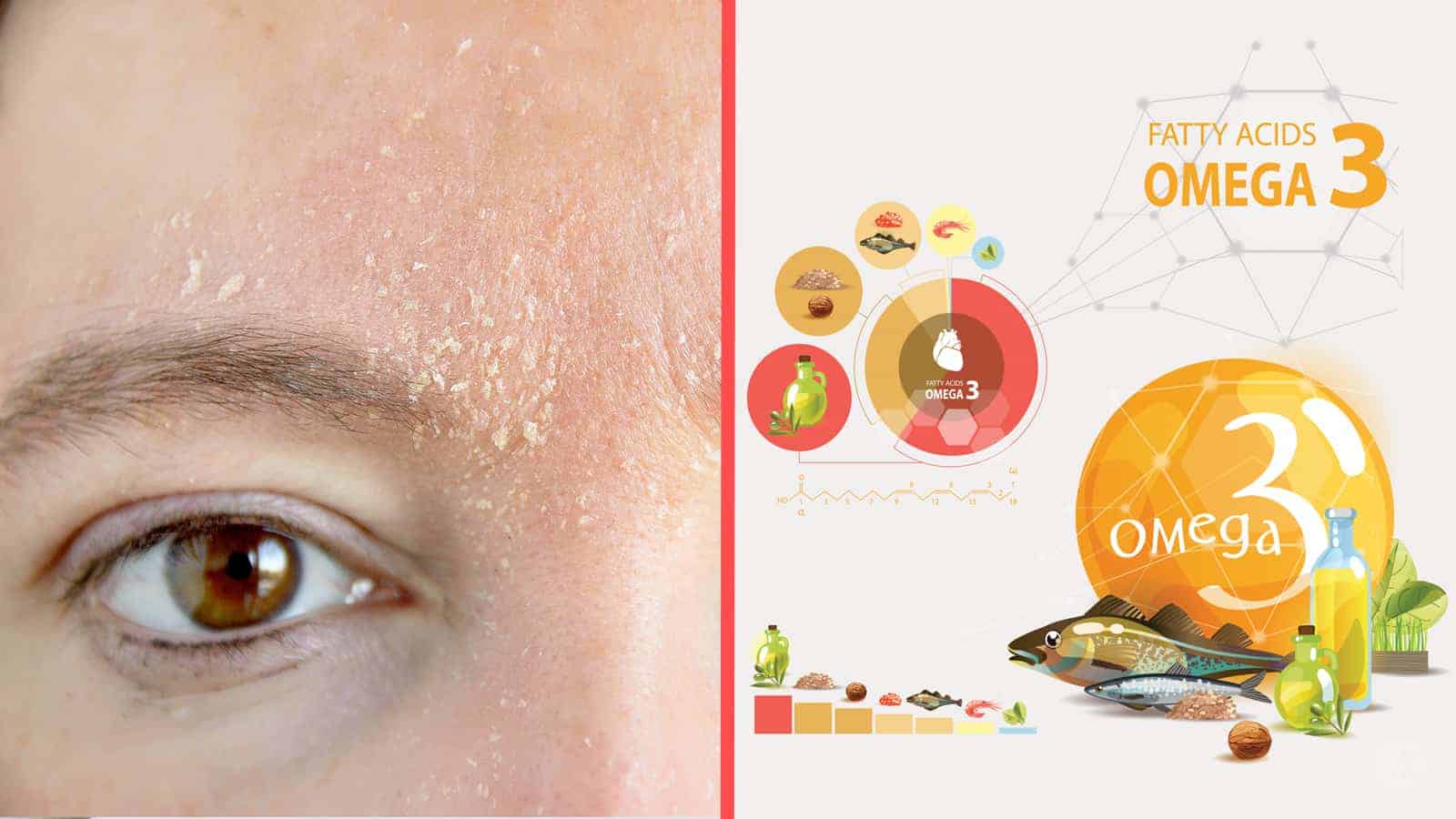
Don’t stop eating fish; be picky about what fish you choose. The best fish choices are those high in omega-3 fatty acids. Omega-3s are fatty acids. DHA and EPA are two omega 3s fatty acids found in some fish. Fatty acids health benefits include the following:

  • Lower your triglycerides (bad cholesterol), which helps fight against heart disease
  • Pain: Helps fight stiffness and joint pain.
  • Depression: Can help curb depression
  • Asthma: Eating a diet high in omega-3 helps lower inflammation, which is involved in asthma.
  • ADHD: May reduce symptoms of ADHD in kids.
  • Alzheimer’s disease and dementia: May protect from these diseases.

Seafood and fish

Here are several lists of the best Omega 3-rich fish and kinds of seafood.

High in omega 3s seafood products include the following:

  • Herring
  • Oysters
  • Anchovies
  • Atlantic mackerel
  • Pacific chub mackerel
  • Sardines
  • Wild trout
  • Shad
  • Wild and Alaskan salmon

Lower in omega 3s, but still healthy choices are these:

  • Canned light tuna
  • Atlantic croaker
  • Catfish
  • Crab
  • Flounder
  • Sole (flatfish)
  • Lobster
  • Mullet
  • Pollock
  • Squid (wild)
  • Shrimp
  • Tilapia
  • Scallops

What are the healthiest ways to prepare fish?

Once you purchase your seafood, there are many ways to prepare it. Here are the healthiest cooking options.

Steam

Steaming your fish keeps it moist and doesn’t add extra fat to the cooking process. If you have a steaming basket, you can use it to steam your fish. Set the fish in the basket and put it over the pot of boiling water. A thick fillet will probably take 15 minutes.

Broil

Broiling is another way to prepare your fish. Salmon is best for broiling since it has a lot of oil. Other good oily fish to broil include tuna, sea bass, and mackerel. Broil for 6 to 9 minutes for a medium and twelve minutes for well done.

Grill

Grilling is a direct heat method to prepare your fish. Grilling has its heat source underneath the fish rather than above, like broiling, but it can still dry out your fish, so choose the same oily fish for grilling as you do for broiling. To grill, marinate your fish in olive oil and lemon juice. Then grill it for eight to ten minutes per side, depending upon how the filet’s thickness.

Bake

Prepare your fish with olive oil, herbs, lemon, and a sprinkle of kosher salt. Place on a parchment-lined pan and bake. A good rule of thumb is to bake the fish for seven to ten minutes per inch of its thickness.

fatty acids

Know the ten signs of a fatty acid deficiency.

Here are some exciting tips to help you choose seafood

Besides knowing the fish never to eat, don’t shop without knowing these things.

Is your seafood fresh or not?

The sign at the grocery said the fish is fresh, but do you know if that’s true? Here’s a little test you can do yourself to check the freshness of your fresh fish. Fill a pot with cold water. Put your piece of fish in the water. If the fish floats to the top, your fish is fresh. It was probably caught recently. If it sinks, it’s not as fresh as the sign says.

 Milk for your fish

If you want to thaw your fish and enhance the flavor, thaw it out in a dish of milk.

Steak versus sardines

If you’re comparing protein sources, eating just 100 grams of sardines has more protein than a seafood filet or steak that weighs the same amount.

Sodium fighter

Eating a lot of fish can help fight the negative effects of the sodium you eat.

 Least bacteria

If you compare which items have the least bacteria, tuna and halibut are the safest fish to eat.

Other foods high in omega 3s

Fish isn’t the only food source that contains omega-3s. Plants have alpha-linolenic acid (ALA)  rather than EPA and DHA. Eating foods with ALA may not have the same health benefits, but studies show ALA can lower your risk of cardiovascular diseases, especially if you don’t eat omega 3s rich fish. Other sources of omega 3s include:

  • Flaxseeds
  • Walnuts
  • Chia seeds
  • Soybean oil
  • Canola oils
  • Algae
  • Seaweed
  • Hemp seeds
  • Edamame
  • Kidney beans
  • Soybeans

What about Omega 3 supplements?

Omega 3 oil supplements aren’t as good as eating fish, but you should probably take a supplement if you don’t eat fish. Be sure you talk to your doctor before taking an Omega 3 supplement. They can react to other medications. There may be a few side effects, such as the following:

  • Digestive problems: gas, diarrhea, and indigestion
  • Bleeding: Omega-3 supplements can cause you to bleed if you cut yourself. People with a bleeding problem or who take medication that thins their blood shouldn’t take omega-3 supplements. It’s okay to eat fish, though.
  • Increase your blood sugar: Omega 3 stimulates the production of glucose, which causes high blood sugar.
  • Lowers blood pressure
  • Acid reflux: Many people have trouble taking Omega 3 supplements because it causes acid reflux. If you experience this, reduce the amount of omega-3 oils supplements you take every week.

So, should you take Omega 3 supplements? Yes, especially if you don’t eat fish or plants high in omega-3s.

fish never to eatFinal thoughts about the fish never to eat

There’s no doubt about it. Fish is super healthy. Of course, all fish have some contamination, primarily due to environmental pollutants like PCBs and mercury. But some fish don’t have as much mercury, so they’re okay to eat. Be aware of the fish you should never eat because of their high levels of mercury.

Generally, it’s thought that eating a fish high in omega 3s twice a week is best. Omega 3s help fight your risk of cardiovascular diseases such as strokes, heart attacks, high blood pressure, and arteriosclerosis, also called hardening.

If you hate fish, you can take an Omega 3 supplement if your doctor gives you the okay. You can add plants, seeds, nuts, and plant oils to your diet to give your ALA omega 3s.

10 Signs Your Body Sends You When Something May Be Wrong

Strange cravings and weird sensations all over your body are symptoms that could indicate a health problem. It could be your body trying to tell you something is wrong. Of course, you know your body the best. When you see something amiss, do not ignore the symptoms–especially if they persist for several days. The symptoms you see could be an early indicator or another underlying condition.

Here are ten unusual symptoms you shouldn’t ignore

You may have a health problem and not realize it.

your body1 – An itching and creeping feeling in your legs

Aching, itching, or throbbing feeling in your legs are symptoms of restless legs syndrome. You may feel these symptoms on one side of your body or both. Restless legs syndrome (RLS) usually occurs in the evening or at night when you’ve been sitting a lot or from lying in your bed. It’s a neurological disorder that affects your brain. The exhaustion from being unable to sleep at night affects your mood and ability to concentrate, eventually leading to anxiety. Studies show that 10% of the United States population have Restless Leg Syndrome, with both men and women getting it, but generally, it occurs more often in women. It’s unknown what causes RLS, but it can be genetic or indicate a brain function disorder. People who have Parkinson’s disease are more likely to have RLS. It’s also more apt to occur because of these factors:

  • Lack of iron
  • If you’re taking medications such as antipsychotic drugs, antidepressants, antinausea drugs, and some cold and allergy drugs
  • Overuse of alcohol
  • Too much caffeine
  • Last trimester of pregnancy, around four weeks before delivery

Once diagnosed, RLS can be treated through medications.

2 – The sensation of insects running over your body

A feeling of stinging or crawling insects on your body has baffled doctors. At first, it was thought people with these symptoms were because of a delusional problem, but further study revealed this as a tick-borne illness called Morgellons disease. This spirochetal infection causes an overproduction of keratin and collagen skin cells that cause weird sensations on your skin. It was thought at one time there were fibers embedded in your skin because that’s what it feels like.  It’s a rare disease, and because few doctors are familiar with it, it can take years to diagnose.

3 – Chewing ice

Chewing ice is often a sign of an iron deficiency. It’s a common disorder in young menstruating females or people who have lost a lot of blood from hemorrhaging or in blood donors because they are at the highest risk of iron deficiency. You will be prescribed iron supplements if you’re diagnosed with an iron deficiency.

4 – Strange salt craving

Do you put salt in your coffee? Strange salt cravings can be an indication of a serious medical problem. One serious disease associated with unusual salt cravings is Addison’s disease, a life-threatening autoimmune disease. Other symptoms of Addison’s disease include:

  • Dark skin pigment
  • Fatigue
  • Nausea
  • Muscle aches
  • Weakness
  • Weight loss
  • Low blood pressure

This rare disease is hard to diagnose, mainly because many doctors aren’t familiar with it. If you notice any of these symptoms, talk to your doctor. Most people with Addison’s disease are diagnosed during an adrenal crisis, which can lead to death. You know your body. If you feel something is wrong, don’t hesitate to ask your doctor to run tests.

5 – Gray ring around the cornea of your eye

A weird grayish-colored ring around the cornea of your eyes may or may not be something to worry about. It could be a sign of high cholesterol in younger people, but in people older than 45, it’s not that big a deal. If you’re concerned, it’s worth making an appointment with your doctor. They will do a blood test to check your cholesterol levels.

food cravings

These ten food cravings explain what your body lacks.

6 – Bloodshot eyes

Having bloodshot eyes after a night out on the town isn’t a big deal, but take notice if your eyes are constantly bloodshot. Bloodshot eyes could be an indication of an eye infection called conjunctivitis. It often shows up after a cold. Conjunctivitis is highly contagious, so get your eyes checked by a doctor. They’ll give you a prescription for antibiotic eye drops, which can quickly clear up conjunctivitis.  If you have eye pain or vision problems, it could indicate something more serious like glaucoma, which, left untreated, can lead to blindness. Don’t hesitate to get your eyes checked if you have any concerns. Many eye diseases can be prevented if caught soon enough.

7 – Excessive sweating

If you find you have an excessive amount of sweat even when you don’t exercise, it’s more than embarrassing. It could be a sign of a condition called hyperhidrosis. It’s a treatable condition, but it could require surgery to remove your sweat glands in rare situations. A disease may trigger it, but not necessarily. Excessive sweating could also be a sign of a serious disease called non-Hodgkin lymphoma (NHL), a type of cancer that attacks your lymphatic system.  Other symptoms of NHL include:

8 – Black lines on your fingernails

It’s easy not to see strange lines and colors on your fingernails, especially if you regularly get your nails manicured. If you notice a black spot or black line underneath one of your nails, it could be a sign of skin cancer called acral lentiginous melanoma (ALM). This type of cancer shows up under fingernails, on the palm of your hands, or soles of your feet. It’s most common in African Americans or people with an Asian heritage.

Another condition that causes black or brown lines on your nails is called Melanonychia. This condition is more prevalent in people with a darker complexion. It’s caused by pigment cells depositing melanin into your fingernails. The deposits group together, and brown or black stripes appear as the nail grows. The causes of Melanonychia include

  • Pregnancy
  • Trauma to the nail like nail-biting, carpal tunnel syndrome
  • Nail infection
  • Lichen planus
  • Psoriasis
  • Viral warts
  • Addison’s disease
  • Cushing disease
  • Hyperthyroidism
  • Too much iron
  • HIV
  • Lupus
  • Chemo treatments

Diagnosis involves examination and sometimes a biopsy to rule out cancer or more serious causes.

9 – Sudden or unexplained bruising

Seeing bruises occasionally is no big deal, but if you see many bruises suddenly showing up on your legs and arms, take notice. It could be a sign that you’re iron deficient, or it could be something worse. It could be cancer of the blood and bone marrow called Acute myeloid leukemia or AML. It’s serious when the myeloid cells interrupt your body’s ability to produce white and red blood cells and platelets. Your first symptom could be bruising easily. The American Cancer Society says that AML shows up as red or purple spots on your skin. Other symptoms include:

  • Fatigue and tiredness
  • Low-grade fever
  • Night sweats
  • Weight loss
    Loss of appetite

A shortage of red blood cells causes AML. Don’t hesitate to see your doctor if you have any of these symptoms. They can do a blood test to determine if you have this deadly disease.

10 – Pale stools

What your poop looks like is an awkward topic but an important thing to talk about. Normal bowel movements should be brown and smooth and snake-like. Pale, foul-smelling poop could be a sign of celiac disease. Celiac disease is a serious auto-immune triggered by gluten.  When a person with this disease eats gluten, it damages the villi in the small intestines, so your body can’t absorb nutrients. This can lead to malnutrition, anemia, thyroid disease, osteoporosis, and other autoimmune diseases. Other symptoms of celiac disease include

  • Anemia
  • Anxiety
  • Bloating and gas
  • Diarrhea
  • Discolored teeth
  • Constipation
  • Fatigue
  • Headaches
  • Irritability
  • Joint pain
  • Liver disease
  • Infertility
  • Itchiness
  • Mouth sores

If your bowel movements are white or clay-like in consistency, you lack bile, which may indicate a serious liver problem. You should get to your doctor right away. This could be a life-threatening disease.

your bodyFinal thoughts on the signal that your body detects something is amiss.

These are only ten of the many signs you’ll receive that something is out of order. Know yourself, and pay attention to these warnings. For example, sometimes strange food cravings are a symptom of a deep-rooted health problem. That’s why it’s essential never to ignore unusual symptoms, assuming they are normal or they’ll go away.

It’s good to pay attention to any symptoms. Talk to your doctor about these symptoms if they don’t seem concerned. But if the symptoms still persist, don’t hesitate to go back again or find a doctor who will listen to you. You know your body best, so you know when something is not right or unusual. Often, doctors are unfamiliar with a rare disease, so you need to be diligent to get the proper tests and care you need.

Trainers Reveal the Causes of Shin Splints (and How to Fix It)

If you are an active person, imagine all the workouts that your legs get. Sometimes, though, you can have too much of a good thing. You know all too well if you’ve ever experienced painful shin splints.

Did you know that your tibia (shinbone) is the second-largest bone in your body besides your femur? It takes these massive bones, plus your fibula, to create the legs that support your body. Your tibia is the large bone in the front of your lower leg, and your fibula is the smaller bone in the back that supports your calves.

You will notice that the thick muscles of your calves cover your fibula while your shinbone is close to the surface of the skin. Your shinbones have a triangular shape with the smallest point towards the front of your lower legs.

Have you ever been exercising or even walking around the block and felt sharp pains in your shins? Or maybe it is a dull ache that never seems to stop. Chances are you are experiencing what medical experts call shin splints.

A journal article published by Comprehensive Therapy explains that shin splints are called medial tibial stress syndrome, or MTSS. While the syndrome’s pathology isn’t fully understood, it usually presents people who “overdo” exercises and other activities. Sometimes, shin splints can be a symptom of tumors, lipomas, or stress fractures.

What Causes Shin-Splints?

shin splintsWhen you are especially active, you may be prone to MTSS, says an article from Current Reviews on Musculoskeletal Medicine. The report asserts that shin splints are the primary cause of exertional leg pain in athletes. MTSS is considered a repetitive stress injury, so it’s easy to see why athletes are affected.

Consider all the workouts you do with your legs, especially if you are a fitness or sports enthusiast. Any activity that involved your legs specifically, like running, kickboxing, or physical training, may trigger pain or MTSS. The article warned that if MTSS isn’t treated, it can lead to more serious debilitating disorders.

The article also mentions the gender differences in experiencing shin splints. It cites statistics published by Physical Medicine and Rehabilitation Clinics in North America that female athletes have 1.5 to 3.5 times the risk of developing progressive MTSS and stress fractures. Low calcium (hypocalcemia) can also be a culprit.

What Are the Symptoms of Shin-Splints?

The intensity of pain may vary from person to person. However, MTSS usually causes discomfort right along the edge of your inner shin bone. You may feel a stabbing (acute) pain, or it may be a dull ache that can be present during activities or at rest. Unfortunately, you can get MTSS in both legs at the same time.

What Are Other Risk Factors for Shin-Splints?

Being overly active isn’t the only risk factor for MTSS, although it’s usually the cause. Here are some other risk factors to consider:

•Having flat feet

•Wearing worn-out shoes or ones that don’t fit properly

•Your feet roll in when you walk or run (called pronation)

•Exercising on hard surfaces, like pavement

•You recently started playing a high-impact sport

•You’re a runner, gymnast, or dancer

•You don’t pace your training times, levels, or distances properly

How is MTSS Diagnosed?

Most of the time, mild symptoms of MTSS will resolve with a little time and rest. However, you should seek medical attention if the pain is severe or won’t improve. If you notice that your shin area is inflamed and feels warm to the touch, you should visit your primary healthcare provider as soon as possible.

Since a tibial stress fracture’s symptoms often mimic those of MTSS, your healthcare team may run a series of tests to determine a diagnosis. They will interview you to assess your symptoms, medical history, and current activity levels.

Some of the standard tests for MTSS diagnosis include an x-ray or MRI.

These imaging tests can reveal if the problem is MTSS or another issue like a stress fracture. If you have a stress fracture, the imaging will display a small crack along your shin bone.

How Can Your Prevent MTSS?

pop memeIf you have any of the risk factors listed, you can take certain precautions to avoid a painful bout of MTSS. They may not be foolproof, but at least they can minimize your risks. Try these suggested hints:

•You should wear shoes that fit you well and will absorb shock when you run.

•If you are a runner, consider running on softer surfaces like a treadmill or a track.

•A novice runner should strive to build your speed and endurance gradually.

•If you are a gymnast or dancer, consider exercising on a sprung floor, a special floor with a little bounce to it.

•Try incorporating lower impact exercises like swimming, yoga, or Pilates.

How Can I Treat Shin-Splints

Since this common injury can be bone or muscular related, you first need to know what type of splint you are experiencing. Since the two are treated differently, you must see a doctor and have an x-ray for a definitive diagnosis.

•Bone Related

When bone-related, you need to be careful as all the bone stress can lead to a fracture. If you should get a fracture, then you will be down for a while. Bone related shin splints require rest.

It would help if you avoided all activities that put any stress on your legs, like walking or running. However, if you still feel that you must exercise to stay fit, then doing something like a stationary bike or swimming is acceptable. These workouts won’t put any undue on the bone to further complicate matters.

•Muscular Related

When the problem is muscular, it is a bit easier to treat than an issue with the bone. One of the best ways to treat it is to use a foam roller and roll it along your shins and calves. One of the most significant issues in a muscular injury is that the fascia is too tight, and running a foam roller over the painfully stiff region is perfect.

If you do this activity periodically throughout the day, then you will notice that the fascia is not as tight nor painful. Another commonly used method is a manual massage. You can do this or have a partner help you out.

Muscular issues require proper backing, which is why you might need new shoes. Your shoes must provide adequate arch support and allow your feet to be stable when walking or working out. The right support in a pair of shoes can help address biomechanical problems within your feet.

Additionally, it can help to alleviate stress from the muscle that is affected.

Prevent Shin Splints from Occurring

If you are an avid runner or someone who is continuously working out, then you might want to take proper precautions to avoid this injury. There are four things that you can do besides getting new shoes that can have a dramatic impact.

1. Reduce Your Running Pace

If you reduce your pace while increasing your foot strike rhythm, it will help you have better pace mechanics. When you learn how to put less of a load on your feet and shins, you will decrease the chances you will sustain an injury.

To help you learn this trick, you should count your foot strikes on your left side for about 60 seconds. Now, switch and count the strikes on the right side. The goal is to have no more than 90 strikes per minute on each foot.

Any more than that number is asking for trouble.

2. Workout Your Hips and Inner Core Regions

Improving these regions will make you a tougher runner, which enhances foot strike and your body’s mechanism.

3. Use the Ten Percent Guideline

The goal of most runners is to do more as you are always striving to get better and faster. However, you should never increase your weekly mileage by more than ten percent.

4. Monitor Your Vitamin Levels

Your vitamin levels are essential, specifically your vitamin D and calcium. When you are deficient in either of these, then you have an increased chance of developing problems. If you don’t want to take supplements, you can make sure you get what you need by eating milk, yogurt, and other dairy products.

shin splintsFinal Thoughts on Reducing the Pain of Shin Splints

Dealing with calf and shin pain is no easy feat. Whether the pain is in the bone or the muscle can significantly impact how it’s treated. However, it’s best to utilize methods to prevent the pain from occurring in the first place.

You can do many stretches and things to help with pain when it’s muscular, but you should always see a doctor for a definitive diagnosis. You don’t want to put any additional strain on an already problematic region. Shin splints are painful, but you will recover in time.

6 Conversation Killers To Avoid For Mindful Communication

Mindful communication is the act of speaking to another person with positive thinking, effectiveness, and honesty. It means being aware of your emotions, behaviors, and the position of your conversation partner and sticking to the current discussion in the present.

Though it sounds simple, many people struggle with mindful communication. It’s too easy to fall into all sorts of negative patterns that derail attempts at productive discussion. How can you ensure that doesn’t happen to you? Here are 6 communication killers to avoid for mindful communication.

1.    Being Defensive

Not all communication is a walk in the park. Sometimes it can be difficult and personal, and someone can come to you to communicate criticism, negative feedback, or ways you’ve been unintentionally affecting them.

mindful communicationWhen faced with such communication, it’s very easy to take things as a personal attack of sorts. You’re upset at the idea that you’ve harmed someone, or you dislike the criticism you face. Either way, you might be tempted to make excuses, avoid responsibility, point fingers, or even deflect and protect yourself.

But this kind of defensiveness is contrary to mindful communication. You have to accept that conflict is a part of life, and all you can control is how you handle it. If you create more conflict from conflict, then you’ll have an unhealthy, never-ending cycle of anger.

Think about it: wouldn’t you rather someone was honest to you than they secretly had negative thoughts about you but pretended not to? In order for that honesty to come to fruition, you have to appreciate where they’re coming from without being defensive.

2.    Making Assumptions

Everyone is unique and experiences different situations and life events. Even those who have been through similar experiences to you will have handled, felt, and overcome them in their own individual ways. Generalizing, using stereotypes, and other similar issues will prevent positive communication quickly.

With all the diversity and variation in the world, making assumptions is not just unfair, but unwise. It’s rarely ever safe to assume that you know what someone else is thinking or feeling, and these assumptions kill communication. Think about it:

  • Why would you bother to communicate if you assume you know what’s going on, or that others know what’s going on?
  • How can you hold a productive discussion when you’re holding onto incorrect assumptions that affect your ability to discuss things at all?
  • Can you maintain your focus in communication if your assumptions are quickly uprooted?

Don’t assume – express. Seek to understand and clarify and you’ll enjoy more positive and mindful communication. Exchange feedback, ask questions, and make your voice heard.

3.    Providing Solutions

Unless someone is asking for advice or solutions, you shouldn’t assume that someone talking to you about something personal is a cry for your personal help. Your goal should be listening, understanding, and providing support, as you will help them find the solution themselves through their own words, without you ever needing to contribute. When someone communicates, they seek to be understood, not for advice to be shoved down their throats – especially in relationships like marriages, say studies.

It’s reasonable to ask if they would like advice, but offering solutions is a very quick way to kill communication. This is because you are shutting down the person’s attempt at communication with you by essentially telling them what they should do instead of conversing evenly. Here are some examples of solution-sending that are simply bad for mindful communication:

·         Moralizing

Moralizing refers to the act of telling someone what the correct thing to do would be, often from a moral standpoint. It can make the receiver feel guilty and uncomfortable and often leads to resentment. Examples of moralizing statements include “You should really start waking up earlier!” and “Clearly, the right thing to do here would be…”.

·         Advising

Providing advice to someone who is venting or communicating about their feelings can feel like a slap in the face. You’re illustrating how simple the solutions are to you instead of understanding that finding that solution isn’t the current point. Unless someone is asking for your advice, or you’ve clarified that they do want it, don’t just go offering it around! Examples of advising statements include “If you asked me, I would say that I would…” and “If there’s anything I’ve learned, it’s that you would do best if…”.

·         Ordering

No one wants to be ordered around in place of positive and helpful communication. Telling someone what to do has no place in a mindful conversation. Examples of ordering statements include “Go deal with that right now!” or “Stop being so late.”. Threats added to ordering statements are equally common and even less helpful, such as “If you don’t start organizing your workspace, I’m going to throw your things out!” or “If you don’t fix that, I’m not talking to you.”.

4.    Being Afraid Impairs Mindful Communication

Mindful communication often involves an element of bravery. You have to step up and be open, just as your discussion partner is. The problem, then, arises when you’re too afraid to take that step and lose positive thinking in the process. You might worry:

  • That there will be consequences to talking about your problems
  • That you’ll receive a response you don’t want
  • That it will be pointless for you to attempt to be heard as no one may listen

There’s nothing wrong with looking over priorities, risks, and reasons before deciding to open a discussion. You may even need some more time to process the events that require communicating about, or you may even decide eventually that you are at peace without such communication. These are all fine, but being dictated by pure fear alone is a killer of proactive discussion.

self-confidence killersTry to avoid:

  • Wallowing in self-doubt to the point you aren’t sure if you deserve to air your problems at all
  • Being too cautious about wording so that it’s difficult for others to understand you
  • Refusing to trust the person you’re communicating with, even a tiny bit, to the point where you cannot feel safe when talking to them
  • Being so afraid of criticism that you immediately lash out if faced with positively provided feedback
  • Creating unfair expectations that you fear will not be met
  • Catastrophizing about potential outcomes
  • Deciding against saying exactly what you mean and hinting at your true intentions instead because you’re too afraid of being honest and direct
  • Using unresolved conflict as a shield against the potential to solve the current issue

5.    Being Self-Focused

It’s human nature to focus on yourself, but that’s a surefire way to kill any communication that could occur. When someone is communicating with you, it’s either going to be an equal discussion or it’s going to be an exchange where you take turns listening to each other. Personal bias will never be positive for a discussion!

Whichever applies, the bottom line is that it’s never okay to make it about you when it’s not your turn. Even if you try not to let it show, focusing on yourself while someone is talking to you will quickly make the speaker feel like they aren’t being heard. Here are some forms of self-focus to avoid during such a discussion:

·         Thinking Of What To Say Next

Have you ever been in a conversation where all you’ve been thinking of is how to contribute to the discussion when it’s your turn to talk? You might think you’re multitasking well, but you’re going to miss out on the speaker’s words and meaning if you do so. This is especially true if it’s a disagreement you’re conversing about – spending your time thinking of arguments is a surefire way to ensure no mindful communication at all.

·         Taking Things Personally

Being offended, upset, or affected by someone’s communication isn’t an uncommon reaction. But giving in to those emotions and manifesting them negatively can put a big damper on communication efforts. For example, when someone talks about feeling sorry for their friend, you might wonder why they don’t feel sorry for you. Or, if someone is talking about how they dislike uncaring people, you might start to wonder if they’re talking about you. Don’t fall into this trap! Take people at face value.

·         Being Distracted

When someone needs to seriously communicate with you, put your devices down, stop your current task (if possible), and face them, engaging in active listening. If you’re scrolling through social media or visibly engaged elsewhere, you’re going to wind up having a very one-sided form of communication. If need be, tell the speaker you’ll be able to devote your attention to them in a few minutes and finish up what you’re doing first.

6.    Being Judgemental

In communication, there is no room for unfair judgment. Mindful communication means putting aside your gavel and paying attention. When you pass judgment onto someone trying to hold a conversation with you, you’re behaving high-and-mighty, as if you’re above them in some way, shape, or form. Here are some judgemental acts to avoid:

·         Name-Calling

This contempt-filled behavior has never been productive, and it’s never going to be! There’s absolutely nothing to be gained from these kinds of remarks, and it only halts proper communication in its tracks. And this isn’t just limited to blindly thrown insults. Examples of name-calling statements that don’t include direct aggressive insults are “Don’t be so silly” or “You are too emotional”.

·         Criticizing

Constructive criticism is fine – when asked for. But pure criticism with nothing constructive or helpful behind it is only going to come across as an attack. It causes conversation and discussion to be halted. Examples of criticizing statements include “That was such an unintelligent decision” or “I can’t believe you would do such a silly thing”.

·         Diagnosing

This refers to the attribution of one’s behavior or actions to a perceived issue. Not only is this a form of assumption, but it’s also a shut-down altogether. You’re labeling someone right off the bat without giving them a chance to communicate. Examples of diagnosing statements are “You’re very clingy today” or “Someone’s being negative”.

mindful communicationFinal Thoughts On Some Communication Killers To Avoid For Mindful Communication

The goal of communication is simple – to get your message across and hear the message of the other person. If you do not communicate mindfully, that message can get mixed up in confusion, emotion, and unfair statements. Do what you can to ensure a positive environment that welcomes direct and honest conversation!

Mass General Proves Short Workouts Can Improve Metabolic Health

A new study found that quick bursts of exercise, even as short as 12 minutes, can greatly improve metabolic health. Researchers from the Massachusetts General Hospital (MGH) discovered that short workouts cause changes in the body’s metabolite levels. These markers indicate a person’s cardiovascular, cardiometabolic, and long-term health. The paper published in Circulation explains that just 12 minutes of intense cardio can impact more than 80% of circulating metabolites.

The paper went on to describe that this type of exercise can open pathways that boost a number of health markers. Their research highlights potential mechanisms that could help health experts more thoroughly understand how bursts of exercise impact metabolism.

“Much is known about the effects of exercise on cardiac, vascular and inflammatory systems of the body, but our study provides a comprehensive look at the metabolic impact of exercise by linking specific metabolic pathways to exercise response variables and long-term health outcomes,” says investigator Gregory Lewis, MD, lead study author and section head of Heart Failure at MGH. “What was striking to us was the effects a brief bout of exercise can have on the circulating levels of metabolites that govern such key bodily functions as insulin resistance, oxidative stress, vascular reactivity, inflammation, and longevity.”

Key findings from the study

pop memeThe MGH study gathered data from the Framingham Heart Study to measure circulating metabolites in 411 middle-aged men and women. The researchers recorded levels of 588 of these metabolites both before and right after 12 minutes of intense exercise. Astonishingly, the team found that positive shifts occurred in many metabolites that had previously indicated cardiometabolic disease at resting levels.

For instance, glutamate, a major metabolite associated with heart disease, diabetes, and a shorter lifespan, dropped 29%. Also, DMGV, a metabolite that increases the risk of diabetes and liver disease, decreased by 18%. Furthermore, researchers found that other factors besides exercise may impact a person’s metabolic health. This includes a person’s gender and body mass index, with obesity potentially inhibiting some benefits of exercise.

“Intriguingly, our study found that different metabolites tracked with different physiologic responses to exercise, and might therefore provide unique signatures in the bloodstream that reveal if a person is physically fit, much the way current blood tests determine how well the kidney and liver are functioning,” notes co-first author Matthew Nayor, MD, MPH, with the Heart Failure and Transplantation Section in the Division of Cardiology at MGH. “Lower levels of DMGV, for example, could signify higher levels of fitness.”

Analyzing a person’s metabolic responses may help predict lifespan

The Framingham Heart Study began in 1948 and spans three generations of participants. The MGH study applied the same signatures used in the current study group to stored blood from prior generations of volunteers. When studying how exercise affected their metabolic health in the long-term, researchers could accurately predict a person’s future health and longevity.

“We’re starting to better understand the molecular underpinnings of how exercise affects the body and use that knowledge to understand the metabolic architecture around exercise response patterns,” says co-first author Ravi Shah, MD, with the Heart Failure and Transplantation Section in the Division of Cardiology at MGH. “This approach has the potential to target people who have high blood pressure or many other metabolic risk factors in response to exercise, and set them on a healthier trajectory early in their lives.”

Other ways to improve your metabolic health

  • Get adequate sleep.

When you don’t sleep deeply or long enough, your body’s hormone levels become imbalanced. A study from Stanford University and the University of Wisconsin found that adults sleeping 5 hours or less had elevated ghrelin levels. This hormone helps regulate your appetite, so having more of it means you will feel hungry more often. Also, lack of sleep causes the hormone leptin, which suppresses appetite, to decrease.

Make sure you get at least 7-8 hours of sleep each night and keep a regular sleep schedule. Turn off technology a few hours before bed, or use blue-light-blocking glasses to help regulate your melatonin levels. Also, keep your room cool enough so that you can sleep comfortably and soundly.

  • Exercise regularly.

Many people today don’t get enough vigorous exercise to offset their increasingly sedentary lifestyles. Some experts recommend getting at least 150 minutes of intense aerobic exercise each week, in addition to resistance training. We need both cardio and resistance exercise to keep our organs and muscles healthy. However, as the above study shows, you can get away with shorter workouts as long as you keep the intensity up.

  • Eat throughout the day.

We need a steady supply of nutrients to keep our brains and bodies moving! In our busy lives, it can seem difficult to eat enough quality food. However, if you plan ahead and prep meals during the weekend, you can make eating healthy a lot easier. Try to eat a few nutrient-dense snacks such as nuts, seeds or protein shakes during the day. In addition, include plenty of fruits and veggies, lean proteins, and healthy fats in your meals.

  • Drink plenty of water.

Chronic dehydration continues to rise as more people turn to caffeine-filled or sugary beverages instead. Not only does water stave off hunger, but it helps every part of our bodies function properly. If you feel thirsty, this means you have already gotten dehydrated. Keep a glass or stainless steel bottle with you at work or school to ensure you get enough water.

  • Eat more calcium.

One study found that calcium from low-fat dairy sources helped boost metabolic health in participants. In other words, calcium from these foods can help reduce body fat, allowing your body to function more optimally.

metabolic healthFinal thoughts on a study showing how short workouts can increase metabolism

This study shows that we don’t need to spend hours slaving away in the gym to get healthy. Even 12 minutes of vigorous exercise can greatly improve metabolic health and reduce the risk of disease. In fact, these short bursts of exercise can impact about 80% of circulating metabolites! In addition to working out, getting enough sleep, drinking plenty of water, and eating nutrient-dense foods can improve metabolic health.

Skip to content