Weekly tips, affirmations, and small actions to feel your best.

Woman Goes on a Journey to Increase Self-worth

Most people struggle with learning how to increase self-worth at some point, feeling as though they’ll never measure up to society’s standards. The world constantly tells us who to be, and with so many conflicting messages, we lose ourselves. No matter where we turn, it seems someone has a different opinion to offer. Where do they end and we begin? How can we increase our self-worth, so we’re unaffected by society’s confusing, relentless messages?

Dragana Komadina believes she’s found the answer to how to accept yourself as you are truly.

A life filled with insecurities

self worthShe says, “I didn’t even know what self-worth was at 13. I was blissfully unaware of myself, riding my bike until dusk, ponytail undone, jeans and fingernails dirty with grime. Then, 14 happened, and I realized that absolutely everything was wrong with me.”

As Dragana grew older, she started to feel more insecure about herself. She looked around at her peers, wondering how she could gain their attention or validation. Her self-worth depended on their opinions about her, and she never felt good enough in their eyes.

“I started comparing myself to others, and I was not measuring up. I recall trying to tell my mother about how awful I felt about myself.”

She further explained, “I moaned about my legs, I hated my legs. I wished that they were slender instead of thick and muscular like they were.”

Her complaints about herself didn’t end there, either. She analyzed herself meticulously, finding more flaws than she knew how to handle.

“I obsessed about my malnourished breasts, and I cringed at my mousy brown hair.” She said, “I felt bland and overlooked, and it all came bubbling out when I was with my mom. I wanted her to listen and comfort me, but my mother wouldn’t have any of it.”

Some advice on how to increase self worth from her mom

No matter how much Dragana cried and begged for her mom to listen, she didn’t want to hear it. Instead, her mom interrupted her, venting and talking down on herself with a powerful message.

“In a curt, sharp-tone manner that only an Eastern European woman can perfect, she would utter: “Don’t talk about my daughter that way!”

Dragana knew she meant well, but she just wanted her mom to understand her feelings. Her mom continued to refer to her in the third-person when she brought up her insecurities. Instead of allowing her daughter to dwell on her problems, she wanted to teach her a different way of coping.

“Then, she would fix my caved-in posture by telling me to put my shoulders back, chin up, eyes forward. It was so frustrating, but what choice did I have? I stopped complaining, and I stood up straight,” she recalls.

One year later, Dragana noticed that her more confident attitude had gotten the attention of others. When school started again, all her male friends suddenly seemed to treat her differently. They flirted with her and even asked her on dates, much to her surprise. All this attention from guys her age made her feel good, giving her a huge boost in self-worth.

self worth

The increased self-worth improved her confidence.

“I admit I let the outside validation spin my head a bit, and even though I wasn’t ready to date, I thoroughly soaked up and encouraged the intention,” she said. Her mom, on the other hand, thought she’d gotten a little too comfortable with the attention. Wanting to bring her back down to Earth a little, she reinforced the lesson she’d previously taught her daughter. After a couple of weeks of letting Dragana gloat, she intervened with her words of wisdom “in true momma fashion.”

“My nose had gotten too high in the sky for her liking, and she unceremoniously knocked me back down there. She told me to lower my nose so the rest of them can see it and to put my shoulders back and eyes forward.”

Her mom wanted to show Dragana that her behavior shouldn’t change no matter what people said about her. If they didn’t notice her, her confidence shouldn’t decrease because no one saw her worth. On the other hand, if people gawked and praised her, she shouldn’t allow this to get to her head. Her self-worth should remain unchanging regardless of circumstances.

“When I was younger, I wanted my mother to understand my insecurities and let me wallow in them. Looking back now, I’m certain she understood; what took precedence was her desire to teach me a magic trick. Stand up straight, eyes forward. Meet the world, have the world meet you.

Value yourself

Show your mind you are worthy even as it doubts itself. Let your allies, your mentors, and your true friends find you. Telegraph to your enemies that you’re a warrior when challenged. Don’t let your inner world, or the outside world, tell you anything that will not serve you.”

Now, Dragana realizes the power in her mom’s lessons. She knows that her worth lives within her, not somewhere outside herself. She doesn’t need the validation of others to realize her own beauty.

“When mentally I felt unworthy, ill-equipped, unlovable, my body never took on that self-doubt, and you know, it really saved me more than once. When you hold your shoulders back and your eyes forward, you can meet the world, and the world can meet you. Carry your self-worth in your bones and become immune to the environment you stand in,” Dragana advises.

Final thoughts: It’s your turn to increase your self-worth

Even if everyone around you ignores you, you won’t need their attention as long as you stand in your power. Acknowledge yourself without needing to feel better than others. If you accept yourself as you are, you’ll help others feel comfortable accepting themselves, too. A person with high self-worth gives the invitation to everyone around them to feel worthy as well.

“My posture has been a steady reminder of my self-worth and the worth of others. All that in the magical sweet spot of these 10 degrees,” Dragana says as she points to the space between her shoulders. “Try it, and have the world meet you.”


How to Deal With Someone Who Interrupts Every Conversation

It happens at work, home, and school. You’re in the middle of a conversation and someone interrupts you before you can finish your thought.  It’s maddening. Everyone is guilty of interrupting once in a while, but what do you do when someone is a chronic interrupter? How can you deal kindly, but firmly with them when someone interrupts you?

Why do people interrupt?

There are many reasons why people interrupt during a conversation. Most of the time, they aren’t trying to be rude. It’s a good idea to understand why someone interrupts so you can better deal with them. Here are some common reasons why people interrupt.

1 – They interrupt because they’re processing

interruptSome people process their ideas out loud. They get excited as they begin to understand your point. They want to agree, to interject their support and enthusiasm to you, but it comes off as a rude interruption. These people seem impolite, and out of control, but they are actually engaging with you.

2 – They interrupt to help

Other people interrupt because they want to help. During a conversation, they fill in your gaps and interject their thoughts. These people don’t like pauses,  they get uncomfortable with silence so they’ll make a funny comment. They’re not trying to be cheeky, but trying to put you at ease. It may seem self-serving and selfish on their part, but generally, they are trying to be helpful.

3 – They’re in a hurry

Oftentimes, a person interrupts because they’re trying to get you to speed up. They feel the pressure of all they have to do and want you to finish your thoughts so they can move on.  Perhaps they’re doing too many things and listening just takes too much time in their mind.  This can be very hurtful to the speaker. These people are clueless about how rude and selfish they are being to you. They can cause irreparable damage to their relationships because of the way they act towards others.

4 – They’re upset

When you’re in a group discussion and it’s hard to get a word in, it can be frustrating. When someone is feeling frustrated because they feel like they aren’t being heard, they interrupt. It’s normal, and perhaps you’ve done this before.  In a group setting, this can be perceived as rude, but oftentimes the facilitator of the discussion is to blame for not giving everyone an opportunity to speak. A good facilitator can avoid situations where people feel left out.

If you’re overseeing a discussion and feel like you’ve encouraged everyone’s participation, but a person is still upset, there could be an underlying issue going on for the person. It may have nothing to do with the topic of the discussion.it could be a problem with another co-worker or they feel pressured at work.

If this happens, it may be best to pull the person aside after the meeting and find out what’s going on with them. Asking questions in a concerned way to show them you’re not mad at them. Remind them how valuable their contributions are, but when they interrupt, their ideas get lost in the poor presentation.

What to do when some constantly interrupts you?

There are different strategies you can use when someone constantly interrupts you. The goal is to be firm, but kind. Getting angry won’t stop the person from interrupting or help your relationship with the person.

1 – Ignore the interruption

When someone interrupts you sometimes it’s best to ignore the interruption and keep talking. Everyone communicates differently, and sometimes people get excited about what they’re hearing and interrupt because of their excitement. It’s not worth it to address an interruption every time it happens.

2 – Set communication rules

If you’re leading a meeting, it’s important to set some general communications rules at the onset of the conversation. At the beginning of the meeting, say something like,

“ Just as a reminder, please hold your thoughts and questions until each speaker has finished sharing their thoughts.”

Some leaders use a silent hand-in-the-air signal to stop people who start to interrupt. This reminds the interrupter to stop talking without drawing attention to them in the middle of the meeting.

If someone interrupts and doesn’t see the signal, you may need to stop the speaker and give a general reminder again, but look at the person who interrupted.

3 – Ask questions

Stop the speaker and ask questions. This allows the interrupter to say what they wanted to say. Sometimes, they have good thoughts or concerns, but they lack the self-control to wait. So, asking a question provides them an outlet. Say something like,

“So, are there any thoughts or questions so far about what __________has shared with us?”

This allows the interrupter to share their thoughts and can help them give up interrupting when the speaker continues.

4 – Confront the interrupter

If you’ve tried various strategies to stop an interrupter without success, the best policy may be to address them. If while you or someone else is speaking, the interrupter blurbs out their thoughts, say something like,

“I want to hear what you have to say,_________, but could you let me finish my thoughts first?”

pop meme5 – Gender views of interrupting

Interestingly enough, there is a gender view of interrupting. In a study, 5,000 adults listened to an audio clip of a man and woman in a conversation. During the clip, they both interrupt one another. Those who listened to the audio clip were asked which speaker was rude and which one was just excited.

The majority of men who watched the audio clip said the woman was rude and unfriendly compared to how they viewed the man who also interrupted. When they asked women which person was being rude, they didn’t pick on gender more than another. In general, women who interrupt during a conversation are seen as lacking intelligence or dumb.

For women, it’s hard to break through this double standard. Although it’s unfair, being aware of an existing gender perception helps you adjust how to portray your passion in conversations. For instance, one notable way the women in the Obama White House shared their passion at work was to frame it as a concern for others.  This worked because, in society, women are viewed as caregivers.

For men, knowing this bias exists should help you adjust your thinking about women in the middle of conversions.

Which type of conversationalist are you?

There are two kinds of conversationalists in the world;  those who talk at the same time as another person as a way to engage and those who insist that only one person at a time should talk.

The first group of people dislikes pauses. They feel like they should fill in any empty spaces. This is how they engage during a conversation. To them interrupting isn’t rude, it’s a free flow of ideas shared all at once. The other group of people thinks this kind of layered talking is rude. They feel that only one person should talk at a time to get their ideas across. They find these interruptions as being rude.

Although it’s good to at least understand both types of conversationalists, society tends to lean towards the second group who thinks one person at a time should talk.

What if you’re the one who interrupts people?

Perhaps you find yourself interrupting people. If you lean towards engaging people in a layered style of conversation, you may not have realized you were considered rude until someone pointed it out to you. So, how can you stop interrupting people? Here are a few strategies that may work for you.

1 – Try not to think about what to say

You’ll get yourself in trouble if you half-listen, half figure out how you want to answer. You may be tempted to jump in with your thought before the person finishes. When you do this, it’s easy to miss out on what the person was saying. Stay engaged. Don’t form an answer in your brain. Simply listen.

2 – Count to twenty

If you constantly interrupt people, you need to slow down your response time. Take a moment, count to twenty, then if the other person is really finished, you can respond. It can be extremely hard at first with so many thoughts swirling in your head, but that’s okay. Keep at it. Slowing down your response will make you less apt to interrupt people.

3 – Don’t try to solve the person’s problems

Oftentimes, people aren’t looking for a solution, they just want someone to listen to them. It’s not your job to fix people, but to be a listening ear and support to them. If they ask you for input, of course, share your thoughts. Allowing others to share while you listen will deepen your friendship simply because they feel like you care enough to listen to them.

interruptFinal Thoughts on Dealing With Someone Who Interrupts Your Conversation

Being interrupted in the middle of a conversation can be frustrating. Everyone interrupts once in a while, but there are some people who are continuous interrupters. Of course, it’s good to understand why people do what they do since it can help you respond to them. The goal is to be kind, but firm.

Sometimes overlooking the interruptions helps, but often it will require a firm reminder. It turns out there are two types of conversationalists-those who expect only one person at a time to talk and those who enjoy engaging others while they talk. If you realize that you are perceived as an interrupter, you may want to learn how to stop interrupting.

Try to follow the tips suggested to help deal with it kindly when someone interrupts. In the end, the goal is to be a good listener and make the people feel like you’re interested in what they have to say.

Study Links Green Tea to Lower Diabetes Deaths

A study published in the journal BMJ Open Diabetes Research & Care found that green tea lowered the death risk from type 2 diabetes. The results showed that 4 or more cups of tea plus 2 or more of coffee daily lowered death risk by 63% over 5 years. Type 2 diabetes increases the risk of developing diseases such as dementia, cancer, heart disease, and neuropathy. Many pharmaceuticals exist to treat diabetes, but doctors still widely recommend lifestyle changes such as diet and exercise.

Many studies have been done on the benefits of green tea and coffee on health due to their abundance of antioxidants. However, few studies in the past have focused specifically on how these beverages affect people with diabetes. Researchers analyzed how green tea and coffee, separately and combined, affected those with diabetes’ death rates.

The green tea study

pop memeThe team tracked the health of 4923 Japanese people, average age 66, with type 2 diabetes for around 5 years. All had been listed in The Fukuoka Diabetes Registry, a study that looks at how drug and lifestyle treatments impact the lifespan of type 2 diabetes patients. In addition, they filled out a 58-item food and drink questionnaire, which asked questions about their daily green tea and coffee consumption. They also reported information on other lifestyle factors such as exercise routine, smoking habits, alcohol consumption, and sleep duration/quality.

Researchers took their height, weight, and blood pressure, as well as blood and urine samples to check for any other risk factors. The data revealed that 607 participants didn’t drink green tea; 1143 drank a cup daily; 1384 drank 2-3 cups, and 1784 drank 4 or more. As for coffee, 994 participants didn’t drink it, and 1306 had up to 1 cup a day, 963 drank exactly a cup per day, and 1660 had 2 or more cups.

During the study period, 309 people (218 men, 91 women) passed away, mainly due to cancer (114) and cardiovascular disease (76). The people who drank one or both beverages had a lower risk of all-cause mortality than those who drank neither. Drinking the highest amounts of tea and coffee resulted in the least risk of early death. In fact, drinking up to 1 cup of green tea per day carried a 15% lower risk of death.

People who consumed 2-3 cups of tea daily had 27% lower odds of dying. But those who drank 4 or more had a 40% reduced risk. The coffee-drinking group had a 12% lower risk of dying when they drank up to 1 cup daily. At least a cup a day carried a 19% lower risk, and 2 or more lowered the chances by a whopping 41%.

Drinking both tea and coffee lowered the risk of early death from type 2 diabetes the most

Those who consumed both green tea and coffee each day reaped the most benefits. They had a 51% lower chance of early death when they had 2-3 cups of green tea plus 2 or more coffee. Those who had 4 or more cups of tea plus a coffee cup daily had a 58% lower chance. It lowered the odds to 63% when they had both 4 or more cups of tea and 2 or more of coffee every day.

Disclaimers from the study

The researchers can’t directly link tea and coffee drinking to a lower risk of death from type 2 diabetes. Because it was an observational study, they can only speculate. Also, since the participants self-reported tea and coffee consumption, this may have altered the results.

Furthermore, they didn’t analyze other information that could’ve influenced the study, such as household income or educational background. Finally, the green tea in Japan may have been different from teas found in other parts of the world.

The researchers will have to perform future studies to uncover more about the biology behind the results. However, the high antioxidant and anti-inflammatory content in green tea could explain why it benefits people with type 2 diabetes. Green tea includes phenols and theanine, power anti-inflammatories, as well as antioxidants like EGCG. This helps prevent cell damage and reduce inflammation; the high caffeine content boosts brain function as well.

Coffee also has many bioactive compounds like phenols, as well as large amounts of caffeine. This may cause an anti-inflammatory effect, easing symptoms of type 2 diabetes. Coffee also increases metabolism, contains small amounts of B vitamins, and may protect from liver disease. While it can harm the nervous and circulatory systems in large amounts, most people drink only enough to experience positive effects.

Many people drink green tea and coffee for a boost in concentration and stimulation. However, the numerous other benefits make either one great addition to your daily routine. Coffee protects your body from disease as well as keeps you happy by increasing dopamine levels! So, if you need a reason to get out of bed in the morning, coffee will always help kickstart your day and boost your mood.

It also provides the following benefits, according to a study:

  • Regular coffee drinkers had an 80% less likelihood of developing Parkinson’s disease.
  • Two cups a day reduced participants’ risk for colon cancer by 20 percent.
  • Two cups a day decreased the risk of developing cirrhosis by 80%.
  • A daily two cups will cut the risk of developing gallstones by 50%.

type 2 diabetesFinal thoughts on the study linking green tea to fewer deaths from type 2 diabetes

A groundbreaking study found that people who drank green tea had a much lower chance of dying from type 2 diabetes. Those who consumed both green tea and coffee each day had the lowest risk of early death from diabetes. Scientists believe the high amount of bioactive compounds such as antioxidants may explain why they protect health so much. They hope to uncover more about the link between green tea, coffee, and diabetes in future studies.

10 Behaviors That Reveal Someone Is A Perfectionist

Perfectionism is a hard taskmaster. It’s a two-headed monster telling you you’re not good enough or causing you to feel like you’re better than everyone else. If that’s not confusing enough, researchers say there are some positive sides to being a perfectionist. How do you know if you’re a perfectionist? Here are 10 behaviors that can help you decide if perfectionism is ruling your life and how to stop it or encourage it.

What is a perfectionist?

Everybody struggles with wanting to be perfect. It’s addictive. It can look like wanting a perfect relationship, being a perfect parent, or having the perfect job. This is very normal. Most people know that perfection isn’t reachable, but for some individuals, perfectionism drives them to strive for unrealistic goals or unattainable ideals.

perfectionistThe two types of perfectionism

There’s been a lot of research on perfectionism’s dark side, but researchers find there may be a bright side to some perfectionist behaviors.

1 – Positive perfectionist behavior

Some healthy aspects studies show, to what is called “normal perfectionism.” individuals who have high standards without having a negative self-assessment mixed with it are normal perfectionists. These people have high standards but don’t worry about making mistakes. If you’re a normal perfectionist, you can adapt even despite your striving for excellence.

2 – Negative perfectionist behavior

Studies show that if you’re a negative perfectionist, you’ll have unrealistic goals and extreme standards. You’ll tend to feel it’s imperative to be perfect and may punish yourself if you don’t reach what you feel is perfection. Negative perfectionist’s unrealistic goals usually fail, so you’re left feeling anxious, inadequate, and depressed.

10 behaviors of a negative perfectionist

Understanding what motivates you to do what you do is important. If you suspect you’re a negative perfectionist, here are 10 behaviors that you may seek in yourself.

1 – You feel anxiety when you make a mistake

Recent studies found that there is a clear connection between perfectionist behavior and anxiety. If you’re a perfectionist, you’ll try to avoid mistakes at all costs. Sometimes you’ll miss out on opportunities to learn new things because of this.  Errors are huge events for you if you’re a perfectionist. They increase your anxiety about your performance at work, at school, and even at home.  You’ll be prone to overthink a failed situation to the point of exhaustion because you can’t let it go. You may blame yourself, or you’ll look to blame someone else.

2 – Discontentment

When you’re a negative perfectionist, you are constantly frustrated with your life’s imperfections, looks, family, and house. Your standard of measure is quite high. Even if you know that it’s not possible to be perfect in all these aspects of life, you’ll still feel discontent. The weird thing is that some perfectionists set these high standards but don’t do the hard work it can take to attain the goals. It’s a self-defeating way to live.

3 – Critical of others

Perfectionists are often highly critical of others. The standard of measure they use for others is as unattainable as the one they set for themselves. Still, they’ll be very frustrated that others don’t reach these standards.

4 – Performance-oriented

If you struggle with perfectionism, you’ll fear not being accepted. You try to be perfect for protecting yourself from rejection. Getting other people’s approval is very important to you. You may dress, talk, and act like someone you admire because you think you’ll be more accepted if you’re like them rather than being yourself. Some perfectionistic adults are very successful but yet struggle with feelings of insecurity about what people think about them.

5 – Body image issues

Striving for perfection can result in body image problems. You may exercise to an extreme or have an eating disorder to stay thin. When you get compliments about how good you look, it feeds your perfectionism. You perceive that thinness and being physically fit the standard of perfection.

6 – Feel like a failure

As a perfectionist, your thinking can become distorted by your own perception of perfection. As a perfectionist, you may feel two simultaneous things: you’re a complete failure or a complete success. You have no middle ground.  It’s an all-or-nothing view of life. That’s why you can win accommodation at your job for doing good work but still feel like a failure in your job. Perfectionists always feel like they should have done more.

7 – Overcompensate

If you’re a perfectionist, you may be an overachiever to the extreme. You may overcompensate out of fear of something going wrong. If you’re in leadership, you’ll micromanage people checking to see that everything is done perfectly and that all your standards are being met. This is difficult for the people you manage who may feel like you don’t trust their ability or judgment on the job.

perfectionist8 – Defensive when you get feedback

As a perfectionist, you are concerned with what others think about you, so getting constructive feedback is really hard to accept. Even if it’s shared in a good way, it still feels like disapproval. You’ll feel defensive and ready to defend yourself. It makes sense since you have a strong desire to succeed, but it can be counterproductive because the feedback could help you become successful.

9 – Extremely cautious in life

Studies found that most successful people aren’t perfectionists. This is because perfectionism gets in the way of your creativity, productivity, and taking risks. When you’re a perfectionist, you fight many fears. Your fear of failure may stifle risk-taking, or fear of being humiliated will stop you from being independent.

10 – Procrastinate

Do you make lots of plans, spread a lot of time trying to get organized, but never getting around to actually doing anything? This is a strange habit of perfectionists who have high goals for themselves and life but feel intimidated to step out and try since they can’t do it perfectly. Writers are notorious for brainstorming for a book, setting their plot, characters, and conflict, but then never sitting down and write the book.

Why are you a perfectionist?

Many things can contribute to being a perfectionist. Basically, at the root of all perfectionism is the thinking that your self-worth is based upon your achievements.

These things may influence this thinking:

  • Cultural expectations: Certain cultures set high expectations on kids to achieve academically. It can transfer to adulthood.
  • Need for control of your life: If you grew up in a chaotic home, you might feel the need as an adult to control your life by being a perfectionist.
  • Rigid upbringing: If your parents had rigid rules, you might feel the need to strive for perfection. Good achievement may have equaled love and attention.
  • Too much praise for your achievement: Parents can unintentionally make their kids feel like they need to perform to get their love when giving excess praise to their children.

There isn’t one single cause of perfectionism. It’s usually a combination of your upbringing, your personality, and your experiences. So, if you’re wondering why you’re a perfectionist, you may never know. But figuring out that you’re a perfectionist is half the battle. Now, you can start loosening the vise grip that perfectionism has on your life.

How to stop being a perfectionist

1 – Recognize it

When perfectionism raises its ugly head, be ready to see it. Remember that high standards are okay, but don’t mix them with your self-assessment. Don’t let your high standards stop you from taking risks or accepting constructive criticism that can help you grow.

2 – Don’t believe everything you tell yourself

Like everyone else, you have a running conversation going inside your head. Stop listening to the critical things you tell yourself and start telling yourself what’s true. Tell yourself that your self worth isn’t based upon your achievements, your looks, or how intelligent you are. You’re more than your achievements, and you’re more than your mistakes. Perfectionism wants you to believe that you’re better than everyone else or that you’re worse than everyone else. Don’t believe either lie.

3 – It will take time to change, and that’s okay

Rome wasn’t built in a day, as the saying goes, and you won’t change in a day, or a week, or even in a week. Tiny consistent day by day steps towards breaking free of perfectionism is how change happens. Try to ease up on your rigid goals for yourself and others. Be more willing to forgive others’ mistakes. Find joy in small victories, like not feeling like a failure if you make a mistake.

perfectionistFinal thoughts on Realizing You Are a Perfectionist.

Perfectionism is harsh. It dominates your mind and limits your ability to be yourself. Once you realize you have perfectionistic behaviors, you can begin to loosen the tight grip it has on your life. You can enjoy the freedom of not being overly cautious because you’re afraid to make a mistake or feel self-condemned that you didn’t reach perfection.

10 Red Flags You Might Have an Ovarian Cyst

Ovarian cysts form in or on a female’s ovaries as fluid-filled sacs. Most of the time, they are painless and cancer-free. However, they also make their presence known from time to time and cause trouble for other women. If you’re curious to know if you have an ovarian cyst, here are 10 red flags that could indicate you have one.

What are ovarian cysts?

 Studies show that approximately 10 out of every 100 women suffer from ovarian cysts. About the size of a small berry, ovarian cysts that grow during hormonal changes such as puberty or menopause are called functional cysts. They can develop in one or both of your ovaries.

The most common functional ovarian cysts include the following:

ovarian cystFollicular cysts

These cysts form when the follicle or capsule that surrounds the egg hinders the release of the egg. The follicle fills with fluid and turns into a cyst.

Corpus luteum cyst

The corpus luteum secretes progesterone and estrogen. It fills with blood when the follicle releases the egg.

Theca lutein cyst

These cysts form in women who are getting infertility treatments using hormones. The fertility hormones stimulate egg cell growth in your ovaries, but these cysts may form as a side effect.

Chocolate cysts

These cysts are filled with thick, dark blood. They form because of endometriosis.

Polycystic ovary syndrome

These are several small cysts that grow in your ovaries. PCOS occurs when you have too much androgen (male sex hormones), which prevents your eggs from growing and maturing.

What do ovarian cysts look like?

These cysts are anywhere from one to three centimeters. They usually go away on their own. Complications are rare, but sometimes the wall of the cyst ruptures, causing fluid to leak out. This may be painful, but it rarely needs treatment or surgery since it will eventually dissolve.

Signs you might have an ovarian cyst

1 – Menstrual cycle problems

Ovarian cysts can cause heavy or irregular periods or spotting. You get these menstrual cycle problems if the ovarian cyst produces too many sex hormones so that the lining of your womb starts to grow.

2 – Pain in your lower abdomen

Your pain may feel dull and constant. Sometimes ovarian cysts rupture or they cause a twist, which is especially painful. You may also feel heaviness in your lower abdomen too.

3 – Swollen stomach

Sometimes, ovarian cysts grow large and cause bloating due to fluid retention due to your body’s inflammatory response. You may feel discomfort from pressure around your stomach area.

4 – Sudden pain

If the weight of the cyst pulls on the ovary, it can become twisted. This can be very painful. You may feel severe cramping in your lower abdomen. Some women have nausea, a faster heart rate, and even vomiting. If you have these symptoms, call your doctor immediately.

5 – Pain during intercourse

Ovarian cysts can make it painful to have intercourse. This is because, during intercourse, the ovaries are touched and can begin to leak fluid. This is most common if you have endometriosis. Talk to your OB/GYN about this pain. They can give you some suggestions on how to avoid painful intercourse.

6 – Breast tenderness

When an ovarian cyst grows, it releases hormones in your body. The hormones cause fluctuations, which makes your breast tissue to feel tender and sore. One accidental bump to your chest can send you through the roof with pain in your breasts. If you’re experiencing this, be sure to mention it to your OB/GYN. In the meantime, try to find relief with a heating pad or acetaminophen to ease the pain.

7 – Urinary tract problems

If your ovarian cyst gets too large, it presses against your urinary tract system, which can cause problems. You’ll feel pressure in your bladder, making you feel like you need to pee a lot. Or you may have trouble peeing. Be sure to mention these symptoms to your OB/GYN. They can do an exam to see if you have a cyst. Large cysts can also cause constipation.

8 – Leg and hip pain

Leg and hip pain isn’t usually associated with an ovarian cyst, but it’s more common than you think. Ovarian cysts can put pressure on your pelvic nerves, which in turn causes pain in your hip or leg region. The pain is usually only on one side. You may feel the pain move to your groin or abdomen area. If it bursts, it will be excruciating. Be sure to mention your hip or leg pain to your OB/GYN. They are familiar with ovarian cyst symptoms, so they can examine to determine if a cyst is the cause of pain.

9 – Loss of appetite

When you have an ovarian cyst, you may lose your appetite. This could be due to pressure on your abdomen area, making you feel full and bloated. Plus, the hormonal fluctuations from an ovarian cyst can also take away your appetite. Many women lose weight. If you’re losing weight and not trying to, talk to your doctor about your fullness, pain, or bloated feelings.

10 – Pain in the lower back

This red flag often gets misinterpreted as something else besides an ovarian cyst. You may think you’ve been working out too much at the gym, but if the pain in your lower back persists, you might have an ovarian cyst. As the cyst fills with fluid, they put pressure on your abdomen, upsetting your menstrual cycle due to hormonal changes, which may cause a dull aching feeling in your lower back.

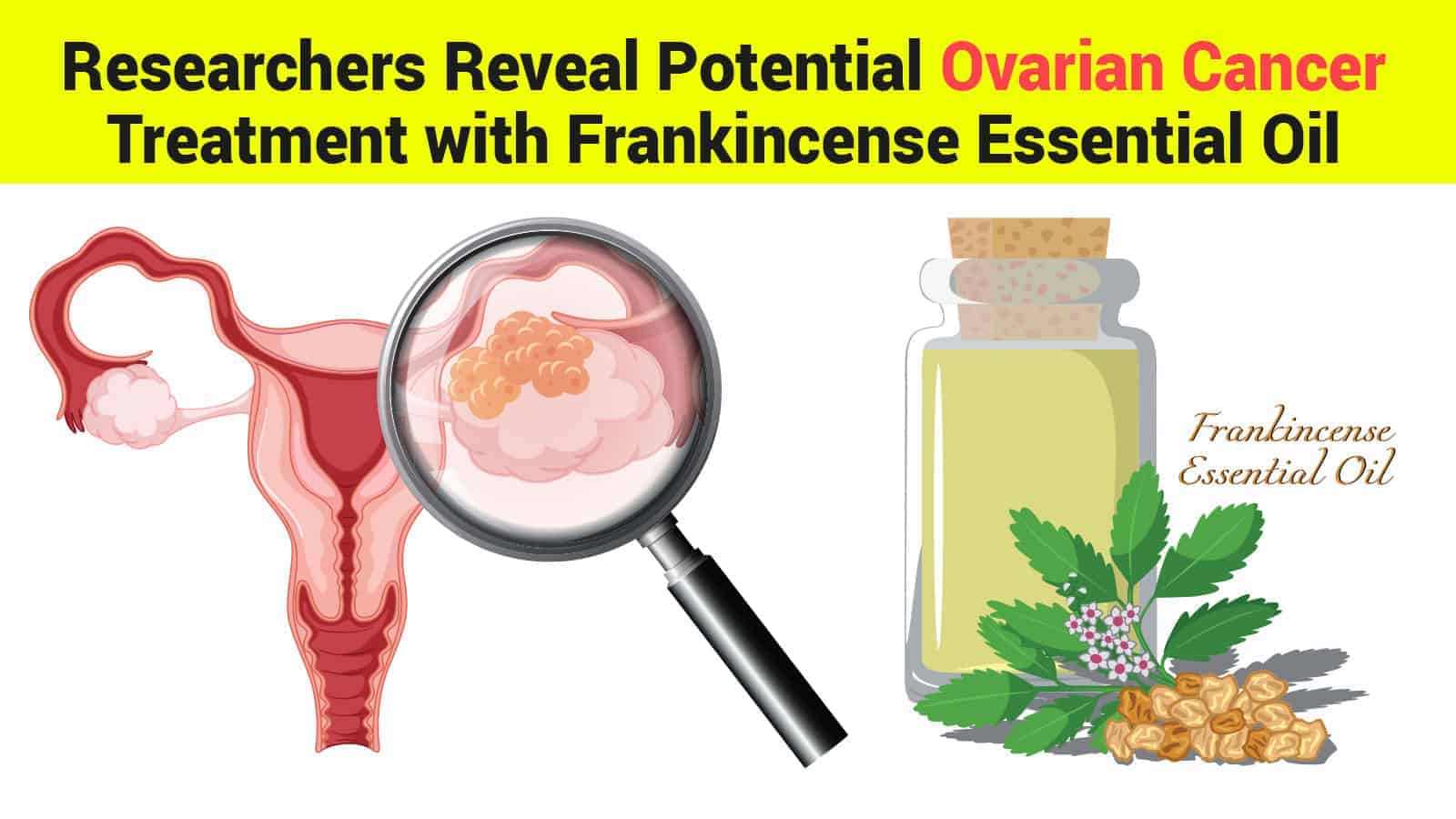
ovarian cancer treatmentWhat if an ovarian cyst is a cancer?

This is a type of cancer that grows in your ovaries. This type of cancer is the 5th most common cancer in women. It causes more deaths in women than any other type of reproductive type of cancer. There’s no clear cause of ovarian cancer. You’re at risk of ovarian cancer for many reasons. You’re a higher risk if

  • You have fewer kids, and you give birth later in life.
  • You had breast cancer or have a family history of breast cancer or ovarian cancer.
  • If you take estrogen replacement for more than 5 years.
  • You’re older. Most deaths occur in women 55 years and older.

Ovarian cancer symptoms are sometimes hard to see. Oftentimes, you think your symptoms are due to something else. So by the time it’s finally diagnosed, cancer has spread. But, if you have these symptoms even for a few weeks,  talk with your doctor.

  • Swollen belly, feeling bloated.
  • You feel full all the time. Many people don’t really want to eat.
  • Pelvic pain or low abdomen pain
  • Back pain
  • Swollen lymph nodes in your groin area.
  • Excessive hair growth. The hair is dark and coarse.
  • You need to urinate all of a sudden, with little warning.
  • You need to urinate all the time.
  • Constipation

How do doctors diagnose ovarian cysts?

If you think you may have an ovarian cyst, make an appointment with your OB/GYN. They will do a pelvic exam. They sometimes can feel the cyst. Some women don’t realize they have a cyst until they have a pelvic exam. If your doctor finds a cyst, they will do some tests to know more about it. The tests usually include

 1 – Ultrasound

An ultrasound can determine the size, location, and shape of the cyst. It will also tell your doctor whether the cyst is solid or filled with fluid.

2 – MRI

An MRI will help your doctor see more details of the cyst.

3 – Pregnancy test

Your doctor will do a pregnancy test to see if you’re pregnant because this may be the cause of your cyst.

4 – Blood tests

Blood tests help reveal hormonal fluctuations or problems. This will also determine whether the cyst is bleeding.

 5 – Biopsy

If necessary, a small piece of the cyst is removed and examined more closely. They are looking for cancer cells.

How do doctors treat ovarian cysts?

Treatment of the cyst depends on what type it is, your age, and your overall health. Most of the time, no treatment is necessary. Your doctor may tell you to keep an eye on your symptoms. The cyst will probably go away over a few weeks. Doctors don’t do surgery unless you have excessive pain, pressure, or it seems to be growing.

ovarian cystFinal thoughts on dealing with an ovarian cyst

Ovarian cysts are prevalent in women. Most women will have one or more in their lifetime. Typically, they don’t cause problems, but there will be some uncomfortable symptoms once in a while.  Common symptoms range from feeling bloated, pressure in your abdomen to difficulty urinating or pain during intercourse. Strange symptoms like back pain or leg pain are not that unusual when you have an ovarian cyst. Of course, loss of appetite or sudden severe pain should be mentioned to your doctor right away. Ovarian cancer is a real threat to women, especially older women.

If you have a history of breast or ovarian cancer in your family, tell your OB/GYN so they can check for symptoms early on. Staying educated about ovarian cysts is important for all women to understand their bodies and know what is and isn’t normal.

Experts Reveal 4 Science-Backed Ways To Support the Immune System

The immune system is the body’s line of defense against viruses, bacteria, and other microbes. These things all can cause infection and disease. It is also often responsible for protecting you against life-threatening diseases. As such, it’s reasonable to worry about a weak immune system. It leaves you susceptible to so many health problems! So it’s up to you to seek innovative ways to support your immune system.

Luckily, you can bolster your immune system in surprisingly simple and noninvasive ways – all backed by science! Here’s how studies and experts reveal 4 natural ways to support the immune system.

1.    Exercise

pop memeThe immune system can only be healthy when your body is healthy. Plus, it’s a generally known fact that exercise is crucial in maintaining optimal bodily health. As such, it’s no surprise that working out may have positive effects and support the immune system.

Wellness expert and nutritionist Cathy Wong states that exercise, particularly moderate-intensity, can significantly benefit the immune system. However, exercising too little or too much may have the opposite effect, so you should work out in moderation.

Here are some studies that support the concept of exercise to boost immunity:

  • “Exercise and the Regulation of Immune Functions” published in Progress in Molecular Biology and Translational Science (2015). This study showed that in individuals with compromised immunity, vaccines could be made more effective through even just one moderate exercise session. It further noted that regular exercise, of a moderate variety, could aid in cell regeneration and reduce illness-causing inflammation.
  • “Debunking the Myth of Exercise-Induced Immune Suppression: Redefining the Impact of Exercise on Immunological Health Across the Lifespan” published in Frontiers in Immunology (2018). This fascinating research paper found that exercising regularly can lower chronic disease risk and help protect the body against infections of a bacterial and viral variety. It also debunked the concept of immune system suppression caused by exercise.
  • “The compelling link between physical activity and the body’s defense system” published in Journal of Sport and Health Science (2019). This in-depth study found that moderate exercise can mobilize the cells of the immune system, meaning it can fight pathogens, unwanted microorganisms, and even the growth of cancer cells. Regular exercisers experienced lower systemic inflammation and instances of illness and even enjoyed protection from aging.

It is recommended that you engage in at least 150 minutes of exercise per week, or 30 minutes spread across five days, or any other distribution you prefer. During exercise, you should experience an elevated heart rate if your heart isn’t pumping faster, up your workout intensity.

2.    Maintain A Healthy Diet

What you eat dictates your health. You can’t experience positive health if you’re not eating well, as your body needs certain nutrients to function to its fullest. After all, the food you consume is used as energy and turned into building blocks for many bodily processes and parts.

Sandra Darling, a wellness expert, and preventive medicine physician, puts much faith in the power of healthy and nutritious food to maintain high immunity. While it’s safe to opt for whole foods and unprocessed foods, here are some more specific things you should have in your diet if you want better immunity:

·         Whole Plant Foods

Plant foods include vegetables, fruits, seeds, and similar foods. They are rich in positive antioxidants that fight unstable and inflammatory free radicals that are the prime suspects in most illnesses. These foods are also packed with vitamin C and fiber, with the latter assists in healthy digestion and facilitates better immunity as a result.

·         Protein

Protein is often overlooked in conversations about immunity, but their amino acids are actually part of the building blocks for immune cells. Too little protein can reduce your capability for fighting off disease and infection, say studies. If you’re already sick, upping protein intake may help speed up your recovery, too.

·         Fermented Foods to Support the Immune System

Fermented foods aren’t everyone’s cup of tea, but through their acquired taste, you’ll find probiotics. Probiotics are a kind of positive bacteria that help keep the microbiome of your gut balanced and healthy. Gut health is crucial to fighting disease and maintaining overall health, so eating enough probiotics may be a simple way to raise immunity. Fermented foods you can try are kimchi, yogurt, kefir, sauerkraut, and natto.

·         Healthy Fats

Many people believe that all fats are bad, but certain kinds are great for you and your immunity. Foods like olive oil, chia seeds, salmon, and other sources of omega-3 fatty acids reduce inflammation and help reduce chronic disease risk. They can also help you fight off viruses and bacteria, according to studies.

·         Spices

Many spices are rich in properties that fight bad microbes, bacteria, and viruses, including those caused by spoiled food. Research indicates that thyme, clove, cumin, cinnamon, and oregano all have these properties.

·         Garlic

It’s a bit of an odd one out on this list as a stand-alone food, but for a good reason. Garlic contains a special compound known as allicin. Allicin is a powerful way to boost immunity and kill unwanted bacteria and viruses, according to studies. While eating half a raw clove of the stuff daily is the best way to get enough allicin in your diet. But it’s understandable if you can’t stomach the taste. Roasted garlic provides a similar benefit; eat a little more of it!

vitamins3.    Sleep Well

Are you getting a good night’s rest? Are you sleeping for long enough and with good enough quality to feel refreshed in the morning? According to Registered Dietitian Nutritionist and Licensed Dietitian SaVanna Shoemaker, immunity and sleep are linked closely. Most studies on the subject show that poor sleep can lead to an increased risk of contracting an illness.

Here are some research papers that found these results:

  • “Immune, inflammatory and cardiovascular consequences of sleep restriction and recovery” published in Sleep Medicine Reviews (2012). This study showed that sleeping for a full eight hours every night can help with immune system regulation.
  • “Sleep and immune function,” published in Pflügers Archiv: European Journal of Physiology (2012). This paper discussed how during sleep, the body distributes and produces immune cells crucial to the body, such as T cells, cytokines, and interleukin 12. In other words, too little sleep could reduce the production of these positive components to your health.
  • “Behaviorally Assessed Sleep and Susceptibility to the Common Cold,” published in Sleep (2015). This study found that, among 164 adults of good health, those who sleep less than 6 hours per night have a higher risk of contracting a cold.
  • “Association of Insufficient Sleep With Respiratory Infection Among Adults in the United States” published in JAMA Internal Medicine (2016). Research here indicated that sleeping less than 6 hours every night could increase the risk of developing a respiratory infection.
  • “Is Insomnia a Risk Factor for Decreased Influenza Vaccine Response?” published in Behavioral Sleep Medicine (2017). Individuals with insomnia have a higher risk of developing the flu even if they receive a vaccination, according to this research
  • “The Sleep-Immune Crosstalk in Health and Disease” published in Physiological Reviews (2019). This research paper indicated, in simple terms, that sufficient rest has positive effects on overall immunity. It also stated that, if you are sick, sleeping more can help boost recovery speed.

How much sleep should you get to ensure a healthy immune system? The Centers for Disease Control and Prevention recommends 7 or more hours for adults, 8 to 10 hours for teenagers, and a maximum of 14 hours for infants and younger children.

4.    Manage Stress

Stress seems like a purely emotional thing, but the lack of positive thinking and the strain on the mind and body can actually have more of an impact than you may think. As it turns out, being too stressed out could decrease your immune system’s ability to perform at its best.

Here are some studies that indicate this further:

  • “Psychological Stress and the Human Immune System: A Meta-Analytic Study of 30 Years of Inquiry” published in Psychological Bulletin (2004). This review was a landmark work in its time, involving 18,941 participants across 293 studies. This review found that short-term stress is positive for the immune system’s defenses, but prolonged experiences of stress can increase the risk of illness and break down the immune system’s strength.
  • “Chronic stress, glucocorticoid receptor resistance, inflammation, and disease risk” published in Proceedings of the National Academy of Sciences of the United States of America (2012). This study explored the different natural and biological ways that the body responds to long-term, chronic stress, including increased inflammation and a worsened risk of developing the disease.
  • “Effects of stress on immune function: the good, the bad, and the beautiful” published in Immunologic Research (2014). This study showed how long-term stress could result in inflammation, while proper management of stress could help keep immune cells balanced and functional.
  • “Current Directions in Stress and Human Immune Function” published in Current Opinion in Psychology (2015). This review discussed how long-term stress could potentially lead to chronic elevation of the stress hormone known as cortisol. Cortisol can protect the immune system when it is produced correctly (during short-term stress). It works by preventing strong immune system responses before the end of events that trigger fight-or-flight responses. This allows your body to focus on the immediate cause of distress. But, in the long-term, constantly elevated cortisol levels mean that the body never gets the immune system response it needs. As such, chronic stress isn’t just a bane for positive thinking. It’s also bad for your body on the whole.

Doctors agree that reducing stress can help support the immune system

Orlando Health Medical Group Internal Medicine physician Ben Kaplan says there are many options for methods to reduce stress and states that each person has to find what works specifically for them. He suggests starting small with just 5 minutes of relaxation time daily, gradually increasing as time goes on. Here are some options he discusses for stress management:

  • Journaling
  • Meditation
  • Coloring books
  • Drawing
  • Using calming apps
  • Doing anything you enjoy

support immune systemFinal Thoughts on Trying These Science-Proven Ways To Support the Immune System

A strong and healthy immune system is crucial for long life. Boosting your immune system can make a huge difference in your overall health. So do what you can to implement these four simple and natural immune-boosting methods!

Fitness Experts Reveal 7 Best Ways To Get Rid Of Belly Fat

Do you want to get rid of belly fat? Are you aiming to work off the fat that gathers in your stomach area? Do you seem to accumulate fat in your abdomen naturally? If any of those questions resonated with you, then you’re like many other people who are struggling to work off belly fat that seems to stick to you or build no matter what you try!

Luckily, losing weight and fat is science. Specifically, it’s biology, and lots of research over the years has told us exactly how to go about it in the most effective ways. Here’s how fitness experts reveal the 7 best ways to get rid of belly fat.

1.    Eat Healthy Fat

It sounds counterintuitive to eat fat to lose fat, but it works – as long as you’re opting for healthy fats. Unsaturated fats, namely polyunsaturated and monounsaturated fats, are your best bet. These fats make you feel full faster and provide lots of other positive benefits, but mostly, they’re good at helping you lose visceral fat and abdominal fat.

Academy of Nutrition and Dietetics national medial spokesperson Yasi Ansari, a Certified Specialist in Sports Dietetics and a Registered Dietician, recommends adding healthy fats in moderation in regular meals. They’re high in calories, so you can’t have too much of them, but they increase satiety and are great for health when done right.

get rid of belly fatHere are some great sources of healthy fats:

  • Anchovies
  • Avocados
  • Eggs
  • Herring
  • Mackerel
  • Nuts
  • Olive Oil
  • Salmon
  • Sardines

But what, then, are fats you should avoid? Trans fats are the very worst of the bunch, and they are made by placing hydrogen into unsaturated fats. Commonly found in spreads, soybean oil, and margarine, they’re so bad for you that many producers and manufacturers have discontinued their use in their products altogether!

Not only have trans fats been linked to multiple life-threatening diseases, but they also increase abdominal fat. A study found that consuming diets rich in trans fat can increase abdominal fat by 33%. To avoid trans fats, stick to unsaturated healthy fats in moderation, and you’ll lose that belly weight in time.

2.    Track Your Consumption

Losing fat is all about math. This is why tracking consumption – and exercise – can be a useful way to meet your goals. If you don’t have issues with number obsession, this is a good way to become more mindful of what you eat and the work you put into losing fat.

American Council on Exercise certified personal trainer Chris Gagliardi explains that by burning 500 more calories than usual for a week, you’d burn 3,500 calories that week in deficit, leading to one pound of fat lost. Gagliardi says that while counting calories is the easiest way to be sure of what you’re doing, you don’t have to crunch numbers – cutting down portions or adding 30 minutes to a workout and being aware of those changes can work, too.

As an individual, you can decide how quickly you want to lose weight and how much you want to cut from your everyday diet or add to your exercise following that. Keeping a food diary has been found to increase weight loss progress and makes the process more positive in terms of results, so do consider finding a way to track yourself, whether via pen and paper, app, or another method.

3.    Exercise

Exercise is a wonderful way to get rid of belly fat slowly, and it’s much more sustainable than a restrictive diet. Adding exercise to your routine means you’ll be healthier overall, and it’s a better way to seek long-term fat loss that keeps the weight off.

Johns Hopkins’ Clinical and Research Physiology director Kerry Stewart explains that exercise is so effective because it promotes many results for so little exchanged time. It’s also especially effective with belly fat because exercise brings down insulin levels, signaling that the body does not need to hold onto fat.

Here are some great exercise options to try:

·         Ab Workouts

If you’re trying to lose belly fat, you should work on gaining lean muscle in the stomach area. There’s no way to spot reduce fat in certain parts of your body, but building muscle can be done in specific areas. NASM-certified personal trainer Chris DiVecchio recommends choosing to do ab workouts a few times a week non-consecutively, choosing workouts that target the muscles of your abdomen and sides.

·         Aerobic Exercise

Certified Diabetes Educator and Registered Dietitian Franziska Spritzler states that cardiovascular exercises, or aerobic exercises, are a great way to burn calories quickly while improving health. It’s often been found to be among the most effective belly fat-blasting exercise kinds out there, and results have been revealed clearly in studies.

·         Lift Weights

Spritzler also recommends this form of resistance training. Studies that focus on individuals with metabolic diseases show that belly fat loss can be achieved via training. Some studies even show that a mix of strength and aerobic workouts lead to higher visceral fat losses than other methods of working out.

·         Walk

Simply just walking can help reduce visceral fat even at low levels or amounts, says research. Gagliardi states that walking is a common entry exercise for many, and even starting with just a minute of walking and working your way up can help. Start slow and walk a little every day, increasing the amount as you get used to it.

pop meme4.    Eat More Fiber to Get Rid of Belly Fat

Fiber, especially soluble fiber, is crucial to satiety and is a great way to manage your portions better. You may have noticed that sugars and refined carbs don’t keep you full for long, and that’s precisely why – they lack fiber.

George Mason University’s department of nutrition and food studies chair Dr. Lawrence Cheskin, M.D., states that fiber slows down your digestion, which is what makes you feel full faster.

Studies have found that soluble fiber makes you eat less, reduces the calories absorbed from food by the body, and helps weight loss. Better yet, research indicates that for every 10 grams added to one’s intake of soluble fiber, belly fat gain decreases by 3.7%.

Some good sources of soluble fiber are:

  • Avocados
  • Blackberries
  • Brussels Sprouts
  • Flax Seeds
  • Legumes
  • Shirataki Noodles

5.    Get More Sleep

Few people realize just how big of a role sleep can play in a weight loss plan’s success. Cheskin states that sleeping too little is significantly worse for weight loss than getting enough or even sleeping too much. It would be best to sleep for around 8 hours a night, at least.

Studies have shown that individuals who sleep less tend to eat more to maintain their energy levels, concentration, and general positive thinking during the day. They also often make worse calorie choices as their body craves certain unhealthy quick fixes found in junk food. It also means that they’re awake longer and therefore get hungry more often, and they often have less energy to work out.

This also affects belly fat, as all the aforementioned bad habits performed by those who lack sleep typically contribute to abdominal buildup. If you are getting enough hours of sleep but still feel very tired during the day, this can also contribute to the problem, and you should get yourself checked for a sleep disorder.

6.    Eat More Protein

You’ve probably heard a lot about using protein for “gains” at the gym, but there’s a reason it’s such a big deal in the fitness world. Protein can:

  • Hasten muscle recovery so you can work out muscles more often
  • Increase feelings of satiety, so you eat smaller portions and don’t give in to cravings
  • Raise your metabolic rate, so you burn fat faster
  • Aid in muscle growth and retention, so your workouts produce better results

Spritzler stresses the importance of protein in weight management and also discusses how most people who consume higher levels of protein enjoy a more positive outlook on fat loss. Research has shown that those who eat high-protein diets tend to have lower abdominal fat levels overall.

Here are some great protein options:

  • Beans
  • Beef
  • Chicken
  • Dairy
  • Eggs
  • Fish
  • Tofu
  • Turkey
  • Whey Protein

7.    Learn To Manage Stress

Did you know that being stressed out can cause you to gain fat around your belly? According to Spritzler, this is because when you’re stressed out, you trigger a component in the body known as the adrenal glands. These glands then produce a stress hormone known as cortisol.

When stressed out on rare occasions, cortisol is nothing short of useful. It is meant to kick in during fight-or-flight situations. It works by putting your body in survival mode to focus entirely on the situation causing you stress.

The problem is that “survival mode” means the body is retaining fat to survive. When stress is rare, this isn’t much of a problem. But when your stress is constant, chronic, or long-term, it means you’re storing abdominal fat indefinitely.

Worse still, this constant stress can lead to long-term imbalances in cortisol production, so it’ll be harder to lose that weight later. Basically, if you don’t start learning to manage stress and boost your positive thinking, it’ll be even harder to work off belly fat when you want to.

There is an additional psychological issue with stress. You are more likely to crave unhealthy foods and give in to cravings when stressed out. It’s a psychological game, and it’s much easier to “win” if you start working on finding ways to relax.

get rid of belly fatFinal Thoughts On Some Best Ways To Get Rid Of Belly Fat

Many people want to lose belly fat, and if you do, there are plenty of healthy and sustainable ways to start. Avoid “quick” solutions like crash dieting or “fad” options like waist trainers. These will not work in the long run, might be counterproductive, and may even harm you.

Losing belly fat is much more straightforward than you might think, with many of the recommended and science-backed methods boosting sustainability and ease. You can make these changes to your life at your own pace and without disrupting your entire world – and that’s what makes the journey doable!

Therapists Reveal 5 Calm Ways To Deal With Selfish People

Have you ever encountered someone so self-centered and self-absorbed that you have trouble managing interactions with them? Do you find that you feed into the toxicity of selfish people or react in such a way that plays into their hand? It’s certainly a frustrating experience, and it’s not your fault that they’re acting this way.

Unfortunately, there’s no avoiding selfish people permanently. All you can do is learn to identify selfish traits, process them, and react appropriately to them. Naturally, though, this is much easier said than done, but it’s not impossible. Here’s how therapists reveal the 5 best ways to deal with selfish people.

1.    Begin With Understanding

People are rarely ever black-or-white, and therefore they are also rarely good-or-bad with no in-between. People who behave selfishly shouldn’t be held up in your mind as individuals defined only by those specific traits. Instead, try to start with the power of understanding.

Psychoanalyst, psychotherapist, and licensed clinical social worker F. Diane Barth states that understanding doesn’t mean you’re letting a selfish person get away with toxic behavior. Instead, it’s about you being able to spot such behavior, which will allow you to respond more positively and proactively without incorrect assumptions.

Here are some things that Barth recommends doing to foster understanding before you react, and some commonly studied social motivations that influence selfishness over more positive behavior:

selfish people·         Don’t Make Assumptions

Assumptions are rarely ever accurate. It’s not a good idea to assume that someone has ill intent. Sometimes, holding your tongue and observing for a moment longer will give you additional insight that changes your first impression. You can sometimes directly ask someone why they want something done, what their goal is, or what they mean. Communication is always more effective than guesswork.

·         Don’t Take Things Personally

Someone’s perceived selfish behavior is rarely about you. It’s in the name of behavior: it’s selfishness. That person is focused on themselves, and that’s the reason their actions are hurtful to others – all they care about, at least for the moment, is them. Learning not to take their actions personally helps to detach you from the situation, allowing their negativity to affect you much less and allowing you to see the situation with a clear mind for what it really is.

·         Put Yourself In Their Shoes

Put yourself in the position of the person you perceive as selfish. You may know that you wouldn’t behave like them, but trying to see from their perspective may give you insight into the roots of their actions. This will allow you to formulate a more effective response and plan of action.

It’s also worth noting that acts of selfishness do not make a selfish person. In fact, Dr. Leon F. Seltzer, who holds a doctorate in Psychology and runs a relevant clinical private practice, illustrates a significant difference between being toxically selfish and being reasonably selfish. Selfishness is a necessary trait for self-care, and no acts are ever truly selfless, anyway. As such, before you dismiss someone as selfish, first consider: are they selfish, or just putting themselves first as they need to for the time?

2.    Consider Emotional Intelligence

People often gloat about IQ, but EQ is often just as important, if not more so. Emotional intelligence dictates your ability to interact well with others, pick up on social or nonverbal cues, and healthily manage your emotions. Therapist, marriage counselor, and life coach Dr. Lisa Marie Bobby highlights some facts to keep in mind about emotional intelligence.

Emotional intelligence is a spectrum. Some people have more, and others have less. When it comes to selfishness, people are likely not to realize what they’ve done; studies have found that people often automatically and unintentionally misremember incidents where they were selfish in favor of more positive views of themselves.

How low emotional intelligence is harmful

Low emotional intelligence almost always involves selfishness. This is because one of the more common symptoms of this is self-absorption, where one is overly concerned with their own desires, thoughts, needs, and emotions and overlooks that of others.

People with low emotional intelligence tend to come from backgrounds where their needs, feelings, and opinions were dismissed, belittled, or not valued at all. On the other hand, individuals with high empathy tend to have grown up with the validation or respect of their emotions.

Truly compassionate and unselfish people are often made, not born, as anyone can be taught to understand and appreciate the value of their own and other people’s perspectives and needs. However, it is a difficult and often slow process.

Most individuals with low emotional intelligence are completely unaware that they are selfish. Many of them also don’t pick up easily on others’ emotions in general, so they haven’t noticed cues that indicate discomfort or disdain from others.

In other words, many selfish people aren’t 100% aware that they’re selfish due to their low emotional intelligence. You have to accept that these people will be blissfully unaware until they decide to accept the truth about their behavior.

3.    Set Boundaries

You can’t control other people. You can only really ever control yourself. That’s why setting clear boundaries is important when you have to deal with someone selfish. When you set boundaries, you’re drawing a line for what you will and won’t accept that is easy for you and those around you to follow.

Author and life coach Nancy Levin states that this practice ensures that you dictate what you are available for, your reactions, and where you draw the line. This is especially important for selfish people who don’t listen to your communication about your discomfort with their behavior.

Here are some tips for setting boundaries around selfish people:

  • Don’t cave into a selfish person’s complaints about your boundaries; continue to enforce your needs and ignore the noise.
  • Be assertive and direct about your boundaries, and don’t allow others to talk over you about them.
  • Maintain positive thinking and withdraw from a situation where your boundaries are crossed.
  • Be willing to explain or hold a conversation with someone who genuinely wants to understand your boundaries better.
  • Reign in the amount of energy and time you spend on someone who violates or ignores boundaries.
  • Be prepared for a selfish person to respond extremely negatively to your attempts to hold them accountable or call them out.
  • Think about whether this person really needs to be a part of your life if they do not respect you.

pop meme4.    Remove Focus From Them

Selfish people are self-focused. If that’s the case, then you need to work to stop giving them that focus. They already spend so much time concerned about themselves – the last thing they should be given is more concern over them from others. Here are some tips for removing focus from selfish people:

·         Talk About Yourself

If you’re in a conversation or discussion where a selfish person starts talking about themselves, they might not give you the chance to speak at all, says coach, professor, trainer, and author Preston Ni. Be aware of this and don’t feed them extra ammunition to continue gloating with. Turn the conversation towards you or others also taking part instead.

·         Don’t Feed Them Attention

Licensed marriage and family therapist Dr. Margalis Fjelstad states that selfish people will often do whatever they can to get attention, as they constantly crave it. If you give it to them, you essentially set yourself up as a target. Don’t give selfish people the attention they want from you, and they will try and find amusement somewhere else instead.

·         Squash People-Pleasing Desire

If you’re a people-pleaser, you may be a little bit too kind to selfish people. Levin says you should check yourself and recognize the source of your behavior around selfish people. Are you trying to buy their favor? Trying to keep the peace? It may be time to reconsider.

·         Don’t Do What They Demand

Selfish people tend to have a lot of demands without ever doing the same for others. Ni says that this is where you need to work hard to remember your rights as a person and stand up for them. You are never required to do what a selfish person demands. Stop giving them what they want!

·         Don’t Feel Pressured To Be Noticed Over Them

Selfish people can be manipulative, and their acts of stealing the spotlight seem like they are sure to get them a favor. But studies show that very few truly believe their intentions are positive when they do this. Research indicates that manipulative or selfish people are not typically favored over others to pursue position or power. As such, please don’t add to the problem by acting selfishly to gain traction over them. Be the bigger person!

5.    Let Yourself Feel

It would not help if you didn’t blow up on a selfish person the second they start behaving badly. No, it would be best if you didn’t cause a scene, nor should you start acting like two wrongs will make a right. But you are allowed to feel angry or upset about someone’s behavior.

Denying, suppressing, or bottling up negative emotions degrades your positive thinking over time. Eventually, it will come to a head and explode, and that’s not an effective way to deal with someone selfish.

When you have time to yourself, allow yourself to be angry about someone’s actions. You can even excuse yourself from a situation where a selfish person is unreasonable and handle your emotions elsewhere.

Then, once you’ve confronted and understood your feelings, use them to fuel you forward. Take your anger and turn it into a determination to no longer feed into that selfish person. Take your discomfort and use it to motivate yourself to find a new social circle to spend more time with. Use your hurt feelings and use them to remind yourself not to cave in next time. There is usefulness in your emotions if you turn them towards the positive!

selfish peopleFinal Thoughts On Some Best Ways To Deal With Selfish People

Selfish people can be exhausting to deal with, but you can combat their antics with your own fortitude. Learn to understand their perspective so you can respond accordingly, stand up for yourself and your boundaries, and stop leaning into their negativity. You deserve better than to be caught up in someone else’s selfish games!

Psychology Explains Why Younger Men Often Prefer Older Women

It is becoming more common for younger men to prefer older women.

Fortunately, psychology explains why this is the case. If you aren’t in one, this relationship may be hard to understand, but the reasoning is pretty legitimate. Even with negative stereotyping and judgment, younger men frequently go after older women.

In some instances, it may be more life experience that draws a younger man to an older woman. In other cases, it is due to their level of maturity. Whatever the case may be, it is becoming increasingly common for these types of relationships to flourish.

Men want different things from relationships than women of the same age want. Older women want different things than younger women want. These different desires are part of what attracts younger men to older women.

Understanding these mindsets and relationship preferences is the key to understanding why some younger men are drawn to mature ladies. There are many reasons, and they all align with what a man is looking for in a woman. Also know that these are generalizations–not every statement applies to every person, just as not every younger man prefers a mature partner.

What Men Want in a Relationship

older womenBefore understanding why younger men often prefer older women, it is essential first to understand what a man wants in a relationship. Most men look for the same things, whether they realize it or not.

1 – Attraction

Men look for strong attraction in a relationship and want the attraction to last. This can occur if you are yourself right from the beginning. If you start changing soon after the relationship starts, they will stop being attracted to you.

2 – An Emotional Connection

While men don’t always show their feelings as often as women, they want to open up to their partners. If he breaks down before you, he will want to know that you won’t judge him for it or stop loving him.

3 – Respect

A man doesn’t want to be belittled by his partner, so he will look for someone who doesn’t do this. He doesn’t want to be overly criticized, either. You should also avoid comparing him to other men or treating him like a child.

4 – Praise

Men want to know when they did something well or when they appreciated what they did. They will look for a woman who praises them because it makes them feel good about themselves.

5 – Acceptance

Men don’t want a woman that tries to change them. They want a partner who will accept and love them despite their flaws.

6 – Security

Men want to know that their relationship is secure. They want someone reliable, honest, and dependable.

7 – Maturity

Men want a mature relationship, which means acting like a child is out. Throwing a fit, making threats, and refusing to communicate are all signs of immaturity.

8 – Fun

Men want a woman who enjoys adventure and has a sense of humor. They want to laugh and have fun with their partner. Plus, they want someone comfortable trying new things and letting loose occasionally. A study published in the Journal of Women and Aging suggests that this match is made in Heaven, as mature ladies often don’t want to re-marry. Indeed, they want fun and companionship.

9 – Space

At the right times, men want space to be alone once in a while. Having a woman who will willingly give him space without getting upset is ideal for them. He still has hobbies and interests outside of his relationship and will want to continue them.

Why Younger Men Often Prefer Older Women

Here are a few reasons a younger man might prefer a more mature partner.

pop meme1 – They Are Sometimes More Intellectual

Men want a woman they can talk to and connect with on a deeper level. Since mature women have more life experience, they tend to hold intellectual conversations better than younger women. Plus, they tend to know more about world events.

Some topics men, like to discuss with their partners, include politics, world issues, media, and religion. They are more likely to find this in older women, so men tend to be drawn to older women. With younger women, some males think that the conversation will revolve more around drama and pointless experiences.

2 –  They Know What They Want

Women with more life experience are more aware of what they want in life than younger women. Since they are surer of what they want, an older women may have a clear and focused thought process. Men want a woman with meaningful and fulfilling goals, which is easier to find in an older person.

Because of their clear and focused thoughts, these women tend to have concrete plan. They focus on achieving their goals instead of superficial things and want to develop positively. Plus, they want to see those around them doing just as well as they are.

Plus, they won’t waste a man’s time since they know what they want. Some younger women will stay in a relationship even if they aren’t happy, but an older woman will leave. Men want to be in a relationship where they don’t have to guess the other person’s feelings.

3 – Life Experience

Older partners have more life experience than younger women do. Men like this because they can gain another perspective on life issues. Plus, a man can get sound advice from an older woman, and she can help him mature more quickly.

Men are drawn to someone who can give them realistic outlooks on situations. They want to plan for what may happen, and have someone experienced will help.

Men also want someone who will help them grow intellectually, which an older woman can do. Their life experience allows them to help a younger person learn and grow.

4 – Emotional Maturity

Men usually don’t have to deal with immaturity if they go for an older woman. One reason is that they don’t play mind games like younger females do. They won’t confuse trip their man up, and the man can be confident in this area of his relationship.

This isn’t to blame younger women for their immature behavior, however. It takes time for hormones to level out and learn to manage their emotions. Older women have already achieved this, making them more mature.

Another benefit is an older woman can also help a younger man grow emotionally. They will learn to manage, process, and understand their feelings better with an older woman to help them.

5 – Less Hectic Behavior

Since mature ladies have already learned how to handle their emotions, their behavior is less hectic than younger women’s. Older women are calmer, and men can better guess what they will do next. Men enjoy a slower pace, so they are drawn to the women who can offer this.

6 – Confidence

While younger women tend to need constant attention, a more mature lady might not need this. Older women are more confident in who they are and won’t need constant reassurance that they are cared for.

This isn’t to say they don’t want any attention, but they can focus on other things instead. They know who they are and what is important in life, which makes them more confident.

7 – Financial Independence

As young men start their careers and secure their place, they don’t want to take care of someone else financially. Older women generally don’t have to worry about that because they are already financially independent.

Men also like women’s financial independence because they can find comfort in knowing their partner isn’t only with them for money. Plus, they can count on splitting bills if they ever move in with their partner.

8 – Mutual Respect

Men want to be in a relationship where they are respected, and they want to respect their ladies, too. They respect older women because they have become successful and worked hard already. Knowing that their partner was dedicated and persistent on her path to success will make them respect her instantly.

9 –  Strong Emotional Support

Younger women haven’t quite found their emotional maturity yet, and they may not offer the best emotional support. Older women, on the other hand, are perfectly capable of this.

As men figure out their lives, they become stressed out and need a woman to help them. Since mature ladies have been through it before, they know what type of emotional support to offer.

older womenFinal Thoughts Younger Men Often Preferring Older Women

While younger men often prefer a more mature partner remained a mystery for a long time. It is now better understood. Psychology has helped explain this reasoning, allowing the rest of us in on the secret. From higher levels of maturity to be able to communicate intellectually, men enjoy the maturity and dependability.

A man can go to their older woman for support and guidance and count on them for sound advice. Plus, they won’t have to worry about being played or manipulated like they would have to worry about from someone younger.

Now that the reasons younger men often prefer older women are clear, it is easier to see why. The reasons are all pretty logical and align with what a man wants in a relationship.

Skip to content