Weekly tips, affirmations, and small actions to feel your best.

10 Strategies to Break Bad News with Compassion

Giving bad news to someone is never easy, and there’s no suitable method to go about it.

Thankfully, you can improve your communication skills to make the situation easier for them and you. How you break the news differs depending on whether you’re speaking to a child or an adult.

For starters, you want to make sure that your delivery is good. Your tone can mean everything when it comes to giving the message. When you are precise and calm in your delivery, those receiving it will clearly understand what you’re trying to tell them.

Did you know that people often model your behavior when they are being confronted? If you come at them in a combative tone, then they are likely to return the attitude. You can expect some opposition or push back if you’re firing someone, but you won’t get the same type of response if you’re telling a person of their relative’s passing.

When breaking bad news, you want to make sure that you use compassion and empathy. Put yourself in the other person’s shoes for just a minute and see how you would react. The individual knows that you can’t resolve their problem, but they will want to feel like you understand their feelings.

Five Tips on Breaking Bad News to A Child
bad newsOne of the hardest things you will do in life is breaking bad news to children. The challenging aspect is that they don’t understand because their maturity level is not that of yours. The age of the child plays a part in how you will talk to them about the matter.

Children can feel the emotions of their parents and those around them even if they don’t have the ability to grasp what’s going on. The goal is to explain it to them in the most simplistic way possible. When dealing with grade school kids, they don’t need excessive details as their brains cannot process such data.

However, by the time a child gets to be around ten years of age, they can have more meaningful conversations with you, so you don’t have to beat around the bush. Here are some tips on how to break the bad news to children.

1. Be Honest

Many people think that children can’t handle the truth, but what they can’t handle is being lied to. If you learn anything today, remember that children will always find out if you’re lying. If their beloved pet died, don’t tell them they ran away or some other made-up tale.

Sit down and discuss life and death with them; after all, death is just as much a part of life as living. When you’re not honest, you can allow their little minds to try to invent fantasy explanations that can be downright frightening to them. What if a parent lost a job and the child is going to be forced to move?

Moving can be quite terrifying to a child, but what they need from their parent is to know that they have a lovely, warm house waiting on them. The job loss, even to a kid, can be overwhelming. They need to hear from you that everything is going to be okay.

2. Don’t Overwhelm Them with Details

Your child doesn’t need all the particulars about the situation. If you and your spouse are getting a divorce, they don’t need to know if there were infidelity and substance abuse issues. They need to know that they are still loved and will be taken care of regardless of what happens.

They also need to know that mommy or daddy will still be an active part of their life. Being truthful doesn’t mean that you must say everything you know. If that parent has done wrong things, let your child form their conclusions later in life.

It’s never wise to badmouth a spouse because it will only make the situation worse for the child who loves them.

3. Give Them A Chance to Speak

Don’t just drop a bomb on a child and then walk away. They need to be given a chance to speak. It’s quite therapeutic for a child to get what they’re thinking out in the open.

Don’t assume that just because they’re younger that they don’t understand, because most kids understand more than what you think. The last thing that you want to do is allow them to harbor resentment and to develop ill feelings about the issue later.

4. Repeat Important Information Twice

The point must get across to the child, so you may need to repeat parts of what you say twice. Children only can ingest so much at one time, so repeating the important parts ensures that they receive the news. If the key topic is divorce, reiterate that you’re getting a divorce, but they will always be loved and cared for.

5. Show Affection

Depending on the child and the situation, it’s usually appropriate to follow up horrible news with an outward expression of affection. If you just told your little girl that you are divorcing their other parent, they need a hug to help solidify the feeling that they’re okay. Keep an eye on them afterward as children can become depressed too.

pop memeFive Hints for Breaking Bad News to Adults

Giving some horrible news to an adult is a different ballgame than delivering it to a child. Adults can handle the big topics, but that doesn’t mean that they don’t need empathy and kindness. Here are some tips on how to break horrible news to adults with compassion.

1. Try Not to Blindside Them

In some respects, there is no way to avoid blindsiding a person with horrible news. However, if you can give them advance notice, it may help. People who are given bad news without warning often react negatively.

2. Make Sure You’re In A Comfortable Environment

The environment you deliver the news in is also essential. When dealing with private and hurtful things, you don’t want to tell them in a restaurant that’s full for the dinner rush. Use tact and pick a place where you can talk candidly and privately, so they are not forced to deal with emotions publicly.

3. Use Tactful Wording

Choose your words wisely. It’s okay if you rehearse your speech in front of a mirror before giving it to them. If you’re telling your spouse that you’re leaving and are in love with another person, then you certainly want to choose your words wisely.

If you come to them in an overly emotional state, then they will return the emotions. Try to be calm, cool, and collective. Some topics will invoke an explosion of emotions no matter how tactful your wording, but you must do the best you can with the situation.

4. Have Tissues Ready

If you will deliver life-altering news, it helps if you have the tissues ready. Learning that a mother or father has passed is devastating, and there will be tears. Please give them a shoulder to cry on and let them know that you’re there for them.

The worst thing you can do is compare your grief to theirs because even if you lost your parent, you don’t know how they feel. Your emotions and feelings are different, and it’s not helpful to soothe someone by telling them that you understand their pain. It can make some people mad if you’ve never experienced it, and you try to make such parallels.

5. Follow Up with Them Later

If you’ve dealt a devastating blow to someone with some bad news, don’t just leave them alone. You need to check back in with them later. If you just told someone that their spouse was cheating or their parent died, then you need to do a follow-up. Grief can do all sorts of things to the emotions, and if someone already has mental health issues, they can become suicidal or very depressed.

Check on this person in a few hours, and then keep in contact with them in the upcoming days. If they’re dealing with a devastating situation, then they will need your friendship and compassion to help them get through the mountain they’re facing.

bad newsFinal Thoughts on Delivering Bad News with Compassion and Grace

Whether dealing with an adult or a child, there’s no easy way to tell someone news that will alter their life. Above all else, use empathy and kindness because you never know when it will be your turn to get such shattering news. Life changes and things happen that alter your destiny continuously, but your ability to help others through these times will speak about you as a person.

When it’s your turn to receive bad news, the same kindness that you extend to others will come back to you. Some situations are not easy to handle no matter how eloquently someone delivers the news, but you can show them love and support to make the difficult time easier to handle.


20 Tattoo Meanings Most People Don’t Know

Getting a tattoo is a serious matter. Sure, some people have a wild night out where they get a tattoo they regret the following day, but you don’t want to be that person. Most people get a tattoo that means something important to them. That’s why it’s good to know the meaning of tattoos.

Not all tattoos have underlying meanings, but enough of them do that you’ll probably want to take the time to learn about them. This article has 20 tattoo meanings that many people aren’t aware of. Read through these so you’ll be prepared for your first or next tattoo appointment.

A Brief History of Tattoos

Tattoos aren’t just really fantastic body art that people recently started getting. They date back to ancient times; researchers and archaeologists believe that they date back as far as 4,000 B.C. in ancient Egypt. The evidence of this is found in ancient figurines and tomb scenes.

In ancient Egypt, tattoos were mainly for women to protect them when giving birth. In ancient Greece and ancient Rome, they were for both genders and indicated that the person belonged to a specific religion or sect. During ancient times in what is now South America, people, especially women, often had large, ornate tattoos.

Over in ancient China, during the Han dynasty, officials often put on the face of criminals to indicate that they are a danger to society. In some cases, they also marked Chinese heroes as such.

In ancient Japan, starting around A.D 3, people began to see tattoos positively, and men would adorn themselves with beautiful tattoo art. Native Americans often had tattoos on their faces and arms.

Tattoos were common in many different cultures worldwide, and in each culture, they had very specific meanings. Today, some tattoos are simply novelty art, but most hold specific meanings and/or purposes. The following section will highlight 20 tattoo meanings you may not know about.

scars tattoo meanings20 Tattoo Meanings That Are Unknown to Most People

These symbols are popular for a reason!

1. Swallows

These birds were often symbols for sailors. The number of swallows could indicate how many successful voyages a sailor has taken. There were usually seen in pairs to show when the sailor set off and another to mark his return home. It’s also thought that if the sailor drowns at sea, the swallow can take their soul to heaven.

2. The Diving Girl

This tattoo is a bit more modern and is a traditional American tattoo. It’s believed to be a variation or evolution of the Jantzen Swimwear Company’s logo. The significance is that this company made women’s first form-fitting, activewear style swimsuits. Before that, women’s swimsuits were oversized, baggy, and unsuitable for swimming. In a sense, the diving woman can be seen as a token of women’s liberation from being covered up all the time.

3. Unalome

This is an ancient Buddhist symbol that indicates a spiritual journey towards enlightenment. The spiral design indicates life’s turmoil during the person’s quest, while the straight line indicates that the wearer has found the path and achieved enlightenment.

4. Butterfly

Butterfly tattoos are immensely popular, especially among women. However, they have a deep meaning in addition to their beauty and vivid colors. In Native American culture, a butterfly is a spirit animal that represents transformation. It’s a great tattoo for someone who has improved their life.

5. Doves

Throughout time, doves have often been recognized as symbols of spiritual peace. They are often paired with rest-in-peace imagery to symbolize that the spirit of the deceased is at peace and has been whisked away to heaven. The soft cooing of these birds is also associated with peace since it can create a calming effect.

doves

If you see doves often, this is what it means.

6. Na Maha Samred

This detailed tattoo is a symbol of success. Some say it’s a symbol of power. These meanings can be combined to mean, “the more successful you are in life, the more powerful you become.”

7. Maple Leaves

Maple leaves aren’t a popular tattoo and it’s probably because most people don’t know that they have a deep meaning. In China and Japan, a red maple leaf symbolizes beauty and love. It’s also a symbol of sexuality and the sweetness of love. The tattoo meanings of maple leaf designs could be that the person is very sexual or very romantic.

8. Lighthouses

This is another tattoo that stems from sailors. Lighthouses represent guidance, hope, and comfort for sailors. Getting a lighthouse tattoo is a way for people to remind themselves that life won’t always be stormy and grey. The tattoo helps them to look forward to calm, sunny days.

9. Fox

The fox is another Native American spirit animal. You may have heard the saying, “as sharp as a fox.” This comes from the Native American belief that the fox represents anticipation, observation, and stealth. In fact, foxes are often portrayed this way in modern culture.

10. Gungnir

This symbol is from Norse mythology. It is the name of the spear of Odin, the mighty Norse God which may be the most popular God out of all ancient mythology. A tattoo of the Gungnir represents many of the traits associated with Odin. The most popular characteristics are wisdom, healing, war, and victory.

scars

See nine tattoos that are actually fantastic scar cover-ups.

11. Eye of Horus

In ancient Egyptian lore, Horus was the love child of Osiris (who was brought back from the dead) and Isis. He got revenge for his father’s death, losing his eye in the process. His sight was restored with a magic eye. One of the most common interpretations of this tattoo is a reawakening of your health. It can also be seen as dominating over your enemies.

12. Kwatakye Atiko (also called Gyawu Atiko)

This is an adinkra symbol from the Ghana culture. This West African symbol is said to be the hairstyle of an Asante war hero. It represents bravery and fearlessness. Tattoo meanings featuring this symbol indicate someone who is brave, truthful, and honorable. A soldier would be a great example.

13. Eye of Providence

This is a famous symbol you often see in art and fashion. While it is very recognizable, many people don’t know its meaning. It symbolizes the eye of God and represents the fact that God has his eye on his people. It’s one of the more obvious tattoo meanings you’ll come across.

14. Sword

Sword tattoos are popular because they’re just really cool, but many people don’t know what a sword (or a sword tattoo) represents. The most obvious representation is a warrior or a knight, but it’s a little deeper than that. It represents honor, chivalry, strength, power, authority, and protection. It can also express the desire for justice.

15. The Chinese Symbol for Friendship

Chinese symbols are trendy for tattoos. However, some people get them without knowing the meaning. Chinese characters themselves don’t necessarily have a “deep” meaning. They are a part of the Mandarin language. However, if you pair it with some other symbol or intricate design, it could represent deep tattoo meanings for the person wearing it.

16. Bald Eagle Tattoos

As the national bird of the United States, the bald eagle symbolizes freedom and the ability to soar to new heights. A bald eagle tattoo is a way to show American patriotism. It’s also a way to indicate that the person is determined to be the best they can be in life.

17. Turtle

You may not have ever thought of getting a turtle tattoo unless you’re into The Teenage Mutant Ninja Turtles. However, in Native American culture, a turtle is a spirit animal representing good health and long life. This makes sense because turtles can live for hundreds of years.

18. The Blessing

This is a Wiccan symbol that represents the blessing of the moon goddess. It’s similar to the more popular Triple Goddess symbol; the three teardrops represent the Mother, the Maiden, and the Crone, just as the Triple Goddess symbol does.

19. The Pentacle

Some people mistakenly associate this symbol with evil or dark magic. It is actually a symbol of protection. This represents the four elements, and the fifth star point represents the wearer.

20. Egyptian Scarab

In modern times, people see the beetle as a destructive creature associated with villains or evil. In ancient Egypt, the scarab represented renewal and rebirth. They were also related to the rebirth of the sun each day. As a tattoo, it can be a symbol of spiritual rejuvenation for the wearer.

tattoo meaningsFinal Thoughts on Understanding Tattoo Meanings

Tattoos are an art form that is only limited by the skill of the tattoo artist. More often than not, people get tattoos that represent personal meanings. However, it helps to know what certain symbols or images mean historically or culturally so the tattoo can make sense.

If you’re looking for something that hasn’t been done a million times, these 20 tattoo meanings and symbols are a great place to start. Not only have you sparked some new ideas by reading this, but you’ve increased your knowledge. Hopefully, this information has helped spark your creativity for your next tattoo.


Therapy Dog Sheds 100 Pounds and Leads a Healthier Life

Kai, a golden retriever/lab mix therapy dog, lost a whopping 100 pounds in just a year. He now gets to live a fuller, happier life as a result of his huge weight loss transformation. At one point, his weight made it hard for him to even walk. But now, he can run and play like a normal dog.

His story began when his previous owners brought him to the vet last March and found out he weighed 173 pounds. The vet said they’d have to put him down. Instead, his owners took him to a local animal rescue. From there, his foster mom Pam adopted him, helping him lose the excess weight. She wanted him to enjoy life again. Kai’s vet monitored his weight loss closely, making sure he stayed healthy in the process.

therapy dog

A new family for Kai

“When I first met him, I was just amazed that he could still be so kind and loving when he had to be in a lot of pain,” Pam said. She also said that Kai couldn’t do any normal things that most dogs did when he was overweight. “He couldn’t run, he couldn’t play at the park.”

Seeing that he needed help, Pam decided to foster him and help him lose 100 pounds. Once he lost all the weight, she said he could finally enjoy life and do normal dog activities again. It broke her heart to see him struggle so much when she first met him. She said that it took two or three people to lift him. Also, he could only walk 5 or 10 steps before he got too tired.

To lose the extra weight, they went on a lot of walks together, and Pam made sure to feed him a healthy diet. She also went to lakes and other places with water, so Kai would have some resistance training by walking through it.

Kai becomes a certified therapy dog

After he lost the weight, Pam said she signed him up to become a certified therapy dog so he could do hospital visits. Aside from making people smile at the hospitals, he also enjoys going to the dog park. Other activities he loves include playing with his dog siblings and eating fruits such as bananas, strawberries, and blueberries. Kai truly lives his best life now after his dramatic weight loss transformation.

therapy dog“Nothing makes him happier than dinner time when he knows he’s gonna be fed, and he loves to go on road trips,” Pam said.

Pam says that if you’ve ever thought about fostering or adopting, you should try it because it helps dogs find loving homes. “Fostering is a really great way – it’s like trying on a pair of shoes – and you decide whether that’s the perfect fit for you.”

While Pam initially just fostered Kai, he seemed to fit in wonderfully with her and her family, so she adopted him. Her decision to make him a part of her family transformed Kai’s life forever, both physically and emotionally.

“He is literally always happy, and I am just so grateful that his owners chose to surrender him instead of having him put down. I’m eternally grateful to have him as a part of our family.”

Kai seems to have the best mom ever, who takes him on beautiful hikes all over their home country of Canada. Here, they explored Elk Island National Park in Edmonton:

“Spent an amazing afternoon hiking and sightseeing at #elkislandnationalpark
We hiked Lakeview Trail (Astotin Lake), and then we did Moss Lake Trail. The weather was a little bit of everything- sun, rain, and even a little hail.

The Bison were out and so beautiful. Our hike to Mud Lake was cut short due to a herd- and since we’re in their home, mom said respect is key. If you look closely, you can see them in the trees. Some were really close to the road- so close up photos.”

therapy dog

Kai gets a new friend.

A few months ago, Pam decided to foster another overweight dog named Woody. She wants to help him become his best self, too, just like she did with Kai!

“I’ve got some BIG news – everyone meet my new foster brother, Woody! Woody tips the scales at an unbelievable 209 lbs (95.2 kgs). I’m going to help him on his weight loss journey- I kinda know a thing or two about that.”

Pam says he should weigh around half that, but she will help him get there little by little. Will Woody also become a therapy dog?

pet therapy

Does your dog need to lose weight?

Luckily, both of these dogs have an amazing owner who helped them have better, healthier lives. Sadly, many dogs suffer from overweight or obesity in our modern world. If you own dogs, please remember that they need a healthy diet and regular exercise just like humans do. Your dog’s vet can answer any questions you may have about recommended foods or supplements for your specific dog breed.

All dogs deserve to live a happy, long life, and we can play a big part in that. Dogs love humans unconditionally, so we should do the best we can to give them that love back. If you enjoy outdoor activities, take your dog with you! It gives a perfect opportunity for bonding time as well as exercise for your fluffy friend. Or, even a walk around the neighborhood will help your dog stay in shape and get out of the house a little.

What kinds of activities or adventures do you enjoy with your dog(s)? Share with us in the comments!

Psychology Explains How Daydreaming Reduces Anxiety

Sometimes you need to get away from it all. Daydreaming is a great way to do this if you can’t physically get away. Fantasizing about something that makes you happy…well, makes you happy.

Sometimes it can be taboo – it comes with a notion that you’re wasting time or not being efficient. However, it can be healthy for you and has other perks. In this article, you’ll learn how it reduces anxiety.

What is Daydreaming?

You probably already know that daydreaming is when you sit or lay somewhere, stare off into space, and imagine being somewhere else, doing something else, or being someone else. It’s where you fantasize about your wildest dreams. It’s where you imagine a private alternative life in your head where you’re delighted and free of judgment.

daydreamingThis is a perfect description, but, scientifically speaking, it goes deeper than that. Dr. Eric Klinger, professor of psychology at the University of Minnesota, says that daydreaming helps reveal your goals, innermost desires, and fears. It’s safe to say that having daydreams helps to keep you mentally focused and balanced.

Benefits of Daydreams

Having daydreams regularly can offer you several benefits besides the ones mentioned above. While the benefits are mostly related to mental and emotional health, improving these two can improve physical health. Some of these benefits include:

  • Decreased stress
  • Improved memory
  • Better mood
  • Increased creativity
  • Enhanced performance and improved productivity

With all these benefits, it should be no surprise that having daydreams is a great way to reduce anxiety. It’s almost like a holistic and natural approach to better health. As long as daydreaming doesn’t become interruptive to your life, it’s a great way to escape your stressors temporarily.

Downsides of Having Daydreams

There are a bit of controversy surrounding daydreams. While most psychologists agree that there are benefits to fantasizing about your desires, some say that daydreaming may cause more harm than good. Some psychologists believe that having daydreams is indicative of a mental illness.

Before you panic, keep in mind that these psychologists who believe that having daydreams is harmful to refer to people who daydream excessively. Some believe excessive daydreams could signify concentration difficulties, which occur in many mental illnesses. You should be fine if you aren’t zoning out in the middle of important tasks.

There is also an issue of having daydreams about bad things. This is known as intrusive thoughts. You may dream of a loved one or yourself dying or committing suicide. You may dream that some random disaster will occur or that you’d catch some random, deadly disease. Psychologists say this is a sign of obsessive-compulsive disorder (OCD).

If your daydreams are along these lines, you need to get help. However, if they’re harmless, they can be helpful in your daily life.

How Daydreaming Reduces Anxiety

When discussing how daydreams reduce anxiety, it will be under the assumption that you’re having good daydreams, not intrusive thoughts. Because daydreams and fantasizing offer so many mental health benefits, it’s no surprise they relieve anxiety. Here is some background on anxiety, which will help you understand why daydreaming helps relieve it.

What is Anxiety?

Anxiety is a natural response that your body gives when you are stressed. It’s that feeling you get before a first date, on a job interview, or before a major test. You may sweat, have a rapid heartbeat, and feel uneasy.

Anxiety has a bad reputation, but it’s not necessarily bad. Anxiety was (and still can be) a survival mechanism that the human body developed to protect itself from danger. It causes a release of adrenaline that prepares you for the fight-or-flight scenario.

In ancient times, this was helpful when humans were trying to survive the wild, but the fight or flight response isn’t needed for dates and interviews in modern times. Unfortunately, anxiety doesn’t know this, so it’s still there.

Anxiety can sometimes be irritating and unwelcome, especially if you are doused in a bucket of sweat. However, whether it’s good or bad depends on how often you get anxious, how anxious you get, and how you handle anxiety.

Anxiety vs. Anxiety Disorder

There is anxiety, and then there are anxiety disorders. A little anxiety is okay, but it can be called a disorder when it becomes debilitating. While having daydreams helps people suffering from anxiety and anxiety disorders, it’s most needed for people suffering from disorders.

There are many types of anxiety disorders:

  • Generalized anxiety disorder (GAD)
  • Panic disorder
  • Separation anxiety disorder
  • Post-traumatic stress disorder (PTSD)
  • Phobias
  • Social anxiety disorder
  • Obsessive-compulsive disorder (OCD)
  • Illness anxiety disorder

According to the Anxiety and Depression Association of America (ADAA), anxiety disorders are America’s top mental health illness. It affects 40 million adults in the U.S., but only about 37% receive treatment. Phobias are the top anxiety disorder affecting Americans, while social anxiety disorder comes second.

Even if a person is suffering from a disorder instead of regular anxiety, it’s easily treatable. Having daydreams isn’t a replacement for medical/professional treatment, but it helps.

pop memeRelieving Anxiety with Daydreams

This section is the meat and potatoes of the article. Having daydreams can relieve the symptoms of anxiety as well as how often a person may experience anxiety. Here is for ways how daydreams do this.

1. It can make you happier.

Fantasizing about things that make you happy can make you happy, even if those things aren’t real. Being happier helps to reduce the effect that stressors have on your psyche. The happier you are, the more things can “roll off of you.” When you can shake things off so easily, they are less likely to make you anxious.

2. You’ll have a safe space.

Maslow’s Hierarchy of Needs indicates that feeling safe is a basic human need. According to Maslow, the needs above safety (psychological and self-fulfillment) can’t be met until the need for safety is met. As you can imagine, a person whose psychological needs aren’t being met will have a high risk of suffering from anxiety disorders.

Having daydreams is a way that a person can create a safe space. This is extremely important for people who may not feel that they have a safe space in real life. While fantasies should never replace real life, it’s okay to retreat to a safe space until you can have one in real life. It’s a survival mechanism that can get people through the toughest times.

3. You can let your creativity run wild.

Many people have so many thoughts and ideas jumbled up in their brains. While these creative thoughts aren’t bad, constantly having your brain clogged up with repeated thoughts and ideas can lead to stress and exhaustion. This can cause a person to have a higher risk of anxiety.

The best way to stop this is to get it all out. Having daydreams is a great way to let your imagination run wild without being judged. Not only will it clear your mind, but it can lead to some of the best ideas you’ve ever had.

4. You may reveal things about yourself you weren’t aware of.

Having daydreams is a bit like meditating, except that you aren’t clearing your mind. You’re letting it roam. You would be surprised at how much your unconscious mind holds. When you’re aware, you might be blocking these unconscious thoughts, but letting your mind roam in a safe space that you’ve created can allow these unconscious thoughts to reveal themselves.

You may discover needs that aren’t being met, things in your living or working area that’s making you unhappy, issues that may be affecting your health, and more. Discovering these things allows you to fix them, leading to an environment and lifestyle less likely to trigger anxiety.

daydreamingFinal Thoughts on Daydreaming

There are so many opinions, both professional and amateur, about daydreaming. Some people say having daydreams are good, while others think it’s bad. Psychologists even say that it can indicate mental illness.

The truth is that anything is bad for you if you do it too much. If you allow daydreaming to interfere in your daily functioning or if you replace reality with fantasy, then yes, it’s a problem. However, if you escape into your fantasies for a little while to get away from stress, having daydreams can be unbelievably valuable.

As long as your daydreams are kept under control, it can be beneficial for your health. There is no debate about whether it can help with anxiety or not – done in small doses; it can be as relaxing as a massage. Plus, the other benefits you get from daydreams make it even more worthwhile. Don’t be afraid to try it – it’s normal, and most people already have daydreams anyway.

Motivated by his Children, Man Loses Over 150 Pounds

When you feel motivated, it makes it much easier to create the habits and lifestyle you need to achieve your goals. Robert Glover, also known as “The X-Fat Boy Ambassador,” wanted to get healthy to be a good example for his kids. As he trained in the gym and ate more nutritious foods, he saw the pounds start to melt away. In total, he ended up losing around 150 pounds, transforming both his mind and body.

He knew he had to make some changes after dealing with mental and physical health problems. Motivated by his children as well, he started to incorporate healthier habits into his life.

“I was depressed. I was dealing with anxiety, and I really drastically needed to make a change in my life.”

Of course, making such a dramatic change in his life wasn’t easy, but he stuck with it. He started looking into a healthy lifestyle, and just kept learning more as he progressed. However, in the beginning, he said he encountered major challenges since he had no idea what he was doing.

I didn’t know anything about good nutrition; I didn’t know anything about exercise,” he said. “But, the more research I did, the more fit friends I acquired, I slowly started to build my confidence, and it was through erasing my ignorance about the weight loss process – specifically about nutrition.”

Robert said that it took about 2 or 3 months before he noticed any significant changes in his appearance. He felt excited and overjoyed at his results, though, which motivated him to keep going. His kids played a huge role in his desire to become better as well, he says.

View this post on Instagram

A post shared by Robert Glover (@brixfitness)

His children motivated him to achieve his weight loss goals

“The idea of being a good example for my kids is what really kept me motivated. I wanted to lead by example. I want my kids to take care of their bodies and to live healthy lifestyles, and in order for them to do that, I had to practice what I preach. So this is the number one thing that kept me motivated throughout my entire journey.”

Even though he had the support and willpower to achieve his goals, however, he got frustrated at the slow process. It gets difficult sometimes to stick with a routine if you don’t see results right away. Through these setbacks, though, Robert learned the value and importance of consistency and patience.

“The biggest obstacle that stood between me and successful weight loss was my lack of patience,” he says. “I tried to do things to speed up the process, I would try to cut corners. I would try fad diets, I would overtrain and undereat because I thought that this is how you speed up the weight loss process.”

He learned the hard way, though, that he couldn’t cheat the system. Working out too hard or eating too little only depleted his energy and hurt his metabolism. So, he decided to focus more on the journey and not the destination, and let his hard work speak for itself. He learned a lot about nutrition and exercise along the way as well.

View this post on Instagram

A post shared by Robert Glover (@brixfitness)

Robert’s diet and exercise advice

“So, the key to success for nutrition for me was not having such a restrictive diet. I ate a lot of veggies. I had a high protein diet. But I still consumed carbs. I still had snacks every once in a while. It wasn’t so restrictive. When it was restrictive, that didn’t work out for me. When I learned how to have a little bit more balance, that’s when I was able to stick to it.”

Regarding exercise, Robert said he tried to incorporate things that brought him joy. He wanted his workouts to feel fun, not just like a chore. For him, he found out that he didn’t like high intensity workouts, so he mostly avoided those. He focused more on staying consistent and truly immersing himself in the exercises.

He says he aimed for 5-6 workouts per week, and didn’t set strict rules on the intensity level. For example, some days he just felt like going on a 20 minute walk, so he listened to his intuition. Other days, though, he felt like upping the intensity, so he did weight training or cardio for those workouts. Overall, Robert prioritized consistency above anything else, finding that this mindset helped him achieve his goals.

Robert offers some words of wisdom for anyone out there, wanting to get motivated to start a weight loss program.

“If you’re trying to lose weight and you want to start living a healthier lifestyle, my advice to you is this: prioritize consistency, focus on being consistent. Try your best to be patient. It takes time. And thirdly, develop good habits. Habits are the keys to a successful weight loss transformation. Habits are the keys to a successful life in general.”

Also, remember what motivated you to lose weight in the first place. At some point, you may start to lose focus and determination when the journey gets tough. During those times, you have to remember your “why,” whether it’s to improve your health, give your kids a better life, or something else.

View this post on Instagram

A post shared by Robert Glover (@brixfitness)

Above all else, though, make the journey about you and reaching your highest potential. By becoming your best self, you will inspire others to do the same as well.

Final thoughts: find what motivates you, and stay consistent

Robert’s incredible weight loss journey proves that you can achieve anything if you create good habits. No one likes working out or eating healthy at first, but if you stay consistent, it will become second nature. Also, remember to make your journey about self-love rather than just sheer discipline. You will have a hard time sticking with a workout routine that you don’t truly enjoy.

While you may grow impatient when you reach a plateau, keep in mind that you can’t build a fit body overnight. It takes time to achieve a goal, but all your hard work will pay off in the end.

Experts Reveal 6 Powerful Ways To Turn Your Weaknesses Into Strengths

Weaknesses are a part of what makes us human. You likely have a fairly balanced list of strengths, weaknesses, and learned skills, and maybe you’ve come to terms with that.

But what if you found out that some of your weaknesses could actually be giant assets in your road to success? What if you could flip over your negative traits and make them not just positive, but instrumental to your goals? Here’s how experts reveal 6 powerful ways to turn your weaknesses into strengths.

1.    Acknowledge Both Weaknesses and Strengths – And Accept Them Both

In order to better something, you must acknowledge that it exists and needs improvement. Global analytics and advice firm Gallup defines a “weakness” as anything that can affect your chances of success. These weaknesses can reduce your potential when you completely ignore them.

Essentially, you need self-awareness if you’re going to move forward with your life. That awareness ensures you can acknowledge both weaknesses and strengths with clarity.

weaknessesAccording to Gallup, here are some of the biggest obstacles to self-awareness:

  • Being unable to see your weaknesses or how those weaknesses affect you and your life
  • Considering weaknesses more crucial to develop while ignoring strengths
  • Claiming to have strengths that are not actually possessed, or overstating existing strengths
  • Reacting negatively, defensively, or protectively when confronted with areas of weakness

This is why it’s so crucial to properly acknowledge your weaknesses and your strengths while appreciating the truth about them. You need to know what you’re good at, what you’re bad at, and why each skill is valuable to you in some way.

Further classifying your weaknesses is also helpful. You may have a weakness that occurs because it is the opposite side of the same coin as a strength. You may also have a weakness that occurs due to a lack of experience or incomplete honing of that ability. By segregating your weaknesses into these categories, you’ll know how to go about addressing them.

A word of caution

Still, do this in moderation. Many people feel the pressure to improve on things they’re not great at, often focusing on the negative over the positive. But the fact is that it’s not really possible to be good at everything. When you focus on only weakness and ignore your strengths, you end up:

  • Meeting a lot of resistance, frustration, and negativity with nothing positive to balance it out
  • Achieving mediocrity at best when you are not selective about the weaknesses you want to improve
  • Creating a toxic environment in your brain that is trained to see only your bad sides and never notice anything good about yourself
  • Losing positive thinking regarding your abilities, meaning you have a lower chance of actually bringing your weaknesses up to the level of strengths
  • Believing that weaknesses should develop with the same speed and progress levels as strengths, even though in reality, things you’re not talented in will take more work

While it’s powerful to take weaknesses and flip them on their head, it’s equally important to understand that not all weaknesses need to be focused on. You should not lose sight of your current strengths in favor of improving your weaknesses, so work on both of them in even tandem!

2.    Put Your Weaknesses On A “To-Do” List

Weaknesses are completely possible to change – that is, if you put the effort into doing so! For many people, it can be tough to not just confront weaknesses but commit to changing them. Instead of leaving them as abstract items, put them on a to-do list of improvement goals.

Josh Waitzkin, the author of “The Art of Learning: A Journey in the Pursuit of Excellence” and a Tai-Chi and chess master, talks about how this to-do list can help you achieve what success truly is. He explains that it is a mix of:

  • Enjoying the learning process
  • Investing in each loss
  • Never thinking of a fixed world
  • Embracing an organic process
  • Embracing a long-term learning effort
  • Get out of mediocrity and comfort zones

This is known as a “growth mindset”, which is the opposite of the common fixed mindset. A fixed mindset would involve seeing yourself as an unchangeable entity with relatively static strengths and weaknesses. For example, if you have a fixed mindset, you might say:

  • I don’t think I can achieve that because I’m bad at time management.
  • That sounds great, but I can’t reach that level due to my lack of skill.
  • I’ll probably pass on that opportunity because I know I’m not equipped to handle it.

On the other hand, a growth mindset is much more positive. It embraces. The idea that you can and will continue to learn and grow throughout your life, often in dramatic ways. Remember, you’re your own worst enemy, and you’re the only person standing between your current self and your goals for the future. Embrace a growth mindset and move forward with your to-do list!

3.    Engage In Deliberate Practice

Deliberate practice is one of the most effective ways to help your learning curve become more efficient and effective, with overall positive effects on your rate of understanding. Anders Ericsson, a psychologist, describes this kind of practice as episodes or pockets of time involving intense concentration in relatively real conditions to practice a specific skill.

According to Albert Bandura, another psychologist, this act of deliberate practice benefits even more from something called “guided mastery”. Guided mastery is the act of pairing deliberate practice with instant constructive feedback, which dramatically speeds up your skill acquisition. Bandura believes that emotional barriers of all kinds can be overcome this way.

Deliberate practice sounds simple, but don’t forget one of its most important factors: discrete skill. This requires the act of focusing on one very specific part of a skill you’re trying to learn and honing in your practice on that specific element. Once you’re satisfied with that element, you can move on to the next!

pop meme4.    Surround Yourself With People Of Strength

In life, it’s not really possible to completely go it alone. So don’t! There are so many people in the world with abilities and strengths from all sorts of perspectives. Peers who challenge you are ones that can help you turn your weaknesses into strengths. Here are some tips for making this happen:

·         Get To Know The Strengths Of Others

When you view other people by their strengths, you unlock a different way of looking at the world, says Centre of Applied Positive Psychology founding director Dr. Alex Linley. This method allows you to appreciate people by what they can do over the weaknesses you have likely already noticed by now. It teaches you to value the mix of ups and downs that each person comes with and shows you the importance of a diverse mix of strengths and weaknesses in a team. Why is this important? Because it transforms your understanding of your own strengths and weaknesses, too.

·         Learn From People Of Strength

By surrounding yourself with capable individuals, you are able to learn from them. If you have a weakness in a certain field, being around someone strong in that field lets you learn from their abilities. They can be your mentors – both officially and unofficially! It’s a wonderful way to learn and is called “observational learning” by experts.

·         Don’t Be Afraid To Rely On The Strengths Of Others

It is simply not possible to be good at everything. Author and public speaker Dave Rendall states that we’re raised with the idea that having someone help us with something we’re bad at is a negative act. It’s a way of thinking we carry into adulthood, but it’s false. There is simply no way to do it all yourself. There are some weaknesses you may never be able to hone. So learn when to ask for help from those with strengths you lack. Build a team of people who can help each other out and cover each other’s backs and your weaknesses will become the things that help you work with other strong people!

5.    Think Of Weaknesses As Blindspots – And Then Try To Face Them

Sometimes, weaknesses are located in places you simply can’t see or think about. That’s why you need to listen closely to constructive criticism and ask for feedback from people you trust and respect. “Leadership Blindspots: How Successful Leaders Identify and Overcome the Weaknesses That Matter” author Robert Bruce Shaw explains that there are many possible reasons for blindspots, including:

  • Misaligned incentives
  • Gaps in experiences
  • Emotional biases

Shaw states that it’s important to accept that blindspots are inevitable. When you accept this, you can stay aware of them and learn to manage them without becoming complacent. Not sure how to find your blindspots? Here are some ways to get started in looking:

  • Seek advice from people that you know are skilled, trustworthy, or respectable
  • Self-reflect on your actions and behavior, then check in with yourself regularly
  • Be your own devil’s advocate; argue with yourself and look for flaws in your statements, logic, and beliefs
  • Set up an agreement with a peer to check in with each other on your respective weakness blindspots

6.    Look For All The Possibilities

Some people try to rush from identifying a weakness to leaping straight to the most obvious solution to it. But by doing this, you’re skipping a very important step that could provide you with valuable and much-needed insight.

Before you begin embarking on a path to an obvious solution, take the time to list out all the possibilities. Don’t overthink them – just write whatever comes to mind, then read over your list and make notes and changes. Don’t be afraid of sounding silly or weird. This is your private list!

Eventually, you’ll find some great possibilities you may have missed earlier. Need some help? Try asking yourself the following questions:

  • What is causing this weakness?
  • What are ways the weakness can be improved?
  • What are things you’re doing now that are counter-productive?
  • What strengths do you have that can fight this weakness?

weaknessesFinal Thoughts On Some Powerful Ways To Turn Your Weaknesses Into Strengths

You can’t avoid having weaknesses. What’s important is learning to pick out ones to work on and find ways to improve on them in powerful ways. Who knows? Maybe a glaring weakness of yours will turn into one of your great strengths in a couple of years with hard work and positive thinking!

15 Red Flags That Someone is Delusional (and How to Help)

Dealing with a delusional person can be alarming. You don’t want to wait until the person is in the middle of a serious delusion to learn about this disorder. Knowing the signs can help you recognize when an episode is coming to be better prepared to help the person.

Furthermore, handling the person in the wrong way can make matters worse. This article will tell you everything you need to know about this scary disorder, red flags you should watch out for, and what to do when suffering from the disorder.

15 Signs of a Delusional Person

Watch for these signs that someone needs help.

1. The obvious delusion.

delusionalYou may be trying your best to convince them that what they’re claiming isn’t real, but despite your best efforts, they won’t believe you. In fact, they may be putting forth their best efforts to make you believe them. Strangely, they can be quite convincing, and at some point, you may entertain the idea that they might be right.

Of course, recognizing this red flag requires you to know for certain that what they’re saying isn’t true. When a person is claiming things that could occur, it’s hard to know up front that it’s a delusion. You might believe that someone stole something from them. After all, theft happens all the time.

2. Irritable mood.

Understandably, a person suffering from delusions would be in a foul mood. In their head, they’re suffering from something. This can cause their emotions to be all over the place.

Even worse, no one believes them, so they’re suffering alone. If you put yourself in their shoes, you can see how this can be irritating. Their delusions may not be real, but the effects of the delusions are.

3. Hallucinations.

At first, delusions and hallucinations may seem like the same thing, but there is a big difference. Delusions are more idealistic – the person thinks something is wrong. Hallucinations are visual. The person sees something that’s not there. Think of delusions as the disease and hallucinations as a symptom.

4. Negative or antagonistic behavior.

People who are suffering from delusions may appear to behave negatively or aggressively. They may harass people, be constantly argumentative, protest something aggressively, or even be interruptive. There are many ways that a delusional person may display negative behavior.

5. Self-inflicted wounds.

If you notice a person seems to have many wounds from scratching themselves or possibly even cutting themselves, this is a big red flag. People who suffer from delusions can sometimes think that there are “things” on their skin or under their skin. They injure themselves to get these things out or off them.

6. Unfounded accusations.

People who suffer from delusions often accuse those around them of things that didn’t really happen. They’ll think that a romantic partner is cheating on them, that friends are making fun of them, that strangers are stalking them, or other untrue scenarios. The person may lash out due to these made-up scenarios in their heads. These accusations can make social bonds vulnerable for people who don’t recognize the delusional behavior.

7. Claims of constantly being sick.

Claims of illness is one of the most popular symptoms of people suffering from delusions. In fact, it’s so common that it has a medical name – somatic disorder. It’s sometimes confused with hypochondriasis.

These two mentioned issues are similar, but there is one characteristic that sets them apart from each other. According to an entry from the Encyclopedia of Human Behavior (Second Edition), 2012, for this type of mental illness to be classified as a somatic delusion, the person must be suffering from tactile or olfactory hallucinations associated with the delusion. For example, they believe they have a foul odor coming from their body, that they are infested with parasites, or that their body is deformed in some way.

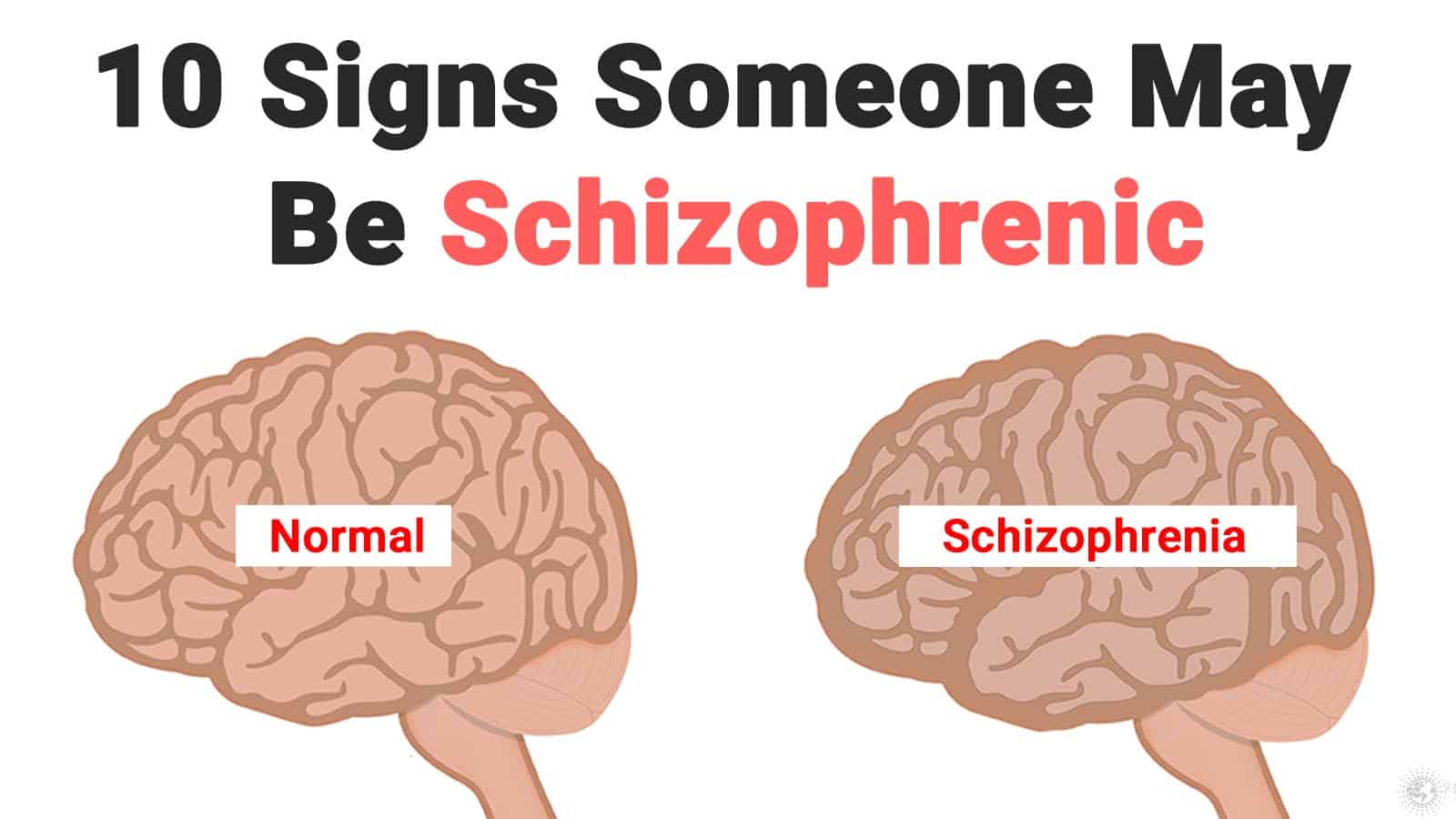
schizophrenic8. Belief that they are a significant person.

Everyone is important, but people suffering from delusions may think that they are significant to society in some form or fashion. For example, they may think they’re Jesus incarnate or that they’ve discovered something more valuable and important than anything ever discovered in the world.

At first, it may not be evident that the person is suffering from a delusion. They may seem obnoxiously motivated to accomplish some far-reaching dream. A great example is when Kanye West announced his intent to run for President in 2020.

9. They won’t take no for an answer from their crush.

People suffering from this type of delusion will make updates and details of a relationship with their crush. You may believe them at first, thinking that they’re in the perfect relationship, but after a while, you’ll notice that this crush is never around. They may even go so far as buying themselves gifts and telling others that their crush bought the gift.

10. Beliefs that people are out to get them.

A delusional person may feel like people are out to get them or plotting against them. It’s similar to schizophrenia, but there are subtle differences. People suffering from delusions tend to have a “milder” form of delusions than those with schizophrenia People with delusions can function normally while people with schizophrenia may be impaired.

This ability to function normally while having a delusion can make it seem like there is really someone out to get them. However, once you realize that no one is out to get them, it will become evident that they are suffering from a delusion.

11. Incessant gambling habits.

This refers to someone who believes that certain numbers, colors, seats, and more are lucky. The beliefs themselves aren’t the delusion – there are plenty of gamblers who believe that putting pennies on the table is bad luck or that a certain number is their lucky number. According to observations from Bovada Sports experts, the delusion comes in when the person thinks it’s more than luck – that it’s real. That pennies really are bad luck. They live their life by it, and you can’t tell them otherwise.

12. Making constant complaints to authorities.

A person suffering from a persecutory delusion may make constant complaints that they are being harassed or persecuted. They may think someone is after them, that some company needs to be sued because that company is ruining their life, or that they are the victim of some false misfortune. No matter how much you try to convince them that the incident in question didn’t occur, they won’t believe you even if you have evidence.

13. Dismissing facts as if you never said them.

When you’re trying to convince a delusional person that what they’re experiencing isn’t true, they may skip over what you said as if you never said it. It’s almost like their brain is blocking the truth from processing. You can tell them that no one is after them, and they’ll respond with something like, “we need to arm ourselves.”

You may find yourself repeating what you said, but they seem like they aren’t absorbing it. This is a clear sign that they are experiencing a delusion.

14. They gravitate towards people who share their delusions.

It’s hard enough to deal with one delusional person but imagine if you had to deal with two or three! A person suffering from delusions will gravitate towards another person suffering from delusions because that person believes them. It makes them feel less alone. Unfortunately, this can also make the delusion worse.

15. They have anger issues.

Many people have anger issues, but a delusional person will have anger issues causally related to the delusion. They could display explosive anger, especially when someone tries to stand in the way of their delusion. The person rarely gets violent, but their behavior can sometimes get out of control.

delusionalFinal Thoughts on Delusions and How You Can Help Someone Who Suffers from Them

At some point, the person will need professional psychological help. However, you can take steps to help them at home or in their daily life. The first thing you need to do is be patient. Keep in mind that these delusions are very real to the person suffering from them, so it’s important to be patient, calm, and understanding.

According to the British Columbia Schizophrenia Society, the worst thing you can do is challenge or disprove the delusion. This will only create mistrust, and then you won’t be able to help the person.

Reassure them of their safety if that’s relevant to their delusion, and try to get them to verbalize what they’re feeling. However, don’t be the first to bring up the delusion if they aren’t experiencing it at that time.

If the person is in immediate danger of harming themselves, get help right away. Otherwise, assess the intensity and frequency of their delusions over time. See if you can identify any triggers. This information will be helpful when the person seeks out professional help for their delusions.

Please don’t treat them like they’re crazy. Above all, listen if they need someone to talk to. Sometimes they’ll drop the subject on their own. Other times you may need to redirect their focus.

Just remember that this delusion is real to them, so be their support system as if the delusion was real. It may seem dishonest to do this, but it’s the best way to help a delusional person without making matters worse.

Meet a Pair of Golden Retrievers Who Will Brighten Your Day

Have you ever met a Golden Retriever you didn’t like? We didn’t think so! This pair of Golden Retrievers will put an end to all your sorrows and remind you of what makes life beautiful. Dogs add so much joy to life and have a way of making everything okay again. Here is Henry and Luke’s story.

They both live in North Carolina with their dad and mom, Anastasia. They’ve become the best of friends over the years and make people all over the world smile daily. Henry is an English Cream Golden Retriever, so his coat is much lighter than his brother’s. Luke is a Classic American Golden, so his coat is the typical tan color. Henry is three years old, and Luke is two.


View this post on Instagram


A post shared by Henry & Luke (@henry.and.luke)

The golden retrievers were not best friends at first

According to their Instagram, it took around 6 months for Henry and Luke to get used to each other. Their parents helped them bond by taking them on walks together and giving them toys to play with. Anastasia made sure to still allow them alone time with her and her husband as well. She said they now get along wonderfully but still fight like brothers sometimes!

“They are absolutely best friends, but they’re actually very different as far as their personalities,” Anastasia says. “Henry is our protective watchdog. He is the sneaky one who likes to get into trouble. He’s overall very laid-back and loves to cuddle with us on the couch.”


View this post on Instagram


A post shared by Henry & Luke (@henry.and.luke)

Luke is pretty much the polar opposite of Henry. He has tons of energy and is very playful. One of his favorite activities is playing fetch for hours on end. Henry, on the other hand, never seems to want to play fetch! However, their different personalities help balance each other out, and maybe that’s why they get along so well.

“I say we have the best of both worlds.”

Anastasia says that she and her husband don’t have kids of their own yet, so Henry and Luke are their fur children. They spoil them and shower them with love, and their dogs follow them wherever they go. Anastasia says she can’t even go to the bathroom without one of the dogs following her! They can’t stand to be apart from their parents for even a second.


View this post on Instagram


A post shared by Henry & Luke (@henry.and.luke)

These golden retrievers give their family love

“It’s a very special, pure, unconditional love that we have for them. I really didn’t understand what that was like since they are my first dogs I’ve ever had. They have taught me to just be in the moment, and, you know, don’t stress, go with the flow.”

Dogs have a way of teaching us those important lessons about life. While most of us worry about the trivial matters of life, dogs seem just to ground us in the present. We can enjoy the simple things with them again and remember not to let life bury our happiness. Golden Retrievers are some of the best dogs to learn from, as they always seem happy and carefree!

Perhaps their loving, fun, playful demeanor makes them one of the world’s most popular dogs. They make wonderful family pets and can adapt easily to any situation. They will also help you get in shape, as they need tons of exercise to burn off all that energy!

Some of their favorite activities include walking on the beach, hiking in nature, and swimming in the backyard pool. They also enjoy being lazy on the couch and eating snacks their parents give them (like Starbucks puppacinos!) The pair of Golden Retrievers live life to the fullest and bring so much happiness to their parents. From their pictures, it seems they have an endless supply of love to offer.


View this post on Instagram


A post shared by Henry & Luke (@henry.and.luke)

Final thoughts on these terrific golden retrievers

“It’s amazing how beneficial dogs are for your mental health. Especially these last few months being in quarantine, it’s been great having them there, providing that comfort.”

Henry and Luke don’t only help their mom and dad, though – they seem to make an impact on many people worldwide.

“It’s amazing to not only see the joy that they bring us, but also the joy that they bring so many people. I get messages on their Instagram from people all over the world telling me that Henry and Luke just make their day and make them smile,” Anastasia says. “That makes me happy, being able to spread that joy to others because they definitely lift me up when I’m having a bad day.”

Dogs truly are a man’s best friend, and you won’t find a more loyal dog than a Golden Retriever. They’re intelligent, sweet, easy to get along with, and have so much playful energy. While they may shed a lot, it’s a small price to pay for unconditional love. We hope their story brought a smile to your face! No matter what happens in the world, at least we have dogs to keep our hearts full.

Pica Disorder: Causes, Symptoms, and Treatment

When you see someone eating or craving non food items or other strange things, it’s likely a pica disorder. They will crave substances with little to no nutritional value, and often the things they eat are not fit for human consumption.

While pica disorder is hard to understand, learning the causes and symptoms can help you identify it. Plus, learning why someone craves strange, unhealthy things can help you understand that person better. Once you can identify the symptoms, you will know when to get help and start treatment for pica disease.

This disorder typically occurs in children and pregnant women, but it is becoming more common in men, too. It also occurs in people with intellectual disabilities, and it is more severe and long-lasting for this group.

Pica disorder is dangerous, but you can help yourself or someone else overcome it. Getting pica treatment will be life-changing, and it can potentially save a life.

What Is Pica Disorder?

pica disorderAccording to the Diagnostic and Statistical Manual of Mental Disorders, pica is a psychological disturbance. Pica is an eating disorder that causes people to consume substances with little nutritional value and severely harm the body.

People that suffer from this disorder might consume strange things for more than one month straight. Additionally, the person must be old enough to understand that the substance is unfit for human consumption. If these two things apply, then the ailment can be described as a Pica disorder.

What Are the Symptoms of Pica Disorder?

The symptoms of pica vary, but most occur due to consuming toxins, poisonous content, and bacteria. Some of the symptoms include:

  • stomach pain or abdominal cramping
  • nausea
  • constipation or diarrhea
  • stomach ulcers
  • blood in the stool
  • symptoms of lead poisoning
  • infections
  • behavioral problems
  • fatigue
  • symptoms of poor nutrition
  • problems at work or in school
  • bloating

What Are the Causes of Pica Disorder?

So far, there are no direct causes of pica, but there are some direct correlations involved. Some of the things that cause or trigger pica include:

  • emotional trauma
  • family issues related to abuse or neglect
  • pregnancy cravings
  • vitamin and mineral deficiencies
  • anemia or low red blood cells
  • anxiety
  • mental health conditions such as schizophrenia or obsessive-compulsive disorder
  • developmental disorders and intellectual disabilities
  • suffering from hunger
  • stress

What Do People with Pica Disorder Eat?

People that struggle with pica might ingest:

  • dirt
  • clay
  • paper
  • sand
  • chalk
  • animal or human feces
  • paint chips
  • ice
  • gum
  • shampoo, soap, or detergent
  • hair
  • plants, flowers, or grass
  • talcum powder
  • wool
  • cloth
  • string or yarn
  • rubber bands
  • small toys
  • rocks
  • cigarette butts or ashes
  • wood
  • metal
  • glass
  • caulk
  • paint
  • drywall
  • deodorant
  • perfume
  • baby powder
  • buttons
  • glue
  • chalk

What Are the Complications Associated with Pica Disorder?

After continually eating substances that aren’t fit for human consumption, the person can experience complications, including:

  • hairballs in the stomach or digestive tract
  • poisoning
  • parasitic infections
  • blockages in the digestive tract
  • choking
  • learning disabilities
  • brain damage
  • nutritional deficiencies
  • tears in the esophagus or intestine lining
  • bacterial infections
  • kidney or liver damage
  • injuries to the teeth

pica disorderHow Is Pica Disorder Diagnosed?

Pica disorder is typically only diagnosed if someone consumes a strange substance for at least one month. The person has to be over the age of two because children younger than that don’t fully understand that they shouldn’t eat some things. Plus, a person can’t get diagnosed if they are consuming substances for religious or cultural practices.

When a doctor diagnoses you, one of the things they consider is the severity of your condition. For a diagnosis, the strange eating disorder must cause a need for physical or psychological medical attention. Typically, people don’t receive the diagnosis until they land themselves in the hospital due to a complication.

Eating non-edible things does not automatically command this diagnosis. So, someone that nibbles on soap, grass or other weird things occasionally won’t receive a pica diagnosis. If the occasional taste becomes an irresistible craving or urge, a doctor will likely work toward a diagnosis.

There isn’t a specific test for pica, but doctors have a few methods to help reach a diagnosis. The patient must be honest with the doctor about which items they ate and the amount they consumed.

Honesty will help with the accuracy of a diagnosis, and if the patient is unable to provide this information, the doctor might want reports from family members.

Your doctor might check your blood to look for low zinc or iron levels. They will also use the bloodwork to determine if there is poison in the bloodstream. In some cases, they will request a stool sample to check for intestinal bleeding or damage.

The patient may also need an X-ray or other imaging tests to determine if there is an intestinal blockage. Additionally, the doctor will do tests to look for parasites or bacteria, and they will evaluate weight loss.

A doctor will likely evaluate the patient for other disorders, too. If intellectual or developmental disabilities or obsessive-compulsive disorder are the culprits, addressing those issues is essential.

How Is Pica Disorder Treated?

Pica disorder is complicated to treat, but it is possible after a diagnosis. Since the diagnosis typically only comes when emergency treatment is necessary, it increases the severity of the issues. Because of this, the treatment options change for each case.

Additionally, the treatment options vary based on the underlying cause of the disorder. Someone with a mineral deficiency will receive much different treatment than those with a mental illness. If a mental illness is a cause, the most important treatment for pica is counseling and behavioral therapies.

Before treating the underlying cause of pica, though, the doctor will treat any complications. If they believe your pica is caused by nutrient imbalance, the doctor will likely prescribe mineral or vitamin supplements.

If the patient has lead poisoning from eating paint chips, the doctor might prescribe chelation therapy. This type of therapy involves taking medication that binds with lead, allowing excretion of lead through urine. The medication can be taken orally or through an IV.

A doctor will also treat the symptoms of pica, which differ based on the substances consumed. The doctor might prescribe medications for constipation or diarrhea, or they might treat stomach ulcers. Antibiotic treatment will be used to treat infections, and other treatment options will be suggested for other symptoms.

What Is the Outlook for People with Pica Disorders?

Pica sometimes goes away after a few months, even without treatment. Otherwise, you must treat the underlying cause of the disorder if you want a positive outlook. Once you address the underlying cause, it should ease and eliminate the symptoms.

The treatment success rate varies depending on underlying causes, complications, and severity. Since all cases of pica are different, the doctor will discuss the expected outcome for each specific case. Managing the disorder is essential for the best possible situation.

If a child with pica receives a medical assessment and behavioral evaluation, their outcome is more successful. These options can help them overcome the issue quicker and more effectively than others.

Children with pica tend to outgrow it as they age, and it gradually improves over time. If the child has a mental illness or developmental disability, it could continue into their teenage years and adulthood. Unfortunately, pica sometimes doesn’t go away and can last for years, especially for those with disabilities.

Can Pica Disorder Be Prevented?

There isn’t a specific way to prevent pica, but there are some methods that can work. Paying close attention to eating habits can help because it promotes a connection between the mind and body. When you think about what you’re eating, it helps meet nutrient intake goals, possibly limiting the desire to eat other things.

Another way to prevent pica is by closely supervising children that tend to put things in their mouth. By watching closely, you can help catch and reverse the disorder before complications arise. Without complications, the disorder will be easier to treat before it gets out of hand.

For children, it is also wise to keep non-food items out of their reach if they are known to eat strange things. By keeping these items out of reach, the child can break this habit before it becomes a severe disorder.

Additionally, ensuring proper nutrition every day can prevent a desire to consume strange substances. Since pica often stems from a lack of nutrition, a person might be less likely to eat unfit things for human consumption. Eating metal, for example, might point to mineral deficiencies. If the person never misses out on essential nutrients, the disorder is less likely to develop at all.

pica disorderFinal Thoughts on Pica Disorder: Causes, Symptoms, and Treatment

Pica can affect anyone, so make sure that you remember the causes and symptoms. Knowing the causes of pica can help prevent, and recognizing the symptoms can help with a diagnosis. Treatment options vary based on the substance consumed, the severity, and the underlying cause.

Whether you consume non-food items or someone in your life does, it is essential to begin treatment. The sooner treatment begins, the better the outcome will be. If treatment begins before complications arise, it can be less invasive and easier to overcome.

Skip to content