Weekly tips, affirmations, and small actions to feel your best.

Spending Leisure Time is Key to Happiness, According to OSU Study

Society seems to stress productivity above all else, but having some leisure time can benefit your mental health. If you don’t take time to slow down once in a while, you’ll start feeling burnt out. This burnout can lead to stress-related severe health problems when you neglect your mind and body’s needs.

In fact, a study by Ohio State University found that people who view leisure as unproductive and wasteful feel less happy. They also suffer more from depression and stress, according to the research.

Researchers conducted several studies to analyze the effects of this widespread belief in modern life: that productivity is king. According to this viewpoint, leisure time and enjoying oneself take a back seat to grind away in an office.

We hear that working hard in school and being gainfully employed will lead to happiness and contentment from birth. However, surveys on mounting stress in America and other countries tell a different story.

The study found that people who most strongly agreed with being productive at all costs enjoyed leisure time much less. According to Selin Malkoc, co-author of the study and associate professor of marketing at Ohio State University’s Fisher College of Business, they also had worse mental health outcomes.

“There is plenty of research which suggests that leisure has mental health benefits and that it can make us more productive and less stressed,” Malkoc said.

“But we find that if people start to believe that leisure is wasteful, they may end up being more depressed and more stressed.”

On a good note, some doubtful people could enjoy leisure time if they incorporate it into a larger goal. In other words, if they don’t view leisure as an end in itself, skeptics might learn to have more fun.

Spending leisure time makes people happier.
leisure time“If leisure can be framed as having some productive goal, that helps people who think leisure is wasteful get some of the same benefits,” said study co-author Rebecca Reczek, professor of marketing at Ohio State.

The study was published online on August 21, 2021, in the Journal of Experimental Social Psychology.

Thinking of leisure as wasteful increases stress

One study included 199 college students who rated their enjoyment of several leisure activities. They also completed questionnaires that measured their happiness, depression, anxiety, and stress levels.

Researchers asked them how much they agreed with five statements assessing their feelings about leisure time. For example, one statement said: “Time spent on leisure activities is often wasted time.”

Results found that the more participants agreed with leisure time being wasteful, the less they enjoyed leisurely activities. This held whether they engaged in active (exercising), passive (watching TV), or solitary (meditating) leisure activities.

What’s more, those who most strongly agreed with leisure time being unproductive felt the least happy. They also suffered from higher levels of depression, anxiety, and stress.

But, having fun with a larger goal in mind improves mental health

Another study involved 302 online volunteers who answered questions about how they celebrated Halloween in 2019. They could choose from activities such as going to a party or taking their kids trick-or-treating. Participants then rated how much they enjoyed their Halloween experience.

The results that prove the importance of leisure time

Results found that those who viewed leisure time as wasteful reported having less fun at events like parties.

“But those who participated in fun activities that fulfilled responsibilities, like trick or treating with your kids, didn’t see such a reduction in how much they enjoyed their Halloween,” said study co-author Gabriela Tonietto, an assistant professor of marketing at the Rutgers Business School.

Obsession with productivity doesn’t just affect the United States.

You might think that only overworked Americans shame leisure time, but it seems other countries share this belief. One study compared people in the U.S., India, and France. Of course, fewer people in France believed leisure was wasteful compared to the United States and India. However, those in France who looked down upon leisure still experienced the same adverse effects.

“We live in a global society, and there are people everywhere that hear the same messages about how important it is to be busy and productive,” Reczek said.

“And once you believe that and internalize the message that leisure is a waste, our results suggest you’re going to be more depressed and less happy, no matter where you live.”

It also surprised researchers that the disdain of leisure time affected the enjoyment of anything fun. It didn’t matter how long the leisure activity lasted or what people participated in; the results remained the same.

Skeptics of leisure time hold onto their beliefs.

In another study, researchers asked college students to watch a short funny cat video in the middle of an experiment. Some participants read articles beforehand that explained how leisure time could reduce stress and boost energy. Even still, the adverse effects of prioritizing productivity remained.

“These are students who are coming into the lab to answer surveys, which can be boring. In the middle of that, we give them a funny video to watch, which you would expect would be a nice break – and even then, some participants didn’t enjoy it as much,” Malkoc said.

“They had no way to use the time more productively. We were giving them a break from other, more boring activities. And still, those who believe leisure is wasteful didn’t think watching the videos was as fun as others did.”

leisure timeFinal thoughts on the study linking more leisure time to greater happiness

Overall, the study revealed that people wouldn’t easily change their long-held beliefs about leisure time. Researchers believe a different approach may help shift people’s perspectives about the value of leisure.

For those who think of leisure as wasteful, “it may be helpful to think about the productive ways that individual leisure activities can serve their long-term goals,” Tonietto said.

Basically, think of leisure activities as an essential part of the bigger picture, she said.

“Find ways to make fun activities part of a larger goal in your life,” Malkoc added. “Think about how it is productive, instrumental, and useful.”
Meet the Genius Behind These Wildly Innovative Artworks

Shane Turner, an airbrushing, speed painting and fine artist, creates amazingly realistic, unique artwork. He’s been a mixed medium artist for around 30 years, creating whatever comes to mind. For him, art isn’t just about earning income; it feeds his soul as well.

“The reason that I make art, in general, is because as a child, I was quite severely dyslexic, and I found that art and illustration were a fantastic way to communicate. While everybody else could understand by reading an entire page, I would just take one look at an image and understand what the story was basically about. I started attempting to paint at a very young age, basically as a child, I could make a mess on any surface. I would paint on glass, I’d paint on walls – you would find artwork in your car if you left me alone for long enough.”

On his website, Shane describes his experience creating artwork from a young age:

“I found that even though I was not particularly great at drawing, I was untroubled and I began my life in art at the tender age of 9 with my first commissioned mural at the age of 12 – A Grim Reaper on the wall of a biker club.  (I was paid with a single beer, and it seemed like a fair trade at the time.) Creating was more of an adventure and felt like a less oppressive way to exist. As my interest in art grew and my ability developed, I realized that if I could learn to do this, I could learn to do anything. I started writing a novel at the age of 20 and spent the next few years badgering people to read it and correct the spelling. I know two things about myself that are true: I can’t paint when I’m drunk, and I’m terrible at spelling, but thanks to the creative medium of art, I am not afraid to fail or succeed.”

 The talented artist creates artwork for clients around the world

 A gallery of his artwork includes various mediums such as airbrush, paintings, ink art, and more. Clients have asked him to paint cars, murals, portraits, nature scenes, and more. Basically, if you can imagine it, Shane can paint it! His multidimensional artwork draws the attention of large companies and governments around the globe.

He describes some of his favorite memories of creating artwork:

“I was given this opportunity to work in the special events industry, which is really quite crazy because we did these massive, massive backdrops. And we created credit stage props and all sorts of things. I was trained to use a spray gun, I was trained to understand perspective, we managed to work on large stage productions, we did things for film sets, we created props and it was absolutely amazing.”

Some of his most notable artwork projects over the years include:

  • Hundreds of handpainted backdrops used for international corporate functions
  • A 100m x 6m backdrop of an African landscape and wildlife
  • A project for Miss World 2001 stage production
  • Painted a building to make it look like a dog kennel for a Huggies campaign
  • Produced murals for children’s bedrooms, churches, shopfronts, casinos, and advertising murals for Stargazer Art. Notable clients: The Emerald Casino Resort, Prima Toys, Showgroup
  • Produced around 80 murals per year, along with many other projects, beginning in 2014 for his company Paint Addiction. He created artwork for both businesses and private homes, with the biggest client being Emperors Palace Casino.
  • Two custom airbrushing cover on Speed & Sound magazine
  • In 2006 Shane performed his first speed-painting show, a portrait of Nelson Mandela that he produced live for an audience of 350 people in under five minutes.
  • In 2009 Shane joined forces with Graham Hide of Stargazer Art and developed a unique set of performances utilizing multiple canvasses. Since that day, Shane and Graham have performed in 18 countries for hundreds of companies and hundreds of thousands of guests, including members of Parliament and Royalty.
  • Created murals in Johannesburg, South Africa for Prima Toys – 28 showrooms in thirty days
  • Qatar, Villaggio Mall: 28000 sqr/m ceiling cloud mural in Villaggio Mall, Qatar, contracted by Le Studio


View this post on Instagram


A post shared by Artist Shane Turner (@sglturner)

More about the genius behind the innovative artwork

He offers both personal and commissioned artwork upon request. Shane also has an online store featuring some of his most popular paintings. However, he doesn’t paint with any end goal in mind unless it’s for a client. Instead, it’s the act of painting itself, the release of pent up energy through creativity that inspires Shane the most.

“Every single one of my paintings has got a completely different avenue, so every one has a completely different message. I don’t think that there is an overall generic theme of what my work says. It just simply goes with the flow of my inspiration. I also get people to make suggestions, and that helps me to grow as an artist because it helps widen my perspective,” Shane explains.

His advice for anyone wanting to create art:

“If you want to try something, try it all the way to the end. Once you’ve gone through the process, you might love it. Don’t give up, don’t settle. You also have to understand that when you do things more and more, you become better at them. And stay focused on what you’re working on, because that’s what you need to do.”


View this post on Instagram


A post shared by Artist Shane Turner (@sglturner)

Final thoughts on the multitalented artist that inspires people worldwide

Shane, a talented artist who can paint on any surface, from canvasses to buildings, creates breathtaking artwork for clients worldwide. He seems to never run out of inspiration, drawing from an endless well of creativity. He began his journey into the world of art at a young age, and it’s taken him quite far in life. Shane’s passion for art has taken him to exciting locations like Qatar, Dubai, and the Czech Republic.

His artwork offers a unique perspective, making the world a little more beautiful to boot.

15 Ways to Cope with Thanatophobia (Fear of Death)

Most people look forward to the future with hope and excitement. They think of all the things they want to do and places they want to see. However, other people spend their life dreading the future due to a fear of death, also known as thanatophobia.

Thanatophobia can occur at any age, and it can interfere with your daily life. Those that suffer from it aren’t usually afraid of other people dying but are scared of their own death.

Some of the Symptoms of Fear of Death Include:

Like every phobia, fearing the unknowns of death can range from mild symptoms to severe. Here are some of the signs, according to therapists:

  • frequent panic attacks
  • dizziness
  • sweating
  • nausea
  • sensitivity to hot or cold temperatures
  • feeling like you are choking
  • looking for ways to stop aging
  • constantly thinking about ways that you might die
  • extreme anxiety

pop memeFifteen Ways to Cope with Thanatophobia (Fear of Death)

If you have a fear of death, learning to cope with it is essential. Otherwise, you might miss out on opportunities and experiences. Plus, thanatophobia can interfere with your relationships and careers.

1. Practice Self-Care

One way to cope with thanatophobia is to take care of yourself. Don’t involve yourself in bad situations, and avoid participating in unhealthy activities. Some of the things you should avoid include smoking, doing drugs, abusing alcohol, and texting while driving.

If you can take care of yourself by avoiding bad situations, you won’t fear death as much. When you are participating in risky behavior, the thought of death will be at the front of your mind.

2. Explore Spiritual Ideas

Sometimes exploring spirituality can help you cope with the fear of death. Learn about your family’s religious background or current practices. Ask questions about the afterlife as you explore these ideas because that will help you understand it better.

Exploring spiritual ideas can help you develop a stronger faith system. With a stronger foundation, you will have an easier time coping with thanatophobia.

You don’t only have to stick with your family’s spiritual background, either. Spend time exploring different spiritual beliefs and practices until you find one that resonates with you.

3.Explore Philosophical Ideas

If spirituality isn’t for you, then you can explore philosophical ideas instead. Philosophy can help you cope with thanatophobia because many philosophers discuss death. You can explore many of the misconceptions of death that might cause you to fear it.

4. Do What You Want or Need to Do

In other words, regain control of your life to cope with fearing death. Spend time with people that make you happy, and avoid those that cause you to feel anxious or uneasy. Stay active and engage with the world around you, and do things that bring you joy.

If you have any business to take care of or someone to talk to, do it right away. Waiting will only bring further fear of death. When you have these things weighing on you, it can be hard to feel like you are in control of your life.

Likewise, staying at a job that makes you unhappy will make you feel like you can’t reach your dreams. When you don’t live life the way you want to, you will dread the end of your life and fear it constantly.

This is true for your relationships, too. If you are in an unhealthy relationship, get out of it as soon as you can. You must spend time with people you love and love you in return if you want to cope with your fear.

5. Spend Time Outside

Spending time in nature can help you appreciate the world around you. Surprisingly, when you appreciate the world, you fear death a little less.

Appreciation for nature helps you see that you are part of something much bigger than yourself. Additionally, it can give you a chance to become comfortable with the natural cycles of life.

6. Stop Unproductive Thinking

When you try to predict the future by thinking of what could happen or go wrong, it is unproductive thinking. This thought process causes negativity and is a direct link to thanatophobia because it causes you to dread things. If you can shift your thinking to more productive thoughts, you will feel better and fear death a little less.

7. Create Habits or Take on Rituals

Rituals might make you think of religious topics, but anything can be a ritual. Find something positive that makes you feel good and do it once each day. This could include taking a walk after dinner, lighting a candle when you wake up, or writing in a journal.

With these rituals, you will find meaning in your life. Your days will seem more fulfilled, and you won’t dread the end quite as much. Plus, they will give you something to look forward to each day instead of thinking of the bad things that could happen.

fear of death

8. Talk About Death

You might think that talking about death will make your phobia worse, but the opposite is true. When you openly discuss it, you will start to view it in a positive light. It helps you recognize it is a natural part of life rather than something to fear constantly.

9. Give Yourself a Time for Worry, But Then Put Aside That Fear of Death

Unfortunately, you can’t cut worry and fear from your life entirely. You can, however, dedicate a few minutes each day to let your negative thoughts come to light. Then, when your fear of death comes to mind, you can easily put it off for a different time.

If you set time for worry at the same time daily, you will begin naturally pushing away negative thoughts. Since you know that you will have time for worrying later, you can focus on other things instead.

10. Accept Death as a Natural Part of Life

When you recognize death as a natural part of the life cycle, it will help you cope. Acknowledging that death happens to everyone will help you realize that it isn’t something to fear. It will also help you be grateful for what you have as you live your life.

11. Try Something New

Trying something you haven’t done before will help you stop fearing things you don’t understand. It will help you focus on the joyful things in life instead of worrying about death. Plus, trying new things will help you let go of the things you can’t control, such as the idea of dying.

12. Talk to a Therapist

Sometimes your fear will begin to consume your life and interfere with your personal and professional well-being. When this happens, talking to a professional can help you begin to cope with thanatophobia. A therapist will help you discuss your phobia in a beneficial way rather than in a way that causes you to spiral.

Plus, a therapist can teach you other ways to cope, too. As they get to know you on a deeper level, they can help you find methods that work for you.

13. Read More About Death

The more you know about death, the better you will understand it. With understanding comes coping with the fear. Many resources can give you the information you need and answer any questions you might have.

14. Make a Plan

Sometimes the fear of death comes from not knowing what will happen. Whether you are worried about the days leading up to death or what will happen after, it can cause this phobia. By making a plan for the parts that worry you, you can begin to cope with the fear.

Even if you are young, you can still get your affairs in order. Doing so will help you feel like you have some control in the matter. Consider things like planning your memorial service, putting together a will, or designate a power of attorney.

15. Focus on Living a Good Life

By focusing on living a good life, you will fill your thoughts with positive things. Do things that make you happy, focus on your health, and work on fulfilling your dreams. You might even want to create a bucket list and begin checking things off.

Focusing on the present can help push your fear of death out of your mind when you need to. Fill your life with joyful things and make sure you are living a fulfilling life.

fear of deathFinal Thoughts on Ways to Cope with Thanatophobia (Fear of Death)

Death is a natural part of the life cycle, and it will inevitably happen to you at some point. You can’t live in fear of death, though, or you will miss out on living a meaningful and fulfilling life. If you have thanatophobia, try some of these ways to cope.

By learning to cope with your fear, you can stop allowing it to consume your life. Focus on the present and spend time doing things that make you happy instead of worrying about death.

As you focus on positivity and living your best life, you will find that your fear diminishes. Try some of these methods of coping with thanatophobia and see what works best for you.

10 Red Flags That Someone Carries Excess Baggage From The Past

Starting a new relationship can be a fun adventure, but it’s not too many dates before you can see the excess baggage they carry. Each person you fall in love with leaves an imprint on your heart, but some leave you with a suitcase full of issues. Some relationships end on a friendly note, but others can leave you devastated and with many unanswered questions.

While the person you’re dating may be excellent and check all your boxes, having excess baggage can undoubtedly be a problem. Some folks do a better job of moving on from the past than others, but it’s something that can ruin your relationship before it even gets started.

One of the most significant issues is that emotional trauma or heartbreak can manifest as doubt and skepticism, driving a wedge between you two. Additionally, they may be unwilling to commit for fear of history repeating itself. Are you skilled enough to notice the signs of someone that carries excess baggage?

Ten Red Flags of Excess Baggage

They say that when you fall in love, you give a piece of your heart away. Sometimes, people don’t get that section back because there was no closure. You want to fall for someone who can give you their entire heart, and not just the remains that someone else didn’t take.

Here are some red flags that someone carries excessive baggage from the past, and moving on to the future will be a challenge.

excess baggage1. Your Partner Compares You to an Ex When They Carry Excess Baggage

It’s no fun to be compared to someone else, especially if you’ve never met them. If you’re dating someone that constantly compares you with their ex, you should save yourself the heartache. You can’t connect to someone who is stuck in a former relationship.

Many things can trigger someone to talk or think about their ex. Triggers can include music, food, a location, or even the way you look at them. They need to find a way to unhook themselves from the past so that they can move on, and this often requires therapy and hard work.

2. The Emotional Connection Is Missing

If your relationship is going to go anywhere, you need to have an emotional connection. Physical connections are good too, but they don’t have the power that an emotional one does. When there’s an issue in the relationship, many people feel that something is separating them that they cannot identify.

The thing that’s keeping you apart is the ex in the middle. They’re preventing you from getting too close because your partner is afraid of the past repeating itself.

They’ve got their guard up, and this keeps you at arm’s length. It’s all an effort to protect themselves, but it can hurt you in the process.

3. A Person Who Carries Excess Baggage Wants to Be in Control–Always!

Nobody likes a controlling person. When someone has been hurt in the past, they may try to control the present to keep from experiencing that pain again. One way that someone tries to control you is by asking 20 questions about everything.

If you want a night out with friends, they may want to know where, when, who, and why. They may start dictating how your hair should be styled, the clothes you should wear, and even if makeup is acceptable. If you allow them, these power issues can spiral out of control, so make sure you notate any red flags that indicate they want to dominate your life.

4. They Keep Secrets

There’s a lot to learn about someone new you’re dating. However, one of the best ways to establish trust is by being open and honest. You don’t want any secrets between you as this can be the start of an unhealthy relationship.

It’s easy to find out when your partner is lying if you know how to do a bit of investigative work. Dishonesty or keeping things from you is a big red flag.

5. Someone with Excess Baggage Might Hesitate to Commit

One of the main reasons for commitment issues is because someone has been hurt in the past. If you want to take the relationship to the next level, but they’re still calling you a friend, then there’s something off. Commitment issues are very painful to the person who doesn’t carry excess baggage.

excess baggage6. They Talk About the Ex Often

It’s normal to casually mention the ex and what they did, especially when you’re first dating. However, this individual should not be the topic of conversation continuously.

While sometimes a person can innocently bring up things in conversation, it shouldn’t be the main topic of most discussions. If they seem to mention their past too much, you need to talk about the future seriously.

7. They State They Need Closure

When someone gets dumped, there’s all this unfinished business that creates excess baggage. There are so many questions and pain that come along with it. There might be many things they need to say to their ex, and they can’t move on until they get the closure they need.

Mariana Bockarova, Ph.D. from Psychology Today, shared a fascinating philosophy about humans and story structure. She says that everyone wants a start, middle, and ending to their life’s book.

They want to be able to see where they were, where they are now, and where they’re heading. However, it interrupts the story when someone walks out of their life and doesn’t give them the closure they need. They’re left to sort out the pieces and try to rewrite their lives, and it’s often a challenge.

Rewriting your life’s story is sometimes painful, but it’s a necessary part of the process if you want to move on.

8. They Have Stuff That Belongs to Their Ex

Holding on to the possessions of an ex is not always the best move. You either hold onto them for spite, or you want to hold some leverage over their head. According to Men’s Breakups, there are some guidelines to live by when it comes to possessions.

First, if the value of the item is under $50, let it go. Things that are cheap and replaceable are not worth the headache. Second, someone might want to keep the possession because it’s maintaining a piece of their history.

While a picture or other souvenir is acceptable, you must be cautious about someone who keeps a small shrine to their ex. This just all shows that they’re not over them, and there’s some excess baggage they need to handle.

9. They’re Still Friends with the Ex On Social Media

Social media is a large connection of friends and family both near and far. While many folks have “friended” their ex on these social sites, it can be a big red flag. If you had a bitter breakup with someone, it’s common to block them on social media so that they cannot see your posts.

However, if the person you’re dating is still interacting with an ex on these sites, it’s an indication of trouble. They’re not over this person, and they’re using whatever means possible to keep in contact. An even bigger warning sign is if they’re liking and commenting on their posts.

10. They Run Hot and Cold

One sign of someone who can’t let go of the past is that they tend to run hot and cold. One minute they’re as hot as molten lava, but the next, they’re as cold to you as an arctic chill. It can come across that they’re playing head games with you, but it’s just their baggage that’s bringing them down.

It’s a significant weight when you carry around guilt and upset from past relationships. If you see inconsistency in them, it’s probably because they have wounds that never healed from their previous lover. Being hurt in the past makes them suspicious of potential partners, as they don’t want to be burnt in the future.

excess baggageFinal Thoughts on Deciding if Your New Partner Carried Excess Baggage into the Relationship
It’s impossible to lose a significant relationship with someone you love and not have some baggage that you carry. However, the problem is when the load you carry affects your current and future relationships. You want to be with someone just as emotionally available to you as you are to them.

What’s even worse than not having an emotional connection is living in the shadows of a great love gone wrong. Excess baggage can cause someone to compare their current relationships with their ex, even so much that they try to have you morph into that person. If they won’t commit, didn’t get closure, and tend to run hot and cold, then you must ask yourself if it’s worth it.

You may be in a relationship with someone for years who will never commit to you as they don’t see you on the same level as their ex. If the person is willing to get help and work through those things, it’s one story. However, if they don’t see their actions as a problem, you might want to rethink any relationship.

10 Science-Proven Tips to Make the Most of a Walking Workout

Even if you’re a beginner in physical fitness, walking is a natural way to get your body in shape. A brisk step involves your feet, legs, arms, and core. Creating a walking workout is simple, and you can start anytime you like.

Another reason why walking is an ideal exercise is that you can incorporate it into your life’s daily activities. Who would have thought that you can get a good workout while walking and shopping in your local mall? You can also do a lot of walking when you’re playing with the kids in the park.

Instead of hanging around the water cooler and vending machines on lunch break, you can enjoy a quick stroll outside around the block. No matter where you spend your day, you can find a suitable place to take a walk.

Ten Useful Tips for Making the Most of Your Walking Workout

Are you ready to take a step toward a fit and healthier body? It’s a routine you can do alone or with family and friends. Here are ten tips that can take your workout to a higher level.

walking workout1. Dress for Success

One of the many advantages of walking for a workout is that you don’t need any equipment. You also don’t have to pay for an expensive gym membership or a personal trainer. If your feet and legs are healthy and you have a pleasant venue for walking, it’s a viable option for exercise.

However, you’ll get more out of your workout if you are dressed comfortably. Wear season-appropriate Ryderwear workout clothes and invest in a durable pair of walking shoes. If your feet are in pain, it’s challenging to have a successful workout. Find a quality pair of shoes that fits you comfortably with each step.

Clothing that is light and breathable helps you concentrate more on your workout and less on being hot and itchy. You may consider sportswear or some loose cotton material. If you’re at work, you can at least change into your walking shoes at lunch break.

2. Start with a Warmup Session

According to Kerry Ludlam’s article published for the Arthritis Foundation, warmups are essential before a walking workout. Ludlam states that warming up and cooling down with stretches reduce your chances of soreness and injury. Just a few minutes before and after can make the difference.

The article suggests simple stretches as an excellent way to get started. Gently stretch your legs, feet, hips, and shoulders to work out any kinks in your muscles or joints. You can also briefly run or jog in place to rev up your system.

After you’ve completed your walk for the day, consider doing more stretches for a cooldown. Take deep breaths and allow your muscles to stretch. When you do these warmup and cooldown sessions, you’re less likely to feel achy later in the day.

3. Practice the Right Form and Posture

Of course, you shouldn’t be rigid when you’re doing a walking workout. However, good posture, form, and smooth movements will make your training more efficient and less stressful. Once you get into the habit of practicing a correct posture, it will become second nature.

Stand in a comfortable position with your spine as straight as possible and avoid slumping as you walk. Keep your shoulders lowered and in line with your hips. As you tighten your core and maintain a neutral hip position, look forward and keep your chin up.

Take purposeful steps without pounding your feet on the pavement. Your arms will naturally swing back and forth at your sides as you go. Try your best to maintain a constant stride and lean forward a bit if you are traveling on an incline.

4. Pick Up the Pace a Bit

Although you want to maintain a smooth and regular stride while walking, varying your speed can benefit. A slow-paced stroll isn’t going to work your cardio system as a power walk does. Your best practice is to increase your speed at different intervals during the trip.

First, give yourself some time to warm up with a regular stride. After a few minutes, increase your steps to a power walk until you can feel your heart and lungs reacting. Remember that you’re not running or jogging. Just take quick and easy paces.

Slow your pace down again toward the end of your walking route. Continue mindfully breathing as you return to an average stride. It may be helpful to divide your walking time into thirds and vary your pace accordingly.

5. You’ve Got the Beat

Walking can be boring on sidewalks unless you travel through a lovely city park or a lush forest. Don’t let boring scenery stop you from getting your daily walks. Let your smartphone or other mobile device inspire you to keep your body moving.

Why not get your groove on with some of your favorite music? It can be anything upbeat that will put a spring in your step and a smile on your face. Are you an avid reader and don’t get enough time to cozy up with a book? Download an electronic book by your favorite author and listen as you walk.

walking workout6. Upgrade Your Routine

If you complete your walking workout around a running track or sidewalks, chances are the terrain will be uniformly flat. It may be the best for you initially or if you have problems with your feet or legs. However, adding a slight incline to your routine can offer you more challenges to build muscle strength.

You’re bound to encounter a few small hills or inclines in the forest or a park. As you are power walking up a mountain, your body fights gravity resistance. It trains your muscles and joints to work a little harder and build strength and limberness. You needn’t turn your walk into a mountain hike to receive the benefits of uphill walking.

Another excellent way to add instant incline to your routine is to use stairs. Most pathways and sidewalks around buildings have stairs somewhere. You can trek up to a higher level during your workout, or you can go up and down a small flight.

7. Do a Happy Dance

Since you want to be more physically fit, why not do a few other fun exercises during your walking workouts? Not only can it break the monotony of walking, but it may boost your cardio benefits. It may feel a bit strange if you’re walking in public, but at least you’re getting healthy while having fun.

Consider doing a few jumping jacks during your walk. Even better, you can break out into a dance while listening to some groovy music. The idea is to get your pulse and breathing rate up to burn more calories while walking.

8. Bring in Some Weights

It’s best to start simple in a walking workout. Your goal is to acclimate your body to moving more and boosting your metabolism. When walking becomes routine, then you may consider challenging your body a bit more.

Wrist and ankle weights are ideal for providing the resistance your workout needs. Walking with these wearable weights can increase your heart and respiration rate. Try weights that are between one and three pounds for more resistance.

You might also consider the benefits of wearing a weighted vest, says an article published by American Bone Health. Some perks you might see are improved balance, more leg strength, and possible stability in your bone density. The report states that most people walk and do other exercises with a vest that equals about four to ten percent of their body weight.

9. Keep Your Body Hydrated

Even if you walk around a track in an air-conditioned gym, you’re going to sweat if you put enough effort into your stride. Sweat is your body’s natural way of staying calm, and it uses the water reserves in your body.

Be safe and get the most out of your walking and stay hydrated. Carry a bottle of cold water with you to sip as needed. After your walk, you may need to drink some more water to replenish your fluid levels.

10. Increase Your Walking Time

Your goals for a walking workout are the same as other fitness routines. Once you’re accustomed to a certain level, it’s time to bring it up a notch. The more you challenge your body, the more benefits you can reap.

For example, maybe you start your walking routine at fifteen minutes. When that level becomes easy for you, try boosting your time to 30 minutes. Gradual increases are the best way to get your body into the habit of working out and burning more fat.

walking workoutFinal Thoughts About Mastering the Walking Workout


Walking is a fun way to get your body moving and strengthen your muscles and joints. You can do it practically anywhere, and you don’t need any special equipment. When you keep these tips in mind, you can get the best out of your walking workout.

European Study Explains How Climate Change Threatens Freshwater Fish

Rising ocean temperatures caused by global warming may impact thousands of freshwater fish species. A European study found that a 1.5-degree Celsius rise in global average temperature would threaten about 3% of freshwater species. A 3.2-degree Celsius increase in temperature would impact over 50% of the habitat for one-third of freshwater fish. Scientists say that two factors pose the greatest threat to fish: extremes in water temperature and streamflow.

Radboud University led the study, collaborating with Utrecht University, PBL Netherlands Environmental Assessment Agency, Leiden University, and others. It was published in Nature Communications on March 15th, 2021.

Previous studies have already investigated the possible implications of climate change on various plant and animal species.

freshwater fish“However, freshwater fish species have been largely ignored, even though they represent approximately a quarter of the global known vertebrate diversity,” says Valerio Barbarossa, lead author of the paper. The study is the first to assess the possible impact of global warming on around 11,500 freshwater fish species globally.

Scientists say that the impacts largely depend on future greenhouse gas emission levels. According to the EPA, unmitigated greenhouse gas emissions would result in a 62% decline in freshwater fish habitats by 2100. However, this number lowers drastically to only 12% if we work to reduce emissions.

A mitigation strategy would preserve coldwater habitats throughout the Mountain West and Appalachia regions. It would also avoid an estimated $380 million to $1.5 billion in total recreational fishing losses through 2100.  Furthermore, around 440,000 acres of stream habitat would disappear if we don’t take action against climate change. This reduces drastically to only 85,000 acres of lost habitat for freshwater fish under a mitigation scenario.

The EPA report says that less economically valuable fisheries will replace many coldwater species without global GHG mitigation. Unabated climate change would affect the Mountain West and Appalachia regions the most. In fact, by not reducing emissions, coldwater fisheries would virtually disappear from Appalachia. It would also alter the stream habitat from warm to rough in Texas, Oklahoma, Kansas, and Florida.

Climate change will impact freshwater fish regardless of mitigation strategies.

No matter how much we limit greenhouse gas emissions, fish and other marine animals will still feel the effects. However, by reducing the damage as much as possible, we can preserve the habitats for most fish species. With a global rise of 3.2 degrees Celsius, over one-third of freshwater fish would lose around 50% of their habitats. This scenario would occur if governments stick to their pledges for 2030 but don’t commit to any further emission cuts.

Limiting global warming to 2 degrees would threaten half the habitat for only 9% of freshwater fish species. Further limits to 1.5 degrees would reduce the number of species at risk to just 4%.

“These numbers indicate that limiting global warming really matters for freshwater fish species, just as previous research has shown that it matters for species in terrestrial systems,” says Barbarossa.

How water temperature and flow changes will affect freshwater fish

The researchers created models to see how extremes in water flow and temperature would impact freshwater fish. They also identified where the greatest extremes might occur in future scenarios.

“Water temperature and water flow are two key habitat factors for freshwater fish species. Climate change will amplify extremes in flow and temperature, which may reduce the amount of suitable habitat. This, in turn, is an important indicator of extinction risk,” says Aafke Schipper, environmental researcher at Radboud University and PBL and co-author of the study.

The team found that water temperature changes would pose more of a threat than flow extremes. This indicates that global warming will cause rising water temperatures across the world. However, the research revealed that freshwater fish in tropical waters would face the highest threat due to extremely warm or tropical waters.

How dams and other human-made flood control systems impact freshwater fish migration

“The numbers of species at risk represent a worst-case scenario in the sense that we assume that fish will not be able to move to other parts of the watershed or adapt to changed conditions,” continues Barbarossa. “We have also considered a scenario in which species could move freely across the watershed and “escape” altered conditions. In that case, climate change threats would be substantially lower. However, many freshwater systems are fragmented, which impedes fish from moving to more suitable conditions.”

Many rivers around the world now have one or more human-made barriers like dams, culverts, sluices, or weirs. While these help with flood control, they also impede fish from migrating due to reduced connectivity of habitats. As the globe continues to warm, this poses a huge threat to freshwater fish populations. The authors of the study say that this increases the urgency to limit global warming to ensure freshwater fish biodiversity.

Global warming also causes the oceans to become more acidic due to an increase in hydrogen ions. This chemical reaction results in changes in the water’s pH, and calcium carbonate saturation levels decrease. Because of the huge influx of carbon dioxide, the ocean can’t hold as much oxygen. The combination of all these changes may result in mass extinctions, or at the very least, less healthy marine life.

Final Thoughts: Climate change threatens thousands of freshwater fish

As the world warms up, it puts enormous stress on plants, animals, and humans alike. In particular, the warming ocean temperatures threaten freshwater fish due to a combination of factors. Changes in water flow and extreme temperatures near the equator may drive many to extinction or result in mass migrations. Fish in the Appalachia and Mountain West regions of the US will become threatened due to climate change.

The study showed that a temperature rise of 3 degrees Celsius would have the biggest impact on freshwater fish. They would lose over half their habitat under this scenario. Only 9% of fish would have half their habitat threatened in a world 2 degrees warmer. In conclusion, the more we combat climate change, the fewer animals will suffer from inhospitable conditions.

Asthma Researchers Find A Severe New Strain, Likely From Air Pollution

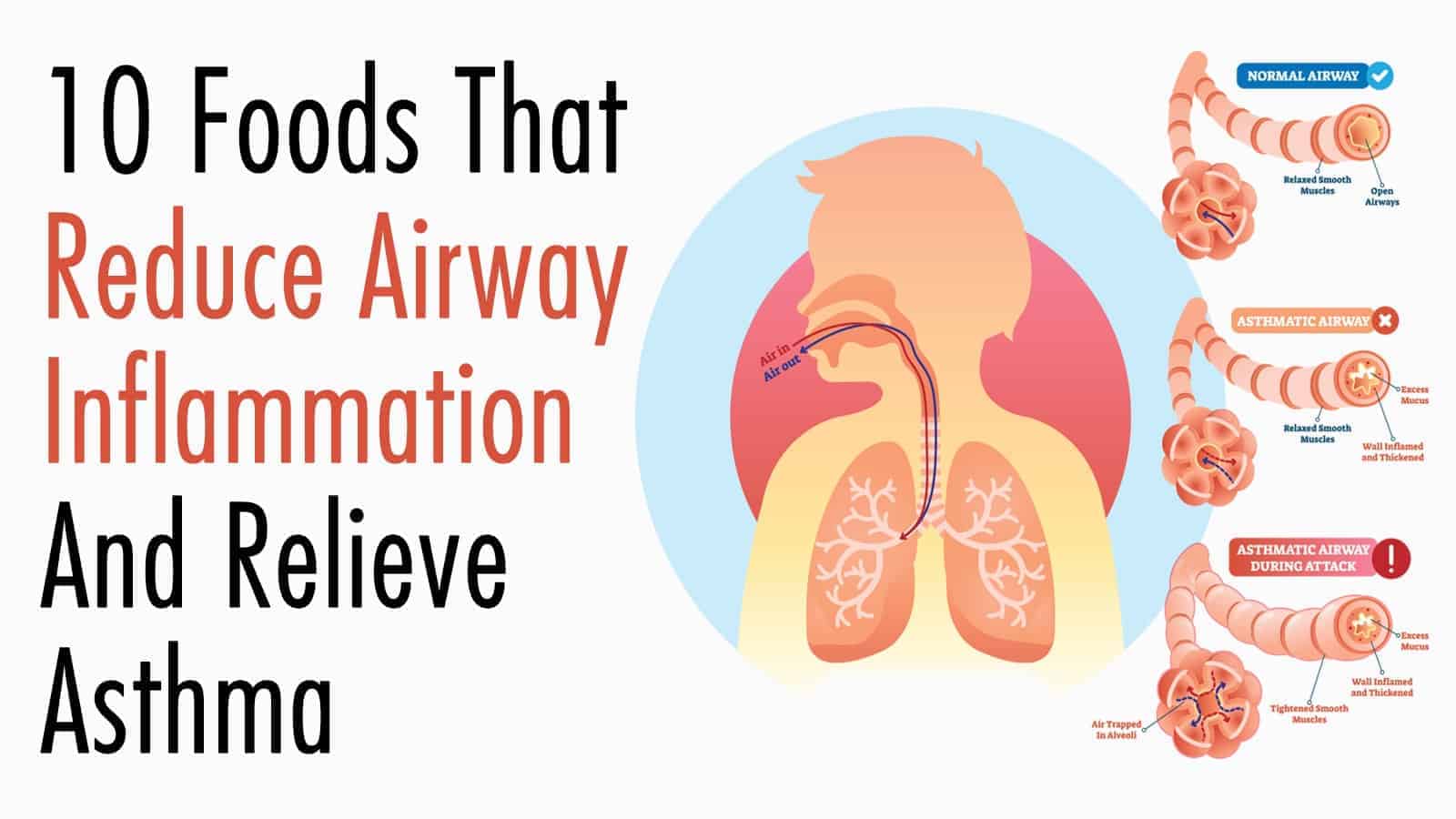
Asthma researchers have identified a new severe asthma species, showing air pollution as a likely contributor. Asthma affects over 300 million people worldwide. The most severe strain, known as non-Th2, or non-atopic childhood asthma, comprises most cases.

Hyunok Choi, an associate professor at the Lehigh University College of Health, says 85% of people have this type of asthma.  Low-income countries are disproportionately affected by this strain. However, asthma researchers still don’t know if non-Th2 is a distinct disease or just a set of symptoms. The purpose of this study was to find out more about this strain of asthma.

Says Choi:

“Non-Th2 asthma is associated with very poor prognosis in children and great, life-long suffering due to the absence of effective therapies. There is an urgent need to better understand its mechanistic origin to enable early diagnosis and to stop the progression of the disease before it becomes severe.”

Studies show that around 50% of children with poorly managed asthma will have severe adult cases. Currently, many doctors follow a near-universal protocol when it comes to treating asthma. However, Choi says this approach doesn’t work with all patients and contributes to further strain on the economy.

“The primary reason for lack of therapeutic and preventive measures is that no etiologic, or causal, driver has ever been identified for the non-Th2 asthma,” says Choi.

The groundbreaking epidemiological study led by Choi shows that non-Th2 is, in fact, a distinct disease. It also found that early childhood exposure to air pollution, particularly Benzo[a]pyrene, likely causes the development of this asthma strain. Benzo[a]pyrene is a byproduct of fossil fuel combustion.

asthma researchersAsthma researchers confirm: Air pollution is a major contributor to severe asthma strain.

Choi and her colleagues are the first asthma researchers to link air pollution to this severe type of asthma. This subtype doesn’t respond to current treatments, so Choi’s research will hopefully lead to effective therapies.

The team published their results in the journal Environmental Health on April 9, 2021. They titled the research “Airborne Benzo[a]Pyrene May Contribute to Divergent Pheno-Endotypes in Children.”

Asthma is actually an umbrella term for multiple diseases with similar symptoms. Asthma researchers have categorized asthma by two major groups of symptoms: T helper cell high (Th2-high) and T helper cell low (non-Th2). Th2-high includes early childhood allergies to common pollutants like pet dander, tree pollens, or mold. On the other hand, non-TH2 doesn’t occur due to an allergic response.

Asthma researchers have much less understanding of non-TH2 asthma, which is more severe and harder to treat. However, the new findings from this study may help lessen the severity of the disease. Choi explains:

“The identification of non-Th2 asthma as a distinct disease, with early exposure to Benzo[a]pyrene as a driver, has the potential to impact tens of millions of sufferers, since this would make it possible to intervene before the onset of irreversible respiratory injuries.”

The asthma researchers tested two similar groups of children from two different towns in the Czech Republic for the study. One group of children was from an industrial city called Ostrava. The other group lived in a relatively rural area of Southern Bohemia. 385 children participated in the study: 194 with asthma and 191 in the control group.

According to the study, Ostrava is a heavily industrial area with prevalent coal mining, coal processing, and metallurgical refinement. During their investigation, researchers discovered highly elevated levels of Benzo[a]pyrene. In fact, the district-level ambient mean measured 11 times higher than the recommended outdoor and indoor levels.

Asthma researchers found a direct link between this chemical and the development of non-Th2 asthma. They also discovered that exposure to the fossil fuel byproduct led to depressed systemic oxidant levels.

“Contrary to the current body of evidence supporting adult onset of non-atopic asthma, our data suggest for the first time that the lung function deficit and suppressed oxidative stress levels during early childhood are critical sentinel events preceding non-atopic asthma,” says Choi.

Not only does air pollution lead to asthma and difficulty breathing, but it can also cause other detrimental health effects as well.

Other adverse outcomes found by the asthma researchers

  • Increases risk of developing cognitive diseases. One study of Mexico City residents exposed lifelong to polluted air found that they had more markers of Alzheimer’s, Parkinson’s, and motor neuron disease (MND).
  • It can lower your intelligence. Another study in China found a link between regular exposure to air pollution and poorer verbal and mathematical ability.
  • Air pollution leads to millions of premature deaths. Outdoor air pollution contributes to 4.2 million deaths a year, while indoor air pollution leads to 3.8 million deaths.
  • Air pollution contributes to the following:
    • 29% of deaths from lung cancer
    • 24% of the deaths from stroke
    • 25% of the deaths from heart disease
    • 43% of the deaths from lung disease
  • It increases the risk of developing major psychiatric disorders. One study found a higher prevalence of major depression and bipolar disorder in those with prolonged exposure to air pollution.
  • Regular exposure to polluted air can lead to increased inflammation in the body. Most diseases are caused by chronic inflammation, and air pollution contributes significantly to the burden of illness.

inflammationFinal thoughts about the study linking severe asthma to air pollution

The groundbreaking research by a team of asthma researchers found a direct link between asthma and air pollution. Specifically, a powerful strain of asthma called non-Th2 is associated with prolonged exposure to polluted air. The team found that children exposed to a fossil fuel byproduct called Benzo[a]pyrene had a higher risk of developing severe asthma.

Hopefully, this discovery will lead to more efficient, effective treatments for this asthma strain in the future. The study also adds to the growing body of evidence that it’s beyond time to ditch fossil fuels. It’s undeniably clear by now that greenhouse gases lead to devastating consequences for the planet, animals, and us.

9 Ways to Recover From Failure and Get Your Life Back on Track

How do you recover from failure? You’ve probably asked yourself this question 100 times after a significant disappointment in your life. The answer is not always easy, especially when you’re dealing with regrets, guilt, and trying to keep your sanity about yourself.

You know how good it feels to have your life on track and to be heading in the right direction. Moving forward feels excellent, and wouldn’t it be nice if your entire life was about sunshine and pleasant days? The problem is, how do you bring yourself from the brink of destruction to living a whole and productive life again?

Nine Tips to Recover from Failure and Become Stronger Than Ever

Do you feel like your heart is broken and shattered in two? Waking in the morning brings another day of tears and fears, but it doesn’t have to be this way. A wise philosopher once said that it’s not how many times in your life that you fall, but it’s the times that you pick yourself up again that counts. Here are nine tips to help you recover and emerge better than before.

1. Identify What Needs Fixing

Before you can begin to repair the damage done to your heart, you need to identify what needs to be fixed. If you call a plumber out for a leak in your ceiling, they must first identify the source of trouble. So, just like the plumber, you need to assess your damages.

Find out where the problems are coming from, which will enable you to tackle this area of your life. If you find that your issues come from the people in your inner circle, you need new friends. Write a list of the things that are the cause or hindering your recovery and get to work.

recover from failure2. Check Your Attitude

If you have children, you’re very familiar with telling them to check their attitude. However, adults need an attitude check on occasion too. Just because you’ve grown and had all these responsibilities doesn’t mean you’re perfect.

If you have a good attitude, then you’ll have a positive outlook on life. However, if your attitude is poor, then so will your view be. You may start off feeling great in the morning and be all smiles, but one disgruntled customer at work can send your mood spiraling downward.

It takes a lot of effort not to let the cares of life consume you. However, you must check your attitude if you want to recover from failure.

3. See a Counselor

Sometimes, you need a little help. Whatever failure you’ve experienced has, no doubt, had a significant impact on you. A counselor is a person who can help you weed through the mess without passing judgment.

Often, when you ask your friends or relatives for help, they tend to be biased toward the situation. It would help if you had someone who looks at you and the circumstances without judgment. Plus, counselors need many years of schooling to handle people with anxiety, depression, mental illness, and failures in life.

Additionally, you don’t want those closest to you to know all your secrets. Sometimes, it’s best if no one knows the things you battle, especially if they can use them against you later.

4. Remove Temptations

Let’s assume that you need to lose 25 pounds and have been dieting. You’ve failed miserably at your weigh-in with the doctor, and you’ve gained weight. The failure of thinking you’ll always be heavy is getting you down, and you don’t know what to do differently.

However, after assessing the situation, you find that your home is full of temptations. You gained weight because you couldn’t resist the snacks that are all around you. When you decided to go on a diet, you didn’t clean out your cabinets.

During moments of weakness, you binged on anything sugary you could find. Now, relate this story to your situation. What temptations are causing you to stumble?

Maybe you have a failed relationship that’s broken your heart into pieces. However, you refuse to remove them from social media, out of the contacts on your phone, and from your life. If you never remove the temptations that bind you, then you will never be able to move on from this failure.

5. Decide A Plan of Action

When a person goes to the doctor and has cancer, their medical team will devise a treatment plan. Since you cannot cure cancer or any other illness overnight, they implement steps towards recovery. It would help if you did the same thing by devising a list to help you mend it.

You started by identifying the issues you need to work on; now, it’s time to put a plan in place. Get out a paper and a pen and start making goals. You will feel so much better once you start crossing things off your list.

pop meme6. Remember You Can and Will Get Through This

Your mindset is an important part of the recovery process. Remember the story of the Little Engine That Could? The little engine was responsible for pulling a big load up a hill. However, the people around him kept telling him the load was too heavy and there was no way he could pull it up that massive mountain.

However, the little engine didn’t pay attention to all the naysayers, and he kept telling himself, “I think I can, I think I can, I think I can.” The more he repeated this positive affirmation, the more his self-confidence grew. Once he reached the top of the hill, he changed his affirmation to “I knew I could.”

Simply put, you can do anything you set your mind to do. Keep telling yourself, no matter how big the mountain or uncrossable it seems, “I think I can.”

7. Figure Out Where You Want to Go

You know where you’ve been, but you need to figure out where you want to go. If you’re going to recover from failure, then you must visualize yourself in a new place. Where do you see yourself in one month, one year, or five years from now?

A vision board is a great tool to help you see yourself moving from point A to B. These boards can help you get unstuck and remind you each day of your goals and dreams. Indeed, the mind has incredible power over the body.

A simple visual aid can help you to improve your motivation, self-efficiency, and overall outlook on life. Remember, there are no rules with these boards, so you can’t mess it up.

8. Figure Out What Got You Off Track

It’s essential to figure out what got you off track in the first place. Maybe you laid down cigarettes five years ago, but after your mother passed away, you suddenly picked up this bad habit again. You conquered this habit once so that you can do it again.

The problem in this situation is that you’re self-medicating for the pain of your loss. Cigarettes make you feel good, and the buzz of nicotine helps your stress. Did you know that many people fail because they have an underlying mental illness that needs to be addressed?

If you want to recover from failure and get back on track, you may need to tackle the underlying reason, even if it involved your mental or physical health. Once you conquer these issues, it will be easier for you to stay on track.

9. Seek the Help of a Mentor

A counselor and mentor are two very different people. One is a medically trained professional with tips and tricks, but a mentor is usually someone who has been in similar situations. Don’t ever confuse the need for both advocates in your life.

Mentors have already conquered the same battle you face. For instance, it’s prevalent for those seeking recovery from drugs and alcohol to have a mentor. It can mean everything to their recovery process.

Made Mentoring is an agency that helps thousands of people in Los Angeles, California. The basis for this company started with two men sitting in recovery themselves. Corbett Miller and Kevin Lewis both had mental health issues and drug addictions, but they found themselves together in rehab.

Their experiences were life-changing, and they both wanted to help other young men get on the right path. They started the organization to show people that you can create a life worth living, and you don’t need drugs or alcohol to have fun.

recover from failureFinal Thoughts on How to Recover from Failure

Failure hurts, and it can leave you down for the count. However, change your mindset about the process of failing. If you want to grow and change, you must fall a few times.

If you do everything perfectly the first time, then there’s no reason for you to have any life lessons. Most people can’t stand the rain because it blocks the sun, but the flowers and gardens cannot thrive without this refreshing drink from the heavens. The rain will pass, and the sun will shine again.

Just as the seasons of nature change, so do the ones in your life. The good news is that you can make a massive difference by doing some things on this list. You can recover from failure; tell yourself, “I think I can, I think I can.”

15 Traits of A Female Narcissist Never to Overlook

When a woman is self-absorbed and cruel to those around her, it might be something more than that. Both of those things are characteristics of a female narcissist. Since the traits of a female narcissist differ from those of males, they are sometimes overlooked.

Female narcissists are thought of as being mean or catty. They tend to gossip, exclude others, and ruin their relationships more than other women. Plus, they can be vindictive and ruthless in the way that they treat others.

We are not picking on the ladies. Instead, think of it as fascinating to understand. Why? Because Psychology Today reports that greater numbers of people diagnosed with narcissistic personality disorder are males than females. That makes it interesting to delve into, to better understand the signs.

The main difference between female and male narcissists is the way they use their narcissism, according to research. Females use it to compete with others and gain superiority. Males, on the other hand, use it to charm their way into meeting goals.

In women, narcissism isn’t something they grow out of. Instead, it sometimes develops into aggressive behaviors and the desire to exploit others.

Fifteen Traits of A Female Narcissist

The following traits are ones that you should watch for in women to identify a narcissistic female.

female narcissist1. A Female Narcissist is Manipulative

A narcissistic female finds enjoyment in being manipulative. She will likely use passive-aggressive behaviors to hurt those around her or to confuse them. When she wants to get her way, she will use tactics like gaslighting and shutting you out until you give in.

She creates a game out of the number of times she gets people to cave to her desires. Plus, she will give endless guilt trips and make people feel like they owe her.

2. She Doesn’t Apologize

If a woman can’t or won’t apologize, she is likely a narcissist. Narcissistic people believe that they are never in the wrong, even when it is clear they are. They feel like it is never up to them to apologize and that the other person should always apologize instead.

Even when she has hurt someone, she will struggle with apologizing. She will justify why she shouldn’t say sorry and convince herself that she is in the right. If she does apologize, she will likely follow it up with an excuse or contradiction.

3. Female Narcissists Blame Other People or Situations

A woman narcissist will blame any problem or setback that occurs on someone or something else. A female narcissist won’t own up to it, even if it was her fault. She will have the mindset that she can’t make mistakes, and if something goes wrong, it must be because of some outside force.

Because she believes she can’t do anything wrong, she will never feel ashamed of her actions. She doesn’t learn from her mistakes, either, since she never owns up to them. This type of woman always thinks someone else is the problem instead.

4. She is Overly Sensitive When She Thinks Someone is Speaking Negatively of Her

A narcissistic female assumes that every comment someone makes is a way of speaking negatively about her. She reads into what people say until she finds a negative way to perceive it. Then, she quickly and overreacts, making the situation much worse than it needed to be.

Sometimes she will even read into compliments this way. If she feels that someone was sarcastic when they said something nice, she will snap at them. She often blows things out of proportion and makes people regret saying anything.

5. She Can’t Empathize with Others

A narcissist can’t understand what other people are going through. They can’t wrap their mind around the situations of others, and they won’t feel bad. Plus, she will use their problems to make herself look superior.

She won’t put herself in someone else’s position and believes that people deserve any negative thing that happens to them. Understanding other people’s points of view is impossible for her, too, because she won’t even try.

When people talk to her about serious things, she shuts down or comes back with a cruel comment. She gives shallow answers and tries to invalidate the feelings of others.

6. They Get Pleasure from the Pain of Others

This type of woman not only can’t empathize with others, but she also finds joy in the misery of others. Since she likes to feel superior, seeing others struggle makes her feel better about herself. She might even say condescending things to people that are having a hard time.

When she is the one that caused the pain, she seems to be her happiest. Making people feel inferior is her specialty, and she even prides herself on it.

7. A Female Narcissist is Unstable

Female narcissists are often mentally unstable and involve themselves in risky behaviors. They often have addictive personalities, struggle with aggression, and become outraged when they feel rejected. You might notice that her moods change drastically and quickly, and she becomes upset without warning.

8. She Emotionally Punishes Her Partner

When she disagrees with her partner, she punishes them emotionally. If her partner has different thoughts or doesn’t want to agree to something, she doesn’t handle it well. She will likely ignore them or disengage until they give in to her opinion or desires.

Along with ignoring their partner and disengaging, she will claim that she is mistreated. She will even give her partner a list of reasons she is treated unjustly and make her partner begin questioning themselves.

Emotional punishment is her way of getting anything she wants. She continues pushing her partner until her partner caves or changes their thought process to match hers.

toxic people9. She is Jealous of Other Women

If a woman is often jealous of other women, she might be narcissistic. She will pretend to be confident and even come across that way most of the time, but secretly, she is insecure. You might notice that she makes mean comments about other women often, and she might claim that she doesn’t get along with them.

She will make snide comments to other women and cut them down as often as she can. Plus, she normally finds another woman or two that will gossip and talk down on others with her.

10. She Believes Other Women are Jealous of Her

Not only is she constantly jealous of others, but she believes that everyone is jealous of her, too. She uses the excuse that other women are jealous of her when she explains why she doesn’t have many close friends.

When her friends or other people in her life accomplish things, she gets more jealous than ever. She will find ways to downplay what they have achieved and imply that they didn’t deserve it. Plus, she might make comments about how that person won’t make it farther and that they’ll ruin it all.

11. She Can Go from Love to Hate Quickly

A female narcissist manages to go from loving someone to hating them in a short timeframe. She glorifies those she is close to but turns on them when things go wrong. Once she gets what she wants out of a relationship, she no longer cares about it.

Since relationships are this way for her, she finds joy in ruining the relationships of others. She likes to see people hurting, and she enjoys the satisfaction of being the one that caused it.

12. She Expects Special Treatment

A narcissistic woman feels that she deserves special treatment even when she has done nothing to earn it. She demands that people treat her better than others and do special favors for her. Even still, she wouldn’t consider doing the same for others.

The reason she expects special treatment is because she believes she is more important than others. Her exaggerated sense of self-importance is one of the first things people notice about her. She feels entitled and will often brag about (and exaggerate) her accomplishments while fishing for compliments.

A female narcissist will likely want to talk about herself all of the time, too. She will jump into conversations and somehow make it about her.

13. She is Materialistic

A narcissistic female loves to spend money and buy expensive things. She also loves talking about how much money she spends. Buying the most expensive items is a priority for her, even if it is at the expense of her family’s well-being.

14. She is Obsessed with the Way She Looks

Her outward appearance is more important to her than anything else, and it shows in the way she carries herself. Not only does she require the most expensive clothes, shoes, and accessories, but she is also obsessed with the way she looks.

She will flaunt her best physical qualities and usually won’t leave the house without a full face of makeup. Looking her best is one of the ways she asserts her power over others.

15. She Doesn’t Respect Boundaries

While a female narcissist expects everyone to respect her boundaries, she doesn’t do the same for others. She pushes boundaries to cause conflict and gain attention.

female narcissistFinal Thoughts on Identifying the Toxic Traits of a Female Narcissist

In a nutshell, a female narcissist is exhausting to be around. Her behavior can be draining, and you will always feel stressed and anxious around her. It can impact your self-esteem and overall well-being.

If you have a female narcissist in your life, it is time to consider cutting her out. You owe it to yourself to surround yourself with positive people that love and care about you.

Skip to content