Weekly tips, affirmations, and small actions to feel your best.

10 Behaviors That Reveal Someone Might Be a Doomer

Are you a doomer?

Do you tend to engage in doomscrolling and follow several news programming channels to get the latest happenings? Are you stocking your pantry, refrigerator, and emergency supplies to prepare for war or the end of the world?

It’s hard not to be a little concerned about the world you live in, especially when you consider all the happenings that have occurred over the past few years. Someone who is a doomer talks about it constantly, and their mind cannot focus on anything but the potential for emergency or end of the world occurrences.

While the term doomer is a bit more modern, they’ve often been called doomsday preppers or conspiracy theorists. Regardless of what they’re called, it’s not healthy to go around believing that the world is ending and that you’re going to die. When you live on the edge like this, it can cause severe issues with depression and anxiety.

The Little Chicken That Led His Friends to Their Demise

doomerYou can’t think about societal collapse or the end of life on earth without considering the story of Chicken Little. This European folk tale focuses on the little chicken who believes the world will end as the sky is falling.

Poor Chicken Little was under a tree when an acorn fell on his head. He was sure that the end was near, and he needed to warn his friends. He ran to his two closest pals, Henny Penny and Lucky Ducky, to help him spread the news, and they gathered more friends on their journey.

They all headed to tell the king about the impending doom. However, as the story goes on, the world didn’t end, but their very existence did. While they were living in a state of panic, Foxy-Loxy ate them all.

The moral of this old tale is that while you’re so focused on doom and gloom. You cannot see the real and present dangers you face every day or the good things along the way. If you live like every day is your last, then you’re not really living.

These characters were so focused on warning others that the sky was falling that they fell prey to one of the biggest predators among them. Do you know people who are like Chicken Little. Or perhaps you tend to feel like every day might be Doomsday?

Ten Ways to Recognize You Might Be a Doomer

Has anyone ever accused you of being a doomer? You may have become so accustomed to it that you don’t even notice the tendencies in your life. Thankfully, here is a list that can help you identify if you believe the sky is falling and everyone around you is in danger.

1. You Talk About the End of Society Constantly

Your conversations can’t be about much other than the end of times. From a financial reset to a one-world government, you’ve followed things for years and warned many about impending doom. Sadly, many of your predictions haven’t come true.

2. You’re Constantly Doomscrolling For the Latest News

Your phone is set to alert you of any of the latest news developments. You want to be informed when the smallest of things occur so that you can be prepared. You might even feel a bit anxious as you hear your news alert ding on your phone as you are always expecting the worst.

3. You Watch Online Commentary and Believe Conspiracy Theories

Watching a traditional television show isn’t for you. You spend your days on YouTube and other social media channels where people can delve deep into things the mainstream media wouldn’t dare report. You must be careful if you start believing everything you hear, as many of these people are reporting theories and not news.

4. The News Is Always on At Your House or In The Car

You’ve got a news channel always playing in the background. If you’re in the car, then you tune your radio to a talk station where you can stay up to date. Who needs music while you drive anyway?

5. Your Life Changes to Accommodate Your Hypochondria

According to the National Library of Medicine, hypochondria is a condition where someone worries all the time about their health. You may be so concerned about taking care of yourself in a time of need that you can’t live for today.

If you have diabetes or other medical conditions, you may stockpile medications, first aid supplies, breathing devices, and other things to sustain life. You might be so afraid to take off your mask you’ve been wearing that you keep it on even when you’re in the car alone.
stop negative thoughts6. You Use Your Doomsday Ideas to Avoid Social Situations

Since you’ve become a person that is on high alert and always waiting for the sky to fall, you don’t have time for social pleasantries. Social gatherings might also make you nervous as you’re afraid of what germs you might pick up and bring death to your family.

While there is always a chance of getting sick when you’re around others, you’ve shut yourself off and prepare for the worst. Social isolation is a real problem that can lead to depression and anxiety, according to the National Library of Medicine, and it’s often an indicator of poor mental health.

7. People Avoid You Because They’ve Grown Weary of Your Doom and Gloom

Birthday parties and family gatherings are uncomfortable as it seems no one wants to talk to you. Some of your relatives and friends may even tell you to change the topic because your conversation makes them uncomfortable. When it comes to the end of times, someone who talks about it constantly and tends to spin things negatively won’t attract buddies.

8. You Use Social Media as An Outlet to Spread The “Truth.”

All the news programming you watch inspires you to tell others. Whether the things you report are conspiracy theories or not, you feel that you must warn everyone. Social media outlets are the perfect place for you to let your voice be heard.

You can find tons of other people on there with similar beliefs, and these folks only add fuel to your fire. If you’re a hard-core doomer, you might have been suspended off social media sites for violating their rules of conduct.

9. Emergency Preparedness Is Part of Who You Are

You can’t go to the grocery store without buying something for your stockpile. Your mind is geared at ways that you can protect yourself and your family. You’ve become so involved with this lifestyle that you’ve considered radical steps like building an underground bunker or making a room inside your home that has thick, protective walls.

10. You Have A Massive Food Pantry That Could Feed the Masses for Months on End

Your stockpile is taking over your home. You have so much food and supplies that you need a separate building to house it all. Or, perhaps, you’ve already got a second building. You have freeze-dried food and enough water to quench the thirst of a city.

You know the water supply will one day be tainted. So you’ve got your family covered in the case of an emergency. You look at your stock with pride, and you are constantly searching for more things to add to it. The four can openers, stacks of batteries, candles, and pallets of food and toilet paper are not enough. You’re also prepared for a power outage so you already have Cummins Generators at home.

doomerFinal Thoughts on Being a Doomer

Everyone should have some consideration and concern for the things that go on in the world around them. If the last couple of years have proved anything, it’s that anything can happen and sweep you off your feet. Life can change in the blink of an eye, but you can’t go around always waiting for the sky to fall.

Having such a negative mindset is not healthy for you, nor is it mentally beneficial for those around you. If your family doesn’t share your sentiments, you might find that they are eager to get away from you when you start talking about the doomer philosophies. A healthy balance is a way to ensure you keep current with what’s going on around you without going to the extreme.

Fear of the unknown can consume you if you allow it to. However, it would help if you put limitations on how much social media you scroll, news you watch, and commentaries you listen to. There are so many beautiful things in life that you’re missing out on because you’re always looking for the end.

You know what happened to poor Chicken Little and his friends because they were looking for bedlam to erupt. Indeed, they met a sad fate. Remember to keep everything in moderation. It’s not wrong to have a stockpile of food and water. In fact, that practice can save lives in an unlikely emergency. However, when it takes over your entire home, then it becomes excessive.

Additionally, remember to keep this type of conversation for those who share like beliefs or alienate many people from your life.

5 Effective Ways To Manage And Maximize Time

Have you ever been so busy that you feel like you’re on the brink of collapsing? Have your days blurred together to the point where you feel like crawling through life on autopilot? Life can be so hectic sometimes that you might wonder how you are supposed to find time to breathe. You probably need to find a way to maximize time.

But no matter how busy everything gets, there are always ways to manage and maximize every second you have.

Five Tips To Effectively Manage And Maximize Time

Learn to follow these practices to maximize time better.

1.      Start to Maximize Time With an Audit

maximize timeWhenever you want to start improving your time management, the first step is to identify the problem. Then you must tell precisely how much time you spend in a day doing different activities. Creating a time audit means keeping track of whatever you are doing and how long you are doing it.
You might think that an email, or a routine report, only takes you about half an hour a day. But you might be surprised to find that it takes you much more than that.

One of the reasons you feel like there isn’t enough time in a day and you feel suffocated. Besides that, people often underestimate how long certain activities take. Thus all their plans will come out wrong and way too busy. You will never plan a good day if you don’t have an accurate time assessment.

So track your days for a week or so (which you can do on different apps). Then, you can begin grouping activities into three categories:

  • Very important
  • Less important
  • Not important at all

This insight will help you realize where you are wasting time and work on becoming more efficient.

Auditing also allows for more realistic planning of your days, and you will not have to face having more work hours planned than the hours in a day.

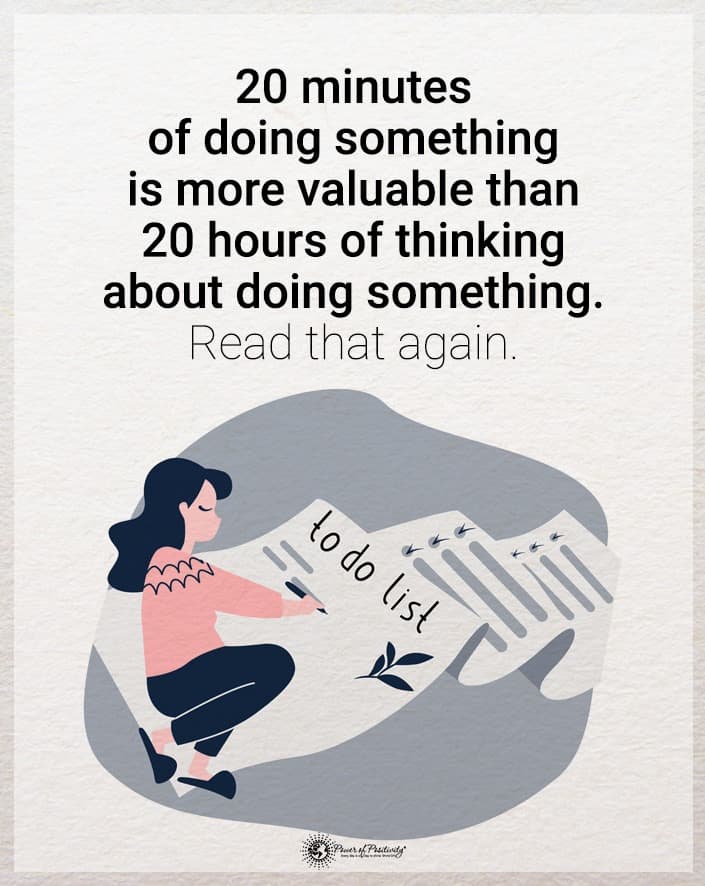
2.    Make A To-Do List to Help Maximize Time

Yes, you have probably heard this advice so many times that you roll your eyes whenever someone suggests you try making a to-do list. But have you ever actually tried making and keeping one, or was it just something you gave up on after two days?

A to-do list is not some monstrous piece of paper that rules over your life. All the to-do lists you’ve ever made were probably thought of as some magical way to make sure you do every little insignificant thing imaginable. So imagine your to-do list has fifty bullet points. Obviously, you’re going to give up on trying to follow it after just a couple of days.

The more complex the list is, the less effective it will be. If you see that you have even a coffee break scheduled or written down as a necessity, no wonder you’re going to be scared of coming close to that list.

The secret to making excellent and reliable to-do lists is keeping them simple but clear and to the point. Focus on having only the most crucial aspects of the day on your daily list, and concentrate on getting those things done. Don’t overcomplicate your day. You’ll only get overwhelmed, and you’ll end up wishing you could burn that list. The simpler it is, the more motivated you will be to get through everything to get everything done and enjoy the rest of the day. Having simpler lists also helps you see through all the fog created by your daily routine. Simply writing things down and simplifying them can force you to create order in your head.

So how do you accomplish this?

If you want to be more efficient, keep long-term to-do lists to set milestones for different projects and goals you might have. Those can help you keep track of how much more you have to go until you reach the finish line, and seeing your progress can also help you realize that you are approaching what you have in mind, therefore making you more motivated to keep going even when you might not want to. This approach is strongly supported by recruiter and software engineer William Lipovsky.

Studies have shown that simply making a plan to get things done can free the mind from the anxiety and stress associated with that task. Therefore the mere act of writing a to-do list can be the first step in getting into the right mindset to tackle your day effectively.

3.    Delegate Work to Maximize Time

Why bother doing everything alone when you can outsource parts of your workload? Remember that you can always have someone else do part of what needs to get done whenever life gets too busy.

Maybe you are just too busy at work, and it’s time to train someone to be your assistant. Find someone else who can do simple tasks, like the routine reports. Then, you will have more time left to focus on more extensive and more critical tasks. It would be best if you never tried to do it all alone. Otherwise, you will reach the point where you find yourself working upwards of sixteen hours a day. There’s no shame in asking for help. Not only is it not shameful, but it allows you to specialize and be more efficient.

Delegating work is not restricted to your work, though. Why are you worrying about washing that mountain of dishes when you can employ someone to help you with the cleaning? If you’re already working seemingly all day and you find yourself ordering takeout every day, why not have someone who cooks for you from time to time?

Outsourcing work will help you make more time in the day for the most pressing activities. This helper empowers you to pursue your goals while being less stressed. Just knowing that someone else is taking care of some stuff can immediately make you less anxious and lets you dedicate time to the job at hand.

maximize time4.    Focus On One Thing At A Time

Often, people choose to start far too many tasks at a time. They hope that they will not only manage all of them but somehow finish them faster than they would have if they had taken things slowly, one at a time. This approach not only overwhelms you. Besides, it makes you so much more prone to dropping certain tasks and projects in an attempt not to get overworked.

One of the golden rules of time management is to choose a task and make sure to see it through to the end. This is best achieved when you set a rule to not begin a job before finishing the one you are working on at a particular time.

If you are writing emails, there’s no need to check some stats at that exact moment. That will only make you distracted. Instead, start one thing, make sure you finish, then you can confidently begin another. Not only will you not get distracted and be more efficient, but you won’t have to deal with half-work later.

This approach also allows you to understand how long each task takes because you are doing it in one go, and it can help you set realistic time limits in which to complete specific tasks. This way, you will be able to plan without dealing with the uncertainty of questioning yourself effectively.

“How long will this take?” 

“What if I lose my focus and give up on the task?”

Taking things one at a time also allows you to have breaks between tasks. Relaxing for even a few minutes will enable you to recharge and start a new job with more clarity and energy, thus increasing efficiency.

5.    Maximize Time by Avoiding Perfectionism

Trying to be perfect to a fault could be the death of you. Most times in life, people don’t expect perfection. They expect a job well done.

Trying to be perfect will make you overanalyze everything you do, to the point where you won’t be able to accept that some things are just not meant to be perfect. Spending time desperately trying to make a report look nice is useless. The boss cares about the contents of the information, not how it looks.

You might fall into the trap of spending so much time overanalyzing something already good enough that at the end of the whole charade, you’re no closer to perfection. Thus, you spent time without reason, time in which you could have pursued another task.

This doesn’t mean you are allowed to be careless and to do things just for the sake of it. You still have to give everything your best shot. But your attitude should be the right one. Don’t become anxious because you can’t reach perfection. Instead, understand that you are only human and you should do whatever you can, and that’s good enough.

Just because something you did isn’t perfect doesn’t mean it’s not good enough or that it doesn’t deserve to see the light of day; it is just fine. Remember, perfection doesn’t exist. Plus, it’s inefficient to repeat tasks when you can pursue new jobs and be more productive.

maximize timeFinal Thoughts On How To Manage And Maximize Time


It’s ok to feel overwhelmed by everything you have to do sometimes. Life is busy, and sometimes people feel like they can’t juggle everything thrown at them. Time is a precious resource, and there never seems to be enough of it in the world. But there are ways in which to make the most out of the little time you do have.

The most important thing to remember is that you have to start planning your days. So make to-do lists, audit your time, and schedule and group tasks. Indeed, the better you plan your days, the more chances you will have to get everything done. You might even find some extra time to enjoy yourself!

Try to remember to take things one at a time and try to avoid perfection at any cost. And, if you can’t manage everything alone, don’t be afraid to delegate work. Delegating allows you to focus on the most critical tasks at hand.

5 Signs Someone Is Stonewalling You

If you’re hiking and discover a brick wall blocking your path, you must stop. The only way you can go any farther is if you can get over the wall to the other side. It’s the same situation when someone is stonewalling in a relationship.

This behavior is a form of manipulation or evasiveness. Don’t let them trick you!

Five Ways That People Engage in Stonewalling Others

Are you up against a solid wall of silence that your partner or someone close to you built? How do you know if they are hesitant or intentionally ignoring you? Here are five ways to tell if A person is stonewalling you.

stonewalling1. They Ignore Your Conversation and Refuse to Answer Questions

If you’re trying to work together to address a difficult situation, you don’t need a silent partner. Even if they have a different opinion, it’s better than no opinion at all. It makes you feel frustrated and defeated when your partner is ignoring what you have to say.

Another part of stonewalling is when the other person won’t answer questions. They refuse to commit to a “yes” or “no” because their mind conflicts. The traditional way a stonewaller will avoid valid questions is to say, “I don’t know,” or shrug their shoulders.

Does this person show you the palm of their hand when you’re talking? It’s a silent and degrading way to tell you to “stop” or “shut up.” A famous saying among teenagers is to “say it to the hand.” The stonewaller attempts to use their hand as a psychological barrier between them and the issue you’re discussing.

A stonewalling partner might also revert to teen years by rolling their eyes at you. This is a classic sign of impatience or having to be long-suffering with your concerns. If they avoid eye contact, they probably aren’t engaged in active listening, or they can’t deal with the subject you’re discussing.

2. They Walk Away or Do Something Else for Distraction

Perhaps the ultimate disrespect is for someone to turn their back on you in the middle of a serious conversation. Like the hand signal, it’s their way of avoiding the issue. They’ve turned their back on your voice like an ostrich in the sand, hoping the conversation will disappear.

Sometimes, uncommunicative partners will ignore you and do something while you talk. It may be playing on their phone or walking away to do a chore. They may start chatting to someone else in the room or make a call.

Either way, their stonewalling acts as a distraction for their anxiety or to bide time. If you mention that they are disrespecting your opinion, you’re not likely to get an answer. It usually makes them go deeper into their distraction.

3. They are Dismissive of Your Concerns

Nobody has the right to tell another what to think or how to feel. If you bring up an issue that needs to be addressed in your relationship, it’s important to you. It’s hurtful when your mate dismisses your concerns and doesn’t validate your feelings.

According to an article published by the Life Counseling Institute, couples need validation to feel understood, supported, and accepted. It doesn’t matter if you both agree about the matter. When your partner doesn’t validate your opinions or feelings, you feel abandoned and betrayed, says the article.

There’s a time and place for laughter, and during a serious conversation isn’t one of them. If your person stonewalls on a matter, they add insult to injury by attempting to laugh it away. Usually, these chuckles are rooted in sarcasm rather than amusement.

They may also give you the universal sign of dismissal, a sideswiping of the hand. This person doesn’t have to say something to show that they don’t care what you think or how you feel. Not validating one another can cause irreparable damage to your relationship.

4. They Make Fun of You

Stonewallers don’t always rely on silent treatment to deflect an issue. In this case, you may wish they didn’t say anything. Good-natured levity can help intense situations, but not when the laughter is at your expense.

Maybe you’re trying to have a crucial discussion about your budget restraints. They may not want to think about money being tight, so they make a joke of it. Instead of taking you seriously, they may poke fun and call you a “miser” or a “worrywart.”

They might also patronize you by pretending as they care about what you’re saying. If the situation concerns a mistake or shortcoming of theirs, they may laugh it away sarcastically.

5. They Refuse to Take Responsibility

When you’ve done something wrong or missed the mark, your mate will respect you more when you own it. According to a study published by PLOS One, people often shift blame to others to make themselves look better. It’s usually a ploy used by narcissists and other toxic personalities.

It takes an honest person to sit down with their partner to discuss that person’s shortcomings. However, it takes an even bigger person to accept the blame and make amends. Lying, blame-shifting, denying, and verbal abuse only makes the matter worse.

Stonewallers hope to place the blame on another person or “bad luck” as an excuse. They don’t want to admit a failure and block any way you try to discuss it reasonably. Such tactics often lead to a complete breakdown of communication and contribute to a toxic relationship.

honestyHow Does a Stonewalling Person Affect You?

How does it make you feel when you realize that your mate is a stonewaller? You probably feel frustrated, confused, angry, and hurt. It’s as if you’re invisible and have little value in the relationship. Since these tactics often make you lose your feelings of self-worth and empowerment, it’s a form of gaslighting abuse.

As your relationship takes a nosedive, the stonewaller may continue their toxic attitude. However, their control over you may make it difficult for you to exit the relationship. Often, these poisonous people have developed a pattern and may skip from one broken relationship to another.

How is the Stonewaller Affected?

Unfortunately, serial stonewallers never know the joys of an honest and intimate relationship. Their denial may go deeper, and they can often lash out at those closest to them. If they’re blaming you, they may feel like they are being mistreated.

Stonewallers are often confused and angry, so they may feel intimidated if you mention something they don’t like. If your person is a controlling narcissist who is gaslighting you, they may be oblivious to any feelings of guilt.

Is Stonewalling Emotional Abuse?

Not all stonewallers are toxic people. Anybody is apt to avoid extremely uncomfortable conversations or circumstances. So, identifying it as abuse depends on the situation.

It could be that certain subjects make your person feel uncomfortable, or they could have experienced past trauma that causes them to build emotional walls for protection. In these cases, your lover has no intention of manipulating or purposely hurting you.

Whether it’s intentional or not, a stonewaller tactic does nothing to strengthen your relationship. You know your lover best and can usually discern what is motivating them. When stonewalling is chronic with no resolution, you’re in an emotionally abusive situation.

How Can You Effectively Deal with a Stonewaller?

Have you realized that your mate is a stonewaller? Take a step back and consider both of your roles in the relationship. The best way to identify beneficial changes is to look at what is motivating both of your behaviors. Your lover must take responsibility for their actions as you do yours.

If your partner stonewalls on a specific subject or situation, try to see the motivation and open it. They will be less apt to get defensive if you word your comments wisely. It will seem less aggressive and may open an efficient dialogue.

First, try to use “I” statements rather than “you” statements. For example, instead of saying, “You never listen to me,” consider saying, “I feel hurt and unimportant when you don’t listen to me.” Change your wording to put both of you in the conversation.

Try to avoid using the words “always” and “never” in a negative way. “You’re always late for our dates” or “You never think before you say anything” are examples of unhelpful statements. Nix those words and try to be specific instead of generalizing.

Are You a Stonewaller?

After reading some of the signs that someone is being stonewalled, do you see them in your behavior? It’s also possible for both partners to stonewall when communication deteriorates. Frank discussions with your lover can help discuss these issues with a mental health provider.

stonewallingFinal Thoughts on Stonewalling in a Relationship

For a relationship to survive and thrive, you must have open and honest communication. If your partner builds up barriers that shut you out, it can only lead to problems. If needed, talk to a mental health professional about ways to demolish the stonewall in your relationship and validate each other’s feelings.

5 Habits That Make It Easier to Reduce Brain Fog

Remember the time you frantically searched for your car keys only to find they were hanging on the key rack the whole time? Perhaps, you were looking for your eyeglasses that were on your head or hunting for your cell phone that you’re talking on. If these sound like you, perhaps it’s time to learn how to reduce brain fog.

You’ve probably heard and experienced brain fog in some capacity, but you may not honestly know what it is when it occurs. To put it into terms, you’ll understand, when you have this fuzzy feeling in your head, it can take you an hour to do something that should only take ten minutes. How many times have you walked into a room and completely forgot why you came into this space in the first place?

Do you lie in bed at night, second-guessing whether you locked the door, turned off the lights, or if you accidentally left the stove on? The tricky part is that having brain fog doesn’t give you an actual medical condition or a diagnosis that defines things. It’s just a random term used to describe a person’s state when they have problems with their memory, focus, or the inability to solve simple problems.

No, you don’t have a disease like dementia that is impairing your brain function, but you do have an issue impacting your life. You must also be careful because some of the symptoms of this condition also mimic those of the anxiety-related condition of obsessive-compulsive disorder?

Here Are The Most Common Signs That It’s Time For You to Reduce Brain Fog

brain fog


•Chronic fatigue

•No energy

•Problems recalling things

•Depression

•Little to no motivation

•Feelings of hopelessness

•Low concentration

•Insomnia

•Mood instability

•Irritability

•Disorientation

•Vision problems

•Struggling to find the right words to complete thoughts

Five of the Most Common Causes of Brain Fog

It’s normal to have some mental fogginess as you age, but people of all age groups experience this common issue. The key is to get to the root cause to take the proper steps to reduce brain fog, once and for all!.

Circumstances can make it come and go, and this fuzzy feeling can be connected to other diseases and issues in the body like your digestion or even an autoimmune condition. Here are the most common causes of mental fog:

1. Lack of Sleep

You need rest for your body to rejuvenate and repair cell damage that has occurred during the day. Many things can affect your sleep, such as stress, work, family responsibilities, and diseases. However, when you don’t get enough rest, it can impair your brain’s function and cause a foggy feeling.

According to Open Access Government, after two days of no sleep, your body will experience things like hallucinations, delusions, paranoia, and mental fog. Sleep is not just something you do to pass the time; your body requires so much of this downtime to rest.

2. Stress (One of the Key Signs That You Must Reduce Brain Fog)

Everyone has stress, but having high tension levels can cause you to have issues with mental fog. Many folks think stress is just a feeling, but it’s a hormonal situation in the body. When you’re under stress, your body releases hormones to combat the issue, and the two most common are cortisol and adrenaline.

Cortisol warns your body that your immune system needs to kick into high gear to fight. This chemical messenger is responsible for putting you on high alert in times of danger, and once the threat is gone, your cortisol levels will normalize. Sadly, when you’re in this heightened state, it causes you to lose sleep, eat poorly, and develop relationship issues.

Stress is also a big part of your immune response to the angst that you feel. So, it’s only normal that when hormone levels are off and your body is armed for defense, your brain becomes foggy and tired from the upheaval.

mind3. Hormones

Menopause drastically alters a woman’s life. During this time frame, major hormonal shifts occur within the body, and these can cause you to have mental fog. As your estrogen levels diminish, the fluctuations can trigger these fuzzy feelings.

However, natural methods to combat estrogen loss don’t have increased cancer risks like Western medicine methods. The lack of hormones can cause havoc in the body, but there are ways to control it to reduce your brain fog.

4. Poor Diet and Vitamin Deficiencies

Eating a diet filled with sugars, starches, and bad fats can affect your mental health. When you get your nutrition from fast food and junk food, it doesn’t fuel your body with the vitamins it needs. It would help if you kept your vitamins and minerals at optimal levels to keep your brain sharp and avoid fuzziness.

5. Thyroid Disease

Your thyroid affects many parts of your body. When your thyroid levels are off, either hypo or hyper, it can cause you to have issues such as palpitations, weight gain or loss, and brain fog. Your thyroid is directly linked with so many bodily processes that any fluctuation in the hormone levels it produces can cause major issues.

Five Habits to Reduce Brain Fog

If you want to reduce those fuzzy feelings of forgetfulness and lack of concentration that you feel, then there are things you can do to change it. While you cannot control disease in your body, you can control other aspects that can improve this miserable feeling. Here are some habits to consider.

1. Use Herbs to Support Brain Health

Mother nature has many herbs and supplements that can help your body heal and restore itself, even your brain. While there are many herbs used for this purpose, Lion’s Mane and Ginkgo Biloba are the most common. According to The Chalkboard, both have shown effectiveness in mental fog as well as anxiety and depression.

2. Alter Your Eating Habits to Reduce Brain Fog

It’s incredible the mental clarity people report when starting a diet that eliminates many carbs. Could the key to erasing your mental fog be as easy as cutting out sugar and starches?

According to Dr. Jockers, who has studied this diet and the effects on the brain, eating a diet high in fat and protein can have a dramatic impact on the brain and its clarity.

Like the Mediterranean and the auto-immune diet, other nutritional regimes seem to also work wonders on mental haze.

3. Kick Stress to the Curb

How many times have you wished that you could lower your stress levels? Well, you can’t change the things that go on around you, but you can change how you respond to them. You must learn effective coping skills for life.

Life will never be without stress, but you can improve your brain health by doing something to combat it. For starters, exercise is an excellent way to combat angst. When you’re working out, it increases your feel-good chemicals in the brain, helping you fight the stress you feel.

You can do tons of things to relieve your stress, like taking a stroll through nature, soaking in a hot tub of water, and learning how to meditate. Find some relaxation techniques that work for you to reduce brain fog. It may take some trial and error or more than one method to give you the relief you need.

4. Get Sufficient Rest to Reduce Brain Fog

Mental fog will be an issue if you’re not getting between 6-8 hours of sleep each night. If you can’t sleep well, you must find out why. Many things can cause insomnia like stress, poor diet, hormonal imbalances, depression, anxiety, and so on. When you get to the crux of your issue, you can help resolve the insomnia problem.

5. See a Homeopathic Doctor

Homeopathic or functional doctors view things differently than those who practice Western medicine. They don’t throw treatments at this issue; rather, they get to the root of the problem. Additionally, they use natural approaches that don’t come with side effects and interactions as other commonly used techniques.

When you’ve tried several methods and have had no luck, it’s time to try alternative therapy to see if you can get to the issue behind the mental haze. Adding a few herbs and minerals to your day can make a world of difference.

brain fogFinal Thoughts on Trying New Ways to Reduce Brain Fog

While having a mental fog is not a medically diagnosable condition, it affects millions of people worldwide. Things from hormone fluctuations to poor diet and even disease can dramatically affect your brain function. Brain fog can range from mildly annoying to severe, and it will affect each person differently.

It’s imperative to determine the root cause of this condition as it can be crippling at severe levels. Thankfully, many herbal supplements can help you combat this miserable feeling, and you can use the power of the earth to heal your mind, reduce brain fog, and strengthen your body.

13 Myths About Psychotherapy That Were Never True

If you’re struggling with mental health issues, you may have decided to try psychotherapy. But what if your friends and family have some strange ideas about this type of therapy? You may wonder if what they say is true. There are many misunderstandings about psychotherapy. Let’s debunk the harmful but common myths people believe about attending these therapeutic sessions.

What is psychotherapy?

You may be interested in getting help to manage your anxiety or personal life. Perhaps you struggle with mental health issues and have finally taken the step to go to psychotherapy. Psychotherapy is often called talk therapy. It helps people with difficult mental illnesses or emotional problems so they can function better and find healing.

There are different types of psychotherapy, and some may work better than others for people. The premise of psychotherapy is to help the person be comfortable enough to open up and talk about their life. The sessions can include one person, a couple, or an entire family group depending upon the needs.

The sessions aren’t long, usually 15 to 30 minutes. Psychotherapy may be short term or long term, sometimes years if the person needs this length of time.

psychotherapyWhat’s the difference between psychotherapy and counseling?

Many people use the terms psychotherapy and counseling interchangeably, but they have several important differences, although these two are similar.

  • Counseling: Counseling is generally is used for one specific issue you’re struggling with, such as grief or addiction. It can last for weeks or months. In counseling, the goal is to get you involved in solving your problems. The counselor may give you advice say on spiritual matters or your finances.
  • Psychotherapy: This therapy explores your past to help you understand and get help to resolve your present-day struggles. Psychotherapy usually lasts longer than counseling, maybe for years, depending on your needs. It focuses more on your thought processes and how they affected you in the past and the present.

13 Myths about psychotherapy that aren’t true

Here are common misconceptions people have about attending therapeutic sessions.

Myth #1 – Psychotherapy is weird

Television and movies often depict psychotherapy in a negative light. Studies show that these negative portrayals have changed the public’s attitude about psychotherapy and therapists. These wrong impressions influence people to avoid getting this help.

Myth #2 – Psychotherapists always blame a client’s problem on their upbringing

This is a common misconception about psychotherapy. But in truth, your psychotherapist won’t blame you, your parents, or your upbringing for your current problems. Their goal is to help you get a bird’s eye view of your life and take responsibility where needed. They work hard to be objective and not blame shift anyone.

Myth #3 – Psychotherapists can prescribe meds

Nope, not true. Although psychotherapists are trained and licensed to work with clients to help them with problems, they aren’t medical doctors. Psychiatrists are medical doctors who can prescribe medications in conjunction with the therapist you’re meeting with.

Myth #4 – Psychotherapy is simply lots of talking

Although television shows and movies depict psychotherapists nodding their heads, taking notes while their client talks, this is a myth. Today, psychotherapy involves a discussion between both the client and the therapist.

The client is encouraged to join in the problem-solving sessions. Besides this, psychotherapists help you identify your problems, create goals for breaking free from these problems, and help you stay accountable. You may be assigned some reading or homework to do at home after your session.

Myth #5 – Your psychotherapist will solve all your problems

Although it’d be nice if this were true, it’s not reality. Your therapist will gear the sessions around what you need help with and guide you to walk through your issues over time. They don’t have an instant method to help you solve all your problems.

A good therapist will listen to what you say and find patterns of thinking or themes that keep coming up. They will help you identify these patterns to help you unravel some of your wrong thinking. They are trained to help facilitate change in your life, not give you a free pass to have a problem-free life.

therapy

Here are five reasons why therapy failed to work for you.

Myth #6 – Psychotherapy is just psychobabble

Like any profession, psychotherapy uses specific terminology to communicate certain concepts or principles to its clients, but most of the time, your therapist will use regular language to explain things. This myth has caused many people to turn up their noses at psychotherapy. The media has perpetuated this myth with silly jokes about the strange language used by therapists.

Myth #7 – You will lie down on a sofa while your therapist takes notes

You’ve seen cartoons of a person lying on a sofa with the therapist busy writing down what the person is saying. This decades-old myth has given psychotherapy a bad rap. Like any professional office, the therapist provides a safe atmosphere for their client to sit and share their thoughts.

Usually, the office includes a desk and two comfortable chairs where you and your therapist to sit and talk. Most therapists don’t take notes but keep a conversation going by asking questions and making comments during your discussion.

Myth #8 – If you go to a therapist, you are weak or mentally ill

Studies show there are many stigmas about mental illness in the Western world. These studies revealed that a majority of people in the United States believe these stigmas. Sadly, even some professionals adhere to this wrong thinking.

It can be an uphill battle to fight the stigmas surrounding psychotherapy.  In reality, getting help from a psychotherapist is actually a sign of strength. It’s a step towards not trying to figure things out on your own but getting help outside yourself. People who make an effort to better their lives are generally healthier and happier.

Myth #9 – Psychotherapy will last for years

This is an old myth from back in Freud’s days when therapists saw their patients several days a week for years on end. Although most of today’s therapists don’t practice this way, there are a few who like this older approach.

Today therapists prefer shorter sessions. These may be weekly and can last as long as needed, but generally, you won’t be seeing your therapist for years.

Myth #10 – My therapist will become my good friend

No. This is another myth. Your therapist is a professional who will be nice to you and want to help you, but they won’t become your friend.

In fact, it’s unethical for them to do this, so you shouldn’t expect this. Plus, your therapist is legally bound not to share information about you or your sessions. You can rest assured you are safe seeing a therapist.

Myth #11 – Psychotherapy will be a quick fix

You can’t expect psychotherapy to solve your problems overnight. Your problems didn’t happen overnight, and they’ll take time to solve. The first few sessions will be for your therapist to get to know you and vice versa. They may ask you why you wanted help and get information on your health, family history, and social life.

It may be difficult at first opening up about your life, but as you get more comfortable, you’ll be able to answer questions better and share your feelings. Taking your time over the weeks and months will reveal significant patterns in your thinking and certain behavior patterns. It’s a time of exploration, and this takes time. So don’t expect a quick fix.

Myth #12 – Sessions will be easy

Any therapy is hard work, but gaining a better understanding of how you think and process things in your life can take time and effort. You’ll therapist will walk you through self-examination so you can be more aware of things you avoid or any wrong thinking you’ve adapted.  It can be exhausting to delve into your personal, emotional issues that you’ve struggled with for years.

Psychotherapy isn’t for the faint of heart. It requires hard work and hours of growth-producing effort together with your therapist. But it’s worth the effort to break free from wrong thinking that has held you back for years.

Myth #13 – You’ll connect with your therapist easily

It’s easy to assume that you’ll naturally click with every therapist because every therapist is a trained professional. This doesn’t always happen. Just like you sometimes change doctors because you don’t care for the way they interacted with you, you may not naturally connect with your therapist.  Like everyone else, therapists have mannerisms and personalities that affect the way they do their job.

You may not feel comfortable with a therapist, and that’s okay. It may take several appointments to decide if a particular therapist is right for you. At least give them a chance, but go to someone else if you still aren’t comfortable.

psychotherapyFinal thoughts on Debunking the Unfair Assumptions About Psychotherapy

Psychotherapy has gotten a bad rap from movies and television shows. Many people think they understand psychotherapy, but what they believe is a myth. It’s important for you to get the facts before making a judgment. Once you’ve uncovered the myths about psychotherapy,  you can make the step towards getting the help you need to grow and change your life behaviors or patterns that are holding you back.

25 Positive Ways to Unwind After a Long Day

Life is chaotic, but what can you do to relax after a long, hard day? Indeed, there is something you can do to calm your mind, body, and spirit. Thankfully, you can destress and recharge your batteries after working the daily grind.

25 Ways to Unwind

Do you struggle with exhaustion and mental fatigue when you get home? It would help if you found effective ways to destress. Here are twenty-five ways to help you unwind and improve your mental health after a long day.

1. Unwind With A Long Bubble Bath

Is there anything better than a nice hot soak after a long day? Water has long been used to ease the pangs of aching muscles, and it works wonders for stress.

The hot water can do wonders to calm you and get you ready for sleep. You can also put some essential oils in the water to take your relaxation up another notch.

unwind2. Go For a Walk With the Dog or Your Family

If you have a dog, then they will enjoy you taking them for a walk. The key is to get outside in nature. Allow your body to breathe in the fresh air and see the beauty all around you. Plus, walking is a great way to lose a few pounds too.

3. Journal

Sometimes, you want to scream and release some steam. While your family might think you’ve lost it if you start yelling, you can put all those pent-up frustrations down on paper. Journaling is a great way to get all those frustrations from the inside out, and you don’t have to vent on those who want to spend quality time with you.

4. Meditate to Unwind

If you don’t currently meditate, then now is the time to start. Meditation calms your mind, body, and soul, and it allows you to reset from a day of stress. Try using guided meditation with some excellent music until you can learn to do it without the guide.

It will make a world of difference in your day. Plus, you can do it while walking, sitting in your car, or on a bench at the mall when you feel overwhelmed. Learning to calm yourself is the key to getting through life.

5. Exercise

According to the National Library of Medicine, exercise releases those feel-good hormones that help to calm you. Your body was made to move, and if you’ve sat in an office chair all day long, then you’re going to have stiff muscles and joints.

There are plenty of types of exercise that can be fun, such as biking, swimming, kickboxing, and even yoga. Find something that you enjoy, and it will seem like less of a workout.

6. Practice Self-Care

It would help if you took time to pamper yourself a bit in the evenings. Whatever pleases you can help you to unwind. Find time for you no matter how short it is, as it’s essential.

7. Read A Good Book

Nothing like escaping your problems by getting wrapped up in a good book. If you like reading, there are many free novels that you can download with an e-reader. You can take an adventure, travel to far lands, and experience love and romance, all without ever leaving your home.

8. Ride Your Bike

There’s something about going for a bike ride that makes you feel like a kid again. Remember all those summer days with the wind against your face just riding through your neighborhood. Cycling is excellent exercise, and it’s a way to unwind and be in nature all at once.

9. Lay Under a Weighted Blanket

Weighted blankets became big a few years ago. Research from the National Library of Medicine shows that they’re great for emotional and physical regulation, which is essential after a trying day. Just lay under one of these blankets to calm yourself for a while, and then you can do what needs to be done in your evening.

10. Dance

Why not have a dance party? Nothing can motivate you like music. Turn on your favorite tunes and bust a move.

11. Take a Nap to Unwind

Okay, so there’s something magical about taking a nap that resets your batteries. Try not to nap for more than two hours, though, as it can interfere with your sleep. A 20-minute nap may be all you need to give yourself a pick-me-up.

12. Have A Glass of Wine

There have been lots of studies done on the benefits of wine and your heart. Not only is it good for you, but it can help you relax and unwind. Select a variety that has less sugar, which is the dry varieties.

wine13. Get A Massage

You don’t always need to run to a professional to get a massage. There’re healing properties in this kind of touch, and it’s a perfect thing for your partner to do for you. Also, there are numerous kinds of massages that you can give to yourself.

14. Use Aromatherapy

Aromatherapy is one of the best types of relaxation around. You can choose scents that you love and that calm you and make your home smell great. Aromatherapy has long been used for anxiety, so it can help you calm down after a long day.

15. Listen to an Inspiring Podcast

If you haven’t listened to Ted Talks, then you don’t know what you’re missing. These stories of heroes who have overcome unthinkable odds are so inspiring. They can relax you and make you forget your troubles.

16. Phone A Friend

Sometimes it’s excellent to phone a friend. You need someone to make you laugh and vent too. Friendships are everything in today’s stressful world.

17. Watch A Movie or Something Entertaining

Do you like movies? Why not find a lighthearted flick that will make you laugh? Try not to watch anything too deep before you go to bed, as it can interfere with your sleep.

18. Work on Your Goals

Grab a pen and paper and start writing your goals. Nothing makes you feel better than setting goals for the future. You’ll never get anywhere without a plan, and it’s calming and reassuring to draft such a blueprint.

19. Get Into Your PJs Early

Get out of those work clothes and into some pajamas. There’s no need to be all formal around your home. The sooner you get into your pajamas, the better you’ll feel.

20. Cook An Amazing Meal

Some people find cooking relaxing. If you’re a good cook, then you will find great pleasure in whipping up an excellent meal for your brood. Just make a deal that someone else must do the clean-up.

21. Snuggle With Your Partner

There’s not enough time for snuggling these days. Take at least 10-20 minutes to curl up next to someone you love. It will relax you and take your mind off your troubles.

22. Play a Board Game with Your Kids

While many kids love video games, most still love old-fashioned board games too. More than anything, they will love the time and attention you give them while playing.

23. Take a Break from Technology

You must be on your smartphone and your computer all day long, so why not take a technology break in the evenings? If you can’t go the whole evening, then at least try an hour or two without technology. It’s very refreshing to be unconnected for a while.

24. Plan A Vacation or Weekend Getaway

It’s exciting to travel the world and see new sites. However, planning can be just as fun. You can watch videos, television shows and read articles about places you want to explore with your partner.

25. Watch The Sunset

At the end of a long day, perhaps the most calming thing of all is to watch the sunset. All the troubles from the current day seem to melt away as a peaceful slumber settles upon the earth. Not only is it a quiet time, but it’s also one of the most spectacular color shows that Mother Nature displays.

showeringFinal Thoughts on Ways to Unwind After A Long Day

Did you find any helpful tips that you can use to help you unwind? Perhaps there are some other things that you love to do that aren’t included in this list. The key is to find something that can help you relax, get rid of some stress, and take care of yourself.

You can’t pour from an empty cup, so your evenings are a chance to recharge your batteries and make you feel better. If you struggle with anxiety and depression, then trying things like exercise, taking a walk in nature, or journaling is just what the doctor ordered. Try a few things on this list and see if it doesn’t help you unwind and reset your brain.

What can it hurt? In fact, you might find that your evenings become the most enjoyable part of your day.

What Is Brain Fog and How Can You Prevent It?

Have you ever experienced brain fog? It is a genuine and sometimes almost debilitating problem, especially if you experience it severely. And even if it’s something you can try to push through, you shouldn’t have to force optimistic thinking to make it through the fog.  So, what is brain fog?

Is it something you can cure? Is it normal, or is it something you need medical aid for?

What Is Brain Fog?

Read on to learn exactly what brain fog is and three ways to prevent it.

1.    Defining Brain Fog

Brain fog, also known as mental fog or the clouding of consciousness, is a state where someone feels or behaves in a “cloudy” or “foggy” way. Essentially, they are less aware, less awake, and less attentive to their surroundings, themselves, and the things they’re doing.

From a psychopathology standpoint, brain fog occurs because there is a disturbance or problem with a part of the brain responsible for managing consciousness. This regulating portion of the brain is responsible for overall awareness and arousal. Although it sounds akin to drowsiness, brain fog is not necessarily a result of sleepiness; many studies indicate that it feels more like being awake physically but being less sharp in another.

smart brain warm heart memeWhat Is Brain Fog Like?

Different people describe brain fog in different ways. The overall experience is a foggy mental clouding, but it may also be described as:

  • Feeling spaced out
  • Misty or fuzzy vision
  • Feeling dissociated, derealized, or depersonalized from your body
  • Being unable to think straight
  • Feeling cognitively impaired in some way
  • Slowing down in mental speed, motor control, and executive function
  • A lack of ability to fully control one’s body
  • A lack of ability to trust oneself and one’s judgment

This is a problem because most everyday activities require cognition, which needs some degree of positive arousal to be performed. Research states that the cognitive effects that may be temporarily impaired by brain fog include:

  • Voluntary motor control
  • Memory
  • Executive function
  • Constructive abilities
  • Language
  • Learning
  • Comprehension
  • Attention
  • Thought process
  • Mental speed

2.    The Causes of Brain Fog

Brain fog can be a result, side effect, or symptom of many different problems. Here are some of the possible causes:

·         Lack of Sleep

The most common form of brain fog is a result of something simple – a lack of sleep. It makes sense that physical sleepiness would contribute to mental tiredness, after all.

·         Diet

Food allergies, nutritional deficiencies, hydration, and general dietary health can contribute to brain fog. If you lack vitamin B-12, you could feel foggier and face struggles with cognitive function, for example, and getting too little water will deplete that too.

·         Mental Or Neurodevelopmental Disorders

Depression, anxiety, chronic stress, ADHD, and PTSD can all have brain fog as symptoms or side effects. Studies show that mental disorders like this take up valuable resources that you need for cognition. You use up a lot of mental energy on managing and even just experiencing these disorders, to begin with, leaving you without enough resources to remain fully awake and attentive. Of course, many conditions may also affect the parts of the brain that impact cognition, already placing you at a disadvantage.

·         Physical Disorders

A more severe source of brain fog as a symptom is a physical disorder. In many cases, these disorders are either chronic or at least moderately severe, requiring quick treatment. Do some research on symptoms of specific illnesses and see if you’re experiencing any symptoms of a particular disease. Common conditions that can cause brain fog include anemia, lupus, Sjögren syndrome, diabetes, hypothyroidism, arthritis, chronic fatigue syndrome, and multiple sclerosis. These conditions all induce brain fog in different ways.

·         Medications

Medications can cause many different side effects, and sometimes, brain fog is one of them. It’s a good idea to be fully aware of what your supplements and medicines may do in terms of side effects before you take them, so you don’t panic when you see those side effects occur.

Of course, keep in mind that the only accurate way to find out what is causing your brain fog is to seek a doctor’s opinion – which brings us to our next point.

3.    Diagnosing Brain Fog

Brain fog is not a formal diagnosis; instead, it is a symptom of a broader problem or a side effect of some other condition. As such, brain fog cannot be genuinely or directly “diagnosed” in the most commonly understood sense. But that doesn’t mean that it’s not a problem that requires professional care or help!

If you’re experiencing brain fog and are struggling with your everyday life with no signs of improvement, you should see your doctor. They will likely have to conduct multiple tests and examinations to properly diagnose the cause of the brain fog, which could be anything from general tiredness to a chronic medical condition.

Expect to answer questions and undergo tests about:

  • Your diet
  • The current supplements or medications that you take
  • Glucose levels
  • Nutritional health
  • Physical activity
  • Mental health
  • Thyroid function
  • Kidney function
  • Liver function
  • Inflammatory disease
  • Infections
  • Any other symptoms or side effects that you may have

Three Ways To Prevent Brain Fog

self care meme

1.    Practice Mindful Behaviors

Mindfulness gets a reputation related to meditation, but it’s about more than just that. It is the act of being grounded and aware by paying attention to the current moment, your senses, yourself, and the environment. It’s pretty easy to see the positive connection between practicing mindful behaviors and preventing brain fog! Here are some mindful behaviors to try out:

·         Take Off The Headphones

If you go everywhere with music, podcasts, or other things blasting in your ear, you’re missing out on the sounds of the world around you. Put them away and focus on paying attention to the sounds around you. Do you hear someone’s voice? The creaking of your furniture? The spinning of your fan? The wind whistling? Paying attention to all of these pieces of sensory input can help keep you alert. If you really must have those earphones on, lower the volume, so they don’t block out external sounds.

·         Smell Something Nice

Engage your sense of smell by lighting scented candles, diffusing essential oils, or wearing lovely lotions or scents on your body. Research has found that scents like rosemary can bring about relaxation and calmness while improving cognitive function.

·         Perform Physical Activity

Physical activity brings you to your body, focusing on exerting your muscles and body parts while releasing positive hormones. Research shows that exercising can help parts of the brain grow in size and strength, helping to combat brain fog. You don’t need to perform an exhausting exercise routine to gain these positive thinking benefits; dancing, gardening, and going for a walk are all acceptable options!

2.    Change Your Environment

Spending all your time in the same environment constantly can contribute to under-stimulation that promotes brain fog. Switching things up can help you feel more engaged in yourself and the world around you, breaking you out of that misty feeling or preventing it from ever happening. Here are some ways to change your environment to avoid or stop brain fog:

·         Work Somewhere New

If you work from home or in a flexible environment, bring your work items with you to a cafe, library, or other working space. The switch in scenery can be enough to invigorate you!

·         Try New Things

Visit a new place. Try a new recipe or order food from a different place. Shop somewhere that you don’t usually shop. Suggest new hangout spots. Listen to a genre of music you don’t typically like. All of these things can help you be more alert by stimulating and interesting your brain.

·         Move Things Around Your House

You don’t need to redecorate or even spend energy pushing all your furniture around to move things around. Swap out some pictures, hang up a couple of new decorations, move some light items to new places… anything to create some variety in your living experiences!

·         Read A Book

Reading a book can spark creativity, get you thinking, and engage you in something novel and exciting. Do note, however, that using books as escapism – while stimulating at the moment – may exacerbate brain fog later on, so use this tip wisely!

3.    Make Lifestyle Changes

If your brain fog is caused by some aspects of your lifestyle, you may need to change those aspects to prevent the occurrence of that cloudiness. Here are some lifestyle changes to consider:

·         Get More Sleep

Many people aren’t getting as much sleep as they need, and studies have found that sleep deprivation can lead to the impairment of many cognitive functions. You need at least 7, if not 8, hours of sleep per night to truly be rested the next day.

·         Eat Healthily

While food isn’t usually the leading cause of brain fog, it can contribute to its severity or increase its risk. You don’t necessarily need a complex meal plan. Eating enough protein, favoring whole foods over processed ones, and meeting your daily nutritional needs can already work wonders for your cognitive state.

·         Make Time For Hobbies

In your daily life, you may be so busy that you don’t have time to do the things that you love. But it would be best if you made time for them so you can take your mind off the stressful events of life that could cause brain fog. If you’re a very busy person, you need to schedule your own resting time. This time should be entirely uncompromisable and should be a crucial part of your schedule. Getting enough rest or free time to do things that aren’t stressful or demanding is crucial to any human being’s cognitive function.

what is brain fogFinal Thoughts On Understanding What Brain Fog Is And How To Prevent It


Brain fog can be very difficult to deal with, but you don’t have to suffer through it in silence. If your brain fog is a symptom of a worse problem – or you believe that it is – you should speak to a doctor about what you’re experiencing. They will be able to point you to helpful treatment or supplement options that can reduce your brain fog’s severity.

5 Times a Bloody Nose Might Mean Something Else

Nosebleeds can and will happen. However, the sight of any blood can be alarming, primarily if they occur frequently. When you experience a nosebleed, it’s probably nothing concerning to worry about, but there is always a chance it stems from a more serious matter.

Consequently, having frequent nosebleeds can indicate that there’s a bigger issue under the surface. According to the National Institute of Health, roughly 60 million people in this country have at least one nosebleed each year.

Don’t be alarmed at the amount of fluid you see, as this area is known for having a significant blood supply, so it tends to produce more blood than other regions. If you turn to home-based treatments, you may find some relief, but if there is something such as a sinus tumor, it needs to be addressed. You may stop the blood quickly, but there will be more bleeds as the tumor grows and presses on blood vessels.

What Causes Your Nose to Bleed?

bloody noseAny bleeding in your body comes from trauma or damage, and the nose is no exception. When your interior nasal passageways have an issue, then it’s natural for them to bleed. The septum is the center of your nose where the cartilage is divided into two sections. According to the National Institute of Health, a deviated septum occurs when one nostril is larger than the other.

Most nosebleeds will occur in the septum area as there are many blood vessels in this location that can quickly become damaged. After one of these vessels is injured, it’s going to be commonplace for you to experience more bleeding than usual. You will mainly see this when blowing your nose, though a bloody nose can happen without force.

While these blood vessels are in the healing process, you can disrupt the scab by the force of your blow. Anytime that scab is removed, it’s going to cause a nosebleed. Besides damage, do you know the other reasons why your nose would bleed?

1. The Weather

If you suffer from sinus issues, you may find that you’re blowing your nose more during certain seasons. The winter seems to be the harshest on your sinuses, and you might have more nosebleeds during this time. This area becomes dry and irritated, which makes it more susceptible to bleeding.

2. Picking Your Nose

Almost everybody does it, but very few people talk about picking their nose. There are just some occasions when a tissue doesn’t do the job you need it to do. If you need to handle things manually during specific times, your finger can cause damage inside your nasal cavities.

While it may be the best way to get rid of a suborn clog, it’s always best to keep your finger out of these passageways.

3. Foreign Objects

It’s not uncommon for a child to stick something inside their nose. Even adults can have things like a tip of a nasal spray get stuck in there. Anytime something that isn’t supposed to be inside the nose is lodged in there, it can cause excessive bleeding from trauma.

4. Congestion and Infections

When you are congested or have an upper respiratory infection, you will be blowing your nose a lot more than usual due to excessive mucus and drainage. The constant pressure you put on this region when you blow can burst blood vessels resulting in a nosebleed.

It’s annoying to have one side clogged and reduce your breathing capabilities but resist the urge to blow too frequently, as it does more harm than good.

5. Structural Abnormalities

A deviated septum is one cause of abnormal bleeding, but you can also have things like holes in the sinuses and bone spurs. Anything abnormal in this area can cause you to have a bloody nose, but you should always pay special attention to any pain you may feel. Pain is almost always a sign that something else is going on besides a random bleed.

deviated septum

Here are eight signs of a deviated septum never to ignore.

When Nose Bleeds Are Concerning?

You understand the common issues that cause your nose to bleed, but what about the more severe conditions you need to have treated? Sadly, your nose bleed might not be a benign condition as it might be signaling you to get help for a more severe issue. Here are the most serious reasons for a bloody nose.

1. High Blood Pressure

It’s easy to see that your nose is remarkably close to your brain, which can be concerning. A normal blood pressure reading is 120/80 mm, according to the National Institute of Health. When your BP rises to levels above that, then your body will react.

Your heart begins to pump harder, and the force is often too much for the body. It’s easy to have a heart attack or stroke when the BP is above 150/90 mm. Additionally, the tremendous force can cause a nosebleed.

If you have a headache in the back of your head and a bloody nose, then you need to check your blood pressure. You can easily check your BP at home with a machine you can pick up at a local pharmacy.

2. Paranasal Sinus Cancer

Some folks seem to be plagued with sinus issues, more so than others. If you have chronic sinus problems, it’s something that should be evaluated. Small tumors can form anywhere within the sinus cavities, and these tumors can cause bleeding.

Since you’re dealing with an area so close to the brain, it’s always a serious matter that needs to be evaluated. Paranasal sinus cancers are not as common as other forms of malignancy, but they do happen.

3. Nasal Cavity Cancer

A tumor inside the nasal cavities occurs infrequently. However, if you have a blockage, like a cold, that you can’t clear, it’s a sign of trouble. You may also notice increased bleeding and an abundance of mucus, and a decreased sense of smell.

According to the American Cancer Society, only about 2,000 people are diagnosed with this cancer each year. Thankfully, the five-year survival rate is around 89 percent, but the survival rate is based on how quickly someone gets help.

4. Blood Disorders

Some folks have problems with their blood clotting. Clotting disorders are relatively common, and one way you might identify this issue is by frequent nose bleeds. A bloody nose can be a side effect of some treatment methods, or it can happen due to some defect within your system.

5. Broken Nose

A bloody nose could be a sign of a break. Inside your nasal passages is your septum, which is made of cartilage and bone. The bone or the cartilage can break, causing swelling, pain, and blood. You must be hit hard in the nose to have a break, but it’s a common occurrence.

What to Do When You Have A Bloody Nose?

Treating a bloody nose can be done at home if the bleed isn’t too severe. The first thing you must do is to remain calm and try not to panic. Then, take a seat and tilt your head backward or frontwards slightly.

Pinch your nose closed as it helps to get the bleeding under control, and you will need to breathe through your mouth. Once the bleeding has subsided, it’s beneficial to use a nasal spray to hydrate the area, especially if you live in a dryer climate.

It may be challenging to keep from picking at it or moving the passages around to look inside, but try to refrain from moving or evaluating your nose after a bleed. If you’re in a dryer climate or this occurs during the winter season, you can apply a thin layer of petroleum jelly to the inside of your nose to keep the area moist.

The medical community considers a bleeding nose serious if you cannot get it under control within 15-20 minutes. If you’ve tried everything and nothing seems to be working, then head to the emergency room to evaluate the situation. Keep your nose pinched closed and your head tilted on the ride there.

bloody noseFinal Thoughts on Knowing if a Bloody Nose is a Severe Condition

Every year millions of Americans experience problems with nose bleeds, and it’s reasonable to expect to have a few in your lifetime. One nosebleed by itself is not a significant concern as it can happen to anyone. However, it’s the frequency and duration that are the most concerning.

Most folks can treat their nosebleed without the help of medical intervention. It’s easy to uncover the reason for the bleed, especially if there was a recent trauma or illness. However, when these bleeds occur for no reason, and they’re frequent and severe, it warrants an evaluation.

Finally, keep a log of your nosebleeds, how long they last, and the circumstances surrounding them. This information will prove vital to a treating physician who needs to solve the medical mystery. Tumors in the sinus or nasal passageways are easy to identify with imaging tests, but other issues may take some detective work to resolve.

10 Habits to Help You Concentrate in a Noisy Place

With more people turning to work from home jobs to make ends meet, the complication arises of excessive noise. How can you concentrate when the TV is blaring, the kids are screaming, the phone is ringing, and you’ve got 101 things to do? If only there were a way to cancel out all the noise and just focus on your job, things would be much easier.

If you’re having a noise issue and cannot concentrate, it’s not a problem that only you’re facing in today’s society. Even in an office space, you might have a challenging time focusing when the background noise seems to be deafening. Thankfully, there are things you can do to help.

Ten Proven Ways to Concentrate Among Noise

Noise is everywhere, and you must inevitably learn to focus through the chaos at times. How can you complete what you need to do even when there’s so much going on in the background? Here are ten easy ways to help you stay focused no matter what’s going on around you.

concentrate1. Ear Plugs

If you’ve ever worked in a warehouse, then you will know all about earplugs. Whether you work from home or have a job environment that is too chaotic to focus on, then these are valid options. Earplugs can fit effortlessly into the ear canal, and they can hardly be detected.

The good news is that these earplugs are comfortable to wear, and they are very cost-effective. The only downside to using them is that they block the noise too well. You might hear your heartbeat or other sounds within your body that can be eerie at first, but you will get used to using them.

2. Use Noise Cancellation Headphones

Perhaps the thought of having a small plastic device crammed down into your ear canal isn’t appealing. If this is the case, then you should use noise cancellation headphones. You can feel like you’re in another world when you use these devices.

Noise cancellation headphones come in all price points, and you can find ones that are more advanced than others. However, you don’t need to break the bank to get some peace and quiet. All you need to do is find a pair that fits comfortably with your head and ears.

3. Run a Fan

White noise is an excellent way to block out the excessive racket. The soothing hum of white noise is used to put babies to sleep and help those who suffer from anxiety that keeps them awake. According to the Sleep Foundation white noise can be considered anything from a fan to an air conditioner unit.

While you don’t want to sleep when you need to concentrate, you need something that drowns all the commotion around you. Running a small fan can give you fresh air that is relaxing and blocks out all the noise.

4. Meditation

If you’re a parent, you’ve probably learned to tune out some of the noise you hear every day. If you didn’t have this gift, then life would be hard. It seems that both mothers and fathers have a unique ability to hear important things and ignore the rest.

When it comes to your concentration levels, you may find that meditation helps. Turn on a guided session and focus on your breathing. Doing just a short 10-minute meditation can help put you in a better headspace so that you can accomplish your goals. Meditation is great for those who deal with sound sensitivity issues.

5. Play Some Tunes

Music has always been a powerful motivator. If you find yourself unable to focus, then try playing some relaxing tunes. Now, keep in mind that head-banging music will probably not enhance your concentration, but you can try some light jazz or some other easy listening music to help find peace in your space.

Additionally, some people find that they work better while singing along to their favorite songs. If this is the case, then find some tunes to belt along with. Singing helps to move oxygen in and out of your lungs better, and it can help to clear your head and lift your mood.

focus

Learn seven ways to help you refocus.

6. Ask for Consideration

If you absolutely cannot focus and need things to quiet down, you have every right to ask people to lower the volume tactfully. When you’re trying to work on a paper at the office, and the next cubicle is having a party, it’s okay to ask them to be considerate of your needs.

When you find yourself at home trying to work, and the kids are loud, then ask them to choose a quiet activity while you’re working. Set quiet periods where they must read a book or play their electronics with earphones in their ears. It’s not too much to ask a work-at-home parent for some peace and quiet to get things done.

If you teach your children the importance of giving them some time to work, then it will soon become a regular part of your routine.

7. Avoid Stimulants

One of the most significant issues with people who work long hours is that they get tired. To combat this exhaustion, you might be tempted to drink an energy drink or other caffeinated beverage. While caffeine can give you more energy, it can also make you irritable.

Try avoiding any drinks that are stimulating that can trigger anxiety. You may feel anxious at all the noise around you, and it can inhibit your concentration level.

8. Move Locations

Your location could be the reason why you cannot concentrate. If the construction crew is building outside your office window, heavy machinery can be noisy. When you face a situation like this, it’s okay to ask your boss to move temporarily.

While you may feel like it’s a pain to ask for accommodations, your boss will be more eager to oblige if it affects their bottom line. Working from home can be a challenge, especially if you don’t have a dedicated space. Working in the middle of the living room with kids all around probably isn’t going to work out well.

When you make your livelihood from home, it’s okay to carve out a spot that’s just for you so that you can focus. Moving your location can help in these situations.

9. Block Noise

You’re not the first person to have an issue with excessive noise. If you find that this is inhibiting you from getting things done, you should head to a local hardware store. There are many products available that can help you seal off excessive clatter.

Even spaces between your windows and doors can allow sound to seep through, but you can block it with some sound-stopping devices. Did you know that something as small as a pillow can help create a barrier to noise? College students will often make a wall of pillows against the area where the noise is coming from.

10. Take Frequent Breaks

Sometimes, there’s just nothing you can do to change the environment around you. Whether you’re trying to clean the house or working on a project for your corporate office doesn’t matter. It would help if you learned to concentrate on where you are and what you must work with.

One way that you can accomplish this task is to take frequent breaks. Maybe you can do well for about 30 minutes before the noise starts to get to you. If you can only focus for small spurts, then take rest periods to keep you from going crazy.

The breaks don’t have to be lengthy either. Sometimes, just getting up and taking a quick ten-minute walk outside can be beneficial. Getting out in the fresh air is always advisable as Mother Nature is healing.

However, even if you can’t get outside, you should still get up, remove yourself from the noisy environment, and re-center yourself.

concentrateFinal Thoughts on Concentrating in a Noisy Place

When the noise at your job, school, or home hinders your ability to concentrate, then you need to fix the situation as best you can. Did you know that ambient noise can increase your stress levels, leading to things like headaches, ulcers, and even high blood pressure? If the place where you must be is too noisy, then it can cause your body to go into a state of stress and release the hormone cortisol.

Not only will noisy places disrupt your ability to focus, but they can increase your hormone levels and cause both physical and mental distress. A study cited on the National Library of Medicine shows that being in a noisy environment can raise your stress levels. Thankfully, there are a few ways that you can fight noisy situations. The best method is to learn how to concentrate among all the chaos.

While it sounds like an unfeasible task to learn to tune out the noise, it’s possible. Additionally, many people use headphones or earplugs to get rid of the commotion around them, and they seem to work wonders. You can find what works for you to keep your stress and irritation to a minimum while accomplishing what you need to do.

When all else fails, simply move locations, or ask your boss to change offices. A certain amount of noise is acceptable, but you’re only human, so you’re limited.

Skip to content