Weekly tips, affirmations, and small actions to feel your best.

Feeling Anxious For No Reason? Here Are 5 Best Anxiety Relief Techniques

Anxiety relief may seem far-fetched when you are sweating and immersed in a stressful situation. The good news is that there are anxiety relief techniques that can be used to help you recover from these feelings. By immediately applying one of these techniques as soon as you start feeling the uncomfortable symptoms of anxiety, you can lessen and ultimately eliminate the negative feelings associated with the stressful situations that cause these out-of-control feelings.

10 Reasons You Need Some Anxiety Relief Techniques Up Your Sleeve

Anxiety is a normal and often healthy emotion, but it can interfere with your daily life and well-being when it becomes chronic or overwhelming. Understanding what causes anxiety can help you to manage it better and reduce your symptoms. Let’s explore ten everyday things that can cause anxiety and understand why they create this reaction.

anxiety relief techniques

  1. Stressful Life Events: Life events such as moving, starting a new job, or losing a loved one can trigger anxiety. These events can create a sense of uncertainty and unpredictability that can cause worry and stress.
  2. Trauma: Traumatic experiences such as abuse, violence, or natural disasters can leave a lasting impact on a person’s mental health, leading to anxiety and other mental health conditions.
  3. Genetics: Anxiety can run in families, and research suggests that there may be a genetic component to the condition. If you have a family history of anxiety, you may be more likely to experience it yourself.
  4. Substance Abuse: Substance abuse, such as alcohol or drug use, can trigger anxiety or make existing anxiety symptoms worse. Substance abuse can also lead to a cycle of anxiety and substance abuse, making it difficult to break the cycle.
  5. Health Problems: Physical health problems such as chronic pain, heart disease, or thyroid problems can cause or exacerbate anxiety symptoms.
  6. Caffeine and Stimulants: Caffeine and other stimulants, such as energy drinks or prescription medications, can increase feelings of anxiety and agitation.
  7. Poor Sleep: Lack of sleep or poor sleep quality can contribute to anxiety and worsen existing symptoms. Insomnia and other sleep disorders can also increase feelings of worry and stress.
  8. Nutrition: A diet high in sugar, processed foods, and caffeine can exacerbate anxiety and worsen symptoms. On the other hand, a diet that is rich in fruits, vegetables, and healthy fats can help to reduce anxiety.
  9. Social Isolation: Social isolation and loneliness can contribute to anxiety and depression, as a lack of social support and connection can increase feelings of stress and worry.
  10. Technology Overuse: Overuse of technology, such as smartphones, computers, and social media, can contribute to anxiety and worsen existing symptoms. This is due to the constant stimulation and pressure to be connected, which can increase feelings of stress and anxiety.

Here are some anxiety relief techniques to help you feel calm:

anxiety relief techniques

1. Visualization

This is one of the many anxiety relief techniques that enjoys great popularity. You have to imagine a favorite peaceful spot. Some examples might include the beach or your grandmother’s kitchen. You can focus on any place you have a vivid memory of that makes you feel calm.

It is important that you focus on the experience through your senses. Recalling that place’s sights, sounds, and smells will soothe your nerves. Closing your eyes and sitting in a comfortable spot can help. For instance, imagine the beach, you might hear the seagull call and the waves crash against the shore. Think about your toes in the sand and the warm sun on your face. Can’t you smell the sea and taste the salt on your lips.

2. Deep Breathing

One of the most widely accepted anxiety relief techniques is deep breathing. One of the pieces of advice we’ve all heard when things are falling apart is to “take a deep breath.” When life gets a bit too exciting or stressful, deep breathing from the diaphragm is a great first step to take.

According to clinical psychologist Marla Diebler who was quoted in Psych Central, deep breathing removes your body from the stress reaction known as flight-or-fight response returning your body to a more relaxed response. Count to four as you inhale deeply and steadily, then hold your breath for four more seconds, finally exhaling slowly while once again counting to four for anxiety relief.

3. Autogenic Relaxation

The word autogenic refers to something that generates from within, or inside you. Anxiety relief techniques can be used to relax muscle tension. Repeating certain words that calm you down can help you reset your body and mind, returning to a better state. Telling yourself to calm down over and over again while sitting comfortably and visualizing pleasant imagery can work wonders to reduce the impact of an anxious situation, resulting with a slower heart rate and better state of mind.

4. Meditate

Meditation is an ancient technique that has been used for centuries to center your thoughts as one of the most long-standing anxiety relief techniques embraced by many cultures. Some people meditate daily and swear by the many benefits provided. According to psychologist, Robbie Maller Hartman, PhD as quoted in WebMD, daily meditation is believed to actually change your brain’s neural pathways, essentially making you more capable of managing stress.

Sit up straight in a comfortable chair and relax with both feet placed squarely on the floor. Close your eyes to get rid of distractions and start reciting positive words that calm you. Reciting a mantra such as, “I am filled with peace” or “I love my life,” will help you recover from stress.

There are many different types of meditation techniques. Finding the one that works best for you may take some experimentation. Based on the number of people who claim that meditation has changed their life, it is certainly worth a try.

5. Yoga and Tai Chi

While these movement-oriented ancient arts won’t work for everyone, many have practiced these physical practices to distract from negative feelings. Added benefits include improved balance. In particular, yoga has soared in popularity in the United States recently.

meditate


Final Thoughts on Trying Anxiety Relief Techniques to Feel Well Again

Many different things can cause anxiety, and it is essential to understand what triggers your symptoms to manage better and reduce them. By making lifestyle changes, seeking support, and incorporating relaxation and stress-management techniques, you can reduce the impact of anxiety in your life.

There is no reason to suffer from anxiety symptoms. You can take charge of the situation and use anxiety relief techniques to calm down. While there are medications you can take to relieve severe anxiety issues, it makes more sense for most people who suffer from anxiety to use the techniques above instead. Since it is impossible to eliminate stress, learning to cope with it positively is a practical solution that everyone can use for a happier life experience.
How To Lose Weight After A C- Section Delivery (#4 Is The Most Effective)

For women who undergo a c-section, it can be challenging to recover from the surgery and regain your figure after delivering a baby. C-sections are surgical deliveries of babies that can limit your mobility for several weeks following the procedure. Many women need assistance with feeding the child or performing daily activities as they heal.

One of the most common challenges that come after having a cesarean section is losing the baby weight. Due to a lack of physical activity and the pain or discomfort that is involved, it can be challenging to lose weight. Fortunately, there are a few ways you can shed the excess pounds and feel more like yourself.

Here’s how to lose weight after having a c-section:

Use a Support Belt

One of the most useful products for c-section weight loss is a postpartum support belt that can ease discomfort and will offer support on loose abs and where the incision is located. The product is effective in compressing the uterus, which can make it shrink over time. It can also be used to help the muscles recover.

The support belt can be used as you recover for six weeks before you can become more mobile again. While wearing the belt, perform isometric abdominal contractions that include squeezing and holding your abs for 10 seconds before releasing. Performing repetitions of the contractions will firm the stomach as you work to lose the belly fat.

Eat a Clean Diet

The diet that you eat after undergoing a caesarian section will prevent you from gaining more weight as you practice a sedentary lifestyle while recovering. It will also allow you to provide your child with more nutrients while breastfeeding. Increase your intake of fruits, vegetables, nuts, lean meat, and legumes. Avoid cutting your calories, which can affect how much breastmilk you produce, making it necessary to consume 300 to 500 more calories each day. Avoiding processed foods will also allow you to naturally shed as much weight as possible for c-section weight loss.

Stay Hydrated

Staying hydrated is necessary after undergoing a c-section, which can combat belly fat if you’re drinking enough water during the day. Studies also show that drinking less water is correlated with obesity, making it essential to sip on water instead of snacking too much. If you want added flavor, consider adding strawberries or cucumbers to infuse the water. Avoid consuming sugary drinks or beverages, which can increase the number of calories that you consume and can result in dehydration.

Continue Breastfeeding the Baby

Although many women resort to feeding their child formula as they recover, it’s important to continue breastfeeding as long as possible to continue losing weight. Breastfeeding will allow you to burn an average of 300-500 calories each day without much effort involved.

Begin Moving

Although it can be challenging and uncomfortable to begin moving when recovering from a c-section, you’ll need to become more active to lose weight. Start by performing gentle exercises that aren’t overly strenuous in the comfort of your home. Perform exercises that help to build your core muscles, which will not only lead to weight loss but will increase your recovery time. Walking, bridges, and water exercises will all prove to be effective when you begin to exercise throughout the week. Allow yourself to take a day or two off to ensure your muscles have time to rest.

c section

Performing yoga will also prove to be effective six to eight weeks after the c-section, which will allow you to become more flexible and stronger. The stretches are gentle and can be performed at home to ensure that you don’t push yourself too hard while staying active. Pelvic tilts are also necessary to regain the strength in your abdomen, which can be performed while lying down or standing.

Perform a Safe Detox

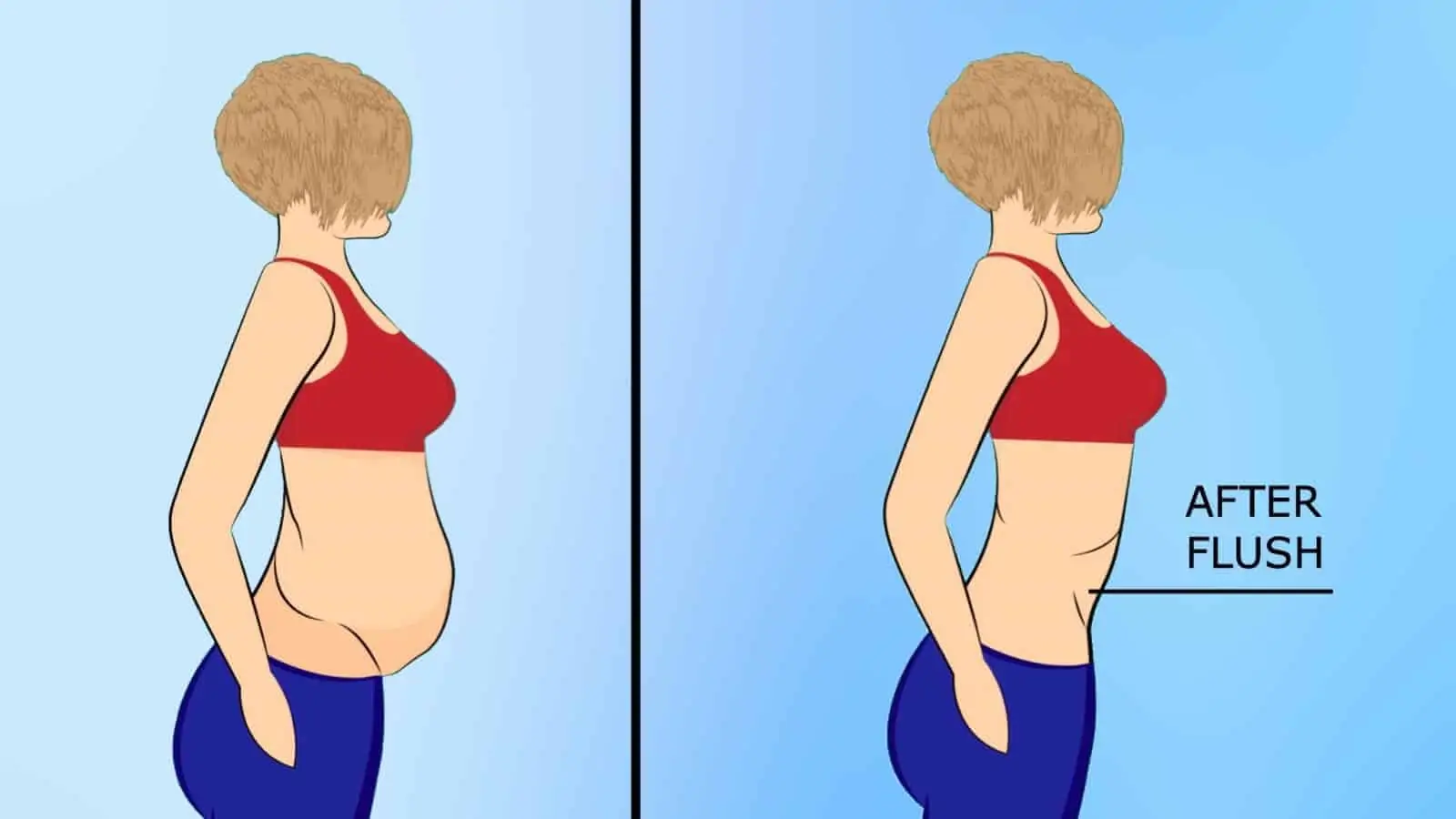
You can detox safely after undergoing a c- section to boost your kidney and liver function naturally. Although many detoxes can leave you malnourished, there are ways of doing it effectively to ensure you can continue to breastfeed your child. Detoxing will require you to drink plenty of water throughout the day and consume plenty of organic whole foods and vegetables, which can flush toxins in the body. Drinking lemon water, dandelion tea, ginger tea, and honey water will also prove to be beneficial. Excess toxins that are flushed out of the body can flatten the stomach quickly and will reduce bloating.

Although it can be challenging to start your weight loss journey after having a baby, there are ways to do it effectively and safely as you continue to breastfeed. With the right steps taken, you can shed excess weight and feel healthier as you recover from a c section.

https://www.youtube.com/watch?v=yG-G9_LOkLA

(C)Power of Positivity, LLC. All rights reserved

5 Simple Techniques To Cope With Disappointment At Work

Work is a place where many of us take risks. We take our jobs seriously, and when we have setbacks, they hurt. Maybe you’ve lost an important account, or maybe you’ve received a less-than-stellar performance evaluation. Everyone learns to deal with disappointment at work in different ways. Some of these techniques are more productive than others.

Ideally, you can use your negative experiences to strengthen you for the future. Disappointment hurts, but it doesn’t have to hurt forever. Use these five proven techniques to process your feelings and help you become a stronger, more resilient person.

5 Ways to Cope with Disappointment at Work

1. Take Time to Honor your Feelings

It’s better to take the time to feel your negative emotions rather than bottling everything up. Psychotherapist Tina Gilbertson encourages people to “wallow” a little before moving on. “Also, find a word for how you feel, such as disappointed, resentful, or afraid. Labeling feelings helps us make sense of our experience.”

Exploring your sad feelings and your disappointment may help you learn to deal with it next time. Is there anything you could have done to avoid your disappointment? If not, you can put it away more easily. If there are ways you could have improved, focus on making these changes for your own sake.

2. Don’t Take it Personally

When something goes wrong at work and you receive a reprimand, try not to take it as an attack on you personally. Finding out that your work was not up to standards hurts, but it is about your objective performance, not about you as a human being.

It’s very difficult to divorce yourself from self-hatred when you make a mistake. Don’t let yourself fall into this trap. You are a worthy person no matter what your work statistics say. Remind yourself about your good qualities both in the office and at home in your personal life. Making one mistake, even if it may feel like the end of the world at the time, will often have little to no effect on your life as you move forward. Try to let go of your feelings of resentment and depression, as these will only hold you back. Learning to deal with disappointment properly will make you feel better and ready to move on in your work life.

3. Have a Good Vent

Within reason, vent to a friend or loved one. A colleague may not be the best person to vent to about your disappointment, as he or she might be invested in the outcome of your problem. Let out all of your negative feelings. Make sure your friend is ready to hear a long vent and can be there to support you rather than judging you for your loss of composure. After a long vent and maybe a little cry, you will feel more ready to move on and deal with disappointment.

When you vent, try not to make personal judgments about the people who were responsible for your disappointment. This will only create bitter feelings in your heart and cause more resentment down the road. After you finish your venting, you should feel lighter and calmer, not more worked up.

4. Re-Evaluate Your Expectations

If you continually find yourself being disappointed at work, it’s worthwhile to check your expectations and to make sure that they line up with the reality of working in your office. It could be that the job is not the right fit for you, especially if you are never recognized for your hard work. Adjust your expectations and perhaps you’ll find you are not disappointed by as many situations in the office.

job

5. Try Again

Don’t let your career be derailed by a setback. Jump back on the horse and try again. Your persistence in the face of obstacles will pay off. Employers notice when someone who has been let down continues to work just as hard as before. This persistence and strength may be rewarded down the road.

Learning to persist despite disappointments is an important life lesson. When you have internalized this, you’ll gain a new viewpoint. Then you will be able to move forward with your career.

Final Thoughts

Dealing with life’s setbacks can be upsetting, but it makes us stronger. When you are experiencing difficulties at work, remember these five steps. Honor your feelings and take time to vent to a close friend or family member. Don’t take your disappointments personally, as they do not reflect on you as a person. Check your expectations and make sure they are realistic. Finally, try again.

These five steps will help you move forward with new intention in your career. While everyone experiences setbacks and disappointments at work, they don’t have to take over your life.

Why You Should Stop Being Jealous And Insecure In Your Relationship

The fear of loss causes us to be anxious and resentful. These are feelings that you will experience every time you invest your emotions in people, pets or items. It is therefore normal. Also, once in a while, you will experience feelings of personal doubt. When self-doubt and jealousy become chronic, they threaten the relationships that you are trying to salvage.

When you are insecure and jealous, your snooping need for reassurance and doubt can push your partner away. Therefore how do you break the cycle, get back your self-control and keep your relationship healthy and happy?

This article points out several ways to overcome being jealous.

1. Stock up on value for self

To eliminate the feelings of insecurity, stop focusing on what you think you do not have. The truth is that we are our worst critics. We can blow things out of proportion. We compliment others but seemingly do not have the abilities to praise ourselves.

In the best relationships, each partner brings different strengths and qualities. These differences complement each other. Therefore remind yourself of your best conditions. These are the qualities that most likely attracted your partner to you. Instead of thinking about what you lack, think about what you bring to the table. Focusing on your strengths will make you more confident in yourself.

2. Stay independent

Sure, you may feel that your life is nothing without your partner but that does not mean that you should be overly dependent on them. The reason they fell in love with you in the first place is that you were unique, happy in your skin and independent. It can be challenging to maintain the level of independence you had before you entered the relationship, but you need to try.

A great way to maintain independence is to have a hobby and retain your improvement goals. These should be different from any goals you have as a couple.

3. Have faith in your love as a couple

You think your guy was flirting with the girl at the restaurant yesterday. Maybe it happened, and perhaps it did not. However, keep in mind that you and your guy have an entire history together. Everyone flirts sometimes, and they are not even conscious of it. They may have just been friendly, and you misinterpreted that.

Can you count the number of times you were afraid of something that you thought might happen and nothing happened? Most times the things that you are most fearful of never actually happen. So just because you have a hunch does not mean your boyfriend is into someone else.

If you have no proof, do not make a mountain out of a mole hole. You may end up destroying a great relationship because of irrational fear. Talk to your boyfriend directly. He will put things into perspective for you. He will do one of two things, either put your mind at ease or be weird about it. After the conversation, you will know how to move forward.

4. Find out why you are jealous

Statistics show that most people are jealous and insecure in their current relationships because of what they went through with their previous partners. Did you take enough time to heal after your last breakup? Could you project the feelings you had for your previous partner?

Did you experience trauma in your childhood that needs to be addressed? Sometimes, children who suffer cheating at home are more likely to project it to their partners. To prevent this, make sure that you have addressed any psychological issues you may have. That will assure you that you are in the right relationship. You will also know when you should be suspicious and when you are misreading situations.

jealous

A professional will help you overcome insecurities. They will also allow you to let go of the baggage and hurt you may have experienced in your previous relationships.

5. Never play games

Most jealous people will try to make themselves feel better by finding ways to make their partner jealous. Do not do that. Going out of your way to speak about your ex-lovers and flirting with people in front of your boyfriend won’t make any of you feel better.

You, however, do not have to pretend that there are no other attractive people in the world. You can say it without making it seem like you want to make your guy jealous.

Conclusion

To overcome jealousy, lengthen the leash. Do not assume that your partner is out with a girl because he is late. If he wants to spend the whole weekend with his friends, let him. If he feels threatened or imprisoned, he will dislike being with you.

Never make the situations you imagine in your head seem like they are real. If you do not have any evidence, let things slide and trust your partner.

https://www.youtube.com/watch?v=B1u8qaermPc

(C)Power of Positivity, LLC. All rights reserved

25 Quotes in Life to Never Forget

At a certain point in life, you come to terms with the fact that you must create your happiness despite the chaos and negativity around you. However, utilizing positive thinking and truly owning your life can prove difficult in a world that wants to bring us down with every step we take.

All of the problems we have to deal with can get overwhelming, but considering some powerful and accurate quotes in life can help you keep things in perspective. The next time you feel discouraged or want to give up, remember the perspective of these quotes in life.

25 quotes in life you should never forget:

life

Positive Quotes On Living

“When I was 5 years old, my mother always told me that happiness was the key to life. When I went to school, they asked me what I wanted to be when I grew up. I wrote down ‘happy.’ They told me I didn’t understand the assignment, and I told them they didn’t understand life.”
—John Lennon

“The struggle you’re in today is developing the strength you need tomorrow.” – Robert Tew

“As I look back on my life, I realize that every time I thought I was being rejected from something good, I was actually being redirected to something better.” – Steve Maraboli

“However difficult life may seem, there is always something you can do and succeed at.”
—Stephen Hawking

Rock bottom became the solid foundation on which I rebuilt my life.” – J.K. Rowling

Quotes On Character

“The people who are crazy enough to think they can change the world, are the ones who do.” – Steve Jobs

“A man who conquers himself is greater than one who conquers a thousand men in battle”. – Buddha

“What lies behind us and what lies before us are tiny matters compared to what lies within us.” – Ralph Waldo Emerson

“If you always put limits on everything you do, physical or anything else, it will spread into your work and into your life. There are no limits. There are only plateaus, and you must not stay there, you must go beyond them.” – Bruce Lee

“Logic will get you from A to B. Imagination will take you everywhere.” – Albert Einstein

“Do not pray for an easy life. Pray for the strength to endure a difficult one.” – Bruce Lee

motivational quotes

On Perspective

“Let yourself be silently drawn by the strange pull of what you really love. It will not lead you astray.” – Rumi

“It is no measure of good health to be well adjusted to a profoundly sick society.” – Jiddu Krishnamurti

“The first time someone shows you who they are, believe them.” – Maya Angelou

“Normal is an illusion. What is normal for the spider is chaos for the fly.” – Morticia Addams

“The real question is not whether life exists after death. The real question is whether you are alive before your death.” – Osho

Quotes On Potential

“When I let go of what I am, I become what I might be.” –  Lao Tzu

“He who controls others may be powerful but he who has mastered himself is mightier still.” –  Lao Tzu

“Don’t ask yourself what the world needs; ask yourself what makes you come alive. And then go do that. Because what the world needs is people who have come alive.” – Harold Whitman

“To live is the rarest thing in the world. Most people exist, that is all.” – Oscar Wilde

“We can’t solve problems by using the same kind of thinking we used when we created them.” – Albert Einstein

“Everybody is a genius. But if you judge a fish by its ability to climb a tree, it will live its whole life believing that it is stupid.” – Albert Einstein

“We are what we repeatedly do; excellence, then, is not an act but a habit.” – Aristotle

“Do not go where the path may lead, go instead where there is no path and leave a trail.” – Ralph Waldo Emerson

“Life isn’t about finding yourself. Life is about creating yourself.” – George Bernard Shaw

success quotes

Final thoughts on reading quotes in life to keep you in a positive frame of mind

We hope these quotes in life help to you keep a positive mindset and believe in yourself when the going gets rough. Remember that you have more control over your life than you think, and you can change your circumstances if your current situation doesn’t bring you happiness.

11 Signs You Have Irritable Bowel Syndrome

Irritable bowel syndrome, or IBS, is a chronic (long-term) health condition affecting the large intestine. IBS, while undoubtedly uncomfortable, does not pose any serious threat to health. The symptoms of IBS can be quite severe, however.

Today, we are going to talk about 11 possible signs of IBS. We’ll also discuss some ways to prevent and relieve IBS symptoms.

Let’s start by discussing 11 possible signs that you have irritable bowel syndrome:

1. Pain and cramping of the abdomen

IBS pain and cramping occur almost exclusively around the stomach area. This pain is often described as sharp and sudden. It is common for this pain to be sporadic, but when it does occur, it is intermittently experienced throughout the day.

2. Abrupt changes in bowel habits

The onset of IBS almost always begins with a change in bowel habits. So sudden are these changes that the person often feels an immediate need – an emergency – to locate the nearest toilet. (Think Jeff Daniel, a.k.a. Harry, in the infamous “Dumb and Dumber” toilet scene ?.)


3. Sour taste in the mouth

For some strange reason, the onset of IBS may produce a nasty, sour taste in the mouth. If this symptom is not due to  recently eating a potent food; for example, garlic, grapefruit, etcetera,  a sour taste of the mouth may be a possible sign of IBS.

4. Frequent need to urinate

The urge to pee is often associated with IBS. Not only is this potential sign annoying, it is also extremely disruptive. If this happens, try cutting back on excess fluids, including water if you drink a lot of it (64 ounces is the recommended amount.) If this doesn’t work, seek the advice of a doctor or your wellness professional.

5. Weird-looking poopirritable bowel syndrome

Okay, so this one is gross, but the size, shape, and texture of your BMs can indicate a problem with your gut. While talking about your poop with a doctor may feel uncomfortable, it’s better to be safe.

6. Watery diarrhea

Speaking of weird-looking poop, there’s the kind that seems to resemble more water than food. Also called watery diarrhea, this is a near-universal sign of either IBS or some other gut trouble.

7. Anxiety and stress problems

The mind and body are connected. This fact has been proven and re-proven by experts in the scientific medical community. The gut, in particular, seems to have a close relationship with our brain. In fact, the discovery that the gut contains a disproportionately high number of neurotransmitters has earned it the nickname the “Second Brain.” (By the way, it is the presence of this “second brain” that is responsible for that “gut feeling.”)

8. Bloating and swelling

No surprise here. An irritated gut is a bloated gut – that’s just inflammation for you. If your tummy feels more swollen and bloated than usual, seek some medical advice.

9. Heart palpitations

Heart palpitations – a heart that feels as if it’s “fluttering” – is a telltale sign of anxiety. As mentioned, anxiety is closely linked to IBS. Obviously, then, the heart may act a bit strange in the presence of an irritated gut.

10. Fatigue

When the gut is overly active, it drains the body’s energy reserves. Of course, low energy resources leads to tiredness (which, by the way, often manifests as brain fog and cloudy thinking).

11. Acid reflux

Lauren Gerson, MD, an associate professor of medicine at Stanford University, says that about 40 percent of those with Irritable Bowel Syndrome experience acid reflux, and vice versa. Both conditions produce bloating and swelling, nausea, and possibly heartburn (in the case of IBS.)

Preventing and Treating Irritable Bowel Syndrome

The most important thing when it comes to preventing IBS symptoms is avoiding what are called “triggers.” These controllable factors irritate the stomach. At times, they can also lead to a bout of IBS.

Here are some common triggers of Irritable Bowel Syndrome:

  • Diet: too many refined grains and processed foods; excess alcohol and caffeine; fatty dairy products; and a lack of fiber.
  • Environment: stressful work; financial problems; feeling out of control; not enough rest and relaxation time.
  • Drug-related issues: anti-depressants, antibiotics, sugar substitutes (e.g. sorbitol, aspartame, etc.)

bloating

Here are some natural ways to curb IBS symptoms:

Diet: Eat the right amount of fiber. Some high-fiber foods include fruits, vegetables, beans, and legumes.

Relaxation: Suppressing an overactive stress response (“fight-or-flight”) is critical to avoiding IBS flare-ups. The International Foundation for Functional Gastrointestinal Disorders cites three research-proven ways to reduce IBS symptoms. These include abdominal and diaphragmic breathing, positive imagery and visualization, and progressive muscle relaxation.

Movement: Try to get a minimum of 30 minutes of exercise every day. Here are a couple of tips to make sure you get this recommended half-hour: split exercise sessions into 15-minute segments, find an enjoyable activity (e.g. cycling, basketball, tennis), and walk outside whenever possible during work.

Herbs and spices: Herbs and spices like ginger and peppermint can relieve some of the overactivity of the gut. In effect, this can potentially prevent IBS flare-ups.

To your continued tummy health!

https://youtu.be/KKB0jThAfnQ

(C)Power of Positivity, LLC. All rights reserved
Sources:
https://www.bustle.com/articles/196216-11-signs-you-might-have-irritable-bowel-syndrome-according-to-experts

https://www.healthline.com/health/ibs-home-remedies-that-work#relax
https://www.webmd.com/ibs/ibs-triggers-prevention-strategies

The 1 Week Plan to Learn How to Start Juicing For Weight Loss

Getting into shape can be a struggle, to say the least. There is a lot of hard work and dedication that goes into weight loss. When you consider how busy we are in our day-to-day lives, it’s hard to imagine how one might be able to dedicate the amount of time it takes to go to the gym daily.

It may seem like you must be working hard in the gym every day to achieve an ideal physique, but in all actuality, it’s the choices you make outside of the gym that really matter. You will find that working out on a full stomach of greasy, hard to digest foods, feels like treading through sinking sand. This is why more and more people are turning to juices for weight loss.

Here’s a 1 week plan of juicing recipes for weight loss:

Day 1: Do Your Research

Juicing is a relatively modern concept, which is why we are seeing such an influx of juicing recipes for weight loss. In addition to the methods, we are also experiencing an industry serge. The food market has taken notice of their consumers interest in using juices for weight loss. As a result, we are seeing more beverage driven companies offering a higher volume of juice-based drinks. The only problem with this is the fact that these companies are not able to supply us with these “healthy” beverage alternatives without adding preservatives and unnecessary sugar.

Day 2: Buy a Juicer

Buying a juicer is highly recommended if you are looking to start using juicing recipes for weight loss. By creating your own juices, it gives you complete control over what is going into your body. This will make it so much easier to monitor what is and is not working for you.

Day 3: Green Makes You Lean

The best part about using juicing recipes for weight loss is the fact that you can get most of your daily nutrients all packed into one glass. Usually, you are also able to mask a lot of bitter tastes that you may not be so partial to by adding in sweeter fruits.
If, for instance, you despise the flavor of kale, you can suppress that taste by adding more bananas or mango to your juice. Bananas are one of the most sugar intense fruits that are easily accessible at your standard grocery store.
Mixing sweeter fruits with leafy greens will give you the added benefits of vitamin K and a high quantity of antioxidants without having to stomach the bitter taste of the dark green leaf.

Day 4: Fresh Vs. Frozen

By the fourth day, you may start to find the DIY juicing a bit taxing on your time. Although some may argue that fresh whole fruits and vegetables are the only logical choice for your juicing recipes for weight loss, it’s not always the case. Frozen fruits and veggies give you the convenience of quick access to a refreshing juice.
They cut prep time practically in half because most frozen fruits are already peeled and cut into manageable pieces, perfectly sized for blending or juicing. Adding in some frozen element will also result in a more slushy-like consistency.

Day 5: Get It While It’s…Cold

Meal prep is a great way to get you seamlessly through the week without having to do much of the guesswork before eating. However, when it comes to fresh juice you should not prepare more juice than you are ready to consume immediately. As mentioned before, the juice you produce at home does not contain preservatives. Meaning that a juice left standing, even if it is refrigerated, becomes susceptible to harmful bacteria.

juicing recipes for weight loss
Even if it is kept in an airtight container, if the juice has not been consumed within a 24-hour period, the leftover juice should be thrown out to prevent the possible spread of food born illness. Getting sick on questionable juice can easily be avoided by only preparing one to two servings of juice at a time.

Day 6: Fruits Too High in Sugar

The monotony of the same flavors may be getting to you by the sixth day and you may want to add a bit sweeter fruits to your juices. Though they may make your juicing recipes for weight loss taste as sweet as a milkshake, the fruits with the highest grams of sugar should be used sparingly. The correct balanced guidelines to follow would be 2/3 vegetables to 1/3 use of fruit. Fruits such as figs, grapes, pomegranates, and cherries contain the highest amount of sugar and calories. Figs and grapes tying for the most sugar-filled at 13.8 grams.
They are obviously the more health conscious alternative to a spoonful of sugar but should still not dominate your juice.

Day 7: Just Add Water

With every glass of fresh juice you consume, try adding a companion glass of water. It will aid your freshly squeezed or pressed juice in flushing out toxins and keep you hydrated as well.
Many have found using juices for weight loss a great tool to have in their arsenal. When they’re not in the gym, they tend to reach for a fresh pressed or squeezed juice instead of a filling meal. The heartier green juices work fantastically as meal replacements. Before and after the gym they are doing the same and thriving because they are no longer weighed down by a full, heavy meal.
The key to weight loss is the balance. You will not experience your desired results without taking both your diet and your workout regimen into full account. Doing one without the other will leave you spinning your wheels.

https://www.youtube.com/watch?v=yG-G9_LOkLA

(C)Power of Positivity, LLC. All rights reserved

How To Forgive Someone Who Is Not Sorry

In this life, it’s very possible that we will have encounters with multiple people in which they hurt our feelings deeply and show little to no remorse. One of the hardest things to do is to learn how to forgive someone despite the pain they have caused you. However, once you figure out what works for you, you will undoubtedly experience less longterm pain created by others.

We can’t control their actions, but with some practice, we can control how we react to them. We’ve put together a list of things for you to consider and try if you’re struggling with how to forgive someone who isn’t sorry.

Here’s how to forgive someone who isn’t sorry:

Turn Your Focus Inward

Forgiving is often associated with absolving the person who hurt you from their wrongdoing, but, if you change focus from them to yourself, you’re able to work on the things you can control. Ask yourself, what do I need to feel better right now? Practice giving yourself whatever it is that you need. By focusing on what you need in the present moment, you remove yourself from the past experience and take action towards making yourself feel happy. Making yourself a priority is one of the most powerful ways to heal yourself.

“In the process of letting go, you will lose many things from the past, but you will find yourself.” -Deepak Chopra

Take Responsibility for Your Feelings

The words and actions of others can absolutely hurt us, but when we’re learning how to forgive someone we have to learn how to take responsibility for our own feelings. Though it may be challenging at first, we can only blame others for how we feel for so long. You must realize that when you’re holding onto grudges it only hurts yourself.

“By changing the way you choose to perceive the power that others have over you… you’ll see a bright new world of unlimited potential for yourself… you’ll know instantly how to forgive and let go of anything.” -Dr. Wayne W Dyer

Recognize the Part You Played

This is one of the hardest parts of forgiveness but a necessary component in our personal growth. Our ego wants us to feel hurt without having to take any responsibility for the part we played in whatever happened but the truth is that not everything is one-sided. Though the person who hurt you may have a cold personality, ask yourself if there was anything you may have done to provoke them and answer yourself honestly. In acknowledging your part, you will be able to let go of the negative feelings you are holding for someone more quickly because it forces you to realize that no one is perfect and arguments are typically a two-way street.

“It can be hard to forgive and let go but it’s important to remember that harboring the resentment and holding a grudge can hurt you even more. The word ‘forgive’ really means to give something up for yourself, not for them.” -Jack Canfield

Remove Yourself From the Pastpast quote

If you haven’t figured out how to forgive someone for what they’ve done, you’re more than likely living the experience over and over in your head. You have to recognize that this does nothing for you- what happened has happened and there is nothing you can do to change it. The longer you keep holding on to those moments, the longer it is going to take you to forgive someone for what they did. Instead of replaying those moments, get back to the present where things really need your attention.

“When a deep injury is done to us, we never heal until we forgive.” -Nelson Mandela


Talk to Someone You Trust

If there is someone in your life that you can go to that will always give you their honest opinion, go to them. Getting someone else’s point of view can be very helpful as they can shine a light on the things we may not be willing to look at. Others can give us tips on how to forgive someone and provide us with personal stories we can relate to and use as inspiration to move on from an attitude that isn’t serving us.

“Forgiveness is not an occasional act; it is a permanent attitude.” -Martin Luther King

Learning how to forgive someone can take a lot of time and patience. Be gentle with yourself, work on letting what happened to you in the past go, even if it’s only a little bit at a time. With practice, you will find that the actions of other people have less and less control over you, and this will set you free.

“Forgiveness is an attribute of the strong.” -Mahatma Ghandi

Science Explains Why People Get Back Together After Breaking Up

https://www.youtube.com/watch?v=vU9pRXd22ng

(C)Power of Positivity, LLC. All rights reserved

How My Life Changes When I Cleanse Negative Energy From My Home

One of the most effective ways to change your life for the better is to cleanse negative energy from the environment that you live in. It may seem benign and something that is not so noteworthy. But where you live determines a surprisingly large portion of your well-being and can greatly affect your mood.

This was something that I underestimated until I found myself in a rut; no matter what I tired, I felt stuck in my life with my mood never seeming to truly lift. I decided to try out methods of cleansing the energy in my apartment and saw an almost instant benefit. When letting go of negative energies in one’s life, you can find that not only will you feel more confident about where you live. But you will also push yourself to do things you may not normally do.

Why is this? As it turns out, there is a strong link between your emotional headspace and your physical space. Amy B. Scher, a professional energy therapist, wrote a fascinating book describing this phenomenon in greater detail—it’s called How to Heal Yourself When No One Else Can.

To help you take the steps in your own life to cleanse negative energy, we’ve compiled a list of tips you can follow to make noticeable changes to your life quickly and efficiently.

Here’s how your life can change when you cleanse negative energy:

release negative thoughts

1. Clean Your Living Space Thoroughly

The first step you should be taking to remove negative energy from your living space is to give it a good clean. Change your bed sheets, give the floor a vacuum, put everything back in order; ensuring that your place is tidy and in order allows you to clear up some crucial headspace which can put you on the path to feeling better. Many find that they experience instant benefits from this, feeling comfortable and organized in their head when they can see it visualized and in front of them.

2. Rearrange Furniture And Your Layout to Cleanse Negative Energy

Following a tidy living space is making sure that the layout is comfortable for you—once you have a grasp on where exactly it is you’re living, you must ask yourself if it feels right for you. If it doesn’t, this doesn’t mean that you have to immediately throw out everything that makes your space unique. As an alternative, you can begin to re-arrange your space to give yourself more freedom overall.

For example, a huge trouble I had in cleansing my most recent apartment of negative energies was re-arranging it so the TV was not a focal point of the room. A lot of my negative energy comes from being distracted and absorbing the unpleasant events going on in the news, so changing the focal point of the room allowed me to not be drawn to my TV whenever I entered my apartment and keep watching the news to specific occasions.

3. Burn Incense To Smell A New Tomorrow

Changing the scent of your environment can play a huge role in decreasing the negative energies surrounding it. Incense is a great way to completely change the dynamic of your living space, also having an important role that can be utilized in meditation. By cleansing the air that you breathe, you will be allowing calmer, more pure elements into your body, no doubt affecting your mind and the way it sees and feels things.

4. Cleanse Negative Energy by Surrounding Yourself With Houseplants

One of Amy B. Scher’s most important tips in her book to healing yourself is to embrace the natural elements that can be combined with a living space. As humans, we are constantly navigating the technological compromise of embracing the benefits of technology while also staying connected with the natural environment that bore us. Because of this, bringing nature back into your home environment can greatly help you cleanse negative energy in a room. When picking out a houseplant that is right for you, we recommend checking out this list of houseplants to choose from.

5. Cleanse Yourself Of Unproductive Habits

Changing the environment in which you live is important for dealing with negative energy. But you’ll find that many of the attitudes we need to change must come from within as a means of coping. To cleanse negative energy, we recommend taking a closer look at the things that you do that may be clouding your general worldview. For many this may be related to mental illness and other struggles, but it doesn’t necessarily have to be.

cleanse negative energy

After trying the things listed above, I found that my life has changed significantly and for the better. One of the most amazing things about trying to cleanse negative energy is that it can be done. It often seems like a daunting task that requires a lot of changes to be made. But you’ll see how a little goes a long way when affecting your environment.

Negative energy can be a tumultuous thing, as it can overwhelm us and make us feel like there’s not much else we can do to fix it. By taking control of the energy by making changes in your surroundings, you can begin to take control of your life and all its potential!

Skip to content