Weekly tips, affirmations, and small actions to feel your best.

Science Explains 4 Reasons For Sleep Paralysis (And How to Treat It)

If you’ve experienced sleep paralysis, you aren’t alone. Many people experience the phenomenon at some point in their life, and 28.3% of students report having experienced it (1). Here’s what it is:

It Can Be Terrifying

You’re not entirely sleeping during nighttime paralysis, and that’s what’s so terrifying about sleep paralysis. You may try to scream, but you can’t.

What It Isn’t

Paralysis during sleep is not caused by supernatural phenomena, but many people do believe that they are experiencing something supernatural while in paralysis during sleep. Therefore, the condition can be completely treatable if the cause is found!

These Are The Four Main Causes Of Sleep Paralysis

1. A Medical Condition May Be Causing Your Paralysis Episodes

Nighttime paralysis can be caused by sleep disorders, but it can also be caused by conditions that seem to have nothing to do with sleep. These are some of the most common examples of medical conditions that may result in paralysis during sleep:

Narcolepsy Can Cause Frequent Nighttime Paralysis

Individuals who suffer from narcolepsy typically have frequent nighttime paralysis along with vivid dreams. This is due to the disturbances in REM sleep that occurs as a result of the disorder.

Treating Sleep Apnea Can Be An Effective Treatment For The Condition

Sleep apnea is a disorder that causes breathing problems during the night, and this can awaken individuals during the body’s natural REM paralysis. The condition can be treated with a CPAP machine, and a sleep study is needed to diagnose it.

In Some Cases, Psychiatric Problems Are To Blame

Psychiatric disorders are known to disrupt the sleep cycle. Here are some examples of psychiatric disorders that are especially likely to result in nighttime paralysis:

  • Bipolar Disorder: Bipolar disorder causes significant alterations in the sleep wake cycle that leads to periods with little sleep that often alternate with periods with excessive sleep. The alterations in the sleep wake cycle of people who suffer from bipolar I disorder is much more pronounced than those who suffer from bipolar II.In addition, many individuals with bipolar disorder suffer from anxiety, and this can also lead to the condition. Mania is particularly likely to lead to sleep paralysis, and that is because increased levels of arousal, irregularities in the sleep wake cycle, and agitation.
  • Schizophrenia: Schizophrenia can also cause severe alterations in the sleep wake cycle that results in paralysis during the night, and these changes can follow very unpredictable patterns. However, there are several other reasons that schizophrenia could make an individual more prone to the condition.Schizophrenia may be caused by over-activity in the part of the brain that’s responsible for REM sleep. Furthermore, schizophrenia often causes vivid hallucinations, and the imagery, sounds, and voices from the condition can keep sufferers awake at night. As a result, sleep patterns often become highly irregular, and this increases one’s risk of experiencing nighttime paralysis.Individuals who suffer from schizophrenia tend to have impaired logic, and this means that sufferers are likely to attribute nighttime paralysis occurrences to supernatural phenomena. This can cause extreme fear and fuel delusions, and this also creates a vicious cycle by heightening nighttime anxiety.
  • Clinical Depression: People who suffer from clinical depression typically do not sleep as well as those without the condition, and this can result in paralysis during sleep.
  • Panic Disorder: Nighttime panic attacks can wreak havoc on your mental health, and they are thought to result in paralysis during sleep for some sufferers. In fact, 35% of people with sleep paralysis report having had a panic attack (2).

Check out this link for more info on improving your mental health.

2. Stress And Anxiety Can Trigger Paralysis During Sleep

If you need to de-stress, consider these tips:

  • Prior to going to bed, consider going through a routine to decompress and relax, such as taking a warm bath.
  • Write down any thoughts that are bothersome to you.
  • It’s best to create a sleeping environment where the light levels are quite low, and it’s also important to make sure that the environment is the right temperature for sleeping.

What Kinds Of Stress Are Especially Likely To Lead To Nighttime Paralysis?

While there are many types of stress that can lead to paralysis during sleep, these are some of the most noteworthy examples:

Clinical Anxiety Disorders May Trigger It

Your anxiety may be causing you to remain alert when your body is attempting to “shut down” and go into the paralysis of the dream state, and this can result in nighttime paralysis. Here are some examples of anxiety disorders that are likely to lead to paralysis during sleep:

  • Generalized Anxiety Disorder: Individuals who suffer from generalized anxiety disorder often spend a large amount of time worrying about various potential future events, and this can cause increased arousal during the night.
  • OCD: Often, individuals with OCD have obsessive ways of thinking during the evenings, and this can make it harder to wind down and go to bed.
  • Certain Phobias: Individuals who tend to have a fear of the dark are likely to experience anxiety and arousal that makes paralysis during sleep more likely when sleeping in darkness, but sleeping with a light on can also increase one’s level of arousal and increase the chance of paralysis.

Successful treatment of anxiety disorders can be an effective sleep paralysis treatment.

PTSD Can Lead To Paralysis During Sleep

Many PTSD sufferers experience flashbacks through dreams, and this can lead to waking up while in a paralyzed state. Here’s what you need to know about PTSD and nighttime paralysis:

  • Flashbacks can potentially occur through dreams at any time, and there is not always a noticeable trigger that was experienced during the day. However, it’s especially common for flashbacks to occur through dreams if one experiences a trigger during the day.
  • In some cases, individuals who have paralysis during sleep as a result of PTSD will experience hallucinations of past traumatic events during the paralysis.

If You’re Distressed By Supernatural Beliefs, This Could Be The Culprit

Many people have supernatural beliefs that result in nighttime fear and anxiety. In fact, some experts believe that paralysis during sleep is to blame for many reports of supernatural events, and these are some examples of things that people have experienced while paralyzed in REM sleep:

  • Demonic Encounters: Many people report hallucinations during the paralysis that involve demonic entities, and these occurrences are especially distressing and more common among individuals who believe in these occurrences.
  • Extraterrestrial Visitation: Some people who experience paralysis during sleep encounter hallucinations that involve extraterrestrials, and these hallucinations are especially common and disturbing to individuals who have a strong fear and belief in these alleged encounters.
  • Sightings Of “Shadow People”: Some people have a belief in mysterious sightings of what are referred to as “shadow people”.
  • Ghost Encounters: Individuals who have a strong belief in and fear of ghosts sometimes see them during the paralysis, and this can be especially distressing for individuals who have a strong belief in the phenomenon.

3. An Irregular Sleep Cycle May Be To Blame

Having an irregular sleep cycle can make it more difficult for your body to regulate REM sleep properly. In some cases, improving your diet can be an effective sleep paralysis treatment and give you a more regular sleep pattern.

Shift Work And Jet Lag Is A Common Trigger

The effects of this form of mild sleep deprivation vary significantly from one individual to another, but some people find that it is not possible to sleep without suffering from episodes of nighttime paralysis. However, taking a bit of time to get relaxed prior to going to bed and letting go of the day’s anxieties can help to prevent this cause of nighttime paralysis in some cases.

Insomnia Can Be A Cause

Extended sleep deprivation causes severe disturbances in REM sleep, and this often leads to extremely vivid dreams and sleep paralysis. That’s because REM sleep has been underactive for an extended period of time, and this results in a rebound effect that can lead to sleep paralysis. Taking steps to avoid insomnia can be an effective sleep paralysis treatment.
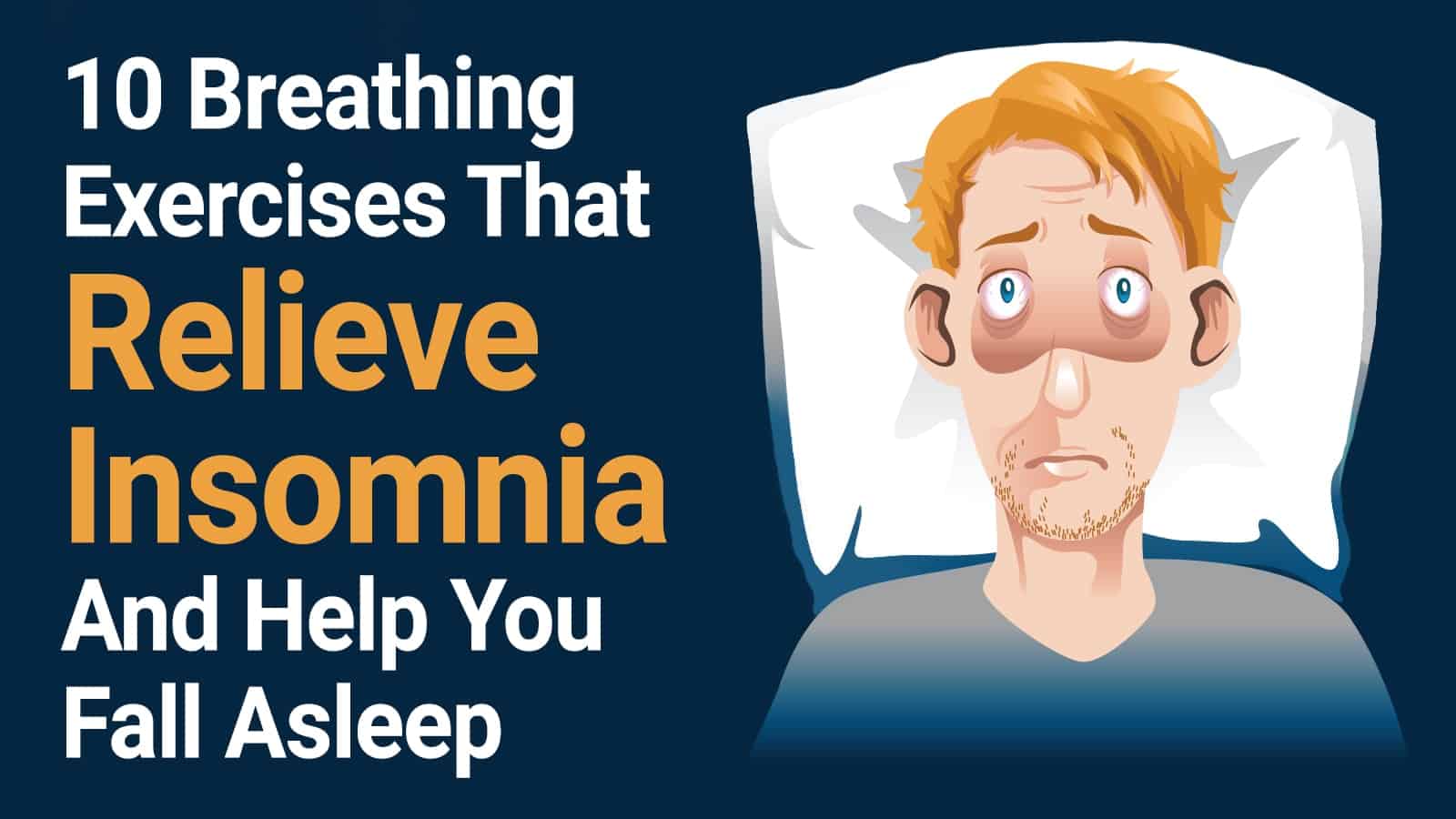
sleep paralysis

Alcohol And Drug Use Can Lead To Nighttime Paralysis

There are many ways that alcohol and drug use can increase the chances of nighttime paralysis occurring, and taking steps to avoid these effects can be an effective sleep paralysis treatment. Drinking coffee or taking other substances that promote wakefulness prior to bedtime can result in sleep paralysis due to increased levels of arousal during sleep. Here’s what you need to know about treating nighttime paralysis if drug or alcohol use is the cause:

  • Avoid Caffeine Prior To Bed: It’s best to avoid all caffeinated beverages prior to bedtime, and that includes caffeinated sodas, energy drinks, and coffee.
  • Alcohol Doesn’t Actually Help You Sleep Well: Alcohol may allow you to fall asleep more quickly, but your level of arousal will be higher. This will increase the chances that you’ll have a paralysis episode.
  • Consider The Effects Of Medications: It’s not uncommon for medications to disrupt your sleep cycle. In fact, certain sleep medications can make you more prone to the condition.
  • Avoid Illegal Drugs: Certain illegal drugs that have a wakefulness-promoting effect can cause users to spend many nights without sleep, and this causes severe disturbances in REM sleep. Also, some sedatives can have a rebound effect and result in increased arousal during the night.

Final Thoughts On Sleep Paralysis Treatment

If you’re suffering from paralysis episodes at night, there is hope. The condition can sometimes have a medical cause, and there can be treatments available.

In addition, there are steps that you can take yourself to prevent episodes from occurring. The information in this article offers a good start on determining how to treat the condition.


12 Early Signs Of Lung Cancer To Never Ignore

Lung cancer is usually not noticeable during the early stages. Most people are diagnosed when the disease is at an advanced stage. According to Cancer.org, it is the second most common cancer among men and women [1]. The American Cancer Society estimates there were about 234, 000 new reported cases in 2018 with about 154,050 recorded deaths.

The disease is so far the leading cause of cancer death among women and men in America. Every year, more people die from the disease than all the other cancers combined. The disease mostly affects old people with the average age being 70. There is an insignificant number of people diagnosed who are below the age of 45.

Women are more at risk of getting cancer than men. The chances of getting the disease for women is 1in 17 while 1in 15 for men. The figures include both smokers and non-smokers with smokers having a higher risk of getting cancer. [2]

Early Signs of Lung Cancer

The survival rate varies with the extent of the lung cancer. Even with the spell of doom once diagnosed with the disease, there are people who have been fully cured because of early detection. There are close to 430, 000 people living with the disease. In order to increase the chances of being cured, you need to be aware of the early symptoms.

lung cancer symptoms

1 – Incessant Cough

This is usually the first major sign. You should seek medical attention if you have developed a cough that just won’t go away. Most coughs associated with respiratory functions should clear in a week or two. Any persistent cough that lingers could be a sign of an underlying problem.

Alex Li, M.D., deputy chief medical officer for LA Care Health Plan says, “You should also get help if your cough is causing fatigue by keeping you up at night, or if it’s otherwise affecting your ability to function normally”

Don’t dismiss that dry cough that has persisted for weeks. The doctor is in a better position to examine your lungs and administer X-rays if necessary to get to the bottom of the problem.

2 – Change In Cough

This is particularly important for people who smoke a lot. The changes usually manifest in chronic coughs. You could be coughing more often than you usually do. The coughs become hoarse and blood or mucus is involved. You should see a doctor immediately because the problem might be worse than you originally thought.

3 – Change In Breathing

If you becomes easily winded or experience shortage of breath, there are chances that you could be having the disease. If it is cancer, the change of breath occurs because the disease narrows or blocks the airway. It could also be fluid from the cancer tumor accumulating in the chest.

You should be keen in noticing if there is winding or shortage of breath. It may be time to see a doctor if you find it difficult to breathe after going up the stairs or after performing simple chores.

4 – Chest Pains

The cancer may result in pain in the chest area, back and even shoulders. That aching feeling that you think is a result of coughing might not be the case. Any signs of chest pains should be a cause of concern and you’ll need to see the doctor immediately.  The type of pain is called Metastasis which accounts for almost 34% the pain that comes about as the result of the disease.

It could also be a result of the pan coat tumor which is positioned at the top of the lung. The spread of the disease to the chest wall accounts for 21% of the pain the patients experience. [3]

5 – Wheezing

Wheezing comes about as a result of the airway becoming inflamed, constricted, or blocked. Some of the causes are easily treated buy it may be because of cancer. It may not be allergies or asthma and that is why you need to see a doctor. The wheezing is associated with a late stage of cancer but that shouldn’t scare you from seeking medical attention. Wheezing also causes dyspnea which results in difficulty in breathing. You might not experience this symptom during the early stages because it is not one of the early lung cancer signs.

6 – Hoarse voice

You should see a doctor if there is a big change in your voice. Friends and family are in the in the best position to notice the big differences. A cold may also result in voice hoarseness but it usually clears within a week. If the symptom persists, it could be a sign of a bigger problem. The hoarseness comes about as a result of the cancer tumor interfering with the nerves that control the voice box or the larynx.

lung cancer symptoms

7 – Losing Weight

This is one of the clear signs that you may be having cancer of the lungs. If you have been having chest pains and all of a sudden start losing weight, it might be a big problem and the best thing you should do is to see a doctor immediately. Cancer cells use a lot of energy and you might find yourself losing more than 10 pounds in a very short period of time. Never assume a drastic loss in weight when you haven’t even been trying to do so. It could be a clear indication that you ‘re unhealthy.

8 – Bone Pain

Bone pain is another sign synonymous with lung cancer. The bone pain could be as a result of bone metastases which normally affects about 40% of people with advanced cancer of the lungs. As much as the survival rate for people with kind of cancer is going up, the number of people suffering from bone metastases is also rising. The pain gets worse at night or when there is an increase in activity or movement.

The metastases can result in considerable discomfort and pain. It can also lead to fractures which most likely will interfere with your daily activities thus reducing the quality of life. If not detected early, cancer can spread to the spine, pelvis, and the upper legs and arms. The cancer may also cause neck, arm and leg pain but it is not always common. Always be keen with the aches you experience and explain them to the doctor whenever you go for the regular checkups because it could be one of the early lung cancer signs.

9 – Headache

constant headache could be one of the severe lung cancer signs. There is a possibility that cancer has spread to the brain. You shouldn’t be worried too much because not all headaches are associated with brain metastases. The lung tumor creates pressure on the superior vena cava. This is the vein that is responsible for moving the blood to the heart from the upper body. The pressure that comes, as a result, can cause headaches or migraines in severe situations.

10 – Frequent Infections

You’re likely to experience frequent lung infections such as bronchitis and pneumonia. This comes about as a result of the cancer cells blocking the airways. This could result in atelectasis which is the collapse of the lungs because of the blocking of the airways.

11 – Trouble Swallowing

The correct term for the condition is called dysphagia and comes as a direct result of the impact of the tumor. Dysphagia increases the risk of food inhalation to the lungs which can make swallowing a challenging endeavor. [4]The condition may also cause dehydration which leads to malnutrition and collapse of the kidney.

12 – Slurred Speech

This is also one of the early lung cancer signs you need to be concerned about. Lung cancer affects the nervous system which is responsible for body coordination. Patients will experience involuntary muscle movements. The problem may lead to lung cancer diagnosis. It may also occur during treatment or even a couple of years after the treatment.

Lung Cancer Treatment

It usually begins with a pre-treatment evaluation. A biopsy is performed to ascertain that it is indeed cancer. Tests are carried out in order to determine the stage of the tumor. The tests include imagining and blood tests. The treatment option will depend on the stage of the cancer.

lung cancer

Surgery: This is done to remove the lobe that is infected with the tumor. “Where surgery helps is where we call localized lung cancer that is the cancer’s within the lung and may involve a lymph node that is nearby the lung. But once it extends beyond that area, surgery really doesn’t serve a role for that particular disease.” Says Doctor Thomas Varghese Jr, Program Director of the Cardiothoracic Surgery Fellowship at the University of Utah.

Surgery is the recommended primary treatment for patients with early-stage cancer. That is why you shouldn’t ignore those early lung cancer signs.

Radiotherapy: This is done by delivery high energy X-rays that aid in destroying the dividing cancer cells. It can also be used as a primary treatment for those who have early-stage lung cancer. It can also be used as a post-secondary treatment to get rid of any cancer cells that may have remained after surgery.

Lobectomy: This procedure involves the removal of a full lobe. It is generally accepted to use the procedure if the lungs are still in good condition. The affected area is removed together with the surrounding cell tissue.

Cancer can be managed if detected early. Most people assume that only smokers are at risk of getting it. There are several factors that could contribute to the disease. There are also chances of people under the age of 45 getting cancer. Regular checkups and looking out for the symptoms will ensure detection at the earliest.

15 Things It’s Never Too Late To Do

“It’s never too late to be what you might have been.” – George Eliot

We all have similar responsibilities in life that keep us busy, but that shouldn’t stop us from living the life of our dreams. Sure, at the end of a long day, we rarely want to think about anything other than plopping in our comfy beds and snuggling up with our pets. But we have to keep faith that life can change at any moment. Life really does change in the blink of an eye; we just have to remain open enough to accept good things happening to us.

If you have lost faith in life and feel unmotivated to change, we hope that the following list of things you can do at any time will put a little spark back in your heart.

Here are 15 things it’s never too late to do:

1. Start Over

In life, we must constantly adapt to the changing elements. If not, we get tossed around in the waves instead of swimming with the currents. If you think about it, we start over every single day. Every day that we wake up to, we have the opportunity to start over with a new attitude, a new career, or a whole new life.

Even if you’re 50 years old and want to pursue a college degree, for example, you can do it. You just need the determination and desire to follow through with your dreams. Never convince yourself that you can’t start over, because you can do whatever you want at any point in life.

The only person holding you back, is you.

2. Chase Your Dreams

Similar to the point made above, it’s never too late to follow your heart and fulfill your wildest dreams. Let’s say you want to buy an RV or school bus and travel the country. Whatever makes your heart full, go after it! Don’t worry about what other people think or how impractical your idea might seem. After all, life’s too short to live anything less than your deepest desires.

3. Create Healthy Relationships

An important part of life is developing positive, healthy relationships that inspire you to keep going. Negative people will only bring you down and put you into a low-vibration mode. On the other hand, positive, motivating friendships and relationships will do the opposite.

Healthy relationships keep us stable and provide us with human connections, which can alleviate feelings of depression and loneliness. Choose your circle wisely, because your influences can either lift you up or drag you down.

4. Change Your Ways

No matter what “ways” you want to change, you can become whatever you want at any given moment. In life, we start to box ourselves in to different categories and make ourselves think we can’t become something outside of our self-imposed limitations. Our self-image can become skewed by outside influences as well. All too often, we sell ourselves short.

It’s never too late to become who you have always wanted to be, so don’t let other people or the voices inside your head hold you back from realizing your true potential.

5. Be Positive

Positivity can totally transform your life and change your outlook on the world. Positive thinking can also benefit your mental and physical health; in fact, studies show that positive people have a lower chance of having a heart attack or other negative cardiovascular events. Positivity can also help lower your stress levels, boost your immune system, and allow you to live a better life, in general.

6. Hope

No matter how dim or grim the world looks, it’s never too late to hope for the best. We can sit around all day predicting the worst case scenario, or we can choose to look at the world with a glass half-full attitude. Perhaps one day, the world might become a more peaceful, hospitable place; maybe it isn’t doomed after all. Sure, you might be wrong, but the only way to remain sane in this world is to pray for the best rather than expect the worst.

7. Accept God

Call it God, the Universe, energy … whatever you want to call it. Accepting a higher power in your life can change your whole perspective. Studies show that people who believe in God have a lower risk of committing suicide and engaging in drug and alcohol use. Of course, the decision is totally up to you, but keeping an open mind to spirituality could benefit you in the long run.

8. Make A Difference

Making a difference doesn’t have to mean saving the world from hunger or picking up every piece of plastic on the planet. You can make a difference in one person’s life by sharing a smile or a meal; it only takes one act of kindness to change a life. Maybe think about volunteering at a soup kitchen or an animal shelter if you want to make an impact on your community. Just remember that no act of kindness is too small.

9. Forgive Someone Who Hurt You

Forgiving those who hurt you in the past won’t make the experience go away, but the pain you felt from the situation will start to fade. In life, no one is perfect; people make mistakes, and sometimes they don’t really mean to hurt you – it just happens. However, no matter if a person intentionally hurt you or not, holding on to the pain of that experience will only hinder you from moving on.

Plus, forgiveness has health benefits as well. According to Johns Hopkins Medicine, forgiving someone can lower your blood pressure and heart rate, as well as decrease feelings of depression and anger.

10. Learn Something New

As we go through the motions in life, we can become complacent and closed off after a while. However, keeping your mind and heart open will allow for new experiences in your life, which will help take you out of the mundanity and into a place of excitement. As they say, variety is the spice of life, so don’t allow yourself to get stuck in your routine. Go out and take in as much of life as you can while you have the chance!

11. Do What You’ve Always Wanted to Do

Don’t let your dreams die just because you’ve gotten older or you think you don’t have what it takes to accomplish your goals. You don’t want to leave this Earth with regrets, so make sure you check off as much as you can from your bucket list, even if that means accomplishing just a few important goals.

12. Say “I’m Sorry”

It’s just as important to admit when you’re wrong as it is to forgive others who have hurt you. Put your pride aside for a second and say a simple “I’m sorry” to someone who you might’ve hurt or offended. It might not feel good to be vulnerable, but it will clear your conscience and help you sleep better at night. Plus, you don’t want a relationship to suffer just because of one incident.

13. Be Inspired

Do things that touch your soul, because that will help you feel alive and motivated. If you love to paint, make sure you set aside time each day to tap into that creative energy. If you enjoy cooking, try a new restaurant that offers dishes you’d like to cook at some point. It’s never too late to be inspired by something; after all, inspiration is all around us!

never too late

14. Start Over Again

Just as we said before, each day offers us a chance at a new beginning. If you started over yesterday and the day didn’t go as planned, simply start over again tomorrow. Every day won’t offer rainbows and butterflies, so you just have to take the lessons as they come and learn from them. Nothing comes easily in life, but the journey will be so worth it when you look back and say “I made it.”

15. Let Your Past Go

The past will continue to haunt you if you hold onto the people and things that have hurt you. In order to move on and enjoy your life, learn from what happened and try not to make the same mistakes again. Instead of ruminating on the past, look forward to all the beautiful things the future might hold for you.

Final thoughts

It’s never too late to start a new chapter in your life and start living more intentionally. If you stay connected to yourself and do what your heart calls for, you will never feel disappointed or lacking in life. Always keep focused on your goals, because having a passion and purpose in life gives us something to wake up for each day.

You can make life whatever you want, so don’t get discouraged if you don’t make it to the mountaintop before your peers. Because you have your own journey, simply go at your own pace and show yourself compassion. You can do it!

12 Proven Dating Tips For Introverts

If you’re shy or someone with an INFJ personality, you know all too well the challenges that come with this personality type, especially in the realm of dating. However, this does not mean you’re destined to spend your life being single, but it does mean you have to find coping mechanisms to get you through some “sticking points.” Surprisingly, many of the dating strategies employed by extroverts can help you too, the shy or INFJ personality type. In this article, we will detail a few great first date ideas that can ease your anxiety and allow you to enjoy the time you’re spending with a potentially new boyfriend or girlfriend.

GETTING COMFORTABLE AS AN INTROVERT

The days or moments leading up to your date can be panic-inducing, but a great to combat these feelings of angst is by doing something that will allow you to feel more confident and, more importantly, comfortable in your own skin. What does this mean, exactly? Well, it could be something as small as buying a new pair of shoes or getting a fresh haircut. Although these things may seem trivial to some, they can go a long way towards easing your anxiety leading up to your date and also allow you to be “present in the moment” while you’re with that special someone.

HOW SHORTER DATES CAN BENEFIT AN INTROVERT

Short dating events can help alleviate the stress of a first date; they help avoid those potentially awkward pauses in conversation, and they remove expectations. But you needn’t fret; if you’re having a good time, there is always the option of extending the date. To that point, it is far easier to plan a shorter date than it is to cut a long one short. This is a common dating strategy used by extroverts and serial daters, and it is one that can benefit you as well.

CHOOSING THE RIGHT DATE LOCATION

Much like in the real estate world, location matters when it comes to dating comfort, especially on first dates. Having your first date at a familiar restaurant or bar removes the challenges of getting to know one another while taking in an entirely new atmosphere, not mention menu items and drinks specials. As such, you are more likely to familiar with the staff, table arrangements, and parking, which enable you to concentrate on the tasks at hand, getting know you prospective boyfriend or girlfriend and having a great first date.

If you have gotten this far in the article, there are obviously some points that resonate with you and some that you’re thinking about putting into practice yourself. If so, continue reading as we’re just getting to the good stuff.

PRACTICE MAKES PERFECT

As part of preparing before your next date, you should practice social acuity, which can be a matter of role-playing with a friend. And as strange as this may sound, it is a very effective strategy worth employing in the days leading up to your date. So what does this entail, exactly? Well, it involves practicing your verbal and nonverbal interactions until they seem effortless. This includes having witty anecdotes prepared and also practicing gestures and facial expression. Think about it, these are the tenets of a great job interview, but they can also be applied to dating too. After all, a date is nothing more than a social interview to find that ideal partner.

WHY YOU SHOULD ASK OPEN-ENDED QUESTIONS

The benefit of asking open-ended the questions is that it takes the focus off of you and transfers it to the person you’re engaging with, which, in turn, temporarily relieves any anxious feeling you may be experiencing at that moment. To make this easier, consider having a few questions ready to fire off like “what do you do for a living,” for example. In addition, you might even want to consider some of the following questions as well:

  • What do you like to do for fun?
  • What are your favorite sports teams?
  • Have you seen any good movies lately?
  • What are your favorite foods?

Basically, these are surface level questions that are not overly intrusive but allow you to get to know one another. Also, they can help soothe those first date jitters. If you are on the receiving end of these questions, it is important that you avoid oversharing as that can make for a very awkward experience for both parties. Instead, offer witty retorts and try to keep the conversation as engaging as possible. Lastly, try to avoid topics that are polarizing like politics and religion, for example.

ACTIVITY-BASED DATING

For many introverts, a traditional dinner date may prove uncomfortable. As such, activity-based dating may be a great alternative. So what is activity-based dating, exactly? Well, as the name may suggest, these are dates whereby both individuals are engaged in fun activities like bowling, billiards or, weather permitting, amusement parks, go-cart racing, for example. Let’s face it’s hard to become overwhelmed by shyness or introversion when you’re doing something that you really enjoy.

WHY YOU SHOULD PREPARE AN ESCAPE PLAN

Having an escape plan for a possible failed date is always a good idea, but if you’re an introvert, this is a must-have. If your date starts displaying what you perceive as red flags, you need an exit strategy, which could include having a friend or family member call or text you midway into your date. This provides you with an excuse to end the day if things seem to be going awry. As an introvert, it is not uncommon for us to feel like we have to “go with the flow” in a given situation. When it comes to dating, however, this practice can turn a bad evening into a nightmare. Some signs of a bad date may include

  • Making disparaging remarks concerning past relationships
  • Behaves in a narcissistic manner
  • Becomes disrespectful towards restaurant or bar staff

Being an introvert can be a double-edged sword; on the one hand, introvert traits like being perceptive, introspective, and observant allows us to recognize red flags quickly. But we also tend to suppress our feelings in the interest of not making a scene or being perceived poorly by others. That said, you don’t have to endure a bad date because you’re introverted.

AVOID HIDING THE FACT THAT YOU’RE INTROVERTED

The one thing that is salient amongst those who are introverted is a desire to hide the fact that they are introverted. This is akin to the “fake it until you make it” a tactic that many people use to get through a particularly challenging situation. On a date, however, this can backfire, usually resulting in the other person not getting a chance to know the real you.

WHY YOU SHOULD AVOID DRASTIC CHANGES AS AN INTROVERT

Often in our quest to impress others, we try to reinvent ourselves. If you do this, you could be adding to your anxiety as opposed to alleviating it. How is this possible, you ask? Well, dramatic changes like getting a facial peel, for example, can cause you to feel self-conscious during your date. Instead of focusing on your date, you may find yourself obsessing about whether or not they notice any redness or puffiness on your skin. This is not conducive to a great first date in that it doesn’t allow you to feel calm and “in the moment.” Although feeling self-conscious is one of many introvert traits, avoiding drastic changes can help you avoid feeling this way.

AVOID RUMINATING THOUGHTS

As an introvert, we have the propensity to replay scenarios in our heads, obsessing about we have done and what could have been done better. This is both a blessing and a curse, depending on context; however, when it comes to dating, it is a practice worth avoiding as it can reinforce feelings of anxiety, which can manifest themselves in future dates. Remember, what’s done is done. If you’ve made mistakes, learn from them and keep moving forward. In saying that, this is not an attempt to berate introverts as introspection and ruminating thoughts are common introvert traits. However, it is still worth noting that these thoughts do not serve you in the aftermath of your date.

dating couple

BE YOURSELF

Acknowledging your anxiety and being yourself is one of the best ways to get through your first date if you’re introverted. By putting on a fake façade, you allow the other person to fall for the person you are pretending to be rather than who you actually are when you’re not in an anxiety-inducing situation.

introvert

FOCUS ON YOUR BREATHING

A common introvert trait while in an uncomfortable situation includes labored breathing, which can heighten feelings of anxiousness. If you encounter this problem on your date, consider taking deep breaths as a means of calming yourself down. Deep, measured breathing can yield a number of benefits including lowering your heart rate and numbing your anxiety.

In summation, don’t let your normal introvert traits keep you from finding the person of your dreams and a fulfilling relationship. Make no mistake, you will have to work a little harder than someone who is extroverted, but there is no reason why you can’t find success in the dating world in spite of your introvert traits.

https://www.youtube.com/watch?v=B1u8qaermPc

Researchers Reveal 15 Ways To Get Rid Of Eczema

If you’ve been diagnosed with eczema (dermatitis), you know how challenging it can be to find relief from the redness, dryness, and itchiness that seems to pervade your skin. In saying that, you also know that some over-the-counter treatments can worsen your condition as opposed to making it better. But what is dermatitis, exactly? Well, it is a skin condition characterized by patches of skin that becomes rough and inflamed. Although in some cases the condition is linked to irritation, there is often no external cause, meaning it could come down to genetics. In this article, we will detail a few eczema home remedies that may relieve your symptoms and also provide you with healthy, irritation-free skin.

As a word of caution, if you’ve been prescribed medication to treat your dermatitis, you’re encouraged to speak with your physician before using any of the treatments outlined in this article as they may be contraindicated and could worsen your condition.

15 PROVEN WAYS TO GET RID OF ECZEMA

1. AVOIDING STRESS

It’s no surprise that stress can adversely affect one’s health, eczema is no exception. In fact, studies have shown that there is a strong correlation between stress and this skin condition. As such, finding ways to cope with stress could relieve eczema without having to take medication or seeking other forms of treatment. Some of the more popular ways of de-stressing include meditation, deep breathing, exercise, and CBT (cognitive behavioral therapy).

2. CALENDULA CREAM

If you’re not familiar with calendula cream, it is one of the more popular topical eczema treatments. Characterized an herbal remedy, calendula cream works by improving blood flow to areas of the skin that have been injured or inflamed; best of all, this all-natural cream is available over-the-counter at most pharmacies and big-box stores.

3. SUNFLOWER OIL

Extracted from sunflower seeds, sunflower oil is another great all-natural eczema treatment. It works as a shield, protecting the outer layer of the skin while also keeping it moisturized. This barrier of protection makes the skin less susceptible to itchiness, inflammation, and other symptoms. So how is it applied, you ask? Well, as you can imagine, it is applied topically. However, for best results, it should be applied undiluted and immediately following a bath or shower.

4. COCONUT OIL

Although hailed as one of the best natural moisturizers on the market, coconut oil is also an effective dermatitis treatment. In fact, according to the National Eczema Association, coconut oil contains antibacterial agents that protect the skin from bacteria. This is important since dermatitis can cause infectious bacteria to seep into the skin, adding another layer of complexity to an already bad skin condition. As far as the application process is concerned, liberally apply cold-pressed coconut oil to the areas of the skin affected by dermatitis.

5. WITCH HAZEL

Despite its rather peculiar name, witch hazel is one of many effective eczema home remedies; it is an astringent derived from the witch hazel shrub, namely the bark and leaves. This product has been around for centuries and does an exceedingly good job at relieving itchy, inflamed skin. It also helps to dry-up bacteria that seeps from cracked or blistered skin.

6. OATMEAL BATHS

Oatmeal is delicious and nutritious; however, it can also be an excellent ally in your fight against dermatitis, especially colloidal oatmeal. Made from finely-ground oats, colloidal oatmeal helps soothe inflamed skin and relieves itching. It’s also worth noting that it is available as a powder; for best results, add colloidal oatmeal to your bath water and soak in it for about 15 minutes to benefit from its healing properties.

7. ACUPUNCTURE

While acupuncture is not a home remedy per se, it has been found to be a highly effective dermatitis treatment. Therefore, it made it onto this list as an honorary mention. More research will still need to be done to confirm the efficacy of acupuncture as it relates to dermatitis, but as it stands, it has been shown to relieve itchiness, redness, and inflammation by altering the body’s flow of energy. To help put this into context, it may help to understand what acupuncture entails; it is an alternative medicine that involves inserting very thin needles into varying areas of the body to balance energy, promote relaxation and, most importantly, stimulate healing.

8. ALLERGIES

Similar to stress, allergies can indirectly contribute to dermatitis; this is especially true for those who have food allergies. In fact, studies have shown that removing certain food items like eggs, wheat, milk, peanuts, and soy products can go a long way toward relieving dermatitis symptoms. In saying that, however, this may only apply to mild cases as severe cases may require further treatment.

9. DIETARY CHANGES AND IMPROVED SKIN

Having already touched on how food allergies can lead to dermatitis, let’s take a moment to discuss how making a few dietary changes that can help you avoid developing the condition altogether.

FATTY FISH

If you didn’t already know, fatty fish like salmon, for example, contains omega-3 acids that act as an anti-inflammatory. This means by adding fish to your diet or taking fish oil supplements you’re in a better position to ward off dermatitis before it has had to ever develop. As far as the recommended daily intake is concerned, you should aim to consume 250 mg of this unsaturated fatty acid daily.

QUERCETIN

Along with omega-3 fatty acids, foods rich in quercetin can help you avoid dermatitis. If you’re not familiar with quercetin, it is a plant-based flavonoid with powerful antioxidants. Some of the foods that contain quercetin include fresh fruits like apples and berries as well as spinach, broccoli, and kale, for example.

PROBIOTICS

Although commonly associated with digestive health, probiotics can also protect you against dermatitis by promoting a strong immune system. Some of the more popular foods that contain probiotics include yogurt, sourdough bread, soft cheeses, fermented pickles, and sauerkraut, for example.

10. PHOTOTHERAPY

Although the majority of this article has focused on eczema home remedies, some of these skin conditions may require medical intervention. As such, phototherapy can be a useful treatment protocol to help remediate dermatitis. So what is it, exactly? Well, it involves the use of medical lamps that emit ultraviolet light directly on the areas of the skin affected by dermatitis. This procedure promotes the production of vitamin D and engages the body’s immune system, which, in turn, relieves dermatitis symptoms.

11.BIOLOGICS

In some cases, prescription medication may be the only option for treating severe dermatitis; as such, there is a particular class of medication that can target specific areas of the immune system as a way of relieving dermatitis, biologics. Prescribed by a doctor or dermatologist, biologics are administered intravenously. It’s worth noting that they contain engineered proteins, which have been taken from human genes that make exceedingly good at targeting the areas of the immune system that triggers dermatitis.

12. SYSTEMIC MEDICATIONS FOR DERMATITIS

While topical solutions and light therapy may work for some people, they offer little to no effect for others. In saying that, systemic drugs may be a viable solution for treating severe dermatitis. This class of medication is designed to treat the entire body as opposed to just the skin, meaning to resolve the underlying condition that may be contributing to your dermatitis. It’s worth noting that these particular medications are prescribed as a last resort for patients who have not responded to other treatment protocols.

13. MOISTURIZING

Getting back to eczema home remedies, the best way to combat itch, red, and inflamed skin is by implanting a sound moisturizing routine. This means being cognizant of how certain products will affect your skin and when to use them. To that point, those who struggle with dermatitis have drier skin than those who don’t, which is the result of an imbalance in the protective layer of the skin. As such, they have to use products specifically aimed at those with dermatitis, and they have to moisturize far more frequently than most people.

eczema

14. MEDITATION

The mind and body are more connected than most people care to realize; in saying that, meditation can be another one of many effective eczema home remedies. The science behind meditation is that it promotes relaxation and reduces stress, which indirectly helps control breakouts related to dermatitis. In fact, in a study conducted by UK’s Mental Health Association, those who combined meditation with other treatment protocols observed significantly greater improvements in their dermatitis than those who didn’t engage in meditation.

15. HUMIDIFIERS

Along with the other treatments recommended in this article, a humidifier can also help alleviate dermatitis. Of course, this not all too surprising as dry indoor air can wreak havoc on sensitive skin. So if you don’t have one already, consider purchasing a humidifier for your home.

https://www.youtube.com/watch?v=KKB0jThAfnQ

12 Reminders to Give Yourself Every Day

Sometimes, life’s hectic pace can make us forget about the things that really matter to us. Simple reminders that you can put on sticky notes or say aloud can really help keep things in perspective. Additionally, they can help you clear out all those unnecessary thoughts you might have throughout your days. If you’ve been struggling in life lately, we hope these reminders will help you overcome any obstacles and keep your mind in a positive state.

Here are 12 reminders to give yourself daily:

  1. The past cannot be changed.

Sure, some things in your past might have caused you a great deal of pain, but you can’t go back and change them. You can only learn from what happened and use the lessons to make you a better person. No matter who hurt you, remember that they had so much pain within them that they had to take it out on someone. Unfortunately, they used you as their punching bag. This doesn’t excuse their behavior, but hopefully it helps you remember that everyone makes mistakes.

Hurt people hurt other people. If you find yourself holding a grudge or harboring negative feelings, try to forgive the person and move on. Only when you let go of the past can you truly move forward with your life.

  1. Others’ opinions don’t define your reality.

People will talk about you no matter what you do in life, so you might as well live a life that truly makes you happy. No one can live your life for you. Ultimately, you have to decide what you want while you’re on this earth. People will have their opinions, but they shouldn’t stray you from your goals and desires.

Keep reminders to stay in your lane and don’t worry about where everyone else is driving. Everyone is on their own journey here. Just like they do, you also have the choice to do what feels right in your heart. As long as it doesn’t hurt anyone, you can follow your dreams and fulfill your own desires.

  1. Everyone’s journey is different.

As we said above, everyone walks their own path in this life. Just because someone graduated college, got a high-paying job, has the perfect spouse, and basically lives the American dream, that doesn’t mean you should follow in their footsteps. What someone else wants will differ from what you want, so don’t use someone else as a means of comparison. Comparing yourself to others will only make you unhappy. Listen to your own heart and avoid measuring yourself against others who want different things out of life than you.

Instead, psychologists recommend comparing yourself to where you were yesterday. That will help you accomplish your goals without getting discouraged so easily.

  1. Things get better with time.

It might feel like nothing will get better, but that’s only because people generally can’t predict the future. You don’t know what your life will look like five or ten years from now. Just because life seems difficult at the moment, this does not mean it will remain that way forever. As long as you keep your goals in mind and work toward them a little bit each day, you WILL triumph in the end.

  1. Judgments only show your character.

Judging someone else shows poor character, because you don’t know what that person deals with on a daily basis. We all fight our own battles every day, so judging someone shows a lack of compassion and insecurity on your part.

When you judge someone else, it also reflects the judgments you make about yourself, because other people are our mirrors. In other words, we see in others what we see in ourselves.

If you want to start seeing the good in people, look to yourself first.

  1. Overthinking will lead to unhappiness.

Overthinking can cause a great deal of problems. Studies show that it increases your risk of mental illness, interferes with problem-solving by causing you to focus on problems instead of solutions, and can even hinder sleep. How many of us lie awake at night thinking about everything from the bills we have to pay to the meaning of our lives? Probably most of us. Though we are incredibly smart creatures, we have to learn to use our brains to our advantage rather than letting them run wild all the time.

In order to calm your mind, try meditation, yoga, or other relaxing activities. If you prefer staying active to get out of your head, go to the gym or get involved in a local sports team so you have somewhere to put all that energy. Give yourself reminders that you don’t have to think all the time. Give your brain a break and get out of your head for a while. It will do you so much good!

  1. Happiness is found within.

Many people look for happiness outside of themselves, but can you blame them? Advertisements for fast food, perfume, clothes, gym memberships, and everything in between all claim to have something that will make you happier. They all have the secret to happiness, as long as you have the money to pay for it. Does something sound fishy about that? We thought so, too.

They don’t want you to know that you can find happiness inside yourself. If you knew that, you wouldn’t need their products, and that would put them out of business. Just think how many businesses would fail if everyone decided to love themselves. Give yourself a reminder that everything in life is fleeting, and the key to happiness is already inside of you.

We live in a man-made world that offers a lot to us but doesn’t really make us fulfilled. Lasting happiness lies in your heart and soul, not in a new car or pair of jeans. Remember your worth.

  1. Positive thoughts lead to more positive thoughts.

Positivity takes time to master, but practicing it daily will get you there in no time. We live in a very negative world, so remaining positive at all times is a little unrealistic. It’s more about being gentle with yourself and believing in your own worth.

Reprogram your mind by repeating mantras such as “I am strong” or “I am worthy” to overpower any negative thoughts. If you practice positive thinking often, you’ll notice that your thoughts start to focus on the good things in your life rather than the bad.

Our minds are very pliable. What you teach yourself to think can become deeply ingrained in your subconscious. This is exactly why positive thinking is so powerful, as it can change your life from the inside out.

  1. Smiles are contagious.

If you see someone looking stressed or sad, flash them a bright smile and watch their face light up as well. We all need reminders to make others happy sometimes, because we all lead busy lives and have our own problems to deal with. However, making others happy can also bring joy to ourselves, because happiness goes both ways.

reminders

  1. It costs $0.00 to be a kind person.

In a world where you can be anything, give yourself reminders to be kind. It doesn’t cost anything and could really turn someone’s day around. You have no idea what people go through every day, so it doesn’t hurt to show them a little compassion. You never know; you might just save their life. It could be as simple as smiling at someone or holding the door for them on the way out. One act of kindness could go a long way in helping a person feel better.

  1. You only fail if you quit.

If you want to succeed in life, you have to be okay with failing, too. Most business owners or authors, for example, don’t have a breakthrough until years into their career. Singers and musicians often have to put in hundreds of hours in studios before they get their big break. Nothing in life comes easily, but you can’t let failure stop you from trying.

The people who win in life only got there because they never gave up, and your big break could be just around the corner. However, if you give up now, you will never taste the sweetness of victory. So, keep trying no matter what.

  1. What goes around comes around.

If you want good energy in your life, you have to give it out first. If you want kindness, show it, too. In other words, the energy you put out comes right back to you in some form or another. Good vibes attract good vibes, so make sure you remain in a positive state of mind.

Final thoughts

We know that no one’s perfect, but these reminders will help you live a more positive, intentional life. Any time you feel like you’ve strayed from your path or want to give up, look at these reminders to help you keep going.

10 Signs You Are Dealing With A Sociopath

A sociopath is a person who seems to be missing the ability to connect with other people. Not only that, they may have many toxic characteristics that hurt others. It is highly possible that you know a sociopathic person because, according to the APA, there are around eight million sociopaths in the United States.

An important thing to remember about a sociopath is that you rarely know what you are dealing with until further into the relationship. When you first meet a sociopathic person, they tend to hide all of their sociopathic qualities and instead seem completely normal.

There are certain signs to watch for when determining if you are dealing with a sociopath. A true sociopathic person may not show all of the textbook symptoms, so it isn’t always obvious to figure out. It can also be difficult to figure out because doctors generally don’t diagnose when someone is a sociopath anymore.

Signs You Are Dealing With A Sociopath

how to win at life meme

1. They don’t feel bad when they’ve hurt your feelings.

Sociopaths truly do not understand your feelings, so when they do something that they should feel bad about, they just don’t feel anything at all, instead. This is one of the most common traits amongst sociopaths.

While most people have feelings such as guilt, shame, embarrassment, etc., sociopathic people do not have those feeling. If they do have those feelings, they only feel it a little bit, and not enough to actually make a change.

2. They have intense mood swings and may become violent.

A sociopathic person can go from being happy and having a good time, to being angry or silent in a quick instant. They may also have random episodes of anger that lead to aggression and emotional outbursts.

Due to their lack of empathy and their intense mood swings, a sociopathic person can quickly and unexpectedly become violent. Their need to be in control also contributes to their violent nature.

3. They have to be in control.

When a sociopathic person isn’t in control, they may lash out. They want to control situations, people, and emotions. If they feel like they are losing control, they could have an emotional outburst.

4. They are impulsive.

Their impulsive behavior often leads to aggression, illegal activity, and many other negative things.

Due to their impulsivity, they can’t be trusted with money. They spend recklessly, and their desires change often. This leads to frequent overspending, and normally quite a bit of debt.

5. They don’t like to talk about their personal life.

A sociopathic person may not talk about their friends or family very often. They might even get defensive or angry when you mention them or ask questions.

You should also pay attention to a lack of friends and family. This could be a huge sign that the person is sociopathic. If they have a friend who they only see what they want something, this is also a severe red flag, as well.

6. They are charming in the beginning.

When you first meet a sociopathic person, they will be charming, friendly, and may draw people to them. They will likely give you many compliments and make you feel good about yourself. This is the way that they gain control over the relationship.

7. They are manipulative.

With their need to be in control, sociopaths tend to find ways to manipulate people and situations. They will lie and say whatever they can to make you believe them and get their way.

One common way that a sociopathic person may manipulate you is by gaslighting you. Gaslighting is when they cause you to question your own sanity.

8. They disobey laws and social norms.

Sociopaths feel that they are above the law, and their actions are often illegal. They feel the same way about social norms and typically act differently than most people would.

When doing these things, they often make careless mistakes that lead to them getting caught.

9. Sociopaths talk fast and make extreme promises and statements without backing them up.

Sociopaths talk quite a bit, and this is so that they can cover up who they really are. They make extreme plans and promises, even though they don’t have the means to follow through. A sociopathic person may also use overly positive statements.

On the other hand, sociopaths may also use extremely negative statements and words. They do this to bring you down and make you feel like you need them around, or that you’re not worthy of them. Depending on the situation, a switch between positive and negative statements is common.

They may make promises, but they really struggle with committing to anything. Sociopathic people also don’t fully think things through before staying something, leading to continuous broken promises.

10. They smile, smirk, or laugh at the misfortunes or pain of others.

If a person smiles, laughs, or smirks when they see or hear about something bad happening to someone else, you may have to deal with a sociopath. Most people would never react that way, so it is a red flag when someone does.

This goes for in real life, on TV, or in a movie. No matter what the situation is if something bad has happened and someone laughed, smiled, or made a joke about it, they may just be sociopathic.

How To Deal With a Sociopath

When you deal with a sociopath, you have to remember that they will belittle, humiliate, slander, and provoke you. They do this so that they can essentially control you and your feelings. You must deal with them appropriately.

Since sociopaths are manipulative and tend to make you feel really bad about yourself, the only way to deal with them may be to avoid them completely. However, this may not always be possible if they are a close family member or co-worker. If this is the case, you need to know ways to deal with a sociopath in order to stop them from manipulating or belittling you.

1. Avoid private conversation with them.

Sociopathic people need to be able to talk to someone privately to begin their manipulation. By avoiding private conversations with them, you are protecting yourself from their negativity.

You can pretend to get a phone call, tell them you have to use the restroom, ask questions about their life, or talk about the weather. Say whatever you have to say in order to prevent the conversation from becoming personal.

2. Call them out.

If something that they say sounds far-fetched, tell them so. They will make things up to get a response from you, so you have to stay on your toes. If you call them out, they may not attempt to get an emotional response from you next time.

You could do this to a co-worker or friend if they come to you with gossip that doesn’t sound right to you.

3. Say no.

When a sociopathic person manipulates you, they try to get something out of you. Whether it helps with something, money, gifts, or even just information, tell them no. Eventually, they may take the hint and leave you alone, but if you do give in, you are just setting yourself up for more of this behavior from them.

When you say no, you do not need to give them an explanation. They may try to guilt trip you, but continue to say no.

4. Do not accept gifts or favors from them.

Sociopathic people will give you gifts or do things for you, only to use it against you later on. When they need something or get upset with you, they will bring up what they did for you in order to get their way.

5. Don’t tell them about a change in your life until after it has happened.

If a sociopathic person is close to you, they will not want you to get a new job, buy a new home, get into a new relationship, or make any other change in your life. When you tell them that a change is coming, they will try to change your mind by saying things that make you question your decision.

They do this in order to keep a sense of control over your life. Refraining from telling them until after the change has already been made means they cannot try to dissuade you.

The Difference Between a Sociopath and a Psychopath

Sociopaths and psychopaths share a few traits such as empathy, guilt, and disregard of social standards. They are very different, however. A person becomes sociopathic because of their past experiences and environments, while a psychopath is just born.

sociopath
Another difference between sociopaths and psychopaths is that sociopaths may seem normal but they will have unstable qualities. They may be unorganized and erratic at times. Psychopaths are the exact opposite, as they are organized and calculated.

Even if you watch for these signs, you might still mix up the two different personalities. They show many of the same traits and tend to hide things about their personal life.

Final Thoughts on Signs You Are Dealing With A Sociopath

While there are signs to watch for to know if you may be dealing with a sociopath, not everyone who exhibits some of these signs are sociopathic. It can be difficult to know, but you must trust your gut.

If you notice that someone in your life exhibits some or all of these signs, and your gut is telling you that it is not a good situation, then you may have to deal with a sociopath and figure out how to get rid of them. You have to protect yourself from sociopaths or you could be physically and emotionally harmed.

13 Unique Weight Loss Tricks That Actually Work

Do you know that food manufacturers and restaurant owners spend thousands, if not millions, of dollars studying flavors, colors, aroma, and presentation of the food so that you’ll eat more? When you’re craving something, the urge to eat just doesn’t come from your stomach or taste buds. A lot of it has to do with tricking your mind as well. Thankfully, there are also techniques you can apply to condition your mind to discourage overeating. Below are some unique weight loss tricks that actually work.

Here Are 13 Unique Weight Loss Tricks That Actually Work

“A huge part of losing weight is believing you can do it and realizing it’s not going to happen overnight.” – Unknown

1.    Use a blue plate

Did you know that the color blue is an effective appetite suppressant?

  • Many weight loss gurus swear that if you use a blue plate when eating, you’re likely not going to eat more than you should. Thus, you curb the weight gain and avoid indulging in high-calorie and high-fat meals.
  • Experts have proven in a study published in the Nutrition Journal that using blue plates can really deliver a positive psychological effect on a person trying to lose weight.
  • Other studies suggest that while blue plates can trick your mind to eat less,  the contrast of the food’s color against the plate may also help curb your appetite.

Apparently, a light-colored food will blend in a light-colored plate so you won’t be conscious of how much you’re eating. But the same food will stand out and look like a larger portion on a dark blue plate. For this reason, you may be pressed to eat less.

2.    Watch a scary movie

Some people avoid watching scary movies because the terror can be stress-inducing. However, experts at the University of Westminster in London said that you actually burn calories equivalent to one chocolate bar when you’re sitting through a 90-minute horror film.

  • Your pulse races or your heart rate quickens because of the adrenalin rush.
  • This has a positive effect on your metabolism while you keep your eyes glued to the screen.
  • The researchers determined the scariest movie – most effective at burning sugar and fat – is “The Shining,” which shaves off 184 calories.
  • Other recommended scary movies include “Jaws” (161 calories), “The Exorcist” (158 calories), “Aliens” (152 calories), and “Saw” (133 calories).

3.    Spray or light up vanilla-scented fresheners or candles

Are you a sugar nut who can’t say no to sweet cravings? Do you like to eat sinfully good-tasting desserts even though you know the calories will go to your waist and hips? Try suppressing your sweet tooth by spraying vanilla-scented air freshener or lighting a vanilla-scented candle when you’re having dinner.

Experts at the St. George’s Hospital in London studying the efficiency of vanilla weight loss patches said this scent seems to dull cravings for dessert. They think this sweet scent can alter the chemicals of the hormone serotonin that controls the appetite so that it sends the brain a different signal.

4.    Eat in front of a mirror

It might seem self-indulgent and pointless to have your meals in front of a mirror. However, experts at the University of Central Florida learned that people can be prompted to eat fewer servings if they actually see themselves eating.

  • The thing is, you are your worst critic. If you watch yourself eat, you supposedly gain a more objective view of the food you have whiel also considering your physical appearance.
  • The mirror helps people who are trying to lose weight to evaluate themselves and their attitude towards food, and adjust accordingly.
  • However, this weight loss trick has its downside. While it might encourage people to eat healthier food, it may also trigger feelings of weight discrimination and diffuse body positivity.

5.    Tie a ribbon around your waist

Women in France supposedly tie a ribbon around their waist to let them know if they’ve had enough food. If they feel the ribbon getting tighter underneath their clothes, they will stop eating no matter what still remains on their plate.

Isn’t this one of the most elegant and stylish techniques you’ve heard? It teaches the French ladies to enjoy everything in moderation. It’s probably why a lot of French women have lovely figures.

6.    Portion your meals and eat smaller bites

Try eating smaller bites and portion your food so that you won’t overindulge. This weight loss trick is also another technique in learning to enjoy tasty meals in moderation. Naturally, if you eat fewer portions of your food, you will manage your weight better.

  • Did you know that in Spain some women effectively lose weight by having one meal reserved for a bocadillo? This is a sandwich with two slices of whole grain bread and a filling of meat from a choice of chorizo, sausage or tuna.
  • This sandwich doesn’t have any mayonnaise, ketchup or dressing.
  • This meal might not be the tastiest compared to the American “Subway” sandwich, but it has the right amount of flavor and nutrients.
  • The Spanish women also do away with the desserts if they’re having their bocadillo meal.
  • It’s a clever trick on how to portion control your meals properly.

7.    Chew your food at least 32 to 40 times before swallowing

In the 19th century, American health food expert and economic nutritionist Horace Fletcher advocated for people to chew their food at least 32 to 40 times before swallowing. He was dubbed “The Great Masticator” because of this credo, but his recommendation is actually backed by science.

  • When you chew food slowly until there are no more morsels left, you’re helping your body burn 10 percent more calories.
  • You’re also facilitating the proper flow of nutrients from your mouth to your stomach and gut so your organs function better.
  • Experts observed that people who take time to chew their food are leaner than fast eaters.
  • They are also less prone to have hunger pangs and food cravings because they are still quite full from their last meal.

In contrast, people who eat fast aren’t burning any calories when they eat. They are also prone to develop metabolic problems like high blood pressure, high cholesterol, visceral fat, and chronic diseases.

8.    Sit at the corner of the table during dinners

Psychologist Stephen Gullo in the book “The Thin Commandments Diet” recommended a sure-fire way to curb your food indulgence.  He wrote that if you’re at a dinner or a cocktail party and you’re watching your weight, it’s best to sit at the table’s corner.

When you’re seated at the middle, you’re more likely to indulge in the food since the center spot is where dishes are usually placed. You have easy access to bread, chips, and other delectables that you should be avoiding because you don’t really want those extra calories. If you’re seated in the corner, you eliminate the mindless eating.

9.    Control your candy cravings by eating individually-wrapped pieces

You’re less likely to eat candy if you stick to treats that are individually wrapped compared to wrapper-less sweets like skittles or jelly beans. An experiment in the journal Appetite revealed that people are more inclined to control their candy indulgence if it comes with its own wrapper.

A group of 30 people in the experiment was told that they can freely take candies from a bowl on a table. Averagely, the participants took at least three pieces of wrapped candies while gobbled down five or more unwrapped candies.

Apparently, the little effort it takes to unwrap a candy is actually a deterrent. But it’s a big help when you’re trying to control your sugar or sweets intake.

10.  Challenge yourself to eat using chopsticks

Ever wonder why there are so many Japanese with slimmer figures? Perhaps their use of chopsticks has something to do with it, according to Kimiko Barber, author of the book “The Chopsticks Diet.” If you haven’t mastered how to use this tool, then perhaps it is time to start learning (and lose some weight in the process).

Barber wrote in her book that since chopsticks require more accuracy and dexterity, you’re forced to slow down when you’re eating. You’re also likely not to fill up your mouth with food since you can only take smaller portions from your plate with chopsticks. If you’re eating slowly, you’re also eating less but feeling more satiated. Your food becomes easier to digest as well.

11.  Brighten up the lights and play soft music

Create the right atmosphere and ambiance in your dining room to help you eat less. Experts say that if you brighten up the lights when you’re eating, you’ll be more inhibited from putting additional food on your plate.

Ever notice how restaurants have such low lighting? It’s not just because they want you to enjoy your romantic date but they also want their customers to order more food.

While you keep the dining room lights bright, experts advise you to keep the music down. Apparently, when there’s soft music in the background, it sends a positive signal in your brain that a meal should be leisurely enjoyed. So, you take more time to chew and finish your food. This mindful eating helps you develop a healthier habit that keeps the weight off.

12.  Make breakfast heavier and dinners lighter

“Eat breakfast like a king and dinner like a pauper.” Have you ever heard this saying? If you’d like to keep the weight off, then this might just be the best way to do it.

weight loss

Experts from the American Diabetes Association performed a controlled 12-week study. They learned that obese women who followed a heavy breakfast/light dinner diet lost more pounds than those who had a light breakfast/heavy dinner diet.

The women also lost at least three inches off their waist for having larger breakfast meals than dinners. It seems this diet helped women with metabolic syndrome balance their intake better.

13.  Take a photo of your food

Do you enjoy taking a photo of your food to post on social media? If you’re trying to lose weight then there’s another purpose for getting a snap of your meal. According to Joan Salge Blake, who wrote “Nutrition & You,”  the photos might help you stop and think about what you’re eating. A visual representation of your food may help you muster more control over what you put on your plate.

Final Thoughts On Unique Weight Loss Tricks That Actually Work

Most weight loss diet fads won’t work over time. You’ll still gain weight especially if you’re not consistent with your eating habits.

But these tips above are not just weight loss tricks. These are actually techniques that can teach you how to enjoy food in moderation and practice mindful eating. If you follow some of these tips while aiming to eat healthier, you might not need to a diet. Losing the pounds or maintaining an ideal weight should begin to come more naturally.

10 Things to Know About Ovarian Cancer That Can Save Your Life

“Ovarian cancer ranks fifth in cancer deaths among women, accounting for more deaths than any other cancer of the female reproductive system.” – The American Cancer Society

What is ovarian cancer?

Ovarian cancer, similar to most cancers, starts with the production and spread of irregular cells, which then spread to form a tumor. When the tumors spread outside of the ovaries, this is known as metastatic ovarian cancer. While believed at one time to develop within the ovaries, recent evidence demonstrates that many types of ovarian cancer originate within the fallopian tubes (more on this later.)

Per the American Cancer Society, in the year 2018:

  • Over 22,200 women will receive a diagnosis of ovarian cancer.
  • Over 14,000 women will die from ovarian cancer within the year.

The odds of a woman being diagnosed with ovarian cancer are about 1 in 78, while the odds of dying from it are about 1 in 108. Because ovarian cancer disproportionately affects older women, women over the age of 63 make up half of the total cases.

In this article, we are going to discuss the major points of ovarian cancer – including causes, types, symptoms – and ten things to know about ovarian cancer that may save your life!

What causes ovarian cancer?

Unfortunately, doctors and scientists aren’t sure as to what causes ovarian cancer, though the latest research may provide some insight. Experts now know, for example, that it originates in the ends of the fallopian tubes. Such knowledge paves the way for new and improved research studies and, hopefully, more effective diagnosis and treatment.

While more research is needed, a few promising theories exist as to the cause(s) of ovarian cancer:

  • As taking birth control pills and becoming pregnant lower the risk of ovarian cancer, researchers believe there to be a connection between egg release (ovulation) and cancer risk.
  • Androgens (male hormones) may cause ovarian cancer.
  • Certain types of ovarian cancer may result from genetic mutations of the BRCA1 and BRCA2 genes.
  • Since surgical practices such as hysterectomy and ligation decrease risk, researchers posit that certain cancer-causing materials are acquired vaginally, transferring through the fallopian tubes and uterus before penetrating the ovaries.

The Scoop on Gene Changes

Have you ever wondered why you have certain features from your Mom others from your Dad, and maybe some others from your grandparents? Well, as you may know, we carry 23 pairs of chromosomes, one from each parent; who have 23 pairs of chromosomes from each of their parents, and their parent’s parents, and so on.

Genetic instructions, e.g. chromosomal DNA, are randomly assigned, which is why you resemble that of a genetic potluck.

Anyways, the point is that our appearance (mostly genes-based), behaviors (genes and environment), and other attributes depend on what genes are given to us and which genes are “expressed” (turned on) or “repressed” (turned off). The same concept applies to an inherited genetic mutation – or “permanent alteration in the DNA sequence … that … differs from most people.”

This is one of several cancer types where a person can inherit faulty genes, predisposing the person to the condition. Besides inheritance, gene changes can be acquired throughout life, i.e. acquired mutation.

Other cancers that may develop from heritable genetic mutations include:

  • Bowel cancer
  • Breast cancer
  • Eye cancer (retinoblastoma)
  • Kidney cancer
  • Melanoma
  • Ovarian cancer
  • Pancreatic cancer
  • Prostate cancer
  • Thyroid cancer
  • Womb cancer

Ovarian Cancer Types

There are six general types of ovarian cancer, each classified according to the location of the ovary from which cancerous cells originate. These include:

Epithelial ovarian cancer – The most common type, makes up 90 percent of all tumors. Epithelial ovarian cancer arises in the surface tissue of the ovary. The five subcategories of epithelial ovarian cancer are clear cell, endometrioid, mucinous, serous, and undifferentiated.

Fallopian tube cancer – Cancer of the fallopian tube accounts for just 1 in 100 (one percent) of all ovarian cancer cases. The fallopian tube links the ovaries to the uterus, where the egg settles upon fertilization.

Granulosa tumor – Granulosa tumor of the ovary accounts for about 5 percent of all ovarian cancer cases. Granulosa tumors first develop in the stroma, or sex cords. There are two types of granulosa tumors: functioning and non-functioning. Functioning tumors produce estrogen, whereas the non-functioning tumors do not.

Ovarian teratoma – A rare type of germ cell tumor, teratomas are rare and are diagnosed during the reproductive years. Teratomas mostly affect girls and women in their early 20s. Ovarian teratomas can be either “mature” or “immature”; the former is non-cancerous (benign) while the latter is cancerous.

Peritoneal cancer – Primary peritoneal cancer (PPC) resembles epithelial cancer. The peritoneum is a thin surface tissue that layers the abdomen and abdominal organs, including the bowel and liver. PPC is rare and develops in 5 to 15 percent of women with advanced ovarian cancer.

Borderline ovarian tumors – Borderline tumors form in the peritoneum. Borderline ovarian tumors contain non-cancerous cells and are usually successfully removed with surgery.

Ten things to know about ovarian cancer

Here are ten things to know about this cancer that may save your life.

1. There are known risk factors

Factors that increase one’s risk of ovarian cancer include:

  • A previous diagnosis of breast, colon, or uterine cancer
  • Being between the ages of 55 and 70.
  • Endometriosis, a tissue disorder affecting the uterus and (possibly) pelvic organs.
  • Fertility issues, particularly those causing frequent menstrual cycles
  • Genetic predisposition for ovarian cancer
  • Mutations of the genes BRCA1 or BRCA2
  • No past pregnancy
  • Use of synthetic hormones or fertility drugs
  • Obesity

Of all known risk factors, age is the most highly correlated with its development. If you have one or more risk factors for ovarian cancer, please see a specialist.

2. Though symptoms may be evasive, they last a while

If there is an aspect of ovarian cancer symptoms that distinguish it from more benign conditions, it would be how often they occur. Severe abdominal pain, for example, may occur as often as 12 days out of the month.

Other symptoms that may persist include back pain, constipation, abdominal swelling, fatigue, menstrual changes, and upset stomach.

3. No reliable means of testing for ovarian cancer exists

Sadly, there is not a single reliable means of detecting ovarian cancer. Ultrasounds and certain blood tests are not effective at finding ovarian cancer in the early stages when it is most critical. In late 2016, the Food and Drug Administration (FDA) advised women against using so-called “ovarian cancer screening tests,” saying that they provide little to no benefit.

4. Genetic counseling may be a good idea

Genetic counselors work with people to identify heritable diseases, advising them on means of management, prevention, and other issues. A genetic counselor can help determine, if you don’t already know, any gene mutations that may increase your risk of cancer.

Per the National Cancer Institute, 39 percent of women who inherit the BRCA1 mutation and 11-17 percent of women with the BRCA2 mutation develop ovarian cancer before age 70. A genetic counselor may be able to reduce this, and other risks associated with ovarian cancer.

5. Removal of fallopian tubes can reduce risk

Many doctors recommend the removal of the fallopian tubes as an effective means of cancer prevention, particularly for women who don’t plan on having more children. The procedure, known as a salpingectomy, may reduce the risk of severe ovarian cancer – that which originates in the distal ends of the fallopian tubes – by up to 65 percent.

6. See a “gynecologic oncologist”

Gynecologic oncologists (GOs) specialize in the diagnosis and treatment of female reproductive organs. GOs are educated in the fields of gynecology – the health of the female reproductive system – and oncology, the study and treatment of cancer.

Not only are GOs highly qualified, but studies also show that women diagnosed with achieve much better health outcomes under the supervision of a GO rather than a general surgeon, and marginally better outcomes than under the care of a gynecologist.

7. Infertility is linked with increased ovarian cancer risk

A 2004 observational study concluded that women undergoing fertility treatments are likely at an increased risk.. Of the 12,000 patients studied, women with the highest risk were those with endometriosis and primary infertility. Due to the study’s findings, researchers are in the advanced stages of researching the association between endometriosis and ovarian cancer risk.

8. Lifestyle changes may ward off ovarian cancer

Adi Davidov, the director of gynecology at Staten Island University Hospital in Staten Island, New York says, “There are multiple studies showing that a low-fat diet can be beneficial” in reducing the risk of ovarian cancer. A diet consisting of fresh fruits and vegetables, lean protein, and plant-based foods may be particularly advantageous.

Maintaining a healthy weight and regular exercise may also reduce the risk of cancers.

ovarian cancer

9. Think twice before using Clomid.

Clomid (clomiphene citrate), a prescription medication used to stimulate ovulation, increases the odds of conception in women with fertility issues. Research shows, however, that taking Clomid increases your risk. Evidence to this effect is convincing enough that many doctors limit the amount of time they prescribe the medication.

10. Taking birth control pills lowers your risk

Research shows that taking oral contraceptives (birth control pills) decreases your risk. Women who use birth control pills over five or more years have about a 50 percent lower risk compared to women who have never taken contraceptives. It is advisable to ask a medical professional about the potential risks and benefits of contraceptive use.

Ovarian cancer symptoms

Symptoms – or the lack thereof – is the main reason why most women don’t recognize it in the early stages. Additionally, even advanced-stage cancer may not produce severe enough symptoms to warrant a visit to the doctor. Only 20 percent of this cancer patients obtain a diagnosis in the early stages.

Per a study conducted by the World Ovarian Cancer Coalition, women with ovarian cancer take an average of 13 weeks to visit a doctor upon initial exposure to symptoms. Also according to this study, it takes approximately 37 weeks for women to receive a diagnosis.

Symptoms often mimic noncancerous conditions, and include:

  • Abdominal bloating and pain
  • Fatigue
  • Feeling extremely full after eating
  • Frequent urination; increased urge to urinate
  • Inability to eat
  • Indigestion
  • Heartburn
  • Menstrual irregularity
  • Pain during intercourse

Final Thoughts on Things to Know about Ovarian Cancer That Can Save Your Life

Of course, you shouldn’t worry about having one of the above symptoms once in a while. However, if you have several of them and they continue without lessening or dissipating, schedule an appointment with your doctor. Certainly, to be forewarned is to be forearmed, as they say. This also applies for adopting lifestyle habits that can reduce your risk. Keep a positive mindset as you continue to educate yourself about possible risks in order to maintain a healthy lifestyle.

Skip to content