Weekly tips, affirmations, and small actions to feel your best.

10 Ways Your Goals Can Prevent You From Achieving Success

You’ve probably been told a hundred times that making goals is crucial to success. But did you know that goals can also stop you from reaching success at all? In fact, if you’re facing a setback, you just can’t make heads or tails of, it’s likely that your lack of planning to blame.

Yes, it’s a bit of a confusing predicament. The problem with goal-setting is that if you don’t do it right, you’re forever doing much more harm than good to yourself and your progress. Instead of broadening your world and paving your path to your dream life, you may be building more stumbling blocks instead.

When you set goals in the right way, you don’t have much to worry about. But the art of doing so accurately is so complex that some experts even believe that it’s best not to set goals at all! With so much contradictory information, it’s understandable that you’d have difficulty figuring out what’s real.

So, what can we make of this? Is there a point to goal-setting? Should you abandon the practice altogether? Are your goals stopping you from getting where you want to be?

10 Ways Your Goals Can Prevent You From Achieving Success

1.    Lack Of Measurable Qualities

All goals need to have measurable indicators. If they don’t, you can’t keep track of them. Your point of view is highly subjective when you’re trying to see how much you’ve advanced in something. If you don’t have a clear and positive way of defining each outcome’s measurements, you will lose your drive to continue.

Here are some examples of measurable versus unmeasurable goals:

  • Unmeasurable: I’m going to exercise more often!
    • Measurable: I will get at least 30 minutes of exercise five days a week.
  • Unmeasurable: By this time next year, I’ll be good at badminton.
    • Measurable: I will dedicate myself to practicing badminton thrice weekly, so I’ll be improved by this time next year.
  • Unmeasurable: I will lose 50 lbs.
    • Measurable: I will lose 2lbs every week.
  • Unmeasurable: I want to improve my grades.
    • Measurable: I want to get a minimum of a B+ on all my exams.
  • Unmeasurable: I’m going to get back in touch with old friends.
    • Measurable: I’m going to contact an old friend tomorrow night and reconnect.

2.    There Is No Schedule

So, you’ve got great goals. Now, when are you going to work on them? If you don’t know the answer, then the chances are that your lack of goal-scheduling is sabotaging your chances of success. Here are some tips for effective scheduling:

  • Schedule all your goals way before you want them achieved
  • Create recurring routine schedules for working towards your goals
  • Pencil in time to work on your goals and do not cancel unless there is an emergency
  • Make use of a planner or electronic calendar
  • Limit your time spent on non-crucial things and events

Schedules can also work, in a way, like deadlines. Treat them strictly, as though they are serious rules (because they are) and get into the swing of finishing things by self-imposed deadlines. You can also ask someone you trust to make sure you’re following through.

3.    A Fixed Mindset

Many people view their objective as a fixed, immovable, be-all-and-end-all dream. But goals are malleable, and they aren’t meant to stay static.

Think about it. You’re learning and growing every single day. The chances are that you’re far from the person you were just a few months ago. That’s why fixed goals don’t work. You’re going to change as you grow, and eventually, some of your objectives just might not work for you anymore.

You should not go around changing your goals at every mild inconvenience, of course. But you should learn that there is just as much strength and wisdom in knowing when to walk away as there is in sticking with something through thick and thin. Learn the difference!

4.    Too Many At The Same Time

It’s best for you to focus on one big goal at a time. When you have a lot of different areas pulling at your focus, you have to multitask and divide your concentration. That can work for small or minor tasks, but for huge goals, it’s typically not feasible.

There is only so much energy that your body and mind can devote to self-improvement. If your entire life becomes focused on how you need to be better in literally every aspect of it, you’ll wind up feeling discouraged and inadequate.

5.    Bad Strategies

Good goals can be ruined by bad strategies. And when those bad strategies cause you to lose your progress and slip up, your positive thinking and motivation will go tumbling out the window with it.

For example, if you plan to read more books involves getting an extra job so you can afford more books, as opposed to checking out your local library, you’re going about goal-setting and planning very incorrectly. You’ll just wind up getting even further away from your desired outcome.

6.    Too Big of Goals

It’s admirable to have big goals, but that makes them seem and feel very lofty and far away, which makes it difficult to work towards. But that doesn’t mean you shouldn’t dream big! Instead, take your large goals and break them down into smaller chunks.

Cutting down big tasks into small ones has been found to have a positive effect on productivity for years by countless different areas of research. Complex goals that feel overwhelming can hugely benefit from a better method of reducing them down to smaller ones.

When you are confronted with small steps, you can feel more confident working towards them, as they feel more “real” and current. The satisfaction of checking off multiple small goals can also help keep you motivated, as opposed to the years of delayed payoff for one single big goal.

7.    Unrealistic Goals and Expectations

There’s nothing wrong with positive thinking, but there’s such a thing as unintelligent optimism – or unrealistic optimism. If your goals are too lofty and unrealistic, you’re simply not going to achieve them. And when you realize you’re not getting closer to your dreams, you’ll be upset and give up on your goals altogether.

Remember, goals should be challenging, not impossible. They should push you to do your very best without expecting you to do the impossible. If you’ve set a too-high or too-low goal, you can always change it and adjust as you discover what really works for you; as we’ve already discussed, goals are malleable, not fixed! That is the key to success.

success stems from goalsetting8.    Lack Of Planning

Anyone can write down their goals and dream or muse about them. But knowing your goals isn’t enough. You need to plan them out. To come up with a positive plan for success, you can:

  • Make a list of your goals in order of priority, for both long-term and short-term goals
  • Impose an individual deadline for each
  • Determine how can achieve success and write that down in your plan
  • Commit to your plan!

Here’s an example of how you might plan for a goal to achieve a goal of losing 2 lbs per week for a total loss of 50 lbs:

  • I will sign up for a gym membership next Monday.
  • I will go to the gym before work four days a week.
  • I’ll go for a hike in a nearby park every Sunday.
  • I will look up healthy recipes online this weekend.
  • I will use those recipes to make a healthy shopping list.
  • I’ll go shopping for the ingredients for healthy meals every Saturday.

9.    Neglecting Preparation For Tough Times

Goals seem fun and fine when everything goes well. But this is life. Progress isn’t going to be linear. You will encounter setbacks and hard times, and if you aren’t prepared for them, it will completely mess up your goal-setting and lead to discouragement.

Research indicates that mental preparation can have significant effects on positive thinking, often improving performance by an impressive amount. All it really takes for your goals not to sabotage you is for you to factor in potential mishaps and bad times, too.

10. An Obsession With The End Result

Yes, we all know that we want to reach our goals. But when you become obsessed with the potential end result, you focus so much on the future that you forget to live in the present.

A lot of the process of working towards goals lies in focusing on what you can do now. Ask yourself:

  • Is what I’m doing currently in line with my success?
  • What can I do now that will help me later on?
  • Am I keeping my future in mind right now?
  • But more importantly, you should also ask yourself:
  • Does everything I do have to be in line with my goals?
  • Why am I not allowing myself to live in the present moment?
  • Can I accept that life is unpredictable, and the best strategy is to take things one step at a time?
  • In dreaming about my future, am I neglecting life now?

Not everything you do must be a definite step towards your goals. It’s okay to accept that you don’t know everything and that the universe may throw curveballs at you. Being able to live in the present can stop you from being derailed when things don’t go exactly to plan!

setting SMART goals

Read more about setting goals with the SMART method.

Final Thoughts On Some Ways Your Goals Can Prevent You From Achieving Success

So, what’s the take away from all of this? Should you never set goals again? No! Goals are still important, and they’re a great way to keep yourself motivated, on task, and heading in the right direction. Knowing where you’re going is often very helpful for those seeking to better themselves and their lives.

But how can you know for sure that you’re setting goals in the right way? What if your goals are dragging you down? Well, all you have to do is be aware of the factors we’ve talked about here while accepting that goals are not fixed, permanent objects. You can make changes and switch things around as needed.

If something about your goals isn’t working, then stop, figure out what the problem is, and change them for the better. Your goals were never meant to be rules. They were always meant to be guidelines. Think of them that way, and you’ll have no problem climbing the ladders to success!

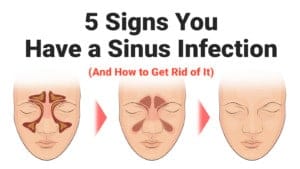
Science Proven Ways to Kick Sinusitis in the Butt (Without Drugs)

We’ve all felt the runny nose and eyes, nasal congestion, head feeling like it weighs 20 pounds and the tender-to-the-touch face. They’re symptoms of a sinus infection or sinusitis. Because a virus causes the condition in most cases, there’s technically no cure for it. There are things we can do to make it feel better, but the sad truth is we have to gut it out until the infection runs its course.

Back in the day, our mothers and grandmothers held our towel draped heads over a boiling pot of water. We inhaled the steam and felt approximately better. Sometimes they would rub something awful smelling beneath our noses or had us drink something from a black bottle. We shuddered to drink it or sniff it, but the stuff worked.

Today, doctors give us steroids for the inflammation and pain pills for sinusitis. However, more and more people are turning to natural methods of pain relief due to the side effects of chemical medications. Doctors understand this, and they even have a few hints of their own. So what does science say about kicking sinusitis’ butt without drugs?

Precisely What Is Sinusitis?

The sinuses are empty cavities surrounding the nose and the eyes, in the cheeks, and the forehead. While the sinuses are hollow, mucus drains from the nose, taking bacteria and dirt with it. When the mucus backs up into the sinuses, the bacteria, fungi, and dirt seep into the cavities. The moist atmosphere is ideal for the growth of viruses.

The mucous membranes in the nose become swelled through inflammation or infection. The sinuses are no longer clear. They back up with mucus and other material. A cold or allergies are usually the triggers for an outbreak. How can this condition be healed without drugs?

What Does A Sinus Infection Do To The Body?

The first thing you’ll notice is a headache. It may or may not get worse if the head moves or the face is touched. This discomfort is often made worse by the sore throat and coughing to get the mucus out. Many people have a cough that won’t stop.

Dental pain, eye pain, and ear pain often accompany a sinus infection. The inflammation puts pressure on the soft tissues and nerves in the mouth, eyes, and ears. Know that as soon as the swelling is over, the dental, eye, and ear pain will be as well.

Just like coughing and watery eyes, fever is a method of ridding the body of an infection or illness. On the other hand, this dehydrates the body very severely. A serious amount of water is necessary to avoid serious illness or health conditions.

All of this makes us tired. Fatigue is common when we’re down sick, and lots of sleep is the only way to battle it.

How Can Sinusitis Be Healed Without Drugs?

The answer to that has been used for thousands of years in Europe and Asia in healing illnesses and conditions caused by inflammation. Only recently has the idea caught on in a big way in America. Our moms and grandmothers knew what they were doing when they told us to “eat your medicine.” Doctors are now advising their inflammation patients to load up on the following foods and herbs.

Omega-3 Fatty Acids

Omega-3 fatty acids come from oily fish such as sardines, fresh tuna, and salmon, as well as some herbs and plant foods. Omega-3s have benefits for the brain in balancing mood and helping with Alzheimer’s, and it helps with metabolic conditions like diabetes and heart disease. Omega-3s benefit the skin, eyes, brain, as well as the immune system. To get them, you should eat:

  • Spices. Ginger, turmeric, basil, cayenne, black pepper, and chili peppers. The cayenne, black pepper, and chili peppers are known to open up the sinuses. So is horseradish.
  • Fruits. Some fresh fruits such as tart cherries, grapefruit, oranges, berries reduce inflammation. Tomatoes, apples, and pears contain Quercetin, which acts as an antihistamine in reducing inflammation.
  • Avacado, beans such as pinto and kidney, red bell peppers, and green veggies like broccoli, asparagus, leafy green vegetables, and bean sprouts all contain Omega-3s.
  • Green tea not only contains Omega-3s but drinking lots of water also keeps the body hydrated. Hydration staves off serious illnesses.

Foods That Cause Inflammation

To be fair, a balance must be struck. If the above-listed foods help control or heal inflammation, you should know the foods that cause it:

  • Refined white sugar and flour products like commercially produced cakes, cookies, bread, pastries, and the like.
  • French fries and other fried items like fast foods.
  • Processed meats like lunch meats, breakfast meats, and pretty much anything made for you to heat ‘ n’ eat.
  • Sugary drinks like soda, juices, and some energy drinks.
  • Margarine, milk, and dairy products.
  • Refined carbs like pasta, rice, bread, and instant mashed potatoes.

Nourish Your Body

Preventing bacteria from entering the body and viruses from doing their damage in the first place can be facilitated by eating foods that boost the immune system. The immune system isn’t tangible, like the heart or spleen. Along the body’s nerve pathways are the cells and proteins, the immune system uses to battle incoming bad guys.

Boosting the immune system has more to do with what you do than with what you eat, although foods do play a part in immune system health. To boost the immune system, either control or eliminate stress from your life through meditation or mindfulness. Don’t smoke tobacco products.

Get enough restful sleep. Exercise regularly, even if it’s only a walk around the block. Don’t drink much alcohol. Be aware of some of the causes of infections like touching doorknobs or picking up the phone. Wash your hands frequently, and don’t touch your face until you do.

In spite of all this, an ill-intentioned bacteria (the complete opposite of the millions of good bacteria in the body) could get through. The cells and proteins will surround the incoming bad guy cells to obliterate them. To feed the immune system, you should eat:

Foods That Can Help You Recover From Sinusitis

  • Dark chocolate. There are three ways to get free radicals: from converting food to energy, from the sunlight interacting with skin and eyes, and from breathing in oxygen. Free radicals harm the body’s cells. Antioxidants put free radicals out of business. Dark chocolate is packed with antioxidants.
  • Blueberries. Same job, different color, and taste.
  • Sweet potatoes. The beta carotene that gives the food its color is also an antioxidant fighting free radicals. Other fruits and vegetables containing beta carotene and carotenoids are apricots, watermelon, asparagus, tomatoes, beets, tangerines, broccoli, spinach, cantaloupe, pumpkin, carrots, squash, corn, peaches, green and red peppers, nectarines, kale, turnip greens, collard greens, and mangoes.
  • Garlic. A whole garlic clove contains aliin (no, it isn’t misspelled.) When you chew garlic, this compound turns into allicin (correctly spelled.) Garlic aids the immune system in fighting off germs and bacteria.
  • Almonds. Also, a source of Vitamin E, almonds contain manganese, magnesium, and fiber as well. These benefit the immune system, too.
  • Vitamin C in foods like tomatoes, berries, snow peas, Brussels sprouts, onions, red, green, and yellow peppers, cauliflower, papaya, honeydew, and kiwi.
  • Vitamin E can be found in broccoli, sunflower seeds, carrots, spinach, chard, red peppers, mustard greens, turnip greens, papaya, and mangoes. Vitamins C and E are antioxidants that fight free radicals.
vitamin c and sinus infection prevention

Learn the health benefits of oranges–including ramping up your immune system.

We’ve discussed the foods that boost the immune system, but you should also remember the herbs and spices you reach for while cooking will do the same job. Turmeric, ginger, garlic, and black pepper are among a few listed above.

A few more are:

Spices and Herbs that Boost Your Immune System

  • Ginseng. A Chinese herb used to boost the immune system, it also clears the respiratory tract.
  • Cinnamon. Popularly known as a topping for French toast and used in many foods and drinks, cinnamon contains a compound called cinnamaldehyde. This has anti-bacterial properties that fight infections and viruses, both of which are involved in sinusitis. Cinnamon is high in the immune system-boosting antioxidants.
  • Echinacea. Many people take this pretty daisy-like flower and make a tea out of it. The leaves, flowers, and stems can be used either dried or fresh. The herb aids in immune strength, respiratory system strength, and helps fight colds and flu.
  • Honey. It might not be an herb or a spice, but honey is a potent anti-inflammatory, and it kick-starts the immune system’s response to incoming bad guys.
  • Oregano. This herb contains compounds that are antiviral, antibacterial, and antifungal, all of which are involved with a sinus infection. Additionally, the fiber, antioxidants, minerals, and Omega-3s also help the immune system fight off infections.

sinusitisFinal Thoughts on Recovering from a Sinus Infection

Sinusitis is nothing to mess with. It’s painful and leads to lost days from work and a tense family relationship while it lasts. Antibiotics don’t work on the virus that usually causes the illness, so medications can’t heal you.

However, the oldest medicine ever invented can help heal sinusitis. The foods you eat send their healing properties to the areas of the body needing them the most. They also strengthen your immune system. Want to feel better? Dig in!

Doctors Explain Causes of Carpal Tunnel Syndrome

Carpal tunnel syndrome is a condition caused by pressure on the median nerve on the palm side of the hand at the junction of the wrist. The condition is caused by the narrowing of the bone tunnel that conducts the nerve, swelling, and other conditions that compress the nerve. Excessive use of the hands and specific health conditions are the most likely causes of the syndrome.

Digital technology encourages people to work with mobile phones and keyboards during work and leisure hours. The constant manipulation of the fingers causes inflammation, puts pressure on the median nerve, and aggravates multiple nervous systems. Many labor-intensive jobs do the same.

The Causes of Carpal Tunnel Syndrome

Excess pressure on your wrist is the primary reason why the median nerve becomes inflamed. Most people who develop the syndrome do so because of an underlying medical condition. Some of the conditions that make you more likely to develop median nerve compression include:

  • Thyroid gland dysfunction
  • Diabetes
  • Autoimmune disorders, such as rheumatoid arthritis, HIV/AIDS and compromised immune systems from other illnesses
  • High blood pressure
  • Trauma or fractures of the wrist
  • Fluid retention

The symptoms of carpal tunnel syndrome include pain, tingling, electric-type shocks, and numbness, especially of the thumb and the first and middle fingers. Swelling in the wrist compresses the median nerve, and anything that causes swelling or blocks the flow of blood can trigger or aggravate carpal syndrome. Some of the triggers include:

  • Poor positioning of the wrist when using a mouse or keyboard
  • Vibrations from equipment, such as power tools and hand tools
  • Manufacturing work
  • Any type of keyboarding
  • Construction work
  • Assembly line jobs
  • Smoking, which involves frequent use of the hand and wrist
  • High intake of salt
  • High body mass ratio
  • Playing the piano
  • Sedentary lifestyles
  • Handcrafts, baking, jewelry making, sewing, etc.

Women develop the syndrome three times as often as men, and the condition is most common in people from the ages of 30 to 60. Carpal tunnel syndrome can also trigger mental issues when you can’t perform some tasks as well as you have in the past – especially when you’re in your prime productive years.

If you have problems caused by reduced performance in sports, work, or personal activities, you can often work through these problems with a positive attitude. You don’t need to lose your spark with median compression symptoms because they’re highly treatable with therapy, nutrition, exercise, positive mental focus, and, in severe cases, surgical intervention.

Different Syndromes Have Similar Symptoms

Similar symptoms are experienced by people with related disorders of the hand and nervous system. Two of these associated disorders include cubital tunnel and radial tunnel syndromes.

Cubital tunnel syndrome – also known as ulnar neuropathy – is caused by increased pressure on the ulnar nerve, which is located in the area of the elbow that’s commonly called the funny bone. Excessive phone use, leaning your elbows on a hard surface for extended periods, and sleeping in the wrong position are common causes of the disorder.

Baseball players often develop the condition, and some of the same triggers of median nerve compression also apply. The symptoms of cubital tunnel syndrome include pain, tingling, and numbness of the elbow and the little and ring fingers. More advanced symptoms include:

  • Weakness when gripping or lifting objects
  • Loss of gripping function
  • Muscle wasting throughout the hand – especially between the thumb and first finger
  • Developing a claw-like deformity when the hands are at rest

Radial tunnel syndrome is more common among women between the ages of 30 and 50 years old. The condition is caused by pressure on the radial nerve, and the pain affects the elbow and can radiate to the wrist and fingers.

The underlying causes of the nerve compression include pressure on the forearm and inflammation caused by repetitive arm and hand motions. The condition is rarer than the other two, and the compression actually involves the interosseous nerve, which is a part of the radial nerve system.

Symptoms of the disorder include elbow pain and trouble extending the wrist and middle finger. The pain intensifies when you extend the wrist or rest the forearm on a hard surface.

Getting a Medical Diagnosis

It’s essential to get a medical diagnosis for any conditions affecting the hand, wrist, elbow, and fingers. There are different options for treating carpal, radial, and cubital tunnel syndromes. If you eventually need surgery to correct the problem, different areas of the arm are involved.

Symptoms of Nerve-related Hand Disorders

The symptoms of both carpal and cubital tunnel syndromes are often the same. The early signs include burning, numbness, and tingling in your fingers, which is similar to your hand falling asleep under certain kinds of pressure. The cubital syndrome affects the ring and little finger, but median nerve compression affects every digit except the little finger. More advanced symptoms include the following:

  • Waking at night with the need to shake your hand or hands
  • Swollen fingers
  • Inflammation of the wrist
  • Pain and tingling that travels up your forearm
  • Feelings like electric shocks between your thumb and first finger
  • Dropping things often
  • Difficulty in working with small objects
  • Losing muscle in the area between your thumb and first finger

Mind-Body Connection Shows Promise in Treating Median Nerve Compression

The National Institutes of Health report that clinical studies have confirmed that a strong mind-body connection can provide relief from hand pain and numbness through acupuncture.  The study’s patients reported pain relief, and the subjective opinions were confirmed by monitoring the somatosensory cortex of the brain and median nerve conduction after stimulation.

Positivity has long been known to improve all kinds of health conditions. Developing a positive attitude and following a course of therapeutic exercises are ways to banish negativity and stay positive.

Treatments for Relieving Pain and Symptoms

You can get relief from carpal syndrome symptoms with various therapies. These include soaking your wrist in warm water, wearing a wrist splint, and merely taking regular breaks from repetitive work. Shots of cortisone can also provide pain relief if natural remedies fail.

Hand therapies can also provide relief for your symptoms. Some of the most common types of treatments include:

  • Fist BloomMake a fist, and then extend each finger until they all point to the ceiling. Repeat ten times.
  • Wrist Flex and ExtendHold your arm straight in front of you with the palm facing down. Bend the wrist until your fingers point to the floor. Repeat ten times.
  • Fan to FistMake a fist, and then extend your fingers as far as you can in a fan shape. Repeat ten times.
  • Shake, Rattle, and RollShake your hand as you would when restoring circulation when your hand falls asleep. Pause and move each finger as much as possible. Repeat several times.
  • Thumb TouchesTouch each finger to the tip of your thumb. Repeat ten times.
  • Wrist StretchesRest your elbow on a table at a comfortable height. Stretch your wrist up, down, and sideways. Repeat 5-10 times.

These exercises should give you a good idea of what kind of therapy works. You can come up with your own exercises based on using these techniques.

Nutritional Connection with Median Nerve Compression

It’s essential to watch your eating habits if you suffer from chronic carpal or cubital tunnel syndromes. It’s important to eat a healthy diet to strengthen your body’s resources. Avoid salt, fats, and artery-clogging foods.

Most people drink sugary beverages, but you should drink lots of water.

Dietitians reveal that the six best foods to eat for median nerve remediation include spinach, red bell peppers, salmon, walnuts, pineapple and turmeric, the spice that gives curry powder its yellow color.  You can improve carpal tunnel syndrome with better blood circulation, which is the primary benefit of the powerhouse supplement gingko Biloba.

carpal tunnel syndromeFinal Thoughts on Learning More About Carpal Tunnel Syndrome

You can live with chronic carpal tunnel syndrome, even if your job requires lots of work using your hands. Wear a splint, take regular work breaks, and perform daily therapeutic routines to strengthen your hand and relieve pressure on your wrist. In cases where your symptoms are severe, you can get complete relief with either cortisone injections or surgical procedures that ease the pressure of the “tunnel” that compresses the median nerve.

18 Foods That Contain Highly Effective Prebiotics

Although less understood than their famous cousin, probiotics, prebiotics are just as crucial to a healthy digestive system. Thus, prebiotic foods come to the forefront for making your internal food processing system into a well-tuned instrument, providing your whole body with optimal nutritional support.

Prebiotics are the food source of probiotics. They are an indigestible fiber that becomes food for the good bacteria in your GI tract. And the more healthy your microbiome, the more efficient the delivery of needed nutrients to every part of your body.

So what are the best foods for providing needed prebiotics for your digestive system? Here is a list of 18 that experts agree can offer some high-quality, yummy fiber for friendly gut bacteria.

18 Foods That Are Effective Prebiotics

1. Chicory Root

Chicory root has been historically favored for its coffee-like flavor. It contains the prebiotic fiber inulin, an excellent source of gut nourishment.

Moreover, chicory root fiber can prevent constipation, improve fat digestion by increasing bile production, and help detox the liver through its high antioxidant content. The ground root is often a significant ingredient in prebiotic supplements.

2. Dandelion Greens

These incredibly healthy greens have plenty of inulin fiber for gut health, along with immune-system boosting nutrients. Dandelion greens contain antioxidant contents. Additionally, they provide anti-inflammatory, anti-cancer, diuretic, and cholesterol-lowering effects.

Add nutritional fiber content to salads, sandwiches, soup, or herbal tea with this ubiquitous natural herb. The greens are best when harvested in early spring. The leaves gain an acrid taste over time that can be lessened by blanching.

3. Jerusalem Artichokes

The Jerusalem artichoke’s name is quite a misnomer. So don’t be surprised if you have no idea what it is. Sometimes called “earth apples,” this sunflower relative is native to North America, and the root has been eaten medicinally for centuries. Some studies indicate the raw or cooked tubers increase friendly gut bacteria even better than chicory root.

The root has also been found to be an effective immune system booster and preventer of metabolic disorders. Plus, the tuber’s high thiamin and potassium content help support the nervous system and maintain muscle function.

4. Garlic

Garlic is probably one of the most-eaten herbs. It contains several prebiotic fibers, including inulin and fructooligosaccharides (FOS). These fibers especially support the growth of beneficial Bifidobacteria while preventing the growth of harmful, disease-promoting bacteria.

Garlic also contains manganese, Vitamin B6, and selenium. These nutrients add to the herb’s antioxidant, antimicrobial, and cancer-fighting effects. This delicious herb is easy to add to a plethora of dishes to help maintain overall health.

5. Onions

Onions are an excellent source of inulin and FOS fiber. These fibers help aid digestion and the breakdown of fat and boost the immune system. Onions help prevent the growth of undesirable gut bacteria, giving them antibiotic and antioxidant properties.

Flavanoids, vitamins, and minerals in onions help support your cardiovascular system and reduce your risk of cancer. And there is a variety of choices in the onion family, making them easy to add to either raw or cooked dishes.

6. Leeks

Garlic, onions, and leeks are all in the same plant family and carry similar health rewards. Leeks are a sweeter version of onion and can easily be added to many foods, though eating them raw has the greatest benefits.

Leeks are rich in prebiotic inulin fiber for gut health and flavonoids to help fight cell oxidation. They contain anti-cancer properties, vitamin K for strong bones, and vitamin B6 for a healthy heart.

7. Asparagus

Asparagus is a popular vegetable with a high inulin fiber content. This prebiotic fiber promotes the growth of friendly bacteria in the digestive system. Studies show asparagus is an excellent detoxifier for the liver.

The combination of gut-friendly fiber and antioxidants in asparagus provides an anti-inflammatory effect. Try adding it raw to a salad or smoothie to reap the maximum raw foods benefits.

8. Apples

Much of the apple’s prebiotic fiber content is pectin. Pectin increases the production of certain fatty-acids that feed your beneficial gut bacteria while limiting harmful bacteria. Apples are so chock-full of pectin, antioxidants, and polyphenols that eating at least one per day can improve digestive health, boost metabolism, and decrease bad cholesterol.

Studies link the polyphenols and pectin in apples with reduced risk of lung and colon cancer. Since the type of apple you choose makes a difference, you may want to research before your purchase. And yeah, you’ll have to eat the peel to get the full benefits.

9. Bananas

Bananas are one of the most-purchased foods in America. Additionally, bananas are rich in vitamins, minerals, and inulin fiber, shown to increase good bacteria and reduce bloating.

Also, if you like your bananas a little on the unripe side, all the better. That’s because they are high in a kind of resistant starch that also has prebiotic properties. The prebiotic fiber plus natural potassium content can also improve muscle relaxation, another reason for their popularity.

10. Wheat Bran

Wheat bran contains a unique type of prebiotics, arabinoxylan oligosaccharides (AXOS). AXOS fiber boosts healthy Bifidobacteria while impeding the growth of unhealthy bacteria in the gut.

Wheat bran decreases GI distress, such as cramping, abdominal pain, and flatulence. Furthermore, whole grains rich in AXOS also contain antioxidant and anti-cancer properties.

11. Oats

Whole oats are loaded with beta-glucan along with some resistant starch for excellent prebiotics benefits. They’re one of the most popular foods for helping to lower LDL cholesterol and to control blood sugar levels.

Beta-glucan promotes healthy gut bacteria and slows digestion for better appetite control. Plus, it has antioxidant and anti-inflammatory properties and may reduce certain cancer risks. Whole oats are the best source for full benefits.

12. Barley

This popular cereal grain is also an excellent source of beta-glucan, promoting healthy gut biota. Like oats, barley has been shown to reduce both bad cholesterol and blood sugar levels.

The selenium content of barley supports healthy thyroid function. This whole grain also contains antioxidants and immune system boosting properties. It may even help you lose weight.

13. Chickpeas

Many legumes are rich in prebiotic fiber content. Chickpeas are just one of these foods that can help increase your prebiotic intake. They are also rich in protein, iron, potassium, and B vitamins.

Other legume choices include lentils, red kidney beans, and soybeans. Of course, these foods all promote healthy gut bacteria and a strong immune system.

chickpeas a prebiotic food14. Jicama Root

Jicama is a starchy root vegetable with a slightly sweet taste. It’s high in inulin fiber for improved GI health. Thus, the root helps prevent diabetes by aiding the absorption of insulin.

Jicama contains a balance of amino acids that can prevent or treat constipation and promote regular bowel movements. In addition, it’s high in vitamin C for a strong immune system and also supports heart health.

15. Flaxseeds

Flaxseeds have become recognized as a superfood. They are loaded with fiber to aid digestion and GI health. They are popular in fitness circles as a source of macronutrients such as manganese and B vitamins, along with a fair amount of protein.

Flax contains omega-3 fatty acids for heart and brain health and lignans for cancer prevention. Raw flax can be added to salads, cereal, or smoothies on a daily basis to promote overall health and digestive balance.

16. Cocoa

Yes, there are some very good reasons to eat chocolate, and intestinal health is one of them. That’s because the flavonols in cocoa have powerful prebiotic properties that promote healthy gut bacteria growth and decrease stress hormones there.

As cocoa beans break down, they also produce nitric oxide, which has beneficial effects on the cardiovascular system and prebiotic compounds that discourage unwanted bacteria growth that could lead to infections.

17. Savoy cabbage

Like many green, leafy veggies, cabbage is loaded with beneficial vitamins and minerals, as well as insoluble and soluble fiber. Soluble fiber is prebiotic and is an important fuel source for friendly gut bacteria such as Bifidobacteria and Lactobacilli.

These bacteria protect the immune system and aid in the production of important nutrients such as vitamins K2 and B12. Also, cabbage is an easy, affordable way to add prebiotic benefits to your diet.

18. Yacon Root

Yacon root is very similar to sweet potatoes and is rich in prebiotic FOS fiber and inulin. The South American root is often made into syrup for a nutritious low-sugar alternative. Because the syrup has the consistency of molasses, it’s great as a syrup substitute in smoothies.

Yacon encourages healthy gut bacteria growth, reduces constipation, improves mineral absorption, helps regulate blood fats, and supports a healthy immune system.

prebiotics help gut healthFinal Thoughts on Eating Prebiotic Foods

Ongoing research continues revealing the importance of prebiotics to gut health. Dietary fiber is easy to add to an everyday diet with astronomical benefits. Moreover, a well-balanced GI tract affects the health of your whole body, from your brain to your heart to your skin.

It’s important to consider the prebiotics present in the foods you choose to eat. So for the sake of your whole-body and mental health, you need to meet this important dietary requirement on a daily basis.

Doctors Explain What Happens to Your Body When You Lower Your BMI

We’ve all heard the term BMI or Body Mass Index, but what does it mean? What does our BMI tell us about our overall health? And how do we impact our bodies when our BMI increases or decreases?

In medical terms, BMI is a measurement of your body’s size. It’s calculated by dividing a person’s weight in kilograms by the square of their height in meters. Doctors use BMI as a screening tool to evaluate whether a patient is an appropriate weight for their height.

This metric tells you how much of your body weight consists of fat instead of other tissues. Your doctor may use your BMI to predict your health and the medical risks you will likely face.

Doctors can then classify individuals as underweight, healthy, overweight, or obese. Most doctors, nutritionists, and fitness specialists recommend aiming for a target weight in the healthy range. That’s because being either over- or underweight can invite myriad health problems. Furthermore, some of those conditions are pretty serious.

Weight Gain: When BMI Becomes an Uncomfortable Reality

BMI

According to a Harvard University study, most adults between 18 and 49 gain an average of 1 – 2 pounds per year. That’s not a substantial increase from year to year. However, it can add up over time leading to some undesirable consequences.

Experts advise that if you weigh more than ten pounds now than you did at the age of 21, you should make weight loss an immediate priority. If you do not weigh more than ten pounds than you did at 21, concentrate on maintaining your weight.

Contrary to what daytime TV commercials would have you believe, there are no safe instant weight-loss remedies. What’s the most reliable way to lose weight and keep it off? By making gradual changes to your diet and exercise regimen.

Some safe and effective strategies for long-term weight control are as follows:

  • Eat a high-protein breakfast
  • Avoiding sugary drinks including soda
  • Limit alcohol consumption
  • Drink water a half hour before each meal
  • Eat as many unprocessed foods as possible

It is possible to lose weight strictly through dietary changes. However, a regular exercise regimen offers a vast range of benefits. Exercise designed to develop muscle can be especially beneficial. That’s because the more muscle you have, the more efficiently your body will burn calories.

A range of cardio exercises, such as walking, running, aerobics, and cycling are great for building endurance. One the other hand, cardio also improves circulation and melts body fat.

Add in resistance training activities to build muscle. Include exercises like weight lifting, squats and lunges, indoor and rope climbing.

What Causes Weight Gain?

We all know that a poor diet and infrequent exercise significantly contribute to unwanted weight gain. However, there are additional complications to be aware of, as they can hinder your weight loss endeavors.

Some people have a genetic predisposition to gain weight more quickly than others. Moreover, some tend to store unwanted fat around their trunks. Medical conditions like underactive thyroid, Cushing’s disease, and polycystic ovarian syndrome can make weight gain easier and weight loss harder. Additionally, certain medications can increase your appetite and make it harder to burn calories.

The Medical Risks of Being Underweight

In modern society, thinness is frequently glamorized and considered to be sexually desirable. But being too thin can be symptomatic of an underlying medical problem. Furthermore, it can even cause problems if left unaddressed.

Many underweight people are malnourished and consequently suffer from vitamin and mineral deficiencies. Also, they may struggle with anemia, marked by low hemoglobin in the blood. These conditions can cause many symptoms, including fatigue, dizziness, shortness of breath, muscle weakness, and rapid heart rate.

Underweight people can also experience decreased immune system function, and hindered growth, and development, particularly among young children and teenagers. In addition, they face an increased risk of complications from surgery and fertility problems due to irregular menses. In the long term, being underweight can even increase your risk of developing osteoporosis.

Interestingly, one study done in Japan found that women desiring to be thinner had less healthy eating habits than women who did not. Though thinness is commonly associated with good health, it’s essential to realize that healthy and unhealthy ways of achieving weight loss goals exist. Losing weight through malnutrition can cause more significant harm in the long term than gradual weight loss through sustainable diet and exercise habits.

The Dangers of Being Overweight

Just as being underweight can pose some serious risks to your health, being overweight brings an assortment of possible complications. Obese people are more likely to develop cardiovascular problems, high blood pressure, and type 2 diabetes.

Though these conditions can all be manageable with medication, some potentially life-altering and even deadly side effects are associated with them all. Unmanaged diabetes can lead to medical emergencies like ketoacidosis. Some diabetic people lose digits and even limbs due to the poor circulation commonly associated with the disease, whereas others lose their vision.

High blood pressure puts sufferers at an increased risk of stroke, and cardiovascular problems can lead to severe complications, including heart attack, cardiac arrest, and early death. If left unchecked, these diseases often require surgical intervention.

Very overweight people often face the additional challenge of dealing with the excess strain on their joints. Some obese individuals suffer chronic pain due to the repetitive stress of needing to support the extra weight the human body was never intended to carry. Over time, this can create a need for joint replacement surgery.

In old age, it’s not uncommon for obese people to require mobility aids, as their weight and the resultant strain it puts on their bodies can make walking painfully awkward or sometimes impossible.

The Advantages of a Healthy BMI

While a healthy body mass index doesn’t make you immune to developing medical problems, it can help reduce the risks associated with specific diseases and disorders and improve your mobility.

In addition to facing a lower risk of developing joint problems, cardiac problems, diabetes, high blood pressure, chronic inflammation, and other medical issues, people with a healthy weight are less likely to experience conditions including sleep apnea, gallstones, snoring, asthma, and cataracts.

Additionally, people with a lower body mass index generally report higher self-esteem than those with a higher body mass index. Though this is undoubtedly due at least in part to popular images of beauty hinges on thinness, the fact is that those who adhere to a healthy diet and exercise regularly tend to have a greater sense of accomplishment about their self-care than those who do not.

Lowering Your Body Mass Index

Even if you’re currently overweight, it’s possible for you to achieve a healthier BMI and to decrease your risk of certain diseases and medical complications. According to experts, even losing a mere 5% of your total body weight can lower your cancer risk, relieve strain on your joints, prevent – or, in some cases, even reverse – diabetes, and improve your cholesterol.

Many overweight people with sleep apnea find that the condition lessens or even resolves entirely once they lower their BMI. Because certain types of sleep apnea ar aggravated by inflammation, fluid retention, and excess fat held in the throat, weight loss can help relieve these symptoms, decreasing the sufferer’s risk of further apnea-related complications.

Lowering the body mass index can help improve insulin resistance for those carrying excess fat in their mid-sections. The pancreas produces insulin to regulate your blood sugar levels. Excess fat can make your body stop reacting to insulin, leading to undesired weight gain.

If none of this convinced you, consider that weight loss can help improve your mood. The endorphin rush associated with vigorous physical activity like aerobic exercise and weightlifting can trigger the release of pleasure-enhancing chemicals in the brain. These chemicals can affect similar to the painkiller morphine, inducing a state of pleasurable relaxation.

weight loss

Learn the pros and cons of the keto diet.

Weight Loss Can Improve Your Appearance

Thinness alone isn’t the only reason to consider losing weight. Many people find that skin conditions, including acne, psoriasis, and hidradenitis suppurativa, frequently resolve with weight loss. Losing body fat can help prevent chafing, particularly in areas like the armpits and groin, where conditions tend to be the most severe.

According to one 2003 study, obese people tend to have a higher rate of periodontal disease, which can cause tooth loss and other oral health problems. Losing weight can help lower the risk of developing these conditions, reducing the likelihood of gum disease and tooth decay.

Finally, weight loss will likely cause your nails to become stronger, as many overweight people are iron-deficient, which can weaken nails and make them more prone to breakage.

BMIFinal Thoughts on Maintaining a Healthy BMI

If you are already a healthy weight, you probably enjoy many of the health benefits listed above. But if you’re dealing with obesity, know that reducing your body fat can help improve your appearance, health, and overall quality of life.

5 Benefits of ‘Quiet Wakefulness’ (And How to Practice It)

Many of us engage in a nightly battle with sleep. Our problems stem from getting too much sleep, not enough – or some other problem in-between or beyond. The practice of quiet wakefulness could be the solution our bodies demand.

In an attempt to make up for nighttime lack of sleep (and for other reasons), many of us opt to take a middle-of-the-day snooze. As usual, it turns out that our biological instincts are right on. Most research in the field of sleep science demonstrates the value of the precious midday siesta.

However, napping – if not “done” correctly – can lead to additional sleep problems. More specifically, erratic napping and an irregular nap schedule can throw a wrench into our internal clock, or circadian rhythm. Moreover, wrong napping can also generate more tiredness and sluggishness – a phenomenon called sleep inertia. More on this later.

And, of course, there are those of us who believe that we “don’t have time” for a nap. So, what to do?

Enter quiet wakefulness.

Quiet wakefulness can provide many of the benefits gained through sleeping and napping – and without the nasty residual side effects.

“What is quiet wakefulness,” you ask? Welcome to the topic of this article.

Poor Sleep: A Worldwide Epidemic

Much of the world deals with sleep trouble. Especially us who were born and raised, and now work in developed, Western countries. (Counterintuitively, the majority of evidence indicates that people in less developed countries sleep better than their wealthier counterparts in competitive, immoderately-capitalist countries such as the U.S – more on this later.)

Here are some stats that illustrate the prevalent issue of sleep deprivation. These statistics were gleaned from per 2019 global survey of over 11,000 adults in 12 countries (Australia, Brazil, Canada, China, France, Germany, India, Japan, Netherlands, Singapore, South Korea, and the U.S.).

Sleep statistics

62 percent report sleeping “somewhat” or “not at all well,”; compared with just 10 percent who say that they sleep “extremely well.”

The average global adult under-sleeps, getting an average of only 6.8 hours during the weekday and 7.8 hours during the weekend.

40 percent of global adults report that their sleep “has gotten worse over the past five years,” compared with 26 percent who say that their sleep has gotten better.

75 percent of adults across the globe have at least one of the following sleep conditions: insomnia (37%), snoring (29%), shift work sleep disorder (22%), sleep apnea (10%), restless leg syndrome (9%), narcolepsy (3%), other unlisted condition (9 percent).

– Of all countries, Canada and Singapore – 24th and 4th in GDP per capita – report the highest incidence of “worry/stress’ impacting their sleep (63% and 61%, respectively.)

60 percent report experiencing daytime sleepiness at least twice weekly.

67 percent wake up at least once per night.

– China (51%) was the only country of which at least half of its citizens report knowing “that the environment a person sleeps in impacts their sleep.” (This fact alone helps to explain, at least in part, why so many find it hard to fall and remain asleep. One’s environment ties back to the quality of sleep.)

The Pervasive Ignorance Around Sleep

A big reason as to why most of the world deals with sleep trouble: we’re vastly undereducated about its importance.

Even doctors receive scant training in the arena of sleep medicine.

Chris Winter, a neurologist and internationally recognized sleep medicine specialist for over 24 years, writes:

“…if treatment [of a sleep problem] is what you need, why are you reading (this) and not gowned up on your primary care doctor’s exam table getting your problem fixed? Perhaps it’s because less than 10 percent of you have ever visited your primary care doctor to address a sleep problem specifically.” (Emphasis added).

Winter continues, “…if, you are not bringing it up, only 30 percent of primary care doctors ask patients about their sleep.”

This even though we spend one-third of our lives sleeping.

So, if our doctors don’t know the first thing about sleep, it’s little surprise as to why we don’t.

Thankfully, there is proper research on sleep and its importance. This includes a recent investigation into a quiet wakefulness technique, which we’ll now discuss.

Quiet Wakefulness

“Sometimes referred to as quiet wakefulness, resting with your eyes closed can calm your mind, give at least some of your neurons a break … and let your muscles and organs relax. It can also reduce stress, improve your mood, and increase alertness, mental clarity, creativity, and motivation.”

~ The National Sleep Foundation (Source)

Sometimes napping isn’t an option. When it’s not, you may ask yourself if consciously closing your eyes and slowing down your mind brings any of the benefits of napping. Fortunately, it does. ‘Quiet wakefulness’ is a potent resting activity that is gaining some ground among sleep doctors and health-conscious circles for this very reason.

Quiet wakefulness is a simple technique that involves consciously resting with your eyes closed. We say consciously because quiet wakefulness must be consciously undertaken lest one fall asleep.

What are some of the distinct benefits of quiet wakefulness? Here are five.

  1. Unlike napping, quiet wakefulness doesn’t cause sleep inertia.

Per a study published in the journal Cognitive Brain Research, “napping may cause short-term performance impairments because awakening from sleep is followed by sleep inertia…”

Sleep inertia is a physiological state of impaired cognitive and sensory-motor performance that occurs immediately after waking from sleep. Traditional symptoms of sleep inertia include disorientation, drowsiness, and diminished motor functioning.

While for most people, this period of inertia lasts no longer than a half-hour, the characteristic “brain fog” can last up to eight times longer. These effects are particularly noticeable when attending to a mental or physical task. The reason? The body is still partly asleep.

  1. Quiet wakefulness promotes alertness

Those who require a state of readiness, or whose performance at work or in some other endeavor depends upon the quality of vigilance, are probably not best served by an afternoon nap. However, a short period of quiet wakefulness may be just enough to provide a bit of rest while not affecting vital cognitive functioning.

This quality of alertness unique to quiet wakefulness was demonstrated in a study published in the journal Vision Research. Per the researchers, participants who practiced “active rest” – or quiet wakefulness – performed better on a visual task than both the nap and “active wake” group.

  1. Quiet wakefulness relaxes your muscles and organs

Rest of any kind is going to relax your muscles and organs. The most significant benefit of quiet wakefulness in this regard is that the rest period doesn’t necessitate that these parts “shut down” like when napping or during nighttime sleep.

Once again, this benefit is specific to quiet wakefulness because the practice doesn’t “place the body in suspension,”; thus requiring a period of adjustment upon resuming everyday activities. However, the physical rest provided by quiet wakefulness is both sufficient and satisfying.

  1. Quiet wakefulness improves your mood

The human brain doesn’t work too well when fatigued. Moreover,  it has a way of letting us know exactly that. When we push the brain to perform (a counterproductive approach, this), we tend to feel anxious and sometimes even depressed.

Napping can certainly provide boosts to mood, just as it can to brain function. However, we once again run into the problem of inertia and sleepiness. For those with a time cushion that allows for a full nap cycle – around 90 minutes – a nap is probably best for mood enhancement. However, for those shorter on time, this is not possible.

Fortunately, quiet wakefulness has a way of refreshing your mind and improving your mood. These benefits are probably attributable to the rest that the brain and mind receive during quiet wakefulness.

  1. Quiet wakefulness enhances your motivation and productivity

One of the reasons why quiet wakefulness has gathered such a following is that we’re extremely busy people. We need some method of keeping us going amid everyday life. But how do we remain motivated and productive when a proper nap is a luxury that many of us don’t have?

quiet wakefulnessFinal Thought: Try Quiet Wakefulness for Yourself

While quiet wakefulness may not replace a proper nap, it nonetheless can provide some motivation and improve our productivity.

12 Benefits of Argan Oil For Your Hair, Skin, and Nails

It sounds exotic. Moroccan argan oil. Sounds pretty snazzy, right?

Well, it does come from Morocco, and the process by which we obtain it is pretty labor-intensive. Don’t let that scare you off, though. Argan has been used for centuries to maintain the health and vibrancy of skin, hair, and for nails. You don’t have to visit the salon on a regular basis in order to have beautiful nails. The combination of a well-balanced diet, a thoughtful beauty regimen, and good personal hygiene can give you salon-worthy nails at a fraction of the cost and chemical burden. When looking to take care of your nails, see here this blog post about picking the best semi cured gel nail strips. When rubbing lotion or oil into your hands, make sure you work it into the cuticles and nails, too. Regular handwashing or use of hand sanitizer can dry out the skin and nail bed quickly, so try to moisturize after every wash, if possible.

The fruit of the argan tree contains a nut. The nut is opened by hand so that workers can get at the small kernels inside. There are only two or three kernels in each nut, so you can imagine how many seeds it takes to create just a few ounces of oil. It winds up taking about 15-20 hours only to produce one liter of oil.

Though it’s an oil, it’s lightweight, non-greasy, and absorbs quickly into your skin, where it can set to work taking care of you! It’s so versatile that it can replace several products in your beauty and skincare routine. Here’s how!

Argan Oil For Your Hair

Use #1 – Hair Conditioner

An oil as versatile as argan deserves a place in your shower, especially if you have long hair. The beneficial nutrients, essential fatty acids, sterols, and vitamin E can nourish, moisturize, and protect your locks from damage, leaving it soft, shiny, and healthy.

Use it as you usually would a conditioner in the shower or use it as a leave-in conditioner, too. If your roots are naturally oily, apply only to the ends.

For an in-depth treatment, apply, working down to the roots, comb long hair through to distribute the oil evenly, and wrap hair in plastic wrap or a shower cap overnight to keep the heat in. Wash it out in the morning. This treatment used weekly is excellent for strengthening brittle hair.

Use #2 – Anti-Frizz

If you suffer from frizzy hair, you’ve probably tried all sorts of over the counter remedies. Argan can tame the frizz while conditioning your hair and lending healthy shine at the same time.

Put a few drops of oil in your palm, rub your hands together, and smooth it onto your hair. Use it after blow-drying to hair that’s easier to manage. For a boost, add a few drops of essential oils.

Argan Oil For Your Skin

Use #3 – Skin Moisturizer

Even though it’s an oil, argan is light and will absorb into the skin quickly without leaving an oily residue behind. That makes it a terrific moisturizer for your skin. Most of the oil’s fat content contains generous amounts of oleic and linoleic acids, which are important nutrients for maintaining healthy skin. It also contains a high amount of antioxidant vitamin E. This versatile oil improves the moisture content of the skin when used topically or taken orally. When used regularly, it can hydrate and soften the skin

To use, apply a drop or two to your face and neck after cleansing using gentle circular motions.

Use #4 – Acne Treatment

Some oils are known to make acne worse, clogging pores and inducing inflammation. Argan is not one. Intensely rich in antioxidants, it has anti-inflammatory properties and the ability to help soothe and heal the damaged skin cells. Most cases of breakouts, especially in adults, aren’t because of oily skin. They happen because the skin is dry, damaged, and inflamed. Once again, you can thank the linoleic acid for reducing inflammation. The hydration benefits contribute to promoting a healthy skin barrier, which is vital in helping to prevent breakouts. “One of the major fatty acids in argan oil – linoleic acid – can help reduce inflammation, soothe skin, and improve moisture,” explains Susie Wang, skincare chemist, and co-founder of 100 Percent Pure.

It does this while at the same time reducing the amount of sebum the skin produces in people with oily-tending skin. Increased sebum production is often at the center of many breakouts and can lead to clogged pores.

To use, apply directly to affected problematic areas. It can be beneficial for many causes of acne, though it probably won’t help in the case of hormonal acne. Adding tea tree oil can give the benefit of antibacterial, antifungal, and antiviral properties.

Use #5 – Reduce Stretch Marks

Stretch marks are what happens when the collagen and elastin in your skin are stretched to the max, tearing the fibers. Often the result of pregnancy, they can be frustrating to deal with and play havoc with your confidence.

You can help to reduce the occurrence of stretch marks by using argan throughout your pregnancy, during the periods of rapid growth. Both vitamins A and E and the sterols in argan work to reduce inflammation and hydrate the skin, improving the elasticity.

Warm a few drops of pure oil in your hands and gently rub the areas of concern in a circular motion. This region could include your stomach, hips, breasts, thighs, or any other problem areas. If you already see stretch marks, mix the oil with brown sugar and massage in before your next bath. After drying, apply the oil directly onto the skin.

Use #6 – Soothe Dry Skin

Dry skin can be a real downer. Itchy, bare, scaly spots that are red and uncomfortable are challenging to heal, especially when you’re dealing with conditions like eczema or psoriasis. This oil can deeply quench the inner skin’s layers and work to repair the damaged barrier while easing the irritation that usually accompanies these conditions. The fatty acids and vitamin E can support the skin’s recovery and provide essential nutrients that can prevent any further drying or irritation.

Work a small amount directly into the irritated skin after exfoliating.

Use #7 – Anti-Aging

There are numerous components of argan that have made it a popular anti-aging treatment that can help to prevent and even diminish fine lines and wrinkles. It can restore elasticity and leave skin feeling plumper and softer. The omega fatty acids help to strengthen the skin’s tissue, which can help with wrinkle prevention.

Taking the oil internally could help to slow the aging process by reducing inflammation and oxidative stress on the cells.

Massage a few drops onto your face and neck as a moisturizer before going to sleep at night. Even better? Mix a few drops with ceramides. “Argan oil’s fatty acids work even better on skin when they’re combined with ceramides,” says Joshua Ross, celebrity aesthetician with SkinLab, “which also helps protect the lipid barrier of the skin.”

Use #8 – Irritation From Shaving

Razor burn and shaving bumps can happen because your razor is too dull, or your skin wasn’t well-moisturized when you shaved, or maybe you’re just unfortunate enough to have really sensitive skin. Either way, the polyphenols and sterols in argan can help to soothe and heal your irritated skin.

It’s great to use anywhere you shave. Warm a few drops in your hands and lightly blend onto your freshly-shaved areas.

Use #9 – Moisturize Your Lips

Let’s face it. Your lips are skin, too, and they can get just as dry, cracked, and chapped as the rest of you. Sometimes they need a little TLC, as well, especially during the dry, cold, windy winter. Argan can help to relieve the dryness and keep them conditioned.

Apply the oil directly to your lips to keep them hydrated, soft, and supple. Wipe away any excess.

Use #10 – Moisturizing Exfoliant

You know the quenching benefits of this oil, and how it can ease irritation and redness. Work it into your exfoliation routine by creating a scrub for your lips and skin.

Mix a few drops with brown or white sugar until it forms a paste, then use to exfoliate chapped and dry skin or lips gently. Rub in a circular motion for a few minutes before rinsing with warm water. Pat dry.

argan oil for healthy skin

Doctors reveal 10 essential vitamins that give you glowing skin.

Argan Oil For Your Nails

Use #11 – Repair Weak and Brittle Nails

When your nails are always cracking and brittle, you’re almost embarrassed to show them in public. They’ll certainly never hold a manicure. But if your hands are always submerged in water as is the case with health care workers, or exposed to cleaning products, detergents, and other chemicals, weak, brittle nails become the norm.

Argan can strengthen and repair brittle or weak nails, locking in much-needed moisture.

Soak your fingertips in a small bowl with 50/50 Argan and lemon juice for 10 to 15 minutes.

Use #12 – Cuticle Treatment

Who enjoys painful hangnails? No one? Oh. Right.

When your hands are dry, and your nails are dull and cracked, chances are your cuticles aren’t happy, either. They could do with the deep moisturizing treatment that argan can give them.

Dot a tiny drop onto each nail and rub it into the nail bed and cuticle. If you’re preparing for a mani/pedi, wash your hands thoroughly before applying polish.

fingernail healthFinal Thoughts on Adding Argan Oil to Your Beauty Regiment

The rich antioxidants, essential nutrients, and anti-inflammatory properties of this oil contribute to its nickname, “Liquid Gold.” It’s generally considered to be safe for use by everyone, which makes it a great addition to your beauty counter.

It’s easy to incorporate into your routine, and its versatility gives you a great variety of benefits for healthy. long hair, skin, and nails.

Make sure you look for a high-quality oil that is 100% pure, organic, cold-pressed, unfiltered, and non-deodorized. It’s a bit on the expensive side, but the gold is worth it. A small bottle will go a long way.

10 Reasons Why Parents Should Stop Labeling Children

It’s tempting – and easy – to give children labels. At a very young age, they can seem very simple and predictable for us. This makes parents often assign tags to their kids, especially if they have multiple children. It’s easy to put kids into a box.

It’s clean and straightforward to categorize them, but it’s a poor parenting habit to keep up.

Here Are 10 Reasons Why Parents Should Stop Labeling Children

1.    They’re Way Too Young For Labels

At a young age, children are in the beginning phase of their growth and development. They do a lot of things that aren’t severe long-term goals. Most of them aren’t even thinking much about the future, beyond the many outlandish careers, they want to be a part of, based on whatever show or movie they’re most obsessed with at the moment.

What do we mean by that? Well:

  • A baby who loves to babble isn’t guaranteed to become a chatty person
  • A toddler who loves building blocks isn’t guaranteed to become an architect
  • A male baby who grins at female nurses isn’t guaranteed to become a “player” (and, oddly, that’s even said!)

Adults have a habit of wanting to label children much too young. Ultimately, children do all sorts of things and have all kinds of weird obsessions. While it’s good to support your kids in their interests, there’s no reason to assume that pursuit will define them forever.

2.    They May Not Understand That They Are Changeable

When you label a child, even casually, as a joke, or for fun, they don’t understand that you’re just fooling around. If they’re called that label, again and again, they may begin to think that’s just what they are. They will consider their identity, and they don’t understand that they can change their area of interest if they want to.

This can have many adverse effects later on in life. For example:

  • A child who is labeled “artistic” may feel bad when they lose interest in the arts, feeling like they are failing their purpose
  • The child who is labeled a “footballer” may continue to pursue football just because they feel like they’re supposed to
  • A child who is labeled a “nerd” may avoid trying new, supposedly “non-nerdy” things because they’re confined to the idea that that’s who they are

3.    It’s A Self-Fulfilling Prophecy

A negative label, primarily when given seriously and repeatedly, will wind up being a self-fulfilling prophecy. Studies have shown that students labeled “gifted” will have more positive performance in class, while those labeled “not gifted” can wind up doing poorly.

But there are other ways that this can be a self-fulfilling prophecy. Let’s paint a picture. Your child exhibits behavior that indicates a tendency to disobey authority. You label them a “rebel.” After years of repeated labeling, your child gives up. They think, “Fine, if they’re going to call me a rebel, I’ll show them a rebel.” Or they’ll be so caught up in the idea that they’re rebellious that they’ll never try to see if they can be otherwise.

Even positive or neutral labels can backfire. Call a kid a “jock” enough times, and they may not put in any effort in their studies because they believe their tag, considering themselves not smart enough.

4.    Children Are Going To Change As They Grow

What was the first thing you ever wanted to be? An astronaut? A ballerina? A superhero? Consider how much things have changed since then!

Even daily, humans change. We’re continually growing, absorbing new experiences, and evolving. With children, there’s so much for them to learn and absorb that they’re likely going to change way more often than you do. They want to be something one day, then the next they find out about something cooler.

That’s not even counting the considerable personality shifts children can have from day to day. One day, they’re serious and somber; the next, they’re excitable and bouncing off the walls. Kids are unpredictable, and labels aren’t going to work with that.

5.    It Prevents Empathy

Parents have a responsibility to be empathetic towards their children. When you label your child, you’re making it more difficult for you to feel empathy towards them. For example:

  • Your child is “the smart one,” so you’re disappointed they didn’t do well on the test and express your disappointment instead of asking if something is wrong
  • This particular child is “not gifted,” so you don’t pay as much attention to their grades and don’t notice tell-tale signs of problems in school
  • Your child is “emotional,” so you don’t bother asking them why something has upset them because “everything upsets them anyway.”
  • This child is a “rebel,” so you roll your eyes and expect no better of them when they disobey their teachers
  • Your child is “shy,” so you don’t encourage them to meet guests, or make fun of them when they gather up the courage to

Even if your child tends to be sensitive, you should still be able to sit down with them and discuss their feelings about something. Also if they aren’t the sporty kind, you should always be able to talk to them about their disappointment when they don’t make the basketball team. Don’t let labels reduce your ability to try and understand your kids.

Studies also indicate that parental empathy can have a positive effect on children’s level of understanding. So if you want to raise kids who are compassionate and caring, it’s a good idea to lead by example.

6.    Behavior Becomes Tough To Correct

It’s tough to get rid of a label once it’s attached. A child who doesn’t have any positive thinking about themselves in specific fields will have trouble shaking the idea that they can’t do certain things.

Instead of labeling your child, label their unwanted behavior. Don’t call a child with a short temper “angry,” “aggressive,” “emotional,” or a “shouter.” Instead, say that their tendency to blow up is unfair on the people around them and encourage them to take steps towards correcting the behavior.

If you label your child “angry,” they’re just going to accept that that is who they are, and changing their actions will be difficult. They’ll believe it is an inherent trait, and they will not have an interest in changing it. By showing them, you know they are better than their actions, you can inspire them to improve.

7.    Every Trait Has A Flip-Side

There are two sides to every coin. By focusing on only the negative sides of your children’s behavior, you are ignoring the fact that these traits can also be positive. For example:

  • “Bossy” children make great leaders
  • “Intense” children are passionate
  • “Daydreamers” are creative and full of imagination
  • “Aggressive” children will fight for what they believe in
  • “Wild” children are packed with energy
  • “Oppositional” children are assertive
  • “Rebellious” children are independent

Even if you don’t tell your children these flip sides, keep them in mind. Harness the positive sides of their flaws and show them how they can turn the bad into the good. This is much more effective than just trying to remove the behavior altogether.

Some things are a part of your child’s temperament, and trying to cut them out will not end well. Turn them into useful stuff instead, and see the vast improvements that can be made.

8.    It Damages Self-Esteem

When children hear their labels, again and again, especially negative ones, they internalize those issues. Their self-esteem becomes damaged, and their positive thinking can be permanently harmed.

Children need to know that they are more than one or two traits. If their entire sense of self boils down to something negative, they will believe it. Repeatedly being told you’re stupid, not good at something, or not friendly is going to take its toll on you, and the worst part is that kids can’t defend themselves because you’re the authority to them, and you’ve probably pulled the “I know better” card a few times.

The way you communicate with your children – whether through labeling or otherwise – is always going to have a significant effect on a child’s self-esteem, positive thinking, and sense of self. Be sure you choose your methods carefully.

9.    Children Are Not One-Dimensional

Children’s personalities are not yet fully formed at a very young age, but that doesn’t change the fact that they’re not one-dimensional. A child cannot be just one label or only one trait. They are full-fledged people with different personality traits, complex nuances, and ups and downs.

When you see how silly children can be, and how nonsensical their actions occasionally are, it’s challenging to think of them as people. But that’s what they are! They’re never going to be just one type of person. They’re going to show multiple sides of themselves: sometimes quiet, sometimes loud; sometimes relaxed, sometimes demanding; sometimes obedient, sometimes challenging. And that’s the beauty of them!

10. Positive Labels Can Be Limiting

Some studies indicate positive labeling can be beneficial to children, but it’s still limiting. Yes, that’s right: even positive labels aren’t necessarily useful. These labels may include:

  • The helpful one
  • The responsible one
  • The smart one
  • The kind one
  • The wise one

The problem with these labels is that they still reduce children down to one specific trait. It saddles them with excess pressure that they have to be that trait, or else. Besides, consider that labels like “creative” can make a child feel like they cannot be anything else, like nerdy or sports-oriented.

“Gifted” is a prevalent positive label given to bright young students, but a massive number of children defined by their giftedness eventually burn out due to the pressure placed on them. If their “gifted” abilities don’t carry forward into the future, they’re likely to wind up feeling terrible about themselves.

There is also evidence that suggests labeling a child with positive terms like “gifted” may have sound effects on the child themselves, but very adverse effects on other siblings in the family. So, for the sake of all your children, don’t label any of them!

labeling children

Read 24 quotes that explain the sense of humor needed by parents of young children.

Final Thoughts on the Risks of Labeling Children

Nothing good comes out of labeling children, even if you’re trying to do it out of positive intent. Recognize that your kids are complex, unique individuals with their own set of strengths and flaws and that they can and will change as they grow. Keeping this in mind will strengthen your bond with your children.

Researchers Reveal How Weighted Blankets May Reduce Depression

Many who struggle with depression have turned to a weighted blanket to ease their depressive symptoms.

One of the ways we have to comfort ourselves is to fold our arms across our bodies.  It’s a way of simulating a hug.  Sadly, it falls short in being as truly comforting as someone giving us a warm, full-body, close hug.  You know the kind I mean: fully embraced in their arms, bodies feeding warmth to each other and not an inch to see through. Those hugs that make you want to rest your head on their shoulder or chest and let all the stress flow away.  Those hugs that make you feel safe and loved.

Apparently, I’m not the only one in a shortage of those hugs because a few years ago, a company designed weighted blankets for the general public.  Weighted blankets are a cozy alternative to feeling that warm and fuzzy embrace.  They help many people with mental or emotional challenges, including depression and anxiety. What does a weighted blanket bring to someone with depression?   Researchers reveal how weighted blankets can help with depression.

The Science Behind a Healing Touch

Let’s go back to that hug.  Just close your eyes for a moment and imagine it again.  Aaahhh.  Don’t forget to include that gentle rub on the back with the hug.  Even memory can help you relax for a moment.  It is no wonder that specific therapies involving touch benefit people physically and emotionally.

A revealing study

One study, run by Clare Weze, analyzed cases at the Centre for Complementary Care in Cumbria, CA.  Patients of the center typically lacked the funds to receive care.  It created improvements in those who had psychological and physical ailments through the use of gentle touch.  A soft touch was described as a touch that was firm but as gentle as one would use to smooth over a child’s brow or to check their forehead for a fever.

Caregivers applied the touch with fingertips or the palm.  They did not knead or massage, they just laid hands on the participants. The therapists would touch the patient’s head, legs, arms, chest, and feet, over their clothing.  Time spent on each area would vary, in part based on the area needing healing,  but the session would last for about 40 minutes.

Clare Weze reviewed cases of 147 volunteers who attended the Centre from 1995 to 2001 who had reported various psychological difficulties, with or without an illness contributing.  Most of the psychological conditions related to mental stress, anxiety, depression, and grief. The patients had been experiencing the conditions for 1-5 years.  Some had been or were on medication, had previously done psychotherapy or massage therapy.

The markers to check for improvement included; stress, pain, anger, fear, panic, sleep, relaxation, ability to cope, and overall health score. Each of these markers, except overall health, was given a rating by the participants between 0-10.  The scores were all at four or above before touch therapy.   The average of all the scores measured overall health.

The study findings

They scored those same markers after treatment.  The results were calculated after four sessions within 4-6 weeks, which was the minimal amount of time given to a client to test if this therapy would prove beneficial.  In all areas, marked improvement was shown, except for sleep.  Improvement in sleep while only going up by a few points, however, demonstrated it remained consistent.  The feelings of fear, panic, stress, and anger went down to half of their first scores, and the rated ability to relax and cope virtually doubled in scores.

These results had proven consistent with two other studies Clare Weze had referenced in her report.  One of the studies included 110 patients of various conditions, and the second consisted of 300 clients, also with a variety of ailments.  In both studies, there was an improvement in physical and psychiatric wellbeing.

Deep Pressure Stimulation

Deep pressure stimulation is another form of touch.  This is the touch we commonly associate with massages, gentle squeezes, hugs, and wrapping up in something of some weight, like a weighted blanket or vest.

According to Applied Behavior Analysis EDU, deep pressure stimulation motivates your body to go from high alert to calm and relaxed.  It is the role of your sympathetic nervous system to keep you alert, aware, and vigilant throughout your day.  Remaining in that state too long creates stress and anxiety, which results in fatigue, impatience, and digestive issues.

The relaxed state is the role of your parasympathetic nervous system.  It takes you down from all of the high alert and stress to a state of relaxation.  It produces endorphins to give you that warm and fuzzy feeling, slows your heart rate, causes your muscles to relax, and the blood in your body to flow at a more easy rate.

Various methods are used in therapy for individuals with an autism spectrum disorder, ADHD, high anxiety, pain, or other sensory overload conditions.   Interestingly enough, children with autism have shown to be more sensitive to light touch and therefore respond better to a more deep pressure massage, as shown in this study.

How Else Might A Weighted Blanket Help?

Other studies demonstrate how deep stimulation can help improve in other areas:

1 – Coping skills related to painful procedures.

A study looked at various patients undergoing wisdom tooth removal surgeries.  Those who received deep stimulated pressure were able to maintain a more neutral heart rate in the face of the stress as opposed to those who did not.

2 – Reduced anxiety related to mortality.

Study regarding how individuals with low self-esteem concurrently have a fear of their mortality and tend to seek more social engagement to feel better. Providing such individuals with hugs gave them a better ability to cope with the idea of death than they had previously.

3 – Reduced stress-related illness.

A study presented 406 individuals with a cold virus and then various forms of social interactions.  Those who received hugs had a decline in physical symptoms.

4 – Make a bad day better.

A study analyzed the effect of hugs on individuals who got into a conflict that day.  It demonstrated a decrease in negative feelings in those who hugged.

What is a weighted blanket?

What is better than waking up on a cold morning as snug as a bug in a rug?  It turns out that a comforter or blanket is a mild version of what a weighted blanket is.  Weighted blankets are not new; they are just new to the general public.  Currently, they are the latest fad.

Weighted blankets have been in therapeutic use for several years as they have proven to be effective in calming individuals who are autistic or have sensory overload issues.  They are a tool used to create deep pressure stimulation therapy.  By calming their systems down, the individuals are better able to cope with various stimuli more effectively, sleep better, and demonstrate an improved mood.

These blankets simulate deep pressure stimulation therapy while you wrap up in them. This induces a relaxed sensation and may reduce stress on highly anxious people and aid in sensitivity to light touch.

In 2015, according to Psychology Today,  a study used weighted blankets to test how they affected individuals.  33% reported a reduction in stress, 63% reported a decrease in anxiety, and 78% reported preferring it initiate a sense of calm.

Scientists believe that since it is simulating deep pressure stimulation therapy, it aids the body to release hormones related to mood and stress.  This would include endorphins, oxytocin, and serotonin levels and a decrease in cortisol.  All of these hormones link to depression, anxiety, and sleep.

fighting depression and anxietyChoosing a Weighted Blanket

Weighted blankets are sewn with various pockets filled with tiny beads made of a variety of materials.  By sewing the beads into pockets, it allows the weight to distribute evenly across the blanket.  Manufacturers offer a range of fabrics from soft to smooth.

Some companies allow you to choose the fabric for the front and back of the blanket.  Individuals select the weight of the blanket by the size and weight of the individual. Specific individuals should not use them, and children under the age of 5 should not use one.  The blankets range in weight from 5 pounds to 25 pounds.

weighted blanket benefitsFinal Thoughts on Using a Weighted Blanket to Ease Depression

We all value human touch in its various forms.  Thus, science recently looked into how touch affects our systems and impacts our physical and emotional health.  Researchers reveal how weighted blankets can help with depression through their imitation of deep pressure stimulation.

Therefore, weighted blankets for the general public can be a valuable tool.  That’s because those who use them experience the following benefits:

  • Better sleep
  • Calming of the sympathetic nervous system
  • The natural promotion of mood-enhancing hormones

So a weighted blanket cannot take the place of medication, therapy, and learning coping skills. However, it appears to make life a little easier to cope with and could be a definite addition to any treatment.

Skip to content