Weekly tips, affirmations, and small actions to feel your best.

6 Behaviors That Reveal Emotionally Mature People

Do you find yourself surrounded by people who are not emotionally mature?

Emotional maturity isn’t quite the same thing as standard maturity. Instead, it specifically refers to one’s ability to manage negative or stressful situations without causing unnecessary escalation.

It sounds simple. But if you’ve ever been in a tense environment with multiple less-than-happy people, then you know that it’s much more challenging to diffuse a bad situation than it is to wind up saying the wrong thing or letting your feelings get the better of you.

Emotionally mature people also tend to have healthy, positive relationships with others, and they tend to be happier overall. Combined, all these factors are enough to make anyone strive to achieve this maturity. Here are six behaviors that reveal emotionally mature people. 

Six Behaviors Emotionally Mature People Display

1 – They Are Aware Of Their Needs And Emotions

To be emotionally mature, one must be aware of their feelings, needs, and thoughts. Here’s how emotionally mature people can do this with ease:

  • They Recognize Needs And Feelings

It’s easy to close yourself off when you feel negative emotions. But it’s essential to be aware of them in the first place. Denying emotions will only cause internalized issues, or will explode later.

  • They Put Things In Perspective

Emotionally mature people know how good they have it, and they regularly check themselves and shift their perspectives to realize they’re lucky compared to everyone else. Of course, suffering and sadness are not competitions, and no matter how “good” your situation, you are allowed to be upset when things go wrong. But it can also help to remember all the good things in one’s life when dealing with strong feelings.

  • They Don’t Take Things Personally

Emotionally mature people never fall into the habit of thinking that the world is out to get them. Their egos aren’t so vast as to believe the world revolves around them!

  • They Don’t Make Things Personal, Either

When an emotionally mature person runs into conflict, they don’t jump into a defensive mode where they take everything as a personal attack. They put aside their pride (within reason, of course) and communicate with honesty and empathy, to solve the problem well.

  • They Don’t Let Their Emotions Rule

When someone is aware of how they feel, they can keep those emotions from running the show. Bottling emotions up instead can cause them to subconsciously influence you, which is something that doesn’t happen to the emotionally mature.

emotionally mature people2 – They Are Positive But Realistic

Optimism is beneficial in everyday life, and emotionally mature people tend to favor positive thinking over a doom-and-gloom mentality. They’re bright and happy lots of the time, which makes them enjoyable to be around, and they don’t let anything get them down for very long.

But this doesn’t mean that these individuals are hopeless idealists with their heads in the clouds. It’s quite to the contrary! They’re realistic about the situations that they’re in and see them accurately. Still, they use positive thinking to focus on the right sides, or on how to work towards solving problems and improving situations. They don’t get stuck wallowing in their sadness! Instead, emotionally mature people:

  • Keep themselves grounded in reality, with their heads tilted to the sun 
  • Understand that life cannot be anything but positive or negative occurrences, but balances of both
  • Look forward to the future, prepared for the good times and for the challenges that will undoubtedly arise
  • Are intent on making the best out of bad situations and finding the silver linings in every troubling time
  • Assume the best of those around them, barring those who have proven themselves untrustworthy before
  • Naturally feel thankful for small things in their everyday life

3 – They Are Flexible and Open-Minded

An emotionally mature person knows that their views are not the be-all and end-all of truth. They stay flexible and are always open to hearing new ideas and opinions, even those that clash with their thoughts.

Research has shown that open-minded individuals are often happier overall, with better positive thinking as well as improved conflict management skills. If that sounds like something you’d like to be a part of your life, then emotional maturity is the solution.

Of course, there’s a limit to open-mindedness. We’re not saying that emotionally mature people tolerate those who are intolerant, for example. But even in those situations, they maintain a degree of curiosity. They aim to understand the causes behind these points of view so that they can better speak for or against them.
emotionally mature people4 – They Ask Before They Speak

You may know people in your life who talk and talk and talk, but always seem to fail to listen accurately. These people are not emotionally mature, as they are more interested in themselves than in other people, putting themselves above others.

On the other hand, an emotionally mature person listens and observes before reacting. They always think before speaking or acting, gathering context clues and facts from people’s speech and the environment before making a carefully considered move. They control their impulses, which prevents any emotional outbursts. 

On top of that, emotionally mature people don’t listen to add their points in – they try to understand and to relate. The fact that listening is twice as complicated as the act of speaking is one of the reasons why many individuals don’t successfully perform this positive trait.

5 – They Are Honest

When someone is emotionally mature, they are also emotionally honest. Because they’re so in tune with themselves, they have no trouble being in touch with their feelings, and they are therefore able to understand themselves and be honest about their sincere thoughts. They also see that others appreciate honesty from them and that honesty is crucial for effective, positive communication. Here are some ways emotionally mature people are honest:

  • Integrity

An emotionally mature person is committed to a life of integrity. They want to work with the truth, and nothing but the truth, even if that truth hurts. As such, they are honest with others and themselves, working with facts. They also expect honesty from others, so they have an open mind to listen to all sorts of feedback and information.

  • Sincerity

An emotionally mature person is sincere. They do not feel the need to pretend to be someone they are not. They don’t wear masks. Indeed, they show their true selves and are proud of their own identities.

  • Assistance

For many people, being honest about needing help can be difficult. But admitting that this help is necessary is part of living honestly, and emotionally mature people don’t let their pride stop them from seeking help. Don’t be afraid to reach out for assistance, whether of a physical or emotional kind. People will appreciate that you’re open to them!

  • No White Lies

Emotionally mature individuals tell it like they see it and don’t try to preserve the feelings of others by lying. However, this doesn’t mean an emotionally mature person is tactless. They can be kind and let someone know the truth gently, but they see no benefit in white lies.

  • Vulnerability

Being vulnerable is scary, but an emotionally mature person has learned to overcome that fear. They are comfortable with their good sides, bad sides, and flaws, and they aren’t afraid of being open about their lives and who they are. They can be real with you and build trust with those around them by opening up. The vulnerability can also help positive thinking, allowing for better mental health.
positivity quotes6 – They Take Responsibility When They Are Wrong

When someone lacks emotional maturity, they may be unable to accept when they are wrong and take responsibility for whatever they caused or whatever has happened. Someone who lacks that maturity may:

But this shows a massive lack of maturity because it means that this person isn’t willing to make things right, all for the sake of their pride. It’s a selfish action and is the mark of someone who hasn’t become emotionally mature. Here are some ways that those who have become emotionally mature react to their mistakes:

  • Admission

If someone suggests they’ve done something wrong, an emotionally mature person considers the subject seriously. They don’t have an interest in fighting to prove their innocence and will offer a polite apology. They don’t feel a supreme need to be right all the time that often plagues the less mature, so they don’t waste their time trying desperately to be believed.

  • Recognition

Sometimes, emotionally mature individuals notice far ahead of time when their actions are less than savory. They have a level of self-awareness that allows them to see and admit fault quickly, so they can acknowledge the issue and promptly make up for it in a positive way.

  • Blame

Emotionally mature individuals never blame others for their problems. They don’t blame traffic or the weather, they don’t blame the people around them, and they don’t even blame those who are also partially responsible. They hold themselves accountable and take ownership of their wrongdoings, no matter how minor.

  • Excuses

Unless an explanation is warranted, or if there’s been a misunderstanding, an emotionally mature person never uses reasons as a crutch. They know that it doesn’t matter why they did something wrong – all that matters is that they did it in the first place.

  • Biases

Emotionally mature people know that they have innate preferences and that they, as humans, can be irrational and imperfect. Prejudices are often internalized and can be challenging to break. So mature people keep these in mind when interacting with others and are sure to check themselves and be more careful around topics that tend to push their buttons.

friendship quoteFinal Thoughts On Some Behaviors That Reveal Emotionally Mature People

Emotional maturity is sadly not as typical as it likely could or should be. You may have overlooked this trait as the one you should seek to emulate. Luckily, it’s never too late to start!

These behaviors that reveal emotionally mature people are ones that you can slowly incorporate into your everyday life. Though it may be difficult at first, you will gradually become more adept at them, and soon they’ll feel natural to you!

5 Habits To Let Go That Help Beat Anxiety

Anxiety disorders are the most common kind of mental disorder than anyone in America experiences, affecting 18.1% of the country’s adult population. It can be challenging to beat anxiety. Plus, it is even harder when your habits are unknowingly worsening it.

Believe it or not, the things you do every day and not put much thought into could be the cause behind worsened anxiety symptoms. Quitting these behaviors may even help reduce those symptoms in an efficient and easy way, which, while it doesn’t get rid of anxiety entirely, is certainly helpful! Here are five habits to let go that help you beat anxiety.

Beat Anxiety by Breaking These Five Habits

Do these seem familiar to you?

1 – Overcommitting

Overcommitting is a simple concept: you pack your schedule full, perhaps hoping to get that rush of accomplishment that comes with productivity. But trying to do all those things at once can lead to a tremendous amount of anxiety, whether your tasks involving meeting people, attending events, or completing errands.

Selectively choose the most critical tasks and spread your schedule out. There’s no need to pack everything into one week. Learn to prioritize! Here are some habits surrounding overcommitting that hinder you in your quest to beat anxiety:

  • Not Scheduling Breaks

If you’re going at full speed nonstop, you’re going to up your anxiety levels significantly. Energy levels will drop throughout the day and make you less efficient, adding to overall stress. You don’t need long breaks – take 5 or 10 minutes every hour or so to breathe and relax in peace and quiet.

  • Procrastinating

When you overbook yourself, the overwhelming feeling that accompanies it can cause a tremendous amount of anxiety. This then leads you into a vicious cycle – you have too much to do too quickly, so you get anxious and procrastinate, which causes you to have even more to do too soon. Don’t get caught in this vicious trap!

  • Always Running Late

What is your morning routine like? Are you always rushing out the door with barely a minute to spare? Of course, this is going to be a source of anxiety or stress, and it’s also going to set the tone for the rest of the day – you’ll be quicker to anger and get frustrated over small things more easily. Plus, running late to all your appointments is a nerve-wracking experience, and it inconveniences others, too.


positivity quote avoid procrastinating

3 – Checking Things Too Often

In our modern world, it is very easy to get caught up in the constant barrage of information that comes at us from every corner, on every device, from every medium. But it’s important to remember that you shouldn’t be a slave to all this information. 

Yes, it’s all very convenient, and it’s great to connect to the rest of the world. But when you become so obsessed with this that you’re constantly checking things, you wind up worsening symptoms of anxiety. Here are some things to stop checking too often:

  • Your Phone

Phones are very distracting and offer countless methods of entertainment and distraction, but they can be very harmful. Checking your phone too often can cause you to feel a lot of stress as you look for notifications time and time again. On top of that, being available to contact 24/7 is known to worsen symptoms of anxiety.

  • The News

Yes, the news keeps you informed. But if you watch it first thing in the morning, the barrage of bad or stressful news stories can already set a bad precedent for your day. You see negative images, learning about the horrors around the world, and listening to this fast-paced music. Instead of always watching the news or checking news apps, control how much of it that you consume in one sitting over a particular time.

  • Social Media

It’s easy to stay connected to acquaintances and loved ones via social media, but that isn’t all that we see in there. We see people pretending to have perfect lives that you fall for, which proves to reduce positive thinking. On top of that, social media can be very distracting, so once you start checking it, you may wind up spending hours there, not even noticing the time flying by! So set timers for social media checking and don’t spend more than 15 minutes scrolling.

social media quote


3 – Drinking The Wrong Things In The Wrong Way

A lot of people don’t put much thought into what they drink in a day. But if you think what you eat is essential, you should feel the same about what you drink. After all, drinks enter your body the same way and are even similar digested! Here are some lousy drinking habits that you need to get rid of to beat anxiety:

  • Too Much Coffee

Coffee contains a lot of caffeine, which helps you stay awake but also acts as a stimulant. This causes increased heart rates, which lend themselves well to alertness, but worsen anxiety symptoms and restlessness. Do note that this applies to all caffeinated beverages, not just coffee! 

  • Too Little Water

Every single bodily function we experience requires water. Our organs need water, our processes need water, and our health needs water. A lack of water leads to dehydration, which increases heart rates, adding to the anxiety.

  • Too Much Alcohol

When you experience anxiety, you’re already much more likely to be an alcohol drinker, but it’s a habit that must be kicked. Heavy consumption of alcohol can affect your brain, leading to even more severe anxiety symptoms. Essentially, by drinking to deal with anxiety, you’re making it worse.

4 – Eating The Wrong Things In The Wrong Way

You are what you eat! Well, not really, but in this case, that old phrase rings true. Bad eating habits can worsen symptoms of anxiety quite significantly. Here are some of the things you may be doing with your food that could be messing you up:

beat anxiety with magnesium


  • Low-Fat Meals

We’ve all heard praises of low-fat diets, but did you know that a lot of “low-fat” beliefs are incorrect? It’s true that certain types of fats – namely trans fats – are horrible for you. But healthy fats are packed with omega-3 fatty acids, which are crucial for reducing inflammation that can contribute to anxiety and physical health issues! Fats are needed to keep your organs healthy!

  • Low-Carb Meals

Ever notice that, when you’re upset, you always crave carbs? This is likely because carbohydrates can boost serotonin – a feel-good hormone – and its production. Of course, plenty of people today eat low-carb diets, and you don’t have to stuff yourself with carbs to reduce anxiety. Instead, have healthy servings of whole grain-based carbohydrates during meals.

  • Low-Protein Meals

No one is intentionally eating low levels of protein, but it happens sometimes. When you rely only on carbs for energy, you’re more likely to experience dramatic blood sugar fluctuations that can cause crashes of mood and energy. 

  • Skipping Meals

With the challenging economic situation many people – especially the younger generation – are facing, skipping meals has become commonplace. But skipping meals causes your blood sugar levels to dive, leading to mood and energy crashes. Consistent meals are needed throughout the day to keep anxiety in check.

  • Eating Too Little

If you’re working on losing weight, you may be cutting down on a lot of calories. But ultra-low-calorie diets can cause a lot of stress on the body and may even produce long-lasting, negative psychiatric results that may continue for the rest of your life. By all means, consume with a calorie deficit when you’re trying to lose weight, but don’t let yourself starve! Diet in a safe, positive way. 

  • Eating On The Go

It’s convenient to grab some food and eat it while hurrying along to your next appointment or commitment. But eating while moving removes your body’s natural, correct chewing methods, and this leads to digestive system struggles. These gut issues can lead to indigestion that, finally, results in anxious emotions.

5 – Spending Your Free Time In The Wrong Ways

Free time should be a quick, natural stress-buster. Well, wrong! You need to make sure that the free time in question is being spent in the best way possible. Misuse your free time, and you’ll make the anxiety worse. Here are some free time habits to avoid:

  • Spending All Day Indoors

It’s comfortable inside your home, but spend all your time in there, and you may wind up dealing with a decrease in positive thinking and an increase in stress. Fresh air improves mood and can even boost productivity, and sunlight exposure helps regulate your circadian rhythm to allow for healthy sleep-wake cycles, which are needed for lowered anxiety.

  • Staying Up All Night

Even night owls need regulated sleeping times. Sleep plays a huge role in mental health, and getting too little sleep (any less than 8 hours) can significantly exacerbate symptoms of anxiety. So instead of watching an extra episode of that show you’ve been binging, call it a night. It’s for your good!

  • Staying In One Weekends

After a long week at work, you may want to crash at home and never move. This is especially true if you’re a socially anxious person who would rather not deal with people over the weekend. But isolation is often much worse than the difficulty of socialization. You need to maintain close relationships with those you care about and interact with them regularly to reduce anxiety.

  • Not Having Free Time At All

In today’s busy world, it’s easy to miss out on self-care time, or any time at all that’s just dedicated to you. But “me time” is very, very necessary for anxiety management. If you have trouble getting free time, schedule it! Consider it a date with yourself. Just half an hour of “me time” per day can help you recharge and reduce anxiety levels.

beat anxiety

Final Thoughts On Some Habits To Let Go That Help Beat Anxiety

Anxiety can be tough to manage as is without the addition of negative habits that further ruin your positive thinking and mood. So take a look at your daily habits. Which ones are indirectly making symptoms of anxiety worse? Let go of them, and you may be surprised at how much it helps.

Of course, do note that anxiety disorders are genuine and often severe mental disorders that require professional aid. If you think you are struggling to beat anxiety disorder, seek help from a mental health professional.

Researchers Reveal How Crickets Can End World Hunger

Any environmentally-conscious person knows that raising animals for meat has a significant impact on environmental health. You’ve probably also heard about the benefits of switching to a plant-based diet or the rise of lab-grown meat.

However, another possible alternative has arisen: crickets. Some scientists have hailed crickets as an environmentally-friendly protein option. You can already buy cricket flour, cricket powder, and ready-made snacks containing insect protein from a variety of health-food vendors. And crickets are cheap to raise and require very few resources. Therefore, cricket meat offers a way to combat world hunger while also helping the environment.

How Do You Eat Crickets?

If you’re just hearing about the use of cricket meat, you might be confused. How does someone eat a cricket? With more research linking traditional meat products (and mainly processed meat) to cancer and other health problems, you might be curious about adding cricket powder to your diet.

The truth is that eating insects may seem like a strange thing in many Western cultures. However, many other cultures embraced consuming insects for centuries. In Asia, Africa, South America, and even parts of Europe, crickets, beetles, caterpillars, and other insects are an essential component of many people’s diets. Bugs are prepared differently depending on the culture, but they are often roasted and eaten whole.

Of course, if you could only get protein from eating whole insects, most people would shun the idea. As insect protein grows in popularity, the ways you can eat cricket are steadily expanding.

This reach is a good thing. Indeed, it might convince those who were previously on the fence about insect meats to give insect-protein foods a try. But before we delve into why cricket meat might be the answer to world hunger, let’s look at a few of the different ways you can eat crickets.

crickets

Doctors reveal what happens to your body when you eat a vegan diet.

Eat Crickets Whole

Most Western people won’t want to try this option. As mentioned, eating bugs seems like a foreign concept. However, you can roast and season insects to make them more appealing.

Furthermore, some companies even sell freeze-dried, seasoned crickets as a high-protein, crunchy alternative to beef jerky. This snack is an option for the adventurous eater. Admittedly, it likely isn’t something that will catch on in the West anytime soon.

Or In Pre-Made Products

While cricket products are still a novel concept, a few companies have begun making cookies, crackers, chips, and even energy bars from cricket powder. If you aren’t sure if you’ll like the taste of cricket, these products offer a way to sample cricket products before you spend money on something like cricket powder. Granted, eating high-protein snack food is much different than cutting into a steak, but it still offers a sustainable way to incorporate complete animal protein into your everyday diet.

Or In Flour or Powder

If you want to add some more healthy protein to dishes you already make, cricket flour can be bought and used to create a variety of different food items. Alternatively, cricket protein powder offers a sustainable alternative to whey protein.

You can consume it in protein shakes or some types of baking, just like whey protein powder can be added to pancakes and other food items. As an added benefit, cricket protein contains omega-3 fatty acids, whereas whey protein does not.

How Do They Stack Up Nutritionally?

Cricket protein, like most types of meat, is a complete protein, meaning it includes all essential amino acids. With this in mind, some researchers have set out to compare insect proteins to more traditional meat sources.

A study published in the European Journal of Clinical Nutrition in 2015 investigated the widely-held belief that crickets were nutritionally superior to commonly-eaten meats like beef, pork, and chicken. Researchers used two different nutrient profiling systems, and they noted that no type of insect meat was statistically less healthy than traditional meat. However, no kind of insect meat had a significant nutritional advantage.

Mostly, while some people may have been disappointed to learn that insect meat has no real advantages over beef, chicken, or pork, this study found insect meat to be so similar that it was a viable alternative.

Plus, all the environmental benefits that cricket farming brings are enough to make researchers and entrepreneurs explore it further.

This nutritional research is also essential if you’re someone who wants to avoid consuming beef, pork, or chicken due to the objectionable treatment of animals. Crickets offer a way to quickly get enough dietary protein while avoiding supporting the traditional meat industry.

cricket

Cricket flour is gluten-free

Aside from the benefits that harvesting insects for meat will have on the environment, cricket flour has a distinct advantage for those on a gluten-free diet. Cricket flour is similar in consistency to regular flour, and it’s bland, slightly nutty taste makes it a great choice to use while baking. It’s much higher in protein than wheat flour, so you may want to cut it with another type of gluten-free flour before baking. This addition will help improve the texture of anything you bake.

How Can Crickets End World Hunger?

Recent research into crickets as a food source has suggested that by 2050, world food production would need to approximately double. And with Western agriculture’s harmful impact on the environment, scientists have explored several alternative protein sources. The most successful traditional meat alternative thus far has been insect meat.

1 –  Sustainability

We already know that plant-based diets have less of a harmful impact than meals that include meat. But convincing everyone on earth to adopt a vegetarian or vegan diet isn’t feasible. Crickets offer a sustainable way to get animal protein in the diet, but they don’t accelerate global warming and environmental destruction in the same way that animal agriculture does.

Even if the use of cricket powder and other forms of cricket protein don’t wholly replace animal agriculture, also removing some of the demand for meat will make a difference in environmental health and agricultural sustainability.

2 – Farms require fewer acres

Animal agriculture contributes to significant environmental pollution, often through contaminated groundwater and rivers. It also contributes to deforestation as acres of land are cleared to make room for cattle pastures. Even large tracts of rain forests have been cleared to accommodate the world’s increasing demand for meat and other animal products.

If the world population continues to increase, it’s possible that there eventually won’t be enough space to continue to support animal agriculture. And since animal agriculture contributes significantly to pollution, likely, some tracts of land will no longer be able to support plant or animal agriculture.

3 – Fewer pollutants

However, due to their much smaller size, insects are a much more environmentally-friendly species to raise. They don’t create the same amount of methane pollution that cattle do, and they also don’t require farmers to clear large tracts of land. Even a small barn or warehouse usually offers enough space to begin a cricket-growing operation.

Cricket production also doesn’t require nearly the same amount of water that goes into raising cattle. Water first needs to be used to irrigate fields and grow crops that are used to make cattle feed.

round up

Some cities (like LA) now ban certain weedkillers and chemicals used in farming.

4 – They consume less water than other animals

Then the animals themselves drink water. Some countries face extreme water scarcity, making agriculture a challenge.  But the smaller drain that insects place on the environment makes them a viable choice for dietary protein. In fact, some cricket production facilities even supply water to the growing insects through the use of plant matter.

Insects are easy to raise and don’t require a lot of resources. Thus, they also offer a way for resource-poor nations to produce high-quality protein. Once a grower starts a cricket colony, these bugs reproduce quickly and don’t need human interference.

5 – Harvesting does less harm to the environment

You might wonder how growers harvest the crickets. Most people will be relieved to know that the process is humane. They freeze the bugs to death. But insects don’t respond to cold in the same way that a mammal would. They become torpid in extreme cold, entering a kind of stupor until they finally succumb to the cold.

Thus, it’s worth mentioning that the killing of insects for protein also doesn’t produce a massive amount of waste that slaughtering animals does. The whole insect is used in the making of protein products. Plus, manufacturers don’t run the risk of environmental pollution and the spread of disease. Many people who run cricket-raising operations do so in part because they are environmentally conscious. Thus, growers continually explore ways to reduce and even eliminate any waste that raising insects creates.

gluten free crickets

Learn how to transition to a gluten-free diet in five easy steps.

Final Thoughts on Crickets as A Sustainable Protein

So far, the research on crickets as a nutritional source looks promising. One of the main factors limiting their popularity is likely the ick factor. Using insects for protein is a relatively novel concept. Furthermore, many people (especially those in Western countries) are averse to eating insects. If anything, the switch to insect protein is likely to be a gradual one. And it may never completely replace traditional animal meats. However, thanks to a good nutritional profile and a lower environmental impact, cricket protein might take over the world.

Science Explains the Link Between Artificial Intelligence and Your Health

s.The term artificial intelligence receives mixed emotions in society. Many people feel that AI means that robots will take over the jobs of many humans, and the job industry will suffer. Though the fear is that people will become obsolete, it’s far from the truth.

Separating Fact from Fiction

AI creates new jobs with the birth of innovative products and methods. AI-driven computers make decisions that don’t require human intervention. In the future, will a robot make a diagnosis in the medical field and remove some of the roles that a doctor plays?

It’s imperative to separate fact from fiction as many applications of artificial intelligence are already in use. It has made significant changes in modern medicine and the way physicians handle their patients.

What Can Artificial Intelligence Do for The Medical Field?

Outside of robots, artificial intelligence in the medical field gives doctors and medical centers life-saving information and data on demand. They can quickly identify a patient’s best treatment methods, the potential outcome, survival rates, and they can gather this data from patients across the globe in a matter of minutes.

Armed with computer power, AI can quickly analyze trends and make predictions. The ability to detect potential health outcomes is substantial. It can help doctors know which treatments to use and which ones to avoid.

Computers are programmed with statistical techniques, which means the data that is entered can be scrutinized to identify unique patterns. Doctors can use these trends to make decisions about their patients’ health.

Crossing the Barriers of the Human Brain

Decades of data that has been collected can be entered into computers that allows this information to be used for your health. Since these computers need very little human interaction, it’s able to cross barriers that were once impossible. Some experts believe that the ability of artificial intelligence to improve the health care field is astounding.

A machine can learn new information, which means that it can keep it straight and put the data to good use. It doesn’t have the limitations of the human brain. Take, for instance, the astounding correlation between ovarian cancer and blood pressure medication.

Women who are diagnosed with ovarian cancer, who also happen to take beta-blockers, can live almost five years longer. No human would be able to analyze the data and come up with that conclusion.

However, using artificial intelligence, it was easy for the computer to spit out this data. By merely putting a woman suffering from this form of cancer on a beta-blocker, it may add years to their life. While this big data has not been sent to a trial yet, it gives promising hope that wasn’t there before.

human brain functionBig Data Compares Patient History

Medical experts have dreamed of using this kind of intelligence to help their patients. Another way that the big data can assist is by comparing one patient with another.

For instance, if you have Parkinson’s disease, the data can look at what’s been the most successful with similar patients. It allows doctors to have a brilliant discussion with you about what statistically has worked. Together, you can make an informed decision about your care.

Did you know that the human brain can receive about 34 GB of data each day? In total, it can hold the equivalent of three million hours of television shows. That’s quite impressive when you consider how much information that contains. While the brain can hold a substantial amount of data, it cannot even compare to a computer.

Think of AI as an advocate for you that is continuously looking for a better way to treat your condition and making sure that your doctor issued a diagnosis correctly based on previous data.

artificial intelligence

Meet a kind nurse who helped a homeless man receive a live-saving transplant.

The Downside to Artificial Intelligence

Of course, many critics are against using artificial intelligence in the medical industry. One of the main points of concern is that big data can be used against doctors and hospitals.

If performance irregularities track, then the information can be used in lawsuits and other disciplinary actions. Can administrators discipline doctors and bring about lawsuits based on artificial intelligence data alone?

AI can also affect how the medical community treats a patient. Will some doctors do things to try to make the numbers look good in their favor, rather than have the best interest of the patient?

When it comes to a patient’s care, the stakes are high. Whenever people are involved, there will always be bureaucracies and competition, and this could directly affect the patient and the care they receive.

Consider top surgeons that are in high demand. One of the things that makes them at the top of their league is the survival rates of their patients. Some doctors may use artificial intelligence to refuse those that need a high-risk surgery.

Surgeons could eliminate the use of nonstandard treatments for fear that it will mess with the data and their status. There could be potential deaths from the lack of medical intervention that people desperately need. Consequently, AI can easily detect these trends.

If a surgeon purposely inflates their data by taking the easy cases and turning away the tough ones, then they taint the data. Or, if administrators manipulate the numbers when entering crucial data, then the use of AI is of little benefit.

The Advantages of AI Far Outweigh the Risks

The advantages of tapping into the power of AI far outweigh the risks. Using algorithms and various other types of intelligence has been around for some time. However, the medical community is just now beginning to learn how to collect and analyze the data for the good of the patients.

Over the past ten years, molecular biology has been the focus of study. Scientists have looked at the sequences of DNA and its associations. While it was exciting, the next decade seems to be dedicated to the development of big data.

Hospitals across the globe are adopting artificial intelligence as well as metric analyses to help in the care of their patients.

Proof of Artificial Intelligence Benefits

Most people think robots when they think of AI. However, AI only employs robots, only a portion of the time. One of the fascinating uses of this robot benefits autistic children.

Many autistic children can’t distinguish facial expressions. With the help of Dell Technologies, they created a robot that could teach children to identify emotions.

This robot, named Milo, is now used in 27 states around the country. It can help children from five to 17 years of age with facial expression recognition.

motivational quotes

1 – Brain-Computer Interfaced Glasses for ALS

Another medical miracle came about to help patients who have Lou Gehrig’s Disease or ALS. As the disease advances, patients cannot speak or move. Communication becomes a significant issue.

However, the use of eye-tracking glasses allows many individuals to communicate once again. These devices are known as a BCI or brain-computer interface, and they vocalize a person’s thoughts. With these glasses, a person can read a book, check their email, surf the internet, and remain connected with friends and family.

2 – Identify Arrhythmias

Atrial fibrillation or AFib is one of the most dangerous arrhythmias of the heart. When a person has this condition, the risk of a heart attack or stroke increases.

However, an electrocardiogram or EKG identifies these dangerous arrhythmias with better accuracy than a human. Using AI software, identifying this intermittent problem can be done with ease.

3 – Next Generation Radiology

MRI and CT scans offer doctors a view of inside the body. However, many scientists believe that soon artificial intelligence will completely replace the need to get a biopsy of a tumor. Within the next decade, it’s understood that visual biopsies will become next-generation radiology tools.

4 – At-Home Heart Monitors

Long QT syndrome is a heart rhythm disorder that causes the heart to beat too fast and chaotically. It’s a rare condition that affects only one in 7,000 people.

However, using an AI-powered heart monitor can detect any arrhythmias that are dangerous and need prompt medical attention. It’s just one of the exciting inventions on the horizon with the use of artificial intelligence.

artificial intelligence

Learn the research supporting use of alternatives to heart surgery.

Final Thoughts About Artificial Intelligence and How It Improves Health Care

The use of AI has many benefits. One of the most exciting things for patients is that wait times will be improved. Johns Hopkins reports that since they are now using AI to allow patients to check-in, there has been a reduction of more than 30 percent of wait times.

By merely putting in self-help kiosks, they can save time and streamline the process. The medical community doesn’t know what all artificial intelligence can do for you and your loved ones until they fully implement its capabilities. The next decade will bring about significant changes, and with these changes come some exciting things for patient care.

Dentists Explain the Causes and Symptoms of TMJ

Temporomandibular joint dysfunction or TMJ is a painful condition that affects more than 10 million Americans. It’s a prevalent ailment that Private Dentistry specialists diagnose about 3 million times each year. This debilitating condition can last months or even years, and some people need surgical intervention. While it seems to be more prevalent in women, men can also experience pain from this dental issue.

What Is TMJ?

The temporomandibular joint mimics a sliding hinge. The responsibility of this joint is to connect the jawbone and skull. You have one of these joints on both sides of your jawline, which means there are two in total.

When you have TMJ, you have pain in your jaw because the muscles that control the movements experience strain. Dentists often have a hard time determining the exact cause of the condition, but many things can come into play. They have divided this type of joint disorder into three categories, which is solely based on the symptoms.

The categories are:

•Arthritis of the temporomandibular joint
•Myofascial pain in the muscles that rule jaw function
•Internal instability, which is a dislocated jaw from injury or a slipped disk

Many factors can play a role in the development of this condition. Genetics is one crucial aspect. If a mother or father suffered from this ailment, then it’s likely that the children may also have issues with their jawbone.

Another significant issue is grinding your teeth. If you clench and grind your teeth in your sleep, then you have a condition known as bruxism. You can have bruxism and never develop TMJ, but it’s known as one of the leading causes of the development of this disorder.

Thankfully, in most cases, the discomfort that comes with these disorders is usually temporary. There are many non-surgical treatment options available. Surgery is always a last resort when the pain is unbearable, and most people have complete relief of discomfort with any procedure.

migraine causesSymptoms of Temporomandibular Joint Dysfunction

The pain associated with the dysfunction of the temporomandibular joint is universal. Most people experience the following symptoms:

•Rigid Movements of the Jaw
•Lock Jaw
•Tenderness in the Jaw Area
•Pain in Jaws, Face, or Neck
•Popping or Clicking Noise When Moving Jaw
•Teeth don’t Properly Align
•Ear Pain in and Around the Area
•Intense Headaches even Migraines
•Pain When Chewing
•Inability to Open Mouth Completely
•Pain in Shoulders and Upper Neck Area
•Worn Down Molars
•Teeth no Longer Fit Together Properly

Diagnosing TMJ

Not every jaw pain is a cause for alarm, so diagnosing TMJ can be a challenge. You can experience some discomfort from chewing gum or eating nuts or other crunchy foods. However, when you have an issue with your temporomandibular joint, the pain will be debilitating and last for an extended period.

There is no definitive test that can rule out or prove that you have TMJ. However, if you’ve been suffering from this and nothing over the counter seems to help, then it’s time to see a dentist. The first thing the dentist must do is establish that this isn’t coming from your sinuses or an ear infection, which can give similar symptoms.

If everything is clear, then they will look inside your mouth. They want to ensure that there is nothing else contributing to the pain you feel. The dentist can look at your teeth and be able to tell if you grind them in your sleep. One of the common signs is if the molars wear down from excessive grinding.

People who grind their teeth are at a higher rate of developing this disorder. Use a journal to write down your symptoms. Your dentist can look at the trends and see how often the pain is bothering you.

Imaging may help to confirm a diagnosis

Though there is no definitive test, an MRI, CT or x-ray, can help point them in the right direction. An MRI will show the most detail, but it’s a costly test that is often used as a last resort.

The dentist will look at the imaging reports, go through your journal to identify pain trends, and then make a diagnosis. They can use little indicators in your journal like the pain is worse upon waking and gets better as the day improves. When everything else has been ruled out, then they will identify the condition like TMJ.

Treating Temporomandibular Joint Dysfunction

There are many different methods to treat a disorder of the temporomandibular joint. Depending on the cause of the condition, more aggressive measures may be required.

•Posture Training

One of the most basic ways to treat this condition is by learning how to rest the mandible and cervical spine alignment. When you learn how to breathe in and out through your nose correctly, it will put the head and cervical spine at rest. By utilizing the spine, head, and jaw posture training, many find complete relief.

•Myofascial Massage

A soft tissue massage on the facial muscles often reduces the inflammation and sensitivity in the area of this joint. It allows the joint to move freely, and it promotes flexibility. Many people notice a remarkable improvement after the first massage.

•Joint Manipulation

This physical therapy method consists of a variety of skilled movements that are used at various speeds. The goal is to reestablish flow and improve the mechanics of the joint, which will enhance function and decrease pain.

•The Use of Biophysical Agents

Biophysical agents are a large group of treatment options that include electrical, sounds, and light therapy. They help to promote muscle generation and contraction. Additionally, they help to stop the malignant muscular activity, which helps to speed the rate of healing in the tissues.

Things used include a Tens unit, laser lights, or an ultrasound. Any combination o these agents can be used to promote healing.

•Intramuscular Dry Needling

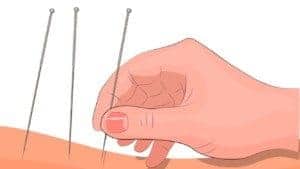
Dry needling is very similar to acupuncture in methodology. A needle is inserted into the muscular tissues and is put into the myofascial trigger point. Since this point is known to radiate pain in the entire body, the goal is to break the vicious cycle.

Muscle tissue will be restored to its regular length, and therefore, the range of motion improves as the muscle strengthens.

TMJ

Here’s what happens to your body when you try acupuncture for healing.

•Neuromuscular Reeducation

Neuromuscular rehabilitation uses physical activity to enhance balance. It also enhances synchronization, kinesthetic perception, stance, core strength, the effectiveness of muscle contractions, and it helps to increase motor skills. During this phase of the rehabilitation process, it’s essential to promote independence. At this point, the patient should be able to reap the benefits and maintain them.

•Craniosacral Therapy

Sometimes, the best approach is to use hands-on techniques to relieve tension in the body. When using craniosacral therapy, many see an improvement in their whole-body health. The goal is to normalize the area closest to the spinal cord and brain.

When these areas are aroused, then the body’s unique ability to self-heal is stimulated. Craniosacral therapy is widely used for pain relief in many disorders, but it’s especially helpful in TMJ.

•Physical Therapy mobilization treatments

There are many moves that a trained physical therapist can do to the jaw joint. The goal is to decompress the temporomandibular joint by manipulating it. By finding the point of least resistance, the thumb is inserted behind the back molar to maneuver it. The movements are general, graded, and purposeful. These gentle techniques help relieve jaw, head, and face pain, and it also restores regular jaw movements.

TMJ

Learn ten conditions that respond well to physical therapy (including TMJ).

•Surgical Intervention

When all the available methods of holistic care don’t help, and a person is still in a great deal of pain, then it’s time to consider surgery. Arthrocentesis is a commonly used procedure. During this operation, the surgeon will remove any fluid that has built up in the joint. Additionally, the surgeon removes any scar tissue that could be contributing to pain.

Open joint surgery is often reserved for the worst cases. When the discs are damaged, then the goal is to reposition the discs or enhance the cushion around them. This operation will require more healing time as it’s invasive.

One of the most preferred methods of surgery is arthroscopic. In this procedure, the recovery time is faster. No incisions are made, as this is a minimally invasive operation. A tube is inserted into the jaw, and it repositions the disc and removes scar tissues from the joint area.

quotes to feel betterFinal Thoughts on Dealing With TMJ

The first step when dealing with TMJ is to see a dentist. The severity of your case can be easily identified through an MRI or other imaging scans. Most doctors will try a variety of treatment options to see if the misalignment will respond. When all else fails, surgery will be considered.

Thankfully, many cases don’t require any surgical intervention. Most people suffer from this condition for a short period. Doing things like wearing a mouth guard at night can stop the excessive teeth grinding, which often contributes to this vexing problem.

TMJ is a common problem that dentists can easily resolve. So many holistic options are available that only the worst cases go under the knife.

20 Inspirational Quotes About Respect for Mother Nature

Global warming and other negative impacts on the planet due to human civilization is becoming undeniable. However, we also don’t want to get rid of the comforts we enjoy every day. There are still plenty of things we can do on our own to help make the world a better place. When you need some inspiration for yourself or someone else, here are 20 inspirational quotes about respect for Mother Nature.

20 Quotes on Why We Owe Respect to Mother Nature

1. “You are totally at the mercy of nature in this country, mate. It’s just a fact of life.” ~ Bill Bryson

Nature is the highest law in every country. You will never be able to live above the laws of nature. That means we should learn those laws and abide by them. Many of these laws involve general respect for the living things around us, including animals, insects, and plants.

2. “Harmony is about bringing things into balance and knowing how to go from sunrise to sunset. Mother Nature teaches this to us, in so many ways, each and every day.” ~ Jaeda DeWalt

The planet should run like a well-oiled machine with perfect timing. It’s as though Mother Nature is there keeping everything aligned perfectly. This balance keeps the world running smoothly. It also acts as a good example for us. We should strive to create this level of order and balance in our own lives.

respect Mother Nature

These supercharged plants might help reduce global warming, according to research.

3. “The Earth has music for those who will listen.” ~ George Santayana

We must respect nature by listening to the things that she has to say. She doesn’t speak in any language we know, though. She speaks through the music of the wind and the sounds of birds. This music will not only hit our ears, but it will speak to us in our hearts and souls.

4. “Heaven is under our feet as well as above our heads.” ~ Henry David Thoreau

Most people think that heaven is up in the clouds. The truth is that heaven is right here on earth and the dirt we walk on. We need to respect nature for the beauty it offers us right here. It’s the closest to heaven we will ever get while on this planet.

5. “Autumn is the time of year when Mother Nature says, “Look how easy, how healthy, and how beautiful letting go can be.” ~ Toni Sorenson

For anyone suffering from grief, it’s time to take a look at nature. While it may be sad when the sunshine goes, and the winter arrives, nature keeps moving. It’s part of the natural cycle.

6. “I’d rather be in the mountains thinking of God than in church thinking of the mountains.” ~ John Muir

Nature can be more spiritual to certain people than a church. In nature, we see God’s work first hand, making us feel spiritually connected and full of respect for the beautiful creation. Many people find church artificial in comparison. If your spiritually comes from nature, embrace that fact.

environmental issues

Scientists warn that humans are driving the world towards extinction at an alarming pace.

7. “Sometimes, life becomes a painting all by itself.” ~ Anthony T. Hincks

Nature is the most beautiful artist of them all. If you are ever in the mood to take a look at a beautiful masterpiece, find a local waterfall or mountain to enjoy.

8. “Nature is not a place to visit. It is home.” ~ Gary Snyder

Many people think of nature as a place to escape to. However, when we go into nature, we are going home. We should also treat nature like we would treat our own home. It offers a feeling of safety, security, and well-being.

9. “The greatest joy in nature is the absence of man.” ~ Bliss Carman

Being intelligent beings, we were able to create industries. With industry comes pollution. We also grew in size and needed to create urban areas for people to live. This so-called progress, unfortunately, destroys beautiful parts of nature and reduces available shelter for animals.

10. “Every life matters. Be like Mother Nature and love everyone without judging.” ~ Debasish Mridha

Mother Nature does not care how much money you have or what color you are. Mother Nature shows equal respect for absolutely everything and everyone. We should follow suit.

11. “We do not see nature with our eyes, but with our understandings and our hearts.” ~ William Hazlett

Most people focus on the beauty of nature. However, Mother Nature touches us much more deeply. Nature isn’t about how it looks. Instead, nature is about how it makes us feel and how it touches us deep in our hearts. These emotions that nature evokes from us are the true benefit we get.

12. “Adopt the pace of nature: her secret is patience.” ~ Ralph Waldo Emerson

Things in nature happen slowly. Water may erode rock and form a valley, but it might take millions of years to complete. Just like we have to wait to see the beautiful valley that will eventually come, we should be patient with the other things in our life as well. Nature allows things to happen as they are meant to happen, and we should respect that.

13. “I am glad I will not be young in a future without wilderness.” ~ Also Leopold

There may be a time in the future where we don’t have the luxury of the wilderness we have today. As more people populate the earth and more pollution goes into the air, the planet becomes less beautiful. At a certain point, children may not be able to go to the park or the woods or the beach the same way we can today.

14. “If nature has taught us anything it is that the impossible is probable.” ~ Ilyas Kassam

The laws of nature are strict. However, that doesn’t mean that seemingly impossible thing don’t happen every single day. This shows us that even if things don’t seem to be possible, we should still try and see what we can do.

15. “Always respect Mother Nature. Especially when she weighs 400 pounds and is guarding her baby.” ~ James Rollins

One aspect of nature that will never change is how mothers will go to any lengths to protect their young. It’s important to respect this if you come into contact with a mom in the wilderness, especially a big one, like a bear. This mom will come at you if you get too close, so keep your distance.

climate change

Read about the fast-diminishing ice in Greenland.

16. “When you do something noble and beautiful and nobody noticed, do not be sad. For the sun every morning is a beautiful spectacle and yet most of the audience still sleeps.” ~ John Lennon

Nature does not look for acknowledgment for everything that she does. The sun continues to come up every day whether we are awake for the event or not. Nature is ruled by a different set of laws. She doesn’t seem to care whether we show her the respect she deserves or not.

17. “Mother nature changes her looks for the same reason any woman changes her looks—to be noticed.” ~ Richelle E. Goodrich

Sometimes, Mother Nature can raise hell in the form of thunderstorms, tornadoes, or hurricanes. When this happens, it’s a reminder to us of her strength. It’s also a reminder of her presence in our every day lives. Finally, it’s a reminder to show her respect.

18. “We kill all the caterpillars, then complain there are no butterflies.” ~ John Marsden

We have to love all parts of Mother Nature. But we can’t pick and choose what parts we like and what we don’t. Everything in Mother Nature is connected. If we take away one part we don’t like, it may affect the parts we do enjoy.

19. “I can not endure to waste anything so precious as autumnal sunshine by staying in the house.” ~ Nathaniel Hawthorne

We live in a time where most people stay inside all day. This is especially true if work involves being in an office staring at a computer screen all day. It’s important to make a choice to get outside. If you can’t change your career for something that allows you to get outdoors, it’s your job to make time for nature. Go outside during your lunch break or go camping on the weekend.

20. “No human, no matter how ancient, or how popular, can be above the laws of Nature.” ~ Abhijit Naskar

History repeatedly tells us stories of people who tried to overcome Mother Nature with no luck. When we try to do this, we are only reminded of how small we are in comparison. Mother Nature is the highest law in the land, and we will never be able to control her.

respect

Adopting these five daily habits can reduce your impact on Mother Nature.

Final Thoughts: Why We Owe Respect to Mother Nature

Mother Nature gives us a lot. That’s why we need to give back, too. The best way to give back is to show the planet respect. We can do this by doing our part to reduce our carbon footprint. These quotes are there to help remind us how we should treat the world we live in.

This Sled Dog Saved Alaskan Town from Certain Death

Have you heard of the tale of Balto, the Siberian husky? Even today, the people of Nome share the store of this sled dog, as he and a brave musher saved of Nome in 1925! Just 2 degrees south of the freezing Arctic Circle, Nome, Alaska, only had one route to the rest of the world in winter: the Iditarod Trail.

When a severe disease epidemic left the people of Nome struggling to survive, they were in dire need of medicine from far away. But how could that medicine get to them, especially when it was, realistically, much too dangerous to travel now? Well, that’s where Balto, the sled dog, comes in.

This Scrub Dog Saved An Alaskan Town From Certain Death

1.    The Plight of Nome

The tale of Balto begins in Nome, Alaska, all the way back in 1925. It was January when Diptheria, a nose and throat disease, began infecting the little town, with small symptoms appearing in residents.

At the time, diphtheria spread rapidly throughout America, infecting more than 15,000 people by 1921. While in 2015, only 2,100 deaths were recorded from diphtheria – a positive step forward from 8,000 in 1980 – back then, a lack of knowledge of the disease and treatment options meant countless lives were lost.

As such, it was no surprise that the town was terrified as the disease spread further and further, as it was especially dangerous for small, rural areas. These isolated places often don’t have access to treatment options, as urban centers held most of the resources for treatment.

And that was where the antitoxin was – in Anchorage, more than 500 miles away. It was the only cure for the disease at the time, Worse yet, travel was virtually impossible thanks to the harshness of the winter of Alaska.

dog2.    The Potential Solution

To same Nome’s residents, dogsled drivers gathered together in a team, pooling their resources together with the aim of making the difficult and very dangerous journey to Nome. This transportation relay process would run through 650 miles in what would later be known as the Great Race Of Mercy.

There was only one path leading to Nome, and it spanned 650 miles. Ordinarily, a single person or team would need more than a month to get to Nome, which would have been much too late. So the people broke the path up into journeys of stretches that they would complete by relay. This option would break the time down significantly for more positive results.

The journey began in Nenana, which is a town that Anchorage sent the serum to. Balto was responsible for finishing the last of the rush. The routes used over 674 miles from Nenana to Nome were as follows:

  • Nenana to Tanana: 137 miles over Alaska Interior and Tanana River
  • Tanana to Kaltag: 230 miles along Yukon river
  • Kaltag to Unalakleet: 90 miles west over Kaltag Portage
  • Unalakleet to Nome: 208 miles around Seward Peninsula south shore, including 42 miles across the Bering Sea across  shifting ice

3.    Balto’s Role

Balto, a black-and-white Siberian husky known for being a lazy sled dog and a slow worker, would normally not have been considered for such a difficult journey. But Gunnar Kaasen had positive thinking and chose to use Balto as his frontrunner and the leader of his pack. When it was their turn to go, there was a terrible storm. But after 3 hours, the storm hadn’t let up, and Kaasen knew they had to go anyway.

They began their journey at 10 pm and traveled through the night in these conditions:

  • Drifts
  • River overflow
  • 600-foot climb over the Topkok Mountain
  • Very low visibility; Kaasen could not even see the dogs closest to him sometimes

Despite these conditions, Balto pressed on, guiding the sled faithfully. Unfortunately, they passed the next relay point at Solomon by 2 miles before Kaasen realized they’d gone too far. So what did he do? Well, they kept on going!

But once they passed Solomon, the winds grew more severe, and their sled flipped over, Kaasen was horrified when the serum fell off in the commotion, and he had to use his bare hands to feel around for the delicate cargo, which left him with frostbite.

Finally, at 3 in the morning on the 2nd of February and far ahead of schedule, Kaasen arrived at the next relay point known as Point Safety. But the sled-driver here, Ed Rohn, thought that the relay had stopped at Solomon, and Kaasen had arrived much earlier than planned as no messages had been received, so he was asleep.

Once again, Kaasen was in an unusual position. But he saw that the dogs were moving incredibly, so he decided to keep going over the final 25-mile stretch to Nome. He reached Front Street, Nome, at half-past five in the morning, only six days after the rush to Nome began. Within a few hours, all the antitoxin serum, safe and sound, was thawed. The people of Nome were saved.

4.    Balto’s Legacy

Though Balto traveled for just the last 55 miles, there’s no way to deny that the celebration thrown in his honor was well worth it. Balto never steered away from the road, he never faltered, and he kept going through impossible circumstances.

Even in New York, Balto was honored with a statue, which you can still see today in Central Park in Manhattan. A film was even made of Balto’s journey by Universal Pictures in 1995 – an animated movie for kids, telling the tale of Balto’s legacy.

At the age of 14, in 1933, Balto passed away. His body was saved and preserved and now is on display in Cleveland, Ohio, in the Cleveland Museum of Natural History.

losing a dog

Research shows that losing a dog rivals the pain of losing a family member.

5.    The Other Mushers and Sled Dogs On The Run To Nome

Twenty different mushers and approximately 150 dogs all made the collective 674-mile trip to Nome with the 20-pound package of serum. It wasn’t only Balto who did an amazing job! Here are the rest of them:

·         “Wild Bill” Shannon

Shannon was the first musher to embark on the journey, leaving at 9 pm on the 27th of January. He braved the way with 11 inexperienced dogs with one named Blackie in the lead. When they found their trail destroyed by horses, they had no choice but to cross a frozen river.

Eventually, Shannon made it to Minto with facial features blackened due to frostbite and hypothermia. It was -62 degrees. Shannon was forced to leave behind three exhausted dogs and go onto Tolovana with just eight after a four-hour rest. He arrived at 11 am. Though he returned for the three dogs, they passed away shortly after.

·         Edgar Kalland

Kalland, a Half-Athabaskan, first came to Minto but had to return to Tolovana to meet Shannon. He traveled 70 miles before even receiving his relay. Once he got the serum, he went through the forest in -56-degree temperatures. When he got to Manley at 4 pm, water had to be poured over his hands, which had frozen to the handlebar of the sled.

·         Anonymous Athabascans

To speed up the process, multiple Athabascans wound up helping to transport the serum between them.

·         George Nollner

History did not record much of Nollner’s journey, but he arrived at the Bishop Mountain relay point at 3 in the morning on the 30th of January.

·         Charlie Evans

Evans left through the Koyukuk river, but his short-haired mixed breed dogs were no match for the brutal weather. Sadly, two of them collapsed due to frostbite. Evans had to help pull the sled along the way. He got to his point at 10 in the morning, but both dogs had passed away by then.

·         Tommy Patsy

Patsy left almost immediately. Historians did not record his journey.

·         Jack “Jackscrew” Nicolai

Nicolai crossed over the Kaltag Portage. Local history books don’t share much about his journey.

·         Victor Anagick

Anagick, an Alaska native, traveled to the Sound in Unalakleet and arrived at 5 in the morning on the 31st of January.

·         Myles Gonangnan

Also, an Alaska native, Gonangman noticed a storm on the horizon and decided not to take the easy but dangerous shortcut across Sound’s ice. He left at 5:30 in the morning and crossed hills quickly. Whiteout conditions finally cleared up as he got to the shore, with temperatures at -70 degrees. He arrived at Shaktoolik at 3 in the afternoon.

sled dog

Learn the science suggests why a dog might understand you better than people do!

·         Henry Ivanoff

Originally, Gonangman intended to pass the serums to Leonhard Seppala, a Nome native. However, because Seppala was not there yet, Ivanoff stood by to make the next leg of the journey. His sled dog team accidentally crashed into a reindeer and became tangled up, and he didn’t actually get to the next point.

·         Leonhard Seppala

An experienced musher, Seppala made the trip from Nome towards Shaktoolik on the 27th of January and got close on the 31st, thanks to the Norton Sound shortcut. The wind chill of -85 degrees was biting as he rushed on. His lead dog, Togo, ran 350 miles. Seppala thought he had over 100 miles left to go, but then he heard Ivanoff’s voice calling for him and saying he had the serum!

Seppala chose to brave the storm as word reached him that the epidemic worsened. He reached Ungalik after dark but carried on, eventually getting to Isaac’s Point at 8 o’clock that night. After a rest, they left at 2 in the morning, into the storm with the wind at 65 mph. They climbed 5,000 feet over Little McKinley Mountain before getting to Golovin at 3 in the afternoon on the 1st of February. This was the most brutal leg of the relay.

·         Charlie Olsen

The storm was very bad, and wind chills were at -70 degrees when Olsen took off. He somehow got away from the trail. Instead of looking after himself, he used using his blankets for his sled dogs, which caused his hands to develop severe frostbite. He got to Bluff at 7 in the evening on the 1st of February, where he passed the serum to the last musher: Gunnar Kaasen. Thankfully, frostbite is treatable, and injury-relief medications had positive results on it, in Charlie’s case.

sled dogFinal Thoughts On How A Sled Dog Saved A Town From Certain Death

Balto and his team – as well as all the other dogsledders on the 1925 serum run – did something truly amazing for Nome. With bravery, positive thinking, and strength, they fought against all the odds to save a rural community. These people and sled dogs are heroes, and their legacy should live on forever!

5 Simple Ways To Upgrade Your Life Without Working Too Hard

We should always be seeking to improve our lives. But a lot of the conventional methods to upgrade your life can be lengthy and complicated. While those are very much worth undertaking, sometimes you want something easy and direct!

So, how can you put in small amounts of effort, but still see a good number of improvements in your life? Here are five simple ways to upgrade your life without working too hard.

5 Ways You Can Upgrade Your Life With Little Effort

1 – Consume New Kinds of Media

Media grows and changes regularly, which means that there are always new forms of it to learn from. Keep up with the times, and you’ll be able to upgrade your life! Here are three types of media to take advantage of:

  • Listen To Podcasts

Podcasts provide information and entertainment, and you don’t need to give them your eyes’ full attention to receiving the benefits of the knowledge they provide. You can be active and have your hands and eyes busy and still listen to podcasts.

Listen to podcasts while traveling, doing things around the house, eating, exercising… the possibilities are endless. All sorts of podcasts that cover a vast range of different topics are available online, so you’ll have no trouble finding something you like. (If you don’t like the structure of podcasts, you can listen to audiobooks, too!)

  • Watch TED Talks

TED Talks are primarily short, interesting lectures performed at TED (technology, entertainment, design) conferences. These presentations are often informative and even groundbreaking, ranging from huge developments in science to personal stories of inspiring individuals. Choose ones that suit your interests first, then slowly branch out to other fields. 

With 20-minute lengths, they’re short enough to comfortably watch without eating into your time – watch one during meals, while you’re waiting for something or someone while getting ready for work or to leave the house in general, or during daily commutes.

  • Read Books

In these modern times, it’s easy to decide against reading a book in favor of checking your phone, scrolling through social media, or watching your favorite TV shows. But don’t forget that books are still great! Make sure you’ve always got a book to read and try to finish at least one per month. 

If you do read, then try upping the number of them that you read per month, or add new genres of books to your to-read list. You can also purchase informational or non-fiction books on subjects that interest you. Remember, you don’t need a physical book; ebooks work just fine!

reading

Psychology proves that reading books can help relieve depression for some.

2 – Admit Your Wrongs and Make The Most Of Them

Many people automatically attempt to protect themselves when they make mistakes. But not only is this unhealthy for you and unhelpful for those around you, but it could also be holding you back! Taking ownership and responsibility, admitting to your mistakes, and apologizing for them is a large sign of a mature and intelligent person.

But how do you make the most of your mistakes, now that you’ve taken ownership of them? According to John C. Maxwell, a speaker, leadership expert, and three-time book author who has sold over 18 million copies of his books, all you need are the 5 Rs!

  • Review

Take a long, hard look at past events and consider what led to them. Consider what happened during the time before the review – what were the high and low points, or the failures and successes?

You should actually set aside a regular time, on a schedule, do this sort of reviewing. So, when do you need to consider, and for how long? Good times are for 5 to 15 minutes at the end of the day, 1 to 2 hours once a week, one day once a month, and one week once a year.

  • Reflect

Reflection is critical when you review it. Consider all the points you’ve studied and examined them extra carefully. This deep thinking will help your self-improvement.

Ask yourself questions if you’re getting stuck. What worked? What didn’t? And what were the causes of each? How could you approach the situation to replicate the successes or prevent the failures next time? You can opt to keep a journal for reflection, too; science has proven it can have positive effects on mental health!

  • Recover

Sometimes, adverse events can need a little recuperation time. They could have hurt you, or the mistakes you’ve made may have drained you or tired you out. In addition, inevitable mistakes may have cost you money or resources that you now need to rest to regain.

Some people view recovery and resting as a drawback or an inconvenience, but that’s an unhealthy mindset. All human beings need rest, and resting can give you closure, provide clarity, and allow you to gather what you need to start again.

  • Rearrange

In your reviews, reflections, and rests, you’ll likely realize that there are parts of your life that aren’t working out for you. Maybe your priorities need to be moved around. Perhaps your goals are too easy or difficult. Maybe there are new things on your to-do list. Rearrange as necessary, always aiming to challenge yourself and improve!

  • Recharge

This step is simple: don’t dwell on the past. You’ve made mistakes. Time to learn from them, find humor in the errors, and find humility in the reflections. Think about your future and look upon it with renewed eyes and positive thinking!

stop living in past

Here are tips on how to stop living in the past.

3 – Have Routines

Every single famously successful person follows regular routines, and that’s for a reason. Methods allow your mind and body to naturally get used to a specific flow of events, which reduces stress and improves positive thinking throughout the day. 

How should you set a routine? Here are some steps to perform:

  • Step 1: Determine a set of tasks that you do every single day. When you wake up, what do you have to do? What next? And then what? How about before bed? 
  • Step 2: Arrange the list of daily tasks in a workable order that you can easily follow every single day. Start with the end of the day and work your way backward.
  • Step 3: Break down the list of daily tasks into smaller ones, so that every single detail of your day is planned into a routine.

At first, this can feel quite overwhelming. But there are many ways a routine benefits you! In the mornings, it cuts down the time you need to get ready, reducing the hecticness and the risk that you forget something.

Then, at night, bedtime or night routines can help you prepare for the next day, wind you down for easier sleep, and even have positive effects on your overall health. The consistent bedtimes that you will get out of a firm night routine will also help your body regulate itself. And that is certainly a positive way you can upgrade your life.

4 – Change Some Eating Habits

We all know that the act of altering eating habits can be a little difficult – but you don’t need huge changes to upgrade your life.

  • Make Your Own Meals

When you cook yourself your own lunches and dinners, you’re able to control what goes into them. Meals in restaurants that claim to be healthy, or even have calorie counts displayed, still don’t give you all the information you need.

Making your own meals means that you can choose ingredients that suit your exact desires or requirements. You know how much salt and sugar you use, if the ingredients are organic, how fresh everything is, and more. Plus, you can carefully portion your carbs, proteins, vegetables, and more. 

There is also a time benefit of making meals by yourself. You can prepare meals well in advance for the week, then simply grab and go. It saves money, effort, and stress.

  • Don’t Eat At Your Desk

When you have a lot of work to do, it can be tempting to just eat at your desk as you continue your work. Don’t. You need breaks, and the short time it takes to eat can be all you need to give your head a much-needed “reset” so you can come back with a fresher mind.

On top of that, distracted eating is often the cause of overeating. When you’re so engrossed in finishing as much as you can, it can be tough to notice when you’re full. So take that break!

  • Improve Your Habits

Yes, improving eating habits can be difficult. But if you start small and work your way up, you’ll figure it out sooner or later! Start refusing offered sweets and junk food, and stock up on healthy snacks to replace unhealthy ones without having to deal with severe cravings.

Eating well can seem like a drag, but remember that diet can be solely responsible for your lifespan and disease risk, and you need to eat relatively well with balanced nutrition for a positive health outlook.

tony robbins quote

4 – Focus On You

In such a bustling, tiring world, your busy life can take your focus off of you. But if you don’t think of yourself sometimes, you won’t be in touch with who you are. Believe it or not, it is possible to become a stranger to yourself, and you don’t want that to happen. Here’s how to focus on you:

  • Take Time To Get To Know Yourself

What are your strengths? Your weaknesses? Your personality traits? What rewards do you love? The things that make you unique?

  • Figure Out Your Beliefs And Values

What are the things that you truly believe in? If you don’t know, you’re likely going to wind up accidentally adopting the values of y others. You’ll conform to social norms and follow the crowd. There’s nothing wrong with doing so when you genuinely share those beliefs – but you shouldn’t do so by default. Take some time to know what you really feel.

  • Make Your Own Identity

When you’re new to your career or field, it’s understandable ty o take inspiration from many others. But as time goes on, you need to be able to create and establish an identity that is truly, uniquely yours. Having your own identity will keep you on the right track, even when the going gets tough.

upgrade your lifeFinal Thoughts On Some Ways To Upgrade Your Life Without Working Too Hard

Sometimes, simple actions are all you need to take to upgrade your life. But remember that even with these easy methods, you have to be consistent and persistent! Commit to these small life changes, and you’ll enjoy the benefits.

Counselors Reveal 10 Signs You May Have Nomophobia

Nomophobia is a relatively new and increasingly common psychological condition. This particular phobia stems from the irrational fear of either being separated from one’s smartphone or of being beyond its range.

According to a 2019 article published in the Journal of Family Medicine and Primary Care, the word is an acronym for “no mobile phone phobia.” The UK Post Office first described the condition in 2008 during a study done to evaluate the prevalence of anxiety disorders in people who were extremely dependent on their cell phones. That study found that 53 percent of male respondents and 47 percent of female respondents felt anxious when separated from their phones. Some volunteers compared their anxiety to “wedding day jitters.”

In 2014, the journal Psychology Research and Management published an article in which researchers proposed adding nomophobia to the “Diagnostic and Statistical Manual of Mental Disorders (DSM).” They described it as a type of specific phobia, which is an irrational fear that is triggered by certain situations. They also noted that changes in society and technology have led to the appearance of new phobias, with technology-related phobias among them.

The researchers further defined the condition as a pathological fear of “remaining out of touch with technology.” They also described it as anxiety or other psychological discomfort caused by not having access to a cell phone or computer.

Symptoms of Nomophobia

1. Anxiety

A person with nomophobia will feel anxious and upset at the mere thought of being separated from their phone, whether it is because they misplaced it or the battery died. The patient will thus go to significant lengths to avoid being without their phone. They might always carry two phones, for example, in case one stops working. They might avoid situations or places, like restaurants where using phones isn’t permitted.

2. Obsessive Behavior

A person with a pathological fear of separation from their phone might have their phone on 24 hours a day, and they may even sleep with it. They will constantly check their phone to see if they have received any calls or messages. They will spend hours using their phone, and they will typically prefer the phone over face-to-face interactions with people. Many patients with this type of phobia find the latter stressful. Some patients will use their phones so much that they incur debts paying for the connection.

A patient with this phobia will also refuse to be parted from their phone. They will take it everywhere with them – even into the bathroom or shower. They will charge the battery even if the battery already holds a full charge. And, they will repeatedly check to make sure that they are carrying their mobile device along with them.

3. Tachycardia

As a specific phobia, nomophobia is a type of anxiety disorder. As such, it causes many of the same symptoms as other anxiety disorders. One such symptom is heart palpitations or the sensations that one’s heart is racing or pounding. Palpitations can be accompanied by an abnormally fast heartbeat called tachycardia. Under normal conditions, a person’s heartbeats 60 to 100 times per minute. If a person’s heart beats more than 100 times a minute, they have tachycardia.

4. Trouble Breathing Normally

Anxiety disorders like phobias cause both physical symptoms and psychological symptoms, with hyperventilating being one of the physical symptoms. Anxiety is actually a pathological version of the fight-or-flight response, in which the body prepares itself to deal with some threat. The fight-or-flight response developed to enable a person to deal with a physical threat like a wild animal or band of hostile humans. A person facing such a threat would hyperventilate to saturate their body with oxygen in preparation for the exertion of fighting or running away. However, doing so can also make the person feel as if they’re having trouble getting enough air – which can worsen their anxiety.

5. Chest Pain

Chest pain is another physical symptom that occurs in anxiety disorders. The pain can vary from patient to patient. It may simply be a feeling of tightness in the chest, or it can be a sharp pain, a burning sensation, or a persistent ache.

Chest pain is also one of the more alarming symptoms of anxiety, for many patients fear they have a heart attack. There are some differences, however, between the chest pain that comes from anxiety and the symptoms of a heart attack.

nomophobia or heart attack

Know the symptoms of heart attacks. Of course, call 911 if you feel you suspect an emergency.

For example, a patient often has a heart attack after some type of physical exertion, while the patient having an anxiety attack may experience chest pain while resting. Anxiety-related chest pain often lasts for only a few seconds, while a heart attack causes constant pain. In addition, chest pain triggered by anxiety doesn’t spread, while chest pain caused by a heart attack often radiates to the jaw or down the arm.

6. Insomnia

Researchers have found that extreme dependence on a smartphone impairs the patient’s ability to sleep. In 2018, the science journal “PLOS ONE” described a study in which researchers studied the habits of 815 young adults for a month. The researchers gave the participants new smartphones programmed to track their users’ habits. They also had the participants questionnaires that included questions about their sleep habits.

The researchers found that 75 percent of the participants used their smartphones within an hour before going to bed. About a third used the smartphones within the first two hours after going to bed, and between 12 and 15 percent used their smartphones in the middle of the night, at least three hours after going to bed. In about 76 percent of the cases, the participants were texting, rather than visiting Facebook or talking to people on the phone.

Insomnia - Nomophobia

The scientists found that 41 percent of the participants experienced “smartphone interrupted sleep” at least one night during the study. The researchers defined “smartphone interrupted sleep” as less than six hours of sleep, not interrupted by smartphone use. Over a third or 36 percent of the respondents had occasionally interrupted sleep, while six percent had frequently interrupted sleep. The researchers defined “frequently interrupted sleep” as four or more nights during the study.

In 2016, researchers at UC San Francisco conducted a similar study. They found a definite link between increased phone use and decreased sleep.

7. Increased Sweating

Many patients with this phobia experience increased perspiration, similar to the symptom you’d see in many types of anxiety disorders. Stress sweat differs from cooling sweat in several ways. When someone is hot or working out, the body sends signals to a type of sweat gland called the eccrine glands. They gradually release sweat that is about 90 percent water.

Anxiety - Nomophobia

Stress sweat, on the other hand, is produced from a different type of sweat gland called the apocrine glands. When a person is feeling anxious, their body produces the stress hormones cortisol and adrenaline/ In turn, those hormones stimulate the apocrine glands that immediately produce sweat comprised of roughly 80 percent water. Fat and proteins make up the other 20 percent of stress sweat.

8. Agitation

A patient with nomophobia often becomes agitated if they know they won’t be able to use their phone for a while. Agitation is essentially an anxious restlessness accompanied by purposeless and unconscious movements. The patient may pace, shuffle their feet, wring their hands, or pick at themselves.

Agitation accompanies emotional upset, and the patient may express limited control over their impulses. In some cases, they may lash out verbally or even become aggressive. Agitation can develop slowly or appear suddenly. It may last only a few minutes, or it can last significantly longer.

9. Trembling or shaking

Trembling or shaking is another common symptom in many phobias, and it is particularly likely to affect the hands. Like hyperventilation, trembling is triggered by the body’s fight-or-flight response. Stress triggers the fight-or-flight response, which stimulates the production of adrenaline and another hormone called norepinephrine. The muscles tense in preparation for action, and that causes the trembling.

nomphobia

Learn to identify the emotional triggers of your phobia.

10. Comorbidity

Nomophobia can often occur alongside another psychological condition; a phenomenon called comorbidity. For example, it often occurs along with another phobia, especially social phobia. It can also accompany conditions like anxiety, depression, obsessive-compulsive disorder, or eating disorders. It can also appear with other behavioral addiction disorders like gambling or compulsive shopping.

Final Thoughts on Nomophobia

Phobias, in general, are common, and there are a variety of treatments. In exposure therapy, for example, the therapist will help the patient adjust to not always having their phone with them.

Another technique, cognitive behavioral therapy, helps the patient control frightening thoughts. For example, if the patient fears to lose their phone because they wouldn’t be able to talk to their friends, they could use CBT to remind themselves that they have other ways to stay in touch with people.

Self-care can include establishing rules for when the patient won’t use the phone, like during meals. Similarly, the therapist may recommend other activities, such as taking a walk, reading a book, meditating, trying a yoga class, or playing a sport.

Skip to content