Weekly tips, affirmations, and small actions to feel your best.

10 Healthy Habits That Can Transform Your Body

If you want to transform your body, it is easier than you think. So whether you need to lose weight or you only want to tone your body, these healthy habits will help.

With some willpower and determination, you will be able to make these changes to transform your body. Maintaining healthy changes will become easier over time as you become used to the new lifestyle. You will quickly come to enjoy it, as well, and it will make you feel better than ever.

Developing healthy habits is about more than just appearance change, as well. Along with body toning and helping to lose weight, these healthy habits can help with:

  • Increase positive mental health
  • Decreased risk of chronic diseases
  • The management of chronic diseases
  • A longer lifespan
  • Enjoy increased energy levels.

Healthy Habits That Can Transform Your Body

Adopt these ten lifestyle changes, and you will be on the way to a total-body transformation.

1. Drink Plenty of Water
transform your bodyThis is advice you probably hear often, but it is one of the most important lifestyle changes to make. You will not be able to transform your body if you don’t drink enough water.

Human bodies are 60% water, and water is necessary for every function, no matter how small or big it is. Without this basic need, your body will not be able to function to the best of its ability. Plus, a lack of water can lead to digestion problems and deplete your energy levels.

When your body works efficiently, you will be moving more and making better decisions. With the increased energy levels and movement, your body will change. Making better decisions will make it easier and more natural for you to choose healthier options.

2. Walk Instead of Drive

If you live close to a location that you frequently visit, stop taking your car. It may take you a little longer to get there, but the benefits to your body will be worth it. Doing this will allow you to drastically transform your body within a short period of time.

You will gain muscle in both your legs and core, and you will burn additional calories. Make this a daily habit, and soon you’ll find yourself losing weight and toning your body at the same time.

3. Eat More Fruits and Vegetables

If you think you don’t like vegetables or fruit, try again. There must be a couple that you enjoy, and you can try preparing them or cooking them in different ways. Try to cover half your plate with fruit or vegetables at every meal.

Keep in mind that you can’t only increase the amount of fruit you eat. Vegetables are just as, if not more so, important than fruit. It’s essential to give your body all types of vitamins and nutrients, so make an effort to include vegetables.

Vegetables contain many essential vitamins and nutrients. They will help you burn more fat because your cells will be replenished with these necessities.

4. Cook at Home

Eating out at restaurants and fast-food establishments is a guilty pleasure for many people. It’s completely unhealthy, however, and many people don’t realize the effects.

Each meal you cook at home can save hundreds of calories that you would have consumed if you had eaten out. Plus, you are more likely to indulge in extras when you are at a restaurant, resulting in even more calories.

If you can get out of the habit of eating out multiple times a week, you will notice a huge difference. You will look better and feel better.

5. Go Outside More Often

You need Vitamin D and fresh air to live a healthy life. Fresh air can help detox your body of pathogens that you inhale inside. The sunshine will give you an energy boost, too, because it slows the production of melatonin.

Vitamin D from the sunlight also helps with maintaining or developing healthy bones and teeth. Plus, it can regulate insulin levels. When your insulin levels are normal, you won’t crave as many sugary foods.
weight loss plan6. Turn Off Electronics an Hour Before Bed

You may not initially realize that this can help transform your body, but it has a huge impact. If you stop using your smartphone, computer, or tablet an hour before bed, you will notice many positive effects. Screen time before bed can cause difficulty sleeping, restlessness, and gaining fat.

Your body needs sleep to heal itself. Plus, it goes through many restorative and regenerative processes while you sleep. Without this time, your body will not function as it should, and you won’t be at your best.

7. Start Waking Up Earlier

While you may think sleeping late will be useful for you, the opposite is true. When you sleep in until the last minute, you will likely feel sluggish. This will cause you to be lazier and move less.

If you wake up earlier, however, you will feel better and have more energy. You will be more alert, too, which will help you get through the day.

It may be challenging, at least in the beginning, but if you have the willpower to make it a habit, it’ll become easier to do. After a short time, it will become normal, and your body will wake you up on its own at that time. Then, you’ll be more alert and energized, and more likely to move and exercise more often.

8. Eat Smaller Meals

Instead of eating three larger meals every day, eat smaller meals six times a day. Smaller, more frequent meals will prevent you from feeling too hungry and overeating at your next meal.

Eating smaller meals with only a few hours between each will also help you make healthier choices. You won’t get as many unhealthy cravings if you don’t let yourself get overly hungry between meals.

Another benefit of this is that your metabolism will be high. Since your body will be digesting food almost all the time, your metabolism won’t have a chance to rest. Between healthier, smaller meals and high metabolism, you will be sure to transform your body.

9. Consume Less Alcohol

It may seem harmless to consume alcohol whenever you feel like it, but that’s not the case. It is harmful to your body, and too much of it can be hard to un-do.

Alcohol causes inflammation, and you won’t be able to metabolize food as well as you should. Plus, your body won’t be able to heal itself when it’s working on getting alcohol out of its system.

Keep in mind that you may also be tired after a night of drinking. As mentioned before, being tired will make you lazier and less likely to move enough. At that point, exercise or anything that requires motivation is probably out of the question.

When your body has to work on getting the alcohol out of your system, it isn’t a quick process. Depending on the amount you drank, it could take several days to recover.

Alcoholic beverages usually contain high amounts of calories or sugar, too. When you want to transform your body, you probably don’t want to gain weight.

10. Skip the Elevator or Escalator

This tip goes beyond just gaining more movement. It’s true that when you are on an elevator or escalator, you are standing still, so you won’t be moving. The real reason for this habit, however, is that taking the stairs is more beneficial than most other things you’ll do every day.

If you’ve ever visited your local fitness center or gym, you have probably seen the exercise equipment that mimics stairs. There is a reason those pieces of equipment are so popular. It affects your glutes, hamstrings, quads, calves, and many other muscles as you do the stair-stepping movement.

In addition to helping to transform your body, taking the stairs can improve heart health. For a healthy heart, it has to be able to get a workout sometimes, too. Taking the stairs will ensure this happens regularly.

If you struggle to find the inner-motivation to work out, this is even more beneficial to you. You’ll be working out, but you won’t think of it that way. Instead, as a part of your daily regime, it’ll become just another everyday task.

transform your bodyFinal Thoughts on Healthy Habits That Can Transform Your Body

You can transform your body by developing a few of these healthy habits. If it sounds overwhelming at first, it’ll quickly become a habit and become a regular part of your day. Then, it’ll be easier, and you will do it without a second thought.

Whether you are trying to lose weight or you are just looking to tone your body, these habits will help. You will look and feel better. Plus, you will have more energy quickly after the lifestyle changes. It is easier than you think to transform your body, and you won’t regret any of these changes.

So, the next time you are going to step onto an elevator or escalator, remember this article and take the stairs instead. Eat more fruits and vegetables, and switch from three large meals to six small ones. Likewise, try to implement some of the other techniques and see what a difference it makes.
15 Hacks to Help You Beat Sinus Pain Naturally

Having a sinus infection is bad enough, but when you have sinus pain to go with it, it can seem unbearable. The tenderness can spread to your jaws and even your neck. Also, it can cause headaches.

The good news is that you don’t have to suffer through it. There are easy, natural remedies that can help you find relief from your pain. Keep reading to learn more about what causes sinus pain and the fifteen natural hacks for relieving it.

What Causes Sinus Pain?

Sinus pain comes from rhinosinusitis, more commonly called a sinus infection. This infection of the nasal passages can make them inflamed, infected, and painful. The condition primarily stems from a virus but can also be caused by bacteria or fungi. Occasionally it can be caused by nasal polyps.

It’s characterized by an overly stuffy nose, mucus drainage, and a runny nose. A sinus infection can also cause tooth pain, bad breath, headaches, facial pain, and so much more. Sometimes it can be confused with a common cold, but subtle differences exist.

It’s truly a miserable experience. However, don’t worry! The fifteen hacks below will help.

15 Natural Hacks for Beating Sinus Pain

sinus pain

1. Do a saline rinse.

A saline rinse is a great way to clear mucus, germs, and other debris from your nasal passages. Using a saline rinse is sometimes called nasal irrigation. You can buy a bottle of the saline mix, or you can make your own at home. When doing this, you must use sterile water, not tap water! Tap water isn’t completely filtered and may have bacteria or other organisms that can enter your nose, make you sick, and possibly kill you.

Some people use a neti pot. A neti pot is essentially a “teapot” or “cup” looking device that funnels irrigating liquid into your nostrils. However, they can be a little more effective at rinsing out mucus.

sinus pain

2. Elevate your head when you sleep.

If you’re suffering from a sinus infection, you probably want to lay down and rest. However, lying down flat can make your congestion worse.

When you lay down, more blood and fluid can flow to your head. However, the blood and fluid can irritate the inflammation in your nose, making you even more stuffy and in pain. The simple solution is to elevate your head as much as possible while still being comfortable.

3. Inhaling steam works.

If you’ve ever taken a hot shower while you were congested, you probably noticed that your congestion cleared up while in the shower. It may have even stayed clear for a little while aftershowering. That’s because the steam helps to clear congestion.

Steam is nearly warm, moist air. This water vapor moistens your nasal passages and breaks up mucus. This leads to your congestion (and your pain) easing up.

4. Yoga helps.

In general, almost any type of exercise can offer some relief to congestion. However, some yoga poses help to drain the mucus from your nostrils. This leads to congestion relief and some pain relief.

Depending on your pain, you may not be up to doing yoga or any exercise. However, if you can find a way to somewhat do a pose with your head angled down, this can help dramatically. You may even feel more relaxed and at peace afterward.

5. Avoid dairy products.

Doctors often tell people with chronic sinusitis to skip eating dairy products. Scientists and researchers are not quite sure why dairy irritates sinuses, but a couple of theories are floating around.

One theory is that many people don’t realize they are sensitive or allergic to dairy products. Another view is that milk encourages the production of mucus. No matter which theory is correct, it’s clear that if you skip eating dairy, it could cut out congestion and pain.

6. Acupressure is amazing.

Acupressure is a form of acupuncture without needles. This is an ancient Chinese healing method that produces impressive results. The good news is that you can perform this acupressure move on yourself at home.

There are two pressure points where your nose meets your cheeks – one on each side. These points are called Welcome Fragrance (LI-20) in the acupressure world. Apply pressure with your index fingers for three minutes and wait for your congestion and pain relief.

sinus infection

Here are ten useful tips for preventing a sinus infection.

7. Use powerful herbs.

Aromatic herbs are one of the best natural solutions to sinusitis. They contain volatile oils that help break up mucus and can also kill the germs that caused your stuffy nose in the first place. Plus, they’re cheap; you probably already have some in your kitchen.

Some of the best herbs to use are:

  • Calamus Root
  • Hyssop
  • Sage
  • Mint
  • Thyme
  • Cayenne
  • Eucalyptus
  • Ginger
  • Garlic

You can make them into teas, tinctures, and soups. Some of them, like thyme, sage, eucalyptus, and mint, could even be used as a facial rub.

8. Lay off the alcohol.

If you already have a sinus infection, alcohol can make it worse even if you aren’t intolerant to it. Alcohol dehydrates you, so this can cause inflammation and pain worse. Avoid alcohol until your sinus infection goes away.

In some rare cases, alcohol could be the source of congestion and sinus pain. Some people are intolerant to alcohol. If this is you, you probably already know to avoid alcohol.

9. Apply heat.

Heat is always an excellent remedy for any pain. Applying heat to your nostrils is a great way to warm mucus. It has the same effect as a hot shower. This breaks it up and makes it easier to blow it out.

Try placing a warm, wet washcloth over your eyes and nostrils for a few minutes. Switch it out for a cold compress for a few minutes. Continue alternating between these and repeat this several times daily.

10. Avoid certain foods.

Dairy was already discussed as a food group you should avoid when you have sinusitis. There are other foods that can worsen congestion.

Sugar is one of those foods. Sugar has inflammatory properties. In fact, sugar could be the cause of your inflammation in the first place.

Spicy foods are another culprit. The spiciness makes your body feel like it’s “under attack”, so your body produces histamines that cause inflammation. It’s a way for your body to protect itself, but it doesn’t feel great.

Other foods to avoid while you have sinusitis are nuts, red meat, and anything with a lot of gluten.

11. Get some sleep.

Sleep is as essential to your body as drinking water. While you sleep, your mind, body, and spirit go through a healing process. This may sound too deep for sinusitis, but without sleep, your body won’t have the energy it needs to get better.

Remember to elevate your head while you sleep. Ensure you’re as comfortable as possible and get as much rest as possible.

12. Clear the air.

You’d be surprised at the level of impurities found indoors. Dust, dander, dead skin, mold spores, and more can be floating around in the air around your home. All of this can either make you congested or make your congestion worse.

One significant indicator of air quality problems is if you walk outdoors and your congestion suddenly goes away. This means that the environment inside your home is making you sick. You can clear the air by keeping filters changed when they need to be and using an air purifier and possibly a humidifier.

13. Use apple cider vinegar.

Apple cider vinegar is one of those home remedies that has been passed down through generations. Great-grandmothers everywhere likely use apple cider vinegar to heal almost everything. One thing is for sure – apple cider vinegar is excellent for relieving congestion.

According to naturopathic doctor, Dr. Penelope McDonnell, you don’t need much. She recommends dissolving a tablespoon in eight ounces of water each morning. If you can’t stand the taste, try adding a tablespoon to a cup of tea with lemon. Dr. McDonnell cautions that some people can’t tolerate this–especially those with gut health issues.

14. Stay hydrated.

The congestion and pain from sinusitis most often come from your nostrils being dry and inflamed. If you’ve been paying attention, you’ll notice that a lot of these remedies involve water or water vapor. Hydrating your nostrils is essential to healing from sinusitis.

However, if your body is dehydrated, the water vapor remedies aren’t going to do much good. You must drink water while you’re sick. This shouldn’t be hard since you should drink water several times a day anyway.

15. Use essential oils.

It makes sense that essential oils would be an excellent treatment for sinusitis because they’re made from many of the herbs that have been suggested. These oils can fight bacteria and relieve information as you inhale the aromas. They work wonders if you use them in hot, steamy baths (and they’ll relax you also).

Many of these herbs/oils contain compounds that help break up mucus. For example, peppermint contains menthol, which helps to unclog the mucus receptors. Eucalyptus has cineole, which proves to improve headaches and runny noses.

sinus painFinal Thoughts on Beating Sinus Pain Naturally

You do not want to deal with sinus pain when you’re already dealing with a cold. The problem can be in many different places, and it may seem almost relentless. Instead of filling your body with a bunch of chemicals from modern medicines, you should try some of these natural remedies from the list.

The great thing about natural remedies (besides them being natural) is that they’re inexpensive, and you likely already have what you need at home to try them. You don’t need to set up an expensive and time-consuming doctor visit, and you don’t have to wait in line at the pharmacy. Now, you have nothing to lose, so pick your favorites from the list and try them.

10 Behaviors That Reveal That Someone Has a Hoarding Disorder

Hoarding disorder is an unrelenting struggle to discard or part with personal possessions. It often starts with going to thrift stores, garage sales, digging in dumpsters, and it’s the fear of throwing away anything that can be used at a later date. Soon the hoard begins to take over your home and life.

Many hoarders can’t pass a dumpster or a large curbside of rubbish without peeking through the contents. It’s common to brush over the issue and say that a person is a “pack rat,” but this issue is a mental illness that is part of an anxiety disorder.

Hoarding is a type of obsessive-compulsive disorder where a person feels compelled to grow their collections out of fear or angst. Some will have a “clean hoard,” meaning that they try to keep things organized and kempt. Then there’s a traditional hoard that takes over their home and life.

While one in four people will suffer from OCD, it’s estimated that one out of every 20 of those people will have this hoarding disorder. Strangely, it often affects men more so than women.

The Various Types of Hoarding

Did you know that there are five levels of hoarding? This mental illness has degrees in severity, just like anything else. You may be a mild hoarder, or your hoard may be so severe that it’s caused structural damage to the home. Here are the five types of hoarders to explore.

• Level One

The first level of hoarding is not severe as these people often have few signs of the disorder. There are light amounts of clutter that is noticeable, and an odor within the home is possible. Thankfully, the doors and stairways are still accessible, and there are little to no areas of animal waste in the house.

At this level, it’s hard to identify that someone has a hoarding disorder due to the lack of clutter. Still, a hallmark sign is the inability to throw things away and stashing stuff they don’t need.

hoarding disorder• Level Two

A level two hoarder will start blocking the entrances/exits from the home. There could be one appliance that doesn’t work correctly as well as an HVAC system issue.

The clutter is becoming more noticeable and has taken over entire rooms. Some spaces may only have pathways to get through them. The sight of mold is also commonplace. There must also be things like:

•Pet Odors

•Litter Boxes full of Feces

•Obvious Neglect for Animals

•Feces on the Ground

•Household Rodents

•Garbage Piling Up

•No Where to Sanitarily Prepare Food

In stage two, people don’t want you to come into their home as they’re embarrassed. It’s common for this person to have other underlying mental health issues such as depression and anxiety. They tend to isolate themselves from others socially.

• Level Three

By now, the hoard is getting severe. There will be visible clutter outside the home, and many of the appliances in the house don’t work anymore. Structural damage can occur from the hoard.

Pet hoarders will exceed the recommended amount for their home, and if there are fish tanks or other cages, they are severely neglected. The evidence of rodents is undeniable. It’s possible to hear and see rodents moving about in the home.

It’s common to find spider webs, fleas and be unable to get down the hallways due to the clutter. Other noticeable signs include:

•Bathroom is Unusable

•Dust is Thick and Covering Surfaces

•Dirty Clothes are Everywhere

•Garbage is All Over the Place

•Strong Odors Throughout the Home

•Electrical Outlets Are Blocked

The personal hygiene of this person also suffers. Their unhealthy eating habits may cause them to lose weight. They may be angry or combative when friends or family members want to come into the home. You’re likely not to be invited into a level three hoard without an argument.

compulsive disorder

These behaviors might indicate someone has OCD.

• Level Four

By the time you get to a level four hoard, things are now severe. There is structural damage that has been there for months, the garbage is taking over the house, and the pets are everywhere. It’s common to see rotting foods on the counters or other household surfaces.

There is usually rotting animal waste everywhere too. Here are some other things that can be observed:

•Expired Food and Canned Goods

•No Sheets on Beds – Filthy Beds with Lice or Fleas

•A Thick Coating of Spider Webs

•Hearing Rodents and Bats in Attics and Walls

•Exits are Blocked

•No Clean Dishes or a Way to Eat Sanitarily

•Kerosene or Gas Stored in the Home

Due to the inability to use the facilities, it’s not uncommon for a person in a level four hoard to go without a shower for weeks. The mental decline is apparent, and they use what little energy they have on grandiose plans for their future.

• Level Five

The final and most severe hoarding disorder is level five. These individuals are living in a garbage dump. The home is unfit for habitation, the animals are sick and need care, and there is usually no running water or electricity.

The signs of rodents are prevalent, and there are fire hazards everywhere. A complete overhaul is needed if it’s salvageable. Here are some other things you may observe:

•Bathrooms and Kitchens Cluttered and Unusable

•Severe Structural Damage

•Possible Involvement with Authorities

•Human and Pet Feces Everywhere

•Non-working Refrigerator

•More than Four Pets Above Local Regulations

The mental illness of the hoarder is undeniable at this level. Most people cannot live or even sleep at home due to the state of the house. They may stay with a friend or family in the nighttime.

However, they are still very territorial of their home. The depression of the hoarder is overwhelming, as is their inability to see the condition for what it is.

10 Signs That You Have Hoarding Disorder

Does any of the levels of hoarding sound familiar to you or a loved one? How do you know if you have this type of obsessive-compulsive disorder? Here are ten signs that show that someone has a hoarding disorder.

1. Inability to Discard Everyday Items – Junk Mail/Containers

2. Stores Things in a Chaotic Manner

3. Extreme Attachment for their Possessions

4. Cannot Manage Daily Tasks Like Cooking and Cleaning

5. Can’t Make Decisions

6. The Clutter Brings Poor Quality of Life

7. Frequents Dumpsters, Thrift Stores, and Yard Sales

8. Often Buys Things for Others That Never Get to that Person

9. Buys Things They Don’t Need or Can’t Use

10. Goes in Debt or Lives in Poverty to Keep Gathering for Their Hoard

What Causes Hoarding Disorder?

Now you know what this disorder looks like, you should know why people do these things. OCD often starts due to childhood trauma. Many hoarders will have suffered from some sort of abuse or neglect in their formative years.

Did you know that a study showed that some people with hoarding issues also have autistic traits? The researchers believe there could be a common link between autism and the need to collect things.

These people put an emotional value on each of their items, and its worth is more than its monetary value. Many people with hoarding disorder do it to ease their anxiety. They may be afraid they will run out of food or not have clothes to wear.

The “stuff” that they surround themselves with makes them feel safe. They also know they can sell it if things ever get rough, at least in the initial stages. Traumatic events like losing a spouse or other loved one can trigger this behavior.

They may look at hoarding as a way to cope with the pain. The items they collect help to fill a void in their life that nothing else can.

hoarding disorderFinal Thoughts on Tackling Hoarding Disorder Head-On

Someone with this form of obsessive-compulsive disorder needs to see their need for help. Don’t expect results overnight. It takes years and even decades to build a level five hoard, and it’s not going to go away in a day.

Even if you bring in a cleaning crew and get the home inhabitable condition, they may revert to their old ways. The best way to tackle this problem is to find out what is causing the anxiety and deal with it head-on.

Since this person uses things to help hide their emotions, it’s apparent that they don’t want to deal with the crux of the matter. Thankfully, the hoarding disorder can be beaten, but it’s going to take time and patience. Since this problem is often seen in older folks, they can’t see their way out of the mess.

They need help and support to get through this difficult time. Keep encouraging them that there is life after the clutter is gone, and they don’t have to live this way. Like all OCD disorders, it’s treated with a blend of herbs, medication, and counseling.

Sadly, many people lose their home and everything in it and relationships before they realize their need to make a change. Getting help is the first and most important step in the journey towards clearing the clutter both inside and out.

Doctors Explain the Causes of Swollen Ankles + How to Fix

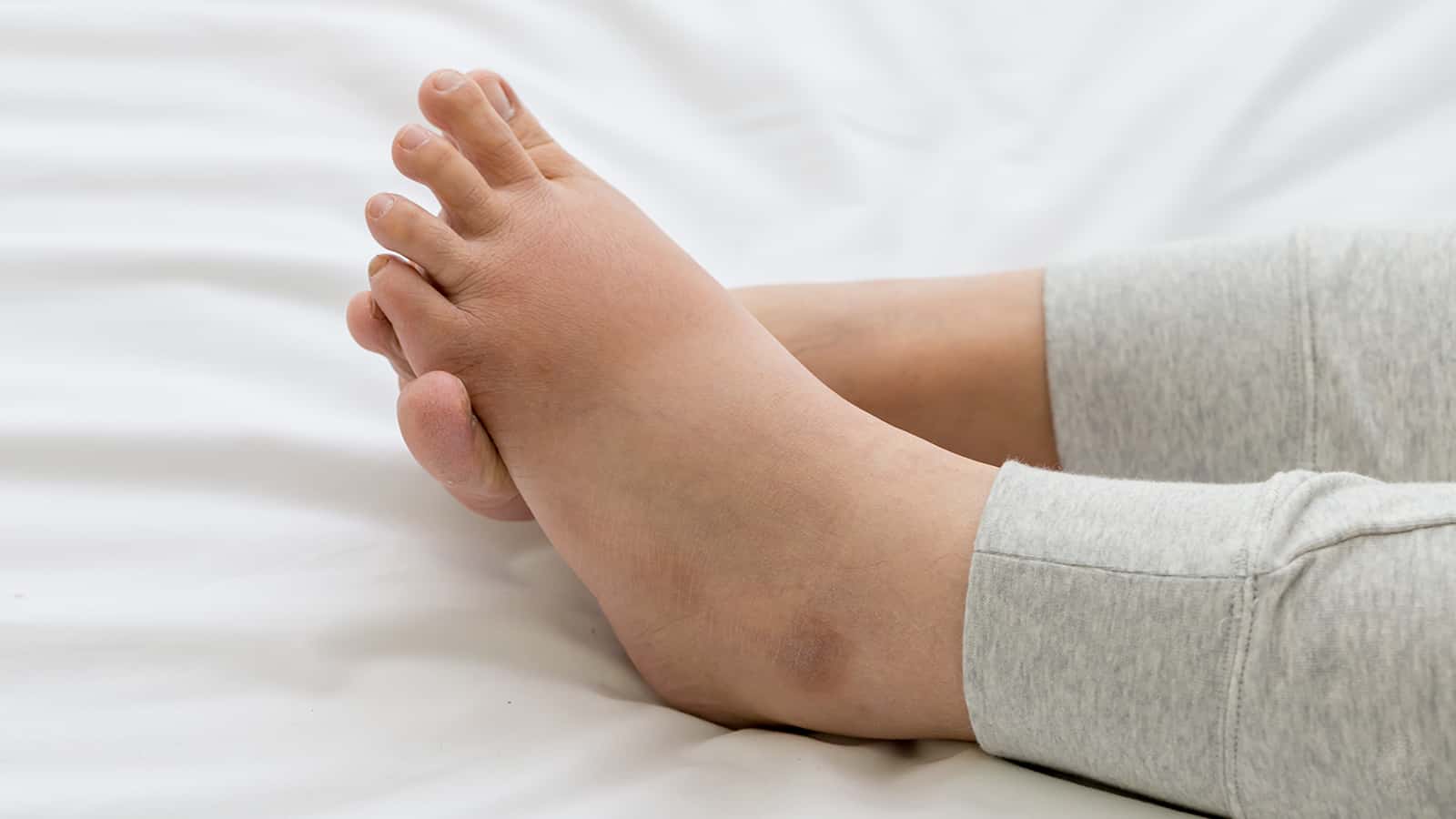
Swollen ankles, aka edema in the medical world, is caused by a buildup of fluid in the ankles. Most of the time, the situation will resolve itself, but sometimes it can linger and negatively affect your quality of life. If you’re suffering from swollen ankles that won’t seem to go away, you’ll need to see a doctor. Indeed, your doctor will likely tell you that it comes from one of the scenarios that we describe in this article.

Minor Causes of Swollen Ankles

First, let’s take a few moments to look at the less severe causes on swelling in the ankles.

Being in the Same Position for Too Long

Many people who have jobs that require them to be in the same position for extended periods (administrative assistants, cashiers, drivers, assembly workers, etc.) sometimes find their shoes feel too tight and their feet feel swollen. Having this feeling is normal because when you don’t move your legs, your blood circulation decreases. Reduced blood circulation means that your legs and ankles aren’t getting rid of fluid at the rate that it should, so it begins to build up.

You should try to change positions as often as possible to prevent this from happening. Doctor Jason Johanning, M.D., professor of vascular surgery at the University of Nebraska Medical Center, Omaha, recommends either sitting or standing (the opposite of what you do all day) for at least five minutes each hour.

swollen anklesBeing Overweight

As you know, being overweight can cause a plethora of health problems. Swollen ankles are one of those. The extra weight, especially the weight around the midsection, can press against your veins. This pressure causes blood circulation problems, which will lead to swelling in your lower half.

Unfortunately, if you’re overweight, the swelling could also come from the pressure that your ankles are under from carrying all that excess weight. Think about it – all your weight is literally on your feet so that you could be breaking down your joints. Losing weight – even a small amount – may alleviate the swelling.

Ingesting too Much Salt

Salt is a common reason that people retain too much fluid. Too much salt can also cause several other health problems. However, as many healthcare professionals put it, it’s not the salt that’s the problem. It stems from sodium.

The sodium in salt helps to regulate a bodily function known as the osmotic balance. This function deals with the body’s level of fluid retention as well as thirst levels and other factors.

When too much sodium is in your body, the balance is thrown off. The excess sodium causes the osmotic balance to retain more fluid than it gets rid of, and it also begins to make you feel thirsty. When you quench your thirst, you’re just adding to the fluid retention.

Medications

Here’s another reason to embrace healthy, natural remedies–swelling and fluid retention.

There are a lot of medicines that can cause swelling in your ankles. These medications can be prescription or over the counter (OTC) medications. Many of them are common medications that a lot of people take, but not everyone’s ankles swell. Some ankle-swelling drugs are as follows:

  • Ibuprofen
  • Loniten
  • Apresoline
  • Estrogen
  • Testosterone
  • Avandia
  • Actos
  • Antidepressants
  • Steroids
  • Calcium channel blockers

There are plenty of other medications that could be added to this list. If you suspect that a remedy is the cause of your ankle swelling, make an appointment with your doctor to talk about alternate medications. However, if it’s a medication that you absolutely must have, your doctor could recommend alternative ways to reduce or get rid of the swelling.

Pregnancy

Swollen ankles during pregnancy are extremely common and are usually nothing to worry about. As the baby grows, it presses on things in your body, including particular veins. This compromises your blood circulation, which, as stated before, can cause fluid to collect in your legs, ankles, and feet.

Hormonal changes during pregnancy could also be a reason. Your body may produce a hormone called relaxin during pregnancy. This hormone can cause the ligaments in your ankles and feet to relax and enlarge, which can cause swelling.

If the swelling is gradual and is in your ankles and feet, you’re likely okay. In most cases, your doctor will probably tell you to stay off your feet and elevate them as often as possible. However, if it comes on suddenly and other areas of your body like your face and hands are swelling, you may have preeclampsia, which is a medical emergency.

cankles

Try these exercises to tone your “cankles.”

Serious Causes of Swollen Ankles

Next, let us review the more dangerous triggers of ankle swelling.

Angioedema

Angioedema is a type of swelling that occurs under the skin rather than on the skin. It’s due to the body detecting some foreign substance in the body, or in other words, an allergen. This type of swelling is different than hives, which can also cause swelling from allergens. However, hives are swelling on the skin instead of under it.

When an allergen enters your body, your body produces a substance called histamine, which is sent to fight the allergen. Unfortunately, this causes that part of your body to swell up. The good news is that it sometimes goes away once the allergen is gone, but you must get rid of the allergen, which may require an emergency room visit.

You can also take OTC antihistamines to make the swelling go down if the allergy isn’t too bad.

Infection

If you have a skin infection, this can cause your legs, ankles, and feet to swell. Your skin would likely be red, hot, and tender. This, paired with the swelling, is an indicator of infection over other causes.

Bacterial infection cellulitis would likely be the culprit behind an infection on your feet or ankles. This infection can come from several different causes. It could be a wound that was open and allowed bacteria to get in. It could even be a disease like rheumatoid arthritis, diabetes, gout, or lupus that caused the infection.

It’s essential to get an infection taken care of as soon as possible, or it will get dramatically worse in a short amount of time. So will the swelling.

Lymphedema

Lymphedema is a condition in which a problem with your lymph nodes causes significant swelling. In many cases, it can be your entire leg that swells, not just your ankle.

Your lymph nodes are responsible for circulating lymphatic fluid. This fluid carries white blood cells around your body to fight bacteria and infections. However, if the lymph nodes become damaged, that fluid can practically come to a halt. The collection of non-circulating fluid causes the swelling and can also cause an infection.

There are quite a few causes for damaged lymph nodes. Two of the most common reasons are surgery and obesity. It can also be damaged from issues like cancer, skin infections, radiation therapy, and genetics.

Blood Clot

People develop blood clots from sitting in the same position for an extended period. You often hear about people developing blood clots after being on a long flight. Blood clots are a severe condition and can be lethal.

Blood clots cause swelling because they create a blockage wherever they’re lodged. It may be accompanied by leg pain. If this happens to you, especially after you’ve been sitting in the same spot for a long time, get to an emergency immediately. If the blood clot dislodges, it can travel to your lungs or heart, cause a blockage, and kill you.

Heart Failure, Liver Disease, or Kidney Failure

The heart, liver, and kidneys both circulate fluid throughout your body. Kidneys help to get rid of excess fluid (when you urinate). Failure of either of these significant organs leads to less circulation and less excretion of fluids. This means that fluid builds up in your ankles as well as other parts of your body. You may have swelling equally all over the place.

How to Fix Swollen Ankles

The first thing you must do is figure out why your ankles swell. It would help if you corrected the underlying cause of the swelling. In many cases, if you take care of that, the swelling will go away.

If the condition is more serious, or it’s challenging to get rid of the underlying cause, you may have to take other measures to get rid of the swelling. Again, the underlying cause is essential here because there would be different methods of getting rid of swelling, depending on the cause.

For example, if being overweight is the problem, you may need to implement dietary changes and exercise. However, if organ failure is the problem, you may need diuretics. Compression stockings or socks are an excellent all-around solution for your ankles. In fact, vascular medicine specialist John Bartholomew, MD of the Cleveland Clinic, says that compression stockings are the best way to reduce swelling.

swollen anklesFinal Thoughts on Recovering from Swollen Ankles

Swollen ankles are irritating and unsightly. More importantly, it’s an indicator that something else is wrong with you. In most cases, swollen ankles aren’t a life-threatening situation. You probably need to get up and get moving or implement simple lifestyle changes.

However, if your swollen ankles seem to be persistent, long-lasting, or painful, you shouldn’t delay in seeing a doctor. The swelling, along with the other symptoms, is your body’s way of telling you that it needs attention. Be attentive and take care of the problem before the swelling becomes the least of your concerns.

Research Reveals Megalodon Was Over 2x the Size of Modern Sharks

Sharks, like the one encountered by Jimmy John Shark, have served as a source of fascination for humans throughout history, perhaps due to their size, strength, and menacing beauty. We make movies about them (i.e., Jaws) and even have a whole week dedicated to them on the Discovery Channel. Scientists and researchers go to great and sometimes dangerous lengths to study their behavior in the wild. Despite their capacity to seriously hurt or even kill us, our fascination with them continues to draw us in.

Increase in sharks attacking humans

While shark attacks are relatively rare, scientists have noticed an uptick in unprovoked shark bites in recent years. According to research, both the eastern U.S. and southern Australia have seen shark attack rates almost double in the last two decades. Hawaii has also seen a massive increase in unprovoked shark attacks. Some scientists believe that more people are enjoying the water in these areas. Also, they think the increasing seal populations have a lot to do with it.

Fur seals, found in increasing numbers along the coasts of southern Australia and the eastern U.S., are a favorite of great white sharks. Because of the rising fur seal populations, great whites have flocked to these areas during the summer months for an easy meal. However, scientists have found no evidence that sharks have started hunting humans directly. We just happen to occupy the same waters that sharks use to hunt their prey.

Blake Chapman, a marine biologist, believes that the uptick in unprovoked shark attacks may be attributed to the following reasons:

  • rising human populations along coastlines
  • destruction of sharks’ habitat
  • changes in water quality
  • climate change
  • shifts in prey distribution
  • abnormal weather patterns

While sharks attacks have grown globally, the risk of a shark bite still remains very low. In 2018, for example, the U.S. had 0.08 shark attacks per million, and Australia saw 0.8 attacks per million.

sharksHunting styles and behaviors of sharks most commonly involved in attacks

The majority of unprovoked shark attacks involve three types of sharks: the great white, tiger, and bull sharks. All three of these sharks have different hunting strategies and behaviors, which makes studying shark attacks difficult for scientists. Bull sharks have been observed mostly in murky, shallow waters, where they use electroreception for hunting prey. This natural ability allows them to detect small electrical fields emitted by other creatures.

Great whites also have this ability and have been known to react to just one-millionth of a volt of electricity. However, great whites tend to hunt in clearer water where they use their vision more. They have better eyesight than bull sharks and usually attack from below. Bull sharks rely more on their sense of smell due to hunting in waters with reduced visibility.

Tiger sharks also like to hunt in shallow, dark waters and tend to feed mostly at night. They pose a threat to humans because they have teeth that shear rather than hold prey. One of the deadliest and most capable hunters in the ocean, tiger sharks average anywhere from 10 to 16 feet long. Because of their hefty size and jaw strength, they can easily overpower humans in the water.

Great whites can measure up to 20 feet long, and bull sharks usually grow from 7-11 feet. While these three types of sharks have a formidable presence in the ocean, nothing compares to the great Megalodon of the past.

Prehistoric Megalodon over 2x Larger than Modern Species

A new study led by a researcher team from the University of Bristol and Swansea University revealed the actual size of the massive Megalodon. Before this study, scientists had only estimated the length of the prehistoric creature. However, they now have estimates on the size of the rest of its body, including fins that equate in size to an adult human. The Megalodon’s teeth also measure larger than a human hand.

Although they only have teeth to go off of, scientists have used several mathematical formulas to estimate the size of the Megalodon. Jack Cooper, who just completed an MSc in Palaeobiology at the University of Bristol, led the study along with colleagues from Bristol and Swansea. They made close comparisons to other sharks with ecological and physiological similarities to the monstrous Megalodon to estimate proportions.

Marine expert Dr. Catalina Pimiento from Swansea University and Professor Mike Benton, a paleontologist at Bristol, supervised the study. Dr. Humberto Ferrón of Bristol collaborated on the study as well.

Published in the journal Scientific Reports, the research team estimates that a 52-foot-long Megalodon had a head around 15 feet long, a dorsal fin about 5 feet tall, and a tail about 15 feet high. So, this makes it over twice the length of the Great White, and much larger overall. It had a bite force of more than ten tonnes, while the Great White bites with a force of just two tonnes.

Facts about the monster megalodon

global warming

Learn about the sheet the size of Manhattan collapsed because of global warming.

This monstrous shark lived from 23 to around three million years ago, and its name literally means “giant tooth.” It’s the largest fish ever recorded to date, with some sharks being measured at 58 ft long. Scientists believe the Megalodon ate around 2,500 pounds of food per day. The most massive Megalodon tooth was 6.9 inches long, which is three times longer than the average Great White tooth.

Fossils from the prehistoric shark have been found off the coast of every continent except Antarctica. Between 2007 and 2009, scientists collected many juvenile megalodon teeth in the waters off of Panama. They believe that this area may have been a nursery for the sharks. It had an average mouth width of 10 feet, and scientists believe it rivaled all other creatures in terms of bite force.

Jack Cooper said: “I have always been mad about sharks. As an undergraduate, I have worked and dived with Great whites in South Africa — protected by a steel cage, of course. It’s that sense of danger, but also that sharks are such beautiful and well-adapted animals, that makes them so attractive to study.

“Megalodon was actually the very animal that inspired me to pursue palaeontology in the first place at just six years old, so I was over the moon to get a chance to study it. This was my dream project. But to study the whole animal is difficult considering that all we really have are lots of isolated teeth.”

Previously the Megalodon had only been compared to the Great White in terms of size and proportions. However, Jack and his colleagues expanded this research to include five modern sharks for the first time.

Dr. Pimiento said: “Megalodon is not a direct ancestor of the Great White but is equally related to other macro predatory sharks such as the Makos, Salmon shark, and Porbeagle shark, as well as the Great White. We pooled detailed measurements of all five to make predictions about Megalodon.”

Professor Benton added: “Before we could do anything, we had to test whether these five modern sharks changed proportions as they grew up. If, for example, they had been like humans, where babies have big heads and short legs, we would have had some difficulties in projecting the adult proportions for such a vast extinct shark.

“But we were surprised, and relieved, to discover that in fact that the babies of all these modern predatory sharks start out as little adults, and they don’t change in proportion as they get larger.”

Jack Cooper said: “This means we could simply take the growth curves of the five modern forms and project the overall shape as they get larger and larger — right up to a body length of 16 metres.”

Because of this research, scientists believe an adult human could stand on the back of this shark and match the height of its dorsal fin. It’s almost unfathomable to picture creatures this large ever existing. At least humans don’t have to contend with them along with the other sharks today!

These estimates about the size of Megalodon mark a crucial step in the understanding of the fossil shark. Also, it helps scientists in knowing what may have contributed to its extinction.

sharksFinal thoughts on the Megalodon being over 2x the size of modern sharks

This groundbreaking study reveals the correct proportions of the Megalodon beyond just its length. A human standing on the back of this creature would’ve looked like an ant in comparison. We should all count among our blessings that we do not have to share the oceans with them any longer! All jokes aside, the Megalodon showcases the wonders and complexities of evolution and the humbling beauty of these ancient predators.

Scientists estimated that the length of them based on tooth fossils, but their other proportions remained a mystery. Now, however, researchers have estimated the measurements of the head, dorsal fin, and tail of a 52-foot-long Megalodon. The reconstruction of its body parts based on comparisons of other sharks allows for further understanding of the ancient creature. Perhaps these methods can be used on other once-giant animals as well.

Therapists Reveal 6 Ways to Support a Couple Who Suffers a Miscarriage

A miscarriage is a tragedy for expecting couples. As a friend or family member, it can be hard to see the toll that it takes on them.

It’s natural that you’ll want to do all you can to help them get through their grief, but you may not know what to do. Taking the advice of medical experts and therapists can help you with this.

Therapists advise not only grieving couples but loved ones of grieving couples because a tragedy takes a toll on friends and family as well.

By following some simple advice, you can help the couple get through their grief in one piece. Here is what therapists say will help a couple who have suffered a miscarriage.

6 Ways to Help Someone Grieving a Miscarriage

So, you’re not sure how to comfort your friends? Here are some tips on compassionate ways to show them your love.

1 – Acknowledge the loss.

miscarriage

Many people often try to avoid talking about a miscarriage because they think it’s too hard for the couple to talk about it. While this is a noble idea, it’s not necessarily the right idea. Talking about grief is one of the best ways to get over it. Perhaps it could be that you don’t know what to say to the couple.

Not acknowledging the loss can make you seem that you don’t care how the couple is feeling. While this is probably the furthest thing from the truth, the couple is probably not thinking straight, and the couple may feel like you aren’t empathetic to the plight. A simple acknowledgment lets them know that you care about what they’re going through.

What you don’t want to do is pretend the incident didn’t happen. The couple is going through a real tragedy, and their grief is there. You don’t have to pretend to be a professional therapist – merely letting them know you’re there for them can be enough.

If you want to go a little more in-depth, or you feel that the couple needs to go a bit more in-depth, London-based psychotherapist Julia Bueno suggests saying something like, “Tell me your story. Start wherever you want.”

Not only does this let them know that you’re there for them, but it opens up the floor to allow them to express whatever they need to communicate. This leads to the next tip – listening.

2 – Listen to them.

Acknowledgment is the first step. When the couple is ready to talk, you should be prepared to listen. It could be just a few sentences they want to say, or it could be an entire speech. Either way, you should be ready to be the ears they need.

Listening doesn’t mean just “hearing” what they say. It shouldn’t be going in one ear and out the other. This means understanding their emotions, reacting to it, and being non-judgmental.

This last part – being non-judgmental – is where a lot of people go wrong. It’s not that they do it on purpose. Sometimes it can seem that you’re being helpful, and no one can blame you for that. After all, you’re not a therapist.

Avoid saying things like, “you were only X weeks along,” or “you’re young so that you can get pregnant again.” Not only is this judgmental, but it’s also insensitive. It’s like you’re telling them that their grief is unfounded.

Of course, you don’t mean any harm, but remember that the couple may not be in the most rational state of mind. They can take your comments and advice out of context and turn it into something that you didn’t mean.

After the acknowledgment, sometimes the best thing you can say is nothing. Allow the couple to do the talking, and you respond only when necessary. Just let them get their emotions out while being non-judgmental.

3 – Refer to the lost baby as a person.

This may seem simple, but it’s especially important if the baby was lost early in the pregnancy. You don’t want to refer to the baby as “it”, or “the fetus”. Remember that to the couple. Their baby was a person, not a failed project.

If the couple had a name picked out for the baby already, use it. When you talk about the baby (which may not often be because you’re listening more than talking), talk as if the baby was already a part of everyone’s life. You may even realize that the baby was a more significant part of your life than you thought.

Just make sure you don’t make unfounded speculations. For example, don’t say something like “baby Sarah would have loved the color pink,” because you don’t know that. Just keep things simple and remember that the lost baby was just that–a baby.

anxiety4 – Be prepared for erratic emotional responses.

A miscarriage can cause couples, especially the woman, to have erratic emotions and bizarre behaviors. Many times, the feelings aren’t entirely logical, but depressed people can have strange responses and reactions. Pair this with raging hormones and guilty feelings, and you have a couple that might be nuclear reactors waiting to explode.

You must understand that every couple is different, and there is no right or wrong way to react to such a tragedy. There is also no right or wrong length of time to respond to it. One couple may get over it in a week while another may take years.

It can be challenging as a friend or family member to deal with the ups and downs of an emotional couple, especially if they are expressing anger or frustration, but remember that you need to be there for them. The couple doesn’t mean to take it out on you. Intense emotions, paired with tragedy, can make people behave in ways they don’t mean to.

Another consideration is that one partner may be reacting differently than the other partner. This happens more often than you think. In this case, it’s essential to be there for the partner that’s taking the miscarriage hard.

Women can often take a miscarriage harder than men. According to Rayna Markin, Ph.D., a licensed psychologist and associate professor at Villanova University, women can feel desperate, inadequate, embarrassed, or even have guilty feelings. A woman may need a lot of support to get over these feelings.

5 – Be willing to help with physical responses to grief.

The mind and body connect on a spiritual level. It makes sense that when the mind is in distress, so is the body. This can lead to a lot of physical ailments when couples are depressed over a miscarriage.

This means you must be empathetic to their emotions as well as their physical needs.

For women, they’ll already be dealing with the health-related physical ailments of the miscarriage. Their emotions can cause even more problems. These can include:

  • Loss of appetite
  • Fatigue
  • Concentration issues
  • Sleeping problems

Women’s emotions and physical ailments can be extreme compared to men. This doesn’t mean that men don’t take it hard, but women tend to take it harder.

Research now reveals that men can be in psychological distress, just like women. For men, their guilty feelings or depressed state of mind can cause some of the same adverse physical reactions that women have.

Depending on how severe their ailments are, they may need a third person to aid in their physical recovery. It could be as simple as making dinner or fetching sleep aids. Whatever they need, you should be willing to help with it.

6 – Don’t rush their grieving process.

Everyone grieves differently, so it makes sense that everyone will take a different amount of time to get over the grieving process. It doesn’t matter if the length of time doesn’t make sense to you. People must have the time they need to process and get over tragic events.

If you’re an impatient person, now is the time to work on that. If you plan to be a good friend or family member, you must be willing to deal with the couple’s grief for as long as it takes. Don’t try to rush them through it.

According to therapists and researchers, women can take up to three years to get over the emotions from a miscarriage. Men usually don’t take as long, but the relationship can be affected by negative emotions. Just be prepared to be the shoulder and ear for the long haul.

miscarriage

Final Thoughts on How to Support a Couple Who Suffers a Miscarriage

Losing a baby is one of the most challenging things a couple can go through. It doesn’t matter if the baby was born or not. The couple had a strong bond with their child, so losing the child can be devastating.

Being a person on the outside of the situation can be tough as well. You want to be there, but you may not know what to say or do. The advice that therapists and doctors offer in this article can get you on the right path.

Above all, remember to be empathetic, non-judgmental, and patient. You can’t put a time limit on grieving, and you can’t streamline the process. The most you can do is be a good friend or family member and be there for them the best way you can.

10 Surprising Stress Symptoms Nobody Ever Talks About

Stress. Today, everyone is experiencing stressful feelings that stem from the pressures of everyday American life. Stress affects people differently, but there are common stress symptoms that everyone experiences. There are also stress symptoms that nobody ever talks about. Here is a list of 10 surprising stress symptoms you may not be familiar with.

1 – Chronic fatigue

Feeling like you want to sleep all the time could be a sign you’re experiencing stress. Daily life stress is common for everyone, but stress that causes chronic fatigue is different. This type of stress causes emotional fatigue that doesn’t let up. It can make you always feel sleepy and tired because the chronic stress wears you down. It never lets up. Chronic fatigue stress may be caused by a variety of situations or jobs such as

  • Any intense job like police officers, nurses, teachers or doctors
  • Having small children
  • Financial problems
  • Being a caregiver of a family member
  • Divorce
  • Being without a home
  • Death in family
  • Chronic illness
  • Pandemic

Talk to your physician about your feelings of fatigue and the stress you’re experiencing. They may be able to offer you some helpful tips to overcome your anxiety. Here are some actionable suggestions that may help you reduce your stress.

Ways to cope with chronic fatigue

Now you’ve identified your trigger. So what is next? Here are some self-care tips to battle chronic fatigue

pop memeExercise

Engaging in high-intensity exercises causes the release of chemicals in your brain called endorphins, which impact your mood and make you feel happier. Plus, a workout tires your muscles making you feel more relaxed. Exercise also boosts your physical strength and helps you release pent up tension.  Here are some exercises to help relieve your stress

  • High-intensity activities like jumping rope, running, aerobics class
  • Yoga-Yoga helps you stretch and relax.
  • Pilates- Pilates builds up your muscles and tones your body.
  • Kickboxing-This sport relieves tension with the punching, kicking, and boxing techniques.
  • Martial arts-Great way to release to build strength and release your tension.
  • Biking-Getting outside is therapeutic. Exercising outside helps your mind and body relax and get stronger.

Eat well

Eat a diet high in stress vitamins such as fatty fish with Omega 3s for good brain health. Vitamin D foods, yogurt, and cheese help you feel calmer, and citrus foods boost your immune system to fight off sickness. Choose whole grains like oatmeal and quinoa for extra B vitamins as well as fresh vegetables and fruits.

Take a break

If you are waiting for that “ideal time” to get away, you can stop waiting. There is never going to be a good time. Caregivers, parents, or medical people are busy 24/7 caring for others’ needs. Taking a break from your responsibilities doesn’t mean you’re neglecting your duties. It means you’re human and need to rest. Taking breaks will give your body and mind a chance to relax and be refreshed. You’ll do a better job when you take breaks because you’ll have a calm mind which will help you do a better job.

2 – Feeling overly emotional

Stress can kick up your emotions, so you feel overwhelmed. Feelings like fear, anger, or frustration may keep you on edge. You may feel tightness in your chest cavity or have racing thoughts. Perhaps you feel like your world is caving in on you. Or may even feel incapable of dealing with anything or anyone such as work, kids, or your spouse because of your intense emotional stress.

Here are three different types of stress:

Regular stress

This stress can be due to work, family, or school. This stress isn’t overwhelming, and you get breaks from it during your day.

 Sudden stress

Sudden stress comes from illness, losing a job, or a divorce. This is higher stress but usually lessens over time.

Traumatic stress

This is stress you experience from a big accident, an assault, a natural disaster like a hurricane or tornado. You may feel overly emotional and unable to cope.

If you are experiencing extreme emotional stress, get help right away. Talk to your family’s doctor or a counselor to get professional help. A counselor can help you cope with your stressful situation. Don’t try to do it by yourself.

3 – Hair loss

Studies show that constant extreme stress may cause hair loss. Some diseases cause hair loss, but if your doctor has tested you for these diseases and there’s no conclusive evidence, there’s anything wrong, then stress is likely the cause. When your pressure goes away, your hair will probably grow back.

caregiver

Learn techniques to help family caregivers in your life avoid burnout.

4 – Graying quickly

Old wives tales tell tales about people turning gray overnight, but this can’t happen. But chronic stress can cause you to go gray over time. You may see this happen to those elected officials go into the office with dark hair, and after four years, they leave the position with prematurely gray hair. Your nervous system is responsible for the well known “fight or flight” responses that affect your pigment, which gives hair its color variation. Stress hormones cause the pigment cells to stop producing, so there’s no new pigment being made, which means no hair color.

5 – Grind your teeth in your sleep

Grinding your teeth is a sign of underlying stress. You may get face pain or pain in your jaw from it. If you are not unsure if you grind your teeth, here are some symptoms you may be experiencing.

  • Jaw pain
  • Earache
  • Insomnia
  • Worn-down teeth
  • Broken teeth
  • Gum recession

If you have these symptoms or signs, speak to your dentist. They can create a mouth guard to prevent teeth grinding. Find ways to relieve your daily stress with yoga, exercise, or even long walks outside.

6 – Get sick easily

Stress can lower your immune system, so you get sick all the time. If you’re always fighting a cold or catch every virus that shows up in your office or school, there’s a good chance your immune system is suppressed. If you’re stressed, your body goes on alert, trying to fight off the threat. This causes your body by lowering your white blood cells and raises your cortisol levels so your body can’t fight off sickness.

7 – Skin eruptions

Breakouts on your face can be a sign of stress. Your gut is affected by stress. It can cause your digestive system not to work correctly, causing you to feel sluggish. When your stomach isn’t functioning right, bacteria and toxins build up in your body, causing skin problems like eczema or psoriasis.

8 – Can’t focus on tasks

Being overly stressed interrupts your ability to focus on your tasks. Your mind wanders. You think about the things you’re feeling stressed about. You may try to get back on the job only to lose track of where you were again and again. If you’re experiencing a lack of focus due to stress, try these ways to get back on track. 

  • Listen to music-Calming music can help you calm and stay on task. Choose tunes without lyrics, so you don’t get distracted by the words of the song.
  • Write down your stress-Dumping your thoughts on paper often releases your stress so you can focus on the things you need to.
  • Get up and move-Take a walk, dance, or do some exercises to reduce your tension.
  • Call someone in need-Give someone who’s having a hard time a call. Sometimes focusing on someone else can help you keep the focus off your problems.

9 – Stomach problems

Diarrhea, stomach ache, and a lack of appetite can be symptoms of stress. Your gut may churn, making extra acid and causing stomach pain. This is sometimes called the brain -to-gut connection where your brain sends signals to your gut, acting like your gut’s nervous system. This imbalance may cause long term stomach issues like Irritable bowel syndrome (IBS), causing constipation and diarrhea.  Stress symptoms in your gut may also include

  • Nausea
  • Hungry all the time
  • Constipation
  • Ulcers
  • IBS
  • Indigestion

10 – Ringing in your ears

Tinnitus or ringing in your ears is sometimes a sign of stress. Constant buzzing, chirping, or ringing sounds may occur if you’re under extreme stress. It may be in both or one of your ears. Your brain is reacting to stress by sending a signal that there’s a noise when there really isn’t one. This can be due to extreme fear or anger. See your doctor right away if you’re experiencing tinnitus. This condition could be short term, but it’s crucial for your doctor to diagnose the problem quickly to prevent further damage.

stress symptomsFinal Thoughts on Identifying Those Unusual Stress Symptoms

Stress has a variety of names. No matter what you call it, it can wreak havoc on your body and mind. Here are some synonyms for the stress you may use when describing it.

  • Anxiety
  • Worry
  • Nervousness
  • Weight
  • Burdened down
  • Overwhelmed
  • Tension
  • Pressure
  • Strain

Today, stress is a common problem due to the widespread uncertainty in the world. You may be aware that you’re fighting stress and have some of its typical side effects. But because there are many stress symptoms that nobody ever talks about, you may not realize the negative impact that stress is taking on your body. If you’re under chronic stress, be sure to speak to your doctor or a counselor. They can aid you in finding relief from your stress. Take good care of yourself with exercise, healthy eating, and taking regular breaks. These simple things can help you have a calm mind, even amid your stressful days.

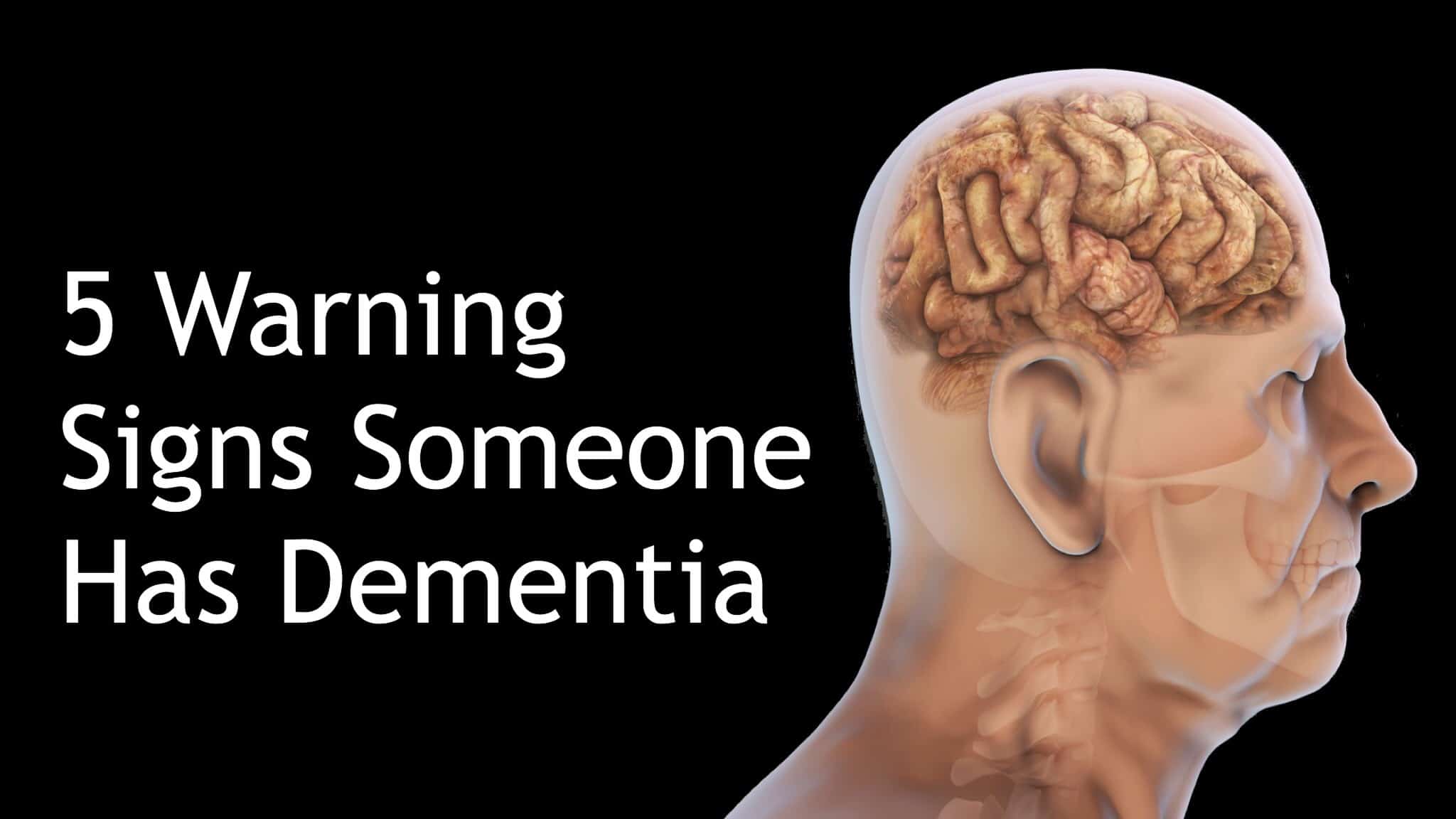
Science Reveals 8 Habits That Reduce Dementia Risk

What if you could lower your dementia risk as you age?

Would you do anything to prevent a significant cognitive decline later in life? Dementia is a horrible condition that robs people of their past, present, and future.

More than 50 million people across the globe have a degenerative mental disease known as dementia. Sadly, there is no cure for a condition that strips your memories and the very ability to recall the faces of your loved ones. Prevention is the only key to keeping this common illness at bay.

Experts state that in the next 30 years, they expect the number of people in the world with this mind-altering disease to more than triple. With staggering numbers looming in the distance, it’s essential to do whatever is possible to protect your brain now. There is a great deal of scientific and clinical evidence that can help people change their lifestyles and habits to improve their brain health.

Understanding Your Dementia Risk

Most individuals don’t understand dementia wholly, and it’s often even more confusing when you add the term Alzheimer’s to the mix. Think of dementia as an umbrella term used by the medical community to describe a loss of cognitive function. When a person has such an issue, they can’t remember, think, or reason, and they suffer from behavioral problems.

What are the Symptoms of Dementia?

dementia

•Trouble with Short Term and Long-Term Memories

•Visual Perception Alterations

•Loss of Problem-Solving Skills

•Inability to Focus

•Loss of Bladder and Bowel Function

•Inability to Speak or Lose Words

•Unable to Manage Self-Care

Different Types of Dementia

Remember that dementia is an umbrella term used to describe a cognitive issue. However, there are many different types of dementia. They are as follows:

•Alzheimer’s disease

•Vascular

•Frontotemporal

•Lewy body

The chances of developing dementia increase as a person ages. However, it should not be considered a normal aging process. It can happen in people below 40, which would be classified as an early onset.

Additionally, it can be seen after a trauma or injury that affected the brain area.

8 Ways to Lower the Dementia Risk

If there’s anything you could do to lower your risk of dementia, would you do it? Here are eight proven methods, and it’s never too late to start.

1. Meditation

People love meditation as it helps to calm their stress levels. However, when your stress levels are improved, the body doesn’t make the overproduction of cortisol. An increased cortisol level in the body can cause all sorts of problems, especially for the brain.

Research confirms that the brain’s gray matter becomes thicker when you meditate. This thickening essentially slows the aging process. What are cortical thickness and gray matter? It’s the regions of your mind that are responsible for both your memory and decision-making. It seems that deep relaxation can help you lower your dementia risk.

2. Avoid Tobacco Products

Tobacco use can cause a plethora of conditions within your body. Chronic use can lead to lung cancer, glaucoma, high blood pressure, and poor brain health. Additionally, the carcinogens in tobacco products can cause a cognitive decline.

Your brain health can be affected by your poisonous habits. Is the calming feeling that you get from nicotine worth all the risks?

3. Exercise

Exercise is essential to an overall healthy body. Not only does it reduce or improve your risk of developing cardiovascular problems, but it can also reduce the dementia risk. New evidence shows that working out affects your brain’s cells and help them stay healthy.

Those who engage in higher activity levels, like cardio workouts, seem to fare better. You need at least 2.5 hours of weekly exercise to stay in shape and protect your mental health.

pop meme

4. Maintain a Healthy Weight

Maintaining a healthy weight is more difficult for some than others. However, the direct correlation between increased weight and dementia risk is undeniable. If your BMI is above 25, then your risk increases. Strive to keep your weight below this threshold for optimal brain health.

5. Prevent Hypertension

If your blood pressure is consistently above 140/90, it’s a cause for alarm. The American Heart Association states that anyone who has chronic high blood pressure increases their dementia risk.

The heart must work harder to get the blood to all body areas. Since the blood carries oxygen, the brain is affected when oxygen saturation levels are not correct. Do whatever you can to prevent hypertension.

6. Use the Mediterranean Diet

The World Health Organization recommends the Mediterranean diet explicitly for an overly healthy body. One reason this diet is superior is that it incorporates things that are good for brain health. While on this eating plan, you can expect to eat things like:

•Whole Grains

•Legumes

•Fruits

•Vegetables

•Fish

•Olive Oil and Other Healthy Fats

•Nuts and Seeds

One thing that this diet does is help to reduce the build-up of dangerous plaque in the brain. Plaque in the mind tangles around nerves and transmitters and can cause things like Alzheimer’s disease. While numerous new supplements are popping up on the market that state they can lower the dementia risk, a healthy diet is the most important thing you can do to protect your mind.

The supplements contain things like omega-3, B Vitamins, and antioxidants, all of which can be derived from food. There is no silver bullet in keeping this disease at bay other than hard work and persistence with diet and physical activity.

7. Engage in Brain Games

Though the research area on brain training games is in its infancy, experts believe that utilizing such activities can reduce the dementia risk. Playing games won’t keep a person’s brain from normal aging, but it can help them stay alert and healthy for a more extended period.

Games stimulate the mind, and it can play an incredibly significant part of aging well in the golden years. Thankfully, brain games are fun and don’t feel like doing a workout.

8. Stay Social

Could something as small as staying socially engaged help lower your risk of dementia? A study was conducted between the years of 1985-2013 that tested 10,200 people and their relationships. The goal was to see if there was any correlation between those who were socially active and the risk of developing dementia.

The findings showed that people who stay social well into their 60s had a lower chance of developing cognition problems. The risk was about 12 percent lower than in those that didn’t socialize as much. British Researchers feel this is another area that must be further explored when it comes to lowering the risk of developing dementia.

Early Warning Signs You Shouldn’t Ignore

When it comes to dementia, you want to be on the lookout for early warning signs. You can do things to help slow the progression of the disease, and these early indicators will help you in the short term. The signs are:

•Constantly Misplacing Things

•Difficulty with Finishing Tasks You’ve Started

•The Inability to Retrace Steps

•Difficulty Remembering Words or Writing

•Confusion on Visual Images

•Problems Speaking and Troubling Articulating Your Thoughts

•Socially Withdrawing

•Confusions Regarding Your Time or Place

•Spatial Relationship Problems

•Poor Judgment and Decision Making

Ordinary things that you once knew and loved can become strange and foreign. For instance, if you’ve played the piano all your life, you may suddenly sit down to the keys and be unable to recall how to play. It would help if you also kept in mind that depression and severe anxiety can mimic dementia, but the effects of those mental health conditions aren’t typically long-lasting.

dementia riskFinal Thoughts on Unlocking The Key to a Lowered Dementia Risk

Some often call Alzheimer’s disease the long goodbye. Many people can suffer for years with this condition as it deteriorates and takes every ounce of memory from them. Eventually, their brain stops telling the body to function, and they pass.

It can be quite a long journey from the diagnosis to when the person dies. The family must endure many hardships as they watch someone who they love decline. Also, the person trapped in that body isn’t functioning well. He or she struggles every day.

If there is anything that you can do to prevent going through such a horrible occurrence in life, then you should do it. If it means eating healthy and avoiding carbs and fast food, then you have got to try.

You don’t want to be in a nursing home and not recognize your loved ones’ faces. You owe it to yourself and them to do whatever it takes to lower the risks.

Doctors Explain 20 Ways to Avoid Catching a Cold

There’s nothing worse than catching a cold during the winter months. Cold and flu season is fast approaching. The last thing you want to do is to be sick. Nothing is worse than the sneezing, coughing, and aching that comes with these common illnesses.

Thankfully, there are many ways that you can keep these viruses at bay. When you get a cold, there’s no magic pill or antibiotic to cure it. A viral infection must work its way out of your system, and it can mean many days where you struggle until your body can overcome it.

Prevention is the key to ensuring you don’t get it in the first place.

Here are 20 ways that can reduce your chances of developing a cold this season.

1. Wash Your Hands

Many people wash their hands, but they don’t do it the right way. You need to make sure that you wash for at least 20 seconds. If you hum the chorus of your favorite song, it can help you ensure you spend enough time scrubbing bacteria away.

Since hand hygiene is so important, you want to make sure you get the backs of your hands and in between your fingers. There are often many places that are missed that can harbor germs that you need to get so you can avoid catching a cold.

catching a cold2. Stop Touching Your Face

Face-touching is a significant problem. You scratch your nose, mess with your glasses, or lean your hand on the side of your head while working. Every time you touch your face, you take the germs from your hands and transfer them to another area.

Since your mouth and nose can quickly ingest any bacteria it encounters, it can make you sick. Face-touching is tempting but should be avoided.

3. Avoid Crowds

If you are worried about catching a cold, then you should avoid crowded areas. When the holiday season rolls around, people will be eager to head to the shopping malls. However, being around an of people only increases the chances of you developing the cold or flu.

Do your shopping online or choose smaller stores with fewer people. You can’t be too careful during the prime season.

4. Never Reuse a Tissue

When you’re sneezing and having issues with a runny nose, you look for anything you can find for relief. However, you should never reuse a tissue more than once. After you use it once, throw it in the trashcan.

All those germs you blew into that tissue will be redeposited into your nasal cavities if you use it repeatedly. This is one time you should not recycle. If you were about to get over that cold, using a dirty tissue could reinfect you.

5. Don’t Touch Public Surfaces

While you can’t live in a germ bubble, you can watch what surfaces you touch. Public door handles are one of the dirtiest things you can touch. Keep a tissue with you or use the end of your shirt to open doors.

Do whatever it takes to avoid touching public surfaces if you don’t need too.

6. Don’t Shake Hands or Hug Others

If you’re worried about catching a cold this season, don’t shake hands or hug others. No matter how much people want to hug you or shake your hand, tell them, you’re social distancing.

You don’t know how many times they’ve sneezed or coughed, and the germs are active on their body. There are a few exceptions to the rule, but you should always wash your hands afterward.

7. Use More Honey

Did you know that honey is full of antibacterial properties that can keep a cold and sore throat at bay? Additionally, if you do get a cold, studies have found that it works better than cough syrup to stop the hacking.

Honey is so good for you that you should make it a part of your daily consumption. Thankfully, it tastes great in just about anything.

8. Cover Your Nose and Mouth

To avoid catching a cold this season, you need to invest in a scarf or face mask. You cannot avoid going out forever. But a scarf will protect your nose and mouth. It acts as a barrier to keep the germs of the outside from getting into your mucus membranes.

face mask

Nurses explain the correct way to wear a face mask to protect yourself from germs.

9. Get Sufficient Rest

Your body needs at least seven hours of sleep each evening. During this time, your body is busy creating new cells and repairing damage from the day. When you don’t have sufficient rest, your immune system becomes compromised.

You can catch a cold easily when your immune system is not in top shape. Getting sleep is essential for your health and well-being.

10. Don’t Use Public Ink Pens

There’s nothing nastier than a public ink pen. When you go to the bank, at work, or anywhere else that asks you to sign, bring along your pen. Those pens connected to chains are touched by hundreds of people each day.

Think about how dirty they are. It’s the same as shaking hands with all those people, and you know how many germs would expose you.

11. Carry Hand Sanitizer

Part of your hand hygiene is scrubbing whenever possible. However, what are you supposed to do when you are not near soap and water?

Hand sanitizer is the next best thing to hand washing, though it should never be substituted for it. Make sure it kills at least 95 percent of the germs to be effective.

12. Keep a Good Distance from Others

Catching a cold is easy when you’re always around others. Remember that microscopic droplets from a cough or sneeze can travel up to six feet. So, you need to make sure you’re a good distance from coworkers and others outside your immediate family.

13. Take Probiotics

Probiotic is an important part of immune health. This good bacterium is essential for your immunity. Gut health cannot be ignored, and more studies show the importance of adding good bacteria into the body.

You can take a supplement or aim to get about 25 to 38 grams of fiber each day from legumes, beans, or plums.

14. Humidify Dry Air

Do you have a vaporizer or a humidifier? You need to invest in one of these devices to use during the cold and flu season. The heat you use to make your home comfortable is very drying to the nasal passages.

Additionally, tiny cracks form inside the nose that allows bacteria to enter quickly. You want to make sure you keep your nasal passages in top shape by hydrating your air. Plus, you won’t face everyday issues with dry skin either.

15. Drink Plenty of Green Tea

The antioxidants in green tea act as a support for your immune system. A study found that drinking green tea regularly can keep colds and other viruses away, and if you already are infected, it can shorten the duration by up to two days.

16. Load up on Garlic

The benefits of garlic have been studied for decades. Is it any wonder that it’s used to ward off vampires? If it can keep these creatures at bay, it can surely keep you from catching a cold.

Garlic has a compound called allicin. This compound has antibiotic properties that can not only help you to keep from getting a cold, but it can also make a cold’s duration shorter. If you can’t stomach eating a raw clove, you should incorporate it into as much food as possible.

17. Use Essential Oils with Anti-Viral Properties

Did you know that eucalyptus oil and tea tree oil have antiviral properties that could help you during the cold season? While research is still outstanding on the effectiveness of such products, many testimonials cannot be denied.

By merely rubbing some essential oil around your nose and breathing in the fresh aroma, you could be saving yourself a trip to the doctor.

18. Quit Smoking

Did you know that your chances of catching a cold increase if you smoke cigarettes? When you smoke, you compromise the body’s ability to move germs away from your lungs. Plus, smoking weakens your immune system and compromises your body so it can’t fight off these germs.

19. Eat Plenty of Vegetables

To avoid catching a cold this season, you need to eat plenty of organic vegetables. Your leafy greens are loaded with antioxidants that can enhance your immune system and increase your ability to fight off such conditions. A study showed that eating fruits and vegetables with bright colors that are full of flavonoids can help keep colds at bay.

20. Avoid Junk Food

Your body needs good food like chicken soup, vegetables, fruits, and green tea to stay healthy. If you’re loading up on sugars and carbohydrates, then you’re not nourishing your cells. If you want to avoid getting sick this season, then fuel your body for ultimate infection protection.

catching a coldFinal Thoughts on Protecting Yourself from Catching a Cold

When both bacterial and viral infections are ramped, there are things you can do to protect yourself and your family. Even something as small as proper handwashing can help to keep a cold away. By incorporating a few things from this list, you can minimize your overall risk of contracting a cold or virus.

Skip to content