Weekly tips, affirmations, and small actions to feel your best.

15 Habits to Stop Being a Controlling Person

Are you a controlling person? You should know folks don’t like to be manipulated by a control freak. When a person must always be in command, it can be due to a manipulative and toxic personality flaw.

People don’t like to be around manipulative people, so they will do anything they can to keep their distance. Do you tend to control a situation, then it might be time for you to consider a change of pace? If you continue with these behavioral issues, you will alienate your partner, friends, and loved ones.

Did you know that being a controlling person can have some serious issues that lie below the surface? The first step in getting help is admitting that you have a problem and want to change.

Fifteen Tips to Help You Break the Habit of Being a Controlling Person

Here are 15 ways that you can stop being so overbearing and have more meaningful interactions with others.

controlling person1. Find the Root of Your Behavior

You didn’t wake up one morning and decide to be controlling. Some things happened in your life that made you this way. Typically, someone who needs to be in control of a situation is an individual that has suffered from traumatic experiences in life.

Before you can make any changes to your behaviors, you need to uncover the reasons why you’re so insistent on controlling everyone and everything around you. You might even learn somethings about yourself that you didn’t know.

2. Learn to Trust the Decisions of Others

Part of the reason why you are a controlling person is that you don’t trust others. This can be a real bone of contention when you have a spouse and a lack of trust between the two of you. Start slowly by giving your spouse control over a situation; then, you will see that you can trust them and move onward from there.

3. Walk-in Another Person’s Shoes

One way to stop your toxic behaviors is to put yourself in the other person’s shoes. How would you react to a person like yourself in life? Would you want to run and hide, or would you welcome them?

Chances are, you will see how challenging it is to be around a controlling individual, and it will drive you to work on your issues.

4. Acknowledge You Cannot Control Everything

No matter how hard you try, there is no way that you can control everything. Even if you try to manipulate people, they will turn away from you. Once you realize you have a problem, you must recognize how outlandish your thought processes to fix it.

5. Respect the Differences in Others

Wouldn’t the world be a boring place if everyone were just like you? You don’t want everyone to be the same as variety is the spice of life.

It would help if you learned to respect that there are different people with opposing views and personalities. Embrace the change because it allows for some great relationships in life.

6. Never Threaten Others

One of the ways that a controlling person manipulates others is by using threats. You may tell your spouse that if they don’t buy the new house or car that you want that you’re leaving them. Most of the time, these threats don’t mean anything, so you are just using them as a tactic to get what you want.

However, eventually, your veiled threats will wear the other person down. They may reach their breaking point and call you on your bluff.

7. Stop Being So Hard on Yourself

Are you the parent who starts to help your child with their homework to end up doing the whole paper? Did you do it because you didn’t think your child was good enough? No!

The reason you did it is that you’re afraid your child won’t get a good grade, and it will look bad on your parenting. Give yourself a break and stop being so hard on yourself. It’s okay if you’re not perfect in every way.

relationship killers8. Give Others Privacy and Space

Do you tend to push your way into situations because you’re afraid of being left out? It’s not uncommon for the controlling person to invite themselves to events and try to get a foot in the door. The real fear is that you don’t want to be on the outside looking in.

However, you can’t be invited to every event and party in life. You must realize that sometimes people need space and time to be alone, even your children. If you continue to push yourself into situations where you’re not wanted, then you may find that people must become frank to put you in your place.

9. Learn to Be More Patient and Understanding

Patience is hard to grasp, but if you want people to be patient and understand with you, you must give the same courtesy in return. Don’t expect everyone to be perfect, as you must realize that humans are fallible. If you want to stop being a controlling person, then you must learn how to be patient.

10. Fight Your Inner Insecurities

There’s a little bit of an insecure nature in everyone. However, for the controlling person, they find that the insecurities are much more significant. While you may come across as manipulative and controlling, it’s your inner insecurities that are shining through.

It would be best to fight these demons that haunt you to find any peace in your life. Set small goals each day to work on dealing with this insecure nature.

11. Learn Coping Techniques for Your Anxiety

Since most controlling people have anxiety issues, it’s only wise to learn effective methods to manage them. When you feel your anxiety rises to a dangerous level, you need to engage in some of these methods. Some of the best ways to control your angst are meditation, rhythmic breathing, taping, exercise, and facing your fears head-on.

12. Stop Using Control-Oriented Language

It’s time to clean up your vocabulary. It would help if you erased words that make others feel uncomfortable or even threatened. What common words do you use that make others bow to your commands?

You will find that you will become more endearing to others by ridding these words from your speech. Plus, you should never use sayings like, “you will or else.” Who wants to be friends or lovers with someone who talks to them in that manner? Clean up your language if you’re going to be friendly and have a close inner circle.

13. Avoid the Paranoia

Did you know that many controlling people struggle with an underlying paranoia and anxiety issue? There’s a good chance that the only reason you are utilizing these manipulative behaviors is that you are scared inside.

For instance, how many times have you seen the bride’s mother overstep her bounds because she is afraid she will be left out on her daughter’s big day? It’s a deep-rooted fear that is making you seem selfish.

14. Take Care of Your Psychological Health

At the controlling person’s crux is anxiety, depression, a mood disorder, or another psychological disturbance. It will help if you put effort into making yourself mentally healthy. You can do many things to improve your mental well-being, such as journaling, practicing mindfulness, meditation, yoga, and using herbal supplements.

15. Reach Out for Help

Did you know that you’re not the only person who uses control tactics to hide their inner issues? Thankfully, therapists are well trained to help you get over these insecurities to have a good life surrounded by friends and loved ones.

If you have a partner, why not bring them along in therapy to help you understand where improvements must be made? The sooner you start working on the key issues, the quicker you can fix some of these problems.

controlling personFinal Thoughts on Ways to Stop Being a Controlling Person

The controlling person is acting out because they have inner hurts that are so deep that they shield others from knowing. For instance, an overweight person in school and was often picked last might have lingering mental anguish from these events. So, as an adult, they want to make sure that they’re included in everything, whether people want them there or not.

It’s not that they want to attend every party or event, but they want to protect themselves from feeling that horrible sting of rejection yet again. What is the driving force behind your controlling nature? Has it developed into a mental health disorder that needs to be addressed?

Getting outside help is a great place to start. There are online support groups as well as therapists who specialize in those who have anxiety disorders. If you have something along the lines of a narcissistic personality disorder, then there are ways to fix those things too.

Whatever you do, don’t let things continue the current path, or you will alienate those around you. You can address the things that cause you to be controlling and move on past the traumatic events.


Psychology Explains Why People Feel Disappointed In Their Partner

It is not uncommon for someone to feel disappointed in a partner, even if they still feel love and affection.

When you fall in love and promise all your tomorrows to one person, you would never dream that love so perfect and right could turn into a battle of resentment. Even in the best relationships, you can hurt each other’s feelings, and the disappointments soon mount.

Bitterness occurs when someone is offended by another person, and they feel that their actions were done with deliberate intent. How do you know if there is bitterness in your relationship that is festering below the surface?

Seven First Signs That You’re Disappointed in Your Relationship

Anger can lie under the surface of any relationship, and as time goes on, it can fester and grow. Here are some common signs that there are underlying issues that are causing you to become disappointed with your partner.

1. You Feel Like an Invisible Entity

Do you feel like your partner is communicating effectively with you, or are you just an invisible entity in the relationship? Can you have a conversation with them, and they can’t recall anything you talked about because they tuned you out? These situations can cause a pool of hurt to start filling, and it won’t take long to get to the point of overflowing with anger and disappointment.

2. Your Arguments Are Over the Same Things

It’s hard to break patterns, but even your arguments can have similar forms. Why is it that your discussions always head towards issues that are not even pertinent to the matter at hand? So, things remain unresolved, and bitterness festers even more.

3. You’ve Begun to Nit Pick At Each Other

It’s good to want to fix the problems in your relationship that are causing issues, but why is it that you become fixated on the problems and can’t get past them? So, instead of coming to some resolve, you begin to nitpick over every little thing. You start throwing up examples of historical events that still don’t sit well with you.

Over time, you start to see your partner as a person that does nothing right, and you can’t stop the disappointments from mounting.

4. You Unleash Your Fury on Your Spouse

Communication is critical, and many people avoid confrontation because they don’t like the outcome. When you talk to your partner, you become sarcastic, vengeful, and may even say nasty things.

This is passive-aggressive behavior, and it’s not healthy in any relationship. You’re releasing your pent-up frustrations on them, and it’s not doing anything to fix the issue at hand.

5. Intimate Moments Are Becoming Scarce

The value of your partnership is reduced when you have unresolved feelings of anger. Once the spark of attraction fizzles, then you will avoid any intimate moments. When there is no physical contact in a relationship, it’s a sign that things are in serious trouble.

6. You Feel the Situation is Hopeless

When you’re disappointed in your partner, you may feel like the whole relationship is hopeless or helpless. When you see no solution to your problems, then you feel trapped. All the unresolved feelings can take a toll on you.

Things that you once celebrated with pride, like your anniversary or birthdays, seem like another day now. There are no cakes, fancy gifts, and you may not even mention the occasion.

7. You Detach From One Another

Detachment doesn’t happen overnight, but you will start to withdraw from one other throughout a few arguments and delicate situations. You make yourself scares so that you don’t have to deal with any drama. Psychologists warn that if you don’t reflect and correct the issues, it might be the end.

It’s okay to take a time out from one another to reassess the relationship. Grab a pen and paper and do a root-cause analysis. You can easily see when it’s written in front of you if the partnership is worth saving.

Understanding Why You Might Feel Disappointed in Your Partner

Do you ever sit back and wonder how you got to this place? How could things that seemed so perfect do a drastic turn and become so unfixable? Here are the most common reasons why disappointments and bitterness creep into even the best relationships.

1 – One Person Is Doing All the Work

It’s not uncommon for one person to try harder than the other. If you’re eager to get them their favorite foods and to show love and affection, then you expect that in return. Sadly, when only one person is giving 100 percent, and the other party is giving about 20 percent, it’s easy to become disappointed.

2 – Adjustment Issues

It’s hard to come together and form a union when you have different backgrounds. Every family has unique beliefs, and they won’t always align perfectly. It’s easy to hurt one another when you don’t have the same sentiments. When you dismiss things that are important to the other person, you will begin to become disappointed in your relationship, and you will harbor resentment.

3 – Your Desires and Needs Aren’t Fulfilled

When you first got together as a couple, you had many hopes and dreams that you would accomplish. Now, over time, the dreams have begun to fade as reality has sunk in. If your partner isn’t giving you the time or attention you want, it’s easy to become frustrated with the whole relationship.

4 – There are Grudges

Part of love is forgiving each other, as you both will make mistakes each day. However, if you cannot forgive them for the things they’ve done, it’s easy to become disappointed and hold a grudge. This is especially true if the other party won’t accept the things they’ve done wrong and rectify the situation.

5 – You Take One Another For Granted

It’s easy to depend on the person to do what they’ve always done. For instance, if your spouse always has your coffee and a breakfast bagel ready for you before work, you will expect that effort and not appreciate it. You will only learn to be grateful for it when they no longer do those nice extra things.

When one person doesn’t feel appreciated or respected, then it can cause an influx of negative emotions between you two.

Four Effects of Bitterness in Relationships

When a relationship is in the wrong place, it can develop malignancies. Some cancers eat away at the union between you, and it will destroy the communication, affection, commitment, and trust you have for one another. If you don’t fix this issue, then it will cause the following things:

1 – Loss of The Emotional Connection

When you are bitter towards your spouse, then distance forms. There is no compromise in this situation, and the accusations and insults are commonly spoken. The emotional connection between you has faltered, and there’s a vast space between where you are and where you should be.

2 – Deep Negative Feelings Develop

When you don’t address the feelings of bitterness, you put yourself in pain. These feelings can cause you to experience both mental and emotional trauma. The relationship has now drained your resources, and the disappointments have become unrepairable.

3 – Trust and Commitment Is Destroyed

When there is bitterness, disappointments, and resentment, then it alters the trust between you. You don’t feel like they’re there for you, and they don’t feel like you’re there for them. You’ve both become complacent and expect less from one another.

4 – The End of The Road

Many relationship issues are not fixable. You can live under the same roof together and still not be a couple. The technical term is the separation of estrangement, which means that the disappointments are so high in your relationship that it’s not repairable.

Final Thoughts on Disappointments in a Relationship

Even the best relationships have their issues. However, the people that can be together for 20-30 years are the ones that learn how to fix the problems before they become disappointed with one another. It would help if you were patient and learn that no one is perfect.

No matter how bad things become, try to keep your physical intimacy intact, even if it’s just a warm embrace. Honor the commitments that you’ve made to one another, even if it’s something as small as going to dinner and a movie on Fridays. Adjusting your expectations and setting appropriate boundaries is also important because you can’t expect more from your spouse than you are willing to give.

A relationship is 50/50, and you both must want this union to last. It can’t be one person putting in all the effort while the other one does nothing. Lastly, you must learn to forgive and stay positive. If you want people to forgive you in this life, you must learn how to forgive others.

There are times that both of you will let one another down, but you can overcome anything that’s thrown your way when you learn that you both are fallible and have to work on your issues daily.

Scientists Develop Contact Lenses That Can Treat Diabetes

What if I told you that contact lenses could sense and treat diabetes? If you’re a contact lens wearer or someone with diabetes, you’ll probably quickly dismiss the idea. Despite how insane that notion sounds, now it’s true. Researchers have recently developed this technology.

Wait before you start to celebrate. It’s new and preliminary; they aren’t available to the general public yet. Researchers at Pohang University of Science and Technology (POSTECH)  successfully developed this “smart contact lens” technology. Indeed, they plan on clinical trials soon. You may not be able to get a pair of these contact lenses for a while. But the fact that these researchers have had success with this wild idea is extremely exciting.

The Team from POSTECH

Professor Sei Kwang Han, MSE, led the team. Other team members included Professor Jae-Yoon Sim, MS, Ph.D., and graduate students Jahyun Koo, Do Hee Keum, and Su-Kyoung Kim. The team included members from two departments of the university: the Department of Materials Science and Engineering and the Department of Electronics and Electrical Engineering. The August 2020 edition of the Science Advances journal published the findings.

pop memeDetails of the Research

There has been a recent explosion in the research and development of soft bioelectronics for use in the health care industry. Researchers like the team from POSTECH have been working to exploit the polymer properties of these soft electronics to create wearable health technology. In fact, many of these ventures have already been successful. We see similar technology in fields such as electrocardiograph, pulse oximetry, photoplethysmography, and even glucose monitoring.

In fact, glucose monitoring is the basis of this research from the team at POSTECH. They have successfully developed wireless smart lenses that can diagnose and treat diabetes – diabetic retinopathy in particular. It’s a revolutionary technology that could have a major positive impact on diabetics.

How the Lenses Work

You’ll probably find the engineering behind the lenses a tad complicated. You may need a background in engineering to understand all the terms and processes that the team described in their publication. However, in this article, the information we summarized and translated the words into more rudimentary terms.

The lenses contain five parts:

  1. Remote radio frequency (RF) communication system
  2. An electrochemical biosensor that detects glucose levels in real-time
  3. On-demand flexible drug delivery system (f-DDS)
  4. A resonant inductive wireless energy transfer system
  5. Integrated circuit (IC)–based microcontroller chip with a power management unit (PMU)

Remotely Controlling and Powering the Lenses

The contact lenses work via remote control using the first part. This RF technology isn’t new. Indeed, you find the same technology in current remote controls. However, applying this to contact lenses is new.

The remote communication unit (RCU) built into the lenses only uses 2.3 mW of power. It transmits data at a rate of 445 kbits·s−1 in the 433-MHz industry-science-medical (ISM) frequency band. This is a great frequency band to use on a global scale, especially since Europe bans the 900-MHz that is allowed in the United States.

The fourth part, the resonant inductive wireless energy transfer system, is how the lenses and the RCU receive power. The lenses have a copper receiving coil built into them. There is an external power source that has a copper transmitter that wirelessly delivers power to the lenses.

Sensing Glucose Levels

The ocular electrochemical biosensor, the second part, allows glucose levels to be measured through tears rather than blood. This replaces the need for traditional lancets, strips, glucose monitors, and finger pricks. While tears aren’t normally used for glucose level measurement, researchers looked into the efficiency of measuring these levels in tears. It was found that glucose levels in tears strongly correlate with the levels found in the blood.

The biosensor contains three electrodes – two made from platinum and one made from silver/silver chloride, which detects the electrochemical glucose reaction. A layer of chromium was also added as an adhesive layer. Finally, a mixture of glucose oxidase (GOx), bovine serum albumin (BSA), poly(vinyl alcohol) (PVA), and chitosan was added to one of the sensors along with a layer of glutaraldehyde after the initial mixture had dried. This was tested on diabetic rabbits, and the results were that the measured glucose levels in tears were as accurate as of the blood levels.

pop quoteDelivering Treatment

When glucose levels are high, the lenses have a built-in drug delivery system, the third part, that can treat diabetic retinopathy through remote commands. The engineering behind the system is amazing and slightly complicated. Here is a basic overview of it.

The system measures 1.5mm by 3mm by .13mm. In other words, it’s thin, and the wearer won’t feel it at all when they wear the contact lenses. As a comparison, typical contact lenses measure from 0.04-0.09 mm. That makes the delivery system only slightly thicker than typical lenses, or around the same thickness as hard lenses or toric lenses.

The medicine is implanted in the lens as exfoliation layers and then covered with a gold anode electrode. When a built-in excimer laser remotely activates, it essentially melts the gold layer and one of the exfoliation layers. The medicine then flows into the eye.

After about 40 seconds, the gold then solidifies, blocking medicine flow until the next laser blast. Engineers designed this system to be defect-free and, during trials, they tested this gold-melting laser process 1,000 times. Each time yielded perfect results.

Putting All the Parts Together

All the parts worked perfectly independently, but each had to fit together to make a whole, finished product. That’s where the fifth part came in.

The published research didn’t make a lot of reference to the microcontroller chip. However, it is essentially the CPU of the whole system. It functions just like the microchip in your computer – without it, you just have many fancy electronics that do nothing on their own.

Reading the Data

The CPU of the lens was designed to transmit data to a custom-made amplitude shift keying (ASK) receiver module (receives data via the amplitude of the electronic), an Alf Vergard Risc (AVR) (a microprocessor that is up to four times faster than traditional microprocessors), and a computer. Naturally, if the contact lenses pass the clinical trials and make it to the consumer market, data would eventually transmit in a less “engineer-like” way. The assumption would be through an app so people can monitor their levels from their smart devices.

Researchers experimented on diabetic rabbits, as mentioned before. The rabbits remained unharmed, and the results were widely positive. In other words, the lenses worked. The team says that there will need to be minor adjustments in the clinical phases. But overall, the technology yielded outstanding results.

Disease-Monitoring Lenses on the Market

There have been other ocular lenses for disease monitoring developed already. The United States Food and Drug Administration (FDA) already approved similar technology. An example is Google Lens. This lens stalled in clinical trials because they could not get the glucose-level readings from tears to match those of glucose-level readings in blood.

Another example is the Triggerfish Lens. This lens monitors changes in changes in intraocular pressure for the detection of glaucoma-related issues. However, it doesn’t produce real-time changes and doesn’t offer a drug-delivery system like the POSTECH team’s lenses.

Although these lenses are phenomenal advances in medicine, the lenses from the POSTECH team will quickly make this yesterday’s news. The fact that they can monitor diabetic retinopathy in real-time makes them more useful than the others.

What is Diabetic Retinopathy?

This section is for people who aren’t familiar with this condition. Damaged blood vessels in the retina (in the back of the eye) are a common complication of diabetes. Symptoms include seeing floaters, blurred vision, seeing dark spots or areas, and even going blind.

This eye disease occurs pretty rarely when you compare it to the number of people with diabetes. However, once a person develops the condition, there is no cure. People can manage the disease by keeping glucose levels under control. If the condition is really bad, the doctor might suggest laser surgery.

contact lensesFinal Thoughts on the Research and Diabetic Contact Lenses

With the number of people suffering from diabetes in the world, the development of lenses that can track, monitor, and treat the condition is an anxiously awaited concept. Even if the lenses are only for diabetic retinopathy rather than the entire condition itself, any help is better than what’s available now.

Of course, diabetes is a condition that one must address immediately. This undertaking starts with access to healthier food options and better healthcare. Some people may not be able to help that they have diabetes. But for some people, it’s a self-inflicted condition. Until society can get a handle on the diabetes epidemic, new technology like these lenses from the researchers and scientists at POSTECH will be a valuable addition to the world.

8 Steps to Overcome A Fear, According to Psychology

Do you need help to overcome a fear? Perhaps you’re terrified to ride in an elevator, are hiding from bees when you go outside, or you can’t stand to be in a vehicle after an accident. Fears are all around you, and according to the National Library of Medicine, about ten percent of Americans deal with these phobias daily.

No one wakes up and wants to be afraid of things they encounter every day, but sadly, it’s the reality of a relatively common problem. Some of the most common fears that therapists treat every day include the following:

•Agoraphobia – The fear of being in a public place.

•Claustrophobia – The fear of being in a confined space.

•Arachnophobia – The fear of spiders.

•Acrophobia – The fear of heights.

When a person encounters the thing that they fear, it sends them into an anxiety attack. They may feel lightheaded, nauseous, impending doom, or feel as if they’re going to pass out. Dealing with a phobia can feel like you’re locked in a jail cell, and someone threw away the key.

What commonly happens is that a person alters their life based on their fears. For instance, the individual suffering from agoraphobia might not go to the grocery store anymore, so they order all their groceries online. The fear of being in a public place may grow to the point where they can’t leave their home at all.

Eight Steps to Overcome a Fear

overcome a fearThankfully, phobias are treatable by using eight simple steps. No, treating the condition won’t happen overnight, but you can retrain your brain to stop living in fear and get out and start living again.

Step #1: Acknowledgment

If you want to overcome fear, you must realize that the phobia you’re dealing with is irrational. The chances of anything happening to you when you get on that elevator are slim. In many cases, your fear is based on a traumatic experience that you had previously.

For instance, if you were stuck in an elevator during an electrical outage, you may recall all the worst-case scenarios you saw in movies. What if you were stopped at a red light and jamming to tunes when a car sideswiped you out of nowhere? It wouldn’t be unheard of for you to be fearful of being stopped at red lights in the future.

Now what you must acknowledge is that the red light didn’t cause your issue, so sitting in front of it doesn’t mean you’re in danger. You’re transferring the fear to the wrong thing. The fault was in the driver, not the stationary object.

Developing a phobia based on a traumatic event is quite common. It’s a phenomenon that has stumped researchers, and they believe it can be many factors, such as:

•Genetics

•Brain chemistry

•Environmental factors

•Behavioral patterns

The cause is not really of the utmost importance. Rather, a phobia’s definition an irrational fear of a situation, person, or object. To overcome fear, you must acknowledge that it exists, and it is taking over your life.

Step #2: Define Your Triggers

Now that you acknowledge that you have a phobia, it’s time to define your triggers. What if you have a fear of being on the freeway. Does all freeway driving scare you, or is it when you go above 55 miles per hour?

Some people don’t like the expressway because going at faster speeds mean that accidents would be catastrophic. Others don’t like the feeling of being sandwiched in between many cars and knowing that they can’t quickly get out should they have a panic attack. Once you identify what triggers your anxiety, you can work on reducing the stress response to it.

Step #3: Understanding the Progression

Now that you’ve identified what triggers you, you need to understand why your body reacts and how to change the sequence. For instance, a typical phobia sequence plays out like this:

•The phobia is triggered.

•You have a physiological and emotional response.

•You experience an unhealthy and adverse outcome.

Since you know the pattern of these phobias, you can work on changing things. The key is to change your response to a healthy one rather than a negative one. It’s common to feel your anxiety arise and have shortness of breath, dizziness, or nausea.

These are emotional responses due to an increase in the stress hormones in your body. However, you can use adequate coping skills to lessen these responses to overcome a fear.

anxietyStep #4: Shift to a More Positive Mindset

Starting with the trigger, a counselor can help you recognize how irrational your fears are and how they can be overcome. For instance, there is nothing dangerous about being in an elevator or on the freeway. It would help if you changed your mindset about these things to create more rational beliefs.

In almost all phobias, fear is not dangerous at all; rather, people are transferring their anxiety to something that is blameless. No wonder experts call anxiety the great pretender as it makes you see and believe things that aren’t true.

Shift to a more positive mindset and push the negative responses aside.

Step #5: Learning to Self-Soothe

Have you ever seen a baby twirl their hair or suck their thumb when they’re upset? They have learned how to self-soothe when they are facing an emotional crisis. While you don’t want to act in the same manner, you can use the same principles to overcome fear.

It would help if you found a way to ground yourself and become centered. The key is to keep your emotions in check so that you don’t spin out of control. No, you may not be able to remove yourself from a stressful situation, but you can soothe the intense reaction you have to it.

The person who is stopped at the red light and fearing an accident can try a counting exercise. Counting is an excellent way to turn your mind from the negative stimuli to focus on something else. You can even make a game of it where you see about how many seconds you must sit at each light.

The brain cannot focus on two things, so when you’re counting, then you’re less likely to think about the accident that you feel is impending.

Step #6: Regulate Your Response

Now, you must deal with the emotional response to your phobia. To overcome a fear, you must process what you are feeling, learn to regulate the response, and find a resolution. It sounds easier than it is, but you can do it.

For instance, when you feel your heart start racing, you should call it out. Say something like, “I feel my heart racing, and I feel a little bit nauseous, but I know this is going to pass soon.” The key is to use self-talk to deescalate the situation.

Speak it out loud so that you can hear yourself say that you’re in no danger. Your words have power behind them, so when you speak things into existence, you call an end to this phobic reaction.

Step #7: Face Your Fear Head On

Now it’s time to challenge yourself. You’ve learned that you have a problem, you know how to handle the increasing emotional response, now it’s time to face your fear head-on. Exposure therapy is a powerful tool because it allows you to feel the negative stimuli, get a grip on your emotional response, and eventually overcome the irrational fear.

A therapist will start you off by slowly exposing you to the phobia. If it’s spiders you fear, then they may put one in the room with you to start. Gradually, they will build up the situation until you might be able to touch the insect. Once you learn to regulate your fears, you can interact with spiders without issue.

Step #8: Setting Yourself Free

Once you can get on that elevator, the expressway, or hold a spider in your hand, then you are setting yourself free from the fear that held you back. To overcome a fear is a process that isn’t going to happen overnight, but you can learn how to manage your irrational angst and stop letting it hold you back.

overcome a fearFinal Thoughts on How to Overcome a Fear

The mental health community has categorized phobias into three distinct categories: specific phobias, agoraphobia, and social phobias. Within these three categories are many subcategories. It doesn’t really matter where you fall within these guidelines, as the treatment is all the same.

You must learn to control your emotional response so that you can lessen your anxiety. Yes, your stress levels will rise when you’re faced with your fears, but you can take control of the situation.

Given time and a good therapist, you have the power within you to overcome your fear. It’s all about quieting the noise inside your mind caused by irrational anxiety. What fears are holding you back?

20 Benefits That Come From the Power of Positive Thinking

How many times has someone told you that you need to see the glass as half full or look on the bright side of things? These comments are made by those who have a positive outlook on life, and it’s not always easy to share the optimism of others. However, there are many benefits to positive thinking and the beautiful things it can do for your body.

Twenty Benefits of the Power of Positive Thinking

Every human being has more than 60,000 thoughts daily, which indicates how significant the brain’s capacity is. An article published by TLEX Institute references a study done on positive thinking.

The study found that, on average, about 80 percent of those thoughts were negative. It’s easy to see how that could make you in a terrible mood. Here are 20 benefits to increasing your positive thinking.

power of positive thinking1. Improve Your Immunity

The medical community is beginning to understand how the mind has a profound effect on the body. When you have a good attitude and think positive thoughts, then you enhance your immunity. A study was conducted at the University of Wisconsin-Madison, and they found that positive thoughts lower stress hormones and trigger the reward-related brain circuits.

2. Increases Your Motivation

When you think of good thoughts, then you will feel good. If the reward centers in your brain are activated, then it will give you a boost. If you talk negatively all the time, then you will feel melancholy. Increase your get-up-and-go by using positivity.

3. Improves Overall Health

Have you ever wondered why some people seem to be the picture of health while others struggle? Could it be that their mindset is optimistic? When you learn to stop dwelling on all the negative things and look for the sunshine after the rain, you will feel better. Now, not every medical problem is caused by negative thinking, but it does have an impact.

4. Beauty From Within Shines to the Outside

Have you ever seen someone that was so radiant on the outside that they were beaming? You’ve, no doubt, crossed paths with someone that knows the power of positive thinking. All your thoughts and feelings on the inside will shine to the outside, and others will take notice.

5. Increase Your Perception and Awareness

When you learn to view the world through optimistic lenses, then you have an enhanced perception and awareness of the things around you. Positive people are the ones who take time to stop and admire the beauty of a rose growing in a garden, or they take a walk in the fresh air on a sunshiny day.

6. Improves Your Self-Confidence

The power of positive thinking will help you to improve your self-confidence. How can you look down on yourself or anyone else when you’re focused on all the good attributes you and others have? It’s kind of hard not to have a good view of your life when you believe you’re loved, surrounded by good friends, and feel that you’re worth something.

7. Handle Stress Better

Stress in life is inevitable; however, your perception will dictate how you respond to stressors. The power of positive thinking can give you the strength and wisdom you need to tackle the inevitable challenges that come your way.

8. Helps Facilitate Better Relationships

Did you know it’s easier to make friends when you are optimistic? Who wants to hang around someone who is always negative and acts downtrodden? You want to spend time with people who lift you, make you smile, and enhance your mood.

9. Resilient in a Crisis

When crises come, some fall to pieces and others step up to the plate and take care of business. Someone who is a positive thinker sees the situation for what it is and strives to have a positive outcome regardless of how bad things may look.

10. Lowers Blood Pressure

When you’re cynical and a stressed mess, it only stands to reason that your blood pressure would increase. Your blood pressure is directly affected by your moods and stress. However, when you keep on the sunny side, it can have a calming effect on your heart, BP, and entire body.

power of positive thinking11. Keeps You Mentally Healthy

Mental illness is a significant issue in this country. Anxiety and depression are reaching some of the highest numbers ever. Thankfully, when you are focused on the power of positive thinking, it helps you to be your best mentally. Who has time to deal with anxiety, depression, and other mental issues, anyway?

12. Creates a Better First Impression

When you meet someone for the first time, you always get a first impression. Now, that impression can be good or bad, depending on the person’s demeanor. If they’re negative, then it will undoubtedly shine through. However, someone who is positive, smiling, and optimistic always lights up the room. Who do you want in your inner circle?

13. Improves Heart Health

Staying positive is excellent not only for the brain, but it’s good for the heart too. Positivity is linked with your overall heart wellbeing, and it can reduce the threat of heart disease, regardless of several factors, like smoking, getting older, and being overweight.

14. Brings Peace and Fulfillment

A life full of turmoil is no life at all. If you want to find peace and fulfillment in your time here on earth, you will learn to stay positive. It’s incredible how much better your day can be when you walk with an optimistic mindset.

15. Gives You More Opportunities in Life

You have a job interview, and there is one other applicant besides yourself. You walk in with a smile and seem to radiate from the positive nature that surrounds you. The other candidate hardly smiles and is strictly business.

Since this position involves dealing with the public, who do you think they will hire? When you let the power of positive thinking overtake your life, it will open doors for you that you never thought possible.

16. You Will Age Gracefully

It takes fewer muscles to smile than it does to frown, according to Flip Science. Have you ever seen people that never smile? It’s as if their face is permanently frozen in a scowl.

Ten years from now, you will see lines begin to develop around the corners of their mouth and the center of their forehead. These lines form from holding their face in a familiar position for long periods. If you want to age well on the outside and the inside, you must smile and remain positive.

17. Helps You Deal with Rejection

Rejection is a hard thing for the strongest person to endure. Thankfully, when you look at the positive aspects of any rejection, you can use it as a learning curve. There are many lessons to be learned in life, and a positive nature helps you focus on the constructive things you can learn rather than dwelling on the negative.

18. Draws People to You

Have you ever seen a person that people tend to flock to? They are drawn to their charisma, smiling face, and undeniable charm. Many of those people have so many friends because their positive nature is infectious.

There’s nothing better than surrounding yourself with people who lift your spirits and give you the boost you need to keep going.

19. Improves Your Work Performance

One person is sitting at their desk thinking of all the things that are so bad in their life, while the other worker is humming a pleasant tune, smiling, and enjoying the sunshine outside. Now, which person do you think is going to get more done that day? The power of positivity can give you the drive to do more in less time, and it will put a little spring in your step.

20. Increases Your Lifespan

A study was conducted by the Harvard T.H. Chan School of Public Health discovered that women who stay optimistic had a reduced rate of premature death. Unlike the negative thinkers, these ladies were less likely to have things like diabetes and hypertension.

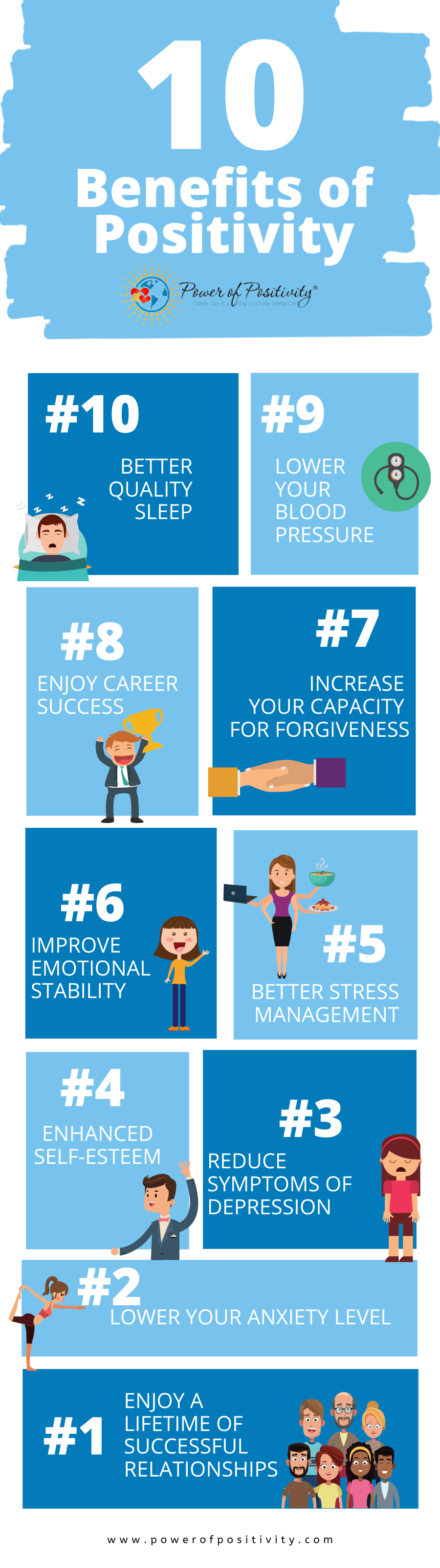
positivity infographic

Learn the 10 top reasons to embrace positivity in your life.

Final Thoughts on the Power of Positive Thinking

When you’re optimistic, you view the world around you in a different way. Switching from a negative mindset to a positive one enhances your focus. When something terrible happens, you will not ignore the negative aspects, but you focus on the positive ones. You see the chance for growth and opportunity rather than allowing yourself to sulk in your pity.

When the power of positive thinking overtakes your life, there will be more opportunities to come your way. People who walk in optimism have faith and are at peace, rather than those who live in torment as their negativity chokes the life out of them.

The many health benefits of a positive attitude cannot be denied. When you live a positive life, it can reduce medical problems and allow you to have better mental health.

6 Plantar Fasciitis Stretches to Reduce Heel Pain

Oh, the places your feet take you in this life. Without them, it would be impossible to live and thrive as you do. However, when heel pain sets in, you need plantar fasciitis stretches to keep you going.

Do you deal with chronic heel pain? According to American Family Physician or AAFP, about 10 percent of the American population suffers from this common ailment. It’s often observed in people who are on their feet a great deal, such as nurses and doctors.

Putting any pressure on the tendons in your feet can cause them to become inflamed and sore. If you like to walk barefoot, walk on your tiptoes, or go up and down stairs without shoes on, then you are at an increased risk of developing this medical issue. Additionally, those that are new to exercise and are starting any workouts may be more susceptible.

What Is Plantar Fasciitis?

plantar fasciitis stretchesWhen it comes to the various types of heel pain, plantar fasciitis is among the most common. According to the Mayo Clinic, inside your foot is a thick band of tissue that starts at the bottom and runs to your toe, and it’s called the plantar fascia.

You must wear the proper shoes to provide the support your heels need, especially when you’re on your feet a lot.

Symptoms of Plantar Fasciitis

Those who have issues with this problem often feel the most significant pain upon arising in the morning. Those first few steps might be uncomfortable as this band has pressure on it.

As the day wears on, you will feel the pain intensify the more you are on your feet. If you sit for an extended period and then get up and try to walk, you will feel intense pain. Oddly enough, people report that they feel better after activity rather than being sedentary.

Causes and Risk Factors

This condition is prevalent among people who jog or run frequently. Additionally, when you have more weight on your body than you should, it also affects this band’s tension. Here are some other situations that make you at a higher risk of this issue:

•Being female

•Age between 45-60

•You have high arches

•You have flat feet

•Your heel cords or Achilles’ tendons are too tight

• You’ve got an unusual gait or foot position

•You wear high-heeled shoes

•You wear shoes with soles that are too thin

•Standing for extended periods at your job

•You wear shoes that don’t provide sufficient support

Diagnosing Heel Pain

When you go to your doctor with a complaint of heel pain, they usually know just by your symptoms the issue. However, they will usually do x-rays and a physical examination to ensure that their hunch is correct. It’s also essential to make sure nothing is broken so that the pain isn’t coming from something like a hairline fracture.

If you have any risk factors, you may try some plantar fasciitis stretches to see if it alleviates the pain. There are many treatment plans available, and it depends on the severity of your problem as to which method you choose.

Treating Plantar Fasciitis

There are many treatment options out there, but the most common tend to be icing the area to alleviate any inflammation. When that doesn’t work, then here are other options to consider.

•Cortisone Shots – Cortisone shots send steroids into the area to reduce inflammation.

•Arch Supports – Arch supports go into the shoe and help distribute your weight evenly, so there isn’t one area that feels the force of your body habitus more than others.

•NSAIDs – NSAIDs medications can be bought over-the-counter, or you can get them in stronger prescription strength. They are meant to be used for the short term, but they can provide quick relief to get you up and moving.

•Splints – These devices provide support to the calf and foot at night.

•Rest – If an activity aggravates the pain, then you should stop and rest the foot. Sometimes, physical activity makes the pain feel better.

•Supportive Shoes – Having support in this area is essential, so a shoe that has a thicker sole and extra cushioning makes walking and standing more comfortable.

•Physical therapy – Physical therapy is an excellent option for those who don’t want to use any medications. By manipulating the area, you can encourage the body’s ability to heal itself. You don’t need to go to a facility to do therapy, as you can do it yourself using plantar fasciitis stretches at home.

•Surgery – Surgical intervention is only necessary in severe cases when other methods have failed. It’s seen as a last resort and nothing that should be considered lightly. Thankfully, this condition responds to many of the methods above, so surgery is not a common choice.

It can take up to ten months for complete relief, though you might feel a reprieve right away. The best way to tackle this common heel pain issue is through plantar fasciitis stretches done in the comfort of your home.

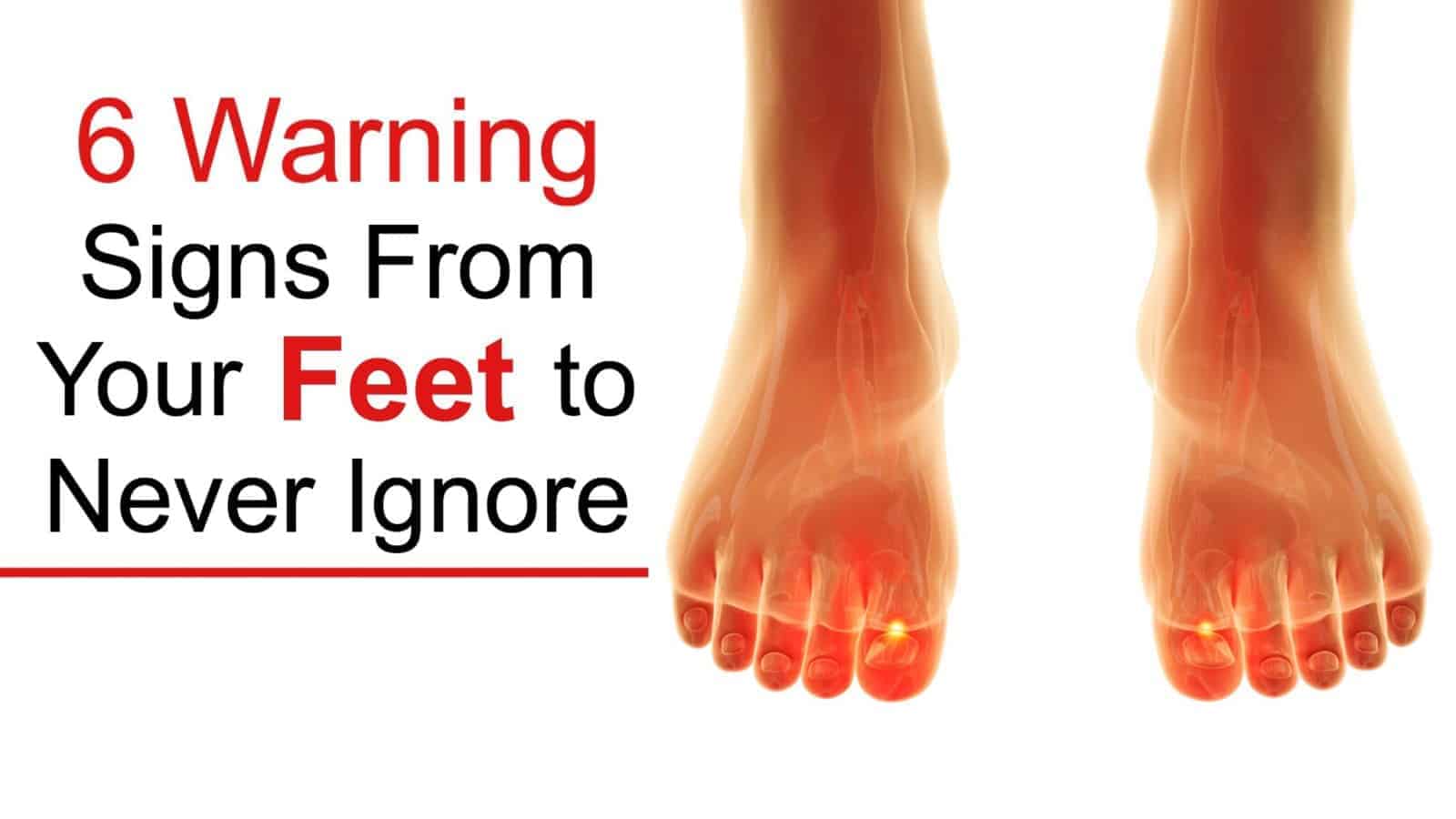
feet

Six Plantar Fasciitis Stretches That Help

By incorporating some easy-to-do plantar fasciitis stretches into your day, you can say goodbye to the pain. Remember, if the pain worsens and doesn’t improve, you may need to see a doctor for x-rays to ensure it’s not another condition. Here are six easy stretches to try.

1. Arch Roll Ice Massage

You want the most effective stretch to ensure that you get rid of the pain, and the arch roll ice massage is among the best. Plus, it’s straightforward to do. You will need to allow a water bottle to freeze to use it as a massager.

•Start by finding a comfortable chair where you can easily move your feet.

•Place the water bottle or ice ball under the middle section of your foot.

•Roll the bottle back and forth for as long as you can stand the cold temperature.

•Try to roll the bottle for about 3-5 minutes, or longer if you can tolerate it.

•Repeat this 2-3 times each day.

This stretch is so effective because it reduces nerve tension and decreases inflammation. If you need more pressure to heal, you can stand up and put your weight on the bottle.

2. Toe Curls Using a Towel

If you want a simple stretch, then towel curls are the way to go. They help by loosening the muscles, allowing the nerves to relax, and stimulating the joints to lubricate themselves. A towel or any cloth will work for this stretch.

•Take off your shoes, find a comfortable chair to sit in, and put a towel on the floor.

•Place your foot on the towel and ensure that you’re positioned in the middle of the cloth.

•Curl your toes inwards and crumble the towel as you do it. If you’re doing it correctly, you will feel an intense stretching in the heel of your foot.

•Curl your toes and count to one, then release it as this is one repetition.

•Do this stretch 2-3 times each day.

3. Toe Stretches with A Towel

This stretch is best when you first get out of bed in the morning, especially when the pain is at its worst. All you need is a towel and a comfortable spot to sit on the floor.

•Sit on the floor and put your back against the wall.

•Now, extend your leg in front of you, and make sure they’re straight.

•Use a towel and lasso it around the end of the affected foot.

•Using the ends of the towel, gently pull your heel towards your chest.

•If you’re doing this correctly, then you will feel sensations from your heels up to your calf areas.

•Hold the stretch for about one minute, then repeat it a couple of times.

•Try to do these curls at least 4-5 times each day for the best results.

4. Calf Stretch

This stretch is done in the standing position. It’s a great warmup if you’re going to do any running or other exercises as it helps to loosen the leg muscles and reduce nerve pain.

•Stand facing a wall and place your hands on the wall. Make sure you keep your feet about a shoulder’s distance apart.

•Your sore foot will be in the back, and you should slightly bend the front leg.

•Bend the front knee slightly, all while keeping the back leg from moving.

•If you do this correctly, then you should feel the calf muscle stretch.

•Hold this position for about 45 seconds, then switch to the other foot.

•Try to do this about 4-5 times a day for better results.

5. Toe Extensions

This is a good stretch that can be done anywhere. It’s especially great for people who wear high heel shoes. You don’t need any equipment either.

•Find a chair that’s comfortable to sit in.

•Take the foot that has the sore heel and place it on top of your thigh.

•Using your hand to move the toes back and forth.

•If you do this correctly, you should feel a stretching sensation in your heel.

•Take your other hand and massage the ankle area of the affected foot.

•Try to massage the foot for about 20 seconds, and you should do 2-3 sets for one rep. Try to do 2-4 reps each day.

6. Marble Pickups

Like the towel stretches, you want to work those toes and stretch out the plantar fasciitis. All you need is a hand full of marbles for this stretch.

•Place some marbles on the floor and have a towel sitting on the floor next to them.

•Curl your toes and use the toe curl to pick up the marbles one at a time.

•Now, once you pick up a marble, use your toes to put the marbles over on the towel.

•Practice moving the marbles back and forth from the towel to the floor.

•Try to use at least ten marbles for a good stretch.

Final Thoughts on Plantar Fasciitis Stretches

Having heel pain can be unbearable, especially since you need your feet to get around. However, by incorporating some plantar fasciitis stretches into your daily routine, you can ease the symptoms and bring relief.

15 Positive Quotes for a Life of Abundance

Living a life of abundance is a direct result of being positive as these positive quotes for life will detail. If you can change your way of thinking, you can live a fulfilling life with everything you already have.

If you are constantly thinking of what you don’t have, you will never feel like you have enough. There will be a nonstop nagging in your mind that you are missing out, even if it isn’t true. Changing those thoughts into positive thoughts can make a huge difference.

When you feel the negativity creeping in, replace those thoughts with other ones. Consider what you already have in your life that you are grateful for and focus on that, instead. If you can do this, you can live a life of abundance.

Fifteen Positive Quotes for a Life of Abundance

These positive quotes for life will help you see that you already have everything you need. You can live a life of abundance, and it is easier to achieve than you may think. Whenever you find yourself struggling, coming back to these positive quotes for life.

positive quotes for life1. “You are a living magnet. What you attract into your life is in harmony with your dominant thoughts.” – Brian Tracy

The things that you receive in life are largely based on the energy you are putting out. If your thoughts are negative, you won’t receive much positivity in return.

On the other hand, if you think positively and of abundance, you will suddenly attract abundance. If you feel like you are lacking in any area of your life, remember this and try changing your thought process. Push out any thoughts that aren’t in line with what you want in life.

2. “Riches are not from abundance of worldly goods, but from a contented mind.” – Unknown

You can have all the material possessions possible and still not feel fulfilled. This is because abundance is a mindset and can only be achieved if you are content with what you already have. If you constantly desire more, you will never feel like you have enough.

3. “True abundance isn’t based on our net worth, it’s based on our self-worth.” – Gabrielle Bernstein

Similar to the quote before, the amount of money or the things you own don’t signify abundance. Instead, the way you feel about yourself and the thoughts that you think are what bring abundance. Make sure to think positive thoughts about yourself and to see how worthy you are.

4. “When you keep doing what you love and open yourself to unseen opportunities, that is when nature aligns itself to bring an abundance of new things for your creation. Do what you love, and love what you do.” – Anand Patwa

Doing the things that you love in life will help you live a life of abundance. Keep an open mind as you go along, and watch for positive things to come your way. When you live this way, you will always feel like you have enough.

This mindset will help you discover new opportunities and reach your goals. As you do this, you will obtain new things that you never expected. Remember this as you go about your day, and stick to doing only what you love.

5. “When you are grateful, fear disappears and abundance appears.” – Tony Robbins

Be grateful for what you have in your life. This includes your family, friends, the roof over your head, and the clothes on your back. When you can practice gratitude for these things, you will find that abundance appears, as Robbins explains.

6. “The abundant life does not come to those who have had a lot of obstacles removed from their path by others. It develops from within and is rooted in strong mental and moral fiber.” – William Mather Lewis

Part of living a fulfilling, abundant life comes from overcoming obstacles alone. You have to figure things out to develop a strong mind and unshakable morals. Don’t wait for others to clear the way for you, but instead get moving to clear it for yourself.

7. “Part of achieving life abundance is to be consistently moving toward your goals.” – Unknown

Don’t stop working toward your goals and dreams. Always keep them in mind and make all of your decisions based on those goals. When you do this, you will find the return to be greater than you could have imagined.

pop meme8. “Abundance is a state of mind. It is about looking only at all that you have, feeling grateful for all of it and choosing to not complain about what you don’t have.” – Unknown

Only pay attention to the things you already have as you work toward your goals. What you have is enough, and anything else is simply a bonus. Don’t complain about what you don’t have yet, because that state of mind will not bring abundance.

9. “Abundance comes in many forms, do not limit your abundance by trying to control how it will flow, just know that it will come.” – Shelly Sullivan

You can find abundance in many small blessings in your life. Think of what you are grateful for and understand that it is enough. Then you know that abundance will flow in your life freely.

You also must remember to not try and control how things are flowing. Let them flow naturally, but keep yourself open to discovering new things.

10. “An abundance mentality springs from internal security, not from external rankings, comparisons, opinions, possessions, or associations.” – Stephen Covey

If you are secure with yourself, you will find you are already living a life of abundance. It doesn’t matter how anyone else perceives you. The only thing that matters is what you think of yourself and the life you are living.

11. “Plant seeds of happiness, hope, success, and love; it will all come back to you in abundance. This is the law of nature.” – Steve Maraboli

If you plant these seeds of positivity as Maraboli suggests, you’ll gain plenty in return. Go through your life leaving these seeds everywhere and with everyone. Before you know it, you will have an abundance of happiness, hope, success, and love.

12.  “The abundance you desire to experience must first be an experience in your mind.” – Ernest Holmes

Remember, if you can think it, you can accomplish it. Set your mind on what you want, and then think of the experience in your mind.

Consider how you will achieve abundance and what it will take to get there. Think it all through in your mind, and even try to think of what could go wrong. The more you experience it in your mind, the better your chances are of achieving it.

13. “Life in abundance comes only through great love.” – Elbert Hubbard

To achieve a life of abundance, you have to experience great love, as Hubbard explains. This means you have to give love, receive it, and focus on doing the things you love. If your life contains love, it is already abundant.

14. “Abundance in life is achieved only when we tear down walls and fill our lives with light.” – Seth Adam Smith

You have to live life with an open heart and mind. Let your guard down so that all the good in the world can get inside. By constantly having walls up, you are only preventing yourself from living a life of abundance.

15. “The fastest way to bring more wonderful examples of abundance into your personal experience is to take constant notice of the wonderful things that are already there.” – Esther Hicks

When you feel like you are lacking something, change your thoughts. Think about the things you already have and the people that you love. These are the things that will fill your life and make it meaningful.

If you need a visual, make a physical list of all the great parts of your life. You could list small things you are grateful for along with the big things. Don’t leave anything out, and keep adding to your list as you think of wonderful things in your life.

positive quotes for lifeFinal Thoughts on Positive Quotes for a Life of Abundance

Living a life of abundance is easier and more achievable than you probably initially thought. These positive quotes for life can help you recognize how blessed you are so that you don’t feel like you lack anything.

Remember these positive quotes for life to help you get through any troubling times or times of negativity. Always remember that you have enough already, but it is up to you to realize it. Look within and figure out what makes you happy and feel fulfilled, and then focus your thoughts on those things.

Live with an open mind and heart, and always look for new opportunities for greatness. As long as you keep your eye on the prize, remember what you are grateful for, and remain open, you will live a life of abundance.

20 Positive Phrases to Teach Your Children

Positivity will make your child feel good about themselves and the world around them. It is important to teach your child to be positive, and one good way to do this is by using positive phrases. Using positive phrases, you will be encouraging positivity, confidence, development, learning, and an overall sense of well-being and self-worth.

Using positive words with your children can make your bond stronger, too. Your children will be more responsible and will be less likely to rebel. Plus, they will be more likely to talk to you about things that are going on in their life.

These positive phrases are useful when you speak them, but they go much farther than that. The words you say to your child stick with them forever, and they will think back on them in times of need. If you use positive words regularly, your child will be more likely to think positively when faced with a challenge.

Positive Phrases to Teach Your Children

Set your child up to be successful even when you aren’t right by their side. Use these positive phrases to teach your children, and your children will know what to do when facing a challenge. They will be able to make the right choices and remain confident as they have fun.

positive phrases1. “I am proud of you.”

When children know that you are proud of them, they’ll want to do even better. They will work to make you proud and continue with the positive behavior they had been exhibiting.

2. “Think about how you can solve the problem.”

Don’t solve problems for your child. Instead, please encourage them to figure things out for themselves.

When they can figure out another way to do something, they’ll be learning and developing. This will also allow the child to see that they can still do things even when there is a problem.

3. “When you mess up, it is a chance to learn.”

Don’t scold your child when they mess up. Scolding will make them think that there is something wrong with making mistakes.

Instead, let them know that everyone makes mistakes and that mistakes are a learning opportunity. Explain that when someone messes up, it’s a way of figuring out what not to do next time.

4. “Pause and breathe. Take a deep breath.”

When you see your child getting overwhelmed, remind them to pause and take a breath. This will help them refocus and calm down. Teaching them this phrase will help them in many instances that cause overwhelming feelings.

5. “You are loved.”

Children need to know that they are loved. Telling them often will let them know that you love them unconditionally. Plus, children who know they are loved will be more confident.

6. “I love spending time with you.”

If your child knows you like spending time with them, they will behave better. Plus, they will rebel less and open up more. Forming a tighter bond and letting your child know you enjoy their company can make all the difference for them.

7. “Don’t give up.”

Teaching your child to keep trying despite anything that happens will help them get farther in life. They will know that they can do anything if they keep trying and work hard. When they accomplish what they were aiming for, the excitement and empowerment they feel will be life-changing.

8. “You are working hard!”

Make sure to emphasize how important hard work is for success and that working hard is more important than the result. It will teach children to embrace obstacles and use them as learning opportunities.

9. “You are kind and thoughtful.”

By recognizing a child’s good behaviors, they will be more likely to continue that behavior. When you see positive characteristics like this in your child, make sure to acknowledge them. Replace the characteristics in this phrase with ones that apply to your child to help develop those positive qualities.

10. “Thank you for being a helper.”

Your child will help more often if you praise their efforts. Let them know that you appreciate their help, and they’ll want to help you and others all the time.

11. “You can do anything you set your mind to.”

Teach your child that anything is possible. They can reach their dreams and figure things out as long as they set their mind to it.

pop meme12. “It is okay to say no. You can’t make everyone happy.”

One of the best phrases to teach your children is that it is okay to say no. They can say no when they don’t feel comfortable or don’t want to do something. Teach them that it is okay if someone isn’t happy about it because it isn’t possible to make everyone happy.

13. “Participating, having fun, and trying your best is more important than winning.”

This phrase teaches your child not to sit out if they aren’t the best at something. It teaches them to get out there and participate even if winning isn’t guaranteed. This positive phrase could lead to many fun memories, lots of confidence, and it will build their skill levels.

14. “I know you are doing your best.”

Children like it when you notice that they are trying their best. Even when they didn’t get something perfect, this phrase will encourage them to keep trying hard. Recognizing their attempt will keep them from giving up and will give them more confidence in the future.

15. “Maybe it is time for a break. You can come back to it.”

Kids can quickly become frustrated when things aren’t going as well as they’d hoped. When they work on something such as building with Legos and can’t get the pieces perfect, they may become upset.

Teach them that when this happens, it might be time for a break. Coming back to it later with a clear head could make all the difference. Doing this teaches a child to self-regulate their emotions.

16. “You are so creative.”

Please encourage your child to tap into their creative side by acknowledging their abilities. This phrase will give them confidence and make them want to be even more creative. When they show you their artwork or creation, use this positive phrase to encourage and inspire them.

17. “It is okay to ask for help.”

Asking for help can be hard for adults, and even more so for children. Teach your children that there is nothing wrong with asking someone for help when they need it. Getting help is a good opportunity for learning and growth, and everyone can do better with a little help.

18. “You are important.”

Children need to know that they are important, valuable, and cherished. Remind them of this as often as you can so that they will know their worth. They will have more confidence and self-respect, and they will be more likely to respect others.

19. “The way you are feeling is normal.”

Don’t shame your child for being angry, sad, frustrated, confused, or any other emotion. Instead, teach them that feeling emotion is normal and okay. From there, teach them positive ways to work through their feelings.

20. “I can see that you have been practicing!”

Noticing when your child has been practicing is a sure way to boost their confidence. Plus, it will show them how much you pay attention to what they do. This acknowledgment will promote more practice and hard work, growth, and learning in your child.

Other Ways to Promote Positivity in Your Children

Using positive phrases isn’t the only way to promote positivity in your children. You can give your child positive attention in other ways, too, including:

  • smiling at them
  • making eye contact
  • using facial expressions that show you care
  • hugging your child
  • showing interest in their hobbies
  • asking them about what they are doing
  • acknowledging their achievements
  • paying attention when your child is talking to you
  • spending quality time with them
  • comforting your child when they are sad
  • showing that you are excited to see them
  • watching them when they are doing something that they enjoy

positive phrasesFinal Thoughts on Positive Phrases to Teach Your Children

Teaching children to be positive and develop is easy with these positive phrases to teach your children. When you regularly use positive words with your children, they will develop positive qualities and characteristics, including confidence and a sense of self-worth.

The words you speak to your child will affect them instantly. Plus, they will stick with your child throughout their life. Your words are the ones that come back to them as they face challenges and think of solutions.

Make sure that the words your child is hearing are positive ones by using these positive phrases. Please help your child and set them up for success and happiness by always being positive. Remember these phrases when you speak to your children, and you’ll never run out of positive things to say.

Man Builds Mobile Shelters to Make Life Safer for Unsheltered People

After noticing all the unsheltered people living on France’s streets, a clever engineer designed ‘igloo’ shelters for them. Those without a stable living situation struggle to survive all year, but especially in the colder months. Even with blankets and sleeping bags, many homeless people find it hard to stay warm in the winter. They don’t have the luxury of heaters and warm beds, and in freezing temperatures, homelessness can result in life-threatening situations.

French engineer Geoffroy de Reynal realized the dangers of being unsheltered when he returned to France. His job as a quality manager of wind turbine construction sites had taken him abroad to Montenegro. While there, he noticed the relatively small homeless population, in contrast to France’s. When he returned to his home country, he wanted to help homeless people stay warm.

 After doing some brainstorming, he came up with the Iglou, a mobile shelter that resembles igloos. Homeless people can take shelter in during the freezing winter months, a welcome respite from the harsh elements.

De Reynal designed the igloos using polyethylene foam, which retains body heat very well. He also covered the outside in aluminum foil to further insulate the structures and make them fire-resistant. Furthermore, the igloos are waterproof so that anyone inside will stay warm and dry. He says the temperatures inside remain about 60 degrees Fahrenheit warmer than outside.

The lightweight shelter only takes about five seconds to assemble and doesn’t have any loose parts. It also folds easily, making it convenient to move to a new spot. Not to mention, the igloos help increase capacity at homeless shelters. Those sleeping in the portable shelters can still access the facilities inside the centers, even if the beds reach full capacity.

The Iglou might not be a permanent home, but it’s a life-saving idea that protects from the harshest elements.

 How the brilliant idea of Iglous for unsheltered people got started

 In 2018, De Reynal created prototypes of the igloos using money from his own pocket. After creating a successful product, he decided to launch an online fundraiser to raise money for more igloos. His crowdfunding efforts reached $20,000, exceeding his expectations by a long shot. He then built 20 igloos using his own money as well as funds from the campaign.

He placed ten of them in Bordeaux and ten others in Paris. One couple living in the outskirts of Paris, Océane and Benjamin, received an igloo shelter in the winter of 2018. They both said they fell asleep much faster at night and found it easier to get up in the morning. Their nights improved greatly with the Iglou, and they both feel safer and secure using the shelter.

 According to 2012 research by The French National Institute of Statistics and Economic Studies, around 140,000 homeless people live in France. This is an increase of 50% since 2001. Government officials believe this sharp increase may have resulted from rising rent costs and greater financial strains in general. Also, a growing immigrant population from the Middle East and Africa may explain the rise in homelessness.

Even though the igloos have provided shelter for many homeless people, De Reynal knows they won’t eradicate the problems of unsheltered people. He realizes that emergency services are still vital to address the needs of displaced people. However, he believes his igloos will make life a bit more comfortable for them, giving them warmth on frigid nights.

Laurent Eyzat, president and founder of the organization Actionfroid, decided to buy some of the shelters for her company. Hearing many positive testimonials, she wanted the homeless in her area to benefit from them. Her company also distributes food and clothing for the unsheltered people in the city.

De Reynal’s vision for the future of his company

During the past three winters, homeless people throughout France have reaped the benefits of these mobile shelters. While his invention has proved successful, De Reynal revealed that he had much bigger plans. In addition to producing the igloos on a large scale—perhaps hundreds or thousands—he has been exploring new ways to fund the project. Recently, he came across initiatives similar to เว็บแท่งบอลออนไลน์ fundraising platforms, which inspired him to consider digital campaigns to gather support for the cause. The engineer also wants to improve the shelters, such as adding wheels for better mobility and building larger structures for families.

He says he hopes French authorities will aid him with his newest project. Also, he wants to expand production to include other countries. He mentioned Poland and the U.S. specifically, saying that cities like Chicago could use these shelters. The winters there are brutal, with lots of snow and cold nights, and the homeless have a hard time staying warm.

Unfortunately, homelessness continues to rise globally due to financial difficulties, mental illnesses, and unemployment, to name a few reasons. Displacement due to family conflicts, substance or alcohol abuse, natural disasters, and government housing policies also contribute to the epidemic. It’s estimated that around 2% of the global population, or 150 million people, live on the streets. However, reports estimate that around 20%, or 1.6 billion people, may not have adequate housing.

The solution to this complex problem will require cooperation from many sectors of society, including governments and state officials. While many policies and reforms have attempted to address the homelessness crisis, the population of unsheltered people keeps rising. Possible solutions may include raising the minimum wage, expanding mental health services, and giving stable housing first to the homeless.

pop memeFinal thoughts: A concerned engineer found an innovative way to keep unsheltered people warm

So far, Geoffroy de Reynal, an engineer from France, has helped hundreds of homeless people stay warm. He created the Iglou, a lightweight mobile shelter to keep the homeless safe from the cold during the winter months. He hopes to expand production to countries such as Poland and the U.S., where homelessness is rampant. De Reynal knows that the igloos provide only a temporary solution, but he says the shelters at least keep people out of extreme weather conditions.

 The Iglou is much warmer than a tent. In fact, one man said he had to take his coat off because it was so toasty! Hopefully, many more unsheltered people throughout the world will benefit from these ingenious shelters until we can find better long-term solutions.

Skip to content