Weekly tips, affirmations, and small actions to feel your best.

15 Affirmations of Positivity to Help You Beat Uncertainty

Everyone feels uncertain sometimes, but many different affirmations of positivity will help you. These positive affirmations will help you turn negative thoughts into positive ones. When you think positively, you will experience a positive life change that lasts.

To use positive affirmations in your daily life, repeat them to yourself each morning. You can also say positive affirmations when you feel your positivity faltering or experience uncertainty. Speak them aloud so that you can take ownership of the words and truly feel them.

By speaking affirmations of positivity, you will be helping yourself beat uncertainty. You can visualize the positive things you are saying, making it easier to achieve. Visualization and positivity can help you change your way of thinking, habits, and actions to yield better results.

Fifteen Affirmations of Positivity for Times of Uncertainty
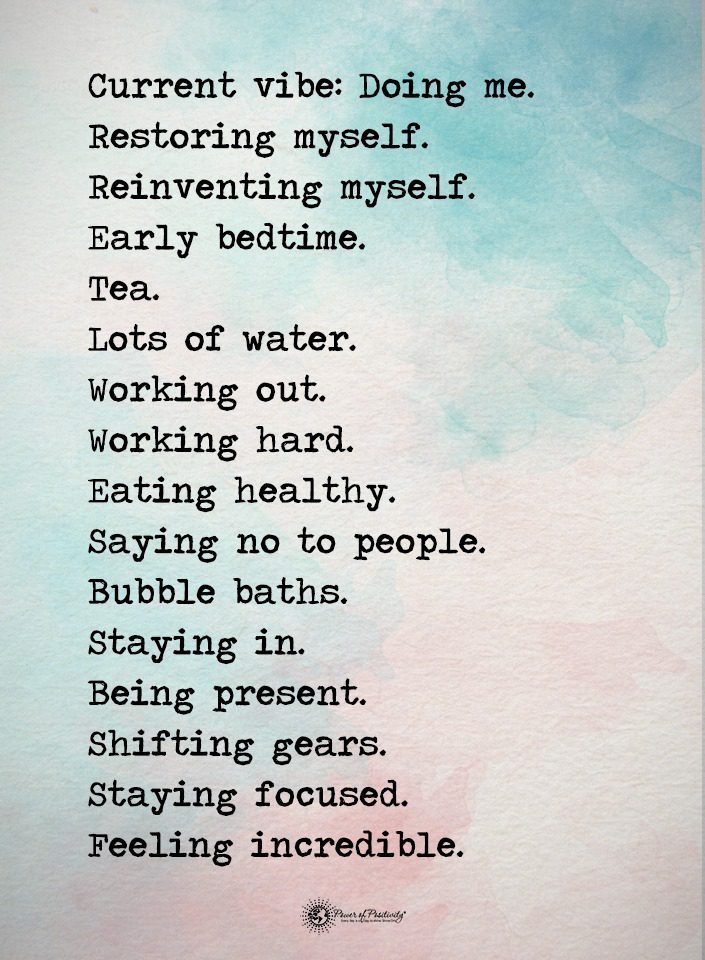
affirmations of positivityIf you continually use positive affirmations to help you beat uncertainty, they will quickly become a habit. You will be subconsciously living this way before you know it, and the uncertainty won’t creep in quite so often. Your mind believes whatever you tell it, so you have to tell it positive things if you want positive results.

1. I am worthy and deserve good things.

Even when you are unsure of your life right now, know that you are worthy. Every good thing that comes your way is something that you deserve, so don’t push good things away. Remember your self-worth and accept the things that come your way.

2. I am in charge of my emotions, and I am choosing to be happy.

If you decide to be happy, you will be happy. Remind yourself that you are the one in charge of your happiness, and you are the only one that can make it happen. Decide to be happy, and repeat this affirmation of positivity anytime you need to.

3. I have enough.

By telling yourself that you already have enough, you won’t feel so anxious about what might happen. If things don’t work out the way you wanted them to, then you can take comfort in knowing that you don’t need more. Be grateful for what you have and count your blessings as often as you can.

4. I am capable of overcoming every obstacle and challenge.

Remind yourself that you can do anything and overcome any challenge that comes your way. This will stop you from wanting to give up when things don’t go as planned. It will help you push through until you reach your goal.

5. I can relax and be calm even if things are uncertain.

Again, you are the person in charge of your feelings. Repeat this affirmation to yourself anytime you need to be calm and relax. Telling yourself that you can do it is the first step to feeling the weight lift.

6. All unpleasant experiences are temporary, and I am one step closer to getting through this.

The uncertainty you are feeling is only temporary, so use this affirmation anytime you feel uncertain. At every moment, you are a little bit closer to being through it. If you remind yourself often enough, you will feel less uncertain.

7. I can be a success story.

There will be times when you are uncertain about your future and if you will become successful. With this affirmation of positivity, you will know that you can be successful. Eventually, you will be a success story, and this time will only be a memory.

8. I am going to let go of the things I cannot change.

Life doesn’t always go the way you had planned, and things will happen that you wish hadn’t. You can’t change everything, and you must let go of the things you can’t change. Tell yourself this affirmation often so that you can let go of those things and move forward.

pop meme9. I am choosing to accept what has happened and accept what will come.

This goes along with letting go of things you can’t change. As you let go, you will be able to accept what has happened. This affirmation will help you accept the past and accept the unexpected things that happen in the future.

10. I will find the good in all moments today.

There are happy, beautiful moments in every part of the day. You just have to remember to look for them. When you feel uncertain, it will be even harder to notice them. This affirmation can change that, and you’ll be seeing all the small blessings in every moment.

11. If I decide to be happy, I will be happy.

You are in control of your feelings, and if you decide to be happy, you will be happy. This affirmation will get you through uncertain times because happiness will ease the uncertainty. Say this often enough, and you won’t even have to think about it anymore.

12. I have survived everything I have been through so far, and I will survive this, too.

Reminding yourself that you have made it through every challenge before will help reassure you. Just like times in the past, you will get through this time, even if it seems harder than before. You will feel stronger if you use this affirmation often.

13. This situation is making me stronger, and I am getting stronger every minute.

Each challenge or hardship you go through makes you stronger. Remind yourself of that and that each moment you keep pushing through, your strength will increase. Remember that there is always a blessing to be found, and maybe your increasing strength is one of them.

14. Things will work out for the best, and someday I will understand why I went through this.

Life tends to work out the way it was supposed to, which isn’t always the way you initially wanted it to. Just remember that things will work out in the end and, when they do, you will understand why you had to go through this uncertain time.

15. If I am determined and work hard, I can do anything.

Hard work and determination can help you accomplish anything. No matter what happens or how uncertain times seem, you can push through and reach your goals. If you feel your certainty faltering, repeat this affirmation of positivity to help you keep moving forward.

Why Affirmations of Positivity are Beneficial

There are other beating uncertainty methods, but there is no denying that positive affirmations are one of the best options. There are a few reasons for this, besides the obvious idea of positive thoughts and self-talk.

Hearing and speaking positive affirmations can help you refocus your thoughts. You will be able to see and think about the things you are grateful for and make you feel good. Along with this, you will experience and give more love, gratitude, compassion, and courage.

Most importantly, the affirmations of positivity can be done anywhere and at any time. Many other methods to beat uncertainty aren’t always possible sporadically. You won’t have to stop what you are doing to speak these words or wait for another moment.

Since you can do it instantly, speaking these positive words will help you feel more certain. As you face the negative feeling of uncertainty, these affirmations will help you stay strong through it. Plus, they can help you refocus and pay attention to the task at hand.

Other Ways to Beat Uncertainty

Since it was mentioned before that there are other ways to beat uncertainty, it is only fair to explain. One way to beat uncertainty is by coming up with an alternative plan. By having a back-up plan, you can rest assured that you have another already in place if your first plan fails.

You could also try breathing techniques or meditation, both of which will help reduce negative feelings. Finding online instructions for both breathing techniques and meditation is easy if you need guidance. Another good option is to learn stress management techniques, which can help manage negativity.

All these ideas for how to beat uncertainty are helpful, but you can’t do them all anywhere. Just because you can’t do them anywhere doesn’t mean you shouldn’t try the other methods, however. Instead, it means that it is always useful to have a few affirmations in mind just in case.

affirmations of positivityFinal Thoughts on Affirmations of Positivity to Help You Beat Uncertain Times

Uncertainty is a part of life, but there are ways to combat the unpleasant feeling. Using affirmations of positivity to help you beat uncertain times is one of the best options. No matter what you are going through or why you are feeling uncertain, these positive affirmations can help.

Speaking these affirmations on positivity will counter your negative thoughts and feelings. Plus, your mind believes whatever you tell it to believe. So, say these affirmations of positivity aloud to yourself each day or each time you feel uncertain.

Before you know it, these positive affirmations will change the way you react to things. Your habits will change, and you will learn to be naturally positive, combating the uncertain feelings you may experience.


Try This Salt Water Flush as a Master Cleanse for Your Body

(Editor’s Note: Always consult with a health professional before starting a new health regimen.)

Do you feel tired, sluggish, and a little bloated? Maybe you have been battling constipation as well. A salt water flush style colon cleanse may be the thing you need. If it seems bizarre for you to flush your colon, you should know that it can help you eliminate unnecessary toxins that are causing issues.

If you keep up on information in the holistic treatment world, you’ve probably read about various colon cleanses, also called colonics. While it may seem like a novel approach, flushing one’s body of toxins has been around for thousands of years. An article published by the Association of Registered Colon Hydrotherapists explains that the Ancient Egyptians and Greeks practiced routine colon cleanses for better health.

What Can Colonics Do for You?

salt water flushYour colon, or large intestines, is your body’s last stop before eliminating waste from your system. After your small intestines have absorbed as many nutrients and liquids as possible, they send the undigestible waste to your colon for you to expel. Sometimes, feces in your colon can be too dry, and it can cause a build-up of hard stool, which can cause constipation or impaction.

The purpose of a colon cleanse is to introduce fluid into your bowels to rehydrate the dry stool so you can eliminate it easier. It may help your bowels, and other digestive organs work more efficiently, states an article from the Global Professional Association of Colon Therapists. A colon cleanse may help you pass toxic materials and harmful bacteria stuck in your body, which can only help this area function better.

What Are the Symptoms of a Clogged Colon?

How do you know if your colon is clogged? Perhaps, you don’t have issues with constipation, but your bowels are by no means regular. Several things can indicate that somethings not right in your digestive system, and here are the most common signs:

•Abdominal cramping

•Inability to pass stool or gas

•Swelling in the stomach -bloating

•Constipation or diarrhea – depending on the area of the clog

•Black tar-like stools – also called melena

•Blood present in bowel movements

•Abnormal rumbling sounds in the colon – called borborygmi

•Nausea and vomiting

Each case is unique as the colon is divided into five distinct regions: the cecum, sigmoid, traverse, descending, and ascending. A blockage can be anywhere in these regions, but they’re most observed in the cecum. It would be best if you notated the difference between a clogged and a blocked colon.

A blocked colon is a medical emergency that needs prompt attention. This is where the body cannot pass any stools and is building up fecal matter in your system. A clog means that things are still passing through your system, but the movement is slow or building up.

The situation needs to be fixed before it becomes worse. A salt water flush can help rid the clog and improve the body’s flow of excrement. It’s kind of like putting a drain cleaner in your sink.

It blasts the clog out of the way so that the water can flow freely.

Differing Opinions Among Medical Experts

As with many alternative therapies, expert opinions are split into the benefits and safety of colonics, like a salt water flush. Even the proponents say that colon cleanses may not be for everyone. Before you decide to try one, consider these pros and cons.

Pros of Colon Cleanses

Although they usually cite circumstantial evidence, supporters of colonics say that it has its benefits. An article published by the Baseline of Health Foundation says that cleansing your colon can have several health benefits.

Pros:

•It stimulates your large intestine’s muscles so that it can move waste through your system more efficiently. The stimulation helps to prevent stagnation.

•The will help get rid of mucus and putrid fecal matter out of small pockets and from your colon walls.

•It can disinfect your digestive system.

•The saltwater flush will remove heavy metals, like trace lead and mercury, and other toxins, from the walls of your intestines.

•It draws out residue from drugs, chemicals, and other potentially harmful substances you’ve ingested.

•A cleanse provides calming to the area as it promotes healing for the mucous membranes throughout your digestive system.

•It can encourage your body to start healing hernias in your stomach or intestines, which is another significant issue.

•It cleanses the liver, bile ducts, and gall bladder by increasing your bile flow.

•It promotes the growth of beneficial gut flora to maintain good digestive health.

•Flushes can eliminate harmful parasites.

•They decrease the overgrowth of Candida Albicans, a harmful yeast present in most people.

•It maintains your bowel movement regularity.

•They soften hard stools so that you don’t have to strain for your bowels to move.

•It encourages a faster flow of feces through your colon for elimination.

•You can lose weight due to the loss of stored fecal matter.

Cons:

Sadly, many naysayers reject that a colon cleanse offers you any help. While there is proof to the contrary, it’s advisable to know the risks before engaging in any such activity. Here are the cons of doing this practice.

•There are many scams and gimmicks out there that try to entice you.

•It’s not a universal treatment plan, so it isn’t for everyone. Some may find it challenging to do.

•It can change your bowel habits for a few days after the procedure.

•You must follow the directions verbatim to avoid any complications.

•Never put things into the colon that are unhealthy, such as coffee or other unapproved substances. Saltwater flush is a natural way to rid the body of toxins, so it’s a better choice.

pop quoteFlushing For Good Health

Now that you’ve read all about the pros and cons of doing a colon cleanse, you’re probably ready to try anything if you have ongoing issues. Unlike an enema, which many colon cleanses use, this one you drink, and it does the work as it passes through your system.

Keep in mind that it’s not going to taste good as salt is quite strong and can be bitter when consumed in a large quantity. Once you make the mixture, you need to finish it right away. Don’t let it sit in the refrigerator or on the counter for any length of time.

It may take you 5-10 minutes to get the entire flush drank, and that is perfectly acceptable due to the pungent taste. To start, you need a good recipe, so here’s one for you to follow.

Salt Water Flush Recipe

One word of caution. If you have high blood pressure or eat a sodium-restricted diet, check with your doctor before indulging in the saltwater flush.

Ingredients:

You will need a mason jar with a tight-fitting lid for this recipe.

•2 teaspoons fine sea salt, pink Himalayan salt, or gray Celtic salt

•5 cups of warm filtered water

•1 medium lemon, juiced

Instructions:

•In a small saucepan over medium heat, add water and heat until hot, without boiling. Remove the pan from the heat.

•Use a funnel to pour the water into the jar carefully. Add salt and lemon juice, seal the lid tightly, and shake vigorously until all the salt is dissolved and you don’t see any granules. This recipe makes a single serving.

How to Use Your Salt Water Flush:

•Your goal is to drink the salt water flush within five minutes. Drink in comfortable gulps until all the solution is gone.

•Now, lie in a comfortable place on your right side and gently massage one side of your abdomen. Then, roll over to the other side and rub it. You may feel a little “gurgling” in your gut or a feeling of fullness.

•Try to hold the solution in your body for at least half an hour for maximum salt absorption. You can continue massaging either side of your abdomen while you relax and breathe deeply.

•Within the half-hour or maybe a little sooner or longer, you’ll feel the urge to go to the bathroom. You might go several times until everything is eliminated and your colon is empty.

salt water flushFinal Thoughts On Salt Water Flushes

You may be on the fence regarding a colon cleanse. The good thing is that when you do it orally, there is less risk than other methods. Always use natural practices, such as the salt water flush, to ensure that you don’t cause any significant digestive upset.

Colon cleanses became popular a few years ago, and everyone jumped on the bandwagon. There is absolutely no need to buy an expensive kit when there are healthier, natural alternatives to consider.

It’s best to do this cleanse when you have a day to stay around the house. Flushing your bowels might produce a great deal of excrement or a small amount. However, you want to stay close to the bathroom to avoid any accidents.

While there are conflicting views on this practice, it should be noted that it’s not a new thing. Even the Ancient Egyptians were using such rituals to help improve their health. If it didn’t work at all, then centuries later, it wouldn’t still be in use.

So, if you have constipation issues, abdominal cramping, and other signs of a clogged colon, it’s worth a shot to see if it will help.

Harvard Study Reveals Obesity May Accelerate Tumor Growth

In a recent study, scientists found that a high-fat diet may impair the immune system and accelerate tumor growth. In previous research, obesity increased the risk of over 12 different cancers; it also led to a worse diagnosis and survival rate. This research also helped scientists learn how obesity increases tumor growth; underlying causes include metabolic changes and chronic inflammation. In the Harvard study published on December 9, 2020, researchers found that obesity actually gives cancer cells the upper hand over immune cells when fighting for fuel.

Researchers at the Harvard Medical School used mice to analyze how cancer cells would react to a high-fat diet. The study published in the journal Cell reveals new information about obesity and cancer. This new information could change the future of immunotherapy.

The team found that a high-fat diet reduced the amount and antitumor activity of CD8+T cells, an important immune cell, within tumors. Scientists discovered that this happens because cancer cells alter their metabolism in response to higher fat accessibility. Thus, they have a better capability of eating up fat molecules, which starves the T cells of fuel, increasing tumor growth.

“Putting the same tumor in obese and nonobese settings reveals that cancer cells rewire their metabolism in response to a high-fat diet,” said Marcia Haigis, professor of cell biology in the Blavatnik Institute at HMS and co-senior author of the study. “This finding suggests that a therapy that would potentially work in one setting might not be as effective in another, which needs to be better understood given the obesity epidemic in our society.”

Implications for this research on the future of immunotherapy

tumor growthThe research revealed that blocking the metabolic reprogramming process decreased tumor growth in mice given high-fat diets. In current immunotherapies, oncology nurses use CD8+T cells as the primary strategy to boost the immune response against cancer. The new study may lead to better immunotherapy techniques in the future.



“Cancer immunotherapies are making an enormous impact on patients’ lives, but they do not benefit everyone,” said co-senior author Arlene Sharpe, the HMS George Fabyan Professor of Comparative Pathology and chair the Department of Immunology in the Blavatnik Institute.

“We now know there is a metabolic tug-of-war between T cells and tumor cells that changes with obesity,” Sharpe said. “Our study provides a roadmap to explore this interplay, which can help us to start thinking about cancer immunotherapies and combination therapies in new ways.”

For the study, the team analyzed how obesity affected various types of cancer in mice such as breast, melanoma, and colorectal. Researchers fed the mice either normal or high-fat diets; mice eating higher fat gained weight and experienced other signs of obesity. Then, they studied the various cell types and molecules within and around the tumors, known as the tumor microenvironment.

How cancer cells reacted to higher levels of fat

Unsurprisingly, the team discovered that tumor growth occurred more quickly in mice on high-fat diets. However, they found this only happened for immunogenic cancers, which have large amounts of immune cells. The immune system also recognizes them more easily, making them more likely to respond.

The study revealed that obesity-related tumor growth depended solely on CD8+ T cell activity; these immune cells target and kill cancer cells. Diet did not impact tumor growth rate if researchers removed CD8+ T cells from the mice. Interestingly, they found that high-fat diets caused the immune cells to decrease in the tumor microenvironment. However, the immune cells didn’t change anywhere else in the body.

What the team discovered

The cells left in the tumor showed less strength, dividing more slowly and becoming lethargic. However, when the researchers grew these cells in a lab, they showed normal activity levels. To the team, this implied that something in the tumor caused cells to malfunction.

Furthermore, the team found that in obese mice, the microenvironment had no major free fatty acids, a key fuel for cells. The rest of the body still contained fatty acids, as you would expect in obesity.

This led researchers to keep a log of the metabolic profiles of the various tumor cells for both high- and normal fat diets. Their analysis found that cancer cells adapted their metabolism when faced with higher fat accessibility. When introduced to a high-fat diet, cancer cells altered their metabolism to increase fat absorption. The immune cells didn’t reprogram themselves, leading to the cells being depleted of essential fatty acids.

“The paradoxical depletion of fatty acids was one of the most surprising findings of this study. It really blew us away, and it was the launchpad for our analyses,” said Ringel, a postdoctoral fellow in the Haigis lab. “That obesity and whole-body metabolism can change how different cells in tumors utilize fuel was an exciting discovery, and our metabolic atlas now allows us to dissect and better understand these processes.”

tumor growthFinal thoughts on the changes in metabolic pathways of cancer and immune cells

The team used single-cell gene expression analyses, comprehensive protein surveys, and high-resolution imaging to study how various diets altered metabolism. When analyzing these cells in the microenvironment, they honed in on a protein called PHD3. This protein slows down the absorption of fat in normal cells. However, the cancer cells in obese mice had lower PHD3 levels compared to the healthy mice.

When the team increased PHD in the cells, they discovered the tumor’s fat intake decreased dramatically. This also helped free fatty acids recover in the tumor microenvironment. So, boosting PHD3 expression reversed most of the negative outcomes of a high-fat diet on immune cell function. Tumor growth rate with high levels of this protein decreased in obese mice compared to those with low PHD3. The increased immune cell activity caused this to occur; in the obese mice without immune cells, protein levels did not affect tumor growth.

While PHD3’s potential in treating cancer will require more research, this discovery may lead to scientists focusing more on cell metabolism in the future.

“We’re interested in identifying pathways that we could use as potential targets to prevent cancer growth and to increase immune antitumor function,” Haigis said. “Our study provides a high-resolution metabolic atlas to mine for insights into obesity, tumor immunity, and the crosstalk and competition between immune and tumor cells. There are likely many other cell types involved and many more pathways to be explored.”

15 Things Never to Feed A Dog

Your dog is like family to you. It makes sense that you feed your pet with good quality natural pet foods to keep them healthy and happy.  But did you know certain human foods are dangerous for dogs?  Here is a list of the foods you should never serve your dog as dog food.

Dogs poisonings

Accord to one study, 95% to 98% of all requests for help due to poisonings come from pet owners of dogs and cats. Most of these calls come in the summer or in December during the holidays when pets are apt to eat foods that aren’t safe. Most of these poisonings happen when someone feeds a dog or cat some human food that is toxic to them.

What should you do if your dog eats something dangerous?

If you think your dog has ingested toxic food, act immediately, and follow these steps.

dog food1 – Call your vet’s office right away.

Follow their directions.  Give your vet as much information as possible about your dog’s symptoms. Your vet may instruct you to induce vomiting or bring your dog into the office.

2 – Call the pet poison hotline (888.426.4435) for advice.

This ASPCA hotline is staffed for emergencies like this 24 hours per day. Don’t hesitate. They might offer you life-saving advice.

3 – If your dog hasn’t eaten for several hours, try offering them a small meal.

If they refuse to eat, they are probably going to vomit. Don’t force the issue

4 – Induce vomiting under the vet’s guidance

If your vet suggests that you Induce vomiting, try giving your dog 1 teaspoon of 3% hydrogen peroxide per pound of your dog’s weight plus 3  teaspoons of water.  Use a turkey baster or syringe to administer the peroxide and water. Your dog should vomit within 15 minutes. If not, call your vet back to see what they recommend.

15 Things Never to Offer as Dog Food

Do not assume that because food is healthy for you, it will be healthy for your dog. Dogs may have a toxic reaction to even the healthiest human foods. Here’s a list of the foods you should never feed your dog as a treat or dog food.

1 – Garlic

According to the American Kennel Club, garlic in even the smallest amount is dangerous for your dog. It damages your dogs’ gastrointestinal tract causing nausea, drooling, vomiting, and diarrhea. Garlic is in the allium family, which contains an inorganic compound called thiosulfate. It can also cause damage to your dog’s red blood cells. All types of garlic, whether fresh, powdered, or dried, are dangerous for your dog.

2 – Onions, leeks, or chives

Similar to garlic, these veggies are in the allium family. They hurt your dogs’ digestive tract and red blood cells. If you think your dog has ingested any of these foods, call your vet right away.

3 – Chocolate

Another toxic food for your dog is chocolate. It contains methylxanthine, which causes gastrointestinal distress. If your dog eats enough, it can have seizures or die. Dark chocolate is more dangerous than milk chocolate.

4 – Grapes and raisins

Grapes and raisins are very dangerous for your pet. According to Purina, researchers aren’t sure what the exact toxic ingredient could be, but they think it could have something to do because dogs can’t metabolize flavonoids, tannins, or monosaccharides found in grapes and raisins.  Serious kidney failure and sudden death are the side effects if your dog eats grapes. Call your vet immediately if you think your dog has eaten grapes or raisins.

5 – Macadamia nuts

Weakness in the back legs, diarrhea, and vomiting are side effects your dog may experience if they eat these fatty nuts. Macadamia nuts cause pancreatitis, which is inflammation of the pancreas. Just to be safe, it’s best to avoid giving your dogs any type of nut since so many are toxic and others are a choking hazard.

6 – Yeast in the dough

If you’re baking bread, keep a close eye on your dog. ASPCA warns that eating dough with active yeast can cause bloating and stomach problems. Some dogs can lead to a twisted intestine, a life-threatening emergency that may require immediate surgery. Once baked, your pup can enjoy a small bite of bread occasionally…as long as it’s not raisin bread.

7 – Oranges. Lemons and grapefruit

Citrus fruits, although packed with vitamin C, are dangerous for your pet. The seeds, peels, and stems present the biggest problems. But citrus, in general, can irritate your pooch’s stomach. Citrus essential oils are also dangerous, irritating your dog’s central nervous system.

8 – Raw meat or eggs

Raw meats and eggs can contain salmonella, bacteria, or E. coli that can make you and your dog very sick. Raw eggs contain avidin, an enzyme the slows down your dog’s ability to absorb B vitamins. This can lead to problems with their coat and skin.

Some might argue that dogs eat raw meat in the wild. While that is true, your pet leads a very pampered life in comparison. His or her tummy is not accustomed to this diet.

9 – Xylitol

Any synthetic sweetener is dangerous for your dog, but xylitol is especially toxic for dogs. This sweetener is used in lots of gums, candies, baked goods, and toothpaste. If your dog ingests any of these products, call your vet right away. Synthetic sweeteners induce insulin release, which leads to liver failure. Vomiting, lethargy, and failing over due to loss of coordination are side effects of your dog eating this sweetener.

10 – Salty snacks

Salt is a big no-no for all pets. If your dog eats salty foods, it can lead to sodium poisoning. Watch for these signs that your dog has eaten something with a lot of salt:

  • Excessive thirst
  • Excessive urination
  • Vomiting
  • Diarrhea
  • Tremors
  • Temperature
  • Seizures

Never give your dog snacks like potato chips, pretzels, salted popcorn, or tortilla chips.

pop meme11 – Avocados

How can something so good be so bad? Avocados are delicious and healthy for humans, but not for your dog. Avocadoes contain persin that causes diarrhea and vomiting in dogs. Keep the avocado seed away from your dog since it’s toxic, plus your dog could choke on it.

12 – Unripe tomatoes

Ripe tomatoes are okay for your dog to eat if they don’t eat too many, but unripe tomatoes are unsafe for dogs. These little green veggies contain “tomatine,” which damages your dog’s nervous system, digestive tract, and kidneys. If you have a garden, be sure to fence it in to keep out your hungry furry friend.

13 – Any fruits with seeds and pits

Fruits that contain seeds and pits are hazardous for your dog. Most dogs are small enough that when they ingest fruit seeds or pits, they get poisoned. Pet owners are surprised to learn that chemicals in pits change to cyanide when mixed with stomach acid. It’s easy to miss some seeds and pits if they fall on the floor. So, keep a close eye on your dog when you’re working with fruits with pits or seeds.

14 – Coffee

You may love your morning cup of hot coffee. It’s a quick pick me up for you, but your dog doesn’t need a caffeine boost. In fact, caffeine will poison your dog. Caffeine poisoning causes:

  • Restlessness
  • Rapid heartbeat
  • Fast breathing
  • Heart palpitations
  • Tremors
  • Falling

If you think your dog has drunk or eaten something with caffeine in it, call your vet right away.

15 – Raw potato

Raw potatoes seem harmless, but they are unsafe food to feed your dog. Raw white potatoes are part of the nightshade veggie family, which contains solanine, a toxic compound for dogs. Cooking the potatoes diminishes the solanine, so they’re safe for your dog to eat.

What human foods can you serve as dog food?

Of course, not all human foods are bad for your dog. There are lots of good fruits and veggies to feed your dog without worry. Here is a list of the best human foods you can serve as dog food.

Fruits

If you choose to give your furry friend these fruits, be sure to wash them completely, remove all the seeds, then cut them up in small bite-size pieces to prevent choking.

  • Blueberries
  • Pears
  • Bananas
  • Cantaloupe

Vegetables

Like fruits, be sure to completely wash, peel and seed these vegetables before giving them to your dog. Never give your dog whole pieces of vegetables since they may cause your dog to choke.

  • Carrots
  • Sweet potatoes
  • Green beans

Cooked meat

Be sure the meat is cooked completely and deboned. Avoid giving your dog meat with any type of spice or sauce since these may be toxic to your dog.

  • Cooked chicken that has been deboned. Skip rotisserie chicken since they’re prepared with a lot of salt. Never give your dog chicken bones.
  • Ground beef

dog foodFinal thoughts on things you should never use as dog food

Your dog is like family, so it’s important to feed your pooch healthy foods. When you’re having a meal or a snack, you may be tempted to give your dog a little snack, but resist that urge and get your pooch a dog treat. Food that is safe and healthy for you may be toxic for your dog. Even small pieces of some foods can cause a problem. Get familiar with what foods are toxic and have the pet poison hotline on your phone.

If you think your dog has ingested toxic food, call your vet or the hotline right away. They will tell you what to do. Of course, there are lots of safe human foods your dog can eat. Give these as little treats once in a while, or follow your vet’s suggestions on how to serve these foods as dog food for your dog.

Man Overcomes Adversity with Therapy Cats

With all the stresses in our modern world, animals like therapy cats can provide a lot of support and comfort. Therapy animals of all kinds have become quite popular across the world. In the U.S. alone, more than 50,000 therapy dogs and 500,000 service dogs exist. While more people seem to own emotional support dogs than cats, felines can offer love and affection just the same.

For one man, therapy cats gave him so much more than he could’ve imagined. They not only offered companionship but improved his mental health as well. Many people who have emotional support animals report fewer symptoms of anxiety and depression and greater happiness. Niklas Lundström from Sweden experienced these benefits himself and decided to share his story with us.

He has two therapy cats – one named Cooper, a Sphynx, and Kira, a Cornish Rex. Both are eight years old and get along wonderfully, sometimes playing for hours. They have become quite popular with people online who enjoy watching Niklas’ relationship with his cats.

“Cooper has become a world celebrity online, and it’s because he loves water. He thinks that water is the best thing there is, and he takes a bath twice a month,” Niklas says. “When he doesn’t take a bath, he searches for water everywhere.”


This behavior is rare for a cat since most of them would not touch the water with a ten-foot pole! Cooper’s love of water makes him intriguing and funny to watch, and people can’t get enough of him. Kira doesn’t have nearly as much energy as Cooper, but she makes up for it with her loving nature. The therapy cats balance themselves quite nicely with their complementary personalities.

The therapy cats Kira and Cooper have transformed Niklas’ life forever.

“People admire Kira’s beauty and how athletic she is. She is the cat that immediately becomes anxious when I don’t feel well,” Niklas says. “She always wants to take care of both me and Cooper, and can change a bad day into a good day.”

For Niklas, the two cats have been such a blessing in his life. They make the good days great and the bad days so much better.

“For me, Cooper and Kira are like two angels. I’ve been living with anxiety and depression for over 5 years, and these two cats give me so much joy every day.”

They do many activities together and truly enjoy each others’ company. He cuddles with them, takes them on drives, and even brings them to local parks and the beach to play.

“Cooper and Kira love to be outdoors, and they walk perfectly in a harness. Usually, we take walks at the beach and in the forest. Sometimes we meet people, and they always look at Cooper and Kira. Some of them say, ‘Oh, that’s some cute dogs.’”

Apparently, it takes some people by surprise to see cats on a leash, but Niklas wouldn’t have it any other way. The cats love to explore nature with him and seem well-behaved around other people. Many people could benefit from having therapy cats, so if you’re interested, Niklas offers some advice for newbies.

“My best advice is to search information about the cats, or the cat that you’re interested in, and always meet the cat before you decide because every cat is unique in its own way,” Niklas says. “Also, getting a kitten requires a lot of patience, but I can promise you that you will get the best friend in the world.”


Niklas suggests that you could even adopt a homeless cat, as many cats in the world live on the streets, unfortunately. Then, the cats breed, and the problem seems to multiply, especially in big cities. Choosing a homeless cat gives a helpless, vulnerable animal a home and gets them out of the harsh city environment. However, if you don’t want to adopt a homeless cat, you can always donate to organizations that help homeless animals.

The therapy cats have helped immensely with Niklas’ mental health. Of course, mental illness often requires a combination of treatments for people to feel better.

Besides Therapy Cats, Here Are Three Other Ways to Alleviate Depression and Anxiety

Here are some other tips Niklas offers about how to manage anxiety and depression from his website:

rescued pit bull1. Exercise regularly

“Perhaps the most boring proposal for some, but also very important. It can be difficult to get the courage to start exercising, especially if you are depressed. I have always trained and continued to do so while I had extreme anxiety. An important part is to get away from home, where anxiety can often be accelerated. The hour I practiced made me disperse my thoughts and shift my focus again. The bonus after training was that I felt more tired in the evening/night and that my sleep got better. Find a workout that works for you. There is no right or wrong.

2. Pick up some hobbies

Here you can make the hours pass quickly if you find something that interests you. I also got the feeling that I was actually good at something. I did not really have a hobby before 2016, but I got a new hobby in the middle of my worst time in life, I totally stuck to photography, and that was the way I then started my Instagram.

3. Talk about how you feel

This was the hardest part for me. I had not talked emotions for over 30 years, and now I needed to do it to survive. I started talking with the ”easy” familiar people, such as family and closest friends. When I noticed that people cared about me and listened to me, then I gained the confidence to dare to talk openly about it. In 2018, I took the step out into the media and told my story. That’s when I realized that I was not alone with anxiety. It’s very important that you understand that you are not alone. I absolutely don’t mean that you need to take the “extreme” step and tell the whole world how you feel. But for me, it was an important part to be able to tell my story and hopefully help others out there.”

Scientists Link Dizzy Spells to Increased Dementia Risk

Dizzy spells can hit you at any moment. For most people, it seems to hit at the worst possible time. They’re extremely disorienting and can take you a while to recover from them.

Despite the discomfort of dizzy spells, they’re often harmless. At least, that was the general consensus among scientists and doctors. However, new research is challenging this consensus. Researchers from the University of California, San Diego has found evidence that dizzy spells could increase a person’s risk of developing dementia.

Before diving into the details of the study, it helps if you’re familiar with what causes dizzy spells. The next section will give you some background information on them.

A Brief Look at Coping with Dizzy Spells

dizzy spellsDizziness often hits you suddenly and unexpectedly and can be alarming as you try to figure out why it happened. Occasional dizziness is usually not a cause for concern. However, if the dizziness recurs or lasts longer than a few seconds, it’s an indicator of a more serious problem.

Causes of Dizziness

Dizziness is often described in many ways. The most common description is that people feel as if the room is moving or spinning. Other definitions are: a floating sensation, feeling unbalanced or unsteady, feeling faint, or feeling heavy-headed.

There are many causes of dizziness and it can be hard for a doctor to pinpoint the cause without a full work up. Dizziness isn’t usually the problem itself – it’s usually a symptom of something else. Therefore the cause is usually some underlying condition. One of the causes – the cause that the study references – is low blood pressure (hypotension).

Hypotension

Like dizziness, low blood pressure can be caused by a number of problems. However, that’s a discussion for another article. What’s important is the type of low blood pressure mentioned in the study. It references a certain type of low blood pressure known as orthostatic hypotension (OHYPO). It’s also sometimes called postural hypotension.

OHYPO can be broken down into systolic OHYPO or diastolic OHYPO. Systolic OHYPO occurs when the systolic measurement of blood pressure drops 20 mm Hg or more within three minutes of standing from the sitting or supine position. Naturally, diastolic OHYPO is when this happens to the diastolic measurement of blood pressure, except the threshold is 10 mm Hg or more.

Orthostatic hypotension occurs when your blood vessels don’t constrict as you change to an upright position. The body usually constricts your blood vessels temporarily to prevent gravity from pulling all your blood downward as you sit or stand. If the blood vessels don’t narrow, your oxygen supply to your brain is temporarily interrupted, which results in a dizzy spell.

This can happen to anyone, and as long as it passes quickly it’s usually not a cause for concern. However, recurrent issues can indicate that something is wrong and, as the study proves, recurrent issues can cause long-term problems.

Details of the Study

The study was lead by Dr. Laure Rouch, PharmD, PhD. Other researchers involved in the study were Jean-Sébastien Vidal, MD, PhD, Tina Hoang, MPH, Philippe Cestac, PharmD, PhD, Olivier Hanon, MD, PhD and Kristine Yaffe, MD. The study was published in Neurology, a journal from the American Academy of Neurology (AAN).

The purpose of the study was to determine if chronic low blood pressure was a risk factor for dementia later in life. There were 2,131 older adults that participated in the study. They didn’t have dementia at the beginning of the study. The average age was 73 years old and the group consisted of mixed demographics.

The Procedure

Researchers took frequent measurements of participants’ blood pressure over a course of five years. This included keeping up with their systolic and diastolic measurements. To start, 309 participants had OHYPO, 192 had systolic OHYPO, and 132 people had diastolic OHYPO.

Several adjustments had to be made for outside factors. Some of these included demographics, antihypertensive drugs, smoking and alcohol use, and body mass index. One major adjustment was for the presence of one or two APOE ε4 alleles. According to scientists, the presence of this allele is a high risk factor for developing Alzheimer’s disease – the most common form of dementia.

The Results

By the end of the study, 462 of the participants had developed dementia (21.7%). After the adjustments, the results of the study showed that systolic OHYPO was associated with a greater risk of developing dementia. Diastolic OHYPO and OHYPO was not. There was also an association found in people who’s systolic blood pressure varied from postural changes.

What the Results Mean for the Future

It’s important to keep in mind that these results are preliminary. The research must be replicated and further analyzed before the theory is set in stone. However, this outcome shines a light on an area that could possibly be a link to a cause of dementia. It’s a welcomed theory since dementia pathology is so limited.

In addition to this, keeping blood pressure under control is important anyway since chronic blood pressure problems can lead to other problems. This study simply adds more importance to keeping people’s blood pressure at the recommended levels.

Information About Having Dizzy Spells and the Vestibular System

dizziness

Fighting off dizziness? Here are tips that can help you feel better again.

Both dizziness and hypotension are two conditions that may not get as much attention as they should. When these two conditions occur, whether together or individually, many people often push them off since they only last for a short amount of time. Even doctors may disregard these symptoms as minor issues.

The truth is that, when studied as a whole, dizziness and hypotension are a part of a bigger picture and the number of people that deal with these conditions are surprising. They are part of an epidemiology that is composed of:

  • Dizziness
  • Vertigo
  • Unsteadiness
  • Migraines
  • Hyper- and hypotension
  • Agoraphobia
  • Motion sickness susceptibility (MSS)
  • Anxiety
  • Depression
  • Vaso-vagal episodes (VVE)

Researchers and doctors find that these issues usually occur in a combination of at least two or three of them rather than individually. It has also been found that more women that men suffer from these issues in combination.

When studying these conditions together, they are liked as being vestibular problems. This means that it’s a condition of the inner ear, which is where the human body gets its’ balance from. However, vestibular functions are often linked to certain cognitive functions such as memory and emotions.

Based on this, it should be no surprise that blood pressure problems are showing a correlation with cognitive disorders. Exploring the this correlation can lead to a major advance in solving vestibular issues in addition to dementia.

Signs That You Have Vestibular Problems

In addition to chronic dizzy spells, there may be other signs that let you know you have problems with your vestibular system. Identifying these signs is important so you can address the issues before they get bad; you don’t want to wait until you’re facing dementia to figure out that vestibular issues was the problem all along.

The medical term for vestibular dysfunction is vestibular balance disorder. Dizzy spells and vertigo, especially when paired together, are the main signs. However, according to John Hopkins Medicine, other signs are:

  • Blurred vision
  • Stumbling or falling down; losing your balance
  • Feeling disoriented
  • Anxiety
  • Fear
  • Diarrhea
  • Changes in the rhythm of your heart
  • Vomiting

The last five signs are less common, but if you experience them along with the first three, this is a strong indicator of the disorder.

What’s interesting about vestibular balance disorder, blood pressure problems, and even dementia is the intricate ways in which they are all linked. The vestibular system (your ears) is composed of sensitive canals filled with fluid. This fluid is what tells your body when you’re balanced or not. It’s similar to a level that you would use in construction or home design.

Blood pressure issues stem from intricate blood vessels having problems and dementia stems from intricate brain cells that have problems. Essentially, they are all blood flow problems which points to one big shared factor – low oxygen levels. The body is incredibly assiduous in it’s attempt to fix this problem. It seems it will shut down every system in an effort to get you to do what it wants.

dizzy spellsFinal Thoughts on Dizzy Spells

Everyone has dizzy spells once in a blue moon. Most of the time they’re nothing to worry about. They’ll last a few second, you’ll get over it, and you’ll move on.

However, if they persist then it’s time to do something about them. As the study indicates, this can lead to much worse problems like dementia. You can fix dizzy spells; you can’t fix dementia. Therefore you should see a doctor about your dizziness right away.

The hope is that the results of this study will provide a path to a future solution for dementia. If dizziness is one of the causes, that’s an easier fix than dementia itself. At the very least, it could diminish the number of people that develop the incurable cognitive disease. Science continues to give mankind hope and the study from the researchers at the University of California, San Diego is a perfect example of the advancements that we are making.

Here’s How This Man Lost Weight With Self-Discipline And Shed Over 200 Pounds

If you’ve ever lost weight, you know firsthand how much discipline and willpower it takes. One man decided to go on this journey to lose weight naturally and ended up losing about 200 pounds! He now works as a fitness coach to help others with their own fitness efforts. Here’s Denis’s inspiring weight loss story.

“My initial weight was more than 400 pounds,” he says. “I didn’t notice health problems, but without changing myself, problems would definitely appear.”

Denis finally decided to take matters into his own hands and reverse any underlying health issues. He wanted to feel vibrant and energetic instead of sluggish all the time. So, Denis joined a gym and started lifting weights, focusing mostly on increasing strength and burning fat.

“I saw the results, and that gave me the strength to move forward to the goal,” he says.

After losing about 100 pounds, he noticed a significant increase in muscle mass, proving that his hard work had paid off.

Denis’ reveals how he lost weight

“I advise everyone to start right now; the taste of victory is much delicious.” We couldn’t have said it better ourselves!

On his Instagram page, it looks like he’s taken his love for weightlifting to the next level, participating in competitions. He also has taken up boxing and biking in his spare time. For Denis, life feels amazing now after losing weight; he feels much freer and happier now.

On his website, he offers coaching and training advice for anyone wanting to lose weight. He helps people figure out the proper diet for their weight loss goals and formulates a workout plan. Denis also teaches people how to have a better attitude toward food, as we often have an unhealthy relationship with it today. Finally, he gives people a long-term nutrition plan to make sure to stick to their goals.

In some of his packages, he also offers supplement advice for people wanting to get additional nutrients in their diet. When Denis isn’t training in the gym, he likes to work out at local parks. He uses the bars to do pull-ups or tricep dips and does workouts at home occasionally as well.

You can get active in any way you choose; make sure to pick activities you enjoy and stick to. If you don’t like the gym, you can always take up running, biking, swimming, hiking, or even dancing! The most important thing is to get moving and clean up your diet as well.

Here are some general tips if you want to get healthier:

Depending on your goals, you’ll want to eat in either a caloric surplus or deficit. If your goal is weight loss, you want to eat fewer calories than burn consistently to achieve a deficit. On the other hand, if you want to gain weight, make sure to eat in a surplus most of the time.

Here are some other changes noted by people who lost weight.

1. Look at it as a lifestyle change

Don’t follow another trendy diet or workout plan that promises quick results. Your body will often not tolerate the sudden changes well and will want to gain back the lost weight. Instead, focus on making gradual changes to your lifestyle, such as exercising and eating healthier. You’ll notice the difference over time, and you’ll feel more accomplished by doing things the right way.

2. Get enough aerobic exercise

Aerobic exercise includes anything that gets your cardiovascular system pumping. This includes brisk walking, running, swimming, cycling, or sports. The American Heart Association recommends getting around 2.5 hours of cardio each week. Not only will aerobic exercise improve your heart health, but it also lowers the risk of high blood pressure, obesity, and other diseases.

3. Walk every day

Walking is a wonderful exercise because it gets your whole body moving if you’re just starting. Also, if you choose to walk outdoors, you’ll get to enjoy nature and benefit from the relaxing environment. Plus, the sunshine doesn’t hurt, either!

4. Take smaller portions

The average plate in America is around 14” wide. When you get your plate out for a meal, you naturally want to fill it up. So, the remedy for this is to choose a smaller plate size. This way, you can control your portions and still feel full without getting stuffed. This tip is key for anyone who ever lost weight!

5. Eat heart-healthy fats

Healthy fats include avocado and olive oil, nuts, seeds, avocado, and ghee (clarified butter). Using canola, lard, and vegetable oils frequently can cause inflammation because they all have high unsaturated fat levels. Even coconut oil should be used sparingly, as it also has a lot of unsaturated fat.

6. Get more fiber in your diet

You can get fiber from fruits, vegetables, whole grains, and legumes. Not only does fiber keep you full, but it also helps your digestive system run smoothly. Eating diets high in fat or sugar can cause your digestion to slow down, leading to disease. People who eat more fiber tend to have better gut health since the microbes feed on fibrous foods.

7. Add spices to your meals

Adding spices like cinnamon, ginger, chili powder, cayenne pepper, cumin, and turmeric can make eating more stimulating. You’ll be less likely to overeat when you use spices because they decrease your appetite. Not to mention, they also can increase your metabolism because of a compound call capsaicin, which helps with lost weight.

8. Get more sleep

In many countries today, people suffer from chronic sleep deprivation. They stay up too late watching Netflix or scrolling their phones, which interrupts sleep due to the blue lights. For optimal sleep, make sure to turn off technology a couple of hours before bed and have a regular sleep schedule. Prioritize your sleep because your cells heal and rejuvenate during this time, helping your body and mind function properly.

Final thoughts: Denis lost weight, and you can too!

Weight loss doesn’t happen overnight; it takes consistent effort to see any results. However, if you keep up a routine day after day, you will start noticing a difference soon enough. Denis’ story of how he lost weight shows us what is possible if we take that leap of faith and move closer to our goals.

15 Signs Someone is Facing a Mental Health Crisis

Do you suspect you or someone you know is facing a mental health crisis? Your mental state can also dictate your relationship with your family and friends. Since dawn, there’s been a direct connection with your mind, body, and spirit.

These three parts of your life work together, and when one is off-balance, it can throw everything off. Mental breakdowns happen every day because life is so hard. Many triggers may make your mental condition poor.

A mental health crisis is when someone acts in a manner that puts both themselves and possibly others at risk. They may not act, think, or speak the same. Thankfully, there are usually indicators when someone is in distress, and there are steps you can take to help.

Fifteen Signs of A Mental Health Crisis

mental health crisisDo you know the signs of a mental crisis? Remember that the triggers and the severity of the issues can vary significantly among people. However, when you learn the signs that something is amiss and learn how to handle it, you can get help before things escalate.

Sadly, many people don’t know they’re mentally heading for a breakdown, so you need to make sure you can identify troubling signs. Here are the most common symptoms that someone is having a mental crisis.

1. Hallucinations or Delusions

Have you ever heard or seen things that no one else does? People going through a mental breakdown commonly hear someone calling their name, yet there will be no one there. Hallucinations or delusions cause people to hear, see, or believe things no one can validate.

It’s like the feeling of someone who has consumed too much of a hard drug and is dazed and confused. Someone mentally breaking often loses touch with reality, and hallucinations are commonplace.

A real psychotic break can affect your reasoning skills and bodily sensations. When you see any of these signs, getting help immediately is imperative.

2. Paranoia

Paranoid feelings are often observed with conditions like Schizophrenia, but it can also be displayed during a mental crisis. Being paranoid means that a person becomes very distrustful of everything around them.

An individual experiencing a break may not trust the food they’re served for fear that someone poisoned it. Paranoia is a huge red flag that something is mentally incorrect.

3. Irritability

Irritability and mood swings are similar, yet they’re different. Someone irritable is moody, touchy, and seems to be on edge. They may be hard to deal with because they will snap your head off. While irritability alone is not a sign of a breakdown, if it accompanies any of these other signs, then it’s troublesome.

4. Depression

Many things can cause depression, including a chemical imbalance in the brain or circumstances, according to Harvard Health Publishing. The key is to find and treat the underlying issues. When someone is in constant depression and losing interest in things they love, it can be a sign that they’re heading for a significant mental health crisis.

5. Neglecting Responsibilities

If a person forgets to go to work, leaves the kids at school, or fails to turn the water off in the bathroom, these are all signs that something is off. A person who is in crisis will often forget to do the things that they always do. Their routine is messed up, and they can’t remember what comes next.

6. Restlessness

Restlessness is like anxiety, and it may even be caused by anxiousness. A restless person may pace the floor, act like they’re on edge, and this behavior may be accompanied by irritability and moodiness.

7. Isolation

Humans are social beings that thrive when they’re around others. When someone wants to isolate themselves from the world, they will isolate themselves. Isolation is troubling because it means that a person’s mental state is deteriorating.

It doesn’t always mean that they’re losing touch with reality, but it can be caused by anxiety, depression, and many other things. Something is amiss if you or a loved one can no longer interact with others from a deteriorating mental state.

pop quotes8. Suicidal Ideations

When life’s troubles get so heavy, an individual may experience a mental crisis and wish to die. Some don’t see a reason to get up in the morning, which would fall into the depression category. However, someone who thinks and plans a way to kill themselves has suicidal ideations.

9. Hygiene Issues

One of the first ways you can tell if someone has mental issues is their hygiene. A person who is always well-kempt that suddenly has a not-so-fresh smell may be in trouble.

When people don’t feel like themselves, they will let essential things like hygiene fall. They don’t want to smell that way, but they might truthfully forget to bathe or even care if they didn’t.

10. Dissociative Amnesia

While a person may forget to get the kids at school, another type of forgetfulness is more concerning. It’s the inability to recall dates, times, or events in their life. There is dissociative amnesia which is a coping skill the mind uses to keep it from further harm. According to the Cleveland Clinic, these episodes are categorized as localized, generalized, or fugue.

11. Obsessed with Medical Symptoms

Many people get on the internet to research any symptoms they’re having. While it’s okay to do that occasionally, it can get to the point of an obsession. Someone suffering from hypochondria continually fears something wrong with them, and they are trying to get to the bottom of it.

They may have numerous tests run, and while they show nothing amiss, they will still insist it’s not in their head. While hypochondria is a separate mental health diagnosis, it can also indicate that someone is starting to break mentally.

12. Appetite Changes

Weight fluctuations in either direction can be a sign of trouble. If a person loses or gains more than 10 pounds in a short period, then it’s cause for alarm. A person suffering from a mental health crisis may gorge on foods or avoid them altogether. Extreme changes in eating habits must be evaluated.

13. Sleeping Too Much or Too Little

Sleeping habits are another thing that links to mental health. Thus, sleeping too much or too little can be due to a mental health issue. Insomnia can accompany mental health problems and wanting to sleep too much.

These can also be signs of depression, which can be part of a breakdown or a diagnosis independently.

14. Anxiety and Fear

A person who once was full of life and could do anything may now fear leaving home. They may be unable to get behind the car’s wheel or even go to the grocery store. Anxiety and fear can do a number on someone, and it’s enough to make them shut down.

A mental health crisis isn’t always someone wanting to kill themselves or others; sometimes, it causes a person to want to shut the door and make the world disappear.

15. Mood Swings

Mood swings are another good indication that something is off. A person suffering mentally can go from extreme highs to extreme lows in minutes. Not all mood swings are dangerous, and you must learn to differentiate between the two.

Dangerous mood swings are those that include:

  • Threatening or initiating violence toward others
  • Extreme anger when they’re breaking items
  • Being overjoyed and giddy over the smallest of things
  • Feeling the urge to harm themselves

It’s hard to deal with violent mood swings, but you must remember that this person doesn’t realize they’re having these fluctuations.

mental health crisisFinal Thoughts on The Fifteen Signs of a Mental Health Crisis

It is essential to discuss the growing concern of the mental health crisis that America is facing. People are more unhappy and have more stress than ever before. Think of yourself as a rubber band.

When you get a bill you weren’t expecting, the rubber band (you) gets stretched a little more. You are sick and have two weeks off work without pay, so the rubber band stretches slightly. Finally, you have a death in the family of a loved one that sends you over the edge, and the rubber band stretches until it breaks.

Shattered and left in pieces, you try to assemble things, but you can’t because you need help. Thankfully, there are many ways to restore your mental health, such as therapy, medication, yoga, and counseling. You can take control of your mind and use nature and mindfulness to help heal your mental anguish.

12 Science-Proven Anxiety Management Tips People Often Ignore

Did you know that mental health professionals say that anxiety is snowballing out of control in this country? This mental health issue is like an uninvited guest that shows up when you least expect it and lingers way too long. The unease of this mental health disorder affects you, your family members, and friends, yet very few have appropriate anxiety management skills.

No one is immune from its torturous grip, and it doesn’t care if you have millions in the bank or are living paycheck-to-paycheck. Some experts have gone as far as calling it a noncontagious cognitive plague, and according to the Anxiety and Depression Association of America, more than 40 million people are suffering.

Understanding Anxiety

Unless you’ve ever experienced anxiety firsthand, then you may not know how debilitating this condition. The term is vague as it covers much ground in the psychological sphere. One person may get jittery before an exam, while another cannot drive down the road anymore because their anxiety is at unbearable levels.

Having some angst is completely normal, and it only becomes an issue when reasonable worries become unreasonable. A small problem that usually wouldn’t cause you to blink an eye becomes catastrophic when anxiety is involved.

anxiety managementAnxiety is also divided into many subcategories, such as:

•Panic disorder

•Post-traumatic stress disorder

•Phobias

•OCD or obsessive-compulsive disorder

•GAD or general anxiety disorder

When a person presents as having generalized anxiety, then they are diagnosed with GAD. Individuals suffering from this condition will feel anxious more days than not, and they struggle to find anything that relaxes them. GAD affects about 3.1 percent of the population, or about 6.8 million people, according to the Anxiety and Depression Association of America.

Twelve Anxiety Management Tips

As you can see from these alarming statistics, anxiety is a significant problem, and the chances you will encounter it are high. So, the best thing to do is to learn management tips to control these feelings of angst.

You don’t have to let anxiety stop you from living the life you deserve. Here are some of the best coping skills to help you nip this ugly beast in the bud.

1. EFT Tapping

EFT stands for emotional freedom techniques, and it’s becoming more popular as a way to control anxiety. According to the National Library of Medicine, there have been numerous studies done to prove its efficiency. The concept is simple in that you tap on your pressure points to trigger an immune response. It’s the same principles used in acupuncture, but there are no needles involved.

2. Meditation

Meditation is a great way to relax and learn how to calm the body and mind. This ancient art is classified as one of the mental dexterity exercises that teaches you to send negativity from your body and allow positive energy to flow. There are many guided meditations online that can help you unclutter the brain, and it can ease the angst you feel.

The best part about meditation is that you can do it any time or place that you feel your anxiety levels rise.

3. Rhythmic Breathing

Your sympathetic nervous system gets involved when you are stressed out. It tells your body that there is danger around you, and you will go into “fight-or-flight” mode. During this period, the body starts releasing powerful stress hormones that speed up your heart, make you feel dizzy, and causes you to breathe fast.

The key is to use breathing exercises to trigger your parasympathetic nervous system to respond. The goal is to breathe in through your nose, hold the breaths for a few seconds, then release it through your mouth. You will be amazed at how much better you feel when you learn to engage in this anxiety management technique.

4. Exercise Regularly

If you want to combat stress, then you must learn to exercise. When you’re working out, you’re releasing endorphins that boost your mood and make you feel better. Plus, it automatically lowers your body’s stress response.

Exercise is one of the best ways to get your anxiety under control, and yet few realize how powerful it is to their mind-body health.

5. Reduce Caffeine Intake

Caffeine is a stimulant that has a drug effect on the body. Did you know that one of the best anxiety management tips around is to cut out coffee and soda from your diet? Since simulants raise your heart rate, it stands to reason that someone who has anxiety and panic doesn’t need anything messing with their heart.

Plus, caffeine can cause jitters like that of anxiety, so it’s best to opt for non-caffeinated drinks.

6. Journaling

When you can’t express verbally how you feel, then write it all down. Journaling is a powerful way to get out of all the emotional turmoil you feel inside. If you chart the triggers to your anxiety, then you can learn anxiety management techniques to prevent them the next time.

For instance, if you tend to get nervous after lunch, what are you eating that may trigger your angst? You should see patterns emerge that can identify the things that upset you and find ways to counteract these triggers.

pop meme7. Laugh Often

When is the last time you’ve had a good belly laugh? You may chuckle at a meme on social media or grin at a funny someone says at work, but when is the last time you laughed until your side hurt?

Laughter is like good medicine for the soul, and when you have a deep belly laugh, you’re releasing powerful feel-good endorphins that will combat your anxiety.

8. Practice Mindfulness

Practicing mindfulness is a great habit that can help keep you grounded and present in the moment. It’s a beautiful way to combat negative thinking, and it can be used to ease the symptoms of both anxiety and depression. Based on Buddhist philosophy, mindfulness can help you toss anxious thoughts to the side and live in the moment.

A study was conducted on college students to see if this ancient practice could help them with their angst and increase their self-esteem. The results were uncanny.

9. Cuddle

Is there any better anxiety management tip than to hug it out? Cuddling is a great way to relieve stress as well as make you feel better. When you connect with someone else in an embrace, your body automatically releases oxytocin and lowers cortisol levels, keeping anxiety in check.

So, the next time you feel like you’re about to blow a gasket, find someone to cuddle with and see how it improves things.

10. Try Yoga

Yoga is a practice that allows you to join your body and mind. This ancient art’s gentle movements help you increase body and breath awareness, lowering stress levels. Since there are all levels and styles of this exercise, it’s acceptable for anyone of any age or body type.

11. Use Natural Supplements

There is something extraordinary about the herbal supplements that nature provides. There are many supplements on the market that can be used in addition to other anxiety management techniques. The most common are lemon balm, ashwagandha, green tea, valerian, kava kava, and lavender.

12. Spend More Time Outside

The sunshine is healing, and so many people are indoors because of technological advances. Did you know that being deficient in vitamin D can cause you to have feelings of anxiety, among other issues? SAD or seasonal affective disorder is a common problem in the winter because people don’t get sufficient sunlight.

Spending just 20 minutes a day outside in the sun can have a significant impact on your vitamin D level as well as your overall moods. The New England Journal of Medicine states that there are roughly one million people in this country that are deficient in this essential vitamin, could it be the real issue behind much of the anxiety problems in this nation?

anxiety managementFinal Thoughts on Anxiety Management

Anxiety is essential as it’s part of an internal system that warns you of danger. However, when you’re being flooded with stress hormones for the simplest of reasons, it can affect your quality of life. While the various degrees of anxiety are all over the place, the good news is that it’s one of the most treatable of all mental illnesses.

By incorporating a few anxiety management techniques into your day, you can learn to stop these feelings before starting. Anxiety is also known as the great pretender because it will make you feel and think about things that aren’t true. If you suffer from anxiety, you should know that you’re not alone.

The key is to find the effective technique or herbal supplements that work best for you. You can kick this problem to the curb and retake control of your mind-body-spirit.

Skip to content