Weekly tips, affirmations, and small actions to feel your best.

10 Simple Habits to Open Up Your Root Chakra

The seven chakras are core energy centers located in different areas throughout your body. Your root chakra is at the base of your spine in the same place as your tailbone.

Understanding this chakra can help you open it and boost your overall well-being.

When your root chakra is open, you will feel secure, calm, and anchored. You will feel strong enough to take on new challenges and opportunities while remaining confident throughout the process. Ensuring the openness of your chakra when trying something new or pursuing a goal is essential.

If your chakra is blocked, you might experience threatening feelings, panic, or anxiety. Things that once seemed fine will now seem uncertain, and making decisions will be hard. You might also notice that you struggle to concentrate, and you’re constantly worried.

Open chakras put you on the path to success, but when they are blocked, you will experience unhappiness. Implementing habits to open up your chakras can help change your life for the better and boost your overall well-being.

The Things Your Root Chakra Affects

This chakra is related to all of your basic needs and directly affects your sense of security. It determines how grounded you feel, your physical drives, your survival instincts, and your confidence levels during times of change.

When your root chakra aligns, you will experience inner peace and stability. You can relax and find comfort in your life, and you will feel safe to try new things.

root chakraFifteen Signs of an Unbalanced Root Chakra

On the other hand, when your chakra is blocked, it throws your entire body off. You will feel ungrounded and experience the following problems:

  1. anxiety
  2. feeling unsafe
  3. panic attacks
  4. negative thoughts and behavior
  5. trouble concentrating
  6. unhealthy relationships with food
  7. lack of confidence
  8. self-doubt
  9. difficulty making decisions
  10. worrying about what others think
  11. back pain
  12. digestive issues
  13. leg pain
  14. cold extremities
  15. lethargy

Anything that makes you question your sense of security can block your root chakra. Losing your job, relationship throughs, financial problems, and conflict are all situations that can affect it. Health issues and witnessing scary situations can also block your chakra.

Ten Habits to Open Up Your Root Chakra

1. Stand Up

If you feel like your chakra is blocked, stand up more often. Place your feet shoulder-width apart and try to relax your body with your arms rested comfortably at your sides. Your hips should be slightly forward as you breathe deeply and exhale while thinking of connecting to the earth.

If you can, go outside to do this. It doesn’t take long, and it can help you open your chakra anytime you feel a little off.

2. Think of the Color Red

The color red reminds you of the primal core energy of your root chakra. Wearing the color or incorporating it into your home décor can help you bring it into your life each day. You can also visualize the color red as you meditate, envisioning it as a ball of energy running down your spine.

3. Write in Your Journal

Journaling is an effective way to activate your chakra. It helps you connect with your inner self, thoughts, beliefs, and feelings. As you work to connect with your energy centers, journaling helps in a few ways because you can focus on the following things:

  • writing affirmations
  • using journal prompts on chakras
  • listing things that you are grateful for

As you begin to journal, remind yourself that you are connecting to your root chakra. Setting the intention will help you get in touch with your inner-self as you write your thoughts. Allow honesty and authenticity to flow as you write because that is the only way to awaken your chakra.

4. Grounding

A simple way to open up your chakra is to make a habit of grounding. Grounding helps you feel connected to the world and like you aren’t alone.

Grounding helps reduce feelings of anxiety as it slows your heart rate and eases irrational thoughts. It also enables you to stay in the present rather than spending your time with regret or worry. Some habits to help you with grounding include:

  • walking on the grass barefoot
  • relaxing your body and listening to the wind or birds
  • going swimming in an ocean or lake
  • gardening
  • going for hikes

5. Use Affirmations

Using positive affirmations to awaken your chakra is efficient and easy. You can repeat affirmations anywhere, making them a beneficial way to open up your chakra when you’re on the go. Combining positive statements with meditation or yoga whenever possible is even better.

Use positive affirmations as you get ready for the day and again during each transition in your day. You can also take a break when feeling stressed or overwhelmed to repeat them.

pop meme6. Practice Breathing Techniques

You can’t always stop doing something to meditate or do yoga, but you can always use breathing exercises. Breathing exercises will help you find calmness, balance, and inner peace, helping you open up your chakra. These techniques can help reduce anxiety and stress while boosting your overall well-being.

7. Eat Whole Foods

Your diet affects your chakras, so eating whole foods can help you open them up. When you eat from the earth in the most natural way possible, you will feel the positive energy flowing. Making small changes to your diet can make a big difference, and you don’t have to change it all at once.

Avoid adding extra salt or sugar to your food, and eliminate saturated fats from your diet. Consuming more fruits and vegetables is a big help with all of your chakras, but certain foods are specific to your root chakra. These foods include anything organic, plus:

  • protein-rich foods like beans, tofu, peas, spinach, and almonds
  • red foods including strawberries, cherries, tomatoes, and red bell peppers
  • root vegetables such as beets, garlic, and potatoes

8. Use Chakra Stones

Learning about and using chakra stones can help you open your chakras quickly. Chakra stones are unique stones that you can hold or wear as jewelry.

Each chakra stone is associated with a different chakra. The ones related to the root chakra are the red jasper, red carnelian, obsidian, and bloodstone.

Red Jasper

This stone helps with balancing and can help with erratic mood swings as it opens your chakra. It will calm you down in overwhelming situations and help you refocus your thoughts.

Red Carnelian

Although it is pale red, this stone often has orange hues throughout it. It correlates with strength, cleansing, and bravery, helping you overcome fearfulness and encouraging you to leave your comfort zone.

Obsidian

This stone is black and is thought to protect you from harm. It will bring you comfort and security while opening your chakra.

Bloodstone

While this stone is green, it has red spots throughout. It pushes away negative energy while boosting confidence as it unblocks your chakra.

9. Move Often and Mindfully

Any physical movement can open your heart chakra, including running errands to doing housework. As long as you are aware of your body and actions, you will experience healing and openness.

You can also go on mindful walks, being aware of your body with every step you take. It doesn’t matter where you walk as long as you pay attention to your breathing and movement. Notice the sensation of your foot touching the ground or your arms swaying in the breeze.

Another beneficial form of movement to open your chakra is dancing. You can dance with others or alone, as long as you let the rhythm guide you. Visualize negative energy leaving your body as you dance, and you will feel even more connected to the earth.

10. Practice Meditation and Yoga

Meditation and yoga both help with opening your chakra, and doing them together are even more beneficial. Your root chakra sits at the base of your spine, so as you hold your yoga poses, focus your attention on that area.

Developing a yoga routine will help you heal, balance, and open up your chakra. Since you likely can’t take a break to do yoga randomly throughout the day, implementing a time in the morning or evening is helpful.

Another option is to do a quick yoga pose at your desk or in your seat. Relax and sit with your shoulders back and your spine straight while keeping your eyes closed. Breathe deeply through your nose and exhale through your mouth while keeping your attention on your root chakra.

patienceFinal Thoughts on Simple Habits to Open Up Your Root Chakra

When your root chakra is blocked, life can feel confusing and out of control. Forming simple habits to open it up can make all the difference in your life, helping you regain confidence.

If you feel like your chakra might be blocked, try some of these methods for opening it back up. When you find ones that work for you, implement them into your daily routine. With positive habits, your root chakra can remain open all of the time.

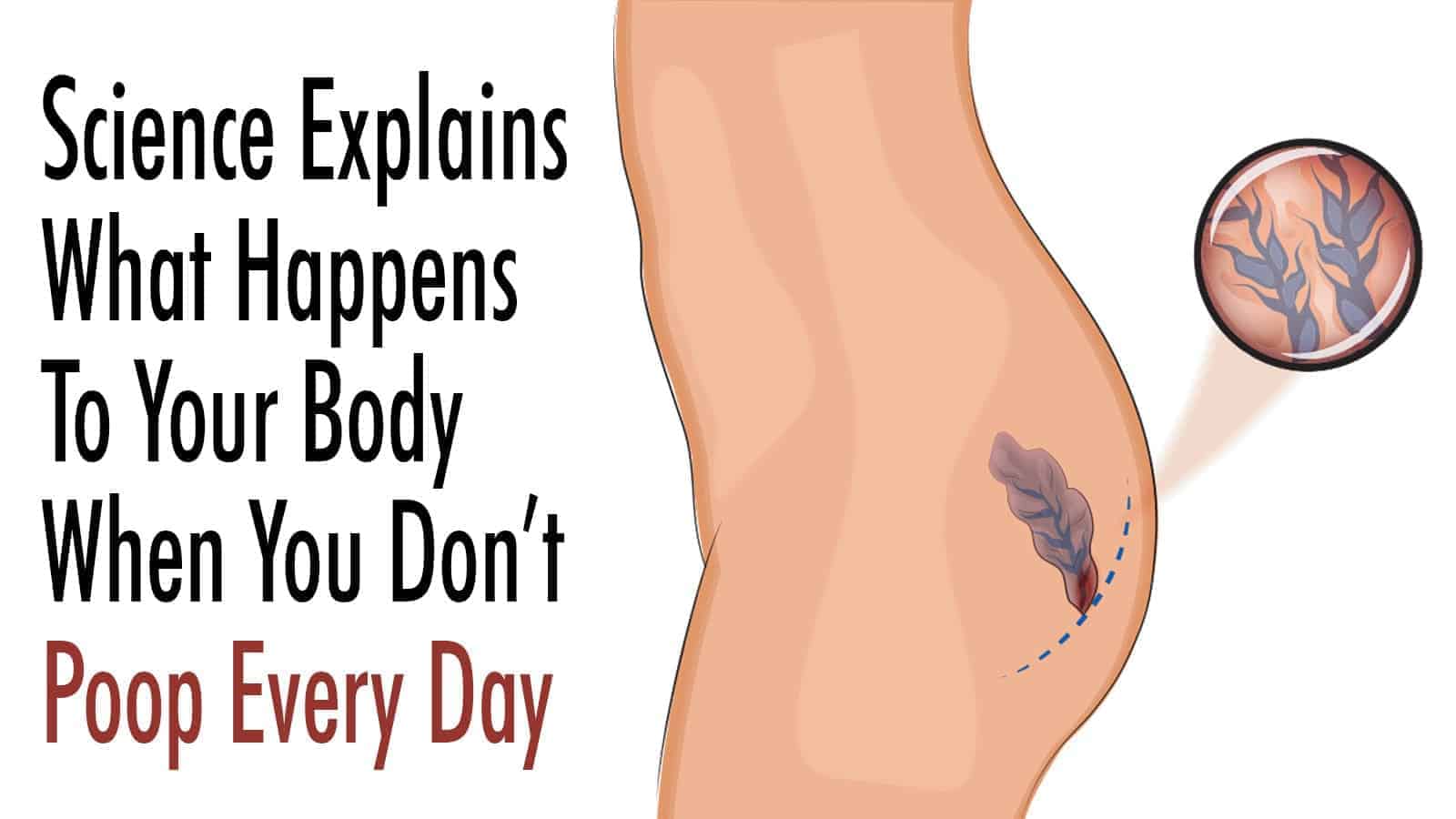
11 Times Poor Digestion Might Mean Something Worse

Having poor digestion can make your life miserable. It can affect your overall wellbeing as well as your daily activities, which can lead to issues such as anxiety and depression. Even if you try to monitor what you eat, the smallest of things can trigger a problem.

Due to the sensitivity of your gut, you may find you avoid social situations as well as eating out for fear that an episode may be triggered. Your body gives you signs and symptoms that you need to listen to. There are ways to heal your gut and improve your digestion.

Balancing your gut flora can be done with some lifestyle changes, making your bowel habits regular. Did you know that some health conditions that plague Americans are caused by a poor diet and a lack of good bacteria in their gut? Altering your diet and lifestyle can have a significant impact.

Eleven Signs That Your Poor Digestion Needs Evaluating

Some people have fought with poor digestion their entire life, and they don’t think much about it. They’ve learned to live with their symptoms as it’s become a new normal. However, you don’t have to live with these issues when you can control them by making some lifestyle changes.

Here are some symptoms that indicate you need to evaluate your poor digestion further.

poor digestion1. Abnormal Bowel Movements

One of the first and foremost signs of poor digestive health can be seen in your feces. Your bowel movements come in all shapes, colors, and consistencies. However, it shouldn’t be loose and watery or odd color.

If your excrement is black, then it’s a sign of old blood in your digestive system. However, if it’s white, then it’s a sign of significant issues in your biliary system. If something doesn’t look average or typical for you, then you need to seek medical attention, as there can be serious issues when the biliary system is involved.

Sadly, many cancers are observed by changes in bowel habits, and the quicker you catch a malignancy, the greater your chances of recovery. According to an article with the Cleveland Clinic, 85 percent of all colon cancers are preventable if you have routine colonoscopies.

2. Constipation

Did you know that you should have at least one bowel movement each day? If you go two or more days without passing stool, then you’re considered medically constipated. Many folks think that IBS means loose stool, but you can have IBS-C, which means you also have constipation with it.

Many things can trigger irregularity, including a high-stress lifestyle. It’s essential that you get rid of any build-up as it can cause issues such as an impacted bowel.

3. Acid Reflux

Acid reflux can often be one of the most unrecognizable symptoms of IBS. According to a study conducted by Lauren B. Gerson, MD for Everyday Health, over 40 percent of those with this common bowel issue also have acid reflux problems. The overlap in these two conditions is often missed, but those who have anxiety triggered by poor gut health may also suffer from GERD.

4. Foul Taste in Your Mouth

It will help if you distinguish what is causing the foul taste in your mouth. First, it can come from the things you eat, like garlic, onions, or other spices. Second, it can be from something internal that has nothing to do with your food intake.

For instance, a sour taste or one that is metallic in nature might come from digestive issues. Unless you’re plagued with halitosis, then it’s worth investigating this unsavory taste.

5. Painful Bowel Movements

Going to the bathroom is never a pleasant experience, but sometimes it’s painful. Pain while pooping is a sign of poor digestion and IBS. If you find that you suffer when using the restroom after you eat a meal, it needs to be investigated.

Your gut flora needs to be balanced. You can help provide clues to what’s causing this by keeping a food journal. Whenever you notice that you have painful bowel movements, you can notate what foods triggered this response.

You may have a gluten intolerance as well as allergies to corn, soy, dairy, vegetable oils, or the stress in your life might be affecting your digestion. Did you know there is a direct link between mental health issues and your gut flora?

According to an article written on Harvard’s medical blog, they state that many of the nerves between your gut and brain are connected, specifically the vagus nerve. There is strong evidence that poor diet may be a contributing factor to anxiety and depression, though more research is needed.

poop6. Fatigue

Chronic fatigue is something that accompanies many illnesses, so you might not relate it to your digestion. However, your digestive system can have a significant impact on your energy levels. When you deal with bloating and frequent bowel movements, it can drain your resources.

Another common issue with IBS is that you don’t get adequate sleep. If your trips to the bathroom become so frequent that it interrupts your rest, then it can affect your overall energy level. Don’t be so quick to think there’s something else going on with your health if you have an irritable bowel and you’re exhausted all the time.

7. Heart Palpitations

Heart palpitations are a broad term used to describe any issues with the beating or rhythm of the heart. Palpitations occur when the heart is beating too fast or too slow, or you feel like it’s doing flip flops. It’s startling that heart palpitations can be a side effect of poor digestion and irritable bowel, but it’s true.

Anxiety is another major cause of heart palpitations, so it’s often challenging to distinguish between the two. However, it can be digestive issues and an irritable bowel that’s causing your heart problems. When your heart is acting abnormally, it’s essential to have it checked out.

8. Swelling and Bloating

The foods you’re eating are triggering an allergic reaction in your digestive system. The problem is that this causes you to have frequent bowel movements, abdominal pain, and you don’t get the nutrients you need from your food. All this inflammation and other chaos going on in your bowels can cause bloating.

A classic way to tell if this issue is food-related can be identified right after you eat. Your stomach can become distended even if you haven’t eaten a large meal; you will feel like you finished a feast. A gastroenterologist can quickly identify if the issues with bloating are food and IBS-related or coming from another problem.

9. Loss of Appetite

When you have issues with chronic diarrhea, and your body is losing the vital nutrients and electrolytes it needs, it can affect your appetite. While you probably think it wouldn’t hurt you to turn down a few meals for weight loss, it’s the nutrients you need to help your system thrive.

It would help if you tried to eat as many meals as possible as the loss of nutrition can be very problematic for your health.

10. Frequent Urges to Urinate

Do you constantly feel the urge to pee, even if you just urinated? It could be your bowels that are causing the issues. This urge has nothing to do with your bladder being full, but you’re having spasms caused by problems in your digestive system.

Running to the bathroom constantly can disrupt your day, and you can alleviate some of these issues by simply changing your diet and lifestyle. Nothing is worse than being stuck somewhere and feeling these sensations, so knowing you can fix it gives you a glimmer of hope.

11. Chronic Diarrhea

You already know that your bowel habits are one of the most significant indicators of poor gut health, but people who suffer from irritable bowel syndrome often struggle with diarrhea. In fact, diarrhea may be so common that you usually don’t have a solid stool. Many symptoms accompany loose stools, such as urgency, frequency, or just softer than normal feces.

poor digestionFinal Thoughts on Poor Digestion and Overall Health

When you think that you’re eating habits and lifestyle can make a difference in your digestion, it’s a frightening thought. When you don’t eat the proper foods, your body cannot absorb the nutrients it needs; thus, you lack things to make your system function properly.

However, conditions like IBS can have genetic links, but they can be managed through lifestyle and diet changes. Poor digestion can certainly mess with your gut and even your brain health, but it can cause many other issues throughout your body that shouldn’t be ignored.

What you put into your mouth has a significant impact on your total well-being. While sugar sweets and carbohydrate-laden foods taste delicious, a diet full of these items can cause you to feel bloated, miserable, and have health issues that impact your quality of life.

While there’s no cure for IBS, you can control it with diet modification. You will feel so much better when you are free from bloating and pain.

20 Comebacks to Say When Dealing with a Hostile Co-Worker

It can be hard to deal with a hostile co-worker.

When you find yourself in this situation, it can naturally make your work-life unpleasant.

If you want to improve the situation, finding a way to deal with your co-worker is essential. Addressing the problem can diffuse the tension and lead to a positive solution.

Twenty Comebacks to Say When Dealing with a Hostile Co-Worker

It would be best if you didn’t put up with hostile behavior from anyone, so don’t be afraid to speak up. Addressing the situation without returning the hostility is possible, so you don’t have to stoop to their level.

hostile1. “I hear what you are saying.”

Sometimes simply acknowledging that you hear the person can encourage them to stop talking. Say it calmly, just to let them know that you are listening. Then, you can ask them to explain further or suggest talking about it later on.

2. “We are both passionate about our jobs.”

When you experience hostility at work, it could be that the person feels threatened by you. If you are good at your job, they might think that you will one-up them. Using this phrase will let them know that you think they are just as passionate as you are.

While this phrase might not always work, it could help relieve the tension a little. If the person believes that you think they are valuable, the hostility might decrease, and you might gain some respect from them. Otherwise, at least they will know that you are making it clear that you are working together no matter what.

3. “It makes me feel bad when you say that to me. Is that your goal?”

Sometimes being blunt is the key to dealing with a hostile co-worker. Confronting them for their behavior can sometimes make them see that it isn’t okay.

Don’t go at them with a list of things they did wrong, though. Instead, use this phrase and question as they are behaving negatively. Doing it in real-time will solicit a better response than doing it at a different time.

4. “I’ve noticed that our co-working relationship isn’t the best. What do you think we could do differently?”

If you say this to your co-worker, it seems more like a conversation than an ambush. Catching them at a good time will help, too, because they will be more open to positive communication. Figuring out where the issues lie and how you can work together can make all the difference.

If you can resolve the differences in this way, your work life will be much more peaceful. Plus, you can develop a healthy co-working relationship with that person.

5. “Can you explain what you mean by that?”

When the person says something rude or passive-aggressive, ask them to elaborate. It could be that you misunderstood, and this gives them a chance to clear the air. Or, if you understood correctly, they will realize that they are hostile and that you aren’t going to put up with it.

If you can, ask specific questions regarding their comment. They might feel better if they have an opportunity to explain, or your co-worker might realize that they are coming off the wrong way. It’s never okay to be rude, but sometimes enlightenment can go a long way.

6. “I understand you are concerned about this.”

Recognizing your co-worker’s concerns can sometimes diffuse the situation right away. They might feel like they aren’t being heard. Change the phrase to fit the exact experience that you are in.

7. “Can you please stop acting like that?”

When you’ve tried nicer tactics without a positive result, this question might do the trick. If their behavior becomes repetitive, saying this might embarrass them, especially in front of other people. While you don’t want to be hostile back at them, you can be assertive in this way.

Don’t put up with someone constantly interrupting you or arguing with you. Chances are, if you notice their behavior, other people do, too. You might be the only one that speaks up even when everyone else wants to, as well.

8. “You’re being rude, so when you’re in a better mood, we can talk.”

Setting limits in this way can be beneficial for a few reasons. First, you have a chance to calm down from dealing with their hostility. Plus, your co-worker has time to self-reflect and maybe realize that they were wrong.

If you reacted right then rather than suggesting a later time, you might have made the situation worse. Saying things in the heat of the moment can cause further conflict rather than finding a solution.

9. “What can I do to help fix the problems here?”

When you are just beginning to deal with the hostility, asking this question might help solve the problem. Sometimes, the co-worker might have an issue that you can handle quickly. Otherwise, this question will make them realize that you won’t just sit back quietly.

Be prepared, however, for the person to tell you your faults. Whether they are defensive or it is a legitimate concern, accepting your role might be the only thing that helps. Don’t accept untrue things, of course, but it is something to prepare yourself for.

10. “I don’t like being talked to like that. It is demeaning.”

Never hesitate to speak up and defend yourself. Don’t put up with demeaning behavior from anyone, let alone a co-worker. Once they realize that you won’t allow the behavior, they will likely try to change or move on.

disagreements11. “It’s rude when you keep interrupting me.”

If your co-worker interrupts you, it is a form of hostility. Call them out and let them know that they are rude. If they do it during meetings, they will feel even more ashamed of their behavior because you will have called them out in front of everyone.

If you’d instead do it in private, you can wait until later and approach them one-on-one. You don’t have to say it in a mean way, but be assertive and let them know that it isn’t okay.

12. “You’re being condescending to me.”

Addressing this type of behavior at work is acceptable. You shouldn’t put up with condescending behavior, and calling people out can put an end to it.

Don’t be dramatic, and don’t go into a long rant about the way they are acting. State the issue and leave it at that.

13. “I’ll gladly discuss what you are upset about, but now is not the time.”

If your co-worker approaches you at an inopportune time and wants to talk, you can decline. Let them know that you see they are upset, and you will talk about it later. Don’t let them put you on the spot, especially if they are behaving this way.

14. “What you said is getting to me, so I want to make sure I understand.”

This phrase is another way to gain clarification on what the person intended to say. If they didn’t mean it that way, they can re-explain and have a conversation about it. Otherwise, making them explain their remark will make them uncomfortable.

15. “Do you realize that you’re being hostile?”

Sometimes people don’t realize that they are exhibiting this type of behavior. You might be the first person to tell them, which can help them make a positive change. If they do know, though, the comment will let them know to ease off a bit.

16. “Thank you for all of your help.”

If the person is behaving this way because they feel threatened by you, thanking them might help. By thanking them for helping you, they will understand that you don’t feel superior to them. This realization can help decrease workplace hostility and help the two of you get along.

17. “I’m not getting into this with you.”

You can be respectful while still being firm with the hostile person. Let them know that you won’t fight or argue with them and that you won’t put up with disrespect. Choosing not to get sucked into their game might encourage them to lighten up a bit.

18. “We can continue this conversation when I’m less offended.”

If your co-worker has offended you and you feel defensive, this phrase is the way to go. Rather than allow your emotions to take over, walk away with a promise to finish talking later.

You can’t avoid having the conversation, or it will only worsen the situation, but you can put it off for a little while. Give yourself time to cool down and think things through before you handle it.

19. “Do you have any ideas to contribute to the plan?”

Asking the person if they have any ideas lets them see that you aren’t trying to outshine them. It gives them a chance to show everyone the value they bring, which could ease the hostility.

20. “The way you’re acting won’t solve anything that we are dealing with here.”

Sometimes letting your co-worker know that their behavior isn’t helping can make a difference. Hostile people don’t always like being called out, and they will likely be embarrassed since they are in the wrong.

hostileFinal Thoughts on Things to Say When Dealing with a Hostile Co-Worker

You don’t have to put up with negative behavior from a hostile co-worker. Speak up and do what you can to put an end to the unpleasant situation.

Speaking up doesn’t always do the trick, but it can let your co-worker know that you won’t put up with it. If all else fails, at least they might aim their hostility elsewhere.

This Focaccia Bread is So Easy to Make You’ll Never Buy it Again

The Italian focaccia bread pairs well with soup or salad or can make it into a pizza! Many people even enjoy it as an appetizer or a full meal, depending on how much they make.

No matter how you eat it, focaccia doesn’t require much preparation and makes a delicious snack. Moreover, this recipe provides you a way to make it at home that you will find fun and easy.

So you can add whatever type of veggies you want and even create beautiful artwork with your ingredients!

Italian Focaccia Bread with Vegetables

make focaccia bread

You’ll never buy focaccia bread again!

What kitchen tools you need:

  • Medium-sized mixing bowl
  • Measuring cup
  • Mixing spoon
  • Another larger mixing bowl
  • Baking sheet or pan
  • Cutting board
  • Knife
  • Oven safe medium-sized deep pan
  • Saran wrap
  • Kitchen towel

Ingredients:

  • 1 1/3 cup warm water
  • One package of active dry yeast
  • 1 tbsp honey
  • 3 1/2 cups all-purpose flour
  • 1/4 cup extra virgin olive oil
  • Two tsp sea salt
  • Yellow bell pepper
  • Red bell pepper
  • Two white mushrooms
  • 1/2 a red onion
  • Four cherry tomatoes
  • A few sprigs of dill, parsley, and thyme
  • A couple of kalamata and green olives
  • A few slices of peeled zucchini
  • Minced garlic
  • Julienned carrot

How to make delicious focaccia bread right in your own kitchen

focaccia bread doughMaking this recipe is a family-friendly activity. So feel free to get the little ones involved.

Making the dough

  1. First, grab your smaller mixing bowl and pour in the warm water, yeast, and honey. Mix the ingredients fully, and let it sit for 5-15 minutes until it gets foamy.
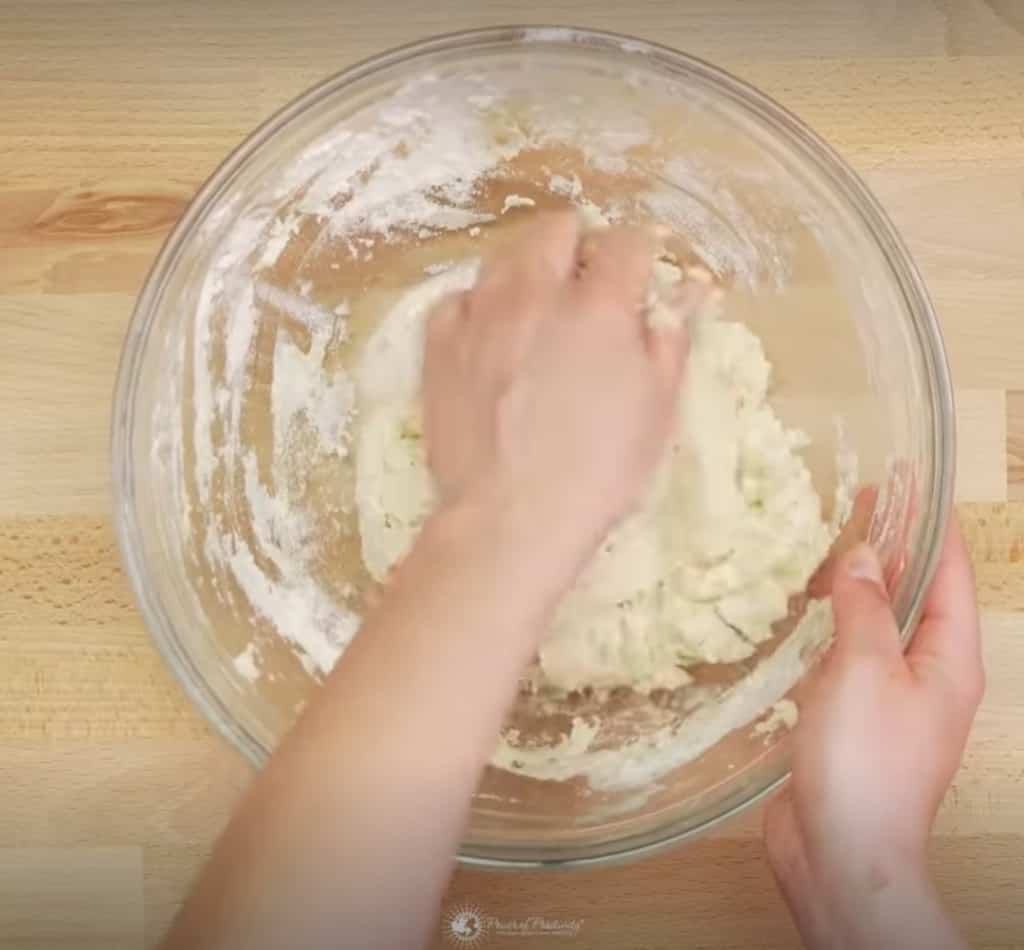
  2. While that sits, get out the larger mixing bowl and pour in the all-purpose flour. Use your hands to push some to the sides, creating an area to pour the yeast in.
  3. Pour in the mixture from step 1, and add the olive oil and sea salt. Use a spoon to combine the ingredients until it creates a dough.
  4. Next, use your hands to scrape any flour off the sides of the bowl. Knead the dough into a small, flattened ball shape. Transfer to a cutting board or prep area.
  5. Next, sprinkle some flour on the surface, and knead the dough for about 5 mins. Once you’ve created a ball with the dough, grab the large mixing bowl and grease it with olive oil.
  6. Use your hands to spread it around, and place the dough on the bottom. Cover with saran wrap and let it rise for an hour.
  7. Once the dough has risen, get out the baking sheet and drizzle with olive oil. Spread the dough out evenly on the sheet and let rest for 30 mins. Cover with a kitchen towel.
  8. Now, repeat this process with about half the ingredients you used for the first batch of bread. Spread out the dough in the medium-sized deep pan, and set aside.

Preparing toppings for the focaccia bread

  1. You can choose whatever veggies you’d like. But we’ll give you some examples with this recipe.
  2. Grab your cutting board and a sharp knife, cutting the yellow bell pepper width-wise. In other words, you should be cutting it horizontally, so the slices resemble flowers.
  3. Slice a couple white mushrooms and half a red onion.
  4. Repeat the process with red bell pepper and four cherry tomatoes, cutting the tomatoes in half.
  5. Peel a small zucchini, cutting the shavings into skinny slices. Repeat this with a long carrot.
  6. Grab a few sprigs of fresh dill, parsley, and thyme. Next, mince a garlic clove to use as a topping for the bread.
  7. When the dough is ready, drizzle it with olive oil. Lay a few of the zucchini slices sideways toward the bottom.
  8. Place 4-5 mushroom slices above the zucchini, and lay parsley between the mushrooms. Make sure to leave the stems on them.
  9. Now, put a few red and yellow bell pepper slices near the parsley.
  10. Put a small handful of julienned carrots between the mushrooms and above the zucchini.
  11. Cut a couple of green olives in half, and put the halves in the middle of the bell pepper slices.
  12. Sprinkle dill on the bottom of the dough next to the mushrooms. Remove the stems this time.
  13. Place a few thyme leaves and red onion slices at the top.
  14. Put kalamata olives in the middle of the red onions.
  15. Sprinkle some minced garlic on top of the focaccia bread, and drizzle with olive oil.
  16. Bake the focaccia bread at 400 degrees F for 20-30 mins.

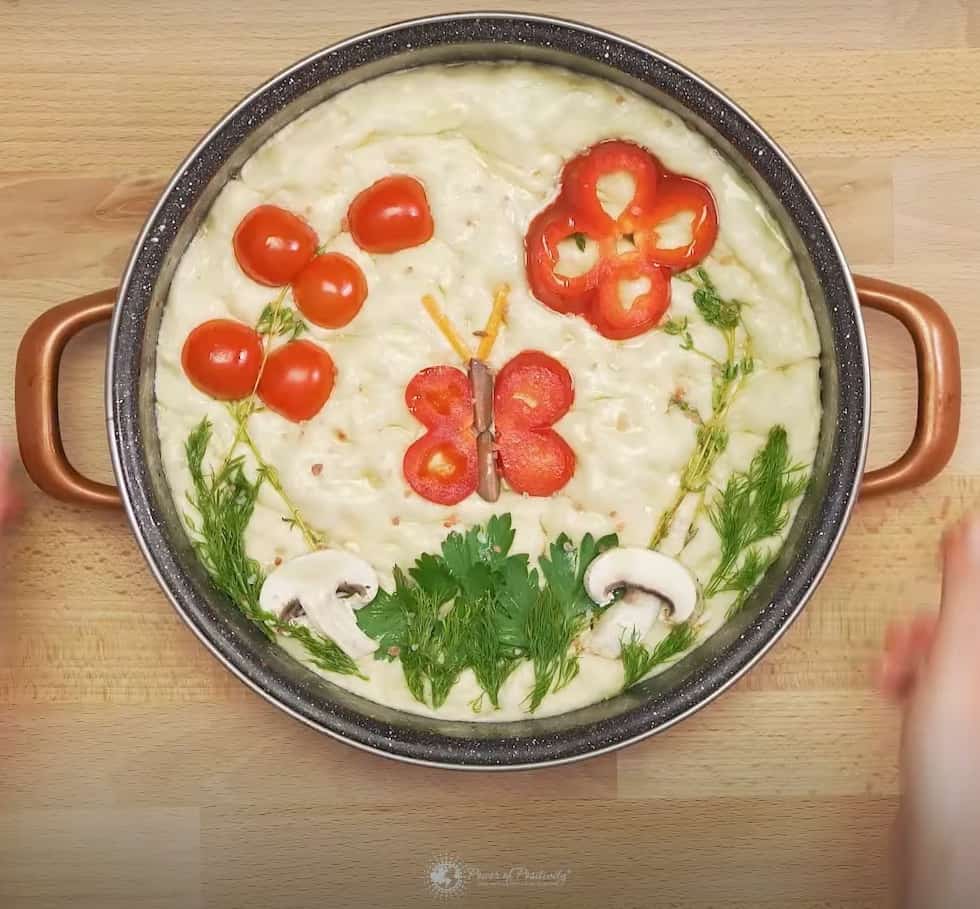
  17. Now, grab the dough that’s in the smaller pan. Make small indentations and drizzle with olive oil.
  18. Place a few thyme leaves on the dough. Place bell pepper on top of one of them.
  19. Line one of the leaves with the cherry tomato halves, placing mushrooms at the bottom.
  20. Also, place some dill and parsley leaves near the bottom of the pan surrounding the mushrooms.
  21. Create a butterfly using a couple of thin slices of mushrooms, red bell pepper, and carrots. To do this, place the mushrooms in the middle vertically, then lay the bell pepper slices on either side. You’ll want to use the bottom part of red bell pepper for this. Then, put a couple of julienned carrots at the top for the antennae.
  22. Finally, sprinkle with minced garlic and olive oil, and bake for 20-30 mins at 400F.
  23. Cut your beautiful masterpiece into squares.

focaccia breadFinal thoughts: You’ll never want to buy store-bought bread after making this focaccia

There’s just something about homemade food that makes it taste better than restaurant meals. Whether it’s the love you put into it or the fresh ingredients, there’s nothing like your own cooking. Fortunately, this focaccia bread recipe is easy to make and versatile. Thus, you can pick whatever toppings you’d like.

Some other delicious ingredients include shredded cheese, pine nuts, pesto, sesame seeds, and caramelized onions. There are dozens more you can choose from, so feel free to try out an array of healthy vegetables. In fact, once you try this focaccia bread even once, we guarantee you’ll want seconds!

Italian Mechanical Engineer by Day and the “Queen of Yoga” by Night

Caterina Patimo, a mechanical engineer from Italy, rediscovered her spirituality through yoga. The powerful practice can transform your body and mind, allowing you to get in touch with your higher self. In fact, the entire purpose of yoga is to unite your soul with the universal consciousness that governs all life. After starting her own practice, Caterina’s life totally shifted directions, and her inner world blossomed. Here is her story.

“I am a yoga lion’s teacher, and I also own my own yoga studio, Yukta Yoga Studio, located in Molfetta, in the south of Italy,” Caterina said. “Yoga gave me all of this and also awakened back my silent spirituality.”

Lion’s breath pose, or simhasana in Sanskrit, is a breathing technique commonly incorporated into yoga practices. This pranayama breathing exercise helps eliminate toxins, relieve stress, and get the energy flowing in the throat and upper chest. It relates to the fifth chakra or the throat chakra. If you have trouble speaking your mind or communicating in general, you may have a blocked throat chakra.

This breathing technique can help you connect with your genuine thoughts and emotions and clear any blockages here.

To do this breathing technique, follow the steps below:

1. Sit cross-legged or in a lotus pose, if you can do so comfortably.
2. Lean forward slightly, placing your hands on the floor beside you.
3. Spread your fingers out as wide as you can.
4. Inhale deeply through your nose.
5. On the exhale, open your mouth wide, stick your tongue out, and stretch it as far down your chin as possible.
6. Exhale forcefully, bringing the breath all the way to the back of your tongue.
7. On the exhale, make a “ha” sound that comes deep from your abdomen.
8. Then, breathe normally for a few minutes.
9. Repeat lion’s breath 3-5 times.
10. Then, breathe deeply for a few minutes after your practice.

View this post on Instagram

A post shared by katy (@the_exit_strategy)

How yoga has changed Caterina’s life for the better

“My biggest reward is to read peace and joy on other people’s faces – my friends, my loved ones, my students, my followers,” Caterina said. “Their love and their sense of self-realization fill in my heart.”

After gaining peace and connectedness from her own practice, Caterina wanted to share this joy with others. Despite being a busy mom of two and working as a mechanical engineer, she also became a businesswoman. She doesn’t mind the packed schedule, however, because she knows yoga can heal the soul.

In addition to owning her own studio, Caterina also started a website for people to take yoga classes online. Called TES yoga, short for The Exit Strategy, the site offers yoga practices, breathing techniques, and more. She explains the benefits of starting a practice in addition to giving a background on yoga. Subscribers can also gain access to live group classes, one-on-one classes, challenges, and even a personalized program.

You can also learn meditation, concentration, and relaxation techniques through her website. Yoga not only relieves pent-up stress and tense energy, but it helps you to unlock deeper layers of the self.

View this post on Instagram

A post shared by katy (@the_exit_strategy)

“Yoga brings together all the layers of the human being and connects the individual self with a universal one.”

Caterina says on her website: “Yoga will bring clarity and calmness in your mind, strength, and flexibility in your body. You will find your purpose and enthusiasm in life.

It’s never too late or too early to love yourself. Invest your time in yourself, on your wellbeing, your health, and your happiness. Remember, you can’t pour from an empty cup!

You need your body and your willingness to embrace a self-exploration and self-discovery journey, the most incredible journey you will ever do. Everything at your own pace, no rush, no pressure.”

Indeed, studies have found that yoga can offer plentiful benefits to the mind, body, and soul. In the Western world, many people begin their practice to relieve stress. However, the impact of yoga goes much deeper than just the mind.

Benefits of a regular yoga practice

  • Builds muscle strength. Studies have shown that when you stretch your muscles, it helps ease tension and build muscle tissue. Yoga can also reduce lower back pain and arthritis because of the increased muscle mass.
  • Protects your spine. Not only does yoga stretch your whole body out, but it also protects your back from injury. Because of our increasingly sedentary lifestyle, many people hold a lot of tension in their backs. Yoga can help relieve this tension by proper movement of the spine.
  • Improves posture. The spinal cord helps support the entire body, so when it becomes misaligned, our posture suffers. Yoga improves the posture by keeping the spine straight in all movements and poses.
  • Increases flexibility. Even if you’ve never done yoga before, you can always start with beginner poses. As you practice more, you’ll notice your body become more flexible and “bendy.” Since yoga stretches out muscles and relieves tension, it frees up energy and makes the body less stiff.
  • Relaxes the mind. A big part of yoga involves correct breathing, which consequently relaxes the mind. Most of us breathe in a fast, shallow way, which makes us anxious. However, a regular yoga practice instills calm and security, making our minds more balanced and focused.
View this post on Instagram

A post shared by katy (@the_exit_strategy)

Final thoughts: yoga can “reset” your whole life from the inside out

As Caterina showed us, yoga offers many incredible benefits, the foremost being the ability to unite our soul with Spirit. By practicing specific breathing techniques and poses, stagnant energy flows again and purifies our minds and bodies. When Caterina started her practice, she quickly realized how much better she felt. She wanted to share her experience and knowledge with others, opening up her own yoga studio and website.

We hope her story inspires you to begin your own practice or at least try out a few poses. Yoga and meditation can improve your mental and physical health dramatically, as Caterina notices in her own students. If you’d like to get started, you can check out her website or search YouTube for many free videos.

“Yoga is not about touching your toes; it’s what you learn on the way down.” – Jigar Gor

6 Things You Can Do To Feel Lighter After A Heavy Meal

Have you ever so thoroughly indulged yourself during a meal that you’ve felt horrible afterward? You might have regretted how sluggish and heavy you felt following a big meal. It may even be a staple part of your holiday meals with friends or family. Being too full and a little uncomfortable may almost be a tradition!

Naturally, most people don’t like feeling so heavy after eating big meals. It can distract you from the tasks you have to do for the day, and those groggy feelings may stick around for many hours. How can you get rid of them? Here are six things you can do to feel lighter after a heavy meal.

1.    Maintain Hydration

Water can feel filling, so after a big meal, it’s tempting to want to abstain from putting anything at all into your body, even water. But you should make sure that you maintain your hydration levels after eating a lot of food at once!

Not only is water crucial to many positive body processes, including digestion, but it’s also key to helping you feel better after all that sluggishness from the food. Here are some reasons water is helpful when it comes to managing yourself after a heavy meal:

heavy meal·         It Boosts Metabolism

After a heavy meal, you likely want to do what you can to work off the excess calories. Drinking water can help to kickstart your metabolism, even improving the expenditure of energy while resting by an impressive 30%, according to research!

·         It Helps Promote Weight Loss

Drinking water can help you lose weight, promoting several bodily processes that help you feel simultaneously fuller and lighter in everyday life. If you plan to cut back on your next meal because of the heaviness of the previous one, drinking water will aid that balance, say studies.

·         It Makes You Feel Fuller The Next Time Around

To prevent yourself from continually overeating, drinking water and staying hydrated between and before meals may have positive effects. Though this in itself doesn’t necessarily help you feel lighter, it does ensure that you don’t make the same mistakes again!

The exact amount of water recommended tends to be around 500 ml or 17 ounces – basically, approximately two glasses. However, the same amount that you need and that will work for you depends

2.    Do Some Yoga

When you overeat, the body can enter a sort of stress state. Yoga can help calm it down by soothing the stomach nerves, heart rate, and blood pressure through parasympathetic nervous system activation. It also boosts the release of hormones that contribute to positive thinking and happiness, like oxytocin and serotonin. It’s even been found to help severe or chronic digestive issues and symptoms! Here are some poses to look up and try:

·         The Vajrasana Pose

Also known as the thunderbolt or diamond pose, this pose involves the movement from kneeling to sitting on the ground. Between five and fifteen minutes after a heavy meal, you can perform this simple pose, and it’s likely the only yoga pose that is safe to do on a full stomach. It works by aiding digestion, stimulating organs like the pancreas, kidneys, and liver, and it also just feels nice and comfortable when you’re stuffed.

·         The Bhadrasana Pose

This pose is also known as the butterfly pose, referred to as a meditator’s sitting position by many. It’s gentle and doesn’t involve too much movement, so you can do it while recovering from a big meal. It is said to be good for digestion, but do note that you shouldn’t do it immediately after a meal! Give it half an hour before moving into this sitting position.

·         The Pushan Mudra Pose

Often called the digestion gesture, this pose is believed to have benefits for the gallbladder, stomach, and liver. A few different variations of this interesting hand-yoga pose, with each one being meant for a different purpose. For example, you’d do a different pose to ease constipation, a different pose to aid acid reflux, and another to help with bloating or gas. Pick a posture that will help you feel lighter!

If you’d like to, you can use all three of these poses. Arrange them in order and cycle between them as you gradually work off the discomfort from your heavy meal.

3.    Get In The Right Mental State

Feeling sluggish after a heavy meal can make you feel grumpy at the discomfort, ashamed or guilty for having eaten so much, or even angry at yourself for over-indulging. If you genuinely want to start feeling lighter, you have to start with your mental state. Here’s how:

·         Do Not Beat Yourself Up

Don’t start feeling bad about eating a lot to the point where you feel incredibly guilty and berate yourself for it. This will become an unhealthy and unstable relationship with food, forming negative behaviors relating to disordered or emotional eating. The second you start scolding yourself, put up a stop sign and turn your attention to other thoughts.

·         Reframe

Instead of thinking negatively about overeating, reframe the situation. Even if you are trying to watch your weight, one binge isn’t the end of the world. You can control your thoughts, and those thoughts will go on to manage your further mindset. Keep your positive thinking. Remember, eating too much isn’t a sign of failure. It just means you have to try again tomorrow and need to learn how to monitor your consumption in the future.

·         Take Note Of What Happened

Your body may have an adverse reaction to the heavy meal, so note the “damage.” Be aware of the way this is affecting your body negatively and how long these effects last for. Learning about your body’s reactions to heavy meals allows you to better prepare for them in the future so you can circumvent the worst of the heaviness and their effects.

·         Plan A Better Next Meal

Start feeling lighter quickly by self-monitoring, and according to research, you’ll be eating in a more balanced way again. So you’ve eaten a big meal now; your next one should likely be lighter and smaller, with healthier options on your plate. Knowing that you’ll be compensating for this heaviness can be enough to refocus you and even subconsciously make you feel less stuffed.

pop quotes4.    Go For A Walk

A little bit of physical activity after a heavy meal can be a great help to your overall feelings of lightness. While you should never engage in even moderate activity when you feel this full, a bit of a slow walk can help you feel lighter more quickly. Here’s why:

·         It Helps Your Stomach Empty Itself Faster

Walking can accelerate the digestion process, allowing bloatedness and discomfort to fade more rapidly, say studies. It’s also suitable for burning a couple of additional calories if you feel that you need to; don’t do it in excess!

·         It Helps You Burn Fat

Extra calories that the body can’t use are often stored as fat. This builds up over time, though, so it won’t come barrelling out of anywhere after a single heavy meal. Still, walking can help you burn off some extra energy so you don’t wind up storing as much of it, as we can infer from specific studies.

·         It Makes You Feel Better

Are you feeling a little bad about eating a lot? Some walking can aid that emotional stress. Physical activity, even of a mild kind, releases hormones that contribute to positive thinking like norepinephrine and serotonin. This helps reduce feelings of anxiety, depression, and stress, allowing your mood to be improved so you can overcome the discomfort more quickly.

5.    Eat Something With A Digestive Bonus

The last thing you probably want to do when you’re feeling bloated and full from a heavy meal is to eat some more. But if you’re concerned about digestion, it turns out that eating certain things may help you feel lighter a little more quickly. Here are some options that could work for you:

·         Digestifs

A digestif refers to an alcoholic beverage typically served post-meals to aid digestion. If you’re happy to drink some alcohol, you can get benefits from drinks like sambuca, cognac, sherry, and Jägermeister. Some, specifically herbal-liqueur ones, are especially beneficial thanks to their carminative effects. This means that they fight gas and encourage digestion, helping you feel lighter more quickly.

·         Aromatic Bitters

These work on your digestive system almost as well as a digestive enzyme supplement. Have some in a club soda or a plain glass of water, and your stomach will thank you, especially if it’s been experiencing discomfort from the meal.

·         Ginger

It’s up to you how you want to eat ginger to feel lighter. It admittedly seems a little strange, but research has proven its effectiveness. It works by encouraging salivary flow, contractions in the stomach, and emptying of the gastric systems.

6.    Sleep

You probably know all about the drowsiness and grogginess that pops up when you’ve just eaten a hefty meal. Your body goes into a shut-down mode in an attempt to process everything you’ve just put into it. Why not give in to its desire for rest?

The jury’s out on whether sleeping after a heavy meal is right for you or not. Some people claim that it just slows down digestion and therefore shouldn’t be done. But others state that sleeping can help your body focus entirely on the digestive process, allowing you to sleep through the worst of the discomfort from fullness, so you wake up feeling lighter.

While we’re at it, if you often overeat, make sure you’re getting enough sleep! Studies have found that sleeping too little can make you eat more because the brain needs to release additional neurotransmitters to stay alert and awake. If you need to fight cravings, sleep at least eight hours every night – or however many your doctor recommends.

Final Thoughts On Some Things You Can Do To Feel Lighter After A Heavy Meal

It’s normal to eat a bit more than necessary every once in a while, so don’t beat yourself up over it! Instead, focus on doing what you can to feel a little lighter as your digestive system works hard to handle what you’ve eaten.

10 Phrases Never to Tell A Brokenhearted Person + What to Say Instead

When dealing with a brokenhearted person, you want to comfort them and have the right words to ease their pain. Sadly, many people say the wrong things and make matters worse. Remember, these people are in a horrible place, and their emotions are on edge.

Do you know that you can cause rifts and relationship trouble by saying the wrong things to someone suffering? You want to be a source of comfort and help during these difficult times, and your words have power behind them. People can become so depressed that they can die from broken heart syndrome, according to Hopkins Medicine?

Johnny Cash: The Sad Story of a Truly Brokenhearted Person

The reality is that brokenheartedness is something you shouldn’t take lightly. Did you know that family and friends insist that the famous country singer Johnny Cash died from a broken heart? In 2003, his beloved wife died from complications she developed during heart surgery.

The entire world took the news hard, but no one experienced pain like the husband, who has stood by her side for more than 35 years. Cash went downhill quickly, and four months later, he was admitted to the hospital for problems with his diabetes.

He died brokenhearted without his sweet wife by his side. Indeed, diabetes was a significant factor. But some family members stated that his body couldn’t handle the grief of losing the one thing that meant the most to him. When someone experiences such grief that overwhelms their body, it can take something like diabetes and turn it into a deadly situation.

brokenhearted10 Things Not to Say to Someone Who is Brokenhearted

Whether because of death, a breakup, or an illness, it’s hard to know what to say and what you should avoid. You want to wrap your arms around hurting someone and tell them everything will be okay.

Sadly, you cannot make such promises because you don’t know it will be okay. Here are some everyday things you should never say to someone who is brokenhearted.

1. I Know How You Feel

You are invalidating their emotions when you tell someone you know how they feel. While you may have experienced something similar, your feelings are different.

Each person has a unique personality and feels and acts differently during troubling times. So rather than telling them you know how they feel, try saying something like, “I can’t imagine how you’re feeling right now.”

2. It Was for The Best

Whether they’ve lost a loved one or a partner, you never want to tell them it’s for the best. They still love and miss this person so much. So you don’t want to diminish their feelings of loss by telling them it’s better this way.

If it’s lost love, tell them that when a door closes, another one will open. If they’ve lost someone to death, tell them that they will see them again one day. Give them hope and something to look forward to rather than focusing on the loss.

3. You Need to Move On

Moving on is easier said than done. When someone has lost a great love, it will not help matters by telling them to move on with someone new. They need time to grieve and process the loss they’ve experienced, but they will move on when they’re ready.

It would help if you tried to tell them that it’s okay to cry and grieve and no one must set a timer on when they’re ready to move on. They can grieve for as long as they need. However, if you see signs of depression, you should encourage them to get help.

4. You Need to Get Out More

Sometimes when you’ve faced a great tragedy, you don’t feel like getting out and mingling with society. Stop telling people they need to get out when they don’t even feel like taking a shower and getting dressed for the day.

Instead, you should say, “When you’re ready, we can go for coffee or spend some time together.” They would feel safer when someone walks beside them than facing the world alone. Be a source of support, not someone pushing them when they’re not ready.

5. They’re in A Much Better Place

One of the most common and yet hurtful things to say when someone has lost an important person in their life through death is that they’re better off. Of course, they’re in a better place, but the person experiencing the loss isn’t going to see it this way.

What might be better to say, “I bet heaven is beautiful, and your loved one is so thankful to be at peace finally.” A statement like this doesn’t minimize their grief and lets them know that their loved one is in a better place without sounding presumptuous.

types of grief6. Dry Up Your Tears and Think Positively

No one has any right to tell someone else how to grieve. Some people tend to cry by nature more than others. There are different stages of grief; whether they’re suffering from a breakup or a death, they will move through these stages at their comfort level.

Instead of telling them to dry it up, why not say something like, “You cry as much as you want and get it all out. My shoulder is always here if you need it.” By wording it this way, you offer a shoulder to cry on rather than telling them to get over it.

7. Let Me Know If There Is Anything I Can Do

When someone is brokenhearted, there are a lot of people that ask them if there is anything that they can do for them. However, when someone’s mind is reeling from the loss, it’s hard for them to think in the moment of something they need. Additionally, people use this blanket statement when they have nothing better to say.

It would be better to ask them specific things that you can do. You could say, “I can pick up your kids from school or bring over dinner a couple of nights this week.” Using this phrase, you’re giving them options and specifics, so they don’t have to strive hard to find some way for you to help them.

8. How Are You Doing?

Stop asking people how they’re doing. They’re brokenhearted and hurting and don’t need anyone to remind them of their pain. They may have gotten to the right place, and when you ask them this question, it reopens their grief.

Try saying something like, “You look like you’re doing much better, and it’s good to see you smile.” This kind of positive statement will let them know they are okay and will make it.

9. You Knew This Was Going to Happen

Is there anything worse to say to a brokenhearted person than they knew it would happen? Life is all about risk, and you win some things while you lose others. However, when you make this type of statement, it shifts the blame back onto them. That remorse is something they don’t need.

10. You’re Handling This Better Than I Expected

The key to this statement is “I expected.” You’re telling them that you thought they would be a basket case with what they’re dealing with right now. If they’re doing good, you can certainly tell them and give them that positive reinforcement they need, but you don’t have to compliment and slam them in the same statement.

Try saying something like, “It’s okay if you’re not feeling so great. I am here for you.”  Then you acknowledge that they’re having a rough time. Also, you’re reminding them that you’re there for them.

brokenheartedFinal Thoughts on What Not to Say to the Brokenhearted

While a famous song states that you say it best when you say nothing, it certainly doesn’t apply to these situations. When someone’s heart is broken, they need all the love and support they can get. They don’t want you to avoid them or any conversations merely because you don’t have the right words.

It’s better to listen than speak in these instances, but the key is to be there. There are many different reasons why someone may be brokenhearted. So modify the phrases we mentioned above can to fit each specific case. The most important thing is not what you say but your actions.

You need to be there for your friend or loved one who is having a rough time. You may not have the right words or say anything that makes them feel suddenly better. But you can do wonders by wrapping your arm around them and telling them how much you care. Don’t use common phrases that everyone says when they don’t have the right words, be there.

How to Make Perfect Pumpkin Bread Rolls

Most people only make pumpkin bread during the fall season, but you can enjoy it year-round! Sometimes, you have a random craving for foods you normally save for the colder months.

If you want to make your Fall Festivities perfect this year, indulge in these delicious pumpkin bread rolls! You only need a few standard household ingredients, and they’re incredibly easy to make.

Pair these pumpkin bread rolls with a butternut squash soup or any comfort food you prefer. You can also make a cinnamon butter spread for the bread to make it even tastier! We’ll include directions for making this below.

pumpkin rolls

Pumpkin Bread Roll Recipe

Are you ready to bake? Let’s go!

You need these kitchen supplies:

Large mixing bowl

Cutting board

Baking sheet

Parchment paper

Large knife

Measuring cups

Teaspoons

Wooden spoon for stirring ingredients

Table or another large area for kneading dough

Kitchen towel

Cooking twine

Pastry brush

Ingredients:

  • One butternut squash
  • 160 mL water
  • 5 tsp active dry yeast
  • 1 tbsp maple syrup
  • 1 cup pumpkin puree
  • 2 1/2 cups all-purpose flour
  • 1 tsp salt
  • Olive oil drizzle
  • Coconut oil for brushing on rolls
  • Pretzels

How to make the dough for the pumpkin bread:

First, get out the cutting board and slice up your squash. You’ll want to cut the stem off first and then cut the squash in half.

Turn one of the halves over and slice off the skin all the way around.

Cut the squash half into thirds, and then slice these pieces into thirds. Next, line them up and make slices horizontally to create cubes.

Repeat this with the other half of the squash, and then put the cubes on a sheet of parchment paper. Place on a baking sheet, and bake at 375 degrees F for 30-40 mins.

Grab your large mixing bowl and pour in the 160mL water. Next, measure 1.5 tsp of the active dry yeast and pour this in.

Add the tablespoon of maple syrup and then let it sit for a few minutes to absorb the yeast. Now, add 1 cup of the pumpkin puree, setting the rest aside for any other pumpkin recipes you enjoy.

Mix the ingredients with a spoon and add the 2 1/2 cups of all-purpose flour.

Then, add the teaspoon of salt and mix with the other ingredients.

Now, mix the ingredients by hand until the flour is mostly combined into the dough.

Transfer to your table or large cutting board, sprinkling a little flour on the surface to prevent sticking.

Knead the dough further until the flour is no longer visible.

Now, wash the mixing bowl and drizzle some olive oil in the bottom.

Place the dough inside and rub the oil over it generously.

Cover with a kitchen towel until the dough rises to double in size.

pumpkin breadShaping the dough into pumpkins:

Take the dough out, knead it a little more into a ball shape, and cut into fourths.

Knead each of these pieces into a ball shape, and cut into halves until you have eight pieces.

Sprinkle a little more flour on the table and knead each dough piece into balls.

Next, grab your cooking twine and start wrapping it around one of the dough balls to create a pumpkin. To accomplish this, first lay the twine underneath the dough horizontally in the middle. Bring it around the top, tying a knot, then lay the twine vertically over the top.

Flip the dough over and lay the twine horizontally along the bottom. Tie the knot, then bring it diagonally across the dough, flipping it over and repeating across the top.

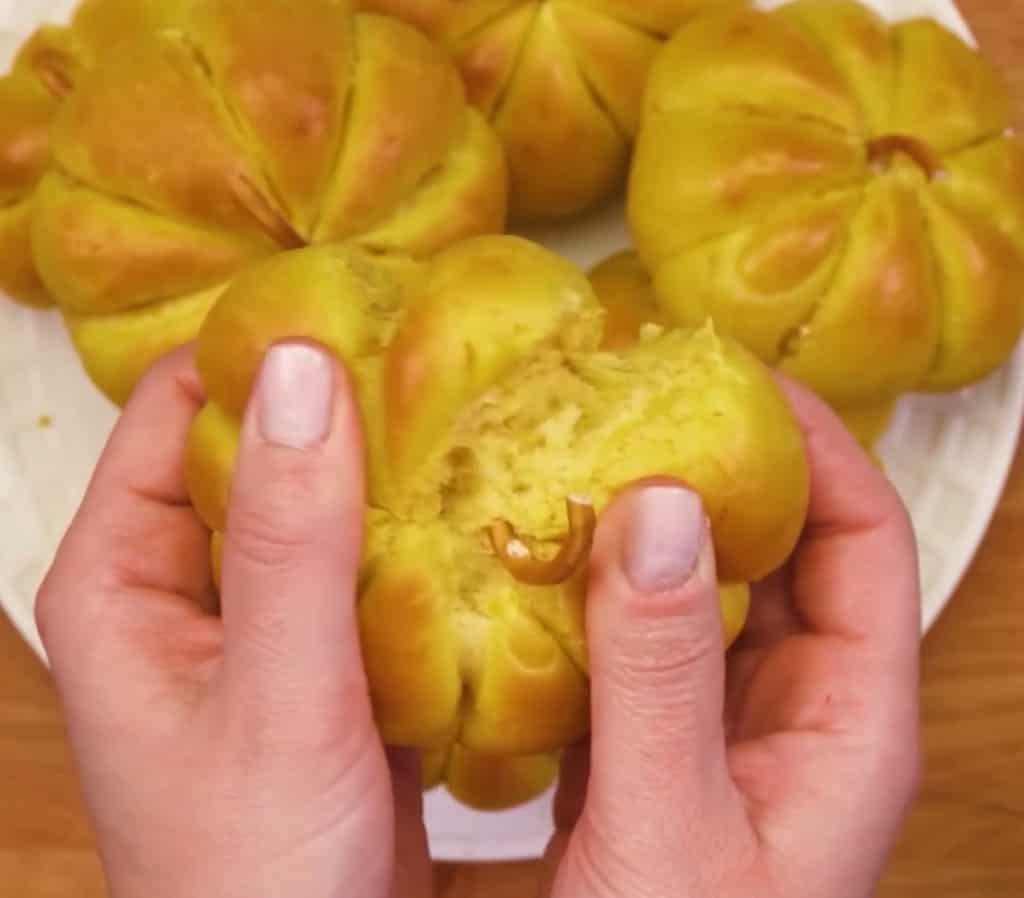
So, when you’re finished with this process, you should have eight “slices” in the dough from the twine. It should look exactly like a pumpkin! Tie a bow on the top, and cut off any excess twine. Repeat this with the other seven pieces of dough.

Transfer to a sheet of parchment paper, and lay a light pan or cutting board on top of the dough. Let it proof for about 30 mins so the yeast can rise.

Next, get out your pastry brush and rub some melted coconut oil on it. Brush the dough thoroughly with oil.

Place the pumpkin bread rolls in the oven for 20 mins at 375 degrees F.

Now, carefully undo the twine from the rolls. You may need a scissor to help you get started.

Once that’s done, take some pretzels and break off eight rounded edges to make stems.

Now, put your “stems” on the pumpkin bread, get out some butter, and enjoy!

Making cinnamon butter

If you’d like to make cinnamon butter for the bread, here’s how to do it.

Have an electric mixer or hand mixer with a whisk attachment handy. You’ll need a stick of softened unsalted butter, 1/4 cup powdered sugar, 1/4 cup honey, and 1 tsp ground cinnamon. Now, add the butter into the bowl and whisk for 30 seconds until it’s soft. Add the powdered sugar, honey, and cinnamon and mix for a couple of minutes until the mixture is light and fluffy. Allow it to cool to room temperature before spreading on the pumpkin bread.

Final thoughts: these pumpkin bread rolls are a nice treat any time of year

You don’t have to wait until the autumn to have rolls – better yet, pumpkin bread rolls! This adorable pumpkin-shaped bread goes well with soups, roasted veggies, or any other warm meal. Or, you can make it to enjoy as a snack or even a dessert if you make the cinnamon butter. We know they may look too cute to eat, but who can resist a plate full of warm rolls?

Your whole family will love this recipe, and you probably have most of the ingredients lying around already. This sweet pumpkin bread will make you feel like it’s fall, even in the summer! Bread makes any meal better, perfectly complementing the comfort food of your choice. Plus, this recipe contains healthy ingredients like butternut squash, pumpkin, and coconut oil. Let us know how you like this adorable pumpkin bread!

Meeting Mishka the Chow Chow Will Brighten Your Day

If you’ve never seen a chow chow before, it basically looks like a tinier version of a teddy bear. Mishka, a three-year-old dog from Melbourne, Australia, steals hearts on the Internet every day. She’s a giant ball of fluff that can brighten anyone’s day, so we wanted to share her with you!

Mishka is a red chow chow, and her name actually means teddy bear! It’s a very fitting name for her because she’s fluffy and cuddly, just like a bear. Mishka has two siblings, whom she missed her first night very much at her new home, but she adjusted quickly. She enjoys going to the beach, trying new treats, and in general, lounging around the house with her mom and dad.

The breed is in the working dog group, weighing anywhere from 40 to 70 pounds. It can stand as high as 17-20 inches tall at the shoulder and live up to 15 years. Their distinctive traits include a “lion’s mane” around their head and shoulders, a bluish-black tongue, and almond-shaped eyes. While they usually have an aloof, slightly snobby expression, their smile can light up a whole room!

The chow chow can have either a rough or smooth coat of red, cinnamon, cream, black or blue. They do shed quite a bit, so if you get one, make sure you groom it regularly. Despite their thick manes, many owners say they are otherwise very clean dogs. They housebreak easily, don’t have much odor, and are just like cats with their grooming routine.

With their deep-set almond eyes, large head, and scruffy lion-like hair, the breed looks very proud and noble. While chows may look unapproachable or mean, they are fiercely loyal to their families.

More about the chow chow dog breed

They can be shy and aloof with strangers but never aggressive or ill-tempered. The chow’s characteristics combine the honor of a lion, the cuteness of a teddy bear, and a cat’s independence. Oddly enough, chows also resemble panda bears because of their playful, comedic nature.

Chows have a dignified, aloof aura about them, so owners who want tons of affection from their dogs may not enjoy this breed. These dogs do not like a lot of hugging or cuddling but will remain loyal and attentive to his family. If you like a low-key, quiet dog companion, you will love having a chow around.

Because of their independent nature, chows don’t generally do well with young children or other pets. A chow will accept children without being aggressive, of course, but may not tolerate roughhousing well. Chow chows do best in homes with older children or with well-behaved young children.

As puppies, chows should interact with strangers and other dogs to ensure positive experiences in adulthood. These pups often feel suspicious of strangers, so training them to get along with others early is crucial. They will never lash out at strangers but will give a warning to anyone threatening their family. They are very territorial and protective of those they love.


Chows have a serene nature and acclimate well to city life since they don’t require many exercises. While they are active and alert, they need only a few daily walks to stay in shape. They also enjoy playing with toys, but they don’t typically like strenuous or rough types of exercise. Because of their thick coat, you’ll want to make sure they stay out of the heat. They can easily become overheated in hot or humid environments.

History and interesting facts about the chow chow

The chow chow is one of the world’s oldest dog breeds and is believed to have common ancestors with breeds like the Norwegian Elkhound and the Pomeranian. Many artifacts from China’s Han Dynasty have the chow on them, as the breed originated in Mongolia and Northern China. One Chinese emperor reportedly had a kennel facility with 5,000 chows as his hunting dogs. Chinese nobles revered these dogs for their protective and loyal nature.

While they may have earned a reputation for guarding their owners’ possessions, they also made wonderful hunters. These canines were also used to haul items across long distances. Sadly, it’s said that their ancestors were used as a food source in times where the protein was scarce. Historians believe the origin of the name itself came from the Cantonese word for “edible.”

However, a more well-received explanation about the origins of the breed name comes from the 18th century British Empire. The English expression “chow chow” described miscellaneous items among a trading ship’s cargo during this time. So, “chow chow” became another way of saying “etcetera.” The dogs the British traders received in China also fell under the umbrella term chow chow, and the name just stuck.

In the 1820s, the London Zoo exhibited the breed, calling them the “Wild Dogs of China.” They didn’t become popular in the west until Queen Victoria, who loved dogs, got one as a pet later in the century. These dogs first came to America in the 1890s and got admitted to the American Kennel Club in 1903.

Final thoughts: This breed makes a lovely companion for anyone wanting a low-key dog

The breed is noble, dignified, and stubborn but will remain fiercely loyal and protective of his family. Mishka clearly loves her mom and dad and makes people smile daily. Her name means teddy bear, which fits her since she looks like one and also seems to love big bear hugs!

Not all chows fit the description we gave above. However, the AKC generally finds the breed to have these characteristics. Mishka certainly seems much more affectionate and friendly than most chows! If you would like to adopt a pet, make sure you set aside time for training. If you want a dog who will stay loyal to you without requiring a lot of maintenance, they make the perfect pet.

Skip to content