Weekly tips, affirmations, and small actions to feel your best.

Coconut Oil : 31 Unique Ways To Use Coconut Oil For Food, Skin, Hair + More

People have debated whether a coconut is a fruit, seed or nut over the years, but its oil has continued to be used as a cure-all for thousands of years. Considering its effective practical uses, you don’t ever want to be without it.

Let’s explore the vast number of reasons why you should have coconut oil at home:

1. Hair 

One of the most popular uses for coconut oil is to use it in the hair. It naturally moisturizes hair, can tame frizziness, and it can be used to stimulate hair growth. Massage it into your scalp and allow it to stay there. It can help to dislodge sebum, debris and help to fight dandruff.

2. Folliculitis 

Coconut oil for skin is a natural antiseptic. When follicles become infected, they can produce painful blister-like pimples. Using harsh substances like rubbing alcohol can make the problem worse. If you use coconut oil for skin, it can clear it up within a few days, and it will help to soothe your reddened inflamed skin.

3. Nails 

Since you are constantly using your hands, your nails can take a beating. Applying this type of oil helps your nails to stay in better condition, and it moisturizes your cuticles to provide healthier nails. You are less likely to experience tears and other forms of damage to your cuticles and nails.

4. Moisturizer 

Coconut oil for skin is like no other oil in that it can permeate the skin and hair to effectively moisturize and not just coat like other oils. Vitamin E that is found in this oil is beneficial to your skin.

5. Sunburn 

Coconut oil for skin has an SPF of 4, which helps to block the sun’s rays. This makes it a nice option as a suntan lotion. However, it can help to soothe a sunburn and prevent peeling. Make sure you remove all of the heat from your sunburn before applying the oil.

6. Makeup Remover 

One of the best things about this type of oil is its ability to remove stubborn makeup easily and thoroughly. You can use a cotton pad or a washcloth. When you’re finished, you don’t need to remove any excess oil because it can be used as a nighttime moisturizer.

7. Ointment 

Coconut oil for hair and skin can be used as an ointment to cuts. The oil will help them to heal faster too. This type of oil can help diminish the appearance of scars and help to prevent them.

8. Burns 

This type of oil is useful for first degree and second degree burns. Beyond providing moisture for the damaged skin layers, oil from a coconut helps to protect the burn from infection and speed up recovery. Third degree burns require medical treatment.

9. Lips 

Lips can get incredibly chapped during the colder months. Keeping some frozen coconut oil in the freezer can help to bring cool relief to chapped, split and flaking lips. Don’t forget the area above your lip that can get dry too. Frequently apply this type of oil, and you will see a quick improvement.

10. Nose relief 

Constantly blowing your nose from allergies or a cold makes for a red and flaky nose. Use coconut oil for hair and skin after you blow your nose and at night to keep your skin moisturized and avoid red and flaky skin or scabs.

11. Eyelashes 

Putting coconut oil for hair and skin on your eyelashes can help them to grow. The extra sparkle also makes your eyes look healthy and refreshed. There are times when mites can attach to your eyelashes. This type of oil is useful in treating those too.

12. Wind Burn 

Coconut oil for hair and skin can be used on skin that has been burned by the wind. After getting out of the shower, apply this type of oil all over. It will absorb into your skin and provide you with a layer of protection before you get burned by the wind.

13. Age Spots 

It has been long used in lessening the appearance of age spots. Oil from coconuts helps to heal skin, but it can also help it to speed up in production. It can help to correct any type of sun damage.

14. Mouth Pooling 

Mouth pooling isn’t for the faint of heart, but if you swish oil from a coconut in your mouth for about 20 minutes in the morning, your gums are said to become healthier, your breath will smell fresher, and your teeth will be whiter. Mouth pooling can also help with gingivitis, periodontitis and cavities.

15. Natural Toothpaste 

You can use it as a natural toothpaste as well. Mix equal parts of oil from a coconut and baking soda to effectively clean your teeth, gums and tongue.

16. Eye Puffiness and Wrinkles 

Coconut oil for skin solidifies when it is less than 72 degrees Fahrenheit, which can make it easy to apply as a liquid or as a solid, depending on the temperature you keep it at. You can put it in a small container and free in the freezer. Take it out when apply to your eyes. The added coolness will help to make your eyes less puffy. Leave this type of oil on your eyes to decrease wrinkles over time.

17. Natural Deodorant 

You can apply oil from a coconut under your arms for a natural deodorant because it prevents your sweat from interacting with bacteria. You’ll still sweat, but you won’t experience an unpleasant smell.

18. Stretch Marks 

You can use oil from a coconut by itself, but it is more effective when you mix it with aloe. You’ll need a blender to do this. Cut off the outer portion of a large aloe leaf. Scoop out the inside, which will look like thick jelly. Put into a blender and mix. Add an equal amount of this type of oil to the mixture. Store it in the fridge, and apply to stretch marks daily. You will see dramatic results in three months.

19. Weight-loss 

According to Mayo Clinic, oil from a coconut can help with weight-loss. Despite what people say about eating fat and consuming calories, this type of oil helps you to lose weight when you take it regularly.

20. Epileptic Seizures 

Because oil from coconuts is so fatty, it helps the body to produce ketones quicker, which helps those who suffer from seizures.

21. Body Scrub 

When mixed with brown or white sugar, you can create a rejuvenating body scrub. Use equal parts of white or brown sugar with oil all over your body in the shower. Be careful about applying it to your feet. It’s slippery. Wash your body as usual. Your skin will glow.

22. Face Cleanser 

Many people use oil cleansers on their faces at night and in the morning to not only remove makeup but to clean their skin in general. Using coconut oil helps to free the skin of dirt and pollutants. The moisturizing effect of the oil signals the skin to not make as much sebum, which can help with acne. Coconut oil is the right pH balance for skin too.

23. Blood Sugar 

Coconut oil for hair and skin can help regulate blood sugar levels, improve insulin secretion and lessens the effects of an overstressed pancreas. You’ll experience a calm feeling as your blood sugar remains consistent.

24. Inflammation 

Anyone suffering from inflammation will appreciate coconut’s amazing ability to relieve inflammation within the body, which can help with arthritis, injury, fever, bronchitis, asthma and many other issues caused by inflammation.

25. Kidney Stones 

This type of oil can help to dissolve kidney stones. It can also help with urinary tract infections and ease the pain associated with passing kidney stones, depending upon when it is taken in connection with the progression of kidney stones.

26. Morning Coffee 

You can put coconut oil in your coffee as a creamer, and it will give you an extra good energy boost in the morning.

27. Sicknesses 

If you take a tablespoon of oil from a coconut every two hours, you can make your symptoms associated with the common cold and flu to be less severe. It can help you with bacterial infections too. Get medical treatment if your symptoms get severe though.

28. Parasites 

When taken internally, this oil helps to flush out parasites in the stomach and intestines. Oil from coconuts has been used for a long time to treat tapeworms, flukes and giardia.

29. Lice and Mites 

Applied topically, this oil can get rid of lice and mites. Oil from a coconut can help to dislodge lice eggs from your hair and scalp, and it kills lice and mites. Mites dig tiny burrows in your skin and multiply. Applying this type of oil to your skin suffocates the mites and protects your skin from infection.

30. Blood Pressure 

According to beatpsoriasis.org, Oil from coconuts can help to lower blood pressure because it helps to strengthen blood vessel walls and expand them. This type of oil has vitamin K, which can help improve varicose or spider veins as well.
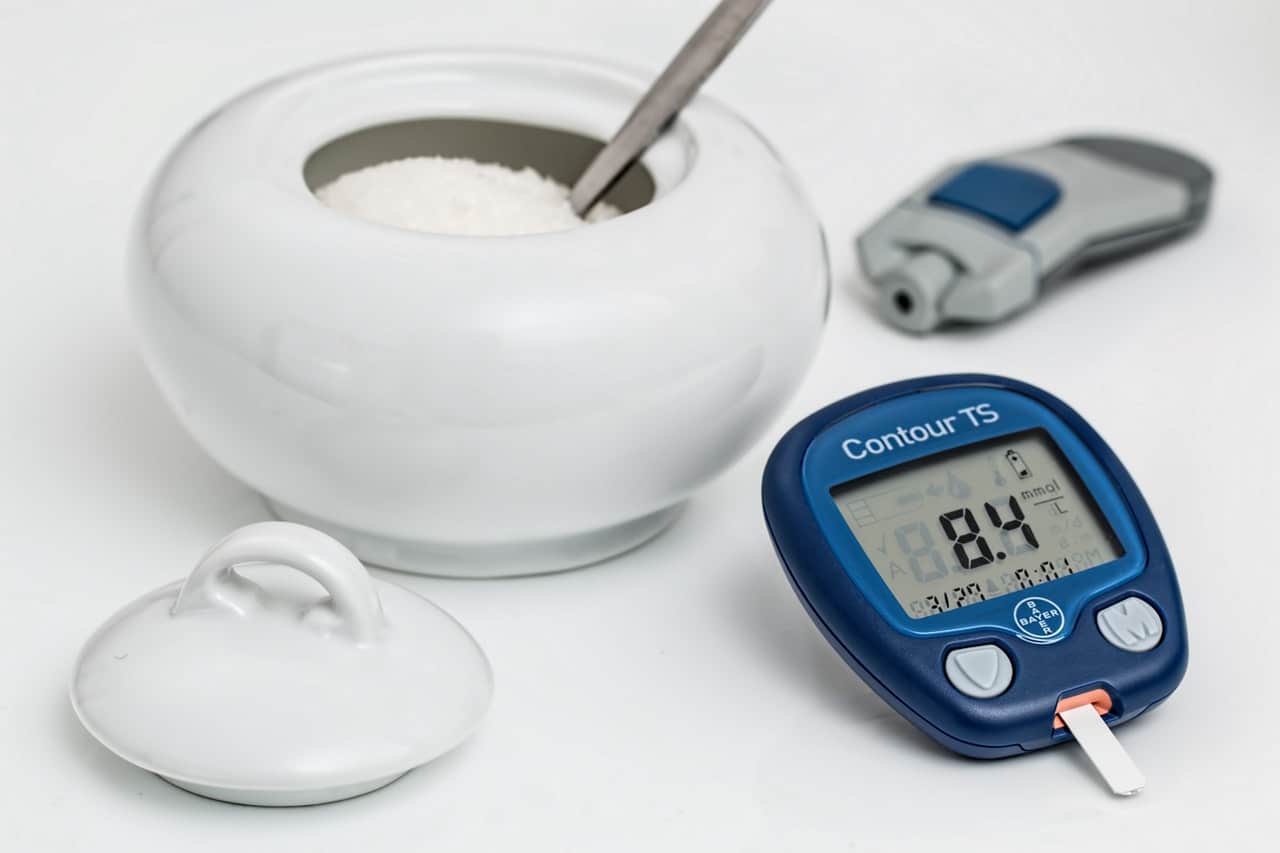
coconut oil lowers blood sugar

31. Potato Curry 

You’ve never smelled anything as good as onions frying in coconut oil. That buttery smell first thing in the morning is right up there with morning coffee. You can use this type of oil in all of your cooking. It can also be used to replace butter.

Whether you want to call a coconut a seed, fruit or nut, it doesn’t change all of the amazing things it can do.

https://www.youtube.com/watch?v=7BNGVmwxoHI

(C)Power of Positivity, LLC. All rights reserved

The Ultimate Checklist On Taking Control Of Your Finances

If you live in the West – say the United States or the U.K. – you know all too well people’s problems with managing finances. The savings rate is abysmal – something like 4.8% for Americans.

(It’s even less for Brits.)

Meanwhile, people in this part of the world have racked up trillions of dollars in credit card debt.  In 2017 alone, Americans charged over $92 billion to their credit cards. Over 60 percent have less than $1,000 in savings.

Think the problem is about not making enough money? Think again. While American families earning less than $25,000 per year have the most trouble saving, one in three households with an annual income of $50,000-$100,000 live paycheck to paycheck. One in four making over $150,000 (!) are in the same predicament.

How can we be this bad with money? What can explain such unsustainable and irrational behavior?

We might agree with the famous comment from Will Rogers, “Too many people spend money they haven’t earned, to buy things they don’t want, to impress people they don’t like.”

Honestly, though, one saying applies throughout this entire article: “It’s not how much money you make; it’s how much you keep.” As you will see, your income is only a (small) part of the equation. The good news is that you can change your spending habits. Later, we will discuss twenty ways to have more control over your finances!

First, let’s talk about the psychology of finances (and spending!)

The Psychology of Finances (and Spending!)

Our subconscious mind drives our financial decision-making – this is why people have so much trouble altering their spending habits. Advertising and marketing companies make a lot of money exploiting the psychological processes that drive spending.

Can we flip the tables on these schemers? Yes! It all starts with understanding the rationale behind why we spend. With a basic understanding of consumer psychology, we can practice financial self-awareness. This powerful knowledge will assist you in recognizing and correcting bad habits you might have with your finances.

The psychology of spending can be broken down into seven parts: advertising, “Keeping Up with the Joneses,” of impulse buying, “But it’s a good deal!” of consumer therapy, loving money, and present bias.

The psychology of advertising:

As mentioned, advertisers and marketers make a living – a handsome living – out of knowing what makes consumers buy. Consciously, we know that sports drink won’t give us phenomenal abilities – but our unconscious doesn’t. That’s advertising in a nutshell.

The psychology of “Keeping Up with the Joneses”:

There’s a reason why many six-figure earners have little to no savings – and it’s called the “appearance of success.” It isn’t enough to be highly educated with a good job; now they must show everyone else. The problem, of course, is that they’re sacrificing financial independence for the sake of “social approval.”

The psychology of impulse buying:

Walk into any supermarket, and you’ll probably see one (or all!) of the following items near the checkout counters: candy, soda, “bargain” items, magazines, and electronic accessories. Supermarkets like Walmart and Target strategically place every item to increase the chance of its sale. (This is marketing psychology 101.)

The psychology of “But it’s a good deal!”:

We often use the “But it’s a good deal!” excuse to rationalize impulsive spending. Buying items on sale that you truly need or were planning to buy is smart shopping. However, it is essential to remember that every purchase has a cost – whether or not it’s a bargain. Try to keep the cost in mind, not just the savings. When that $100 pair of shoes is a “can’t miss” 75 percent off, you’re still spending 25 bucks.

The psychology of consumer therapy – and its impact on finances:

Studies show that the brain’s reward system goes haywire when we buy things. The neurochemical dopamine, associated with feelings of pleasure and excitement, spikes when we buy something on impulse. Of course, these feelings of bliss and excitement are transitory, giving way to guilt and low self-esteem.

The psychology of buying love with money:

A strange trend has developed since the advent of consumerism: the idea that money can buy or replace love. This absurd notion continues to increase, in large part to the epidemic of overwork prevalent in many developed countries. Can’t go to your son’s ballgame? Meh, stop and get him a new mitt. Forget your anniversary? Just charge that diamond necklace to your Sapphire card.

The psychology of present bias:

Another obstacle to circumvent on the way to financial sanity – the brain’s predisposition for instant gratification. As defined by behavioral psychologists, present bias is “the tendency of people to give stronger weight to payoffs that are closer to the present” than in the future. Here is an excellent example of present bias in the context of behavioral economics: waiting until the last minute to save for retirement.

Ask yourself these questions to help you make better financial decisions when shopping:

  • Have I given thought to purchasing this before I saw it just now?
  • Is this product available for a lower price elsewhere?
  • Will I feel happy about this purchase if I were to make it 48 hours from now?
  • Is this something that I need?
  • How often will I use this product or service?
  • Do I have something similar at home that I can use?
  • Do I feel calm and collected when I consider the purchase, or scattered and irrational?

20 Ways to Get Control of Your Finances

Now that we’ve discussed the psychology of money and spending, let’s go over 20 easy ways to get control of your finances!

1 – Get a jar

We’re going old school with this one. If you can, buy an old-fashioned mason jar (you can also buy a money-counting jar for like $5). Now, go on a change-scouring expedition. Any loose change and dollar bills go into this jar from now on. When you have a couple of bucks extra at the end of the day, put it in the change jar. The amount doesn’t matter; the idea is to help get your brain into the habit of saving.

2 – Track your spending and finances

Get a pen and piece of paper and carry it around with you for a week. Jot down every penny spent (don’t forget to write it down every time). At the end of the week, tally up the numbers. Where is your money going?

3 – Know your income

Sounds simple, right? You’d be surprised at how many people don’t know how much goes into their monthly bank accounts. You absolutely must know this amount by heart.

4 – Check your credit report

Millions of people have errors in their credit reports – which can cost you big time. Double- and triple-check the information on your credit report for any inaccuracy. Challenge any items that you do not recognize as legitimate. (You may need to research DIY credit repair.)

5 – Find a good savings account

As banks become more consolidated, finding a savings account that offers a decent interest rate becomes harder. However, there are some good ones. Ally Bank offers a 1.9% APY savings account, as does American Express.

6 – Sign up for direct deposit

If you haven’t already, sign up for direct deposit with your employer. Besides being super convenient, having your paycheck direct deposited allows you to see your earnings and spending trends over time.

7 – Clip coupons

Swallow your pride and sharpen your scissors. You can save some serious dough by clipping those coupons. Don’t you think saving a measly 30 cents on that jar of pickles is worth the effort? Assuming you shop for groceries once a week, cashing in just ONE 30-cent coupon each time would save you about $16 in only one year.

8 – Automate your savings

Most employers have a direct deposit system that allows you to allocate your net pay into one or more checking and savings accounts. Automating your savings is the best way to ensure you don’t squander it.

9 – Cut up your credit cards

Or, just keep one to help you build and maintain your credit score. Once you get into the habit of saving a bit of your paycheck each week, you’ll find that you don’t need to whip out that credit card nearly as often.

10 – Sell your car to improve your finances

Think about your car payment. Does it cause you undue stress and anxiety? Consider selling it and buying something cheaper. While you may not “look cool” (hint: nobody cares), you’ll enjoy the financial weight lifted off your shoulders. Furthermore, if you have an old car sitting in your yard, you may consider selling it. Exploring options for used cars in glendale could provide a more affordable, stress-free vehicle choice. If you’re buying your first car, you may start exploring these used cars in el cajon. You may also visit sites like https://austickcarremoval.com.au/location/cash-for-cars-wollongong/ for more info. If your car was financed through a dealership that did not divulge all related charges, you may be eligible to file mis-sold car finance claims. For a reliable car service, the European car repair in Ellicott City may help you maintain your car in good condition.

11 – Cut out the fees that eat away at your finances

Fees are the devil, and boy, do they add up. Check with debit and credit card statements for any “miscellaneous fees” (ugh). Then, contact your financial institution(s) and inquire about waiving them. If they refuse, take your business elsewhere.

12 – Eat at home

Eating out may be the worst money-wasting habit of all. Besides making you fatter with that processed garbage, the markup on the raw product used by restaurants and fast food joints is ridiculous. (No, not even that super-delicious steak should cost $30.)

13 – Look for deals

With the market being as competitive as it is, there is no reason to pay the full price for anything. While you may feel the need to scratch your consumerist itch, exercising a bit of discipline and scouring the internet for a day or two can save you some serious cash – especially for big-ticket items.

14 – Pay yourself first

Pay yourself before you cut anyone a check (does anyone still use those?). Put five to 10 percent – or more – into your savings account. (If you’ve automated your savings, you already do this!)

15 – Go minimalist

Consumerism is a pointless, expensive, and, most of all, wasteful experiment. Minimalism isn’t about eating top ramen while watching your 18-inch black-and-white T.V. It’s about buying things you truly value and will use regularly. Please give it some thought.

16 – Give up control of the finances

Is your husband or wife better with money than you? If so, why are you still handling it? Stop being your own worst enemy and let them have the financial reins.

17 – Use a list

You should carry a written list when grocery shopping (or shopping for anything else with five or more items). Use this list. Get in and get out.

18 – Find a second (or third) source of income

While more money is rarely the panacea it’s made out to be, some extra money in the bank never hurts. The internet allows you to work at home part-time, from filling out surveys to freelancing. Another gig may be the cushion you need.

19 – Pay down your debt

While paying yourself first is Rule Number One, paying down your debt is still essential. Because interest accumulates fastest on the largest debt amount, this debt requires your attention first.

20 – Meditate about your finances

Huh? Wha–? Why is a meditation on here? Fair question – and here’s the answer: we are more prone to act irrationally when stressed, burned out, and so forth. The purpose of meditation is to quiet your mind. Another ancillary benefit to meditative practice: more joy in the here and now.

finances

Final Thoughts on Gaining Control of Your Finances

Changing deeply entrenched financial habits requires attention, deliberate action, and willpower. In other words, establishing smart spending and saving habits requires that we be conscious consumers. Act with awareness. Don’t go on “autopilot,” especially when you are in a department store within arm’s reach of your wallet or purse.

Times are tough and will probably remain that way for the foreseeable future. While you’ll experience more than one bump in the road on the way to getting in control of your finances, there are few things more liberating than knowing you are no longer at the whim of those wishing to separate you from your hard-earned money!

5 Ways To Use Coffee For Skin Detoxing

The holiday season always means dry and cold air is near. Holiday parties may add more sodium and alcohol to your diet than normal. With the addition of caffeine, you can expect to have very dry and dull skin.

From the inside out, caffeine acts as a diuretic for your skin. What happens when you use coffee grounds on the outside of your skin is a completely different story. These grounds are full of antioxidants. Here are some of the ways you can use coffee for skin.

5 Ways To Use Coffee For Skin Detoxing

Exfoliating Body Scrub

This scrub will help get rid of dry dead skin cells and leave you with refreshed skin. For this scrub, you will need the following ingredients:

Ingredients

  • 1/2 cup of fresh ground java beans
  • 1/4 cup of organic coconut oil
  • 1/2 cup of palm sugar

If you are not excited by looking at these ingredients, you should be. When combined, these simple 3 ingredients will work wonders for your parched, lifeless skin. To create the skin scrub, simply combine all the ingredients. If your coconut oil is solid, heat it until it melts. Try not to get it too hot. If you do, be sure to let it cool before you mix your sugar in. If you mix these ingredients while the oil is hot, it will dissolve the sugar crystals.

You can store this scrub in any type of air-tight container. Use it in the bath or shower at any time.

Nourishing Foot Scrub

This scrub is extremely abrasive, so be sure you only use it on your feet. The skin on feet is generally thicker and can withstand a more abrasive scrub. If you use this on your face or body, you may risk having red skin that is very irritated.

Ingredients

  • 1/2 cup of sweet almond oil
  • 1/2 cup of fresh coffee grounds
  • 1 1/2 cup of raw cane sugar
  • Try adding an extract that will complement the smell of the coffee grounds such as vanilla, coffee or even a chocolate extract. This will boost the aroma of the scrub.

To make this scrub, you will want to mix your sugar and the grounds. Once you have these fully combined, you can add in any sort of extract you would like. When that is complete, slowly stir in your sweet almond oil. Sweet almond oil is wonderful for dry, chapped skin. It is also a natural disinfectant.

Store your scrub in an air-tight jar or another container. To use, simply scoop out a small bit and rub it in circular motions over your feet. Take care to not scrub too hard, especially on the tender part of your feet. When you are done, rinse with warm water and pat your skin dry. This will reserve the oil on your skin to let it do its magic. Put on a pair of fluffy socks, and you are good to go!

Face Mask For Oily Skin

Ingredients

  • 1 tablespoon of instant plain espresso
  • fresh squeezed lemon juice – enough to make a paste

In a small container, mix the espresso with tiny bits of the lemon juice until a paste-like consistency is formed. Apply this mixture to your face and neck. Allow it to sit for at least 30 minutes. Rinse with cool water. Use once a week to control oily skin.

Formula For Smooth and Clear Skin

Ingredients

  • 1 tbsp of plain instant espresso powder
  • Raw unprocessed milk or plain yogurt

Just like the mask with lemon, mix the milk or yogurt with the instant powder and form a paste. Apply this to your face, leaving it to sit for 15-20 minutes. Dampen it and massage your face as you remove it. Rinse with warm water and pat to dry.

coffee therapy


Vanilla Scented Body Soap

Ingredints

  • 1 pound goat’s milk soap base
  • 1/4 cup espresso grounds
  • 20 drops vanilla essence

To create this soap, melt the soap base in the microwave in 30 second bursts. Once it is completely melted, stir in the grounds and essence. Pour the mixture into any mold you’d like and allow it to sit and harden for an hour. These natural soaps are great for gifts or to keep them for yourself.

With some all-natural ingredients, you can make masks, soaps and scrubs using coffee. These will make your skin wonderfully soft and moisturized while cleaning toxins out of your pores.

(C)Power of Positivity, LLC. All rights reserved

5 Ways To Make Your Coffee Routine Healthier

For most people, the morning doesn’t start until they use their coffee grinders and enjoy that first sip of java. Not only does it wake up the brain, but there are other benefits of coffee. It can improve cognitive function. It can also protect you against type 2 diabetes and liver disease. That steaming cup can even decrease the risk of depression.

Unfortunately, it is not uncommon to turn that healthy, fat-free, one-calorie drink into a fatty sugar bomb of unhealthy calories. How can you take that morning cuppa and make it a healthy powerhouse?

Here are five ways to make your morning cup of coffee that much healthier.

1. Brew with filtered water

You are careful about what water you drink. This should mean that making your morning coffee is just as important. That cup of Joe is 98 percent water, so the type of water you use is key to making your morning java healthier.

Water from the tap can include heavy metals, mercury, and arsenic. Asbestos from water pipes can even be found in drinking water. Over time, these impurities can wreck havoc on your health. The Specialty Coffee Association has posted water standards based on scientific standards. By adding a filter to your faucet, you can reduce the unhealthy impurities that get into your water.

2. Avoid all caffeine after mid-afternoon.

Knowing when to consume caffeine and when to stop can alter the benefits of your favorite brew. Caffeine makes you alert, which is great in the morning. But some people are more sensitive to the energizing affect of this natural stimulant if caffeine is consumed later in the day. Avoiding a cuppa after mid-afternoon could ultimately help you sleep better at night. Studies explain that your circadian rhythm is affected by caffeine.

Studies have also shown that some people have a common genetic mutation that can be slowed down by the consumption of caffeine. The body doesn’t break it down as it should and this can increase the risk of heart disease.

Studies have shown that good sleep is synonymous with good health. The affects of prolonged sleeplessness due to drinking too much coffee too late in the day can lead to weight gain, inflammation and, even type 2 diabetes. Limit when you drink java and you will reap the benefits.

3. Brew only organic java.

Coffee that is certified organic is important for your health. Java that is not organic could have pesticides and other harmful chemicals that, over time, can be very harmful to your health. That morning mug that is grown organically also has the added benefit of being grown in chemical-free soil, giving you more nutritional benefits.

4. Use alternatives to milk and cream.

Milk and cream can start out your day with a lot of fatty calories. What sorts of alternatives are there? Coconut milk, almond milk, and soy milk are all easy dairy replacement choices.

Oat water can also be used as an alternative to high-fat creams or highly chemical creamers. It provides a vegan solution for dairy. Oat water is made simply by blending dry oats with filtered water. Just as with oats, oat water can aid in digestion, lower cholesterol, improve blood sugar, and possibly help prevent cancer.

coffee

Another favorite alternative to dairy is coconut oil. Not only will this add a tropical twist to your morning brew, but studies have shown that coconut oil can help elevate HDL cholesterol. This is the good cholesterol that helps prevent heart disease and strokes.

5. Spice up your morning Joe.

There are three spices that can make your morning beverage routine healthier and tastier. Use them individually, or combine them for a healthy start to your cup of coffee.

Cardamom is a popular spice trick for caffeine-loving Scandinavians, who likely know of the health properties in this aromatic spice. According to a study on cardamom, the heady spice has antibacterial and antifungal properties. Like its close cousin, ginger, cardamom aids in digestion and calms the tummy and reduces bloating. Besides helping to relieve flu and cold symptoms, cardamon also freshens the breath. Just sprinkle some in your cup, and enjoy the benefits of coffee.

Cayenne pepper is another spice that can make your java healthier. Add a quick dash of cayenne to the grounds before brewing. One cayenne study reveals that the capsaicin in the pepper can help boost your metabolism. That same powerful capsaicin can reduce blood pressure and aid with digestion. That extra spicy kick may also work with java to be that one-two punch you need to wake you up in the morning!

Cinnamon makes your morning brew taste sweeter without adding sugar. According to one study, cinnamon can help prevent type 2 diabetes. Those who already have type 2 diabetes may want to sprinkle some cinnamon into their brew as studies say that the fragrant spice actually helps improve cholesterol.

Your steamy morning brew is already a healthy and positive way to start out your day. Why not make your java routine just that much healthier with a few simple tips.

(C)Power of Positivity, LLC. All rights reserved

25 Phrases Smart People Never Say

Smart people know that language matters. They understand that what they say reveals their beliefs and thoughts.

This is why those who are intelligent, mature, confident, and reliable speak with care. They make sure their words are appropriate for the time and they choose to speak transparently. It’s a great way to inspire others to believe in them!

If you want others to think you are intelligent, start with the way you speak. Here are some phrases smart people never say.

Here Are 25 Phrases Smart People Never Say

“Don’t mistake silence for weakness. Smart people don’t plan big moves out loud.” – Unknown

1.    I have a high IQ.

According to this study, there are 9 kinds of intelligence. IQ tests examine only one particular kind, and they usually favor people who are good at solving puzzles and problems. They aren’t magic tests that locate smart people.

When you’re talented at doing something, you deserve to feel good about it. But saying that you have a high IQ and citing it as a reason you’re right is arrogant and, frankly, not very smart of you.

2.    It’s always been done this way.

Just because something has been done a certain way doesn’t mean it’s the best way. This is even more important to note because of the advancement of technology. Methods and processes are constantly getting revamped. To resist is often to stand in the way of something becoming better.

Smart people don’t resist positive change! They want things to be smoother and more efficient. They’re happy to learn new technology and adapt to developments well.

3.    Needless to say…

Prefacing a sentence with this phrase automatically makes people tune out. It suggests that you’re stating the obvious and therefore wasting everyone’s time!

Smart people just keep this phrase out of their vocabulary. They don’t want listeners to become less engaged in what they have to say.

4.    With all due respect… / No offense, but…

When someone prefaces a statement with “with all due respect,” it usually means they’re going to say something disrespectful. When they say “no offense,” it usually means what they’re about to say will be offensive. And guess what? People on the receiving end know this!

Instead of using these phrases, try to find a way to take disrespect or offense out of the equation altogether. Smart people don’t want to put someone on the defensive before they’ve even gotten their point across!

5.    I am merely attempting to inculcate the perception whereby….

There’s nothing wrong with having a big vocabulary. But smart people know that there is a time and place for showing off bombastic words. Everyday, casual conversation is not one of them! In fact, it makes you sound like you’re trying too hard and can be cringe-worthy.

6.    I can’t!

You attract what you think, and smart people know this. If you think you can’t do something, then you probably can’t – an idea immortalized by Henry Ford. So think you can, and you’ll find a way! Utilize positive thinking and don’t be overly pessimistic.

7.    Sorry to bother you, but…

Constantly apologizing is not a smart person’s habit. It shows you as overly submissive and makes it easier for others to assume you’re in the wrong. Instead of apologizing next time, try these phrases instead:

  • Good morning, could I ask for assistance?
  • Thanks for taking the time to listen!
  • I appreciate your patience.

This helps you sound more confident and shows that you’re intelligent, capable, and worthy of respect!

8.    Maybe if people were a little smarter, they’d get it.

Implying others are stupid and that you’re well above them in intelligence doesn’t make you look smart. In fact, it’s quite the contrary – people will probably be offended by that kind of attitude! A quick trip into Reddit’s r/iamverysmart will show you exactly what we mean.

No one comes into the world knowing everything. When you act like you’re above everyone else instead of politely educating others, you’re being counterproductive. It’s arrogant, pointless, and honestly makes you sound much less intelligent than you may think you are!

9.    You’re (blank) for a (blank)!

Complimenting someone and adding something about their identity to justify the compliment is unflattering, rude, and unnecessary. This means phrases like:

  • You’re tough for a girl!
  • You’re smart for a kid/teen!
  • You’re loyal for a man!
  • You look good for your age!

Saying things like this shows that your thoughts are governed by stereotypes. It suggests you have trouble seeing others as unique individuals. That’s not very smart at all!

10.   This isn’t my fault.

Even if you only played a small role in an error, own up to it. Holding yourself accountable shows bravery, a willingness to change, and a good heart. It also suggests intelligence, as intelligent individuals strive to learn from mishaps.

Even if you had no hand in a mistake, casting blame around is not helpful. Smart people don’t waste time on pointing fingers. Instead, they move on quickly so that the mistake can be fixed.

11.    Can you do this for free?

Ask any freelance worker about their worst client experiences and they are sure to bring up buyers who asked for free work.

Smart people know that time is money because their own time is valuable to them. As such, they understand that the time of others is equally valuable. They do not feel entitled to the skills of others.

12.    I hate my job.

If you only have negative thoughts about your job, you’re going to hate it even more. When a job is really terrible, smart people will find other options. Can they afford to quit? Can they work towards a certain goal? Can they talk to someone about bettering the workplace environment? If not, can they practice better positive thinking?

13.    I will try.

While you shouldn’t make promises you can’t keep, you also shouldn’t be afraid of making too many promises that you can keep. As Yoda once said (and I’m paraphrasing here), “There’s no try – only do, or do not!” Smart people aren’t afraid of making a commitment to a task, and this inspires others to believe in them more.

14.    Everyone else does it.

Just because everyone does something doesn’t make it right. Smart people know better than to follow the crowd for the sake of fitting in.

If something is wrong, smart people know how to speak up. If they can’t actively have an impact just then, they will do things the right way regardless. They know that one small action can make all the difference.

15.    All (blank) are (blank)!

Generalizations make it sound like you’re incapable of thinking beyond stereotypes. While there is some truth to stereotypes, judging all people based on them isn’t what smart people do. This means phrases like:

  • Women are so emotional.
  • Hispanic people are so fiery!
  • All men are lazy.

Many times, generalizations reveal inner prejudices and a reluctance to see others as they truly are. And let’s face it – prejudice isn’t smart, and never will be!

16.    This must be done perfectly!

No one is perfect. According to behavioral science professor and author, Kristen Lee Ed.D., LICSW, expecting perfection is to set yourself up for failure. Smart people are aware that things cannot be flawless. Instead, they work on doing things to the best of their abilities, and expecting others to do the same. Then, they can make minor improvements and learn from mistakes.

17.     You always… / You never…

These are typically exaggerations. For the most part, few people “always” or “never” do something. Even when you don’t think they’re overstatements, those statements only add fuel to the fire of arguments or disagreements. They create drama, cause tension, and put listeners on the defensive. Smart people use calmer, more positive language.

18.    I don’t care.

It’s very rare that someone truly doesn’t care about something. This is often a statement said emotionally, meaning that most people who use it do care, at least to some degree. So using this phrase under these circumstances is extremely counterproductive, and a smart person would never do that!

19.    I told you so!

This is a childish phrase that doesn’t accomplish anything. Instead of trying to “win” an argument, smart people want to find solutions to problems. The mistake they warned the perpetrator against has been made, and what’s done is done. Now, they just want to fix it, which is the intelligent way to handle it according to Gregory L. Jantz Ph.D.

20.    This might be a dumb question, but…

There is no such thing as a dumb question. But prefacing your queries this way certainly make them sound dumber! It can also put the listener into the wrong mindset, preventing positive thinking as they dread what you’re going to ask.

Smart people know that speaking with confidence is key. They are not afraid to ask questions because they know requesting clarification is better than making assumptions.

21.    This is not fair!

Well, that’s just life – it isn’t fair sometimes. Complaining about unfairness makes you seem immature. When smart people think something is unfair, they will try to better understand it.

They will communicate with the person who they think has an unfair advantage in order to gain their perspective. They’ll talk to others about how things can be made more balanced. They know complaining will get them nowhere!

22.    It is what it is.

Some people think saying things like this shows that they are calm and at peace with the world. What this phrase actually denotes is a lack of desire to make things better. Smart people don’t settle for bad deals. If something is bad, they will take steps to change it.

23.    No one does it, so I won’t, either.

It’s important to fight mob mentality if you want to be intelligent. Just because no one does it doesn’t mean it should not be done!

Smart people know that putting in a little extra effort can go a long way. That’s how they’re able to find success! By setting a good example for others, they become leaders and trendsetters.

24.    It’s up to you! / It doesn’t matter to me.

Even when you have no opinion about something, that doesn’t mean you should remain passive. Smart people will take the time to contribute to a discussion. Here are some examples of things you can say instead of retreating to the background:

  • I have no opinion either way, but we should probably consider these factors.
  • When you make your decision, here’s what to keep in mind.
  • Could I have more information so I can make an informed decision?

smart people

25.    I’m a very smart person.

If you have to specify that you’re smart, something’s wrong somewhere. There’s a difference between being confident and being cocky, and you don’t want to be the latter!

Smart people are those who present compelling ideas and arguments. Most understand what is appropriate in different social situations. And none of them need to state that they are smart in order to get their point across. They let their ideas and actions do the talking!

Final Thoughts On Phrases Smart People Never Say

Being smart isn’t just about factual intelligence. Emotional and social intelligence are just as important. Knowing what not to say in certain situations is crucial to anyone who wants to present themselves as smart and capable.

https://www.youtube.com/watch?v=nBPkcLRCC8g

25 Health Mistakes People Often Make (And Don’t Realize)

Your health is valuable and needs to be taken care of. Without good health, you won’t be able to enjoy your day-to-day life. You probably think that you’re doing enough to care for your health. But are you really?

Some of the most common mistakes when it comes to health are unconsciously performed. Being aware of these missteps can do wonders for your well-being. Therefore, let’s discuss some health mistakes people often make, but often don’t realize!

Here Are 25 Health Mistakes People Often Make And Don’t Realize

health

“Calm mind brings inner strength and self-confidence, so that’s very important for good health.” – Dalai Lama

1.    Not standing up enough

Many of us have desk jobs that keep us seated most of the day. Sitting still for so long presents so many health concerns, including:

  • Cardiovascular disease
  • Diabetes
  • Obesity
  • Blood clots
  • Anxiety
  • Dementia
  • Back pain
  • Osteoporosis
  • Varicose veins
  • Cancer

So how can you avoid these risks? Take some time every half hour to get up and walk around, even just for a couple of minutes. If you can’t walk around, standing up and stretching works, too.

2.    Skipping breakfast

When you skip out on your first meal, you’re forcing your body to run on little to no energy. This can make you feel weak and sluggish as the day goes on. When your body is in this low-energy state, it starts preserving fat for fuel. This may lead to weight gain and obesity.

So eat your breakfast! You’ll enjoy positive results, including better metabolism, higher levels of focus, more positive thinking, and healthy blood sugar levels.

3.    Sleeping too little

The human body typically needs between seven and nine hours of sleep per night. Unfortunately, a large number of people around the world don’t meet this minimum. Studies have shown that getting too little sleep can put you at risk for the following:

  • Memory loss
  • Depression
  • Cardiovascular disease
  • Obesity
  • Cancer

Getting the right amount of sleep is something many don’t realize is so essential for their health. Don’t make that mistake!

4.    Stopping yourself from sneezing

Sometimes, you’re in a situation where a loud “Achoo!” could be awkward and embarrassing. So, you stifle it. But doing so too often can cause damage to:

  • Eye blood vessels
  • Eardrums
  • Diaphragm

Trust us when we say letting out a sneeze and suffering some embarrassment is preferable to holding it in and winding up with health consequences!

5.    Playing music too loudly

You might want to blast your favorite songs through your earphones, but refrain! The ears are full of nerve endings that don’t do well with thundering noises. Listening at high volumes can cause loss of hearing.

Headphones are safer than earphones when playing music, but your best bet is to listen at low volumes or from a separate device. Anything that doesn’t pump audio straight into your ears is a better bet.

6.    Carrying heavy bags

Sometimes, we make the mistake of tossing just about everything into our bags. Then, later, we forget to take out everything we don’t need. It piles up. This can cause a too-heavy bag that leads to a variety of health problems, including:

  • Neck issues
  • Bad posture
  • Back pain
  • Arthritis
  • Other forms of pain

So clean out your bag every so often! Take out the items you don’t use, and keep your purse as clear and light as possible.

7.    Brushing teeth straight after eating

That’s right – according to this study, this dental health tip is entirely false. The act of brushing right after eating can lead to damage to the topmost layer of protection that your teeth have.

This is especially dangerous if you have just eaten something acidic or carbonated. Brushing immediately after consuming coffee, soda, or citrus juice is incredibly damaging. Wait around 40 minutes after eating before grabbing your toothbrush!

8.     Ditching sunscreen

Sun damage can occur year-round, and it’s generally pretty bad for health. Not only can excess exposure increase the chances of skin cancer, but it can also gradually cause skin damage. So when heading out under the sun, opt for a sunblock that provides SPF 30.

9.     Drinking too little

Staying hydrated is crucial to daily health. Water benefits so many organs and processes that it’s silly not to get enough of it! Here are some things water helps:

  • Skin
  • Muscles
  • Liver
  • Kidney
  • Bowel
  • Weight
  • Energy

Water is refreshing and revitalizing. Don’t make the mistake of scrimping on it!

10.  Binging shows at night

We joke about spending all night on Hulu and Netflix. But did you know that these acts can be bad for health?

Not only does staring at a screen cause insomnia, but it can also lead to poor sleep when you do get some. Blue light from device screens messes up the body’s sleep cycles. Light, in general, preventions sleep hormone production. Instead of staring at your laptop, phone, or TV, read a book or listen to calming music before bedtime.

11.  Trying to delay bathroom trips

When you hold in bowel movements, you let waste material build-up within the digestive system. Not only does this lead to eventual constipation, but it may also make going in the future much more difficult. Don’t ignore nature’s call!

12.  Driving with the windows down

Cracking open a window while driving is a great, fun way to get some air. But the University of Southern California conducted a study that found that this could be harming your health.

Having the windows down during your commute comprises a whopping 45% of average daily pollutant exposure – even if you’re only commuting for six percent of your day. Yikes!

13.  Hitting snooze

How many times have you heard your alarm and ignored it? How many times have you reached over to hit the snooze button? Do you frequently say, “just ten more minutes”?

Doing so actually forces your sleep cycle to fragment. Your cycle begins anew every time you fall back asleep. Repeated rude awakenings prevent you from getting enough deep, restorative sleep.

mental health

14.  Not warming up before a workout

Warming up isn’t just some fancy thing fitness gurus do. If you start exercising cold, your muscles aren’t prepared for the sudden stress. This can cause injury to your joints and muscles. Throwing in some stretches and mild warm-ups into an exercise routine can work wonders in this respect.

15.  Neglecting your social life

You may feel like you have no time for a proper social life. But according to research, your chances of living a long life increase by fifty percent when you have strong social bonds. Let loose now and then! Go out for a night on the town with your friends, or even meet for lunch. You’ll enjoy loads of positive benefits!

16.  Snacking often

There’s nothing wrong with snacking in moderation. A quick snack can give you the energy you need if you’re hungry between meals.

But many people neglect to stop snacking once their bodies have had enough. Continual, unaware snacking will, of course, cause fat storage and weight gain. As such, you’ll want to be mindful of what you eat. Opt for small portions or go for healthier nibbles.

17.  Sneezing or coughing into your hands

When you cough or sneeze right onto your hands, you’re setting a lot of bacteria on your palms. This bacteria will then greet anyone you shake hands with and everything you touch. Yikes! Instead, sneeze into a tissue or handkerchief – or into your elbow in a pinch.

18.  Not flossing

Dentists constantly remind us to floss, but many people still neglect this crucial step! You may think brushing your teeth is enough, but it isn’t. Plaque can build up between teeth in ways only floss can fix. Not flossing can lead to:

  • Tooth loss
  • Heart disease
  • Stroke
  • Cancer
  • Premature birth

Flossing is about more than just your teeth. Pay attention to your dentist and listen to their instructions!

19.  Bad posture

If you work at a computer, chances are you spend some portions of the day slouching. Even when done unintentionally, slouching can cause bad posture. And bad posture, according to Dr. Kenton Fibel, has countless adverse effects on health, including:

  • Bad circulation
  • Breathing problems
  • Lung issues
  • Arthritis
  • Spinal issues
  • Neck issues
  • Jaw pain
  • Back pain
  • Shoulder pain
  • Gastrointestinal pain
  • Headaches
  • Poor sexual function
  • Tiredness and fatigue
  • Bad, unbalanced moods

Though difficult, putting in the effort to reduce slouching will promise a huge positive change in the body. Keep your back straight and stretch often!

20.  Ignoring your bladder

Like number 11 above, holding in your urge to urinate also spells bad news for your health. It can cause the bladder to be forced to stretch itself. This stretching promotes terrible bacterial growth. Do this too often, and you may get a kidney infection.

21.  Eating too much salt

When you eat excess salt, your body’s electrolyte levels surge upwards. This can cause water to be distributed incorrectly all throughout your system, leading to:

  • Excessive hunger
  • Weight gain
  • High blood pressure
  • Heart disease
  • Increased risk of diabetes
  • Sweating

We all love our seasoning, but learn to take it easy on the shaker!

22.  Sleeping in on the weekend

You might think the weekend is the perfect time to catch extra snooze. You’d be wrong! Changing your sleep schedule over the weekend messes up your whole inner clock. It can even cause:

Your best bet is to build a workable sleeping schedule to adhere to on weekdays that allows you sufficient sleep. Then, continue using that schedule on weekends. You’ll find yourself feeling more energetic!

23.  Letting stress build

A little bit of stress is healthy. Too much is the opposite. If you’re worrying non-stop, you’re causing harm to your body. This includes:

When you’re worried or stressed out, take the time to breathe. Write your feelings down in a journal and try to figure out what’s causing these reactions. Confronting your emotions is excellent for your health and helps you cope.

24.  Microwaving with disposable plastic containers

According to Harvard Health Publishing, you put yourself at risk when you zap food in the microwave inside even BPA-free disposable plastic containers. Plastics always have a chance of leaking their chemicals into the food you eat.

It’s a good idea for you to use BPA-free, microwave-safe washable containers to get this job done. If you’re using plastic wrap, don’t let it touch your food. And if you’re worried, go for ceramic containers to ensure positive results!

25.  Neglecting to smile

As cheesy as it is, being happy can elongate your lifespan! The brain naturally releases feel-good hormones called endorphins when we smile. These hormones relax the body and ease stress. Learning to find reasons to smile and practicing positive thinking might help you live longer!

health

Final Thoughts On Health Mistakes People Often Make And Don’t Realize

There are lots of things we take for granted about our health. It’s not uncommon to fail to realize how much all these factors can affect us. By being aware of these health mistakes, you can make better daily decisions and do yourself (and your body) a huge favor.

5 Scientifically Proven Breathing Techniques For Stress and Anxiety

In today’s fast-paced world, many people have forgotten the importance of breathing deeply. It might seem strange that we have forgotten how to do something so basic to our existence, but with stress at an all-time high globally, many people breathe very shallowly. This increases anxiety, blood pressure, heart rate, and puts the body in a near-constant fight-or-flight state.

Shallow breathing can even cause panic attacks due to hyperventilation. Unfortunately, many lifestyle factors and environmental triggers affect our breathing, but that’s why breathing techniques are so important. According to a press release by the American Psychological Association, everyone’s stress levels have risen, regardless of age, race, or demographics.

First of all, 59% of adults say this is the “lowest point in our nation’s history” that they can remember. Top stressors include the future of our nation, money, work, the current political environment, and safety concerns.

Though it seems many people have a bleaker outlook on life nowadays, that doesn’t mean we can’t do something to destress and center ourselves. Breathing techniques can help you manage stress better, which will allow you to have a better handle on the current problems our world faces.

Keeping this in mind, we’ll discuss breathing exercises that utilize pranayama, which is mentioned in the quote above, as the foundation of the techniques.

Also, just in case you’re wondering, science has shown that breathing techniques are not just a New Age idea rooted in pseudoscience. In fact, some studies have shown how breathing techniques can even help with weight loss!

Without further ado, let’s get to the techniques!

Here are 5 proven breathing techniques for stress and anxiety:

1. Alternate Nostril Breathing (Nadi Shodhana)

  1. Sit down in a comfortable area with your spine and head centered forward.
  2. Put your left hand face down on your lap, relaxing the muscles.
  3. Use your right hand to place your pointer and middle fingers between your eyebrows.
  4. Take a deep breath while closing your eyes, breathing only through the nose. Inhale and exhale for 30 seconds.
  5. Now, close your left nostril with your left thumb and inhale slowly and evenly.
  6. After you inhale completely, hold it for a few seconds, then release.
  7. Repeat step 6, but this time make sure both nostrils are closed by closing your right nostril with your right ring finger.
  8. Hold for a few seconds, then exhale and release.
  9. Now, repeat step 5, but this time close your right nostril only. (The breathing sequence should be: left nostril closed, both nostrils closed, right nostril closed, repeat). *In case you were wondering, you’ll have to breathe through your mouth when both nostrils are closed.
  10. Repeat for 5-10 cycles. Concentrate your mind solely on your breath for the best results.

2. Abdominal Roll (Uddiyana Bandha)

  1. Either stand or sit on a mat.
  2. Exhale completely, and then close the air passage in your throat to perform a “mock inhale” with your chest.
  3. Relax your abs and hold your breath. Attempt to inhale with your abs relaxed.
  4. Release the “mock inhalation” and allow the abs and chest to relax. Exhale and then repeat for 3-5 cycles.

3. Diaphragmatic Breathing

  1. You can either sit or lie on your back for this breathing technique.
  2. Place your hands above your diaphragm.
  3. Now, slowly inhale through your nose and feel your stomach start to expand.
  4. Exhale as if you’re blowing out a candle.
  5. Practice these breathing techniques for 5 or 10 minutes. Make sure you pay attention to your breath and remember to breathe deeply and slowly.

This is one of the breathing techniques that you can practice anywhere, anytime. You can be in your car on the way home from work or working at your desk to practice breathing better; the point is just to practice often and try to focus only on your breath. This will help you relax and decrease anxiety.

4. The “Bellow” Breath (Bhastrika Pranayama)

  1. Sit on a mat or chair with your palms relaxed on your knees. Your head and spine should be centered forward.
  2. Relax your stomach muscles and close your eyes.
  3. Inhale and exhale forcefully, but comfortably. You want to make sure your breath is swift but rhythmic.
  4. Repeat for 5 minutes.

5. The “Humming Bee” Breath (Bhramari Pranayama)

  1. Sit in a relaxed position on a mat with your legs crossed. With your palms resting on your knees, relax your spine and shoulders. As usual, make sure your spine and head are facing forward.
  2. Close your ears with the thumbs while keeping your index fingers on your forehead. Use your middle and ring fingers to close your eyes.
  3. Keep your mouth closed and slowly inhale and exhale. Hum with your throat on the exhale and pay attention to the vibration this movement creates. This is where this breathing technique gets its name.
  4. Continue step 3 for several cycles and then return to step 1. Repeat for 5-10 cycles.

These breathing techniques are wonderful for reducing stress and anxiety, but we have a couple more to share with you as a bonus!

More Breathing Techniques

Traditional Deep Breathing

  1. Sit on a chair or mat and keep your spine straightened. Relax your shoulders and try to release tension from your body.
  2. Close your eyes and breathe normally for one minute. During this time, try to relax your body even further.
  3. Inhale deeply and exhale to the count of four. Pull your navel in as if you’re trying to connect it with your spine.
  4. Continue the exercise for 5 to 10 minutes.

This is one of the easiest breathing techniques to practice and is perfect for a beginner. If you’re new to breathing exercises, you should start with traditional deep breathing.

The “Stomach Vacuum”

  1. Lie down on a mat with your knees bent and feet flat on the floor. Keep your hands at your sides with your palms face down.
  2. Inhale deeply and exhale as much as you can. It might help to imagine connecting your navel with your spine.
  3. Hold this breath for 20 seconds.
  4. Release it by inhaling through the nose and exhaling through the mouth. Repeat 5 times.

The 4-7-8 (or Relaxing Breath) Exercise

Invented by Dr. Andrew Weil, the 4-7-8 breathing technique is one of the simplest breathing exercises out there. It’s based on the ancient yogic technique we mentioned above, pranayama. Although you can practice these breathing techniques anywhere, begin your practice sitting up with your back straight.

  1. To begin, put the tip of your tongue against the tissue just behind your front teeth and keep it there throughout the exercise.
  2. Exhale through your mouth around your tongue, making a whooshing sound.
  3. Then, close your mouth and inhale through your nose to a count of four.
  4. Next, hold your breath for a count of seven.
  5. Finally, exhale through your mouth to a count of eight, making a whooshing sound on the out breath.
  6. This counts as one breath. Repeat three more times.

breathing techniques

You might have trouble holding your breath or exhaling in the beginning, so just go at a pace that’s comfortable for you but remember to keep the 4:7:8 ratio. That’s the most important part of the exercise, anyway.

This exercise acts as a natural tranquilizer for our overtaxed nervous systems. If you want an alternative to pharmaceutical drugs for your anxiety or stress, the effectiveness of this breathing exercise cannot be overstated. Practice four breaths twice per day in the beginning, and then add more as needed. Think of this as a medicine you can take as often as you need without fear of overdosing.

Final thoughts on Breathing Techniques to Reduce Anxiety

We hope you have gained some valuable information on breathing techniques for stress and anxiety. As we discussed, there are a variety of breathing exercises available to reduce stress. You can practice the abdominal roll, alternate nostril breathing, stomach vacuum, diaphragmatic breathing, “bellow” breath, humming bee breath, traditional deep breathing, or 4-7-8 breathing. Choose whichever one works best for you, but remember that for beginners, the traditional or 4-7-8 breathing techniques will likely serve you the best.

The best part is, you can practice these techniques anytime you feel anxious or stressed. You can also use them as a tool to help you get a better night’s sleep and fall asleep faster. You can utilize them to destress before a presentation at school or work or during any part of your day where you feel stress building.

The anxiety you deal with might seem debilitating or all-encompassing, but don’t feel helpless. The tools listed above are very powerful healing methods that are totally free and easily accessible. The power of the human mind and body to heal itself is nothing short of amazing, and breathing techniques are the perfect way to demonstrate this fact.

https://www.youtube.com/watch?v=lFdcCXmGpy4

Psychologists Explain 5 Ways to Get Over A Breakup

A rough breakup can actually disrupt your sense of self, according a 2010 paper in the journal Personality and Social Psychology Bulletin. When you have committed yourself to one person for a long period of a time, a breakup1 can feel like a shot in the heart, leaving you broken, confused, and like you’ve lost your identity.

If you and your partner have been together for some time, your identities begin to mesh together, and you start saying “we” instead of “I” more often. You begin thinking of yourselves as one unit rather than two, in other words.

Once the ties have been severed, it feels sort of like losing a part of yourself, and this takes time to heal from. You need a chance to find yourself again and reclaim your identity.

Today, we bring you a few tips on how to get over a breakup so you can move on with your life and find happiness again.

5 ways to heal from a breakup


The Ultimate Guide on Healing A Broken Heart


  1. Take time to process your emotions after the breakup

As you might already know, breakups take quite a toll on the body and mind. You’re going from sharing your life with someone to not even speaking to them anymore (in many cases). This will take some time to get used to, so make sure you honor your emotions and don’t bottle them up.

In order to handle your emotions following the end of a relationship, use these tips:

  • Count on your friends and family. Most people have at least one person they can turn to after a breakup, so don’t hesitate to call on your loved ones for assistance. They will act as your support system during this tough time in your life.
  • Write in a journal. One of the best free therapies in the world is releasing all of the thoughts inside your head on a piece of paper. In fact, according to Psychology Today, one experiment involving 100 people who had been through a breakup in the last three months showed that journaling helped the participants gain perspective on the relationship’s end. However, only those who focused on the positive aspects of the breakup felt increased positive emotions about the breakup.
  • Cry it out. Bottling up your emotions will only lead to more heartache in the future. In order to fully move on, you have to release those emotions and face them head-on. It might feel uncomfortable, but allowing yourself to process the relationship ending will ultimately help you let go.
  • Don’t make any rash decisions. Avoid trying to contact your ex and sending emotionally charged messages. All you will do is reopen the wound you’re trying to heal in the first place.
  1. Don’t think about what could’ve happened differently

You will only hold onto pain if you go over different scenarios in your head about how things could’ve gone. For example, if you broke up due to incompatibility, you might start thinking about how you could’ve changed in order to make yourself more compatible with your ex. Do you see how destructive this thinking pattern is?

It only leads you to doubt yourself and your decision and leaves the door open for things to possibly work out in the future. Maybe you’ll convince yourself to get back with your ex by replaying what happened. It will only do you harm to think of how your relationship could’ve played out differently, because you’ll start fixating on it.

This fixation will lead to infatuation with him or her, and pretty soon, you’ll find yourself right back in their arms. Instead of ruminating on all of the failures in the relationship, make it your mission to think of the positive things that have happened in your life since the breakup. Think of how your life has improved or how the future looks brighter without a negative relationship dragging you down.

Leave the relationship behind and focus on the wonderful connections you can make with other people in the future. Don’t keep the possibility open of getting back with your ex, because this bit of hope will leave you desperately clinging to him or her instead of moving on.

  1. Think of what you enjoyed before the breakup

Usually, when two people break up, they probably have long forgotten the things they used to enjoy before becoming a couple. People in relationships tend to mesh their identities together, as we discussed before, and rarely take time to enjoy their own hobbies.

So, take this time to redefine and rediscover yourself. Find out what you enjoy by trying new things and getting back into activities you used to enjoy before your relationship. If you did certain things with your partner and found happiness in those activities, don’t write them off just because you partook in them with your partner. Simply take time to get over the relationship before you get back into hobbies you did together.

Also, in regard to new activities, check your local Meetup and Facebook groups for ideas on things to do with others so you’ll have some support.

  1. Seek therapy to get over a broken heart

While this may not work for everyone, it’s a viable option for those who are really struggling to adjust to life without their ex. Especially if you’d been with your ex for a long period, therapy can help you move on and get acclimated to life as a single man or woman again.

Therapists can provide support and help you gain perspective on your relationship. They can help you figure out why it didn’t work out and why the relationship may not have been the best for you. The therapist may even prevent you from getting back with your ex out of loneliness by showing you the negative side of the relationship from their point of view.

After a breakup, it can help to get an outside perspective, and a therapist can offer you tools and strategies to help manage your emotions and move on with your life.

  1. Don’t give up on love

Just because it didn’t work out with your ex does not mean it won’t work out with someone else in the future. Don’t lose faith in love, because the reality is that there are plenty of people out there who will be compatible with you.

It might not be the right time for you, but love will find you when you’re ready. For the time being, focus on self-love and self-improvement. Mr. or Mrs. Right will come into your life when you least expect it and when you feel content with your life.

In order to keep a positive outlook on love, here are a few things to keep in mind:

  • Love tends to happen naturally between two people who are at a good place in life. Think about it – if you generally feel unhappy with your job, yourself, or your life, you will only attract that same energy back to you. The happiest relationships occur between two people who think of a partnership as an addition to their already awesome life, not as a crutch to help them feel better.
  • Love does work out for people, because even though about half of marriages end in divorce, the other half don’t end at all! This is one of those “glass half-full” examples, and in this case, it can help you maintain positive thinking about love after all.
  • Love is not just a feeling; it’s a state of being. You don’t have to seek out another person to feel love; you can create it yourself and spread it to others by volunteering, sharing a smile, or helping a friend through a hard time. Love doesn’t have to be found solely in romantic relationships.

breakup

Final thoughts on how to heal from a breakup

Healing a broken heart from a breakup doesn’t happen overnight, but the tips we mentioned above can help you as you navigate your emotions and adjust to life without your ex. You can utilize this knowledge in your daily life as you take things at your own pace and do what works best for you.

In conclusion, healing from a breakup means taking time to process your emotions, avoiding thinking of all the alternative scenarios about your relationship in your head, finding things you love to do to occupy your time, seeking therapy if necessary, and keeping a positive mindset about love.

We sincerely hope you can find peace and comfort in life after the breakup, and if you’re struggling right now, just know that there are people out there who will be glad to help you. You don’t have to go through this alone. Breakups can feel like getting hit by a freight train, but your heart will heal and you will find love once again in due time.

Get Radiant Skin Naturally with Essential Oils

The global skincare market is worth an estimated 134 million dollars. You can’t even turn on the TV or read a magazine without seeing ads for the latest and greatest in skincare products “guaranteed” to make you look years younger … overnight! But what if we told you some of the best skincare ingredients are not new, but thousands of years old?

Ancient and indigenous people have been using essential oils (EO) for centuries to treat common skincare issues and maintain radiant, flawless skin. Recently beauty experts have stated to get in on the EO trend. Pure essential oils have been distilled down to their raw essence and are very potent. In other words, you don’t want to put these directly on your skin, but dilute them in a carrier oil. Jojoba oil is the best oil to use on your face as it mimics the sebum your skin produces naturally and won’t cause you to break out.

If you’ve ever shopped for natural and organic … well … anything, you know that building a collection of quality ingredients can get pretty expensive. Before you go broke ordering every oil you find online (yours truly once impulse-bought a dram of jasmine sambac oil for twenty dollars, not realizing I was only getting a few drops!), start with this list of essential oils for skin benefits.

12 Must Have Essential Oils for Gorgeous Skin

Lavender

Lavender is amazing for skin because it is antibacterial and anti-inflammatory, making it ideal for cystic acne sufferers. Despite its beautiful fragrance, lavender is actually part of the mint family. It has some of the same soothing and cooling benefits as peppermint but is a lot gentler on your skin. To reap the benefits, add 15-20 drops of lavender to one ounce of witch hazel and use daily as a toner.

Tea Tree, AKA Melaleuca

Tea Tree is another member of the mint family and has many of the same benefits as lavender for acne-prone skin. An added benefit of Tea Tree is how it reduces the appearance of scars. According to Healthline, Tea Tree oil has been proven more effective than zinc oxide and clobetasone butyrate creams for relief of eczema symptoms. Add two or three drops of melaleuca oil to a quarter-size amount of lotion and apply directly to the irritated area.

Frankincense

Frankincense has been used in skincare treatments since before the birth of Christ and was one of the ingredients used to make Esther pretty enough to catch a king. That’s because it has incredible rejuvenating and anti-aging properties that makes this one of the best essential oils for skin. When used correctly, Frankincense can transform your skin. It can alleviate acne, reduce the appearance of your pores, reduce visibility of fine lines and wrinkles, tighten skin, lighten dark spots, reduce visibility of stretch marks, and balance oil production. To use, add a few drops of Frankincense EO to all your beauty products. It’s great for all hair types too!

Geranium

Geranium contains a chemical compound called geraniol that has been proven highly effective in treating contact dermatitis and other forms of skin infections, including yeast infections.

Lemongrass

Lemongrass is naturally astringent, making it excellent for returning balance to oily skin.

Vanilla

Vanilla is a type of orchid. Although it is expensive and can be difficult to find, pure vanilla has excellent antioxidant and anti-carcinogenic properties. It also has therapeutic properties and is great for people who struggle with depression or anxiety. Add a few drops of pure vanilla to your face wash to reap the benefits of this fragrant flower.

Black Cumin Seed

Cumin is prominent in middle-eastern and south-Asian cooking because of its ability to dissolve fat deposits when ingested. This makes it one of the best oils to use for treating stretch marks and unwanted cellulite. Since this oil is actually made by pressing cumin seeds, you don’t have to worry about burning yourself; go nuts with it! Take a half-and-half mix of black cumin and Jojoba oil and massage into the afflicted area daily.

Helichrysum

Helichrysum is naturally antimicrobial, antifungal, and antibiotic. It is great for treating rashes, scars, wrinkles, and acne. Add ten to twenty drops per ounce to your facial moisturizer, and the results will wow you!

Fennel

Fennel is packed with vitamins and minerals our skin needs, including potassium, copper, zinc, and iron. It also has properties that make it especially useful for menopausal and postmenopausal women. Add 15 drops to your tub to bathe with. You can substitute 1/4 cup of fennel seeds if you have trouble finding the oil.

Ginger

This humble root has over forty antioxidants and is one of the best anti-aging plants in the world. Make a mask of honey, yogurt, and five drops of ginger oil. Apply to skin for twenty minutes and rinse away with warm water.

essential oils

Patchouli

Patchouli is effective at treating eczema, psoriasis, and contact dermatitis. Add a few drops to your lotion for a cooling sensation.

Rose

Long hailed as a beauty enhancer, the humble rose has anti-inflammatory properties and is a natural cleanser. This makes it perfect for acne sufferers and aging skin alike. Add 10 drops per ounce to your face wash to reap the benefits.

Final Thoughts

These oils are easy to find and even easier to use. With a little time and practice, you can incorporate these oils into your beauty routine and reveal naturally beautiful, radiant skin!

https://www.youtube.com/watch?v=YeKgaiwOtXo

(C)Power of Positivity, LLC. All rights reserved
Skip to content