Weekly tips, affirmations, and small actions to feel your best.

How to Make A Smoothie to Relieve Knee Pain and Restore Strength

Knee pain is no laughing matter. It can be incredibly difficult to deal with and get in the way of daily life. The fact that so many people suffer from it and do not take it nearly as seriously as it should be taken is even worse!

But knee pain treatment is often expensive and tiresome. It can involve all sorts of exhausting therapy, medications, and bills. This isn’t to say that these types of treatment aren’t good; they certainly are, and they help a lot of people.

But what if those options aren’t available to you? Or what if they are, but you want to supplement them with something simple and cheap that you can make right at home? It sounds almost too good to be true, but it’s tried and tested with raving reviews on positive results all around the world.

You probably didn’t think that a refreshing drink would be all it took to have stronger, pain-free knees – but it’s all possible, and it only takes a few inexpensive ingredients.

How To Make A Smoothie To Relieve Pain And Restore Strength

Understanding Knee Pain

Knee pain is a problem that plagues approximately 19% of the overall population. It can cause discomfort, get in the way of daily chores, decrease positive thinking, and lead to loss of mobility.

This issue is most prevalent among certain demographics, as some factors do increase the risk of developing such pain. Factors such as age, weight, levels of exercise or athletic activity, and previous injury can all contribute to one’s likelihood of developing this problem.

You’ll find a large number of causes for knee pain. Some non-disease causes include:

  • Overuse
  • Accidents
  • Infection
  • Strains or sprains
  • Untreated injury
  • Poor posture
  • Bad shoes
  • Lack of cool down and warm up sequences when exercising
  • Bad stretching practices

Some more serious causes include:

  • Baker’s cyst
  • Bone tumors
  • Bursitis
  • Chondromalacia patella
  • Dislocation
  • Gout
  • Iliotibial band syndrome
  • Meniscus tear
  • Osgood-Schlatter disease
  • Osteoarthritis
  • Osteosarcoma
  • Patellofemoral pain syndrome
  • Rheumatoid arthritis
  • Tendinitis
  • Torn ligament

Some of these issues are more serious than others. Please note that if you believe you have a medical condition causing your knee pain, you should speak to a doctor as soon as possible.

Of course, a lot of knee pain is just the product of age. It comes with getting older, especially if accompanied by weight gain or a lack of physical activity. If that’s the case for you, then this amazing drink just might help you out.

How To Make The Smoothie To Relieve Knee Pain and Restore Strength

Now that you know how knee pain happens and the importance behind strong knees, it’s time you learn about this secret three ingredient smoothie to relieve knee pain and restore strength!

Sadly, we have to break it to you: three ingredients is an understatement, and it’s over-simplifying. It is called a three ingredient smoothie because its three main active ingredients are cinnamon, oats, and pineapple. These are the most crucial parts of the smoothie as they provide the most benefits to knee pain.

But this isn’t to say that the other ingredients don’t have benefits, too! They’re just not the main focus. With that being said, each and every single component of this smoothie is thought-out, allowing them to all have a significant impact on your body’s overall health when taken daily.

Without further ado, here’s how you would make a delicious knee pain-relief smoothie. The ingredients you’ll need are:

  • 7 grams of cinnamon
  • 1 cup of oatmeal (instant type)
  • 2 cups of pineapples (diced)
  • 1 cup of freshly squeezed orange juice (100% natural)
  • 40 grams of almonds (crushed)
  • 40 grams of honey (organic)
  • 1 cup of gelatin (organic)
  • 250 ml of water

Now that you know your ingredients, here’s how to prepare your cinnamon, oat, and pineapple smoothie.

  1. Boil your oats.
  2. Take your diced pineapple pieces and juice them.
  3. Place your orange juice, cinnamon, honey, and almonds in a blender. Blend until nice and smooth.
  4. Add your pineapple juice and oats into the blender. Blend until nice and smooth.
  5. Serve and enjoy! Drink daily, and add ice if you desire.

Wasn’t that simple? This easy and inexpensive recipe is all it takes for healthier knees.

How These Ingredients Work

On the whole, this smoothie we talked about can soothe pain in your joints, especially in your knees, and that it can help ligaments and tendons to become stronger. But is that all it can do? Though formulated for knee problems, it’s a versatile drink, after all.

How do each of these ingredients used in the smoothie work? Are there any additional positive sides to using them? Let’s find out!

a)    Almonds

Almonds are packed with micronutrients and monounsaturated fats. These components help significantly lower inflammation markers, which can help with pain issues caused by this problem, according to dietitian and nutritionist Marisa Moore.

Another area that often affects pain is weight gain, and almonds can help control this issue. Almonds, packed with fiber, help keep you full while reducing cholesterol and helping you to better manage your weight.

b)    Cinnamon

A double-blind study involving 36 women with rheumatoid arthritis found that consuming four (500 mg) capsules of cinnamon powder every day caused lowered blood pressure, less inflammation, and higher levels of positive C-reactive protein, which fight inflammation.

This delicious spice has also been found to provide anti-inflammatory benefits all around, so it’s great for knee pain. Plus, it has antioxidant properties that make it very healthy in general, too.

c)    Gelatin

Gelatin on its own has yet to be found to be extremely effective against knee pain. But when combined with vitamin C and calcium, it seems that some level of supplementation with gelatin can boost knee performance.

As a result, gelatin has been speculated to be able to help strengthen joints that usually face high levels of stress, especially during strenuous activity. More research is needed, but results are looking up.

d)    Honey

Honey has been used for its medicinal properties for a long time. Not only is it a healthier, more natural sweetener that adds delicious goodness to your smoothie, but it has antibacterial strengths that make it a great option for treating a variety of conditions, including knee pain from arthritis.

But the kicker comes when honey is used in conjunction with cinnamon, like it is in this smoothie. In Ayurvedic medicinal practices and similar traditional medicine, cinnamon and honey mixed into a paste is often rubbed and massaged over pain places on the body.

In addition, drinking warm water mixed with cinnamon and honey has been suggested to relieve some pain from arthritis – including knee pain – when consumed regularly.

e)    Oatmeal

Oatmeal is a great smoothie addition, and just like most other whole grains, it can help to bring down inflammation. It also has positive effects on pain relief and muscle repair and recovery, according to sports nutritionist Nancy Clark.

f)     Orange

Many people who experience knee pain also deal with muscle cramping. But to address this, we have to understand why muscles cramp up. In many cases, it is due to muscle tiredness – but it can also be caused by low calcium or potassium levels within the body.

Consuming fruit, especially the kind rich in vitamin C like oranges, can reduce overall inflammation, muscle pain, and knee and joint issues within the body. It can also lead to a lowered risk of lesion development in bone marrow, which happens due to knee osteoarthritis.

g)    Pineapple

Pineapples contain a very special compound called bromelain. It’s arguably the most famous enzyme when it comes to bringing down arthritis-related inflammation, and therefore, most sources of knee pain.

Countless studies have shown that bromelain relieves pain and inflammation at the same level as many NSAIDs. It even quickens the rate of healing post-surgery or injury.

How does bromelain do this? Essentially, it activates a specific chemical in the body that blocks metabolites, bringing down swelling and breaking down problematic components.

More Advice To Relieve Knee Pain and Restore Strength

A smoothie is great, but is there more you can do to help keep your knee pain at a minimum? The simplest way is to help strengthen your knees, allowing them to cope better with potential strain. After all, prevention is better than cure.

There are a variety of knee exercises you can perform that can help add some strength to them. Placing your thighs around an exercise ball and performing squats while squeezing the ball between your legs is a great way to do this. Just keep your knees at a 90-degree angle at the lowest point of the squat and hold for around 10 seconds. You can repeat this up to ten times, but don’t overdo it and cause injury!

You can also perform a leg lift, where you lie on your back with one leg bent with its foot flat against the floor. The other leg kept straight, is then slowly raised up until it is between 10 inches and 15 inches away from the floor. Hold for around 5 seconds and repeat on the other leg, then do up to 10 reps, again taking care not to overdo it.

Other ways to strengthen your knees and reduce pain include:

  • Do taichi
  • Undergo hot and cold treatment therapy
  • Use a herbal ointment
  • Take ginger extract
  • Eat additional calcium
  • Take note of muscles that need work and exercise them

Please note that if your knee pain is extremely severe, you should speak to a doctor. While this smoothie can help, it is highly unlikely that it will be able to completely cure very drastic levels of pain, so think wisely!

Final Thoughts On Making A  Smoothie To Relieve Knee Pain And Restore Strength
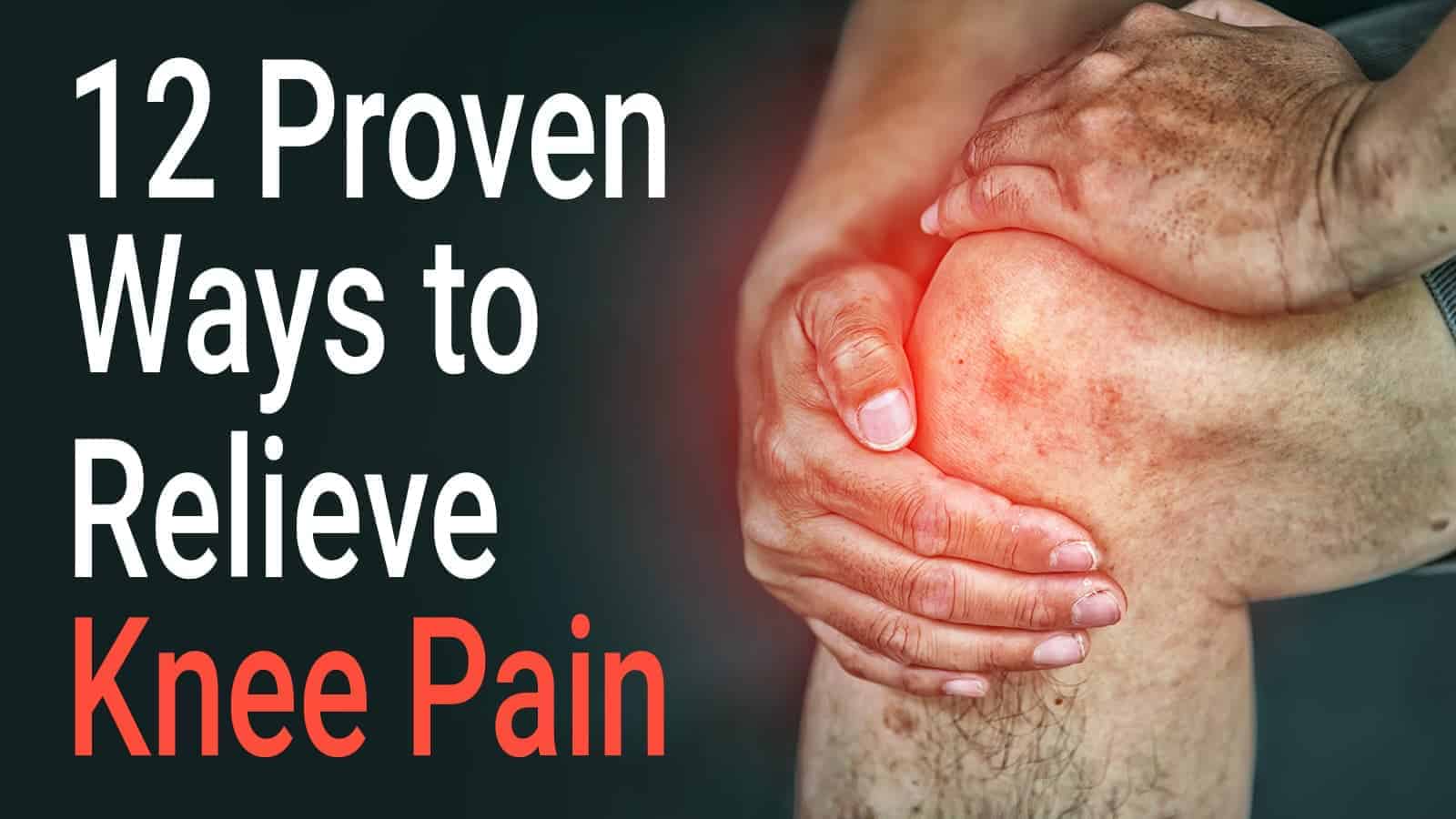
relieve knee pain

You don’t have to suffer in silence through your knee pain. You don’t have to grin and bear it as you force positive thinking just so you can get through the day. Many don’t understand how debilitating knee pain can be, and we understand how rough it is.

That’s why this tried and tested three ingredient smoothie recipe is so good. It has scientific backing, tastes amazing, and is hassle-free to create. When taken alone for mild to moderate pain or alongside other forms of treatment for severe pain, this smoothie truly works wonders. Give it a try, and you just may be surprised by what you find!

Physicist Reveals Technology That Kills Cancer With Lasers

Dr. Hadiyah-Nicole Green has one heck of a life story to go along with her impressive list of accomplishments. But her success hasn’t been easy. Like many who eventually go on to leave their mark in the medical sciences, Dr. Green’s relentless focus on improving the lives of patients stem from her own tragic experiences.

A medical physicist, Dr. Green is focusing her life’s work on studying the potential of lasers and nanotechnology to kill cancer cells, a breakthrough in the field of cancer treatment. Her relentless attitude in this endeavor stems from having lost the man and woman who raised her – an aunt, then an uncle – to cancer.

These tragedies may have been the impetus for what may turn out to be the most significant cancer treatment research in decades. In this article, we are going to discuss Dr. Green’s inspiring story, her research, and what the future holds for laser-guided surgery using nanotechnology for treating cancer.

Dr. Green’s Story

“I got to see, in both of them, the horrors of cancer and the horrors of cancer care.” – Dr. Hadiyah Nicole Green, on witnessing the effects of cancer and cancer treatment

Hadiyah-Nicole Green was raised by her aunt after being orphaned as a young child. She was brought up in Saint Louis, Missouri under the guidance of her loving aunt and uncle.

Green eventually earned a full scholarship to Alabama A&M University where she studied physics and optics, graduating in 2003 (she is just 37 years old.) She also studied computer science at Xavier University, an endeavor that has worked to her benefit as a researcher.

Her exceptional academic performance at Alabama A&M earned Green another full scholarship, this time to attend the University of Alabama Birmingham. She went on to graduate with both Master of Science and Ph.D. degrees in physics from the university in 2009 and 2012, respectively. Green’s completion of a Ph.D. in physics made her just one of 66 black women to complete the rigorous degree in the United States between the years of 1973 and 2012. (For comparison: over 22,000 white males have done so.)

Between her undergraduate and graduate studies, Dr. Green’s aunt Ora was diagnosed with cancer. Ora, who didn’t go through cancer treatment, lived just three months before passing. Three months following the passing of her aunt, her uncle Lee – Ora’s husband – was diagnosed with cancer. Although Lee lived longer, his quality of life was all but absent.

Both experiences were of course incredibly painful, Green says, but it was perhaps witnessing her uncle’s deterioration as the result of traditional cancer treatments that served as Green’s main motivation.

Of these experiences, Green says:

“He refused the treatments, and I took care of him while he was receiving the treatments. Those two experiences, seeing what she went through with cancer, and what my uncle went through with cancer treatments – to see him lose 150 pounds, to watch his hair fall out, to watch his fingernails to turn black and for his skin to look like he had been barbequed … I said to myself, ‘There has to be a better way.’”

Green’s Research

“Our chief goal is to translate this groundbreaking cancer treatment from the laboratory into humans…” – The Ora Lee Smith Cancer Research Foundation (source)

It was during her internship at NASA when Green became convinced that lasers could alter the field of cancer research. At NASA, Dr. Green reached the conclusion that she wanted to combine her knowledge of laser physics with nanomedicine to help treat cancer.

As a graduate student at UA-Birmingham, Green and her academic team developed a method of inserting nanoparticles into cancerous cells. Green and team then used directed laser radiation to heat the nanoparticles, which subsequently destroyed the cancer cells. In later research, Green was able to neutralize cancer cells in a petri dish and then in small animals.

Green developed her treatment by combining cutting-edge research in the field of monotherapy, which she implemented in her efforts to initiate tumor shrinkage (regression) in rats. Monotherapy involves the use of a single method of treatment for a medical condition or disease (in contrast with immunotherapy, which often involves the use of multiple treatment methods.) These developments would serve as Green’s primary focus throughout her research years.

The treatment process designed by Dr. Green involves the use of laser-activated nano-therapy, or LANT. Non-toxic nanometer-sized particles are injected into the cancer-affected site before being illuminated by light emanating from the laser (a processed “laser activation”). The nanoparticle solution absorbs the light and thermal heat given off by laser activation, selectively killing off the problematic cells.

The Results

The results of Dr. Green’s research are thus far very promising. In her first study, Dr. Green found that aggressive tumors growing on the body of mice had completely regressed within 15 days, according to a board-certified pathologist. Moreover, the coloration of the tumor began changing within just 10 minutes of treatment.

As evidence, Green submitted 15 images to the review journal – one for each day of treatment – showing the rapid, successive tumor shrinkage. Green notes in the study that all the mice subjected to the treatment experienced the same rapid tumor regression.

In her second study, Green credits her team’s “3-in-1 combined targeting, imaging, and treatment system” for being able to target and act on tumors. The second experiment resulted in a 40% tumor reduction in a single 10-minute treatment. Her team found that supplementing laser-activated nanoparticles to the FDA-approved antibodies decreased the therapeutic response time from weeks to mere days.

The Future of Cancer Treatment?

“I’m really hoping this can change the way we treat cancer in America. There are so many people who only get a three-month or six-month survival benefit from the drugs they take … Those are the patients I want to try to save.” – Dr. Green

While advancing laser research in attempts to find a viable cancer treatment isn’t altogether rare, Dr. Green is – to this point – one of very few who have done so with success. Her peers recognized this success – as well as the immense importance and potential of her work – by awarding Dr. Green a five-year, $1.1 million grant. In another first, Dr. Green became the first woman to receive a grant from the Veteran’s Administration Research Scientist Training Program.

Dr. Green eventually founded the Ora Lee Smith Cancer Research Foundation, named after her Aunt Ora. The mission of the foundation: “To change the way cancer is treated and reduce human suffering by providing cancer care that is accessible, affordable and effective.”

If there is one thing that is clear about modern cancer treatment, it’s that another treatment option is desperately needed. Treatments such as chemotherapy, radiotherapy, and most relevant drugs have, for the most part, been failures. Patients who go through the tortuous process often find, as Dr. Green notes, a significantly lower quality of life.

Future Plans for Dr. Green and Team

While the good doctor has made tremendous progress, there remains a long road ahead for Dr. Green and her team. While her experiments to this point have been a resounding success, she requires additional funds to continue her research, which she estimates at around $20 million. (Clinical trials to prove the viability of treatment in the human population is a rigorous, expensive process. The Food and Drug Administration [FDA] requires successful completion of clinical trials for a treatment to be introduced in medical settings.)

cancer

Despite the challenges ahead, Dr. Green and her team at the Ora Lee Smith Cancer Research Foundation expect to demonstrate the treatment within 3 to 5 years. The photo-nano-therapy is said to be a treatment option for multiple cancer types, including that of the bladder, breast, cervix, ovaries, skin, pancreas, and prostate.

Dr. Green’s groundbreaking research may just be the answer cancer patients have been seeking – a non-toxic, harmless method; a method that gives them hope that, even if they can’t be beneficiaries of the treatment, maybe future generations can be.

If you feel inspired to donate to the Ora Lee Smith Cancer Research Foundation, you can do so here.

114 Year Old Man Reveals 5 Foods That Kept Him Young

Everyone wants to stay young, but unfortunately, life expectancy in the U.S. declined in 2017 for the second time since World War I. In general, life expectancy has been on the rise, but that doesn’t necessarily mean the quality of life has increased with it. Instead, many people reach old age dealing with a myriad of physical and mental health issues.

However, one man who lived to 114 seems to know a secret or two to a long, healthy life.

Here are 5 foods he ate on a regular basis to keep him young:

Born in 1901, Bernando LaPallo lived to the ripe old age of 114. He attributed his long life mostly to healthy eating habits. “People ask me what do you do to stay so young,” he said. “I say, ‘Well you’ve heard the old saying, you are what you eat.’”

Of course, he made sure to include tons of fresh fruit and veggies in his diet. However, he named 5 main foods when talking about what allowed him such a long life.

1. Cinnamon

Cinnamon has been used for thousands of years for medicinal purposes. However, new research is showing its many health benefits: it can improve symptoms of type 2 diabetes, reduce blood cholesterol levels, improve sugar balance in the brain, reduce inflammation, and much more.

2. Chocolate

Dark chocolate has been shown to improve cognitive performance, lower stress, boost heart health, reduce blood pressure and cholesterol, and much more. It’s also rich in iron, copper, magnesium, zinc, phosphorus, and flavanols.

3. Garlic

Garlic is a powerful antioxidant and has been shown to combat cognitive illnesses such as dementia and Alzheimer’s, reduce the risk of heart disease, fight cancer, treat diabetes, lower blood pressure, and more.

long-life

4. Honey

Honey has been used as a natural healing agent for over 5,000 years. It can be used to treat the common cold, heal wounds, boost immunity, improve gut health and digestion, and is a wonderful source of antioxidants. Additionally, it’s a antibacterial and antifungal remedy.

5. Olive oil

Extra virgin olive oil is one of the healthiest foods on the planet. It contains monounsaturated fats that help keep our brains and hearts running smoothly. Olive oil may also reduce the risk of type 2 diabetes and cancer. Because of the high fat content, it can help protect against mood disorders and depression as well.

Other tips for staying young from Bernando LaPallo

foods
© BernandoLaPallo / Twitter© BernandoLaPallo / Twitter

Bernando LaPallo said he had never been sick at any point in his life. Along with eating the foods above, as well as fruits and vegetables, he listened to his father’s wise words. “He told me not to eat ordinary red meat. He said stay away from it. Hot dogs, french fries and all those things — don’t eat it.”

He said that some of his other healthy habits included walking every morning, doing crossword puzzles, and reading books to keep his mind sharp. Keeping his brain active helped him to stay young mentally by having something to focus on. “I can remember things my father told me when I was 8 years old,” he said in his interview.

So, if you want to live a long life and feel young doing it, make sure to include those 5 foods in your daily diet!

(C)Power of Positivity, LLC. All rights reserved

30 Memes That Only People With Depression Can Relate To

Do you struggle with chronic depression?

Millions of people worldwide live with the constant burden of depression. Anyone who suffers from it can tell you that climbing out of that hole feels like a never-ending feat. Oftentimes, people with depression feel that they have to hide it from others because of the stigma attached to it, which only adds to the weight on their shoulders.

The following are the most common symptoms of depression, according to the Anxiety and Depression Association of America:

  • Persistent sad, anxious, or “empty” mood
  • Feelings of hopelessness and pessimism
  • Feelings of guilt, worthlessness, or helplessness
  • Loss of interest or pleasure in hobbies and activities, including sex
  • Decreased energy, fatigue, or feeling “slowed down”
  • Difficulty concentrating, remembering, and making decisions
  • Insomnia, early-morning awakening, or oversleeping
  • Low appetite and weight loss or overeating and weight gain
  • Thoughts of death or suicide, possible suicide attempts
  • Restlessness and irritability
  • Persistent physical symptoms that do not respond to treatment, such as headaches, digestive disorders, and pain for which no other cause can be diagnosed

Depression doesn’t always present as feeling sad, either. Indeed, some people report feeling numb, angry, or disconnected from reality. Although depression is highly treatable, only one in 27 people receive minimally adequate help for their condition in poor countries, according to a groundbreaking global study published in The British Journal of Psychiatry. Furthermore, they found that even in the richest countries, only 20% of people seek help for their condition.

So clearly, the problem with seeking treatment doesn’t just stem from a lack of resources. Perhaps the embarrassment some people feel about having depression stops them from getting help. Please remember that you deserve to feel better, and asking for help in overcoming or managing your condition doesn’t make you weak.

With that said, we have gathered some memes about this condition that may shed some light on what people with the mental illness face daily. If you relate to these or know someone who might need to see them, please share them with friends and family.

“There are wounds that never show on the body that are deeper and more hurtful than anything that bleeds.” – Laurell K. Hamilton, Mistral’s Kiss

Here are 30 memes that only people with depression will understand:

1.

depression meme

2.

depression meme

3. depression meme

4. depression meme

5. depression meme

6. depression meme

7. depression meme

8. depression meme

9. depression meme

10. depression meme

11. depression meme

12. depression meme

13. depression meme

14. depression meme

15. depression meme

16. depression meme

17. depression meme

18. depression meme

19. depression meme

20. depression meme

21. depression meme

22. depression meme

23. depression meme

24. depression meme

25. depression meme

26. depression meme

depression

27. depression meme

28. depression meme

29. depression meme

30. depression meme

We hope these memes about depression helped those of you out there who might feel alone on your journey. Don’t ever feel like you have to go through something like that by yourself; plenty of people out there can relate to how you feel and will help you carry some of that burden. Although the emotions you face might make you feel like it’s the end of the world, each day you wake up gives you a new chance to change your life.

We leave you with this quote that many people with depression will relate to: “That’s the thing about depression: A human being can survive almost anything, as long as she sees the end in sight. But depression is so insidious, and it compounds daily, that it’s impossible to ever see the end. The fog is like a cage without a key.” – Elizabeth Wurtzel

(C)Power of Positivity, LLC. All rights reserved

Scientists Explain 5 Ways To Reverse The Effects Of Sleep Deprivation

Countless people around the world experience some degree of sleep deprivation. With busy schedules and barely any free time to breathe, it’s no surprise that some are not receiving the 7 hours of sleep minimum they require.

The problem is that sleep deprivation has long-lasting effects. When you wrack up a sleep debt, you damage your body. Unfortunately, repaying a sleep debt isn’t as easy as it sounds, and most medical professionals are quite clear about the fact that this isn’t something even possible to do.

A lack of sleep can cause a wide variety of symptoms. It can cause decreased positive thinking and result in difficulty concentrating. In worst-case scenarios, it can result in severe health problems. But is it a complete, end-of-the-world loss if you are sleep deprived?

The good news is that this is not the case. Although it can be tricky, you can work to ease the symptoms and negative responses to a lack of sleep. Here is how scientists explain five ways to reverse the effects of sleep deprivation.

5 Ways To Reverse The Effects Of Sleep Deprivation

bed sleep

1.    Reversing Illness and Disease Risk

Sleep deprivation has shockingly negative effects on the immune system. The more tired you feel, the more likely it is that your immunity has been weakened, along with immune signaling. Immune signaling is crucial to ensure disease prevention, telling our body what to do and how to fight off infection or illness when they first begin to take root.

This means that when you get less sleep, you are automatically opening yourself up to the chances of becoming ill more often. And if your sleep deprivation is a result of long work hours, you’ll be getting much less done when you’re feeling poorly – so staying up to finish work is counter-productive.

On top of that, people who have trouble with insomnia – whether that difficulty is with falling asleep, staying asleep, or both – usually suffer from terrible sleep quality. This can actually increase the risk of developing cancer, especially of the breast and prostate variety. It can also up chances of developing disease due to inflammation, even more so of the heart.

If your issue is with poor immunity, it’s time to make good habits elsewhere.

  • Give up vices such as smoking and drinking.
  • Both of these items can cause difficulty sleeping, to begin with, and they severely worsen sleep quality.

Cigarettes contain chemicals that lead to inflammation and excessive sleepiness. Alcohol, on the other hand, removes the restorative phase of the natural sleep cycle. It might make you fall asleep faster, but it prevents your body from repairing itself properly, which is bad for disease prevention.

  • If your trouble is with insomnia, you may want to try limiting your access to brightness and light later at night.
  • Bright light can make you feel more awake (including illumination from your ceiling lamps, screens, and even from sunsets).
  • You can also use these bright lights to help re-regulate your sleep patterns and move them to the correct times as needed – but do so with caution.
  • Use bright lights during your waking hours to make you more awake and alert. Then keep yourself in dim lights or darkness when you need to sleep.
  • You can even invest in black-out curtains or a good sleep mask if you’re a night shift worker who sleeps during mornings and afternoons.

2.    Reversing Cognitive Effects

A lack of sleep can cause issues with cognitive functions. It can cause memory and concentration problems, decreased positive thinking, and overall lower productivity and performance in most tasks. This means that you are more likely to make mistakes and get into accidents when suffering sleep deprivation.

Unfortunately, this doesn’t just mean dropping your pen two times too many or forgetting to bring your keys. It means potentially getting into life-threatening car accidents and making near-fatal errors. In fact, statistics show that driving with sleep deprivation is just as dangerous as – if not more than – driving drunk.

Your decision-making abilities will also likely be impaired by insufficient sleep. You may forget a lot of things, find yourself incapable of picking up new skills, or simply perform poorly everywhere you go. This is because your body isn’t aiming to thrive and succeed; it’s aiming to keep you going despite a desperate need to crash.

So, what can you do about this? You can attempt a practice known as yogic sleep or yoga nigra. If you need a little pick-me-up but can’t afford to take a nap, perform half an hour of yoga nidra. This ancient form of exercise can provide positive meditative and relaxing qualities. Some have found that it works just as well as (and sometimes better than) taking a nap.

  • Opting to keep your mobile phone away from you at least 60 minutes prior to bedtime can also help.
  • Not only will you sleep more soundly, but you also will not suffer sleep disturbances as severely.
  • This is because the blue light from a smartphone, as well as the electromagnetic frequencies from it, may be telling your brain it is morning and time to get up, instead of helping you wind down before sleeping.

3.    Reversing Hormonal Imbalance In Men

Erectile dysfunction and other forms of performance problems can be a huge hit on a man’s self-esteem. The good news is that if you are facing this issue and aren’t getting enough sleep, the secret might be as simple as getting a bit more shuteye.

Chronic sleepiness has the ability to cause testosterone levels to drop, which can reduce overall intimacy drive and lead to poor bedroom performance. Pay extra attention if you also have sleep apnea, which is the most common sleep-related cause for this kind of hormonal imbalance in men.

Often, those who experience lackluster bedroom performance due to sleep deprivation find themselves waking up a lot at night. They are unable to sleep through the whole evening, causing broken sleep cycles that do not provide sufficient restorative properties.

The Importance of Exercise

To help cure this, exercise may be in order. Not only does working out build stamina for more bedroom action, but it can also make you feel more tired when night falls. Just make sure you’re working out early in the morning, not later in the evening.

Morning workouts will fill you with energy, providing a burst that you can use throughout the day. Then, when it’s time to hit the sack, you’ll be nice and sleepy thanks to the added physical activity.

4.    Reversing Weight Gain

When your night’s sleep is not enough, you’re running low on energy. This can cause your body to crave more fuel, resulting in more hunger and a need for more food and drink. Your body will also not be making a lot of serotonin, so the food it will be craving is likely not going to be healthy.

This means you may start eating more processed foods, sugary treats, and similar consumables. It won’t be long after before you start noticing extra pounds piling on. This can lead to insulin resistance as your body doesn’t process the sugary and processed items properly, instead requiring proper nutrients that do not feel as satisfying.

Fortunately, working them off can be as simple as opting for a healthier diet and going for exercise routines as dictated in our previous points, but there are other things you can do. Mainly, you need to fix your sleep schedule – and your best bet is to start avoiding caffeine.

  • Caffeine keeps you awake, and drinking any after 2 pm can make it even more difficult to fall asleep on time.
  • Plus, it can make you jittery and anxious, which will only serve to increase cravings.
  • Then, caving into those cravings will give you more of a sugar high jitteriness. It’s a vicious cycle.
  • Remember, caffeine isn’t just from coffee; it can be found in sodas, teas, and even certain types of chocolate.

5.    Reversing Feelings Of Depression

A lack of sleep affects the brain in countless ways. Sometimes, sleep deprivation can lead to the development of depression and anxiety – even if you’re only losing tiny amounts of sleep at a time.

If you notice that you’re less cheerful, feeling listless or down, experiencing decreased positive thinking, or getting unusually jumpy, take a look at your sleep schedule. This is especially true if the reason for a decrease in sleep time is due to a stressful or tiring situation.

But how can you combat these feelings of depression? If you’ve been diagnosed with a depressive disorder, is there truly a way to reverse this effect? Not exactly, but there are some options available to you. The easiest one to focus on is your diet.

Diet has been linked to depression countless times by many different studies. A positive diet can astonishingly reduce depressive symptoms, sometimes to the point where criteria for depression is no longer met. This is because eating the right foods and increase the production of good hormones while preventing sugar crashes.

So what foods should you go for? Opt for leafy greens, fruit, healthy fats, protein, and complex carbohydrates. Plant-based meals are always your best bet. Some examples include:

  • Leafy green vegetables
  • Avocado
  • Fatty fish (such as salmon or tuna)
  • Beans and legumes
  • Fruit
  • Olive oil
  • Dark chocolate

As a rule, keep away from highly processed foods or ones with empty calories. Always speak to a doctor before making drastic changes in your diet.

Final Thoughts On Ways To Reverse The Effects Of Sleep Deprivation

sleep deprivation

It is difficult to reverse the effects of sleep deprivation, but with enough effort and understanding, you can take steps to better yourself and improve your health. Working to pay off your sleep debt is a difficult task, but it is possible.

Do note, however, that reversing sleep deprivation damage is harder than it sounds. This is not something you want to be doing after continually wracking up sleep debt. Medical professionals everywhere are quite clear about the fact that no matter how much work you put into paying off a sleep debt, you are still likely to find yourself suffering ill effects.

If you have been dealing with sleep deprivation up to today, it’s time to make a change! Sleep deprivation causes more difficulty than can be easily cured, and many of its effects are long-lasting. If the deprivation lasts too long, little can be done to reverse it.

Your best bet is to begin improving your sleep schedule right away and start attempting to get the necessary 7-9 hours of nightly sleep required. With a better sleep schedule working hand-in-hand with these effect reversal efforts, you will soon find your way to better health.

Science Reveals Why Some People Don’t Like Hugs

There are two kinds of people in the world: those who love and appreciate hugs, and those who absolutely abhor them. For those who are huge huggers, it can be difficult to comprehend why others could dislike them. For those who are hug avoiders, understanding how anyone could like hugging (and why they themselves don’t) is equally perplexing.

Recent research has started to reveal the secrets behind this discrepancy in preferences. To best understand it, we need to consider where hugging came from. We will also look at what might influence a person’s likes or dislikes about the gesture.

Here’s How Science Reveals Why Some People Don’t Like Hugs

1.    Where Did Hugging Come From?

Originating from Teutonic and Saxon words that mean “to be tender” and “to embrace”, the word hug has persisted through decades and become synonymous with kindness, gentleness, and friendship. But where did hugging come from, and why do we love it so much?

One of the easiest ways to pinpoint the origins of hugging is by taking a look at animals – specifically, primates. When studied in groups in captivity, primates embrace each other as a sign of greeting or recognition, or shortly after acting in aggression as a way to “make up” with the other animal. Essentially, this hug-like action shows itself as a gesture designed to reduce tension and indicate friendliness.

When approaching each other from the front, apes are prone to greet each other through a variety of forms of touch. Some of these forms would involve hugging, both from the front and from the side, often accompanied by a back pat. This is a positive form of greeting for them, and it’s very similar to what humans do. Given the theory of evolution, it’s not surprising that we carried this behavior into human interaction.

Hugging and Upbringing

In humans, skin-to-skin, close-quarters contact is often some of the first kinds of interaction you receive. Doctors urge mothers – and fathers – to lay their newborns over their chests for bonding or when nursing, as this forms a close bond between the child and their parent. This becomes a learned behavior for the child.

As one grows, it’s not unusual – and, in fact, it’s quite common – for children to continue to receive hugs and embraces from family members, friends, close guardians, and other people they know and trust. These hugs then become a type of symbol for them. They’re associated with happiness and excitement. They’re a form of comfort and safety. They can inspire confidence and remind one of love.

Essentially, hugs have many positive associations for humans from birth. Likewise, from evolution, humans have the desire to prevent displays of hostility and make it clear to others that we come in peace. In earlier days, this was done through the presenting of gifts. Today, when we first meet someone or see them after a while, we do so through hugging, kissing, and shaking hands in more formal situations.

But hugging means more to us than just showing we are not hostile. Being raised with skin-to-skin contact inspires us to find comfort, security, and trust in hugging other people. That’s why so many people enjoy hugs. But why, then, do others hate it?

2.    The Study

Lena M. Forsell and Jan A. Åströmeanings published a paper in the journal Comprehensive Psychology. Entitled “Meanings of Hugging: From Greeting Behavior to Touching Implications,” this bit of research sheds a significant amount of light on the reasons why some people don’t like being hugged.

This article used previous studies and research in order to form a comprehensive and clear explanation behind this affectionate gesture. It discussed the origins and meanings of hugs, what different kinds of hugs mean and why humans perform them, and how important embracing is in human development.

The study also uncovered a variety of potential reasons for the preference differences when it comes to physical embraces. Here are some of the discovered explanations.

a)    Upbringing

A large part of one’s hugging preferences has to do with upbringing. Children who were raised by parents who hugged them often are more likely to carry on the tradition, whereas those who did not receive as much physical affection from parents may become averse to or uncomfortable with hugs.

It should be noted that this can also go the opposite way, however. Some children who feel neglected due to the lack of physical touch from guardians may become touch-starved as they grow. Eventually, this may lead them to become huge social huggers.

It is important to state that hugging is a very important and positive part of raising children, according to Counseling and Counselor Education professor Suzanne Degges-White.

b)    Gender

The paper discussed that in early research, women are stated to be more likely to perform hug-like gestures and embraces as opposed to men. This is due in part to social norms that incorrectly consider men who embrace to be homosexual.

The study also suggested that early research indicates men prefer to shake hands instead of a hug, often as a way to assert dominance. Interestingly, more recent research reveals that there are little to no differences between hugging frequency of men and women beginning as early as 1984.

However, they did note that men are more likely to place their hands over the arms, backs, or shoulders of the other men they hug, whereas women may accompany their hugs with kisses towards other women.

c)    Culture

Different cultures have different norms when it comes to physical affection. Western cultures are happy with full embraces while women may kiss each other on the cheek at the same time. French and Russian cultures are happy to include the kiss regardless of gender.

Some cultures favor words, only requiring a verbal greeting, while others prefer to shake hands. Meanwhile, some cultures are extremely physically affectionate, even among near-strangers. It all depends on the culture you grew up in – once again, something linked to upbringing.

d)    Emotional factors

It’s no secret that different people have different boundaries. Some consider hugs to be a purely loving gesture and reserve it for family and close friends. Others find it to be a friendly motion that indicates goodwill and will hug everyone. Some still may consider hugs comforting and only offer them in support or solidarity.

People may also have different kinds of hugs for different occasions and situations. For example, tight hugs might be for family, light hugs with pats on the back may be for friends, and acquaintances might only receive side hugs.

3.    Other Reasons Why Some People Don’t Like Hugs

Outside of the study, science supports other reasons that lead to a dislike of hugs. Here are some of the most common and understood.

a)    Confidence and Self-Esteem

People who enjoy physical touch tend to have stronger senses of self, higher confidence levels, better self-esteem, and more positive thinking regarding themselves.

b)    Social Anxiety

Those with anxiety of a social variety may find it difficult to engage in hugs and embraces, even with friends and family. Physically reaching out to others can be a cause for panic and nervousness for these people.

c)    Trauma

People with touch-based trauma, especially those with PTSD, may find it difficult to respond well to touch. Touch can be a negative trigger for these individuals, whose brains may make a bad connection between touch and pain. Those with this trauma must work with a therapist to overcome these difficulties.

d)    Attitudes and Fears

Some people may have a fear of coming into contact with germs from other people. Some may be nervous about touching others, ever, and have genuine phobias surrounding physical touch. Again, this is something that is best overcome with professional help.

4.    The Effects Of A Lack Of Hugs

Believe it or not, a refusal to hug others can affect your health poorly. For young children, a lack of hugs can manifest in two different ways, according to psychology professor Darcia Narvaez:

a)    Lack of vagus nerve development

The vagus nerves are a bundle of receptors present throughout the abdomen and up the spinal cord. These nerves supposedly help individuals behave compassionately or intimately; a lack of development can cause decreased kindness, empathy, and romantic behavior when these children grow up.

b)    Lack of oxytocin system development

This system is responsible for creating the glands that send out oxytocin. Oxytocin is a kind of hormone, and it allows people to form relationships and bonds with others.

A study on orphans in Romania shows that, due to a lack of physical touch, they did not show any positive oxytocin rises when sitting on the laps of parents or guardians. Unfortunately, a lack of oxytocin in the body can make it difficult to recognize and understand social cues, causing a lack of sociable behavior when these children grow up.

But it’s not just children who can benefit from hugs. Studies have shown that hugging can provide strength to the immune system, allowing for better immunity and less risk of disease contraction. Those who feel loved through physical affection actually get a positive immunity boost by up to 32 percent!

On top of that, hugging and physical affection have been shown to have great effects on mental health, especially for those with a terminal illness or disabilities. Embracing can even reduce bodily stress by a significant amount when done with someone you trust.

5.    Overcoming A Hug Aversion

If you have an aversion to hugs and want to overcome it, there’s good news. Human hormones and emotional systems are naturally attuned to physical touch, so you can unlearn hug aversion if you want to.

If you’re okay with physical touch but have some discomfort with hugging, see if you are able to push yourself to accept hugs from those you trust. Often, slow and steady exposure is a good way to deal with minor hug dislike.

But what if the aversion is serious, trauma-based, or results in strong physical reactions, like anxiety attacks? Speak to a mental health professional who specializes in helping those with touch aversion. Some organizations are also dedicated to similar goals.

Either way, you can also talk to a person you trust about overcoming the aversion and ask if you can work with them on it. Discuss boundaries and consent, and determine the best ways you can slowly introduce yourself to enjoying hugs with this person.

Final Thoughts On Why Some People Don’t Like Being Hugged

hug

Even though hugging is good for the human body and mind, touch avoidance is something that must be gradually unlearned, typically with the assistance of a professional. For some, forced physical contact can feel very violating.

Respecting the boundaries of other people is extremely important. If someone doesn’t like being hugged, it is disrespectful and imposing to try to “teach” them to enjoy it or to downplay their discomfort and tell them to “lighten up” with positive thinking.

Your best bet is to offer handshakes instead of hugs when meeting someone new. If you absolutely must try and hug someone, take note of their reaction and don’t be afraid to ask first: “Is it alright if I hug you?” or “Can I give you a hug?” And if someone says they don’t like hugs, don’t force them to accept yours!

Scientists Explain 5 Ways to Make A Hard Decision

Making decisions can make you tired. Really. There’s a term for this – it’s called “decision fatigue.” The term refers to the exhaustion that you might feel after making a lot of decision, which decline in quality throughout a long process.

While decision fatigue may sound innocuous, consider some people who make difficult – and sometimes, split-second, life-and-death – decisions daily. Police officers. Judges. Airline pilots. Emergency workers.

And it’s not just those in certain occupations. Do you drive a car or a motorcycle? If so, count yourself as someone whose decisions can carry serious consequences.

In this article, we’re going to examine decision fatigue, its effects, and five ways that you can make decisions, according to science.

Why making decisions is taxing

decision

By the time your head hits the pillow, you will have made about 35,000 decisions – in just one day. This number equates to about 2,000 decisions for every waking hour. If that number seems high (it does), consider some of the decisions – large and small – that some of us make in the morning alone:

  • Do I snooze the alarm clock (again)? What button is it? Is the alarm off?
  • Do I have time for a cup of coffee? Breakfast? Where’s the cup? Do I take a sip of my coffee? Another?
  • Are the kids up? Do they need anything? How are their grades? Do I take them to school? How do I get to their school? Do I let them get out of the vehicle?
  • Is the bathwater temperature good? Does it need to be warmer or colder? Which way does the knob go? Is the water temperature good now?

Decision fatigue can result from decisions as small as, “What key do I type next?” to life-altering decisions like, “Should I quit my job?”

As you read some of the questions above, you probably noticed that some of these decisions require little to no thought. You may be asking, “Do these really cost me energy?”

While one small decision by itself won’t cost much in energy, the cumulative effect – that is, the sheer number of decisions you make – will eventually take a toll on your body’s limited energy reserves. Of course, the degree to which each decision subtracts from your “gas tank” is relative. That is, decisions that require serious contemplation use up more energy than others.

The theory surrounding the potentially big impact of seemingly small events is known as the butterfly effect. Edward Lorenz, a meteorologist, mathematician, and pioneer of the chaos theory, introduced the butterfly effect as a vital element of his theory, arguing that “sensitive dependence on initial conditions in which a small change in one state … can result in differences in a later state.”

Effects of decision fatigue

“Eventually, we hit what’s called decision fatigue: Where our lack of energy and focus leads to making poor decisions. This is a problem.” – Jory Mackay (source)

The science behind decision fatigue is simple: every decision that we make dips into our energy reserves, thereby affecting our concentration, energy levels, focus, and willpower. Consequently, we don’t think as well and make poorer decisions than we would have if we operated at full capacity.

And we do make poorer decisions. These poor decisions have very real consequences, both in our lives and those of others. To illustrate this point, consider a 2011 piece published in the New York Times titled “Do You Suffer From Decision Fatigue?”

The Times piece references a study of 1,100 parole board decisions over the course of a year. A parole board is a panel of individuals – in this case, judges of the court – who must decide whether or not to release an inmate from prison following the fulfillment of at least a minimum portion of their sentence. A parole board hearing may convene numerous times throughout incarceration for an inmate with a lengthy prison sentence.

There was a definite pattern to the judges’ decisions: “… wasn’t related to the men’s ethnic backgrounds, crimes or sentences.” Instead, the time of day seemed to influence whether parole was granted or denied. Of the 1,100 cases, the researchers found that prisoners whose parole hearing was held early in the morning were granted parole 70 percent of the time. For prisoners who appeared late in the day? Ten percent.

A parole hearing is critical – deciding on nothing less than a person’s freedom or lack thereof. This makes the study’s results all the more disturbing while illustrating the ramifications of decision fatigue on human life.

5 Easier Ways To Make Hard Decisions

As you read through each prescribed method of better decision-making, you will notice a fundamental idea that underpins each of the five suggestions: overcoming cognitive bias.

As the concept relates to this article, a cognitive bias is basing decision-making on the subjective (feelings, opinions, or tastes) rather than the objective (evidence, data, or facts.) Cognitive biases are automatic responses innate to human behavior – we are all subject to bias, rather or not we realize the fact.

Let’s discuss 5 science-based ways to make decisions – even the hard ones!

decision

  1. Consider Best- and Worst-case Scenarios.

Researchers at Harvard University found that a disproportionate number of work-related projects fail miserably. In a report by the Project Management Institute (PMI), researchers found that companies waste ten cents of every dollar because of poor decision-making during the planning phase of projects.

Applying these concepts to your life, consider how much money (or time, or energy) goes by the wayside due to a lack of simple diligence. One way to overcome this common human trait is to consider the best- and worst-case before executing a plan.

While getting used to this concept may require time and thought, you’ll find the real impact of picturing opposing scenarios as if the decision has been made. Imagine you had to decide between one of two homes to purchase. Or one of two jobs to take.

To get you started, here are some ideas:

  • Consider the value of each option.
  • Imagine that both options failed.
  • Think of the opportunity cost for choosing ‘A’ over ‘B.’
  1. Metricize the “Pros & Cons.”

Properly-designed pros and cons lists can be a real difference maker. You accomplish this by making the list numbers-based – with a twist. Remember: we want to structure the decision-making process in a way that is as objective as possible. As the saying goes, “The numbers don’t lie!”

Here’s how to implement statistics in a pro vs. cons list (important: make sure to follow the steps carefully, one by one):

  1. List all of the imaginable pros for each decision.
  2. Using a number between 0 and 1 (trust us!), give each item a score based on your preferences.
  3. Do the same with the con list BUT remember to assign a value based on the “pain” that each con would inflict. (Example: “The time to commute to work is an hour, but that’s not too big a deal. I’ll give it a .3.”)
  4. Multiply each side by 100.
  5. Add up each side. Find the numeric difference between the pros and cons.
  6. If the results still don’t feel right, it may be worthwhile to take a break, rest, and get back to it later.
  7. Stop thinking in “Yes or No.”

That is, stop thinking in binary terms. As we know by now, life isn’t always black and white, right or wrong, yes or no, this or that. And this can be a good thing!

There is not really much to this one besides remembering that, while you may only choose one, we can sometimes enjoy both. All that’s needed is a bit of thought and effort.

Examples (with non-binary thinking):

  • Job locations: “While I’m leaning more towards the job in San Jose, I could probably visit San Francisco every other weekend.”
  • Buying a home: “The two homes are beautiful. Maybe I could find a third that has some elements of both.”
  • Clearing debt within budget: “I could pay off the credit card in six months by adjusting the automatic savings from each paycheck.”
  1. Focus on the big picture.

We, humans, tend to suffer from shortsightedness. Add immediate gratification and fatigue to the mix, and we’ve got a real problem with making decisions.

Focusing on the big picture is crucial to build the life we want. Whatever way you choose to do this doesn’t matter. Get some poster board and paste everything you want from magazines if that’s your thing.

The point is to keep reminders that get you to say, “Oh, this is what I want. Am I living in a way that is conducive to my dreams?”

Furthermore, don’t worry so much about achievement. Is this contradictory to focusing on the big picture? Not at all. The fulfillment of dreams will come about – and come about much easier – when you enjoy the journey that leads to fulfillment.

Bottom line: Remind yourself of what you want. Take meaningful, joyous action. Enjoy the ride.

  1. Overcome mind-wandering.

overthinking

A lack of concentration is a double-edged sword.

First, poor concentration makes it more likely that you will create circumstances that require you to make hard but unnecessary decisions (not all hard decisions are unnecessary, of course). Things like acting on cognitive bias, impulsive behavior, and poor judgment become the norm when we don’t pay attention.

Second, mind-wandering is a source of unhappiness. It is so primarily because humans tend to dwell on the past or future in the midst of a wandering mind. How can one expect to make a smart decision in the throes of such mental activity?

Overcoming mind-wandering entails training your attention. There are many ways to do so, of course. They include meditation, practicing mindfulness, yoga, and cognitive training.

7 Reasons Why You Shouldn’t Be Afraid Of Eating Carbohydrates

Carbohydrates have been getting a lot of bad press in recent times. Everyone seems to be trying to avoid them, especially with the popularity rise of extremely low-carb and keto diets. But are these components truly as bad as they seem?

Just like any other nutrient, carbs are not inherently bad. In fact, healthy carbs are crucial to the body’s health. It’s all about smart, moderate eating and knowing how much you need and what to leave out of your diet.

Still not entirely convinced about the merits of carbs?

7 Reasons Why You Shouldn’t Be Afraid Of Eating Carbohydrates

longer life

1.    Carbs Provide Energy

Carbs are the main source of energy for the human body. The misconception comes from the fact that most people know that carbs are broken down into glucose, known otherwise as sugar, in the body, says Real Nutrition NYC founder Amy Shapiro.

Some people then make the mistake of believing that elevated blood glucose levels are inherently bad. But moderately raised levels give us energy boosts, and sugar isn’t just flowing through the blood – it collects in the liver and muscles to provide the body with extra energy to use later. That’s why athletes “carbo-load”!

Of course, the downside that has people viewing carbs negatively is what happens when the excess stored sugar is not used. Unused glucose will be converted into fat and is generally bad for the body. But that’s not the carbs’ fault – it’s your fault for eating too much of them!

Basically, consuming carbs in moderation will only have positive effects on the body. It’s when you eat too much of them that problems start to arise.

2.    You Can More Easily Maintain Your Weight

It’s commonly said that carbs cause weight gain. Numerous studies suggest otherwise. Admittedly, early misconceptions have led to this myth. Scientists once considered that carbs could become the main reason behind obesity more than protein or fat due to elevated insulin levels produced to process the components.

But here’s the truth: eating too much of anything is the main cause of weight gain. Eating healthy amounts of carbs is never going to cause you to be obese. On top of that, plenty of research has revealed that there is no association at all between obesity and a high intake of carbohydrates – so put your positive thinking into practice!

In addition, some researchers suggest that carbs themselves can help you maintain your current healthy weight because they make you feel fuller and more satisfied. Around 64% of your daily diet should consist of carbs – around 361 grams total – and this will keep you feeling full and snacking on bad foods less.

This is the same reason that many low-carb dieters end up burning out. They don’t get enough energy, and they don’t feel full; eventually, their bodies complain enough that they cave in.

So, what does matter when it comes to carbs and weight? Eat healthy carb options that are natural and whole, not processed or refined. Basically, steer clear of fries, sugar, and pizza; opt for whole wheat products, vegetables, and fruits instead.

3.    They’re Good For The Brain

Carbs provide plenty of benefits to the brain. They sharpen focus and memory, allowing you to be more productive at work, keep more important things in mind, and enjoy less brain fog. But why does this happen? How can carbs be so positive for the brain?

Carbs provide energy and fuel to the whole body, including the brain. When the brain receives enough fuel, it is able to stay sharp and function optimally. Of course, you need to opt for complex carbs, not processed ones, to get the best results.

In fact, good carbohydrates can even make you happy and improve positive thinking! Carbs boost serotonin production, and serotonin is a great feel-good hormone that makes you feel lighter and happier. This is hypothesized to be because good carbs help produce amino acids that are used for serotonin creation.

Those who eat very low-carb diets can actually wind up feeling more anxious and depressed, as they are depriving their bodies of a crucial nutrient. Your body functions best when you feel sated and all your nutritional needs are met; as they say, a healthy body equals a healthy mind.

4.    Fiber Is Very Important For Health

Fiber is a kind of carbohydrate made from glucose, molecular nutrition scientist Kevin Klatt says. It’s absolutely crucial to the body. Though it isn’t converted into energy, it provides plenty of other positive sides you won’t want to miss out on. This includes better gut health and better circulation.

On top of that, a combination of fiber with other types of carbohydrates in one’s diet can lead to strong, regular energy levels as well as balanced blood glucose. Fibers actually cause your body to slow down the digestion process, keeping you feeling fuller for longer, and preventing consumed carbs from flooding the bloodstream all at once and too quickly. They spread carb distribution so you have a long-lasting energy supply.

Fibers are also just great for gut health in general. They provide bulk to waste materials, allowing for softer stools that are easier to pass. Because fibers are not broken down by any enzymes, they keep the bowels healthy and lower the risk of constipation.

On top of that, good gut bacteria rely on fiber to grow and develop. These bacteria feed on all sorts of soluble fibers. All of these digestive benefits combined may even lead to weight loss – just from eating fiber!

These effects are so great that consumption of sufficient dietary fiber can reduce the risk of many diseases, including obesity, heart conditions, type 2 diabetes, and stroke. Plus, it can lower the levels of bad cholesterol in the body, keeping you heart-healthy and energetic.

5.    Carbs Are Good For Exercise

Somewhere along the line, a myth emerged stating that athletes on low-carb diets perform better athletically than those who eat high-carb diets. Unfortunately, multiple studies completely turn this idea on its head.

One study found that of a group of cyclists going through a 100-km trial performance with sprints interspersed between, those who at high-carb diets performed better during sprints, though both had comparable race times. This suggests high carb consumption has positive results for exercise and athletic performance.

We’ve already talked about how carbs serve as energy and fuel the body. As such, it makes sense that if you’re going to be expending more energy, you need to consume more of it in turn. But how exactly do carbs power athletic performance?

High-intensity workouts and endurance-based athletics often result in tired muscles that deal with reduced oxygen. Less oxygen makes your muscles feel strained and more tired, preventing them from working as hard as you’d like. The body can break down carbs without oxygen in a process called glycolysis, which provides the necessary energy to the muscles.

6.    Carbs Increase Immunity and Disease Resistance

Plenty of carbs are excellent sources of certain nutrients. Whole grains, for example, provide countless B-vitamins as well as minerals like iron and magnesium. Fruits and vegetables, which also often contain carbs, are packed with antioxidants. All these components make you stronger against illness, strengthening your immune system.

According to the research of Joelle Klein, who works at the Cleveland Clinic of Wellness, nutritious, whole, positive carbohydrate sources help control blood glucose, lower cholesterol, and lower obesity rates. Meanwhile, bad, processed carbohydrates are known for doing the opposite.

In general, if you eat good carbs, you have a very good chance of preventing diseases and decreasing your risk of dangerous diseases such as heart disease and type 2 diabetes. This is supported by a Clinical Diabetes review that found those who consume plant-based whole foods, including carbohydrates with lower processed food intake, experience a significantly lower risk of a variety of diseases.

7.    You May Live Longer

Some of the oldest living populations around the world eat plenty of carbs. These regions of longevity, known as Blue Zones, have significantly older life expectancies than most other countries. This is how researchers are able to figure out exactly what kinds of nutrients are most crucial to a long lifespan.

One such region is Japan’s Okinawa. This country has the largest population of centenarians in the whole world – or, in other words, the most number of people who live to be more than 100 years old.

What do these people eat? They eat a lot of carbs, especially in the form of sweet potatoes – so much so that before 1950, nearly 70% of an Okinawa resident’s diet consisted of this carb. That’s a surefire reason that proves why you shouldn’t be afraid of eating carbohydrates! They also eat lots of legumes and green veggies.

Another exemplary Blue Zone is Ikaria, which is an island in Greece. Around a third of all its residents will live to pass the age of 90. Guess what they eat? Lots of bread and potatoes, plus a lot of legumes.

Many Blue Zones around the world have carbs as a main dietary component. As such, it’s safe to say that eating a lot of carbs doesn’t detract from life expectancy or overall health, for the most part.

stop eating bread

Final Thoughts On Why You Shouldn’t Be Afraid Of Eating Carbohydrates

According to the United States Department of Agriculture, people should consume a lot of carbs every day. Between 45% and 65% of calories consumed daily should be from carbohydrates.

Basically, avoiding carbs altogether is bad for many people. Not everyone can survive on a low-carb diet – and if they survive, that’s all they’ll be doing – not thriving. The myth that all carbs are bad is a false one; again, it’s just about choosing the right ones.

With that said, everyone is different. Some people live very healthily and happily with little to no carbs. Some people need to eat little to no carbs due to medical conditions or other issues. So who knows how carbs work for you?

Before starting a new diet, whether you plan to go low-carb or want to end a low-carb diet and start eating carbs again, always speak to your doctor. Dietary changes must be made correctly in order to be effective!

Science Explains How Long Pepper Can Treat Cough and Relieve Asthma

Approximately 1 in 12 people in the United States have asthma. About 25 million people in the United States alone have asthma. Unfortunately, no cure currently exists for asthma. Additionally, another 12 million people on top of that have breathing problems that have not yet been diagnosed.

Because of this, you’ll find countless types of medicines, home remedies, as well as other types of treatment designed to help relieve the symptoms associated with breathing problems. Long pepper has been known for centuries as one of those popular, effective treatments for asthma as well as other breathing-related problems.

What is Long Pepper?

Long pepper, a plant native to Indonesia, grows on a flowering vine. More specifically, the vine contains various flowers which form into fruit that contain seeds in them. Once fully ripe, they are dried and commonly used as a spice for seasoning (1).

In addition to this, long peppers are commonly used for medicinal purposes. Furthermore, long-pepper contains a chemical known as Piperine. This chemical fights off particular parasites known to cause infections for humans. Not only this, but the chemical Piperine is also capable of changing the lining of your intestines, which is beneficial because it then allows your body to absorb certain medicines and other drugs more effectively.

This pepper is primarily made up of various amounts of volatile oils, Piperine, resin as well as multiple other components. These properties all work together to provide individuals with a multitude of long pepper benefits, such as its ability to improve your appetite, digestion, and relieve stomachaches. In addition to this, some long pepper benefits include its capability to improve heartburn and cholera.

Common Uses

Given its many benefits, long pepper offers individuals various uses, both for either minor medicinal issues as well as major health issues (3).

Minor Medicinal Uses:

  • Headaches
  • Toothaches
  • Menstrual problems
  • Indigestion

Major Health Issues:

  • Coma
  • Diarrhea
  • Epilepsy
  • Fever
  • Stroke

Long Pepper Benefits

This pepper offers its users a multitude of benefits. Additionally, nutritionists praise it for its ability to improve affected individuals’ asthma and breathing problems.

Long Peppers for a Cough

Individuals with coughing problems makes up around 30 million doctor’s visits a year in the United States alone. This shows that a large amount of people in the United States have a cough so severe that it results in a doctor’s visit. But before you can find a cure to a coughing problem, you generally need to find a cause for the coughing itself.

Coughing can be caused by a wide range of factors, including anywhere from a virus, allergies, an irritation in your throat, acid reflux, or some other type of issue that negatively affects your throat. Long pepper has the ability to treat your cough and soothe your sore throat because of its many positive properties that it contains, such as antifungal properties, analgesic properties, and antimicrobial properties.

Long peppers can also relieve coughing because it is a herbal remedy, which already reduces the risk of your developing any negative reactions to medicine. Since it is used as a natural medicine, the number of negative effects that long peppers have on individuals is very small.

Long Peppers for Asthma

What is Asthma?

Asthma, a breathing condition, results in spasms occurring in your lungs. These spasms in your lungs cause breathing problems and are usually the result of either hypersensitivity or an allergic reaction that has acted upon your body.

Benefits for Asthma

Long peppers have the ability to improve the conditions that asthma causes because they provide various positive properties that benefit asthmatic conditions. For instance, long peppers contain anti-inflammatory and antioxidant properties that can improve the conditions that asthma posits on your body.

More specifically, long peppers contain antioxidant properties that fight against free radicals in your body. These free radicals have the potential to worsen asthmatic conditions and even cause damage to your body. Furthermore, long peppers also have the ability to reduce the negative conditions associated with asthma; its antibacterial properties are capable of reducing the intensity as well as the frequency of asthma attacks.

Other Long Pepper Benefits

Aside from the benefits that long peppers posit for asthma conditions and coughing problems, they pose multiple positive impacts on other conditions as well.

Liver problems

Sometimes our livers’ health is negatively impacted from all of the greasy junk food that we consume. Long peppers have the ability to pose healing effects on our livers because they are responsible for eliminating bad toxins that have built up in our organs over time. By removing these bad toxins, our organs function more effectively.

Weight Loss

Long peppers have the ability to promote weight loss because they are capable of burning fatty acids in our bodies. Because long peppers are natural and organic, they also offer a healthy weight loss option. Moreover, long peppers mobilize stagnant fat and eliminate the bad toxins released into our bodies by unwanted fat pockets.

Diabetes

Diabetes is classified as a group of diseases characterized by your body producing too much sugar in its blood. This condition affects more than 29 million people in the United States. Long peppers have the ability to regulate the rate that your body releases glucose in your blood, resulting in the symptoms related to diabetes decreasing.

Not only this, but long peppers also have the ability to increase the production of insulin, which is responsible for decreasing your blood sugar level and preventing it from getting too high. In doing so, long peppers can diminish the effects commonly associated with diabetes.

Boosts Digestion

Long peppers boost your digestive system’s health because it stimulates your system, which boosts your appetite, since it contains carminative properties. In addition to this, long peppers contain anti-inflammatory properties capable of fighting and protecting your body from ulcers, eliminating diarrhea, and helping you overcome gastrointestinal infections.

Fights Inflammatory Conditions

Long peppers can also fight off and prevent inflammations occurring in your body. More specifically, they can eliminate the negative effects associated with rheumatoid arthritis. Arthritis, an inflammatory disease, causes severe pain in the joints and impairs mobility.

Long peppers have the ability to remove the bad toxins from your body that contribute to this disease. Additionally, long peppers promote your metabolic health as well as your digestive health, resulting in decreased stiffness of the joints of individuals that have arthritis.

Boosts Reproductive and Sexual Health

Long peppers also rejuvenate the reproductive organs of both men and women in addition to helping with reproductive problems, such as infertility and premature ejaculation. Not only this, but long peppers promote female’s health and recovery while in postnatal care.

Side Effects of Long Peppers

Since long peppers derive from a flowering vine, they provide you with natural and organic benefits. Because of this, they may seem completely safe to consume in all cases. But consuming too large of doses of long peppers can actually prove harmful to your health. You should never take more than the recommended dose of the peppers. Additionally, pregnant women are also advised to avoid consuming long peppers due to a lack of research done on the side effects that consumption can have on infants in the womb (1).

long pepper

How to Consume Long Peppers

Depending on the type of issue you’re trying to improve, you can consume long peppers in a variety of ways. In order to improve asthmatic conditions or coughing problems specifically, you can try this:

  • Measure out 1/2 teaspoon of both long pepper and kantakari herbs.
  • Mix these herbs together into fine powder.
  • After this, you should add 1 teaspoon of honey to the mixture and stir the substances together.
  • Take a small lick of the mixture 3 times a day after you consume food.

This way, you should benefit from the long pepper herb and reduce the symptoms of asthma and coughing.

Overall, long peppers have the ability to provide your body with various benefits. Not only this, but these peppers can positively benefit your body if you have negative conditions from asthma or symptoms of coughing. You can purchase long peppers in any grocery store and use a variety of methods to consume the herb. Be mindful of your recommended dosage, and start consuming the benefits today.

Skip to content