Weekly tips, affirmations, and small actions to feel your best.

10 Things Every Woman Needs to Know About Breast Health

Every woman is concerned about breast health and their own personal chances of experiencing this alarmingly common cancer. Statistics only add to the concerns, as current predictions put 1 in 8 women at risk. Everyone agrees that breast cancer prevention is key to lowering these statistics.

There are steps every woman can take to strive for a lifetime of favorable breast health. And there are also steps to take to ensure any problems will be noticed and addressed before they can become life-threatening. Although the statistics may be scary, the survival rates continue to increase as more women take proactive measures.

So what can you do to take care of your breast health at every stage of life? How can you know your chances of experiencing breast cancer, and what changes in lifestyle can help increase breast cancer prevention? Here are 10 points to ponder for your own health and awareness.

1. Everyone is different.

There is no absolute standard by which all women should judge their breasts. Every shape, size, and color is beautiful and unique. Whatever you may have been told, It is likely that the breasts you were born with are perfectly healthy and normal for you, so enjoy yourself for who you are[1].

That being said, your lifestyle may or may not affect your breast health. There are all kinds of claims about wearing bras, sleeping positions, and exercise. None of these things have been definitively proven to increase or decrease breast size, and will not be able to defy the law of gravity as you age. Taking care of your overall health is one step toward keeping your breasts healthy, but you can expect your breasts to continue to change with children and age, just like the rest of you. However, those who would like to improve the appearance of their breasts may consider breast augmentation or breast lift.

2. Wearing a bra–yes or no?

First of all, in spite of what you may have heard or read, there is absolutely no scientific proof of a link between wearing a bra and breast cancer[2]. However, an improperly fitted bra may cause back and shoulder discomfort and possibly clog milk ducts in breastfeeding moms, so make sure you have properly measured yourself for comfortable support.

More active women find extra support to be helpful when exercising. And those more “well endowed” often like to keep those girls under control. Everyone has their own style, and if you’re more comfortable wearing a bra, don’t feel guilty about it. Your breast health does not depend upon it, so don’t let the media dictate your preferences[3].

3. Breastfeeding.

Breastfeeding has gone in and out of vogue over the last century, but more recent studies seem to indicate that breastfeeding can lower your risk of cancer by 20%, more or less. There are also indications that breastfeeding your daughter can help lower her chances of developing breast cancer[4].

Most people know that breastfeeding provides newborns with antibodies that kickstart a healthy immune system as well as assist in forming a strong mother/child bond. But the benefits to mothers have also been verified by studies in several different countries. These studies show a lowered risk of one of the most aggressive types of cancer, hormone-receptor-negative cancer[5]. So there are more reasons than ever for expectant mothers to consider this natural option.

4. Birth control medication.

For healthy women who are not positive for genetic factors leading to breast cancer, hormonal birth control methods such as pills, injections, or a ring may increase the chance of cancer…but only by a very small amount. And the longer you go cancer-free after you stop taking the contraceptives, the less chance there is that it will affect you.

However, if you do show a genetic factor and you’re over 40 years old, you may consider changing to a different type of birth control method. There are a number of options that you can discuss with your doctor in order to keep the odds as low as possible[6].

5. Genetics.

The most common genetic factor increasing a woman’s risk of breast cancer is an inherited mutation in the BRCA1 or BRCA2 gene. This gene’s purpose is normally to repair damaged DNA, but they sometimes mutate and cause abnormal cell growth. A woman with one of these mutated genes has a 70% chance of developing cancer by age 80.

Women with this mutation also have an increased risk of developing cancer younger and in both breasts. Some racial and ethnic groups are more susceptible than others, so it is worth your while to become informed about this dangerous inherited factor over which you have no control. There are also other genetic factors to consider, especially if you have a family history of breast cancer. Your doctor can advise you about any steps you may take for your own breast cancer prevention plan.

6. Self Examination.

Whatever your age, experts recommend you perform a self-examination of your breasts at least once a month. Up to 40% of cancer diagnoses have been made as a result of women identifying a lump or other abnormality through self-examination. Early detection greatly increases a successful treatment outcome.

Self-examination is not difficult. It can be performed in the shower or while lying in bed. There are a number of websites that give detailed instructions about what to do and expect[7]. Most women have some lumpy tissue in their breasts, and most lumps are not cancer.

7. Pay attention to warning signs.

It’s important not to ignore possible indicators that there may be a problem. If you observe any of the following changes, consult your doctor right away.

An area of hardening. If an area of your breast feels hard near the surface of the skin, have it checked out. Don’t just wait for it to go away.
Indentation. If an area of skin other than the nipple becomes indented or sunken in, call your doctor.
Erosion.If your breast develops an area of sore, eroding skin, it’s time to have it checked out.
Redness or heat.If any of the above are accompanied by redness or heat, or if it seems you suddenly have a sensitive, abrasion-like area, call your doctor.
Fluid other than milk. If you experience an unusual discharge, make an appointment for an exam.
Dimpling or ‘orange peel’ skin. You know it can’t be normal. Call the doctor.
Nipple retraction. Some women have normally retracted nipples, and that’s not a problem. But if this is not the norm for you, you should have unusual retracting checked out.
Unusual change in size or shape. If you begin to see a bump or notice a new asymmetry in your breast, get a professional exam.
Prominent veins. If you notice a blood vessel becoming more visible close to the surface of your breast, it may be worth getting it checked out.

Don’t put off having any unusual changes checked out by your doctor. The issue may not be cancer, but there may be other factors to be addressed. Procrastinating will not improve your chances for ongoing breast health or complete recovery from other issues.

8. Mammograms.

In recent years there has been a bit of controversy over when a woman should begin to have routine mammograms. The general consensus is that women who are of average risk should begin having yearly mammograms between 45-50 years of age. Those in higher risk groups may begin at a younger age, as their doctor recommends.

Some women choose to begin yearly screening at 40 years old. There is no reason not to if you feel it will give you peace of mind. Self-examination will often reveal potential issues if you prefer to wait until your older.

9. Survival rates are improving.

Ongoing improvements in breast cancer prevention are helping keep survival rates on the rise. Ninety percent of women now survive a cancer diagnosis. Early detection and treatment are key, so the importance of contacting your medical professional with any potential issues cannot be overstressed.
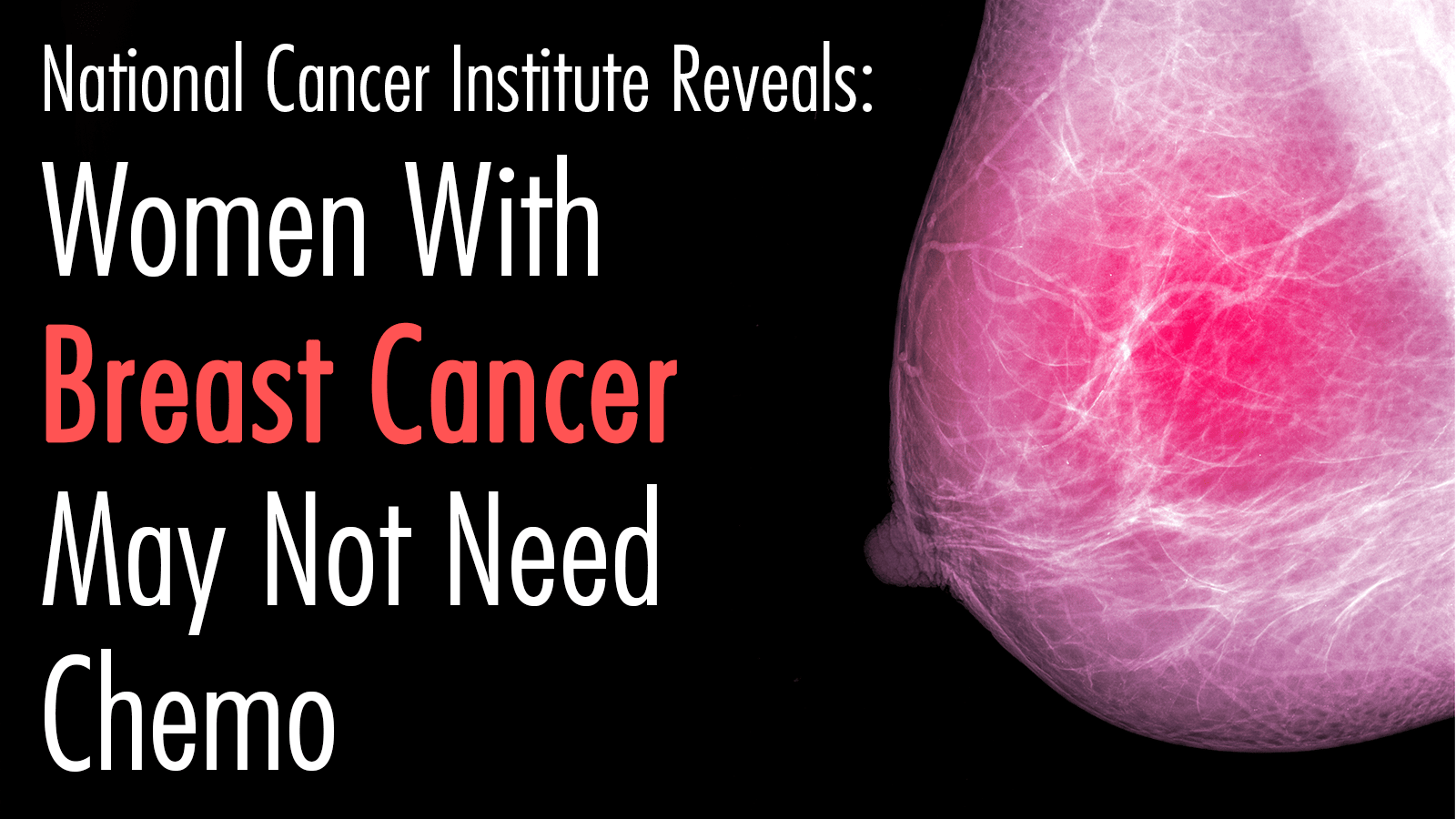
breast health

Protect your breast health as much as possible through education and proactive habits and lifestyle. Find out about your own risk factors so that you can make the best, informed decisions for your future health.

10. Reducing your risks.

Along with genetic screening and regular examination, there are a number of ways to reduce your chances of developing breast cancer. Women have unique nutritional and emotional needs, and allowing yourself to become run-down can contribute to all kinds of physical issues. Meeting the overall needs of your body can help maintain breast health as well.

Eating habits and various detox routines can also be a part of your breast cancer prevention plan. Regular exercise, stress reduction, and moderate alcohol consumption are some more health factors to be addressed. Developing healthy habits will keep you strong whatever may come.

Conclusions.

If you are diagnosed with cancer, weigh your treatment options carefully. Talk to specialists, and make sure you have a strong support group to help you through each step back to total health.

Breast cancer is no longer the death sentence it once was. Awareness and prevention are major reasons women can now have hope for the future. Optimism continues to grow that this cancer, along with so many others, will no longer be the threat it has been to past generations. Stay informed, stay healthy, and live with an appreciation for the ones you love, one day at a time.


12 Things That Happen to Your Body When You Stop Smoking

While most people today are well aware of the dangers of smoking cigarettes, 38 million Americans still smoke according to the CDC (Centers for Disease Control and Prevention). Cigarette smoking among adults tends to be higher in the following situations: lower-income states, men, people with no high school diploma or who have a GED, people who are living in poverty or are disabled, and those who report having serious psychological distress.

Smoking can cause serious health complications. In fact, there are over 5,000 chemicals in a lit cigarette. Here are just some of the many diseases and risks that come with smoking, according to the CDC:

  • Smoking causes more deaths annually than the following causes combined:
    • Human immunodeficiency virus (HIV)
    • Illegal drug use
    • Alcohol use
    • Motor vehicle injuries
    • Firearm-related incidents
  • Over 10 times as many U.S. citizens have died prematurely from smoking cigarettes than those who have died in all the wars fought by the U.S. combined.
  • Smoking causes about 90% of all lung cancer deaths. Lung cancer causes more deaths in women than breast cancer each year.
  • Smoking causes about 80% of all deaths from chronic obstructive pulmonary disease (COPD).
  • Cigarette smoking increases risk of all-cause mortality in men and women.
  • Risks of death from smoking cigarettes have increased in the last 50 years in the U.S.
  • Estimates show smoking increases the risk:
    • For coronary heart disease by 2 to 4 times
    • For stroke by 2 to 4 times
    • Of men developing lung cancer by 25 times
    • Of women developing lung cancer by 25.7 times

Smoking cigarettes might temporarily relieve stress, but the negative effects on your health are just not worth it. In this article, we’ll go over how your body heals when you quit smoking and what other healthy habits you can develop to release stress.

Here are 12 ways your body heals when you quit smoking:

“Every year in the U.S., more than 480,000 people die from tobacco use and exposure to secondhand smoke, making it the leading cause of preventable death in this country.” – American Lung Association

1.    Your body’s oxygen level returns to normal.

Smoking cigarettes requires you to inhale carbon monoxide, which overtakes levels of oxygen in the body. People who smoke a pack a day have 3-6% of carbon monoxide in their blood, but ideal levels are less than 1%. With higher levels of carbon monoxide present, your body must work harder to distribute oxygen to your organs.

However, your oxygen levels return to normal within 8 hours of quitting. In other words, your body finally gets a chance to rid itself of the carbon monoxide.

2.    When you quit smoking, you can smell and taste better.

After quitting, your senses of smell and taste will return to normal after two days. Addictive substances in cigarettes dull your senses. For this reason, when your body detoxes, it will start functioning properly again. This means foods will taste better and your favorite candle or incense will smell much more pleasurable.

3.    Your circulation improves.

Blood circulation improves within just 20 minutes of quitting. This will help cut your risk of a heart attack, stroke, or cancer since blood will flow better to your heart and other organs once again.

4.    You will experience fewer coughing fits and infections.

Smoking greatly irritates the lining of the lungs. It increases the risk of infections because it lowers the immune system. Smoking every day also leads to inflammation of the lungs, which restricts air passages and makes it harder to breathe. Your lungs have tiny air sacs, or alveoli, that help distribute oxygen. Smoking destroys these air sacs, potentially causing permanent damage to the lungs. So, depending how long you’ve been smoking, you could help your lungs return to normal by quitting.

Smoking also paralyzes and even kills cilia – tiny hairs in your airways. These hairs help clean out mucus and dirt so your lungs can function properly. When you quit smoking, the hairs will return, making your lungs healthier and cleaner.

5.    You’ll have more energy.

In just two weeks of quitting, you’ll notice your energy levels greatly increasing. Without the nicotine and other harmful chemicals pumping through your body, you’ll start to detox. Your interest in other activities will likely also increase. A lot of people turn to exercise as a way to relieve stress instead of smoking because it releases feel-good chemicals such as endorphins.

6.    Your heart will become healthier.

After 5-10 years, your risk of cardiovascular diseases, heart attack, and stroke becomes equal to that of a nonsmoker. Though it takes a while to heal, the sooner you quit, the quicker your body can begin the healing process.

7.    Your breathing will greatly improve.

Since you won’t have carbon monoxide in your body sucking out the oxygen, it will be a lot easier for you to breathe deeply. Your breaths won’t seem as shallow. After just three months, lung capacity rises by up to 39 percent.

8.    Your risk of cancer decreases significantly.

After five years, the risk of stomach, mouth, throat, esophageal, and lung cancer decreases by 50%.

9.  Your immune system will improve.

Our bodies are very adaptable, so when we stop ingesting toxins, they can start to heal quite quickly. By eliminating exposure to thousands of chemicals, the immune system finally gets the chance to do what it’s designed to do – protect your body from harm and keep you healthy.

10.  Your breath will smell better.

According to a study in Journal of Natural Science Biological Medicine, bad breath is common among smokers. Cigarettes dry out the mouth and throat, which makes the perfect breeding ground for nasty bacteria. Quitting smoking increases production of saliva, which will help your breath smell better.

11. You have less brain fog.

With chemicals constantly being pumped into your body, your brain loses oxygen, which can lead to a foggy feeling in the brain. When you quit, you’ll notice that your brain feels a lot sharper. You’ll find yourself better able to complete tasks. You will also have a more balanced mental state as you won’t have to deal with addiction to a substance any longer.

12.  Your hair will start growing again.

Smokers tend to have unhealthy hair. According to a study in the journal Dermatology, smoking cigarettes can lead to hair loss. However, when you quit, your cells begin to heal. This will allow your hair to grow much fuller and thicker.

quite smoking

Ways to Cope with Stress Other Than Smoking

Smoking cigarettes might help you deal with stress in the short-term, but the long-term health effects may cost you the ultimate price. Quitting won’t be easy, but if you have support from family, friends, and even a therapist if you need it, you can get through it. You’ll also need activities to keep you busy so you won’t have as much time to think about how much you miss smoking. If you need some ways to cope with stress, here are a few healthy options:

  • Exercise. One study showed that even moderate intensity exercise helped curb nicotine withdrawal symptoms. Exercise also serves as an outlet for stress. So, if you feel like lighting up, go for a run instead. Once you do this for a week or so, you’ll start to form better habits that will help you cope with withdrawals.
  • Talk with friends and family. Lean on your support system when you feel like you can’t deal with the withdrawals. They will help you stay on track and encourage you to keep going even if it feels impossible at the time. Positive associations can help you fill that void in your life and keep you on a healthier path.
  • Try something new. You’ll save a lot of time and money when you give up the habit of smoking, so now you will have more freedom to try new things. Use the money to follow a passion such as rock climbing or taking a cooking class. This way, you’ll have somewhere to direct your energy. It will also give you a confidence boost to have a new skill under your belt.
  • Have a routine. Idle time will only encourage you to dwell over the fact that you miss smoking. Try to have a daily routine in place filled with things you enjoy so you don’t feel tempted to go backwards.
  • Surround yourself with positive people. The people in our lives can either steer us toward becoming a better person or make us stray from our goals. Make sure the people you surround yourself with have your best interests at heart.
  • Set goals. Having goals will help keep your mind busy and give you something to work toward, which will help you leave smoking behind for good.

Final thoughts

We hope this article shed some light on the positive things that happen to your body when you quit smoking. If you struggle with quitting, please do utilize the tips above. Additionally, you can call 1-800-QUIT-NOW for immediate help and access to services in your area that can offer you further support.

How to Do EFT Tapping To Relieve Stress And Anxiety

With so many people suffering from anxiety and stress nowadays, solutions for these conditions have become a priority in our society. If you simply do an online search for “treatments for anxiety” or “how to be less stressed,” you will find thousands of articles. In short, plenty of people claim to have found the best remedy. If you have tried everything under the sun and still suffer from stress and anxiety, however, it might be time to give EFT tapping a try.

EFT can be thought of as a distraction for intrusive or persistent thoughts. It removes a person away from their anxious mind to focus on the tapping instead.

History of EFT

EFT began in 1980 with psychologist Roger Callahan and his patient, Mary, who had a severe phobia of water. Mary’s fear of water controlled every aspect of her life. She couldn’t even deal with the sight of water on TV and grew anxious when it rained.

Dr. Callahan and Mary had been working on this phobia for over a year but hadn’t come up with a successful treatment. However, Dr. Callahan had been studying Chinese medicines and learning about meridian points. This inspired him to come up with the first tapping treatment in modern science. He instructed Mary to tap on her cheekbone where the stomach meridian is located, as she suffered from stomach pain due to her phobia.

When Mary tapped on her cheekbone, her stomach pains seemed to miraculously disappear. Based on this preliminary investigation, Dr. Callahan ran further studies to perfect his technique, which he coined Thought Field Therapy. However, Gary Craig, the founder of EFT, trained under Dr. Callahan and observed some issues with TFT.

TFT required patients to tap on different meridians based on different problems. Gary found that, at times, this resulted in a problem being incorrectly diagnosed. He also found that patients could tap the meridians in any order to find relief.

After correcting the problems of TFT, Gary created an updated version of it called EFT, which we will explain in greater detail below.

What is EFT tapping?

Emotional freedoms technique (EFT) is an alternative treatment in the energy psychology field. It can treat mental health issues, emotional problems, and even physical pain. Some people refer to it as tapping or psychological acupressure because it is basically acupressure for the brain. The goal of this treatment is to rid your body of negative energy and remove emotional blocks from your energetic field.

Tapping is a relatively new therapy based on concepts that have been used in Eastern medicine for thousands of years. Eft tapping centers around the idea of “chi,” or energy moving throughout the body, accessible by meridian points. Think of these points as “energy highways” where the body’s energy flows. Blockages can occur along these points, which is where eft tapping comes into play.

People who utilize this technique believe that tapping on specific meridians in the body can heal emotional and physical pain. EFT is still being researched, but some trials have shown that it’s effective in treating anxiety and PTSD.

How to do EFT tapping

Just like acupuncture, EFT focuses on meridian points throughout the body to clear the body’s energy field. Practitioners believe that balancing the energy in the body can relieve symptoms associated with pain, anxiety, and other mental health issues. While acupuncture uses needles to put pressure on the meridian points, EFT uses fingertip tapping to apply pressure.

People who use this technique believe that the tapping can send signals to the parts of your brain that control stress, relieving the body of tension and anxiety. By doing this, you will teach your brain to associate the stressful event or emotion with peace and tranquility, and eliminate the negative emotions. This will help restore balance to your energetic field.

5 Steps of EFT tapping

To do this, you need to focus on one issue at a time. So, if you have more than one emotion or problem to address, repeat the steps accordingly.

  1. Address the problem

To get the best results from this technique, identify the problem you’re having before you begin tapping. Again, focus on only one problem. Keep this issue at the forefront of your mind.

  1. Rate your pain on a scale from 0 to 10

After identifying the problem, rate the pain you feel from the issue on a scale from 0 to 10, with 0 being the least painful or difficult and 10 being the most. The intensity level of your pain will serve as a benchmark to establish the progress you’ve made after doing a complete EFT sequence.

So, let’s say your initial intensity was a 10 and it went down to a 6 after completing the exercise; you would have a 40% improvement from the technique.

  1. Figure out your phrase

Before you begin the exercise, you need to have a phrase that both addresses the problem and shows compassion toward yourself despite the issue. A common phrase in EFT tapping is: “Even though I deal with [fear or problem], I deeply and completely accept myself.” You can alter this phrase however you see fit, but make sure it addresses how a problem makes you feel so that you can relieve the emotional pain it causes.

  1. EFT tapping sequence

The EFT tapping sequence involves tapping on nine meridian points throughout the body. While there are 12 meridian points that are mirrored on each side of the body and correspond with different internal organs, EFT focuses on the following nine points:

  • karate chop (KC): small intestine meridian
  • top of head (TH): governing vessel
  • eyebrow (EB): bladder meridian
  • side of the eye (SE): gallbladder meridian
  • under the eye (UE): stomach meridian
  • under the nose (UN): governing vessel
  • chin (Ch): central vessel
  • beginning of the collarbone (CB): kidney meridian
  • under the arm (UA): spleen meridian

Start by tapping on the karate chop point while reciting your phrase three times, either aloud or in your head. Then, move down the list, skipping the top of the head for now. Tap the other points seven times while saying your phrase three times. While the order of the tapping points doesn’t truly matter in EFT, it’s best to start out with the suggestions of the founder.

After tapping the under-the-spleen meridian point, finish up the sequence with the governing vessel meridian point. While you do the tapping exercises, you might also want to have a “reminder phrase” to recite to keep you focused on the problem you’re trying to overcome.

For example, if your phrase was “Even though I have anxiety, I deeply and completely accept myself,” you might say, “Anxiety makes me feel powerless/scared/hopeless.” This might sound depressing, but it will help keep you focused on healing the energetic blockages by remembering the issue at hand.

  1. Rate your pain again from 0 to 10

After your EFT tapping exercises are completed, rate the final intensity of your pain from 0 to 10. Then, compare the results with the initial intensity level to see how much negative energy you have cleared away.

Studies about EFT tapping

EFT has been found to be effective in treating patients with PTSD. In a 2013 study, researchers studied veterans with PTSD who were being treated with EFT tapping along with those who received standard treatment.

Researchers found that the participants who received EFT treatment greatly reduced their psychological stress within one month. Furthermore, more than half of the participants no longer fit the requirements for PTSD.

EFT tapping

EFT has also shown to be effective in treating anxiety. A 2016 review compared the effectiveness of EFT tapping to standard treatment for anxiety. The study found that those who had EFT therapy had a significant decrease in anxiety compared to the participants receiving traditional treatment. However, more research is needed in this field to determine if EFT works better than cognitive behavioral therapy techniques.

Final thoughts on EFT Tapping to Reduce Stress and Anxiety

EFT is an alternative therapy used to treat emotional imbalances and physical pain. It’s used as an authorized treatment for patients with PTSD, and it’s also shown promise as a treatment for anxiety, depression, physical pain, and insomnia.

While you can find plenty of success stories and people who firmly believe in EFT, it’s still in its infancy regarding research. However, it doesn’t hurt to try it in addition to other remedies or treatments for either physical or emotional pain. You must remember that anxiety, depression, and other mental illnesses are complex. For this reason, the likelihood of overcoming these illnesses with just one type of therapy alone is slim.

It’s best to consult your doctor before beginning any type of treatment. He or she will know the best course of action to take regarding your care. Some people respond better to meditation or yoga, and others seem to do better with EFT or other tapping methods. Above all else, it’s important to find what works best for you and stick to that practice.

Science Explains 7 Things That Happen to Your Body When You Stop Eating Sugar

Your life will change for the better if you do one thing. Stop eating sugar.

About 20% of Americans eat more than 700 calories of sugar per day, which equates to over one cup. This poses disastrous risks to one’s health and longevity and can easily lead to weight gain. To put it in perspective, you would only have to drink a couple of soft drinks and eat a slice of cake to take in 700 calories. The problem with foods today is that they have too many calories and insufficient nutrients. We generally need to up our intake of nutrients, which help to satisfy our appetites and supply energy to our bodies.

The problem is that even so-called “health” foods such as yogurt, granola bars, and pasta sauce have loads of hidden sugar. It, therefore, becomes quite easy to overdose on the sweet stuff.

“Not only are we getting added sugar from obvious places like cakes, candy, and soda, but it’s also coming from healthier-sounding packaged products like salad dressing, pasta sauce, and yogurt,” says Elyse Powell, a doctoral researcher at UNC.

Of course, eating natural sugars from fruits, whole grains, and vegetables won’t cause adverse health effects; however, all the added sugars from processed foods can seriously harm your mind and body. Some studies of people who previously ate large amounts of sugar and decided to give it up have found that people experienced withdrawal symptoms similar to those trying to sober up. These symptoms include anxiety, depression, irritability, mood swings, etc. This means that sugar alters brain chemistry and can easily lead to an addiction.

Because of this and the myriad adverse effects on health, many people have chosen to wean themselves off sugar or at least cut back substantially. In this article, we’ll go over what happens when you decide to give up sugar.

It is recommended that humans consume no more than 9.5 teaspoons of sugar per day. Currently, the average American adult consumes 22 teaspoons daily. The average American child consumes 32 teaspoons of sugar each day. – The American Heart Association

7 Healthy Outcomes if You Stop Eating Sugar

stop eating sugar

Here are seven things that happen to your body when you decide to stop eating sugar:

1. You’ll have a healthier heart.

Your risk of dying from heart disease will decrease by three times, according to research from James J. DiNicolantonio, PharmD, a cardiovascular research scientist at St. Luke’s Mid-Atlantic Heart Institute in Kansas City, MO. Added sugar raises insulin levels which activates the sympathetic nervous system, in turn raising blood pressure and heart rate. DiNicolantonio says that in just a few weeks of giving up sugar, your LDL cholesterol could go down by 10%. Additionally, your triglycerides could potentially decrease by 20-30%. You could see a drop in blood pressure as well.

Added sugar puts an enormous strain on your heart because your body must work hard to process it. A high-sugar diet also causes the liver to work on overdrive, pumping more fat into the bloodstream. The focus of heart disease in the past has largely been on saturated fats and cholesterol. The truth is that studies have shown sugar consumption to be a much more significant risk factor for heart problems.

2. Your skin will clear up.

If you have skin problems such as acne, it could be attributed to eating too much sugar. In fact, one study in the American Journal of Clinical Nutrition found that when people who normally didn’t drink carbonated beverages drank one 12-ounce can a day for three weeks, their inflammation levels went up by 87%. This inflammation can lead to skin problems because the body considers sugar a toxin. If the liver can’t process it and you don’t sweat it out, inflammation can show up on the skin in the form of acne and other blemishes.

Sugar causes glycation, a process where sugar binds with collagen and elastin in the skin. Collagen and elastin are proteins that help maintain the skin’s youthful, glowing appearance. Cutting back on sugar will help the body keep these proteins intact.

3. You’ll greatly lower your risk of developing diabetes.

Adding sugar causes fatty deposits around your liver, contributing to insulin resistance and causing your pancreas to work on overdrive. The pancreas typically helps slow down insulin production, but if you constantly pump sugar into your body, the pancreas and liver won’t be able to keep up. In a study of sugar consumption in 175 nations, Dr. Robert Lustig, Professor of Pediatrics in the Division of Endocrinology at the University of California, San Francisco, found that eating 150 calories of added sugar increases the risk of developing type 2 diabetes by 11 times, compared to eating the same amount of calories from fat or protein.

4. You’ll feel happier.

You might feel on top of the world once the sugar high hits you, but coming down off that high only causes the cycle to repeat itself. Eat sugar, feel energized, crash, and do it again when another craving strikes. In other words, the happiness you feel from the sugar only sticks around for a short while before disappearing and leaving you wanting more.

A Columbia University study found that women who eat a lot of added sugars have a higher likelihood of experiencing mood swings, anxiety, depression, and irritability. If you want more stable emotions without the awful withdrawal symptoms, taking sugar out of your diet will help you tremendously.

5. You will have much better sleep.

Added sugar increases cortisol levels in the body, which can disrupt sleep at night. Plus, the crashes you feel when the sugar wears off will leave you sleepy during the day and wanting to nap. Sugar disrupts the central nervous system, which causes fluctuations in energy levels and sleep cycles. After giving up sugar, you’ll sleep better at night and feel more alert during the day.

6. Your memory will improve.

Sugar can lead to cognitive impairment and overall “brain fatigue.” One animal study at UCLA found that diets high in sugar hinder memory and learning. The study also concluded that eating a lot of sugar may damage communication between brain cells. It might be because the influx of sugar disrupts the delicate balance of chemicals in the body, which can lead to lethargy and mental exhaustion.

7. You will lose weight.

As we said earlier in this article, products with sugar contain enormous amounts of empty calories. If you eat a sugary treat, you probably notice that you feel hungry within an hour of eating it. Why? Because cakes, cookies, and the like have a lot of calories but not nutrients. So, your body continues craving because it needs clean energy from healthy, whole foods.

sugar

For example, cutting back on sodas and bread will decrease your daily caloric intake by a few hundred calories. It’s a lot easier to dial back on sugary snacks than spend hours in the gym trying to burn off those excess calories, so try to eliminate unnecessary foods from your diet. Your brain (and your waistline) will thank you!

Tips on How to Stop Eating Sugar

While you might find it difficult to eliminate added sugars at first, you must start slowly and work your way up. For example, try the tip above and cut out one or two sweet items for a month. Then, start paying attention to boxed and canned products such as salad dressings and sauces. Finally, look at anything you drink other than water, such as smoothies or fruit juices. These products are marketed as healthy, but you can eat the whole fruit or vegetable instead of blending it up. Our bodies don’t process a large amount of blended fruits very well.

How Fast Will You See Results if You Stop Eating Sugar?

You might think it will take a long time to notice a difference, but it doesn’t have to. In one study involving children who gave up added sugars, they started feeling the positive effects in just over a week. Dr. Robert Lustig and his team of researchers from the University of California, San Francisco, noticed a 33-point decrease in triglyceride levels on average, and LDL (bad) cholesterol went down 5 points, as well as diastolic blood pressure. In only ten days, all children who participated in the study significantly decreased their risk of developing Type 2 diabetes.

stop eating sugar

Final Thoughts on Why It’s Critical to Stop Eating Sugar

Sugar is abundant in our society, and getting away from it seems, at times, an impossible task. However, by taking small steps toward a healthier diet, you can eliminate unwanted sugar. Simply begin by making more intelligent choices. For example, bring some sliced fruit or veggies to work instead of going to the vending machine at lunch for a candy bar. It might take more time to prepare healthy foods, but how you look and feel will more than make up for the extra effort.

7 Things That Change In Your Body When You Have Too Much Sleep

You already know that getting enough sleep and rest is important. Sleep deprivation has been linked to different serious health problems that may weaken your immunities and impact the quality of your life. But while sleep deprivation can seriously affect your health and well-being, too much sleep can also be just as bad for your body.

Experts who conducted studies in the journal Diabetes Care and the National Institutes of Health showed that too much sleep is linked to weight gain. In fact, people who have more than eight hours of sleep at night tend to gain weight faster than those who get moderate amounts of sleep.

The National Sleep Foundation stated that the most ideal sleep hours are between seven to nine. Anything less or in excess of these hours can bring detrimental changes to your body. Aside from the weight gain, below are some things that can change in your health and well-being when you have too much sleep.

Things That Change In Your Body When You Have Too Much Sleep

“Even where sleep is concerned, too much is a bad thing.” – Homer

1.    You get a massive headache in the morning

Too much sleep may make you feel groggy when you wake up. It’s like a hangover effect when you haven’t really been drinking. It may feel like experiencing a jet lag or dealing with a different shift at work.

  • Experts say that this “sleep drunkenness” indeed makes your body sluggish and causes a headache because your brain is confused about its cycle.
  • In other words, your biological clock gets thrown off when you sleep too much. Your brain cells signal different things than what your body is really experiencing.
  • When you have too much sleep, the neurotransmitters in your brain fluctuates, thus leading to a headache.
  • It’s also possible your body is experiencing some sort of withdrawal because you have slept past your usual time for breakfast or coffee drinking.
  • It won’t be surprising if you are dehydrated or low on blood sugar when you wake up.

It’s imperative, therefore, that you go to bed and get up at the same time every day. Make your bedroom an ideal and positive environment for sleeping by keeping it cool, quiet, and dimly lit. Otherwise, you’ll get a headache and your body will feel heavy and tired for the rest of the day.

2.    You’ll experience more pain in the body

If you’re spending more time sleeping, you’re reducing your physical activities. The extra time you spend in bed may also make your body ache all over and cause back problems. If you are curled or settled on one position in bed for a long time, this can lead to body stiffness when you oversleep.

In the past, experts used to recommend getting more sleep if you’re having back pains and other discomforts in your body. But today, lying down for too long leads to lack of movement. Experts advise that you should get into a regular exercise program if you have body pains.

While oversleeping may be due to a long and tiring week at work, sometimes staying in bed longer may also indicate other health issues. If the body pains are causing more problems and discomfort, even as you’re trying to recuperate and recover, get a proper medical evaluation to see if there are any underlying issues to your health.

3.    You raise your risk for stroke or heart attack

Oversleeping is not harmful if you do need it occasionally. However, if it’s occurring more frequently, it could be your body’s way of telling you that your sleep is not effectively helping your body recover, rejuvenate, and recharge. As a result, your heart works more than usual to help the rest of your organs function well.

  • If you tend to oversleep, it’s possible you’re experiencing sleep apnea.
  • This is a condition that impacts the quality of your sleep, where you’re in bed longer but you’re not really sleeping well.
  • Untreated sleep apnea has ties to stroke and heart attack.
  • It interrupts a restful sleep, sometimes by as much as 30 times a night, so you experience arrhythmia, high blood pressure, and even stroke.

Experts at the Chicago School of Medicine has tied oversleeping to higher risks of heart diseases just like sleep deprivation. According to a study in the JAMA Network, people who have more than eight hours of sleep are twice as likely to have angina. A similar study in the International Journal of Cardiology also showed that people with a longer sleep duration may be 34 percent more likely develop cardiovascular problems.

Experts also learned that women who have sleep issues, whether it’s oversleeping or sleep deprivation, are more at risk for stroke or heart attack than men. But they are still unclear on what mechanisms in the body can explain the direct link to oversleeping and heart problems.

4.    You’ll also raise your diabetes risks

Your metabolism changes when you sleep too long. Once that happens, your body may likely not respond well to the level of glucose in your blood. You may easily raise your risk of developing diabetes because of this, along with the lack of physical activity or movement that should have burned the glucose for energy, as per a study in the Journal of Clinical Endocrinology and Metabolism.

  • If you keep the habit of sleeping for more 10 hours at night, you can become obese within a period of six years.
  • Obesity and diabetes are closely tied, as the disease makes your body more insulin resistant.
  • Balance your sleeping habits and instill discipline and intention in sleeping right.
  • Set your alarm clock to go off after seven to eight hours.
  • When you get up, open the curtains and get some natural light in your bedroom.
  • This will help your hormones kick in and feel more alert so that you won’t go back to feeling sleepy.
  • Practice this habit every day and you will see some positive results in no time.

5.    You’ll feel more depressed

Do you know that oversleeping is a symptom of depression? Often, people who are depressed suffer from poor sleep quality so they tend to sleep more or sleep on an irregular schedule.

Oversleeping due to depression is called hypersomnia. It’s different from a typical sleepiness that happens to everyone. Hypersomnia is linked to a neurologic disorder that often ties with a mental condition. But experts are still trying to figure out the exact causes of hypersomnia. Some attribute this to environmental factors or a genetic predisposition. Others, however, believe hypersomnia might be triggered by a depressant hormone in the brain.

A study in the Nature and Science of Sleep showed that people who are depressed develop low levels of hypocretin-1 and hypocretin-2. These molecules are responsible for keeping the brain active and awake. A low supply in the brain can induce sleepiness.

Have you experienced hypersomnia at least three times a week for the last three months? Have you done all you can to get a good night’s sleep? You might need to visit a therapist to get a proper mental health diagnosis. You may actually be depressed.

It might help, however, if you also switch to a healthier diet and increase your exercise routines. A change in lifestyle and activities might help. If possible, seek support groups to help you gain more resources about sleep and mental health.

6.    You’ll get a foggy brain

Apart from a headache, you might also experience a brain fog when you oversleep. This wrecks your concentration and muddles your thoughts so you’re more challenged to complete tasks at work. You also become forgetful when your brain is foggy and you may experience having a hard time with comprehension and recall during a conversation.

too much sleep

Brain fog happens when you lack sleep just as much as when you oversleep. This once again proves just how much important it is to follow a proper sleeping schedule every day. A number of factors are at play with a foggy head:

  • The level of stress hormones spikes in your brain, which triggers a faster rate of electrical activity so your thoughts can be easily distracted.
  • Your body’s stress responses are also activated frequently so it changes the functions of your brain.
  • The stress hormones block the hippocampus, which your brain relies on for learning and memory.
  • An elevated level of stress hormones makes your brain and body tired faster. Therefore, you tend to feel sleepy rather than active, and your brain’s processing is slower.

If you continue with too much sleep that affects your brain’s activities, you may put yourself at risk for developing dementia earlier, as per the Journal of the Alzheimer’s Association.  So, while sleep is important, you also have to protect your brain’s health from structural changes because of oversleeping.

7.    You increase your risk of dying

Because of higher risks for obesity, diabetes, and heart problems, sleeping too much can have serious consequences. Experts in a study found on PLOS One showed that there was a significantly higher death rate among people above 30 years old who had more than eight hours of sleep than those who managed six to eight hours of sleep only.

The experts looked into the records of a million people for a six-year period for this study. Other variables like age, exercise, and diet, as well as drinking and smoking, were also taken into consideration.

Based on their findings, people who had seven hours of sleep had longer survival rates. The researchers also said that there are no pressing health concerns to sleeping longer, if you’re getting the recommended hours every night.

Final Thoughts On Things That Change In Your Body When You Have Too Much Sleep

Everyone goes through a phase of struggling to get out of bed in the morning. However, if your sleep problems are affecting your day-to-day activities and productivity, it might be time to see a specialist. Untreated sleep disorders can lead to more health issues in the long run, so don’t delay in consulting an expert.

The earlier you address this problem, the more positive your chances are for recovery. Make sleep quality a priority in your life. Obviously, too much sleep can greatly impact your overall health.

When you follow a consistent sleeping plan, your body and mind will soon get used to it. One day, you won’t need an alarm clock anymore.  You’ll wake up refreshed and energized to take on the day.

Keep in mind that being healthy is not merely the absence of a condition or a disease. It’s also having a positive mindset, feeling great physically, and maintaining a pleasant social relationship with yourself and the people around you.

Scientists Explain 5 Things That Can Happen If You Rub Your Eyes Too Much

You were probably told as a child that you should never rub your eyes, yet you know everyone does it sometimes. Some people like to rub their eyes because they feel itchy. Others do it since it removes and relieves the eyes of irritants like dust.

Rubbing may also be relaxing for some people because the nerves on the eyeballs are stimulated when lightly pressed. The rubbing action also aids in the lubrication and flow of tears, especially for dry and tired eyes.

You might wonder — what’s the worst that can happen when you rub your eyes? Apparently, there are a lot of health concerns when you do this excessively. Here are some things that can happen if you rub your eyes too much.

Here Are 5 Things That Can Happen If You Rub Your Eyes Too Much

“Your hands are a petri dish full of bacteria. When you rub your eyes, it may feel good for that moment, but you are transferring unwanted bacteria and exerting pressure into a sensitive and vulnerable area.” – Dr. Sherry Ross

1.    You’ll infect your eyes with bacteria from your hands

Do you know that your hands are full of bacteria? It’s the reason experts always say you have to wash your hands regularly to keep them clean. So, while it might feel good to rub your tired eyes, you’re actually transferring bacteria to a pair of sensitive and vulnerable organs.

If your hands are too dirty, you can risk infecting your eyes and trigger an inflammation called conjunctivitis or pinkeye, according to the American Optometric Association.

  • Though a pinkeye is not that serious and won’t damage your vision, it can get uncomfortable. It is also highly contagious.
  • The strain may appear on one eye first and cause you to tear up and have watery discharge.
  • But the next day, your other eye will also get inflamed and the lymph nodes under your jawbone may also swell.
  • Your eyes could also itch, burn, and grow sensitive to light if you have conjunctivitis.
  • You may experience some pain, especially if you look at something bright.
  • As a result, you won’t be able to work and function well since you can’t open your eyes properly.

Treating pinkeye will depend on the type of virus, bacteria, germs, or irritants causing the inflammation. In most cases, people do nothing but let the infection take its natural course.

Usually, pinkeye may last for a week if the infection is viral. You might need to treat the condition with antibiotics if it’s a bacterial infection. Fortunately, there are various affordable options for eye drops, ointments, and medications for conjunctivitis. You might also need to take an antihistamine if the pinkeye is because of an allergic reaction.

So, it’s very important to get yourself checked to help narrow down what’s really causing the infection. In short, however, simply avoid rubbing your eyes because the risk of infection is always present. If you can’t help it, make sure that your hands are clean.

2.    You could damage your cornea

You’ll risk damaging your cornea if you rub your eyes too much. Your cornea is the dome-shaped protection in the front of your eyes which controls the light and enables you to see the world with clear vision. It’s the layer that shields the iris in the middle of your eyes.

When you rub your eyes too much, you could suffer from corneal abrasion. This problem might not have any symptoms in the beginning. But you’ll feel like something is in your eyes, which prompts you to scratch it even more to bring relief.

You’ll need to see an ophthalmologist or go to a hospital’s emergency unit if you experience the following because it’s likely that you’ve damaged your cornea:

  • It feels like there’s sand in your eyes.
  • Your eyes hurt when under direct light.
  • Your eyes are painful, especially when you try to open and close it.
  • You experience red and teary eyes.
  • Your vision becomes blurry.

A minor corneal abrasion may take days to heal. All that rubbing and pressure can easily tear the cornea because it’s made up thin collagen fibers. If these fibers weaken and break up, the cornea bulges and develops as a condition called keratoconus.

It might take months for the swelling to subside if you have keratoconus. The condition will also make it harder for your eyes to focus so you could experience blurred vision and might need to wear eyeglasses or contact lenses.

People with keratoconus are often diagnosed with astigmatism or nearsightedness (myopia). In the United States, at least 42 percent of individuals from the ages of 12 to 54 have one of these conditions. For some people, however, the only way to correct keratoconus is through LASIK surgery. This procedure corrects most form of vision problems so that you won’t have to depend on eyeglasses or contact lenses.

3.    You’ll get dark circles and bloodshot eyes

The area under your eyes become dark for a variety of reasons. One of these reasons could be because you’re rubbing your eyes too much. The layers of skin around your eyes are among the most delicate and the thinnest on your body. Each time you rub this area, you could also be damaging the tiny blood vessels under the skin’s surface.

  • The blood flow in the tissues around your eyes becomes disrupted when the blood vessels break.
  • You’ll notice your skin getting darker and shadowy in tone and shade.
  • While this is not an alarming condition, dark circles under your eyes can easily make you look older and haggard.

The problem, however, is that the dark circles don’t subside right away. You can cover them with makeup or soak cold tea bags and put them on your eyes for 20 minutes to improve appearance. This might make your eyes look positively refreshed, but only temporarily. For other cases, you might need a cosmetic procedure to correct the problem, which has its own risks.

Bloodshot eyes or red eyes, on the other hand, can also develop when you rub your eyes too much. It happens because the blood vessels inside your eyes are inflamed and irritated.

  • It’s easier to treat and relieve bloodshot eyes than dark circles with over-the-counter eye drops.
  • You may also try putting a cold compress and rest your eyes for 20 minutes.
  • However, if the inflammation doesn’t go away for a couple of days, visit the doctor for the best treatment and to prevent a complication.

4.    You’ll loosen the skin around your eyes and develop wrinkles faster

Rubbing your eyes provides temporary relief when you are tired. Sometimes, you do this instinctively because the pressure feels good. However, as stimulating as it can be, you’ll only cause wrinkles around your eyes with the constant rubbing. This is why it’s not good to make a habit out of this action.

  • The more you rub your eyes, the worse the wrinkles get because the skin in this area is quite delicate.
  • It has collagen and elastin that easily break down and lead to wrinkle formation.
  • You must also resist rubbing the eye area too much when you’re applying or removing eye makeup and eye creams.
  • As much as possible, dab the cosmetics lightly on your skin and always use a brush for the makeup application and a cotton pad for the makeup removal.
  • Never apply anything with just your hands, especially if you haven’t washed them first.
  • If you need to use your hands, however, apply creams and concealers with your ring finger because that finger has the lightest pressure.

If you apply eyeliner or use an eyebrow pencil, avoid tugging your eyelids or eyebrows. The skin in these areas can also lose elasticity over time and lead to wrinkle formation.

5.    You’ll worsen your glaucoma

You must resist rubbing your eyes when you have glaucoma because you will worsen this condition, according to the journal Case Reports in Ophthalmology. Glaucoma happens when there’s a pressure buildup in your eyes that damages the optic nerves. It gradually develops and may only manifest when you’re older and your eyes are weaker.

  • Glaucoma leads to the loss of vision or permanent blindness.
  • Once it strikes, there is no cure for this condition.
  • However, its progression may be slowed down with treatments.
  • If you take consistent care of your eyes and see your doctor regularly, you can still continue to enjoy a positive life while dealing with an impaired vision.

rub your eyes

Part of your preventive measure against the complications of glaucoma is to resist rubbing your eyes too much. The thing is, however, there are no immediate symptoms to this condition other than the gradual loss of vision.

So, most people don’t get their eyes checked because they think that this is a natural part of aging. Ideally, you must get your eyes checked every year, especially if you’re above 40 years old or have a family history of eye diseases.

What To Do to Stop Rubbing Your Eyes

If you have the urge to rub your eyes then try these alternatives so you won’t risk damaging the collagen, elastin, nerves, and tissues:

  • Flush down irritated eyes with running water. Go to the shower and wash your face directly under it for a few minutes.
  • Do a cold compress using a soft washcloth to relieve itchy and irritated eyes.
  • Use eye drops to relieve sore and red eyes.
  • Take an antihistamine medication if the irritation is due to allergies.
  • Wear sunglasses to protect your eyes when you’re outside.
  • Remove your contact lenses properly when you have to sleep.
  • Close and rest your eyes for at least 20 minutes after using gadgets for hours.
  • Get yourself checked for any irritations that are still present the next day.

Final Thoughts On Things That Can Happen If You Rub Your Eyes Too Much

You depend on your eyes from the moment you wake up until you go to bed at night. So, take good care of your eyes in the same way you watch out for the health of your heart and the rest of your organs. Remember that the eyes have no pain receptors, which means that you won’t feel any symptoms that something is wrong until the problem starts affecting your vision.

A simple action, such as rubbing your eyes, might not seem crucial to your health. However, there can be serious consequences if you excessively do this habit. Given how important vision is to every living being, never put off a proper eye check-up.

Researchers Reveal How Junk Food Can Greatly Increase The Risk Of Depression

It’s not uncommon for people to feel low now and then, or have stretches where they just feel a little blue. But depression – specifically, clinical depression – is about more than just being sad. It’s a condition that over 300 million people experience worldwide.

For many, depression is a condition with no cure, and it’s not something easy to manage. But did you know that what you eat can have an effect on this complex and little-understood disorder?


Researchers Reveal How Junk Food Can Greatly Increase The Risk Of Depression

1.    What Is Depression?

Intense feelings of sadness, emptiness, hopelessness, worthlessness, and helplessness are all common symptoms of depression. It can affect your entire life no matter how much you try to use positive thinking. It’s not something you can control, and these negative emotions may last days, weeks, months, years, or even simply never really go away.

The DSM-5 describes the conditions required for a depression diagnosis:

  • A depressed mood that persists for a large part of the day, often in the morning
  • Feelings of tiredness or fatigue even after a long sleep
  • Trouble with concentration, memory, and decision-making
  • Difficulty sleeping or too much sleep
  • Persistent feelings of guilt or worthlessness, often daily
  • A lack of interest in daily activities, even ones you typically enjoyed
  • Restlessness
  • Feelings of heaviness
  • Weight gain or weight loss

In order to be diagnosed with depression, you must experience five or more of these symptoms for a time period of over 2 weeks. Other symptoms of depression include:

  • A loss of interest in life
  • Headaches and other pains
  • Cramps
  • Digestive issues
  • Irritability
  • Excessive hunger or little to no hunger
  • Sadness
  • Anxiety
  • Numbness
  • Empty emotions

Although these are the common symptoms, depression manifests differently in different people. If you think you have depression, speak to a mental health professional immediately.

2.    Does Junk Food Increase The Risk Of Depression?

There have been plenty of links drawn between depression and diet, and science heavily agrees. So does junk food increase the risk of depression? According to an analysis performed over 41 studies on the subject around the world, yes, it does.

The Analysis of Junk Food and Depression

The completed analysis was published in the Molecular Psychiatry journal in September 2018, titled “Healthy dietary indices and risk of depressive outcomes: a systematic review and meta-analysis of observational studies.” It was conducted by researchers hailing from Britain, Australia, and Spain.

The analysis found a general consensus that diets involving inflammatory foods can lead to bodily issues known as systemic inflammation. This comes from high-sugar, high-fat foods, or other kinds of processed meals. They inflame the gut and the rest of the body.

In turn, this inflammation can cause the risk of depression to greatly shoot up. Bad eating habits, alongside other negative habits, can make the chances of developing depression almost worryingly high. As a matter of fact, eating a diet full of junk food is on part with obesity, smoking, and no exercise in terms of the damage it does to your body.

Chronic bodily information throughout the system can eventually lead to pro-inflammatory molecules being brought up into the brain. This can lead to neurotransmitters, which work on regulation of mood and emotion, to become badly affected and even damage.

It is very important to note that in this analysis, junk food and a poor diet is suggested to be a direct, causal link to depression onset. In other words, it is not merely a minor association. This is not a case of “correlation does not equal causation” – this is causation, through-and-through.

The Conclusion

Conclusions were reached after a final review of five different studies of a longitudinal variety spreading across America, the UK, Australia, France, and Spain, involving a total of 32,908 adult participants. Findings were clear cut: a bad diet does boost the risk of depression development, even when only involving studies that excluded individuals already diagnosed with depression.

3.    Will Giving Up Junk Food Help Your Depression?

Depression is a result of many different factors, some of which have not yet been fully understood. It would be irresponsible to suggest that cutting junk food out of your diet will “cure” that condition – and there’s no proof for that statement either – but significant evidence suggests it can help alleviate some symptoms.

The Control Trial

A research team in Australia was the first to put this to the test. They gathered 56 people diagnosed with depression and performed a randomized control trial – the first of its kind in this field. The study spanned 12 weeks and involved participants being split into two groups. All members of all groups continued their usual therapy sessions and antidepressant consumption throughout the study period.

The first group consisted of 31 people. This first group would go through a variety of nutritional consulting sessions that would aid in changing their diets, moving towards more healthy options.

The second group consisted of 25 people. This second group would go through some social support-type sessions that would help them cope with mental health issues. However, these people did not change their diets, instead keeping to their normal eating habits.

The Findings

After the 12-week trial period, significantly positive results were reported for those who ate more healthily. Around 32% of the participants in the first group had recorded such low scores on depressive symptoms that they stopped meeting the medical criteria laid out for depression. Meanwhile, this result was only noted in 8% of the second group.

But it wasn’t just this study that found these results. Other research and reviews of all this research has also pointed to similar findings. Essentially, this means that giving up junk food just may help you alleviate some symptoms of your depression if you commit to it long term, especially if you are already attending therapy and/or taking antidepressants or similar medication. It may also reduce your risk of developing depression from the get-go.

4.    Specific Junk Foods To Avoid

Okay, so you know junk food, in general, is bad. But which are the worst offenders, and what makes each one so bad for you? Here’s a list of some of the most unfavorable ones.

a)    Soda

Soda spikes your blood sugar and offers zero nutrition in return. The spike of insulin your body experiences from the sugar in soda then leads to a blood glucose crash that causes irritability and mood swings.

How about diet soda, then? It’s sugar-free, right? Yes, but it has caffeine that can lead to anxiety, and its artificial sweeteners contribute just as much to a downward spiral.

b)    Hydrogenated oil

Fried foods are cooked in hydrogenated oils, which are packed with bad trans fats. This means saying goodbye to fried calamari, chicken, fries, and mozzarella sticks. Saturated fats are just as bad, too. Both can reduce blood circulation to the brain.

c)    Ketchup

Sure, it seems like it’s all made from tomatoes – a healthy fruit – but there is a shocking four grams of sugar in each tablespoon of the condiment. Lighter sauces make use of artificial sweeteners regardless. Both options are bad for mental health.

d)    High sodium or salt

Foods with extra sodium or salt can cause damage to your body’s neurological processes, leading to immunity problems, tiredness, brain fog, and even depression. Plus, you might find yourself retaining water and becoming bloated, which can make you feel low.

e)    White bread and pasta

These seemingly harmless foods are made from highly processed ingredients, and these carbs are immediately made into blood sugar once consumed. You’ll notice bad insulin spikes followed by sugar crashes. Go for wholegrain options instead.

f)     Energy Drinks

Energy drinks are full of caffeine and can make you feel jittery and nervous. They also contain huge amounts of sugar. Not only does all this result in higher depression risk, but it can also make it harder for you to fall asleep, and lack of sleep can lead to depression.

g)    Alcohol

Alcohol disrupts your natural sleep cycle, messing up the restorative phase of sleep. Even if you sleep for long periods of time, you still won’t feel well-rested after alcohol. This can cause decreased positive thinking and lead to mood disorders.

5.    What Should You Eat Instead?

So, now you know that reducing junk food intake can have highly positive effects on your mental health. But now, what should you eat instead? How can you ensure that you are consuming a nutritionally sufficient, healthy diet?

First, before getting into specific foods, let’s talk about a general overview of what a good everyday diet looks like.

  • Around five servings of vegetables daily
  • Around two servings of fruit daily
  • Water
  • Whole grains
  • Legumes and nuts
  • Oily fish (rich in omega-3 fatty acids)
  • Dairy
  • Meat (small amounts)
  • Olive oil (small amounts)

You may have noticed that this food collection seems to mimic the diet found in Mediterranean nations. This is not an accident, as those who live in these countries tend to experience sharper brain function as well as more positive thinking, reduced risk of dementia and Alzheimer’s, and overall better mental health.

Now, let’s get into the specifics of why each type of food is important for good overall health and mental health to boot.

a)    Antioxidants

Brightly colored fruits and vegetables contain huge levels of antioxidants. These are responsible for handling free radicals, which age the body and brain significantly.

Eating antioxidant-rich foods even bring down oxidative stress; they also reduce brain inflammation so your mind can produce better positive hormones.

b)    Omega-3 fatty acids

Omega-3 fatty acids are essentially good fats. Found in oily types of fish as well as certain vegetables, these fats help protect the brain from degenerative disease. They can also increase good happy hormone production and guard against depression.

omega 3 to avoid depression

c)    Complex carbohydrates

Carbs get a bad rep, but they’re actually solid choices and provide the body and brain with necessary fuel and energy. Complex carbohydrates, found in whole grains, vegetables, and fruit, are your best bet over simple ones, found in sugary foods and drinks.

The complex components slowly release energy, keeping blood glucose stable. Unstable rises and falls of blood glucose can cause the brain to experience highs and lows throughout the day.

d)    Probiotics and prebiotics

Mainly found in fermented foods, yogurts, and cheeses, these nutritional components help increase good gut bacteria. The abundance of healthy bacteria will help your brain receive messages from those bacteria, allowing for better stress handling and more positive emotions.

Why is this so compelling? Well, prebiotics and probiotics supposedly work similarly to antidepressants because they affect the same neurological paths as those medications. This means they help to relieve some symptoms of anxiety and depression while making you feel happier.

e)    Proteins

Amino acids are crucial to boosting alertness and energy throughout the day, which can alleviate some symptoms of depression. Tryptophan is an especially important amino acid and can boost serotonin production. Great protein options include chicken, turkey, lean beef, soy, milk, beans, fish, peas, and more.

Final Thoughts On How Junk Food Can Increase The Risk Of Depression

You are what you eat. If you eat junk food, you’ll feel like junk, too. Countless studies have pointed out the obvious links between depression and a bad diet. So if you’re looking to avoid developing the mood disorder or if you have depression and you’re trying to relieve some symptoms, it may be time to say goodbye to the unhealthy meals.


Jim Carrey Explains 5 Ways to Make The Law of Attraction Work For You

 If you haven’t heard of the Law of Attraction before, it basically states that “like attracts like.” In other words, the energy you put out into the universe must come back to you in some form. So, if you have angry, tense energy, you’ll probably find that relationships, jobs, and everything else in life resist you. On the opposite spectrum, having open, kind energy allows the universe to bring you situations that help further your growth and make you more fulfilled.

History of the Law of Attraction

“Believe in what you want so much that it has no choice but to materialize.” – Unknown

While many people believe that the Law of Attraction stems from New Age theories, it actually dates to the early 19th century. A man named Phineas Quimby suffered from tuberculosis, and upon recovering, he began to study the concept of “mind over body.” Medical treatments for his condition didn’t work, so he believed that he cured himself of the disease through mental power alone.

While he never used the words “law of attraction,” he did write this in his book titled The Quimby Manuscripts:

 “… the trouble is in the mind, for the body is only the house for the mind to dwell in, and we put a value on it according to its worth. Therefore if your mind has been deceived by some invisible enemy into a belief, you have put it into the form of a disease, with or without your knowledge. By my theory or truth, I come in contact with your enemy and restore you to your health and happiness. This I do partly mentally and partly by talking till I correct the wrong impressions and establish the Truth, and the Truth is the cure.”

However, the law of attraction really only became a popular concept around 1887. Prentice Mulford, a huge advocate for the New Thought movement, wrote an essay called “The Law of Success” in which he discussed the Law of Attraction extensively. Many thought leaders followed in his footsteps and wrote books about this newfound way of thinking. In 2006, the Law of Attraction really took off with the release of the film The Secret, which aimed to show the power of our thoughts and how we can shape them to get what we want in life.

So, how can you make the Law of Attraction (LOA) work in your life? It turns out that actor Jim Carrey believes in this concept, so we will go over some of his advice below.

Jim Carrey’s thoughts on the Law of Attraction:

While the Law of Attraction doesn’t have much science behind it yet, Dr. Srini Pillay, Assistant Professor of Psychiatry at Harvard Medical School, writes this about the LOA:

“Recent brain imaging studies are rapidly showing that the brain does in fact conform its function to the ‘Law of Attraction’…Anxious people make other people anxious, and fearful people make other people afraid. Similar principles apply to happiness and expected reward, when our brains will light up, centers that correspond to these emotional states in others (do as well)… ‘contagious actions,’ ‘contagious feelings,’ ‘intention-action’ connections and ‘attention-action’ connections all support the ‘law of attraction.”

Dr. Pillay concludes, “Underlying all of these ideas is the notion of connection – we are connected within and without …The depth of our feelings and actions is a critical variable in ‘attracting’ what we want to our lives.”

To break it down for you a bit, here’s what Jim Carrey has to say about LOA:

  1. “You can’t just visualize and go eat a sandwich.” – Jim Carrey

What does this mean, exactly? Well, if you think about it, everything in life requires work. We can’t just wish upon a star and hope that our dreams fall into our lap. We have to put in the effort to bring those dreams into reality.

You must take action toward your dreams, or else they’ll remain a distant desire. To bridge that gap between desire and reality, you must create actionable steps. Start off by creating small goals that will bring you closer to what you want, and then once you’ve gotten those out of the way, tackle the bigger goals.

No one builds an empire in one day; it takes hard work, dedication, and most of all, patience.

  1. “Our intention is everything. Nothing happens on this planet without it.” – Jim Carrey

Most people don’t even realize this since they live in a constant state of disconnection and apathy. However, we do have the power to create what we wish to see in life; we just need to reclaim that power. Society likes to put us in boxes and tear us down for the sake of controlling us; you might need to deprogram yourself from these limiting beliefs and teach yourself a new operating system, one of endless potential.

If you want something in life, put all your energy into manifesting it. Remain open to the possibilities that await you and start saying “yes” to life.” Once you remove any mental blockages, you’ll start seeing your dreams unfold before you.

  1. “You can ask the Universe for it.” – Jim Carrey

Most people don’t ever ask for what they want in life, but we all need some help achieving our dreams. Rely on the power of the universe and the people in your life for guidance and support. You must make your intentions firm and clear for the universe to hear you and grant your wishes. The universe doesn’t respond to weak energy; it requires a calm, yet assertive energy so it knows what to give you.

Don’t hesitate to speak aloud or write down what you want. How in the world can you receive it without first bringing the idea into existence?

  1. “As far as I can tell, it’s just about letting the Universe know what you want, and working toward it, while letting go of how it comes to pass.” – Jim Carrey

Of course, nothing in life happens the way we want it to. It might take 15 years or six months for you to achieve your dreams, but either way, you won’t get to the mountaintop unless you keep on climbing. Many people give up on their dreams because they put too much emphasis on how their story unfolds instead of just going with the flow.

As long as you keep on working toward your dreams and take the necessary steps in the right direction, the universe will reward your persistence eventually. Everything good in life takes time; don’t give up just because you don’t see the finish line yet.

  1. “I believe in manifestation,” says Carrey. “I believe in putting a rocket of desire out into the Universe. And you get it when you believe it.”

If you don’t have the life you’ve envisioned for yourself, try to look a little deeper. Do you really believe in yourself and the life you want? Do you believe you can tackle any obstacles that stand in your way? A lot of the success of the Law of Attraction hinges on removing limiting beliefs.

It takes time and effort to reprogram your brain, but it can be done. Simply make the effort to utilize positive thinking, visualization, and mindfulness. You have to make your brain work for you instead of against you. You must get out of your comfort zone and take big steps to achieve your dreams.

Many people attract what they don’t want in life because they focus too much on the negatives instead of the positives. They don’t give themselves enough credit and remain stuck in life because they don’t empower themselves with self-love and positive thinking. Block out everything that no longer serves you and put 100% of your energy into manifesting your dreams. Remember: the universe responds to assertive energy, so believe that you’re worthy of living out your dreams and you’ll eventually reap the rewards.

law-of-attraction

Final thoughts

The Law of Attraction works based on energy: the energy that you emit comes back to you in one way or another. So, if you want a big, powerful life, you need to correct your own energy so that you can get into the right mindset to accept it.

Most people don’t even know that they could have the life of their dreams if they eliminated the self-imposed limitations they place on themselves.

“Our deepest fear is not that we are inadequate. Our deepest fear is that we are powerful beyond measure.” – Marianne Williamson

 Keep that quote in mind when you write down your goals and start working toward achieving them. You can’t ever accept that dream life if you don’t first acknowledge that you deserve it. When you correct those limiting beliefs and truly accept your power, the doors will start opening and you will see that you had what you seek within you all along.  

Reclaim your power and go boldly in the direction of your dreams!

20 Exercises That Melt Upper Arm Fat Fast

To gain muscle while burning fat is a difficult thing to do. Yet, if you want to trim any part of the body and burn some fat at the same time, you need two things: (1) the right type of exercises, and (2) a good diet. We’ll focus the remaining contents of this article on the former.

A solid exercise strategy is paramount, as this will help to build lean muscle. On this note, we are going to provide detailed instructions on 20 arm exercises that will help you in your quest to create muscle and torch arm fat.

Let’s do this!

20 Exercises that Melt Upper Arm Fat

Here are 20 of the best exercises to help tighten your arms and shred arm fat.

  1. Hammer Curl
    hammer curl

Starting Position: Torso upright, a dumbbell in each hand, palms in, arms straight, knees slightly bent.

Movement: Keeping the upper arm straight, lift the weight up to around the pectoral region. The weight should be at a 90-degree angle relative to the pectorals. Contract the biceps at the top of the movement. Slowly lower weight, returning to the starting position. Do 10 repetitions (reps) with a normal weight, 15-20 with a lighter weight.

  1. Tricep Dips
    tricep dips

Starting Position: Using a stable bench, chair, or table, hold your torso upright and place your hands palms-down firmly onto the surface of the chair or bench. Straighten your arms and slide your butt off the surface.

Movement: Lower your body as far as possible (be careful not to dip too far!) and then slowly push back up, returning to the starting position. Repeat 10-15 times.

  1. Push Ups
    pushups

Starting Position: Lie stomach-down on the floor, arms in push-up position.

Movement: One of two movements. 1) If using your knees for support, push up with your palms while keeping your knees firmly in place. 2) Otherwise, exercise should be completed with the toes securely in place throughout the movement. The thing to remember is to perform the exercise by going all the way up and all the way down (arms extended, chest nearly touching the floor/mat.) Do 15-20 reps and repeat after two minutes.

  1. Sit-up Pullovers
    situps

Starting Position: Lie down on your back, knees bent, feet flat on the ground. Hold a light dumbbell on your chest using both hands.

Movement: Slowly lift your torso until your back is perpendicular with the floor. “Roll” your back the opposite direction to return to the start. This is one rep. Do 20 repetitions.

  1. Cross-body Curls
    hammer curl

Starting Position: Stand up straight with a dumbbell in each hand, hands by your side, palms facing in.

Movement: While keeping your arms at their sides, slowly curl each dumbbell until it nears or brushes against the opposite pectoral. Hold at the top of the movement for 1-2 seconds. Repeat with the opposite arm. This is one rep. Perform a total of 10 repetitions.

  1. Triceps Kickback
    triceps kickback

Starting Position: Knees bent, leaning forward at a 45-degree angle.

Movement: Bend the elbows to bring the dumbbells to the side. Extend one arm back, straightening it and performing a light squeeze. Return the dumbbell to the starting position and repeat with the opposite arm. This is one repetition. Do 10 repetitions on each side for a total of 20 reps.

  1. Bicep Curl Exercises
    bicep curl

Starting Position: Sit on a stable chair or bench. With a light dumbbell in each hand, allow your arms to hand naturally. Try to keep your back as straight as possible.

Movement. While maintaining a stable posture, curl each arm until the dumbbell nears the shoulder. Your palm should be facing inwards. Hold the contraction for a second and then slowly lower the weight. Repeat with the opposite arm. This is one repetition. Do 10 repetitions.

  1. Side Plank
    side plank

Starting Position: Lie down on a mat and position your forearm under the shoulder, perpendicular to the body. Rest upper leg directly on the lower leg.

Movement: Lift upper and lower body off of mat using your elbow, forearm, and lower foot for balance. Hold and repeat the movement on the opposite side. Maintain the hold position for 30-60 seconds, if possible.

  1. Push Up with Medicine Ball

    push up

Starting Position: Medicine ball under one hand with both knees on the ground, arms fully extended.

Movement: Bend the elbows, lowering your torso slowly to the floor. When arms are at a 90-degree angle, return to starting position. Perform exercise for 30 seconds nonstop, followed by 15 seconds of rest. Repeat movement on the opposite side.

  1. Dumbbell Press

Starting Position: Feet shoulder-width apart, knees slightly bent, single dumbbell held firmly in both hands in front of the chest.

Movement: Fully extend the dumbbell up over the head by raising the arms. At the top of the movement, hold for 1-2 seconds and then slowly lower the weight back to the starting position. Do 10 repetitions with “normal” sized weight or 15-20 with lighter weights.

  1. Around the World Exercises

Starting Position: Feet shoulder-width apart, knees slightly bent, single dumbbell held firmly in both hands in front of the chest.

Movement: Rotate the dumbbell to the side, back and side of the head creating a total of three sub-movements. The dumbbell should be vertical, horizontal, vertical as it nears the side, back, and side of the head, respectively. This is one repetition. Do 10 reps on each side for a total of 20 repetitions.

  1. Front to Lateral Raise

Starting Position: Holding a pair of dumbbells by your sides, kneel on the ground.

Movement: Maintain core tightness while raising the weights directly out in front. Slowly swing both arms out to the sides until arms form a line parallel to the floor. Do 10-15 reps.

Reps:  1o-15 repetitions.

  1. Side Plank with Dumbbell

Starting position: Lie down on a mat and position your forearm under the shoulder, perpendicular to the body. Rest upper leg directly on the lower leg. Use the opposite arm to rest a light dumbbell against your upper leg.

Movement:  Lift upper and lower body off of mat using your elbow, forearm, and lower foot for balance. Hold for 30-60 seconds and repeat on the opposite side.

  1. Overhead Triceps Extension

Starting Position: Standing feet shoulder-width apart, dumbbell extended overhead.

Movement: Slowly lower dumbbell until the weight reaches near or touches the neck area. Pause briefly, and then return dumbbell to starting position. Perform 10-15 reps.

  1. Delt Fly

Starting Position: Knees bent, leaning forward with the torso forming about a 45-degree angle with the floor. Dumbbell in each hand, palms inward.

Movement: Raise each dumbbell swiftly until each arm is parallel with the floor. Return to the starting position. This is one rep. Perform 15-20 reps.

  1. Upright Row Exercises

Starting position: Stand with your back straight and feet approximately shoulder-width apart. Hold a dumbbell in each hand, palms facing behind you.

Movement: Raise each dumbbell toward the armpits as far as possible. Hold weight at the top for 1-2 seconds and then return to starting position. This is one rep. Do 10-15 reps.

  1. Zottman Curl

Starting Position: Stand up with your torso upright, dumbbell in each hand being held at arms-length by your sides in an underhand grip.

Movement: Slowly curl the weights upwards towards your shoulders while rotating the hands to an overhand grip. Keep your elbows tucked and locked. On the downward movement, rotate the hands again and return to the starting position. Do 10-15 reps.

  1. Squat with Curl

Starting Position: Stand with your feet shoulder-width apart and a dumbbell in each hand, arms at your sides.

exercises

Movement: Lower your body into a squat. While returning to the starting position, curl the dumbbell towards the shoulders. Lower the dumbbell back down. Do 10-15 reps.

  1. Isometric Biceps Hold

Starting position: Stand with your feet hip-width apart and a dumbbell held in each hand, arms at your sides.

Movement: Curl the dumbbells toward the shoulders and hold. Try to maintain this position for 30-45 seconds. If you’re up for it, repeat the movement.

  1. Triceps Hold

Starting Position: Stand with your feet hip-width apart. Hold a single dumbbell above your head with both hands.

Movement: Lower the dumbbell behind your head by bending each elbow at a 90-degree angle. Hold this position for five seconds and then return to the starting position. Perform 5-10 reps with a lighter weight or 10-15 with a heavier weight.

Final Thoughts on Exercises That Melt Upper Arm Fat

If you add these exercises to your regular routine, you should see your upper arm fat melting away rapidly. If you don’t see results immediately, keep it up and you will note positive changes sooner rather than later.


Skip to content