Weekly tips, affirmations, and small actions to feel your best.

10 Early Warning Signs That Reveal Your Body Is Low in Iron

Iron is a mineral that plays several roles in the body. It’s also an essential nutrient, meaning that you must acquire it from food.  If your body is low,  you risk a deficiency which can cause health problems.

The primary function of iron is as the building block of hemoglobin, a substance in the red blood cells that transports oxygen from the lungs throughout the body. Hemoglobin absorbs over two-thirds of your body’s iron supply.

In this article, we’re going to discuss 10 warning signs that your body is low in iron. We’ll also list good sources of the mineral. Finally, we’ll talk a bit about preventing and treating iron deficiency. Let’s do this!

10 Signs of Iron Deficiency

“Although many people don’t think of iron as being a nutrient, you might be surprised to learn that low iron is the most common nutritional deficiency in the U.S. Almost 10% of women are iron deficient.” – (1)

Here are 10 early warning signs that your body is lacking this important nutrient:

  1. Fatigue

Feelings of fatigue are among the most commonly cited symptoms of iron deficiency. The catalyst of fatigue is the insufficient amount of blood oxygen available to the body, caused by a shortage of hemoglobin.  When muscles and tissues are deprived of blood oxygen, they become fatigued much quicker. Additionally, your heart must try to make up for the low hemoglobin levels by pumping harder, which can cause you to feel more tired.

  1. Brain Fog

Brain fog is commonly experienced as a complementary symptom, along with fatigue, in people with iron deficiency. It is characterized by difficulty concentrating, poor memory, and confusion and disorientation. To operate effectively, the brain requires more energy than any other part of the body. It stands to reason, then, that deficiency in iron levels – and the shortage of blood oxygen – can readily cause cognitive difficulties.

  1. Paleness

Hemoglobin is what gives skin its reddish color. If your body’s hemoglobin count is low, your skin may appear paler than usual. Iron deficiency can result in pale skin all over the body. Pale skin may also disproportionately affect certain areas, including the face, gums, and nails.

  1. Dizziness and headaches

Iron deficiency may trigger headaches due to a decreased amount of blood oxygen reaching the brain. Low oxygen levels cause blood vessels to swell, which can create pressure in and around the skull and trigger headaches or even dizziness.

  1. Heart palpitations

The innate intelligence of the human body is capable of signaling the heart when it is low in oxygen. The heart responds to these signals by pumping harder to distribute more blood oxygen. Not only does this make us feel more tired and weak, but we may also experience an irregular heartbeat – a condition referred to as heart palpitations. Other related symptoms may include chest pain and shortness of breath.

  1. Brittle hair and nails

Iron deficiency can cause brittle hair and nails, as not enough oxygen is being delivered to sustain growth and texture. Your hair may respond to an iron deficiency by falling out in clumps. Severe cases of iron deficiency have even caused complete hair loss. Hair and nails may also dry up as a result of an iron deficiency.

  1. Cold hands and feet

To keep the extremities warm, the body requires consistent blood flow. An iron deficiency interferes with the mechanism that warms hands and feet by not delivering sufficient oxygen. People who feel the cold more easily may feel this symptom of iron deficiency to a higher degree than others.

  1. Tongue and mouth inflammation

The mouth can be a good indication of iron levels. If the tongue appears pale or inflamed, it could signify a potential iron deficiency. Like the skin, paleness of the tongue is caused by a lack of blood oxygen, as blood gives off a red color. In the presence of an iron deficiency, the tongue may also appear smooth, as iron shortage also interferes with the delivery of myoglobin – an oxygen-binding protein found in tongue muscle tissue. Besides appearing pale and smooth, lack of iron in the body may also cause soreness of the tongue.

  1. Weakness

This symptom usually pairs with fatigue. Muscles both large and small require consistent blood oxygen for energy. As such, when oxygen-dependent muscles aren’t supplied with enough blood, they can quickly tire and weaken. Weakness often appears as an “all over body” symptom, meaning that it can be felt from “head to toe.” Weakness may manifest into feelings of illness or sickness.

iron deficiency

  1. Miscellaneous symptoms

Iron is such a necessary mineral to health that it may cause a bevy of seemingly unrelated symptoms. Iron deficiency anemia, for example, may cause “cravings to eat ice, clay, dirt, chalk or paper.” A deficiency in the body may also cause feelings of anxiety. Because it is also required for a healthy immune system, the lack of iron may lead to more infections and feelings of sickness.

Sources of Iron

Finally, let us discuss some of the best food sources. Here they are, along with the percentage of recommended daily intake (RDI) that one serving provides. Again, the RDI for iron is 18 mg per day.

– Shellfish: Clams, mussels, and oysters are among the best sources you’ll find. One 3.5-ounce portion of clams contains 28 mg of iron, or 155% of RDI. Shellfish contains many other nutrients and can boost good cholesterol as well.

– Spinach: Popeye’s food of choice is among the most abundant sources of nutrients, including iron. Spinach contains about 20% of the RDI for iron, per serving.

– Legumes: Legumes such as beans, chickpeas, lentils, peas, and soybeans are excellent sources of iron. One cup of lentils contains about 7 mg, or about 40% RDI.

– Pumpkin seeds: Just 1 ounce of pumpkin seeds contains over one-fifth the RDI for iron. Also impressive is the seed’s rich concentration of magnesium, with the same serving amount yielding nearly 40% RDI for the mineral.

– Quinoa: Quinoa is a popular choice for cereal lovers who can’t or won’t consume gluten. A cup of cooked quinoa contains about 3 mg of iron, or just under 17% RDI.

– Turkey: Besides packing nearly 30 grams of protein in just a 3.5-ounce serving, turkey also contains a respectable amount of iron, coming in at just over 2 mg of iron, or 13% RDI.

– Tofu: One 3.5-ounce serving of tofu contains about 5.5 mg of iron, or about 18% RDI. Tofu is also a good source of protein and contains all essential amino acids!

Prevention and treatment

If you’re experiencing a combination of one or more of the above signs, consider speaking with a doctor. A quick blood test can determine if you are indeed iron deficient. If the doctor decides that you are iron deficient, they will help you come up with a plan to manage it. This often entails supplementation or modifications to your diet.

Consuming vitamin C, either by food or supplement, increases the absorption of iron. Better absorption of nutrients means that more of the nutrient is available to the body (bioavailable).

There are also foods that inhibit absorption and bioavailability. These are as follows: beverages that contain caffeine (e.g. coffee, soda, tea), high-fat dairy products, and whole-grain products.

As a quick reference, the following food types are considered iron-rich sources:

  • Dark, leafy green vegetables (e.g. kale and spinach)
  • Dried fruits (e.g. apricots and raisins)
  • Beans and peas
  • Meat, pork, and poultry
  • Nuts and seeds
  • Seafood

Final Thoughts

Iron deficiency is both a preventable and treatable condition. Should you feel that you could be iron deficient, consider eating some of the foods mentioned above for a few days. If you continue to experience symptoms, seek the advice of a health professional.

It is worth mentioning that certain demographics are more prone to a deficiency than others. These groups include infants and children, blood donors, vegetarians, and women. Regarding the last, women who are menstruating are at a higher risk due to blood loss. Statistics also show that women are more at risk for iron deficiency than men.

If you are considering iron supplementation, try to find an organic variety of the supplement. Usually, these products are made from food concentrate, which is the next best thing to getting vitamins and minerals from whole foods. Getting nutrition from prepared food is always the best source, and supplementation should always be considered as a second option.

Researchers Reveal How Acupuncture Can Help Replace Antidepressants

According to the National Institutes of Health, around 10% of all American citizens have depression. That’s over 20 million people! More shockingly, the past 15 years have seen a dramatic increase in antidepressant use: a 65% increase in fact.

Due to the high cost of antidepressants and the difficulty of finding medications that specifically work for each person’s unique situation, many are turning to more holistic, alternative methods to aid their mental disorders.

One such alternative method currently being explored is acupuncture. It seems unorthodox to many cultures, but there are some positive sides to this ancient form of healing – and some of those positives may be for mental health.

Researchers Reveal How Acupuncture Can Help You Replace Antidepressants

1.    What Is Acupuncture?

Acupuncture is a medical technique that involves using needles to stimulate particular points on the body. These needles are gently inserted or pricked into certain parts of the skin, typically to help ease the pain.

History of Acupuncture

While it dates back to as far as 100 B.C., acupuncture has evolved significantly since its first recorded use. Research physician Dr. Edzard Ernst believes that acupuncture may have originated way before its first records, too, but it’s safe to say that the practice has grown and changed through the centuries. But how is it that acupuncture can help you replace antidepressants?

First, we need to discuss how acupuncture supposedly works. Traditional Chinese practices of this technique were rooted in the belief that disease and illness are caused by a disruption in the body’s natural qi or energy flow. The needles inserted into areas of the body release the negative qi and allow a better energy flow.

Modern Views on Acupuncture

Modern scientists continue efforts to fully understand how acupuncture works. This practice proved beneficial for pain conditions, fertility, and even nausea. Some studies have also suggested it can treat asthma, PTSD, PCOS, stress disorders, anxiety, and depression.

Current hypotheses about how this practice is effective are wide-ranging. One of the most popular ones suggests that the needle points stimulate nerves in the body, working through neurohormonal pathways. This will send a positive signal to the brain that creates feelings of happiness and decreases feelings of pain.

Another popular hypothesis suggests that acupuncture reduces proteins that cause inflammation in the body. This leads to decreased pain. Another theory suggests that the needle points may help send signals for nerve repair, allowing for nervous system treatment.

Most doctors who do not perform traditional Chinese medicinal practices remain unconvinced regarding its effectiveness. That said, some research does suggest that a possible link between mental health and acupuncture. The question is, exactly what are those links?

2.    The Brain’s Response To Acupuncture

One of the hallmarks of depression, specifically of major depressive disorder (MDD), is an abnormally sized amygdala. The amygdala is a part of the brain and is a member of the limbic system.

The limbic system, in turn, consists of a group of multiple structures connected to some of our stronger emotions and our sense of memory. The aforementioned emotions include:

  • Sadness, grief, and sorrow
  • Pleasure
  • Anger
  • Fear
  • Sexual arousal

Those with MDD have an oddly sized or massed amygdala, which leads to incorrect interpretation and creation of emotions, often leading to feelings of emptiness or indifference, and at other times amplifying the wrong feelings.

Acupuncture may release certain amounts of stress within the limbic system, teaching the brain to respond more positively to neurofeedback and releasing emotional distress in the process. These points in the body can supposedly “train” the amygdala to attach more positive thinking to experiences and situations.

3.    Hormonal Responses To Acupuncture

Two times as many women live with depression than men. This phenomenon is not fully understood, but it can be suggested that the hormonal shifts that women biologically experience may put them at higher risk for depression.

A woman’s hormonal system doesn’t just change during puberty. It goes through regular shifts during periods and premenstrual syndrome; it also goes through a huge roller coaster during the process of pregnancy and childbirth. Finally, it is forever altered at menopause. That’s not even counting the hormonal or menstrual cycle-related conditions that can affect women, leading to even more hormonal imbalance.

This can be quite bad for the endocrine system. Acupuncture is able to provide some balance to these extreme ups and downs caused by hormonal imbalance. It helps blood flow move more smoothly so the brain can better function on regulated testosterone, estrogen, adrenaline, cortisol, and more.

Research has also found that electroacupuncture has positive effects on stress, preventing increases in hormones that cause these stressful feelings. The same study suggested the results of this stress-relieving technique can be long-term.

4.    Endorphin Creation By Acupuncture

We just talked about hormonal regulation through acupuncture, but did you know that some research suggests the medicinal technique can boost the production of endorphins? Endorphins are essentially feel-good hormones that provide positive emotions and sensations to the body.

A neuroscientist named Richard Harris, who works at the University of Michigan, found through brain scans that acupuncture can actually stimulate the nerves and nerve cells to provide a boost in endorphin levels. This can actually help relieve pain, too.

This was discovered through positron-emission tomography imaging, which is a form of brain scan. There is no way to note whether endorphins truly are getting produced, but there is a way to detect them more subtly.

Endorphins are attracted to opioid receptors, which sit on the surfaces of nerve cells. When activated by endorphins, the cells stop sending negative messages to pain receptors. This has a positive effect on those with chronic pain, and on those who experience anxiety and depression as a result of pain.

5.    Acupuncture Aids In Weight Management

Over the years, much research has found links between depression and obesity. This is not to say that you cannot be overweight and happy – but if your depression is a side-effect of obesity, then acupuncture may be able to help.

Cravings for unhealthy food are often a result of enzyme deficiency or hormonal and blood glucose imbalance. Unfortunately, a lot of these cravings for unhealthy and processed foods increase the chances of weight gain. Plus, feeling depressed can lead to even more urges to eat unhealthily.

Acupuncture provides normalizing effects on blood sugar, which can help quell cravings and provide balanced blood sugar levels. Without this balance, one may succumb to diabetes or simply be unable to break the cycle.

Given the fact that acupuncture can also boost energy levels, you may feel encouraged to exercise more often. This can be just the extra push in the right direction that someone with obesity needs to begin making good lifestyle changes.

6.    It Can Alter Genetic Predisposition To Depression

Many individuals have mental illness passed down to them from their parents, grandparents, or even from further generations back. This means they are naturally predisposed to depression, anxiety, or other mental disorders. As such, it can be difficult not to develop these conditions during difficult times, or simply naturally at some point in life.

For those who know their depression is genetic, they may feel like there is no option for them and that they have no choice other than antidepressants or other drugs. They may believe that there is no way to change what they experience since it comes with their genetics.

Acupuncture Replace Antidepressants

Acupuncture can actually assist in overriding genetics to some degree. This is because acupuncture is capable of providing an epigenetic type of stimulus that can altering their biochemistry. As surprising as it sounds, some science has suggested this certainly could be the cause.

Research has indicated that electroacupuncture – just one session of it – can actually help to remodel adipose tissue, making transcriptional and epigenetic alterations at a deeper level. This puts power back in the hands of those with genetic mental illnesses, and it can immediately boost some levels of positive thinking, mood, and perception.

7.    Issues With Current Research

Current research has presented several strong cases for acupuncture as a form of treatment for depression. However, there are some issues that mean science has a way to go before being able to form a complete conclusion. Here are some of the issues in question, and why scientists have struggled to meet the necessary criteria.

a)    Blinding

Double-blinded studies of this nature do not yet exist. Observation, bias, and placebo effects can skew results from both the perspectives of the participants and the researchers themselves if any one of them know which group has which variables.

On top of that, the acupuncture specialist may also subconsciously change the way they behave based on their personal knowledge as to whether what they are doing is real or not.

b)    Placebo

One of the biggest difficulties when it comes to acupuncture-related studies is the placebo effect. In order to eliminate the chances of a placebo effect, a fake acupuncture technique must be used – and good ones can be difficult to perform as a controlled variable.

Acupuncture in itself is very, very commonly associated with a high chance of significant placebo effect. Often, merely a short few minutes in any acupuncture session – real or otherwise – can lead to better, more positive feelings. This can make the technique seem much more effective than it truly is.

c)    Bias

Many studies conducted that have found favor in acupuncture over antidepressants are a victim of systematic bias. Reviews of a variety of controlled trials showed that in certain counties, positive results tend to be shown (mainly in Russia, China, Taiwan, and Japan).

Meanwhile, studies in other countries showed that acupuncture had little to no benefit. Some published research that rules in favor of acupuncture also files away inconclusive or less-than-positive results to provide a more falsely conclusive result.

Final Thoughts On How Acupuncture Can Help You Replace Antidepressants

Can acupuncture help you replace antidepressants? That remains to be seen. However, sufficient research suggests that it can be a good complement to antidepressants, even if it cannot replace them altogether.

If you plan to give this a try, be sure to speak with your doctor or therapist before reducing your dosage of antidepressants. Never quit your antidepressants at the drop of a hat without your mental health professional’s approval!

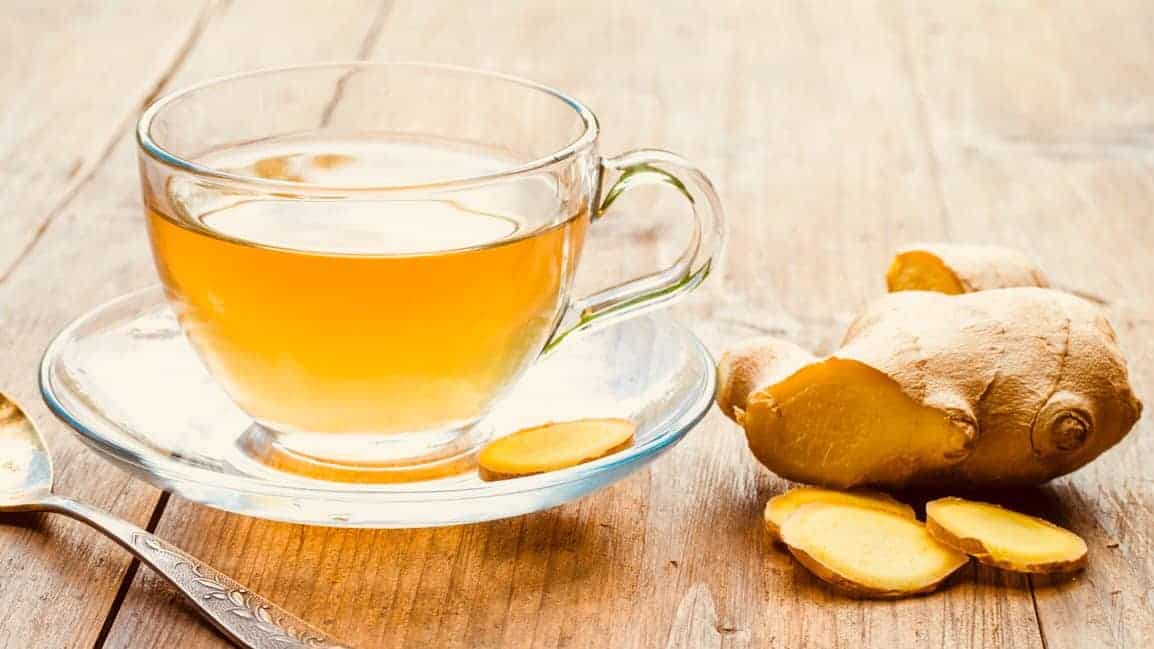
15 Incredible Ginger Tea Benefits For Treating Cough And Cold

Can ginger tea really work to relieve your coughing? First of all, why do you cough? Basically, it’s because of irritants in your upper air passages or your throat. Many things cause these irritants, but ginger tea benefits can help you. Their cause could be a bacterial or viral infection of your respiratory tract, dust pollen, stress, smoking, or other possible irritants.

Coughing can cause you to suffer in several different ways. It can cause you an itchy throat, pain in your throat, or congestion in your throat. All of these are examples of how ginger tea benefits can help you. Your coughing can also cause a headache or chest pain. You may choose to take over-the-counter cough syrups or medicines, but natural remedies such as ginger tea benefits can surely give you relief.

A natural remedy for coughing that has been used for centuries is ginger. It can also help with stomach-related problems. Let’s discuss how it works as a cough suppressant.

What is Ginger?

Ginger is an underground stem also known as a rhizome. Often used as a seasoning in Asian dishes, ginger does have medicinal uses as well. One of the medicinal uses of ginger is the reduction of both inflammation and nausea, according to the Health Medline Plus website of the National Institute. The chemicals in ginger seem to work in the intestines and stomach, but they also affect the nervous and brain system.

15 Benefits of Ginger Tea

According to a 2013 publication of the International Journal of Preventive Medicine, ginger is an effective herbal remedy for fighting medical conditions such as the flu and common cold. This is because of its anti-inflammatory, antimicrobial, and anti-oxidative properties.

(1) Antioxidants

By ginger boosting your immune system, it can help you to prevent catching the flu or common cold. It does this because of its high amount of antioxidants. These antioxidants reduce both your body’s oxidative stress and free radicals.

(2) Cures a Sore Throat

You can effectively get rid of a sore throat due to its strong anti-inflammatory properties.

(3) Fights Cold Causing Viruses

Two of the active ingredients in ginger are shagelol and gingerol. These ingredients have strong antimicrobial properties which have the ability to fight viruses known to cause colds.

(4) Relieves Gas and Bloating

For centuries, ginger has acted as an anti-nausea agent. Besides that, its carminative effect not only breaks down intestinal gas; it also helps to release gas from your body.

(5) Improves Cardiovascular Health

Ginger stimulates your heart muscles and improves your blood circulation.

(6) Lowers Levels of Blood Glucose

If you have diabetes, ginger can be beneficial for you by naturally lowering your levels of blood glucose.

(7) According to Health Wholeness, Ginger Reduces Inflammation in the Chest and Throat

Coughing causes inflammation of both your chest and throat. The anti-inflammatory capability of ginger tea benefits will reduce this inflammation.

(8) According to Health Wholeness, Ginger Possesses Antiviral and Antibacterial Capabilities

Due to these capabilities of ginger, you can get rid of coughs caused by respiratory problems, cold, and flu.

(9) Stimulates Mucus Secretion

Ginger encourages salivation and impedes the contraction of your airway. These actions can give you relief from your coughing.

(10) Antihistamine Capabilities Can Help to Treat Allergies

Allergies often cause respiratory problems. Ginger can help to cure coughs caused by allergies.

(11) Has Antitussive Capabilities

The oleoresin in ginger will give you relief by suppressing your cough.

(12) Ginger Tea Soothes Your Throat and Relieves Your Pain in Your Chest and Throat

The essential oils in ginger have an antioxidant capability which will relieve and soothe your throat pain.

(13) Has Aromatic Compounds with Medicinal Qualities

These medicinal qualities (including shogaols, gingerols, and zingerone) will soothe your coughs.

(14) Is an Expectorant

As an expectorant, ginger will loosen and eject the mucus from your lungs.

(15) Will Unclog Your Sinuses and Allow Drainage

Before you try to relieve your clogged sinuses with over-the-counter drugs, you should try to drink ginger tea first. A recent study found that 96 percent of patients suffering from the symptoms of chronic sinusitis found relief with ginger tea. They didn’t use medications due to their possible side effects. Instead, they just drank a cup of hot ginger tea.

One of the ginger tea benefits is that it is an excellent cough suppressant. For relief from coughing and its symptoms, you should try one of the following three methods of making the tea.

Method 1 – Cough Suppressant

This tea is used to treat coughing caused by the flu or a cold. This tea, when drunk hot, will soothe your throat and give you relief of a sore throat.

Follow these simple steps:
1. Add 2 tablespoons of shredded, fresh ginger root to 1 cup of hot water.
2. After the tea steeps for 10 – 15 minutes, add lemon juice and honey to enhance the taste.
3. Stir the tea well and drink it while it is still warm.
4. Drink the tea 2 – 3 times each day for several days. Drinking the tea should give you relief to your cough and its symptoms.

Method 2 – Ginger

You can cure your cold and its dry cough with ginger. Follow these easy steps:
1. A 1-inch piece of fresh ginger should be cut into slices.
2. Sprinkle some salt onto the slices and chew a slice for a few minutes.
3. Relief from your respiratory problems and its cough will be provided by the strong taste of ginger.
4. Repeat the chewing of the ginger as often as needed.

Method 3 – Add Lemon and Honey to Your Ginger Tea

This method has three benefits to relieve your cough as well as respiratory problems you may be experiencing.

• Your irritated throat can be soothed with the added honey.
• The added lemon will boost your immune system.
• The ginger in the tea will get rid of both the bacteria and any respiratory system’s blockage.

Follow these easy steps:
1. Slice 3 three-inch pieces of fresh ginger root.
2. Cut the lemon into slices.
3. Put the ginger and lemon slices in a jar.
4. Pour raw honey into the jar with the ginger and lemon slices. You should pour enough honey to cover all the slices.
5. Stir the honey, lemon, and ginger slices in the jar.
6. Put the jar’s lid onto the jar.
7. Allow the jar with the ingredients to sit overnight or an entire day.
8. Add 1 teaspoon of the jar’s honey mixture to 1 cup of hot water.
9. Stir the cup of hot water and the teaspoon of the honey mixture.
10. Drink this ginger, tea mixture and enjoy.
11. Repeat 2 to 3 times each day until your cough is relieved.

Side Effects of Cough Medications

There are over-the-counter medications you can try for the relief of your coughing. However, they may cause you side effects. For that reason, ginger can be a better way to deal with your coughing caused by a cold. You should be aware of the side effects of common cough medications.

• Cough-Suppressants – The ingredients of these medications may cause drowsiness, dizziness, constipation, and nausea.

• Dangerous Complications – There are many conditions for which cough medications can cause serious side effects. These conditions include heart disease, pregnancy, asthma, enlarged prostate, and glaucoma. You should always check with your doctor before taking a cough medication if you have any of these conditions. There is a possibility that you may be allergic to one of the cough medications. You should always read the label of a cough medication carefully.

• Expectorants – These medications can loosen your congestion and break up the mucus, causing you to cough. However, you should be aware of the fact that these medications may cause you to experience dizziness, nausea, headaches, diarrhea, and drowsiness.

• Serious or Life-Threatening – Sometimes, a cough medicine can be habit-forming. Always follow the doses recommended on the label of the medication. It is possible to overdose. A child younger than 2 should never be given a cough medication.

ginger tea

The Safest Approach

Coughing is a nuisance. It can interfere with both your sleep or rest, but you need to be careful in how you find relief. Know that the side effects of cough medications can be dangerous. They are especially dangerous for young children or pregnant women. In order to avoid the risk of these medications, try ginger. Consuming ginger slices or ginger tea will give you a much safer way to get relief of coughs due to colds or the flu.

Without causing side effects, ginger can unclog your sinuses, act as an expectorant, soothe your sore throat, suppress coughs, act as an antihistamine for allergy relief, fight virus and bacterial infections, and reduce inflammation. It can do all of these and more without causing you to suffer from side effects.

5 Foods That Cause Anxiety

According to the Anxiety and Depression Association of America, around 40 million Americans suffer from anxiety in a given year. The article goes on to say that treatments exist to help those suffering, yet only about 37% of those with anxiety seek counseling. People with anxiety go to the doctor three to five times more often than those without the disorder and have a six-fold chance of being hospitalized for a psychiatric disorder.

Anxiety stems from a multitude of factors such as genetics, environment, brain chemistry, personality, and lifestyle. However, new research shows that the foods we eat might increase our anxiety as well. This make sense because the gut and brain are intrinsically linked; although research is still in its early stages, scientists have found that about 90% of the body’s serotonin is produced in the gut!

Low levels of serotonin in the body have been linked to disorders such as anxiety, depression, schizophrenia, and even autism. Researchers have also found that poor gut bacteria can lead to an increased fear response which exacerbates anxiety. Your gut helps to create neurotransmitters that can alter your mood, so flooding your body with healthy bacteria will allow for the optimal environment in your gut.

With all the processed foods people eat on a daily basis, it shouldn’t come as a surprise that anxiety, depression, and other mental health disorders have skyrocketed. In order to make your body function properly, you must feed it the right fuel and stay away from things that cause it to malfunction. In this article, we’ll go over some common foods that cause anxiety so that you can start feeling calmer and more clear-headed.

Here are 5 of the most common foods that cause anxiety:

  1. Alcohol

Although many people with anxiety turn to alcohol to help calm their nerves, it can lead to serious damage over time if a person becomes dependent on it. Not only can it cause liver and brain damage, but it can disrupt the balance of bacteria in your gut. As we stated above, this bad bacteria can lead to increased feelings of anxiety due to changes in neurotransmitters.

Many people with social anxiety use alcohol to get through a night out on the town or dinner with the in-laws, but this can easily turn into an unhealthy coping mechanism. If a person who drinks heavily suddenly gives up alcohol, the withdrawal symptoms can lead to increased anxiety. Also, once the sedating effects of the alcohol wear off, insulin levels in the body increase, which can cause restlessness, anxiety, and irritability.

If you find that you need alcohol to relax, try deep breathing exercises or a vigorous workout instead. These methods might take more effort than downing drinks to feel better, but in the long run, your body and brain will be much healthier.

  1. Caffeine

Most people know that caffeine is a stimulant; while it can help you get through the work or school day, it also increases anxiety.

Caffeine can mimic anxiety in those sensitive to it. For example, after two or three cups, you might notice your heart racing, hands sweating, and mind running a mile a minute. Because caffeine stimulates the nervous system, this spells bad news for those with anxiety. It increases the chemicals cortisol and norepinephrine, both of which help you respond to a threat by boosting adrenaline. However, in the modern world, these chemicals can do more harm than good.

If you decide to give up caffeine, make sure to do so slowly so you don’t have nasty withdrawal symptoms such as migraines and fatigue. Also, read labels on foods and drinks; many companies add caffeine to give you an energy boost. Keep in mind that tea, chocolate, and many energy drinks contain caffeine as well. If you’d rather cut down on your caffeine consumption rather than cut it out completely, try drinking coffee every other day or substitute it with tea. Many people report feeling less jittery when they drink tea every morning instead of coffee.

  1. Sugar

In recent years, studies about the connection between sugar and mental health have been on the rise. Researchers have found that eating excess amounts of sugar can increase the risk of developing anxiety, depression, addiction, and memory problems.

Not to mention, sugar throws off the balance of gut bacteria, which can cause candida overgrowth, bloating, and other digestive issues. Of course, eating moderate amounts of sugar from natural sources such as fruits, sweet potatoes, brown rice, and other whole foods won’t cause detrimental effects on the body. The processed sugars in breads, sweets, and sodas, however, lead to increased anxiety and poor gut bacteria.

  1. Gluten

While only a small percentage of the population (1%) suffers from celiac disease, 83% of Americans go undiagnosed or are misdiagnosed with other conditions. The only treatment for celiac disease so far is a totally gluten-free diet. There are over 300 symptoms of celiac disease, but common ones include anxiety, depression, headaches, fatigue, and gastrointestinal problems.

Some people don’t have full-blown celiac disease, but simply gluten sensitivity. However, those people who have gluten intolerance may not know it and continue to suffer from the symptoms associated with it. According to this study, gluten can cause anxiety and depression in patients with gluten sensitivity. This occurs because gluten disrupts the digestive system and gut bacteria, causing the misfiring of neurotransmitters and leading to an increase in chemicals such as cortisol.

If you believe you might have a gluten allergy, try cutting gluten from your diet and see how you feel. You can also go to your doctor and have a test done to see if you have celiac disease or gluten sensitivity. Keep in mind that if you do have celiac disease, you will have to read labels vigilantly. Gluten is a common ingredient in many foods.

  1. Dairy

For people with lactose intolerance, consuming dairy can cause inflammation and irritation in the lining of the gut. The increased inflammation causes the immune and nervous systems to react adversely, which can lead to anxious feelings.

Kelly Brogan, MD, says that in our post-industrial world, “… dairy is homogenized and pasteurized, creating a dead, high-sugar liquid with distorted fats, denatured proteins and unabsorbable or thoroughly destroyed vitamins.” Some people may find relief by drinking unpasteurized, raw milk, but this isn’t a cure-all, either. If you find that you have symptoms such as brain fog, anxiety, or gastrointestinal problems when you consume dairy, cutting it out will be your best option.

avoid diary to deal with anxiety

In this study, people with dairy intolerance showed higher rates of mental disorders such as schizophrenia and bipolar. So, eliminating dairy from your diet if you suffer from mental issues such as these might help you overcome them.

Foods to eat if you have anxiety

Since we’ve gone over foods to avoid, we thought we would include some beneficial foods if you suffer from mental disorders such as anxiety. First, you’ll need to go back to the basics when considering what you should consume in your daily diet. Nature gave us certain foods for a reason, so in general, these should make up a large portion of your diet:

  • Fatty fish such as salmon (the Omega-3s help reduce anxiety and promote mental clarity)
  • Dark chocolate
  • Fresh fruits and vegetables
  • Spices such as turmeric
  • Greek yogurt and other fermented foods such as sauerkraut
  • Herbs like chamomile and lavender
  • Nuts and seeds

These are just some of the foods that can help reduce your anxiety. Try to incorporate these as much as possible in your diet to enjoy the maximum benefits. When you go grocery shopping, try to stick to the outside aisles; the middle of the store typically contains all the processed, packaged foods. Avoid alcohol and caffeine as much as you can. Also, pay attention to how you feel after you eat foods such as dairy or gluten.

Final thoughts

A better diet can work wonders in easing symptoms of anxiety, but food doesn’t always take away the problem completely. It requires a combination of changing your thinking, support from family and/or therapists, getting plenty of sleep, and taking plenty of time for self-care.

Many people today suffer from anxiety due to the fast pace of our modern world; always remember to take time out of your busy schedule to tend to your needs! This doesn’t make you selfish – it just makes you human!

Natural remedies such as lavender essential oils and herbal supplements might help as well. You might need to combine them with medication and/or therapy for the best results. Don’t ever feel ashamed to get help for overcoming anxiety. You deserve to feel your best and live a life free of mental anguish. If you’re suffering, reach out for help, even if that means talking to your parents or partner about how you feel. No one should have to suffer in silence

5 Traits of People Who Attract Their Soulmate

The love of your life is waiting for you, but how will you find them? While you may think Tinder-ing your life away will bring your soulmate your way, the truth is actually a bit more complex. In order for the universe to send your soulmate, you must attract them.

Traits to Attract Your Soulmate

While you may think that “attracting” someone will require you to focus on your physical appearance, the reality is that you actually must look inwards. The following five traits will help you attract the love of your life:

1. Be Intentional

While you can’t conjure up a soulmate out of thin air, there is something to be said about being intentional in your pursuit of a soulmate.

Attracting a soulmate is as much about what you want from them as it is figuring out what you want from yourself. While we all get lonely in life, that cannot be the only reason that you want to fall in love.

If you truly hope to manifest your soulmate, you must first discover the true intentions behind your journey for love.

The type of person that you attract is directly correlated to the intentions that you set. If you set out to find someone to share a life with, you’re already on the right track to finding your ideal partner.

How to Become Intentional

Once your intentions are set, the challenge becomes figuring out how to translate them into your actual dating habits. Consider the following tips whether you are actively dating or waiting to meet “the One”:

  • Establish Your Purpose: If you’re looking for your life partner, it’s important that you are dating with this purpose in mind. Rather than creating an atmosphere of just “hanging out” or “testing the waters”, make it clear to the other person that you’re searching for something that will last a lifetime.
  • Be Clear: In relationships, it’s important that both people are on the same page. Even if you’ve just started showing interest in someone, it’s important to be clear about everything. While you needn’t lay all your cards on the table on the first date, don’t hide anything either. Eliminate the potential for confusion and focus on always communicating clearly.

2. Love Yourself

You’re looking for love but have you first looked inward? The search for your soulmate must start with the search for true love within yourself.

Our entire lives are really a journey to understand and accept ourselves fully and completely. We all have our own faults and strengths and we must learn to love both in order to evolve into the best version of ourselves.

Without this type of love, we will never be able to truly love anyone else, as we won’t understand how we deserve to be loved.

If you’re setting out to attract your soulmate, start by reflecting on how you can do better to love yourself. Look inside and see if there are any issues from your past that are still affecting your present so that you can work on them while waiting to meet the One.

Learning to Love Yourself

We never stop learning how to love ourselves. The more we get to know and love ourselves, the better prepared we will be to give and receive love. Practice self-love with these tips:

  • Start the Day with Affirmations: Don’t let the day start without you telling yourself how worthy you are. Spend your first morning minutes breathing in love. Focus on meditating on how incredible you are and how deserving you are of love.
  • Focus on Positivity: Fostering a sense of self-love is all about focusing on the positives in life. While you shouldn’t force yourself to be happy all the time, train your mind to think positive thoughts by catching yourself whenever something negative enters your mind.While this transformation won’t happen overnight, every step will help shift your thinking.
  • Focus on Personal Development: Always be willing to grow. Dedicating yourself to constant improvement is an important act of self-love. While none of us are perfect or will ever become perfect, we can always become better.

3. Prioritize Gratitude

Gratitude is a trait that is often overlooked these days. However, gratitude is essential if you hope to attract your soulmate.

Focusing on all the positive blessings in your life will help you feel fulfilled and complete even prior to finding your soulmate. This will help shape your positive outlook on life, ensuring that you keep attracting more positivity into your life.

Moreover, as you practice being grateful for what you already have, make a point to be thankful for what has yet to come.

Think about all the qualities that you want in a partner and start expressing gratitude for what will happen in your future. Whether it is tomorrow or it is later on down the road, this type of gratitude is an example of the law of attraction at work.

Learning How to Express Gratitude

Gratitude isn’t confined to the thank you’s we give to people after they’ve done something for us. True gratitude comes from understanding how beautiful it is to simply exist. Consider the following tips to learn how to better express gratitude:

  • Appreciate All the Little Things: It’s easy to complain about everything that goes wrong in our daily lives. However, making a habit of having gratitude will allow you to see that the universe is conspiring to give you good things in life. One of which will ultimately be the love of your life.
  • Write in a Gratitude Journal: As you meditate on all of the positives in your life, don’t forget to write these things down. This will help you remember all of these blessings, whether they’re big or small.
  • Volunteer Your Time: One way to express more gratitude in life is to give back more often. Volunteering your time in order to help others will increase your well-being and ultimately improve your capacity to experience gratitude.

4. Visualize to Attract Your Soulmate

The best is yet to come and if you really believe that, you’ll live life like this statement is absolutely true. By visualizing your desires, you will manifest their existence into your reality.

As you attempt to attract your soulmate, you must visualize them. When you firmly believe and actively imagine this meeting taking place, you are setting yourself up to meet the love of your life.

soulmate

While there is no way to know when this meeting will take place, you agreeing to visualize this reality already proves that you KNOW it will happen one day and when it does, you’ll be ready.

Tips for Visualizing

Finding true love through visualization isn’t only possible, it’s essential when trying to find your soulmate. Try these exercises as you work to strengthen your visualization skills:

  • Write Down Your Future Partner’s Ideal Attributes: Specificity is needed when working to attract your significant other. If you don’t know what you’re looking for, the universe won’t know what desires to answer.After you meditate on all of these attributes, destroy the list that you’ve written. Just as it is important to know what you want, it is also necessary for you to relinquish control.
  • Make Daily Steps Towards Your Goal: Visualization is as much about speaking your desire into existence as it is about making it happen. Do one thing each day that will bring your dream into reality.Whether that is practicing self-love or being open to the possibility of meeting new people, readying yourself to meet the love of your life will help you to prepare for when it does happen.
  • Keep Going: Being lonely isn’t a pleasant feeling. Instead of obsessing over these feelings, think about how this time is shaping you to better appreciate your future love when you do meet them.

5. Have Patience

Ever heard that the minute you stop looking for something you’ll find it? In the case of you and your true love, this statement couldn’t be truer.

You can hope to meet the One all you want, but if you aren’t ready to receive this love, you’ll never be able to make the love last.

Give the universe a chance by giving up all your anxious efforts to try to force a relationship to work.

Live your life to the fullest and be open to the possibility that love is all around you. One day, in the right moment, you’ll find what you’ve been looking for all along.

How to Trust the Universe

Trusting that the love of your life will one day come to you can take on many forms. If you’re ready to practice more patience with your love life, keep reading:

  • Stop Trying So Hard: Are you a regular on the most popular dating apps? Do you look at every new person you meet as a potential partner? While you may have good intentions, this type of mentality makes it difficult for real love to find you.Take a step back and focus on learning to be content with yourself. Once the time is right, the universe will send your true love to you.
  • Stay Focused: Hooking up with random people can be fun, but it can also be distracting. If your end goal is to fall in love with the One, now is not the time to become preoccupied with serial dating or one night stands.

Final Thought on Attracting The One

The One will find you when the time is right. As you work to attract the right person, focus on falling in love with yourself and your life.

Keep these five traits in mind as you grow in your understanding of what love is and what it looks like in your life. Whatever may happen in life, always keep the faith!

Researchers Reveal How Women Have A Younger Brain Than Men

Scientists and medical professionals have often cited the biological differences between men and women. Of course, many of these differences are not innate; instead, they are learned and instilled through observation and the world around us. Still, they are differences nonetheless.

One of the most prevalent myths about the differences between men and women has to do with their brain. People often say that men mentally mature five years more slowly than women do, implying that a 23-year-old man may have the same maturity as an 18-year-old woman.

This myth has been disproved many times, and now recent research has come to light that completely flips the switch on this idea. Not only does it, once again, bust that myth, but it also suggests the opposite: that women’s brains are younger than men’s throughout their lives.

But what does this mean? Chances are, it’s not exactly what you think. Here’s the way researchers reveal that women have a younger brain than men.

Researchers Reveal How Women Have A Younger Brain Than Men

alzheimer's

1.    The Study

This study was performed by a group of researchers with the Washington University School of Medicine, located in St.  Louis, Missouri, and published in the Proceedings of the National Academy of Sciences. Here are the names of the researchers who found that women have a younger brain than men, in alphabetical order:

  • Andrei G. Vlassenko
  • John C. Morris
  • Lars E. Couture
  • Manu S. Goyal
  • Marcus E. Raichle
  • Randall J. Bateman
  • Tammie L.-S. Benzinger
  • Tony J. Durbin
  • Tyler M. Blazey
  • Yi Su

About the study

Scientists gathered 84 men and 121 women between the ages of 20 and 82 and invited them to take part in a kind of brain scan known as a PET scan, or positron emission tomography. This technique enabled them to measure the flow of certain components through the brain of each participant, especially glucose and oxygen behavior and how they flow and are transported around the brain.

But that’s not all that researchers took a look at. The study also surveyed a process naturally performed by the body called aerobic glycolysis. Glucose, or blood sugar, is converted into energy by many different parts of the body, including the brain. These imaging scans were designed to determine how this energy is created within the brain of each study participant.

Why is aerobic glycolysis such an important part of this study? Well, this process occurs at a higher rate the younger you are. In infants, toddlers, and young children, aerobic glycolysis happens at such a fast rate because it is a way for the brain to develop.

By the time someone reaches their teens, the rate would have dropped a lot, and it gets lower and lower as someone ages. In the elderly, especially those aged 60 and above, the process happens very minimally. This is how this process, which is a form of brain metabolism, is useful in measuring the age of a brain.

2.    Methods

Now you know the general overview of the study and its goals. So, let’s look at the methods used to collect and interpret data by the researchers. What they did next was to develop an algorithm on a computer that, based on medical knowledge of brain metabolism and its correlation to age, could view scans and predict the ages of the people’s brains through those imaging tests.

The computer first had to be taught how to do so. First, it was taught the ages of men corresponding with their brain scans. As soon as it learned, it took metabolism data from female imaging scans and began to attempt to predict the ages of the women those scans were from.

Then, the process was reversed. A computer was taught to recognize the ages of women based on their brain scans. Then, it was fed male brain scans and asked to predict what ages the men truly were, based on what it had learned from women’s scans.

So no, this study didn’t draw any conclusions about mental maturity. The point of the study was to find out how physically old the brain is in different sexes – and it certainly succeeded.

3.    Findings

In the first run of the computer algorithm, a computer learned the relationship between male brain scans and their ages and attempted to apply this relationship to female brains scans and their ages. The algorithm predicted that the women in question were younger than their male counterparts – up to 3.8 years younger.

In the second run of the computer algorithm, a computer learned the relationship between female brain scans and their ages and attempted to apply this relationship to male brains scans and their ages. The algorithm predicted that the men in question were older than their female counterparts – up to 2.4 years older.

Why did this happen? Apparently, male brains burn off glucose and convert it into energy in ways that make them seem much older than females. You might think that this may be due to age discrepancies, but the men and women who were judged against each other were all the same age as their study partners.

This difference could be seen throughout all age groups, whether the participants were young adults or elderly senior citizens. This suggests that women’s brains never reach the same age as men’s brains metabolically, no matter what. No signs suggested that the gaps in metabolic age narrow or widen over time.

It should be explained, though, that this does not point to mental maturity; it also doesn’t mean that men’s brains naturally age at a faster rate at all. Instead, findings suggest that when men reach adulthood and their brains are no longer attempting the rushed development of infancy, they start their grown-up lives with brains that are already around three years older.

4.    What Does This Mean?

So, what do these findings suggest? As of right now, even the researchers who worked on the case do not know. But one thing is for certain – this is a very important study; its findings bring the medical world a step closer to better understanding differences between the sexes.

Researchers theorize that the reason behind these findings could lie in many locations, though there is currently no way to confirm this 100%. These factors could easily influence brain development. The possible explanations for these metabolic age differences include:

a)    Exposure

Gender differences may result in individuals be brought up differently. They may face different inflammatory, immunological, and even hormonal environments as they age, causing their brains to adapt to make up for the differences.

b)    Sexual differences

The biological differences between men and women could have some impact on how their brains develop. However, much research has suggested that, on average, there is more difference between two people of the same sex than there is a difference between men and women as a whole.

c)    Development

Women are known to reach puberty, on average, a little bit before men, though this is not a concrete difference. There are always exceptions to the “rule” and this is not something you can be 100% positive about.

d)    Hormonal exposure

We did mention this earlier. This type of exposure can completely change the way the brain develops structurally. It can potentially affect blood flow, too, which goes on to affect brain health.

All people lose some of their cerebral blood flow as they navigate the tumultuous times of puberty. In women, studies have shown they have a lower rate of this flow loss, and they also go through additional aerobic glycolysis – a good amount more than men – during young adulthood. They also don’t lose as many gene expressions when they get older.

It is likely that these findings show one of the reasons that women do not face cognitive decline as often or, sometimes, as severely as men do as they age. However, more research is needed on the subject before anything can be definitively said. Consider, for example, the fact that once they hit 60 years of age, women have a higher chance of developing Alzheimer’s than breast cancer. In fact, Alzheimer’s patients are made up of more women than men.

For right now, there is no indication that this brain youth has any positive effects on a woman’s mental function. That said, this study opens doors to future studies that could shed further light on the subject and improve our understanding of brain disorders and health.

5.    Can You Make Your Brain Younger?

After the results of this study, it’d be no surprise if men everywhere try to find ways to add youth to their brains. Sadly, it doesn’t really work that way, but there are known ways that one can improve the overall health of their brain. A healthy brain leads to less negative effects of aging, after all.

Many habits designed to keep the brain healthy can also be used to keep the whole body healthy. Here are some tips you can try:

a)    Diet

For most people, heart health leads to brain health. Those who do not consume a heart-healthy diet may fall prey to vascular degeneration, which can have negative effects on the brain.

b)    Exercise

Keeping fit and ensuring your body is healthy is a great way to boost brain health because it allows the cells to use glucose in a better way. Plus, exercise has tons of other benefits: it makes you stronger, improves positive thinking, and boosts your overall bodily health.

c)    Social interaction

People who maintain some degree of social activeness throughout their life are more likely to avoid mental decline. You don’t have to be the life of the party, but don’t shut yourself away!

brain

d)    Engage your mind

Research suggests that doing puzzles can help keep the brain sharp, warding off unwanted degenerative diseases and having overall positive effects on cognition. Stick to puzzles that challenge you – not ones that frustrate you!

Final Thoughts On How Women Have A Younger Brain Than Men

There is still much to be understood about the underlying causes and results of women having younger metabolic brain ages than men. Further research is needed regarding this subject, but it is clear that this study may just be the one to propel our understanding of this topic much further.

For now, focus on taking care of your body and your mind! Maintain positive thinking, practice good habits, and keep your eyes open for further developments regarding the aging of the human brain.

How to Make A Natural Botox With Only Three Ingredients

Botox treatment is an incredibly common procedure. Medically, it is excellent for treating some muscle disorders, reducing migraines and sweating, and even aiding with excretory disorders. Aesthetically, Botox is used to remove wrinkles, lines, and other marks by applying temporary paralysis over the muscles, especially on the face.

The use of Botox for aesthetic purposes is somewhat controversial, but it’s also very popular. Six million treatments of this kind are performed annually, more than any other non-surgical form of cosmetic treatment. Botox treatment, especially when administered by experts at Salt Aesthetics Botox Center, is a popular and effective procedure that provides excellent anti-aging results. While it uses carefully controlled and safe amounts of toxins, some people may still prefer a natural alternative. For those who want the rejuvenating effects of Botox without any synthetic chemicals, there is a natural method that uses only three ingredients! Here’s how to make a natural Botox with only three ingredients!


How To Make A Natural Botox With These Three Ingredients

1.    The Downsides To Non-Natural Botox

Botox is administered from a toxin called botulinum. A very, very small amount is used, but even a slight overdose can be deadly thanks to botulism, which is an illness that leads to respiratory failure. Just one gram of the substance can result in the deaths of more than one million. Just two kilograms could kill everyone living on earth today!

Still, we don’t want to scare you; Botox is, for the most part, quite safe as far as chemical treatments go. And most freak cases of Botox gone wrong actually occur in those who use it therapeutically or for medicinal purposes, so keep your positive thinking going! But it still carries a higher risk than more natural methods.

There’s also the issue of pain. Non-natural Botox treatments involve injections, which some may find quite painful. These injections will also cause some degree of bruising around the spots they were administered, and they take a couple of days to fade. Natural Botox methods do not cause these issues; they just maintaining youthful skin with injectables.

To top it all off, all types of Botox – whether natural or non-natural – are mostly temporary. Non-natural Botox has effects that only last up to six months, and no longer. This can lead people to repeatedly undergo Botox treatments again and again.

But the muscles in commonly treated areas will become more and more weak as time goes on. This will eventually lead to the loosening and flattening of the skin. Weak muscles will then have to resort to borrowing strength from other muscles around it. Ironically, this can accelerate the aging process, says cosmetic dermatologist Dr. Patricia Wexler.

That said, although natural Botox methods don’t produce permanent outcomes either, they nourish the skin and help fight aging. With repeated use, they can help make the skin healthier and; therefore, their effects are more long-lasting and can have long-term benefits. Essentially, there are no negative sides to using natural Botox – only positive sides!

2.    How To Make Natural Botox: Method One

There are two different ways that we’re going to use to show you how to create your own natural Botox treatment at home. Both only require three ingredients, so they are extremely easy to make and use; most people already have these ingredients at home!

For the first method, you will need the following ingredients:

  • One tablespoon of cornstarch
  • One tablespoon of sour cream
  • Five tablespoons of carrot juice

Now you know your ingredients, so it’s time to learn how to make this natural Botox with only three ingredients. Here is a step-by-step guide!

  • Step 1: Start by grabbing half a glass of water. Use it to dissolve your cornstarch thoroughly.
  • Step 2: Once dissolved, pour in some boiling water; 100 ml will do fine. Cook the mixture on simmering, low heat. It should soon thicken.
  • Step 3: Allow to cool for a short while.
  • Step 4: Add your carrot juice (fresh!) and sour cream. Stir till well combined.
  • Step 5: Give your face a thorough clean. Exfoliate, too, for best results. Spread the finished mixture over your face.
  • Step 6: Leave to sit on your skin for up to half an hour.
  • Step 7: Rinse the Botox mask away with some warm water. Use a nourishing or moisturizing cream to finish off.
  • Step 8: Use this mixture for three consecutive days. Remnants of the mask can be kept in the fridge.

Once you complete your three-day natural Botox treatment, you will find wrinkles reduced and will notice that you look less tired. You should also feel like your face is more hydrated, and the skin softer and tighter!

3.    Why Method One Works

Cornstarch is a great ingredient for skin care. It can revive tired skin and has amazing anti-aging properties. Cornstarch also soaks up excess oil and works to regulate the amount of fat on the skin. It has brightening, color-correcting effects thanks to its high vitamin A content, and it sports calcium and iron, which are both components that make new skin cells.

Sour cream, on the other hand, also has positive effects on one’s skin. One of its main components is lactic acid, which is great for exfoliation purposes. It also helps increase collagen production, and collagen is crucial as it is responsible for creating connective tissue within the skin. On top of all that, lactic acid is great for keeping moisture content high on skin!

Finally, let’s talk about the main ingredient: carrot juice. It can do so many great things for the skin, so we’re going to break down its contents.

a)    Vitamin A

Vitamin A is great for acne treatment, and as an antioxidant, it prevents excess free radical production. It is also great for anti-aging purposes.

b)    Vitamin C

This versatile nutrient helps boost the production of collagen, helping to firm skin and fix brown, discolored spots. It can also bring down redness and inflammation

c)    Vitamin E

This antioxidant provides much-needed hydration to the skin. They can also help clear up dark spots and scars.

d)    Vitamin K

Also an antioxidant, this vitamin is great for limiting free radical production, just like vitamin A.

e)    Beta-carotene

This component clears away dried or dead skin and keeps moisture firmly locked in so your face is hydrated. It’s good for skin cell renewal.

f)     Potassium

Simply put, potassium is excellent for moisture and hydration.

4.    How To Make Natural Botox: Method Two

This second natural Botox treatment was designed by the famous Dr. Oz. It’s faster to do and easier to complete, but do note that results may not be as significant as with method one. Here are the ingredients you need.

  • A quarter cup of yogurt
  • One quarter of a banana
  • One teaspoon of honey

Now you know your ingredients, so it’s time to learn how to make this natural Botox with only three ingredients. Here is a step-by-step guide!

  • 1: Mash up your banana quarter.
  • 2: Mix the mashed banana in with your yogurt and honey.
  • 3: Spread the combination over your face.
  • 4: Allow to sit for a quarter of an hour.
  • 5: Rinse the mask off your face with cold water. Gently pat dry, and carry on with your usual skin routine.

Dr. Oz’s banana Botox mask is extremely simple to use, and it’s great for refreshing the skin and leaving you feeling clean and smelling great. You’ll find your mood lifting quickly and your positive thinking heightened with this mask as it treats your skin and smooths wrinkles!

5.    Why Method Two Works

Yogurt is a fantastic ingredient for a natural Botox mask because it contains lactic acid. This acid gets rid of dead skin in a soothing, exfoliating manner. It can help the skin to glow, moisturize the surface, and soften skin. It rejuvenates and prevents future breakouts, all while having tons of anti-aging positive sides!

Meanwhile, raw honey doesn’t just moisturize. It also has restorative properties that make it a fantastic cleanser. It softens the skin for a glowing face, reduces lines and wrinkles, and helps to reduce inflammation and redness. Raw honey can give your whole look a lift while relieving dryness!

Finally, there’s the banana. There’s very little that it can’t do for your face! It reduces oil, moisturizes the skin, helps treat acne, and even helps with dark spots. There’s a reason this fruit is so commonly considered nature’s positive, organic Botox. All its anti-aging properties are incredible for the skin. Here’s a breakdown of each component and how it works.

a)    Vitamin A

This vitamin helps to smooth the skin while healing damage, reducing scarring and spots in the process.

b)    Vitamin B

A collection of B-vitamins within bananas prevent stress by halting free radical production.

c)    Vitamin C

Crucial in collagen production, this vitamin controls the oil on the skin while reducing free radical production.

d)    Vitamin E

This vitamin slows aging and helps to prevent free radicals from taking root. It can also shield the skin from sun damage.

e)    Amino acid

This nourishing nutrient helps to boost connective tissue, allowing your skin to stay elastic while still being strong.

f)     Lectin

Lectin helps you fights off bad bacteria, thus keeping your face pimple-free.

g)    Potassium

The most famous nutrient in a banana, potassium provides moisture and hydration to facial skin.

potassium deficiency - botox

h)    Zinc

This mineral guards against acne by fighting germs of all kinds, thus keeping your face cleaner and clearer.

Final Thoughts On How To Make A Natural Botox With Only Three Ingredients

Aging is a natural process for the skin. Trying to stop it by pumping your face full of Botox may not have the effects you seek. It’s a pity that many people see it as their only option, as there are so many less invasive methods that can do the same job in a more natural way.

Skincare is the most crucial part of fighting the negative side of aging. Taking care of your body, your mind, and your overall health is truly the only way to really avoid the nastiest parts of getting older. No amount of forceful procedures can undo neglect!

Now that you know how to make a natural Botox with only three ingredients, you can skip a trip to a doctor or surgeon’s office and focus on aging gracefully. With patience, you’ll have the skin you’ve always dreamed of, thanks to cheap ingredients you already had in your kitchen!

15 Reasons Women Should Do Yoga Everyday

Yoga comes from the Sanskrit word for yoke, “Yuji.” It is an activity practiced since ancient times and is an excellent way to focus the mind and body.

This exercise typically utilizes meditation, poses, and breathing exercises that, when combined, promotes relaxation of the body and mind while noticeably reducing stress!

The regular practice offers the body and mind many potential benefits. Some of these are backed by facts, while others, not so much.

Either way, it is hard to argue against adding this activity to your daily routine. To highlight a few great reasons women should do it every day, we’ve brought together 15 yoga benefits for your body and mind:

15 Yoga Benefits:

improve anxiety symptoms

1. Reduces Feelings Of Stress

One great reason to do this practice as a part of your daily routine is its tremendous stress reduction abilities!

Quite a few studies concluded it could significantly reduce the hormone primarily responsible for stress, cortisol!

One such study looked at 24 women who felt under emotional stress. Following a three-month program that included this practice, the women’s cortisol levels were much lower! As a result, they reported fewer anxiety and fatigue feelings and reduced stress and depression symptoms!

2. Reduces Symptoms Of Anxiety

If you are a particularly anxious person, it may be just the thing you need to get your feelings under wraps! Many practitioners of this great exercise report significant reductions in their anxiety symptoms due to starting up the habit!

Much research has been done on this topic, and the results show promise! In one of these studies, researchers observed 34 women diagnosed with anxiety. They took bi-weekly classes for two months and, in the end, their anxious feelings lowered significantly!

3. Reduces Inflammation

Aside from some of the mental benefits of this outstanding practice, it can lower your body’s inflammation!

If you’re unfamiliar with inflammation, it is a normal function of your body’s immune system. Too much inflammation, though, and you are at risk of developing many inflammatory diseases, including cancer, diabetes, and heart disease!

During one study, people who regularly practiced this were compared to those who didn’t. In the study’s conclusion, those who practiced periodically had much lower inflammation levels than those who didn’t!

4. Improves The Health Of Your Heart

Another great reason to adopt this daily habit is that it has been beneficial to your heart’s health! Heart health is vitally important. A healthy functioning heart ensures that your body receives all the essential nutrients!

One study looked at regular practitioners over 40 who had stuck with the habit for five years or more. They noted that members of this group of individuals had noticeably lower heart rates and blood pressure!

According to some research, some also believe that it can slow down heart disease progression according to some research!

5. Improves Your Quality Of Life

No matter how happy and great your life already is, further improving the quality of your life is always a great objective to set your mind to! If you’re seeking out improvements to the quality of your life, then consider adopting this regular practice!

Researchers looked at 135 seniors and separated them into three different groups. One group was to walk for six months, another practiced yoga, and the other was designated the control group. At the end of the study, those who maintained this practice were in much better moods, less fatigued, and felt their quality of life had been improved more overall, than those of the other groups!

6. Reduces Symptoms Of Depression

If you find yourself feeling down in the dumps more often than not, consider adopting this daily practice!

Plenty of research has been done, which has shown that it can have an anti-depressant effect and may reduce symptoms of depression in many!
Some studies show that it may have an anti-depressant effect and could help decrease symptoms of depression.

Due to its potential to reduce your cortisol levels, depression symptoms drop in many individuals! Following one study, after two weeks of regular practice, they noted reduced levels of cortisol and depression symptoms in study participants!

7. Reduces Chronic Pain

If you suffer from chronic pain, this may be just what you need to start feeling better! Millions of people suffering from chronic pain welcome this natural, holistic relief method. Lots of research continues on this topic, and this practice shows signs of being a great way of accomplishing this task!

In one of these studies, 42 participants who suffered from carpal tunnel syndrome were instructed to wear a wrist splint or practice this excellent exercise for two months. Following the study’s conclusion, it was found that those who wore the wrist splint realized pain relief and improvements to their physical function to a lesser degree than those who did the exercise!

8. Improves Your Sleep Quality

Sleep and sleep quality should be a priority in everyone’s life! It’s often found these days that people put to sleep on the back burner, prioritizing other aspects of their life instead, much to their detriment!

Not getting enough quality sleep has been shown to increase the likelihood of one developing high blood pressure, depression, obesity, and other ailments!

A few studies examined yoga and sleep. Researchers found that it could improve the quality of your sleep!

9. Improves Your Balance And Flexibility

Often, we overlook our balance and flexibility. This is a mistake, though, especially as we age! Having solid balance significantly reduces our chances of falling and injuring ourselves as we age, and improving your flexibility is another great way to minimize the chances of an injury.

In one study, 66 senior participants were instructed to do this exercise or another form of bodyweight exercise. Following a year of this activity, flexibility improved by up to 4 times in the group who did yoga!

10. Improves Your Breathing

A focus on the breath and on breathing exercises is a crucial aspect of yoga’s practice. Quite a few studies have been done which found this focus on the breath may offer you improved breathing overall!

In one of these studies, 287 students took a class over the course of 15 weeks where yoga breathing exercises and poses were practiced. Following the study’s conclusion, their vital capacity was improved dramatically!

In a similar study, yoga breathing exercises were determined to improve the function of the lungs and the symptoms in those who had asthma!

11. Offers Relief From Migraines

If you are 1 out of 7 Americans that suffer from migraines, consider adopting this regular practice! Another one of the fantastic ways yoga benefits you is by potentially helping in alleviating symptoms of migraines.

Research shows that it proves helpful when used as a supplemental therapy alongside migraine medication.

As a part of one of these studies, 72 individuals who suffered from migraines were either instructed to take up this regular practice or conduct a form of self-care for three months. The results showed that those who maintained standard practice had noticeable reductions in the intensity of their migraines. These headaches also occurred less frequently and were much less painful than those who did self-care.

12. Encourages Healthy Eating

Another way yoga benefits you is by making you more mindful, mainly when eating. Being more mindful is a great thing in general, but by practicing mindful eating, you will likely find you enjoy your meals much more and eat less!

Yoga Encourages Healthy Eating

By being more present and mindful while enjoying a meal, you’ll begin adopting more healthy eating habits, resulting in faster weight loss and better blood sugar regulation.

One study found that the way it benefits you is by reducing binge eating and weight while increasing physical activity!

13. Improves Your Strength

Another one of the many yoga benefits is its potential to improve your strength! When combined with a regular exercise routine, you’ll find that you get stronger and faster!

Some poses will build muscle and improve your strength!

One study had participants doing these poses six days a week for six months. At the end of the survey, endurance and upper body strength improved, and weight loss often occurred! Women also had the extra benefit of decreased body fat!

14. Improves Your Immune System

Regularly practicing this fantastic exercise lowers your stress hormones, which improves the function of your immune system! It also makes you more mindful, which will likely result in you paying more attention to the foods you eat. As a result of eating better, your immune system will strengthen!

15. Improves Your Focus

The last reason we have for you to adopt this daily practice is that it may help improve your mind’s ability to focus. As a part of this practice, there is the concept of Drishti, our your view. It has you focus on your Drishti, which makes you better at focusing on your daily tasks!

Final Thoughts On Yoga’s Benefits

After reading through this, you should have plenty of reason to adopt this daily practice! Women, significantly, can regularly benefit from sticking to a daily routine that includes this great exercise!

Solid research supports these benefits, making omitting this activity a fundamental mistake!

Try to set aside a little time each day to incorporate this regular practice into your day!

10 Foods To Avoid If You Suffer From Constipation

Constipated? Understanding the condition can help you fix it.

Constipation interrupts regular bowel movements, resulting in difficulty passing stool. Having fewer than three bowel movements a week or a significant decrease in the frequency of the typical number of bowel movements over that period meets the diagnosis criteria for constipation. Of course, the frequency of bowel movements can be highly subjective, as it can vary widely from person to person.

Physical complications that lead to constipation symptoms originate in the large intestine (colon). Food moves through the gastrointestinal (GI) tract during digestion, absorbing food and nutrients to be delivered throughout the body via the blood stream. When the colon absorbs too much water, waste moving through the colon doesn’t get the moisture it needs to pass effectively. As a result, it takes much longer for food to pass through the colon, resulting in dry, hard stool. Often, however, the stool is unable to be passed at all.

Constipation is a prevalent, typically acute condition, affecting nearly everyone at some point. Demographically, women, children, and adults over 65 tend to experience constipation more frequently than others. Per the National Health Service (UK), one in every seven adults and one in every three children have constipation at any given time.

Constipation is rarely serious, though the symptoms can be quite uncomfortable. Constipation can be acute (short-term) or chronic (long-term).

“Constipation can occur in babies, children, and adults. It’s estimated that around 1 in every 7 adults and 1 in every 3 children has constipation at any one time.” – NHS Inform (source)

Causes

The leading causes of acute constipation include:

  • Lack of fiber in one’s diet
  • Change to one’s dietary habits
  • A sudden change in lifestyle
  • Mood disorders, particularly anxiety and depression
  • Not drinking enough water (dehydration)
  • Ignoring the need to defecate
  • Frequent exposure to stress
  • Side effects of medications such as beta-blockers and antidepressants

Chronic constipation frequently stems from a health issue affecting the colon and rectum. Pelvic muscle abnormalities or a hormonal imbalance may also serve as causes for this chronic issue. Neurological problems, including autonomic neuropathy, multiple sclerosis, Parkinson’s disease, stroke, and spinal cord injury can damage nerves in the colon and rectum, resulting in chronic constipation.

The pelvic muscles also play a role in passing a bowel movement. Not being able to relax and contract these muscles, or muscle weakness in the pelvic area can cause chronic constipation. These conditions are known as anismus and dyssynergia, respectively.

Finally, hormonal complications from medical conditions (disease and non-disease) can lead to chronic constipation. These include diabetes, hyperthyroidism, pregnancy, and hypothyroidism.

yoga for constipation

Read ten reasons why you should try yoga when you’re constipated.

Risk factors

Some things increase the risk of developing constipation, including:

  • Anxiety, fear, or worry
  • Autoimmune disorders (e.g., lupus)
  • Childbirth
  • Cancer
  • Changes to bowel movements
  • Certain medications, including antidepressants, calcium channel blockers, and prescription pain relievers
  • Diabetes
  • Inadequate or unhealthy diet
  • Intestinal complications (e.g. irritable bowel syndrome or inflammatory bowel disease)
  • Lack of exercise or physical movement
  • Lupus
  • Muscle disorders
  • Neurological disorders
  • Pregnancy

The Role of Food in Constipation

As you most likely know, food plays a significant role in developing and preventing constipation. Here are ten foods and food types that you should avoid if you’ve had constipation troubles (and what do):

  1. Alcohol

As mentioned, food and waste require water to move normally through our intestines. When lacking H2O, digestion in this area slows. Well, since alcohol consumption drastically increases the risk of dehydration, it is more likely that one will develop constipation.

What to do: If you must drink (and who doesn’t on occasion?) do yourself a favor and keep a water bottle handy (don’t forget actually to drink from it!) If you’re feeling superhero-ish, strongly restrict your drinking or abstain from the bottle altogether for a predetermined length of time.

  1. Dairy products

Milk, cheese, ice cream, and most other dairy products are both high in fat and low in fiber. This nutritional composition isn’t ideal for our tummies – and can lead to constipation. Lactose intolerance, a condition affecting up to 70 percent of us, may also cause constipation.

What to do: It’s best to look for dairy that is low in fat and sugar. Also, try to limit dairy products to a maximum of three servings daily.

  1. Frozen dinners

Frozen dinners are “Exhibit A” against the Western diet. Most frozen foods (not all) are packed with fat, salt, and empty calories. Fat increases feelings of satiety while sodium promotes dehydration. Both factors significantly increase the odds of developing constipation. Not to mention that frozen dinners are also loaded with additives and preservatives.

What to do: Frozen dinners are attractive because of their convenience, which is totally understandable. Just please keep in mind that there are plenty of healthier frozen dinner choices. Per WebMD, the following brands are the best bets:

  • Michelina’s Budget Gourmet
  • Lean Cuisine
  • Smart Ones
  • Healthy Choice
  1. Cookies and other pastries

Cookies – along with other pastries such as cakes – lack water content while they are also high in fat and low in fiber. Basically, these foods are some of the worst for overall health and digestion.

What to do: Pastries and baked goods are best consumed in strict moderation. Fresh fruits will also satisfy your sweet tooth and provide much less fat. The high fiber content of fruit also helps digestion.

  1. Fast/fried foods

Both fast and fried foods can cause constipation due to their high fat content, near-absence of fiber, and empty calories. The adverse effect of fried foods on digestion is compounded in that they effectively replace more nutritious foods. That is, lunch at a fast food place isn’t considered “lunch” by your body. The body needs a certain dose of nutrients of which it is being deprived.

What to do: Eat fast and fried foods on rare occasions. If you must eat out, choose a healthier option like a salad with low-fat dressing. Hold off on the soda and instead opt for water.

  1. Potato chips and other high-fat snacks

Foods that are high in fat, healthy or unhealthy, promote feels of fullness. People who eat too many high-fat snacks often do so are the expense of healthy fats and other digestion-aiding foods.

What to do: First, limit snacks to the rare occasion. Second, to benefit your overall health (and digestion!), eat snacks that are low in fat and, ideally, contain some fiber. Nuts and seeds are good examples.

  1. Refined (processed) grains

Refined grains – as with refined sugars – offer little to nothing in the way of nutritional value. The processing that these grains undergo removes the bran and the germ; the healthy parts of the grain, in other words. Oh, and the refinement process also eliminates the fiber, iron, and most B vitamins from the product.

What to do: Choose whole grains, every time. Stay away from “white” varieties of bread, flour, and rice. Brown rice and whole grain bread are healthier options that retain their nutritional value.

  1. Red meat

Western society’s insatiable craving for red meat, not necessarily the red meat itself, leads to constipation. Per nutritional experts, the Western diet effectively replaces healthy foods that help digestion (e.g. lettuce, other greens, and potatoes) with too much red meat.

What to do: Some of us occasionally like a nice steak, and that’s fine and dandy. The thing to remember is not to let meat consumption get out of control. If you love red meat, consuming no more than 1-2 servings weekly is best.

  1. Unripe bananas

While it pains the writer to include the word “bananas” on any “Don’t eat this!” list, unripe (read: green) bananas can cause a mean bout of constipation. The reason is that green bananas contain high amounts of starch, which the body finds it difficult to digest.

What to do: Eat ripe bananas packed with soluble fiber and great for digestion health. (Yes, it’s okay to go back to the grocery store and buy the yellow ‘nanas!)

  1. Gluten-rich foods

gluten-free

Gluten is a protein substance that makes up the elastic texture of the pre-prepared dough, most commonly in cereal grains such as wheat. Functionally, gluten gives some foods their shape, effectively acting as glue.

What to do: In addition to constipation, other signs of gluten intolerance include bloating, diarrhea, abdominal pain, headaches, fatigue, skin problems, weight loss, and anemia. If you experience a combination of these symptoms, you may have some intolerance for gluten. It is advisable to stay away from food products containing it.

Skip to content